Home Sections Archive by category Healthcare News (Page 3)

Healthcare News

Healthcare News

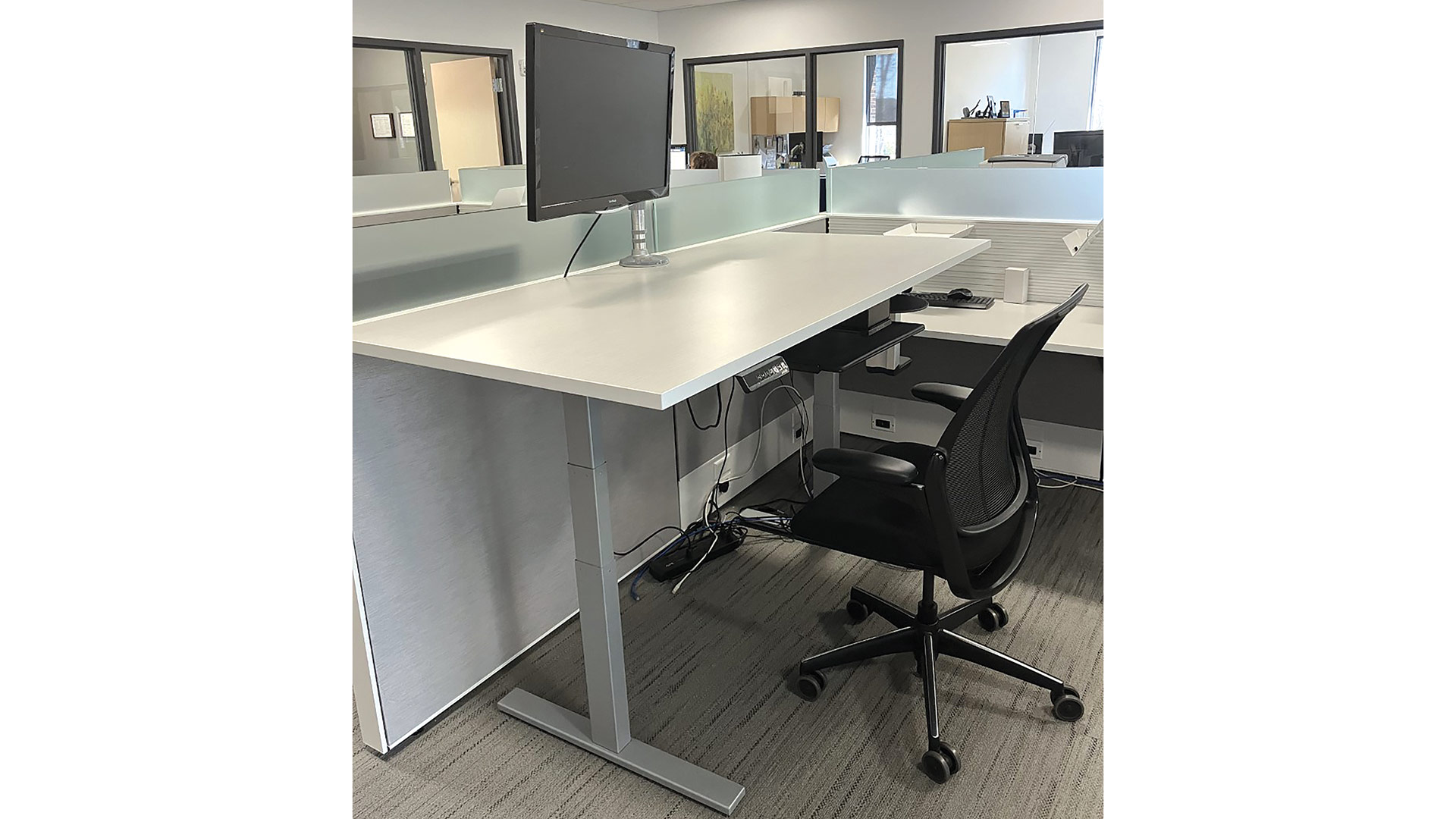
An Active Office

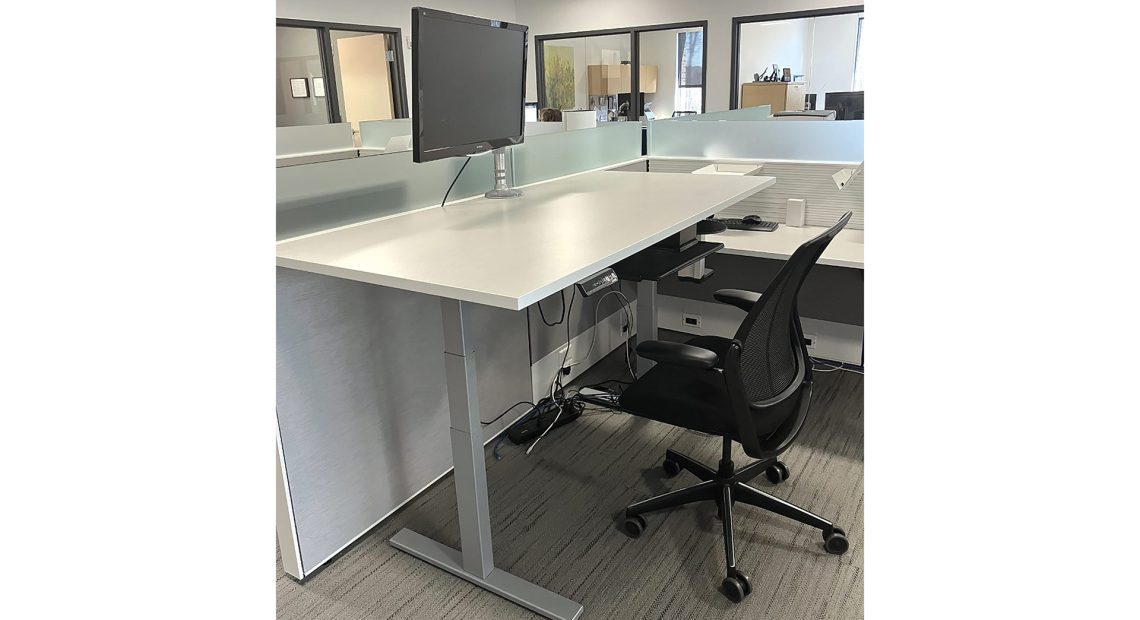
Standing desks are standard at many local companies.

Since COVID-19 swept across the globe, many industries have shifted to fully remote or hybrid working. During the pandemic, 70% of the workforce was working from home, and since then, 62% of companies have planned to incorporate remote work, be it fully remote or hybrid.

With more and more people working from the comfort of their own home, concerns have arisen that this model may be associated with more sedentary lifestyles and, in turn, increased risk of obesity. Most of our calories throughout the day are burned through non-exercise activity thermogenesis, which includes walking and other basic activities. When working from home, sometimes those activities can be even more limited.

Here are a few ideas from online fitness resource Total Shape to stay fit even while working from home.

Standing Desk ($150-$600)

Standing desks have gained popularity over the last few years and have been proven to provide many positive health benefits. Simply put, standing burns more calories than sitting, even if you simply stand still. Research has also shown that 66% of workers felt more productive, and 87% felt more energized, using standing desks. Standing activates the muscles in your legs and core while stimulating circulation, which can help you to burn extra calories (typically 60 to 90 per hour) and build your strength. Standing desks come in a range of styles and cater to many different budgets, meaning this is an accessible option for all.

Desk Treadmill ($200-$800)

Although it is a more expensive option, this is one of the most effective ways to stay fit while working at home. It essentially takes the standing desk a step further by adding the walking element. Studies have shown that walking between 1 and 2.5 mph can lead to an extra 170 to 240 calories burned per hour. Not only have people encountered the physical benefits of getting more exercise, but walking helps oxygenate the brain by stimulating blood circulation. In other words, we think better and more efficiently when we walk. With most people having busy schedules outside of work, it can be difficult to get the recommended amount of physical exercise, which makes this a great way to stay fit while working from home.

Under-desk Bike ($50-$200)

A very similar concept to the desk treadmill, an under-desk bike features a small set of pedals that can slide under your desk so that you can pedal while sitting. The small machines can be altered to have more resistance, which makes it harder or easier to pedal. This type of aerobic exercise is good for staying fit and can help strengthen your legs and joints. Studies estimate that pedaling while seated can burn up to 10 calories per minute, depending on the intensity, which means you could burn up to 600 calories per hour. However, the average gentle pedaling will most likely burn 100 to 300 calories per hour.

Resistance Bands ($15-$40)

Resistance bands are an affordable option to help train your body and get fitter, by helping you build muscle and burn calories (180 to 250 per hour) while seated at your desk. You can perform plenty of passive resistance-band workouts even when you’re doing something at your desk, and in between typing and during brainstorming sessions, your body can keep active alongside your mind. Exercises could include bicep curls, overhead tricep extensions, and shoulder raises. However, there are many variations and other exercises that can be done with resistance bands. A study published in 2022 showed that resistance-band training lowers body fat in people who are overweight better than other forms of training, including free weights and body-weight exercises.

Seven-minute Workout

Searching ‘seven-minute workout’ on an app store will reveal an app that will guide you through various workouts you can do in your own home, which take just seven minutes at a time. The best thing about the seven-minute workout app is that its programs are designed especially for people who are doing the workouts at home, and who have no special equipment. The brief nature of these workouts allows people with busy schedules to fit in exercise and can help break up your workday, which can increase productivity while burning 20 to 50 calories per session. While there are some in-app purchases available, you can use the app completely free, so there’s nothing stopping you from getting started.

Diet

Exercise and living an active lifestyle are obviously important in staying fit and healthy; however, diet is a key contributor to overall health and fitness. People with few distractions at home may find they are more aware of hunger than they would be at the workplace, which can lead to more snacking and possibly an unhealthier diet. By focusing on eating healthy foods and healthy snacks, people who work from home can ensure they are staying fit and keeping their bodies healthy. Studies show that both the overall composition of the human diet and specific dietary components have been shown to have an impact on brain function, which means diet isn’t only going to keep you fit, but it’s going to improve cognitive function, and thus the quality of work produced.

Why It’s Important

A spokesperson from Total Shape noted that “roughly two in three people in the U.S. are overweight, and with many aspects of life becoming more sedentary, it’s important that people try to find new ways to keep fit and healthy. Life has become busy and more expensive, meaning that it’s harder to find the time and money to attend gyms or activities that help us to remain fit. This guide provides a plethora of choices for people on various budgets and with specific preferences to ensure we are keeping ourselves healthy.”

Total Shape is a fitness resource site providing information about workouts, supplements, and fitness to help people reach your goals. Total Shape does not provide medical advice, diagnosis, or treatment.

Healthcare News

Set Up to Fail


“How to lose weight fast” has an average 284,000 monthly search volume in the U.S., demonstrating that Americans are desperate for a quick fix to help shed those unwanted pounds in time for summer.

How to lose weight is one of the most pressing health questions for many people. As many as 95% of dieters fail to reach their body target or quickly backslide and regain the weight they lost once their diet is finished. Because of this, a massive number of people are serial dieters who skip from one eating plan to the next, trying to find best way to lose weight and keep it off.

While there are thousands of diets to choose from, the overall rule is, if you want to lose weight, get toned, build muscle, or even just improve your energy levels, you’ll probably need to change what you eat.

“Provided that your diet of choice meets your caloric needs, it will have the desired effect,” an exercise and nutrition expert at online resource Fitness Volt said. “For example, consume fewer calories than you need, and you will burn fat and lose weight, but consume more than you need, and you will gain weight.

“However, most people fail to stick with their diet long enough for it to work sustainably. They’re strong out of the gate, but soon fall off the wagon and return to their previously sub-optimal eating plan,” the expert continued. “That’s why so many of us lose weight only to regain it shortly afterward, and it seems long-term, sustainable weight loss is rare nowadays.”

According to Fitness Volt, here are six reasons why most diets fail.


Foods Are Too Restrictive

Most diets ban certain food or food groups. For example, the paleo diet excludes all processed foods, while keto severely limits your carb intake. Other diets will cut out sugar or alcohol. The problem is, while cutting out certain foods can help contribute to your daily calorie deficit, this technique is also guaranteed to trigger cravings.

Essentially, any diet that bans a particular food or food group will invariably result in cravings, driving you to cheat on your diet. So allow yourself the smallest amount of this particular food or drink to allow your body to feel like it isn’t being deprived of something. In other words, everything in moderation.


Ingredients Cost Too Much

It is good to follow a diet of healthy, fresh ingredients, but with food being one of life’s unavoidable expenses, it will be harder for you to sustain this diet plan long-term if you aren’t always financially stable.

For example, some diets specify that you must eat expensive foods and that somehow these products are better for weight loss than those that are more reasonably priced. Organic vegetables and grass-fed beef from free-roaming cattle cost a lot more than the basics you get at Costco, but nutritionally are not all that different. They certainly won’t help you lose weight faster.

For a diet to be sustainable, you need to be comfortable with how much your food costs. For example, if your grocery bill doubles overnight, you’ve got a ready-made excuse for quitting your new eating plan.


It’s Too Complicated

To make diets unique, they are often unnecessarily complicated. This complexity can often cause people to make mistakes or just give up after a while.

Food-combing diets are a perfect example of this. Some may say things like “you can’t eat fat and carbs in the same meal,” which looks OK on paper, but makes meal prep far more complicated than it needs to be. Ultimately, for any diet to work, it needs to be simple enough to follow every day.


Perfection or Failure

Diets can often be very prescriptive and allow no variation. However, in everyday life, any diet can be difficult to stick to. Perhaps you have a friend’s birthday or an off day, and you decide to indulge in something sweet.

The reality is that your diet doesn’t have to be perfect; it just needs to pretty good most of the time, which is more than enough to reach weight-loss goals.


Ignoring the Long Term

Putting a timeframe on any diet sets you up for failure. Some of the most common ways diets are advertised are through their quick-fix timestamp, like “lose 30 pounds in 90 days” or “30-day get-ripped plan.”

Excess body fat accumulates over many years, and no one goes to bed lean and then wakes up fat. Likewise, achieving your body goal could take many months, or even years. To achieve a significant result in just a few weeks, any diet must be very restrictive, and, therefore, it may be unsustainable, as your body will soon put the weight back on that it dramatically lost. Before considering any diet, ask yourself, “can I follow it for the next six to 12 months?”


What’s the Science?

Some diets are based on very flawed science or may not be based on any science at all. One example of this is calorie-burning or negative-calorie foods, such as celery. No food burns more calories than it contains, and these claims are very misleading.

Effective diets work by manipulating your calorie balance. Consume fewer calories, and your body will make up the shortfall by using stored body fat for energy. No deficit means no fat burning. There are no shortcuts around this law of thermodynamics.


Bottom Line

As a rule, if a diet promises something that sounds too good to be true, it probably is, so don’t fall for it.

“Fortunately, healthy eating doesn’t have to be complicated or unpleasant, and weight management doesn’t have to take over your life,” Fitness Volt’s expert said. “You don’t even have to give up your favorite foods. However, you will need to quit looking for short-term fixes and adopt healthier, long-term habits.”


Fitness Volt is a comprehensive online resource dedicated to strength sports. Its mission is to empower readers with tried and tested knowledge and practices surrounding the latest fitness and nutritional information.

Healthcare News Special Coverage

Second Wind

By Mark Morris

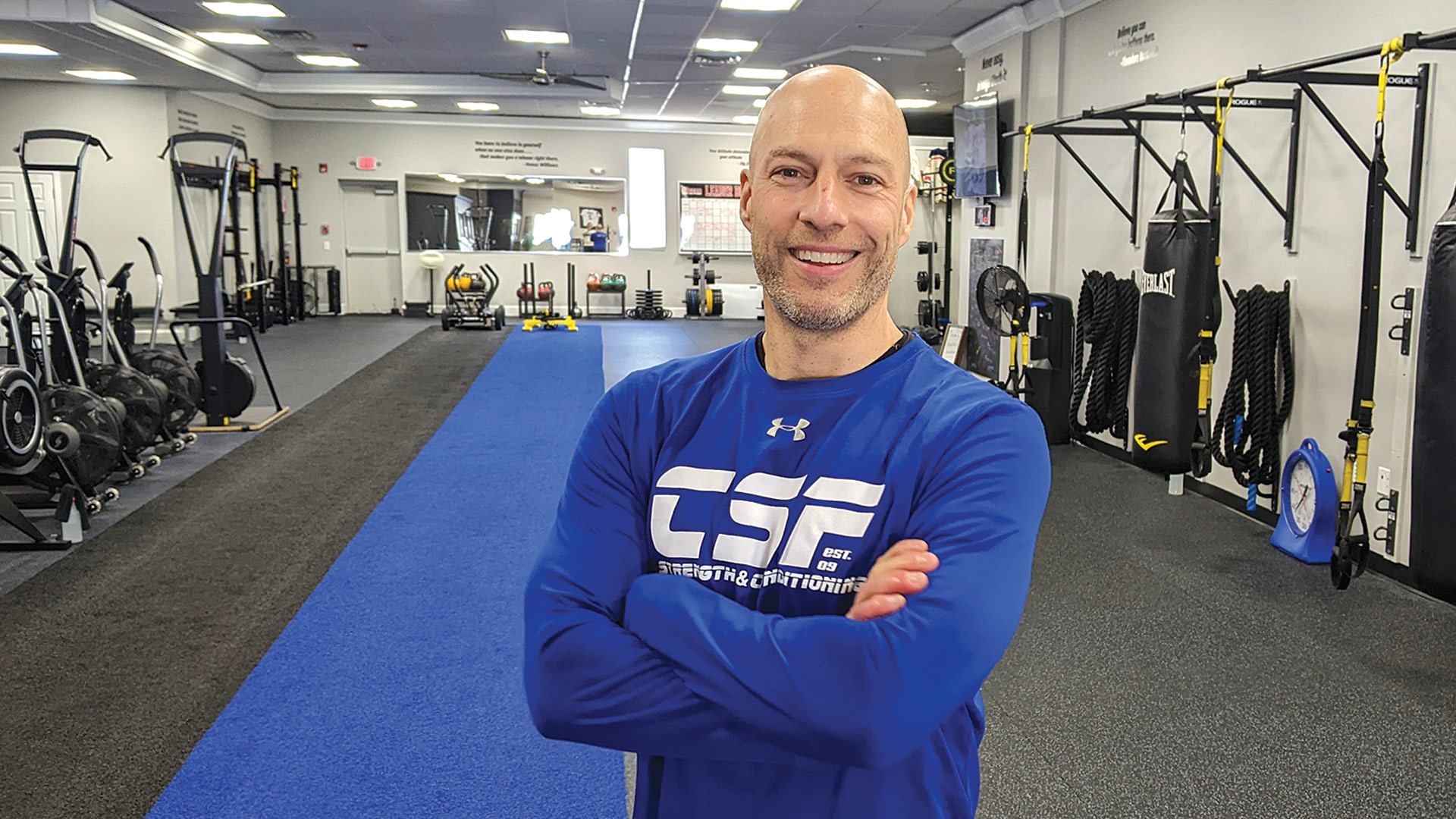
Steve Conca

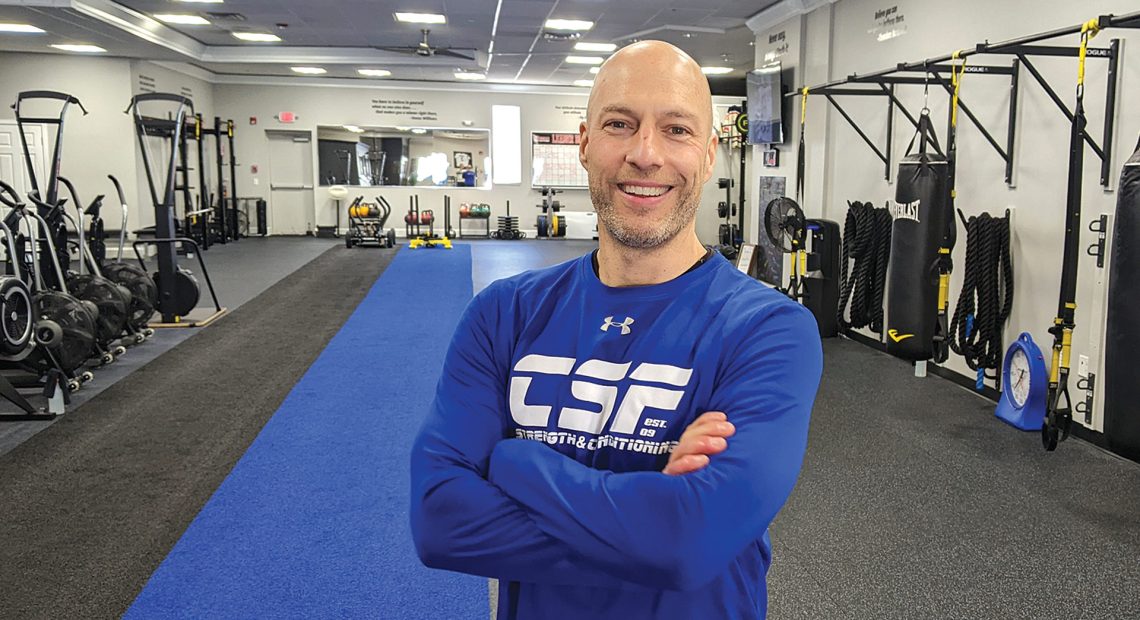
Steve Conca says he’s seen a post-pandemic uptick in people wanting to take charge of their health.

Editor’s Note:

These are exciting, challenging, and ever-changing times for healthcare and the businesses and individuals providing it. To better inform and educate its readers about the many issues, trends, and developments in the healthcare sector, BusinessWest will be introducing a new, monthly segment that will present content from its sister publication, Healthcare News (HCN) .

This new resource will be called “HCN Monthly Feature,” bringing news and information on the many health, wellness, and fitness issues and developments of today, from both regional and national sources. Each HCN Monthly Feature will have specific themes and points of emphasis — everything from health and fitness (this month) to behavioral health; from cancer care to a salute to the region’s nurses — and it will be made available online at both businesswest.com and healthcarenews.com, as well as via the daily e-newsletters BusinessWest Daily News and HCN News & Notes, making it readily available to subscribers and consumers in the Western Mass. region and beyond. 

For subscriptions, additional information, and to send us your news and story ideas, please visit BusinessWest  and HCN

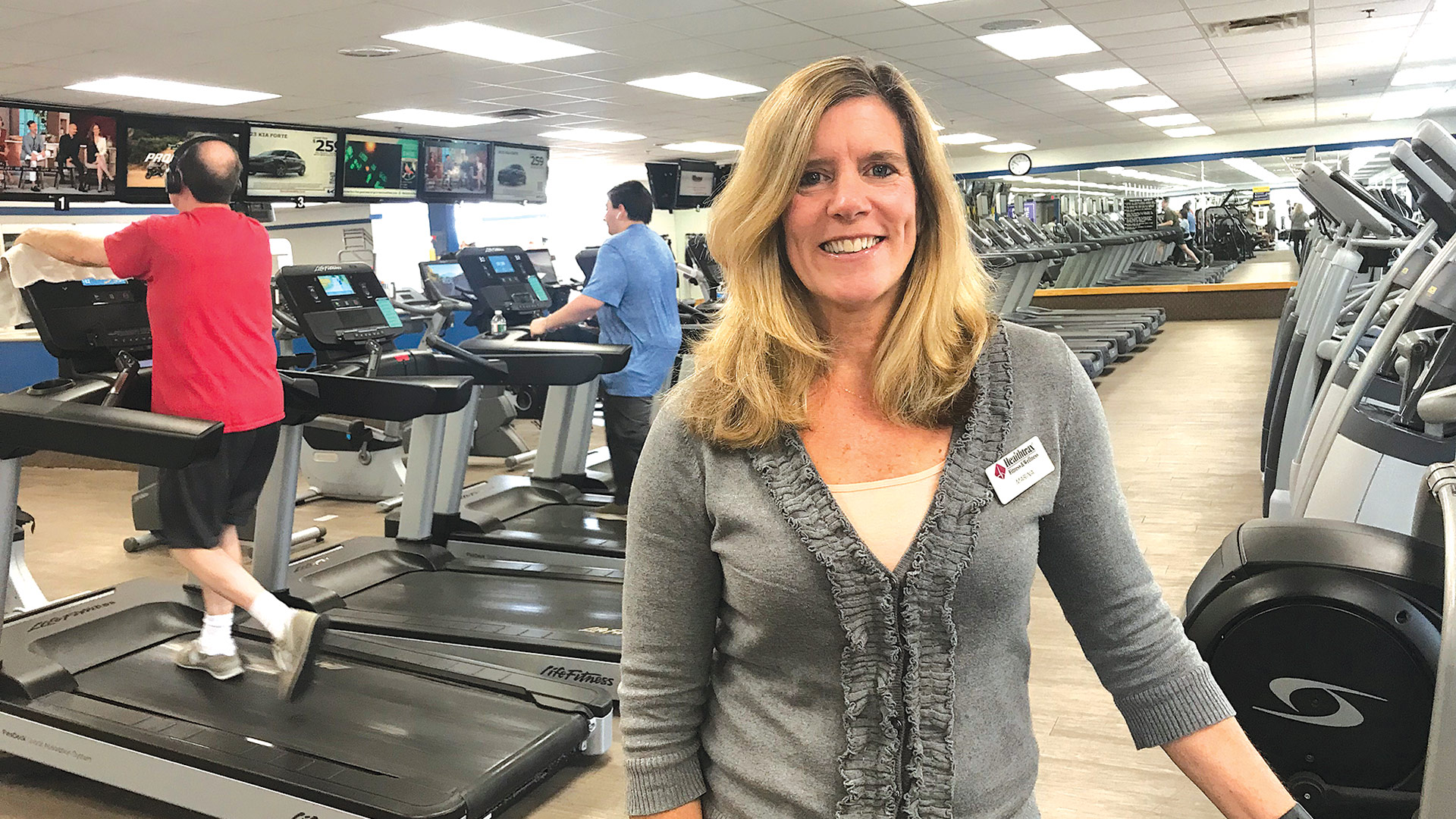
Marina Lebo remembers what Healthtrax in East Longmeadow looked like during the pandemic — and is glad it looks a lot different now.

“The plastic barriers are down, and the equipment is all back where it was,” said Lebo, vice president of Operations at the club. “We have more cleaning supplies available, but that’s the only difference.”

Fortunately, that return to normal is manifesting in other ways as well — including an increase in activity.

That’s only natural; at the start of the pandemic in March 2020, fitness centers were forced to shut down. Three months later, they were allowed to reopen at 40% occupancy only after installing clear plastic barriers at the front desk, mandating masks for everyone, spacing out exercise machines, and providing lots more sanitizing wipes to clean the equipment after each use.

With Healthtrax membership back to about 70% of pre-pandemic levels, Lebo’s goal is to keep increasing everyone’s comfort level to encourage going to the club as a normal activity again.

Steve Conca, owner of Conca Sport and Fitness in West Springfield, described the last few years as a whirlwind. He’s grateful his business has survived — and even thrived — since the early days of the pandemic.

“We don’t have a huge membership base, probably around 150, and it’s a very tight-knit community where people support each other inside and outside the gym,” he said.

When everything shut down in the spring of 2020, Conca began meeting with clients outdoors and over Zoom. “Everyone stuck with us, which was great. We didn’t lose too many people once we got back into the swing of things.”

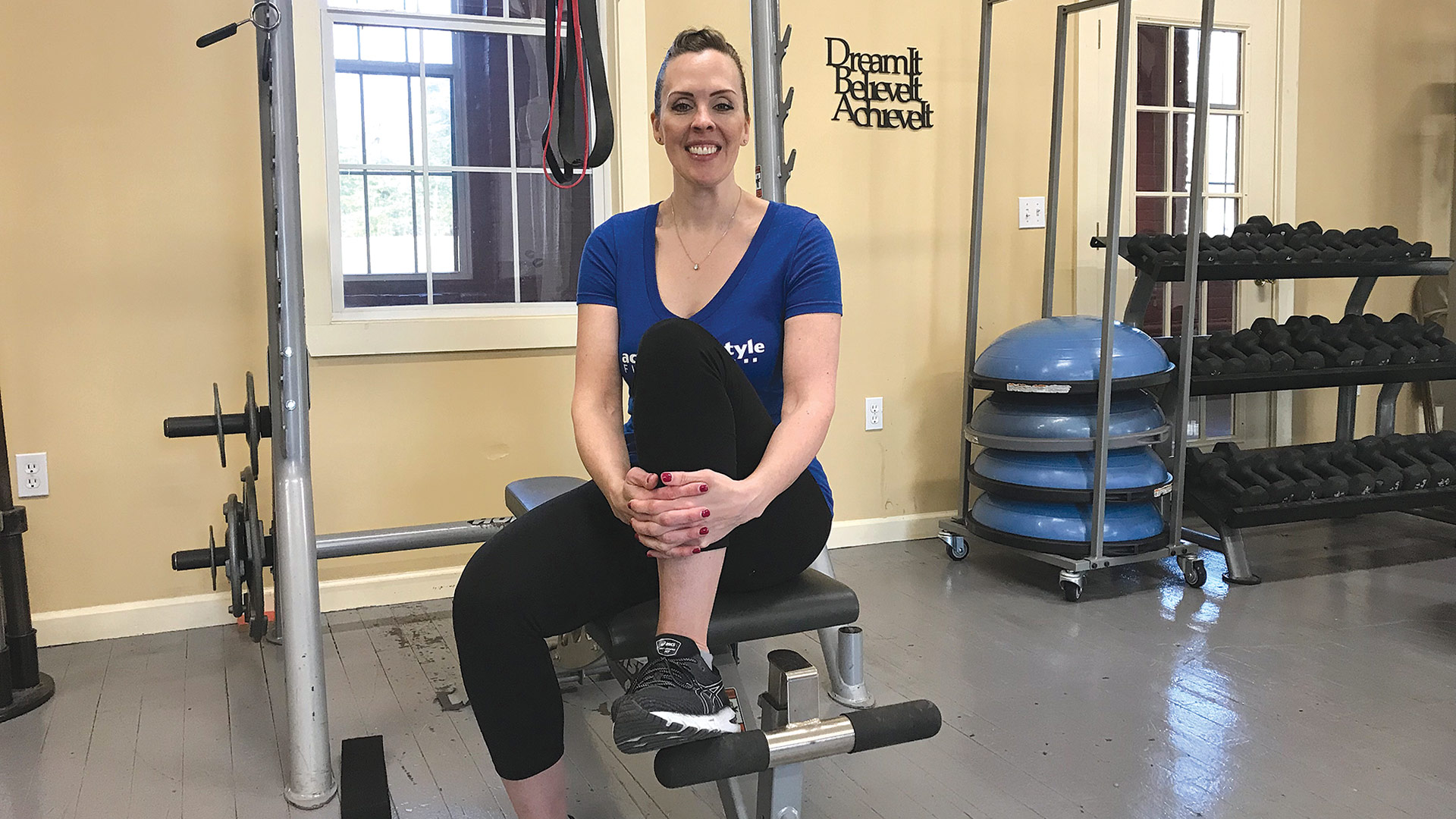
Outdoor gatherings and livestreams were options Ashley Brodeur also used to keep her business going during the height of the pandemic. The owner of Active Lifestyle Fitness in Agawam hosted a private group on Facebook Live to keep her members on a regular workout schedule. While she appreciated virtual classes as a short-term necessity, she said, nothing beats the in-person experience.

In fact, shortly after in-person sessions resumed, Brodeur noticed several members getting easily winded from doing the same workouts they were performing during the livestream sessions. “When I asked why, they admitted that they weren’t doing the entire workout at home.”

So everyone was glad to return, she went on. “There is an accountability in having to show up somewhere and having someone watch how you are exercising.”


Wake-up Call

Everyone who spoke with BusinessWest pointed out that the pandemic served as a wake-up call about the importance of good health. As their members return to fitness centers, all agree there’s a new emphasis on getting results.

Marina Lebo

Marina Lebo says the rise of flexible and hybrid work schedules has led to Healthtrax being busy at less traditional times.

“I think a lot of people’s minds shifted during the pandemic,” Brodeur said. “Instead of working out to quickly lose some weight, our typical member now seeks a higher quality of life and to avoid becoming an unhealthy person.”

Lebo noted that the most vulnerable people to getting COVID usually have issues with obesity or struggle with other health problems.

“There’s been a realization that, if you stay in shape, you will be better-prepared for all kinds of ailments, and you’ll be less likely to have symptoms over someone who isn’t as healthy.”

For the past year or so, Conca has seen a resurgence in his West Springfield facility due to people taking more initiative with their own health and wellness — especially older people or those who navigated the pandemic with heart disease, diabetes, weight issues, or other health factors, and now want to improve their outlook.

“They weren’t really paying attention to their fitness or health before,” he said. “These are folks who want to take a much closer look at their health.”

Most of Conca’s members are in their mid-40s through their 60s. “We have some folks in their 30s, but they’re not the majority,” he said. “It’s a nice mix of folks, and no one’s here for vanity reasons like getting ready for bikini season. They want to move better, feel better, take care of themselves. When they go on vacation, they want to be able to go on a hike without pain.”

The demand for more results-oriented workouts has meant growth in the personal training and small-group training programs at Healthtrax. Lebo said the small-group training appeals to people who like a dedicated workout at a scheduled time.

“If you’re a biker, golfer, tennis player, runner, obviously you can’t go as fast and hard and aggressive as you did in your 20s or 30s, but you can still go out and enjoy doing it, at maybe a little less intensity.”

“If you have a goal and you start to see results, you are more likely to stick with the training,” she said. “It’s far more effective than going to the gym for weeks, doing your own thing, and not seeing any noticeable results.”

To establish a starting point for fitness, Healthtrax uses a high-tech body-composition machine known as InBody 570. While the user stands on it barefoot and holds the handles, the machine provides a wealth of fitness information that helps a person understand what type of workout would benefit them most.

“For example, someone who is thin might learn they are not as fit as they thought, and the InBody might also reveal a heavy person has a good amount of muscle, so they can concentrate on exercises that burn fat,” Lebo said.

At Active Lifestyle Fitness, Brodeur offers what she calls a 6 Week Transformation Challenge, with an emphasis on strength, cardio health, and flexibility. She emphasized this is not a quick fix, but a results-oriented approach to a healthy and balanced body.

“We developed this program because people told me, ‘I need help. I don’t want to mess around with my health anymore’” she said. “It’s been successful because it centers around the basics of helping people properly move their body and build strength.”

Ashley Brodeur

Instead of just wanting to lose some weight, Ashley Brodeur says, today’s fitness crowd is looking to improve their quality of life.

An emphasis on long-term health comes with many rewards. Conca noted that, while everyone knows the definition of ‘lifespan,’ he talks with members about ‘healthspan’ — the number of years one spends without being hampered by chronic disease — and ‘playspan,’ the number of years one is able to continue to enjoy favorite activities.

“If you’re a biker, golfer, tennis player, runner, obviously you can’t go as fast and hard and aggressive as you did in your 20s or 30s, but you can still go out and enjoy doing it, at maybe a little less intensity.”

Understanding the value of that playspan, and of maintaining the ability to enjoy quality-of-life moments like getting on the floor to play with a grandchild and easily getting back up, puts a real-life emphasis on fitness goals, Conca said, which are more powerful than the numbers attached to weight-loss goals.

“When they come here, a lot of folks are not in a good place; they’re struggling, and there’s a lot of misinformation out there,” he explained, adding that many people have tried different approaches but lacked proper accountability along the way.

“We really personalize it. I’ve been really blessed to help people and have a team around me who feel the same way. It’s exciting because we’re really helping people.”


Opportunity Knocks

Lebo has seen a huge change involving when people choose to access her club. In the past, the hours before and after work were consistently busy, while the club was practically a ghost town in the early afternoon. That’s no longer the case.

“We are busy at all different times during the day,” she said. “With more people working from home or on floating work schedules, they might come in after 9 a.m. or after 2 p.m.”

All-day activity has been a positive development because, in addition to seeing activity all day, members no longer experience those congested times waiting to use the more popular exercise equipment.

“It’s also good for our training classes because we can schedule throughout the day instead of trying to jam everyone in after work,” Lebo said.

Whether it’s through personal training sessions, small groups, open gym time, or an introductory, six-week program called Mastering Your Best Self, Conca emphasizes that fitness should not be stressful. In fact, when done properly, it should reduce other stressors in life.

“Everyone’s dealing with something, whether it’s physical stress, financial stress, or family situations, taking care of someone. Everyone’s got a lot of stuff on their plate. So we try not to make fitness another burden for them,” he said.

“We want people to recognize, they have an opportunity to take better care of themselves, and it’s going to make all those things they are dealing with much more manageable. Fitness can be fun, let’s not make it a punishment.”