Before the Storm
By Lisa Eugin
As winter approaches, business owners need to prepare for colder temperatures, possible snow, and other seasonal challenges that can disrupt operations. Taking time to winterize your business can prevent costly repairs, ensure employee safety, and help maintain smooth operations during harsh weather. Here are some essential tips to help protect your business this winter.
Inspect and Maintain Your Heating System
A properly functioning heating system is critical for keeping employees comfortable and protecting your building from extreme cold. Schedule a professional inspection to ensure your heating system is operating efficiently. Replace filters regularly and address any issues immediately to prevent breakdowns during the coldest months.
Lisa Eugin
“Taking time to winterize your business can prevent costly repairs, ensure employee safety, and help maintain smooth operations during harsh weather.”

Check and Insulate Pipes
Frozen pipes can lead to severe damage and expensive repairs. Inspect pipes, especially those in unheated areas like basements or exterior walls, and wrap them with insulation to prevent freezing. Keep the heat on during extremely cold days, even in rarely used areas, to further reduce the risk of frozen pipes.
Clear and Salt Walkways
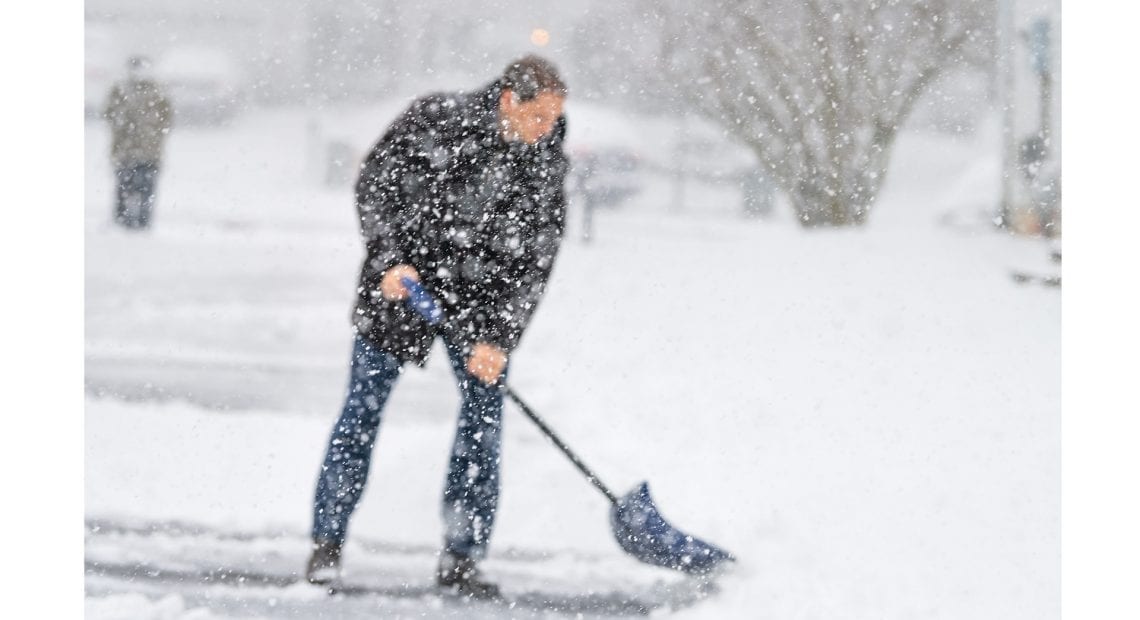
Icy walkways can be hazardous to both employees and customers. Make a plan to keep walkways, steps, and parking areas clear of snow and ice. Apply salt or ice melt regularly, and consider contracting a snow-removal service for larger areas. This proactive approach reduces the risk of slips, falls, and potential liability claims.
Inspect the Roof and Clear Gutters
Snow accumulation can be heavy and cause roof damage. Before winter fully sets in, inspect your roof for any weaknesses, clear gutters to prevent ice dams, and trim any overhanging branches that could fall under snow weight. Clearing snow regularly can prevent excess buildup, but be sure to use a safe method to avoid damaging your roof.
Seal Doors and Windows
Energy loss through poorly sealed doors and windows can lead to higher heating costs. Add weather stripping and caulk any gaps to keep the warmth inside and drafts outside. This not only saves on energy bills, but also maintains a comfortable environment for your employees and customers.
Have a Backup Power Plan
Winter storms often bring power outages. Ensure your business can continue to operate by investing in a backup generator. For businesses that rely on refrigeration or heating for sensitive products, a power outage plan is especially critical.
Test Emergency Alarms and Sprinklers
Fire risks increase in the winter due to higher heating demands. Make sure your fire alarms, smoke detectors, and sprinkler systems are in good working order. Test these systems regularly, and keep a clear path to fire exits for safety compliance.
Review Your Insurance Coverage
Reviewing your insurance policies is an essential step in preparing for winter. Make sure you have coverage for potential winter hazards, including property damage from snow, ice, or freezing. Having the right coverage can protect your business from unexpected losses.
Create a Communication Plan
In the event of extreme weather or closures, ensure employees and customers are well-informed. Use email, social media, or text alerts to communicate closures, delays, or other essential information. This helps manage expectations and ensures everyone’s safety.
Stock Up on Winter Supplies
Be prepared with essentials like ice melt, shovels, safety cones, and emergency supplies. Having these items on hand allows you to respond quickly to winter challenges without delays. If possible, designate a storage area to keep winter supplies organized and accessible.
Conclusion
Winterizing your business takes a little time and preparation, but can make a huge difference in protecting your property, keeping operations running smoothly, and ensuring safety.
Lisa Eugin is manager of Marketing and Administration at Encharter Insurance in Amherst.