
Drawing Conclusions

Ira Bryck says he’s somewhat fascinated by the subject of aging, and he’s found he’s not alone.
Ira Bryck doesn’t recall either of his parents actually saying it, but when he was young, he was definitely given the impression that naps were a waste of time.
“I grew up with two industrious parents — I was not allowed to nap growing up,” he recalled, adding that, while his sisters still refrain from the practice, he now enjoys it and looks forward to the next one.
Which makes him a lot like most … let’s call them people of a certain age. And commonality is one of the many themes he tries to touch on with a new endeavor called Aging Humans: A Complete Breakdown — a play on words if ever there was one.
This is not a business, and it’s not exactly a hobby. Let’s call it the latest endeavor for Bryck, best known as the long-time director of the former Family Business Center at UMass Amherst. During more than two decades in that role, he assisted countless small businesses owned and operated by generations of the same family with the many unique challenges that come with such a management structure — and he was recognized by BusinessWest as a Difference Maker in 2020 for such efforts.
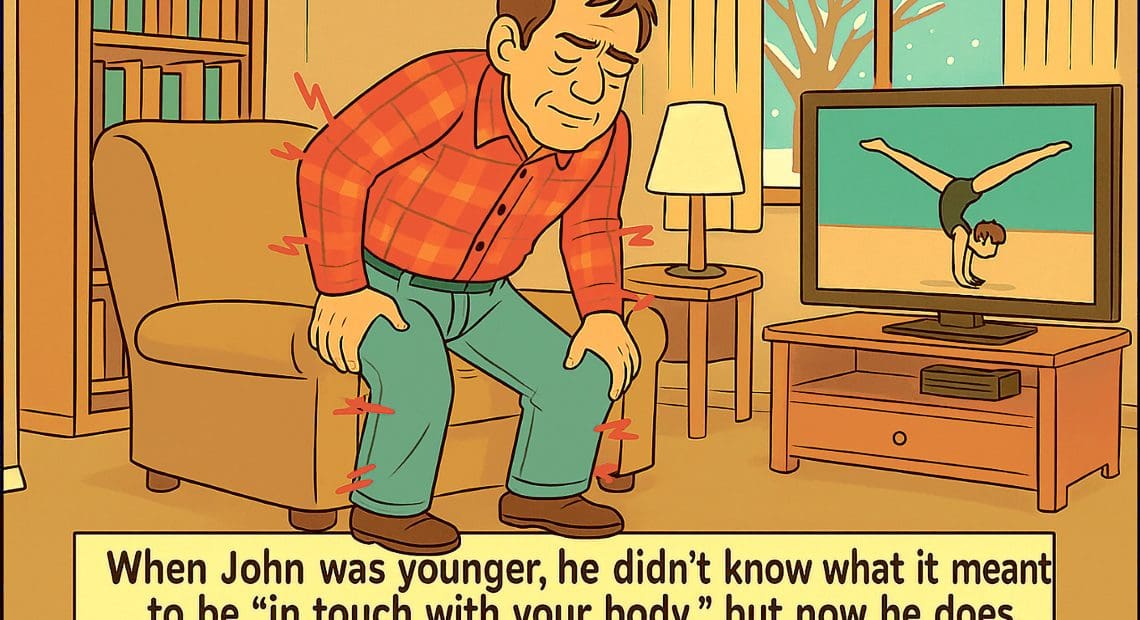
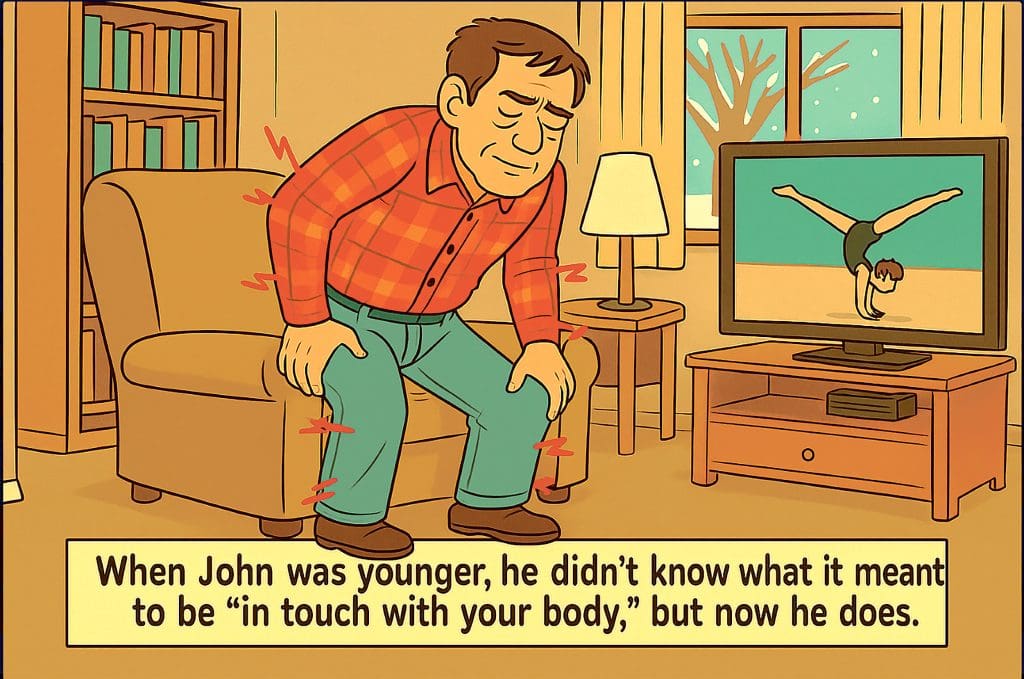
He’s still doing some business consulting and is creating some roundtables to assist fledgling businesses and fill a gap in the entrepreneurial ecosystem (a little more on this later), but much of his non-napping time is spent on Aging Humans: A Complete Breakdown, efforts that might best be described as creating an interactive dialogue through an e-book (irabryck.com/completebreakdown) on the subject of aging, complete with cartoons that he creates through AI “because I draw horribly.”
Indeed, Bryck calls his e-book Collective Wisdom from Real Elders, comprised of comments to questions such as ‘what surprises you most about being the age you are?’ ‘What have you learned from failure, misfortune, and unmet expectations?’ ‘How has your social life changed as you’ve aged?’ ‘How are you deciding and managing work and retirement?’ ‘Do you enjoy being alone? Do you get lonely?’ And even ‘how have your sleep habits changed over time, including napping?’
“I get some good feedback; some people think every one is genius, and others say, ‘I don’t get most of your cartoons.’ Most of my cartoons require some thought, and a lot of times they’re not ‘ha ha’ funny, but they are reflective.”
The responses, often humorous and from people feeling older at many different ages, certainly make for interesting reading. Here’s a sample:
• “When I look in the mirror, I see an old lady, but I still have the wonder and mentality of an 8-year-old.”
• “I thought I was 37 years old for 37 years.”
• “I don’t bounce anymore.”
• “When I wake up now, the only thing that’s stiff is my joints.”
• “When I put on my underwear now, I notice that I stand close to my bed in case I fall over while balancing on one leg.”
• “Closed captioning is my friend.”
• “My hearing aids amplify only what I don’t to hear.”
• “I do not put up with narcissists anymore. What a relief.”
• “Solitude is good; loneliness is not.”
When asked what inspired this project, Bryck, 72, said he’s intrigued by the many aspects of aging, but also research and writing on the subject, such as Erik Erikson’s theory that there are eight stages of psychosocial development, from infancy to adulthood.
“He was the first person to map human psychology through old age,” Bryck said. “And he basically said that, if you were successful in life, you would eventually come to the eighth stage at old age, where it’s ‘are you in a stage of integrity or despair?’ I just always imagined that, as a depressed person of the ’60s, I would end up as a despairing old man, and I was determined to not let that happen. And I’m interested in how people are aging.”

As for the cartoons, Bryck said he’s always enjoyed cartooning, even if he can’t draw, and the images spark more dialogue — about aging, and sometimes about whether they’re funny or not.
“I get some good feedback; some people think every one is genius, and others say, ‘I don’t get most of your cartoons,’” said Bryck, who added that’s he’s developed the requisite thick skin for such commentary. “Most of my cartoons require some thought, and a lot of times they’re not ‘ha ha’ funny, but they are reflective.”
Age-old Problems
Like many people of his age, and any other age, for that matter, Bryck has mixed feelings about AI, right down to how much energy is consumed to create it. But when it comes to his cartoons, he can rationalize.
“I felt like I was someone who suddenly had a prosthetic device that allows them to do something they couldn’t do before,” he explained, adding that, by giving AI some specific prompts, he can use it to create images that aging humans can relate to and talk about, such as the one featuring four unhappy looking, balding, graying men with seemingly nothing to say, under the caption, “when your breakfast club votes to curb discussion about health issues.”
“Your challenges are a lot less challenging if you realize how normal they are. Other people live with them, and other people survive them.”
This is one of Bryck’s favorites — he’s now created dozens of cartoons, many inspired by actual experiences or those of others he knows — and it puts a face (or, in this, four faces) on the issues and attitudes of aging humans.
This is what he had in mind when he launched the e-book, which continues to attract new readers and intriguing responses to the questions posed.
And it’s part of the evolving next chapter in Bryck’s career, which started with him working at his family’s clothing business and evolved into his role running the Family Business Center and even writing plays about the many issues facing ventures run by several generations of the same family.

Bryck still does some business consulting, coaching, and facilitating, and all three of these skill sets will be used for roundtables he’s creating for small but established businesses. Called Onward + Upward, the initiative will create what he calls “an advisory board of trusted peers” that will enable participants to work on their businesses together.
As that project comes together, Bryck will continue to generate dialogue about aging, an popular activity as the Baby Boom generation, of which he is a part, reaches its 70s, and with its older members touching 80.
He said the collective comments speak to the many issues and challenges people are facing and are ultimately offered, like many of his efforts over the years, to help people confront them together.
“The 21 questions are really good prompts, and I think a lot of people like to talk about aging,” he noted. “I just had breakfast with someone for two hours, and we talked about what is our stage of life, what are we doing with ourselves, and are we feeling productive?”
And with that, we turn to more thought-provoking comments to the questions posed in the e-book:
• “I didn’t laugh much until I was in my 60s. Now, I laugh all the time.”
• “I have become more direct and clear about boundaries and comfort. I have shifted from being more conscious of pleasing others at times to pleasing myself, within reason.”
• “I don’t imagine ever stopping work; there are so many projects around that I can play with. Maybe I’ll stop remunerative work at some point, but playing with projects … I don’t see that ending while my heart is still beating.”
• “Don’t wait too long to retire — no one knows what the future holds.”
• “Make the absolute most of whatever time you have left. Keep growing and trying new things. Count yourself lucky you got this far.”
There were originally 20 questions, Bryck said, but a friend in Amherst added one of his own: “do you feel responsible and/or guilty that you are leaving such a troubled world to the next generation, or is it their problem now?”
That query has drawn its own share of responses, such as: “I didn’t start the fire, but I probably could have a ton more to extinguish it,’’ and “not in the least bit. I am not convinced the world is all that troubled and different from previous generations. Does anyone remember the ’70s? The ’60s? WWII, etc., etc.?”
Beyond the Numbers
Such insight and running commentary is what Bryck was hoping to generate when he started the e-book, the latest endeavor from a business leader who has no intention to retire and intends to continue growing and trying new things.
“I think it’s all revealing, and it’s normalizing,” he said of the sum of what he’s collected so far. “And that was something I bring from the Family Business Center — the idea that your challenges are a lot less challenging if you realize how normal they are. Other people live with them, and other people survive them.”
And most of them, including Bryck, enjoy a good nap.