Keeping School in Session
When Michael Dodge, provost at American International College (AIC), surveys a higher-education landscape that has seen two Massachusetts institutions, Hampshire College and Anna Maria College, announce their imminent closures in the coming weeks and months, he hears warning bells — and a call to action.
“We are seeing more disruption in the market, including institutional closures, which create both uncertainty for students and instability in regional enrollment patterns,” Dodge said. “When a college closes, it is not just about numbers. It is about students needing continuity, clarity, and trust in where they land next. Institutions that cannot respond quickly and transparently in those moments will struggle.”
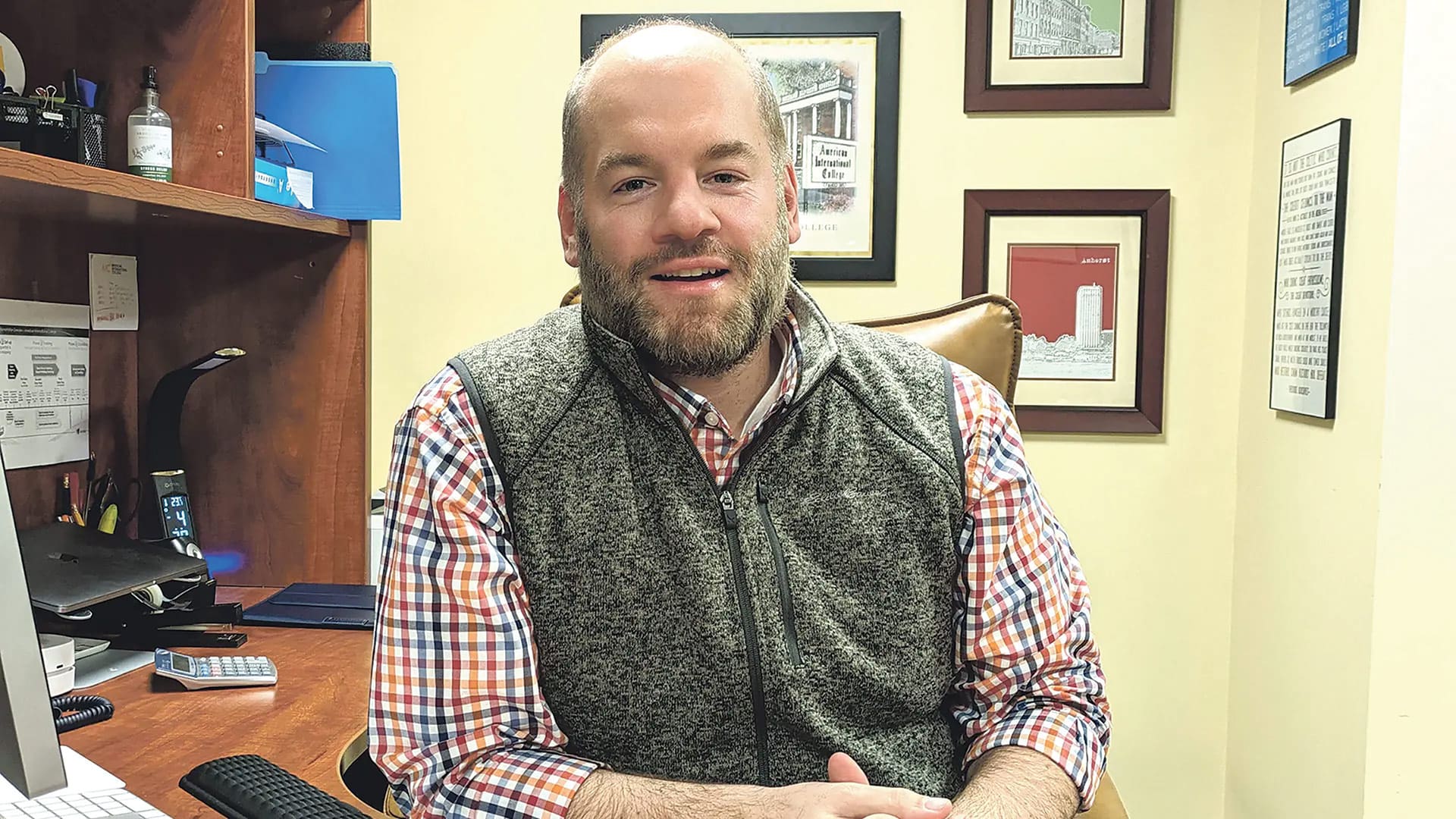
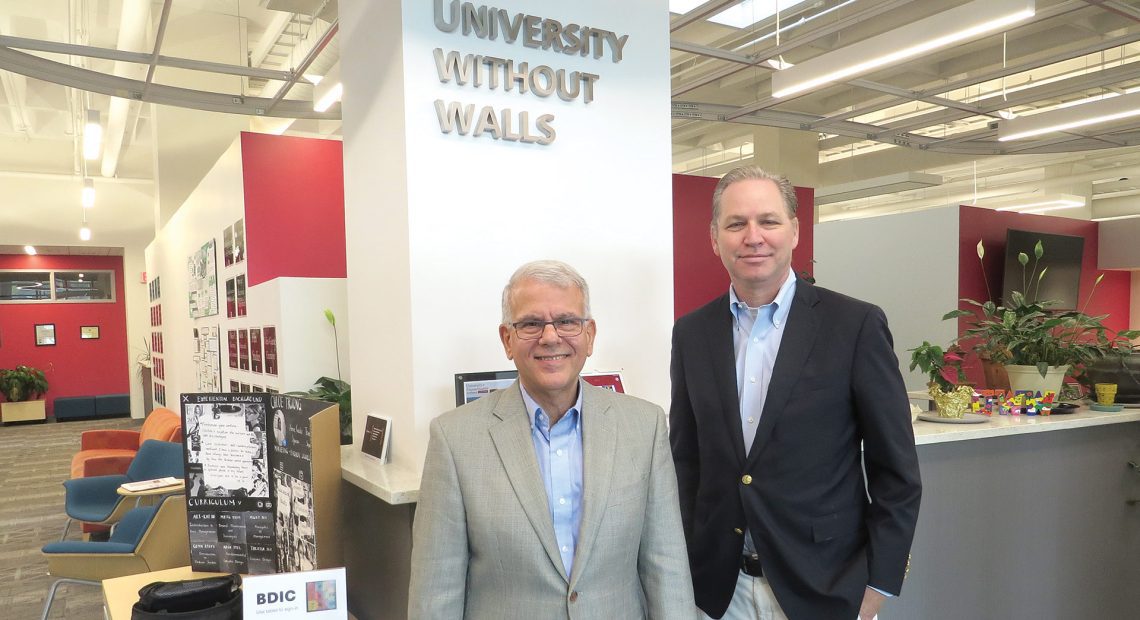
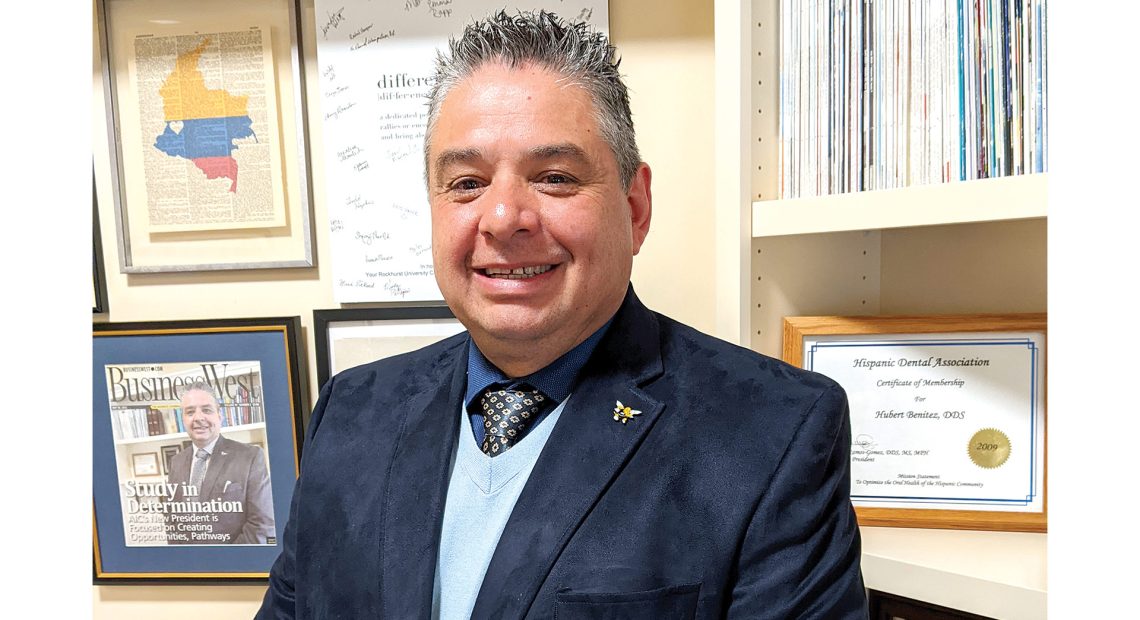
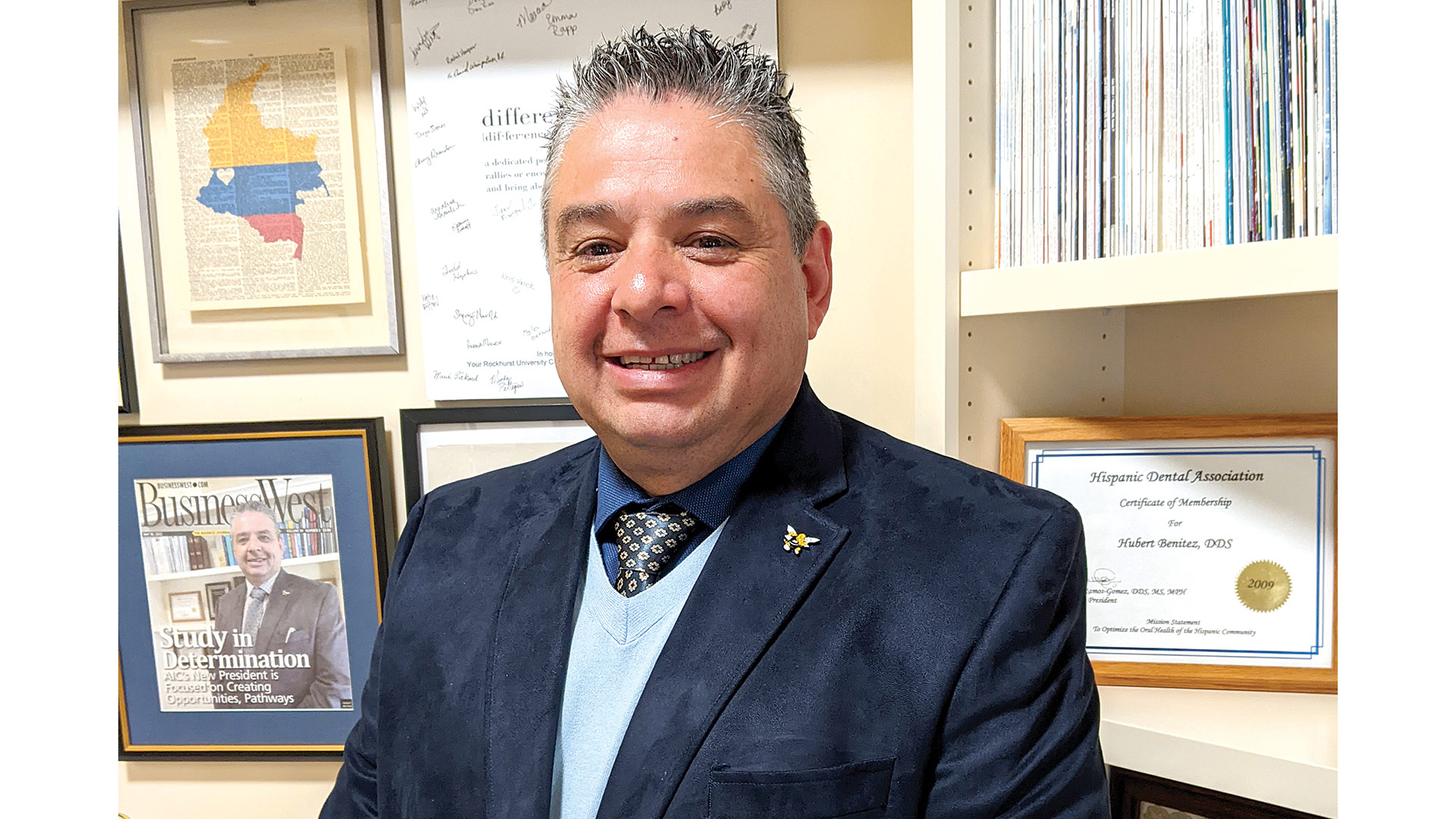
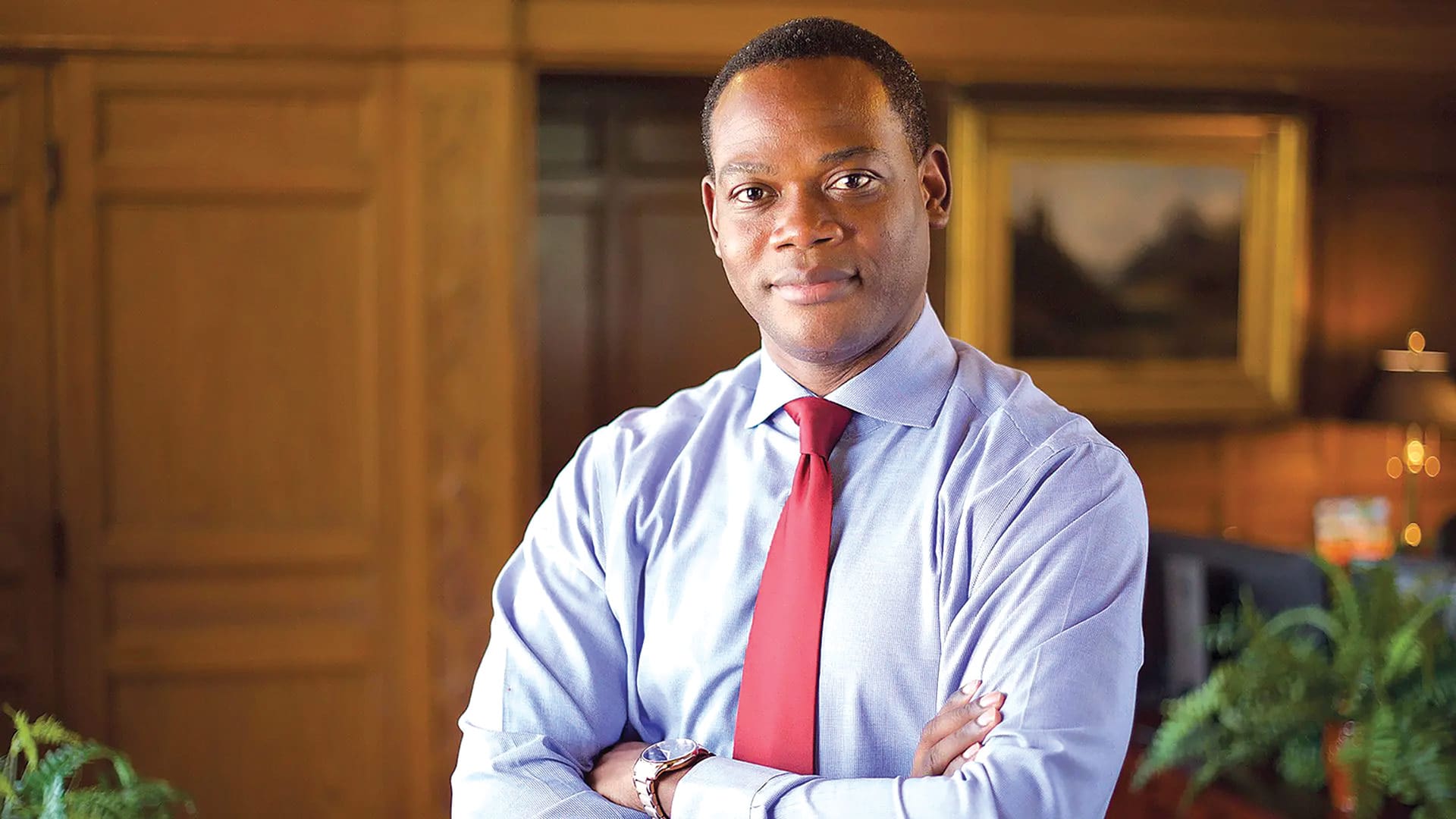
Michael Dodge says colleges that want to survive and thrive must focus on matching their offerings to workforce needs.
When Hampshire College announced it will shut its doors at the end of 2026, it wasn’t the biggest surprise; the unconventional Amherst institution had been struggling with low enrollment and other challenges for some time.
“We worked aggressively to increase enrollment, refinance existing debt, and realize new revenue via the sale of a portion of our land. We have long known that addressing these issues is essential to establishing a stable financial foundation, supporting long-term operations, and meeting regulatory requirements,” President Jennifer Chrisler and the board of trustees noted in a letter to the Hampshire community. “We are faced with the clear, heartbreaking reality that progress on each of these three key factors has fallen far short of what we had hoped.”
Still, it was a jolt to a college community that has long prided itself as a successful model of an alternative, largely self-guided education that has produced numerous high-profile graduates over the decades, from Ken Burns to Liev Schreiber to Elliott Smith.
“Higher education is entering a period where demographic pressures are real, but they are only part of the story. The more immediate challenge is a shift in how students and families evaluate value. Cost sensitivity, clarity of outcomes, and speed to degree are all under greater scrutiny than they were even a few years ago.”
The Anna Maria announcement may have been more of a jolt, as it is shutting down the Paxton campus this month, following the end of the spring semester, rather than at the end of the year.
“For months, the board of trustees, our leadership team, and the Sisters of Saint Anne walked a distressing road together, examining every option and hoping at each turn that something might change,” President Sean Ryan and the board of trustees wrote, also in a community letter. “The decision reflects years of financial pressure that we were ultimately unable to overcome, and the honest recognition that continuing would not be responsible to the students, faculty, and staff who depend on us. We tried to find a way. We are grateful to everyone who tried alongside us. And we are deeply, genuinely sorry we found no viable path forward.”
The closures are sounding alarm bells because a looming ‘demographic cliff’ already has colleges and universities nationwide concerned. According to a recent study from the Federal Reserve Bank of Philadelphia, about 60 of the nation’s roughly 4,000 colleges are closing, on average, each year — a number that could double in any given year if the bottom falls out of enrollment, according to a recent analysis in the Atlantic by Jeffrey Selingo.
“If the harm were only to the institutions forced to close because they’re running out of customers, that would be unfortunate, but not tragic. But the causality runs in the other direction too, as students who otherwise would have gone to college find themselves with no viable option in the place where they live,” Selingo wrote.
He explained that American higher education has long consisted of two markets: one where high-achieving, typically affluent students compete for seats at national universities, and one where mostly middle- and lower-income students study closer to home. “Members of the first group will be fine even as college closures accelerate. The second group will suffer. After many decades of democratization, higher education could once again become a luxury good.”
However, Dodge noted that the demographic trends are just one element among numerous looming issues for colleges.
“Higher education is entering a period where demographic pressures are real, but they are only part of the story. The more immediate challenge is a shift in how students and families evaluate value. Cost sensitivity, clarity of outcomes, and speed to degree are all under greater scrutiny than they were even a few years ago,” he explained.
“At the same time, traditional pipelines are evolving. High school populations are changing, adult learners are expecting more flexibility, and employers are placing greater emphasis on skills and credentials that align directly with workforce needs,” he went on. “Institutions that remain overly dependent on a single student population or a static program portfolio will face increasing pressure.”
Return on Investment
Molly Miner, vice president of Enrollment Management and Marketing at Elms College, told BusinessWest that most private colleges, especially in New England, have experienced enrollment challenges, as the demographic cliff has already created increased competition among the shrinking pool of traditional first-time students. Meanwhile, the majority of Elms students come from the New England region, which is among the hardest-hit regions due to these shifting demographics, and its leaders have adjusted their recruitment strategy to broaden our applicant pool.
“The declining international student enrollment at schools nationwide, coupled with the changing domestic demographics, has created challenges for all colleges, particularly small colleges,” Miner noted. “There is a trickle-down effect when the most selective institutions, which have traditionally had large international enrollment, shift their strategy and expand their reach more broadly into the domestic pool, increasing competition for other institutions.
“Another challenge is the broader national conversation around the cost of higher education and student loan debt, which influences how students and their families think about college,” she added. “More than 30% of high school graduates do not enroll in college immediately after graduation, which further compounds the enrollment challenges.”
The cost factor should actually benefit community colleges, especially in Massachusetts, where residents can attend for free, thanks to a two-year-old program called MassEducate, which has resulted in enrollment increases at those institutions across the state.
“We have strong partnerships with employers, both nationally and regionally, to ensure their current and future employees have the education and training needed to succeed in a rapidly changing professional landscape, while also informing program development.”
But four-year, private colleges have to attract a shrinking pool of potential enrollees in different ways. James Birge, who is retiring as president of Massachusetts College of Liberal Arts in North Adams, acknowledged the current pressures, but is optimistic.
“The demographic enrollment cliff is here. It’s already hitting small, private colleges hard. Sadly, more will close in the next five years as the recruiting market contracts and institutions struggle to attract students,” he told BusinessWest.
“But public institutions like MCLA are in a genuinely strong spot. We’re affordable. And we’ve spent the last few years making deliberate moves to become a college of choice,” he went on, noting, as examples, that MCLA has added nursing, radiologic technology, and music industry and production because that’s what students are looking for, as well as adding athletic programs in lacrosse and ice hockey.
“We’ve built up endowed scholarship funding so more students can afford to come here,” Birge went on. “We’ve strengthened academic and personal support so students don’t just enroll — they stay and finish. We’ve put smarter investment strategies in place to keep operations funded. And we’ve maintained our accreditation, meeting every standard, including the financial ones.”
Miner points to Elms Promise, an initiative at the Chicopee college that aims to reduce cost as a barrier for students who demonstrate strong academic performance and financial need. She also points to the institution’s strong relationships with community colleges in Massachusetts and beyond, enrolling their graduates into its undergraduate programs through transfer and continuing education pathways.
“At Elms, we are able to leverage our small size to remain nimble and responsive in the face of these challenges,” she said, noting that its undergraduate curriculum combines a strong liberal arts foundation with real-world learning opportunities.
“Experiential learning is a core component of the student experience. Nearly 100% of Elms undergraduate students participate in experiential learning, including internships, clinical placements, research, service learning, and creative scholarship. Students engage in real-world learning from day one,” she added, noting that these efforts begin in the first semester with something called the Innovation Challenge, which encourages students to work together to find solutions to real-world problems.
“These initiatives lead to strong outcomes,” Miner said. “Ninety-seven percent of students who completed our most recent graduation survey reported that they are employed or enrolled in a graduate program after leaving Elms.”
Even at the graduate and continuing education levels, she noted, academic programs are tailored to meet the needs of the evolving workforce.
“We have strong partnerships with employers, both nationally and regionally, to ensure their current and future employees have the education and training needed to succeed in a rapidly changing professional landscape, while also informing program development,” Miner said, citing as examples recently added programs like graduate degrees in social work and applied behavior analysis, as well as an online bachelor of social work degree. “These programs are intentionally designed to align with workforce demand and address critical shortages of care providers throughout Massachusetts and New England.”
At Springfield-based AIC, Dodge agreed that colleges that want to survive and thrive must focus on matching their offerings to workforce needs.
“Maintaining an edge comes down to alignment. We are continuing to align our academic programs with workforce demand, particularly in high-need areas such as health sciences, public service, and emerging fields like data analytics. We are also expanding flexible delivery models, including online and accelerated formats, to meet students where they are.
“Equally important is strengthening our pipeline,” he added. “Partnerships with schools, transfer pathways, and employer-aligned programs are helping us reach students earlier and support them more effectively throughout their journey. Finally, we are focused on clarity. Students want to understand where a program leads and how quickly they can get there.”
Focus on the Future
Both the Hampshire College and Anna Maria College announcement letters noted that, for students unable to complete their degrees, transfer agreements with partner institutions are being created; indeed, AIC, Elms, and MCLA all announced such partnerships and outlined ways to smoothly transfer displaced students to their own communities.
“We planned and prepared for this by adding programs students want and employers need, building endowed scholarship funding, strengthening support, and making smart financial moves to keep us on solid ground.”
“At AIC, the focus is on being both responsive and intentional,” Dodge said. “In the immediate term, that has meant acting quickly to support students … by creating clear, student-centered pathways that allow them to continue their education with minimal disruption. The priority has been reducing uncertainty and providing stability during a challenging moment.”
Added Miner, “at Elms College, we have the resources and support systems in place to provide a seamless transition so students can stay focused on achieving their academic and professional goals within a caring and supportive environment.”
In the meantime, Birge said MCLA will take the appropriate lessons from the closings and continue to focus on ways to move forward as the demographic landscape continues to evolve.
“We planned and prepared for this by adding programs students want and employers need, building endowed scholarship funding, strengthening support, and making smart financial moves to keep us on solid ground,” he added. “Challenges ahead? Of course. But I like where we stand.”





 At the recent ceremony that officially installed him as chancellor of UMass Amherst, Javier Reyes noted that attitudes about higher education are changing, while rapid advancements in technology, with artificial intelligence at the center, are forcing colleges and universities to find new ways to meet their obligations.