Community Spotlight
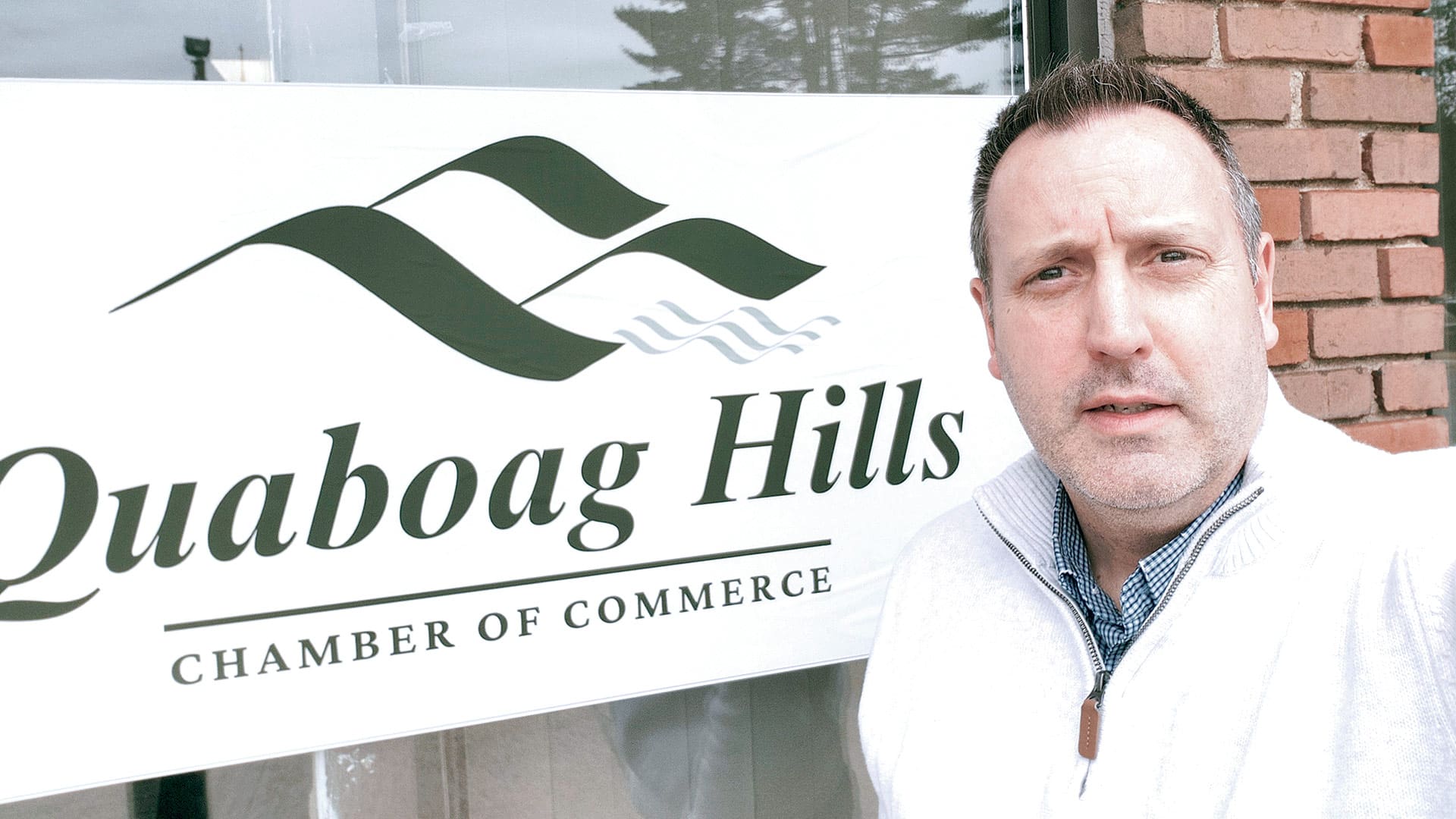
James Przypek says the chamber is excited that the east-west rail project in Palmer is gaining momentum.
It’s called the TWIST program, an acronym that stands for Technical Work Instruction and Skills Training, and leaders at Sanderson MacLeod Inc. are excited to see it continue to grow.
The program blends hands-on engineering, mentorship, and real-world experience, giving local high school students the opportunity to learn directly from experienced industry professionals in an authentic manufacturing environment while developing practical skills needed for careers in advanced manufacturing.
Essentially, TWIST helps both Sanderson MacLeod — a 68-year-old manufacturer of twisted wire brushes — and young people, by helping preserve valuable manufacturing expertise while developing the next generation of local talent.
During the 2025-26 academic year, TWIST supported a co-op partnership at Sanderson MacLeod’s 137,000-square-foot manufacturing facility. Three students from Pathfinder Regional Vocational Technical High School worked through the summer, fall, winter, and spring sessions alongside Sanderson MacLeod’s team, gaining hands-on experience across multiple areas of the operation. They worked with engineering, maintenance, operations, quality assurance, logistics, and operations system integration teams, contributing to manufacturing engineering projects, equipment refurbishment, and process improvement initiatives throughout the plant.
The idea, company CEO Mark Borsari said, is to “harness their natural interest and take that next step and give them insight they wouldn’t normally get just from high school. So it includes financial training and leadership training; they meet with local CEOs and learn from self-made people what it takes to be a CEO. We take them through job interview skills and technical work with our engineers so they can see that this work can be fun.”
“I used to joke, ‘Palmer: you drive through us.’ But now, we want it to be ‘Palmer: you come here for a reason.’ Because there are things to do in town.”
The TWIST program is about developing the next generation of manufacturing talent in Palmer, he noted; as long-time process experts retire, programs like this create a path for that knowledge to be passed on to the next generation, while giving students the opportunity to bring their own fresh ideas to American manufacturing.
“It doesn’t have to be monotonous if you’re doing work that you love doing,” Borsari said.
“When you’re 17 or 18, you may have tremendous talent, but you don’t think of the value in it. A kid may be having fun putting together a 3D printer in his garage — well, you know, there are companies that would like to bring on that kind of ability. So we’re connecting the pieces a little bit.
“We have a unique opportunity to be producing here in Palmer,” he added. “This gives us a way to empower other people, and if they later come work for us, great. If not, you’re giving three or four kids a really unique perspective they can use to be successful somewhere else. If we’re making three to four impacts a year, over a period of years, that’s a pretty good reinvestment back into the community.”
Speaking of Pathfinder, surging enrollment has the school planning to open a second campus in Belchertown, while it has also launched a number of adult education and enrichment programs. Meanwhile, other Palmer-based organizations are doing their part for workforce developnent; River East School to Career helps high-school students connect with local businesses through internships and other programs, and Top Floor Learning helps adults earn their GED.
Mark Borsari
“So many jobs have gone overseas, but here we are in Massachusetts, selling brushes, a proud American manufacturer. So we’ve done something right.”

They’re all examples of how connections are being made locally to bolster a Palmer economy that already boasts a variety of strong sectors, from manufacturing to hospitality to healthcare — Baystate Wing Hospital alone employs more than 700 people. Meanwhile, a planned rail station project, as a future stop along the state’s planned east-west route, promises even more benefits.
Plenty to Build On
There are other signs of progress and vibrancy in town, from projects to convert two former schoolhouses (in Thorndike and Three Rivers) into residential apartments to the new Liberty Plaza strip mall on Route 32 near the turnpike exit, which now boasts Starbucks, Chipotle, Jersey Mike’s, and further investment opportunities.
Those are all promising developments that add to an already-robust business landscape in town, said James Przypek, CEO of the Quaboag Hills Chamber of Commerce, which comprises 15 communities and 200 member businesses, 40% of them located in Palmer.
“When you think of Palmer, you think of Wing, our largest employer, which is not just a hospital — they have a rehab, a big ob/gyn department, about 40 physicians, 165 registered nurses … they’re certainly one of the backbones of the community.”
But he also thinks of manufacturing, from Sanderson MacLeod to Palmer Foundry, Palmer Paving (now owned by Peckham Industries of New York) to Adaptive Solutions, which makes medical devices.
On the retail and hospitality side, Figlio, an Italian restaurant on Main Street, is opening another location; 527 Candle Co. has opened downtown; and Seven Railroads Brewing Co. is thriving on Route 20.
“Palmer’s a neat little town. There’s a steampunk museum in town, there’s a pinball league in town … we’re all trying to do things to make it more of a place that people want to come to, rather than just like, ‘Palmer, what’s that?’” said Rachel Rosenbloom, co-owner of Seven Railroads. “I used to joke, ‘Palmer: you drive through us.’ But now, we want it to be ‘Palmer: you come here for a reason.’ Because there are things to do in town.”
As for the future train station, the state is moving forward with its chosen site, an open field at 1099 South Main St., south of Palmer Yard, land owned by Sanderson MacLeod adjacent to its plant. It will be several years before the facility is up and trains are stopping there, but residents and businesses alike are intrigued with the possibilities, even though not everyone is happy with the location; many wanted it closer to downtown.
A rail stop can benefit existing businesses in the broad hospitality sector and foster new ventures as well, and advocates say rail service will make Palmer’s location, already attractive because of its turnpike exit and close proximity to the state’s second- and third-largest cities, even more appealing to the development community.
“We’re very excited about the rail project,” Przypek said. “The chamber is in favor of having a railroad site, and we almost don’t care where it is, but where they proposed it makes sense, from our standpoint.”
As for that pike exit, where a casino was proposed some years ago, that site is still open and available, Przypek said.
“Last year, we worked with town officials in Palmer to identify a number of commercial buildings where land is available for sale or lease,” he noted. “Every quarter, we update that and post it to our website to give folks who want to invest in Palmer a glimpse at the properties that might be available. We’ve done that with other towns as well, but Palmer certainly is the most active. I guess the message is that Palmer is open for business.”
Manufacturing Progress
Sanderson MacLeod, which currenly employs about 115 people, recently entered into a partnership with GutterBrush of Rhode Island, and is bringing all its work into Palmer, Borsari said. “We’ve found ways to become business partners with certain people and make both companies more successful for the community.
“It’s an opportunity to keep growing and bringing people in instead of cutting back,” he went on, adding that automation at the plant is also helping the company become more modern and offer more advanced, higher-wage positions as well. And those connections it’s making with local students is just another way to grow the future in Palmer.
“If we or other manufacturing companies want to survive with a new generation coming up, we have to find ways to make it a cool place to work. It can’t be that drippy, oily concept that people have in their heads when they think of manufacturing. What can we do to give people purpose in what we’re making together?
“It’s really critical,” he added. “So many jobs have gone overseas, but here we are in Massachusetts, selling brushes, a proud American manufacturer. So we’ve done something right.”