Home Posts tagged Where Are They Now?
Special Coverage Where Are They Now?

Where Are They Now?


Samalid Hogan

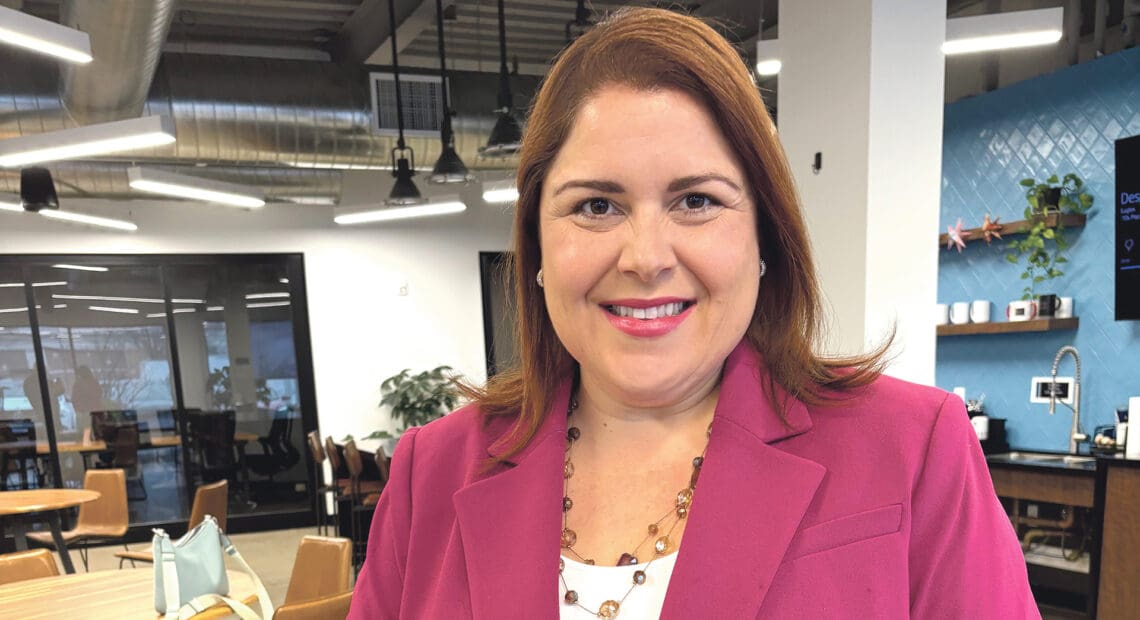
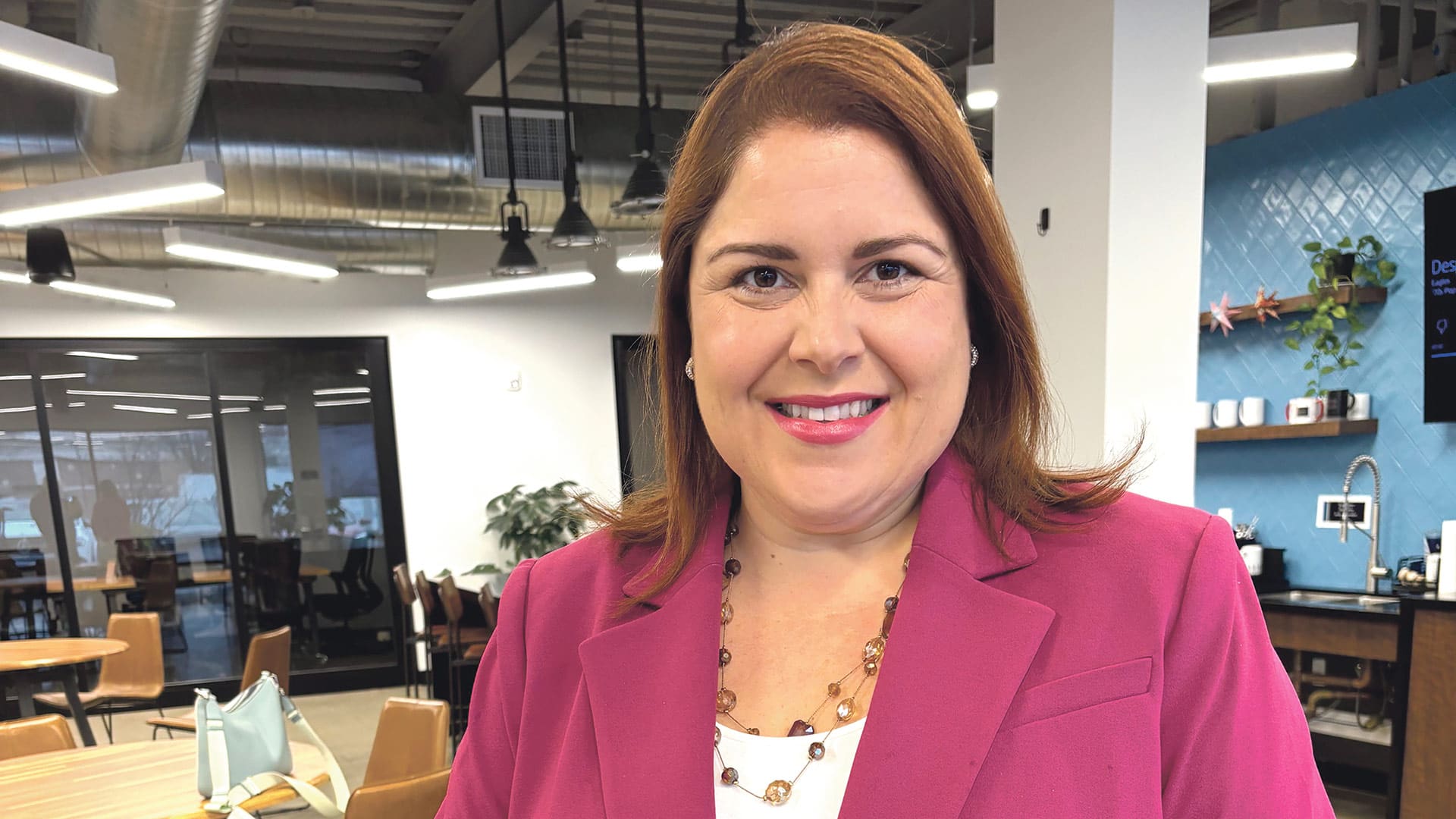
Samalid Hogan as a 40 Under Forty honoree in 2013 (below), and today.

Samalid Hogan in 2013

Samalid Hogan in 2013


Samalid Hogan likes to say she practices what she preaches.

By that, she means she applies what she tells her small business consulting clients — as well as those she assists as director of Business Support Services for the Boston Impact Initiative — to her own entrepreneurial ventures, including her latest one, Greylock Management Consulting, for which she has some ambitious expansion plans we’ll get to in a bit.

“I tell people the most important things are to know what your business is really good at, and keep an eye on the market, the industry, so that you know where things are going in the future, so you can be prepared to pivot and change your business model,” she said, adding that she does just that with Greylock, a growing venture that provides a wide portfolio of services that will soon get wider.

Hogan also likes to say she speaks the language of small business owners — because she’s been there (and is there), so she can relate to what they’re going through. She can speak from experience about what has gone right and, just as importantly, the mistakes she’s made and seen others make.

Hogan’s résumé is complete with a number of stops involving work with small businesses, many other aspects of economic development, and work on both a community- and region-wide basis. And while assisting entrepreneurs at many of these stops, she has always been entrepreneurial herself.

Indeed, her first professional stop was chief of staff for state Rep. Cheryl Coakley-Rivera in 2003. Later, she served as an economic development and policy analyst for the Pioneer Valley Planning Commission.

She was working as senior project manager and brownfields coordinator for the city of Springfield when she was selected as a member of BusinessWest’s 40 Under Forty class of 2013, and she was serving as regional director of the Massachusetts Small Business Development Center when she won the coveted Alumni Achievement Award — given each year to a 40 Under Forty alum who has most notably built on their success — in 2017.

Along the way, there have been entrepreneurial ventures of her own, such as CoWork Springfield and different consulting ventures, culminating with Greylock, which she launched in 2021.

There have been several other awards along the way as well, everything from the Women Trailblazers and Trendsetters Award from the Latino Chamber of Commerce to the Harold Grinspoon Foundation’s Entrepreneurial Spirit Award; from the Gateway Cities Innovation Award to her latest honor, the ALX 100 Award for Latino Leaders in Massachusetts.

“I don’t like telling people what to do. I want to help them discover their path, but also learn from others’ mistakes, so they don’t make those same mistakes, which can be costly.”

The various words in those award titles — ‘leader,’ ‘innovation,’ ‘trailblazer,’ and others — speak to how Hogan has dedicated her career to not only inspiring entrepreneurship and assisting small businesses, but also being involved in the community on many different levels.

And while the honors are nice, she says a greater reward has been her involvement, at various levels, with some intriguing entrepreneurial success stories — in this region and beyond. These include Las Kangris Restaurant & Bar in Springfield, for which she helped secure a $50,000 BizMPower grant from MassDevelopment; GJC Signs & Digital Signs; and Rozki Rides, a transportation service in Springfield.

For this latest installment of its Where Are They Now? series, BusinessWest checks in with Hogan, who is always getting down to business — and helping others do the same.


Reaching Higher

As for Greylock Consulting, that name was chosen as a nod to the state’s highest mountain and how she can help her clients achieve similar altitude, if you will, with their ventures.

“We want to take small business to new heights,” she said, adding that, as a consultant, and in her work with the Boston Impact Initiative, she acts as a guide of sorts, but one that lets the business owner choose the path. She acts to help keep that path clear of crippling setbacks.

“I don’t like telling people what to do. I want to help them discover their path, but also learn from others’ mistakes, so they don’t make those same mistakes, which can be costly,” she told BusinessWest. “It’s a great advantage, and I think I speak with a lot of credibility with the entrepreneurs. They’ll say, ‘she knows, she understands, she knows this is a 24/7 thing.’ As a business owner, you’re never off the clock. You might go on vacation, but you’re still thinking about it.

“I understand the frustration and the hard work it takes to run a successful business and the ups and downs that come along the way,” she went on. “Whether you’re dealing with people or cash flow issues, or your industry is changing, such as with AI, there’s always juggling.”

Helping business owners keep the many balls they’re juggling in the air has become a career for Hogan. In her current capacity with the Boston Impact Initiative, she provides strategic advisory and technical assistance to early-stage and growth-stage businesses, helping entrepreneurs strengthen business models, financial stability, and community impact.

In that role, she’s been involved in several key initiatives, including the securing of $532,000 in state Small Business Technical Assistance funding to launch and operate Accelerate Your Impact, the agency’s pre-investment business coaching program, as well as co-designing the GreenEdge Accelerator, a statewide program supporting 23 women and minority-owned businesses in the clean energy and climate sectors.

At Greylock Consulting, she is part of a small team that provides an array of services, including business development, operations development, financial models and business plans, applications for funding, technical assistance, marketing, and more.

That team, and that list of services, are both set to grow, Hogan said, adding that she is responding to recognized need in the marketplace with expansion plans.

“We’re going to be offering business support services in addition to the coaching that we do; this will include bookkeeping, human resources, payroll, marketing, and website development, as well as AI tools,” she said, noting that these additions will be launched in April.

“I understand the frustration and the hard work it takes to run a successful business and the ups and downs that come along the way.”

She’s been contemplating this expansion effort for some time now, noting that it was inspired in part by a study on barriers confronting minority contractors in Western Mass. as they bid for contracts. It revealed that, while these contractors were good at their various trades, they needed help with various aspects of running their businesses, such as back office help.

So Greylock is responding to this need in an aggressive but measured way, another example of practicing what she preaches to her small business consulting clients.

“I said, ‘we need something here in Western Mass. that can provide all those services under one umbrella,” she said, sounding like a true small business owner when she added, “I’m excited about all this, and I think it’s going to be great, but I’m also a little nervous. It’s a lot of moving pieces, and I’m bringing on three additional people.”


Stepping Out

As she moves forward with plans to expand her business, Hogan is also getting more involved in the community, another aspect of being in business that has always been very important to her.

Indeed, she is currently a trustee at Springfield Technical Community College, a board member at Tech Foundry and the Springfield Regional Chamber of Commerce, a member of the Governor’s Latino Advisory Committee, and vice president of the Rotary Club of Springfield.

“Slowly, I’ve been able to support more community more,” she said, citing, as just one example, becoming a sponsor of the Service Above Self luncheon put on by the Rotary Club and the Basketball Hall of Fame. “To me, it’s very rewarding to be able to make those investments in our community.”

All this sounds fitting for someone who has not only a 40 Under Forty plaque on her desk, but an Alumni Achievement award as well — and continues to build on all of it.
Where Are They Now?

Where Are They Now?


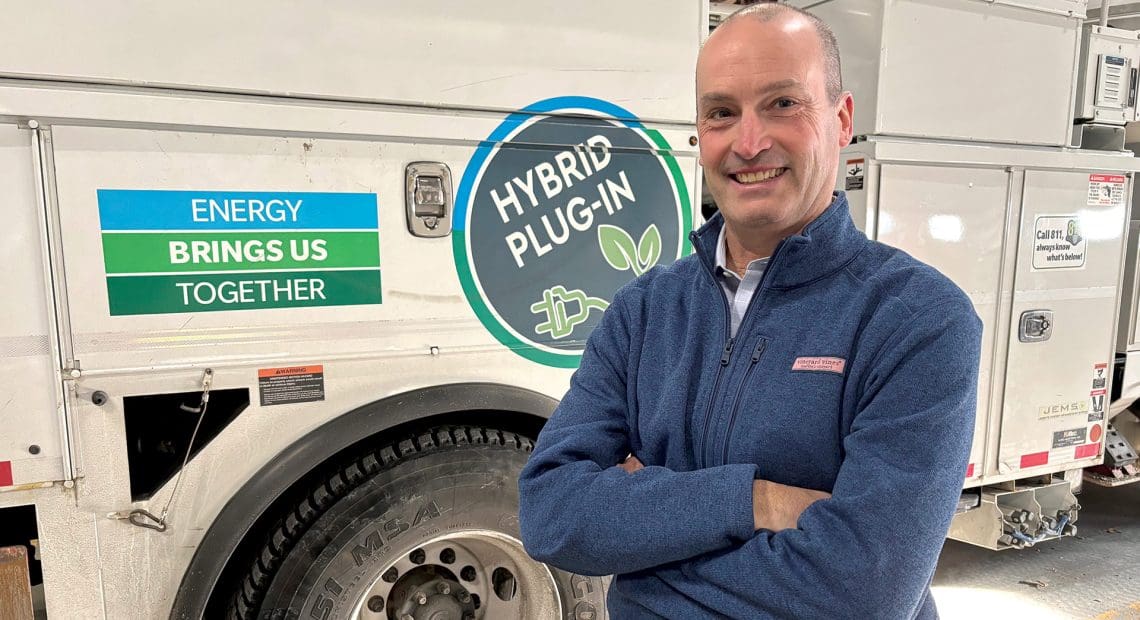
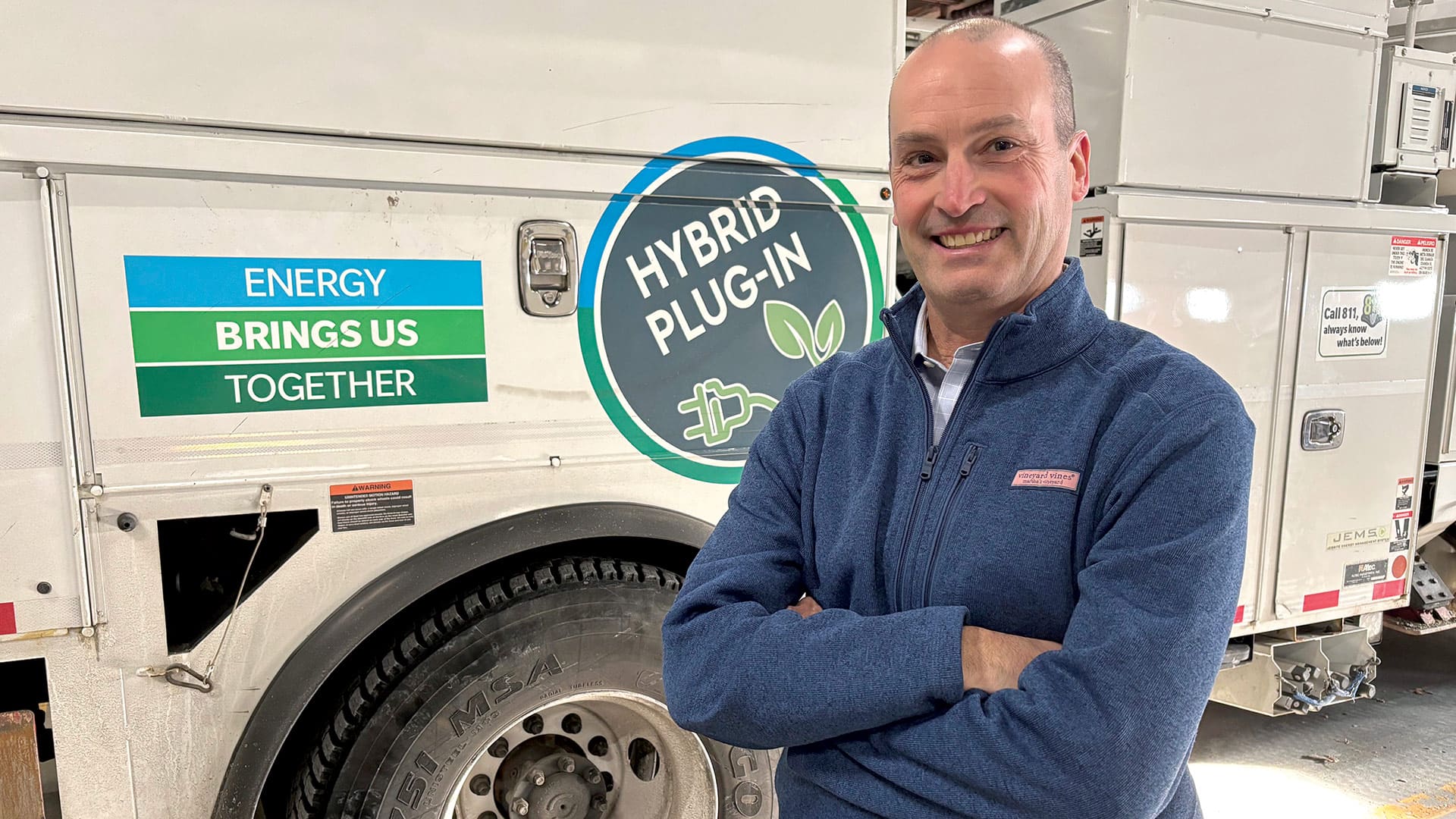
Mike Vedovelli seen today at Eversource

Mike Vedovelli seen today at Eversource

Mike Vedovelli as a member of the 40 Under Forty class of 2011

Mike Vedovelli as a member of the 40 Under Forty class of 2011

Mike Vedovelli says it’s as if he had written the job description for himself.

Indeed, Eversource had posted for a Community Relations specialist, and the job description it sent out indicated it was looking for someone who knew the region — as in the four counties of Western Mass. — and also “knew the economic development side of things,” said Vedovelli, who had all this covered through previous career stops.

These included nearly a decade in Westfield’s Community Development office, several more running the Western Mass. office of the Massachusetts Office of Business Development (MOBD), and then a few years as director of Community Development in Chicopee.

He thought that experience qualified him to join the giant utility in the community relations role, and those doing the hiring agreed, thus beginning an intriguing chapter in the career of this 2011 40 Under Forty honoree. And he’s written a few more since joining Eversource, rising in the ranks, first as manager of Community Relations for Massachusetts (overseeing the team of specialists, each serving their own region), and currently as director of Community Relations and Economic Development in Massachusetts.

Based at the utility’s facility on Cadwell Drive in Springfield, but frequently on the road to communities in every corner of the state, Vedovelli now oversees a team of 14, “which rises to 140 during storm events,” he said, adding that one of his many responsibilities is to work with those on his teams to coordinate response to severe weather in the more than 70 communities served by the utility.

“Each city and town has a designated liaison,” he explained, adding that, from an incident-command structure in Boston, he oversees these liaisons as they work with their respective communities on preparation for, and response to, severe weather.


Community Focus

We’ll get back to the weather and how Vedovelli and Eversource prepares for it. But first, a look back.

Vedovelli, who grew up in Indian Orchard and stayed in the region, first started working in government and economic development when he became an accountant and Grants Compliance coordinator in the Westfield Community Development office, overseeing HUD initiatives and especially the Community Development Block Grant program.

He worked in Westfield for more than 10 years before becoming a regional director for the Massachusetts Office of Business Development, with the region essentially being everything west of Worcester — 101 cities and towns, a number that has stuck with him.

While getting to know those cities and towns in the 413 and their business communities, he helped several companies, including Titeflex and Smith & Wesson (which would eventually relocate its headquarters and significant operations to Tennessee starting in 2021), stay in the region, expand, and create more jobs.

“I made a point of getting to know all four counties as well as I could — knowing not just the businesses, but the fabric of the communities — and making connections.”

“I was representing the governor and the administration, and you had to be aware of what was occurring on many different levels, not just in business development opportunities,” he said of his work at MOBD and now it would provide him with invaluable experience for career stops to come. “I made a point of getting to know all four counties as well as I could — knowing not just the businesses, but the fabric of the communities — and making connections.”

It was rewarding work that came to an abrupt end with the change of gubernatorial administrations in January 2015. A few months later, one of those connections he’d made paid off when he got a call from then-Chicopee Mayor Michael Kos to see if he would be interested in becoming the city’s next director of Community Development.

Vedovelli was, and spent the next few years on projects ranging from redevelopment of the former Uniroyal plant to the opening of a Mercedes-Benz dealership on Burnett Road.

But then, he read the job description that seemed written for him.

Over the past nine years, he has added several new responsibilities, but maintains that the work still comes down to making connections and building relationships, something he’s been doing his whole career, while “handling all things Eversource, on the gas, electric, and transmission sides.

“Every day is different — that’s the 24/7 nature of the business,” he said of his work and what he likes most about it, adding that his job description is varied and includes everything from educating public officials, communities, and other key partners on Eversource’s projects to conducting outreach for the siting of major projects and strategic initiatives.


Power Play

In recent years, a growing focus has been on meeting the state’s decarbonization goals and the many investments needed to make that happen.

“We’re working very closely with our load forecasting team to analyze areas as we move toward decarbonization, and the loads that will put forth on the system,” he explained. “New infrastructure will be needed, and placing infrastructure is always a challenge, while also upgrading the existing system to make it as safe and reliable as we can.

“People are relying on power more and more — not just for their home and business, but for electric vehicles and everything else that requires power,” he went on. “It’s a needed resource.”

Then there’s the weather, which has always been a very big part of this job, he said, adding that the utility contracts with several weather services and partners with the University of Connecticut, which creates the UConn Outage Prediction Model, which is fed with high-resolution weather data to forecast a storm’s impact on the electric grid.

The model takes into account everything from snowfall amounts to wind speeds to the amount of foliage in trees (a huge factor in the devastating impact from the pre-Halloween storm in 2011) to project the level of power outages, he went on.

“With the information that we get from the weather service and the information we get from the prediction models, the incident commander can make decisions on enacting an emergency response plan,” Vedovelli explained. “Everyone in the company has a storm role.”

And while the community liaisons have many responsibilities, he said, the biggest is communicating with officials in that city or town so that they can make informed decisions.

“If they know when a road is going to be open, if they know when power is going to be restored, they can make decisions for their community,” he told BusinessWest, adding that this is especially true during weather events that stretch over several days.

Preparation is always the key, he said, adding that Eversource is prepping for hurricane season from June to early November, and there are regular training programs to help ensure that those at the utility are prepared for whatever might happen and have the necessary resources in place. Such was the case with three tornadoes that touched down on Cape Cod in July 2019, an unexpected weather event, he noted.

“If you think about the Cape and how many people are there in July … now mix in a tornado,” he said. “That tornado came through on a Tuesday, and everything was buttoned up and cleaned up by Thursday. That shows you the power of being prepared.”

Helping the utility and communities across the state be prepared for such calamities is now a big part of Vedovelli’s job description. No, he didn’t write it himself, but his past experiences have enabled him to carry it out and make a surge — yes, that’s an industry term — in his career.


Where Are They Now?

Where are they now?

Seventeen years after being honored among the 40 Under Forty, Bill Collins says he hasn’t lost any of the enjoyment he gets from seeing people enjoy good food — and each other.

Seventeen years after being honored among the 40 Under Forty, Bill Collins says he hasn’t lost any of the enjoyment he gets from seeing people enjoy good food — and each other.

When BusinessWest caught up with Bill Collins this month at his East Longmeadow restaurant, Center Square Grill, he was about to head over to the Big E. It’s a relationship that started in 2014 when the director of the fair’s agricultural programs asked him to stop by.

“She said, ‘hey, I’ve got a group of 4-Hers, and I’ve got some lamb. Any chance you’d come in and cook a recipe?’ So I did that. And 11 years later, I’ve surpassed 96,000 samples of recipes that I’ve cooked there and given away. Every day of the fair from 11 to 1:30-2, I go in, get on a microphone, and cook a dish, and all the dishes I prepare are from local farms around New England.

“It has become a little bit of a passion for me,” Collins went on. “It’s a cool experience to be able to take somebody who might not understand the economics of where the money goes in the community if you buy local, versus at the big box store, and the differences in the meat. To be able to talk about that stuff is pretty cool.”

The same year he started demonstrating recipes at the Big E, Collins opened Center Square Grill, which was a success out of the gate and has remained so, albeit not without some challenges, from the difficult pandemic years to the current inflationary landscape that has made everything more expensive, to a sprinkler system that malfunctioned last year and shut the place down for a few months — followed by a fight with the insurance company.

“We paid all of our front of the house and back of the house employees for eight weeks while we were shut. And I paid the employees in the front the average of their tips as well, because we felt there was some gray area in the way our policy was written, and we felt that we could get paid back for that,” Collins said.

“When I talked to my wife, I said, ‘listen, we’re going to do this, and I’m scared because it’s a lot of money.’ But if we didn’t, the employee market was so competitive at that point. And everybody was so well-trained that if we didn’t do that, you know, it wouldn’t have been two months we were closed — it would be more like six by the time we hired, retrained, and everything.”

So Collins cashed in a retirement policy to pay his staff in full, and when the insurance company initially refused to cover the tip pay, he stood firm and made it clear he’d fight that decision — and eventually was reimbursed for all of it.

“What was the alternative? Center Square Grill goes away for six months, right? Nobody wins there,” he recalled.

When Collins was named to BusinessWest’s second-ever 40 Under Forty class in 2008, he was 28 years old, working as director of Operations in the Spoleto Restaurant Group, overseeing six dining locations owned by noted restaurateur Claudio Guerra.

“You know, it’s funny — when I met Claudio, I was 19 years old, and I didn’t have two nickels to rub together, but I always envisioned being in business for myself. I was always a hustler,” Collins recalled.

“I don’t believe I actually deserved to win that award in 2008,” he added. “I think now I do; we’ve accomplished a lot. But I don’t know that I was fit to be in that group of people at that point, but I’m still appreciative — it was an awesome honor.

“But at that point, I was definitely thinking about being on my own. And when I did go on my own, I probably wasn’t economically in the right position to give it a shot, but when is the right time, you know? You eventually have to go for it. And it had been in the back of my head since I was a kid.”

The original vision for Center Square Grill was a creative American eatery with multiple culinary influences, where people would want to visit more than once a week.

“We didn’t want to be too specific. Everybody in town already had their favorite Italian place, they already had their favorite Chinese place. What I felt was lacking was a quality, slightly upscale version of a tavern — a place where you can get a burger and a beer or come in for a date night for steak and oysters.”

“We didn’t want to be too specific. Everybody in town already had their favorite Italian place, they already had their favorite Chinese place. What I felt was lacking was a quality, slightly upscale version of a tavern — a place where you can get a burger and a beer or come in for a date night for steak and oysters.”

These days, Collins employs around 90 people at his businesses, most of them at Center Square. He also owns a percentage of Barburrito in Ludlow, and is a partner in Hawks Landing, a farm in East Longmeadow that the owners plan to use for everything from pumpkins, apples, and a corn maze in the fall to an activity space for community events — while producing farm-fresh produce for their various other businesses, which include One Way Brewing in Longmeadow. He also recently launched a food, travel, and lifestyle TV show on WWLP called The Food Explorer.

Meanwhile, “my wife and I know that the restaurant business is tumultuous. So we decided to live on a fixed income from the restaurant, and anything extra that we earn, we’ve developed into a real estate company. We have about 20 doors in this area for rentals, and a lot of our employees actually live in them. And we continue to be on the hunt for quality properties to add in the portfolio. That, I think, might eventually be bigger than my other businesses.”

Bill Collins said Center Square Grill was an immediate success, but has had its share of challenges, from the pandemic to last year’s sprinkler malfunction.

Bill Collins said Center Square Grill was an immediate success, but has had its share of challenges, from the pandemic to last year’s sprinkler malfunction.

Like he was mentored under Guerra and others in his younger years, he takes pride in seeing his own employees spread their wings, like Andrew Brow, who started working with Collins at age 16 and eventually struck out on his own with a series of area restaurants (and 40 Under Forty honors himself in 2023).

“It’s been a cool journey,” Collins said. “I always say it’s one part luck, it’s one part hard work and smarts, and it’s one part being in the right position and knowing the right people.”

As for what he enjoys most about coming to work each day, Collins may have put it best during a visit last year to the BusinessWest podcast, BusinessTalk.

“It’s the people,” he told us. “When I sit back in the corner of a restaurant that I’ve built and I see people enjoying themselves and having this little bit of escapism going on — whether they got a babysitter and they’re having a date night or they’re celebrating a birthday or an anniversary — and the whole vibe is good, the music’s spot on, the lights are right, the food is good, and I just see two people so happy together, enjoying their night … that’s what does it for me. I love giving people that small escape, even if it’s just for an hour.”

Where Are They Now?

Where Are They Now?


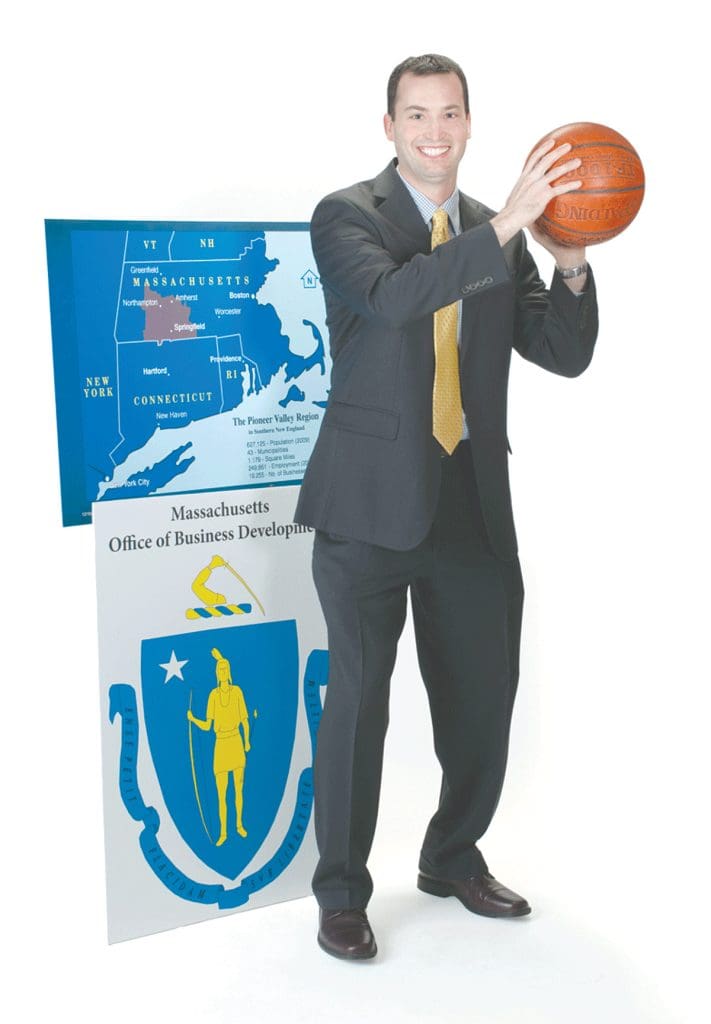
Tad Tokarz

Tad Tokarz in 2007 as a 40 Under Forty honoree (right) and today in his office at Springfield Central High School.

Tad Tokarz

Tad Tokarz

Only a few months after being named to BusinessWest’s inaugural 40 Under Forty cohort in 2007, Tad Tokarz won a promotion.

At the time of that first award ceremony, he was wrapping up another school year as assistant principal and director of Athletics at Springfield’s Central High School. But then-Principal Dick Stoddard retired, and Tokarz, then just 33 years old, applied for and won the job.

It altered his life’s course in some ways, but has impacted the lives of young people in far more meaningful ones.

As for his career, he was the owner of the Western Mass. Sports Journal at the time, which covered sports at a variety of levels, but always with a Pioneer Valley slant. Operating out of the Scibelli Enterprise Center at Springfield Technical Community College, it was, in essence, a second full-time job, and one he couldn’t keep going after his promotion at Central.

“Once I became principal, it was just too much work. So we had to shut it down,” Tokarz recalled. “But it was good while it lasted. The experience that I got from from running my own business has helped me tremendously here, because this is a business, with the hiring and the partnerships and the thinking outside the box. So I think that experience really helped me push Central forward in a unique direction.”

And that he has, in more than one way. “Physically, it’s a different place,” he said, citing the addition of a three-story science wing with 12 classrooms, a renovation to the athletic complex, and a current project to renovate the theater and gymnasium.

But socially, Central is also different, he added, noting that “we have put so many safeguards in place and wraparound services for our kids.”

And academically, well, the numbers speak for themselves; last year’s seniors set a Central record with $24 million in scholarship offers.

“We sent kids to some of the best colleges and universities in the country, and it’s great giving kids an opportunity to excel in whatever interests them once they graduate. We tell our kids, ‘we want you to have options when you graduate,’ and I think we’re doing a pretty good job.

“It’s very rewarding to see where these kids actually end up, and to feel like you played a small part in their development.”

“We have a tremendous staff, and the district has given us an amazing amount of support,” he went on. “Yes, COVID was a real challenge for us. But we came out stronger, I think, after COVID. What transpired was kids starting to participate more in clubs and activities. That’s a big part of who we are. We want our kids to participate, whether it be ROTC, athletics, clubs, whatever it is.”

Students have also improved academically, and that success has been mirrored by Central’s athletic programs, which bring in 10 to 15 Division I athletic scholarships each year, “so we’re watching our kids play on TV, which is fun,” Tokarz told BusinessWest.

“Now, we have every college in the country recruiting our students, athletically and academically. This year, we created a new position of recruiting coordinator; he meets with a lot of the seniors about the kinds of colleges would best suit them, along with our guidance counselors, adjustment counselors, and graduation coaches. So we’re done a lot of different things the last 17 years, put in a lot of different positions, to push kids forward, not just in the classroom, but far beyond that.”

Tokarz, always willing to work toward self-improvement — for instance, he completed an Ironman triathlon in 2005 just two years after starting to train on a bike and in the pool — has earned a doctorate degree in educational leadership since his promotion to principal. But while working toward becoming a better leader, he still says it’s the students and staff that make his job fulfilling.

“They make this place what it is. And it’s never boring; you’re helping people get to the next chapter in their life, and that, to me, is very rewarding,” he said. As for the staff, “the people that we have surrounding our students are second to none, and the reason why we’ve been so successful over this time period.”

New challenges are always emerging in education; right now, Massachusetts schools are waiting to see if voters decide on Nov. 5 to keep the MCAS test as a graduation requirement.

If they decide to change course, Tokarz said, “I’m interested to see how that’s going to change the testing and the accountability, because we’ve always focused on accountability — that’s important to us.”

No matter how the standardized test is deployed, Tokarz said he and his team will continue to help students get the best grades possible and envision a future where anything is possible.

“I just came back from the 10-year reunion of the Central High School class of 2014, and we have dentists, doctors, veterinarians, people working downtown in New York City on the Today show … all kinds of stuff. It’s very rewarding to see where these kids actually end up, and to feel like you played a small part in their development.”