Michael J. Dias Foundation
A Parent’s Darkest Hour Has Become a Beacon of Light and Recovery
Michael J. Dias Foundation
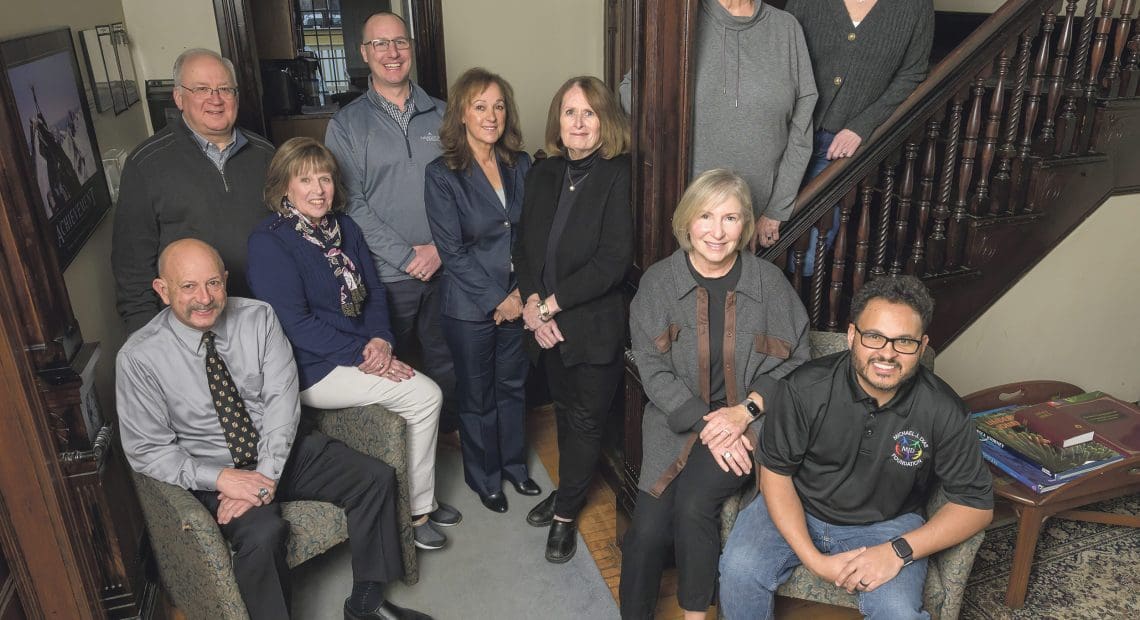
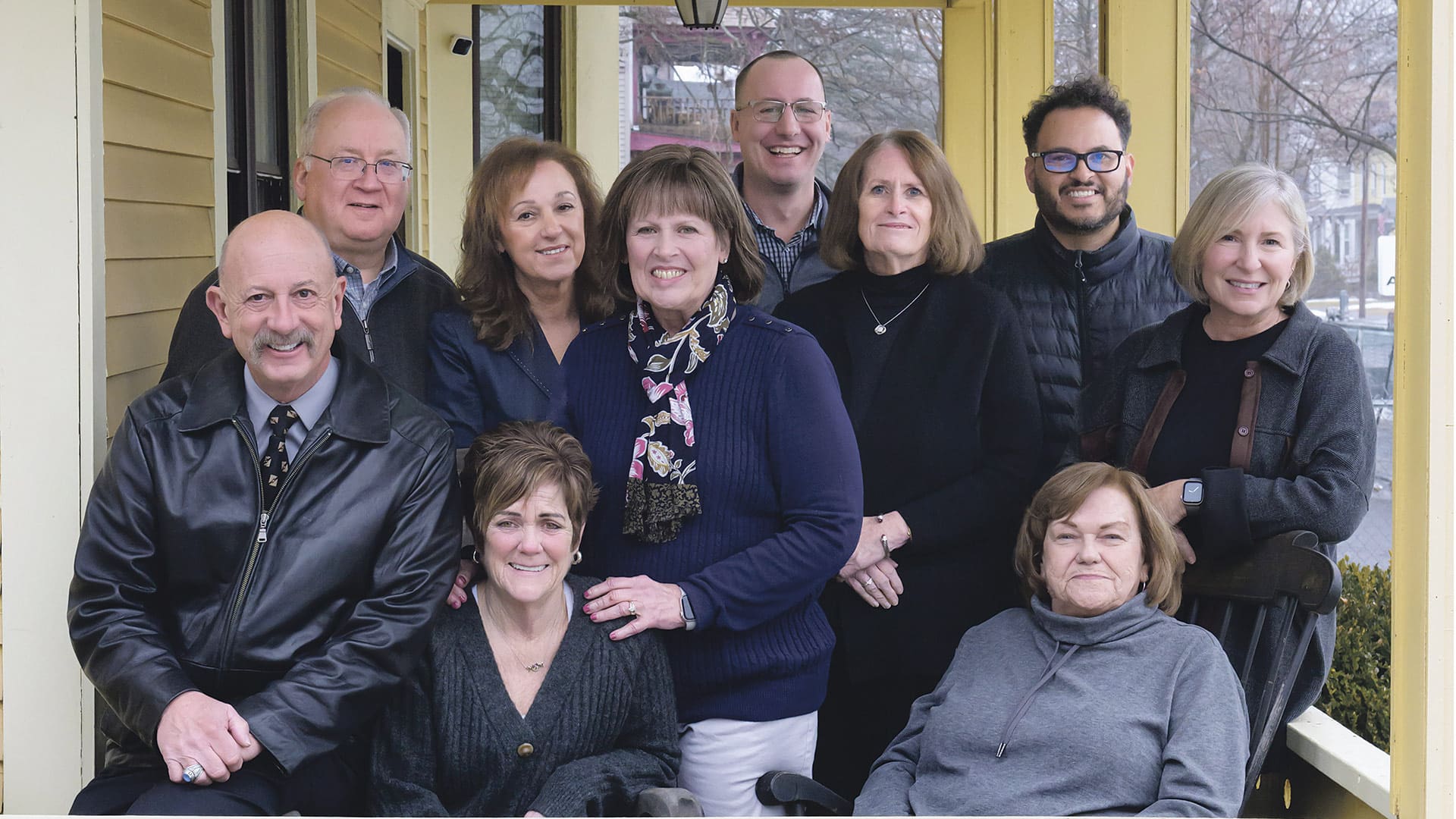
Photo by Bob Zemba, Simple Truth Imaging
Michael J. Dias was a smart kid — an athlete and pianist who excelled in high school and college. He didn’t fit the stereotype of a drug abuser.
So, when he took his life after struggling with steroid addiction, his mother, Grace, had to know why. So she got in touch with Michael’s friends, and what she heard shocked her.
“It turns out he was on massive amounts of steroids. He tried to bulk up, and there were a lot of characters at the gyms selling that stuff,” she told BusinessWest, adding that she also found out he was selling to support an ever-more-desperate habit.
“It was a rude awakening. The thought process in society is that the drug users are kids that grew up in the streets of Springfield that were homeless, that didn’t have good families, didn’t have the right upbringing. Well, we lived in a 3,200-square-foot home in Ludlow. My kids had everything. And they were great students, both of them. So that didn’t make sense.”
Around the same time, Grace’s nephew was struggling with addiction, and the family started a support group for people in similar situations, then raised funds to create awareness in schools. Later, with her sister away on a trip, her nephew wound up detoxing in her house, then wanted her to take him to a sober home in Worcester.
“I dropped him off in this house that was disgusting. People were smoking in there; the house was filthy. I left there crying, thinking, ‘I just left my nephew in a space that I wouldn’t leave my dog in. How is he going to get better in a place like that?’
“We thought, ‘that doesn’t happen in our little community. My children couldn’t possibly know about that world.’ But it’s everywhere.”
“So, on the way home, I had this bright idea — I don’t know, they come to me at times — that we should start a foundation. And we should open a sober house.”
So a small group — Dias and her sisters, plus a few friends — set about raising money and wound up buying and fixing up a two-story home in Springfield for around $40,000, all the funds they had. In 2014, Michael’s House opened as a haven for men in the early stages of addiction recovery. There, she explained, they enjoy the support of a community of peers, guided by staffers who understand the path to recovery, in an atmosphere of accountability. Residents are encouraged to find employment and pay a modest rent.
And that’s how the foundation’s story begins — but not remotely where it ends. We’ll tell the story in a linear fashion, with every step along the way demonstrating how the Michael J. Dias Foundation has been, and continues to be, worthy of the title Difference Maker.
Tragedy into Victory
Katie and Ed Wilczynski were among the earliest members of the Michael J. Dias Foundation board. Like Michael, their son, Sean, grew up in a close-knit family in Ludlow.
“We were churchgoing people. He was involved in Boy Scouts and travel sports. We were together all the time as a family. He was very active in school,” Katie said. But life can take some sad, unexpected turns, and Sean’s turned quickly into painkiller addiction.
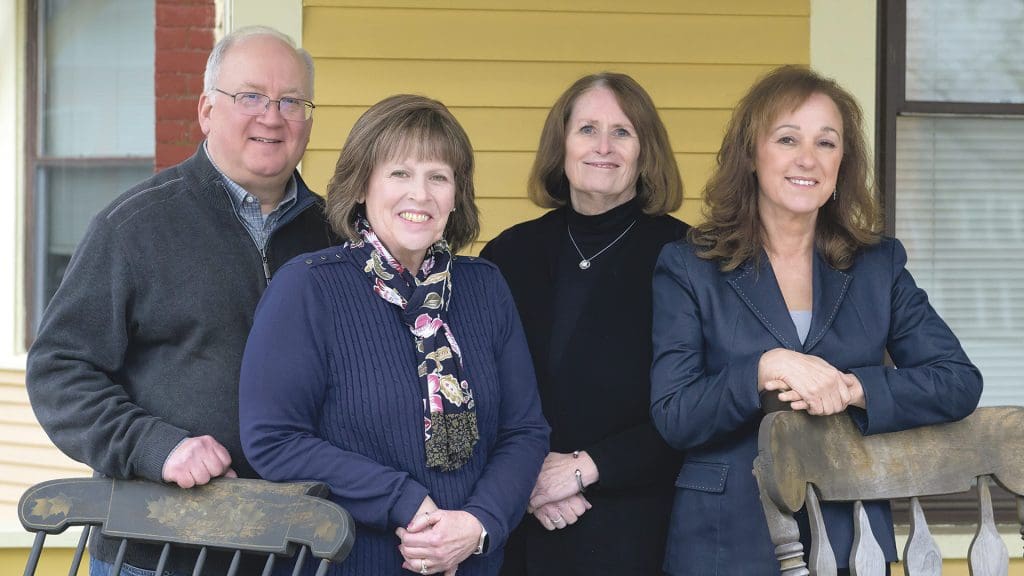
Michael J. Dias Foundation board members (from left) Ed and Katie Wilczynski, Mary Ellen Metzger, and Grace Dias.
Photo by Bob Zemba, Simple Truth Imaging
“Somewhere along the way, he injured his back and mentioned it to a classmate, and the classmate said, ‘oh, I’ve got something that might take the edge off of that.’ We think that’s where it started,” Ed explained. “He was a very talented hockey player, and he had aspirations of going on and doing more with his hockey. He was a driven, committed, very smart kid.”
Katie said society has become much more open to talking about the pervasiveness of drug addiction — and the fact that it doesn’t discriminate.
“We thought, ‘that doesn’t happen in our little community. My children couldn’t possibly know about that world,’” she said. “But it’s everywhere. So our big issue, in trying to help Sean when we recognized he had a problem, was trying to understand the world of recovery and how it works and detoxing and trying to find sober homes and treatments and how to work insurance.”
Thus began a series of sober homes (some effective, many not) and relapses for Sean, who eventually succumbed to addiction and lost his life. But the experience gave the Wilczynskis valuable insight as the foundation developed Michael’s House, especially when it came to life outside it. In short, Sean had struggled outside those residences.
“We started recognizing gentlemen leaving our houses oftentimes fell into that same category,” Katie said. “One year just wasn’t enough to get a good, stable job to be able to financially sustain them or catch up on childcare payments, or reconnect with family and rebuild the connections that had been damaged by some of their drug use. So we recognized, whatever our second home would be, it needed to be a transitional home that would give our guys extra time if they felt they needed more stability in one area of their life.”
An anonymous donor’s generosity in late 2017 paved the way for Sean’s Place, the foundation’s transitional sober home, which opened in early 2019. This residence offers a social model for sobriety, creating a secure environment for residents to support each other in a less-structured environment than Michael’s House.
“Every guy that has ever relapsed and left our houses, I’ve never heard any of them say, ‘I didn’t like it there; I would never go back.’ Normally, they would call me and thank me for the chance they had to be here because, to them, it was a gift.”
“We also felt that some of the guys leaving Michael’s House graduated from the program, but the only place they had to go was back into the environment they came from, back into the neighborhoods, with the same old friends who may not be supportive of their new lifestyle, or are still using themselves,” Ed said. “This just provided an extra step for them to set up some goals and continue to work on their recovery, but in a safe environment.”
In 2020, the foundation acquired a third sober-living residence called Christian and Brian’s House, which operates much like Michael’s House, serving as a supportive and nurturing community for men in the early stages of their recovery. The purchase was made possible through a combination of foundation funds and a generous contribution from the Forest Park Project, a nonprofit organization dedicated to raising funds in memory of Christian Diaz and Brian Metzger, two compassionate, charismatic friends who lost their lives to addiction.
Mary Ellen Metzger, Brian’s mother and another Michael J. Dias Foundation board member, said her son’s recovery path was frustrating and, in the end, fruitless.
“Our journey took us all over Massachusetts, to a lot of sober homes and a lot of programs. And, much like Katie found, some places were just big houses where they took your rent. There was no program whatsoever. In our foundation, we follow a 12-step recovery program. It’s clean, it’s sanitary, it’s safe, it’s a structured environment, and it provides a support system that fosters recovery as people navigate that difficult time in their lives.”
The Forest Park Project has been a great comfort to Mary Ellen. “It said to me that his friends remember him as more than his problem. And all of us in this foundation realize that these young men and women who are cursed with this disease of addiction, they didn’t choose it, and they are much more than their disease.
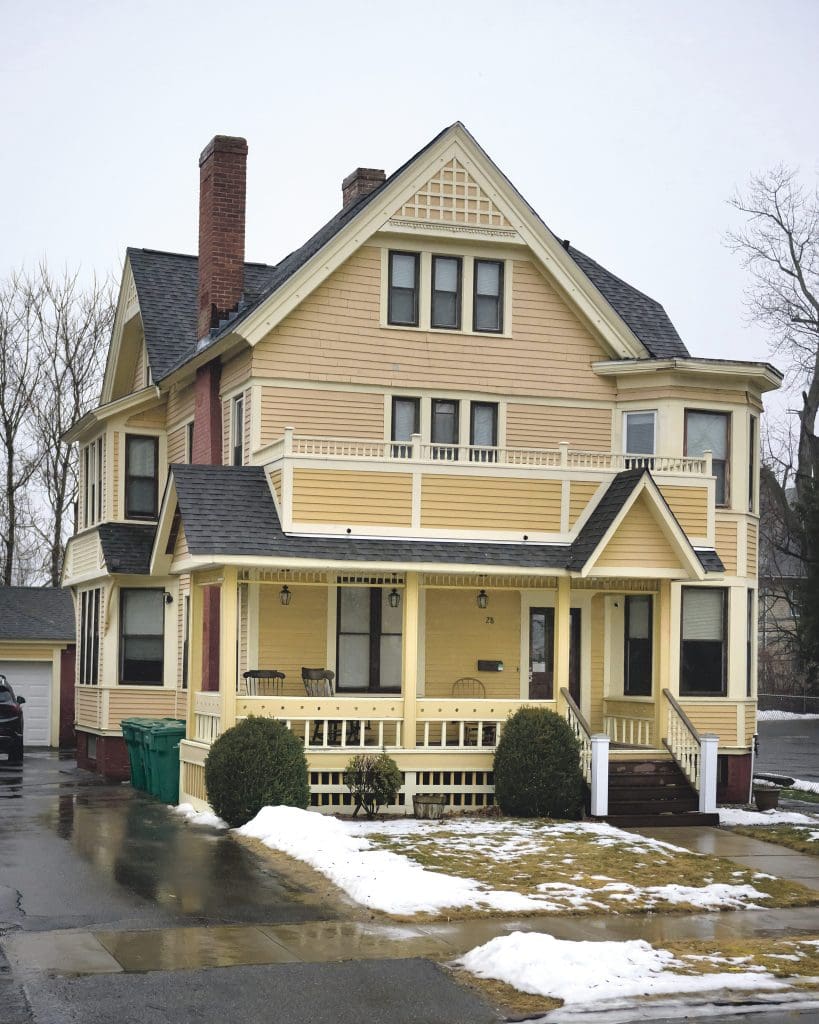
Michael’s House was the first of three (soon to be four) sober homes opened by the Michael J. Dias Foundation.
Photo by Bob Zemba, Simple Truth Imaging
“The message isn’t that you’re a throwaway, like some sober houses where they don’t care what you do,” she added. “The message is, we know you’ve got it in you to succeed, and we’re going to help you to do that. We try to take people where they are and bring them forward.”
A Home for Women
Michael’s House, Sean’s Place, and Christian and Brian’s House have a combined capacity of 44 men — but no women. That will soon change.
The Michael J. Dias Foundation launched a $500,000 capital campaign last year aimed at funding the creation of a 16-bed sober home for women. So far, $214,000 has been raised, with generous contributions from individuals, businesses, and community leaders helping to propel the campaign forward. Donations can be made online at www.mdiasfoundation.org/capital-campaign.
The campaign’s chair, Dr. Megan Miller, an assistant professor of Obstetrics and Gynecology at UMass Chan Medical School – Baystate and an addiction-medicine specialist, is a big believer in the project.
“I am very well-versed in how addiction affects women,” she said. “Gender-specific care is so important, especially in the early stages of recovery. In terms of receiving gender-specific care for substance abuse, women are an underserved population in Western Massachusetts. There is a dire need for a women’s sober home here.”
Ed Wilczynski agrees. “We did a little research last year before we started the capital campaign. We found that, in Western Massachusetts, only 11% of the beds were female-focused. The rest of the state had 25% of the sober beds focused on females. From a statistical perspective, 32% of those seeking recovery assistance are women. There’s a big disparity with beds available — especially the safe beds that we aspire to. So we decided that was the time to at least start the journey.”
As for the foundation’s journey, Dias believes it has been guided by God in many ways, from the way the members came together to the way needed funding and gifts have emerged. She’s especially proud that the organization has never taken on debt, paying for each project with money on hand instead of financing the properties.
It’s a dedicated group, too. There are four paid employees, including Executive Director Karen Blanchard, and everyone else, including all the officers and board members, are volunteers. As Karen Wilczynski put it, “your heart has to be in this.”
It really is a family, Dias said, one that provides temporary families for men (and someday women) in need of such a structure.
“Every guy that has ever relapsed and left our houses, I’ve never heard any of them say, ‘I didn’t like it there; I would never go back,’” she added. “Normally, they would call me and thank me for the chance they had to be here because, to them, it was a gift.”
And relapses do happen, Ed Wilczynski said. That’s the nature of addiction, which these parents know all too well.
“However, when it has happened to some of our residents, we are one of the first calls they make after they get out of detox, that they want to come back to us,” he added. “They know we had something, and they want to come back and get that reinforcement and work with our group again and then go back out on their own.”
Metzger said her son’s story didn’t end in a good place — but his legacy certainly has.
“In the 10 years of going through that merry-go-round with him, this was the only type of program that was set up for success,” she told BusinessWest. “I think every person involved in our houses feels valued, like they’re something special. You can have hopes and dreams, and we’re going to support them. And we’re going to hold you accountable — because that’s what real life does.”