
MSBDC Helps People Get Down to Business
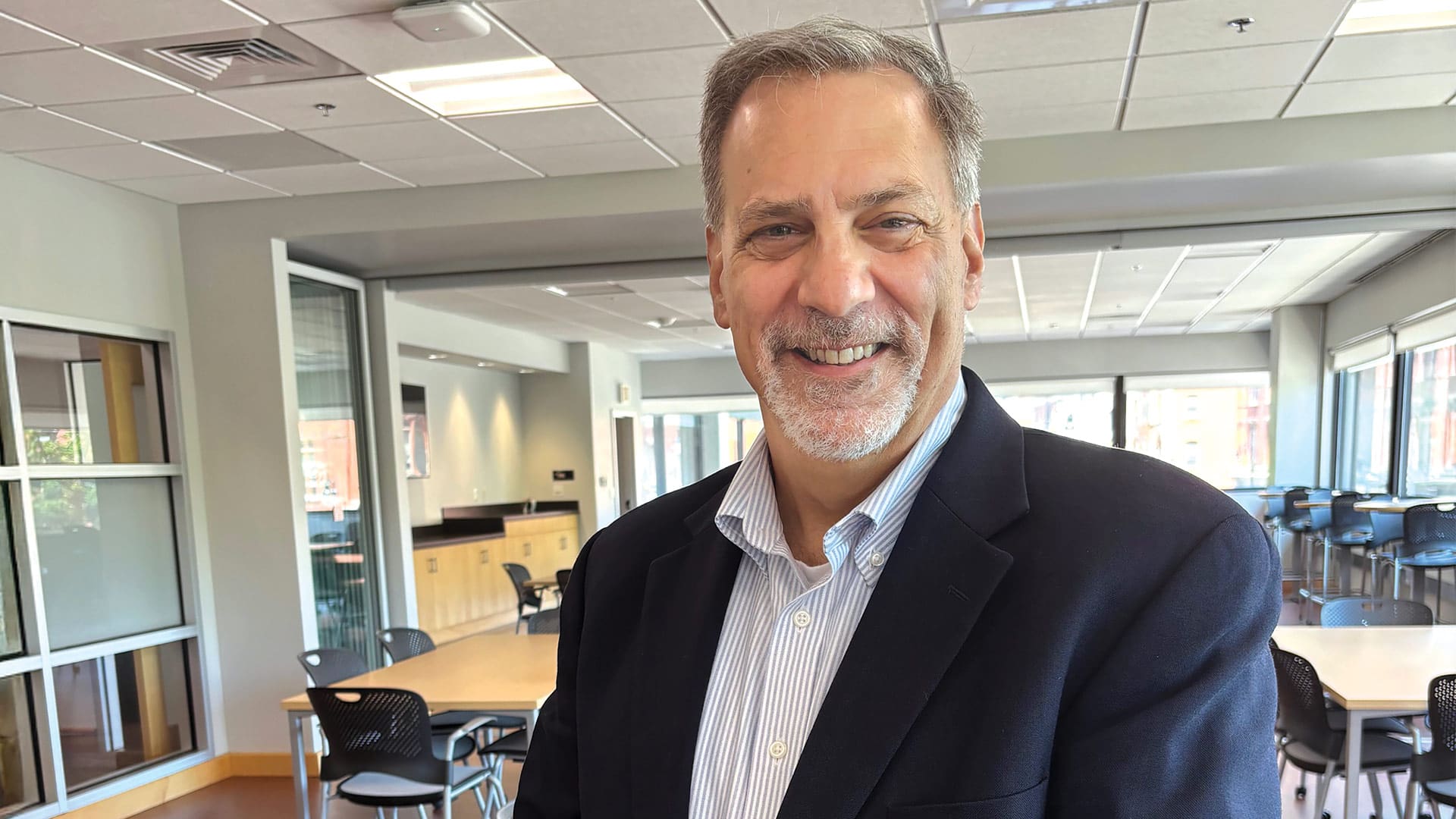
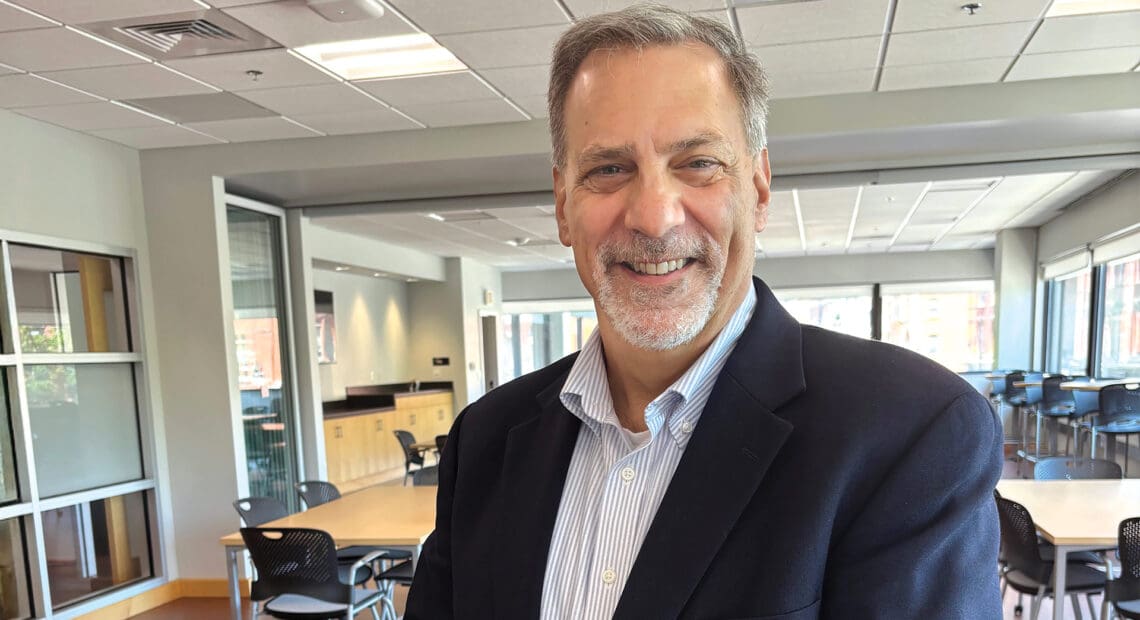
Regional Director Rob DelMastro
From Idea to Reality
Rob DelMastro says he’ll always remember his first encounter with a consultant working for the Massachusetts Small Business Development Center (MSBDC), the state-funded agency tasked with fostering the start, growth, and sustainability of small businesses.
That’s because it wasn’t exactly a good experience.
“The message was, essentially, ‘go away, little boy, this is a stupid idea,’” said DelMastro, who came to the center when he was in his early 30s for help with launching a software business focused on the insurance industry.
“I tell all my clients that business is all about math,” he said. “You’re in business to make money, and you need to make money to support your employees and support you and your family. And math often helps people understand why something is a bad idea.”
DelMastro and other consultants with the Western office are doing a lot of work with math these days as the region continues to see an abundance of entrepreneurial energy.
There’s always been a good amount of that commodity locally, but it picked up during the pandemic, he explained, when people had time and opportunity to reflect on their lives and careers, with many deciding they weren’t happy doing what they were doing.
And more recently, an increasingly challenging job market for older individuals has prompted more people to think about going into business for themselves.
“I know several friends, relatives, and clients who are in their mid- to late 50s and older, and they just can’t find a job,” he explained, adding that many need to keep working and are looking to work for themselves, often as a consultant, a path that might seem easy to those considering it, but comes with many different challenges.
As do most all entrepreneurial ventures, he said, adding that the MSBDC exists to help people of all ages, with all kinds of ambitions, at all the various stages of entrepreneurship, from conception of an idea to retirement.
“When I took this job, I told myself I would never tell someone, ‘that’s a bad idea.’ My job is to help someone realize it’s a bad idea.”
People like Amber-Lynn Watson, who created a wedding planning business called Small Town Moments LLC. She had worked as an insurance agent for more than seven years when she decided it was time for a meaningful change.
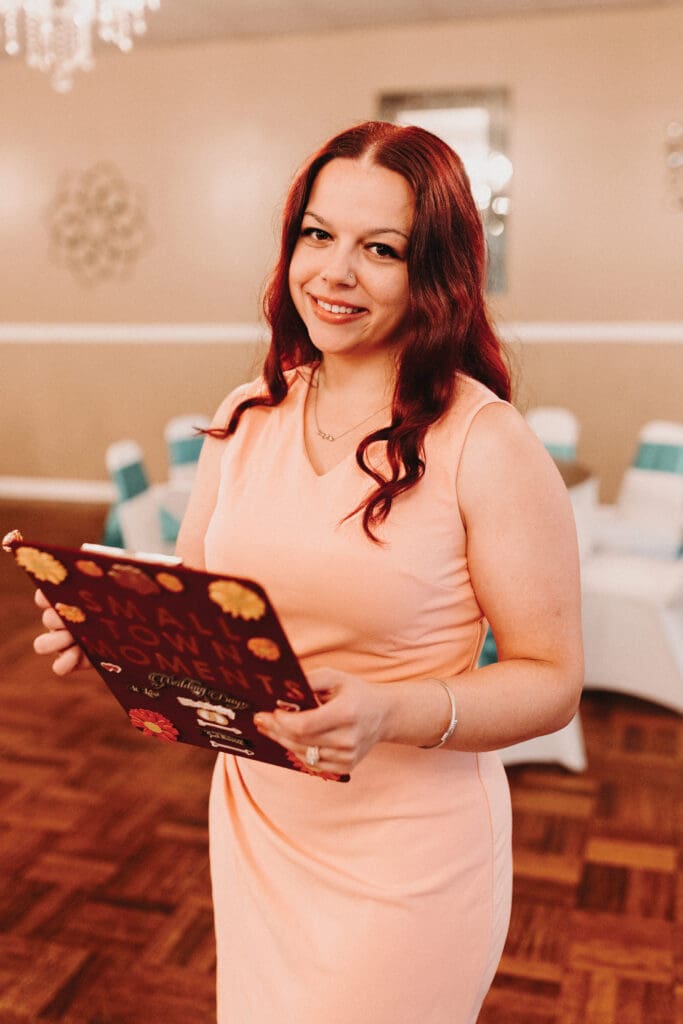
Amber-Lynn Watson operates Small Town Moments LLC with ongoing guidance from the Massachusetts Small Business Development Center.
“I didn’t feel like that was something I was meant to do; I was doing it to pay the bills, but I wanted something that was actually going to light me up and give me inspiration and help people enjoy their day to the fullest,” she said, adding that she’s found all this in a business designed to help couples with their pain points and essentially deliver as much help as they need — when they need it.
She took the concept to the MSBDC and was eventually assigned to DelMastro, who helped her get started, and has stayed with her, working on everything from forming an LLC to budgeting and cash flow, to understanding when she’s ready to take on her first employee.
“No one tells you how to start a business,” Watson told BusinessWest, adding that the MSBDC has been instrumental with the myriad aspects off getting a venture off the ground and then coping with the inevitable challenges and growing pains.
For this issue, we take an in-depth look at the MSBDC and its regional office and how it remains an important component in the entrepreneurship ecosystem in Western Mass.
Married to the Idea
Watson told BusinessWest that she got a taste of event planning with her own wedding and Jack and Jill, as well a nonprofit event — a fundraiser for the American Heart Assoc. to benefit her cousin, who died from cardiomyopathy.
“It started with passion because I love all the little details that bring an event together,” she said, adding that she started thinking about turning that passion into a business. She did the requisite due diligence and determined that, while there were a few wedding planners and coordinators working in the 413, there was room for another one.
Especially one with her model, which she described as ‘a la carte planning support,’ which translates into essentially whatever the couple needs — full planning, partial planning, or month-of coordination. On the actual wedding day, she’s there for as many hours as the couple needs her.
“When I got married, I had a venue coordinator who takes care of the tables, the space, and the chairs, but I didn’t have someone in those weeks leading up to help build a timeline, confirm things with all those vendors, and make sure everyone’s on the same page,” she said, adding that this is the void she’s filling.
And she’s off to a good start, building a word-of-mouth referrals and filling in the schedule with work for the next year and beyond.
Watson is typical of the clients who come to the MSBDC for guidance at various stages of a venture, but increasingly, they’re seeking help at the earliest stages, said DelMastro, adding that he’s not exactly sure why this is, but he suspects it has something to do with more individuals — the older population, as mentioned earlier, but also younger people as well — looking to turn ideas into sustainable businesses.
The MSBDC provides these individuals with a wide array of services, including a two-hour, online “How to Start a Business” training series for those who have not officially launched or generated revenue prior to actual advising.
As for that advising, it covers considerable ground, including business plan development, financial plan development, marketing and sales strategies, cash flow analysis, organizational issues, and government procurement assistance.
There are three business advisors at the Western region, affiliated with the Isenberg School of Management at UMass Amherst, and now based in the university’s facilities in Tower Square, said DelMastro, who devotes part of his time to such work, adding that they’re working with roughly 20 clients each at any given time.
The advising work is rewarding on many levels, he said.
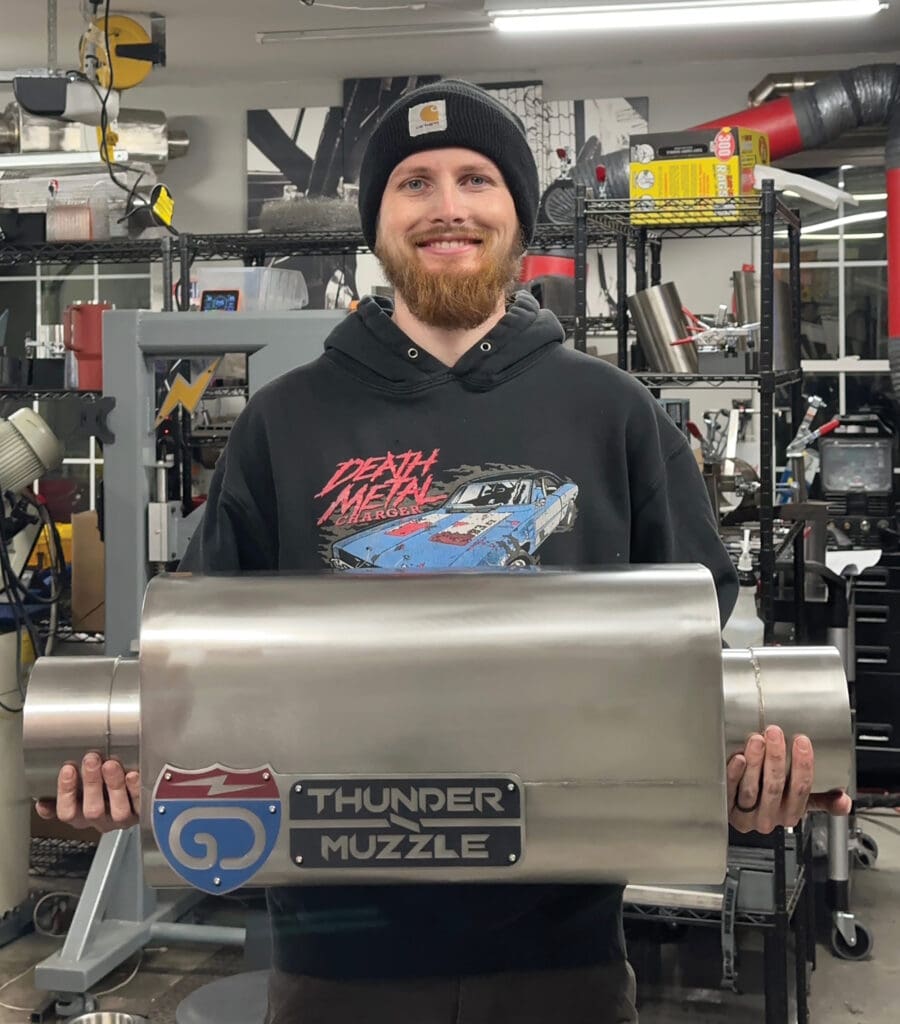
Lars Reinhard is making some news with his custom muffler business.
“The best part of the job is meeting new individuals with some great ideas, including some things that I never thought about or knew about — that’s exciting. Every new client I meet, I look forward to it, and it’s fun to listen to the enthusiasm — and the ideas.”
Such as the one Lars Reinhard came up with for a muffler whereby the driver can control the volume from inside the vehicle. It’s not an entirely new concept — the Corvette provides the driver with that option, Reinhard noted — but he found a way to mainstream the concept, patented the technology, risked all that he and his wife had saved, and created an LLC (Glory Days Speed Shop) with help from the MSBDC.
He recently passed a milestone, $1 million in annual sales, and now has six employees and has designs on continued growth. But nothing has been easy.
“It’s been the hardest thing I’ve ever done,” said Reinhard, who was teaching during the pandemic before deciding he wanted to go into business for himself. “It’s such a challenge, and most of it is mental, getting used to the stress, the roller coasters, the ridiculous hours, handling the mistakes … it’s hard to celebrate the wins.”
Adding It Up
DelMastro said one challenge for him comes when the idea in question doesn’t sound like a good one, adding, again, that he won’t actually tell someone that; he’ll help them make that determination.
And this brought him back to the subject of math, and how many aspiring entrepreneurs need to do more of it when considering a business proposition. He offered an actual case as an example.
“I had three women come to me right after the pandemic — they were among my first clients,” he recalled. “During the pandemic, they were making muffins for the neighborhood, and they were making 100 bucks a weekend doing it. So they came to me and said, ‘we’re going to start a muffin company.’
“I said, ‘great — what are your parameters?’” he went on, adding that the three said they would like to make $50,000 each annually from the venture. “I said, ‘that’s $150,000 profit you need to make; what are you going to sell your muffins at?’ And they said about $3. They also said they only wanted to work Monday, Tuesday, and Wednesday. We did the math, and it turned out they needed to sell 6,000 muffins a day.
“That’s a silly example, but a great example of how sitting down and doing the math helps you realize how silly your idea is,” he continued, adding that he’s conducted several such exercises over the years.
“The best part of the job is meeting new individuals with some great ideas, including some things that I never thought about or knew about — that’s exciting.”
But math is only one consideration for those looking to start a business, he said, adding that others include having reasonable expectations and understanding all the challenges and risks, as well as the opportunities.
“Everyone thinks they’re going to make a million dollars, and everyone thinks that when they open their doors, 200 people are going to stream through them,” he said. “So my job is to help them tamper down that enthusiasm and identify the least amount they can sell and break even, and I enjoy that — I’m a numbers guy, and it’s quite an education for most people.”
Reinhard learned about the MSBDC from his mother, who turned to the agency for help with a catering business, and he has been leaning on counselors (most recently DelMastro) for guidance at every step of the journey.
“We just check every month, and I tell him numbers and run things by him,” Reinhard said. “Like, ‘should I go with this marketing agency?’ or ‘who should I hire next, a cheap person or a high-level person?’ — big, strategic questions like that. It’s nice to bounce ideas off people like that.”
Watson agreed and said DelMastro helped her set realistic expectations and also create a roadmap for sustainability, working on issues such as cash flow, creation of a website, how to present at a recent bridal expo at Mohegan Sun, and planning for expansion and hiring an assistant.
And, like all entrepreneurs, Watson said there have been highs and lows, but mostly enthusiasm for doing something that, unlike selling insurance, she really enjoys.
“The most fun is doing something that I love to do; it warms my heart to see people enjoy their day because I was able to take the stress out,” she explained. “The hardest part is the ups and downs — not everything is going work out the way you want it to — but that’s life, and you just keep going every day and get up and keep moving. That’s all you can do.”
Helping businesses keep moving is probably the simplest way to describe the mission of the MSBDC, which offers training and advice of all kinds, but mostly deals in reality — and how to cope with it.