Home Sections Restaurants Archive by category Breweries & Wineries

Breweries & Wineries

Breweries & Wineries

Brews, Tunes, and Dogs
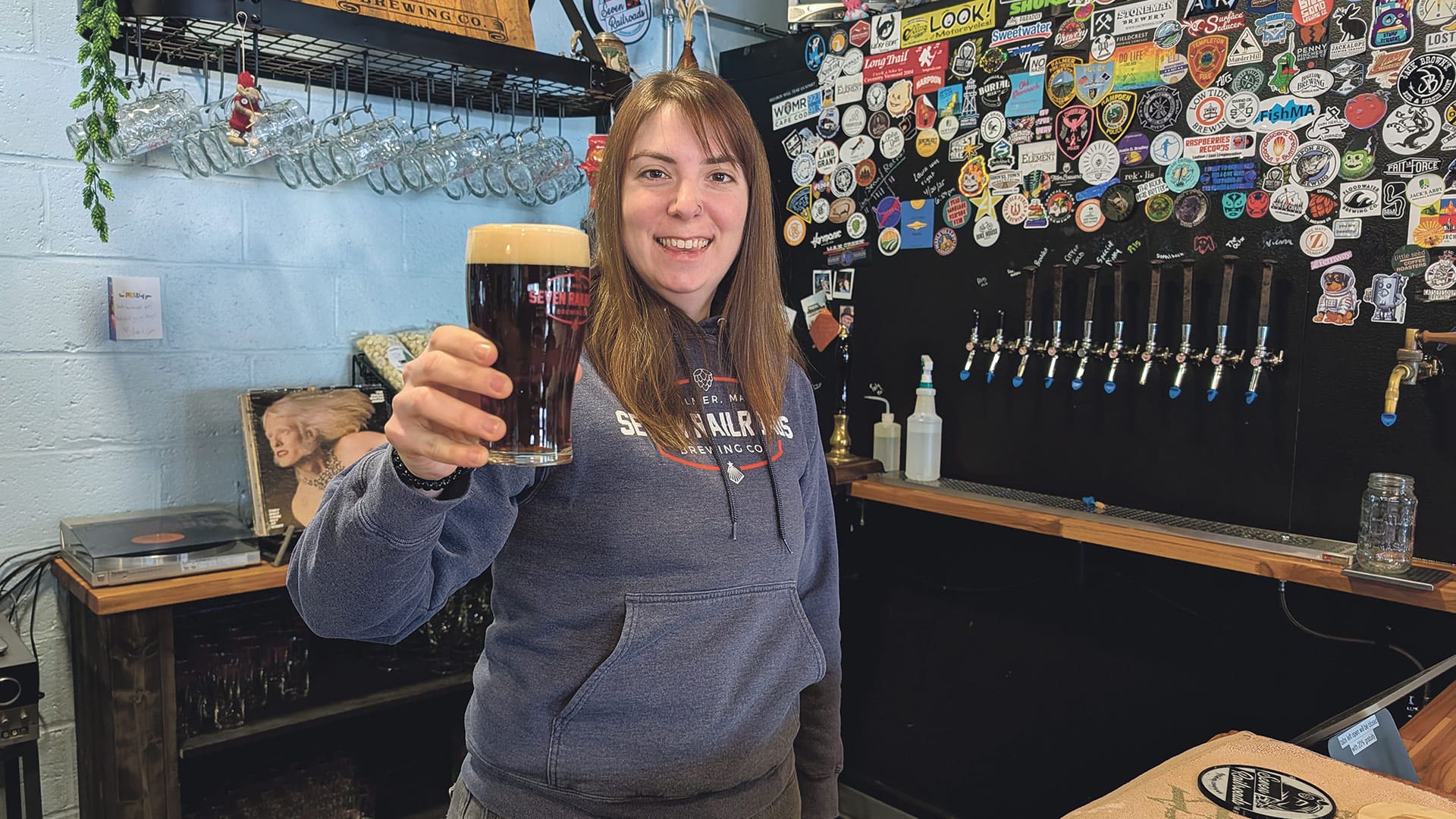
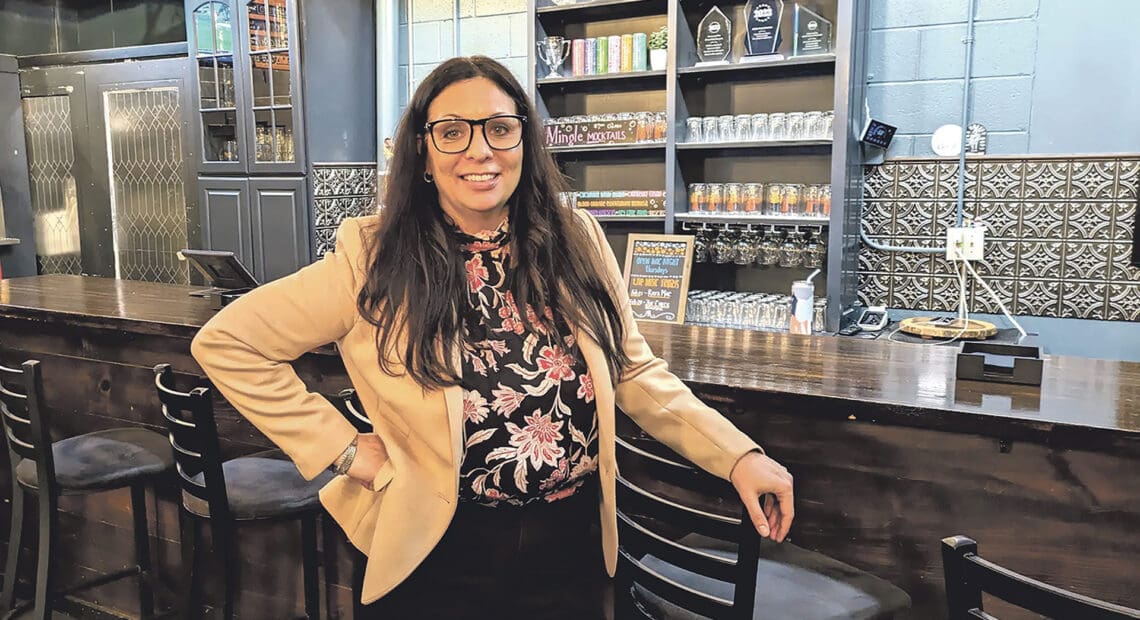
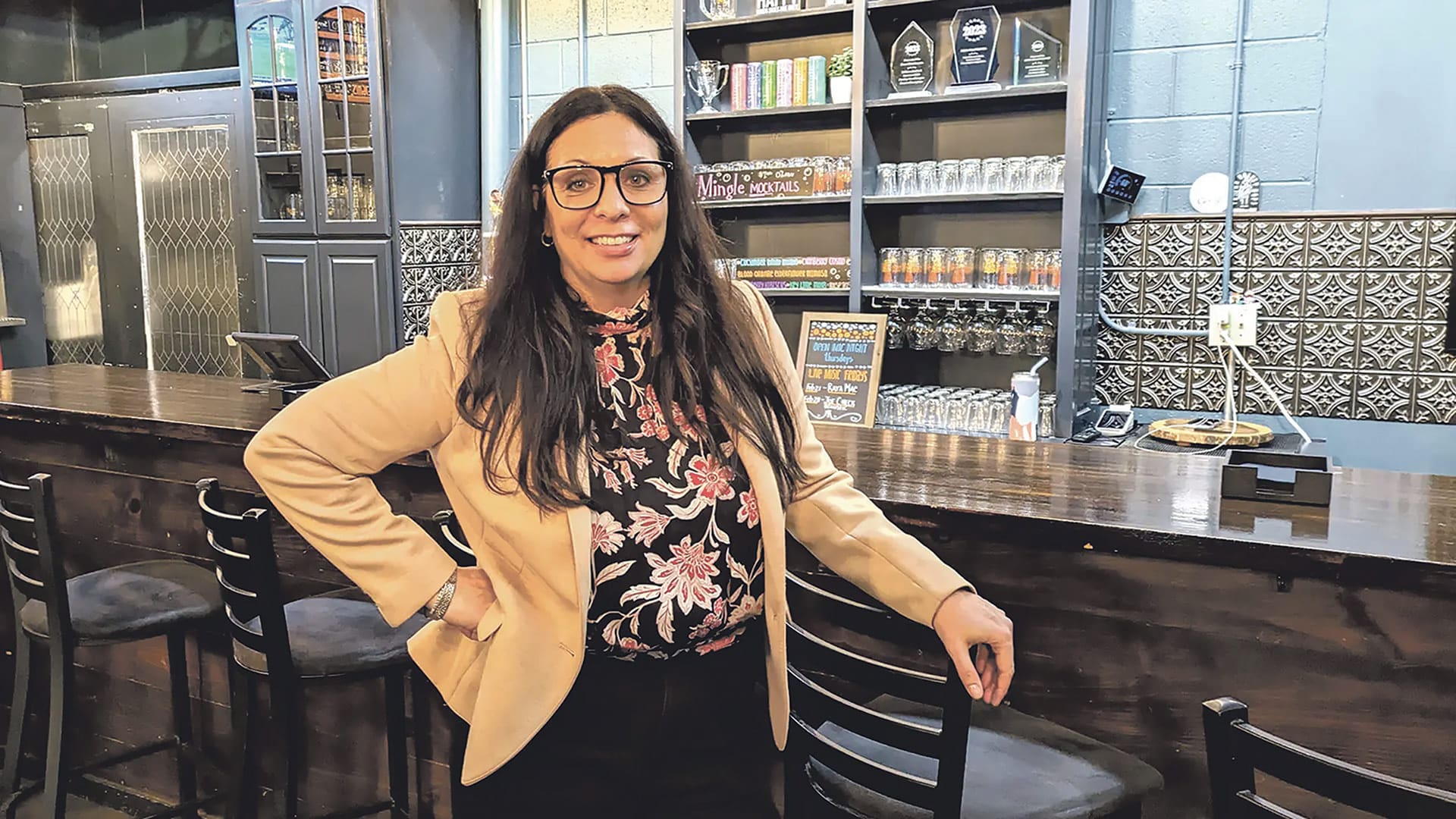
Rachel Rosenbloom says plenty of regulars come to Seven Railroads Brewing Co. for the beer, the fun, and the community connections.

Rachel Rosenbloom says plenty of regulars come to Seven Railroads Brewing Co. for the beer, the fun, and the community connections.

When Rachel Rosenbloom and Michael Bedrosian thought about what customers might enjoy in a brewery, they considered the sorts of things they liked — from music to dogs to good old-fashioned conversation.

“We wanted there to be something else to do besides just going somewhere and drinking or having a meal — something fun to do,” Rosenbloom said of the environment at Seven Railroads Brewing Co., which the married couple opened two years ago in Palmer. “My biggest goal here was to make it comfortable, like a community, like you were coming and hanging out at my house — just something to help connect a lot of the people that live in the area that wouldn’t necessarily meet each other.

“I have a lot of regulars, and they’ve all become friends, and they do things together now. It’s been really cool to see that from the other side, seeing all the connections that have been made,” she went on. “It happens all the time. It’ll be someone’s first time here; they’ll sit at the bar, and they’ll strike up a conversation with one of my regulars that sits next to them. And they’ll end up being here for a couple hours, and they’ll be talking to everybody in a big group: ‘oh, a new guy — let’s make him feel welcome.’”

Then there’s the music scene at Seven Railroads, which includes live music every weekend and an open mic night every Thursday that has become very popular, thanks partly to a small cadre of musicians who show up to give brave singers something more than a pre-recorded backing track.

“There’s a drummer that comes every week, and he’ll drum for anybody. There’s a bassist that comes in every week, and he’ll play bass for anybody. And there’s a guitarist that comes most weeks, and he’ll join in and back people up,” Rosenbloom said. “When somebody wants to come sing, they’ll tell them what song they want to sing, and most of the time, they’ll either know it, or they can figure it out.

“We wanted there to be something else to do besides just going somewhere and drinking or having a meal — something fun to do.”

“Everybody’s really happy and welcoming,” she went on. “It was every other week last year, and after the last one at the end of the year, I announced that I was making it every week this year, and the whole room started applauding, so they were all very happy about that.”

For vinyl enthusiasts, Rosenbloom also hosts a record sale event every other month, with four or five vendors setting up shop while she plays (and sells) music from her own collection. “I have the whole list printed out so people can look through and choose something, or just listen to what I have. My collection is over 900, so they’ll never hear the same album twice.”

In other events, the brewery also hosts yoga — led by Ashley Bousquet of Beyond Yoga & Wellness, who specializes in Yin yoga and Vinyasa flow — the first Sunday of every month, as well as other fun wellness events, like Pilates and yoga with goats or puppies or pigs and bunnies. “They’re just wandering around being cute while people are doing yoga,” Rosenbloom said.

Which brings us to the dogs.

“We’re actually known as one of the most dog-friendly breweries in the area,” she noted. “I have a lot of regular dogs. A lot of people come in, and I know their dog’s name, but not their name.”

The owner of two beagles — one of them a rescue — she hosts fundraisers for Happy Life Beagle Rescue on their birthdays, and this past December, patrons could get their dog’s picture taken with the Grinch in exchange for a donation to the rescue. “For two hours solid, dogs were rolling in from all over.”
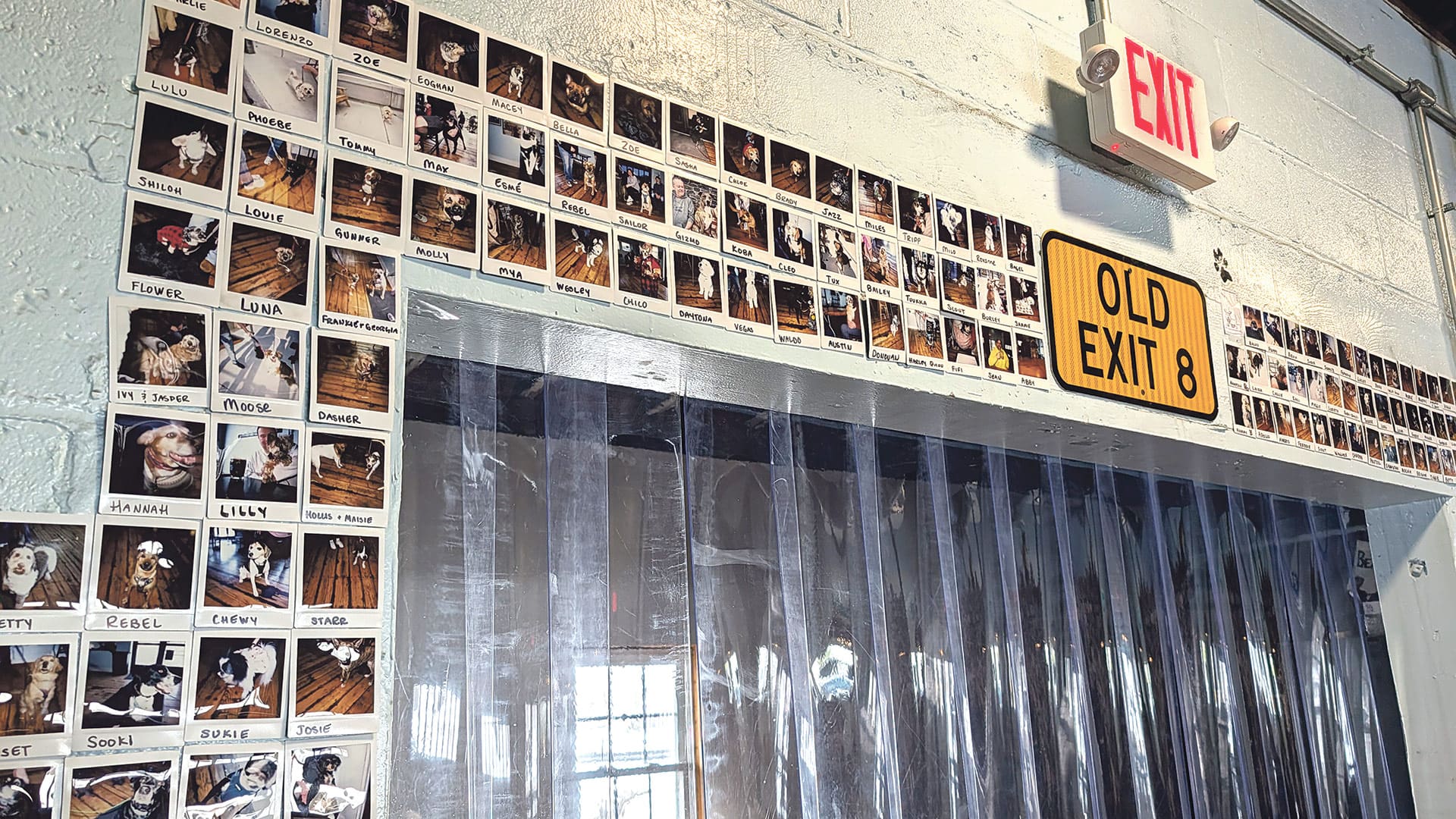
A truly dog-friendly establishment, Seven Railroads has a wall full of photos of patrons’ best friends.

A truly dog-friendly establishment, Seven Railroads has a wall full of photos of patrons’ best friends.

In addition, she sells dog biscuits made by Tori’s Pet Services in Southwick. “She takes my spent grain from when I’m done brewing, and she makes dog treats out of it. I sell those here in the tavern, and I go through about a hundred a month.”

It’s just another way Seven Railroads emphasizes community and connection.

“You can see I don’t have a big-screen TV or anything else like that,” she said. “It’s all about sitting down and having a conversation with the person sitting next to you. And it’s just comfortable. You come in here, and it’s just like you’re hanging out at my house.”


A Taste for Brewing

Rosenbloom and Bedrosian’s journey into the brewing business began when he was in the Air National Guard.

“At one point, he was sent to Alaska, and there was a beer that he was drinking over there that he really liked. And when he came back here, they didn’t distribute in the continental U.S., and he was like, ‘why don’t we just try making it? Like, this seems like something fun that we could do,’” she recalled. “So we ordered a kit online and made a five-gallon batch in our one-bedroom apartment on the kitchen stovetop. That was the first beer we ever brewed.”

That was about 15 years ago, Rosenbloom said, “and it kind of sparked something. We really enjoyed the process and just decided to keep doing it and upgrading our equipment along the way and getting more into it.”

When they moved to a house with more space, they were able to make more beer, and started entering home brew competitions (one of which they won, while earning honorable mentions in others).

“We started saying, half-jokingly, ‘maybe one day we’ll open our own brewery,’” she went on, and a few things happened to push them in that direction. She was working for a print marketing group, but took a job with Atlantic Beverage Distributors, a beer, wine, and liquor distributor.

“That got me into the industry, and it was a lot of fun. I enjoyed that job a lot. I got to learn about that part of the industry — the sales part. From there, we just kept entering competitions and meeting more people in the industry. I got to know a lot of the local restaurants and bars and package stores because of that.”

From there, she got a job offer around 2018 to become an assistant brewer with Fort Hill Brewery in Easthampton. That’s where she learned about all the work that goes into brewing, production, selling, and packaging — to the point where she and Bedrosian were ready to set out on their own, opening Seven Railroads in early 2024.

“We’re actually known as one of the most dog-friendly breweries in the area. I have a lot of regular dogs. A lot of people come in, and I know their dog’s name, but not their name.”

They specialize in German lagers and English beers, but also offer IPAs — including their flagship IPA, called Old Exit 8, after the former name of nearby Mass Pike exit 63 — stouts, ales, and more.

“We also have British cask ale. Those are naturally carbonated in a cask or firkin, and you have to pump it out with a beer engine. A lot of people get really excited when they see that we have that.”

She also noted that she and Bedrosian doesn’t get too exotic with flavorings. “It’s kind of a pullback from the way that the industry was going,” she explained. “I get a lot of people that are glad my beer isn’t really gimmicky. I like to say I make beer-flavored beer.”

Seven Railroads distributes to three local package stores and a number of area restaurants, but focuses most of its business on the taproom on Park Street in Palmer. And while the brewery doesn’t prepare food, it sells locally made snacks, brings in food trucks when the weather warms up, and has a partnership with a charcuterie business that shows up for open mic nights and weekend music events.

“Most of my focus is on the beer and the atmosphere,” Rosenbloom said. “It’s been great providing a place for people to come hang out and meet other people in the community. Like I said, the biggest positive for me has been all the friendships that I’ve seen formed from that. There are certain people that will walk in, and the bar will be full of regulars, and they go, ‘Norm!’ That happens a lot here, and it’s awesome.”


Home Sweet Home

Breweries everywhere are dealing with a time of contraction in the industry (see the stories on pages 14 and 20 for more on that), but Rosenbloom is happy with the growth and success of Seven Railroads, which she partly attributes to the lack of other breweries in town.

“It helps that there wasn’t anything here. There are a lot of local restaurants and bars, but a brewery is a different sort of atmosphere than a bar. I feel like people go to a brewery with a group of friends to hang out and do stuff, versus going to a bar. It’s a good spot to go on a date or for a night out with your friends.

And for underage patrons, “I sell non-alcoholic beers and sodas here, and they’ll come here when there’s music playing, and it’s a fun night out. Lots of kids come to the yoga, for the animals, or the record sales. Those bring a lot of people in as well.”

In short, Rosenbloom’s dream of a gathering space that feels like home has been well-received in Palmer.

“We’re pretty thrilled — the community has accepted us wholeheartedly. Everyone’s so happy we’re here. The regulars are happy we’re here. It’s still kind of surreal sometimes to look at that. Like, I’ll be in here when the taproom’s full, and I look around and see everybody having a good time, and it’s still like, ‘is this actually happening?’ Because we talked about it for so long, and then we actually managed to pull it off, and it worked.”
Breweries & Wineries

Beer, Family … and Staying Open

By Tanzi Cannon-Eckerle

Tanzi Cannon-Eckerle at the brewery she owns with her husband, Joe Eckerle.

Tanzi Cannon-Eckerle at the brewery she owns with her husband, Joe Eckerle.

I’m Tanzi. Joe is my husband and head brewer. I’m a labor and employment business attorney; he’s a COO and manufacturing engineer. I’m the creative one. He is the executor, the efficiency expert.

About 10 years ago, we added a brewery to our marriage — because we are busy bees and serial entrepreneurs, always full of ideas and wanting something new to do. The marriage is still on tap (more than 21 years now), and so is the beer — and it is good.

We built the brewery with friends, sweat equity, and the simple desire to achieve. You have heard that before, of course. I worked in restaurants and bars from age 15 through college and until our daughter was born, so I know the industry — then went to law school (nothing says ‘new baby energy’ like casebooks and cold coffee).

A year later, I bought Joe a home-brew kit for Father’s Day. As an engineer by training and farmer by birth, I thought he needed something to tinker with. He fell in love, got kicked out of the kitchen and relegated to the backyard, and after a beer trip to Munich, years of tasting, and a Siebel class, friends started taking a second sip and saying, “wait… you made this?” At the same time, I was thinking we have too many beers on tap at the house. That’s when the universe cleared its throat: so, are we doing this, or what?

So, with rave reviews, ‘why not’ thoughts, and a garage full of equipment, we talked a few friends into opening a brewery. We called it Brew Practitioners, because brewing — like law or medicine — isn’t something you master so much as something you practice. The goal was never to be the loudest — just to make beer we’d proudly pour for anyone who walked in.

Our menu philosophy is classic, clean, and simple — right down to naming beers like a box of crayons: White (blonde), Yellow (IPA), Mellow Yellow (NEIPA), Orange (pale), Brown, Black (stout), and Red (West Coast amber). If you want a hazy triple pastry marshmallow whatever, you might be in the wrong building.

Then there’s Pink — that’s mine. It took a year of tweaking and occasional dramatic quitting. People teased, “you can’t make a beer that tastes like a wine cooler!” First, never tell me I can’t. Second: hold my beer. When Pink launched, people traveled from all over New England to get it; the first time I ran out, I was worried about a riot. It’s still surreal — like accidentally starting a small, polite cult.

We also have Green, our practice beer — experiments the patrons decide what works or not. Some notable misses include my jalapeño beer (tasted like pickles) and the lavender beer (“shampoo,” apparently). For the record, Joe has not made any ‘nots.’ Anyway, when it works — when someone takes a sip and does that involuntary “oh wow” — it’s a reminder that brewing is a business and a way of making something that ends up in someone else’s memory.

“What’s the best part? I can give you the practical answers: the process, the recipes, the thrill of fermentation doing exactly what it’s supposed to do. Joe will tell you about systems and consistency, that sweet smell of wort, and the quiet morning alone time in the brewery. But the truth is: it’s the people.”

The brewery became our family’s rhythm. Our daughter was basically raised there. She played her first live music set at the brewery. I don’t care how tough you think you are — watching your kid play in a room full of people rooting for her will wreck you in the best way. Our son moved to Massachusetts, worked at the brewery early on, and — 10 years later — is still here with a wife and daughter.


Up for the Challenge

What’s the best part? I can give you the practical answers: the process, the recipes, the thrill of fermentation doing exactly what it’s supposed to do. Joe will tell you about systems and consistency, that sweet smell of wort, and the quiet morning alone time in the brewery.

But the truth is: it’s the people. Regulars who feel like friends and who will absolutely show up to meet your new baby pig (Olive — yes, she’s cute), visitors who act like they’ve been coming for years, and employees who become family in a very Hotel California way — you can check out any time you like, but you can never leave. (We say this affectionately, while still texting former staff about life updates and occasionally roping them into “one more shift.”)

Our team members have embraced our customer service, beer quality first mission and our side quests (brew buses and brewery libraries), and bought into our “it’s just beer” motto — our version of “don’t worry; be happy!” We always wanted more than a beer business — we built a community living room. And when times were tough, like through the pandemic, our community was there to help us with the next chapter.

When Northampton shut us down during COVID, we packed up, made fast decisions, and moved to East Longmeadow — exhausting and surreal. We brought the birdcage chandeliers, hand-painted the harlequin floor (Joe says he’s happy our marriage survived that), and poured the concrete that supports the patio we call the Beertanical Gardens — yes, the one from Joe’s “Beer of the Week” skits. It turned out lovely — the community welcomed us with open arms and full pints and thoughts of sugarplums, which has been great for a while.

But then things changed, as they do. What worked in year two or five doesn’t automatically work in year 10 (going on 11). We must always watch the dials, and the new math is real — more competition and fewer people drinking beer at all.

People are watching calories, budgets, phone screens, and kids’ schedules — just not the bottom of a pint glass the way they used to (good for their sleep numbers, not good for my budget numbers). Some weekends still roar; other nights are quiet enough to make you want to ask the chairs if they’re OK. Common sense tells us this is not sustainable. A decade ago, opening a brewery was the event; now you have to create events (more costs) and be interesting on a Wednesday.

Meanwhile, costs keep rising: malt and hops, CO2, cans, chemicals, utilities, insurance, repairs, labor — surprise expenses that arrive like uninvited relatives. Breweries are equipment-heavy manufacturing businesses with hospitality hours — so we get hit from both sides. Fermenters still need cleaning and maintenance when traffic is down, and a bad weather month can ruin the budget. Add licensing, record keeping, safety, compliance (said with love, from your resident business attorney), and the margins get fragile fast. Plus, we want to pay people fairly (they deserve it), but a taproom can’t run on love and good vibes.

If you’re thinking, “just raise prices,” I hear you — and I wish it were that simple. But pint prices have a ceiling, and we’ve always tried to keep Brew Practitioners accessible.

On the upside, we’re not out of ideas. We can tighten operations (less SKU creep, smarter brewing so cash isn’t stuck in tanks), match hours and staffing to real traffic, protect margins while keeping the beer classic and clean, and maintain old standbys (trivia, open mic, themed releases). Partnerships help, too — food trucks, local restaurants, and local vendor pop-ups. But if we build it, will they come?

We also have to get serious about tracking numbers (traffic, labor efficiency, margins), get ruthless about waste, review costs, and push vendor terms where we can. We’re exploring private events, pickleball courts, classic car nights, using the patio like the asset it is, with more planned Beertanical Garden days and community and movie nights. But, again, if we build it, will they come?

“Underneath this is the big question: are we optimizing for survival, growth, or a graceful landing? Those are three different plans. And part of being practitioners is knowing when a case is worth taking — and when it’s wiser to settle.”

The thing is: between Joe’s COO/manufacturing engineer brain and my business attorney brain, we’re not allergic to reality. We understand process, cash flow, risk, compliance, and what happens when you ignore small problems until they get expensive. You can run tight operations and still get clipped by uncontrollables: a slow season, a cost spike, bad weather, or a cultural shift that makes the whole beer category feel like it has to reintroduce itself.


Looking Down the Road

Underneath this is the big question: are we optimizing for survival, growth, or a graceful landing? Those are three different plans. And part of being practitioners is knowing when a case is worth taking — and when it’s wiser to settle.

We have grandkids in three different states, and time is suddenly our most expensive input. I also have my beloved law firm — General Counsel by Cannon, PLLC — that’s grown quickly and requires my full attention. There’s only so much bandwidth for day jobs, night jobs, weekend jobs, and the kind of ownership that lives in your head even when you’re not there.

Which brings me to this: maybe this expedition is ending. That sentence actually hurt my heart to write. Brew Practitioners shaped our last decade, introduced us to most of our friends, and held more ordinary and extraordinary moments than I can list. But love, nostalgia, and great beer don’t automatically fix industry headwinds.

What if we hop aboard the love boat and leave this brew joint behind? We will be sad — but, like Brad Pitt in Legends of the Fall, “it will be a good death.” Our brewery practice has been the rare kind of success you can’t spreadsheet: building something from scratch, raising kids in the rhythm of real work, hiring people we still call family, and becoming a place where birthdays, breakups, engagements, open mic nights, and random cornhole tournaments happened under one roof. Lately, ‘practice’ has also meant practicing realism—looking at the numbers, the market, our energy, and what we want next.

Anyway, it’s just beer.

For the record: if we ever step back, I’m walking away with my Pink Beer trade secret tucked safely in my pocket — because a girl deserves options, and I’ve learned never to underestimate the power of a well-timed, wildly pink comeback. Barbie did it.

For now, though, the taps are still working. So come by — belly up, grab a pint, say hello. We are still here, and so is Olive. What’s next is somewhat up to you. If we build it, will you come?


Tanzi Cannon-Eckerle and Joe Eckerle are the owner-operators of Brew Practitioners, located at 45 Baldwin St., East Longmeadow.

Breweries & Wineries Special Coverage

Good Times in Season

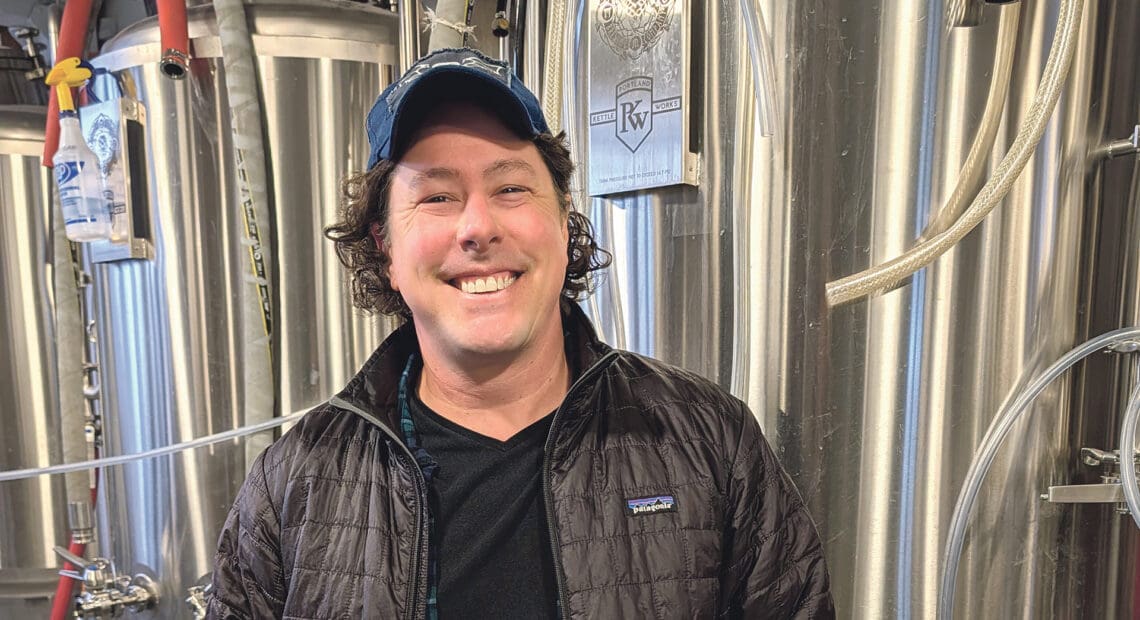
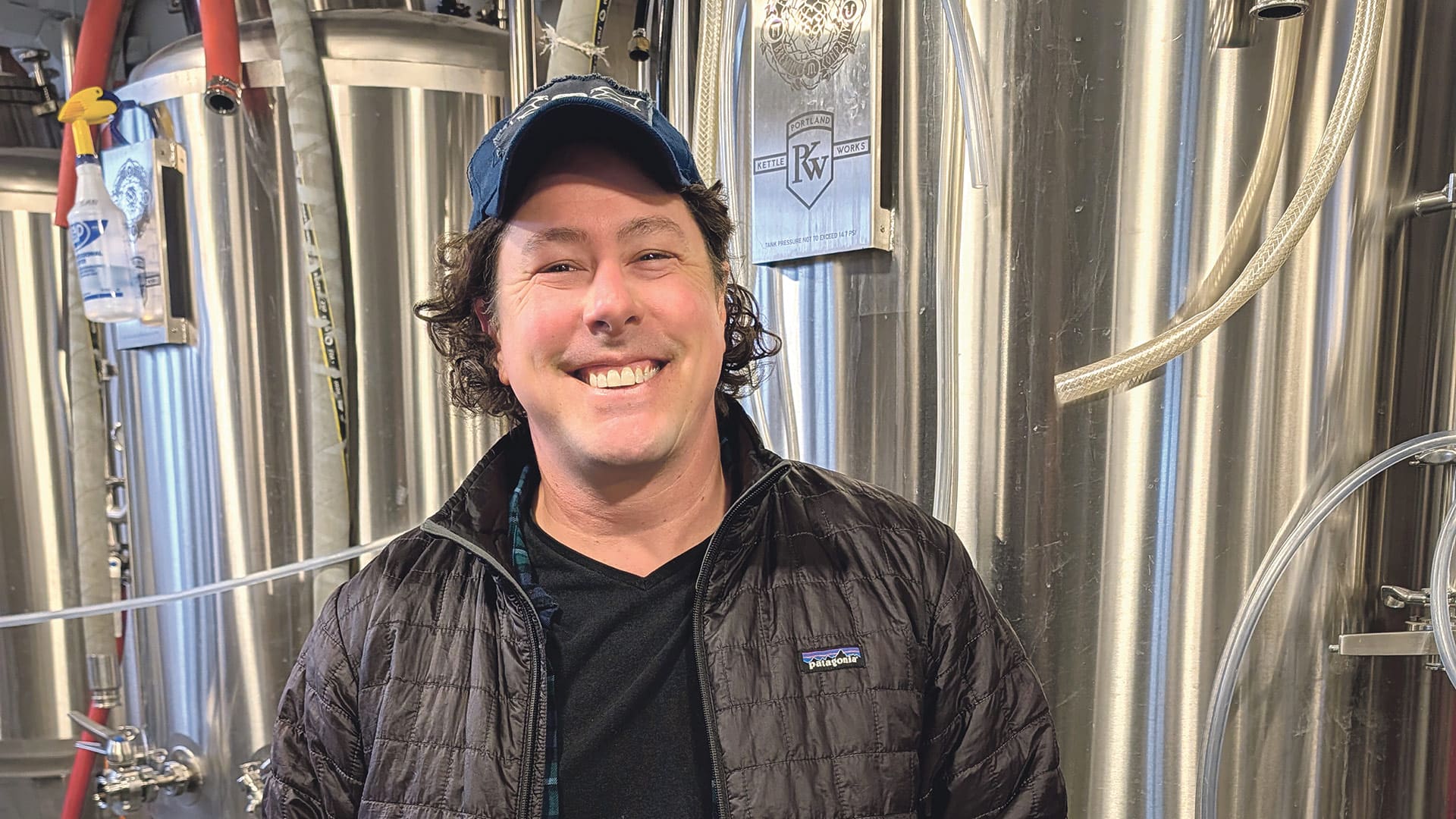
Four Phantoms Brewing Co. owner Drew Phillips.

Four Phantoms Brewing Co. owner Drew Phillips.


When it comes to brewing, Drew Phillips enjoys something a little off the beaten path.

“I love offbeat styles, things that don’t get a lot of love, especially with IPAs being so popular in taprooms,” he said before talking about the ciders and meads he produces at Four Phantoms Brewing Co. in Greenfield. “Cider is one of the only sectors in bev-alc that is actually growing right now, whereas craft beer is shrinking in a period of closures and consolidations. And the sector hasn’t even started to figure out what it means to be an American meadery, really.”

But there’s some cider history in the region; in fact, West County Cidery in Shelburne is the founding post-Prohibition American cidery, he noted.

“We are what’s called a single-source cidery. All of our cider is made with fruit from Pine Hill Orchard in Colrain. So we get to highlight the great character of their fruit and really just celebrate Western Mass. apples.”

“Being in Franklin County and farm country, we’ve got access to a ton of local apple orchards, peach orchards, and all kinds of stuff around here. So we wanted to take the mindset that, when we can use local, we will.”

Meanwhile, Phillips plans his beer offerings seasonally. “We don’t really have what you would call a flagship beer, so our taps are constantly rotating. There are certain styles that people like, and that I like brewing, that we’ll bring back every now and then, but it’s not like we’re always going to have something on tap. We’ll always have something new depending on what season you visit in.”

Some have developed enough of a following to be mainstays, like an Irish stout called Cork by Candlelight and an English nut brown ale. “We try to keep those on just because we can consistently sell them over the entire year; they don’t really need to rotate out,” he explained.

“But in terms of spring and summer coming up, we’re going to dip into lagers and Belgian styles and get into those easy-drinking styles for when it’s hot outside, those really approachable classic pub styles.”

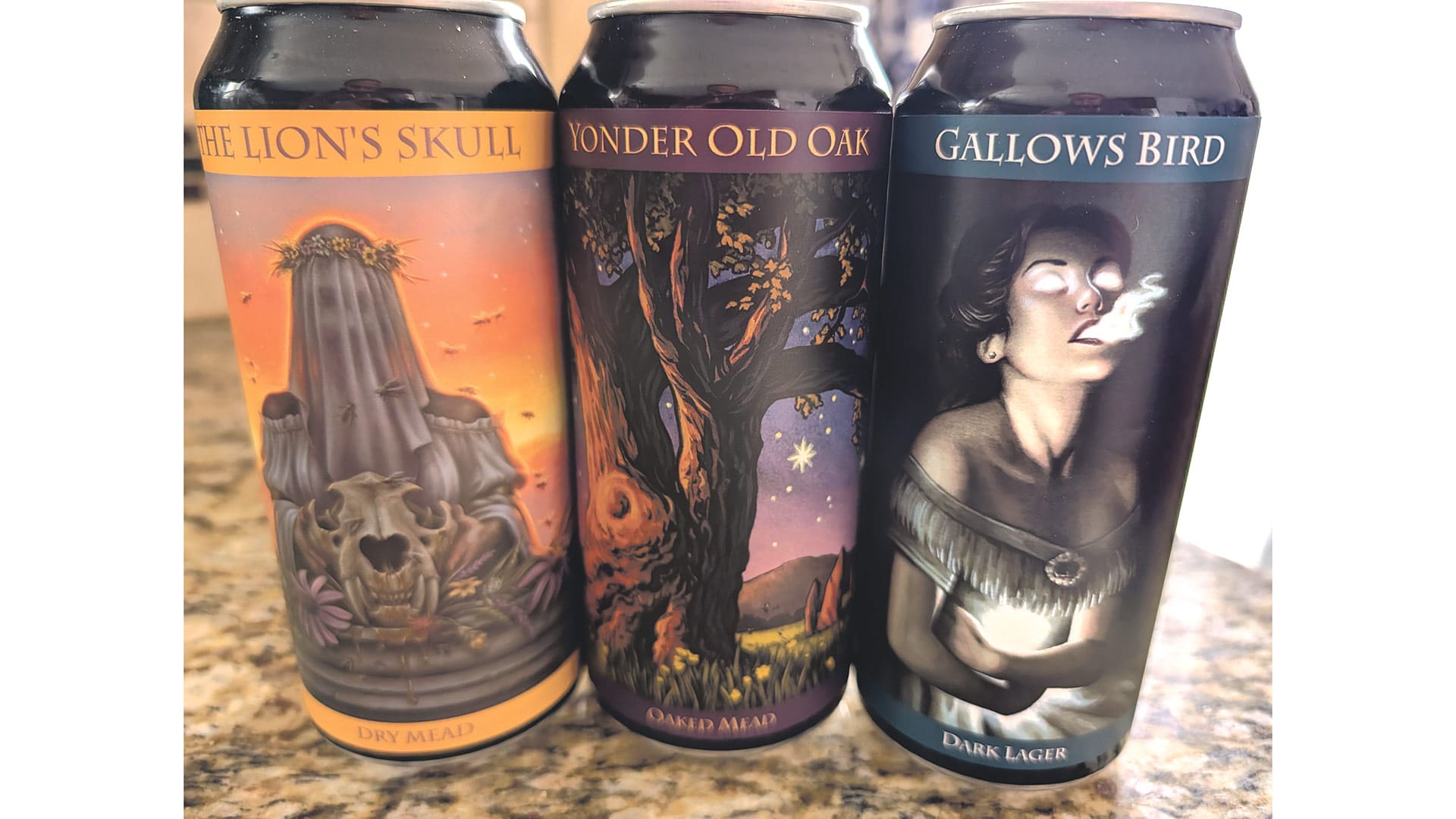
All artwork on the brewery’s cans is created by local artists.

All artwork on the brewery’s cans is created by local artists.

But he’s also got a doppelbock on tap now, which is made from black birch in Cummington — specifically, a property owner with a lot of black birch stands on his land.

“Every winter, there’s usually a storm that comes in that knocks down a bunch of the trees. So we can go in there with a chainsaw, and the wood gets used in the mash. And then, depending on how I’m feeling about it, sometimes I’ll hang a sack of it in the fermenter as well.

“That’s our overall approach to beer,” he added. “We try not to lean completely into what everybody else is doing.”


Fruits of His Labor

Phillips has been brewing for a long time, starting out with volunteer work for breweries before brewing professionally starting in 2012. Four Phantoms began its life as a contract brewery in 2019.

“At the time, I was making cider for Artifact Cider Project in Florence as their lead cider maker and running Four Phantoms as a contract brand on the side. But we always knew we wanted to do bricks and mortar,” he recalled.

“It was that personal engagement, I think, that was very attractive about craft beer and made it grow so quickly, which we are losing quite a bit of.”

The pandemic interfered with the timeline but was also good for cider sales at a time when bars were locked down and the beer business was shaky. “We took that windfall and bootstrapped up the brand to be able to open this place. We got a loan from Greenfield Savings Bank and then opened on Halloween in 2021.”

The name Four Phantoms is a way to metaphotically evoke the passing of the four seasons, he explained.

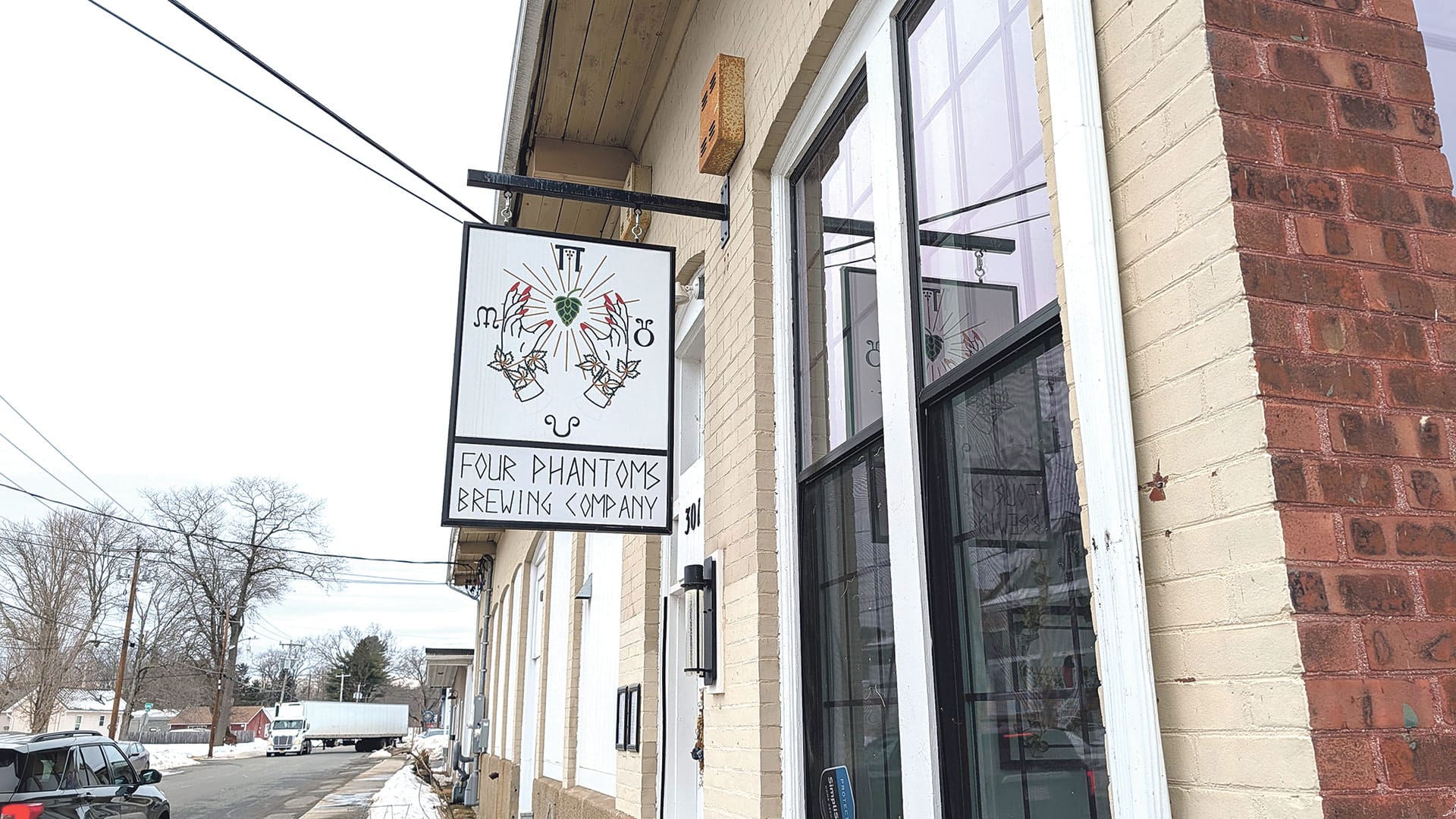
Four Phantoms opened its physical location in Greenfield in 2021.

Four Phantoms opened its physical location in Greenfield in 2021.

“Brewing has always been, at least in American craft beer, very seasonal. So we wanted to highlight that. Being in Franklin County and farm country, we’ve got access to a ton of local apple orchards, peach orchards, and all kinds of stuff around here. So we wanted to take the mindset that, when we can use local, we will — and then, just celebrate what we love about the passing seasons.”

In addition, “we wanted it to be an old-school pub style — we really wanted people to feel like this was an extension of their living room,” Phillips told BusinessWest. “Coming out of the pandemic, I felt there was going to be a slow transition to going back to bars after lockdown, especially in Massachusetts, which had one of the more aggressive policies in terms of COVID and bars shutting down.

“So we wanted it to feel like a family environment — we really wanted to drill down and make sure our neighbors felt comfortable here. And so far, that strategy has been great,” he went on, adding that about 100 patrons have a taproom membership, getting discounted access to events and other perks, and most live within a few blocks of Four Phantoms’ Wells Street address.

As for those events, game nights have become hugely popular, with 50 to 60 people reliably showing up for Dungeons & Dragons on Monday nights, and Magic: the Gathering and other games bringing in crowds as well.

“Even if you’re not interested in craft beer or you’re not a drinker, we’re trying to make this space comfortable for everyone.”

“We also have fundraisers for community organizations, and a lot of people who attend those have never been here before, but end up becoming regulars, which is awesome,” Phillips said, noting that Four Phantoms has used trivia and bingo nights to fundraise for nonprofits ranging from local survival centers to the Immigrant Justice Coalition.

Meawhile, Four Phantoms hosts some music shows, and meetup groups are welcome to use the space as well. The brewery also supports local artists by soliciting them to illustrate its cans and featuring their work on its website.

“I’m just trying to support fundamental organizations in our community and functioning the way that I observed while traveling through Ireland — the pub is like a cornerstone of the community,” Phillips went on. “So that’s what we set out to do, and so far, I feel like it’s been successful.”

That’s despite the industry encountering some rough sailing in recent years, with people drinking less in general — and the pandemic itself may be one reason, as many people may have turned to alcohol during the dark days of isolation and are re-evaluating their relationship with it now, Phillips noted. But that doesn’t mean they can’t come out for a good time.

“We have a pretty extensive menu of non-alcoholic beverages. Our mocktails are really nice beverages. And we have locally made root beers and ginger sodas and stuff like that. We try to make it feel special instead of ‘well, you’re getting whatever we had lying around.’ I’ve noticed, in some bars I’ve gone into, that non-alcoholic beverages can be an afterthought. We try to be a little more thoughtful about it.”

Another downward trend is simply that the youngest generation of drinking age just isn’t patronizing bars and taprooms as previous generations did.

“Craft beer exploded when I started in 2012; we had just come off the financial recession that started in 2008, but we still enjoyed periods of exponential growth during that time. People took it very seriously and were very enthusiastic, but that has definitely cooled off quite a bit.”

One effect of all that is consolidation in the brewing industry, with large companies buying up craft brewers that once thrived in a smaller space, but have since struggled.

“When I was coming up, I saw people putting things they cared so deeply about into their brand identity. And when you get acquired by Anheuser-Busch, it’s sort of hard to believe in that ethos anymore,” Phillips said. “It was that personal engagement, I think, that was very attractive about craft beer and made it grow so quickly, which we are losing quite a bit of.”

In addition, “it makes the sector as a whole a lot less interesting when there’s less variety in terms of styles.”


Supporting an Ecosystem

Four Phantoms is doing its part to bring variety through its products — and community-minded values and personal connection through its events. Phillips distributes his beers, ciders, and meads in some local package stores and restaurants, but he’s most proud of the culture he’s built at the brewery and taproom.

“I feel really grateful, especially at this turbulent time in the craft, to have a reliable community of people who support us and are enthusiastic about the product, but also enthusiastic about coming to the space to see people they know. A lot of our regulars became friends by hanging out here.”

That includes furry friends in this decidedly dog-friendly destination. “It’s cool to me to see a dog that was brought in as a 14-week-old puppy now grown up and still sitting in the same barstool that its owner put it in when it was a little pup.

“Even if you’re not interested in craft beer or you’re not a drinker, we’re trying to make this space comfortable for everyone,” Phillips went on. “And sometimes, I think folks on the outside don’t understand that this doesn’t exist in a vacuum. We’re supporting other local businesses. That’s where we get our local root beer from. We’re supporting local orchards by making cider with their apples exclusively. We’re not just existing in a sort of island. Other shops depend on us patronizing them as much as we depend on our customers patronizing us.”

That’s why he’s committed to being mindful of those community connections and encouraging others to do the same.

“You never know, when one of those businesses closes, how many others are going to follow it. So if you really appreciate your local businesses, and there’s stuff in your community that you’re into and you appreciate the work that they do, try to get in there and show them love,” he went on. “Try to get in there regularly — because we need it right now.”

Breweries & Wineries

True Entrepreneurial Spirit

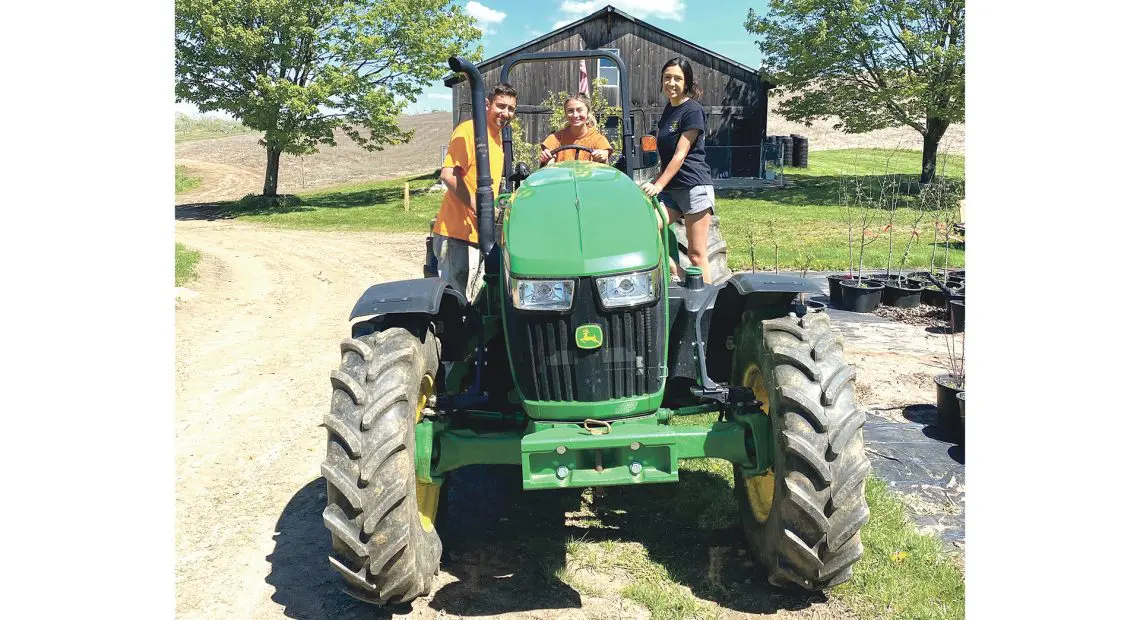
Echo Hill Orchards & Winery is a family business

Echo Hill Orchards & Winery is a family business that includes younger-generation members (from left) Chris, Mia, and Ashley.


When Ashley Krupczak says Echo Hill Orchards and Winery is a family business … she means it.

Indeed, while there are other team members at this Monson institution, the driving forces — figuratively but also literally when it comes to the tractors — comprise two generations of this entrepreneurial family.

There’s Rich and Terry Krupczak, who purchased this orchard more than 25 years ago, and three of their children, Ashley, Chris, and Mia. There’s also, Greg, their oldest child, who passed away in 2022, but remains a huge presence in this multi-faceted operation.

“He was a big part of Echo Hill, and he’s what keeps us going together,” said Ashley, who handles most of the marketing and public relations and acts as official spokesperson, adding that he is remembered with one of the many signature drinks created by the team at Echo Hill.

It’s called Farmer Greg, and it’s a mix of raspberry moonshine and iced tea. It’s part of a growing roster of specialty drinks that also includes Beach Cowboy, made with Jamaican apple rum mixed with orange juice and pineapple juice, with a sugar cinnamon rim and a grenadine floater; Painkiller, made with Jamaican apple rum, cream of coconut, pineapple juice, orange juice, and shaved nutmeg on top; Hoochie Coochie, which features spicy Monson apple vodka, margarita mix, fresh jalapenos, a Tajin rim, and fresh lime; and the OG Mule, made with Monson apple vodka, Goslings ginger beer, and fresh lime.

The offerings are always changing, said Ashley, noting that the depth of this drink list provides just some evidence of how much this family business has evolved over the years — and continues to evolve.

“My brother handles all the farm work, but during the winter, we’re closed down, so I’ll help him trim the apple trees and get the orchards ready.”

Indeed, when the family acquired the orchards 26 years ago, it was a pick-your-own-apples operation, with peaches and pears added to the mix over the years. The ‘you-pick’ offerings have since expanded to now include pumpkins and sunflowers, and blueberries should be added to the portfolio over the next few years.

“People come in, buy their bag, walk out into the orchard, and pick their own,” she explained, adding that this remains a large and important part of the overall operation, especially in the fall months to come.

But the biggest change has come over the past decade or so, when the Krupczak family started making wines from their various fruits, she said, adding that it soon added vodkas, whiskeys, and moonshines to the mix.

These are acquired tastes — and acquired talents, she went on, noting that, like everything else, this is a family affair; Rich handles most of the wine making and distilling, while Ashley is in charge of coming up with the various drink options.

And with these new offerings, Echo Hill has added tastings and winery and distillery flights, whereby consumers can sample five selections, she said, adding that there is a now a full bar and winery where there are tastings, wine by the glass, alcoholic slushies, and those aforementioned signature drinks, which vary with the season and even the week.

For the last weekend in July, after which the winery shut down for a month so the staff could prepare for the busy pick-your-own season, several fall favorites were offered, including a cotton candy slushie, Blue Collared Boys (made with Monson bourbon whiskey, ginger ale, and a splash of apple cider and lime), and the Sugar Daddy, made with Echo Hill’s cider donut whisky, apple cider, and a sugar and cinnamon rim — as well as the a caramel apple sangria and pumpkin pie sangria.

As for wines, Echo Hill now has more than a dozen offerings, including the hugely popular Goblin Grog, a pumpkin chardonnay that goes very quickly in the fall, as well as a sour wine made with apples and blueberries and a blue sangria offered around Halloween called Spooky Sangria.

Meanwhile, Echo Hill books a full schedule of local food trucks — everything from Cousins Maine Lobster to Tony’s Happy Valley Pizza to Rooster’s Roaming Cantina — making the orchard a true destination throughout the year, like many area wineries and breweries.

With its Monson location, Ashley explained, Echo Hill draws visitors from not only Western Mass., but also Connecticut (with easy access off I-84) and, during the fall season, “from all over, really — New Hampshire, Vermont, Florida, you name it.”

As for the pick-your-own aspect of the business, it remains a huge part of the operation, she said, noting that the season officially begins Aug. 30 with apples (more than a dozen varieties) and sunflowers, with pears, peaches, and pumpkins added to the mix by the end of September, with the weather determining exactly when.

Last year was a difficult one, she went on, adding that heavy and persistent rains washed out the peaches and pears, as well as many of the pumpkins. This year — and she acknowledged that it’s still quite early in the game — the outlook is much brighter, in every respect.

As she noted, this is truly a family-owned and operated business, where everyone works together, but each member has a realm that is largely their own.

“My brother handles all the farm work, but during the winter, we’re closed down, so I’ll help him trim the apple trees and get the orchards ready,” said Ashley, noting that her younger sister, Mia, will soon be coming on full-time and will help both in the orchards and in the winery.

Meanwhile, they all work together to develop new offerings and keep the operation on the cutting edge, if you will, when it comes to bringing various audiences to the farm — and then bringing them back.

The Krupczaks have enjoyed great success doing just that over the past quarter-century, and they are on a trajectory for continued growth and ongoing evolution of its varied offerings.

In short, their hard work and entrepreneurial spirit is bearing fruit — in all kinds of ways.

—George O’Brien

Breweries & Wineries Special Coverage

Beyond the Beer

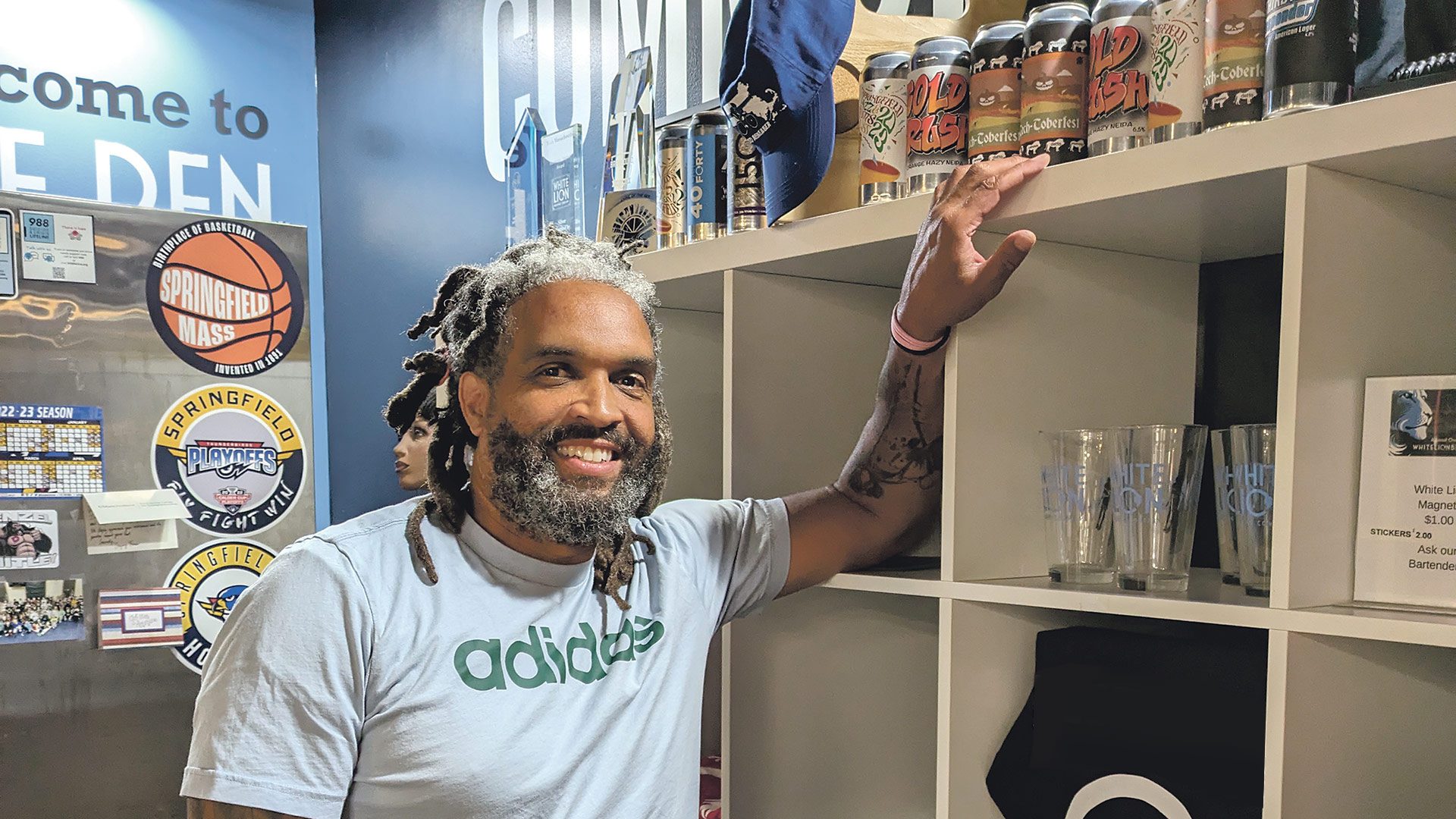
Ray Berry, owner of White Lion Brewing Co.

Ray Berry, owner of White Lion Brewing Co.


In the early days of White Lion Brewing Co., exposure was critical, Ray Berry said — and it still is.

“When the White Lion brand was created, the ultimate goal was to have a brick-and-mortar location in downtown Springfield. We thought that we would be able to accomplish that in a couple of years, but it took longer than that. And because we were contract brewing in another location, it was hard for consumers to identify us because there was no bricks and mortar,” he recalled.

“So it was important for us to engage the community by doing special events, pop-ups, beer gardens, collaborations, partnerships with other community organizations. And that allowed us to really start to have the brand resonate in the Greater Springfield area.”

Almost a decade ago, Berry started having conversations with the Springfield Business Improvement District about bringing the first beer garden to downtown Springfield.

“We rotated in two or three different locations every week for several summers. And that excitement, that engagement, that new option for professionals — and folks just coming to town after work on Wednesday — was incredible. The crowds grew week over week. It really took on a life of its own.”

“There are over 9,000 craft breweries in the United States. There are towns in Western Mass. that have three or four different breweries, and there are only so many consumers. So it’s important for a brand like White Lion to be very proactive and engage as much as it can to keep the consumer aware of what we’re offering.”

COVID put a damper on those events for a while, but after the pandemic, White Lion not only roared back with events, but continues to expand them in neighboring cities (more on that later).

“I guess the gist of it is, it’s important in this hyper-competitive environment,” Berry went on. “There are over 9,000 craft breweries in the United States. There are towns in Western Mass. that have three or four different breweries, and there are only so many consumers. So it’s important for a brand like White Lion to be very proactive and engage as much as it can to keep the consumer aware of what we’re offering. You have to make a strong marketing effort just because of all of the things that have changed since COVID.”

Barks & Brews is always a popular event at Fort Hill Brewery.

Barks & Brews is always a popular event at Fort Hill Brewery.

Progression Brewing Co. sells beer in hundreds of locations from the Berkshires to Cape Cod, but still relies on business at its downtown Northampton headquarters. Which is why the brewery runs a very busy calendar of events every week, from live music to trivia nights to … bonsai workshops.

“You can find our beer anywhere, but when it comes to getting people in this space, they need specific reasons to go,” said Chris McKenney, taproom manager. “It’s not just about giving a pint to them, but who they’re having a pint with and what they’re doing. It’s all about community engagement. I don’t think any brewery is turnkey anymore — just open the doors, and people will come and drink. I think you need to keep giving people reasons to come, in order to keep the taproom full.

“I can’t believe how busy trivia is week after week,” he went on. “And the live music is great. We’ve got so much talent here in the Valley, so many inquiries from bands who want to play. I don’t charge a cover at the door when we’re trying to get people in; I want people to come and enjoy the place. So maybe you’re losing a little up front, but maybe you get a repeat customer who says, ‘hey, this seems like a cool spot; I want to come back.’”

“It’s all about community engagement. I don’t think any brewery is turnkey anymore — just open the doors, and people will come and drink. I think you need to keep giving people reasons to come, in order to keep the taproom full.”

Eric Berzins, general manager and head brewer at Fort Hill Brewery in Easthampton, called taproom events a critical part of the operation.

“It’s another way to interact and bond with the community,” he said. “Usually, beer drinking has a social dynamic, but adding events, adding music, just facilitates it a little bit more in this age where we’re constantly sort of individualized. So this is just a lubricant to socialization. I guess that’s the best I can describe it in an odd way.

“In terms of music, it’s very eclectic,” Berzins added. “We have big bands, small bands, we’ve got rock and roll, we’ve got folk, we’ve got vocals, we’ve got no vocals. We cover a fairly broad spectrum.”

Then there are annual events like a fundraising 5K and the popular Barks & Brews night, which is what is sounds like — a way for people and their dogs to mingle, eat, drink, and have a good time.

“That’s a very interesting day because everyone’s very rush-rush out on the street, but when everyone’s with their dog on the property, they seem to relax and bring it down a notch. It just doesn’t seem like people are as agitated,” he told BusinessWest, adding that the long-term impact of all this activity is positive for the business. “We’ve got a few people that are here almost every single day.”


Food, Folks, and Fun

This summer, White Lion has a beer-garden presence — featuring live music, food vendors, and, of course, beer — in three cities: at rotating spots in downtown Springfield, in Holyoke’s Armour Yard at the Cubit, and at the new Elm Street Plaza in Westfield.

“That beautiful plaza is right in the heart of downtown,” Berry said of the Westfield park, “so we’re lucky and very happy to be part of that. The last four weeks, the number of people out there has been incredible. I think there’s definite buy-in and appreciation for that new venue in Westfield.

Patrons await entry to the Back Porch Music Festival

Patrons await entry to the Back Porch Music Festival, which hosted a wide array of bands for three days in March at Progression Brewing Co.

“We try to cater to multiple palates,” he said of White Lion’s events in general. “There’s always food available and different variations of beverages. Then there’s music, so there’s the entertainment piece. People want to just come out and enjoy the music, or they may want to have a beverage and a bite to eat, but they want to be part of this ecosystem of energy. It’s incredible — you see little kids running around, young families, grandparents with their grandkids, and people riding through on skateboards and bikes and grabbing a bite to eat. It really does create a sense of community.”

Speaking of community, area breweries find many other ways to connect with locals. In addition to live music, Fort Hill regularly features food trucks, cruise nights, and events that benefit area organizations, from schools to the Pioneer Valley Ballet. It also supported the development of the Fort Hill mountain bike trail at Berkshire East in Charlemont — one that features 40-foot jumps — and Berzins, a mountain-biking enthusiast, is looking to convert some of his Easthampton property to a BMX track.

These efforts are carefully crafted to attract a broad age range, he noted, while generating on-site energy — and revenues — to complement a distribution business that places Fort Hill brews in liquor stores and taps across Western Mass.

“The cruise nights bring in a slightly older crowd because they’re the ones that can afford the 1962 muscle cars,” he said. “But it’s all about socializing. I try to establish an environment where people socialize and talk to their neighbor.”

Progression also runs activities that benefit local schools and nonprofits, McKenney said. “It’s a way to give back. It’s really easy to cut a check, but when you open the doors, you might be getting whole groups who have never been here before, and you might get a repeat customer or two.”

He’s also leaned heavily into renting out the space, either the whole taproom or semi-private events in a smaller space for up to 50 people. Progression has also hosted more than 200 wedding parties in the last three years — in fact, it had three scheduled the week McKenney spoke with BusinessWest — along with after-hours events held after 10 p.m., when most breweries are closed.

“Just like there’s so much musical talent around here, we’re also surrounded by incredible wedding venues left and right,” he said of a wedding-adjacent business that has surprised him in its robustness. “I don’t want to say I spent the first two years throwing stuff at the wall to see what would stick, but there I some truth to that.

“At the end of the day, most of us in the area are not running ourselves as a destination brewery model, but as a hub for the community.”

“At the end of the day, most of us in the area are not running ourselves as a destination brewery model, but as a hub for the community,” he added. “Any given night, there might be three to five meetups using our space. It could be a shared interest, young entrepreneurs, a group of tabletop gamers; a local running club is here every Thursday. I look around my space, and I see a birthday party or an after-hours office event. The important thing is that everyone is enjoying the space and enjoying a pint or two.”


Community Focus

Berry is proud of the community collaborations White Lion has done over the years, from a celebration of Eastern States Exposition’s 100th anniversary to partnerships with the Springfield Museums, the Basketball Hall of Fame, and the Springfield Thunderbirds, as well as some upcoming events with the Springfield Puerto Rican Parade committee and a new partnership with Ride to Remember, an initiative that supports local law-enforcement families.

“My background has always been the nonprofit, quasi-public space. So, when building White Lion, it was easy for me to take all those relationships and all that experience that I had built up to incorporate it into the fabric of White Lion,” he told BusinessWest. “It’s important for us to be part of those community conversations.”

Events will continue to be important in another, more sobering way, which has to do with the brewery’s location in Tower Square, and downtown Springfield more generally.

“I remember the pre-COVID days, the number of people in the towers. MassDevelopment has statistics that said there were upwards of 7,000 to 8,000 people downtown in these three or four towers. And we built our business model on those pre-COVID numbers. That was part of our business plan.”

After COVID, those numbers have fallen off dramatically as remote work has taken hold.

“Like any other business, you have to pivot,” Berry said. “So we’ve put a stronger emphasis on these different lanes of operation.”