
A Hand Up, Not a Handout

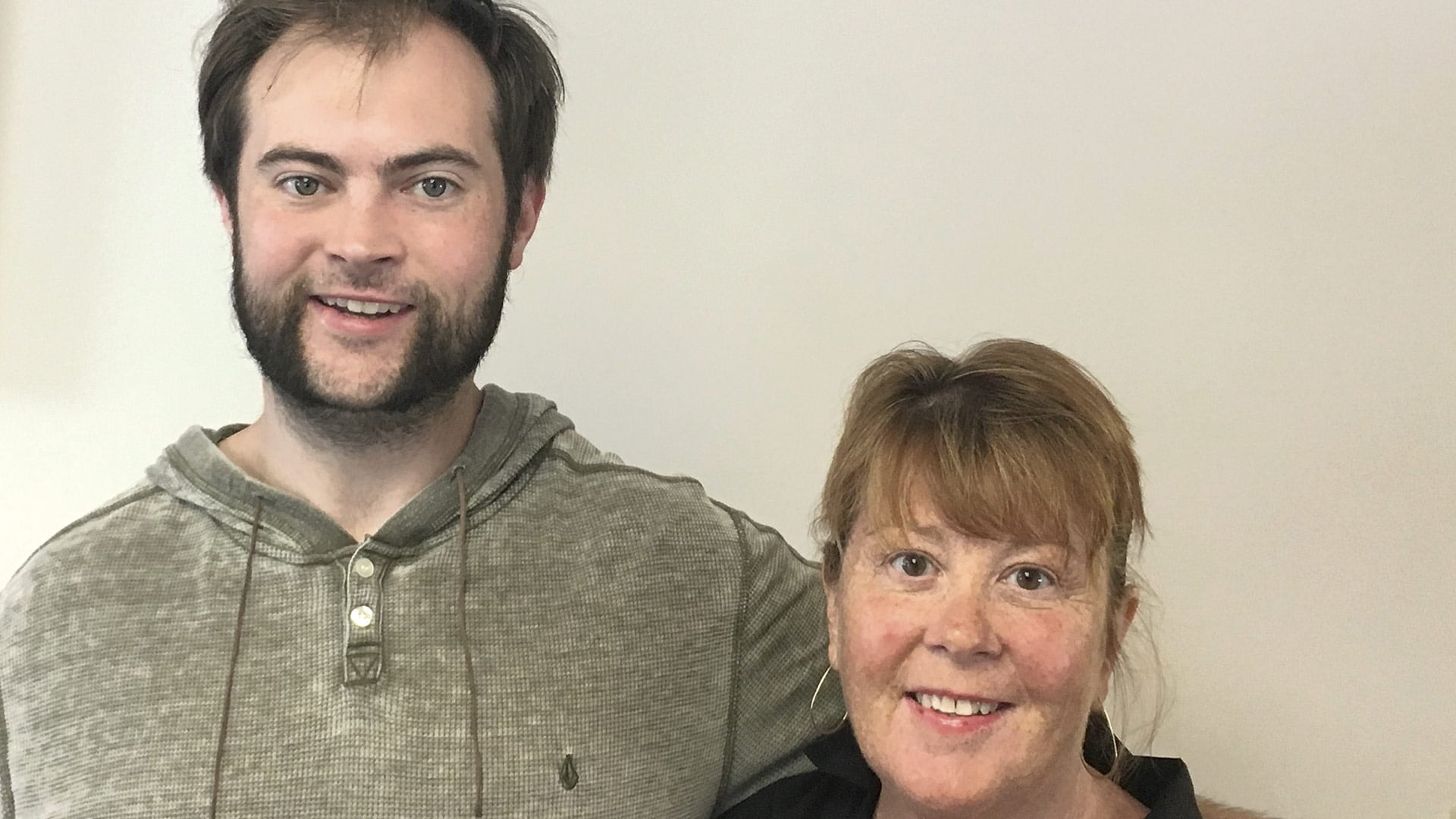
Springfield Rescue Mission CEO Kevin Ramsdell
Springfield Rescue Mission has long helped its homeless clients find jobs. Sabra Ramsdell was concerned about how often those jobs didn’t stick.
“What is the value in work? A lot of people don’t understand that the value in work is that it teaches you a discipline,” she told BusinessWest. “It’s not just a paycheck. It teaches you how to build self-esteem in yourself.”
And for whatever reason, motivation or otherwise, “we would find that guys would just hit a brick wall and quit. And we were scratching our heads going, ‘why? What’s going on?’ But we had no mechanism to call an employer and say, ‘well, what happened?’ And if you talk to the residents, you get one side. So I finally just said, ‘this isn’t going to work this way.’”
So Ramsdell, chief of staff at Springfield Rescue Mission (and the wife of CEO Kevin Ramsdell), started thinking about different models.
“The one entity that I’ve seen that does this over the long haul is the DDS,” she said, referring to the state Department of Developmental Services. “They have a mechanism that works between HR departments, companies, and employees. Many of these guys who are housed in group homes come to, say, Big Y through an agency. Well, we’re an agency, so how come we can’t develop a program that would ensure to companies that they would have a fallback to contact us if they were running into an issue? It’s really that simple.”
That’s how the mission’s Workforce Development Outreach program was born. And on Oct. 30, the program got a major boost of funding — and a vote of confidence, really — from KeyBank Foundation in the form of a two-year, $150,000 grant to create a liaison position that will work with employers to help the mission’s transitional residents secure jobs best suited for them, and then keep them and grow in their careers.
“This grant reflects our ongoing dedication to investing in local communities and helping individuals build brighter futures.”
“One of KeyBank’s philanthropic focus areas is workforce development and helping individuals achieve the skills, education, and capabilities they need to succeed in current and future employment opportunities,” said Matthew Hummel, KeyBank’s market president for Connecticut and Massachusetts. “This grant reflects our ongoing dedication to investing in local communities and helping individuals build brighter futures.”
Essentially, the Workforce Development Outreach program matches mission residents with potential employers, while providing training and support to the residents to become effective, retainable employees. The grant is a way to build and expand partnerships with local companies and, through the new liaison, coordinate efforts between employers, employees, and the mission’s case-management team.

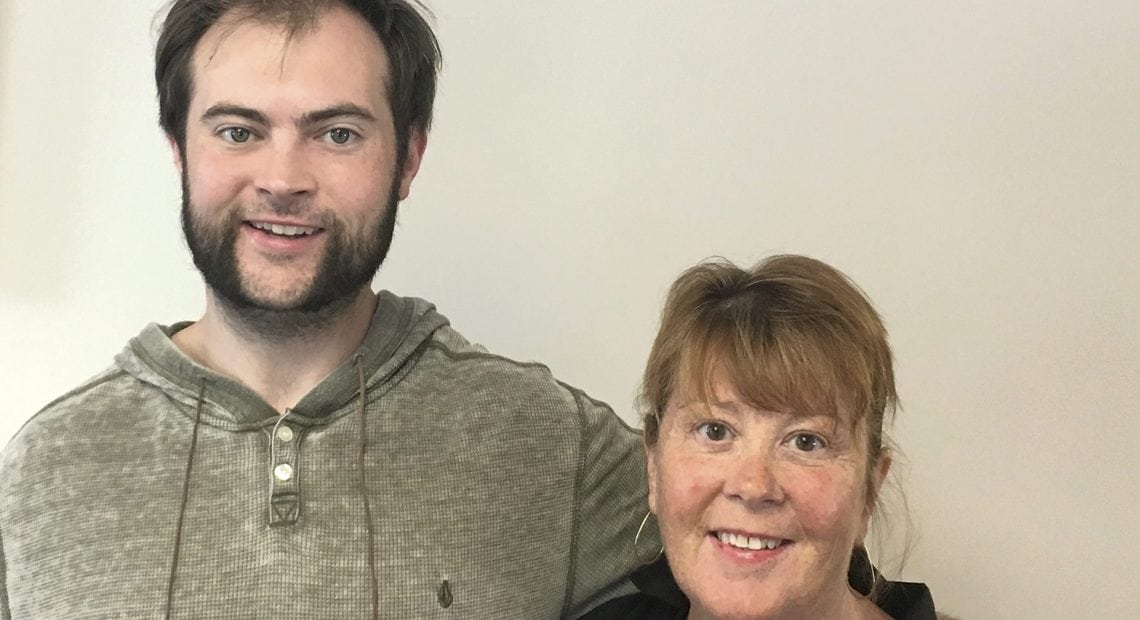
KeyBank’s Matthew Hummel, flanked by Sabra and Kevin Ramsdell and joined by local and state leaders, presents the $150,000 grant to Springfield Rescue Mission.
“We are incredibly grateful to KeyBank for the generous funding, which will greatly enhance our Workforce Development Outreach program,” Kevin Ramsdell said during the check-presentation ceremony. “This support will empower us to help more individuals in need gain valuable skills and opportunities to secure sustainable employment and self-sufficiency.”
Shared Mission
Hummel told the crowd gathered at the check presentation that KeyBank Foundation’s focus on helping people attain the skills and education needed to succeed in careers fits squarely with the mission’s work.
“The Workforce Development Outreach program is not just about job training, it’s about equipping people with the skills, the confidence, and the support they need to rebuild their lives. It’s about giving people hope, dignity, and the opportunity for a better future. That’s also a mission that we can stand behind,” he said. “With this grant, we’re helping them create a pathway to success, offering tools to allow individuals to secure meaningful employment, achieve financial independence, and ultimately contribute to the privacy of this community.
“Employers are going to have that support, too. They’ve got somebody else that they can talk to about what’s really going on. And we genuinely want these guys to realize their dream and become effective employees.”
“By partnering with not-for-profits and nonprofits like Springfield Rescue Mission,” Hummel added, “we can help individuals rise above their challenges and build a foundation for long-term success.”
It’s a message that also resonated with state Rep. Carlos Gonzalez, who touted Springfield Rescue Mission’s status as the first shelter of its kind in the state of Massachusetts, and the fifth-oldest in the U.S.
“This is about our community. This is not about helping with a handout, it’s helping with a hand up. That’s what this program is about,” he said. “These opportunities are about not only sheltering, but about rehabilitation.”
City Councilman Melvin Edwards spoke to the Christian values that undergird the mission’s work.
“I know that the mission is biblical, and we’re supposed to feed those in need and house them,” he said. “I believe this program is about the fact that some of us are in a better position than others, but … our collective success is dependent on the people around us and whether they’re willing to reach out and give us a helping hand. So for those of you who are providing the services, thank you.
“For those who are receiving services, look in the mirror and recognize you do have value, you are loved, and people in the community do respect you,” Edwards added. “Sometimes we can’t control how people speak about us and look at us. But you should look at yourselves and realize you do have value.”
Sabra Ramsdell emphasized during her short address that the underserved population needs more than just simply a job. “Most of us could go get a job,” she noted. “The trick is to get a job doing something you love because, as my husband likes to say, you’ll never really work a day in your life if you love what you’re doing.

Matthew Hummel says workforce development is one of KeyBank’s philanthropic focus areas.
“Secondly, you need real support from employers who understand that the population we’re dealing with … may not completely have all the skills necessary to perform the way we would like. So this program was born to bring about a relationship between employer, case management, and resident in an effective way that we hope solves problems and produces more active, robust employees.”
More Than a Job
Springfield Rescue Mission’s Taylor Street site hosts an emergency shelter accommodating 45 men nightly, offering meals, showers, and clothing, while its Rehabilitation Program supports transitions with healthcare, addiction services, and mental-health support. At the mission’s Mill Street location, the New Life Rehabilitation Program aids up to 60 men over six to 12 months through a holistic wellness track, including medical care, academic support, workforce development, and life-skills training. The mission also distributes 3.1 million pounds of food annually, benefiting hundreds through meals and community outreach.
After the check presentation, Sabra Ramsdell told BusinessWest that she wants to help people succeed in life by creating more of a mentoring partnership between employers and underserved populations.
“Employers are going to have that support, too. They’ve got somebody else that they can talk to about what’s really going on. And we genuinely want these guys to realize their dream and become effective employees.”
If the liaison to be hired with KeyBank Foundation’s grant funding is as effective as hoped, Ramsdell said she could see this program becoming a model that could be incorporated into other social services.
“I don’t have a social-service background. I was a banker for 20 years. I did mortgage work. So I know what I know — the pathway to becoming independent financially as a first-time homebuyer. But I don’t know this other piece, which is getting somebody from where these guys are to that point.”
To aid in that process of economic advancement, the mission also provides digital-literacy training to help residents gain the basic skills they need to work in many settings.
As for long-term goals, she noted, “you have to look at that whole person and say, ‘how old are you? What is your dream? What did you dream? What did you like doing when you were a kid? Tell me about your life, your family.’ You’ve got to analyze where they really are and then figure out where they need to go.”
The Workforce Development Outreach program is open to all the mission’s transitional-living clients, more than 100 at a time. So the impact could be significant, boosting local businesses in need of workers while providing not just jobs, but potentially career pathways beyond minimum wage.
“If it’s a difference between $15 an hour and $25 an hour or more,” Ramsdell said, “that gets them out of that cycle of poverty.”