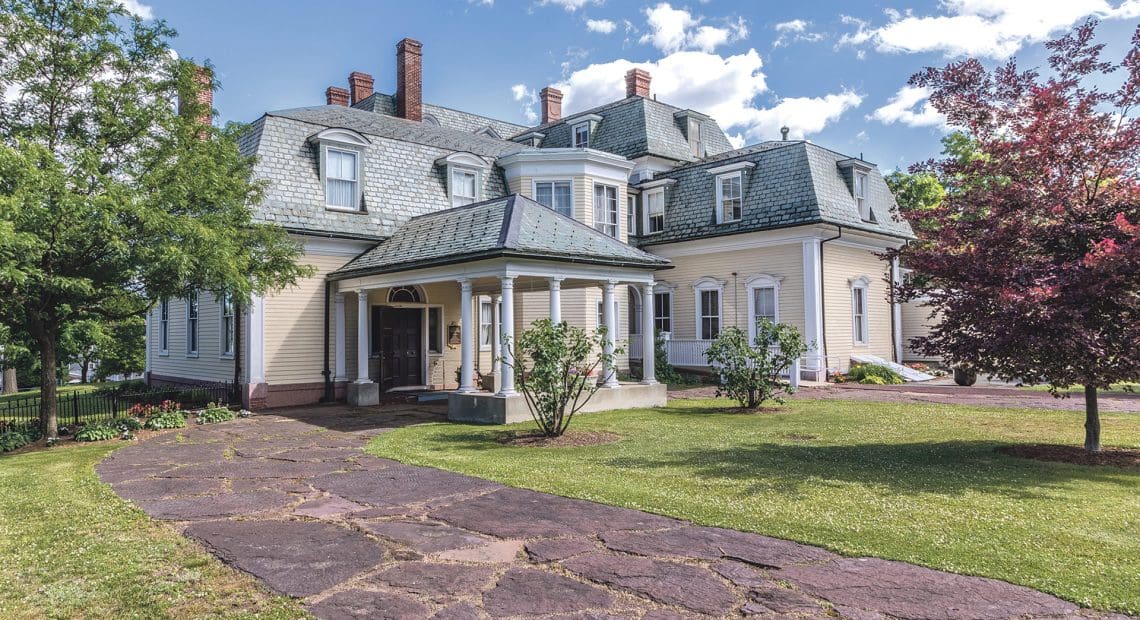
Wistariahurst Is a Center for Culture, Education
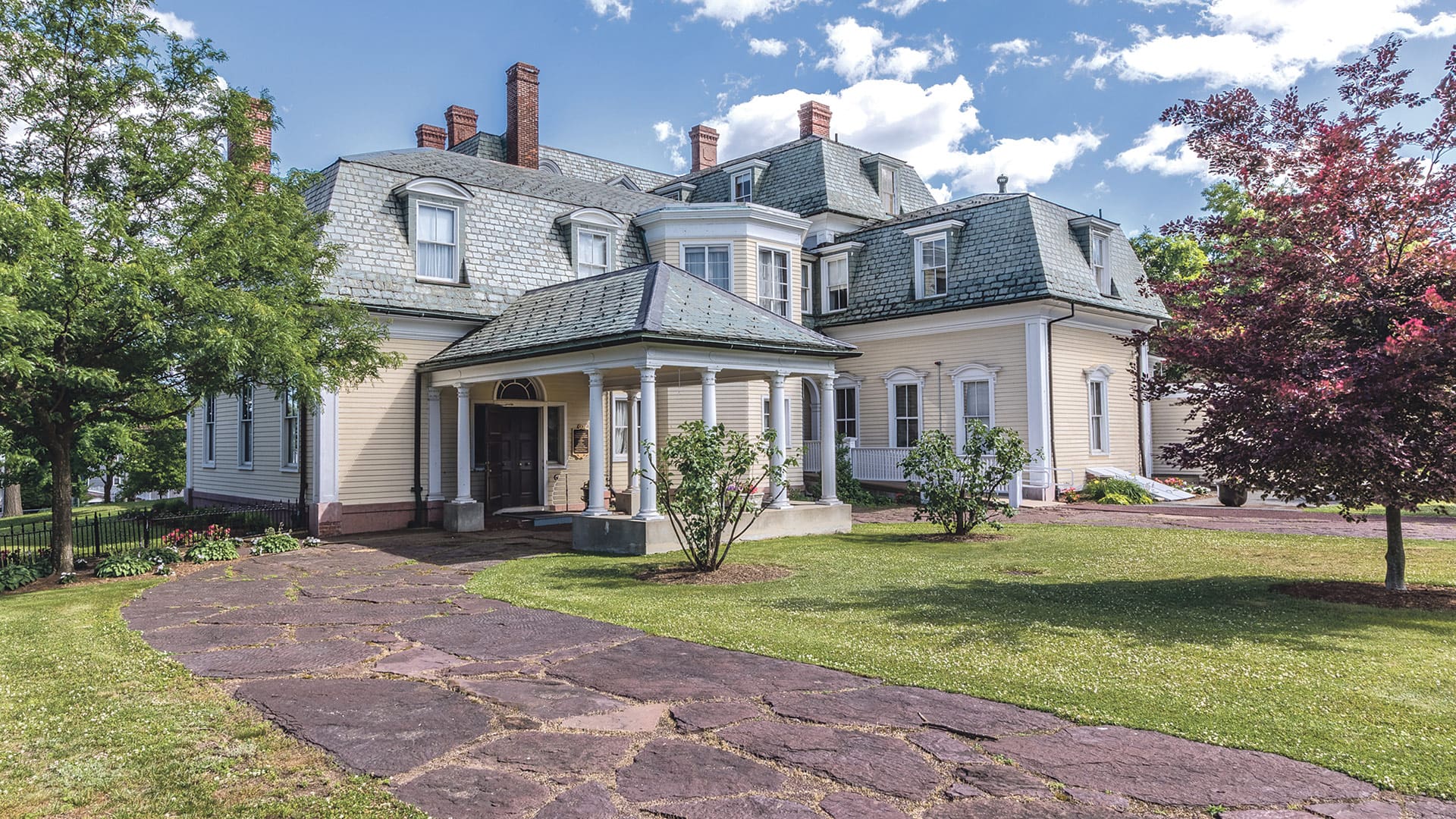
They plan to call it the “Immigration Experience Room.”
And that’s exactly what it will relate, said Megan Seiler, director of the Wistariahurst Museum in Holyoke, adding that this permanent new exhibit, set to open this summer, will give participants a glimpse into everything from the questions asked immigrants arriving at Ellis Island — thousands of whom found their way to Holyoke — to what they would pack in the one suitcase they would bring to this country.
“You come in, and you’ll take the steps that someone immigrating to this country would have taken, from the medical exam to other questions they would be asked,” she said, adding that this will be a hands-on family activity, complete with a passport that can be stamped and a map so visitors can pinpoint where they’re from.
The Immigration Experience is just one example of how Wistariahurst, the estate built by silk magnate William Skinner, is much more than a house museum; indeed, provides educational experiences involving all of Holyoke and much more. One upcoming exhibit is called “Prison Reimagined,” featuring visual art and poetry created by people who are currently incarcerated.
Meanwhile, it has become an event venue, hosting everything from weddings and retirement parties to art exhibits and book discussions.
The home, like Skinner’s silk mill, was originally in Williamsburg, and moved to Holyoke after the great flood of 1874. The buildings and grounds were owned continually by the Skinner family until 1859, when Katherine Skinner Kilbourne, the youngest child of William and Sarah Skinner, and her heirs gave Wistariahurst to the city of Holyoke.
It has become what Katherine Skinner intended it to be — a center for cultural and educational purposes.
Its grounds are open to the public dawn to dusk, Seiler noted. “We get people coming throughout the day, especially when things are in bloom. We get people doing yoga on their lunch break, we get the YMCA preschool … people love the grounds.”
There are also house tours and, as noted, a wide variety of programs, many of them focused on Holyoke and the people who have come here since it became a planned industrial city in 1873. In addition to “The Immigrant Experience,” there’s also a planned permanent exhibit on migrants who came to Holyoke from the South, Puerto Rico, and elsewhere.
In short, while the landmark tells the story of the Skinners, it really tells the story of Holyoke and all who have called it home. Learn more at www.wistariahurst.org.
—George O’Brien