

Sheryl Blancato
CEO, Second Chance Animal Services
Her Growing Operation Saves Lives While Keeping Families and Pets Together
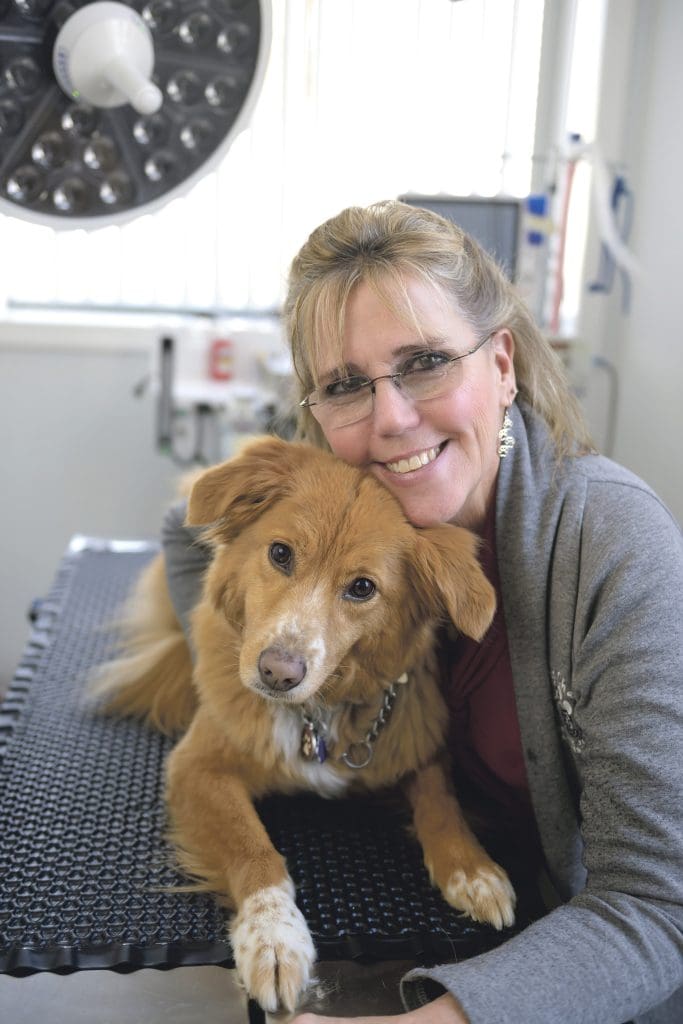
Sheryl Blancato
Photo by Bob Zemba, Simple Truth Imaging
Twenty-six years ago, Sheryl Blancato opened an animal shelter. And quickly realized it wasn’t enough.
“The initial plan was, ‘hey, we’re going to help the animals.’ But I quickly realized that it’s a band-aid. There was a much bigger issue here, and I’m a root-cause person. And the root cause is, ‘why are these animals coming into the shelter?’ That’s why we started doing vaccine clinics, because the animals were dying of preventable diseases, and we also did spay and neuter to prevent overpopulation.
“I still remember the day I went to my husband and said, ‘you know what? We need to start having hospitals because too many animals are being surrendered for perfectly preventable, treatable things, and it’s overwhelming the shelters. And if they’re already in a loving home, why not keep them there?’”
That idea became the foundation of everything Second Chance Animal Services does: addressing the root causes of why families have to give up their pets, and then keeping those families and pets together.
“You can never build a shelter big enough to help every animal in need,” Blancato said. “But you can build things to keep them out in the community where they’re already in loving homes.”
Programs like Homebound to the Rescue. The idea behind that initiative is that many senior citizens can’t afford to provide basic medical care for their pets or don’t have transportation to bring them to a vet. So Second Chance visits low-income senior-housing areas to offer low-cost vaccinations, testing, and other care, so the animals stay healthy and, just as important, don’t have to be surrendered because they can’t be properly cared for.
Then there’s Project Keep Me, which provides temporary housing for the pets of domestic-violence survivors, enabling their owners to seek safe housing arrangements while ensuring the well-being of their animal companions, and later returning them to a more stable environment. Without such a program, people in crisis often have to choose between staying in a dangerous situation and losing their beloved pets.
“I saw some people surrendering because they were in domestic-violence situations,” Blancato recalled. “They had somewhere to go, but they didn’t want to leave their pet, and they couldn’t bring their pet in this situation until they could sort things out,” she said. “So we hold on to those pets for up to 90 days, so they can go to their sister’s house, where their dog doesn’t get along with her cat. We’ll hold the dog for you; you get to your sister’s, get safe, get the assistance you need to get somewhere else, and then take your dog back.”
Second Chance now offers a similar service to veterans who need to seek medical treatment outside their home for an extended period. “If they can’t bring the animal with them, they’re not seeking the treatment. So we’re doing the same thing: we’ll give you up to 90 days so you can go get the treatment you need, get on the right path, and get your animal back.”
In fact, many of the programs that have evolved from that initial small shelter in East Brookfield were developed with the same goal in mind: to not only help animals find homes, but keep as many as possible from being surrendered at all.
This focus has seen Second Chance expand its reach dramatically over the past 26 years. It now encompasses four hospitals (in North Brookfield, Springfield, Worcester, and Southbridge) and serves more than 56,000 animals a year — a number that grows steadily every year.
Blancato has occasionally run into people who take the attitude of, ‘if they can’t afford pets, they shouldn’t have pets.’
“So I present examples. ‘What about your grandmother? Your grandfather died, and that little puppy, or that little cat, is their whole life.’ Or, ‘think about the single mom. I was a single mom at one time with three kids. That dog was everything to me. God forbid I had a serious medical issue; I didn’t have the money for it. But that dog meant so much to me and my kids at that time.’ And they say, ‘all right, I get it.’”
“The average family has less than $500 in emergency money. So, if you’re raising kids, $8,000 is a lot of money. I couldn’t have done it when I was a single mom. There’s no way. I would have had to make a really heart-wrenching decision.”
With tens of thousands of animal-loving families also getting it — and getting the help they need but could not otherwise afford — Blancato has made a career of keeping pets in loving homes. That’s the work of a true Difference Maker.
Paws for Concern
Blancato has often told the story of a puppy named Buster that she — then a single mother of three — adopted during her 20s, following a tough stretch in which her husband left and she battled cancer. Because Buster liked to escape his yard, Blancato got to know East Brookfield’s animal-control officer, and they became friends — and he eventually offered her a job as an animal-control assistant. He retired not long after, and she took over his role.
She’d pick up a lot of strays that were never claimed, and she struggled to get them medical care and into homes, so she decided to start a shelter on a neighbor’s donated plot of land. By that time, she had adopted another dog, Dusty, who had been abused.
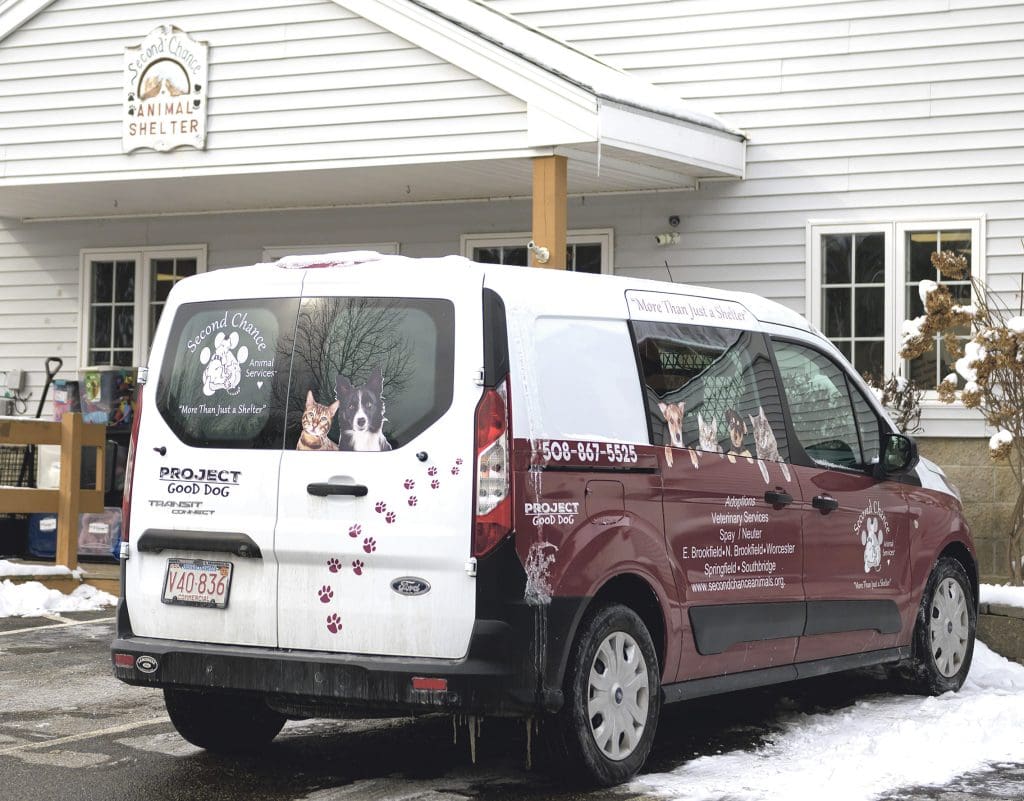
Project Good Dog matches behaviorally needy dogs with inmates in pre-release programs at local correctional institutions.
Photo by Bob Zemba, Simple Truth Imaging
So, while raising three children — and, by that time, two stepchildren — she took $400, raised whatever else she could, and built the adoption center that still sits on the property today.
The shelter was offering spay/neuter services and vaccines in the early years, but Blancato realized she could do more to keep pets and families together through expanded veterinary care. The first hospital was built in neighboring North Brookfield in 2010 and expanded to full-service care in 2013, and the other three hospitals followed, giving Second Chance a broad footprint across Central and Western Mass.
In addition to the hospitals and the programs mentioned earlier, Second Chance offers the Helping Hands outreach, which assists dozens of rescue sites, shelters, and municipal facilities by providing low-cost spay/neuter and vet care; Project Good Dog, which matches behaviorally needy dogs with inmates in pre-release programs at local correctional institutions, providing 24/7 care and training for the dogs while teaching handlers patience, compassion, and responsibility; a pet-food pantry; mobile adoption, education, and vet-care events; and much more.
The low-cost hospital care for families that need it can be the difference between keeping a pet and losing it. For example, the week before Blancato spoke with BusinessWest, a patient’s dog had swallowed a baby’s pacifier.
“That’s a $6,000 to $8,000 surgery in emergency. They didn’t have it. We were able to do it for $1,000. That’s life-changing for them,” she recalled. “The average family has less than $500 in emergency money. So, if you’re raising kids, $8,000 is a lot of money. I couldn’t have done it when I was a single mom. There’s no way. I would have had to make a really heart-wrenching decision.”
Other area veterinary hospitals have actually sent patients to Second Chance to avoid what Blancato called “economic euthanasia.” And the model of subsidizing care for low-income patients is catching on in other places, she added, though it’s not for the faint of heart.
“When someone says, ‘we want to start a hospital,’ I’m like, ‘OK, here’s the deal. It’s expensive, it’s hard, and you have to have a business mind because we work on a very tight budget.’”
That budget — about $10 million annually — comes in several forms: grants, individual donations, legacy gifts from people who pass away and leave money, as well as hospital co-payments and adoption fees. “We don’t get enough in the hospitals to sustain it all, so we need those donations.”
“What people don’t realize is the cost of medical equipment in veterinary medicine is equal to that in human medicine. It’s very expensive, and it doesn’t last forever. We also want to attract the best vets, the best techs, the best staff. And they need to get paid.”
And many clients do, indeed, pay full cost, which helps to subsidize those who need a hand.
Second Chance has gained national attention; it was one of just 12 organizations in the U.S. chosen by PetSmart Charities to be part of its inaugural Accelerator grant program. “The three-year, $1.1 million grant will go toward upgrades in our hospital, as well as helping expand the staff from 12 vets to 26 last year, while increasing total staffing by 20%,” Blancato said.
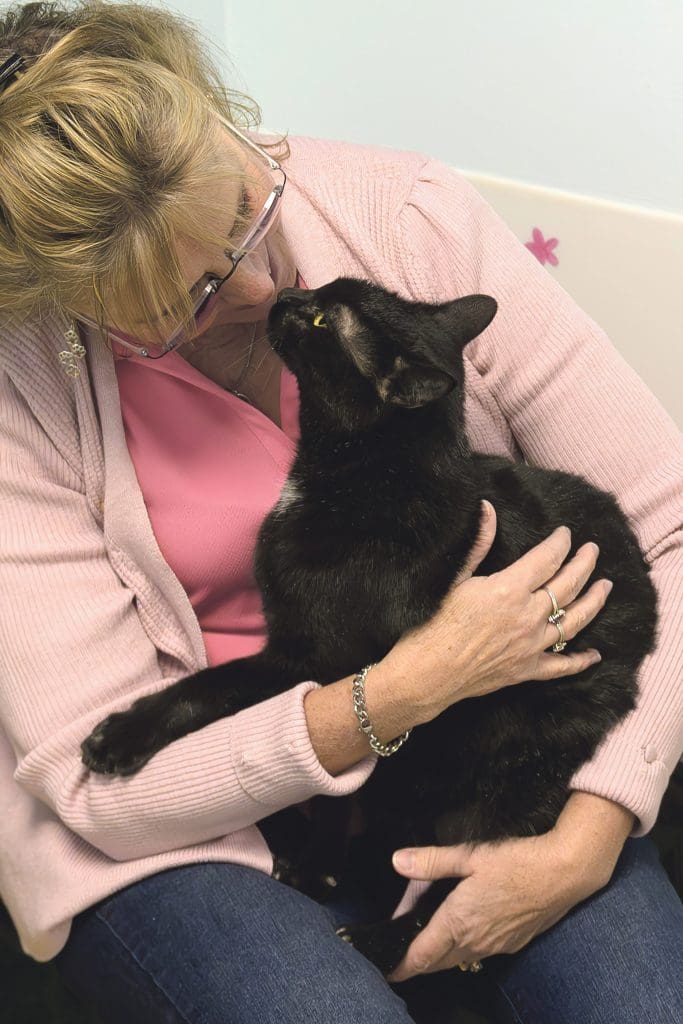
Sheryl Blancato spends time at each of Second Chance’s four hospitals every week.
Photo by Bob Zemba, Simple Truth Imaging
“That’s huge. What people don’t realize is the cost of medical equipment in veterinary medicine is equal to that in human medicine. It’s very expensive, and it doesn’t last forever. We also want to attract the best vets, the best techs, the best staff. And they need to get paid. They have bills to pay, too. So it’s staff, it’s equipment, it’s overhead. We have to raise all that money.”
Team Effort
Blancato, like several other Difference Makers this year, was quick to deflect the idea of this award as an individual one.
“This is not about me. We have over 100 staff, we have hundreds of volunteers … it’s a massive thing now. And what I tell staff when they come on is, ‘this is not just a job. This is the one job that, at the end of every day, you can get in your car, take 30 seconds, and think about at least one impact you had that day. It could be on a person. Maybe you were able to save that pet.’”
Like the family who brought in an ailing, 17-year-old cat, ready to say goodbye to an animal they adored. But Second Chance ran a quality-of-life exam and found the cat had thyroid disease, which was very treatable with medication.
“To be prepared to say goodbye and then take the cat home, that’s life-changing for those people. We gave them another two, maybe three years,” she went on. “We have hundreds of those stories. I always tell the staff when they come on, ‘yes, you’re getting a paycheck’ — we take good care of our staff. But they also get to have that rewarding experience — every day, something is going to be life-changing.”
Meanwhile, Second Chance’s adoption center has a 99.9% live release rate, an incredibly high number for a no-kill shelter.
“It’s amazing. As animal control, I used to pick up litters of puppies running down the street, and I just wanted to keep puppies off the street,” Blancato recalled. “To watch it evolve, with all the innovation and the programs and how many people are impacted, you sit back and go, ‘wow.’
“I always tell people, you can’t say, ‘I’m just one person. I can’t make a difference,’ because that’s not true. Yes, you’re one person, and yes, you have your limitations, but if you have a vision that people can see, then others will join in. That’s how this has become what it is. It’s your vision, then it’s other people coming out of nowhere, and the next thing you know, you have a whole army behind you. And that’s really exciting.”