A Changing Dynamic
Like all businesses, law firms have had to make adjustments in the wake of the pandemic, which has created both new opportunities and new challenges. Overall, firms have seen obvious changes in where people work and how. But there also may be new dynamics when it comes to recruiting and from where firms can attract new business.
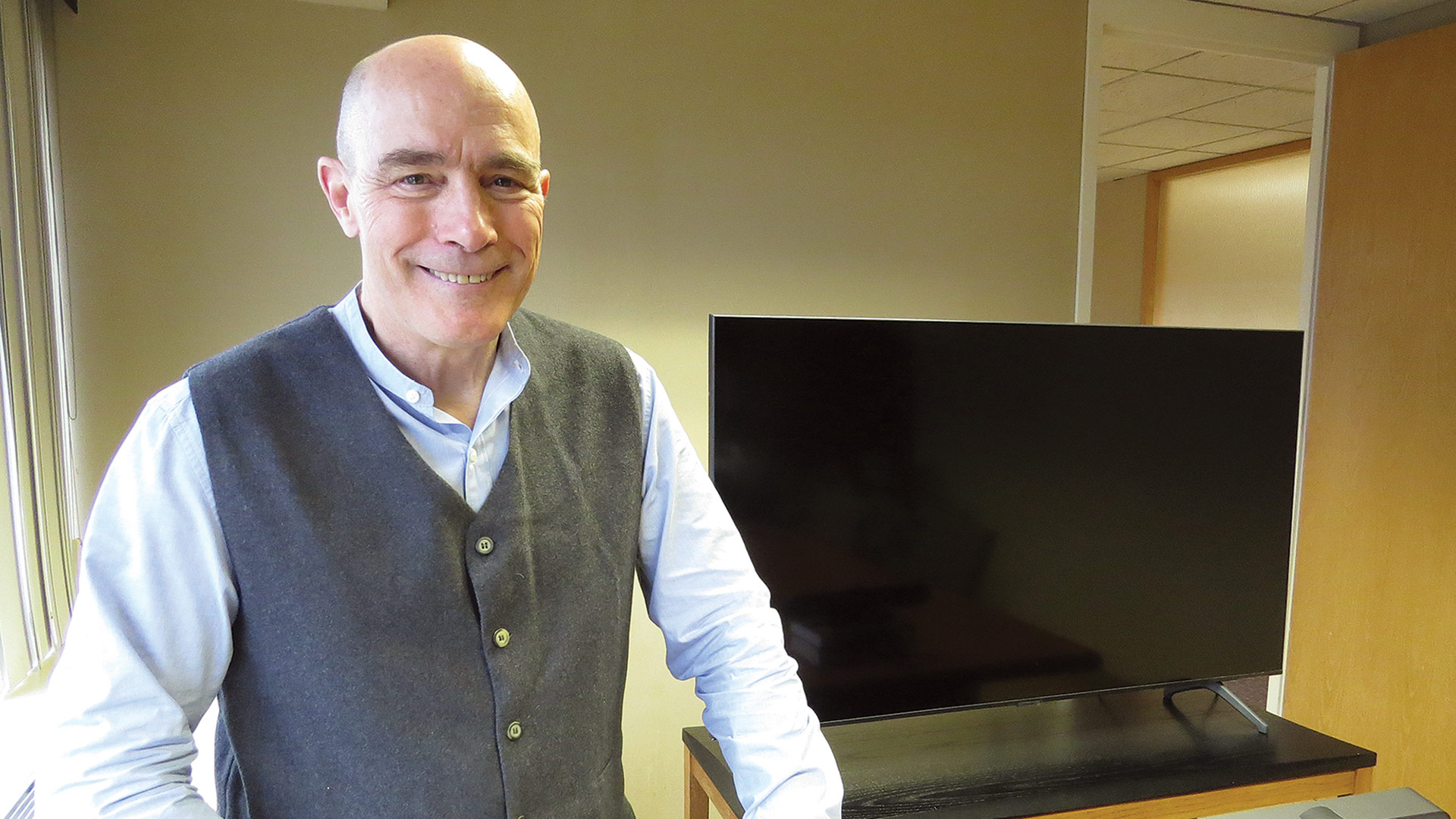
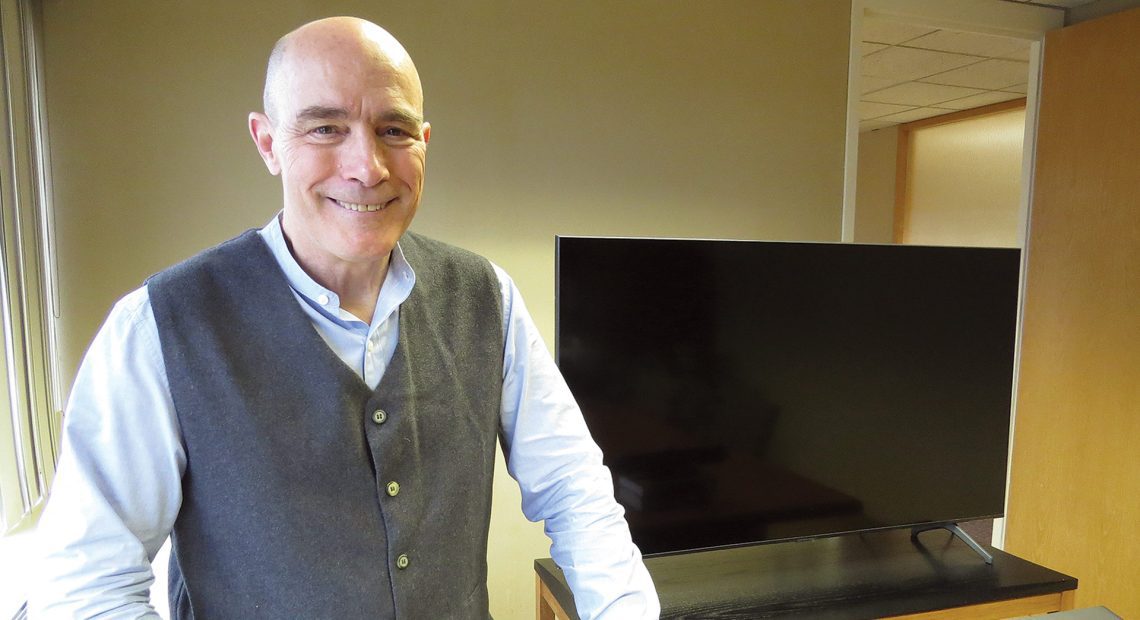
Tim Mulhern in the ‘Zoom room’ at Shatz, Schwartz & Fentin.
They call it the ‘Zoom room.’ And for obvious reasons.
It’s the office of a retired partner with the Springfield-based law firm Shatz, Schwartz and Fentin that’s been converted into a small conference room equipped with a 60-inch screen for, or mostly for, Zoom meetings with clients that involve at least a few of the firm’s attorneys.
“If we have several of us who want to meet with a client or a couple of clients, we can have a multi-person meeting and have a few people in the room,” said Tim Mulhern, the firm’s managing partner, who said that, prior to the pandemic, there was obviously no need for a Zoom room. And the creation of one is just one of the many adjustments — that’s a word he and others we spoke with would use early and often — that law firms have made over the past 20 or so months. And some of them are more permanent in nature than temporary.
That can likely be said of the receptionist at Shatz — or the lack thereof, to be more precise. No one sits at that desk any longer, and, in fact, the door that leads to the reception area is now locked; a sign taped to it provides a number to call for people with inquiries.
The biggest change, though, is the number of lawyers to be found on the other side of the door — roughly half that from the days before the pandemic.
The rest are working remotely all or most of the time, something that took some getting used to — lawyers, especially, like the office setting, said Mulhern — but most have gotten over that hump.
“A number of our lawyers have learned how to work at home, myself included — I couldn’t have worked at home at all before, and I figured it out now. We’ve made that adjustment, and we have some lawyers who, either because of compromised health issues or simply because they have a long commute, are working predominantly from home.”
Ken Albano, managing partner at Springfield-based Bacon Wilson, agreed. He noted that it’s not uncommon to check his phone in the morning and hear from one or more of the firm’s attorneys letting him know they will be working remotely that day. As other firms have, Bacon Wilson has adjusted — there’s that word again — and become more flexible out of necessity, he said, adding quickly that the firm wants its lawyers and paralegals in the office at least some of the time.
“I’m old school,” he said. “I like the idea of being with a young lawyer or a young paralegal who needs mentoring and advice and has questions. It’s better for me to meet with them one-on-one, in person, with a mask on, as opposed to doing it via Zoom.”
In the grander scheme of things, though, where lawyers work, and whether there’s a receptionist or not, may well turn out to be some of the less significant adjustments, or changes, to result from the pandemic. The larger ones could involve recruiting young lawyers and the potential to add business as a result of the changing landscape.
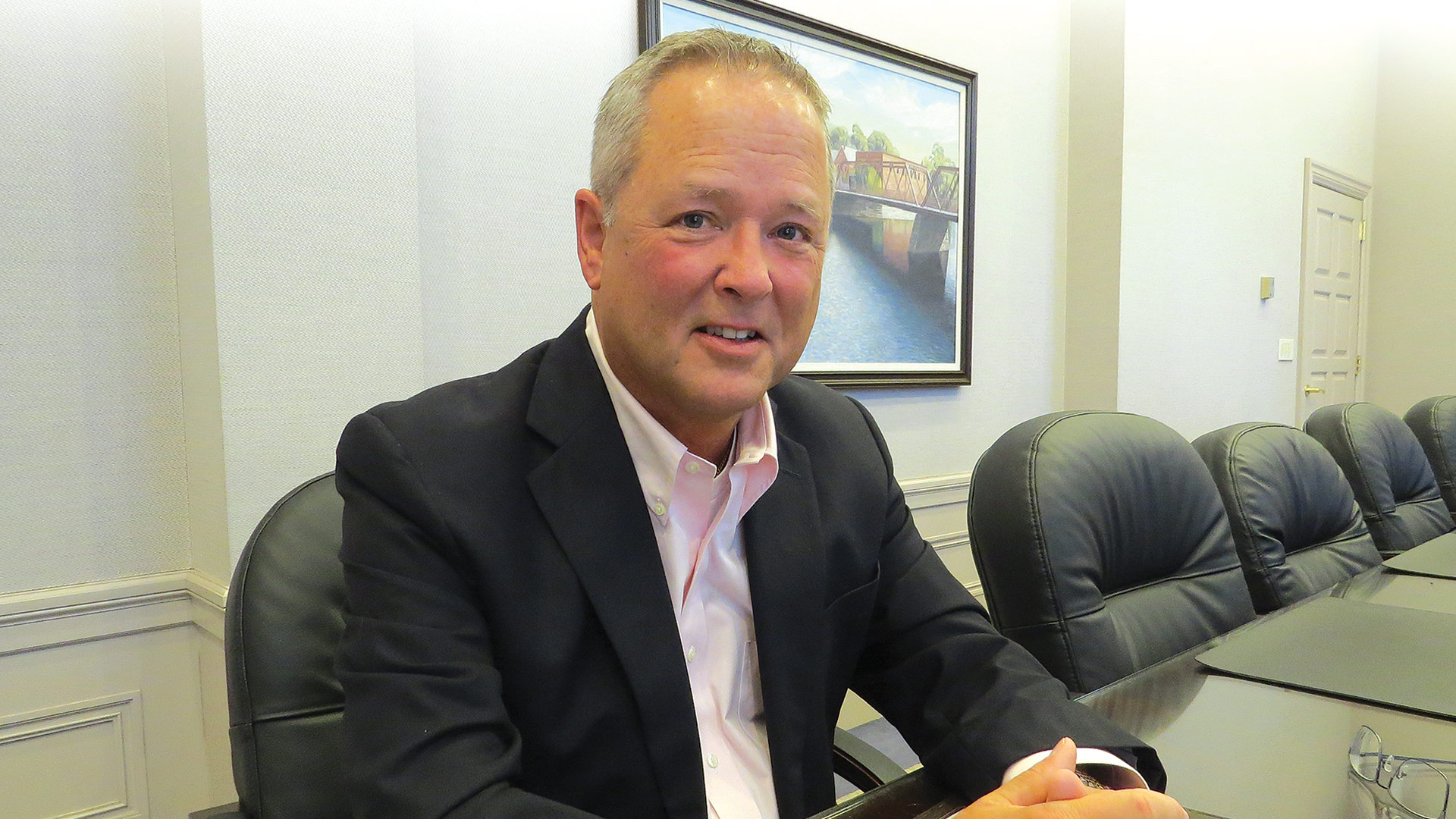
Ken Albano says the pandemic has exacerbated an already-difficult situation when it comes to hiring lawyers and paralegals.
Starting with the latter, Seth Stratton, managing partner of East Longmeadow-based Fitzgerald Attorneys at Law, summed things up effectively and succinctly when he said “we sell time.” And with some of the changes brought about by the pandemic — including less time commuting to work and less time traveling to meet clients — there is, in theory, at least, more time to sell.
Also, now that clients of all kinds, but especially business clients, have become accustomed to meeting with clients via Zoom and the telephone, there is potential to have such sessions with law firms based in the 413, which charge, on average, anywhere from one-half to two-thirds what lawyers in Boston and New York charge, and less than those in Hartford as well.
“COVID has resulted in more efficiencies, and, generally, efficiencies mean things take less time, and we sell time, so that means we’re selling less per client,” Stratton explained. “But it allows us to potentially work with more clients and work with clients who are more distant — we can expand the footprint of who we’re comfortable working with and who’s comfortable working with us.”
As for recruiting … the pandemic brings both opportunity and challenge, said Betsey Quick, executive director of Springfield-based Bulkley Richardson. She noted, as others have over the years, that it is difficult to recruit young lawyers to Western Mass. law firms, and it often takes a family connection to do so. With the pandemic and the ability to work remotely, there is now the possibility of recruiting lawyers not to Western Mass., necessarily, but to firms based here — and the young lawyers can live where they want.
But — and this is a significant ‘but’ — young lawyers who might want to come to Western Mass. because of the quality of life and comparatively low cost of living can now come here, but not necessarily to work for a firm based here — again, because of the options now available to them.
“Remote working options can help and hurt recruiting efforts,” Quick said. “We are now hearing from attorneys with great résumés who prefer more of a remote schedule. It has opened the doors to new prospects. The concept of urban flight is real, and professionals are considering their options. On the other hand, with remote work, attorneys who once flocked to big-city firms may now have the option to remain at that firm, with the big city salary, and relocated to a rural area.”
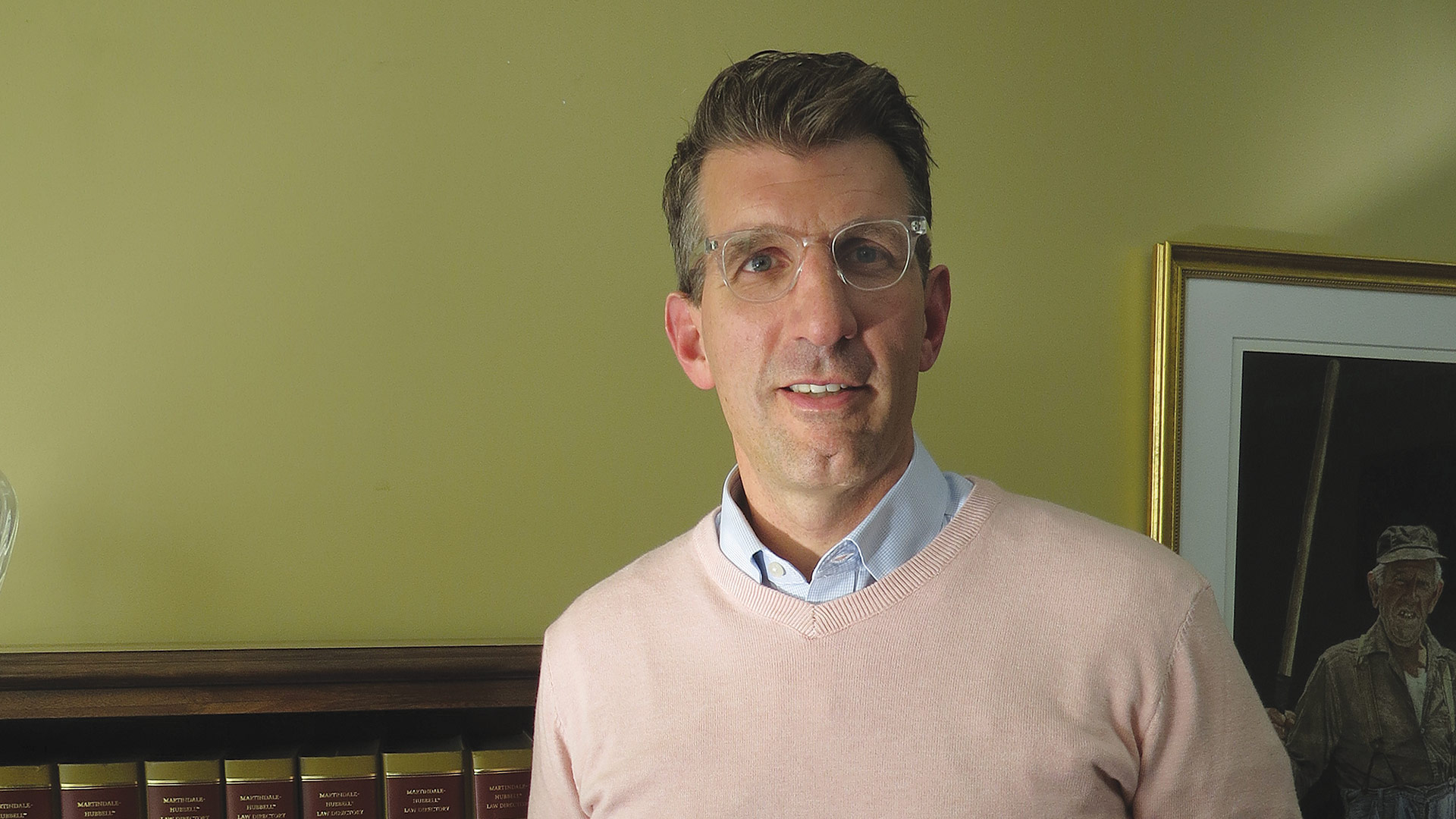
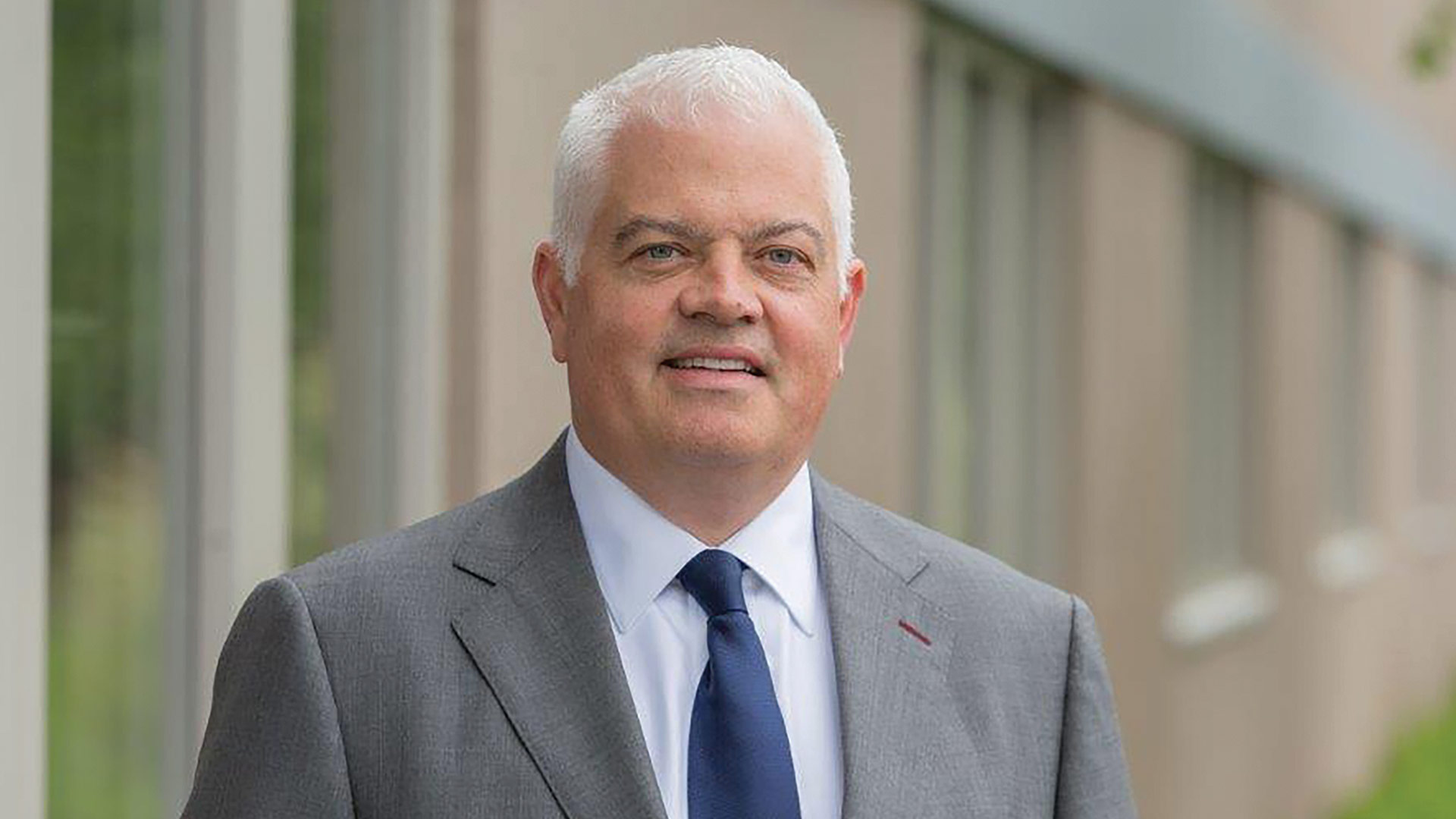
Seth Stratton says the changing dynamics presented by the pandemic could provide area firms with more opportunities to secure work from clients based outside the 413.
For this issue and its focus on law, BusinessWest looks at all of the various ways the pandemic has brought change to a sector that hasn’t seen very much of it over the past several decades.
Case in Point
Mulhern remembers when, at the height of the pandemic in mid-2020, he used to carry a small, foldable table in his car. It was for what came to be known as ‘driveway signings,’ among other names — the inking of documents in outdoor settings, including driveways, but also parking lots and parking garages, where each party would bring their own pen and bottle of hand sanitizer.
Those days seem like a long time ago, and in many respects they are, he said, adding that a large degree of normalcy has returned to the practice of law, although things are, in many ways, not at all like they were in February 2020.
As an example, Albano noted the recent end to Springfield’s mask mandate. While the city took that course, Bacon Wilson has decided to still require masks within its offices, a difference of opinion that has resulted in some confusion and even some harsh words for the receptionist from visitors not inclined to mask up.
Overall, changes have come to where lawyers work, how firms communicate (with clients and employees alike), how and to what extent they use paper (much less now), and how they show community support and engagement (turning out for auctions and golf tournaments has been replaced by other, more pandemic-friendly methods).
Changes have come to where lawyers work, how firms communicate (with clients and employees alike), how and to what extent they use paper (much less now), and how they show community support and engagement (turning out for auctions and golf tournaments has been replaced by other, more pandemic-friendly methods).
“You need to be in the office if you’re going to work in Springfield; if you’re a full-time person working remotely, it doesn’t work out, and it wouldn’t work out — not for us.”
Going back to that word used earlier, firms have been adjusting to a changed world, and the adjustment process is ongoing, especially when it comes to where and how people work.
At Shatz, Schwartz and Fentin, as noted, maybe half the lawyers continue to work remotely, said Mulhern, adding that the firm has not rushed anyone back, and it won’t, at least for the foreseeable future, in large part because the current work policies, if they can be called that, are working.
“A number of our lawyers have learned how to work at home, myself included — I couldn’t have worked at home at all before, and I figured it out now,” he told BusinessWest. “We’ve made that adjustment, and we have some lawyers who, either because of compromised health issues or simply because they have a long commute, are working predominantly from home.”
And there are variations on the theme, he said, noting that some lawyers work a portion of their day at the office and the rest at home.
At other firms, most if not all lawyers are back in the office. That’s certainly the case at Bulkley Richardson, which implemented a vaccine policy on Oct. 1, said Quick, noting that the firm recognizes the importance of in-person interaction with colleagues and the need for human connection.
That said, Bulkley Richardson and other firms have learned that remote working can and does work, and there is certainly room for — and, even more importantly, a need for — flexibility.
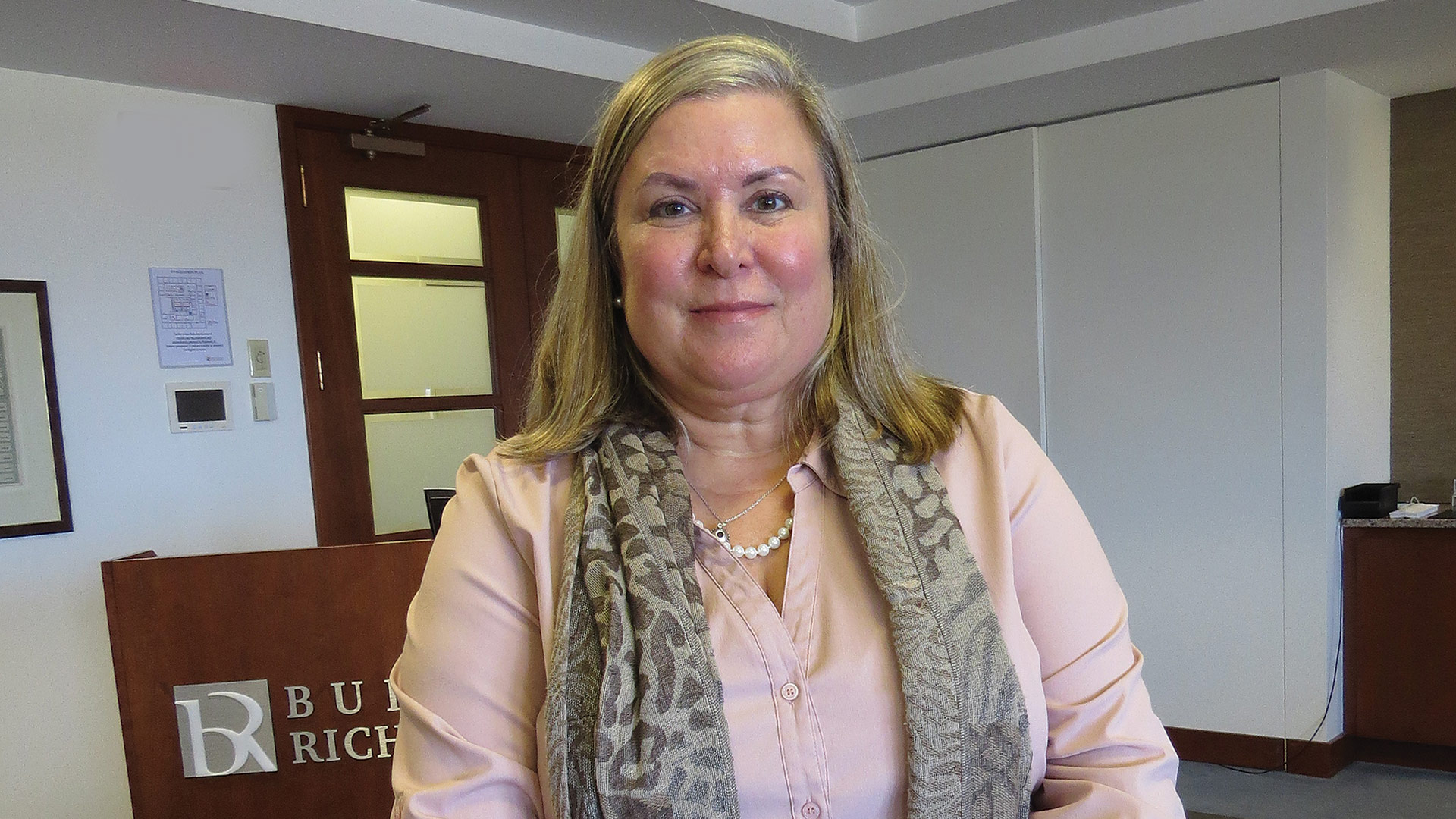
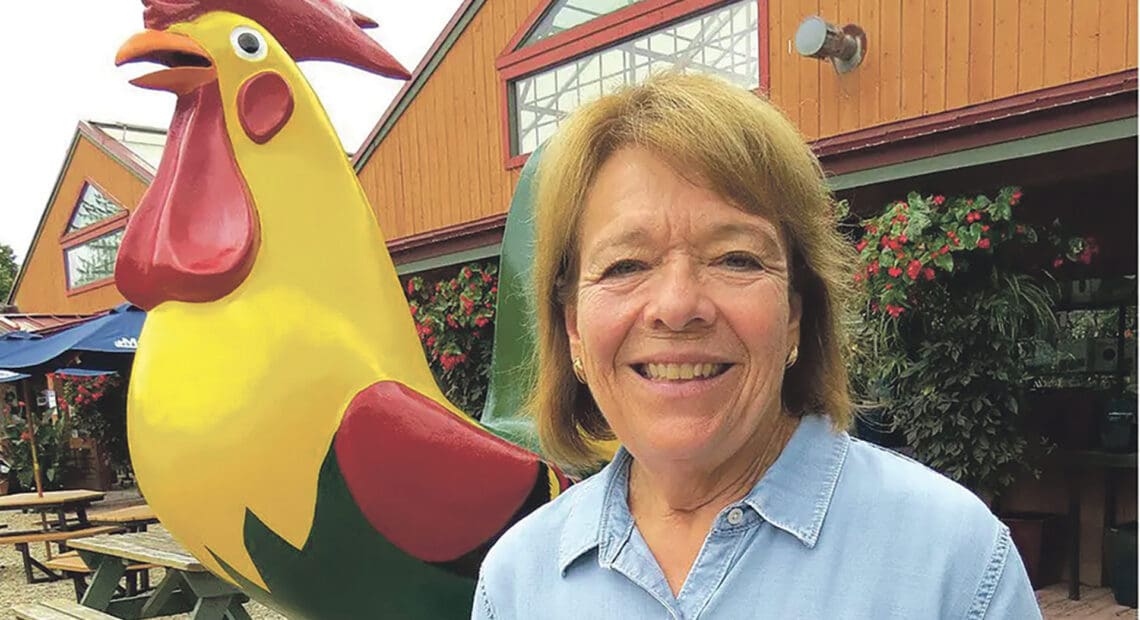
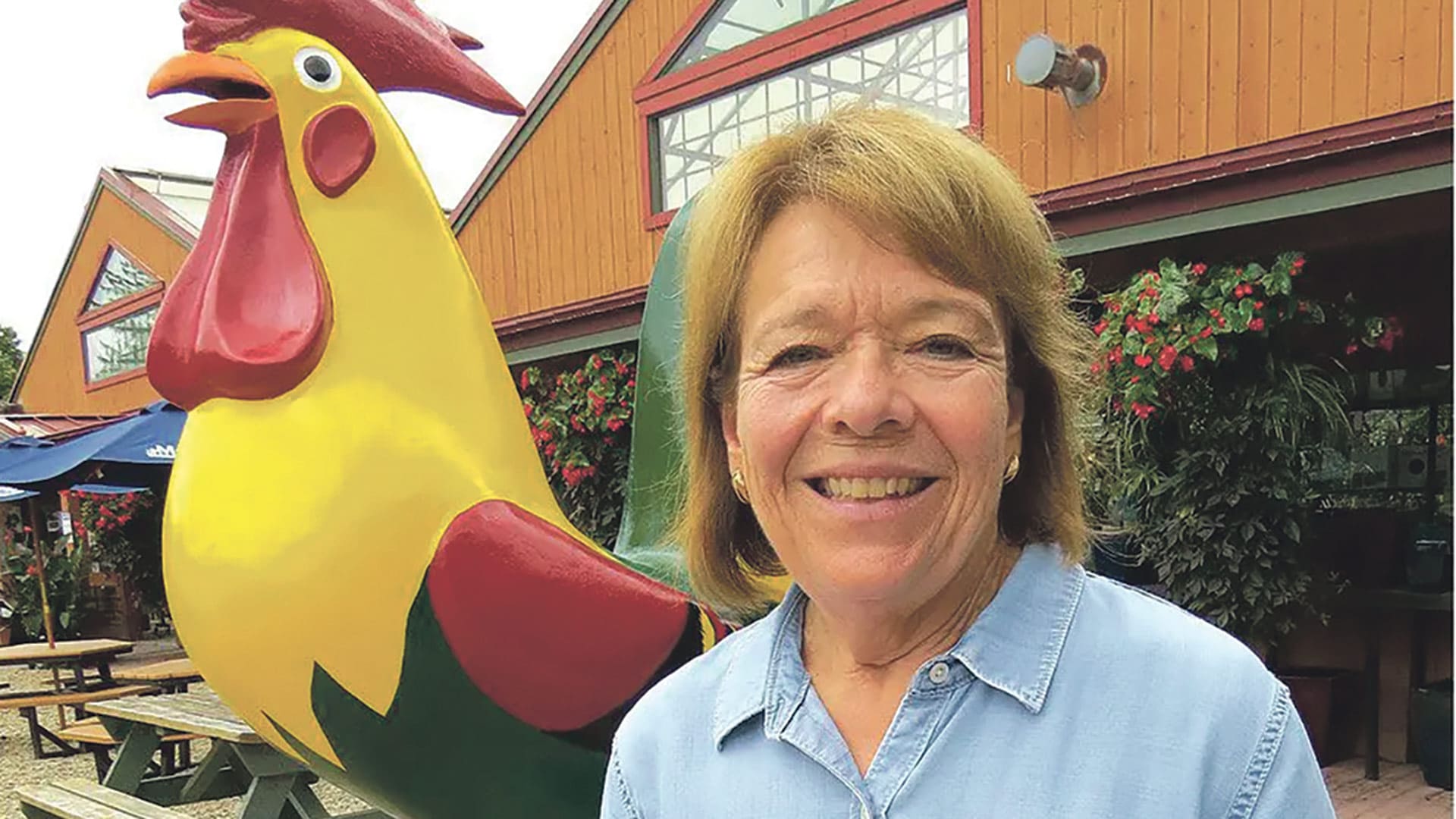
Betsey Quick says there has been a “transformation of the practice of law” because of COVID, and she believes there are many positives amid a host of disruptions.
“The transition to remote work was unprecedented, but what we learned by the unexpected lockdown was that flexibility is a viable option,” Quick said. “We have always offered attorneys some degree of flexibility and have worked with them to find an agreeable working model; until the pandemic, most attorneys worked traditional hours within a traditional office setting. But now, with the remote working more acceptable, and sometimes necessary, we have seen no change in productivity or efficiency doing work.”
Stratton agreed, noting that his firm, like most, had a degree of flexibility when it came to working remotely and allowed lawyers to do so; most didn’t, except when they had to (during snowstorms or when they were home sick), because they preferred to be in the office. Now that they’re used to it, and like it, more are taking advantage of the flexibility they have.
Indeed, before COVID, perhaps 10% to 15% of work was done remotely, and now the number is perhaps 25%, said Stratton, adding that this represents a new normal.
And the new ways of doing things have produced greater efficiency, he added, a dynamic that creates the potential for more billable hours in a business that, as he said, sells time.
Meanwhile, the pandemic and the resulting changes in how lawyers interact with clients present new opportunities for firms in the 413 to do business with those well outside it, Stratton noted.
Before, to get such business, firms would need a physical office in Worcester or Boston. Now, for many types of business law, where personal interaction is less necessary, services could be secured from lawyers in this market at rates far below those charged in those larger markets.
“With the increased use of remote communication and remote meetings, you can more easily tap those markets,” he said, adding that the firm is starting to market itself to such clients through professional networking.
Moving Target
Beyond where and how people work, the pandemic may have changed another important dynamic for local firms — the all-important work to attract and retain young talent.
As noted, it has long been a challenge to bring young lawyers to this market unless there is a connection, said Stratton, who offered himself as an example. He and his wife are both from this area, and it was a desire to return here (especially on his wife’s part) after some time spent in Boston that eventually brought him back to the 413.
Summing up the landscape as it has existed for some time, Stratton said the region has long faced what he called “depth of bench” challenges.
Elaborating, he said this is a “top-heavy” market when it comes to lawyers, with many of the leading players in their 60s or even their 70s. There are some rising stars coming up behind them, but not as many as the firms would like.
The reasons for this are many, said those we spoke with, but largely, it comes down to the fact that this market is not the big city — which means it doesn’t have the big-city lifestyle and, more importantly to most young lawyers, it doesn’t have big-city rates for legal services — or big-city salaries.
“Like many cities, Springfield is a proud community with historic charm and continued growth. And yet, it is not Boston, New York, or Washington, D.C., and in most circumstances, one major difference may be the salaries,” Quick said. “As a Western Mass. firm, we are able to offer a healthier work/life balance and a unique geographic landscape. The challenge is communicating this value to candidates because, if they are not familiar with the business climate in Western Mass. and all it has to offer, attracting new talent to the area can be difficult.”
Stratton agreed. “If I were to have a job posting tomorrow for a junior lawyer with one to three years of experience that fits our practice and say, ‘you come to East Longmeadow, Mass., Monday through Friday, 9 to 5,’ I would get zero applications of qualified attorneys. That might be an exaggeration, but it would be close to zero.”
Albano agreed. He said the pandemic has exacerbated an already-difficult situation when it comes to attracting lawyers to Western Mass. He told BusinessWest the same thing he told Massachusetts Lawyers Weekly when it asked him the same question.
“It’s been very difficult to hire quality lawyers and paralegals during this COVID pandemic,” he explained. “The quality of résumés we’re getting in from people in Western Massachusetts and also outside the area is very weak.”
Moving forward, he noted, the number could be much higher because that lawyer doesn’t need to be in East Longmeadow, at least not Monday through Friday, 9-5, meaning recruiting might become easier — that’s might — because of the pandemic and the manner in which it has changed how people work. It’s also changed some opinions about urban living.
“Many lawyers are growing tired of the city life,” Quick noted. “They want to find a reputable firm where they can advance their career and continue to work with high-level clients. At the same time, they are realizing that work/life balance matters. Western Mass. offers the best of both worlds — a growing, professional city surrounded by the landscape of mountains, rivers, and forests right at your fingertips.”
These qualities may well help attract people to Western Mass., but will it attract them to Western Mass. firms? This is a big question moving forward as remote work becomes plausible and more attractive for those toting law degrees in their briefcases.
“You need to compete with markets that you didn’t have to compete with before for talent,” said Stratton, noting that someone drawn to the Western Mass. lifestyle, or who has family here and wants to stay here, no longer has to limit his or her options to Western Mass. firms. “As a young lawyer, you can, potentially, work out of the Boston or Washington, D.C. markets primarily, and the legal rates charged in those markets are higher, and the pay is higher.”
That’s the downside of the changing dynamic, he went on, adding that there is plenty of upside as well, including the ability to look well beyond the 25-mile circle around Springfield that most young lawyers are currently recruited from.
Much of this is speculation right now, he went on, adding that, over the next six to 12 months, firms like his will have a far better understanding of just how — and how much — the recruiting picture has changed.
Albano agreed, noting that, overall, Bacon Wilson will entertain a hybrid schedule, to one degree or another, but it would certainly prefer its lawyers and paralegals to be in this market.
“I got an e-mail with a résumé from a young man in New York, indicating that he was looking to apply for a job here, but he plans on living in Boston,” he recalled. “First of all, his résumé didn’t coincide with what we were advertising — and we’re seeing a lot of that — and, number two, there needs to be that one-on-one connection. You need to be in the office if you’re going to work in Springfield; if you’re a full-time person working remotely, it doesn’t work out, and it wouldn’t work out — not for us.”
Bottom Line
Looking ahead, those we spoke with said the process of adjusting to everything COVID-19 has wrought is ongoing. That includes looking at the amount of space being rented and whether downsizing might be in order.
“We’re talking about what the future looks like in terms of physical space,” Mulhern said. “And that’s one of the things we’ll talk about — do we still still need all the space we have?”
The firm has more than two years left on its lease, he went on, adding that the answer to that question will come at another time. The answers to some of the questions, especially those regarding recruitment and gaining additional business, including some from other markets, might be answered much sooner.
Overall, this is a time of change and looking at things differently than they been looked at for decades.
“There has undoubtedly been a transformation of the practice of law, and we believe that there are many positives amid all of the disruption,” said Quick, referring to those at Bulkely Richardson while also speaking effectively for all those we spoke with. “The pandemic taught us many things, including how to work more efficiently, utilize available resources, and communicate better to keep teams connected. I anticipate many changes will remain with us in a post-pandemic world.”
George O’Brien can be reached at [email protected]