Home Posts tagged CISA
Cover Story Features

Experts in Their Field
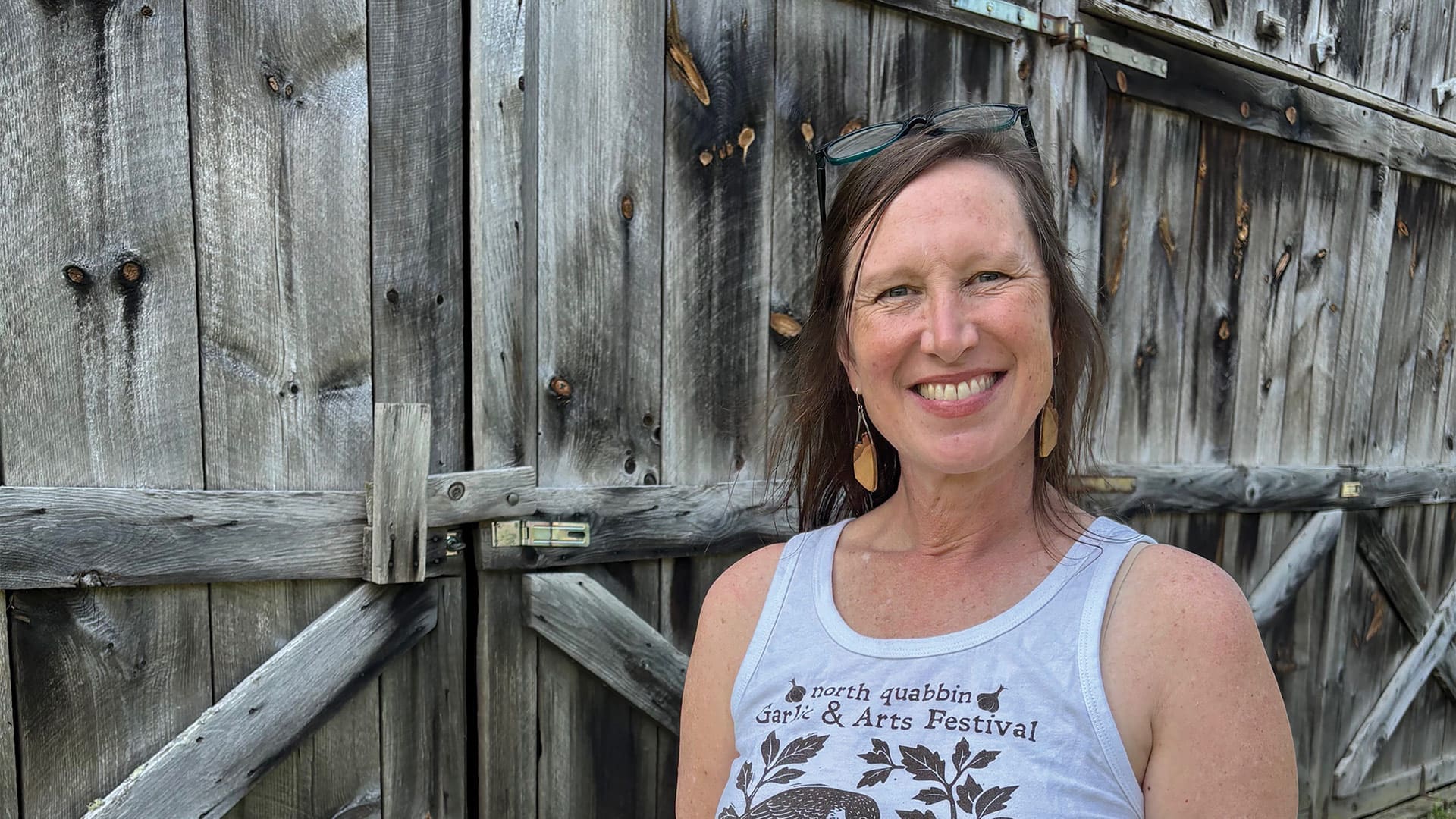
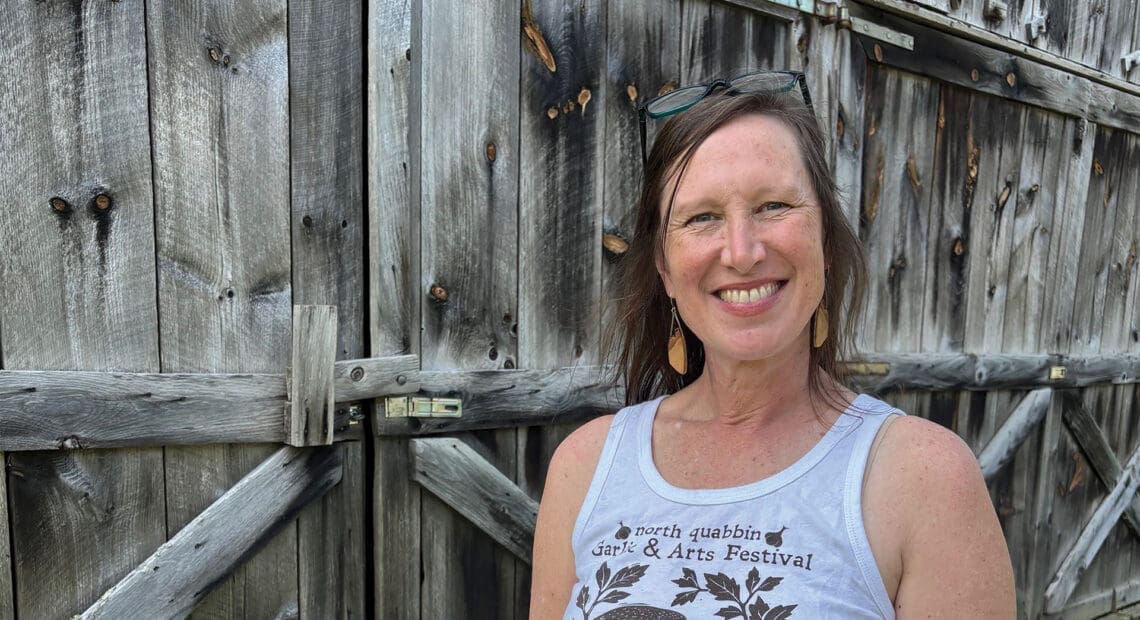
Jennifer Core is certainly familiar with the myriad challenges facing the region’s farms these days.

Indeed, she and her husband, Olivier Flagollet, operate Heddy Bell Farm, a livestock farm in rural Warwick, specializing in beef, lamb, pork, Thanksgiving turkeys, and more.

“We see it all, every day,” said Core, who, through that operation, became familiar with, and supportive of, the nonprofit agency CISA (Community Involved with Sustaining Agriculture) and its broad mission to build a stronger, more resilient, and more just local food system.

So supportive, in fact, that when longtime Executive Director Phil Korman retired in 2025, she sought to succeed him in that role.
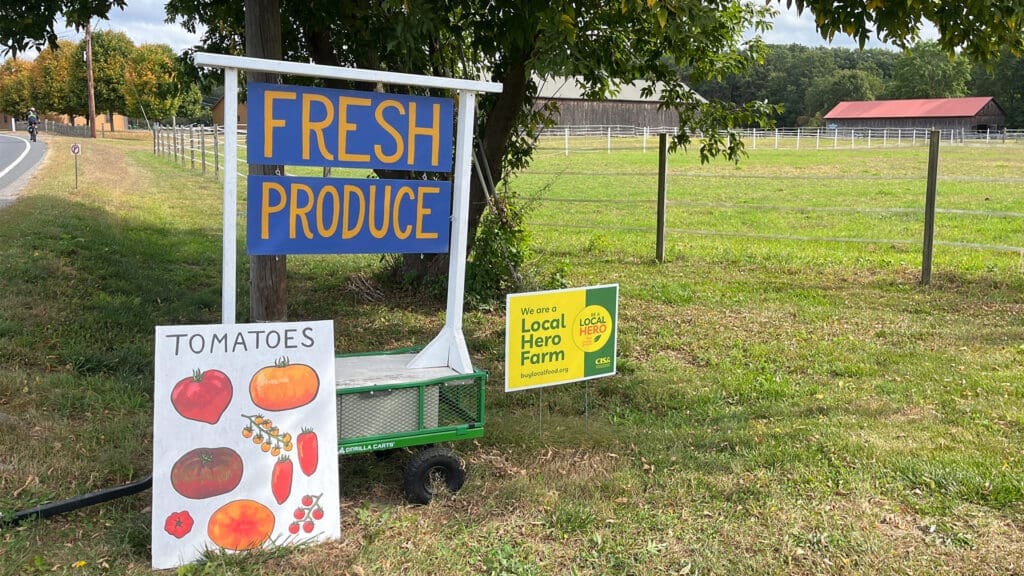
One of CISA’s primary missions is to promote the region’s nearly 2,000 farms and everything they produce.

“CISA has been this cherished place in my heart and mind for a long time,” she said. “I feel fortunate to have landed at CISA, where we celebrate all the farms in this area and talk about the issues that impact farms, educate and engage the community — and now, I get to see it from the other side.”

For this issue, we talked at length with Core and others at CISA about the state of farming in Western Mass., and about CISA’s mission and how it carries it out.

Regarding the former, she said this region boasts a strong, vibrant farming community, one that is diverse — everything from livestock to vegetables; hay to fruit trees — and features many young, first-generation operators. But it’s also one that, like farms across the country, faces numerous challenges.

“According to a recent legislative report, two-thirds of the farms in Massachusetts are earning about 95.5 cents for every dollar they spend on their farm operations.”

They range from various climate change-induced weather extremes — at present, it’s persistent drought — to succession issues involving the many family farms that remain, to the pressures facing all large landowners during an ongoing housing crisis.

And then, there’s simple economics.

“According to a recent legislative report, two-thirds of the farms in Massachusetts are earning about 95.5 cents for every dollar they spend on their farm operations,” she said. “And that’s important to understand … that’s not sustainable, and that’s why many farmers need multiple careers.

“If I were ever to be stuck on an island with one other person in the world, I would want it to be a farmer — because farmers tend to know how to do a lot of things, how to problem solve, and how to work really hard creatively,” she went on. “And that is asked of them every day in this economy, in the recent past and moving forward.”
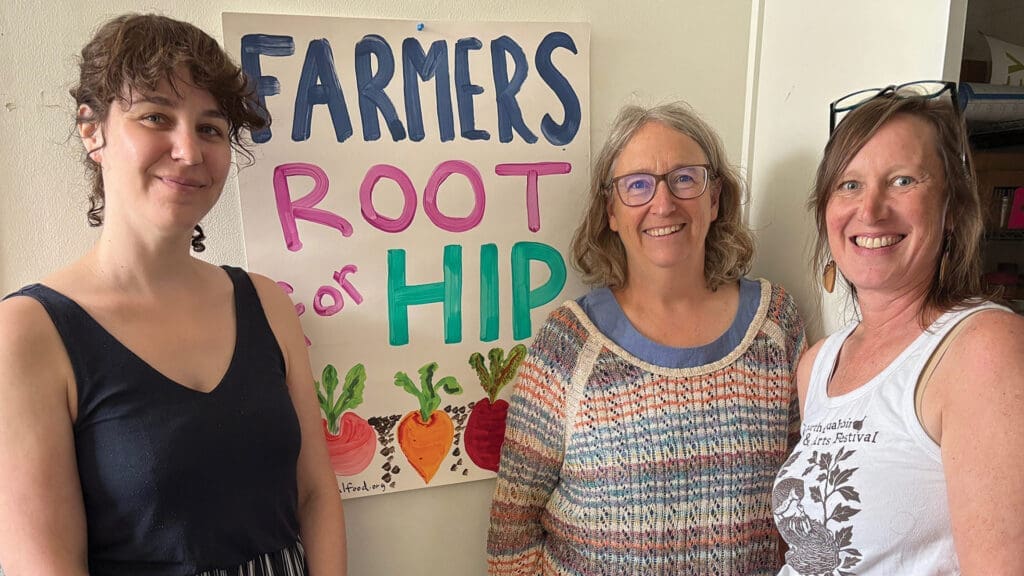
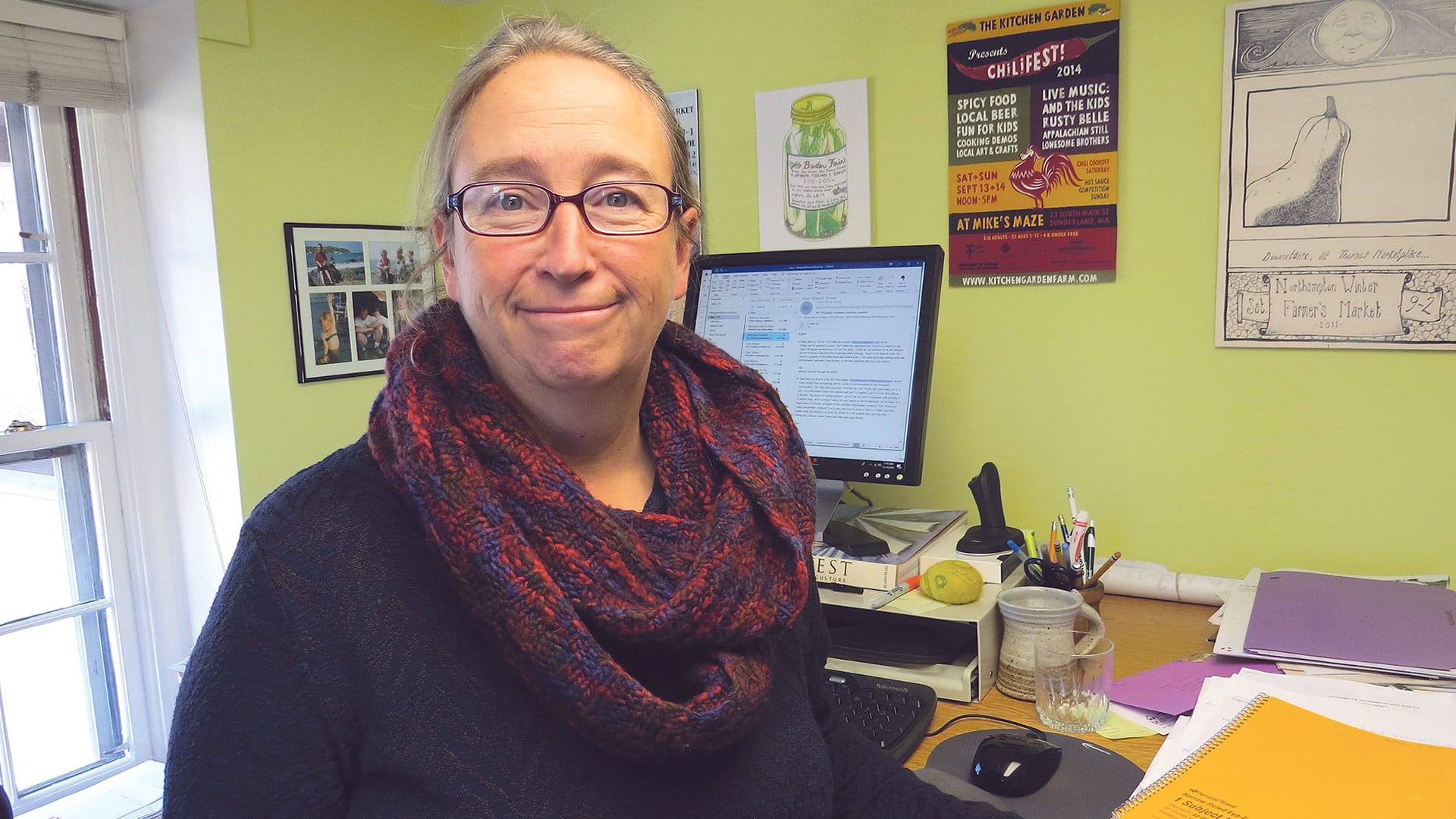
From left, Claire Morton, Margaret Christie, and Jennifer Core handle the many aspects of CISA’s broad mission.

And CISA exists essentially to assist farmers with all they must confront, said Margaret Christie, special projects director, who has been with the agency almost from its beginning in in the early ’90s. And this assistance comes in many forms, from workshops on issues ranging from succession to irrigation to climate change, to targeted programs such as the Local Hero ‘buy local’ campaign and an emergency farm fund that provides zero-interest loans to assist farmers and farm businesses struggling to meet their immediate needs in the aftermath of severe weather events and other emergencies.

“We try to be a one-stop shop, which doesn’t mean we can solve every problem that every person has,” said Christie, who, like others we spoke with, described CISA as a resource, but also an important connector, linking farmers with experts and information.

Claire Morenon, CISA’s communications manager, agreed, noting that many of the agency’s initiatives, and part of its mission, is to create opportunities to both support the region’s farmers and address food insecurity issues in the region.

Such efforts include the Senior Farmshare program, which subsidizes summer CSAs for low-income seniors, and HIP (Healthy Incentives Program), which offers individuals and families in the Bay State receiving SNAP benefits an automatic rebate on purchases of fruits and vegetables from farmers markets, farm stands, mobile markets, and CSAs.

“We talk about that program being a win-win program — it increases food access for low-income people, but it’s also an important revenue stream for farmers,” Morenon said. “In larger conversations about policy and how we want to see our local food system be supported in a more general sense, we’re thinking about solutions that are at the intersection of benefiting the larger community, but also providing really important financial support for farms.”

By the Numbers

Core told BusinessWest that the latest census data shows there are nearly 2,000 farms across Franklin, Hampshire, and Hampden counties (CISA’s service area), 94% of them are family farms, and about one-third of them sell directly to consumers through farmstands, CSAs, and farmers markets. The value of what’s produced in the three-county area is more than $162 million, she noted, adding that this is more than one-third of what’s produced across the Bay State.
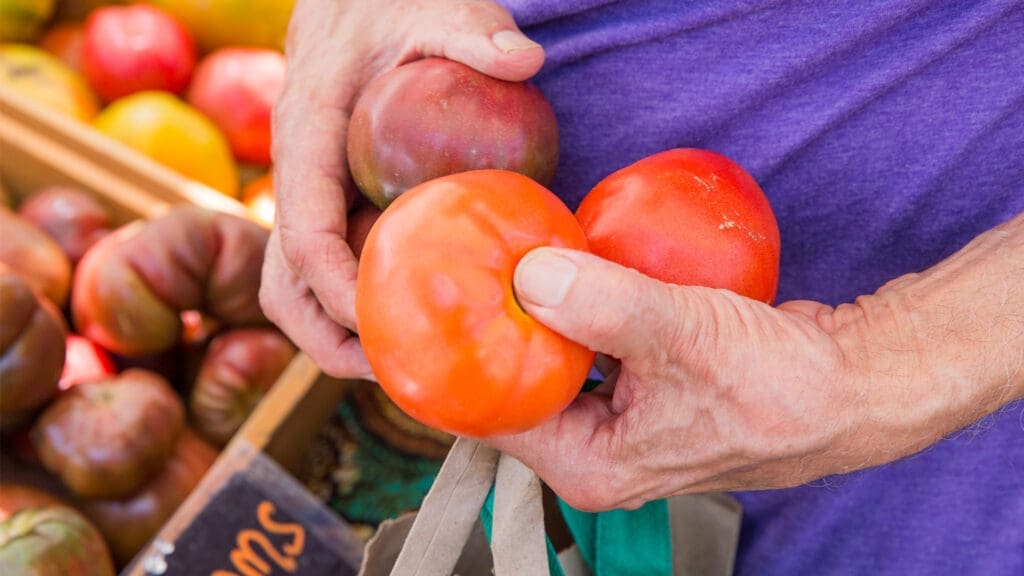
The buy-local thrust so critical to its messaging is essentially how CISA started.

The most popular crops are mixed vegetables, feed corn, hay, and tobacco, she went on, adding that many of those managing area farms would be considered first generation, an encouraging sign for the region.

“The vast majority of the farms in this area are new and beginning farmers, meaning they’re first-generation farmers,” Core said. “Many came to this region for school — our higher education activities in this region draw young people, and we’re talking more about food systems at the university level than ever, which piques a lot of interest.

“A lot of folks who come to farming from a values perspective or an academic interest may not stay in production farming,” she went on. “But they may end up in ag-adjacent careers, system careers, so it is driving a tremendous amount of economic activity.”

When asked how these farms, and all the region’s farms, are doing, she said they are holding their own given all they have to contend with.

“There are a few compounding factors at play right now. Climate is one; the norm now is that farmers have to be ready for any possibility all the time, and that’s a pretty risky endeavor and a costly endeavor. We’ve had late frosts, we’ve had early frosts, we’ve had drought, we’ve had extreme precipitation events, flooding events … and all of those take a toll on crop production in our area.

“That is combined with incredibly increased input costs,” she went on, listing everything from gasoline to fertilizer. And then, there’s a pinch in the agricultural labor market with recent immigration efforts, “which have created an incredible amount of stress on the agricultural workforce, which is a very skilled and valued workforce in our area.”

All this helps explain why many farmers need other sources of income, usually second jobs, said Core, adding that this is an understandably difficult proposition given how taxing farm work is.

“We try to be a one-stop shop, which doesn’t mean we can solve every problem that every person has.”

And it also explains why farm owners are feeling extreme pressure when it comes to keeping their land devoted to farming.

“There’s tremendous development pressure — both housing and solar pressure,” she told BusinessWest. “It’s a lot easier to put solar on agricultural land — it’s flat and accessible. And there’s a vulnerability in farming … when we think about farm transitions and succession planning, that’s a very vulnerable moment for the farmland itself if it’s not protected.

“We’re lucky to live in a state that has exceptional farmland protection programs — that’s something we should all be proud of, that our taxpayer dollars do protect farmland,” she went on. “But farmers are particularly vulnerable for financial reasons; most of the farm equity serves as retirement funds for retiring farmers, most of the time. Balancing and weighing the tradeoffs of how you can pass the business on to another grower or whether you need to liquidate your assets is a tricky moment and an incredibly personal decision, but a decision that could actually impact all of us.”

Planting Seeds

When asked what climate change has brought to this region and those 2,000 farms, Christie said it’s not one specific pattern such as warmer temperatures or more rain.
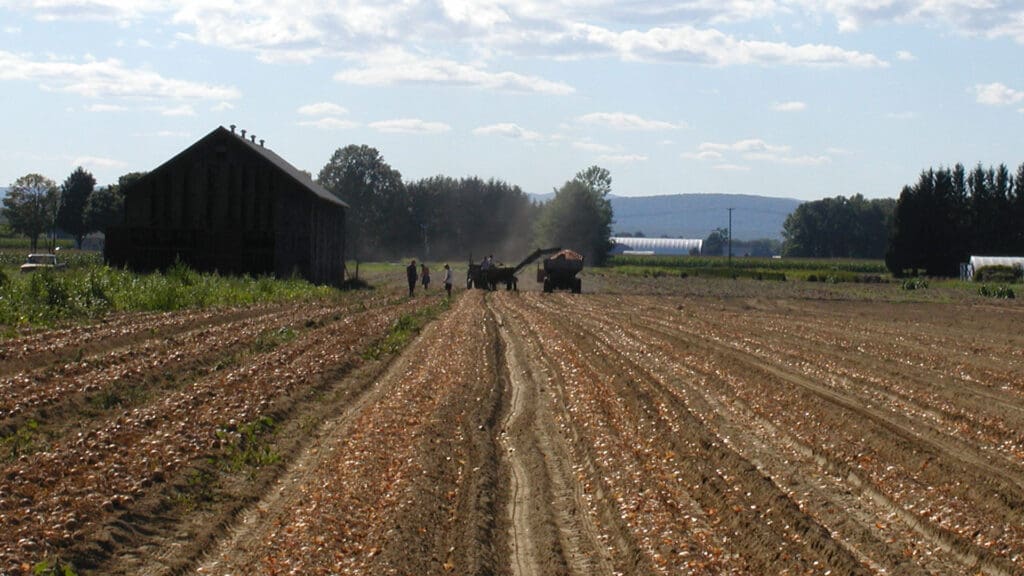
Profitability has become a key issue for area farms.

“The short answer is that weather is less predictable and more extreme, meaning that we’re more likely to have drought and more likely to have floods,” she explained. “Our rain tends to come in bigger, more precipitous events — we get more rainfall in shorter periods of time rather than more gentle rainfall that is spread out, and that causes drainage problems and erosion problems, and can cause flooding, as we saw in 2023.

“Sometimes, people think that, ‘well, if the climate’s getting warmer, we’ll just be able to grow things that normally don’t grow well here because we’re too far north — all we have to do is shift our product mix,’” she went on. “But, in fact, the weather is getting more erratic and more extreme, so it’s more difficult to plan and make adjustments.”

Helping farmers cope with these extremes and unpredictability is just one of many forms of assistance provided by CISA, she continued, adding that such help generally falls into one of three buckets: business support, including training and technical assistance for both farm and food businesses; promotion of local farms and communication about agriculture and local food; and “making the system work bett`er,” as she put it, meaning the larger system of both farming and food access.

And a big part of that category is advocacy, she went on, adding that this takes many forms, including work to monitor progress on both the federal and state farm bills now working their way through the legislative process, and help ensure that they support that constituency.

Overall, CISA does act as a connector, Christie said, adding that, for some issues, the agency can and will refer farmers to groups such as the UMass Cooperative Extension for production issues, and Land for Good for succession matters.

Promotion of the region’s farms is one of the key aspects of CISA’s mission, Morenon said, adding that the primary goals are to inform area residents of all that is produced in the region and then encourage local buying.

And a key instrument in this work is the Local Hero campaign, the longest-running ‘buy local’ program in the country. It has grown into a comprehensive public awareness and marketing effort with 400 local business members, including farms, farmers markets, distributors, butcher shops, and more.

“This was one of the first ideas that CISA was founded on — the idea that using mainstream media tools to promote local farms and local farm products could be a really powerful way to help farms survive, and not just survive but thrive,” Morenon told BusinessWest, adding that the initiative includes advertisements to alert residents about what’s in season as well as an online database of farms that are part of CISA’s program, detailing what they grow and where their products can be found.

“A lot of other communications work is about helping farmers and other local food businesses tell their own stories,” she went on. “And that’s about highlighting the people who are part of this larger food system and helping them make connections to the community around them.”

This buy-local thrust was essentially how CISA started, she continued, adding that it has branched out in different directions since, including technical assistance and programs designed to address both food insecurity and the needs of farmers.

And that technical assistance takes several forms and addresses a number of issues, from immigration to disaster response, with many of them involving the larger issue of profitability, said Christie, citing those numbers mentioned earlier, as well as the attention given to inflation and the higher cost of going to the grocery store.

Often lost in that dialogue is the plight of farmers producing those products.

“We have prioritized low prices for food, even though, right now, food prices feel high to many people, and they’re not wrong — food prices are high,” she noted. “No one would blame people for wanting prices to come down, but it’s also true that we don’t really pay enough for food to ensure that farmers can pay their workers well, take care of their land, and make sure that their own families are able to be comfortable and send their kids to college and plan for retirement.”

Educating the public on such matters is just one of the many ways CISA goes about its mission of helping farmers grow crops, but also grow their business. 

Business Talk Podcast Special Coverage

With new episodes airing every other Monday, BusinessTalk features in-depth interviews and discussions with local industry leaders who offer thoughtful perspectives on the Western Massachusetts economy and the many business ventures that keep it running. BusinessTalk is sponsored and presented by Greenfield Cooperative Bank.

Go HERE to view all episodes

Episode 258: June 8, 2026

George O’Brien talks with Jennifer Core, Executive Director, Community Involved in Sustaining Agriculture: Experts in Their Field

Agriculture has always been a large and important part of the region’s economy, even it is often overlooked. But this sector faces many stern challenges, everything from the rising cost of everything to issues with succession at family farms; from weather extremes like the current drought to workforce shortages. Community Involved in Sustaining Agriculture (CISA) works to strengthen area farms and engages the community to build the local food economy. On the next episode of BusinessTalk, Jennifer Core, CISA’s executive director, talks with BusinessWest contributing writer George O’Brien about the agency’s broad mission and specific initiatives, such as its Senior Farmshare program, which serves more than 800 seniors in Hampden, Hampshire, and Franklin counties. It’s must listening, so tune into BusinessTalk, a podcast presented by BusinessWest over both audio and video platforms, and sponsored by Greenfield Cooperative Bank.

Sponsored by:

Also Available On

Daily News

SOUTH DEERFIELD — CISA (Community Involved in Sustaining Agriculture) recently welcomed three new board members: Myra Marcellin, vice president and senior loan officer at Farm Credit East; Tessa White-Diemand, of Diemand Farm in Wendell; and Elizabeth Wroblicka, environmental consultant at Conservation Works. The three were voted in during CISA’s annual meeting, held virtually on May 21, and will serve three-year terms.

CISA, a South Deerfield based nonprofit, strengthens farms and engages the community to build the local food economy. CISA’s board is made up of both farmers and community members who represent a range of business and community ties. These three board members have expertise in a variety of topics directly related to CISA’s work, including firsthand farming experience, land conservation, and farm financing.

Marcellin serves in the local community, participating in the music ministry at her church, and she had served on the board of directors of the Boys & Girls Club Family Center until mid-2019. She has served in the agricultural community as well, representing Farm Credit East in various capacities and previously serving on the Massachusetts Agriculture in the Classroom board of directors. She currently serves as a regular trustee to the Eastern States Exposition, representing the state of Massachusetts.

White-Diemand returned to her family farm in 2017 after working in the social-work field for many years. She is the third generation to work the Diemand Farm in Wendell, raising grass-fed beef cattle, broiler chickens, cage-free laying hens, and pasture-raised turkeys. The farm also has a small commercial kitchen that produces value-added products which are sold at their small farm store and across the Pioneer Valley.

Wroblicka has dedicated her more than 25-year career to protecting important natural resources, including many farms and forests in the Pioneer Valley. Currently, as part of a team of environmental consultants at Conservation Works, LLC, she specializes in land-conservation transactions and helping landowners figure out the best way to protect their land. She has served as chief of Wildlife Lands for the Massachusetts Division of Wildlife, on staff at several land trusts, and as an attorney in private practice. She volunteers with several nonprofits and sits on the Northampton Conservation Commission.

Cover Story

Supporting a Growth Industry

When CISA (Community Involved in Sustaining Agriculture) was launched 25 years ago, this region’s agricultural community was threatened by a host of issues and societal changes. Today, those challenges remain, but CISA, through its ‘buy local’ program and other initiatives, has lived up to its name by getting the community involved in sustaining and growing this vital sector of the economy.

Margaret Christie is quick to point out that the many challenges area farmers faced a quarter century ago are still as much a part of the landscape as asparagus fields in Hadley.

These include everything from the cost of land (among the highest levels in the country), to the many pressures on that land, meaning attractive development options ranging from housing subdivisions to industrial parks, to immense competition from across the country and around the world.

And there are even some additional challenges, including an aging group of farm owners and workers — Baby Boomers are hitting retirement age — and a phrase you didn’t hear much, if at all, in 1993, but certainly heard this summer as the rain kept coming down in the 413: Climate change.

But the environment for farmers has been altered in one important respect, said Christie, and that comes in the form of an additional and quite significant support system called, appropriately enough, Community Involved in Sustaining Agriculture, or CISA. Christie, now the agency’s special projects coordinator, was its first executive director, and she recalled the thought process — not to mention a $1.2 million Kellogg Foundation grant — that brought CISA into being.

“CISA grew out of an effort by a lot of people who were working on different agriculture issues in the valley, many of them associated with the colleges or existing nonprofits, who each felt they were each working on some piece related to food and agriculture, but they weren’t really talking to each other,” she explained. “And so they had a pretty simple idea, which was to have a series of brown-bag lunches, get together every month, and compare notes. And out of that experience, they began to think ‘we need to be doing something bigger and more coordinated.”

That something bigger and more coordinated was CISA, which came about a time when the region’s agricultural base was more threatened than most could have understood, said Christie, noting that in the decade prior to its creation, there was a significant erosion in the agricultural land base — a loss of 21,000 acres to be precise — and a decline in farmers income of about 3%.

“The people who were involved in CISA thought ‘we might really lose this land base, and we have great soil here — we have prime agricultural soils rivaling any place in the world,’” she recalled. “They said ‘this is important to us as a community and we don’t want to lose it.’”

Margaret Christie says CISA has made buying local front of mind

Margaret Christie says CISA has made buying local front of mind for many area residents, and something very easy to do.

To the question ‘how do we avoid losing this precious commodity?’ those at CISA answered, in essence, by saying ‘get the community involved,’ said Executive Director Philip Korman, adding that the agency has done just that.

Today, though initiatives such as the ‘Be a Local Hero, Buy Locally Grown’ campaign with which the agency is synonymous, many forms of technical assistance, and an emergency loan program, CISA has not only brought more attention to local farms and farm products, it has stabilized and, in some ways, actually grown the local agriculture sector — meaning Hampden, Hampshire, and Franklin Counties.

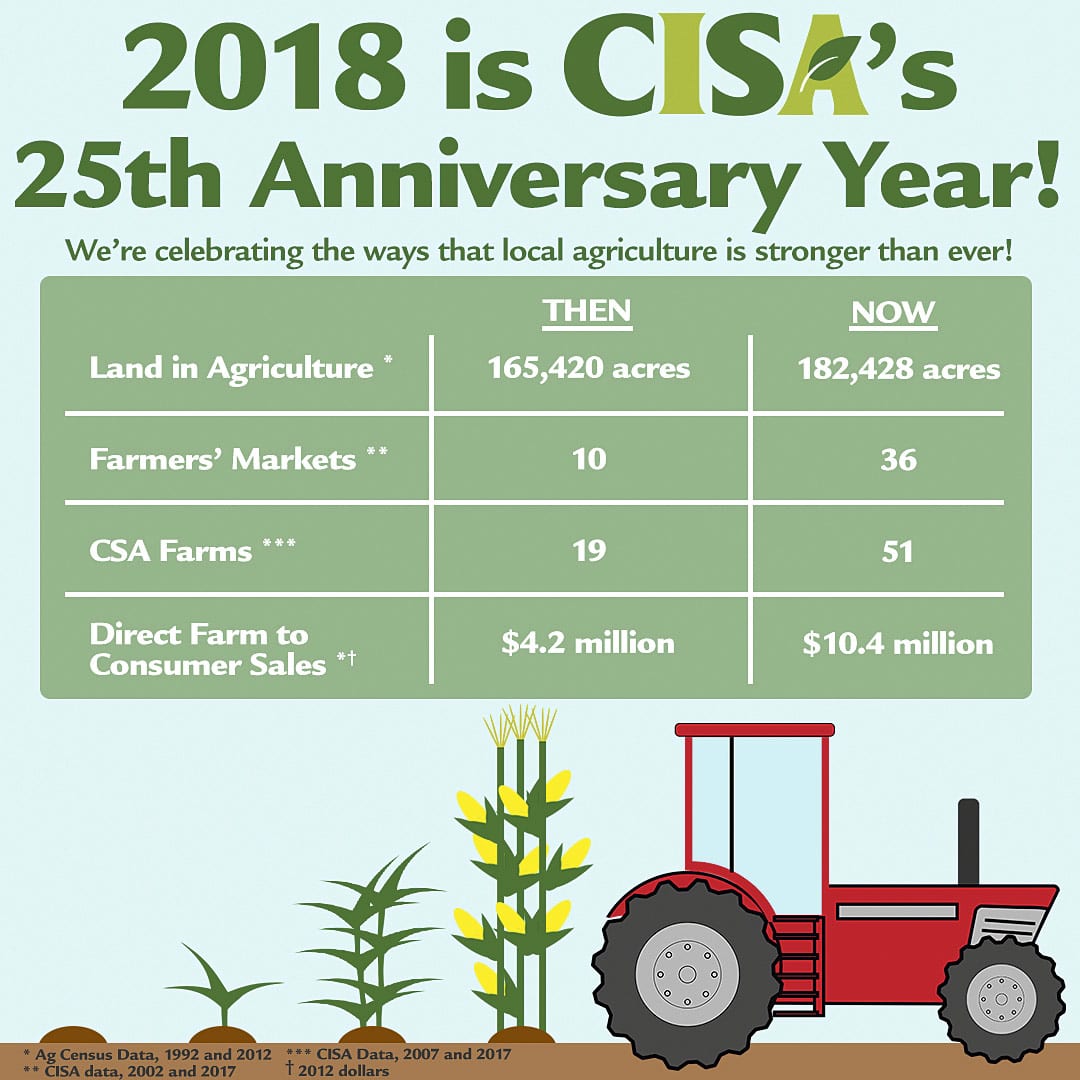
Indeed, as the chart on page 10 reveals, there are now 182,428 acres of land devoted to agriculture in those three counties, compared to 165,420 acres in 1993. There are now 36 farmers’ markets across the region, compared to 10 back then; there are 51 farms offering farm shares (CSA farms) compared to 19 back then; and direct farm-to-consumer sales are nor more than $10 million, more than double the total a quarter century ago.

But despite this progress, many challenges remain and more are emerging, including the aforementioned climate change. And as it celebrates its first 25 years, CISA is also looking ahead and to ways it can be an even better stronger advocate for local agriculture.

For this issue, BusinessWest looks at how CISA has supported an important growth sector this region over the past 25 years — figuratively and quite literally — and also at how, as it celebrates this milestone, the focus remains on the present and future, not the past.

Experts in Their Field

It is with a large and easily discernable amount of pride in her voice that Meg Bantle notes that her family has been farming the same tract of land in Adams for six generations covering more than two centuries years — and that she is the sixth.

Indeed, she now operates a modest vegetable and flower operation, called Full Well Farm, on a tiny corner of the 500-acre property that was once a thriving dairy farm. Meanwhile, her mother and grandmother have been trying to figure out what to do with the rest of the property, a question that’s been challenging her family since her grandfather died in 2013, and Bantle is now playing a role in that effort as well.

“Being back on that land, in closer proximity to the family business and my mom, will help me to be involved in the decision-making in terms of what’s going to happen with the rest of the land,” she told BusinessWest. “We’ve had a number of discussions about making a succession plan for the future.”

Mantle was one of several area farmers to take part in something called ‘Field Notes — An Afternoon of Storytelling’ on Nov. 18 at the Academy of Music in Northampton. A number of farmers, chefs, and brewers took to the podium to talk of memories, challenges, opportunities lost, opportunities gained, the present, and the future.

The event was staged by CISA as part of its 25th anniversary, said Korman, noting that the agency played a least a small part in many of the stories told. Meanwhile, it exists to help script more of them in the years and decades to come, by inspiring more people like Bantle to return to the land as she did after college and to perhaps help more families devise succession plans.

It has been this way since CISA’s start in a small home office in Northampton. The agency has since relocated several times, with stints at UMass and Hampshire College, for example, and is now located in a suite of offices in the shadow of Mount Sugarloaf in South Deerfield.

From there, staff members coordinate a number of programs and initiatives, the most visible and impactful of which is the ‘Local Hero’ program and its annual publication, known as the ‘Locally Grown Farm Products Guide.’

“The people who were involved in CISA thought ‘we might really lose this land base, and we have great soil here — we have prime agricultural soils rivaling any place in the world. They said ‘this is important to us as a community and we don’t want to lose it.”

Broken down by community and individual farm, the guide captures, well, the full flavor of the region’s agro sector with colorful snapshots of each operation, usually featuring a personal touch, like this entry for the North Hadley Sugar Shack: ‘Enjoy our Sugarin’ Breakfast daily from mid-February to Mid-April. Come see how we make maple syrup, grab a maple treat, or get supplies to make your own. We serve hard ice cream and our own maple soft serve from May to October, and host lots of fun, family-friendly, and educational events all summer long. Open year-round; local seasonal produce and flowers available throughout the year.’

The annual guide is a big part of broad efforts to use the media and marketing techniques to build broad community support for local farms, said Claire Morenon, communications manager for CISA, adding that these efforts, and especially the ‘buy local’ campaign have helped changed the face of agriculture in the Pioneer Valley and beyond, as indicated in those numbers mentioned earlier.

Christie agreed, and said that, in addition to being the country’s oldest ‘buy local’ initiative, CISA’s program really facilitates the process of buying from local farms, and keeps the practice front of mind.

“We did some survey work before we launched our ‘Local Hero’ campaign, and what we found is that people in this region really understood that supporting local farmers kept their money in their local community and supported their neighbors, and that was important to them,” she said. “We didn’t have to teach people that; they understood it already.

“But I think we were one of the first places to do this at the scale we do, and also at the community level that we do,” she went on. “Certainly state departments of agriculture have promoted food grown in that state for a long time, but I don’t think, in a lot of cases, that they’ve personalized it with the farmer’s face and the story of farms, and taken it to the level we have, where we make it easy for people.

“If you were grocery shopping, and you were working all day, and you picked up the kids from wherever, and you had to go home and make dinner, and everyone’s tired … we wanted you to remember that it’s important to support local farms at that point,” she continued. “And you could, because it was salient, you had heard about it so much that you remembered it and it was easy for you because there was a logo and a label and you could see what was local.”

And by local, CISA means local, said Korman, adding that while buying products made in Massachusetts is an important goal, buying from people down the street or a town or two over is even more so.

Phil Korman says CISA’s mission hasn’t changed

Phil Korman says CISA’s mission hasn’t changed, but the agency has broadened its reach to include issues such as hunger in the region.

“It’s one thing to do branding at a state level, but it’s not the same thing as home — it’s your home state, but it’s not your home,” he told BusinessWest. “We elevated it to a level where people understand that it’s our neighbors who are our farmers, and that ‘I can get to know that person depending on how I buy goods, and I get to understand and taste and develop a connection to the person who’s growing food for my family.”

Yield Signs

Many of the farmers now doing business in this region have been tending the land for decades, but most have never a seen a summer like this one, said Korman.

While the seemingly incessant rain probably helped a few crops, it negatively impacted many others and, overall, it made life miserable for farm owners and their employees.

“We’ve heard from all kinds of farms — orchards, vegetable farms … it’s affected just about everyone, and if it didn’t make things terrible, it made things very unfun,” he said. “And I don’t say that lightly; it’s just been so hard to be out in the field.”

The havoc wrought by the summer of 2018 is made clear by the number of farms likely to apply for aid from CISA’s emergency farm fund, started after Hurricane Irene, Korman went on, adding that the fund is one example of how CISA’s reach has extended beyond marketing and brand awareness, if you will, with the brand being the sum of the area’s farms — and into technical and financial assistance, training, and other avenues of support, all aimed at strengthening the farming community.

And also an example of how the agency, while not changing its core mission in any real way, is broadening its focus to include different issues and challenges — for both farmers and this region.

“In recent years, as the Local Hero campaign has been so successful, and as we’ve felt our original work has been successful enough to stand on its own, we’ve been thinking more about some of the broader food-system challenges we’re facing and thinking outside of just consumers and farmers,” said Morenon. “Such as huger and our role in addressing that, the condition of farm workers and our role with that, and other issues.”

“If you were grocery shopping, and you were working all day, and you picked up the kids from wherever, and you had to go home and make dinner, and everyone’s tired … we wanted you to remember that it’s important to support local farms at that point.”

Elaborating, she and others we spoke with said the region’s farmers can’t solve the hunger issue, but they can certainly play a role in efforts to stem the tide of hunger in the region, specifically through partnerships with local, state, and even national agencies.

A prime example is the Healthy Initiatives Program (HIP). Launched in 2017 and administered by the Department of Transitional Assistance, in partnership with the Department of Agricultural resources and the Department of Public Health, HIP provides monthly incentives to SNAP (Supplemental Nutrition Assistance Program) — $40 for families of one to two people, and $80 for families of six or more, for example — when they purchase fresh, local, healthy fruits and vegetables from Massachusetts farmers at farmers’ markets, farm stands, CSAs, and mobile markets. The money they spend at these retailers is immediately added back to their EBT cards, and can be spent at any SNAP retailers.

Since its inception, the program has meant better health outcomes for vulnerable families and better sustainability for local farms, said Korman, noting that SNAP families have purchased more than $4 million of produce from farms across the state and that SNAP sales at farm retailers increased by nearly 600% between 2016 and 2017 thanks to HIP.

“The pilot program in Hampden County showed that the incentives increased consumption of produce by 24%,” he explained, noting that the success locally led to a broadening of the program to cover the whole state.

Another example is Monte’s March, the hugely successful food drive to support the Food Bank of Western Mass., led by WHMP radio personality Monte Belmonte — or, more specifically, efforts on CISA’s part to spotlight just how much local farmers donate to that cause.

“They now add up the poundage — and its 500,000 pounds of food that gets donated by local farmers,” Korman told BusinessWest. “It isn’t that it’s the responsibility of local farmers to solve hunger, it’s more the responsibility of all of us to make sure there are local farms, because that generosity and that connection to the community will benefit us all.”

In a nutshell, this is the mindset that helped launch CISA, it’s the philosophy that has guided its first 25 years, and the thought process that will guide it in the future.

Growing the Bottom the Line

Meg Bantle has many vivid memories of life on her family’s farm. One she shared with the audience at Field Notes involved the day some cows stampeded her and other family members.

No one was seriously hurt, she said, but the memory of that day, symbolic of the difficult life farmers live, has always remained with her, like countless others.

It doesn’t say so anywhere in CISA’s official mission statement, but the agency is really all about creating such memories for several future generations of area farmers. How? As it always has, by making a solid connection between the farmers and the surrounding communities and making it very easy to buy local‚ as in local.

There’s some food for thought — in every sense of that phrase.

George O’Brien can be reached at [email protected]