Daily News

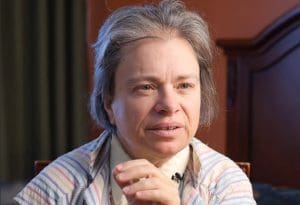
Rachel MacNair

ADAMS — Scholar, author, and Quaker Rachel MacNair will speak at the annual birthday celebration for Susan B. Anthony. Hosted by the Susan B. Anthony Birthplace Museum in Adams, the event will take place on Sunday, Feb. 15 at 2 p.m. in G.A.R. Memorial Hall at the Adams Free Library, 92 Park St.

MacNair is a nationally recognized psychologist, sociologist, author, and peace scholar whose work reflects a lifelong commitment to Quaker principles of equality and non-violence, values deeply shared by Anthony and the Quaker community in which she was raised.

A graduate of Earlham College, a historic Quaker institution known for its emphasis on peace studies and civic responsibility, MacNair holds a doctorate in psychology with interdisciplinary training in sociology. Her work has been recognized with multiple professional awards honoring her contributions to ethics, education, and peace studies. In 2011, she was awarded the Outstanding Service Award from the American Psychological Assoc.

Born into a Quaker family in Adams, Anthony was shaped by the Religious Society of Friends’ (Quaker) teachings on the inherent equality and dignity of all people, which guided her lifelong advocacy for women’s rights, abolition, and social justice.

“Dr. MacNair’s scholarship offers a meaningful lens through which to understand Anthony’s Quaker upbringing here in the Berkshires and how those values shaped her advocacy for women’s rights throughout her life,” said Lucy Czaja Anthony, a museum board member.

The Feb. 15 event will begin with a reception for attendees, followed by the keynote speaker, then questions from the audience. Seating is limited, and attendees are encouraged to arrive early. G.A.R. Memorial Hall is located on the second floor. Elevator access is available via the Melrose Street entrance.

Daily News

PITTSFIELD — Greylock Federal Credit Union achieved the $1 million mark in down payment assistance in 2025, the impact of which totaled more than $1.2 million, benefiting 42 households in the Berkshires.

“This is really exciting news,” said Tara McCluskey, vice president, Mortgage Originations. “We’re so proud of the work we’ve done and the progress we’ve made. In 2020, when this partnership started, we facilitated $265,000 in down payment assistance. To break a million is a huge achievement.”

Down payment assistance (DPA) is funded through partnerships with Federal Home Loan Bank’s Lift Up Grant, Equity Builder Grant, and Housing Our Workforce programs; MassHousing DPA, De Mayo Grant; and others. The funds are available to income-eligible buyers and can bolster a down payment or help cover closing costs.

In 2025, 62% of Greylock mortgages were made to first-time homebuyers. Greylock leads the Berkshire County mortgage market with 23% market share, nearly double that of the next competitor. This market share dominance reinforces brand strength and the trust that credit union members and the Berkshire community have in Greylock.

“The pool of funds is limited, but we’re getting ready to go into a new grant season,” McCluskey said. “It’s an excellent time to work with Greylock on a mortgage, whether you’re a first-time buyer or looking to grow into a larger home. Reach out to us — we’re here to help.”

For more information, visit greylock.org/mortgage.

Daily News

WESTFIELD — Advantage Truck Group (ATG) has named its 2025 Pete DePina Legacy Award winners, recognizing one individual at each of its eight dealerships across Massachusetts, New Hampshire, and Vermont for making an impact on their fellow employees, customers, and the company. Nick McIntire, warranty administrator, received the legacy award for ATG’s Westfield facility.

“Nick embodies our core value of excellence, particularly through the lasting customer relationships he builds,” ATG President and CEO Kevin Holmes said. “As a natural relationship builder, his thoughtful, supportive, and understanding manner draws people in. His genuine empathy ensures everyone feels heard, and he always offers an open door and his undivided attention.”

The highest recognition an ATG team member can receive, this award is given annually to one team member at each of ATG’s eight locations who most embodies the values and qualities employee Napoleon “Pete” DePina was known for, including integrity and a quiet leadership grounded in humility, generosity, and selfless service to others.

“Our ability to provide the best service for our customers reflects the dedication and contributions of our team members,” Holmes said. “It is an honor to recognize team members who go beyond expectations, and whose efforts and attitude, like Pete’s, elevate the quality of service across our network and make a positive impact on the people around them.”

ATG team members were nominated by their peers for the award. Winners were presented with a monetary award that they will continue to receive as part of their profit sharing bonus each year throughout their employment with the company.

The largest Daimler Trucks North America dealer in New England, ATG offers employees performance pay programs and benefits starting day one, company training programs, and career development and advancement opportunities, all in a culture that is committed to giving back to its communities.

Daily News

WESTFIELD — Westfield Bank announced a $10,000 donation to the Food Bank of Western Massachusetts in support of the organization’s mission to build food security for families across the region.

The Food Bank of Western Massachusetts addresses hunger by distributing nutritious food, coordinating with local agencies, and advancing long-term solutions to combat food insecurity. Westfield Bank’s contribution will help provide meals, mobilize resources, and expand community outreach efforts throughout the region.

“The Food Bank is so grateful to Westfield Bank for its generous investment in our mission to build lasting food security by providing nutritious food and partnering with communities to end hunger in Western Massachusetts,” said Andrew Morehouse, executive director of the Food Bank of Western Massachusetts.

Westfield Bank’s donation aligns with its ongoing commitment to civic engagement and community health. Through financial contributions, employee volunteerism, and long-standing partnerships with regional nonprofits and service organizations, the bank seeks to help build more robust, resilient communities.

“We are honored to support the Food Bank of Western Massachusetts as it works to ensure that our neighbors have access to the nutritious food they need,” said James Hagan, president and CEO of Westfield Bank. “Strengthening the well-being of the communities we serve is a cornerstone of our mission, and we are proud to partner with organizations that make a meaningful impact.”

Daily News

WEST SPRINGFIELD — The Irish Cultural Center of Western New England (ICCWNE) announced several recent appointments to its executive committee and board of directors.

President Sean Cahillane, Vice Presidents Ed Sullivan and Kevin O’Connor, Treasurer Stephanie Joyce, and Secretary Lynn McCarthy have been formally approved as the ICCWNE’s executive committee and voted in by the full board of directors.

The board’s unanimous endorsement reflects broad support for its leadership and direction and underscores its confidence in the committee’s ability to guide the ICCWNE’s strategic priorities and uphold the organization’s mission.

“Working alongside such a dedicated and thoughtful executive committee is a privilege,” Executive Director Caroline Morrissey said. “Each member brings invaluable experience and a deep commitment to the Irish Cultural Center’s mission. Together, we are strengthening the ICCWNE’s programs, expanding our reach, and building a vibrant future for our community.”

The executive committee serves as the ICCWNE’s core leadership team, helping guide major decisions, support organizational planning, and ensure smooth and effective operation. It works closely with the executive director in day-to-day operations and ensures that key decisions are made efficiently and responsibly.

“We have been blessed all these years with a dedicated board of directors led by a strong, capable leadership team,” Cahillane said. “This newly elected executive committee will strive to make our mission come to life, as well as seeing to the completion of our Community Performance Center, thus capping off a seven-year, $4 million-plus buildout.”

The ICCWNE has also elected new members to its board of directors. Hilary Sullivan and Brendan Fitzgerald recently joined the board and are committed to helping the ICCWNE grow as a center of Irish culture and community in Western New England.

Daily News

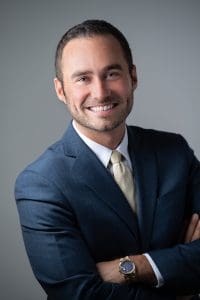
Michael Fenton

SPRINGFIELD — Shatz, Schwartz and Fentin, P.C., a regional law firm with offices in Springfield and Northampton, announced that Shareholder Michael Fenton has been named a 2025 Go To Lawyer in the field of commercial real estate by Massachusetts Lawyers Weekly.

The annual list recognizes fewer than 40 top-tier attorneys who demonstrate excellence in their practice area and are regarded as leaders by their peers. Fenton is the only lawyer from Western Mass. to be selected for this prestigious list.

Fenton, who has practiced law for more than a decade, was recognized for his extensive work in commercial real estate and finance, including tax-exempt bond financing and business planning. His passion for the field began early in his career.

“From the beginning, I was drawn to the unique challenges and opportunities that come with commercial real estate law,” he said. “Whether it’s navigating zoning issues, resolving title complexities, facilitating financing packages, or supporting a major development project, I take pride in finding creative and effective solutions that help my clients move forward.”

Fenton’s legal practice is marked by a deep understanding of title work, financing, permitting, and development — skills that make him an invaluable resource for both clients and colleagues. In addition to his legal work, he has served as a member of the Springfield City Council for more than 16 years. He currently serves as an adjunct professor of Corporate Finance at Western New England University School of Law and is actively involved in civic and nonprofit organizations, including the Conservation Law Foundation’s Legal Services Food Hub.

“True leadership in law is about more than just legal knowledge; it’s about respect, humility, and collaboration,” Fenton said. “I’m honored by this recognition and grateful to work alongside so many dedicated professionals at Shatz, Schwartz and Fentin.”

Daily News

NORTH BROOKFIELD — North Brookfield Savings Bank (NBSB) announced the retirement of Donna Boulanger from the bank’s board of directors, effective Jan. 12. Boulanger’s retirement marks the end of an era of leadership, growth, and community impact that has defined her remarkable career.

Boulanger has been a driving force in the bank’s success over the years, most notably during her role as president and CEO from 2008 to 2022, as the first woman to lead the bank since it was founded. Her leadership steered the bank through a transformative period of growth and strategic expansion. Under her guidance as president and CEO, the bank’s asset size more than doubled, significantly strengthening its financial standing and enhancing its ability to serve customers throughout the community.

During her tenure, Boulanger led the acquisition of Family First Bank, a strategic move that expanded the bank’s footprint, enhanced service offerings, and strengthened its commitment to maintaining local banking relationships. Upon retirement from the bank, Boulanger served as chair of the NBSB board of directors. She also served on the boards of the Depositors Insurance Fund, the Federal Home Loan Bank of Boston, and the Federal Reserve of Boston.

“Donna brought a wealth of knowledge and information to the bank board,” said Roland Gauthier, current chair of the NBSB board of directors. “Her presence and contributions at board meetings made all of us better board members. Donna gained the respect of her peers and the federal and state regulators, and the board will miss her guidance.”

Features

Drawing Conclusions

Ira Bryck says he’s somewhat fascinated by the subject of aging, and he’s found he’s not alone.

Ira Bryck says he’s somewhat fascinated by the subject of aging, and he’s found he’s not alone.


Ira Bryck doesn’t recall either of his parents actually saying it, but when he was young, he was definitely given the impression that naps were a waste of time.

“I grew up with two industrious parents — I was not allowed to nap growing up,” he recalled, adding that, while his sisters still refrain from the practice, he now enjoys it and looks forward to the next one.

Which makes him a lot like most … let’s call them people of a certain age. And commonality is one of the many themes he tries to touch on with a new endeavor called Aging Humans: A Complete Breakdown — a play on words if ever there was one.

This is not a business, and it’s not exactly a hobby. Let’s call it the latest endeavor for Bryck, best known as the long-time director of the former Family Business Center at UMass Amherst. During more than two decades in that role, he assisted countless small businesses owned and operated by generations of the same family with the many unique challenges that come with such a management structure — and he was recognized by BusinessWest as a Difference Maker in 2020 for such efforts.

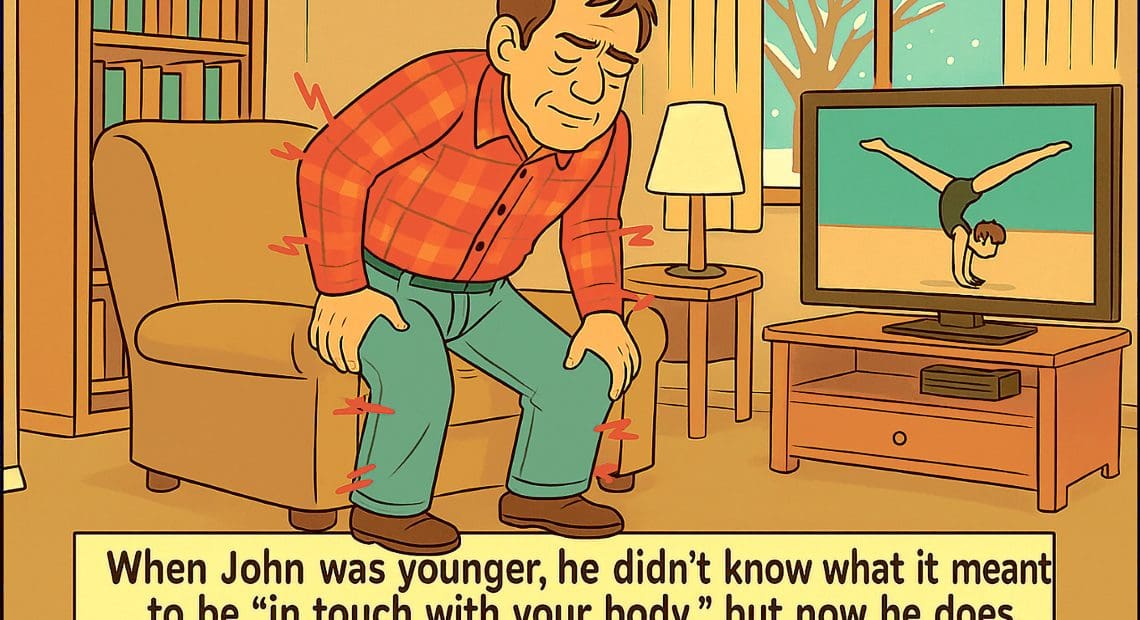
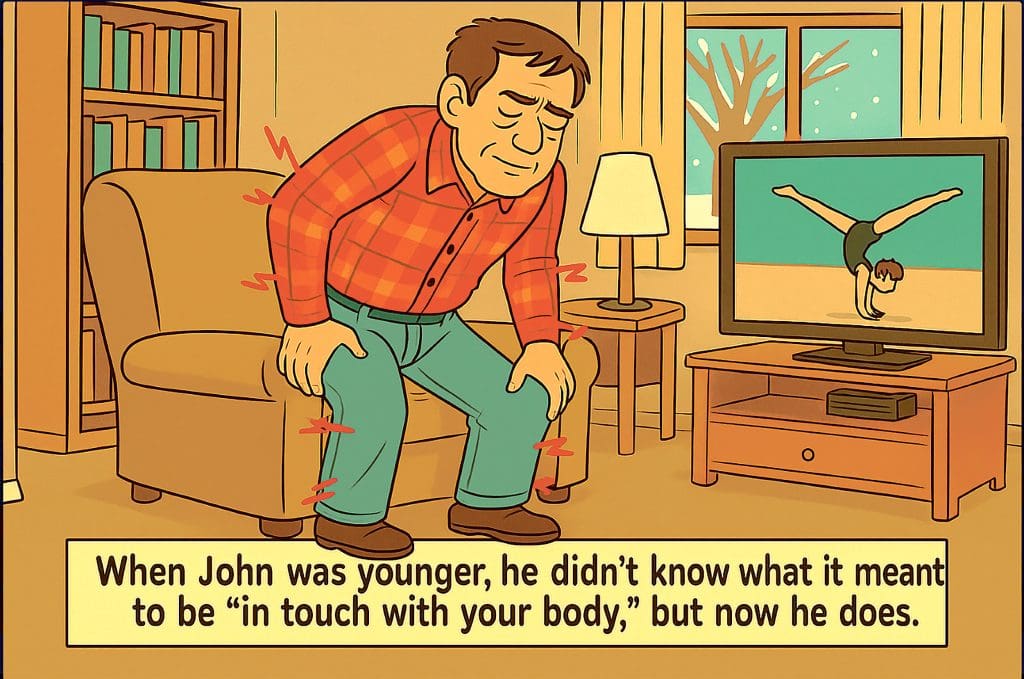
He’s still doing some business consulting and is creating some roundtables to assist fledgling businesses and fill a gap in the entrepreneurial ecosystem (a little more on this later), but much of his non-napping time is spent on Aging Humans: A Complete Breakdown, efforts that might best be described as creating an interactive dialogue through an e-book (irabryck.com/completebreakdown) on the subject of aging, complete with cartoons that he creates through AI “because I draw horribly.”

Indeed, Bryck calls his e-book Collective Wisdom from Real Elders, comprised of comments to questions such as ‘what surprises you most about being the age you are?’ ‘What have you learned from failure, misfortune, and unmet expectations?’ ‘How has your social life changed as you’ve aged?’ ‘How are you deciding and managing work and retirement?’ ‘Do you enjoy being alone? Do you get lonely?’ And even ‘how have your sleep habits changed over time, including napping?’

“I get some good feedback; some people think every one is genius, and others say, ‘I don’t get most of your cartoons.’ Most of my cartoons require some thought, and a lot of times they’re not ‘ha ha’ funny, but they are reflective.”

The responses, often humorous and from people feeling older at many different ages, certainly make for interesting reading. Here’s a sample:

• “When I look in the mirror, I see an old lady, but I still have the wonder and mentality of an 8-year-old.”

• “I thought I was 37 years old for 37 years.”

• “I don’t bounce anymore.”

• “When I wake up now, the only thing that’s stiff is my joints.”

• “When I put on my underwear now, I notice that I stand close to my bed in case I fall over while balancing on one leg.”

• “Closed captioning is my friend.”

• “My hearing aids amplify only what I don’t to hear.”

• “I do not put up with narcissists anymore. What a relief.”

• “Solitude is good; loneliness is not.”

When asked what inspired this project, Bryck, 72, said he’s intrigued by the many aspects of aging, but also research and writing on the subject, such as Erik Erikson’s theory that there are eight stages of psychosocial development, from infancy to adulthood.

“He was the first person to map human psychology through old age,” Bryck said. “And he basically said that, if you were successful in life, you would eventually come to the eighth stage at old age, where it’s ‘are you in a stage of integrity or despair?’ I just always imagined that, as a depressed person of the ’60s, I would end up as a despairing old man, and I was determined to not let that happen. And I’m interested in how people are aging.”

As for the cartoons, Bryck said he’s always enjoyed cartooning, even if he can’t draw, and the images spark more dialogue — about aging, and sometimes about whether they’re funny or not.

“I get some good feedback; some people think every one is genius, and others say, ‘I don’t get most of your cartoons,’” said Bryck, who added that’s he’s developed the requisite thick skin for such commentary. “Most of my cartoons require some thought, and a lot of times they’re not ‘ha ha’ funny, but they are reflective.”


Age-old Problems

Like many people of his age, and any other age, for that matter, Bryck has mixed feelings about AI, right down to how much energy is consumed to create it. But when it comes to his cartoons, he can rationalize.

“I felt like I was someone who suddenly had a prosthetic device that allows them to do something they couldn’t do before,” he explained, adding that, by giving AI some specific prompts, he can use it to create images that aging humans can relate to and talk about, such as the one featuring four unhappy looking, balding, graying men with seemingly nothing to say, under the caption, “when your breakfast club votes to curb discussion about health issues.”

“Your challenges are a lot less challenging if you realize how normal they are. Other people live with them, and other people survive them.”

This is one of Bryck’s favorites — he’s now created dozens of cartoons, many inspired by actual experiences or those of others he knows — and it puts a face (or, in this, four faces) on the issues and attitudes of aging humans.

This is what he had in mind when he launched the e-book, which continues to attract new readers and intriguing responses to the questions posed.

And it’s part of the evolving next chapter in Bryck’s career, which started with him working at his family’s clothing business and evolved into his role running the Family Business Center and even writing plays about the many issues facing ventures run by several generations of the same family.

Bryck still does some business consulting, coaching, and facilitating, and all three of these skill sets will be used for roundtables he’s creating for small but established businesses. Called Onward + Upward, the initiative will create what he calls “an advisory board of trusted peers” that will enable participants to work on their businesses together.

As that project comes together, Bryck will continue to generate dialogue about aging, an popular activity as the Baby Boom generation, of which he is a part, reaches its 70s, and with its older members touching 80.

He said the collective comments speak to the many issues and challenges people are facing and are ultimately offered, like many of his efforts over the years, to help people confront them together.

“The 21 questions are really good prompts, and I think a lot of people like to talk about aging,” he noted. “I just had breakfast with someone for two hours, and we talked about what is our stage of life, what are we doing with ourselves, and are we feeling productive?”

And with that, we turn to more thought-provoking comments to the questions posed in the e-book:

• “I didn’t laugh much until I was in my 60s. Now, I laugh all the time.”

• “I have become more direct and clear about boundaries and comfort. I have shifted from being more conscious of pleasing others at times to pleasing myself, within reason.”

• “I don’t imagine ever stopping work; there are so many projects around that I can play with. Maybe I’ll stop remunerative work at some point, but playing with projects … I don’t see that ending while my heart is still beating.”

• “Don’t wait too long to retire — no one knows what the future holds.”

• “Make the absolute most of whatever time you have left. Keep growing and trying new things. Count yourself lucky you got this far.”

There were originally 20 questions, Bryck said, but a friend in Amherst added one of his own: “do you feel responsible and/or guilty that you are leaving such a troubled world to the next generation, or is it their problem now?”

That query has drawn its own share of responses, such as: “I didn’t start the fire, but I probably could have a ton more to extinguish it,’’ and “not in the least bit. I am not convinced the world is all that troubled and different from previous generations. Does anyone remember the ’70s? The ’60s? WWII, etc., etc.?”


Beyond the Numbers

Such insight and running commentary is what Bryck was hoping to generate when he started the e-book, the latest endeavor from a business leader who has no intention to retire and intends to continue growing and trying new things.

“I think it’s all revealing, and it’s normalizing,” he said of the sum of what he’s collected so far. “And that was something I bring from the Family Business Center — the idea that your challenges are a lot less challenging if you realize how normal they are. Other people live with them, and other people survive them.”

And most of them, including Bryck, enjoy a good nap.

Features

Driving Forces

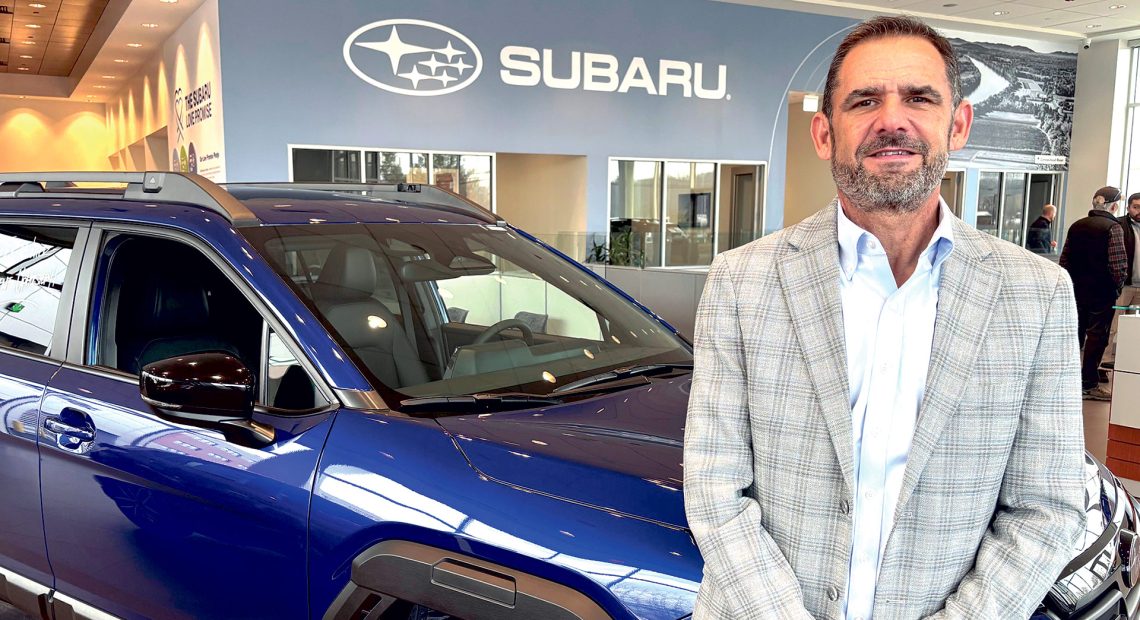
Carla Cosenzi says the auto industry should see a less tumultuous year in 2026, but there will be challenges.

Carla Cosenzi says the auto industry should see a less tumultuous year in 2026, but there will be challenges.

‘Turbulent.’

Of all the single words that could be used to describe what kind of year 2025 was for the auto industry and individual dealers, Peter Wirth believes that one works best.

And it might even be an understatement.

Indeed, a sector that was working itself back to normalcy after COVID, chip shortages, a lack of inventory, scarce supplies of used cars, and inflation was hit with tariffs as well as a seismic shift in priority when it comes to electric vehicles.

This added up to some interesting times — that’s another adjective used heavily to describe the year that was — as well as a roller-coaster year for sales that ended up mostly flat or a few percentage points higher than 2024.

“It wasn’t a bad year; it was just a lot of ups and downs and changes — with tariffs being the obvious one, but there was also the huge change in course as far as electric vehicle adoption, which had a huge impact on manufacturers, but also on us,” said Wirth, owner of Mercedes-Benz of Springfield, referencing the expiration of federal tax credits for new and used vehicles after Sept. 30 and an abrupt U-turn on mandates concerning the percentages of new car sales that had to be EVs.

Carla Cosenzi, president of TommyCar Auto Group, which boasts four stores selling Nissan, Hyundai, Volkswagen, and Genesis, agreed. She said 2025 was a solid year, one that started strong as consumers sought to beat tariffs and ended somewhat sluggishly.

“We started to really see it around October,” she said, adding that manufacturers, perhaps anticipating a slowdown due to factors ranging from tariffs to still-high interest rates, ramped up the incentives to engage consumers, who stand to benefit from higher inventories.

“Overall, it was a really good year for us,” she said, adding that Hyundai and Nissan both posted solid numbers and finished strong, making up for some slower months in the middle.

As 2026 rolls on, the pendulum is shifting even more toward normalcy and perhaps less volatility, although no one can project too far ahead in this business, said Ben Sullivan, chief operating officer for Balise Motor Sales, which owns 26 dealerships across Massachusetts, Rhode Island, and Connecticut.

Indeed, the focus is shifting back to hybrids and gasoline-powered cars, and manufacturers are providing plenty of incentives to buy and lease them, including 0% financing in some cases, he said, adding that he projects 2026 will be a good year for auto buyers and, thus, a better one for dealers.

“From a consumer point of view, I’d say 2026 will be a very positive year,” Sullivan said. “And from the dealer perspective, we’re actually pretty bullish on where this is going to go. Affordability is such a key part of consumer behavior, and the fact that availability and the incentives are going to be there for the consumers prompts us to believe we’ll be growing by 5% to 7% this year.”

Wirth agreed, noting that Mercedes has rolled out aggressive sales programs for January.

“Mercedes is putting their money where their mouth is as far as being on a growth trajectory,” he explained. “They sold 303,000 units last year, and they want to sell 325,000 to 330,000 this year; that’s a 10% increase, and it’s one of the reasons we’re incredibly optimistic for this year.”

“It wasn’t a bad year; it was just a lot of ups and downs and changes — with tariffs being the obvious one, but there was also the huge change in course as far as electric vehicle adoption, which had a huge impact on manufacturers, but also on us.”

For this issue, BusinessWest talked with area dealers about the turbulence of 2025 and the prospects for more normalcy, probably the most since COVID, in 2026.


Shifting Gears

As he talked with BusinessWest about the year that was and the years ahead, Wirth said he sympathizes with car manufacturers, who have had to cope with many different, and often dramatic, changes to the landscape in recent years, especially with tariffs and changing policy on EVs.

“I don’t envy my colleagues in corporate because it’s really hard to deliver on three fronts at the same time — electric vehicles, plug-in hybrids, and combustion-engine cars, which is what’s happening right now,” he said. “This significant change in policy — and no one knows how it’s going to change in three years again — makes it really difficult for the manufacturers.”

Sullivan agreed. “For manufacturers, it takes three to five years to develop a vehicle program, and they were all assuming that, at some point, we’d have to be 100% electric, and they put a bunch of their development money down that stream,” he explained. “And now, the federal government is saying that this is no longer what they need to do. So all the manufacturers are trying to adjust and adapt just in the EV market — and that was just one of two large challenges that hit us last year.”
Ben Sullivan says that, with less urgency to sell EVs, automakers are providing incentives for other models on the lots.

Ben Sullivan says that, with less urgency to sell EVs, automakers are providing incentives for other models on the lots.

The other factor was tariffs, which hit some makers harder than others, he said, noting, as others did, that these factors are prompting hard decisions, many of which will take years to materialize, about where cars will be made — and what cars will be made.

For dealers and consumers, these issues changed some buying patterns and, in many ways, altered the sales calendar.

Indeed, when tariffs were first announced last March, there was a surge in sales as consumers looked to beat the tariffs, said Wirth and others we spoke with, making March and April better than they normally are and some of the subsequent, normally heavier months lighter.

“When you look at the first half of the year, it shook out the way we expected; it was just more volatile,” he said, summoning another word to describe 2025. “You had a higher high than you were projecting, and then a lower low.”

This was just one of the many intriguing aspects of this past year, said those we spoke with, noting that what is being called a retrenchment on EVs was certainly another. Indeed, sales spiked in the run-up to the end of the $7,500 federal government purchase incentive on Sept. 30, resulting in a record for the third quarter of 2025 (about 12% of the U.S. market), before falling off in the months that followed.

Cosenzi said EVs are still selling, in part due to incentives offered by the state, but they were off by roughly 10% in 2025 over the year prior — better than many other dealers are reporting because the TommyCar dealerships are in Hadley and Northampton, which she described as a great market for EVs — and this pattern is expected to continue into 2026.

The focus is now shifting to hybrids and gasoline-powered cars, with an even greater emphasis on SUVs, said Sullivan, adding that, due to the tariffs and shifts on EVs, makers are doing some model trimming because some offerings are no longer popular, cost-effective, or both.


Drive Time

Looking down the road and toward the year ahead, those we spoke with expressed optimism about the big picture and the manner in which car makers are incentivizing consumers to buy and lease.

As Wirth noted earlier, Mercedes has set ambitious goals for 2026 and is backing them up with programs and incentives that are similar to those intended to drive sales at year end.

“Our January programs are essentially as good as our outgoing December programs were, which is something I’ve never seen before with them,” he noted. “They’re really trying to hit the ground running and maintain and ultimately increase their market share in the luxury market.

“They were all assuming that, at some point, we’d have to be 100% electric, and they put a bunch of their development money down that stream. And now, the federal government is saying that this is no longer what they need to do.”

“And while it’s still very early,” continued Wirth, who spoke with BusinessWest in the first week of January, “they seem to be starting on the right foot.”

Cosenzi and Sullivan agreed, noting that conditions are right for a solid 2026, meaning dealers have inventory (especially for what’s in demand, meaning hybrids and SUVs); they have incentives, including attractive lease deals and financing rates for purchases; and are stocking more used cars, although they’re still in somewhat short supply.

“We’re putting a lot of focus on used vehicles heading into 2026, especially those under that $30,000 price range,” said Cosenzi, adding that TommyCar has created a buying center to maximize opportunities in a still-challenging market and build an inventory.

“We’re really working to have the right-priced pre-owned vehicles that can go through the stringent certified process to give the consumers the confidence they’re looking for,” she explained, adding that there is strong demand for such vehicles, especially SUVs, in the Five College area.

Sullivan said the stars are aligning as the industry moves into 2026. “Interest rates are starting to trend down, and availability of cars is getting better, unlike during COVID,” he noted, adding that the attractive incentives that were being offered to incentivize EVs, back when the pressure was on to sell those models, have been shifted to gas and hybrid models.

“Now that the manufacturers are not under that regulation anymore, you will see in 2026 some better incentives coming back, like attractive lease payments, low APR, and customer cash, because the manufacturers can afford to do that,” he explained. “So I think that will be a very big positive for consumers as we roll into 2026; their affordability matrix will be a lot better than it was in 2024 or even 2025.”

Meanwhile, Sullivan sees some general improvement in used car availability as new car inventories have improved and consumers can replace aging vehicles and enter into new leases rather than buying cars coming off lease, and this is another source of optimism heading into 2026.

As for EVs, dealers still have them, and they’re still selling them, but the pendulum has swung, with those who have been on the fence about such vehicles now more incentivized to stay on the gas or plug-in hybrid side, the latter of which provides some attractive middle ground for those looking to reduce their carbon footprint.

These are just a few of the issues that will shape 2026, a year that will still be interesting, but probably — that’s probably — less turbulent for dealers and consumers.


Education

Tools to Succeed

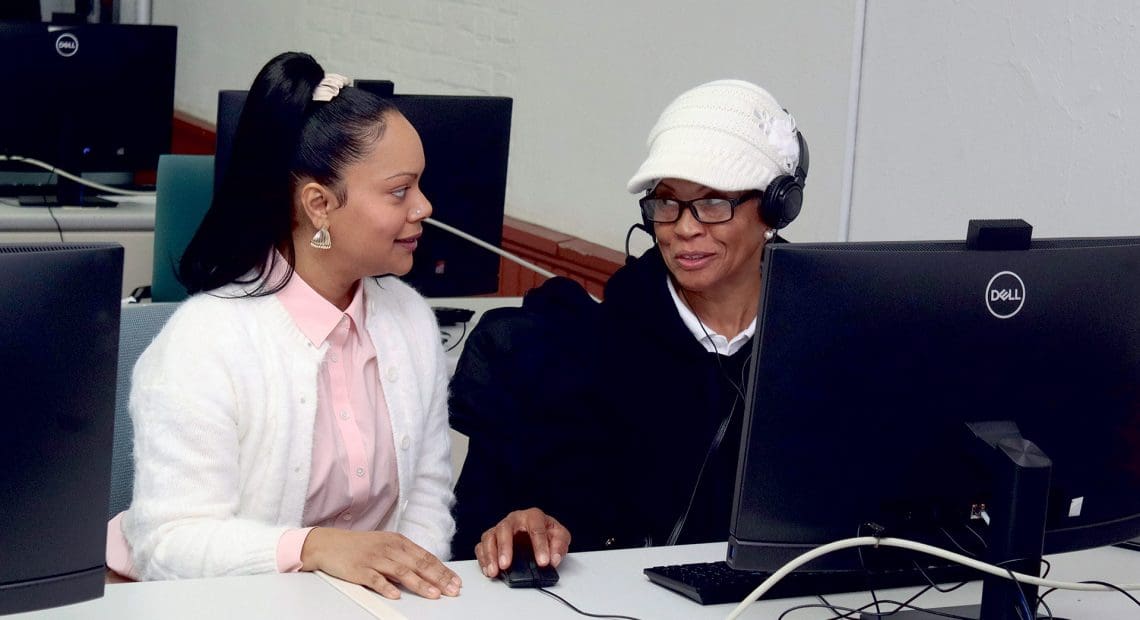
Katherine Ortiz (left), an education and career advisor, seen here assisting a student in a workforce development class, will oversee college and career workshops as part of the Workforce Readiness Academy at STCC.

Katherine Ortiz (left), an education and career advisor, seen here assisting a student in a workforce development class, will oversee college and career workshops as part of the Workforce Readiness Academy at STCC.


Springfield Technical Community College (STCC) is now enrolling for the Workforce Readiness Academy, a free, 20-hour-per-week program designed to help prospective students build the digital, academic, and career skills needed to thrive in today’s job market and succeed in college.

The Workforce Readiness Academy offers a hands-on, personalized learning experience that equips participants with essential digital literacy skills, industry-recognized certifications, and strengthened college and career readiness competencies. Whether students are entering the workforce, changing careers, or preparing for further education, the Academy provides the foundation they need to move forward with confidence, Assistant Vice President of Workforce Development Gladys Franco said.

“This program is an incredible opportunity for anyone looking to gain confidence, earn meaningful credentials, and take their next step toward a rewarding career or higher education,” Franco noted. “The Workforce Readiness Academy was intentionally designed to remove barriers and meet students where they are. Our goal is to ensure every participant leaves with the skills, support, and resources they need to succeed.”

“This program is an incredible opportunity for anyone looking to gain confidence, earn meaningful credentials, and take their next step toward a rewarding career or higher education. The Workforce Readiness Academy was intentionally designed to remove barriers and meet students where they are. Our goal is to ensure every participant leaves with the skills, support, and resources they need to succeed.”

The Academy is supported by the state Gaming Commission’s Community Mitigation Fund. The program is offered in two sessions. The first runs Jan. 26 to April 9, while the second runs April 13 to June 25. Both run Monday to Thursday. Enrollees can choose day (9:30 a.m. to 1:30 p.m.) or evening (5-9 p.m.) options.

Each participant is paired with a dedicated college and career advisor for individualized support throughout the program.

The Academy offers the opportunity to develop computer competency and workforce readiness skills every employer expects. Students will work toward industry-recognized certifications, including ServeSafe and OSHA 10, while also engaging with local employers through networking and career connection opportunities.

To learn more or register, visit stcc.io/wra or call the Workforce Development Center at (413) 755-4225. To enroll in person, stop by Building 27 at STCC.

Banking and Financial Services

Survey Says


U.S. adults overwhelmingly trust banks more than any other entity to protect them from fraud, according to a new survey conducted by Morning Consult on behalf of the American Bankers Assoc. (ABA).

By more than a 6-to-1 margin over the next closest industry, consumers chose banks (50%) over healthcare providers (8%), non-bank fintech payment providers (8%), the government (5%), cryptocurrency companies (2%), major retailers (1%) and telecom companies (1%).

The research, unveiled at ABA’s 2025 annual convention in Charlotte, N.C., also gauged consumers’ views on access to their personal financial data, bank satisfaction, the competitive landscape of the banking industry, and the role banks play in the U.S. economy.

“Financial predators are more sophisticated than ever, and America’s banks are leading the charge to protect their customers from these threats,” said Rob Nichols, ABA president and CEO. “Consumers recognize and appreciate banks’ round-the-clock efforts to detect and combat fraud, and our industry continues to leverage award-winning consumer education campaigns and other tools to empower Americans to spot scams before they can do harm.”

Nearly nine in 10 bank customers (87%) said their bank takes proactive steps to protect them from fraud and scams, and three-quarters (74%) believe their bank does more than businesses in other industries to protect them. In addition, 59% of consumers have received a fraud alert from their banks alerting them to potentially suspicious account activity, and 96% found these alerts valuable.

Rob Nichols

Rob Nichols

“Financial predators are more sophisticated than ever, and America’s banks are leading the charge to protect their customers from these threats.”

Notably, 62% of alert recipients are concerned with government regulations stopping all bank messages, including fraud alerts. Under the Federal Communications Commission’s (FCC) existing Telephone Consumer Protection Act (TCPA) rules, if a consumer responds ‘STOP’ to a text message from their bank on any topic — such as marketing messages — the regulation would effectively require their bank to stop sending them all messages, including fraud alerts notifying them of potentially suspicious activity on their account. The FCC is considering issuing a notice of proposed rulemaking that would update the TCPA rules to address this and other issues, an action that ABA strongly supports.


Personal Financial Data Rights

The survey also explored Americans’ views on access to their personal financial data, or ‘open banking,’ which is when consumers give permission for their financial information — like their account balance or spending history — to be shared from their bank (or wherever it’s stored) to another company, such as a budgeting app or loan service.

Most adults believe that data shouldn’t be shared if it could put consumers at risk (80%), that all organizations holding consumer data should follow the same sharing rules (76%), and that data aggregators that are monetizing the data obtained from banks should share in the operating costs (70%). Eighty percent of consumers said companies shouldn’t use data they obtain from banks to train AI models or develop new products and services without explicit consumer consent.

“The survey shows that consumers agree that everyone in the open banking ecosystem should be subject to the same rules and that sensitive personal financial information should not be used by data aggregators to power AI models or for market research absent a consumer’s clear permission,” Nichols said. “Banks should be empowered to lower the risk of data breaches and unauthorized activity to protect consumers while ensuring they can safely share their data with companies they trust.”


Satisfaction with Banks

The new survey also found that consumers are happy with their bank and view banks as vital to the U.S. economy. Among Americans with a bank account, 89% say they are “very satisfied” or “satisfied” with their primary bank, and 95% rate their bank’s customer service as “excellent,” “very good,” or “good.”

The survey found that Americans believe the nation’s banks are competing aggressively for their business and that they have ample access to banking services. More than 8 in 10 (84%) of respondents agree they have multiple options when selecting products and services such as bank accounts, loans, and credit cards, and 85% said they have a wide array of choices when deciding where to bank. Meanwhile, 84% agree they have easy access to a bank branch when they need it.

Three-quarters of consumers (75%) said the nation’s banks are a source of strength for the U.S. economy and that they appreciate the key role banks play in supporting the financial needs of individuals, businesses, and local communities. Meanwhile, 69% said they are confident in America’s banks as a whole and their ability to support individuals, businesses, and the local communities they serve.

“This national survey shows that the vast majority of American consumers think highly of their bank and recognize the critical role banks across the country play in the growth and stability of our nation’s economy,” Nichols said. “Consumers trust and value the customer service they receive from their bank, and they appreciate that banks of all sizes are competing for their business with innovative products and service they want and need.”