Daily News

SPRINGFIELD — Country Bank announced the appointment of Devan Summers as retail banking officer for its newest banking center, located at 1500 Main St., Tower Square, in downtown Springfield, scheduled to open in March.

Summers brings more than 14 years of experience in retail banking, management, and community development to Country Bank. He will lead day-to-day operations of the Springfield banking center, support customers with personalized financial solutions, and further strengthen Country Bank’s long-standing relationships throughout the city of Springfield.

“We are thrilled to welcome Devan to our retail banking team,” said Miriam Siegel, chief Culture & Development officer. “His extensive background in banking, combined with his genuine passion for helping individuals and families achieve their financial goals, reflects the core of who we are at Country Bank. Devan’s commitment to service, teamwork, and community embodies our iSTEP values of integrity, service, teamwork, excellence, and prosperity.”

Summers has served in nearly every role within branch banking throughout his career, from customer service to branch management and senior leadership. His experience includes leading high-performing teams, revitalizing branch performance across competitive markets, and overseeing retail operations and community engagement initiatives. Known for his people-first, relationship-based approach, he brings a deep understanding of both the operational and human sides of banking.

“I’ve admired Country Bank from afar for some time,” Summers said. “Many institutions talk about community involvement, but Country Bank truly lives it. The opportunity to bring that commitment to Springfield, a city with incredible people and strong community pride, was a natural fit. I’m excited to build relationships, support local businesses, and help customers achieve their financial goals.”

Country Bank has been a long-time supporter of the city of Springfield through financial contributions, supporting businesses, volunteerism, and partnerships with local organizations. The opening of the Tower Square banking center reinforces the bank’s continued investment in the city and expands access to relationship-based banking in the heart of downtown. Country Bank also maintains an existing Business Office presence within the Tower Square building.

The Springfield banking center will officially open on March 16, with a grand opening celebration planned for April.

Daily News

GREENFIELD — The city of Greenfield is seeking applicants for the Storefront Improvement Program. This initiative provides resources for storefront upgrades to elevate downtown Greenfield’s aesthetic appeal and economic vitality, ultimately enhancing the area as a welcoming place to visit, shop, and work.

The program is funded through the federal Community Development Block Grant Program and administered by the Greenfield Community and Economic Development Department. Businesses located in the Central Commercial Zone can apply for up to $10,000. While funding is prioritized for signage and awnings, other visual storefront improvements may be eligible.

“We are putting federal funds to work in our effort to improve downtown vitality and support small, local businesses,” Mayor Virginia “Ginny” Desorgher said. “The Storefront Improvement Program is a great opportunity for local businesses and organizations to improve their curb appeal while contributing to the overall health of our downtown.”

Applications are being accepted on a rolling basis. Improvements must be completed by June 1. Businesses can fill out an application and learn more about the program by clicking here.

Community and Economic Development Department staff will review applications for completeness and eligibility as they are received. Grantees will be selected based on the proposed improvements’ likelihood of completion and potential visible impact on the downtown streetscape. The city expects to make five to seven awards depending on project costs.

Daily News

SPRINGFIELD — Thanks to the generosity of numerous donors, Mercy Medical Center has received gifts totaling $1 million for the Sister Caritas Endowed Nurses Education (SCENE) Fund, securing its permanent endowment. SCENE funds are available to nurses to help them attain higher education and new certifications, and to other Mercy colleagues who want to become a certified nursing assistant (CNA) or licensed practical nurse (LPN).

The need for more qualified, talented, and dedicated nurses is an urgent priority for Mercy, along with most other healthcare organizations. The concept for the SCENE Fund was first introduced at the celebration marking the 100th birthday of Sister Mary Caritas, former president of Mercy Medical Center and the Sisters of Providence congregation, as well as a member of the Mercy Nursing School class of 1945. The original goal for the SCENE Fund was set at $100,000, the minimum required to establish an endowed fund at Mercy.

This fundraising generated more than 200 gifts, ranging from $5 to $275,000 from individuals, foundations, and admirers and followers of Sister Caritas, including a $25,000 challenge/match gift from philanthropist Harold Grinspoon and his foundation to help launch the fundraising effort. The initial challenge required Trinity Health and Mercy to raise $75,000 first, then Grinspoon would add the final $25,000 to formally establish the SCENE Fund. This challenge was swiftly met, and upon the foundation’s check presentation, Grinspoon issued another challenge to help permanently endow the SCENE Fund at $1 million; once Mercy and Trinity Health raised $900,000, the Grinspoon Foundation would add the final $100,000 to reach the $1 million goal.

Fueled with even more inspiration, the Mercy and Trinity Health Of New England fundraising team worked toward that goal, and the $900,000 mark was recently reached. Grinspoon made good on his promise, gifting the final $100,000 in a celebratory check presentation at the Harold Grinspoon Foundation offices in Agawam.

While every donor has been vital to this effort, larger gifts supporting the SCENE Fund include an anonymous donor, bankESB, the Brindle family, the estates of Homer Foucher and Monte Cohen, Dean Kavanagh, Dave and Pat Johnson, Kevin and Sandra Delbridge, John Sjoberg and Brenda Garton-Sjoberg, and Richard Dooley, former Mercy board member and lifetime supporter.

Trinity Health Of New England and Mercy Medical Center will host donors at a celebration of the new Sister Caritas Endowed Nurses Education Fund at the Delaney House in Holyoke on Thursday, April 23. Mercy’s leadership will partner with local colleges and universities offering nursing degrees, as well as make available scholarship dollars for professional development and advanced certification for current Mercy nurses, as well as any Mercy colleagues who may wish to pursue a nursing career.

Daily News

HAMPDEN — Legal and financial well-being will be the focus of a community conversation on Tuesday, Feb. 24 from 4:30 to 6:30 p.m. at Hampden Post Acute, 9 Maple St., Wilbraham. The event is part of the Peace of Mind Series, a monthly community education series facilitated by Chanda Care to support older adults, caregivers, and families with practical guidance and resources.

The featured speaker, attorney Nicholas Kubacki, will share how to protect oneself and one’s loved ones through proactive legal planning and financial decision-making. The event is free and open to the public. RSVP by emailing [email protected].

This month’s Peace of Mind Series conversation is sponsored by Chanda Care, Chanda’s House, Holyoke VNA Hospice Life, Hampden Post Acute, Brookhaven Hospice, and McLane|McLane.

Daily News

WESTFIELD — The Westfield Starfires announced that Hall of Fame baseball writer Peter Gammons will serve as host for the upcoming Starfires Hot Stove event featuring legendary pitcher Roger “the Rocket” Clemens. The event will take place on Saturday, March 28 at Westfield State University and promises to be an unforgettable evening of baseball stories, insight, and behind-the-scenes conversation with one of the game’s most dominant pitchers.

Gammons, one of the most respected and influential baseball journalists of all time, brings decades of experience covering the sport. A longtime columnist for the Boston Globe and former beat writer for the Boston Red Sox, Gammons became a national voice of baseball through his work with ESPN and later MLB Network. His reporting, relationships throughout the game, and deep knowledge of baseball history have shaped how fans understand the sport. In recognition of his contributions to baseball journalism, Gammons was honored with the J.G. Taylor Spink Award and inducted into the National Baseball Hall of Fame in Cooperstown in 2005.

The Hot Stove will feature Roger Clemens reflecting on his storied career, unforgettable moments, and lasting impact on the Boston Red Sox and their fans. With Gammons hosting the discussion, attendees can expect a dynamic and candid exchange between two figures who have significantly impacted the game.

The event will take place at Parenzo Hall (Dever Auditorium) on the campus of Westfield State University, located at 577 Western Ave., Westfield, starting at 6 p.m.

A Rocket Hot Stove Ticket is available with limited availability due to auditorium seating capacity, while an exclusive VIP meet & greet experience — offering a one-of-a-kind opportunity to meet Clemens — is available in extremely limited quantities. This VIP experience includes an autograph and photo with Clemens, along with hors d’oeuvres and a cash bar prior to the Hot Stove program. Tickets are available now at www.westfieldstarfires.com.

Daily News

NORTHAMPTON — The Northampton Jazz Festival will present the legendary jazz guitarist Peter Bernstein with his quartet in a one-night-only concert at the Drake in Amherst on Saturday, March 7 at 8 p.m.

The Northampton Jazz Festival has expanded its live jazz offerings beyond just a two-day festival in late September. It now co-presents visiting jazz artists in one-night-only concerts by partnering with area performance venues. In doing so, the Jazz Festival is able to bring world-class jazz musicians to the region year-round.

“I am a guitarist myself, and have wanted to invite Peter Bernstein to perform at the Drake for some time,” said Lincoln Allen, manager of the Drake. “With this partnership with the Jazz Festival, we both market the concert to our audiences, so we’re more sure to get a large, savvy jazz audience as a result, which is the goal for us both.”

A New York City native, Bernstein has been playing and recording since 1990, when he first appeared on recordings with Lou Donaldson and the organ trio of Larry Goldings and Bill Stewart, a group still touring and recording today. Bernstein has played on festival, concert, and club stages worldwide and has appeared on over 300 recordings, 14 under his own name. Bernstein’s other associations and collaborations include Jimmy Cobb, Dr. Lonnie Smith, David “Fathead” Newman, Brad Mehldau, Etta Jones, Melvin Rhyne, Diana Krall, Bobby Hutcherson, Lee Konitz, Nicholas Payton, George Coleman, and Sonny Rollins. His latest recording on the Smoke Sessions label is Better Angels, featuring Brad Mehldau, Vicente Archer, and Al Foster.

Performing with Bernstein at the Drake on March 7 will be Aaron Goldberg on piano, Vicente Archer on bass, and Joe Farnsworth on drums. Farnsworth, a South Hadley native, headlined the 2023 Northampton Jazz Festival with his “Max Roach Centennial Celebration,” a sold-out performance at the Academy of Music.

“We’re thrilled to bring the great Peter Bernstein to the Valley with his equally talented bandmates,” said Ruth Griggs, executive director of the Northampton Jazz Festival. “We especially love having Joe Farnsworth back in town; he brings a love and enthusiasm for Western Mass. like no other jazz musician I’ve ever seen.”

Tickets cost $30 in advance and $35 at the door. For more information and tickets, visit thedrakeamherst.org.

Amherst Oyster Bar is the sponsor of the Peter Bernstein Quartet. The restaurant will donate 20% of dinner service profits on March 7 to the Northampton Jazz Festival. In addition, guests who show their tickets to the Peter Bernstein Quartet while dining at Amherst Oyster Bar on March 7 will receive six complimentary oysters per ticket (selection determined by Amherst Oyster Bar).

Daily News

NORTH ADAMS — Bonney Hartley, tribal historic preservation manager for the Stockbridge-Munsee Community, will present “Tribal Historic Preservation in the Stockbridge-Munsee Ancestral Homeland” as part of Massachusetts College of Liberal Arts’ (MCLA) Green Living Seminar Series on Wednesday, Feb. 25 at 5:30 p.m. The event is free and open to the public.

Hartley’s presentation will discuss the community’s ongoing work to protect Mohican and Munsee cultural sites and repatriate sacred items and ancestral remains. She will highlight landmark achievements, including the 2021 return of Papscanee Island, a 156-acre nature preserve along the Hudson River that served as the center of Mohican life for thousands of years, and the 2024 acquisition of 372 acres at Monument Mountain in the Berkshires, returning ancestral homelands to tribal stewardship.

For 10 years, Hartley has served the historic preservation interests of the Stockbridge-Munsee Community from an extension office in the tribe’s homelands in Massachusetts. An enrolled member of the community, she leads the work to protect Mohican and Munsee (Lenape) cultural sites and repatriate cultural items, often serving to transform museums’ understanding of tribal cultural patrimony.

Hartley holds a master of social science degree in international relations from the University of Cape Town, South Africa, and a master of fine arts degree in creative writing from the Institute of American Indian Arts. She serves on the board of the Erie Canalway National Heritage Corridor and the National NAGPRA Community of Practice steering committee. She is a founding member of the Mohican Writers Circle and a 2025 Forge Project fellow.

The Stockbridge-Munsee Community’s ancestral homelands span the Hudson and Housatonic River valleys. Today, the federally recognized tribe is based on a reservation in Wisconsin, where approximately half of its 1,500 members live.

MCLA’s Green Living Seminar Series brings environmental experts to campus throughout the academic year to engage students and community members in conversations about sustainability, climate change, and ecological responsibility. All presentations take place Wednesdays at 5:30 p.m. in MCLA’s Feigenbaum Center for Science and Innovation, Room 121, and are recorded as podcasts available at mcla.edu/greenliving.

Business Talk Podcast Special Coverage

With new episodes airing every other Monday, BusinessTalk features in-depth interviews and discussions with local industry leaders who offer thoughtful perspectives on the Western Massachusetts economy and the many business ventures that keep it running. BusinessTalk is sponsored and presented by Greenfield Cooperative Bank.

Go HERE to view all episodes

Episode 252: February 17, 2026

George O’Brien talks with Julie Quink, Managing Principal, Burkhart Pizzanelli, P.C.

Julie Quink says the accounting profession has changed quite a bit in her 35 years of practice, but one of the more positive changes has been a focus on workplace culture, mentorship, and the well-being of team members — all areas she has continued to cultivate at Burkhart Pizzanelli. Julie sat down with Contributing Writer George O’Brien for the latest installment of BusinessTalk to talk about all this and more, including how she and her team have prioritized giving back to the community in many ways, and why she’s gratified to be named one of BusinessWest’s Difference Makers for 2026. It’s must listening, so tune into BusinessTalk, a podcast presented by BusinessWest over both audio and video platforms, and sponsored by Greenfield Cooperative Bank.

Sponsored by:

Also Available On

Law

Culture Shock

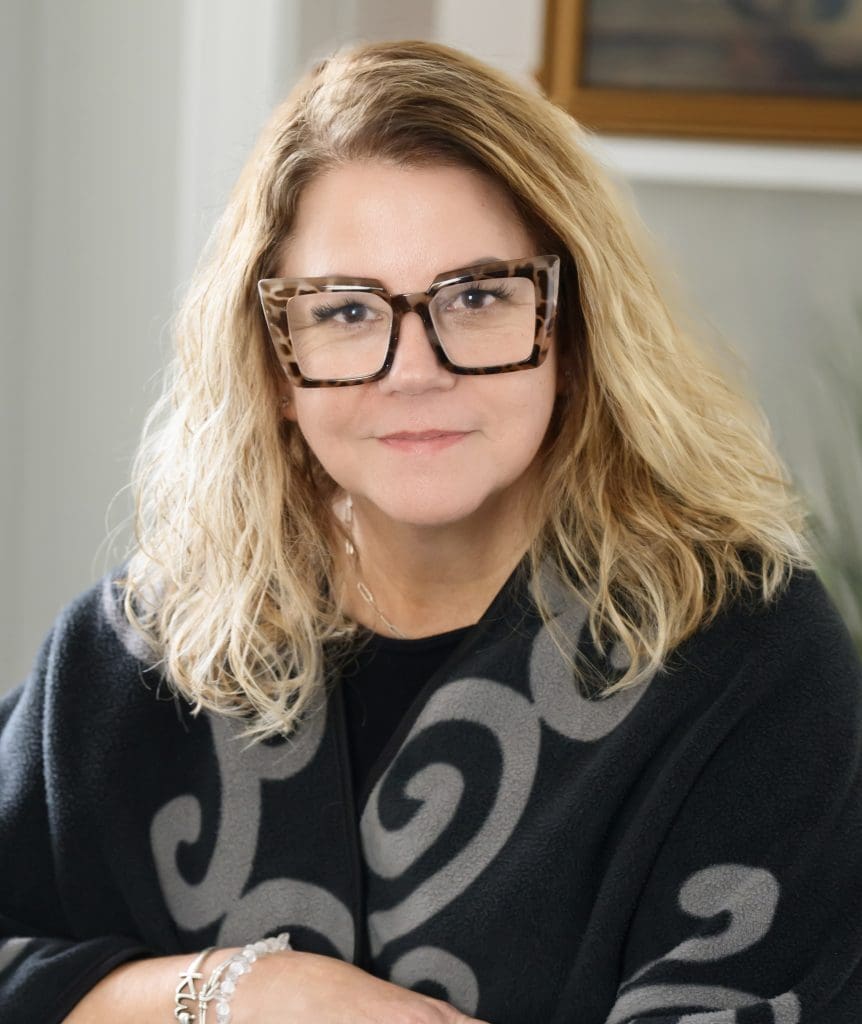
By Tanzi Cannon-Eckerle, Esq.


By now, most New England employers have heard the rumblings: the Equal Employment Opportunity Commission (EEOC) is taking a dramatically tougher stance on workplace practices it views as ‘DEI-motivated discrimination.’ What began as a political undercurrent in 2025 has become a fullscale regulatory pivot in 2026, and companies across Massachusetts, Connecticut, and Rhode Island are realizing that the DEI landscape they have operated in for a decade has shifted beneath their feet.

The message from Washington is blunt. EEOC Chair Andrea Lucas has made clear that any employment decision — hiring, promotion, training, or even internal programming — that factors in race, sex, or similar protected characteristics may trigger scrutiny in 2026. The agency is actively reviewing organizations with DEI policies, affinity groups, or diversity-focused hiring or marketing initiatives, signaling a broad and aggressive enforcement posture.

Tanzi Cannon-Eckerle

Tanzi Cannon-Eckerle

“Any employment decision that factors in race, sex, national origin, or other protected characteristics — even with the best of intentions — may now trigger scrutiny.”

That means any employment decision that factors in race, sex, national origin, or other protected characteristics — even with the best of intentions — may now trigger scrutiny. Hiring pipelines, mentorship programs, employee resource groups (ERGs), and even internal messaging are being examined through a new, far more conservative lens.

For New England employers who have long prided themselves on inclusive cultures and progressive workforce strategies, the shift is more than a compliance headache. It is a strategic reckoning.

And increasingly, companies are turning to an unexpected ally to navigate it: fractional general counsel.


A New Enforcement Era Arrives

The EEOC’s 2026 enforcement strategy is rooted in a strict interpretation of Title VII, one that treats DEI initiatives as potential sources of ‘reverse discrimination.’ The agency is signaling heightened attention to:

• Hiring or promotion practices referencing demographic goals;

• Diversity-focused recruiting pipelines;

• ERGs organized around protected characteristics;

• Training or leadership programs aimed at specific demographic groups;

• Public DEI commitments that imply preferential treatment; and

• Workplace policies tied to national origin, religion, or COVID19 vaccination.

According to reporting, the agency is even reviewing companies’ websites and public statements to identify DEI-related language. In other words, if it is on your website, it is fair game.

This is particularly relevant in New England, where employers — from Boston’s tech corridor to Springfield’s manufacturing base to Providence’s healthcare systems — have spent years building DEI programs as part of their brand identity. Many now find themselves asking the same question: what does compliance look like in 2026?


The New England Challenge: Values vs. Liability

New England companies tend to be values-driven. They care about fairness, community, and workplace culture. They have invested in DEI not because it was trendy, but because it aligned with who they are.

But the EEOC’s new posture means that even well-intentioned programs can create legal exposure. A mentorship program for women in leadership? Risky. A hiring initiative aimed at increasing representation? Risky. An ERG for employees of color? Risky unless structured carefully.

The challenge is not abandoning inclusion — it’s modernizing it. And that’s where fractional general counsel has stepped into the spotlight.


Why Fractional General Counsel Is Suddenly in Demand

Most midsized companies in New England don’t have a fulltime general counsel. They rely on outside firms for litigation and occasional advice, but they don’t have someone embedded enough to understand their culture, operations, and risk profile.

Fractional general counsel (GC) fills that gap. It’s a model that gives companies ongoing, strategic legal support, without the cost of a full-time executive. And in a regulatory environment that is shifting monthly, that combination of expertise and affordability is proving invaluable.

Fractional GCs are helping companies:

• Audit DEI-adjacent programs;

• Redesign policies and training;

• Reframe initiatives around neutral, business-driven goals;

• Strengthen documentation and decision making;

• Respond to EEOC inquiries;

• Coordinate with outside litigators when needed; and

• Keep leadership informed as the legal landscape evolves.

In short, they are giving companies a way to stay compliant without abandoning the values that define them.


What Fractional General Counsel Actually Does in This Moment

The role goes far beyond reviewing handbooks. In the context of the EEOC’s 2026 crackdown, fractional GCs are functioning as strategic advisors, risk managers, and operational partners. Their roles include:

Conducting DEI Risk Audits. Fractional GCs review everything from hiring practices to ERGs to training modules. They identify where language, structure, or intent may now be interpreted as discriminatory. This includes subtle issues — like job postings that reference ‘diverse candidates’ — that once signaled inclusion but now raise red flags.

Rebuilding Programs Around Legally Defensible Principles. Instead of demographic targets, companies are shifting toward skills-based leadership development, equal-access mentorship programs, workplace civility and respect initiatives, and culture building open to all employees. The goal is to preserve the spirit of inclusion while eliminating legal exposure.

Training Leadership and HR. Managers and HR teams are often the ones making decisions that later get scrutinized. Fractional GCs provide practical training on objective hiring criteria, documentation standards, avoiding demographic preferences, handling complaints, and responding to employee concerns. This reduces risk and increases consistency.

Strengthening Documentation. Documentation is everything. Fractional GCs help companies standardize interview processes, build defensible evaluation frameworks, ensure that promotion and discipline decisions are job-related, and create clear, consistent records. This protects against both traditional and reverse discrimination claims.

Managing EEOC Inquiries. When the EEOC (and their state counterparts MCAD, CHRO, and RICHR) come calling, companies need a steady hand. Fractional GCs coordinate responses, manage communication, gather documents, work with outside litigators if necessary, and keep the business’s perspective front and center. This prevents the operational disruption that often accompanies regulatory investigations.

Providing Ongoing Monitoring. The 2026 enforcement shift is not a one-time event. Fractional GCs stay on top of new guidance, court decisions, agency priorities, and state-level developments.


The New England Advantage: Culture Without the Liability

New England companies do not need to abandon inclusion. They simply need to express it in ways that comply with the evolving legal landscape.

The employers who will thrive in this 2026 anti-DEI environment are those who maintain strong workplace cultures, avoid demographic preferences, focus on equal access and opportunity, build legally defensible programs, and stay ahead of regulatory shifts.


Attorney Tanzi Cannon-Eckerle is principal and chief legal officer at General Counsel by Cannon, PLLC. Based in Western Mass. and serving companies across the region, the firm focuses on labor and employment law, business law, and fractional general counsel services. With deep experience advising organizations on DEI-related compliance, regulatory risk, and workforce strategy, General Counsel by Cannon helps businesses modernize their policies, strengthen their culture, and stay ahead of the EEOC’s evolving enforcement priorities, without the cost of a full-time legal department; www.gcbycannon.com; [email protected]

Law

A Liquor License Lesson

By Joshua M. Goldstein, Esq.


Operating a restaurant, bar, event hall, or other business that utilizes a liquor license is hard enough without accidentally tripping over a clause in your lease that turns into a legal disaster. The Massachusetts Supreme Judicial Court’s recent decision in Nicosia, et al. v. Burn LLC, et al. (2025) is a good reminder that, when it comes to liquor licenses, contract terms still matter, and creative financing can come with some very sobering consequences.


How This All Started

This case arose out of a fairly common commercial setup and straightforward set of facts. N&M Trust VII (Nicosia) leased a commercial property in downtown Boston to Burn, LLC (Burn). As part of the lease agreement, Nicosia sold its liquor license associated with the property to Burn for the sum of one dollar. The lease terms included an ‘anti-pledge’ provision, which prohibited Burn from pledging the liquor license as collateral for a loan, and provided that any pledge in violation of such provision constituted a default under the lease. In addition, at the end of the lease term, Burn was required to transfer the liquor license back to Nicosia for one dollar.

Joshua M. Goldstein

Joshua M. Goldstein

“Pledging a liquor license as collateral may seem like an easy solution when money is tight, but if doing so violates your lease terms, it can lead to lease termination, an awkward conversation with your landlord, and very expensive consequences.”

Before the lease term expired or otherwise terminated, Burn pledged the liquor license to its principal, Brian Lesser, as collateral for a loan to Burn in the amount of $445,000. When Nicosia discovered this, it declared Burn in default of the lease, terminated the lease, and demanded the return of the license.

Nicosia initiated the lawsuit, and Burn challenged its claims, arguing that the lease’s anti-pledge provision is unenforceable as it violated public policy and Massachusetts General Laws c. 138 § 23, the statute which governs and expressly permits the pledge of liquor licenses.


The Court’s Holding

The court disagreed with Burn’s argument and upheld the anti-pledge provision as enforceable. The court reasoned that the clause did not violate public policy concerns as financing agreements among commercial sophisticated parties do not generally raise public policy concerns.

Further, the court distinguished this case from its decision in Beacon Hill Civic Assoc. v. Ristorante Toscano Inc. (1996), where it found that a private agreement not to apply for a liquor license was unenforceable because it thwarted public participation. In the case of Nicosia, et al. v. Burn LLC, et al., the anti-pledge provision does not interfere with public participation but rather is only a limitation on the licensee’s ability to use the liquor license as collateral to secure financing. No loopholes. No judicial sympathy for “but we needed financing.”


Why This Matters to Business Owners

Liquor licenses are often viewed as valuable assets, and they can be to a business. However, Nicosia makes it clear that their value can be tightly controlled by contract. Here are the key takeaways:

• A Liquor License is Not Always ‘Your’ Asset. Even if a license is technically in your business’s name, contractual restrictions can dramatically limit what you can do with it. If your lease says “no pledging,” that means no pledging no matter whether the lender is a bank, a private investor, or your own business partner.

• Courts Will Enforce Anti-pledge Provisions. This decision confirms that Massachusetts courts will uphold contractual limits on liquor licenses so long as they don’t limit a prospective licensee’s ability to participate in the licensing process or conflict with statute. Public policy is not a magic eraser for inconvenient lease terms.

• Financing Shortcuts Can Trigger Long-term Pain. Pledging a liquor license as collateral may seem like an easy solution when money is tight, but if doing so violates your lease terms, it can lead to lease termination, an awkward conversation with your landlord, and very expensive consequences.


Practical Advice for Local Restaurant and Bar Owners

If you currently operate, or plan to operate, a business that utilizes a liquor license, this case offers some practical lessons:

• Read the Entire Lease (Yes, Even That Section). Anti-pledge clauses are easy to overlook, especially when they’re buried in lengthy lease sections or among boilerplate provisions. But as this case shows, it is very important to read the entire lease, whether you have an existing lease or are considering entering into a new lease. Further, it is important to review the lease to ensure that any anti-pledge provisions apply to real property or personal property other than a liquor license.

• Coordinate Legal Advice Before Financing. Before pledging any business asset as collateral, make sure it doesn’t conflict with your lease or other applicable agreements. A quick legal review can be a lot less costly than litigating or defending a default of a lease.

• Assume Enforcement, Not Flexibility. Courts generally assume that sophisticated parties mean what they sign and expect to be bound by the same. It is very important not to rely on hoping a judge will ‘balance the equities’ later.


Final Pour

Nicosia is not flashy, but it’s important. For local business owners, the lesson is straightforward: treat your lease like required reading, and don’t assume that creative financing will survive creative lawyering on the other side.

If you’re ever tempted to pledge a liquor license as collateral without reviewing your lease first, just remember: the hangover from that decision can far outlast the term of the loan.


Attorney Joshua M. Goldstein is an associate with Bacon Wilson, P.C. whose practice areas include banking and finance and business and corporate law, with additional specialties including liquor licensing and other licensing matters. He is administered to practice law in the state of Massachusetts and is an active member of the Hampden County Bar Assoc.