Home 2025 August (Page 2)
Daily News

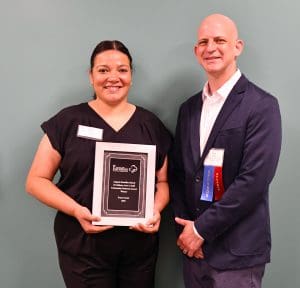
PITTSFIELD — 1Berkshire announced that the Norman Rockwell Museum has been selected as the 2025 Putting the Berkshires on the Map honoree.

1Berkshire presents this award annually to a project, initiative, or organization that has left an indelible mark on the region and contributed substantially to the advancement of the public perception and overall image of the Berkshires. This recognition will be presented at the 12th annual Celebrate the Berkshires event on Thursday, Sept. 18.

“Over the past four decades, the Norman Rockwell Museum has grown from a small hometown museum into a nationally recognized center for American illustration,” said Jonathan Butler, president and CEO of 1Berkshire. “This transformation was a collaborative effort led with clarity and purpose by the museum’s director/CEO, Laurie Norton Moffatt, and made possible by the trust, investment, and tireless support of board members, staff, volunteers, patrons, the Rockwell family, and the Berkshire community. 1Berkshire is proud to announce them as our Putting the Berkshires on the Map honoree.”

From its home in Stockbridge, the museum has welcomed more than 6.7 million visitors and brought travelers from across the globe to experience the Berkshires. Through nearly 250 exhibitions — circulating to 47 states and seven countries — as well as cultural diplomacy partnerships with the U.S. State Department in Ethiopia, Russia, and Mongolia, and collaborations with institutions including the White House and the United Nations, the museum has expanded its reach far beyond the region.

At the same time, it has remained firmly rooted in the Berkshires, enriching the local economy and reinforcing the county’s reputation as a world-class arts destination. Initiatives like the establishment of the Rockwell Center for American Visual Studies and the museum’s robust traveling exhibition program have sparked new scholarship and public engagement, cementing the museum as a national leader in the field.

“On behalf of all of us at the Norman Rockwell Museum, I want to express our heartfelt gratitude to 1Berkshire for this meaningful recognition,” Norton Moffatt said. “For over 50 years, and especially throughout the past four decades, the museum has grown hand in hand with our Berkshire community. It has been an honor to help shape a cultural institution that not only preserves the legacy of Norman Rockwell, but also uplifts the power of illustration to reflect, challenge, and inspire.

“As one of the cornerstones of the region’s vibrant creative economy, the museum has helped position the Berkshires as a nationally recognized destination for arts and culture,” she added. “This award is a celebration of our shared commitment to creativity, storytelling, and place — and a testament to what can happen when vision meets community.”

Celebrate the Berkshires will also feature the announcement of the 2025 Berkshire Trendsetter Award winners, recognizing individuals, businesses, and organizations shaping the future of the Berkshires. Tickets are available at 1berkshire.com/events/celebrate-the-berkshires.

Daily News

BOSTON — The Massachusetts Film Office (MFO), part of the Massachusetts Office of Travel and Tourism, has launched a redesigned website (mafilm.org) providing filmmakers and production teams with a modernized hub for permitting, location scouting, incentive details, and industry contacts. The platform reinforces Massachusetts’ commitment to supporting its growing film and television sector and promoting the state as a dynamic destination for storytelling.

“Film is a powerful engine within Massachusetts’ creative economy,” said Ashley Stolba, interim secretary of Economic Development. “It supports good jobs, brings new revenue to communities across the state, and shines a spotlight on the people and places that make Massachusetts unique. This new site is a critical tool for continuing to grow this important sector.”

Meg Jarrett, director of the Massachusetts Film Office, added that “film and television production supports thousands of jobs across dozens of industries in Massachusetts, from camera crews and carpenters to costume designers, caterers, and casting agents. This new website is a strategic tool that makes it easier for productions to access the information they need, engage local talent, and choose Massachusetts over other states. It helps keep us competitive, responsive, and ready to grow.”

The website features an expanded image library, centralized permitting guidance, and a mobile-friendly design to make it easier for producers and location managers to bring their projects to life. It also highlights the state’s robust Film Production Incentive Program, which has drawn dozens of major films and television series to Massachusetts.

“Seeing Massachusetts on screen often sparks the desire to experience it in person,” said Kate Fox, executive director of the Massachusetts Office of Travel and Tourism. “Whether it’s the fall streets of Salem in Hocus Pocus, the Boston Public Garden bench from Good Will Hunting, or coastal drama from The Perfect Couple, film and television help shape the way the world imagines our state and inspires visitors to explore it for themselves.”

Film production in Massachusetts fuels both the creative economy and the visitor economy, supporting small businesses, creating jobs, and showcasing the state’s history, culture, and natural beauty to global audiences. Since 2006, more than 325 productions have filmed in more than 235 cities and towns, generating more than $3.2 billion in economic activity statewide. Other notable projects include Manchester by the Sea, CODA, Little Women, The Holdovers, and Madame Web.

Daily News

SPRINGFIELD — Dakin Humane Society was recently the recipient of a donation that totaled more than $11,000 from Yankee Candle Co. The funds came from coins tossed in Yankee Candle Village’s in-store moat, adjacent to its Bavarian Village, by store visitors between 2019 and June 2025.

The coins were placed in 48 baskets and were trucked from Yankee Candle Village in South Deerfield to Dakin’s Springfield location by Yankee Candle’s Jeff Palmer, Sales and Operations manager, and Ben Ware, Property and Guest Services manager. Ware’s team handled the process of cleaning the moat and removing the coins. Once at Dakin, it took a team of 40 volunteers nearly four weeks to clean and sort the coins into separate denominations and prepare them for bank deposit.

The total value of the coins is still being processed by the bank, which takes additional time, but the preliminary amount indicates a donation of more than $11,000.

The donation has been a longstanding tradition of generosity from Yankee Candle that originated in 1994. The late Mike Kittredge, founder of Yankee Candle, was known by many to be an animal lover and decided the moat money should be directed to Dakin to help support its animals, programs, and services. Each year since, the coins in the moat were collected and brought to Dakin until the COVID pandemic halted the process in 2020.

“At Yankee Candle Village, we believe in giving back to the community that has supported us for so many years,” Palmer said. “It’s a privilege to partner with and support Dakin Humane Society in their mission to care for animals and enrich lives.”

According to Meg Talbert, executive director of Dakin Humane Society. “our valued partnership reflects the similarity found in our work. Yankee Candle creates products that celebrate and enhance home life and family connections. Our work at Dakin involves the creation of families, when people bring pets into loving homes.”

Added Stacey Price, Dakin’s director of Development and Marketing, “we are grateful for Yankee Candle’s ongoing generosity for more than 30 years, and for the many store visitors who tossed their coins into the moat. Their good luck wishes translated to good luck for the animals.”

Daily News

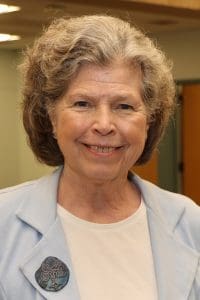
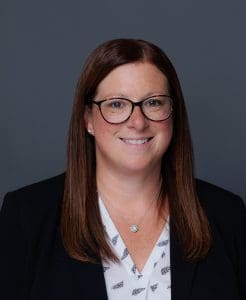
BOSTON — Two new state commissioners have joined the Massachusetts Commission on the Status of Women (MCSW). The commission welcomes Giselle Byrd and Candace Pérez, both appointees of Gov. Maura Healey.

Giselle Byrd is executive director of the Theater Offensive, located in Boston, making her the first Black trans woman to lead a regional theatre company in the U.S. As a producer, she is the first transgender woman to be accepted into Through Her Lens: the Tribeca Chanel Women’s Filmmaker Program. Her documentary film debut, Giselle’s Story, directed by Susan O’Brien, was accepted into the Imagine This International Women’s Festival.

Byrd also serves on the board of directors at both Callen-Lorde Community Health Center and the Leslie-Lohman Museum of Art. She is also the co-vice chair of the advisory board for the Ali Forney Center, and she was recently elected vice chair of the MCSW’s program and planning committee for the FY 2026 program year.

Pérez is a transformational leader, executive coach, and strategic consultant with a distinguished career spanning healthcare administration, public policy, workforce transformation, and diversity, equity, and inclusion. As founder and principal consultant of Iya of the North Consulting, she partners with executives, leadership teams, and organizations to drive meaningful change, elevate leadership effectiveness, and build inclusive, high-performing workplaces.

“These leaders bring a fresh perspective to the work of the MCSW with a diverse range of personal and professional experience,” Chairwoman Mary-dith Tuitt said. “The work and dedication of these two leaders will only enhance the commission’s ability to focus on our mission and agenda to impact change for all women and girls across the Commonwealth.”

Daily News

WARE — Country Bank President and CEO Mary McGovern announced the promotion of three team members: Jasmine Robinson, Sam Pursey, and Sarah Yurkunas.

Robinson has been promoted to Learning & Development officer. She began her financial services career at Country Bank in 2004 as a teller and has since built a 21-year career with the organization. She advanced through customer service and branch management roles before helping launch the bank’s Learning & Development department in 2016 as a founding member. Known for her creativity and passion for fostering professional growth, she has designed and implemented training programs that span retail banking and beyond, aligning employee development with Country Bank’s strategic goals.

Robinson holds a bachelor’s degree in business management from Phoenix University and is a certified facilitator in multiple professional learning programs. She is deeply committed to advancing lifelong learning across the bank and is an active community volunteer, regularly supporting the Ware Senior Center, mobile food pantries, and school financial literacy programs.

Pursey has been promoted to assistant vice president, commercial lender. With 13 years in the financial services industry and nine years at Country Bank, he brings a strong background in commercial credit and lending. After starting his career as a credit analyst at TD Bank, he joined Country Bank as a portfolio manager and grew into a lending role, where he found his passion for helping customers achieve their business goals.

A graduate of UMass Amherst with a degree in finance, Pursey is known for combining analytical expertise with a customer-first approach, ensuring that businesses receive both timely and creative financial solutions. He credits the strong culture of teamwork at Country Bank as one of the biggest reasons for his long tenure with the organization.

Yurkunas has been promoted to assistant vice president, commercial lender. She has built her 19-year banking career at Country Bank, advancing through roles in loan servicing, credit analysis, portfolio management, and commercial lending. A graduate of Bay Path University with a bachelor’s degree in business administration & management, and Becker College with an associate degree in animal sciences, she has also completed the Massachusetts Bankers Assoc. New England School of Financial Studies program.

Yurkunas is recognized for her relationship-driven approach, strong analytical skills, and dedication to supporting businesses across all stages of growth. She is also actively engaged in community service, including volunteer work with Second Chance Animal Services, and was honored with Country Bank’s inaugural PFS Community Champion Award. Passionate about mentoring and teamwork, she embraces a collaborative philosophy that strengthens both her colleagues and the businesses she serves.

“We are excited to announce the well-deserved promotions of Jasmine, Sam, and Sarah,” said Miriam Siegel, chief Culture and Development officer at Country Bank. “Their hard work, dedication, and contributions have been instrumental to the bank’s success. We take great pride in supporting our team members’ commitment to continuous professional and personal growth, empowering them to explore the many rewarding career paths in community banking.”

Daily News

SPRINGFIELD — Bulkley Richardson announced that 12 lawyers from the firm were recently selected by their peers for inclusion in the 2026 edition of Best Lawyers in America, the most recognized law firm in the Greater Springfield area.

These lawyers were recognized in 20 unique areas of practice. They include:

• Peter Barry (construction law and education law);

• Kathleen Bernardo (real estate law);

• Michael Burke (medical malpractice law: defendants and personal injury litigation: defendants);

• Mark Cress (banking and finance law, bankruptcy, creditor-debtor rights/insolvency and reorganization law, and corporate law);

• Francis Dibble Jr. (bet-the-company litigation, commercial litigation, labor and employment litigation, securities litigation, and criminal defense: white-collar);

• Daniel Finnegan (administrative/regulatory law);

• Scott Foster (business organizations, including LLCs and partnerships);

• Mary Jo Kennedy (employment law: individuals, employment law: management, and labor and employment litigation);

• David Parke (corporate law and mergers and acquisitions law);

• John Pucci (bet-the-company litigation, criminal defense: general practice, and criminal defense: white-collar);

• Jeffrey Roberts (corporate law and trusts and estates); and

• Michael Roundy (commercial litigation).

Lawyers who are nominated for consideration are voted on by currently recognized Best Lawyers working in the same practice area and located in the same geographic region. They are reviewed by their peers based on professional expertise, and recognition is based purely on the feedback received.

Daily News

SPRINGFIELD — Bacon Wilson, P.C. announced that attorney Gina Barry has been recognized in the 32nd edition of Best Lawyers in America for her expertise in elder law.

In addition to this prestigious recognition, Barry has been named the 2026 Lawyer of the Year in Elder Law for Springfield. This honor is awarded to only one attorney in each practice area and community, based on the highest peer feedback.

With decades of experience serving clients throughout Western Mass., Barry continues to provide exceptional legal guidance and compassionate advocacy in elder law. She is licensed to practice law in Massachusetts, Connecticut, and the U.S. District Court for the District of Massachusetts. She is a partner and chair of the Estate Planning and Elder Law department at Bacon Wilson, and is a certified elder law attorney by the nonprofit National Elder Law Foundation, the only national organization accredited by the American Bar Assoc. to offer certification to attorneys in the specialization of elder law.

Daily News

HOLYOKE — OneHolyoke CDC will hold its fifth annual Holyoke Proud Community Walk and Roll, this year on Saturday, Aug. 23 starting at 10 a.m., with registration opening at 8 a.m. A resource fair and block party will be held at the finish line on Race Street around noon.

Registration is free, and participants are asked to register online by clicking here. Registration will also be open the day of the walk beginning at 8 am.

The annual event brings the Holyoke community together to walk or roll (wheelchair, bicycle, stroller) along a route through the Flats neighborhood, beginning at Lawler Insurance at 1 Main St. and ending around noon on Race Street, between Appleton and Middle streets.

The resource fair and block party at the finish line will feature organizations like Homework House and VCare Medical tabling with information, raffles, and giveaways for participants, as well as a food truck.

Sponsors for the Holyoke Proud Walk include platinum sponsors Bank ESB, Sublime Systems, and Holyoke Medical Center; gold sponsors Holyoke Community College and Rolling J’s, and silver sponsors Lawler Insurance, Scouting America, and River Valley Counseling Center.

Proceeds from the walk benefit OneHolyoke CDC’s Community Engagement department, which supports the Holyoke community. Its strategic plan has five areas of focus: engagement in civics, health, education, public safety, and maintaining the Flats Community Building as a center for community activities.

Daily News

BOSTON — The Massachusetts Office of Travel and Tourism (MOTT) announced the 2024 economic impact of the state’s travel and tourism industry, which grew to $24.2 billion in direct spending from 52.6 million domestic and international travelers, generating $2.3 billion in state and local tax revenue and supporting 155,808 jobs across the state.

Total visitor spending in 2024 reflects a $600 million increase over the previous year, when visitors spent $23.6 billion across the state. The industry also added nearly 1,500 jobs compared to 2023, underscoring tourism’s continued momentum and its impact on small businesses, communities, and workers statewide.

“Our tourism industry supports thousands of jobs, brings in billions in economic benefit, and gives us an opportunity to showcase everything that makes Massachusetts so special,” Gov. Maura Healey said. “It’s great to see that tourism in Massachusetts continues to be strong, especially as we gear up for another year of Massachusetts 250 celebrations, as well as the FIFA World Cup and Sail250. Our administration will continue to invest in the infrastructure, cultural programming, and destination marketing that strengthen local economies and position Massachusetts as a top travel destination.”

Tourism generated $2.3 billion in combined state and local tax revenue, sustaining essential public services while easing the tax burden on residents. Visitor spending helped fund municipal programs through local option room occupancy taxes and supported employment in a wide range of sectors, including hospitality, transportation, retail, and the arts.

“Massachusetts has always been defined by its welcoming spirit, prolific cultural fabric, and deep sense of history,” said Kate Fox, executive director of the Massachusetts Office of Travel and Tourism. “With major city and town anniversaries on the horizon and statewide celebrations planned, we’re proud to work alongside regional tourism councils, cultural institutions, and small businesses to showcase all that Massachusetts has to offer, from vibrant cities to historic villages, to travelers from around the world.”

Daily News

NORTH ADAMS — The 28th annual MCLA Athletics Golf Classic will be held Monday, Sept. 8 at Waubeeka Golf Links in Williamstown. The Golf Classic serves as a major fundraiser for the College’s Athletics Department. Since its inception, the event has raised more than $1 million to support MCLA’s student athletes.

“We are so grateful to our sponsors and participants, both those who are dedicated longtime supporters and those who are new this year,” MCLA Assistant Dean for Athletics & Recreation Laura Mooney said. “Their generosity and contributions allow the department to make facility upgrades and to enhance the student-athlete experience through new uniforms, team gear, and specialized equipment purchases. These items directly impact the recruitment, retention, and success of our students and student athletes.”

Each year, the tournament recognizes a deserving individual or business that has impacted MCLA Athletics. This year’s honoree is 1986 MCLA alumnus and former board of trustees member Jim Clemmer, who also served as interim president of MCLA from August 2015 to March 2016. He is the president and CEO of AngioDynamics and has been a dedicated supporter of MCLA Athletics for decades.

The entry cost includes the 18-hole tournament, greens and cart fees, lunch, branded gifts, a post-golf dinner, and more. On the day of the event, registration will be held from 9:30 to 10:30 a.m., and the tournament will begin at 11 a.m.

Those interested in signing up for or sponsoring the event may do so by emailing [email protected], calling (413) 662-5001, or filling out the online form at lnk.mcla.edu/golf2025.

Daily News

Katherine Douglas

HOLYOKE — Holyoke Community College (HCC) recently welcomed Katherine Douglas as interim vice president of Academic and Student Affairs.

Douglas brings more than four decades of experience as an educator, administrator, and advocate for student success. Her career has included executive roles such as interim president of SUNY Monroe Community College and president of SUNY Corning Community College in New York State, vice president of Academic Affairs at Sussex Community College in New Jersey, and associate dean of Behavioral Sciences at Greenfield Community College.

This is her second interim posting since retiring from Corning Community College in 2019. Her first day back at HCC was Aug. 4. She will serve as interim vice president until the permanent vice president’s position is filled.

Her HCC appointment marks a meaningful homecoming, as Douglas previously served as dean of the Division of Social Sciences from 2005 to 2008. From 2023 to July 2025, she also served on the HCC Foundation board of directors, stepping down to take the interim position as vice president. She is a three-time graduate of UMass Amherst, where she earned a bachelor’s degree, master’s degree, and doctorate in education.

“Her longstanding commitment to the community college mission, deep understanding of academic affairs, and focus on equity and access align closely with our core values,” HCC President George Timmons said. “We are thrilled to have Dr. Douglas return to the HCC community, and we look forward to her leadership as we continue to serve and empower our students.”

Daily News

SPRINGFIELDBusinessWest is now accepting nominations for the eighth annual Women of Impact awards. Nominations for the Women of Impact class of 2025 are due by Thursday, Sept. 4. They can be submitted at businesswest.com/women-of-impact-nominations.

In 2018, BusinessWest created the Women of Impact program as a way to honor women in the region who are making an impact and creating positive change. There are many different ways to do this. While nominees can hail from the world of business, they can also emerge from other realms, such as the nonprofit community, public service, law enforcement, education, social work, the mentorship community, a combination of these — in short, the program recognizes inspirational women on any level.

For more information, call Natasha Mercado-Santana, Marketing and Events Manager, at (413) 781-8600, ext. 100, or email [email protected].

Daily News

LONGMEADOW — Bay Path University announced the appointment of Jody Goodman as dean of Students and Engagement. In this role, she will lead efforts to enhance the student experience across multiple modalities and campuses, providing inclusive and responsive support to approximately 4,500 students, including traditional residential undergraduates, commuter students, and remote undergraduate and graduate learners at both Bay Path and Cambridge College.

Goodman brings more than a decade of progressive leadership experience in student affairs, as well as extensive academic expertise in higher education, leadership, and management.

“Dr. Goodman has a proven ability to build trust and collaboration with all learners, support learners who are at different points in their educational journeys, and inspire enthusiasm, create opportunities, and promote community service,” said Sandra Doran, president of Bay Path University and Cambridge College. “As we continue to grow our opportunities with Cambridge College and position ourselves to serve learners here in Longmeadow and East Longmeadow, as well as in Boston and Puerto Rico, her experience is invaluable, and we are so happy to welcome her to our community.”

Most recently, Goodman served as interim director of Student Engagement and Co-curricular Programming at Quinebaug Valley Community College in Connecticut. In that position, she revitalized the Office of Student Activities and led co-curricular programming, orientation, and leadership development initiatives supporting a diverse commuter student population across two locations.

Previously, she was director of Student Success at the College of Engineering at UMass Amherst, where she oversaw several leadership and volunteer programs, including the annual Mass Impact Day of Service, which placed hundreds of students in community-based volunteer roles.

A committed scholar-practitioner, Goodman earned an accelerated doctor of education degree in higher education from the Warner School of Education at the University of Rochester, where she also received her master’s degree in human resources management. She additionally holds a master’s degree in higher education from UMass Amherst and a master’s degree in leadership from Northeastern University.

Daily News

HOLYOKE — Registration is now open for non-credit professional development and personal enrichment classes at Holyoke Community College (HCC) for the fall 2025 semester.

The fall calendar begins Sept. 2, with individual classes running on different schedules throughout the semester. Many are available as single sessions that cost as little as $49.

Classes for fall include cooking (charcuterie, Mediterranean, Spanish, tapas), wine tasting (organic, Rhone, California, holiday), sewing (for beginners), sewing (machine), painting (watercolors, beginner and intermediate), painting (water-soluble oil), drawing for beginners, piano (for pleasure, private lessons), dance fusion, conversational French, conversational Spanish, Spanish for healthcare professionals, hat making, music technology, voiceover coaching, financial literacy, retirement planning, Social Security strategies, MassHealth overview, medical interpreting, K-12 education (professional development), EMT Basic training, real estate licensing, notary public, and QuickBooks. More classes will be added as fall approaches.

Most classes meet in the Kittredge Center for Business and Workforce Development on the main HCC campus, 303 Homestead Ave. Cooking and wine tasting classes meet at the HCC MGM Culinary Arts Institute, 164 Race St. To see complete fall course listings and schedules or to register, visit hcc.edu/bcs.

Daily News

MONSON — Monson Savings Bank recently donated $2,000 to the Miracle League of Western Massachusetts. The donation, made as a part of the bank’s 2025 Community Giving Initiative, will help the organization continue its mission of providing children with disabilities the opportunity to play baseball in a safe and supportive environment.

Kandy Tranghese, senior vice president and chief financial officer of Monson Savings Bank, presented the donation to Brian Feeley, board president of the Miracle League of Western Massachusetts, and Ernie Fitzell, co-founder of the organization.

“At Monson Savings Bank, we believe that every child deserves the chance to experience teamwork,” Tranghese said. “The Miracle League of Western Massachusetts does awesome work to make that possible here in the Springfield area, and we are honored to support their efforts. This donation is a reflection of our admiration for their mission and the lives they touch.”

Brian Feeley shared his appreciation, stating, “we are incredibly grateful to Monson Savings Bank and the community for their generous support. This donation will directly impact our ability to provide a fun, inclusive, and empowering experience for our players and their families. It’s partnerships like this that help us grow and thrive.”

The Miracle League of Western Massachusetts was formed in 2015 by Ernie and Tammy Fitzell. A baseball league for children ages 4-19 with physical and/or cognitive disabilities, the organization gives children of all abilities the chance to play baseball, be a part of a team, and have fun.

“Seeing the smiles on the faces of our players is what drives us every day,” Ernie Fitzell said. “Monson Savings Bank’s support means more children will have the chance to feel that joy. We’re thankful for their belief in what we do and their investment in our community.”

Daily News

SPRINGFIELD — With just weeks remaining in its summer campaign, Freedom Credit Union (FCU) is renewing its call for donations to benefit the Food Bank of Western Massachusetts. Through Aug. 31, community members can contribute non-perishable food, personal care items, or monetary gifts at any Freedom branch.

“Even during what is traditionally a slower season, demand for assistance at the food bank remains high,” Freedom Credit Union President and CEO Glenn Welch said. “Currently, it serves an average of 124,000 people each month through nearly 200 food pantries and meal sites across Western Massachusetts. By continuing to support this campaign, our members and community can help ensure no one goes hungry, especially as federal funding cuts and reduced SNAP benefits put additional pressure on families.”

Several months ago, the Food Bank reported a loss of approximately $440,000 in USDA food deliveries due to federal funding cuts. At the same time, it has expanded its reach this fiscal year, adding 12 new pantries to its network.

Last summer, FCU collected more than $3,350 in donations, along with nearly 1,435 pounds of food and personal care items. This year, the credit union is encouraging members to help surpass that impact.

Suggested donations of non-perishable food and personal care items include baby formula; beans in cans or dried in bags; bread mixes; canned chicken, fish, and meat; cereals; coffee and tea; cooking oils and spices; diapers, wipes, and toilet paper; dried or canned fruit; evaporated or powdered milk; granola bars and crackers; feminine sanitary products; instant potatoes; pasta and noodles; peanut butter and nuts; rice and grains; sauces; shampoo, body wash, and soap; soups, stews, and chili in cans; toothpaste and toothbrushes; and vegetables in cans.

The Food Bank of Western Massachusetts has been feeding neighbors in need and leading the community to end hunger since 1982, serving residents in Berkshire, Franklin, Hampden, and Hampshire counties through its network of independent food pantries, meal sites, and shelters.

Daily News

PITTSFIELD — Berkshire United Way (BUW) recently welcomed three community leaders — Stephanie Ham, Bethany Kieley, and Jennifer Kerwood — to its board of directors.

“At a time when our neighbors are facing growing challenges and uncertainty, the mission of Berkshire United Way is more important than ever,” said Katherine von Haefen, BUW’s interim president. “The leadership, experience, and commitment that Stephanie, Jennifer, and Bethany each bring to the table will be invaluable in ensuring that everyone in our community has an opportunity to thrive.”

Ham is an assistant branch manager and digital banking guru for Adams Community Bank. She has nearly two decades of experience in retail banking. As a member of the bank’s culture committee and ACB impact committee, she has led the annual snack drive for Morris Elementary School as well as efforts to support POPCares, the AYJ Fund, and the Alzheimer’s Assoc.

“I have a passion for giving back and volunteering in the Berkshire community,” Ham said. “BUW’s and ACB’s approach to supporting our community are very much aligned, and I look forward to representing both organizations. I hope to inspire others to get involved and make a meaningful impact in Berkshire County.”

Kieley is CEO of Community Health Programs and has nearly two decades of leadership experience in the healthcare field. She once served as a table captain for a United Way Women United’s Power of the Purse event and has volunteered with a food pantry in Connecticut and Literacy Volunteers of Southern Connecticut.

“Serving on the Berkshire United Way board is a perfect extension of the community impact we have at CHP Berkshires,” Kieley said. “I’m inspired and motivated by BUW’s work providing financial support to critical community resources and bringing together organizations, volunteers, and other community members to tackle some of our biggest problems.”

Kerwood is director of Philanthropy at Miss Hall’s School. She has almost 30 years of experience advancing the missions and fundraising for local organizations, including Berkshire Community College and Berkshire United Way. Prior to her development career, she worked in Massachusetts government and politics, mostly campaigning with Jane Swift, the first woman to serve as governor of the Commonwealth. She is an appointed member of the Board of Registrars of Voters in Pittsfield and formerly served as a director and treasurer on the board for Berkshire Arts and Technology Charter Public School in Adams.

“I love my community, and I am honored to join this team as we work to help more of our neighbors thrive,” Kerwood said.

The board also includes Krystle Blake (chair), Melissa Orazio (vice chair), Jaime Campbell (treasurer), David Reinhart (clerk), Dr. William DeMarco, Laurie Gallagher, David Harrington, Rachel Melendez Mabee, Arthur Milano, Chris Montferret, Tiffany Moreno, Michael Obasohan, Timothy O’Donnell, Kristin Pedrotti, Stephanie Storie, and Daltrey Turner.

Daily News

BOSTON — The Executive Office of Labor and Workforce Development (EOLWD) released Massachusetts unemployment and job estimates for July, with preliminary data indicating 2,700 more Massachusetts residents gained employment, which includes individuals in private and nonprofit jobs plus self-employed individuals and entrepreneurs, while payroll jobs decreased by 600.

Additionally, while more individuals entered the Massachusetts labor force in July, the labor force participation rate and unemployment rate remained unchanged. Preliminary data is based on survey data provided by the U.S. Department of Labor’s Bureau of Labor Statistics (BLS).

Despite a net loss in payroll jobs this month, there was positive growth in some BLS categories, including education and health services, construction, and other services.

In addition to payroll data, BLS also reported preliminary data indicating that 2,700 more Massachusetts residents were employed in July for a total 3,959,400; employed residents data includes individuals who are self-employed (such as contractors, physicians, and drivers) and is not captured in payroll job data.

“As Massachusetts and the country navigates these uncertain economic times, it is encouraging to see stability in our state’s unemployment rate combined with some job growth in a few industries, based on preliminary data,” Secretary of Labor and Workforce Development Lauren Jones said. “Unemployment and jobs data help to shape workforce policy and planning, especially as the Healey-Driscoll administration and our partners collaborate through intentional strategies to connect more unemployed and underemployed job seekers to career opportunities expressed by employers eager to attract Massachusetts’ untapped talent.”

Added Mark Rembert, chief economist in EOLWD’s Department of Economic Research, “the labor market data for July showed mixed signals, but the underlying narrative points to gradual slowdown in the labor market. On one hand, fewer residents filed for unemployment benefits in July. On the other, the data suggests that it is taking longer for those looking for work to land a new position. However, the healthcare and social assistance and construction sectors are bright spots, together adding more than 10,000 jobs over the past three months.”

Daily News

HOLYOKE — Holyoke Mall invites job seekers and employers to participate in its upcoming Get Hired Job Fair on Thursday, Sept. 18 from 1 to 4 p.m. on the lower level in Macy’s Court.

Sponsored by the Massachusetts Department of Developmental Services, the Get Hired Job Fair connects local businesses with qualified candidates ready to join the workforce. Participating employers represent a wide range of industries and will conduct on-the-spot interviews for positions at all experience levels. This event is open to the public and free for job seekers, offering an opportunity to connect with potential employers and explore a variety of career opportunities throughout the region.

Employers interested in participating in the fair or learning more about sponsorship opportunities are encouraged to contact Jim Geraghty, advertising representative for Holyoke Mall, at [email protected] or (617) 840-2998.

Daily News

WARE — Country Bank recently continued its longtime support of Revitalize Community Development Corp. (CDC) with a $20,000 donation.

Revitalize performs free critical repairs, modifications, and rehabilitation on the homes of low-income families with children, the elderly, veterans, and individuals with disabilities; helps bridge food insecurity gaps through delivery of fresh foods; and positions community members toward healthier lives through education and support for chronic conditions like asthma and diabetes.

“Over the last decade of working with Revitalize CDC, I have seen the organization grow into a vital pilar of support for the housing, health, and nutrition needs of our community. Since their founding in 1992, Revitalize CDC has served 30,000 individuals, investing over $52 million into Western Massachusetts,” said Ben Leonard, senior vice president, Commercial Banking team leader at Country Bank and vice chair of the Revitalize CDC board. “Especially during this time of uncertainty in the funding coming from federal and state sources, Country Bank is proud to continue our support of Revitalize CDC with an additional donation of $20,000. It is our sincere hope that this contribution inspires others to be generous in their support of Revitalize CDC and the critical services they provide.”

Colleen Shanley-Loveless, president and CEO of Revitalize CDC, noted that “we are incredibly grateful to Country Bank for their generous support and hands-on involvement in our #GreenNFit Neighborhood Rebuild program. Their donation, combined with the enthusiastic participation of their volunteers, demonstrates a deep commitment to strengthening our neighborhoods and improving the lives of those who need it most. Together, we’re not just repairing homes, we’re rebuilding hope and creating healthier, safer communities.”

Business Talk Podcast Special Coverage

We are excited to announce that BusinessWest has launched a new podcast series, BusinessTalk. Each episode will feature in-depth interviews and discussions with local industry leaders, providing thoughtful perspectives on the Western Massachuetts economy and the many business ventures that keep it running during these challenging times.

Go HERE to view all episodes

Episode 240: August 18, 2025

Editor Joe Bednar interviews Emily Carlson, Owner, We Do Travel Right

Emily Carlson was a teacher who decided to make the jump in 2022 into a new career: travel — specifically, helping other people arrange great vacations. As the owner of We Do Travel Right, she has grown the agency to have a nationwide reach, connecting clients with destinations across the globe, with a particular specialty in Disney trips. Her philosophy — life is short, take the trip — was born from the losses people experienced, and the isolation they felt, during the pandemic, and her belief that the time to enjoy life is now. On the next episode of BusinessTalk, Emily talks with BusinessWest Editor Joe Bednar about why travel agents are still important in the internet age, how she tries to provide deluxe experiences with a local feel, and why it’s gratifying to help people have a magical day. It’s must listening, so tune into BusinessTalk, a podcast presented by BusinessWest.

Also Available On

Daily News

Candace Pereira

WINDSOR, Conn. — Windsor Federal Bank, headquartered in Windsor, Conn., announced that Candace Pereira has joined the organization as vice president, Business Development and portfolio manager.

“Candace takes genuine care in building relationships with her customers and is highly skilled in financial analysis and risk management,” said Mike Moriarty, executive vice president and chief lending officer. “Her addition deepens the roster of our experienced team, benefiting both our customers and the bank as it continues to expand its business offerings.”

Pereira brings nearly 20 years of experience in commercial lending, having held roles as senior credit analyst, commercial lending officer, assistant vice president and commercial portfolio manager, and, most recently, vice president and commercial lender at Florence Bank.

“I am happy to join an organization known for its strong community values,” she said. “I look forward to making an impactful contribution to Windsor Federal’s mission of delivering personalized solutions that help local businesses and communities thrive.”

Pereira obtained her bachelor’s degree in business administration with a focus in management from the University of Massachusetts and is currently pursuing an MBA. She is a 2017 BusinessWest 40 Under Forty honoree and has a history of heavy involvement in her community. She currently serves as treasurer of East Longmeadow High School’s Cheerleading Booster Club and is an ambassador for the Springfield Regional Chamber.

Daily News

NORTHAMPTON — TommyCar Auto Group announced the closure of its Volvo Cars Pioneer Valley location in Northampton after many years of service to customers throughout the Pioneer Valley and beyond.

While the location is closing, the company’s commitment to its customers and community remains strong. Many of the familiar faces from Volvo Cars Pioneer Valley will continue serving customers at Northampton Volkswagen, just around the corner at 361 King St.

“While we are heartbroken to close this location, our commitment to our customers and our community remains as strong as ever,” said Carla Cosenzi, president of TommyCar Auto Group. “The same great team and service you know will be just around the corner at our Northampton Volkswagen location.”

The closure follows a recent zoning amendment — prompted by a citizens’ petition — which prohibits future auto dealerships in Northampton’s Central Business Gateway District. The city’s decision to support this initiative blocked the path for development of the proposed new dealership facility and adjacent commercial plans for the property. Despite significant investment and planning already underway, the change made it no longer feasible to move forward.

Volvo Cars Pioneer Valley had recently relocated from South Deerfield to Northampton, a move meant to contribute positively to the local economy by creating jobs, increasing tax revenue, and boosting customer traffic in the city. The proposed new facility would have created 40 new jobs and reserved more than three acres of the site for additional commercial development. With the zoning change now in place, the property remains vacant.

“We are incredibly grateful to our customers for their loyalty and trust over the years,” Cosenzi said. “It’s been an honor to serve this community, and we look forward to continuing that relationship just around the corner at Northampton Volkswagen.”

Daily News

Carlos Costa

EASTHAMPTON — bankESB recently promoted Carlos Costa to Facilities Maintenance and Operations officer, based at its 36 Main St., Easthampton office.

Costa, who has nearly 20 years of facilities experience, joined bankESB in 2006 as a maintenance specialist. With this expanded leadership role, he will oversee the daily operations of the Facilities departments for his assigned region within Hometown Financial Group’s family of banks, which includes bankESB, bankHometown, North Shore Bank, and Abington Bank, a division of North Shore Bank.

He earned an associate degree in law enforcement from Holyoke Community College.

Daily News

SPRINGFIELD — Bacon Wilson, P.C. announced that attorney Alexandre Pereira recently received a 4.8 out of 5 rating from the National Business Institute for his presentation in the course “Estate Planning for Clients with Minor Children.”

Pereira specializes in elder law, estate planning, long-term care planning, probate, and special needs estate planning. Known for crafting personalized legal strategies, he ensures that each client fully understands the significance of every document and decision in their planning process.

This recognition highlights his expertise and dedication to providing clients with clarity, confidence, and peace of mind for their futures.

Features

Coming into Focus


Carlo Bonavita

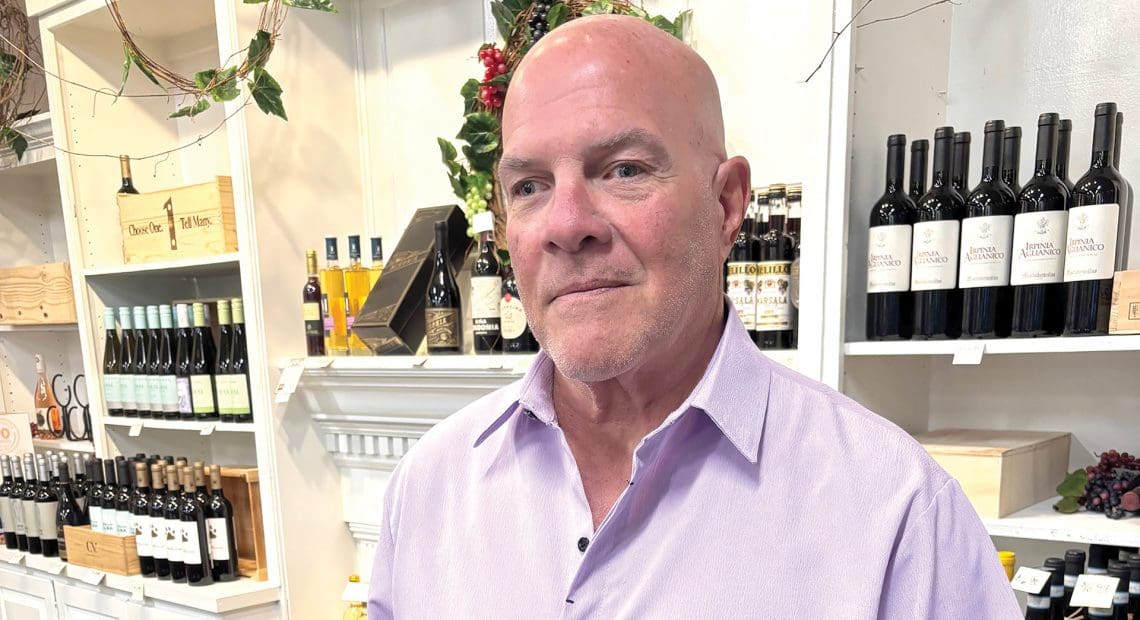
Carlo Bonavita says tariffs will likely prompt some wine drinkers to switch to domestic products.


Clarity.

Ever since tariffs became a main thrust of the Trump administration’s economic policy — that would be day 1 — that’s what business owners and managers have been calling, if not begging, for.

They still don’t have as much as they want, but they now have a lot more than they did 60 or even 30 days ago.

That’s especially true in the auto industry, where trade deals inked with Japan, South Korea, and the EU lock in 15% tariffs on a large list of foreign imports. That translates into a roughly $2,000 increase on an average-priced vehicle, which is now in the mid-40s, said Ben Sullivan, chief operating officer for the Balise Auto Group.

And that number must be put into perspective, he went on, noting that, with the return of incentives such as 0% financing and attractive lease rates, the consumer’s monthly payment — which is what most focus on — may not rise much higher than it is now.

“At the same time as those price increases are coming, most manufacturers have increased production, and when they increase production, they want to sell a bunch of cars, and when they want to sell a bunch of cars, they put incentives on them.”

“At the same time as those price increases are coming, most manufacturers have increased production, and when they increase production, they want to sell a bunch of cars, and when they want to sell a bunch of cars, they put incentives on them,” said Sullivan, who cited the case of a co-worker with a truck coming off lease. She’s getting into a new one and shaving $100 off the monthly payment at the same time.

That’s an indication of how unattractive the incentives were in the years after COVID, and how much better they are now, said Sullivan, adding quickly that, while there’s still a good amount of dust to settle, especially with regard to tariffs imposed on Canada and Mexico and the cars and parts made in those countries, there is a sense of normalcy returning to this sector (more on that later).

Ben Sullivan

Ben Sullivan says that, while car prices are rising by $2,000 on average due to tariffs, with incentives, consumers may not see a rise in their monthly payment.

The same can generally be said for Carlo Bonavita’s business, Springfield Wine Exchange, where clarity is also a technical term.

Bonavita’s shelves are loaded with imported wines, many of which will now be subjected to at least 15% tariffs. This will add a few dollars to the average-priced bottle, which might be enough to sway some consumers to switch to domestic labels, something he’s been promoting for some time now, especially with the prices from some European wines rising even before tariffs were imposed, for reasons he can’t pinpoint.

“The reality is, I’d prefer to find domestic wine alternatives for our customers. It’s our job to go out there and find wines for our customers that are affordable, quality — and that’s easy to do,” he said, adding that he expects that some will shift more to domestic products. “Most people are loyal to the grape, and not necessarily the label,” he said, adding that consumers are likely to trade an Italian Pinot Grigio for one made in California.

There is less clarity in some other sectors, however, and with many different products, especially since a new, wide round of tariffs on individual countries went into effect earlier this month. The countries included Brazil (50%), Switzerland (39%), Vietnam (20%), and Taiwan (20%), and the tariffs are expected to generate price increases on everything from watches to shoes; computers to furniture; coffee to toys.

Construction is another sector where there are still some unknowns.

Dave Fontaine, CEO of Fontaine Bros. Inc., said tariffs will certainly impact the cost of projects large and small because tariffs on products, such as steel or copper, are applied not when they are ordered, but when they enter the country.

“I would equate it to walking into a store … the sales tax is 6.25%, and then, while you’re purchasing the item, the sales tax gets doubled or tripled,” he explained. “That’s going to impact at the register.”

To date, increases in prices from tariffs have been offset by decreases in the cost of some materials due to a general slowdown in the industry, allowing projects to stay on budget, he went on, but it remains to be seen if things will stay that way.

“I don’t know for sure, but I think that what our distributors did, as these tariff talks were going on, was bulk up their warehouses just to get people along for six or seven months in anticipation that the tariff talks would blow over and things would get settled.”

For this issue, BusinessWest talked with business owners and managers across several sectors to get some perspective on tariffs and what they mean for their businesses and their customers.


Grape Expectations

The announcement of Trump’s ‘Liberation Day’ tariffs on April 2 has been followed by four and half months of trade talks, new deals, deadlines made, deadlines extended, and seemingly never-ending speculation about the impact of tariffs on prices, individual businesses, and entire sectors.

In many respects, the speculation is giving way to increased clarity, though there are still plenty of question marks on everything from how much of the price increases will be passed on to consumers to how those same consumers will respond to the higher prices.

More will be known in the weeks and months to come, said those we spoke with, adding that much, but not all, of what’s for sale now — be it cars in showrooms or wines on shelves — were delivered before tariffs went into effect.

That’s true of the popular beers from Germany, Belgium, and other European countries sold at the Student Prince, said Nate Yee, director of Hospitality for the Bean Restaurant Group, which counts the downtown Springfield landmark among the many area eateries in its portfolio.

“I don’t know for sure, but I think that what our distributors did, as these tariff talks were going on, was bulk up their warehouses just to get people along for six or seven months in anticipation that the tariff talks would blow over and things would get settled,” he said, adding that prices have remained remarkably, and unexpectedly, stable. “That’s the only explanation I can think of for why our costs haven’t gone nuclear.”

The company has enough in its own warehouses to get through the Big E, where it will have several locations, said Yee, adding that what happens when the current warehouse stock is replaced with post-tariff products remains to be seen.

“Who knows what will happen?” he said, adding that, if costs rise, the Bean Group will have to think about adjusting its own prices. “But we want to be as price-sensitive as we can; we want to be affordable, and we want our guests to come back multiple times a week, and a big part of that is the value aspect of it.”

Bonavita said almost everything at his storefront in Tower Square, and everything shipped to customers elsewhere, including the eastern part of the state (a growing part of this business), arrived pre-tariffs. It will be September or October, he projects, before the nature of the inventory shifts and prices are adjusted.

And while he will continue to order wines from dozens of other countries (together, they make up roughly 35% of what he sells), he fully expects movement toward domestics as the inevitable price increases come. Meanwhile, like Yee, he said he will likely absorb some of the hit to minimize the impact on the consumer.

“We wouldn’t be here without our customers, so I’ll do whatever it takes to keep our customers,” he explained. “If that means we work on a lesser margin, we’ll work on a lesser margin.”


Driving Forces

Sullivan said many — but certainly not all — the cars on area lots were delivered pre-tariffs. That means consumers might find two almost identical cars at a dealership with different price tags.

And, as he mentioned earlier, while the price tag on the post-tariffs model might be higher, the monthly payment might — that’s might — not be. And that’s just one of the many intriguing dynamics within the auto industry as a once-fuzzy picture sharpens a bit.

“The tariff landscape is coming into clearer focus,” he told BusinessWest. “Now, it’s about what the scale and the impact of the tariffs will be and when it will all settle into something that’s predictable. We’re not home yet, knowing exactly where this whole thing shakes out, but we’re getting closer.”

Elaborating, Sullivan said there will be more clarity in the months and years to come on issues ranging from used car sales to how long consumers hang on to their cars as the cost of maintaining them rises because of tariffs on parts, many of which are made in China.

Meanwhile, with new car sales, as well as the proverbial big picture, there is more normalcy than a few months ago, when panicked consumers were running to dealerships to beat the tariffs.

“Now, things have calmed down,” he said. “People are aware that it’s not as bad as they feared; it’s still going to cost them more to buy a car, but not as much as they feared. So right now, we’re seeing a more normalized market than we’ve seen in a while.”

‘Normalized’ wouldn’t be a word to describe what’s happening in the construction sector, said Fontaine, noting that tariffs are impacting not only projects in progress — such as the new high schools his company is building in East Longmeadow and Agawam — but some initiatives on the drawing board.

“When the cost of materials is going up, that makes construction projects more difficult to to get financed — and more difficult to make sense,” he explained, adding that this is more prevalent on the private side of ledger than on the public side. “And a lot of people are in the wait-and-see phase because of the uncertainty with the economy.”

For construction firms, the challenge is to find ways to minimize the impact through use of more domestically produced materials and other strategies to keep projects on budget.

“We’re spending a lot of time trying to protect ourselves and our clients from the impact of them, and I think we’ve been generally successful with that,” Fontaine said. “We’ve pushed a lot of things to be imported from places that are not impacted by tariffs or made in America. We’re doing everything we can to mitigate costs, but it’s a hot issue in construction right now.”

And in many other sectors as well.

Law

Trouble in Margaritaville

By Hyman G. Darling, Esq.


Over the past couple of years, you may have read about all the famous people who passed away either with no estate planning documents or perhaps documents that were not up to date or complete enough to avoid contest.

In the past two months, there have been several notorious people in the news that are causing lawyers and judges to deal with litigious matters regarding estates. The first estate was Jimmy Buffett’s. In this brewing legal battle, Jane Buffett (his wife) filed a petition to remove her co-trustee of the marital trust, Jimmy’s longtime business manager. It was estimated that the estate was worth approximately $275 million. This trust was to continue for Jane’s lifetime, but she now alleges that the business manager was charging excessive fees, mismanaged the trust, and has become adversarial and hostile toward her.

It is unfortunate this has occurred because now the funds are going to be scrutinized and her legal fees, the trustee’s legal fees, and potentially backup and independent trustees’ fees will be taken from the trust, thus diminishing the funds available to Jane.

Hyman G. Darling

Hyman G. Darling

“It is very important to think clearly about what will happen if the children cannot agree. Perhaps the documents should have a provision stating that, before litigation ensues, the trustees or beneficiaries should be forced to mediate the matter in an attempt to resolve the conflicts without litigation.”

This situation is not uncommon. Clients often wish to name two or more children co-trustees or perhaps powers of attorney, personal representatives (formerly called executors), or healthcare proxy agents. The clients believe the children would get along and make decisions together. However, when one decision maker does not agree with the other, it places the client or their family in a precarious situation because, if they cannot agree, there is a stalemate until such time as either a mediator or court makes a decision as to what is correct or who should make the appropriate decisions.

Some clients feel that the oldest child should serve, some clients feel that the child who is in business should serve, and others believe they should have an independent trustee so that this situation does not occur.

Oftentimes, however, the children cannot agree as to what is best for the parent or for the ultimate beneficiaries of the trust. Therefore, it is very important to think clearly about what will happen if the children cannot agree. Perhaps the documents should have a provision stating that, before litigation ensues, the trustees or beneficiaries should be forced to mediate the matter in an attempt to resolve the conflicts without litigation. Often, once litigation is filed, there is a line drawn in the sand and no turning back, which causes perpetual disharmony in the family.


Dollars and Sense

Another significant celebrity in the news is Jeff Bezos, with his prenup and recent Venice wedding. Since the Amazon founder did not have a prenuptial agreement with his first wife, it was clear to him that he should have a prenuptial agreement for this marriage to Lauren Sanchez.

Although there were somewhat disparaging comments regarding her wedding gown, the location, the cost of the wedding, and the numerous celebrity guests, the reporters did not pay much attention to the prenuptial agreement, the details of which are not public. However, the prenuptial agreement presumably would provide that, if the marriage were to be dissolved or he were to pass away first, his wife would receive a portion of the assets based on how many years he was married to her, or perhaps based on the size of his estate.

While most of you who are reading this do not have an estate the size of Bezos’s (although his estate is reduced by $36 billion in Amazon stock he paid to his first wife), it is important to consider what would happen to your assets if you die leaving assets to your children. Perhaps your children’s marriages are not the most sound, and you wish to be sure that the children or their children will receive assets. Therefore, perhaps a trust should be established for them, or maybe leave some assets to your children and some assets to the grandchildren in order that the in-law (sometimes referred to as the out-law) would not receive this unintended inheritance.


Bottom Line

The lessons here are not only that documents need to be prepared, but significant thought should be given to the language in the documents, the individuals who are named or not named, and the distribution of those assets. Also to be considered are long-term care issues and tax issues to maximize the amount that will be passing to the next generation.

Of course, charities should also considered in estate planning documents, not only to minimize taxes, but also to carry on the legacy built during one’s lifetime.


Hyman Darling works in the Springfield office of Bacon Wilson. He is licensed to practice law in Massachusetts and the U.S. District Court District of Massachusetts. He is an active member of the National Academy of Elder Law Attorneys and is a certified elder law attorney. Additionally, he is a member of the Special Needs Alliance and the Hampden County Bar Assoc.

Law

When a Fire Strikes

By Daryl M. Johnson, Esq.


When a rental property suffers a devastating fire, most owners assume they’ll have the freedom to use the fire insurance proceeds to pay off their mortgage or make other financial decisions. But in cities like Springfield and others in Massachusetts, property owners can be in for quite a surprise. Local ordinances — combined with the city’s enforcement powers — can significantly limit what you and your lender are allowed to do with the building and the insurance funds.


Fire Insurance Proceeds: Not Always Yours to Direct

In many cases, a mortgage instrument allows the lender to apply insurance proceeds toward repairing the mortgaged property or paying down the outstanding loan in the event of a casualty. However, when a building is declared uninhabitable, condemned, or becomes a blighted nuisance, local governments can, and will, step in. In Springfield, under its municipal code and zoning regulations, the city has the authority to initiate enforcement actions in housing court that affect both property owners and lenders.

Daryl M. Johnson

Daryl M. Johnson

“When a building is declared uninhabitable, condemned, or becomes a blighted nuisance, local governments can, and will, step in.”

City Intervention in the Aftermath of a Fire

Under Springfield’s Code of Ordinances — particularly its anti-blight, nuisance, and vacant property regulations — the city may take swift action when a structure is significantly damaged by fire. If the building is left vacant, unsecured, or deemed a public safety risk, the city can initiate a housing court action to enjoin the property owner and the mortgage lender from accessing or making unilateral decisions about the property.

It can also seek a receivership order, allowing a third-party receiver to take control of the property, make repairs, and recover costs via liens, and it can even restrict or monitor the use of insurance proceeds, particularly when used for purposes other than code compliance, demolition, or rehabilitation.

In some cases, the city may record a lien or notice of violation that clouds title and complicates, and in some instances prevents, refinancing, resale, or redevelopment.


Mortgage Lenders Are Not Exempt

Springfield ordinances don’t just target property owners — they also involve mortgage holders, especially when lenders receive insurance proceeds or attempt to foreclose on or dispose of fire-damaged properties without addressing code violations or unsafe conditions.

Housing court judges have broad powers to issue injunctive relief against lenders and loan servicers, require insurance proceeds to be escrowed, and prevent satisfaction or discharge of the mortgage until compliance is achieved.


Best Practices for Owners and Lenders

If you own a fire-damaged rental property in Springfield, consider these immediate steps:

• Notify the city’s Code Enforcement Department to assess the building and clarify obligations.

• Consult legal counsel before using fire insurance proceeds or negotiating with your mortgage lender.

• Secure and maintain the site to avoid blight premises designation.

• Engage a licensed contractor to prepare a code-compliant rehabilitation or demolition plan.

• If you’re a mortgage lender, be prepared for involvement in housing court and restrictions on the application of fire insurance funds to pay off the mortgage loan.


Regional Enforcement: Not Just Springfield

The city of Springfield is not the only municipality in Western Mass. aggressively enforcing fire-damaged and blighted property regulations. Other cities, such as Holyoke, Chicopee, and Worcester, are similarly proactive. These municipalities frequently seek injunctions against both owners and mortgage lenders like those sought out by the city of Springfield.

A fire doesn’t just damage real estate — it can fundamentally alter your legal rights as a property owner or lender. In Springfield and surrounding cities, local governments have legal authority to control what happens next. Whether you’re trying to use fire insurance proceeds to refinance, repair, demolish, or sell the property, failing to understand the municipal framework could land you with housing court violations, penalties, or fines.

Legal counsel familiar with local ordinances and housing court procedure is essential to avoid costly missteps and navigate court-ordered restrictions.


Daryl M. Johnson is an attorney in the Real Estate and Business and Finance practices at the law firm Pullman & Comley. She is based in the firm’s Springfield office.


Law

Avoiding Layoff Pitfalls

By John Gannon, Esq.


Last month, on Independence Day, President Trump signed into law the One Big Beautiful Bill Act (OBBB), a nearly 1,000-page bill addressing significant federal tax and spending policies. According to the White House, the OBBB will act “as a catalyst for job creation, domestic investment, and long-term growth.”

But critics are not so sure the legislation will boost job growth. Indeed, many are concerned that deep spending cuts to social safety net programs such as Medicaid and food stamp benefits, coupled with the end of tax credits tied to clean energy, will cause many Americans to lose their job. One study estimates that 1.22 million jobs could be lost in 2029 due to Medicaid and SNAP cuts.

Given these deep spending cuts, coupled with what seems like daily (and sometimes hourly) uncertainly over foreign tariffs, the Trump administration is leading many businesses to consider cutting labor costs, even if only for the short term. In light of this, employers need to understand the legal and practical ramifications when implementing a reduction in force (RIF), which is a more formal term for layoffs. Key aspects include understanding the relevant legal risks, selecting employees fairly, and providing proper communication and support.

John Gannon

John Gannon

“Employers need to be able to provide legitimate, business-based reasons for implementing a workforce reduction. These typically involve economic considerations, such as the loss of key contracts or higher material costs, but could also be the product of a department or company-wide reorganization.”

Legal Issues

To start, employers need to be able to provide legitimate, business-based reasons for implementing a workforce reduction. These typically involve economic considerations, such as the loss of key contracts or higher material costs, but could also be the product of a department or company-wide reorganization. Whatever the reason(s), businesses need to be able to explain in crystal-clear terms why people are losing their jobs.

There are also a host of employment laws that businesses need to be cognizant of when implementing a RIF. In a large-scale workforce reduction, the most important of these laws is the Worker Adjustment and Retraining Notification (WARN) Act, which requires 60 days notice to all affected employees in the event of a mass layoff or plant closing.

The penalties for failure to comply with WARN are steep. WARN Act violations include back pay and benefits for up to 60 days for each affected employee, civil penalties of up to $500 per day of violation, and potential attorneys’ fees for successful lawsuits. Needless to say, determining whether the WARN Act applies is always step number one when businesses are considering a RIF.

Next, employers must ensure that the selection criteria used to determine who will be included in the RIF are non-discriminatory and based on legitimate business needs. This means reasons for selecting an employee for the RIF cannot be tainted by bias based on age, race, gender, or other protected characteristics, including use of Paid Family and Medical Leave or sick leave protected by the Massachusetts Earned Sick Time law.

To that end, employers should develop an documented selection criteria plan for the decision makers prior to announcing the end result to employees. Establish selection factors with the company’s legitimate business needs in mind, trying to keep the selection process focused on objective, legal criteria as much as possible (such as seniority, elimination of unnecessary categories such as part-time and temporary, elimination or consolidation of unnecessary positions. etc.).

Taking this one step further, employers should consider conducting a detailed analysis of the potential for disparate impact discrimination in a workforce reduction. Disparate impact discrimination occurs when a policy, practice, or decision-making process of an employer that appears to be neutral has a negative impact on a protected group of employees.

For example, if a high percentage of those selected for layoff are over age 40, and a significant amount of those retained are under 40, there is a risk that someone will file an age discrimination claim and argue that the method used to evaluate employees had a disparate impact on those over 40, and, therefore, led to their separation.

Disparate impact testing helps organizations recognize and address biases that might exist within their decision making process, even when there’s no intent to discriminate. We suggest that any disparate impact analysis be conducted by an attorney so that any problematic data that is discovered would be protected from disclosure in lawsuit by the attorney-client privilege.

Finally, employers need to be aware of wage payment obligations for those who are laid off. Under the Massachusetts Wage Act, employees who are laid off as part of a RIF must be paid all earned wages — including pay for all accrued and unused vacation — on their last day of employment. Also, if a worker is subject to the terms of an employment contract (as opposed to be employed at-will), that employee might be entitled payout if the employment relationship ends prior to the expiration of the term set out in the employment contract.


Practical Considerations

Employees who are let go as part of a RIF are likely going to expect severance pay to help pay the bills while they look for new employment. That said, there is nothing that requires employers to offer separation agreements to at-will employees being laid off (note that this might be different if the employee is subject to the terms of an employment contract).

However, most employment lawyers and HR professionals will tell you that offering at least some severance, while not legally required, is a best practice. This is because, as noted above, it provides departing employees with some level of financial stability while they are in between jobs. Severance packages also often include payments for continued health insurance or other benefits, easing the transition and potentially reducing out-of-pocket medical expenses for departing employees.

Finally, obtaining signed severance agreements from departing employees mitigates legal risk, as the agreement should include a legally compliant release of claims against the employer. Stated otherwise, employees accept the severance payments, and in exchange, they agree not to bring a legal action against the company. We see this as a win-win for the employee and the employer.

Finally, as far in advance as possible, businesses need to start developing a clear and transparent communication strategy that will be used to explain the RIF to the workforce. This strategy should involve two messages — one for the entire workforce that explains the business needs for the RIF, and another message that is tailored to those who are affected by the RIF.

For those who will be losing their jobs, conduct private meetings to deliver the news and discuss next steps. This meeting should go over the terms of the severance package, if one is being offered. While the meeting should be brief, employees should be given some time to discuss the positives and negatives of their employment experience, as well as ask questions related to post-employment issues such as unemployment and health insurance continuation.

As for the remaining employees, the business should have a plan in place to discuss how the RIF will affect their day-to-day duties. Is there a plan in place to replace the departing workers if business circumstances improve? Will the RIF lead to longer days and more demands for the remaining employees? Does the company plan to lay off more employees within the next few months?

These types of questions, as well as the psychological impact associated with many co-workers (and friends) losing their jobs, is often referred to as workplace survivor syndrome. Leaders in the organization must be prepared to answer questions from remaining employees about their ‘new normal,’ as well as listen and respond to their concerns and fears, in order to avoid workplace survivor syndrome causing more negative workplace ripples than the RIF itself.

Implementing a RIF is no small task. There are serious legal and practical considerations that businesses need to consider as soon as potential layoffs are a topic of conversation during leadership meetings. Be sure to engage experienced employment counsel early on in the process so businesses leaders do not get caught in traps for the unwary during a workforce reduction.


John Gannon is a partner with Springfield-based law firm Skoler, Abbott & Presser, P.C., a law firm exclusively practicing labor and employment law for more than a half-century, focusing on litigation avoidance, employment litigation, and labor law and relations. He specializes in employment law and regularly counsels employers on compliance with state and federal laws; (413) 737-4753.

Women in Businesss

Connection and Inspiration


Attendees gather at the 2024 Women in Business Summit, also held in Springfield.

Attendees gather at the 2024 Women in Business Summit, also held in Springfield.


It was called the Women in Business Passing the Baton: Today, Tomorrow & Beyond Summit.

That’s … quite a mouthful.

Back in 2005, Kisha Zullo recalled, she was launching an event planning company called Events of Joy and wanted to plan a conference for women who had achieved a certain level of success and could learn from each other.

“But the summit name was very long,” she admitted. “So, later, I scrunched it into the Women in Business Summit, because who’s going to say all that every day?”

But there was a reason for that initially too-long name.

“I wanted the image of passing the baton, like we’re in this race together, and we’re just passing on knowledge so the next generation can close the pay gap — at the time, I think it was 77 cents to a dollar; now it’s about 83 cents. So, things like the pay gap and managing your time, how to communicate with confidence, topics like that have not gone away.”

Which is why Zullo’s annual Women in Business Summit — which started in Connecticut but moved to Springfield three years ago — is still going strong in what will be its 20th iteration next month. The event will take place on Wednesday and Thursday, Sept. 24-25 at Marriott Springfield Downtown. Registration is open at wibsummit.com.

“We started with 60 people, and we’re anticipating about 300 coming into Springfield this year,” she told BusinessWest. “They’re coming from Western Mass., Connecticut, New York, New Jersey … last year I saw Vermont, Florida, Colorado.”

The mission of the conference, as always, is to develop a strong community of women leaders and entrepreneurs by sharing resources, knowledge, and inspiration.

“This year, we’ve chosen to focus on leadership development because we’ve talked to our [past] attendees, and that’s what they want to hone — their leadership skills,” Zullo explained.

“We’re doing a wellness track, and wellness can be mind, body, soul, and spirit, but it can also be your relationship with money,” she added. “If you’re always saying, ‘money moves through my hand quickly’ or ‘I can never keep it,’ well, that’s a mindset shift that maybe you have to make. So I’m excited about that.

Kisha Zullo

Kisha Zullo

“Over the past 20 years, I have been really fortunate to have a really great group of people. Some speakers are returning from last year because their workshops were incredibly popular.”

“Then we have an entrepreneurship track,” she added, “because half of our audience are solopreneurs or small business owners, and the other half work for someone else in nonprofit, corporate, or other industries.”


Women to the Front

This year’s keynote speaker is Endia DeCordova, vice president for Institutional Advancement at Morgan State University and executive director of the Morgan State University Foundation. “She was at the very first Women in Business Summit, and I’ve kind of watched her career soar,” Zullo said.

Other presenters include María Elena Gavilán Alfonso, technology leader and technical program manager with MathWorks; author and activist Choc’late Allen; Jennifer Bouquot, vice president of Talent Development for Liberty Bank; Lisa Carrol, founder and CEO of LIVLY; Orlena Cowan-Bailey, chief elevation officer of HR Zoom Consulting and HR Swag Shop; Sara Diaz, founder of the First Gen Madrina; Iquo Essien, founder of Crowdfund Your Dream; Veronica Garcia, CEO of Latino Marketing Agency; Patsy Mundy, assistant vice president at Travelers; Tessa Murphy-Romboletti, executive director of EforAll Holyoke and Holyoke city councilor; Latonia Tabb, CEO of Cooke Consulting Management; therapist Whitney Wilfred; and Michelle Wirth, co-owner of Mercedes-Benz of Springfield and founder of Feel Good Shop Local. Tiffany Joy Murchison, owner of TJM & Co. Media Boutique, will serve as emcee.

Meanwhile, panel and workshop topics will touch on managing burnout, technology and AI trends, the future of work, leading with purpose, thinking outside the box, entrepreneurship, the power of conversation, and much more.

“It’s really attendee-led,” Zullo said when asked how the roster comes together. “We get a lot of speaker inquiries, but it’s the attendees who tell us what they want to see.”

Take Carrol, who has turned LIVLY into a well-known high-end clothing brand. “I want her to talk about her story of how she brought LIVLY to life and was able to fundraise $10 million,” Zullo said. “That is of interest to an entrepreneur who’s just starting out or in the middle of their career.”

She added, “one the things that I’ve said to the presenters is, ‘please, when you’re in your session, it’s about have the experience … make your presentations interactive so you’re not just sitting there as a talking head in a workshop. And over the past 20 years, I have been really fortunate to have a really great group of people. Some speakers are returning from last year because their workshops were incredibly popular.”


From the Ground Up

Zullo’s event-planning business, Events of Joy, launched in 2005, and the Women in Business Summit — actually, the Women in Business Passing the Baton: Today, Tomorrow & Beyond Summit — was her first event.

“I didn’t know I wanted to be an entrepreneur. I remember, when I was working in D.C., I worked for this really cool property that did so many different events. I saw different types of weddings, cultural weddings, nonprofit events, corporate events, this really amazing mix,” she recalled, adding that she began to wonder about the woman she saw working behind the scenes, and what that job might be like.

“I thought, one day I want to plan parties. So I tucked it away, and when I moved to this area, I thought I would love to start my own business. And then it was like, how do I get it started? And what is going to be the name?”

In fact, Events of Joy has a double meaning, named after both Zullo’s mother and how she feels bringing events to life.

“I started out doing weddings — I don’t plan weddings anymore, but there’s someone on my team who does. I focus primarily on nonprofit signature events, fundraisers, and corporate events. And of course, planning events for the Women in Business Summit.”

Twenty years later, Zullo is gratified by the impact the event continues to have.

“As women leave, they say, ‘oh, I’m so inspired because I heard this,’ or ‘this is a new thought that I can implement the next day at work,’ or ‘I’m going to use this to resolve this issue in my life.’ That just makes my heart soar, to hear those kinds of testimonials.”

Women in Businesss

The Other Side of Victory

By Mia McDonald


One of the most transformative quotes that has inspired my life over the past year is from Ilona Maher. The U.S. women’s rugby player shot to fame when she helped lead her team to a bronze medal at the 2024 Paris Olympics — the first time an American team has ever taken home a medal in this event.

Following this feat, she was asked in an interview about her experience with impostor syndrome. Confidently and without hesitation, she declared, “I don’t have that” because “it’s OK to be proud of what you’ve done. It’s OK to believe you deserve something because you’ve put in the work for it.”

This is a concept more women should feel empowered and energized by. Being confident and unapologetically sharing your confidence — and your passion — will only work to inspire and lift others up around you. Empowered women empower women.

Mia McDonald

Mia McDonald

“Being confident and unapologetically sharing your confidence — and your passion — will only work to inspire and lift others up around you. Empowered women empower women.”

Ilona is only one of the many current voices in women’s sports in whom I have found inspiration, and whose exemplary leadership has helped guide me to where I am today in my professional career. Another one of the most powerful moments came just weeks ago, when Faith Kipyegon became the first woman to attempt running under four minutes in the mile. This experiment is incredibly significant to the athletics and running community, because while thousands of men have achieved this feat, it is one that no woman has ever accomplished.

Faith, the world record holder in this distance, embraced the challenge head-on with the full support of her sponsor, Nike, and their innovative teams and technology, which sought to optimize the perfect conditions and variables to best set her up for success. Following this attempt, as a fan of the sport and as a woman, was incredibly motivating and exciting and came with major takeaways that can be applied to women in the workplace. Here are four of them.


Find a Team and Trust in Them

To break a barrier as significant as Faith set out to do, alone, would be impossible. Faith had a team on the track — 13 world-class pacers who were all also Olympians and champions in their own right. They were organized in a meticulous formation to minimize draft and pull her along to her goal time.

There was something incredibly emotional and empowering about watching all of these men and women come together and be unified in the support of Faith and her goal. In addition to this direct support on the track, Faith had a stadium full of fans cheering her on in person, and countless others across the world.

The same concept is applicable to the professional environment. Especially when first entering the field, it can be intimidating as a woman to speak up in a room that is often full of men. There is also so much to balance throughout the day, be it work-related goals and obligations, family, volunteering, outside passions, mental and physical health, or any other commitments. What is most important is building a community of people who you trust and can lean on for support as needed.

Whether offering advice or providing cheers and moral support, having teams of people you love and look up to is the foundation of success. To this point, it is also essential to surround yourself with people who challenge you. When your support system has role models who can push you to improve and who have achieved successes that you aspire to reach, it will provide a source of continuous motivation.


Try Something New

In Faith’s case, this was all orchestrated and designed by Nike’s innovation team, much like a science experiment. It included new shoes, new high-tech gear, new pacing formations, and so much more, all aimed to create optimal conditions.

Although optimal conditions are never truly realistic or practical, this attempt goes to show the benefits of not being afraid to switch things up in the workplace. Change is uncomfortable, but growth comes from being able to exist in and embrace this discomfort. This can help foster a fresh take and create a culture where new ideas are welcomed and encouraged.

Whether it improves efficiency or helps to create stronger bonds across different teams, being open to change comes with so many benefits. In addition, on an individual level for women in the workplace, it opens up new opportunities to take on leadership roles and provide mentorship to others. Being confident enough to challenge yourself and step out of your typical comfort zone will lead by example for other women to do the same and will help their aspirations and growth trajectory.


Be Bold, Be Confident, and Don’t Stop Trying

Faith may not have become the first woman to break four minutes in the mile, but at its core, that was not the purpose of the challenge or what it represented for women. Faith set out to prove that she is brave enough to set a scary goal and to try something perceived as impossible. Then, she was strong enough to persevere when it did not go as hoped.

And even though she did not reach this stretch goal on her first true attempt, she turned around and ran a world record in the 1,500-meter race the next weekend, which is a distance just shy of one mile. Even though she did not hit her first goal, this is a remarkable testament to how she was able to take all her training, enthusiasm, and drive, and then pivot, refine a new goal, and execute.

The same concept is applicable to professionals. It is important to not get discouraged when challenges are encountered. Although it is OK and normal to become frustrated with difficulties, what will truly yield the best results is when you don’t allow yourself to dwell on these perceived failures.

The ability to be coached — being able to seek out and be open to receiving feedback — is what encourages growth. It is even more powerful and impactful to find other women who have grown through the workforce and experienced similar challenges, learn from their experiences, and take lessons back to your own.


Be Passionate and Excited About Something

Faith’s love of the sport and desire to advance it and be challenged is what makes the seemingly impossible, possible. This passion and excitement is also what creates value as a woman in the workplace. When you are doing something that is meaningful or that makes you happy, you’ll be more productive and better at communicating and lifting others up.

Being a woman in the profession comes with knowing you have the opportunity to inspire others, and it is so important to be able to use this to offer continuous encouragement and share the excitement and the triumphs that come with achieving meaningful milestones. Although these successes look different to everyone, it is incredibly impactful to be in a position where you can help to celebrate daily accomplishments big and small, and grow the next generation of strong, confident women.


Mia McDonald is a senior associate at the Holyoke-based accounting firm Meyers Brothers Kalicka, P.C. and a member of the BusinessWest 40 Under Forty class of 2025.

Home Improvement

Career Minded


Last week, the Healey-Driscoll administration awarded $24.2 million in Career Technical Initiative (CTI) implementation grants to 23 school districts to train 2,490 individuals for careers in high-demand occupations within the trades, construction, and manufacturing sectors across Massachusetts.

The CTI grant program partners with career and technical education schools to provide adult learners, especially unemployed and underemployed individuals from underserved populations and underrepresented groups, with career training and technical skills to meet the needs of Massachusetts employers.

Since 2023, the administration, in partnership with Commonwealth Corp., has awarded $53 million in CTI grants, projected to train more than 6,090 unemployed and underemployed individuals. Last week’s announcement launches the 10th cohort of CTI grants. Among nine awarded cohorts to date, roughly 4,400 total participants have received training, 3,150 participants have completed training, 3,100 have earned industry-recognized credentials, and 2,360 have secured employment.

“The CTI program opens doors for adult learners by providing the hands-on training they need to step into high-demand careers in construction, the trades, and manufacturing,” Gov. Maura Healey said. “With some of the best public career technical education schools in the country and strong employer partnerships, Massachusetts is positioned to prepare our residents for rewarding, lifelong careers.”

Lt. Gov. Kim Driscoll added that “these awards are a key part of our agenda to build a job-ready workforce for today and the future. By tapping into our world-class education system and investing in targeted job training, we’re growing the talent pipeline that employers across Massachusetts depend on to compete and thrive.”

The Executive Office of Labor and Workforce Development (EOLWD) oversees the CTI program, which is administered by Commonwealth Corp., a quasi-public agency of EOLWD. In partnership with the Executive Office of Education, CTI aims to transforms career and technical education schools across the state to become ‘career technical institutes’ that run three shifts a day for skill-building programs in the trades, construction, and manufacturing career pathways. The latest $24.2 million awarded focuses on job training for adult learners participating in the evening hours, or third shift.

Lauren Jones

Lauren Jones

“By leveraging available resources at career and technical education schools across Massachusetts, we are opening more opportunities to help train and prepare untapped talent for current workforce demands.”

“By leveraging available resources at career and technical education schools across Massachusetts, we are opening more opportunities to help train and prepare untapped talent for current workforce demands,” Secretary of Labor and Workforce Development Lauren Jones said. “This program is a great example of the collaborative efforts needed to build our workforce. We appreciate the partnership with career and technical education schools, MassHire Regional Workforce Boards and career centers, businesses, and labor for paving the way for more job seekers to gain meaningful skills and employment in Massachusetts.”

Three of the awards involve schools in Western Mass.:

• Franklin County Technical School in Turners Falls will receive $2,219,375 to provide training to 216 participants for auto tech, building maintenance, carpentry, electrical, horticulture, plumbing, and welding positions.

The school will partner with Ames Electrical Consulting, National Grid, Crocker Electrical Services, Indie Automotive, Harrison Diesel Solutions, Cherry Rum Automotive, Built for the East Offroad, Grass Roots Landscaping LLC, Pioneer Gardens Inc., Snow & Sons Landscaping, Sugarloaf Gardens, Champion Tree and Lawn Care, Franklin County Regional Housing and Redevelopment Authority, Doyle Properties, Ironworkers Local 7, Winchester Precision Technologies, SMART Local #63 Joint Apprenticeship and Training Center, Sheet Metal Workers Local 63, Sandri Energy, Mike Woodard Plumbing, Carpenters Local 336 North Atlantic States Regional Council of Carpenters, Mowry & Schmidt Inc., Fine Line Builders, Neal Leno Carpentry, Ron Grogan Homebuilder, and Salmon Falls Builders.

• Pathfinder Regional Vocational Technical High School in Palmer will receive $730,000 to provide training to 72 participants for CNC Machine operator, electrician, and plumbing positions. It will partner with Viant, Sanderson MacLeod, Knight Machine, B&R Machine, IMI Adaptas, Noonan Energy, NBE, KACO, PVE, EWS, and Aquarius.

• Smith Vocational and Agricultural High School in Northampton will receive $479,998 to provide training to 60 participants for culinary arts positions. It will partner with Snapchef, Tosca, Smith College Dining Services, Atkins Farms, River Valley Co-Op, Pete’s Sweets, Ana Bandeira Chocolates, and Hungry Ghost Bread.

“With this investment in career technical education, we are creating more pathways for adult learners to gain the skills and experience needed to enter high-demand industries like the trades, construction, and manufacturing,” Education Secretary Patrick Tutwiler said. “I’m grateful to our schools and employer partners whose collaboration is helping to expand access to career-connected learning and grow our state’s workforce.”

Added Tom Hooper, vice president of Sector Strategies at Commonwealth Corp., “vocational schools across Massachusetts continue to be the backbone of the Career Technical Initiative, delivering hands-on, high-quality training in critical industries like construction, manufacturing, and the skilled trades. Their leadership and commitment are essential to building the talent pipelines our workforce needs to thrive.”

Daily News

Patrick Parker

SPRINGFIELD — Attorney Patrick Parker has joined the Royal Law Firm team. He is a seasoned employment litigator who has defended employers in myriad employment claims. He not only has extensive experience in the courtroom, but also regularly advises senior executives on complex issues with an eye to mitigating risk and avoiding litigation.

Prior to joining Royal, Parker worked at the law firm Clifford Chance in New York. He also served as in-house counsel for UBS Americas Inc. and Merrill Lynch. He is admitted to practice in Massachusetts, Connecticut, and New York, and is a graduate of Northeastern University School of Law and MIT School of Management.

Daily News

Sean O’Brien

LONGMEADOW — Bay Path University announced that Sean O’Brien has been named program director for its undergraduate and graduate cybersecurity programs.

O’Brien joins Bay Path with more than two decades of experience in cybersecurity, privacy, and higher education. He is the founder of Yale Privacy Lab and an associate research scholar at Yale Law School, where he has taught courses in digital security, blockchain, and artificial intelligence.

He is also the creator of the zero-knowledge collaboration platform PrivacySafe and has held leadership positions at global, security-focused firms, including ExpressVPN. His work spans secure app and infrastructure deployment, bug bounty and VDP management, IAM administration, and endpoint management of cryptocurrency assets.

O’Brien’s approach to information technology is backed by deep experience with sensitive systems such as student records, legal databases, and encrypted email infrastructure. His hands-on technical background is complemented by his work with legal teams, risk managers, and compliance officers across the public and private sectors.

He is a lifelong educator, delivering remote classes to large cohorts of students and professionals before joining the faculty at Bay Path University. He has successfully delivered curriculum across a wide variety of areas in IT, from the Hacking and Cybersecurity program at the Lawfare Institute to the Cybersecurity for Business Leaders program at the University of Oxford and the AI Risk Management workshops at Ivy Cyber Academy.

O’Brien honed his skills in data science, threat research, and cloud computing through leadership roles at privacy-focused blockchain firms, including Tari Labs. As an active CISSP at ISC2 and a member of IEEE SA Open, he continues to bridge technical fluency with legal and regulatory insight while he contributes to standardization and open-source communities. His technical work emphasizes penetration testing and software supply chain with special attention to privacy law, global compliance frameworks, and the practical challenges of the connected world.

“I am honored to join Bay Path University and excited to support a new generation of students entering the cybersecurity field,” O’Brien said. “Cybersecurity is no longer just a technical discipline: it’s a cornerstone of business, law, and civil society. Bay Path’s mission and commitment to accessible, career-focused education align perfectly with my own values as an educator and an advocate for proactive security practices.”

The cybersecurity programs at Bay Path, delivered both online and on campus, prepare students for in-demand careers in areas such as ethical hacking, incident response, and digital forensics. Under O’Brien’s leadership, the programs will expand offerings in AI risk management and open source security, areas where he has led international workshops and initiatives.

Daily News

Chef and HCC Culinary Arts instructor Tracy Carter (left) receives the Community Outreach Award from Richard Harber, associate director of Instructional Design at the Auguste Escoffier School of Culinary Arts.

HOLYOKE — Chef Tracy Carter, a Culinary Arts instructor at Holyoke Community College (HCC), was recognized recently for community outreach by two national culinary arts organizations.

In June, Carter, chair of the HCC Culinary Arts program, received the 2025 Community Outreach Award from the Auguste Escoffier School of Culinary Arts and the Center for the Advancement of Foodservice Education (CAFÉ). The national award recognizes a culinary/hospitality program or individual making a positive impact in their community via outreach programs such as food banks, recycling efforts, skill development for the disadvantaged, and other services.

As program chair, Carter has committed herself to building bridges between the college and community groups on wellness campaigns. This year, the HCC Culinary Arts program partnered with the Western New England University College of Pharmacy and Health Sciences to develop an adaptive cooking series designed for people with disabilities and their caregivers. The goal of the class is for participants to gain confidence in the kitchen, develop essential life skills, and foster a sense of independence and joy around food. The program is entirely hands-on, complete with accessible tools, modified recipes, and supportive instruction to meet diverse needs.

“For me, this award is a reflection of the amazing work happening every day in our kitchens at HCC,” said Carter. “It means a great deal to be recognized nationally, not just as an individual, but as a representative of a program that truly values community, inclusion, and student success.”

She added that she believes food can break down barriers and bring people together. “This program exemplifies that belief in action, merging culinary education with therapeutic outcomes to serve those who are often overlooked.”

Carter is a graduate of the International Culinary Schools at the Art Institute in Los Angeles. She grew up in Springfield and joined the HCC teaching staff in 2018 after living for several years in New York City, where she worked as a freelance food stylist and culinary producer at the Food Network on shows such as Chopped, preparing the baskets of ingredients for the cooks involved in the on-air competitions and working alongside famous chefs like Bobby Flay.

The award provides a $1,000 prize and commemorative plaque. Additionally, Carter received a complimentary registration to attend CAFÉ’s 2025 Leadership Conference in Pittsburgh, where the award was presented.

“This recognition reinforces that we’re on the right path, and it energizes us to keep growing, innovating, and building a culinary community where everyone belongs,” she said.

With campuses in Austin, Texas and Boulder, Colo., the Auguste Escoffier School of Culinary Arts is the largest culinary school brand in the U.S. Based in Annapolis, Md., CAFÉ’s mission is to link culinary educators with the foodservice industry.

Daily News

SPRINGFIELD — After a sold-out debut that earned national recognition from Breakthrough T1D as one of the Top New Fundraising Events of 2024, Party with 1 Purpose will return to the Basketball Hall of Fame on Saturday, Oct. 4.

Chaired by David Fontaine Jr. and Sarah Fontaine, the gala unites community leaders, local families, and businesses in support of Breakthrough T1D’s mission to cure, prevent, and treat type 1 diabetes (T1D). Guests will enjoy an evening on Center Court featuring live music, an energetic auction, inspiring stories from local T1D families, and opportunities to directly fund life-changing research.

This year’s Fund a Cure will shine a spotlight on the Kouflie family and their son Braden, who was diagnosed with T1D at just 7 years old. The Kouflies will share their journey of navigating the daily challenges of diabetes while holding onto hope for a cure, giving guests a personal look at why Breakthrough T1D’s research is so critical.

“This event is about more than one night,” said David Fontaine Jr., whose daughter Grace was diagnosed with T1D at age 3. “It’s about building a movement here in Western Mass. that accelerates progress toward a cure.”

Sponsorships and tickets are now available at www.breakthrought1d.org/ctma/wmassgala2025, and organizers are aiming to surpass last year’s record-breaking fundraising total.

Cover Story

Moving Story

Jackie Janulewicz (left) and Tony and Jenna Gleason

Jackie Janulewicz (left) and Tony and Jenna Gleason


Tony Gleason recalls that the landscaping business he started when he was 16 and had grown into one of the 100 largest such ventures in the country was at a critical crossroads.

“We had substantial, profitable, high-end accounts, and we thought we had achieved optimal growth,” he explained. “Our future paths would have been an outward geographic expansion or inward expansion through our real estate and self-storage portfolios, and I felt that, when comparing the offers that were presented and looking at both paths, it was going to be easier, and bring me more joy, to go down the path of real estate growth and expansion and moving our self-storage business forward than to try take our landscape and snow removal business regional.”

Thus, he sold the business to Yellowstone Landscape, the second-largest landscaping firm in the country, in May 2023, thus beginning what we’ll call the next chapter of his entrepreneurial exploits. It includes the formation of the Gleason Realty Group and that inward growth of the real estate and self-storage divisions that he mentioned.

With the former, the company has acquired what would be considered downtown Northampton landmarks — the historic Coolidge building, also known as the old Post Office on Pleasant Street, as well as what Gleason calls a three-part purchase of the Fitzwilly’s building on Main Street and the Fitzwilly’s and Toasted Owl operating businesses.

The portfolio also includes 179 Northampton St. in Easthampton, a mixed-use campus, as well as the Gleason complex on Pearl Street, where the family has done business for more than a century, and where other tenants, from a brewery to the Registry of Deeds, reside. And it will continue to grow in controlled fashion, said Gleason, adding that the real estate market is in an intriguing state of flux where both opportunities and challenges abound (more on this later).

“Storage can be extremely profitable or stagnant, depending on how you enter the market. You have to take a lot of time to invest in the diligence process and look at the metrics — there’s square-footage-per-capita metrics that tell the story of the demand, and you have to remain true to those metrics.”

With the self-storage division … it has become the purview of Gleason’s wife, Jenna, who left a job working in marketing and brand strategy for Baystate Health to assume this challenge. The two are both BusinessWest 40 Under Forty winners, Tony in 2010 and Jenna in 2017; Tony also won the Alumni Achievement Award in 2022.

“It was a big jump and a big risk, but it’s one that we believed in, so I totally pivoted my career,” said Jenna, while offering a primer on the self-storage business and acknowledging that she had to learn it herself, and is still learning.

Tony and Jenna Gleason

Tony and Jenna Gleason at their self-storage facility in Easthampton, part of a portfolio that now includes more than 2,200 units.

“I had limited exposure to the storage industry — Tony had some experience in that he owned a facility in Hatfield for three or four years — but it was really my baptism-by-fire learning experience,” she went on. “I looked at everything from different software programs we wanted to use to how to brand ourselves and differentiate ourselves; we really got to create it from the ground up.”

This side of the venture, called GiGi’s Self Storage, started with the acquisition of property in Easthampton that included 46 units of self-storage, a site that has been further developed, bringing the number to 200 units. Since then, there have been additions to the portfolio in Greenfield, Northampton, and, more recently, Sunderland, Pittsfield, Palmer, Leicester, and Stafford Springs, Conn., bringing the totals to nine locations and 2,200 units.

These investments include a mix of existing businesses and new developments, including the conversion of older properties into self-storage, as happened with the Dumont factory building in Greenfield, and in Pittsfield, where a three-decade-old warehouse and, more recently, a cannabis facility is being similarly converted.

As with the real estate arm, the plan for the self-storage division is controlled growth but eventually becoming one of the largest self-storage operators in the country, Jenna said, noting that the goal for the next several years is to continue filling in the spaces between the pinpoints already on the map.

Tony agreed, while noting that there is still room for considerable growth in this still relatively young business, with many communities in this region far from saturated — although some, like Springfield, have likely reached that point.

“Storage can be extremely profitable or stagnant, depending on how you enter the market,” he explained. “You have to take a lot of time to invest in the diligence process and look at the metrics — there’s square-footage-per-capita metrics that tell the story of the demand, and you have to remain true to those metrics.”

For this issue, we take an in-depth look at the Gleason Realty Group, now with a portfolio value approaching $70 million; its recent investments, totaling more than $30 million; and its plans for continued expansion.


Space Exploration

Tony Gleason told BusinessWest that his family has a long business history in Northampton — his great-grandfather operated a moving and storage company in what is now the Gleason complex — and with its most famous resident, the country’s 30th president.

Gleason said his great-grandfather’s company moved Calvin Coolidge into the White House when he assumed the office after the death of Warren Harding in 1923, and also helped move his items back to Northampton and into his presidential library. Meanwhile, Gleason Realty now owns and manages the Coolidge building, and the Fitzwilly’s building is home to Coolidge’s old law office. It’s on the second floor and is now occupied by a researcher.

The old Post Office in Northampton

The old Post Office in Northampton is one of several recent additions to the Gleason Realty portfolio.

But enough about Silent Cal. His former office is a small part (250 square feet) of a much larger picture, with the Gleasons and their team still filling in the canvas.

On the real estate side of the equation, there have been several additions over the past several years, including the mixed-use campus in Easthampton, which houses a diverse mix of tenants, including a doctor’s office, a tattoo parlor, a chiropractor, and other small businesses, said Jackie Janulewicz, a former school librarian (who also worked for Gleason’s landscaping company while earning her master’s degree in education) who joined Gleason Realty in 2024 and serves as director of Operations and Development and wears many hats, including property manager.

But much of the recent activity has been in downtown Northampton. The Coolidge building was acquired at auction in late 2023 when it was only half-occupied, said Tony, adding that it is now 100% occupied, with a mix of medical, office, and special-use tenants.

Meanwhile, the Fitzwilly’s building and the Fitzwilly’s and Toasted Owl businesses were acquired over the past few months. (The acquisition also includes a separate building off Route 9 in Hadley that will be separately marketed for sale or lease.)

“My first thought is always that we’re helping our customers, which are, ultimately, also our neighbors.”

The Fitzwilly’s building, also known as the Masonic building, was broken up into six different condo units with separate ownership, said Janulewicz, adding that the property is nearly full. “I only have two small spaces left, and I have bites on both. I don’t imagine them being vacant much longer.”

Moving forward, Tony said the real estate division will continue to grow and add to its portfolio, but in a smart, controlled fashion.

“We’re always looking for new opportunities, but the deal has to be right, and we have to be cautious and conservative in all of our decisions related to the commercial real estate business, because there are ebbs and flows to occupancy and varying levels of risk factors that tie into different types of tenants that may into a building,” he explained. “Our primary focus is on our self-storage business growth, but we are always going to look at Western Mass. real estate opportunities as they come around.”

Elaborating, he said the trend toward remote work continues to impact the commercial real estate industry, with many larger buildings in different markets seeing higher rates of vacancy as businesses continue to downsize. There is interest in smaller spaces, 5,000 square feet and under, he noted, adding that his company will continue to look for opportunities that provide those footprints.

“One of the reasons we did these last two deals is that a lot of these spaces are smaller in nature, and it’s easier to grow occupancy,” he explained, adding that there are many properties now coming onto the market, and the company will be diligent and cautious as it seeks to grow the portfolio.

“I think I look at 10 or so deals a week,” he explained. “Some advance five minutes, some advance 20 or 30, and some four to six months through a due-diligence process that ends up in an actual acquisition. What sets us apart is trying to remove emotion from the decision, as well as not going after everything that’s available; 95% of what’s out there is not going to work, and that’s OK.”


What’s in Store

Jenna Gleason remembers telling friends and colleagues at Baystate of her decision to leave her role in marketing, shift to the family business, and focus most of her energies on growing its self-storage portfolio.

“Some of them were like, ‘what are you thinking … you’re getting into self-storage?’” she recalled with a laugh, adding quickly that this is serious business, one that has grown steadily over the past half-century or so and still has enormous growth potential.

But before getting into it, she had to learn it, as she acknowledged earlier. And there was a lot to learn.

The Fitzwilly’s building

The Fitzwilly’s building, another addition to the Gleason Realty portfolio, is now at nearly 100% occupancy.

“I listened to a lot of podcasts on storage and tried to read as much as a I could on the business and the industry — any article I could find — and we worked together to figure out how we were going to leave a footprint,” she recalled, adding that she got involved as Tony was fully engaged with selling the landscaping business. If she had a problem, she said, he would usually reply, ‘figure it out.’ And she did, learning while doing.

From the beginning, the goal has been to stand out in a field that was crowded with players of all sizes and has become more crowded since, she went on, adding that she believes the company differentiates itself through a personal approach defined by building relationships with customers.

“My first thought is always that we’re helping our customers, which are, ultimately, also our neighbors,” she explained. “When someone’s in need of storage, typically it’s a stressful time in their life; they’ve lost a loved one, it might be a change in a professional career, a change in a relationship or home life — there’s usually a quick, dire need for storage. So we want to be there for them and make this less of a hassle and more easy.”

As for the name, Gigi is a family nickname for Jenna, and GiGi’s Self Storage gives the venture a less corporate feel, they said, adding that, as with the real estate division, the goal with this side of the business is controlled growth.

There are plenty of existing facilities that come onto the market, said Tony, adding that the company is continuously looking for opportunities that make sense, knowing that size brings obvious efficiencies and economies of scale.

And there is room for new development as well, they said, noting that, unlike with the banking and cannabis sectors, most area communities are not yet saturated or oversaturated with self-storage facilities.

Still, there are risks involved with such developments, and due diligence, in the form of understanding a market and its needs, is necessary.

“When you’re building from the ground up, you have to be very confident in the market — that you can lease out the spaces,” Tony said. “You want to make sure the demand is there. The worst possible scenario would be to build or overbuild a facility and look back three or four years later and not be able to fill it.”

And for the first time in the history of the industry, there are signs of oversaturation in some markets, he went on, adding that smart growth will be the course with GiGi’s, which is still a tiny player within the market, but has plans to become one of the 100 largest in the country, and can get there by growing four or fivefold.

That’s the plan for the next five to 10 years, anyway, and based on the success of Gleason’s landscaping business, there is little doubt that these driven entrepreneurs can get there.

Law Special Coverage

Can I Fire Someone for That?

By Michael Lewis, Esq.

Employers regularly wonder: “can I fire someone for that?” You might assume the answer is simple, especially in an at-will state like Massachusetts. But the reality is more complex. Missteps can land your business in court. Here’s how to avoid them and keep your company focused on growth, not litigation.


Myth: At-will Means Any Reason Goes

At-will employment allows termination without contractual cause. Yet, anti-discrimination laws and retaliation protections still apply. Even a valid reason, like poor performance, becomes risky if the employee recently complained about harassment, requested an accommodation, or reported a safety issue. Terminating soon after a complaint invites legal trouble.

For example, you want to fire Sarah for repeated tardiness. But what if she reported sexual harassment a few weeks earlier? Timing alone can create exposure. So document performance issues as they arise.

Also, check if the employee recently returned from Family and Medical Leave (FMLA) or Paid Family and Medical Leave (PFML). A Springfield auto repair shop faced a claim after firing a worker the day after he returned from PFML to care for his newborn. The company blamed tardiness, but the timing triggered months of legal headaches.

Michael Lewis

Michael Lewis

“At-will employment allows termination without contractual cause. Yet, anti-discrimination laws and retaliation protections still apply. Even a valid reason, like poor performance, becomes risky if the employee recently complained about harassment, requested an accommodation, or reported a safety issue.”

Myth: No Documentation Needed

Some employers assume that no paperwork is necessary under at-will rules. That approach creates unnecessary risk. Without records, even lawful firings appear questionable. Weak evidence damages credibility.

Imagine Tom, a low performer who never received formal feedback. If you fire him after years of positive reviews, expect scrutiny. Always provide timely written warnings and accurate performance evaluations. Keep emails, attendance records, and coaching notes. Would your records persuade a jury that the termination was justified?


Myth: We Treated Everyone Fairly

Fair treatment requires consistency. If one employee is fired and another is only warned for the same violation, questions follow.

Consider two salespeople, Mike and Jose, both caught inflating sales numbers. Mike receives a warning. Jose gets fired. If Jose claims racial bias, inconsistent discipline strengthens his argument. Review prior disciplinary decisions. Can you show a clear record of equal treatment?


Myth: We Can Share the Reason Widely

Managers sometimes explain a termination too broadly, believing transparency protects the company. In reality, public disclosure creates legal risk.

An employee fired for theft sued his employer after leadership announced it to the entire staff. Even truthful statements, shared excessively or with ill will, can spark defamation claims. A local example: a Chicopee retailer emailed all employees, naming a worker fired for alleged cash shortages. That email became exhibit A in court. Limit disclosure to those who truly need to know.


Avoiding Retaliation Claims

Retaliation is the most common Equal Employment Opportunity Commission claim. Firing someone after they complain about discrimination, request leave, or raise pay concerns often leads to lawsuits. Subtle actions can count, too — cutting hours, assigning undesirable shifts, or excluding them from meetings.

Did Lisa report a wage issue last week? If she now gets the worst shifts, her attorney will call it punishment. Train managers to pause and ask: “does this look like payback?” In one Springfield restaurant, a server who complained about tips was fired days later for “attitude.” The Massachusetts Commission Against Discrimination viewed the timing as retaliation, and the case settled quickly.


Managing the Termination Meeting Professionally

How you fire someone matters. Keep the meeting short and calm. Speak plainly. Avoid debate. Bring a neutral witness, usually HR. Disable system access and collect company property immediately. For remote workers, coordinate IT to end access during the call.

Have you prepared your team to stay composed when an employee gets angry or upset? A concise, professional exit reduces emotion and litigation risk.

“You can prevent most legal problems with proactive steps. Train managers to document consistently. Encourage employees to raise concerns early, and respond appropriately when they do.”

Reducing Risks Before They Occur

You can prevent most legal problems with proactive steps. Train managers to document consistently. Encourage employees to raise concerns early, and respond appropriately when they do.

Also, follow Massachusetts requirements: final wages and accrued vacation must be paid promptly, sometimes the same day. Missing or delaying a payment can trigger penalties. Review whether your managers apply standards uniformly. Track disciplinary trends by department or supervisor. In one Holyoke warehouse, inconsistent discipline across shifts led to multiple claims that could have been avoided with routine audits.


Quick Pre-termination Checklist

• Document the issue in writing.

• Confirm whether the employee recently exercised protected rights (complaint, FMLA, PFML, workers’ compensation).

• Ensure similar cases were handled consistently.

• Complete a fair investigation and allow the employee to respond.

• Prepare final pay and unused vacation in compliance with Massachusetts law.


Bottom Line

Employee terminations happen. Legal trouble does not have to. Careful documentation, consistent actions, and thoughtful communication protect your business. Before acting, stop and ask: “have we done this right?”

Taking these steps helps you confidently answer, “can I fire someone for that?” That answer should never rest on guesswork.


Michael Lewis is an attorney at the Royal Law Firm who helps employers resolve workplace challenges. He counsels and defends businesses across Massachusetts and Connecticut, handling matters involving discrimination, harassment, retaliation, wage and hour claims, restrictive covenants, and breach of contract. His practice includes litigation in state and federal courts and before administrative agencies.

Special Coverage Women in Businesss

Lessons Learned at Home

Lindsay LaBonte


Lindsay LaBonte recalls how she felt growing up, watching her father, who owned an independent mortgage broker company, help people get into homes.

“He always came home from work so satisfied with being able to help people reach the American dream and own a house,” she said, adding that she decided early on that she wanted to do the same. “I knew I had to go to school and get that done, but I really wanted to work. So when I was 16, I started as an intern with him, and the rest is history. I worked my way up, got licensed as a loan officer, happened to be good at it — and I enjoy it.”

These days, LaBonte enjoys that work as branch manager of the Applied Mortgage team at the Northampton branch of HMA Mortgage, the most recent national company Applied Mortgage has been affiliated with.

“We’ve had different parent companies. In the mortgage world, it’s a franchise model, where branches often run as a team name and feed up to a larger parent company,” she explained. “So we’ve had different parent companies over the decades, but always the same Northampton-based Applied Mortgage team.”

Her father entered the business in 1987, and LaBonte’s success over the past two decades — she’s one of the top loan originators in Western Mass. — has turned this family success story into a multi-generational one.

“For people who are buying a home, no one’s process is the same as the next person because everybody’s got different goals, different financials. We take those goals and financials and put them together, figure out the mortgage that’s going to work, and get them into that home.”

“A lot of family businesses don’t work out, but I’m really fortunate — my dad is an awesome dad, an awesome mentor, an awesome boss at the time. I ended up being his boss. Now he’s retired, so it’s been a good run.”

That run continues with LaBonte and her team serving a variety of clients in Western Mass.; the business is licensed in more than 30 states, but about 99% of its business is centered in Hampshire, Franklin, and Hampden counties.

The focus is residential mortgages, she explained — purchases, refinances, and renovations of primary or second homes, and some clients who rent out homes as entrepreneurial enterprises. About a third of her clients are first-time homebuyers, while the rest are either upsizing, downsizing, repeat buying, or renovating.

With that volume of clients navigating the process for the first time, LaBonte said strategic planning and financial education are important parts of what Applied Mortgage brings to the table.

“What I love the most, at least professionally, is getting to meet with and speak to people from all different walks of life,” she said. “For people who are buying a home, no one’s process is the same as the next person because everybody’s got different goals, different financials. We take those goals and financials and put them together, figure out the mortgage that’s going to work, and get them into that home.”

For this issue’s focus on women in business, BusinessWest sat down with LaBonte for a wide-ranging talk about the mortgage business, why she enjoys it, and how she connects with the community in a number of different ways.


Sharing the Love

It’s called Local Love Days.

That’s a program recently created by Applied Mortgage as a way to give back and support local businesses. On select days, the team will partner with local small businesses and invite the community to stop by, explore what they offer, and show their support. To spark participation, Applied Mortgage will cover the cost of a small thank-you item, such as a coupon for the first set of shoppers, a free drink or appetizer, or another offering tailored to the partner business.

Lindsay LaBonte (center) with HMA Mortgage colleagues

Lindsay LaBonte (center) with HMA Mortgage colleagues Bob Petrelli (left) and Jess LaMothe.

“We’ve always, throughout the years, supported nonprofit organizations,” LaBonte said. But at the same time, “we’ve got a lot of business owners we work with. So, while we want to continue to give back to the nonprofit sector, I was trying to brainstorm, how do we directly impact and help businesses?

“If if we’ve got a network of about 10,000 to 15,000 homeowners that we’ve helped over the last 35 years, how can I mobilize those people to come out and support businesses and also give them a cool incentive or coupon or something? So the Local Love Days really came from trying to tie that all in together,” she went on.

“We’re selecting some businesses to partner with and having a day where maybe the first 50 people get a free donut on Tuesday morning at such and such donut shop, or maybe something at a happy hour at a bar, or a free yoga class. We’re trying to span the three counties that we work in, span all different types of restaurants and retail, and use this as an opportunity to mobilize our network and help connect people and bring them out to support businesses.”

As she noted, the company supports dozens of nonprofits as well through volunteerism and philanthropy, and LaBonte also serves on a number of local boards. That, like her business goals, was partly due to her father’s influence.

“I think my dad was maybe a little ahead of his time, starting in the ’80s, being in a mortgage company and raising his hand for corporate social responsibility. We’ve always had that ingrained in our core values. And I picked that up from him when I started.

Lindsay LaBonte

Lindsay LaBonte

“I think my dad was maybe a little ahead of his time, starting in the ’80s, being in a mortgage company and raising his hand for corporate social responsibility. We’ve always had that ingrained in our core values. And I picked that up from him when I started.”

“He said, ‘you’ve got to get out there,’” she added. “So part of it was business networking, and another part of it was, what do you want to support? In the financial world, we’re in a spot where we can financially support causes, as well as volunteering and lending our expertise.”

As for that volunteering, LaBonte — now the mother of two kids, ages 4 and 3 — has had to learn how to balance work, family, and her passion for the community.

“I got engaged with some of the local young professional organizations originally, and it kind of grew from there. I was probably 20 at the time that I served on my first committee, and once you raise your hand as a young professional, you get pulled by a lot of different organizations. So most recently, it’s been figuring out where it makes sense and learning how to not say yes to everybody, even though it’s really hard to do that.”

That said, she finds as much time for all of it as she can, and laughed when asked what her typical day is like.

“Typical is not really in my vocabulary anymore. It used to be,” she said, noting that she was “very type A” at one time, but having young kids changed that.

“About 10% of our homeowners actually are entrepreneurs. And a lot of my time is speaking with other entrepreneurs, business owners right here in the Pioneer Valley. And we do a lot of work with nonprofit organizations, giving back to over 30 organizations a year. So my day kind of bounces between actually working on mortgages to just meeting and networking with folks, and then also doing a lot of the community support that we get to do.”


Changes and Challenges

LaBonte said the mortgage field has changed in some ways, especially through new technology, which now incorporates everything from electronic portals to share information to clients using FaceTime to view houses.

“There’s just so much more video and photography and text messaging and all these different aspects. I think that’s the biggest change. And what we always try to do is use technology and social media and all those other support tools to enhance relationships rather than to replace the relationship.”

Of course, the biggest challenge for clients these days is the fact that home values have soared, inventory is tight in most areas, and mortgage rates are higher than they have been in the recent past.

“I was just speaking with somebody earlier this week, and they said, ‘wow, this just isn’t my mom’s housing market.’ I’m like, I need to make a T-shirt that says that. Because it’s hard, right? I mean, where do you typically go for your advice? Probably your parents or close friends or someone else who bought a house five or 10 years ago. And really, in the last five years, there’s been a big switch.

“It’s attainable for some people, but not for everybody. And it’s less affordable to buy a house than it has been,” she went on. “So we’ve always incorporated an element of education into everything we do. I always tell people, it’s never too soon to contact us to just start making a plan.”

For many clients, especially first-time homebuyers, that’s crucial, LaBonte added.

“There’s not really financial 101 kind of stuff in schools. Sometimes, when we’re talking to people, it’s their first time ever seeing their credit score or really sitting down and making a budget. So we have those conversations that are just a base plan, all the way up to people who own five, six, seven investment properties, and they’re trying to figure out how to structure things to make their next move. So it can be basic or intricate.

“We consider ourselves their debt advisors,” she went on. “Financial advisors are managing the assets, and we’re trying to figure out how do you best structure this debt? Because a mortgage is usually attached to somebody’s biggest asset, but it’s probably their biggest debt, and they’ve got to be able to pay it, and it’s got to make sense and be comfortable.”

That’s another quality she said she absorbed from the way her father conducted business.

“I learned from my dad originally to give people the time of day, to sit down with them, meet them where they are, and just help them. And I think, through that mindset, we get repeat customers. People who worked with my dad before send their kids, even their grandkids now. And it’s really wonderful.

“It’s a great community,” she added. “We’re really fortunate to have a community that values supporting local folks. And we just stick to that mission of just doing good. Good business begets good business. And it just grows from there.”

Like her father, LaBonte is gratified when she comes home having helped someone secure a home in a region she’s clearly passionate about.

“I always ask homeowners, because I am curious, ‘why now? Why are you moving here? What’s the draw?’ And mostly what I hear is we kind of have the perfect area,” she told BusinessWest. “We have the Five Colleges system. We have great public schools. We have great hospitals. We have all these little downtown areas with great retail, great restaurants. People value that. Plus we have a good environment for hiking, biking, whatever outdoor activities that people like.

“So I do think it’s really a perfect landing place for a lot of folks,” she went on. “And that makes it trickier with our low supply and high demand of housing inventory. But that’s a whole other conversation.”


Success Stories

LaBonte has been a Banker & Tradesman top loan originator across the four Western Mass. counties for eight consecutive years, has been named among Scotsman Guide’s top 1% women originators nationally, and was featured in Mortgage Banking’s Powerful Women in Mortgage Banking in 2022.

“I think, when it comes down to it, those are just accolades, right? she said. “It’s the actual people that we’re helping who motivate me — making sure that we’re actually serving people’s best interests.”

When LaBonte was named to BusinessWest’s 40 Under Forty class of 2018, she was asked what three words best describe her, and she replied, “goal-oriented, efficient, planner” — and judging from the recognition from the publications noted above, those traits have certainly served her well.

But she’s also personally evolved quite a bit since 2018.

“What’s that, seven years ago? That was before I was married, before kids, before I was actually managing my own group. My mindset was so much more individual — and you can see that in the words that I picked.

“So yes, I think that foundation definitely got me here, but I think I’ve also learned a lot more empathy and sympathy and leadership skills and everything else since then,” she went on. “And I have such an awesome team now. I’m thankful for that. So I think now it would be a lot more team-oriented.”

She’s also more grateful for each individual client success.

“It’s harder now, and it’s not just helping people get to the finish line of owning the home —that’s really the starting line. It’s everything we do after that to support people and the conversations we have and making sure that they’re continuously able to stay in their home. It’s got to be one of the coolest jobs.”

Home Improvement Special Coverage

Nailing It

Anna Cook (left) and Heidi Flanders

Anna Cook (left) and Heidi Flanders


Both Heidi Flanders and Anna Cook described it as the best alternative to having to look for work.

That was their somewhat tongue-in-cheek way of explaining how and why they became co-owners of Integrity Development & Construction, a design-build firm based in North Amherst. Only they weren’t kidding.

It was 2012, and then-owner Peter Jessop was looking to retire, and was either going to find a buyer — preferably from among his staff — or close the doors, recalled Flanders, adding that she and Cook decided to step in and take that giant step from being employee to employer.

Beyond fear and loathing of the job market, there were other reasons for wanting to take that entrepreneurial leap of faith, primarily a comfort level with the business, the staff, the course the venture was on, and, especially, each other.

“We worked really well together as colleagues,” said Cook, co-owner and project manager, who started at Integrity as an unpaid intern from UMass Amherst in 2002. “By 2012, she was the only designer, I was the only project manager; we felt like the two of us were working hand-in-hand on every project.”

Flanders, co-owner and designer, agreed. She came to Integrity as a designer in 2008 and worked closely with Cook as the company weathered the Great Recession — becoming smaller and leaner in the process — and rebuilt from there. “We partnered up because we felt we were burning the midnight oil together anyway; we decided we’d rather do that than try to find jobs.”

“We partnered up because we felt we were burning the midnight oil together anyway; we decided we’d rather do that than try to find jobs.”

Over the past 13 years, they have kept Integrity on a course of steady growth, building a deep portfolio of residential, commercial, and institutional work that effectively conveys the diversity that has enabled it to withstand several downturns in the economy and other recent challenges ranging from workforce shortages to price and supply chain issues.

“We do a little bit of everything,” Flanders said. “That really helped us survive when commercial work was drying up; we could shift to other things.”

On the residential side, the company handles everything from new home design and construction to kitchen remodels; from porch, deck, and garage additions to aging-in-place design. On the commercial side, it specializes in office renovations, commercial storefront improvements, new office building design and construction, and more.

This Colonial home in Conway is one of many recent additions to the Integrity portfolio.

This Colonial home in Conway is one of many recent additions to the Integrity portfolio.

The kitchen in that new home in Conway.

The kitchen in that new home in Conway.

There is still demand for work in pretty much all those categories, said the partners, adding quickly that the unsettled nature of the economy and widespread uncertainty about what comes next has some clients, on both the residential and commercial sides, pumping the brakes.

“We’ll have a preliminary conversation with someone, and then they’ll come back to us and say, ‘we just want to let the dust settle for a few months — we’re not sure about the state of the economy,’” said Cook, adding that some who once thought their jobs were stable are now not quite so sure, especially in the higher education sector, which dominates the firm’s primary coverage area.

But, overall, the company has a considerable amount of work on the books, said Flanders, adding that 2024 was a very solid year, 2025 has been strong to date, and the simple plan moving forward is to continue building on solid word-of-mouth referrals and a pattern of smart growth.

“Our goal over the past 13 years has been to grow steadily — we don’t want to see large peaks and valleys in that growth,” she went on. “And we want to continue on that path moving forward.”

For this issue and its focus on home improvement, we talked at length with Flanders and Cook about what they’re building — both in the field and with their company — and where they want to take this venture.


Solid Foundation

Flanders told BusinessWest that her mother has run a mom-and-pop store for decades, and she learned a lot from her about all that’s involved with owning a business.

“I’ve watched her work every day, 12 hours a day, 364 days a year, so I know what it takes to go into something like that,” she told BusinessWest. “That piece of this — knowing that I would be working long hours and knowing that I would be doing just about anything on any given day — didn’t scare me.”

It didn’t scare Cook, either, which explains their willingness to take a risk in 2012 to acquire Integrity from Jessop, who would stay with the company in a type of advisor and mentor role for several years.

But they didn’t consider it a huge risk because of the solid foundation they, Jessop, and the rest of the team had built, and confidence in themselves.

There were some learning curves along the way, especially on the accounting and HR sides of the ledger, as there are with almost all small business owners, and COVID proved to be an anxiety-filled time. But the two knew the business and what it took to continue that pattern of steady growth, and they’ve been hitting their targets since taking ownership.

As for the current and recent portfolio, it includes, as noted earlier, projects across a wide spectrum, with most work undertaken in Amherst and surrounding communities, including Belchertown, Northampton, Conway, and others.

On the commercial side, the project list includes a law office renovation, a dental office, the Trolley Barn in North Amherst, some historic preservation work at Amherst College, as well as an intriguing project to convert a two-family home into a veterinary hospital in Turners Falls.

On the residential side, the company handles new home construction, both custom and modular homes, and has tackled many of both across the region. The bulk of its residential work, though, is renovations and additions, from one or two rooms to an entire house, as well as energy retrofits, which are in demand as area residents look to pare their energy costs by becoming more efficient and ‘green.’

“We’ll do as little as replacing a few windows and as much as the whole house, top to bottom,” said Cook, adding that the commercial side is dominated by small to mid-size projects, many of them renovations and fit-outs.

“There’s a lot of fear and uncertainty about pricing — questions about what’s happening with tariffs and how that will affect a project. The future is unknown.”

The residential side of the ledger is generally a mixed bag, with some new construction, but a great deal of work involving improvements to existing homes, noted Flanders, adding that many recent projects involve helping people stay in their homes as they age.

“We do get a good number of calls from Baby Boomers who are trying to stay in their homes,” she told BusinessWest. “They don’t want to wind up in a nursing home, so they’re proactive now to improve the home to ensure that they can stay in it long-term.”

Conversely, the firm is getting more calls from younger people who want to renovate or build an addition to a home to accommodate an aging parent.

Indeed, as more communities pass measures permitting in-law apartments, there has been a big uptick in interest in such accommodations, said the partners, adding that there is a learning curve for clients, especially with all that’s involved — and the price tag — with such facilities.

“There’s a big disconnect concerning this,” Cook said. “If we’re building a two-bedroom, one- or two-bath, small, detached space … for us, that’s a whole house; it needs all the things a house needs. But mentally, people think of this as an accessory to their house, so there’s a learning curve on the cost of things.”


Building Momentum

While work is steady and the pipeline is full of projects, there are challenges, said the partners, starting with some anxiety concerning the economy in general and prices for materials in particular.

“There’s a lot of fear and uncertainty about pricing — questions about what’s happening with tariffs and how that will affect a project,” Cook said. “The future is unknown.”

Flanders agreed, noting that there have been recent issues with price and availability of fixtures and other items due to tariffs on specific metals.

Meanwhile, there’s the economy and uncertainty about the future, especially in sectors like higher education, they noted, adding that, while it’s generally good to be based in a college town — or the Five College area, as the case may be — current conditions are not the norm.

“People are worried that jobs that were once considered stable may not be so stable anymore,” she noted. “If you’re on soft money and your grant got clawed back and your position is now in question, you may not want to go ahead with a project.”

Then are lingering workforce issues affecting the entire construction sector, said the partners, adding that, as long-time staff members retire — and several of them have in recent years — replacing them is becoming increasingly challenging.

And workforce is an issue at a company that self-performs much of its work as opposed to construction managing and subbing the work out to others, as Cook explained.

“We self-perform everything from demo to framing to painting, and we do that for quality control,” she noted. “We could sub things out more, and we could then do more projects and increase our capacity, but we feel like we would lose a handle on the quality. So the side effect of that is that we have to schedule things out a little farther.

“We want to staff the project with capable, skilled carpenters and the right helpers with them,” she went on, adding that staffers often get to work on a project from start to finish, rather than just take a small segment of the work.

Flanders noted the firm works with two schools — Smith Vocational and Agricultural High School and South Hadley High School — that have co-op programs, and they have introduced dozens of students to the field through those initiatives and gained several employees in the process.

“It’s proven to be a good pipeline … we currently have four current carpenters on our staff that have come through those programs over the years,” she noted, adding that, overall, finding skilled labor has been a stern challenge in recent years.

“We often joke here … where did the 30- to 50-year-olds go? We don’t know — they’re disappearing,” she said. “Getting people who actually have experience is pretty challenging. We’ve found a few over the past few years, which is great, but it’s few and far between.”

And workforce plays a huge role in both long-term plans for continued growth and shorter-term efforts to slot in a broad mix of projects large, small, and in between.

“We have a full pipeline of projects,” said Flanders, noting that some of these initiatives have been in the discussion stage for months or even years, and others just a few days or weeks, and they’re handled as quickly as workforce, materials, and other factors will allow. “Some people take their time and don’t move as fast; other people move fast, and then we have a backlog.”

Cook concurred. “Because we’re in a college town, we call it our ‘rolling admissions policy,’” she said. “When you’re ready to send the contract, you get the next spot on the schedule.”

To continue this use of higher-ed terminology, it’s fair to say Cook and Flanders have more than made the grade as business owners and key players in this challenging industry.