Daily News

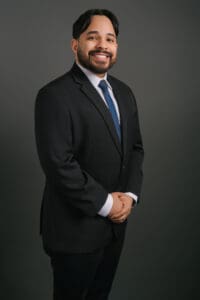
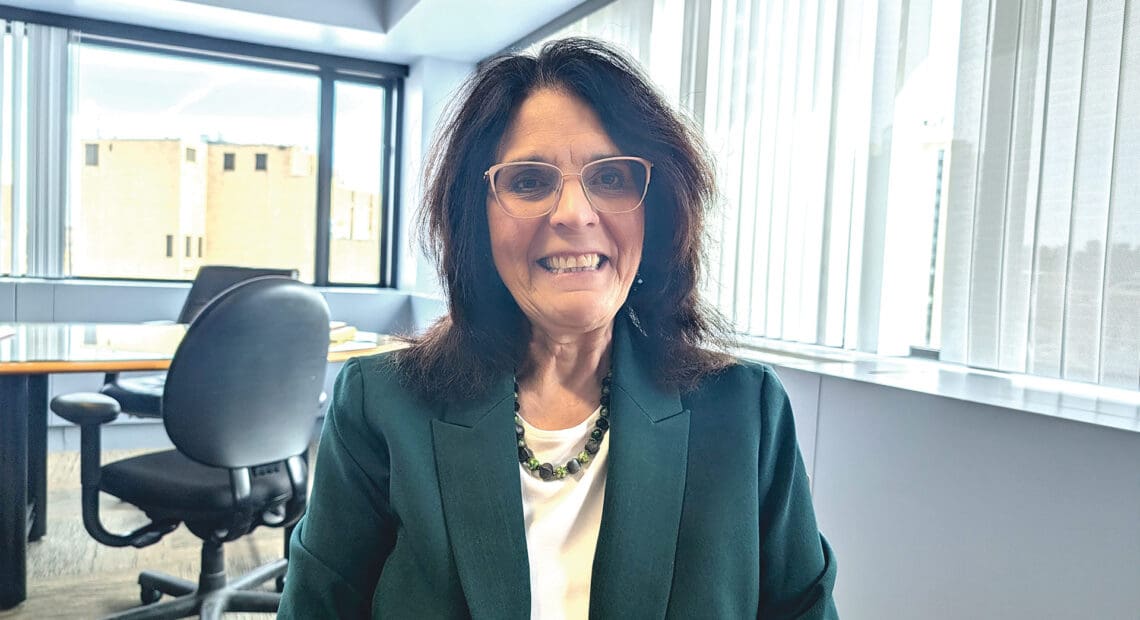
GILL — David Biancamano will join the senior leadership team at Northfield Mount Hermon (NMH) as chief advancement officer beginning May 1.

Biancamano will lead the school’s advancement and marketing and communications teams, shaping its vision for fundraising and engagement and building the infrastructure and culture necessary to achieve its priorities and fulfill its aspirations for its future. He will serve as a strategic partner to the head of school and the NMH board of trustees, guiding the design and execution of advancement goals that support the school’s mission, strategic plan, and financial sustainability.

“NMH benefits from a proud tradition of alumni, family, and broader community engagement. Current students and employees benefit from this dedication, advocacy, and generosity in profound ways,” Head of School Brian Hargrove said. “Finding the right person to lead our team to honor this commitment and deepen this connection further in the years to come is incredibly important.

“We conducted a national search that attracted a rich pool of candidates. I am thrilled that, in our own backyard, we found Dave,” Hargrove continued. “His record of success in leading diverse teams, bridging volunteer and donor interests with institutional priorities, and shining the light on the power of education as a societal force for good distinguished him throughout the process.”

Biancamano brings to the role nearly 25 years of educational experience, including leading comprehensive fundraising programs and developing campaign strategy, major and principal gift programs, and donor engagement models that strengthen institutional culture and long-term sustainability.

He comes to NMH from the UMass Amherst Foundation, where he serves as an assistant vice president, overseeing fundraising and advancement efforts for a diverse portfolio of university colleges and schools. His previous roles include deputy athletic director for development at UMass Amherst, senior associate athletic director at James Madison University, and director of development for athletics at Rice University. He received his bachelor’s degree in communication from Central Connecticut State University and his master’s degree in sports administration from the University of Miami.

“I am grateful to the Northfield Mount Hermon board of trustees and to Brian Hargrove for the opportunity to join this extraordinary school at such an important moment,” Biancamano said. “Throughout the search process, I was inspired by the clarity of NMH’s mission, the strength of its leadership, and the deep commitment of its community. I am excited to partner with the advancement team and colleagues across the school as we build on the strong momentum. At its core, advancement work connects generosity to impact, and I look forward to ensuring that our efforts continue to strengthen NMH’s mission.”

Biancamano will assume the chief advancement officer position from Trish Jackson, who will retire on June 30 after serving in the role since 2022. Jackson led the successful $275 million “This Place, This Moment: the Campaign for Northfield Mount Hermon,” positioning the school for long-term sustainability and growth as it approaches its 150th anniversary in 2029 and beyond.

“It is hard to overstate Trish’s contributions to NMH as our advancement leader,” Hargrove said. “She stepped in to lead our team on the eve of our campaign launch. It was a daunting challenge and one that she was uniquely suited to navigate and, in fact, master. Her vast experience as an advancement leader, her gifts as a relationship and volunteer manager, and her devotion to centering our mission in all that we do resulted in a smooth transition and, of even more note, success in elevating the program to new heights.

“Trish is a force for good, and I deeply appreciate her commitment to NMH, her service as an educational leader more broadly, and her ability to call us all to the best versions of ourselves,” he added.

Biancamano’s May 1 start will allow his tenure to overlap with Jackson’s, ensuring a successful transition of leadership as NMH wraps up “This Place, This Moment” at the end of the fiscal year.

Daily News

EASTHAMPTON — bankESB’s parent company, Hometown Financial Group, announced it has earned the 2026 USA TODAY Top Workplaces award for the fourth time in five years.

The award honors organizations with 150 or more employees that have created exceptional, people-first cultures. This year, more than 42,000 organizations were invited to participate. The winners are recognized for their commitment to fostering a workplace environment that values employee listening and engagement.

The winners are determined by authentic employee feedback captured through a confidential survey conducted by Energage, the HR research and technology company behind the Top Workplaces program since 2006. The results are calculated based on employee responses to statements about workplace experience.

“We’re incredibly proud to receive the 2026 USA TODAY Top Workplaces Award,” said Matthew Sosik, Hometown Financial Group chairman and CEO and bankESB president and CEO. “What makes this recognition especially meaningful is that it’s based on feedback from our employees. Their dedication and the way they support each other every day are what truly earned us this honor. They are committed to unlocking potential — in our people, in our customers, and in the communities we’re privileged to serve.”

Eric Rubino, CEO of Energage, added that “earning a USA TODAY Top Workplaces award is a testament to an organization’s credibility and commitment to a people-first culture. This award, driven by real employee feedback, is more than just a recognition — it’s proof that your employees believe in the organization and its leadership. Job seekers and customers look for this trusted badge of credibility and excellence. It signals a company that values its people, and that kind of culture resonates in today’s competitive market.”

Daily News

NORTHAMPTON — Cutchins Programs for Children & Families announced the return of its signature annual fundraiser, Dancing with the Local Stars, on Friday, April 17 from 6 to 10 p.m. at the Hotel Northampton. This year’s event features a lineup of community leaders stepping onto the dance floor in support of children’s mental health — including Jeffrey Hoess-Brooks of HB Real Estate, who will perform as one of the evening’s featured dancers.

Hoess-Brooks, a well-known local business leader and active supporter of community organizations, shared that participating in this year’s event has given him “a deeper appreciation for the extraordinary work Cutchins does for children and families.” His performance will be part of the event’s Old Hollywood Glam theme, which includes choreographed routines, an elegant plated dinner, and a silent auction.

Dancing with the Local Stars has become one of Northampton’s most anticipated annual events, pairing local personalities with professional choreographers for an evening of entertainment and philanthropy. Funds raised directly support Cutchins’ trauma-informed mental health services, residential programs, outpatient care, and family-centered supports.

As a principal at HB Real Estate and a longtime advocate for community engagement, Hoess-Brooks brings both enthusiasm and heart to this year’s show. His involvement reflects a growing wave of local leaders who are stepping forward to champion mental health resources for young people across Western Massachusetts.

Supporters can click here to contribute directly to Hoess-Brooks’s fundraising efforts. Visit www.cutchinsdancing.org for tickets, dancer profiles, sponsorships, and auction details.

Daily News

CHICOPEE — Spectrum is bringing its virtual American Sign Language (ASL) interpretation service to Chicopee. The service connects deaf customers and Spectrum store specialists through a live ASL interpreter, enabling real-time communication in store. Available in select locations across the country, the service is expanding to reach more than 90 Spectrum stores by the end of the year. In Chicopee, the virtual ASL interpretation service is now available at the 591 Memorial Dr. store.

For many deaf customers, a simple store visit can mean relying on handwritten notes or typing messages back and forth. At participating Spectrum stores, customers can scan a QR code using their personal device to connect instantly with a live ASL interpreter, enabling a natural, real-time conversation about Spectrum products, services, billing questions, or account updates.

“Our goal is simple: when someone walks into a Spectrum store, they should feel supported,” said Peter Brown, group vice president, Agency and Accessibility, for Spectrum. “Delivering great service means designing experiences that work for all of our customers and reflect the care and attention they expect from us.”

Spectrum first launched a successful pilot of the virtual ASL interpreting service in Rochester, N.Y. in 2024 and expanded to Austin, Texas; Los Angeles; and New York City in 2025. In 2026, Spectrum is bringing virtual ASL interpretation to 34 additional towns and cities across Spectrum’s service area, focused on communities with strong deaf populations.

Daily News

Jimmy Rosario

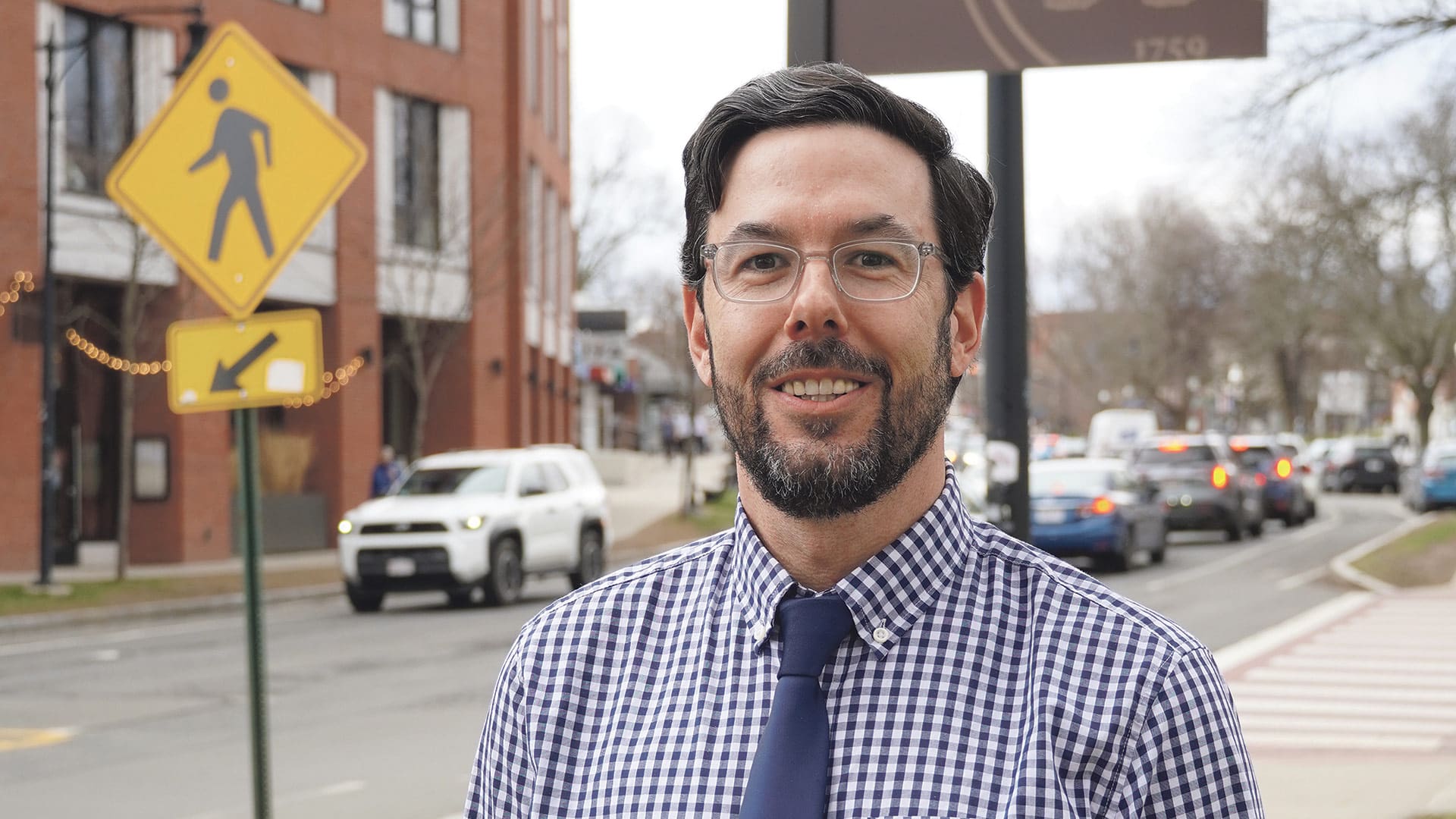
GREENFIELD — Greenfield/Northampton Cooperative Bank announced the addition of Jimmy Rosario as assistant branch manager of its South Hadley branch, located at 487 Newton St.

Rosario brings nine years of banking experience to the role, along with a strong commitment to customer service and community engagement. He holds a degree in criminal justice from Springfield Technical Community College and has built meaningful connections throughout the Springfield metropolitan area. In his new position, he looks forward to developing relationships with customers in South Hadley and supporting their financial goals. Like many members of the local community, Rosario is bilingual in Spanish.

“We are thrilled to welcome Jimmy to the South Hadley team,” Branch Manager Joanna Czarniecka said. “His experience, energy, and dedication to building stronger community relationships make him a great fit for our branch and the community we serve.”

Rosario’s addition reflects Greenfield/Northampton Cooperative Bank’s continued commitment to providing personalized service and strengthening its presence in the community.

Daily News

PITTSFIELD — Downtown Pittsfield Inc. (DPI) will host a Downtown Pittsfield Spring Cleanup on Friday, April 17 from noon to 4 p.m. DPI’s Downtown Pittsfield Cleanups are good-natured competitions between local companies and individuals supporting an important part of DPI’s mission to keep downtown clean, safe, and friendly. This year, more than 150 volunteers representing more than a dozen local businesses and organizations will take to the streets for this annual event.

Participating teams include Barrington Stage Company, BCARC Transitions, BerkshireRealtors, Berkshire Family YMCA, Berkshire Medical Center, Berkshire Museum, Berkshire Theatre Group, CT Management Group, Carr Hardware, Christian Center of Pittsfield, city of Pittsfield, Crane Currency, Guardian Life Insurance Co. of America, MOLARI, SABIC High Performance Products, ServiceNet (the Pearl, the First, and Living in Recovery), and Temescal Wellness.

The downtown cleanup area includes North and South Streets between East and West Housatonic streets and Berkshire Medical Center and all side streets. The following awards will be presented by a panel of judges to four deserving cleanup teams at an awards ceremony at Otto’s Kitchen & Comfort after the cleanup: Little Litter Busters, Crushed Soda Can, Golden Trash Bag, and the Dream Team Cleaners.

For more information on the Downtown Pittsfield Spring Cleanup, visit downtownpittsfield.com or call Downtown Pittsfield Inc. at (413) 443-6501.

Daily News

NORTH ADAMS — Massachusetts College of Liberal Arts (MCLA) will host the final presentation of its 2025-26 Green Living Seminar Series on Wednesday, April 22 at 5:30 p.m. in the Feigenbaum Center for Science and Innovation, Room 121. The presentation is free and open to the public and will be recorded and available at mcla.edu/greenliving.

Nicolas Howe, Professor of Environmental Studies at Williams College, will present “Thinking Like a River: What Restoration Restores.” Drawing on ethnographic fieldwork in river restoration communities in New England and the U.K., Howe will explore how practitioners, activists, and artists are reimagining rivers not as hydrological systems to be engineered, but as living, thinking beings with spiritual power, moral weight, and cultural identity. The talk will move between the philosophy and anthropology of ecological restoration, asking what it means to restore not just the physical form or ecological integrity of a river, but its mind and spirit.

Howe is the author of Landscapes of the Secular: Law, Religion, and American Sacred Space and co-author of Climate Change as Social Drama: Global Warming in the Public Sphere. Trained as a human geographer, he studies the cultural dimensions of environmental thought and action.

MCLA’s Green Living Seminar Series brings environmental experts, scholars, and practitioners to campus throughout the academic year to engage students and community members in conversations about sustainability, ecology, and our relationship with the natural world.

Cover Story

The Road Ahead

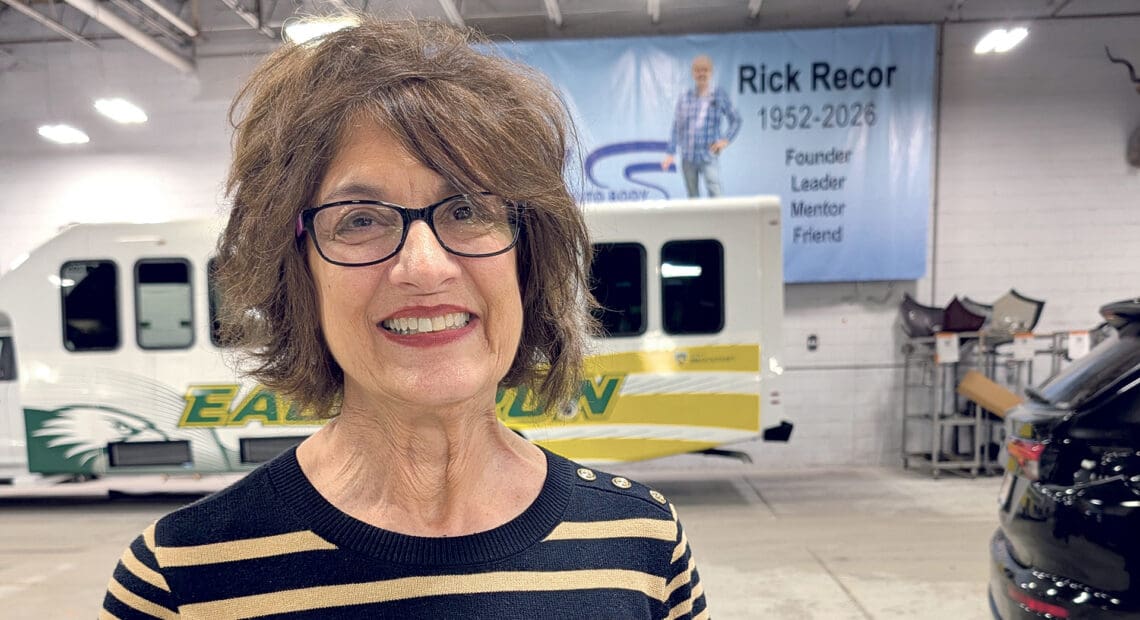
Owner Mari Tarpinian

Owner Mari Tarpinian

When Rick Recor passed away on Jan. 21, it marked the end of a life well-lived.

But it did not mark the end of an era — if that’s what we can call a business that has grown and thrived for more than a half-century, and will continue to do so under the ownership of Recor’s widow, Mari Tarpinian.

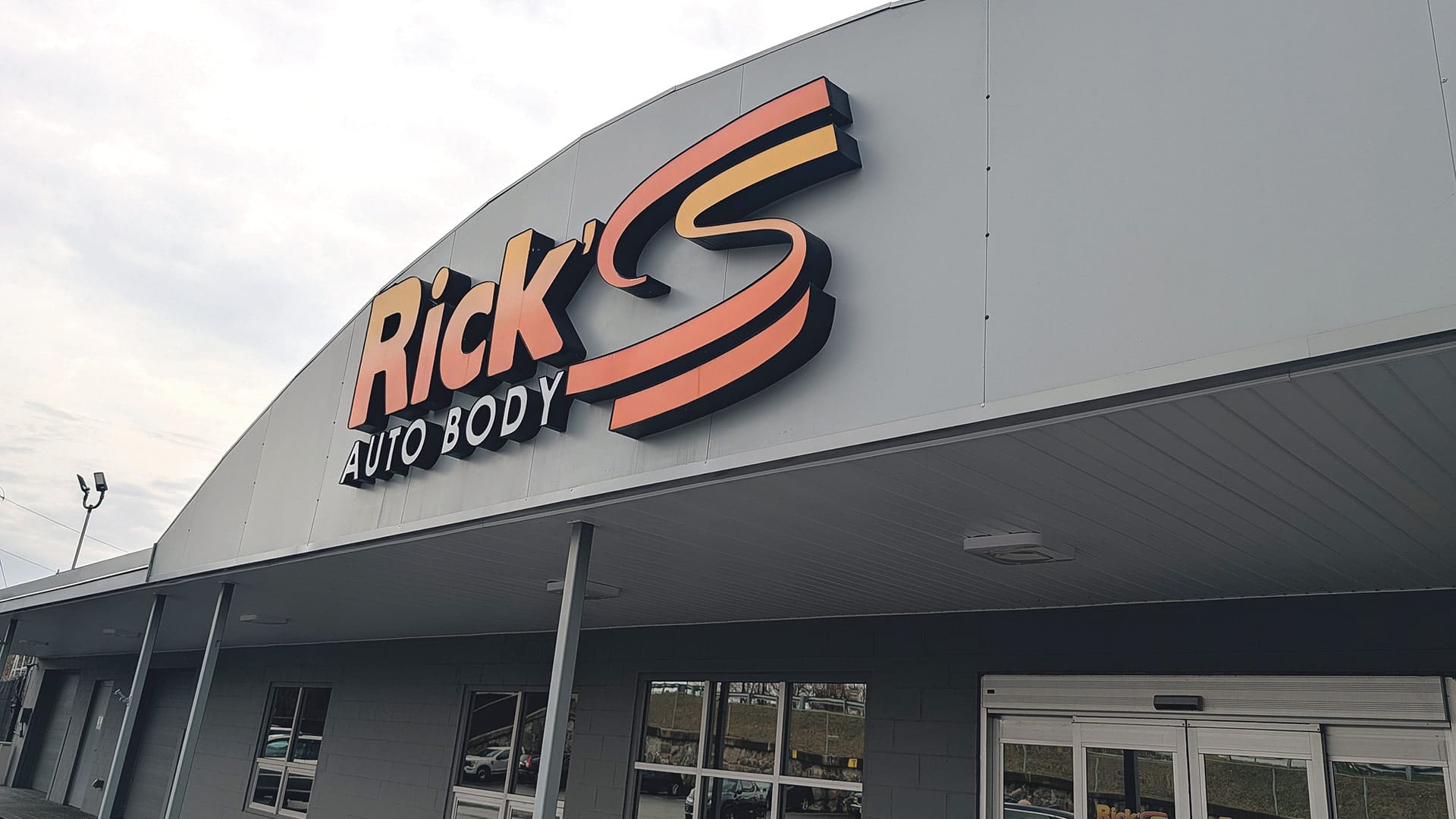
“We’re very proud of this, and we still love what we do,” she told BusinessWest during a recent visit to Rick’s Auto Body, which has been headquartered on a sprawling Pasco Road property in Springfield for almost three decades. “Looking back after all these years, it’s definitely had its ups and downs, but we still love what we do, and we still want to live by what Rick would always say — ‘treat a customer the way you’d want to be treated.’ He’d say it all the time.”

Recor was a successful businessman, but he was also a cancer survivor, having fought off throat cancer that he developed in 2005. In the end, that medical history contributed to his death; radiation treatments two decades ago weakened his jaw, which fractured last year and needed replacement.

“He went to Boston to have the jaw replaced, and for most people — like, if you’re in an accident, and the jaw just severs — it’s a clean cut,” Tarpinian explained. But because Recor’s jaw had become necrotic, the situation was more dicey.

“Looking back after all these years, it’s definitely had its ups and downs, but we still love what we do, and we still want to live by what Rick would always say — ‘treat a customer the way you’d want to be treated.’ He’d say it all the time.”

“The pain was excruciating, but he still came to work every day. They had to replace the jaw with a metal plate, but while he was in there, he got a very, very bad strain of pneumonia that is very resistant to any kind of antibiotics.

“Then they thought he was beyond it, and then he would get another infection, and then they thought he was beyond that, and he got another infection,” she went on. “He was in the ICU for almost four months in Boston.”

Eventually, Recor succumbed to illness. In his final days, he only wanted to see a few people — family and the management team. And while he declined quickly in the end — and he and Tarpinian didn’t have as much time as they would have liked to discuss the business transition — they fully intended to keep the venture going.

“We’ve been approached so many times,” Tarpinian said of inquiries to acquire the operation over the years. “Not to be braggadocious or anything, but we’re known locally, we are known in the state, and we’re really well-known within the industry. There was an outfit from California, and they would have considered us one of their crown jewels because of our certifications and the financial commitments that we’ve made in our tools and machinery.”

But that’s not what Recor wanted — and it’s not what she wants.

“He still wanted to be an asset to our community, and he wanted to be locally owned and operated,” she said. “He always felt that was beneficial to the community, beneficial to the product that we put out, and beneficial to the customer service. Because we’re here. It’s not like a big conglomerate in another state buying up places, and they’re never there; it’s just for the portfolio.”

Indeed, Tarpinian and her dedicated team intend to be there on Pasco Road, continuing Recor’s legacy the best way they know how — treating customers how they’d want to be treated.

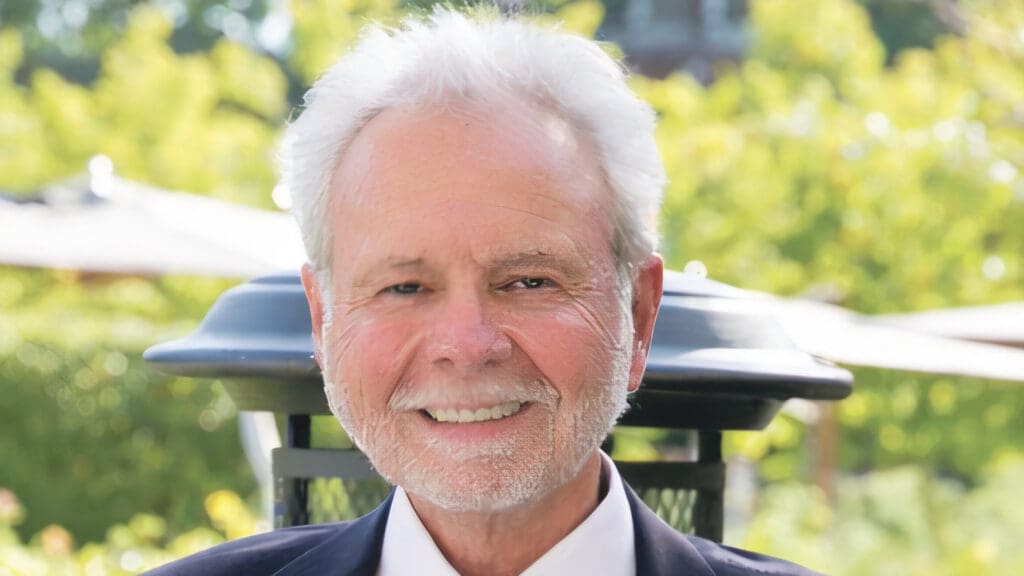
Rick Recor led the company that bears his name for 52 years.

Rick Recor led the company that bears his name for 52 years.

Driven by a Passion

Born in Springfield in 1952, Recor was associated with the city his entire life — and developed a passion for cars at age 5, when he would follow his father to work.

In 1974, he went into business for himself, opening a small repair shop in a one-car garage behind Millie’s Pierogi on Broadway Street in Chicopee, which he called Rick’s Auto Body.

He steadily added customers and grew the business into progressively larger garages. In 1997, he moved into the current headquarters, a 40,000-square-foot facility that once housed Grossman’s Lumber.

“He still wanted to be an asset to our community, and he wanted to be locally owned and operated.”

There, he built a large family business; Tarpinian, who previously worked in the travel industry, came on board more than two decades ago, and her sister, Susan, has been the office manager for even longer. And that idea of family doesn’t refer only to blood relatives, Tarpinian said, but extends to a workplace culture where many of the roughly 45 employees have been there for decades — as she put it, “we have people from six months to 38 years and everything in between.”

Recently, the business added a 6,000-square-foot building that Recor never got to see completed, mainly to house parts carts. “When a vehicle’s being repaired, all the parts don’t come at the same time, and while we’re waiting for all the parts to come in on a particular job, those parts carts are in the way of us being able to book more vehicles to get repaired,” Tarpinian explained. “So he decided to build an annex.”

Recor ran the business differently than many in this industry, Tarpinian said, including a refusal to run what’s known as a ‘flat-rate shop,’ where employees are paid according to how much work they put out — a model that can prioritize speed over quality and an ‘everyone in it for themselves’ mentality.

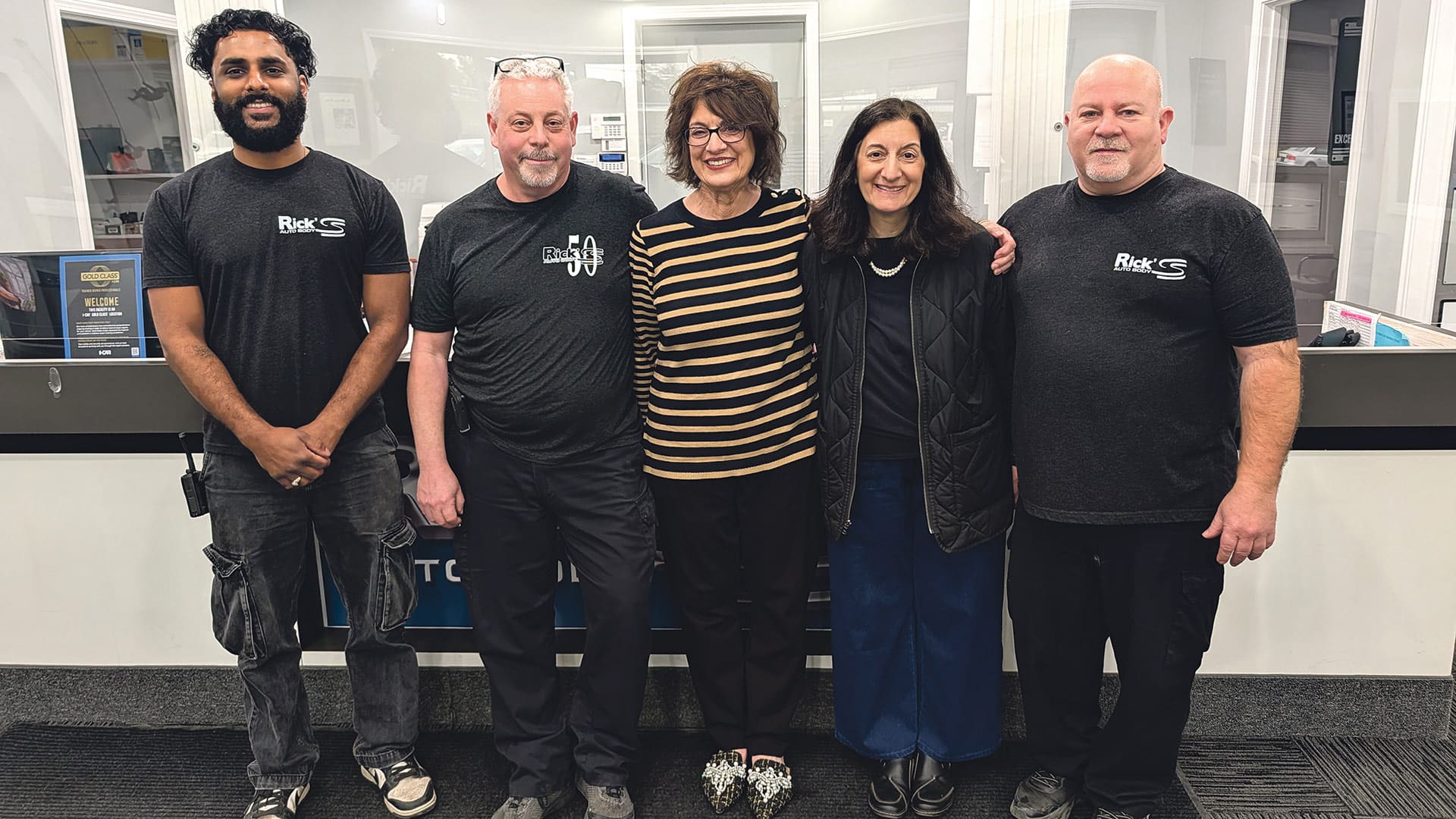
The leadership team at Rick’s Auto Body

The leadership team at Rick’s Auto Body, from left: Parts Manager Nafees Nadeem, Production Manager Mike Haniffy, owner Mari Tarpinian, Office Manager Susan Tarpinian, and Operations Manager Chuck Laprade.

“Many times, when technicians are flat rate, they don’t want to help the technician next to them. Here, they’re helping each other make the product the best. That was his philosophy.”

Recor was old-school in many ways, she added. “When the phone rings, it’s not ‘press one, press two’ — we answer the phone live. People appreciate the same service that existed in the 1970s — and they’ve grown with us.”

That’s not to say plenty hasn’t changed, starting with the way cars are essentially rolling computers these days.

And repairing them requires plenty of continual learning and manufacturer certifications — the most recent was by Tesla — at a facility where all work is done in-house, Tarpinian said, from frame work to mechanical work to alignments. “The only time a customer’s car would leave the shop is if an airbag goes off or something like that; then it has to go to the dealer so the dealer can reset it.”

Today’s biggest challenges running the company include the expected — getting parts on a timely basis and maintaining staffing for such a large operation.

“We’ll do things for each other outside of work, and we’re just here for each other. When they found out that Rick passed away, everybody was crying.”

“Everyone’s looking for good help, and there are ups and downs. But we have a great reputation, so we’re really fortunate that we’re able to sustain the way we do business,” she said, again noting the culture of family and loyalty that Recor seeked to instill. “We’ll do things for each other outside of work, and we’re just here for each other. When they found out that Rick passed away, everybody was crying.

“The other thing I will say is that probably 97% of the times that an employee gets a raise, they haven’t asked for it. And I think that says something. It says that we, as an organization, recognize someone when they’re doing a good job, and we give them a raise without being asked. It’s indicative of how we how we are here, and we just want to continue the way Rick did it.”


Shifting into the Next Phase

Tarpinian said Recor’s story is an inspiring one.

“He came from nothing. You know, he didn’t graduate from 10th grade; he is a high school dropout,” she told BusinessWest. “But he was a numbers guy. He knew numbers inside and out. And that, combined with sweat equity, just working really hard, made him a success.”

Not only with auto repair, but with ancillary businesses like vehicle sales, towing, a car wash, and other properties. “He just felt really lucky.”

And grateful, too, for the company’s many repeat customers — many representing two or three generations of the same family, bringing their cars to Rick’s Auto Body over the decades. “We have kids that are 17 years old up to people that are 98, and they’re still driving. It’s all facets of life.”

Rick’s Auto Body moved to its current headquarters on Pasco Road in Springfield in 1997.

Rick’s Auto Body moved to its current headquarters on Pasco Road in Springfield in 1997.

Recor’s life will be celebrated with a memorial service on Saturday, April 18 at Wilbraham Funeral Home. Calling hours are from 9 a.m. to noon, followed by a funeral service at noon. In lieu of flowers, memorial contributions may be made to Dana-Farber Cancer Institute in Boston.

Tarpinian is certainly grateful for Recor’s life, and expects many people feel the same.

“There were so many times when people would come here and thought that they needed to spend money to have something done. And he would just say, ‘listen, let me just take your keys.’ He’d go around to the back and have our detail department buff something out, no charge, for someone. Or there was a single mother with her kids in the van, and she had a problem with her tires. He would do things for people.”

In short, she added, he was proud to serve the community that had been good to him.

“I feel like we’re an asset to this community, too, because there are so many times when people will call us and treat us like the library or Google or something, asking us questions because they just don’t know where to get the answers. It may not even be a job we’ll end up getting, or it’s not even part of a repair process that we do, like rust or something like that. But we will always give them as much information as we can on the phone. And we still do that. They’ll say, ‘we didn’t know who to call,’ and we’ll say, ‘ask us; we’ll help you.’ That’s how we do it. It’s kind of old fashioned, right?”

That’s the sort of client relationship Recor valued, Tarpinian said, and he wanted it to continue.

“He didn’t want it sold. He definitely did not want it sold to a conglomerate. He definitely voiced that to all of us, that he wanted us to carry it on. And that’s what we’re going to do.

“So I just really want the public to know that we are going to keep it here in the family, and we are going to keep on doing business exactly how he wanted to do business,” she added. “We’re going to respect that.”

Construction Special Coverage

Spring in Their Step
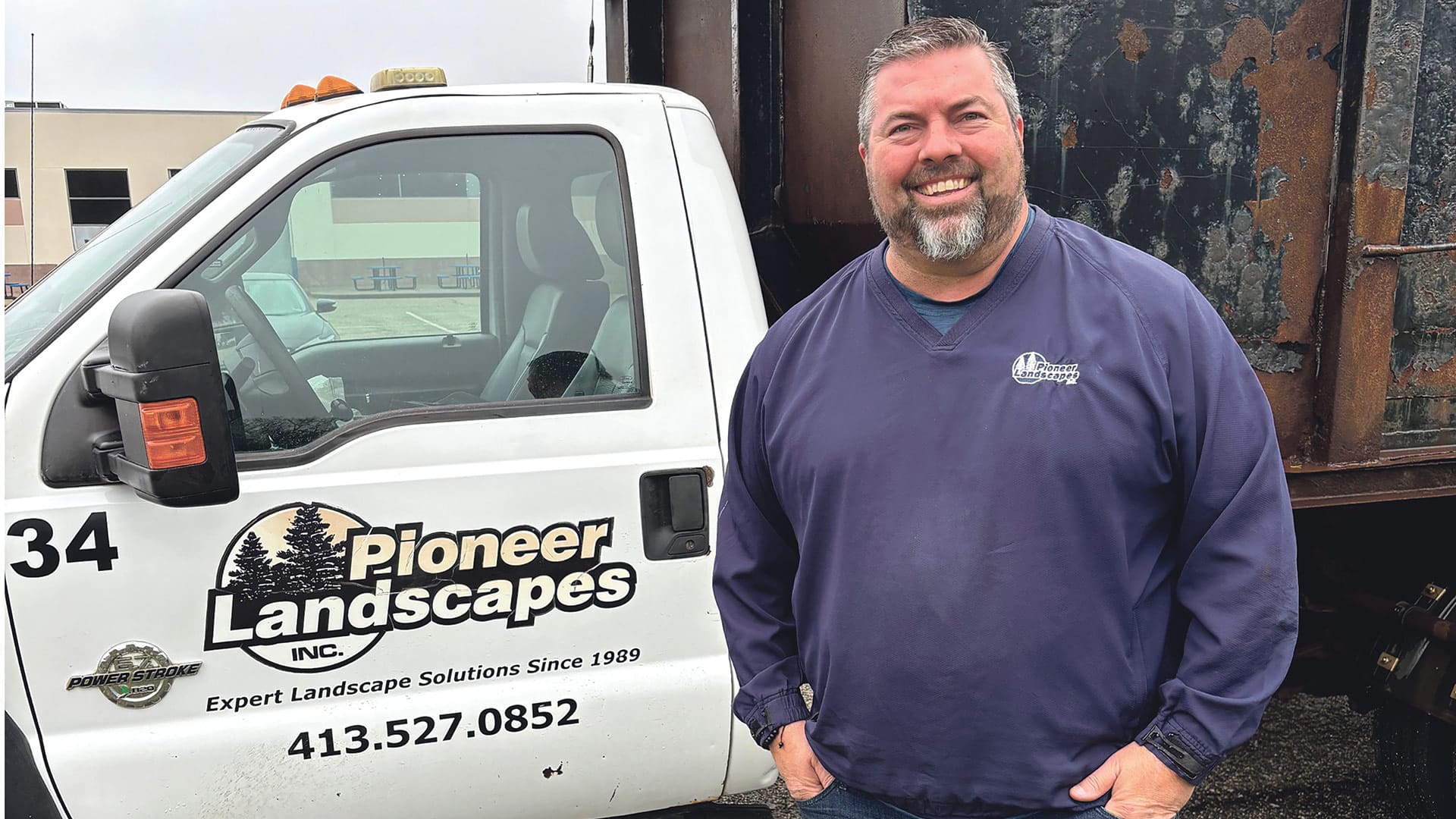
Brian Campedelli says the harsh winter benefited landscapers in a few ways; it gave a solid start to those that plow snow, and it created great anticipation for spring.

Brian Campedelli says the harsh winter benefited landscapers in a few ways; it gave a solid start to those that plow snow, and it created great anticipation for spring.


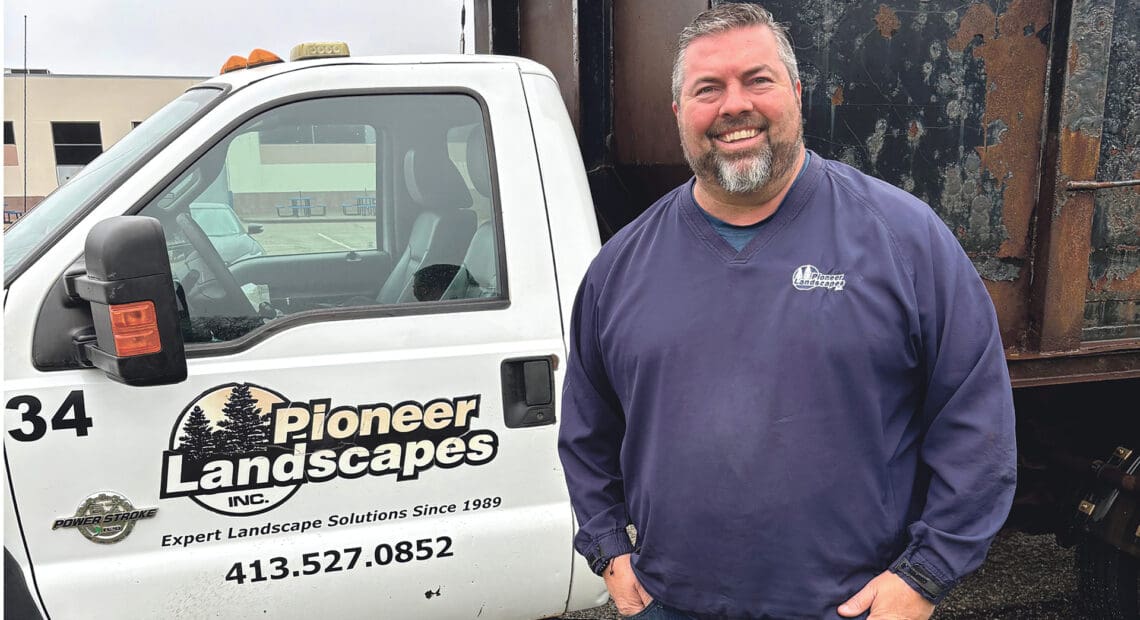
After the long, hard winter of 2025-26, Brian Campedelli notes, “people are saying, ‘get me outside — I don’t want to be in my house anymore.’”

And not just get out there, but enhance their outdoor spaces and make it so they can spend more quality time there.

He knows this because of the number and nature of the phone calls to his Easthampton-based business, Pioneer Landscapes, and also because of the turnout at the company’s booth at the recent Home & Garden Show at the Eastern States Exposition and the eagerness of many visitors to do something with their backyards.

“We got a lot of quality leads,” he said. “And these are people who came prepared; we saw people who came in with sketches, photos on their phones, and the ones who didn’t have photos were bringing up their ring cameras and showing us their yard. They knew the sizes of the patios they wanted, the water features … everyone was driven this year; they were ready to go.”

An overwhelming desire to move on from this past winter is just one of the many factors likely to contribute to a good year for businesses in the broad landscaping category in 2026. Another factor is that winter itself; indeed, many companies in this realm, like Pioneer, also handle commercial and residential snow removal, and Campedelli counted 14 plowable events and dozens more salting events over the past four months, helping the bottom line in 2025 and getting 2026 off to a solid start, much better than many recent winters.

“Everything that takes your weekend away from you throughout the summer … we can handle that for you.”

Other factors include a still-strong market for everything from patios and retaining walls to waterfalls and koi ponds, the need for many residents to put a fresh face on work done years ago, and an improved labor market generated by slower times in other sectors. The landscape professionals we spoke with also describe a growing reluctance among homeowners to give up quality time to mowing, fertilizing, and trimming, and a growing desire to let someone else do all that.

“Everything that takes your weekend away from you throughout the summer … we can handle that for you,” said Campedelli, noting that, while a segment of the population has always been willing to pay to let professionals tend to their lawn and gardens, that constituency is growing, based on interest in the different packages offered by the company (more on them later).

Jacob Hall, an enterprising 17-year-old Minnechaug High School student who started his own landscaping business with two friends two years ago, agreed.

“They just don’t have the time to it, and they don’t want to get dirty,” he said, adding that this trend has helped him grow the mowing client list at Caesar’s Lawn & Landscape to more than 50. “In many cases, it can be cheaper in the long run to hire someone, and people are really busy; it just takes one thing off their plate.”

As for those backyard elements, everything from pavilions to firepits to waterfalls large and small, Stephen Roberts says they are part of an ongoing trend toward making these spaces entertainment centers that meld technology with comfort. And the list of what goes into backyards today continues to grow and evolve.

“There’s a lot that goes into creating a nice backyard with all the amenities,” the owner of Springfield-based Stephen A. Roberts Landscaping told BusinessWest. “There’s the shed, the pool house, fencing, retaining walls, paving, lighting, sound systems, and structures that can protect furniture from the elements.”

Roberts said his firm has a full slate of projects for the months to come — all of them booked last fall — and he’s spending his time now scheduling projects for later in the summer and fall, while also managing the expectations of those who thought they could call in March and get a pool put in by the start of summer.


Overall, he said the volume of work has declined from the boom times during the COVID years, when seemingly everyone was investing in their backyard. But it has picked up from a few years ago, when he was in “downsize mode” and doing more of the work himself.

If there is a concern heading into the meat of the landscaping season, it involves whether residents and businesses will continue to spend on their outdoor spaces amid rising prices for many items and general uncertainty about the economy and global conflicts, said Dan Ziomek, general manager of Sugarloaf Gardens in Sunderland, the retail arm of Snow & Sons Landscaping, which sells to the general public as well.

“People are investing more in their yards and gardens, but given the price of gas and the price of groceries, are people going to spend their disposable income with us?” he asked rhetorically. “We’re just going to have to see as we go along.”

But, overall, he and others we spoke with were generally optimistic that 2026 will be a year to grow — literally and figuratively.


A Cut Above

As he talked with BusinessWest, Roberts was working with a repeat customer — a Holyoke resident who was replacing a pool put in 20 years ago while also putting in a new backyard complete with retaining walls — and coping with a tight deadline.

“It’s a big project, and a lot goes into it because he wants to be swimming by May, and there’s a lot of pressure to get it done,” said Roberts, adding that this project typifies the opportunities and challenges facing those in this business.

“People are investing more in their yards and gardens, but given the price of gas and the price of groceries, are people going to spend their disposable income with us? We’re just going to have to see as we go along.”

There are many homeowners putting in new installations or upgrading old ones, he said, adding that managing expectations for many of these customers is now a big part of the job.

“A lot of people call and want miracles done in the spring,” he explained. “They need to realize that we’re booked up with projects that were signed up in the fall.”

Overall, business is good across the broad spectrum of the landscape business, from mowing lawns to designing and building those backyard elements.

Pioneer Landscapes does all of that, Campedelli said, adding that, on the design side, much of the project work involves designing and building what the industry calls outdoor rooms.

“They give you a space that makes you feel relaxed and cozy, between using all the elements such as lighting and music, waterfalls, and fire rocks — if you can dream it, we can do it.”

And what people are dreaming about are spaces where they can entertain, but that are also easy to maintain and protect from the elements, said Roberts, adding that many homeowners are moving from gazebos to pavilions.

“We’re seeing the outdoor rooms, the covered space outside, more than just a gazebo, which was a quick fix — those were mostly underutilized because there’s only so much you can do under a gazebo,” he explained. “People are putting in outdoor entertainment systems — maybe a drop-down TV, a fireplace, some nice couches that don’t get wet, sound systems, and outdoor lighting systems that are controlled by Wi-Fi so they can change colors and dim the lights.”

And, by and large, there remains strong interest in these big investments, said those we spoke with. While demand is not as strong as it was at the height of the pandemic, when the backyard was the only place people could go for vacation, it remains solid.

The Home & Garden Show provided ample evidence of this, said Campedelli, adding that most visitors to the Pioneer booth were driven and ready to move forward with projects.

“They were saying, ‘I want a fence,’ or ‘I want irrigation,’ or ‘I want a backyard makeover’ … there was a lot of that,” he said, adding that, while there is some uncertainty with the economy and concern over recent events globally, many consumers still have the requisite confidence to move forward with what can be a big-ticket item.

Roberts agreed, but said there is certainly some lingering angst concerning inflation and tensions overseas.

As for the businesses handling this work, the hard winter of 2025-26 was the best in years when it came to plowing, generating solid cash flow, and creating momentum for the seasons to follow.

“We’re rolling right now, and I hope it just keeps on going,” Campedelli said, adding that he expects it will, given all those factors he listed earlier.


Mow of the Same

These include that trend toward letting someone else mow the lawn and trim the hedges, he told BusinessWest, adding that, in addition to their backyards, people also value the time they spend in them.

And this has translated into growing interest in the company’s maintenance programs, which range in price from $130 to $995 a month, such as the ‘carefree weekend package,’ which includes mowing and trimming around beds, fences, and walkways, and blowing off driveways, sidewalks, and patios; the ‘outdoor living protection package,’ which includes a fertilization plan and mosquito and tick control services; and the ‘complete outdoor care and seasonal maintenance bundle,’ which includes spring and fall cleanups, aeration and overseeding, irrigation maintenance, and much more.

“These programs are becoming more popular,” he explained. “We just started offering the packages, and so far, they’re a hit.”

This trend helps explain the fast, steady growth of Caesar’s Lawn & Landscape, a company that, like many in this sector, started with a young person mowing lawns for family, friends, and neighbors, and eventually turning it into a business.

And like most entrepreneurs, Hall has been involved in all aspects of this endeavor, from naming it — Caesar is his middle name, and “I thought it had a nice ring to it” — to taking calls and giving estimates; from mowing lawns himself to doing the legwork on forming an LLC.

He started in 2024 with a small portfolio of 10 to 12 lawns and has since worked with partners Trevor Plante and Jonathon Knight to grow the venture and its list of services to include hardscape work such as patios and retaining walls, tree trimming, brush removal and land clearing, lawn maintenance, and, starting a few months ago, snow removal, using snow throwers and a salter on his truck.

“Those two big storms really helped us get that side of the business going, and we’re going to get more into that next year,” said Hall, a junior at Minnechaug, who works after school and on weekends, with his Ford F-250 serving as his workhorse vehicle and office.

Long-term, he and his partners plan to continue growing the venture, build on the momentum they’ve generated, and, for the short term, at least, find ways to balance school and work.

“It’s definitely fun, but also challenging to have your own business,” he said, noting that most high-schoolers work for someone else. “It’s rewarding to work hard and build something like this.”

The same can be said of homeowners and their gardens, said Ziomek, adding that gardening has always been a release for people, and he expects this will continue amid the economic uncertainty and global tensions of the moment.

“We’re hopeful that gardening remains an outlet for people to get away from all the noise happening the world,” he said. “And they’ll garden more because of that.”

Elaborating, he said that, in tough or uncertain times, people will grow more of their own vegetables and fruits as a hedge against higher prices, and he expects to see more of that this year.

“The other thing we notice is people just wanting to build a small oasis, if that’s the right word, to escape from all the stuff that’s going on in the world,” he went on. “It might just be a small perennial garden, or a few flowers in a spot where they see them all the time — just something to make them smile as they go in or out of the house.”

If these trends and the others mentioned above continue into 2026 and beyond, it will be all those in the broad landscape sector who will be smiling.

Special Coverage Technology

The Future Is Now

John Fazzio of Pilot Precision Products leads a breakout session.

John Fazzio of Pilot Precision Products leads a breakout session.


Ben Grande spends $20 a month on a ChatGPT subscription. It’s a small expense with an occasionally very high return on investment.

“We’re making a huge capital purchase right now, and I wanted to knock the price down, so I hopped on ChatGPT,” said Grande, general manager of Meridian Industrial Group, a precision machine shop in Holyoke. “ChatGPT knows me and my company very well. I said, ‘here’s what we’re buying, here’s what we want to buy it for — but I want the price lower. Can you write me an email?’ It wrote the email, and five minutes later, I got $25,000 off the price. That’s well worth the $20.”

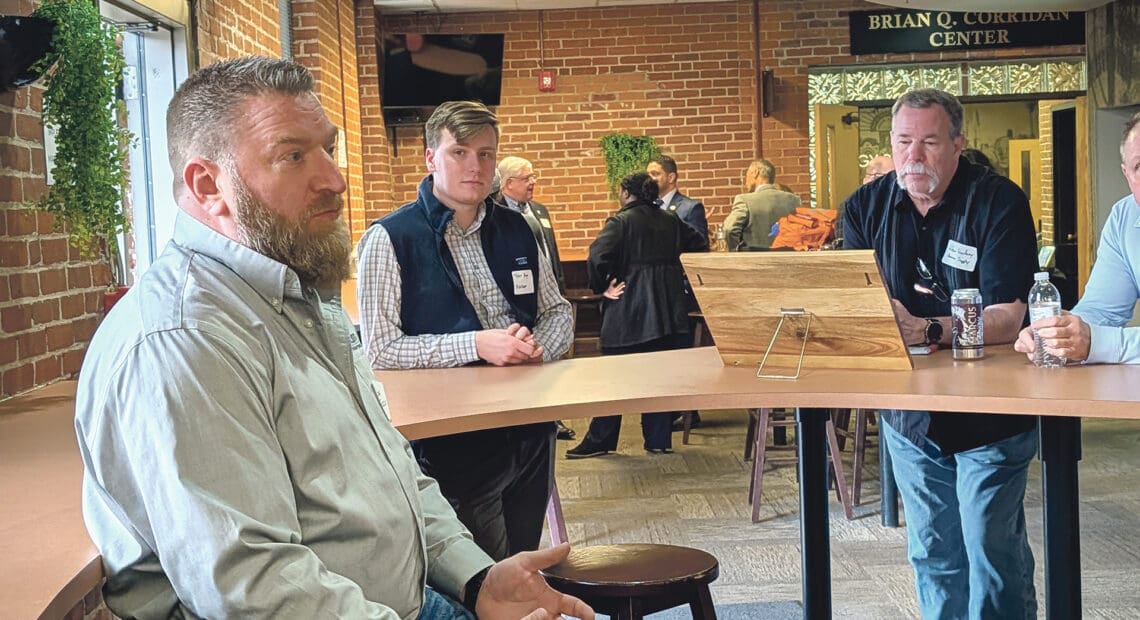
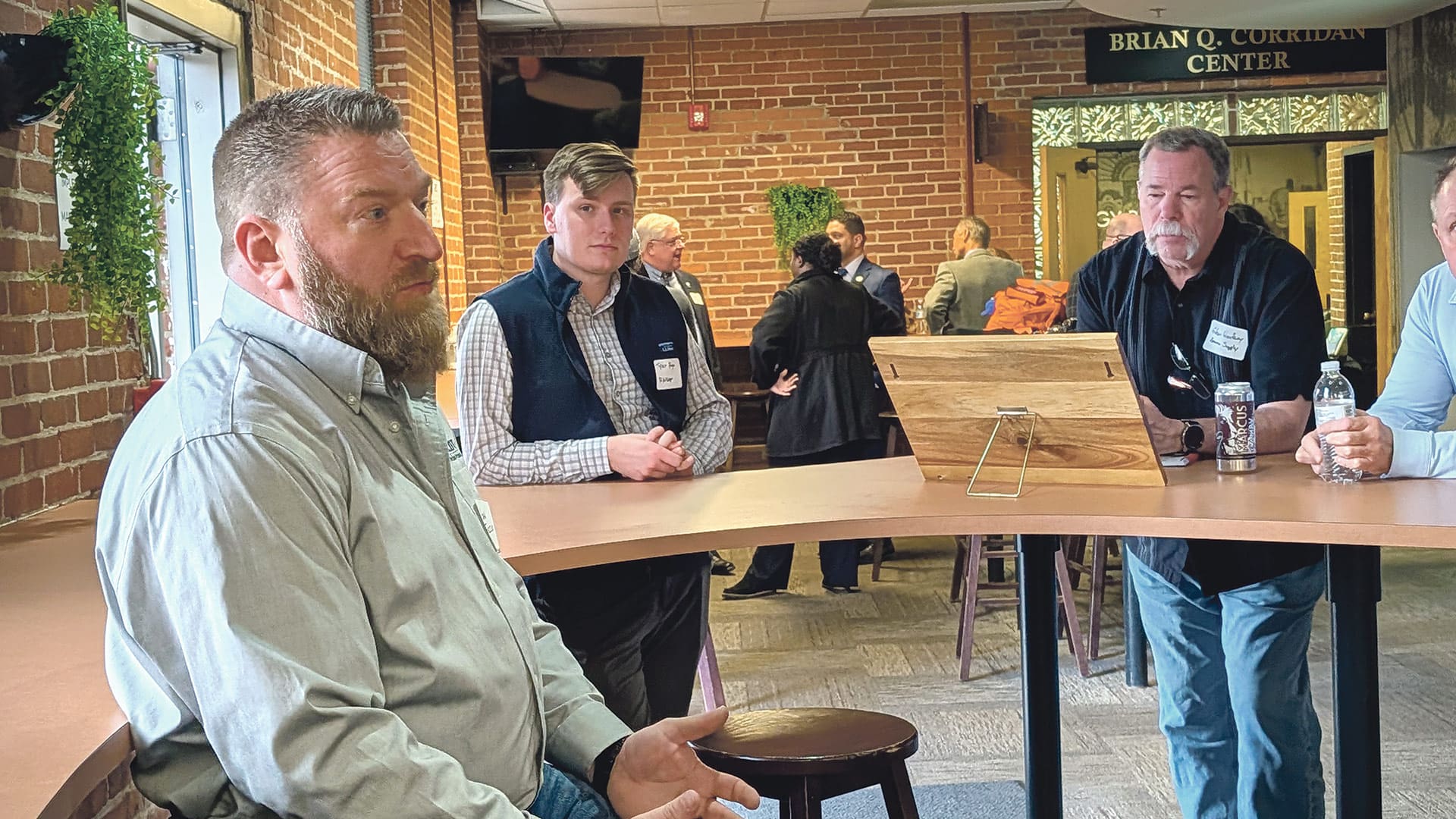
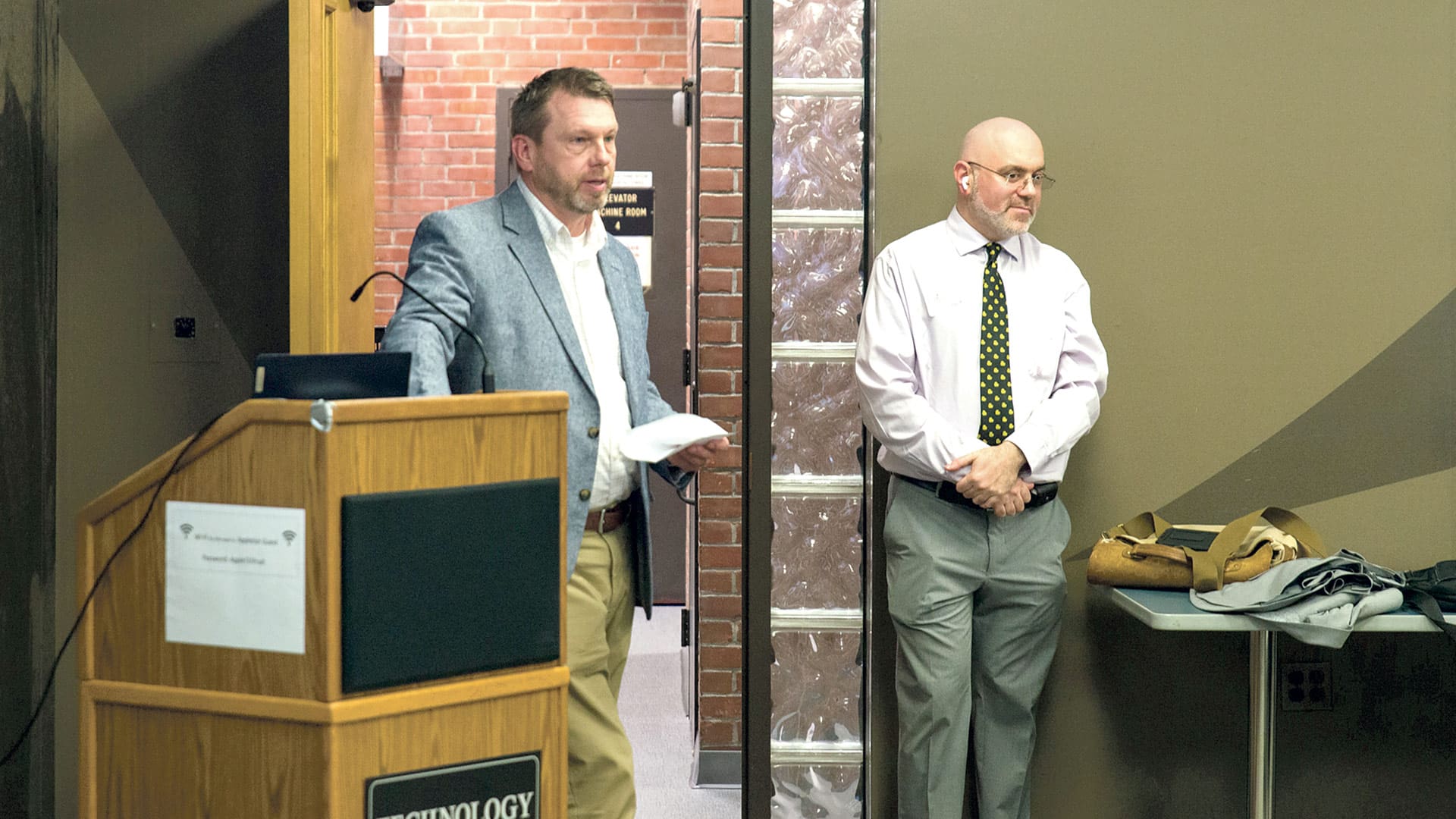
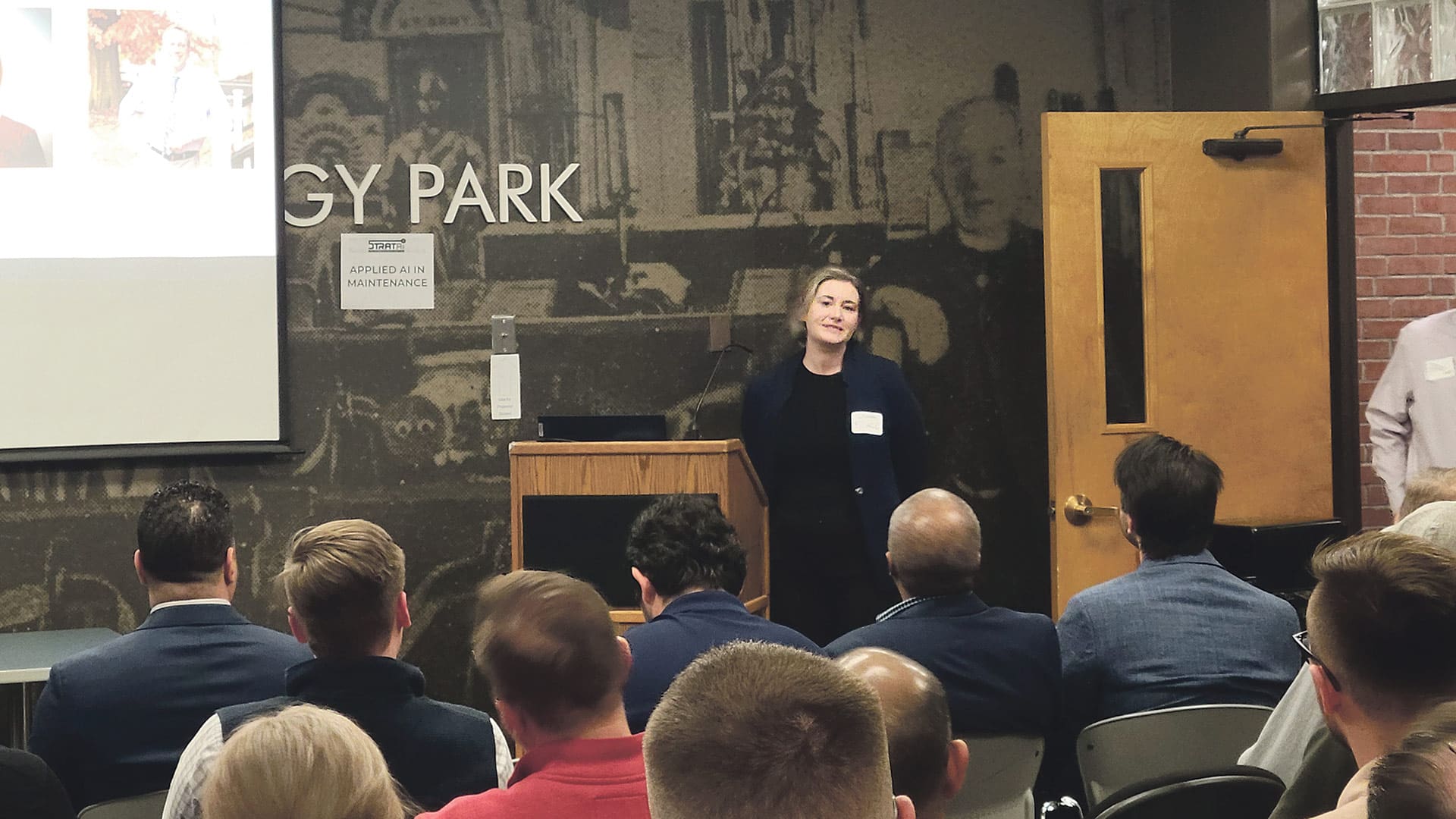
In his day job and also as president of the Western Massachusetts Chapter of the National Tooling and Machining Assoc., Grande has become well-versed in the potential of artificial intelligence in the manufacturing field, and he joined about a dozen other industry experts in sharing those insights on March 26 at the first installment of Strategy+Ai, a quarterly series BusinessWest has launched that dives into how AI is used — and could potentially be used — in a host of sectors, and by businesses of all kinds.

“You’re here in this room because you’ve heard about this thing called AI, and you’re somewhere on the journey from AI-curious to implementing it in your organization and wondering how it’s going to change everything — because it is changing everything.”

“You’re here in this room because you’ve heard about this thing called AI, and you’re somewhere on the journey from AI-curious to implementing it in your organization and wondering how it’s going to change everything — because it is changing everything,” said Paul Silva, CEO of Innovate413, one of BusinessWest’s partners in the AI series.

SEE: Scenes from the event below

“There are things possible now that five years ago would have been considered impossible,” he went on. “And if we embrace those opportunities, it’s going to have a profound impact on our businesses. If we don’t, there’s a fair bit of peril. So that’s why you all chose to come here today … to help you figure out what the next step in that journey is.”

Laura Teicher, president of FORGE — a nonprofit with a mission to help innovators navigate the journey from prototype to commercialization, and another partner with BusinessWest in the new AI series — noted that 57% of manufacturers are already using AI in some way.

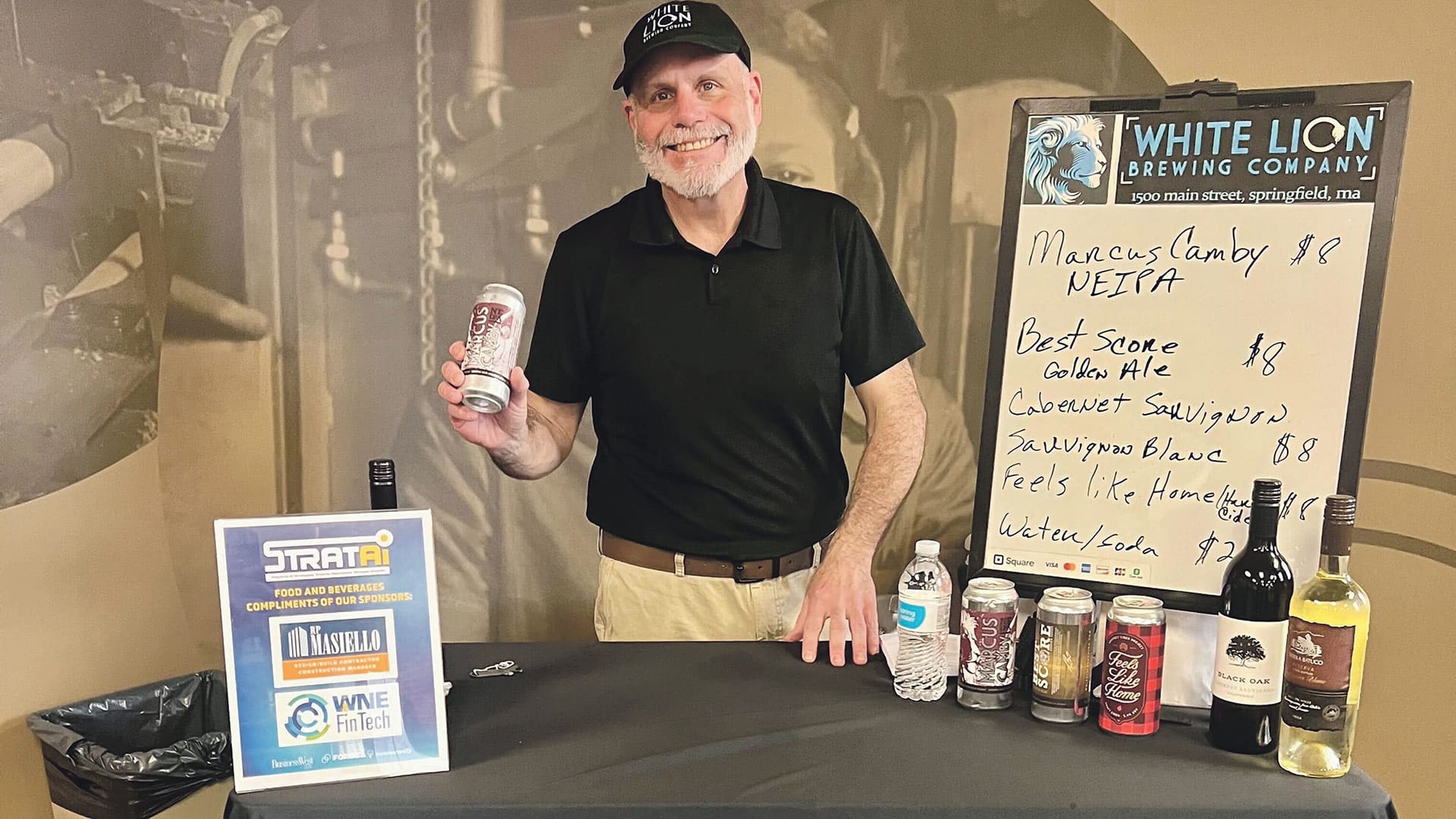
Fletcher Conlon (left), 3D modeler and concept artist, and Greg Dumas, senior project manager, of RP Masiello, one of the event sponsors.

Fletcher Conlon (left), 3D modeler and concept artist, and Greg Dumas, senior project manager, of RP Masiello, one of the event sponsors.

“Now, is that always the most efficient way or the safest way? I think it depends on the manufacturer,” she said. “We want this event to help make AI feel more accessible and less scary because it’s happening; we’re all working on it. So many people in my network have been doing cool stuff with AI in their factories, but have been shy about talking about it because we’re all in the experimental phase. So today, we’re hoping to get some actionable insights. We want this to be a value add for all the manufacturers and ecosystem builders in the room.”

The inaugural event in the series was sponsored by RP Masiello and the Western New England University (WNE) FinTech program.

Greg Dumas, senior project manager at RP Masiello, told BusinessWest that the Boylston-based commercial building and construction management firm, which has an office in Amherst, has been increasingly busy with projects in Western Mass..

“We’re interested in tying in how AI could potentially help us in our construction fields and how we could better serve the clients and the end users, and how to tie it all together,” he said.

“The reason why we have our panelists here is they’ve taken that first step on that journey. These are people who’ve had the courage to reach out and begin to figure out how they can use it, and they’re starting to use it to their benefit.”

Meanwhile, Charles Mutigwe, associate professor of Business Analytics at WNE and director of its FinTech program, said the program wants to work with manufacturers, and this event was a good way reach out to more of them.

“We’re looking at it as an opportunity to build a bridge between our AI teams, with our supercomputer on campus, and companies that may need solutions or partners to do some of this.”


Sharing Success Stories

The event featured four breakout sessions, including one with John Fazzio, president and chief operating officer of Pilot Precision Products, a manufacturing company in South Deerfield.

“We have been using AI for the last few years, but most importantly, in the last year, we’ve actually implemented our first two AI agents,” he said, referring to autonomous software entities that companies use to solve problems and streamline processes.

Charles Mutigwe of Western New England University’s FinTech program, another sponsor, says the event is a way to build a bridge between the college and local companies.

Charles Mutigwe of Western New England University’s FinTech program, another sponsor, says the event is a way to build a bridge between the college and local companies.

The first such agent at Pilot is a customer service agent. The business gets anywhere from 60 to 80 phone calls a day, and the agent is currently handling 30 to 40 of those, thus saving almost 50% of typical phone call time daily.

“I just feel like the last thing I want a customer to do is call and get stuck in the loop of some automated phone system where they can’t really get to a person. So I didn’t really want to make the agent talk on the phone. Instead, I just decided to put the agent right on my website,” Fazzio explained.

“A couple of great things came from that. One, I get to drive traffic to the website, and I get to monitor all the traffic that comes in and where they go and what they look at. But on the flip side, people can go in, they can put in their customer information, part number, quantity, what they’re looking for. It will literally go into our system, look up that customer, pull their customer-specific pricing … find out how many we have in stock, and can give them an answer right over the website in about two minutes. It’s just like a chat box that sits and floats on the website.”

“Manufacturing was actually one of our top two industries for many, many years. And I believe that we can become that once again, moving forward with all of you.”

Vinny LaRocca, chief technical officer at Tetra, an AI software innovation firm, said he thinks about AI as a modular library of capabilities that can be deployed at various companies.

“A good example is in machine maintenance. You may have a spreadsheet that you’re doing work orders on. In that case, you probably need a ticketing system. And we can deliver an AI agent to help you with root cause analysis and corrective action of all of your maintenance systems,” he explained. “So as soon as something happens, you get step-by-step instructions on what to actually do to fix the problem.”

Scott Longley, a manufacturing expert in residence for FORGE, told the attendees that they likely came because they have an idea about what AI is and how they can use it — and want to know what the next steps are.

“The reason why we have our panelists here is they’ve taken that first step on that journey. These are people who’ve had the courage to reach out and begin to figure out how they can use it, and they’re starting to use it to their benefit,” he said. “We always talk about how it’s a great wave coming of AI, but these are actually people who are starting to build that foundation. And I think we all need to realize that that foundation starts locally.

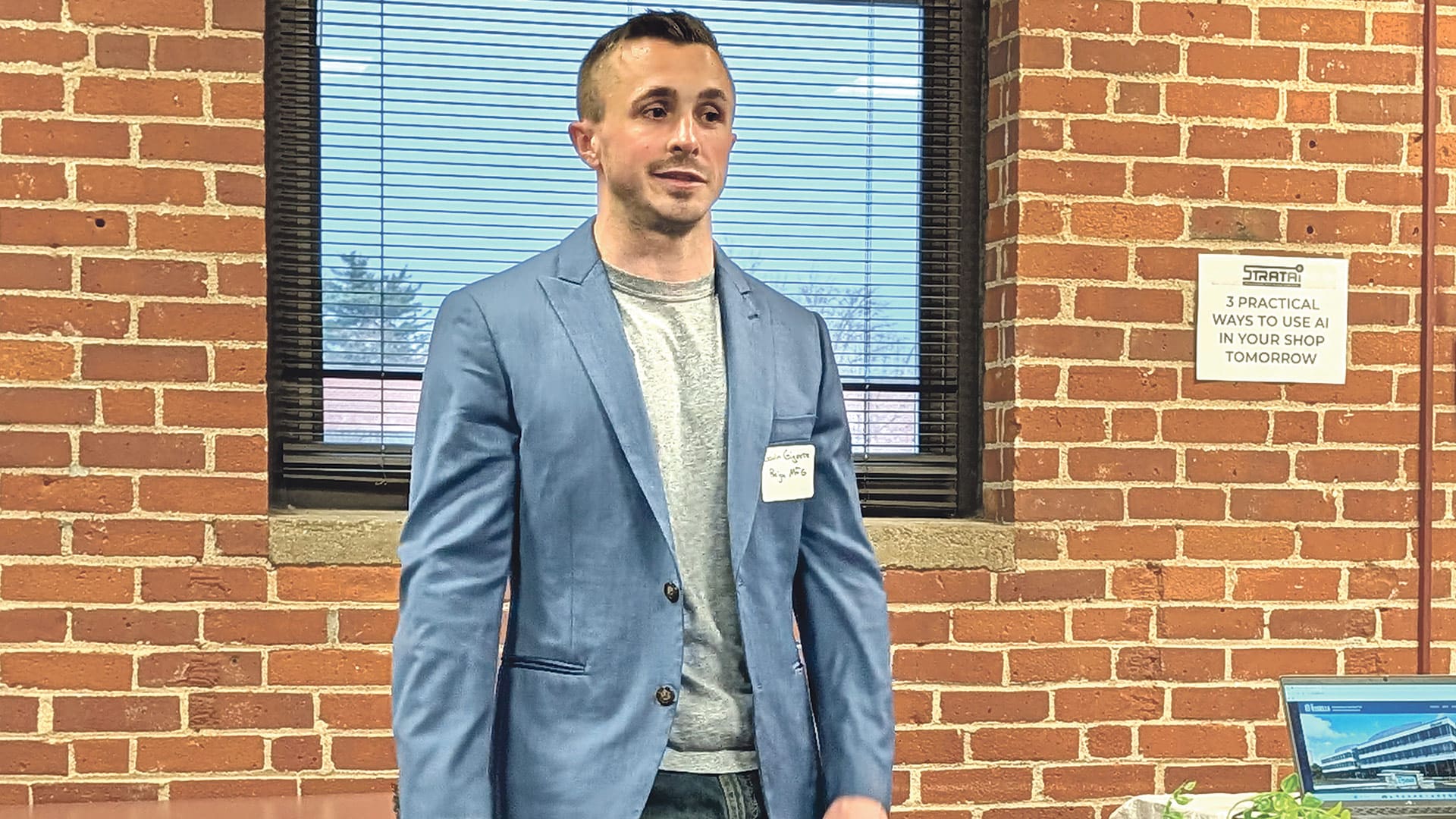
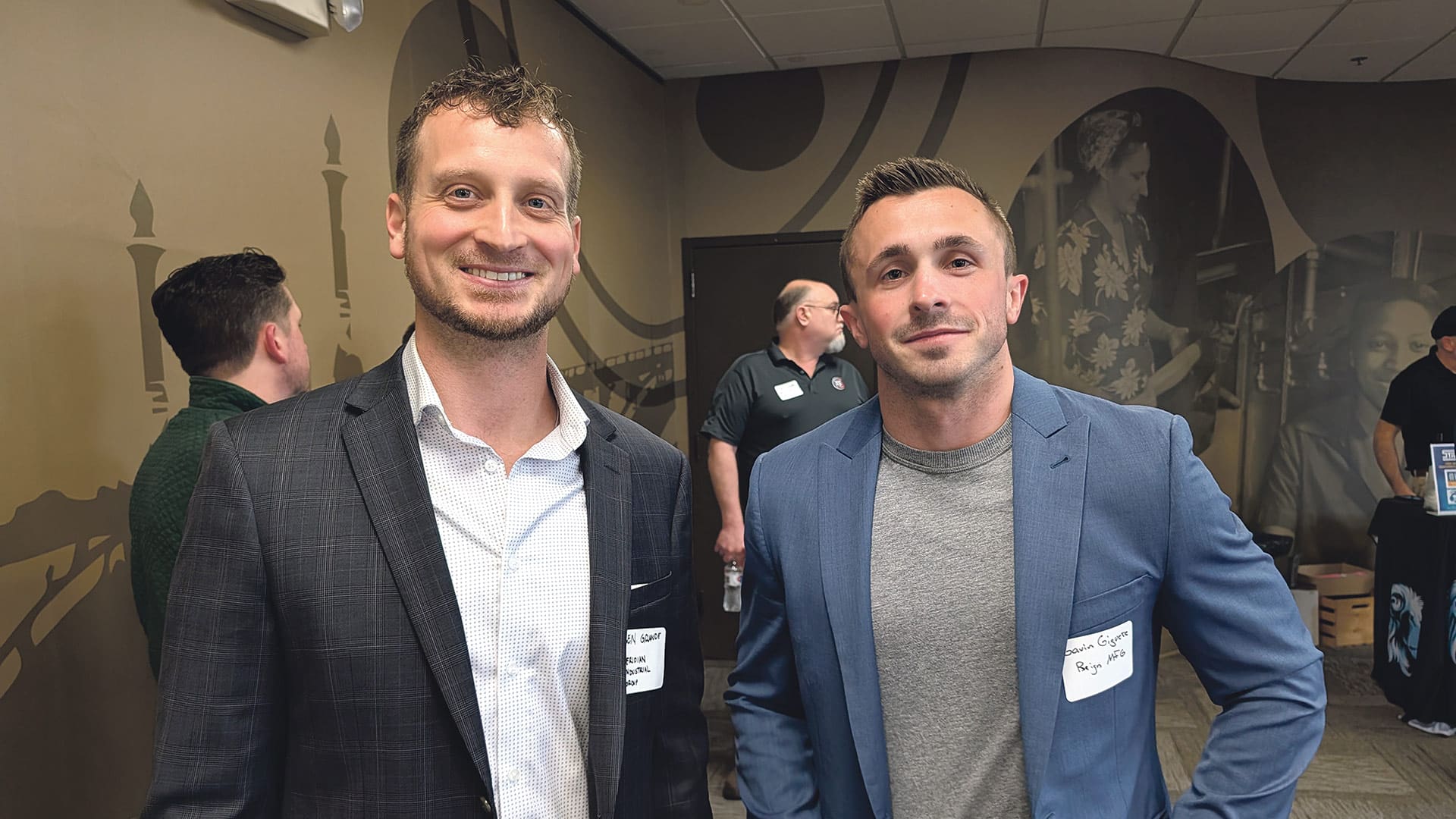
Gavin Giguere of REIGN Manufacturing speaks with attendees at a breakout session.

Gavin Giguere of REIGN Manufacturing speaks with attendees at a breakout session.

“We have all the tools in this community we need to build a great foundation for future growth,” Longley added. “These are people who have been courageous enough to reach into that toolbox and figure out how to use those tools. Our goal today is to get you to hang out with them and find out if what they’re doing can actually help you.”


Continuing the Conversation

As noted, BusinessWest’s new Strategy+Ai series will be presented quarterly, each event focusing on a different sector, Associate Publisher Kate Campiti said.

“For the first, we wanted to bring the manufacturing community together to learn about some of these AI strategies. We’re going to be focusing in May on professional and financial services, in August on construction and building trades, and in November on nonprofits.”

The assembled guests on March 26 certainly see value in continuing the conversation about a technology that isn’t going away — that, in fact, poses risks for businesses who choose to ignore its potential.

Aaron Vega, president of the Western Massachusetts Economic Development Council, noted that he is the only representative from Western Mass. serving on Gov. Maura Healey’s Massachusetts Competitiveness Council — and he constantly touts this region as a potential hub for fledgling businesses to grow and innovate in evolving technologies, including AI.

“It’s not easy doing business in general. It’s not easy doing business in Massachusetts. There are some headwinds,” he said. “There are a lot of advantages to doing business in Massachusetts, but we know that you’re being courted by other states, and we appreciate that you’re staying here. And we’re trying to build a better ecosystem and support system for you.”

State Rep. Orlando Ramos added that “it’s always great to be in a room with people who don’t just talk about the future, but people who are actively building for the future.

“Manufacturing was actually one of our top two industries for many, many years. And I believe that we can become that once again, moving forward with all of you. So I encourage you all to continue doing what you’re doing. This is the perfect place for this to be taking place,” he went on. “Continue to innovate, continue to believe in yourselves, continue to build, and continue to prepare for the future.”


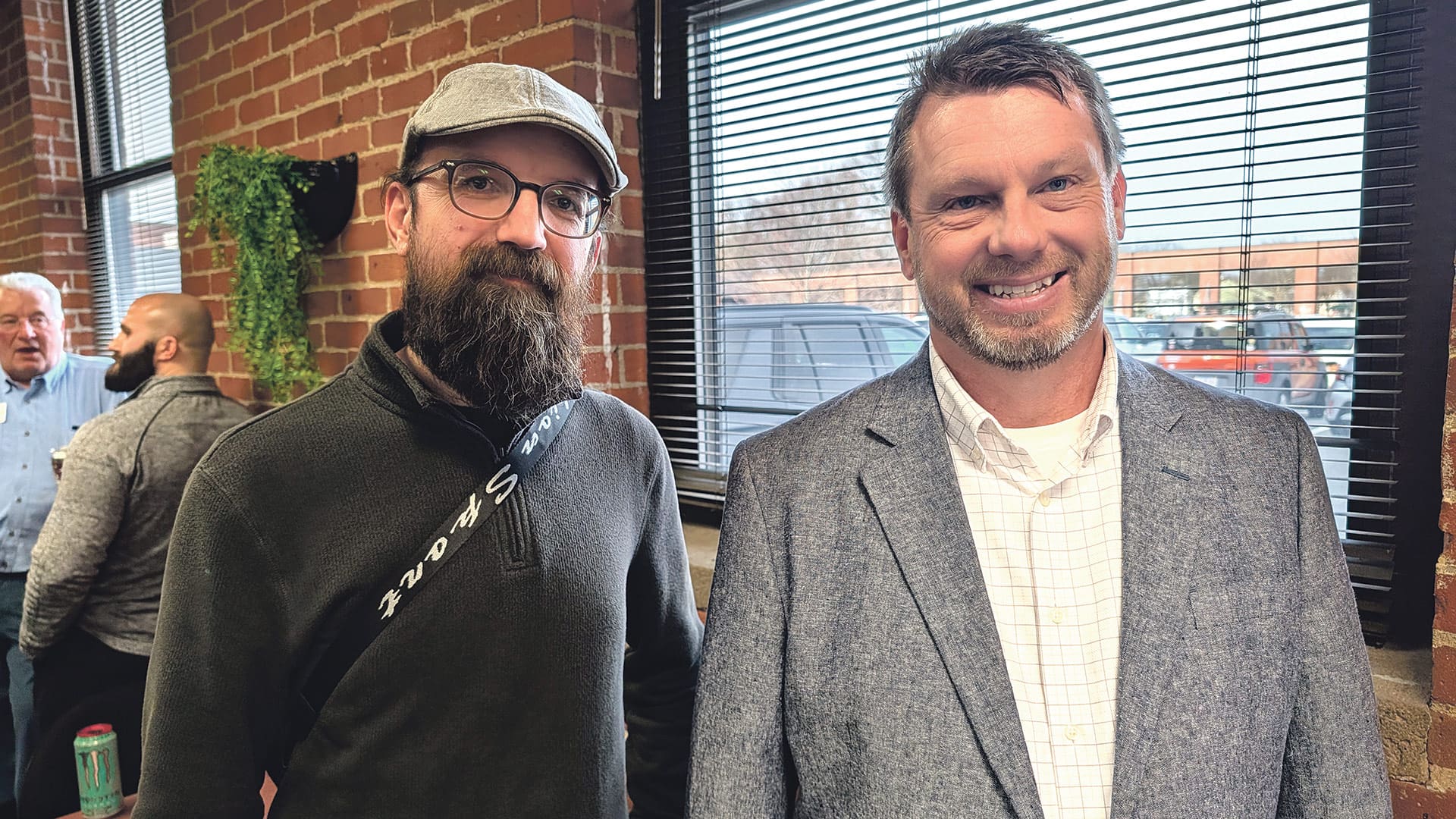
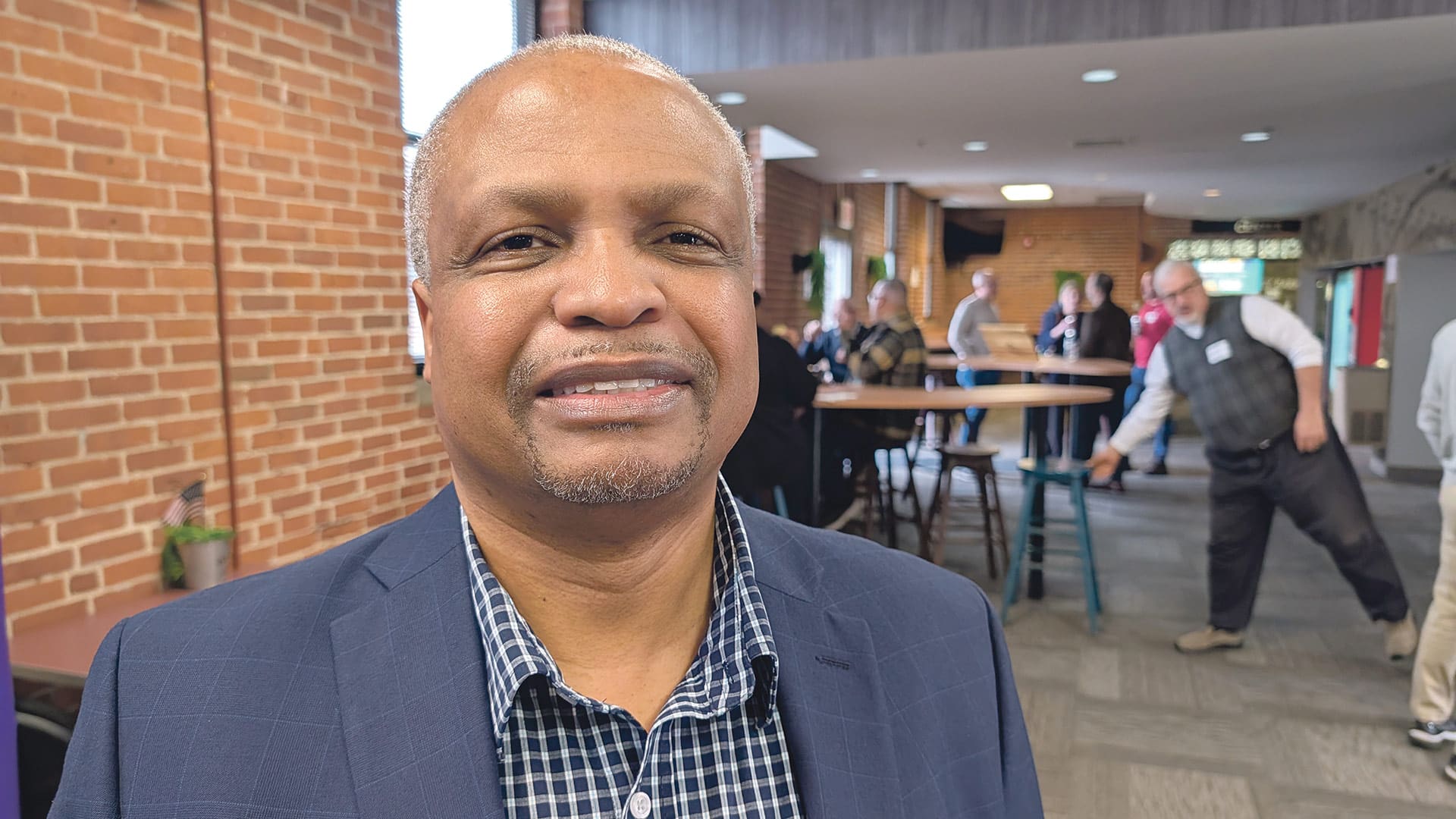
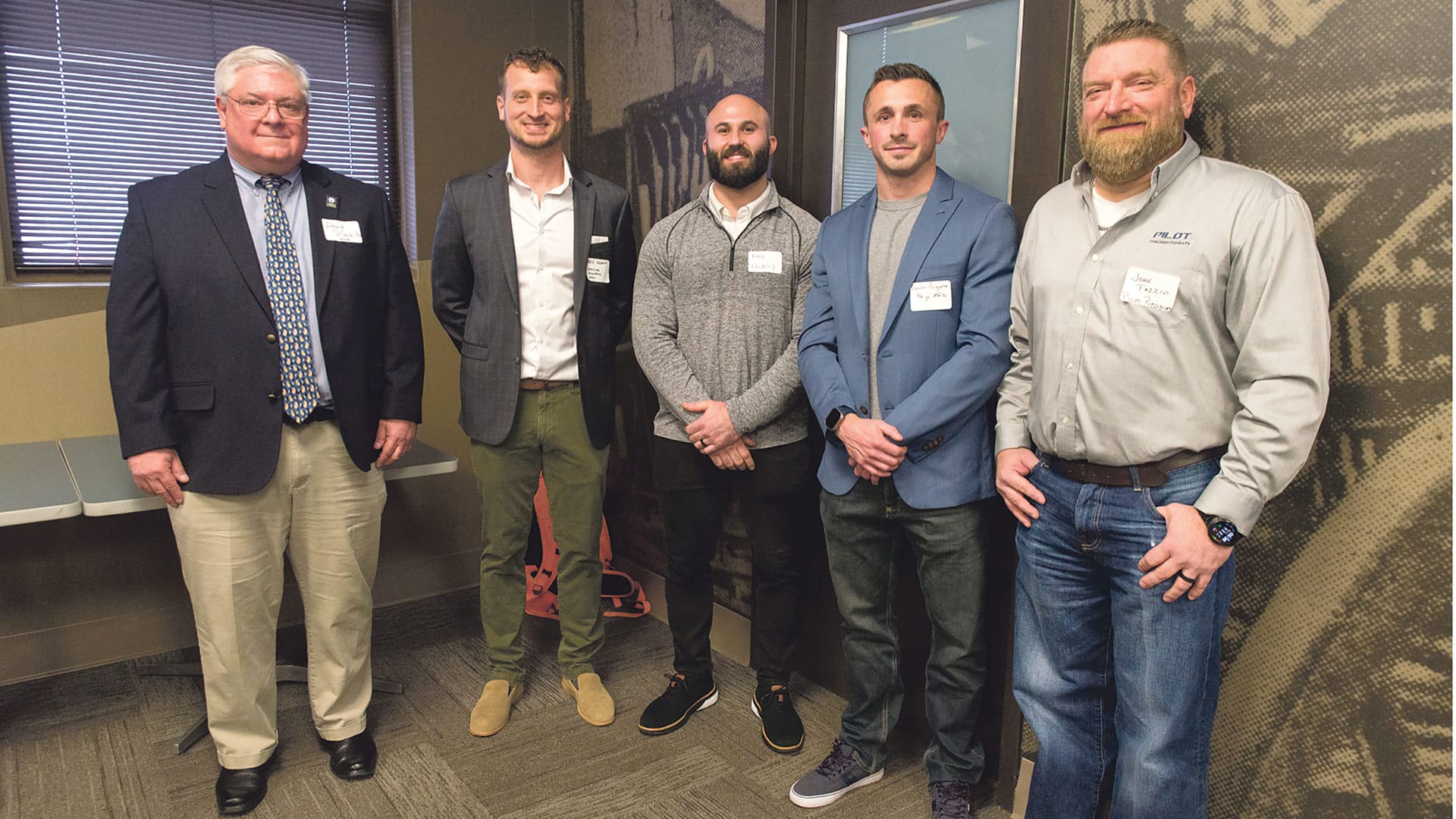
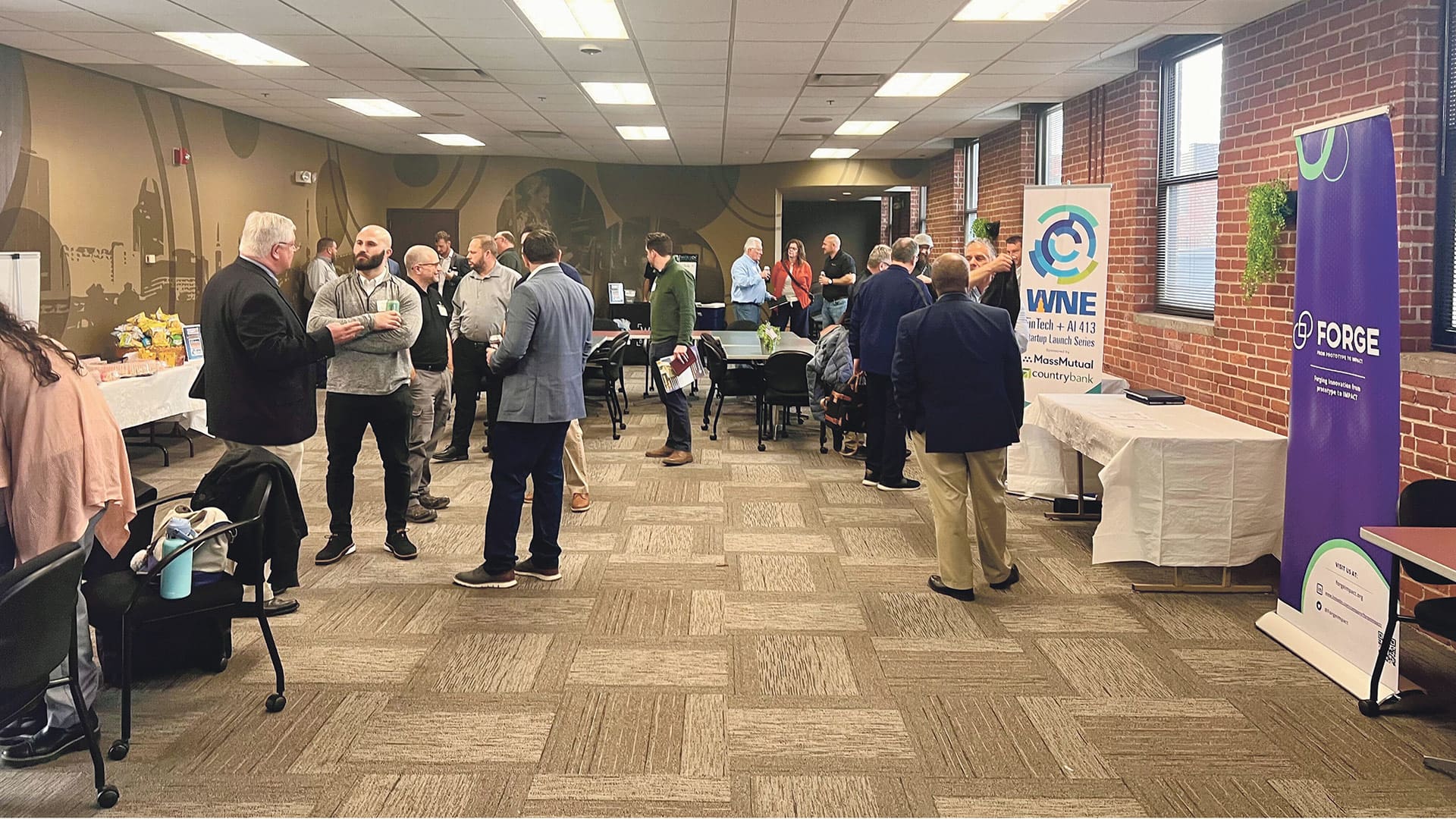
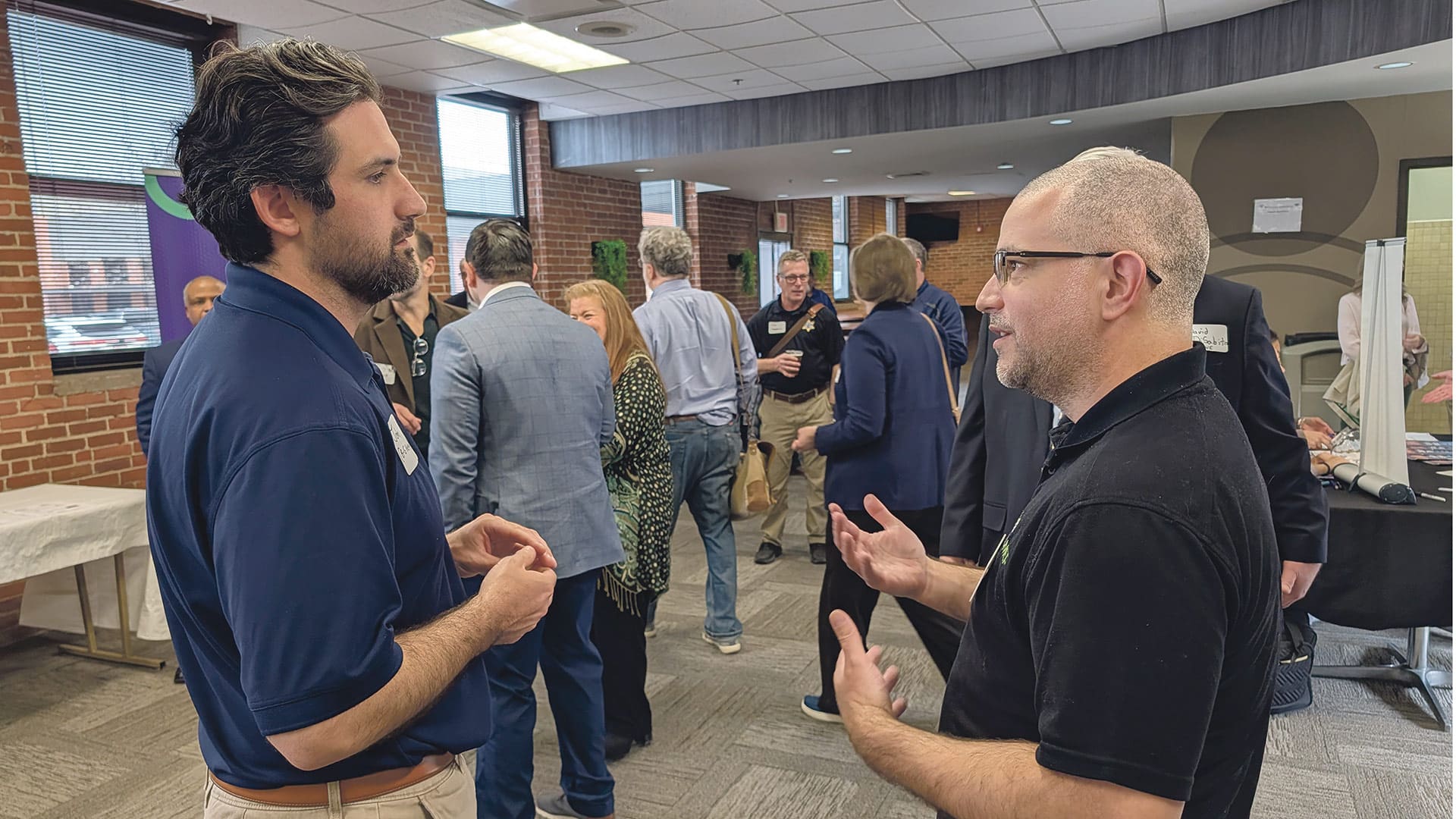
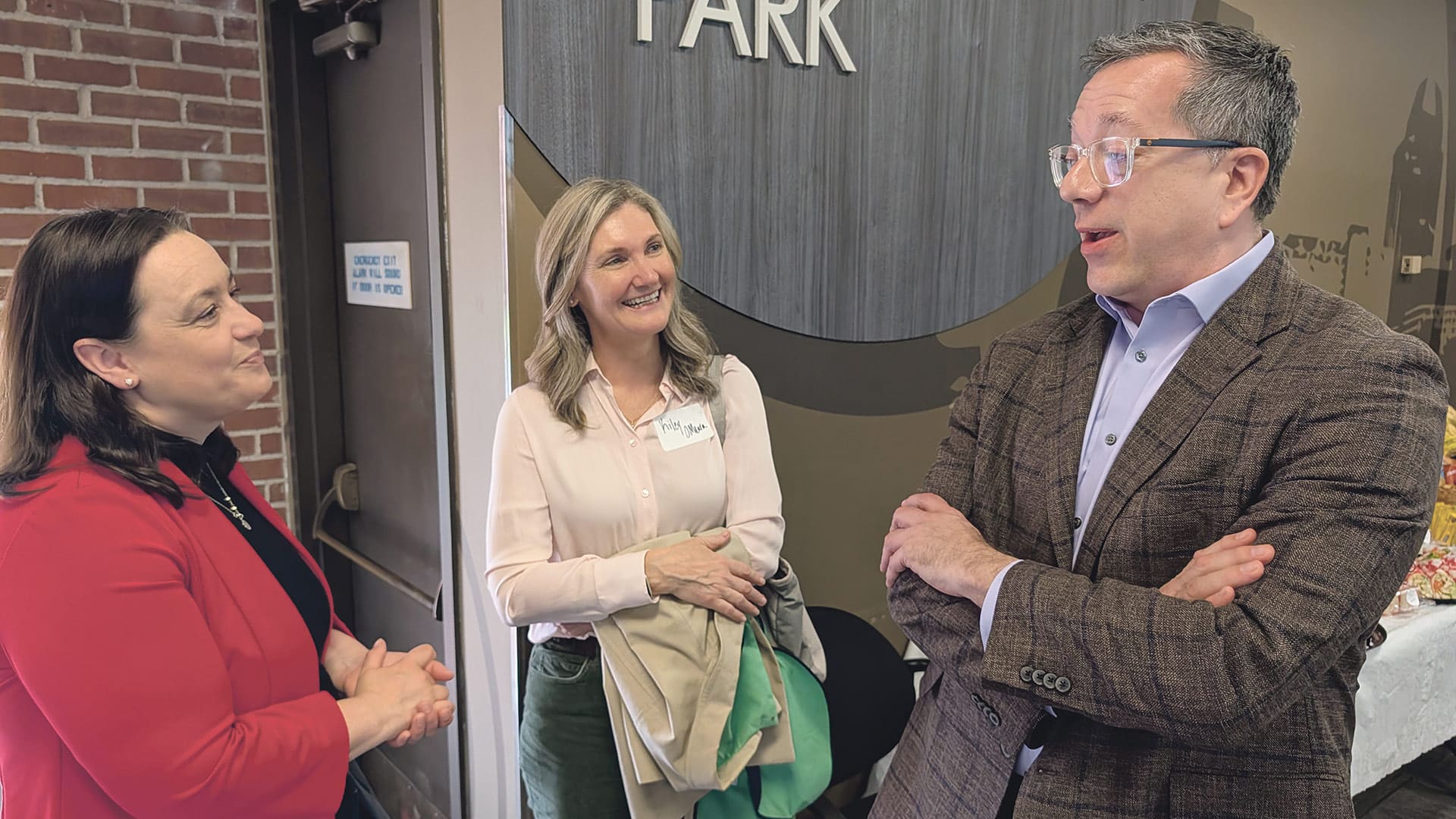
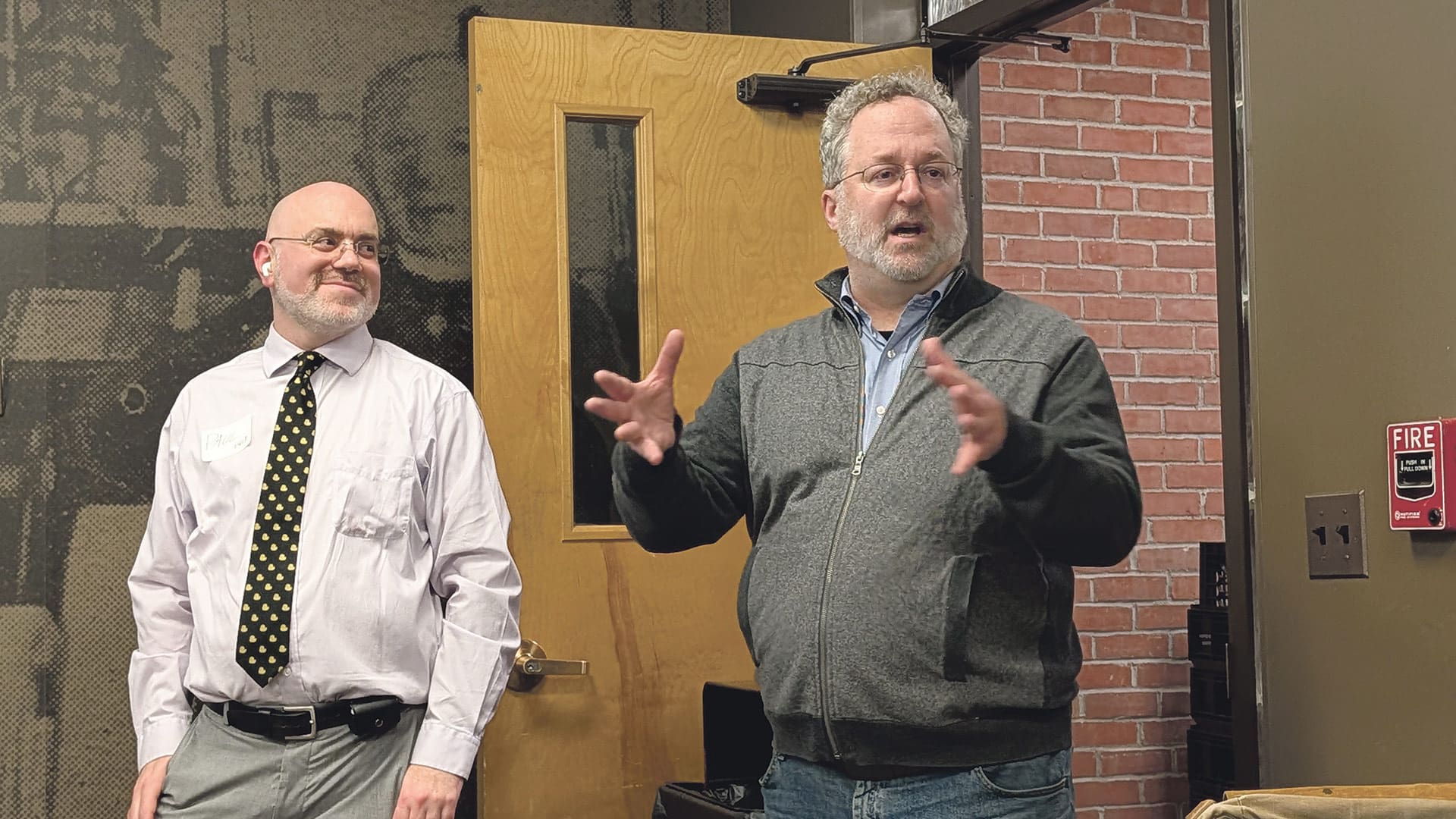
The inaugural edition of BusinessWest’s new Strategy+Ai series featured presentations, breakout sessions, and plenty of networking (Staff Photos): 


Healthcare News Special Coverage

Mindful Approach

Lois Nesci says Gándara Center has its finger on the pulse of where regional mental health needs exist, and strives to meet them through a broad array of programs.

Lois Nesci says Gándara Center has its finger on the pulse of where regional mental health needs exist, and strives to meet them through a broad array of programs.


When Shelley Zimmerman arrived at MiraVista Behavioral Health Center in Holyoke in 2023, the facility had 56 inpatient adult beds.

Now, with the opening of 10 new beds only a few weeks ago, there are 98 in all, including 16 for adolescents.

“We’re planning for more in the future,” said Zimmerman, MiraVista’s hospital administrator. “Of those 98 beds, I’m running 95% full every single day. We’re full all the time.”

The reason is simple. “Across the region, we’re seeing sustained demand outpacing inpatient behavioral health capacity, particularly for high-acuity or dual-diagnosed patients. So length of stays are being extended due to that. And emergency departments are kind of a bottleneck. My background is as an emergency room nurse, so I understand what that’s like for patients and for the hospital system; it reinforces the need to expand beds.”

Larger behavioral health organizations are seeing similar needs and responding accordingly. Lois Nesci, CEO of Springfield-based Gándara Mental Health Center, recently spoke with BusinessWest about that growing health system, which now boasts 70 different locations with 1,100 staff serving 18,000 people statewide.

“We look at that all the time — we look at where is the need, do we have the expertise to offer something, where is it in the geographical area, and do we have the capacity?”

“We’re very fortunate to have this kind of presence and the ability to offer services,” she said — and those services are broad. They include:

• Behavioral health, which encompasses a broad array of clinical and substance use services for adults, families, children, and adolescents, including individual and group psychotherapy, diagnostic assessments, and treatment;

• Youth, young adult, and family services, including children’s behavioral health, foster care, and youth and young adult residential ​homes;

• Substance use and recovery, with services include recovery coaching, peer recovery centers, and long-term residential treatment for men, women, and young adults with substance use disorder and co-occurring mental health disorders;

• Community and prevention, including health education programs and initiatives that provide resources and information addressing numerous public health areas while representing the multicultural needs of the region; and

• Intellectual and developmental disability services, which promote the health and well-being of adults with intellectual and developmental disabilities and those with behavioral health and/or substance use disorders.

“We have our finger on the pulse. We know where the needs exist,” Nesci said, noting that some of this is anecdotal data from program participants themselves, while Gándara also works with the state and other entities to determine where the gaps are, and strive to fill them.

SHELLEY ZIMMERMAN

Shelley Zimmerman

“Across the region, we’re seeing sustained demand outpacing inpatient behavioral health capacity, particularly for high-acuity or dual-diagnosed patients.”

“We look at that all the time — we look at where is the need, do we have the expertise to offer something, where is it in the geographical area, and do we have the capacity?”

Take the organization’s residential recovery services, which include seven transitional homes across the state, soon to be eight with one coming online in South Hadley.

“The homes are designed to help individuals who are getting ready to transition into the community to have a place to live, be able to secure employment and housing, and maintain their sobriety before they move back into the community,” Nesci said.

Cutchins Programs for Children and Families in Northampton is another regional mental health organization evolving with growing need. It recently held a ribbon-cutting ceremony to celebrate the opening of the first floor of its Children’s Clinic, an expansion that increases access to outpatient mental healthcare for children and families in Western Mass.

Meanwhile, Springfield-based Behavioral Health Network (BHN) continues to add programs to meet growing needs. For example, in January, it launched a Family-based Intensive Treatment (FIT) program, which expands the organization’s commitment to delivering behavioral healthcare to children, youth, and families through a community-centered approach.

The FIT program helps families in crisis to stabilize by providing intensive, home-based support. Each family is supported by a dedicated team that provides clinical support, 24/7 availability, and peer support from someone with lived experience. The team teaches practical skills to help children thrive at home and connects families with community resources for long-term success.

MICHELLE MICHAELIAN

Michelle Michaelian

“FIT expands the continuum of care within BHN’s child and family programs, ensuring families receive intensive, home-based support when they need it most. These programs reflect our commitment to building stronger, healthier communities.”

“FIT expands the continuum of care within BHN’s child and family programs, ensuring families receive intensive, home-based support when they need it most,” said Michelle Michaelian, senior vice president of Child and Family Community-Based Programs. “These programs reflect our commitment to building stronger, healthier communities.”


On the Front Lines

At MiraVista, Zimmerman said, services for adults and adolescents range from inpatient psychiatric treatment to outpatient substance abuse services. Its direct admission model allows patients to be admitted directly, often from outpatient resources and community mental health crisis centers.

“It eliminates some of that bottlenecking that I mentioned that happens in the emergency room. It reduces delays, and it lowers stress for patients and families,” she explained. “We’re the subject matter experts, essentially. When patients come to us for care, they experience care that’s therapeutic and patient-centered. An ER is a very difficult place for someone in a mental health crisis.”

But to provide that care effectively, organizations need to provide appropriate levels of staffing, and that can be a hurdle. Zimmerman understands the challenges of being a behavioral health nurse, but she also touts the personal rewards.

“It’s very gratifying to help someone go from their very lowest to stable and able to function and be part of society again,” she told BusinessWest, adding that there’s an intuitive quality that comes into play when diagnosing and treating this population — one that people at home don’t really have.

“We understand if someone has a cardiac issue; we understand if someone has diabetes; we don’t seem to understand mental health,” she said. “It takes intuition, it takes compassion, it takes care to help these patients, and an understanding of mental health and what that looks like. So they come in at their worst, at their lowest, and then you get to support them, lift them up, and help get them back so that they can function and integrate with their families, with their jobs, with their lives.”

One of the biggest challenges of the job is being able to handle both physical and mental wellness, as many patients have co-morbid conditions, Zimmerman added. Meanwhile, the reasons professionals choose this path vary.

“A lot of times, folks are drawn to this aspect of nursing because they have a family member that suffered with mental health, or they have a loved one that tried to commit suicide, or a friend.”

And adolescents are dealing with more pressures today than in years past because of how technology and social media have turned peer pressure and bullying into a 24/7 experience.

“Kids don’t know how to handle that. And it can be very upsetting for a parent if a child is starting to become reclusive, maybe not eating as much, doesn’t want to go to school because there’s cyberbullying stuff that’s going on, the social media stuff. We help our staff understand what those things are, how they impact our patients, and then how they can help our patients.”

For both adults and young people, she added, there remains some stigma around seeking mental healthcare, though conversations are more open and frequent than they were decades ago.

“People are hesitant to tell their jobs if they need time off to seek treatment. And they’re hesitant to seek that treatment, whether it’s for addiction services or mental health,” Zimmerman said. “I think it’s getting better, but there’s a lot of opportunity for more global understanding of how mental health affects your total person. I tell our team here all the time, ‘mental health doesn’t discriminate, and neither do we.’ And by that I mean, it can be your neighbor, it can be your pastor, it can be your grandma, it can be a famous athlete, it can be your mother, it can be anybody. It could be you.”

“It’s very gratifying to help someone go from their very lowest to stable and able to function and be part of society again.”

Nesci also said she has seen more willingness from people to either self-identify or say a family member needs help.

“People who know that I work in this industry often ask me, ‘how can I help my friend, my nephew, my niece, my sister, my brother?’ So people talk about it. Years ago, it was never spoken of. I think we’ve come a really long way.

“At the same time, there’s a lot of bias that still exists because people make judgments about the people we serve — the way they look, the way they dress, the language they speak, whether they’re employed, all that stuff,” she added. “So we still have a long way to go.”


Changing Lives

As it approaches its 50th anniversary next year, Gándara continues to add programs and services where it sees a need. For instance, a few years ago, it invested in transcranial magnetic stimulation (TMS), a non-traditional method of managing depression for patients who have not been successful with other modalities.

“Substance use is another big need,” Nesci said. “More and more people are identifying as having that as a major issue or stressor in their lives. So we need people where they’re at, which is why we’re providing recovery coaching services to people in the community.”

As Zimmerman noted earlier, a lot of this capacity building comes down to staffing. “Staff is our greatest resource — without staff, we can’t provide the services,” Nesci added. “So I have a great team that is focused on hiring and retaining people.”

In the end, meeting these critical needs in the community, especially at a time of such demand, is challenging work to be sure, but can also be tremendously rewarding.

“I believe that people have the ability to change behavior, and I have a team that believes the same thing,” Nesci said. “That’s what I find most gratifying — when we hear the stories of people who have gone through our program. That’s really heartwarming.”

Community Spotlight Special Coverage

Community Spotlight

Jeff Bagg says Amherst is well-stocked with assets as it goes about competing with other area communities for the dollars spent by visitors.

Jeff Bagg says Amherst is well-stocked with assets as it goes about competing with other area communities for the dollars spent by visitors.

Jeff Bagg says he’s come full circle. Sort of.

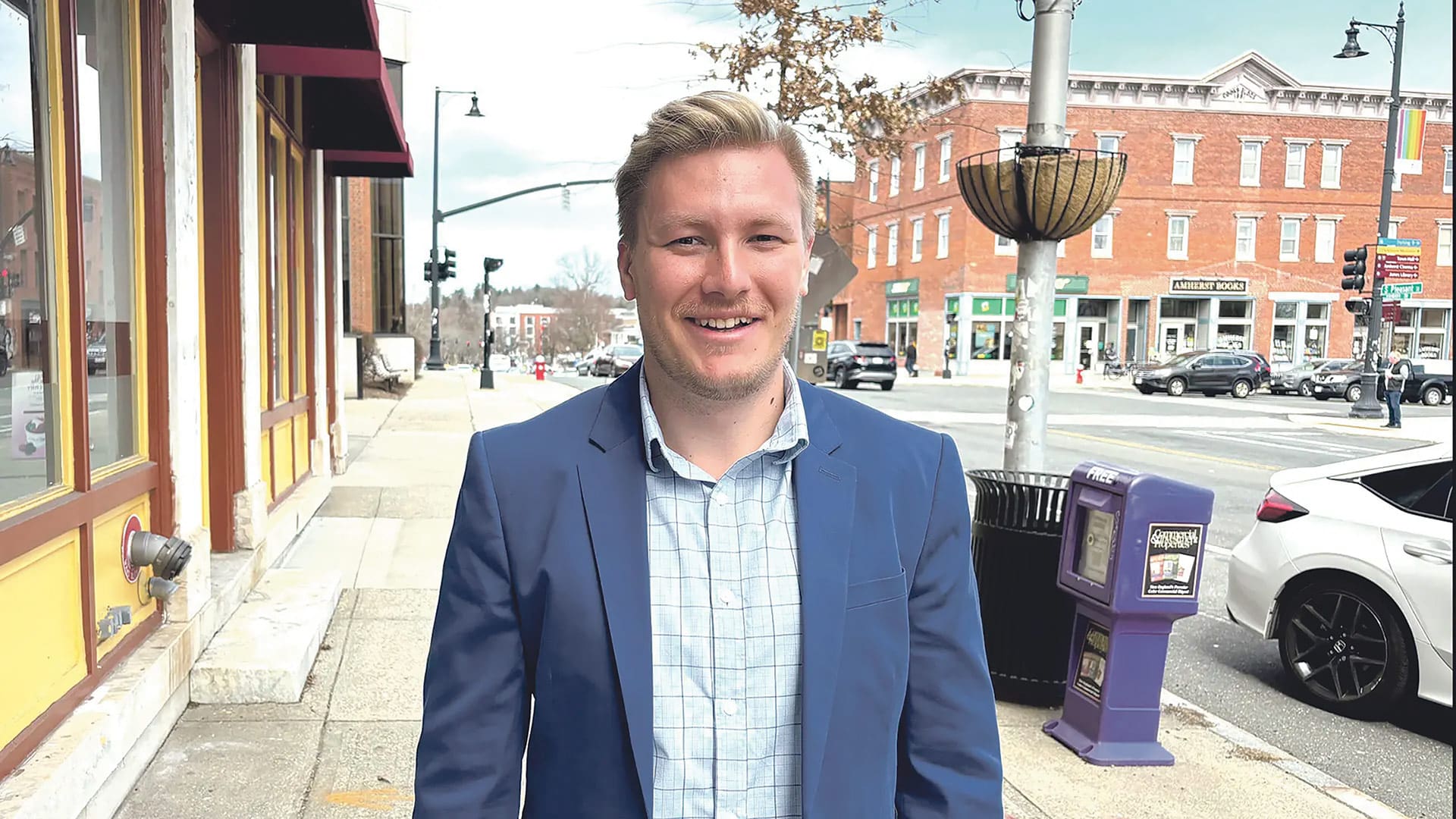
He graduated from UMass Amherst back in 2002 and then worked for the town of Amherst as senior planner from 2008 to 2016. But now, after gaining different types of experience in various settings, he’s back in Town Hall, serving as director of Planning & Economic Development, a melding of two roles.

He started in December and has spent the past four months getting reacquainted with a community that is in a seemingly constant state of motion, but with challenges and opportunities that have been present for decades.

“I knew a lot about the town of Amherst, but it had been 10 years since I last worked there, so there was a learning curve,” said Bagg, who is involved in several initiatives at present, from a project to set new design standards for the downtown to a study of the East Amherst area with an eye toward creating core commercial development opportunities, to the collection of data to be used in creation of the town’s first economic development plan in several years.

“What we have available is pre-pandemic, and there have been really big shifts in the way people spend their money,” he said of that last initiative. “Knowing that businesses need a strong customer base and foot traffic, we really need to figure out ways to bring more residents out and visitors in, and the data drives a lot of that.”

“Knowing that businesses need a strong customer base and foot traffic, we really need to figure out ways to bring more residents out and visitors in, and the data drives a lot of that.”

These are just some of the many converging storylines in Amherst, a community that those we spoke with said is a college town, but so much more. Others include:

• Amherst Area Chamber of Commerce, which continues to grow membership and become ever more diverse — Executive Director Jacob Robinson said the chamber added 57 new members in 2025, roughly double the number welcomed in 2023 and the years prior — and build new events into the schedule, including a revitalized business expo;

• A Business Improvement District (BID) that is working with the chamber and individual businesses to make the community a true destination year round;

• The ongoing success story that is the Drake, a downtown live-performance venue that is planning 200 nights of performances for 2026 involving 500 artists from both the 413 and around the globe and more than 33,000 audience members, many of whom will support other hospitality-related businesses before and after those shows;

• The ongoing saga of Hampshire College, which has been fighting for survival in recent years amid declining enrollment and continuing fiscal hardship. That fight took a new twist recently when the New England Commission of Higher Education announced late last month that it will require the school to show cause in June as to why it shouldn’t be placed on probation or have its accreditation withdrawn over concerns the college may no longer be meeting the organization’s institutional resources standard; and

• Continued evolution of the community’s downtown, including several new businesses, the owners of which told BusinessWest there is a rhythm to the downtown, one dictated by the calendar, which takes some getting used to (much more on this later).

For this latest installment of its Community Spotlight series, we take an in-depth look at one of the more intriguing communities in the region — one marked by learning of all types.


Developing Story

Bagg brings a diverse résumé to his new position in Amherst. Indeed, after his stint as senior planner there, he served as project manager for the Central Massachusetts Regional Planning Commission before beginning what would become a six-year stint as director of Planning and Economic Development in Easthampton and then serving as senior planner for the BSC Group in Worcester.

He described his new role as a “good fit” and an opportunity to return to the public sector — in a community where change is a constant.

“I’ve been working in many different communities in Massachusetts, and more and more towns have increased their efforts to attract visitors; it’s an intense competition for people’s time and limited disposable income.”

Like others we spoke with, he said Amherst has both a number of assets and … let’s call them liabilities.

In that first category, he started with the obvious, the three colleges that provide the community with its distinct flavor — Amherst College, UMass Amherst, and Hampshire College — but also its many cultural attractions, ranging from the Emily Dickinson Museum and the Eric Carle Museum to the Drake and Amherst Cinema, which make it more than your typical college down.

John Page says downtown Amherst is in a seemingly constant state of change and is always welcoming new businesses.

John Page says downtown Amherst is in a seemingly constant state of change and is always welcoming new businesses.

On the downside, this can be a difficult town to do business in, and Bagg acknowledged this with a comment intended to be diplomatic.

“We have a very engaged community, but there is some lack of agreement on where new growth should happen. Amherst struggles with its vision for the future and an identity that we can get most people to agree to,” he said, adding that town officials are making it a priority to make it easier to do business in town, such as with the hiring of a permit administrator to facilitate the process of setting up shop there.

Which brings him back to the economic development plan, and the collection of data that will help drive it.

“What we don’t have a good handle on is where people are spending their money — we don’t know where residents are spending their money, we don’t know where visitors spend their money when they come here, and how all that relates to demographics — population changes, the age of people coming and going, those are factors for what’s going to drive new businesses in Amherst, and we don’t really have a handle on that.

“I’ve been working in many different communities in Massachusetts, and more and more towns have increased their efforts to attract visitors; it’s an intense competition for people’s time and limited disposable income,” he went on, adding that this competition is one of myriad factors that will go into the development of an economic development plan over the next year or so.

Overall, the community is well-suited to succeed in this competition to attract visitors, said John Page, executive director of the Amherst BID, adding that there is already plenty to do in town — such as the recent Fire and Ice Winter Festival, which drew more than 2,000 people — and plans to provide more good reasons to make the trip.

That list includes the Amherst Literary Walk on April 11, a day of literary events throughout the downtown, including readings, workshops, literary trivia, and more, said Page, adding that one of the BID’s broad goals is to get people out and have them experience Amherst.

Another is to help bring new businesses to town and create an environment that will enable them to succeed year-round. Like others we spoke with, Page said Amherst has some unique assets, but especially the colleges and the people who go there to learn and to work.

“We have to keep showing up for these businesses that give this place its identity. These are not just storefronts — they create jobs, they build relationships, and they shape the character of the community.”

“There is this youthfulness,” he said, speaking to the environment created by the melding of the higher learning institutions and the omnipresent arts and culture. “You’ve got bands, you have artists of all ages, and a college town both because of the students and the faculty. There’s this appreciation for arts and culture — we have a lot of museums and a lot of live music going on, and that goes hand-in-hand with a college community, and that helps us out even when the students aren’t here because that reputation is great in the summer, when we want to invite other people to join us from across Massachusetts, across New England, and across the world.”

Robinson agreed, noting that the chamber is committed to promoting and supporting the downtown, but other ‘villages’ in the community as well, such as the Mill District in North Amherst and the South Amherst section of town.

“We have to keep showing up for these businesses that give this place its identity,” he said, summing up the chamber’s mission. “These are not just storefronts — they create jobs, they build relationships, and they shape the character of the community.”


What’s in Store

As she spoke with BusinessWest, Becky Guyer was gearing up for Easter, but also a very busy three-month stretch that includes Mother’s Day, college and high school graduations, some weddings, and other events that require flowers.

She can speak from experience about what this time means for her Floral Affairs shop in downtown Greenfield. But the one she opened last July on North Pleasant Street in Amherst … not so much.

Indeed, Guyer said she is still experiencing a learning curve when it comes to doing business in downtown Amherst. She was invited to look at the North Pleasant location, long a flower shop, at the behest of the building’s owner, who thought she might be interested in opening a second location there.

Amherst at a Glance

Year Incorporated: 1759
Population: 39,263
Area: 27.7 square miles
County: Hampshire
Residential Tax Rate: $16.91
Commercial Tax Rate: $16.91
Median Household Income: $48,059
Median Family Income: $96,005
Type of Government: Town Council, Town Manager
Largest Employers: UMass Amherst; Amherst College; Hampshire College
* Latest information available

After some due diligence, she determined that she was.

“I thought that this could be a good opportunity — this is a college town, there are some venues in town, some that we already do weddings with, as well as UMass events and Amherst College events,” she said, adding that the location was also across the street from a funeral home, which, in the floral world, is a real benefit.

“There were a lot of positives,” she went on, adding that the storefront, which had to be completely gutted, wasn’t one of them. But she moved forward with confidence, has found the move worthwhile, and has high praise for the chamber and the BID. But there has been a learning curve as she adapts to life in a college town.

“When the college kids leave … it was the worst Christmas I’ve ever seen in my life — so much so that it’s made us completely restructure our game plan,” she told BusinessWest. “I don’t necessarily have a designer in Amherst — it’s meant for convenience; all orders get run out of Greenfield, and we’ve made this location more of a convenience store.”

Overall, the downtown Amherst location is a work in progress, she said, adding that she is learning the cadence, if you will, of this college town, and the nuances of the calendar. Christmas was a letdown, and she’s not sure what to expect this summer, but she is optimistic about the upcoming few months and what they could bring, and the location itself.

“The walk-up traffic is fantastic — there’s a young, growing community there that comes in quite a bit,” she said. “There are a lot of $10, $15, and $20 sales, which is great.”

Andrea Marion is also getting used to the rhythm of Amherst’s downtown. She moved the Closet from a location in the Mill District to a storefront (a former restaurant) on Main Street last fall. She enjoyed the Mill District atmosphere but said there is more foot traffic in the downtown, and that suits her operation.

She described her business as a “curated resale boutique,” and herself as a “fashion concierge.”

“I hand-pick every piece that comes into the store — I don’t do consignment, generally, and I try to make sure I have something for everyone … I sell for all genders and all sizes,” said Marion, a nonprofit manager before she went into business for herself, adding that, while many items would be described as high-end (Fendi, Givenchy, and Prada handbags, for example), she has items at all price points.

Like Guyer, Marion said it takes some time to get used to the patterns of the downtown, especially when it comes to the students’ schedules, but overall, she says the area is becoming ever more vibrant and remains a good place to do business.

“There’s a lot of energy and activity,” she said, adding that she is accessible to more people now, which has broadened the customer base and made it more diverse, especially age-wise. “Amherst’s downtown has so much potential, and I’m really happy to be here.”