Home Posts tagged Alzheimer’s
Health Care Healthcare News

Reasons for Hope

Compared to a decade ago, there are substantially more drugs (a 35% increase) being tested for Alzheimer’s disease in more clinical trials (a 40% increase), targeting a greater number of aspects of the disease, according to a new analysis of Alzheimer’s disease drug development as reflected in clinical trials registered on clinicaltrials.gov.

“The current drug development pipeline provides the basis for optimism regarding the emergence of new therapies for patients with Alzheimer’s. There are a robust number of trials, and agents in trials target a variety of disease processes,” said Dr. Jeffrey Cummings, Joy Chambers-Grundy professor of Brain Science in the Department of Brain Health at the University of Nevada, Las Vegas, and lead author of the paper. “This reflects our improved understanding of the biology of Alzheimer’s and the success of developing disease targeted therapies — starting with the anti-amyloid monoclonal antibodies.

“Alzheimer’s is no longer an untreatable disease. It is now a disease with treatments that successfully interfere in the disease process,” Cummings added. “Progress is also evident in clinical trial design, integration of biomarkers into trials, and emergence of promising candidate therapies. Biomarkers are increasingly used for trial eligibility as well as being integrated as trial outcomes.”

“Alzheimer’s Disease Drug Development Pipeline: 2026” was recently published by Alzheimer’s and Dementia: Translational Research & Clinical Interventions, a journal of the Alzheimer’s Assoc. Cummings and colleagues’ annual review of the Alzheimer’s drug development pipeline began in 2016.

Dr. Jeffrey Cummings

“Alzheimer’s is no longer an untreatable disease. It is now a disease with treatments that successfully interfere in the disease process.”

Looking at the most active areas of drug development revealed that the Alzheimer’s drug pipeline has become significantly more diverse. For example, over the last 10 years, the percentage of the pipeline devoted to:

• Inflammation/immune dysfunction has increased from 6% to approximately 20%.

• Tau targeted agents have increased from 6% to approximately 20%.

• Amyloid targeted agents have decreased from 33% to approximately 20%.

“It is clear that Alzheimer’s is a complex disease with many contributing elements,” Cummings said. “Inflammation is consistently present in the brain of Alzheimer’s patients, and reducing the inflammatory response promises to slow the disease process. Researchers are seeking ways to complement the anti-amyloid therapies, and there are proportionately fewer amyloid drugs in the pipeline.”

The researchers identified 192 clinical trials for Alzheimer’s, assessing 158 drugs. This included 54 trials assessing 36 drugs in phase 3, 89 trials assessing 84 drugs in phase 2, and 49 trials assessing 45 drugs in phase 1. The 192 clinical trials and 158 novel agents in 2026 expand on the 182 clinical trials assessing 138 drugs in the 2025 pipeline.

Disease-targeting therapies (DTTs) account for 73% of agents in trials. Cognition-enhancing symptom-targeted therapies contribute 18%, and drugs targeting neuropsychiatric symptoms comprise 10%.

Furthermore, 2026 may be an exciting and busy year for Alzheimer’s drug news as eight phase 3 trials will reach their
primary completion date, and 29 phase 2 clinical trials will be completed.

Not only are there more drugs and more trials, but a varied and comprehensive array of Alzheimer’s disease processes is being addressed by investigational drugs. The researchers identified 17 aspects of Alzheimer’s impact on the brain that are targeted by at least one drug in current clinical trials.

Repurposed agents approved for non-Alzheimer’s indications include 56 drugs and 73 currently active trials. Repurposing plays an important role in Alzheimer’s drug development, and repurposed agents comprise almost half of phase 2 drugs. The benefits of investigating drugs that are already approved for other indications include significantly reduced development time, lower development costs, higher probability of success, and a well-known safety profile.

Addressing an Unmet Need

“While the current FDA-approved treatments for early Alzheimer’s are a game-changing breakthrough, there is still a great, unmet need for drug development to address the needs of the growing population of individuals with Alzheimer’s in all communities and across all stages of the disease,” said Maria Carrillo, chief science officer and medical affairs lead for the Alzheimer’s Assoc.

For example, according to the Alzheimer’s & Dementia paper, there are no DTTs approved for pre-clinical Alzheimer’s disease or for moderate to severe Alzheimer’s dementia; no new classes of cognition-enhancing agents have been approved since 2004; and there are no approved treatments for symptoms such as Alzheimer’s-related psychosis, depression, or apathy.

Maria Carrillo

“Compounds for people who show early biological signs of Alzheimer’s but have no detectable clinical symptoms are now in clinical trials. If these studies are positive, that could quickly change how the disease is managed.”

The Alzheimer’s Assoc., through its Part the Cloud program, is advancing Alzheimer’s treatments by providing critical funding for early-phase clinical trials that bridge the gap between laboratory research and final-stage human trials. Part the Cloud has funded 83 research projects with more than $90 million to support diverse, high-risk, high-reward approaches aimed at stopping or slowing the disease.

Recently, Part the Cloud announced more than $11 million in new investments, focusing on tauopathy therapeutics, improving synaptic connectivity, and combination therapies. The association funds studies on neuroinflammation, metabolism, and immune response to target the disease from multiple angles.

Alzheimer’s Network for Treatment and Diagnostics (ALZ-NET) is a voluntary, nationwide network sponsored by the Alzheimer’s Assoc. that collects real-world clinical, safety, and imaging data from patients receiving new FDA-approved Alzheimer’s therapies. It aims to improve treatment, monitor long-term outcomes, and enhance care. ALZ-NET is enrolling clinical sites across the country.

Meanwhile, the Alzheimer’s Assoc. is leading a pivotal shift in early detection and treatment of Alzheimer’s disease, from responding to symptoms after they appear to identifying risk of cognitive decline, quick and accurate diagnosis, and much earlier intervention.

“Treatments that slow progression of early Alzheimer’s and offer meaningful benefits have been approved by the FDA and other agencies around the world,” Carrillo said. “At the same time, compounds for people who show early biological signs of Alzheimer’s but have no detectable clinical symptoms are now in clinical trials. If these studies are positive, that could quickly change how the disease is managed.

“Plus, we are at a turning point in what we know about brain health,” she added. “The results from the Alzheimer’s Association U.S. POINTER trial demonstrate with confidence that engaging in a structured, multi-component healthy lifestyle program can protect brain health and improve cognition for many people at risk for dementia in the U.S.”

Continued Investment

The growth of the Alzheimer’s drug development pipeline reflects the impact of sustained federal investment in Alzheimer’s and dementia research at the National Institutes of Health (NIH), which the Alzheimer’s Assoc. has championed alongside bipartisan leaders in Congress.

To continue the scientific momentum reflected in this year’s pipeline, the association is working to secure the NIH director’s professional judgment budget request of a $187.21 million increase for Alzheimer’s and dementia research at NIH in FY 2027. 
Features Healthcare News Special Coverage

Overcoming the Stigma

When Michele Anstett recently attended an Alzheimer’s Assoc. leadership luncheon called the Power of Now, speakers talked about how so many people with dementia are not identified as such because of a persistent fear of talking to a doctor — or even family members — and the general stigma that exists around those discussions.

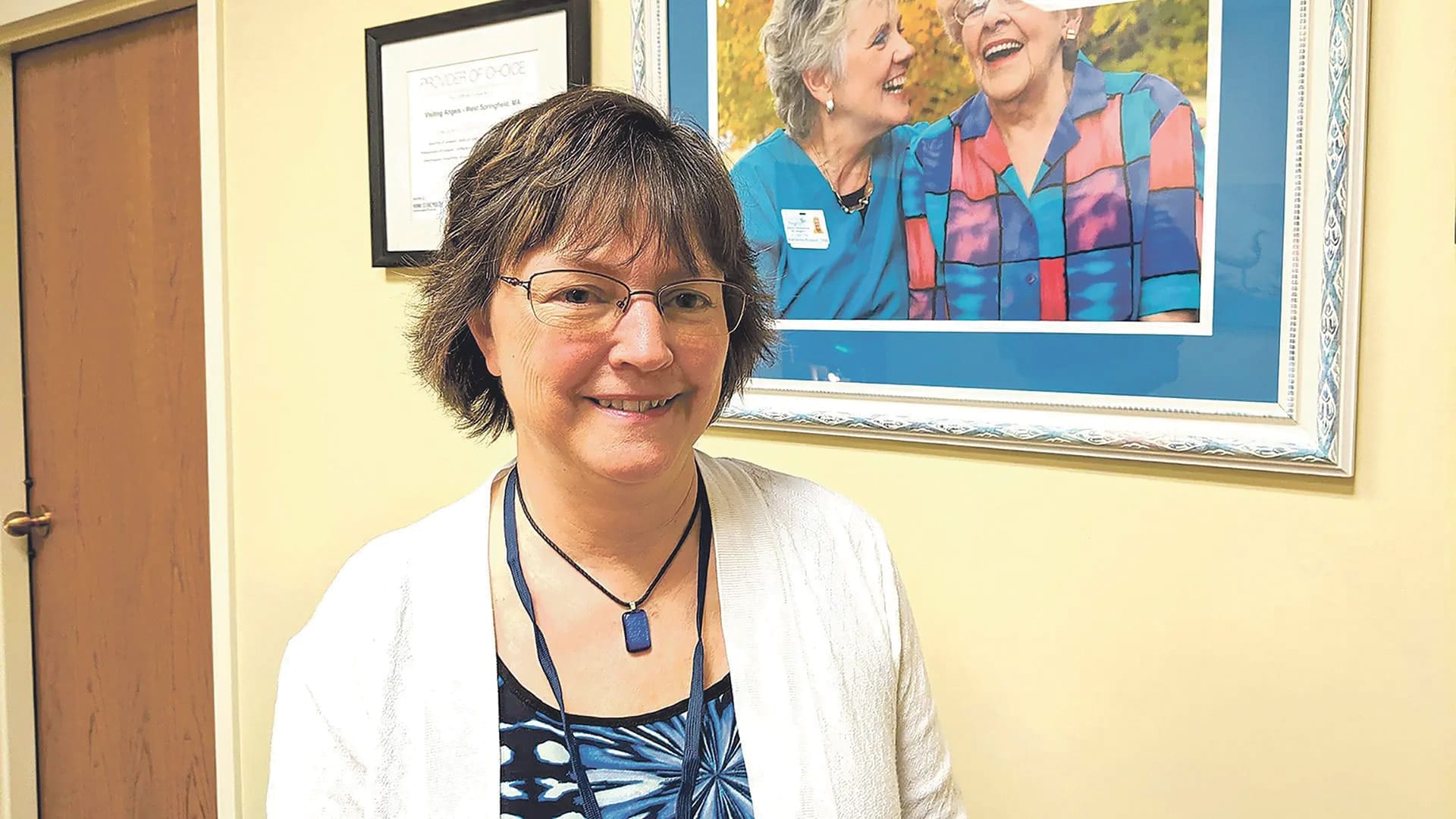
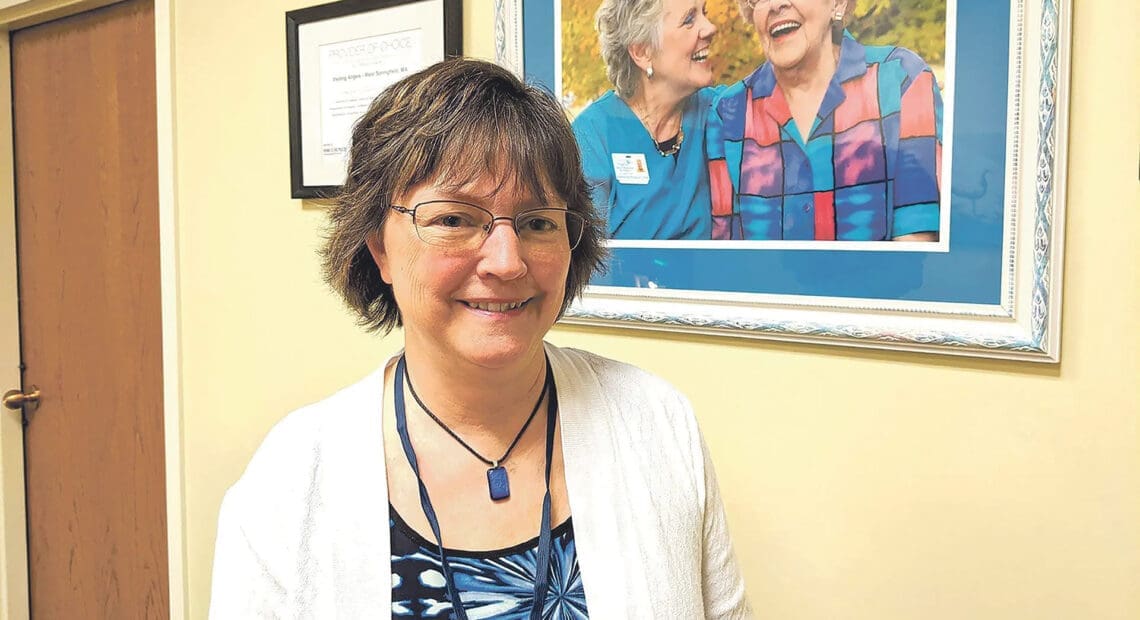
It all hit home for Anstett, president of the home care agency Visiting Angels West Springfield, because her father, who lived in Florida and had dementia, recently passed.

“They talked about how people with Alzheimer’s hide it. And that’s exactly what my father did. But I knew. I tried to get him some help. He wouldn’t do it,” she said. “When you’re older, and you’re afraid of losing your independence, when your memory is going, a lot of people are going to try to stuff it away and be the same person they’ve always been.

“They’re scared of losing their independence, that their family members may find out and just stuff them away somewhere, and they’re afraid of losing their entire mind and not being able to recognize people. They’re scared to death.”

“It was frustrating for me, watching him go through each stage, and yet he still wasn’t fessing up to anybody. Even the VA didn’t know he had dementia. I got him to do the very first test, and they said there’s a probability of a memory issue, and we were supposed to go to a neurologist. But he knew, and he wouldn’t go any further because it would be like opening Pandora’s box.”

Mary-Anne Schelb, regional director of JGS Lifecare in Longmeadow, has encountered this reluctance to talk about dementia on numerous occasions.

“One family comes to mind immediately. Their father had passed away a few months earlier, and what they later realized was that he had quietly been compensating for their mother’s cognitive decline for quite some time. Once he was gone, the cracks began to show — but not right away,” she recalled.

The woman was living alone, and on the surface, everything appeared fine, Schelb said; the family visited weekly, prepared meals for her refrigerator, filled her pill boxes, and checked in by phone. Their mother was always well-dressed and could hold a pleasant conversation.

“To them, she seemed independent — until she wasn’t,” Schelb continued, explaining that a urinary tract infection — and resulting hospitalization — left her weak, dehydrated, confused, and no longer functioning at her baseline, and it eventually became clear she likely needed a secure memory-care setting. But even the family resisted that recommendation.

That is, until they learned from a neighbor that their mom had been feeding stray cats with the meals the family prepared, watering her plants instead of drinking enough fluids herself, and had a shoebox overflowing with untouched medications.

Mary-Anne Schelb

“We helped them understand that mom was not being difficult or stubborn intentionally. Her brain was changing.”

Today, she lives within the secure memory-care neighborhood at Ruth’s House Assisted Living at JGS Lifecare, and the family often visits. “They tell us they have never seen her happier. She participates in activities, engages socially, laughs, and has meaningful friendships. In many ways, she regained a quality of life the family did not even realize she had lost.”

They also expressed gratitude that the team there took the time to educate them — not only about memory care itself, but about dementia as a disease process, Schelb said. “We helped them understand that mom was not being difficult or stubborn intentionally. Her brain was changing.”

And that gets to the heart of what people with emerging dementia — and their families — fear when they’re avoiding those tough conversations.

“They’re scared of losing their independence, that their family members may find out and just stuff them away somewhere,” Anstett said. “And they’re afraid of losing their entire mind and not being able to recognize people. They’re scared to death.”

Accepting the Truth

For many families, the signs of dementia do not appear all at once. They emerge quietly — missed medications, forgotten meals, confusion disguised as normal aging, or subtle changes hidden behind familiar routines. Often, families are doing everything they can to support a loved one while still hoping life can continue as it always has.

“Accepting that a loved one has dementia can be one of the most emotional and difficult experiences a family will ever face,” said Kathy Walker, executive director of Ruth’s House Assisted Living. “Frequently, families are trying to balance what they are seeing with the hope that things have not truly changed. Many families wait until they are emotionally or physically exhausted before seeking outside support, and by that point, they are often carrying tremendous stress and uncertainty.”

When they seek help, Walker explained, many families initially focus on traditional assisted living rather than a memory support neighborhood because they are trying to preserve a sense of normalcy for as long as possible.

“There is often fear surrounding memory care because families are unsure what it will look like for their loved one. Part of our role is helping families understand that memory care is not about limiting independence — it is about supporting quality of life in a safe and meaningful way,” she said. “A large part of our role is helping families recognize the cognitive changes their loved one is experiencing while also educating them on how the right environment can do far more than simply keep someone safe — it can help them truly thrive.”

Families often struggle to accept these recommendations, said Stacy Kenworthy, Admissions director of the Jewish Nursing Home at JGS Lifecare — but that’s understandable.

“Dementia is complicated and deeply emotional. Families are often processing grief, denial, fear, and exhaustion all at once,” she explained. “Sometimes families become upset when we recommend a secure unit. Occasionally they tell us they no longer want admission. But many times, after speaking with other facilities or after difficult experiences elsewhere, they come back and realize we were trying to guide them toward the level of care their loved one truly needed.”

Kenworthy added that families sometimes think a secure memory care setting means someone is being restricted, when in reality it is about protection, supervision, and specialized support.

“Memory care units have higher staffing ratios, specialized programming, and activities designed specifically for residents living with cognitive impairment. These environments are created to reduce confusion, anxiety, wandering risks, and unsafe situations.”

Schelb said the team at JGS Lifecare understands families’ concerns and anxieties, and even empathizes with them.

“Families need patience, understanding, and grace — especially for themselves,” she told BusinessWest. “Almost every family experiences guilt. They say things like, ‘we should have known,’ or ‘how did we miss the signs?’ Sometimes siblings blame one another. One child may live closer and feel responsible, while another wonders why something wasn’t noticed sooner.

“But the truth is, families are not healthcare professionals,” she went on. “Dementia can be incredibly subtle in the beginning. Many individuals become experts at masking symptoms. A parent may still appear polished, conversational, and independent in public while internally struggling with confusion, medication management, nutrition, or safety concerns.”

Schelb noted that families also don’t always realize how much routine and muscle memory can compensate for cognitive decline. Someone may function well within the familiarity of their own home because they have repeated the same routines for years. But when they are suddenly hospitalized or moved into a rehabilitation setting, that familiarity disappears, which is often when families first witness behaviors such as increased confusion and wandering.

“We also spend time educating families about sundowning, which can be difficult to recognize if visits typically happen earlier in the day,” she said. “Many families tell us, ‘mom just gets tired early,’ without realizing that increased confusion, anxiety, agitation, or restlessness later in the afternoon and evening can be very common in individuals living with dementia.”

But importantly, she added, “we spend a great deal of time reassuring families that they should not blame themselves.”

Let’s Talk

The Alzheimer’s Assoc. luncheon got Anstett thinking about breast cancer 20 or more years ago, and how far that topic has come.

“I remember when nobody talked about breast cancer. Everyone was hush-hush about it,” she recalled. “And then suddenly, awareness was brought out, and the benefits of being aware and getting checked. Lives were saved, and that stigma was erased. Now, people want to make sure they get that diagnosis immediately while they can do something about it.

“That’s where we need to be with dementia. People now are afraid to get the diagnosis,” she went on, and one of the reasons is an image they have of what a memory care unit looks and feels like — not realizing that the model has come a long way, and there are many more options for care than there used to be.

“There are so many opportunities to keep this at bay and then, maybe in our lifetime, eradicate it,” she said, and in the meantime, it’s going to take a lot of people working together to create a climate in which people seek help earlier and wind up with longer life and better quality of life — not only for themselves, but for their family members.

Kathy Walker

“Frequently, families are trying to balance what they are seeing with the hope that things have not truly changed. Many families wait until they are emotionally or physically exhausted before seeking outside support, and by that point, they are often carrying tremendous stress and uncertainty.”

One of the luncheon speakers, Anstett recalled, was a man in his 50s who wound up with an early dementia diagnosis.

“He was telling us he’s going to fight this thing. He’s going to do every single thing he can do. I love his attitude. So, how can we switch the mindset? How can we do some kind of publicity campaign to say, ‘hey, we see you, we get you are scared to death. However, it is a better solution to tackle it head on right away.’”

After all, she added, “breast cancer was considered a death sentence, and now, how many people survive because women don’t hide it and disappear?”

As the average age of the U.S. population continues to creep up, dementia will only increase in prevalence, barring a cure, Anstett noted. “I don’t believe there’s a person who doesn’t know a person who’s been affected by this.”

And when they seek help? Walker said one of the biggest changes families notice is relief — for both themselves and their loved one.

“Families often tell us they finally feel at peace knowing their loved one is safe, socially engaged, and supported by people who understand dementia care. They are able to step back from the exhausting role of caregiver and return to simply being family again,” she said. “That emotional shift can be incredibly powerful.” 

Senior Planning

Keeping Alzheimer’s at Bay

By the ADEAR Center

As you age, you may have concerns about the increased risk of dementia. You may have questions, too. Are there steps I can take to prevent it? Is there anything I can do to reduce my risk?

There are currently no approaches that have been proven to prevent Alzheimer’s disease and related dementias. However, as with many other diseases, there may be steps you can take to help reduce your risk.


What Are Risk Factors?

A risk factor is something that may increase the chance of developing a disease. Some risk factors can be controlled, while others cannot. For example, a person is not able to control their age, which is the greatest known risk factor for Alzheimer’s and related dementias. Another uncontrollable risk factor is a person’s genes. Genes are structures in our body’s cells that are passed down from a person’s birth parents. Changes in genes — even small changes — can cause diseases.

Race and gender are also factors that influence risk. Research shows that African-Americans, American Indians, and Alaska Natives have the highest rates of dementia, and that risk factors may differ for women and men. Researchers are investigating what’s behind these differences.

However, people do have control over their behavior and lifestyle, which can influence their risk for certain diseases. For example, high blood pressure is a major risk factor for heart disease. Lowering blood pressure with lifestyle changes or medication can help reduce a person’s risk for heart disease and heart attack. This is not to say that people who lower their blood pressure definitely won’t have a heart attack, but it significantly lowers the chances.

For Alzheimer’s and related dementias, no behavior or lifestyle factors have risen to the level of researchers being able to say this will definitely prevent these diseases. But there are promising avenues.


What Do We Know About Reducing Dementia Risk?

The number of older Americans is rising, so the number of people with dementia is predicted to increase. However, some studies have shown that incidence rates of dementia — meaning new cases in a population over a certain period of time — have decreased in some locations, including in the U.S. Based on observational studies, factors such as healthy lifestyle behaviors and higher levels of education may be contributing to such a decline. But the cause and effect are uncertain, and such factors need to be tested in a clinical trial to prove whether they can prevent dementia.

“For Alzheimer’s and related dementias, no behavior or lifestyle factors have risen to the level of researchers being able to say this will definitely prevent these diseases. But there are promising avenues.”

A review of published research evaluated the evidence from clinical trials on behavior and lifestyle changes to prevent or delay Alzheimer’s or age-related cognitive decline. The review found “encouraging but inconclusive” evidence for three types of behavioral changes (also called interventions): physical activity, blood-pressure control, and cognitive training.

The findings mean that interventions in these areas are promising enough that researchers should keep studying them to learn more. Researchers continue to explore these and other interventions to determine whether — and in what amounts or forms — they might prevent dementia.


What Can You Do?

Although there is no effective treatment or proven prevention for Alzheimer’s and related dementias, in general, leading a healthy lifestyle may help address risk factors that have been associated with these diseases.

• Control high blood pressure. High blood pressure, or hypertension, has harmful effects on the heart, blood vessels, and brain, and increases the risk of stroke and vascular dementia. Treating high blood pressure with medication and healthy lifestyle changes, such as exercising and quitting smoking, may help reduce the risk of dementia.

• Manage blood sugar. Higher-than-normal levels of blood sugar, or glucose, can lead to diabetes and may increase the risk of heart disease, stroke, cognitive impairment, and dementia. Making healthy food choices, getting regular exercise, stopping smoking, and checking glucose levels can help manage blood sugar.

• Maintain a healthy weight. Being overweight or obese increases the risk for related health problems such as diabetes and heart disease. Being active and choosing healthy foods can help maintain a healthy weight.

• Eat a healthy diet. Aim for a mix of fruits and vegetables, whole grains, lean meats and seafood, unsaturated fats such as olive oil, and low-fat or non-fat dairy products, while limiting other fats and sugars.

• Keep physically active. Physical activity has many health benefits, such as helping to prevent being overweight and having obesity, heart disease, stroke, and high blood pressure. Aim to get at least 150 minutes of moderate-intensity physical activity each week.

• Stay mentally active. Lots of activities can help keep your mind active, including reading, playing board games, crafting, taking up a new hobby, learning a new skill, working or volunteering, and socializing.

• Stay connected with family and friends. Connecting with people and engaging in social activities can prevent social isolation and loneliness, which are linked to higher risks for cognitive decline and Alzheimer’s disease.

• Treat hearing problems. Hearing loss may affect cognition and dementia risk in older adults and can make it more difficult to interact with others. Protect your ears from loud sounds to help prevent hearing loss, and use hearing aids if needed.

Take care of your mental and physical health. This includes getting your recommended health screenings, managing chronic health issues such as depression or high cholesterol, and regularly checking in with your healthcare provider.

• Sleep well. Sleeping well is important for both your mind and body. Try to get seven to eight hours of sleep each night. Talk with your doctor if you are not getting enough sleep, are sleeping poorly, or think you may have a sleep disorder.

• Prevent head injury. Take steps to prevent falls and head injury, such as fall-proofing your home and wearing shoes with non-skid soles that fully support your feet. Consider participating in fall-prevention programs online or in your area. Also, wear seatbelts and helmets to help protect you from concussions and other brain injuries.

• Drink less alcohol. Drinking too much alcohol can lead to falls and worsen health conditions such as diabetes, high blood pressure, stroke, memory loss, and mood disorders. The National Institute on Alcohol Abuse and Alcoholism, part of the National Institutes of Health, recommends that men should not have more than two drinks a day and women only one.

• Stop tobacco use. At any age, stopping smoking can improve your health and lower the risk of heart attack, stroke, and lung disease.

Researchers cannot say for certain whether making the above lifestyle changes will protect against dementia, but these changes are good for your health and are all part of making healthy choices as you age.


Watch Out for False Alzheimer’s Cures

Although you might see commercials or online advertisements for products promising to improve brain health and prevent dementia, be cautious about such products. There currently is no product that will effectively prevent or treat Alzheimer’s or related dementias. Check with your doctor before trying any new medication or supplement.

More research is needed to find ways to help prevent Alzheimer’s and related dementias. Future research may determine that specific interventions are needed to prevent or delay the disease in some people, but others may need a combination of treatments based on their individual risk factors. Understanding risk factors and choices you can make now is important for both your present and future health.


The ADEAR (Alzheimer’s & Related Dementias Education & Referral) Center is a service of the National Institute on Aging at the National Institutes of Health.

Healthcare News Special Coverage

Peace of Mind

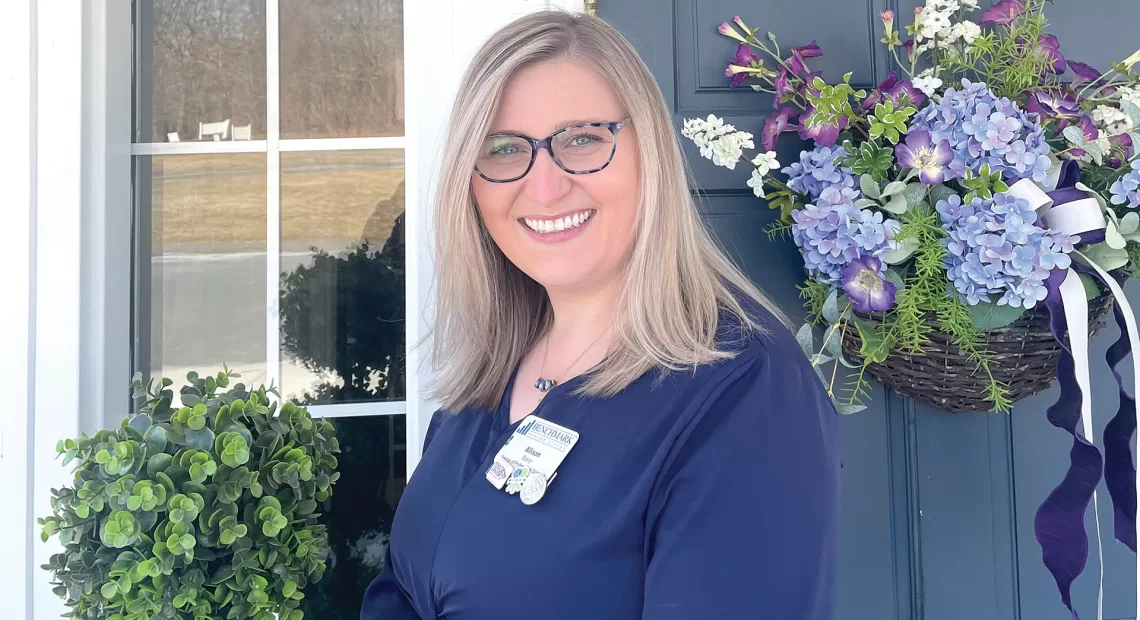
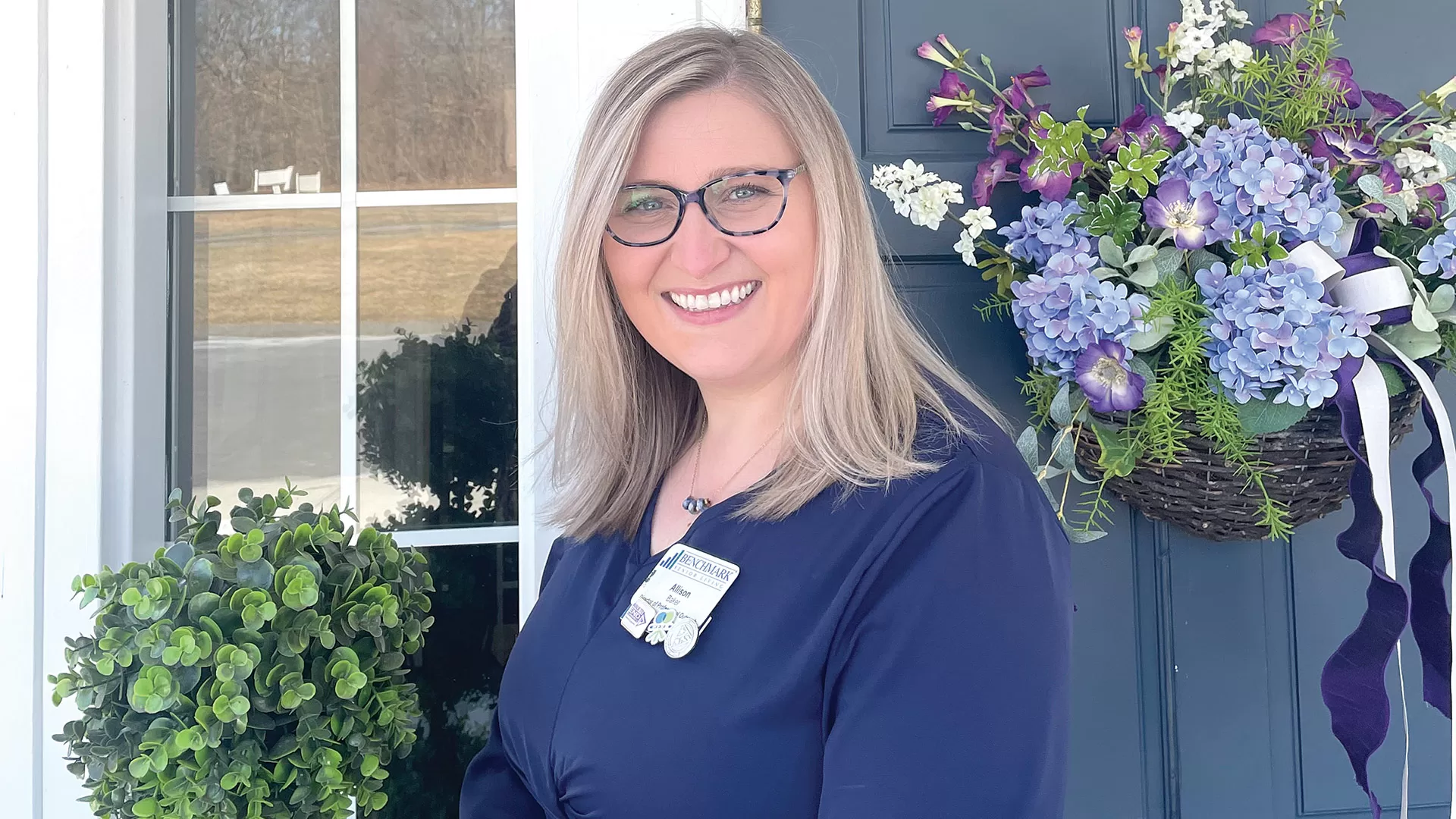
Allison Baker

Allison Baker says the Atrium at Cardinal Drive aims to both give residents a high quality of life and take stress away from their loved ones.

It’s a moment so many families dread — until they come out on the other side.

“There’s a lot of anxiety. There’s a lot of guilt,” said Allison Baker, director of Community Relations at the Atrium at Cardinal Drive in Agawam, about the decision to move a loved one — usually a parent or spouse — into the assisted-living facility, which specializes in memory care.

“Families can feel like they might be giving up on their loved one by moving them to a setting like ours. And I think our challenge is to show that you’re not placing your loved one in a place just to live out the rest of their life. The point of our community is to give them the best quality of life.”

Cathy Ballini, executive director of Mason Wright Senior Living in Springfield, agreed.

“I always tell families, ‘nobody shops for this until they have to shop for this.’ And there’s a lot of guilt involved when you take parents out of their home. But you have to look at the bigger picture of what’s best for them.”

What often precedes that discussion, especially with individuals with Alzheimer’s disease or another dementia, is large quantities of “caregiver burnout,” Ballini added.

“When one or two people are caring for someone, there comes a time when something is sacrificed or suffers because you’re not providing this level of care. There’s only so much one person can do to keep someone entertained. There’s only so much the television can do.

Cathy Ballini

Cathy Ballini

“That time they have left should be quality time. You’re taking the business end of the relationship and putting that on us so that you can truly enjoy your time with your with your parent, with your brother, with your spouse.”

“Coming here, they’re building friendships and trust with us so their relationship with the parent becomes what it should be,” she went on. “That time they have left should be quality time. You’re taking the business end of the relationship and putting that on us so that you can truly enjoy your time with your with your parent, with your brother, with your spouse.”

But what makes it quality time, and how does memory care differ from traditional assisted living?

Since it opened 26 years ago, the Atrium has featured two buildings with 22 apartments each, both dedicated to a memory-care model.

“We don’t divide residents based on their care level or their cognitive functioning,” Baker said. “With residents with memory loss or cognitive impairment, huge crowds can be overwhelming or overstimulating, so limiting the number of people is better for a resident. That’s why we have two neighborhoods. They have the same amenities — they both have a courtyard, they both have dining rooms, they both have the atrium area, they both have living rooms and sitting-room areas; they’re identical to one another.”

The Atrium aims to provide a level of care often associated with skilled-nursing facilities — such as two-person transfer assistance, feeding assistance, medication administration, and total care with all aspects of daily living — but in a home-like, assisted-living environment, she added. “It’s a little bit different model than most other communities, but the hope is that our residents can remain here in their home through end of life and not have to move to another setting.”

Mason Wright, like many assisted-living residences, has a neighborhood, called Reflections, dedicated to memory care on its third floor. There, “the caregivers build consistency and trust with the same people,” Ballini said. “The caregivers who are helping them out of bed in the morning are doing activities throughout the day and are serving meals to them. The routine is very important.”

That daily routine includes an extensive roster of activities that actively engage the mind. Residents in Reflections are able to join the rest of the Mason Wright community for events like entertainers, baking sessions, and other activities that anyone can enjoy, but also engage in activities exclusive to their neighborhood that are aimed at preserving cognition.

Laura Lovoie

Laura Lavoie

“Some people contact me when they’re almost at the end of their rope and they just need somebody to say, ‘it’s OK. You’ve done a great job, but there needs to be more support around them 24/7, and you need to sleep.’”

At the Atrium, Baker said, “we’re often able to pique new interest with our residents or encourage them to try something that they haven’t done, like our art therapy program, for example. Residents who have never had an interest in art or painting may be willing to try, and we have seen them partake in that and do an amazing job.”

The Atrium infuses music into many activities, she added, from bringing in professional musicians to utilizing the baby grand pianos in both neighborhoods to playing instrumental music during mealtimes.

“In memory care, music is something that resonates with pretty much the entire population, all of our residents. Not necessarily the same song or same genre, but music is something they can relate to, regardless of what stage someone’s at with dementia, Alzheimer’s, or any cognitive impairment.”


Helping the Helpers

Laura Lavoie straddles both the world of family caregiving and residential senior-care facilities through her consulting business, Our Dementia Life, which offers assistance to families dealing with the challenges of memory care and workshops and training to assisted-living facilities and other settings.

With the latter, “it’s really focused on relationships between the staff member and the person living with dementia so that they can give them better care,” she explained, adding that facilities are mandated to offer just two hours per year of dementia training, which isn’t nearly enough. “So many people, not only in memory care but in assisted living and independent living, have dementia, and nobody’s taught how to actually work with these people in order to support them and let them be as autonomous as possible and let them feel as empowered as possible, while still asking for help.”

Meanwhile, Lavoie said, “I also deal with families, especially people who have their loved one in their home, who are really struggling with how they can understand what’s happening, what’s going on inside their brain, and how they can communicate better so that they can care for them better.”

Sometimes those conversations lead to a realization that the family simply can’t do it alone. “Some people contact me when they’re almost at the end of their rope and they just need somebody to say, ‘it’s OK. You’ve done a great job, but there needs to be more support around them 24/7, and you need to sleep.’”

Lavoie said she got into this work almost three decades ago. “My grandfather had dementia. He had a brain tumor, and then he developed dementia because of it and lived with us for a couple of years. And I watched my mom care for him 24/7 with zero training, and she did a beautiful job, but I remember the struggles that she had.”

With people living longer and the over-65 population growing, the need for her services is only growing.

“The mindset at many facilities needs to change and grow with it, and we need people to be well-trained to work with these people in order for them to have a really good quality of life,” she told BusinessWest. “Just because you get a dementia diagnosis does not mean you stop living. Some people have dementia for many years, and why do they have to be bad years?”

She emphasized that the crux of her beliefs lies in looking at the person living with dementia and discovering — and cultivating — what they still have, rather than focusing on what has been lost. “There is a mass culture change that has to happen as the Baby Boomers begin to explode into the various realms of dementias, and I hope to be a part of that even more than I am now.”

Baker also wants to cultivate what residents enjoy, which is why residents at the Atrium are encouraged not to spend the majority of their time in their apartments, but rather in the common areas, taking part in activities that range from trivia and conversations about history to physical activities like cornhole or bowling, as well as outings to local restaurants, parks, and community events.

“We’re trying to keep our residents as engaged as possible throughout the day,” she explained, “with the understanding that we know not every single resident enjoys every single activity that we offer, but the idea is to offer such a variety that there’s something that our residents will enjoy.”


Being the Problem Solver

Meanwhile, what families enjoy is spending time with their loved ones without the burden of constant caregiving, Baker said.

“I often talk with families and say, ‘our goal is to relieve you of all that caregiver stress.’ We want them to be able to come and visit their loved one and just be their daughter, son, niece, nephew, husband, wife, and not be worried about whether they got their medications on time, did they take a shower, did they get whatever level of personal care that they may need? We want our families to visit their loved ones and let us worry about all of those other pieces.

“Sometimes you can visibly see the stress relieved from somebody,” she went on. “They just look so much more relaxed once their loved one acclimates.”

Ballini said the need for quality memory care is only growing, and most facilities have waiting lists — and, as a result, many people end up in nursing homes before they need to because there’s not enough spots at facilities like Mason Wright that can meet their care needs in a home-like setting. “In this age of medicine, people are living longer, and there aren’t enough beds for people.”

For the families that can access the right care, however, the rewards can be great, especially if they’re burned out on caregiving at home.

“To see someone come in, not knowing what to do with all the stress, walking through, and they’re not sure it’s right for their loved one, but then seeing their loved one a month or two later, it’s so gratifying,” Ballini told BusinessWest. “It’s nice to be the problem solver. You’re taking care of the family as much as the actual resident.”

Lavoie finds her work satisfying as well, both working with families and helping to train facility staff on how to interact with people with dementia, showing them techniques and communication skills that enhance quality of life for everyone involved.

“It’s the best thing in the world. I get these ‘a-ha’ moments all the time, where even really good care workers in facilities that are really dedicated realize they can make this person feel like they can paint again, and they come to you crying, saying, ‘you should have seen her face.’ Or families say, ‘I can’t believe this this is all it took.’ It’s just the most gratifying thing ever, and I’m thrilled to be doing it, and I just want to give more people the opportunity to learn more.”

Senior Planning

Six Indications It Might Be Time for Memory Care

By Arbors Assisted Living


Memory care is a special kind of long-term care designed to meet the specific needs of people with Alzheimer’s and other forms of dementia or types of memory problems. Often housed within an assisted-living community, a memory-care program offers a more structured environment that comes with set schedules and routines to create a stress-free lifestyle, safety features to ensure the health of the residents, and programs designed to cultivate cognitive skills.

Five Symptoms of Dementia to Look Out For

1. Memory loss that disrupts daily life.

One of the most common signs of dementia involves trouble with short-term memory. From forgetting recently learned information to asking for the same information over and over, your aging loved one may be able to remember events that took place years ago, but not what they had for breakfast.

2. Difficulty handling complex tasks.

You might notice a subtle shift in your loved one’s ability to complete normal tasks, such as driving to a familiar location, managing a budget at work, or remembering the rules of a favorite game — or when they start having difficulty handling more complex tasks, such as balancing a checkbook.

3. New problems with words in speaking or writing.

Maybe your mom has always been a stellar conversationalist, and you notice that now she may have trouble following or joining a conversation. Or perhaps your dad struggles to find the right word or calls things by the wrong name.

4. Apathy and withdrawal or depression.

Changes in mood can be an indication that your loved one has dementia. Perhaps they avoid being social because of the changes in their brain. They may also have trouble keeping up with a favorite sports team or remembering how to complete a favorite hobby, so they may start to withdraw from things they previously enjoyed.

5. Increasing confusion and disorientation.

Someone in the early stages of dementia may often lose track of dates, seasons, and the passage of time. Confusion may arise as they can no longer remember faces, find the right words, or interact with people normally.

When to see a doctor:

If your aging loved one exhibits several of these signs, consult a doctor. A general practitioner will typically refer you to a neurologist who can examine your loved one’s physical and mental health to determine whether the symptoms result from dementia or another cognitive problem.

One of the goals of a memory-care community is to keep seniors with dementia engaged and active in a safe, home-like environment and to promote the highest quality of life by adapting the staff, environment, and daily routine to the needs of each individual.

Because of this, there is no downside to placing a loved one in a memory-care community too soon. However, there are many drawbacks to waiting too long.

So, how do you know when it’s the right time to consider moving your loved one to a specialized memory care community? The following questions may be helpful when determining if a move to memory care is a good option.


1. Is My Loved One Becoming Unsafe in Their Current Home?

As dementia progresses, your loved one will have a harder time functioning independently. Maybe you used to be able to help your mom by writing out a daily to-do list and a schedule of when she should take her medications. But now, she needs reminders to shower and help choosing appropriate clothes for the season.

Bathing, toileting, dressing, and other activities of daily living all come with risks. Safety should always be considered, and if there are any tasks that your loved one cannot perform safely on their own, assistance should be provided.

How often each day you worry about her, check on her, or make a call regarding her safety or whereabouts? If your loved one has fallen, had a driving accident, or suffered an unexplained injury, these are safety signs it’s time to consider moving your loved one to a memory-care community.


2. Is the Health of My Loved One or My Health as a Caregiver at Risk?

Dementia will affect your loved one’s ability to remember to take prescribed medications at the right time or the right dosage, which can lead to serious health problems. For example, chronic health conditions such as COPD and heart disease may worsen rapidly if dementia interferes with your loved one’s ability to manage their treatment. You might also notice that your loved one starts to look different. Maybe your dad is losing weight because he forgets to eat or gaining weight because he forgets he’s eaten and eats again.

When you look in a mirror, you might notice that you are starting to look different, too. Caring for someone with dementia is mentally draining and physically exhausting. If the stress of caregiving is left unchecked, it can have an impact on your health, relationships, and state of mind, eventually leading to burnout.

Is dementia preventing your loved one from taking care of their health? Are you and your other family members exhausted? It’s important to be honest with yourself about your emotional and physical limits while caregiving. Sometimes placement in a memory-care community is best for both the caregiver and the loved one’s overall health and well-being.


3. Are My Loved One’s Care Needs Beyond My Physical Capabilities?

In the later stages of dementia, your loved one may require assistance getting in and out of bed and moving from the bed to a chair. Additionally, dementia physically damages the brain, which can affect your loved one’s personality and behavior.

Wandering, agitation, repetitive speech or actions, paranoia, and sleeplessness may pose many challenges for families and caregivers. However, it’s important to remember that these behaviors are often coping tactics for a person with deteriorating brain function.

Is your petite, 70-year-old mom trying to get your 180-pound dad to the bathroom two or three times each night? Is your dad’s aggression triggered by something — physical discomfort, being in an unfamiliar situation, poor communication — on a regular basis? If continuing to care for your loved one at home puts both of you in danger, that’s a telltale sign that it’s time for memory care.


4. Am I Becoming a Stressed, Irritable, and Impatient Caregiver?

Stress arousal is the first sign that you’re not getting the physical and emotional support you need as a caregiver. Maybe you’re frustrated or disappointed over your loved one’s deteriorating condition or lack of progress. It can be hard to accept that the quality of your care and effort have nothing to do with the actual health-related decline or mood of the care recipient. This frustration can lead to caregiver stress.

If you are so overwhelmed by taking care of someone else that you have neglected your own physical, mental, and emotional well-being, it will not be long before you are experiencing caregiver burnout. When you are burned out, it is tough to do anything, let alone look after someone else.


5. Am I Neglecting Work Responsibilities, My Family, and Myself?

You might be struggling to maintain a sense of purpose in working so hard to provide care, which leads to neglecting responsibilities, withdrawing socially from friends and family, and having much less energy than you once had.

Family caregivers often have to take time off, either paid or unpaid, while some have to reduce their work hours. Others leave the workforce entirely in order to provide full-time care for a loved one. Additionally, caregivers don’t have as much time to take care of themselves, and they can often feel cut off from the outside world. Social isolation leads to higher levels of both caregiver stress and depression.

“There is no downside to placing a loved one in a memory-care community too soon. However, there are many drawbacks to waiting too long.”

Are you feeling irritable or hopeless, struggling with emotional and physical exhaustion, or getting sick more often? Do you have heightened anxiety or trouble making care decisions? If your loved one’s need for care is wearing you out, it may be time to start considering your memory-care options.


6. Would the Structure and Social Interaction at a Memory-care Community Benefit My Loved One?

Somewhere in the middle and late stages of dementia, your loved one will no longer be able to drive, and communication with others will become increasingly difficult. Your loved one may lose track of their thoughts, be unable to follow conversations, and/or have trouble understanding what others are trying to communicate.

Maybe it’s become too challenging to take your mom out to eat, shop, or exercise because her behavior is unpredictable. Or perhaps your dad can no longer drive, so he rarely goes out and is restless and lonely.

Is dementia shrinking your loved one’s world? Memory-care programs are equipped to provide activities and stimulation — including trips and outings — that can keep your loved one engaged and active in a safe, homelike environment.

If you answered yes to any of these questions or if you have reached a point where you feel like you cannot fully meet the needs of a loved one struggling with memory impairment, it is time to start visiting memory-care communities, which offer specialized environments where your loved one can not only live, but even thrive. Plus, knowing that your loved one has trained, 24-hour care can help relieve the caregiving burden and give your family peace of mind.

Business of Aging

When Memory Falters

By Mark Morris


As we age, the occasional struggle to find a word, or a sporadic lapse of memory, is hardly a cause for alarm. It becomes a concern when short-term memory or trouble finding words becomes a constant battle, because those are often signs of dementia.

Memory loss is usually observed by others and not the person who is afflicted. According to Lori Todd, executive director of Loomis Lakeside at Reeds Landing, a person tends to lose their short-term memory — such as not remembering what they had for breakfast — while their long-term memory stays sharp, and they can tell you all about what happened in 1950.

“We also see the person ask a question, get an answer, and then, 10 minutes later, ask the same question,” Todd said.

Understanding the difference between benign memory loss and early stages of dementia can be difficult for families of aging parents because confronting dementia often comes with lots of fear and denial.

“They know you are an important person in their life, and they know there is an emotional connection. Words aren’t as important as the emotions.”

Beth Cardillo, executive director of Armbrook Village in Westfield, works with families to better understand what is happening with their loved ones. Overcoming their fear and denial is the first big hurdle.

“Family members might admit that mom has a little dementia, but not Alzheimer’s,” Cardillo said. “They treat Alzheimer’s like it’s a dirty word.”

While there are more than 100 types of dementia, Alzheimer’s disease accounts for nearly two-thirds of all dementia diagnoses. Cardillo noted that it’s not unusual for someone to have Alzheimer’s as well as one or two other types of dementia.

On the last Wednesday of each month, she runs a caregiver support group that gives families a chance to hear what others are going through while caring for an aging parent.

Beth Cardillo

For loved ones of individuals with dementia, Beth Cardillo says, overcoming fear and denial is often the first challenge.

“I don’t say much; I’m simply there as a resource,” she said. “Most of the talking is done by group members who help clear up misconceptions and help others realize they are not alone.”

Cardillo called it a true support group, one that has been active for 10 years, the last two years via Zoom, and she welcomes any caregiver to join the group. “And I mean anyone because it’s a virtual group. We have family members from all over the country who join in the discussion.”


Keep Talking

Open communication with families can help them overcome some of the fear and denial that comes with seeing a loved one losing their cognitive abilities. This can also lead to better interactions.

One past practice which is now discouraged was to try to reality-orient an individual with dementia. For example, if a 95-year-old asks to see her mother, the natural tendency is to point out that her mother would have to be 130 years old. Todd recommends, instead of a rebuttal, just going with it.

“It’s an opportunity to engage and say, ‘let’s talk about your mother and all the wonderful things about her,’” she explained. “By going on that journey, it makes them feel good and improves their quality of life.”

Often, a son or daughter will insist on asking the parent with dementia to say their name and then, if they can come up with it, assume they are having a good day. Cardillo said knowing their children’s names doesn’t really matter and can cause embarrassment for the parent if they don’t succeed.

“They know you are an important person in their life, and they know there is an emotional connection,” she added. “Words aren’t as important as the emotions.”

At Reeds Landing, people with dementia live among the other residents. While resident assistants are there to help when needed, those with dementia have a daily routine and feel more included.

Lori Todd

“Concentrate on what makes them happy. Their long-term memory is still there, so it’s an opportunity to encourage talking about good memories they have.”

“We try to keep them at their highest level of functioning in more of a home-like setting rather than an institutional one,” Todd said.

People with dementia are capable of learning and in many ways remain the person they have always been, Cardillo added. “There are still moments of lucidity. Just because you have dementia, does not mean you are stupid.”

Programs that encourage a fail-free environment tend to work well for those with dementia, such as the painting program at Armbrook Village called Memories in the Making.

“Lots of conversation comes out during these sessions,” Cardillo said, recalling one resident who painted a summer scene. When she asked what that meant to the artist, she reminisced about vacations in Maine many years ago. “It doesn’t matter what they are painting; it’s really an opportunity to share their feelings and tell their stories.”

While staff at local senior communities are trained to look for signs of dementia in residents, it can be more difficult for seniors living at home. Todd usually sees an increase in phone calls after someone comes home for Thanksgiving, assuming their mom or dad is doing fine, only to discover things are not going well.

“We encourage people to talk with their parent’s physician when there has been a change in behavior,” she said. “The physician is a good resource because they know the baseline health of the parent.”


Past Meets Present

Helping people understand dementia is a constant activity for Cardillo. Seven years ago, she started the Dementia Friendly movement at Armbrook. Through a partnership with the city of Westfield, Armbrook staff train city employees, first responders, local businesses, and the public on how to recognize the signs of dementia and to better communicate with those afflicted with it.

Both Cardillo and Todd acknowledged that dementia can be frustrating for the person and their family. Because there is no cure for dementia, the emphasis then becomes on the person’s quality of life.

“Concentrate on what makes them happy,” Todd said. “Their long-term memory is still there, so it’s an opportunity to encourage talking about good memories they have.”

Music can also be an effective way to promote good memories. Cardillo referenced a study of a group of people with dementia who were suffering from depression. Researchers asked their families what music the person enjoyed when they were young and made a playlist of that music to play on headphones.

“It woke up their brains and changed their moods,” Cardillo said. “We all hear music and it brings us back to a certain time.” Because music gives most everyone fond memories, she added, it’s no surprise that music brings pleasure to those with dementia as well.

Whatever the milestones along the journey, once family members can move past their denial and fear, she noted, they can really make a difference for their parents.

“When people understand that dementia is not something to be feared, they can begin to accept it and be there for their loved ones.” u