Construction Cover Story

Building Momentum


Wonderlyn Murphy

Wonderlyn Murphy


Wonderlyn Murphy has some ambitious plans for City Enterprise, the construction company she started nearly two decades ago.

She wants to take it to $150 million in annual revenue — roughly six times the current level. She wants to expand geographically and open new locations, perhaps one in Florida and another in Maine or New Hampshire. She wants to build a new headquarters facility in this region because the company has clearly outgrown its current home on Berkshire Avenue in Springfield. She wants to add more staff, and she wants to broaden the portfolio with larger projects, likely through partnerships with larger construction firms.

Yes, there is a lot on her ‘want’ list. But she believes it’s all realistic, and, more importantly, she has a blueprint for getting there.

“We’re in a transition period now where I’m growing the company,” she said. “And I have some very aggressive goals for the next five years. I want to be a $150 million company, and we get there by scaling, we get there by duplication, we get there through collaboration and partnerships, we get there by building the employees based on our core values, get there through outside-the-box thinking and vision, more than just focusing on getting the next job.”

Getting where she wants to go will certainly be a challenge, but Murphy has already clearly shown that she has the ability to set goals and then reach them through hard work, determination, and overcoming obstacles in her path.

“We’re in a transition period now where I’m growing the company. And I have some very aggressive goals for the next five years. We get there through collaboration and partnerships, we get there by building the employees based on our core values, get there through outside-the-box thinking and vision, more than just focusing on getting the next job.”

Indeed, she has taken City Enterprise from a small, one-person venture that started with Murphy designing, building, and flipping homes to a multi-dimensional company with 14 employees that has secured work with clients ranging from UMass Amherst to the U.S. Park Service; from the General Services Administration to the U.S. Coast Guard.

She’s done all this by making connections, forging relationships, and, yes, taking full advantage of City Enterprise’s status as a woman- and minority-owned business.

Such status has certainly opened some doors, but Murphy has had the entrepreneurial drive, and that determination, to march through those doors and, as noted, put down some ambitious plans for what comes next.

Today, Murphy told BusinessWest, thanks to some new staff additions, and especially the addition of Vice President of Operations Charles Young, she is able to spend more time on the business, rather than in it.

And with that fundamental change, she believes she is putting the pieces in place for a story of change, growth, and taking her company to places that she probably couldn’t have imagined 20 years ago.

But then again, she probably could.


Building a Foundation

As noted earlier, City Enterprise has been a work in progress, or a dream in progress, for Murphy for nearly two decades now, or not long after she graduated from Wentworth Institute of Technology in Boston with a degree in architectural design technology.

At first, it was a part-time pursuit, something she did after working the overnight shift (midnight to 8 a.m.) as a correctional officer with the Hampden County Sheriff’s Office at the Western Massachusetts Correctional Alcohol Center on Howard Street, since torn down to make way for MGM Springfield. That work was a learning experience on many levels, she said, and one that has helped in her current roles as employer and entrepreneur.

“It was a very interesting experience, to say the least,” she told BusinessWest. “I got to know the population and came to understand what it really meant to be a corrections officer; there’s much more to it than slamming cell doors, even though there were no cell doors there. The population came from varied backgrounds, and to navigate all of that took a certain amount of finesse.”
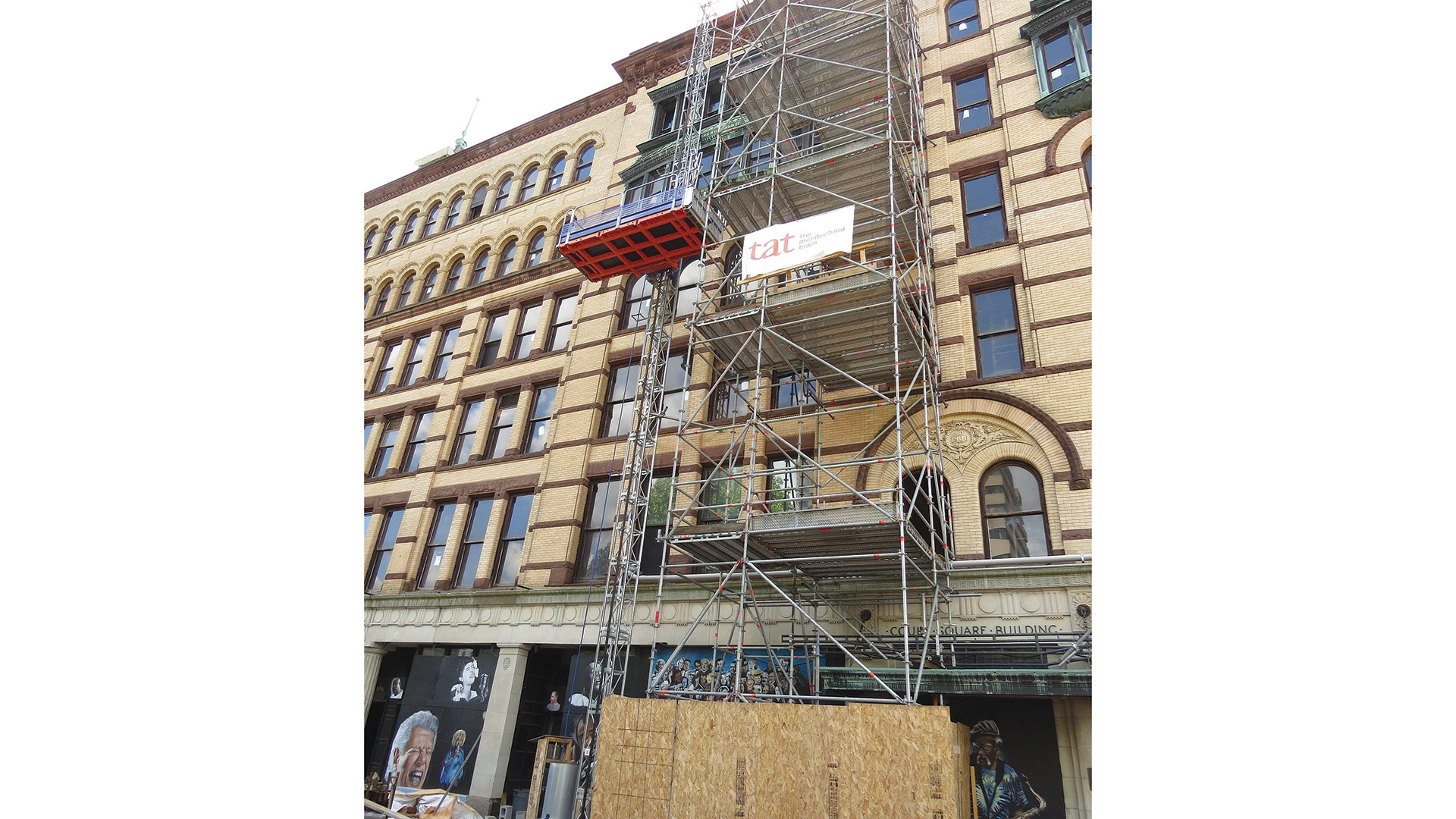
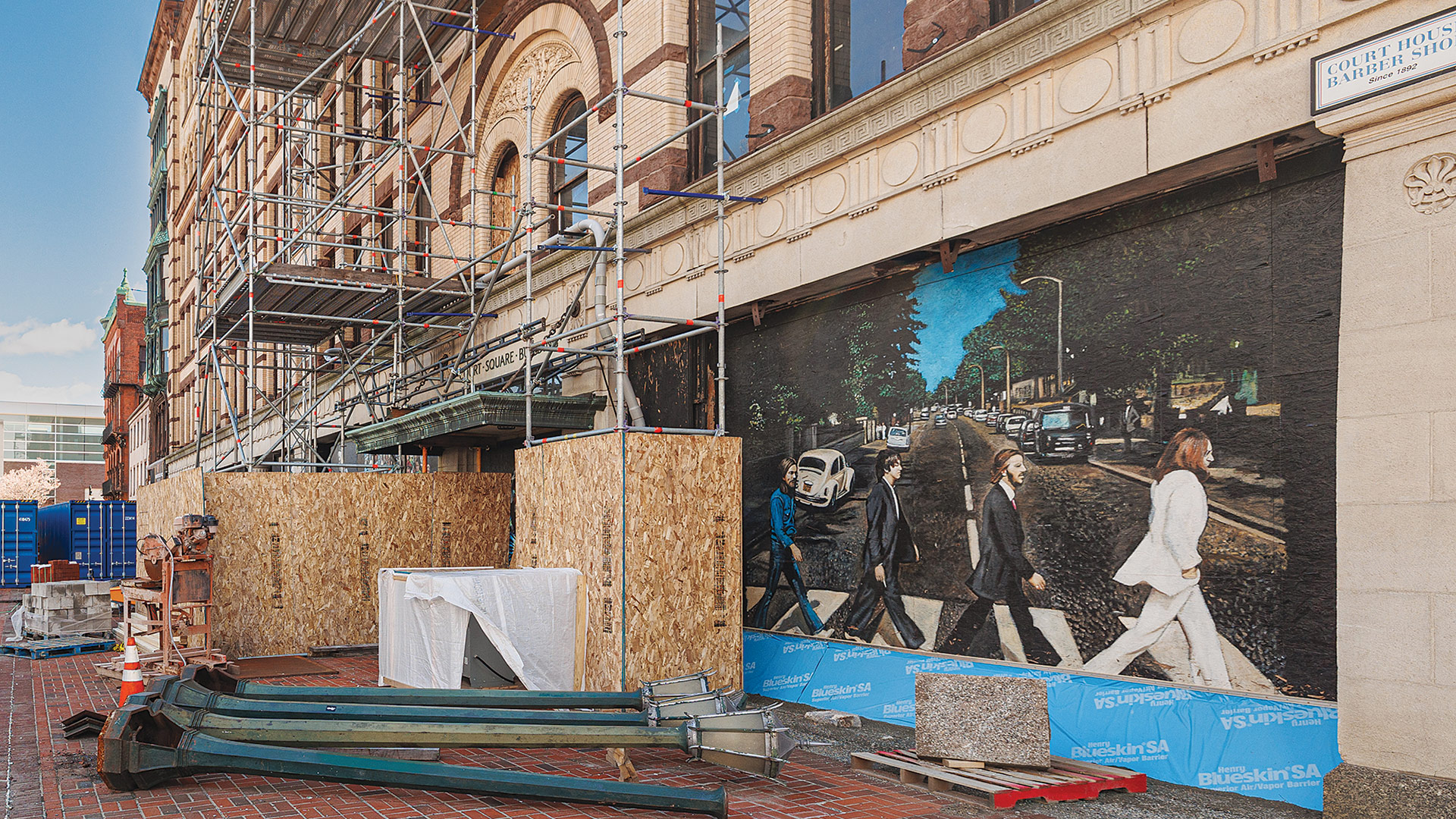
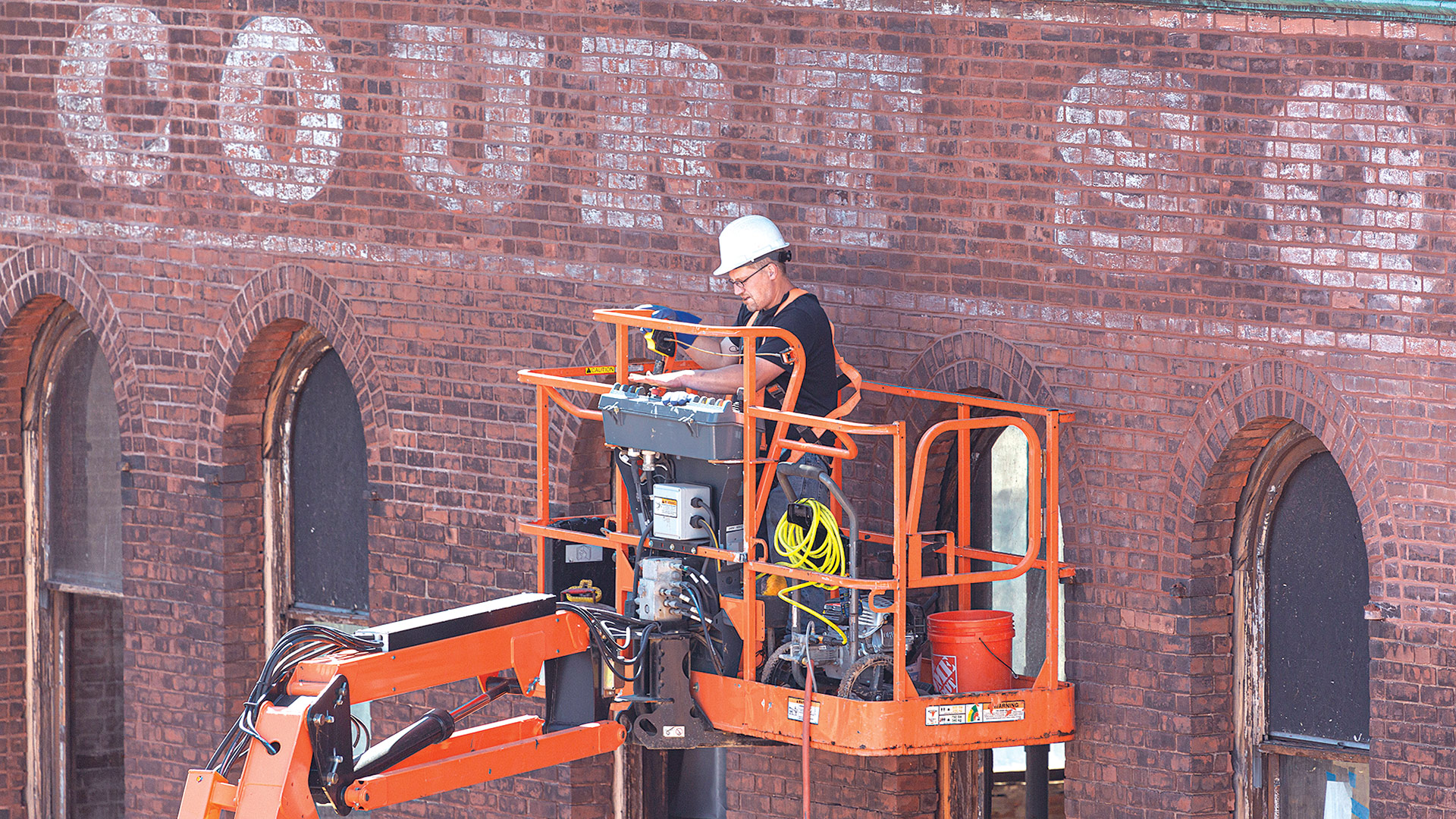
Abatement work at the former Court Square Hotel

Abatement work at the former Court Square Hotel in downtown Springfield is one of many municipal projects awarded to City Enterprise.

While working in corrections on Howard Street, she designed, built, and sold a few houses, including her first such endeavor, a home on Eastland Street, just a stone’s throw from City Enterprise’s current home on Berkshire Avenue. Later, she designed and built a two-home development on Parkerview Street in Springfield and handled a few renovations and additions as well.

It was difficult to manage both sides of her work life, but she managed.

“I would get out of work at 8, and I would go straight to my job sites and my projects, because I was the only one doing it at the time,” she recalled. “So I had to line up my subcontractors; I had to be on site and make sure everyone was there. I had to schedule everything … and time is always of the essence in real estate, because you want to hit the market at the right time.”

This was the start of City Enterprise, she said, adding that, as she continued to operate her venture out of her basement and create the first of what would be several business plans for its future, Murphy applied for status under what is known as 8A under the Small Business Administration, a program created to help firms owned and controlled by socially and economically disadvantaged individuals.

Applying for such status is a difficult and lengthy proposition, she said, adding that it eventually took her three years to gain that designation. At first, she was turned down, in large part, she believes, because she was still working in corrections at the time and thus — to those reviewing her application, at least — she was not fully committed to her business venture.

After waiting a year — and after leaving the Sheriff’s Department in 2012 and making City Enterprise a full-time pursuit — she applied again, and this time was granted 8A status. And during that year, she was making connections and building relationships with agencies ranging from the General Services Administration to the Army Corps of Engineers to the U.S. Navy.

“I was letting these people know that I was coming — I was developing relationships even before I was admitted into the program,” she said. “Because I knew the 8A was more government-contract-driven, I sought out those agencies.

“I was confident because I made the necessary sacrifices to make that happen,” she said. “I knew there were things I had to do to get past that first rejection, and I did them. I took full advantage of that year.”

The 8A designation certainly opened some doors, as noted earlier, especially at government-owned and operated facilities, such as Westover Air Reserve Base, where she earned first commercial contract — renovation work in the bowling alley on the base.
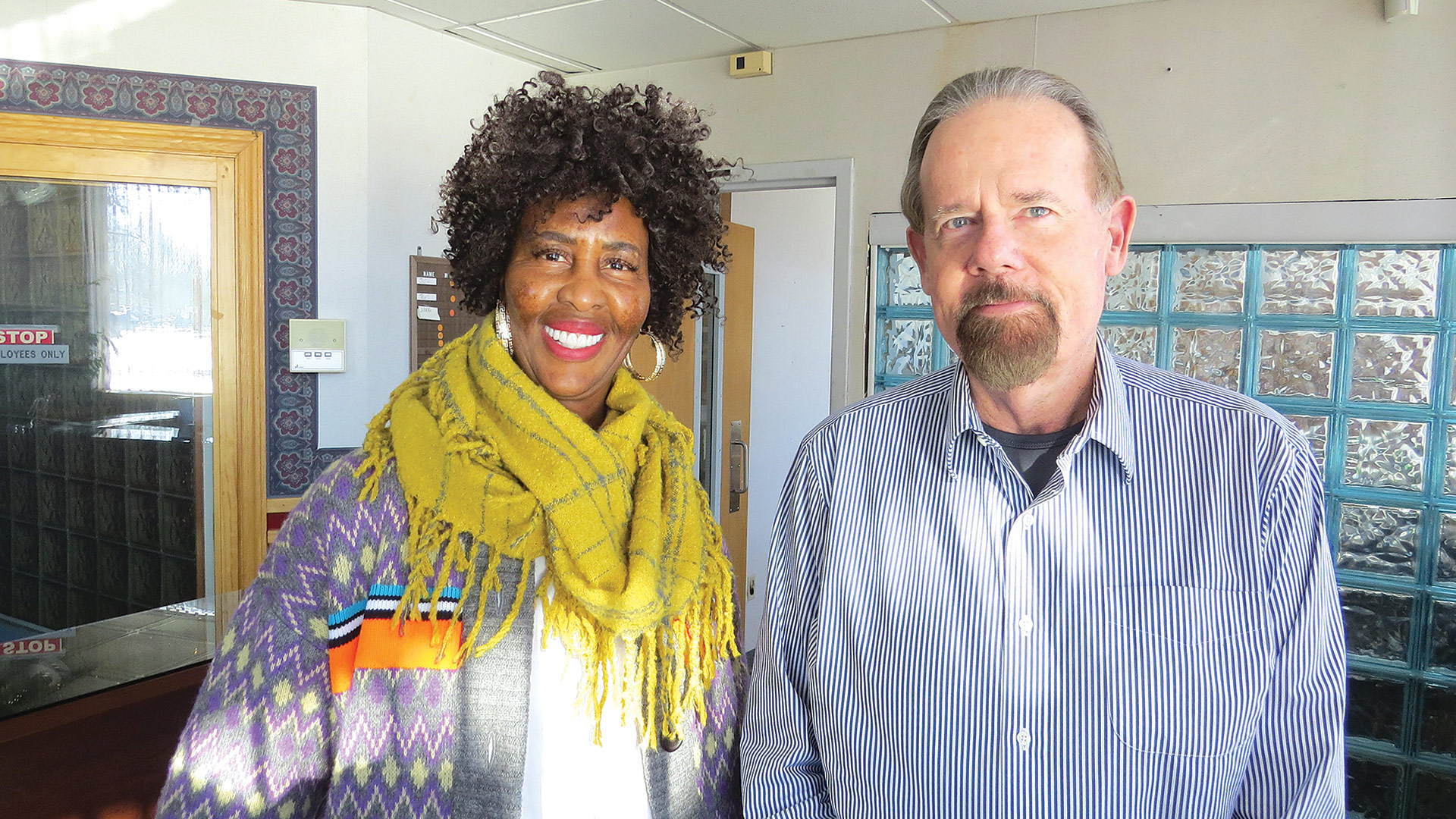
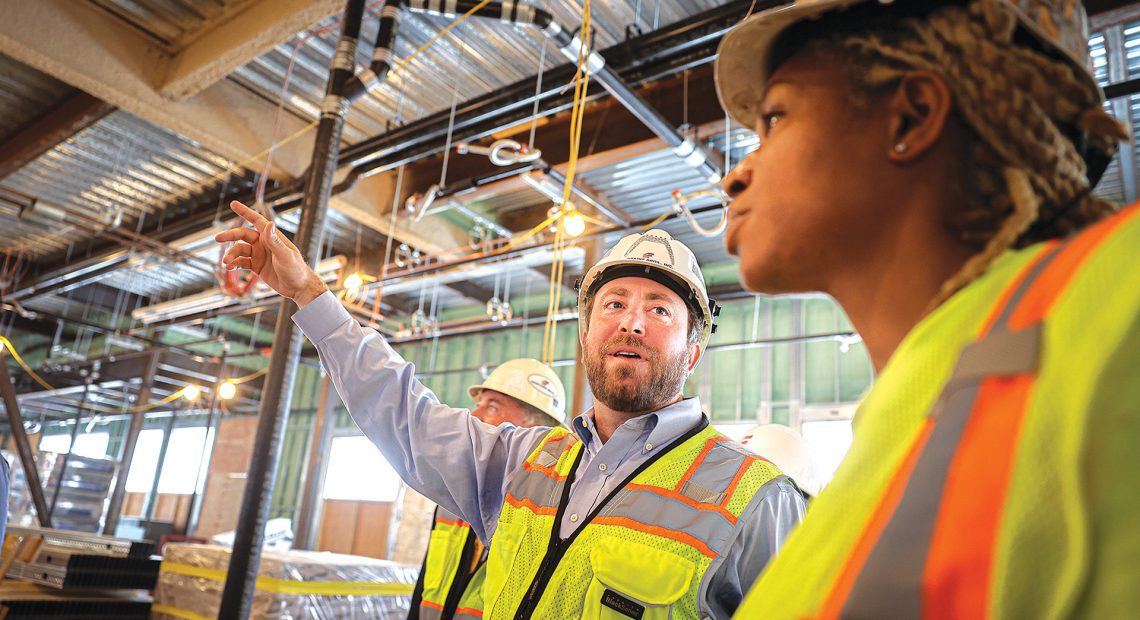
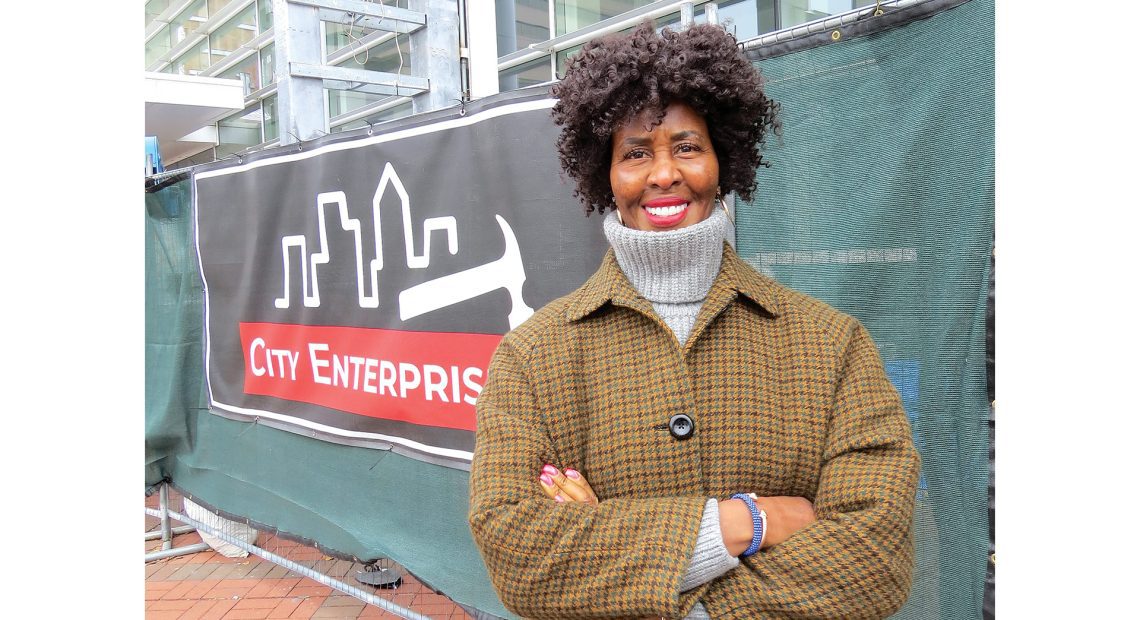
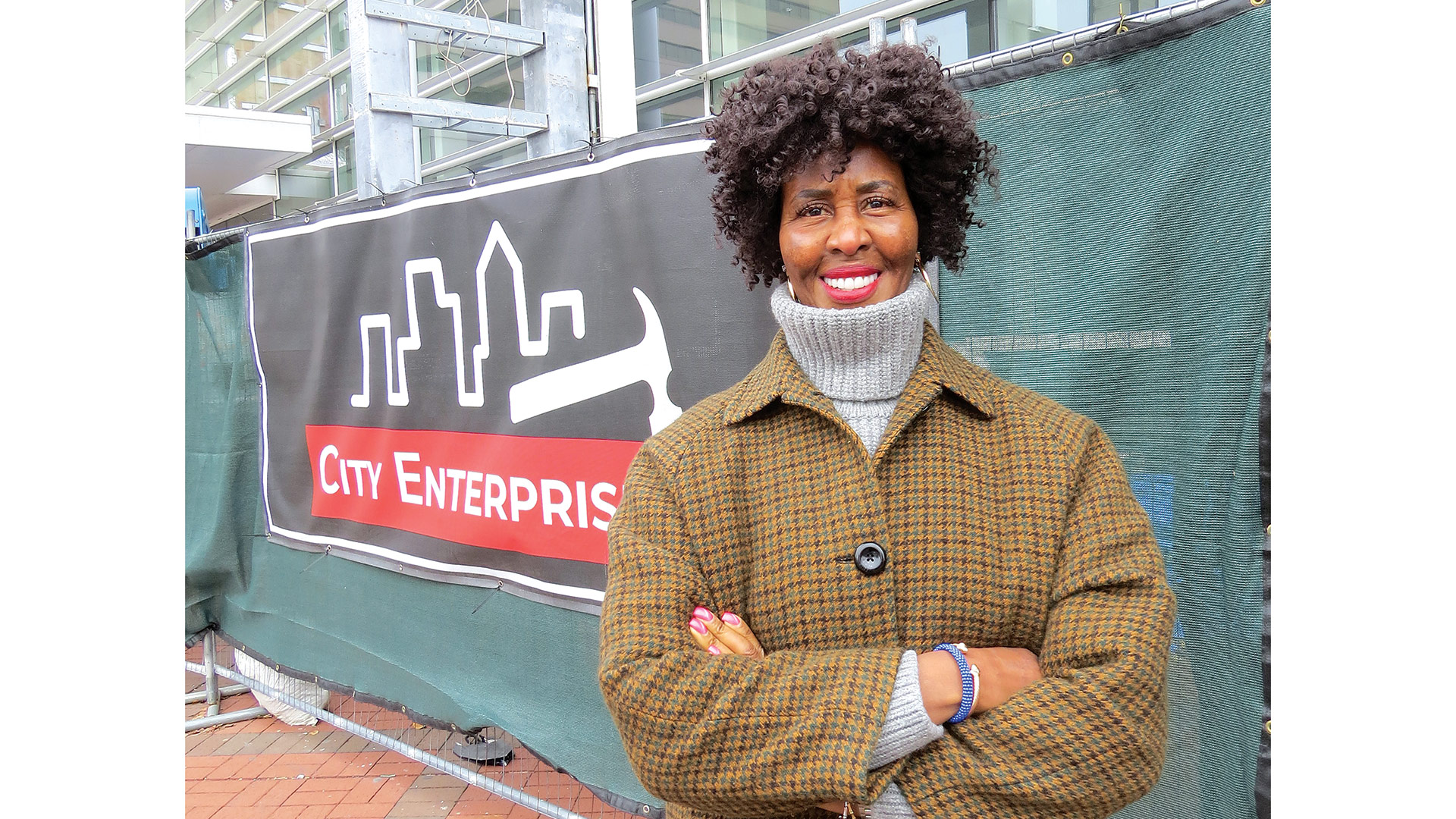
Wonderlyn Murphy, seen here with recently hired Vice President of Operations Charles Young

Wonderlyn Murphy, seen here with recently hired Vice President of Operations Charles Young, is setting some ambitious goals for City Enterprise.

This was another important learning experience, she said, adding that she initially hired the wrong type of flooring company to work on the bowling lanes, but later secured the right subcontractor, a company in Ohio, and finished the project in good order.

“It was a very difficult entry into the commercial space, but we got through it, and it was a great learning experience,” she said, adding that the company would go on to secure projects with a number of government entities in the ensuing years.


Drafting a Plan

That list includes the city of Springfield, which hired the firm to handle the abatement of the historic former Court Square Hotel, which is being converted into market-rate apartments; the National Park Service, which hired City Enterprise to undertake restoration of the porch of the commanding officer’s quarters at the Springfield Armory; UMass Amherst, which has contracted with the company on a number of projects, from renovations of the Rand Theater to envelope repairs at several of the dorms; UMass Medical School, which hired the company to do skylight replacement; the U.S. Coast Guard, which used the company for repairs and renovations to its small-arms range; and countless others.

Current projects include installation of a new marquee sign at the MassMutual Center, work at the Beals Library in Winchendon, and construction of a new amphitheater, also in Winchendon. The company has also submitted a proposal for the Old State House in Boston, what would be its most significant project to date, and is awaiting word on that bid application.

The growing list of clients, the wide range of work undertaken for them, and the growing staff at the company, now numbering 14, including an estimating staff, project managers, an accounting department, and that aforementioned vice president of Operations, shows how far this company has come since Murphy started building houses.

More intriguing, though, is where she wants to take it moving forward.

Indeed, as she mentioned at the top, City Enterprise is in a transition stage in its development, and the broad plan is to essentially scale the operation — in many different ways.

One of them is geographic reach. She said she would like to have a location in South Florida, and perhaps another in northern New England to better serve potential clients in that market. She is also looking at growing through acquisition as well.

“Time is always of the essence in real estate, because you want to hit the market at the right time.”

Meanwhile, as noted earlier, she is settling into … not a new role, necessarily, but a different set of responsibilities as the company makes this transition. Indeed, instead of handling many of the day-to-day matters, which will now be handled by Young, she will be even more focused on the proverbial big picture and goal setting.

“I’m not as involved with the day-to-day as I was a year ago because I have brought on a vice president of Operations,” she said. “But I am very involved with executing my vision and getting my team aligned with the vision, and getting the right people to go with me to that number I just mentioned — $150 million — which is probably the most important part.”
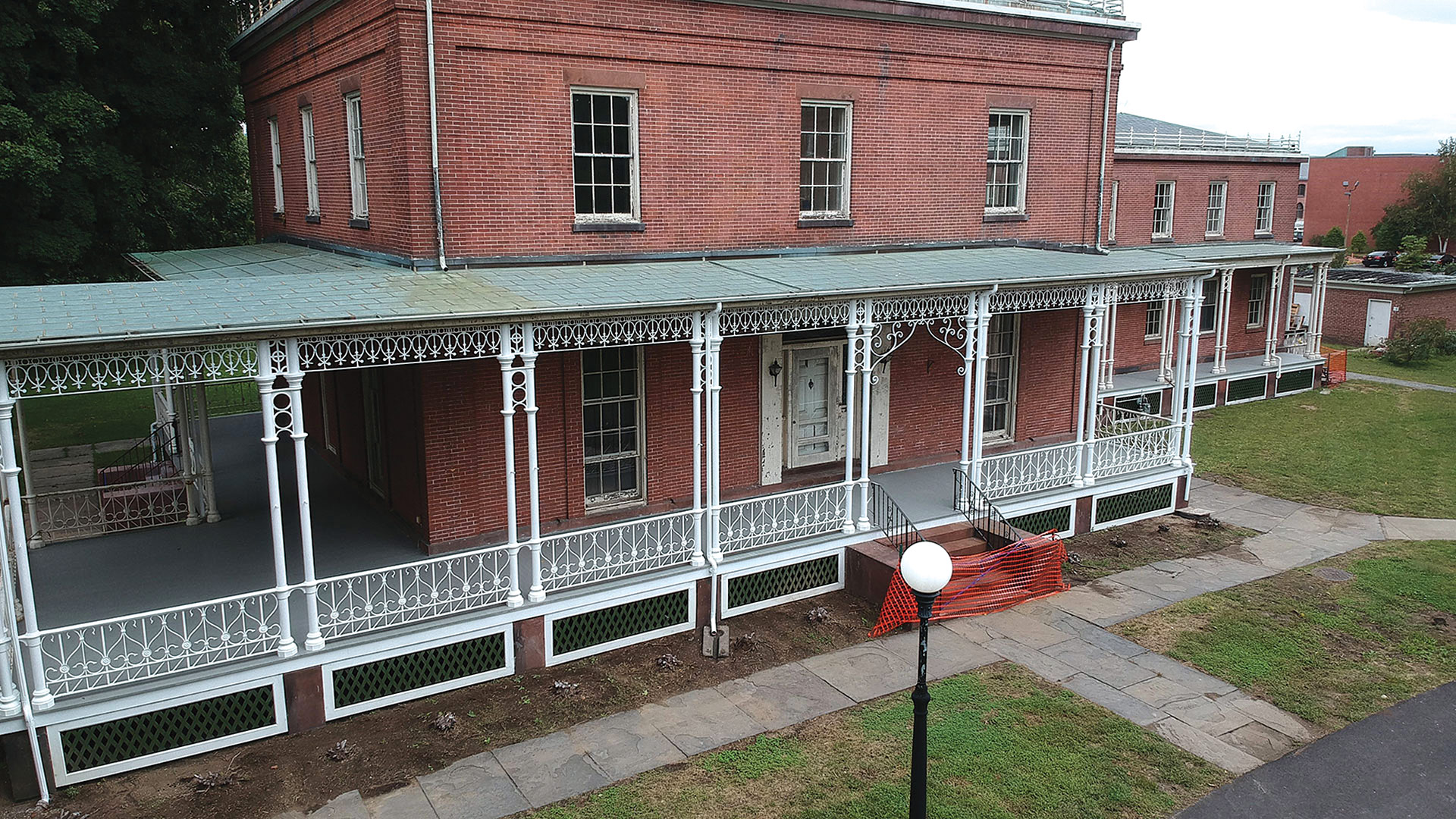
the porch at the commanding officer’s quarters at the Springfield Armory.

City Enterprise has tackled a number of assignments involving government agencies, including work to restore the porch at the commanding officer’s quarters at the Springfield Armory.

Elaborating, the company’s broad portfolio of projects — meaning the depth and diversity of the client base and the wide variety of work — is indicative of “where we’re going and who we are,” Murphy said, adding that the focus moving forward is simply on controlled growth and doing what’s necessary to meet those lofty goals.

A new headquarters building is a key part of that equation, she said, adding that she has plans on paper for a new building and a site in mind. Further diversification of the portfolio of clients is another key goal, she said, adding that the company is working to add more colleges and universities, government agencies, municipalities, and healthcare facilities, among others, to that already significant list.

Continued relationship building and potential collaborations with larger construction companies on larger projects is another part of that equation, she said, adding that the company’s status as a woman-owned and minority-owned company could be a huge asset in such collaborative efforts.


Bottom Line

Such conversations are ongoing, Murphy said, adding that, as she moves away from the day-to-day of running City Enterprise and more into the broad task of marketing the company and being its “face,” her job description falls into the category of making and building connections.

“It’s a very ambitious place I’m going to,” she said in conclusion, adding that she is putting the pieces in place for something special. The foundation has been built, and she is now ready to build upon it — and in dramatic fashion. u


George O’Brien can be reached at
[email protected]
Features Special Coverage

Here Are the Stories That Impacted Western Mass. in 2022

By George O’Brien and Joseph Bednar


Cannabis Sector Continues to Grow

How many dispensaries is too many? Cities like Northampton, Holyoke, and Easthampton that have embraced the cannabis industry are demonstrating that many such businesses can thrive together, while generating healthy tax revenues for the municipality itself. However, the recent closure of the Source — the state’s first adult-use dispensary to close since shops began opening in 2018 — poses new questions on the competition front.

There’s no doubt cannabis has been a success in Massachusetts, with recreational sales approaching $4 billion since legalization. But one big question is what form the industry will eventually take — with some predicting eventual consolidation by bigger entities alongside a robust population of boutique sellers — and how the state will continue to protect opportunities for smaller players, especially minorities.

The latter prospect was strengthened by a law passed in August aimed at giving minority cannabis entrepreneurs easier access into the industry, and also paving the way for municipalities to allow marijuana cafés. The bill also better regulates host community agreements, creates a state-run loan fund for minority entrepreneurs, lowers taxes for marijuana businesses, and makes it easier to expunge records for old marijuana offenses.

In short, this story is still evolving in intriguing ways.


Companies Grapple with Workforce Challenges

The pandemic temporarily dislodged millions of people from their jobs, and when companies started rehiring again, they found it was much more difficult to recruit and retain employees, particularly in lower-paying industries like hospitality, but it was a trend that stretched across all fields, from healthcare to construction to … well, you name it.

At issue has been three intersecting trends: the Great Resignation of older workers, many of whom moved up their retirement timeline in the wake of the pandemic’s economic upheaval; a movement among Gen-Zers and younger Millennials, particularly in service industries, to re-evaluate their worth and push for higher wages and more flexibility; and ‘quiet quitting,’ defined as doing the bare minimum to fulfill one’s job, which, of course, cuts into a company’s productivity.

There are no easy answers to combat these trends, and companies struggling with workforce shortages must grapple with what they mean in the longer term. Workers no doubt have leverage right now like they haven’t had in recent memory, and they’re wielding it, to significant — and, in many cases, still-undetermined — effect.


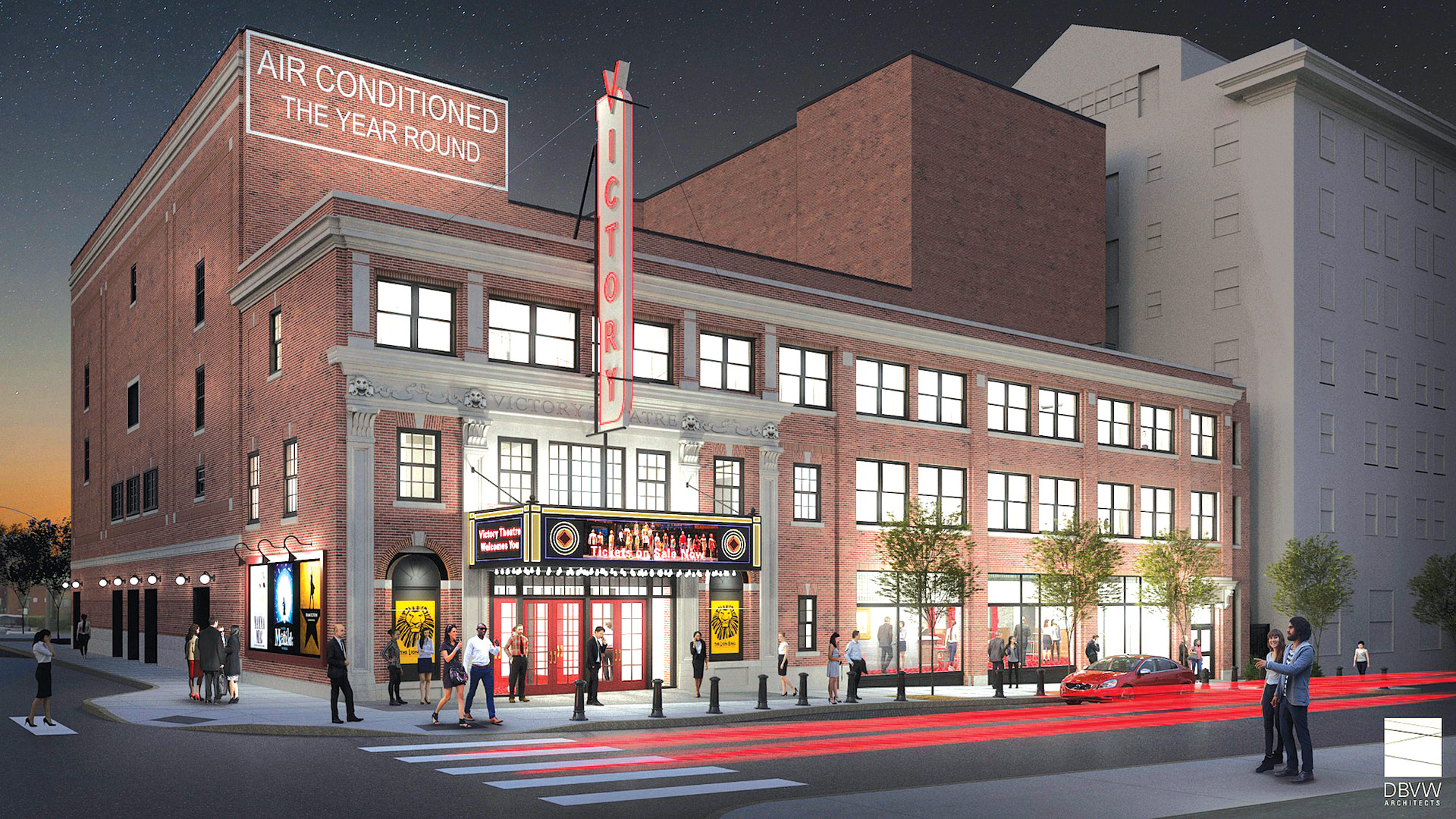
An architect’s rendering of a renovated Victory Theatre

An architect’s rendering of a renovated Victory Theatre

Victory Theatre Project Gains Momentum

Holyoke officials and groups involved with the arts have been engaged in efforts to try to revitalize the historic Victory Theatre for more than 40 years now. And while this initiative still has a ways to go before it can cross the goal line, some significant progress was seen this past year.

It came in several forms, but especially the earmarking of ARPA funding to renovate the theater, which opened in the 1920s and last showed a movie in 1979. The ARPA funding is expected to help close the gap between the funds that have been raised for the initiative and the total needed — roughly $60 million.

Momentum can also be seen in a firm commitment on the part of Joshua Garcia, the city’s first Hispanic mayor, who sees the project as an important catalyst for bringing new businesses to downtown Holyoke and another key ingredient in the larger formula for revitalizing the Paper City.


The Marriott Flag Returns to Downtown Springfield

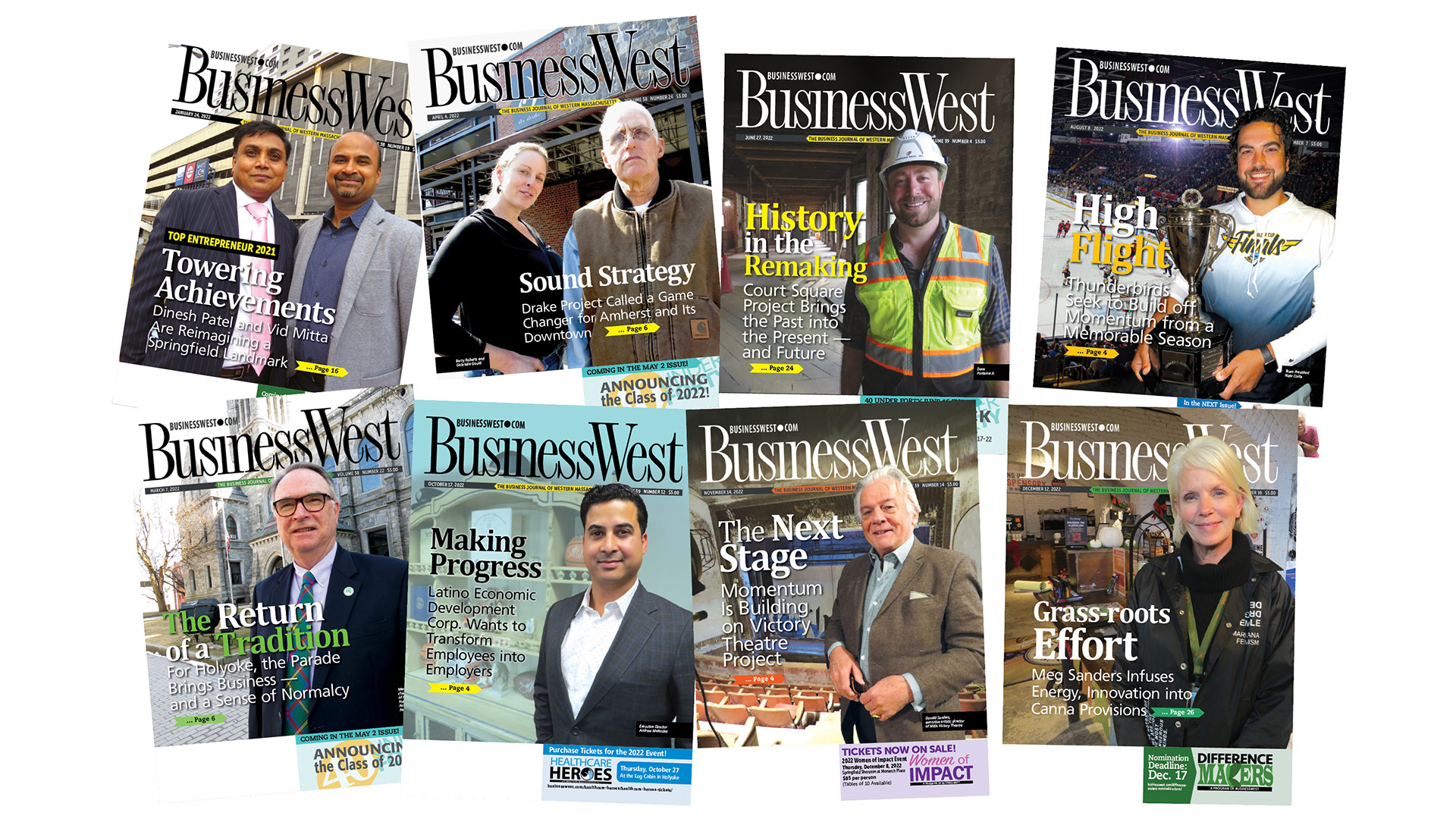
It took more than three years, and there were a number of challenges to overcome along the way, but the Marriott flag is now flying again over the hotel in the Tower Square complex. The massive renovation — or “re-imagining” — of the space, as it’s been called, earned Tower Square owners Dinesh Patel and Vid Mitta BusinessWest’s Top Entrepreneur honor for 2022.

But the undertaking has done more than that. It has helped transform the property into one of the best hotels west of Boston, and it has become a stunning addition to a Tower Square complex that has been reinvented as well, with intriguing additions ranging from the Boys & Girls Club of Greater Springfield to White Lion Brewery to a scaled-down version of a Big Y supermarket soon to emerge in space formerly occupied by CVS.

The new Marriott staged a truly grand opening in November, an event that was a big day not just for Patel and Mitta, but for the entire city.


Remote Work Is Here to Stay

This past year was one in which the region’s business community was to return to normal in most all respects after two painful years of COVID. But there was one realm where it didn’t — and that was by choice.

Indeed, remote work continued to be part of the landscape in 2022, but this time there was an air of permanence to the concept, not merely a temporary response to COVID. In interviews for stories written over the course of the year, owners of businesses large and small said remote work and hybrid work schedules have become the new norm. They have become a benefit of sorts for valued workers and have become an effective means for attracting and recruiting talent, as well as for as widening the net for job applicants well beyond the 413 area.

The full impact of remote work on the commercial real-estate market and small businesses that rely on workers being in their offices — restaurants and bars, for example — has yet to be fully and accurately measured, but it appears that this fundamental change in how people work is here to stay.


East-west Rail Chugs Forward

East-west rail service between Pittsfield and Boston is still far from reality, and plenty can still happen to derail the decades-long dream of so many legislators, businesses, municipalities, and other rail advocates. But 2022 marked the strongest progress toward that goal yet, with $275 million allocated toward the project in August as part of the state’s $11 billion infrastructure bill — a good start, but only a start.

A high-speed rail connection between the Hub and Western Mass. is about more than convenience; it’s about expanded opportunity — both for workers who can earn Boston wages while enjoying a decidedly non-Boston cost of living, and also for employers who can cast a wider net for talent — not to mention easier access to recreational and regional resources, as well as reduced traffic and emissions.

“We have the money, the support, and I have secured the commitment from both the outgoing Baker-Polito administration and the incoming Healey-Driscoll administration to keep this train literally and metaphorically moving forward,” U.S. Rep. Richard Neal said earlier this month. “This is an opportunity that will not avail itself again, and now is the time to move on an east-west rail project that will be transformative for all of Massachusetts.”


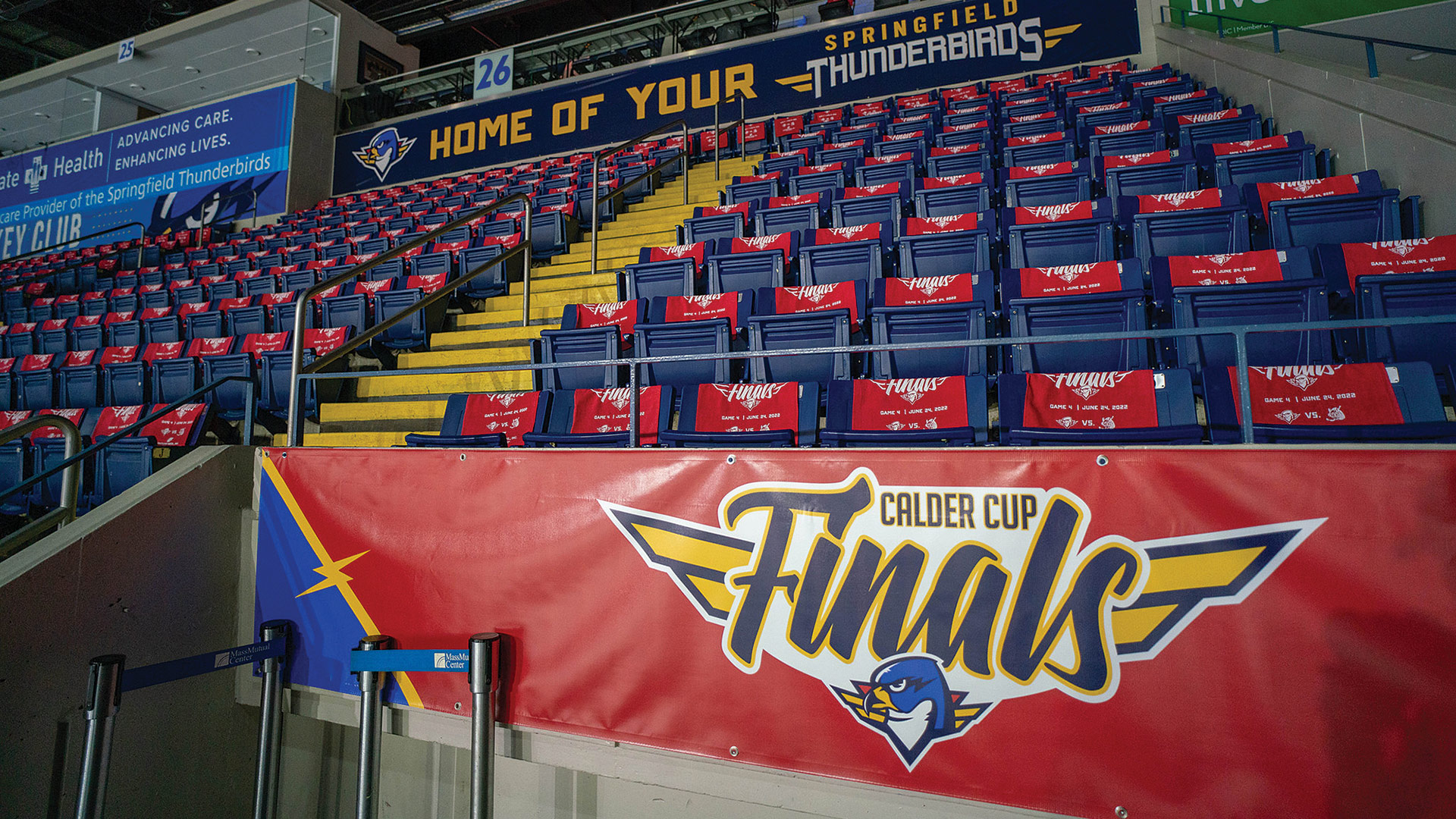
The T-Birds came up a few wins shy of an AHL championship

The T-Birds came up a few wins shy of an AHL championship, but their playoff run was a huge win for the team and the region.

Springfield Thunderbirds Reach AHL Finals

The Springfield Thunderbirds eventually wound up a few wins shy of a Calder Cup this past spring. But their dramatic run to the finals was a huge win for the team, the city, and the region.

Indeed, the race for the cup captured the attention of the entire area, with fans old and new turning out at the MassMutual Center, tuning in on social media, and talking about the team at the water cooler — or the weekly Zoom meeting.

The team, which eventually lost in the finals to the Chicago Wolves, created a great deal of momentum with its playoff run, as well as a surge in season-ticket sales. While not all deep playoff runs are financial success stories, this was one, said the team’s president, Nate Costa. It was also validation for him and for the ownership group that stepped up and brought hockey back to Springfield when the Falcons departed for Arizona.

There’s now an Eastern Conference Championship banner hanging in the MassMutual Center, and even more of a connection between the region and its pro hockey team.


Holyoke St. Patrick’s Day Parade Returns

After a long, as in very long, two-year absence, the Holyoke St. Patrick’s Day Parade and road race returned in full force in March. The twin events have always been part of the fabric of the region and a huge contributor to the Greater Holyoke economy, and that became clear in interviews with parade organizers, city officials, and individual business owners in the weeks leading up to the parade for a story in BusinessWest that carried the headline: “The Return of a Tradition: For Holyoke, the Parade Brings Business — and a Sense of Normalcy.”

Business owners told BusinessWest that the parade and race account for large amounts of annual revenues, and that losing the events for two years due to COVID was devastating. But beyond business and vibrancy, something else went missing for those two years. Marc Joyce, president of the parade for the past three years, put it all in perspective.

“It’s in the mindset and emotions of people who have grown up here,” he said. “It’s a homecoming; people come back to the city, and you see people you haven’t seen since perhaps last year. It’s a wonderful, family-oriented event.”


The LEDC has a unique model

The LEDC has a unique model featuring coaches on matters ranging from accounting to mental health.

Latino EDC Opens Its Doors

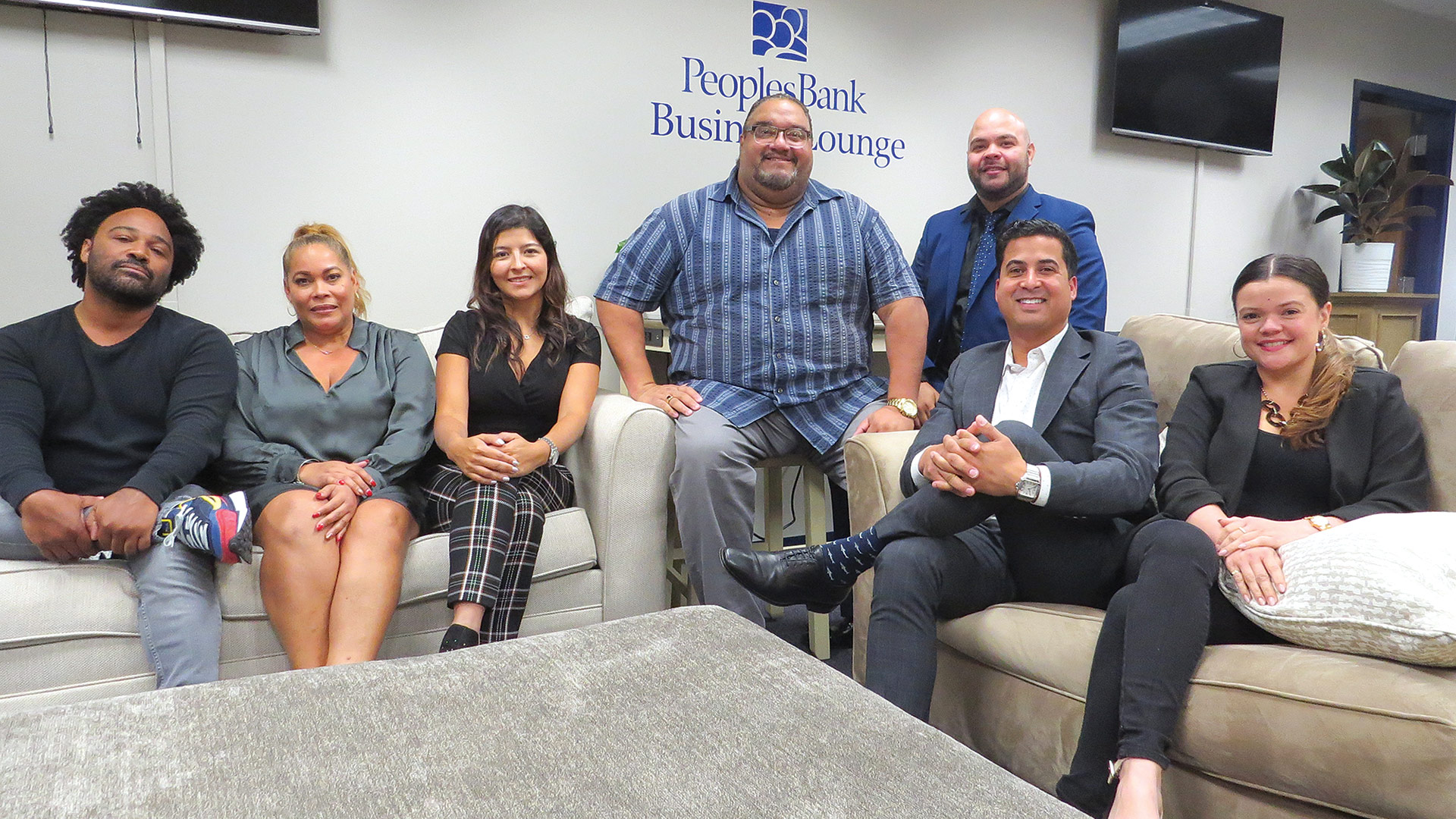
The Latino Economic Development Corp. opened its doors to considerable fanfare in September, and with good reason. The agency, called the Latino EDC, or LEDC, has a broad mission and a unique business model, one aimed at helping businesses, especially Latino-owned businesses, open their doors and keep them open.

The LEDC, located on Fort Street in Springfield, is a place where more than two dozen coaches, experts in many aspects of business, will make themselves available to business owners and share what they know. Executive Director Andrew Meledez says the agency will focus on what he calls the three ‘Cs’ of helping business owners get where they want to go — coaching, capital, and connections. Overall, its goal is to turn employees into employers, and the agency is already capturing the attention of economic-development leaders in this region — and well beyond.


New College Presidents Take the Reins

College and university presidents are in many ways key regional voices, shaping public perspectives on issues through programs and initiatives they spearhead. And in 2022, that exclusive pool of influencers saw some significant ripples.

In April, Hubert Benitez, vice president for Strategic Initiatives and Academic Innovation and acting chief Inclusion officer at Rockhurst University, took the reins at American International College, replacing Vince Maniaci, who had been president there for 17 years.

Then Michelle Schutt, previously vice president of Community and Learner Services at the College of Southern Idaho, began her tenure as president of Greenfield Community College in July, replacing Richard Hopper, who had been interim president since the summer of 2021.

Also in July, Smith College announced that Sarah Willie-LeBreton, provost and dean of faculty at Swarthmore College, will replace Kathleen McCartney, who has served as president since 2013, starting in July 2023.

Finally, in June, UMass Amherst Chancellor Kumble Subbaswamy announced he will retire in June 2023 after serving in that role since 2012, and the following month, Christina Royal, president of Holyoke Community College since 2017, announced she will retire in July 2023; searches are on to replace both.


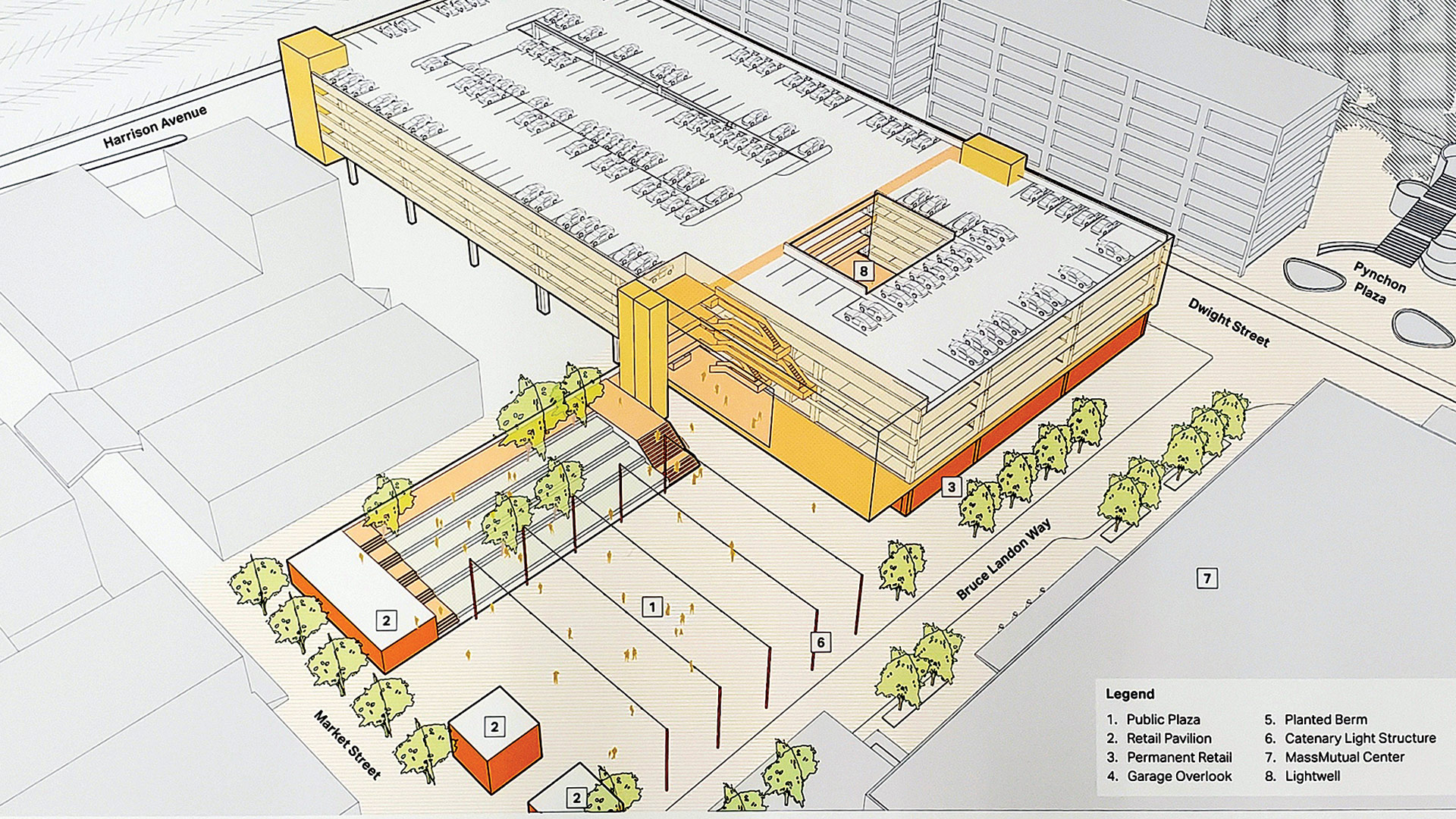
new parking-garage facility at the MassMutual Center.

An architect’s rendering of the new parking-garage facility at the MassMutual Center.

Civic Center Parking Garage Comes Down — Finally

After years of talking about and working with state leaders to assemble the financing to build a replacement, the city tore down the crumbling Civic Center Parking Garage this fall. As the demolition crews began their work, workers in downtown office buildings paused to watch.

It wasn’t a landmark that was coming down, but rather a decaying structure that had become a symbol of all that Springfield was trying to put behind it — the hard economic times, aging infrastructure, and a downtown of another era.

While the long-awaited demise of the parking garage was news, the more exciting news is what’s going up in its place — a new, state-of-the-art, environmentally friendly, 1,000-space facility, and activation of abutting property, acquired by the city, that will enable Springfield to create an atmosphere that officials say will be similar to the scene at Fenway Park on game nights.


transformation of the old Court Square Hotel

The transformation of the old Court Square Hotel is a long time coming.

Court Square Transformation Project Proceeds

When Dave Fontaine Jr. talks about work to renovate the former Court Square Hotel into market-rate apartments being a “generational project,’” he means it. Indeed, when he talked with BusinessWest about the initiative this past summer, he said he believes his father and grandfather were both involved in bids on projects to transform the property going back more than 30 years.

It’s taken decades of effort, but the transformation of the property is now well under way. The project is expected to not only bring new life to that historic property — in the form of 71 units of housing as well as retail on the ground floor — but also create more vibrancy in the city’s downtown and possibly be a catalyst for new hospitality and service-sector businesses.

The Court Square project is a true public-partnership, with funding support from several parties, including Winn Development, Opal Development, the state, the city, and MGM Springfield. And it will make sure that an important part of the city’s past is now a vital cog in its future.


Navigating Challenges in Auto Sales

This past year was another wild ride, if that’s the right term, for the region’s auto dealers. Indeed, the trends that emerged in 2020 and 2021 — from historically low levels of inventory to sky-high prices and low inventory of used cars — continued in 2022.

Matters improved to some degree for area dealers, but there were still many challenges to face — and still a number of used cars taking up space on the showroom floors.

But perhaps the biggest news in 2002 involved electric vehicles, with many dealers reporting huge increases in the sales of such models. There are several reasons why, but simple math is perhaps the biggest, with drivers of electric vehicles — after the initial investment, anyway — spending far less to get from here to there than those with gas-powered cars, trucks, and SUVs.

That trend is expected to continue into next year, say area dealers, as more makers introduce electric-vehicle lines.


Live Music Scene Expands

When the Drake opened in downtown Amherst in April, it became the town’s first-ever dedicated music venue, hosting everything from jazz and rock to funk and world music. And it opened at a time when demand for live music in the region is on the rise, and an increasing number of spaces are meeting the need.

With Eric Suher’s Iron Horse Music Hall, Pearl Street Nightclub, and Mountain Park shuttered to concerts these days and the Calvin Theatre hosting a bare trickle of tribute bands, others have picked up the slack.

They include not just the Drake, but Race Street Live, which hosts national touring acts in the Gateway City Arts complex in Holyoke; Hawks & Reed Performing Arts Center in downtown Greenfield, which schedules a robust slate of events across four spaces; MASS MoCA, which hosts concerts inside the museum and festivals outside it; Bombyx Center for Arts & Equity in Florence, which opened in October 2021 in a converted 1861 church; and many more.

It’s clear that people are enjoying live music again, and a new generation of venues — and some venerable ones as well — are stepping up to meet that need.


Moving On from COVID

President Biden declared COVID over in September. With a winter setting in in which doctors are warning of a ‘tripledemic’ of flu, RSV, and COVID, that’s … well, not quite the truth, not with about 350 people still dying from COVID each day in the U.S., about 85% of them unvaccinated.

What is true is that, even as some people are still overcoming COVID, just about everyone is over it — and especially over the disruptions the pandemic caused to the global economy.

Still, moving on is easier said than done, as is shifting back to something resembling business as usual pre-2020. Construction firms still face challenges with scheduling and cost, knowing that the supply chain can be wildly inconsistent. Families still struggle with inflation, and are getting hit hard by the tonic being poured on it: higher interest rates for loans. As noted earlier, real-estate owners wonder whether a slowed market will remain so as tenants decide they need less space for a workforce that has gone largely remote and may remain so.

In short, moving on from COVID is a slow process, and its effects will continue to reverberate, no matter how much anyone — even the president — wishes it would just go away.


George O’Brien can be reached at [email protected]
Joseph Bednar can be reached at [email protected]
 

Construction

Waiting for a Correction

supply challenges would help builders and buyers move forward on projects with confidence

Dave Fontaine Jr. says a ‘correction’ on cost and supply challenges would help builders and buyers move forward on projects with confidence.
Photo by Joe Santa Maria, Kill the Ball Media

Dave Fontaine Jr. hears talk of a recession that could affect the construction industry, but he prefers to use a different word: correction. After a couple years of soaring costs, he feels one is necessary, and coming.

“I think in the last two years, costs have risen over 20% each year. When you go back over the last 30 years, the average increase per year is 2% to 4%,” said Fontaine, CEO of Fontaine Brothers Inc. in Springfield. “It’s been very difficult for projects to absorb, and for clients to absorb. We’ve seen several projects — some we’ve been involved in, some we’ve watched from the outside — that have either stalled or been canceled because of cost challenges.

“We’re hopefully undergoing a correction. And I like to use that word, the idea being that we need to get back to a correct place. Sometimes [rising costs] are a necessary evil: things get overheated; COVID brought challenges with supply chains, labor, and transport that affected materials and pricing. But I think, frankly, construction costs are in need of a correction. When that happens organically, when we’re able to broaden the supply chain again, get things flowing … we’ll get back to a place where people know what the cost is to build, and move forward with confidence.”

That said, Fontaine noted, “it’s been a really good year; we’ve been busy across all the geographies we serve and all the different sectors as well.”

Bill Laplante, president of Laplante Construction Inc. in East Longmeadow, which specializes in home building and remodeling, had an equally strong report.

“The demand carried over from 2021; demand for remodeling was really high, and a lot of that was just people being home during the pandemic. They were able to work from home and wanted to make a nice office or put a bedroom suite in.”

“We had a fantastic 2022. It was probably one of our best years in the last 20 years,” he said, noting that some of that success was driven by expansion onto Cape Cod, but some was based on demand that carried over from 2021. “Some of it was pandemic-related, but we actually have a really strong outlook for 2023 with the jobs we have in the pipeline.”

He agreed, though, that supply and cost challenges have been discouraging.

“Some materials, things like plastic pipe and conduit, have increased five times the cost. It’s not as simple as a 8% or 9% increase here and there; for some materials, it’s completely off the charts. It makes it difficult to sign a contract and build a house, when you’re not going to be purchasing those materials for four months, not knowing where things are truly going to land. Obviously, once costs go up, you try to plan for the next house.

“The supply-chain issues have been brutal over the last couple years,” he went on. “It seems like it’s something different every week. You can’t get the plastic for the buckets for drywall cement. Then the next week, you can’t get runners for cabinet drawers. The next week, you can’t get a hinge. That’s been very, very difficult. Plus, a lot more planning goes into it, with the increased lead times for windows, doors, and appliances. We need to get selections a lot sooner than we would from our customers so we can get orders placed. With high-end appliances, we’re out 10 to 12 months.”

Fontaine echoed those sentiments. “Lead times are still challenging. There are some items getting better, which is good, and most items are not getting worse, which is also good. But we’re still seeing a lot of difficulty with items like electronic components, chips, boards, stuff like that. That’s affecting things like rooftop units, electrical equipment, and generators.

demand has been up for new homes

Bill Laplante says demand has been up for new homes and remodels alike, despite rising interest rates.

“For us, it’s not anything that’s stopped our projects from opening on time,” he added, “just something we’ve had to pay much more attention to, and we’ve become more creative with how we procure things and meet our schedules.”


Ups and Downs

Despite reports that some area contractors had a strong 2022, rising interest rates are expected to impact construction nationally in 2022. The 2023 Dodge Construction Outlook predicts U.S. construction starts will drop by 3% next year.

Meanwhile, the Architecture Billings Index, a forward-looking indicator for construction activity, dropped significantly in October after 20 months of positive growth. And the Associated Builders and Contractors backlog indicator, which tracks work construction firms have booked but haven’t yet begun, fell below its pre-pandemic reading from February 2020, largely due to a decline in the commercial and institutional category.

“The construction sector has already started to feel the impact of rising interest rates,” said Richard Branch, chief economist at Dodge. “The Federal Reserve’s ongoing battle with inflation has raised concerns that a recession is imminent in the new year. Regardless of the label, the economy is slated to significantly slow, unemployment will edge higher, and for parts of the construction sector, it will feel like a recession.”

Some sectors are expected to perform well, he added, including data-center construction, manufacturing starts — especially chip-fabrication plants and electric-vehicle battery plants — and publicly funded infrastructure projects. Meanwhile, the office, warehouse, hotel, and retail sectors are expected to lag. Branch also expects single-family starts to drop about 5% next year.

“There’s got to be more emphasis put on job training and vocational schools. The opportunities out there for tradespeople, and what a skilled tradesperson can make, are incredible.”

Laplante said remodeling, additions, renovations, and home improvements comprise 30% to 40% of his firm’s work, and the pandemic played a role there.

“Again, the demand carried over from 2021; demand for remodeling was really high, and a lot of that was just people being home during the pandemic. They were able to work from home and wanted to make a nice office or put a bedroom suite in. We saw that pretty much across the board. People weren’t traveling overseas; they were putting in poolhouses and sunrooms and outdoor kitchens, things like that.”

While he expects interest rates to slow activity in the home-building and remodeling industry, Laplante said the large size of some of his projects, which can take from six months to a year, tends to dampen any slowdown.

“Smaller remodelers are probably seeing more of an effect with interest rates slowing things down quicker than we will see it,” he said. “And then, of course, we’re working with a lot of customers who aren’t interest-rate-sensitive.”

He added that subcontractors may see a slowdown before builders because they don’t deal with the same project duration.

The Cape Cod expansion is a strategic move partly based on the fact that Laplante was already building there, and it’s also a fairly high-end market, where, as he noted, clients are more willing to weather higher interest rates. “So part of that was a hedge against the economy; you don’t see the deep swings in demand you would see in the Western Mass. market.”

the facade of the former Court Square Hotel

A worker from Fontaine Brothers works on the facade of the former Court Square Hotel.
Photo by Joe Santa Maria, Kill the Ball Media

Fontaine said his company, while also expanding its reach geographically, is taking on more housing work now that it’s starting to become a priority again. “We did a lot of it for a long time, and we’re seeing a lot more public housing, affordable housing, make its way back through the funding pipeline.”

His most notable current project in that realm is the ongoing transformation, with Winn Development, of the Court Square Hotel in Springfield into 71 units of market-rate housing, accompanied by retail on the ground floor.

Fontaine’s longtime presence in the education sector is also strong right now, with projects including the new DeBerry-Swan Elementary School in Springfield, an elementary school in Tyngsborough, a middle school in Walpole, a project at UMass Chan Medical School in Worcester, and the $240 million Doherty Memorial High School, the largest project in the city of Worcester’s history.


Help Wanted

After inflation and supply woes, the third challenge construction companies are dealing with remains a workforce crunch, which has affected many other sectors of the economy as well.

“The number of people going into the trades is way, way down,” Laplante said. “There’s got to be more emphasis put on job training and vocational schools. The opportunities out there for tradespeople, and what a skilled tradesperson can make, are incredible.”

To that end, he works directly with area vocational schools to cultivate talent, and often schools that aren’t vocational, per se, but have vocational programs. For example, an intern from Longmeadow High School will come on board soon, and Laplante hired another intern from that school last year.

“Through COVID, we’ve had people who have been borderline on retirement, and COVID pushed them to retire,” Fontaine said of one of the stress points in the construction workforce. “But we honestly haven’t had as significant labor challenges as some of our peers.”

That’s partly due to working with some of the large local unions, which can supply a more reliable workforce, he said. “But we’ve also put a lot of focus the last few years into workforce development, even before COVID. We actively go into the community and work with workforce programs, with community organizations, to bring people into the workforce.”

Those efforts are crucial, he added. “When I look at the next 20 to 30 years, that’s one of the biggest challenges, to be able to recruit people into the trades.”

Fontaine added that his company has been able to integrate a lot of technology into projects over the last few years, which has helped overcome challenges related to cost, lead times, and workforce. “We’re using technology to track lead times and inform other projects, so we avoid those ‘gotcha’ moments, and we’re using technology to coordinate mechanical systems and prefabricate them off-site, which helps with some of that labor and lead-time burden.”

In short, he said, “we’re trying to modernize an industry that’s by nature not modern, to the best extent possible. That’s been a big theme for us the last couple years.”

That said, the main theme across the industry in 2023 could be the impact of those rising interest rates finally coming to roost.

“Our planning process is so long, and the jobs we’re getting ready to start now are jobs that were planned four months ago, and when the financing is finally put together, we’re ready to get shovels in the ground. That’s a house that people ultimately will be moving into in the fall,” Laplante explained. “So, because of that, we see a little more of a lag in the drop in demand based on the interest rates, but it certainly is coming.”

Still, Dodge’s Branch believes any downturn in the construction industry will not be as dire as the Great Recession, which settled over the U.S. almost 15 years ago.

“The funds provided to the construction industry through the Infrastructure Investment and Jobs Act, the CHIPS and Science Act, and the Inflation Reduction Act will counter the downturn, allowing the construction industry to tread water,” he said. “During the Great Recession, there was no place to find solace in construction activity — 2023 will be quite different.”


Joseph Bednar can be reached at [email protected]
Daily News

HOLYOKE — The new Girls Inc. of the Valley headquarters and program center is one big step closer to reality thanks to a new financing package developed by MassDevelopment and PeoplesBank.

Girls Inc. recently announced the closing of financing on a $2,275,000 MassDevelopment revenue bond for the new program center in Holyoke. PeoplesBank was the purchaser of the bond, continuing the bank’s longtime support of Girls Inc. of the Valley. MassDevelopment enhanced the bond with a $455,000 mortgage insurance guarantee.

The newly renovated, 16,000-square foot facility will allow the organization to consolidate its programs at one location. It will include a cutting-edge STEM makers’ space, a library, two multi-purpose rooms, a teen lounge, a kitchen and dining area, and administrative offices.

“We are thrilled to be able to continue our support of Girls Inc. of the Valley and be a part of this exciting project,” said Vicky Crouse, senior vice president, Commercial Banking at PeoplesBank. “Their mission to inspire all girls to be strong, smart, and bold by providing them the opportunity to develop and achieve their full potential is one that we embrace as well.”

Dan Rivera, president and CEO of MassDevelopment, noted that “Girls Inc. has a proven track record of supporting girls in all their academic and social endeavors, while also empowering them to unlock the best version of themselves. We are pleased to partner with PeoplesBank to help this nonprofit purchase a new building in Holyoke to call home.”

Added Suzanne Parker, executive director of Girls Inc. of the Valley, “what a powerful statement this makes to the youth we serve, that so many of our leaders on this project, from engineering and design to financing and legal, to construction and capital campaign, are strong, smart, and bold women.”

Daily News

WARE — Country Bank, a full-service financial institution serving Central and Western Massachusetts, announced a $30,000 grant to support Revitalize Community Development Corp. (CDC) in Springfield.

Revitalize CDC performs critical repairs, modifications, and rehabilitation on the homes and nonprofit facilities of low-income families with children, elderly military veterans, and people with special needs. In 2022, the organization served 826 households with 2,309 individuals across Springfield, Holyoke, and Chicopee, and completed 75 home repairs, nine owned by military veteran families.

“It’s hard to find an investment with as strong of a multiplier effect as a donation to Revitalize CDC,” said Ben Leonard, senior vice president, Commercial Banking team leader at Country Bank and vice chair of the Revitalize CDC board. “When they support our fellow residents with critical repairs, it provides stability to families and neighborhoods, allows people to stay in their homes, reduces vacant and condemned properties, and helps to maintain the tax base. As a result of their healthy-homes program and asthma-prevention measures, medical costs are reduced, and there are fewer visits to the ER. By revitalizing blocks of homes at a time, the sense of community is strengthened, and our neighborhoods are made safer. At Country Bank, we are honored to support such a worthy organization.”

Added Colleen Shanley-Loveless, president and CEO of Revitalize CDC, “thank you to Country Bank for your dedication and support of our community by providing employee volunteers and funding for our #GreenNFit neighborhood rebuilds. You truly make a difference.”

Daily News

HADLEY — UMassFive College Federal Credit Union announced that Megan Lagoy has been promoted to assistant vice president (AVP) of Loan Operations.

Lagoy began her career at UMassFive in 2012 as a call-center representative before taking on other various Contact Center roles, eventually becoming assistant vice president of the Contact Center and Interactive Teller Machine department. More recently, she held direct oversight of UMassFive’s flagship Hadley branch in the position of assistant vice president of Retail Services. Her various roles at the credit union over the past 10 years have prepared her for this transition to assistant vice president of Loan Operations, and she brings to it a drive inspired by living out the credit union’s mission statement.

“I am thrilled to start this next chapter of my career as the AVP of Loan Operations,” Lagoy said. “I have always been on the front line of member advocacy, and am looking forward to the opportunity to help our members with all of their future borrowing needs.”

Daily News

SPRINGFIELD — The YMCA of Greater Springfield hosted a successful Santa event on Dec. 16 in downtown Springfield’s Tower Square. Planned and coordinated by the YMCA Executive Director Kim Lavallee, the event hosted more than 400 children and more than 100 adults. The children were greeted by the Grinch, Boomer from the Springfield Thunderbirds, and, of course Santa and Mrs. Claus.

Several vendors offered handouts for the children, including the Y’s Men of Color Health Awareness; Pellegrini, Seeley, Ryan & Blaskley; United Way; Laura Progulske with her book K-9 Fitzgerald Sniffs Out Bullies; CHG Catering with hot chocolate; the Sheriff’s Department and Springfield College with cookies; and Six Flags of New England with candy.

Organizations that supported the event included Tower Square, Six Flags of New England, Toys for Tots, Springfield Thunderbirds, Market Mentors, Farm Credit Financial Partners, Wellfleet, United Way, Domino’s Pizza, Noonan Energy, CHG Catering, PSRB, New England Citizens’ Council, Target, Springfield Police, Springfield College, Sigma Gamma Rho, and all the YMCA members and staff who donated toys.