Daily News

SPRINGFIELD — MassMutual announced that 2025 will mark the 157th consecutive year that the company will pay an annual dividend to its eligible participating policyowners. The total estimated payout will be more than $2.5 billion, the largest in MassMutual’s history. The dividend interest rate (DIR) has increased to 6.40%.

“Our 2025 record dividend payout reflects our unwavering commitment to delivering consistently strong performance and enduring value to our policyowners,” said Roger Crandall, chairman, president, and CEO of MassMutual. “As a mutual company, our interests are directly aligned with their needs, which means our success is their success. This foundational principle continues to guide MassMutual as we grow and evolve, finding ways to reach more people and help them protect their assets, grow their wealth, and achieve financial security and peace of mind throughout their lives.”

MassMutual has more than $1 trillion in life-insurance protection in force and has paid more than $60 billion in insurance and annuity benefits over the past decade, helping generations of individuals and families endure the financial loss of a loved one, recover from an accident or illness without financial stress, or retire on their terms.

“From the moment we issued our first policy in 1851, MassMutual has helped millions of people navigate the unthinkable and unexpected with security and stability,” Crandall said. “In a world filled with questions and uncertainty, those who rely on us can have confidence in knowing that we are here to help them secure their future and protect the ones they love.”

Daily News

WEST SPRINGFIELD — Flash Car Wash announced it will hold its Veterans Day promotion again this year at all 19 locations across Massachusetts, Rhode Island, and Connecticut.

This promotion will include a free Diamond Wash at any Flash Car Wash location for all veterans and active service members on Veterans Day (Monday, Nov. 11), while 100% of the proceeds from any paid retail washes on that day will be donated to Veterans Inc.

Last year, Flash Car Wash provided 1,067 veterans and active service members with complimentary Diamond Washes across all 19 locations. Through this initiative, it also donated $43,879 to Veterans Inc. This year, the goal is to honor even more service members with complimentary washes and make another substantial donation to Veterans Inc.

Daily News

CHICOPEE — Elms College signed an articulation agreement with the University of New England (UNE), creating a streamlined pathway for Elms graduates to pursue advanced degrees in five high-demand health professions.

Under this agreement, Elms College students who meet a specified minimum GPA and fulfill additional program requirements will be guaranteed an interview in the admission process for UNE’s graduate programs. Starting in the fall of 2025, this collaboration will broaden educational opportunities for Elms students, offering them direct access to UNE, Maine’s leading provider of health professional training.

The five graduate programs included in this agreement are doctor of dental medicine (DMD), master of science in athletic training (MSAT), master of science in occupational therapy (MSOT), doctor of physical therapy (DPT), and doctor of pharmacy (PharmD).

These fields represent growing areas within healthcare, and this agreement positions Elms graduates for success in meeting the increasing demand for skilled professionals.

For students at Elms College, this agreement not only provides a more accessible route to graduate-level education, but also serves as a testament to the value of an Elms education in preparing them for meaningful careers in healthcare.

Daily News

SPRINGFIELD — Tickets are now on sale for BusinessWest’s seventh annual Women of Impact award gala. The event will take place on Thursday, Dec. 5 at 5:30 p.m. at Sheraton Springfield Monarch Place Hotel. Tickets cost $95 per person, and tables of 10 are available. Click here to purchase tickets.

The 2024 Women of Impact, profiled in the Oct. 28 issue of BusinessWest and at businesswest.com, are:

• Alison Berman, council director of Girls on the Run Western Massachusetts;

• Dianne Fuller Doherty, co-founder of the Women’s Fund of Western Massachusetts and former director of the Massachusetts Small Business Development Center’s Regional Office;

• JoAnne Finck, president of Friends of Cooley Dickinson;

• Kimberley Lee, chief of Creative Strategy and Development at MiraVista Behavioral Health Center;

• Megan McDonough, executive director of Pioneer Valley Habitat for Humanity;

• LaTonia Monroe Naylor, chief business educator at Monroe Naylor Consulting, LLC and president and CEO of Parent Villages;

• Kristi Reale, partner at Meyers Brothers Kalicka, P.C.; and

• Dr. Shirley Jackson Whitaker, nephrologist, artist, and filmmaker.

The seventh annual Women of Impact program is presented by TommyCar Auto Group and Country Bank, and sponsored by Cooley Dickinson Hospital.

In 2018, BusinessWest created the Women of Impact program as a way to honor women in the region who are making an impact and creating positive change. Women of Impact was chosen as the name for the program because, while nominees can hail from the world of business, they can also emerge from other realms, such as the nonprofit community, public service, law enforcement, education, social work, the mentorship community, a combination of these.

Cover Story

Parts of the Whole

Plant Manager Sadiq Elias

Plant Manager Sadiq Elias


Sadiq Elias knows precision manufacturing is a challenging business.

“It’s long hours. It’s the type of industry where it’s not always a 9-to-5 job,” Elias, plant manager at Ace Precision Inc., told BusinessWest. “We’re making military components here, for the government. And we all know their demands; they don’t care if it’s Sunday, they don’t care if it’s Christmas, they don’t care if your kid was just born — their priority is getting their parts so they can move on with their projects. So that makes for long hours, long days, and that could be a turnoff for some people.”

But there’s a certain satisfaction that comes with this work, he added, that makes it a good fit for young people looking for a rewarding career that engages both their brain and their hands.

“The biggest thing that I’ve always enjoyed is knowing what you’re building,” Elias said. “We’ve made components in the past that are on the Hubble telescope. One of my customers told me at one point, ‘you know, every plane in the sky has a part that Ace Precision made.’ And it’s something you can tell other people — ‘we have parts on space shuttles and satellites, submarines and aircraft carriers, commercial airlines, F-35s.’ It’s cool to know that you can look at a submarine or go to an airshow and look at some planes and say, ‘oh yeah, we make parts that go on there.’ It’s a cool feeling.”

Ace Precision has been creating those feelings — and, more importantly, cutting-edge components — since Elias’s father launched the business in 1980.

“We’ve made components in the past that are on the Hubble telescope. One of my customers told me at one point, ‘you know, every plane in the sky has a part that Ace Precision made.’”

From that original location, in a 9,000-square-foot building on Suffield Street in Agawam, the business continued to grow and thrive, with some important milestones along the way, from achieving ISO900/AS9100 certification in 2013 to relocating to a new, much larger facility at nearby 17 Ace Precision Way in 2021.

“My father started the business with one machine and a lot of ambition. We’ve grown into a 20,000-square-foot facility here in Agawam with roughly 30 employees,” Elias said, noting that the company’s main manufacturing focus is in the aerospace and defense industries, both locally and with a footprint stretching from the South to the West Coast.

The company touts capabilities ranging from prototyping to production work. “We have a pretty good engineering team here. Sometimes we’ll have customers come to us with a design that hasn’t yet been built. And we’ll work hand-in-hand with them, taking those drawings and models and turning those into parts, and then further down the road into assemblies and testing those out for them. Eventually, that may turn into a production order for them.”

Ace Precision

Ace Precision moved into its current, 20,000-square-foot headquarters in 2021.

For example, “we do a lot with with Collins Aerospace, developing tools to help them in the field for maintenance purposes and aircraft repairs and overhauls and just routine maintenance,” Elias said. “Also, we do quite a bit with the Navy, where we’re doing launch and recovery systems on the aircraft carriers, as well as with a company that does a lot with commercial airlines, on the mechanical side of things, on the bodies of the planes. So many of those components are built right here at Ace Precision.”


Specialized Services

The Agawam facility houses computer numerical control (CNC) equipment, from lathe mills, grinding equipment, and saws to coordinate measuring machines (CMMs) to check parts. “It’s pretty high-end,” Elias said. “We try to keep up with the latest and greatest equipment that’s out there so we can stay competitive.”

And it is, indeed, a competitive field, he added. “There are a lot of firms in the area that do this type of work — not as many as there used to be, obviously, as manufacturing has gone downhill a little bit in the last 20 years.”

He explained that precision machining involves holding tight tolerances while working on specified materials, such as engine components for aircraft that have very little leeway for tolerance errors.

“So we need really well-trained talent in the shop that can operate the equipment that we do have on hand,” Elias said. “There are other shops out there that don’t necessarily work with precision manufacturing, which is not to say anything bad about them, but it’s just a higher class of workmanship here, I guess you could say.”

That’s why making the move to more than double the floor space was so huge, he noted.

“Moving into a larger facility allowed us to streamline production, creating a flow from in to out. And we’re all under one roof right now. Before, we were in a building that had several different roofs, and it wasn’t very streamlined. So now we’re in a very clean, new facility. It’s a great working environment. People enjoy coming to work to a clean atmosphere, and also it just helps communication within the company.”

Sadiq Elias, pictured with Andrea Sibilia

Sadiq Elias, pictured with Andrea Sibilia, vice president of Purchasing, says the current space lends itself to a more streamlined workflow and better communication.

At the same time, client needs are always changing as well. “We’ve been working with the same four major customers for many years. Their products have changed, and for the better. There have been design changes and models that have changed configurations completely. We try to use the latest software to help model these parts up and also equipment like 5-axis machining or 3D scanning on CMMs, trying to stay ahead of the curve with technology. That makes us attractive to customers as well as making our job here at Ace Precision easier, and at the end of the day, we become more profitable and prosperous.”

That customer loyalty from a few major, long-time clents has been a critical component the success of Ace Precision, Elias noted.

“There’s one motto that I stand by, and I’ve always stood by: don’t give your customers a reason to go elsewhere. That means give them a quality part, and give it to them when they expect it. Those are two big key factors in keeping your customers happy. If you give them an excuse to go elsewhere, then, obviously, they will find someone else to make their parts.

“There’s one motto that I stand by, and I’ve always stood by: don’t give your customers a reason to go elsewhere. That means give them a quality part, and give it to them when they expect it.”

“There are plenty of shops in the area or in the country, for that matter, that are capable of doing these types of things,” he went on. “So customer satisfaction is huge, and it’s a driving factor in keeping a long-term relationship with a company, so your customer can rely on you. They can pick up the phone or send an email and say, ‘we’re in a pinch; we need something right away.’ And when you get it to them, they’re happy, and you’re happy. They have that feeling of ease that they can rely on you to deliver their parts when they’re needed. That’s what it’s all about: customer satisfaction.”


From the Floor Up

Elias said he always had his eye on working at Ace Precision, even from childhood.

“I kind of grew up here as a kid, coming on weekends with my dad, and he taught me from the bottom up, from sweeping floors, taking out the trash, getting my driver’s license and making deliveries, running on the saw, just doing what I had to do. He groomed me into the man I am today, and basically I run the business now.”

And the plant continues to grow, he told BusinessWest.

“Obviously, everybody hit a big roadblock during COVID, which put a damper on production, but we were able to come out of that strong, if not stronger, due to the fact that our industry is versatile, and we don’t put all our eggs in one basket. So we were able to get through COVID with no problems, and we’ve definitely increased our capabilities and our profitability.”

That said, recruiting and retaining talent is a struggle these days across the manufacturing spectrum.

“You find that a certain age group of older talent may have retired, may have moved on to something different in their lives,” Elias noted, and they’re not necessarily being infilled at the same rate with younger talent. “There’s a little bit of a gap in age where there weren’t that many people out there that said, ‘oh, I want to get into manufacturing.’ Everyone wanted to be in IT or a desk job. And there’s nothing wrong with that. But it’s hard to find that talent and the good help that you need.”

But Ace’s clients continue to demand parts and expertise, Elias was quick to add, and they always have new products in the works.

“So we hope that we’ll get a part of that, if not all of it. We’ve been growing, and we’ve been at a steady pace of growing for the last four years since COVID. It seems to keep going in that positive direction every year. So I just stay positive.”

Employment Special Coverage

A Hand Up, Not a Handout

Springfield Rescue Mission CEO Kevin Ramsdell

Springfield Rescue Mission CEO Kevin Ramsdell

Springfield Rescue Mission has long helped its homeless clients find jobs. Sabra Ramsdell was concerned about how often those jobs didn’t stick.

“What is the value in work? A lot of people don’t understand that the value in work is that it teaches you a discipline,” she told BusinessWest. “It’s not just a paycheck. It teaches you how to build self-esteem in yourself.”

And for whatever reason, motivation or otherwise, “we would find that guys would just hit a brick wall and quit. And we were scratching our heads going, ‘why? What’s going on?’ But we had no mechanism to call an employer and say, ‘well, what happened?’ And if you talk to the residents, you get one side. So I finally just said, ‘this isn’t going to work this way.’”

So Ramsdell, chief of staff at Springfield Rescue Mission (and the wife of CEO Kevin Ramsdell), started thinking about different models.

“The one entity that I’ve seen that does this over the long haul is the DDS,” she said, referring to the state Department of Developmental Services. “They have a mechanism that works between HR departments, companies, and employees. Many of these guys who are housed in group homes come to, say, Big Y through an agency. Well, we’re an agency, so how come we can’t develop a program that would ensure to companies that they would have a fallback to contact us if they were running into an issue? It’s really that simple.”

That’s how the mission’s Workforce Development Outreach program was born. And on Oct. 30, the program got a major boost of funding — and a vote of confidence, really — from KeyBank Foundation in the form of a two-year, $150,000 grant to create a liaison position that will work with employers to help the mission’s transitional residents secure jobs best suited for them, and then keep them and grow in their careers.

“This grant reflects our ongoing dedication to investing in local communities and helping individuals build brighter futures.”

“One of KeyBank’s philanthropic focus areas is workforce development and helping individuals achieve the skills, education, and capabilities they need to succeed in current and future employment opportunities,” said Matthew Hummel, KeyBank’s market president for Connecticut and Massachusetts. “This grant reflects our ongoing dedication to investing in local communities and helping individuals build brighter futures.”

Essentially, the Workforce Development Outreach program matches mission residents with potential employers, while providing training and support to the residents to become effective, retainable employees. The grant is a way to build and expand partnerships with local companies and, through the new liaison, coordinate efforts between employers, employees, and the mission’s case-management team.

the $150,000 grant to Springfield Rescue Mission

KeyBank’s Matthew Hummel, flanked by Sabra and Kevin Ramsdell and joined by local and state leaders, presents the $150,000 grant to Springfield Rescue Mission.

“We are incredibly grateful to KeyBank for the generous funding, which will greatly enhance our Workforce Development Outreach program,” Kevin Ramsdell said during the check-presentation ceremony. “This support will empower us to help more individuals in need gain valuable skills and opportunities to secure sustainable employment and self-sufficiency.”


Shared Mission

Hummel told the crowd gathered at the check presentation that KeyBank Foundation’s focus on helping people attain the skills and education needed to succeed in careers fits squarely with the mission’s work.

“The Workforce Development Outreach program is not just about job training, it’s about equipping people with the skills, the confidence, and the support they need to rebuild their lives. It’s about giving people hope, dignity, and the opportunity for a better future. That’s also a mission that we can stand behind,” he said. “With this grant, we’re helping them create a pathway to success, offering tools to allow individuals to secure meaningful employment, achieve financial independence, and ultimately contribute to the privacy of this community.

“Employers are going to have that support, too. They’ve got somebody else that they can talk to about what’s really going on. And we genuinely want these guys to realize their dream and become effective employees.”

“By partnering with not-for-profits and nonprofits like Springfield Rescue Mission,” Hummel added, “we can help individuals rise above their challenges and build a foundation for long-term success.”

It’s a message that also resonated with state Rep. Carlos Gonzalez, who touted Springfield Rescue Mission’s status as the first shelter of its kind in the state of Massachusetts, and the fifth-oldest in the U.S.

“This is about our community. This is not about helping with a handout, it’s helping with a hand up. That’s what this program is about,” he said. “These opportunities are about not only sheltering, but about rehabilitation.”

City Councilman Melvin Edwards spoke to the Christian values that undergird the mission’s work.

“I know that the mission is biblical, and we’re supposed to feed those in need and house them,” he said. “I believe this program is about the fact that some of us are in a better position than others, but … our collective success is dependent on the people around us and whether they’re willing to reach out and give us a helping hand. So for those of you who are providing the services, thank you.

“For those who are receiving services, look in the mirror and recognize you do have value, you are loved, and people in the community do respect you,” Edwards added. “Sometimes we can’t control how people speak about us and look at us. But you should look at yourselves and realize you do have value.”

Sabra Ramsdell emphasized during her short address that the underserved population needs more than just simply a job. “Most of us could go get a job,” she noted. “The trick is to get a job doing something you love because, as my husband likes to say, you’ll never really work a day in your life if you love what you’re doing.

Matthew Hummel

Matthew Hummel says workforce development is one of KeyBank’s philanthropic focus areas.

“Secondly, you need real support from employers who understand that the population we’re dealing with … may not completely have all the skills necessary to perform the way we would like. So this program was born to bring about a relationship between employer, case management, and resident in an effective way that we hope solves problems and produces more active, robust employees.”


More Than a Job

Springfield Rescue Mission’s Taylor Street site hosts an emergency shelter accommodating 45 men nightly, offering meals, showers, and clothing, while its Rehabilitation Program supports transitions with healthcare, addiction services, and mental-health support. At the mission’s Mill Street location, the New Life Rehabilitation Program aids up to 60 men over six to 12 months through a holistic wellness track, including medical care, academic support, workforce development, and life-skills training. The mission also distributes 3.1 million pounds of food annually, benefiting hundreds through meals and community outreach.

After the check presentation, Sabra Ramsdell told BusinessWest that she wants to help people succeed in life by creating more of a mentoring partnership between employers and underserved populations.
“Employers are going to have that support, too. They’ve got somebody else that they can talk to about what’s really going on. And we genuinely want these guys to realize their dream and become effective employees.”

If the liaison to be hired with KeyBank Foundation’s grant funding is as effective as hoped, Ramsdell said she could see this program becoming a model that could be incorporated into other social services.

“I don’t have a social-service background. I was a banker for 20 years. I did mortgage work. So I know what I know — the pathway to becoming independent financially as a first-time homebuyer. But I don’t know this other piece, which is getting somebody from where these guys are to that point.”

To aid in that process of economic advancement, the mission also provides digital-literacy training to help residents gain the basic skills they need to work in many settings.

As for long-term goals, she noted, “you have to look at that whole person and say, ‘how old are you? What is your dream? What did you dream? What did you like doing when you were a kid? Tell me about your life, your family.’ You’ve got to analyze where they really are and then figure out where they need to go.”

The Workforce Development Outreach program is open to all the mission’s transitional-living clients, more than 100 at a time. So the impact could be significant, boosting local businesses in need of workers while providing not just jobs, but potentially career pathways beyond minimum wage.

“If it’s a difference between $15 an hour and $25 an hour or more,” Ramsdell said, “that gets them out of that cycle of poverty.”

Accounting and Tax Planning Special Coverage

Despite Uncertainty in Washington, Solid Advice Abounds

By Kristina Drzal Houghton, CPA

As we come to the end of 2024, it’s time to discuss end-of-year tax planning. This past year has seen some significant tax legislation that, if enacted in its current form, would impact year-end tax strategy. Understanding this legislation, and how it might affect 2024’s tax obligations, is essential for making informed tax-planning decisions.
Kristina Drzal Houghton

Kristina Drzal Houghton

In this article, I will address both business and individual tax-planning strategies and provide some insight on how possible legislation might affect your year-end planning decisions. Many of my clients ask me about my thoughts on taxes depending on a Republican or Democratic victory for president. My reply is that no one person can determine legislation, and the makeup of the House and Senate need to be considered.

One of the most notable legislative proposals this year was the Tax Relief for American Families and Workers Act of 2024. This bipartisan bill would have provided tax relief to parents by enhancing the Child Tax Credit.

For businesses, the bill would have restored immediate expensing for U.S.-based research and development (R&D) investments, instead of deducting such expenses over five years. Full and immediate expensing for investments in machinery, equipment, and vehicles would also have been restored, and the amount of investment that small businesses can immediately write off would have been increased to $1.29 million. The bill also addressed the treatment of business interest expense, bonus depreciation, and research and experimental costs.

Although the bill failed to pass in the Senate, various provisions have been resurrected separately. However, Congress has yet to pass a 2025 budget or address various expiring provisions and extenders, including the expiring provisions of the Tax Cuts and Jobs Act.

Possible legislative changes, which may include an increase in the corporate tax rate to 28%, along with adjustments to tax brackets, retirement contribution limits, and the gift-tax exclusion, underscore the importance of staying informed and prepared.


YEAR-END TAX PLANNING FOR BUSINESSES

Whether or not tax increases become effective next year, the standard year-end approach of deferring income and accelerating deductions to minimize taxes will continue to produce the best results for most small businesses, as will the bunching of deductible expenses into this year or next to maximize their tax value.

If proposed tax increases do pass, however, the highest-income businesses and owners may find that the opposite strategies produce better results: pulling income into 2024 to be taxed at currently lower rates, and deferring deductible expenses until 2025, when they can be taken to offset what would be higher-taxed income. This will require careful evaluation of all relevant factors.


What’s New for Businesses in 2024?

As noted earlier, one of the most notable legislative proposals this year was the Tax Relief for American Families and Workers Act of 2024.

Without more legislation, bonus depreciation will fall to 60% for most qualified business property placed in service in 2024 (down from 100% in 2022 and 80% in 2023).

However, more taxpayers can deduct business loan interest in 2024 as the adjusted gross income limit for small taxpayers increases to $30 million.


Depreciation and Expensing

One consideration is the possibility of changes in the taxpayer’s tax rate in future years, whether based on predictions about the taxpayer’s business or about legislative changes in tax rates. For example, a possibility of sufficiently higher future rates may result in trying to defer deductions by deferring purchases of property eligible for full expensing or bonus depreciation. On the other hand, an example of a reason not to defer purchases is that the rate of bonus depreciation is phasing down to 0% in 2027.


Bonus Depreciation

For 2024, a first-year bonus depreciation deduction falls to 60% of the adjusted basis of depreciable property allowed for qualified property acquired and placed in service during the year.

For 2024, the maximum amount of section 179 property that can be expensed is $1,220,000 ($1,250,000 for 2025). That full amount is available until qualifying property placed in service during the year reaches $3,050,000 ($3,130,000 for 2025), at which point a phaseout begins.


Proposed Changes

While not actually proposed legislation, a presidential candidate has discussed the idea of raising the corporate income-tax rate to 28%. This adjustment would raise federal revenue but could impact the bottom line of large corporations. These companies may need to reassess their financial strategies, including cost management and investment plans, to accommodate the higher tax burden.


Net Operating Losses

For the 2024 tax year, net operating losses (NOLs) of corporate taxpayers may not be carried back (except for farm losses, which may be carried back two years), but may be carried forward indefinitely. In addition, for the 2024 tax year, the NOL deduction is subject to an 80% of taxable income limitation (not counting the NOL or the qualified business income deduction).

A taxpayer that may have difficulty taking advantage of the full amount of an NOL carry-forward this year should consider shifting income into and deductions away from this year. By doing so, the taxpayer can avoid the intervening year modifications that would apply if the NOL is not fully absorbed in 2024. This may also avoid potentially higher tax rates next year on the accelerated income and increase the tax value of deferred deductions.


Losses and Shareholder or Partnership Basis

A shareholder can deduct its pro rata share of S-corporation losses only to the extent of the total of its basis in the S-corporation stock and debt. This determination is made as of the end of the S-corporation tax year in which the loss occurs. Any loss or deduction that can’t be used on account of this limitation can be carried forward indefinitely.

If a shareholder wants to claim a 2024 S-corporation loss on its own 2024 return, but the loss exceeds the basis for its S-corporation stock and debt, it can still claim the loss in full by lending the S corporation more money or by making a capital contribution by the end of the S corporation’s tax year (in the case of a calendar-year corporation, by Dec. 31).

Similarly, a partner’s share of partnership losses is deductible only to the extent of their partnership basis as of the end of the partnership year in which the loss occurs. Basis can be increased by a capital contribution, or in some cases by the partnership itself borrowing money or by the partner taking on a larger share of the partnership’s liabilities before the end of the partnership’s tax year.


YEAR-END TAX PLANNING FOR INDIVIDUALS

Whether or not tax increases become effective next year, the standard year-end approach of deferring income and accelerating deductions to minimize taxes will continue to produce the best results for all but the highest-income taxpayers, as will the bunching of deductible expenses into this year or next to avoid restrictions and maximize deductions.

If proposed tax increases do pass, however, the highest-income taxpayers may find that the opposite strategies produce better results: pulling income into 2024 to be taxed at currently lower rates, and deferring deductible expenses until 2024, when they can offset what would be higher-taxed income. This will require careful evaluation of all relevant factors.

What’s New for Individuals in 2024?

• Penalty-free withdrawals from retirement accounts. Domestic-abuse victims under age 59½ may take up to $10,000 in penalty-free withdrawals from retirement accounts. Individuals with an emergency can take a penalty-free withdrawal up to $1,000 penalty-free.

• Increased catch-up retirement contributions. IRA catch-up contributions are indexed for inflation beginning in 2024. In 2025, the 401(k) catch-up contribution amount increases from $7,500 to $10,000 for workers ages 60 to 63.

• Some catch-up contributions must be made to a Roth account. Beginning in 2024, taxpayers with income of $145,000 or more must make any catch-up contributions to a Roth or Roth 401(k) account.

• Leftover money in a 529 plan. Leftover money in a 529 plan can be rolled over tax-free into a Roth IRA. Restrictions apply.

• Increased RMD age. RMD age remains age 73 in 2024 and increases gradually to age 75 in 2033.

• Qualified charitable distribution cap. IRA owners can transfer up to $105,000 tax-free to a charity.


Filing Status and Dependents

When considering year-end tax-planning strategies, think about your expected filing status this year and next and the number of dependents that you expect to claim in each year.

Additionally, the Massachusetts millionaire’s tax allows an exemption of $1 million for all filing statuses. For 2024, Massachusetts requires, in most situations, that the Massachusetts filing status mirror the federal filing status. Potential Massachusetts savings for higher-income earners needs to be compared with any federal benefit of married filing jointly.


Who Should Increase Income?

A taxpayer who expects to be taxed at a higher rate next year should explore strategies to increase income this year by accelerating the recognition of income. An individual taxpayer might be in a higher tax bracket next year if:

• The taxpayer is graduating from school or a training program and moving into the paid workforce;

• Head-of-household or surviving-spouse status ends after this year;

• The taxpayer plans to get married next year and will be subject to a marriage penalty; or

• The taxpayer expects to be eligible for one or more credits next year (e.g., the child tax credit) that is subject to phaseout when AGI reaches specified limits and is otherwise not eligible for the credit this year.

Caution: any decision to accelerate income from a later year into an earlier one should consider the time value of money.


Who Should Decrease Income?

A taxpayer who expects to be subject to the same or a lower tax rate next year should consider deferring income recognition. A taxpayer might be in a lower tax bracket next year if:

• The taxpayer becomes eligible for head-of-household status next year;

• The taxpayer expects to have a lower income next year due to retirement, job change, or other change in circumstance; or

• The taxpayer is currently a child who will escape the kiddie tax next year and be in a lower bracket than their parents.

Numerous tax benefits phase out at specified income thresholds. As year end nears, taxpayers who otherwise qualify for a tax benefit should consider strategies to reduce income this year to keep their income level below the relevant phaseout threshold.


Capital Gains and Losses

The appropriate year-end planning strategy for capital gains and losses depends on many factors, including an individual’s taxable income, tax rate, amount of adjusted net capital gain, and whether the individual has unrealized capital losses. For high-income taxpayers, planning must also account for the 3.8% net investment income tax (NIIT).


Installment Sales

An installment sale can be an effective technique for closing certain transactions this year while deferring a substantial part of the tax on the sale to later years.


Passive-activity Limitations

Losses generated by passive activities may be used only to offset passive-activity income. Passive-activity credits may be used only to offset tax on income from passive activities, with a carryover of any unused credits. In addition, the 3.8% NIIT applies to income from passive activities, but not from income generated by an activity in which the taxpayer is a material participant. Taxpayers can employ several year-end strategies for managing passive-activity limitations.


Pass-through Income

A key dollar threshold on the 20% deduction for pass-through income rises in 2024. Self-employed individuals and owners of LLCs, S corporations, and other pass-throughs can deduct 20% of their qualified business income, subject to limitations for individuals with taxable incomes of more than $383,900 for joint filers and $191,950 for all others.


Itemized Deductions and Charitable Contributions

Many taxpayers won’t want to itemize because of the high basic standard deduction amounts that apply for 2024 ($29,200 for joint filers, $14,600 for singles and for married filing separately, $21,900 for heads of household), and because many itemized deductions have been reduced (such as the $10,000 deduction limit on state and local taxes) or abolished (such as the miscellaneous itemized deduction and the deduction for non-disaster-related personal casualty losses).

Some taxpayers may be able to work around these deduction restrictions by applying a bunching strategy to pull or push discretionary medical expenses and charitable contributions into the year where they will do some tax good. For example, a taxpayer who will be able to itemize deductions this year but not next will benefit by making two years’ worth of charitable contributions this year.

Individuals may deduct contributions to charitable organizations up to a certain percent of their contribution base (generally, AGI). Through 2025, that percentage is 60% for cash contributions and 30% for non-cash contributions.

For year-end planning, it’s beneficial to review whether you have charitable-contribution carryovers from a prior year. If income will decline, care should be taken to use the carryovers before they expire.

Taxpayers with low-basis, highly appreciated stock may want to consider funding a charitable contribution with the stock. The charity can sell the stock without incurring any income tax. The donor can also claim a charitable deduction in the year the gift was handled that is equal to the fair market value without recognizing the gain, subject to limitations.


Tuition Credits

There are two credits that taxpayers can claim to offset the cost of education: the American Opportunity Tax Credit (AOTC) and the Lifetime Learning Credit. Both credits phase out for higher-income taxpayers.

AOTC is a credit for qualified education expenses paid for an eligible student for the first four years of higher education. The maximum annual AOTC is $2,500 per eligible student, and it is refundable up to $1,000.

The Lifetime Learning Credit is a credit up to $2,000 per return for qualified tuition and related expenses paid for eligible students enrolled in an eligible educational institution. This includes undergraduate, graduate, and professional degree courses, as well as courses to acquire or improve job skills. There is no limit on the number of years a taxpayer can claim this credit.

Taxpayers can claim credits for eligible expenses paid for education that begins this year or during the first three months of next year. A taxpayer who hasn’t already maximized education credits for the student this year should consider making the spring tuition payment before year end. Conversely, if a child is expected to graduate and begin employment, delaying paying tuition might give them the benefit of a tuition credit otherwise limited by the parents’ income level.

Caution: if educational expenses paid and deducted in 2024 are refunded in 2025, be mindful of the tax-benefit rule — the taxpayer may need to include the benefit amount in income this year, even if the student is no longer the taxpayer’s dependent.


Conclusion

It is difficult to do tax planning in anticipation of what might happen in Washington, especially with this being an election year and the great divide on tax policy between the parties. Maybe the best planning would be to plan for possible tax changes in 2025 depending not only on the party that wins the presidential election, but also on the makeup of the House and the Senate.

It could well be time to accelerate gifting, accelerate income, and postpone deductions. Perhaps with optimism, you can imagine that those postponed R&D and interest deductions will give you a deduction at a higher tax rate, and maybe this can lessen the pain of accepting possible increased tax rates.

Finally, remember that this article is intended to serve only as a general guideline. Your personal circumstances will likely require careful examination and should be discussed with your tax adviser.


Kristina Drzal Houghton is a partner at the Holyoke-based accounting firm Meyers Brothers Kalicka, P.C.

 

Healthcare News Special Coverage

Meeting Them Where They Are

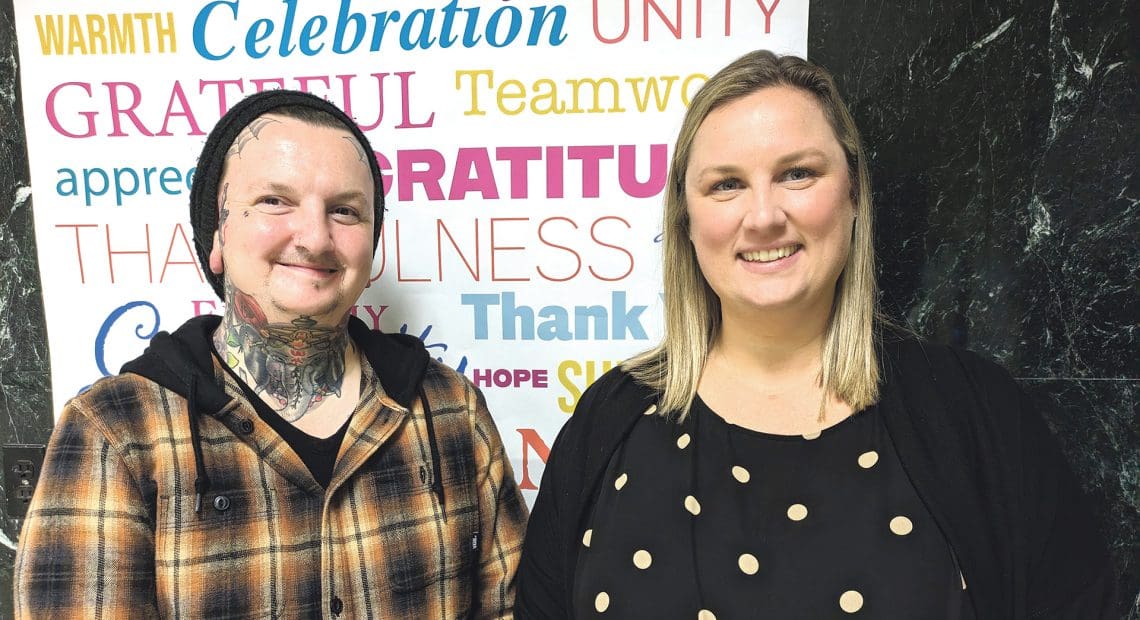
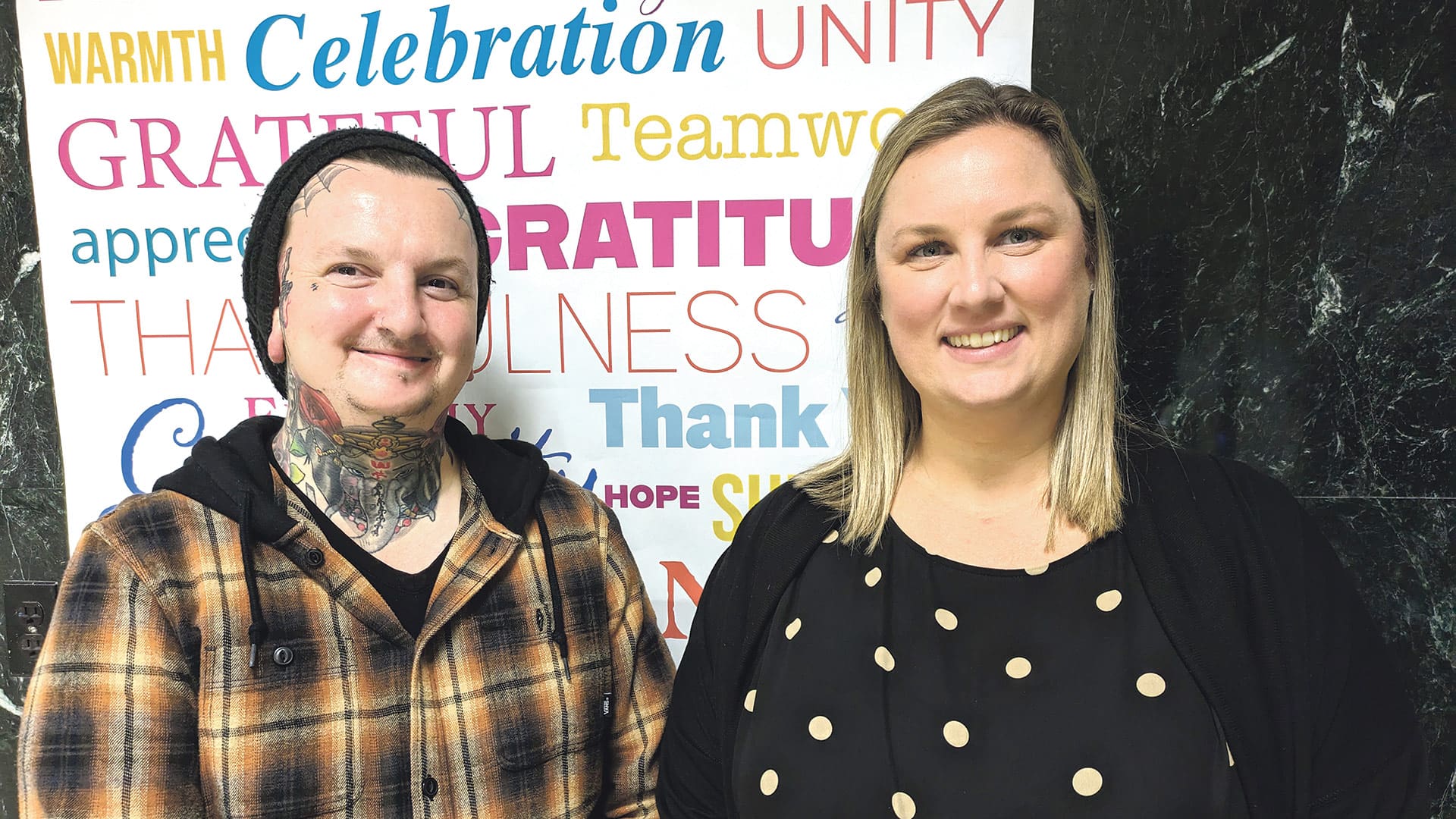
Charles DiRosa and Lauren Temple say MiraVista has found success

Charles DiRosa and Lauren Temple say MiraVista has found success going out and meeting addicts where they are, instead of waiting for them to walk through the doors.


Charles DiRosa knows all about the challenges of substance-use recovery. And looking back on 11 years of sobriety, he also knows how the treatment landscape has changed for the better.

“Being in recovery myself, I’m so proud to be a part of the resources we have here,” said DiRosa, a recovery support navigator at MiraVista Behavioral Health Center in Holyoke. “Looking back on it, 11 years ago, it wasn’t like this. It was a lot harder to get sober and to work a recovery.”

One example is same-day methadone dosing.

“In the past, you would have to make an appointment, maybe wait a couple of days to see the doctor, even a week, and then come in. For addicts, when they make that decision to get clean, usually we have to follow up with them pretty quickly because their mind is constantly changing.”

By accepting walk-ins, he noted, “our goal is, hopefully within an hour, we’ll get them in our system, get them an ID card, and get them dosed, all in the same day. We also offer transportation.”

But another key change at MiraVista has been an emphasis on reaching out into the community, rather than wait for people struggling with addiction to walk through the doors.

“By going to the individual instead of waiting for them to come to us, we’ve noticed a big increase in our numbers, and also our success rate,” DiRosa said. “It’s just providing our resources, letting them know that what we have to offer. If they’re already seeking our services, then we ask them to bring the word of mouth back to their loved ones or people they might know in the community.”

Kimberley Lee, MiraVista’s chief of Creative Strategy and Development, agreed that proactive outreach is making a difference.

DR. ROBBIE GOLDSTEIN

DR. ROBBIE GOLDSTEIN

“It is heartening to see this significant decrease in fatal overdoses — a direct result of the ongoing hard work in our communities to reach those struggling with substance-use disorder.”

“We’ve gone into parks, we’ve gone and hung out at McDonald’s on Appleton Street, in front of other well-known high-traffic areas. We’re just setting up a table, having a little snack, bottles of water, and using that as an opportunity to engage individuals,” she explained.

“What’s really heartwarming and really supports our work is that, when you’re in a park, and you make a connection with an individual, and you give them your card and the flyer, they may not be ready in that moment. But the next day, we see them in the front lobby. It’s very reassuring to know that type of connection has worked for that individual, and then to see them progress from when they first arrived to later on in their treatment — to see the change, the metamorphosis that takes place for these individuals.”

DiRosa called it “planting seeds.” And in his role, he can help people grow those seeds from a place of empathy and compassion.

He’s currently involved in a program called State Opioid Response, which provides extra funding to MiraVista’s outpatient methadone clinic to help those who need extra resouces to be successful throughout their recovery.

“What that might look like is, they would come to me and let me know they’re in need of — let’s say housing, or they lost their insurance, or maybe they need a new cell phone because theirs broke, or whatever the case may be. My role is to look out in the community, find those resources, bring it back to them, and bridge the gap. That way, they can continue to be successful in their recovery.

“Especially in early recovery, it’s very easy for them to get overwhelmed with all these steps or goals that they have in mind. A lot of times, they don’t have the guidance; they don’t have the support,” he added. “So we’re making sure that we’re supporting our clients, making sure we’re finding those resources out in the community for them.”

By reaching out and bridging these gaps, DiRosa said he’s helping to provide hope at a critical time.

“A lot of times, we meet individuals on the streets that might not have an ID, might not have insurance, and we tell them, ‘hey, we can still get you in and get you enrolled.’ So I’m not only providing resources in-house, but also bringing resources out to the streets, which has been pretty successful, in my opinion.”


Mixed Bag of Data

This outreach and support work is especially critical in MiraVista’s environs. While opioid-related overdose deaths in Massachusetts decreased by 10% in 2023 — the largest single-year decline since 2009-10 — according to Massachusetts Department of Public Health (DPH) data, Holyoke actually saw an increase.

Statewide, there were 2,125 confirmed and estimated opioid-related overdose deaths in 2023 — 232 fewer than in 2022, when Massachusetts had a record 2,357 fatal opioid-related overdoses. As noted, the opioid-related overdose death rate decreased by 10% to 30.2 per 100,000 people compared to 33.5 in 2022.

Kimberley Lee

Kimberley Lee

“They’re approaching our clients and our patients with either their own personal experience or their own personal knowledge of the disease of addiction and how important it is for people who are starting their pathway to recovery to know that they’re not alone.”

“While we are encouraged by the overall decrease in overdose deaths, this report also is a reminder of the work that we still need to do to bring deaths down for all people and all areas of the state,” Gov. Maura Healey said when the report was released late in the spring. “Our administration remains committed to prioritizing prevention, treatment, and recovery efforts to address the overdose crisis that continues to claim too many lives and devastate too many families in Massachusetts.”

Preliminary data from the first three months of 2024 indicated a continued decline in opioid-related overdose deaths in Massachusetts, showing 507 confirmed and estimated deaths, a 9% drop compared to estimates from the same time last year.

“It is heartening to see this significant decrease in fatal overdoses — a direct result of the ongoing hard work in our communities to reach those struggling with substance-use disorder,” said Dr. Robbie Goldstein, Department of Public Health commissioner. “To sustain these hard-won gains, we must focus even more deeply on the populations that have not yet seen such dramatic improvements. This means doubling outreach efforts in communities of color, particularly for Black residents, and people living in our most rural communities, who, as the data show, are most disproportionately impacted by overdose deaths.”

DiRosa posed one reason why overdose death rates are still high in Holyoke, while cities like Brockton, Lawrence, and Pittsfield saw declines, and it has to do with accessibility and cost.

“In a lot of the outreach that we do in the community, we’ve noticed the drop in the cost of the drugs. Back maybe five, seven years ago, where one bag of heroin would cost $10 or $15, it’s now going for $3 to $5. So it’s keeping people actively using these substances longer and not seeking treatment.”

When they do seek help, addicts have treatment options. MiraVista’s Intensive Outpatient Program is an enhanced level of care for individuals who need more intensive support for their recovery from addiction and want to remain in the community, while the Opioid Treatment Program (which includes the methadone dosing) offers a continuum of outpatient services, including individualized medication management, comprehensive addiction assessments, individual and group counseling, case management, referral support, harm-reduction education, and more.

“We’re bringing education into the community that we’re here, and we’re going to be able to care for the patients when they’re ready to come through our doors,” said Lauren Temple, director of Clinical Services, adding that prompt appointments are a big part of that. “We’re going to get you a same-day appointment as quick as we can. We don’t want you to wait.”


One Step at a Time

“Every overdose death is tragic, preventable, and unacceptable,” Secretary of Health and Human Services Kate Walsh said when the state’s report was issued earlier this year. “While we are proud and encouraged that fewer Massachusetts residents were lost to overdose last year, we know that inequities persist, and our work is not done. Our understanding of where gaps in treatment and services occur, and the people who we are not yet reaching, drives our work and helps focus our efforts.”

Those thoughts dovetail well with MiraVista’s efforts in Greater Holyoke.

“We try to stay with our clients moving forward. We check up on them on a regular basis,” DiRosa said. “Sometimes our clients might need that extra phone call; they might need extra support. We want them to take pride in their recovery, but also help them see that we do care.”

Like DiRosa, much of Miravista’s outpatient-services team have lived experience with these challenges, Lee added.

“So they’re approaching our clients and our patients with either their own personal experience or their own personal knowledge of the disease of addiction and how important it is for people who are starting their pathway to recovery to know that they’re not alone,” she added. “We are here to walk with them, whether it’s the first step they’re taking or the 100th step. There are people here who understand and who can appreciate the journey. They’re not alone.”

Holiday Party Planner Special Coverage

’Tis the Season

Mick Corduff has been in the restaurant business long enough to know what brings customers in.

In many cases, it’s a simple change in the weather.

“It kind of clicks into gear right now. I think most people’s grills are being put away, and the patio furniture has been brought in, so people are starting to go out a little bit more,” he said. “And now we’re gearing up for the holiday season.”

Ah, yes, holiday parties. As owner of two venerable Holyoke dining spots — the Log Cabin, with plenty of space for large company events, and the Delaney House, suitable for smaller gatherings — Corduff understands the draw of corporate get-togethers, and he’s hoping other strong signs from 2024 carry over into November and December.

“We’re coming off a really busy wedding season, and foliage season has been going really well. We just finished some Thanksgiving menus, finished up the Christmas to-go packages, and the reservations for holiday gatherings are starting to trickle in now.”

Corduff said companies who like their experience with the Log Cabin or Delaney House have learned to rebook early.

“There’s always a last-minute Sally, but then there’s the customer base that has the same Friday every year — the Friday before Christmas, or two weeks before, or the first Saturday in December. We’re actually seeing some holiday Christmas parties in November, a little earlier than usual, especially with the bigger ones. They really want to have it on a Friday night or a Saturday night, and the Saturday nights tend to be grabbed up really quick. So we have a few customers that are doing it in late November, mid-November, in and around Thanksgiving.

“We just finished some Thanksgiving menus, finished up the Christmas to-go packages, and the reservations for holiday gatherings are starting to trickle in now.”

“You can work with them on pricing when there isn’t such a high demand, so that’s always a good thing for them,” he added. “Or they might get the whole facility, rather than having to do smaller rooms because it fits what we have. Like I said, we’re really starting to pick up on Fridays and Saturdays right now.”

Holiday bookings seem comparable to where they were in 2023, he added, partly due to the loyalty factor.

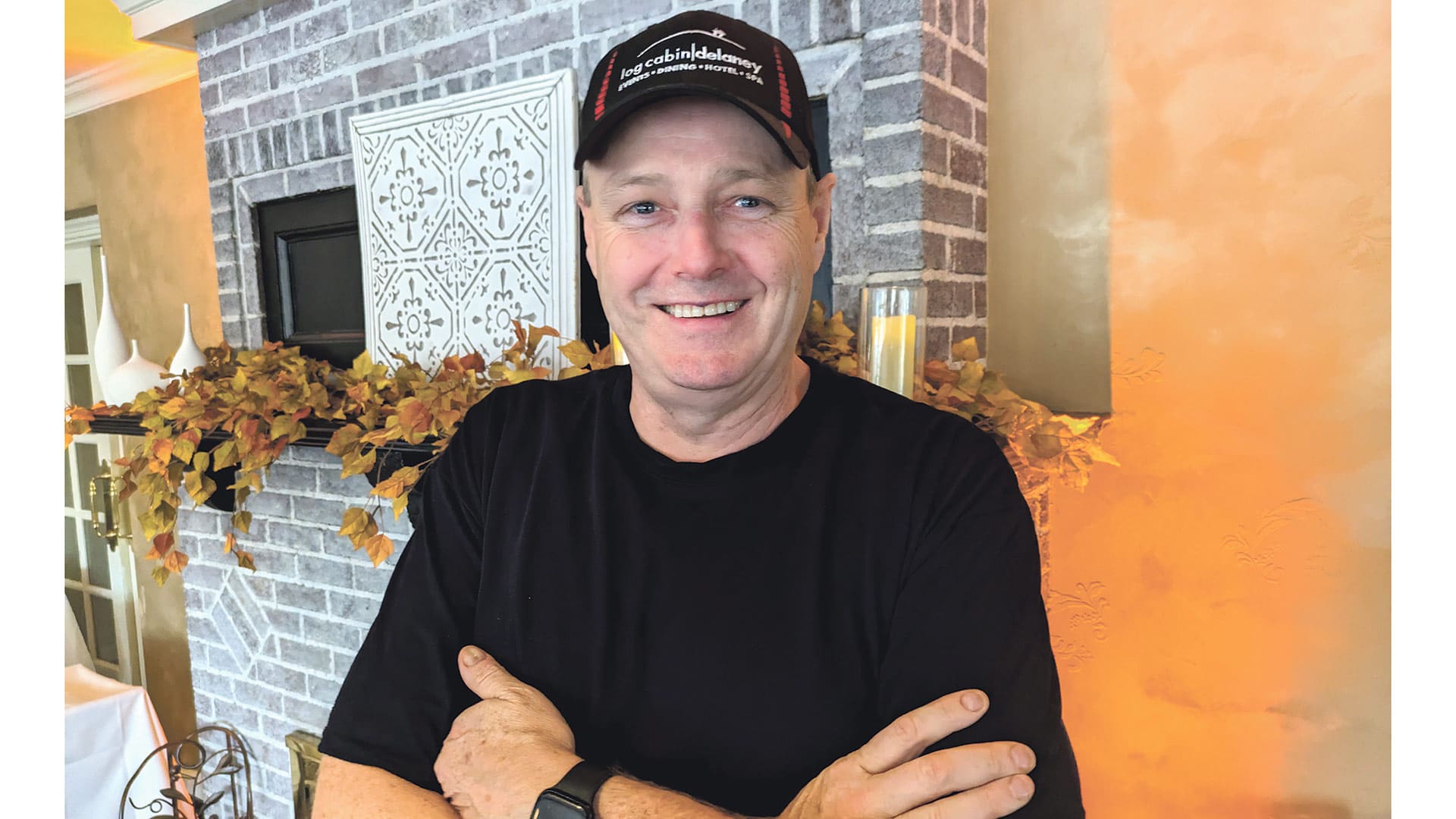
Mick Corduff

Mick Corduff says many repeat customers for holiday parties like to book the same dates year after year.

“We have a loyal customer base that comes to us year over year. Some of the larger companies have come to us on the same dates,” he told BusinessWest. “It also really depends on how the holidays fall. Christmas falls in the middle of the week this year, so it’s a little different.”

Edison Yee, principal managing partner of the Bean Restaurant Group, which boasts more than a dozen establishments, ranging from quick service to fast casual to more upscale, said the holiday season is an exciting time of the year for the company.

“We began planning months ago; for most restaurants, it’s the busiest time of the year,” he said, noting that the Student Prince, on Fort Street in Springfield, and the Boathouse, on the Connecticut River in South Hadley, do most of the function-type business, and holiday bookings start coming in during the summer.

“Christmastime on Fort Street is very, very festive. It’s decorated — we have great new decorations this year — and we have the Fort carolers, which are always a smash hit. People come back, families come back, businesses come back year after year for the festivities. With the traditions of Fort Street, it’s a great time to be there.

“At the Boathouse, it’s usually the same — that’s a function house as well, with ample room,” Yee explained. “They both do great business over the holidays, and we have Christmas with Santa at both locations.”

In short, it’s a busy time, he said. “The other restaurants are busy as well, but they don’t do so much the big functions of 300, 400, or 500 people because they don’t have the room. They do have a lot of smaller functions throughout the holidays, though. Right after Black Friday, everything kicks off.”


Slow Climb Back

The pandemic four years ago crushed the holiday-party season, and 2021 started a slow climb back, but a national survey conducted toward the end of 2023 suggested that companies are clamoring once again to celebrate the holidays with their teams in-person.

According to survey results from global outplacement and business and executive coaching firm Challenger, Gray & Christmas Inc., 64.4% of companies reported having in-person holiday parties in 2023, up from 57% who reported the same in 2022 and 27% who held in-person parties in 2021. It marked the highest percentage of companies holding in-person holiday parties since 75% of companies reported they held parties in 2019.

Local restaurant leaders like Corduff and Yee hope that trend continues, though only time will tell.

“We have quite a few that are post-holiday,” Corduff said. “It brightens up the winter. We see them probably until the end of January, even.”

Such a choice makes sense for businesses with a heavy end-of-year load, but it makes life easier on many fronts regardless of the company, he pointed out.

“If you do it early or you do it late, you have a little bit more flexibility. Sometimes the space can be more grandiose, and usually other vendors are more available — a DJ is not as busy in late January. So it’s not just us as a venue, but the availability of any vendor. A company can probably get a better deal and maybe do more for their customers or staff or whoever they’re trying to entertain.”

Edison Yee

Edison Yee

“Times are challenging now for restaurants. Food inflation and wage inflation and insurance costs have escalated. So it’s important to be on top of it.”

Yee said restaurant workers are among the groups who might want to get past the holidays to celebrate, adding that November and December are certainly much busier for parties across the Bean Group than January.

Corduff said the Log Cabin has found much success with large holiday parties that many small businesses attend, with a variety of price points.

“At the public holiday parties, you can have a hairdressing salon with a table of lawyers and a mechanic shop down the street, all intermingling and having a great time. It’s an economic way for businesses to take people out to a big Christmas party.

“You might have a small, more intimate event at the Delaney House, whether it’s 8, 10, 16, 20 people,” he went on. “Usually in that environment, it tends to be more about the dining experience, whereas, at some of the group holiday parties, we have the entertainment built in. Whether it’s comedy or a DJ and dancing, food and wine pairings, you have a wide variety of options there. We’re always trying to think outside the box to keep it fresh and stay creative and have a good time with it.”

One trend Corduff has noticed is that people are going out to eat, and planning events, a little earlier in the evening than before.

“I think it’s not just a Western Mass. thing, but a lot of restaurants are seeing 9 o’clock at night and the restaurant’s empty. Some of the restaurateurs that I talk to in Springfield say, ‘we used to have 9 o’clock reservations; we don’t anymore. You know, 8:30 is our last reservation these days.’ So either people are going to bed earlier, or who knows what it is, but the trend has shifted to an earlier dining slot.”


Back to Normal

As for the restaurant business is general, Yee said the gradual fade of the pandemic saw a rush of people tired of staying indoors.

“They wanted to go celebrate, and finally, they could do that. And now things have kind of leveled off for a more normal holiday.”

Corduff agreed. “COVID has still been around, unfortunately. But I think people are just getting on with their lives. If you’re sick, you stay in bed. Don’t go out. If you have the flu, you do the same exact thing.

“But I do think people are going out, having a good time; people aren’t as fearful as they were, and it’s showing in the numbers of people going out,” he added. “The group holiday parties were non-existent post-COVID. If a hairdressing salon was having a party, they probably had it at their shop. And we saw a lot of catering business post-COVID; we survived off those catering parties. So we still do it.”

Yee said he’s happy to see things returning to normalcy.

“We have restaurants throughout Western Mass. and Northern Connecticut, and overall, we’re up a small percentage, about 4%. I’m hearing mixed signals from different restaurateurs; some are up, some are down. For us, we like to say we have pockets or different regions that are stronger than others.”

For example, the Connecticut eateries have been fairly strong. “The quick service has been a little bit weaker overall. Our casual dining has been strong. Elevated dining is a little flat.”

That said, “times are challenging now for restaurants,” Yee said. “Food inflation and wage inflation and insurance costs have escalated. So it’s important to be on top of it. We think we’re in a good place.”

With a busy holiday season ahead to bring the cheer — and the business.

Holiday Gift Guide Shop Local Special Coverage

Beyond the Big Box

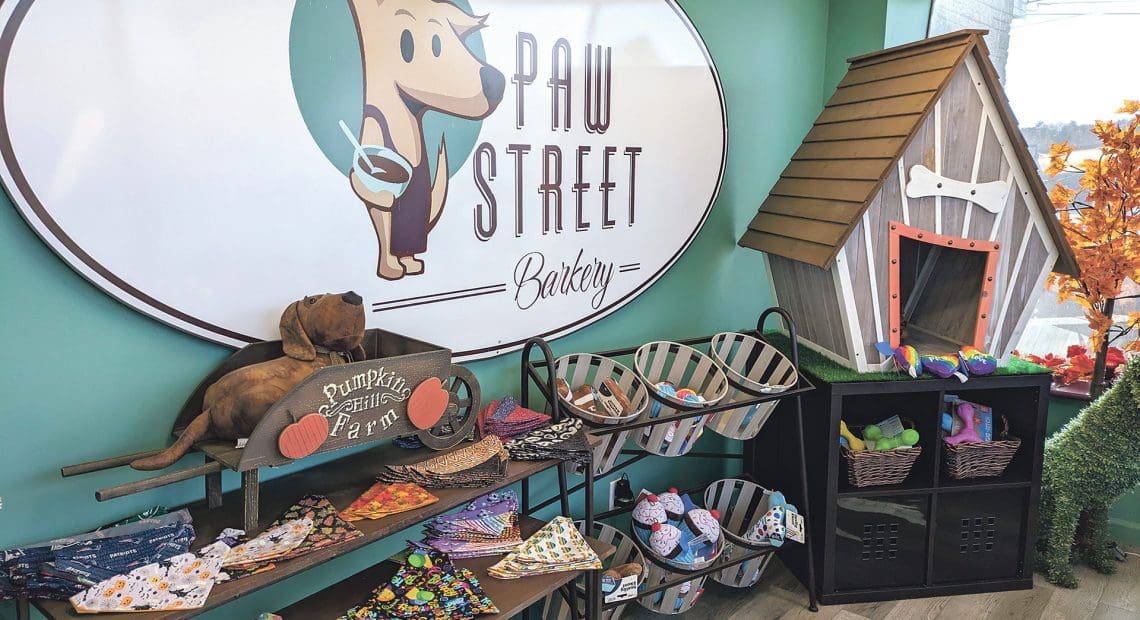
Paw Street Barkery

Paw Street Barkery

The gift-giving season is quickly approaching, and the business of everyday life can make it difficult to find the perfectly thoughtful gift. Fortunately, the 413 is full of good ideas. For our annual Shop Local Gift Guide, BusinessWest offers up 18 such options, whether you’re looking for a physical gift to wrap up, a service, or an always-welcome gift card.


Arts Unlimited Gift Gallery

25 College St., South Hadley

(413) 532-7047

www.facebook.com/artsunlimitedgifts

Arts Unlimited was founded with one goal in mind: to provide customers with a high-quality, smart, and reliable gift shop. Offerings include a wide variety of art, accessories, and decorations, and gifts for birthdays, retirements, weddings, holidays, and more.


The Baker’s Pin

34 Bridge St., Northampton

(413) 586-7978

www.thebakerspin.com

This extensive kitchen store carries a wide range of cookware, cutlery, electric devices, bakeware, kitchen tools, home goods, cookbooks, and food products as well. But it also offers an array of cooking classes, both online and in person, exploring different foods and techniques appropriate for the season.


The Blue Marble

150 Main St., Northampton

(413) 253-0328

www.thebluemarble.biz

The Blue Marble, located in Thornes Marketplace, describes itself as “displayers and purveyors of American-made and fairly traded, handcrafted work,” with gifts including jewelry, scarves, pottery, wall art, and more. Its Little Blue line offers gift and clothing options for babies and preschoolers, also focusing on sustainable, organic, and ethically sourced options.


The Bookstore and Get Lit Wine Bar

11 Housatonic St., Lenox

(413) 637-3390

www.bookstoreinlenox.com

The Bookstore, a fixture in Lenox for more than 40 years, was actually born in the neighboring town of Stockbridge, in the living room of a small rented house behind an alley that housed a then little-known café that later came to be known as Alice’s Restaurant. The bar is open whenever the bookstore is, and the bookstore stays open later some nights when the bar is open as well.


Greenfield Games

238 Main St., Greenfield

(413) 774-5225

www.greenfieldgames.com

Touting itself as the largest game store in the region, Greenfield Games carries a huge selection of collectible card games, board games, family games, classic games, role-playing books, RPG miniatures, party games, gaming supplies, puzzles, and poker supplies. Tables are available for in-store gaming.


Paw Street Barkery

1519 Memorial Dr., Chicopee

(413) 437-8014

www.pawstreetbarkery.com

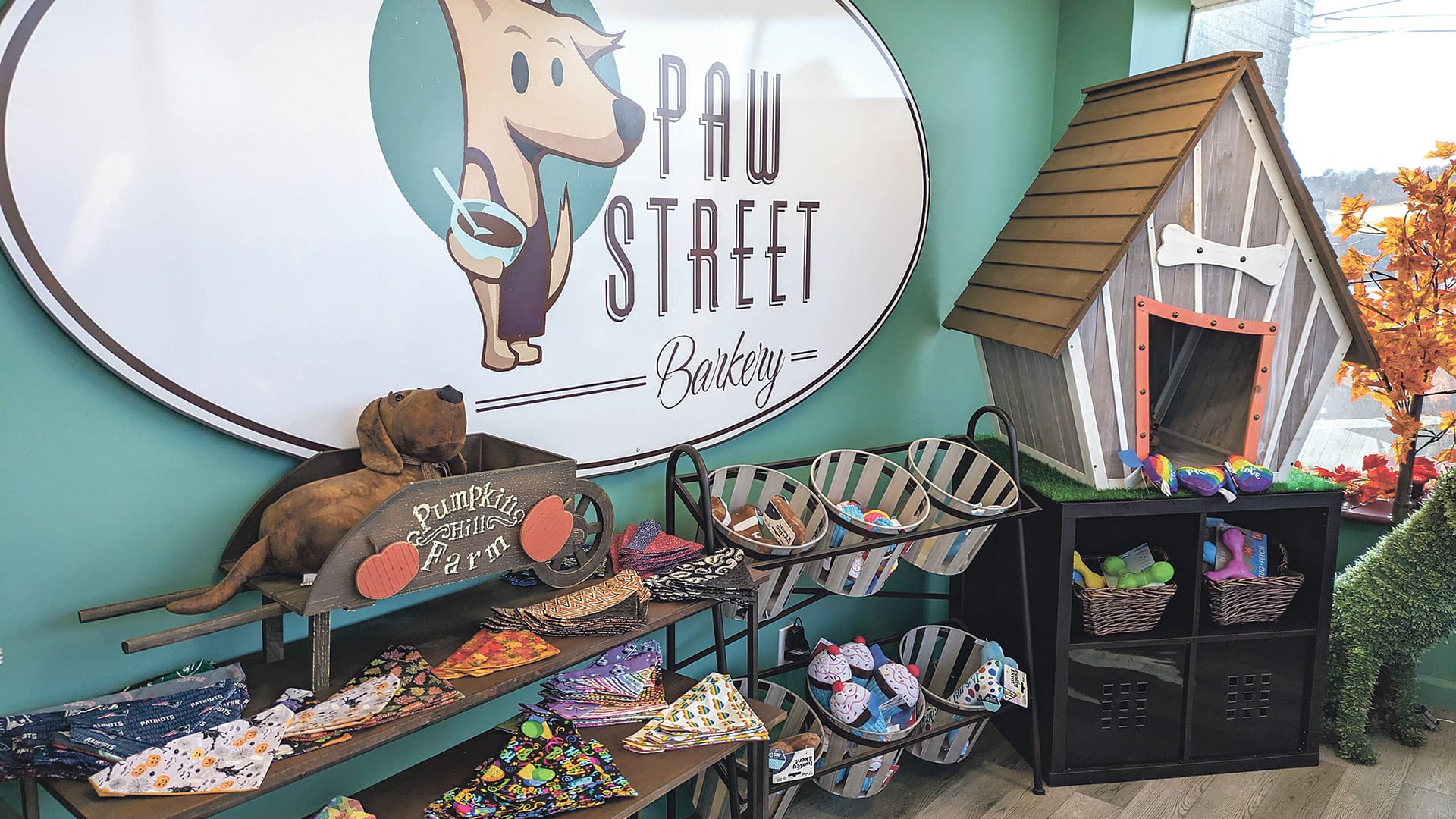
For more than 10 years, Paw Street Barkery has been making tasty, healthy dog treats, including seven signature and five gourmet treats, with many seasonal flavors throughout the year. The shop also sells a selection of toys, bandanas, and other items for your furry friend.


Pioneer Valley Food Tours

(413) 320-7700

www.pioneervalleyfoodtours.com

This enterprise creates walking food tours that explore local flavors from Northampton and around the region. It also creates gift boxes sourced from the region’s fields and farms, as well as Pioneer Valley picnic baskets of selections ready to bring on an outdoor adventure. Choose a pre-set tour itinerary, or create a custom tour to suit your tastes.


Positively Africana

150 Main St., Northampton

(413) 297-8010

www.positivelyafricana.com

Located in Thornes Marketplace, this authentic gift shop focuses on handmade crafts and accessories made in Africa or inspired by the continent’s strength and beauty. It offers a wide range of handmade products, including jewelry, accessories, home decor, and clothing, as well as group exercise classes, and 25% of all profits support women entrepreneurs and artists in the Congo.


Razzmatazz Kids

803 Williams St., Longmeadow

(413) 754-3654

www.facebook.com/razzmatazzkidsstore

Formerly Zen’s Toyland, Razzmatazz Kids sells a variety of items ranging from baby teethers to adult puzzles, including high-quality, unique items that aren’t available elsewhere. All the toys are handpicked, and the shop also has a playroom for children to ‘test drive’ items.


Richardson’s Candy Kitchen

500 Greenfield Road, Deerfield

(413) 772-0443

www.richardsonscandy.com

In 1954, Henry & Viola Richards opened a roadside candy kitchen in a schoolhouse-red clapboard storefront in the historic town of Deerfield. Seventy years later, current owner Kathie Woodward Williams still uses the original recipes and celebrates the sweet traditions of the seasons, crafting scrumptious confections like hand-twisted candy canes and signature chocolates.


Springfield Museums

21 Edwards St.

(413) 263-6800

www.springfieldmuseums.org

Located in the heart of downtown Springfield, the Springfield Museums offer access to five world-class museums, including the Amazing World of Dr. Seuss Museum and the Dr. Seuss National Memorial Sculpture Garden, all under a single admission. Gift certificates are available to share the fun, culture, and learning.


Springfield Thunderbirds

Springfield Thunderbirds

45 Bruce Landon Way, Springfield

(413) 739-4625

www.springfieldthunderbirds.com

A great deal for big-time hockey fans and folks who simply enjoy a fun night out with the family, Thunderbirds games are reasonably priced entertainment in Springfield’s vibrant downtown. The AHL franchise plays home games through April at the MassMutual Center, with a constant stream of promotions.


Springfield Wine Exchange

1500 Main St., Springfield

(413) 237-6187

www.swewines.com

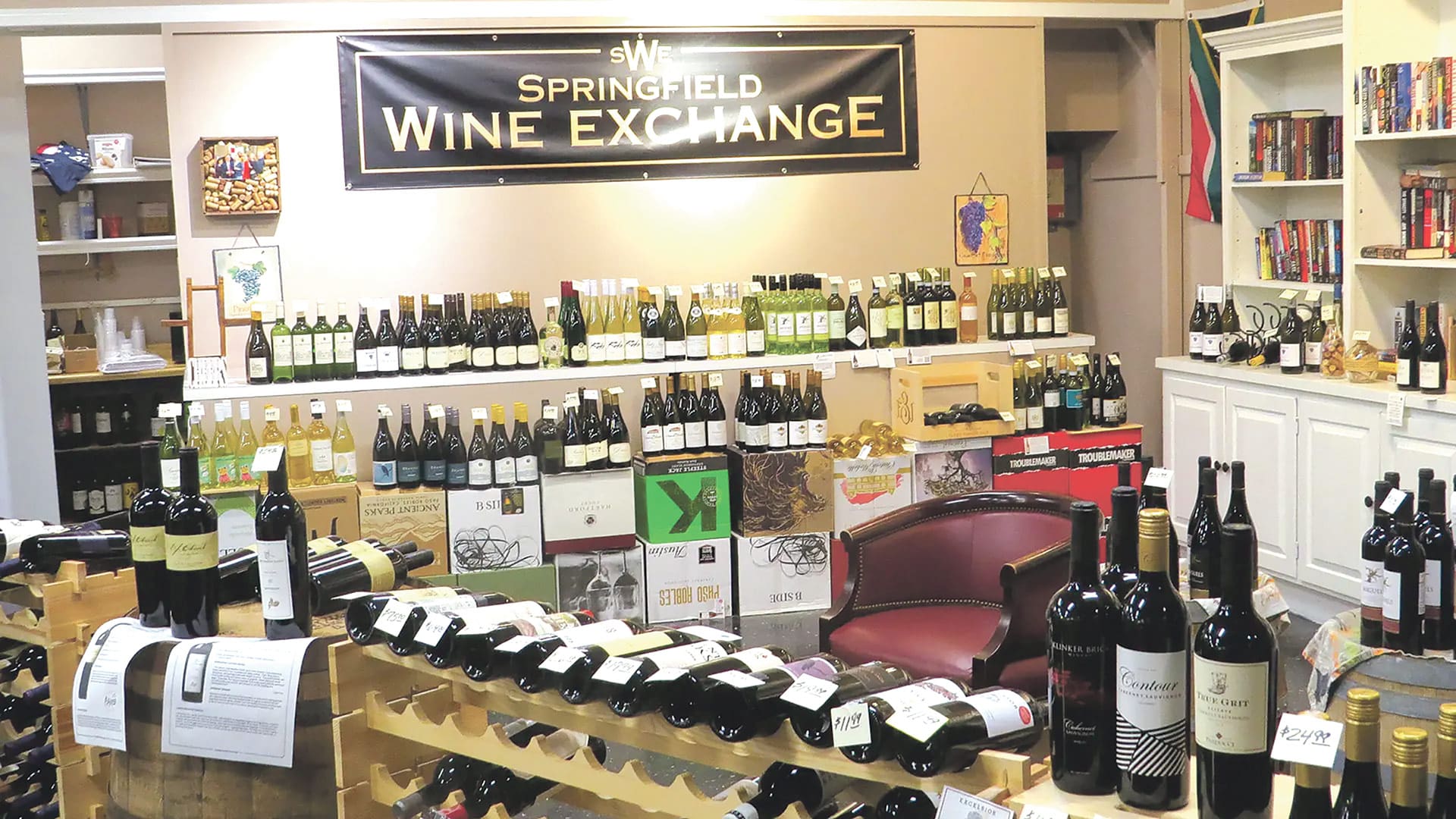
Located on the ground floor of downtown Tower Square, the Springfield Wine Exchange offers customers local select craft beers and wines from around the world. The shop has assembled a collection of wines sourced and hand-selected from growers around the world, from everyday, affordable bottles to fine and rare collectibles.

Springfield Wine Exchange


Summit Center for Vibrant Living

25 Franklin Street, Lenox

(518) 441-6336

www.summitcenterforvibrantliving.com

Dolores Mannix, an intuitive body worker, spiritual mentor, and yoga teacher, brings together close to three decades of initiations and study in the Path of Light in Ecuador with her training in bodywork and yoga for somatic, spiritual, and emotional release in a safe, nurturing environment, fostering transformational experiences.


Sweet Lucy’s Bakeshop

7 South St., Bernardston

(413) 648-3160

www.sweetlucysbakeshop.com

Sweet Lucy’s Bakeshop is a new-American bakery in the heart of New England, passionately committed to providing the most craveable, high-quality pastries and cakes. Meanwhile, owner Lucy Damkoehler offers a wide array of cooking classes and sells gift certificates that can be applied to any class.


The Toy Box

201 North Amherst St.

(413) 256-8697

www.thetoyboxamherst.com

The Toy Box was born in late 2003. A few years later, the store expanded to twice its original size, expanding its product selection to include lots of gift and hard-to-find items as well as toys and games for older kids and adults. The website features a robust online sales platform with items in dozens of categories.


World Eye Bookshop

134 Main St., Greenfield

(413) 772-2186

www.facebook.com/profile.php?id=100057448487826

World Eye Bookshop opened more than 50 years ago, and even though it has several locations, it is still Greenfield’s only independent bookshop for new books, as well as greeting cards, toys, games, journals, stuffed animals, art supplies, tarot, and more.


Zanna

187 North Pleasant St., Amherst

(413) 253-2563

www.zanna.com

Zanna describes itself as “a city style store in a little downtown,” and adds, “we toss clothes over dressing room doors, fit shoes, give honest advice, and lots of TLC. We’ve created lasting friendships for over 50 years.”