Daily News

SPRINGFIELD — Tech Foundry, a Springfield-based workforce development nonprofit, is opening enrollment for its 2026 tech training cohorts — and inviting area employers, community organizations, and supporters to help connect aspiring tech professionals with a life-changing opportunity.

Through its Tech Bridge and Tech Launch programs, Tech Foundry delivers no-cost tech training that builds the skills, confidence, and credentials needed to launch a rewarding career in technology. Just as importantly, students in good standing earn a monthly stipend and milestone bonuses throughout their training and beyond — removing a major barrier that often keeps motivated people from pursuing a career change.

“I’m so grateful to be starting my new job as a specialist at Apple,” a graduate named William said. “It’s an exciting chance to showcase my customer service skills along with everything I learned at Tech Foundry. The program was life-changing — it gave me the confidence to try new things and seize every opportunity.”

The curriculum is built around the competencies employers are hiring for right now. Participants train in computer networking, Windows administration, endpoint security, and hardware troubleshooting, and work toward the Google IT support professional certificate. The programs also cover in-demand and emerging skills, including audio-visual technology and a “Becoming an AI Super User” track, alongside dedicated career readiness and leadership development that prepares graduates to contribute from day one.

That alignment with real hiring needs is no accident. The Tech Foundry collaborates with more than 100 employer and community partners and works with Grow with Google, Coursera, and CompTIA to keep its training current and credential-backed.

For the regional business community, this is a story worth sharing — and a talent pipeline worth knowing. Anyone who manages a team that hires technical staff, leads a community organization, or simply knows someone ready for something new can make a difference by pointing prospective students toward an upcoming information session.

Each in-person info session is a relaxed, welcoming opportunity to meet the Tech Foundry team, connect with fellow aspiring tech professionals, explore the programs, and get every question answered. Upcoming sessions take place on Tuesday, May 26; Wednesday, June 17; and Thursday, July 9. All sessions run from 5:30 to 7 p.m. at 1350 Main Street, Suite 500, Springfield.

To learn more, register for a session, or explore partnership opportunities, visit www.thetechfoundry.org, call (413) 276-0609, or email [email protected].

Daily News

SPRINGFIELD — ReGreen Springfield will host a free, hands-on iNaturalist training workshop on Saturday, May 30 from 11 a.m. to 1 p.m. at ReGreen Springfield, Building 101, 1 Federal St., Springfield, MA, in the second-floor classroom.

iNaturalist is a free community science app that helps users identify species, record observations, and contribute biodiversity data that can support conservation, education, and local land stewardship.

The workshop is designed for beginners, seasoned environmentalists, and anyone who wants to feel more comfortable identifying components of the natural world around them. Participants will learn how to create an iNaturalist account, take useful observation photos, upload observations, explore identifications, and contribute to local community science projects.

The training is open to volunteers, students, educators, gardeners, naturalists, and community members interested in learning more about the plants and wildlife around them. No prior experience is needed.

Pre-registration is required. Click here to register.

Daily News

BOSTON — Disability advocates are celebrating a change made by the Massachusetts’ Executive Office of Housing and Livable Communities that will nearly double the production of affordable accessible housing units throughout the state.

Low-income housing tax credits projects (the program that creates the most affordable housing in the U.S.) will now have 10% accessible units if the project has more than 10 units and an elevator. This new requirement will apply to the majority of projects.

The amendment also applies to other state-funded affordable housing developments, such as the Affordable Housing Trust Fund, which has hundreds of millions of dollars in it. This is a significant increase over the 5% accessible units for projects 20 units or more required by the state architectural access regulations.

Manny Guerra testified in February in support of the Executive Office of Housing and Livable Communities amendment, saying, “I’m a quadriplegic, a single father, and a business owner. In 2017, a motor vehicle accident left me paralyzed. After three and a half months in the hospital and two years in nursing home rehab, I was ready to return to the community — but I could not find accessible, affordable housing in Worcester, even with a Section 8 voucher and MassAbility offering free modifications to the apartment. I was turned away again and again.

“I eventually found a tiny apartment with a narrow ramp and a door I could barely fit through. For more than five years, I lived almost entirely in my bed because there wasn’t enough space to turn my wheelchair. I couldn’t have visitors. I couldn’t visit my son or grandsons even though they lived only six miles away. I was isolated, depressed,” he went on. “Everything changed when I finally received a fully accessible, affordable condo unit. That housing didn’t just give me a place to live — it gave me the ability to live. I gained independence. The Executive Office of Housing and Livable Community’s amendment will allow people to gain independence like me.”

The difficulty Guerra experienced in finding affordable accessible housing is all too common. There are an estimated 335,000 households in Massachusetts that include an adult with an ambulatory disability, and only about 10,000 affordable accessible units throughout the state.

The increase in accessible and affordable units is a win for many people in the disability community, including those with Intellectual and Developmental Disabilities (IDDs) who are living with aging caregivers and are at risk of institutionalization or homelessness.

Austin Carr, citizen member of the Massachusetts Developmental Disabilities Council, noted that, “as an adult with IDD and cerebral palsy, affordability and accessibility are basic necessities. I want to live in a home of my own and with the services and supports to live as independently as possible in the community. My parents are aging, and our family is having conversations and thinking about what my future housing will look like. Each year, the cost of housing is more and more out of reach, and now the financial burden is so high, I wouldn’t be able to support myself and afford a place to live in the community. Everyone deserves a place to call home and access to housing.”

Daily News

LUDLOW — PV Financial Group was the sole sponsor of Bingo Bags & Bubbly, a luxury purse bingo fundraiser recently held at the Naismith Memorial Basketball Hall of Fame. The event supported four local nonprofits — Christina’s House, the Michael J. Dias Foundation, Rachel’s Table, and YMCA of Greater Springfield’s Scantic Valley branch.

The evening featured luxury purses, raffles, dinner, drinks, dessert, and networking — all in support of good causes, with 100% of funds raised going directly back to the nonprofits. Together, the event raised more than $22,000 for these organizations.

“It was a way to have these nonprofits come together that hasn’t been done before,” said Ed Sokolowski, managing partner at PV Financial Group. “A sincere thank you to everyone who attended, supported, and helped make the night such a success.”

Alumni Achievement Award Cover Story Features

In 2015, BusinessWest, created a new recognition program that would eventually be called the Alumni Achievement Award (AAA), recognizing those individuals who have most expanded upon the résumés that earned them membership in the now-800-strong 40 Under Forty club.

And while there is usually one winner each year (there have been two on a pair of occasions), we profile all the finalists for the award each year because … well, just being among the handful of top scorers is an achievement of note.

“Last year I was very surprised and honored to have been named a finalist for the 40 Under Forty Alumni Achievement Award,” said Jeffrey Fialky, managing shareholder at Bacon Wilson, P.C. and last year’s AAA winner. “Surprise gave way to astonishment when being named the recipient of the award.

“I was beyond humbled to receive this award among a pool of other candidates and finalists, all of whom represent the highest echelon of excellence throughout our region — personally, professionally, and through their contributions to the community,” Fialky added. “While there is only one named recipient, it is really a distinction that is shared among everyone who works to better our region through their hard work, dedication, and commitment to community — and for that I extend my congratulations to all nominees and finalists.”

The four finalists that rose to the top, according to a panel of three independent judges, including Fialky (see page 22), are James Krupienski, partner at Meyers Brothers Kalicka, P.C. (40 Under Forty class of 2010); Modesto Montero-Forman, executive director of Libertas Academy Charter School (class of 2020); Adam Quenneville, owner of Adam Quenneville Roofing and Siding (class of 2009); and Ciara Speller, evening anchor at WWLP-22 News (class of 2023).

Their stories on the following pages certainly convey continued excellence in the professional world, continued commitment to giving back to the community, or both. They also provide some looks into the personal lives of some outstanding individuals, each of them worthy of the award known as AAA.

The winner will be announced at the start of this year’s 40 Under Forty gala on Thursday, June 11 at the MassMutual Center. The presenting sponsor of this year’s Alumni Achievement Award is Baystate Health/Health New England.

Meet the 2026 Alumni Achievement Award Judges:

The previous year’s AAA honoree traditionally serves as a judge the following year, and Jeffrey Fialky is no exception, having won the award in 2025 following 40 Under Forty honors in 2008. As managing shareholder at Bacon Wilson, P.C., he chairs the law firm’s corporate and commercial department and is also a member of the municipal department. He specializes in sophisticated business, financing, and commercial real estate transactions, representing the interests of business owners and lending institutions, as well as municipalities and landowners. A board member with the Springfield Regional Chamber and a trustee with the Springfield Museums, he has also been involved with causes ranging from the United Way and the American Cancer Society to the Young Professional Society of Greater Springfield and Leadership Pioneer Valley. 

Rania Kfuri has been a convener, connector, and motivator in many ways over the years, having served in a wide variety of roles, from a stint working for the mayor of Chicago to an entrepreneur who developed a unique travel bag for young parents; from her time at Smith College, which she served in several roles, to a Philanthropy officer for Baystate Health, and her most recent role as vice president for Philanthropy, Sales, and Marketing at Glenmeadow, where she provided leadership and direction to key revenue-producing areas; developed strategies to secure annual, planned, and donor-directed gifts; and pursued partnerships with other local organizations. Named a BusinessWest Woman of Impact in 2025, she is deeply involved with a wide range of community groups and causes, including Revitalize CDC, Girls on the Run, the Women’s Fund of Western Massachusetts, and the city of Westfield, where she served on a master plan committee. 

Julie Quink is managing principal at accounting firm Burkhart Pizzanelli, P.C., where she is involved in the accounting and consulting aspects of the practice and manages engagements of various sizes and complexity, as well as performing forensic and fraud-related services. Named a BusinessWest Difference Maker in 2026, she is a trustee of Baystate Health and Monson Savings Bank, chairperson of the Pathfinder Regional Vocational Technical High School committee, a finance committee member of the East Quabbin Land Trust, board chair for Greater Springfield Senior Services, and treasurer of Square One, the Quaboag Hills Chamber of Commerce, Hardwick Rescue & Emergency Squad, and the Estate Planning Council of Hampden County. She is also an adjunct faculty member in Elms College’s MBA accounting program and a 2017 recipient of the MSCPA’s Women to Watch awards. 

The Four Finalists for 2026 are:

James Krupienski

Partner at Meyers Brothers Kalicka, P.C

Modesto Montero-Forman

Executive Director, Libertas Academy Charter School

Adam Quenneville

President, Adam Quennevile Roofing & Siding

Ciara Speller

Evening Anchor, WWLP-22 News

The winner will be announced at the start of the 20th annual 40 Under Forty gala on Thursday, June 11 at the MassMutual Center.
Click here to reserve your tickets today!

Presenting Sponsor:

Alumni Achievement Award

Partner at Meyers Brothers Kalicka, P.C

It’s called ‘Barrett’s Barracks.’

It’s named after the late Jim Barrett, long-time managing partner at Meyers Brothers Kalicka, P.C., and it’s actually his former office.

It’s where the tax interns hang out, and this past year, the space had even more meaning for James Krupienski, one of the firm’s partners, who works closely with those interns. That’s because his son, Jimmy, was one of those who called the space home this past year, following a stint as an audit and accounting internship.

“It was nice to have him here and work with him,” said Krupienski, adding that Jimmy, who graduated earlier this month from Westfield State University, worked with some of his clients and had the chance to offer feedback on the job. “Your family thinks they know what you do, but they really don’t, and he really got a chance to see what I do, and having him at home go to bat for me for me when my wife asks me why I was working so late … that was helpful.”

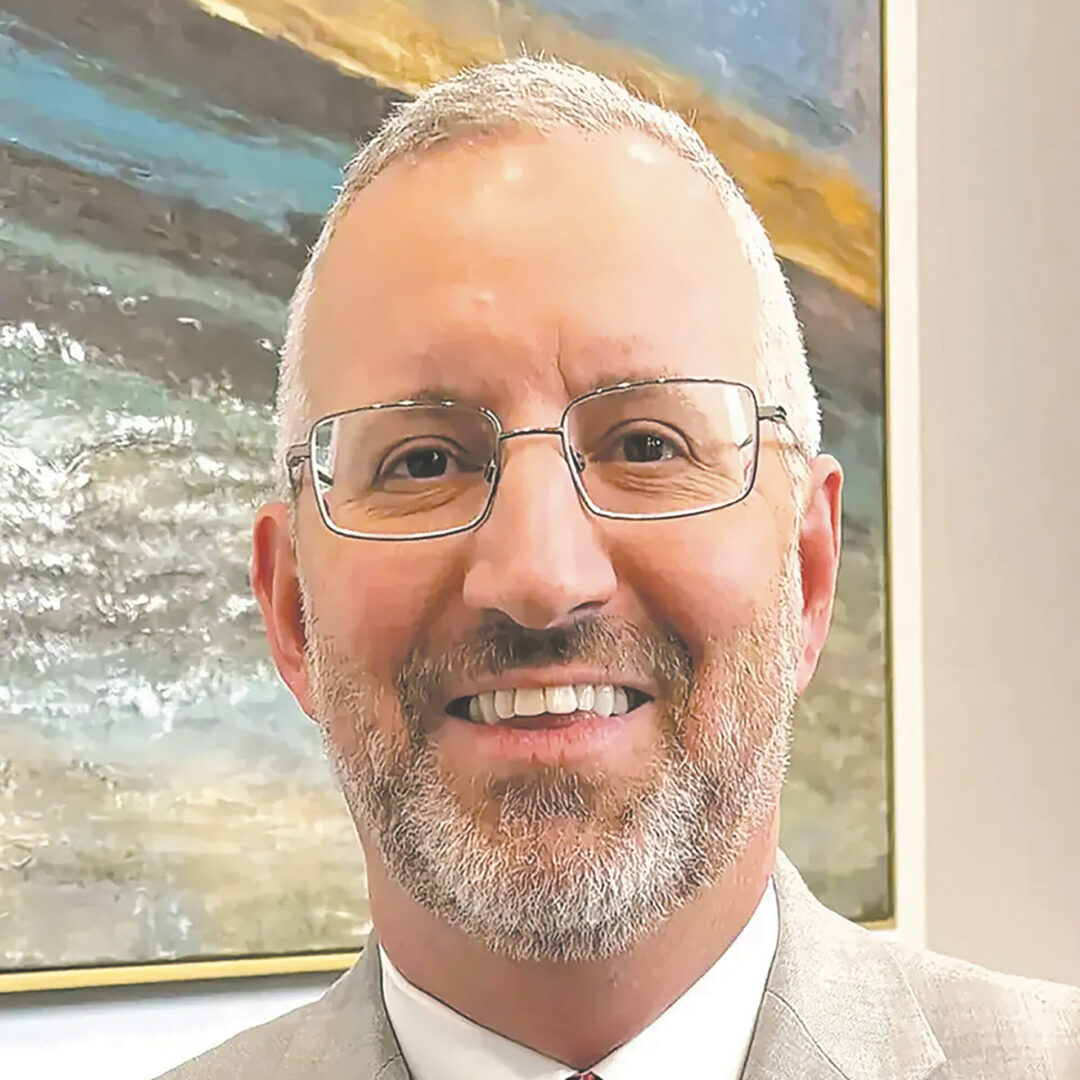
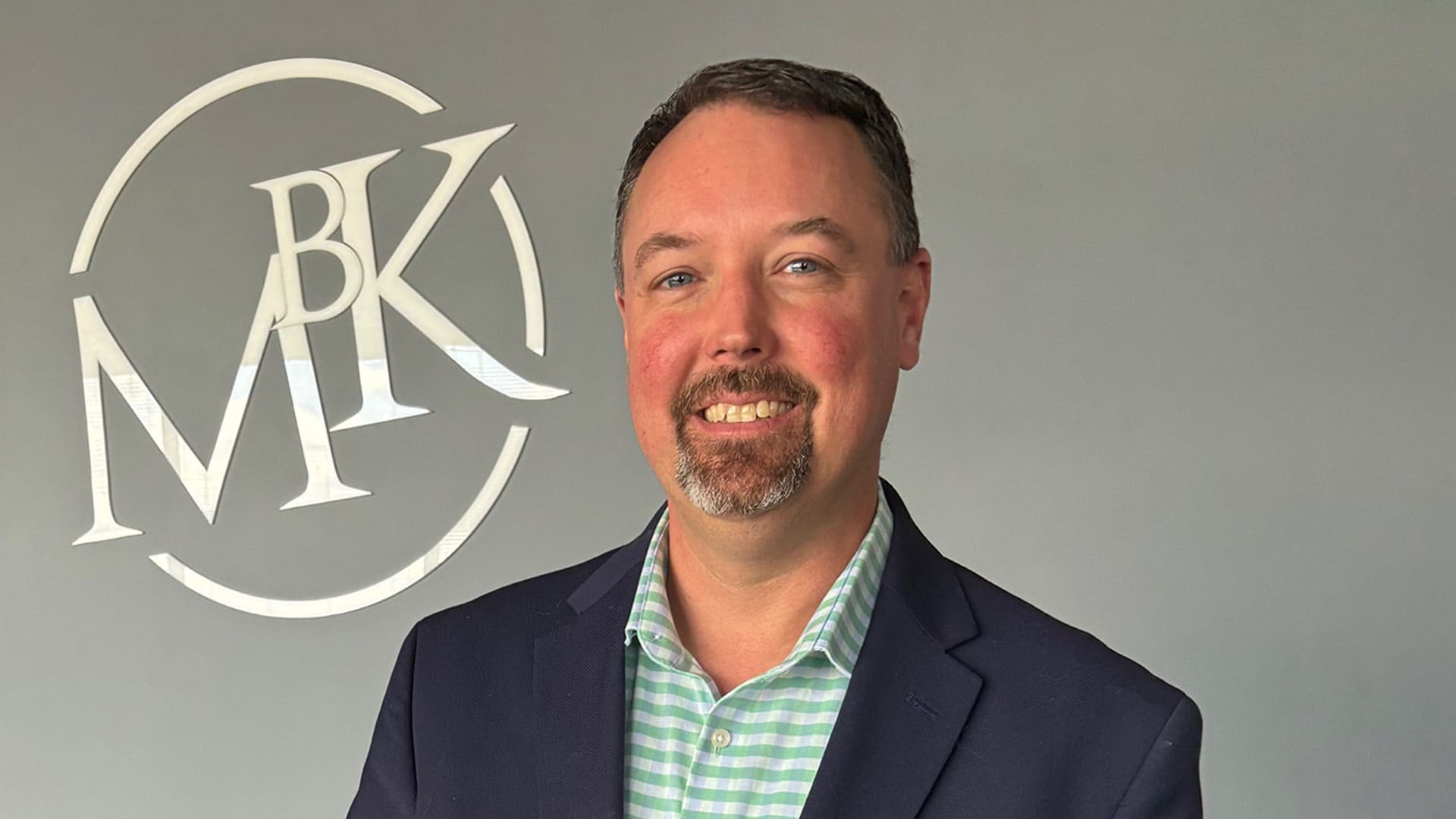
Jim Krupienski when he was named to the 40 Under Forty class of 2010, and today (top)

Jim Krupienski when he was named to the 40 Under Forty class of 2010, and today (top)

Jimmy’s tax internship is poignant for many reasons, starting with the old ‘how time flies’ adage. Indeed, Jimmy is front and center in his father’s 40 Under Forty photo from 2010, wearing his ‘Westfield T-ball’ T-shirt.

He’s come a long way since then, and so has his dad, who is making a return appearance as an Alumni Achievement Award finalist after first achieving that honor last year. The award is given to an individual has built upon their résumé — as a professional, a leader, and someone who gives back — and Krupienski has done that on those fronts and many others, as we’ll see.

At the firm, he has grown into a respected leader, a partner focused on areas such as marketing and professional development, including work with the interns, while also setting a tone for community involvement. He does this through his own work within his hometown of Westfield — he’s been involved with everything from Little League (as coach and treasurer) to the Greater Westfield Chamber of Commerce; from the YMCA of Greater Westfield, where his daughter, Hayley, will be working this summer, to the Westfield State Foundation, which he now chairs — but also through support of firm-wide initiatives to back causes and agencies ranging from A Bed for Every Child to Habitat for Humanity to the Food Bank of Western Massachusetts.

“Jim’s philosophy highlights that, while an individual’s contributions are great, developing a strategic plan for firm-wide involvement compounds those efforts, creating a multiplier effect,” wrote Howard Cheney, another of the partners at MBK, who nominated him for the Alumni Achievement Award.

“Beyond individual contributions, Jim has played a pivotal role in his firm’s community involvement, leading monthly initiatives that encourage team members to engage with local organizations,” Cheney added. “Through sponsorships, Jim and his firm have supported more than 75 local organizations per year, with personal donations to many of them, highlighting his dedication to making a lasting impact in his community.”

“Jim’s philosophy highlights that, while an individual’s contributions are great, developing a strategic plan for firm-wide involvement compounds those efforts, creating a multiplier effect.”

Meanwhile, Krupienski has also grown as a respected leader and the mentor at the firm, one whose best talent might be the ability to listen.

Fast Facts

Age: 47

40 Under Forty Class: 2010

Title Then: CPA Manager, Health Care and
Pension Audit Divisions,
Meyers Brothers Kalicka, P.C.

Title Now: Partner,
Meyers Brothers Kalicka, P.C.

Walk-up Song: “Dream On” by Aerosmith

Years an AAA Finalist: 2

“Jim leads from intention, rather than from ego,” wrote Sarah Rose Stack, a marketing consultant for MBK and formerly its director of Marketing and Recruitment, who wrote a letter to the AAA judges supporting Krupienski’s nomination. “He makes the final call, but only after thoughtfully considering professional input.
I never felt small or unimportant working for him. Not every idea I brought forward was the right one, but I always felt safe presenting it. We arrived at the best solutions together.

“At the end of the day, what defines a leader is whether people feel seen, respected, and empowered in their presence,” Stack went on. “Jim makes people feel important. He makes them feel capable. He makes them feel safe to stretch and grow.”

When asked what he likes most about what he does, Krupienski paused a moment before listing client work and how he can help individual business owners with their issues, challenges, and growth opportunities, but also professional development and helping others get to … well, where he is right now.

“I’d love to retire at some point — I don’t want to be doing this when Im 75,” he said. “And the only way that’s going to happen is if we have a great team behind us. To see people grow and develop and how I can help with that in different ways, that’s very rewarding.”

As for Jimmy, he’ll be wrapping up his internship soon and then starting another one at the Hartford-based accounting firm CohnReznik.

“I wanted him to spread his wings a little bit … they’re a competitor, but not really a competitor,” said Krupienski, adding that the experience with the larger firm will provide another layer of experience and perhaps guide the direction his career takes.

That step is another example of the way Krupienski balances work, family, and community, taking leadership roles in each case. And it’s yet another example of why he is again a finalist for the Alumni Achievement Award. 

—George O’Brien

Alumni Achievement Award

Evening Anchor, WWLP-22 News

When Ciara Speller thinks back to 2023, she remembers a bittersweet year.

That’s the year she was elected to 40 Under Forty due to her success at WWLP-22 News — not just in front of the camera, but also away from it, with all the preparation, writing, editing, and more that goes into airing a newscast every weeknight — as well as her work in the community.

But her father, who was battling a rare form of bile duct cancer called cholangiocarcinoma, couldn’t attend the 40 Under Forty gala that June.

“He wanted to make it to the awards, but unfortunately he was too sick to make it. But he came down with my mom that weekend, so when I got home, I got to tell him all about it,” she recalled. “That was my last award that he saw.”

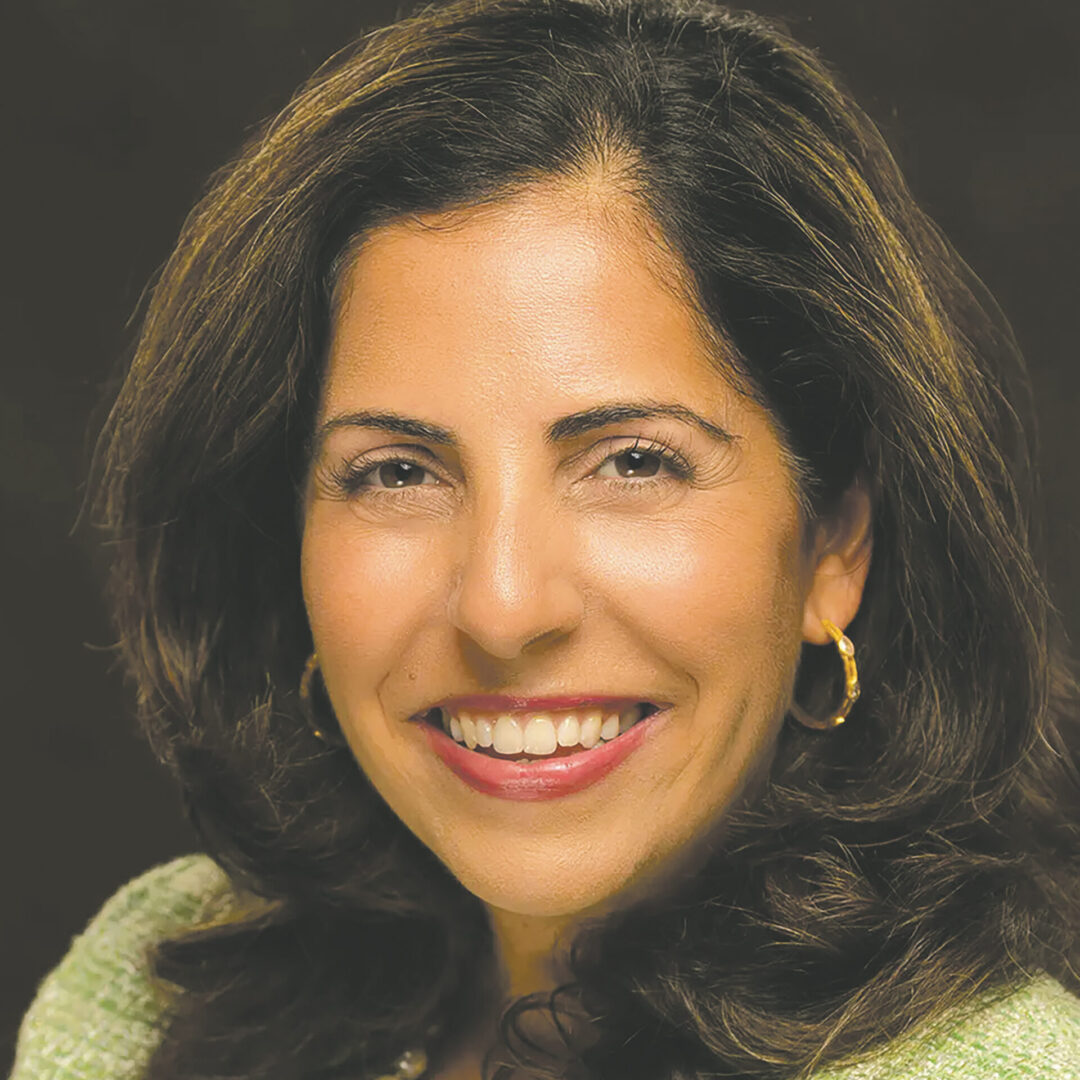
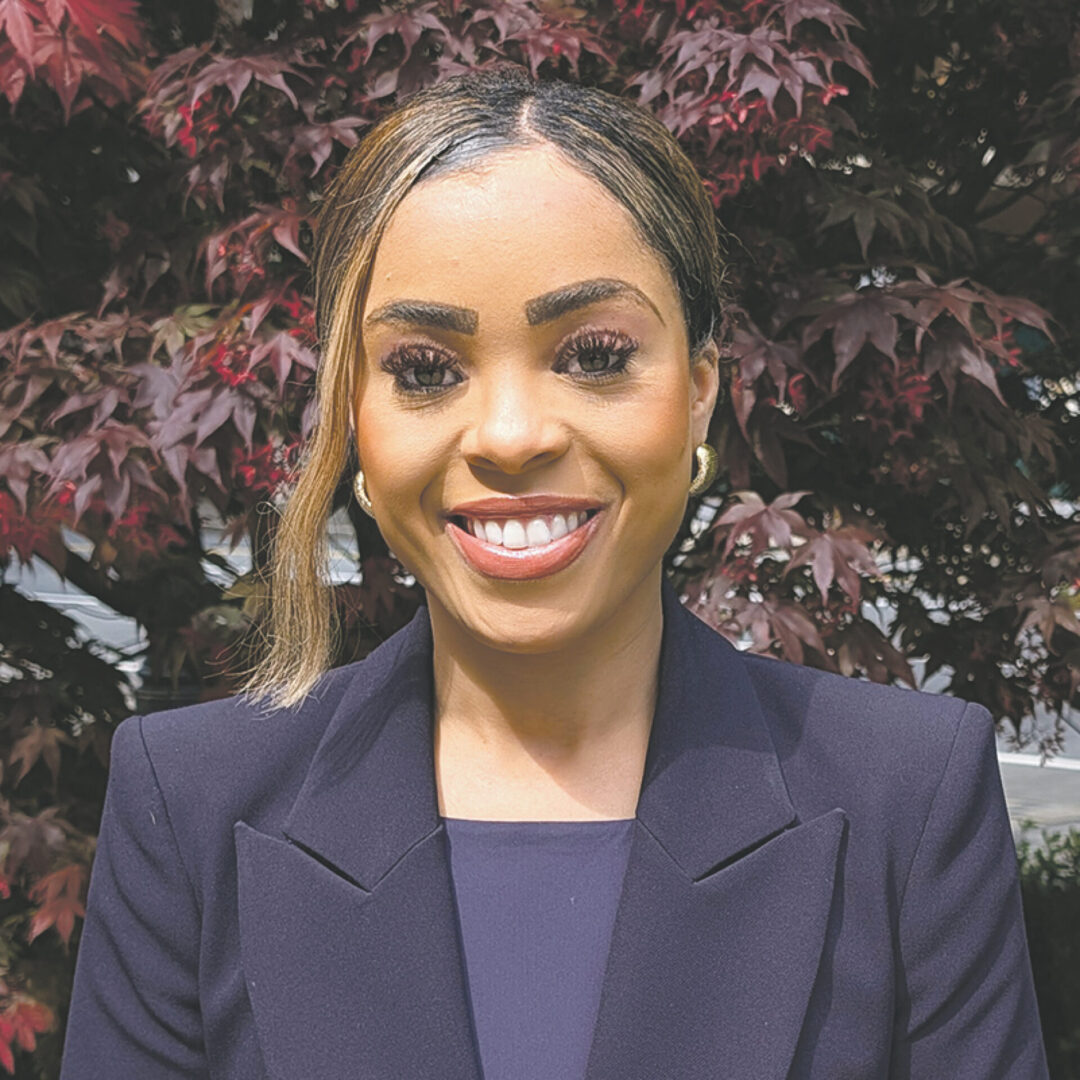
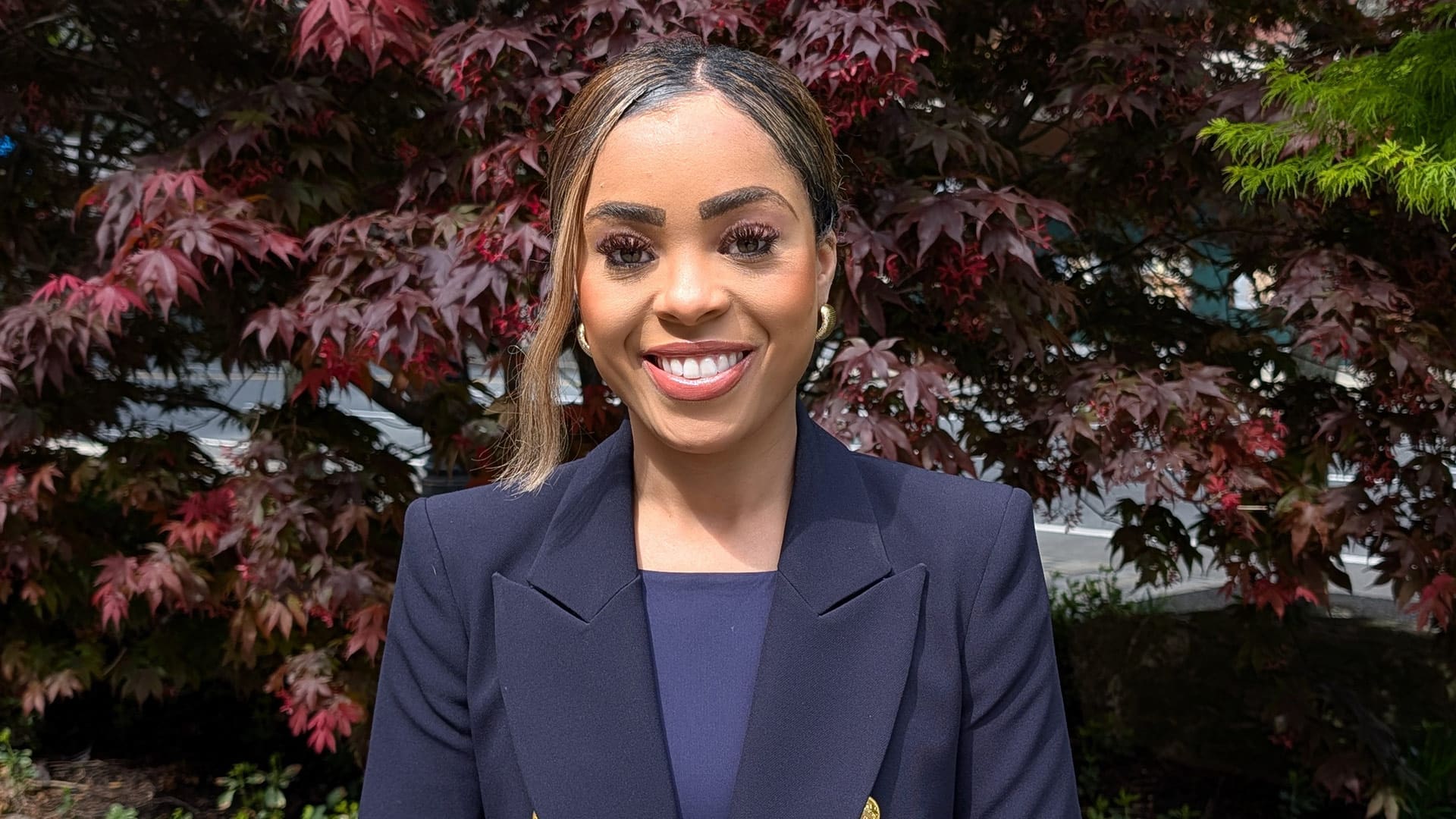
Ciara Speller

Ciara Speller when she was named to the 40 Under Forty class of 2023

That’s because Jeffrey Speller passed away just a few months later.

Ciara knew she wanted to turn her grief into something meaningful and impactful. So she and her mother launched the Jeffrey Speller Foundation ‘4 Change’ in his honor. Having raised and donated more than $50,000 over the past two years, the foundation’s mission is centered around creating opportunities for underserved youth to participate in golf programs. 

“He was an avid golfer who had a dream of providing resources for economically challenged youth,” Speller explained. “Golf is a really expensive sport. His own father passed away when he was a child, unfortunately, so he never got to experience the game until he could afford to do so as an older adult.

“He really credited golf with positively shaping his life, allowing him to climb up the corporate ladder, meeting so many great people — both in business and as friends,” she went on. “Golf is one of those sports that creates amazing partnerships and connections. And he said, ‘how great would it be if our underserved and economically challenged youth were exposed to the game at a younger age? Imagine what their lives could be.’”

These days, Speller doesn’t have to imagine — she’s already impacting those young lives through the game.

The foundation’s main fundraiser is an annual tournament that started with 80 golfers its first year, and will assemble 140 for the third annual event this Aug. 8 at Wyckoff Country Club in Holyoke — the track where her father’s ashes were scattered under a tree near the first hole.

“Golf is one of those sports that creates amazing partnerships and connections. And he said, ‘how great would it be if our underserved and economically challenged youth were exposed to the game at a younger age? Imagine what their lives could be.’”

That annual fundraiser has turned into a series of donations — to a local middle school golf program, the Springfield Ballers’ golf program, a nonprofit organization called the First Tee, and more, including donations of golf clubs to kids of all ages.

“Our motto is, ‘together, we’re changing lives for good,’” Speller said. “And we’ve expanded to helping families and children in need. For the holidays, we fully decorated a Christmas tree and outfitted it with gift cards — that landed with a mother who has cancer as well, somebody who understands what we went through, whose family is going through the same thing. Just to give them a little holiday cheer was amazing.”

Speller is also a dedicated cholangiocarcinoma advocate in other ways. In February, she spearheaded an awareness event and flag raising in Springfield, bringing the community together to honor those impacted by the disease; as part of the initiative, several landmarks across the city were illuminated in green. That same month, the Jeffrey Speller Foundation ‘4 Change’ hosted a celebrity bartending event, raising $10,000 to support patients, families, and programs in her father’s memory.

Fast Facts

Age: 33

40 Under Forty Class: 2023

Title Then: Evening Anchor,
WWLP-22 News

Title Now: Evening Anchor,
WWLP-22 News

Walk-up Song: “Golden”
by Jill Scott

Years an AAA Finalist: 1

All that is deeply gratifying, but so is Speller’s career anchoring the weeknight newscast at WWLP, for which she recently received a Merit Award from the Massachusetts Broadcasters Assoc. for her feature story on internationally acclaimed fashion designer (and Springfield native) Justin Haynes. In her role as anchor, she has reported on some of the region’s most impactful events, and has also contributed to the station’s Black history initiatives, hosting and producing segments that highlight the local community.

“I’ve always been a storyteller,” she told BusinessWest. “I have a degree in dance as well, and I found at a young age that I could tell stories with my words and with my emotions — and now, I can bring attention to communities that may not have a light shining on them,” she said, adding that her work often draws the attention of local leaders and decision makers, effecting positive change. “Just being able to highlight the good work that people are doing, the needs of the community, that’s been incredibly impactful.”

Meanwhile, this October, Speller will be honored at the 11th annual 100 Women of Color Gala, which recognizes high-achieving, community-minded women from across Connecticut and Massachusetts — a major recognition, to be sure.

“To think that what I’m doing — what I feel is a regular day in my life — speaks to people, that’s pretty cool,” she added. “And the foundation has become a huge part of who I am and my identity. I’m just happy to keep giving back and making a difference — and I hope to grow more and impact even more people’s lives.”

—Joseph Bednar

Alumni Achievement Award

Executive Director, Libertas Academy Charter School

When Modesto Montero-Forman was named to the 40 Under Forty class of 2020, the school he founded — Libertas Academy Charter School in Springfield — was already a burgeoning success story, expanding from just 90 sixth-graders at its start in 2017 to a full middle school. But plenty of growth was still to come.

“We found a building on Chestnut Street that served as our starter home — an office building that we converted into a school and blew out some walls to open a number of classrooms,” he recalled. “And the focus for the first portion of our history was really getting the school off the ground and getting the right academic performance.”

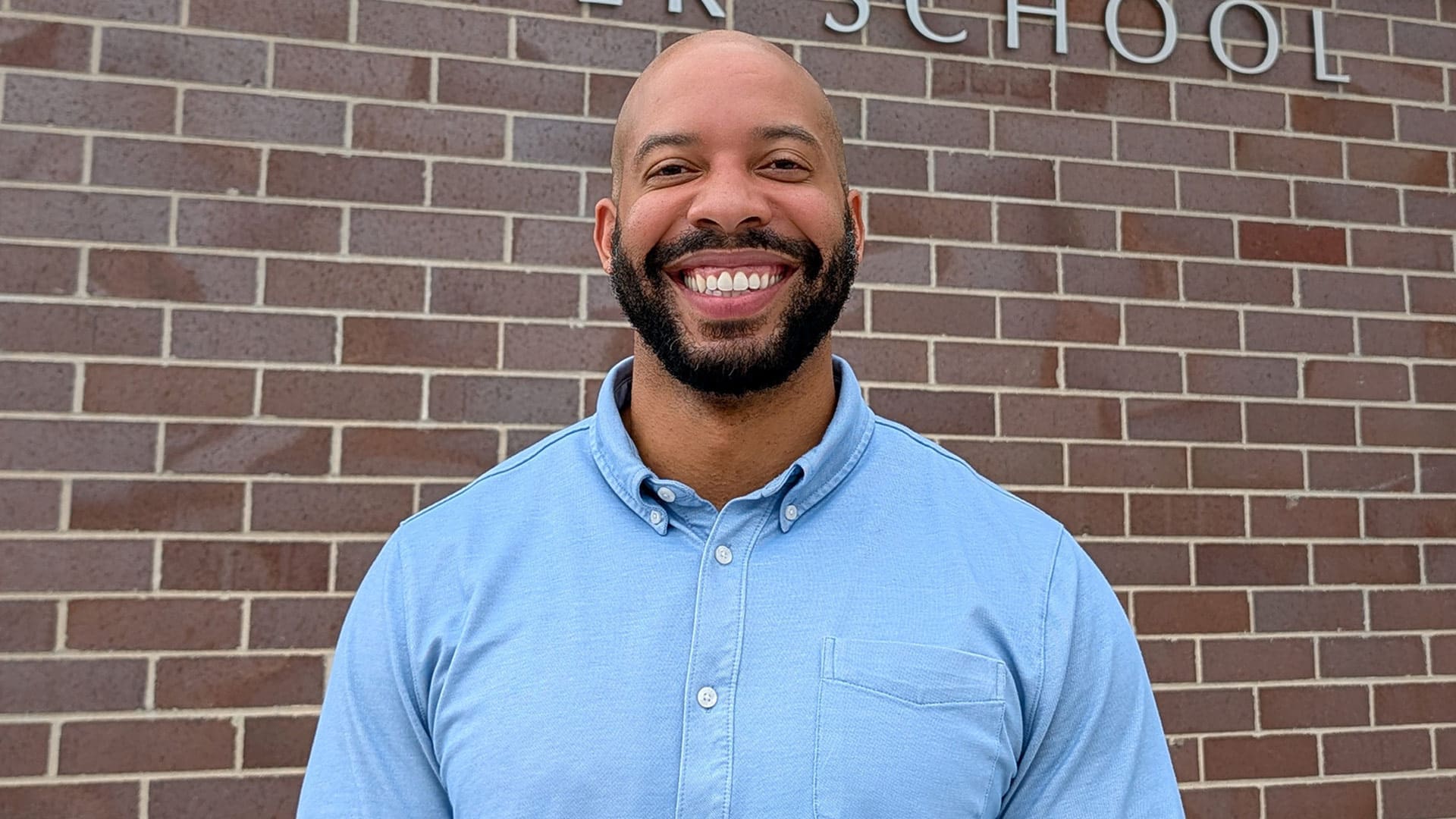
Modesto Montero-Forman when he was named to the 40 Under Forty class of 2020

Today, after adding a grade each year — with a slight pause for the pandemic — and expanding to both a middle and high school, Libertas Academy now serves just under 600 students in grades 6-12, having graduated its first senior class in 2025.

“As a college prep school, our goal is to prepare our students academically, socially, and emotionally for the demands of college. And last year was the first year that we got to do that. We’re proud to say that 100% of our students were accepted into a four-year college,” Montero-Forman explained, with 87% of them choosing to follow that higher-ed path.

While opening a school almost a decade ago was a major challenge, he added, “in the second half of our founding story, the focus has been on getting the high school right, ensuring that we have a robust college prep program and support. Our college team supports our students throughout the entire process, everything from SAT preparation to crafting their college list to writing the personal statements for their applications and working with families on the FAFSA.”

It all culminates in an energetic ‘senior signing day’ when the students’ achievements and future plans are celebrated. That all resonates with Montero-Forman, who has always described himself as forward-looking.

He said his upbringing — in a low-income, Christian home — fostered a sense of focus and a dedication to finding a way to make a difference in his community.

As an immigrant, he initially thought about becoming an immigration lawyer, but while in college, he worked for an Upward Bound program as a mentor and tutor, and was instantly drawn to working with young people in communities like the ones Libertas now serves, he told BusinessWest, explaining his path into the education world.

Part of that trajectory, in recent years, has been securing the school’s current home on Liberty Street, a new structure that Libertas leases, and raising $3 million from private individuals and foundations to outfit for its March 2025 opening.

“We just had classrooms before, no specialty spaces, and we knew that our students deserved and needed so much more than that,” he said. “So we were able to secure a partnership with a private developer here in Springfield who was able to work with us to design a school to fit our model. So now we have a gym, a cafeteria, an art room, a weight room, a music room, a library — all those things that we didn’t have before. And this is our permanent home.”

“Now we have a gym, a cafeteria, an art room, a weight room, a music room, a library — all those things that we didn’t have before. And this is our permanent home.”

Fast Facts

Age: 37

40 Under Forty Class: 2020

Title Then: Executive Director,
Libertas Academy Charter School

Title Now: Executive Director,
Libertas Academy Charter School

Walk-up Song: “The Realness”
by RuPaul featuring Eric Kupper

Years an AAA Finalist: 1

It’s also one of the highest-performing charter schools in Massachusetts. In the most recent MCAS results, students have shown dramatic increases in proficiency; the school ranks first in Massachusetts for student growth in math and third for growth in English language arts (ELA). Libertas is also one of only 13 school districts that is outperforming pre-pandemic performance in both ELA and math.

“Seeing our mission come to fruition — getting students to graduate from high school and, more importantly, persist in college — has been very gratifying,” Montero-Forman said, adding that those efforts include a scholarship program and other supports for alumni that help them stay on their path in college.

“Most of our students are, like me, first-generation college students. And that may not have been the trajectory they would have experienced in a different school system. I think we’ve played an integral role in showing them what was possible and preparing them academically, and then providing the right supports along the way so that not only could they envision themselves in those spaces, but they could actually be admitted into those institutions and now persist.”

Montero-Forman is persisting in other ways; he’s currently board president of the Healing Racism Institute of Pioneer Valley, and he was chosen for a program called the North Star Fellowship, through which he has worked to research and understand the education landscape in Connecticut, specifically Hartford, since it’s close to Springfield and serves a similar population.

“We are very much considering opening a second school in the Hartford community, hopefully by the fall of ’28,” he said.

He has also married since his 40 Under Forty recognition. “We are hoping to adopt,” he told BusinessWest. “I will continue to do good work here at Libertas, but growing my family and thinking about legacy and impact … that’s what I’m really excited about.”

—Joseph Bednar

Alumni Achievement Award

President, Adam Quenneville Roofing & Siding

“Under Our Roof.”

That’s the name Adam Quenneville, president of Adam Quenneville Roofing & Siding, has affixed to a podcast he started a few months ago.

It features conversations with business leaders who are heavily involved in the community, said Quenneville, adding that he recently had Nate Costa, president of the Springfield Thunderbirds, on the show, and he was really looking forward to his next guest, Gary Rome, president and CEO of the Gary Rome Auto Group.

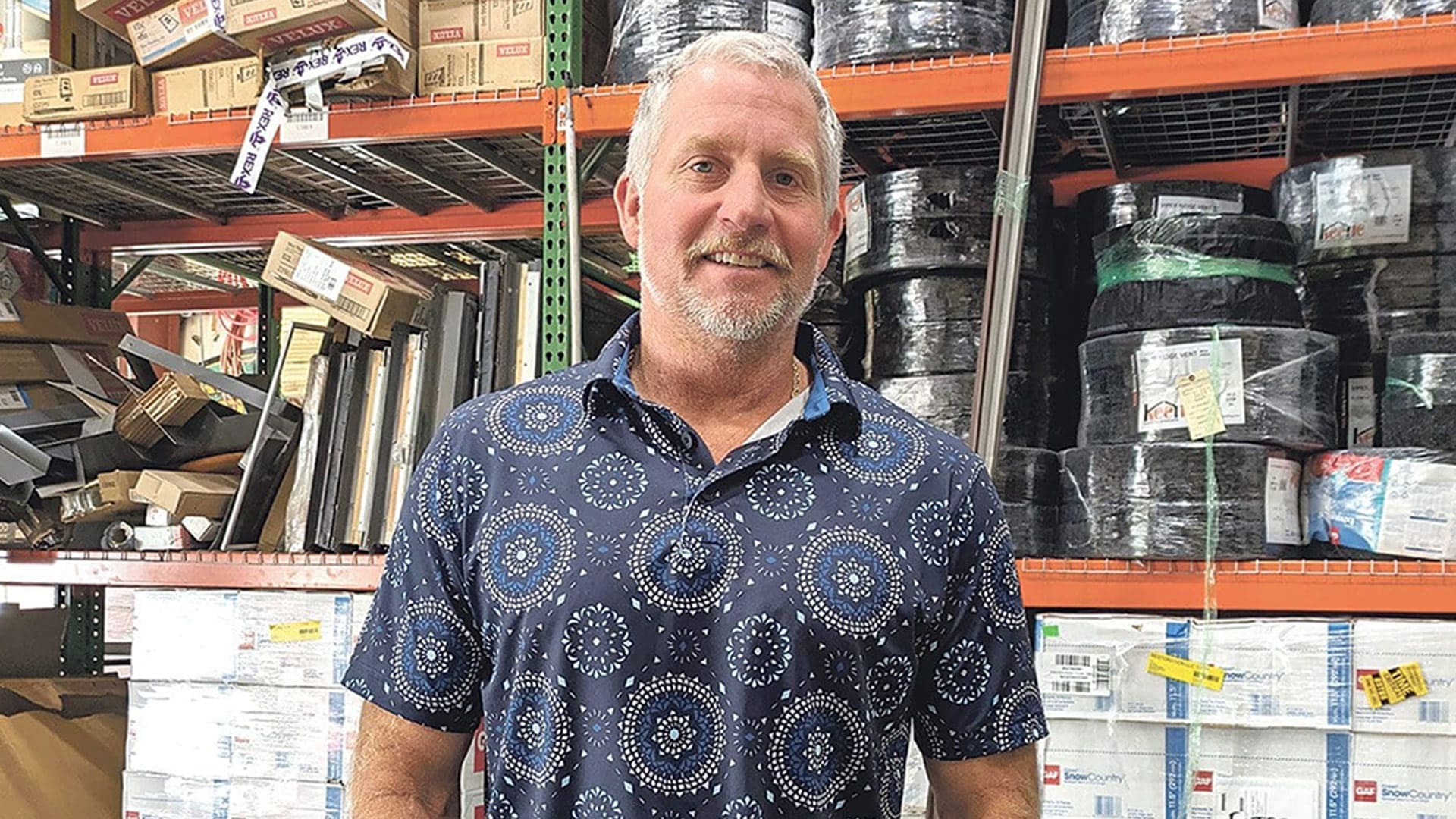
Adam Quenneville when he was named to the 40 Under Forty class of 2009

“He’s kind of my hero when it comes to involvement in the community, and I’ve told him that personally,” said Quenneville, noting that Rome, one of BusinessWest’s Difference Makers in 2022, has become a role model of sorts for him on the subject of giving back and getting involved. “That guy is a superstar.”

Without doubt. But Quenneville has become a hero to some, a role model to many others, and a superstar in his own right for the way he has created a culture of giving back at the roofing company he launched 31 years ago.

That’s especially true when it comes to the roofs the company donates to area nonprofits and others — an average of three to five a year now. The company has gifted roofs to Revitalize CDC, Lorraine’s Soup Kitchen, the YMCA of Greater Springfield for some of its properties, and, more recently, a 10,000-square-foot roof for the Ronald McDonald House in Springfield.

That was a project that hit home, said Quenneville, noting that the agency provides lodging and meal expenses for the parents of children enduring difficult healthcare journeys. Quenneville’s two children had extended stays in Baystate’s Children’s Hospital’s Neonatal Intensive Care Unit, which is why he’s such a strong supporter of that institution.

And he supports many others as well, as we’ll see, but first … back to those roofs.

Beyond nonprofits, the company, through its AQ Cares division, is now donating free roofs on an annual basis to a veteran, a first responder, and a teacher, with the public choosing winners among received nominations.

“He has made giving back a meaningful part of his company’s identity through charitable initiatives, sponsorships, and direct support of local causes.”

Overall, and like previous finalists for the Alumni Achievement Award, Quenneville is being recognized for building on an impressive résumé of both accomplishments in business and work within the community.

With the former, he has steadily grown his business, from a few crews to 10 on average, while also broadening the list of services to include siding, windows, gutters, roof repair, roof cleaning, and more. Annual revenues have grown from $4 million when he joined the 40 Under Forty club to nearly $20 million today.

In 2025, the company was named one of three national finalists for Roofing Contractor magazine’s Residential Roofing Contractor of the Year, eventually losing out to a company exponentially larger. 

His company has evolved with the times, said Quenneville, noting that, in addition to the podcast, he uses a YouTube channel to educate consumers who are more into research than past generations, with videos on a wide range of subjects, such as whether to repair or replace a roof. In many cases, it can be the former, he noted, adding that he often advocates for repair to keep roofing materials from filling up landfills.

“We’re releasing three long videos and two short videos per week along with blogs that match that content,” he said, adding that he works out of a studio in his office and creates the videos of another way of giving back.

Fast Facts

Age: 54

40 Under Forty Class: 2009

Title Then: President,
Adam Quenneville Roofing & Siding

Title Now: President,
Adam Quenneville Roofing & Siding

Walk-up Song: “Eye of the Tiger”
by Survivor

Years an AAA Finalist: 1

As noted earlier, beyond the donated roofs, Quenneville and his company have become involved with a wide array of area nonprofits, causes, and institutions, not only the YMCA of Greater Springfield and Lorraine’s Soup Kitchen, but also the Thunderbirds, UMass sports, and the Miracle League of Western Massachusetts.

As he talked with BusinessWest, he was lamenting recent headlines concerning budget cuts and the possible elimination of sports at South Hadley High School (he’s an alum), and how he intends to get involved and help the school continue those programs.

“I offered to put $1,000 up and then $100 for every roof we do between now and then,” he said, adding that the school will need hundreds of thousands of dollars to keep its sports, and efforts to help are in their early stages.

His planned involvement there is just example of how he has taken a leadership role when it comes to community involvement — and several giant steps toward emulating his role model, Rome.

“He has made giving back a meaningful part of his company’s identity through charitable initiatives, sponsorships, and direct support of local causes,” wrote Morgan Bennett, marketing director of Adam Quenneville Roofing & Siding. “His leadership has helped strengthen partnerships with youth organizations, nonprofits, and community events throughout the region.

“Adam’s example shows that true leadership is not only measured by growth and achievement,” she continued, “but also by how consistently someone shows up to support the people and communities around them.”

That’s what Quenneville celebrates with his new podcast, and it’s also the tone he sets at the company he started and has led to continued growth and impact within the community.

And that’s why he’s a finalist for another prestigious honor, the Alumni Achievement Award.

—George O’Brien

Features Special Coverage

Baystate Merger Is a Lifeline for Mercy —
but Poses Some Risks, Too

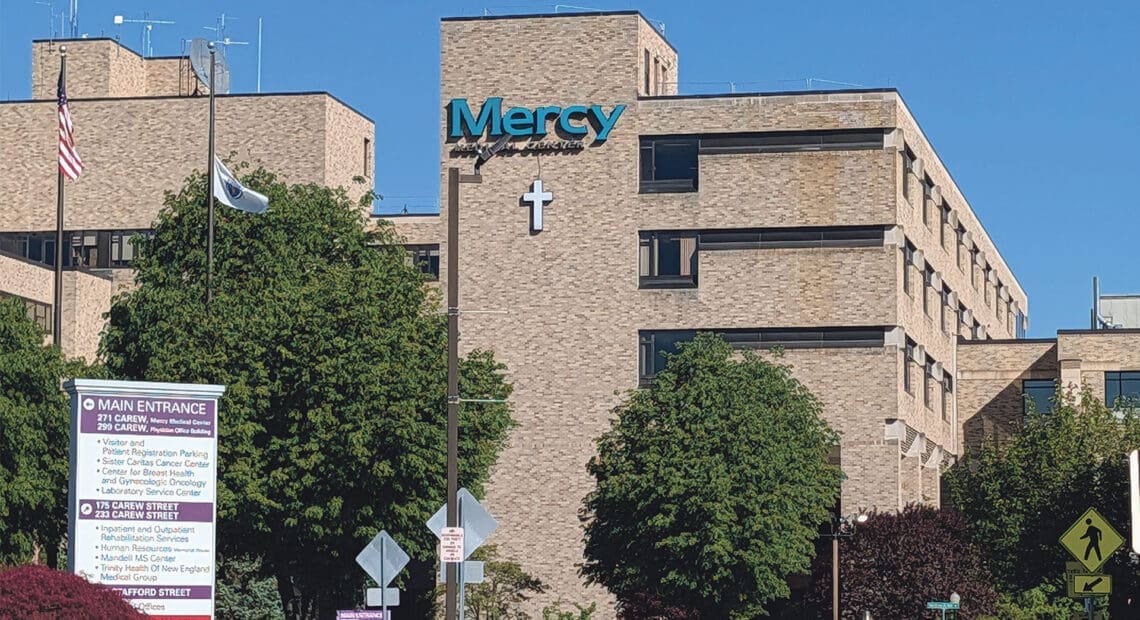
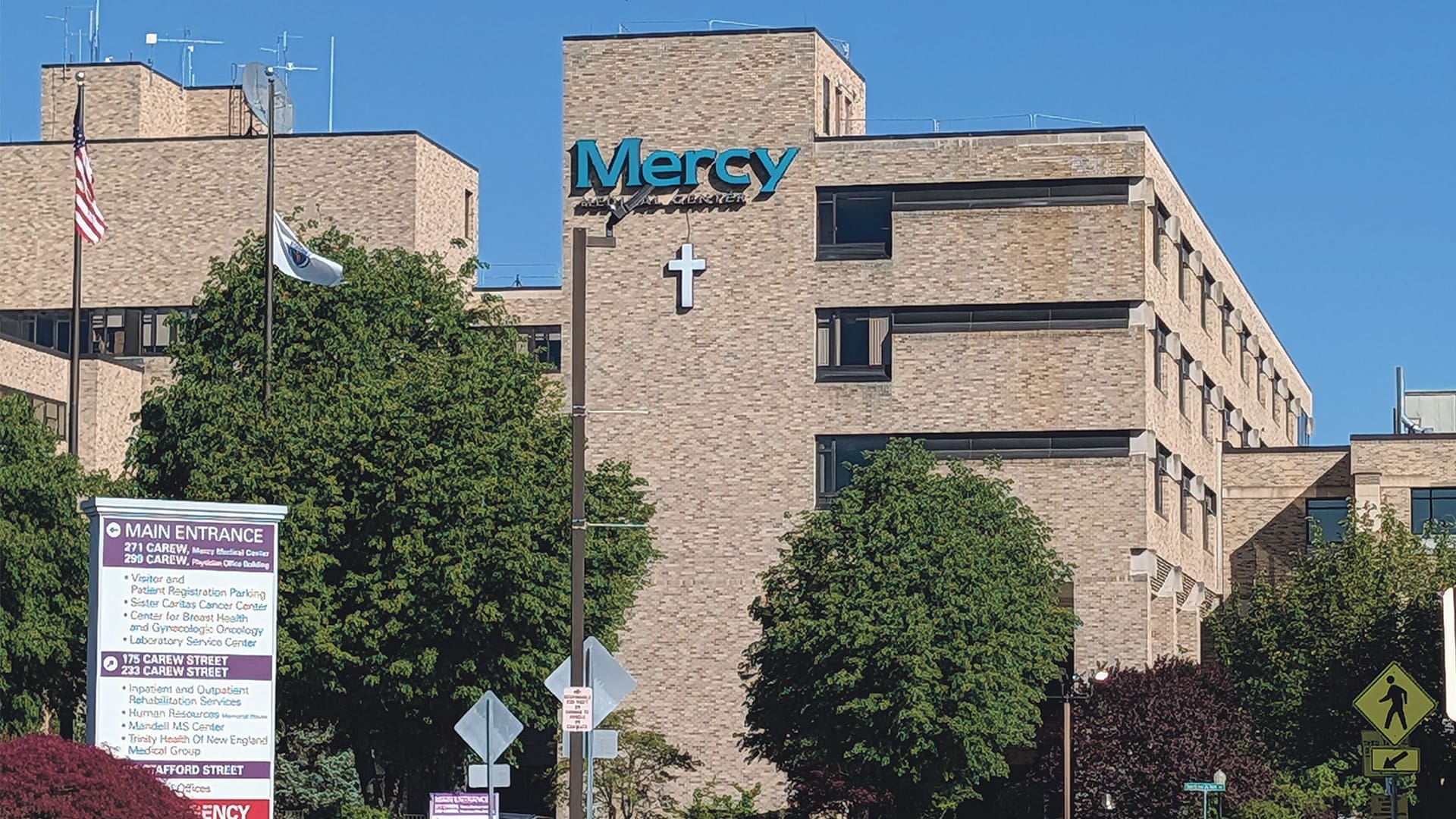
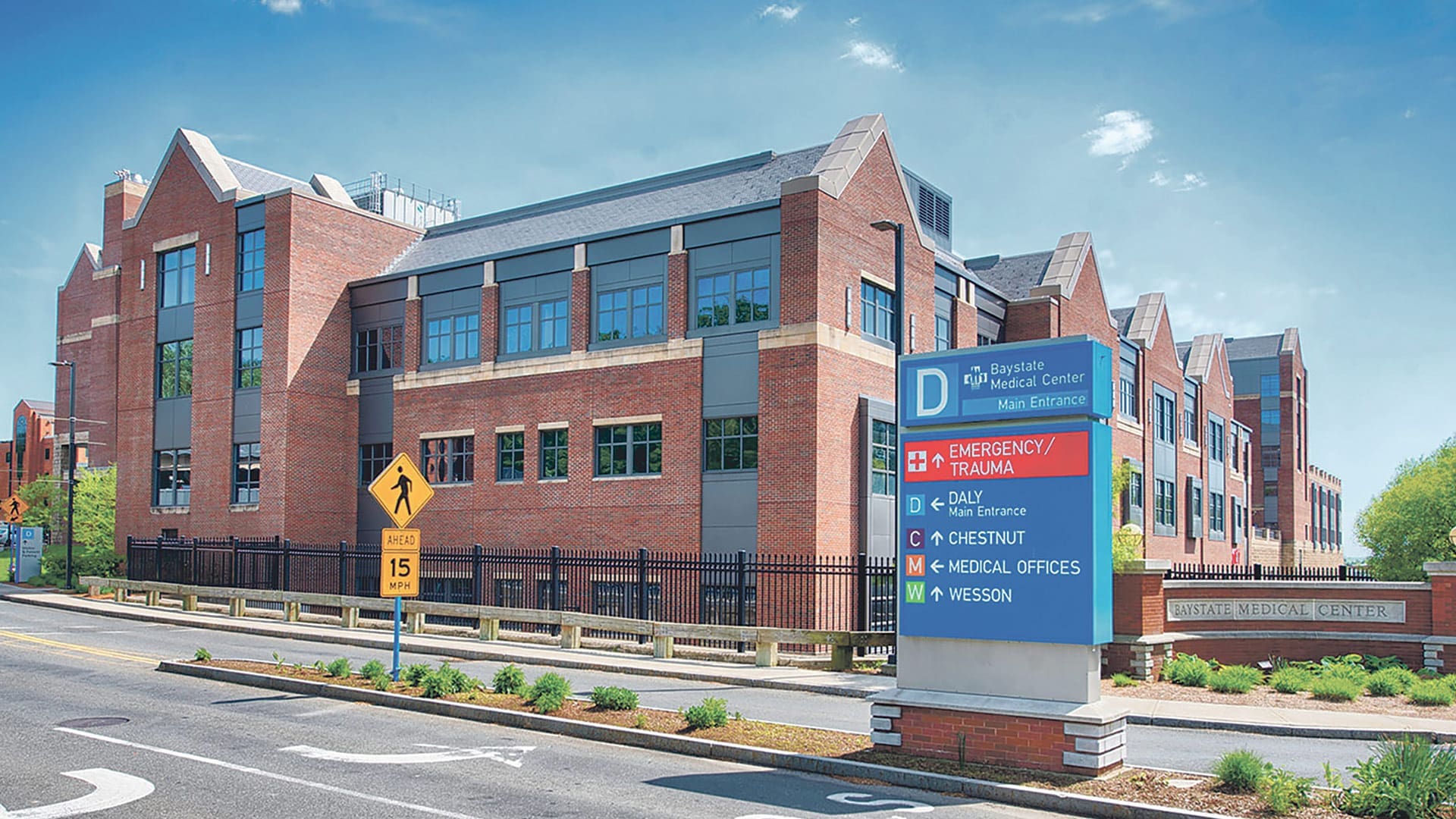
At a recent community forum where leaders of Baystate Health and Mercy Medical Center discussed why Mercy will be absorbed into the vast Baystate system later this year, Dr. Robert Roose positioned the move as a matter of survival.

“Mercy treats a population with the greatest proportion of Medicaid and Medicare patients of any hospital in the entire Commonwealth of Massachusetts,” said Roose, president of Community Hospitals for Trinity Health Of New England.

“That’s a community that needs care, but it’s one where the reimbursement does not match the cost of care,” he went on. “Medicaid reimburses, on average, about 62 cents on the dollar, Medicare about 85 cents. So there’s a financial equation that can be difficult to sustain. In addition to that, we know, with federal funding cuts and other changes to payments, that revenue will continue to decrease while costs continue to rise.”

Dr. Robert Roose

There’s a financial equation that can be difficult to sustain. In addition to that, we know, with federal funding cuts and other changes to payments, that revenue will continue to decrease while costs continue to rise.

At the same time, he said, Mercy has struggled with recruitment of critical specialties of providers — a reality that played out late last year when Mercy shuttered its obstetrics services, with most of those patients moving to Baystate Medical Center.

“So really, for the last decade, there have been questions around the long-term viability of Mercy Medical Center,” Roose went on. “Even as part of a large system like Trinity Health … it makes sense to strengthen the network of care here in Western Massachusetts.”

For Baystate, having a facility the size of Mercy — with its 191 licensed beds, 7,800 discharges per year, and 45,000 emergency room visits per year — simply close its doors would put far too much strain on other Baystate facilities, said Dr. Scott Lichtenberger, chief operating officer for Baystate Health.

“Springfield needs two hospitals, full stop,” he noted. “If Mercy Medical Center didn’t exist, Baystate could not absorb — not only at Baystate Medical Center, but even across our system — that kind of volume. So, to preserve services in the community and to be able to provide that kind of access, we have to have two hospitals.”

Those, in effect, are the arguments for a merger scheduled to take effect on Nov. 1: if Mercy can’t survive on its own, and if Baystate Health believes bringing a fifth full-service hospital into its system makes economic sense from a scale and efficiency perspective, then the move simply makes sense.

Not everyone is sure, however. Michal Horny, assistant professor of Health Policy and Management at UMass Amherst, told BusinessWest that there’s a good amount of evidence from across the U.S. that, when two hospitals very near each other merge, and are no longer in competition with each other, costs inevitably rise for patients.

“Any health plan that operates primarily in the Springfield area, before the merge, they had some leverage over hospitals — if you don’t strike a deal with one hospital, you can go to the other,” he explained. “After the merger, with two main hospitals in Springfield now part of a single system, no health plan can afford to operate in the Springfield area without having a contract with both those hospitals. So that gives the hospitals some very good bargaining power when negotiating prices.

“So what starts to happen is prices, on average, at both hospitals go up. I don’t know how much, but we’ve seen in other markets an average increase of about 6%. So that affects everyone with private insurance,” Horny explained (more on that later).

Dr. Scott Lichtenberger

“If Mercy Medical Center didn’t exist, Baystate could not absorb — not only at Baystate Medical Center, but even across our system — that kind of volume. So, to preserve services in the community and to be able to provide that kind of access, we have to have two hospitals.”

At the same time, while Baystate and Mercy leaders tout potential efficiencies, he noted, “as far as quality of care, the argument from the hospitals is that there’s better coordination and shared resources. Economists have studied this; it’s theoretically a valid point — but the evidence is not there. There doesn’t seem to be any improvement in quality.”

But for proponents of the merger, the survival of Mercy and its services in a community that needs them is an overriding positive.

“I am pleased that Baystate Health and Trinity Health have reached an agreement that will allow these two vibrant hospitals to continue serving our communities,” U.S. Rep. Richard Neal said, noting that, at a time of serious federal spending cuts, “this acquisition will expand access to healthcare and improve services throughout the Pioneer Valley and beyond.

“Together, these institutions represent more than three centuries of service to Western and Central Massachusetts,” Neal added. “Ensuring their viability and continued success is vital to the health of our families and our local economies, and this announcement represents a critical step in strengthening our regional healthcare system for generations to come.” 

Local Impacts

In their announcement on April 28 that Baystate Health and Trinity Health Of New England had signed a definitive agreement to transition Mercy Medical Center, its joint venture affiliates, and medical group entities in Massachusetts to Baystate Health, pending regulatory approvals, they made it clear that Trinity Health will continue to own and operate Brightside for Families and Children, Mercy LIFE, Mary’s Meadow at Providence Place, Beaven Kelly Home, and Saint Luke’s Home.

They also asserted that “Baystate Health will preserve Mercy’s nonprofit mission, community commitment, and legacy of high-quality care.” Both entities will continue to operate independently until the transition is complete this fall.

“Mercy and the Sisters of Providence have been a fixture in our community since 1874,” said Peter Banko, Baystate Health president and CEO, in a statement on April 28. “This is an investment in both the past and the future of healthcare and economic development in Western Massachusetts. Today, access forces too many patients to leave the region to seek care, and we need to ensure that care is compassionate, high quality, affordable, and local. We have been and will continue to be a pillar of our community — rooted here, serving here, and helping generations thrive here.”

One topic raised at the May 12 community forum — and one discussed at length in the article on page 22 about the region’s workforce outlook — is the difficulty recruiting people into a healthcare system that desperately needs them, and how the Baystate-Mercy merger will impact that equation for both institutions.

During the forum, Tania Barber, president and CEO of Caring Health Center in Springfield, asked what Baystate expects to happen when the most severe impacts from the One Big Beautiful Bill Act (OBBBA) come to fruition next year and area residents start losing health coverage.

“The health safety net cannot absorb it. We know that there’s going to be an influx of individuals that will be coming to the hospital, coming to community health centers, and we know there will be staffing shortages — provider shortages, nursing shortages, it goes on and on,” Barber said. “Recruitment continues to be a challenge, so I’d like to learn a little bit more about how you will address the enormous amount of individuals who are going to utilize hospital services because they’re losing their insurance.”

Lichtenberger countered that frontline staffing levels are up at Baystate despite a recent series of high-profile layoffs, mostly administrative, throughout the system. “And as we get bigger, I think it becomes a more attractive place to recruit physicians. We’ve just got to make sure that this remains a destination place that people want to work and that people are proud to work.”

Despite a challenging landscape for healthcare staffing, he noted that Baystate plans to keep Mercy’s critical services operating — and having two hospitals within a mile of each other will bring advantages of efficiency — and even grow them.

For example, “the emergency room at Mercy Medical Center — again, pending regulatory approval — will remain open 24 hours, seven days a week,” Lichtenberger said. “And about half of the beds at Mercy are now available — we want to fill those beds. We want to grow services so that we keep more care here locally. And when we talk about filling those beds, that’s creating jobs.”

But the cost issue for patients — again, when health plans lose leverage in a less competitive environment — is still a matter of concern, Horny said.

“Even when insurance pays for a portion of their healthcare, if prices are higher, that inevitably translates to higher premiums. Insurance doesn’t absorb the increased costs — it shifts them to consumers. So eventually, you can expect premiums for plans in the Springfield area to go up.”

Drawing on data from the Health Care Affordability Lab, a Yale University-based group of economists who study healthcare markets and translate their research for various audiences, Horny noted that, while healthcare consumers and payers initially absorb health cost increases, it eventually hits employers as well.

“Employers usually don’t cut wages, but they’ll cut the number of available positions, so one of the downstream effects is fewer employment opportunities,” Horny said, which eventually translates to decreased state and federal revenues, and more uninsured people going without care — which could increase mortality.

Challenges Continue

Dean Sanpei, chief administrative officer and chief strategy officer for Baystate Health, also addressed the community forum, noting that virtually all Mercy employees that work specifically for that
hospital, and not in an administrative role at Trinity, will come over in the deal.

“We do think this can improve community care and our provision of care in the area,” he said. “There are synergies that are created when institutions are able to come together. You’re able to create more hubs and spokes. You’re able to create centers of excellence and places where you can focus higher specialties of care and get better outcomes. And you’re able to distribute services as needed, and effectively. So we’re hoping to bring all these synergies together and create a better process and better care for our community.”

Michal Horny

“No health plan can afford to operate in the Springfield area without having a contract with both those hospitals. So that gives the hospitals some very good bargaining power when negotiating prices.”

Sanpei also agreed with Lichtenberger that the expanded Baystate footprint in Springfield will make the system more attractive and an easier place to recruit physicians.

“As we recruit more physicians, we can open up more beds, and we can have more capacity,” he went on. “And as we’re able to do that, it enables those who live here, who want to have care here, to get care here — which helps all of us. It helps residents locally, but it also helps the health system because those dollars are not going to go east, they’re not going to go south; they’ll stay here. So that’s an opportunity for us as well.”

That said, Baystate certainly continues to face headwinds, like an expected $150 million impact from the OBBBA.

“This transaction doesn’t occur for us until November. Until that time, we will continue to have the challenges that we’ve had to date, and we’re going to continue to have to do the efficiencies that we’ve done to date. Those things, in many ways, are separate. Those challenges are going to continue,” Sanpei said.

To that end, he continued, “we’re going to have to continue to increase our operating efficiency. We’re going to continue to have to look at our expense structure, and that won’t necessarily change overnight. Once we have the joint entity, the synergies we have then will come into play, and it will be better moving toward the future.” ◆

Features Special Coverage Workforce Development

Numerous Factors Are Complicating the Region’s Job Market

Whatever else can be said for the job market — both nationally and in Western Mass. — job seekers have lost some leverage. Specifically, job openings aren’t as plentiful (in most sectors, anyway) than they were a year or two ago, meaning it’s tougher to hold out for a better offer, and not as easy to move around.

“What we’re seeing is a retraction of people moving jobs right now. Employees are staying put,” said Allison Ebner, president of the Employers Assoc. of the NorthEast. “We’re seeing that for a variety of reasons today; the economy is certainly one reason why employees are staying with the devil they know instead of jumping ship for a different job.”

Specifically, she noted, the Bureau of Labor Statistics (BLS) reported earlier this month that, for the first time since 2023, the cost of living has outpaced wage growth in the U.S.

“Basically, the inflation rate has outpaced the cost-of-living adjustment, that 3.5% average that many people probably got at the beginning of the year. It’s not even covering the cost-of-living increase today, between the rising gas prices and the rising food prices.”

At the same time, Ebner said, wages are leveling off after jumping up for a while post-COVID. “The only outlier we’re seeing is some variable pay for AI skills in general.”

Kevin Lynn, executive director of the MassHire Springfield Career Center, said the local labor market has seen a broad contraction in job opportunities, and cited a number of factors that have been problematic.

“What we’re seeing is a retraction of people moving jobs right now. Employees are staying put. We’re seeing that for a variety of reasons today; the economy is certainly one reason why employees are staying with the devil they know instead of jumping ship for a different job.”

“We have a benefits cliff here affecting both hiring and retention,” he told BusinessWest. “We have a federal immigration policy that is contracting our labor market. We have population decline locally and outmigration. We have a childcare crisis that is tamping down the available labor market. We certainly have developing AI/automation anxiety out there. We have federal funding uncertainty. We have a local criminal justice issue, getting ex-offenders re-employed. And we have this totally egregious Iran war which is causing our economy to slow.

“Judging from the most recent [BLS] Producer Price Index, we’re running into a really fun June, if not July, with a rise in prices,” Lynn added. “We’ve got all that around us, which gives us a picture of what I would term a struggling regional economy.”

In fact, he said, Hampden County has one of the weakest labor markets in the state, with a relatively high unemployment rate continuing to climb, and average weekly wage rates below the national average.

All this has contributed to a slowdown in employee movement, where both workers and companies are loath to make moves.

“Companies are making slower hiring decisions, when they have hiring decisions to make, and they’re seeing less turnover,” Ebner said. “And from what we’re hearing, the employers that have employee turnover, it’s not because workers are leaving to go to different jobs; the turnover is because of employees’ poor performance, attendance issues, or not meeting the employer’s standards.”

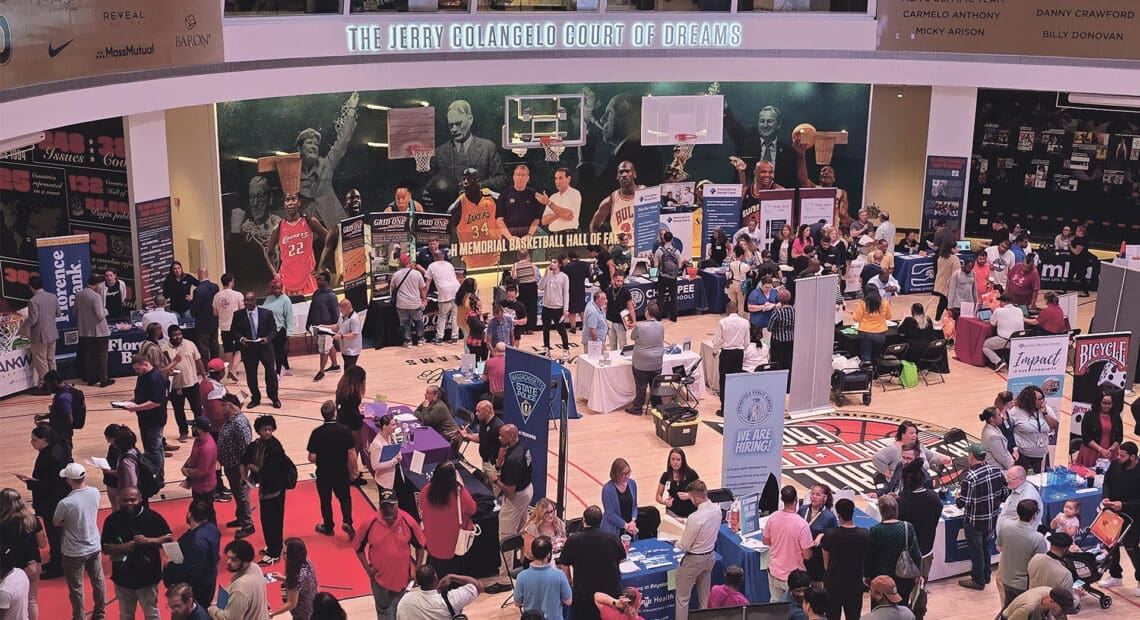
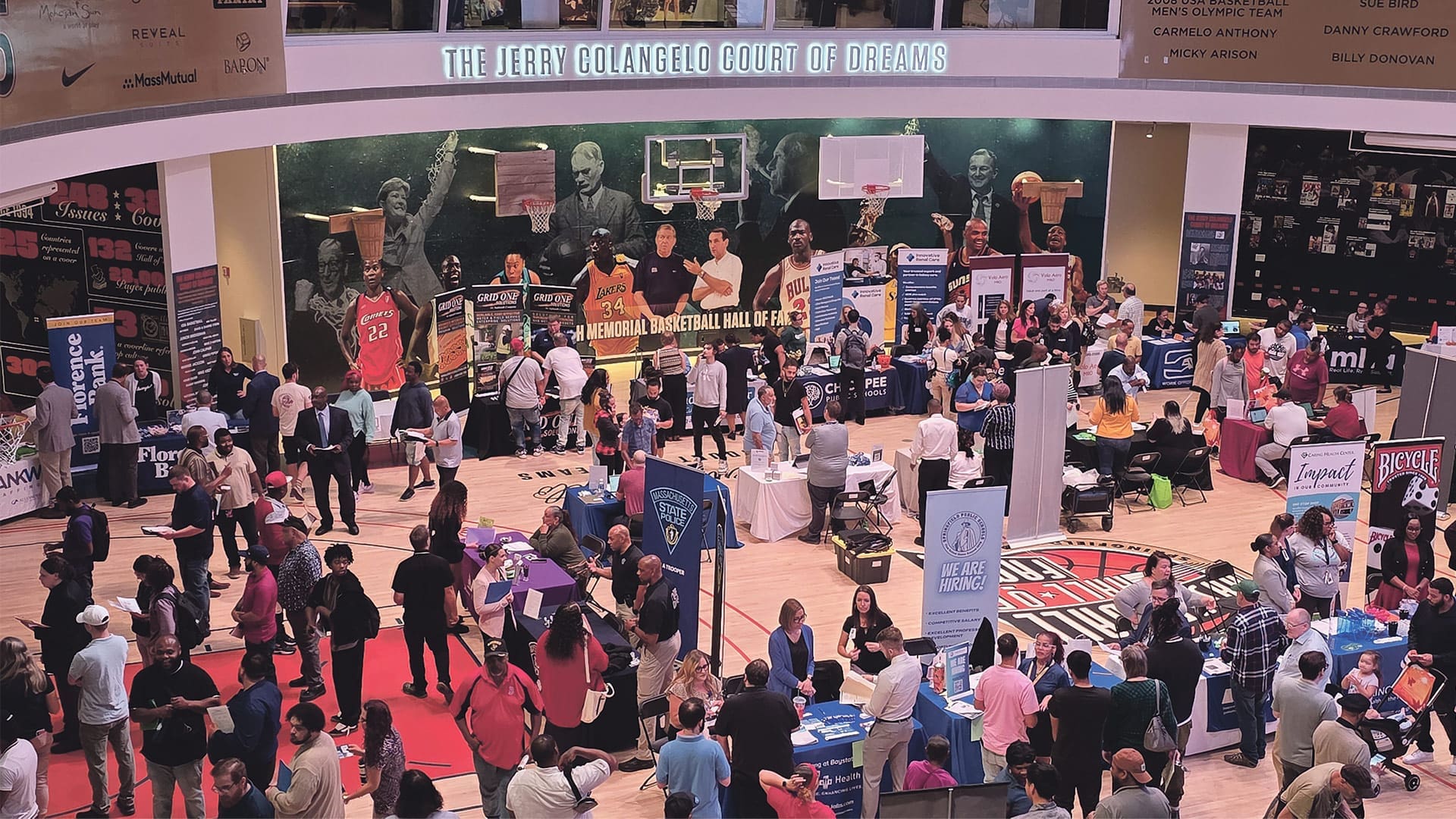
The slowdown in hiring is even manifesting itself in the most recent MassHire job fair at the Basketball Hall of Fame on May 18. When she spoke with BusinessWest the week before the fair, Ebner — who is also president of the MassHire Springfield board of directors — said vendor registration was running at about 60% the usual pace.

“They may pick up a few more, but that’s certainly a telltale sign locally that employees aren’t hiring,” she added. “There are still close to 30 coming, but usually it’s in the 45 to 50 range of employers coming to market their companies.”

Unhealthy Outlook

Lynn noted that the region is struggling with a bifurcation of wages — and a lot of posting activity in positions that are high-churn, low-wage, and not necessarily a living wage. And it’s happening most in healthcare.

Allison Ebner says employee engagement — even at the managerial level — is a rising problem for employers.

“Locally, healthcare is our dominant sector in terms of employment, and it’s contracting,” he said, pointing to struggles at local hospitals to employ frontline staffers, even before the recent announcement of Mercy Medical Center merging into Baystate Health later this year.

“What is that going to look like? What does that mean for employment?” he asked. “Crucially, a lot of healthcare workers — home health aides, CNAs, those lower kinds of lower-paying positions within the healthcare system, have an issue with a living wage. Can people survive on those wages?

“It’s really kind of an existential question for healthcare, where so much of what they do depends on Medicare and Medicaid funding to pay the bills, and they’re not doing a great job paying as it is,” he went on. “So, are they in a position to increase wages? I’m guessing not, so there’s a tension going on: people tend to think of where the jobs are, who’s hiring, what the jobs are — but increasingly, people are taking the next step and asking, ‘does this job pay a living wage?’”

It’s a question the healthcare industry must deal with sooner than later, said Ebner, who pointed to data from Lightcast, a global leader in labor market intelligence and workforce analytics, that notes that healthcare openings nationally currently outnumber unemployed job seekers by a five to one margin, and two-thirds of all job growth over the past year is in healthcare and social assistance.

“There was a predicted gain of 60,000 jobs in April, and it came in closer to 105,000, but it’s being skewed by a couple of industries; it’s not a true picture of all industries,” she said, and at the top of the list is healthcare. In fact, in 49 of 50 U.S. states, nursing is currently the top open job category. And that trend of healthcare demand outpacing staffing bodes poorly not just for the economy, but in broader ways.

“Healthcare is going to be a problem for us as people are living longer and Baby Boomers are retiring. They’ve done the math, and there’s simply not enough people to fill those healthcare jobs,” Ebner noted. “There’s a huge opportunity in home health and PCAs; they don’t have enough people to fill those positions. But it’s not a high-paying job.

“There’s a lot of talk right now about how about how the trades are working to draw students from high schools and colleges into electrical, HVAC, plumbing,” she added. “Those are considered AI-proof, and they’re high-income-earning. You could start as an apprentice and make a great wage very quickly. You can’t say that about PCAs.”

Data researcher Hannah Grieser, writing for Lightcast, cited a 2026 survey finding that 73% of healthcare executives say staffing shortages negatively affect their ability to provide high-quality care, pointing to several specific roles as acutely difficult to fill: among clinical roles, 98% of healthcare executives named physician specialists, and 86% primary care physicians. And among allied health roles, a majority of executives said radiology techs and ultrasound techs are tough to find.

“But across the healthcare workforce,” Grieser noted, “labor shortages are an ongoing challenge that’s expected to intensify.”

Meanwhile, Ebner continued, “COVID burnt out a lot of the healthcare workers. A lot of people opted out of that profession. They don’t have the same appeal post-COVID. So, healthcare is going to be in trouble and, with the level of urgency we’re at, needs immediate attention at the state and federal levels for sure.”

“Crucially, a lot of healthcare workers — home health aides, CNAs, those lower kinds of lower-paying positions within the healthcare system, have an issue with a living wage. Can people survive on those wages?”

Kevin Lynn says the main problem for companies isn’t finding people to hire, but finding the right people.

MassHire’s mission is to connect employers with skilled, motivated employees, Lynn said, but, increasingly, those workers aren’t finding the wage levels they need.

“Employers are in a push-and-pull position right now, and it’s been heightened with inflation and rising rents and mortgages,” he explained. “The cost of living in general has been escalating. People are saying, ‘I can’t take a job if I can’t find a home,’ or ‘I can’t take a job if I don’t make enough money to stay in my home.’ There’s more of that going on than ever now.”

That said, he noted, certain positions in healthcare — RNs, LPNs, and allied professionals come to mind — can find decent wages, and other sectors are similarly tiered when it comes to who’s making what.

“Also, the nonprofit sector continues to hire — again, it depends on the position, but they often do pay decent wages and have outstanding benefit packages to make up the difference. So that’s good. But on the flip side, human services, nonprofits, and healthcare are being hit by reductions in federal spending.”

Other sectors are relatively stable as well, including retail, logistics, and warehousing, but Lynn is concerned that the overall regional wage picture is outpacing what’s being seen locally.

“Read the national economic news, and you see economic numbers that are not great, but don’t look too bad, either. You get the sense locally we’re in a different ballgame.”

The Right Stuff

Lynn reiterated that matching employers with job seekers is much easier than finding the right workers, in terms of both skills and engagement. “We talk to different companies who are hiring, but struggling to hire at the same time because they don’t just want a body, but the right person.”

Ebner agreed. “Employers are definitely discouraged about the quality of the candidates they have. They’re not seeing the caliber of candidates that they’ve seen in the past from a customer service standpoint, from an innovation standpoint; they’re still struggling with employee engagement.”

Gallup’s State of the Global Workplace study recently reported a 21% employee engagement rate, she noted. “That means 21% of employees are fully engaged with their jobs. That’s a problem. An even bigger issue was manager engagement, which dropped from 31% to 22% over the last two years.

“These are the people that teach and educate and coach your employees,” Ebner went on. “This is something we talk to our members about regularly — manager development, and to be very careful about who gets to be a leader in your organization. Just because somebody did a great job working on the line as a project manager, or in an individual capacity, doesn’t mean they’re going to be a great leader. You’ve got to have someone with qualifications who shares your mindset, and then take those high-performing individuals and try them out in those roles to see if they’ll be a good leader.”

Meanwhile, among all the negative factors impacting the regional job market, Lynn pointed to immigration enforcement as a thorny one, though fewer people are talking about it right now.

“It’s definitely impacting healthcare, especially looking at long-term care; a lot of immigrants work in that field, and now that pool has started to dry up. When you see these ICE pickups, the optics don’t make people feel comfortable going out to find work.

“It’s almost like we put everything into a blender, and we’re not coming out with a great drink,” he added, referring specifically to decisions being made in Washington, D.C. “I’m worried about a potential recession. I lived through that in 2008; I don’t want that to happen. It’s tough to hire right now because there’s so much craziness going on.”

Commercial Real Estate

It’s Now a Family Business
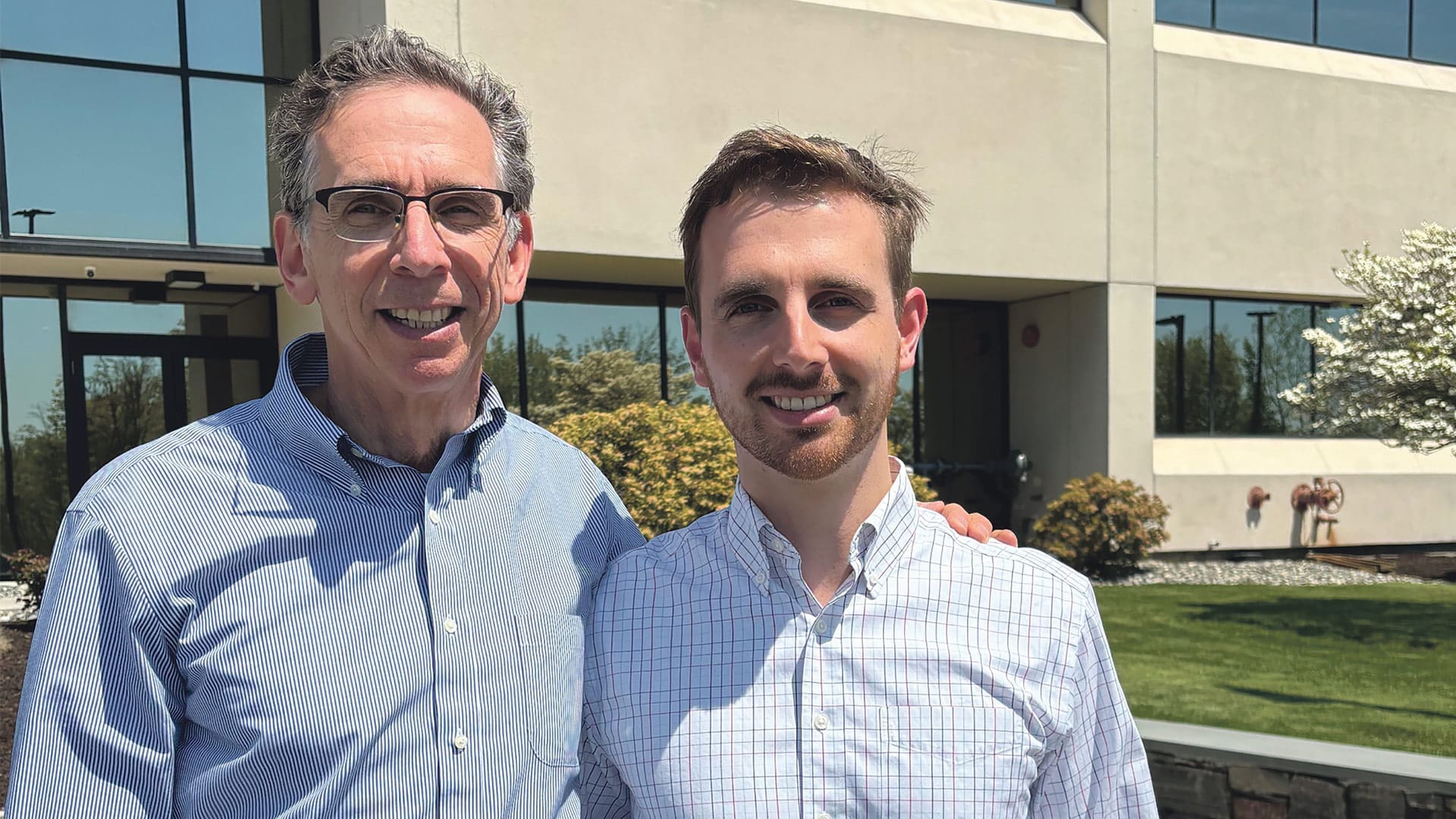
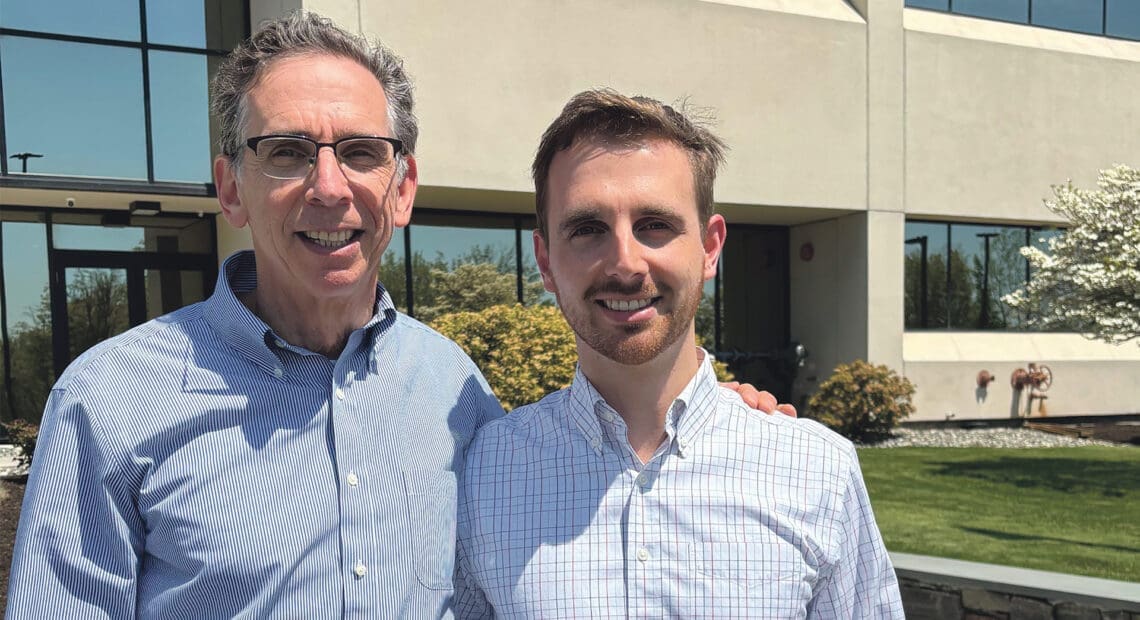
Ben Bolotin was working in Boston, handling office leases and coping with the many forms of turmoil that came with the pandemic, when his father, Mitch, called and said he was busy, in a mostly good way, and could use some help.

So Ben headed west — “back home,” as he put it — to provide that help to Mitch, then a principal with Colebrook Realty Services in Springfield. The two worked together at Colebrook for a few years before Ben decided to start his own firm, which he would call Region.

Mitch stayed at Colebrook, where he had been a fixture for more than 30 years, but came to miss the way he and Ben worked together, so he eventually decided to leave and join him at Region.

That’s the condensed version of the story of how the two are building this emerging company together, assembling a diverse portfolio that includes a wide array of industrial, retail, and office properties; former churches; and, most recently, the Hampshire College campus, which recently went on the market in one of the region’s most closely watched stories.

The client list is intriguing and includes the owners of Tandem Bagel, who continue to add locations across the region, including the most recent addition in South Hadley, as well as ServiceNet, PeoplesBank, and myriad others.

“I had such a positive impression of my dad’s work. He was selling and leasing commercial real estate, but I also enjoyed the people he worked with, the people who were making things happen for Western Massachusetts.”

Region is an intriguing business story, one that has a number of starting points, if you will, beginning with a young Ben growing up watching his father, learning, gaining an appreciation for the business, and eventually deciding he wanted to join it.

“I had such a positive impression of my dad’s work,” he recalled, adding that he attended many meetings and many showings with his father. “He was selling and leasing commercial real estate, but I also enjoyed the people he worked with, the people who were making things happen for Western Massachusetts. He was great about introducing me to that world and introducing me to his clients, and I grew up respecting a lot of his clients.”

These include Jeb Balise, president of the Balise Auto Group — Mitch has worked with him for more than 25 years and has handled the sale of property he owned in Chicopee, among other projects — as well as Tom Dennis and Bill Stotler, developers who own several properties across the region.

These business leaders helped instill in Ben both an interest in real estate and an entrepreneurial spirit, and both come together in Region, which didn’t start out as a family business, but it is now, with the two generations, boasting 50 years of combined experience, working together and making each other better at what they do, as we’ll see.

And experience is just one of the key ingredients the two are bringing to the table with this venture. Others include expertise with certain types of properties, such as churches, which are coming onto the market in growing numbers, and technology.
“In this day and age, what commercial property owners and commercial tenants are expecting is really timely, high-quality service, paired up with a lot of experience and a very digitally native approach,” Ben explained, adding that this is what the Bolotins and a growing team are committed to delivering.

For this issue and its focus on commercial estate, we take an in-depth look at Region and how this father-and-son team developed a fondness for working together — and didn’t want to work apart.

Developing Story

Both Ben and Mitch stressed that operating a business together, as they are now, was never really the plan.

“The plan was no plan,” joked Ben, who noted that he was always interested in real estate and actually interned one semester at Colebrook while he was in college. And early on after graduating, he explored different paths within the industry, including work for a firm based in Boston that handled properties across the country.

“I was assisting in managing malls in California, retail properties in Georgia, downtown office buildings in the Loop in Chicago, and I was helping negotiate leases from an office tower in Boston,” he said. “I decided I was not close enough to the action.”

So, after a few other career stops, including one with a startup — a nod to his interest in business and entrepreneurship — he got much closer to the action, albeit at a challenging time and in a challenged place.

“I was doing downtown office leasing in the financial district of Boston in 2020, and very quickly it became businesses talking about ‘how much space can we give back?’” he recalled. “There was a long year of that.”

Things were a little different in Western Mass., he recalled, adding that this market doesn’t see the huge swings that larger metropolitan areas do.

“Western Mass. has a way of humming along and doing its thing,” he told BusinessWest. “Whether it’s people having access to their cars and not relying on public transit … there were certain aspects of the Western Mass. economy that I found to be very resilient, and my father was very busy and needed another set of hands.

“COVID actually brought us back together in a great way and allowed me to come home,” he went on, noting that the two worked together for a few years at Colebrook.

“What we found is that Ben and I worked really, really well together,” Mitch added. “We rounded each other off in a way that made me better at my job, and I loved working with him; we were on that path together.” 

“I was assisting in managing malls in California, retail properties in Georgia, downtown office buildings in the Loop in Chicago, and I was helping negotiate leases from an office tower in Boston. I decided I was not close enough to the action.”

In late 2023, Ben launched what would be considered his own startup, Region. “I was really interested in investing in a business, and it became clear that, for me, it was the right thing to do,” he explained.

Meanwhile, Mitch was staying put at Colebrook — for a while, anyway.

“That was the plan — Ben was going to leave, and I was going to stay,” Mitch said. “But I missed working with him — we did a lot of good things together. I wanted to continue working with him.”

Mitch eventually transitioned to Region in mid-2024, and he and Ben have been building the company together since then, investing in technology and adding new team members, while also building the book of business in many ways.

Overall, while they say the 413 faces the same challenges as other parts of the country, the two are optimistic about this region and its prospects moving forward.

“People are having to be a lot more thoughtful about how they’re spending their money and how they’re choosing to invest,” Ben said. “But I think there’s a lot of drive and will to continue to invest in Western Massachusetts.”

Space Exploration

As noted earlier, Region has a diverse portfolio of clients and properties. The firm handles leasing for two Colebrook-managed properties — 1441 Main St. in downtown Springfield (co-owned by Jeb Balise) and the PeoplesBank building in Holyoke — and also does work for PeoplesBank, including the securing of office space in downtown Hartford and branches in Hartford and Avon, Conn., and the sale of a closed branch on Sumner Avenue in Springfield to Arrha Credit Union.

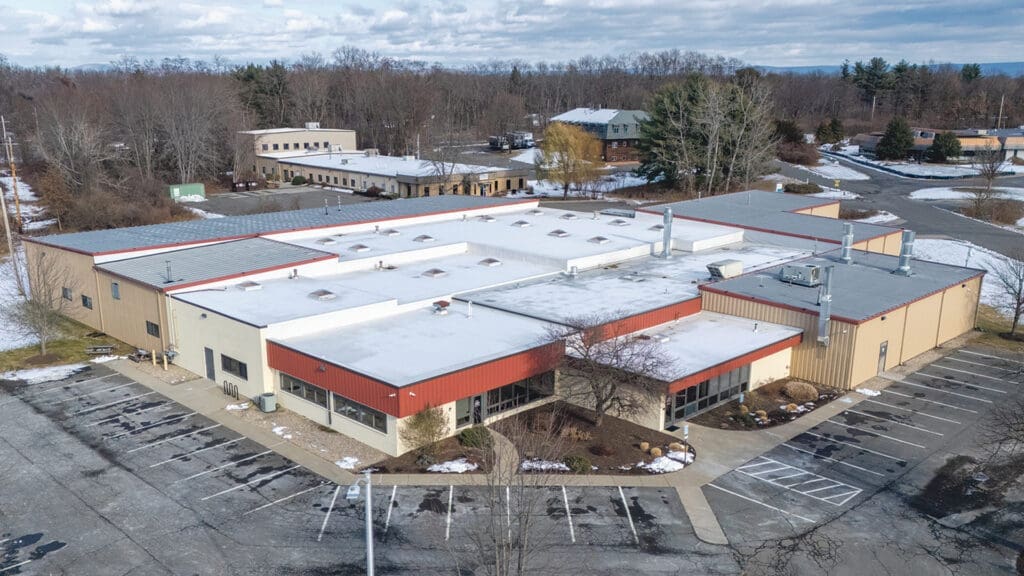
The company also handles 11 Interstate Dr. in West Springfield, where its own offices are located. Region has succeeded in retenanting the large office building, which was vacant only a few years ago, but is now more than 60% occupied, with a diverse array of tenants.
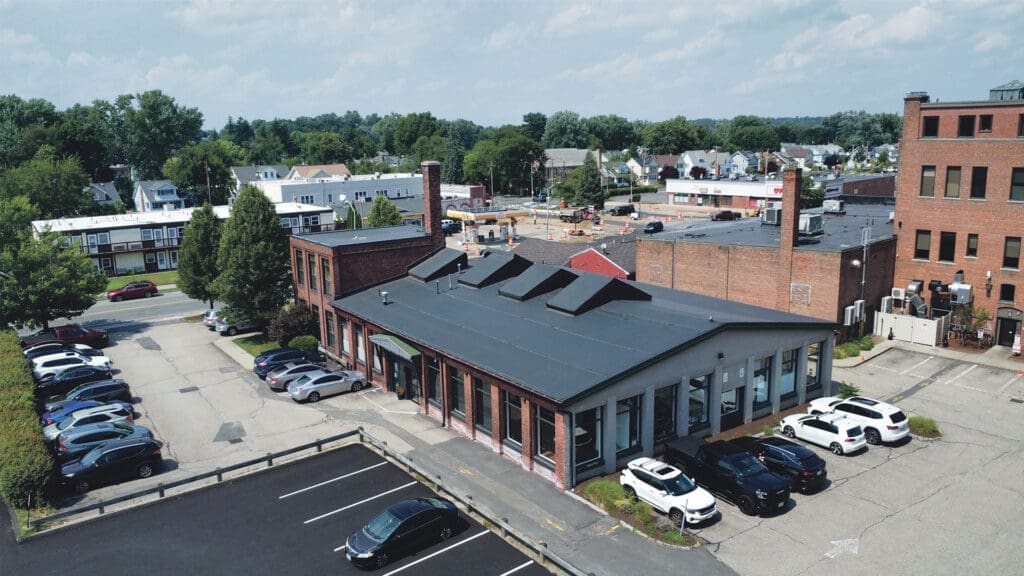
Region is now also handling some work for ServiceNet, the mental health and human services provider with facilities across the region.

“We’ve been working with them to source a number of different needs of theirs up and down I-91,” Mitch said, adding that the Region portfolio now includes a wide array of clients, some with ongoing needs and others with “one-off real estate deals,” as he described them.

And the portfolio of properties runs the gamut, from industrial properties in Springfield and Leicester to medical office space in West Springfield; from retail space in Belchertown, West Springfield, and Longmeadow to a former church in Littleton, as well as several parcels of land. Actually, the firm has developed a niche with former churches and has handled the sale of several of them.

“There are not of folks who have a lot of experience working with congregations, so we’ve gotten referred to many groups,” Ben said. “A lot of congregations are struggling post-COVID, and many of them are looking for guidance. It’s a very specific part of the marketplace, and there’s not a lot of folks that are finding ways to help those groups.

“They approach us oftentimes, asking for insight and advice on how to dispossess a property when they no longer have a congregation to support it,” he went on, adding that the company has sold churches in Acton, Lowell, and other communities well outside the region, evidence of how the company’s reputation in this realm is growing.

The Hampshire College sale represents another important opportunity for the company. Region, which has been doing some work for the college for a few years, is putting together an offering memorandum for the property, Mitch said, noting that the assignment represents an important assignment for Hampshire College and the town of Amherst.

“There hasn’t been a college sold in the Pioneer Valley,” he acknowledged. “That said, we have worked on larger and equally complex, multi-dimensional commercial and specialty properties. We combine deep local market knowledge with national reach, and we’re well-equipped to manage a transaction of this scope.

“We’ve also worked on behalf of Hampshire College for several years, so we know the property and the institution well,” Mitch went on. “We’re from here and have a strong vested interest in a successful outcome for Hampshire College and the community.”

“What we found is that Ben and I worked really, really well together. We rounded each other off in a way that made me better at my job, and I loved working with him; we were on that path together.”

Getting back to the business and the dynamic the two have created at Region, the two stressed, again, that there were never plans to work together — until they decided to do just that.

And Mitch believes Ben’s experiences with businesses of different sizes and in different markets helped create a positive family business environment, when tension generally rules in so many other cases of generations working together in the same space.

“Ben came to the party with his own work experiences and his own capabilities,” Mitch said, adding that he brought different perspectives to the company.

Ben agreed. “From those years working in Boston, I had a lot to bring to the Colebrook team right away and how we worked together,” he recalled. “There’re so many other experiences about how offices work and how Boston teams function. Immediately, I was able to add value from a different perspective.”

Added Mitch, “I tell people this: I think I’ve done a good job over the years, but Ben has made me a better broker with the things that we’ve have brought to the team in terms of client satisfaction, a technology base, systems, an efficiency base — from his business experience, he learned a lot of different things that have funneled and shaped our region in many ways.”

Bottom Line

As for returning to this market from Boston — something that rarely happens, and that area economic development leaders would certainly like to see more of — Ben said that, contrary to what might be popular opinion, there are opportunities for young people in the 413.

“A lot of my friends and young people have gotten sucked into the major cities,” he told BusinessWest. “I think there’s a lot of opportunity here for people my age because business owners are aging out.”