Home Posts tagged Health Care (Page 16)
Uncategorized

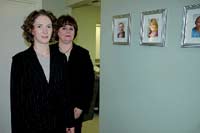
Ellen Bemben says the talk is getting louder.

She was referring specifically to discussions taking place about the Greater Springfield region and its potential as a home for companies in the biotech and medical instruments fields, among others. There has been talk for some time, she acknowledged, but there is growing evidence that the talk will soon turn to action — and jobs.

“There are conversations that are going on that are more promising than ever before,” Bemben, the recently elected president of the Regional Technology Council (RTC) told BusinessWest. “But, in some ways, this area hasn’t really been discovered yet.”

Helping businesses in Boston, Cambridge, Worcester, and elsewhere navigate their way to the Pioneer Valley and the larger Knowledge Corridor — the region between Springfield and Hartford — is the informal job description for Bemben, who started her new assignment on May 3.

She brings with her more than two decades of work in the plastics industry — work that has taken her from New England to the Middle East — and confidence that the Springfield area can become the alternative, or “complement” (the word she prefers) to Boston and other higher priced areas.

“People are starting to look in this direction,” she said, referring to high-tech, medical device, and other technology-related ventures in the Boston market that may be looking for lower-cost alternatives. “I’m not talking about a long stare, but they are looking; we need to get them to look harder.”

BusinessWest looks this issue at how Bemben and the RTC intend to do just that.

Field Work

Bemben isn’t exactly new to the RTC and its broad mission.

She has been a member of the council’s board of directors for several years, and was actually one of the founders of its predecessor group, the Regional Technology Alliance (RTA). She was also the original chairperson of that agency’s Materials and Manufacturing Technology Network, or MMTN, one of three current networks, or clusters, that comprise the RTC.

Behind all those groups and acronyms is a movement, or desire to build a technology-related sector in Western Mass., said Bemben, who left a position as project leader and new-business development director for Enfield-based Specialized Technologies, formerly Springborn Laboratories, to steer the RTC.

She told BusinessWest she made that career move because she has seen a new energy within the RTC and its networks and what she considers tangible progress in the three main components to the task of building that technology base she spoke of — attraction, retention, and development of ventures in that sector.

“We’re trying to be as realistic as possible about the prospects of bringing more jobs to this region,” she said. “Do we think it can happen? We wouldn’t be wasting our time if we didn’t.”

Bemben is the third president of the RTC, following Humera Fasihudden, who was at the helm of the RTA when it changed its name and then became an affiliate of the Economic Development Council (EDC) in 2003, and her successor, Mamud Awan, who stepped down last summer. Bemben said she wants to build on the progress achieved by previous leaders and, overall, create more awareness and relevancy for the council.

“We’re a resource, but we’re also a partner with many different organizations and institutions in this area,” she said, listing everything from hospitals to community colleges to other economic development agencies. “Through those relationships, we can can build on a strong foundation for business attraction and growth in the region.”

Bemben brings a broad range of experience to the helm of the RTC. Prior to her stint with Specialized Technology Resources, she worked under contract for the government of Israel in successfully promoting its plastics industry to such companies as Gillette, GE Plastics, Elizabeth Arden, Johnson & Johnson, and Smith & Wesson. She has also worked for the General Polymers Division of Ashland Chemical, Nypro, and Everready Battery.

Bemben described the RTC as the technology arm of the EDC, and also as a “matchmaker,” linking companies with resources and tools to achieve growth. In that capacity, its role is to essentially maintain and grow the broad tech sector, which is comprised of businesses across several fields, including information technology/communications, clean energy, precision manufacturing, life sciences, health care, bioengineering, and medical device development and manufacturing.
The RTC, a non-profit organization that grew out of a grant originally awarded to UMass-Amherst, acts an umbrella organization with three neworks: MMTN, the BioEconomic Technology Alliance (BETA), and the Technology Enterprise Council (TEC).

The council is a membership-driven organization (the current number is just under 300) tasked with not only delivering new technology-driven businesses to the region, but also to help existing companies respond to changing conditions and a more global economy and remain competitive.

“In this environment, if companies don’t change, they’re going to go under,” she said. “We want to not only help companies stay afloat, but help them grow and get to the next level.”

As for attracting new companies — and jobs — to the region, Bemben said that assignment is multi-faceted, and it basically starts with building awareness of the region, its assets, and business success stories.

The Valley has always had a lower cost of doing business, especially when compared with Boston, Cambridge, or even Worcester, she said, but cost alone will not be enough. To lure businesses here, the region and its economic development leaders will have to provide evidence of a quality workforce, a strong higher-education infrastructure with a strong research component (in this case, UMass Amherst), and some examples of tech-related companies that are succeeding here.

The region has several, said Bemben, including Agawam-based MicroTest Laboratories, a pharmaceuticals manufacturer, Blackstone Medical, a Springfield-based company that has become a leader in development of spinal surgery implants and instruments, Marox Corp., the Holyoke-based manufacturer of medical devices, and many others.

“If they look, companies in Boston and elsewhere can see that we’re doing many of the things we’re doing,” she explained. “By building awareness of all that’s happening here, we can get people to look and talk about this region — and then do more than just talk about it.”

Under the Microscope

Turning talk into jobs and economic development is Bemben’s basic assignment at the RTC.

Like her predecessors in that role, she spoke about the region’s enormous potential as a home to technology related businesses in specific fields ranging from polymer science to pharmaceuticals manufacturing.

Turning that potential into reality is a work already in process, she explained. And that’s why the talk is getting louder.

George O’Brien can be reached at[email protected]

Uncategorized

For years we’ve heard the talk.

Actually, it’s more like a theory, and it goes something like this: technology and biosciences companies located in the Boston-Cambridge area and other locations will eventually become frustrated with the high costs of doing business in these communities and look longingly toward Western Mass. as a new home.

It hasn’t happened yet.

In fact, most all of the technology-related and life sciences ventures we have in the Pioneer Valley started here and have stayed here mostly because the principals involved have ties to this region. But that doesn’t mean our area’s economic development leaders should stop trying to lure outside businesses to this area code.

In fact, they should be redoubling their efforts, because, as we’ve said on many occasions, this region needs an economic spark — and the technology sector offers perhaps the most promise. The region’s manufacturing base continues to shrink, with ever more production going off-shore, and tourism/hospitality jobs, while growing in number, do not offer significant promise in terms of economic development.

Rather, this region’s best hopes appear to be health care, which has long been one of the pillars of Valley’s economy, and development of emerging sectors such as life sciences, medical device manufacturing, information technology, and others.

To do this, the region must do more than promote itself as a cheap alternative to communities inside Route 128.

And that’s why we’re encouraged that the Regional Technology Council (RTC) has new leadership, in the person of recently named president Ellen Bemben, and apparently some new energy.

The RTC, originally known as the Regional Technology Alliance, was started with good intentions. It grew out of a grant originally awarded to UMass Amherst aimed at fostering growth of the technology base in and around the Pioneer Valley. But it has struggled in many ways to carry out that mission. A sagging economy earlier this decade, the precipitous fall of the IT sector and the dotcoms, and frequent changes in leadership at the RTA and then the RTC have all played roles in the relatively slow pace of growth of tech-based businesses.

Bemben’s initial goals are to create awareness of resources, assets, and success stories in the Pioneer Valley, and use it to prompt companies located elsewhere to recognize this region’s potential as a home for ventures in several different technology-related fields. Right now, it would be fair to say that Western Mass. is barely on the radar screen.

Meanwhile, the RTC must continue its work to foster relationships between area colleges, the university, precision manufacturers, and health care providers to generate new opportunities for research and economic development.

In recent years, the RTC has made some headway through establishment of networks — the Technology Enterprise Council, the BioEconomic Technology Alliance, and the Materials and Manufacturing Technology Network — to monitor and, hopefully, improve the overall health of these specific business clusters.

By continuing and expanding efforts to retain existing businesses and jobs in these sectors, and also fostering ventures by taking research from the lab to area communities, the region can build a critical mass of technology-related companies.

And by doing so, it can make the task of attracting new businesses to the Valley that much easier.

All the evidence points to health care, the biosciences, medical device manufacturing, and other so-called ‘white coat’ businesses forming the base of the state’s economy in the future. Some would say that day is already here; the Mass. Biotechnology Council has grown from 100 members in 1995 to more than 500 today.
The Pioneer Valley is not yet a big player in this arena. To become one it must do more than focus on the cost of doing business, and instead concentrate on showing people that it can, indeed, happen here.-

Uncategorized

One question has been answered in Massachusetts: Is the Commonwealth moving forward with one of the most extensive health care reform packages in the nation’s history?

The answer is yes.

But there’s a host of additional questions and concerns that have yet to be addressed in terms of this landmark legislation, signed into law on April 4, and already some critics are ready to declare the plan unworkable.

We believe a measure of optimism is in order — or at the very least a willingness to give this bold initiative a chance to succeed.

At its core, the law was crafted to ensure that all state residents have health care insurance — a recognized step to reducing the total pricetag for health care and ensuring the long-term welfare of the Commonwealth’s fiscally challenged hospitals.

The first move toward these objectives will be to enroll 100,000 eligible residents in Medicaid through an outreach program. Later, the state plans to enroll 200,000 residents in state-subsidized programs. The remaining 200,000 uninsured will be required to obtain insurance as soon as a suite of affordable products is made available.

But as of yet, we don’t know when that will be.

Those products will be created by providers and submitted to the state, which will then approve or deny them based on overall value and affordability. One way these plans will be monitored and disseminated to the public will be through the Commonwealth Health Insurance Connector, which will provide individuals as well as employers with a one-stop shop for health insurance packages.

But the Connector doesn’t exist yet, nor do any specific criteria for inclusion.

As for employers, those with 11 or more employees will be required to provide insurance to their workers; those that do not are subject to penalties ranging from a $295-per-worker assessment to the total cost of any free care provided over $50,000 per year. There are questions about how such penalties will be enforced and what their impact will be on individual businesses.

Health care insurance providers, meanwhile, are wary that the new regulatory environment in which they are being placed will not afford them the flexibility they need to devise affordable plans that also cater to a wide audience.

In terms of the individual mandate itself, it remains to be seen how the uninsured will respond to this requirement. Massachusetts drivers are required to obtain auto insurance, but it’s no secret that some people do not. Will the punitive measures put in place ensure that all residents obtain coverage? And moreover, will the structure of the new system be the easily navigable invitation to obtain coverage that legislators hope it will be?

The answer to all of these questions is a proverbial shrug of the shoulders. We just don’t know. In short, individuals, employers, insurers, and providers are navigating an entirely new health insurance landscape.

But such is the nature of plans that do not follow any preconceived model, and that’s what we’re dealing with here. No other health care reform package exists like the one now on the books in Massachusetts, and in many ways the Commonwealth is emerging as a pioneer for dramatic change in the national health care system.
As Michael Widmer, president of the Mass. Taxpayers Foundation observed, some feel that Massachusetts has earned a reputation for knee-jerk reactions to potential failure: at the first sign of trouble, we man the torpedoes.

Widmer urges patience and a willingness to give these reforms a chance to work, and we concur.

Massachusetts is leading the pack – in fact, it is already one of the leading states in the nation in terms of the health insurance coverage of its residents – and showing it isn’t afraid to test imaginative solutions to nationwide problems.

There are going to be issues in the coming years as we move ahead with the goal of insuring an additional 500,000 people. There are going to be teething troubles, unforeseen pitfalls, and inevitable doubts about whether the plan is working. Let’s accept that, and move forward.

Was Rome built in a day? We all know the answer to that.-

Uncategorized

There are many questions surrounding the Commonwealth’s landmark health care reform legislation, signed into law this month. There are new coverage plans to draft, advisory boards to form, and administrative tools that still need to be created. But the health care community isn’t wasting any time asking why … instead, it’s asking how, and when?

Michael Widmer, president of the Mass. Taxpayers Foundation, said the health care reform legislation that just made history in Massachusetts is largely an effort to level the playing field in terms of health care costs, accessibility, and coverage, and he thinks that the new law is on the right track.

But now, he says, the state has to stay the course.

“The structure of this legislation is inherently sound. But obviously, we’re going to hit some rough spots with this, and the classic, Massachusetts response at the first sign of trouble is ‘man the torpedoes.’

“This time,” Widmer stressed, “we have to keeping working, to progress into new territory.”

His sentiments are shared by many in the health care community in terms of this new legislation, passed by the Legislature on April 4 and signed into law by Gov. Mitt Romney a week later. The health care reform bill sets forth a number of changes to the Commonwealth’s health insurance make-up, all geared toward universal health insurance coverage for state residents.

Much has to happen before this well-watched experiment can be called a success, including the creation of new, affordable health insurance plans; the shifting of thousands of residents from the uncompensated (free) care pool to the Medicaid system; the implementation of new quality-reporting mechanisms within hospitals; and, perhaps most importantly, the retention of $385 million in federal funds, slated to shift from health care providers to health care insurers.

That’s a lot for any state to chew on, but with such a comprehensive plan now on the books after months of debate on Beacon Hill, few are ready to bow to a challenge, much less concede defeat.

“Everyone is concerned about how this is going to play out over the long-term,” said Daniel Keenan, vice president of Government Relations with the Sisters of Providence Health System and a 12-year veteran of the state Legislature, who left the House for his new position earlier this year. “But we’re going to have tangible proof of that very soon, and that’s a positive.”

Breaking Down the Bill

Indeed, the first aspects of the reform bill are scheduled to take effect in just six months, and the implementation phase will extend through 2009. Among other components, the legislation calls for:

• An individual mandate that will require, as of July 1, 2007, that all adult residents obtain and maintain health care coverage that satisfies a minimum standard, set by the state. Those who fail to secure coverage will be subject to tax penalties or fees;

• A new employer responsibility, set to take effect in October, which requires all employers with 11 or more employees that do not offer health insurance to pay a per-worker assessment to the state’s uncompensated care pool, capped at $295 and based on actual free care costs to the state (this provision was vetoed by Romney, and at press time that veto was expected to be overridden by the legislature). In addition, employers must offer a ‘cafeteria plan,’ which allows employees to access health insurance and other funding such as day-care subsidies, with pre-tax dollars. All employers with 11 employees or more who do not contribute to health coverage on their own or through contributions to a will be subject to a ‘free rider surcharge,’ triggered when employees or their dependents collectively utilize more than $50,000 in free care in one year;

• Overall market reforms, which are designed to streamline access to health care coverage, and include the creation of new, affordable health insurance products and the ‘Commonwealth Health Insurance Connector,’ an administrative piece of the legislation that will be monitored by the state Dept. of Administration and Finance, and will link businesses and individuals with affordable health insurance products, and

• Health care funding reforms, which will allocate an additional $90 million a year for Medicaid rate increases over the next three years, and will help to create an advisory board to review reimbursement rates and methodologies. Hospitals, conversely, will be required to meet and verify a number of performance targets in order to receive reimbursement rate increases, and both health care providers and insurers will be required to submit cost and quality data to the Health Care Quality and Cost Council, also created by the reform bill. This will allow for greater transparency within the industry and a more- informed consumer base.

With the framework for reform in place, work must now begin to set each aspect of the plan in motion, on the part of the health insurance sector, health care providers, legislators, and employers alike. The stated goal is coverage for all of the state’s 500,000 uninsured by 2009. To that end, the plan stipulates that an estimated 100,000 people who are eligible for but not enrolled in Medicaid (the disabled, elderly, children, and parents of children who also fall at approximately 200% of the poverty level) be enrolled through a comprehensive outreach program. In addition, 200,000 low-income residents who do not qualify for Medicaid must be signed-up for state-subsidized health insurance.

The remaining uninsured residents will be offered a number of health insurance package options — created and offered directly through health insurance providers in the Commonwealth — that are expected to feature reduced rates (by about 25%) and several targeted products, particularly for 19- to 26-year olds. The Connector will also provide for subsidies for these products on a sliding scale, for residents whose incomes fall at or below 300% of the federal poverty level (for example, $48,000 a year for a family of three). As part of that provision, all plans submitted by insurance providers must first pass muster with the Dept. of Administration and Finance before inclusion in the Connector system.

The actual creation of affordable health insurance products by health insurance companies, however, still begs a number of questions.

Cost and Effect

“There is still a lot of confusion,” said Peter Straley, president and CEO of Health New England, a Springfield-based HMO. “For one thing, the Connector is meant to oversee the products and give a sort of seal of approval to each product made available to the public, and we’re not sure what we’ll need to do to earn that seal. The Connector doesn’t exist yet, and there is confusion with regard to deadline dates – there are a lot of dates being thrown out right now.”

Straley said HNE will pay close attention to that 19- to 26-year old population, which he defined as one of the largest and most often overlooked segments of the uninsured. As the insurer of 5,500 employers with 50 employees or fewer, he’s also concerned with the effect the bill’s provisions will have on small businesses.
But he’s also wary of how much flexibility his company and others will have in terms of creating viable plans in a regulatory environment.

“We need to provide basic insurance that is affordable, and we don’t know if we can yet,” he said. “We can’t give absolute answers with regard to what these products are going to look like until we know more about what our boundaries will be. “

Widmer said the creation of those affordable products is an area of the legislation many other groups, including his own organization, are also keeping a close eye on.

“Health insurance providers have to hustle,” he said, noting that insurance providers are not only being charged with creating diverse packages for all types consumers, including low-risk residents and young or college-enrolled customers, but to also ensure that products include strong preventative medicine and catastrophic coverage components.

“It will be interesting to see the products they introduce, especially given that each product can be totally unique to each company,” he said. “We’re keeping an eye on the cost structure in particular, because the key to all of this is affordability.”

Widmer said the control over creation of the affordable packages was given to health insurance providers in part to offer consumers choice and variety among plans. Overall, he said, that structure is sound.

“More options will make the marketplace easier to navigate for individuals,” he said, “and that in turn will stimulate the creation of more comprehensive, low-cost plans.”

But Widmer agreed with Straley that a potential roadblock could be that the bill will not go far enough to give insurers the flexibility they need to create products at the low price points. Since individuals will not be required to purchase insurance until those products are available, that could delay the overriding goal of providing coverage for everyone in the state, and shrinking the free care pool, a major concern for health care providers.

Hank Porten, president and CEO of Holyoke Medical Center, said his hospital struggles with the realities of providing free care every day, and that he, too, is keeping watch over the creation of those affordable plans.

“My hope is that insurance coverage will be such that our patients will be able to effectively work with them,” he said. “I hope there is a strong focus on manageable co-pays and deductibles while these packages are being created.”

Similarly, Steven Bradley, vice president for Government Relations with Baystate Health, said he’s optimistic that the affordable plan structure will help to whittle down the free care pool and financial burdens on hospitals, as long as all affordable packages are easily accessible, state-subsidized or otherwise.

As the largest Medicaid provider in the Commonwealth, Baystate should get a boost from the initial shift of 100,000 residents from free care to the Medicaid program, because it will increase Medicaid reimbursements by $70 million a year and move the hospital close to the cost of providing those services, said Bradley. But the gap can’t be fully closed until the remaining plans are in place.

“Nothing will be perfect on day one, and nothing is going to work as well as people want it to at first,” he cautioned. “But the affordable plans are a great idea, and I’ve heard they will look a lot like Medicaid. The Connector will also establish some criteria. I tend to have confidence that these plans will be affordable for Massachusetts residents in the end.”

Connecting the Dots

Keenan said the plans will be also be searchable by individuals and employers alike through the Connector, which he called a significant aspect of this legislation that has been largely overlooked.

“The Connector is sort of an imaginary box that people who need insurance can open and sift through,” he said. “And part of what the Connector will do is make it easier for employers to satisfy the mandatory requirements and allow individuals to easily combine contributions from different employers. That’s huge for the many people living in Massachusetts who hold down two or three part-time jobs, and currently have no way of paying for health care.”

Keenan contended that the creation of the Connector will prove to be a critical component of the legislation despite being overshadowed by the debate that raged over other facets of the bill, including the employer assessment.

He said that, while the $295 per-employee annual assessment for employers who do not contribute to health coverage is another move toward stabilizing the free care pool and constitutes the only ‘new money’ filtering in as part of the health care reform bill, the amount is negligible when compared to the accompanying free rider surcharge. It stipulates that employers who don’t provide health care coverage to their employees could be responsible for up to 100% of the costs incurred by employees who access health care through the free care pool.

“That’s an issue that could potentially bankrupt employers,” he said. Widmer agreed, adding that the fee represents an alternative to a payroll tax that was originally proposed in an early draft of the bill, and which the MTF strongly opposed.

“A payroll tax would have been harmful to the Massachusetts economy, and the assessment is an alternative approach. A mandate it is not. This is a fair share contribution, and that’s a very different construct than a mandate. Those employers who do not provide coverage will have employees who draw on the free care pool, and in turn it will be those employers who are paying for it.

“The employer contribution was critical to breaking the log jam in the legislature,” Widmer continued, “but it’s not critical to the overall success of this legislation. The individual mandate, and the Connector, those are. Because if this reform works, there will gradually be less of a draw on free care, and therefore less of an assessment.”

All Hands on Deck

Overall, optimism regarding the reform legislation is high within the Commonwealth’s health care community, which sees the underlying drivers for the reform – increased access, controlled costs, and the preservation of millions in federal funding – as paramount to the inevitable kinks.

“This legislation is the product of new ideas and collaboration at the legislative level, and in the area of health care, there’s not a lot of either going on right now,” said Widmer. “I think there are pieces of this legislation that could absolutely serve as national models. We just need to see it through to the end.”

Jaclyn Stevenson can be reached at[email protected]

Departments

PVTA Administrator’s Contract Won’t Be Renewed

SPRINGFIELD — The advisory board of the Pioneer Valley Transit Authority recently declined to renew the contract of Gary Shepard, suspended administrator of the PVTA. Shepard will continue to receive his $114,000 annual salary until June 2007, when his contract expires. Under the 2001 agreement, the board has to give at least one year’s notice to Shepard if it chooses not to renew the contract. Shepard has been on paid leave since Feb. 23, following a raid by federal agents of the PVTA’s Main Street offices. A grand jury investigation is ongoing into possible bid-rigging. The PVTA provides van and bus service to 24 communities throughout Western Mass.

Mass. Hospitals’ Operating Costs Below National Average

BURLINGTON — Dispelling the myth that Massachusetts hospital care is the most expensive in the nation, a new report by Ingenix Health Intelligence/Center for Healthcare Industry Performance Studies shows that most hospitals across the state are operating at costs significantly below national medians. Also, hospitals in the Commonwealth are treating patients with more complex conditions, according to the ‘patient case mix index,’ which, at 1.2337 is much higher than the national median of 1.0800. The report also reveals that, relative to national averages, Massachusetts hospitals tend to be more efficient, with lower inpatient costs and higher inpatient occupancies. The study compares FY 2004 Massachusetts median hospital financial and operating indicators with national medians and incorporates data from the Almanac of Hospital Financial and Operating Indicators. The Mass. Hospital Association provided operating indicator data for 67 hospitals. The report illustrates that median Massachusetts hospital costs are significantly lower than national averages, with Massachusetts median cost per discharge at $5,406 and the national median cost per discharge at $6,459. On the other hand, the report illustrates concern that the state’s acute care hospitals are falling behind the nation with regard to capital maintenance and investment. The report also shows that Massachusetts hospitals are far less profitable than is the norm for the nation’s hospitals, but there’s been an improvement in total margin for the Massachusetts hospitals. The median rose from .3% in 2002 to 1.9% in 2004, while the national median rose from 2.6% in 2002 to 3.3% in 2004.

New Pioneer Valley Tourism Guide Available

SPRINGFIELD — The Greater Springfield Convention and Visitors Bureau’s 2006-2007 Guide to Massachusetts’ Pioneer Valley is now available. The guide will be distributed at hotels, attractions, and restaurants, as well as key highway information centers, the downtown Springfield brochure rack network, and the William C. Sullivan Visitor Information Center. The guide is also available by calling (413) 755-1351 or E-mail at [email protected].

Mass. Hotels Anticipate Strong Comeback

SPRINGFIELD — During a recent two-day Governor’s Conference on Travel & Tourism at the Sheraton Springfield, an optimistic spin on the lodging industry was delivered by Mark V. Lomanno, president of Smith Travel Research. Lomanno noted that while the state’s growth is lagging behind the rest of the country, he sees the promise of catching up in the next six months to a year. Lomanno also said that, despite modest growth in the inventory of hotel rooms across the state, the average daily room rate grew by 4.2% to $121.37, and total room revenue grew by 5.3%, to $1.9 billion. Parts of Hampden, Hampshire and southern Berkshire counties averaged 56.4% last year in occupancy rates, compared with the national average of 63.4%. In northwestern Massachusetts, the average occupancy rate was 48.2%.

Unemployment Rate Increases to 6%

SPRINGFIELD— Despite an increase in the number of jobs posted in the region, the unemployment rate for Hampden, Hampshire, and Franklin counties was 6% in February, according to the state Division of Unemployment Assistance. The seasonally adjusted statewide rate for February was 5.0%. Sectors that have seen an increase in jobs during the past year include natural resources, mining and construction, financial activities, and professional and business services. Educational and health services have also seen an upswing in hiring over the past 12 months. Sectors losing jobs during the past year include transportation, utilities, leisure and hospitality, and government. February unemployment rates in local cities and towns include Chicopee, 6.8%; Greenfield, 5.5%; Holyoke, 7.9%; Northampton, 4.0%; Palmer, 7.0%; Springfield, 8.1%; Ware, 6.3%, and Westfield, 5.5%.

CFOs Concerned about Rising Insurance, Health Care Costs

MENLO PARK, Calif. — Employee health care expenses top the list of worries for financial executives today, according to a new survey conducted by Robert Half Management Resources. Nearly half (49%) of chief financial officers (CFOs) polled recently cited the rising cost of insurance and health care as one of their three most pressing concerns. When asked how they are addressing it, more than half (53%) of respondents said they are cutting spending in other areas of the company.

Uncategorized

What’s in Store?
Additional Retail Proposed for Holyoke’s Ingleside Section

Jeff Hayden says there is an unofficial policy in Holyoke not to locate retail centers on the west side of I-91 in the Ingleside area of the city.

The four-lane boundary line, spelled out on city zoning maps, essentially divides two zones — one called IG (Industrial-General) and the other IP (Industrial Park). The former, defining much of the property east of the highway, is quite broad, allowing nearly every type of commercial venture, including the Holyoke Mall. The latter, however, limits development to industrial ventures, offices, or, with a special permit, a hotel, said Hayden, director of the Holyoke Office of Economic and Industrial Development, who cited traffic concerns and a desire to maintain the residential nature of that area as the reasons why.

Thus, a zone change will be needed if the Holyoke-based O’Connell Development Group is to move forward with preliminary plans to transform the site of the former Atlas Copco air compressor manufacturing facility into a specialty retail center. Specifically, the company is exploring creation of a facility similar to Holyoke Crossing, home of Barnes & Noble, Circuit City, and several other stores, only a few blocks away on the other side of the interstate.

O’Connell developed the Holyoke Crossing project, and Andy Crystal, the company’s vice president, believes a similar retail center will likely represent the best re-use of the 29-acre Atlas Copco property.

“We think that would be the best alternative for that site,” he said, adding quickly that what a zone change will provide is options for redevelopment — and O’Connell intends to explore all of them.

That’s good, because additional retail in that corridor may be a tough sell.

There is already considerable traffic moving on and off I-91 and other roads in that area, with the Holyoke Mall and Holyoke Crossing being common destinations. Adding more retail to the mix would exacerbate that situation, some argue.

But Crystal told BusinessWest that a retail center could actually generate less traffic than a manufacturing operation — and certainly less truck traffic. Meanwhile, a venture similar to Holyoke Crossing would generate roughly $650,000 in annual tax revenues, about four times the amount yielded from Atlas Copco, and a retail center would generate more than 100 full- and part-time jobs.

“And these would be ‘new’ jobs to the region,” said Francesca Maltese, development manager for O’Connell, noting that manufacturing positions generated at the site would likely be relocated to that address from other area communities.

There are many, similar arguments that will be made in what could become a compelling debate in Holyoke. BusinessWest looks this issue at what’s at stake for the Atlas Copco property — and the Ingleside section as a whole.

Space Exploration

As he talked with BusinessWest about the parcel at 161 Lower Westfield Road, Crystal gestured toward the large, nearly empty parking lot of the plant, and then well beyond it, to the corners of Ingleside.

“We understand this area, and we have a big stake in it,” he said, with the we being O’Connell, which, in addition to Holyoke Crossing, has also developed the Crossroads Business Park off Bobala Road. “As a local company, we recognized the importance of what happens on this corner, and that’s why we wanted to be the ones to redevelop this site.”

Such desire eventually led O’Connell to form 161 Lower Westfield Road, LLC, the venture that acquired the property last summer for $4 million, and is now actively engaged in finding a new use for it.

Once agricultural land, the property, adjacent to Tannery Brook, had been home to Atlas Copco since the mid ’60s. The company, which expanded its operations several times over the years, relocated its manufacturing operations to South Carolina in 2004, and moved administrative and sales employees to Westfield last year.
It is the site’s location, only a few hundred yards from interchanges off I-91 and only a few blocks from the mall and Holyoke Crossing, that intrigued O’Connell, said Maltese. She told BusinessWest that a specialty retail center – also known within the retail community as a lifestyle center – on the site could make the Ingleside area a larger, even more vibrant shopping destination.

Elaborating, she said there are many national chains of retail stores and restaurants that would be attracted to such a location. And a mix could be generated, she believes, that would not compete with the mall or Holyoke Crossing, but instead complement and benefit them.

“A specialty retail center would give people from a wide area more reasons to come to Holyoke,” she explained, noting that the mall attracts shoppers from several New England states and New York. “And that would benefit the city and the region as well.”

Both the merits and potential problems to be generated by such a retail hub will be debated over the next several weeks, said Hayden, who told BusinessWest that there are many issues to be weighed. These include traffic, job creation, tax revenue, and, overall, crafting a re-use plan that works for both Ingleside and the community as a whole.

He acknowledged that traffic concerns will be at the center of debate (which will ensue at a public hearing later this month), but they should be just part of the discussion.

He said city officials have been working diligently in recent years to diversity the city’s job base, and the future of the Atlas Copco property will play a role in such efforts. Holyoke has been hurt by the closing or relocation of several large manufacturers in recent years, including Atlas Copco, Ampad, Kodak Polychrome, and others, he explained, adding that while many new jobs in manufacturing have been created, more diversity is desired.

“Our economy is much different now than it was 20 years ago,” he said. “Back then, people would say of Holyoke, ‘if it loses any of those manufacturers, it’s in big trouble. That’s not the case anymore because we have been able to diversity our jobs base.

“We have a strong base in health care, in retail, in other types of commercial services, and even in government,” he continued. “We have to continue moving in the direction of greater diversity.”

Maltese said O’Connell has looked at a number of options for the Atlas Copco property and concluded that specialty retail makes the most sense for that site — and the community itself.

She told BusinessWest that large manufacturing operations such as the Atlas Copco plant are not being drawn to the Pioneer Valley; instead, they are leaving it. Holyoke’s manufacturing base remains strong, she said, but it is now dominated by smaller shops, many of them now located in the paper and textile mills that gave the city its heritage.

The Atlas Copco site — specifically, the roughly 15 acres that can be developed — could, theoretically, be subdivided into smaller parcels for manufacturing or office use, she said. However, there is already a sizable inventory of existing facilities and land designated for such uses.
This includes the Crossroads business park, which currently houses a 22,000-square-foot office building for American Honda Financial Corp. and another parcel currently under contract.

“We can accommodate these smaller manufacturers at Crossroads and other locations,” she said. “We could, and we should, put this site (Atlas Copco) to a different use.”

The End Zone

Like Crystal, Hayden said the requested zone change, if approved, will provide O’Connell, and Holyoke, with greater flexibility as it creates a re-use plan for the Atlas Copco site.

Whether retail emerges as that best option remains to be seen, he said, but such a venture would help the city further diversify its economy while also gaining additional tax revenue and jobs.

“This property is an asset for the city,” he continued. “And any redevelopment plan should focus on making the best use of that asset.”

George O’Brien can be reached at[email protected]

Uncategorized

Engineering the Future
Tighe & Bond Continues to Grow in a Changing Environment

The last time BusinessWest visited with Tighe & Bond, the Westfield-based civil and environmental engineering and consulting firm, was almost five years ago. When this month’s interview came around to current projects, company President David Pinsky had to smile – because many of them were also current jobs back in 2001.
“In this business, projects can take a long time to complete, from conceptualization, planning, and funding through preliminary design, final design, and ultimately beneficial use,” Pinsky said.

He cited a large project for the city of Chicopee that will create a new wastewater treatment facility to handle combined sewer overflow (CSO) – an issue many municipalities deal with when their outdated sewer pipe systems are taxed during storms. “That’s a $30 million program that might span 20 years or so,” he said.

In that kind of business, relationships with customers is crucial, because they can be long-term marriages. And over the past 95 years, Tighe & Bond has built plenty of those relationships – which are perhaps among the only constants in this fast-moving business synonymous with a complex, constantly changing regulatory landscape.

Even Pinsky represents a change. The 18-year veteran of the company, who specializes in water supply, distribution, and treatment, was appointed to succeed David Healey, the recently retired president of the previous seven years. But Pinsky said the company’s culture of service will not change.

“It’s something we continue to stress with our employees – the importance of not only meeting clients’ expectations, but exceeding them,” he said. “I think we do a terrific job of that, and our ability to retain those clients and attract new ones is testimony to the service we provide.”

Proud History

Tighe & Bond was founded in 1911 to consult on broad-based civil engineering projects. Over the years, the company came to specialize in environmental engineering, focusing on water, wastewater, solid waste, and hazardous waste issues.

In those 95 years of engineering history in New England, the firm has measured its growth not only in numbers – it now boasts 170 employees and seven offices in Massachusetts, Connecticut, and New Hampshire – but in its technical and regulatory expertise.

Some two-thirds of Tighe & Bond’s work arises from municipal needs, from engineering sewer lines and treatment plants to resolving issues involving drainage and landfills. The company also helps developers to mitigate brownfields – properties saddled with groundwater contamination – a process that can involve anything from building demolition to preparing soils for redevelopment.

“It’s about taking old sites that have been either abandoned or forgotten, and working to develop them into desirable places to live or work,” Pinsky said. “We also assist local cities and towns in procuring brownfields grants. We’ve had success in that arena.”

While Tighe & Bond has become a larger name in environmental engineering, government regulations involving brownfields, wetlands, and other environmental concerns have become more complex – a potential minefield for municipalities and developers that Tighe & Bond is expected to help them navigate smoothly.

“There’s an onslaught of new regulations that communities have to comply with,” Pinsky said. “So we look upon ourselves as providing a benefit to society. We can provide the technical guidance to improve public health in the services we provide to water suppliers and others.

“Things have to be done right,” he continued. “There are more hurdles today, more hoops, more challenges.” And as the available pool of undeveloped sites shrinks across Massachusetts, many development efforts are met with more public opposition than in the past.

In addition, “there are typically more stakeholders involved in projects, so the ability to communicate effectively with all of them is important,” he said.

“So, yes, at times it takes longer to get things done, but in the end, the successful projects are those that are well-planned, well-thought out, and address the needs of society. And we think we do an exceptional job of navigating the more complex projects through the regulatory hurdles, whether it’s local permits or state and federal requirements.”

As an example, Pinsky cited a large water treatment plant in Southern Connecticut, a $50 million project to replace an older, slower sand filtration plant built more than 100 years ago.

“There were a great many stakeholders, ranging from neighbors to environmentalists to towns and park groups – the list goes on and on,” he said. “At the end of the day, the plant was constructed and is now online, and all the stakeholders are very pleased with the outcome. But along the way, there was a lot of handholding and a lot of communication.”

What’s Your Specialty?

In addition to its municipal work – such as the Chicopee project and an effort to add sewers to the southwest corner of Agawam – Tighe & Bond boasts a lengthy roster of private site development. The former Northampton State Hospital property is a good example of that, Pinsky said.

“We spearheaded the special permit portion of that project, provided demolition service, and are working toward the development of a planned urban village on that site,” he said.

“It’s rewarding when we can bring multiple skills to the table on a given project, whether it’s structural engineers, geotechnical engineers, wetlands scientists, hydrogeologists, environmental engineers, or civil engineers. That’s one benefit Tighe & Bond offers – we have so many capabilities under one roof.”

Over the years, Pinsky added, the company’s engineers have become more specialized.

“When some of the engineers joined the firm, it was important to be a jack of all trades, and we still have some of those,” he said. “But more and more, because of the complexity of the regulations and the technology that’s used to comply with those regulations, it’s important that we have a number of people on our staff who are truly experts in one area or another.”

Such flexibility is helpful when introducing new technology, such as geographical information systems, or GIS, which is a way to take data – such as water quality or water and sewer rates – and relate it spacially to a physical map. “It’s another tool we have to assist us in a great variety of projects,” Pinsky said.

Another shift at Tighe & Bond has been an increase in traffic and parking work, including traffic-impact studies, signalization designs, and plans for road improvements and parking garages.

“We’re doing a lot of that work for health care and educational facilities,” he said, citing Yale-New Haven Hospital and Deerfield Academy as two recent examples.
Still, “our bread and butter is the work that we do for longtime clients, including municipalities in this region,” Pinsky said. “It’s true that there are fewer new facilities being built in New England, but there’s always a tremendous need to improve and upgrade the existing infrastructure, whether we’re talking about roads, sewers, water mains, or treatment facilities.

“Most of what we have in New England is very old, and the fact that pipes are below ground, where we don’t see them, doesn’t mean they’re fine and in the same condition as when they were installed,” he continued. “We need to improve the infrastructure to meet today’s needs, because things don’t last forever, no matter what we’d like to think.”

In that sense, Tighe & Bond continues to make a significant impact on the landscape of New England – both literally and figuratively.

Uncategorized

Western Mass. Hospital had a patient not too long ago that several staff members remember clearly. Determined to fulfill a simple last wish – finish a plate of turkey and stuffing at the Thanksgiving table – she worked diligently with physicians, nurses, and therapists until November rolled around … and when she got home, she was well enough to stay there.

That story debunks the notion that patients enter Western Mass. Hospital and never leave, and it’s a success story that speaks more to the norm than the exception at the hospital. While not every patient will see as dramatic a recovery, many improve in ways both small and large, and lead long lives.

Western Mass. Hospital, a state facility that operates under the Department of Public Health (DPH), has been in existence for nearly a century, beginning in 1909 as a tuberculosis sanitorium. It has since evolved to offer one of the most comprehensive suites of care for chronically ill patients in the state. Despite those advances, however, Jill Turomsha, director of Admissions, said the stigma surrounding state-run hospitals like Western Mass. – a place of last resort – is a hard one to shake.
“It’s a stigma that began in the early 1900s, and in many ways, it persists,” she said. “But over the years, the hospital has changed and shifted dramatically to meet the needs of the community.”

Turomsha noted that in 1937, Western Mass. Hospital opened a wing for the treatment of cancer, and by 1960 had begun to open its doors to patients with other forms of chronic disease, changing its name from the Westfield State Sanitorium to Western Mass. Hospital two years later. She said educating the public on the breadth of services available at the facility is a particular challenge for all public hospitals, not only in the effort to erase negative perceptions, but also to underscore the importance of long-term and specialized care.

A Deep Breadth

Today, for instance, Western Mass. Hospital includes an Alzheimer’s and dementia unit, reserved for those patients unable to be treated in other facilities due to aggression or other issues.

It also boasts a neurological disorders specialty unit that treats patients with a number of diseases, including ALS, multiple sclerosis, and Huntington’s Disease; a respite care unit, which welcomes patients living at home for five days to two weeks at a time, up to four times a year; an end-of-life unit; an outpatient dental clinic for individuals with no insurance (the clinic is currently not accepting new patients due to the high number of patients); and a respiratory unit that opened in 1996 for ventilator-dependent patients and those with chronic respiratory disease.

Monica LeBlanc, RN, clinical liaison, said the respiratory unit is the latest example of the hospital’s ongoing evolution to meet specific needs within the Commonwealth’s health care landscape.

“Very few places will take patients on vents,” she explained, noting that the cost and staff proficiency level can often be prohibitive. “Up until very recently, these patients were literally living in acute-care hospitals, because right up until the early ’90s, there was nowhere else to go.”

There are health care delivery benefits, she said, that are unique to state hospitals, especially in an increasingly cash-strapped health care industry that is also seeing severe shortages nationwide in skilled health care jobs, and therefore a growing inability to provide comprehensive, specialized long-term care for patients with demanding needs.

“I always tell people to tour the facility before they make a decision,” said LeBlanc, noting that due to its specialized repertoire, Western Mass. Hospital welcomes patients from all over the state, not just the local region. “They need to see what goes on here to understand. Once they do, they’re generally supportive of our work.”

Dr. Ted King, a pulmonologist at Western Mass. Hospital, added that clinically, there are a number of treatments offered at the hospital that acute care and long-term care facilities can’t offer.

“Operated through the DPH, we’re a not-for-profit,” he said, “and in several ways that frees us from the constraints that acute-care hospitals face. Our mission has become to fill the niches that other facilities can’t.”

King explained that, for many acute-care hospitals, ventilator patients must be moved from the facility after about 28 days – respiratory patients consume a large amount of care and resources, he said, beds are often needed for more critical patients, and reimbursements begin to run out. But since Western Mass. Hospital’s state-appointed role is to provide what is officially termed Long Term Acute Care (LTAC), the facility’s goals can be that much more long range.

“Our philosophy is different,” he said. “We’re able to think in terms of weeks and months, not hours or days. We’re able to take the time for physical, occupational, and speech therapy, to wean people off ventilators when we can, to advance people’s diets gradually, and to deal with families much more often.”

Patients, a Virtue

The unit also helps to negate the idea that hospitals like Western Mass. are reserved for the treatment of the elderly or those at the end of their lives. The only state hospital of its kind in Massachusetts and one of only two facilities in the area with a long-term respiratory unit (Parkview Specialty Hospital in Springfield also has one), Western Mass. Hospital has carved a niche for itself in the care of long-term, chronic, or ventilator-dependent patients. Some are as young as 30, such as identical twins Matthew and David Gonyea, who occupy the only double room on the floor; the rest are private.

James Moran, respiratory manager, said a major goal of the hospital is to help patients achieve as high a level of independence as possible. For some, that means living at the hospital but leaving for day trips. The Gonyeas are out regularly, attending baseball games, pizza parties, and concerts; they’re currently planning a trip to see the popular hip-hop group the Black Eyed Peas.

“It’s a myth that people with breathing machines can’t do those things,” Moran said, adding that for other patients being treated in the respiratory unit, independence means eventually returning home, armed with new skills and the benefit of long-term therapy to keep them healthier. For others, it means regaining the ability to eat, or to communicate.

“That sounds small, but for someone who can’t do either, it’s paramount,” he said, noting that speech therapy will be incorporated for patients who may be able to regain the ability to talk, but for those who can’t, staff will turn to developing new communication skills, such as using physical therapy to learn to write messages, or even a series of eye blinks to answer questions.

“It’s very labor-intensive, hands-on care,” said Moran. “We’re also constantly serving as advocates for patients, who sometimes can’t speak for themselves.”
Still, King noted that part of the reason that stigmas surrounding chronic care persist is a lack of understanding or even acceptance of the reality. It makes a lot of people uncomfortable, he said, prompting them to turn a blind eye to what goes on behind Western Mass. Hospital’s walls.

This lack of understanding can lead to additional challenges, including staff shortages and financial strains. In the respiratory unit, a respiratory therapist must be on the unit at all times. There are 11 on staff now at Western Mass., but Moran said he’s short on every shift, reflecting a national shortage in the profession. Springfield Technical Community College, the only local college with a respiratory therapy program, currently has six students enrolled, but Moran fears that’s not enough — especially when, as a public hospital, Western Mass. can’t offer the attractive sign-on bonuses that many private facilities are currently offering.

“It’s a hard sell,” he said, “and not the happiest topic. People think that sick people should either die or get well. They don’t want to think about the long term, literally.”

Giving Thanks

But the tide is slowly turning, with the help of the stories of patients like Matthew and David Gonyea.

And there are other stories, such as those perhaps told around the dinner table — of the year a family member came home from the hospital, focused on little more than some Thanksgiving trimmings, and got to stay a little while longer than she’d even hoped.

Jaclyn Stevenson can be reached at[email protected]

Uncategorized

Attorneys Begley and Moriarty Make a Firm Commitment

Michelle Begley was afraid the phone simply wasn’t going to ring.

“That was my biggest fear,” she told BusinessWest, reflecting on her thoughts in the days before she and partner Tanya Moriarty opened their law firm. “I had visions of myself staring at the phone all day long, saying ‘please ring, please ring.’”

“Instead,” she continued, “there are days when I look at the phone and I feel like yelling, ‘stop ringing!’”

That’s a mild exaggeration, said Begley, who dutifully answered the phone several times in the course of her interview with BusinessWest. But both she and Moriarty agree that their first three months as a team have far exceeded the expectations spelled out in a business plan they know they must revise.

“I was a little apprehensive, too,” said Moriarty. “I pictured myself sitting at my big desk tapping my fingers and thinking, ‘now what do I do?’ But it certainly hasn’t been that way.”

Indeed, the two have melded their specialties — Begley handles personal injury, employment law, divorce, collaborative law, and Social Security disability, while Moriarty focuses on residential real estate, landlord/tenant issues and other Housing Court matters, immigration, and family law — into a venture with promise, fueled thus far by solid word-of-mouth referrals.

That’s not to say that there haven’t been some transition issues for the principals of Begley & Moriarty Attorneys at Law (the two let the alphabet dictate the name), especially for Begley. She left Bacon & Wilson, a large firm (for this market), and is making the adjustment from having a large support staff handle many tasks to doing everything herself.

“Before, if I was handling a personal injury case, the paralegals would handle all the administrative work on it,” she explained. “Now, I have to take care of all those things, like requesting medical records on individuals. I was amazed at how little I knew about those things — but I’ve learned quickly.”

The adjustment has been easier for Moriarty, who was an associate for a smaller firm — Johnson & Sclafani in West Springfield — before opting to put her name over her own door.

“As an associate with a firm that size, you have to do a lot of different things,” she explained. “I was the first point of contact with most clients; that experience has made it easier for me to make this transition.”

Solid Evidence

As she talked about her decision to leave Bacon & Wilson and start her own firm, Begley said there were several factors that went into the move, both personal and professional.

She said she has three young children, and desired a situation that provided greater flexibility. On the professional side, meanwhile, she told BusinessWest that, while she enjoyed her eight-year stay as an associate with the Springfield firm, there was an element missing from the equation — a sense of ownership.

“I considered myself at a crossroads in my career,” she told BusinessWest. “I was getting pulled in a number of directions and wasn’t really sure how to deal with it.”

At one point, she considered changing professions and becoming a teacher. But Moriarty, who had already been there and done that — she taught elementary school in England before attending law school at Western New England College — offered another option.

It was over dinner at Pintus in West Springfield about a year ago that the two, who knew each other because their husbands were lifelong friends, first started talking about creating their own firm. Over the next several months, the talks became more serious, and by last fall they concluded that they had the chemistry and shared vision needed to turn the talk into action.

On Jan. 1, the firm opened its doors on Park Avenue in West Springfield.

Both Begley and Moriarty retained many of their clients from their previous places of employment, giving them a solid base on which to build. They said they intend to grow by adding to their client list, but also by cross-selling, as they put it, to those for whom they’ve already provided services.

“When you complete a real estate closing for someone, you’re done with that work, but that individual may also need a will or a health care proxy,” Moriarty explained. “And with a divorce, often there’s the sale of a house, and most people need to have their wills reworked; we can provide a lot of different services for clients.”

Begley concurred, and said the practice of cross-selling is part of her transition process.

“Before, when I would handle a divorce for a client, that would usually be the end of it,” she said. “Now that I have my own business, I’m more focused on looking to provide additional services to clients beyond what they hired us for.”

Moriarty told BusinessWest that while the two partners do collaborate on a few cases, for the most part they manage their own workloads. In that sense, Begley & Moriarty is essentially two separate practices under the same roof.

But some decisions and business strategies must be made from the firm’s perspective, she continued, adding that these are handled at regularly scheduled Friday “board meetings” between the partners.

Among the subjects discussed recently is how the volume of work has greatly exceeded projections laid out in that business plan, a situation that presents both challenges and opportunities.

“We want to be careful, and make sure we can handle the business that is coming in,” said Begley, adding that the two partners are firmly focused on smart growth and quality service to the growing list of clients.

The two partners say they are somewhat surprised, but also pleased, that the current volumes of phone calls and business have been achieved without any real marketing beyond the phone book, word of mouth, and a recently activated Web site:www.BegleyMoriarty.com.

Moving forward, the two will continue to rely on that formula, while also working to become increasingly visible in the community through participation with various non-profit groups such as the Women’s Partnership, the Pioneer Valley American Red Cross, the YMCA of Greater Springfield, and others.

As for the partnership itself, both principals said they did a considerable amount of work preparing for their venture, taking full advantage of programs, seminars, and materials offered by the Mass. Bar Assoc. and other professional groups.

“We looked at it as a marriage — something you have to work hard at to make it work,” said Moriarty. “We have to get along personality-wise to survive; we also know there will ups and downs, good times and bad, but we believe we have the attitude to succeed through all that.

“We knew that it was going to be a challenge, and that it was going to be rough,” she continued, “but that’s part of what makes it exciting.”

Final Arguments

Returning to the subject of her ongoing transition from a large firm to a small one she co-owns, Begley said there have been some adjustments she’s had to make.
“Before, I would sign things and they would magically get filed with the court,” she said, referring to the large support staff at Bacon & Wilson. “Now, I have to handle all the forms and do a lot more things myself.”

Like answering the telephone, which, thankfully, hasn’t stopped ringing.

George O’Brien can be reached at[email protected]

Opinion

Usually, planners of Bay Path College’s annual women’s professional development conference pick a theme and then select speakers who can properly address it.

For 2006, however, that approach was turned inside out.

Organizers thought they had a theme — concerning how careers and lives evolve, said Caron Hobin, vice president of Planning and Student Development, and then went about assembling a program.

As they looked at the resumes and speaking styles of the keynote speakers, however, conference planners noticed that they all used humor to get their various points across, said Hobin, noting that this trend eventually shaped the 11th edition of the conference into an event titled Humor Incorporated.

“This won’t be a program about humor,” Hobin said of the day-long event set for May 5 at the MassMutual Center. “Instead, it will provide lessons in how humor can be an effective tool to help get a message across or to help people understand dry or complex material.”

Like punctuation.

Indeed, Lynne Truss used humor in her discourse on that subject in the #1 New York Times best-selling book Eats, Shoots & Leaves. She will be the morning keynote speaker at the conference, and should get the event off to a rousing start.

Other keynoters are noted journalist, novelist, screenwriter, playwright, and director Nora Ephron, who has directed such hit movies as Sleepless in Seattle, When Harry Met Sally …, and You’ve Got Mail, and philosopher/comedian Emily Levine.

The three speakers will have different subjects to address, said Hobin, noting that Ephron will focus on her career and the subject matter that has been the focus of much of her work — the evolving relationships between men and women. Meanwhile, Truss will expound on civility in the world today (or the distinct lack thereof), which was the subject of her latest book, Talk to the Hand, and Levine will touch on a variety of subjects in a talk titled It’s Not You, it’s the Universe: How to Have Your Cake and Eat it Too and Lose Weight

But while what they have to say is important, said Hobin, how they say it is what this conference is really all about.

“By using humor, they’re going to provide some direct examples of how it can help people communicate better, and we all know how important that is,” she told BusinessWest, adding that there should be valuable lessons for women at any stage of their careers.

“This is something completely different for us,” said Hobin. “It’s going to be a lot of fun and very entertaining.”

In addition the keynote speakers and their focus on the effective use of humor, the conference will feature several break-out sessions designed to give attendees some knowledge and insight they can take to the office on Monday. This year’s offerings are:

• The Change Before the Change: Laura Corio, MD will address the subject of perimenopause, an important and highly misunderstood biological phase of womanhood. Corio, a board certified OB-GYN with a medical practice in New York City, will speak openly about perimenopause and suggest treatment options focusing on stress and diet, safe and natural hormonal treatment, and alternative therapies;

• Reading Between the Lines: Jo-Ellen Dimitrius, considered the nation’s leading jury consultant, and author of the book Reading People, will offer insight into how individuals can decode the hidden messages in appearance, tone of voice, facial expression, and personal habits to predict behavior and attitude. Dimitrius has used such skills as a consultant in more than 1,000 trials, including such high-profile cases as Scott Peterson, O.J. Simpson, and Rodney King, but she will show attendees how they can apply them to everyday situations, including job interviews, professional interaction, or even a date.

• The Art of Possibility: Transforming Professional and Personal Life: Therapist and painter Rosamund Stone Zander will lead a workshop based on the book, The Art of Possibility, which she co-authored with her husband, Benjamin Zander, conductor of the Boston Philharmonic. Zander advocates that art can be a springboard for creating innovative ways to reach personal and professional fulfillment. She will show individuals how they can open their minds to the notion of possibilities and how it can play into their lives and careers to fulfill dreams large and small. For business leaders, the workshop will offer insight into many of the challenges people routinely face in organizations.

• Unfinished Business: A Democrat and a Republican Take on the 10 Most Important Issues Women Face: When Julianne Malveaux, a Democrat and writer and featured columnist, and Deborah Parry, a Republican and political commentator, met in 1998 on MSNBC to discuss a presidential scandal, they found their passionate viewpoints illuminated important political issues. In Unfinished Business, a book they co-authored and sessions they stage together, the two take on subjects that resonate with women such as child care, education, health care, reproductive rights, and foreign policy. Their program sheds light on issues from both sides that help individuals better understand and form opinions on those subjects.

Hobin said plenty of seats are still available for the conference — the move to the MassMutual Center will enable organizers to host more than 1,000 people, 200 more than in the past — but the event is expected to sell out. v

To register online, visitwww.baypath.edu. For more information, call (413) 565-1293 or (800) 782-7284, ext. 293.

Uncategorized

Joseph Marois has a slick, professional brochure that he gives to potential clients of his company, South Hadley-based Marois Construction.

Inside, bright photographs tell the story of some the company’s recent success stories, from the Amherst College sports complex and the Mount Holyoke College equestrian center to the South Hadley Medical Center and the Westfield District Court. All the buildings feature sharp architectural lines, striking facades, and cutting-edge technology.

Then, on the very last page, is a photo of a small, ramshackle shed with thin walls, wood discolored by weather, and a plank leaning against a door to keep it closed. It is decidedly not a wonder of design.

Yet, it may be the most significant photograph in the brochure, because inside that shed, in 1972, Marois began his construction career by building cabinets and restoring furniture. Today, almost 35 years later, the Marois name is well-known for constructing buildings across Western Mass., particularly its cutting-edge work on college campuses.

In an industry where quality work survives for decades and even centuries, 35 years may not seem like a long time. But Marois Construction has ridden enough ups and downs in its field to make next year’s anniversary a notable accomplishment – especially in a region that has become so competitive for building contractors.

“There have been some significant market changes, and also an influx of contractors from the Worcester and Boston areas,” Marois said, “so we have more competition today.”

For someone who built a successful company from a backyard shed, however, that’s just another challenge to overcome.

Back to School

By 1978, Marois Construction had long left the shed, boasting seven employees and five trucks. Today, 75 employees work out of a large building on Old Lyman Road, into which the company moved about five years ago.

Growth has been steady over the years, but not always easy. “The late ’70s were the worst time, with 18% interest rates,” Marois said. “And the ’80s were pretty bad, too. But even in slow times, we have had a good customer base that thinks of us as a quality organization, and that loyalty had led us through the bad times.”

Much of that customer base has come from college campuses, where Marois has carved out its most recognizable niche. The company has constructed new academic and recreational facilities and renovated historic dormitories at UMass, Smith College, Amherst College, Mount Holyoke College, and others.

However, in the past few years, Marois has diversified its portfolio – partly because opportunities at colleges have slowed down somewhat, but partly to open other doors in a highly competitive marketplace. Notable current projects include a PeoplesBank branch in Westfield and a health facility in Stockbridge, reflecting two other longtime niches for Marois, banking and health care-related construction.

“We’ve long specialized in college work, but we’ve branched out a little,” said Carl Mercieri, the company’s vice president. “At the same time, I’ve noticed that our territory has expanded, and we’re going to where the work is as opposed to the work coming to us. That brings a certain amount of rewards, too.”

It’s also a necessary move at a time when longtime Boston- and Worcester-based firms are aggressively making inroads in Western Mass., due to a slowing market in the eastern portion of the state, Marois said.

“I think Boston has gotten a little slower. The state has cut back on a lot of public projects since they’ve been having some financial difficulties, so the contractors that rely on public work are seeking jobs in other areas, primarily the private sector where we’ve concentrated for many years.”

Mercieri agreed. “Times change and trends change,” he said, “but you do have to be well-diversified in today’s market. It’s a self-preservation thing. It has always been a competitive market, but with a lot of public school work coming to an end, contractors who specialize in that kind of work are moving into the private sector.”

Still, he continued, trends in public money shift over time, and that type of work will eventually pick up, easing competition across the board. And even in a slower period than in past years, Marois sees no end college and university jobs.

“College campuses seem to be competing right now for students,” he said. “We’re finding that a lot of them are putting up new dorms, doing high-tech science and technology buildings, and aggressively competing for students.”

One example is Smith College in Northampton, which has embarked on a multi-million-dollar project to build an engineering and technology building with state-of-the-art labs, increasing the campus size by 25%. Marois also recently finished new, high-tech labs at UMass for research and development of alternative energy sources – a project funded by a federal grant.

“That seems to be a wave of the future,” Marois said. “There’s no guarantee that we’ll get every project like this, but certainly we know campus work. We know what to do and how to do it.”

Building for the Future

Marois has seen plenty of other trends emerge in construction. For example, the company has employed more people in the past than it does now, but that’s because of an increasing specialization in the industry.

“We used to have more disciplines working for us than we do today,” he said. “We used to have painters, masons, all trades on our own payroll – everything except the licensed trades, like electric, plumbing, and HVAC. But that’s a very large furnace to keep fueled, and the trend now is to outsource a lot of those things.”

Other changes in the nuts and bolts of the construction industry have been driven by computer technology. However, a new, computer-driven emphasis on speed and efficiency has proven to be a double-edged sword.

“All businesses have been forced into the digital age, and we’re doing a lot more with computers than we were five or 10 years ago,” Mercieri said, referring to trends ranging from E-mailed communications to computer-assisted design (CAD).

“The good part is, we’re much more efficient. But some people in the industry rely too much on short cuts, and some people we deal with out there are not computer-literate. You still have to check everything by hand.”

Furthermore, Marois said, the speed of communications has increased consumer demands on construction firms, tightening time frames on all projects.

“It started with the fax machine, and now it’s computers and E-mail,” he said. “We have architects who are wiring us complete sets of drawings on e-mail, and our CAD department is busier now than it has ever been. As a result, you’re required to do things much more quickly, and everyone expects it to be done right away.”

Marois said the company has benefited from embracing each new technology as it emerged instead of fighting it, enabling it to meet the growing demands of its clients.
“A lot of our work comes to us through referrals by our other customers, so it seems like we’re doing something right,” Mercieri said.

Still, Marois said he doesn’t want to coast on reputation.

“I always keep in mind that you’re only as good as your last job,” he said. “We never allow ourselves to get too cocky. Mistakes happen, but we’ve never had a failed project, and we’ve always completed everything to the degree of quality expected by the customer.”

It’s a philosophy that applies to furniture restoration and the construction of multi-million-dollar facilities in equal measure – and it’s why Marois has built a respected name in the Pioneer Valley, literally from the ground up.

Features

Many times, succeeding in business means changing with the times. The Porfilio family has proven that for a half-century.

When William Porfilio Sr. launched Eastern Electronics in downtown Springfield in 1957, he specialized in antenna-based communications, from paging and intercom systems to radio repair. But when cable became the dominant mode of receiving broadcasts, Porfilio knew he had to make a shift.

That’s when he changed the company name to Eastern Electronics & Security, putting more emphasis on the security side of the business, which now encompasses a wide range of services to protect and monitor homes and businesses, as well provide tools to track the attendance and productivity of a company’s workforce.

“We had to change with the times, basically,” said William Porfilio Jr., the company’s current president. Heading into its 50th year, Eastern remains a family business, with another son, Richard Porfilio, serving as vice president and Porfilio Sr. continuing to act as CEO.

“Security will always be an important part of the business,” Porfilio Jr. continued. “Companies want to keep drivers from wandering around when deliveries are made. They want to control who’s entering the building, and they want to keep track of time and attendance.”

Those efforts not only keep companies secure, he said, but also benefit their bottom line – sometimes in unexpected ways.

This issue, BusinessWest examines how Eastern Electronics & Security, now based in West Springfield, has managed to remain ahead of the curve in the rapidly changing, increasingly technology-driven field of electronic security.

Shifting Landscape

Eastern Electronics had been a player in the Pioneer Valley for more than 20 years when Porfilio Jr. joined the business in 1979, followed by Richard Porfilio in 1982. Both have been there long enough to witness workplace security trends come and go.

For example, “right after 9/11, we were doing more in the food industry, but now we work with almost all industries, and everyone has their own needs,” William Porfilio said. “Some want to prevent people from entering the building, while some are monitoring employees or keeping an eye on production.”

Whatever the industry, Eastern tends to work with mid-sized and large companies more than smaller ones, in part because larger businesses have larger security budgets and more employees and facilities to protect.

“It is a long-term expense,” Porfilio explained. “I’m not saying smaller companies aren’t interested, but most of our growth has been with companies of 100 employees and up.”

“People want all the coverage. They want protection for their whole building,” Richard Porfilio added. “But when they find out what the bottom line is, they tend to do it in phases. It’s tough to do it all in one shot.”

Fortunately, Eastern offers an array of security options – including access control badges and biometric readers, video surveillance systems, fire and security alarms, and 24-hour remote monitoring – so that companies can prioritize them according to their individual needs. Clients can also purchase a range of communications products, including nurse call systems for health care facilities, digital phone systems, and paging and evacuation systems for industrial facilities.

In all cases, Eastern works closely with a client company to identify its security and communications needs, design a system to meet those needs, and install and service that system. It’s not a business that rewards complacency, Porfilio Jr. said, since the technology that supports these products is always changing.

“Unlike 20 or 30 years ago, most of this is computer-based,” he said. “So there’s definitely a learning curve – you have to know the software and the hardware, where years ago, it was all about the hardware.”

The march of technology has ushered in some effective tools. For example, only in recent years have employers had the ability to monitor their workplace on a laptop from a vacation spot across the country.

And certainly, GPS tracking devices for vehicles and shipped products weren’t part of the business landscape 20 years ago, but that’s yet another option for companies seeking ways to monitor their operations.

“That’s a new technology, and it’s still in its infancy stage, so it’s still on the higher end, pricewise,” Porfilio Jr. said. “But it will become more affordable. It’s the same as with any new technology – it starts out expensive, but as the technology improves, the price comes down.”

A Solid Investment

The Porfilios don’t shy away from the price factor in discussing their services. “Not everyone has the budget to do some of this,” Porfilio Jr. told BusinessWest. “There is a cost. But technology also allows us to do a lot more for the money than we could 20 years ago.”

He cited one local company that hadn’t addressed its security needs in 15 years. “As it turned out,” Richard Porfilio said, “it was more cost-effective to completely upgrade it than it would have been for them to work with the old system.”

Meanwhile, “there’s a lot of junk on the market, and you get what you pay for,” Porfilio Jr. added. For that reason, he said, Eastern deals only with high-quality vendors with proven track records, so clients can be confident they will be around five or 10 years down the road.

However, the Porfilios don’t allow costs to obscure what they believe is a financial return on investment – one that extends beyond preventing theft from outside intruders.

“There’s also theft of equipment and time” by employees, Porfilio Jr. said, which is why Eastern offers a number of workplace- monitoring products. He told of one company that discovered second- and third-shift employees hiding and taking naps over a long period of time. “That may sound funny, but that’s money,” he said. “You’re paying somebody to do the work, and they’re not producing.”

In addition, swipe cards can track the movement of employees, while GPS hookups in company vehicles can determine whether drivers are spending too much time taking breaks.

“Companies don’t realize what they’re losing,” Porfilio Jr. said. “You can track how many times someone takes a cigarette break over the course of the week, and how that affects productivity. So while this technology protects employees, it’s also there for the employer, to improve his bottom line.”

After all, a healthy bottom line is the best way to secure a successful future in business – and that’s what the Porfilio family has enjoyed for almost 50 years.

Uncategorized

Clad in bright sweatshirts and comfortable walking shoes, four of the Eastfield Mall’s veteran mall walkers list the many benefits of participating in the well-known fitness activity.

Good exercise, improved health, and free gifts top the list.

But it has taken more than the occasional chotchke to keep the nationally known phenomenon in place for decades – welcoming thousands of participants during that time.

Many people hear of mall walkers, but never see them – most arrive at the mall before the stores open to get their laps in before the hallways get crowded. Still, there are mall-walkers like those who meet each morning at the Holyoke Mall at Ingleside, and organized groups like the Eastfield Mall Walkers Club scattered across the country. The groups entitle members to a number of perks – many free – in addition to early-morning walking privileges.

Physicians routinely recommend mall walking as an easy, inexpensive way to improve health through regular exercise, especially for seniors, and as an alternative to pricey gym memberships or unsafe walking conditions outside.

As part of that focus on improving health, many malls have taken steps to become more involved in the promotion of mall-walking benefits. Some measure out how many laps it takes to complete anywhere between one and five miles, allowing walkers to easily gauge how much exercise they’re getting. One lap around the Eastfield Mall, for instance, is five-eighths of a mile, and each level at the Holyoke Mall is three-quarters of a mile, so walkers can start slowly and work up to the level of exercise with which they’re comfortable.

Malls also often provide an informational packet when new members register and information sessions regularly, which include tips to maximize a workout – start slowly, pace yourself, maintain good posture, talk while walking (if you’re out of breath, you’re going too fast), cool down at the end our your workout, and have fun.

Talking the Talk

Lisa Wray, marketing director for the Holyoke Mall, said mall walkers are a constant fixture.

“We open our doors early, at 6 a.m., for mall walkers, but they are in and out throughout the entire day,” she said, adding that it can be hard to pin down an exact number of how many walkers pass through each day. “I would say hundreds walk throughout the week.”

As any mall walker will tell you, however, membership in a mall-walkers club entitles one to much more than access to a safe, warm place to exercise, at no cost.

Rather, many programs have evolved to include weekly health-related presentations, mini health fairs, annual get-togethers, discounts at mall stores, free gifts, breakfasts, and more.

Members of the Mall Walkers Club at the Eastfield Mall routinely brainstorm new ideas for programs, featured speakers, or events planned around mall walking – most are health related and take place in the morning. In addition to walking, free health presentations attract hundreds of guests.

“There’s always someone who comes in to talk with us and the programs are great,” said Warren Hudson of Indian Orchard, one of the club’s most seasoned walkers – he and his wife Jackie have been walkers since the club’s inception 18 years ago, even walking the perimeter of the building before an expansion was completed. “We’ve heard talks on every subject you can imagine – from Alzheimer’s to nutrition, and Social Security to changes in health insurance. It’s very informative, and all geared toward health. We even get our blood pressure checked twice a month.”

Those presentations are often held in partnership with local health care providers and businesses. Wray said programs are held in conjunction with Baystate Health at the Holyoke Mall, providing speakers to educate walkers through free presentations.

And according to Carolyn Varnadore, marketing associate at the Eastfield Mall, the Baystate Visiting Nurse Assoc. and Hospice and Baystate Senior Class, both aspects of the Baystate Health system, are the primary sponsors of the free health presentations at the mall. Meanwhile, quarterly health fairs are currently sponsored by Redstone Rehabilitation and Nursing Center in East Longmeadow and Springfield’s Boston Road Stop & Shop.

“We’re very proud of our mall walkers,” said Varnadore. “They are a wonderful group of people and a great addition to the Eastfield Mall, and we are always trying to add to the program for them.”

And the walkers themselves often participate in talks regarding improvements at the mall, she said, adding that they serve as a sort of built-in market research group and sounding board. As constant visitors to the mall, they weigh in on general issues concerning mall management and security, including safety, services for customers, and accessibility for the handicapped, children, or the elderly.

Jackie Hudson said she recommended, for instance, getting an indoor entrance installed within the mall leading to the 99 Restaurant.

“Before, you had to go outside, and it wasn’t as safe,” she said, noting that the improvement had an effect not only on safety at the mall, but also patronage at the restaurant, at least among her high-stepping associates. “We go there all the time now. It’s much easier.”

Ease on Down

But one of the most valuable aspects of the program, according to Janice Jones of Springfield, a four-year veteran walker at the Eastfield Mall, is the camaraderie.

“We all come to know each other,” she said. “We may not know your name at first, but we know the face, because we pass by walking, wave, and say ‘hello.’ It’s a very friendly atmosphere.”

Jones said she began walking as part of the Mall Walkers Club shortly after retiring.
“I didn’t know what was on television during the day, so I took some time to sit and relax, and bought all of my favorite snacks,” she explained. “Sure enough, my cholesterol shot up.”

Jones’ physician recommended walking, and soon thereafter she began regularly walking at the mall, her cholesterol lowered. The new friendships and the regular programs to look forward to help keep her going, she said.

Claire Lebel of Ludlow said her doctor also recommended walking, and advised mall walking over outdoor exercise, because her neighborhood doesn’t include safe sidewalks.

Lebel said she was skeptical of mall walking at first.

“He told me I should try mall walking, and I didn’t want to go alone,” she said, “but there were some other ladies in Ludlow that were in a club of their own and they asked me if I wanted to join. I made my mind up that I was going to do this and stick to it, so I came to the mall early one morning, and never stopped.”

Lebel added that walking does more than improve her health – it takes her mind off of her problems as well.

“You come in and sometimes you’re half asleep,” she joked, “but there’s always someone to say ‘good morning,’ and that’s a great feeling. It gets your day off to a good start and that’s important, because it stays with you all day long.”

The Finish Line

The mission of the club is still the exercise component, however, and those walkers who spoke with BusinessWest are all firm believers in mall walking as a fitness regimen that promotes overall wellness of the mind, body, and spirit.

In addition to Jones’ cholesterol numbers going down, Lebel’s health has also improved, and as she looks at a photo from a recent health fair, she smiles as she spots herself and her friends.

And Jackie and Warren Hudson have slightly different evidence of the health and longevity their mall walking has helped along.

“We’ll be married 58 years in June,” they say together with broad smiles, as Jackie jokingly waves a gold-ringed fist in the air, and Warren tightens the lace on his sneaker.

Jaclyn Stevenson can be reached at[email protected]

Uncategorized

Just when you thought it was safe to put HIPAA aside, another deadline looms just around the corner.

The privacy rule of the Health Insurance Portability and Accountability Act (HIPAA) became effective for most health care providers, health care clearinghouses, and health plans on April 14, 2003. Now, three years later, those health plans that had to comply with the HIPAA privacy rule by April 14, 2003 will need to send a notice to its members by April 14, 2006 of the availability of its Notice of Privacy Practices.

Defining Privacy

The privacy rule protects health information from being disclosed without the individual’s authorization in most instances. There are several exceptions. These exceptions include a disclosure that must be made by the health care provider or the health plan for 1) treatment (i.e. a doctor may disclose an individual’s health information to another health care provider), 2) payment (i.e. a doctor may disclose health information to obtain payment from the health plan), or 3) health care operations (i.e. a health plan may disclose health information to its attorney when defending a claim for denial of coverage).

HIPAA allows disclosure of health information in other limited instances such as when: there is a threat to health or safety; the disclosure is needed to comply with legal duties; a government agency enforces state or federal regulations; the disclosure is needed during judicial and administrative proceedings, etc. These exceptions have additional safeguards that prevent unnecessary disclosures. Health care providers, health care clearinghouses, and health plans must provide a notice to the individual about how and when certain disclosures may occur. This notice is called the Notice of Privacy Practices.

Giving Notice

The Notice of Privacy Practices is a list of how the health plan will use and protect the patient’s health information. An individual has a right to adequate notice of the health plan’s legal duties with respect to the individual’s health information. The health plan must provide notification to the individual through the Notice of Privacy Practices.

A health plan is defined under HIPAA as an individual or a group plan that provides or pays the cost of medical care. Examples of health plans include employee benefit plans, health insurance companies, health maintenance organizations, nursing home insurance companies, Medicaid, Medicare, and state child health plans. Under HIPAA, these organizations had to send an initial Notice of Privacy Practices to their enrollees by April 14, 2003. Thereafter, the health plan must notify individuals at least every three years of the availability of the Notice of Privacy Practices and how to obtain it. If you are responsible for an entity that must comply with the privacy rule, now is a good time to re-examine the entity’s Notice of Privacy Practices and make any revisions that might be needed. The following is a review of the requirements for the Notice of Privacy Practices.

The Notice of Privacy Practices must have a header that states “THIS NOTICE DESCRIBES HOW MEDICAL INFORMATION ABOUT YOU MAY BE USED AND DISCLOSED AND HOW YOU CAN GET ACCESS TO THIS INFORMATION PLEASE READ IT CAREFULLY.” It also must contain a description and one example of the disclosure of health information for treatment, payment, and heath care operations and a description of other purposes that HIPAA permits the health plan to disclose health information without the individual’s written authorization.

The Notice of Privacy Practices must contain a statement that other uses and disclosures will be made only with the individual’s written authorization and that the individual may revoke such authorization to the extent that it has not been relied on.
Additionally, if the entity intends to use the individual’s health information for appointment reminders, information about treatment alternatives, or other health-related benefits and services that may be of interest to the individual, raising funds, disclosure to the plan sponsor (i.e. employer), then the Notice of Privacy Practices must have individual statements that specifically explain that these disclosures may occur.

The Notice of Privacy Practices must also describe the individual’s rights and how the individual may exercise these rights. In this respect, the notice must contain statements that the individual has a right to: 1) place restrictions on the disclosure of health information but that the health plan is not required to agree to a requested restriction; 2) receive confidential communications of health information; 3) inspect and copy his or her health information; 4) amend his or her health information; 5) receive an accounting of disclosures, and 6) request and receive a paper copy of the Notice of Privacy Practices.

Furthermore, the Notice of Privacy Practices must contain statements that the health plan is required by law to maintain the privacy of the individual’s health information and provide notice to the individual of its legal duties and privacy practices. The document must also explain that the health plan is required to abide by the terms of its Notice of Privacy Practices currently in effect. The health plan must describe how it will provide a revised notice, if there is a change in the health plan’s privacy practices. Also, if the health plan intends to apply a change to the health information that was created prior to a revised notice, the Notice of Privacy Practices must reserve the right to change the terms of its notice and to make the new notice provisions effective for all health information that it maintains.

Other mandatory statements include: the name or title and telephone number of a person or office to contact for further information or to file a complaint; how to file a complaint with the Secretary of Health and Human Services; and the date on which the notice becomes effective, which cannot be earlier than the date on which the notice is printed or published.

If the health plan, health care provider, or health clearinghouse makes a material change to either its uses or disclosures, the individual’s rights, the health plan’s legal duties, or other privacy practices, the Notice of Privacy Practices must promptly be revised to reflect the change.

A material change may not be put into practice before the effective date of the revised notice. If there is a material revision to the Notice of Privacy Practices, the entity must provide a revised Notice to individuals within 60 days of the material revision.

Sticking to the Plan

A health plan must provide a Notice of Privacy Practice to each new enrollee. The health plan satisfies the notice requirement by providing the Notice to the named insured of a policy. If a health plan has more than one Notice of Privacy Practice, it must provide the Notice that is relevant to the individual or other person who requests the Notice.

A group health plan that provides health benefits only through an insurance contract with a health insurance issuer or HMO and receives or creates health information, summary health information, or information on whether the individual is participating in the group health plan, must maintain a Notice of Privacy Practice and provide the notice to the individual upon request. A group health plan that provides health benefits only through an insurance contract with a health insurance issuer or HMO and does not create or receive health information is not required to maintain or provide a Notice of Privacy Practice. Both of these types of group health plans are exempt from providing notice every three years.

It is prudent to review your Notice of Privacy Practices on a routine interval to be sure it accurately reflects your entity’s information. The entity will need to revise its Notice of Privacy Practices if the entity moved to a different location, merged with another entity, changed ownership, changed privacy practices, designated a new contact person for HIPAA privacy issues or made other significant changes.

Minding Your Business

If your business is a health plan, you need to provide notice to enrollees by April 14, 2006 of the availability of your Notice of Privacy Practices. It is important to have a Notice of Privacy Practices that contains the correct information for the entity. The penalties for HIPAA violations can amount to thousands of dollars per incident.
Don’t be caught off guard.

June M. Sullivan, Esq. is an attorney with the Hartford-based firm Halloran & Sage LLP specializing in health care law, defense of health care providers, risk managment, and HIPAA compliance; (860) 241-4077.

Uncategorized

Chuck Swider is a Chicopee native who has seen the city go through many ups and downs.

He’s hoping to give the community a shot in the arm with a new development project, slated to begin this spring, that could bring some new jobs to the city while bolstering efforts to spark improvement of Chicopee Center.

Construction is slated to begin on a two-story, 12,000-square-foot commercial building by April or May, on the corner of West and Center streets, adjacent to the route 391 on- and off-ramps. A specific end-use for the building has yet to be determined, but Swider is focused on exploring options in health care, and is now working to recruit tenants in a variety of medical fields, ranging from primary care to physical therapy offices, and everything in between.

Swider began acquiring the property – the site is actually eight separate parcels that have been combined into one – about six years ago. Now, the slightly sloping hill includes a farmhouse and a small, rickety barn that will be leveled, but also a billboard advertising for tenants in the proposed building.

Swider has received approval on site plans for the new building from both the city and the state (Center Street is a state-owned roadway), and is now in the process of securing the necessary building permits, with the goal of beginning construction in a matter of weeks.

He hopes to complete construction on the building by fall of this year, and secure occupants by spring, 2007.

“There have already been some inquiries,” Swider said, “and we have the support of the mayor (Michael Bissonnette) in this. I don’t foresee any major problems at this point. The mayor’s office understands the importance of developing Chicopee center to the entire city, and has made it a top priority.”

Preliminary plans for the building include the incorporation of medical offices as well as retail space, and plans have also been mulled for a possible café-style restaurant on the premises.

Health and Wealth

Swider said he’s most interested in securing tenants in the health care sector in order to capitalize on what he considers the region’s strongest business sector.

“This location is phenomenal, because it serves as one of the primary gateways to the city,” said Swider, who lives, works, and owns property in Chicopee, in addition to currently serving his second term on the Board of Aldermen. “There is an ongoing effort to continue to update the center of Chicopee and to blend new buildings and businesses with the old. Reaching out to the larger medical community in Chicopee, Springfield, Holyoke, and West Springfield is a great place to start. It’s my hope that we can reach out to that community and even become an outreach post for a larger organization.”

That idea has already drawn some interest; last year, plans were drafted for a new suite of offices operating under the auspices of Holyoke Medical Center, which mulled using 6,000 square feet on the second floor at the property. HMC later chose a different location on Front Street in Chicopee, which included more square footage. Swider said that, while his own project was not chosen by HMC, he was not entirely disappointed by the end result.

“They chose to stay in Chicopee in a location that ultimately worked better for what they want to do,” he said, “and that’s still great for the city.”

But he added that the plan itself was indicative of exactly the type of use he’d like to see on the West and Center street corner. With the top floor occupied by medical offices, the ground floor would be open for any use, including the proposed café, a plan that Swider said he still hopes will materialize.

“We would have a built-in lunch crowd from the staff upstairs,” he said, “and I also think the center could absolutely support more specialty eateries. Chicopee center needs more diversity in general, and new restaurants might help to achieve that.”

Healthy Alternatives

Swider noted that while he is targeting health care related businesses, he won’t rule out other potential uses for the building.

“We went into this with the hope that the majority of our tenants would represent the medical field,” he said. “But we will absolutely consider anyone who is interested in relocating to our city.”

The law field, for instance, is one that might be tapped as construction moves forward, Swider said.

“A law office at this location would have easy access to several courts,” he explained, listing facilities in Springfield, West Springfield, Holyoke, and Chicopee. “That would be attractive to several tenants, and it remains very much a possibility.”

That pliability is part of Swider’s larger effort to be part of an overall revitalization of the city, he said, adding that he hopes the development will be a part of Bissonnette’s ‘Bosch to the Bridge’ development focus.

The mayor has pledged that economic development outside of the Memorial Drive strip will represent a major portion of his work during the first year in office. That plan includes a long-range endeavor to spur development in abandoned mills including the American Bosch plant, and through the corridor that connects the Bosch to the former Uniroyal property adjacent to the throughway once known as ‘the singing bridge.’

Promoting Wellness

“The mayor would like to see some of the business now strong in Springfield’s North End, and that includes the medical businesses, extend further across the Chicopee line,” Swider explained, adding that some Chicopee business owners and residents are beginning to refer to that expansion as ‘the New North End.’ “A big part of that initiative is going to be adding a diverse set of businesses to Chicopee center.”

Swider added that he supports the mayor’s focus on bringing development to Chicopee, as well.

“He is dead-set on positive development projects, and that will only help building developments like my own,” he said. “It’s imperative that the city is on board with these types of projects, because it only helps to underscore one major fact: Chicopee is alive.”

Jaclyn Stevenson can be reached at[email protected]

Uncategorized

After more than 30 years in business, the commercial real estate development firm of Development Associates has a keen understanding of the Western Mass. market, the emerging business sectors, and challenges facing area business owners. Armed with that knowledge, DA is forging ahead with a number of projects, many speculative in nature, designed to give new and evolving businesses the space to grow.

Fanning a stack of four-color postcards like a hand in a poker game, Ken Vincunas, general manager of Development Associates, said the cards are a small representation of DA’s growing presence in the region; they announce newly completed building projects and new space for lease across Western Mass.

“We have so many things going on right now that it can be hard to see what, if any, areas we’re missing,” he said.

Indeed, the company has its fingers spread across a large portion of the local landscape, and is continually expanding an already broad portfolio that includes the construction, renovation, brokerage, leasing, and management of properties from Connecticut to the Berkshires and beyond.

Based in Agawam, DA operates as a commercial and industrial real estate, construction, and development firm. Vincunas represents the second-generation management of a company started by his father and partner Edward J. O’Leary.

For the past 15 years, Development Associates has developed a strong foothold in the development of build-to-suit and multi-tenant lease facilities across the region. The company currently owns and manages several properties in Western Mass. and more than 1.1 million square feet of leased space in Massachusetts, Connecticut and New Hampshire.

Today, business is brisk at DA. Several projects are in various stages of development across the region, ranging from new construction of office and industrial facilities — such as two projects underway in Agawam and Chicopee — to renovations to the leasing and management of existing properties.

The company’s diversity, both in terms of the types of work it handles and the wide array of business sectors it serves, has yielded keen insight into the state of the local economy, current trends and challenges, and prospects for future growth and economic development.

Overall, Vincunas sees strong organic growth in a number of sectors, especially health care, retail, and education, but also recent struggles in efforts by area economic development leaders to bring new employers to the area.

BusinessWest looks this issue at DA’s strong track record in property development and management, and how it is responding to recent trends and growth opportunities with confidence, in for the form of spec building that many developers shy from, and imagination.

Strong Suit

Vincunas doesn’t take the old Field of Dreams outlook — ‘If you build it, they will come.’ But he does believe that if he builds the right facility in the right location, then business owners will come, look, and often lease several thousand square feet of space.

This is what the company is currently doing in two area industrial parks in Agawam and Chicopee, and what it has done through much of history.

“We have space of all kinds for all people in all areas,” he said. “We have a commitment to the area and its businesses, and we’ve been able to serve those businesses well … many tenants in our buildings will work with us when they’re ready to expand, and relocate into other buildings that we own or have recently constructed.”

And that’s an area that is also strong for DA – the construction and renovation of buildings at some new, key locations. One will be located at Silver and Suffield streets in Agawam, near the Agawam Regional Industrial Park, and will include 25,000 square feet for lease. The project, dubbed the Agawam Crossing Professional Center, is expected to commence in June, with space available for professional offices and specialty retail.

Also under construction in Agawam is a 20,000-square-foot industrial flex building on Gold Street that Vincunas has targeted for light industrial, manufacturing, service, R&D, or distribution uses.

In addition, DA is building a 42,500-square-foot facility in Westover Airpark North on Griffith Road in Chicopee, which is geared toward office and light industrial uses, and has development sites available on about 25 acres of land on Route 10 and 202 in Westfield near Barnes Municipal Airport.

A Finger on the Pulse

All of the buildings are expected to house several tenants across a wide spectrum of industries, but as the health care sector strengthens in Western Mass., so do the numbers of businesses moving into larger office spaces. The Agawam Crossing site, for instance, is expected to house several medical offices – either physicians, dentists, and other health care professionals or satellite businesses such as legal services, medical equipment firms, or staffing firms.

“The interior can be finished to suit, and we hope to attract medical businesses because Agawam is in need of a purely professional building,” explained Vincunas, adding that other sites are also seeing strong interest from the medical community, including the Griffith Road site in Chicopee, which is slated to become the new home for Hudson Home Health Care, currently located in Agawam.

On a larger scale, New England Medical Practice Management (NEMPM) recently signed a three-year lease at the Greenfield Corporate Center earlier this month; 2,550 square feet will be used as office space where NEMPM provides medical practice billing services. A veteran’s outpatient medical clinic, as well as the Visiting Nurse Association have also located in the 145,000 square foot Greenfield Corporate Center, and some office space remains for lease.

In the future, Vincunas said he hopes to beckon more health care and medical businesses to Western Mass., by providing them with appropriate space for their needs — be it getting started or taking a venture to the next level.

In South Deerfield, for instance, an industrial center adjacent to route 116 has ‘high technology’ space available, appropriate for office, lab assembly, clean manufacturing, or medical production.

“We hope to bring some of the biotech industry to the area with properties like the one in South Deerfield,” he said, referring to a sector that many economic and regional planning groups, including the Regional Employment Board (REB), MassDevelopment, and the Economic Development Council (EDC), have targeted as possible areas for new growth in Western Mass.

Overall, Vincunas said most of the growth in the region has been organic, a trend area development leaders would like to change.

“One trend we see is that people aren’t generally coming to Western Mass. from other places looking for industrial space,” said Vincunas. “We’re just not attracting people from other areas right now.”

What’s more, the cost of doing business – from fuel costs to engineering expenses – is rising, and that’s putting a crunch on the entire commercial real estate industry.

“High commercial tax rates are also having an impact in many communities,” he said, noting that this has spurred a trend toward development in outlying suburbs, such as Greenfield, East Longmeadow, and Southwick, where tax rates and the cost of real estate is often lower.

A Hand in the Future

“We have to keep our eye on potential new uses and new creative ways to fill and manage our properties,” said Vincunas, noting that this helps DA-owned and managed properties remain viable and relevant in various economic climates and to many industries. “A lot of factors might keep people from coming here, but with good buildings in good locations, there is always at least some healthy turnover within those buildings regardless of the economic climate.

“We have many resources for many industrial opportunities,” he continued, “so a primary focus for us now is to continue to serve and invest in the area by providing quality space and bucking the negative trends.”

Fanning that set of announcement cards on the table in front of him, Vincunas said DA’s hand looks good … but as far as its role in the region goes, they’ll continue to aim for a full house.

Jaclyn Stevenson can be reached at[email protected]

Uncategorized
Celeste Surreira says she’s always had a passion for emergency room nursing.

“I like everything about it … you can really make an impact on people here,” said Surreira, manager of the Emergency Department at Mercy Medical Center. “I enjoy the fast pace and I love dealing with patients. Then, there’s the diversity, which comes in many ways; you see people of many different ethnic groups and every socio-economic category, and we deal with every age group — pediatrics to geriatrics and everything in between.”

And there’s something else, as well — what Surreira calls the public relations factor.
She described the ER as the front door of the hospital, one where introductions are often made and critical first impressions formed.

“You’ve got about 30 seconds to make or break that visit,” she explained. “That’s why emergency room nurses, especially, have the ability to impact that person’s experience and, therefore, their relationship with the facility.”

Making first impressions as favorable as possible is one way to describe the work Surreira does as ED manager, a post she assumed about a year ago. There are others. “You might say I help replace chaos with organization,” she explained, noting that the medical center and its leadership have made a strong commitment in recent years to the ED and continuously improving the delivery of care there.

The initiative included an extensive renovation project completed last year that was designed to streamline patient flow and improve overall customer satisfaction, a term Surreira likes to use when describing her work.

“People who come to the ER are more than patients, they are customers.” She said. “We want to treat those customers in a way that will make them feel positive about their experience here. No one wants to be in the ER, but we can make their visit more bearable.”

Efforts to improve service to patients have contributed to a sharp rise in the ED census from 2004 to 2005, when the number rose from about 45,000 visits to nearly 55,000, or about 150 per day.

“Part of that results from a national trend — in general, numbers are up,” she explained. “And I’d like to think that some of it is due to the fact that we’re doing a better job and our reputation is steadily improving.”

As department director, Surreira does far less hands-on care delivery than she did several years ago, although she still does some, especially when the unit is busy, which is often. In her administrative role, her passion for the patients remains, but takes on a different, broader scope.

Wait-reduction Exercises

Surreira told BusinessWest that waiting is a fact of life in the emergency room.

People wait to see a triage nurse, for registration, to see a doctor, to receive test results, for a bed in the hospital … every step of the process, she explained. The waiting cannot be eliminated, she continued, not at Mercy or any other ED, but it can minimized and also be made more palatable.

“People have told me that they expect to wait, but they want information as to why they are waiting,” she said. “As long as I kept them updated, they were fine.”

Reducing wait times and improving the overall ED experience have been the focal points for Surreira since she became ED director, and, in many ways, since she first started working in that critical area of health care.

That was roughly a year after she graduated from the nursing school affiliated with what is now Baystate Health. Surreira told BusinessWest that, growing up, she knew that she wanted to work with people and impact their lives.

This is what drew her to nursing and, specifically to the ED.

“In emergency room nursing, there is good deal of autonomy, which I like, and also a good deal of patient-teaching, which I also enjoy,” she explained. “I just find this work very rewarding — you feel as though you’re making a difference.”

Baystate did not have any openings in the emergency department, so she left that system for Mercy in 1986. She worked as an ED nurse there for several years, before advancing first to the role of clinical nurse supervisor and then ED director.

In the former, she said, her charge was essentially patient flow during her shift. In the latter, meanwhile, she says, there is more accountability and direct leadership.

“I don’t like to think of myself as a manager,” she explained. “I like to think of myself as a leader.”

Her current assignment is one with a broad job description, one that includes everything from managing payroll for the 70 staff members in the ED to creating classes in customer service for those nurses, orderlies, and other professionals.

But she boils it down to just a few words.

“I’m the ultimate communicator,” she explained, noting that she acts as intermediary between the medical center’s administration and the ED staff, and also plays a key role in coordinating care and developing policies and procedures.

Surreira said broad changes in the health care environment, specifically the rising numbers of uninsured and underinsured individuals, has made the ER the first, and sometimes the only, option for people seeking care.

This phenomenon is reflected in the rising numbers of people visiting the ED, at Mercy and elsewhere, she said, adding quickly that while there are access-to-care issues impacting all providers, the emergency room has always played a key role in serving a specific population.

“Even if you have a doctor and you have insurance, that doctor may not be able to see you for several days,” she said, adding that the ED often becomes a second, critical source of primary care. “We’re really good at what we do … we can see you, do your tests, and give your results all at once.

“So we’re good at customer service, which is how American culture is today,” she continued. “It’s one-stop shopping, sort of speak.”

Bed-time Stories

Improving that shopping experience has been an ongoing obsession for Surreira, her staff, and Mercy administrators. It’s an process, she says, that involves taking the ED visit, breaking it down step by step, and initiating efforts to improve each of them.
And while reducing wait times is a critical piece of the initiative, there are other goals, she said, adding that the general mission is to reduce stress and anxiety from what can often be a traumatic experience.

It starts when the individual enters the door. “We greet every person on arrival,” she said, adding that, for their duration of their stay, staff members are committed to keeping patients and family informed and, in a word, comfortable.

That’s why, for example, the department added what are known as ‘patient

advocates’ to the roster of care providers. These individuals work in the waiting room as liaisons between staff and family members, facilitating the flow of communication and updating patients as to why they are waiting.

“If they see someone who is dissatisfied, angry, or anxious,” she said, “they intervene immediately and do what we call a “service recovery and address the issue at that moment.”

The broad process-improvement effort involves dissecting each step, crafting solutions, and measuring results to confirm progress. “The line is, ‘if you can measure it, you can change it,’ and we have measures in place for all of these steps.”

Listing them, she said the first is the time from when one walks in the door until he or she sees a triage nurse; the second is from that moment until registration is complete; then it’s from registration until one is placed in a room; from that moment until one is seen by a doctor; from the doctor’s visit to the booking for administration; and, finally, the time until one is actually admitted.

Improvement has been achieved at each of these intervals, from the time it takes to see a triage nurse to the time an individual must wait for a bed in the hospital, she said, noting that with the latter, the period has been reduced from 24 hours or more to less than two hours.

“In some cases, that’s a dramatic turnaround,” said Surreira, attributing it to a system-wide commitment to the ED. “It stems from this administration understanding the true value of the ER — this is the public relations door to the hospital — and dedicating itself to making it a real asset to the community and this facility.”

That commitment includes ‘Project 10,000.’ That was the first name given to the series of renovations that took place last year and included everything from enlarging the waiting area to making the triage room more private to increasing the ED bed count from 24 to 29. The name stems from a stated goal of increasing the ED census by 10,000, a goal that has largely been reached, said Surreira, adding that it was later called ‘Project 10’ to connote the highest score on customer-satisfaction surveys.

Bringing up those scores has been a labor of love for Surreira, who came back to her point about chaos and eliminating it.

“This can be a very chaotic environment — the key is to make it organized chaos,” she explained. “And when you truncate every step in the process and make it a system, then chaos goes away and organization takes over.”

The Bottom Line

As she talked about life in the emergency room, Surreira said she sees many familiar faces during her rounds of the department.

These patients, or repeat customers, as she called them, have in some ways become extended family, individuals she has come to know and care about.

This is the where the public relations component of work in the ED meets the part about impacting people’s lives.

“That’s why I’m passionate about emergency room nursing and taking care of emergency room patients,” she said, “and why ER nurses are very special people.”


Uncategorized
It’s called ‘medication reconciliation.’

That’s a process for ensuring that patients are getting only the medications intended for them, and that these medications do not react negatively with anything the patient is already taking. Northampton’s Cooley Dickinson Hospital is addressing the matter through a number of programs, including medication cards, carried by patients, which alert caregivers to the full list of medications an individual is taking.

This is one of many patient safety initiatives in which Cooley-Dickinson is no longer trying to merely match industry best practices, but in many instances, establishing best practices.

And leading such efforts is Donna Truesdell, MS, RNC, CDH’s director of Quality Improvement, who says she takes enormous pride and satisfaction in her work.

She told BusinessWest that medication reconciliation is just one of several quality initiatives ongoing at Cooley Dicksinson, all designed to improve patient safety, reduce medical errors, and enhance the overall quality of care being administered, Other efforts include everything from a program to reduce the incidence of falls among patients to an effort to speed up the time it takes to make a room ready for a patient to a new system that dramatically reduces the time it takes to secure clean IV pumps and other equipment.

Quality has been the informal, one-word job description for Truesdell for much of her 25-year career in health care. Originally a staff nurse in a hospital in Punxsutawney, Pa. (home of the groundhog), she relocated to Massachusetts in the mid ’80s, and eventually landed at Franklin Medical Center in Greenfield. There, she assumed titles that included director of Quality, Diagnostic, and Clinicial Support Services, and director of Performance Improvement and Clinical Support Services.

In those capacities, as in her current one at CDH, the focus was on process improvement, she explained, and giving staff members — from those who make the beds and clean patient rooms to physicians and nurses — opportunities to do what they do better, and in the process, improve safety and save lives.

This is work much different than hands-on delivery of care, she said, but, in many ways just as rewarding.

“Early in my career, I was frustrated with systems that didn’t help people; I was frustrated when I saw barriers,” she explained. “When I moved into management, I sought to remove barriers and make it easier for people to do their work and care for patients.

“A good day for me,” she continued, “is when I know my work has resulted in a front-line staff person doing their job better.”

Care Package

Truesdell vividly remembers the two years she spent as a school nurse, first at the Academy at Charlemont, and then at Mohawk Trail Regional Schools in Shelbourne Falls.

“When people think of the school nurse they picture Band-aides and skinned knees,” she said. “That’s not what it’s like in many places, including Charlemont.”

Indeed, the school nurse was often the primary care giver for low-income families with no access to health care — real or imagined, she said. “Mothers with no health insurance would bring in pre-school aged children for me to look at and give assessments. Often, I would send kids home with supplies like bandages, because there weren’t any at home.”

There was an educational component to the school nurse duties — working with teachers to help young students learn the basics of health care, she said, adding that she sometimes referred to this period as the “vacation” in her career because of the less hectic, enjoyable nature of the work.

But in many ways, it created an effective bridge to the next stage of her career, which has focused primarily on the two words quality and safety. And they go hand in hand, she said.

From the Mohawk Trail schools, Truesdell moved on to FMC, part of the Baystate Health system, where she served first as manager of the hospital’s Education Department, a post she held from 1988 to 1992. From there, she moved up the ladder to manager of Education and Medical Information Services, where she managed hospital-wide education, patient registration, medical records, and ultilization management departments.

In 1996, she became senior manager at FMC, and a year later was promoted to director of Performance Improvement and Clinical Support Services. And in 2000, she acquired another new title, director of Quality, Diagnostic and Clinical Support Services.

In that role, she coordinated the hospital’s quality-management program and chaired its Performance Improvement Committee, among many other duties. And it was in that capacity that she developed a passion for quality and the processes for achieving it, especially the coaching and mentoring of front-line managers to solve problems.

She said she came to CDH in part for quality-of-life reasons — she had a 2-year-old at the time and desired a position with more reasonable hours — but also because of the facility’s commitment to quality and continuous improvement.

“I had never heard of a community hospital where the CEO, the medical staff, and the leadership team had such an obvious vision for quality care and putting resources toward that,” she explained. “It was that vision that attracted me — and the desire here to become one of the best hospitals in the nation for its size.”

Today, Truesdell, who oversees a staff of nine, is spearheading CDH’s efforts as part of the Institute for Healthcare Improvement’s 1000,000 Lives campaign, which is working to enlist 1,600 hospitals across the country to adopt changes in care that have been proven to prevent deaths due to medication errors. She also heads up the hospital’s participation in the Mass. Hospital Association’s Patient First program and other initiatives aimed at improving the quality of care delivered.

This assignment is carried on in many ways, she explained, and in every department of the hospital, from maintenance to the operating room.

Getting Pumped Ext. 6867.

That’s the number nurses at CDH punch when they want a clean IV pump. That’s what the numbers spell — pump — said Truesdell, adding that the extension was chosen, like all other elements of this particular quality initiative, to save people time and trouble.

And the IV pump is just one of 21 different pieces of equipment brought together in one area of the hospital for faster distribution by something called the Centralized Equipment Management Team. Working with survey data — time studies, employee surveys, and focus groups, the team identified one key concern; an inability to access common patient-care equipment when needed.

“Nurses were spending too much time searching for equipment,” said Truesdell, noting that initiatives like the new extension for pumps have helped reduce that time from several hours — and several phone calls — to an average of seven minutes and one call.

CDH has logged a number of other quality improvements over the past year, including:

  • A drop in the percentage of unreconciled medications from 30% in May 2005 to 5.22% in November of that year in the units where the medication-reconciliation program had been rolled out. (It has now been implemented in all inpatient and outpatient settings);
  • Decreased bed-turnaround time from an average of more than 90 minutes to less than 45 minutes from the time the Environmental Service office is paged to the completion of the discharge patient room cleaning;
  • Decreased facility-acquired pressure ulcers (similar to bed sores) by 8%, to a rate of zero, between December ’04 and December ’05. The achievement was attributed to hiring a dedicated wound and skin care nurse and implementation of a multidisciplinary pressure ulcer prevention program, and
  • The hospital even received commendation from the Northampton Fire Department for the reduction of hallway clutter over the past year.

Assessing these and other quality success stories, Truesdell said solutions usually come through common sense analysis and breaking a process into its specific steps, a methodology that manufacturers have employed for many years now.

In the case of the bed turn-around-time-reduction efforts, she said the solution was fairly simple — outfitting Environmental Service staffers with pagers that would enable them to notified the moment a room was ready to be cleaned and prepped for the next patient.

“Before, people simply put notes on the door alerting staff that a room was ready to be cleaned,” she said. “Sometimes, it would be a while before anyone saw the note.”
To effectuate changes and improvements such as the IV pump program, medication reconciliation, patient room-preparation, and a fall-reduction effort called “Striving for Zero,” Truesdell said CDH uses team of individuals on the front-lines, as she called them. These are the people directly effected by a problem or issue, and they are the ones best able to help brainstorm an answer.

“In hospitals, we have to continually remember to get the front-line people involved,” she said. “In the past, a group of managers would sit down in a room and think they were going to solve the problem. My experience has been that they will either solve the wrong problem or come up with a solution that doesn’t address the real issue.”

In the Q

Empowering staff members and providing them with the tools they need to develop answers to quality issues is one of the many rewards Truesdell says she derives from her current assignment.

Another is the successful — and ongoing — removal of the kinds of barriers that frustrated her when she was a staff nurse in Pennsylvania.

Her dedication to quality and CDH’s ability to establish benchmarks rather than aspire to reach them, has enabled her to have a number of good days — with the promise of more to come.

George O’Brien can be reached at[email protected]

Opinion
At some point in life, everyone needs to consult with an attorney, but there are many things that should be considered when trying to find the right one.

Knowing how to approach the task of choosing a lawyer is perhaps the first step in the process.

Where to begin?

The best references are from trusted associates. These can include accountants, friends, insurance agents, clergy, bankers, stockbrokers, etc. Consider people with whom you serve on civic boards or church organizations. Is there an attorney on the board whose manner of handling matters demonstrates leadership and intelligence?
If you do not have access to people who know an attorney, you can consider contacting your local bar association to request a recommendation. There are also professional organizations and publications that you can consult for recommendations, including Boston Magazine’s “Super Lawyers” issue, BusinessWest magazine, and Martindale-Hubbell, (martindale.com.) This well-established organization rates attorneys and law firms on both legal ability and professional ethics, and it is widely used throughout the legal and business communities. The highest quality lawyers will be rated AV.

Making Your Initial Contact:

Once you have identified potential attorneys with whom you would like to speak, it is recommended that you contact them by phone and explain the type of problem you have, to see if they are interested in handling that type of matter. You should ask if they offer a free initial consultation, or whether you will be charged for the first meeting.

Ask their experience level within your particular area of the law. Several of the basic legal areas include family, business, estate planning, personal injury, employment, litigation, real estate, immigration, tax, and banking. Even general practitioners tend to specialize in a few of them. Ask how many similar cases they have handled, the number of years that they have been in practice, and the size of their firm and support system.

Next, check the background of the attorney and his or her law firm. A good way to do that is to review the firm’s Web site. See what awards the attorney has won, undergraduate and law schools attended, and whether he or she has published articles that correspond with your practice area. All of these are indicators that will help you to further gauge the attorney’s level of expertise within your required field. You may also want to check with the state licensing authority to see if there have been any ethics violations brought against the attorney. In Massachusetts, that information can be obtained from the Mass. Board of Bar Overseers, located in Boston.

Discuss Fees and Billing Procedures:

Ask how the attorney sets legal fees. There are a few fee options, including hourly, flat, and contingency. An attorney provides knowledge in return for a fee, which normally includes charging you for phone call consultations as well as office visits, so you should clarify how fees are calculated.

  • Hourly fees are most often used by an attorney in non-personal-injury cases, whereby the attorney will charge an agreed-upon fee for the amount of time spent on your behalf;
  • Flat fees are most common in certain types of consumer cases, including real estate closings, simple wills, simple bankruptcies, and other matters that can usually be estimated to take a certain amount of time. This should be discussed and agreed upon before the work is done;
  • In personal injury cases, and sometimes in other instances, an attorney will agree to handle a matter on a percentage basis, called a contingent fee. In those cases the attorney is paid a percentage of the money that is recovered on your behalf;
  • In some cases, an attorney will consider a combination of the above fee distinctions; for instance, a reduced hourly fee may be agreed upon in combination with a contingency fee.

In regard to attorney bills, you should ask how they are determined and how often they will be sent. Will you be required to pay a retainer? If so, will you be billed monthly, quarterly, annually; and what does the fee you are paying include? In addition to legal fees, will you be responsible for filing fees and additional expenses if a lawsuit is filed?

Come Prepared for the Meeting

To best prepare yourself for that initial meeting with your attorney, you should be organized. This will ensure that you present all of your important facts to the attorney, and this will better allow him or her to address your issues. It is a good idea to provide a written narrative of the facts as you understand them, and bring copies of all of your documents so that the attorney can retain a set for further review and discussion.

It is important that you disclose all of the facts to the attorney, both good and bad, and that you do not hide any information. Full disclosure is the only way that an attorney can give you honest advice and a fair assessment of the viability of your case. Generally, all of the facts eventually come to light, and it is both embarrassing and disheartening to realize that had you disclosed all of the facts at an earlier stage, your attorney may have been able to dramatically improve your case.

Finally, remember that the attorney wants to succeed on your behalf and needs to know that you are as committed to your case as he or she will be. You should have a clear expectation of your prospects for successfully obtaining your goals after the attorney has presented his or her analysis of the potential outcome. If you do not get a positive feeling from your discussion with the attorney, or you sense a lack of enthusiasm for your case, you are probably better off to consult with another attorney to see if you can make a better connection.

Most attorneys are educated, compassionate, and caring people, who genuinely want to do well for their clients. Working together as a team with your lawyer will substantially improve your chances for success, whether purchasing your first house, obtaining immigration status for your aunt, forming your new business, or obtaining damages from the contractor who failed to properly finish your kitchen.
Hopefully, you will have a successful outcome and will have made a new friend for life.

Michael B. Katz, Esq. is a senior partner with the law firm of Bacon & Wilson, P.C. A frequent author and lecturer on business and health care matters, he specializes in business, insolvency and health care legal matters in the firm’s Springfield, Westfield and Northampton offices; (413) 781-0560;[email protected].

Sections Supplements
Higher education is to Massachusetts what the citrus industry is to Florida.

It is simultaneously our greatest natural resource and one of our leading industries. Maintaining and strengthening the public and private higher-education institutions and their students is critical to maintaining the state’s economic competitiveness.

In recent years, Massachusetts has fallen dangerously behind competitor states in its funding of grant aid for needy students. From 1989 to 2004, Massachusetts joined, Alabama, North Dakota, and Hawaii as one of only four states to allow a decline in its state appropriations for student financial aid.

In our case, it dropped by 13.5%.

Massachusetts is the only state in the nation where more students are enrolled in independent colleges than in public institutions. About 40% of these students are Massachusetts residents. Moreover, those who come from out of state to attend college here contribute to a brain gain for the Commonwealth. Many out-of-staters choose to remain in Massachusetts after graduation at least for their first jobs.

The public benefits of our private higher-education sector are vast, but undervalued. The independent sector educates nearly 80% of the minority students attending four-year colleges in Massachusetts.

The independent sector also graduates a disproportionate share of students majoring in math, science, and other disciplines critically important to the Massachusetts economy. These graduates are well prepared to move into key industries, such as health care, biotechnology, nonotechnology, and telecommunications — industries the independent higher-education sector has helped spawn through research and development and entrepreneurial activity.

The bottom line: The independent sector simultaneously attracts billions of research dollars to the state, invests billions in payroll, construction, and other purchases, and annually saves billions of dollars in public expenditures. Massachusetts, unlike many competitor states, has had the luxury of not needing to allocate double-digit percentages of its annual state budget to higher education, precisely because of the breadth, depth, and quality of our higher education sector. That is not to say, however, that we are spending adequately on education.

Per-student spending on higher education in Massachusetts has been among the lowest in the nation. Massachusetts invests less than 4% of its budget on higher education. In comparison, North Carolina invests more than 14%. This decline in state funding has forced students to take out more loans or not enroll at all. This can only result in a brain drain and weakening of the Massachusetts economy. Last year, the independent colleges and universities in Massachusetts contributed $275 million from their own institutional resources to fund financial aid for Massachusetts residents. For many, this represents a significant portion of their operating budget.

The Legislature and the Romney administration should appropriate funding of operations, capital, and student financial aid for our higher education sector.

This year’s commitment to our public higher education system is an important step in the right direction. A significant investment in state appropriations for student financial aid for Massachusetts residents attending both our public and private independent colleges and universities is warranted and desperately needed. The governor and the Legislature should move ahead with the Board of Education’s cost-effective proposal released last month to increase the Commonwealth’s investment in higher education, including a $20 million increase in student financial aid for residents seeking to attend the college of their choice in Massachusetts.

Just as Florida invests millions of dollars each year to promote its signature citrus industry, so, too, must we invest in our signature industry — higher education and the students we educate to become productive citizens and lifelong contributors to our economy.

Richard Doherty is president of the Association of Independent Colleges & Universities in Massachusetts.

Opinion
Higher education is to Massachusetts what the citrus industry is to Florida.

It is simultaneously our greatest natural resource and one of our leading industries. Maintaining and strengthening the public and private higher-education institutions and their students is critical to maintaining the state’s economic competitiveness.

In recent years, Massachusetts has fallen dangerously behind competitor states in its funding of grant aid for needy students. From 1989 to 2004, Massachusetts joined, Alabama, North Dakota, and Hawaii as one of only four states to allow a decline in its state appropriations for student financial aid.

In our case, it dropped by 13.5%.

Massachusetts is the only state in the nation where more students are enrolled in independent colleges than in public institutions. About 40% of these students are Massachusetts residents. Moreover, those who come from out of state to attend college here contribute to a brain gain for the Commonwealth. Many out-of-staters choose to remain in Massachusetts after graduation at least for their first jobs.

The public benefits of our private higher-education sector are vast, but undervalued. The independent sector educates nearly 80% of the minority students attending four-year colleges in Massachusetts.

The independent sector also graduates a disproportionate share of students majoring in math, science, and other disciplines critically important to the Massachusetts economy. These graduates are well prepared to move into key industries, such as health care, biotechnology, nonotechnology, and telecommunications — industries the independent higher-education sector has helped spawn through research and development and entrepreneurial activity.

The bottom line: The independent sector simultaneously attracts billions of research dollars to the state, invests billions in payroll, construction, and other purchases, and annually saves billions of dollars in public expenditures. Massachusetts, unlike many competitor states, has had the luxury of not needing to allocate double-digit percentages of its annual state budget to higher education, precisely because of the breadth, depth, and quality of our higher education sector. That is not to say, however, that we are spending adequately on education.

Per-student spending on higher education in Massachusetts has been among the lowest in the nation. Massachusetts invests less than 4% of its budget on higher education. In comparison, North Carolina invests more than 14%. This decline in state funding has forced students to take out more loans or not enroll at all. This can only result in a brain drain and weakening of the Massachusetts economy. Last year, the independent colleges and universities in Massachusetts contributed $275 million from their own institutional resources to fund financial aid for Massachusetts residents. For many, this represents a significant portion of their operating budget.

The Legislature and the Romney administration should appropriate funding of operations, capital, and student financial aid for our higher education sector.

This year’s commitment to our public higher education system is an important step in the right direction. A significant investment in state appropriations for student financial aid for Massachusetts residents attending both our public and private independent colleges and universities is warranted and desperately needed. The governor and the Legislature should move ahead with the Board of Education’s cost-effective proposal released last month to increase the Commonwealth’s investment in higher education, including a $20 million increase in student financial aid for residents seeking to attend the college of their choice in Massachusetts.

Just as Florida invests millions of dollars each year to promote its signature citrus industry, so, too, must we invest in our signature industry — higher education and the students we educate to become productive citizens and lifelong contributors to our economy.

Richard Doherty is president of the Association of Independent Colleges & Universities in Massachusetts.

Features
Some of Trish Hannon’s earliest memories are of times spent in a hospital.

An orthopedic birth defect provided her with an and early — and thorough — introduction to the health care community, one that ultimately left her with the ability to walk and a desire to help others in the same way that teams of doctors and nurses had helped her.

“I was hospitalized on and off as a child, and those experiences were in many ways good experiences, as odd as that sounds,” said Hannon, senior vice president for Healthcare Operations for Baystate Health and COO of Baystate Medical Center. “It was an opportunity for me to see how people who were in health care, particularly nurses, were able to impact people’s lives.

“I felt personally as if my life had been changed by the experience,” she continued. “Early in my life I had a very hard time walking, but by age 10, I was able to walk without any issues. And I knew I was going to be able to dream a lot bigger because I would be able to walk — and it was all because of the great nurses and doctors who took care of me.”

And because of those early experiences and a similar desire to change lives, the first dream was to become a nurse.

“I knew at age 5 that this was what I wanted to do,” she said. “I grew up watching Dr. Kildare and reading Cherry Ames (the mystery-solving nurse in the series authored by Helen Wells); I would go to the library and read everything I could on nursing, and set out to be one as quickly as I possibly could.”

That route was through the Nursing program at Marymount College in Virginia. From there, she started her professional career in pediatric nursing, eventually gravitating toward the operating room and the emergency room.

After relocating from the Washington, D.C. area to San Diego, Calif., and, later, to Springfield and the Baystate system, her career transitioned into roles that were increasingly administrative in nature — titles varied from director of Surgery and Emergency Services to vice president of Clinical Affairs.

But the desire to change lives has remained the common denominator.

“I’ve moved from touching one life at a time from a clinical perspective,” she explained, “to hopefully influencing many thousands of lives with a great team of people through the work that we do; that’s very powerful as it relates to my original dream.”

Today, in her current capacities with Baystate Health, which she joined in 1994, her job description and specific duties are broad in nature; she’s involved in everything from revenue-cycle performance to pension plan redesign to development of a state-of-the-art clinical information system for the system’s three hospitals, Baystate, Franklin Medical Center, and Mary Lane Hospital. But the mission is actually rather simple — the day-to-day delivery of quality health care services.

Walking the Walk

Hannon has a large office in what is known as the Springfield Building at the Baystate complex — but she told BusinessWest she’s rarely in it.

Indeed, as she talked about her current responsibilities within the system, Hannon said her job is largely about listening, and she does it pretty much anywhere but at her desk.

“I manage by walking around,” she explained, noting that she conducts daily “rounds,” during which she talks with patients, nurses, doctors, pharmacists, receptionists — anyone who has something to say about the care administered at Baystate and how to make it better.

Walking and listening are the two main operating philosophies for Hannon in her role as COO of BMC and senior vice president for Healthcare Operations at Baystate Health. This is the latest step in a 32-year career in health care that has seen her transition from hands-on care of single patients in the pediatric ward to direct and indirect responsibility for hundreds of patients and the 4,500 or so employees at BMC.

Hannon came to Baystate after nearly 20 years of work with various health care facilities in San Diego. She spent four years as the director of Specialty Services at Sharp Health Care in Chula Vista, and prior to that worked as senior consultant and president of the Physicians Business Network in San Diego. She also served as director of the Mericos Eye Institute at Scripps Health Inc. in La Jolla, and as director of Surgery and Emergency Services at Villa View Community Hospital in San Diego.

At Baystate, she started in 1994 as service line director of Surgery and Anesthesia, before moving on to director of Clinical Affairs, vice president of Clinical Services, and, in 2000, to COO of BMC. She was named senior vice president of Healthcare Operations for the system in 2005.

Breaking down her present responsibilities, she said they come in three main areas, or sets of activities, that she addresses in partnership with Chief Medical Officer Loring Flint and in conjunction with teams of individuals;

  • Providing physicians, nurses, and other staff with the proper environment, resources, tools, and support systems, as she called them, to provide quality care;
  • Developing new leaders in both clinical and administrative capabilities throughout the system — in other words, putting the right people in positions at every level of service; and
  • Putting the necessary processes in place to measure results and continuously look for ways to improve the work being done.

Lessons in Listening

Elaborating, she stressed that the first of these assignments is perhaps the most critical, and the one that most consistently tests and refines her ability to listen.

“I listen carefully to what the staff is telling us, what the managers are telling us, what the physicians and patients are telling us,” she explained, adding that much of the feedback is garnered while doing rounds of patient wings. “I stop in the emergency department, the oncology unit, the pharmacy, the Comprehensive Breast Center, everywhere.”

Rounds come in two varieties, informal and formal, she noted, adding that during the latter, known as “safety rounds,” the questions are of a more serious nature.

“We interview staff, nurses, pharmacists, and other health care professionals about what concerns them, and the things they are most worried about with respect to the resources they have and the responsibilities they have,” she said. “We ask what them what they need, and if they can identify opportunities to improve; it’s a process we use to create the proper environment people need to do what they do.”

As for leadership development, Hannon said this is another critical component of her work, and another that involves solid teamwork. She told BusinessWest that she is directly involved in the hiring of operating vice presidents and takes part in interviews at the director level. But, system-wide, she is responsible for setting standards and a tone in defining leadership capabilities for managers, directors, and supervisors. She also teaches a class for front-line supervisors that helps provide the skills they need to be effective leaders.

“We constantly look at the development needs of each of the leaders, and make sure that we’re appointing people with the right competencies,” she explained. “We work to make sure that those leaders are developing relationships with the staff that are open and communicative, and that they listen.”

Skills are an important factor in hiring decisions, she continued, but in a word, she’s looking more at personality, or fit with the organization. Elaborating, she said the system’s leaders must possess a “style that is fundamentally about connecting with other human beings and feeling privileged to be serving other human beings.”

Finding such individuals is an inexact science, she acknowledged, but a critical process in making sure the Baystate system is able to carry out its overall mission — today and tomorrow.

“What’s most important to us is a philosophy that we hire for a fit with our organization’s culture and operating principles, and we train for skill development,” she continued. “In my view, it’s a mistake for people to hire on the basis of technical skill, without regard or with less regard to the individual’s ability to effectively lead in an environment that’s about trust and respect and communication and collaboration.”
Many of those elements go into the third component of Hannon’s job description, the quality-measurement responsibilities, or continuous improvement efforts.

“This is a relentless pursuit of perfection,” she told BusinessWest. “And while noting is ever really perfect, the work is in that relentless pursuit.”

Borrowing lessons from the manufacturing sector, the airline industry, and other business groups, health care is becoming increasingly focused on the processes involved with quality and continuous improvement, said Hannon. She noted that the key is to embed this mindset into the culture of the system and make it “part of what you do every day.”

“It is about creating opportunities to learn from things that didn’t go so well,” she explained, “and the opportunity to replicate things that go very well; we focus very much on how to be a better organization all the time.”

Positive Prognosis

Looking at the sum of her many responsibilities, Hannon told BusinessWest that she finds her work both consistently challenging and deeply rewarding.

And it is also honors her original motivation for entering the health care field: impacting lives.

“The work is always exciting because it’s about people,” she said, “and the greatest part of my job is being able to talk with both the staff and patients about the work that we do and the opportunity to actually improve someone’s life because they’ve touched Baystate and Baystate has touched them.

“I have the benefit of both learning continually and working with colleagues who have the same passion for the relentless pursuit of perfection in the way we deliver care,” she continued. “It’s fun to get up in the morning and know that on any given day we have the opportunity to really impact someone’s life in a very meaningful way; that’s very worthwhie.”

In other words, it’s another of her bigger dreams come true.

George O’Brien can be reached at[email protected]

Departments

Mercy Receives Grant To Improve Access to Health Care

SPRINGFIELD — Mercy Medical Center recently was awarded a $20,000 grant from the Blue Cross Blue Shield of Massachusetts Foundation to improve access to health care for uninsured and low-income residents. The “Connecting Consumers To Care” grant will target services to the local homeless population and Vietnamese residents. The grant will support assistance with eligibility, enrollment, primary care provider selection, and post-enrollment services. The funds will also be used to provide case management for preventative, medical and behavioral health services. In administering the grant, Mercy Medical Center will collaborate with the Mental Health Association of Greater Springfield, Vietnamese American Civic Association, and Friends of the Homeless, Inc.

Hudson United Bancorp, TD Banknorth Shareholders Approve Merger

PORTLAND, Maine — TD Banknorth Inc. shareholders recently voted at a special meeting to approve the acquisition of Hudson United Bancorp. More than 99% of the votes cast were voted in favor of the transaction. In a separate meeting in Mahwah, N.J., the shareholders of Hudson United Bancorp also voted heavily in favor of sale to TD Banknorth. More than 98% of the votes cast by Hudson United shareholders were in favor of the transaction. Pending approval by the Federal Reserve, the transaction is expected to close later in the first quarter of 2006. On a pro forma basis, the transaction creates a regional financial services company with approximately 590 branches, 751 ATMs and more than $26 billion in deposits across eight northeastern states. In other TD Banknorth news, bank officials recently said that fourth-quarter earnings per share will be 62 cents, 2 cents lower than analysts’ projections. Company officials cited the lower earnings per share because of declining net interest margins. TD Banknorth will release its fourth-quarter and year-end earnings report on Jan. 23.

Virginia Police Purchase Smith & Wesson Pistol

SPRINGFIELD — The sheriff’s department of Patrick County, Va., recently signed a deal to purchase 32 of Smith & Wesson’s new M&P 40 pistol – the first sale for the new military firearm. The new gun’s safety features, low recoil, and ease of handling were reasons cited by Patrick County Sheriff David E. Hubbard regarding the purchase. The M&P models load .40-caliber ammunition. Smith & Wesson also recently announced that the company plans to add more versions of the gun in the coming weeks. For example, new models will fire .357-caliber SIG rounds as well as 9 mm ammunition. The new handgun, with a retail price of $695, will also be available to individual customers through retail outlets.

Center For Teaching Receives High Marks

AMHERST — The Center for Teaching at UMass, Amherst has been recognized in a national survey as one of the top faculty- development programs in the United States and Canada. Nearly 500 faculty developers at 300 higher education institutions responded to the survey, which is part of a recently published study, “Creating the Future of Faculty Development: Learning from the Past, Understanding the Present.” The survey identified faculty development programs at UMass, Amherst, University of Michigan, University of Delaware and Miami University of Ohio as the four best in the U.S. and Canada. The Center For Teaching also had the distinction of being named most often as a ‘model program’ that guided best practices by developers across every institutional type – from community colleges to research universities. The survey was sent to 1,000 members of the Professional and Organizational Development Network, the oldest and largest professional association of faculty development scholars and practitioners.

Schools Benefit From Civic Action Program

GREENFIELD — Greenfield Savings Bank’s Civic Action accounts raised $10,000 in its first nine months for 11 participating school districts, according to Joan Cramer, Vice President and Marketing Officer. Launched last March, the unique civic action bank accounts give back to schools in Franklin County and in Amherst. Bank customers participating in the program use their Greenfield Savings Bank card to swipe and sign – for everything from groceries to gas. “It all adds up,” said Cramer. All revenues are spent by school districts as they deem appropriate. Participating school districts include Amherst-Pelham, Franklin County Technical, Frontier Regional, Gill-Montague, Greenfield, Mahar Regional, Mohawk Trail Regional, Orange, Pioneer Valley Regional, Four Rivers Charter and Union 28. Union 28 serves the elementary schools of Erving, Leverett, New Salem, Shutesbury and Wendell.

Insurance, LLC Becomes Encharter Insurance Group

AMHERST — Neighborhood Insurance, LLC recently changed its name to Encharter Insurance Group. Blair, Cutting & Smith Insurance, the local office of Encharter Insurance Group, will continue to be known by its local name. As a member of Encharter’s group of agencies, Blair, Cutting & Smith Insurance will continue to improve its technology, and support its staff members’ increased involvement in community service projects. Both insurance agencies offer security against loss and financial services.

Uncategorized
Two Springfield natives recently received word that their development proposal for the former Basketball Hall of Fame site — the Old Hall — had been accepted. Now, with visions of riverfront revitalization, an integrated sports, fitness, and entertainment complex, and a new dawn for the city they call home, the childhood friends are off and running.

Historically, scaling the wall of a building in downtown Springfield has been frowned upon.

Until now. Two developers are hoping to make just such a daredevil feat a common occurrence in the city, at the former Basketball Hall of Fame, where their proposal for the building was recently approved.

Slated to carry the name River’s Landing by the beginning of next year, the building now simply referred to as ‘the Old Hall’ on West Columbus Avenue will soon serve as a combination health and fitness center, restaurant, café, and medical offices … and home to a three-story climbing wall already dubbed ‘K2,’ after the 28,250-foot peak in the Himalayas.

The multi-faceted project is the brainchild of Peter Pappas and Mike Spagnoli, two Springfield natives with already lengthy résumés.

Pappas is an East Longmeadow-based real estate developer and importer/exporter, and Spagnoli, a chiropractor, owns a number of medical offices scattered across the country, including several in California where he now resides. The pair has pledged $9 million to transform the Old Hall into a one-stop shop for sports, fitness, health, and entertainment – a concept they say will complement the existing attractions along the West Columbus strip: the new Naismith Basketball Hall of Fame, the Hilton Garden Inn, and three popular eateries – Max’s Tavern, Coldstone Creamery, and Pizzeria Uno (a fourth, Pazzo, formerly known as Carmela’s, will move into a vacant space at the new hall later this year).

“This site is tremendous because of its accessibility, visibility, and the opportunity for cross-promotion,” said Pappas. “We absolutely believe that our proposal is the best use for this site, and are committed to making the dream a reality.”

In short, Pappas said, “We’re good to go.”

Pacing Themselves

He and Spagnoli entered the ring early when the Springfield Riverfront Development Corp. (SRDC) issued a request for proposals for the Old Hall over a year ago. Since then, they’ve competed against other proposals for the site, including one for a public market, but have spent the bulk of their time refining the many facets of their own plan and how to best integrate them under one roof.

“An idea can be a great one, but it has to make business sense as well,” Pappas said.

And the two believe that their planned state-of-the-art fitness facility complete with medical and wellness offices, proposed bar and grill, and the climbing wall that will link the two, does just that.

Capitalizing on the riverfront itself is also a long-term goal for the pair, who hope to spur more frequent, safer use of the bike trail that runs along the river behind the site, starting with an inaugural mini-marathon when River’s Landing opens.

“Making a connection with the river is big, no one has really done it,” Pappas noted, adding that a boat landing might even be in the cards further down the road. “Inside, the space is going to be bright and open, but the best part will be the view – huge windows overlooking the riverfront.”

Spagnoli added that, when their venture is completed, the pair might have invested far more than the $9 million currently earmarked – he estimated the figure could rise to $13 million. But he said they are more focused on the sustained success of the project than the initial investment.

“We’re looking at employing 100 people, maybe more,” he said. “And we’re talking about good, specialized jobs in sports, health care, and management. It’s all about building a better tax base … and just having some activity in the building is going to be huge.”

The Tenant Race

Indeed, the basketball-orange building with its massive red panels depicting players making jump shots has been vacant for about three years now, and a large part of the River’s Landing project is going to be “bringing the building into the 21st century,” as Pappas puts it.

As architectural renderings depict, the building will include one new addition – a sloped-roof entryway leading into the lobby that will house K2 – as well as a new color scheme using blue hues that will match those used by the Hall of Fame, but lacking the Hall’s trademark orange. Those panels that now adorn the front of the building will be converted into signage for the attractions inside.

Pappas and Spagnoli have engaged the services of the architectural firm of Kuhn-Riddle in Amherst to design the new complex, while Solemi Construction is expected to handle the renovation and reconfiguration of the building.

As for the tenants, a number of options are on the table, and the two partners say their goal is to create the most effective mix of businesses and attractions.

“We want to create something that Springfield has never seen, because we believe that’s what is necessary,” said Spagnoli. “The city needs a spark and excitement, and the best tenants will bring that as well as the stability to thrive for years.”

The fitness center, which will encompass the largest area within the building, is expected to accommodate as many as 10,000 members and include a pool, basketball court, cardio or spinning room, weight training room, a Pilates or yoga studio, locker rooms, and a racquetball court, regardless of the chosen vendor.

L.A. Fitness, Healthtrax, and the Springfield YMCA-based Valley Athletic Club have all expressed interest in the site, Pappas said.

In addition, the proposed restaurant is planned to be sports-themed and family-oriented, and several national chains have also shown interest, including Buffalo Wild Wings and the Cheesecake Factory and rocker Alice Cooper’s ‘rock and jock’ restaurant, Alice Cooper’stown.

The climbing wall lobby will also include a café for coffee or smoothies (but no beer, Pappas joked – beer and climbing walls just don’t mix) while integrated health and wellness offices, from medical suites to massage therapy studios, will fill the remaining spaces.

“What we’re looking for is a place people can go to do something besides just eat and drink,” Pappas said, to which Spagnoli added that inquiries from possible tenants have already been brisk across the board, hailing from both national and regional entities.

“The point is there are a lot of interested people,” he said. “We’ve actually been pretty blown away by the response and the variety of the offers.”

Regardless of which businesses finally end up in River’s Landing, the partners agreed that one major deciding factor in the tenant make-up will be a willingness to work together to market the site as well as the city.

“Springfield has been under-marketed for years,” Pappas said. “And it’s no secret that the city has had some bad, bad PR lately. We want to show the nation all the good that is here, and really start to give the city its due. Marketing and positioning are both going to be strong aspects of this project, for the building as well as the riverfront and the city.”

Ain’t No Mountain High Enough

As they walked the perimeter of the building they now oversee, Pappas and Spagnoli, who have known each other since grade school, resembled childhood friends more than they did business partners about to take on a massive project in their hometown.

They frequently elbowed each other and conspiratorially whispered things like ‘It’s gonna be huge, just you wait!”

And neither man is shy about identifying themselves as hometown boys. In fact, they frequently bring up their reasons for returning home to invest – Spagnoli in particular, who will now be flying across the country every few weeks – citing the businesses their fathers started in Springfield, their Springfield educations, and their existing ties to the community.

And as soon at the K2 climbing wall is erected, Pappas and Spagnoli will undoubtedly be the first to climb to the top, with a crowd below rooting them on.

Jaclyn Stevenson can be reached at[email protected]

Uncategorized
The health care industry faces unique challenges when beginning new marketing initiatives, brought on by the service-related qualities of the sector and a culture shift that has many organizations struggling to define their very identities.

Often, an attempt with good intentions is effective when unrolling a new business practice.

But when it comes to the complicated topic of branding a health care entity, some say the old college try could do more harm than good.

Branding, or brand development, is an increasingly prevalent aspect of many marketing initiatives across several industries. Once utilized primarily by those in the retail, financial and legal sectors, branding attempts to define a business by illustrating and calling attention to specific services, strengths, and attributes through a number of initiatives. Those can include advertising, logo design, mission statement and tag line development, sales or event promotions, publicity, internal training, and much more, but all draw from a common, sustainable theme.

Several industries are now treating branding and rebranding as the most important aspect of their marketing endeavors, and the health care industry is no exception.
Many marketing professionals contend, however, that health care is following the lead of many other industries when it comes to brand development, and still has a long way to go in terms of understanding effective branding initiatives that resonate within a large audience.

There is the issue of marketing within health care in general, for one; some, including John Bidwell, president of Bidwell ID in Florence, say that in the past, providers have shunned the practice of marketing health care services.

“The uncertainty of health care plus the explosion of information on the Web has made for well-informed patients,” he said. “Marketing has traditionally been looked down upon, but now providers are realizing that the better-informed patients are making choices on where to go, and that they have to work to retain and attract those patients.”

There’s also the time and money required to roll out a new branding initiative, and the already lean resources of many health care facilities can be prohibitive. Plus, according to Suzanne Hendery, corporate director of Marketing and Creative Services for Baystate Health, the very nature of health care as a service-related industry can make pinpointing those tangible aspects of the business difficult.

“Branding for health care entities differs from product-related businesses,” she said. “In a service business, outstanding people are your key to success, and recruiting and retaining the best of the best can be a challenge, especially when there are national shortages in many health care professions.”

And finally, with health care still bringing up the rear when it comes to branding and marketing in general, there is the problem of the learning curve – knowing what branding is, what it will entail, and how to best implement it within a given facility and, for that matter, a unique region like Western Mass.

John Garvey, president of Garvey Communications in Springfield, said effective branding could, indeed, enhance the overall quality of health care itself.

“But attempting to brand … that can create more dangers than opportunities,” he said.

The Product of Wellness

That’s true on the national level, but even more so on the regional level, where a facility’s competition could be quite literally across the street, and budget pressures are felt that much more.

As Bidwell noted, the national health care industry is one that has historically shied away from big marketing blitzes. He said that was because, for a long time, the work spoke for itself. Patients didn’t travel far for their care, they didn’t shop around for the best possible physician or program, and they stuck with one doctor – their doctor – often for their entire lives.

But all of that has changed. “My general feeling is that health care is going through a huge cultural shift,” Bidwell said. “In the past, the medical industry was looked at sort of like a religion – people stayed with one doctor and did what they were told. Patients weren’t really proactive, but they’re becoming increasingly so. They don’t mind traveling so much, and locally there are many choices to pick from.

“Also, the rising uncertainty of health care costs is spurring much more shopping around,” he continued. “So overall there have been huge changes across the board in health care, and branding is becoming a response to that. What health care businesses are having to do now is recognize that they need to pay attention to their brand in order to stay competitive.”

And when it comes to defining branding, Bidwell noted that the term does indeed extend across several aspects of marketing and development within a given company or facility, and that will likely prove to be the biggest challenge for health care providers.

“It’s not just designing a new logo,” he said. “Branding begins as an exercise in finding out who you are and where you want to go. Businesses have to be brutally honest with themselves in regard to what they have been.

“My feeling is that health care in general is not on the cutting edge of branding,” he continued. “That is changing, though, and I think health care professionals will catch up fast. They are a smart group, and once they recognize the importance of branding and put in the resources, they could do very well.”

A See-through Message

Garvey added that branding can be defined as a promise, which focuses on specific attributes of a company or a particular service. Health care businesses typically want to pledge the best care to their patients and clients, and that is where branding usually begins for them.

But beyond that, he agreed with Bidwell that branding signals a major shift in marketing, which creates the need to place the most value on concrete, objective aspects of a business, not vague sentiments, and also an added challenge for all health care providers.

“The value a facility is trying to convey can’t be superficial,” he said. “A branding initiative can’t focus on something like, ‘We Appreciate You.’ It has to center on bringing out core attributes of a company that are unique.

“But,” Garvey continued, “the message also needs to be sustainable, and that’s where it gets more complex for businesses in health care.”

The reasons why are varied. First, a message that is sustainable must also keep an audience’s interest for a long period of time, and not mirror the messages of competitors too closely. It must be comprehensive, with all aspects tailored to share some common bond – a logo, use of the same, yet still fresh, fonts and design within ads, and the constant use of a tag line or mission statement are just a few examples. In addition, a company’s brand must also help to describe current advances at a given health care facility, thus proving that a business is, indeed, ‘keeping up with the Jones’.’

But those reasons are complicated, Garvey said, by the increased importance placed on transparency in health care – the release of information to the public regarding internal practices or a facility’s financial and patient-related statistics.
“If branding is a promise of something real and definable, then what happens if somehow that promise is broken?” he mused. “That danger, in relation to branding an institution, is that much more real as more information regarding quality in health care is made available to the public. The accountability becomes that much more important to marketing initiatives. It makes branding in and of itself risky.”

Bidwell agreed, adding that failure to address increased transparency within a given health care providers’ marketing messages could have a detrimental effect on a provider’s bottom line.

“Health care (providers) must left their actions like never before, and can’t hoard information,” he said. “The industry must explain what it does and be forthcoming with data. If not, the information will get out anyhow and the provider will simply get a reputation as a stonewaller. ‘What are they hiding?’ people may ask.”

Branding a Region

Still, there are some national health care entities that represent the best examples of effective brand development; Garvey cited Dana Farber and the Boston Children’s Hospital as two examples, based in part on their strong ties to nationally-renowned programs. But he added that local institutions face unique hurdles, created by increased competition within one of the region’s largest sectors. It’s important to remember, he said, that no one branding strategy is a cure-all for a health care provider’s marketing ills, and moreover, national standards for brand development differ greatly from those specific to Western Mass.

“Institutions like Dana Farber can lean on one major strength, like the Dana Farber Cancer Program, and create incredibly effective brand recognition based on that aspect,” Garvey explained. “But on the local level, health care providers are still facing the challenge of translating to the public that they can be all things to all people. Currently, what we’re seeing a lot of regionally is ‘We Got,’ and ‘We Have,’ in reference to new staff, programs, equipment … that’s the big branding message that providers are using now, and it can be effective as long as providers are consistent, clear, and able to cut through clutter with the message they’re sending.”

Garvey noted further that many institutions and smaller health care providers and businesses are quick to make their staff, including physicians, nurses, and others, a core piece of their materials, and that has proven to be an effective route.

“There are rock stars in the health care world, especially when it comes to cancer care, surgical technology, or cardiology, for example,” he said. “Those are the people that are famous for breakthroughs or for treating celebrities, and some national providers have used them as part of their brand with good results. We might not have those types of physicians here, but calling attention to familiar faces still works for us on a different level.”

Bidwell added that Western Mass. also excels in touting the benefits of a more holistic approach to medicine, and that includes spotlighting health care professionals in addition to physicians, as well as programs that draw from many different disciplines. He said that could stem from the unique history of the region.
“Many utopian societies were established here,” he said. “My gut feeling is that legacy is still here on some level – marketing of a more holistic approach to wellness is appearing here more than elsewhere.”

Regardless of the message, however, it must also be filtered through diverse media and means of communication, and touch every aspect of a business, reflecting a facility’s overall mission statement while remaining rooted in the tangible.

Indeed, a rebranding initiative doesn’t stop at a new logo design or a print ad campaign. Rather, it extends into television, radio, and Web advertising; sales strategies; internal and external publications; public relations initiatives; narrow-casting, or reaching niche audiences through various means, and other marketing tools.

The Sum of All Parts

Hendery told BusinessWest that increased attention to branding within the health care sector signals acceptance of a larger marketing shift, both nationally and regionally. But she stressed that an innate understanding of what is involved in brand development beyond marketing is necessary before any business or facility can launch a branding campaign.

“Because the term ‘branding’ is used so often, some don’t understand all that it means,” she said. “Branding is not advertising, and not just marketing and PR. It is the job of everyone in the organization, because when branding is done right it is fundamental to all you do, tied to your mission, vision and measurable goals – linked to every action you take, internally and externally.”

She said brand development extends across an entire business, affecting everything from employee involvement to quality control.

“For any business, before a brand is developed, the organization must have a number of solid business principles in place, a strong vision, identified values, service standards and operating principles that employees are accountable for, and measurable goals for the future based on a sound strategic plan,” Hendery explained. “Also key is a service-recovery program – because the way you treat a customer when a problem has occurred is where you gain or lose their loyalty and confidence – and a reward and recognition program for those employees who go above and beyond in exceeding the service standards. You also need a strong senior management team who easily lives and defines the best of the brand, and communicates often with employees and the community.”

Bidwell added that, to meet those needs, a healthy amount of research is required – of a facility’s strengths and weaknesses, of the population it serves, and of the practices of its competitors, to name a few.

“Of course, the amount of research will depend on your budget and size, but you need enough to get a realistic understanding of how you are perceived so that you can better align your communications with where you want to go,” he said.

And all of those issues must be addressed before any ad copy is drafted, or a new logo is even considered. But despite challenges, more health care businesses are creating a brand as one way to stay viable in an increasingly competitive industry.

Patients and Prospects

“There is a whole debate over whether or not branding is even the way to go for the health care industry,” Bidwell said. “ But I would contend that when it comes to an increasingly educated public making choices as to where they’re going to go for their care, marketing who you are and what you’re about is something a health care provider simply can’t ignore.”

When dealing with a more educated public, though, the health care industry is well served to keep in mind that in terms of branding, most are still students.

Jaclyn Stevenson can be reached at[email protected]

Opinion
There are growing concerns that Massachusetts is losing its competitive edge to other states and countries.

More of our students, and future workforce, are looking to Massachusetts public colleges and universities to build their futures. In 2002, 67% of Massachusetts natives who entered college in state went to a public college or university — up from 59% in 1996.

Our private higher education institutions are also a tremendous asset, in that they recruit many students from out of state. We must work with those institutions in developing strategies for keeping talented out-of-state students here.

But our public colleges and universities are already playing a vital role in retaining educated workers, and in a state with anemic population growth, more than 85% of the 800,000 UMass alumni and our state and community colleges are living, working, raising families, and paying taxes in the Commonwealth.

Our public colleges and universities also are highly responsive to local and statewide needs, interests, and industries:

  • The 15 community colleges have provided direct training this year for more than 500 Bay State companies, from Analog Devices to Yankee Candle Co.;
  • The nine state colleges have adopted innovative programs for meeting the growing need for K-12 math and science teachers; and
  • UMass has become a national leader in technology transfer, helping to fuel the life sciences, nanotechnology, marine sciences, and information technology industries statewide.

After several years of cuts to operating budgets and foregone capital investment, the state has taken some initial steps toward addressing funding gaps in public higher education. But a bolder leap is necessary to ensure that we retain our competitive edge.

We need to seriously address the critical capital needs of our public colleges and universities, which have been conservatively estimated at $2.9 billion for the 29 public campuses. We must make sure that our buildings are safe, that our students are learning in the most modern laboratories and classrooms, and that our researchers have state-of-the art equipment and technology.

By any standard, Massachusetts’ capital investment has been woefully inadequate. In 2004, Massachusetts invested only $43 million, far less than any of the states against which we compete for investment and jobs, including Connecticut, at $175 million; New York, $269 million; and North Carolina, $617 million.

The $286 million public higher education capital bond bill that is currently being considered barely makes a dent in the need, although many of the proposed projects would make a direct contribution to the economic competitiveness of our state, including an allied health building at North Shore Community College to train muchneeded nurses, a life sciences R&D facility at UMass Medical to bolster the biotechnology sector, or a design center at MassArt to help keep Massachusetts among the nation’s leading centers of design.

Further, the Legislature should adopt a series of reforms championed by the Massachusetts Taxpayers Foundation, which will provide public colleges and university with greater management flexibility to employ these funds more effectively and efficiently.

To remain competitive economically, our Commonwealth must get many things right: the cost of doing business, public school quality, health care policy and energy supply, among others. Strategic state investments in our public higher education system are a key part of ensuring our future prosperity.

Richard Lord is the president and CEO of the Associated Industries of Massachusetts;www.aimnet.org. William H. Guenther is the president of the Mass. Insight Corporation;www.massinsight.com.

Departments

Local Jobs Outlook Positive

SPRINGFIELD — A new survey suggests that employers in the Greater Springfield area are poised to hire staff during the first quarter of 2006. Manpower
Inc.’s quarterly survey for Western Mass. is very positive, according to Cathy-Ann Paige, Northeastern vice president for Manpower. Paige acknowledged that hiring has not gone as fast as it has in the past, particularly because there are fewer prospective employees with the right skill sets for the jobs available. She added that survey results indicate businesses remain cautious when making hiring decisions, however, if the right person comes along, they will be hired. Paige estimates that 47% of area businesses interviewed expect to add jobs in the first quarter. Manpower surveys approximately 16,000 employers nationwide for its quarterly report.

CFOs: Financial Incentives to Hold Steady in ’06

MENLO PARK, Calif. — The majority of the nation’s employees are not expected to receive larger raises and bonuses in 2006 than they did in 2005, a recent survey finds. Less than one-third (29%) of chief financial officers (CFOs) recently polled said they will give higher salary increases in the coming year, and just 20% anticipate boosting bonus amounts. The survey was developed by Robert Half International Inc. and was conducted by an independent research firm that includes responses from more than 1,400 CFOs from a stratified random sample of U.S. companies with 20 or more employees. CFOs who said they expected to increase raises and bonuses in 2006 were asked by what percentage these forms of compensation would rise. The mean responses were 5% for raises and 7% for bonuses. Many companies may be hesitant to increase employee compensation because of other expenses impacting the business, including rising health care and energy costs, according to Max Messmer, Chairman and CEO of Robert Half International Inc. Messmer added that being overly cautious can be detrimental, particularly as the competition for top candidates intensifies. Firms that fail to reward good performance risk losing their best talent, he added.

MassMutual Cites Harassment by Galvin

SPRINGFIELD — MassMutual Financial Group recently filed papers in Suffolk Superior Court accusing Secretary of State William F. Galvin with making “baseless, inflammatory and harassing public statements” that are causing harm to the company. Galvin is quoted as saying in a Nov. 23 Reuters dispatch that MassMutual continues to “stonewall the process at every turn.” Galvin has made several legal attempts over the past few months to force MassMutual to turn over
documents that involve the dismissal of Chairman and CEO Robert J. O’Connell last summer. MassMutual contends it has provided all relevant documents to Galvin, and would include two internal reports on O’Connell’s dismissal if Galvin agrees to keep the reports confidential. On numerous occasions, Galvin has refused to promise confidentiality since the reports come under the state’s public access law. MassMutual has also provided the internal reports to the state Division of Insurance and the attorney general’s office, which are continuing their inquiries. Galvin, as the state’s chief securities regulator, has jurisdiction over fraud in the sale or purchase of securities or in advising people on the purchase of securities. However, MassMutual contends that the information Galvin seeks involves only alleged violations of nepotism and company policy, not securities fraud.

WNEC Announces Admissions Agreements With STCC and HCC

SPRINGFIELD – Western New England College President Dr. Anthony Caprio, Springfield Technical Community College President Ira Rubenzahl, and Holyoke Community College President William Messner announced today that WNEC will offer HCC and STCC students dual admission under a new joint admissions program. The agreement will allow students accepted to HCC and STCC to also be accepted at WNEC. It also provides for academic support for students at WNEC while they attend one of the two community colleges. The agreement between the college and the two community college will emphasize collaborative communication and jointly supported advisement of students, and students who take advantage of the joint admissions option will be encouraged to use the WNEC library and support programs, engage in frequent contact with faculty and advisors, and to attend campus events. Students will also be eligible for scholarships at WNEC.

Opinion
As 2005 winds to a close, economic analysts are focusing their attention on the year ahead and what it might bring. For the most part, the forecasters aren’t very hopeful.

Indeed, they look at the recent surge in energy prices, the prospects for higher interest rates, and continued losses of population and innovative talent in the Bay State, and generally conclude that ’06 will be a time of slow and unspectacular growth.

That’s one way of looking at things. From a regional perspective, and without discounting what the scholarly analysts have to say, BusinessWest looks more positively toward the year ahead. In some ways, we have to; considering what the past few years have brought Springfield and the surrounding region, things can only get better.

But with a less cynical eye, we can say that the City of Homes, and, to a lesser extent, the entire region, are turning a page. If nothing else, many people feel comfortable saying that the worst is now behind us.

Granted, there is a long way to go, and if Judge Constance Sweeney’s ruling that the Albano administration improperly froze teachers’ wages is upheld, then the city will be faced with an even deeper budget crisis. But there are some signs of progress:

• The MassMutual Center is open for business:Granted, we have yet to see any of the big conventions and shows we’ve been promised, but the center is big, bold, and it has people talking. Better still, it is providing people with new and different reasons to come downtown – from chamber trade shows to the Bright Nights Ball – and this can only help Springfield in the long run.

• Some Movement on the Riverfront:After years of talk, we have a formal, approved plan for development of the old Basketball Hall of Fame. It’s a $9 million sports and fitness complex that the developers and the Springfield Riverfront Development Commission (SRDC) believe will effectively complement the new Hall, its tenants, and neighbors. If they’re right (work is expected to be completed in 12-15 months) then the city will gain some valuable momentum in its efforts to make the riverfront a true destination spot. That’s good, because another development team is looking at a hotel proposal for Riverfront Park, several options for the York Street Jail, and some other parcels along West Columbus Avenue.

• Progress on the Smith& Wesson Property:This is another project that has been years in the making, and the fact that the city is close (or at least much closer) to landing tenants for the property, is a positive sign. Springfield needs many things, but at the top of the list are tax revenues and jobs. The property at Smith & Wesson holds promise for both.

• Strength in the Suburbs:As we’ve noted many times before, other cities and towns in the region are thriving.

Northampton is enjoying explosive growth, and more lies ahead due in part to the longawaited redevelopment of the former Northampton State Hospital site. Westfield is on the verge of adding hundreds of new jobs in the distribution sector, and has an industrial park primed for development. In Chicopee, a city rocked by the indictment of its sitting mayor on extortion charges seems poised to put that sad episode behind and move forward.

•Eds and Meds:Two pillars of the region’s economy – education and health care – are positioned for continued growth. As the Baby Boom generation nears retirement, the already steady health care sector will continue to add jobs across a wide spectrum. Meanwhile, the area’s colleges and universities are continuously adding new programs and services to bolster the economy. From the Virtual Hospital at STCC to the soon-to-open Kittredge Business Center at Holyoke Community College, the schools are developing new ways to spur entrepreneurship and train people for the jobs of tomorrow.

This optimism must be tempered somewhat by the recent ruling on the Springfield teachers contract, which might ultimately wind up costing the city $30 million, undoing all of the budget progress made by the Control Board. Meanwhile, the ongoing epidemic of crime in Springfield must be curbed if the city is to move forward.

If Springfield can manage to somehow navigate that whitewater – and that is a big ‘if,’ then there is reason to believe that 2006 holds the promise of better times.

Departments

PeoplesBank announced the following:

• Joyce A. O’Connor has been appointed Assistant Vice President and Manager of the Bank’s new Westfield office, opening in early 2006.
Joyce A. O’Connor  

•••••

• Halena Ramos has been named a Mortgage Consultant. She will develop residential mortgage business in Chicopee, Ludlow, Monson, Palmer, and Springfield.
Halena Ramos

•••••

Attorney Brian Ladouceur Jr. of Nicolai Law Group P.C. in Springfield, was recently sworn into the Massachusetts Bar. He was previously admitted to the Connecticut Bar.

•••••

Berkshire Hills Bancorp Inc. of Pittsfield announced the following:
• Thomas C. Crowley, an Albany-area banker, has been named President-New York Region for a separate business unit in downtown Albany, N.Y., and

• Joseph P. Richardson, an Albany commercial banker, has been named Director of Business Development-New York Region for the Albany, N.Y. office.

•••••

UMass Amherst announced the following:
• William J. Gerace, professor of physics and director of the Scientific Reasoning Research Institute at the university, has been awarded a Fulbright grant to South Africa, where he will work with educators to improve physical science instruction. During his six-month term at the University of Fort Hare, Gerace and Professor Yaliwe Jiya of the faculty of Education will collaborate on a research study to define the needs and barriers faced by rural in-service teachers, and deliver workshops and visit rural schools to help address these needs. Other UMass faculty members awarded Fulbright grants this year are Joyce Avrech Berkman, history; Eduardo H. Cattani, mathematics and statistics, and Robert L. Wick, plant, soil and insect sciences.
• Faculty member Lynne Baker, Philosophy, has been named a Distinguished Professor, and • Faculty member Vincent Rotello has been named to the Charles A. Goessmann Chair in Chemistry. The designations recognize Baker and Rotello for outstanding academic distinction.

•••••

Patricia Hurteau has joined Century 21 Pioneer Valley Associates in Northampton as a Sales Person.

•••••

Berkshire Bank of Pittsfield announced the following:
• Susan L. Bettis has been appointed Mortgage Administration Officer;
• Susan Bianchi-Smith has been appointed Mortgage Originator in the Great Barrington office;
• Sally A. Angers has been appointed Security Officer;
• Michael T. Macy has been appointed Assistant Treasurer, and
• Patricia N. Sinclair has been appointed Credit Officer in the Commercial Department.

•••••

Michael Poggi, a Registered Representative with Morgan Stanley in Springfield, has earned membership in the Leadership Council of PLANCO, a subsidiary of Hartford Life Inc., and a wholesaler of investment and insurance products for The Hartford.

•••••

Betty Ann Learned, Assistant Vice President for Administration and Finance at Springfield Technical Community College, has been appointed to the Board of Directors of Educational and Institutional Cooperative Services Inc., a North American higher education purchasing organization.

•••••

G. Patrick Leary has been admitted as a shareholder of Moriarty & Primack P.C., and was recently elected Vice President and Director. Leary is the partner in charge of the firm’s audit division. The firm has offices in Holyoke and Springfield.

•••••

David L. Rainey of Longmeadow recently authored Product Innovation: Leading Change Through Integrated Product Development, published by Cambridge University Press. Rainey is Chairperson and Associate Professor in the Hartford department of the Lally School of Management and Technology at Rensselaer Polytechnic Institute.
Betty Ann Learned

•••••

Anna Nagurney of the Isenberg School of Management at the UMass Amherst is the leader of a team that has translated a 1968 paper on the Braess paradox that states within some types of transportation networks, the addition of a new road may not improve travel time, and instead may make the area worse off. The original article that was published in German appeared in the November issue of the journal Transportation Science.

•••••

Wolf & Company P.C., with offices in Springfield and Boston, announced the

• Carol E. Tully, CPA, JD, AEP, has been elected President of the National Association of Estate Planners and Councils for 2006. She will lead an organization of professional estate planners comprised of 175 affiliated estate planning councils;
• Ruth A. Atchison has been promoted to Tax Supervisor;
• Michael J. Farrell, CPA, has been promoted to Audit Supervisor;
• Derek M. Graves, CPA, has been promoted to Audit Supervisor;
• Erica Hague-Antos, CISA, has been promoted to IT Supervisor, and
• Brian S. Westerlind, CPA, has been promoted to Audit Supervisor.
Carol E.Tully

•••••

The law firm Bulkley, Richardson and Gelinas, LLP in Springfield announced
the following:
• Attorney Sandy Dibble has been inducted as one of 500 American Fellows in the International Academy of Trial Lawyers, as well as being named for the second year in a row as one of the top 100 lawyers in Massachusetts. She has also been recognized for being listed in Best Lawyers for 10 years or more;
• Peter Roth, Family Law, has been listed in the 2006 edition of The Best Lawyers in America®. He has also been recognized for being listed in Best Lawyers for 10 years or more, has been named a Massachusetts Super Lawyer in Boston magazine and a “Top 100 Massachusetts Super Lawyer” for 2005;
• Ronald P. Weiss, Corporate and Tax
Law, has been listed in the 2006 edition of The Best Lawyers in America®. He has also been recognized for being listed in Best Lawyers for 10 years or more and has recently been named a Massachusetts Super Lawyer in Boston magazine. The following lawyers were listed in the 2006 edition of The Best Lawyers in America® and also named a Massachusetts Super Lawyer in Boston magazine;
• Michael H. Burke, Personal Injury
Litigation;
• Francis D. Dibble, Jr., Commercial
Litigation;
• Daniel J. Finnegan, Construction Law;
• Robert A. Gelinas, Personal Injury
Litigation;
• Christopher B. Myhrum,
Environmental Law; and
• David A. Parke, Corporate Law;
The following lawyers were named
Massachusetts Super Lawyers in Boston magazine;
• Peter H. Barry, Schools and Education;
• James C. Duda, Intellectual Property
Law;
• Felicity Hardee, Real Estate Law;
• Mary J. Kennedy, Labor and
Employment Law;
• Kevin C. Maynard, Business Litigation;
• Kelly A. McCarthy, Health Care Law;
• Donn A. Randall, Banking;
• Ellen M. Randle, Family Law.

Opinion
Massachusetts stands at a crucial point in the push for health care reform. Gov. Romney and the state Legislature are in agreement about passing health care legislation to extend care to more of the 750,000 uninsured in Massachusetts. A driving force for reform is retaining current federal funding for Medicaid; Massachusetts stands to lose significant federal funding if legislation to cover more of the uninsured is not in place by June 2006.

As a result, the government is tinkering with the health care insurance system to try to cover more patients who do not have insurance.

Romney, Senate President Travaglini, and House Speaker DiMasi have each proposed their ideas for this “reform,” and the Legislature will hammer out the details.

Meanwhile, everyone is ignoring the elephant in the room. That would be the private health insurance industry, which siphons off a huge percentage of the health care budget. In fact, the United States would save $200 billion per year if this elephant were eliminated.

Private health insurance through employer-based plans, which all three of these Massachusetts legislative proposals would perpetuate, funds only 19% of the health care in the United States. The other 81% comes from taxpayer-funded public programs and private spending. Yet our legislators choose to support and take care of the private insurance companies, rather than the citizens of the Commonwealth.

For example, the nation’s largest private health insurer, Wellpoint, more than doubled its earnings in the third quarter of this year. Our state and national policies have been designed, and are continuing to be fashioned right now in Massachusetts, to protect and nurture the private health insurance industry, even though more and more burdens are being placed on employers, towns, patients, doctors, and hospitals.

Employment-based health coverage segregates a large sector of primarily healthy working individuals, and places them in a low-cost and low-risk pool for the insurance companies, while the state and federal governments pick up the costs of those with significant health care needs.

And what do we get for all the money that is funneled into the private health insurance industry? We get high administrative costs and exorbitant insurance company profits, while the price of insurance keeps going up and up, and patients are required to “share” more of the costs of their health care. (For example, the CEO of Blue Cross and Blue Shield of Massachusetts earned more than $3 million in salary and benefits in 2002).

Why don’t we extend government insurance coverage to everyone, and eliminate the middlemen? Why should administrative expenses consume 30% of the health care dollar, when a government program like Medicare takes only 3%?

Single-payer health care is the name for government-funded and administered health insurance; instead of many insurance companies, the government is the single payer. The legislation for single-payer health care in our state, The Massachusetts Health Care Trust, Senate Bill 755 (S.755), would cover everyone in the Commonwealth. But S.755 is not even on the negotiating table in this go-around for health care reform in the Legislature.

This affordable and comprehensive bill is the only one that meets the five criteria of the Institute of Medicine for coverage that is (1) universal (covers everyone), (2) continuous (not tied to a job), (3) affordable for individuals and families, (4) affordable for society, and (5) equitable and patient-centered (choice of doctors and hospitals). Yet single-payer legislation is being ignored by Romney and the state Legislature.

The insurance company elephant looms large; many politicians are ignoring it. Towns can do something about their out-ofcontrol costs, and citizens can create a grassroots movement to influence their politicians to legislate real health care reform. Suzanne L. King is a practicing physician and health care reform activist based in Lenox.

Sections Supplements
Chris Geehern says that even minor surges in fuel and electricity costs are cause for concern among the region’s manufacturers.

So when the talk about the upcoming winter includes speculation about 30% or 40% increases in electricity costs and the possibility – if not the likelihood – of rolling blackouts, then those in this sector have good reason to be alarmed.

“Manufacturers are large consumers of electricity,” said Geehern, vice president of the Associated Industries of Mass.

(A.I.M.) “So as we head into what could be a long, cold winter, there is a lot of concern in that sector.”

How that concern will manifest itself remains to be seen, said Geehern, adding that much depends on just how severe the winter is and what transpires with other related issues, especially the broad subject of health care reform and proposed legislation with mandates requiring employers to assume more of the cost of that care.

The confluence of these issues will determine if and to what extent the region can build on some modest growth in manufacturing employment recorded over the past year, said Geehern.

Between October 2004 and October ’05, the number of manufacturing jobs in the Greater Springfield area climbed from 39,600 to 40,200, he explained, adding that the ’05 figure probably does not reflect layoffs at Springfield’s Danaher Tool plant, Holyoke’s Ampad facility, or other recent closings.

Geehern speculated that much of the 1.5% growth recorded since October of ’04 came in the durable goods realm, specifically aerospace-related products and medical device manufacturing. This compares to relatively flat numbers the previous few years, and declines for much of the past decade.

“That 1.5% increase may not sound like much, but it’s a pretty good number, especially when you look at the rest of the state,” said Geehern, noting that, over the same period, manufacturing employment in the Commonwealth fell from 313,400 to 312,500, a .2% drop.

Given the projected increases in electricity and fuel prices and other factors that may increase the cost of doing business, the region is unlikely to see 1.5% job growth between now and next October, Geehern said, adding that while smaller increases are likely, overall job loss is a distinct possibility.

The worst-case scenario, he said, is that plant owners, especially those with facilities in other regions of the country or overseas will be prompted by those increasing costs to move operations out of the Pioneer Valley.

Bruce Stebbins, director of the regional office of the National Assoc. of Manufacturers (NAM), agreed that energy prices will likely be the most critical challenge for manufacturers in the year ahead. The reason is that the soaring costs touch producers in many ways – from heating and lighting plants to production processes (most of which involve petroleum- based products of some kind) to shipping expenses.

“And although there’s a little more flexibility on pricing than there has been, it’s very difficult for most manufacturers to pass on those additional costs to consumers,” he said.

Nancy Creed, a spokesperson for Springfield-based Western Mass. Electric Co., said new, much higher rates for electricity will go into effect Jan. 1. Increases, which result largely from soaring natural gas prices in the wake of Hurricane Katrina, will vary with the size of the customer, she told BusinessWest. Large users, many of them manufacturers, will see increases of about 50% over current rates, while smaller businesses will see costs rise about 28%. The rates are higher for the larger users because there are fewer of them and their demands are greater, she explained.

To date, there have been few calls to the utility concerning the increases and how to cope with them, said Creed, who expects that to change with the arrival of the first bills reflecting the new rates. WMECO is being proactive, she added, noting that letters have been sent to customers explaining the increases and outlining conservation programs.

“Conservation is really their best tool,” said Creed, referring to area business owners.“We can’t control the marketplace, butwe can help people control their consumption.”

While doing battle with soaring energy costs, many manufacturers are facing another challenge, said Stebbins – finding enough help.

Indeed, even at a time when some plants are closing or scaling back, many producers are struggling to find qualified workers, he explained, noting the problem is national, not regional in scope.

It is outlined in a study commissioned by NAM that identified what the agency is calling a “workforce skills gap.” More than 800 manufacturers were surveyed nationwide, said Stebbins, and roughly 75% of them said they have or had plans to hire, but can’t find the help.

Theories abound, he said, but the probable causes for the shortage include the retirement of many long-time manufacturing sector workers and a subsequent shortage of replacements, as well as a general shift in opinion about the sector following substantial job losses in the ‘80s and ‘90s.

To inform young people about the opportunities that exist – and eventually change some attitudes in the process – NAM launched a program called “Dream It, Do It.” The initiative educates young audiences about jobs in the field and the educational requirements needed to perform them.

“Locally, there is recognition of the fact that there are not enough qualified people out there,” said Stebbins, noting that there is interest among area manufacturers in‘Dream It, Do It’ and other programsdesigned to put more people in thepipeline.

Uncategorized
Volatile. That’s the word David Gadaire kept coming back to as he talked about the regional employment scene.

He has a front-row seat as director of Holyoke-based CareerPoint, one of the region’s two one-stop career centers that recently marked 10 years in business. In 2005, CareerPoint set new highs for people it placed in jobs, said Gadaire, adding quickly that this good news is balanced by the fact that the agency also set a new high-water mark for requests for assistance from those looking for work.

What that tells him is that there is quite a bit of instability in the local market, or “churning,” as he put it.

This is really nothing new, and it’s all part of what he refers to as the “free agent” nature of today’s jobs scene. There is less permanence, on the part of both employers and employees, he said, adding that he tells clients the agency places that, in all likelihood, they’re not going to a job they’ll retire to.

Meanwhile, many of the jobs that the region is losing are being replaced by service- oriented positions that are not as highpaying as some of the manufacturing jobs that have been lost.

“There’s not a lot of permanence in the job market,” he explained. “We’re busy in all areas – helping companies fill spots and also assisting people with finding employment.”

Bill Ward, director of the Regional Employment Board of Hampden County, said the job market in the region has mirrored most other elements within the economy; in other words, there was slow, steady growth, which represents a slight improvement over the previous few years.

“The job market is certainly not robust,” he explained. “But it’s holding it’s on own – we’re slowly starting to move forward.”

Mary Ellen Scott, president of United Personnel in Springfield, used similar adjectives to describe her company’s year– and the outlook.

“Our business was ahead of last year by about 5%; that’s not huge, but it is growth,” she said. “It’s always good when staffing companies see growth of any kind, because it means there is movement in the market.”

That movement, from what she has observed, has been in several areas, but especially light manufacturing.

On the supply side of the labor market, the region’s unemployment rate is around 5%, near the state figure. The number is higher in the urban areas, topped by Springfield’s rate of about 7.2%. On the demand side, there has been some hiring, but mostly in small denominations, he explained.

The ongoing challenge for the region, said Ward, is to properly match people to positions that come onto the market; in many cases, it’s a mismatch, which explains the higher employment rate at a time when many employers are struggling to find good help.

This is especially true in machining, where many tool and die shops are looking to add staff, but often cannot because properly skilled individuals are in demand – and not in adequate supply.

“Right now, those precision machining companies are pirating from one another,” said Ward. “That’s because there are few of those people out there, and you can’t grow them overnight.”

Looking back on 2005, Ward said the region lost several hundred jobs to plant closings and consolidation initiatives, including just over 300 to the closing of the Danaher Tool plant in Springfield’s North End. Other losses came at Holyoke’s Ampad plant, which has been downsizing for the past few years, and with the closing of a few manufacturing facilities in the Quaboag area. The closing of Ludlow Textiles Co. has been announced, but the plant still remains open, and no timetable has been established, he said.

Those losses have been mostly absorbed, he said, noting that Danaher employees were able to tap into federal re-training programs. Many Danaher employees were hired by other area manufacturers looking for qualified machinists, said Ward, while others, with fewer specialty skills have been retrained for other types of manufacturing or have opted to leave that sector due to its volatility.

Meanwhile, the region did gain some jobs, said Ward, with the health care and higher education sectors leading the way, and some gains in specialty manufacturing. Overall, the growth has been modest, but across the board, and more is expected for the year ahead.

“I think we’re though the worst of it,” said Ward, referring to the times when the losses were outnumbering the gains.

“Slowly but surely, the job market is moving forward.”

Sections Supplements
All land is not created equal. And yet, people are quick to talk about price per acre or price per square foot of land as if direct comparison is valid. To be sure, identical Peter Wood calls it the “end of the pent-up demand.”

That’s how he described a series of building projects that made 2005 a record year for South Hadley-based Associated Builders, which he serves as director of marketing.

As Wood explained to BusinessWest, following 9/11 there was a prolonged period of indecision for many business owners.

Uncertain about which direction the economy would take, these individuals back-burnered many new-building and expansion projects. When the economic picture came more clearly into focus, many of those ventures started to move forward, he continued, adding that it took some time to get through the pile.

He figures that point came sometime late this year.

And with that pent-up demand gone, there are some questions about what lies ahead for the construction sector, which is traditionally a good barometer of the overall economy.

Wood told BusinessWest that Associated has several projects currently in progress and more on the docket for the start of the spring building season – but most are smaller in size and scale than some of the company’s recent assignments. There is enough volume, however, for him to project that ’06 might eventually wind up as good as this year.

“For many years, I was cautiously optimistic about the prospects for this sector,” he said. “I haven’t had to use the word cautious lately, and don’t think I need it now.”

Still, there are question marks. Tom Zabel, who recently acquired The O’Leary Company in Southampton, which specializes in fabricated metal buildings, said there are several factors that could impact the construction sector in the year ahead, starting with interest rates.

They continue to rise, he explained, which could prompt some business owners to think twice about building or expanding – or … the trend might prompt some to strike now, before the rates go much higher.

“The bottom line is that money is still relatively cheap,” he said, noting that while rates are rising they are still near record lows. “I think you’ll see some move now out of concern that rates will only go higher down the road.”

Joe Marois, president of Chicopeebased Marois Construction agreed, but said interest rates could be one of many factors to sow uncertainty among business owners, which often translates into delaying new-building, expansion, or renovation projects.

“Most of the things we’re doing now are deferred maintenance projects and other things that need to be done,” he explained. “I don’t see as many people looking at new building; if they don’t have to spend the money right now, they’re waiting to see what happens with the economy.

“I suppose that’s what people do every year,” he continued, “But it just seems that people are being more cautious right now.” Beyond this heightened level of caution, there are other immediate challenges for builders – specifically emerging supply problems involving buildable land and qualified construction workers.

Indeed, both Wood and Marois said that over the past few years, and especially over the past several months, it has become increasingly difficult to find good help at nearly all levels – from laborers to tradesman such as carpenters and drywallers.

Wood said he doesn’t have a firm grip on the reasons for the shortage, although he suspects that many individuals who might have sought out construction work in the past are now looking elsewhere, even though the field provides ample opportunities with decent wages.

“I’m not really sure why it’s happening, I just know it is, and it’s happening across the industry,” he told BusinessWest. “It’s puzzling in a way, because there are good jobs out there and fewer people to take them.”

Marois speculated that many of the summer workers that area contractors have relied on – college students on break – are now finding summer jobs in other fields, including technology and health care.

“This is something everyone is dealing with,” he said. “There are simply fewer good people out there.”

As for the land supply, Wood said several of the area’s municipal and private industrial parks are at or near capacity, and there have been few additions to the inventory.

“Land is becoming an issue,” he said, adding that the dwindling supply is one reason why. Associated is working on smaller projects this year. “Business owners like to have options, and they don’t have as many now as they once did.”

Sections Supplements
Health Care Providers Wait “ and Prepare ” for Avian Flu
Dr. Richard Brown

Dr. Richard Brown says the medical community is better prepared avian flu than it has been for other major health risks.

Avian flu is nothing new. The last three major flu pandemics, in fact, were caused by influenza viruses that stemmed from fowl and migratory bird populations. Those outbreaks were in 1968, 1957, and 1918 (the Spanish flu), and all originated in Asia, not unlike the current bird flu being monitored. “Usually, there are about three pandemics a century,” said Dr. Richard Brown, chief of infectious diseases at Baystate Medical Center. “So we’re sort of due. The question is: is this it?”

The term ‘pandemic’ refers to any outbreak that crosses borders as it spreads; i.e., a regional pandemic or global pandemic. The term does not refer to the actual severity of the illness that spreads, but the swift response on the part of various countries across the globe to the current avian flu ’ type H5N1, to be exact ’ is an effort to avoid the worst case scenario: a lethal, wide-spread public health issue.

Winging It

Carol Wojnarowski, RN, manager of Infection Control at Holyoke Medical Center, said there’s no way to tell if the danger associated with the flu virus currently on the global radar screen will increase, but said there is certainly cause for concern.

A strain of bird flu can exhibit either high or low pathogenicity, she explained, meaning it either exhibits a quick onset and the ability to kill an organism, or a slow onset and less likelihood to result in death.

The birds carrying the H5N1 virus in Asia and some parts of Eastern Europe have been exhibiting high pathogenicity, although only a handful of human cases have been recorded in remote areas of Cambodia, Indonesia, Thailand, and Vietnam to date.

“Those humans who have contracted the flu are those who are coming in very close contact with these birds,” Wojnarowski said.

“We would be incredibly concerned if we started to see it spreading in the urban centers of those countries, because that would mean it was probably being passed from human to human.”

In short, it’s the ease of spread coupled with a high pathogenicity that has government officials, including those in the U.S., on high alert.

“The common flu viruses we have here now kill 36,000 people in the U.S. each year,” she said. “90% of those people are over the age of 65, and usually die from pneumonia, which sets in after a prolonged illness.

“With a flu that has a high pathogenicity (for humans), people don’t have time to get to the pneumonia stage ’ they get sick very quickly and die from their flu symptoms. There’s also the danger of younger, healthier people getting the disease and dying from it ’ that’s what happened during the Spanish flu pandemic of 1918, and that’s what has people worried.”

Further, since migratory birds are carrying the virus as much as fowl relegated to farms or contained areas, the virus has been seen creeping across the Asian continent steadily, another warning sign of an approaching pandemic.

“There’s no question that these birds are moving,” Brown said. “The spread is directly related to their flight patterns.”

Shot in the Dark

To address those concerns, a vaccine is currently in development for avian flu, although scientists are working with a moving target ’ flu viruses tend to mutate easily, making vaccines ineffective.

“If a flu virus mutates in a major way, it essentially becomes a new virus to which populations are susceptible,” Brown explained.

So in addition to vaccine development, contingency plans are being put in place on various plateaus, from the federal level to the state level and within hospitals and communities across the country.

Some policies being drafted are simple and resemble those often recommended for dealing with traditional flu viruses ’ avoiding the workplace when ill and constant hand-washing, for instance.

Hospitals are also working to stock greater numbers of masks, and create isolation wings or rooms and quarantine plans for the facilities, as well as for entire communities. They are also developing ‘surge plans,’ designed to help facilities handle the sudden onset of a number of patients that exceeds normal levels.

Wojnarowski added that all hospitals work closely with the Centers for Disease Control to report instances of flu hospitalizations and other instances of infectious disease.

If any patterns begin to develop, that ‘fish-net approach’ catches them early. In addition, she said the nation is also surveying poultry and migratory bird populations, in order to identify potential carriers of the virus.

“Once the birds are sick, it’s too late ’ the virus is already doing its damage,” she said. “The country is taking the monitoring and evaluation of these birds very seriously.”

Referring not only to his own organization but the country as a whole, Brown added that he’s seeing a greater response to this health issue than others in recent memory, such as SARS.

“I think we’re responding better to this issue than we have in the past,” he said. “This flu has the potential to attack healthier populations than we are used to; it’s more virulent, and people could be more prone to respiratory failure. That prompts a lot of questions, from the availability of ventilators to staffing, and the discussions to answer those questions are happening.”

It’s important to note, Wojnarowski and Brown agreed, that the U.S. does not anticipate imminent danger from the avian flu, although the plans being put in place now are not being considered pre-emptive or kneejerk reactions; rather, they are examples of proactive measures.

“They’re a good test,” said Brown. “In regard to the vaccinations, as we develop vaccines we’re also developing better ways to make them. There has been a lot of collaboration with hospitals and the state. Disaster plans are becoming more streamlined, and any weaknesses are being pointed out and fixed.

“There are also medications available that are likely to have some impact on this flu, he continued. “People should remember to live their lives ’ there are no restrictions on travel at this time, and people should feel free to eat chicken and other poultry. “This flu may not be on its way this year,” he concluded, “but that doesn’t mean it won’t happen next year.”

And he hopes it won’t be news to anyone.

Sections Supplements
Beacon Hill Pushes for A Consensus on Health Care Reform
Dr. Charles Cavagnaro

Dr. Charles Cavagnaro said the quick pace at which lawmakers are approaching heath care reform is necessary to securing federal funds.

The fast track. That’s where the Commonwealth’s health care reform efforts currently sit, only temporarily stalled after speeding toward the point at which the House and Senate must hammer out a compromise between rival plans. While it’s true that the proposals have some similarities, they also have some major differences, especially when it comes to their effect on the business community.

When reached, that compromise will go to Gov. Mitt Romney, who has forwarded his own health care reform proposal, giving lawmakers three measures from which to craft a response.

It remains to be seen what the final draft of this, the most recent attempt at reform legislation in Massachusetts will look like. But legislators hope to have a plan in place by early January ‘ an ambitious goal, given that the House and Senate approved their respective bills on Nov. 3 and 9. But time is of the essence — and it’s a big part of the story.

A plan must be in place soon if the state is to qualify for $335 million in federal funding used as both the carrot and the stick in an effort to compel states to provide health insurance for more of their residents. According to Eileen McAnneny, vice president for Government Affairs for the Associated Industries of Mass. (A.I.M.), an original deadline of March 1 was set by the Center for Medicaid and Medicare Studies (CMS), however the center recently requested that Massachusetts file its proposal by Jan. 15.

“The state and federal governments have a binding agreement that all proposals are submitted at the absolute latest by March 1,” she said, “but since that agreement was made, CMS has requested that the work be done by Jan. 15. Some would argue that the request is not legally binding, but there are millions of dollars riding on this and it is probably best to honor that request.” All states are currently working under the same federal guidelines that require health care reform packages be approved at the state level and later at the federal level, in order to receive federal dollars that have been earmarked for state health care programs by CMS. It’s also money that is necessary for most states, including Massachusetts, to put new programs into place for the coming year.

Jeffrey Ciuffreda, vice president for Government Affairs with the Western Mass. Economic Development Council, echoed McAnneny’s comments in regard to the importance of chasing those dollars. “We’re talking about matching funds for health care for all of the states,” said “It’s roughly 50 cents on the dollar that came into the picture a few years ago when the feds said the states needed to start better controlling their costs and revamping their health care systems.

“There’s some debate as to where that deadline will finally fall, but it has to be soon,” he said. “The original date was last year, but a waiver was granted to all states, so that’s why there is such a push on now.” The speed at which Massachusetts legislators have moved to craft their respective measures — not to mention individual provisions — has been cause for concern for some, who fear that a hastily drafted plan could lead to problems in the future, such as health insurance plans with high deductibles or penalization systems. In a statement issued on Nov. 1, Richard Lord, president of A.I.M., criticized the House for rushing its proposal.

“A hasty process lends itself to errors, omissions, and unnecessary confusion, particularly when we are analyzing, reviewing, and digesting a proposal of this magnitude,” he said. Later, on Nov. 9, Lord targeted the Senate, saying that A.I.M. was “disappointed that this far along in deliberations, the current Senate bill has serious shortcomings.” He went on to list several bullet points the organization had previously cited as important to a complete reform package, including a vehicle or entity to facilitate use of pre-tax dollars by individuals to purchase health insurance. Still, many, A.I.M. officials included, contend that garnering that $335 million is necessary in order to foster change in the health care system, and therefore the quick turnaround of the House and Senate bills is also essential, especially as the deadline approaches. “We recognize the pressures,” said McAnneny.

“We understand the importance of submitting these proposals soon, so we’re certainly not asking the Legislature to take its time.” Dr. Charles Cavagnaro, chief executive officer for Wing Memorial Hospital, and also a practicing physician, also underscored the importance of those federal dollars by pointing out that without them, health care reform will be delayed substantially in the future. “It is not the plan that is important now, but the funding behind it,” he said. “Without it, we can’t implement anything. That federal funding is important to the state and the legislators, and they don’t want to lose it.”

The Power of Three

The three rival health care reform initiatives have similar goals: increasing coverage to the uninsured — thus shrinking or eliminating the Uncompensated Care Pool — and streamlining the state’s health care system. All three plans, however, differ in several respects. Both the House and Senate bills followed an early, more global health care reform proposal set forth earlier in the year by the governor. That proposal included a mandate that all Massachusetts residents obtain coverage, either on their own, through a state-controlled program such as MassHealth, or through a low-cost-policy program.

It also advised improvement of the malpractice system and consumer access to health care provider quality and cost information, and increases in Medicaid reimbursement rates for providers. Both the House and Senate bills include some provisions similar to Romney’s, however they also approach several issues, particularly the uninsured population, in different ways The House bill requires that people who can afford insurance purchase it, and would increase the number of people covered by Medicaid by tapping the tobacco settlement fund (in its entirety) ‘ a figure of about $255 million a year. The House bill also mandates that busi-ness owners provide insurance for their employees or pay into an insurance fund ‘ essentially, a tax is levied on employers with 11 or more employees ‘ employers with 10 or fewer employees are exempt.
This controversial provision has drawn fire from state business groups including A.I.M. “Proponents of the new tax are characterizing it as a ‘fair-share assessment’ designed to require businesses that don’t offer health insurance to pay into our health care system. This description is patently false,” said Lord. “By providing a carve-out to really small businesses (10 or fewer employees), the bill would exempt 95% of employers that do not currently provide health insurance to their workers from this new tax, estimated to cost $700 million annually. This bill is really about asking employers of Massachusetts that already provide insurance to foot the bill for health care expansion.” Currently, only Hawaii uses a system similar to that contained in the House version, and Lord believes that such a move would hurt the Commonwealth’s already fragile economy. “Simply shifting the burden to pay for an inefficient system is not reform,” he said. “Controlling costs is the linchpin for addressing access and accountability. We must examine the way that health care is delivered in this state and begin to reshape our delivery system into a more efficient, financially viable system that can be sustained over time without sizeable new contributions from the paying public each and every year.” The Senate bill does not include such a mandate, but it does stipulate that employers who don’t pay for health insurance cover the health care costs of those workers who receive health care services.

Romney opposes the employer mandate set forth by the House, but has said he wants legislators to move quickly to reach a compromise, in order to tap $335 million in federal money to fund the finalized plan. Ciuffreda said that Romney got the ball rolling with an early set of health care reform proposals, in part to meet the deadline for acquiring those federal funds, but stepped back while the House and Senate drafted their bills. “He deserves the credit for getting this started by using the bully pulpit and fueling the fire,” said Ciuffreda. “There were three pieces to this debate and there are still many, many moving parts, but now it comes down to the House and the Senate, and the plan they’re going to decide on between them.” While Romney has steered clear of threatening a veto of any legislation that proposes mandated health insurance for employers, or penalties for those who do not provide it, Ciuffreda added that the governor is likely to enter the ring again if the provision shows up on the draft of the bill that emerges from conference committee sessions. “He’s firmly against that employer mandate, and if needed, that’s where we’re going to see him weigh in,” he said.

Drawing Distinctions

Arguably, Romney’s proposal and the Senate bill are most similar in their approach to reform. The Senate measure is considered more cautious than that of the House; Ciuffreda explained that the Senate bill lays out a plan to cover about half of the state’s uninsured over the next two years, whereas the House bill proposes that 95% of that population’s insurance needs be immediately addressed through the mandated insurance requirements.

“The Senate’s bill could be considered conservative, while the House bill is more aggressive,” said Ciuffreda. “The House is trying to take 95% of a problem and solve it, but the Senate is trying to help 50% or 60% of the uninsured population and provide assistance, then look at how the plan is working in a couple of years.

“That might mean that we have a better handle on who those people are in two or three years,” he continued, “and at that time it’s possible that an even better bill can be drafted.” Not unlike the bills themselves, the impressions of professionals in health care of the current trifecta of legislation are varied.

Cavagnaro said hospital administrators support the general concept of reform as a step in the right direction. “It’s safe to say that all hospitals are united in believing that this is something that needs to be done, but we are not as united in how that should be done,” he said. Cavagnaro noted, however, that most hospitals agree that the impetus behind each piece of legislation is a good faith effort to improve health care in Massachusetts. “In general, all three versions have merit,” he told BusinessWest. “I’m hopeful that all three parties will come to a compromise without trying to get each other’s goat. “The bottom line is the health care system is broken across the country,” he added, “and it is particularly broken in Massachusetts, so it’s clear that something needs to be done.”

Cavagnaro said the uncompensated care pool has become the crux of the issue for many of the Commonwealth’s hospitals. “For some, it is a huge burden,” he said. “It’s behind all of this legislation. Even a compromised bill would begin to address the needs of the free care pool.”

Proceeding With Caution

And, he added that the speed at which the proposals have been drafted on Beacon Hill will likely contribute to a plan that will prove to have some holes. However, Cavagnaro said it could also be a necessary risk. “It has definitely moved the discussion to a new level,” he said. “And it has put greater importance on it than has ever been there before. The attention to the matter alone is a step forward.”?

Sections Supplements
Nurses Bring Unique Background to Practice of Law
Jill Lyons, Diane Fernald, and Heather Beattie

RN/JDs, from left: Jill Lyons, Diane Fernald, and Heather Beattie

They’re called RN/JDs – nurses who have gone on to earn a law degree. Their ranks are growing as law firms recognize the value of having individuals with a strong health care background on their team, not only to evaluate malpractice cases, but to help both individual physicians and giant health care systems navigate in an increasingly regulated environment.

As an administrator at Wingate at Wilbraham, a skilled nursing facility, and before that as vice president of Nursing for Noble Hospital in Westfield, Diane Fernald said she would often ‘bump against the law” in her work.

By that, she meant that, in addition to the obvious health care aspects to her duties, there were also legal issues – everything from real estate questions to new state and federal regulations to matters of liability to contend with. The more she encountered these legal questions and answers, the more intrigued she became.

So, in 1994, she decided to do more than bump against the law; she decided to make it a new career.

That was the start of a sequence of events that eventually made Fernald part of the Health Care Practice Group at the law firm Morrison Mahoney LLP, which has offices in several major cities throughout the Northeast. Fernald is one of three (soon to be four) registered nurses working in the firm’s Springfield office who left that field to earn law degrees and now blend their talents in both realms to provide a unique level of experience to clients.

Indeed, the group, which also includes fellow RN/JDs Heather Beattie and Jill Lyons, is enabling Morrison Mahoney to expand its scope of work – primarily in medical malpractice defense – to areas that include regulatory compliance, managed care contracting, credentialing, licensing and privileging issues, peer review, practice formation and acquisition, risk management, and others.

The nurse-lawyers bring to each of these specialty areas a unique eye, said John Bagley, a partner with Morrison Mahoney. “We’re able to review regulations notjust with a lawyer’s eye, but with the help ofnurse-attorneys who can talk the talk, ifyou will, understand medicine, and alsounderstand the practical aspects, as well,”he explained. “So it’s not just a bunch oflawyers sitting around telling doctors howto practice medicine; it’s lawyers with theknowledge of how the real world of healthcare works counseling clients.”

And by melding their experiences in health care and law, Beattie, Fernald, and Lyons, can offer some unique insight that can help clients after a suit has been filed, but also assist them avoiding claims, and thus the courtroom.

“We’re not just assisting clients in litigation,” Bagley explained. “We’re helping them avoid litigation.”

The Verdict Is In

Beattie recalled for BusinessWest one recent case involving a caregiver and a malpractice suit filed against her.

“She cried for two hours; she just didn’t believe that someone would question the care she gave and believe she was negligent,” said Beattie. “I explained to her how simple it is for someone to bring a lawsuit these days and how she shouldn’t be upset by it”

That case offers just one example of how attorneys with a background in nursing understand both the technical and emotional aspects of legal matters involving health care professionals. Thus, they can provide a level of service that someone with a JD (juris doctor, or law degree) and not a degree in nursing couldn’t bring to the table, said Bagley.

He told BusinessWest that he and partner Dennis Anti recognized an emerging trend in the health and legal professions – nurses going back to school to obtain law degrees – and have expanded their practice to include many of these unique professionals.

There are many reasons why individuals choose to take that route, said Beattie, who worked as a nurse for 20 years – mostly in neurosurgery and intensive care – before earning her law degree from Western New England. Some get tired of the long hours, strange shifts, and lost holidays, she said, while others (and she put herself in this category)“get tired of assisting 300-poundpeople out of bed.”

But perhaps the biggest reason for the career shift is the growing number of opportunities for those who can place ‘RN, JD’ after their names, said Fernald. The increasingly litigious nature of society has created some of these opportunities, she said, noting that long-term care, one of her many specialities (as both as a nurse and a lawyer) has found itself the target of a growing number of negligence suits.

But there are also new waves of rules and regulations that health care providers must live under, said Lyons, listing HIPAA, the Health Insurance Portability and Accountabilty Act of 1996, as just one example of new compliance issues facing constituencies ranging from single-physician practices to health care systems.

To help providers navigate these increasingly treacherous waters, law firms are reaching out to individuals with a legal and health care backgrounds, said Anti, noting that Morrison Mahoney is setting the standard in this new hiring trend.

“We’re not creating a market for these services,” he explained. “The market was already there; we’re trying to meet a recognized need in the health care community.”

Together, Beattie, Fernald, and Lyons have more than 70 years of work in nursing and health care administration to their credit. They pursued law degrees for different reasons, but Beattie might have spoken for all of them when she said, “I wanted to pursue something I could do until I was 70 or 75.”

A growing number of nurses are thinking in those same terms, said Fernald, noting that most law school classes now include at least one RN, and many have several. Meanwhile, many colleges have created courses or degree programs to address the emerging trend; Elms College in Chicopee has a new program in ‘Legal Nurse Consulting.’

There is a also a national organization for such professionals – The National Assoc. of Nurse Attorneys, which has more than 1,000 members and dozens of chapters, the closest in Boston.

The reasons behind the surge in RN, JDs are many, said Bagley, but primarily, such individuals can offer a perspective – and, therefore, a level of expertise – that those without a background in health care cannot.

“Dennis and I come from strictly a legal background – legal education and legal training – and, over the course of 20 yearsplus each, we’ve learned a lot of medicine,” he explained. “But the RN, JDs … they’ve worked in those environments and that makes it easier for them to communicate with the client and advise the client on how to address these problems we’re seeing in these lawsuits.”

Case Files

The three RN, JDs at Morrison Mahoney bring different strengths and layers of experience to the table. Fernald, who served as administrator of Wingate at Wilbraham for six years (1988 to 1994) and before that served the facility as director of Nursing, specializes in long-term care defense. This includes work with nursing homes, rehab centers, and assisted living facilities. She also handles medical malpractice defense, product liability, and professional liability representation.

She first worked with Bagley at the Springfield firm Egan Flanagan, and Cohen, and later worked for the Commonwealth as an attorney and Medicare program manager, handling Medicare and Medicaid appeals and thirdparty liability.

Beattie told BusinessWest that, while in law school at WNEC, she considered getting into criminal work. She interned at the U.S. Attorney’s office in Hartford, and, later, in district court in Springfield. She opted, ultimately, for work that involved both of her professional degrees.

In 1999, she became the first RN / JD to join Morrison Mahoney, and since then has cultivated a multi-faceted practice that includes medical malpractice and product liability defense, general insurance defense, representation of physicians and nurses in Board of Registration in Medicine and Board of registration in Nursing complaints, and general health-law litigation.

Lyons became the latest addition to the team in June. A 2003 graduate of the Massachusetts School of Law, she did some consulting work for the Nashoba Valley Medical Center and also served as interim director of its emergency department. She later joined Worcester Medical Center as director of risk management and patient safety officer.

In those roles, she actually became a client of Morrison Mahoney, working extensively with Beattie and Anti. As the need for additional RN, JD at the firm became evident, work to recruit Lyons ensued and then escalated.

A fourth nurse/lawyer could be hired in the near future, said Bagley, noting that, while law firms are generally conservative when it comes to expanding staff, there is a definite need within the market for the unique blend of talents that RN/JDs can provide.

Together, the RN/JDs will help Morrison Mahoney achieve goals common to every law firm, said Bagley – expanding the client list, while also providing a wider array of services to existing clients.

Final Arguments

As they talk about the health care profession and their work as nurses, Beattie, Fernald, and Lyons all use the present tense – and with good reason.

That’s because while they’re all working a law firm, they are still nurses. In fact, as Fernald told BusinessWest, they are better nurses now than when they were in the field because of what they’ve learned in their new profession.

But, ultimately, they are more than nurses. They are RN/JDs, and thus on the cutting edge of what would have to be considered a healthy career track – literally.

George O’Brien can be reached at[email protected]

Departments

Baystate Achieves ‘Magnet’ Status

SPRINGFIELD — Baystate Medical Center and its nurses have been named a Magnet™ hospital for excellence in nursing services by the American Nurses Credentialing Center (ANCC), a subsidiary of the American Nurses Assoc., earning what less than 3% of the nation’s hospitals have achieved. Earning Magnet hospital status is among the highest of distinctions a hospital and its nurses can achieve, recognizing the caliber of its nursing staff. There are only five Magnet hospitals in Massachusetts, including Baystate, and 13 in New England and 170 nationwide. The Magnet Recognition Program® establishes standards of excellence which health care organizations must attain. Magnet designation helps consumers locate health care organizations that have a proven level of excellence in nursing care and assists hospitals in attracting and retaining quality employees.

WNEC One of ‘America’s Best Colleges’

SPRINGFIELD — U.S. News and World Report has again named Western New England College (WNEC) as one of “America’s Best Colleges.” The magazine ranked WNEC in the top tier of masterslevel universities in the North. For the purpose of its rankings, the magazine compared WNEC with 164 other schools in the North who offer a full range of undergraduate programs and some master’s level programs. This is the second year in a row that WNEC has been ranked in the top tier. In determining the rankings, U.S. News and World Report collected data on more than 1,400 schools nationwide. The magazine assesses schools on 15 separate indicators of academic quality, including academic reputation, freshman retention and graduation rates, class size, student/faculty ratios, and academic achievement among incoming freshmen. WNEC received high marks for the number and quality of its faculty, small class sizes, and per-student expenditures.

Holyoke Health Center Receives $300,000 Grant

HOLYOKE — The Blue Cross Blue Shield of Massachusetts Foundation has awarded $3 million in grants to 10 nonprofit health care organizations across the state in an effort to reduce racial and ethnic health care disparities, including $300,000 to the Holyoke Health Center. Modeling this new program on its successful diabetes and weight loss programs, the Holyoke Health Center will provide a series of interventions tailored to the psychosocial and cultural needs of Holyoke Latinos who have or are at high risk for developing cardiovascular disease. The foundation’s grants across the state will support initiatives that take a comprehensive and innovative approach to improving access and reducing barriers to health care and support services for racial and ethnic minorities. In the largest grant program yet established by the foundation, each of the grant recipients will receive $300,000 to fund one year of program planning and two years of program implementation.

Spalding’s Heavy Duty NBA Ball Truck Debuts

SPRINGFIELD — A new Spalding NBA pro grade ball truck – an indestructible unit with improved performance for NBA players and equipment managers – will debut this season on NBA courts. Spalding has outfitted the 30 NBA teams with two mammoth-sized ball carts made to withstand the rigors of the NBA arenas. Comprised of heavy duty, all metallic, square and rectangle structural tubing, sheet metal and solid rod, the new trucks were furnished to each NBA team along with 50 laser engraved NBA leather game balls (each with their respective team name). Both the truck and the NBA basketballs feature Spalding’s new logo and S icon and represent Spalding’s new “True to the Game” positioning. According to company officials, Spalding is in the development stages of creating a replica ball truck for consumers in 2006 with plans for distribution through www.NBA.com and institutional channels.

New Name for Baystate

SPRINGFIELD — In October, Baystate Health System simplified its corporate name to Baystate Health. Baystate officials stress that the name change better emphasizes the mission of improving the health of the communities it serves. The new name is also reflected in two entities of Baystate – the Baystate Medical Center Children’s Hospital is now Baystate Children’s Hospital, and BHS Ambulance is now Baystate Health Ambulance. A new logo was also part of the overall marketing strategy.

Coldwell Banker Opens New Office

EAST LONGMEADOW — Coldwell Banker Residential Brokerage recently held a reception to celebrate the opening of a new, high-tech, expansive real estate sales facility at 55 North Main St., which will continue to support East Longmeadow and Greater Springfield, Enfield, Somers and Suffield. The opening was attended by more than 100 Coldwell Banker Residential Brokerage sales associates and employees. Rick Loughlin, President of Coldwell Banker Residential Brokerage Central New England, was joined by Robert Molta, regional vice president Central New England, and additional Coldwell Banker Residential Brokerage senior executives, to welcome the sales associates to their new location. East Longmeadow resident Marilyn Ghedini is the sales manager for the new location with responsibility for more than 30 sales associates and staff.

Fran Johnson’s Marks 30th Anniversary

WEST SPRINGFIELD — Fran Johnson’s Golf & Tennis will celebrate 30 years in business from Nov. 11-13 with a community event that will include the opportunity to donate to the American Red Cross to help assist hurricane relief efforts. Highlights of the three-day event include a putting contest that will feature three age divisions, 5-7, 7-16, and adult. In addition, silent auction tables will feature a variety of items including golf equipment, golf trips, and tennis packages. Area residents are also invited to donate used golf clubs that can be refurbished for its Clubs for Kids program. The 15-year-old program refurbishes clubs and distributes them to area junior programs. For more information, visit www.franjohnsons.com.

Opinion
Last issue, BusinessWest offered a strong endorsement to Springfield Mayor Charles Ryan’s bid for a second term. Given the many stern challenges the city faces, Ryan’s strong leadership skills will be needed if the city is to make a full rebound from its current fiscal and public relations woes.

But Springfield is merely part of a region that continues to see strong growth in many areas, including health care, higher education, retail, distribution, and other sectors. Indeed, while Springfield has in many ways been stagnant, other cities, such as Holyoke, Northampton, Easthampton, Westfield, and Chicopee, and smaller communities like Belchertown, East Longmeadow, South Hadley, and others, have enjoyed strong commercial and residential growth.

The common denominators in each of those communities are vision and strong leadership. And with municipal elections only a few days away, we encourage area residents and business leaders to exercise sound judgment in the voting booth and support those individuals who will move their communities — and this region as a whole — forward.

People like Westfield’s Rick Sullivan. The city’s five-term mayor is running unopposed this November, but he deserves some recognition for his decade-long dedication to his community. Sullivan has guided the city through a period of change and challenge, and enabled it to take more and better advantage of its many resources, from ample developable land to its airport. Sullivan should be mayor for as long as he wants the job.

Likewise for another leader named Sullivan — Mike. Since becoming mayor of Holyoke in 1999, he has helped orchestrate a notable turnaround in that historic city. This is still a work in progress, but Holyoke has seen an exciting mix of new development and rehabilitation of many of its old mills. A proposal for a minor league baseball team has the potential to bring even greater diversity to an economic base already supported by manufacturing, health care, and retail.

Sullivan, a former business owner, has sought to make city government operate more like a business — meaning a higher level of accountability and, for lack of a better term, customer service. His efforts have brought positive results, and we look for more of them.

Broader diversity is a common goal across the Valley, and Easthampton is another community to make great strides in that area. Mike Tautznik, the city’s first and only mayor, has brought vision and determination to the community’s ongoing efforts to create new business opportunities, particularly in arts-related areas, and deserves the full support of residents.

Perhaps the most intriguing race this fall is in Chicopee, where incumbent Richard Goyette is seeking a second term. Goyette has been challenged by many factors in his first two years in office — from an uncooperative Board of Aldermen to a protracted (and controversial) school superintendent search, to a political campaign this fall that has focused more on personalities and mud slinging than on the issues.

Chicopee is facing a number of business and development concerns — from the redevelopment of the former American Bosch property to downtown revitalization efforts; ongoing growth along Memorial Drive to a reshaping of the Cabotville Industrial park, now under new ownership.

Tackling these issues, as well as others involving education, public safety, and fiscal management, requires real leadership.

The city won’t find any in Mike Bissonnnette, who has a made a career out of running for public office but not winning it. We admire his persistence, but not his resume.

Goyette has some work to do building the kinds of partnerships needed to move any agenda forward, but we believe that he is the best the answer for Chicopee. He is not the lesser of two evils, as some have suggested, but the community’s best hope for real leadership.

Like the mayors of Holyoke, Westfield, Easthampton, and other area cities, Goyette has the requisite vision to take his city forward. Voters should give him at least two more years to carry on that assignment.

John Gormally, BusinessWest Publisher

Sections Supplements
Online Job Searching Sites are Clicking
Chris Russell, owner of AllCountyJobs.com

Chris Russell, owner of AllCountyJobs.com, said catering to job seeker·s immediate needs is the best strategy for growth online.

Chris Russell, president and founder of AllCountyJobs.com, recently overheard an employee recruiter at a trade show remark that she had managed to knock her advertising expenses down by $24,000 in one year, by switching many of her ads for employment opportunities from print outlets to online job boards.

It was a savings that didn’t surprise Russell, who has been working within the
online job search industry for six years. But it was a comment that showed him that others – employers and job seekers alike – are becoming more receptive to businesses like his own.

“It was a good testament to the fact that people are recognizing us more and more as a low-cost alternative to print advertising,” he said, noting that he is seeing that culture change firsthand. “Year after year, I’m gaining more clients.”

AllCountyJobs.com is the parent company of several regional job search sites, including a local offering, WesternMassWorks.com. Russell said his industry has seen plenty of change since he entered the online arena in 1999, but there are some key factors to which he attributes his own success – and that of his
competitors.

“A lot of sites have come and gone,” he said. “People often try to copy other sites when they see an opportunity like this on the Web that they think will be lucrative. But like anything else, you need to have a background in this business to succeed, in Web business, in Web design. Knowledge of effective job search techniques also doesn’t hurt.

“When people are searching for a job,” he offered as an example, “their first priority is targeting the area where they want to work. The second is using a search method that is simple and easy to use.”

The Net Niche

In short, Russell said those sites catering to job seekers that are thriving are those that have paid attention to those trends and others. And one thing people definitely don’t want, he added, is to waste time sifting through hundreds of job listings in which they have no interest.

He said that’s where some job search Web sites went wrong – they tried to reach a national market with one massive site, and succeeded only in overwhelming the public.

Elaborating further, Russell said targeting an audience means focusing on smaller audiences and using the vast World Wide Web as a tool, not trying to reach everyone at once simply because you can. He said serving as a resource for a concentrated group of job searchers was, in fact, the impetus for his business, based in Trumbull, Conn.

“I noticed the Monsters of the world were lumping Fairfield County jobs in with New York City jobs,” said Russell. “So I got started there: creating a site for Fairfield County, which would only include job listings for people looking for jobs in Fairfield County.”

Using the same model, Russell gradually added other regional sites to AllCounty’s repertoire, serving the Hartford, New Haven, and New London areas in Connecticut, theWestchester, Rockland, Duchess, and Putnam
counties of New York, and, most recently, Western Mass., with WesternMassWorks. He plans to add an Eastern Mass. site as well in the near future.

The business also capitalizes on niche markets such as health care, administration, and Web jobs, through separate job boards.

Bill Cloutier, executive vice president for RegionalHelpWanted.com, said his company also began in 1999, as one small, regional job board (HudsonValleyHelpWanted.com, still in existence) in Poughkeepsie, N.Y. The firm now oversees operation of sites in 293 cities across the U.S. and Canada, most of which reflect the name of the region they serve, such as the local SpringfieldHelpWanted.com (in Canada, the ‘HelpWanted’ portion of the address is replaced by ‘JobShops’).

Cloutier agreed with Russell’s assessmennt of the current online job search market.

“Our vision of the market is that recruitment is a local business for the most part,” he said. “We felt we had to do something special to reflect that. So we’ve stayed focused on providing a conduit for seekers to find what they’re looking for, plain and simple.”

Digital Diversity

The gradual expansion of both online services has proven to be a good business model, as have the gradual changes to the sites themselves, all designed to cater to the needs and wants of job seekers.

RegionalHelpWanted includes a number of helpful resources for job seekers, such as articles from their resident ‘career guru,’ Peter Weddle, résumé services, and, like most online job boards, the ability to post an entire résumé right on the site for employers to view.

Cloutier said it’s all part of effectively serving both job seekers and employers, in order to maintain a reputation for results, although he noted that RegionalHelpWanted sites will typically shy away from some of the more trendy online job-seeking tools, such as personality tests.

“We look at ourselves as a quasi-public utility,” he said, “offering what people need without a lot of noise.”

Similarly, while he said the automated systems in place on job boards have become increasingly streamlined and simple to use for both job searchers and employers posting their vacancies, Russell has made the inclusion of a diverse set of resources one of the key facets of AllCountyJobs.

To keep up with the changing face of the Internet and the businesses thereon, he maintains his own job search news and job hunting Web sites accessible through each of the county- wide and niche market sites, and writes his own blog, secretsofthejobhunt.blogspot.com, offering job-hunting tips. He’s also in the process of creating a ‘recruitment referral network,’ a new tool being used by several large corporations nationwide, such as Boeing, to secure quality employees through referrals from current employees or others in the industry.

“The old adage is it’s who you know, not what you know,” Russell said, to explain the newest trend in job hunting. “Companies are finding that their best employees are often found through word of mouth.”

He has even written a book on job hunting: Ultimate Job Hunting Secrets: Essential Tricks, Tips, and Tactics for Today’s Job Seeker, and every new addition to his business, Web-based or otherwise, has served to increase the visibility and, more importantly, the use of his services.

Show Me the Money

But another variable that is contributing to the use of Web-based job searching tools, in addition to convenience and accessibility, is cost.

“Companies using print advertising could be spending $25,000 a year on recruitment,” Russell said, harkening back to that trade show conversation he overheard, “and only about $1,000 a year online. Plus, an employer can submit a one-time post for $99, and that’s attractive to people. I think it has a lot to do with my revenues slowly increasing, year after year.”

Cloutier added that the cost difference could be the most persuasive aspect of
online recruiting for businesses, in particular those with 250 employees or fewer, which have been averse to the practice in the past.

There’s still a large print advertising aspect to recruitment, he said, and online
job boards like those controlled by RegionalHelpWanted.com have yet to eclipse those resources when it comes to the number of employers posting jobs.

However, more and more companies are using newspaper and online classifieds in tandem, Cloutier said, contributing to what is a very gradual shift from newspaper to Web, not a dramatic change in the marketplace.But it’s a change, he said, that is definitely well on its way.

“Currently, only about 20% to 25% of expenditures occur online,” he said. “There is still a lot happening in print. But the experience is so much better online, according to job seekers and employers, that the growth is happening, and we’re seeing a gradual migration of dollars.

“I think there’s a security blanket in print that people are reluctant to give up,”
he added. “But what we’re seeing more of is people holding onto that Sunday newspaper ad, for instance, and substituting the ads they would have placed in weekday editions in the past with online placements.”

Cloutier also noted that online job boards can also target some sets of employers and job seekers more effectively than print outlets.

“One area in which print advertising still works for people is when a company has 20 openings, for example, they need to fill, and they need to cast a wide net. Where newspapers fail, though, is when a company only has one or two openings to fill. Even the size of the ads is restrictive at that point … the print is so small you can hardly read it.”

In addition, Cloutier said, online job boards are increasingly adept at capitalizing on a constituency he calls “passive job seekers.”

“And that’s just about everyone in America,” he said, explaining that such individuals are those who are not currently in transition, but are still surfing online job sites to keep tabs on new opportunities within their industries – essentially, keeping their options open.

“This group of people is really key, and they’re also easier to reach online than in print,” Cloutier said. “Online, the information is right there in front of them … on their computer screen, so they can log on any time and see what’s out there, at home, on the weekends… or on their lunch break.”

The Grapevine

The heaviest traffic hour for most job search sites, in fact, is between 11 and noon, Cloutier said, suggesting that job search Web sites are achieving that goal of reaching job seekers of all types, casual or otherwise,
across the board.

Russell commented that he might have overheard that somewhere, too.
Jaclyn Stevenson can be reached at[email protected]

Sections Supplements
Medical Practice Expands its Horizons
Jackie Bouchard (left) and Virginia Vogt Pisano

Jackie Bouchard (left) and Virginia Vogt Pisano of Baystate Ob/Gyn

For months, Virginia Vogt Pisano, practice administrator for Baystate Ob/Gyn Group Inc., and assistant administrator Jackie Bouchard, have been inundated by new terminology, technology, and their share of headaches as they work to unroll a new electronic medical records (EMR) system at the practice.
It’s just one cog in the works that make Baystate Ob/Gyn a successful business as well as medical practice in Western Mass., but it serves as an excellent example of how those two sides of the company must work together at all times in order move forward as a thriving, progressive, and, above all, safe health care business serving women of all ages across the region. Baystate Ob/Gyn has been recognized and lauded for that growth by the Affiliated Chambers of Commerce Super 60 program, which put the practice among the top 10 – number nine – for revenue growth.

“As we expand,” explained Vogt Pisano, “new technology – and the issues implementing that new technology can present – is just one thing that drives us to continue to focus on providing quality care to our patients. It forces us to figure out the best way to implement new procedures, to learn everything we can about them and to value the input of everyone here, and it is one reason why we are providing great care, growing as a business, and can also be recognized for that growth by something like the Super 60.”

Indeed, several changes have been in the works in addition to the introduction of the EMR system at Baystate Ob/Gyn, which will create a paperless office and represents the first step in regional, clinical integration, according to Vogt Pisano, which will likely be ongoing in Western Mass. for the next 10 to 15 years.

Fast Facts :

Company:Baystate Ob/Gyn
Address:Administrative offices; 246 Park Street, Suite 202, West Springfield, MA 01089
Phone:(413) 794-4744; Fax: (413) 787-5277
Web site:www.bogg.com
Products/services:obstetric and gynecological practice service women in Western Mass

New health care providers have also joined the company in order to focus on the specific needs of women at different stages of life, such as the teenage years, childbearing age, and the golden years. The practice’s suite of outpatient and minimally invasive surgeries has broadened to offer more comprehensive and convenient care to its patients, including a progressive sterilization procedure called Essure, only available locally through Baystate Ob/Gyn. Bouchard noted that the practice has also begun to focus more on alternative health options for women, in order to provide not only more convenient and comprehensive care, but more holistic care as well.

“For us, better care equals better business, and vice versa,” said Bouchard.

And she and Vogt Pisano agreed that Baystate Ob/Gyn has seen definite signs of that business improvement over the past two years.

“We have no complaints,” Vogt Pisano said. “We increased our business size in 2003, and our provider base increased. What I’ve seen since then is the same high level of care for our patients and the same high level of organization within the business, but on a larger scale.”

Examining Culture

That expansion in 2003 included a new location, creating a five-office network in Springfield, West Springfield, South Hadley, and East Longmeadow, and necessitating, Vogt Pisano said, a “very intentional culture change” within the business, which now employs about 75 people.

“It has been challenging but enjoyable putting this group together,” she said. “We worked hard to create that new culture because of the specific goals we wanted to achieve; many practices, as they get larger, tend to centralize, but our growth has been very different. Because women’s health is so community-based, we have expanded across the region, and yet still understand that it is of the utmost importance to maintain community involvement and a small-practice feel in order to be successful.”

Part of creating a new corporate culture that would preserve the practice’s accessibility for all types of patients and also grow and change within the increasingly technology-based industry of health care, Vogt Pisano explained, is to recruit physicians, midwives, and other health care providers specializing in a variety of areas within obstetrics and gynecology. That allows the practice to appeal to many age groups – teens, the elderly, and women of child-bearing age, for instance – and allows each physician to concentrate on his or her own specialties, thus improving the quality of care their patients will ultimately receive as they progress in their own careers and professional interests.

“It’s also a real draw for physicians that they will be able to focus on their specialties, rather than stretch themselves across a wide gamut of services,” she added, noting that anything that attracts new providers to Massachusetts is a boon for both the economy and the quality of care available in the Commonwealth.

“It’s hard to recruit physicians to Massachusetts, particularly in ob/gyn, she said. “We can’t ignore the issues surrounding malpractice liability; it’s a huge issue that will continue to be a challenge. I do believe, however, that the collaborative model we have developed here is helping us to attract the best providers as well as helping us achieve the needed balance between clinical and business issues.”

Model Employees

That model also takes into account several other issues surrounding ob/gyn, including the need for female providers and employees, who relate well to patients, and further diversify the profession, and the inclusion of all employees at all levels within the organization when formulating plans for the future or when problem solving.
Bouchard said she views the businesses’ model for staff involvement one if its keys for success.

“Everyone has a piece of the pie,” she said. “We’re firm believers in understanding first how people do what they do, then asking for their input on issues that they are involved with every day.

“You have to listen to people and appreciate their insights and ideas,” she continued. “That is one way that we balance the clinical and business sides of things, and keep the entire practice in balance.”

And Bouchard added that no other area is affected more by the crossover between clinical and business concerns that technology upgrades at Baystate Ob/Gyn. The practice’s EMR system, for instance, will be rolled out in stages and is expected to be fully operational and in use by the practices’ clinical professionals by January. The system will have a notable effect on the streamlining and accessibility of patient information, not to mention the fulfillment of HIPAA privacy and security requirements. But implementing the system has been no easy feat, requiring not only the introduction of a system foreign to all of Baystate Ob/Gyn’s employees, but also a new, broader way of doing things on an every day basis that employees will have to adjust to.

It’s attention to the smaller things that many administrators would otherwise not think of when implementing the system that Vogt Pisano thinks will ultimately make the change a successful one.

Nurses, for instance, were able to collaborate with others to voice their concerns and to rectify them. They told Vogt Pisano they didn’t want a system that required a lot of navigation just to get to one portion of a patient’s record, because that would affect the quality of patient care. They were also concerned about the overall size of the electronic equipment they would be using; both of those concerns, and others, were taken into account when choosing a system and a method of introducing the new procedures.

Technically Speaking

“I think we’ve done a good job of it,” Vogt Pisano said. “Everyone has had training. This has been a lot of work, but EMR has become a huge part of our practice, and will be part of our ultimate success. But people are reinventing the wheel constantly when it comes to health care technology, and I think our model is one that will allow us to embrace those new challenges and move forward with positive growth and excellent care.

“I’m excited about continuing to offer excellent care to our patients during challenging times.”

Jaclyn Stevenson can be reached at[email protected]