Daily News

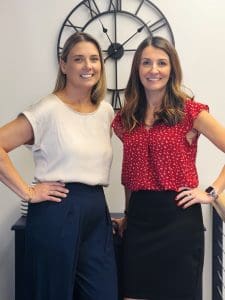
Cristina Tatlock and Tiffany Lyman

EAST LONGMEADOW — Command Wealth Management announced the addition of two new professionals to its growing team: Tiffany Lyman as Client Relations manager and Cristina Tatlock as Client Experience and Marketing specialist. These appointments highlight the firm’s continued commitment to providing exceptional service and building meaningful client relationships.

Lyman brings more than 20 years of client service experience to her new role, including the past four years dedicated to financial services. A UMass graduate with a bachelor’s degree in hospitality and tourism management, she is known for her ability to create strong connections and deliver personalized support. Her combined background in hospitality and finance equips her to anticipate client needs and provide a seamless, thoughtful experience.

“I am excited to bring my experience in client service to Command Wealth Management and to build lasting relationships with the firm’s clients,” Lyman said.

Tatlock joins Command Wealth Management following a 21-year career as a science educator. She holds both bachelor’s and a master’s degrees in education with a focus in general science. Her communication skills, attention to detail, and genuine care for others make her a natural fit for her role supporting client experience and marketing initiatives. Her transition into wealth management reflects her desire to continue making a difference through the lens of financial well-being.

“Supporting others has always been my passion, and I look forward to helping clients feel cared for at every step of their journey,” Tatlock said.

Keith Tatlock, founder of Command Wealth Management, added that “we are thrilled to welcome Tiffany and Cristina to the Command Wealth Management team. Their experience, values, and dedication to client care align perfectly with our mission. We are confident they will strengthen the services we provide and enhance every client’s experience.”

Daily News

GREENFIELD — Greenfield Community College (GCC) has been selected by the Massachusetts Department of Higher Education to join the new Education to Workforce Marketplace, a statewide partnership with ReUp Education aimed at helping adults who have some college credit but no credential return to finish their education.

“Many people start college, and then life takes a left turn,” GCC President Michelle Schutt said. “This partnership will help us reach those students, welcome them back, and provide the flexible support they need to succeed. It also reflects GCC’s deep commitment to lifelong learning and workforce development.”

Across Massachusetts, roughly 17% of adults aged 25 to 65 have some college experience but no degree. Nationally, more than 43 million Americans are in that category, and GCC is among those leading the charge to help those learners obtain their credentials.

ReUp Education, a national leader in adult learner support, uses data-driven outreach and personalized coaching to connect former students with programs that match their goals and life circumstances.

As part of the Education to Workforce Marketplace, GCC will have access to ReUp’s outreach tools and analytics that connect students with support, including GCC’s personalized coaching in financial aid, peer mentoring and other student assistance services.

With help from the state and ReUp, GCC will also collect evaluation data to measure outcomes, learn from results, and advocate for future investment in approaches that support adult learners.

“We are thrilled to be selected participants in this initiative,” said Shanni Smith-Arsenault, GCC’s vice president for Enrollment Management and Student Success. “For many in our region, this program translates to a clear path to college completion without having to start over from scratch.”

Daily News

CHICOPEE — Beaulieu Home Improvement, a family-owned business based in Chicopee, announced the winner of its second annual Veterans Project: Home Renovations for Heroes. This community initiative provides essential home renovations — at no cost — to local veterans in recognition of their service and sacrifice.

This year’s recipient, Timothy Tracy, a U.S. Marine Corps veteran from Springfield, will receive a brand-new roof replacement courtesy of the Beaulieu Home Improvement team. The installation is scheduled for Tuesday, Oct. 28 at 77 Partridge Dr. in Springfield, MA (weather permitting) and will be completed in one day by Beaulieu’s skilled craftsmen.

Tracy was nominated by his daughter, Lindsey, who shared in her letter: “I am honored to nominate my father, a proud United States Marine Corps veteran, for this opportunity. Straight out of high school, he answered the call to serve. Although he left military service just before I was born to be present for his growing family, he never stopped living by the values instilled in him during his time in uniform.”

She went on to describe her father as someone who has “worked hard and sacrificed much to support those he loves,” adding that, even when facing challenges, “he always looks for ways to give back — paying it forward whenever he’s able.”

The Veterans Project was created by the Beaulieu family to give back to those who have served this country. Fully self-funded by the company, the program provides up to $10,000 worth of exterior home improvements for deserving veterans across Western Mass. and Northern Conn., helping improve not only their homes, but their peace of mind.

“Our team created the Veterans Project to give back to the people who have given so much for our country,” said Al and Fran Beaulieu, brothers and co-owners of Beaulieu Home Improvement. “It’s our way of honoring their service and ensuring that they and their families have safe, comfortable homes.”

Daily News

CHICOPEE — The board of directors of Sunshine Village announced the upcoming retirement of Gina Kos, the organization’s longtime president and CEO, after more than three decades of leadership. Kos will step down at the end of April 2026, marking the conclusion of an era of growth, innovation, and service to individuals with developmental disabilities throughout Western Mass.

Kos joined Sunshine Village in 1991 as director of Marketing and Development and, after being appointed president and CEO in 1997, guided the organization through a period of transformation. Under her leadership, Sunshine Village grew from a $6 million agency to a $17 million, nationally accredited nonprofit.

Amid the unprecedented challenges of the COVID-19 pandemic, she successfully led the organization through a safe closure and phased reopening, rebuilding services and programs to meet the evolving needs of clients and families. Today, she leaves behind a financially strong, programmatically vibrant Sunshine Village, widely recognized as both a provider of choice for families and an employer of choice for staff.

“On behalf of the board of directors and the entire Sunshine Village family, I want to express our deepest thanks to Gina for her years of exceptional leadership and unwavering devotion to our mission,” said Peter Benton, chairman of the Sunshine Village board of directors. “Through her vision and heart, she built more than financial and operational strength — she nurtured a culture of excellence, compassion, and belonging. Sunshine Village shines brighter today because of her incredible legacy.”

In addition to her work at Sunshine Village, Kos has been deeply committed to strengthening the broader community. She has served in leadership roles on numerous boards and civic organizations, including MassHire Hampden County Workforce Board, Human Service Forum, Greater Chicopee Chamber of Commerce, the Westfield State University board of trustees, and the Elms College board of trustees. Her extensive volunteer work and community leadership have earned her multiple honors, including recognition as one of BusinessWest’s inaugural Women of Impact in 2018, a Paul Harris honor from the Chicopee Rotary Club, and the St. Joseph Medal – Distinguished Alumni Award from Cathedral High School.

“Serving Sunshine Village has been one of the greatest privileges of my life,” Kos said. “I have been endlessly inspired by the resilience and achievements of the individuals we support, the dedication of our incredible staff, and the unwavering generosity of our partners and community. While it is bittersweet to close this chapter, I leave with full confidence that Sunshine Village will continue to shine and create bright futures for many years to come.”

The board of directors has initiated a comprehensive search for the next president and CEO and is committed to ensuring a smooth leadership transition. It has engaged the Employers Assoc. of the NorthEast to assist with the executive search, which will begin in the next few weeks.

“While we will deeply miss Gina’s presence and leadership, her legacy of excellence, innovation, and compassion will live on in every program, partnership, and person touched by Sunshine Village,” Benton said.

Daily News

SPRINGFIELD — Amy Royal, founder and CEO of the Royal Law Firm, announced that she is selling the firm to Patrick Parker, owner and managing partner of Spruce Law. Going forward, the combined firm will be known as Royal Parker Spruce.

“In 2008, when Amy made the decision to leave the security of a well-established boutique management-side labor and employment law firm to form Royal, she did so with this specific objective: to promote diversity and inclusion in the legal profession,” the Royal Law Firm explained in a statement. “Amy firmly believed that with a team comprised of diverse backgrounds, to provide greater, more comprehensive, and well-rounded counsel for our corporate clients. Over the last 17 years, we have continually upheld that mission, which is proved by the composite of our workforce.”

Spruce Law is an Andover-based employment law firm. Parker is licensed in Massachusetts, New York, and Connecticut. He has extensive legal experience, having clerked for both state appellate and federal courts, practiced at the global law firm Clifford Chance, and served in-house at Merrill Lynch and UBS. He has a law degree from Northeastern University School of Law and an MBA from MIT’s Sloan School of Management.

“With Patrick’s combination of legal expertise and business perspective, he is uniquely positioned to carry the firm forward. He will be taking the helm and leading us into the future. The Royal Law Firm will now combine with Spruce Law, creating a stronger platform to serve our clients,” the Royal Law Firm stated. “Together, we will offer expanded resources, deeper bench strength, and a continued focus on delivering practical, business-oriented labor and employment law counsel our clients can rely on.”

Daily News

SPRINGFIELD — Entrepreneurs, small business owners, and marketing professionals across the Pioneer Valley are invited to ignite their digital presence at the upcoming Social Media Bootcamp, a dynamic, hands-on workshop designed to transform how businesses engage online.

Hosted by the Massachusetts Small Business Development Center (MSBDC) at UMass Springfield, this in-person event will take place on Thursday, Oct. 23 from 2 to 7 p.m. at 1500 Main St., Tower Square, Springfield.

With the theme “Content Is Fire. Social Media Is Gasoline,” the bootcamp promises an immersive experience where p, Srticipants will build a one-page marketing plan tailored to their business; master branding, SEO, and email marketing strategies; learn how to turn likes into leads; discover how to integrate AI tools into their marketing efforts; and network with entrepreneurs and leaders from across the Valley.

General admission is $90, with a partner rate of $70 available through promotional codes provided by MSBDC, local chambers of commerce and community development corporations, Common Capital, and the Women Business Owners Alliance. Attendees who register by Friday, Oct. 10 will receive a boxed dinner included in their ticket price.

This bootcamp is ideal for anyone looking to sharpen their digital marketing skills, explore the power of AI in business, and connect with a vibrant community of innovators. For more information and to register, visit wboa.org/bootcamp.

Daily News

AGAWAM — The West of the River Chamber of Commerce announced the return of Food Fest West, a community culinary celebration, on Thursday, Nov. 13 from 5:30 to 8 p.m. at Crestview Country Club in Agawam.

This event showcases the region’s eateries, offering guests the opportunity to sample a wide variety of delicious dishes and vote for their favorite restaurant of the night. From savory bites to sweet treats, attendees will experience the best of Western Mass. cuisine, all under one roof.

In addition to food, guests will enjoy a fun-filled evening featuring a silent auction, raffles, photo booth, and cash bar. It’s an ideal way to connect with friends, colleagues, and community members while supporting local businesses and restaurants.

“Food Fest West is one of our most exciting community events of the year,” said Robin Wozniak, executive director of the West of the River Chamber of Commerce. “It’s a great opportunity to bring people together, celebrate our local dining scene, and have a great time doing it.”

Tickets are available through the West of the River Chamber of Commerce. For tickets, restaurant participation, or sponsorship opportunities, visit www.westoftheriverchamber.com.

Cover Story Restaurants

On a Roll

Co-owner Jeff Igneri

Co-owner Jeff Igneri


Aromance can spark a lot of things. For restaurant patrons in Western Mass., it sparked a successful burger chain that continues to grow.

Jeff Igneri, who earned degrees in hotel restaurant management and hospitality administration at Johnson & Wales University, was looking to open a restaurant in the Providence, R.I. area, or maybe Worcester, but he happened to be dating a woman — now his wife, April — who was enrolled in a master’s degree program at Smith College.

“I came and visited her once, and as we were walking down the streets of Northampton, I saw an open location and said, ‘let’s check that out.’ I called the landlord, and things worked out.”

It took some work and a $65,000 investment to renovate the Main Street space, but Igneri and three family business partners — his father, Joe, and brothers, Chris and Steve — opened Local Burger in 2008, and found it to be an immediate success, despite some initial naysayers.

“We always wanted to do burgers, but as we were renovating the place, people came by and said, ‘burgers won’t work here; it’s a vegetarian town,’” Igneri recalled. “But when we opened up, it was just go, go, go — thankfully.”

Local Burger does offer more than one meatless burger, along with a wide variety of other burgers and sandwiches — not only beef, but chicken, pastrami, hot dogs, and more — as well as chicken tenders, donut-sized onion rings, and a wide array of starters. Some of its most famous fare was developed during those early days.

“Obviously the food has to be good, and the service, too, but it feels fun when you’re here. It feels like a carefree break from the chaos. You can come in here, be who you are, eat what you want to eat, and just chill out.”

“We created the Cap’n Crunch chicken tender right away. We played around with cornflakes and said, ‘huh, cereal sounds good on chicken. Let’s try something different. Cap’n Crunch, why not?’”

What has almost certainly raised the profile of a restaurant chain that launched in Northampton is Local Burger’s emphasis on buying ingredients from local farms, from beef to produce. Early on, Chicoine Farm in Easthampton supplied most of the beef, but these days, Igneri sources meat from several local farms, including Porter Family Farm in Ashfield, Holly Berry Farm in Chesterfield, and Mayval Farm in Easthampton.

Meanwhile, all the chain’s potatoes come from Szawlowski Potato Farms in Hatfield, the ice cream comes from Maple Valley Creamery in Hadley, and other farms supply a variety of produce.

“I had lived in New York, Providence, Eastern Massachusetts,” Igneri told BusinessWest. “So coming out here, seeing all the farms with all the local meats, local produce, it was not typical for me. I wasn’t used to it.

“So we just talked to a bunch of different farmers and asked what they had, what meats they had, what produce they had, and that’s how it all started — just going to different farmers and checking to see what they had for us,” he added, noting that he wasn’t initially thinking of partnering with farms when he first thought about opening a restaurant. “It wasn’t even on my radar until I came out here and saw everything that’s available. There was so much out here.”

Tabitha Saalfrank

Tabitha Saalfrank says it’s critical to keep loyal, reliable employees happy in an industry where workers can be hard to find.

Today, Local Burger has grown to four locations — the Keene, Vt. restaurant opened 13 years ago, a spot in Haydenville opened nine years ago, and Igneri and his father (his brothers are no longer partners) moved into the former Riff’s Joint space at Eastworks in Easthampton last year. In addition, they also maintain a food truck and a catering operation.

And throughout all of it, buying and serving local ingredients comes first.

“At first, there weren’t as many restaurants doing that,” he said. “So ‘Local Burger’ has two meanings. One is using as much local products as possible, and one is being the local burger joint. It wasn’t necessarily using local produce at first — it was just supposed to be the local burger place. But it worked out with the other meaning.”


Moving On Up

Tabitha Saalfrank has been with Local Burger for eight years and has moved from working in the food truck and catering aspects of the business to managing the Easthampton location. So she has interacted with customers in many different ways, and said that, besides the food, what keeps customers coming back are the people and the experience.

“People will recognize me. I’ll be wearing a plain black sweatshirt at the gas station, and someone’s like, ‘oh, it’s the Local Burger girl.’ So, not to be cliché or corny, but it feels like family,” she said. “We have a customer that’s been coming here since she was pregnant with her first kid, and she’s now pregnant with her second kid, and I’m watching that baby grow up because they come here so often.

“I think it’s the vibe that we’re able to give off as well, just the experience and the environment. Obviously the food has to be good, and the service, too, but it feels fun when you’re here. It feels like a carefree break from the chaos. You can come in here, be who you are, eat what you want to eat, and just chill out.”

“People perceive burgers to be a low-cost item because you can go to McDonald’s for X amount of dollars and buy something that’s not a great product. But beef is one of the highest-priced proteins out there.”

Igneri said he’s made a point of promoting from within — the manager of the Keene location, Mike Collins, joined Local Burger as a dishwasher in 2012, and many employees have been in the organization for most of its history — but giving managers an ownership stake as well.

“Mike is a great story,” he added. “He came in, started washing dishes, went on to be a cook, and now he’s running it, and he has part ownership there. I think that’s why we keep our employees so long. We try to get people involved and keep them happy and give them a piece of the action. I just wanted to do something to make them feel like they’ve earned it.”

Saalfrank, for one, is excited to work for a company that allows room for growth.

“I had been working for a while, and Jeff was like, ‘what can I do for you? If we were to buy Riff’s, would you want step up and take over?’ And I was like, ‘sure,’” she said. “He’s actively looking around and considering the staff when opening a location — like, ‘OK, who’s up next?’”

Igneri said he has always kept a community focus with Local Burger, supporting events like Bikes Fight Cancer and Magic for Maddie (a pediatric cancer fundraiser), as well as local schools and nonprofits, like Tapestry Health, Cutchins Programs for Children & Families, and Cancer Connection.

The former Riff’s Joint space in Eastworks has turned out to be an ideal site for the fourth Local Burger location.

The former Riff’s Joint space in Eastworks has turned out to be an ideal site for the fourth Local Burger location.

“We have this core of people who have been here for so many years that just represent us in such a great way. We’re lucky to have them,” Igneri said. “The community supports us, and we support them.”


Serving Up Challenges

While Local Burger is clearly a success story, the restaurant business is fraught with challenges, Igneri said, from rising ingredient prices — and the resulting balancing act in pricing between making a profit and keeping customers happy — to maintaining a loyal, reliable workforce.

“That’s a challenge in Haydenville because it’s seasonal — we’re six months out of the year. Trying to hire people for six months is difficult for us. Luckily, we can take the staff in Haydenville and put them in the other locations when workforce needs arise there,” he explained. “So we don’t let them go — we try to keep them as long as possible.”

Saalfrank said it’s critical to hang onto the best talent because it can be hard to find.

“Finding people who want to work is my biggest challenge lately. I get so many applications, but the people with the work ethic who are determined to actually get the job done, I feel like that’s rare. It’s a job, yes, and I don’t expect more from them than their job, but it sometimes seems like they don’t want to be here at all. So when I find the ones that do, I hang onto them.

“We take care of our staff, too,” she went on. “If you have an idea or you think something’s not working, we’re going to listen, and we’re going to try to make it so that everybody’s happy. To find people who still don’t want to be here after that, it’s just like, ‘OK, well, maybe this just isn’t it for you.’ But I’ve noticed there is a work ethic issue, especially in the younger generation.”

As for the challenge of rising prices, “there’s a perception with burgers,” Igneri said. “People perceive burgers to be a low-cost item because you can go to McDonald’s for X amount of dollars and buy something that’s not a great product. But beef is one of the highest-priced proteins out there; it fluctuates from $5 to $6 a pound. And you can’t adjust your prices on a daily basis, even though a lot of the prices fluctuate weekly. So you just have to shop around different providers and do the best you can. It’s a constant battle with prices.”

That said, Igneri is gratified by the business he has built.

“On a busy night, you look around, you see people eating, having a good time, and it makes it all worth it. You see families laughing, having a birthday party here. We rent out our bar area for rehearsal dinners. So to pull Local Burger into those big moments in your life — it’s not a small thing finding where you want to have your birthday party or your rehearsal dinner. So it means a lot.”

Speaking of the bar area in Easthampton, Saalfrank said the team recently launched Thursday night bingo games there, and they have been a big hit.

“Our Thursday night will sometimes be busier than our Friday because of the people that are here for bingo,” she said. “It’s a new, fun thing that I feel proud to have been able to get started. It’s a good vibe.”

Igneri reiterated toward the end of his conversation with BusinessWest that the three things that make Local Burger stand out are food quality, the staff, and community connections.

“We’re lucky to be in the west of Massachusetts, where people support local businesses — local farms, local restaurants … it’s important to people,” he said. “I sometimes ask, ‘how did this happen?’ I remember opening the restaurant in Northampton saying, ‘what am I doing? I’m in way over my head. Why am I doing this?’”

Seventeen years — and a lot of happy customers — later, he understands why.

Features Special Coverage

Hire Calling

Emily Benoit (left) and Erika Lamere say the Lincoln Street Stop & Shop in Holyoke has strived to cultivate an inclusive workplace.

Emily Benoit (left) and Erika Lamere say the Lincoln Street Stop & Shop in Holyoke has strived to cultivate an inclusive workplace.


October is National Disability Employment Awareness Month. But for Lhea Destromp, it’s a year-round effort.

“This isn’t just seasonal. It’s about carving out intentional opportunities and making our workspaces more inclusive. And that’s a slow and thoughtful process,” said Destromp, an employment counselor in Regional Employment Services for the Massachusetts Department of Developmental Services (DDS).

That said, the increased awareness in October does present an opportunity to create more dialogue around the value that workers with disabilities add to the workforce, the importance of inclusive employment policies, and barriers to employment that people with disabilities may face.

“When I’m talking to employers, I’m talking to them in terms of value and what they’re looking for, so I need to be able to convince them that an individual, or a whole group of people, are reliable and not a risk — because, at the end of the day, business people are thinking about risk. So it’s about putting the facts in front of people so that they can make informed decisions. And a lot of people don’t realize that individuals with disabilities tend to have the greatest longevity in their careers.”

As an example, she connected BusinessWest with the Stop & Shop store on Lincoln Street in Holyoke, where a man with a developmental disability named Michael has been bagging and retrieving carriages — and occasionally other tasks — for the past 35 years.

“Michael has been like a brother to me,” said Erika Lamere, an administrator at the store who has roughly the same tenure at the store. “We grew here together. And he feels like this place is his home because he’s been here so long.”

Emily Benoit, a department head who works closely with Michael, said there are rough days when he’ll get a little overwhelmed.

“Whenever something’s bugging him, like if he had a bad interaction with a customer, he’s able to talk to us and explain what happened and what he’s feeling, and we can kind of direct him — ‘OK, that’s all right, this happens, it’s normal.’ And talking about it helps him and brings him down a level so he’s not overwhelmed.”

That said, Michael’s time at Stop & Shop is marked by mostly good days, and the same goes for Chris, another employee with a developmental disability who mainly bags groceries. They’re popular with customers and — importantly — extremely reliable, Benoit said, something Destromp says is true for many of the clients she works with and helps connect with jobs.

Lhea Destromp

“It’s about putting the facts in front of people so that they can make informed decisions. And a lot of people don’t realize that individuals with disabilities tend to have the greatest longevity in their careers.”

“Why should these people not be included?” Lamere asked. “We’ve had supervisors come through the building that say, ‘what do they do?’ Well, they can do anything anyone else can do if they’re just taught how to do it.

“That’s one thing I love about this place — in all my years here, we have always made sure that everyone is included, no matter what it is: a disability, your race, your sexual preference, I don’t care,” she went on. “Everyone is a person and deserves to work if they want to. And yes, they may not be able to perform all tasks, but that doesn’t mean places shouldn’t hire them. And once they get comfortable, you’d be very surprised with the other things they are willing to do and end up doing.”

And doing well, Destromp added.

“Not only do many of these folks work in their positions for a long time, they’re very reliable, they very seldom call out, and individuals with disabilities have the lowest of workers’ compensation claims. So when we think about how an employer defines risk within the context of an employee, we’re checking all the boxes here.”


Meaningful Connections

Destromp, as noted, helps people with developmental disabilities secure meaningful work, and she does this from both sides.

“I work with job coaches on job development with individuals who are looking to get jobs. Typically they have a number of obstacles and barriers that have led to a pattern of instability that has made it so they can’t retain work. So I help create goals and strategies to work with these folks so that they can resolve these issues,” she explained.

“At the same time, on the other end, I’m working with employers and helping to prepare them so that they can embark on this journey. For some of them, it’s an easy job, and it’s just about placement. For others, we’re really carving in — helping them identify roles for people and supports.”

In many ways, she said, her department acts as a training program to determine where the barriers are and what someone needs to overcome them and secure employment.

“It really depends on the individual, almost how you think about physical therapy. If somebody has an issue with their leg versus an issue with their back or their core, they’re going to have a whole different regimen to support them and strengthen what they need. So, for us, it’s really about targeting those areas,” she explained. “We’re working to assess where the deficits are, and then we can identify strategies to support them.”

She’s also busy with engaging different constituencies around the issue of inclusive workplaces and what that means to both job seekers and employers.

“I’m doing more around community engagement and around finding places where folks can be establishing and deepening their skill sets and then connecting them more meaningfully to opportunities in the community, and then also working more closely with employers and helping them figure out ways to establish value and take that leap of faith.”

Jason Randall

Jason Randall

“When they find an employer like ours and get into an environment where they feel accepted and wanted, their loyalty is increased, and their length of service with us is higher than others.”

As one motivation, she directs them to tax incentives for hiring disabled workers. The federal Work Opportunity Tax Credit reimburses 40% of up to $6,000 in wages to any employer that hires disabled individuals certified by a state workforce agency. Meanwhile, the Massachusetts Disability Employment Tax Credit provides up to $5,000 or 30% of the wages paid to each qualified employee with a disability in the first taxable year of employment, whichever is less, decreasing to $2,000 or 30% of the wages paid, whichever is less, in subsequent years.

Those are attractive incentives, Destromp said, but they’re not the whole picture — more important is tapping into an employee pool that, as she noted, tends to be longer-tenured and more reliable than workers in general, at a time when businesses of all kinds are struggling with maintaining a workforce.

“It’s smart business, and the data doesn’t lie,” said Jason Randall, executive director of Human Resources at MGM Springfield, another employer that has embraced inclusivity in hiring.

“These employees do have a longer tenure with us. And in return, they find loyalty in a company that is taking a chance on them because other doors get closed on them through various interview processes or companies that don’t want to engage,” he noted. “When they find an employer like ours and get into an environment where they feel accepted and wanted, their loyalty is increased, and their length of service with us is higher than others.”

Randall explained that MGM has partnered with a number of organizations, not only DDS, but also the Western Mass Employment Collaborative, Viability, and ServiceNet — that support individuals with disabilities who are looking for work.

“We have great relationships with these organizations, meet with them frequently, and are very candid up front about the environment that we provide as a workplace as they’re trying to match their constituents to employment,” he noted. “We know that this environment may not be for everybody. Certainly, working front of house with guests isn’t for everybody, and working back of house, without guest contact, isn’t for everybody. So being candid and having dialogue up front helps create an expectation that these agencies can place or help their candidates apply for appropriate positions.”

The partnership doesn’t stop after hiring, onboarding, and training, Randall added, as the casino complex provides employee accommodations when needed, and works with the aforementioned agencies to determine those needs. “We’ve worked with employees who have a variety of disabilities, and some you can notice by sight, and some you don’t know what’s going on in their life, but they do have a disability.”

Destromp noted that employers she works with are never asked to hinder their productivity with a hire that’s not the right fit.

“If you’re accommodating an employee in a way that is impacting the flow of your environment, then that’s not a reasonable expectation, and you, as an employer, are not expected to meet that expectation,” she said. “But, while that will be a difficult conversation, some difficult conversations yield high rewards — you may say to that person, ‘this is not the right role for you. Let’s examine the other things that are going on in our place of business and needs that we have that you may be able to fill.’”


Continuing the Conversation

To mark not only the 80th year of National Disability Employment Awareness Month and 35 years since the passage of the Americans with Disabilities Act, the DDS will present a panel discussion on disability inclusion practices in collaboration with the Springfield Regional Chamber, New England Business Associates, Springfield College, and the ADA National Network.

The event, to be held on Monday, Oct. 27 from 9 to 11 a.m. in the Springfield College Learning Common, will bring together leading employers to share innovative strategies for building inclusive workplaces — including how companies have successfully carved out roles tailored to employees’ strengths and support needs, creating true win-win outcomes. Panelist topics will include ADA recommendations, universal supports, expanding one’s labor pool and cultivating an inclusive culture, and addressing difficult disability-related questions. Email Tina Macy [email protected] with questions and to register.

“I think that individuals with disabilities have long been an overlooked and undervalued and marginalized group of people,” Destromp said. “I think that’s such a shame because these are people who are so eager to prove their worth, to prove their value, and who deserve just the same as anybody — that opportunity to be able to feel the value and the worth that comes along with contributing to your community.”

She said she was excited to meet Michael at the supermarket in Holyoke. “Everybody’s eyes lit up when they saw Mike — he was like the mayor of Stop & Shop.”

That’s gratifying for Lamere, who appreciates what her employees with disabilities have contributed to the store.

“Michael comes in every day, he stays his whole shift, he is reliable. And Chris is the same way. He was hospitalized recently, but he came right back to work. They’re both very reliable. We’re lucky to have them.”

At the same time, an inclusive workplace helps all employees understand differences, and that’s valuable in itself, she added.

“It gets you to open up and see they are people too, and they’re very capable of doing the things we do if they’re just given a shot. [Employees] learn very good lessons — that if you have the right people showing them and the right people giving them the courage or whatever they need, they end up doing it.”

That said, “some customers can be pretty rough,” Lamere went on. “With Michael, he sometimes will struggle with that because his feelings get hurt easily or he feels like he did something wrong. We’ve had customers call him stupid before. And the second I hear that, I’m flying downstairs, because nobody’s doing that. We try to make sure they feel protected.”

Randall said an inclusive workplace, like MGM Springfield, benefits everyone, including the company as a whole.

“Whether it’s a member of the LGBT community, veterans groups, women in the workplace … having an environment that accepts, promotes, and encourages everyone helps from a retention perspective,” he explained. “When employees feel proud about the workforce they are a part of and the company they work for, they become your recruiters. They’re going to tell their friends or family members the experience that they’ve had, and that brings us more candidates coming in the door.”

Destromp agreed. “I think it’s about shining that light and helping local employers see that value and understanding the many unique characteristics and qualities that individuals with disabilities bring to the table as a whole — and that’s even before we take a step closer and get to know each individual better and unpack their unique qualities.”


Community Spotlight Special Coverage

Community Spotlight


James Birge says MCLA owes its high ranking among liberal arts colleges to many factors, but especially its strong track record with helping students succeed.

James Birge says MCLA owes its high ranking among liberal arts colleges to many factors, but especially its strong track record with helping students succeed.

Marya Kozik says North Adams is much like its larger neighbor to the south, Pittsfield, in that it is working very hard not to live in the past.

This is a past dominated by massive mills, led by Sprague Electric, that employed thousands; a thriving downtown fueled by payday at those mills; and a population that was significantly larger and much younger, said Kozik, director of Community Development and someone who grew up in the city.

“We’re trying to look forward to new opportunities, whether it be the creative economy or food science and entrepreneurship,” she said, adding that the focus is squarely on the present and the future, and continuing the process of redefining the community known as Steeple City because of the many church spires that dominate the skyline.

Elaborating, she the city is working to build its creative economy, headlined by MASS MoCA, located in the Sprague Electric complex, but including a growing number of art galleries and related businesses, while also trying to attract the many kinds of businesses that will bring young people here — and keep them here.

“The creative economy is taking off,” Kozik said. “We have a lot of artists coming into the community; we have small-scale manufacturing of artistic products and home goods that use the skills of artists who are here and, hopefully, the skills of other people who had left jobs that required that kind of manufacturing skill. There are opportunities coming back, and it’s nice to see new people coming in to the community.”

These efforts comprise many of the storylines now converging in North Adams, a community of roughly 13,000 people. Others include:

• Continued progress at the mill revival initiative known as Greylock Works. The former cotton-spinning mill has been converted into a thriving campus that includes a restaurant, a co-working community, a craft distillery, the Berkshire Cider Project, and event spaces that include the Weave Shed and Engine House, as well as 50 loft condos;

• The reopening last year of North Adams Regional Hospital. Now part of Berkshire Medical Center, the facility, closed after financial problems, was honored with a MassEcon Impact Award earlier this year;

• Progress, in the form of a $17.3 million grant from the U.S. Department of Transportation’s Rebuilding American Infrastructure with Sustainability and Equity program, toward creation of the Adventure to Ashuwillticook trail, a 9.3-mile stretch of shared-use pathway connecting the existing Ashuwillticook Rail Trail to the Williamstown Mohican Path by way of downtown North Adams and the rotary at the MASS MoCA campus;

• The North Adams Steeplecats, a team in the New England Collegiate Baseball League (which also includes the Holyoke Blue Sox), which continues to draw fans to Joe Wolfe Field, playing an important role in economic development within the community; and

• Massachusetts College of Liberal Arts (MCLA), one of the city’s largest employers. The school recently maintained its ranking of sixth among the nation’s public liberal arts colleges — marking 11 consecutive years in the top 10.

“This consistency in rankings reflects our core mission — providing an affordable, transformative liberal arts education that empowers students,” MCLA President James Birge said, adding that the school continues to evolve and add new programs and majors — from nursing to ‘music, industry, and production,’ to meet the needs of students and the business community.


Progress Report

As she talked about North Adams, what’s been achieved, and the work still be done, Kozik said the city’s evolution from a mill town to a city with an arts- and hospitality-based economy is still very much a work in progress.

MASS MoCA has been a part of this story, she said, noting that, while the facility — the most spacious modern art museum in the world, known for its large-scale installations — has not spurred the kind of economic development that had been hoped, it has become a valuable asset for the city and perhaps the most important piece of an economy now based mostly on tourism, hospitality, and arts-related businesses.

“Do we bring people here when we don’t have all the elements to support them? And how do we create the elements to support them, like restaurants and shopping venues, when we don’t actually have the people to support them?”

Pieces are coming into place, she said, but North Adams, like most all cities trying to attract young people, is facing what she called a ‘chicken-or-the-egg’ scenario.

“Do we bring people here when we don’t have all the elements to support them? And how do we create the elements to support them, like restaurants and shopping venues, when we don’t actually have the people to support them?” she asked rhetorically, adding that the city is essentially working on both sides of the equation simultaneously.

There have been several intriguing additions to the landscape in recent years, businesses created to meet needs and create vibrancy, Kozik noted, citing, as one example, Steeple City Social, a community-oriented bakery, café, and cocktail bar on Eagle Street, launched by a recent transplant to the city, Andrew Fitch.

“He saw a need for what they call a ‘third space,’” she said, meaning a place that’s not home and not the office. “He opened a space that’s a bakery in the morning and a café in the evening; it’s a place to gather, and people have been very supportive.

“Spaces like this build community,” she went on, adding that there have been other additions that fit this description, including several art galleries, many with ancillary products and services, such as tea, that make them more financially viable.

Still, there are considerable challenges to revitalizing the downtown, Kozik said, citing the loss of vitality that came with the loss of all those mill jobs as well as the aftereffects of ’60s-era urban renewal, which essentially left one side of Main Street intact and the other side demolished in favor of a parking lot and mini-mall, plagued by a high vacancy rate in recent years, that has gone by various names, including Steeple City Plaza, the Parkade, and the ‘L-shaped mall.’

“We have one side with beautiful old buildings, and the other side, across a four-lane road, which is unheard of in small cities, two vacant lots,” she explained. “We’re looking to restore the vibrancy of downtown in the storefronts, working with developers who are interested in restoring the top floors into apartments, but we also have these huge vacant lots.”

Meanwhile, outside the downtown, the city is seeing several signs of progress, including adaptive reuse of former mills.

North Adams at a Glance

Year Incorporated: 1878
Population: 12,961
Area: 20.6 square miles
County: Berkshire
Residential Tax Rate: $16.71
Commercial Tax Rate: $35.22
Median Household Income: $35,020
Family Household Income: $57,522
Type of government: Mayor; City Council
Largest Employers: BFAIR Inc.; Massachusetts College of Liberal Arts; North Adams Regional Hospital
* Latest information available

Indeed, Greylock Works has become one of the better success stories in North Adams. The initiative, led by architects and entrepreneurs Karla Rothstein and Sal Perry, who acquired the mill in 2015, has several intriguing elements, the latest being loft condos that will provide another housing option in the community.

Meanwhile, another former mill, the Norad Mill in the Braytonville section of the city, has been repurposed into office space and home for a diverse mix of tenants, including a yarn manufacturer, a dog biscuit baker, a coffee shop, and a candy company.

Overall, the city’s goal is to create more jobs — it will likely never replace all those lost when the mills closed — with a diverse mix of smaller businesses in those mills, and across the downtown.


School of Thought

Creating a workforce to support such businesses is one of the overriding goals at MCLA, formerly North Adams State College, which continues to thrive in its category because of its commitment to liberal arts, even as some colleges and universities have been cutting back on programs in that realm.

“There’s an initiative among institutions today to eliminate academic programs or majors that don’t really generate positive revenue streams, that don’t contribute to the overall revenue of the institution; that hasn’t been my approach here,” Birge said. “Because we’re a liberal arts institution, it’s important to have a broad base of academic programs and majors for students to develop critical-thinking skills.

“For example, we offer philosophy and modern language majors that don’t generate lots of tuition revenue for us, but they’re essential to a liberal arts education. We’ve leaned into those things, like history — we think that’s an important element in a liberal arts education,” he went on. “And because of the facility we have, students who major in those departments do very well.”

Elaborating, he said the school is far more likely to add new programs with potentially strong revenue streams so that it can maintain programs like those he just listed, rather than make cuts.

One example of this is the radiological technology program added just a few years ago, but one that has already become one of the most popular majors, along with health sciences and more traditional offerings such as business, education, and psychology.

“Because of the population of students we have — 50% are first-generation college students, and 50% come from families earning less than $38,000 a year — there are some challenges in terms of what they understand college to be and how they can be here, coming from an economically challenged background.”

As it offers such programs, MCLA has put a hard focus on helping its students, many of them the first generation in their families to attend college, succeed with their goals, whatever they may be.

And these efforts take many forms, from various mentoring programs to the school’s Essential Needs Center, which addresses hardships outside the classroom that can become obstacles to student achievement and overall well-being. The space, run by students, offers food, essential items, housing and transportation assistance, seasonal clothes, SNAP applications, and more.

“Because of the population of students we have — 50% are first-generation college students, and 50% come from families earning less than $38,000 a year — there are some challenges in terms of what they understand college to be and how they can be here, coming from an economically challenged background,” Birge explained. “So, as a result of that, we really try to help students through programs that don’t just advise students, but mentor them so that they can be successful with their academic goals.

“And we don’t necessarily define that in a limited fashion as graduation, but also, how do you achieve a certain grade point average? How do you make sure you succeed in a course that’s going to help predetermine what your major will be? How do you make sure that your academic success is meeting the standards in order to be a student leader in athletics, student government, or in the residence halls?” he went on. “A few years ago, we implemented this success coaching model, in addition to our academic advising, to guide students throughout their time here, not just as they’re coming in, but all along the way.”


Healthcare News Special Coverage

The Overlooked Addiction

By Christopher Soderberg and Justin Szwajkowski

Addiction has become a prevalent topic in today’s society, dominating headlines and impacting communities globally. The destructive effects of many of the most common and prevalent addictions are becoming better documented and have led to more open discussions with the younger generation in an effort to deter them from falling victim to their binds.

While the most destructive of these addictions often come to mind when the idea is brought up, many do not consider that the same chemical pathways and environmental factors can be responsible for other forms of addictions.

In recent years, a new form of addiction has risen in frequency: work addiction, sometimes called workaholism. This addiction is defined as a compulsive need to work incessantly, even when it causes harm to one’s physical or mental health. In the relentless pursuit of professional success, it often progresses to the point of burnout, a term that has become quite common in today’s society.

Acknowledging the detrimental effects of burnout on one’s professional performance is the first step towards embracing work-life balance, a strategy that ultimately revitalizes productivity and enhances long-term career success.


The Value of Work

In many ways, work is one of the biggest defining characteristics of a human being. What you do for work becomes a large part of who you are, how you see the world, how you live, and what you talk about. Work ethic and personal success have become common status symbols within the community and between peers.

For these reasons, it is easy to see how unhealthy working habits can soon become routine and normalized within one’s own life. While working hard is certainly important, finding a healthy balance between professional success and personal well-being is essential for long-term fulfillment and sustained progress.

In 1989, sociologist Ray Oldenburg shared his ideas on these topics in his book, The Great Good Place, and coined the idea of a ‘third place’ for individuals to help drive this balance. When taking a step back and reflecting on one’s life, an individual’s first two places are obvious — the first place being one’s home, while the second is their workplace.

Christopher Soderberg

Christopher Soderberg

Justin Szwajkowski

Justin Szwajkowski

“Setting boundaries, taking breaks throughout the day, prioritizing your well-being, and the scariest for many — taking vacation time — are all ways you can recharge your mental and physical health.”

These places are where a substantial chunk of one’s life are centered, and in the modern working environment, these places can even become blurred, with the adoption of hybrid work models becoming more common. To effectively manage the stress of these two places, it’s essential to have a third place — a dedicated space outside of these two environments where you can go and relax, recharge, and detach from the ordinary for a moment.

In many cases, the third place can be anywhere or anything you want it to be — the golf course, the gym, the library, even an open field. To truly serve its purpose, your third place should be a space where you can pursue your passions, establish new hobbies, and build meaningful connections. Finding this third place and incorporating it into your schedule will not only help you counteract the effects of workaholism and burnout, but it will help you become a more effective and well-rounded boss or colleague by increasing your overall mental well-being.

When one begins to take the essential steps in addressing their work-life balance, or tendency toward workaholism, they not only restore their own well-being, but also enhance their professional and personal relationships, ultimately leading to increased production and happiness.

On the other hand, when individuals experience burnout from this behavioral addiction, they often begin to experience irritableness, exhaustion, and decreased motivation, which directly impacts the quality and quantity of their work. Most people can probably think about their friends, colleagues, or family and pinpoint an individual who has dropped nearly everything else and worked themselves into the ground in the chase for success.

Luckily, as noted previously, there are steps one can take to both achieve this success and improve quality of life. Setting boundaries, taking breaks throughout the day, prioritizing your well-being, and the scariest for many — taking vacation time — are all ways you can recharge your mental and physical health. These simple remedies lead to renewed focus, increased creativity, and a stronger sense of purpose, ultimately resulting in a significant boost in performance.

It is important to emphasize that the idea of being able to remove yourself from your work is not to say you should not work hard. It is still possible to be the first person into the office, the last to leave, and even put in overtime while still leaving dedicated time for things you enjoy. Short-term compromises can and will sometimes be necessary — issues will pop up, and some weeks may leave less room to visit your third place than others.

Success is a direct result of this kind of hard work and dedication, but that does not mean it has to come at the sacrifice of yourself and those around you. The career ladder is a marathon and not a sprint, and long-term balance offers benefits that outweigh a metaphorical short-term sprint that results in burnout.


Bottom Line

In summary, you can still build a successful career while maintaining a balance in life that keeps you energized and well-rounded. Jack Dorsey, co-founder of Twitter and Square, blocks at least one day off a week to go hiking, per a CNBC interview in 2019. Warren Buffet famously took time out of his days to take ukulele lessons and play regularly, as he admitted to Yahoo during an interview in 2023.

These figures achieved incredible levels of career success, and likely worked harder than most for sustained periods of time. However, they still found hobbies and pursued passions to keep them recharged and balanced in life.

Similar to other addictions, drawing boundaries and making changes to eliminate compulsive or learned behaviors can be challenging. In the long run, however, creating a life of balance will be beneficial not only in life outside the office, but also in career success.


Christopher Soderberg is a supervisor, and Justin Szwajkowski is an associate, at the Holyoke-based accounting firm Meyers Brothers Kalicka, P.C.

Architecture Special Coverage

Weathering Some Uncertainty

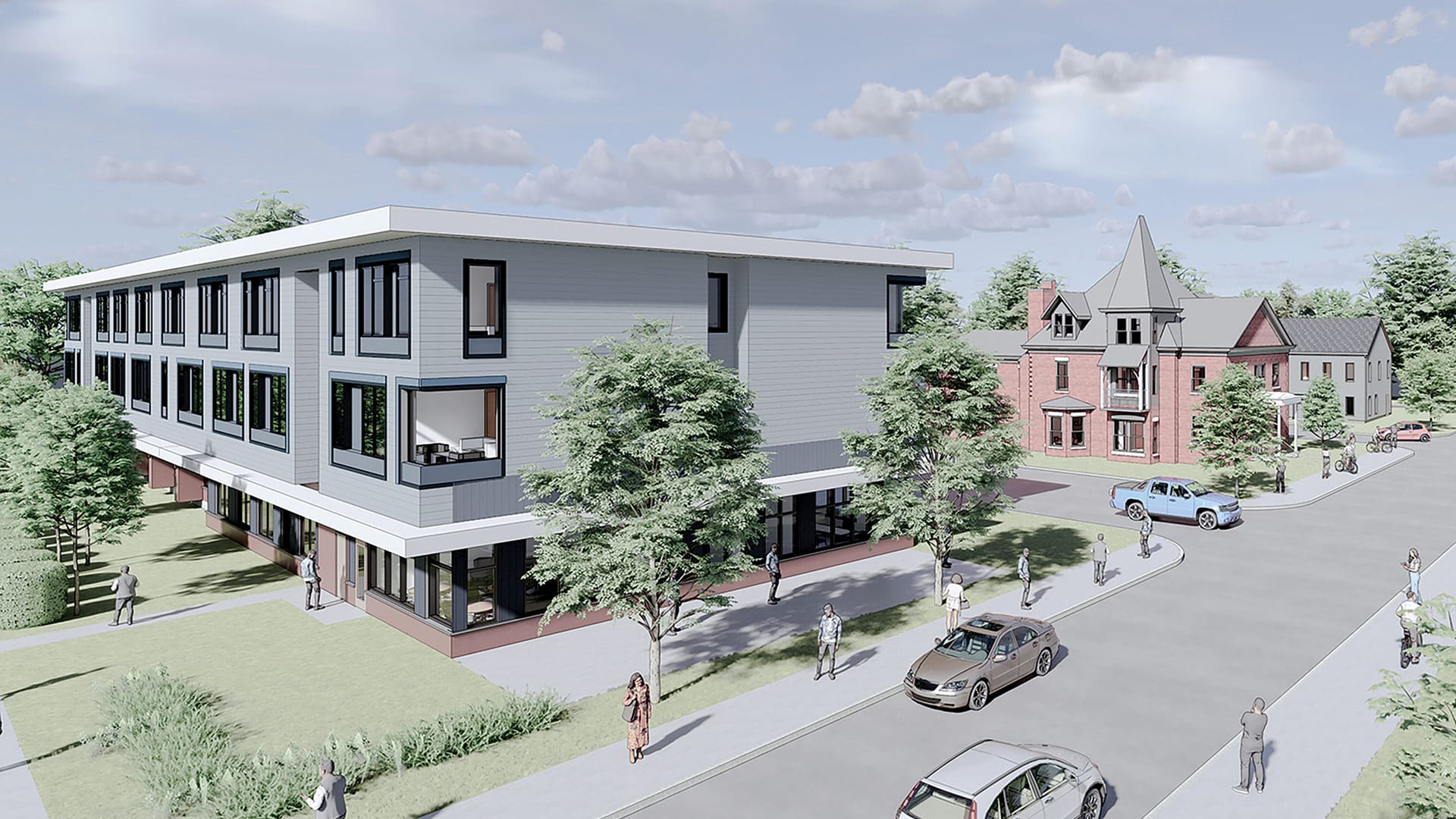
A rendering of a project in downtown Pittsfield, one of many housing initiatives in the Dietz & Company portfolio.

A rendering of a project in downtown Pittsfield, one of many housing initiatives in the Dietz & Company portfolio.


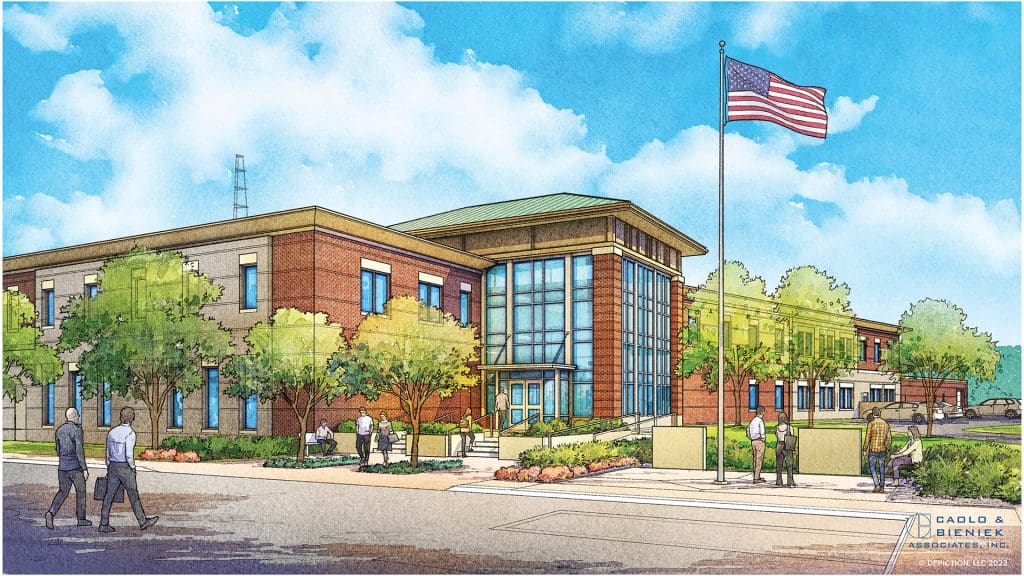
A rendering of a public safety facility in Taunton designed by Caolo & Bieniek.

A rendering of a public safety facility in Taunton designed by Caolo & Bieniek.

Lee Morrissette was probably looking for some wood to knock on.

In the architecture industry, he explained, there is chatter about things slowing down and work becoming more difficult to attain, and for several reasons. But at the same time, Morrisette, a principal with Springfield-based Dietz & Company Architects, has a different take.

“The architecture industry has been saying that things have been softening for quite a while — billings are down, and new job starts are down, but we’re just not seeing that,” he said, noting that the firm — which recently opened an office in Cambridge, where Morrissette leads a team of four — has a considerable amount of work on the books.

Especially strong is work within the broad housing sector, he added, noting that the critical need for housing of all kinds, but especially the affordable variety, is a statewide problem that is keeping the firm busy.

“We’ve maintained a consistent stream of work,” he said, noting that housing and housing-related projects — from a new community center and administrative office for the Fitchburg Housing Authority to an intriguing 48-unit housing project in downtown Pittsfield, to redevelopment of a demolished shopping plaza in Manchester, Conn. into 232 units of market-rate housing — are dominating the portfolio.

Others we spoke with agreed, at least to some extent, but noted that there are some signs of slowdown and a variety of forces — from rising prices of materials and labor to tariffs to a slower-than-expected pace of decline in interest rates — contributing to a good amount of uncertainty, which is never a good thing within the broad building trades sector.

Still, area firms seem to be maneuvering through this uncertainty, mostly through the diversity of their portfolios, the housing crisis, and the fact that many projects are moving forward in some form, though maybe a little later than planned in some cases.

“While some people have hit pause on projects, there’s more of what I’ll call re-evaluation,” said Curtis Edgin, a principal with Chicopee-based Caolo & Bieniek Architects. “People are saying, ‘is this what we really want to do, or do we want to explore a plan B opportunity?’ We’ve seen a little bit of that, and we’ve been fortunate that there’s always been a plan B.

“The architecture industry has been saying that things have been softening for quite a while — billings are down, and new job starts are down, but we’re just not seeing that.”

“We’ve had another good year, and we have good work in the boards for next year,” he continued, adding, again, that diversity of projects — public, private, large, small, long term and shorter term — has been a real asset for the firm.

Kevin Rothschild, principal with East Longmeadow-based Architecture Environment Life (AEL), agreed, but noted there are some forces that will make 2026 somewhat more challenging. These include the end of several pandemic-related programs to fuel the economy, cutbacks to some public sector programs, and other factors.

“Things are a little harder, a little slower,” he told BusinessWest. “We’re seeing the tail end of funding programs like ARPA and ESSER [Elementary and Secondary School Emergency Relief] as well as municipal or federal grants that were out there for schools and cities and Green Communities,” he said. “We’re seeing a lot of those programs reach their conclusion. The work that we’re exposed to on those projects has had a good run, and we’re seeing a lot of that closing out.”

For this issue and its focus on architecture, we talked to several area firms about what this bellwether sector is seeing, hearing, and experiencing, and what they’re expecting in the months to come.


Drawing Conclusions

Morrissette said it was the housing crunch and ongoing efforts to address it that prompted the Dietz firm to expand with its Cambridge office, a small space in the Cambridge Innovation Center, a co-working facility — a step taken after lessons learned from the pandemic about remote work, virtual meetings, and the ability for teams to work effectively even if they’re not all in the same office at the same time.

“We were finding that the housing authorities, particularly the Cambridge Housing Authority and others that we working with … we had enough work with them, and they kept saying, ‘if you had an office here in the Boston area, it would be a lot easier to work on a continuing basis,’” he recalled. “You don’t have to hear that too many times before taking some action.”

And it is housing that continues to broaden the book of business, he said, adding that the firm is involved with several intriguing projects, including the redevelopment of the corner of Linden and Center streets in Pittsfield’s Downtown Arts District. The initiative calls for 48 units of affordable apartment housing through Low-Income Housing Tax Credits — a 30-unit apartment building and two six-unit townhouses designed for passive house certification, the firm’s first such project.

“While some people have hit pause on projects, there’s more of what I’ll call re-evaluation. People are saying, ‘is this what we really want to do, or do we want to explore a plan B opportunity?’ We’ve seen a little bit of that, and we’ve been fortunate that there’s always been a plan B.”

Dietz is also working on an ambitious project in Manchester, Conn. on the site of a razed shopping center. In addition to the 232 units of market-rate apartment housing, plans call for a clubhouse with a fitness center, outdoor pool, and space for community events, as well as a multi-use recreation trail extension, said Morrissette, adding that the project appeared stalled last fall amid uncertainty and higher interest rates, but quickly got back on track.

“We had done some schematics and design-development drawings, and they said, ‘you know what … hold on, we’ll finish out the space, and we’ll see what happens, and if interest rates start to come down, we’ll contact you,’” he recalled. “It didn’t take much of an interest rate drop before they said, ‘OK, it’s looking good enough; we’re moving in the right direction,’ and they re-engaged and got it going again.”

Meanwhile, the firm, with the help of that Cambridge office, has been able to secure work with several housing authorities, including the one in Fitchburg, in the center of the state, where it is designing a new community center and administrative offices.

A rendering of an ambitious housing project in a demolished strip mall in Manchester, Conn. being designed by Dietz & Company.

A rendering of an ambitious housing project in a demolished strip mall in Manchester, Conn. being designed by Dietz & Company.

“We’ve been successful with quite a fair amount of housing authority work, which has been rooting us nicely in this Cambridge office; it’s been good,” Morrissette said, adding that the firm has work in other realms as well, including municipal — the renovated former Chicopee Library, for example — as well as hospitality, education, and office projects.


Growth — by Design

Diverse portfolios are also the key to success for the other firms we spoke with.

Indeed, Caolo & Bieniek has been involved with everything from renovations to the clubhouses at Springfield’s two municipal golf courses, Franconia and Veterans, to the new Barry Elementary School in Chicopee; from work at public colleges, including UMass Amherst and Westfield State University, and the municipal library in Richmond to several public-safety projects. That list also includes early-stage work on what will be one of several proposals for a replacement for the troubled Roderick L. Ireland Courthouse in downtown Springfield.

“Our work varies from very long-term projects, like the Barry Elementary School, to the short-term, ‘the roof is leaking; we need to do something’ projects,” Edgin explained. “And that’s what has kept our lights on through the years; we don’t only depend on public sector money. We do some private work, and we have some good private clients as well. And through the years, they appreciate what we we’ve done for them, and they keep coming back, and that’s how we’ve been fortunate.”

The firm has developed a strong niche in the design of public safety facilities, he went on, adding that it has several in various stages of progress in Lenox, Taunton, and Princeton. And, like most firms, it is garnering work in the broad housing sector.

Edgin said his take on the short term, meaning the next several quarters, is one of cautious optimism as the public and private sectors cope with all those challenges listed above and face decisions about whether to proceed with projects, and how.

Curtis Edgin

Curtis Edgin

“We don’t only depend on public sector money. We do some private work, and we have some good private clients as well.”

As he noted, there is usually a plan B.

Rothschild agreed and said his firm still has considerable work on its plate and in the pipeline, but noted that the winding down of several COVID-related programs will certainly be felt within the industry.

He said his firm secured several ESSER-funded, HVAC-related projects to improve ventilation in schools, especially in Holyoke — work that is coming to an end.

Meanwhile, AEL has also garnered some work — lighting, ceiling, insulation, and other initiatives — via the state’s Green Communities program, which provides grants and technical assistance to municipalities to reduce their energy consumption and costs through energy efficiency and renewable energy projects.

“That seems to be ongoing,” he said. “But with national trends in support of different policies, obviously there are question marks moving forward.

“Meanwhile, the national trends and the pulse of federal cuts, the changes the federal policy, tariffs, labor, immigration … we’re seeing direct impacts from all that,” he went on. “We’re seeing the availability of labor slowing, we’re seeing the cost of work going up, we’re seeing the availability of materials challenged — even if it’s uncertainty concerning what might be coming, it has an impact.”

Rothschild mentioned a HUD-funded project involving a local housing authority the firm was involved with to get his points across.

“I think we were 90% through the drawings, and that was stopped because the funding was not secure. I think ultimately it was cut, and that project was put on the shelf,” he said. “We’re seeing the impact of what’s happening on the federal level on the private market and the public side as well.”

On the positive side, there is the strong potential for new work through state law now permitting property owners to build one accessory dwelling unit in an area zoned for single-family homes, he said, adding that area communities are adapting the bylaw, and some are seeing requests for permits to build.

Meanwhile, AEL is still seeing a good amount of work on both sides of the ledger, and some pockets of the economy, including the commercial market, show the confidence needed to move forward with projects.

“Everything from people trying to open a dance studio to a carpet business looking to expand to trucking and warehouse facilities — there’s a diversity of work out there,” he said. “It’s still there, it’s just hard. Financing is a challenge, contracting is a challenge — everything seems to take a little longer, and it’s a little harder to get through the pipeline.”