Business Talk Podcast Special Coverage

With new episodes airing every other Monday, BusinessTalk features in-depth interviews and discussions with local industry leaders who offer thoughtful perspectives on the Western Massachusetts economy and the many business ventures that keep it running. BusinessTalk is sponsored and presented by Greenfield Cooperative Bank.

Go HERE to view all episodes

Episode 254: March 16, 2026

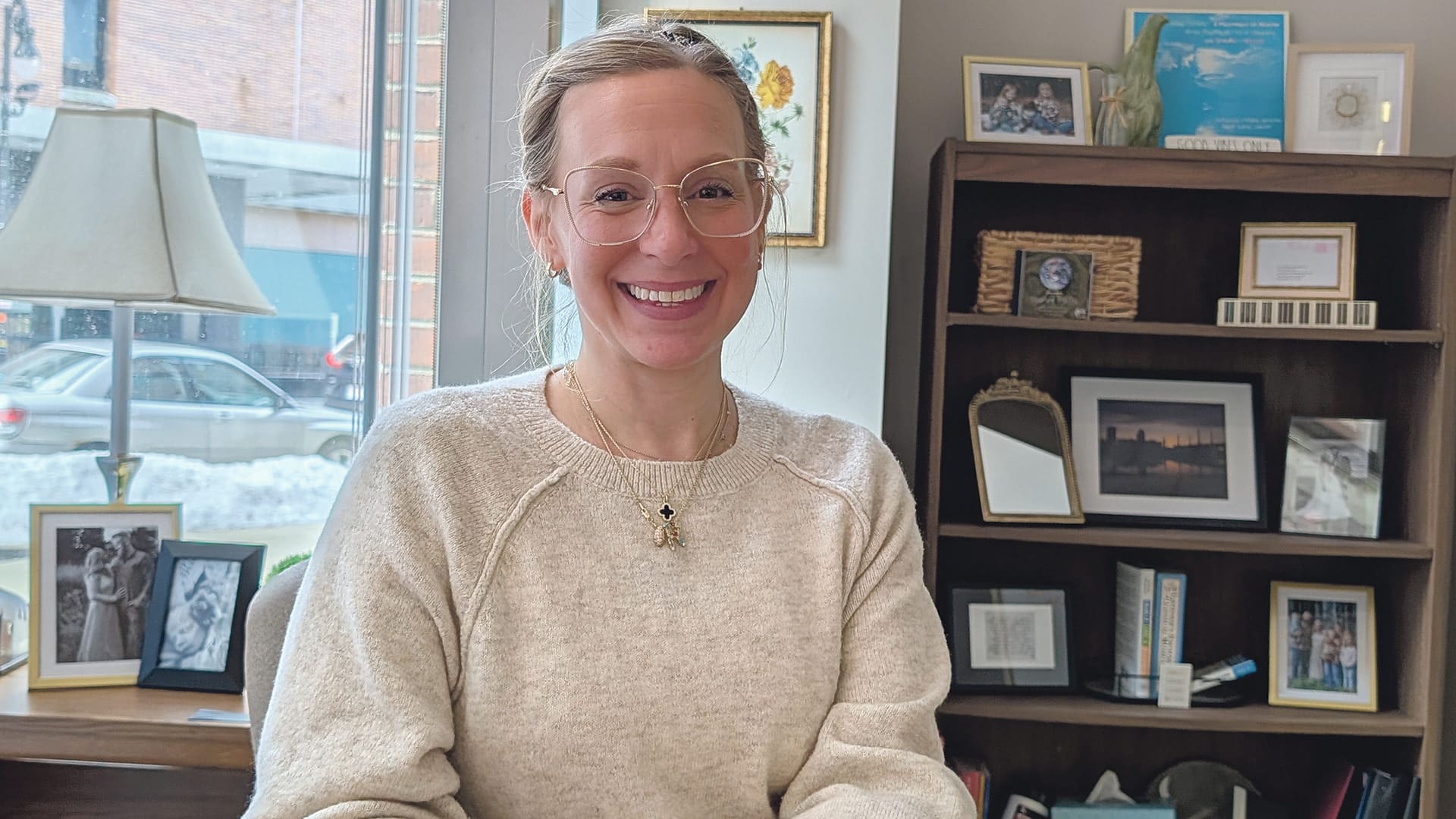
Joe Bednar talks with Nicolle Cestero, President of American International College

It’s called the Pathway to Progress. That’s the name of a strategic plan that Nicolle Cestero has helped shape and shepherd at American International College, first as interim president, then since shedding that interim tag last summer — a plan that responds to a shifting higher-ed landscape by reimagining significant aspects of AIC’s academic programs, faculty roles, degree options, and more. For the next episode of BusinessTalk, Nicolle sits down with BusinessWest Editor Joe Bednar to talk about all that and many other aspects of a job she never imagined she’d have when she joined the AIC team 15 years ago — from the importance of the on-campus student experience to how she sees higher education continuing to evolve. It’s must listening, so tune into BusinessTalk, a podcast presented by BusinessWest over both audio and video platforms, and sponsored by Greenfield Cooperative Bank.

Sponsored by:

Also Available On

Daily News

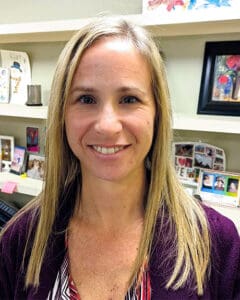
Ashley Menard

WEST SPRINGFIELD — The Irish Cultural Center (ICC) of Western New England announced the hiring of Ashley Menard as general manager of the Irish House Restaurant and Trinity Pub.

Menard has been working in restaurants since 2002, most recently in the beverage distribution industry. She is excited to share her passion and knowledge within this new role.

“I am thrilled to join the Irish House Restaurant and Trinity Pub as it has built a strong reputation for quality and hospitality,” she said. “I appreciate the opportunity to work alongside this team as we continue to grow and successfully meet the needs of our guests.”

Executive Director Caroline Morrissey added that “Ashley joins the ICC at an exciting time, and we are delighted to welcome her as general manager. Her experience, leadership, and genuine commitment to hospitality will be a wonderful addition as we continue to grow our programs and enhance the experience for our community.”

Daily News

PALMER — River East School to Career is hosting a Skilled Trades Career Exploration day for local high school students on Wednesday, April 8 from 9 a.m. to 1 p.m. at the Basketball Hall of Fame in Springfield.

River East is currently seeking skilled trades exhibitors, including companies with machinery and interactive equipment, to participate in the event. Exhibitors will have an opportunity to engage directly with students, share career insights, and highlight workforce needs within their industries.

This program aims to showcase strategic, exploratory resources and hands-on opportunities for student attendees to enrich their knowledge about prospects for future employment and how to achieve a skilled trades career.

The skilled trades event is designed to provide students with hands-on experiences and direct access to industry professionals while increasing awareness of high-demand skilled trades careers. Through interactive exhibits and demonstrations, students will explore career pathways and learn about the education and training needed to enter the workforce.

The skilled trades sector includes a wide range of career opportunities across construction, mechanical, industrial, healthcare, technical, and advanced manufacturing fields. However, many students remain unaware of these viable and rewarding career paths, as well as the various entry points available, including apprenticeships, community colleges, technical institutes, vocational programs, and industry certifications.

For more information on the event, visit rivereaststc.org/wtrades or contact Amy Scribner, partnership director, at (413) 283-5051 or [email protected].

Daily News

GREENFIELD — Greenfield Community College (GCC) will once again open its campus to the next generation of local leaders for the 2026 Reality Fair. Building on the success of last year’s event, this year’s expanded program will welcome approximately 400 students from 12 area high schools on Wednesday and Thursday, March 18 and 19.

The Reality Fair is a high-energy, interactive financial simulation produced in partnership with UMassFive College Federal Credit Union and MassHire Franklin Hampshire. The event transforms the GCC campus into a real-world marketplace, challenging students to navigate the financial complexities of adulthood.

During the simulation, students imagine themselves at age 25. Each participant selects a career and receives a corresponding starting salary, complete with realistic deductions like taxes. Students then move through various stations staffed by more than 30 volunteers from local businesses and community organizations who act as salespeople and counselors.

To balance their budgets, students must make critical decisions in four areas: housing and insurance, transportation and food, savings and retirement, and clothing and everyday expenses

“The Reality Fair is a vehicle to get students thinking about the weight of their choices in life, providing an opportunity to start applying financial wellness concepts at an early age,” said Shanni Smith-Arsenault, vice president for Enrollment Management and Student Success. “Beyond the financial literacy activities, this event gives students a first-hand glimpse into college life, fostering awareness of the educational and career pathways available right here at GCC.”

Beyond budgeting, the event serves as a bridge to higher education. Participants will tour the GCC campus to explore educational opportunities and participate in workforce development games with MassHire. By bringing hundreds of students to the college, GCC aims to empower them with the knowledge and confidence to make informed financial decisions.

Cover Story

Joining the Revolution

 

When asked to generalize about how much manufacturers know about artificial intelligence (AI), Scott Longley said, “well, they know the letters. Beyond that…”

Elaborating, he said most manufacturers understand that AI is coming at them fast, that it will be revolutionary in its impact (if it isn’t already), and that they need to get on this train — and soon — to remain competitive. But they don’t yet understand how it works and, more importantly, how it can work for them.

“The total impact of AI … I don’t think anyone knows what it is,” said Longley, a manufacturing expert in residence for FORGE, a nonprofit with a mission to help innovators navigate the journey from prototype to commercialization and impact at scale. “It’s going to impact all industries with regard to manufacturing; they’re talking about the concept of ‘lights out factories,’ and it’s very realistic.”

Manufacturers will learn just how realistic that concept is and, more importantly, how they can learn how to put this technology to use at the first in a series of workshops on the broad subject of AI to be presented by BusinessWest, with a number of partnering organizations, including FORGE.

The series, called StratAI — its tagline is “Practical AI Strategies. Smarter Operations. Stronger Growth.” — begins on Thursday, March 26 from 4:30 to 7 p.m. at the Brian Corridan Center in the Technology Park at Springfield Technical Community College, and will feature pitches from those in the industry as well as breakout sessions, where participants can “get their hands dirty,” said Paul Silva of of Innovate413, another of the partners in this endeavor.

Paul Silva

Paul Silva

“Manufacturers, especially Western Mass. manufacturers, have had their hands so full dealing with the regular chaos of the economy that taking time for new technology has never been at the top of the priority stack, and understandably so.”

Future workshops — dates and locations to be determined — will address the impact and potential of AI in other sectors of the economy, including professional services such as law, accounting, and financial services; and the service sector, said Kate Campiti, associate publisher of BusinessWest, adding that the program was created to address what she called a “seismic force” in business.

“AI will impact every business, large and small, and in every sector,” she said. “It’s more than the proverbial ‘next big thing’ — it’s game-changing technology on many levels, and business owners need to understand the many ways it can impact them; help build efficiencies in repetitive, time-consuming tasks; and create time for planning and growth.

“StratAI was created to be educational, but also to give participants tools they can put to work the next day,” she noted, adding that, when it comes to AI, knowledge is power.

The manufacturing workshop will feature breakout sessions led by experts on manufacturing and AI technology, including:

• Ali Usman, founder and CEO of PixelEdge, which creates software to give businesses a competitive edge;

• David Arturi, president of TetraLabs, the company behind Tetra, an AI platform that helps manufacturers modernize company-wide operations and reduce downtime; and

• Ben Grande, president of the Western Mass. chapter of the National Tooling and Machining Assoc. and president of Meridian Industrial Group in Holyoke.

Usman told BusinessWest that his breakout session will focus on how companies can achieve return on investment in AI, and the many forms that ROI can take beyond cost savings on labor.

“It goes beyond simple head count,” he said, while acknowledging the importance of cutting labor costs, especially in manufacturing, and noting that ROI can and often does come from improved efficiency, streamlining processes, and letting AI handle simple tasks, thus allowing people to focus on more important matters.

For this issue, BusinessWest talked with some of its partners in this ambitious AI series about this revolutionary technology and what it means for businesses.

Making More History

Both Silva and Longley said there is some symmetry, if not poetry, to staging the manufacturing-focused AI workshop at the Technology Park, which sits on the grounds of the Springfield Armory.

Indeed, the Armory, built on a site chosen by George Washington, played a huge role in the emergence of the precision manufacturing sector in Western Mass. — and well beyond — and in manufacturing innovation itself.

Scott Longley

Scott Longley

“In order to survive, you’ve got to look at the situation and understand the potential and realize that you either get on board or get left behind.”

The assembly-line style of mass production was pioneered at the Armory by Thomas Blanchard, who invented a lathe that turned and finished gun barrels in a single operation. The Armory was also the site of Shays’ Rebellion, an unsuccessful attempt, led by Revolutionary War veteran Daniel Shays, to seize the arsenal’s weaponry and overthrow the government.

AI is revolutionary in many respects, Silva and Longley said, adding that, while it has been talked about seemingly without end for several years now, many manufacturers have yet to move on this front in a meaningful way — and for reasons that are in many ways easy to understand.

“Manufacturers, especially Western Mass. manufacturers, have had their hands so full dealing with the regular chaos of the economy that taking time for new technology has never been at the top of the priority stack, and understandably so,” Silva told BusinessWest. “It needs to be a conservative industry. You spend a lot of money for capital assets, so you can’t afford to really screw up; they have to be very careful.”

Meanwhile, technology is moving at an ever-faster pace, he went on, and it is increasingly difficult to stay on top of these advances, a situation that creates both risks and opportunities on a very large scale.

Indeed, with AI, companies will find they can no longer afford to be conservative and that ‘screwing up’ can take on new meanings and new dimensions with this technology and how quickly and effectively it is put to use.

“It’s tremendous chaos, and there’s going to be survivors, and then there’s going to be people who are left behind,” said Longley, adding that a thin line will likely separate the two groups. “And in order to survive, you’ve got to look at the situation and understand the potential and realize that you either get on board or get left behind.

About the Series:

What: StratAI: Practical AI Strategies. Smarter Operations. Stronger Growth.
Where: Brian Corridan Center, Technology Park at STCC
When: Thursday, March 26, 4:30 to 7 p.m.
Presented by: BusinessWest
Admission: Free
To Register: Go HERE

“It’s like getting on a plane; the plane is flying, but it’s a prop-driven plane,” he went on. “And you look out and see a Concorde or a space shuttle … you realize, ‘I better get on that one, or I’m gone.’ That’s what’s going to happen with AI, and it’s going to happen very fast.”

Attendees at the upcoming workshop will gain an appreciation for just how fast, while also getting an opportunity to hit the ground running, if you will, through a sampling of the technology and how it can be put to use.

“In some cases, attendees can walk in with a laptop and walk out with a piece of AI that can help them with their business the next day,” Silva said. “It’s not going to transform their business, it’s not going to double their profit margin, but people will be able to say, ‘in just one workshop, I came back with a taste of what this technology can do. Imagine if I spend more time; imagine if I get a couple of people at the company to really think about how this can be a lever we can push to get some modifications.’”


Learning Curves

When asked about the broad impact of AI in manufacturing, Longley said it comes on many levels, but especially the ability to lower the cost of production, which is a game changer for many players in this region and this country, where the costs of labor are higher.

As an example, he relayed the story of a Connecticut-based plastics manufacturer.

“They were competing against a plastics manufacturer in Asia, and what they did was buy a robotic arm, and using AI, they were able to automate their quality control,” he said. “They were able to use their robotic arm to accept certain pieces and segment certain pieces out. And then they were able to take those pieces and transfer them from one workstation to another, run them through the process, and then pull out the finished goods and get them ready for packaging.

Ben Grande

Ben Grande

“What they need to know is that, if they’re not looking into AI, they’re falling behind already.”

“That entire process was done [before] by people on their shop floor,” he went on. “They essentially created a work zone that was seamless, from the process of loading to finished goods to packaging, quality control … everything. And by doing that, they were almost able to reach cost parity with that Asian competitor. That’s a complete game changer when you’re able to do things like that.”

That’s just one example of how AI can help level the playing field and perhaps provide a competitive edge, he continued, adding that the upcoming StratAI workshop will provide insight into the many types of return on investment possible from AI, and how to maximize it.

Grande, like Silva and Longley, said most manufacturers have only recently started dabbling in AI — perhaps using ChatGPT to help write an email, for example. But they know they need to probe deeper.

“What they need to know is that, if they’re not looking into AI, they’re falling behind already,” he told BusinessWest, adding that the National Tooling and Machining Assoc. is working on a regional and national level to educate manufacturers on this subject, and BusinessWest’s series on the subject represents another important step in that process.

Usman agreed, adding that the focus moving forward should be on educating manufacturers on the many ways AI can benefit their operations.

“The indirect savings are sometimes overlooked by the industry,” he said, adding that AI can be used to improve safety and reduce the number of accidents, for example, and it can also be used to help capture the knowledge of retiring machinists — a huge issue for this industry.

“You can use AI to grab the knowledge that these people have and make the training much more effective,” Usman noted. “There are so many different ways to gather and use the information from these talented people, and once it’s been captured, that information can be converted more effectively into training programs.”

These are just some of the ways manufacturers can utilize AI and join the revolution, if you will, and the upcoming workshop, the first of several on this subject, will help bring these concepts to light.


Breweries & Wineries Special Coverage

Good Times in Season

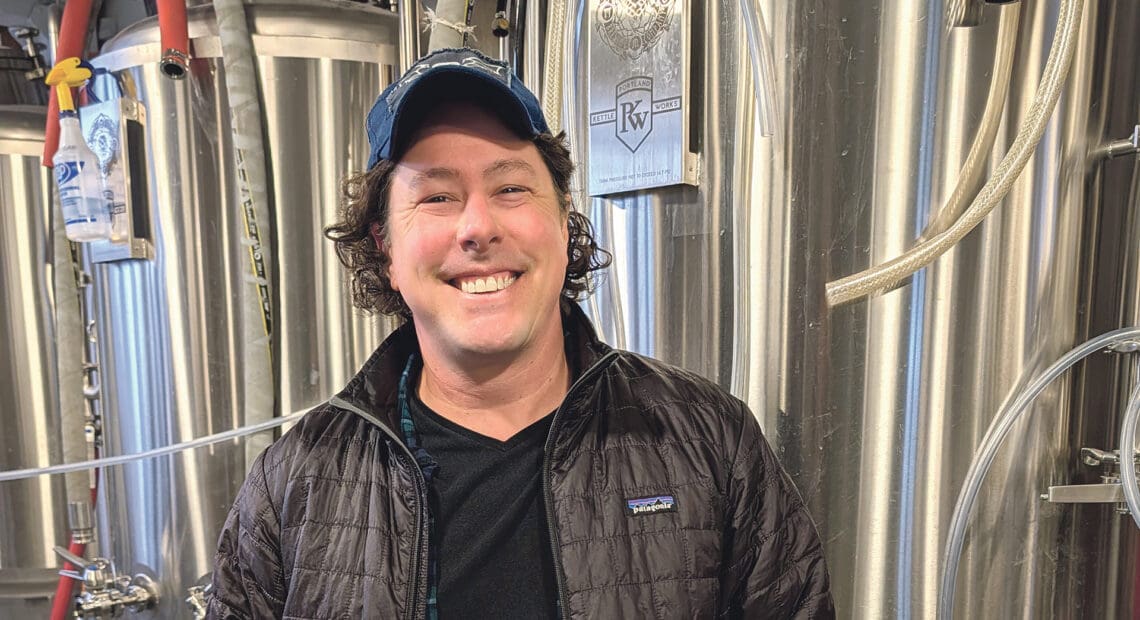
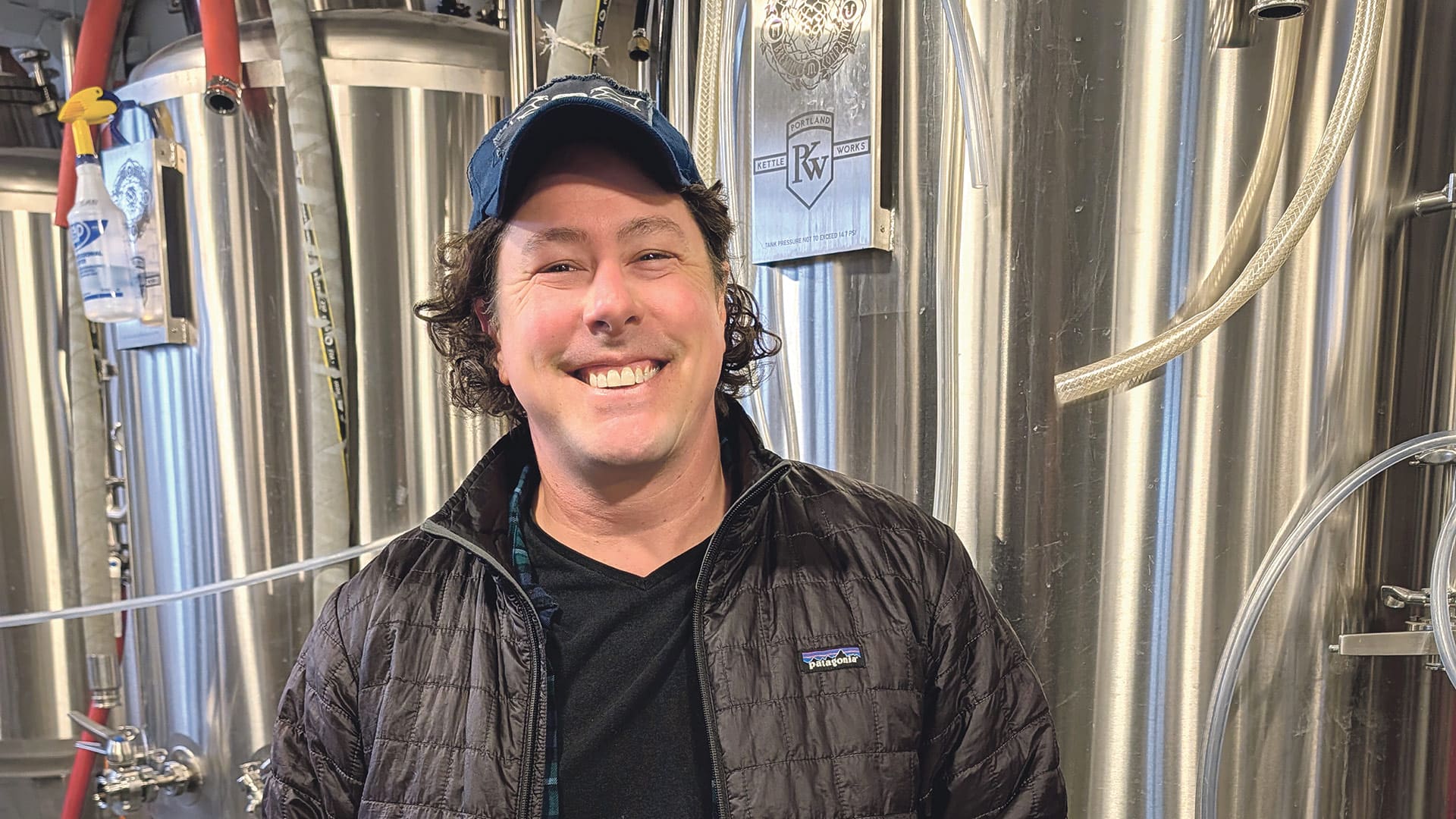
Four Phantoms Brewing Co. owner Drew Phillips.

Four Phantoms Brewing Co. owner Drew Phillips.


When it comes to brewing, Drew Phillips enjoys something a little off the beaten path.

“I love offbeat styles, things that don’t get a lot of love, especially with IPAs being so popular in taprooms,” he said before talking about the ciders and meads he produces at Four Phantoms Brewing Co. in Greenfield. “Cider is one of the only sectors in bev-alc that is actually growing right now, whereas craft beer is shrinking in a period of closures and consolidations. And the sector hasn’t even started to figure out what it means to be an American meadery, really.”

But there’s some cider history in the region; in fact, West County Cidery in Shelburne is the founding post-Prohibition American cidery, he noted.

“We are what’s called a single-source cidery. All of our cider is made with fruit from Pine Hill Orchard in Colrain. So we get to highlight the great character of their fruit and really just celebrate Western Mass. apples.”

“Being in Franklin County and farm country, we’ve got access to a ton of local apple orchards, peach orchards, and all kinds of stuff around here. So we wanted to take the mindset that, when we can use local, we will.”

Meanwhile, Phillips plans his beer offerings seasonally. “We don’t really have what you would call a flagship beer, so our taps are constantly rotating. There are certain styles that people like, and that I like brewing, that we’ll bring back every now and then, but it’s not like we’re always going to have something on tap. We’ll always have something new depending on what season you visit in.”

Some have developed enough of a following to be mainstays, like an Irish stout called Cork by Candlelight and an English nut brown ale. “We try to keep those on just because we can consistently sell them over the entire year; they don’t really need to rotate out,” he explained.

“But in terms of spring and summer coming up, we’re going to dip into lagers and Belgian styles and get into those easy-drinking styles for when it’s hot outside, those really approachable classic pub styles.”

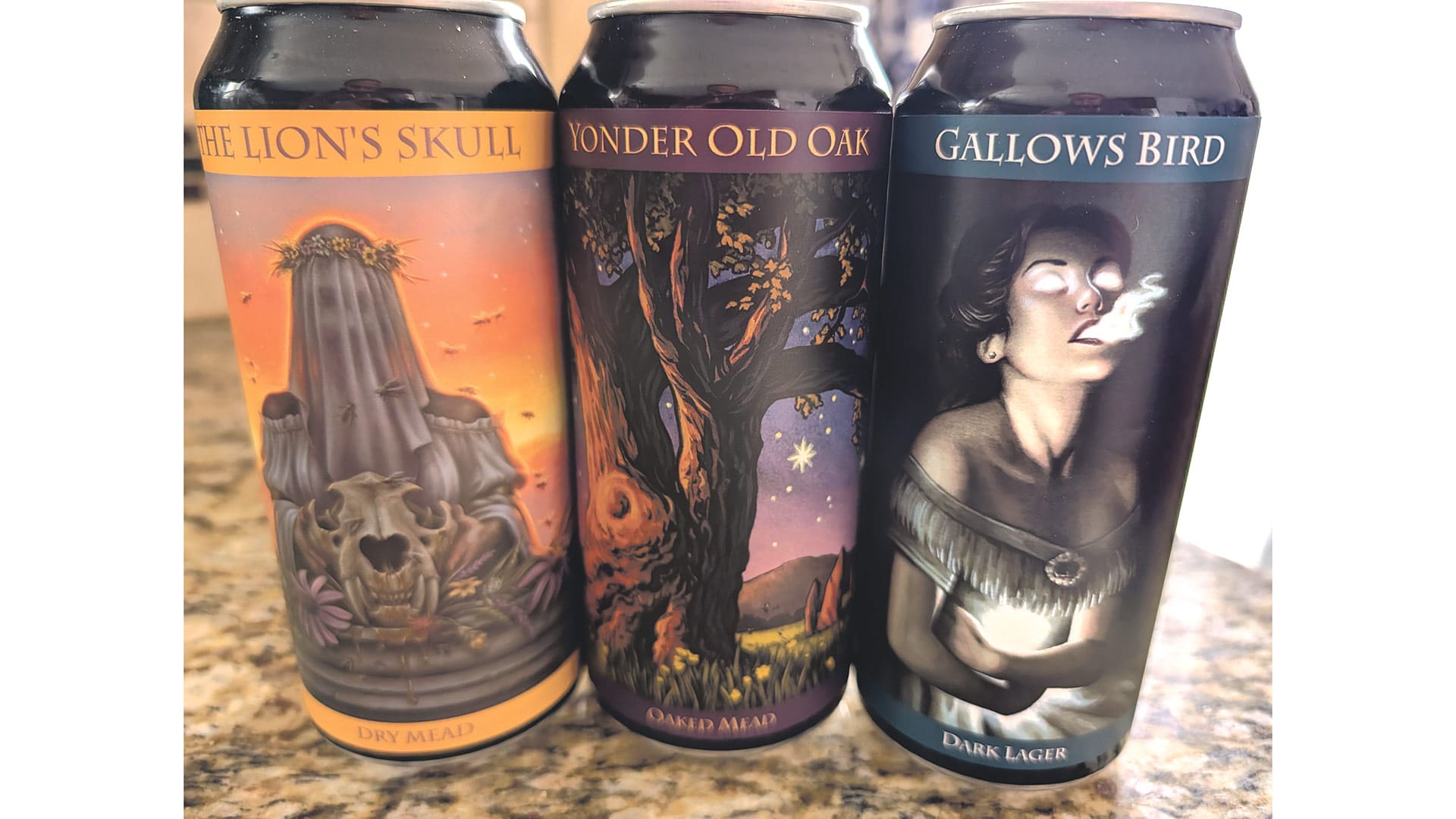
All artwork on the brewery’s cans is created by local artists.

All artwork on the brewery’s cans is created by local artists.

But he’s also got a doppelbock on tap now, which is made from black birch in Cummington — specifically, a property owner with a lot of black birch stands on his land.

“Every winter, there’s usually a storm that comes in that knocks down a bunch of the trees. So we can go in there with a chainsaw, and the wood gets used in the mash. And then, depending on how I’m feeling about it, sometimes I’ll hang a sack of it in the fermenter as well.

“That’s our overall approach to beer,” he added. “We try not to lean completely into what everybody else is doing.”


Fruits of His Labor

Phillips has been brewing for a long time, starting out with volunteer work for breweries before brewing professionally starting in 2012. Four Phantoms began its life as a contract brewery in 2019.

“At the time, I was making cider for Artifact Cider Project in Florence as their lead cider maker and running Four Phantoms as a contract brand on the side. But we always knew we wanted to do bricks and mortar,” he recalled.

“It was that personal engagement, I think, that was very attractive about craft beer and made it grow so quickly, which we are losing quite a bit of.”

The pandemic interfered with the timeline but was also good for cider sales at a time when bars were locked down and the beer business was shaky. “We took that windfall and bootstrapped up the brand to be able to open this place. We got a loan from Greenfield Savings Bank and then opened on Halloween in 2021.”

The name Four Phantoms is a way to metaphotically evoke the passing of the four seasons, he explained.

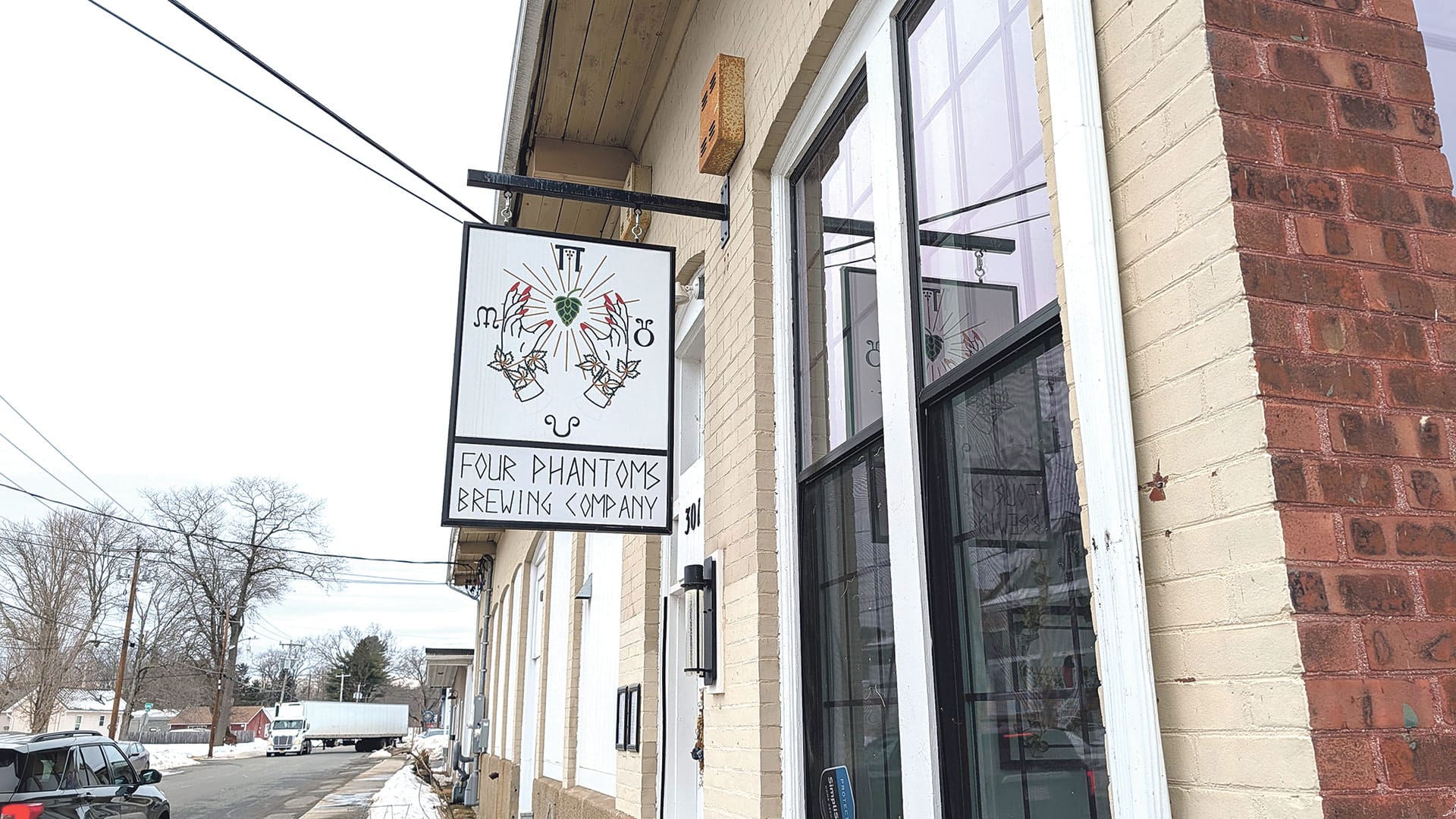
Four Phantoms opened its physical location in Greenfield in 2021.

Four Phantoms opened its physical location in Greenfield in 2021.

“Brewing has always been, at least in American craft beer, very seasonal. So we wanted to highlight that. Being in Franklin County and farm country, we’ve got access to a ton of local apple orchards, peach orchards, and all kinds of stuff around here. So we wanted to take the mindset that, when we can use local, we will — and then, just celebrate what we love about the passing seasons.”

In addition, “we wanted it to be an old-school pub style — we really wanted people to feel like this was an extension of their living room,” Phillips told BusinessWest. “Coming out of the pandemic, I felt there was going to be a slow transition to going back to bars after lockdown, especially in Massachusetts, which had one of the more aggressive policies in terms of COVID and bars shutting down.

“So we wanted it to feel like a family environment — we really wanted to drill down and make sure our neighbors felt comfortable here. And so far, that strategy has been great,” he went on, adding that about 100 patrons have a taproom membership, getting discounted access to events and other perks, and most live within a few blocks of Four Phantoms’ Wells Street address.

As for those events, game nights have become hugely popular, with 50 to 60 people reliably showing up for Dungeons & Dragons on Monday nights, and Magic: the Gathering and other games bringing in crowds as well.

“Even if you’re not interested in craft beer or you’re not a drinker, we’re trying to make this space comfortable for everyone.”

“We also have fundraisers for community organizations, and a lot of people who attend those have never been here before, but end up becoming regulars, which is awesome,” Phillips said, noting that Four Phantoms has used trivia and bingo nights to fundraise for nonprofits ranging from local survival centers to the Immigrant Justice Coalition.

Meawhile, Four Phantoms hosts some music shows, and meetup groups are welcome to use the space as well. The brewery also supports local artists by soliciting them to illustrate its cans and featuring their work on its website.

“I’m just trying to support fundamental organizations in our community and functioning the way that I observed while traveling through Ireland — the pub is like a cornerstone of the community,” Phillips went on. “So that’s what we set out to do, and so far, I feel like it’s been successful.”

That’s despite the industry encountering some rough sailing in recent years, with people drinking less in general — and the pandemic itself may be one reason, as many people may have turned to alcohol during the dark days of isolation and are re-evaluating their relationship with it now, Phillips noted. But that doesn’t mean they can’t come out for a good time.

“We have a pretty extensive menu of non-alcoholic beverages. Our mocktails are really nice beverages. And we have locally made root beers and ginger sodas and stuff like that. We try to make it feel special instead of ‘well, you’re getting whatever we had lying around.’ I’ve noticed, in some bars I’ve gone into, that non-alcoholic beverages can be an afterthought. We try to be a little more thoughtful about it.”

Another downward trend is simply that the youngest generation of drinking age just isn’t patronizing bars and taprooms as previous generations did.

“Craft beer exploded when I started in 2012; we had just come off the financial recession that started in 2008, but we still enjoyed periods of exponential growth during that time. People took it very seriously and were very enthusiastic, but that has definitely cooled off quite a bit.”

One effect of all that is consolidation in the brewing industry, with large companies buying up craft brewers that once thrived in a smaller space, but have since struggled.

“When I was coming up, I saw people putting things they cared so deeply about into their brand identity. And when you get acquired by Anheuser-Busch, it’s sort of hard to believe in that ethos anymore,” Phillips said. “It was that personal engagement, I think, that was very attractive about craft beer and made it grow so quickly, which we are losing quite a bit of.”

In addition, “it makes the sector as a whole a lot less interesting when there’s less variety in terms of styles.”


Supporting an Ecosystem

Four Phantoms is doing its part to bring variety through its products — and community-minded values and personal connection through its events. Phillips distributes his beers, ciders, and meads in some local package stores and restaurants, but he’s most proud of the culture he’s built at the brewery and taproom.

“I feel really grateful, especially at this turbulent time in the craft, to have a reliable community of people who support us and are enthusiastic about the product, but also enthusiastic about coming to the space to see people they know. A lot of our regulars became friends by hanging out here.”

That includes furry friends in this decidedly dog-friendly destination. “It’s cool to me to see a dog that was brought in as a 14-week-old puppy now grown up and still sitting in the same barstool that its owner put it in when it was a little pup.

“Even if you’re not interested in craft beer or you’re not a drinker, we’re trying to make this space comfortable for everyone,” Phillips went on. “And sometimes, I think folks on the outside don’t understand that this doesn’t exist in a vacuum. We’re supporting other local businesses. That’s where we get our local root beer from. We’re supporting local orchards by making cider with their apples exclusively. We’re not just existing in a sort of island. Other shops depend on us patronizing them as much as we depend on our customers patronizing us.”

That’s why he’s committed to being mindful of those community connections and encouraging others to do the same.

“You never know, when one of those businesses closes, how many others are going to follow it. So if you really appreciate your local businesses, and there’s stuff in your community that you’re into and you appreciate the work that they do, try to get in there and show them love,” he went on. “Try to get in there regularly — because we need it right now.”

Special Coverage Women in Businesss

Orchestrating Change

Heather Caisse-Roberts

Heather Caisse-Roberts

Heather Caisse-Roberts never gets tired of seeing people enjoy the symphony.

“I think one of the most gratifying things for me has been watching individuals’ perception of the symphony change,” she told BusinessWest. “I’ve been able to see young children go into Symphony Hall for the first time and think they’re in a castle; they’re truly taken out of the world that they’re living in. And I have seen 80-year-olds walk into Symphony Hall for the hundredth time and still get their breath taken away.

“I don’t think you get that anywhere else,” said Caisse-Roberts, who was named president and CEO of Springfield Symphony Orchestra (SSO) last summer. “Like I’ve said a million times over, music is so powerful. It is so innately important to me. So, to be able to put it back into the world is something that I feel honored to do. This is a dream job for me. Every day, I wake up and am excited to come here. It’s a beautiful thing. I’m really lucky.”

Caisse-Roberts came on board in 2022 as previous President and CEO Paul Lambert’s first hire; he retired from that role this past October. Over those post-pandemic years, she has held a series of senior leadership roles, from development and grants associate to chief development and operations officer to, most recently, chief operations officer.

“I’ve been able to see young children go into Symphony Hall for the first time and think they’re in a castle; they’re truly taken out of the world that they’re living in. And I have seen 80-year-olds walk into Symphony Hall for the hundredth time and still get their breath taken away.”

Across Lambert’s tenure, during which time two labor agreements with musicians were completed, Caisse-Roberts played a key role in driving the strategic growth and sustainability of the organization, overseeing the areas of development and grants, sponsorships, box office, office administration, and marketing.

“Paul was brought on board right after COVID — actually, it was still here, and had started to come back to life a little bit again. We were in the middle of the negotiations with musicians,” said Caisse-Roberts, whose jobs before the SSO included a decade at American International College and a short stint at New England Public Media (more on those later).

“Paul came here because he had such a love and passion for this. We had worked together briefly at NEPM, and when I was at AIC, I had worked with him at the Basketball Hall of Fame for events. He was like, ‘any chance you’d want to come and maybe help write a grant or two or do a little fundraising?’”

She was certainly interested. “I love music. I mean, I love it. I am not blessed with the talent to play an instrument. But if I can’t do that, at least I’m able to put it back into the world on some level. But so I said yes.”

Symphony Hall in downtown Springfield hosts about nine SSO concerts each season.

Symphony Hall in downtown Springfield hosts about nine SSO concerts each season.

A part-time role became a full-time one, and Lambert — a long-time veteran of the Hall of Fame who had come on board to provide the SSO with some stability and leadership at a critical time — eventually started talking with her about a succession plan. And Caisse-Roberts was enthusiastic about the opportunity, bringing to her new role an expansive vision.

“The symphony is important for a million reasons: economically, artistically, culturally. It’s an outlet for people. Music has so many proven benefits on top of what it can bring into the city. So we’re just trying to educate people about that,” she told BusinessWest, adding that one goal is to help people understand that a symphony concert is for everyone.

“One of the goals I have is to make our symphony in Springfield the most accessible symphony in New England over the next five years. Because music changes people, and it changes communities.”

“I think there’s been a long-standing assumption about what the symphony is and what you have to be to go to the symphony. You look back, and it was always black tie and top hat and very fancy. One of the goals I have is to make our symphony in Springfield the most accessible symphony in New England over the next five years. Because music changes people, and it changes communities.”


Changing with the Times

One major undertaking in Caisse-Roberts’s early tenure is an ongoing search for a music director, a position the SSO hasn’t filled since Kevin Rhodes served in that role from 2001 to 2021.

The next music director — finalists will conduct one concert each during the 2026-27 season, and a director will be chosen in 2027 — will serve as the SSO’s principal conductor while driving the artistic vision of the SSO, and also participating in the organization’s long-standing education programs and building bridges with schools, universities, and cultural organizations with the aim of growing audiences and inspiring the next generation, among other roles.

That vision, Caisse-Roberts said, will continue to honor traditional symphonic music while embracing innovation in the concert programming as well.

“There is a lot of new music out there. There are a lot of new composers. There are also really beautiful, updated ways to play traditional pieces,” she explained, citing, as one example, a concert in January that incorporated Motown and the Philly Sound.

“So, not a typical classical concert, right? But we had a full house, and no one was on their phone. People were up and dancing. We had an actual love train going through the aisles at Symphony Hall. There were little kids singing, people ballroom dancing together. It was one of those moments where I took a step back and was like, ‘wow. This is what the world needs.’ So we have to keep figuring out how to do that.”

A typical show — the SSO schedules about nine of them at Symphony Hall each season — will offer both traditional compositions and pieces by modern composers, and Caisse-Roberts admits that not all long-time concertgoers appreciate that expansive vision equally.

“Change is scary. I get feedback constantly in both directions. I get feedback from our very traditional patrons that they are just appalled that a screen came down and we had a video experience along with the music, for example. And then I hear from a family who had their two kids in the house, and were like, ‘this was the most incredible way to introduce our children to symphonic music.’

“It’s not about ‘classical’ or ‘pops’ — it’s just a way to introduce them to this type of music. It’s about access,” she reiterated. “We don’t live in 1955 anymore. If we think we do, we’re not going to survive.”

Also key to the survival of symphonies in general is cultivating the next generation — of both patrons and musicians. That’s why the SSO maintains a youth orchestra program, in which 115 young people currently participate in three groups of varying skill levels.

“I would love to keep seeing that grow — this commitment to putting art back into the world is something that we need to cherish and expand upon hugely,” she said. “They should be the musicians that are playing on our stage in the next 10, 15, 20 years.”

In addition to each group rehearsing throughout the year and performing their own concerts, young musicians were also able to perform side by side with the SSO at Symphony Hall during its season opener last fall.

“That was the coolest thing ever. I cry a lot because I’m an emotional human, but seeing the two generations next to each other was incredible.”

Caisse-Roberts noted that kids don’t get the music education they used to in school, and they’re growing up in a much more fragmented media landscape, with fewer shared experiences.

Heather Caisse-Roberts says the symphony’s importance to Greater Springfield is both cultural and economic.

Heather Caisse-Roberts says the symphony’s importance to Greater Springfield is both cultural and economic.

“They’re not being introduced to music the way we all once were, the way our traditional concertgoers once were. Sitting and listening to a symphony was something you did with your family. Now, you can listen to whatever you want, whenever you want, by yourself on your phone. So we have to teach people that this is an experience and teach them about these different types of music.”

She also touted community partnerships, such as with the MGM HCC Culinary Arts Institute, whose culinary students cater SSO events, as well as the nonprofits whose work is boosted at the start of shows. But another type of partnership is essential to the symphony’s very survival — the businesses, organizations, and individuals who financially support the SSO’s work.

“Ticket sales don’t even touch the costs of a concert. That’s such a common misconception in the arts world in general,” Caisse-Roberts said. “So the community support is so important, whether that’s corporate, individual, foundation, all of the above. Every little bit of support helps us — sharing a post on Facebook so more people might buy tickets, or coming to a concert and bringing someone who’s never been to one, or buying an ad for our program, or maybe backing one of our concerts.

“So many cities have lost their symphonies. The fact that Springfield has one is something that people cannot take for granted — because when it’s gone, it’s gone. It won’t be back.”

“I mean, we have so much that we’re doing,” she went on. “We have a large group of youth students that are on scholarship because they are unable to pay, and they would never be able to experience this if we couldn’t provide support. So we’re very grateful.”


Impactful Work

That said, Caisse-Roberts noted, “we’re going to be heavily focused on sustainability over the next three years, which means we will probably be out asking for support. So many cities have lost their symphonies. The fact that Springfield has one is something that people cannot take for granted — because when it’s gone, it’s gone. It won’t be back.”

And that would be a blow not just culturally, but economically.

“We’re trying to get people to understand that it’s more than just the Brahms or the Mendelssohn. It’s the experience, it’s community, and it’s helping support our city,” she said. “Every time somebody comes downtown, they’re eating at a restaurant, staying at a hotel, parking in a parking garage, stopping at the casino. We’re not blind to any of that. We are trying to build up this really strong partnership base in Springfield because, if we don’t do this together, none of us succeed. I feel very strongly about that.”

Caisse-Roberts is no stranger to fundraising and development. As noted earlier, prior to the SSO, she worked at American International College for about a decade, first in alumni relations and events, and later as executive director of Institutional Advancement. Her stewardship work with alumni yielded significant growth in alumni engagement and landed one of the largest-ever single donations to the college. She also worked closely in supporting the grant director to secure Title III funding and develop scholarship funds to help AIC students continue their education.

More recently, she was senior director of Development at New England Public Media, where she focused on overseeing the nonprofit organization’s fundraising efforts, including grants, on-air fundraising campaigns, and planned and major giving programs. She also served as development director for the Young@Heart Chorus, reflecting her passion for music and its power to connect communities.

All this work represented a shift in what she wanted from her career. After teaching elementary school in Vermont early on, then working overseas for a while, she moved back to Western Mass. hungry to work for hyper-local, community-based organizations that make an impact in Western Mass. She certainly realized that ambition at AIC and NEPM, and is still passionate about it — and about the power of music in general — today at the SSO.

“I hope people will continue to get to know us more because we can’t exist without the world around us supporting us,” she said. “It’s only way we can succeed.”

Special Coverage Women in Businesss

A Defining Shift Is Happening Right Here in Western Mass.

By Patricia Grenier, CFP


Something significant is happening in the world of wealth — and it’s not just on Wall Street, but across Western Mass.

Women are increasingly becoming the primary decision makers when it comes to managing, inheriting, and building wealth. This isn’t a trend that’s coming someday. It’s already here.

Research from McKinsey & Co. shows that women currently control roughly one-third of U.S. household financial assets, and that percentage is expected to grow significantly over the next decade. Boston Consulting Group projects that, by 2030, women could control nearly $30 trillion in investable assets in the U.S.

Those are national numbers. But I see the local impact every day in my practice.

Patricia Grenier“When women understand their cash flow, tax exposure, estate structure, and retirement projections, something shifts. Anxiety decreases. Engagement increases. Leadership emerges.”
Women at the Center of the Great Wealth Transfer

Over the next two decades, trillions of dollars will move from one generation to the next. Women will be central to that transition.

According to the Centers for Disease Control and Prevention, women live nearly six years longer than men on average. In practical terms, that means many women will eventually manage household wealth independently — often after decades of sharing financial decisions with a spouse.

I frequently meet women who were very involved in family life and major decisions, yet were not always leading the investment conversations. Then life changes — a retirement, a health event, or the loss of a spouse — and suddenly they are responsible for everything.

The issue is not capability. The issue is preparation.


Longevity, Caregiving, and Real-life Planning

Women’s financial lives are often more complex than traditional models assume. Research from the Pew Research Center confirms that women are still more likely to take time away from the workforce for caregiving — whether for children, aging parents, or both. That affects lifetime earnings, retirement contributions, and Social Security benefits.

Layer on longer life expectancy, rising healthcare costs, and market volatility, and the need for proactive planning becomes clear.

In my office, conversations with women rarely start with, “what’s the rate of return?” They start with:

“Will I be OK if something happens?”

“How do I protect my children?”

“How do we prepare our kids to handle money responsibly?”

“What happens if one of us needs long-term care?”

Those are deeply personal questions. They reflect values — especially around family.


Wealth as a Tool for Family Stability

In Western Mass., family businesses, multi-generational homes, and strong community ties are common. Wealth here is rarely just about accumulation. It’s about stability.

I see women thinking not only about retirement, but about funding grandchildren’s education; supporting adult children responsibly; caring for aging parents; or leaving a legacy to a church, charity, or local nonprofit. This perspective changes the planning process. It shifts the focus from short-term performance to long-term sustainability.

According to the U.S. Small Business Administration, women own approximately 42% of businesses in Massachusetts. Many of those owners are also mothers, daughters, and caregivers. Their financial lives are interconnected — business planning, personal planning, estate planning, and tax strategy all overlap. A siloed approach simply doesn’t work.


Confidence Comes from Education

One of the most consistent themes I encounter is this: highly accomplished women who are incredibly capable in their careers still question their investment knowledge.

Studies have shown that women often report lower confidence in investing, even when their long-term results are equal to or better than men’s. That gap is not about intelligence or ability. It’s about access, education, and being invited fully into the conversation.

My role as a financial advisor is not just to manage portfolios. It is to educate, to simplify, and to ensure my clients understand why we are making certain decisions.

When women understand their cash flow, tax exposure, estate structure, and retirement projections, something shifts. Anxiety decreases. Engagement increases. Leadership emerges.


An Opportunity for Our Business Community

For the broader Springfield-area business community — attorneys, CPAs, bankers, and advisors — this is a moment of opportunity.

Women are not just inheriting wealth. They are building it. They are selling businesses. They are serving on boards. They are leading nonprofits. And, increasingly, they are directing where capital flows.

Firms that recognize the importance of collaborative planning, financial literacy, and long-term family governance will thrive in this environment. Firms that continue to treat women as secondary participants in financial conversations will fall behind.


From Participation to Leadership

Over the years, I have had the privilege of sitting across the table from widows finding their footing, business owners preparing to exit, mothers determined to raise financially responsible children, and daughters stepping into leadership of family assets for the first time. In every one of those conversations, what stands out is not just the numbers — it is the strength, the thoughtfulness, and the deep commitment to family.

As a financial advisor serving families here in Western Mass., I believe our responsibility goes beyond managing money. It is about helping women feel informed, confident, and prepared for whatever life brings. When women are fully engaged in their financial lives, the impact extends far beyond a portfolio — it strengthens families, businesses, and our broader community.

The shift in women and wealth is already underway. And from where I sit, it is one of the most important and promising developments in our local economic landscape.


Patricia Grenier is a financial advisor and founder of Grenier Financial Advisors, serving individuals, families, and business owners throughout Western Mass. She specializes in comprehensive financial planning, retirement strategy, and multi-generational wealth planning, with a focus on helping clients make informed and confident financial decisions. Securities and advisory services offered through LPL Financial, a registered investment advisor and member FINRA/SIPC. Content in this material is for general information only and not intended to provide specific advice or recommendations for any individual.

Commercial Real Estate Special Coverage

Driving Forces

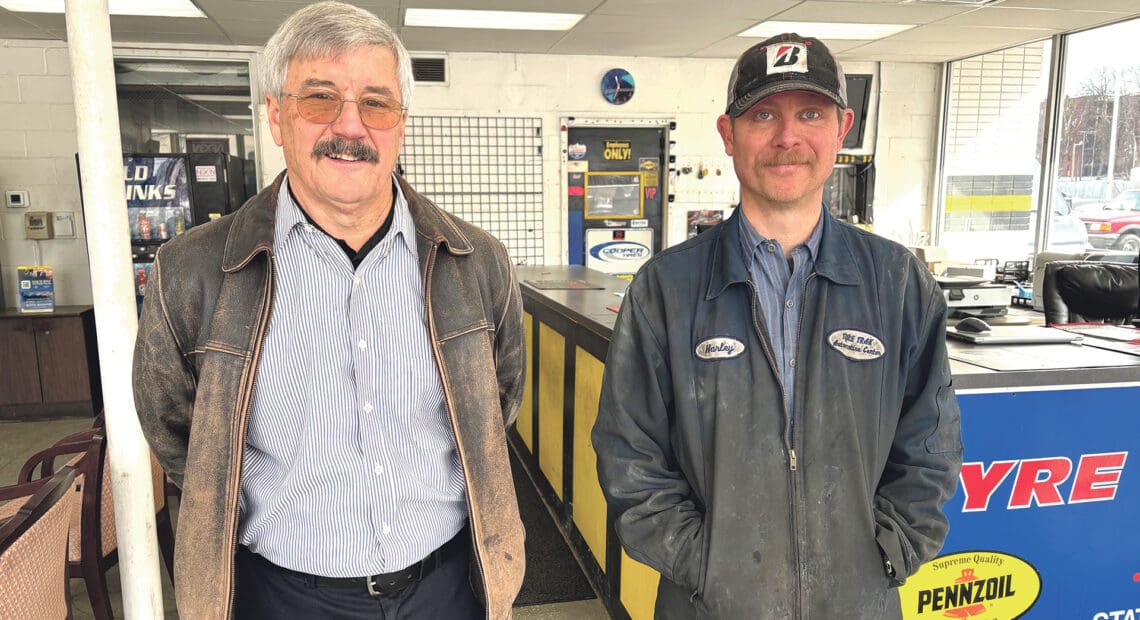
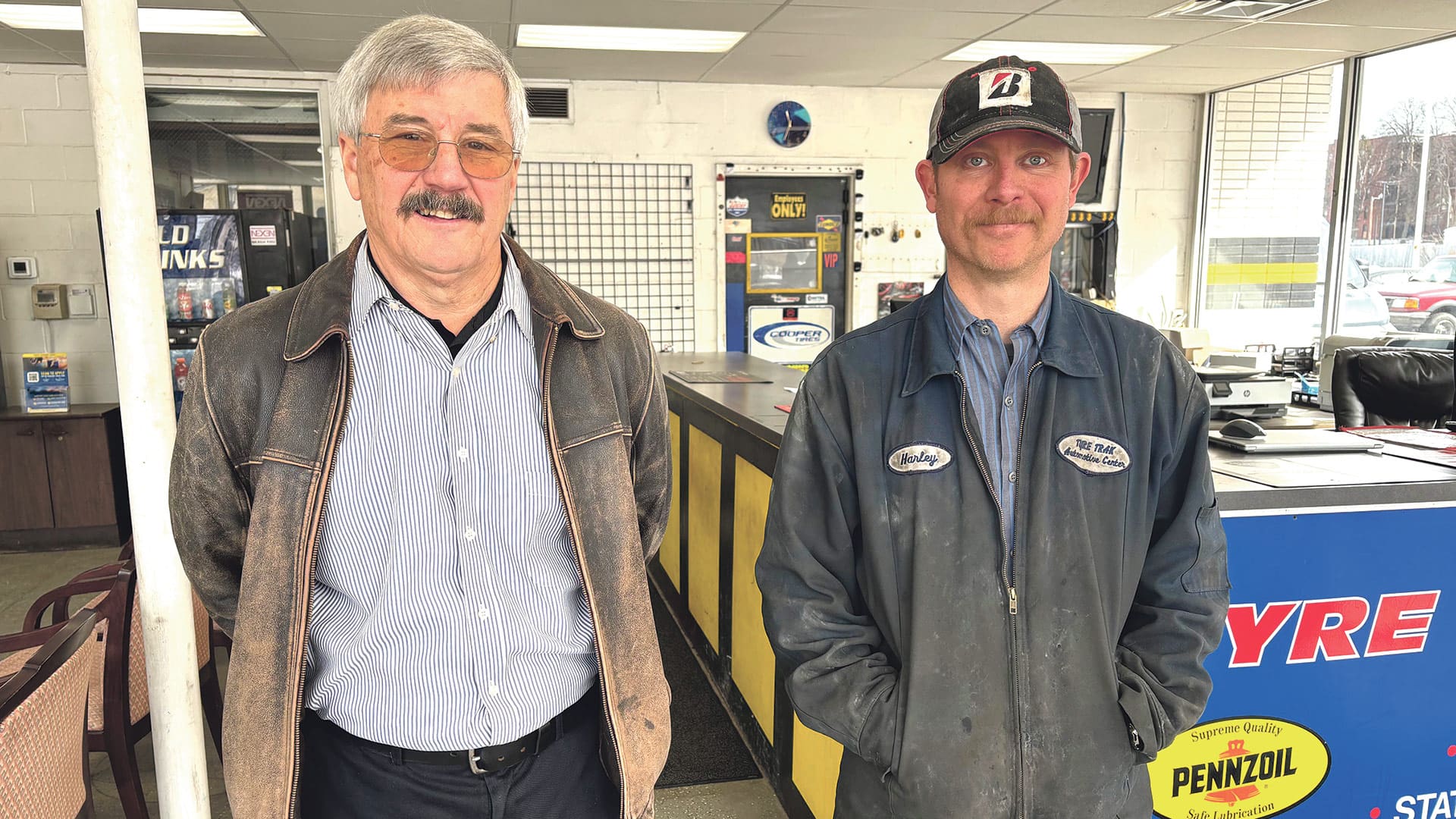
Peter Kearing, left, and Harley Andrew in the new home of Springfield Tyre Track and Auto Service.

Peter Kearing, left, and Harley Andrew in the new home of Springfield Tyre Track and Auto Service.


Harley Andrew remembers feeling down, emotionally, and then up, as in way up.

He remembers packing up some things one day and then, seemingly just a few days later, unpacking them and returning them to their place in a Springfield auto shop where he had worked for decades.

“We went from being dead to being in business again,” he said. “There was a huge swing of emotions.”

This swing is perhaps the best way to sum up a unique … let’s call it real estate transaction, one that has allowed a thriving business to remain in an area of the city that has long been neglected.

That business, Springfield Tire and Auto Service Inc., was located on a parcel that was acquired by a team looking to build a new Springfield courthouse in the area just south of the North End, a parcel dominated by the former, long-vacant W.F. Young factory. And with that acquisition, Peter Kearing, owner of the auto service center — and several others across the region — was told to vacate.

“We went from being dead to being in business again. There was a huge swing of emotions.”

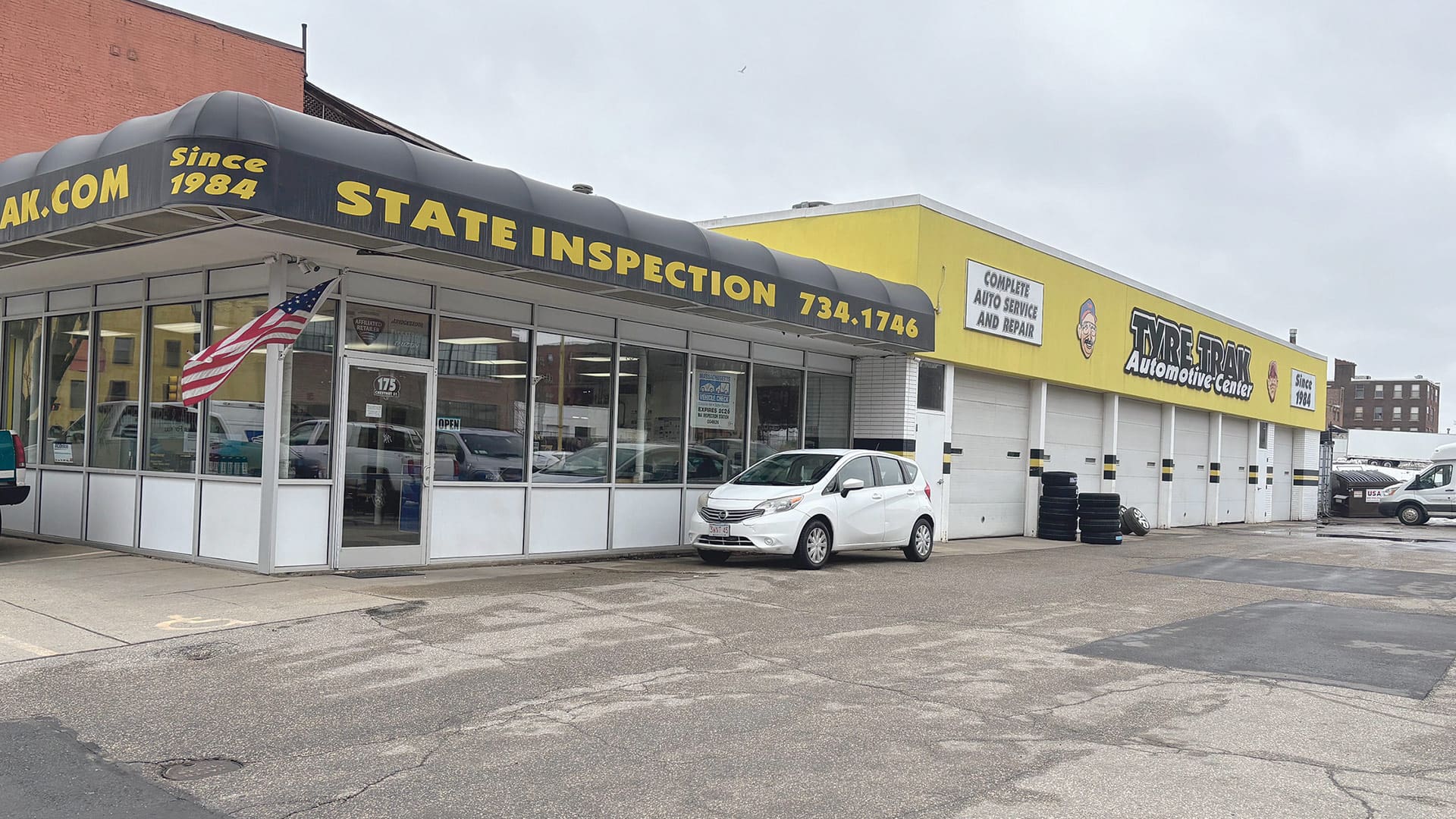
He was doing just that when Jeb Balise, leader of the development team that acquired the property, presented Kearing with an opportunity to move one block north, into the Tyre Track Automotive Center, a staple in the region that was started by Andrew’s father, Tim, and that was closing amid the land grab accompanying the state’s pursuit of a new site for a courthouse.

Kearing seized on that opportunity, and Andrew seized on an opportunity to join Kearing in a business that brings the names of both ventures together — Springfield Tyre Track and Auto Service.

In that way, two businesses have been melded into one, where there might not have been any, and Balise has demonstrated his commitment to that area, north and east of downtown, whether his group’s plan is ultimately chosen for the courthouse or not.

“Pete was prepared to close down his business, but then, it was like, ‘why?’ And we said, ‘OK, let’s do it,’” said Balise, comparing, on some levels, his work in this section of downtown with initiatives in the South End, where Balise has a huge presence that includes several dealerships, a collision center, a laundromat, and, most recently, the purchase and gifting of a building near Square One’s new facility on William Street for agency operations.

“We don’t know what the plans are long-term for that property,” he said of 175 State St., noting that the courthouse project may change the trajectory of that site. “But the bottom line is, whatever it is, my outlook is no different from what we did in the South End. Pete will not be deserted by me; we’ll figure this out, and that’s what’s so fulfilling to me — figuring out the win-wins.”

The two ventures have essentially merged and are now doing business at 175 Dwight St.

The two ventures have essentially merged and are now doing business at 175 Dwight St.

As for Kearing, he’s thinking short-term and also potentially long-term, noting that, in the larger scheme of things, the 175 Chestnut St. location isn’t an ideal site for an auto services business given recent changes in the business community — there are fewer people working downtown — and the higher cost of doing business in an urban setting, “but being in the footprint of where Jeb Balise wants to build a courthouse is ideal.”

For this issue and its focus on commercial real estate, BusinessWest looks at how this deal came together, and what it means for that section of downtown moving forward.


Court of Opinion

Our story begins with Kearing, a serial entrepreneur who, as noted earlier, would eventually own several auto service centers across the region.

He started as an employee of the business at 435 Dwight St. in 1980, and would eventually run it as a company-owned Gooodyear store, thus beginning a 45-year relationship with that neighborhood and the eclectic clientele of the store, which included area residents, but also large numbers of downtown employees taking advantage of its location for tuneups, tire rotations, inspections, and more.

“The neighborhood was pretty rough back then, and there were a lot more people working downtown,” he recalled. “And in 1980, on a hot day, all you could smell was W.F. Young; Absorbine Jr. permeated the senses of the city in 90 degrees.”

Eventually, he would go on to acquire the property from his landlord and continue that relationship with the neighborhood.

And it was a desire to continue serving that area that led him to discussions with Balise about strategies for keeping that business in operation — not at 435 Dwight St., but at 175 Chestnut St., home to Tyre Track, which, like the Goodyear facility, had become an institution of sorts in that region, serving generations of area residents and downtown workers.

Balise acquired that property last fall for $1 million amid widespread speculation — and property acquisition — regarding sites for a new courthouse.

“Having the number of people who would work in a courthouse right next door to you would be awesome. Jeb’s vision is to build a whole neighborhood there, but he doesn’t want to get too far ahead of himself.”

His original intention was to convert 175 Chestnut St. into a central service center for advanced driver assistance systems, said Kearing, adding that such a facility was planned to centralize the service on such equipment for the Balise company’s many dealerships across the 413.

But his discussions with Kearing concerning that section of downtown, and his desire to continue serving a customer base he had built up over nearly a half-century, prompted Balise to change those plans.

“I went to him and said, ‘you’re taking 10 bays away here [Goodyear] and six bays away there [Tyre Track] … that’s a big hit on the neighborhood,” Kearing recalled. “He thought about it and said, ‘you’re right,’ and he gave me a very sweet deal to operate out of this place.

“People still shop for automotive service in a tighter radius than they do for tires or shop for cars; they want to operate within a few miles of where they live or work,” he went on, adding that, while there are fewer people working five days a week, or at all, downtown, there is still a solid customer base for the ‘new’ business.

Meanwhile, auto service centers are, by and large, being priced out of urban centers like downtown Springfield, he continued, adding that the taxes and rents are both high, and, often, the numbers don’t pencil out.

They do in this case, Kearing said, adding that the picture will be exponentially brighter if the Balise site is chosen for the new courthouse.

“Having the number of people who would work in a courthouse right next door to you would be awesome. Jeb’s vision is to build a whole neighborhood there, but he doesn’t want to get too far ahead of himself.”


Bottom Line

Balise concurred with that assessment, noting that, while Kearing may not be looking past his 18-month lease on the property, he is.

“I think there is a great opportunity long-term — we just have to figure it out,” Balise said, adding that that this section of the city wants and needs this business to continue operating in that neighborhood.

The parties involved have figured out how to transform two ventures into one and keep it in business, so they’re confident they can figure on the next chapter in this intriguing story as well.