Home Posts tagged Healthcare Heroes (Page 3)
Healthcare Heroes

Health/Wellness Administrator

Medical Director, Holyoke VNA Hospice Life Care
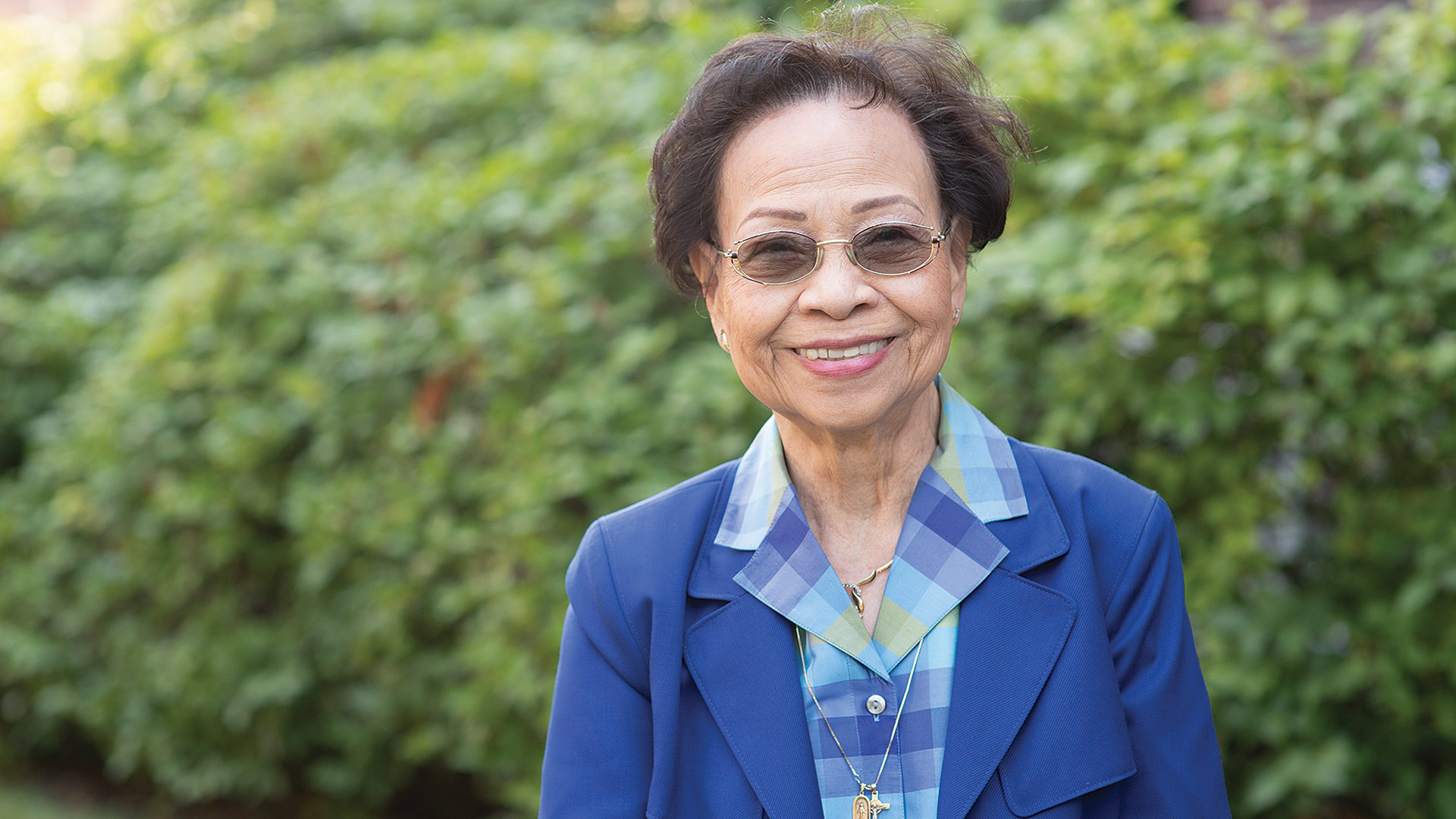
Alicia Ross

Alicia Ross

This Administrator Has Been a Pioneer, a Mentor, and an Inspiration

By Mark Morris

Growing up in the Philippines, Alicia Ross always hoped to become a doctor. Her father, a dentist, had other plans and wanted his daughter to take over his practice.

“I didn’t want to go into dentistry, so I went into medicine,” Ross recalled. Shortly after graduating from Manila Central University and passing her medical boards, she emigrated to the U.S.

In 1971, Ross joined the staff of Holyoke Medical Center, specializing in hematology and oncology. At the time, she worked with cancer patients, with the single goal of healing them. But for patients with advanced cancers, doctors can often reach a point where there are no more treatment options. Ross understood those patients needed something else.

“It’s huge for the patient to be reassured they’ve done all they can do to fight their illness. It’s also just as important for family members because they will remember this for the rest of their lives.”

“We had to refocus our goal,” she said. “For those cases, instead of a cure, we would instead work toward comfort measures for the end of life and do our best to ease their pain.”

So began what could be called a new career for Ross, or at least a new, exhilarating, and rewarding chapter in a remarkable — and ongoing — career. In 1991, she would become the founding medical director of Holyoke VNA Hospice Life Care.

Over the past 30 years, she has changed countless lives, and not just those who come under her care. Indeed, as an administrator, she has been a leader, a mentor, and an inspiration to those she has worked with, primarily by challenging them to continuously find ways to bring comfort and, yes, quality of life to those in hospice care.

“Someone referred to Dr. Ross as a ‘pioneer,’ and I think that is a very apt term for her,” said Maureen Groden, director of Hospice and Palliative Care, adding that Ross has changed the way many think when they hear that word ‘hospice,’ and she has spent her career educating and innovating.
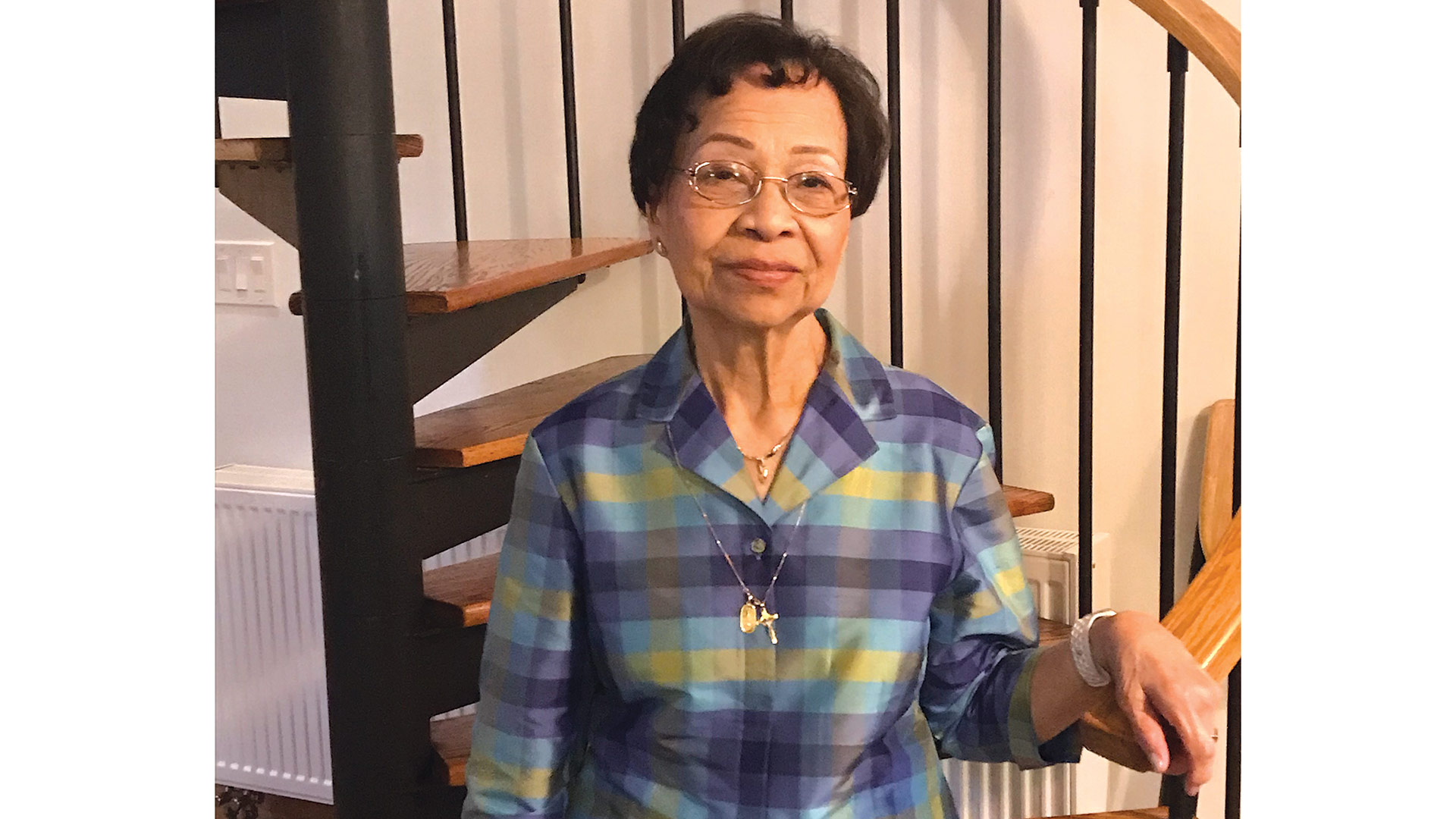
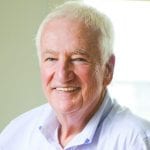
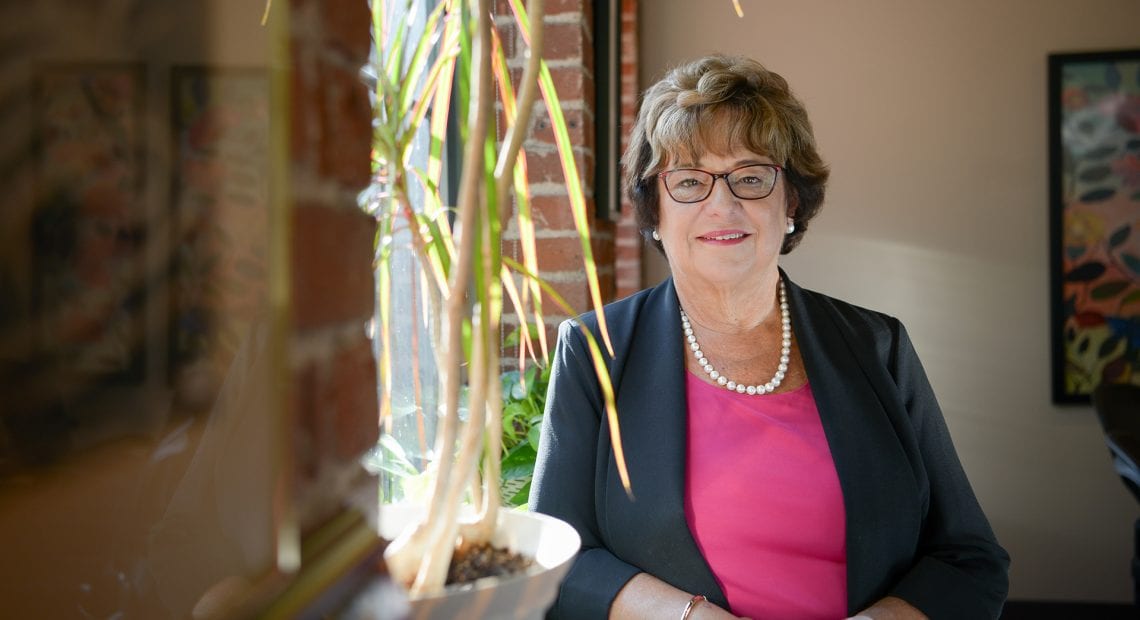
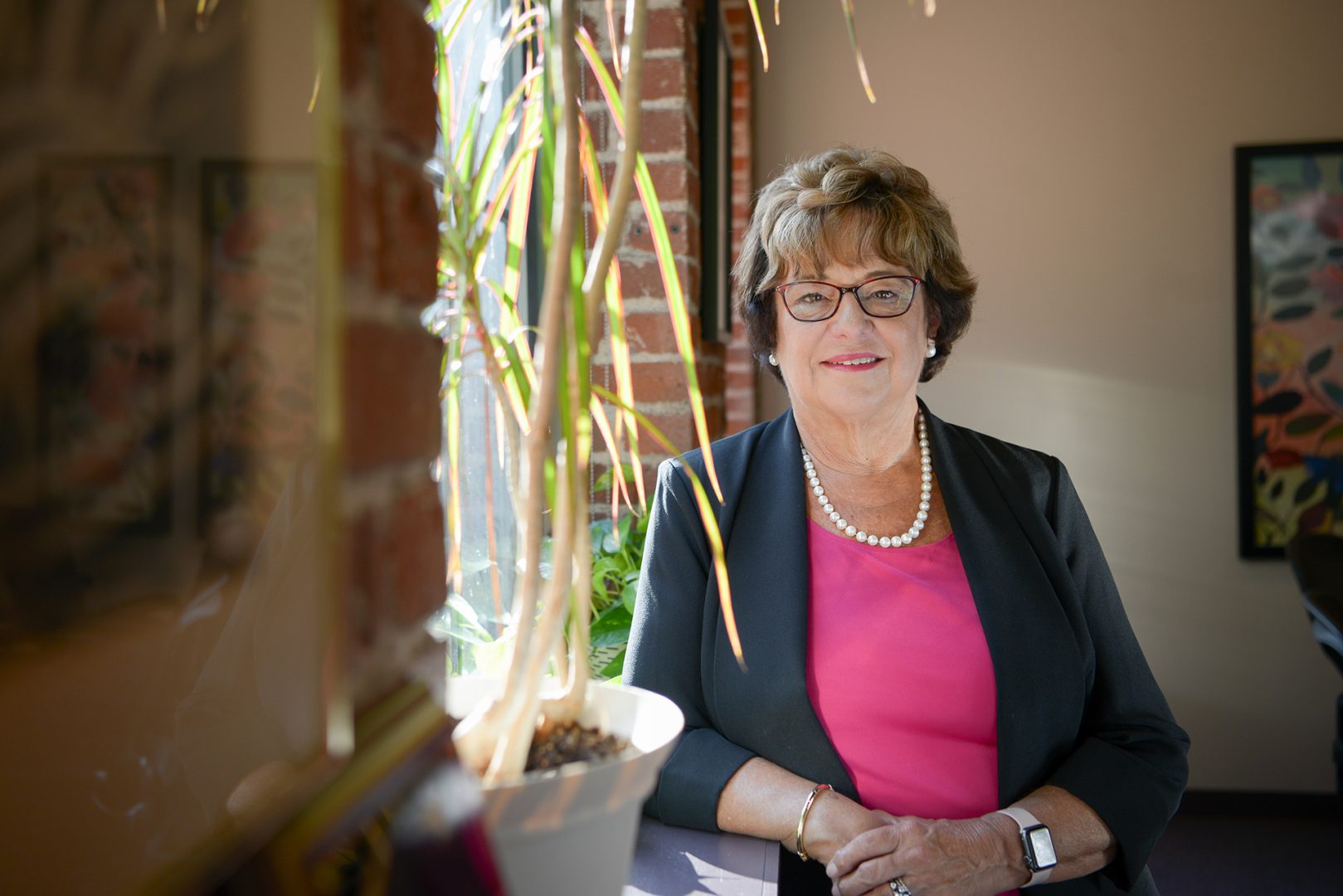
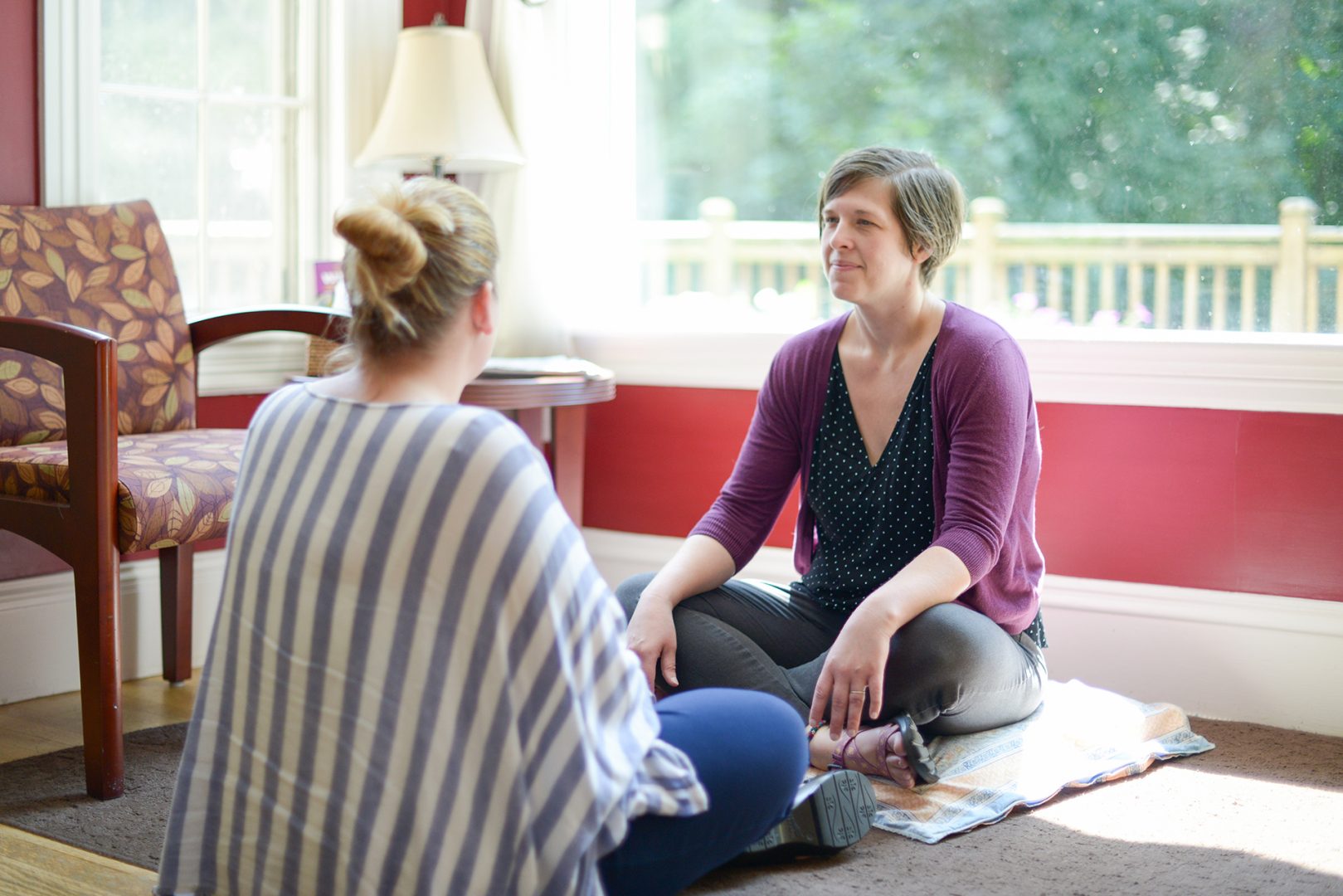
Alicia Ross says many people recoil at the idea of hospice without realizing what a benefit it can be.

Alicia Ross says many people recoil at the idea of hospice without realizing what a benefit it can be.

Jennifer Martin, director of Operations and IT for Holyoke VNA Hospice Life Care, agreed.

“As medical director, Dr. Ross has always been our go-to; she is the backbone of the hospice program,” she said. “In our weekly team meetings, she goes above and beyond to make sure we provide the absolute best care for every patient and every situation.”

Those sentiments certainly help explain why Ross has been named a Healthcare Hero for 2021 in the always-competitive Administration category. Over the years, that honor has gone to those who don’t simply manage, but lead; those who not only care for those in need, but inspire others to reach higher and find ways to continually improve that care.

Ross certainly continues that tradition.


Life-changing Decisions

Getting back to that word ‘pioneer,’ it is used to describe those who break new ground and blaze a trail for those who would follow.

As Groden said, that term suits Ross because of the way she studied hospice care and adopted best practices, but also because she sought to keep raising the bar in all aspects of this field of healthcare.

Turning back the clock to the late ’80s, Ross said she traveled to England to study under Dr. Cicely Saunders, considered the founder of the modern hospice movement.

“Before we started our hospice services in Holyoke, I went to England to better understand how they did it,” she told BusinessWest. While she worked primarily with the doctor’s staff, Ross also met with and learned from Saunders herself.

Ross turned her knowledge into action in 1990, joining others in creating Holyoke VNA Hospice Life Care. They did so, she said, with a simple philosophy: that “dying is a part of living.”

With hospice care, it’s possible to bring dignity and acceptance to patients and families when they are making difficult decisions about end-of-life care. But it is never an easy conversation.

“We still see patients who have a strong negative reaction to the word ‘hospice,’” Ross said, adding that this is unfortunate because people who could benefit from hospice care are not always referred early enough to enable them to gain some benefit from it.

“In addition to nurses who provide pain relief, hospice also offers other services to make a person’s last days more comfortable,” she noted. “Home health aides, chaplains, social workers, even volunteers can all bring comfort to the patient.”

No matter what faith a person follows, she added, the chaplain’s role is part of providing comfort and pain relief. “During this time, many patients have emotional and spiritual pain. When the chaplain can reduce some of that emotional pain, it also eases some of the physical pain.”

Volunteers also play an important role. While COVID restrictions have curtailed in-person visits to patients, volunteers also make an important contribution in providing comfort.

“We try to match volunteers to the patient,” Ross said. “For example, if the patient is a veteran, our volunteer is a veteran.” By aligning interests, the volunteer becomes a welcome face and often develops a friendship with the patient.

Administering medicine is an important part of hospice, but there are often non-medical ways to ease a patient’s pain. Ross gave an example of how a patient with lung disease will regularly experience shortness of breath.

“While morphine is a good treatment, oxygen is too, so a fan blowing in the room can be very effective,” she said, adding that anxiety also contributes to difficulty in breathing. “Many patients feel they are burdening their family, so we work on lessening their stress and anxiety to help them understand they are not a burden on their family.”

According to Groden, family members often struggle and wonder if they’ve done the right thing in referring a loved one to hospice. She said Ross approaches that conversation by reassuring the family that, at this point in time, additional treatments would actually cause more harm than good, and that hospice is the most compassionate approach.

“It’s huge for the patient to be reassured they’ve done all they can do to fight their illness,” Groden said. “It’s also just as important for family members because they will remember this for the rest of their lives.”

While modern medicine can extend people’s lives, many still need hospice in their later years. Ross also pointed out that hospice is not just for the elderly. “We have a lot of illnesses that can affect relatively younger people, like Lou Gehrig’s disease, early-onset dementia, and, of course, cancer, which affects people at all ages.”

No matter the age, she noted, the goal of Hospice Life Care remains the same. “Our main purpose is to give patients comfort through the end of life, to make them as comfortable as possible, and treat their symptoms so they don’t suffer.”

After 50 years at Holyoke Medical Center, 30 of which were at Hospice Life Care, Ross has certainly seen many changes in healthcare. She listed electronic medical records and advancements in medication as two of the most significant.

While many physicians choose to retire rather than confront new technology, she took time to learn electronic medical records and embraced the advances in both technology and medicine. Her colleagues say she never misses a beat, one of the reasons she’s an effective leader and healthcare provider.

At the urging of her husband, Ross had planned to retire by 2015. But when he became ill in 2014 and passed away quickly, she decided to continue her work.

“I thought if I retired, I would only sit around the house and mourn, so a better choice was to keep working,” she said, adding that, with each life she impacts, she embraces that decision.


A True Leader

Martin observed that Holyoke VNA Hospice Life Care admits approximately 275 patients to hospice each year.

“When you multiply that number times 30 years, it gives you an idea of just how many lives Dr. Ross has touched,” she said, adding that her lasting impact is measured not in numbers, but in words, especially those used by family members of patients to describe the compassionate care they received.

Those words convey many things, including just how much of a pioneer she has been throughout her career, and how she has convinced so many that dying really is a part of living.

Mostly, though, they convey that she is a true Healthcare Hero.
 

Healthcare Heroes

Emerging Leader

Hospital Epidemiologist, Baystate Medical Center; Vice Chair for Clinical Affairs, Department of Medicine, Baystate Health

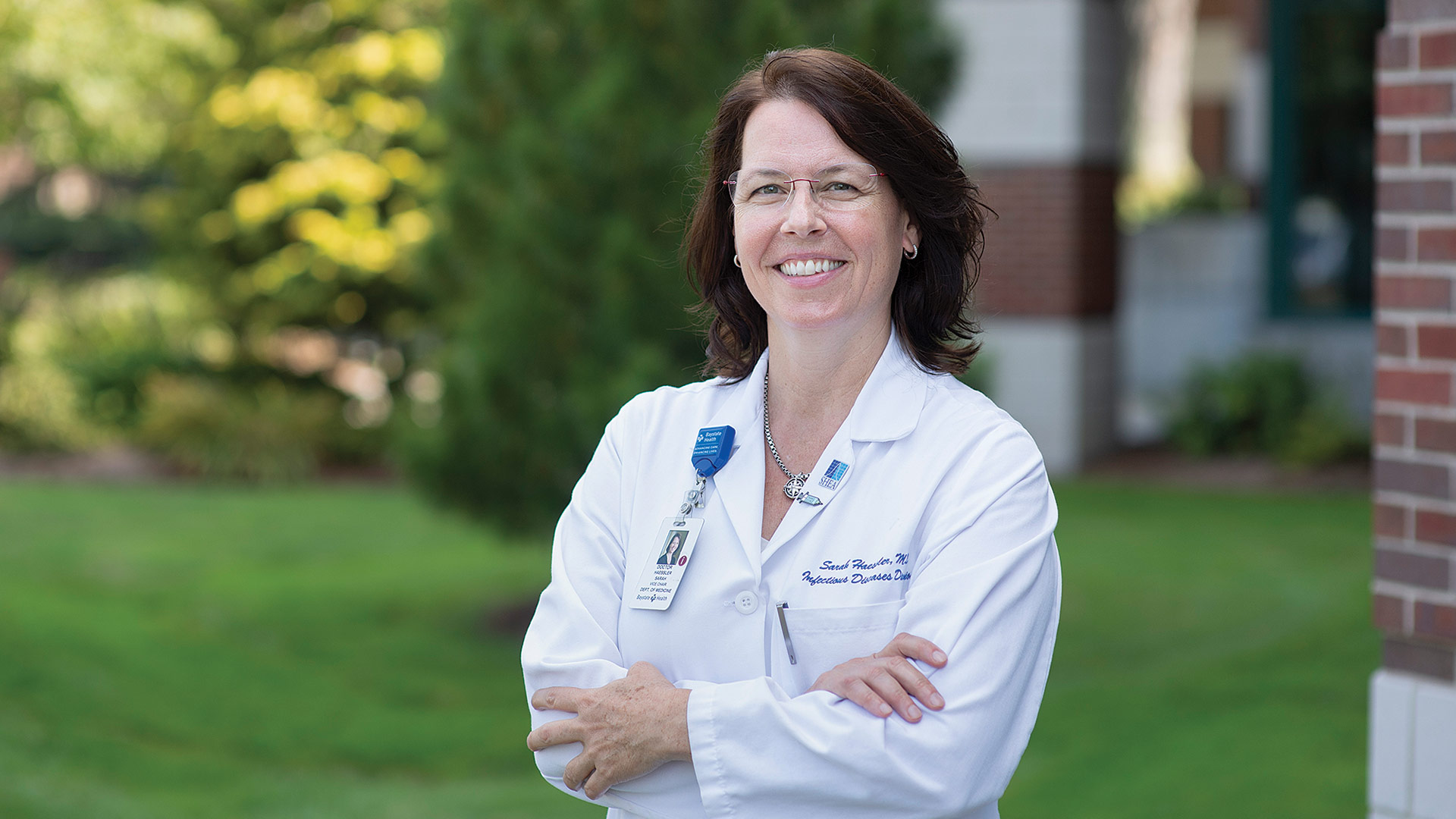
Dr. Sarah Haessler

Dr. Sarah Haessler

She ‘Stands on a Wall Between the Community and Infectious Diseases’

Dr. Sarah Haessler has already been honored as a Healthcare Hero. Actually, a ‘Healthcare Superhero,’ to be more precise.

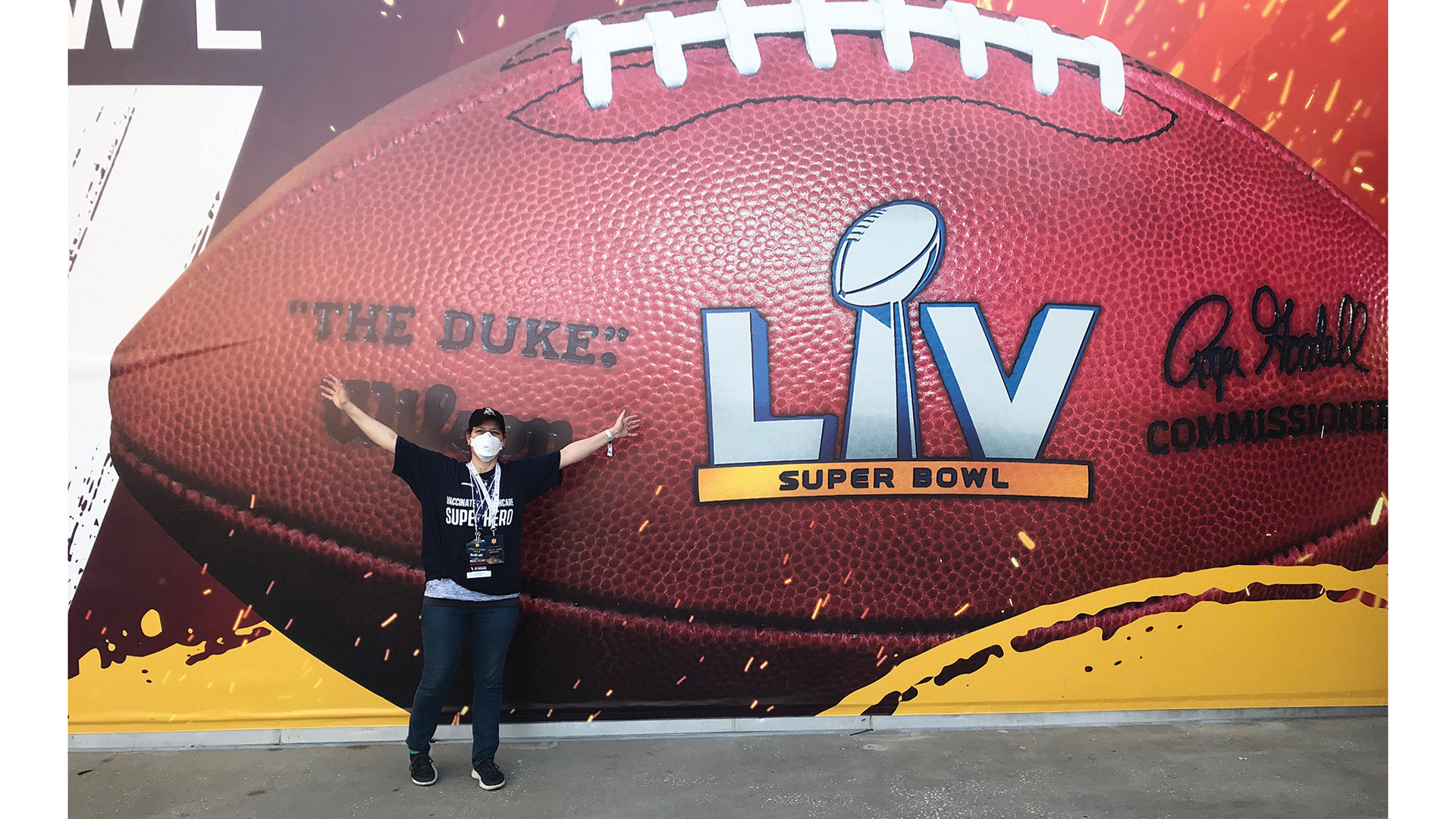
That was the unofficial title bestowed upon 76 fully vaccinated healthcare workers from across New England who attended the Super Bowl last February as guests of New England Patriots owner Robert Kraft. The group flew down on the Patriots’ team plane and got to see Tom Brady win his seventh Super Bowl — and promote vaccination while they were at it.

Haessler, hospital epidemiologist at Baystate Medical Center and vice chair for Clinical Affairs in the Department of Medicine at Baystate Health, was one of three from this region to be so honored; she was joined by Baystate colleague Stephen Boyle Sr., senior director of Hospitality; and Cherie Rodriguez, a respiratory therapist at Mercy Medical Center.

Haessler has many memories from that day, with only some of them involving the action on the field.

“It was the quintessential American experience,” she recalled, noting that healthcare workers from across the country were recognized at the game. “It was big. Everything about it was big. The music was loud, there were fireworks for everything, there were military flyovers, the jumbo screens had the president on them … America doesn’t do anything small. This was very big and very American.”

“Her role is to stand watch on the wall between our patients, our team members, our community, and the infectious agents that threaten their health. And she has successfully done this for more than a decade, not only in the face of a global pandemic the likes of which we have not experienced for more than 100 years, but every day of the year. Because in healthcare, those threats never cease.”

Haessler said pairs of tickets to the game were made available to various hospitals, and she was chosen by officials at Baystate to attend; she’s not sure how or why.

Matters are a little more clear when it comes to her being chosen as the winner in the intensely competitive Emerging Leader category for BusinessWest’s Healthcare Heroes awards. She has been chosen in large part for her many efforts to prepare those at Baystate for what was coming in early 2020 and for her ongoing work throughout the pandemic to plan, educate, and help carry out all the operations of a hospital during extraordinary circumstances. But there is certainly more to the story. Indeed, COVID-19 wasn’t her first experience with a highly infectious disease, and she acknowledged, with some resignation born from experience in her voice, that it won’t be her last.

Meanwhile, she has taken on more leadership roles over the years, serving as interim chief medical officer at Baystate Noble Hospital and currently sitting on the board of the Society of Healthcare Epidemiologists of America.

Her work in her chosen field, and her status as an emerging leader in Western Mass. and beyond, is best summed up by Dr. Andrew Artenstein, chief physician executive and chief academic officer, incident commander, COVID-19 Response, at Baystate Health, who nominated her for this honor.

“Her role is to stand watch on the wall between our patients, our team members, our community, and the infectious agents that threaten their health,” he wrote. “And she has successfully done this for more than a decade, not only in the face of a global pandemic the likes of which we have not experienced for more than 100 years, but every day of the year. Because in healthcare, those threats never cease.”

In a candid interview, Haessler talked about that harsh reality, her work at Baystate, her chosen career in epidemiology, and the many kinds of rewards that come with it.


At the Top of Her Game

When asked how she chose epidemiology as a specialty, Haessler started by saying that, during her residency at Dartmouth, she was interested — make that fascinated — by all aspects of medicine. It soon became clear to her that she needed to pick something broad that would cross all other specialties.

“When I sat down to pick one, I ultimately decided that the specialty where the cases that kept me up late or got me up early in the morning to learn more and read more and try to figure out what was wrong with this person — these puzzles — were the cases that were most interesting to me, and the most satisfying and challenging. And that was infectious disease,” she told BusinessWest.

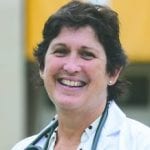
Dr. Sarah Haessler was one of many ‘Healthcare Superheroes’

Dr. Sarah Haessler was one of many ‘Healthcare Superheroes’ in attendance at last February’s Super Bowl in Tampa.

“I’ve never looked back — I’ve always loved it,” she went on, adding that, in this field, she does get to interact with specialists of all kinds. “It’s been an interesting career — I’ve never been bored. And the other thing about it is that it just keeps moving. I’m a high-energy person — I keep moving — so it suits me very well.”

Things were certainly moving in the latter days of 2019, said Haessler, noting that the information coming to her from hospital epidemiologists in China, and later the state of Washington, made it clear that something ominous was on the horizon.

“We saw the pandemic potential for it because it was so swift and had created a huge influx of patients in those hospitals in Wuhan,” she recalled. “It essentially overwhelmed those hospitals immediately, and the fact that China’s approach was to put the area in lockdown … that is the kind of organism, like SARS, that causes a pandemic.”

She said Baystate was ready, in large part because it had gone through this before with other infectious diseases and had learned many valuable lessons. And she was at the forefront of these efforts.

“We had been through H1N1, and then we had been through the Ebola epidemic,” she explained. “And this really created an impetus, and a framework, across the United States for preparedness for the world’s most contagious diseases.”

Because of Ebola, Baystate had created a Special Pathogens Unit to manage extremely contagious patients, said Haessler, who manages this unit and the team that operates it. And as part of that team’s work, it created protocols and procedures for how it would manage patients, took steps to ensure that there would be adequate supplies of PPE, put in place scenarios for how patients would be cared for and where, determined if, when, and under what circumstances elective surgeries would be halted, and much more.

In short, as Artenstein noted in his nomination, Haessler was the point person for preparing the medical center for what everyone could see was coming.

“Her work provided great comfort to all, knowing that we had such an expert in such a key role,” he wrote. “Her team’s magnificent work in collaboration with employee health services led to the earliest possible recognition of infectious contacts and allowed us to limit the risks for patients and staff during a time of great uncertainty and fear.”

While the past tense is being used for most of these comments, the work battling COVID is obviously ongoing, said Haessler, adding that the Delta variant brings a new and very dangerous thread to this story.

When asked about what the past 18 months has been like, personally and professionally, she said, in essence, that it’s been the culmination of all her training and hard work.

“It’s been one of biggest events that I’ve had to participate in, and while it’s been challenging, it’s also been very gratifying, because Baystate has been an incredible organization, rising to the occasion in this. I’m so proud of Baystate; I’ve never been more proud to work at this organization and to be part of the leadership team.

“The responsiveness, the focus on what was important and what remains important, has been incredible,” she went on. “It’s been a laser focus on the safety of the healthcare workers, and protecting our patients and our healthcare workers from getting and passing this disease, getting the resources we needed to enable safe management of these patients, and staying really, really focused on what’s important here has been a phenomenal experience and an opportunity for tremendous personal and professional growth.”


Passing Thoughts

Returning to Raymond James Stadium and Super Bowl LV, Haessler said she had the opportunity to meet with healthcare workers from across the country who had been, at that time, battling with COVID for roughly a year.

“It was an opportunity to meet with other people, commiserate, and just be among kindred spirits — people had been through so much,” she said, adding that, seven months later, the fight continues, and in some ways, it has escalated.

In the future, there will be other fights against infectious diseases, she said, adding that the best hospitals and healthcare systems can do is try to be prepared, because, as Artenstein noted, these threats never cease.

That, in a nutshell, is what her career has been all about. Her ability to exceed in that role and many others has made her a Healthcare Hero — and a ‘superhero’ — as well as an emerging leader in Western Mass. and her chosen field.


George O’Brien can be reached at [email protected]

Healthcare Heroes

Patient/Resident/Client Care Provider

Doctor and Owner, DeCaro Total Foot Care Center

Dr. Louis J. DeCaro

Dr. Louis J. DeCaro

This Specialist Has Helped Patients of All Ages Take Huge Strides

Dr. Louis J. DeCaro is firm of the opinion that no one actually has good feet.

Rather, experience tells him that everyone has one of 24 variations of bad feet.

“That includes high arches, low arches, no arches … people come in and they think flat feet are the only bad feet,” said DeCaro, owner of Hatfield-based DeCaro Total Foot Care Center, referencing a chart of what he calls the ‘24 Foot Structures.’ “But you can have an arch that causes not foot pain, but back pain. So often, high-arch people have back pain, but they don’t realize it’s coming from their feet.”

This chart, and DeCaro’s extensive use of it to explain problems people are having now — or might have later — is just one of many reasons why he was named the Healthcare Hero for 2021 in the always-competitive Provider category. Indeed, he has made pediatric podiatry his specific specialty, and throughout his career he has helped people of all ages, but especially children, make great strides, both figuratively and quite literally.

“To get a hug from a parent who tells me that their child is finally walking or is able to run or keep up with their friends … that’s really priceless.”

He has done this through everything from education to complex surgical procedures, to the development of new orthotic products, such as littleSTEPS, orthoses created specifically for young people and designed to improve coordination, balance, pain, posture, and strength, while aiding in the development of a more stable and functional gait.

He even makes an impact through his photography. DeCaro, who travels often with his family and through his work, photographs animals wherever he goes and winds up selling prints of some of his best shots, with the proceeds going to help families in need offset the cost of orthotics.

Thus, his work can be — and often is — described as life-changing, and that’s why he finds all facets of it, but especially his work with children, so rewarding.

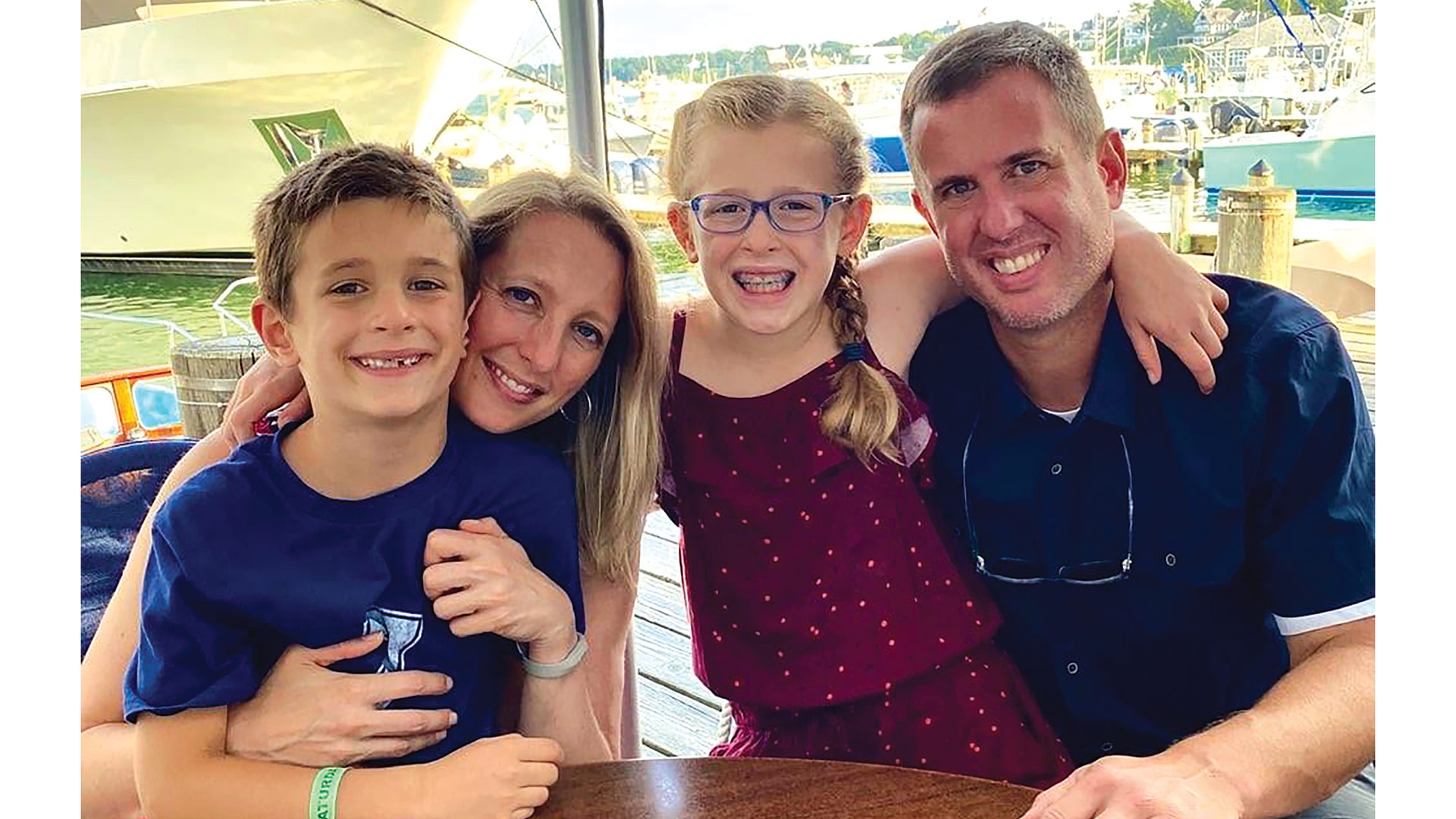
Dr. Louis DeCaro, seen here with his children, Eliza and Lucas, and wife Jamie, says foot issues impact people of all ages, starting with the very young.

Dr. Louis DeCaro, seen here with his children, Eliza and Lucas, and wife Jamie, says foot issues impact people of all ages, starting with the very young.

“People often ask me why I do pediatrics,” he said. “And I tell them that one of the wonderful things I get to experience is when a child follows up who couldn’t walk, and I helped them walk; that’s got to be one of the most rewarding things in the world. To get a hug from a parent who tells me that their child is finally walking or is able to run or keep up with their friends … that’s really priceless.”

Over the years, DeCaro has received many hugs like that, and that just begins to explain why he is one of the Healthcare Heroes for 2021.


Positive Steps

Like many in healthcare, DeCaro said that, while he ultimately chose his specialty, in many ways, it chose him.

Relating the story of how he ventured into podiatry, he said he had just finished his junior year at Stony Brook University on Long Island and was on a path to a career in allopathic medicine when he got a letter from someone at Barry University, a podiatry school in Florida.

“I didn’t know anything about podiatry at all,” he recalled, adding that the school was impressed with his MCAT scores and offered to fly him down for a visit. He took them up on their offer and came away impressed with the school, the specialty, and the opportunities it presented.

“Podiatry seemed like a wonderful profession because I could specialize in whatever I wanted — I could do surgery if I wanted to, I could treat kids if I wanted,” he said, adding that he wound up skipping his final year at Stonybrook and getting on an airplane to attend Barry.

“It was the best decision I’ve ever made; getting into this specialty has been wonderful, “he went on. “It was an opportunity-knocks moment — and I opened the door to see what was behind it.”

Dr. Louis DeCaro photographed this bear while visiting Alaska. The image is one of many he has sold to help families pay for needed orthotics for their children.

Dr. Louis DeCaro photographed this bear while visiting Alaska. The image is one of many he has sold to help families pay for needed orthotics for their children.

To say that DeCaro has made the most of his opportunity and had a profound impact on patients and their families during his career in his chosen field would be a huge understatement. Indeed, as noted, he has been changing and improving lives in many ways — through education, treatment, and the development of new orthotic solutions, such as littleSTEPS.

DeCaro Total Foot Care Center now counts 30,000 active patients, with some of them coming from other states and the four corners of Massachusetts.

“Besides Boston Children’s, which is two hours away, there’s really no other pediatric specialist in this state for foot care,” he explained. “So we get patients all the time who travel two or three hours to see me, just because of the lack of pediatric specialists.”

He said podiatry is regarded by many as a specialty focused on the elderly and the diabetic, and while many of the practice’s patients are in those categories, foot issues impact people of all ages. And many problems of the foot develop when people are young.

DeCaro said he treats many children on the autism spectrum with sensory-processing disorders, others with neuromuscular diseases like cerebral palsy, children who are late walkers or delayed walkers with low muscle tone, athletes with injuries that start with their foot structure, kids with growing pains, and those with other ailments.

“Often, orthopedic issues, especially in the pediatric population, are caused by poor mechanics in the foot,” he explained. “And it starts with the minute we walk.”

He said he sees roughly 20 patients a day, fewer than many specialists, because he enjoys spending time not only with his younger patients, but their parents as well, because they often must be educated about their child’s condition.

Similarly, when he sees a child, he will often then examine the parents as well because, by looking at their respective foot structures, he can often gain some perspective on where that child might be headed when it comes to overall foot health. “Like hair color and eye color, foot structure is genetic,” he explained.

As noted earlier, treatment of his patients is just one of the reasons why DeCaro has become a standout in his field — he has been listed among the 150 Most Influential Podiatrists in America by Podiatry Management magazine — and why he will join seven others as Healthcare Heroes on Oct. 21 at the Log Cabin. He’s also an educator who lectures often; pens articles such as one called “Assessing the Role of Gait Analysis in Pediatric Patients with Flatfoot,” which appeared in Podiatry Today magazine; and teaches the ‘24 Foot Structures’ to many of his colleagues.

Within the 24 different foot structures there are six distinct foot types or categories — A to F — and given each names, like ‘John Wayne.’ “You actually turn your legs out and walk like a gunslinger,” he explained, adding that there are fun names for each category, and they are designed to help patients understand their feet and the treatment being given them.

He’s also an entrepreneur; in addition to littleSTEPS, he and business partner Roberta Nole have also developed the RX24 Quadrastep System, a state-of-the-art alternative to traditional custom orthotic management.

There’s also his photography — and philanthropy, by which he uses his hobby to help children and families in need.

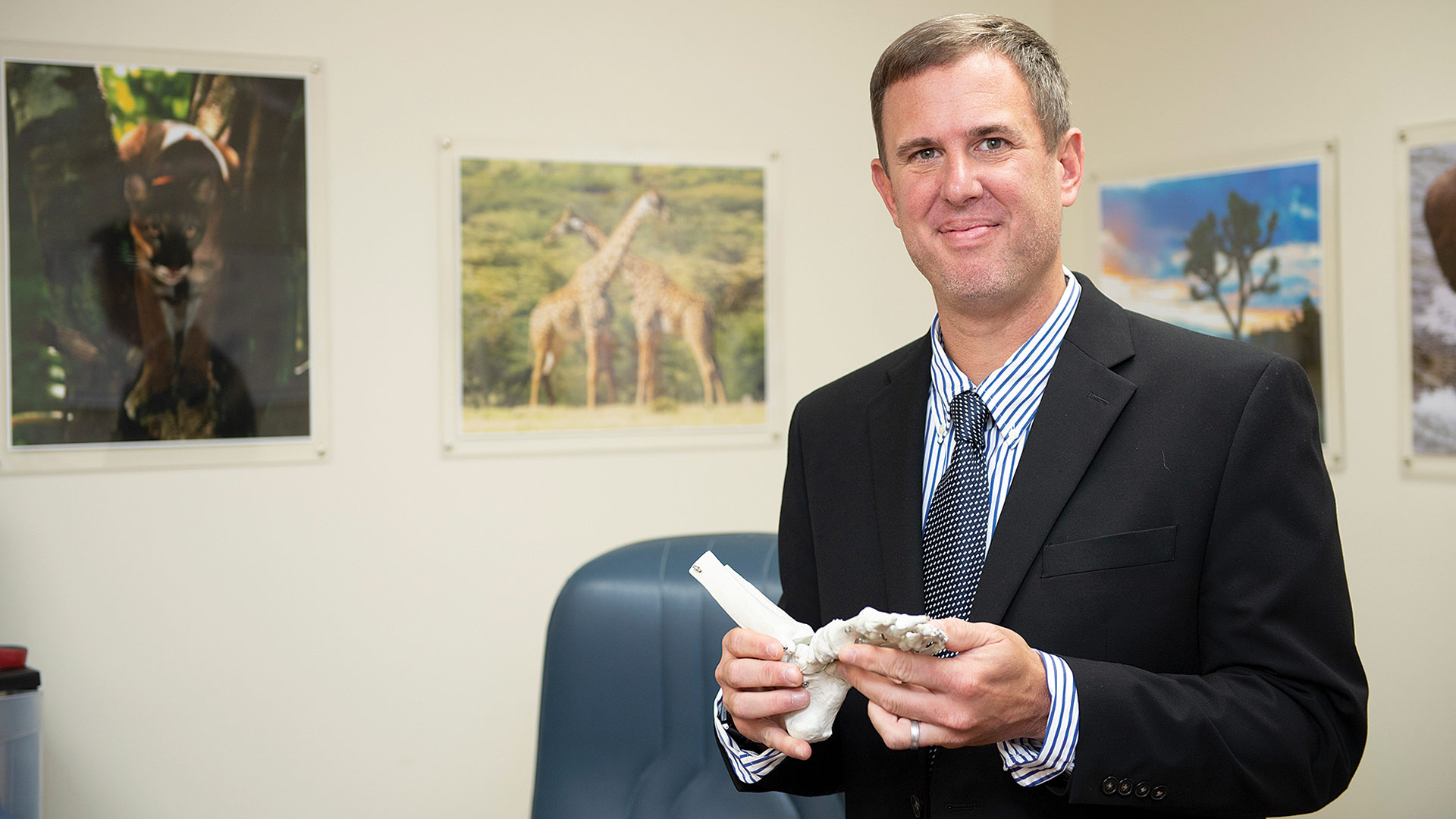
The walls of the rooms in his office are covered with photos — his favorite is one of a puma he “met” in the rain forest of Costa Rica, although he’s also fond of a bear he photographed in Alaska — primarily his feet (paws), which are prominently on display.

When asked how he gets so close to his subjects, he quipped, “big lenses.”


Toeing the Line

In many ways, DeCaro has spent his career  helping patients, and especially the younger ones, understand the proverbial big picture when it comes to their feet and how they are never to be overlooked when it comes to one’s health, well-being, and quality of life.

Suffice it to say that he has made the most of that opportunity-knocks moment when he got on a plane bound for Florida and podiatry school. He found a profession that has been rewarding in every way imaginable.

But the real winners from that decision he made are his patients, who have benefited from his compassion, his desire to educate, and even his ingenuity and prowess as an entrepreneur.

His ability to change their lives has made him a Healthcare Hero.


George O’Brien can be reached at [email protected]

Healthcare Heroes

Community Health

Counseling and Testing Prevention and Education Program Director,
New North Citizens Council Inc.

Richard Johnson

Richard Johnson

He Has Made a Career of Being There for People Who Need Help, Direction

Richard Johnson has a simple and laudable philosophy when it comes to those seeking help. And it goes a long way to explaining why he’s a Healthcare Hero for 2021 in the always-competitive Community Health category.

“When people who are in need find the fortitude to step out of themselves and ask for assistance, there should be somebody to respond,” he told BusinessWest. “That’s because it takes a lot sometimes for many people to ask for help. And so, I like to make sure that, if I’m able, I can be that person to respond.”

For more than two decades now, during a lengthy career in public health, most recently as Counseling and Testing Prevention and Education Program director for the New North Citizens Council Inc., Johnson has been able — and ready — to respond and provide that help, in the many forms it can take.

His title is a mouthful, and there is a lot that goes into it.

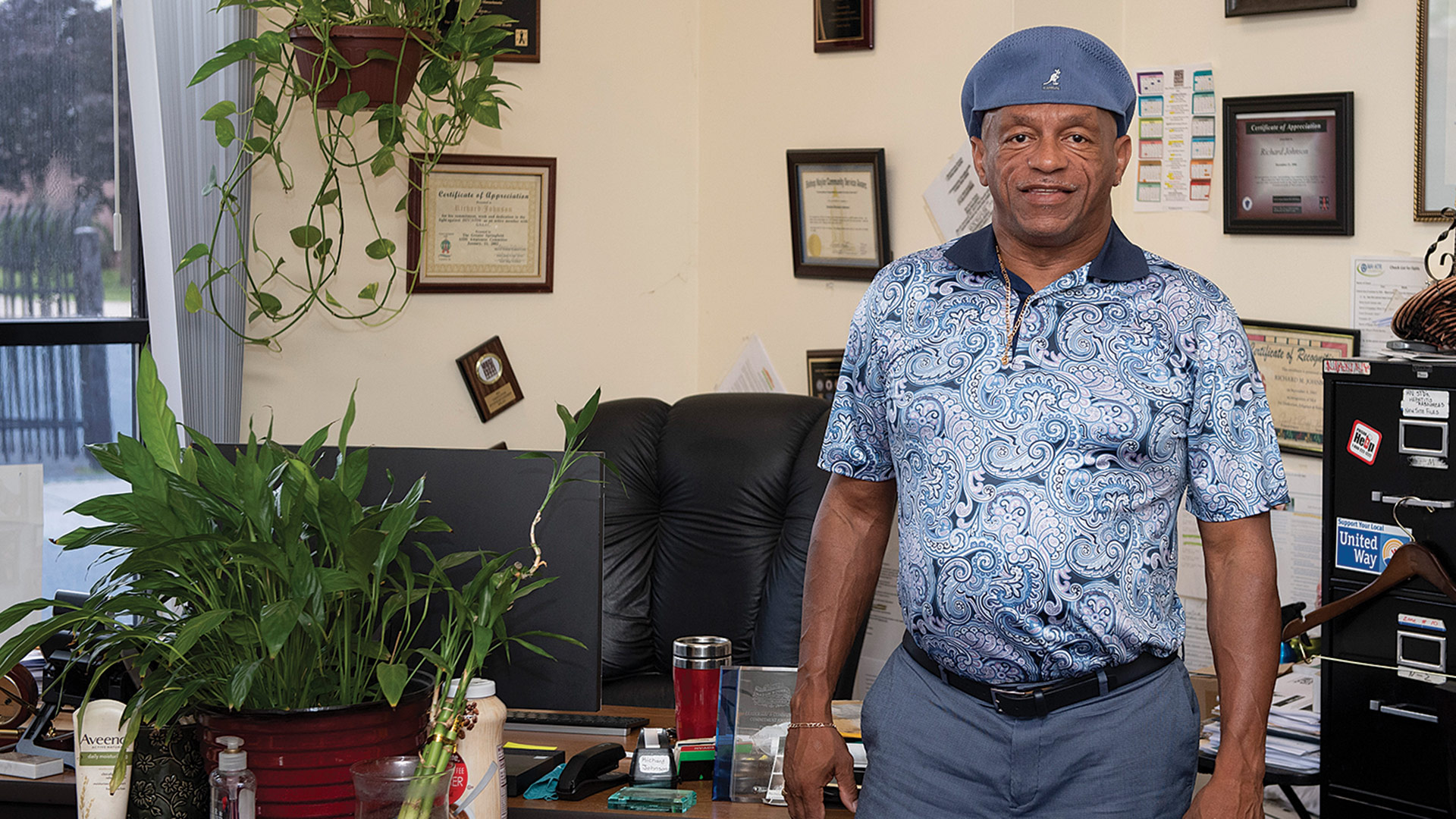
Indeed, from his office at the Deborah Hunt Prevention and Education Drop-in Center, Johnson helps those in the Mason Square area of Springfield and beyond cope with issues ranging from HIV and sexually transmitted diseases to opioid and other addictions; from sickle-cell anemia awareness to treatment for mental-health issues.

And with the arrival of COVID-19, that list has only grown, with new responsibilities including everything from securing PPE for those in need to educating residents about the importance of vaccination. In short, he and his team have been helping people live with everything else going on in their lives and COVID.

“When people who are in need find the fortitude to step out of themselves and ask for assistance, there should be somebody to respond. That’s because it takes a lot sometimes for many people to ask for help. And so, I like to make sure that, if I’m able, I can be that person to respond.”

“We wanted to provide an education for these individuals so they could limit or at least mitigate some of their risk factors for contracting COVID and other things,” he explained. “So 2020 became COVID-intense. Our focus changed; our priority was educating people on how communicable this disease was, and saying to them, ‘yes, I understand that you have addiction challenges and housing challenges, but you really need to pay attention to how to prevent contracting COVID, and then we can work on some of the other things.’”

A day in the life for Johnson takes him to the drop-in center, but also to the neighborhoods beyond for off-site presentations and testing at various facilities on subjects ranging from substance abuse to prevention of communicable diseases to overdose prevention and Narcan distribution. These sites include the Friends of the Homeless facility, Carlson Detox Center, Opportunity House, Bowen Center, and Valor Recovery Center.

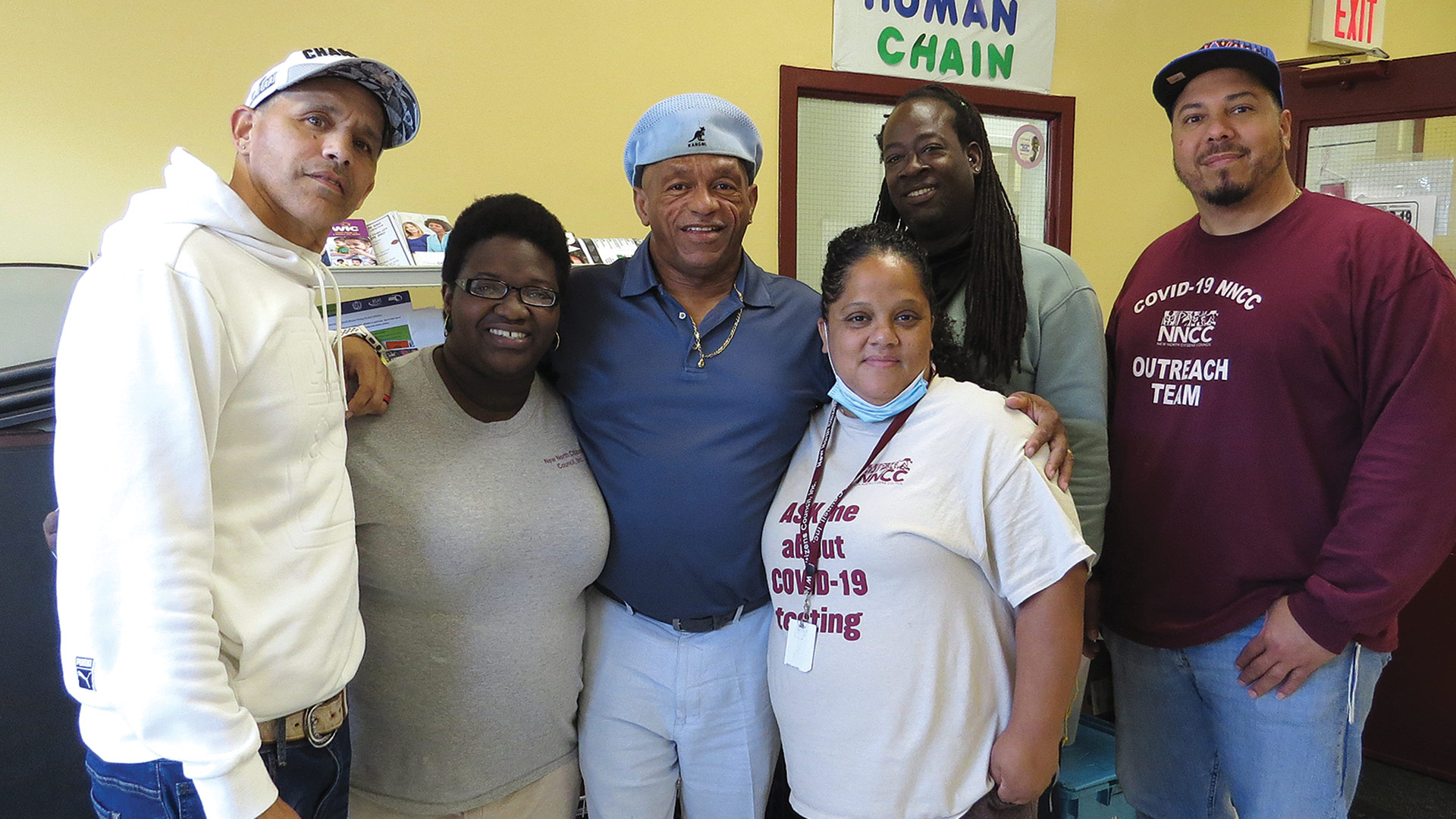
Richard Johnson, center, with many of the team members staffing the Deborah Hunt Prevention and Education Drop-in Center

Richard Johnson, center, with many of the team members staffing the Deborah Hunt Prevention and Education Drop-in Center in Mason Square.

COVID has reduced the numbers of such visits, but the work goes on, he said, adding that it is highly rewarding in many respects, because through it, he is helping not only individuals but neighborhoods and the larger community become more resilient.

This has become his life’s work, and his devotion to that work, that mission, has made him a Healthcare Hero for 2021.


Source of Strength

As he talked with BusinessWest in the tiny lab set up in the drop-in center, near the Rebecca Johnson School, Johnson said the facility lives up to every word over the door.

It is, indeed, a drop-in center, where one can find testing, counseling, education, and help with prevention. There is a team of individuals working there, but Johnson is the leader, in every aspect of that word. Meaning, he sets a tone for the work there, one born from experience working with this constituency and trying to meet its many and diverse needs.

He first became involved in community health in 2002, when he volunteered for an agency called Northern Educational Services, funded by the Massachusetts Department of Public Health.

“There were a number of folks I knew who were impacted by substance use and HIV,” he explained. “So this provided an opportunity for me to be directly involved in trying to navigate them to some sort of care.”

After this stint as a volunteer, he joined Northern Educational Services as a relapse counselor, and from there, he went from relapse prevention to HIV case management, starting first as an assistant and then working his way up to senior case manager. Ultimately, he became the director of Counseling and Testing Prevention and Education Services.

“Much of my work as a case manager centered on really just helping people to adjust to a new reality with regard to being diagnosed with HIV and confronting some of the stigmas associated with that,” he told BusinessWest. “I helped them understand that there are treatments that were effective, and helping them to communicate with their physican or medical provider as to what their concerns were and how their lives worked in terms of some of the stigmas associated with it and being able to talk to loved ones about their new status.

“That was really challenging for some,” he went on. “And so, case management at that time was a very hands-on thing; we made a great difference in the lives of those who were living with HIV, but equally so those who were unaware of how it was transmitted, and what prevention methods could be deployed by them, and that it was OK to have dinner with someone who was living with HIV, as opposed to some of the rumors, stories, or myths that they’d heard.”

Elaborating, he said that, for many, substance use and HIV went hand-in-hand, and efforts focused on helping people find recovery through detox and treatment facilities and helping these individuals understand that it was OK to live substance-free and face and confront some of their challenges involved with having a diagnosis that was highly stigmatized.

In 2010, he assumed that same title — director of Counseling and Testing Prevention and Education Services — with the New North Citizens Council, and has been continuing that challenging but needed work to counsel those in need and help with the medical and social aspects of HIV, sexually transmitted diseases, and substance abuse, while connecting people with healthcare providers.

“We’ve been very fortunate to have built relationships with medical providers that lend themselves to understanding that when we have an individual, that service, that treatment, needs to be provided, and they’re willing to provide it,” he said, listing Baystate Medical Center, Mercy Medical Center, and the Caring Health Center among the providers he and his team work with.

Over the years, Johnson has become involved with a number of community groups, boards, and commissions, including the Mason Square C-3 Initiative, the Massachusetts Integrated Planning Prevention Committee, Baystate Health’s Mason Square Neighborhood Health Center Community Advisory Board, the Baystate Health Community Benefits Advisory Council, and the Springfield Food Policy Committee.

As noted earlier, COVID has added new layers to the work and the mission for Johnson and his team. While helping individuals and families cope with what would be considered everyday matters, there is also a once-in-a-century pandemic to contend with.

Work to distribute PPE and other needed items, from masks to hand sanitizer, socks to toothpaste, goes on, said Johnson. “We still go about daily and provide PPE to people who are on the margins and often don’t have ready access to such items.”

Critical work on vaccination goes on as well, and comes in many forms, from education to dispel myths and misinformation to getting shots in arms. He mentioned a clinic at the drop-in center the day before he talked with BusinessWest, at which nine people received their second shot and two more got their first.

“Vaccination has been a challenge because there is a lot of information out there, and not all of it is accurate,” he explained. “There’s a significant amount of resistance based on information that individuals have received, so it’s really about re-educating people and helping them achieve a level of comfort receiving new information. As great and wonderful as the internet and social media are, sometimes it doesn’t provide both sides of a story.”


Bottom Line

Helping individuals and families achieve a needed level of comfort with many aspects of their lives — from living with HIV to battling substance abuse — has long been the best way to describe Johnson’s work and his commitment to the community.

As we noted that at the top, he fully understands just how hard it is to seek help. And that’s why it’s been his mission to be there for those who find the strength and fortitude to take that step.

His unwavering commitment to that mission has made him a Healthcare Hero.


George O’Brien can be reached at [email protected]

Daily News

SPRINGFIELD — In the spring of 2017, the Healthcare News and its sister publication, BusinessWest, created a new and exciting recognition program called Healthcare Heroes.

It was launched with the theory that there are heroes working all across this region’s wide, deep, and all-important healthcare sector, and that there was no shortage of fascinating stories to tell and individuals and groups to honor. That theory has certainly been validated.

But there are hundreds, perhaps thousands of heroes whose stories we still need to tell, especially in these times, when the COVID-19 pandemic has brought many types of heroes to the forefront. And that’s where you come in.

The nomination deadline for the class of 2021 has been extended to end of day today. We encourage you to get involved and help recognize someone you consider to be a hero in the community we call Western Mass. in one (or more) of these seven categories:

• Patient/Resident/Client Care Provider;

• Health/Wellness Administrator/Administration;

• Emerging Leader;

• Community Health;

• Innovation in Health/Wellness;

• Collaboration in Health/Wellness; and

• Lifetime Achievement.

The Healthcare Heroes event is presented by Elms College. Nominations can be submitted by clicking here. For more information, call (413) 781-8600, ext. 100.

Daily News

SPRINGFIELD — In the spring of 2017, the Healthcare News and its sister publication, BusinessWest, created a new and exciting recognition program called Healthcare Heroes.

It was launched with the theory that there are heroes working all across this region’s wide, deep, and all-important healthcare sector, and that there was no shortage of fascinating stories to tell and individuals and groups to honor. That theory has certainly been validated.

But there are hundreds, perhaps thousands of heroes whose stories we still need to tell, especially in these times, when the COVID-19 pandemic has brought many types of heroes to the forefront. And that’s where you come in.

The nomination deadline for the class of 2021 has been extended to Friday, July 16. We encourage you to get involved and help recognize someone you consider to be a hero in the community we call Western Mass. in one (or more) of these seven categories:

• Patient/Resident/Client Care Provider;

• Health/Wellness Administrator/Administration;

• Emerging Leader;

• Community Health;

• Innovation in Health/Wellness;

• Collaboration in Health/Wellness; and

• Lifetime Achievement.

The Healthcare Heroes event is presented by Elms College. Nominations can be submitted by clicking here. For more information, call (413) 781-8600, ext. 100.

Daily News

SPRINGFIELD — In the spring of 2017, the Healthcare News and its sister publication, BusinessWest, created a new and exciting recognition program called Healthcare Heroes.

It was launched with the theory that there are heroes working all across this region’s wide, deep, and all-important healthcare sector, and that there was no shortage of fascinating stories to tell and individuals and groups to honor. That theory has certainly been validated.

But there are hundreds, perhaps thousands of heroes whose stories we still need to tell, especially in these times, when the COVID-19 pandemic has brought many types of heroes to the forefront. And that’s where you come in.

The nomination deadline for the class of 2021 has been extended to Friday, July 16. We encourage you to get involved and help recognize someone you consider to be a hero in the community we call Western Mass. in one (or more) of these seven categories:

• Patient/Resident/Client Care Provider;

• Health/Wellness Administrator/Administration;

• Emerging Leader;

• Community Health;

• Innovation in Health/Wellness;

• Collaboration in Health/Wellness; and

• Lifetime Achievement.

The Healthcare Heroes event is presented by Elms College. Nominations can be submitted by clicking here. For more information, call (413) 781-8600, ext. 100.

Daily News

SPRINGFIELD — In the spring of 2017, the Healthcare News and its sister publication, BusinessWest, created a new and exciting recognition program called Healthcare Heroes.

It was launched with the theory that there are heroes working all across this region’s wide, deep, and all-important healthcare sector, and that there was no shortage of fascinating stories to tell and individuals and groups to honor. That theory has certainly been validated.

But there are hundreds, perhaps thousands of heroes whose stories we still need to tell, especially in these times, when the COVID-19 pandemic has brought many types of heroes to the forefront. And that’s where you come in.

The nomination deadline for the class of 2021 has been extended to Friday, July 8. We encourage you to get involved and help recognize someone you consider to be a hero in the community we call Western Mass. in one (or more) of these seven categories:

• Patient/Resident/Client Care Provider;

• Health/Wellness Administrator/Administration;

• Emerging Leader;

• Community Health;

• Innovation in Health/Wellness;

• Collaboration in Health/Wellness; and

• Lifetime Achievement.

The Healthcare Heroes event is presented by Elms College. Nominations can be submitted by clicking here. For more information, call (413) 781-8600, ext. 100.

Daily News

SPRINGFIELD — In the spring of 2017, the Healthcare News and its sister publication, BusinessWest, created a new and exciting recognition program called Healthcare Heroes.

It was launched with the theory that there are heroes working all across this region’s wide, deep, and all-important healthcare sector, and that there was no shortage of fascinating stories to tell and individuals and groups to honor. That theory has certainly been validated.

But there are hundreds, perhaps thousands of heroes whose stories we still need to tell, especially in these times, when the COVID-19 pandemic has brought many types of heroes to the forefront. And that’s where you come in.

The nomination deadline for the class of 2021 has been extended to Friday, July 8. We encourage you to get involved and help recognize someone you consider to be a hero in the community we call Western Mass. in one (or more) of these seven categories:

• Patient/Resident/Client Care Provider;

• Health/Wellness Administrator/Administration;

• Emerging Leader;

• Community Health;

• Innovation in Health/Wellness;

• Collaboration in Health/Wellness; and

• Lifetime Achievement.

The Healthcare Heroes event is presented by Elms College. Nominations can be submitted by clicking here. For more information, call (413) 781-8600, ext. 100.

Daily News

SPRINGFIELD — In the spring of 2017, the Healthcare News and its sister publication, BusinessWest, created a new and exciting recognition program called Healthcare Heroes.

It was launched with the theory that there are heroes working all across this region’s wide, deep, and all-important healthcare sector, and that there was no shortage of fascinating stories to tell and individuals and groups to honor. That theory has certainly been validated.

But there are hundreds, perhaps thousands of heroes whose stories we still need to tell, especially in these times, when the COVID-19 pandemic has brought many types of heroes to the forefront. And that’s where you come in.

Nominations for the class of 2021 are due Thursday, June 24, and we encourage you to get involved and help recognize someone you consider to be a hero in the community we call Western Mass. in one (or more) of these seven categories:

• Patient/Resident/Client Care Provider;

• Health/Wellness Administrator/Administration;

• Emerging Leader;

• Community Health;

• Innovation in Health/Wellness;

• Collaboration in Health/Wellness; and

• Lifetime Achievement.

Our Healthcare Heroes event is presented by Elms College. Nominations can be submitted by clicking here. For more information, contact Jennifer Godaire, Marketing and Events Director, at (413) 781-8600, ext. 100, or [email protected].

Daily News

SPRINGFIELD — In the spring of 2017, the Healthcare News and its sister publication, BusinessWest, created a new and exciting recognition program called Healthcare Heroes.

It was launched with the theory that there are heroes working all across this region’s wide, deep, and all-important healthcare sector, and that there was no shortage of fascinating stories to tell and individuals and groups to honor. That theory has certainly been validated.

But there are hundreds, perhaps thousands of heroes whose stories we still need to tell, especially in these times, when the COVID-19 pandemic has brought many types of heroes to the forefront. And that’s where you come in.

Nominations for the class of 2021 are due Thursday, June 24, and we encourage you to get involved and help recognize someone you consider to be a hero in the community we call Western Mass. in one (or more) of these seven categories:

• Patient/Resident/Client Care Provider;

• Health/Wellness Administrator/Administration;

• Emerging Leader;

• Community Health;

• Innovation in Health/Wellness;

• Collaboration in Health/Wellness; and

• Lifetime Achievement.

Our Healthcare Heroes event is presented by Elms College. Nominations can be submitted by clicking here. For more information, contact Jennifer Godaire, Marketing and Events Director, at (413) 781-8600, ext. 100, or [email protected].

Daily News

SPRINGFIELD — In the spring of 2017, the Healthcare News and its sister publication, BusinessWest, created a new and exciting recognition program called Healthcare Heroes.

It was launched with the theory that there are heroes working all across this region’s wide, deep, and all-important healthcare sector, and that there was no shortage of fascinating stories to tell and individuals and groups to honor. That theory has certainly been validated.

But there are hundreds, perhaps thousands of heroes whose stories we still need to tell, especially in these times, when the COVID-19 pandemic has brought many types of heroes to the forefront. And that’s where you come in.

Nominations for the class of 2021 are due Thursday, June 24, and we encourage you to get involved and help recognize someone you consider to be a hero in the community we call Western Mass. in one (or more) of these seven categories:

• Patient/Resident/Client Care Provider;

• Health/Wellness Administrator/Administration;

• Emerging Leader;

• Community Health;

• Innovation in Health/Wellness;

• Collaboration in Health/Wellness; and

• Lifetime Achievement.

Our Healthcare Heroes event is presented by Elms College. Nominations can be submitted by clicking here. For more information, contact Jennifer Godaire, Marketing and Events Director, at (413) 781-8600, ext. 100, or [email protected].

Daily News

SPRINGFIELDBusinessWest and the Healthcare News celebrated the Healthcare Heroes class of 2020 with a free virtual event on Jan. 14. You can view the entire event, as well as videos from our sponsors, online by clicking this link.

This year’s heroes include Mark Keroack, president and CEO of Baystate Health; Christopher Savino, Emeline Bean, and Lydia Brisson, clinical liaisons for Berkshire Healthcare Systems; Friends of the Homeless; the Nutrition Department at Greater Springfield Senior Services Inc.; the staff at Holyoke Medical Center; the Institute for Applied Life Sciences at UMass Amherst; Rabbi Devorah Jacobson, director of Spiritual Life at JGS Lifecare; Maggie Eboso, Infection Control and Prevention coordinator at Mercy Medical Center; Jennifer Graham, home health aide at O’Connell Care at Home; and Helen Gobeil, staffing supervisor at Visiting Angels West Springfield.

The Healthcare Heroes program is sponsored by Elms College (presenting sponsor), Baystate Health and Health New England (presenting sponsor), and partner sponsors Bulkley Richardson, Comcast Business, and Trinity Health Of New England/Mercy Medical Center.

Daily News

SPRINGFIELDBusinessWest and the Healthcare News will celebrate the Healthcare Heroes class of 2020 with a free virtual event today, Jan. 14, from 4 to 5:15 p.m. Join the event by clicking this link.

This year’s heroes include Mark Keroack, president and CEO of Baystate Health; Christopher Savino, Emeline Bean, and Lydia Brisson, clinical liaisons for Berkshire Healthcare Systems; Friends of the Homeless; the Nutrition Department at Greater Springfield Senior Services Inc.; the staff at Holyoke Medical Center; the Institute for Applied Life Sciences at UMass Amherst; Rabbi Devorah Jacobson, director of Spiritual Life at JGS Lifecare; Maggie Eboso, Infection Control and Prevention coordinator at Mercy Medical Center; Jennifer Graham, home health aide at O’Connell Care at Home; and Helen Gobeil, staffing supervisor at Visiting Angels West Springfield.

The Healthcare Heroes program is sponsored by Elms College (presenting sponsor), Baystate Health and Health New England (presenting sponsor), and partner sponsors Bulkley Richardson, Comcast Business, and Trinity Health Of New England/Mercy Medical Center.

Daily News

SPRINGFIELDBusinessWest and the Healthcare News will celebrate the Healthcare Heroes class of 2020 with a free virtual event on Thursday, Jan. 14 from 4 to 5:15 p.m. Join the event that day by clicking this link.

This year’s heroes include Mark Keroack, president and CEO of Baystate Health; Christopher Savino, Emeline Bean, and Lydia Brisson, clinical liaisons for Berkshire Healthcare Systems; Friends of the Homeless; the Nutrition Department at Greater Springfield Senior Services Inc.; the staff at Holyoke Medical Center; the Institute for Applied Life Sciences at UMass Amherst; Rabbi Devorah Jacobson, director of Spiritual Life at JGS Lifecare; Maggie Eboso, Infection Control and Prevention coordinator at Mercy Medical Center; Jennifer Graham, home health aide at O’Connell Care at Home; and Helen Gobeil, staffing supervisor at Visiting Angels West Springfield.

The Healthcare Heroes program is sponsored by Elms College (presenting sponsor), Baystate Health and Health New England (presenting sponsor), and partner sponsors Bulkley Richardson, Comcast Business, and Trinity Health Of New England/Mercy Medical Center.

Daily News

SPRINGFIELDBusinessWest and the Healthcare News will celebrate the Healthcare Heroes class of 2020 with a free virtual event on Thursday, Jan. 14 from 4 to 5:15 p.m. Join the event that day by clicking this link.

This year’s heroes include Mark Keroack, president and CEO of Baystate Health; Christopher Savino, Emeline Bean, and Lydia Brisson, clinical liaisons for Berkshire Healthcare Systems; Friends of the Homeless; the Nutrition Department at Greater Springfield Senior Services Inc.; the staff at Holyoke Medical Center; the Institute for Applied Life Sciences at UMass Amherst; Rabbi Devorah Jacobson, director of Spiritual Life at JGS Lifecare; Maggie Eboso, Infection Control and Prevention coordinator at Mercy Medical Center; Jennifer Graham, home health aide at O’Connell Care at Home; and Helen Gobeil, staffing supervisor at Visiting Angels West Springfield.

The Healthcare Heroes program is sponsored by Elms College (presenting sponsor), Baystate Health and Health New England (presenting sponsor), and partner sponsors Bulkley Richardson, Comcast Business, and Trinity Health Of New England/Mercy Medical Center.

Daily News

SPRINGFIELDBusinessWest and the Healthcare News will celebrate this year’s Healthcare Heroes with a free virtual event on Thursday, Jan. 14 from 4 to 5:15 p.m.

This year’s heroes include Mark Keroack, president and CEO of Baystate Health; Christopher Savino, Emeline Bean, and Lydia Brisson, clinical liaisons for Berkshire Healthcare Systems; Friends of the Homeless; the Nutrition Department at Greater Springfield Senior Services Inc.; the staff at Holyoke Medical Center; the Institute for Applied Life Sciences at UMass Amherst; Rabbi Devorah Jacobson, director of Spiritual Life at JGS Lifecare; Maggie Eboso, Infection Control and Prevention coordinator at Mercy Medical Center; Jennifer Graham, home health aide at O’Connell Care at Home; and Helen Gobeil, staffing supervisor at Visiting Angels West Springfield.

The Healthcare Heroes program is sponsored by Elms College (presenting sponsor), Baystate Health and Health New England (presenting sponsor), and partner sponsors Bulkley Richardson, Comcast Business, and Trinity Health Of New England/Mercy Medical Center.

A link to access this free event will be available at businesswest.com and healthcarenews.com, or you can RSVP by calling (413) 781-8600, ext. 100.

Daily News

SPRINGFIELDBusinessWest and the Healthcare News will celebrate this year’s Healthcare Heroes with a free virtual event on Thursday, Jan. 14 from 4 to 5:15 p.m.

This year’s heroes include Mark Keroack, president and CEO of Baystate Health; Christopher Savino, Emeline Bean, and Lydia Brisson, clinical liaisons for Berkshire Healthcare Systems; Friends of the Homeless; the Nutrition Department at Greater Springfield Senior Services Inc.; the staff at Holyoke Medical Center; the Institute for Applied Life Sciences at UMass Amherst; Rabbi Devorah Jacobson, director of Spiritual Life at JGS Lifecare; Maggie Eboso, Infection Control and Prevention coordinator at Mercy Medical Center; Jennifer Graham, home health aide at O’Connell Care at Home; and Helen Gobeil, staffing supervisor at Visiting Angels West Springfield.

The Healthcare Heroes program is sponsored by Elms College (presenting sponsor), Baystate Health and Health New England (presenting sponsor), and partner sponsors Bulkley Richardson, Comcast Business, and Trinity Health Of New England/Mercy Medical Center.

A link to access this free event will be available at businesswest.com and healthcarenews.com, or you can RSVP by calling (413) 781-8600, ext. 100.

Daily News

SPRINGFIELD — Due to spikes in COVID-19 cases across the U.S. and beyond, BusinessWest and the Healthcare News have decided it is in everyone’s best interest to reschedule and transition these annual celebrations from hybrid events to completely virtual events. As always, our main priority is to keep everyone safe, and we appreciate your patience while we navigate through these trying times.

This year’s Healthcare Heroes, all of whom are being recognized for their efforts to battle the pandemic in myriad ways, will be celebrated on Thursday, Jan. 14. They include Mark Keroack, president and CEO of Baystate Health; Christopher Savino, Emeline Bean, and Lydia Brisson, clinical liaisons for Berkshire Healthcare Systems; Friends of the Homeless; the Nutrition Department at Greater Springfield Senior Services Inc.; the staff at Holyoke Medical Center; the Institute for Applied Life Sciences at UMass Amherst; Rabbi Devorah Jacobson, director of Spiritual Life at JGS Lifecare; Maggie Eboso, Infection Control and Prevention coordinator at Mercy Medical Center; Jennifer Graham, home health aide at O’Connell Care at Home; and Helen Gobeil, staffing supervisor at Visiting Angels West Springfield.

The Healthcare Heroes program is sponsored by Elms College (presenting sponsor), Baystate Health and Health New England (presenting sponsor), and partner sponsors Bulkley Richardson, Comcast Business, and Trinity Health Of New England/Mercy Medical Center.

This year’s Women of Impact will be celebrated on Thursday, Jan. 28. They include Tania Barber, president and CEO of Caring Health Center; Carol Campbell, president of Chicopee Industrial Contractors; Helen Caulton-Harris, Health and Human Services commissioner for the city of Springfield; Pattie Hallberg, CEO of the Girl Scouts of Central & Western Massachusetts; Andrea Harrington, Berkshire County district attorney; Toni Hendrix, director of Human Services at Loomis Lakeside at Reeds Landing; Christina Royal, president of Holyoke Community College; and Sue Stubbs, president and CEO of ServiceNet.

The event is sponsored by Country Bank, Health New England, and TommyCar Auto Group (presenting sponsors), Comcast Business (supporting sponsor), and WWLP 22 News/CW Springfield (media sponsor).

Details about both events will be announced soon.

Daily News

SPRINGFIELD — Out of an abundance of caution, and at the advice of area healthcare leaders, some of whom were among those slated to be honored, BusinessWest and the Healthcare News have decided to postpone the Healthcare Heroes event slated for Wednesday, Nov. 18 to a future date.

This difficult but necessary decision was made as COVID-19 cases continue to spike across the region and across the country, and as area hospitals see a surge in admissions due to the virus.

“Given what’s been happening the past several days, those of us at BusinessWest and the Healthcare News decided that this was certainly not the time to be staging any kind of live event, even one with the few dozen people that were slated to be in attendance,” said George O’Brien, editor and associate publisher of the sister publications. “This year’s honorees deserve a moment in the spotlight, and we will provide them that moment. But at this time, when local, regional, state, and national healthcare leaders are encouraging people to avoid gatherings of any size, we decided the prudent and responsible move is to postpone our event.”

This year’s honorees, who will be recognized on a date to be determined, include Mark Keroack, president and CEO of Baystate Health; Christopher Savino, Emeline Bean, and Lydia Brisson, clinical liaisons for Berkshire Healthcare Systems; Friends of the Homeless; the Nutrition Department at Greater Springfield Senior Services Inc.; the staff at Holyoke Medical Center; the Institute for Applied Life Sciences at UMass Amherst; Rabbi Devorah Jacobson, director of Spiritual Life at JGS Lifecare; Maggie Eboso, Infection Control and Prevention coordinator at Mercy Medical Center; Jennifer Graham, home health aide at O’Connell Care at Home; and Helen Gobeil, staffing supervisor at Visiting Angels West Springfield.

The Healthcare Heroes program is sponsored by Elms College (presenting sponsor), Baystate Health and Health New England (presenting sponsor), and partner sponsors Bulkley Richardson, Comcast Business, and Trinity Health Of New England/Mercy Medical Center.

Daily News

SPRINGFIELD — Since the phrase COVID-19 came into our lexicon, those working in the broad healthcare field have emerged as the true heroes during a pandemic that has changed every facet of life as we know it.

And over the past several months, the world has paid tribute to these heroes, and in all kinds of ways — from applauding in unison from apartment-complex windows to bringing hot meals to hospital and nursing-home workers; from donating much-needed personal protective equipment (PPE) to people putting hearts on their front lawns and mailboxes to thank first responders, healthcare workers, postal workers, and others.

BusinessWest and its sister publication, the Healthcare News, will pay tribute in their own way, by dedicating their annual Healthcare Heroes program in 2020 to those who are have emerged as true heroes during this crisis. The deadline for nominations is July 17.

Healthcare Heroes was launched by the two publications in 2017 to recognize those working in this all-important sector of the region’s economy, many of whom are overlooked when it comes to traditional recognition programs. Over the years, the program has recognized providers, administrators, emerging leaders, innovators, and collaborators.

For 2020, the program will shift its focus somewhat to the COVID-19 pandemic and all those who are working in the healthcare field or helping to assist it at this trying time. All manner of heroes have emerged this year, and we invite you to nominate one — or several — for what has become a very prestigious honor in Western Mass.: the Healthcare Heroes award.

Here are some examples of those who have become real heroes:

• Doctors and nurses;

• Emergency-room personnel, including doctors, nurses, orderlies, techs, triage, receptionists, and others;

• EMTs;

• Police and firefighters;

• Nursing-home personnel, everyone from frontline providers to administrators;

• End-of-life care providers;

• Administrators leading the efforts to battle the pandemic;

• Behavioral-health practitioners helping people and families navigate this crisis;

• Individuals and groups from our community who have stepped up to help healthcare workers with everything from hot meals to PPE;

• Companies that have pivoted and commenced production of materials such as PPE to help those in healthcare confront the pandemic;

• Scientists working behind the scenes to develop a vaccine or new types of PPE; and

• Truck drivers delivering supplies to hospitals and other providers.

These are just a few examples, and there are myriad others. In truth, everyone who goes to work in a hospital, nursing home, assisted-living facility, or other healthcare facility, thereby risking their own health, and perhaps their life, is a hero.

In many respects, all these heroes will be honored at the Healthcare Heroes event, now scheduled for this fall at the Springfield Sheraton. And to honor all of them, we want to bring to the podium a number of individuals and groups that represent everyone who has become a hero in these trying times.

To assist those thinking of nominating someone for this honor, we are simplifying the process. All we desire is a 400- to 500-word essay and/or two-minute video entry explaining why the group or individual stands out as an inspiration, and a truly bright star in a galaxy of healthcare heroes. These nominations will be carefully considered by a panel of independent judges, who will select the class of 2020.

For more information on how to nominate someone for the Healthcare Heroes class of 2020, click here. Videos can be sent via dropbox to [email protected].

Healthcare Heroes is sponsored by Comcast Business and Elms College.

Daily News

SPRINGFIELD — Since the phrase COVID-19 came into our lexicon, those working in the broad healthcare field have emerged as the true heroes during a pandemic that has changed every facet of life as we know it.

And over the past several months, the world has paid tribute to these heroes, and in all kinds of ways — from applauding in unison from apartment-complex windows to bringing hot meals to hospital and nursing-home workers; from donating much-needed personal protective equipment (PPE) to people putting hearts on their front lawns and mailboxes to thank first responders, healthcare workers, postal workers, and others.

BusinessWest and its sister publication, the Healthcare News, will pay tribute in their own way, by dedicating their annual Healthcare Heroes program in 2020 to those who are have emerged as true heroes during this crisis. The deadline for nominations is July 17.

Healthcare Heroes was launched by the two publications in 2017 to recognize those working in this all-important sector of the region’s economy, many of whom are overlooked when it comes to traditional recognition programs. Over the years, the program has recognized providers, administrators, emerging leaders, innovators, and collaborators.

For 2020, the program will shift its focus somewhat to the COVID-19 pandemic and all those who are working in the healthcare field or helping to assist it at this trying time. All manner of heroes have emerged this year, and we invite you to nominate one — or several — for what has become a very prestigious honor in Western Mass.: the Healthcare Heroes award.

Here are some examples of those who have become real heroes:

• Doctors and nurses;

• Emergency-room personnel, including doctors, nurses, orderlies, techs, triage, receptionists, and others;

• EMTs;

• Police and firefighters;

• Nursing-home personnel, everyone from frontline providers to administrators;

• End-of-life care providers;

• Administrators leading the efforts to battle the pandemic;

• Behavioral-health practitioners helping people and families navigate this crisis;

• Individuals and groups from our community who have stepped up to help healthcare workers with everything from hot meals to PPE;

• Companies that have pivoted and commenced production of materials such as PPE to help those in healthcare confront the pandemic;

• Scientists working behind the scenes to develop a vaccine or new types of PPE; and

• Truck drivers delivering supplies to hospitals and other providers.

These are just a few examples, and there are myriad others. In truth, everyone who goes to work in a hospital, nursing home, assisted-living facility, or other healthcare facility, thereby risking their own health, and perhaps their life, is a hero.

In many respects, all these heroes will be honored at the Healthcare Heroes event, now scheduled for this fall at the Springfield Sheraton. And to honor all of them, we want to bring to the podium a number of individuals and groups that represent everyone who has become a hero in these trying times.

To assist those thinking of nominating someone for this honor, we are simplifying the process. All we desire is a 400- to 500-word essay and/or two-minute video entry explaining why the group or individual stands out as an inspiration, and a truly bright star in a galaxy of healthcare heroes. These nominations will be carefully considered by a panel of independent judges, who will select the class of 2020.

For more information on how to nominate someone for the Healthcare Heroes class of 2020, click here. Videos can be sent via dropbox to [email protected].

Healthcare Heroes is sponsored by Comcast Business and Elms College.

Daily News

SPRINGFIELD — Since the phrase COVID-19 came into our lexicon, those working in the broad healthcare field have emerged as the true heroes during a pandemic that has changed every facet of life as we know it.

And over the past several months, the world has paid tribute to these heroes, and in all kinds of ways — from applauding in unison from apartment-complex windows to bringing hot meals to hospital and nursing-home workers; from donating much-needed personal protective equipment (PPE) to people putting hearts on their front lawns and mailboxes to thank first responders, healthcare workers, postal workers, and others.

BusinessWest and its sister publication, the Healthcare News, will pay tribute in their own way, by dedicating their annual Healthcare Heroes program in 2020 to those who are have emerged as true heroes during this crisis. The deadline for nominations is July 17.

Healthcare Heroes was launched by the two publications in 2017 to recognize those working in this all-important sector of the region’s economy, many of whom are overlooked when it comes to traditional recognition programs. Over the years, the program has recognized providers, administrators, emerging leaders, innovators, and collaborators.

For 2020, the program will shift its focus somewhat to the COVID-19 pandemic and all those who are working in the healthcare field or helping to assist it at this trying time. All manner of heroes have emerged this year, and we invite you to nominate one — or several — for what has become a very prestigious honor in Western Mass.: the Healthcare Heroes award.

Here are some examples of those who have become real heroes:

• Doctors and nurses;

• Emergency-room personnel, including doctors, nurses, orderlies, techs, triage, receptionists, and others;

• EMTs;

• Police and firefighters;

• Nursing-home personnel, everyone from frontline providers to administrators;

• End-of-life care providers;

• Administrators leading the efforts to battle the pandemic;

• Behavioral-health practitioners helping people and families navigate this crisis;

• Individuals and groups from our community who have stepped up to help healthcare workers with everything from hot meals to PPE;

• Companies that have pivoted and commenced production of materials such as PPE to help those in healthcare confront the pandemic;

• Scientists working behind the scenes to develop a vaccine or new types of PPE; and

• Truck drivers delivering supplies to hospitals and other providers.

These are just a few examples, and there are myriad others. In truth, everyone who goes to work in a hospital, nursing home, assisted-living facility, or other healthcare facility, thereby risking their own health, and perhaps their life, is a hero.

In many respects, all these heroes will be honored at the Healthcare Heroes event, now scheduled for this fall at the Springfield Sheraton. And to honor all of them, we want to bring to the podium a number of individuals and groups that represent everyone who has become a hero in these trying times.

To assist those thinking of nominating someone for this honor, we are simplifying the process. All we desire is a 400- to 500-word essay and/or two-minute video entry explaining why the group or individual stands out as an inspiration, and a truly bright star in a galaxy of healthcare heroes. These nominations will be carefully considered by a panel of independent judges, who will select the class of 2020.

For more information on how to nominate someone for the Healthcare Heroes class of 2020, click here. Videos can be sent via dropbox to [email protected].

Healthcare Heroes is sponsored by Comcast Business and Elms College.

Daily News

SPRINGFIELD — Since the phrase COVID-19 came into our lexicon, those working in the broad healthcare field have emerged as the true heroes during a pandemic that has changed every facet of life as we know it.

And over the past several months, the world has paid tribute to these heroes, and in all kinds of ways — from applauding in unison from apartment-complex windows to bringing hot meals to hospital and nursing-home workers; from donating much-needed personal protective equipment (PPE) to people putting hearts on their front lawns and mailboxes to thank first responders, healthcare workers, postal workers, and others.

BusinessWest and its sister publication, the Healthcare News, will pay tribute in their own way, by dedicating their annual Healthcare Heroes program in 2020 to those who are have emerged as true heroes during this crisis. The deadline for nominations is July 1.

Healthcare Heroes was launched by the two publications in 2017 to recognize those working in this all-important sector of the region’s economy, many of whom are overlooked when it comes to traditional recognition programs. Over the years, the program has recognized providers, administrators, emerging leaders, innovators, and collaborators.

For 2020, the program will shift its focus somewhat to the COVID-19 pandemic and all those who are working in the healthcare field or helping to assist it at this trying time. All manner of heroes have emerged this year, and we invite you to nominate one — or several — for what has become a very prestigious honor in Western Mass.: the Healthcare Heroes award.

Here are some examples of those who have become real heroes:

• Doctors and nurses;

• Emergency-room personnel, including doctors, nurses, orderlies, techs, triage, receptionists, and others;

• EMTs;

• Police and firefighters;

• Nursing-home personnel, everyone from frontline providers to administrators;

• End-of-life care providers;

• Administrators leading the efforts to battle the pandemic;

• Behavioral-health practitioners helping people and families navigate this crisis;

• Individuals and groups from our community who have stepped up to help healthcare workers with everything from hot meals to PPE;

• Companies that have pivoted and commenced production of materials such as PPE to help those in healthcare confront the pandemic;

• Scientists working behind the scenes to develop a vaccine or new types of PPE; and

• Truck drivers delivering supplies to hospitals and other providers.

These are just a few examples, and there are myriad others. In truth, everyone who goes to work in a hospital, nursing home, assisted-living facility, or other healthcare facility, thereby risking their own health, and perhaps their life, is a hero.

In many respects, all these heroes will be honored at the Healthcare Heroes event, now scheduled for this fall at the Springfield Sheraton. And to honor all of them, we want to bring to the podium a number of individuals and groups that represent everyone who has become a hero in these trying times.

To assist those thinking of nominating someone for this honor, we are simplifying the process. All we desire is a 400- to 500-word essay and/or two-minute video entry explaining why the group or individual stands out as an inspiration, and a truly bright star in a galaxy of healthcare heroes. These nominations will be carefully considered by a panel of independent judges, who will select the class of 2020.

For more information on how to nominate someone for the Healthcare Heroes class of 2020, click here. Videos can be sent via dropbox to [email protected].

Healthcare Heroes is sponsored by Comcast Business and Elms College.

Daily News

SPRINGFIELD — Since the phrase COVID-19 came into our lexicon, those working in the broad healthcare field have emerged as the true heroes during a pandemic that has changed every facet of life as we know it.

And over the past several months, the world has paid tribute to these heroes, and in all kinds of ways — from applauding in unison from apartment-complex windows to bringing hot meals to hospital and nursing-home workers; from donating much-needed personal protective equipment (PPE) to people putting hearts on their front lawns and mailboxes to thank first responders, healthcare workers, postal workers, and others.

BusinessWest and its sister publication, the Healthcare News, will pay tribute in their own way, by dedicating their annual Healthcare Heroes program in 2020 to those who are have emerged as true heroes during this crisis.

Healthcare Heroes was launched by the two publications in 2017 to recognize those working in this all-important sector of the region’s economy, many of whom are overlooked when it comes to traditional recognition programs. Over the years, the program has recognized providers, administrators, emerging leaders, innovators, and collaborators.

For 2020, the program will shift its focus somewhat to the COVID-19 pandemic and all those who are working in the healthcare field or helping to assist it at this trying time. All manner of heroes have emerged this year, and we invite you to nominate one — or several — for what has become a very prestigious honor in Western Mass.: the Healthcare Heroes award.

Here are some examples of those who have become real heroes:

• Doctors and nurses;

• Emergency-room personnel, including doctors, nurses, orderlies, techs, triage, receptionists, and others;

• EMTs;

• Police and firefighters;

• Nursing-home personnel, everyone from frontline providers to administrators;

• End-of-life care providers;

• Administrators leading the efforts to battle the pandemic;

• Behavioral-health practitioners helping people and families navigate this crisis;

• Individuals and groups from our community who have stepped up to help healthcare workers with everything from hot meals to PPE;

• Companies that have pivoted and commenced production of materials such as PPE to help those in healthcare confront the pandemic;

• Scientists working behind the scenes to develop a vaccine or new types of PPE; and

• Truck drivers delivering supplies to hospitals and other providers.

These are just a few examples, and there are myriad others. In truth, everyone who goes to work in a hospital, nursing home, assisted-living facility, or other healthcare facility, thereby risking their own health, and perhaps their life, is a hero.

In many respects, all these heroes will be honored at the Healthcare Heroes event, now scheduled for this fall at the Springfield Sheraton. And to honor all of them, we want to bring to the podium a number of individuals and groups that represent everyone who has become a hero in these trying times.

To assist those thinking of nominating someone for this honor, we are simplifying the process. All we desire is a 400- to 500-word essay and/or two-minute video entry explaining why the group or individual stands out as an inspiration, and a truly bright star in a galaxy of healthcare heroes. These nominations will be carefully considered by a panel of independent judges, who will select the class of 2020.

The deadline for nominations is July 1. For more information on how to nominate someone for the Healthcare Heroes class of 2020, click here. Videos can be sent via dropbox to [email protected].

Daily News

SPRINGFIELD — Since the phrase COVID-19 came into our lexicon, those working in the broad healthcare field have emerged as the true heroes during a pandemic that has changed every facet of life as we know it.

And over the past several months, the world has paid tribute to these heroes, and in all kinds of ways — from applauding in unison from apartment-complex windows to bringing hot meals to hospital and nursing-home workers; from donating much-needed personal protective equipment (PPE) to people putting hearts on their front lawns and mailboxes to thank first responders, healthcare workers, postal workers, and others.

BusinessWest and its sister publication, the Healthcare News, will pay tribute in their own way, by dedicating their annual Healthcare Heroes program in 2020 to those who are have emerged as true heroes during this crisis.

Healthcare Heroes was launched by the two publications in 2017 to recognize those working in this all-important sector of the region’s economy, many of whom are overlooked when it comes to traditional recognition programs. Over the years, the program has recognized providers, administrators, emerging leaders, innovators, and collaborators.

For 2020, the program will shift its focus somewhat to the COVID-19 pandemic and all those who are working in the healthcare field or helping to assist it at this trying time. All manner of heroes have emerged this year, and we invite you to nominate one — or several — for what has become a very prestigious honor in Western Mass.: the Healthcare Heroes award.

Here are some examples of those who have become real heroes:

• Doctors and nurses;

• Emergency-room personnel, including doctors, nurses, orderlies, techs, triage, receptionists, and others;

• EMTs;

• Police and firefighters;

• Nursing-home personnel, everyone from frontline providers to administrators;

• End-of-life care providers;

• Administrators leading the efforts to battle the pandemic;

• Behavioral-health practitioners helping people and families navigate this crisis;

• Individuals and groups from our community who have stepped up to help healthcare workers with everything from hot meals to PPE;

• Companies that have pivoted and commenced production of materials such as PPE to help those in healthcare confront the pandemic;

• Scientists working behind the scenes to develop a vaccine or new types of PPE; and

• Truck drivers delivering supplies to hospitals and other providers.

These are just a few examples, and there are myriad others. In truth, everyone who goes to work in a hospital, nursing home, assisted-living facility, or other healthcare facility, thereby risking their own health, and perhaps their life, is a hero.

In many respects, all these heroes will be honored at the Healthcare Heroes event, now scheduled for this fall at the Springfield Sheraton. And to honor all of them, we want to bring to the podium a number of individuals and groups that represent everyone who has become a hero in these trying times.

To assist those thinking of nominating someone for this honor, we are simplifying the process. All we desire is a 400- to 500-word essay and/or two-minute video entry explaining why the group or individual stands out as an inspiration, and a truly bright star in a galaxy of healthcare heroes. These nominations will be carefully considered by a panel of independent judges, who will select the class of 2020.

The deadline for nominations is July 1. For more information on how to nominate someone for the Healthcare Heroes class of 2020, click here. Videos can be sent via dropbox to [email protected].

Daily News

SPRINGFIELD — Since the phrase COVID-19 came into our lexicon, those working in the broad healthcare field have emerged as the true heroes during a pandemic that has changed every facet of life as we know it.

And over the past several months, the world has paid tribute to these heroes, and in all kinds of ways — from applauding in unison from apartment-complex windows to bringing hot meals to hospital and nursing-home workers; from donating much-needed personal protective equipment (PPE) to people putting hearts on their front lawns and mailboxes to thank first responders, healthcare workers, postal workers, and others.

BusinessWest and its sister publication, the Healthcare News, will pay tribute in their own way, by dedicating their annual Healthcare Heroes program in 2020 to those who are have emerged as true heroes during this crisis.

Healthcare Heroes was launched by the two publications in 2017 to recognize those working in this all-important sector of the region’s economy, many of whom are overlooked when it comes to traditional recognition programs. Over the years, the program has recognized providers, administrators, emerging leaders, innovators, and collaborators.

For 2020, the program will shift its focus somewhat to the COVID-19 pandemic and all those who are working in the healthcare field or helping to assist it at this trying time. All manner of heroes have emerged this year, and we invite you to nominate one — or several — for what has become a very prestigious honor in Western Mass.: the Healthcare Heroes award.

Here are some examples of those who have become real heroes:

• Doctors and nurses;

• Emergency-room personnel, including doctors, nurses, orderlies, techs, triage, receptionists, and others;

• EMTs;

• Police and firefighters;

• Nursing-home personnel, everyone from frontline providers to administrators;

• End-of-life care providers;

• Administrators leading the efforts to battle the pandemic;

• Behavioral-health practitioners helping people and families navigate this crisis;

• Individuals and groups from our community who have stepped up to help healthcare workers with everything from hot meals to PPE;

• Companies that have pivoted and commenced production of materials such as PPE to help those in healthcare confront the pandemic;

• Scientists working behind the scenes to develop a vaccine or new types of PPE; and

• Truck drivers delivering supplies to hospitals and other providers.

These are just a few examples, and there are myriad others. In truth, everyone who goes to work in a hospital, nursing home, assisted-living facility, or other healthcare facility, thereby risking their own health, and perhaps their life, is a hero.

In many respects, all these heroes will be honored at the Healthcare Heroes event, now scheduled for this fall at the Springfield Sheraton. And to honor all of them, we want to bring to the podium a number of individuals and groups that represent everyone who has become a hero in these trying times.

To assist those thinking of nominating someone for this honor, we are simplifying the process. All we desire is a 400- to 500-word essay and/or two-minute video entry explaining why the group or individual stands out as an inspiration, and a truly bright star in a galaxy of healthcare heroes. These nominations will be carefully considered by a panel of independent judges, who will select the class of 2020.

The deadline for nominations is July 1. For more information on how to nominate someone for the Healthcare Heroes class of 2020, click here. Videos can be sent via dropbox to [email protected].

Daily News

SPRINGFIELD — Since the phrase COVID-19 came into our lexicon, those working in the broad healthcare field have emerged as the true heroes during a pandemic that has changed every facet of life as we know it.

And over the past several months, the world has paid tribute to these heroes, and in all kinds of ways — from applauding in unison from apartment-complex windows to bringing hot meals to hospital and nursing-home workers; from donating much-needed personal protective equipment (PPE) to people putting hearts on their front lawns and mailboxes to thank first responders, healthcare workers, postal workers, and others.

BusinessWest and its sister publication, the Healthcare News, will pay tribute in their own way, by dedicating their annual Healthcare Heroes program in 2020 to those who are have emerged as true heroes during this crisis.

Healthcare Heroes was launched by the two publications in 2017 to recognize those working in this all-important sector of the region’s economy, many of whom are overlooked when it comes to traditional recognition programs. Over the years, the program has recognized providers, administrators, emerging leaders, innovators, and collaborators.

For 2020, the program will shift its focus somewhat to the COVID-19 pandemic and all those who are working in the healthcare field or helping to assist it at this trying time. All manner of heroes have emerged this year, and we invite you to nominate one — or several — for what has become a very prestigious honor in Western Mass.: the Healthcare Heroes award.

Here are some examples of those who have become real heroes:

• Doctors and nurses;

• Emergency-room personnel, including doctors, nurses, orderlies, techs, triage, receptionists, and others;

• EMTs;

• Police and firefighters;

• Nursing-home personnel, everyone from frontline providers to administrators;

• End-of-life care providers;

• Administrators leading the efforts to battle the pandemic;

• Behavioral-health practitioners helping people and families navigate this crisis;

• Individuals and groups from our community who have stepped up to help healthcare workers with everything from hot meals to PPE;

• Companies that have pivoted and commenced production of materials such as PPE to help those in healthcare confront the pandemic;

• Scientists working behind the scenes to develop a vaccine or new types of PPE; and

• Truck drivers delivering supplies to hospitals and other providers.

These are just a few examples, and there are myriad others. In truth, everyone who goes to work in a hospital, nursing home, assisted-living facility, or other healthcare facility, thereby risking their own health, and perhaps their life, is a hero.

In many respects, all these heroes will be honored at the Healthcare Heroes event, now scheduled for this fall at the Springfield Sheraton. And to honor all of them, we want to bring to the podium a number of individuals and groups that represent everyone who has become a hero in these trying times.

To assist those thinking of nominating someone for this honor, we are simplifying the process. All we desire is a 400- to 500-word essay and/or two-minute video entry explaining why the group or individual stands out as an inspiration, and a truly bright star in a galaxy of healthcare heroes. These nominations will be carefully considered by a panel of independent judges, who will select the class of 2020.

The deadline for nominations is July 1. For more information on how to nominate someone for the Healthcare Heroes class of 2020, click here. Videos can be sent via dropbox to [email protected].

Daily News

SPRINGFIELD — Since the phrase COVID-19 came into our lexicon, those working in the broad healthcare field have emerged as the true heroes during a pandemic that has changed every facet of life as we know it.

And over the past several months, the world has paid tribute to these heroes, and in all kinds of ways — from applauding in unison from apartment-complex windows to bringing hot meals to hospital and nursing-home workers; from donating much-needed personal protective equipment (PPE) to people putting hearts on their front lawns and mailboxes to thank first responders, healthcare workers, postal workers, and others.

BusinessWest and its sister publication, the Healthcare News, will pay tribute in their own way, by dedicating their annual Healthcare Heroes program in 2020 to those who are have emerged as true heroes during this crisis.

Healthcare Heroes was launched by the two publications in 2017 to recognize those working in this all-important sector of the region’s economy, many of whom are overlooked when it comes to traditional recognition programs. Over the years, the program has recognized providers, administrators, emerging leaders, innovators, and collaborators.

For 2020, the program will shift its focus somewhat to the COVID-19 pandemic and all those who are working in the healthcare field or helping to assist it at this trying time. All manner of heroes have emerged this year, and we invite you to nominate one — or several — for what has become a very prestigious honor in Western Mass.: the Healthcare Heroes award.

Here are some examples of those who have become real heroes:

• Doctors and nurses;

• Emergency-room personnel, including doctors, nurses, orderlies, techs, triage, receptionists, and others;

• EMTs;

• Police and firefighters;

• Nursing-home personnel, everyone from frontline providers to administrators;

• End-of-life care providers;

• Administrators leading the efforts to battle the pandemic;

• Behavioral-health practitioners helping people and families navigate this crisis;

• Individuals and groups from our community who have stepped up to help healthcare workers with everything from hot meals to PPE;

• Companies that have pivoted and commenced production of materials such as PPE to help those in healthcare confront the pandemic;

• Scientists working behind the scenes to develop a vaccine or new types of PPE; and

• Truck drivers delivering supplies to hospitals and other providers.

These are just a few examples, and there are myriad others. In truth, everyone who goes to work in a hospital, nursing home, assisted-living facility, or other healthcare facility, thereby risking their own health, and perhaps their life, is a hero.

In many respects, all these heroes will be honored at the Healthcare Heroes event, now scheduled for this fall at the Springfield Sheraton. And to honor all of them, we want to bring to the podium a number of individuals and groups that represent everyone who has become a hero in these trying times.

To assist those thinking of nominating someone for this honor, we are simplifying the process. All we desire is a 400- to 500-word essay and/or two-minute video entry explaining why the group or individual stands out as an inspiration, and a truly bright star in a galaxy of healthcare heroes. These nominations will be carefully considered by a panel of independent judges, who will select the class of 2020.

The deadline for nominations is July 1. For more information on how to nominate someone for the Healthcare Heroes class of 2020, click here. Videos can be sent via dropbox to [email protected].

Healthcare Heroes

healthcareheroeslogo021517-ping

Healthcare Heroes 2020 to Honor the Heroes of COVID-19

Since the phrase COVID-19 came into our lexicon, those working in the broad healthcare field have emerged as the true heroes during a pandemic that has changed every facet of life as we know it. And over the past several months, the world has paid tribute to these heroes, and in all kinds of ways — from applauding in unison from apartment-complex windows to bringing hot meals to hospital and nursing-home workers; from staging parades in front of these institutions to donating much-needed personal protective equipment (PPE).

BusinessWest and its sister publication, the Healthcare News, will pay tribute in their own way, by dedicating our annual Healthcare Heroes program in 2020 to those who are have emerged as true heroes during this crisis. We invite you to nominate one, or several, for what has become a very prestigious honor in Western Mass. — the Healthcare Heroes award.

Here are some examples of those heroes:

  • Doctors and nurses;
  • ER nurses, orderlies, techs, triage, reception;
  • EMTs;
  • Police and firefighters;
  • Nursing-home staff
  • Administrators leading the efforts to battle the pandemic;
  • End-of-life care providers;
  • Individuals and groups from our community who have stepped up to help healthcare workers with everything from hot meals to PPE;
  • Companies that have pivoted and commenced production of materials such as PPE to help those in healthcare confront the pandemic; and
  • Scientists working behind the scenes to develop a vaccine or new types of PPE.

These are just a few examples, and there are a myriad of others.

To assist those thinking of nominating someone for this honor, we are simplifying the process. All we desire is a 400-500-word essay, and/or video entry explaining why the group or individual stands out as an inspiration, and a truly bright star in a galaxy of healthcare heroes. These nominations will be carefully considered by a panel of independent judges, who will select the class of 2020.

Judging

The judging process will commence July 2020 and be completed by end of July 2020. Nominees cannot serve as awards judges. All eligible nominations received will be judged by a panel of health care industry experts whose evaluations will determine winners of the “Healthcare Heroes” Awards from among the nominees under consideration. 

Nominations

Nominations must be submitted via the designated online form. Mail-in nominations will not be accepted. Nominations may be submitted beginning December 2019 and must be received no later than 5 p.m. Eastern Standard Time on July 1, 2020. 

Notification and Recognition

BusinessWest plans to notify the winners of the “Healthcare Heroes” Awards by August, 2020 and will be profiled in the September 14 edition of BusinessWest and September issue of Healthcare News. Winners will be invited to attend the “Healthcare Heroes” Awards gala scheduled for Autumn 2020 at the Sheraton Springfield One Monarch Place Hotel. 

Eligibility

  • Nominees must work in either Hampden, Hampshire, Franklin, or Berkshire county and organization nominees must have offices in Hampden, Hampshire, Franklin or Berkshire county (may be for-profit or not-for-profit).
  • Nominations may be self-nominated or nominated by another person.
  • Nominees cannot be a member of the judges’ panel or member of the judges’ immediate family.

If using mobile device to submit nomination, please make sure your phone is in Portrait view mode.

Submitting multiple duplicate nominations does not enhance your chances of winning.

Healthcare Heroes Nomination Form

  • Nominee's Contact Information:

  • Nominated by (your information):

  • Essay Portion:

  • Video Uploads Portion:

  • Drop files here or
    Accepted file types: jpg, png, pdf, doc, tiff, avi, flv, wmv, mov, mp4, Max. file size: 2 MB.
    • Supporting Documents Portion:

    • Drop files here or
      Accepted file types: jpg, png, pdf, doc, docx, tiff, avi, flv, wmv, mov, mp4, Max. file size: 2 MB.
      COVID-19 Daily News

      SPRINGFIELD — Since the phrase COVID-19 came into our lexicon, those working in the broad healthcare field have emerged as the true heroes during a pandemic that has changed every facet of life as we know it.

      And over the past several months, the world has paid tribute to these heroes, and in all kinds of ways — from applauding in unison from apartment-complex windows to bringing hot meals to hospital and nursing-home workers; from donating much-needed personal protective equipment (PPE) to people putting hearts on their front lawns and mailboxes to thank first responders, healthcare workers, postal workers, and others.

      BusinessWest and its sister publication, the Healthcare News, will pay tribute in their own way, by dedicating their annual Healthcare Heroes program in 2020 to those who are have emerged as true heroes during this crisis.

      Healthcare Heroes was launched by the two publications in 2017 to recognize those working in this all-important sector of the region’s economy, many of whom are overlooked when it comes to traditional recognition programs. Over the years, the program has recognized providers, administrators, emerging leaders, innovators, and collaborators.

      For 2020, the program will shift its focus somewhat to the COVID-19 pandemic and all those who are working in the healthcare field or helping to assist it at this trying time. All manner of heroes have emerged this year, and we invite you to nominate one — or several — for what has become a very prestigious honor in Western Mass.: the Healthcare Heroes award.

      Here are some examples of those who have become real heroes:

      • Doctors and nurses;

      • Emergency-room personnel, including doctors, nurses, orderlies, techs, triage, receptionists, and others;

      • EMTs;

      • Police and firefighters;

      • Nursing-home personnel, everyone from frontline providers to administrators;

      • End-of-life care providers;

      • Administrators leading the efforts to battle the pandemic;

      • Behavioral-health practitioners helping people and families navigate this crisis;

      • Individuals and groups from our community who have stepped up to help healthcare workers with everything from hot meals to PPE;

      • Companies that have pivoted and commenced production of materials such as PPE to help those in healthcare confront the pandemic;

      • Scientists working behind the scenes to develop a vaccine or new types of PPE; and

      • Truck drivers delivering supplies to hospitals and other providers.

      These are just a few examples, and there are myriad others. In truth, everyone who goes to work in a hospital, nursing home, assisted-living facility, or other healthcare facility, thereby risking their own health, and perhaps their life, is a hero.

      In many respects, all these heroes will be honored at the Healthcare Heroes event, now scheduled for this fall at the Springfield Sheraton. And to honor all of them, we want to bring to the podium a number of individuals and groups that represent everyone who has become a hero in these trying times.

      To assist those thinking of nominating someone for this honor, we are simplifying the process. All we desire is a 400- to 500-word essay and/or two-minute video entry explaining why the group or individual stands out as an inspiration, and a truly bright star in a galaxy of healthcare heroes. These nominations will be carefully considered by a panel of independent judges, who will select the class of 2020.

      The deadline for nominations is July 1. For more information on how to nominate someone for the Healthcare Heroes class of 2020, click here. Videos can be sent via dropbox to [email protected].

      Cover Story Features Healthcare Heroes

      Healthcare Heroes Class of 2019 to Be Honored on Oct. 17

      When BusinessWest and Healthcare News launched Healthcare Heroes in 2017, there was no doubt this was a long-overdue award program in Western Mass. — in fact, we knew the challenge wouldn’t be finding quality nominations, but choosing just a handful to honor each year. Indeed, this year’s judges (see below) carefully studied about 100 different nominees in seven categories to choose the impressive group to be honored at this year’s gala in October.


      Collectively, they are innovators and game changers in the region’s rich and vibrant healthcare community, and their stories — told on the following pages — reveal large quantities of energy, imagination, compassion, entrepreneurship, forward thinking, and dedication to the community.

      There are eight winners in this third class, with two in the category of Lifetime Achievement, because two candidates were tied with the top score. The Heroes for 2019 are:

      • Lifetime Achievement (tie): Katherine Wilson, president and CEO, Behavioral Health Network Inc.; and Frank Robinson, vice president, Public Health, Baystate Health;

      • Health/Wellness Administrator/Administration: Emily Uguccioni, executive director, Linda Manor Assisted Living;

      • Collaboration in Health/Wellness: Carol Constant, convener, Dementia Friendly Western Massachusetts; and director of Community Engagement, Loomis Communities;

      • Community Health: Amy Walker, certified nurse midwife, Cooley Dickinson Health Care;

      • Emerging Leader: Tara Ferrante, program director of the Holyoke Outpatient Clinic, ServiceNet;

      • Innovation in Health/Wellness: Cristina Huebner Torres, vice president, Research & Population Health, Caring Health Center Inc.; and

      • Patient/Resident/Client Care Provider: Shriners Hospitals for Children – Springfield.

      3rd Annual Healthcare Heroes Gala
      Thursday, October 17, 2019
      5:30 p.m.-8:30 p.m.
      Sheraton Springfield One Monarch Place Hotel
      $90/person; $900/table of 10

      PURCHASE TICKETS HERE

      Submit nominations for 2020 consideration HERE

      Deadline to submit nominations is July 10, 2020, 5 p.m. NO EXCEPTIONS.

      Presenting Sponsors

      Partner Sponsors

      Supporting Sponsors

      Meet the Judges

      Bob Fazzi

      Bob Fazzi has spent a lifetime making a difference in healthcare, most notably with Fazzi Associates, the company he started 40 years ago and incorporated in 1995. Its stated mission is to make a real difference in healthcare by strengthening the quality, value, and impact of home care, hospice, and community-based services. Fazzi Associates has been a leader and a pioneer in this sector, developing products and services — including the industry’s first home-health patient-satisfaction services — as well as research to make agencies stronger and better able to serve their patients. For this work, Fazzi was honored as a Healthcare Hero in 2018 in the category of Lifetime Achievement.

      Mary Paquette

      Mary Paquette, director of Health Services at American International College, is another 2018 Healthcare Hero, in the category of Patient/Resident/Client Care Provider. AIC is only the latest stop in a 35-year career that has seen her take on a variety of roles, from director of Nursing at Ludlow Hospital to per-diem hospitalist at in the GI Department of the Eastern Connecticut Health Network, to assistant director of Health Services at Western New England University — the job that became the springboard to her post at AIC. Since arriving at AIC 2012, she has turned a moribund health-services facility that few students knew about or ventured to into a thriving, innovative, important campus service.

      Alan Popp

      Alan Popp joined the Mason Wright Foundation as its Chief Executive Officer in 2008. His previous experience includes head of school and CEO at White Mountain School, a college preparatory school; and chief operating officer at Pine River Institute, a residential treatment center. He has also served as a consultant to more than 200 New England nonprofits, many of them providers of services to seniors. He serves on the boards of LeadingAge Massachusetts, Salvation Army Citadel Corps, and OnBoard Inc., and on the Leadership Council of the Alzheimer’s Assoc. of Massachusetts/New Hampshire. He is also a trustee of Antioch University New England and previously served on the campaign cabinet for the United Way of Pioneer Valley.

      Opinion

      Editorial

      There’s no set timeframe to be a hero. It’s more about taking advantage of opportunities that emerge. And that can happen quickly, or over a lifetime.
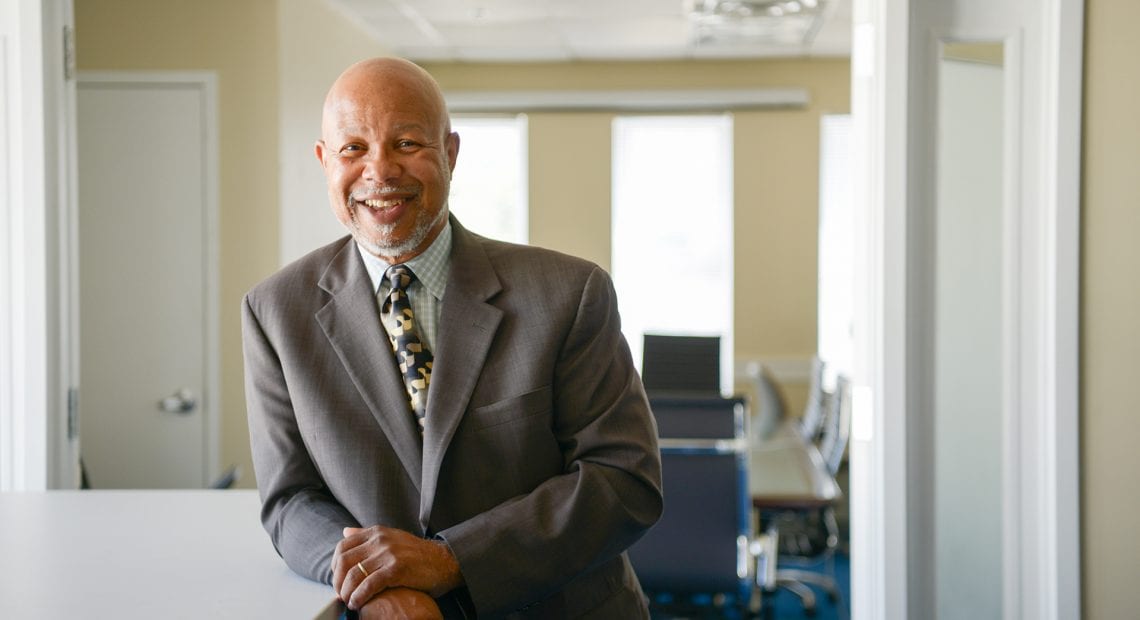
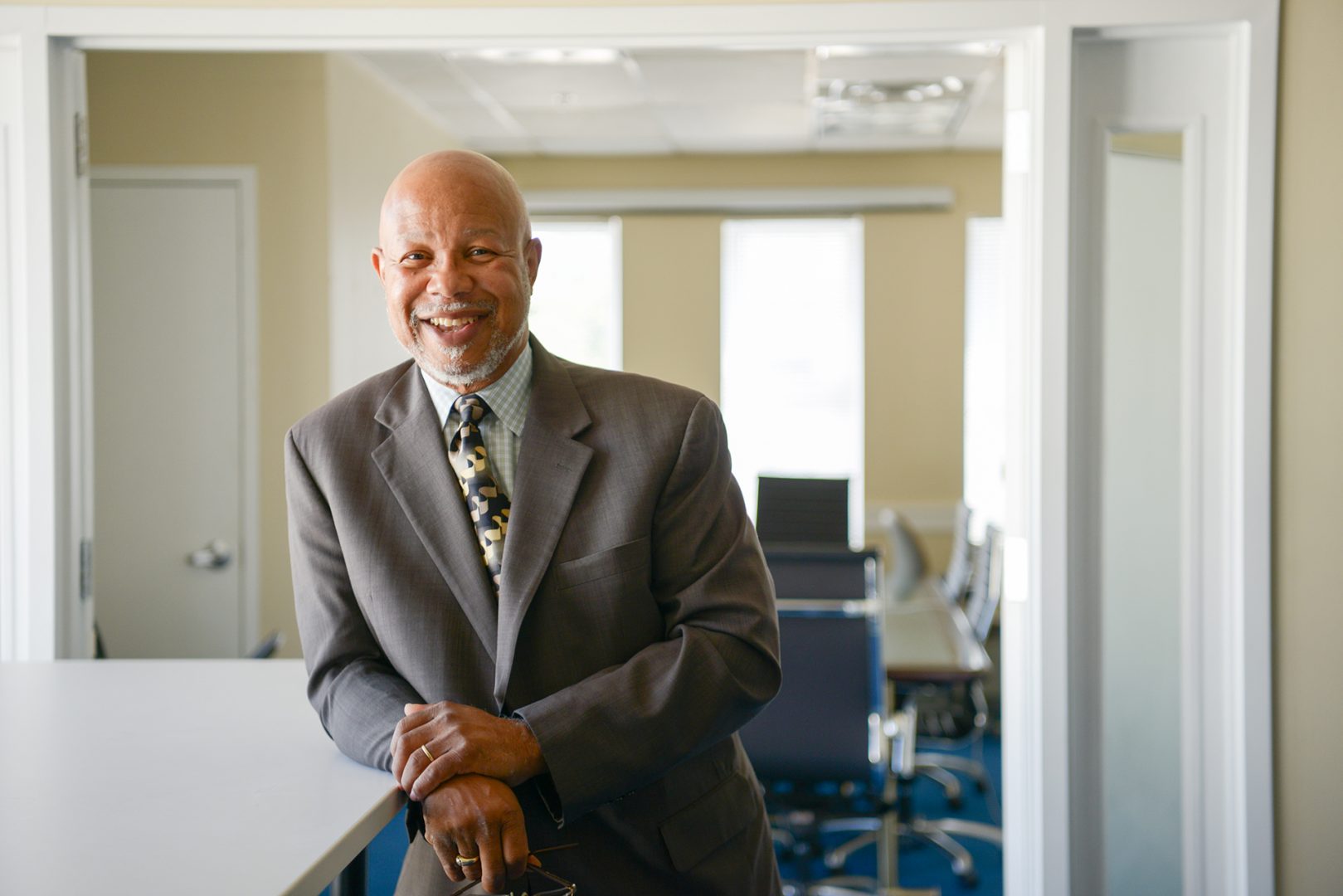
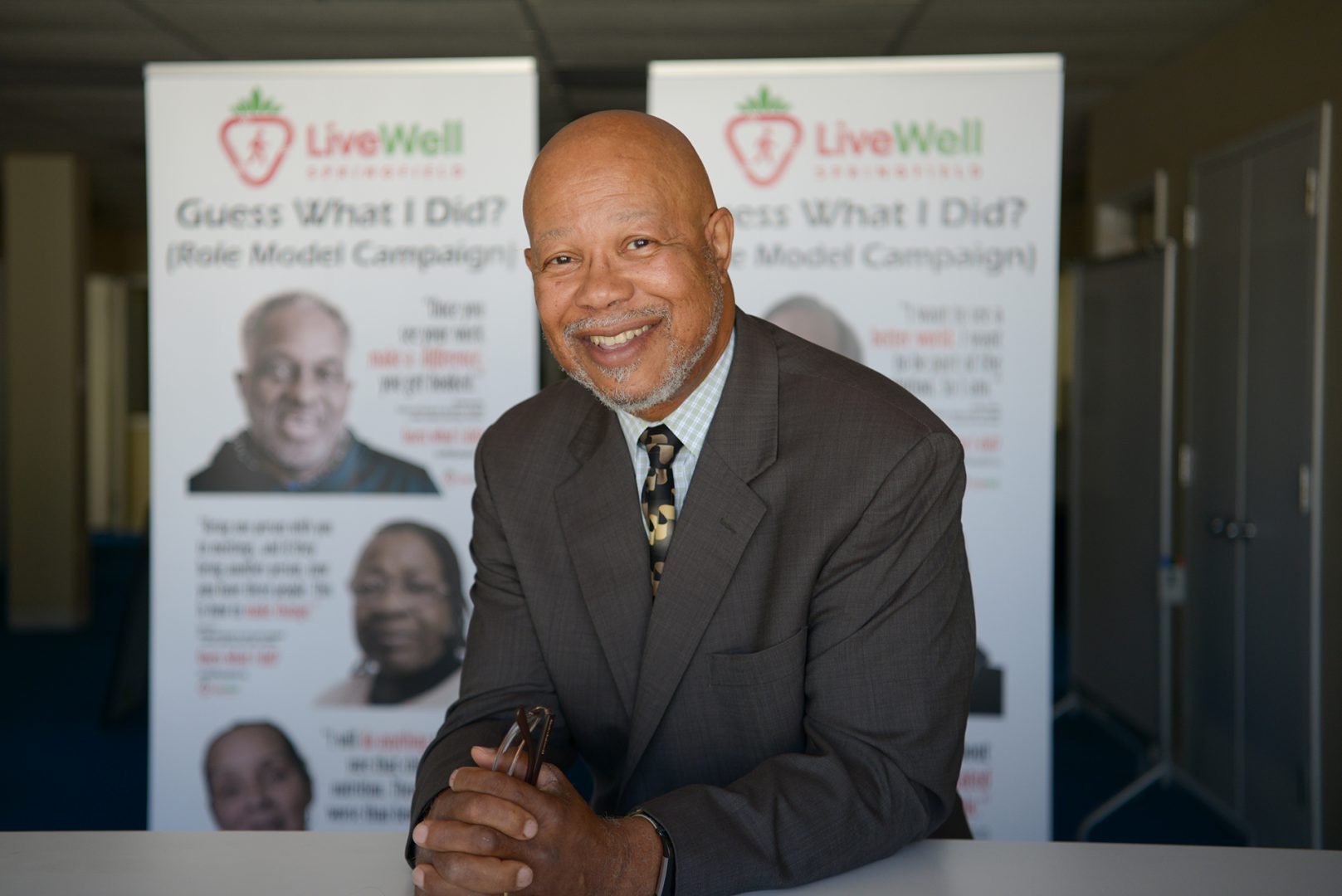
      One of the goals of the Healthcare Heroes recognition program, now in its third year, was to create a vehicle for relaying some of the many amazing stories taking place within the region’s healthcare industry, stories that convey energy, compassion, innovation, forward thinking, and, above all, passion — for finding ways to improve quality of life for those that these people and organizations touch every day.

      And, as noted, this heroism takes a lot of different forms.

      Take Katherine Wilson, who has spent the past three decades building and shaping Behavioral Health Network into a $115 million network that continues to expand and find new ways to provide care and support to those in need. This honor goes far beyond the vast portfolio of programs her agency offers. It’s also about a lifetime spent advocating for those with mental illness, substance-abuse issues, or development disabilities, anticipating and then meeting their needs.

      Linda Uguccioni, on the other hand, has been with executive director at Linda Manor Assisted Living in Northampton for only four years. But in that time, she’s put it on the fast track when it comes to growth, vibrancy, and recognition, doubling occupancy from 40 to more than 80, with a waiting list. She does so with a lead-by-example style and an ability to make each and every team member feel not only valued but a key contributor to the health and well-being of all residents.

      Frank Robinson, like Wilson, has been working for a healthier community for much of the past four decades, developing and growing initiatives in realms ranging from children’s oral health to asthma; from food insecurity to sexual health; from health education to overall population health. As he turns 70 this month, he has no plans to slow down, citing both a passion for his work and the fact that so much of that work remains to be done.

      Meanwhile, it’s been less than two years since Tara Ferrante, director of the Holyoke Outpatient Clinic at ServiceNet, launched the agency’s OCD and Hoarding Disorder Program, leading a team of clinicians who are seeing progress every day in helping people escape the shackles of these often-debilitating conditions — and overcoming the social stigma that accompanies them.

      The fact is, a Healthcare Hero can emerge quickly, or he or she can become part of the fabric of the community for a very long time. The common thread is how they make a positive, palpable impact on lives in Western Mass.

      BusinessWest has other recognition programs — 40 Under Forty, Difference Makers, and Women of Impact — but it became clear through the years that something distinct for the healthcare sector was needed, and that there was no shortage of stories to tell — stories that are just beginning, or gaining mid-career momentum, or starting to wind down after setting the stage for others to continue the fight for this region’s health and well-being.

      We were right — as this year’s class of Healthcare Heroes continues to make clear. Enjoy their stories, be inspired, and realize that we could honor far, far more heroes if we had the time and space. They’re all around you — and we have a lot more stories to write in the coming years.

      Healthcare Heroes

      This Public Health Leader Is a Visionary and Innovator

      Frank Robinson, Ph.D.

      “Dr. Frank Robinson is a true visionary. He sees partnerships and systems that most other people don’t see. He doesn’t stop there … and he doesn’t allow other people’s short-sightedness or lack of imagination to get in his way. He persists because he loves to see other people, particularly young people, grow and thrive and achieve their dreams.”

      Over the next few pages, you’ll read quite a bit of material that will help explain why Robinson, currently vice president of Public Health for Baystate Health, is one of two Healthcare Heroes in the Lifetime Achievement category for 2019. But none of the words to come can do that more effectively that those at the top.

      They’re from the nomination form submitted by Jessica Collins, executive director of the Public Health Institute of Western Mass., a job Robinson once held himself, when the agency was known as Partners for a Healthier Community.

      And Greater Springfield has, indeed, become a healthier community because of Robinson, who, over the past 35 years or so, has conceived or been closely involved with initiatives in realms ranging from children’s oral health to asthma; from food insecurity to sexual health; from health education to overall population health.

      And who really knows if he would have been involved in any of that had it not been for … Hurricane Agnes.

      The storm barreled into Elmira, N.Y. in late June, 1972, flooding the recently opened Elmira Psychiatric Center, where Robinson was working as a psychiatric social worker. That’s was, because the storm put him out of work.

      He found new work essentially counseling youths displaced by the hurricane and relocated to nearby Elmira College.

      “Dr. Frank Robinson is a true visionary. He sees partnerships and systems that most other people don’t see. He doesn’t stop there … and he doesn’t allow other people’s short-sightedness or lack of imagination to get in his way.”

      “A call came out for help because these youngsters were running wild in the dorms unsupervised,” Robinson recalled, adding that he and a friend were dispatched to the scene because they were staff at a facility called the Elmira Neighborhood House — Robinson taught boxing there and knew most of the teens.

      In some ways, Hurricane Agnes blew Robinson onto a different, more community-focused career path that, early on, featured extensive work with young people. And, by and large, he has stayed on that path.

      Fast-forwarding through his résumé, he worked locally for the Mass. Department of Mental Health (at the same time as the other Lifetime Achievement hero for 2019, Katherine Wilson; see story on page 22); the W.W. Johnson Life Mental Health Center in Springfield; the Springfield Community Substance Abuse Partnership and Prevention Alliance, part of the Springfield Department of Health and Human Services; Partners for Community Health; and Baystate Health, first as director of Community Health Planning and now as vice president of Public Health.

      At each stop, he has been a visionary and an innovator, leading initiatives ranging from the BEST Oral Health program to Baystate Academy Charter School to the Baystate Springfield Educational Partnership.

      “Over the years, I have worked in positions that have advanced my specific interest in creating a healthier community and preventing health problems from occurring by giving people what they need,” he said while summing up his life’s work in a simple yet effective way, adding quickly that, while progress has been made, there is still a great deal of work to be done.

      And he’s still doing it.

      Indeed, Robinson, who turns 70 this month, acknowledged that he is working past what would be considered retirement age. He attributes this to both a passion for his work and the simple fact that he has some projects he’s still working on that he wants to see to conclusion.

      These include something called 413 Cares, an online community-resource database that provides resource and referral information to residents as well as healthcare and social-service agencies across the region, and also works to make Baystate an “anchor network” within the region.

      Explaining the latter, he said that, by adjusting and refocusing some of its spending — in such areas as goods and services, hiring, and real-estate facilities — an institution like Baystate can have an even more profound impact on the communities it serves.

      “Simply by changing our business practices in terms of how we spend money — spending it deliberately, intentionally, to benefit communities where there’s been substantial disinvestment or there are substantial disparities — we can change those community conditions,” he noted. “That’s the healthcare anchor institution mission and vision.”

      A lifelong desire to change community conditions for the better explains not only why Robinson is still working — and still innovating — but also why he’s a Healthcare Hero. Again.

      Background — Check

      Indeed, this will be Robinson’s second trip to the podium at the Healthcare Heroes gala.

      He was one of a large contingent on hand to accept the award in 2017 in the category called Collaboration in Healthcare. The name on the envelope, if you will, was the Healthy Hill Initiative, or HHI, a broad effort to change the health landscape in the Old Hill neighborhood of Springfield.

      Robinson, one of nearly a dozen players involved in the initiative who were gathered around a conference-room table at Way Finders to talk about it, described it as a program that existed at “the dynamic intersection of two social determinants of health — public safety and access to physical activity.”

      And he should certainly know. In many respects, he has spent his whole career working to address the many social determinants of health, including poverty, food insecurity, inadequate housing, lack of transportation, domestic abuse, and the stress that results from all of the above.

      Retracing his career steps, Robinson said there have been some pivots — such as the one forced by Hurricane Agnes — along the way, and also some pivotal moments.

      One of the latter was the consent decrees that eventually closed Northampton State Hospital and Belchertown State School and the creation of community-based programs to serve the residents of those facilities.

      Frank Robinson has been called a true visionary by those who have worked with him over the years, and a long list of accomplishments bears this out.

      Robinson was involved in this work during his time with the Department of Mental Health, and he remembers it leaving him inspired in many ways.

      “Both of those institutions were closed by forward-thinking insiders who worked with progressive outsiders, or advocates, and formed this sort of perfect union around change,” he told BusinessWest. “That was a pivotal event; I knew I could create large-scale community change if you got the formula right and if you got in front of problems, prevented problems, and worked to change the lives of individuals.”

      And over the past 40 years or so, he has repeatedly demonstrated his ability to create community change by getting in front of problems and using teamwork to address them.

      This has been the formula at each career stop, including a brief stint as deputy commissioner and superintendent of the Northeast Ohio Development Center in Cleveland in the early ’80s before returning to this area and working at the W.W. Johnson Life Mental Health Center, the community substance-abuse partnership, and especially at Partners for a Healthier Community, where Robinson spent nearly 20 years at the helm.

      During his tenure there, his ability to convene, create partnerships, and stare down difficult problems resulted in several new initiatives to improve the overall health of the Greater Springfield community.

      One such effort is the BEST Oral Health program, blueprinted to address the alarming problem that children with MassHealth had very limited access to oral-health preventive and comprehensive treatment services. Robinson secured state funding to launch a demonstration project in Springfield that became the BEST program; it created a local system of education, screening, and treatment for preschoolers to decrease oral-health disease.

      Another example of coalition building during his tenure at PFC is the Pioneer Valley Asthma Coalition, which strives to improve asthma management and indoor air quality in Springfield and other area communities where substandard housing contributes to this ongoing health problem.

      The Big Picture

      Looking back over his career, Robinson said one of the goals — and one of the big challenges — has been to create change and generate solutions that would have an impact much longer than the typical three-year grant cycle.

      “What you really need are initiatives with lasting impact where you can see change occur at a level where you improve the conditions of a whole population — where you can say, ‘we’ve changed community conditions,’” he explained.

      With that thought in mind, he said there are two programs that “rise to the top,” as he put it, when he talks about career accomplishments.

      One is the Baystate/Springfield Educational Partnership, an initiative that brings hundreds of students into the Baystate system to learn about careers in healthcare and places many of them in internships.

      “Over the past 20 years, there have been substantial gains from our ability to work together across sectors and across organizations. And that’s new; there’s that essential element of trust across organizations that didn’t exist 15 years ago or 20 years ago, to be sure. And in spite of the competitive nature of social-service organizations in healthcare, there tends to be more agreement today that there is a public space where we can all come together and make a difference.”

      These internships often lead to careers in healthcare, he went on, adding that, over the first 10 years of the program, there are many examples of this.

      “Some of them are physicians, some of them are nurses — it’s across the whole spectrum,” he explained. “I know there are youngsters who are now physicians because of this program.”

      The other program is the Baystate Academy Charter School, a 6-12 grade school based in Springfield and focused on healthcare careers.

      The school graduated its first class of students, 45 of them, in June, said Robinson, adding that there was a 100% graduation rate and each graduating student was accepted at a two- or four-year college.

      “The social determinant of health solution there is education,” Robinson explained. “The idea is that, if you graduate from Baystate Academy Charter School, you are college-ready.

      “These two programs will be around long after I’m gone, producing change on a large scale and at a population level for our community,” he went on. “I’m very proud of both of them.”

      Looking at the proverbial big picture from his unique vantage point, Robinson told BusinessWest there have been significant gains in many areas and many respects, especially when it comes to agencies and providers of healthcare working collaboratively, but significant challenges remain.

      “Over the past 20 years, there have been substantial gains from our ability to work together across sectors and across organizations,” he explained. “And that’s new; there’s that essential element of trust across organizations that didn’t exist 15 years ago or 20 years ago, to be sure. And in spite of the competitive nature of social-service organizations in healthcare, there tends to be more agreement today that there is a public space where we can all come together and make a difference.

      “This is especially true with matters of equity,” he went on. “We understand that there are significant challenges for large segments of our community, and the only way you’re to change those conditions is if people work together collaboratively and pool resources. There’s a clear recognition that this is the way to go.”

      Elaborating, Robinson said there have always been coalitions, but today there is greater strength and “sophistication” to such partnerships, which has generated progress in a number of areas.

      But when asked if Springfield is a much healthier community than it was 20 or 30 years ago, Robinson paused for several seconds and said ‘no.’

      He based that answer on standard health measures and still-apparent gaps, or disparities, in overall care as viewed through what he called a “racial-equity lens.”

      “If I compare poor people to the average, and black or brown people to the average, there are huge health-disparity gaps,” he noted. “The infant-mortality rate is still three times higher for black women than it is for white women; although the rate for black women has improved over time, the gap still exists.

      “We find that same gap in issues such as low birth rate,” he went on. “These are measures not necessarily of the quality of healthcare, but measures of the conditions under which people live. Those gaps still exist, and so this city is still not healthy.

      “We’re great as a community, and as a health system, when it comes to dealing with stuff that occurs inside the skin,” he continued, referring to the care provided at Baystate and other area facilities. “But if you think of health as things outside the skin that actually determine one’s health, we haven’t really improved there; poor people are sicker.”

      These problems are not unique to Springfield, obviously, said Robinson, adding that most large urban centers continue to have these inequities in overall health based on income and opportunity. Progress has come, slowly, and the hope is that, by continuing to build coalitions and get in front of problems, more progress can be achieved.

      This is what Robinson has spent a career doing, and he shows no signs of slowing down.

      View to the Future

      “Dr. Frank Robinson has worked tirelessly over the past 30 years to address public health and health inequities in our city and beyond. He is a recognized leader and a visionary in creating systems that make it easier for people to access needed healthcare services and creating systems in our neighborhoods that make it easier for people to make the healthier choice.”

      There’s that word ‘visionary’ again. This time, it was put to use by Springfield Mayor Domenic Sarno, in that same nomination submission, as he went on about trying to put Robinson’s career, and his contributions, in perspective.

      And visionary certainly fits. He’s been able to look at the community he serves, identify needs, and most importantly, create solutions for meeting those needs.

      He’s spent a lifetime doing that, and that’s why he’s a Healthcare Hero.

      George O’Brien can be reached at [email protected]

      Healthcare Heroes

      While She Manages People and Programs, Her Job Is About Changing Lives

      Katherine Wilson

      It’s probably fair to say that the discussions had at the dining room table when Katherine Wilson was in high school were not like those going on in most households in the mid’-60s.

      Indeed, Wilson’s father was a physician, specializing in family medicine. Beyond the work at his practice, he was one of the pioneers of a sort when it came to the broad subject of healthcare management.

      “From having a solo private practice, he got into the development of systems of delivery of healthcare,” she recalled. “He started an HMO, he was the first medical director of Community Health Center … my father was a big part of the systems that are now in place.

      “We had discussions around the kitchen table about healthcare,” she went on. “His interest was in healthcare management, and he was progressive in his thinking at a time when they didn’t have community health centers and they didn’t have HMOs; he did a lot of work with the community physicians and community hospitals.”

      One might say that Wilson, certainly inspired by not only those dinnertime talks, but later work at her father’s practice and in one of the first community health centers, has a made a career — a long and very successful career — of working innovatively and in partnership with others to find new and better ways to manage healthcare, and especially mental and behavioral healthcare, in this region and across the Commonwealth.

      She’s done this in a variety of settings, most notably, for the past 30 years, as president and CEO of Behavioral Health Network Inc.

      Created in 1992 through the merger of four entities — the Child Guidance Clinic of Springfield, Agawam Counseling Center, Community Care Mental Health Center, and the Hampden District Mental Health Clinic — BHN now serves more than 40,000 individuals annually in a service area that stretches across the four western counties.

      There are 40 locations in all and more than 2,000 employees. Together, they provide and manage services that come in a variety of forms, from detox centers and ‘step-down’ facilities to a wide variety of counseling services for adults, youth, children, couples, and families; from a 24-hour crisis-intervention service to a host of developmental and intellectual disability services.

      “In a society where, even today, stigma may still surround mental illness and those it affects, Kathy not only keenly understands, but goes to every length to help others understand as well. Kathy Wilson has changed innumerable lives for the better, and she’d be the first to say her work is far from finished.”

      Wilson has spent the past three decades building and shaping BHN into a $115 million network that continues to expand and find new ways to provide care and a support network to those in need. In recent years, she has been at the forefront of efforts to better integrate general healthcare with behavioral healthcare, particularly in the Medicaid population, with the goal of driving down the ballooning cost of care nationally (more on that later).

      And certainly this work to build and manage BHN goes a long way toward explaining why Wilson was chosen as a Healthcare Hero for 2019 in the Lifetime Achievement category. Actually, she is one of two who tied for the high score. The other winner is Frank Robinson, vice president of Public Health at Baystate Health (see story, page 19). Suffice it to say, these two won’t have to introduce themselves when they meet at the Healthcare Heroes gala on Oct. 17. They both worked for the Department of Mental Health in the late ’70s, and both worked to create community programs for residents of Northampton State Hospital and Belchertown State School after those institutions were ordered closed. And they’ve been working in concert on many initiatives ever since.

      But there is more to this honor than the vast portfolio of programs and initiatives that is today’s BHN. Indeed, it’s also about a lifetime spent advocating for those with mental illness, substance-abuse issues, or developmental disabilities, anticipating and then meeting their needs, and then asking the difficult but necessary question, ‘what else can be done?’

      It’s a philosophy, or mindset, perhaps best summed up with these words from her nomination form, submitted by her daughter, Amy Greeley, formerly a nurse manager at BHN:

      “Kathy exemplifies a unique combination of innate compassion and fervent determination that’s led to the helm of a regionally renowned institution. It’s from a position from which she never stops working for greater, more advanced, and even more accessible services for all who need them.”

      “In a society where, even today, stigma may still surround mental illness and those it affects, Kathy not only keenly understands, but goes to every length to help others understand as well. Kathy Wilson has changed innumerable lives for the better, and she’d be the first to say her work is far from finished.”

      Care Package

      It’s called the ‘Living Room.’

      As that name suggests, this is a warm, home-like place where anyone age 18 or older can come to “regroup and get help,” said Wilson.

      Elaborating, she said the facility, one of many that BHN has carved out of old, mostly unused or underutilized manufacturing buildings in the Liberty Street area, is one of the latest additions to the agency’s portfolio. It was designed for people in a developing crisis, a current crisis, or a post-crisis situation, and is a place where people “can find help from others who have had similar experiences and who can provide support, encouragement, and guidance,” according to a brochure on the facility.

      The Living Room, as noted, is just one of dozens of facilities under the BHN umbrella, and its creation speaks to Wilson’s ongoing work — and mission — to continually find new and different ways to meet unmet needs and build support networks for those who desperately need them.

      And, as mentioned, this has been her career’s work — going all the way back, in some ways, to those discussions at the dining-room table.

      Retracing her route to the corner office at BHN, Wilson said that, after working at her father’s practice and other health settings while in high school and college, she eventually decided that psychology, not healthcare, would be her chosen field; she earned a bachelor’s degree in that field at Denison University and a master’s in clinical psychology at SUNY Plattsburgh.

      After a very short stint as a psychotherapist, she applied for a job with the Department of Mental Health, and was hired as a planner during that critical time when Northampton State Hospital and Belchertown State School were ordered to close.

      “It was my responsibility to identify individuals from both institutions, look at what their needs were, and see what we could create in the community,” she recalled, adding that she worked to develop some of the group homes that are in use today. “I also worked with agencies that began to adopt the agenda of creating community programs to support people, such as the Community Care Mental Health Center in Springfield, which created day programs so individuals could get some of their rehabilitation in a clinical setting.”

      The consent decrees that shuttered the institutions in Northampton and Belchertown coincided with national initiatives imbedded within the Community Mental Health Act, established by President John F. Kennedy. It made federal funds available to create more community systems of care, said Wilson, adding that, locally, a consortium of agencies was created to administer this flow of federal money.

      “We got together and said, ‘survival means you have to get bigger, you need to have a stronger base at the bottom to support what we do, and this will give us a platform for growth.”

      Called the Springfield Community Mental Health Consortium, it administered a number of initiatives, including hospital supports, group-living environments, outpatient systems of care, emergency services, and more, said Wilson, who transitioned from working for the state to being employed with the consortium as a planner.

      “It was my responsibility to help establish the Community Mental Health Center range of services,” she explained. “Now that we had more people in the community living with mental illness, we needed to create the system of healthcare support.”

      When the Reagan administration closed the tap on federal money for these services, with funding to be secured through state-administered block grants instead, the agencies that were part of the consortium broke apart and continued to do their own work, said Wilson, who then went to work with Child Guidance Clinic of Springfield, first as Business and Finance director and then executive director of the Child Guidance Clinic of Springfield.

      As funding for mental-health programs became more scarce, Wilson said, she and the directors of three other agencies — Agawam Counseling Center, Community Care Mental Health Center, and the Hampden District Mental Health Clinic — decided that the best strategy was to merge those entities into one corporation.

      “We got together and said, ‘survival means you have to get bigger, you need to have a stronger base at the bottom to support what we do, and this will give us a platform for growth,’” she recalled, adding that this new entity would become BHN.

      And over the years, it would continue to get bigger and widen that base of support, as those administrators knew it had to, through additional mergers and the addition of many new programs.

      Room to Grow

      As president and CEO of BHN, Wilson wears a number of hats and logs tens of thousands of miles each year traveling back and forth to Boston for meetings on a range of topics and with a host of groups and individuals.

      As for those hats, Wilson said she is the face of BHN and, for many, a first point of contact. She also considers herself a problem solver and a “convener,” a strategist, a mentor for many, and even an interior designer.

      “I’m often the one that picks the colors for the walls,” she said, referring to the seemingly constant work to open and renovate new facilities, not only at what has become a ‘BHN campus’ off Liberty Street in Springfield, but across the region, while also noting that much goes into to picking those colors.

      All those skills have been put to use over the past 30 years, an intriguing time of growth and evolution for BHN as it responds to emerging needs within the community, said Wilson, who cited, as one example, profound expansion into addiction services.

      “One of the areas we identified maybe 10 years ago is that we were seeing many more of the parents of the children we were seeing at the Child Guidance Clinic, and many more adults coming in to adult outpatient clinics having mental-health issues co-occurring with substance use,” she explained. “And we said, ‘we can’t just treat mental-health problems without acknowledging the fact that there is a substance-use disorder concurrently, and that we really need to think about building a system of care that serves that population.’”

      As a result, BHN collaborated with Baystate Health, which had a community-based system of care that included a detox and some community group-living environments for post-detox care, said Wilson, adding that Baystate asked BHN to manage those facilities and eventually transfer them into its system of care.

      “We inherited Baystate’s system of community services for those with addiction,” she said. “And once we did that, we got established with the Department of Public Health and its Bureau of Substance Abuse Services, and we became known as an agency that could handle co-occurring treatments as well as individuals whose primary diagnosis was addiction, and from there, they helped us grow a system of treatment for people with substance-abuse disorder, and that really took off because the state was making significant investments in that world.”

      That system now includes two detox operations, two step-down facilities, and a number of beds in what are called ‘residential recovery,’ or group-living facilities, she told BusinessWest, adding that this is just one example of how BHN continues to grow and evolve.

      And it’s also just one example of how Wilson has led efforts to improve access to a wide array of care at a time when more people need access. The creation of the Northern Hope Center and Recovery Services in Greenfield, blueprinted in response to needs created by the opioid crisis in Franklin County, is still another case in point.

      And these initiatives provide ample evidence of the additional emphasis placed on integrated healthcare and behavioral healthcare with the twin goals of improving population health and bringing down the cost of care, said Wilson, adding that BHN has been at the forefront of these efforts.

      “This is what the federal government wants its funding to support, particularly for the Medicaid population,” she explained. “This is the population whose behavioral health — addictions or mental health — really interfere with their managing health.

      “You have this small group of people that is driving high costs to Medicaid and both commercial and private insurance,” she went on. “So the move these days is for physicians and healthcare systems to work with behavioral-health systems of care and provide wrap-around services for individuals to see if you can manage the behavioral health, because that will help bring the cost of healthcare down.”

      BHN adopted this rather profound operational shift several years ago, said Wilson, adding that, overall, it is part of her job description to keep the agency on the cutting edge of trends and developments in healthcare, while also making sure it remains viable and able to function properly in the years to decades to come.

      That means continuing to find more ways to grow the network (the ‘N’ in BHN), building upon its base of support, and developing new methods for providing all-important access to care.

      When asked about her most significant accomplishment, she quickly changed the subject of that question to ‘we,’ meaning BHN, but in doing so still managed to sum up her career’s work.

      “I think we’ve created excellent, value-based, top-of-the-line service delivery for people who need access, sometimes very quickly, to good treatment,” she noted. “I have excellent medical leadership on both the addiction and behavioral healthcare side, and we hire really good, skilled, competent people. So I think people who are not used to getting good access to care now get it.

      “Also, we’ve hired so many people that we have helped come from an addiction to sobriety, reunification, and now they’re BHN employees,” she went on. “To me, that warms my heart to know that people have been able to turn their lives around with the help of BHN.”

      Change Agent

      Which brings us back to that passage from Wilson’s nomination form. There are a number of key phrases within it that explain why she will be at the podium on Oct. 17 to receive her Lifetime Achievement award.

      There’s the part about battling the stigma attached to mental illness, something she’s been doing for more than four decades. There’s also that point about how she would be the first to acknowledge that her work isn’t finished — because it never is.

      But perhaps the words to remember most are those concerning ‘changing thousands of lives for the better.’

      Indeed, while Wilson manages people, programs, and facilities for BHN, changing lives is what she does for a living.

      And that’s why she’s a Healthcare Hero.

      George O’Brien can be reached at [email protected]

      Healthcare Heroes

      This Nurse Midwife Gave Birth to an Intriguing Concept in Care

      Amy Walker

      ‘Accountability.’

      After pausing to give the matter some thought, this was the word a woman who chose to be identified only by her initials — S.M. — summoned when asked about what the New Beginnings program at Cooley Dickinson Health Care has given her.

      There were other things on that list, to be sure, she said, listing camaraderie, friends, ongoing education, and even role models of a sort. But accountability, on many levels, was what was missing most from her life, and New Beginnings, which supports pregnant women with an opioid-use disorder with education, skills development, peer support, and goal setting, helped her develop some at a time when she needed it most.

      “I wanted to come even though I was struggling to stay sober,” she said, referring to the regular group meetings attended by mothers facing similar challenges. “I didn’t have to come, but I wanted to; it’s hard to explain, but it was the beginning of me being responsible and accepting the fact that I was pregnant and here with the other women in the same situation.”

      These sentiments speak volumes about why Amy Walker, a certified nurse midwife at Cooley Dickinson Hospital (CDH), created the program in 2018, and also about its overall mission.

      “We want to empower women to be successful mothers,” said Walker, whose efforts to create New Beginnings have not only filled a critical need within CDH’s broad service area but earned her the Healthcare Heroes award in the ultra-competitive Community Health category.

      She said the foundation of the program is a group approach, which is nothing new when it comes to expectant mothers, but it is new when it comes to this specific at-risk population, which makes New Beginnings somewhat unique and innovative.

      “I wanted to come even though I was struggling to stay sober. I didn’t have to come, but I wanted to; it’s hard to explain, but it was the beginning of me being responsible and accepting the fact that I was pregnant and here with the other women in the same situation.”

      “There are a couple of other places in the country that are doing this,” she explained. “There’s not a lot of studies on this yet, but it made sense, because it works so well in general and has these added benefits of providing community and more education, that it seemed like the way to go.”

      While the program is still in its relative infancy (pun intended), it is already providing some rather dramatic, and measurable, results. Indeed, since the initiative was launched, 10 women with substance-abuse disorders who have participated in the program have delivered at the Childbirth Center at CDH, and nine of the 10 babies went home with their mothers. Walker believes that number would have been much lower had it not been for New Beginnings.

      To send more mothers suffering from opioid-abuse disorder home with their babies, New Beginnings provides the many things these women need at this critical, and vulnerable, time in their lives. That list includes what amounts to a support network at a time when family and friends may be unable or unwilling to fill that role.

      Indeed, S.M. told BusinessWest that, while her mother was quite supportive during her pregnancy and the period to follow, her friends were still using drugs, and thus, she didn’t want to be around them.

      Support is provided in the months and weeks prior to delivery, during delivery, and then during the post-partum period, said Walker, adding that, while post-delivery is a challenging time for most all mothers, it is especially so for those suffering from opioid-abuse disorder.

      “The riskiest time for relapse is in the post-partum period,” she explained. “We find that many women are able to maintain sobriety during pregnancy, but of course, the stresses of parenting, and sometimes parenting with limited resources, can be a triggering factor when it comes to relapse.”

      The program also provides education and help to mothers with babies diagnosed with neonatal abstinence syndrome (NAS), the incidence of which is growing as the opioid crisis continues, said Walker.

      Such babies are fussy, cry a lot, and are hard to soothe, she went on, adding that many remain in the hospital for several weeks. New Beginnings addresses these needs through something called the ‘eat/sleep/console’ method of evaluating and treating newborns with NAS, an initiative that results in shorter hospital stays and less opioid use for the newborn.

      Above all else, New Beginnings provides a judgment-free zone that offers both compassion and quality care, said Walker, adding that all three ingredients are needed to properly provide for both mother and baby.

      Pregnant Pause

      Flashing back to her first New Beginnings group session roughly 16 months ago, S.M. remembers feeling relatively calm, but also a little uneasy about what she was getting herself into.

      “I think was kind of numb and a little nervous,” she recalled, adding that she was struggling with sobriety at that time, when she was on methadone. “But at the same time, it felt comforting knowing what it was for; it was for women with addiction problems who were having babies. It was exactly what I needed at that time.”

      S.M. said she was referred to New Beginnings several weeks earlier, about three months into her pregnancy and while she was still using heroin, which she described as her “drug of choice.” She said she was experiencing a number of emotions, but mostly anger — directed at herself.

      “I was going through a really tough time accepting that I was pregnant,” she told BusinessWest while sitting in the same small room where the group sessions are held. “I couldn’t face the fact that I was using while I was pregnant, because I was really mad at myself. I came here because I wanted to do everything I could to try to do my best and get my life in order.”

      Amy Walker says the New Beginnings program provides a critical judgment-free zone for pregnant women and new mothers battling opioid addiction.

      In most every case, these emotions, these sentiments, and this particular drug of choice make S.M. typical of a growing number of women who are going through pregnancy while still using opioids or struggling with sobriety, usually through medication-assisted treatment such as methadone or Subutex, said Walker. She added that this growing demographic is an intriguing and sometimes overlooked aspect of the opioid epidemic — one that has now become a focal point of her work as a certified midwife.

      And in many ways, this work reflects the values and passions (that’s a word you’ll read often) that brought her to the rewarding profession of midwifery — and will her bring to the podium at the Healthcare Heroes gala on Oct. 17 to accept the award in Community Health.

      Our story begins during her undergraduate work when Walker took a job with Planned Parenthood in Gainesville, Fla. She worked at the front desk, selling birth-control pills and checking people in for their appointments.

      “I was really inspired to grow in women’s health,” she explained. “I met nurse midwives and nurse practitioners who worked there, and started working in the Health Education department there, doing sex education, HIV-prevention outreach, and more, and from there I decided I wanted to go to midwifery school.”

      She would earn her degree at Columbia University and, while doing so, see her career ambitions crystalize.

      “My roots were really in gynecological care, but then I developed a love for caring for women and families during pregnancy and birth,” she explained. “I found that I love that intimate connection that you make with families.

      “Meanwhile, one of my biggest passions was caring for underserved populations — people who maybe didn’t have access to all the care options,” she went on. “I wanted to provide them with the same type of care as someone who was more able to select what kind of care they wanted; that was really important to me.”

      These twin passions have come together in a powerful way with New Beginnings, which Walker conceptualized several years after coming to CDH in 2014 after stints at Leominster Hospital and in St. Croix.

      Tracing the origins of the program, she said it was one of many strategic initiatives that sprang from the work of an opioid task force created by CDH in 2016. That group’s work revealed that there were many unmet needs and, overall, that services needed to be better-organized and better-focused.

      “I really wanted to be involved with that task force because I felt that the care we were giving to patients with substance-abuse disorders wasn’t really poor care, but it was all over the map,” she told BusinessWest. “There was no consistency in the messages that patients were getting and the education they were getting, and I knew that we could do better.”

      One of those many efforts to do better is New Beginnings.

      Delivering Results

      At the heart of the program and its group sessions is the belief that women going through pregnancy while using opioids or trying to stay sober can benefit from being in the same room together, talking about their experiences, their emotions, their fears, and their hopes for the future.

      And S.M.’s story, and her recollections of her year in the program, provide ample evidence that these beliefs are well-founded.

      “It was really helpful coming here and knowing that there were other pregnant women who were either going through the same thing or had been there,” she said. “There were other women I’d met through New Beginnings who had kids and had them taken away. That made me feel … I don’t want to say better. It made me feel … well, not as mad at myself, knowing that someone else had been through this and had struggled with being able to have their kids in their life because of their addiction.

      “I also came to know the risks of actually having her taken away,” she went on, referring to her daughter, who was playing with other children in the middle of the room as S.M. talked. “And knowing how mad I was just for using, that made me want to just do everything I could.”

      These sentiments speak to that goal of empowering women to become successful mothers, said Walker, adding that empowerment comes through accountability and being responsible, but also through education.

      And from the start, education has been one of the main focal points for New Beginnings, said Walker, who cited neonatal abstinence syndrome as an example.

      “We expect it, and it’s treatable, but it can be challenging, because that baby may need a lot of soothing care, and sometimes needs to be held or soothed or rocked 100% of the time,” she explained. “All this could be challenging for anyone, but if you are someone with your own chronic illness who may not have a lot of support … all those things add up to make it really challenging.

      “So if someone was coming into that without having any knowledge of how to care for their baby or what to expect from their hospital stay, that can be really shocking,” she went on. “I felt that we could do a better job of providing that educational prenatally, and there needed to be an avenue for that.”

      Elaborating, she said that, typically, most pre-natal visits (for all women) run only about 15 minutes or so. This isn’t much time for women to learn or be supported. In response to this, she created two-hour group prenatal sessions for those involved with New Beginnings. The first hour would be the physical exam, she noted, while the other 90 minutes would be spent providing education and support in a group setting.

      “We can cover so many more topics in that amount of time, as opposed to the 15-minute sessions, and you’re also speaking to many patients at a time,” Walker said. “And one of the great things about group prenatal care is that patients are able to hear from other patients and get their perspective.”

      As noted earlier, the group sessions can extend to the post-partum period, which, as Walker said, is an extremely vulnerable time for those trying to stay sober.

      “What we’re finding statistically is that the biggest risk for relapse is in the six- to 12-months post-partum time,” she noted. “Initially, in the first six months, there’s still a lot of that new-baby glow — even though it’s a hard time, there can still be sweetness. As they get older, it can get more draining; as one patient, who framed it in a good way, told me, ‘the newness wears off.’”

      Only a year or so since working with its first participants, New Beginnings is generating measurable results.

      Changing Room

      S.M. told BusinessWest that the post-partum period was, indeed, a difficult time for her as she worked to keep sober amid the many changes and challenges that came into her life with motherhood.

      She said she kept coming to group sessions staged by New Beginnings not because she had to, but because she wanted to — and needed to.

      “I was having a hard time, but I just kept holding myself accountable,” she said. “There were days when I wanted to stay home and watch TV, but I made myself come to those meetings.”

      She still struggles with being a mother — and with staying sober — but she knows she doesn’t have to face these challenges alone.

      And that’s what New Beginnings is all about.

      George O’Brien can be reached at [email protected]

      Healthcare Heroes

      This Assisted-living Facility Manager Leads by Example

      Emily Uguccioni

      It’s safe to say that, at the age of 13, most people don’t know what they want to be when they grow up.

      But Emily Uguccioni thought she had it all figured out; she wanted to be an attorney or judge — a figure in the courtroom. At the very least, she knew what she did not want to do — work with the elderly.

      But a volunteer position at the Alzheimer’s Resource Center in Connecticut changed her perspective. The facility, right across the street from her middle school, became the foundation for what would become a career she completely fell in love with.

      “I wanted an assignment anywhere not near an old person,” noted Uguccioni when explaining her decision to volunteer at a nursing home, but not work with or near those living there.

      All her friends read to residents or took them to activities, but she wanted no part of that; instead she got a job in the library organizing all the books. One day, she was instructed to bring a paper to a nurse on one of the units, and upon her arrival, she ran into an old woman.

      “This lady said, ‘I’ve been here for four days, and no one has come to pick me up,’” Uguccioni recalled, adding that she did not realize at the time that people with dementia have a disassociation from time. This women had actually been living at the facility for several years.

      Feeling bad for the confused woman, Uguccioni said she would try to resolve her issue and offered to get her a drink from the juice cart. Together, they sat and talked for a while until a nurse came by.

      “I pride myself in knowing all the residents and all the family members here by name. I pride myself in knowing all the staff by name. I think I know a lot about the residents themselves in terms of what they like, what they dislike, and what might be a concern for them or their family, which is sometimes very different things.”

      “She said, ‘you’re the only person in a week that has been able to get her away from that door,’” Uguccioni recalled, adding that, when word got back to the activities director that she was able to do that, she was promptly transferred from her library job and to a position as a resident volunteer.

      Fast-forward to today, as Uguccioni sits as executive director at Linda Manor Assisted Living in Northampton, a facility she has put on the fast track when it comes to growth, vibrancy, and recognition.

      Indeed, since arriving in 2015, she has doubled occupancy from 40 to more than 80, and there is now a waiting list.

      Meanwhile, Linda Manor has been named the best assisted-living facility in Northampton by both the Daily Hampshire Gazette and SeniorAdvisor.com. Under Uguccioni’s direction, the facility has twice won the Silver Honor Affiliate Excellence Award through Berkshire Healthcare Services.

      But it’s not so much what she’s accomplished as how that has earned her the Healthcare Heroes award in the category called Health/Wellness Administrator/Administration.

      The ‘how’ boils down to a lead-by-example style and an ability to make each and every team member feel not only valued but a key contributor to the health and well-being of all the residents at Linda Manor.

      Nicole Kapise-Perkins, Human Resources manager at Linda Manor, summed this up effectively and poignantly in nominating Uguccioni for the award.

      “Emily’s fairness and open, engaging manner has had a huge impact on employee morale, and as a result, the services we provide to our residents and families is rated the best in the Northampton area,” Kapise-Perkins wrote. “She lets her staff members know they are appreciated, and they give 110% on the job.”

      Manor of Speaking

      One of the first things Uguccioni did when she came to Linda Manor was relocate her office.

      She moved it out of the administration “suite,” as she called it, and into an office that any person can see the moment they walk into the lobby. This seemingly innocuous change is an effective representation of one of Uguccioni’s biggest personal goals as both a manager and a leader: visibility.

      On any given day at Linda Manor, one could find her chatting with residents at breakfast, meeting with staff members to get updates about how they are doing, or attending a check-in meeting with residents and their families, an important time for both constituencies.

      “I pride myself in knowing all the residents and all the family members here by name. I pride myself in knowing all the staff by name,” said Uguccioni, noting that there are more than 80 people working with her (not for her). “I think I know a lot about the residents themselves in terms of what they like, what they dislike, and what might be a concern for them or their family, which is sometimes very different things.”

      This doesn’t sound like the 13-year-old who took a job in the library because she didn’t want to work around old people.

      And it’s not.

      As noted earlier, that chance encounter with the woman looking for someone to pick her up changed the course of Uguccioni’s career — and her life.

      Emily Uguccioni’s goal is to make every team member know they are valued and a key contributor to Linda Manor’s success.

      The volunteer experience she embarked upon after transferring out of library lasted three years until she was hired to be an activities assistant, where she worked at night and on weekends.

      “When I was there, I got to see the operations of a nursing home, and I got to see what nurses do and how you interact with the residents and how important a long-term care facility is,” said Uguccioni, adding that this prompted her to explore options in healthcare degrees for her college education.

      She graduated from Springfield College in 2006 with a degree in health services administration, knowing she wanted to end up at a higher-level administration or perhaps an executive-director position.

      After graduation, she served as a therapeutic recreation director and managed the activities department in various assisted-living homes in Connecticut. Most recently, she worked as director of Operations and Services at Seabury Active Life Community in Bloomfield, Conn., a position she was offered when her previous boss left.

      She came to Linda Manor just a year after it opened in 2014, and immediately commenced changing its fortunes.

      The facility sits next to Linda Manor Extended Care Facility, also affiliated with Berkshire Healthcare Services, which opened in 1989, and Uguccioni immediately recognized opportunities to create synergies and potential growth for both facilities.

      “My vision was to create community and to build a campus concept with the extended-care facility so that the community as a whole saw this campus as a place where housing meets healthcare, a unique concept without a buy-in fee that many of the competitors have,” she said. “Because we are not a ‘life-care community,’ the referral flow and process were not already built into the campus of care with a blink of an eye.”

      Elaborating, she said that, while a strong, mutually beneficial relationship between the two facilities seemed like a natural outcome, it took time, patience, and diligence to make it work.

      This meant months of working with Mark Ailinger, administrator at the extended-care facility, and his team to build a solid relationship.

      “That [relationship] was missing, and I could see that right when I got here,” said Uguccioni, adding that was a problem that could have affected several facets of both facilities had it continued. In order for facilities like Linda Manor to be financially stable, Uguccioni told BusinessWest, maintaining a consistent resident census at or above the target, as well as managing controllable operating expenses, are crucial. But, in order to accomplish this, facilities need solid referral sources, and wellness programs and models for the residents. All this comes much easier when you can utilize the resources at the extended-care facility right next door.

      So Uguccioni and Ailinger worked together to build trust between the two buildings so that the extended-care facility could become a consistent referral source at the assisted-living facility, and vice versa.

      “It is one of my proudest accomplishments since my tenure here,” she said.

      At Home with the Idea

      But there have been many accomplishments since Uguccioni’s arrival, including those ‘best-of’ awards.

      They are generally a measure of customer service, and Uguccioni said she believes quality in this realm is a function of having a staff that knows it is valued and appreciated.

      Indeed, it takes a village to run a successful assisted-living facility that leaves residents and their families happy, and Linda Manor does that well by putting an emphasis on relationships.

      To help staff members accomplish this, Uguccioni helps them realize the impact they have on residents, and the value they have in affecting their lives.

      For example, she said a certified nursing assistant providing daily services to a resident, like giving medication or offering assistance in the bathroom, translates into much more than completing a simple task.

      “You’re really here to be an integral part of that person’s day,” Uguccioni said. “You’re the first person that they see in the morning, and, therefore, their interaction with you really shapes how their day might be.”

      This, she says, is the key to running a successful assisted-living community.

      “If you don’t have a staff that’s committed and engaged, you don’t have anything,” she said. “I think that it’s really important that you have people and staff in general that are invested in their role and they realize the value that they have in assisted living, and what they mean to the people that live here.”

      But building a strong, caring team is not an easy task in this employment environment. Uguccioni says one of the biggest challenges in running an assisted-living facility is that not many people seem to want to be aides.

      “There’s a lot of open positions in healthcare for certified nursing assistants, and we don’t find as many people seeking that out as a desired level of employment,” she said, adding that she puts staff satisfaction high on her list in order to reduce turnover.

      “I don’t ever want someone here to feel like ‘oh, I just work in housekeeping,’ or ‘I’m just the server in the dining room; what do I know?’ Everybody here knows a tremendous amount,” Uguccioni added. “It’s not just me that runs the building, it’s all of us. If one person could do it, I wouldn’t have everybody else that works here.”

      This attitude has helped Linda Manor to continue to be recognized as one of the best assisted-living facilities in the area, and Uguccioni is always thinking about ways to improve.

      “I’m always looking at how we can positively affect someone’s life through the residents and the families,” she noted, adding that she has positive experiences every day that remind her why she does what she does.

      She recalls one instance from a few years ago, while she was covering for someone in the Admissions department while they were on vacation. A woman walked in looking for a place for her mom to live. The minute she sat down in Uguccioni’s office, she began to cry.

      “This woman was in a terrible predicament. Her mother lived in a totally different part of the country, and she didn’t know how to talk to her to tell her she couldn’t live alone anymore,” she said.

      In this instance, Uguccioni advised the woman not to tell her mom why she couldn’t live alone, but explain how living in an assisted-living facility would help her live an easier, happier life.

      The next week, the woman got her mom on a plane and moved her into Linda Manor.

      “Being able to help her, I really do feel like I have a pivotal piece to that,” Uguccioni said. “Every time I see her when she comes in, she says, ‘I thank you every day.’”

      Live and Learn

      When she reflects back to that experience she had at the Alzheimer’s Resource Center as a 13-year-old girl, Uguccioni is grateful that the nurse sent her to deliver that paper, because it put her on a path to a career she loves every day.

      “If I hadn’t had that volunteer experience doing something that was completely out of my comfort zone, I would never have what I have today,” she said. “I would never be in this field at all.”

      But she did go down that path, and doing so started her on her journey to be a Healthcare Hero.

      Kayla Ebner can be reached at [email protected]

      Healthcare Heroes

      She’s Forging Pathways to Help People Overcome OCD and Hoarding Disorder

      Tara Ferrante

      To illustrate one of the many ways obsessive-compulsive disorder, or OCD, can manifest itself, Tara Ferrante said everyone has stood at a rail atop a high building, looked down, and thought, what if I jumped? It’s a little scary, and basically harmless.

      “But with OCD,” she continued, “you actually evaluate that thought and think it could happen, and then, ‘I must be a terrible person to have that thought.’ Or it creates anxiety because that thought means something, and you have to do something to feel better.”

      OCD often begins as an intrusive thought, she explained, and everyone has intrusive thoughts. What sets OCD sufferers apart, though, is their response to those thoughts. “Sometimes it’s a compulsion, sometimes avoidance — ‘I can’t be in tall places,’ or ‘I can’t be around knives, because I imagined myself stabbing someone once, so I must be a dangerous person. What person must think something like that? I must be a horrible person. People shouldn’t be around me.’”

      But while avoidance — or whatever compulsive, repetitive action helps to mitigate that intrusive thought — might bring temporary relief, it also reinforces the initial evaluation of that thought, she went on, “so the next time that thought comes up, you’re stuck in that same cycle where you have to do something to feel better.”

      Then there’s the behavior known as hoarding, which buries people, both psychologically and literally, in their own possessions because they’re unable to get rid of anything — presenting a wide variety of dangers.

      “It can be a fire risk, or it can be a fall risk, especially as people get older, or someone may have other health issues and the path’s not wide enough for a gurney to get into their house for emergency support,” Ferrante said.

      “It also causes people to isolate more — they’re afraid to have people in the home, or to reach out to people,” she went on. “There’s a thing called clutter blindness, where they might not see all the clutter, but when another person is there, it’s striking. There’s the shame and the guilt and everything else that comes up around that, so a lot of people do isolate more because of the clutter.”

      Ferrante is program director of the Holyoke Outpatient Clinic at ServiceNet, one of the region’s largest behavioral-health agencies, and treats patients with a wide range of behavioral-health conditions. But it’s her work leading ServiceNet’s OCD and Hoarding Disorder Program that earned her recognition as a Healthcare Hero in the category of Emerging Leader.

      To be sure, Ferrante doesn’t see herself as a hero — just someone passionate about helping people overcome behaviors that range, depending on the patient, from mildly annoying to completely debilitating.

      “It feels so good to see people thriving in their lives who wanted to die at points,” she told BusinessWest. “While their lives may not be perfect by any means, they’re able to live their lives the way they want to, with much more ease.”

      Starting the Journey

      Ferrante’s journey in this specialized field began while working with a client who was experiencing extreme distress from OCD symptoms. She had read about emerging OCD treatments, learning that the most effective approach seemed to include a mix of structured clinical treatment and home-based and peer support.

      So, two years ago, when ServiceNet’s senior leadership proposed the launch of an OCD program in Western Mass., she jumped at the opportunity to lead the program.

      “They saw this area as a kind of desert in terms of people who can really specialize and are able to provide good care to people with OCD and hoarding disorder,” she explained. “I was super interested, and I expressed interest in overseeing it.”

      “It feels so good to see people thriving in their lives who wanted to die at points. While their lives may not be perfect by any means, they’re able to live their lives the way they want to, with much more ease.”

      Before launching the program, Ferrante and fellow clinicians first completed four days of training in OCD and hoarding disorder, then conducted a series of consultations with two nationally recognized experts on these conditions: Dr. Randy Frost, a professor of Psychology at Smith College, and Denise Egan Stack, a behavioral therapist who launched the OCD Institute at McLean Hospital in Belmont, a Boston suburb.

      “We’ve been so lucky,” Ferrante said. “People have invested so much time and energy in our program to get it off the ground and get it going and helping me as a leader. It’s been really great.”

      Currently, six ServiceNet clinicians provide specialized OCD and hoarding-disorder treatment at the agency’s Holyoke, Greenfield, and Northampton clinics. The program’s model continues to evolve, but several facets have crystalized, including the use of Smith College students as interns in the program. Frost trains the students for adjunct work in the community, such as conducting ‘exposures’ with clients battling OCD, Ferrante explained.

      “They’ll give emotional support to people [with hoarding disorder] as they are sorting and discarding, or as they go out and practice non-acquiring — going to a store where they like buying things, and then not getting anything, sort of building up the tolerance of resisting that urge.”

      Tara Ferrante says people with OCD and hoarding disorder span all ages and demographics.

      The student collaboration has been valuable and productive, she noted. “We’re limited in how much we can get out into the community or into the home between sessions. The introduction of the interns has helped create steady progress.”

      The term ‘hoarder’ is actually out of fashion, she noted, having taken on a stigma in recent years, thanks partly to TV shows that often vilify those who struggle with the condition. Frost has written extensively about the reasons people hoard; some call themselves ‘collectors’ or ‘finders-keepers’ because they see value in every item in their cluttered homes.

      “That’s a strength, to be able to see value where other people don’t, or to see beauty where other people don’t,” Ferrante said. “But it’s a strength that’s gone too far, and that can make a hindrance in being able to get rid of things. Also, people don’t want to be wasteful, they don’t want things to go into landfills, and again, that’s really a wonderful quality — but it then impedes their quality of life.”

      Hoarding is also a form of perfectionism, at least in the eyes of collectors, she went on. “You want to use something to its full ability, or it needs to go to the just right place. Or, if it’s going to be given away, it needs to be given to just the right person who’s going to love it fully, and if you can’t find that person, then you’re just going to keep it, and that can stall progress sometimes.”

      As for OCD, like many mental-health conditions, it can differ in severity from one person to another, Ferrante said.

      “Sometimes people can function pretty well, but even for those people who aren’t seeking treatment, it can affect their ability to have relationships, to get to work on time, even to leave their house,” she explained. “There are so many ways it can make people’s lives difficult. And even if they can function sometimes, they’re living in this constant state of anxiety and panic, which is really unpleasant.”

      Then there are the more severe cases — stories of people unable to touch their children or their partners for years, or unable to leave their home, hold a job, or participate in life in any way.

      The standard treatment in Ferrante’s program is known as exposure and response prevention, a form of cognitive behavior therapy.

      “We form a relationship and create situations where they get exposed to the anxiety, the intrusive thought, and we don’t do the compulsion,” she explained. “We do it in a supported way at first, in session, and then we have the interns who can do that out in the community, and eventually we want people to do it on their own. We make exposure part of life — this idea of, ‘let’s turn toward anxiety rather than away from anxiety.’ It takes the power out of it, and they’re able to really start living their lives the way they want to be living.”

      Many patients are treated with a combination of therapy and medications, often anti-depressants. “But not everyone needs meds,” she said. “I see a lot of positive outcomes with just exposure and response prevention on its own.”

      Breaking Through

      The ServiceNet program runs a series of support groups called Buried in Treasures, named after a book Frost co-authored. Ferrante also sits on the board of the Western Massachusetts Hoarding Disorder Resource Network, which puts on conferences that focus on what resources are available in the community for those who struggle with the condition. ServiceNet also brings in experts for lectures where mental-health professionals can earn CEUs for learning more about hoarding and OCD.

      All this training is aimed at broadening resources for a patient population that cuts across all socioeconomic barriers and cultures around the world. Hoarding, in particular, is often seen as an older person’s condition, but that may be because they’ve had more time to accumulate, so the signs are more readily apparent.

      Progress in overcoming a compulsion to hoard can be slow, Ferrante added. “That stuff didn’t get in the home overnight, and it’s not going to get out overnight. I mean, it can get out of the house overnight, but that generally is going to make things worse — it creates a trauma, it makes the person treatment-resistant, and doesn’t actually address how it all happened.

      “It’s almost a guarantee, if someone has a forced cleanup, they’re going to fill their space up again,” she went on. “So we take a slower approach that looks at what got someone there and creates the skills they need to declutter on their own, and not have it return.”

      While people who hoard often struggle with stigma, OCD sufferers are plagued with the opposite: the many Americans who think they have OCD because they have certain routines, and proclaim it with an odd sense of pride.

      “They say, ‘oh, I’m so OCD,’ and it really minimizes it for people who are suffering,” Ferrante explained. “It’s not just being really clean or wanting things in a certain order. If those things are torturing you and you can’t function, sure, but people can have certain obsessions or compulsions and not have OCD. The ‘D’ part of OCD is that it’s impairing your ability to function, and most people who say, ‘I’m a little OCD’ … well, they’re not.”

      On the other hand, it’s also frustrating for someone with OCD to be misdiagnosed, she added.

      “I get calls from people saying, ‘I’ve been looking for help forever; no one knows what I’m talking about.’ Sometimes, when people think they’re dangerous because of an intrusive thought, then a therapist buys into that because they’re not sure what this is, and it reinforces that belief. But even suicidal thoughts can be OCD. People can get hospitalized when that’s not the right intervention. You want an expert making sure you’re making the right call there.”

      Outside of her OCD and hoarding work, Ferrante continues to manage all the clinicians at the Holyoke clinic, and handles a caseload of about 15 patients at a time, dealing with a wide range of mental-health concerns, from substance-use disorders to trauma, anxiety, and depression. In that sense, she and her team were already doing heroic work before launching the OCD and Hoarding Disorder Program.

      But since that launch, she’s been able to help a patient population that often finds it difficult to access resources — and wind up suffering in silence, and often falling prey to other conditions; in fact people who hoard are 80% more likely than the general population to develop depression.

      “It’s amazing to see people get better,” she told BusinessWest, whether progress occurs quickly or not. “It’s not always simple — sometimes there’s more than just OCD going on, and it’s more complicated. But if people are coming in, they’re already motivated to do the work, and progress can be pretty quick.”

      She thinks of the client who inspired her interest in OCD research, and said “it blows my mind” how far he’s come.

      “It’s so, so great when people graduate and don’t need therapy anymore. To see even small progress — people being able to do things they couldn’t do before — makes my job totally worth it.”

      Joseph Bednar can be reached at [email protected]

      Healthcare Heroes

      She’s One of Many Improving Quality of Life for People with Dementia

      Carol Constant

      As director of Community Engagement at the Loomis Communities, Carol Constant has developed a number of ways residents of the three sites — Loomis Village in South Hadley, Loomis Lakeside at Reed’s Landing in Springfield, and Applewood at Amherst — can be, well, engaged with the world outside their walls.

      “It’s not a silo — we’re out supporting the community, and the community is invited to be a part of what we do,” she said, citing examples like supporting awareness walks, food drives, and other events relevant to area seniors.

      But it was a resident of Loomis Village, named Rachel Tierney, who got her thinking about the concept of engagement in a new, broader way.

      “She had been a long-time caregiver for her husband, and she’s a retired psychiatric nurse,” Constant said. “She had heard about the dementia-friendly movement, and when she saw my title, she approached me and said, ‘hey, do you want to think about this?’”

      Constant did. In fact, the idea of dementia-friendly communities — a movement that aims to teach first responders, municipal workers, and business owners how to interact with people with dementia — appealed to her, so she was pleased when her first meeting in South Hadley, in March 2015, drew a wide range of stakeholders: fire and police chiefs, the town administrator, a librarian, the senior-center director, and Chamber of Commerce members, to name a few.

      “They’re going to the bank, they’re going to the grocery store, they’re out in the community. So how can we, as a broader community, recognize it and be helpful to them?”

      “We sat them down in a room and said, ‘we have this idea about educating and raising awareness about dementia. How have you experienced dementia in your daily lives?’” she recalled. “These are busy people, and we promised to take only an hour of their time, but just going around the room hearing the stories took an hour. Everyone had a story.”

      That’s because, of the approximately 5.3 million Americans currently living with Alzheimer’s disease or some form of dementia, 70% are living in the community, rather than assisted living or nursing care — and 30% of that group are living alone. Going by these estimates, approximately 8,460 individuals with dementia in the Pioneer Valley are living in their homes, and 2,538 are living alone.

      “They’re going to the bank, they’re going to the grocery store, they’re out in the community,” Constant said. “So how can we, as a broader community, recognize it and be helpful to them?”

      More than four years after that first meeting, the loose coalition known as Dementia Friendly Western Massachusetts (DFWM) has drawn the support of dozens of area organizations, sponsored myriad awareness and education events, and, most importantly, made area communities better places to live for people with dementia.

      It’s an effort that will only become more important as Baby Boomers continue to march into their senior years, living longer, on average, than previous generations. The number of Americans with Alzheimer’s is projected to rise by 55% by 2030, and by 2050, the Alzheimer’s Assoc. estimates the total number could explode to nearly 14 million.

      Proponents of the dementia-friendly movement say greater public awareness and support programs will reduce the stigma of dementia and improve the quality of life for these individuals and their families. In addition, greater public awareness may lead to earlier detection and earlier treatment.

      “There’s a huge stigma around dementia,” Constant said. “How can we make people recognize that there’s no shame in it, that nobody who has dementia did something bad? One of the goals is to destigmatize it because people get worried they’re going to embarrass themselves.”

      It starts with small steps, she added. “Just check yourself. You may be in a hurry at the store, there’s a long line at the register, and this person is having a hard time counting their money. So slow down and recognize what’s happening and how to be helpful.”

      For taking those steps along with a raft of like-minded individuals and organizations, Constant is positively impacting an often-forgotten population, and teaching entire communities that there’s plenty of work left to do.

      Knowledge Is Power

      The work of Dementia Friendly Western Massachusetts includes several basic activities, including:

      • Education and training for those who might encounter an individual with dementia, including fire and EMT first responders, faith communities, and frontline workers in banks, retail stores, and restaurants;

      • Development of support groups, memory cafés, and other programs that support individuals and their families; and

      • Development of a website and materials that provide a calendar of events and resources available to families the region.

      These supports are critical, Constant said, as research shows that supportive care helps people living with dementia and their caregivers experience less physical and emotional stress, better health, fewer hospitalizations, and less time in long-term-care facilities. Additionally, caregivers need support, as caring for someone with dementia puts a strain on their physical and mental health as well as relationships with other family members. Finally, educational programs that build awareness of the challenges faced by these individuals and their families will help assure that, when they are in the community, they are treated with respect and dignity.

      To Constant, much of this work comes down to one question. “How can we be supportive of people in the community and destigmatize dementia? When they get embarrassed and shamed, they isolate and become depressed, and that does not help — that further exacerbates the problem for them. This is a movement to raise awareness and destigmatize dementia, in addition to providing education and support for people in the community about dementia.”

      Carol Constant says many people with dementia are out in the community, and the community needs to know how to interact with them.

      Take memory cafés, for example — places where people with dementia and their loved ones and caregivers can hang out and relax, free from the stress that often accompanies other community outings, because everyone knows everyone else in the room understands their experience.

      “So often, we get caught up with caregiving, and we forget to have fun with the person we’re caring for,” she explained. “So it’s an hour, hour and a half where people can meet someone in a similar situation, hang out together, relax, and have fun.”

      Memory Cafés have been established at Armbrook Village in Westfield and councils on aging and senior centers in Holyoke, South Hadley, Belchertown, Hampden, Greenfield, and Shelburne Falls. Heritage Hall East in Agawam is in the process of starting one.

      Meanwhile, dementia support groups have been established at Armbrook Village, Heritage Hall East, Loomis House, the Holyoke Soldiers Home, and the Belchertown, Holyoke, and South Hadley councils on aging and senior centers.

      Constant is gratified to be recognized as a Healthcare Hero, especially considering the category — Collaboration in Health/Wellness. On several occasions during her interview with BusinessWest, she emphasized that she can’t take credit for all this work; it’s about creating partnerships with area agencies that serve older adults. “We got the right people together in the room, and we started programming.”

      Those partners in Dementia Friendly Western Massachusetts include the Alzheimer’s Assoc.; the communities of South Hadley, Holyoke, and Springfield; the Department of Elder Affairs; Holyoke Medical Center; WestMass ElderCare; Greater Springfield Senior Services; Holyoke Community College; Chapin Center; A Better Life HomeCare; Springfield Partners for Community Action; Grupo de Apoyo de Demencia at Baystate Medical Center; the Public Health Institute; PeoplesBank; O’Connell Care at Home; Massachusetts Councils on Aging; Silverlife Care at Home; River Valley Counseling Center; Safe Harbor Adult Day Services; UMass College of Nursing; Springfield College; and the Holyoke VNA.

      The purpose of their collective efforts, simply put, is to build broader community awareness of the issues around dementia, not only through the website and materials promoting support resources and programs, but by encouraging and training organizations, agencies, and towns in the region to become involved in the dementia-friendly movement.

      First Response

      To date, DFWM organizations have established and led hundreds of educational programs across the region, including educational programs to a wide array of audiences, including first responders, city and town employees, nursing homes, rehabilitation centers, councils on aging, schools and colleges, hospitals, nursing homes, home healthcare agencies, chambers of commerce, businesses, Rotary clubs, faith communities, retirement communities, civic organizations, elder-law programs, and local and national conferences.

      Each target audience has different needs and different ways to connect. For example, first responders often feel frustration when encountering people with dementia, because their role is often to stabilize a situation and then move on. When they encounter a situation where it’s obvious that someone in a home is struggling with dementia and may not have the supports they need, they often feel there’s not much they can do, Constant said.

      With that in mind, Dementia Friendly Western Massachusetts developed a visual resource, the size of a business card, that’s printed, in both English and Spanish, with the contact information of organizations that can provide dementia-related resources to families. First responders can leave this card with a family when they feel it’s warranted.

      “First responders rush in and rush out — assess the situation and get everyone safe. Then they leave,” Constant said. “There’s a sense of frustration when they know the situation is bigger than ‘we got the fire out.’ This is something they can hand to the family member.”

      Or, when police arrive at a home, they might encounter someone who’s agitated and on edge, but not dangerous or mentally ill — they simply have dementia and are trying to navigate a stressful situation.

      “Maybe we need to slow it down a little bit, make eye contact, get at their level,” she said. “When I talk to first responders, I see and hear that they do this naturally, but a little layer of education around it is also really helpful. And I’ve heard that from police chiefs in all the communities we’ve been working in.”

      It’s just one way she and the other coalition members are changing the conversation around dementia — right down to the very words people employ.

      “So much of the language we use around dementia is ‘afflicted,’ ‘stricken,’ ‘the tsunami’ — all this negative language,” she noted. “No wonder it’s stigmatized. So, how do we make people feel not ashamed, not embarrassed about it, and not isolated?”

      The community education goes beyond words, as well, and gets to the heart of how people with dementia are treated. For instance, people will sometimes stop talking to an individual with dementia altogether — instead always addressing their companion — even though there’s often many years between diagnosis and the time when someone becomes so debilitated they can’t go out anymore.

      “The essence of that person is still there,” Constant said, citing a Maya Angelou quote — not first uttered in reference to dementia, but nonetheless applicable: “people will forget what you said, people will forget what you did, but people will never forget how you made them feel.”

      “They can still experience joy; they can still experience humor,” she went on. “So what are we doing when we say, ‘you are no longer able to cognitively keep up with this fast-paced conversation, so sit in the corner by yourself.’ One of the goals of all this work is to improve quality of life.”

      That goes for everyone — individuals with dementia, their care partners, and the community as a whole.

      Filling the Room

      Constant is grateful the Loomis Communities gives her a “long leash” when it comes to her work with Dementia Friendly Western Massachusetts, but not surprised, as it’s really in Loomis’ best interest.

      And she’s also thankful for the individual moments that demonstrate the value of engaging people with dementia fully in society.

      “Having someone who’s living with dementia come up and talk to you and start a conversation and share their experience and that of their care partner, it’s wonderful to see,” she said. “If we can do one thing to make the quality of life for someone better, why wouldn’t we?”

      When her mother-in-law was diagnosed with dementia 30 years ago, she added, she didn’t have the resources available today; no dementia-friendly initiatives existed back then. But she wishes they had. “I learned all my lessons the hard way. I wish I had known as much about it as I do now.”

      Still, there’s a lot to learn, she added, and a lot of passionate people — again, this is certainly a collaborative award — working on improving quality of life, one person and one community at a time.

      “It’s been great making these connections, and that’s really powerful,” Constant concluded. “If it was up to just one person to do this, it wouldn’t happen. It’s all about getting all the right people in the room.”

      Joseph Bednar can be reached at [email protected]

      Healthcare Heroes

      3rd Annual Healthcare Heroes Awards

      HERO (n.) a person who is admired or idealized for courage, outstanding achievements, or noble qualities.

      BusinessWest and Healthcare News have created Healthcare Heroes to honor those who live up to that word’s definition. This region’s health and wellness sector is large, diverse, and dominated by heroes of all kinds. They’re on the front lines, in the administrative office, the research lab, the neighborhood clinic, the family dentist’s office, the college health and science building. They’re making real contributions to the quality of life in our communities, and it’s time to recognize their efforts!

      3rd Annual Healthcare Heroes Gala
      Thursday, October 17, 2019
      5:30 p.m.-8:30 p.m.
      Sheraton Springfield One Monarch Place Hotel
      $90/person; $900/table of 10

      PURCHASE TICKETS HERE

      Submit nominations for 2020 consideration HERE

      Deadline to submit nominations is July 10, 2020, 5 p.m. NO EXCEPTIONS.

      Presenting Sponsor

      Partner Sponsors

      Supporting Sponsor

      2nd Annual Healthcare Heroes Awards