Home Archive by category Healthcare Heroes

Healthcare Heroes

Cover Story Healthcare Heroes

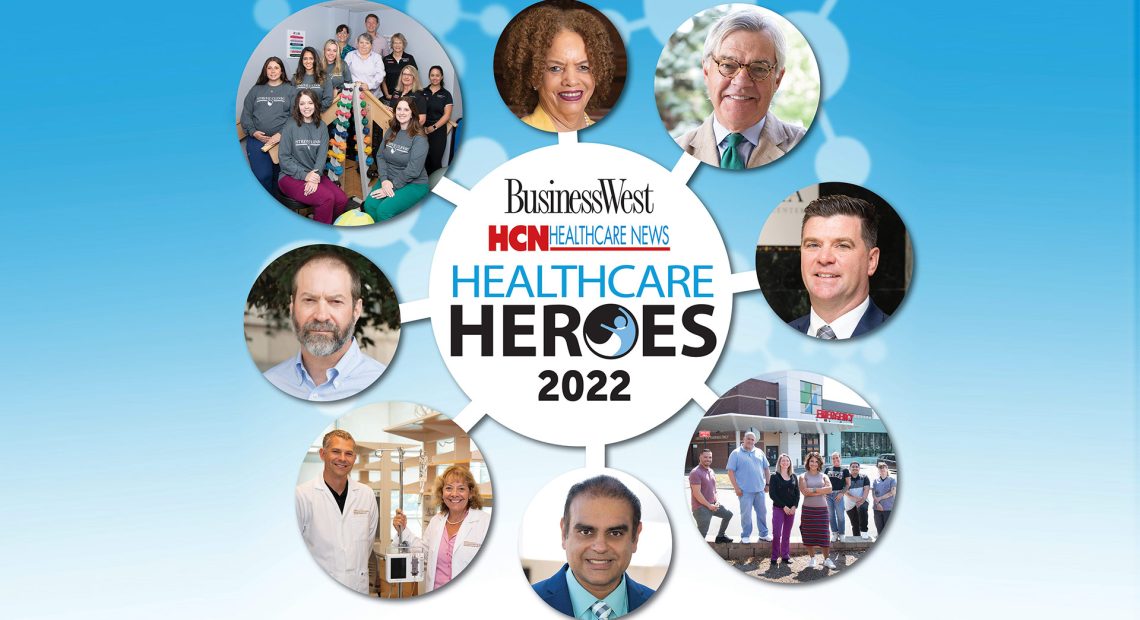
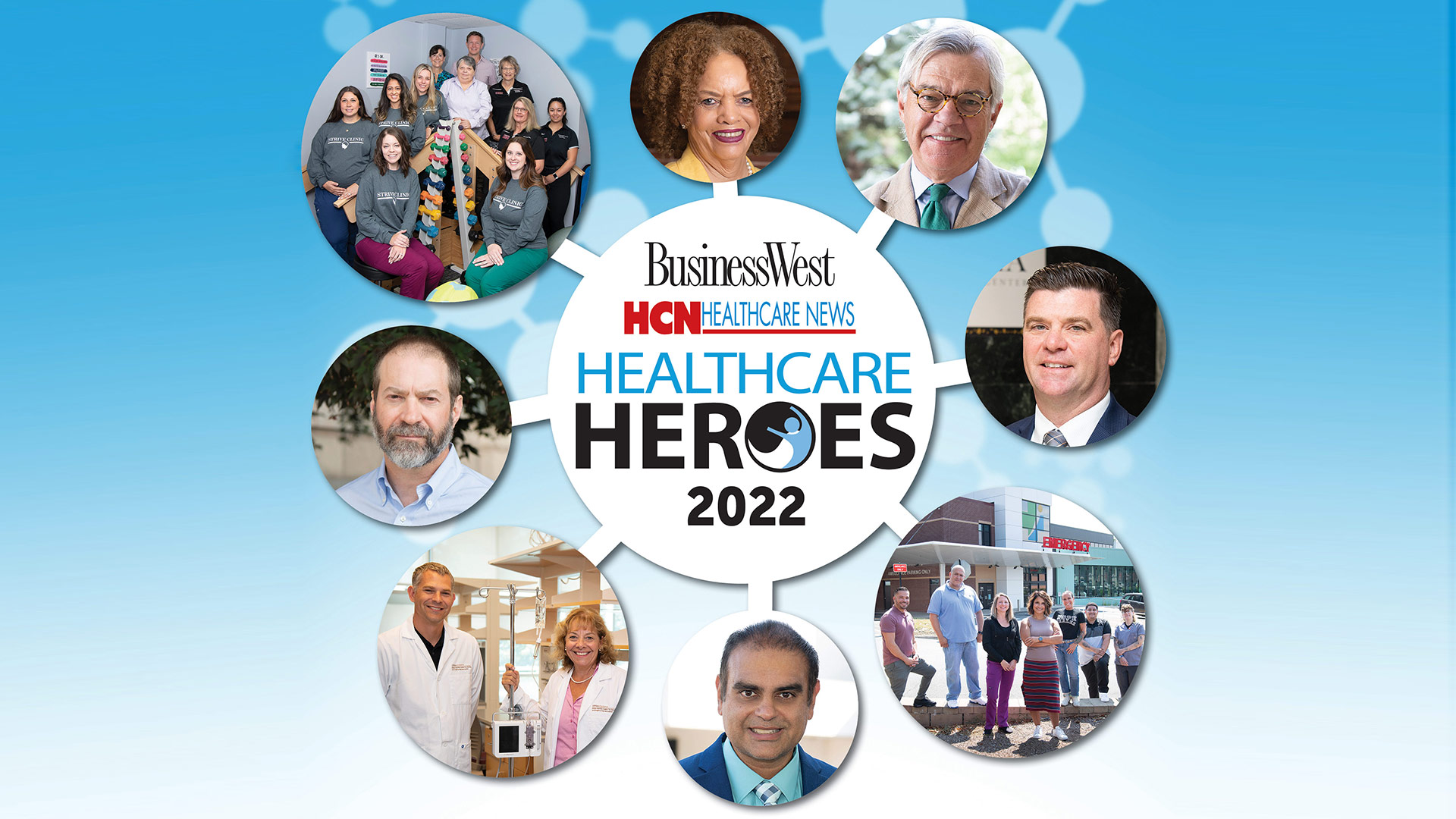
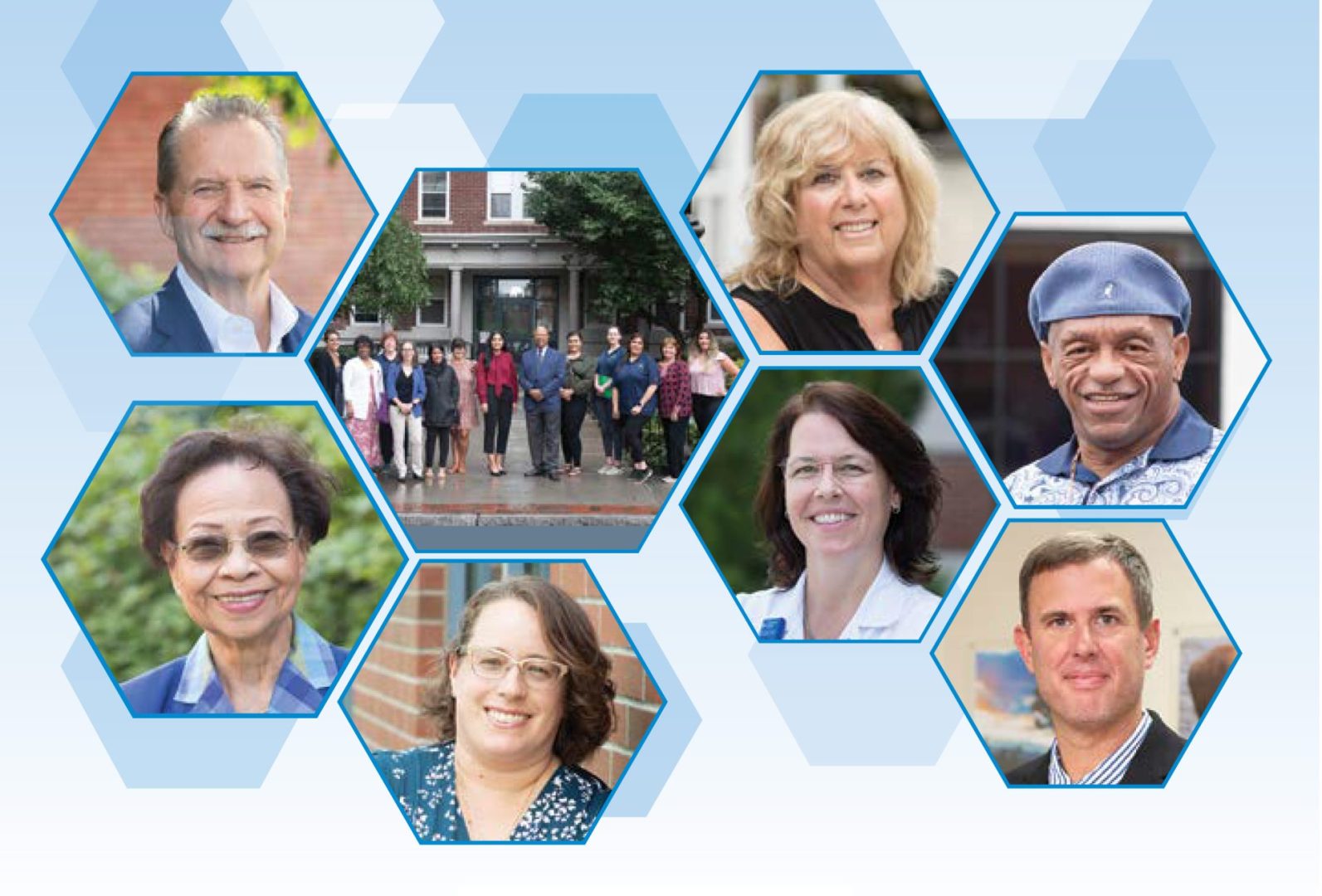
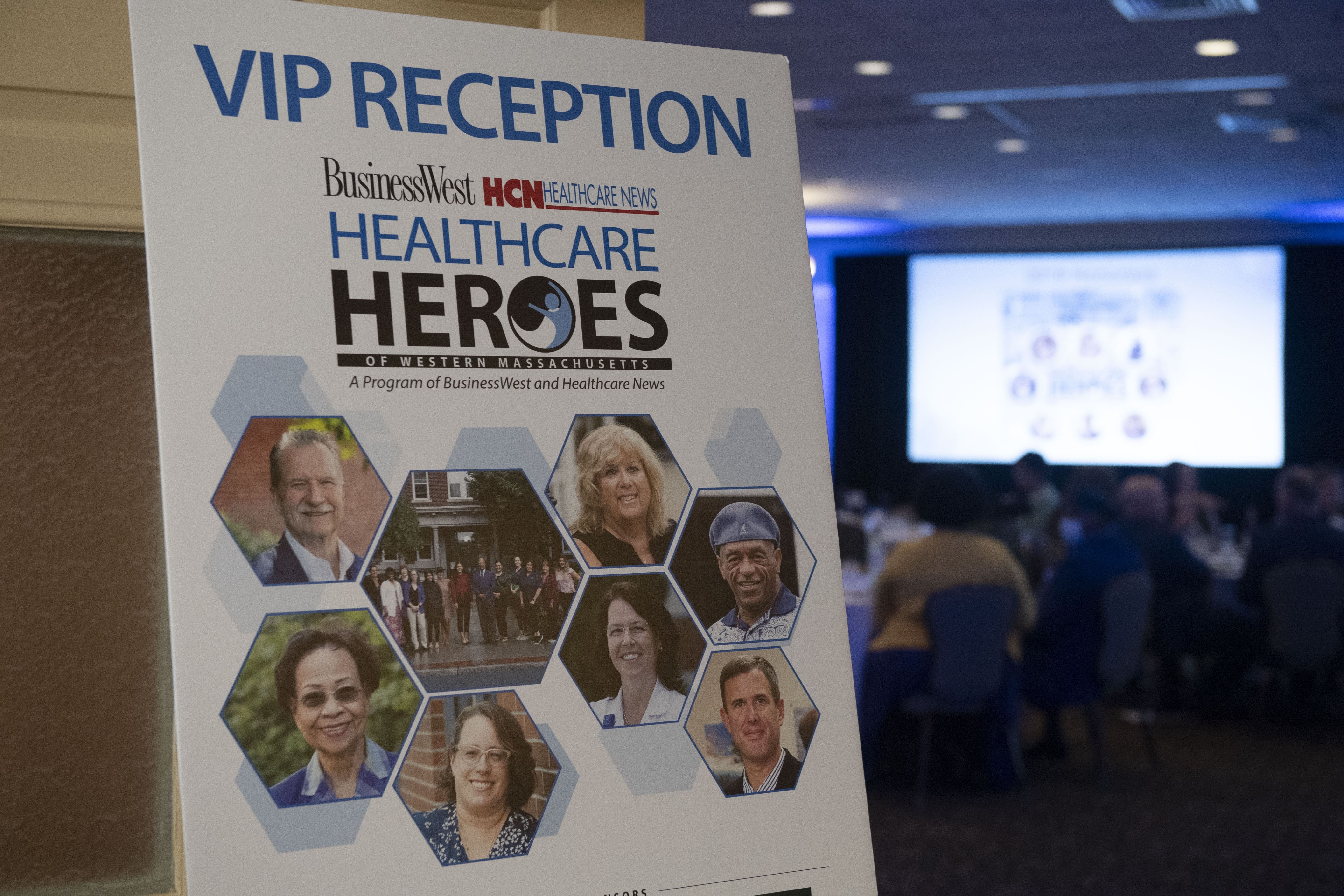
Since BusinessWest and the Healthcare News created the recognition program known as Healthcare Heroes in 2017, the initiative has more than succeeded in its quest to identify true leaders — not to mention inspiring stories — within the region’s large and vitally important healthcare sector.

The award was created to recognize those whose contributions to the health and well-being of this region, while known to some, needed to become known to all. And that is certainly true this year.

Go HERE to see the 2025 Healthcare Heroes Digital Flipbook

Click on the names below to read  each story of this years Healthcare Heroes:

Healthcare Educator

Andrea Bertheaud

Clinical Assistant Professor, Elms College

Community Health

Linda Koh

Assistant Professor,
Elaine Marieb College of Nursing at UMass Amherst

Lifetime Achievement

Dr. Thomas Lincoln

Physician And Associate Professor of Medicine,
Baystate Health

Community Health

Areliz Barbosa

Clinical Assistant Professor
and Senior Project Coordinator, Bay Path University

Emerging Leader

Chrissy Humason

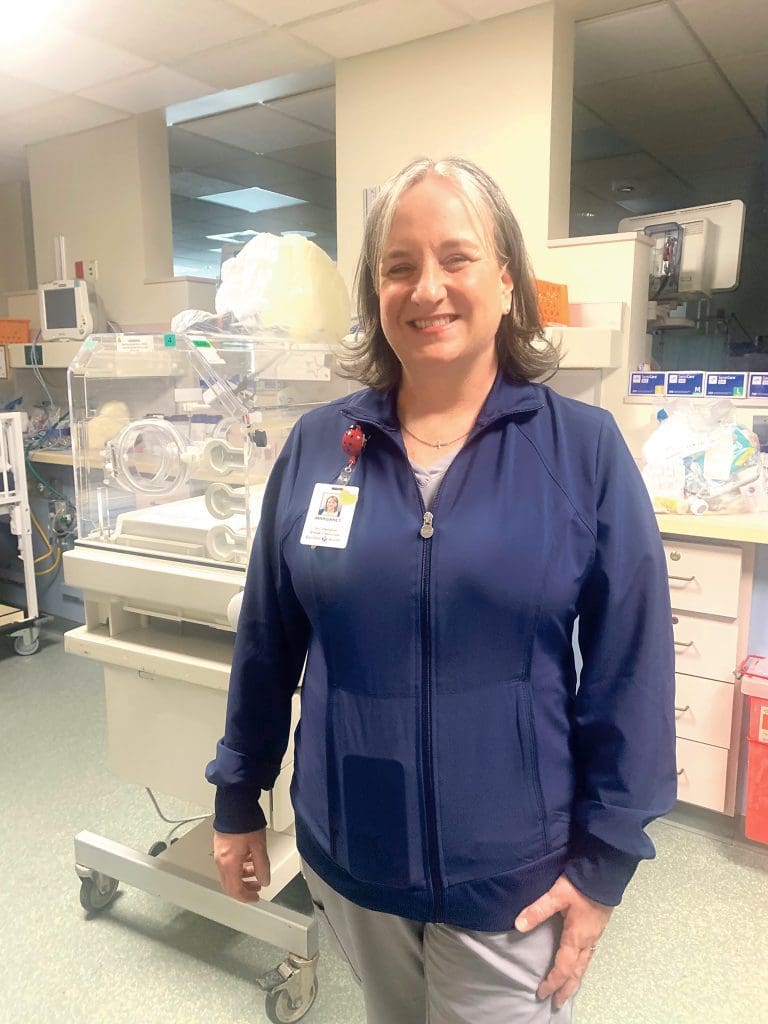
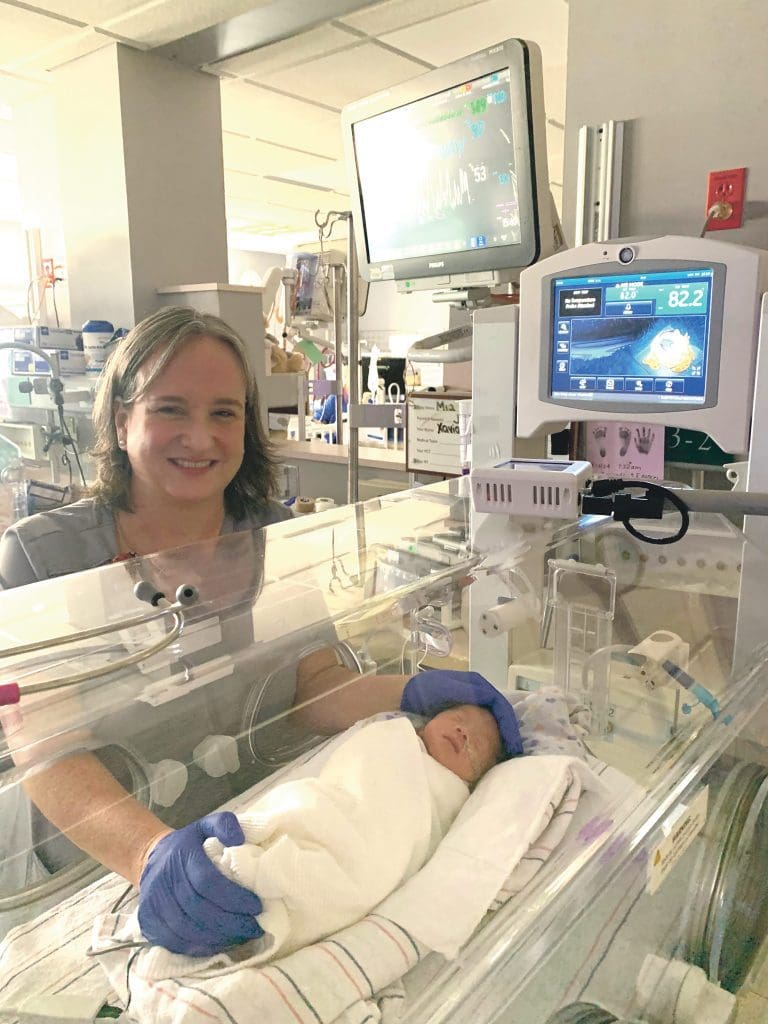
Nursing Supervisor and
Stroke Coordinator,
Baystate Noble Hospital

Healthcare Provider

Cindy Leonard

Infusion Manager,
Sister Caritas Cancer Center at Mercy Medical Center

Healthcare Administrator

Dr. Yannis Raftopoulos

Director, Holyoke Medical Center Weight
Management Program

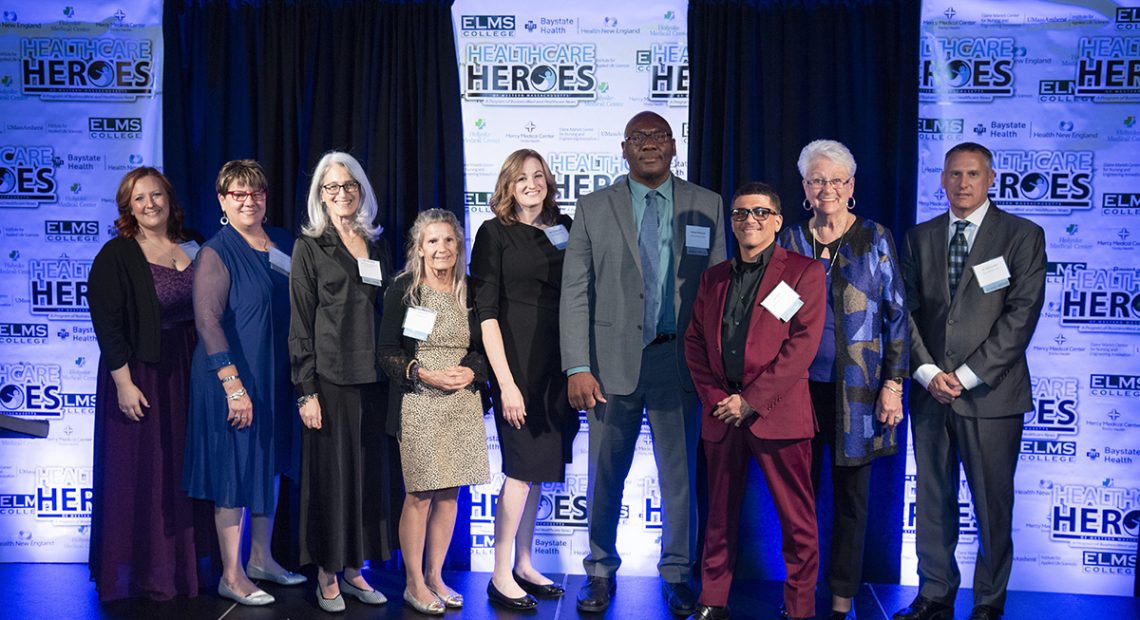
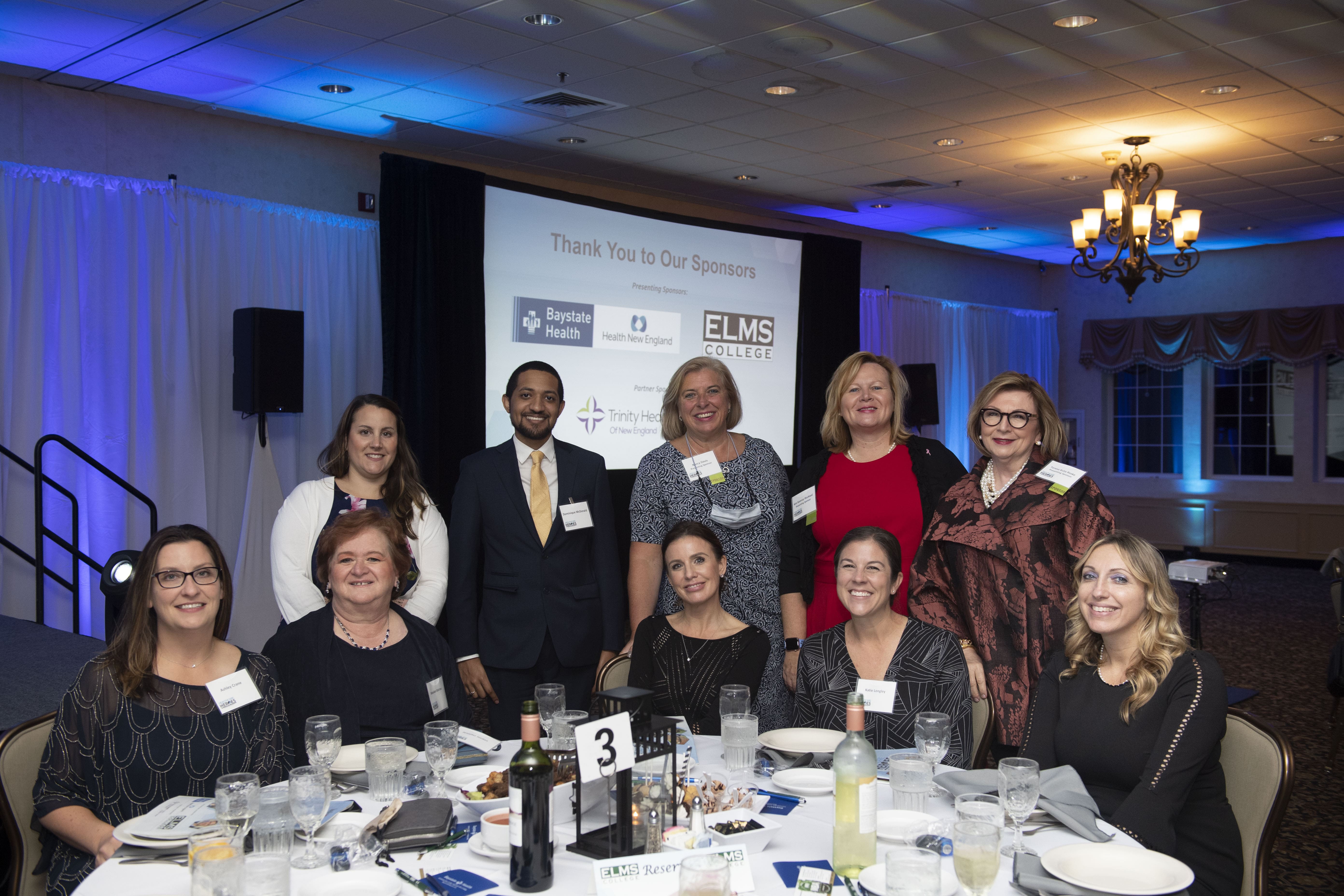
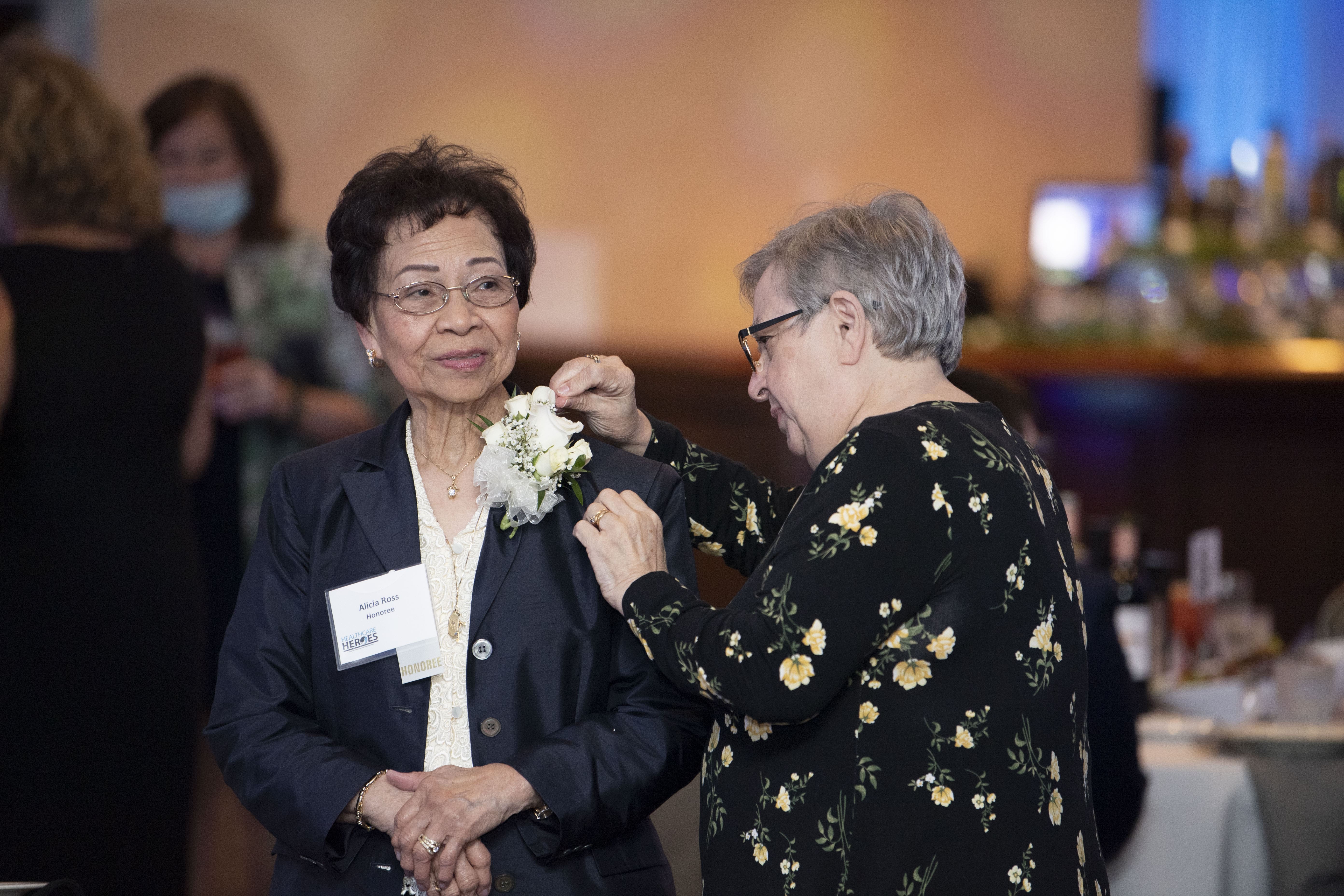
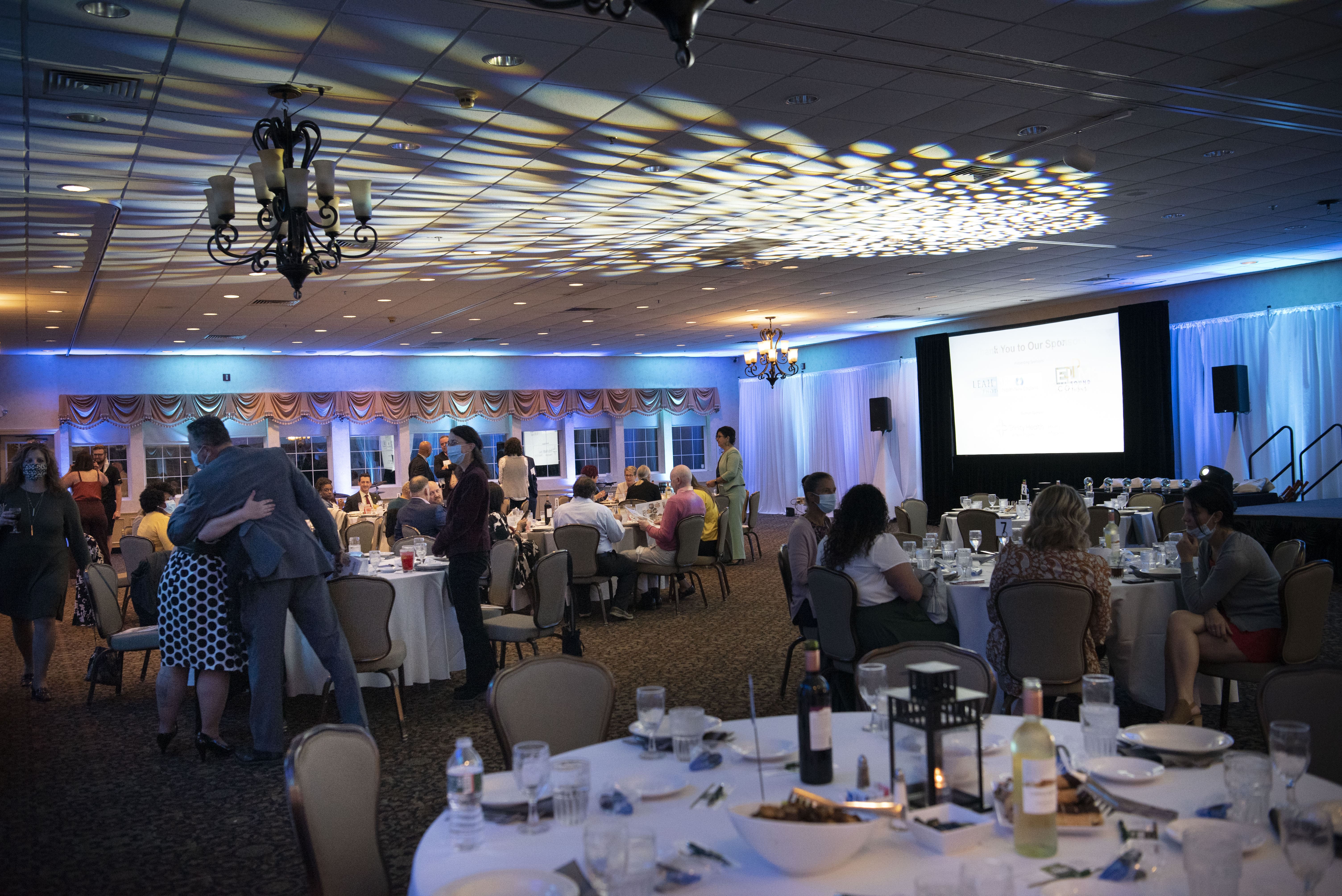
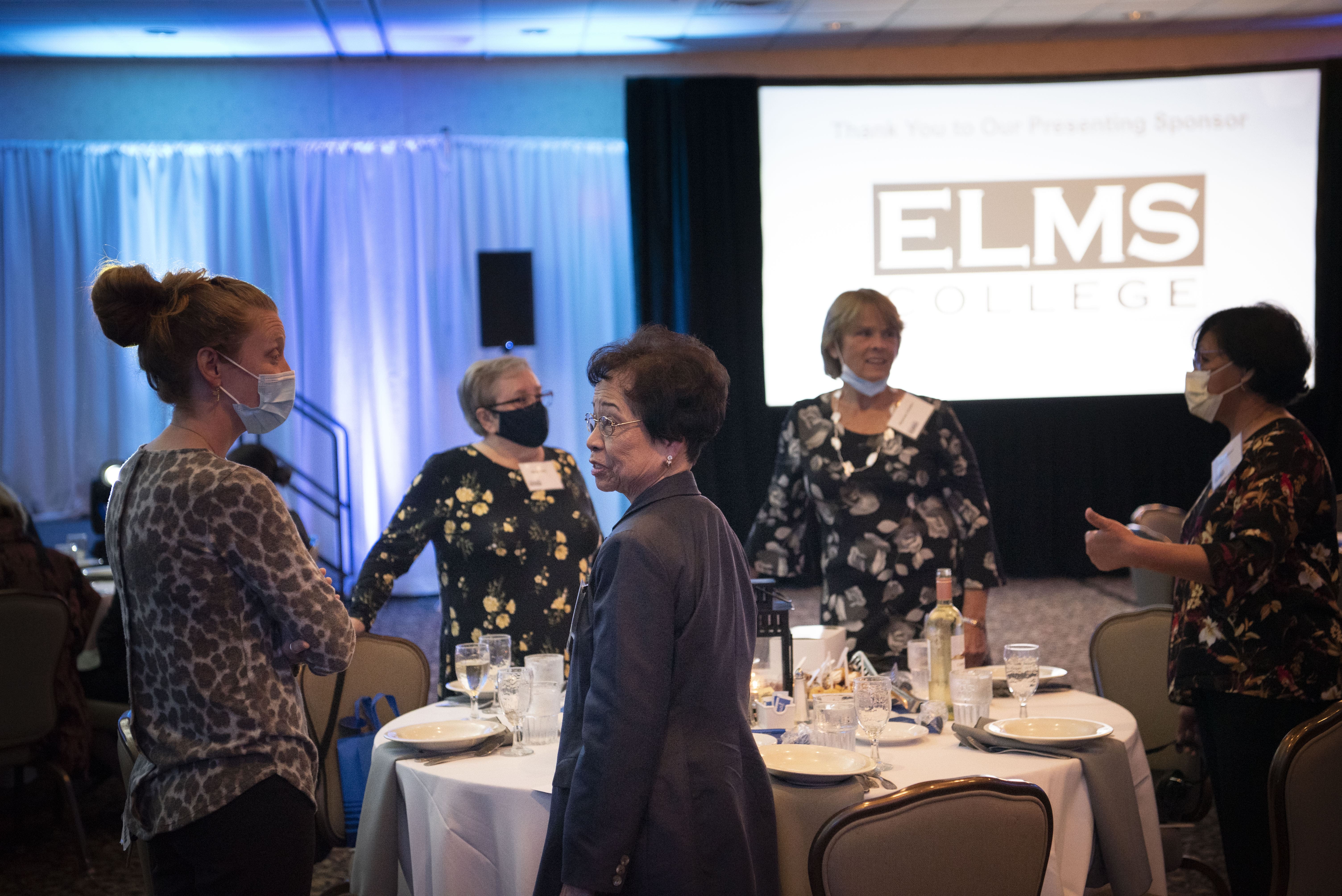
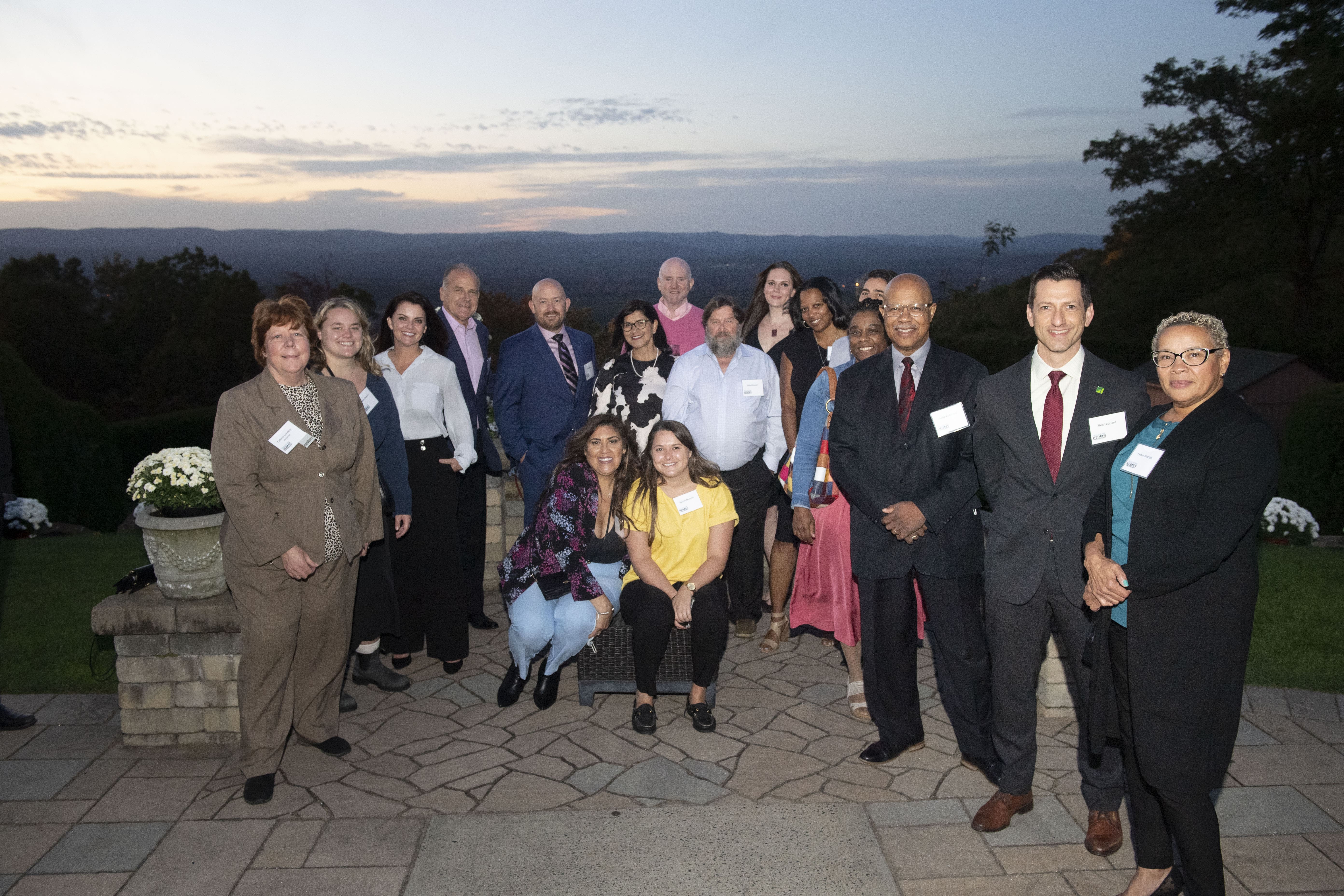
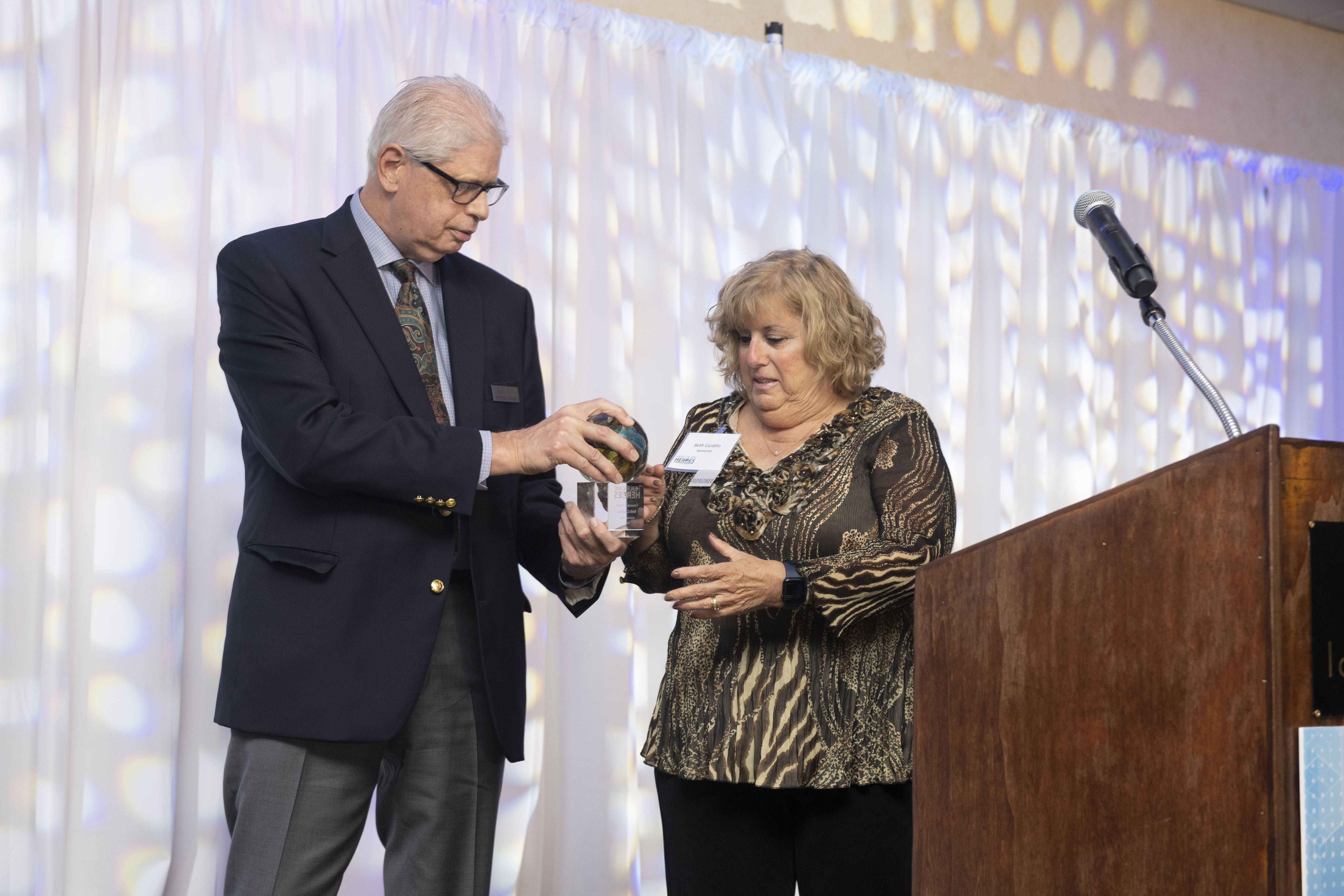
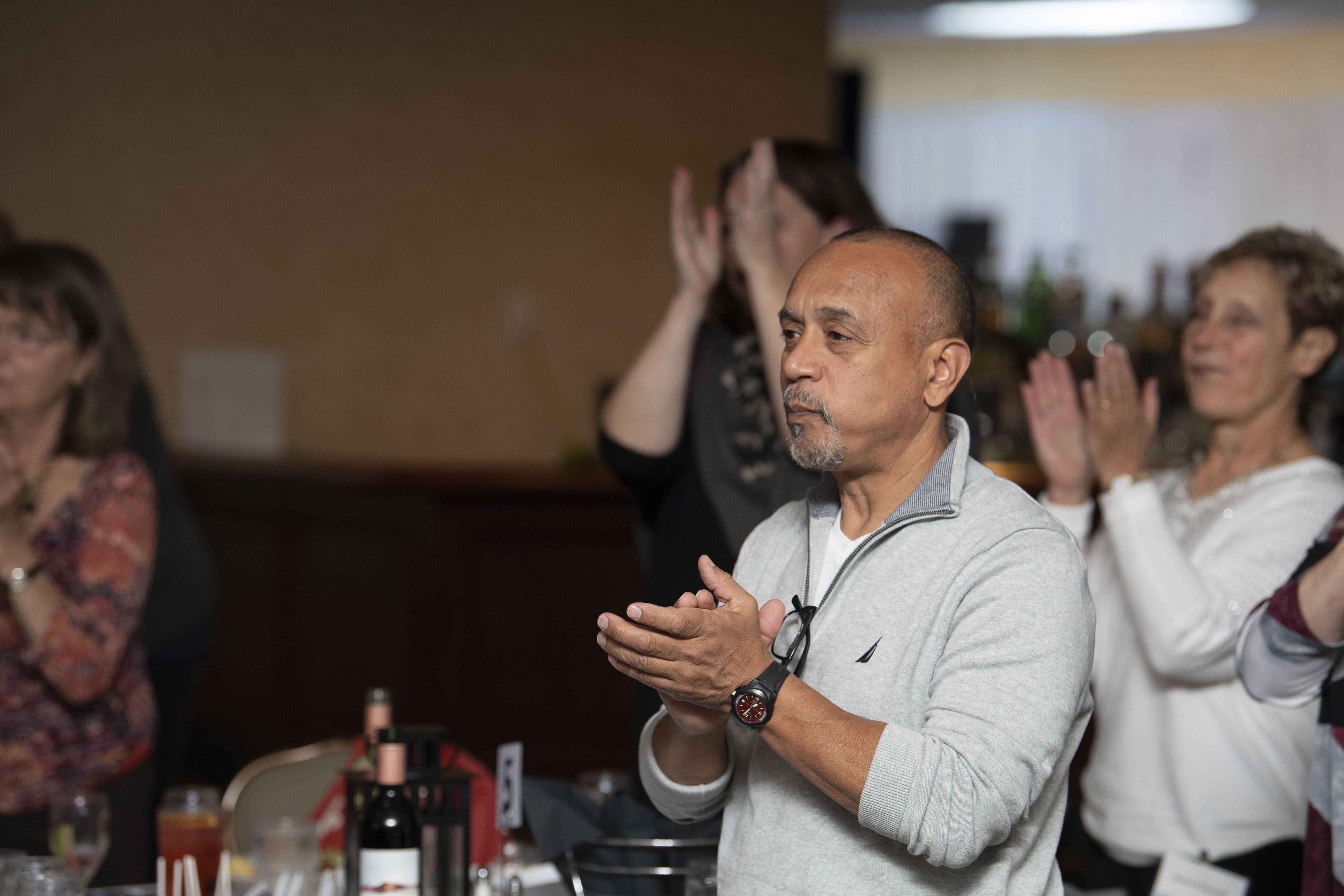
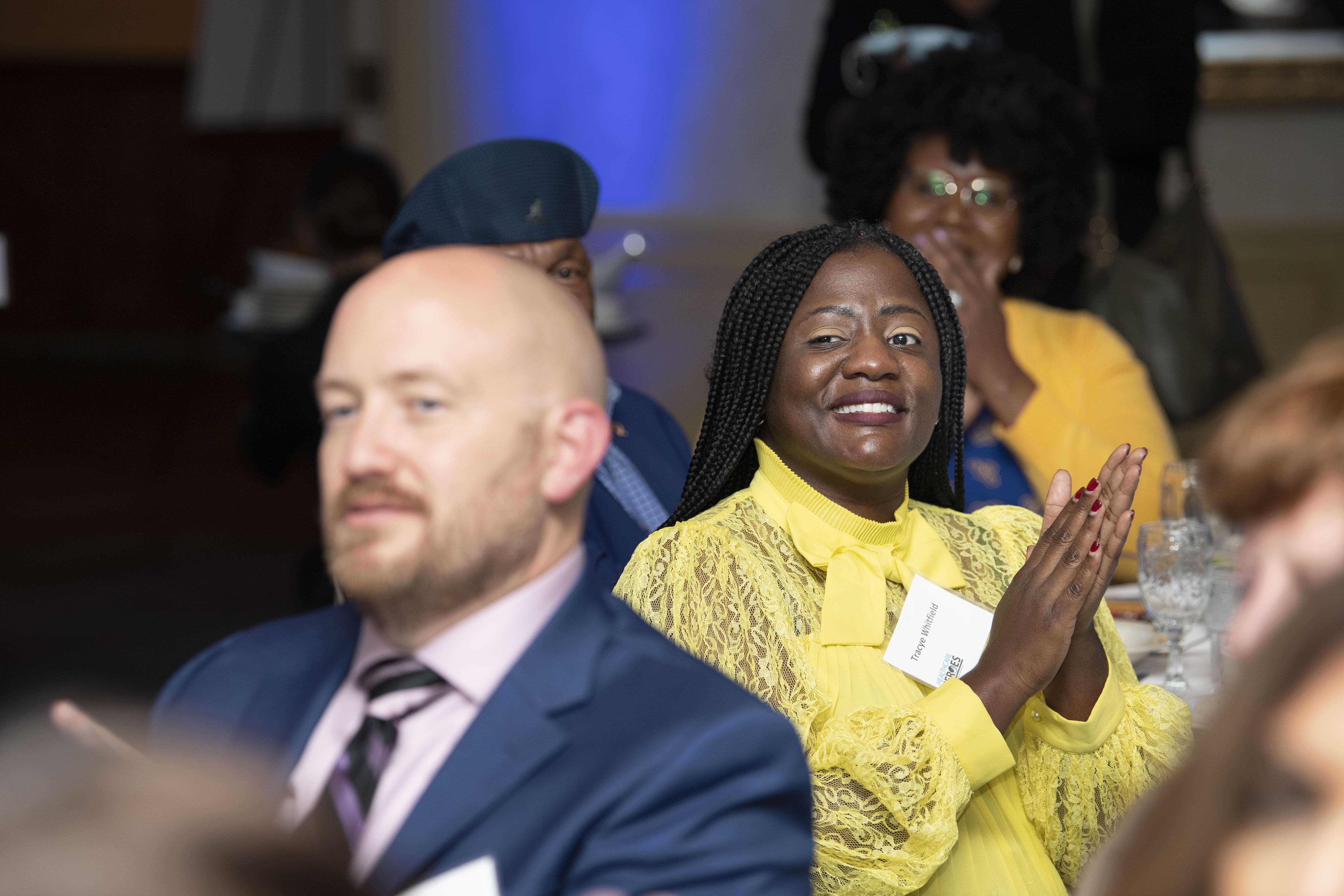
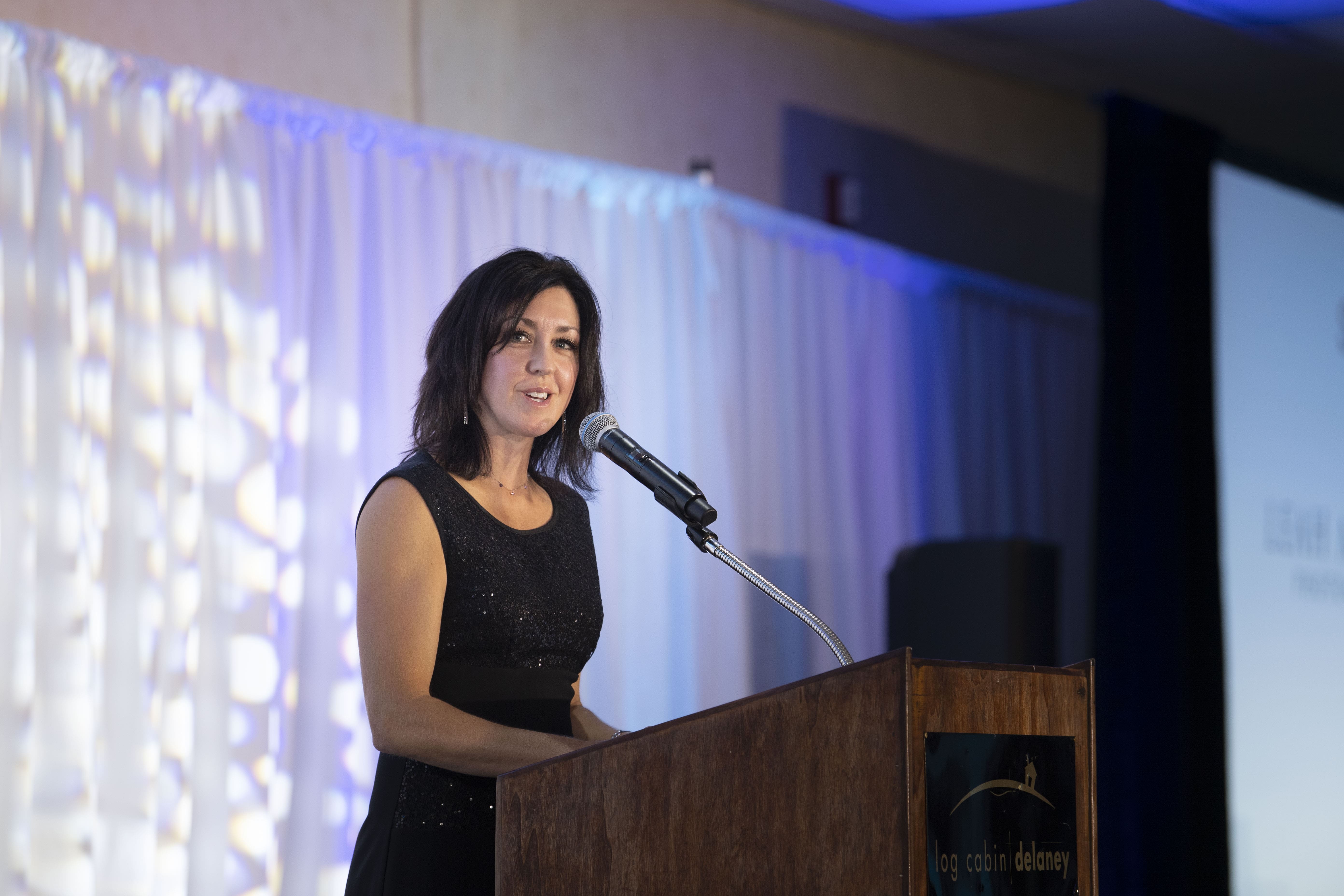
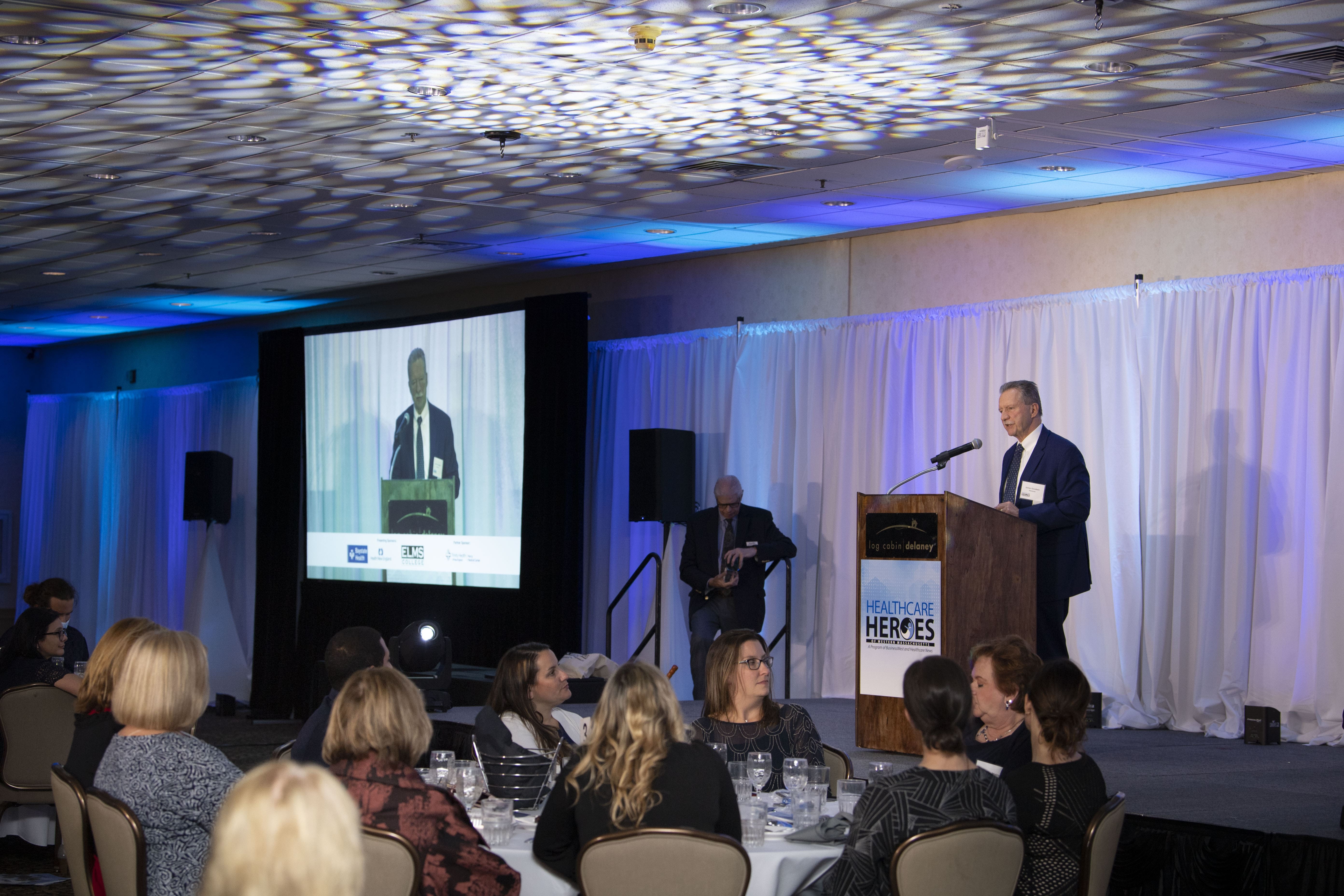
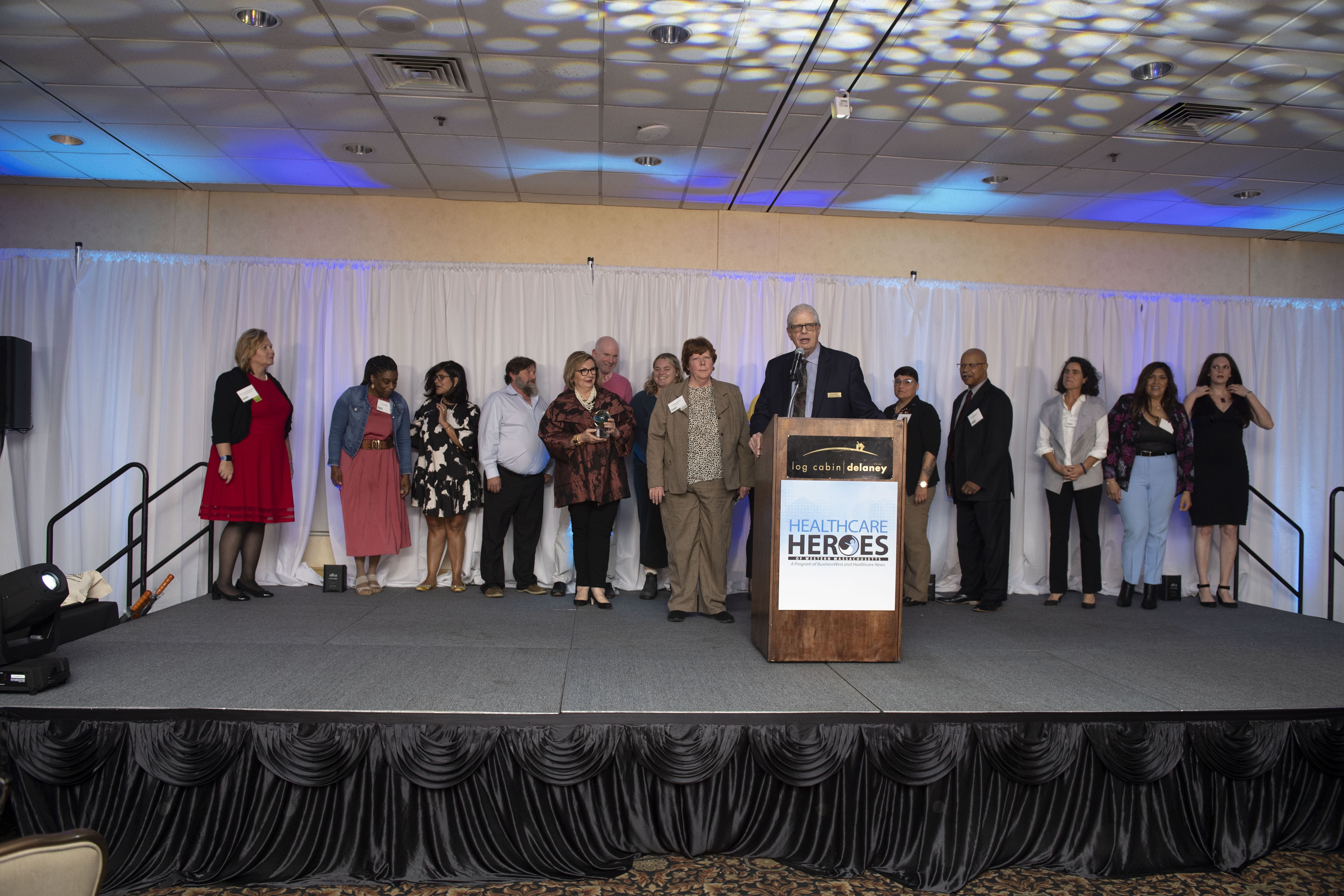
BusinessWest and the Healthcare News will celebrate this year’s honorees on Thursday, Oct. 22 at the Log Cabin in Holyoke. Tickets cost $95, and tables of 10 are available. To purchase tickets, GO HERE

Presenting Sponsors

Partner Sponsors

Healthcare Heroes

Emerging Leader

Nursing Supervisor and Stroke Coordinator, Noble Hospital

She Helps Close Gaps in Care Through Education, Outreach

Chrissy Humason


Chrissy Humason says she first started thinking about a career in healthcare while she was working on the ski patrol at Otis Ridge — she grew up near it — when she was just 15.

“It was the ability to help people … giving them a boost after they’d fallen or having their wrist splinted before they were taken to the hospital — it was rewarding,” she said of her work on the slopes.

Those feelings stayed with her and created … well, a desire for more, prompting her to join Otis’s volunteer Fire and Rescue Squad when she was 16. And to earn EMT certification by the time she graduated from high school. And to use a sports scholarship to enter an EMS management program at Springfield College, becoming a paramedic upon graduation. And to then earn a nursing degree at Berkshire Community College (BCC). And to join the Westfield Fire Department while working as a nurse at Berkshire Medical Center (BMC), going through several cars because of all the miles she was racking up.

Today, she’s a member of a five-person crew on the Westfield Fire Department’s Engine 3, fighting fires while also responding to medical calls, while also serving as a nursing supervisor at Baystate Noble Hospital, a role that brings a different flavor of rewards and service to the patient population.

“Stepping into that role was definitely a change because it went from being strictly bedside, caring for the patient, to managing and overseeing all that’s happening, the day-to-day operations, the staffing … it was more putting puzzle pieces together,” she explained. “Now, I can be there and help my fellow team members as a leader, help them through when they have questions, and be there and support them. I find that very fulfilling.”

All of this goes a long way toward explaining why Humason has been named a Healthcare Hero in the Emerging Leader category. But there’s still more to this inspiring story.

It comes in the form of her leadership efforts with a stroke education program that brings healthcare directly to the community.

As stroke coordinator at Noble, Humason has led a groundbreaking, grant-funded community stroke initiative across Hampden and Hampshire counties that targets rural areas where access to resources is limited and the need for public health education is high.

“Stepping into that role was definitely a change because it went from being strictly bedside, caring for the patient, to managing and overseeing all that’s happening, the day-to-day operations, the staffing … it was more putting puzzle pieces together.”

And also where an ambulance ride to the nearest hospital might take 30, 40, or more minutes, heightening the need to move quickly and decisively when stroke symptoms may be in evidence.

“Time is brain when it comes to strokes and heart attacks,” said Humason, whose efforts have led to the creation of a detailed community resource brochure loaded not only with information about stroke, but also a healthcare proxy form, a guide to community resources for seniors, and even a File of Life card with key information ranging from emergency contacts to a list of prescriptions that is to be updated every six months.

They have also led to community outreach efforts that have covered nearly 300 square miles and reached more than 1,500 participants. Working with Emergency Department Educator Tami Wescott, Humason has delivered interactive education sessions and health outreach at farmers markets, senior centers, soup kitchens, assisted living facilities, and town events such as the Southwick Rotary Club’s concert series.

And these efforts, she noted, are starting to create positive results.

“We’re finding that people are accessing emergency services a lot sooner by recognizing the symptoms,” she said, listing everything from arm weakness to face drooping. “We have people coming in with the earliest symptoms, and with that, they’re able to receive treatment a lot quicker, and that can help with their symptoms for long-term effects. And that’s our ultimate goal.”

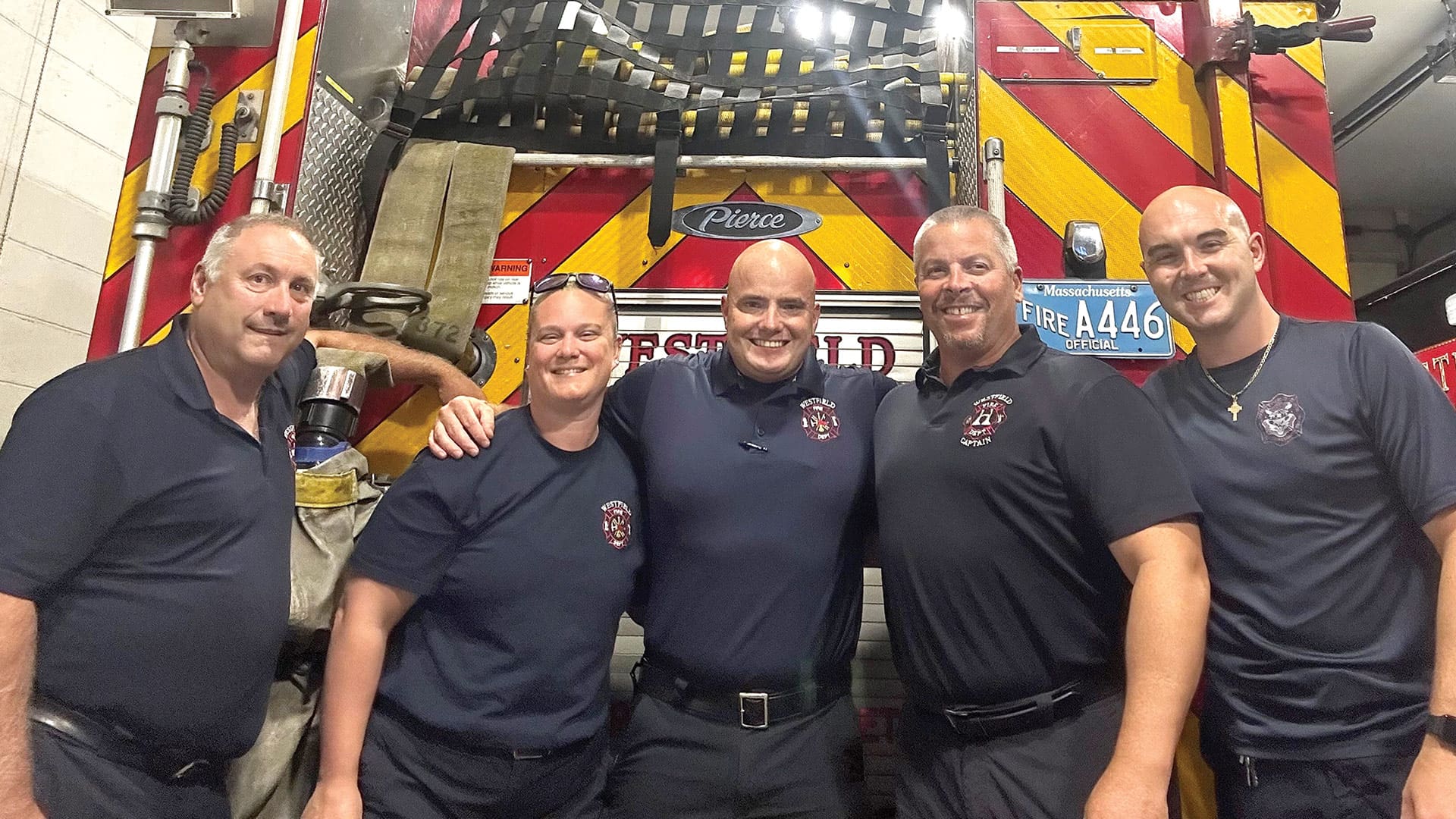
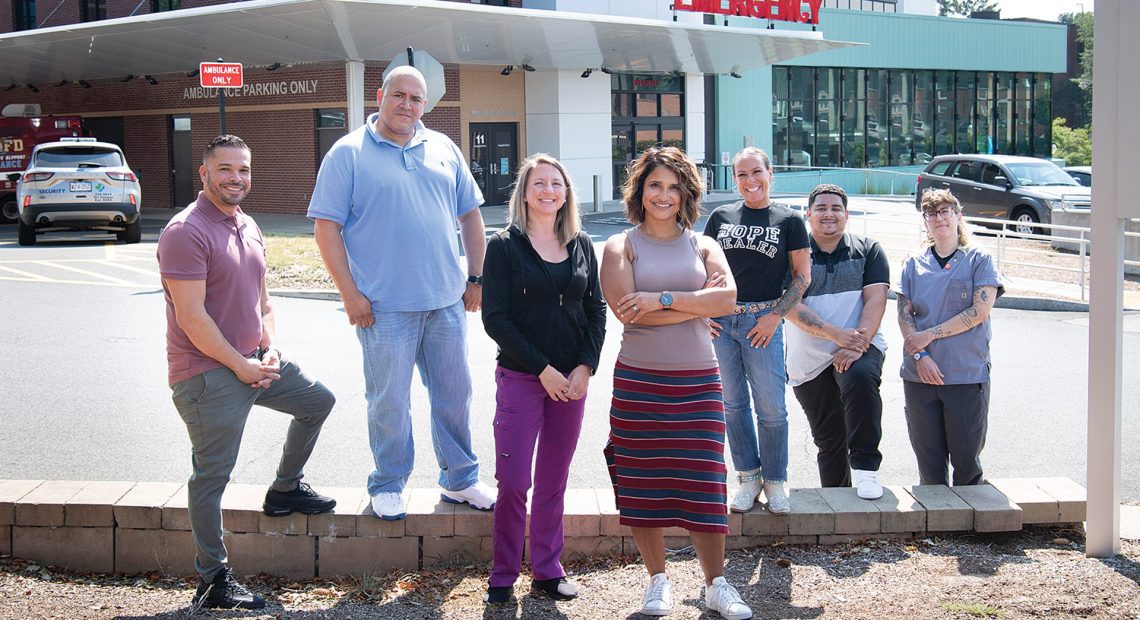
Chrissy Humason with other members of the Westfield Fire Department’s Engine 3.

This early success is both an indicator of the power of outreach, and yet another example of how Humason is collaborating with others to create a healthier, more informed community.

Brandon Okezie, Noble’s president and chief operating officer, summed up Humason’s contributions, and her qualifications for the title Healthcare Hero, in effective fashion.

“She is an excellent emerging leader in healthcare: innovative, empathetic, collaborative, and committed to closing gaps in care through education and outreach,” he wrote in nominating her for the award. “Her work has left a meaningful imprint on the communities served by Baystate Noble and offers a model for how localized, person-centric health education can save lives.”


Slippery Slope

As noted earlier, Humason grew up in Otis and was a member of the Fire and Rescue Squad while still in high school. This was a learning experience on many levels — especially when it came to the challenges facing those living in remote areas and those serving them — and, in many ways, it inspired a career.

“I learned a lot being out there — you don’t have many resources, and you’re quite a distance from any hospital,” she recalled. “There’s a lot to do between there and here, so I learned a lot from that time and decided I wanted to continue and build on that experience.”

Indeed, she attended Springfield College, with the goal of being a firefighter and paramedic, and then moved on to BCC, earning degrees in both nursing and fire science. She joined the Westfield Fire Department in 2006 while also working as a per diem nurse at BMC.

“We needed to figure out how to bring this information into these communities so they would recognize these symptoms a lot quicker and access what needed to be accessed — 911 — to get to the hospital a lot quicker.”

She came to Noble in 2015, cutting some of her commuting time, starting in the ER before eventually becoming a nursing supervisor. After the hospital’s primary stroke coordinator stepped down three years ago, she was approached about becoming stroke and STEMI (heart attack) coordinator and added those responsibilities to an already lengthy list.

Her collective experience, and a desire to find new ways to educate the public and serve rural areas, brought her to the moment when a program administered by Borderland Partners LLC and the Massachusetts Department of Public Health invited institutions to apply for grants that would enable them to bring stroke education to underserved areas.

And Humason seized that moment, first by rallying hospital departments around the concept and then leading the efforts that eventually garnered $15,000 in grant money.

“This was really a team effort,” she explained. “I went around and spoke to everyone in the hospital; I spoke to our case management team, to our ER team, to our physicians, asking them what our patients are lacking when they come to the hospital. Is it education? Is it knowledge of recognizing stroke symptoms? Are they lacking the resources to go back home? What can we do to help them?”

The answers to these questions helped frame an effective grant application — Noble partnered with the Westfield and Southwick fire departments on the initiative — and also helped determine how the grant funds could best be used, Humason went on, adding that the feedback helped inspire an ambitious updating of the community resource brochure.

It is crammed with information for seniors on everything from skilled nursing programs, home care services, and assisted living facilities to senior centers, medical equipment companies, and transportation, as well as the File of Life card — actually two of them, one for the refrigerator and the other for the wallet or purse — and healthcare proxy, a document that too many people are still lacking.

But there is also information on stroke — risk factors, how to spot signs, and why to call 911 immediately, especially in these rural areas.

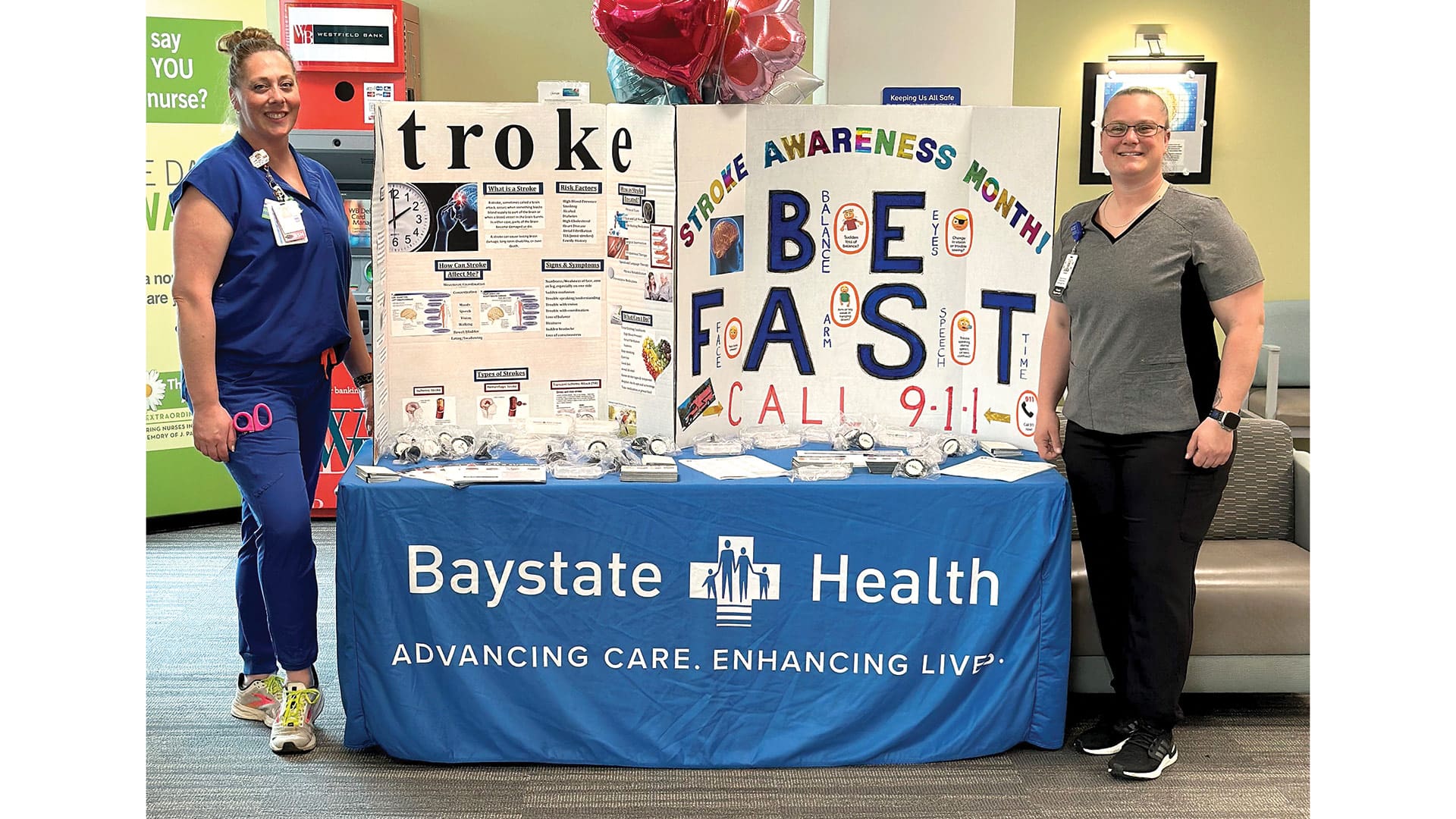
Chrissy Humason (right) with Baystate Noble Hospital Emergency Department Educator Tami Wescott at one of many outreach events to promote stroke awareness..

“We needed to figure out how to bring this information into these communities so they would recognize these symptoms a lot quicker and access what needed to be accessed — 911 — to get to the hospital a lot quicker,” she noted, adding that the program partners modified the traditional stroke-signs acronym FAST (face, arm, speech, and time) to BE FAST, adding balance and eyes (checking for vision loss).

And the phrase is resonating.


Peak Performance

Beyond the brochure, though, is a comprehensive community outreach initiative, one that has been impactful in many ways, from creating a more informed community to giving stoke survivors an opportunity to open up and be part of that education process.

This community outreach, as noted, has covered more than 300 square miles, taking Humason and Wescott to more rural communities such as Otis, Huntington, and Russell, but also Westfield, Agawam, and Southwick.

The sessions have been informative, but also interactive, said Humason, adding that, at several gatherings, stroke survivors felt comfortable enough to share their experiences, informing other attendees, but also inspiring them.

“We had many who spoke highly of coming to Bronson [Rehabilitation Unit at Noble] after a stroke and going from being afraid about never making it home to getting their strength back and going home again,” she recalled, adding that these stories brought a needed personal element to stroke education.

There have been roughly a dozen of these outreach efforts, large and small, to date, she said, adding that more will follow this fall and early winter — in Tolland, at the Westfield Senior Center, and at the Westfield Women’s Club, a gathering expected to draw more than 100 people. And there have been requests to add more to the schedule.

While it’s difficult to quantify the success of this initiative, Humason, who sees results as both a 911 responder and nursing supervisor and stroke coordinator at Noble, can qualify it by noting that people are calling 911 more quickly when they suspect stroke, while EMS responders are finding more File of Life cards on refrigerators.

“Utilizing BE FAST, we’re catching a lot more strokes in different areas of the brain and catching them early, and giving people the resources they need and the interventions they need.”

When asked what it’s been like to be part of this program, Humason said “very fulfilling and heartwarming.” That’s true of all aspects of the initiative, but especially those times when stroke survivors add their experiences and become part of the effort to educate and inspire others.

“For us, that shows that we’re out there making a difference,” she said, adding that this sentiment has motivated her since she was working on the ski patrol, and it has kept her motivated ever since.

“Christine is not just leading change,” Okezie wrote in his nomination. “She’s building a healthier, more informed future for the communities she serves.”

And that explains why she’s an emerging leader and a Healthcare Hero.

Healthcare Heroes

Healthcare Educator

Clinical Assistant Professor, Elms College

She’s Raising Up a Young Generation of Nurses with Empathy, Conviction

Andrea Bertheaud

Andrea Bertheaud


Andrea Bertheaud’s early career in nursing found her in challenging settings — a year on an oncology unit followed by 15 more in critical care, which she thoroughly enjoyed.

After retreating from the field for a dozen years to raise her kids, she went back to work in a nursing home in 1999, then decided to go back to school for her bachelor’s and master’s degrees. And that’s when she found her true calling.

“One of my classmates was a psych nurse, and I did a project with her at Roca,” Bertheaud recalled, referring to the successful violence-prevention program. “She was so inspirational. I saw her work with this clientele; there were maybe 15 young men between the ages of 18 and 26, and I saw how she brought them in and controlled the room. And I said, ‘that’s the skill I want.’”

So she became certified in mental health and eventually worked in that field at Providence Behavioral Health Hospital and Baystate Health. And those experiences sparked in her a desire to teach others.

“It was mainly psychiatric patients, a lot of co-morbidities with substance use. And patients were frequently recurring, so I got to know them over and over through a lot of admissions. And I felt like we weren’t supporting them enough in the community,” Bertheaud said. “I also found there was a lot of stigma toward mental health, which I have to admit I had. And I found it was a different skill set. In the ICU, in an open heart or trauma, that’s a skill. But being a mental health nurse is a different skill set. And it kind of called to me.”

Today, Bertheaud teaches mental health and population health to aspiring nurses in the Elms College School of Nursing, preparing them — and, many times, inspiring them — to work in challenging settings.

“A lot of it is communication skills,” she explained. “If you want to be safe, it’s not about controlling the situation; it’s communicating and getting the situation opened up so that everybody is safe. Even a psychotic person, they’re not intent on hurting themselves or others. They’re intent on controlling the situation through their perception. I have to understand that before I can approach them safely. And a lot of nurses don’t quite understand that.

“I hear all the time about nurses getting hurt because we want to save the situation,” she went on. “We want to run in like the firemen or policemen, and we have no protection, and we are not taught how to assess the situation. Now I never run in a room, no matter what’s happening. I’m looking around. I’m seeing where everybody’s at. I’m reading the room. And those are skills I learned as a psych nurse.”

Population health, on the other hand, is more of a global view of nursing. “Instead of just looking at your community, it’s stepping back a little bit and looking at the difference between the European healthcare system versus the United States healthcare system versus healthcare in Africa or Asia, and what works for them and what doesn’t, and what are their health outcomes,” she explained. “One example is maternity health — we have really low numbers in maternity health compared to a lot of developed countries in the world. Why is that? Those are the questions we look at in population health.”

“One of my classmates was a psych nurse, and I did a project with her at Roca. She was so inspirational. I saw her work with this clientele; there were maybe 15 young men between the ages of 18 and 26, and I saw how she brought them in and controlled the room. And I said, ‘that’s the skill I want.’”

In the decade Bertheaud has been at Elms College, not only teaching students but helping them gain valuable experience in community health settings locally, she has become “the face of Elms College nursing to many community members,” said Julie Beck, dean of the School of Nursing, who nominated Bertheaud as a Healthcare Hero.

“In her courses, Andrea synthesizes the physical and mental needs of the clients that she cares for. She utilizes humor, patience, skill, education, and wisdom when teaching her classes and leads by example when working with clients out in the field. Andrea serves as a Healthcare Hero not only to community members, but also as a nurse educator here at Elms College.”


Behind the Locked Doors

She does so with raw honesty and a belief in hands-on experience, especially when it comes to the challenging settings young nurses may face in the mental-health world.

“Last year was the first year I was able to get every single student into inpatient, which was really important, and which was a request of the students because they may never see the inside of a psychiatric unit, an acute locked ward, unless they have experience through school. It’s a completely different kind of unit. I’ve had nurses that have been teaching or practicing for 50 years, and they’ll say, ‘what happens behind those closed doors?’

Andrea Bertheaud (right) participates in a service trip to Jamaica with Mustard Seed Communities.

“I’ve actually invited people in the hospital I worked at, in administration, for three or four hours on my shift doing direct care and have them follow me so they’ll understand what a psychiatric nurse does and how we approach people, how we set boundaries,” she went on. “And they have really interesting questions because, again, they don’t know the skill. I didn’t learn it in ICU.

“So this is a very different skill set,” she went on. “I try to get as many students exposed to that and help them destigmatize that population. They come in terrified the first shift. One group was panicked, and I had to hold them off from going onto the unit because they were so nervous. I had to sit there and talked about their feelings until I had them settled enough so I could go onto the floor — because you don’t want to bring that kind of energy onto a psychiatric ward. They have enough energy and dysfunction as it is.”

But while teaching safety and boundaries to students, Bertheaud also emphasizes empathy and humanity.

“I want them to realize, ‘that could be me. I’m one car accident away from having a traumatic brain injury. Then my whole world would change, and this is how I would act.’ Elms students tend to be very, very smart, but because of their background, some of them — not all, but some of them — don’t have exposure to people who have had challenges.

“So I try to work on teamwork,” she added. “I’ve worked with some of the best teams in nursing, where I called it a symphony — all of a sudden everybody’s getting into their spot, and everybody knows what they’re doing to do. It’s just like music, and we can handle anything that comes through that door. But it takes skill. It takes working together with people who are very, very different.”

“In her courses, Andrea synthesizes the physical and mental needs of the clients that she cares for. She utilizes humor, patience, skill, education, and wisdom when teaching her classes and leads by example when working with clients out in the field.”

Bertheaud was also recently certified in bioethics and medical humanities, having taken classes with Dr. Peter DePergola, one of the region’s foremost medical ethicists and an associate professor at Elms.

“It’s about understanding the history, how we got here, and understanding how we can be more ethical,” she said. “Nurses are generally ethical — some of them not so much, but I think we’re at an advantage because we work with patients one on one, so we want better outcomes. I think when you get up to administration, that’s where we drop the ball — when you go up and you’re away from those patients; you’re not doing direct care. That’s when we get into making decisions that aren’t always outcome-based.

“In the last 40 years, I’ve seen healthcare become very monetized and profit-minded,” she added. “So I want to kind of instill that back in and have these young nurses challenged in this way. I want them to be able to see the bigger picture and look for the best outcomes and really be ethical nurses, challenge the system.”

And, again, challenging the system means understanding it, through real-world experience, from very early on.

Andrea Bertheaud with some of the medical simulation ‘babies’ used to demonstrate everything from fetal alcohol syndrome to shaken baby syndrome.
Staff Photo

“I think, in leadership, we’re focused on degrees, which is helpful. I’m all for education, but I think we need to incorporate experience a little bit into it. I’ve seen nurses that come into nursing school going, ‘I want to be an NP,’ ‘I want to be a DNP,’ ‘I want to be a provider.’ And I’m like, you’ve got to walk before you run. You’ve got to know all these things before you can get to the next level.”


Outside the College Walls

Bertheaud’s impact extends well beyond the walls of Elms College; she has participated in service trips outside the U.S. and regularly teaches parents in the local community about any number of issues, often employing medical simulation ‘babies’ from the college’s expansive collection of lifelike sims.

“In the community, we can go in and teach a group of parents how easy it is to get shaken baby syndrome. And then we have a fetal alcohol syndrome baby [sim], and we can talk about those characteristics compared to a normal baby and what that looks like. And we can talk about brain development.”

She involves students in community health as well. “Last year, I had 86 students in 20 different placements. We were in high schools and Head Start and Square One, and I’ve been to Roca, you name it. If they let me in and it’s challenging, I’m like, ‘oh, I’ll put a student there.’ I have students at the jail. I bring in six students, and we do that two days a week.

“I’m in the community, and we’re doing teaching at senior citizen centers, we’ll do high blood pressure screenings, we’ll do healthy eating and sleeping for older people, which is a problem, fall prevention, you name it.”

As for her mental health focus, not many students were choosing that field as their entry into nursing, “but now I’m seeing a lot more. Especially after COVID, people have realized that mental health and population health are two things that are really important. I think students can be so focused on learning how to put in an IV and take blood pressure that they forget that there are bigger things.”

For Bertheaud, teaching has been that bigger thing, in many ways.

“When you’re a bedside nurse, you’re affecting your patient. Or maybe you’re precepting one nurse every couple months. But when I’m teaching, I can affect 60 or 90 students in a semester. And then I get to see them the next year and see how they’ve grown.

“I like to see them after they graduate,” she added. “I’m like, ‘oh my God, you’re going be somebody.’ The energy of a 20- or 30-year-old is just so cool. They’re unstoppable.”

For never stopping until she found her place of greatest impact, Andrea Bertheaud certainly earns the title of Healthcare Hero.

Healthcare Heroes

Community Health

Clinical Assistant Professor and Senior Project Coordinator, Bay Path University

She’s a Fighter and Advocate Who Helps Others Overcome and Thrive

Areliz Barbosa

Areliz Barbosa


Areliz Barbosa says she was born a fighter.

“My midwife, her name was Olivia. And my mom was screaming at the top of her lungs, and she had to get on top of my mom and literally forced me out before they grabbed the forceps to pull me out,” she related. “My mom was so grateful to her that she gave me her middle name.”

It’s a name, she said, that derives from the olive tree, and Barbosa said it also has connotations of strong roots — and it’s a middle name she has often reflected on.

“In order for her to thrive and survive, you need strong roots. And in order for me to be able to overcome the things I’ve overcome is because of the roots I’ve been able to make here in Western Mass. and my mentors and people that I’ve been able to connect with.”

While she’s a professor at Bay Path University and juggles many other roles as well (more on those later), Barbosa also recently founded Olivia’s Mission LLC, a social impact business dedicated to advancing health equity.

“I often say, like Mother Teresa, ‘I alone cannot change the world, but I can cast a stone across the water to create many ripples.’ It’s really about investing in other people and helping them,” she told BusinessWest. “I also am a plant lady, and a lot of teachers or professors use the analogy of planting a seed so people can grow into their full potential. So these are just little seeds that I’m planting to better serve our world and inspire the next generation.”

Her specific role at Bay Path is clinical assistant professor and senior project coordinator of SAMHSA initiatives, she explained, referring to the federal Substance Abuse and Mental Health Services Administration.

“In order for her to thrive and survive, you need strong roots. And in order for me to be able to overcome the things I’ve overcome is because of the roots I’ve been able to make here in Western Mass. and my mentors and people that I’ve been able to connect with.”

“I work within our physician assistant program, which sits in our Health Science department. I help develop a curriculum that’s focused on substance use disorder, multiple pathways to recovery, harm reduction, co-occurring disorders, and addressing the stigmas around substances.”

She also has an adjunct role in workforce development at Holyoke Community College (HCC), providing support and training to community health workers.

“Areliz co-develops interdisciplinary curriculum focused on public health, mental health, and substance use. She mentors future healthcare professionals through a lens of cultural humility and community engagement, preparing them to meet today’s complex health challenges with compassion and competence,” said Terry DeVito, academic dean in the School of Health & Natural Sciences at Bay Path, one of an impressive five individuals who nominated Barbosa as a Healthcare Hero.

“Areliz’s body of work reflects a lifetime of achievement rooted in resilience, faith, and service,” she added. “Her career has empowered thousands, not just through direct care or education, but by inspiring others to lead, advocate, and believe in their own capacity to heal.”


Up from the Ashes

Barbosa’s career began 28 years ago as a CNA at Jacobi Medical Center in the Bronx, N.Y. But she said the experiences that shaped what she wanted to do with her life began much earlier.

“I identify with lived experience. And what I mean by that is, I’ve experienced racial trauma and physical, mental, and sexual abuse. So a lot of the things that I do now in my roles is advocating and bringing that into classroom settings, into the curriculum, to better strengthen students’ knowledge, but also improve the system.”

For the past 23 years, Areliz Barbosa (second from left) has coordinated a program that provides free Thanksgiving meals to people who need them.

DeVito agreed. “What distinguishes Areliz as a community health hero is her ability to connect with individuals while transforming systems,” she wrote. “Whether she is guiding students, designing wellness models, or speaking truth in clinical settings, she brings both empathy and strategy to every initiative she leads.”

Barbosa said it’s personally rewarding to bring a lived experience perspective into the classroom.

“I feel like my story is a story of resilience, when we choose not to give up. And it’s not easy to break generational poverty. But being that person that I wish I had growing up, that gives me the reward. And also knowing what I’ve been able to overcome, there are lessons in there — multiple lessons to be shared so people can learn. It doesn’t define who I am today, but there are lessons to be learned from it.”

She intends to share those lessons in a number of ways outside the classroom, starting with a memoir she’s writing titled There Is a Purpose for Your Pain. She’s also speaking at the annual Rise Up conference, taking place on Oct. 9 at the MassMutual Center in Springfield.

Her lived experience as a trauma survivor — not only as a child, but as an adult; she came to Western Mass. from New York due to a domestic violence situation — also informed the creation of Olivia’s Mission, which aims to create a safe, empowering space for women through peer support groups and specialized training opportunities on behavioral health education; grief, loss, and healing; public health core competencies; family planning; and more.

“I am a domestic violence survivor, and I want to use my story to inspire other women,” she said. “Even local businesses have started to reach out to me — maybe a customer needs help, or is experiencing a crisis, and they’re asking, ‘can you help him with some resources?’ So, again, it’s a resource to anyone that needs help.”

As DeVito put it, “through Olivia’s Mission, Areliz collaborates with faith-based organizations, healthcare institutions, and academic programs to design wellness solutions rooted in cultural responsiveness and community empowerment.”

“I know what it’s like to be homeless, having to sleep on a park bench. So I never forget where I came from. It’s just having that heart of gratitude that I was able to overcome a lot of these things and serve my community.”

But Barbosa is active in the community in other ways as well. As a member of the New England Public Health Training Center advisory committee, she advocates for the voices of community health workers and calls for inclusive representation across all levels of public and healthcare systems.

She also provides expert insight to medical students through several initiatives, including Baystate Health’s Wellness on Wheels, where she emphasizes trust building between providers and patients; Baystate’s Population-based Urban and Rural Community Health committee, where she contributes to culturally informed panel discussions; and Bay Path’s Health Resources and Services Administration advisory board, where she shares strategies for culturally humble engagement and serving diverse populations.

She also just created Healing Through Motherhood, a support group for mothers of adult children (her own son is 23). Participants, she explained, will include mothers facing the challenge of supporting an adult child (or children) through trauma, unhealthy behaviors, or emotional distress. Here, they can access a safe space to connect, share, and heal together, while building community and support and navigating life transitions that aren’t often talked about.

In addition, for the past 23 years, Barbosa has coordinated a Thanksgiving outreach that provides free meals to individuals.

“When I started it from my home, we served 34 meals. Last year, we were able to serve over 1,000 meals,” she said, noting that, this November, the HCC MGM Culinary Arts Institute will collaborate on the project. “It’s just getting bigger and better.”

This is, in fact, one more way Barbosa’s lived experience informs her work today.

“I know what it’s like to be homeless, having to sleep on a park bench. So I never forget where I came from. It’s just having that heart of gratitude that I was able to overcome a lot of these things and serve my community.”


Matters of Perspective

That’s a lot of roles, for sure, and it’s not even the whole list of what Barbosa does. For example, she also mentors emerging entrepreneurs through EforAll Holyoke, and as the Massachusetts coordinator for Power 4 Puerto Rico, she champions just recovery and economic self-sufficiency for the island, demonstrating another way in which public health intersects with national policy, disaster resilience, and social justice.

In talking about her memoir and her upcoming appearance at Rise Up, Barbosa was reflective on the ways in which she has turned hardship and trauma into a tool for helping others.

“I’m just excited to be where I’m at, to be able to overcome the challenges that I have overcome and be a productive individual, able to contribute to my community.

“It all comes back to our perspective,” she added. “How do we define success? For me, it’s having a sound mind, emotional intelligence, being able to connect with people, building community, and overcoming the trauma, the anxiety, the depression. It’s so rewarding to be able to inspire others so they, too, can overcome these things with the right support and the right environment.”

Areliz Barbosa says her work is rooted in faith, empathy, gratitude, and resilience.

Barbosa also talks enthusiastically about her Christian faith, which she said began when she was pregnant with her son.

“That’s really where my healing started. I knew, when I moved here, it was my second chance. I knew that I didn’t want my son to go through what I went through. I wanted to change. I wanted better for him.”

And she also wanted to give back, as evidenced by the Thanksgiving outreach that began shortly after.

“I remember telling my mom, ‘I want to do this — it’s just something that I feel was put in my heart.’ I didn’t have a car, and I remember putting all the meals in a little warmer in my son’s Eddie Bauer stroller and walking with him. That was the year it snowed a lot.”

Her faith is, in fact, deeply veined with both service and empathy, something she’s quick to explain at a time when many Christians are at odds with certain marginalized populations. “I believe in respecting people’s autonomy and choice, and it’s important for me to vocalize that in spaces where I have opportunities to be, because there are a lot of people being targeted who identify with the LGBT+ community.”

Add it all up, and the picture that emerges from Barbosa’s life is one of an inspiring — and very busy — community leader who, as DeVito put it, blends lived experience with academic and professional expertise to bring dignity, healing, and justice to underserved populations.

“Areliz has consistently built bridges between healthcare and the communities it must serve. Olivia’s Mission stands as a model for how community-led health promotion can be both effective and sustainable,” she added. “For her visionary leadership, tireless advocacy, and enduring impact, Areliz Barbosa is a true Healthcare Hero. She doesn’t just serve the community — she uplifts, empowers, and transforms it.”

Healthcare Heroes

Collaboration in Healthcare

Inspired by a Lifetime of Giving, They Gave the Region Something in His Name


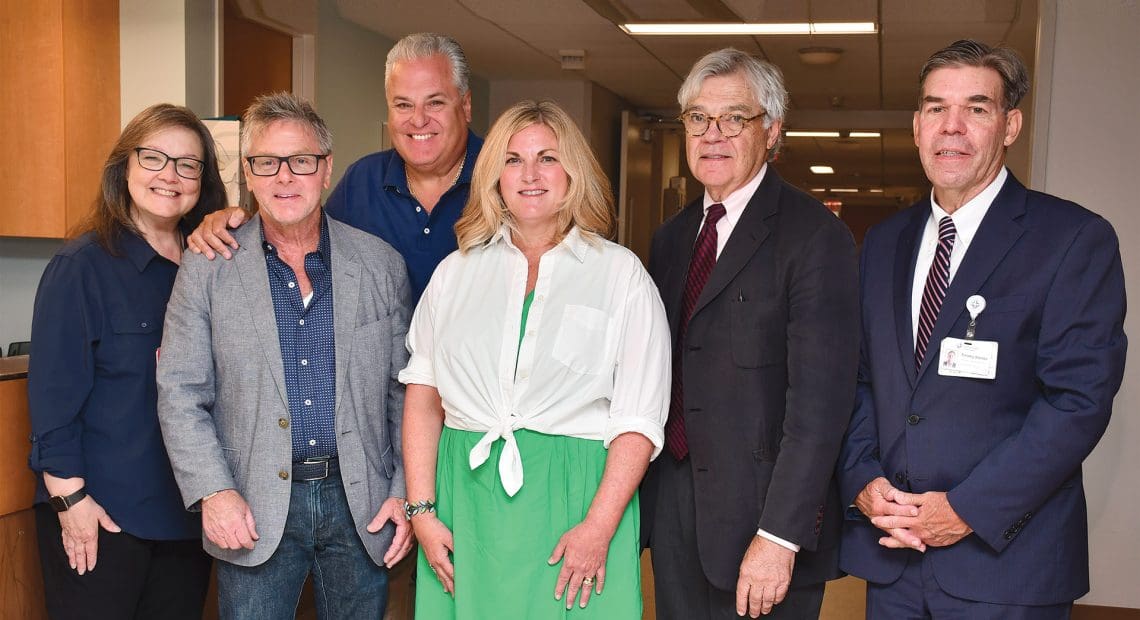
From left, Dr. Laurie Loicono, Peter Picknelly, Tony Ravosa, Sarah Yee, Dr. Philip Glynn, and Tim Stanton.

From left, Dr. Laurie Loicono, Peter Picknelly, Tony Ravosa, Sarah Yee, Dr. Philip Glynn, and Tim Stanton.


As BusinessWest spoke with several individuals about how the Andy Yee Palliative Care Unit at Mercy Medical Center was conceived and eventually became reality, they took turns gesturing toward one another and saying, “if wasn’t for … this never would have happened.”

It was said about Tony Ravosa, ‘Uncle Tony,’ a close friend of Yee’s, who doggedly raised money for the unit, conceived soon after Yee succumbed to pancreatic cancer in 2021.

It was said about Dr. Philip Glynn, the oncologist (and a Healthcare Hero himself in 2022) who cared for Yee during his illness and became inspired to do something to bring a new level of care to the region in his honor. He is now co-director of the unit with Dr. Laurie Loicona.

It was said of Tim Stanton, regional vice president of Philanthropy and chief Development officer for Trinity Health Of New England, Mercy’s parent company, who quarterbacked the fundraising efforts.

It was said of Yee’s wife, Sarah, who wanted to do something to recognize the unique brand of care provided to Andy in Mercy’s ICU in his final days and bring it to more patients and families facing difficult end-of-life issues.

But mostly, it was said about the person not in that room, but whose spirit certainly was: Andy Yee himself.

Indeed, all those gathered said creation of the eight-bed unit, the only one of its kind in the region, would not have been possible were it not for the way Yee touched all those who knew him — from customers in his restaurants to his nurses in the ICU; from long-time friends and business associates to former Massachusetts Gov. Charlie Baker, who rushed back to Springfield from a Republican governors’ meeting in Nashville, Tenn. to be at Mercy the day Yee died — and seemingly willed them to come together and make this ambitious undertaking reality.

“All of this is because of Andy and the people who loved him,” said Yee’s friend and business partner Peter Picknelly, chairman of Peter Pan Bus Lines. “Mayor [Domenic] Sarno stepped to the plate, the governor stepped to the plate, the lieutenant governor, the business community, all because of Andy and this institution, which helped him so much.”

In truth, the palliative care unit would not have happened without everyone in that room working together to create a vision and then make it reality. And all those individuals would be quick to note that getting the doors open was just the first chapter in this story. The next ones involve operating it in the compassionate, innovative manner that was imagined and, hopefully, expanding the facility to include more beds — because the existing beds are almost constantly full and the need, sadly, remains.

“This space was created in Andy’s spirit, and it’s designed to focus on enhancing interaction and time between family and their loved one at some of the most difficult times in people’s lives.”

“We had the ribbon cutting, and we were full the next day,” Glynn said. “We could fill 15 beds today.”

The unit was designed to help achieve what is known in healthcare as a ‘good death,’ one that, according to an Institute of Medicine Report, is “free from avoidable distress and suffering for patient, family, and caregivers, in general accord with the patient’s ands family’s wishes, and reasonably consistent with clinical, cultural, and ethical standards.”

By all accounts, Andy Yee’s passing met this criterion, and the unit created in his name is dedicated to helping others achieve a similar passing.

“This space was created in Andy’s spirit, and it’s designed to focus on enhancing interaction and time between family and their loved one at some of the most difficult times in people’s lives,” Loicona noted, adding that this is the very essence of palliative care.


Coming Together

‘Collaboration’ comes from the Latin word ‘collaborare,’ meaning ‘to labor together.’ It has come to describe individuals and groups working together to achieve a common goal.

Since the Healthcare Heroes program was created in 2017, the Collaboration category has been an important part of the initiative because almost all issues in healthcare, from opioid addiction to food insecurity, are complex and require the efforts of many different agencies pulling in the same direction.

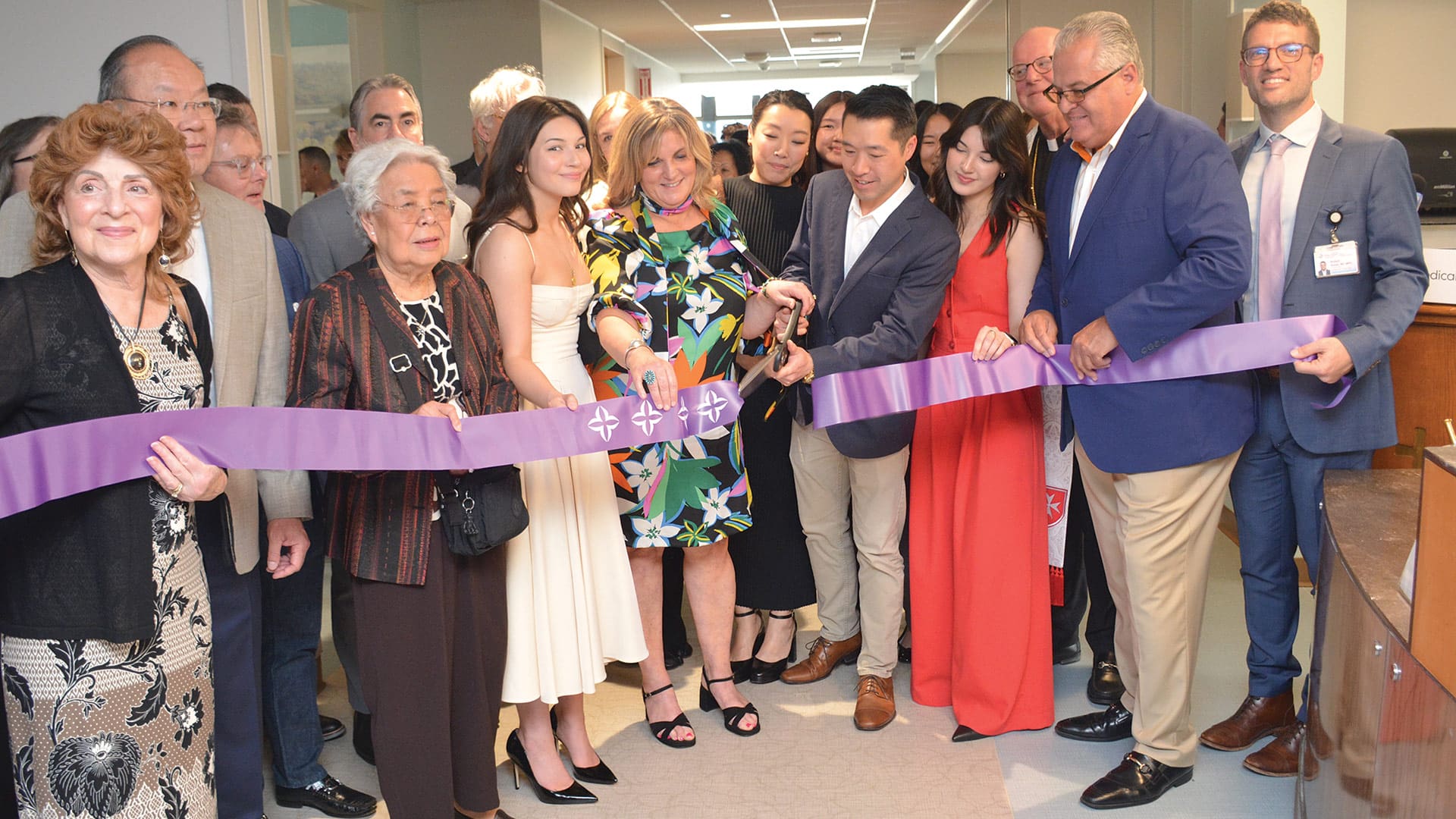
Yee family members and guests cut the ribbon on the Andy Yee Palliative Care Unit in May.

Yee family members and guests cut the ribbon on the Andy Yee Palliative Care Unit in May.

The creation of the Andy Yee Palliative Care Unit is a somewhat different story, but one that provides poignant lessons about the importance of collaboration and how it enables things to happen that wouldn’t happen otherwise.

Our story begins … well, it’s hard to say when it actually begins. It certainly began before Andy Yee’s cancer brought him to Mercy’s ICU. And it probably began before Yee, working with Picknelly, coordinated meal donations for employees at Mercy and other hospitals during the pandemic.

But that’s a good place to start because those efforts reflected Yee’s deep respect for Mercy, healthcare workers in general, and, eventually, the doctors and nurses who treated him.

“Andy really had an affection for this hospital; he could have gone anywhere for his care, but he chose this place because of that guy over there,” said Picknelly, gesturing toward Glynn. “People encouraged him to go elsewhere; he didn’t. He said, ‘I’m staying here; the people at Mercy are awesome, and Dr. Glynn is the best.”

This respect was repaid by those at the hospital bending the rules, if you will, for Yee and his family during his stay in the ICU, meaning the rules regarding how many people could visit him at one time, how long they could stay, and how they were able to make Andy feel more at home by bringing some of his home to his room in the ICU.

In other words, helping him achieve a ‘good death.’

These actions inspired Sarah Yee to want to do something to thank those at Mercy and help others facing oncology care. One thought early on was to gift an infusion suite for the cancer center in Andy’s name. But eventually, sights were set much higher, on creating a palliative care unit.

“We were given the opportunity to make that a comfortable space for our family that week he was here,” Sarah recalled, referring to his room in the ICU. “And I thought, ‘wouldn’t it be nice if other families could have that opportunity as well?’”

“We were given the opportunity to make that a comfortable space for our family that week he was here. And I thought, ‘wouldn’t it be nice if other families could have that opportunity as well?’”

So there was an initial conversation with Glynn, who has long understood the need for a unit devoted to palliative care and was more than amenable to the idea. He also understood that, unlike putting Yee’s name on an infusion suite, this would require a collaborative effort to address the many facets of this project — especially fundraising, design, and, eventually, operations.

And for the fundraising side, those duties fell to Ravosa, owner of a public relations and consulting firm, who accepted the assignment even as it kept changing and growing in scope, from initial estimates of $100,000 to the eventual total of $1.5 million as the cost of construction and materials kept climbing after COVID.

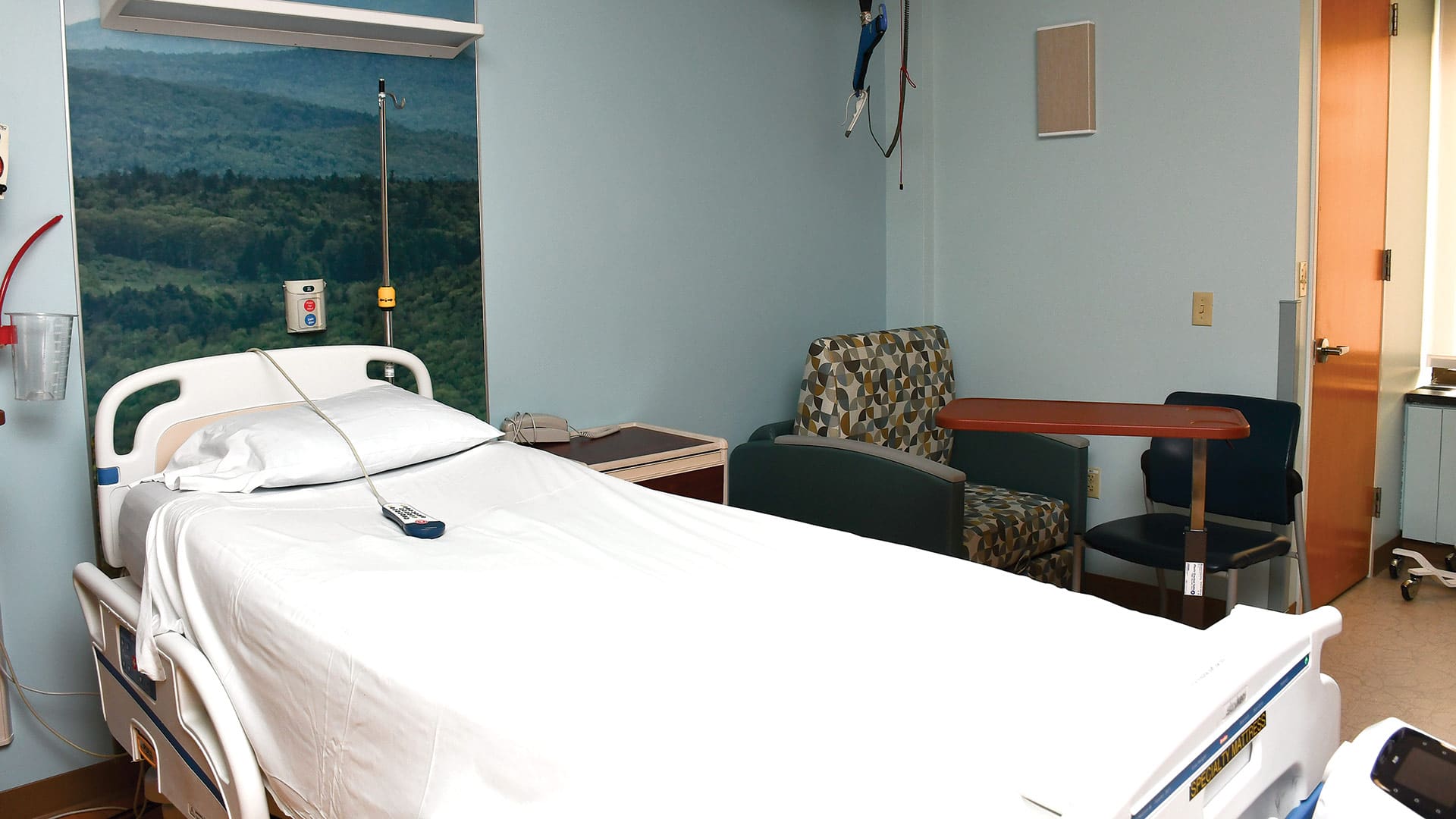
The rooms in the unit are designed to bring comfort to both patients and family members.

Overall, the three-year effort generated $650,000 in grants, including $250,000 in ARPA money, $450,000 in corporate gifts, $70,000 in political committee gifts, and donations from friends, family, and colleagues.


Food for Thought

The I-91 Supper Club covers several of those categories.

This is a group of friends, business colleagues, ‘political guys,’ and more who first gathered to mark the closing of the Hu Ke Lau in Chicopee (one of the Yee family’s many restaurants) and started meeting regularly after that, Ravosa said.

“We’d go to a restaurant once a month with a pre-set menu, and we’d bounce around … there were a lot of long-standing friendships and legacy businesses involving families that had been the community a long time,” he went on, noting that Sarah Yee was invited to come to a meeting of the group and give a presentation on the proposed unit.

And it was the group’s six-figure donation that essentially got the ball rolling, said Stanton, who worked in tandem with Ravosa on the project and recalls him being a “bull in a China closet.”

“Those checks started flying in,” he recalled. “Tony had a few events, and people brought money to them, and then he was on a roll. In more than 20 years of doing this, I can only think of one president of one university that I had to sprint to keep up with, and the other one who was like that was Tony; he kept pushing us and pushing us and pushing us.”

While funds were being raised, others were at work on design and operating plans for the unit, which, as noted, is the first of its kind in the region.

Located on the hospital’s fifth floor, the unit provides an inviting, soothing space for end-of-life care for patients and families, as well as patients with chronic illnesses requiring pain and symptom management. The layout required certain key elements, everything from a place where family members could sleep overnight to spaces for physician-patient consultation.

As for the care provided there, Loicona added that the overriding mission is to bring care at this level “back to family” and provide a support unit to the patient and family members.

Kathy Sullivan, nurse manager of the unit, agreed.

“Our nurses go above and beyond to provide the comfort and support that the patients and their families need, whether it’s little things like making sure the families have everything they need to eat or drink or making the beds for them to sleep in,” she said. “They order comfort trays for the patients from our kitchen, and they’re always advocating to make sure the medications are there that they need, and the providers.”

Glynn agreed, recalling a poignant example of going above and beyond. It involves a younger patient with a young child. Knowing he had a limited amount of time left, the patient wanted to talk with his son, but didn’t really know what to say and wanted to collect his thoughts in writing.

“He said that he was just too weak,” Glynn recalled. “So, one of the nurses took pen and paper and sat down next to him and wrote it all down, so he had what he wanted to say to his son.”

This is the kind of care that those who conceptualized this unit had in mind, and as they talked about what it was like to be part of this collaborative effort, those in the room kept coming back to the person who wasn’t, but who really made it all happen.

“I never had the pleasure of meeting Andy — I joined Mercy just after he died — but I feel like I know him very well from dealing with all of his friends and all the people involved in this effort,” Stanton said. “Tony did a great job of recruiting Fontaine Bros. for the contracting — they knew Andy — and JCJ Architecture; they knew Andy. Everyone involved in this project knew Andy, and it was a labor of love. It wasn’t work; it was ‘we have to make this happen.’”

Sarah Yee agreed.

“Andy had no idea of the people he touched,” she said, adding that now, through the unit named in his honor, he can touch countless more.

And while the unit wouldn’t have happened without him, it also wouldn’t have happened without a group of determined collaborators who are also Healthcare Heroes.

Healthcare Heroes

Healthcare Administrator

Director, Holyoke Medical Center Weight Management Program

He Helps Patients Regain Their Health — and Their Lives

“This doctor really puts his time into it. He takes his time to help you, he gives you his phone number, you can text him anytime with questions. He is with you there through the whole process. When I felt something was not right, I could just text him.”

“It’s because of him that I’m doing so well. He is caring, knowledgeable — the most supportive doctor I have ever had. He was in contact with me by phone daily for the first week or two after my surgery and is always available by email. Even at almost three years post-op, he still responds immediately to any emails concerning my health.”

“It stuck with me when he said, ‘you will be a patient of mine forever, as long as you want to be.’ I feel he has stuck to that 100%.”

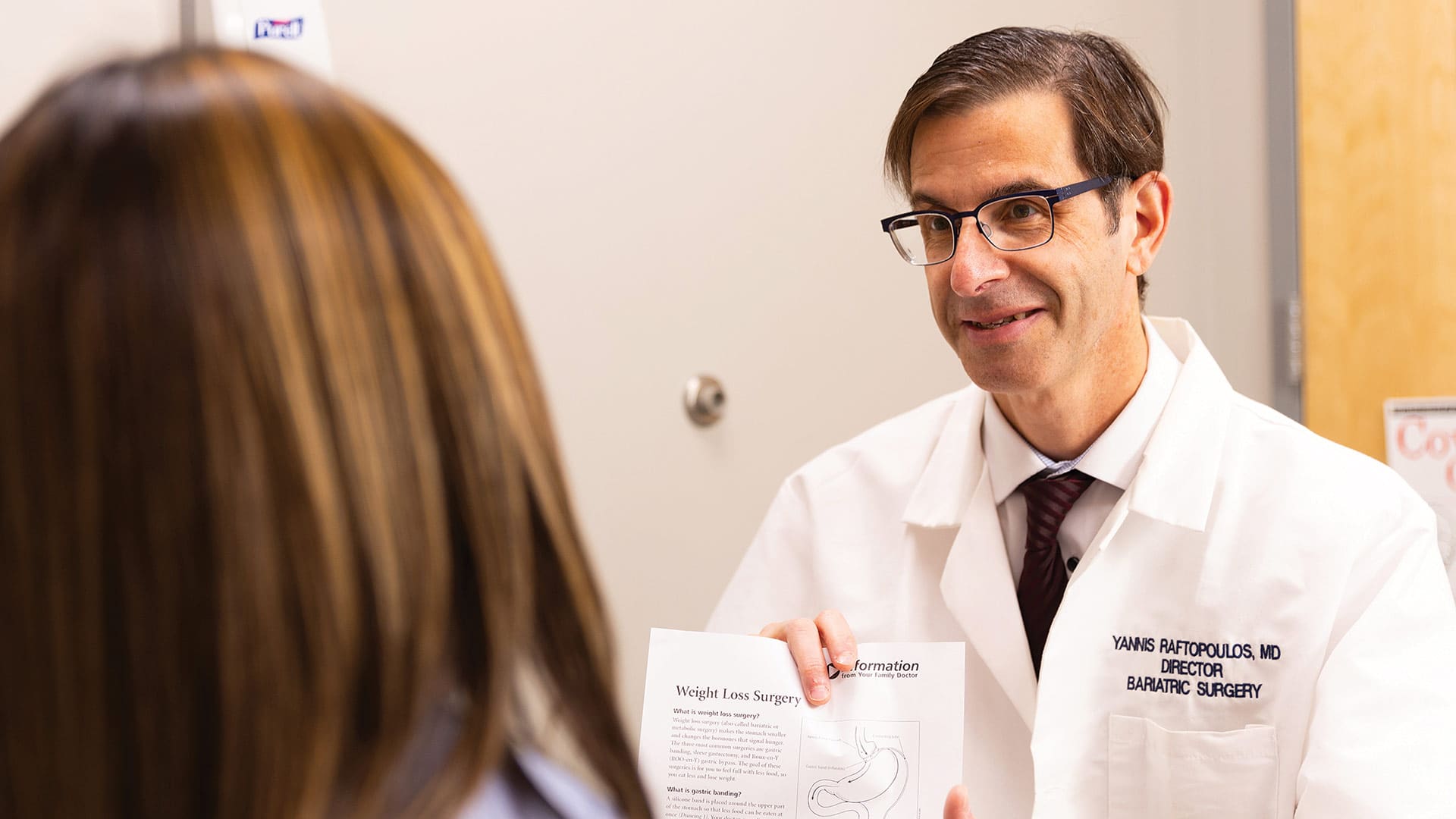
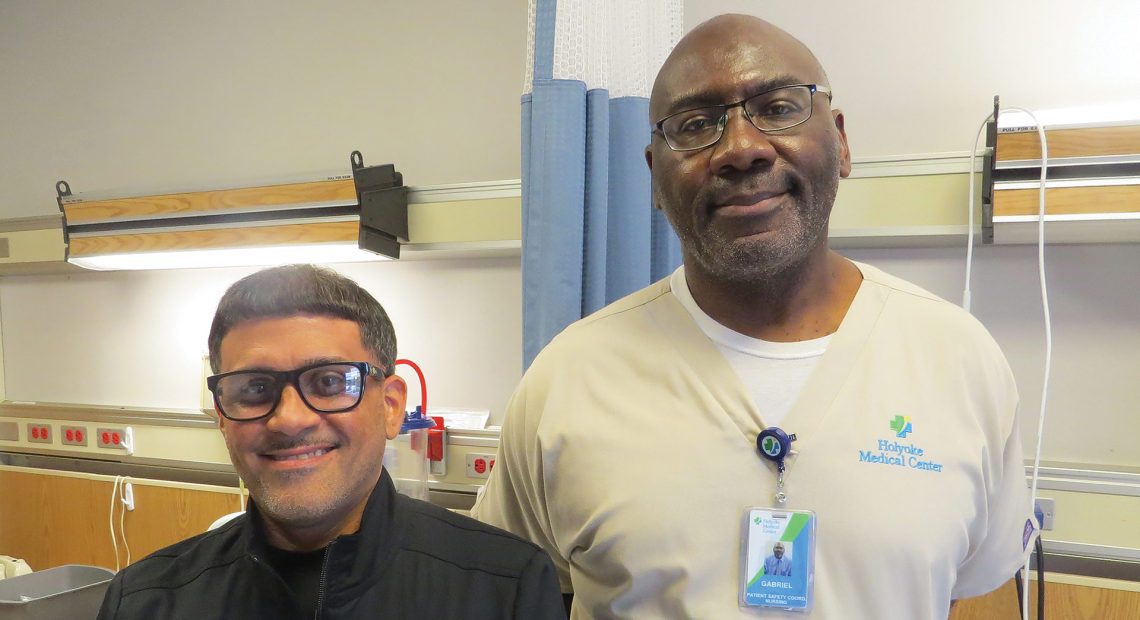
These are just three of the many testimonials from patients regarding Dr. Yannis Raftopoulos, director of the Holyoke Medical Center (HMC) Weight Management Program, and they help explain why he is a part of the Healthcare Heroes class of 2025. But even more importantly, they explain his personal approach to patient care and an unrelenting focus on communicating with them as they start and then continue on a difficult but often very rewarding journey.

Indeed, weight management is a journey, one that starts with a desire to do something about one’s weight, and it never really ends, not with surgery, medication, or a combination of the two, said Raftopoulos, who told BusinessWest that this specialty, which chose him as much as he chose it, is extremely rewarding.

And not just because of the pounds shed and then, in many cases, kept off, but because of what patients gain in the process — improved health, for example, with everything from diabetes to hypertension, sleep apnea, and more, but also the ability to do things they were not able to do previously.

“It makes my day, even today, after doing this for almost 25 years, when I see a patient succeed,” said Raftopoulos, who launched HMC’s Weight Management Program in 2016 and since then has helped more than 4,000 patients. “And success means to get a normal weight, which might help them find a job they couldn’t do before, or get into a relationship, or stop taking medication for diabetes or high blood pressure … all of this makes my day.”

As he talked about his work, he came back repeatedly to the importance of communication between himself and his patients, noting that this is perhaps the most important factor in achieving a successful outcome.

And successful, to him, means not merely losing some weight, but, as he said, achieving a normal weight and maintaining it, something he stresses to patients as he implores them to set the bar high and keep it there by changing their lifestyle.

“Sometimes, they’ll say ‘any weight loss is great. And I’ll say, ‘wait a minute, it’s not great.’ I tell them that, if they’re going to go under the knife and under anesthesia for the sole reason to lose weight, they need to do awesome, and awesome, to me, means getting back to a normal weight.”

His approach to his work, and his impact on his patients, was perhaps best summed up by HMC President Spiros Hatiras.

“He makes himself very accessible to his patients, and that truly sets him apart from other physicians,” Hatiras said. “Once a person becomes a patient of Dr. Raftopoulos, they remain his patient for as long as needed and are not discharged from the program.”


It Weighs on Him

“I am no longer a diabetic, and I don’t have high blood pressure. I thank God first and then Dr. Raftopoulos for the new me.”

That’s another of those testimonials, which collectively describe a physician who could be a Healthcare Hero in many categories: Healthcare Administrator, because he oversees and built this program, which now includes several doctors; Healthcare Provider, for all the reasons listed above; and even Collaboration in Healthcare because that one word effectively describes how he works with patients, out of necessity, for them to achieve the results they desire.

But we’ll focus on administration because of the way he has grown this program and made it a model of sorts that continues to attract physicians.

Our story begins in Greece, where, early on, Raftopoulos developed an affinity for challenge and eventually went to medical school while setting his sights on coming to the U.S. to be a surgeon. Upon graduating, he sent 450 hand-typed letters, by his count, to hospitals in this country seeking interviews.

He got three responses, one from a hospital in Chicago, where he ultimately landed, eventually working with one of the pioneers in bariatric surgery.

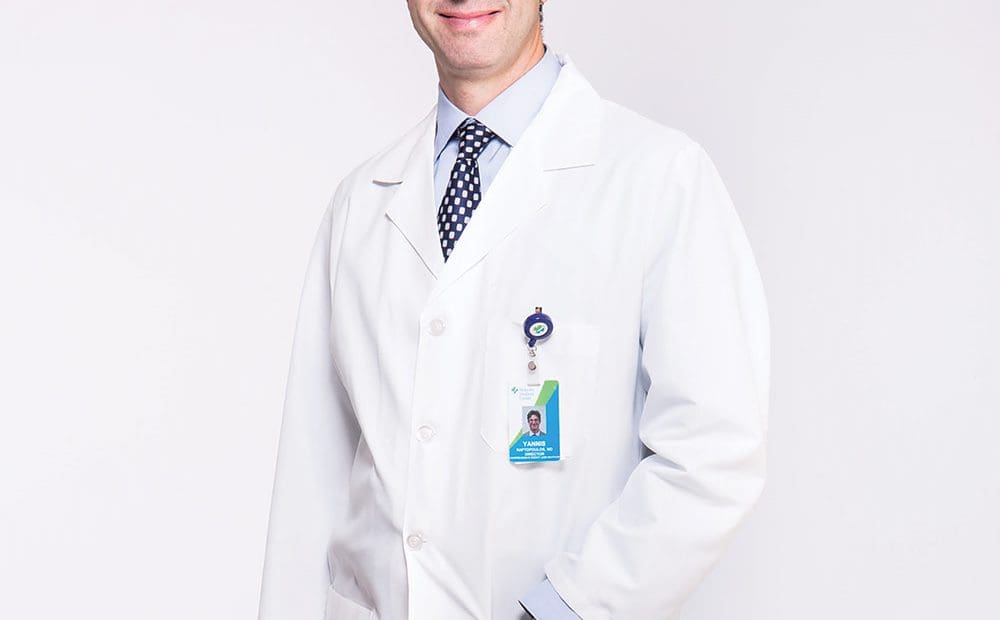
Dr. Yannis Raftopoulos is relentless when it comes to establishing solid lines of communication with his patients.

The surgery fascinated him. But he was more drawn to the physician’s personal approach to his work, a philosophy that he emulated and has taken with him to a fellowship at the University of Pittsburgh and eventually to his role as director of the Bariatric Surgery Program at Sant Francis Hospital and Medical Center in Hartford, Conn., then back to Greece for a short time, and then to Holyoke for the start of its Weight Management Program in September 2015.

Upon coming to this country in 2002, Raftopoulos quickly noted that it had a weight problem.

“It was striking, for someone who hadn’t been here before,” he said, adding that, unfortunately, over the years, this weight problem has become more of a global phenomenon.

And he has essentially dedicated his life to addressing it — or at least helping those who come to him because they want to do something to get their life back.

He spends two days a week in surgery, with the most common procedure being a gastrectomy, whereby part of the stomach — 60% to 70% on average — is removed to reduce stomach capacity and promote weight loss.

“It reduces the appetite and the hunger and makes the patient feel full faster with less food,” he explained. “Obviously, that by itself is not enough to be successful, but it gives them the tools, the assistance to be motivated to change their habits and work with me.”

After surgery, he said, the simple goal is to keep patients motivated, focused on short- and long-term goals, communicating, and on the path they started down because they couldn’t manage their weight themselves.

And to the extent possible, he motivates his patients to set the bar high when it comes to what is considered ‘success.’

“They’re learning a new skill set, and it takes time to acquire it and make it a habit; you need a lot of coaching over a long period of time.”

“Sometimes, they’ll say ‘any weight loss is great,’” he told BusinessWest. “And I’ll say, ‘wait a minute, it’s not great.’ I tell them that, if they’re going to go under the knife and under anesthesia for the sole reason to lose weight, they need to do awesome, and awesome, to me, means getting back to a normal weight.”


Achievements on a Grand Scale

During his career, Raftopoulos has helped more than 10,000 patients on their weight-loss journey, bringing his personal brand of care to each case with that aforementioned focus on communication, something that, in many cases, needs to be taught.

“Learning how to communicate — that’s one of the biggest issues they face,” he said of his patients. “They need to be confident in conveying the difficulties and learning to work together with me to solve them, rather than try to figure it out themselves, as they have been used to in the system, and then they end up not doing the right thing.

“The first thing they need to learn is how to communicate, and how to communicate effectively,” he went on. “And when I say ‘effectively,’ I mean not being afraid to communicate if they’ve had a bad week or they’ve gained weight, because I tell them the opportunity is still there from the good weeks and the bad weeks. I’m not the police; I’m not going to give them a ticket, and sometimes I have to tell them that, because they think, if they tell me something bad, that I’m going to get upset or they’re going to feel ashamed.

“Everyone makes mistakes,” he continued. “As long as you communicate and we discuss the mistakes, you learn from them. The bigger mistake is not to communicate, because it’s very difficult, without guidance, to understand why you’re making mistakes and, more importantly, how to correct them and not repeat them.”

This communication begins before surgery, and it continues every day after surgery for some time, and then it becomes weekly, he went on, adding that his research has informed him that more intensive follow-up for a longer period of time is a key ingredient in a patient achieving long-term success.

“They’re learning a new skill set, and it takes time to acquire it and make it a habit; you need a lot of coaching over a long period of time,” he said. When asked how long this coaching goes on, he added simply, “forever.”

Elaborating, he said that, over time, the patient will achieve a measure of independence, with the communication coming weekly, monthly, or over a few months, but it continues because weight management is a lifelong assignment.

And while carrying out that assignment, he said, it’s important for patients to have goals, short and long term, as well as milestones to reach and encouragement to reach them.

“You have to set goals for them, like losing three pounds every week,” he said, adding that he will remind them of this. “And then, I give them longer-term goals; I’ll remind them, ‘you’re 30 pounds from not being obese, that’s a milestone.’ Or ‘you’re 60 pounds from not being overweight.’ I find that giving them milestones motivates them to stay in the program, to push harder, and to accomplish the task.

“People will say, ‘oh, my pants feel loose, I feel great, I made another hole on my belt,’” he went on. “I’ll say, ‘that’s great, but that’s not the goal; the goal is to get to a normal weight.’”

Raftopoulos said many factors go into whether a patient will be successful on his or her weight loss journey, but perhaps the most important are a willingness to listen, communicate, learn from mistakes, fully understand that they need help to do this, and ask for help when it’s needed.

“Some people don’t know what to do, and they have difficulty doing it,” he explained. “They have an opinion about things, and sometimes we’ll have an argument. I’ll say, ‘you have an opinion, you’re entitled to have an opinion, everyone has an opinion … but you came to us because you couldn’t lose weight or you gained weight, so that means that whatever opinion you had, it wasn’t very successful; maybe you should listen to me and do things differently.’”

These comments help convey that, while research, innovation, and evidence-based practice is at the foundation of his work, compassion and dedication to patients truly set him apart and enable his patients to achieve positive results at rates considerably higher than the national averages.

And they also help convey why Raftopoulos is now, and has always been, a Healthcare Hero.

Healthcare Heroes

Lifetime Achievement

Physician and Associate Professor of Medicine, Baystate Health

He’s Pioneered an Innovative Model of Care for the Incarcerated

Dr. Thomas Lincoln


Passion. Empathy. Compassion. Leadership. Optimism.

Keisha Williams says these are just some of the qualities that Dr. Thomas Lincoln brings to his groundbreaking work every day.

“He’s very passionate about this population,” said Williams, responsible health authority and director of Nursing for the Hampden County Sheriff’s Office, who has worked with Lincoln for more than 25 years now as he has devoted much of his career to improving access to care for those impacted by incarceration. “He’s accessible, and he’s dedicated; there’s nothing he won’t do to assist someone or support someone and provide needed guidance.”

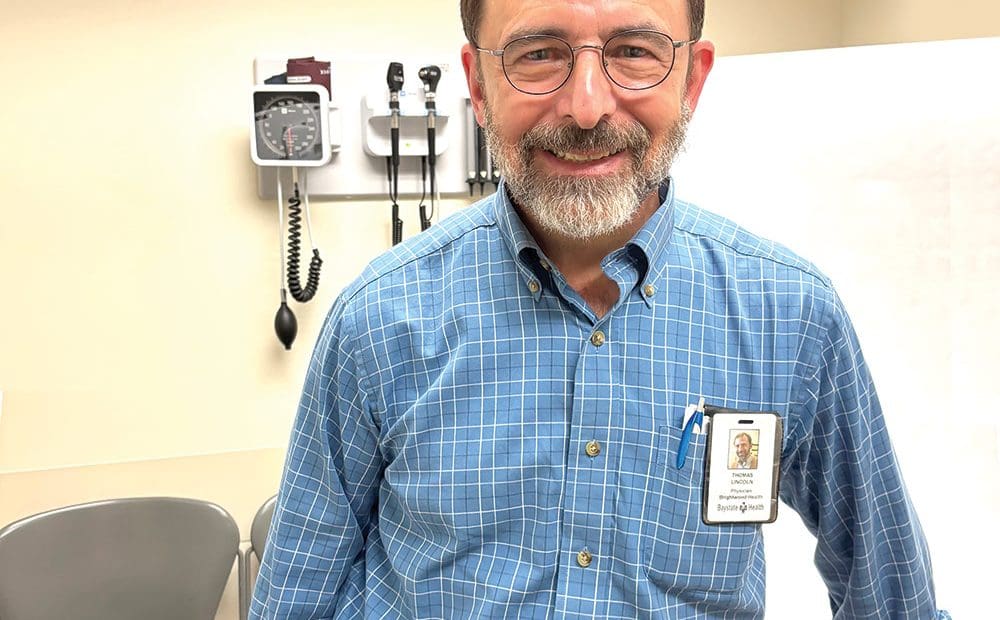
Lincoln, a physician at the Brightwood Community Health Center in Springfield and medical director of the Hampden County Correctional Centers, pioneered an innovative, nationally recognized public health model of healthcare for incarcerated individuals, one that not only ensures high-quality care during incarceration, but also supports a safe and successful transition back to the community — an initiative that has demonstrably improved outcomes and removed barriers to reintegration.

This model and the continuity of care it created has earned Lincoln national accolades, including the W. Lester Henry Award for Diversity and Access to Care from the American College of Physicians and the Armond Start Award for Excellence from the American College of Correctional Physicians. But for Lincoln, the far greater reward is seeing the results achieved by this work; the manner in which it is has become a model for other communities, including Washington, D.C., to emulate; and the gratitude of the inmate population.

“People are very appreciative just to be seen and taken care of in a manner that’s the same as what would be done on the outside,” he noted. “There’s plenty of need — you feel the need, and it feels worthwhile to do this.”

As medical director for Hampden County’s correctional centers, Lincoln cares for patients (inmates) at four facilities across the region, but especially what’s known as the ‘main institution’ in Ludlow, which has a population of approximately 800 men.

He helps treat what Williams describes as an older, sicker inmate population (more on this later) with a focus on all aspects of care, but the especially the HIV population.

“That’s his passion,” said Williams, adding that Lincoln is also medical director of the opioid treatment program.

With the Healthcare Hero award in the Lifetime Achievement category, Lincoln adds some additional recognition for this work not only with the incarcerated, but also with the underserved population that frequents the Baystate Brightwood Health Center in Springfield’s North End, and also for his work as an educator and mentor.

“As a primary care physician at Baystate Brightwood Health Center and associate professor of Medicine at UMass Medical School – Baystate, he has shaped the way care is delivered to underserved and marginalized communities across Western Mass.”

“As a primary care physician at Baystate Brightwood Health Center and associate professor of Medicine at UMass Medical School – Baystate, he has shaped the way care is delivered to underserved and marginalized communities across Western Mass.,” said Dr. Audrey Guhn, medical director of Brightwood Health Center. “His dedication to those who are too often overlooked by traditional healthcare systems makes him not only a role model, but a true Healthcare Hero.”


Impact Statement

When it comes to the Healthcare Heroes program and the many categories created to recognize the contributions of individual honorees, Lincoln checks essentially every box BusinessWest has created.

Indeed, he’s a provider and administrator, but also an educator, innovator, and collaborator with a strong focus on community. And because he’s been doing all this for decades now, he’s being honored in the Lifetime Achievement category.

Dr. Thomas Lincoln (center) with Hampden County Sheriff Nick Cocchi and Keisha Williams, responsible health authority and director of Nursing for the Hampden County Sheriff’s Office.

His story is somewhat similar to that of the 2024 honoree in this category, Dr. Andrew Balder, attending physician at Baystate Mason Square Neighborhood Health Center, who has also worked tirelessly on behalf of the underserved, with a specific focus focused on the homeless population and infant mortality, child maternal health, and birth outcomes. Yet, their careers have taken different, but equally impactful, paths.

Lincoln’s story begins in Concord, Mass., where he was drawn to science and eventually majored in physics in college before getting into research (geriatrics and cardiology) at Beth Israel in Boston.

“I decided I wanted to get into the people-based side of healthcare,” he said, adding that he enrolled at what is now UMass Chan Medical School in Worcester in 1983, with the goal of eventually getting into family medicine or emergency medicine, a path inspired in part by work as an EMT while in college.

He met his wife in medical school, and when she came to Baystate Medical Center to practice pediatrics, Lincoln, who was a year behind her in school, eventually followed her to Springfield, choosing internal medicine over pediatrics.

“I was interested in community health and work at a community health center,” he told BusinessWest, adding that he eventually landed at the Brightwood facility after his residency and has made it his career.

Sort of.

Starting in the early ’90s, his focus shifted to work at the county’s correctional facilities, where he now spends five days a week, a career path inspired in large part by the rise of HIV and the medication to treat it, AZT.

“Folks would disappear for a few months, come back not on medication, and we’d find out that they’d been in jail,” recalled Lincoln, who became interested in HIV care following a rotation at San Francisco’s Ward 86 HIV Clinic, the epicenter of the AIDS crisis, while in medical school. “And with all the stigma and everything, they wouldn’t tell health services — they wouldn’t tell anyone — about their HIV until they got back out of jail and came in for healthcare.”

This reality prompted officials at the Brightwood facility and the former York Street Jail in Springfield to create a type of outreach program to provide HIV care in the jail.

Lincoln, who was one of those providing such care, recalled that, early on, it was mostly emergency room physicians working after hours administering care to inmates, and over time, it was determined that, instead of this episodic, urgent care model, a primary care model would be more appropriate and provide more continuity with follow-up after patients were released from prison at area health centers.

This would become what’s known as the Hampden County public health model for correctional healthcare.

“Folks would disappear for a few months, come back not on medication, and we’d find out that they’d been in jail. And with all the stigma and everything, they wouldn’t tell health services — they wouldn’t tell anyone — about their HIV until they got back out of jail and came in for healthcare.”

Today, four area health centers — the Brightwood, Mason Square, and Southwest clinics in Springfield and Holyoke Health Center — are involved in providing this model of care to those who are incarcerated, with designated teams comprised of physicians from those facilities working with a primary nurse practitioner or physician assistant who works full-time at the jail, as well as a case manager and primary nurse.

“When people arrive at the jail, we divide them up by what neighborhood they’re from or where they’re going for their healthcare,” Lincoln explained. “They are assigned to a team; a primary nurse would follow up from the time they’re there, and a physician comes in once a week to see people. It’s primary care.”

And it continues after the individual is released from jail, he went on, adding that this continuity of care is critical for a population battling issues such as addiction, other mental health issues, hepatitis C, HIV, hypertension, diabetes, and often chronic injuries.

Dr. Thomas Lincoln says Hampden County’s primary are model for incarcerated individuals has been adopted by several other communities.

Williams agreed. “We would start the discharge planning with that team model so that, when that patient went back out into the community, their plan would be seamless, and there would be a continuity of care,” she explained. “Building that relationship with the community provider while they were on the inside would only help them return to the community and feel confident with the same provider outside.”


Innovative Model

Measuring the success of this program is somewhat difficult due to a lack of research on this population, but Lincoln believes it is certainly making a difference.

“Follow-up is a big marker — if someone’s following up, that’s generally a marker for better health,” he said, adding that, while hard evidence is difficult to come by, he believes the program is yielding results with everything from reduced ER visits after release to improved overall health.

Williams agreed, noting that the primary care model is certainly needed at a time when the inmate population is both older and sicker — and in need of such continuity of care.

“People are sicker coming to jail,” she said. “There’s a dynamic where there’s heighted mental health problems in the community, and with these problems comes substance abuse issues, as well as not taking care of existing conditions such as diabetes, hypertension, and liver disease associated with alcohol use, so people are coming to jail sicker than they have in the past.

“And there’s also an aging population,” she went on. “The patients we’re seeing now … we have fewer numbers, but we have more co-morbidity and more acuity; we have people in their 70s coming to jail.”

Meanwhile, one measure of success is the number of communities that have adapted the model, or aspects of it, for their correctional systems.

“The biggest adaptation and use of the model is Washington, D.C.,” Lincoln explained, adding that the Robert Wood Johnson Foundation provides funding for a nonprofit to promulgate the model and provide technical assistance. “There’s a large community health center system, and they adapted this there for the District of Columbia jail, and they actually dedicated a health center as a re-entry health site.

“Other community health centers, other spots in the country have looked at this and decided to do similar things; it very much lends itself to the smaller location, where the jail and the community health center serve the same population,” he added, noting that representatives of several communities and correctional facilities in states ranging from Florida to Michigan have come to Ludlow to watch, listen, and learn.

Beyond his work with those who are incarcerated, Lincoln is making a difference as an educator and mentor of young people looking to follow his lead and make their mark in healthcare.

“In addition to his clinical leadership, Dr. Lincoln is a passionate educator and mentor who has guided countless medical students, residents, and early-career physicians,” Guhn said. “His commitment to reaching the next generation of caregivers to serve with empathy, humility, and cultural competence has had a lasting impact not only on individual careers, but also on the broader field of internal medicine.”

Williams said one of the best testimonials to all that Lincoln brings to his work and the community is a scholarship that bears his name, one she pushed hard to create.

“It’s awarded to a medical staff member who is looking to further their education, and it talks about what he exemplifies, his moral principles, optimism, integrity, honesty, and respect for human dignity. It’s given to a person who epitomizes all that he stands for, and it’s my honor every year to talk about it.”

That’s a fitting tribute to someone who is called a pioneer, innovator, passionate care provider, and now … Healthcare Hero.

Healthcare Heroes

Healthcare Provider

Infusion Manager, Sister Caritas Cancer Center at Mercy Medical Center

She Brings Empathy and a Strong Ear to Those Navigating Their Cancer Journey

Cindy Leonard says that, as incredulous as it may sound — especially given the preconceived notions about cancer treatment and chemotherapy in particular — some of the visitors to the medical oncology infusion services at the Sister Caritas Cancer Center are sad when those treatments are no longer needed because they’re getting better and moving to the next step in their journey.

“They say they’re really going to miss us … they want to know if they can come back and visit,” said Leonard, adding that these sentiments are commonplace, but hardly universal.

And while they stem in part from doubts about whether the cancer is truly gone, apprehension about if or when it will return, and the comfort derived from seeing one’s care team every day or every week, they also result from the family-like atmosphere that exists here, and the compassionate care provided during what is generally the most difficult time in a patient’s life.

And no one exemplifies all of this more than Leonard, infusion manager at the Caritas Center and one of two 2025 Healthcare Heroes in the Healthcare Provider category.

She’s been working in the broad realm of oncology, starting in pediatric oncology, for nearly 40 years now, and she described it as a field where there are obvious challenges and many difficult days, but also rewards that perhaps few who don’t do this day in and day out could really understand.

“People who are not nurses or healthcare workers will say, ‘how can you do that? How do you take care of someone knowing that they might not make it? How do you do that without crying? How do you provide care and not get frustrated and say, this is not worth it?’” she said, listing just some of the questions people have for her. “I always say, ‘it’s not about that; it’s about what’s happening right now — you’re going to take care of them, and hopefully, whatever care you’re providing them makes a difference in their day and their life and helping them live a little longer so they can do things they want to do.’

“I can’t tell you how many patients over the years have had a goal,” she went on, becoming emotional as she did so. “Men who wanted … needed to get to their daughter’s wedding, for example. If you’re able to be a small part of them achieving that goal … there’s no reward greater than that.”

With that, she summed up why she loves what she does and why, at age 63, she’s not even thinking about retirement. For some sentiment on why those who work with her don’t want to see that day either, and what Leonard brings with to work every day, we turn to Dr. Philip Glynn, a Healthcare Hero himself in the Provider category (class of 2022), who has worked beside Leonard for 25 years now.

“Over her 40-year career, Cindy has shepherded hundreds of souls on their cancer journey, helping them navigate care as part of a club no one wants to join,” he said. “Sitting for hours in an infusion chair can be lonely, and Cindy not only makes sure patients feel heard during treatment, she also ensures that they are well cared for and comfortable. This is not an easy job, especially when outcomes are so often unfortunate. Still, Cindy is a fierce advocate for patients, and she handles the heavy burden of their care with grace and humility.

“I can’t tell you how many patients over the years have had a goal. Men who wanted … needed to get to their daughter’s wedding, for example. If you’re able to be a small part of them achieving that goal … there’s no reward greater than that.”

“At her core, Cindy is probably one of the kindest people anyone could meet, and couple that with … let’s call it unconditional empathy for people — she is the absolute example of a servant leader,” Glynn went on. “People around her, the nursing staff around her, they want to emulate her; I’ll bet every nurse there would say that Cindy is a role model.”

Such sentiment explains why Leonard is now also a Healthcare Hero.


Unconditional Caring

Like many previous honorees, as well as several members of the class of 2025, Leonard would qualify to be a Healthcare Hero in a number of categories, including — given how long she has been doing this — Lifetime Achievement.

But Provider seems most fitting because she is perhaps best noted for what she brings to, and does for, patients who come to the infusion center, where more than 17,000 treatments are provided annually.

“Her empathy for people going through the biggest life challenges imaginable … it knows no limit,” Glynn said. “It’s what I would call unconditional caring — she’s universally kind, professional, and thorough with everyone. And patients get it; they gravitate toward her.”

And they have done so for decades now.

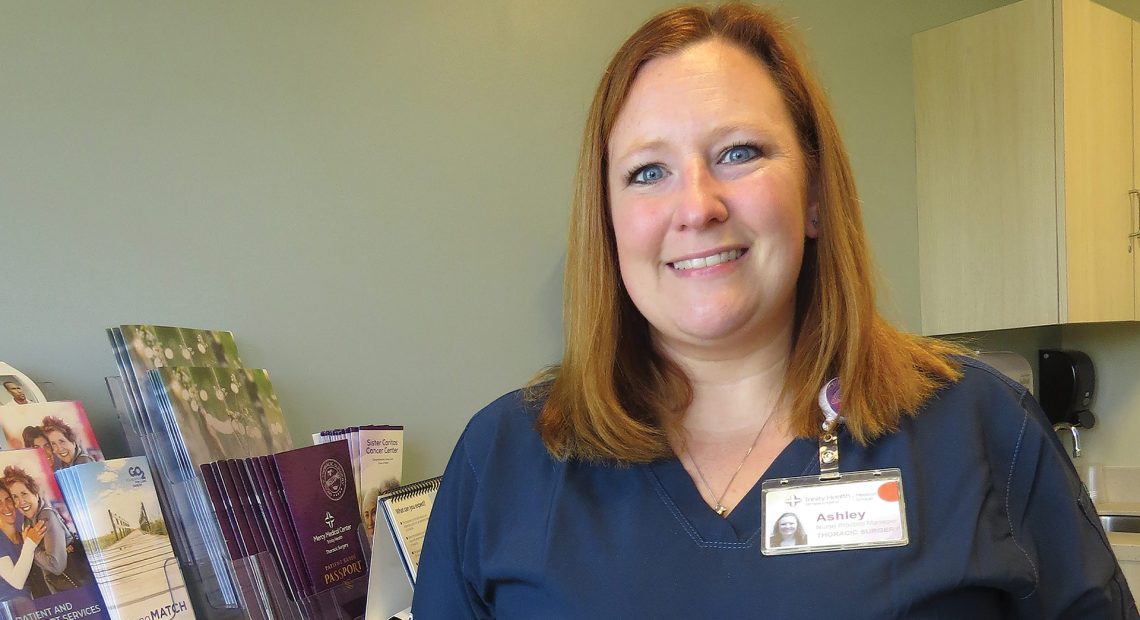
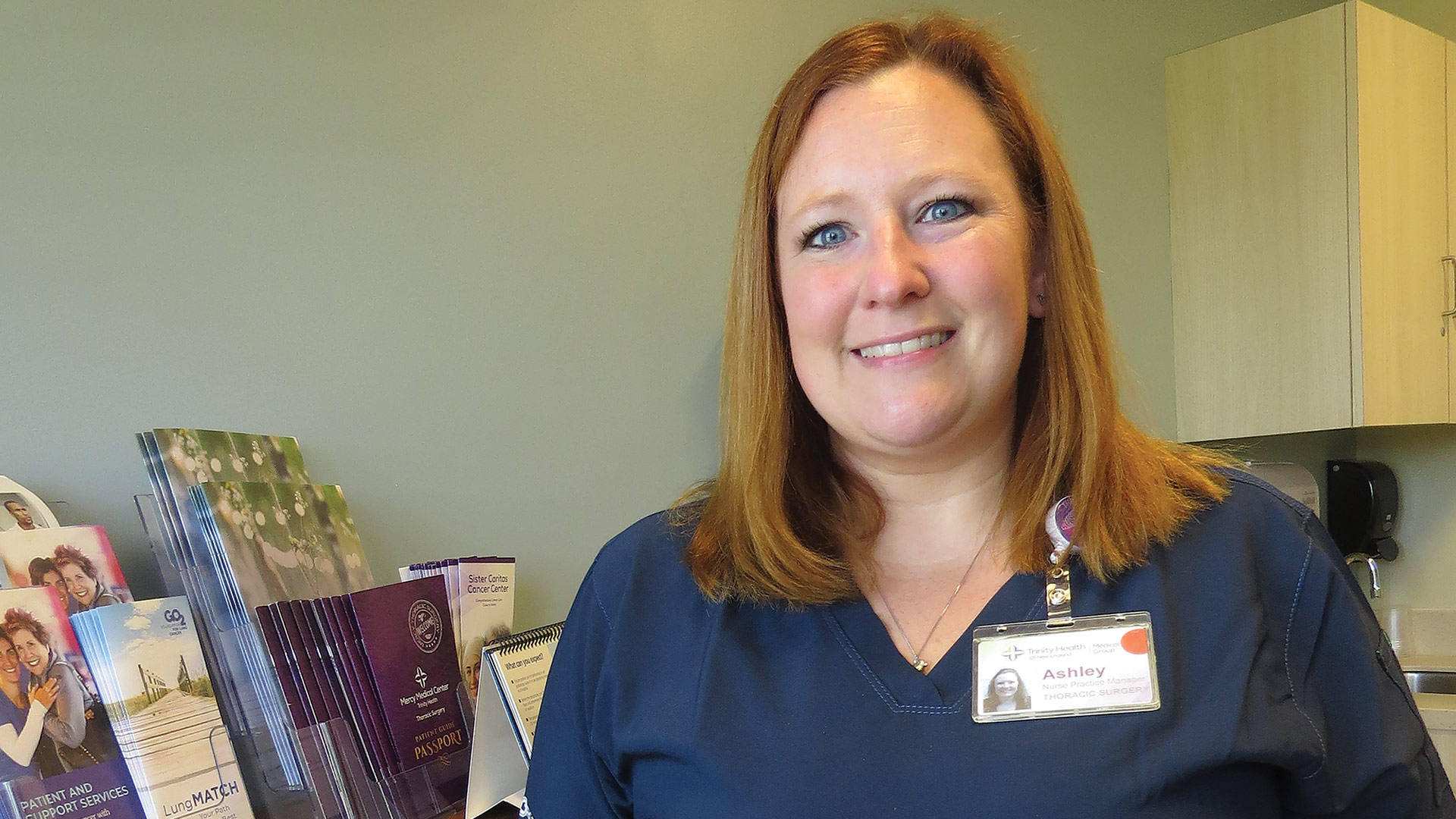
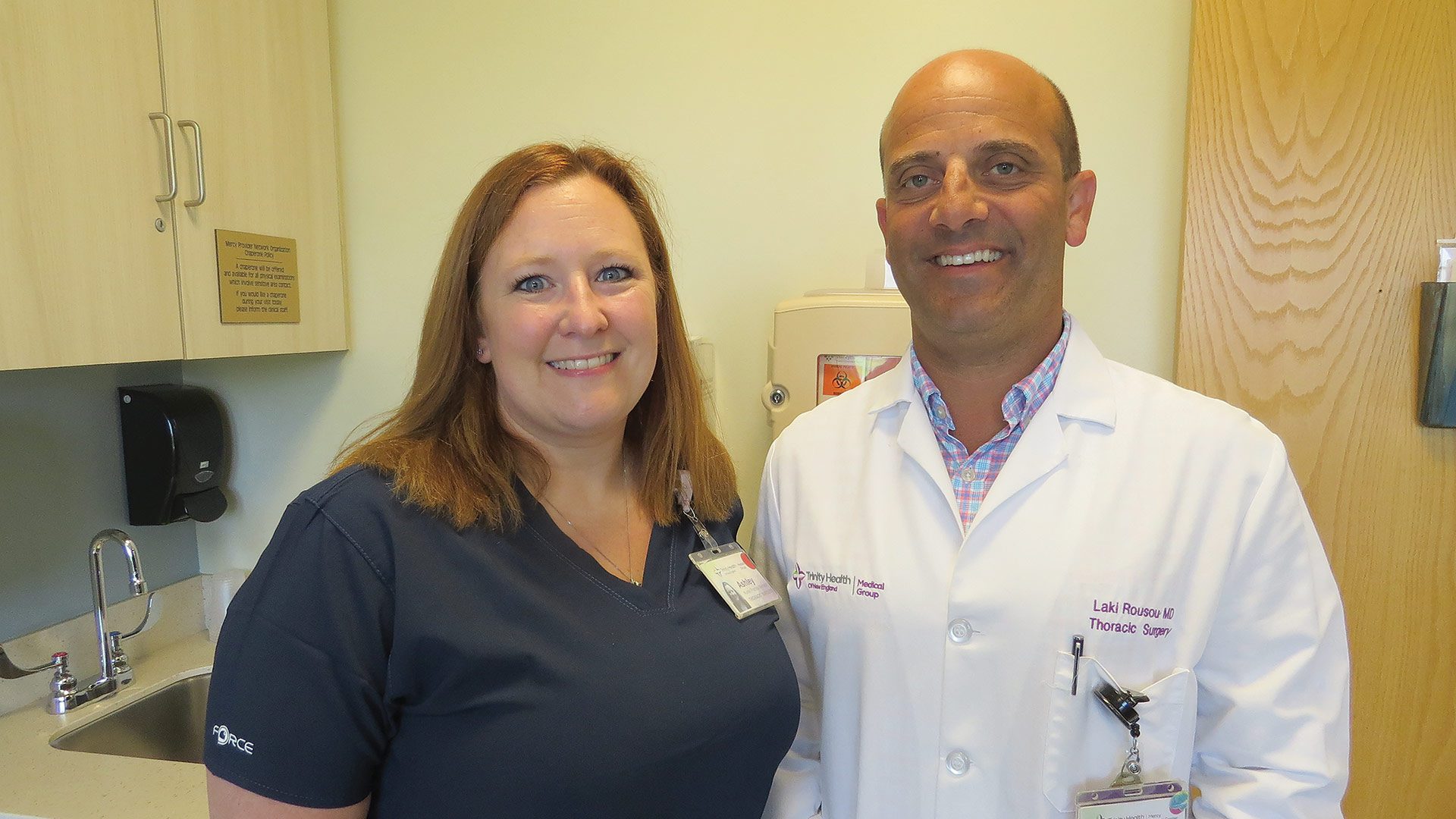
Cindy Leonard with Dr. Philip Glynn.
Staff Photo

Indeed, Leonard has been an oncology nurse for nearly the entirety of a 40-year career in nursing. When she graduated from the College of Mount St. Vincent in the Bronx, N.Y., she knew she wanted to work in pediatrics.

“But those jobs are few and far between — that’s what most people want,” she recalled, adding that it took her three years to get into that specialty, and when she did, in 1987, it was in pediatric oncology at a hospital in New Jersey.

She would remain there until her family relocated to Western Mass. in 2001. Soon thereafter, she met Glynn, who happened to have an opening for a nurse in his oncology clinic at Noble Hospital in Westfield. The two have been working side by side ever since, with Glynn moving his practice to Mercy in 2012, and Leonard moving with him.

Since then, they have been part of continued expansion of the medical oncology center and witnesses to dramatic changes and new treatments for patients, especially immunotherapy.

“One of the beautiful things about immunotherapy is that it doesn’t make people sick; it’s not traditional chemotherapy where people are nauseous, vomiting, tired, and weak,” she explained. “This, along with other advances in cancer care, is one of the things Dr. Glynn and I reflect on a lot; we’ll say, ‘who would have thought 15 years ago that patients would be taking a medicine that doesn’t make them sick?’”

At the center, Leonard handles myriad responsibilities that fall into the categories of management and patient care, and she handles both with professionalism and enthusiasm.

“It’s what I would call unconditional caring — she’s universally kind, professional, and thorough with everyone. And patients get it; they gravitate toward her.”

During a typical 10-hour day that starts at 7:30 a.m., she will create a scheduling grid for all infusion and acute visits, 65 to 80 a day on average — a complex assignment.

“On any given day, there’s 10 to 12 nurses, and when you print the schedule, you assign a patient to a nurse every 30 minutes to an hour based on the acuity of the patient because they’re all here for a different reason,” she explained. “Some of the patients sit here all day and receive multiple medicines, which require a lot of coordination from the nurse, and others are here for only an hour, so the schedule has to be done fairly.”

Patients start arriving around 8, and they come in continuously over the course of the day, she went on, adding that physicians will call throughout the day with requests to add people to the schedule because they’re not feeling well.

Leonard also assures that all infusion, injection, and transfusion therapies are complete and have undergone prior authorization to obtain insurance approval, ensuring that the services are properly ordered to account for any change in clinical parameters and that they are fully reviewed and approved by physicians. Treatments often require coordination with other service lines, such as radiation oncology, surgery, or intervention radiology, and she said she oversees all this while taking on her own patient load.

Meanwhile, on the more administrative side, she collaborates with medical management, Joint Commission representatives, the cancer committee, and Mercy’s Education department to create annual competencies for nursing staff.

And she brings to all these responsibilities what Glynn called a ‘servant leader’ mentality. “She doesn’t back away from hard problems, she doesn’t back away from big responsibilities, and yet, there’s no job that’s too small.”


Navigating the Journey

But those who know Leonard will say that it’s not what she does that sets her apart and makes her a Healthcare Hero, but how she does it.

“The moment you hear, ‘you have cancer,’ that phrase is burned into your memory forever; those three words change everything — how you view your life to that point and beyond, how you interact with family and friends, and perhaps your belief in a higher power,” said Glynn, adding that Leonard has helped countess patients cope with a new level of vulnerability as they try to navigate all parts of this this unwanted journey.

This is the part of her work that many not in this field have trouble understanding, but for her, it’s a labor of love.

Cindy Leonard (right) with team members at the Sister Caritas Cancer Center.

“Dr. Glynn and I talk about it all time … we come to work every day, but we don’t consider it work,” she said. “It’s like that old saying — find what you love to do, call it work, and find a way to get paid for it. That’s how I feel.”

And as she talked about her work, she said it requires several qualities and skill sets, if you will, including compassion and empathy, the ability to listen, and the willingness to be honest with patients and not create unrealistic expectations.

“We tell them the truth, but we tell them both sides,” she explained. “We don’t just tell them the bad things; we’ll tell them the story of that one patient that did well and got to do things.”

Overall, Leonard said she and other nurses in medical oncology form strong bonds with patients, bonds that explain the piles of letters she’s received from patients and family members thanking her for all she does, as well as the myriad prayer cards from the funerals of patients that she has attended.

“If oncology is your calling and it’s something you’re able to do, it is very rewarding,” she said, while acknowledging that sometimes, visits to the infusion room stop not because the treatments are working, but because they are not, and there are no more options.

“There are often tears because we’re human,” she said. “And I believe that, as nurses and as a profession, as oncology nurses, it’s important that we’re able to acknowledge those feelings as well. It’s OK to cry with a patient; it’s OK to let them verbalize to you that nothing else is working and it’s time for the next step in their life.

“I’ve had many conversations over the years,” she went on. “A lot of it is listening, but a lot of it also is acknowledging their emotions, and often these patients will take the lead and talk and tell you that they’re OK with it, they understand, and they know that they did everything they could.

“They’ll express to you their wishes … they want to be comfortable; they want to die at home, or ‘oh my gosh, I do not want to die at home,’” she continued. “You work with the patients to help them express what their wishes are.”

Thus, listening is perhaps the most important skill in the cancer center, and it’s one of many that sets Leonard apart.

All this explains why some people are sad when their visits to the infusion room come to an end. But mostly, it explains why Leonard is a Healthcare Hero.

Healthcare Heroes

Community Health

Assistant Professor, Elaine Marieb College of Nursing at UMass Amherst

She Is Changing Lives Through Her Passion for Nutrition

Linda Koh’s journey to healthier eating is a lifelong one.

“I’ve had a passion for it for a long time,” she said. “My grandmother was a great cook, and she lived with us, so I was always wanting to learn how to cook. And she was like, ‘no, your job is a student; you need to study.’ She didn’t have opportunities to study when she was younger, so she always encouraged me to study, but I was always interested in food.”

Around the third grade, her father visited Massachusetts to attend a lecture about the Framingham Heart Study, and how red meat can put people at higher risk for heart disease and certain types of cancer.

“He came home from that presentation and said, ‘we’re going to be vegetarian.’ So overnight, we stopped eating meat, and that was kind of traumatic for me because I was like, ‘what are we going to live on? I’m not used to this.’”

But Koh stuck with it, and when she got married, she and her husband made the decision to go vegan, and have stuck to a plant-based diet for the past 13 years.

“We’ve seen in our own lives how it’s impacted our health. We used to have seasonal allergies, and we don’t have those anymore, so if it works for us, I’m sure it could be helpful for other people.”

So she speaks from experience in the work she does today — as an educator shaping future nurses at the Elaine Marieb College of Nursing at UMass Amherst, as well as an emerging leader creating partnerships around nutrition and sustainable food systems.

Take it from Crystal Neuhauser, chief Development officer at the Marieb College, who nominated Koh as a Healthcare Hero.

“Through her innovative research, collaborative partnerships, and culturally grounded pedagogy, she is reshaping the healthcare landscape in Western Massachusetts — empowering individuals, training future nurses, and building healthier, more equitable communities,” Neuhauser wrote.

As noted above, Koh — like others in this year’s class of Healthcare Heroes — could easily be recognized in a few different categories, including Emerging Leader, Collaboration in Healthcare, and Healthcare Educator. But Community Health seemed most apprropriate because her impact on the community, by helping people change the way they look at food and nutrition, is significant, and growing.

“Dr. Koh’s impact is clear: families eating better, students entering the workforce more prepared, and communities being heard,” Neuhauser added. “What makes her heroic is not just her scholarship — it’s her radical belief that everyone deserves to live with health, dignity, and joy. Her work is already changing lives in Western Massachusetts. Her leadership ensures those changes will endure.”


Cross-country Impact

Koh grew up in Southern California, and her early educational and career experiences took her to several far-flung locales.

“I worked in nursing in Colorado, I taught English for one year in Ukraine, and I also did an internship in Denmark in health program planning, so I had all these different ideas of things I was interested in.”

“Up to that point, I had mostly been working with adults, but because I wanted to do something more with the whole family and community, I was looking for opportunities where I could expand to work with kids.”

But she eventually pursued an associate’s degree program in nursing, and worked in that field for about 15 years. But she wasn’t sure she wanted to work in a hospital for the rest of her life.

“After 15 years, it was already starting to kind of wear on me. My husband was like, ‘if you go back to school, think of the impact that you could have if you teach.’ So I decided to go back to school.”

Koh wound up at UMass for her graduate studies, but then returned to California — Stanford University, to be specific — for post-doctoral research work, where she worked with a pediatric gastroenterologist at a weight-management clinic.

“I got a lot of experience working with patients in the clinical setting,” she recalled. “Up to that point, I had mostly been working with adults, but because I wanted to do something more with the whole family and community, I was looking for opportunities where I could expand to work with kids.

Linda Koh led the development of “Full Plate for Kids,” an activity book that teaches children about good nutrition.

“So I worked with that professor and clinician for one year, and then I got a grant that enabled me to stay on for a second year as a post-doc working with Dr. Christopher Gardner, who does all the nutrition research studies within the Stanford Prevention Research Center.”

At the time, he had a side project called Farm to Table Camp, a summer camp that brought kids to an organic farm. “Kids from kindergarten to eighth grade could go and learn how to grow food, how to harvest it, how to prepare it. I thought, ‘this is amazing. I wish like every child could have this opportunity.’”

Gardner encouraged Koh to apply for a grant from the Ardmore Institute of Health in Oklahoma, which has a nutrition education program called Full Plate. “I was thinking it would be great if we could take something like this and turn it into like nutrition education for kids.”

So she did, producing an activity book called Full Plate for Kids, which explains concepts like fruits, vegetables, fiber, and other parts of a healthy diet, as well as how food is grown, how to prepare simple, healthy meals, and more.

Much of her work so far has been based in California, but since starting work at UMass, Koh has been busy locally. She recently secured a grant to work with a graduate student on a nutrition project this fall, and is working on another to have more students involved in the spring. “So I’m trying to get more people involved in nutrition and also help to educate the next generation of nurse scientists.”

The activity book and other efforts aimed at children and their families can be impactful, she noted.

“A lot of kids have an aversion to vegetables,” she noted. “So we need to figure out ways to encourage people to eat more vegetables and whole grains and beans, nuts and seeds. And so if we can do it from a young age, I think they can reap the benefits of that long-term.”

She talked about working in a community health center as part of her dissertation work, and right next to it was a food bank; patients could come to the health center for their appointments, and then go next door and get a box of food.

“I noticed that they would keep most of the canned goods, but all the fresh fruits and vegetables, they would just leave in a pile next to the trash can when they were leaving. And I wondered why they were doing that. So I started talking to some of them, and they would say things like, ‘I don’t know how to prepare it.’ Or ‘My family doesn’t like it.’ Or ‘I don’t have a refrigerator.’

“So, for my dissertation work, I really focused on teaching adults how to prepare things in a quick and easy way that takes less than 15 to 20 minutes,” she continued. “We also talked about eating things in season and how to create a menu plan where you can make meals on $5 a day, stuff like that.”

Meanwhile, Koh saw from her camp experience the impact education and exposure could have on young people over just a few days.

“A lot of kids have an aversion to vegetables. So we need to figure out ways to encourage people to eat more vegetables and whole grains and beans, nuts and seeds. And so if we can do it from a young age, I think they can reap the benefits of that long-term.”

“The first day, we’d have children that say, ‘oh, I don’t like any vegetables; I’m not eating this. I’ll help prepare it, but I’m not going to eat it.’ Or they’d say, ‘I’ve seen that at home; I don’t like it.’ Then, by Wednesday or Thursday, they’re eating it. On Friday, we had salad day; we had a huge salad bar with all the vegetables from the farm, and the parents were in shock to see their kids piling kale onto their plates, things like that. So in just that short time frame, I feel like we made an impact, and that’s something they can take home to their families, and then it can impact the whole community.”


Food for Thought

This fall, at the Elaine Marieb College of Nursing, Koh will be teaching a doctoral-level class in community engagement and community building — essentially, how to work in partnership with other community members. She’ll also be teaching undergraduate courses in writing and nursing ethics.

“Dr. Koh is a leader in advancing nursing education that responds to the needs of diverse communities,” Neuhauser wrote. “She mentors undergraduate and graduate students in culturally responsive care, sustainable food systems, and health equity research. Many of her students come from communities underrepresented in nursing and go on to serve in local health centers, schools, and public health departments. By embedding equity into clinical practice and community engagement, Dr. Koh is training a new generation of nurses to serve Western Massachusetts with compassion and cultural humility.”

One of the reasons Koh is excited to be at UMass is this region’s strong agriculture economy.

Linda Koh, right, with (from left) Natacha Costa, Angela Williams, Dr. Christopher Gardner, and Claire Paul at a Stanford University summer internship program.
Photo by Shelley Anderson

“I’ve met quite a few people in soil science and nutrition and at the School of Agriculture; they’re doing a lot of different things. I’m hopeful that we can get a teaching kitchen going in the future — one in the community and also one here on campus, and do more collaborative projects together.”

Koh’s mentor at Stanford recently received a grant to work with a nonprofit organization in more than 600 schools across the nation, going into school cafeterias and helping them get involved with local farms, improving their scratch cooking, and removing excess sugar. She’d like to see more efforts like that nationally, but for now, she’s determined to do what she can in Massachusetts.

“I feel like nutrition is something that everybody can get excited about because everybody has to eat, and everybody has memories of their favorite foods, or foods they ate when they were growing up, or around holidays. So that whole community-engagement piece together with nutrition, that’s where my interests lie.”

And to see the impact, even if it’s on just one student or one family at a time … well, she finds that highly rewarding.

“When I worked inpatient, seeing people coming out of surgery or who had just gotten a diagnosis, they start thinking, ‘did I do something wrong? Was there anything I could have done to prevent this?’ And I feel like nutrition is one of the ways that people can feel like they’re actually directly impacting their health in a small way. And by starting young, I feel those are lessons they can carry with them throughout their entire lifetime.

“One of my lifelong goals is to be the bridge between academia and the general public. A lot of times, people are doing this great research, but they don’t know how to share that with the general public, and it can be like 10, 15 years before people find out about it,” she added. “I just feel like health is so important, and if you don’t have it, it impacts every other part of your life. And I want to help people live happy and healthy lives.”

For her commitment to doing just that — and for the broad impact this work will eventually have — Koh is certainly a Healthcare Hero.

Cover Story Event Galleries Healthcare Heroes

Back in 2017, BusinessWest created a new recognition program to recognize those working in the region’s large, and critically important, healthcare sector.

After much deliberation, we settled on the name Healthcare Heroes, and since then, many have asked the question, ‘how do you define hero?’

Our answer has always been simple, direct, and something along these lines: we don’t define ‘hero,’ you do.

Which explains why, over the years, we’ve honored a diverse cast of individuals and groups that are, in the eyes of those nominating them, true heroes for the ways in which they improve quality of life for those they touch. And the class of 2024 continues this tradition.

We tell the stories of eight Healthcare Heroes, each one different, but with common threads, especially a passion for their work and an ability to change lives. 

Go HERE to see the 2024 Healthcare Heroes Digital Flipbook

Click on the names below to read  each story of this years Healthcare Heroes:

Dr. Andrew Balder

Attending physician at Baystate Mason Square Neighborhood Health Center, honored in the Lifetime Achievement category for working tirelessly on behalf of those who are traditionally underserved, with a specific focus on the homeless population and infant mortality, child maternal health, and birth outcomes;

Bernice Drumheller

Past president of NAMI Western Massachusetts, another honoree in the Lifetime Achievement category, who, driven by the struggles of her son, Mark, has become a tireless advocate for those with mental illness and their families;

Lucinda Canty

Associate professor of Nursing and director of the Seedworks Health Equity Program at UMass Amherst, honored in the Community Health category for her efforts to improve health equity for traditionally underserved women of color;

Peta-Gaye Johnson

Director of Healthcare Workforce Initiatives for the MassHire Hampden County Workforce Board, honored in the Collaboration category for working tirelessly — and with a wide array of partners — to help ensure there is a reliable pipeline of healthcare workers

Maggie King

Occupational therapist at Baystate Health, honored in the Provider category for bringing passion and compassion to her efforts in the NICU to not only care for newborns, but help parents through perhaps the most stressful time in their lives;

Alexa Mignano

Director of School-Based Clinical Services at River Valley Counseling Center, honored in the Administration category for expanding an effective — and much-needed — mental-health counseling program to students in some 70 schools;

Dr. Laki Rousou

Chief of Thoracic Surgery, chief of Robotic Surgery, and medical director of the Lung Cancer Screening Program at Mercy Medical Center, honored in the Innovation category for using both advanced technology and screening to lower mortality rates in an all-too-deadly disease

Janet Williams

Professor of Biology at Elms College, honored in the Education category, whose work in the field of biology has influenced a generation of nursing and health-sciences graduates and significantly impacted the healthcare industry locally and beyond

BusinessWest and the Healthcare News will celebrate this year’s honorees on Thursday, Oct. 17 at 5:30 p.m. at the Log Cabin in Holyoke. Tickets cost $95, and tables of 10 are available. To purchase tickets, GO HERE

Presenting Sponsors

Partner Sponsor

Healthcare Heroes

Community Health

Associate Professor of Nursing and Director of the Seedworks Health Equity Program, UMass Amherst

Her Focus on Health Equity Is Changing Outcomes for Women


Lucinda Canty

Lucinda Canty

It takes more than a sentence or two to describe what Lucinda Canty does — and then a lot longer to fully describe the impact of her work.

She’s an associate professor at the Elaine Marieb College of Nursing at UMass Amherst, but also a nurse midwife.

“A lot of what I teach is around women’s health and reproductive health, but I also address social justice and health equity. So there’s quite a range of what I do,” she said. “I mentor undergraduate students and support them through my program, but I also have PhD students or DNP students that I mentor through their projects.”

She also founded Lucinda’s House, a maternal-health initiative that creates an environment where women of color feel safe, supported, and empowered. It provides comprehensive services, including individual consultations, health-education events, and access to community resources covering critical topics such as postpartum mood disorders, breastfeeding, perimenopause and menopause, pregnancy loss, reproductive health wellness, and HIV.

And as director of the Seedworks Health Equity in Nursing Program at the university, she is helping to mentor the next generation of healthcare providers.

According to Crystal Neuhauser, chief Development officer at the Elaine Marieb College of Nursing and one of Canty’s nominators as a Healthcare Hero, “her dedication to her students is evident in her commitment to fostering an environment where future nurses and midwives are trained to understand and address health disparities.”

In short, Canty has found avenues to direct her work as a nurse and educator to achieve some very specific goals. It’s a career that has unfolded in intriguing ways since she chose a healthcare path over a culinary one at a young age.

“When I was in high school, I wanted to either be a chef or a nurse,” she recalled. “I was trying to decide, and a friend was like, ‘you know, you can always cook. Even nurses cook.’ And I wanted to help people; I love being able to provide care. So that’s how I started into nursing.”

In nursing school, she discovered a specific passion for maternal health and midwifery, and she worked in that field for about 14 years before having yet another epiphany moment, when a friend told her about a teaching opening for a clinical maternity professional at the University of St. Joseph in West Hartford.

“I was like, ‘oh, I could do that with my eyes closed.’ So I was going to do one semester and then go back to clinical practice. But I loved it so much. I loved working with the students. I loved how they discovered their confidence — them being terrified to even hold the baby, and then at the end, you see them giving a shot like it’s nothing, and see their interactions. I wanted to be part of that. And now, that one semester has turned into 15 years. And I still love it to this day.”

Others appreciate her as well. “Dr. Canty’s work as a scholar is transformative, especially in addressing maternal health disparities,” said Allison Vorderstrasse, dean and professor at the Elaine Marieb College of Nursing, another nominator. “She is a formidable advocate for maternal and child health in the Pioneer Valley. Her leadership extends beyond UMass Amherst as she engages with local healthcare providers and community organizations to promote health equity. Her efforts have brought much-needed attention to the disparities in maternal-health outcomes and have driven collaborative efforts to address these issues.”

That’s the broad impact of a Healthcare Hero.


Legacy of Learning

As a professor, Canty loves seeing the impact her own students have in the community — and appreciates how the teaching environment has changed.

“Things are different from when I was a student to seeing students now. When I was given a clinical site, I didn’t have a say in it; whatever site you got, you went to,” she recalled. “But now, when I hear people asking, ‘what do students want?’ or hear them advocating for themselves, I’m like ‘that’s what we need in nursing.’ I feel like I was kind of made to feel silent. I did what I had to do, and I appreciate it, but I see these new ways, and I love being part of that.

“And then, to see them in their careers, working, that’s really the most gratifying part. That’s awesome.”

“I loved working with the students. I loved how they discovered their confidence — them being terrified to even hold the baby, and then at the end, you see them giving a shot like it’s nothing, and see their interactions. I wanted to be part of that. And now, that one semester has turned into 15 years.”

But she also desired to delve into research, which included earning a doctorate 20 years after graduating with her master’s degree.

“I wanted to look at health disparities and reproductive health. I wanted to understand what causes disparities, especially among black women,” she told BusinessWest, noting that, for many populations, as socioeconomic status improves, so do health outcomes — but for Black women, that’s not always the case.

Among the findings of her research was the importance of making sure women have accurate health information, but another was the impact of having a relationship with a healthcare provider that goes beyond the basics.

And that gets into the importance of diversity in healthcare, of having doctors, nurses, and other professionals who understand cultural differences and can connect more effectively with patients — and develop a relationship built on trust, communication, and mutual understanding.

“I feel like there’s so much that we can learn from each other,” Canty said. “And I also feel, in nursing school, medical school, we don’t talk enough about culture and how that shows up in healthcare. So we need to have environments where we can have discussions about that.”

Lucinda Canty has created, in Lucinda’s House

Lucinda Canty has created, in Lucinda’s House, a program that powerfully helps women of color while giving hands-on training to tomorrow’s nurses.

Vorderstrasse agrees, calling Canty’s scholarly contributions “vast and impactful,” adding that she has “published extensively in esteemed journals, providing evidence-based insights that are shaping the future of maternal healthcare. Her research is not just academic, but is deeply rooted in community engagement, ensuring that her findings translate into practical applications that directly benefit the communities she serves.”

This research, in fact, influences the Seedworks Health Equity in Nursing Program, which began in 2022 as an effort to increase diversity in the nursing world.

“It’s recruiting students, but it’s also supporting them from their freshman year all the way up until they graduate. So it’s involved mentoring,” Canty explained, adding that it’s not just professors doing that; upperclassmen also mentor incoming students.

“Sometimes you’ll have programs that want to increase diversity, and the students come in, and they feel very isolated through that, or they don’t feel supported. So it’s really about changing that environment so they can see that they belong here and they belong in nursing. Our goal is to increase diversity, not just to say, ‘oh, look, we have a few people of color,’ but to say, ‘look, we have people who have something to offer to nursing.’ And as they’re going through, I want them to see what they have to offer.”


Heart of the Matter

A focus on community is at the heart of that model, Canty said, but when it comes to direct community impact, Lucinda’s House — where her nursing students get hands-on experience in community-based healthcare — has been a game changer for many women since it opened in 2022.

“When I finished my research, I started to see how many things could have been prevented just in the experience of care,” she recalled. “And I felt like I needed to do something.”

Lucinda’s House, according to the description Canty wrote for its website, is a collective space where women of color can discuss sensitive issues related to their health and bodies, while developing their own solutions. “We understand the challenges Black mothers face in the healthcare system and know that changes can occur when the members of the community come together to address issues that prevent Black women and other women of color from maintaining a level of wellness.”

“When I finished my research, I started to see how many things could have been prevented just in the experience of care. And I felt like I needed to do something.”

One of the standout programs at Lucinda’s House is its community baby showers, which provide pregnant women of color with essential resources and support. The showers have been held in underserved communities, ensuring that women receive the care and support they need, both during pregnancy and postpartum.

Canty’s innovative approaches also include the Perinatal Loss Program, which offers health education and support in a safe space for women to discuss their needs and receive the necessary support for healing, including support groups that use creative forms of expression to promote healing.

Lucinda’s House also hosts Community Conversations exploring Black women’s views on factors impacting hypertensive disorders of pregnancy. These storytelling events capture the experiences and beliefs of Black women to develop community health-education programs tailored to their needs.

“What I found, being in the community through my research, is that people just want to tell their stories,” Canty said. “They want someone to listen to them. They want you to understand what they went through, to be able to share and say, ‘this is what happened to me,’ and not be judged in that. At Lucinda’s House, you’re going to be receiving non-judgmental support. Just tell me what it is that you need so that you can better take care of yourself.

“I’m not going to tell you, you’re going to tell me,” she went on. “And from that, I also don’t say, ‘this is what you need to do.’ I give them the opportunity to get the information and let them make the decision. And if they have questions from that, they can let me know.”

Connecting with women, both culturally and emotionally, but also giving them autonomy in the healthcare system has been incredibly powerful, she added. And she’s not only working with first-time moms, but many who are in their second or third pregnancy but are dealing with trauma from a previous pregnancy.

“I don’t turn anyone down,” she said. “I provide support that helps someone’s mental health and well-being, but if they have trauma, I know a social worker, a psychologist, I know people that I can refer them to.

“And that’s the other piece — I have a network of support,” Canty went on. “I’m grateful for that because it’s overwhelming to try to do something and address an issue like maternal health all by myself, or diversity in nursing all by myself. To have people support that strengthens me and strengthens the work that I’m doing. This is not something that I’m just doing on my own.”


Bottom Line

Vorderstrasse recognizes the value of this body of work, not just for the students at the Elaine Marieb College of Nursing, but across the entire community.

“Her work is directly impacting the health and well-being of women in our community, and her influence is shaping the future of healthcare providers,” she wrote. “Dr. Canty’s unwavering dedication to improving maternal health outcomes, her innovative educational programs, and her relentless advocacy for health equity make her a true Healthcare Hero.”

Yet, Canty never set out to earn that title; she’s just following her passion and proving every day that choosing nursing over cooking was a great decision.

“I feel like things just fell into place, and I’m doing something that I love,” she told BusinessWest. “I have friends who have good positions, but sometimes they feel like they’re not 100% happy with what they’re doing. I can really say that I feel good about what I’m doing. Sometimes I feel like it’s a dream — but it’s real.”

Healthcare Heroes

Lifetime Achievement

Past President, NAMI Western Massachusetts

Her Work on Behalf of the Mentally Ill Became a Lifelong Mission


Bernice Drumheller

Bernice Drumheller

When Bernice Drumheller’s son, Mark, was in grade school, she noticed he was having some issues.

“He showed symptoms of some kind of illness early in life,” she recalled. “I noticed some peculiarities; he was my youngest son of four, and I didn’t see any of those signs in my other three children, so I knew that there was something going on with my youngest son.”

That something was mental illness, she said, noting that, as early as age 4, Mark seemed to be depressed and didn’t talk much.

Drumheller’s concern led her to become a school aide so she could keep an eye on him — and also on how the school was “going to deal with his situation.”

You might say that was the very beginning of what would become deep involvement in efforts to help those with mental illness and their families — work that would move beyond Mark’s school and into several different settings, as we’ll see.

“When Mark became a teenager, at 14 and 15, that’s when real problems started to develop,” she went on, noting that he was skipping school, having trouble making his grades, and resisting calls to attend a resource center because he was embarrassed to do so.

Fast-forwarding a little, she said Mark did graduate from high school, but his problems mounted, and his illness took new turns. He would eventually be hospitalized and later sent to Brattleboro Retreat in Vermont. It was there that Drumheller met a social worker who introduced her to an organization called NAMI, the National Alliance on Mental Illness, and that’s where our story begins an exciting new chapter.

Indeed, she would receive some help from the organization, which now boasts 600 local affiliates — and then spend the next 30 years helping it provide assistance to others.

“I noticed some peculiarities; he was my youngest son of four, and I didn’t see any of those signs in my other three children, so I knew that there was something going on with my youngest son.”

She started as a Family-to-Family Education teacher, with that program’s name effectively explaining what it is — individuals in families experiencing mental illness educating others going through the same things (much more on this program later).

But over the years, she would go on to serve on NAMI’s board and as the president of its Western Mass. chapter, now headquartered in Holyoke, for 12 years. For more than three decades, she has been a tireless advocate for those with mental illness and their families — a commitment that has made her a Healthcare Hero in the Lifetime Achievement category.

This award — one of many Drumheller has received over the years, including another lifetime achievement award from NAMI Massachusetts — speaks to the passion she has brought to her work — and the fact that she’s never considered it work.

Bernice Drumheller, right, volunteers at a walkathon to benefit NAMI along with Ruth Stein

Bernice Drumheller, right, volunteers at a walkathon to benefit NAMI along with Ruth Stein, who, with her husband, Harold, founded the local chapter.

Instead, it’s a fulfillment of a commitment she made a long time ago to Mark and countless others like him to be their advocate, their champion, and to speak and work on their behalf.

“I swore, when I got involved in this, that it would be a mission for my life,” she told BusinessWest, adding that this mission doesn’t actually get accomplished; the work is ongoing, and it takes many forms.

Over the years, she has testified at the State House as part of an effort to have the Department of Mental Health budget increased to ensure that beds are still available in hospitals and proper care is provided to those receiving services.

She has spoken at National Gun Violence Awareness Day, specifically addressing the public’s misperception that those with a mental-health diagnosis are responsible for gun violence; her message is that they are far more likely to be the victims of violence than the perpetrators of violence.

She appeared with then-Hampden County Sheriff Michael Ashe to promote the “CEOs Against Stigma” campaign as part of what has become an ongoing fight to battle stigma surrounding those with mental illness, and she has shared her story in crisis-intervention trainings for first responders to mental-health emergencies so they would have a better understanding of these crises.

“Most of her time has been spent giving countless hours serving an organization she believes in and is dedicated to, promoting mental health and well-being throughout the community,” said Tamari Cole, the current president of NAMI Western Massachusetts, who nominated Drumheller for the Healthcare Heroes award, noting that she continues to be a force in this realm.

And at NAMI, she continues to serve on the board and also as a family support-group facilitator, while also raising money for the agency and volunteering several hours monthly.

Her tireless work has served to inspire others, while it is also giving a louder voice to those battling illness, as well as their loved ones.

All this makes her more than worthy of the title Healthcare Hero.


Someone Who ‘Gets It’

Drumheller said her son Mark’s story is typical of many of those with mental illness. And her efforts to understand that illness and help him are typical as well.

In short, families need support, direction, and someone who can relate and understand what they are going through. Someone who, for can lack of a better phrase, can speak that language.

“COVID caused a lot of isolation, and that leads to depression. We’re social beings, and we couldn’t really socialize like we did, and this led to a lot of problems. And now, we have to fix this; we have to fix all these kids who are suffering from anxiety.”

And for many, Drumheller has been, and still is, that someone. But her work has gone much further, as noted earlier, into the realm of advocacy and education — at the local, state, regional, and national levels.

As for Mark, his case exemplifies how the road is hard, but it can take people to a good place, like the one he’s in now — his own apartment where he lives independently.

But, as noted, the road has been a hard one.

After graduating from high school, he struggled, usually without success, to hold onto a job, Drumheller recalled, adding that symptoms of schizophrenia continued to mount.

“When I would send him into a store, he would say, ‘someone’s following me’ — he was paranoid,” she recalled. “He was acting very strangely.”

To understand his illness and help him, she continued to seek the services of a family therapist, who informed her that Mark needed to be hospitalized because he was having a mental breakdown.

“He was sent to Brattleboro Retreat and ran away from there — he was quite a problem there,” she said. “He would hear things, and he would see things that aren’t there. He would think that the radio was talking to him, and the TV was talking to him; he would hear voices.

“He was on a lot of medication, and he got to a point where he couldn’t move,” she went on. “He would lie down, he wouldn’t talk, he wouldn’t move, he wouldn’t do anything.”

Mark would eventually come out of this catatonic state and get better, she recalled, adding that it was about this time that a social worker introduced her to NAMI.

“As soon as I got him home, I called our NAMI affiliate here, and they helped me a lot,” she said. “They were very supportive, and that’s when I got involved.”

That’s an understatement. She joined the organization’s board and soon became a family-to-family teacher.

“We teach families how to cope with people who are living with mental illness,” said Drumheller, who was named by NAMI Massachusetts as a charter member of its Family-to-Family Hall of Fame, adding this is a simple job description, but the work is often difficult, made easier by shared emotions and experiences.

“These families form camaraderie,” she explained. “Someone called me the other day and said, ‘Bernice, I love to talk to you because you understand. Even my immediate family members … they just don’t get it. But you get it.’

“Unless you’re dealing directly with someone who is mentally ill, people just don’t get it,” she went on. “They don’t understand mental illness, and there is such a stigma; I wanted to fight against stigma, I wanted to help educate families of people with mental illness, and I wanted to advocate for people with mental illness.”

She has, and she still does.


Giving Voice

Drumheller recalls being reluctant to take on the role of president of NAMI back in 2007, when she was first asked. There was a lot to the position, and she was working full-time in insurance.

But she eventually acquiesced and would then stay 12 years in that role, the longest tenure of any president. She said she was helped by a strong board and her years of experience as a family-to family teacher, which provided her real insight into the problems being experienced by families — problems she could articulate to constituencies ranging from elected officials who set budgets to the many agencies in this region and beyond that serve the mentally ill and their families.

But it was her drive to fulfill her mission that drove her as she helped carry out NAMI’s broad mission, focused on advocacy, raising awareness about mental illness, education, listening, and leading.

During her tenure, she did a lot of speaking to many different groups, from first responders to student nurses; from senior citizens (about seasonal affective disorder, among other things) to elected leaders in Boston.

“Every year, we had an advocacy day at the state level, and I would go and talk with members of the Legislature about mental illness and the bills that were pending,” she explained. “And I spoke at schools about the importance of trying to spot symptoms in children.”

She also spoke at Smith & Wesson about gun violence and how those with mental illness are far more likely to be the victims of shootings than the perpetrators of gun violence.

And while she doesn’t speak as much as she used to, she continues to volunteer, raise money for NAMI, serve as a family support-group facilitator, and, in general, stress that this work is ongoing.

Indeed, while progress has been made on some fronts, many needs are not being met.

“Even today, there’s still problems with families getting the help they need to cope, and also for the person with the illness,” she explained. “It’s very, very difficult to get resources for them; there are not enough clinicians, and the ones we have don’t get paid enough.”

Meanwhile, the pandemic has exacerbated what already was a mental-health crisis in this country.

“COVID caused a lot of isolation, and that leads to depression,” she said. “We’re social beings, and we couldn’t really socialize like we did, and this led to a lot of problems. And now, we have to fix this; we have to fix all these kids who are suffering from anxiety.”

As for her own son, Drumheller said Mark is doing well these days.

He’s not able to work, because he has a hard time focusing, she noted, but he lives independently, loves music, and takes part in several programs aimed at helping him contribute to the community.

His story is not unique except that it helped to inspire what his mother called a mission, one that she would carry out for the rest of her life.

Not only has she done that, she has inspired others to join her in that mission, while also making continuous strides in combating stigma and improving quality of life for those with mental illness and their families.

In short, Mark helped give the region a Healthcare Hero. And everyone should be thankful.


Healthcare Heroes

Healthcare Education

Professor of Biology, Elms College

She Has Impacted Generations of Young Healthcare Professionals


Janet Williams

Janet Williams

Janet Williams traces her interest in biology back to animal care — specifically, horses, which she had as a child.

“And when you have horses, you have to know how to take care of them,” she noted. “So I got involved with 4-H in New Jersey, and they have a big emphasis on horse care and knowing everything about the anatomy and physiology of the horse — knowing about their nutrition, knowing some basic veterinary care. I had a lot of background in that.”

It was something she kept with her when she first majored in journalism in college — and found she was bored. “So I decided to switch to biology. And that was hard because I didn’t have any science background. I did struggle for a while, but then I really liked it and decided to go to graduate school.”

She has one caveat regarding her love for biology, though.

“I would definitely say, ever since I was young, I am a squeamish biologist. I don’t get sick or anything; I just don’t like some things. I like things that don’t bleed, scream, or throw up. In my career, I’ve had to do things like teach anatomy and physiology where there’s a lot of dissections. I’ve had to work with a lot of live animals and do studies, which I’ve not particularly liked doing, through my degrees.

“But after I finished my PhD, I pretty much switched just to molecular work, where everything’s in a test tube and very tiny and there’s nothing that looks really biological,” she added. “It’s much more like chemistry.”

In graduate school, however, Williams did some intriguing work with chickens and the autoimmune disorders vitiligo and alopecia areata; the principal investigator on that project teamed up with a group from Harvard University that was doing work on both vitiligo and alopecia in humans.

“I did a lot of experiments to try to find out whether the tendency to lose pigment was something to do with the immune system or something to do with the genetics of the bird. It turns out that it was a cross between both of them,” she said. “That was fun.”

Other intriguing graduate-school projects followed, notably in the molecular realm, including cloning experiments and DNA-sequencing experiments, before she finished her PhD in zoology at UMass Amherst, where she also earned a Distinguished Teaching Award for the instruction that was part of her doctoral work.

After that, Williams did post-doctoral work with a company called New England Biolabs, where her work with enzymes earned three U.S. patents with the company. During almost a decade there, she got to work with Richard Roberts, who earned a Nobel Prize in the mid-1990s.

“It was quite an honor working there with him; he was a very interesting man,” she told BusinessWest. “I even have a publication with him, so that was really cool too. Then I got married, and New England Biolabs was about two and a half hours away, so I couldn’t stay there. But Elms College had a position open, so I came here and taught anatomy and physiology and genetics.”

That was 30 years ago, and she hasn’t looked back.

“It was really fun. I’ve always enjoyed teaching, and you don’t get to teach very much when you’re doing research,” she said. “So it was really fun to get back into the classroom again.”

More importantly, Williams has been able to implement new academic programs and generally influence students moving through the college’s well-regarded nursing and health-science majors, while also connecting them with area employers and boosting the region’s healthcare workforce.

“Janet is innovative, always reaching out to our local healthcare industries to see how Elms can better serve the community.”

“During her tenure at Elms College, Janet has embodied the health-sciences program at Elms,” said Julie Beck, dean of the School of Nursing. “She teaches biology, which extends itself to other health-related fields, such as pre-med, physician assistant, pre-PT/OT, and pre-chiropractic studies. Janet is innovative, always reaching out to our local healthcare industries to see how Elms can better serve the community.”

As a professor with impact — three decades worth — Williams certainly merits being chosen as this year’s Healthcare Hero in the category of Education.


Into the Real World

Williams approaches her role with a sense of gratitude for being able to shepherd and mentor students as others did for her during her college and early-career years.

“There’s a huge difference between my previous position as a research scientist and being in academia, being a faculty member, and teaching and mentoring students — it’s very, very different,” she said. “But at the end of every day, I feel great because some student has probably come up to me and said, ‘I never understood that, and today I understand it.’ Or they tell you something exciting; maybe they got a letter and have been accepted somewhere. It’s the greatest feeling, and you feel like every win for them is a win for you.

Janet Williams calls herself a “squeamish biologist”

Janet Williams calls herself a “squeamish biologist” who prefers molecular work over, say, dissections.

“But then, every time they are struggling, you’re struggling with that too — especially when you know that they’re a great person and they’d be a great doctor and you feel like they just need a chance, and you just hope somebody opens the door for them,” she went on. “But they find their way. Sometimes medical school might be the pie-in-the-sky goal, but some of them find they may need to think about something else — maybe dental school, or podiatry, or physician assistant … there are so many wonderful options out there. That’s the thing about this kind of path — there are many different ways they can go from it.”

Since most of her students are going into some branch of healthcare, she became the pre-med advisor as well.
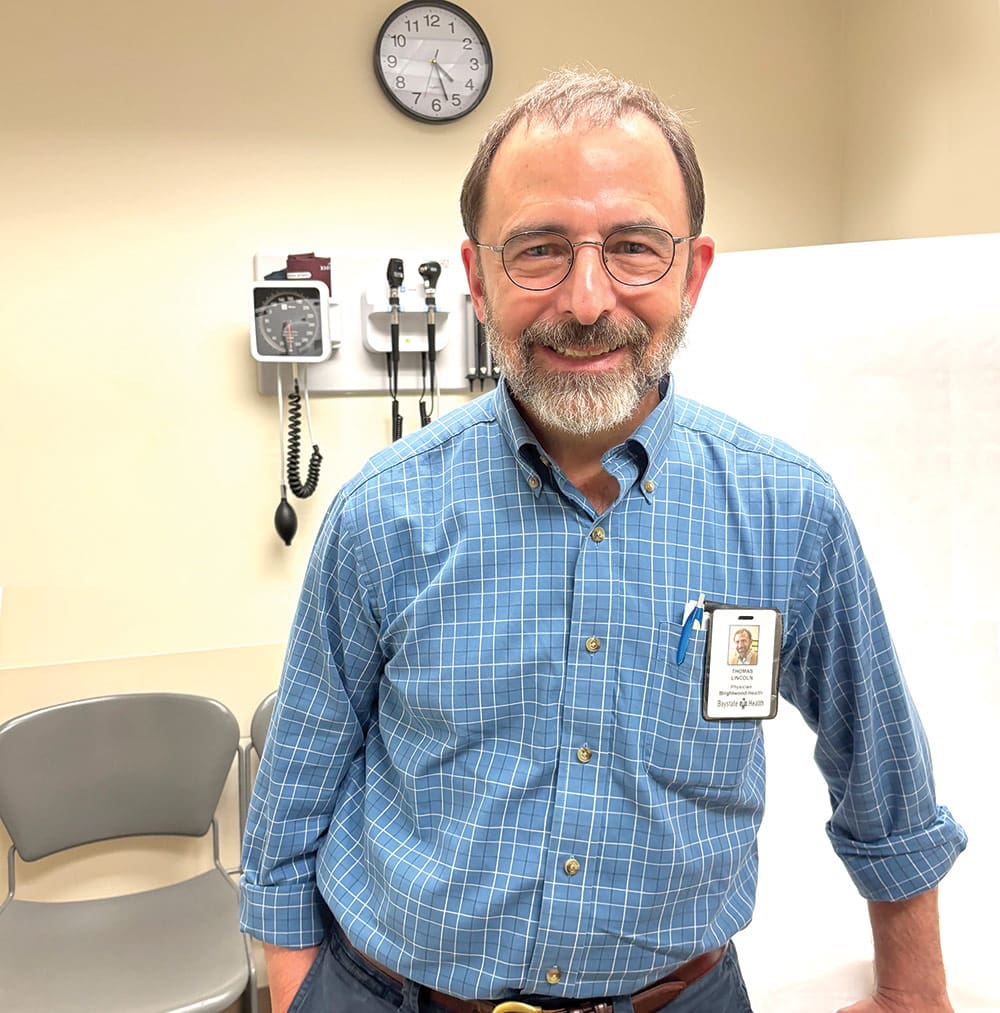
“I had to show students the pathway of how you get from an undergrad program into an MD or DO program, or chiropractic, or pharmacy, or physician assistant, or dental school, or veterinary school,” she explained, adding that, around 2008, she started something called the post-baccalaureate pre-medical program.

“That’s kind of an odd program. It’s where students have already gotten a bachelor’s degree — they might have studied pre-med, or they might have studied something else. So they could either retake courses that they’ve already taken to get better grades and to understand it better, or maybe they majored in English and didn’t have any pre-med prerequisites, so they are taking those courses for the first time.”

That program has drawn students who graduated from places like Amherst College, Princeton University, and other schools where they didn’t study in the medical field, but wanted to expand their career options.

“Those students would do well in our classes, and then they would take the MCAT, do well, and go off to medical school. It was really exciting because, all of a sudden, we were bringing these students from all over the place — not just the Northeast, but California, Florida, Texas, Uganda, China, you name it. It was amazing.”

More recently, she launched master’s programs in biomedical sciences and biotechnology, which many students have taken on their way to medical, dental, veterinary, or physician assistant (PA) programs.

Many Elms students also receive clinical training at the region’s many hospitals and other institutions, and Williams has helped forge those connections over the years.

“A student really can’t get into medical school or dental school or PA or anything without having experience with patients,” she said. “It’s great because you get paid, but you’re also learning, which supports your career goals. We’ve had a lot of students do that; this area has been fantastic supporting our students in their progression.”

“It was really exciting because, all of a sudden, we were bringing these students from all over the place — not just the Northeast, but California, Florida, Texas, Uganda, China, you name it. It was amazing.”

More recently — in the past year, in fact — Elms also launched a phlebotomy class. “This is where students learn how to do blood draws. We’ve had a lot of interest from not only our students who want to be pre-meds, but also the nursing students, because the nursing students find that, if they have this skill, they’ll be a little bit more valuable and a little bit more marketable.”

An EKG certification course may be on the horizon as well. All these efforts, Williams noted, translates into strengthening the local healthcare workforce.

“Interestingly enough, some of our students that have come here all the way from California stay here. They don’t even want to go back. They like the Northeast.

“We’re also very fortunate that, in this local area, we have a lot of physician-assistant programs. We have Assumption, Springfield College, Westfield State, St. Joseph’s down in Hartford, and also Bay Path, which has accepted a lot of our students. That’s been really good, too, because there are so many local opportunities for students to get into PA programs. And then we’ve had a lot of students interested in medical school.”


Giving the Full Picture

One advantage to studying at Elms, Williams said, is access to ethics courses through Dr. Peter DePergola, whose many titles at the college center around bioethics, religious studies, and medical humanities, and who was honored as a Healthcare Hero himself in 2018.

“So many of our students take classes with him, and they learn so much from him. And that is such a critical aspect of really doing well in healthcare,” she said. “He just rolls out a scenario and puts you right into the difficulties of understanding the ethics and concerns of a situation, which is a great thing for students because it’s going to happen to them when they’re out there practicing medicine.”

But there are many, many other challenges in healthcare, and Williams doesn’t sugarcoat them.

“I’m the devil’s advocate. I try to paint the worst possible picture for the students so that they really understand what they’re getting into, because medicine isn’t easy,” she told BusinessWest. “We’re not just talking about the academic part of it; we’re talking about the other parts — working with people in healthcare is not easy. Veterinary is even probably harder because you’re not only working with people, but you’re working with people and their animals, so that’s that’s really a difficult field, and not everybody has insurance to cover the bad things that happen to their animals.

“So I’m trying to breathe a little reality into students so that they don’t just see medicine as what we see on TV,” she went on. “That’s also what’s nice about getting them out to volunteer or work in some of our local practices, because they’re really seeing it; they see the struggles they’ll face in healthcare and medicine.”

But Williams believes in the opportunity for the right person to make a difference in healthcare, whether it’s locally or far beyond Massachusetts. Beck, in nominating her, called her a “valued asset” at the college — and much more: a truly impactful Healthcare Hero.

“I do really love working with students every day,” Williams said. “When you get to work with students every day, they always bring something to you. The students have been really amazing.”

Healthcare Heroes

Lifetime Achievement

Attending Physician, Baystate Mason Square Neighborhood Health Center

He’s Spent His Career Serving the Underserved

Dr. Andrew Balder

Dr. Andrew Balder

“As a person, he’s authentic in his desire to truly make things better for people. He is the first to show up whenever and wherever issues of equity and social justice are to be addressed. And he brings something extra to the table in his role as a knowledgeable physician.”

“What is really important for everyone to know about him is his compassion and patience for those he serves. He truly cares about unhoused individuals. This is not a job for him, but a calling. He gravitates toward helping underserved, marginal, and vulnerable individuals.”

Those two separate testimonials come from previous winners of the Healthcare Hero award in the Lifetime Achievement category — the former from Frank Robinson, the recently retired vice president of Public Health for Baystate Health, and the latter courtesy of Helen Caulton-Harris, commissioner of Health for the city of Springfield.

And they sum up, effectively and concisely, the work of the latest recipient of that award, Dr. Andrew Balder, attending physician at the Baystate Mason Square Neighborhood Health Center, and why he is worthy of that honor.

Indeed, when it comes to not only his commitment to help the homeless, but also his efforts in the realm of maternal-fetal health — and his tireless efforts to serve patients living in some in some of the poorest neighborhoods in the state — his work certainly isn’t just work. It is, indeed, a calling. And he is authentic in his desire to make things truly better for people.

You might say he gets some of that from his mother.

She was a psychiatrist who also served as a general practitioner in West Philadelphia, and during World War II, when many of the male physicians were called to serve, was a general practitioner for a large population.

“She realized that 75% of the patients that needed to see her just wanted to talk,” Balder said, adding that she went on to be a child psychologist as well as a GP, often relating stories about her work and bringing her young son to her offices, where he would hang out in the waiting room while she saw patients.

During a med-school interview, when someone asked him what he wanted to do for a career, he repied, “anything except what my mother does,” he recalled.

“And here I am in primary care. And what’s primary care? She said it’s 75% psychiatry,” he went on, adding that he has some patients who mostly just want to talk — about life and the challenges they’re confronting — and he engages them. Most importantly, he listens.

Beyond the day-to-day work with his patients, Balder has indeed become deeply involved with broader programs to serve the underserved, including as one-time chair of (and still an active participant in) the Springfield Department of Health and Human Services’ Project Baby Springfield. This is an initiative that addresses issues related to infant mortality, child mortality health, and birth outcomes, especially for disproportionately represented women of color, by bringing education and awareness to families and caregivers about healthy pregnancies and safe infant sleep, and ensuring that all mothers, regardless of race, ethnicity, age, or income level, can access excellent pre- and post-natal care.

He has also become involved with programs to assist homeless individuals in Springfield, serving as chief medical officer of the city’s Health Services for the Homeless since 2015.

These and other efforts to serve the underserved not only improve quality of life for many people in Springfield and beyond, they inspire others to want to give back as well.

“He is the first to show up whenever and wherever issues of equity and social justice are to be addressed.”

“Dr. Balder is present, dedicated, and passionate for the care of those who are traditionally underserved in Springfield,” said Paul Pirraglia, division chief of General Medicine and Community Health at Baystate Health, and a previous Healthcare Hero himself. “He is tireless in this work and sets an impeccable example for service, not just for those in healthcare, but for all.”

For these and many other reasons, Balder is worthy of the title Healthcare Hero.


His Life’s Work

When he was called by BusinessWest and informed that he was being honored as a Healthcare Hero in the Lifetime Achievement category, Balder, after first saying “thank you,” joked, “I guess I can retire now.”

He admits to thinking about that day, but he’s not there yet, which is good for the city of Springfield and especially for those underserved populations that he has committed himself to serving pretty much since he started his career.

Indeed, after a short stint as a staff physician with Philadelphia Health Associates/John Hancock Health Plan of Philadelphia in King of Prussia, Penn., he came to Springfield, Baystate Health, and, soon thereafter, the Mason Square Neighborhood Health Center.

There, he has found that, by and large, his mother was right; psychiatry is a big part of primary care.

Dr. Andrew Balder, seen here talking with a patient at the Baystate Mason Square Neighborhood Health Center

Dr. Andrew Balder, seen here talking with a patient at the Baystate Mason Square Neighborhood Health Center, counts listening among his strongest skills.

“Whatever you’re doing in primary medicine, part of the guts of it is understanding behavior and behavior change, and also self-efficacy and self-image, all of those things,” he explained. “And that’s basically talk; it may be structured, it may be unstructured, it all starts with listening, but it really is the human interaction and exchange of things, much more than pulling out the electronic prescription pad.

“Most of what you’re doing is understanding people and dealing with their goals, their dreams, their desires, their perception of health, and their behaviors,” he went on, adding that he’s learned, and really always knew, that it’s more important to listen than to talk.

And that pretty much sums up what Balder has been doing for the past 35 years. But what’s more noteworthy is the fact that he’s spent almost all his career working with underserved populations, which he described as his life’s goal.

When asked why, he said he came out of a family that was attuned to issues of equity and civil rights back in the ’30s and ’40s, and “this sort of gets baked in — what you hear, what you think, and partially what you feel.”

These sentiments explain, at least in part, why he left Pennsylvania, where he was caring for “General Electric space engineers,” as he put it, and came to Springfield. He first worked in the North End in a job that involved far more work in the hospital setting before eventually coming to Mason Square, with the attitude that he wasn’t coming to save the people there, but listen to them and serve them.

“You’re not playing the role of savior. You’re not riding into a community to save it — the community will save itself.”

“You’re not playing the role of savior. You’re not riding into a community to save it — the community will save itself,” he explained. “They will empower themselves … but the tools that are necessary are not always obvious or easily available, so you get to speak up with individuals for themselves and speak up with communities for themselves. But you’re not there to save the world; that’s not going to happen.”

When asked what he likes most about his work in this setting, Balder said, “you get to meet a whole lot of people you would never have met otherwise, and this deepens your understanding of human beings and how, yes, we’re all different, but we have many commonalities and differences that we don’t always appreciate.”


Birth of a Notion

Elaborating, he said he also gets a chance to generate change “on an individual or larger level,” and that no two days are the same.

And he attributes both to the fact that, in his role, he has been able to “build my own life and my own job,” one that has him seeing patients at the health center some days, training residents, leading a diabetes clinic, continuing his work in the broad realm of maternal-fetal health, providing care to the homeless at facilities in Springfield and Northampton, and much more.

He enjoys this variety, which enables him to extend his leadership, and overall impact, well beyond the Mason Square center.

That’s certainly true of his work with the homeless population, which he described as challenging, but rewarding — challenging because many of these individuals have been removed from the healthcare system for many years, most have substance-abuse and mental-health issues, and almost all of them have multiple health problems.

Meanwhile, most don’t have the resources to follow through on what he might recommend, Balder said, adding that this includes financial issues, lack of transportation, lack of housing, lack of a phone, or all of the above.

“All that makes it hard to follow up, and it makes it hard to continue consistent motivation, consistent sensitive messaging, and dialogue,” he said, adding that overall efforts to serve this population are limited by a shortage of providers, nurses, and resources to go where the homeless are.

But there are certainly some qualitative indicators that these efforts are making a difference.

“You don’t get the immediate reward of ‘oh my goodness, my glucose is doing better,’ or ‘my blood pressure is better; let’s focus on that today,’ because you’re always dealing with the other issues first and the difficulties of achieving certain things,” he explained. “But when they do, they’re happy; the patients are thrilled with the changes they’ve made. But they’re always getting beaten by something.”

As for Project Baby Springfield, that’s another initiative, started more than 20 years ago, that is trying to move the needle on a persistent problem for the City of Homes.

“We’re a small band of warriors,” Balder said of those who have led initiatives over the years that eventually came to be branded as Project Baby, adding that those involved have worked to identify the causes behind infant mortality and the reasons for the inequity in the numbers involving certain populations.

“In our country, as well as in our city, Black infants die before their first birthday at two to three times the rate of white infants,” he said. “The numbers go up, the numbers go down, they gradually improve, they occasionally get worse … but the disparity and inequity continues to exist in the same proportions.”

As an example of the work undertaken, he cited efforts to curb what are known as ‘unsafe-sleep-related deaths.’

“We managed to get to some money together and did a four-month campaign on safe sleep,” he noted. “We had things on the sides of buses, in the buses, videos, all sorts of stuff. We took it on as Project Baby to push that message; we did talks in public, we did talks with small groups, we sponsored the development of the new maternal-child healthline in Springfield.”

Other initiatives have included pregnancy, delivery, and post-partum support, especially in communities of color, where such efforts have proven to improve birth outcomes, with fewer cesarian sections, Balder explained, adding that one of the latest initiatives has involved breastfeeding.

“We’ve taken on small things over the years to try to stir the drink and help bring the message to the public,” he explained. “I wish we were bigger and we were doing more, but we are a band of happy warriors.”


Bottom Line

Few people in this region know more about the underserved populations in Springfield than Frank Robinson and Helen Caulton-Harris. They’ve both been on the front lines of efforts to improve the lives of those constituencies.

And Balder has been right there with them. He knows he can’t save the world, or even his small piece of it. But he can make a difference, and he has, in a great many ways.

And this helps explain why he’s a Healthcare Hero.

Healthcare Heroes

Innovation in Healthcare

Chief of Thoracic Surgery, Chief of Robotic Surgery, and Medical Director of the Lung Cancer Screening Program, Mercy Medical Center

With Screening and Technology, He’s Improving Outcomes and Saving Lives


Dr. Laki Rousou

Dr. Laki Rousou

Robotic surgery has been one of the most significant medical developments of the past couple decades, one with impacts that are … well, deeply human.

“It allows you to do major operations through small incisions and, at the same time, protect some vital structures more easily than you could even if you’re doing non-robotic minimally invasive surgery,” said Dr. Laki Rousou, who has performed more than 1,000 surgeries on the da Vinci surgical platform — and earned him recognition as a Healthcare Hero in the Innovation category.

Raised in Longmeadow, Rousou grew up with a deep appreciation for the medical field. As a child, he saw the impact his father, Dr. John Rousou, retired chief of Cardiothoracic Surgery at Baystate Medical Center, had on the lives of his patients. Meanwhile, his brother, Dr. Tony Rousou, is a cardiothoracic surgeon who specializes in cardiac surgery at Baystate.

At Mercy, Dr. Laki Rousou has carved out an intriguing, multi-faceted role as chief of Thoracic Surgery, chief of Robotic Surgery, and medical director of the Lung Cancer Screening Program (more on that later).

“My father was a physician in this area for years, so it was always in the back of my mind as something I would want to do,” he told BusinessWest. “Right after college, I didn’t immediately decide that’s what I wanted to do, but I eventually came to that conclusion and went to medical school.”

Rousou was drawn to the physiology of the heart and lungs, and wanted to find a way to marry that interest to some technical skill, which would turn out to be thoracic surgery.

“The main operation I do is taking out a lobe of the lung for a lung cancer,” he said. “Then there’s the esophagus, which is also in the chest, and diaphragm hernias. But robotics helped me along in my career in that I was able to expand some of the things that we could do minimally invasively.”

Two examples are a thyectomy, the removal of the thymus gland in the middle of the chest, and esophagectomy, in which he removes a good portion of the esophagus. “All that can be done robotically.”

Robotic surgery — by which a surgeon controls a camera and mechanical instruments inside the body from … well, outside it — brings many advantages for both patient and doctor, Rousou told BusinessWest.

“For cancer operations, it allows you to do a more comprehensive lymph-node dissection and gives you better visualization so that you can make sure that you’re taking out everything that you can take out and you’re doing that safely,” he explained.

“Even for non-cancer operations — let’s say a hernia of the diaphragm — there’s a fair amount of sewing that goes into that. In some of these open operations, when we’re deep in a cavity and we’re sewing with our hands and not robotically, it’s hard to see. You’re stretching your arm out, and the angles aren’t quite right, but with the robot, you can make the angles perfect, and you can see perfectly.”

From the physician’s standpoint, robotic surgery brings a different set of advantages.

“If you’re doing open surgery — or even doing non-robotic, minimally invasive surgery — you’re standing, and a lot of times reaching, and you’re not in an ergonomic position. When we’re doing these robotic operations, we’re sitting in a chair in a perfect ergonomic position,” he explained.

“So, just from that standpoint, you can lengthen your career. I know plenty of surgeons who, as they get toward the end of their career, their knees hurt, their backs hurt, and they stop because of that. Maybe this allows you to continue. You may still stop at the same time, but you can do it on your terms, and not because your knee hurts or your back hurts or things like that.”

While he’s become proficient at robotic surgery, Rousou admits he was a skeptic of the technology at first. Then he started to learn about the potential good it could do for patients by decreasing pain, more accurately dissecting lymph nodes, and other reasons.

“I went into it saying, ‘all right, I’m going to find out for myself.’ So I tried it. I did the trainings, and I started doing it. And told myself, ‘I’m not going to commit totally for a year.’”

“I see future benefits coming down the pike, just by being able to use AI and various technologies that can be linked with the robot to help others get better, to help myself get better, and to better evaluate outcomes.”

But after that year, he was seeing clear benefits, especially as he became more adept at it. “Once I saw that benefit, I committed wholeheartedly to it, and now, six or seven years after fully committing to it, I see future benefits coming down the pike, just by being able to use AI and various technologies that can be linked with the robot to help others get better, to help myself get better, and to better evaluate outcomes.”


Breathing Easier

Rousou also heads up Mercy’s Lung Cancer Screening Program, but he wasn’t enamored with the idea at first, when he was asked by hospital leadership to launch the initiative.

“I thought, ‘I’m a surgeon. Why am I going to start a program like that?’ But I thought about it and said, ‘all right, I’ll do it’ — because I think, with any screening program, if it’s not done in a particular way, it can cause harm. And I didn’t want that.”

Robotic surgery is essentially performed away from the body

Robotic surgery is essentially performed away from the body, with better precision than open surgery in many cases.

He was joined in that endeavor shortly thereafter by Ashley LeBlanc, who was honored as a Healthcare Hero in the category of Emerging Leader just last year. “Together, we grew this program that we started,” he said before explaining how it works.

“It’s not just a CT scan; it’s a visit with a patient that might be eligible for screening. They’re eligible for screening if they have a certain smoking history, a certain age — and if they’ve quit, it’s got to be within 15 years. But it starts with a visit and a discussion, and then, typically that day, they get a CT scan.”

Those results are reviewed, especially if there’s a high-risk result, by a group comprised of oncologists, pulmonologists, surgeons, radiologists, and pathologists to recommend next steps. If the result is not high-risk, the patient is advised to return for a scan the following year.

“The idea was to have those eligible get screened, but also get information back quickly because, if there’s a risk or a potential for cancer, you don’t want to sit on it. So, they get information back quickly, positive or not, and the care ends up being multi-disciplinary, with much, much better outcomes.”

That’s a big difference from the past, when CT scans for lung cancer were typically reactive, not preventive.

“Before screening, the lung cancers that we caught were caught incidentally,” Rousou said. “They got a CT scan because they had pneumonia. Or they got a CT scan because someone thought they had a blood clot in their lung. And then you see this mass. The vast majority of those were stage 3 or 4 lung cancers. Stage 3 is very difficult to treat; stage 4 is not curable.

“The idea behind screening is you flip the script on that. So now, in the screening population, the majority of the cancers that we find are stage 1 or 2, and are not as difficult to treat. We’ve had a lot of success with it.”

Those early screens are especially critical considering that lung cancer is the leading cause of cancer death in the U.S. (and in most other countries as well), and second only to heart disease in total deaths. In fact, Rousou said, lung cancer causes more deaths than the next four cancers combined in both men and women.

“I grew up here. I’ve got skin in the game here. And one of my goals from the outset, coming back here, was — at least in thoracic surgery and thoracic oncology — to make Western Mass. the equivalent, or better than, some of the major medical centers.”

“So that’s the perfect scenario for screening because, if you do have symptoms, it’s late. And lung cancer is an aggressive cancer,” he added. “You can get diagnosed with late-stage lung cancer, and then you might be gone in six months. That’s not the case, necessarily, with stage 1 or 2.”

Rousou is encouraged that earlier screening, combined with diagnostic advances, new treatment technologies, and pharmaceutical breakthroughs, are resulting in many lives saved. “This is a pretty exciting time, in my opinion.”

Dr. Laki Rousou (center) celebrates his 1,000th da Vinci procedure with Mercy’s Chief of Surgery Dr. Dan Morrison (left), and Chief Medical Officer Dr. Asha Dhamija.

Dr. Laki Rousou (center) celebrates his 1,000th da Vinci procedure with Mercy’s Chief of Surgery Dr. Dan Morrison (left), and Chief Medical Officer Dr. Asha Dhamija.

While outlining the innovations, robotic and otherwise, that Rousou has been putting into play at Mercy, Mary Orr, the hospital’s Media and Communications specialist, also took time to praise his human side in nominating him to be a Healthcare Hero.

“In addition to being a highly qualified, proficient thoracic surgeon, Dr. Rousou is deeply committed to his patients, always putting them at the center of everything he does,” she wrote. “He not only keeps current on the latest developments regarding technological advances and best practices in patient care so that his patients have the best chance of a positive outcome, his bedside manner is second to none. It’s not unusual to find him taking extra time to make sure his patients and their families fully understand the care plan or calling a patient after offce hours to answer their questions or allay their fears.”


Surgical Milestone

Having recently completed his 1,000th robotic thoracic surgery using da Vinci Xi, Rousou is among the nation’s most frequent users of the da Vinci surgical system for thoracic surgery, and he has also completed the most da Vinci thoracic surgeries in all of Trinity Health, the parent organization of Mercy Medical Center, which boasts 36,500 physicians and clinicians across 27 states.

The technology is highly adaptable; da Vinci Xi can be used across a spectrum of minimally invasive surgical procedures, including gynecologic, urologic, thoracic, cardiac, and general surgeries. Rousou was instrumental in championing efforts for Mercy to acquire the da Vinci Xi surgical system earlier this year.

“They had the older version of the robot when I got here; at least for thoracic surgery, it wasn’t being used a lot,” he explained. “So, once I made that commitment, that bolstered the program for robotics, and when the next version of the DaVinci robot came into play, I was involved in making that happen. Now we have two, and I was one of many who pushed for that second version of the robot.”

To hear him tell it, these are not only his patients, but his community — one where he has deep roots and personal connections. It explains why he returned to Springfield in 2014 after a decade of surgical roles at New York University Medical Center, Yale-New Haven Hospital in Connecticut, and Concord Hospital in New Hampshire.

“I grew up here. I’ve got skin in the game here. And one of my goals from the outset, coming back here, was — at least in thoracic surgery and thoracic oncology — to make Western Mass. the equivalent, or better than, some of the major medical centers, like Boston, New York, Yale, those places.”

By doing so, he envisions people getting care at a smaller, more intimate health center and not having to travel to bigger cities — and having access here to the most recent innovations, including the most advanced robotic surgery possible.

“That’s been an overreaching goal, and still is, for us here — to make this top-of-the-line care in your backyard,” he said. “And we’re not done yet.”

Healthcare Heroes

Healthcare Administration

Director of School-Based Clinical Services, River Valley Counseling Center

As a Leader, She Makes Sure Team Members Are Heard — and Valued

Alexa Mignano

Alexa Mignano

Like many in healthcare who have traded direct interaction with patients for roles in which they manage others who provide that care, Alexa Mignano found the transition somewhat challenging; stepping away from direct care is never easy.

But to say she has managed and is flourishing in her current role would be a real understatement.

As the director of School-Based Clinical Services (SBS) for River Valley Counseling Center, she now leads a team of more than 85 people. Since taking the helm in 2019, she has expanded the SBS program in dramatic fashion, taking it from two school districts to 11, providing behavioral healthcare to more than 1,600 students in more than 70 schools.

And this growth comes at a critical time.

Indeed, COVID-19 had a significant impact on the behavioral health of society as a whole, and especially young people. It also comes at a time when many young people are experiencing trauma and its many side effects, and when there are simply not enough clinicians, especially in non-school settings, to meet this need.

But behind the numbers, and these sentiments on growing need for behavioral-health services among young people, are the traits that Mignano brings to her role — traits that make her a Healthcare Hero in the Administration category.

“There are really difficult things that we hear about in this work that happen to children. And to be able to create some change and help them heal, and help families heal, is a way to give back to my community.”

These include passion for her work, strong leadership skills, an ability to build teamwork and camaraderie, a willingness to listen and maintain an open mind, and the ability to inspire others to reach higher and deeper as they go about their work and serve this important constituency.

These are traits that come clearly into focus in the thoughts of team members and others who came together to nominate her for the Healthcare Heroes award.

“The SBS is a connected, warm, passionate, and energetic team, which has accomplished amazing things in our school system,” said Elaine Campbell, assistant executive director and clinical director at River Valley. “This team is spread out across Hampden, Hampshire, and Franklin counties, and Alexa brings them together and unifies them as a collaborative unit. Alexa engages the team and brings them together for various events and trainings throughout the year to build support and community amongst the team.”

Alexa Mignano says trained clinicians offering care right in the schools

Alexa Mignano says trained clinicians offering care right in the schools provides consistency for the kids, which translates into better care.

Emma Cohen, an SBS clinician, added that “Alexa is — and consistently has been — an amazing leader. She always manages to support our whole team, work hard to help each and every one of us, and make sure we’re providing the best care we can to our clients.

“Alexa truly makes our program great — she is always open to new ideas, makes sure everyone has space to feel heard, and helps us make a large and complex program run smoothly,” she went on. “Alexa is an incredible example of a leader, an advocate for both her employees and the people we serve, and an overall wonderful person to work for.”

If one looks up the definition of ‘leader,’ especially in a healthcare sector, these are the words and phrases that will come up. And that’s what Mignano has become — a true leader.

And while she misses providing direct care to clients, she said that, as a manager, she can actually have a bigger impact and touch the lives of more young people in need of critical help.

“What’s so cool about what we do, the schools that we’re in … the kids know us, therapy’s cool, and more kids want to come see us. They’re not afraid to get help.”

“This is the classic very rewarding job,” she told BusinessWest. “There are really difficult things that we hear about in this work that happen to children. And to be able to create some change and help them heal, and help families heal, is a way to give back to my community.”

Such sentiments explain not only why she loves what she does, but why she’s a Healthcare Hero.


Taking the Lead

Since the Healthcare Heroes recognition program was created in 2017, its Administration category has been perhaps the most competitive.

There are several nominations each year, and to stand out in these crowded fields, one must be more than a manager. He or she must also be a leader, someone who displays those skills and traits mentioned above.

In short, those that prevail in this category, often providers of care themselves at various points in their careers, are able to motivate and, for lack of a better phrase, get all the members of a team to row in the same direction. And their strongest trait might be an ability to not only listen, but make team members understand that they are being heard.

Mignano brings all this and more to a role she’s grown into after taking a somewhat winding road into healthcare and, more specifically, behavioral healthcare.

Indeed, this is a second career for her. She was working at UMass Amherst, doing academic advising and first-year-experience work. She enjoyed that role, but with a young daughter, she needed something that provided more flexibility.

“So I decided to go with what my degree was originally in, which was mental-health counseling,” she said. “And then I fell in love with it.”

That’s another understatement.

Eventually, she started providing therapy to children in schools, was hired by Holyoke-based River Valley Counseling Center, and worked at Holyoke High School and Kelly Elementary School. She ended up going back to school so she could get licensed.

“It was a perfect match for what I wanted,” she went on. “And I felt like I was good at it; I was very interested in how children’s brains change over time, especially when they’ve been exposed to trauma, and how you can heal that and shift that.”

Mignano worked as a counselor for eight years before transitioning into administration, first in a few school districts and, eventually, as director of School-Based Clinical Services.

This is a position with a broad job description that includes everything from overseeing partnerships with school districts and charter schools in the area to hiring, training, and, most importantly, supporting the clinicians that go into schools and provide outpatient therapy to young people coping with a wide array of issues and conditions.

“There’s a lot of trauma,” she noted. “I’d say about 25 to 30% of our cases are focused on trauma. There’s depression, anxiety, ADHD … there’s really a wide range.”

As they help students deal with these issues, the counselors become trusted and accepted, and at a time when students need help, they seem increasingly willing to embrace it.

“I have been in the field for more than 20 years, and Alexa is the most caring, supportive supervisor I have ever had.”

“What’s so cool about what we do, the schools that we’re in … the kids know us, therapy’s cool, and more kids want to come see us,” she told BusinessWest. “They’re not afraid to get help. The stigma is removed quite a bit, especially in the younger grades. When they get to high school, they want to feel a little bit more private, but even there, we’ve become part of the school, and part of what happens at school is that you also get help for your mental-health problems.”

And dissipation of this stigma is an important step forward, she went on.

“Kids are not afraid to say they need support,” she noted. “I mean, I think there’s a lot of emphasis on that in social media — that it’s OK to speak out and say what’s going on and ask for help. But they also get to see it in their school environment, and it gets normalized. It’s not some random place they go to get services and to get support. They do it in a place they’re really familiar with, and I think that helps with breaking down some of the shame or embarrassment that they might feel about getting support; their friends are getting help.”


School of Thought

In short, school-based services are enjoying large levels of success. And thanks to Mignano’s leadership and drive, they are enjoying success in many more ZIP codes.

“I wanted more people to focus in on treating children, so I started supervising and providing support to other clinicians doing the work,” she said, adding that she initiated efforts to coordinate a contract with the Easthampton School District and oversaw the program there before becoming director of all school-based services, with a commitment to continue adding more districts.

“We started with a few, and then I was like … no, we can do more,” she went on. “And the word started to spread, so I started meeting with different superintendents and principals and talking about what we do. And then, a real focus of mine became cultivating a group of therapists that really wanted to be child-focused or adolescent-focused, supporting them in that work. And it’s just a win-win for everybody in terms of how it’s set up.”

As noted earlier, there are now 11 districts in the fold, and Mignano believes there is room for more expansion, especially since the hiring challenges brought on the pandemic are mostly in the rearview mirror.

“I always say we’re done, and then a principal calls,” she said. “I’ve always wanted to expand responsibly; whenever we add a new school district, we add the infrastructure to support the consistency, the supervision, the communication … that’s critical in making these programs work.”

Beyond these expansion efforts, her leadership has brought consistency and steady improvement to existing programs, with the school setting becoming an increasingly effective place for young people to receive therapy because it removes barriers to care.

“I know I’m biased, but I’ve seen it work,” she said. “As a clinician, I’ve seen it work incredibly well, and now I see it at this end. It works for the kids, it works for the schools because they have some added support, and it works for the clinicians who want to focus on kids, but they don’t want to necessarily work every single evening to do that. They get to have a normal schedule too, so it works for everybody.”

And Mignano is committed to making sure it works for everybody.

“As an administrator, I’ve really been focused on how to create a work environment for mental-health professionals that feels really supportive, so they feel challenged, they feel valued, because ultimately that is the foundation of retaining clinicians,” she explained. “Because we get to train them, they get to grow clinically with us, and that translates into consistency for the kids, which translates into better care for the kids. As an administrator, I focus a lot on that — what type of environment are we creating? And people stay with us.”

Which brings us back to some of the team members who nominated her — and why.

“Alexa is an incredible leader, clinician, advocate, and supervisor,” said Catherine Vaughan, assistant director of School-Based Services. “She is truly passionate about the work we do and gives her all in everything that she does. She also encourages her co-workers to go outside their comfort zones with their work, and she is always there supporting and guiding them along the way. I am so grateful to be a part of her team.”

Lisa Smith O’Connor, an SBS clinician, agreed. “I have been in the field for more than 20 years, and Alexa is the most caring, supportive supervisor I have ever had,” she said. “She is an expert in our field, but also an amazing supervisor. I agreed to become a supervisor and commit to this agency long-term due to her caring and thoughtful support and guidance.”

All that certainly helps explain why Mignano has earned another title: Healthcare Hero.

Healthcare Heroes

Healthcare Provider

Occupational Therapist, Baystate Medical Center

She Brings Passion, Compassion to Her Work in the NICU

Margaret King

Margaret King

As she talked about her work as an occupational therapist in the Neonatal Intensive Care Unit (NICU) at Baystate Medical Center, and why she believes she was “born” to be in this setting, no pun intended, Margaret King flashed back almost 40 years.

As King tells the story, she and her mother were visiting her father, then a patient in a hospital in Texas, when her mother suggested they swing by the maternity unit and look at the newborns. And they did.

“I lit up, and I clearly remember my mother saying, ‘you should work with babies someday — I think you’d be really good at it,’” she recalled. “I have carried that with me, and I truly feel like this is what I was put on this Earth to do.

“I feel like I have the best job in the world,” she went on. “It’s a privilege to be able to do this work; these babies … they just melt your heart.”

King, a Healthcare Hero in the Provider category, has worked as an OT in pediatrics, and mostly in the NICU, for most of her career, and at Baystate for the past 16 years. And while this unit — for babies born prematurely (as many as 10-12 weeks prematurely) and babies with serious medical conditions — is not what most people think of when they hear the words ‘occupational therapist,’ there are many aspects to this assignment, she told BusinessWest.

“Occupational therapy, by definition, is about improving someone’s ability to participate in life skills,” she said. “Those are the jobs of living that we refer to, and a baby has jobs of living, too. They need to be able to grow correctly; they need to be able to sleep and rest because that’s also how they grow; they need to be able to eat, whether that’s bottle or breastfeeding; and they need to be able to bond with their parents.”

As she helps newborns with these jobs, King works in concert with other professionals in the NICU to essentially bring light to a unit kept dark to replicate conditions in the womb.

And, according to those King works beside, she is the consummate team player — supportive, always positive, and often serving as a mentor to younger OTs and other professionals.

“Maggie is known for her smile, kindness, patience, and resilience,” said Erin Jarosz, Rehabilitation manager for Baystate Health, who nominated her for this honor. “She is passionate about her care for babies, and she works closely with families to be able to best support the physiological needs of their babies and improve the babies’ abilities to participate in daily life activities.”

Olivia Fernandes, a Baystate Rehabilitation speech pathologist, agreed.

“Not only is Maggie a phenomenal clinician, she truly is a wonderful person,” Fernandes said. “She is a leader within our department and treats everyone with respect and kindness. I have looked up to her throughout my time at Baystate as I always value her guidance and advice.”

These qualities resonate not only with co-workers, but also with the parents and other family members of NICU patients, none of whom expected their child to be in this unit and all of whom agonize over each day spent there.

“This is not where they wanted to be — they didn’t want to meet me or anyone else in the NICU, so you have to start from there,” said King, adding that the unique setting, coupled with the emotional nature of the work, leads to relationships that last for years after the baby has gone home.

“I run into so many parents at the grocery stores, Target, places like that,” she went on. “That’s always sweet; that was such a unique, difficult time for them, and that’s why we become family to them during that stressful time, so it’s exciting to see them.”

King was — and still is — a part of hundreds of families across the region, families touched by her passion, warmth, and competence. Families who would say she is more than worthy of being called a Healthcare Hero.


Baby Steps

Whenever a baby goes home from the NICU, it’s an event, a celebration, King said. “It’s always a big thing, especially for the parents. And for me, if I’ve worked with them a lot, it’s just a very exciting day.”

And when a baby who has been there several months leaves those confines, there’s an even bigger sendoff, with pom-poms and the theme from Rocky playing in the background, a nod to the perseverance and fighting spirit of that child — and his or her family.

“She is passionate about her care for babies, and she works closely with families to be able to best support the physiological needs of their babies and improve the babies’ abilities to participate in daily life activities.”

King said it happens regularly, sometimes a few times a day. But it never, ever gets old.

“There’s lot of tears and hugs,” she noted. “Every situation in the NICU is meaningful and challenging, but some of those babies have been here for months, and it’s a big feat to get out of here.”

Helping babies ‘get out of here’ might be King’s unofficial job description — and, as she noted earlier, work she was born to do, even if it took a while to realize that.

Maggie King, center, with Rebecca Hillenbrand, left, and NICU Manager Stephanie Adam

Maggie King, center, with Rebecca Hillenbrand, left, and NICU Manager Stephanie Adam, has been called the consummate team player.

Indeed, she did a music-therapy internship while in high school, and during that time, she pulled an occupational-therapy journal out of the trash and remembers saying, “what’s this?”

“I starting learning about occupational therapy and really never looked back,” she said, adding that she focused on that specialty while studying at Texas Tech. She started in Texas, first in adult rehab and then pediatrics, but eventually relocated to New England (and Baystate) to be closer to family.

And for most of her career, the NICU has been … well, home.

It’s a unique setting, obviously, one where the patients are small, cannot talk — although they can certainly communicate — and, in many cases, their eyes are not yet open.

But they still need occupational therapy, and King loves to talk about that subject.

“Even when babies that are tiny — the 23-weekers — one of my jobs is to help with the positioning of that baby so their arms, legs, and bodies grow properly, but also in a way that keeps them calm so they can sleep and keep their vital signs stable so they can be medically well,” she explained.

“I love working with adults, and the main difference with them is that you can communicate with them and have a give and take, and they can work on following directions. With babies, you have to be really good at following their cues to know what they like and what they don’t like.”

With premature babies, she noted — and, really, all babies in the NICU — she and other team members work to keep those babies in the same position they would be in if they were still in the womb.

“As an occupational therapist, I provide positioning aids that we put the babies in to provide support and containment — we try to recreate the womb,” she explained, adding that this is why it’s kept dark in the unit. “For babies, looking at the light is very stressful; it can actually raise their blood pressure and elevate their heart rate, just because it’s too light. And it’s my job to protect babies from those stressors.”

There are many other aspects to this work beyond positioning, she said, listing everything from supporting the baby during painful procedures, such as putting in an IV, to help with feeding, which is obviously a large part of her work.

When asked what she likes about OT, King said it’s the ability to “work on a little bit of everything with a person, things that are meaningful to them, things that are necessary for life, and you get to establish relationships with people. It’s very unique, and it’s special, and you get to give a lot of yourself to make things happen.”

She stressed that all that is true even if the patient is a few days old and/or several weeks premature.

“I love working with adults, and the main difference with them is that you can communicate with them and have a give and take, and they can work on following directions,” she explained. “With babies, you have to be really good at following their cues to know what they like and what they don’t like.”

Maggie King says there are anywhere from 30 to 50 babies in the NICU at any given time

Maggie King says there are anywhere from 30 to 50 babies in the NICU at any given time.

They don’t like light, and they’re also put off by sounds, everything from phones ringing to isolette doors closing, she said. “Just small sounds to us can be painful to these babies, and we know that because of their vital signs.”

And while her primary work is with patients, King is also there for parents and other family members, who are obviously under a good deal of stress.

Parents of NICU babies are not ‘visitors,’ per se, as in a traditional hospital setting; they can come whenever they want and stay as long as they want.

“We do encourage parents to have rest breaks, take a walk, go get some lunch, maybe go home,” she said, adding that helping parents through this extremely difficult time is just one of myriad rewards that come with this job.


Born Leader

King told BusinessWest that the tiny patients in the NICU — there are between 30 and 50 at any given time — stay in that unit anywhere from a few weeks to several months, depending on how prematurely they were born or the severity of their condition. But the relationships forged with those patients and their parents last for years, if not decades.

Indeed, in addition to the yearly holiday cards she receives from the families she’s worked with, there are pictures sent as those former patients grow older, as well as invitations to their birthday parties — a steady stream of them, actually.

So many that King “sets boundaries,” as she put it. “I’ll go to a few of them. If I went to all of them, I’d be going to about 50 birthday parties a month.”

King is on those birthday-party invite lists because parents remember her, and they remember all that she brought to the NICU every day, from her competence to her passion to the smile that seems permanently etched on her face.

Those she works with see these same things every day, and they consider her the consummate team player: supportive, encouraging, and, in many ways, a mentor.

“Maggie has been consistently supportive and proactive in helping me work in this challenging, rewarding setting,” said Dan Lemaire, another Baystate Rehabilitation OT. “The NICU is, after all, an intensive-care unit; the patients are very involved medically, and Maggie’s experience and guidance has been essential to me in navigating this practice area. She has helped me understand an OT’s role amidst highly trained nurses, neonatologists, and other specialists. She has shown sensitivity and awareness regarding my skill level and readiness to approach different patients, and has guided me to appropriate training resources. Not least of all, Maggie is simply fun to work with.”

Upon reading or hearing such comments, one thing becomes abundantly clear: Maggie King’s mother, who died just a few years after that visit to the maternity ward in that Texas hospital, was right. Her daughter is really, really good at this, meaning work not just with babies, but babies in an intensive-care unit — and with parents who are under more stress than perhaps at any other time in their lives.

In such a setting, someone must bring to their job passion and compassion, and they need to bring it every day.

Maggie King does, and that’s why she’s a Healthcare Hero.

Healthcare Heroes

Collaboration in Health and Wellness

Director of Healthcare Workforce Initiatives, MassHire Hampden County Workforce Board

She Helps Put Future Healthcare Heroes into the Pipeline

Peta-Gaye Johnson

Peta-Gaye Johnson

Peta-Gaye Johnson is not your typical Healthcare Hero.

Indeed, in the eight-year history of this recognition program, there hasn’t been an honoree quite like her.

She’s not a provider of care, like a doctor, nurse, or occupational therapist, and she’s not an administrator in a healthcare facility; in fact, she’s never worked in the healthcare sector. Nor does she teach those who want to enter this profession, as several honorees, including two in the class of 2024, do.

But as the director of Healthcare Workforce Initiatives for the Hampden County Workforce Board, she works with administrators, educators, and others to help ensure that there is a reliable pipeline of workers — and, yes, potential Healthcare Heroes — for this sector.

Thus, “she has been the cornerstone for driving successful workforce-development programming to strengthen the region’s workforce and enhance the quality of patient care,” said Peter Farkas, who became president and CEO of the MassHire Hampden County Workforce Board earlier this year and nominated Johnson for this award.

Johnson is the winner in the Collaboration category, specifically for her efforts to foster collaboration — between the region’s larger healthcare providers, its colleges and universities, community-based organizations, and philanthropic agencies — and, in many respects, to lead these collaborative efforts.

They include:

• The Healthcare Workforce Partnership of Western Massachusetts, a MassHire inititive that, through Johnson’s leadership, responds to the workforce needs of employers and ensures that workers have access to the education and training needed to prepare them for lifelong careers in a changing industry;

• The Western Massachusetts Nursing Collaborative (WMNC), one of three working groups within the partnership — the others are the Allied Health Working Group and the Pioneer Valley Interprofessional Practice and Education Collaborative — and one that has made great strides to ensure that the region has an adequate supply of nurses;

• A website called westernmasshealthcareers.org, which Johnson developed to provide area residents with relevant information on occupations and career pathways in the healthcare industry;

• The Pioneer Valley Healthcare Center Pathway Forum, an annual event that brings together high-school guidance counselors from across the region to provide them with information to assist and direct students to enroll in and successfully complete health science programs; and

• Her work to oversee and drive a three-year grant to train 174 unemployed and underemployed individuals in the Pioneer Valley for careers as medical assistants, EMTs, recovery coaches, and behavioral resource technicians.

Summing up all these initiatives and Johnson’s involvement with them, Farkas said it’s not necessarily what she does for this sector — the largest employer in the Pioneer Valley, with roughly 73,000 jobs — that makes her a Healthcare Hero, although that’s certainly part of it. It’s how she goes about this work.

“She’s very passionate about the industry, and she’s a leader when it comes to driving the agenda,” he said, adding that it is her job to not just convene the partners working with the workforce board, but to help them set goals and objectives and then create strategies to meet and, hopefully, exceed them. “She’s a good listener and helps build consensus.”

Using these skills, she’s helped area providers address recognized shortages when it comes to many occupations within this broad sector, including nurses, CNAs (certified nurse aides), home health aides, medical assistants, emergency medical technicians (EMTs), and others.

“Before, it was mostly about numbers. Now, it’s beyond numbers — it’s about how people feel about their work, the appreciation they feel for the work they’re providing for the community.”

Beyond that, the collaboratives she leads address myriad other workforce-related issues, from retention of valued workers, to the different generations working together in healthcare and how the wants and needs of each one is different, to the seismic changes that came about during, and because of, the pandemic.

She said the region, and its healthcare sector are still experiencing a workforce crisis, but one where the parameters — and priorities — are shifting.

“Before, it was mostly about numbers,” she said. “Now, it’s beyond numbers — it’s about how people feel about their work, the appreciation they feel for the work they’re providing for the community.”

Johnson said her work is rewarding on many levels, and when asked what she likes most about, she said simply “the collaboration piece.”

“That’s the one thing I’m really excited about,” she told BusinessWest. “The people who are part of our collaboratives are leaders of our collaboratives, so when anything comes up I can reach out to these people, and I always get a ‘yes’ — no matter what it, no matter what I ask them to do, I always get a ‘yes.’

Peta-Gaye Johnson (first row, center) with the other members of the Western Massachusetts Nursing Collaborative.

Peta-Gaye Johnson (first row, center) with the other members of the Western Massachusetts Nursing Collaborative.

Elaborating, she said the stern workforce challenges facing this sector require collaborative efforts — individuals sharing information and experiences and working together to meet agreed upon goals — and she is inspired by the way these groups go about their work.

Meanwhile, others are inspired by her efforts to lead these collaboratives and address challenges old and new. And this is why she is a different kind of Healthcare Hero.


Hire Education

1. Increase retention in all healthcare settings;

2. Ensure nurses have comptetencies and full scope of practice to meet the healthcare needs of the community;

3. Increase the number of nurses with advanced degrees;

4. Increase nursing faculty in Western Mass.;

5. Increase the diversity of the nursing workforce; and

6. Sustain the partnership.

These are the stated strategic goals and objectives of the WMNC, and they, and the progress made toward achieving them, are reviewed at each monthly meeting, said Johnson, adding that this is just one of many meetings, most of them now by Zoom, that she attends on a regular basis.

Meetings are just a small but important part of her job description, she said, adding that such sessions help keep the many agencies and institutions partnering with the workforce board focused on goals like those stated above.

And these goals provide some real insight into how Johnson and all those she works with keep one eye on the present when it comes to the workforce needs of the region and the healthcare providers that call it home, and the other eye on the future.

“We try to project what our future needs will be and address those needs before they come,” she said, adding that this proactive approach helps ensure an adequate pipeline of workers across the broad spectrum of healthcare and social services.

Peta-Gaye Johnson and members of the Western Massachusetts Nursing Collaborative

Peta-Gaye Johnson and members of the Western Massachusetts Nursing Collaborative celebrate the WMNC’s 16th-year celebration lunch.

Filling this proverbial pipeline is just part of the job description for Johnson, who came to the workforce board 13 years ago. She started as an intern while working toward a master’s degree in social work at UConn, and took part in the Hasbro Summer Learning Initiative. She was hired by then-President and CEO Bill Ward, working part-time on the summer learning initiative and part-time with Kelly Aiken, then-director of Healthcare Workforce Initiatives.

When Aiken left for another opportunity in 2016, Johnson was encouraged to apply for her position. She did, won the job, and has flourished in it ever since.

Over the past nine years, she has certainly learned a lot about the healthcare sector and its challenges, but she’s learned much more, she said, about workforce development and all that goes into it, especially partnerships and efforts to work collaboratively.

The WMNC is a good example. It’s a large board — 17 people — representing the nine colleges and universities in the region with nursing programs, as well as five service partners (Baystate Health, Caring Health Center, Cooley Dickinson Hospital, Holyoke Medical Center, and Trinity Health Of New England/Mercy Medical Center) and the Western Massachusetts Black Nurses Assoc., the Massachusetts Senior Care Assoc., and MassHire.

It met three or four times a month during COVID to address the myriad challenges it created and exacerbated, but has settled back to once a month.

By convening these partners, Johnson is able to help gauge their needs, understand their challenges, and lead the group to finding solutions together, said Farkas, using the WMNC as an example.

“Bringing together that group monthly … I would say that’s helpful just for them to hear from each other in terms of their struggles and successes,” he noted. “It’s not different than most people’s jobs — you can get in silos. Just to talk as a group helps; people say, ‘this is what’s working for us.’ Hearing from your peers is invaluable. Peta-Gaye’s ability to drive collaboration and consensus amongst diverse stakeholders has positively impacted the region’s healthcare workforce.”


Work in Progress

As noted earlier, Johnson’s work, and that of the partnership, involves meeting the healthcare sector’s needs today — and tomorrow.

When it comes to today, as she mentioned earlier, the challenges of the workforce crisis extend beyond sheer numbers. There are also issues with retention and adjusting to changing dynamics in the workplace, and especially in healthcare settings.

“For every person, COVID helped them to reassess the work they were doing,” she explained. “And one of the things we talk about in our groups now is the fact that the people coming into the workplace today are much different from those who entered previously; the generational shift is real, and it’s happening.

“Before, people committed a lot more of their time to work — that’s not the case anymore,” Johnson went on. “Conversations that we’re having most recently in our groups center on the fact that people want work to match their lifestyle, and hospitals have to deal with that; they have to deal with people who want to work as little as possible and receive as many benefits as possible. And on the other end, they have to deal with that increase in violence toward healthcare workers.”

As for the future, efforts include everything from introducing young people to the many career opportunities in healthcare early — as in middle school — to the website westernmasshealthcareers.org, which helps visitors gain an understanding of the many careers in this sector, how to pursue them, and the degree offerings at area colleges and universities.

“One of the things that our leaders have identified is the fact that recruitment doesn’t start with people entering high school — we go all the way back to middle school,” she explained. “We run programs with middle-school-aged students to talk with them about to expect and what the journey is like so they’re prepared academically.”

Elaborating, Johnson said young people have, historically, heard about the benefits and rewards of a career in healthcare; what they need is the full picture.

“One of the biggest obstacles that we identified years ago is that students are not necessarily prepared academically, whether it’s math or science,” she noted. “But on the other side of it, what many people do not consider is what healthcare looks like, the fact that it is very demanding. It doesn’t just mean providing care to people who are ill or wounded; it means making them feel comfortable.”

As she talks about these issues and challenges and how they are being addressed, Johnson will always use the collective ‘we’ or ‘our groups.’

She does so to stress that these are complicated issues that must be addressed collectively. For that to happen, the region needs a leader and a convener, someone to bring people together and, as Farkas noted, “drive the agenda.”

That someone is Johnson, whose tireless work to forge partnerships and address matters through collaboration makes her a Healthcare Hero.

Cover Story Healthcare Heroes

Images from the Thursday, October 26 Celebration

Thank you to our presenting sponsors:

 Elms College and Baystate Health/Health New England,

and partner sponsors:

Holyoke Medical Center, Mercy Medical Center/Trinity Health, and the Elaine Marieb Center for Nursing and Engineering Innovation and the Institute for Applied Life Sciences at UMass Amherst

Overall, everyone who was nominated this year is a hero, but in the minds of our judges — the editors and management at BusinessWest — eight of these stories stood out among the others. The Healthcare Heroes for 2023 are

(click on each name to read their story):

Lifetime Achievement:

Jody O’Brien,
Urology Group of
Western New England

Health Education:

Kristina Hallett,
Bay Path University

Emerging Leader:

Ashley LeBlanc,
Mercy Medical Center

Emerging Leader:

Ellen Ingraham-Shaw,
Baystate Medical Center

Patient Care Provider:

Julie Lefer Quick,
VA of Central Western Massachusetts Healthcare System

Innovation in
Health/Wellness:

Gabriel Mokwuah
and Joel Brito,
Holyoke Medical Center

Community Health:

Cindy Senk,

Movement for All

Presenting Sponsors

Partner Sponsors

Cover Story Healthcare Heroes

Since BusinessWest and its sister publication, the Healthcare News, launched the recognition program known as Healthcare Heroes in 2017, the initiative has more than succeeded in its quest to identify true leaders — not to mention inspiring stories — within this region’s large and vitally important healthcare sector.
The award was created to recognize those whose contributions to the health and well-being of this region, while known to some, needed to become known to all. And that is certainly true this year.
These nine individuals are leaders, and also innovators, collaborators, and, perhaps most important, inspirations. They have devoted their careers to improving the quality of individual lives and the health of entire communities. We find these stories to be compelling and inspirational, and we’re sure you will as well.

Overall, everyone who was nominated this year is a hero, but in the minds of our judges — the editors and management at BusinessWest — eight of these stories stood out among the others. The Healthcare Heroes for 2023 are

(click on each name to read their story):

Lifetime Achievement:

Jody O’Brien,
Urology Group of
Western New England

Health Education:

Kristina Hallett,
Bay Path University

Emerging Leader:

Ashley LeBlanc,
Mercy Medical Center

Emerging Leader:

Ellen Ingraham-Shaw,
Baystate Medical Center

Patient Care Provider:

Julie Lefer Quick,
VA of Central Western Massachusetts Healthcare System

Innovation in
Health/Wellness:

Gabriel Mokwuah
and Joel Brito,
Holyoke Medical Center

Community Health:

Cindy Senk,

Movement for All

Tickets on Sale Now!

Healthcare Heroes Awards:

Thursday, October 26, 2023, 5:30 P.M.

Marriott Springfield Downtown,

2 Boland Way, Springfield MA 01115

Tickets $90 per person, reserved tables of 10 are available.

Presenting Sponsors

Partner Sponsors

Healthcare Heroes

Nurse Manager, VA Central Western Massachusetts Healthcare System

Her Work Caring for Veterans Is Grounded in a Sense of Mission


Julie Lefer Quick

After a decade and a half in the nursing profession, Julie Lefer Quick was looking for a change, and found one at the Veterans Administration’s (VA) outpatient clinic in Springfield.

She also found a level of passion and mission-driven commitment she hadn’t experienced before.

“I can honestly say that I’ve never seen nurses more dedicated to their population; I feel the dedication,” she said. And so do the patients. “Last week, a nurse forwarded me an email that she received from one of her veterans’ caregivers about what great care she took of that veteran, just going above and beyond. And she said, ‘I love my job.’

“Every one of the nurses who works with the VA goes above and beyond every single day,” Lefer Quick added. “And it’s really wonderful to be a part of that, serving such a deserving population.”

She started at the VA in July 2018 as a primary-care nurse. Before that, she worked for a pediatrician in solo practice, including as practice manager, for two and a half years, followed by more than 11 years in the Springfield Public Schools.

“When my son went off to college, I thought, ‘now is a great time to try something new, get back into primary care.’ So that’s when I got the job at the VA.”

When they hear mention of the VA Central Western Massachusetts Healthcare System, most people think of the hospital in Leeds, which houses services ranging from inpatient psychiatric mental-health and substance-misuse treatment to primary care; from rehabilitation to specialties like orthopedics, radiology, cardiology, and many others.

“Every one of the nurses who works with the VA goes above and beyond every single day. And it’s really wonderful to be a part of that, serving such a deserving population.”

“And we also have five community-based outpatient clinics, where we primarily do primary care and then, depending on the clinic, some specialties to support the veterans,” she explained, noting that these are located in Springfield, Fitchburg, Greenfield, Pittsfield, and Worcester. “In Springfield, we have a very large mental-health department, and we also have a small lab, physical therapy, a registered dietitian, a clinical pharmacy, and what’s called home-based primary care.”

As it happens, Lefer Quick loves primary care, and missed that during her years working in the schools. “I had missed the ongoing, deep relationships with patients and their families.”

So, with her son graduating from the school system, she craved a return to care in a medical-office setting, and happened to meet some VA nurses at a Learn to Row event through the Pioneer Valley Riverfront Club in Springfield, where her husband, Ben Quick, is executive director.

“They were like, ‘oh you should come work at the VA,’” she recalled. So she did — and, not surprisingly, she loved the work. Which is why she was hesitant to take the position of nurse manager when it became available last October.

“I wasn’t really sure I wanted to be a nurse manager. I love taking care of my patients. I love working with my team in the VA,” she said. “Nationwide, we practice a primary-care delivery system called the PACT model, which stands for patient-aligned care team. So there’s one provider, one RN, one LPN, and one admin; it’s sort of like a mini-practice within a group practice.

“We always see the same patients, and I had a great team that I worked with,” she went on. “It’s a good model for the patients; they really love it. So I didn’t want to leave my team or my patients.”

But a mentor encouraged her to try something new, and she accepted the detail.

“As a PACT RN, I was providing direct patient care and education, working with my team to meet population health-management goals, such as certain levels of control for diabetes or hypertension. And now I work for the other PACT nurses, supporting them in their practice.”

The busy community-based outpatient clinic in Springfield

The busy community-based outpatient clinic in Springfield is one of five operated by the VA in Western and Central Mass.

As nurse manager for two clinics — Springfield and Greenfield — she currently supervises 23 LPNs and RNs, with about three more to be hired soon. And she quickly found she could apply her passion for care in this overseeing role.

“In the VA, we have a unique understanding of the military culture that other providers in the community don’t necessarily have,” she said. “It’s a very sad truth that a lot of our veterans have emotional issues when they come back, but we are on the cutting edge of all types of mental-health treatment modalities and therapeutic options, and we also have the support of Congress — it’s a single-payer system, and we don’t have to be bogged down by some of the stuff that community providers have to deal with. So we, as nurses and providers, can really focus on our veterans and come up with innovative ways to care for them.”


A Passion for Patients

A quick look at the typically full parking lot at the VA’s Springfield CBOC, which stands for community-based outpatient clinic, testifies to the need for the services it provides, from laboratory and pharmacy to primary care and behavioral health.

“From what I have learned as the spouse of a VA nurse manager, it seems that, while most of these workers could get paid more elsewhere, they stay with the VA because they are passionate about caring for our veterans, and they are energetic about supporting each other in this difficult, important work,” Ben Quick wrote in nominating his wife for the Healthcare Hero recognition.

Yet, nursing wasn’t her first career. After graduating from college, she worked briefly in human resources, found she didn’t like that career, and went back to school for a nursing degree.

“Coming out of nursing school a little bit older than the typical students, I kind of took the first job that I could get,” she recalled. “I had a small child, so I didn’t want to work hospital hours, even though I loved the idea of being in the hospital, so I went to work for a pediatrician.”

Which surprised her, considering that her nursing-school rotations caring for youngsters tended to make her cry because she didn’t want to see them hurt or sick.

“I think there’s more of an awareness of mental-health needs in general in healthcare right now. And certainly, veterans who have seen combat are going to need support afterward. So that’s part of our mission.”

But as a pediatric nurse, “I loved seeing the kids grow over the years, seeing new babies born into families, working with parents on all kinds of different diagnoses to help their kids,” she recalled, and her next move was born of wanting to keep caring for children. “Working in the public schools was a way to be available for my son while also reaching a big population of kids. And I loved it.”

So Lefer Quick felt torn about leaving pediatric care for the VA.

“I remember leaving the public-school job for this, and I was very, very excited, but I had this moment of, ‘oh my gosh, am I doing the right thing?’ I said to one of my friends, ‘but I love my kids so much here.’ And she said, ‘you’ll find new patients in a while.’ And I did.”

In doing so, she’s taken to heart Abraham Lincoln’s famous quote that the VA — established 65 years after he uttered it — has adopted as a sort of mission: “to care for him who shall have borne the battle and for his widow, and his orphan.”

“One of the things that almost kept me from accepting the detail to nurse manager was all my patients,” she said, but she understands that all her roles have been supportive in some way: “supporting kids and their families, supporting students at school to be optimally healthy and ready to learn, supporting our veterans, and now supporting the nurses who provide that care to veterans.”

Some of that care is behavioral and substance-related. “We recognize the need for that integrated care for our veterans. I think there’s more of an awareness of mental-health needs in general in healthcare right now,” she noted. “And certainly, veterans who have seen combat are going to need support afterward. So that’s part of our mission.”

She said the VA has felt the strain of a nationwide nursing shortage as much as any other facility, but added that the nurses who take jobs there value the mission President Lincoln put forward — and many are veterans themselves, or come from a strong military family, or are drawn for some other reason to caring for a veteran population.

“That was how I talked myself into the manager position. I thought, ‘well, if I can be a manager with my background, already doing this job, I can support these nurses, which ultimately provides better care for the veterans.’ So I’m not just doing it for my team; I’m helping every single team.”

The COVID pandemic posed challenges across the spectrum of healthcare, but Lefer Quick said the VA was uncommonly prepared for it, as it had already implemented a remote monitoring platform called VA Video Connect, so VA facilities were able to pivot to virtual appointments more quickly than other organizations.

For instance, before the pandemic, “I had a patient who needed monthly monitoring for medication he was on, and he liked to travel. So we would do video visits, and we would have a set appointment to do the follow-up for his medication, wherever he was. So we already all knew how to use this,” she recalled.

And when COVID struck, “we very quickly pivoted to using video for several months, almost exclusively. A lot of our patients did not want to come to the clinic. Nobody wanted to go anywhere. And we already had this in place.”

Their concerns were warranted, as the pandemic hit the elderly population hard in the earliest days of the pandemic. “As you can imagine, a large percentage of the VA population is elderly. I had a father-son set of patients — and the son was 74. So a lot of them, being elderly and therefore immunocompromised, were scared, but the VA already had this amazing video platform, and we had already trained everybody how to use it.”

Meanwhile, “the nurses that I worked with were coming up with great ways to rotate the staff through the clinic so that we could spread out more to allow for that social distancing and masking in a more comfortable way,” Lefer Quick explained. “And we took on new providers and new nurses, even during the pandemic. We didn’t slow down much.”


Cutting-edge Care

In his nomination, Ben Quick boiled his pitch down to three thoughts: the VA’s quality of care is second to none, downtown Springfield has a busy medical practice devoted to healing America’s heroes, and the workers there are humble, passionate, professional patriots. “That’s a Healthcare Hero story that everyone needs to hear,” he wrote.

And now they will.

“The VA is the best employer I’ve ever had in my entire life,” Lefer Quick said. “They value creativity and innovation, and they support us to explore that.

“We really are on the cutting edge,” she added. “The people I work with are doing amazing things and love to be there. No matter where they are, in Springfield or any other part of this country, if someone is eligible for VA care, they really ought to look into it.” n

Healthcare Heroes

Patient Safety Associates, Holyoke Medical Center

Their Lifesaving Actions Shine a Light on a New Position at HMC

Gabriel Mokwuah

Gabriel Mokwuah

Joel Brito

Joel Brito

When Gabe Mokwuah came to this country from Nigeria when he was 12 and heard people talking about ‘football,’ he thought about the sport played with a round ball that athletes try to kick into a net.

The other football, the one that is much more popular in this country? He didn’t know anything about it, and didn’t really want to know anything about it.

But that didn’t stop the football coach at his New York City high school from trying to convince the large, fast, and very athletic Mokwuah to try out for the team. Eventually, and we’re simplifying things here, he succeeded in those efforts. But even then, Mokwuah wasn’t really interested in the sport.

It wasn’t until he started hearing the word ‘scholarship’ and came to understand that football could be a means to an end — a college education and a ticket out of a high-crime area on Staten Island — that he began to really take it seriously.

Fast-forwarding through the next several years, Mokwuah did attend and graduate from American International College, while also playing defensive end and linebacker — so well, in fact, that he was drafted by the Green Bay Packers in the 11th round in 1992 (they only have seven rounds today).

He played in two exhibition games, was cut, tried to catch on with a few other teams, didn’t, and wound up working as a court officer at the Hampden County Jail and House of Correction, a job from which he retired several years ago.

All that adds up to just one of the intriguing backstories that can be told by those now working as patient safety associates (PSAs), or, in his case, patient safety coordinator, at Holyoke Medical Center (HMC).

Joel Brito has one of his own.

He was working for Hulmes Transportation, taking individuals to medical appointments and daily programs while also volunteering his time to help those with substance-abuse issues when he saw an ad posted on Indeed — Holyoke Medical Center was looking for patient safety associates.

“As soon as I saw it, I jumped on it, and here I am. This has always been my dream — I always wanted to be in the healthcare field,” he said, adding that his ambition is to become a certified nursing assistant.

Others now working as PSAs at HMC have backstories as well. Some are retired or semi-retired CNAs who succeeded in finding work that is rewarding on many levels. Others are getting started down the road to careers in healthcare and have taken this entry-level position to explore options and find out if healthcare is for them. Some are in pharmacy programs. One is studying for her MBA.

The PSA position is relatively new to HMC, and healthcare in general, and it represents an imaginative and innovative step forward from the ‘sitter’ or ‘patient observer’ role seen in most hospitals, said Margaret-Ann Azzaro, vice president of Patient Care Services and chief Nursing officer at HMC.

“As soon as I saw it, I jumped on it, and here I am. This has always been my dream — I always wanted to be in the healthcare field.”

Elaborating, she said the role involves not merely sitting with an at-risk patient, but engaging with them as a well, a position that brings more value to the patients and the hospital, but also those who assume that role.

“We thought, ‘let’s come up with a safety role to empower people to not only keep these patients safe, but engage with them as well,” she said. “We don’t have sitters here; we don’t have observers here — we have patient safety associates, and the idea is to give them some education and tools to enrich the experience while they’re sitting with a patient.”

Mokwuah and Brito embody the motivations behind the PSA position and also just how vital these individuals are — to a hospital, to the patients they serve, to initiatives to reduce falls and improve overall patient safety, and, sometimes, much more.

Indeed, both have been credited with saving lives in recent months — Mokwuah in April, by seeing something while in the virtual monitoring room and immediately calling for a team member to check on the patient, and Brito in July for performing the Heimlich maneuver on a patient he heard making sounds of distress while he was sitting with another patient. (More on both episodes later).

Both men were named employee of the month for their respective actions. That’s certainly an honor, and in October, they’ll be receiving another one: Healthcare Hero.


Not on Their Watch

There are actually three distinct roles within the PSA position, and individuals with that title handle all three on a rotating basis, noted Brian Toia, Nursing director of the ICU, RN float pool, and patient safety associates, adding that teamwork is what makes this innovative program so effective.

The first role involves one-on-one direct care — staying within arm’s length of a patient with a high safety risk, including those susceptible to falls, patients with dementia, and those who might be suicide risks. The second involves virtual monitoring. Utilizing a camera system placed in rooms of patients with potential safety risks, PSAs working in the virtual monitoring room can keep tabs on up to 12 patients at once.

From left, Margaret-Ann Azaro, Joel Brito, Gabe Mokwuah, and Brian Toia.

From left, Margaret-Ann Azzaro, Joel Brito, Gabe Mokwuah, and Brian Toia.

The third role is what those at HMC call a ‘rounder,’ one person dedicated to a unit who will frequently check on patients, respond to virtual monitoring calls, and also answer patient calls for assistance.

When asked which role he liked the most, Brito didn’t hesitate. “I like being a rounder. I love that it’s a non-stop job.”

But all these roles are vital to the overall mission of keeping at-risk patients safe, said Mokwuah, who coordinates the department and makes the daily assignments.

Before he talked about the PSAs and what they do, he put matters in their proper perspective. “The real heroes are the nurses, the doctors, and the administrators. And they have given us support for this program to take off. Our job is to keep people safe, and our program saves lives — we’ve proven that over and over again.”

“We thought, ‘let’s come up with a safety role to empower people to not only keep these patients safe, but engage with them as well.’”

Azzaro agreed, emphasizing, again, that PSAs are far more than the ‘sitters’ of years ago. These are individuals who can, and do, watch over patients. But they also engage them and help “enrich the experience,” as she put it, while offering some examples.

“We gave them dementia and Alzheimer’s education,” she explained, noting that this, like other aspects of the program, is fairly unique within the industry. “There are certain ways in which we can engage with patients that have dementia, that have Alzheimer’s. One thing that doesn’t help them is to not be stimulated. So the PSAs can read to them, they can play games with them, they can have conversations with them, they can read a book to them, they can put something on the TV or iPad and have the patient watch it with them.”

And while engaging with these patients, or watching them on the monitor, or coming to their assistance as a rounder, the PSAs are ultimately keeping them safe, said Azzaro, noting that there has been a measurable decrease in the number of falls recorded at HMC since the start of the program.


Changing Lives, Saving Lives

As he talked with BusinessWest outside the monitoring room, Mokwuah said the facility boasts a split screen showing more than a half-dozen patients in their beds. At this moment in time, all was quiet and normal.

That was not the case one afternoon back in April, when, while watching that same monitor, he noticed a patient that did not appear well, was acting differently, and had a noticeable status change.

He called for a rounder to immediately check on the patient, who, as it turned out, was experiencing a significant medical event, was unresponsive, and had no pulse. Staff quickly began performing basic life support, followed by advanced cardiovascular life support. After two rounds of CPR and cardiac medications, the patient’s own breathing and heartbeat returned.

Joel Brito (left) and Gabe Mokwuah

Joel Brito (left) and Gabe Mokwuah have both been credited with saving patients’ lives in recent months.
Staff Photo

Joel Rivas, director of Nursing Medical-Telemetry, who nominated Mokwuah for employee of the month, said at the time, “it is my professional opinion that, had the patient’s change in condition not been identified as early as it was, by Gabriel, we would not have had the positive outcome that we had.”

Similar things were said after another incident in early July, when Brito again showed the importance of HMC’s innovative PSA program.

He was serving as a rounder and sitting with a patient when another team member came in to provide patient care. During that time, Brito overheard a patient from another room making sounds of distress. Confirming that his one-on-one patient was safe and in the care of another team member, he stepped into the next room to check on what he’d heard.

“In the beginning, I didn’t pay too much attention to it, but something told me to get up and check that room, and when I did, I was really surprised because the lady was essentially purple,” he said, adding that he quickly positioned himself to perform the Heimlich maneuver and helped to dislodge the obstruction in the patient’s airway.

“This is a job where you have to be humble, you need to have some empathy, and you have to love people. That’s something my mom and my family instilled in me growing up, so I try to live my life that way and help people. This job gives me the opportunity to do that.”

Like Mokwuah, Brito was credited with saving a patient’s life, said Toia, adding that, had it not been for establishment of the rounder’s role within the PSA program, it’s unlikely that someone would have been able to respond as quickly to the situation as he did.

Looking back, Brito said he relied on his instincts and his training, and was thankful to be in a position where he could help people and make a difference in their lives — the most gratifying aspects of the PSA position.

Mokwuah said essentially the same thing.

“This is a job where you have to be humble, you need to have some empathy, and you have to love people,” he said. “That’s something my mom and my family instilled in me growing up, so I try to live my life that way and help people. This job gives me the opportunity to do that.”


Big-game Players

Gabe Mokwuah didn’t get to be a hero on the gridiron, at least at the pro level. But his life and career, especially this latest chapter, show that our heroes come from all walks of life. And they take all kinds of titles.

Patient safety associate is a relatively new one at Holyoke Medical Center, an innovative initiative that is helping to prevent falls, improve overall safety, and, as these cases show, save lives.

Mokwuah was right when he said that doctors, nurses, and administrators are heroes. But so are those with badges that read ‘patient safety associate,’ especially these two lifesavers and Healthcare Heroes.

Healthcare Heroes

Clinical Psychologist; Assistant Professor of Graduate Psychology, Bay Path University

She Impacts Lives — and the Next Generation of Mental-health Professionals — for the Better

Kristina Hallett

It’s not easy to cover everything Kristina Hallett has done in her wide-ranging career in one story. At least, not cover it in a way that fully conveys her impact.

Her past titles convey some of it. Director of Brightside Counseling Associates and then director of Children’s Services at Providence Behavioral Health Hospital, both in Holyoke. Supervising psychologist at Osborn Correctional Institute in Somers, Conn. Director of Psychology Internship Training at River Valley Services in Middletown, Conn. And currently, associate professor in Graduate Psycholology and director of Clinical Training at Bay Path University.

Oh, and she’s maintained a private psychotherapy practice in Suffield, Conn. for the past quarter-century.

There are some common threads.

“Dr. Hallett’s career spans over 25 years, during which she provided invaluable psychotherapy, consultation, and supervision to medical and mental-health professionals, addressing myriad relationship and major life issues. Her expertise in complex trauma and dissociative disorders is instrumental in supporting and empowering those facing significant psychological challenges,” wrote Crystal Neuhauser, vice president of Institutional Advancement at Bay Path, one of three people who nominated Hallett as a Healthcare Hero.

Just as importantly, “she is a guiding influence in shaping the next generation of mental-health practitioners. Her commitment to education and mentorship showcases her passion for instilling excellence, compassion, and cultural competence in students. She is especially passionate about guiding under-represented caregivers into the profession to help underserved communities see themselves in their mental-health professionals.”

That’s a mouthful, but it’s important to understand the generational impact of Hallett’s work — not only helping people move through often-severe challenges and trauma toward a happier, healthier, more fulfilling life (which she accomplishes as a teacher, therapist, executive coach, author, speaker, podcaster, and more), but she’s helping to raise up the next wave of mental-health professionals to do the same, at a time when the needs are great.

“When we’re talking about mental health, it’s about connection, and there are different ways to make a connection. And having a role model who look like you and who understands you is really important.”

“I’m just ecstatic about our program,” she said of her role at Bay Path, where she started teaching in 2015. “When I came, we had maybe 50 students. Right now, in our program, we have 280-plus students. This summer, they did a 100-hour practicum with us before their 600-hour internship out in the community. We had 62 students in practicum this summer, which is a logistical challenge, but we’re really able to help shape them, educate them, and give tools and resources to the next generation.”

Kristina Hallett’s books

Kristina Hallett’s books have delved into topics ranging from relationships to banishing burnout.
Staff Photo

Meanwhile, Hallett’s bestselling books, Own Best Friend: Eight Steps to a Life of Purpose, Passion, and Ease and Be Awesome! Banish Burnout: Create Motivation from the Inside Out, inspire personal growth and empowerment, while a co-authored workbook titled Trauma Treatment Toolbox for Teens is a resource for young people facing trauma-related challenges, and her contribution as a co-author to Millennials’ Guide to Relationships: Happy and Healthy Relationships are Not a Myth! reflects her commitment to enhancing the lives of diverse populations.

As an executive coach, she helps participants find lasting change in the areas of burnout, stress, motivation, and self-confidence. And her podcast, “Be Awesome: Celebrating Mental Health and Wellness,” provides hope and guidance to listeners, fostering an environment where seeking help and prioritizing mental health is normalized.

As noted, it’s a lot to take in, but Hallett is energized by the opportunity to impact so many lives in so many different ways. The opportunity, in fact, to be a Healthcare Hero.


Connected to Kids

Hallett’s private practice offers individual and family treatment, with some intriguing specialty areas, including psychotherapy for medical and mental-health professionals, military personnel, and first responders; substance abuse; mood disorders; LGBTQ clients; trauma recovery; and treatment of complex trauma and dissociative disorders.

It’s a far cry from her earliest goal in life, which was to be a pediatrician.

At Wellesley College, where she was a biology major in a pre-med program, she took a psychology course “for fun” — and found the topic interesting, so she added a double major in psychology. “My professors were like, ‘oh, you should go into psychology.’ And I said, ‘no, no, no, I’m going to be a pediatrician … right?’”

During her senior year, as she took her medical college admissions tests, Hallett found herself in an interview, being asked, ‘why do you want to go to medical school?’ And something clicked.

“I had this experience where my mouth kept talking, but a part of my brain said, ‘yeah, why do you want to go to medical school?’”

Her answer was to enroll at UMass Amherst — in a graduate psychology program.

That’s not to say she wouldn’t work with children, adolescents, and families, though. At her earliest career stops, she had plenty of opportunities for that, from her stint as regional program supervisor for the Key Program in Springfield from 1991 to 1995 to her roles with Brightside Counseling Associates from 1996 to 1998 and Providence Behavioral Health Hospital from 1998 to 2003.

“I loved the idea of working with adolescents because, while I was young, still in my 20s, I felt like they’re ripe for change; you can be honest with them … it’s a very real interaction, while adults are just stuck in their ways,” she said, adding quickly, “I don’t think that way anymore.”

That’s because she’s had plenty of experience working with clients of all ages. In fact, her next stops — at Osborn Correctional Institution from 2003 to 2005 and River Valley Services from 2005 to 2015 — broadened her experience dramatically.

Kristina Hallett’s office

Kristina Hallett’s office in Suffield, Conn. is filled with photos, artwork, and mementos from her interactions with patients.
Staff Photo

“So the first half of my career was children and adolescents, but really centered on adolescents,” she said. “And it’s unusual for someone to be running an outpatient mental-health clinic and running inpatient children’s services, and then working in a prison.” At the time, she added, Osborn housed 2,000 male inmates and also arranged schedules for mental-health workers for some other local prisons.

Years later, while working at River Valley, Hallett had a yen to get into teaching, so she joined Bay Path as an adjunct professor in 2015, which quickly led to part-time work and then a full-time opportunity. It sure beat the commute from Suffield to Middletown, but there were other, more important reasons to make the jump.

“Bay Path had just started its clinical mental-health counseling program, and they were going to expand. And I thought, ‘yeah, I’m ready to do this full-time.’”

Her first title was coordinator of clinical training, which became director of clinical training. And this past spring, when the program director left, she took over that role.

“I’ve been responsible for bringing in a lot of faculty over the last few years, and this summer alone, I brought in four faculty who are former graduates of our program, all coming from different perspectives,” she told BusinessWest. “I like to bring back our graduates because they know the program, and we want to support them in their career. I’m trying to create a pathway for our students, post-graduation, to continue their own growth and learning.”

A couple years ago, Hallett’s department procured a behavioral-health workforce and education training grant through the Health Resources and Services Administration, to support and build up the young mental-health workforce, but also to better integrate these professionals into medical settings.

“So, you have a medical office with physicians, and then you have an embedded clinician,” she explained. “You come in for your annual physical, maybe you’ve been feeling a little down, and your physician says, ‘oh, you know what, I’ve got Stacy here who can maybe talk to you about that.’ And Stacy talks to you and sees if there are resources available to help you — therapy or whatever. So that’s a newer model that’s beginning to happen, which is great.

“It’s always about increasing access, because there’s a huge mental-health crisis, a huge need, a huge waiting list,” Hallett went on. “So anything to increase the workforce is great.”

In 2023, the third year of the four-year grant, Bay Path was able to fund 36 students to the tune of $10,000 each. “So 36 students are working full-time, many have families, and they’re still trying to get a master’s degree and go into the field. As you can imagine, it’s really hard to do all that and then work 600 hours as a clinician. So the $10,000 is phenomenal.”

She recently applied for another grant, with a bigger stipend, for students going through their internships and want to work in community-based clinics, either with services from the Department of Mental Health or a majority MassHealth clientele. “So the people who need the services are going to get good services,” she said, while, again, cultivating the next generation of professionals. “I am so excited about it.”


Heart of a Teacher

It was Hallett’s love for educating people, in fact, that led her to finding other ways to communicate.

“I love what I do one-to-one, and I love teaching. So what other ways do I have to make an impact with things that people really need to know?” she said. “The podcast and the books and the speaking are just ways to share messages and really say, ‘there are things that we can do to help ourselves, to feel a sense of agency, even when the world is sort of going crazy around us, and when there are really difficult challenges that we don’t necessarily have any control over.”

So much of her work, she said, has been with community-based organizations because she cares about access to mental health, especially for the underprivileged and underserviced. “I want to support and encourage an increase in a truly diverse workforce because that’s who we are. People need to see people like themselves. It’s not that they can never talk to people with differences; of course they can. But when we’re talking about mental health, it’s about connection, and there are different ways to make a connection. And having a role model who look like you and who understands you is really important.”

As for her decades of work with stress and trauma, in particular her work with clients from the military and first-responder communities, it started early on, working with adolescents in difficult situations.

“There are horrific things that humans do to each other that are certainly hard to live through,” she said. “They’re hard to hear about, and they’re hard to know. So I try to counteract that darkness with some kind of support. People who have gone through really horrible things deserve someone to stand in the witness of that.”

For a while, in the pre-COVID years, Hallett said, she was primarily working with medical and mental-health professionals in her practice. “These are small communities; it’s hard to find providers who work with providers. So that just sort of evolved. I had already started working with veterans and first responders, and then COVID hit, and that was a time when there was so much need.”

She no longer works with teens, and the goal for her adult clients is to get them back out living their lives and doing the work that’s meaningful to them. “But if something comes up at another point in time where something new has happened, you can come back. We create a relationship that allows you to come and go. I’m always working to create these longer-term relationships.”

And, not surprisingly, she has applied that passion to her other career at Bay Path, helping to create an advanced trauma certificate in her department.

“As practitioners in the field, we’re always asking, ‘what’s the latest? What’s backed by science? What do people need to know? What do we wish we knew when we were in school? And how do we continuously support the growth of the next generation?’” she said. “Because we need them.” n

Healthcare Heroes

Chief of Emergency Medicine, Mercy Medical Center

He Considers Listening His Strongest, Most Important Talent

Dr. Mark Kenton


As a general rule, physicians working in the emergency room don’t get to know their patients as well as those in primary care or other specialties, who see their patients regularly and over the course of years and, sometimes, decades.

But Dr. Mark Kenton makes it a point to get to know those who come to his ER, the one at Mercy Medical Center. Indeed, he said he always looks to make a connection by listening to each patient and learning about what they are interested in and passionate about.

In addition to making these connections, he tries to get involved and make a difference, in ways that go beyond providing medical care.

“Sometimes, the best medicine you give someone is not actually medication,” he told BusinessWest. “It’s just listening. Everyone has a story.”

He was listening as one patient, a veteran named Homer who was going into hospice care, expressed regrets about never making it to the World War II Memorial in Washington, D.C. So Kenton researched the Honor Flights program and worked with the patient’s family to help make arrangements for him to visit the stirring memorial. Later, he received a letter from that family.

“They said he died two weeks before he was scheduled to go, but he died knowing that he was going, and it meant a lot to him,” Kenton recalled. “That stuck with me.”

He was also listening to another patient who was near the end of his battle with cancer and came to understand that the two shared a love of baseball and the Red Sox. Kenton arranged a phone call to the patient from former catcher Rich Gedman, whom Kenton had come to know well from his participation in Red Sox fantasy camps.

“Sometimes, the best medicine you give someone is not actually medication. It’s just listening. Everyone has a story.”

“He said, ‘I can’t believe Rich Gedman actually called me,’” Kenton recalled, adding that the conversation had a lasting impact.

This ability to listen, and act on what he hears, is one of many traits that has made Kenton a Healthcare Hero for 2023 in the Healthcare Administration category — annually one of the most competitive categories within the program.

He stood out amid a number of others nominated for the award for his ability to act upon what’s heard — in a variety of different settings — and generate needed dialogue, which has sometimes led to real change.

This includes the ER at Mercy, where he has worked with others to improve flow, shorten wait times, and reduce the number of patients who leave the ER without being seen, battles that have become even more difficult amid critical shortages of trained professionals, especially nurses.

One of Dr. Mark Kenton’s passions is baseball

One of Dr. Mark Kenton’s passions is baseball and Red Sox fantasy camps, something that has become a family affair, as in this scene at Jet Blue Park in Florida with his sons (from left) Mark, Davin, and Jacob.

But it also includes the national medical stage, as we’ll see. Indeed, a letter posted on Facebook from Kenton to the CEO of Mylan juxtaposed the CEO’s salary against the sky-high cost of EpiPens and thrust the debate about the rising cost of pharmaceuticals into the national spotlight.

In Massachusetts, Kenton played a strong role in the passage of a bill that would allow EpiPens to be purchased in the same manner as Narcan for municipalities, whereby the state would purchase them at something approaching cost.

Kenton has also advocated for increased protection from workplace violence in hospitals, testifying at the State House after a colleague at Harrington Hospital suffered a near-fatal stabbing. Those efforts have been less successful in generating change — a result he blames on the high cost of measures such as metal detectors — but he continues to push for legislation that might prevent such incidents.

For his ability to listen and effect change — in his ER and many other settings as well — Kenton is certainly worthy to be called a Healthcare Hero.


A Great Run

The art hanging on the walls of Kenton’s office certainly helps tell his story.

Most of the pictures are baseball-themed — he played in college, has attended the Hall of Fame induction ceremonies in Cooperstown since 1981, and has more than 7,000 baseball autographs, by his estimate — including photos from the fantasy camps he’s attended, with his children prominent in many of them.

“I’ve been going for 13 years now, and it’s been a pretty amazing experience,” he said, noting that he’s been on the same field as many Red Sox legends. “Now, it’s more about going back and playing with friends than seeing the Red Sox — but they’ve become friends, too.”

But there’s also a framed photo of the cast members of The Office, a gift from his children. He is a huge fan of the show, and notes with a large dose of pride that he’s met several of the cast members and possesses a suit jacket that Steve Carell wore on the show.

While Kenton spends a good amount of time in this space, his true office, if you will, has always been the ER, and especially the one at Mercy. He arrived there in 2003 and became chief of Emergency Medicine in late 2019, three months before COVID hit and turned the healthcare system, and especially the ER, on its ear.

The trajectory for this career course was set over time, and Kenton believes his passion for helping others began when he watched medical dramas on television with his mother and became captivated with what he saw.

“My mother had cancer as a child; she spent a lot of time in hospitals and always had a fascination with healthcare,” he recalled. “She was always reading medical books, and we watched every show you can think of — Quincy; Trapper John, M.D.; St. Elsewhere; you name it.”

Because of his love for baseball, Kenton initially considered a career as an athletic trainer, since he could combine both his passions, baseball and healthcare, and he attended Springfield College with that goal in mind.

He quickly realized that the life of an athletic trainer did not have a lot of stability. And after working as an EMT, a rewarding but also harrowing experience — “I remember going to shootings and the shooter was still on the loose” — he decided the emergency room was where he wanted to spend his career. He earned his medical degree at Lake Erie College of Osteopathic Medicine, with the goal of completing his residency in Baystate Medical Center’s ER, a path that became reality.

“I hand out my business card to patients, talk to them, and ask, ‘why are you here today?’ I do that as one more check to make we’re not missing something.”

As he talked about working in the ER, Kenton related what he told his students when he served as medical director of the Physician Assistant Program at Springfield College. “I would always say, ‘be a little scared every day when you walk in — never lose that. Have a little fear when you walk in, because you don’t know everything, nor should you know everything. You need to know what your resources are and how to utilize those resources. You also need to know that you’re going to be tested — every day.’”


Safe at Home

These days, most of Kenton’s work is administrative in nature — he does one clinical shift per week — and, summing it up, he said it’s about making this ER as safe, welcoming, efficient, and effective as he can.

It needs to be all of the above because the ER is the “front door to the hospital,” as he put it, and a safety net for many within the community.

“There are so many patients that don’t have primary-care doctors now or don’t have insurance,” he said. “The ER is what they turn to.”

As he works with his team to improve flow, reduce wait times, and improve the ‘leave without being seen’ numbers, Kenton relies on what might be the strongest of his many skills — listening. In fact, he’s in the waiting room every ‘admin’ day talking with not only patients, but their families as well.

“I hand out my business card to patients, talk to them, and ask, ‘why are you here today?’” he said. “I do that as one more check to make we’re not missing something. I tell them that we’re working hard to get people through the system, and we’ll work on getting you through as soon as we can. And then, I listen.”

This brings him back to his comments about how everyone has a story, and it’s important to know and understand that story.

Dr. Mark Kenton holds up a card with the name ‘Homer’ on it at the World War II memorial

Dr. Mark Kenton holds up a card with the name ‘Homer’ on it at the World War II memorial in Washington, fulfilling, in a way, a dying patient’s desire to visit the memorial.

“You can look at the medical problem, but if you look at them as just a patient, you kind of forget that behind that patient is a person who’s scared, a family that’s scared,” he said. “Some people have lived incredible lives and been very fortunate, and some people have not had very good luck, or they’ve made bad choices, or they haven’t had the opportunities that others have had.

“I’ve taken care of Tuskegee Airmen; I took care of a gentleman who told me he flew on the Enola Gay,” he went on, referencing the famed African-American fighter and bomber pilots who fought in World War II and the B-29 that dropped the atomic bomb on Hiroshima. “You learn from those stories.”

While listening, learning, taking care of patients and their families, and improving efficiency in the ER, Kenton has also become an advocate for needed change in healthcare. His open letter to the CEO of Mylan on Facebook was spurred by incidents in his personal and professional life.

Indeed, while on vacation with his family, his son had an allergic reaction to peanuts. He soon learned that a prescription for two EpiPens, the best treatment for anaphylaxis, would cost $600. Fortunately, that prescription was transferred to a pharmacy that would accept his insurance, bringing the cost down to $15.

But he understood that such good fortune would elude others. While working a shift in Mercy’s ED a few months later, he saw two patients suffering from anaphylactic reactions and gave them both EpiPens, knowing they wouldn’t be able to fill the prescriptions going forward because they didn’t have insurance.

His frustration with this matter prompted his letter, which garnered press across the country and a live interview on Fox Business. More importantly, it generated real change, especially in the Bay State. Kenton testified before the state Senate on a bill introduced by former Sen. Eric Lesser to make EpiPens available for purchase by the state, just like Narcan.


Stepping Outside the Box

Two years after Kenton received that letter from the family of that veteran who died before he could get to the World War II memorial, his wife was running in a marathon in D.C., and he made the trip with her.

He wrote Homer’s name on a piece of paper, took pictures of it in various spots at the memorial, and sent them to his family.

“I said, ‘your dad finally made it,’” he told BusinessWest. “From what he told me during that relationship we established in a really short period of time, that brought closure to me, that he made it there.

“There are things you can do beyond providing medication to someone — sometimes you just have to step outside the box a little bit,” he went on, using a baseball term to get his point across.

This ability to forge those relationships, listen to each patient’s and each family’s story, and go well beyond simply providing medication helps explain why Kenton stands out — in his field, in his ER, and in his community. And why he is being recognized as a Healthcare Hero. n

Healthcare Heroes

Pediatric Emergency Nurse, Baystate Medical Center

Her Passion for Behavioral Health Has Enhanced Care Across an Entire ER

Ellen Ingraham-Shaw


Ellen Ingraham-Shaw just couldn’t get away from children — even when she thought she wanted to.

And thanks to her leadership and innovative thinking, a lot of kids are better for it today.

“I actually started my career as a kindergarten teacher,” she said, before jumping back in time a little to when her interest in working with children really began.

“Growing up, I was a horseback rider, and I got into teaching younger kids how to horseback ride; that’s how I started working with children and adolescents, including working summer camps when I was in college,” she recalled.

Then she studied early childhood education and psychology at Mount Holyoke College before spending the first five years of her career as a kindergarten teacher.

There, Ingraham-Shaw saw needs that can’t always be addressed in the classroom.

“I worked in Chicopee, and in my classroom, I had a lot of homeless students,” she said. “So I started getting really interested in the socioeconomic status of kids and all the barriers that can really get in the way of how kids learn.

“I was happy, but I didn’t see myself doing it forever,” she continued, “so I went back to school for a second bachelor’s in nursing at UMass Amherst. After that program, I started working at Baystate Medical Center on one of the adult floors. And I just thought I didn’t want to work with kids anymore after feeling kind of burnt out.”

“Especially during the pandemic, the behavioral-health population just kind exploded in our ER. And I just got really passionate about it.”

So when friends asked her whether she wanted to enter pediatrics, she said no — but that feeling eventually thawed, and she applied for a position in Baystate’s pediatric ER. And she fell in love with it, calling it a well-run unit that, she realized early on, had an openness to new ideas and a focus on behavioral health that she would eventually expand in a number of ways.

“Especially during the pandemic, the behavioral-health population just kind exploded in our ER. And I just got really passionate about it,” she said. “And I’m lucky that my managers and my educators on my unit really support us working toward the things we’re interested in. If you want to seek out opportunities to do your own education, they give you opportunity to research.”

Thus began a fruitful career in pediatric emergency care with a focus creating more education and resources around behavioral health.

“I’ve been able to do education on de-escalating patients, just helping with the safety of the staff and the patients. And I think our physical restraint numbers have decreased; we have seen a decrease in having to resort to a restrictive environment with the kids.”

Ingraham-Shaw also worked closely with Pediatric ER Manager Jenn Do Carmo on Narcan take-home kits for the Pediatric Emergency Department. They were talking one day about how Baystate’s adult ED provides take-home kits to their substance-misuse population, but the Pediatric ED had no such process. So they decided to change that. Ingraham-Shaw created an education flier for nurses and doctors, made sure the kits were stocked, and educated every nurse on how to educate patients and families in their use.

“I did some education with our staff on how to identify patients that might be at higher risk,” she explained. “These are patients who come in with an overdose or, unfortunately, we’re seeing a lot of adolescents these days with suicide attempts and self-harm; sometimes they could be opioid-related, sometimes not. But if someone has a past overdose attempt, they’re at a higher risk of potentially overdosing on opioids in the future.

Ellen Ingraham-Shaw

Ellen Ingraham-Shaw says pediatric emergency nurses bring not only care, but large doses of compassion and education to parents.

“So we’re making sure we have Narcan out in the community,” she added. “The nursing job is to help identify the patients that could be at risk, then working with the providers to make sure Narcan gets prescribed.”

Do Carmo, who nominated Ingraham-Shaw, said this program has the potential to save the lives of pediatric patients who overdose on opioids in the community. “Ellen is also going into the community and teaching local schools about the process of administering Narcan,” she wrote. “Ellen is a strong advocate for her patients and is a Healthcare Hero.”


Knowledge Is Power

As another example of thinking — and leading — outside the box, Do Carmo noted that Ingraham-Shaw noticed a gap in education on the care of LGBTQ and transgender patients, and took it upon herself to create educational materials and a PowerPoint presentation on how to care for and support these individuals.

“The entire Emergency Department now provides her representation on transgender education in nursing orientation,” Do Carmo wrote. “This presentation provides a clear understanding of a population in dire need of support and words and ways that help support the care of this population.”

Ingraham-Shaw told BusinessWest that she developed that education on LGBTQ and transgender health for a staff meeting, and the educators in the ED now utilize it as a required part of onboarding training for all emergency-medicine staff at Baystate, not just in the Pediatric ED. “So all of our staff has some level of training in how to be respectful and understanding of patients in our community.”

That aspect of education can be lacking in the training and college programs medical professionals experience entering their careers, she added. “So I think our people are definitely able to support those patients a lot better.”

Providing care that’s not sensitive to that population typically isn’t a problem of malice, but ignorance, she was quick to add. “It’s just people not knowing. And now my unit especially has at least a little baseline of how to be more respectful and understanding of patients.”

Of course, sensitivity to what patients are experiencing comes naturally in a pediatric ER, where the days can be challenging and the situations dire.

“I did some education with our staff on how to identify patients that might be at higher risk. These are patients who come in with an overdose or, unfortunately, we’re seeing a lot of adolescents these days with suicide attempts and self-harm; sometimes they could be opioid-related, sometimes not.”

“One thing I do like about it is that every day is completely different. I think it’s gotten a little bit harder now that I just had my own baby; I’m still adjusting to that,” she said of the toughest cases. “But the majority of what we see is more urgent care, or things likely to be seen in a primary-care setting. Those usually have a happy ending — you help educate the family, you make sure the child is safe, is eating, drinking, breathing, and then they usually get discharged home.”

At the same time, “unfortunately, we do see some really devastating new cancer diagnoses, we see some car accidents, so it’s definitely emotional. I think my co-workers do a really good job of supporting each other through those difficult times. Healthcare can be sad, and I think it’s especially sad when you know something bad happens to a child. And we do a lot of compassion with the families as well; we take care of the whole family, not just the child.”

Again, she comes back to the education aspect of her work, even for things families don’t specifically bring in their kids for, like properly installing car seats.

“When we’re at the triage desk, we first bring the kid in, we make sure they’re safe, and then that’s another point where we can just educate them and do that community health and make sure everyone’s safe by teaching families simple things like car seats.”

Going beyond the basics is how Ingraham-Shaw has really made a difference, though, implementing new ideas in an organization she says is very interested in hearing them.

“My management team is just really open. We have a lot of freedom to do things,” she said, before giving another example in the behavioral-health realm.

“One of my co-workers and I, a few years ago, started a behavioral-health committee. We try to meet monthly, just to talk about what’s going on with the unit, trying to work on different projects,” she explained. “One thing we did was make an informational pamphlet for the families and the patients that come in for behavioral-health issues because the way we treat them is much different than other patients. And sometimes they’re there for a really long time. So we want to do what we can just to support the families a little bit more.”

Do Carmo praised Ingraham-Shaw for identifying barriers in communication and creating a tool that has improved communication between nurses and patients. “Ellen works very closely with the behavioral-health team to ensure the behavioral-health population receives the needed care plans and treatments.”


Long-time Passion

Ingraham-Shaw’s interest in mental health was clear when she first studied psychology in college, but at the time, she couldn’t have predicted how it would become an important aspect of her career.

“When I was looking for jobs, if I didn’t find a teaching job, I was looking for other psychology-related jobs,” she said, adding that she’s in graduate school now, working on her doctor of nursing practice degree (DNP) to be a psychiatric nurse practitioner.

“I always thought that was a possibility, but I didn’t think this was the route I’d take,” she said. “For nurse practitioners, at least, the education track is different. So you’re a nurse first, so you get that compassionate care and bedside manner down first. And then you start learning the more advanced things.”

Once she has her DNP, she said she’d like to stay in the pediatric arena, although she’s hoping to gain a wide range of experience through her clinical rotations.

“Baystate in general is very supportive of education,” she added, noting the system’s tuition-reimbursement and loan-forgiveness programs, in addition to its affiliation with UMass Medical School’s Springfield campus, which is where she’s taking her graduate track.

“One of the reasons why I chose that school is because they have a focus on diversity and behavioral health,” she noted. “So I’ve been working hard, but I have also been lucky to find myself in places, and around people, that are supportive and inspirational, and I’ve been given a lot of opportunities to focus on the things that I want to do.”

As part of her graduate education, Ingraham-Shaw is hoping to focus on opioid and overdose education in her scholarly project. “It’s something I’m passionate about, and I’ve done a lot of my own learning. So I’m hoping to do some more research and actually implement some projects with that.”

For her work creating and cultivating a handful of truly impactful projects at Baystate already, but especially for the promise of what she and her colleagues have yet to come up with, Ingraham-Shaw is certainly an emerging leader in her field, and a Healthcare Hero. n

Healthcare Heroes

Practice Manager of Thoracic Surgery, Nursing Director of the Lung Screening Program, Mercy Medical Center

She Has a Proven Ability to Take the Bull by the Horns

Ashley LeBlanc


It’s been seven years now, but Ashley LeBlanc clearly remembers the day Dr. Laki Rousou and Dr. Neal Chuang asked her to consider becoming the nurse navigator for their thoracic surgery practice at Mercy Medical Center.

She also clearly remembers her initial response to their invite: “absolutely not.”

She was working days in critical care at the hospital at the time, and liked both the work and the schedule: three days on, four days off, she told BusinessWest, adding that it takes a while for a new position like this to get approved and posted, for interviews to take place, and more — and the doctors used the following weeks to make additional entreaties, with reminders that she wouldn’t have to work any weekends or holidays.

But the answer was still ‘no’ until roughly six months after that initial invite, when she had one particularly challenging day on the floor with a very sick patient. Challenging enough that, when Rousou tried one more time that afternoon, ‘no’ became “I’ll update my résumé and hear you out.”

“He got me at a weak moment, and it was the best decision I ever made, because they have been amazing mentors, and they’ve opened my mind up to this whole other world,” she said, adding that her career underwent a profound and meaningful course change, one that led her to being named a Healthcare Hero for 2023 in the Emerging Leader category.

Indeed, during those seven years, LeBlanc has emerged as a true leader, both in that thoracic surgery practice, which she now manages, and in efforts to promote awareness and screening for lung cancer — one of the deadliest cancers, and one she can certainly relate to personally. Indeed, she has lost several family members to the disease, many of whom would have qualified for screening had it been available at the time of their diagnosis.

“He got me at a weak moment, and it was the best decision I ever made, because they have been amazing mentors, and they’ve opened my mind up to this whole other world.”

In many respects, and in many ways, she has become a fierce advocate for patients related to lung cancer screening, treatment, and research, and concentrates her efforts on ways to decrease the mortality rate of lung cancer and break down the stigma of that disease by educating the community, connecting them to resources, and, in many respects, guiding them on their journey as they fight lung cancer.

When the screening program was launched, those involved didn’t really know what to expect, LeBlanc said, adding that, in the beginning, maybe a handful of people were being screened each month. Now, that number exceeds 250 a month, and while only a small percentage of those who are screened have lung cancer, she said, each detected case is important because, while this cancer is deadly, early detection often leads to a better outcome.

This is turning out to be a big year for LeBlanc, at least when it comes to awards from BusinessWest. In the spring, she suitably impressed a panel of judges and became part of the 40 Under Forty Class of 2023. And in late October, she’ll accept the Healthcare Heroes award for Emerging Leader.

The plaques on her desk — or soon to be on it — speak to many qualities, but especially an ability to work with others to set, achieve, and, in many cases, exceed goals, not only with lung cancer screening, but other initiatives as well.

Dr. Laki Rousou never stopped trying to recruit Ashely LeBlanc

Dr. Laki Rousou never stopped trying to recruit Ashely LeBlanc to manage the thoracic-surgery practice at Mercy Medical Center, and he — and many others — are glad he didn’t.
Staff Photo

Rousou put LeBlanc’s many talents in their proper perspective.

“Before we even had the formal program, I would say something sort of off the cuff, like, ‘I wish we could do this’ … and the next week, I would have the answer, or it would be done,” he said. “Then it turned into ‘OK, let’s try and do this,’ and in the next week or two weeks, it would be done. And then it turned into a situation where she would have an idea and we would talk periodically, but she would take the bull by the horns and just do things that were best for thoracic surgery, but also the screening program.”

This ability to take the bull by the horns, and many other endearing and enduring qualities, explains why LeBlanc is a true Healthcare Hero.


The Big Screen

There’s a small whiteboard to the right of LeBlanc’s desk. Written at the top are the words ‘World Conquering Plans.’

This is an ambitious to-do list, or work-in-progress board, with lines referencing everything from a cancer screening program for firefighters to something called a Center for Healthy Lungs, which would be … well, just what it sounds like. “That’s a bit of a pipe dream,” she said. “We’re going to need our own building.”

While it might seem like a pipe dream, if it’s on LeBlanc’s list of things to get done … it will probably get done. That has been her MO since joining the thoracic surgery practice, and long before that, going back, for example, to the days when she worked the overnight shift as a unit extender at Mercy until 7, then drive to Springfield Technical Community College for nursing classes that began at 8.

“Sometimes, I would snooze in the car for 15 or 20 minutes,” she recalled, adding that she wasn’t getting much sleep at that time in her life. “You just do what you have to do to make it happen.”

Initially, she thought what she wanted to make happen was a career in law enforcement — her father was a police officer in Northampton — but her first stint as a unit extender at Mercy, while she was attending Holyoke Community College, convinced her she was more suited to healthcare.

But plans to enter that field were put on ice (sort of, and pun intended) when her fiancé, a Coast Guardsman, was stationed in Sitka, Alaska.

She spent three years there, taking in winters not as bad as most people would think, and summers not as warm as they are here, but still quite nice. And also working for the Department of Homeland Security as a federal security agent for National Transportation Safety Board at Sitka’s tiny airport.

“The evidence is staggering concerning the number of people who have a scan done, and they have an incidental finding, and there is no follow-up for that incidental finding.”

LeBlanc and her husband eventually returned to Western Mass. after a stint on the Cape, and she essentially picked up where she left off, working as a unit extender at Mercy.

“It was five years later, and it felt like I never left,” she said, adding that she soon enrolled in the Nursing program at STCC and, upon graduation, took a job on the Intermediate Care floor, which brings us back to the point where she kept saying ‘no’ and eventually said ‘yes’ to Rousou and Chuang (who is no longer with the practice).

Rousou told BusinessWest they recruited her heavily because they knew she would be perfect for the role they had carved out — and they were right.

Over the past seven years, LeBlanc has put a number of line items on the ‘World Conquering Plans’ list, and made most of them reality, especially a lung cancer screening program, which wasn’t even on her radar screen when she finally agreed to interview for the job.

Indeed, she was prepared to talk about patient education and how to improve it and make it more comprehensive when Rousou and Chuang changed things up and focused on a screening program.


Thinking Big

Once she got the job, she focused on both, with some dramatic and far-reaching results.

As for the screening program, she said such initiatives were new at the time because the Centers for Medicare Services had only recently approved insurance coverage for such screenings. At Mercy, with Rousou, Chuang, and, increasingly, LeBlanc charting a course, extensive research was undertaken with the goal of incorporating best practices from existing programs into Mercy’s initiative.

“We had no idea what our expectations should be or how it would be received in the community — it was a very new thing,” she recalled. “That first month in 2017, we did seven scans; then we did 29, and by the end of the year, it was over 50 scans a month. A year after we started, it was over 100.”

Now, that number is more than 250, she said, adding that such screenings are important because, while lung cancer is the deadliest of cancers, there are usually no visible signs of it — such as unexplained weight loss, coughing up blood, or pneumonia — until its later stages.

“When patients are diagnosed with stage 4 lung cancer, the treatment is, by and large, palliative, not curative,” she explained, “which makes it extra important to try to diagnose these people with lung cancer at an earlier stage.”

In addition to her work coordinating the screening program, LeBlanc also handles work implied by her initial title — nurse navigator.

This is work to help the patient understand and prepare for the procedure they are facing, such as removal of a portion of their lung, and answer any questions they may have.

“When the surgeon leaves the room … that’s when a patient will take that deep breath and say, ‘I have so many questions,’” she told BusinessWest. “It can be overwhelming, and this gives me an opportunity to answer those questions, which can involve anything from the seriousness of the procedure to where to park or what to bring to the hospital with them.”

Meanwhile, she has taken a lead role in efforts to build a strong culture within the thoracic surgery and cancer screening programs, where 14 people now work, and make it an enjoyable workplace, where birthdays and National Popcorn Day are celebrated, and teamwork is fostered.

“I think it’s important to enjoy where you work, and when we’re happy, I think that carries over to patients, and they feel that,” she said. “At Easter, we have an Easter egg hunt, with grown, professional adults running around the office looking for Easter eggs. It seems silly, but it’s wonderful at the same time.”

Then, there’s that ‘World Conquering Plans’ board next to her desk. LeBlanc said she and the team at the practice have made considerable progress with many of the items on that list, including plans to expand the office into vacated space next door with an interventional pulmonary department and an ‘incidental nodule’ program.

The interventional pulmonary program is a relatively new specialty that focuses on diagnosis of lung disease, she said, adding that an interventional pulmonologist has been hired, facilities have been created, and patients have been scheduled starting early this month.

Progress is also being made on the incidental nodule program, which, as that name implies, is a safety-net initiative focused on following up on the small, incidental nodules on the lungs that show up on scans other than lung cancer screenings and are often overlooked.

“The evidence is staggering concerning the number of people who have a scan done, and they have an incidental finding, and there is no follow-up for that incidental finding,” she explained, adding that such findings often get buried or lost in reports. “When patients come to Dr. Rousou, they’ll often say, ‘I’ve had a scan every year for the last so many years; how come no one saw this until now?’”


Breathing Easier

As for the Center for Healthy Lungs … that is a very ambitious plan, she said, one that exists mainly in dreams right now.

But, as noted earlier, LeBlanc has become proficient in making dreams reality and in drawing lines through items on her whiteboard.

That’s what Rousou and Chuang saw when they recruited LeBlanc — and kept on recruiting her after she kept saying ‘no.’

They could see that she was an emerging leader — and a Healthcare Hero. n

Healthcare Heroes

Personal Trainer and Owner, Movement for All

She Inspires Others to Improve Their Mobility — and Quality of Life

Cindy Senk

One of Cindy Senk’s first experiences with yoga wasn’t a positive one.

Her back was very painful on the right side. “The yoga teacher came up in my face and said, ‘you can do better, you can do better’” — but not in an encouraging way, she recalled.

“It was almost hostile — this in-my-face attitude,” she went on. “I was really taken aback by that. I felt like, you don’t know me; you don’t know my health history; you don’t know what I’m feeling. I wanted to say, ‘get out of my face,’ but I didn’t — I just stepped back, and I never went back to that yoga studio.”

The experience drove her when she launched her own fitness and training practice, Movement for All, 20 years ago.

“I decided I would never be that teacher. I would never put someone in that particular place,” Senk told BusinessWest. “My philosophy as a teacher is to educate and empower my students, my clients, to make the choices that feel right because they feel it in their body. They know how they feel.”

That philosophy has led her not only to success with Movement for All, but 40 years of successes with specific populations, like people with arthritis, older individuals, and clients with cognitive challenges — because she understands that everyone, no matter their challenges, can thrive when they’re not treated in a cookie-cutter way.

Kelly Gilmore understands this. One of three clients who nominated Senk as a Healthcare Hero, Gilmore, a department chair at West Springfield High School, was hospitalized with a condition that diminished her mobility, stamina, and overall physical and mental state so severely that she couldn’t return to her teaching position.

“None of the numerous medical specialists that I continued to see regularly could offer a path toward improvement, beyond pain relief,” she wrote. “I set out to find a healthcare/fitness professional that was committed to helping me restore my health, strength, and mobility. Cindy offered exactly that. She met me where I was and created a personalized plan to move me to where I needed to be. She empowered me to take charge of my healing, unlocking the power inside of me, one step at a time.”

Starting a yoga regimen sitting in a chair, rather than on a mat on the floor, Gilmore began, within the next few months, to move freely, climb stairs, and go on walks. “Most importantly, I was in charge of my classroom again, offering my students the energy and vitality they deserve from their teacher.”

That’s real impact on clients with real problems. Multiplied over four decades, it’s a collective impact on the community, especially populations not always served well, and it certainly makes Senk deserving of being called a Healthcare Hero.


Brotherly Inspiration

Senk traces her passion for helping people to her childhood — in particular, her experiences with her younger brother, Bobby, who was born with cerebral palsy in 1955, long before the Americans with Disabilities Act codified many accessibility measures.

But Bobby had his family.

“My mother was a real advocate for him,” Senk recalled. “And we grew up in this environment in Forest Park where Bobby was one of the gang. We would accommodate him if he had trouble keeping up because of his crutches; we would just get him in a wagon and drag him around the neighborhood. He was always just part of the group. There was no, ‘well, Bobby can’t do that, so we can’t do it.’ It was never like that. It was always, ‘how can we creatively include him?’ And I think that’s really where this passion of mine comes from.”

Senk has had her own share of physical challenges as well; she was diagnosed with spinal issues at age 18 — issues that led to a lifetime of arthritis and have given her unique insight into people with similar problems, and led her into decades of advocacy in the broader arthritis community.

She’s never been free from arthritis; in fact, the day she spoke with BusinessWest at her home, Senk said she woke up with a lot of pain.

“My philosophy as a teacher is to educate and empower my students, my clients, to make the choices that feel right because they feel it in their body. They know how they feel.”

“It was just one of those days, you know?” she said. “So I started my gentle yoga I do every morning, I got in the shower, I was moving around my house, I had a class online that I teach, and then I had a client. And now I feel 1,000% better from when I woke up at 5:30 because I’ve been moving for six hours.

“It comes down to wanting to help people be functional, be fit, and have tools they can use to help themselves with whatever challenges they’re facing. And I think my passion for that came from a young age. Everything kind of flowed from all that: discovering how movement helps me and sharing that with others. Because I know how much movement helps me.”

Senk started her career with group exercise like step aerobics and regular low-impact aerobics, and later started practicing yoga to help her back — her main arthritic trouble spot. That was 35 years ago, and yoga has been an important part of her practice ever since.

the heart of my in-person classes on Tuesday nights

Cindy Senk calls these women “the heart of my in-person classes on Tuesday nights.”

“I have my basic certification, but then I have specialties in yoga for arthritis, accessible yoga, subtle yoga, and I use all of those to put together whatever program I need for this particular client in this particular class. I feel lucky to have a lot of tools in my toolbox.”

It’s been gratifying, she said, to help clients discover those tools, especially those who didn’t think they could achieve pain relief and mobility.

“A lot of times, in the beginning, people that are in chronic pain are very tentative about movement because they think they’re going to hurt worse,” she said, adding that she draws on her experience as a volunteer and teacher trainer with the Arthritis Foundation — and her own experience with arthritis, of course — to help them understand the potential of yoga and other forms of exercise.

“It’s the idea of the pain cycle, where we think, ‘oh I can’t; it hurts,’ so we move less, and then we hurt more,” she explained. “The idea of movement breaks that pain cycle. You’re giving the power to the client through movement. It’s a journey that I’m on with them.”

It’s a good idea, Senk said, for people in pain to first see their primary-care doctor or a specialist to find out exactly what’s wrong and what their options are, whether that’s yoga, an aquatic program, a walking program, or another activity that can keep them mobile.

“She met me where I was and created a personalized plan to move me to where I needed to be. She empowered me to take charge of my healing, unlocking the power inside of me, one step at a time.”

“There are more than 60 million of us in this country who have arthritis — and that’s doctor-diagnosed, so a lot of people probably have arthritis and are not doctor-diagnosed. And it’s not just older people; it’s kids as well. It’s very pervasive, unfortunately. So you need to get the knowledge first, and then, if you want to move and exercise or whatever it may be, you need to find a professional who knows what they’re doing.”


Living Her Passion

Senk’s four-decade career as a fitness professional has brought her to commercial fitness settings, hospitals, senior-living communities, corporate environments, and the studio she runs out of her own home. She has also taught as an adjunct professor at Holyoke Community College, Springfield College, and Manchester Community College, in addition to 25 years of volunteerism with the Arthritis Foundation and her role chairing of the Western Massachusetts Walk to Cure Arthritis for the past three years.

That’s a lot of passion poured into what essentially boils down to helping people enjoy life again.

“The bottom line for me is to just encourage people to find things that are helping them stay functional, whether it’s a gym they love to go to or a more private type of setting like I offer here,” she said, noting that her home studio also includes outdoor activities and virtual classes.

“I think it’s important for people to find where they fit, where they’re comfortable. And if they go to a gym or they go to a yoga studio and it’s not their fit, just keep looking. Find your people. Find the people that really speak to you and that will support you and not judge you and not put you down because maybe you can’t bend as much.”

She said she loves hearing clients say they were able to take a vacation and hike without falling down, ride a paddleboard, even reach up into the cabinets at their cabin.

Cindy Senk

Cindy Senk demonstrates some of the simple tools of her trade.

“I live for stuff like that. As somebody who has arthritis and chronic pain, I know it can be very easy to get in the bubble of your own head and say, ‘I can’t move today … right?’ But when I’m having my class here and I’m focusing on them, that takes a whole other attitude. It takes me out of my own pain space, if you will, and helping other people uplifts me. It just brings me joy and helps me feel better. It really does.”

It certainly has helped Lisa Borlen, a teacher at Valley View School in North Brookfield, one of Senk’s nominators, who shared how working with her has given both her and her mother a new outlook on life. Looking back to her recovery from surgery in 2021, she emphasized how Senk makes everyone feel welcome.

“I was still in a sling when I returned to yoga, and Cindy offered suggestions for poses from seated in a chair to standing against a wall,” she recalled. “My safety was her utmost concern. As I grew stronger, she made adjustments to the practice. I could continue to practice yoga with my class and I always felt supported. My physical therapist and surgeon were pleased with my progress and thought that the yoga classes were instrumental in my recovery.”

Susan Restivo, a retired Springfield teacher who also nominated Senk, joined Gilmore and Borlen in stressing that Senk is not only a teacher, but a lifelong learner, and that informs her work in the community.

“She is doing what she wants — what she started doing as a big sister, never knowing that helping her brother would be the start of her journey of serving others,” Restivo wrote. “Way back then, there was no equipment or an understanding of services for those that needed a Cindy Senk.”

That equipment and understanding are available now, though. So is Senk, and a lot of people are living more active, more pain-free, and happier lives because of the way she lives her passion.

“People say, ‘oh, you’re 70, you should retire, you should slow down,’” she said. “But I still feel like I have things to offer. I really do. I feel like I have people to help, ways to be of service, and I still have a lot of energy to do it. So that’s what I do.”

Healthcare Heroes

Nurse, Urology Group of Western New England

During Her Long Career, She Has Made a World of Difference

Jody O’Brien

Now 87, almost 88, Joanne (Jody) O’Brien is two decades and change past what the Social Security Administration considers ‘full retirement age.’

But she is still working — two days a week as a triage nurse for the Urology Group of Western New England (UGWNE), in its Northampton office. She’s doing plenty of other things to keep busy, which we’ll get to, but for now, let’s focus on her day job — and the fact that she still has one.

When asked why, her face curves into a huge smile — it seems to be almost permanently like that — and she offers a simple and direct explanation.

“I love nursing,” she told BusinessWest with a voice that would imply this would be obvious if she’s been doing it for more than 67 years. But she wanted to elaborate, and did.

“I lucked out picking nursing as a profession coming out of high school because it’s just been the most rewarding career I could possibly imagine,” she said. “I’ve enjoyed it so much that I don’t want it to end. As long as someone keeps me employed, I’ll keep coming to work.

“I absolutely love what I do — I can’t say enough about how great nursing has been for me,” she went on. “It’s a wonderful career to have. I’ve tried so many different aspects of it, and I’ve loved them all. So I figured there’s no sense packing it in if you love what you’re doing.”

Her career has placed her in many settings — from a hospital ship that was part of Project Hope in the early ’60s to Western New England College, where she was director of Health Services; from an eye-surgery office in Hawaii to the Hampden County Jail and House of Correction, where she was a per-diem nurse and, later, director of nurses, with many other stops as well.

“I lucked out picking nursing as a profession coming out of high school because it’s just been the most rewarding career I could possibly imagine. I’ve enjoyed it so much that I don’t want it to end. As long as someone keeps me employed, I’ll keep coming to work.”

But longevity and this variety of professional settings only begins to explain why O’Brien has been chosen as a Healthcare Hero for 2023 in the Lifetime Achievement category. Beyond her various day (and night) jobs, she has undertaken a number of service and volunteer assignments — from reading at Valley Eye Radio to taking care of orphans in Romania; from teaching English to nursing students in China to tagging sharks in Belize; from restoring and protecting turtle habitats in Costa Rica to working at Whispering Horse Therapeutic Riding, supporting riders with disabilities.

All this suggests she could easily have been nominated in several, if not all, the categories of Healthcare Heroes. Because of the length, variety, and broad impact of her work, she is being honored in the Lifetime Achievement category, one that has traditionally been dominated by administrators. In this case, though, it is going to a provider. A provider of care. A provider of hope. A provider of inspiration.

Jody O’Brien with staff members

Jody O’Brien with staff members at the Urology Group of Western New England’s Springfield office.
Staff Photo

Through her 87 years, 67 of them as a nurse, she has seen just about everything, including a global pandemic. Summing it all up, she said her passion for helping others hasn’t dimmed — and has probably only grown stronger — nearly 70 years after she entered nursing school.

This enthusiasm and energy was conveyed by Dr. Donald Sonn, a physician with UGWNE, who was among those who hired her 18 years ago.

“When we first interviewed her, we were struck by how positive and effervescent she was, and how energetic she was,” he recalled. “I’m constantly amazed by her energy and her positive attitude.”

Calling her an “ombudsman” for the practice’s patients, Sonn said O’Brien consistently draws praise for her calm, steady hand (and voice on the phone) and her desire to assist others.

All of this — and much more — explains why she is a true Healthcare Hero.


Riding the Wave

‘Cuba si, Yanquis no.’ That translates to ‘Cuba yes, Yankees no,’ and it’s a phrase, and a song, that O’Brien heard repeatedly as she served aboard the USS Hope, the former Navy hospital ship that was chartered to the People to People Health Foundation in 1960, when it was docked in Trujillo, Peru two years later.

“The people who met us at the dock were Communists, and they did not want us there,” she recalled, adding that the exploits of the USS Hope in Peru later became the subject of the book Yanqui Come Back!

O’Brien spent a year on the Hope, earning a $25 monthly stipend. But as those credit card commercials used to say, it was a learning experience that was priceless.

She worked beside a constantly changing team of doctors that performed surgery on the ship and in hospitals on the mainland, with procedures ranging from plastic surgery for burns to work to address cleft palate and hairlip, to removal of tumors, some of which had grown to enormous sizes because the patients hadn’t seen a healthcare provider in years, if not decades.

Urologist Dr. Donald Sonn

Urologist Dr. Donald Sonn calls Healthcare Hero Jody O’Brien an “ombudsman” for the practice’s patients.
Staff Photo

“People would walk for miles to get to the ship to be treated, and we treated everyone who needed it,” she recalled. “It was such a learning experience for me working with all these doctors.
“I was still young and adventurous,” she went on as she talked about how she paused her career, sort of, to serve on the ship, adding that she has remained young at heart and has always, in her recollection, been adventurous.

Indeed, the book on her life and career has many intriguing chapters, some of which are still being written. In literary circles, they would call this a ‘page turner.’

Our story starts in Iowa, where O’Brien was born and raised, and where she decided she wanted to be a nurse. She attended nursing school in Davenport — a three-year diploma program that cost $500.

Upon graduation, she took a job in Davenport, but soon thereafter, she went to Hawaii to stay with a friend who had recently had a baby and wanted her company while her husband was deployed.

It was in Hawaii that O’Brien became acquainted with Project Hope. She visited the ship when it was docked and became intrigued with its mission. After returning to Iowa, she filled out an application to serve in Project Hope as an operating room nurse, and in 1962, she was approved for service.

During her year on the USS Hope, she met a volunteer named Ed O’Brien, from Holyoke. Upon returning to Iowa, she would drive to the Paper City to renew acquaintances. They would marry in 1963 and eventually settle in East Longmeadow.

Thus would commence a series of assignments in the 413, but also well beyond it.


Care Package

These included a lengthy stint at what was then Wesson Women’s Hospital, working in labor and delivery, and another as a nurse practitioner in an ob/gyn office.

From 1983 to 1988, she served as director of Health Services at Western New England College, handling the needs of 6,000 students, and also as a per diem nurse at the Hampden County Jail and House of Correction.

She then accepted a travel nurse assignment at Castle Hospital in Kailua, Hawaii. She stayed in Hawaii for a dozen years, also serving as nurse manager of an eye-surgery center and as branch director of Nursefinders of Hawaii. And while in the Aloha State, she earned a master’s degree from Central Michigan University.

“She would go on a trip every three or four months, and it was always something really fascinating — volunteering in some third-world country or teaching children or reading to the blind. She has a tremendous record of service.”

She returned to Western Mass. in 2000 and took a job as area director of Nursefinders of Eastern Massachusetts, and soon thereafter became a flex team manager at Baystate Medical Center, managing 60 RNs, 25 technical assistants, 45 constant companions, and the ‘lift team.’

At the Urology Group of New England, which she joined 18 years ago, she works two days a week — Monday and Wednesday. The former is generally the busiest and perhaps the most difficult of the days of the week, but that’s when the group needs the help, so that’s when she works.

O’Brien’s whole career has been like that, in many respects — showing up when and where the help is most needed.

That’s true professionally, but also in her work as a volunteer, with work that is wide-ranging, to say the least.

Indeed, during the three days she’s not working at the Urology Group — and all through her life, for that matter — she has found no shortage of ways to give back and be there, for both people and animals.

Among them is her work with Valley Eye Radio, where she reads the local newspaper for the benefit of those who can’t read it themselves.

“It makes you feel good to know that, for people who cannot read or have difficulty reading, we can share what’s going on today in Springfield or the United States or the world,” she said. “We can share that information with them.”

Meanwhile, she also volunteers with Greater Springfield Senior Services, helping individuals who can no longer handle their own finances with bill paying and other responsibilities, and with Whispering Horse Therapeutic Riding, a nonprofit that, among other things, brings horses to nursing homes, where residents can feed and pet the animals.

“The way they light up when they see these horses … it’s so gratifying,” she told BusinessWest, adding that she and a colleague will visit facilities regularly — sometimes weekly, other times monthly.

Animals have always been a big part of her life — and her strong track record of giving back. In addition to tagging sharks and restoring turtle habitats, she has also volunteered at animal sanctuaries in Australia to care for koalas, often taking her grandchildren with her on such service trips, introducing them to the many rewards that come with such work.

“At this age, you know you don’t have many more days to fill, so you fill each one of them,” she said, but concedes that she’s always wanted to stay busy.

“She’s done so much in her life … I’ve always looked forward to listening to her talk about trips, her escapades,” said Sonn, choosing that word carefully. “She would go on a trip every three or four months, and it was always something really fascinating — volunteering in some third-world country or teaching children or reading to the blind. She has a tremendous record of service.”

In both aspects of her life — as a nurse and as a volunteer — the common thread has been a desire to help those in need, and this explains why she has been chosen as a Healthcare Hero for 2023.

“I loved working at Western New England; the college kids were a joy to work with,” she said, adding that each stop in her career has been different — and enjoyable. “There’s something about taking care of people and helping them deal with mental and physical problems and seeing what you can do to help them in their lives.”


Still Making a Difference

There are many people who have worked well into their 80s in healthcare. And there are many people who have put dozens of lines on a résumé detailing a lengthy list of career stops.

But there are few who have the passion, dedication, and resolve to use their talents and their love for helping others to make a world of difference, in every aspect of that phrase.

Jody O’Brien is such an individual. That commitment has helped her stand out in this field for seven decades. It makes her a Healthcare Hero. n

Event Galleries Healthcare Heroes Special Coverage

View the Gallery from the Oct. 27 Event

Watch the Oct. 27 Event Here

Show starts at 1:1:38

Healthcare Heroes Class of 2022

Overall, everyone who was nominated this year is a hero, but in the minds of our judges — the editors and management at BusinessWest — eight of these stories stood out among the others. The Healthcare Heroes for 2022 are (click on the names to read their stories):

Presenting Sponsors

Partner Sponsor

Cover Story Healthcare Heroes

Since BusinessWest and its sister publication, the Healthcare News, launched the recognition program known as Healthcare Heroes in 2017, the initiative has more than succeeded in its quest to identify true leaders — not to mention inspiring stories — within this region’s large and very important healthcare sector.
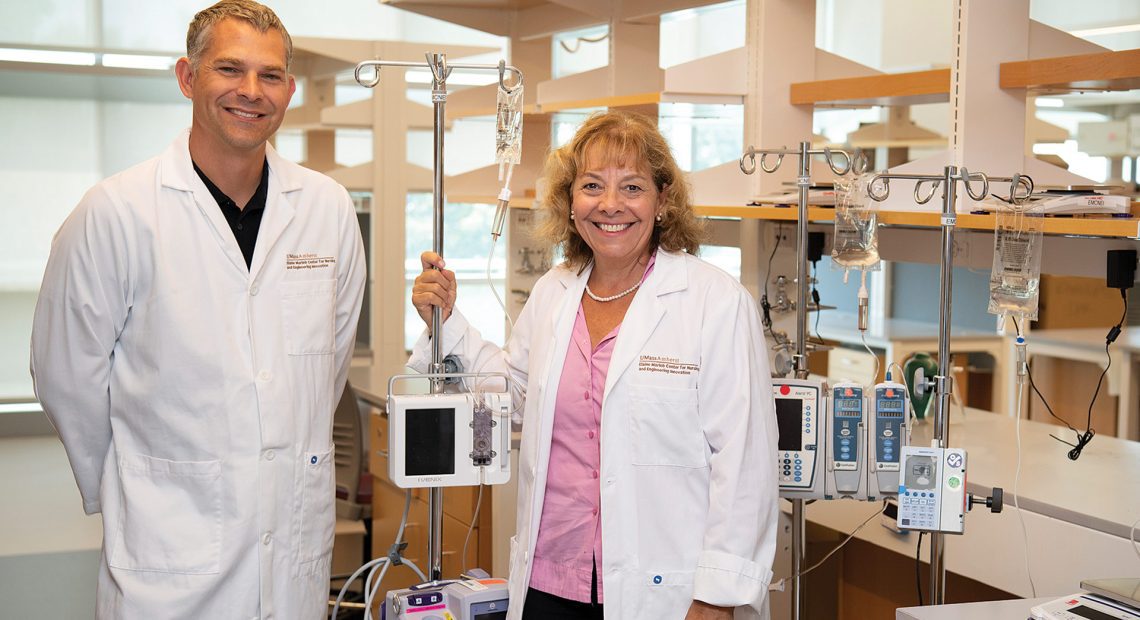
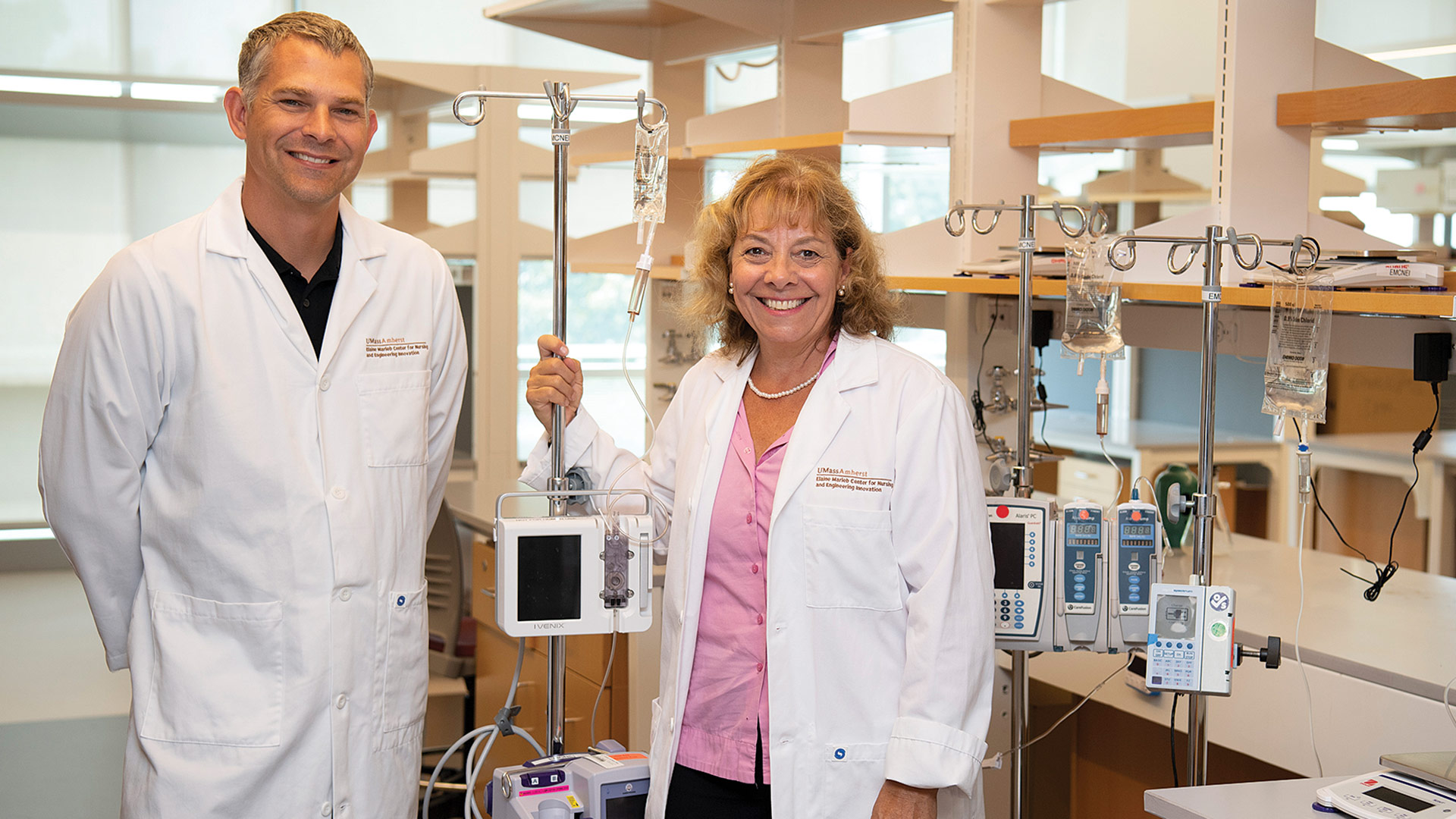
The award was created to recognize those whose contributions to the health and well-being of this region, while known to some, needed to become known to all. And that is certainly true this year.
They are leaders. In some cases innovators or collaborators. In all cases, inspirations — people and organizations that have devoted their lives to improving the quality of individual lives and the health of entire communities. We find these stories to be compelling and inspirational, and we’re sure you will as well.

Overall, everyone who was nominated this year is a hero, but in the minds of our judges — the editors and management at BusinessWest — eight of these stories stood out among the others. The Healthcare Heroes for 2022 are (click on the names to read their stories):

See the BusinessWest 2022 Healthcare Heroes Special Section HERE.

We’re excited to celebrate our Healthcare Heroes on Thursday, Oct. 27 at the Log Cabin in Holyoke. Tickets cost $85 each, and tables of 10 or 12 are available.

The Healthcare Heroes program is being sponsored by presenting sponsors Elms College and Baystate Health/Health New England, and partner sponsors Trinity Health Of New England/Mercy Medical Center, American International College, and MiraVista Behavioral Health Center.

Presenting Sponsors

Partner Sponsor

Healthcare Heroes

Here, Shared Research by Nurses and Engineers Will Benefit Patients Everywhere

Co-directors Frank Sup and Karen Giuliano

Co-directors Frank Sup and Karen Giuliano. Leah Martin Photography

Intravenous (IV) infusion pump systems are among the most recognized technologies in healthcare, used by about 90% of hospital patients.

They’re also hopelessly out of date, Karen Giuliano said.

“The design has been around a long time, and hospitals don’t buy one; they buy an entire fleet. They have to invest in training, service contracts, and IT infrastructure. To install a platform is a huge investment and effort.”

And that has led to stagnation, she added. “Over 80% of pumps are really old platforms and don’t do the job they need to do. They’re not developed for today’s standards.”

Enter the Elaine Marieb Center for Nursing and Engineering Innovation at UMass Amherst, which has made improving the safety and usability of IV smart pumps one of its first major projects. The team has been exploring flow-rate accuracy in a variety of settings and use cases, with the goal of developing pumps that eliminate inaccuracy, inconvenience, and resulting medical errors through new technology and simplified design.

The work is gaining widespread attention, as Giuliano, co-director of the center and associate professor of Nursing, and postdoctoral research fellow Jeannine Blake were recently recognized by the Assoc. for the Advancement of Medical Instrumentation (AAMI) for the Best Research Paper in 2021.

Their paper, “Nurse and Pharmacist Knowledge of Intravenous Smart Pump System Setup Requirements,” explored knowledge of intravenous smart-pump system setup requirements among nurses and pharmacists. The results were published in Biomedical Instrumentation & Technology, AAMI’s peer-reviewed journal.

“There’s already a critical nursing shortage, fatigue, and burnout. How can robotics be used to maybe alleviate some of those problems? We can use robotics as an extension of the nurse.”

“We don’t want to build a new pump; we want to build a set of requirements for manufacturers that have been sitting idle for too long without being forced to innovate for the safety of patients and the workflow of the nurses,” Giuliano told BusinessWest.

The effort demonstrates the types of innovation she and Frank Sup, associate professor of Mechanical and Industrial Engineering and the other co-director of the Elaine Marieb Center for Nursing and Engineering Innovation, intended when they launched the center in early 2021. It also reflects the cross-educational opportunities for people like Blake, the first nursing doctoral student to enter an engineering postdoctoral fellowship at UMass.

“Students have come out of here with a siloed education, nurses and engineers. There’s not a natural inkling to work together; they might not even know the importance of collaborating in that way,” Giuliano said. “What we want is to have students graduate that already have that in common, to reach across the aisle. The healthcare environment should not be a silo.”

Under Sup’s leadership, the center has also begun research on the use of robotics in healthcare. It teams doctoral students from both engineering and nursing, as well as an undergraduate nursing honors student, to identify challenges and develop robotic solutions to improve healthcare delivery for patients and providers.

The incorporation of robotic technology into the healthcare system is ongoing and already includes innovations like fully autonomous disinfecting systems and invasive surgical devices, and Sup feels it’s essential that these new technologies are integrated into the field of nursing at multiple levels, including hospital administration, the clinical workplace, and university education. And students need to interact with robots to better understand and utilize this technology in a controlled setting before patient care is involved.

“What are robotics, what can they do, what are they good for, and how can we start to train nurses and engineers in robotics? What day-to-day situations might nurses face in the hospital, clinic, and home, and what might be the best use cases for these robotics systems?” he asked. “That’s where this program started. Nurses are not typically trained in robotics, so we actually start to expose them to these things.”

That may seem like a scary thought to some, or imply that robots could replace nurses, but that’s far from the case, Sup added.

“There’s already a critical nursing shortage, fatigue, and burnout. How can robotics be used to maybe alleviate some of those problems? We can use robotics as an extension of the nurse, potentially doing things when they’re not there, like monitoring and lower levels of service.”

By bringing nurses and engineers together at the earliest stages of product innovation, the Elaine Marieb Center promises a raft of such breakthroughs that will result in better technology and, more important, better patient care.


Come Together

This is how Giuliano and Sup described the center’s mission at its opening last year:

“Today, healthcare technologies are too often made without the insights and understanding that clinicians bring to the table. Nurses are end users, facing healthcare challenges on the frontlines of patient care. Engineers have the expertise and skills to envision and create medical devices and can work with nurses who bring the real-world healthcare experience needed to design the best possible products and solutions.

“This transformation depends heavily on collaborative research and development work among nursing, engineering, and other disciplines,” they went on. “The ability to quickly and effectively develop and test innovations requires both nursing and engineering skillsets. The power of the nurse-engineer approach is derived from the mutual collaboration between the two, where the nurse identifies the problem, and the engineer facilitates potential solutions.”

One problem in the past, both of them explained to BusinessWest, was that products too often wound up in the hands of nurses too far along in the design and development process to change very much.

“I realized how important it was to have a front-end-user perspective built into the products rather than trying to back-engineer it when it’s 90% done.”

Giuliano, with more than 25 years of experience in critical-care nursing, medical product development and innovation, and patient-centered clinical outcomes research, should know. Prior to joining UMass Amherst, she spent many years working on medical product development from an industry perspective, including 12 years with Philips Healthcare.

Early in her career, she said, “I realized how important it was to have a front-end-user perspective built into the products rather than trying to back-engineer it when it’s 90% done.”

Now, at the center, “we have the ability to prototype things and test them in nursing simulation labs and test them in actual hospitals,” she added, the latter through a collaboration with Baystate Health.

Meanwhile, Sup was also a natural choice to co-direct the new center. As director of UMass Amherst’s Mechatronics and Robotics Research Lab, his research has long focused on developing human-centered mechatronic technologies for augmenting human performance and exploring how to enable robots to fluently interact physically with humans. To that end, he brought teams of nursing and engineering students together to work on senior capstone design projects.

The model was formalized as the Elaine Marieb Center for Nursing and Engineering Innovation with the help of two major gifts: $1 million in seed funding from alumni Michael and Theresa Hluchyj, longtime supporters of both the College of Engineering and the College of Nursing; and $21.5 million from the Elaine Nicpon Marieb Charitable Foundation to the College of Nursing, with a significant portion designated to support the new center.

“Innovation is often accelerated at the intersection of different academic disciplines,” Michael Hluchyj said when announcing the first gift. “The worldwide health crises resulting from the COVID-19 pandemic make clear the critical need for innovative solutions in clinical settings where both nursing and engineering play vital roles.”

And nurses need to have a seat at the innovation table early, Giuliano said.

“Nurses use more products and are part of more services than any other healthcare provicer,” she told BusinessWest. “If they’re not at the table, you’re not going to have the right products. They’re not going to be usable, and if they’re not usable, then they don’t do the job. And from an economic standpoint, they don’t generate the revenue that the company wants. So it’s a lose-lose, which we can turn into a win-win.

“We want to be a usability testing center,” she went on. “So if a company has a product at a certain point in development, has an idea what’s supposed to do and how it’s supposed to work and what its value is, we literally bring it into a sim lab.”

The usability test involves two people, a nurse and a volunteer patient, and both evaluate it, as test administrators watch how it’s used. “If the same mistake is made over and over, it’s a design flaw; it’s not a user error,” Giuliano explained. Then all those results and perceptions go back to manufacturer, who has the opportunity to make improvements early in the process.

To that end, the emerging product prototyping laboratory on the Amherst campus will enable students to design and prototype new products, while a proposed usability laboratory on the Mount Ida campus will allow for product and service testing by frontline clinical end users.

“Having a better understanding of frontline clinician knowledge is a fundamental part of our overall program of research on improving the safety and usability of IV smart pumps,” Blake said when she and Giuliano received the AAMI’s award for their research earlier this year. “We are very excited to receive this award, which supports our continued efforts in this important area of research.”


Promising Outcomes

Better research resulting in better patient care is the goal, whether it’s IV pumps, robotics at the hospital bedside, or any number of other ongoing projects at the center, from cloud-based home-healthcare monitoring to wearable sensors that record body movement to assess chronic pain.

Part of the center’s raison d’être is that nurses and engineers are both trained problem solvers who rely on innovation to find solutions, but their paths rarely cross, and the timeframes required for them to find solutions are dramatically different.

Giuliano got her PhD while at Phillips Healthcare because “I really wanted to be a better researcher so I could test products in a meaningful way.” Later, she added, “I realized I liked academia — I was a better student as a 40-year-old than as a 20-year-old — and I knew I wanted to go into academia and try to recreate the nurse-engineer pairing in the academic environment.”

By teaming up with Sup, who was already pursuing those connections, and with the help of some generous gifts from supporters who saw potential in this model, a center was created that is not only generating some impressive outcomes, but is paving a new way for diverse minds to collaborate and improve the patient experience across the globe.

“The whole idea of this center is for academic clinicians, students, nurses, and doctors to bring in industry partners,” Sup said. “It’s going to be innovative, and it’s going to make a difference.”

And it clearly lives up to the title of Healthcare Hero in the category of Innovation.

“This work that’s being done will make its way to safety standards everywhere,” Giuliano said. “Nobody else is doing that. It’s huge.”


Joseph Bednar can be reached at [email protected]

Healthcare Heroes

This Critical Team Provides Hope — and a Roadmap to Recovery

Team members of the Addiction Consult Service

Team members of the Addiction Consult Service at Holyoke Medical Center, from left: Eddie Rodriguez, John Martinez, Lauren Carpenter, Maria Quinn, Kelly Jean Deming, Em Moulton, and Jose Ramos.


Patrick Hamel remained calm and collected as he chronicled his quarter-century-long battle against addiction.

In telling that story, he recalled more relapses than he could count; how he lost jobs, alienated family and friends, and had run-ins with the law (including some B&Es to support his drug and alcohol use); getting thrown out of the house by his wife on a few occasions; the awkwardness of having his daughter visit him in a halfway house; and even that night a little more than two years ago when he decided that enough was enough and tried to end his life.

He didn’t become emotional — though he did have to stop and collect himself a few times — until he started talking about the Addiction Consult Service (ACS), or the Recovery Support Team, as members call it, at Holyoke Medical Center’s Comprehensive Care Center (CCC) and, especially, Maria Quinn, the charismatic psychiatric mental-health nurse practitioner and leader of that unit.

That’s because Quinn, those who work with her, and those to whom she has referred Hamel have enabled him to move beyond all that has happened to him and now lead a much better life.

“She just listened, and we came up with a plan. She got me hooked up with an amazing therapist. We saw each other every week — she was there for me; she was my support.”

“She is so amazing; she’s like my knight in shining armor,” said Hamel, who would then concisely and effectively sum up what Quinn and other members of this team do. “She just listened, and we came up with a plan. She got me hooked up with an amazing therapist. We saw each other every week — she was there for me; she was my support.

“Mind you, I’ve been in other types of medical treatment facilities and other programs,” he went on. “And I always felt like I was a number, or I was there to meet a quota; it was just a job. You can see with Maria that it’s not just a job; it’s something she’s passionate about.”

Patrick Hamel

Patrick Hamel says those at the Addiction Consult Service listened and helped him come up with a game plan for recovery.

Hamel didn’t nominate the ACS for the Healthcare Heroes award, but his words, and the emotion attached to them, help explain why this special unit is being honored this year in the Community Health category.

In short, there are now hundreds, if not thousands, of people, who would say the same things if they were asked — about not just what the ACS does, but how it goes about its difficult and critically important work.

“We’re essentially ever-present — we like to make jokes that we stalk our patients while they’re here, even if we’re not fully involved,” she explained, adding that this is her way of saying that Recovery Support Team members make sure that those patients with addiction issues, either from the Emergency Department or inpatient units at the hospital — many of whom don’t have anyone to visit them while they are in the hospital, for many of the reasons Hamel listed above — have someone to talk to. And, far more importantly, someone to listen, someone who can help them determine what comes next for them, whatever that might be, including ongoing support at the CCC.

“That connection needs to happen so that people can stay and continue to get the treatment that they need,” said Quinn, adding that one of the goals of the program is to build trust among those touched by the ACS, because such trust has often been missing, and it is a key ingredient in their success.

“Historically, people with addiction haven’t been treated well in the healthcare system, so there’s a lot of mistrust, and we see that,” she noted. “We talk about it often and sense that the wall may be coming down and people are starting to bloom because we see our patients become a little more trusting.”

“One thing I’ve learned in this process is that everyone’s recovery is different. You have to listen to the patient to understand what they’re looking for in their recovery. By listening to them, I’ll know what kind of direction I can give them.”

Lauren Carpenter, a certified addictions nurse, agreed. When asked how she got into this specific line of work and what she likes about her work with this constituency, she said simply, “being able to help and care for people who aren’t used to being helped and cared for — building that connection and that rapport and making sure they know there is someone there who cares.”

The ACS is comprised of a nurse practitioner, a certified addictions nurse, a recovery-support coordinator, and recovery coaches. And, as noted, it is a collaborative effort, involving partners such as Tapestry Health, the Gándara Center (which employs the recovery coaches), River Valley Counseling Center, Hope for Holyoke, and the Holyoke Health Center. Together, these agencies are working to reduce opioid overdoses and help people like Hamel find a path to a better life.

The positive results of their efforts can be seen — and heard — with people like Patrick Hamel and countless others like him.


The Power of Hope

John Martinez’s battle against addiction was and is very similar to Hamel’s.

He described several stints of incarceration, homelessness, and, by his count, four suicide attempts.

He’s been sober now for 13 years and has spent the last several as a certified recovery coach, helping others find the strength and conviction to change their lives, as well as needed referrals and direction. The process starts simply with providing hope that life can get better, he said, adding that this isn’t all that coaches provide, but it may well be the most important thing.

“I remember being hopeless — I know what that’s like,” he recalled. “One thing I’ve learned in this process is that everyone’s recovery is different. You have to listen to the patient to understand what they’re looking for in their recovery. By listening to them, I’ll know what kind of direction I can give them.”

Recovery coach John Martinez

Recovery coach John Martinez says that, among other things, he provides those he counsels with the hope that life can get better.

As noted, recovery coaches are part of the team at the Comprehensive Care Center, and part of a broad, collaborative effort that has come together at a critical time for the Greater Holyoke area.

Indeed, while much of the focus the past few years has been on the pandemic, and understandably so, addiction has only become a bigger, more dangerous, and more deadly problem for the region.

The number of opioid-related overdose deaths increased 9% in Massachusetts in 2021 over 2020. Meanwhile, there are significant disparities in overdose rates, particularly among Black and Latino individuals in Massachusetts; from 2019 to 2020, there was a 70% increase in overdose deaths among Black/non-Hispanic individuals and a 10% increase in Hispanic/Latinx individuals. From 2020 to 2021, there was a 6% decrease in Black/non-Hispanic deaths and an increase of more than 7% for Hispanic/Latinx individuals, according to the Massachusetts Department of Public Health.

Steadily rising numbers over the past several years prompted the HEALing Communities Study, whereby scientists from the nation’s leading health agencies and four major academic institutions are partnering with communities in four states, including Massachusetts, to test a set of interventions designed to reduce overdose deaths by 40% over three years in participating communities.

Through a grant awarded to Boston Medical Center, a collaborative was created involving several agencies in Greater Holyoke, with Quinn taking the lead as the appointed addiction expert for the Holyoke community. The goal is to address opioid use, with a specific focus on overdoses, she said, adding that the linchpin of the initiative was creation of the ACS and the CCC.

“Prior to that, it was just me trying to do it all — start people on medication, get referrals out, try to make appointments, trying to get people to stay here [the hospital] — and it was challenging.”

“Our goal is not to cure them; our goal is to treat them with dignity and respect, and that includes treating their withdrawal. It includes giving education and resources. Some people decide that they no longer want to use and want to work toward abstaining and not using, and some don’t.”

With the grant funds, Quinn was able to hire Carpenter as well as a recovery-support coordinator and other team members.

Together, they have put together a system to “find patients,” said Quinn, noting that, before creation of the ACS, many would essentially fall through the cracks.

“Lauren became really good at figuring out which patients we should look at, and we started finding our patients and going to them, often intervening even before a consult was sent,” she told BusinessWest. “And that’s important because people would be leaving the hospital; if you were using opioids or were addicted to opioids, in particular, and didn’t get that, you would feel really, really sick, and if your withdrawal wasn’t being treated, you would probably be leaving.

“So we’d introduce ourselves and let people know why were there,” she went on, adding that, by and large, patients were not used to such a “proactive and impactive” approach to their care, and would have questions about what they could do for them.

What they can do is listen and begin a discussion about what happens next, said Carpenter, who walked through what might be a typical case.

“Someone will come into the ED, and I’ll get notified that this person is there and that they are in withdrawal,” she explained. “At that point, I will meet with the person, gather a history, assess their withdrawal, and then I’ll get Maria involved. I’ll talk with the ED provider, Maria, the addiction consult … Maria will meet with the patient, give recommendations, and order appropriate medications to treat their withdrawal. And when someone is actually on the med floor, we’d start the discussion of ‘what do you want to do from here?’”

As Quinn noted, the course varies with the patient. Often, those at the ACS will connect them to opioid-treatment programs, including two in Holyoke, if they are not already in a program, or connect them with a recovery coach while they are in the hospital.

“Not everyone’s goal is abstinence,” she said. “Our goal is not to cure them; our goal is to treat them with dignity and respect, and that includes treating their withdrawal. It includes giving education and resources. Some people decide that they no longer want to use and want to work toward abstaining and not using, and some don’t.”

When asked how those at the ACS measure success, Quinn said it depends on what how the patient would define that term.

“For some people, having air in their lungs is successful,” she told BusinessWest. “Anyone who leaves here feeling that they’ve been treated well … that’s a big success for me.”


Impact Statement

As he talked about Quinn and those she works beside at the CCC, Hamel stressed the present tense.

He is still working with these individuals at the CCC, and they are still making a huge impact on his recovery. He’s not sure they, and especially Quinn, understand just how much of an impact. So, he made it clear.

“I wouldn’t be where I am without them,” he said, adding that these individuals are more than healthcare providers, but are, in many respects, friends and even family.

“They want to make a difference — it’s not just about an f-ing paycheck,” he said in conclusion. “That’s where I get a little passionate and emotional; two years ago, I wanted to kill myself, and now…”

He didn’t finish the sentence, but didn’t really have to. The pause explained not only the journey from where he was to where he is now, but why the Addiction Consult Service is truly a Healthcare Hero.


George O’Brien can be reached at [email protected]

Healthcare Heroes

Chief and Physician, Baystate Noble Hospital Emergency Department

He Has Devoted His Career to Improving the Community’s ‘Safety Net’ Net’

Leah Martin Photography

Dr. Sundeep Shukla, or ‘Sunny,’ as most everyone calls him, has always felt at home in the emergency room, and he has never really wanted to work anywhere else.

There is a fast pace and decidedly unpredictable nature to the work, he told BusinessWest, noting that each day, and each hour, are different from the one before and the one after. But there are many more reasons why he has chosen to spend his career in this setting, the most important being the ER’s important role, both to the hospital in question and to the community it serves.

“The emergency room is the safety net for all patients,” Shukla explained. “Many patients do not have access to healthcare; we feel that the ER can provide care to anyone who walks through the door, regardless of whether you have insurance, regardless of your background; we’ll see anyone who walks through our doors, and I’m proud to say that.”

But Shukla has done more than work in the ER. Indeed, throughout his career he has devoted time and energy to bringing new efficiencies, better ways of serving patients, and, yes, better ways of doing business to the ER, especially in his current role as chief of the Emergency Department at Baystate Noble Hospital in Westfield.

And he brings what would be considered a somewhat unique background to this assignment. In addition to his undergraduate degree from the University of Missouri and his medical degree from Manpial University in Karnatka, India, Shukla also earned an MBA, with an emphasis in medical management, from UMass Amherst in 2017.

He has used all these degrees, as well as his hands-on experience in the ER, to help improve service, efficiency, and quality, and reduce wait times and what are known as ‘walkouts’ — people who come to the ER but leave before being seen, for whatever reason.

“Having earned that MBA, I was able to reconfigure how I look at things in my brain. Before, it was all medicine-related, but by doing the MBA, I was able to focus on flow and how we could improve certain processes to make an impact on the total visit.”

“Having earned that MBA, I was able to reconfigure how I look at things in my brain,” he told BusnessWest. “Before, it was all medicine-related, but by doing the MBA, I was able to focus on flow and how we could improve certain processes to make an impact on the total visit.

“At Baystate Noble, we do small thinks like put a greeter in the waiting room so when patients come in there’s someone they can talk to, someone they ask questions to; they round, they give patients blankets or small things just to make them feel appreciated,” he went on. “We also strive to push our nurses and docs to really bring patients in when they come into the ER; they don’t sit very long in the waiting room.”

As a result of such initiatives, Noble’s ER has made great strides during Shukla’s tenure. The unit has dramatically increased patient-satisfaction scores, for example, while also gaining certification as a geriatric ED, well-suited to serve the needs of older patients in the community.

The sum of these efforts has earned Shukla the Healthcare Heroes award in the highly competitive category known as Emerging Leader. And he is worthy of that designation, not only for his work in the ER, but also at Baystate Health (he is on the system’s board of directors), in the community (he sits on the nonprofit People’s Institute and also coaches youth soccer and baseball), and even on the ice.

Indeed, Shukla is one of the team physicians for the Springfield Thunderbirds, and was with the team through its exciting run to the Calder Cup finals last season.

He described that work as fun and rewarding — adjectives he would apply to every aspect of his work in medicine and administration.


Degrees of Improvement

Shukla was born in England and came to this country with his family in 1980. Early on, he said, his father, a professor of Pharmacology at the University of Missouri, and mother, a school teacher, impressed upon him the importance of not only education, but service to the community.

He achieved both while serving as a volunteer at the University of Missouri Hospital and Clinics while in junior high school, work he described as a learning experience on many levels.

“During the summer, I went there every Tuesday and Wednesday and spent eight hours each day volunteering in different parts of the hospital,” he recalled. “It was then that I realized that this was my true calling because I really wanted to help people and really wanted to make a difference.”

After graduating from medical school, he became a resident at Baystate Medical Center with a focus initially on general surgery. But at the advice of some friends who implored him to consider emergency medicine because he seemed a natural for that kind of work, his career outlook began to shift.

Dr. Sundeep Shukla, seen here with his son, Deven

Dr. Sundeep Shukla, seen here with his son, Deven, is one of the team physicians for the Springfield Thunderbirds, one of the many ways he is involved in the community.

“I did some shadowing, I did some shifts in the ER, and eventually I went through the process of applying to be an ER resident,” he said, adding that he quickly fell in love with that setting — again, not just because of the fast pace and each-day-is-different aspect of the work.

“Not everyone has access to healthcare, and I’m a big proponent of health equity because I feel everyone should have the same access to healthcare as your next-door neighbor,” said Shukla, who, before coming to Noble, served as associate medical director in the Emergency Department at Baystate Franklin Medical Center. “When patients some come to my ER, I treat them with respect, I treat them exactly how I’d want to treat my family members, and I try to everything I can to make sure their health is better when they leave the ER.”

Elaborating, he said many people are coming to the ER on the worst day of their life, whether they’re having a stroke, a heart attack, or other medical problem, and it is the job of the ER doctor to “step up and help those patients.”

“It’s our goal to help lift them up and help them feel better,” he went on. “And in terms of mindset, you have to be able to function on the go and multi-task many different things, because there so many problems that are detail-oriented: the lab or CT scan, whether you have to stitch someone up, give different medications … there are all these processes you have to follow, and with every visit, there’s quality involved, and you have to meet certain metrics.”

Despite the fast pace and the constant flow of new patients, Shukla said he makes it a priority to truly connect with his patients.

“I always try to make a connection with my patients because, if I’m able to make that connection, whether it’s with a sports team that they like or a restaurant that they enjoy or some type of hobby they like, I feel like we can relate much better, and they can trust me. They just met me just a few minutes ago, so it’s really important that I build a trust and a relationship with them so that when I give them advice or we have what’s called ‘shared decision making,’ we can come with a good plan together. That’s why I’ll always spend the extra minute just to know them a little better.”

“They just met me just a few minutes ago, so it’s really important that I build a trust and a relationship with them so that when I give them advice or we have what’s called ‘shared decision making,’ we can come with a good plan together. That’s why I’ll always spend the extra minute just to know them a little better.”

Shukla currently works at all the hospitals in the Baystate system — Baystate Medical Center, Baystate Wing, and Baystate Noble — and became chief of the ER at Noble in March 2020, just as the pandemic was reaching Western Mass.

In each setting, and especially at Noble, he has been consumed with not only treating patients and making those important connections, but improving the overall experience.

“We try to look at the entire process — from when a patient walks into the waiting room all the way to when they go home,” he explained, adding that little things, such as having a greeter in the ER and having nurses, doctors, and other care providers working collaboratively so that patients don’t have to repeat their history and answer the same questions over and over again, often add up to big improvements in service, patient-satisfaction ratings, and statistics such as those concerning walkouts.

“The most dreaded word that most people see in emergency medicine is walkouts, which is basically a person who registered but wasn’t actually seen,” Shukla said. “That’s a problem throughout the United States, so we work really hard in the Baystate Health system to bring those numbers down. Even one patient walking out troubles us.”

Meanwhile, throughout his career, and even more so during COVID, he has put considerable emphasis on outreach and educating the community, with the goal of helping people make better, smarter choices about their health and well-being.

Indeed, he’s a frequent guest on area radio stations and has penned articles for several media outlets, all with the goal of creating a better-informed community.

“If people are educated, they can take care if their health better,” he said, adding that such efforts took on greater importance during the height of the pandemic, when the public had more questions — and needed more answers — and trust was a huge factor.

“We had a lot of COVID issues to contend with, but we also had to build up trust in the community,” he said, “because a lot of people were concerned about the ways people were contracting COVID, how they would protect themselves, the vaccines … there were many thongs we had to educate people on, and we did a lot of outreach for that.”


ERing on the Side of Caution

Overall, Shukla, as chief of the ER, assumes a role that blends medicine with administration, and, with his background and MBA training, he can bring a unique perspective to the table.

“Not many physicians go back and get a degree like an MBA; most of us go to school for a very long time as physicians, so not a lot of us go back,” he explained, adding that he enjoys both sides of the equation — business and especially medicine.

“It’s important for me to be well-rounded and understand how things are run,” he said, adding that he took a marketing class in 10th grade and since then has always been fascinated by business and management. “I really enjoy business, and so there’s the budget/financial aspect that I really like in administration, because I feel I can look at spreadsheets and Excel sheets in a different way than I did a few years ago before I earned my MBA.

“I understand the budget and the finances a lot more than I used to,” he went on, “and also how I can cut costs and improve efficiency in the ER, whether it’s flow in the ER or how I can reduce the cost of staffing or increase staffing to help show a return on investment.”

Going all the way back to when he was volunteering at the University of Missouri Hospital as a junior-high student, Sunny Shulka has known that he was destined to be in a profession — and a place — where he could help people.

That profession turned out to be healthcare, and the place is the ER, or the safety net, as he called it, which is now more his home.

For his efforts to continually improve that safety net, make it stronger, more welcoming, more comfortable, and better able to serve all those who come through its doors, Shukla is certainly an emerging leader, and truly a Healthcare Hero.


George O’Brien can be reached at [email protected]

Healthcare Heroes

Chief Operating Officer, MiraVista Behavioral Health Center

This COO Empowers Team Members and Leads by Example

Leah Martin Photography


Mark Paglia was a wrestler at Cathedral High School and later at American International College.

He said the great thing about wrestling is there is “no one-size-fits-all method that leads to success.” But there are several qualities, traits, and habits that wrestlers possess. “They trust themselves and count on their teams to train together to get better. They aren’t afraid to try new things. They are disciplined, grateful, focused, detailed-oriented, and able to adjust.”

These are qualities, Paglia told BusinessWest, that positioned him well for his current role as chief operating officer at MiraVista Behavioral Health Center, and the myriad challenges that have come with that assignment.

While working for Mercy Medical Center and its parent company, Trinity Health Of New England, Paglia served in several different roles, including executive director of Behavioral Health. He would sum up his tenure this way:

“I became the ‘project guy,’ the ‘turn-around guy,’ where I would be asked to go into departments or services that were really struggling both from a regulatory side or the financial side and turn them around,’” he said.

He was given a number of difficult assignments in that vein, such as leading efforts which led to the successful redesign of the methadone maintenance treatment program, resulting in two-year licensure with the Department of Public Health; leading efforts to open the new Clinical Stabilization Services unit; stabilizing redesign throughput for behavioral-health patients in Mercy’s emergency room; and leading the Outpatient department from a state of uncertainty to being fully licensed and financially viable. Ultimately, he was charged with winding down behavioral-health services at Providence Behavioral Health Hospital when Trinity Health Of New England made the difficult decision to close them in 2020.

As noted, these experiences, including his wrestling prowess, helped steel him for what has been his most stern career challenge, but also the most rewarding one: opening a new behavioral-health hospital, MiraVista, at the Providence Hospital site in April 2021 — in very little time, in the middle of a pandemic, in the midst of a nationwide nursing shortage and general workforce crisis, and at a time when the need for behavioral-health services was soaring due to COVID and the many ways it impacted people of all ages.

“I really find myself leading from behind, where I screen, recruit, and hire exceptional people, identify what the goals of the organization are, invite the individuals to participate, and identify what their passions are — what they believe in — and then empower them to go.”

But his efforts to open MiraVista’s doors under such difficult circumstances and then put it on a path to accreditation and expansion of both inpatient and outpatient services only partly explains why Paglia has been chosen as a Healthcare Hero for 2022 in the Health/Wellness Administrator category.

Another key consideration is the manner in which he manages — and has managed throughout his career.

He calls it ‘invitational leadership,’ which, as that name suggests, aims to ‘invite’ employees and all other stakeholders to succeed. It involves sending positive messages to people, making them feel valued, able, responsible, and worthwhile.

“I identify goals for the organization and goals for the various departments, and then invite the individuals responsible for that work to participate and own the work,” he said while explaining what this practice means to him. “Through that, I really find myself leading from behind, where I screen, recruit, and hire exceptional people, identify what the goals of the organization are, invite the individuals to participate, and identify what their passions are — what they believe in — and then empower them to go.”

Summarizing thoughts expressed by team members at MiraVista, Erin Daley, chief Nursing officer and herself a Healthcare Hero in the Emerging Leader category in 2017, wrote in her nomination of Paglia:

“His impact is garnered through his compassionate and inclusive leadership of clinical and operations teams; we find Mark, more often than not, behind the scenes working with the team and individual staff members to make them as effective and productive as they can be. Universally, team members remarked that Mark inspires them to do their best work for patients and for each other because he makes them feel their contribution is valued and an essential part of the process. Simply put, he listens. He engages people and integrates ideas, and this is what distinguishes him as a hero; his impact has longevity and grows exponentially through others.”

Such sentiments explain why Paglia will be taking the stage at the Log Cabin on Oct. 27 to be recognized as a Healthcare Hero. More importantly, they explain why he has emerged as a true leader within this region’s healthcare sector.
 

Taking the Lead

Paglia took what would be considered a non-traditional path to his current post with MiraVista.

Indeed, after earning a degree in business management at AIC, he went to work for a flat-glass manufacturing company. Along the way, he was asked to coach wrestling at Minnechaug High School, a role that made him realize how much he liked working with young people and helping them develop.

Mark Paglia, seen here with several team members at MiraVista Behavioral Health Center, practices what is known as the ‘invitational’ style of management.

Mark Paglia, seen here with several team members at MiraVista Behavioral Health Center, practices what is known as the ‘invitational’ style of management.

That experience inspired him to go back to school to earn a teaching degree. He would eventually land a job in Connecticut working in a day-treatment program for youth with behavioral-health issues.

“I was really drawn to the kids, but I felt like I didn’t have enough time with them in the school setting,” he told BusinessWest, adding that these sentiments led to another rather sharp turn on the career path, this one taking him to a job as director of the Adolescent and Family Services Department at the Gándara Center’s main office in Springfield.

“I think that’s where I found my passion for caring for those who are in need,” he explained. “And that’s where I started to understand business management and performance management, and that’s where I learned the invitational model of empowering people; that was the foundation for my career.”

Fast-forwarding somewhat, Paglia said he spent nine years at Gándara before becoming program director for the Brightside Treatment Center, part of the Sisters of Providence Health System, in 2009, and later became director of Outpatient Services – Behavioral Health at Providence Behavioral Health Hospital, and then executive director of Behavioral Health for Mercy Medical Center and its affiliates, including Providence Behavioral Health Hospital, Brightside, and behavioral-health services on the Mercy campus.

“I’m blessed to work with some of the most passionate, committed, extraordinary leaders … it’s a joy to come to work every day.”

While he was in that role, Trinity Health Of New England made the difficult decision to close Providence Behavioral Health Hospital in early 2021, leaving a huge void in services available to the public.

Seeking to fill that void, Health Partners of New England acquired the property with GFI Partners with the intention of bringing back inpatient psychiatric services and a compliment of substance-use programming. And it turned to Paglia to get that difficult job done.

Recalling those days and, ultimately, the reopening of that facility, Paglia said the sum of his previous experiences certainly helped him overcome a number of hurdles, adding that he was essentially starting up a new business, starting with the hiring of staff.

The first priority was the methadone clinic, which served 600 patients and needed to remain open, and did, with the transition from Trinity Health Of New England to MiraVista, sister facility to TaraVista Behavioral Health Center in Devens, taking place at midnight on April 20. What followed was a ramping up to open an adult inpatient psychiatric unit, he went on, adding that this was achieved 10 days after the acquisition, with a second unit added in June, followed by a detox unit and then an adolescent inpatient psychiatric unit, a clinical stabilization service unit, and other substance-use addiction services.

From left, Mark Paglia with Erin Daley, chief Nursing officer; Erica Trudell, director of Nursing for Inpatient Behavioral Health Services & Education; and Alicia Morel, Talent Acquisition specialist.

Overall, MiraVista has expanded inpatient bed capacity from 36 at opening to 101 today. This includes 50 acute-care psychiatric beds in separate units for adults and adolescents, 30 detoxification beds in its acute-treatment unit for substance-use disorders, and 21 beds in post-detoxification for individuals transitioning to outpatient care. And it is staffing up for the opening of another unit, a substance-use program. Meanwhile, planning and preparation continue for the opening of what Paglia called the most challenging unit — a child psychiatric facility — with an anticipated opening date of February 2023.

Overall, MiraVista has gone from one employee, Paglia, to roughly 350 team members in just over 16 months — again, in the middle of a pandemic and a workforce crisis. In a word, he described this as an “extraordinary” accomplishment, adding that “we are midway through our journey to hire the very best staff to reach an expected 650 employees.”

Equally impressive, he said, is the number of visits from the Joint Commission on Healthcare Accreditation that the facility and its team have endured on its way to accreditation.

“Typically, an organization has one visit every three years for their accreditation,” he explained. “Because we had different lines in different units open at different times, we had four surprise Joint Commission visits where they did a complete audit and survey, and I’m incredibly proud that we passed all four with deeemed status, which gives us the opportunity to qualify for our CMS-contracted services with Medicare and Medicaid, which is a difficult achievement. To do all that in one year is pretty extraordinary.”

“I picked up quickly a long time ago that when someone is passionate about what they’re doing, they have their own internal motivation to be successful.”

He credits all that MiraVista has achieved to date to the team of leaders he has assembled.

“I attribute a lot of it to the leaders that we were able to bring in to create the foundation for this organization,” he told BusinessWest. “I’m blessed to work with some of the most passionate, committed, extraordinary leaders … it’s a joy to come to work every day.”


Shared Mindset

One of the goals of invitational management is to make all members of a team feel the same way, Paglia explained, adding that he strives to accomplish such sentiment through active listening, getting employees involved, inspiring them to assume a sense of ownership in the operation, and making sure those in every position know they have an active role in the success of the company.

MiraVista Behavioral Health Center

MiraVista Behavioral Health Center is appropriately lit up for September, which is Recovery Month.

“I picked up quickly a long time ago that when someone is passionate about what they’re doing, they have their own internal motivation to be successful,” he said, adding that one of the goals for him and other leaders is to match this passion with career opportunities that will enable those individuals — and the company — to grow.

While doing all that, he also likes to bring fun into the equation. In fact, it’s a big part of the success formula.

“We plan for fun,” he said, adding that an ‘engagement committee’ he established has launched several initiatives that team members can take part in together, from a Halloween party to a recent barbecue and cornhole tournament; from an ice-cream social to fitness challenges.

The cornhole event and ‘mismatch day,’ where employees wear outfits that do not match, don’t explain why Paglia is an effective leader — or a Healthcare Hero for 2022 in the Administrator category.

But they are part of the explanation.

There are, in fact, many parts to this equation, but the result is an engaging administrator who has taken the lead at MiraVista — in every sense of that phrase.


George O’Brien can be reached at [email protected]

Healthcare Heroes

Director of Medical Oncology, Sister Mary Caritas Cancer Center, Mercy Medical Center

This Physician Provides a Needed Blend of Science and Humanity

Leah Martin Photography


On one wall of Dr. Philip Glynn’s office at the Sister Mary Caritas Cancer Center, sharing space with some diplomas and a few other photographs, is a framed, signed picture of Glynn standing beside Dr. Siddhartha Mukherjee, author of the Pulitzer Prize-winning The Emperor of All Maladies: A Biography of Cancer.

Glynn was instrumental in bringing Mukherjee to Springfield several years ago for a talk at CityStage, and prevailed upon the author, and fellow oncologist, for a photo that would become a treasured keepsake.

As he talked with BusinessWest about his career and being chosen as the Healthcare Hero for 2022 in the Patient/Resident/Client Care Provider category, Glynn gestured toward the photo — but really Mukherjee and his widely acclaimed book — on several occasions.

He did so to indicate everything from his great fondness for the book and general agreement its author on the progress made to date to the promise of great advancements in the future, to the fact that cancer, treating patients diagnosed with it, and providing them and their families with an all-important support system has in many ways defined his life and career.

Indeed, for more than 35 years now, Glynn has been at the forefront of cancer treatment in this region, touching the lives of several generations of area residents, and in many different ways — but mostly by providing quality of life, however it is to be defined by each patient, a subject we’ll return to later.

“It’s such a challenging balance — the human side and the science side. We are all disciplined to make sure that we stay abreast of the science side — that’s our fundamental responsibility, and it all starts with knowledge; there’s no substitute for that. How you integrate that into what patients need on a daily basis … that’s the art of it.”

While he is being honored as a Healthcare Hero in the Provider category, Glynn could be a recipient in almost every one of the others, with the notable exception of Emerging Leader, which would have been an apt description a few decades ago.

He has been an effective administrator and leader, having been instrumental in creating a comprehensive oncology program at Mercy that rivals anything that can be found in much larger cities such as Boston and New York.

Meanwhile, he has been innovative on many fronts, from the telehealth program he piloted in 2017 that allows Mercy cancer patients to get a second opinion on treatment from physicians at the Dana-Farber Cancer Institute in Boston, to his leadership role in creation of a new palliative-care unit that at Mercy that take the name of one of Glynn’s patients, the late restaurateur and serial entrepreneur Andy Yee.

He would certainly draw consideration in the Community Health and Collaboration categories for his work in this region to not only treat cancer but work in concert with others to diagnose and prevent it. And the sum of his many accomplishments would make him worthy of the Lifetime Achievement honor.

Dr. Philip Glynn, seen here with Oncology Nurse Manager Cynthia Leonard

Dr. Philip Glynn, seen here with Oncology Nurse Manager Cynthia Leonard (left) and Stephanie Palange, RN, has spent his career guiding patients and their families through their cancer ‘journeys.’

But he is being honored in the Provider category because this is what Glynn, who is certified in medical oncology, palliative care and hospice, and internal medicine is perhaps most noted for — being a provider, of not only direct care, but also information, guidance, and, on many occasions, inspiration to fight the most difficult fight of one’s life.

He is described as a fierce advocate for his patients and a great listener who enables patients and their family members to be heard. Glynn said that what begins when individuals hear that they have cancer is a journey, one that often tests them in ways they could not have foreseen or imagined, and he is there with them for every step of that journey.

Overall, he described oncology as an intricate, all-important blend of science and humanity.

“It’s such a challenging balance — the human side and the science side,” he said. “We are all disciplined to make sure that we stay abreast of the science side — that’s our fundamental responsibility, and it all starts with knowledge; there’s no substitute for that. How you integrate that into what patients need on a daily basis … that’s the art of it.

“The other thing that’s really important is that you don’t give treatment for hope. You give treatment to help people live longer and better.”

“And that’s where the greatest satisfaction comes in,” he continued. “When you sit down with someone and say, ‘here’s what we’ve got, here’s the science that will take care of this disease, here’s the limits of the science for this disease’ — that communication with the patient, with the family, brings you to the point where they’re comfortable with the plan of action.”

Making patients and families comfortable, in every sense of that term, is why Glynn is certainly worthy to be called a Healthcare Hero.


A Compelling Story

As he offered BusinessWest a tour of the Caritas Center, Glynn talked with recognizable pride in his voice about what has been accomplished at that facility.

Formerly a provider of radiation treatment, it is now a true cancer center, he said, noting that it now includes a large treatment space with more than 30 infusion bays, an oncology pharmacy, laboratory space, and other facilities. Overall, the center provides care that may include cancer surgery, chemotherapy, radiation therapy, and clinical trials that provide patients with access to new treatments.

In many respects, the expansion and evolution of the cancer center is the culmination of a career spent in oncology, one that was inspired by many factors and several role models.

Early on, however, Glynn wasn’t sure if he was a good enough student or if he would work hard enough to pursue a career a health career.

Two summers working as an orderly at an Appalachian hospital in West Virginia while he was attending Boston College eventually convinced him that he did.

“The second summer I was there, I was hooked. I said, ‘this is what I want to do,’” he recalled. “It was a great experience; it all become something that I wanted to be part of.”

Glynn earned a degree in psychology at BC, attended Columbia University for pre-med, and earned his medical degree in Italy after failing to gain admission to schools in this country (and learning Italian). After residency at St. Raphael Hospital in New Haven, he completed a medical oncology fellowship at Baystate Medical Center.

Initially, he had visions of becoming a primary-care physician in a rural setting, but during residency, several role models in oncology steered him toward that specialty. He went into private practice, first in Agawam and then Springfield, while also serving as director of Medical Oncology at Noble Hospital and the Noble VNA and Hospice Service.

In 2012, he joined Mercy Medical Center and the Sister Caritas Cancer Center as director of Medical Oncology. In that role, he wears many hats and is responsible for all aspects of the program, including cancer prevention, screening, diagnosis, state-of-the-art treatment and services, counseling, and rehabilitation. He also assists with the implementation of new initiatives, such as cancer survivorship, navigation, community outreach, and clinical research and clinical-trial participation.

He is also a provider, seeing 20 patients a day on average and guiding them through their own individual journey that generally begins with three basic questions regarding their cancer: ‘what is it?’ ‘how much is there?’ and ‘what are you going to do about it?’”

Obviously, the answer to that last question has changed most profoundly over the course of his career.

“I couldn’t have imagined it when I started; it’s changed that much,” Glynn said, gesturing toward the picture on the wall and how Mukherjee had carefully and effectively chronicled the advancements. “Seventy years ago, we did gruesome surgery, and then we had gruesome surgery with radiation, and then you added in chemotherapy. But now we’ve learned about cell biology and what drives cancer cells, so we look at genes, potential immunotherapy, a host of options; it’s absolutely exceptional.”

His ultimate goal is to bring to each patient an improved quality of life, which, as noted, varies with each case.

“If you come in, an oncologist sits down, describes to you what you have, and says, ‘this is not a curable disease; this is lung cancer that has spread to the bone,’ or ‘this is colorectal cancer that has gone to multiple different organs; you do not have a curable disease. Then, what becomes critically important is to give a treatment that is going to ideally shrink the tumor and help someone live longer and better,” he explained. “You need to avoid treatments that are going to make the treatment worse than the disease. Someone may come in with bad disease, but they’re not terribly symptomatic with it … you don’t want to give them a treatment that’s going to be terribly debilitating if you can’t give them some kind of promise that they’re going to live longer from it.

“On the other hand, if you take the other end of the spectrum, the 22-year-old kid with an advanced testicular cancer … that kind can be cured,” he went on. “You have the conversation with him and say, ‘look, the next several months are going to be hell, but you’re going to get through it, and you’re walking away. That quality of life is a quality of life you’re giving a promise to — ‘you’re going to be OK,’ as opposed to the quality of life of ‘this isn’t curable, but we’re going to make sure you’re as comfortable as you possibly can be.

“The other thing that’s really important is that you don’t give treatment for hope,” Glynn continued. “You give treatment to help people live longer and better.” All this brings him back to that integration of humanity and science that he spoke of earlier, a balance, he said, which is at the very heart of effective oncology care.

There are many aspects to this equation, he added, with one of the most important, and sometimes the challenging, being communication and providing information.

“And there are times when it gets really hard,” he explained. “We live in a world that’s packed with information. Some of it’s good, and some of it’s not so good. Patients come in with very unrealistic expectations, and that becomes a very challenging conversation.”

For that reason, he brings patients to his office, positions them in front of his computer, and directs them to websites he considers reliable, with much of the rest he described as ‘storytelling.’

He said patients — and, often, family members — want and need to know about everything from prognosis to the toxicity of treatments; from their therapeutic options to recovery time and what recovery will be like.

“But it’s also important to let them know that we’re going to have a support system there for them,” he explained. “There is going to be a doctor available 24/7.”

Throughout his career, Glynn has been that doctor, there for early-morning and late-night phone calls to make sure patients are heard, and staying with them often well beyond the end of treatment, regardless of outcome.


The Plot Thickens

Returning once again to the photo on wall, Glynn said he believes the best message of that book is the promise of the future.

“He [Mukherjee] says that we probably won’t cure cancer, and I find that sensible,” Glynn noted. “After all, we don’t cure diabetes, we don’t cure heart disease, and we won’t cure cancer.”

But there will be new advancements, new and better ways of screening, preventing, and treating the emperor of all maladies, he said, adding that, while his career is winding toward its conclusion, the oncologists who follow him will have new, previously unimagined tools with which to carry on the fight.

And they can certainly draw inspiration from him.

Glynn may not have written the definitive biography of cancer, but he has authored a remarkable career, one marked by treating patients with respect and dignity, handling the heavy burden of their care with grace and humility, and providing that critical blend of science and humanity.

And that makes him more of than worthy of the title Healthcare Hero.


George O’Brien can be reached at [email protected]

Healthcare Heroes

Division Chief, General Medicine and Community Health, Baystate Health

He Convened a Broad, Effective, Street-level Response to a Pandemic

Leah Martin Photography


From his years working at a VA hospital in Rhode Island to his more recent community-health role overseeing Baystate Health’s medical practices in Springfield, Dr. Paul Pirraglia has always seen himself as a problem solver.

“It’s gratifying to take care of a patient and get a problem solved, or at least controlled for them — when you can address a concern that is having an impact, not just around a health issue, but in a broader sort of way,” he said. “Take a patient who has diabetes. You can get their diabetes under control, but because food is such a huge part of diabetes, if you can actually get them access to good, nutritious foods, then it’s not just about the diabetes; it’s a life changer in a way.

“As medical professionals, we really want to make a difference in people’s lives,” he went on. “So it’s gratifying to be able to serve when there’s a substantive need.”

COVID-19 would certainly qualify.

Which is why Dr. Andrew Artenstein, Baystate’s chief physician executive, who spearheaded pandemic response throughout the system when COVID arrived early in 2020, asked Pirraglia and Dr. Jackie Spain, co-chief medical officer of Baystate’s BeHealthy ACO, to convene a workgroup to mitigate the impact of coronavirus on the most vulnerable patients in the community, particularly those with significant social needs.

“It was clear that traditionally underserved populations were going to get hit especially hard by this pandemic.”

The workgroup included representatives from Baystate Health and its four community health centers, Caring Health Center, the BeHealthy Partnership (a Medicaid accountable-care organization, or ACO, that includes Health New England as the insurer and Baystate Health and Caring Health Center as care sites), the Public Health Institute of Western Massachusetts, and University of Massachusetts Chan Medical School – Baystate.

The group looked at factors that could contribute to risk, such as low-income housing, where COVID cases were occurring, where ACO members lived, medical conditions were associated with worse COVID outcomes, as well as solutions such as access to pharmacies that home-deliver, food delivery, and transportation.

“On a personal level, I’m drawn to research: here’s a vexing problem; how do we solve it?” Pirraglia said, which is one reason this strategy resonated with him. “When Dr. Artenstein said we needed to do something, it was very, very early on, but it was clear that traditionally underserved populations were going to get hit especially hard by this pandemic. He said, ‘do what you need to do; I’ve got your back.’ So what Jackie and I did was convene a group which was not limited to just Baystate; we got all the leaders we needed.”

That included professionals from a wide range of offices at Baystate and beyond, from infection control to diagnostics and laboratory; from diversity, equity, and inclusion to community relations.

“We were able to pull together a multi-disciplinary group of folks who saw the importance of convening and doing this work,” Pirraglia said. “Despite the jobs they had and their schedules, we met on a weekly basis for many, many months in a row; attendance was phenomenal. That’s because people saw the need to do this.”

This Springfield Housing Authority testing event

This Springfield Housing Authority testing event was organized by the COVID mitigation team.

The goal was to figure out the needs of the Springfield population and communicate with them in a way that was meaningful, and the work progressed rapidly.

Initially, the workgroup explored ways to protect people who were at risk, trying to catch people who had not been infected and keep them from getting infected, while identifying who was infected and making sure those around them had protection. To aid in this effort, a grant from the Community Foundation of Western Massachusetts enabled community health workers (CHWs) to supply materials such as facemasks, portable pulse oximeters to measure blood-oxygen levels, and room dividers and air mattresses so families could quarantine within their own living spaces.

“We really broke into two groups, one group more patient-facing and another group more community-facing, and then continued to meet and engage and make sure there was good crosstalk back and forth between us,” Pirraglia told BusinessWest, while stressing the importance of communication early on.

“The communication was with the community and within all the different groups that were participating in this workgroup. But we were also communicating with our community health workers, the on-the-ground folks, the ones gathering the patient needs and delivering on those needs. And the communication, I have to say, was pretty robust, in large part because people were committed to making this happen.”

The group performed geographic analysis to determine where to focus its efforts, gathering information about patient conditions in various areas so they could inform the CHWs on the ground about which areas were riskiest and who needed help, he explained.

“I can’t emphasize enough how important our community health workers were in this work. We were the coaches, but they were the players; they were the ones on the field making this happen.”

“We had to prioritize what we were doing, so communication was paramount. At our Tuesday meetings every week, we’d say, ‘this is what the maps are showing, this is what we now about pharmacy deliveries, this is what we know about food deliveries, this is what we know about the ability to reach out to people.’ We needed to make sure all the different arms knew what the others were doing so we were able to work in concert.”


Mission Accepted

In nominating him for the Healthcare Heroes award in the Collaboration category, Michael Knapik, Baystate’s vice president of Government and Community Relations, noted that Pirraglia — an attending physician who sees some of the city’s most vulnerable patients at Baystate Mason Square Neighborhood Health Center and also a professor of Medicine at UMass Chan Medical School – Baystate who teaches residents at Baystate High Street Health Center and Baystate Brightwood Health Center — has always been mission-driven.

“This became especially important as the COVID pandemic snapped into sharp focus the inequities that have been occurring in healthcare,” Knapik said. “People who were already suffering due to inequities related to their vulnerabilities — socioeconomic, racial, ethnic, and identification factors as well as medical comorbidity all contributing — were now at highest risk from COVID-19 in terms of cases, hospitalizations, and death.”

But Pirraglia himself stressed multiple times during his interview with BusinessWest that he’s not the Healthcare Hero here, not really.

“I can’t emphasize enough how important our community health workers were in this work,” he said. “We were the coaches, but they were the players; they were the ones on the field making this happen. Based on priority lists that we made for them, they were able to reach out to patients and find out what their needs were. We created a needs assessment, and then the CHWs were the ones who came up with a contact-free delivery system. COVID mitigation isn’t their primary work, but they jumped in with both feet: ‘what do you need us to do?’ If you ask me, they’re the heroes.”

As the initial surge eased and vaccines became available early in 2021, the workgroup pivoted to that effort, as vaccination delivery to traditionally underserved groups has been a challenge in a state where early allocations from the federal government were deemed insufficient to supply both mass-vaccination sites and smaller providers, Knapik noted. The rollout through a state registration site put those without access to the internet, as well as transportation to such sites, at a disadvantage.

To address this, Baystate started to vaccinate patients age 75 and older from its community health centers in lockstep with the state’s phased rollout, with staff calling patients and inviting them to get vaccinated. In all, they were able to vaccinate 650 people over the course of six weeks, many of them individuals who would have had difficulty getting to any of the state sites. Meanwhile, the workgroup used a series of webinars and other outreach programs to communicate the importance and safety of vaccines.

Pirraglia and his team prepared a lengthy article for the International Journal for Equity in Health last year called “COVID-19 Mitigation for High-risk Populations in Springfield,” detailing the workgroup’s efforts. It concluded, “our highly intentional and methodical approach to patient and community outreach with a strong geographic component has led to fruitful efforts in COVID-19 mitigation. Our patient-level outreach engages our health centers’ clinical teams, particularly community health workers, and is providing the direct benefit of material and service resources for our at-risk patients and their families. Our community efforts leveraged existing relationships and created new partnerships that continue to inform us — healthcare entities, healthcare employees, and clinical teams — so that we can grow and learn in order to authentically build trust and engagement.”

That’s not to say the group couldn’t have done some things differently, Pirraglia said. “It’s difficult because we’re not in a setting where these entities would necessarily be meeting and collaborating. So there was probably more we could have done that was broader and more in concert.

“But I feel confident that, if another crisis came, we could convene another group, or at least use the methodology we used,” he continued. “Certainly, the community outreach and patient-oriented piece of it worked really well, and we’d probably carry that forward if we had another crisis. It really was, in my mind, highly effective.”


Mission Accomplished

As noted earlier, Pirraglia has always taken a mission-based approach to care.

“What I mean by that is we take care of a traditionally underserved population with a lot of social challenges in their life,” he told BusinessWest. “These are patients who have difficulty with travel, with food, with shelter, with a lot of other issues in their lives. So just being able to deliver care is more challenging because the patients oftentimes have these other contexts to deal with. Our work has been to try to deliver the best care we can to our patients despite some of the challenges they face.”

Throw in a pandemic, and … well, you can see why we consider the effort heroic, even though Pirraglia doesn’t consider himself a hero.

“It was a really gratifying experience to have people totally on point, using their expertise in trying to figure out this really scary problem,” he said. “We learned that you can be nimble, you can be collaborative, you can tackle a really complex problem. And when you’re working on a group like this and the communication is good, the sense of mission is good, and there’s clarity about where we’re going with it, great things can happen.”


Joseph Bednar can be reached at [email protected]

Healthcare Heroes

Health and Human Services Commissioner, City of Springfield

Public Health Has Become Her Life’s Work

Leah Martin Photography

When then-Mayor Michael Albano invited her to take on the considerable challenge of directing Springfield’s Health Department and Human Services Department as one entity and oversee that consolidation effort, Helen Caulton-Harris was caught somewhat off guard.

She didn’t know Albano, was not active in his campaign for the corner office, and was not expecting any invitations to join his administration.

So when the request came, she had to think about it for a while, but eventually said ‘yes.’ But certainly not with the expectation that 26 years and two mayors (including the current office holder, Domenic Sarno, who has had the job for 14 years) later, she would still have that title on her business card.

“I certainly didn’t see this as something that I would be doing two and half decades later,” she said, adding that she has stayed in this post for several reasons, but especially because she loves not only the work, but also her ability to make a real difference in the community, and also because there is still considerable work to do.

And there are always new and different challenges to meet, not the least of which is the COVID-19 pandemic, which has tested Caulton-Harris and her department in every way imaginable. It has also been a learning experience on many different levels, as we’ll see, and one that has provided some valuable lessons on how things can be done better and more efficiently.

“The way in which our public-health community has shifted because of the pandemic is that we’ve learned to work together,” she told BusinessWest. “We understood that we had to collaborate and coordinate, and that we must share information. We’re no longer working exclusively in silos; we are working across the public-health venue.

“The way in which our public-health community has shifted because of the pandemic is that we’ve learned to work together.”

“Every two weeks, we have a session with all of our partners to talk about our outreach, lessons learned, and best practices,” she went on. “So those things are part of what has happened as far as COVID-19 is concerned — our communication strategies have become more concrete.”

Caulton-Harris is the 2022 Healthcare Hero in the prestigious Lifetime Achievement category, and she has truly accomplished quite a bit in her career, especially this current chapter.

Overall, she has been an advocate, a true believer in the power of information — she preaches education — and a leader who has taken problems head on and achieved notable progress in areas ranging from teen pregnancy to infant mortality; from care for the homeless population to policies limiting smoking in public places; from substance-use disorders to violence prevention.

There are always new challenges, she said, adding that, today, there are many that she and her department are addressing as the landscape continues to change and evolve.

“Today, we’re dealing with the legalization of marijuana; cannabis is legal, but we still need to educate people about it,” she noted. “Also, gaming and problem gambling. We also have an opioid crisis, which is different than other substance-abuse matters because of fentanyl and the cheap way in which individuals are getting their products and how it escalates and has such an impact on our young people and our communities as well.”

Helen Caulton-Harris has tackled many different public-health issues

Helen Caulton-Harris has tackled many different public-health issues over the years, from teen pregnancy and infant mortality to violence, drugs, and HIV/AIDS. Leah Martin Photography

While there have been many accomplishments during her lengthy career, she considers the biggest to be the merger of the Health and Human Services departments into one entity.

“They should not be seen as separate — they flow together,” she said with clear conviction in her voice. “I describe public health as a social-justice movement rooted in science. And Human Services really is about social justice.”

For all that she has accomplished during her life and career, and for the manner in which she has worked to improve the health and well-being of all those living, working, and doing business in the City of Homes, Caulton-Harris is a true Healthcare Hero.


A Life’s Work

When asked if she misses the regular weekly press briefings that came to symbolize the early months of the pandemic, Caulton-Harris flashed a wide smile and said simply, “not really.”

Those briefings, which also featured Sarno; Dr. Mark Keroack, president and CEO of Baystate Health; and Dr. Robert Roose, chief administrative officer at Mercy Medical Center, were conducted to keep city residents informed about was happening and what to possibly expect next, and provide up-to-date statistics concerning cases, hospitalizations, deaths, and more.

She doesn’t miss them because they came to symbolize the very worst days of the pandemic in a city that was hit very hard by COVID. But also because, while Caulton-Harris, as noted, preaches the importance of information and education and still makes regular appearances on TV, she prefers not to be in front of the camera. Instead, she would rather be working behind the scenes, advocating of behalf of area residents and providing a voice for those who struggle to make to make their voice heard.

It has been that way since her early days in the broad realm of healthcare, working with women on the issue of reproductive health, a subject which has, to a large degree, come full circle with the recent Supreme Court vote to overturn Roe v. Wade (more on that later).

“I would talk to them about the choices as far as pregnancy, whether that was to continue the pregnancy, terminate, or adopt,” she said. “So very early on in my career, I became an advocate.”

Later, while working at what is now the Mason Square Neighborhood Health Center, she was influenced by several role models, especially African-American nurses, who showed her that there were career paths for young people like her.

“I got an opportunity to see what the possibilities were for my own career,” she said. “There were individuals from my community who were making a difference in the lives of others.”

“I did not believe it was going to go on for two and half years — we’re still dealing with the pandemic today. Early on, we thought it might be a month or two, but it continues to be a pervasive virus that we’re dealing with.”

In 1994, Caulton-Harris would become executive director of the Area Health Education Center at Springfield Technical Community College, one of six such facilities in the Commonwealth, a role that enabled her to work with young people who were interested in careers in healthcare.

“I got to mentor and nurture them in a way that was very special to me,” she said, adding that, while she was in that post, she was approached by Albano about being the first commissioner of the Department of Health and Human Services.

Recalling that conversation she had with the mayor about this opportunity that doubled as a stern challenge, she said it focused on why the departments should be merged and how that should be undertaken, but also how such a merger could help address the emerging health issues of that day.

And there were many of them, she recalled, citing a sky-high teen-pregnancy rate, an equally alarming infant-mortality rate, HIV/AIDS, violence, and drugs, among others.

And it was that conversation that prompted her to leave what was a good position and step into one that would be challenging on many levels but also one that would enable her to impact lives and make a difference in the community.

“I was not quite clear on the politics of the position,” she admitted. “For me, I filtered it with the fact that I really can make a difference in the city by putting policies in place that would stay as a foundation moving forward.”

And that is exactly what she has done.


Learning Experiences

While tackling the many challenges that impact health, Caulton-Harris and other city leaders were confronted by the pandemic, which in some ways defines her career, but also sums up her straight-on approach to issues affecting the public.

“The pandemic was something that I was not prepared for and could not have foreseen as something that I would have to deal with,” she told BusinessWest. “I don’t think anyone thought we’d be dealing with a pandemic like we did in 1918, but here we are, 100 years later, dealing with a global pandemic that was devastating the world.

“Very early on, it was clear that this was devastating — our hospitals were overrun with COVID patients; our community was devastated. The Black and Brown communities in the city of Springfield probably got hit the hardest in terms of livelihood and being able to work, so we knew that staying home from some jobs simply wasn’t an option for some people. So it was all-consuming; I lived COVID-19 education every day, and I continue to do that.”

The seriousness of the virus was one issue, Caulton-Harris went on, adding that the degree of difficulty in coping with the situation was compounded by information from state and federal agencies that was often lacking, inconsistent, and at times quite confusing.

“In the early part of the pandemic, we were told that masks were not necessary, and then we were told we needed to mask up,” she recalled. “We did not have vaccines, so education and working with the public became critical. It was my lived public-health experience that enabled me to take on the pandemic. I did not believe it was going to go on for two and half years — we’re still dealing with the pandemic today. Early on, we thought it might be a month or two, but it continues to be a pervasive virus that we’re dealing with.”

As she noted, the COVID experience, if you will, has generated improvement in how those involved in matters of public health communicate, collaborate, and work together to serve the community.

As an example, she cited the work of a collective that came to be known as the ‘VAX FORCE.’

“This was a combination of physicians, community members, researchers … there were 15 individuals who were appointed by Mayor Sarno to be part of this VAX FORCE,” she recalled. “We met to put strategies in place to be able to work with the public, and that manifested itself in vaccination clinics that we had in the North End, the South End, Mason Square, Indian Orchard, and other neighborhoods. We were very intentional about the fact that we had to meet people where they were, and we used all of the expertise of the individuals on the VAX FORCE to come up with a strategy to market and make sure we were hitting all the various communities that we needed to hit.

“That, to me, was a very important strategy, and one that we put together in a way that was different than what we would have done had we not experienced the pandemic,” she went on, adding that this will be the blueprint for how to do things moving forward.


The Next Chapter

When asked what might come next for her as she nears retirement age, Caulton-Harris opted to borrow some words used recently by tennis star Serena Williams, who eschewed the term ‘retirement,’ and instead said that she will be ‘transitioning,’ or ‘evolving.’

Caulton-Harris said she will likely be doing some of the same, noting she is working on a book, a personal history of sorts, that she started maybe a decade ago.

“It’s going to be about the journey that I’ve had, from the public-health perspective, but also the personal side,” she said. “I think it’s important to be able to talk about the experiences and let people know the human side of who we are.”

Some would say she’s already written the book, the one about how to be a true leader in public health and make a difference in the community. The one about how to be a Healthcare Hero.


George O’Brien can be reached at [email protected]

Daily News Elder Care HCN News & Notes Health Care Healthcare Heroes News Retirement Planning Senior Planning Summer Safety

SPRINGFIELD — In the spring of 2017, Healthcare News and its sister publication, BusinessWest, created a new and exciting recognition program called Healthcare Heroes.

It was launched with the theory that there are heroes working all across this region’s wide, deep, and all-important healthcare sector, and that there was no shortage of fascinating stories to tell and individuals and groups to honor. That theory has certainly been validated.

But there are hundreds, perhaps thousands of heroes whose stories we still need to tell, especially in these times, when the COVID-19 pandemic has brought many types of heroes to the forefront. And that’s where you come in.

Nominations for the class of 2022 are due July 29, and we encourage you to get involved and help recognize someone you consider to be a hero in the community we call Western Mass. in one (or more) of these seven categories:

• Patient/Resident/Client Care Provider;

•  Health/Wellness Administrator/Administration;

• Emerging Leader;

• Community Health;

• Innovation in Health/Wellness;

•  Collaboration in Health/Wellness; and

• Lifetime Achievement.

Nominations can be submitted at

https://businesswest.com/healthcare-heroes/nominations/

For more information call Melissa Hallock, Marketing and Events Director, at (413) 781-8600, ext. 100, or email to [email protected]

Cover Story Event Galleries Healthcare Heroes Special Coverage

Healthcare Heroes Class of 2021

They are leaders. In some cases innovators or collaborators. In all cases, inspirations — people and organizations that have devoted their lives to improving the quality of individual lives and the health of entire communities. We find these stories to be compelling and inspirational, and we’re sure you will as well.

Overall, everyone who was nominated this year is a hero, but in the minds of our judges — the writers and editors at BusinessWest — eight of these stories stood out among the others. The Healthcare Heroes for 2021 are:

Emerging Leader:

Dr. Sarah Haessler, Hospital Epidemiologist, Baystate Medical Center Vice Chair for Clinical Affairs, Department of Medicine, Baystate Health
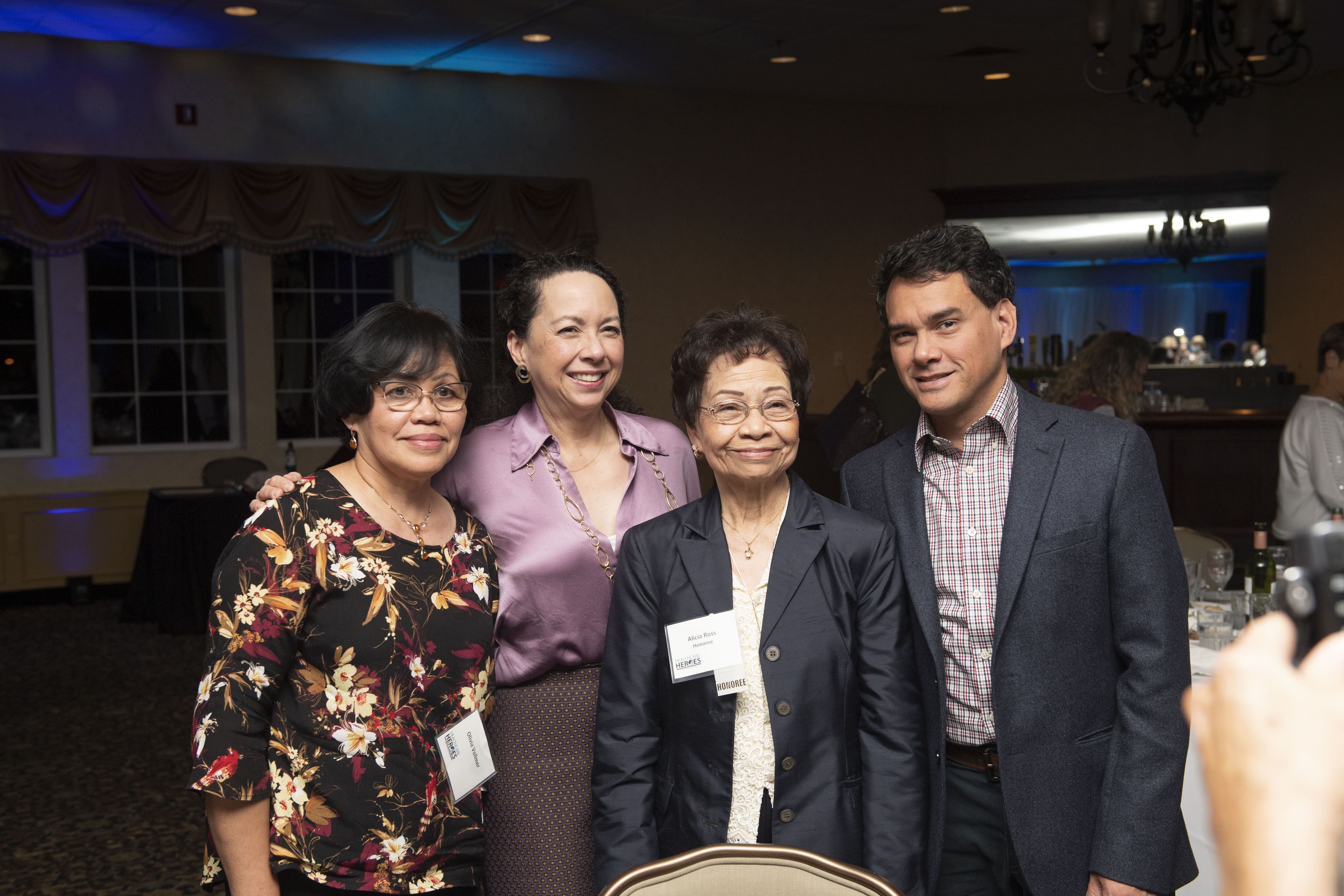
Health / Wellness Administrator:

Dr. Alicia Ross, Medical Director,
Holyoke VNA Hospice Life Care 

Innovation in Health / Wellness:

J. Aleah Nesteby, Director of LGBTQ Services, Cooley Dickinson Hospital

Watch the Thursday, Oct. 21 Healthcare Heroes Event HERE!

Presenting Sponsors

Partner Sponsors

Healthcare Heroes

Lifetime Achievement

President and CEO, Center for Human Development

Jim Goodwin

Jim Goodwin

In His Long History with CHD, He’s Seen Plenty of Lives Changed

On more than one occasion as he spoke with BusinessWest, Jim Goodwin referred to “short-termers” — employees who, for whatever reason, don’t stay at the Center for Human Development for very long, and don’t get to see the full scope of CHD’s impact on individual lives.

And that’s unfortunate because that impact, he noted, can be slow.

“One of the positives about being here a long time is you get to see how things change,” said Goodwin, the organization’s president and CEO. “We’re not working with a group of people where you sit down and have a conversation and they come away changed. It’s a process.”

For instance, he said, “people that experience serious substance-use issues often try and fail, try and fail, try and fail, and then they make some progress. When you’ve been around a while, you know failure is part of the process, and you see the change over time.

“It’s the same thing with mental health,” he went on. “Certain things in mental health never go away. It’s like diabetes; it’s with you for life. You figure out how to cope with it, how to live with it — and that is a long, hard process.”

That process may include a combination of resources, from medications to therapy to stress-management strategies, he explained.

“When you get to see it happen over time, you see that people can learn skills, they can learn to function normally with various forms of mental illness. You see the difference in people who get services and hang in there and fight the fight and come out the other end. I’ve gotten to see a lot of people come out the other end, develop those skills, and change their lives.”

“People that experience serious substance-use issues often try and fail, try and fail, try and fail, and then they make some progress. When you’ve been around a while, you know failure is part of the process, and you see the change over time.”

In his 42 years with CHD, the last 16 as president and CEO, Goodwin has seen plenty of growth; since 2005, the agency has grown from a $48 million entity to $125 million, and from around 1,300 employees to 2,000. He sees the impact, as he noted, in those individual lives changed, but it’s the sheer number of those stories, and the scope of CHD’s work, that has earned Goodwin the title of Healthcare Hero for 2021 in the Lifetime Achievement category.

“There are a lot of things I’m proud of,” he said, trying to sum up those years. “CHD has had tremendous growth over the years. And as needs have changed, we’ve been able to change and adapt and provide services in more areas.”

Opioid use is one such growth area, he noted. “Over the years, the need for substance-use services has grown substantially, and that has required us to deliver services differently.”

Today, CHD’s services span a wide gamut, including behavioral health and addiction recovery, housing and homelessness, food insecurity, youth welfare, intellectual and developmental disability, child development and advocacy, and more.

Jim Goodwin addresses those gathered to celebrate the 2018 opening of Goodwin House.

Jim Goodwin addresses those gathered to celebrate the 2018 opening of Goodwin House.

“Jim has led CHD to step in and provide services where many others would not, including to people involved with the justice system, the homeless, people with severe mental illness or disability, and many others,” said Ben Craft, CHD’s vice president of Community Engagement, who nominated Goodwin for the award.

One recent example Craft cited is Goodwin House, a 90-day residential program providing substance-use treatment services for male teenagers. The facility and its staff work to help clients not only maintain their sobriety through proven recovery strategies, but also reconnect with their families, education, and job opportunities.

“Jim has quietly built an organization that is racially and culturally diverse and one of the region’s most highly rated employers,” Craft added, “one that has grown with the needs for its services and remained nimble and innovative to keep up with the turbulent environment in which it operates.”


Expanding on an Idea

When Goodwin considers CHD’s impact over the years, he’s quick to include the organization’s 2,000 employees as well as its clients.

“These are good jobs with good benefits that allow people to have good lives and do work that they’re proud of,” he said, noting that the broad diversity of his team reflects the makeup of CHD’s clients, most of whom access services in a geographic region spanning from Amherst and Northampton to Hartford and Waterbury, Conn.

It’s an impressive footprint for an agency born from a desire by its three founders — Bill Seretta, Kathy Townsend, and Art Bertrand — to offer community-based care. In the 1960s, Goodwin noted, community services were hard to come by, and people struggling with hunger, homelessness, or simple healthcare needs easily got lost in the system. Young people, particularly those with mental-health issues, were shuffled into state training schools that were more like prisons than centers of care.

“CHD took kids from training schools and served them in foster-care and group-home models, and started to have a lot of success,” he added. “It grew from there. These community-based models started to take off because they were so successful; then we started doing it with adults.”

Today, community-based care remains the heart and soul of CHD’s mission, but the breadth of services has expanded, with more than 80 programs that help people tackle some of life’s toughest problems — often in ways that other agencies hadn’t considered.

“We provide a combination of different types of services,” Goodwin said. “Many can be identified as a mental-health problem or a substance-use problem, but it’s often tied in with other things, especially all the things associated with poverty, joblessness, and homelessness. Many times, especially in the past, agencies would take on one component or the other; they might provide homelessness services or mental-health services. But we’ve been able to combine lots of different services to create a bigger package that does the full scope of things.”

It’s those connections — recognizing the role of social determinants of health and tackling the root causes of issues — that sets CHD apart, but it’s not easy work, Goodwin said. “Some days, it can be very difficult, but when you look at the whole picture, most days I’m really glad we’ve taken all that on.”

It also cultivates an organization with career mobility, he added, as employees can move around and take on different roles as they gain experience in other fields. “One of the good things about CHD is you don’t have to leave to try something new.”

But those connections between clinical and non-clinical supports poses a constant challenge to come up with new ideas and approaches, he added. “You have to be creative.”

Take, for example, Innovative Care Partners (ICP), which is a collaboration between CHD (the managing partner), Gándara Center, and ServiceNet designed to better serve clients in the MassHealth program for their behavioral-health needs. ICP’s care coordinators connect clients with other members of the healthcare-delivery system, including hospitals, primary care, and other providers, across the four Western Mass. counties to help ensure they’re getting needed services without duplication or inefficiencies.

“We get people to follow a set of services that speaks to their behavioral-health needs,” he said, which might include medication, psychiatry, or counseling, but the program also focuses on the factors that get people into health trouble, such as poor nutrition, high levels of anxiety and stress, and high blood pressure.

“Together, primary-care health professionals sign off on a comprehensive plan that speaks to the full range of their needs,” Goodwin explained. “That’s a change. There used to be walls between mental-health services and medical services. Everybody knew that didn’t make any sense, but until recently, it never became a focus of attention.”


Learning Experiences

Needless to say, the Center for Human Development has had a challenging 18 months navigating the COVID-19 pandemic. With 850 residential mental-health beds and thousands of clients accessing outpatient care, there was plenty of learning on the fly — especially when it came to telehealth — but everyone came through to continue meeting the needs that drew Goodwin to CHD 42 years ago, and plenty of others.

“We’re proud of our impact, and that includes our economic impact,” he said. “We provide local jobs, and our people are spending money in their local communities, buying homes … a lot of things are happening because they’re here and CHD is paying them. I think we contribute to the economy in a big way.”

But the main impact remains those individual lives that are changed — albeit sometimes very slowly.

“My goal from the very beginning was to have an agency people would be proud to work for and feel good about what they’re doing,” he said, admitting that the work can be tough, navigating thorny issues like homelessness, drug addiction, and young people in trouble with the law.

“That can be very difficult for the workforce,” he added. “But overall, it’s also very rewarding. It’s the type of work you can be proud of and see accomplishment.”


Joseph Bednar can be reached at [email protected]