Daily News

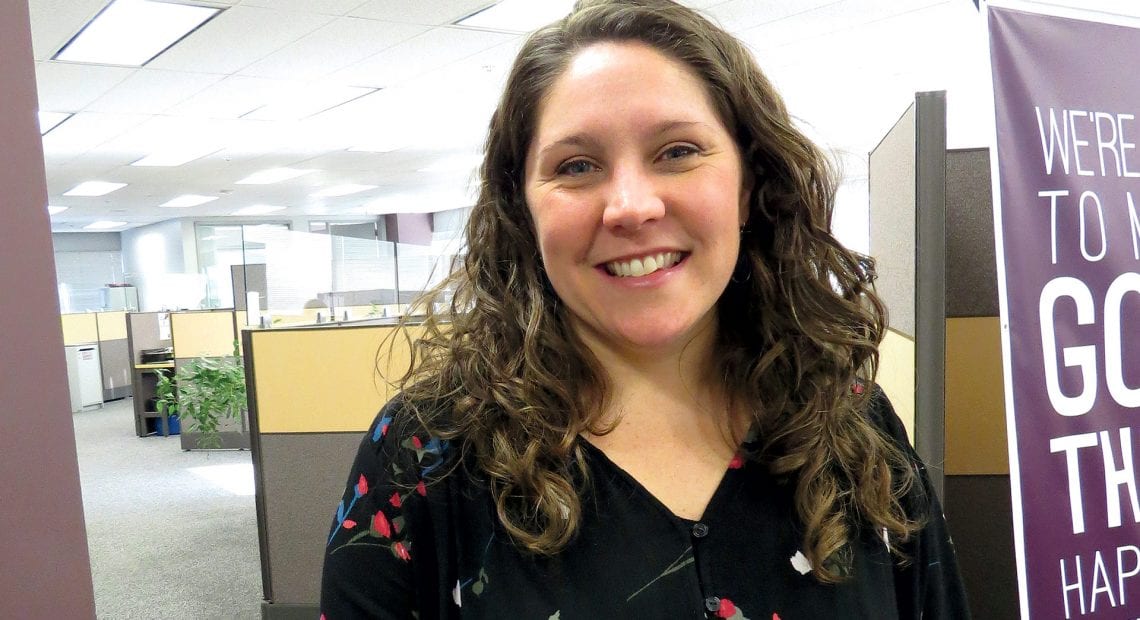
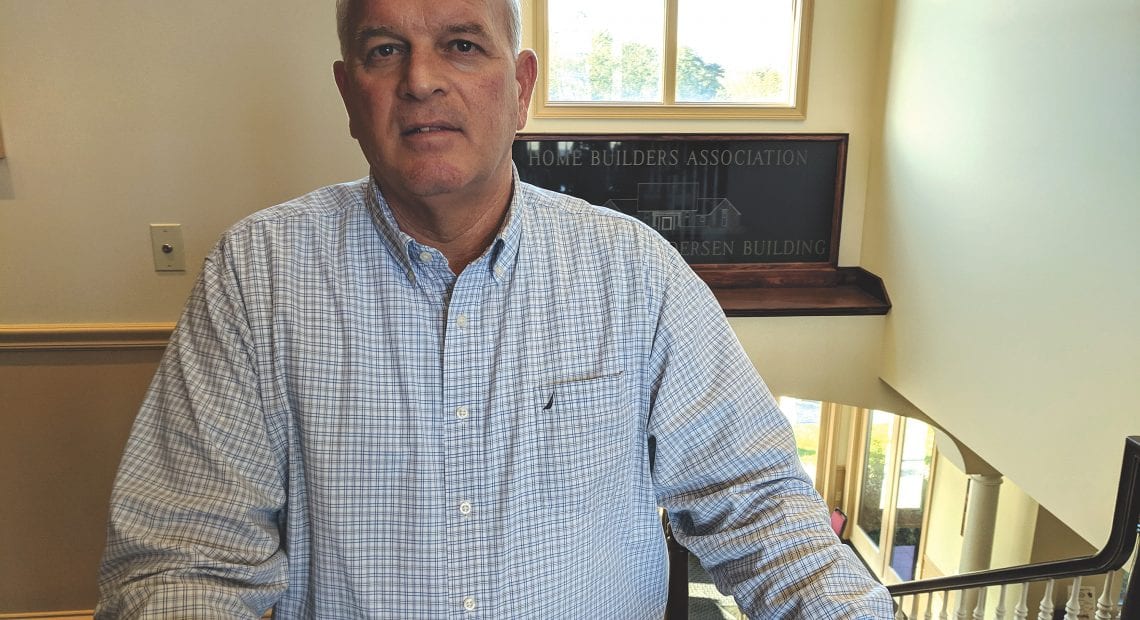
NORTHAMPTON — Mark Sullivan, president of D.A. Sullivan & Sons, announced the recent promotion of Jennifer Adams to director of Business Development.

Since joining the company in 2012 as an administrative assistant, Adams has assumed increasing responsibility and is now responsible for all company-wide marketing initiatives, including advertising, website updates, and social-media channels. She also assists with company procurement by coordinating all phases of the proposal process in response to private, state, and U.S. government requests for proposals/qualifications, as well as assisting estimators with bid-related forms and documentation.

Daily News

HOLYOKE — Holyoke Community College will hold an open house on Thursday, April 11 at the HCC MGM Culinary Arts Institute for anyone interested in taking classes there as well as members of the general public who want to tour the facility and sample dishes prepared by students and staff. 

The “Taste & Tour” event runs from 5 to 7 p.m. at the 164 Race St. facility and coincides with an open house at the adjacent Freight Farms hydroponic container farm, where visitors can learn about the ongoing urban-farming project there managed by HCC.

Guests at the open house will be able to tour the state-of-the-art, 20,000-square-foot Culinary Arts Institute, view cooking demonstrations, sample appetizers, meet faculty chefs, and learn about HCC’s certificate and associate-degree programs in Culinary Arts, as well as the college’s non-credit culinary and hospitality workforce-training programs.

HCC Admissions counselors will take on-the-spot applications and talk with students about programs and the enrollment process, including applying for financial aid and preparing for the college placement test.

Daily News

LONGMEADOW — Leavitt Family Jewish Home, part of JGS Lifecare and Chelsea Jewish Lifecare, acknowledged Dr. Udaya Jagadeesan and Dr. David Pierangelo for their outstanding work. Both doctors recently received a certificate from the Society for Post-Acute and Long-Term Care Medicine (AMDA) in honor of the National Day of Recognition for Long-Term Care Physicians. This certificate recognizes the dedication, compassion, and quality of care that Jagadeesan and Pierangelo provide to the long-term residents at Leavitt Family Jewish Home.

“We are so proud to have Dr. Jagadeesan and Dr. Pierangelo taking care of our residents,” said Robert Whitten, executive director of the Leavitt Family Jewish Home. “Their hard work and devotion are an inspiration to all of us. It’s no wonder they are beloved by residents and staff alike.”

The U.S. Congress designated this day in 2010 to honor AMDA founder Dr. William Dowd, who recognized that residents of nursing homes were patients with complex medical problems and that physicians need to be involved in establishing standards of management and clinical care for the frail elderly and other residents in long-term-care facilities.

Daily News

BOSTON — The state’s total unemployment rate in February fell one-tenth of a percentage point to 3.0%, the Executive Office of Labor and Workforce Development announced.

The Bureau of Labor Statistics’ (BLS) preliminary job estimates indicate Massachusetts added 6,600 jobs in February. Over the month, the private sector added 5,600 jobs as gains occurred in education and health services; professional, scientific, and business services; leisure and hospitality; trade, transportation, and utilities; other services; financial activities; and construction. Manufacturing lost jobs over the month, while the job level in information remained unchanged. 

From February 2018 to February 2019, the Bureau of Labor Statistics estimates Massachusetts added 20,300 jobs. The February unemployment rate was eight-tenths of a percentage point lower than the national rate of 3.8% reported by the BLS.

“The Commonwealth continues to experience job and labor-force growth alongside an unemployment rate that has remained below 4% for 34 consecutive months. Our workforce-development agencies remain committed to ensuring that all regions and communities in Massachusetts can better access our high demand job categories during this period of strong economic growth,” Labor and Workforce Development Secretary Rosalin Acosta said.

The labor force increased by 3,100 from 3,840,500 in January, as 6,200 more residents were employed and 3,100 fewer residents were unemployed over the month. Over the year, the state’s seasonally adjusted unemployment rate dropped six-tenths of a percentage point.

The state’s labor-force participation rate — the total number of residents 16 or older who worked or were unemployed and actively sought work in the last four weeks — increased one-tenth of a percentage point to 68.0%. Compared to February 2018, the labor-force participation rate is up 1.0%.

The largest private-sector percentage job gains over the year were in professional, scientific, and business services; and education and health services.

Daily News

GREENFIELD — The Connecticut River Conservancy (CRC) and the Charles River Watershed Assoc. (CRWA), two national leaders in the effort to clean up the nation’s rivers, called on Massachusetts lawmakers to take legislative action on reducing trash before it reaches rivers.

The two organizations pointed to a number of bills currently working their way through the Massachusetts State House that would, if approved, go a long way to reduce or eliminate trash that might otherwise end up in the state’s waterways. The proposed legislation includes measures to eliminate single-use plastic bags, restrict single-use plastic straws, and eliminate foam from food containers.

“For years, thousands of volunteers from these two organizations have been doing their part to keep our rivers clean,” noted CRC Cleanup Coordinator Stacey Lennard. “Now we want decision makers at the state level to do their part in helping redesign our economy so there isn’t waste in the first place.”

Added Emily Norton, CRWA’s executive director, “with environmental regulations being rolled back weekly at the federal level, it is more important than ever that we have strong protections for our waterways at both the state and the local levels. We need your help to make sure that happens.”

CRC and CRWA also called on the public to join them in urging legislators to do their part by:

• Signing CRC’s petition telling manufacturers, businesses, and local government to lead the way on overhauling how plastic and other waste products are made and used, and to take greater responsibility in solving the trash crisis (visit www.ctriver.org/takeaction);

• Joining CRC and CRWA at Lobby for Your Rivers Day on Thursday, March 28 to receive training in how to talk to elected officials about better pollution policies (visit bit.ly/LobbyForRivers to sign up);

• Joining the 23rd annual Source to Sea Cleanup on Friday and Saturday, Sept. 27-28, along the Connecticut River and tributary streams across the four-state watershed (visit www.ctriver.org/cleanupto learn more); and

• Participating in the 20th annual Earth Day Charles River Cleanup on Saturday, April 27 from 9 a.m. to noon. It is co-hosted by the Charles River Conservancy, Charles River Esplanade, Emerald Necklace Conservancy, Massachusetts DCR, Waltham Land Trust, and state Sen. William Brownsberger (www.crwa.org/cleanup).

Daily News

WESTFIELD — The Greater Westfield Chamber of Commerce will hold its Legislative Lunch on Friday, April 12 from 11:30 a.m. to 1:30 p.m. at Tekoa Country Club, 459 Russell Road, Westfield. Those attending include state Sen. Donald Humason Jr.; state Rep. John Velis; Jon Gould, representative of state Sen. Adam Hinds; and Westfield Mayor Brian Sullivan. Other invited guests include state Reps. Nicholas Boldyga, Smitty Pignatelli, and Lindsay Sabadosa. Tony Cignoli, political consultant with A.L. Cignoli Co., will moderate the event, which will give attendees an opportunity to address business concerns to their legislators.

“I love putting this event on for both our members and local legislators,” said Kate Phelon, executive director of the Greater Westfield Chamber of Commerce, adding that this is an opportunity for the business community to get in front of politicians during budget hearings at the State House, and/or to bring any concerns to them.

To reserve tickets or inquire about sponsorship opportunities, visit westfieldbiz.org/events, or contact the chamber office at (413) 568-1618, or e-mail [email protected]. The cost is $35 for members and $50 for non-members. RSVP by Friday, April 5 (no refunds after this date).

Sponsors include: event sponsor, Polish National Credit Union; house sponsor, Mestek Inc.; small-business sponsor, American Foundation for Suicide Prevention; bronze sponsors, Armbrook Village, Berkshire Family & Individual Resources, and MedExpress Urgent Care.

Daily News

CHICOPEE — Elms College will host a Take Back the Night rally and march on Thursday, March 28 starting at 6:30 p.m. on the Keating Quadrangle.

At 6:30, participants will gather at the firepit on the Quad to make posters for the rally, which will kick off at 7 with a poetry reading by writer Jordan Rice. At 7:30, the Elms community will march through the streets of downtown Chicopee to ‘take back the night.’ At 8:30, the marchers will return to campus and gather once again on the Quad to read true stories of assault survivors.

Rice is the author of the forthcoming Constellarium and co-editor of the anthology Voices of Transgender Parents. Her poems have been published or are forthcoming in Colorado Review, Feminist Wire, Mid-American Review, and Mississippi Review, among others. Her poetry has been selected for the 2010 Indiana Review Poetry Prize, the 2010 Richard Peterson Poetry Prize from Crab Orchard Review, the 2008 Gulf Coast Prize in Poetry, and the 2008 Milton Kessler Memorial Prize for Poetry from Harpur Palate. She earned a Ph.D. from Western Michigan University, where she served as associate editor for New Issues Poetry & Prose and as an assistant poetry editor for Third Coast. She earned an master of fine arts degree from Virginia Commonwealth University. Rice is an executive section editor for Dublin Poetry Review.

Take Back The Night started in the 1960s. The organization’s mission is to end sexual assault, domestic violence, dating violence, sexual abuse, and all other forms of sexual violence, and to create safe communities and respectful relationships through awareness events and initiatives. Take Back The Night Events have been documented in more than 36 countries and more than 800 communities, with more locations taking a stand every year.

Daily News

SPRINGFIELD — Women’s History Month is a great excuse to fill a family-engagement day with activities that focus on the many achievements of girls and women. With that in mind, the Springfield Museums will present “We Can Do It: A Celebration of Girls and Women” on Saturday, March 23 from 11 a.m. to 4 p.m. The event is free with museum admission.

This interactive and thought-provoking program complements the special exhibits currently on display at the Museums: Elizabeth Bishop’s “Working Women: Defying Convention” and “Taking Care of Business: A Century of Women and Work in Springfield,” both open through May 26.

Jenny Powers, Family Engagement coordinator, said she wanted to create an inspiring day that allowed time and space for asking questions, noting that “our curators and the authors we invited will be ready to share wisdom and help everyone present consider why and how we achieve great things such as the wonderful exhibits we have at our Museums.”

Events include “Meet a History Curator” (Margaret Humberston) from 11 to 11:30 a.m.; “Meet an Art Curator” (Maggie North) from 11:30 a.m. to noon; “Artist and Sitter: Noteworthy Women in the Fine Arts Collection” at noon; and an author panel discussion at 1 p.m. with Natasha Lowe and Jaime Deenihan. Finally, at 3 p.m., Lyra Music will present “Melodic Canvases,” a live musical performance by pianist Ellyses Kuan and cellist Julie Reimann of Boston-based Duo Amie with guest violinist Emma Milian.

Daily News

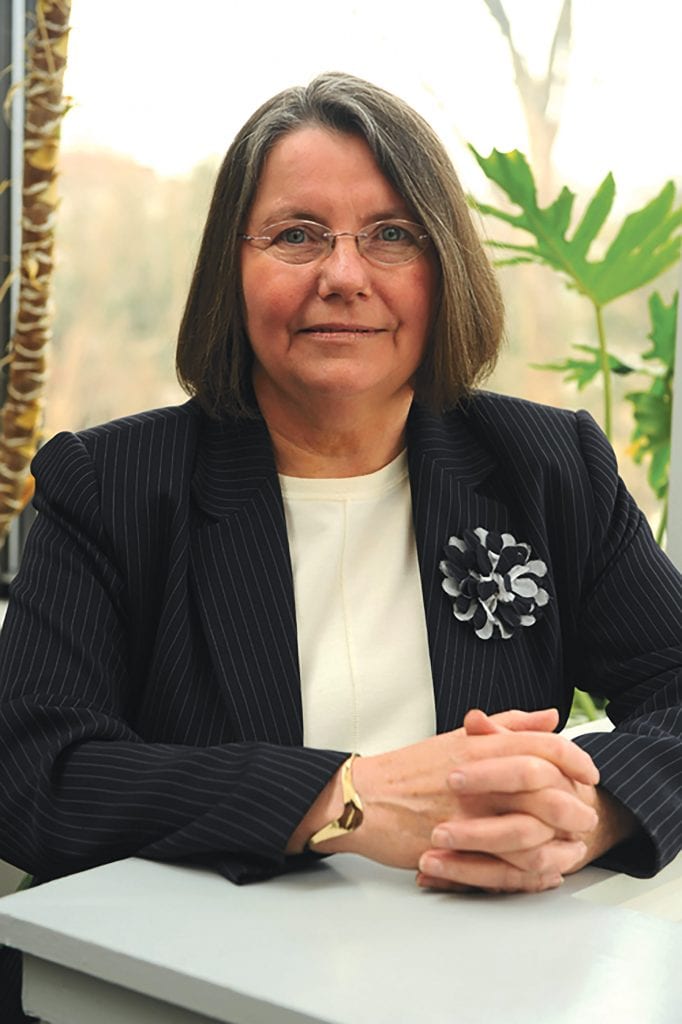
HOLYOKE — Peter Novak, general agent of Charter Oak Financial, a MassMutual firm, was inducted into the GAMA International Management Hall of Fame on March 18 in recognition of his career-long contributions to and leadership in the financial-services industry.

The Hall of Fame Award is regarded as the highest honor bestowed upon distinguished insurance and financial-services distribution field leaders and is granted based on a nominee’s accomplishments in advancing the art and science of agency/firm building, advancing the mission and work of the financial services industry, enhancing the quality of public and private life, and promoting professional education in the financial-services industry. 

A 35-year industry veteran, Novak has been a MassMutual field leader since joining the company in 1995. Under the leadership of Novak and his partner, General Agent Brendan Naughton, Charter Oak has grown regionally to include presence in Massachusetts, Connecticut, and New York. The firm has historically won MassMutual’s most prestigious awards for growth and leadership. Novak previously served as general agent to MassMutual’s Rochester, N.Y. agency; co-general agent at the New England/Robinson Co. in Waterbury, Conn.; and as an agent at New York Life Insurance Co.

Novak has been a GAMA member since 1985, with service to the boards of both GAMA International (2015-17) and the GAMA Foundation (2004-06). A contributor to the organization’s research, publications, and conferences, he has been recognized regularly with numerous GAMA awards, including the James Krueger First in Class Award (2010-11, 2017), International Management Award (2004-06, 2008-14), Master Agency Award (2002, 2007-17), the National Management Award (NMA), platinum level (2001-03); and the Cy Pick Award (2018). He received the NMA Traditional Gold Award in 2000 after earning his first NMA in 1999.

“Pete has been a GAMA member for 30 years, and his contributions have been significant,” said GAMA International CEO Bonnie Godsman. “From speaking on stage at LAMP to being a thought leader in the GAMA Foundation boardroom, Pete has help shaped GAMA and the profession at large. We are proud to induct him into the Hall of Fame.”

MassMutual Chairman, President, and CEO Roger Crandall added that “Pete is deserving of a place in the GAMA International Hall of Fame by virtue of the example he sets through his outstanding leadership, generosity, and extraordinary accomplishments.”

In addition to his work with GAMA, Novak is the co-founder of the Charter Oak Fund, Charter Oak’s charitable arm, which supports numerous local philanthropic causes and organizations; a member of the board of trustees of the Kosciuszko Foundation; and a board member of the Central European Institute (CEI) at Quinnipiac University. In 2013, he and his wife, Kasia, established the Novak Family Polish Chair at the university in support of CEI to strengthen ties between the U.S. and Eastern European countries with developing economies. His travels to Poland in this capacity have been instrumental in bridging the gap between the business and insurance industries here and in Poland.

Daily News

SPRINGFIELD — American International College (AIC) will host a graduate open house on Tuesday, March 26 beginning at 5:30 p.m. in the Sprague Cultural Arts Center on the AIC campus located at 1000 State St. in Springfield.

The open house is for the working professional looking to attend graduate school and is designed to give prospective students access to all the information they need in one convenient location while providing an opportunity to meet faculty, staff, and other students in order to gain insight to AIC programs, admission processes, college financing, and housing.

According to Kerry Barnes, AIC’s vice president for Admissions, “AIC offers an array of master and doctoral degree programs in business, psychology, education, and the health sciences, including nursing, occupational therapy, and physical therapy, with blended and online programs, to help advance career opportunities. We know that time is extremely valuable between demanding work schedules and family life. Our goal is to offer an open house that welcomes working professionals and makes it easy for them to gather helpful information as they consider next steps in their career aspirations.”

More information on graduate-degree programs at AIC is available online at www.aic.edu or by calling the Admissions Office at (413) 205-3201.

Daily News

NORTHAMPTON — A ribbon-cutting ceremony has been scheduled for Friday, April 5 at 1 p.m. at the site of phase 3 of the Atwood Professional Campus located at 15 Atwood Dr. in Northampton.

This 66,000-square-foot, Class A, three-story professional office building compliments the existing office buildings located across the street at 8 and 22 Atwood Dr., immediately off exit 18 on I-91. Both previous buildings are fully occupied, with notable tenants including Cooley Dickinson Health Care Corp., Clinical & Support Options Inc., and New England Dermatology. The new building was erected at the site of the former Clarion Inn & Conference Center and is designed to appeal to professional and medical office tenants. The owners of Northwood Development, LLC — Edward O’Leary, Eileen O’Leary Sullivan, and Susan O’Leary Mulhern — developed this project.

The construction of the building was completed in January 2019. The Hampshire County Probate and Family Court has leased 22,000 square feet in the new building consisting of the entire first floor along with a portion of the second floor. Cooley Dickinson Health Care Corp. has also leased 7,682 square feet on the second floor for medical offices, and construction for that space is currently underway.

Development Associates of Agawam, the project manager and leasing agent for the project, has been developing commercial and industrial property throughout the Pioneer Valley for more than 35 years. The company has completed numerous major projects throughout the region, including the North American headquarters for Convergent Photonics in the Chicopee River Business Park, the Greenfield Corporate Center, Agilent Technologies, and many other single and multi-tenant facilities.

Development Associates manages a 2.3 million-square-foot portfolio of property from Greenfield to North Haven, Conn., including office, industrial, automotive, high-tech, manufacturing, and warehouse/distribution properties.

Daily News

LONGMEADOW — Attaining a college or graduate degree is only the beginning of the road to success, and when it comes to salary, women often fall behind before they even start. Women, and especially women of color, generally earn 20% less than their male counterparts who have the same degree and same years of experience, and stand to lose over between $250,000 to $500,000 over the course of their lifetime. Success and pay parity for women requires extra attention to navigating the various phases of their careers — especially learning how to self-advocate.

In a workshop slated for Thursday, March 28, titled “The Art of Being Your Own Advocate: How Women Fall Behind Before We Even Start,” attendees will examine why self-advocacy around salary discussions is often uncomfortable for women, and how to overcome it. The event will be led by Cynthia Medina Carson, a Western Mass. native who is now a New York City-based CEO of a salary networking site and an expert on salary negotiation. As a women’s empowerment activist, she believes wage transparency and advocacy are powerful tools for women in the workforce.

This free event is open to the public and will be held from 5:30 to 7 p.m. at Wright Hall, Bay Path University, 588 Longmeadow St., Longmeadow. The workshop is hosted by Bay Path University’s Center of Excellence for Women in STEM, and is a part of Bay Path’s “Educate. Negotiate. Participate.” — a series of workshops, presentations, and curriculum highlights centered on addressing the wage gap. Professionals and students across disciplines, career stage, and industry are welcome. To learn more and to register, visit www.baypath.edu/beingyourownadvocate.

Daily News

CHICOPEE — Elms College received a visit from the Earl of St. Andrews, a senior member of the House of Windsor, the reigning royal house of the U.K., on March 20.

George Philip Nicholas Windsor, Earl of St. Andrews, is the elder son of Prince Edward, Duke of Kent, and his wife Katharine, Duchess of Kent. He holds the title Earl of St. Andrews as heir apparent to the Dukedom of Kent.

The earl’s grandfather was King George V, and his father is Prince Michael, the Duke of Kent, titles he will presumably inherit when his father passes. He is currently 37th in line for the throne.

The earl stopped by Elms College on his way through Springfield to attend a conference on the Middle East in Washington, D.C. later this week. The conference is co-sponsored by the Next Century Foundation, where he serves as a trustee with retired diplomat Mark Hambley, also a trustee of Elms College.

He is attending the conference, and visiting Springfield and Elms, in his capacity as Next Century Foundation trustee and also as the chancellor of the University of Bolton in the U.K.

Daily News

NORTHAMPTON — Over the past few months, Massachusetts-based employers have been inundated with information about the upcoming Massachusetts Paid Family and Medical Leave requirements. Unfortunately, this deluge of information has done little to answer employers’ pressing questions. To date, most of this information has been speculative or otherwise subject to change before implementation. In fact, the most helpful information thus far, the new Massachusetts Department of Family and Medical Leave’s draft regulations, has only given an idea of what the program will probably look like. These draft regulations are just that: a draft. They are subject to change prior to the issuance of final regulations.

The good news is there are some things we do know for sure, and there is still some time before employer obligations go into effect. On Thursday, April 18, Royal, P.C. will host a discussion of the steps employers can begin to take to prepare for the implementation of Paid Family and Medical Leave.

The event will be held from 8 to 9:30 a.m. at 270 Pleasant St., Northampton. The price is $30 per person, and registration is limited. For more information or to register, contact Heather Loges at (413) 586-2288 or [email protected].

Daily News

HOLYOKE — Holyoke Community College (HCC) is offering Rape Aggression Defense (RAD) training for women beginning April 1.

The five-class series runs on Monday nights from 6:15 to 8:15 p.m. until May 6 in the fitness studio on the second floor of HCC’s Bartley Center for Athletics & Recreation. The class does not meet April 15 because the college is closed for the Patriots’ Day holiday.

Kellie Cournoyer, a veteran campus police officer with more than 20 years of law-enforcement experience, runs the program and teaches the course.

RAD teaches basic self-defense techniques to women of all ages who may find themselves in unsafe situations. The program veers from most self-defense systems to emphasize avoidance strategies more than physical contact. Participants will learn easy and effective self-defense and martial-arts techniques as well as additional training, including the use of aerosols.

The $25 course fee includes a free lifetime return and practice policy. For more information or to register, visit hcc.edu/bce or call HCC Community Services at (413) 552-2324.

Daily News

They called the event ‘The New Wave’ — and that’s an appropriate name for the annual update on Springfield’s business and civic projects.

Staged by the city in partnership with the Springfield Regional Chamber, this annual late-winter event, the latest installment of which was staged Tuesday at the Basketball Hall of Fame, has had several names over the years, most of them rail-oriented — to coincide with the long-awaited revitalization of Union Station and also to provide plays on words such as the city being on the proverbial ‘right track.’

Most just call this the ‘update meeting,’ and they’ve been staged for maybe six or seven years now. That timeline coincides with Kevin Kennedy’s arrival as the city’s chief economic development officer and his more aggressive approach to telling the city’s story. It’s also a stretch when there has been a much better story to tell.

Which brings us back to the title of this year’s presentation. What’s been happening in Springfield over the past several years can truly be described as a wave — a $4.19 billion wave that is gathering momentum, and riders, as it moves.

That number conveys the dollar value of business and civic projects since that fateful day in 2011 when a tornado roared through the city. It’s an impressive number that, of course, includes MGM Springfield (almost a quarter of the total), CRRC, and several other nine- and eight-digit projects. But it also includes dozens, if not hundreds, of seven-, six-, and even five-digit projects that all add up — to a wave of positive energy.

And while that number is impressive, perhaps the more meaningful one is $400.4 million. That’s the dollar amount for projects announced since the last of these update meetings, a number that reflects everything from Big Y’s $42 million distribution expansion to MassMutual’s $50 million in investments in Springfield; from the new $14 million Educare facility to the $14 million headquarters for Way Finders taking shape on the site on the old Peter Pan bus station; from the planned renovation of the Paramount ($41 million) to the soon-to-be-announced (we hope) plans to renovate the long-vacant Elm Street block. And we’re pretty sure it doesn’t include a whole host of cannabis-related businesses now in the talking stages and a planned hotel on the site of the old York Street Jail.

This is what happens when a city gathers momentum and the attention of the development community. People want to be part of what’s happening. People want to ride the wave.

It’s a refreshing change from a dozen years ago when people were talking about the lights going out in this city with doubts about when and if they would go back on.

They have gone back on — and in a big way. And there should be even more evidence of this at the next update meeting.

Daily News

HOLYOKE — Poised to boost its reach three-fold over the next five years, Girls Inc. of Holyoke has chosen a new name — Girls Inc. of the Valley — to embody its bigger, wider impact across Western Mass.

The agency will keep its headquarters in Holyoke, said Executive Director Suzanne Parker at a press conference this morning at WGBY’s headquarters in downtown Springfield, and stay as committed as ever to the city of its origin. But with Girls Inc. members now hailing from Springfield, Chicopee, South Hadley, and other surrounding communities, a name change was certainly needed.

“Girls Inc. of the Valley gives a message of inclusivity and will help us move forward,” said Parker, adding that the agency now serves more than 500 girls across the Pioneer Valley. “Not everyone realizes that we serve girls from several communities. As we continue to grow and expand our footprint, we are proud to have a name that better shows who we are.”

Girls from area communities will continue to benefit from Girls Inc. of the Valley programs held at the Holyoke center headquarters on everything from literacy to leadership, said Parker, but the agency is also expanding into surrounding communities and has partnered to work inside 10 schools, including Springfield’s Chestnut Academy Middle School and Chicopee’s Bellamy Middle School and Dupont Middle School.

“We began in Holyoke and will always be in touch with our deep legacy there,” said Melyssa Brown-Porter, chair of the board of directors of Girls Inc. and an alumna herself. “But our strategic goals all center around impacting more lives through growth in the Valley, and going where the girls need us the most. And the new name gives us the most room for growth.”

Daily News

WESTFIELD — The Westfield Starfires and Director of Baseball Operations Evan Moorhouse announced the hiring of East Longmeadow native and former Baltimore Orioles prospect Frank Crinella to serve as special advisor to Baseball Operations.

“I couldn’t be more excited to join the Westfield Starfires,” Crinella said. “I look forward to watching the positive impact the Starfires have on the community and young ballplayers around Western Mass.”

Crinella comes to the Starfires after spending four seasons playing in the Orioles farm system, both in the infield and outfield. The Merrimack College graduate and former NE-10 Player of the Year is no stranger to summer collegiate baseball. Crinella has made stops at each of the three major summer leagues in New England, the FCBL (Pittsfield Suns), NECBL (Holyoke Blue Sox), and Cape Cod League (Bourne Braves).

“Frank’s experience at all levels of the game will make him an invaluable asset to our organization,” said Moorhouse, who was a baseball and hockey teammate of Crinella’s at Cathedral High School. “His work ethic and passion for the game of baseball have been unparalleled for as long as I’ve known him. We are fortunate to add someone with his baseball résumé to our staff and look forward to utilizing his knowledge as we progress through the season.”

Crinella’s responsibilities will vary from day to day, ranging from promotional execution to community engagement to helping players get acclimated to summer baseball.

“The Futures League is run with class and gives both players and fans the opportunity to see some of the best talent in the country,” said Crinella. “The time I spent playing was special, but I’m even more excited to give back to the league that opened so many doors for me.”

Daily News

SPRINGFIELD — The MassHire Hampden County Workforce Board will hold a press conference on Friday, April 5 to launch its 2019 YouthWorks summer-jobs campaign. The event will take place at 1 p.m. at the Reed Institute, located at 152 Notre Dame St., Westfield. The agency’s goal is to place up to 800 youth in summer jobs.

Westfield Mayor Brian Sullivan will be joined by Springfield Mayor Domenic Sarno, Holyoke Mayor Alex Morse, and Chicopee Mayor Richard Kos to announce the summer youth-employment initiative. Also in attendance will be state Sen. James Welch and state Reps. Joseph Wagner, John Velis, Jose Tosado, Aaron Vega, Carlos Gonzalez, and Bud Williams.

“Our summer-jobs campaign is the perfect opportunity for our employers to guide, educate, and engage our youth with the opportunity to realize the possibilities that lie before them in the world of work,” said Cleveland Burton, chair of the Hampden County Youth Council.

Each year, thousands of YouthWorks applications are received for a few hundred jobs. Employer participation is paramount to ensure a successful summer for youth between ages 14 and 21.

Youth employed through the YouthWorks summer-jobs program will earn $12 per hour, work an average of 125 hours over six weeks, and receive 15 hours of training in workplace-readiness skills and workplace safety.

Employers who are interested in hiring a youth, becoming a YouthWorks worksite, or donating money to help pay the wages for a youth to work should contact Kathryn Kirby, manager of Youth Employment and Workforce Programs, at (413) 755-1359.

Daily News

HOLYOKEBusinessWest launched its Difference Makers program in 2009 to celebrate individuals, groups, organizations, and families that are positively impacting the Pioneer Valley and are, as the name suggests, making a difference in this region. Tickets are still available to celebrate the class of 2019 at the Log Cabin on Thursday, March 28.

This year’s honorees are Carla Cosenzi, co-president of TommyCar Auto Group; the Food Bank of Western Massachusetts; Peter Gagliardi, president and CEO of Way Finders; Frederick and Marjorie Hurst, publisher and editor of An African American Point of View; Joe Peters, vice chairman and former president of Universal Plastics; and the Springfield Museums. They were profiled in the Feb. 4 issue.

The Difference Makers Gala begins at 5 p.m., and limited tickets are still available for $75. To reserve a spot, call (413) 781-8600, ext. 100, or e-mail [email protected]. The presenting sponsor is Baystate Health/Health New England, and other event sponsors include Royal, P.C., Burkhart Pizzanelli, P.C., Development Associates, TommyCar Auto Group, and Viability Inc.

Daily News

LONGMEADOW — Taking their cue from Ernest Hemingway, who said, “write hard and clear about what hurts,” writers from all genres and experience levels will gather together at Bay Path University for a four-part series focused on writing about difficult life circumstances such as illness, death, trauma, or family dysfunction in order to understand them in a more profound way.

Attendees will work through the process of re-entering memories, taking them apart, putting them back together again on their own terms, and transforming them into something meaningful, perhaps even beautiful, for both writer and reader. Under the guidance of author and teacher Melanie Brooks, this workshop will provide a compassionate and supportive space for participants to engage in reading and writing exercises that begin peeling back the layers of their experiences and help them uncover the powerful stories they have to tell.

This workshop is comprised of four sessions, to be held on Wednesdays, March 20, March 27, April 3, and April 10 at Bay Path University, 588 Longmeadow St., Longmeadow. This series is open to writers of all genres and experience levels. For more information or to reserve a seat, visit www.baypath.edu/writingworkshop.

Daily News

GREENFIELD — UMassFive College Federal Credit Union and Greenfield Community College (GCC) will host their sixth annual Reality Fair for local high-school seniors this week. Also joining the event this year are partners from Franklin First Credit Union. The event will take place over two days from 9 a.m. to 1 p.m. at Greenfield Community College.

Students from Greenfield High School, Mohawk Regional High School, Four Rivers Public Charter School, Frontier Regional School, and Franklin County Technical School will attend the event today, March 19. Students from Amherst-Pelham Regional High School, Pioneer Valley Chinese Immersion School, and Turners Falls High School will attend the event on Thursday, March 21. It is anticipated that over 400 high-school students will attend the event between the two days.

Originally created by credit unions, the Reality Fair program asks high-school students to envision themselves at 25 years old. With an assigned starting salary based on a career choice they have identified, students are tasked with making important spending and savings decisions by visiting booths where they are asked to choose between housing options, transportation packages, meal plans, clothing choices, and more. Once students have worked through balancing their monthly budget, they will sit down with a financial counselor to review their standing.

Due to its success in helping high-school students understand the weighted realities of their financial decisions, this program has been adopted nationwide by credit unions and banks alike. This particular Reality Fair event is unique because it has brought together not just local financial institutions, but volunteers from GCC, the District Attorney’s Office, and other parts of the community to provide reliable advice and support high-school students.

Daily News

FLORENCE — Florence Bank recently announced that Bruce Holley of Northampton and Kimberly Jennison of Florence have been named recipients of the President’s Club Award for 2019.

The President’s Club program affords employees opportunities to nominate their peers for the honor, which recognizes superior performance, customer service, and overall contributions to Florence Bank. 

Holley, an e-banking technology specialist in the main office’s eBanking Department, joined Florence Bank in 2015 and has 20 years of technology experience. He is a Springfield Technical Community College graduate and serves his community as a member of the board of directors for the Therapeutic Equestrian Center of Holyoke.

Jennison, a customer-service specialist in the main office’s Customer Service Center, joined Florence Bank in 2014 and has nine years of banking experience. 

“Kim and Bruce have been reliable assets to our organization since day one,” said John Heaps Jr., president and CEO of Florence Bank. “Their energy is boundless, and their ability to encourage their teams is admirable. Bruce and Kim are the consummate employees to be named to the President’s Club.”

Daily News

SPRINGFIELD — American International College (AIC) is among the state’s top colleges and universities in increasing graduates’ earning potential, according to a recent study.

A 2017 Harvard University study revealed that AIC ranks second among private institutions of higher education in Massachusetts in upward income mobility of its graduates. According to the report, “Mobility Report Cards: The Role of Colleges in Intergenerational Mobility,” the likelihood of an AIC graduate moving up two income quintiles in their lifetime is 24%. This data is based on the anonymous tax records of more than 30 million students over a 15-year period.

“AIC excels at teaching and preparing first generation, low-income, minority, and non-traditional college students for post-college and career success,” said Jack Benjamin, director of grants for the College’s Office of Institutional Advancement. “Injecting economic success into the lives of graduates from populations typically underserved by traditional higher-education institutions is one of the college’s greatest strengths.”

Cover Story

Bridging the Gulf

Sen. Eric Lesser

Sen. Eric Lesser

Since first elected to office five years ago, state Sen. Eric Lesser has made economic development and, more specifically, closing the wide gap in prosperity between the eastern and western areas of the state his top priority. While he’s most closely linked to high-speed rail, he’s put his name — and energy — behind a number of initiatives to bring more jobs and more vibrancy to the 413.

As he talks about economic development in the Bay State, Eric Lesser focuses on most of the usual subjects — jobs, wages, taxes, incentives, industry clusters, training, and technology. But the issue he’s really obsessed with is geography.

To be more specific, it’s the economic gulf that exists between east — meaning Greater Boston — and west in a state that’s only 120 miles wide. It’s a huge gulf, and since he was first elected to the state Senate in 2014, Lesser has devoted most of his waking hours to somehow closing it and enabling the four western counties to look and feel more like those east of Worcester, at least from a jobs and overall vibrancy perspective.

This broad goal has been the inspiration for dozens of bills and initiatives, ranging from high-speed rail service that would connect Boston and Springfield to more recent endeavors such as legislation that would pay $10,000 to individuals willing to move to Western Mass. and work remotely, and another bill that would funnel $87 million in incentives that General Electric is essentially refunding to the state toward vocational education programs.

But in each case, Lesser told BusinessWest, the bills were filed not to benefit Western Mass. exclusively, but the state as a whole, said Lesser, chair of the Legislature’s Manufacturing Caucus and also its Gateway Cities Caucus.

“This challenge we have is actually a huge opportunity, because we have a lot of assets; we’ve got great cultural institutions, we’ve got great academic institutions, we’re really close to red-hot economic centers in New York to our south and Boston to our east. We have to take full advantage of this opportunity.”

“Boston has an endless supply of fast-growing, high-paying jobs,” he told BusinessWest. “What it doesn’t have is enough open space, enough affordable housing, and a transportation system that can sustain all this. So my philosophy for the past five years has been to work on policies that address the needs of both ends of the state.”

As an example, he cited the issue he is perhaps most closely associated with — high-speed rail service, again the focus of ongoing study. Lesser said there is a good reason for his preoccupation with rail — actually several of them.

Indeed, both research and recent events show there a strong relationship between rail service and seizing opportunities within the broad realm of economic development, he said, citing several once-struggling cities within the Commonwealth as examples.

“The Wall Street Journal did a detailed report on this about a year and a half ago,” he explained. “They looked at Lowell, Lawrence, Worcester, and Springfield and determined that recovery from the Great Recession was greatest in those gateway cities that were connected by rail service.

“Why? Because they were able to take advantage of the overheating of the economy in Boston — people were moving out of the city to find more affordable places to live, and they could do that because of the rail connection,” he went on. “Rail will give people in Western Mass. access to high-paying jobs that will grow our economy by producing and fueling the construction industry, among others. And it gives Eastern Mass. access to more open space and more affordable housing, which are desperately needed priorities.”

Likewise, the legislation involving incentives to move west would help this region because it would bring more young professionals with buying power to the area, but it would also help the Greater Boston area by giving remote workers for companies based there a more affordable option for living in the Bay State.

Overall, the energetic Lesser is committed to helping this region not only regain some of the prominence it enjoyed when it was a center for precision manufacturing and had tens of thousands of people working in that sector at the Springfield Armory and several private companies, but thrive in a modern, technology-driven economy fueled by innovation and entrepreneurship.

Eric Lesser says a strong precision-manufacturing sector

Eric Lesser says a strong precision-manufacturing sector is one of the region’s many assets, and one that should be leveraged in the years and decades to come.

And as he goes about that assignment, he sees a number of links between the past and the future.

Indeed, when one of the young entrepreneurs speaking at the State of Entrepreneurship event staged last month at Valley Venture Mentors opined that Western Mass. could be the next Silicon Valley, Lesser, when it was his turn to talk, said this region was Silicon Valley not so long ago, at least in terms of industrial innovation and ‘firsts’ — everything from the Blanchard lathe to the monkey wrench — due to a strong culture of entrepreneurship.

It is becoming that again, but has a ways to go, he told BusinessWest, specifically when asked if this region could become home to many of the large corporations now based in and around Boston.

“The single biggest challenge is workforce,” he said. “Companies need a a mix of workers, and they need a supply of workers that can do what they need done; we’re not there yet.”

Overall, to play a more prominent role in today’s IT-driven economy, this region needs some help in the broad and critical realm of connectivity, he went on, adding that this help could come in the form of a high-speed rail connection, funding to help vocational high schools reduce or eliminate their waiting lists for some programs, and, yes, even incentives for individuals to relocate here.

“This challenge we have is actually a huge opportunity,” he said, “because we have a lot of assets; we’ve got great cultural institutions, we’ve got great academic institutions, we’re really close to red-hot economic centers in New York to our south and Boston to our east. We have to take full advantage of this opportunity.”

For this issue, BusinessWest talked at length with Lesser about how his primary focus since being elected to office is doing just that.

State of the Economy

As he talked about the gulf that exists between east and west, Lesser, whose district includes roughly half of Springfield, more than half of Chicopee, and several smaller towns east of Springfield, provided a quick history lesson in how things came to be this way.

“In the 1980s, we had a manufacturing-oriented economy here that emptied out over the course of the 20 or 30 years since then,” he explained, referencing the closing, relocation, or downsizing of stalwarts such as American Bosch, Chapman Valve, Westinghouse, Monsanto, and others. “Those companies used to employ thousands each, and most of those still lie empty. Boston and Eastern Mass. had the same phenomenon — in fact, the whole country saw it; there were major manufacturing centers in the Boston area that also emptied out.

“The difference and the challenge we have is that, in the Boston area, those jobs were replaced by jobs in high tech, education, healthcare, the so-called eds and meds, as they say,” he went on. “We had some of the replacement in Western Mass., but nowhere near as much or at the same rate as Eastern Mass.”

And while jobs have left, so too have people.

Lesser noted that Holyoke, in its heyday as a paper and textiles mecca, had a population of close to 60,000; today it’s around 40,000. Springfield once had 190,000 residents; today the number is closer to 160,000. And while the populations are getting smaller, they’re also getting older, and it’s not just the urban centers.

“They’re talking about closing schools in communities all across my district — in Granby, in Wilbraham-Hampden, even in Longmeadow, where they’re talking about closing one of the two middle schools,” he told BusinessWest, adding that these smaller, aging populations are reaching a critical stage.

“If we don’t do big creative things to reverse this challenge that we face, then we’re going to be in big trouble,” he said, emphasizing that adjective. “We’ve got to bring in new ideas, be aggressive about trying new concepts, and work with what we have, which is great people, a great legacy of innovation, and great quality of life.”

And Lesser has brought forth a number of new ideas since first elected, many of them focused on replacing the jobs that have been lost in this region, drawing more young people to the 413, and building the entrepreneurial ecosystem in the Valley.

He wants to replace jobs lost by bolstering the region’s already-strong manufacturing sector with education and training programs aimed at retaining jobs and adding new ones. And at the same time, he wants to build a stronger workforce in this region — one that will eventually attract more employers — by making it easier to work for the companies in and around Boston, but live here.

Which brings us back to high-speed rail.

The matter has been studied, but Lesser fought hard for and eventually helped win funding to get it studied again. He’s confident that the study will reveal what he firmly believes — that such rail service is a worthy investment for the Commonwealth because of the benefits that will come from bringing Greater Boston and Greater Springfield closer together, figuratively speaking.

Eric Lesser, seen here at a recent roundtable

Eric Lesser, seen here at a recent roundtable with manufacturing and vocational-education leaders, says the state must do something to ease the long waiting lists for vocational programs.

“Rents are out of control in Boston, the traffic is asphyxiating, they need relief from that, and we offer that in Western Mass.,” he explained, adding quickly that he does not believe Boston-area prices will come to the 413, as they have in parts of Rhode Island and other regions of this state.

“We’re a long way from that being the challenge,” he said. “I’m sensitive to that, and we have to stay on top of that. If you focus on things like transit-oriented development — clustering development around Union Station, for example, and redeveloping mill properties and vacant home units — you can do this in a sustainable way that lifts all boats.”

Making Progress

As he referenced the region’s proud history as an advanced-manufacturing hub, Lesser said this sector remains one of its strengths. However, its status is threatened by a number of sustainability challenges, especially when it comes to the workforce.

“Right now, in the Pioneer Valley, you have thousands of vacant positions in advanced manufacturing,” he noted. “And the reason they’re vacant is because you have wait lists at all our voke schools; they can’t produce graduates fast enough to keep up with the growth.

“This is a golden opportunity for us to grow the economy if we can target the state investments toward closing those voke-ed and career and technical education waiting lists,” he went on, referring to his legislation related to the GE incentives being refunded to the state. “You’re going to get more people out the door into jobs, working good jobs that pay $25 to $30 an hour entry level for an 18- or 19-year-old with no college debt. And if we don’t do that, how long is a company going to sit around with vacancies on their books? They’re going to move to North Carolina, Texas, Eastern Mass., or upstate New York, where they’re going to find the workers.”

Thus, the legislation regarding those GE incentives, filed just last month, is an example of that creative, aggressive thinking that Lesser mentioned earlier, and an example of initiatives aimed at benefiting not just Western Mass., but the state as a whole.

It’s a measure that triggered a discussion about the prudence of granting large incentives for relocation to companies like GE, when, in Lesser’s opinion, there are plenty of better ways to invest those tens of millions of dollars.

“The idea behind that money was to create jobs,” referring to the more than $150 million awarded to GE as an incentive to move from Connecticut to Boston and invest in new facilities there. “But it was creating almost entirely high-paying, white-collar jobs in an area of the state that is already producing a lot of high-paying, white-collar jobs. We desperately need middle-class jobs in all the regions outside of Boston, which already has a red-hot economy.

“So the idea here is to direct the money to vocational and CTE programs to do things like purchase more equipment, outfit more classrooms, and hire more teachers,” he went on. “You’re going to reduce that backlog, get students off the wait list, and get them slotted right away into jobs with local employers that are already here.”

He said the measure has garnered a considerable amount of support since it was filed, and from across the state — not surprising given the priority placed on training workers for the manufacturing sector by both the Manufacturing Caucus and the Gateway Cities Caucus and efforts to get more CTE funding.

Such efforts have been going on for years, and the momentum created by such efforts, as well as changing views about granting incentives to large corporations that often don’t bring all the jobs they promise or want too much in exchange for them, may be prompting some rethinking when it comes to how this state might invest in economic development.

“If we don’t do big creative things to reverse this challenge that we face, then we’re going to be in big trouble. We’ve got to bring in new ideas, be aggressive about trying new concepts, and work with what we have, which is great people, a great legacy of innovation, and great quality of life.”

“The state is willing to shell out, with such enthusiasm, a massive tax writeoff to a huge corporation that may or may not keep that money in Massachusetts — and in fact is more likely to distribute it to its shareholders, who live all over the world,” Lesser said. “Now, this becomes a test to see if the state is committed to middle-class job creation outside of already-hot markets. How committed are we to creating jobs in Springfield, Holyoke, and Pittsfield?”

While awaiting an answer to that question, Lesser will also see if there is sufficient support for legislation that has come to be called his ‘go west’ bill, one that would award $10,000 to individuals willing to relocate to Western Mass. and work remotely.

It was sparked, he said, by both the ongoing and accelerating trend toward professionals working remotely, and also those alarming demographic trends cited earlier involving populations getting smaller and older. Instead, he wants them to get larger and younger.

“There’s a big trend globally regarding remote working, especially companies based in San Francisco, Boston, or New York,” he explained. “They’re facing sky-high commercial real-estate prices, so they’re under immense pressure to shrink their office footprints in those cities. So you can see a scenario where a bank based in New York wants to shrink its rent footprint in Manhattan; it can offer an incentive to its workers that can be matched with our incentive. Those workers can move here, buy homes here, send their kids to school here, shop here, and pay taxes here.”

Lesser enthusiastically points to an analysis of that bill authored by Hans Despain, chair of the Economics department at Nichols College, who praised Lesser’s focus on remote jobs, especially those in the FIRE (finance, insurance, and real estate) sector, and projected a benefit to the region of $60,000 for each individual who goes west.

“The first thing to underscore is that this is quite literally a jobs bill,” Despain wrote in an op-ed in the Republican. “For example, for each new citizen who relocates to Holyoke, she brings with her a job that previously did not exist in the area.”

Connecting the Dots

When asked about whether energies should be put toward incentivizing the next GE — if there is one — to locate in the western part of the state or another still-struggling region like the New Bedford area, Lesser reiterated his contention that Greater Springfield simply couldn’t contend for such a prize at this moment in its history — for the very reasons that have prompted all those measures that have come off his desk.

“We can’t bring a GE here until we make the investments, until we make the decisions we have to make that have, quite frankly, been kicked down the road far too long,” he told BusinessWest. “We need to invest in connectivity; we need the rail service. We need to continue to invest in our workforce and our local communities so we’re producing the skilled workers who can work at those companies.

“And I’m very confident that a GE or an Amazon could come here,” he went on. “But I’m more interested in the kid at Chicopee Comp who thinks up the next GE and decides to locate it here and grow it here rather than packing up and moving it to Boston or San Francisco.”

That can only happen if there’s a workforce, and if the gulf between east and west can be bridged. These are the hard facts that drive Lesser as he tries to engineer a solution to this long-standing problem.

George O’Brien can be reached at [email protected]

Education

The Face of a Changing Landscape

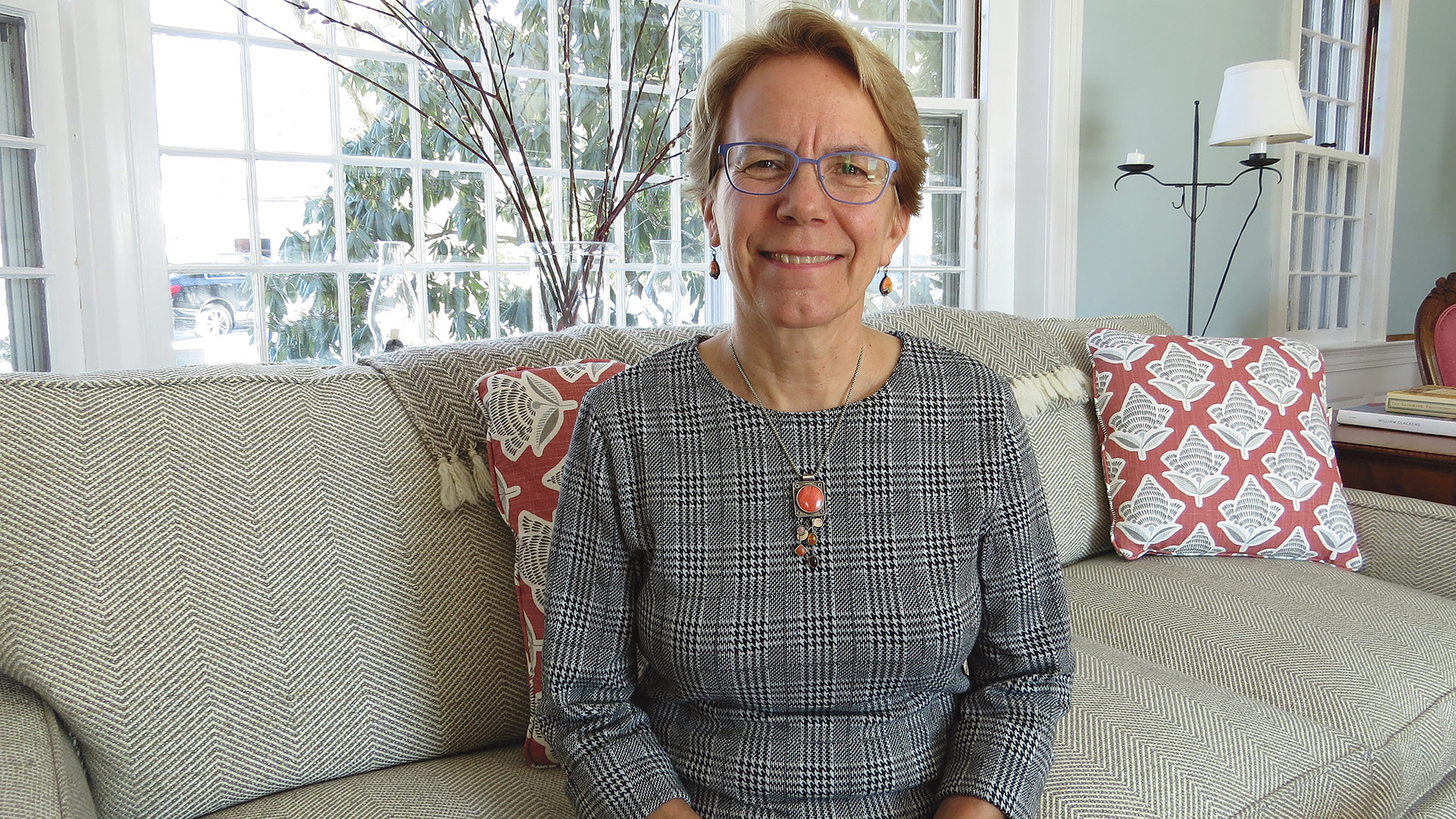
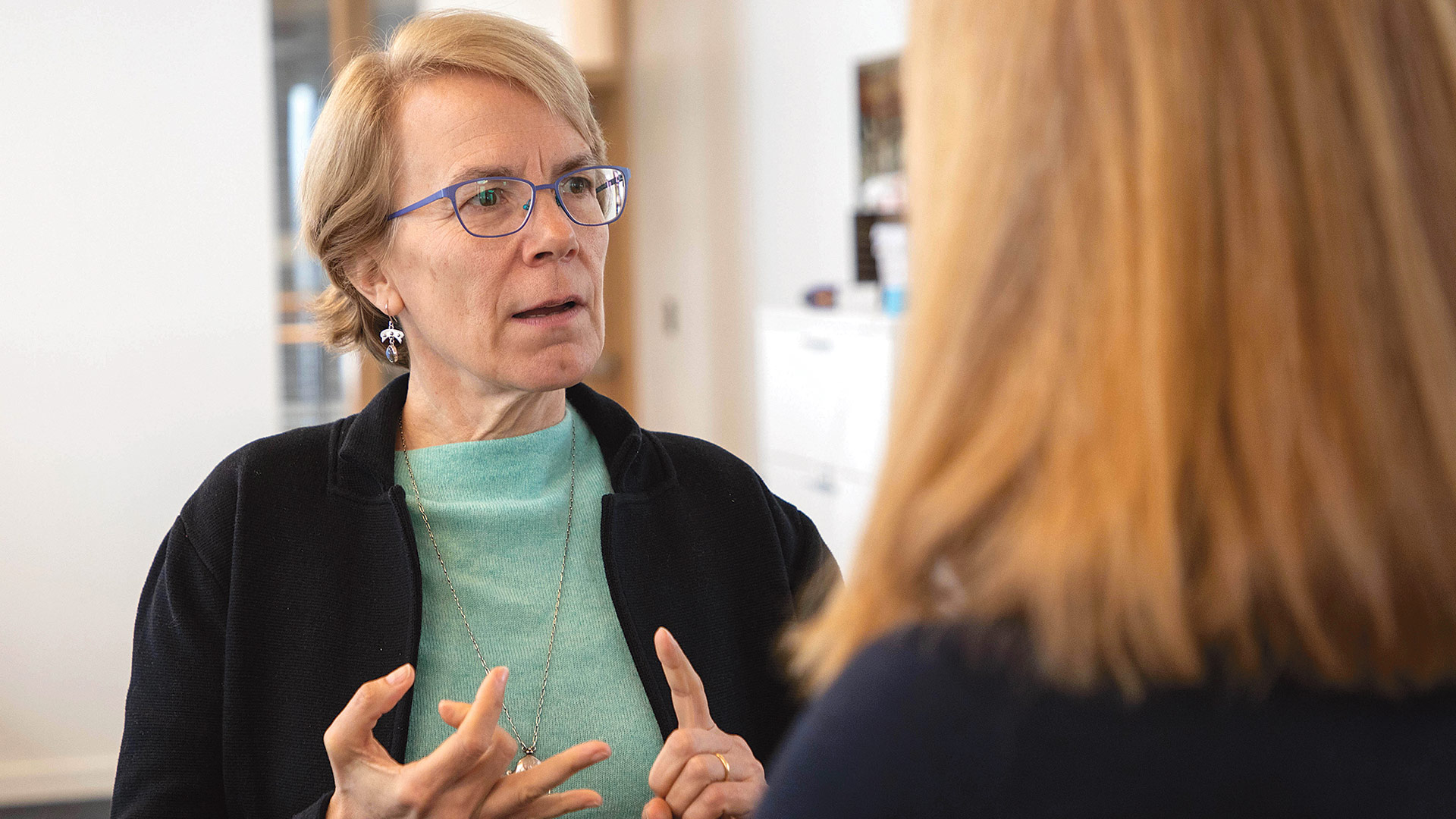
Hampshire College President Miriam Nelson

Hampshire College President Miriam Nelson

As high-school graduating classes continue to get smaller and the competition for those intensifies, many smaller independent colleges are finding themselves fighting for their very survival. One of them is Hampshire College in Amherst, which, because of its unique mission, alternative style, and famous alums (including Ken Burns), has in many ways become the face of a growing crisis.

Miriam Nelson says she became a candidate to become the seventh president of Hampshire College — and accepted the job when it was offered to her last April — with her eyes wide open, fully aware of the challenges facing that Amherst-based institution and others like it — not that there are many quite like Hampshire.

Then she clarified those comments a little. She said she knew the school was struggling with enrollment and therefore facing financial challenges — again, as many smaller independent schools were and still are. But she didn’t know just how bad things were going to get — and how soon.

She became aware through a phone call on May 2 from the man she would succeed as president of the school, Jonathan Lash.

“He let me know that our target number for enrollment this year was significantly lower than what was expected; I think he knew, and I knew, at that time that my job this year was going to be different than what I’d planned,” she recalled, with a discernable amount of understatement in her voice.

Indeed, with that phone call — and the ensuing fight for its very survival — Hampshire became, in many ways, the face of a changing landscape in higher education, at least in the Northeast.

That’s partly because of the school’s unique mission, alternative style, and notable alums such as documentary filmmaker Ken Burns. But also because of heavy media coverage — the New York Times visited the campus earlier this month, one of many outlets to make the trip to South Amherst — and the fact that the school is really the first to carry on such a fight in an open, transparent way.

In some ways, Hampshire is unique; again, it has a high profile, and it has had some national and even international news-making controversies in recent years, including a decision by school leaders to take down the American flag on campus shortly after the 2016 election, while students and faculty members at the college discussed and confronted “deeply held beliefs about what the flag represents to the members of our campus community,” a move that led veterans’ groups to protest, some Hampshire students to transfer out, and prospective students to look elsewhere.

But in most respects, Hampshire is typical of the schools now facing an uncertain future, said Barbara Brittingham, president of the New England Commission of Higher Education (NECHE), adding that those fitting the profile are smaller independent schools with high price tags (tuition, room, and board at Hampshire is $65,000), comparatively small endowments, and student bodies made up largely, if not exclusively, of recent high-school graduates.

That’s because high-school graduating classes have been getting smaller over the past several years, and the trend will only continue and even worsen, said Brittingham, citing a number of recent demographic reports.

Meanwhile, all schools are confronting an environment where there is rising concern about student debt and an increased focus on career-oriented degrees, another extreme challenge at Hampshire, where traditional majors do not exist.

“He let me know that our target number for enrollment this year was significantly lower than what was expected; I think he knew, and I knew, at that time that my job this year was going to be different than what I’d planned.”

None of these changes to the landscape came about suddenly or without warning, said Brittingham, noting that the storm clouds could be seen on the horizon years ago. Proactive schools have taken a variety of steps, from a greater emphasis on student success to hiring consultants to help with recruiting and enrollment management.

But for some, including several schools in New England, continued independence and survival in their original state was simply not possible. Some have closed — perhaps the most notable being Mount Ida College in Newton, which shut down abruptly two months before commencement last spring — while others have entered into partnerships, a loose term that can have a number of meanings.

In some cases, it has meant an effective merger, as has been the case with Wheelock College and Boston University and also the Boston Conservatory and the Berklee College of Music, but in others, it was much more of a real-estate acquisition, as it was with Mount Ida, bought by UMass Amherst.

What lies ahead for Hampshire College is not known, and skepticism abounds, especially after the school made the hard decision not to admit a full class for the fall of 2019. But Nelson remains optimistic.

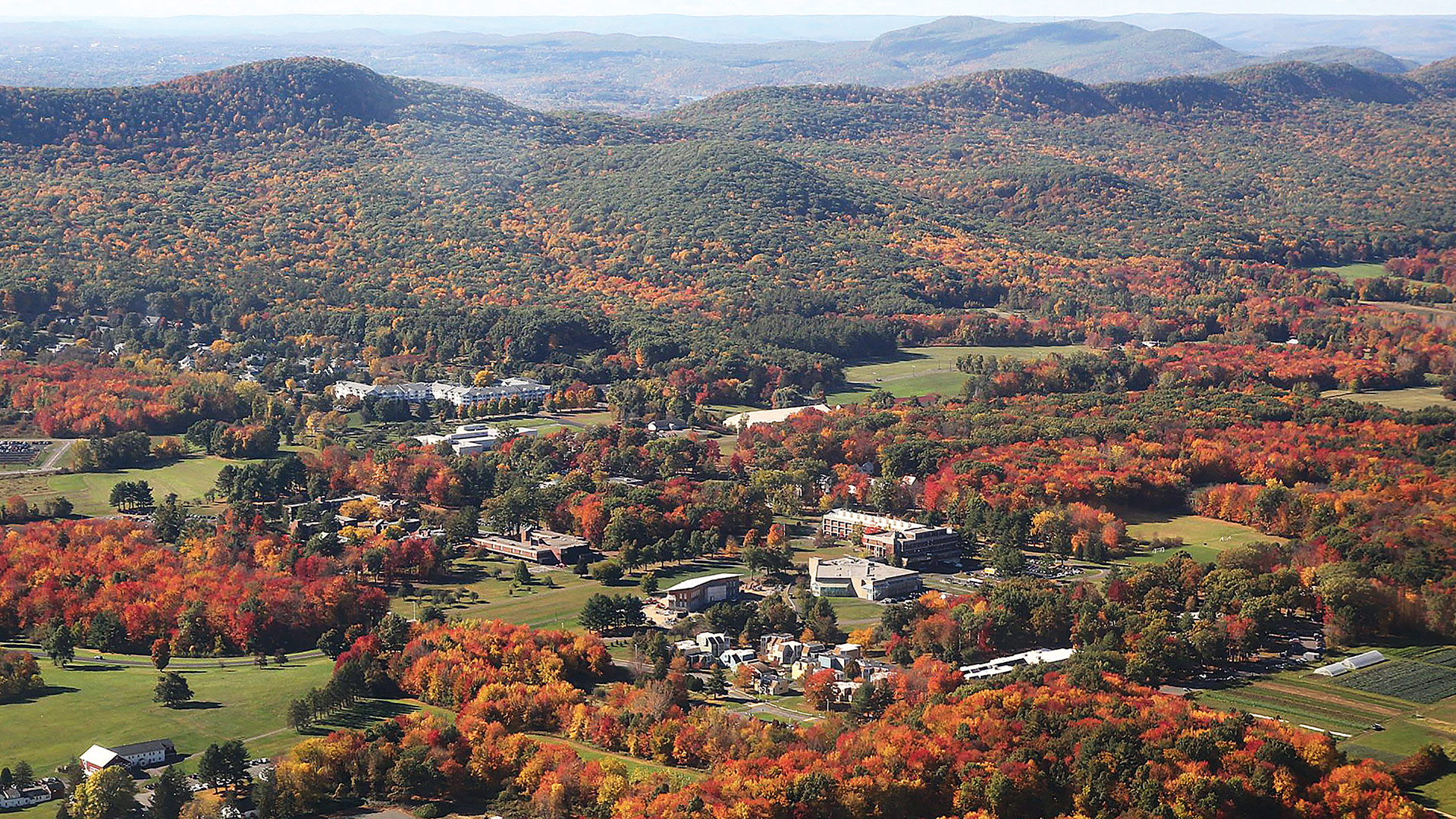
An aerial photo of the Hampshire College campus

An aerial photo of the Hampshire College campus, which has been in the national media spotlight since it was announced that the school was looking to forge a partnership with another school in order to continue operations.

“Hampshire has always been innovative, and we’re going to do this the ‘Hampshire way,’” she said during an interview in the president’s off-campus residence because her office on the campus was occupied by protesting students. “We’re thinking about our future and making sure that we’re as innovative as we were founded to be. We need to make sure that our financial model matches our educational model.”

For this issue and its focus on education, BusinessWest talked with Nelson and Brittingham about the situation at Hampshire and the changing environment in higher education, and how the school in South Amherst has become the face of an ongoing problem.

New-school Thinking

Those looking for signs indicating just how serious the situation is getting within the higher-education universe saw another one earlier this month when Massachusetts Gov. Charlie Baker filed legislation to strengthen the state’s ability to monitor the financial health of private colleges.

“Our legislation will strengthen this crucial component of our economy, but most importantly, it will help protect students and their families from an abrupt closure that could significantly impact their lives,” Baker said in a statement that was a clear reference to the Mount Ida fiasco.

The bill applies to any college in Massachusetts that “has any known liabilities or risks which may result in imminent closure of the institution or jeopardize the institution’s ability to fulfill its obligations to current and admitted students.”

And that’s a constituency that could get larger in the years and decades to come, said Brittingham, adding that demographic trends, as she noted, certainly do not bode well for small, independent schools populated by recent high-school graduates.

She cited research conducted by Nathan Grawe, author of Demographics and the Demand for Higher Education, which shows that, in the wake of the Great Recession that started roughly 11 years ago, many families made a conscious decision to have fewer children, which means the high-school graduating classes in the middle and end of the next decade will be smaller.

“Things are going to get worse around 2026,” she said. “The decline that is there now will only get more dramatic, especially in New England.”

As noted earlier, Nelson understood the landscape in higher education was changing when she decided to pursue a college presidency, and eventually the one at Hampshire, after a lengthy stint at Tufts and then at the University of New Hampshire as director of its Sustainability Institute.

She told BusinessWest that Hampshire offered the setting — and the challenge — she was looking for.

“Hampshire was the one where I thought there was the most opportunity, and the school that was most aligned with more core values and my interests,” she explained, adding that she was recruited by Lash for the post. “This school has always been inquiry-based, and I always like to start with a question mark. To be at Hampshire means you have to have imagination and you have to be able to handle ambiguity when you have an uncertain future; that’s one of the hallmarks here at Hampshire.”

Imagination is just one of the qualities that will be needed to help secure a solid future for the school, she acknowledged, adding that, while the current situation would be considered an extreme, the college has been operating in challenging fiscal conditions almost from the day it opened in 1970 — and even before that.

“We started out under-resourced, and we’ve had different moments during almost every president’s tenure where there were serious concerns about whether the college could continue,” she said. “We’ve always been lean, but we’ve managed.”

Barbara Brittingham

Barbara Brittingham

“Things are going to get worse around 2026. The decline that is there now will only get more dramatic, especially in New England.”

However, this relatively thin ice that the college has operated on became even thinner with the changing environment over the past several years, a climate Nelson put in its proper perspective.

“Higher education is witnessing one of the most disruptive times in history, with decreasing demographics, increased competition for lower-priced educational offerings, and families demanding return on investment in a college education in a short period of time,” she told BusinessWest. “There’s a lot of factors involved with this; it is a crisis point.”

A crisis that has forced the college to reach several difficult decisions, ranging from layoffs — several, effective April 19, were announced last month involving employees in the Admissions and Advancement offices — to the size and nature of the incoming class.

Indeed, due to the school’s precarious financial situation — and perhaps in anticipation of the governor’s press for greater safeguards against another Mount Ida-like closing, Hampshire has decided to admit only those students who accepted the school’s offer to enroll via early admission and those who accepted Hampshire’s offer to enroll last year but chose to take a gap year and matriculate in the fall of 2019.

Nelson explained why, again, in her most recent update to the Hampshire community, posted on the school’s website, writing that “our projected deficit is so great as we look out over the next few years, we couldn’t ethically admit a full class because we weren’t confident we could teach them through to graduation. Not only would we leave those students stranded — without the potential for the undergraduate degree they were promised when they accepted Hampshire — we would also be at risk of going on probation with our accreditors.”

Hampshire College is just one of many smaller independent schools

Hampshire College is just one of many smaller independent schools challenged by shrinking high-school graduating classes and escalating competition for those students.

While reaching those decisions, leaders at the college have also been working toward a workable solution, a partnership of some kind that will enable the school to maintain its mission and character.

Ongoing work to reach that goal has been rewarding on some levels, but quite difficult on all others because of the very public nature of this exercise, said Nelson, adding that her first eight months on the job have obviously been challenging personally.

She said the campus community never really got to know her before she was essentially forced into crisis management.

And now, the already-tenuous situation has been compounded by negativism, criticism (Nelson has reportedly been threatened with a vote of no confidence from the faculty), and rumors.

“There’s a lot of chaos and false narratives out there,” she explained. “So I’ve been working really hard both in print and in many assemblies and meetings to get accurate information out. This is a world with lots of false narratives and conspiracy theories; we heard another one yesterday — they’re really creative and interesting. I don’t know how people think them up.”

Textbook Case?

As she talked about the ongoing process of finding a partnership and some kind of future for Hampshire College, Nelson said she’s received a number of phone calls offering suggestions, support, and forms of encouragement as she goes about her work in a very public way.

One such call was from a representative of the Mellon Foundation.

“He said he’s never seen a college do this in a transparent way like we are,” she said. “He’s right, and when you’re doing it in real time, and transparently, it’s going to be clunky; it’s not like you’ve got every detail worked out and figured out right at the very beginning. We’re doing the figuring out in a public way and engaging with the community and our alums and the broader community and the higher-ed community as we do this.

“It’s a very different way to do it, and no one has ever done it; it is a very Hampshire way,” she went on. “But that makes it really hard, and I can see why every other president who has been in this place has not done this in an open way. I understand it.”

Miriam Nelson

Miriam Nelson says Hampshire College is determining the next stage in its history in real time, which means the process will be “clunky.”

Elaborating, she said there are no textbooks that show schools and their leaders how to navigate a situation like this, and thus she’s relying heavily on her board (in the past, it met every quarter; now it meets every week), the faculty, students, and other college presidents as she goes about trying to find a workable solution.

And there are some to be found, said Brittingham, adding that several effective partnerships have been forged in recent years that have enabled both private and public schools to remain open.

Perhaps the most noted recent example is Wheelock and Boston University, although it came about before matters reached a crisis level.

“Wheelock looked ahead and felt that, while they were OK at that moment, given the trends, given their resources, and given their mission, over time, they were going to be increasingly challenged,” she explained. “So they decided that sooner, rather than later, they should look for a partner, which turned out to be Boston University, which Wheelock essentially merged into.

“That’s seen as a good arrangement, it was handled well, and they were able to preserve the name of the founder in the Wheelock College of Education and Human Development at Boston University,” she went on. “They were able to transition a large number of faculty and staff to Boston University, it was geographically close … it’s been a smooth transition.”

Another partnership that fits that description is the one between two small public colleges in Vermont — Johnson State College and Lyndon State College.

“They had compatible missions — one of them was more liberal-arts-oriented, and the other was more focused on career programs — so they merged and became Northern Vermont University,” she said, adding that the merger allows them to share central services and thus gain efficiencies in overall administration.

Whether Hampshire can find such an effective working arrangement remains to be seen, but Nelson takes a positive, yet realistic outlook.

“I continue to be optimistic because Hampshire is an exceptional place with a great reputation,” she said. “But it’s not easy facing layoffs and things like that. But I believe this year, 2019, will be the toughest year, and then things will get better.”

Charting a New Course

Time will tell whether this projection comes to pass.

The decision not to admit a full class for the fall of 2019 is seen by some as a perhaps fateful step, one that will make it that much harder to put the college on firmer financial ground moving forward.

But Nelson, as noted, is optimistic that the ‘Hampshire way’ will yield what could become a model for other schools to follow in the years and decades to come, as the higher-education landscape continues to evolve.

George O’Brien can be reached at [email protected]

Home Improvement

Total Transformations

With the economy chugging along, home-improvement businesses report solid activity over the past few years, with the prospect of more to come. Locally, perhaps partly because of a relatively mild December and January, companies logged more customer calls during a time of year when homeowners traditionally want to hibernate. Now, on the cusp of spring, they’re ready to hit the ground running.

If there’s one thing R.J. Chapdelaine is grateful for, it’s changing tastes in home design.

Take, for example, the current trend — one that has been building over the past decade or two — of open floor plans.

“People seem to want to open up the kitchen to family room space, open the kitchen to dining room, and create that open floor plan. That, I think, is what we see the most, taking someone’s compartmentalized house and opening it up,” said Chapdelaine, owner of Joseph Chapdelaine & Sons in East Longmeadow.

“You see the center-hall Colonial with a dining room, living room, and kitchen, and we go in and open up the walls,” he continued. “I say, thank God my grandfather and my father built them the way they did. Now I can go in and open them up. It’s job security. And you watch — someday down the road, it’ll go back.”

Whatever the trends and the homeowner’s personal tastes, the home-improvement industry has been riding a wave for some time now.

According to the Home Improvement Research Institute (HIRI), the market for home-improvement products and materials grew by 6.3% in 2018 after a 7.3% jump in 2017. Breaking it down further, the professional market increased by 9.9% last year, while the consumer market saw a sales increase of 4.7%. That trend is expected to slow slightly over the next three years, but still increase by an annual average of 4.2% through 2022.

“What I’ve seen is a very strong push for kitchens and baths, additions, and remodels,” Chapdelaine said. “That seems to be our strongest portion of the business right now. The new homes have slowed for us considerably, but the kitchen, bath, and addition calls have been very strong, straight through the winter.”

“The new homes have slowed for us considerably, but the kitchen, bath, and addition calls have been very strong, straight through the winter.”

That’s somewhat surprising because normally calls slow through December, January, and February, he added. “Over the years, we’ve come to the conclusion that people really don’t want us in their house around the holidays. But this year, it’s been incredibly strong right through the winter months, which is great. As we gear up for spring, there’s a lot of work on the board. Usually we would be expecting the phone to ring now in anticipation of a good spring start, but it’s been ringing throughout the winter.”

Frank Nataloni, co-owner of Kitchens & Baths by Curio in Springfield, has also seen a busier-than-usual winter, perhaps because the snowfall has not been too onerous.

“We’re a year-round operation, but it really depends on the type of winter we have,” he said. “If we have a mild winter, what happens is demand ends up being spread out, and we see a bit more people through the winter. When the weather is really bad, nobody goes outside. Either way, spring is always the strongest time from a sales standpoint.”

According to the Project and Sentiment Tracking Survey conducted by HIRI toward the end of 2018, which queries adults across the U.S. about their planned home-improvement projects, outdoor living spaces will feature the most activity in the next three months. More than one-quarter of homeowners surveyed indicated they will take on lawn and garden and/or landscaping projects during this time.

R.J. Chapdelaine

R.J. Chapdelaine says the region’s older housing stock and demographic changes have contributed to a strong remodeling business in recent years.

Taking all types of projects into consideration, inside and out, the Northeast and South lead the way, with about two-thirds of homeowners in both regions saying they plan home-improvement projects this spring.

Meanwhile, whether homeowners shoulder the work themselves is relatively dependent on the project type. On average, a little more than half of all projects are of the DIY variety — and of those, many involve outdoor living spaces, with 82.6% of homeowners tackling landscaping projects.

“I have to say, people feel confident, and they’re willing to spend money on their house,” Chapdelaine said. “It seems as though people are upbeat, and we’re reaping the phone calls and the benefits of that consumer confidence.”

Trending Topics

HIRI reports that, nationally, the home-improvement products market continues to outperform many other sectors of the economy. At the organization’s 2018 Industry Insights Conference last fall, experts in the sector shared what they felt were some prevailing trends heading into 2019. Among them:

• DIYers are more likely to be Millennials, which may have to do with that generation’s connection to devices. “DIYers spend more than 60 hours per week on TV and digital devices, including computers and smartphones,” Peter Katsingris, senior vice president of insights at Neilsen, told conference attendees, according to Forbes. “The technology and the choices it provides make DIY a realistic option for people.”

• More than one-third of homeowners who completed a home-improvement project in the past year regret not spending more on the project.

• The rental housing market is on the rise. A wave of growth has increased the number and share of rental households in the U.S., especially higher-end rentals in urban areas. This reality could lead to greater interest in portable and free-standing home-improvement products tenants can take with them when they move, as opposed to permanent fixtures.

• With home wellness on the rise, the lighting industry has been coming up with intriguing options. A technology known as circadian rhythm lighting is one rising trend, producing indoor illumination that more closely matches natural light in its warmth and, paired with home automation, can shift through the day with the sun to ease the impact of artificial light on the human body.

• Finally, remodeling activity isn’t slowing down anytime soon, due in part to an aging housing stock. With home prices increasing and new construction harder to find in some areas of the country, people are staying put and remodeling. “With the existing house stock averaging 38 years old, much of the inventory is in need of updating,” Mark Boud, senior vice president and chief economist at Hanley Wood/Metrostudy, told the conference.

That aging stock is an especially relevant reality in Western Mass., but so is another trend boosting the remodeling market: an increasing desire among Baby Boomers to age in place.

This recent remodeling project by Kitchens by Curio

This recent remodeling project by Kitchens by Curio reflects some current trends in kitchens, particularly its color palette dominated by white and grey.

“We’re seeing more aging in place, and we’re seeing that as a reason people are making changes,” said Lori Loughlin, manager of Frank Webb Home in Springfield. “They’re doing what they can to make sure they stay in their homes as long as possible because they feel like it’s a better option.”

In some cases, that means installing mobility and safety equipment, but in others, it means building in-law suites, or even moving to — by either building or remodeling — a smaller house.

“We’re getting phone calls now for people looking to to downsize,” Chapdelaine said. “I think the Baby Boomers are going to be looking for that smaller house and aging in place.”

Style Points

As for interior styles, those haven’t shifted much over the past couple of years. Painted cabinetry finishes and color palettes dominated by white and grey are still popular in kitchens and bathrooms, Nataloni told BusinessWest. “I just did a process of cherry wood with a black finish rubbed off, and the cherry comes through the black. It’s spectacular, actually.”

Styles change, he noted, but they don’t change abruptly. “White is very popular, grey is popular, but we are starting to see other colors, hints of yellow and green, coming in. I’ll be doing a yellow kitchen — not school-bus yellow, a very pale yellow, but a very warm color.”

“We’re seeing more aging in place, and we’re seeing that as a reason people are making changes. They’re doing what they can to make sure they stay in their homes as long as possible because they feel like it’s a better option.”

Chapdelaine reported similar, gradual movement toward color, but mainly pastels and muted colors, not too much that would be characterized as bold. “We’re still seeing a lot of white cabinetry and floors stained a number of different colors. With surfaces, we’re still running strong in quartz — some granites, but mainly quartz.”

The most important trend, of course, is that the home-improvement business as a whole remains strong.

“We’re seeing everything from full bathroom jobs to kitchens with the walls removed, right up to additions, which are ranging from family rooms to master suites,” he said. “We’re seeing more whole-house updates — painting, hardwood floors, that kind of work — and we’re also seeing whole-house remodels, which is very similar to building a house. You’re gutting the house down to the bare studs, going through and doing a new bathroom, new kitchen, new flooring, new drywall, which is kind of nice.”

He expects spring to bring its usual rush of customer inquiries as the weather continues to improve, but said people looking to get into the queue for the spring should really be calling in February and March.

Nataloni agrees, and says he appreciates the fact that, with the economy performing fairly well, homeowners are investing more money in their living space, whether they plan to stay there for a long time or improve the house’s dated look in preparation to sell it.

“We have a lot of older housing stock around here,” he said. “Wherever you go, you see someone working on their house.”

Joseph Bednar can be reached at [email protected]

Insurance

Shelter from the Storm

In the insurance world, an umbrella policy is exactly what it sounds like, sitting atop home, auto, and business insurance coverage and providing excess protection against liability risks. What is less clear, area insurance experts say, is why more people don’t avail themselves of this relatively inexpensive vehicle. After all, life’s storms can strike at any time, and when they do, no one wants to be totally exposed.

Even the best intentions can’t always fend off an expensive lawsuit, said John Dowd, president and CEO of the Dowd Agencies in Holyoke. Take a field trip, for example.

“If you or your spouse has volunteered to chaperone your kid’s school field trip to an amusement park, you both can be held legally responsible for anything that goes wrong on the trip,” he explained. “If a child under your care is injured during the excursion, that child’s parents might try to sue you for damages.”

Which could wind up being a trickier situation than simply loading that child into one’s own car and crashing it — because the driver’s auto-insurance policy covers bodily injury. But what about situations like that field trip — what policy covers that?

It’s just one example, Dowd said, of why an umbrella policy is a good idea for most people. “A personal umbrella policy can provide coverage for such potential incidents, allowing you to chaperone a trip without worrying about potential financial risks.”

An umbrella policy — sometimes referred to as ‘family insurance,’ he noted — essentially sits atop existing auto and homeowners policies to deliver an additional layer of protection, especially against catastrophic liability loss.

“I would like to see anybody who has any net worth — say, more than $100,000, which would include most homeowners these days — to have a personal umbrella,” said Mark Lussier, who co-owns Lussier Insurance in West Springfield.

“The idea behind a personal umbrella is, you want to cover your net worth. When I get a phone call from someone who says, ‘I have this umbrella, but I don’t really need it,’ I say, ‘if somebody were to sue you for everything you were worth, is what you have on your home or auto policy enough?’”

Dowd noted that the coverage from a personal umbrella policy is wide-reaching, providing protection for scenarios not covered by a typical home or auto policy. For instance, if a family member rents a snowmobile on vacation and is involved in an accident, the umbrella policy may help pay for the cost of repairs and medical bills of the injured parties.

Perhaps the most compelling aspect of an umbrella policy, Lussier said, is its cost — maybe $250 or $300 per year for $1 million in coverage, with additional coverage available beyond that, typically in increments of $1 million. “I have a couple of clients who’ve got $5 million umbrellas because their net worth justifies the extra cost.”

“The idea behind a personal umbrella is, you want to cover your net worth. When I get a phone call from someone who says, ‘I have this umbrella, but I don’t really need it,’ I say, ‘if somebody were to sue you for everything you were worth, is what you have on your home or auto policy enough?’”

That’s on top of legal defense fees, which insurers cover as part of any policy. “So, if the unimaginable happens and you’re called by Mark E. Salomone, you have peace of mind knowing your insurance is going to defend you as well as pay anything you’re legally responsible for.”

Mark Lussier

Mark Lussier says the inexpensive cost of a personal umbrella policy, coupled with the many scenarios it covers, present a strong argument for buying one.

In addition, the umbrella is worldwide coverage. “So you can be vacationing in Europe, and if someone is injured because of something you’re responsible for, your umbrella is going to respond,” Lussier said.

Bill Trudeau, president of the Insurance Center of New England in Agawam, said he draws a simple diagram to explain the umbrella concept to customers, with policies like home and auto represented by rectangles, and the umbrella hovering over all of them.

“You can imagine a multi-fatality accident, where the claims might easily surpass $1 million. If an accident is deemed your fault, you may run out of insurance,” he explained. “But if you’ve bought a $2 million umbrella to go on top of a $1 million policy, now you have $3 million in protection in that instance. It’s a policy for excess liability claims — product liability, premises liability, bodily injury, property damage, all kinds of claims. It’s one policy, and you can decide how much protection you want to buy.”

Surprising Circumstances

Lussier stressed that umbrella coverage isn’t technically coverage the policy holder doesn’t already have. “You can’t get umbrella unless you have the underlying policy.”

While some may ask why not just increase coverage on existing home and auto policies, he pointed to the broad nature of umbrella protection, and, again, its cost.

“Many times, to buy more coverage under the basic policy begins to beg the issue of why you shouldn’t have the umbrella. I can have a $1 million umbrella for three cars and two houses for $250 a year. So it’s cheap.”

In Massachusetts, Dowd explained, most umbrella policies provide coverage for the policy holder and their immediate family members living in the same household, with some exceptions. And he listed a few scenarios where that wide net may come in handy.

For example, “if a dog attacks a guest in your home, you may be responsible for any medical bills,” he explained. Even a small bite could end up costing thousands of dollars, and, while some homeowners insurance policies provide liability coverage for dog bites, they typically restrict what breeds are covered. “If your policy excludes your dog’s breed, umbrella insurance may help cover any financial responsibility you have for the incident.”

As another example, if a recently licensed teenager causes a multi-vehicle auto accident, the resulting financial liability could be expensive. “While a single-car accident likely won’t exhaust your auto-insurance policy, a multi-car accident might exceed the coverage,” he said. “Personal umbrella insurance can cover expenses beyond those covered in your auto policy.”

One hindrance to purchasing umbrella coverage, Lussier noted, is that the holder must first increase his or her automobile bodily-injury coverage to $250,000 — and that floor can rise to $500,000 for older drivers. “In some cases, especially with multiple cars, that can be unaffordable. People say, ‘I can’t allocate that risk transfer; I’d rather retain the risk myself and take my chances.’ And that’s really what insurance is all about — it’s a transfer of risk.”

Then there’s something called ‘personal-injury coverage,’ Lussier said, which is different from bodily injury, instead referring to libel, slander, false arrest, and defamation of character. And this has become a minefield in the age of social media.

“Many times, to buy more coverage under the basic policy begins to beg the issue of why you shouldn’t have the umbrella. I can have a $1 million umbrella for three cars and two houses for $250 a year. So it’s cheap.”

“Some people, especially teens, don’t fully comprehend the power of social media,” Dowd said. “If your child makes a disparaging remark or unsubstantiated claim about someone on social media, that person might try to sue for libel.”

An umbrella policy may provide coverage for such situations, with most policies extending coverage to online statements. “Aside from just physical damage, umbrella protection can provide financial assistance if you’re being sued for libel or slander.”

Lussier agreed that this is a significant issue in an era when everyone is quick with a camera, and when images, videos, and statements online can live forever.

“Depending on your means, you can find yourself liable for substantial sums,” he told BusinessWest. “Nowadays, something said innocuously or without much thought can be a big deal. It goes viral, and the next thing you know, you’re saying, ‘I didn’t really mean it the way it was taken, but if I’d have known it would go that far, I would’ve kept my mouth shut.’ And if you put it in writing, you can make it even worse.”

Cost of Doing Business

Clearly, personal umbrella policies cover a wide net of possibilities. But it can be tricky when they cross over into the business realm. Lussier cited the example of a photographer who closes his studio and moves his enterprise into his house. “Now his house is a business exposure, and an umbrella excludes business exposures.”

That’s where a business umbrella comes in, working in much the same way a personal umbrella does, but covering liability risks related to a business.

Bill Trudeau

Bill Trudeau says growing businesses should continually reassess what level of coverage they need from an umbrella policy.

“If you have a relationship with your broker, they’re likely to offer you umbrella liability,” Trudeau said of business owners. “If you’re doing a review of your insurance, it’s something almost any competent broker brings up. As your business grows, it would be part of the basics of insurance coverage.”

The nature of the business would impact the risk exposure and, hence, the level of coverage needed, he noted. While a $1 million umbrella might be fine for a storefront shoe store or florist, a business owner with a fleet of heavy trucks would likely need more.

“We’re hoping not to scare people, but we want them to make realistic choices,” he said. “And a lot of times, those choices are informed by some requirement from the place you’re doing business with, like a contractor taking on bigger jobs, like a casino or office tower or hotel chain. The risk managers for those entities tend to have a requirement for higher limits of liability. So, like it or not, if you want to play in that area and do business with these kinds of clients, you probably have to buy an umbrella of some sort.”

Fame is a factor, too, Lussier said — and often results in higher rates per million of coverage, because famous people are seen as bigger targets for lawsuits.

“If you’re a high-profile person, like a news anchor, you won’t get an inexpensive umbrella, because of the higher exposure,” he explained. “If we’re selling you cheap insurance, we’re basically gambling that you’re never going to use it. That’s really what insurance is all about. The most people participate for the least amount of risk, so we can then price it accordingly.”

In addition, the level of coverage should reflect not only one’s net worth, but future earning potential as well. A doctor who just graduated from medical school and plans a career in brain surgery might have little more than debt to show right now, but a lawsuit could put significant future earnings at risk.

In the end, Trudeau said, umbrella coverage can bring peace of mind in myriad scenarios.

“If something’s gone wrong in your business — someone went through a stop sign, something terrible happened, some member of the public is injured badly, and your company is sued for $5 million — you can take some comfort: ‘I bought insurance, and I’m able to pay what people wanted to negotiate without having to declare bankruptcy.’ It’s still awful, but you have that small comfort, as opposed to sitting there wondering what to do.”

Joseph Bednar can be reached at [email protected]

Community Spotlight

Community Spotlight

Diana Schindler

Diana Schindler says it’s key for Deerfield to balance the town’s rural character with needed economic growth.

Deerfield boasts numerous draws for businesses looking to relocate, Diana Schindler says, from its reasonable property-tax rate to its proximity to Interstate 91, Route 116, and Routes 5 and 10.

But there’s also been some pushback against some of those businesses, which reared its head when residents recently spoke out against a proposed Dollar General store in town. The Planning Board listened and turned down the project, said Schindler, Deerfield’s interim town administrator.

“There’s been a feeling in the community that they want that at arm’s length — that big-box retail development, drive-thrus, things they don’t feel are part of the culture of old Deerfield. It’s meaningful to them,” Schindler told BusinessWest.

“On the flip side, it creates more of a burden on the residential tax base,” she went on, noting that more than 80% of the town’s tax base is residential. “There’s a cost to the citizens in their tax rate and the sustainability of that tax rate. Deerfield has always readily paid for the level of service its citizenry wants and expects, but at the expense of not doing some major projects.”

For instance, the town is looking at a $1 million cost to replace a tank at the South Deerfield Wastewater Treatment Plant, which is only the tip of the iceberg when it comes to needed work at the facility over the next decade or two. Then there are plans to expand the Tilton Library and develop a shared senior center with surrounding communities.

“Seniors are asking for that. But all this adds up to millions of dollars, and you have the pressure of limiting development — or, rather, wanting development that will fit into the culture, which does limit it to some capacity,” Schindler said. “Less than 20% of the tax base is commercial/industrial, which is not a lot considering the viability of the property we have along 5/10 and a couple other areas. It’s going to become a question for the citizenry — is it sustainable?”

She’s one of many in Deerfield who believe economic development — in whatever form residents may want — is critical to the future of a town known for its tourist draws, including Yankee Candle’s flagship store, Mount Sugarloaf, Historic Deerfield, and Magic Wings, but needs to diversify and broaden its commercial portfolio.

“At first, they wanted to hide it, put it on the outskirts of town, but now they want it close to downtown. And that’s where it should be — take it out of the shadows, take it away from the edge of town where people can just pop in and leave. Bring them in and use it for economic development.”

“The ideal would be to get everybody together and integrate it all. We’re spread out geographically, and there’s a dichotomy between Old Deerfield and South Deerfield. We’re working toward making sure the town is the town, and everybody recognizes that if the town does well and comes together, then all of the components, all of our events, could do better.”

A veteran of the Franklin Regional Council of Governments and the Hampshire Council of Governments, Schindler has some regional government experience, and she believes there’s value in taking a regional view of economic development. But she’s more concerned with Deerfield’s residents, agencies, and organizations working together to forge a common vision for community development.

“If we could come together,” she said, “especially as we come to our 350th-anniversary celebration, we could build energy off of each other.”

Forging a Path

That celebration rolls around in 2023, which should be enough time, Schindler said, to see some real development progress in town, particularly in the Elm Street corridor, the main commercial area in South Deerfield.

Town leaders know that to attract new businesses — in hospitality and other sectors as well — they need to make the downtown area more inviting and pedestrian-friendly, and they’re eyeing a host of potential improvements in the Elm Street center, which may include work on sidewalks, lights, and storefronts.

For a year before taking on her current role last month — one she is interested in pursuing on a permanent basis — Schindler was a special projects consultant in town, and one of the big projects she embraced right away was Complete Streets, mostly geared toward the South Deerfield center.

South Deerfield center

Town leaders see plenty of potential in the South Deerfield center corridor.

“We’re in the process of putting that plan together. We want to create more walkability, more accessibility, and that includes for folks in wheelchairs, people with children, people of all abilities,” she said. “We’re also looking at ways to make South Deerfield’s center more aesthetically pleasing — light it, put in streetscapes, put in wayfinding, finish the municipal parking lot we have down there; all that is being discussed as part of the plan. We want it to stay a viable downtown.”

The area is not particularly expansive, she pointed out, spanning just a few blocks, but in some ways, that presents a more enticing opportunity, by ensuring that development and improvement efforts are tightly focused. There’s some land-use complexity as well, as the Massachusetts Department of Transportation owns a small part of the corridor, and the state owns Conway Street, home to Town Hall.

“But that’s an opportunity,” she said, “because the state is also excited about Complete Streets, and we could see a wonderful economic center down here, which I’m sure the state would support in a variety of different ways.”

The downtown has seen some business change recently, with longtime restaurant Jerry’s Place closing last year, and a café called Leo’s Table setting up shop in the location, with proprietor Jennifer Howard specializing in made-from-scratch breakfast and lunch fare. The building itself — which is also home to Ciesluk’s Market, Giving Circle Thrift Shop, the Tavern, and a Subway sandwich location, as well as 19 apartments on the second floor, has new owners, Jason Kicza and Justin Killeen, who plan to touch up the property this spring.

“I would consider that the anchor building on that side,” Schindler said, “and it’s doing great.”

Cumberland Farms’ move from South Deerfield’s center to the main road — specifically, the corner of Elm Street and Routes 5 and 10 — may not have been as great for the downtown’s prospects.

Deerfield at a Glance

Year Incorporated: 1677
Population: 5,400
Area: 33.4 square miles
County: Franklin
Residential and commercial Tax Rate: $16.34 (Deerfield), $18.14 (South Deerfield)
Median Household Income: $74,853
Median Family Income: $83,859
Type of Government: Open Town Meeting
Largest Employers: Yankee Candle Co., Pelican Products Inc.
* Latest information available

“They have a bigger business down on the corner, but it’s not necessarily a draw into the center; now people can just pop into Cumby’s for gas and keep going,” she said. “So we are looking at ways to basically create more stability in the center of South Deerfield by doing a variety of things. Obviously, part of that is keeping businesses and attracting more businesses.”

These days, the corridor can be oddly empty at certain times of the day, she noted, but well-trafficked during morning and evening rush hours. The goal, she told BusinessWest, is to turn it into a pedestrian-friendly center at all hours, rather than a thruway.

The Complete Streets plan will be a big part of that. By the time the 350th rolls around, she’d like to see significant physical and infrastructure improvements to make the downtown more of a destination. “The sidewalks will look different, maybe more green space, and hopefully we’ll see more people down there.”

High Times

Like many area communities, Deerfield has embraced the burgeoning cannabis industry in Massachusetts, recently approving two site plans, one for a cultivation facility at Pioneer Gardens on Mill Village Road, and the other for a dispensary run by Harvest Inc. on State Road.

“The culture has changed,” Schindler said, noting that, when communities were first exploring the economic possibilities of marijuana businesses, many Deerfield residents — most of them older — were staunchly opposed. But that opposition has died down to a large degree in many towns, to the point where communities might begin to locate such businesses in more central areas.

“At first, they wanted to hide it, put it on the outskirts of town, but now they want it close to downtown. And that’s where it should be — take it out of the shadows, take it away from the edge of town where people can just pop in and leave. Bring them in and use it for economic development.”

Meanwhile, Schindler and other Deerfield leaders will continue to think outside the box — even if big boxes aren’t in the cards — by examining where pockets of land already devoted to commercial and industrial businesses might have some infill potential, and continue to take pressure off the residential tax base.

“The thing I think is so tremendous about Deerfield is the huge opportunity it offers,” she said. “It’s wide open, and it’s got resources — financial resources, natural resources, culture, art, access to main roads. I get excited about it.”

Joseph Bednar can be reached at [email protected]

Education

Closing the Gap

Amanda Gould

Amanda Gould says the grant awarded to Bay Path University will fund a collaborative effort to help improve the digital fluency of the workforce.

When people talk about an ‘IT gap,’ Amanda Gould says, the appropriate response might be, ‘which one?’

Indeed, there’s the gap that seems to getting most of the attention these days, the one that involves the huge gender disparity in the IT workforce, with the vast majority of those well-paying jobs going to men, said Gould, chief administrative officer for the American Women’s College at Bay Path University, one of the institutions working to do something about this through its expanding Cybersecurity and IT degree programs.

But there’s another gap, she said, and this one involves the workforce and its digital fluency — or lack thereof. In short, too many people lack the necessary skills to thrive in the modern workplace, especially in IT-related roles, and the need to devise solutions for changing this equation is becoming critical.

For this reason, the nonprofit Strada Education Network committed $8 million to what it calls the ‘innovative solutions in education-to-employment’ competition, a name that speaks volumes about its mission.

And Bay Path emerged as one of the winners in this competition, garnering $1.58 million for a three-year project appropriately called “Closing the Gaps: Building Pathways for Women in a Technology-driven Workforce” (note ‘gaps’ in the plural).

This will be a collaborative effort, said Gould, adding that work is already underway with a number of partners, including the Economic Development Council of Western Mass., the MassHire Hampden County Workforce Board, the Massachusetts Technology Leadership Council, Pas the Torch for Women, Springfield Technical Community College, the UMass Donohue Institute, and others.

“Thinking about IT being in and of itself a discipline is, in my view, becoming obsolete.”

This work, said Gould, “involves extensive employer research and engagement, and building capacity of the American Women’s College to scale enrollment of adult women and prepare them with core cybersecurity and information-technology competencies that meet the needs of employers, support them as they move to degree completion, and assist them to successfully transition to careers in cybersecurity and IT-related employment.”

The key word in that sentence is ‘core,’ she said, because such competencies are now needed to succeed in jobs across virtually all sectors, not just IT and cybersecurity, and, as noted, many individuals simply don’t have them, and thus doors to some opportunities remain closed.

Opening them is the purpose of the of the Strada Education Network program, said Gould, adding that it will address a large problem that is obvious, yet often overlooked.

“What we’re not doing well overall when we think about our workforce is recognizing that technology is becoming increasingly more important in any role in any industry,” she explained. “Thinking about IT being in and of itself a discipline is, in my view, becoming obsolete; technology is a part of any organization running, and we should be less focused on training people to live in a silo or column that prepares them to fulfill very specific functions, and instead be training our women across all our majors to be thoughtful about how technology may impact their future roles in the workforce and how to be more engaged with ways technology helps them perform the aspirations they have in a variety of careers.”

Patricia Crosby, executive director of the MassHire Franklin Hampshire Workforce Board, agreed. She said her agency and other workforce-related partners will play a key role in this initiative — specifically bringing business leaders and those in the education sector together in the same room to discuss how curriculum can and should be structured to vastly improve the odds of student success and make what has been a fairly closed field much more open.

“The IT field has not been an open field to newcomers, diverse workers, and female workers,” said Crosby. “The Bay Path program is attempting to remedy some of that and make the pathways clearer.”

Overall, the nearly $1.6 million grant will be put toward a variety of uses, said Gould, who listed everything from career coaching to scholarships; from curriculum development to putting students in situations where they’re getting hands-on training in their chosen field. And all of them are pieces to the puzzle when comes to not only entering the workforce, but succeeding in a career.

For this issue and its focus on education, BusinessWest takes an in-depth look at the ‘closing the gaps’ initiative and why it is so critical when it comes to today’s workforce.

Keys to Success

Smashing Bay Path’s program down to a few key swing thoughts, Gould said it basically involves determining which IT skills are most needed in the workplace, which ones are missing in a large number of applicants and employees, and how to effectively provide those skills.

And while it’s easy to state the problem and this three-year project’s goals, devising solutions won’t be quite so easy because the problems are systemic and fairly deep-rooted.

Patricia Crosby

Patricia Crosby says the grant awarded to Bay Path University will help create clearer, better pathways into an IT field that historically has not been open to women, newcomers, and diverse workers.

“As higher-education institutions,” Gould explained, “we haven’t kept up with our education and our curriculum to make sure that, as students are leaving with a psychology degree or a communications degree or nursing degree, we are building in exposure to these tool sets and these skills. By being more theoretical in our education, we’ve almost created the gaps.

“I really think we’re at a moment in time when we need to be more thoughtful about integrating technology for all students,” she went on, adding that, if those in higher ed created the gaps, it’s now incumbent upon them to close them.

Elaborating, she noted that cybersecurity, while still a specific discipline and course of study, is also part of myriad job descriptions today — for those helping with social-media campaigns to those handling customer records — and thus cyber should be part of occupational training.

This is a relatively new mindset, she acknowledged, one that involves a close partnership between the business community and those in higher education.

To put it in perspective, she cited some research conducted by Strada and Gallup regarding the relevancy of educational programs.

“When they were interviewing higher-ed administrators about how prepared they thought their students were for the workforce, a majority of them said ‘they’re very prepared,’” she noted. “But when they interviewed employers, a very small percentage of them thought the students were truly prepared to enter the workforce. There’s an enormous disconnect.”

A commitment to closing it explains why the Strada network is giving $8 million to seven winners of its competition, and also explains why partners like the EDC and the MassHire facilities will play such a critical role in this endeavor.

They will help connect those with the project to industry groups and specific companies with the goal of not only determining the skill sets they need in their employees, but placing students in situations where they gain valuable hands-on experience.

These experiences can include job shadowing, interviewing someone in a particular role, project-based coursework, or actual internships, said Gould.

“There are a variety of ways we can get our students connected with employers,” she said, adding that such connections are vital to understanding the field, comprehending the role IT plays in it, and, ultimately, gaining employment within that sector.

“In an ideal scenario, our students are off and working,” she went on. “It would be better if they were working in a field they see as their career rather than in a job where they’re working to offset expenses. If there are ways to get students into the workplace before graduation, we want to nurture those entry points.”

Crosby agreed.

“In an ideal scenario, our students are off and working. It would be better if they were working in a field they see as their career rather than in a job where they’re working to offset expenses.”

“In this field [IT], more than any other, as much as any credentials or degrees, employers are looking for experience,” she said. “There’s a gap between the people who are learning it and the people who are getting the jobs because the people who get the jobs already have experience. There’s a bridge that has to be crossed between any education and training program and the workplace.

Sound Bytes

As she talked about the Bay Path program and how to measure its success, Gould said there will be a number of ways to do that.

These include everything from the level of dialogue between the business community and those in education — something that needs to be improved — to the actual placement rates of graduates in not only the IT and cyber fields, but others as well.

In short, the mission is to close the gaps, as in the plural. There are several of them, and they are large, but through a broad collaborative effort, those involved in this initiative believe they can begin to close those gaps and connect individuals to not only jobs but careers.

George O’Brien can be reached at [email protected]
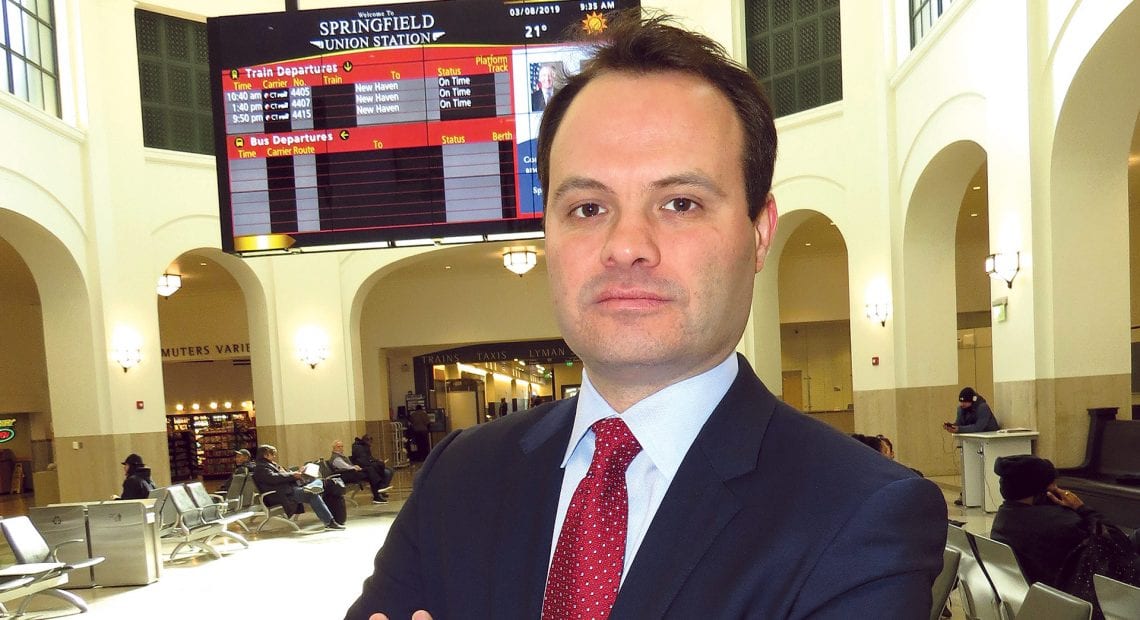
Home Improvement

Foundation to Roof

The Western Massachusetts Home & Garden Show may last only four days each March, but Lori Loughlin says vendors reap the benefits all year long.

“The exposure at the show is tremendous,” said Loughlin, manager of Frank Webb Home in Springfield. “It pays for itself within the first week after the show closes. In May, June, July, people are coming in saying, ‘I was at the home show, and I saw this showerhead.’ They come back six months after and want to buy something they saw there. It’s nice.”

Loughlin, who serves as the event’s deputy chair for 2019, said her company, the showroom division of F.W. Webb, offers such a wide variety of products and services that it’s a no-brainer to participate in the show, which, in its 65th year, will feature more than 350 vendors displaying at more than 700 booths.

“You’ll find landscaping, appliances, hot tubs, bathrooms … you can go from foundation to roof and everything in between,” she said.

The Home & Garden Show, slated for March 28-31, is produced by the Home Builders & Remodelers Assoc. of Western Massachusetts (HBRAWM), whose 500-strong membership reflects the variety on the show floor, with roughly 90 categories on display from builders, remodelers, kitchen and bath specialists, landscapers, painters, roofers, financial institutions, pool companies, and more.

“We can give you a snapshot of what’s out there, of what’s new,” said Andy Crane, HBRAWM president. “The key word is local. Almost every business in there is local; these are the people who managed to stay in business through the ups and downs of the economy, and they’re there to show their wares.”

“The key word is local. Almost every business in there is local; these are the people who managed to stay in business through the ups and downs of the economy, and they’re there to show their wares.”

Crane said 2019 has been one of the show’s better years, with fewer than a dozen booths left to sell two weeks before the event was set to begin. In short, it remains the association’s signature showcase.

“People are going to see companies and meet owners that they probably wouldn’t be exposed to by word of mouth,” Loughlin said. “I can’t believe how many companies are involved in this home show. It’s huge. And we get such a rebound on this.”

While recognizing the show’s potential to connect businesses with homeowners, she said the cross-promotion that goes on is just as valuable as the visitors who walk through the door.

Andy Crane

Andy Crane says the 2019 Home & Garden Show is shaping up to be one of the strongest, if vendor commitments are any indication.

“The networking between companies has been great for our company,” she told BusinessWest. “We tie in with the tile people and kitchen-design people, who send people here to find sinks. It’s nice to create relationships with other vendors.”

Something for Everyone

The home show started as a way to generate revenue to support the association, but it also provides member companies with a chance to market to an audience — and a big one, with around 20,000 visitors over the four days in a typical year — that might not otherwise see their name. Conversely, it gives attendees, many of whom simply come to the show for fun, a host of concrete (or hardwood, or tile, or whatever) ideas for home improvement.

The exhibitors run the gamut from inspection services to security and alarm systems; Internet and communications to moving and storage; duct cleaning to pianos and organs. Meanwhile, show attendees fall into one of several categories, the association notes, including:

• People planning to buy or build a new home, who may visit with builders, real-estate agents, financial institutions, and sellers of component products, such as hardwood flooring, tile, and appliances;

• People planning to remodel or renovate, who may want to check in with all of the above, plus vendors of replacement components such as windows and doors, as well as appliances, wall treatments, and home furnishings;

• Yard and garden enthusiasts, who tend to be interested in lawn and landscaping services; wall, walk, and edging components and materials; and trees, shrubs, flowers, and seeds;

• Lifestyle-conscious individuals, who like to check out trendy, high-tech, or time-saving products; home furnishings; and products focused on self-improvement, fitness, and health;

• Committed renters, who have no plans to own a house, but may be interested in space-conservation and space-utilization products, as well as home furnishings;

• Impulse buyers, who flock to vendors of home décor, arts and crafts, cooking and baking products, jewelry, and personal goods; and

• Those who attend the show purely for fun, who may arrive without an agenda but often develop ideas for future purchases and home products. “More than any other group,” according to the association, “these people are the ones who have come to rely upon our show on an annual basis and who perhaps have the greatest impact upon our vendors.”

Indeed, Crane told BusinessWest, “it’s not just about coming to the show and spending money with the vendors, even though we hope that’s the case. It really is a social event. That’s the mindset — it’s a nice evening out, and people walk out of the show with ideas of their home.”

Once again, visitors will see the LIXIL Beauty in Motion 49-foot mobile showroom in the Young Building, showcasing an array of American Standard, DXV, and Grohe kitchen and bath products.

“We have a mobile showcase with active and working plumbing fixtures, the newest and greatest features in plumbing, from toilets to water-saving showerheads,” Crane noted.

Also in the Young Building, chefs from across the Pioneer Valley will create some of the signature dishes they serve at their restaurants. Visitors can see how they prepare some of their favorite dishes and perhaps ask how to tailor those dishes to fit their own family’s taste. This popular area, hosted by WMAS Radio, will also include cooking seminars every day of the show.

“It’s not just about coming to the show and spending money with the vendors, even though we hope that’s the case. It really is a social event.”

The Young Building will also be home to several kids’ and family activities, from the Melha Shriners clowns to Thousand Cranes Studio, which will be on hand to show off the creative talent of their students, as well as conduct hands-on activities with show attendees. Other attractions will include live butterflies from Magic Wings Butterfly Conservatory & Gardens, taking pictures on one of the go-karts from Pioneer Valley Indoor Karting, science experiments at the Rolling Acres Outdoor & Science Summer Camp, a Springfield Thunderbirds booth, face painting, and Looney Tunes characters from Six Flags New England. On Saturday and Sunday, the West Springfield Police Department will be on hand to fingerprint children and offer safety tips, and the Chesterfield Fire Department will give out hats and coloring books.

“There are a lot of different things to do, so you don’t have to come only for a siding or roofing job,” Crane said. “You can go have a nice, inexpensive time in a warm, dry facility.”

Business and Pleasure

In addition to Loughlin, Gisele Gilpatrick of Pro-Tech Waterproofing in Chicopee will serve as Home Show chair, while other committee members include Lisa Grenier of Market Mentors, Joe Mole’ of C.J. Carpentry, Josh Nolan of Fuel Services, Tom Silva of Triple S Construction, and Brian Zippin of Contractors Home Appliances. All are ramping up for what most in the home-improvement world say looks to be a strong year (see related story, page 24).

“This year, as every other year, the home show is a spring kickoff to the building season,” Crane said. “It’s the perfect time of year when people are thinking about projects both inside and outside the house. The show gets their minds moving a little bit.”

Again, though, he stressed that show organizers also want people to have fun.

“Take your wife out to dinner and swing by the home show, or call your brother or your neighbor. You can get out of the house and look at 700-something booths with different products — maybe something you’ve dreamed about.”

This year’s show hours are Thursday and Friday, March 28-29, 1-9 p.m.; Saturday, March 30, 10 a.m. to 9 p.m.; and Sunday, March 31, 10 a.m. to 5 p.m. General admission is $10 for adults, and children under 12 are admitted free. Discount coupons are available at www.westernmasshomeshow.com. Veterans and active military with ID receive free admission on Thursday only.

Joseph Bednar can be reached at [email protected]
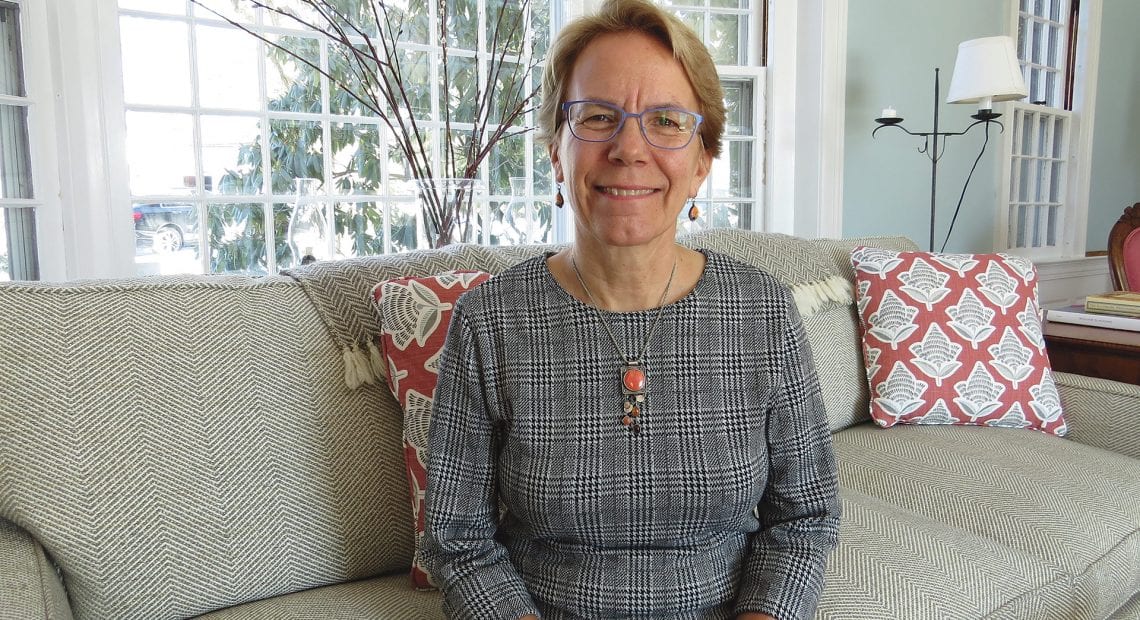
Insurance

Culture of Coverage

Gov. Charlie Baker announced that the Massachusetts Health Connector completed Open Enrollment with the highest membership in the 13-year history of the state’s health-insurance exchange, covering more than 282,000 people with health insurance.

“The Health Connector just completed its most successful Open Enrollment since the start of the Affordable Care Act, signing up more than 65,000 new people with health insurance coverage,” Baker said. “Massachusetts leads the way with the best insured rate in the country, with over 97% of our residents covered due in part to the Health Connector’s strong efforts to create a culture of coverage in the Commonwealth.”

Lt. Gov. Karyn Polito added that “the Health Connector plays an important role in ensuring communities across the Commonwealth have access to affordable, high-quality healthcare. Over the last four years, the Connector has worked tirelessly to transform the exchange into a functional and reliable service, as is evident by its current milestone enrollment figures.”

“Massachusetts shines as a model for the rest of the nation when it comes to getting people enrolled in health insurance — and maintaining coverage. That success is built off outreach and education efforts that effectively and efficiently target the state’s underinsured communities and get more people covered. This year, the Connector made inroads in these tough-to-reach uninsured groups.”

The Health Connector held Open Enrollment from Nov. 1 to Jan. 23, twice as long as the federal government’s Nov. 1 to Dec. 15 open period, to ensure Massachusetts residents had as much time as possible to shop for affordable coverage. Throughout Open Enrollment, Massachusetts residents were encouraged to get covered or stay covered, provide security for their health and financial well-being, and comply with the state’s individual mandate. Assistance was available through community-based health navigators around the state.

“Massachusetts shines as a model for the rest of the nation when it comes to getting people enrolled in health insurance — and maintaining coverage,” said Health and Human Services Secretary Marylou Sudders, the Connector board chair. “That success is built off outreach and education efforts that effectively and efficiently target the state’s underinsured communities and get more people covered. This year, the Connector made inroads in these tough-to-reach uninsured groups.”

As of March 1, 282,114 people were enrolled in health insurance, including 209,973 people in ConnectorCare, the state’s innovative affordability program, through which state subsidies are made available on top of federal tax credits, resulting in lower premium costs for members — including $0 premiums for the lowest-income enrollees — while also offering no or low co-pays and no deductibles. Overall, Health Connector membership rose 13%, compared to a 4% enrollment decrease through the federal healthcare.gov platform. In addition, 18,000 individuals receive dental insurance through the Connector.

“With stable operations and a clear message to get covered and stay covered, this was our most successful Open Enrollment to date, with high retention rates and strong new enrollment,” said Louis Gutierrez, executive director of the Massachusetts Health Connector. “We are going to keep working to ensure that everyone in Massachusetts is covered.”

The Health Connector placed extra focus on outreach and public education about affordable coverage options in communities with higher rates of uninsurance and worked to raise public awareness about coverage generally. At the close of Open Enrollment, the Connector had enrolled more than 65,000 people who did not have coverage at the start of Open Enrollment, about 22% more than last year.

Opinion

Editorial

It’s a logical step, but the recent decision by the University of Massachusetts to create a national online college is one that can perhaps best be summed up with that phrase risk/reward.

Indeed, there are certainly potential rewards, but also some huge risks and certainly no guarantees of success with this planned enterprise. Like the school’s venture into big-time college football a decade or so ago, this move is certainly not as easy as it looks and will require a large investment, time, patience, and even some luck.

More on that later, but first the ‘logical step’ part.

The announcement made earlier this month by UMass President Martin Meehan certainly makes a great deal of sense given recent demographic trends and other factors that are impacting almost every college in the country, large or small.

High-school classes are getting smaller, and they’re going to continue to get smaller for at least another decade as families have fewer children. These smaller pools of high-school graduates are going to affect both smaller private schools like Hampshire College in Amherst and larger public universities like UMass, but in some ways, those public institutions will likely benefit from these demographic shifts as students and their families look for landing spots on firm financial ground.

But it only makes sense for a growth-minded institution to look beyond traditional students and toward older adults (non-traditional students) seeking to continue their education or finish a degree program — individuals who are prime candidates for online learning because of its flexibility and convenience (specifically, the opportunity to learn from home).

It makes so much sense that many growth-minded institutions are thinking along these same terms. In fact, UMass might actually be considered late to this party — although hopefully not too late.

Several large institutions such as Purdue, Arizona State, and the University of Maryland have established highly successful online programs, as have some smaller schools, such as Southern New Hampshire University. And, right here in the 413, Bay Path University formed the American Women’s College, an online school that has helped change the fortunes of the former two-year college in a profound way.

On the other side of the scorecard, however, several schools have launched online programs that have not met expectations, and still others have essentially scuttled their initiatives after years of high-cost underperformance.

The bottom line is that online education programs are, contrary to public opinion, quite expensive, rather complicated, and immensely competitive. Officials at UMass say this matter has been thought through thoroughly and that there is tremendous opportunity for growth — if they move quickly and properly.

“The time for us to act is now,” Meehan said in announcing the plans during his annual report on the state of the five-campus university system at the UMass Club in Boston. “It’s predicted that, over the next several years, four to five major national players with strong regional footholds will be established. We intend to be one of them.”

He’s certainly right about the first part of that equation — there will be several established in a few years. As for the second part, we hope he’s right about that, too.

But as several schools have already discovered, breaking into the online market is a challenging proposition.

Opinion

Opinion

‘How are they doing?’

That’s the question that seemingly everyone is asking these days, with the ‘they’ obviously being MGM Springfield, the $960 million resort casino complex in Springfield’s South End. Everyone wants to know how they’re doing because this is the biggest business development in this part of the state in who knows how long, the expectations were and are sky-high, and the stakes — for MGM, the state, the city, and the region — are equally high.

And people want to know because, well, it’s not clear just how well they’re doing so far. The revenue numbers, meaning GGR (gross gambling revenues), are not on pace to come close to what MGM told the state they would be for the first year of operation at this facility — just over $400 million. Indeed, over the first six months or so of operation, MGM Springfield was averaging just over $20 million per month. You can do the math.

But beyond the revenues, there are other signs that perhaps this casino is not performing as well as all or most us thought it would and hope it will.

Going all the way back to opening day, the traffic, the lines to get in, the crowds of people downtown just haven’t materialized. Yes, there have been some big days (usually Saturday nights) when it’s difficult to maneuver around downtown Springfield, but not as many as we were led to believe.

Thus the question, ‘how are they doing?’

It’s a difficult question to answer because there are many ways to answer it, and aside from those really qualified to answer that query, no one truly knows.

More to the point, and Mike Mathis said this to BusinessWest for a recent interview, it’s still early in the game when it comes to both gaming in Massachusetts and MGM Springfield, and perhaps much too early to be drawing conclusions about how MGM will fare even this year, let alone in the years to come.

He’s right. These early months can tell us something about how MGM Springfield is going to perform over the long term, but they’re not going to tell us everything. Several of these first months have come in late fall and winter, a typically slow period in this region for both business and tourism.

Meanwhile, MGM Springfield is still very much in the process of trying to figure out what works in this market and what doesn’t, and how to achieve maximum efficiency for this multi-faceted operation. Mathis and others at MGM call this period ‘ramping up,’ and they project it might take three years to get all the way up the ramp.

But there are many reasons for optimism, starting with a change of season and the likelihood that MGM will make far better use of its vast and unique outdoor facilities. There’s also the emerging ROAR! Comedy Club and a multi-year partnership agreement recently inked with the Boston Red Sox that will make MGM Springfield the team’s ‘official and exclusive resort casino’ (replacing Foxwoods in Connecticut) and home to its January Winter Weekend.

Finally, when it comes to the ‘how are they doing?’ question, the most important aspect of the answer relates not to revenues for the state‚ although those are important, but impact on the city of Springfield and the surrounding region.

In the years and then months leading up to the casino’s opening, area officials — and those of us at BusinessWest — said MGM was going to be big piece of the puzzle, not the entire picture. It was going to be a big contributor to the overall vibrancy in the region, but just one of many potential contributors.

Overall, we expected the casino to be a catalyst, not a cure-all, a force that would help put Springfield on the map and help bring people to that spot that on the map.

Maybe all the revenues are not as solid as we hoped they would be, but thus far, the casino is doing most everything we anticipated it might do.

Picture This

Photo essay of business happenings and events

Email ‘Picture This’ photos with a caption and contact information to [email protected]


Outlook 2019

The Springfield Regional Chamber staged its annual Outlook lunch on March 4 at the MassMutual Center. More than 600 area business leaders and elected officials heard from a number of speakers who presented the outlook for the region, the state, and the nation. At top, U.S. Rep. Richard Neal gives the federal outlook.

U.S. Rep. Richard Neal gives the federal outlook

U.S. Rep. Richard Neal gives the federal outlook

Springfield Mayor Domenic Sarno offers some remarks

Springfield Mayor Domenic Sarno offers some remarks

Margaret Carlson, columnist for the Daily Beast, presents the view from the U.S. Capitol

Margaret Carlson, columnist for the Daily Beast, presents the view from the U.S. Capitol


Celebrity Readers

Jeb Balise, CEO of Balise Auto, right, and West Springfield Mayor William Reichelt, below, took a break from their respective duties recently to become celebrity readers at West Springfield’s Coburn Elementary School. They both read The Uncorker of Ocean Bottles, written by Michelle Cuevas and illustrated by Erin Stead, to third-graders.


FSB Community Grants

Through its Customers’ Choice Community Grants Program, Florence Savings Bank (FSB) recently presented grants totaling $102,500 to 61 area nonprofits at an awards ceremony on March 5 at the Garden House at Look Park. At top, FSB President and CEO John Heaps presents Jessie Cooley, director of Big Brothers Big Sisters of Hampshire County, with a $4,853 award. Below, Adena Calden, left, and Kate Agresto, both of the Leeds Elementary Parent Teacher Organization, read the brochure outlining the award recipients.

FSB President and CEO John Heaps presents Jessie Cooley, director of Big Brothers Big Sisters of Hampshire County, with a $4,853 award

FSB President and CEO John Heaps presents Jessie Cooley, director of Big Brothers Big Sisters of Hampshire County, with a $4,853 award


Adena Calden, left, and Kate Agresto, both of the Leeds Elementary Parent Teacher Organization, read the brochure outlining the award recipients

Adena Calden, left, and Kate Agresto, both of the Leeds Elementary Parent Teacher Organization, read the brochure outlining the award recipients


Gateway to College

Holyoke Community College recently staged graduation ceremonies for its Gateway to College program. Gateway at HCC is part of a national network of programs that put struggling high-school students and dropouts into college classes, where they work toward their high-school diplomas and also collect transferable college credits.

Biannca Colflesh of Holyoke, one of the 15 graduates, celebrates with her family after the graduation ceremony

Biannca Colflesh of Holyoke, one of the 15 graduates, celebrates with her family after the graduation ceremony

Jeysha Vega Colon of Springfield celebrates with her family

Jeysha Vega Colon of Springfield celebrates with her family


Dealer of the Year

Country Hyundai in Northampton recently earned the 2019 DealerRater Dealer of the Year Award and the 2019 Consumer Satisfaction Award, which recognizes auto dealerships across the U.S. and Canada who deliver outstanding customer service, based on consumer reviews written on DealerRater.com.

Carla Cosenzi, center, joins staff at the dealership in celebrating the honor.

Carla Cosenzi, center, joins staff at the dealership in celebrating the honor.

Court Dockets

The following is a compilation of recent lawsuits involving area businesses and organizations. These are strictly allegations that have yet to be proven in a court of law. Readers are advised to contact the parties listed, or the court, for more information concerning the individual claims.

CHICOPEE DISTRICT COURT
Eugenio Flores v. Kimball Tower Condominium Homeowner Assoc. and Kimball Tower Condominium Assoc.
Allegation: Negligence; slip and fall causing personal injury: $7,426
Filed: 1/8/19

Joanne Silvestri v. Robert Bolduc and Pride Stores, LLC
Allegation: Negligence causing damage to automobile: $3,185.66
Filed: 1/24/19

Ann Facchini v. WGBH Educational Foundation
Allegation: Negligence; slip and fall causing personal injury: $2,200
Filed: 1/30/19

FRANKLIN SUPERIOR COURT
Benjamin J. Hay and H & H Earth & Field, LLC v. John S. Henderson Adams and Western Earthworks, LLC
Allegation: Breach of fiduciary duty, fraud, misrepresentation, breach of contract: $500,000+
Filed: 2/5/19

Dr. Joseph G. Gomez Jr. v. Dr. Paul A. Larocque, Lori Bell, and United Dental Brokers of America Inc. d/b/a United Dental Brokers of America
Allegation: Breach of contract, breach of implied covenant of good faith and fair dealing, unjust enrichment, unfair and deceptive practices, fraud, misrepresentation: $120,000
Filed: 2/5/19

Anthony Jarmolowicz v. Walmart Inc.
Allegation: Negligence; slip and fall causing personal injury: $35,706.97
Filed: 2/15/19

HAMPSHIRE DISTRICT COURT
Janene Mallet v. BICA, LLC a/k/a Bart’s Ice Cream
Allegation: Non-payment of wages, breach of employment contract: $3,692.31
Filed: 2/1/19

HAMPSHIRE SUPERIOR COURT
Mark Chesterton Sr. v. Walmart Inc. and W/S Ware Properties, LP
Allegation: Negligence causing personal injury: $41,342.17
Filed: 1/17/19

Manganaro Northeast, LLC v. Barr & Barr Inc. and Liberty Mutual Insurance Co.
Allegation: Money owed for labor and materials: $2,175,882.60
Filed: 1/21/19

J & E Precision Tool Inc. v. Air Industries Machining Corp.
Allegation: Money owed for services rendered: $105,145.87
Filed: 1/23/19

Jennifer Cucitero-Baque v. trustees of Hampshire College and the Eric Carle Museum of Picture Book Art
Allegation: Negligence; slip and fall causing personal injury: $82,000
Filed: 1/24/19

Caspia Hotel Private Limited d/b/a Caspia Hotel Ahmedabad v. Youth Futures International Inc.
Allegation: Breach of contract for goods and services: $21,711.21
Filed: 1/28/19

Beth McElhiney v. the Home Depot U.S.A. Inc. and John Doe
Allegation: Negligence causing personal injury: $19,547.96
Filed: 2/13/19

PALMER DISTRICT COURT
Michael Ruggeri v. Planet Fitness
Allegation: Negligence; slip and fall causing personal injury: $10,930.55
Filed: 2/5/19

WESTFIELD DISTRICT COURT
Carly Michel v. Scoreboard Bar & Restaurant Inc.
Allegation: Negligence causing personal injury: $3,625.36
Filed: 1/30/19

Belson Outdoors, LLC v. Business Express Janitorial Inc.
Allegation: Money owed for goods sold and delivered: $3,857
Filed: 2/5/19

Sinh La d/b/a King Yen Restaurant Inc. v. Main Street America Group Inc.
Allegation: Breach of contract, consumer protection violation: $30,000
Filed: 2/25/19

Agenda

Women’s Leadership Luncheon Series

Starting March 22: Women leaders of prominent area institutions will be featured speakers at a spring Women’s Leadership Luncheon Series hosted by the Greater Holyoke Chamber of Commerce at the HCC MGM Culinary Arts Institute. The four-part, monthly “Leadership in Your Future 2019” series kicks off Friday, March 22 and continues on April 26, May 24, and June 28. Each of four presenters will sit at a different table and speak on a subject of their choosing. Over the course of the four-session series, they will rotate among the tables so guests have the opportunity to hear all the presentations. The four presenters are Ashley Allen, vice president of Marketing for Health New England (topics: “What Is a Career?” and “Designing Your Career Destiny”); Beth DeGray, managing partner at the Log Cabin, Delaney House, and D. Hotel Suites & Spa (“Mentoring & Being Mentored”); Christina Royal, president of Holyoke Community College (“Authentic Leadership in an Age of Disruption”); and Shannon Rudder, executive director of Providence Ministries Inc. (“Building Your Coalition”). The luncheons will run from 11:30 a.m. to 1:30 p.m. at 164 Race St. in Holyoke. Lunch will be prepared and served by students in the HCC Culinary Arts program. The series will provide an opportunity to learn from women leaders of area institutions and a chance for participants to network with their peers and gain insights on building their own careers. The cost is $150 for all four sessions. Seats are limited. To reserve a spot, contact Jordan Hart at (413) 534-3376 or [email protected], or register online at holyokechamber.com under ‘Events.’

ACC Open House

March 26: Asnuntuck Community College (ACC) will hold an open house starting at 5:30 p.m. The open house will feature information about ACC’s academic programs, including healthcare and manufacturing, and credit-free options. Attendees will learn about the admissions and financial-aid process and be able to take a campus tour, including the Advanced Manufacturing Technology Center. Walk-ins are always welcome, but reservations are recommended. RSVP at www.asnuntuck.edu/admissions/visit-us to reserve a spot. Refreshments will be served. Students can apply on the spot, and one prospective student from Connecticut will be awarded a $1,000 scholarship for the 2019-20 academic year. To qualify for the scholarship, an application for the fall semester must be completed on or before March 26, and they must attend the open house. Registration for the fall semester will open on Monday, April 1. Visit www.asnuntuck.edu for information on how to register.

Difference Makers

March 28: BusinessWest launched its Difference Makers program in 2009 to celebrate individuals, groups, organizations, and families that are positively impacting the Pioneer Valley and are, as the name suggests, making a difference in this region. The class of 2019 were profiled in the Feb. 4 issue and will be feted at the Difference Makers Gala at 5 p.m. at the Log Cabin in Holyoke. Tickets are on sale now for $75. To reserve a spot, call (413) 781-8600, ext. 100, or e-mail [email protected]. The presenting sponsor is Baystate Health/Health New England, and other event sponsors include Royal, P.C., Burkhart Pizzanelli, P.C., Development Associates, TommyCar Auto Group, and Viability Inc.

Women’s Leadership Conference

March 29: In celebration of women everywhere knocking down doors and breaking through glass ceilings, Bay Path University will host its 24th annual Women’s Leadership Conference (WLC) at the MassMutual Center in Springfield. This one-day event, which has become the region’s prime women’s leadership event for professional networking and enrichment, will challenge women seeking to make career or life changes to look at the power within to make their dreams a reality, and to dare to ask “why not me?” instead of “why me?” Delivering the keynote address will be award-winning actress, dancer, and singer Rita Moreno. For further information on the conference and its many presenters, and to register, visit www.baypathconference.com.

Social-work Career Panel

March 30: The School of Graduate and Professional Studies at Elms College, in partnership with Berkshire Community College (BCC) and 1Berkshire, will host a social-work career panel from 8:30 a.m. to noon in the cafeteria at BCC. The event will feature panelists — Elms faculty, BCC faculty, and Elms alumni — with experience in criminal justice, youth service, guidance counseling, senior services, mental health, private practice, addiction and recovery, and more. The panelists will illuminate the array of options available to those who have a bachelor’s degree in social work. The moderator will be Maureen Holland, director of Social Work at Elms. Panelists will include Tom Verdi, Department of Youth Services social worker, Social Work academic advisor, and adjunct faculty in Social Work for Elms College Off Campus at BCC; Pam DiGrigoli, Lee Council on Aging and Senior Center director; Jonathan Schnauber, adjunct faculty for Elms College Off Campus at BCC Social Work and doctoral candidate at the University of Southern California; Kari Dupuis, BCC associate professor of Human Services, program advisor for Social Work transfer concentration/associate’s degree, and licensed therapist in the Berryman Professional Building; and Pamela Coley McCann, BCC assistant professor of Human Services and licensed therapist in the Berryman Professional Building. A continental breakfast will be served. For more information, e-mail Kelly Zieba at [email protected].

EANE Leadership Conference

April 4: The Employers Assoc. of the NorthEast (EANE) will stage its annual Leadership Conference at the Sheraton Springfield Monarch Place with a focus on measuring success while motivating and inspiring one’s team to improve performance. The program will feature Jim McPartlin, vice president of Leadership Development for Forbes Travel Guide. McPartlin’s keynote will challenge attendees to bring integrity to their leadership responsibilities, even when times get tough. A second keynote will be presented by Tim Hebert, a perennial entrepreneur, innovator, author, speaker, and adventurer. Hebert will ignite the leadership spark in attendees in a keynote focused on the choices of leadership and techniques to help live life by design, not by default. Between keynote presentations, conference attendees will have access to dozens of breakout session topics ranging from performance management to diversity and inclusion, to perfecting ‘C-suite speak,’ and more. The cost for the program is $360 per person with discounts for three or more. Register at www.eane.org/leadership-2019 or by calling (877) 662-6444. The program will offer 5.75 credits from the HR Certification Institute and SHRM.

Riverside Industries Silent & Live Auction

April 5: Riverside Industries’ 15th annual Silent & Live Auction, featuring more than 250 silent-auction items and a live auction full of experiences from the Valley and beyond, will be held at One Cottage St. in Easthampton from 6 to 8:30 p.m. Attendees can expect plenty of food, casual attire, and a cash bar. Tickets cost $30 in advance. Securely register online at rsi.org. The presenting sponsor is bankESB; the associate sponsor is Harvard Pilgrim; the table sponsors are Finck & Perras Insurance Agency and Mutual of America; and the collaborator sponsors are A-Z Storage & Properties, Helping Hand Society, SBI Benefits Consulting Group, Ruth and Spencer Timm, Whittlesey & Hadley P.C., and Williston Northampton School.

Springfield Art Stop

April 26: The Springfield Cultural Partnership (SCP) announced the return of Art Stop, a pop-up gallery/street festival hybrid, from 5 to 8 p.m. The SCP is partnering with venues downtown to open galleries in unexpected spaces simultaneously. Additionally, several existing Springfield art galleries along this year’s route will also participate as stops along the Art Stop. Between the galleries, which will have the typical artist talks and receptions, there will be street performances. Art Stop was designed to activate underutilized community spaces with colorful art, create economic opportunity for artists, and bring communities together. Galleries will all be located in downtown Springfield. Each individual gallery opening will have an reception with the artist on site to both sell and talk about their work. This year, the SCP has also partnered with several downtown restaurants that will offer a discount on food to Art Stop attendees who present their Art Stop ‘passport’ on April 26. The SCP, along with organizing the curation of art in the pop-up spaces, is hiring unique buskers to encourage attendees to walk from place to place. Guides will be strategically placed to guide attendees along the Art Stop route. The performers will showcase an array of dance, music, and entertainment. All locations are within a walkable area.

Chamber Corners

1BERKSHIRE
www.1berkshire.com
(413) 499-1600

• April 24: Good News Business Salute, 7:30-9 a.m. Throughout the year, 1Berkshire selects businesses and organizations to recognize at events called Good News Business Salutes. These may honor an expansion, creation of new jobs, a significant milestone or anniversary, the unveiling of a new program, or a substantial new commitment to the community. The Esther Quinn Award will be given out at this event to an actively involved community member. Cost: $35 for members; $50 for non-members. Register at bit.ly/2H71NS6.

AMHERST AREA CHAMBER OF COMMERCE
www.amherstarea.com
(413) 253-0700

• March 28: Margarita Madness, 5:30-8:30 p.m., hosted by Insterskate 91 at Hampshire Mall. Presented by TommyCar Auto Group. Enjoy an evening of margaritas and vote for your favorite. There will also be dishes from participating restaurants and dozens of raffle prizes. Trumpy of the Valley’s Hits 94.3 will emcee the event. Cost: $30 in advance, $40 at the door. Buy tickets at www.amherstarea.com. Margarita tables are sold out.

FRANKLIN COUNTY CHAMBER OF COMMERCE
www.franklincc.org
(413) 773-5463

• April 18: Business After Hours, 5-7 p.m., hosted by Polish American Citizens Club, 46 South Main St., South Deerfield. Sponsored by Polish National Credit Union. A networking event featuring a cash bar and an all-Polish menu by Hamel’s Catering. Register at franklincc.org or by e-mailing [email protected].

• April 26: Monthly Chamber Breakfast Series, 7:30-9 a.m., hosted by Terrazza Restaurant. Sponsored by the Cooley Dickinson VNA & Hospice. Full breakfast will be served during the program, featuring a panel celebrating the contribution of today’s immigrants. Speakers include Laurie Millman, executive director for the Center for New Americans; Abas Cecunjanin, owner of Terrazza Restaurant; Arjen Vriend, owner of Pioneer Gardens Inc.; and Geetu Shokeen, owner of Montague Dental Arts. Register at franklincc.org or by e-mailing [email protected].

GREATER CHICOPEE CHAMBER OF COMMERCE
www.chicopeechamber.org
(413) 594-2101

• March 20: Salute Breakfast, 7:15-9 a.m., hosted by the Delaney House. Chief greeter: Karen Hansmann, Chicopee Cultural Council/chamber board. Keynote: Happier Valley Comedy, “5 Tips for Quieting Your Voice of Unhelpful Judgement.” Series sponsored by Westfield Bank, Holyoke Medical Center, N. Riley Construction Inc., Polish National Credit Union, USI Insurance Services, Spherion Staffing Services, and PeoplesBank. Cost: $23 for members, $28 for non-members. Sign up online at chicopeechamber.org/events. Sponsor tables still available; call (413) 594-2101, ext. 102.

• April 5: Shining Stars Gala, 6-10 p.m., hosted by Castle of Knights, Chicopee. Presented by Westfield Bank. Sponsored by PeoplesBank, Polish National Credit Union, Health New England, BusinessWest, Siddall & Siddall, P.C., the Arbors Kids, N. Riley Construction, the Chicopee Herald, and Hampton Inn of Chicopee. Sign up online at chicopeechamber.org/events.

• April 17: Salute Breakfast, 7:15-9 a.m., hosted by Willits-Hallowell Center. Sponsored by Westfield Bank, Holyoke Medical Center, N. Riley Construction Inc., Polish National Credit Union, USI Insurance Services, Spherion Staffing Services, and PeoplesBank. Marketing for small business chief greeter: Chris Thompson of CT Enterprises. Keynote speaker: Alfonso Santaniello of Creative Strategy Agency. Cost: $25 for members, $30 for non-members. Sign up online at chicopeechamber.org/events.

• April 25: Business After Hours – Happy Hour After Hours, 4:30-6:30 p.m., hosted by Exchange St. Station. Come after work and relax and enjoy a drink and some light refreshments. Don’t forget your business cards. Cost: $10 for member, $15 for non-members. Sign up online at chicopeechamber.org/events.

GREATER EASTHAMPTON CHAMBER OF COMMERCE
www.easthamptonchamber.org
(413) 527-9414

• April 3: Networking by Night, 5-9 p.m., hosted by the Springfield Thunderbirds at the MassMutual Center. Networking 5-7 p.m., followed by a game courtesy of the Thunderbirds. This event is free to members and their families. Pre-registration is required, as there will be no tickets available at the door. For more information and to register, visit www.easthamptonchamber.org or call the chamber at (413) 527-9414.

• April 25: Food 4 Thought Lunch & Learn, 11:30 a.m. to 1 p.m., hosted by Mill 180 Park, 180 Pleasant St., Easthampton. Robin Kline, director of Volunteer & Guest Services at Cooley Dickinson Health Care, will facilitate a program about customer Service. If you think it’s no big deal, think again. This seemingly innocuous little detail can make or break an organization. A box lunch is included with registration. Cost: $25 for members, $35 for future members. For more information and to register, visit www.easthamptonchamber.org or call the chamber at (413) 527-9414.

GREATER HOLYOKE CHAMBER OF COMMERCE
www.holyokechamber.com
(413) 534-3376

• March 20: Big Honkin’ Business After Hours at Marcotte Ford, 4:30 p.m. This event is a collaboration with the Greater Westfield and Greater Chicopee chambers, featuring food stations, beer and wine, marketing opportunities, door prizes, and more. Cost: $10 for members, $25 for non-members.

GREATER NORTHAMPTON CHAMBER OF COMMERCE
www.northamptonchamber.com
(413) 584-1900

• March 26: Workshop: “Excel Tips & Tricks, Part 1,” 9-11 a.m., hosted by the Greater Northampton Chamber of Commerce, 99 Pleasant St., Northampton. Presented by Pioneer Training. This workshop contains a variety of quick tips and tricks in Microsoft Excel that will save users hours of time. Learn how to add buttons to the quick-access toolbar, so the commands you want are at your fingertips. Learn how to view all the formulas in a worksheet and how to freeze rows and columns for easier viewing and navigation. Practice time-saving shortcuts for selecting, moving, and copying cells, and learn how to use autofill to create a series of numbers or dates or to copy formulas. Cost: $25 for members, $35 for non-members.

• April 2: Workshop: “Excel Tips & Tricks, Part 2,” 9-11 a.m., hosted by Greater Northampton Chamber of Commerce, 99 Pleasant St., Northampton. Presented by Pioneer Training. This class will present a series of tips and shortcuts that will help attendees work more efficiently and complete more complex tasks with Microsoft Excel. Learn how to assign range names to groups of cells and how to use range names in formulas and functions. Cost: $25 for members, $35 for non-members.

• April 3: April Arrive @ 5, 5-7 p.m., hosted by Danco, 10 West St., West Hatfield. A networking event sponsored by Northeast Solar, NEPR, Health New England, and MassHire Franklin Hampshire Workforce Board. Cost: $10 for members.

• April 23: Workshop: CyberSafe, 9 a.m. to noon, hosted by Greater Northampton Chamber of Commerce, 99 Pleasant St., Northampton. Presented by Pioneer Training. CyberSafe is a three-hour workshop for non-technical users that focuses on using technology without compromising personal or organizational security. Students will learn the skills they need to protect digital data on computers, networks, mobile devices, and the internet. They will learn how to identify many of the common risks involved in using technology, such as phishing, spoofing, malware, and social engineering, and then learn how to protect themselves and their organizations from those risks. Cost: $50 for members, $60 for non-members.

May 1: May Arrive @ 5, 5-7 p.m., hosted by Emerson Way, Northampton. A networking event sponsored by Gove Law Office, Keiter Builders, and Kuhn Riddle Architects. Cost: $10 for members.

May 14: Workshop: “Microsoft Word Tips,” 9-11 a.m., hosted by the Greater Northampton Chamber of Commerce, 99 Pleasant St., Northampton. Presented by Pioneer Training. This workshop contains a variety of quick tips and tricks in Microsoft Word that will save hours of time. Attendees will learn to add buttons to the Quick Access Toolbar; shortcuts for selecting words, sentences, and paragraphs; and how (and why) to display non-printing characters in a document. Practice using the Format Painter to copy formatting and fix problems with numbered and bulleted lists. Learn to create AutoCorrect entries to correct common typos, and AutoText entries and Quick Parts to easily enter frequently used text. Cost: $25 for members, $35 for non-members.

May 28: Workshop: “Upgrading to Office 365,” 9-11 a.m., hosted by the Greater Northampton Chamber of Commerce, 99 Pleasant St., Northampton. Presented by Pioneer Training. Cost: $35 for members, $45 for non-members.

GREATER WESTFIELD CHAMBER OF COMMERCE
www.westfieldbiz.org
(413) 568-1618

• March 20: Big Honkin’ Business After Hours, 4:30-7 p.m., a three-chamber event with the Greater Westfield, Greater Chicopee, and Greater Holyoke chambers, hosted by Marcotte Ford, 1025 Main St., Holyoke. Hearty appetizers, food stations, beer, and wine provided. Live jazz music and valet parking. Bring business cards to make connections and enter to win raffle prizes. A 50/50 raffle will benefit the chamber scholarship fund. Cost: $10 for members, $15 for non-members. Pre-registration is recommended at www.westfieldbiz.org/events or by calling the chamber at (413) 568-1618.

SOUTH HADLEY & GRANBY CHAMBER OF COMMERCE
www.shgchamber.com
(413) 532-6451

• April 6: Mohegan Sun Bus Trip, 9 a.m. to 7 p.m. Hop on King Ward’s 40-person bus for a day of fun at one of the world’s finest casinos. Pickup and dropoff at the Chicopee Home Depot parking lot at 9 a.m. Cost: $50 per person, which includes bus fare, $15 food voucher, and $15 gambling voucher. Call Steven Laplante at (413) 246-4911 for more information, or e-mail [email protected] to reserve seating.

• April 17: Business After 5, 5-7 p.m., hosted by the Thirsty Mind, located in South Hadley’s Village Commons, across the street from Mount Holyoke College. Cost: $10 for members, $15 for non-members. RSVP and direct questions to [email protected], and mail a check, payable to the South Hadley & Granby Chamber of Commerce, to 2 Lyman St., South Hadley, MA 01075.

SPRINGFIELD REGIONAL CHAMBER
www.springfieldregionalchamber.com
(413) 787-1555

• March 19: “A New Wave,” 4-6 p.m., hosted by the Naismith Memorial Basketball Hall of Fame, 1000 Hall of Fame Ave., Springfield. A presentation by the city of Springfield Office of Economic Development in partnership with the Springfield Regional Chamber, highlighting new economic-development projects and updates on larger economic-development projects in the works. Includes reception with cash bar following. Admission is complimentary, but reservations are required.
Reservations for all Springfield Regional Chamber events may be made by visiting www.springfieldregionalchamber.com, e-mailing [email protected], or calling (413) 755-1310.

WEST OF THE RIVER CHAMBER OF COMMERCE
www.ourwrc.com
(413) 426-3880

• March 21: Networking Lunch, noon to 1:30 p.m., hosted by Carrabba’s Italian Grill, West Springfield. Enjoy lunch while networking with fellow chamber members and guests of members. Each attendee will get a chance to offer a brief intro and company overview. You must be a member or guest of a member to attend. Cost: free for members; $10 for non-members. Register online at www.westoftheriverchamber.com.

• April 3: Wicked Wednesday, 5-7 p.m., hosted by Carrabba’s Italian Grill, West Springfield. Wicked Wednesdays are monthly social events, hosted by various businesses and restaurants, that bring members and non-members together to network in a laid-back atmosphere. For more information about this event, call the chamber office at (413) 426-3880, or register at www.westoftheriverchamber.com.

YOUNG PROFESSIONAL SOCIETY OF GREATER SPRINGFIELD
springfieldyps.com

• March 21: YPS Third Thursday, 5-7 p.m., hosted by MGM Springfield Lobby Bar. Join us for our March Third Thursday. Cost: free for members, $10 for non-members. Afterward, we will enjoy the show at ROAR comedy club. For an exclusive discount on tickets to the show, visit springfieldyps.com.

• April 19: April Third Thursday featuring area graduate schools, 5-7 p.m., hosted by Samuel’s at the Hall of Fame. Join us for our monthly Third Thursday while learning about graduate schools from representatives from various area colleges and universities. Cost: free for members, $10 for non-members. Learn more at springfieldyps.com.

People on the Move
Emily White

Emily White

Brian Benson

John Veit

John Veit

Meyers Brothers Kalicka, P.C. announced three promotions: Emily White to senior audit associate, Brian Benson, CPA to senior audit associate, and John Veit to director of Marketing and Recruiting. White has been with the firm since 2016. In her new position, she plays a leading role in the Accounting and Audit department, serving commercial, pension, and not-for-profit clients. She also prepares individual, partnership, and corporate tax returns and reviews for commercial and healthcare entities. She attended Elms College, where she earned dual bachelor’s degrees in accounting and marketing and a master’s degree in accounting. As a senior audit associate, Benson is in charge of completing and monitoring staff on audit and review engagements of low-income housing and not-for-profit organizations. He holds bachelor’s degrees in accounting and business management from Elms College, where he will graduate in September with an MBA with a concentration in financial planning. He then plans to sit for the certified financial planner exam. In his former position as senior Marketing and Recruiting associate, Veit had been managing the day-to-day operations of marketing and recruiting for some time. The firm decided it was time for him to take the reins in all matters related to marketing, recruiting, and recruiting consulting for clients. He earned his BBA from the Isenberg School of Management at UMass Amherst with a focus in marketing.

•••••

Raúl Gutiérrez

Raúl Gutiérrez

Raúl Gutiérrez, assistant professor of Spanish at Holyoke Community College (HCC), has been selected as an Engaged Scholar for 2019-20 by the Eastern Region Campus Compact, a regional partnership of colleges and universities dedicated to promoting civic engagement. Gutierrez was one of 12 scholars picked for the inaugural, 18-month program that includes academics from 11 other institutions from Maine to Washington D.C., including Lehigh, Ithaca, Swarthmore, Dartmouth, Georgetown, and Yale. Scholars were selected from a highly competitive pool of candidates nominated by college and university presidents and chief academic officers. Gutiérrez is coordinator of HCC’s Foreign Language program, coordinator of the Center for Public Humanities at HCC, and adviser to the HCC LISA (Latino International Students Assoc.) Club. He also spearheaded the creation of a new Latinx Studies program at the college that will begin in the fall 2019 semester, and he teaches Spanish literacy to migrant farm workers through Head Start in Springfield. His specific projects will focus on two areas: building a civic-engagement/service-learning component into the new Latinx Studies program and continue to work with migrant farm workers. Gutiérrez was born in Mexico and holds a bachelor’s degree in Spanish and a master’s degree in Hispanic Studies from the University of Illinois at Chicago.

•••••

Two professors at Western New England University have been awarded $30,000 in seed funding by the Massachusetts Technology Transfer Center (MTTC) Acorn Innovation Fund. Dr. Vedang Chauhan and Dr. Jingzhou “Frank” Zhao were among 13 grant recipients statewide, including researchers from Boston University Medical Center, Northeastern University, Tufts University, and UMass. The funding is designed to assist researchers in testing the viability of their technologies and potentially bringing the research to market. Continuously variable transmission technology is widely used in modern vehicles to improve fuel efficiency and performance. However, small engines currently cannot meet power requirements to utilize the technology. Chauhan’s goal is to build, implement, and test an E-CVT system for small engines, evaluating endurance, reliability, and performance. Zhao, an assistant professor of Mechanical Engineering, leads the College of Engineering’s Advanced Manufacturing and Materials Processing Lab. The grant funding will support a project covering production of silica-coated metal nanoparticles using electrospraying, a technology that holds the potential to achieve much lower manufacturing costs and much higher throughput than existing methods. Acorn funding will support the research activities of Zhao’s team to obtain proof-of-concept evidence.

•••••

James Wolfe

James Wolfe

James Wolfe has been appointed general manager of Seven Hills, a historic, 57-room boutique hotel in Lenox. Backed by 17 years of senior leadership experience in the hospitality industry, Wolfe joins the hotel in the midst of a repositioning and renovation that is slated for completion this spring. Wolfe comes to Seven Hills from Comfort Inn & Suites Sturbridge, where he also served as general manager. Over the course of his career, he has held general-manager positions at hotels throughout the Northeast and Midwest under the Courtyard by Marriott, Hyatt Place, and Residence Inn brands. As general manager of Newark Metropolitan Hotel in Newark, Ohio, he led the 118-room hotel through an acquisition, renovation, and grand opening. Wolfe has also served as director of operations for Crowne Plaza and the Lofts in Columbus, Ohio, and for Sage Hospitality’s Cherry Valley Lodge and Sheraton Kansas City Sports Complex.

•••••

Connecticut-based Liberty Bank announced that David Glidden will serve as its new president and CEO, effective March 18, succeeding Chandler Howard, who has led the bank since 2007. Glidden brings more than 30 years of industry leadership experience to Liberty Bank. Most recently, he served as regional president for the Northern New England and Upstate New York Region for TD Bank. He was responsible for managing retail banking, small-business, wealth-management, commercial, and specialty banking operations and lending services. Glidden began his banking career at Shawmut Bank’s Commercial Lending Division in Boston and joined TD Bank in 1994, embarking on a path that led to numerous positions of increasing responsibility.

•••••

Web Shaffer

Web Shaffer

As part of organizational changes previously announced by OMG Inc. to accelerate growth, the company has promoted Web Shaffer to the position of senior vice president and general manager for the FastenMaster Division. In this role, Shaffer is responsible for developing and executing the division’s overall strategy for the two recently created divisional business units, Decking and Structural Products. In addition, he is responsible for overseeing FastenMaster’s new product-development and innovation group and its sales and marketing teams, including retail sales, customer service, and technical support. Shaffer joined OMG Roofing Products in 2015 as vice president of Marketing and took on international sales responsibility in 2016. He was promoted in 2018 to vice president of the Fastener Business Unit. Prior to joining OMG, he spent eight years in the Newell Rubbermaid tool business, managing hand tools and power-tool accessories for the Lenox and Irwin brands. He also served as vice president of Marketing for the baby gear segment at Newell. Earlier, he was director of Product Management at Permatex, a division of Illinois Tool Works, and worked in sales, channel marketing, and market research at the Goodyear Tire & Rubber Co. He holds a bachelor’s degree from Bowdoin College and an MBA from The University of Indiana.

•••••

Daniel O’Neill

Daniel O’Neill

Michael Tucker, president and CEO of Greenfield Cooperative Bank, announced that Daniel O’Neill has joined the bank as vice president – Commercial Lending in its Northampton Cooperative Bank division. O’Neill, who will be based in the 67 King St. office of the Northampton Cooperative Bank division, earned bachelor’s degree from Assumption College in Worcester and is a graduate of the School of Commercial Lending held by the Massachusetts Bankers Assoc. He has been active in the community throughout his career with time spent as a volunteer board member with groups such as the Holyoke Chamber of Commerce, the Holyoke YMCA, the Chicopee Boys’ and Girls’ Club, and Blessed Sacrament School in Holyoke.

•••••

Whittlesey announced that Amy Richards, CPA has been promoted to manager in its Holyoke office. In this role, she is responsible for expanding and managing assurance, tax, and advisory engagements. Richards has more than 11 years of experience providing accounting, tax, and advisory services. Over her career, she has managed client relationships, made process improvements, and analyzed data to provide actionable insights for her clients. Richards formerly served as a supervisor at Whittlesey. She has a bachelor’s degree in accounting from Fitchburg State University and an MBA in accounting from UMass Lowell.

•••••

K. Lev Ben-Ezra

K. Lev Ben-Ezra

The Amherst Survival Center, a regional resource serving low-income residents of Hampshire and Franklin counties, announced the selection of K. Lev Ben-Ezra as its next executive director. Ben-Ezra succeeds Mindy Domb, who has been director since June 2013 and has been elected state representative for the 3rd Hampshire District. Ben-Ezra’s experience includes extensive work over the past decade at Community Action Pioneer Valley, where she developed and implemented leadership and workforce-development programs for both youth and adults. Most recently, she served as director of Youth and Workforce Development, and previously as director of Youth Programs. She has also worked in several other youth-serving organizations, working to support youth at risk in a variety of settings. She has served as chair of the Franklin County/North Quabbin Communities that Care Coalition for the last eight years, as a steering committee member of the Hampshire County Strategic Planning Initiative for Families and Youth, and as a member of the Regional Employment Board’s Youth Career Connections Council, as well as on other local coalitions. She is also an adjunct faculty member of Marlboro College Graduate and Professional Studies and a board member of the Community Health Center of Franklin County.

•••••

The Eastern States Exposition (ESE) announced the promotions of Robert Gottsche Jr. to Sales manager, Steve Ferraro to captain of Parking & Security, and Terri Brown to Creative Arts/New England Center program manager. Gottsche will be responsible for all Big E vendors and concessionaires, and will oversee ESE’s year-round event coordinators. He first joined the staff of the Exposition in 1983 and became an event coordinator in 1991. He worked in the Special Events department for eight years during the Big E as well as the Sales department as a show coordinator throughout the year. In 1999, he began overseeing Young Building exhibitors during the fair and quickly added vendor and vendor-space sales and contracting to his list of responsibilities. Ferraro will oversee all parking for weekend events and the Big E, as well as assist Cliff Hedges, director of Public Safety & Security, with scheduling security staff for 24-hour and event coverage. Ferraro started working at ESE at age 14 when his father, the late Albert Ferraro, a long-time Big E employee, oversaw parking for the Exposition. He stepped into the position of Parking manager in 2015. Brown has been affiliated with ESE since 2011 as the building’s 4-H coordinator, served as assistant to the Creative Arts coordinator in 2017, and became co-coordinator of the department in 2018. In her new position, she will oversee the management and administration of all contests, 4-H participation, displays, and the New England Center stage. Brown graduated from Southwick High School, Holyoke Community College, and the University of New Hampshire, where she earned a degree in zoology.

•••••

Evan Broslovsky

Evan Broslovsky

Comcast recently announced the appointment of Evan Broslovsky as vice president of Customer Experience for the company’s Western New England region, which is headquartered in Berlin, Conn. and includes more than 300 communities in Connecticut, Western Mass., Western New Hampshire, Vermont, and New York. In this newly created regional role, Broslovsky will be responsible for regional implementation of the company’s multi-year strategy to transform the customer experience. Prior to joining Comcast, he spent nine years as vice president of Contact Center Operations at Priceline.com, where he oversaw more than 800 customer-care agents in six locations across the country. He also has an extensive history in the cable industry that spans 17 years. His first role was that of a care agent, and he quickly grew in the ranks to supervisor, assistant manager, and finally to manager of care operations overseeing a team of six supervisors and 120 care agents at Cablevision and its predecessor companies. Broslovsky then joined Time Warner Cable as director of business operations, with responsibility for call centers that supported 1.4 million customers.

•••••

PV Squared, a worker-owned cooperative and local solar design and installation company located in Greenfield, recently welcomed seven new worker-owners to the ownership team: Madeleine Geschwind, Brain (Craig) Lakas, Jeremy Latch, Jeff Molongoski, Todd Sessions, Nik Perry, and Matt Valliere. To become a worker-owner, employees must work at PV Squared for at least one year before participating in an additional one-year worker-owner in training (WOIT) program. The WOIT program involves in-depth education about all aspects of the cooperative, the development of a personal leadership plan, and additional learning opportunities about socially responsible business practices. PV Squared is a worker-owned cooperative that provides renewable-energy solutions to a range of clients, including business owners, commercial property owners, farmers, and homeowners.

•••••

The board of directors of the Realtor Assoc. of Pioneer Valley (RAPV) recently welcomed Brendan Bailey as its new CEO. Bailey began his career in association management with the Raleigh Regional Assoc. of Realtors (RRAR) in Cary, N.C., a board of more than 8,000 members, where he served as chief operating officer. Prior to joining RARR, he served as policy coordinator for the American Assoc. of Colleges of Pharmacy and as a House legislative assistant in the North Carolina General Assembly. On the national level, Bailey currently serves as vice chair for the AE YPN Forum for the National Assoc. of Realtors.

•••••

Brian Brenner

Brian Brenner

Tighe & Bond Inc. announced that Brian Brenner, has joined the firm as a principal bridge engineer in its Building Services business line. He has 36 years of experience in highway and railroad bridges, tunnels, and value engineering for large highway and transit projects. Brenner will serve Tighe & Bond’s clients across the Northeast, working from the firm’s Westwood, Mass. office. Brenner’s projects include the Central Artery/Tunnel in Boston and the Burns Bridge in Worcester. In 2016, the American Public Works Assoc. named the Burns Bridge its Project of the Year, and the National Steel Bridge Alliance named it the Best Steel Bridge Design (in the medium-span category). Other project examples include two accelerated bridge-construction projects across the MBTA Commuter Rail in Dorchester, an award-winning accelerated bridge-construction project in Back Bay, Boston, and value engineering for numerous Department of Transportation projects throughout Massachusetts. A professor of Practice at Tufts University, Brenner also teaches classes in bridge and concrete design, as well as introduction to engineering. He received his bachelor’s and master’s degrees in civil engineering from the Massachusetts Institute of Technology.

•••••

At its 2019 annual meeting in Atlanta, the Assoc. of American Colleges and Universities (AAC&U) announced that Carol Leary, president of Bay Path University, was appointed board chair. Richard Guarasci, president of Wagner College, will continue to serve on AAC&U’s board as past chair. The members also voted to appoint William Craft, president of Concordia College, as vice chair of the board. Royce Engstrom, professor of Chemistry at the University of Montana, will continue his term as treasurer. Two new directors were also appointed to AAC&U’s board: Timothy Eatman, dean of the Honors Living-Learning Community and associate professor of Urban Education at Rutgers University Newark; and Mary Ann Villareal, assistant vice president, Strategic Initiatives at California State University Fullerton.