Daily News

1Berkshire announced the launch of a pilot micro-grant program to support downtown business facade improvements throughout the region going into the summer season of 2022. Funded through a one-time grant received by 1Berkshire, at least 30 micro-grants ranging from between $500 and $1,000 will be made available to small for-profit and non-profit businesses and organizations located in downtown business districts across the Berkshires.  

Funding is focused on providing these businesses and organizations small injections of capital that will help them execute non-construction facade improvements, such as awning repairs, updated signage, trim painting, window washing, power washing of entryways, hanging plants, outdoor seating, and window lighting. 

Collaborative applications are strongly encouraged in cases where multiple businesses can leverage the joint contracting of a single service provider together, such as for window cleaning or power washing services. Through these improvements, not only will our small businesses be able to put their best foot forward during the busy visitor season, but the overall aesthetics of our downtowns will be improved.  

Applications for microgrants are open now, and will be reviewed by a committee on a first-come, first-served basis. Grants will be awarded until the $30,000 has been exhausted, and no more than $5,000 will be awarded within any single municipality.  

“When we think of ways to help our small business community shine, and how to make our downtowns more attractive to the thousands of visitors coming to the region, these types of micro-capital injections can really go a long way,” said Benjamin Lamb, 1Berkshire director of Economic Development. “We are ecstatic to be able to invest directly into the businesses and organizations that are the lifeblood of our downtown corridors, and can’t wait to begin awarding these grants to many hard-working businesses and organizations that call our region home.” 

For small businesses and organizations located in Berkshire County downtowns, the application to apply for micro grants can be found at https://1berkshire.com/1berkshire-programs/best-foot-forward-facade-improvement-grant-program/ . 

Daily News

SPRINGFIELD — Mercy Medical Center has received an “A” Leapfrog Hospital Safety Grade for spring 2022. This national distinction recognizes Mercy Medical Center’s achievements in protecting patients from preventable harm and error in the hospital. This latest recognition marks Mercy’s fourth consecutive “A” safety grade from Leapfrog.  

“This notable accomplishment is the result of the tremendous team effort of our colleagues at every level of the hospital,” said Deborah Bitsoli, M.B.A., C.P.A., President, Mercy Medical Center and Trinity Health Of New England Medical Group. “I am deeply grateful to all affiliated and employed primary care providers and specialists, all hospital-based providers, and all members of the support staff for their combined efforts that have allowed us to achieve this important national recognition from Leapfrog once again.”  


The Leapfrog Group, an independent national watchdog organization, assigns an “A,” “B,” “C,” “D,” or “F” grade to general hospitals across the country based on over thirty national performance measures reflecting errors, accidents, injuries, and infections, as well as systems hospitals have in place to prevent harm.  

“At Mercy Medical Center, we are committed to consistently delivering safe, high-quality care, and this achievement — Mercy’s fourth consecutive ‘A’ safety grade from Leapfrog — reflects the fulfillment of that commitment,” said Robert Roose, M.D., M.P.H., chief administrative officer and Chief Medical Officer, Mercy Medical Center. “We also welcome the opportunity for ongoing improvement in methods of care delivery to ensure our ability to continue providing a safe healing environment.”   

The Leapfrog Hospital Safety Grade is the only hospital ratings program based exclusively on hospital prevention of medical errors and harms to patients. The grading system is peer-reviewed, fully transparent and free to the public. Grades are updated twice annually, in the fall and spring. 


“As our health care system continues to feel the strain of the pandemic, I thank the workforce and leadership of Mercy Medical Center for sustained commitment to patient safety, day in and day out,” said Leah Binder, president and CEO of The Leapfrog Group. “An ‘A’ Safety Grade is an outstanding achievement, and one that is not possible without a 24/7 effort by the entire health care workforce to protect patients from harm. This community should be proud.” 

Daily News

SPRINGFIELD — Revitalize Community Development (RCDC) is hosting two #GreenNFit Neighborhood Rebuild Days.  

The first will be on Friday, from 8 a.m. to noon at 73 Ontario Street in Springfield. The homeowner on Ontario Street is elderly and has lived in her home for over two decades. RCDC has already replaced her leaking roof. The Revitalize CDC Board of Directors and staff will paint, seal windows, remove yard debris, replace a fence and plant shrubs and flowers.  

The second project will be the next day on Saturday, from 8 a.m. to noon at 133 Massassoit St. in Springfield. Volunteers from Go Graphix, Trinity United Methodist Church, Christ Church Cathedral, and First Church of Christ Congregational Suffield will work on the home of a U.S. Army Korean War veteran whose wife recently passed away. 

The family has been living in their home for more than 50 years. RCDC has also replaced the very large and leaking roof. The Go Graphix team and the three church groups will paint steps and a storage shed, do a large yard cleanup, paint a fence and plant shrubs and flowers. 

Daily News

WEST SPRINGFIELD — Multi-platinum-selling country artist Brantley Gilbert is headed to The Big E Arena on Sept. 18. Tickets go on sale Friday, exclusively at TheBigE.com. Concert tickets include admission to The Big E. 


With back-to-back platinum albums and a grassroots following millions strong, Brantley Gilbert’s music has been shared, covered, and adopted as the soundtrack to Saturday night and Sunday morning by audiences around the world.  


The Georgia native who started as the defiant life-of-the-party can still go ‘til sunrise, but he’s also emerged as something far greater: the leader of a massive tribe of hard-working, fun-loving believers for whom electric guitar-shredding, rapping, and twang can go hand-in-hand-in-hand. They call themselves the BG Nation, and when the BG Nation watches Gilbert on a stage, they don’t just see a star. They see themselves.  


Seven No. 1 hits punctuate his career: “Country Must be Country Wide,” “You Don’t Know Her Like I Do,” CMA Awards Song of the Year nominee “Dirt Road Anthem,” “My Kinda Party,” RIAA 5x Platinum-certified “Bottoms Up,” “One Hell of an Amen” and collaboration with Lindsay Ell “What Happens in A Small Town.”  


Gilbert recently teamed up with longtime friend Jason Aldean for their long-awaited collaboration Rolex® On A Redneck,” encompassing the hard-working and fun-loving attitude that both Gilbert and BG Nation possess. Gilbert has been back in the studio preparing new music to be announced later this year. 


For more information on Brantley Gilbert at The Big E Arena, sponsored by Truly Hard Seltzer, visit TheBigE.com.  

Cover Story

Passing it On

Kasey Corsello

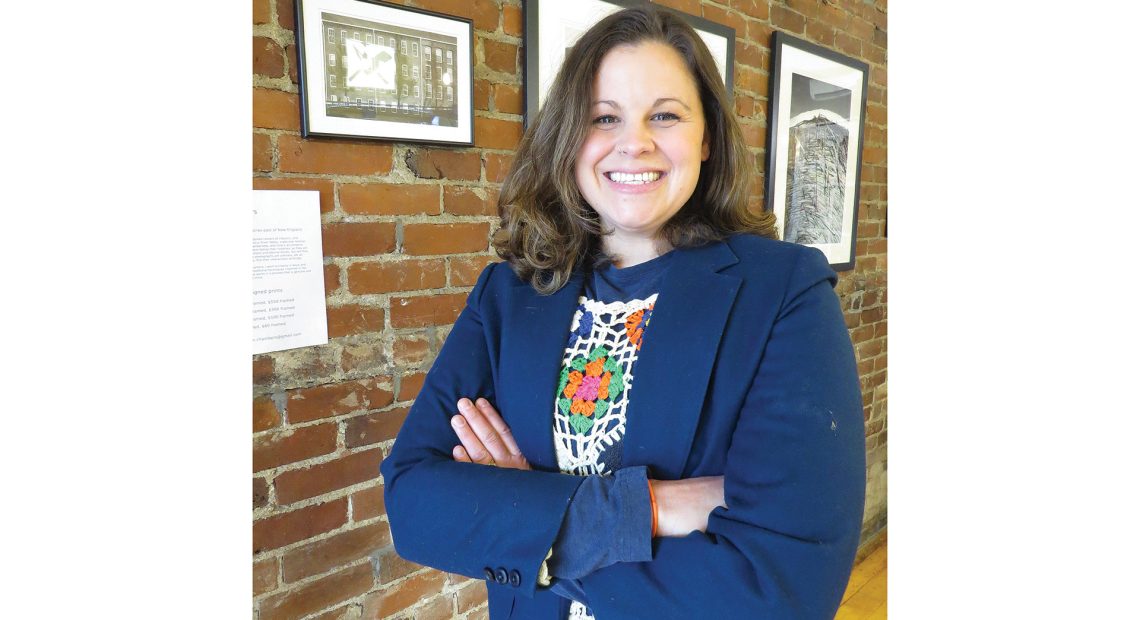
Kasey Corsello, a certified coach and co-owner of the Corsello Butcheria in Easthampton.

There are many components to the region’s entrepreneurship ecosystem, perhaps none more important than the small army of mentors who are passing on what they know to a growing number of people looking to work for themselves instead of someone else. They impart to these entrepreneurs everything from the importance of understanding a spreadsheet to the notion that failure is … well, not unexpected and something to be learned from.

When asked what she tries to impart to entrepreneurs as a mentor, or do for them as she counsels them, Kasey Corsello summed it all up by saying that she tries to “normalize the emotional experience of it all, so they don’t feel like there’s something wrong with them.”

Anyone who has ever owned a business or tried to launch one — or mentored anyone who has, for that matter — knows exactly what she’s talking about.

“It is scary to be in the face of uncertainty, so I help them access their own inner resources, their own wisdom of lift experience to be able to make sound decisions,” said Corsello, a certified coach, co-owner, with her husband, of the Corsello Butcheria in Easthampton, and mentor with participants in EforAll Holyoke’s accelerator programs. “I help pull out their confidence and get them thinking that they can do this.”

With that, she described one of the many ways that mentors work with their clients and, while doing so, contribute in powerful ways to the vibrancy of the region’s business community.

Indeed, there are many components to the entrepreneurship ecosystem in Western Mass., and one of the most important is the small army of mentors who pass on what they know and provide much-needed sets of eyes and ears (especially ears) to those looking to start or grow a business.

And for this issue and its focus on entrepreneurship, BusinessWest talked with several of them.

Individually, and collectively, they spoke of the various kinds of rewards — and there are many of them — that go with mentoring, and about the various ways they try to counsel those on the other side of the desk, or the telephone, as the case may be.

This counsel can be technical in nature, such as how to read a spreadsheet and understand the numbers of business.

“I tell them that numbers really matter — get to know the numbers,” said Bellamy Schmidt, a retired executive who worked for many years at General Electric before moving to Wall Street and the giant investment firms JP Morgan and Goldman Sachs and then Holyoke City Hall, where he served as auditor. “As much as people may find the numbers uncomfortable, they basically tell the story of a business.”

In other cases, it’s practical advice, everything from understanding one’s audience and meeting its needs, to the importance of networking and relationship-building.

“I tell them that networking is the key to building relationships,” said Yadira Pacheco, who owns a real estate agency and is a mentor in EforAll’s Spanish program, EparaTodos. “I tell them to network every chance they get; it doesn’t matter if it’s linked directly to their type of business — they’re going to find somebody who knows somebody who knows somebody who’s going to connect with them because of what they do.”

Yadira Pacheco

Yadira Pacheco says she tells entrepreneurs to network every chance they get, because relationship-building is one of the keys to success.

And then, there’s advice, or counseling, that falls more in the category of psychology, if that’s even the right term, that Corsello referred to.

“I tell them not to be afraid of failing — and for obvious reasons,” said Bill Cole, owner of Tiger Web Designs and a serial entrepreneur himself. “The bottom line is this … if you interview all the super successful people in this world, you’ll find that a common thread is that they failed miserably many times before they got to be successful. And there’s a reason for that; some things you must learn the hard way in order to learn them well.”

How well someone copes with failure, and, overall, how well one can learn from it, will play a larger role in one’s ultimate success in business than any given product or service, said Cole, who told BusinessWest that he focuses on helping those that he mentors become good entrepreneurs much more than he counsels them on any specific idea they may have to change the world as we know it.


Getting the Idea

As he talked about his mentoring work, Cole said he “got the bug,” eight to 10 years ago.

That bug, as he called it, is a desire to give back to what is, by all accounts, a growing number of people who would rather work for themselves than for someone else. Or at least try to do just that.

What all who try find out is that this isn’t easy, and if it were, everyone would do it. The fact that not everyone does, speaks to just how hard this is, meaning every aspect of entrepreneurship, from conceptualizing ideas to bringing them to market, to coping with the known — things like competition and the laws of supply and demand — to dealing with the unknown and sometimes what can’t possibly be foreseen … like a global pandemic.

Bill Cole

Bill Cole

“I tell them not to be afraid of failing — and for obvious reasons. The bottom line is this … if you interview all the super successful people in this world, you’ll find that a common thread is that they failed miserably many times before they got to be successful. And there’s a reason for that; some things you must learn the hard way in order to learn them well.”

Overall, entrepreneurship is daunting, said those we spoke with, adding that it’s important to assist those who don’t know what they don’t know with the many important aspects of starting and then running a business, while also helping them deal with the roller-coaster ride that is entrepreneurship and all that comes with it.

“I force them to realize that they’re not alone, that they can rely on their mentors to help them,” said Schmidt. “That creates a sense of comfort; it’s not me against the world — I’ve got people who have my back.”

This ‘having one’s back’ aspect of mentoring is as important as any practical advice on a product or marketing, or reading a balance sheet, said those we spoke with, adding that they want to help people learn about themselves as much as they do about business.

“There’s a lot to learn, and when we’re in a space of learning, self-doubt comes in,” said Corsello. “And that creates an emotional response — ‘I can’t do it,’ or ‘I’m overwhelmed.’ There are some people who have a mindset for entrepreneurship and it’s very easy for them — they’re not afraid to fail, they’re not afraid to take risks; their natural strengths are geared toward entrepreneurship.

“There are others who have a hard time with uncertainty, who have a hard time taking risks, who have a hard time failing,” she went on. “I work with people to break down the steps and celebrate each and every small thing.”

There are many of these small things that are involved with starting a business and taking it to the next level — whatever that might be, said those we spoke with, adding that, overall, they work with their mentees to keep their eye on both the big picture and all the little things that contribute to a business being successful.

And while doing so, as Corsello noted, they try to make these entrepreneurs feel comfortable in their own skin. This in a nutshell, is what she strives to do as a mentor to entrepreneurs, a new role she accepted recently as part of the program known as Blueprint Easthampton, which she helped launch.

She said mentoring is like coaching, in that she’s helping build the confidence needed to get where they desire to go.

“I get to see people in their full light, essentially, and fully believe in them when they can’t believe in themselves,” she explained. “They’re realizing their vision and their dream, and they’re learning about themselves and gaining the tools they need to be resilient.”

Bellamy Schmidt

“I force them to realize that they’re not alone, that they can rely on their mentors to help them. That creates a sense of comfort; it’s not me against the world — I’ve got people who have my back.”

Elaborating, she said that entrepreneurship can be as isolating as it is challenging, and, as Schmidt said, these business owners need to know that they’re not alone. And beyond that, they need to understand that what they’re experiencing — the fears, the self-doubts, the seemingly endless hits to their self-confidence, are not unique.

“They need to understand that they’re not the only ones struggling with this,” she went on. “And that’s why I say that I normalize their experience.”


Rewards Program

Over the past decade or so, Cole has been a mentor for several of the agencies that are now part of the region’s entrepreneurship ecosystem, including VVM, EforAll, SCORE, the Small Business Administration, and others. He’s worked with startups, mom-and-pop businesses, and some looking to get to the next level, and, because of his background, he’s often asked for advice on creating a website.

But his broad advice to entrepreneurs comes in many flavors, including that aforementioned counsel on failure, why it should be expected, why it’s normal, and, most importantly, why it shouldn’t bring an end to one’s dreams of owning their own business.

Overall, he said he advises those he mentors to work smart — and not just hard, although that is critically important as well.

“There’s a combination of working hard and working smart that has to happen,” he explained. “You can’t just work hard, you have to be smart, too. And ‘smart’ just means paying attention to what’s going on around you.

“We tend to have tunnel vision on what we’re trying to do — whatever that may be,” he went on. “If it’s a product, you may have tunnel vision on the product itself, when you have to think about things like how are you going to go to market with that product, or organize the business itself — how many people need to be hired, how much is it going to cost? There’s a difference between having a product idea and a business, and the difference is that most people have ideas that are expensive hobbies when it’s all said and done — it’s not really a business.”

Schmidt agreed, and said he stresses the importance of understanding who one’s customers are and what need is being met by their product or service.

“I try to force them to think about what it is the customer really wants,” said Schmidt. “Because often, a businessperson will want to do something that they want to do, and it might not be what the customer wants; if you have a business, it’s all about the customer, it’s not about you.”

Miguel Rivera, co-owner, with his wife, of Rewarding Insurance Agency in Holyoke, and another mentor in the EparaTodos program, concurred.

“Many people don’t have a target market,” he explained. “You ask them who their target market is, and they say ‘everyone.’ Then I try to teach them that their clients are not ‘everyone’; they must identify who their target market is so they can do the right marketing.”

When asked what they enjoy about mentoring, all those we spoke with said there are many kinds of rewards.

One obvious one is the satisfaction that comes from helping someone or some group take an idea and turn it into something successful.

“The first day I went to work after college, my new boss said to me something along the lines of … ‘the most important thing I get out of my job is a sense of accomplishment from helping move young people along in their careers and watching them grow,’” Schmidt recalled. “As naive as I was, I thought that was kind of a ridiculous answer. But as I matured, I realized how right he was; there’s a tremendous sense of accomplishment when you see someone develop that you have helped.”

Rivera agreed. “I’m glad to see business owners doing their ribbon cuttings and grand openings — that’s what I enjoy the most,” he said. “And many of my clients are still in business — they’re doing well, and I take pride in that.”

Said Cole, “I love it when someone is successful and I had something to do with it — it’s a wonderful feeling. But I don’t mind being there when someone is struggling, either; I’ve been there, so I know.”

Pacheco has been there as well, and so she knows first-hand how daunting entrepreneurship is. And that’s why she mentors others.

“When I was starting my business, it was very difficult, because I didn’t have the support, the guidance, or a blueprint — anything,” she recalled. “So, I was literally thrown into it and had to figure it out for myself. And that’s one of the reasons why I help others. I know how difficult and stressful it can be when you’re trying to grow a business.”


The Bottom Line

Beyond that, though, mentors say that they inevitably learn from those they are mentoring, and this helps them become both better business owners — and better mentors.

“I’ve learned a tremendous number of things that I never would have learned otherwise,” said Cole. “The reality is I’m smarter for it and I have a lot more experience from it than I ever would have had if I just done my own little thing.

Pacheco agreed.

“You always learn something from each participant,” she told BusinessWest. “Everyone has a story; everyone’s background is different. In the process of me helping others, they are also helping me; it’s a learning experience on both sides.”

Such sentiments explain why mentoring is so rewarding — and why it’s so important, for all those involved.


George O’Brien can be reached at [email protected]

Restaurants Special Coverage

They Have a Lot on Their Plate

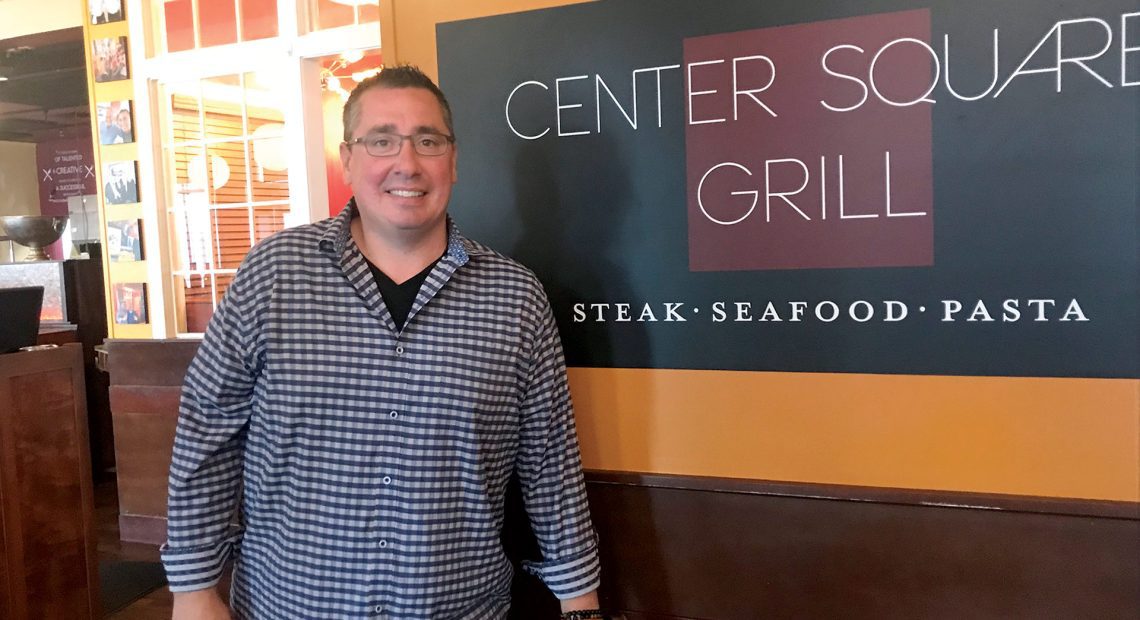
Bill Collins

Bill Collins

One restaurateur called it a ‘triple whammy.’ He was referring to a combination of forces — specifically soaring prices, supply-chain issues, and an ongoing workforce crisis — that are standing in the way of a full bounce back from two years of COVID. Despite these issues, restaurant owners are optimistic that 2022 will bring something approaching normal. Eventually.

By Mark Morris

When 2022 began, Bill Collins was anticipating a full year of uninterrupted business for his restaurant, the Center Square Grill. He did not foresee what he called a “major punch in the face” that shut down the restaurant for six weeks.

In January, one of the thermostats in the restaurant’s dining room failed, causing one sprinkler head to freeze. When the heat came back on, the ice in the line moved and activated the sprinklers. By the time Collins could shut off the sprinklers, the restaurant had taken on nearly 15,000 gallons of water.

“The basement was a nearly complete gut job,” Collins said. “In the dining room, we replaced floors, seating, and several walls.” It took exactly six weeks to go from the flood to opening the doors once again.

Locating a contractor can take six weeks, so how did Collins make the repairs to Center Square and re-open so quickly?

“I looked to my customer base and called the contractors who are regulars at the restaurant,” he said. “They had a vested interest in getting us back open.”

In some ways, the sprinkler incident is a metaphor for the struggle for area restaurants as they look to make a full comeback after the pandemic. Just when people are dining out again and restaurant owners are looking to make up for two years of lost business, they are getting hit with spikes in food costs, increased labor costs — when and if they can find staff, that is — and various supply challenges that affect food and kitchen operations.

“I looked to my customer base and called the contractors who are regulars at the restaurant. They had a vested interest in getting us back open.”

“It’s a triple whammy,” said Ralph Santaniello, co-owner of the Federal Restaurant Group. “In some ways, this has been more challenging than the pandemic.” He quickly admitted that while the pandemic was a crushing event that came out of the blue, governments, communities and vendors all came together to help everyone get through it.

In addition to the Federal in Agawam, Santaniello and partner Michael Presnal own Posto Italian in Longmeadow and Vinted Wine Bar in West Hartford. Following his parents, who were in the restaurant business, Santaniello said he has been in the industry his whole life and has never seen prices as crazy as they are today.

“We used to plan out the business to see where we would be in five years, then it went to five months, and now it feels like it’s five minutes,” Santaniello told BusinessWest.

Everyone we spoke with discussed the challenge of rising costs. Aurelien Telle, co-owner of Alta Restaurant in Lenox, said that even after forecasting for increased costs, they were 6% higher than anticipated in the first quarter alone.

Aurelien Telle, co-owner of Alta Restaurant

Aurelien Telle, co-owner of Alta Restaurant, says price increases on food the past six months have been “insane.”

“That’s huge and we don’t know where it’s going from there,” said Telle. “In the last six months price increases on food have been insane.”  

Adding to the craziness in food costs is unpredictability of what will be affected next.

Andrew Brow, chef and owner of Highbrow Wood Fired Kitchen in Northampton said all restaurants plan their menus with a balance of higher-cost items such as filet mignon and less expensive ones such as pasta. In the past, Brow bought braised short ribs at $5 per pound rather than New York strip steak which costs $10 to 12 a pound. Supplies are so mixed up now, that the short ribs cost as much as the New York strip which hasn’t increased in price.

“There’s no rhyme or reason to the price hikes,” Brow said. “One week mushrooms will triple in price, the next week it’s chicken and spinach.”


Food for Thought

Creating different dishes is one way restaurateurs are adjusting to the chaotic, soaring prices. When scallops escalated from $108 for an eight-pound case to $223, Collins created a new dish that included shrimp, which has held a more stable price. Instead of an entrée with six scallops, he offered in its place a shrimp and scallop entrée using three scallops and three shrimp.

“We used to plan out the business to see where we would be in five years, then it went to five months, and now it feels like it’s five minutes.”

“This way we can keep the dining price where it is and still offer delicious fun food that people expect when they come here,” Collins said.

Gas and electric bills are another area where prices are going up with no end in sight. Santaniello explained that restaurants, by design, are energy intensive with usage increasing in the summer.

“We have air conditioning running all day and night in the summer because when it’s 98 degrees and humid outside people expect to be comfortable when they go into a restaurant.”

It’s not surprising that take out containers spiked in price and were difficult to find at the height of the pandemic. Supply-chain issues also affected restaurants in less obvious ways. Santaniello said he needed a part for an oven door, something that would normally take a week to get, if the repair person didn’t already have one in their truck.

“We waited two months for the part,” Santaniello said. “So, we were down an oven for two months, and that’s difficult in a busy kitchen.”

Santaniello and Telle are experiencing busier than normal kitchens because as customers are returning to their respective restaurants, labor shortages have forced both men to cut back on the hours when they are open.

Andrew Brow

Andrew Brow says there has been “no rhyme or reason” to price hikes on food in recent months.

“Business has been great because of the pent-up demand of people wanting to go out to eat,” Santaniello said. “Our biggest issue is keeping up with that demand because we’re still looking for employees.”

Before the pandemic, the Federal operated six days a week. Now, in order to give his staff some time off, they are open only 4 days a week.

“The pandemic exacerbated a problem that our industry already had with finding enough workers,” Santaniello said. Advertising on job search sites such as Indeed and a restaurant specific site called Poach has brought limited results.

“We found our biggest success came from advertising on Facebook.”

For 13 years, Alta was open 7 days a week for lunch and dinner. These days, hours have been reduced to 6 nights a week and lunch hours were cut.

“We reduced our hours because we couldn’t hire more people,” said Telle. “I didn’t want my staff to have to work six double shifts, so I closed lunches to protect our staff.”

Telle is currently interviewing people with the hope of offering lunch hours again by late spring.

“We always get busier as the sun comes out,” he said adding that business also gets a big boost from all the tourists who visit Lenox in the summer.

Collins called it the best investment he’s ever made when he paid his staff their full salary during the six weeks Center Square was closed for repairs.

“It’s so tough to find qualified people that it made sense to us,” Collins said. “Most of my team has been with me for quite a while and it would have been tough to replace them if they had to leave and find other jobs.”

There are signs that open restaurant positions may be starting to get filled. Brow reported that Highbrow is fully staffed and he was able to hire a full staff for his new restaurant Jackalope in downtown Springfield.

“Even though wages are up much higher than pre-pandemic, the workforce is back,” Brow said.

As the weather gets warmer, all the restaurant owners look forward to expanding their outdoor dining. They all expressed gratitude to state and local officials for keeping this lifeline open even after diners were allowed back inside.

“I’m sure there are some people who are not comfortable coming back into a restaurant,” Collins said. “I think we’ll start seeing them once outdoor dining picks up.”

On May 1, Telle began accepting reservations for summer dining at Alta.

“People are making reservations into July and August,” he said. “And 85% of those are requests to sit outdoors.”

Collins added, “fresh air is not going out of style anytime soon.”

Summer also brings with it the opportunity to support local farms. Telle said working with local farms allows him to control some of the price increases, though he understands local prices will be higher this year than in the past.

Collins buys as much local produce as he can. In fact, his menu credits Szawlowski Farms in Hadley with supplying potatoes for their French fries.

“When tomato season kicks in we will buy them from Meadowbrook Farm in East Longmeadow,” Collins said. “Nothing tastes better than fresh local produce.”


The Bottom Line

Between outdoor dining and customers who are excited about eating out again, the restaurant owners all remain positive about this year and beyond.

Santaniello, describing himself as an optimist by nature, said, “I’m hoping by the fourth quarter of this year we will see some stability in pricing and as more people return to the workforce it will benefit our industry.”

Telle said he’s hopeful about hiring new staff and looks forward to a busy summer. “Right now, we’re following the same business patterns as a regular year.”

With Jackalope scheduled to open on May 11, Brow expressed gratitude despite all the uncertainty. “For those of us who made it through, it was worth the wait.”

For Collins the year started with closing for six weeks to fix major water damage. Despite that setback, Center Square is still on track to have its busiest year ever. He philosophized that a restaurant experience is more than just food.

“People need to go out and socialize. They need to feel that connection,” Collins said. “When they don’t, they get depressed and grumpy.”

He concluded, “that’s why we’re all back and we’re pumped to be here.”

Home Improvement Landscape Design Special Coverage

Lay of the Land

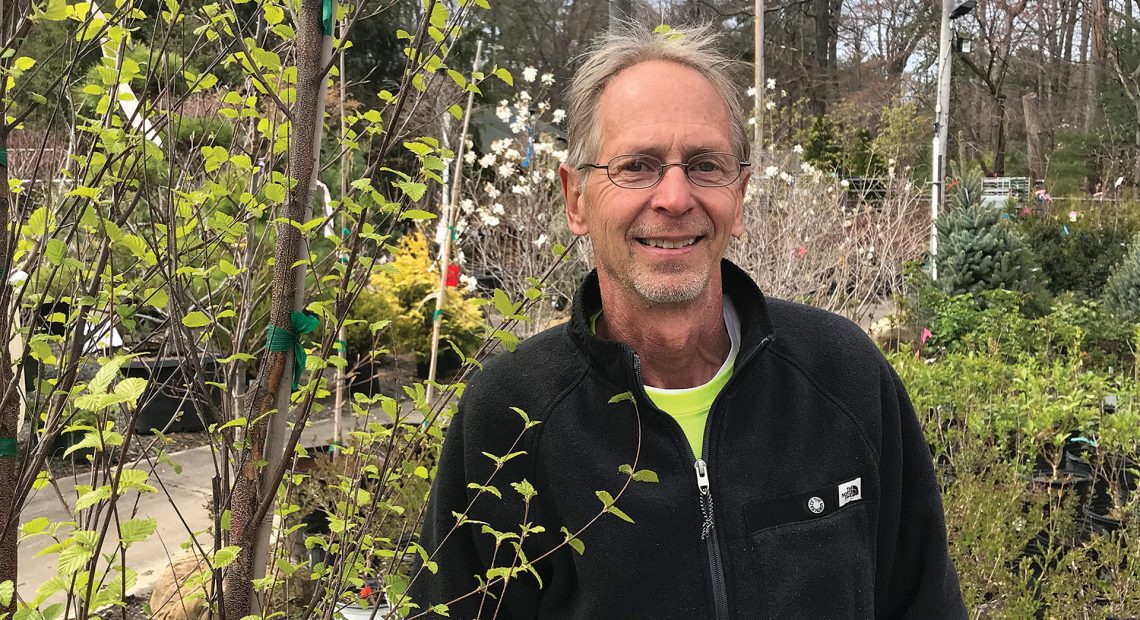
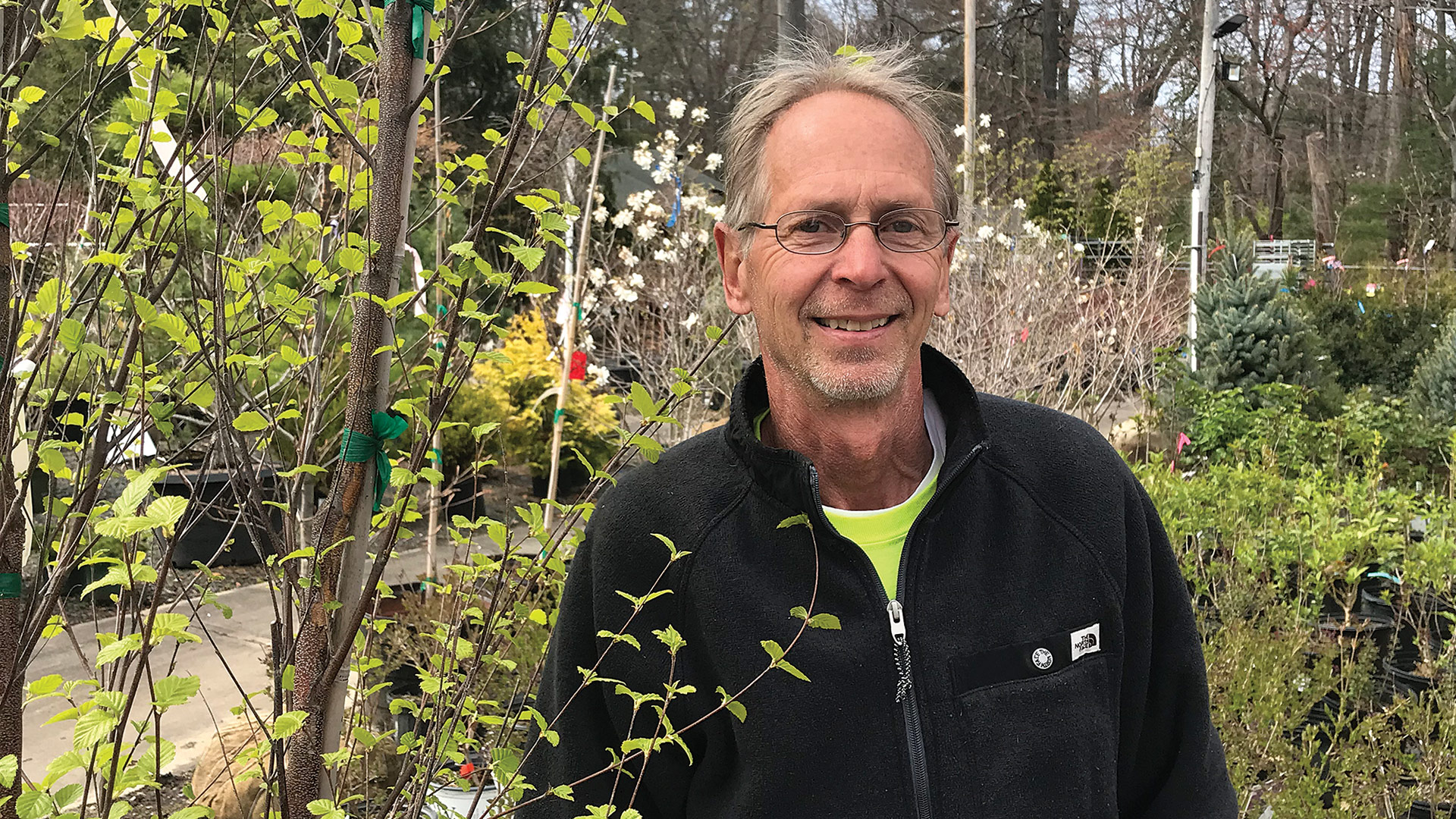
Dave Graziano

Dave Graziano, project manager of the Landscape Division at Graziano Gardens.

For area landscapers, the pandemic created a boom in business as consumers working at home and unable to go on vacations decided to improve their surroundings and invested accordingly. There is still some of that going on, but noticeably less, with consumers enjoying more spending options, while also experiencing considerable anxiety over sky-high inflation. While there is still plenty of work, landscapers confront a host of challenges, from workforce issues to shortages of materials to soaring gas prices.

By Mark Morris


The phones are ringing at landscaping companies this spring — but not at the same frenzied pace of the last two years. And that’s just one of many trends to watch as the calendar moves to mid-spring

Overall, consumers People are more cautious about spending their money this year, said Greg Omasta, president of Omasta Landscaping in Hadley, and, at the same time, they certainly have more spending options than they did in 2020 and even 2021.

“Those who have the money and want to improve their yard are still going to,” Omasta said. “For everyone who was on the fence about it … not so much.”

Steve Corrigan, president of Mountain View Landscapes and Lawncare in Chicopee, concurred with that assessment. He said that while his company has backlog of business through June, he’s not as confident about the rest of the year.

“We’ve had internal discussions that we don’t have as many leads compared to this time last year,” he told BusinessWest. “People are still requesting work but we’re wondering if we will be as busy as last year.”

Two years ago, the pandemic forced people to spend more time at home. Many looked at their outside surroundings and decided they needed to invest in their yards, in many cases using money that would normally go toward a vacation away from home. This created a huge boom for landscapers who could barely keep up with all the demand for their services.

“Now that people are able to travel again, it seems like the COVID spending is slowing down,” Omasta explained, adding that on top of leisure travel increasing and people returning to the workplace, landscapers are experiencing an unseasonably cold spring that brings with it other challenges.

“Every year is different,” said Dave Graziano, project manager of the landscape division of Graziano Gardens in East Longmeadow. “If you talk with any independent businessperson there is some worry this year about what’s coming.”

That worry usually involves how to handle increased business costs, finding workers, and managing supply chain issues with various products. And landscapers are certainly having to cope with all those issues and more.

“Those who have the money and want to improve their yard are still going to. For everyone who was on the fence about it … not so much.”

Indeed, all the landscapers we spoke with have commercial clients as well as residential customers. Rachel Loeffler, landscape architect and principal with Berkshire Design Group in Northampton, said there is often competition, if one can call it that, between commercial and residential when supplies are short.

“Sourcing for plants can be challenging in normal times,” Loeffler said. “Now contractors check with five or six nurseries when they would normally go to one.” This scramble for plants often means finding substitutes.

As a landscape architect, Loeffler often recommends using products like cedar wood that will remain durable for years to come. When cedar became, in her words “extremely expensive” it changed the conversation with clients.

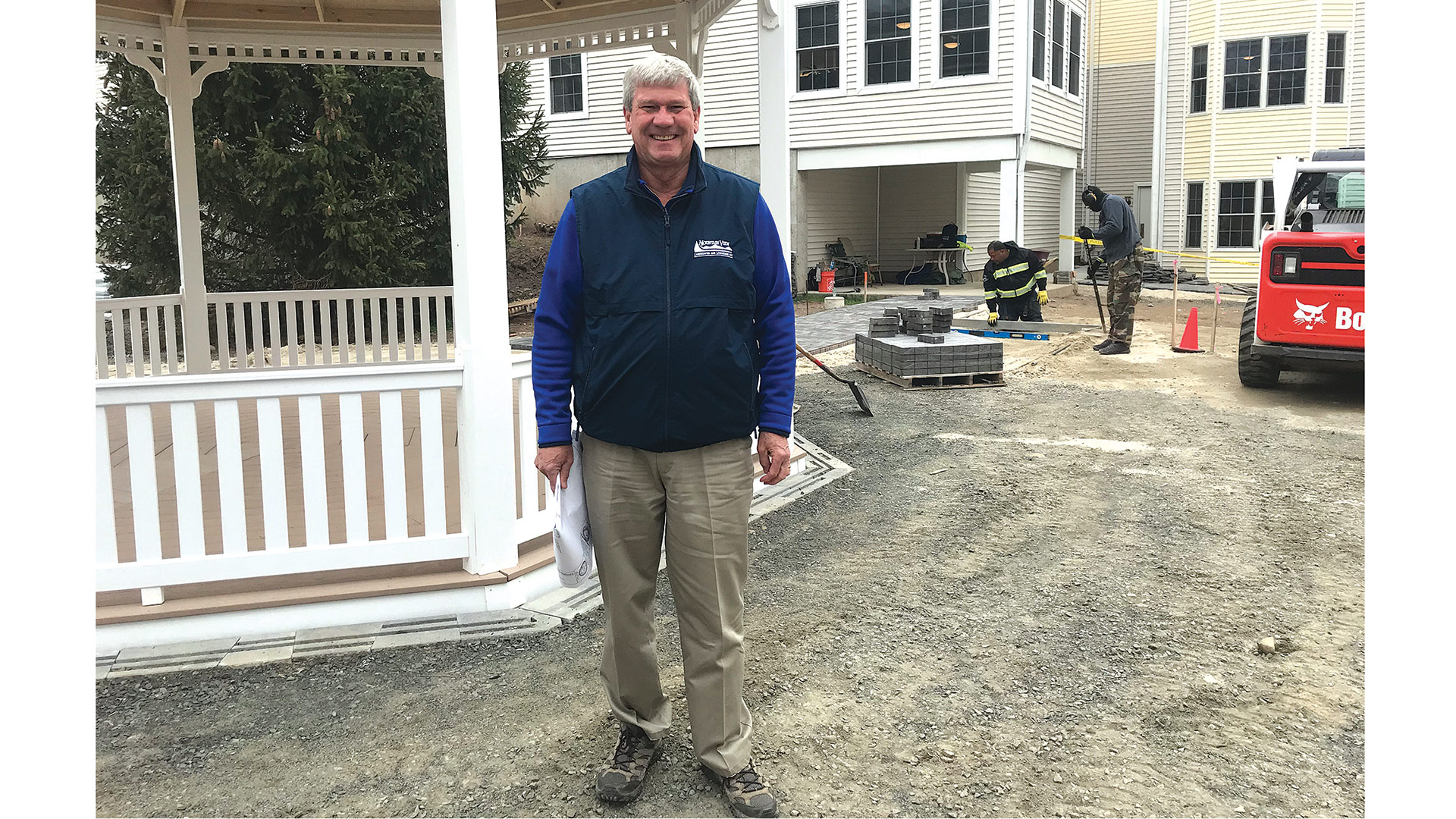
Steve Corrigan leads his crew as they install pavers at Loomis Village in South Hadley

Steve Corrigan leads his crew as they install pavers at Loomis Village in South Hadley, one of many current projects for his company, Mountain View Landscapes and Lawncare.

“They had to go back and figure out how to build something that was durable and sustainable, but would also fit their budget,” Loeffler said.

Even world events affect landscaping materials. Omasta pointed out that many of the minerals found in fertilizers come from Russia. “So, some of our supply chain issues are based on what’s going on in the Ukraine.”

For this issue and its focus on landscaping and home improvement, BusinessWest talked with several business owners and managers in this sector. These discussions revealed the full breadth of challenges facing these companies — as well as the ample opportunities for continued growth.


Root Causes

Omasta told BusinessWest that, while it’s getting a little easier to find products — with the accent on little — items are coming in at premium prices that are generally 30% to 50% higher than last year.

But finding some products and materials remains a challenge, and the shortages result from a variety of reasons.

As just one example, Both Graziano and Omasta noted the difficulty in finding large evergreens and other large-caliber trees. And Loeffler said the recession of 2008 is the reason why it’s difficult to find such trees now.

“The trees that are available now were cultivated some 10 to 15 years prior,” Loeffler said. “In 2008, many nurseries cut back on their normal planting because of a big drop in demand.”

Overall, tree shortages and rising prices of everything from lawn-care products to bricks are just some of the challenges facing landscapers.

Indeed, on the commercial side of the ledger at Mountain View, Corrigan said his crews are working on several projects in Eastern Mass for parks, playgrounds, and athletic fields. While travelling up to an hour and a half from his home base in Chicopee is a common practice, fuel prices are forcing Corrigan to refigure what vehicles he sends to specific jobs.

“Our crew trucks use a lot of fuel so we leave them at the jobsite and go back and forth with different vehicles,” said Corrigan, adding that he’s looking to conserve whenever and wherever he can, because the numbers are so staggering.

“Last year we spent about $280,000 on fuel,” he said.“With prices increasing, if we use the same amount of fuel as 2021, it will add more than $100,000 to our costs unless we do something different.”

With more than 40 vehicles in the company’s fleet, costs can add up quickly. A newer vehicle might offer better gas mileage — if you can get one, that is.

“We placed an order for three new vehicles back in December,” said Corrigan. “And we won’t see them until July or August.”

Meanwhile, finding enough labor to get the job done remains a challenge.

Corrigan said his company has 95 people on the payroll and he could easily add another 10 — if he could find them. “Just before COVID, we hired a full-time recruiter, because even then we were having trouble finding help,” he noted, adding that the landscaping sector tends to attract young, entry-level people.

Many candidates get disqualified for failing their drug screen or for bad driving records, he went on, adding that he remains optimistic about the labor front. “We’ll get through it, one person at a time.”

Staffing has remained steady for Omasta Landscaping, thanks to a core group that has been with the company for several years. While landscape construction jobs remain hard to fill, Omasta said he had the opposite experience when hiring for clerical and office jobs.

“We took out ads for office people and the response has been tremendous,” Omasta said. “It seems there are people in the job search right now, whether it’s a career change or looking for a different job.”

While coping with these day-to-day issues and challengers, landscapers are also responding to longer-term trends, many of them involving the environment, cost-effectiveness, or both at the same time.

Rachel Loeffler says there is often competition between commercial and residential customers when supplies of certain products are short.

Loeffler told BuisnessWest she is doing more “lifecycle-costing” for projects. With this method, she will evaluate the installation of two similar materials — for example granite curbing vs. concrete curbing.

“We look at initial upfront cost, how long before each needs to be replaced, and then the cost over 100 years … and it’s crazy,” said Loeffler. “While granite is more expensive at the onset, over a 100-year period it’s significantly cheaper.”

She explained that concrete curbing has a useful life of about 15-20 years, so any time the asphalt paving is replaced, a new concrete curb will need to be built. With granite, a bucket loader can pick up the curbing and reset it each time the area is paved.

Loeffler admits most people don’t get excited about curbing, and she understands that project managers may opt to save money in their budget by using concrete, though granite proves to be a less expensive choice over the long term.

In a similar vein, Corrigan said changes are happening with the safety surfaces on new playground construction. For many years, landscapers have covered the areas around playground equipment with a thick installation of wood chips. The specs now call for poured in place rubber surfacing.

“It can cost four to five times more than wood chips, but project owners want it because the rubber works better from a safety perspective and they don’t have to go back every year to dress off the wood chips,”Corrigan said. The two-part process involves a base mat with a colored surface on top. In order to meet safety requirements, the rubber surface goes through a series of tests that mimic children falling on it.


Getting the Real Dirt

Looking at the proverbial big picture, Omasta said he understands that people don’t think about landscaping on cold, raw spring days, and there have been quite a few of them lately. “Once we start seeing sunny 70-degree days, the phone will ring off the hook,” he said, expressing optimism that his company, and this sector, will continue to flourish in these challenging times.

Graziano concurred, noting that the cold and windy weather has kept early customers from browsing at the garden center and from booking landscaping services.

“We’ve had a little slower April, but most likely May and June will be crazy — it’s the nature of the business,” he said, adding that nature, meaning Mother Nature, is just one of many issues to be confronted during what will likely be a different kind of year.

Health Care Special Coverage

Mind Over Matters

By Mark Morris

Alyssa Bustamante

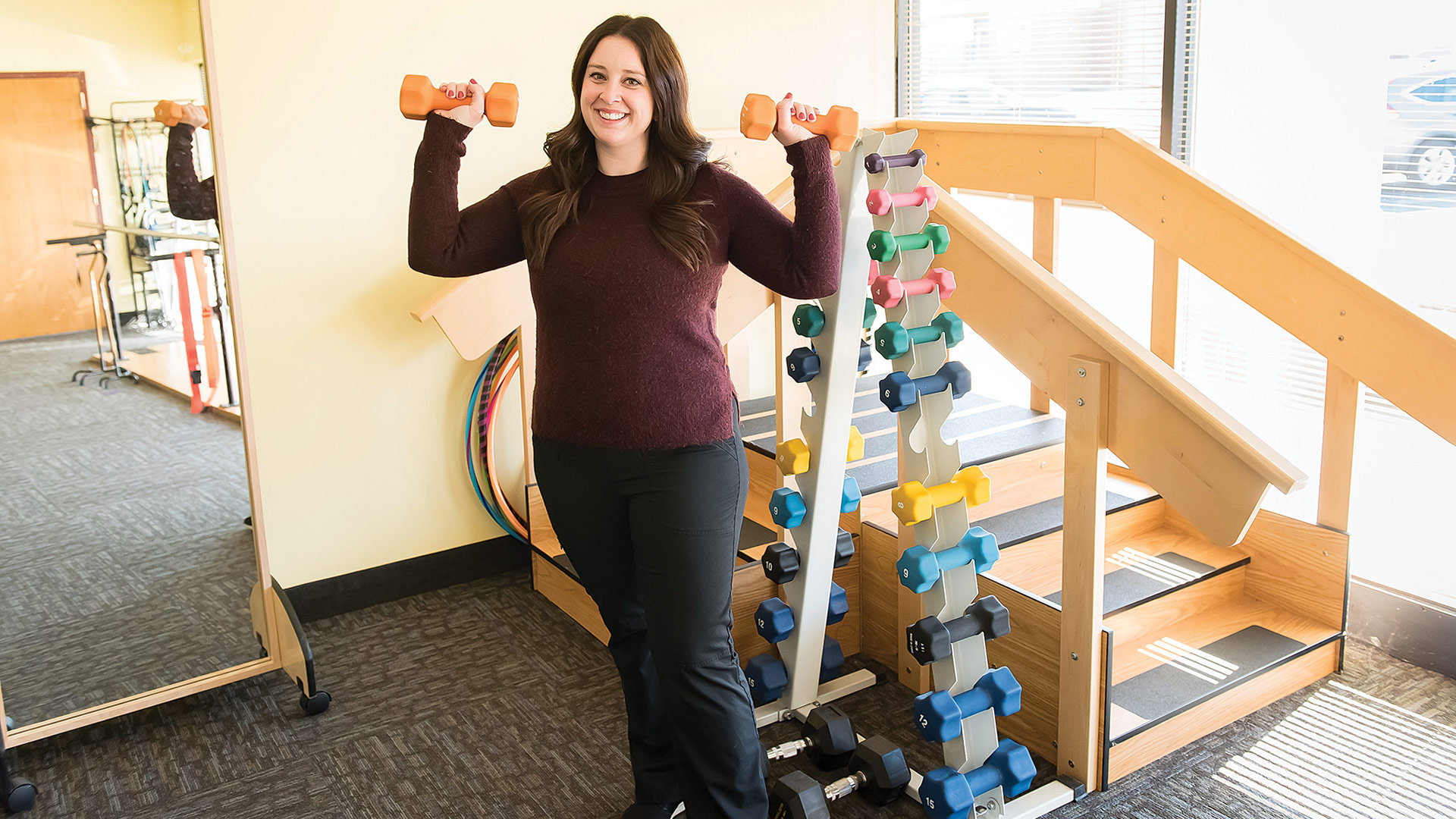
Alyssa Bustamante, an occupational therapist with ServiceNet.

According to the Center for Neurological Studies, someone in the U.S. sustains a brain injury every nine seconds. You can do the math.

All brain injuries that are not hereditary are considered acquired brain injuries. One well-known type is a traumatic brain injury (TBI), which results from a car accident, sports injury, a fall, or other incident. The other type of acquired brain injury (ABI) results from events such as a stroke, encephalitis, a brain tumor, or other medical issue.

The effects of a brain injury are unique to each individual. The professionals who work with afflicted patients design individualized treatment plans for each patient. Everyone involved shares a common goal — to help the patient get back to their maximum level of function and independence.

BusinessWest talked with three professional groups that work with brain injury patients at different stages of the recovery process. Those associated with these groups shared common thoughts on what they do and the underlying goals behind their work.

A brain injury is very often a life-changing event, they said. And those who work with those who have suffered such injuries dedicate themselves to helping patients get the most out of what could be considered their new life.


Thought-provoking Examples

When a person suffers a brain injury, they receive their initial care at an acute care hospital such as Baystate Medical Center or Mercy Medical Center. The next step is a stay in a rehabilitation facility such as Encompass Health Rehabilitation Hospital of Western Massachusetts in Ludlow, where the typical patient may spend from seven up to 21 days, depending on the severity of the brain injury.

“In the beginning we spend lots of time educating patients and their families about what to expect with brain injuries and how the brain heals.”

Because our brains affect all our physical and mental functions, evidence-based research has shown that a multi-disciplinary approach to treatment results in the best outcomes. According to Julie Bugeau, an occupational therapist with Encompass, their approach to care involves making sure the medical staff, along with the occupational therapist, physical therapist, and speech therapist work closely together as a team.

“Brain injuries are complex, so we need all these disciplines to make sure the patient’s needs are addressed,” she told BusinessWest.

When brain injury patients arrive at Encompass, each one has a different level of severity, so the first few days are usually spent on developing a plan for recovery and preparing the patient for what they will encounter in therapy.

“In the beginning we spend lots of time educating patients and their families about what to expect with brain injuries and how the brain heals,” said Stefanie Cust, a physical therapist with Encompass. “We would like to get them up and walking right away but not everyone is ready for that so we may take a couple days to understand where they are and what they can do.”

Managing expectations for the patient and their family is an important part of the therapy process because everyone progresses differently and at their own pace. Bugeau said patients will often have a personality change and become easily agitated or inappropriate in the way they speak or interact with others.

physical therapist

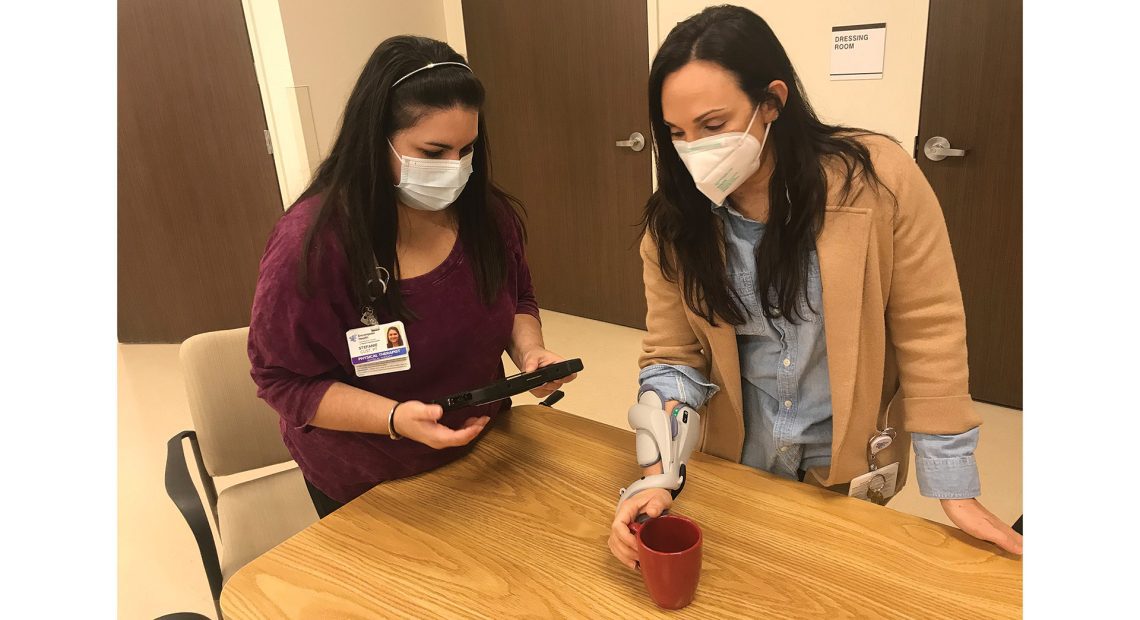
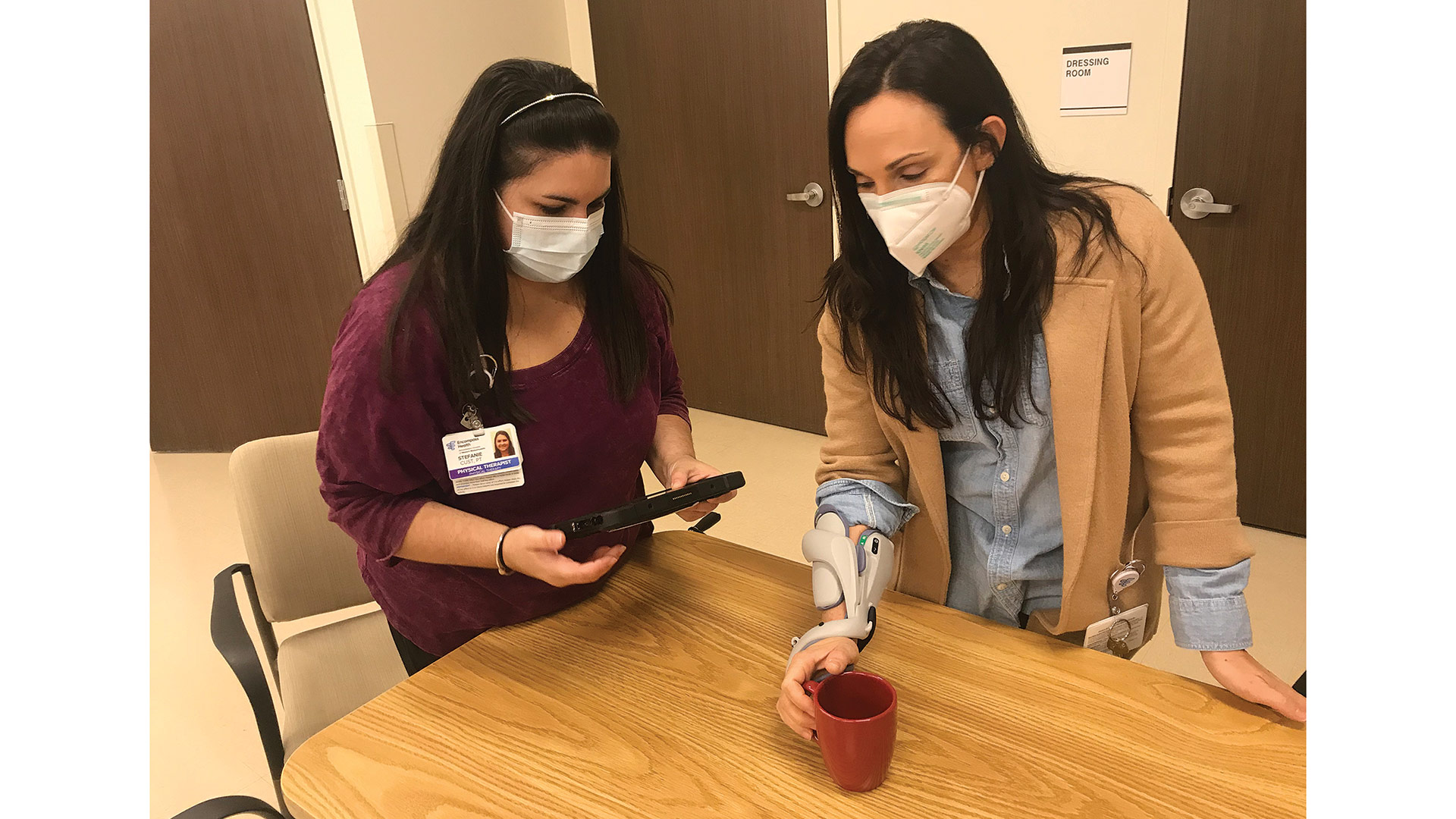
Stefanie Cust, left, a physical therapist at Encompass Encompass Health Rehabilitation Hospital, and Julie Bugeau, an occupational therapist at Encompass, demonstrate a device to improve use of the hand and wrist.

“We don’t want families to get angry with their loved ones because they are acting in a certain way,” Bugeau said. “That’s why constant communication with the family and everyone on the team is critical to managing their expectations.”

A walk through the facility at Encompass reveals what looks like a large gymnasium with people working out on various machines. While standard fitness machines are part of the mix, there is also an array of specialized equipment designed to help people regain movement in areas of their bodies that were affected by brain injury.

Sometimes the equipment is as simple as parallel bars to aid in walking or a set of stairs. Other times high-tech equipment is used such as interactive touch screens to help the patient regain coordination, reaction time and cognitive abilities.

Cust and Bugeau demonstrated a Bioness H200 a device that fits on the forearm and is used to simulate normal wrist and finger movement for neuromuscular rehabilitation. By using a tablet, a therapist controls the H200 to aid the patient in opening and closing their hand. It’s also used to help build back wrist and hand muscles through repeated movements.

“People with brain injuries need someone to encourage them to get up and move, otherwise they will just sit and do nothing.”

The goal of the therapists at Encompass is for patients to return home. Before patients are discharged, they leave with a recovery plan to help the patient going forward. A case manager gets involved to prepare the family and prepare the home before discharge. In many cases the patient will need outpatient treatment, whether at a facility or at home. Encompass puts patients and families in touch with community resources to keep moving toward recovery goals.


Finding a New Way

As late as the 2010s, patients with brain injuries in Massachusetts who required care beyond what they could get at home were mandated to live in nursing homes. A class-action suit resulted in creating two waivers, one for ABI and one known as a Moving Forward Plan (MFP) waiver. Both waivers make it possible for other organizations in the community to provide long-term treatment for people suffering from brain injuries.

Mental Health Association (MHA) created the New Way Services Division to specifically offer treatment for people with ABI. The agency owns nine houses located in communities in and around Springfield. Each residence looks like a typical family home and accommodates up to four adults.

“These residences are the person’s home for as long as they need it to be,” said Sara Kyser, vice president of the New Way Services Division at MHA. “While some folks are likely to spend the rest of their days there, we also have many people who gradually need fewer services and they are able to return to their families.”

Each person has an individualized treatment plan, most of which include regular visits from occupational, physical, and speech therapists. Nurses also visit each home to assist with such things as re-learning taking medication and other tasks. One of the homes is designed to be a transition step where instead of receiving highly intensive support the person is more on their own but still has a safety net.

Lexi Stockwell

Lexi Stockwell says the Strive Clinic at ServiceNet helps those with brain injuries continue to make progress in their recovery.

“The goal is to bring people back to where they were or to a less-restricted setting,” Kyser said. “When possible, they can return to their family and still access outreach supports.”

One of those supports is The Resource Center (TRC) run by MHA. Serving as a day service, Kyser explained that this is where people can work on an array of interesting activities to help with physical and mental rehab in ways that don’t feel like therapy.

“Instead of squeezing a tennis ball, they are doing art projects, engaged in writing, and one of our most popular activities working on wood projects,” Kyser said.

While these activities provide physical therapy, they also help people work on their social skills. Kyser said impulse control is often affected by a brain injury, so learning how to interact with the world again takes some practice.

When BusinessWest visited, staff at TRC were preparing gardening kits in time for planting season.

“The idea is for these folks to learn about and actually plant their own gardens at their own homes,” Kyser said. “They will then harvest and incorporate the fresh fruits and veggies into their nutrition program to bring the whole thing full circle.”


Striving for Improvement

ServiceNet is also a provider of long-term rehabilitative care. Through its Enrichment Center in Chicopee, ServiceNet runs the Strive Clinic to help those afflicted with brain injuries to continue to make progress in their recovery.

According to Ellen Werner, director of operations for ServiceNet’s Enrichment Center and Strive Clinic, the motivation for Strive became apparent after learning about people who were sitting at home with brain injuries who needed therapy.

“People with brain injuries need someone to encourage them to get up and move, otherwise they will just sit and do nothing,” said Werner.

Part of the recovery process also involves persuading people to try things when they don’t think they need to participate. Alyssa Bustamante, an occupational therapist with Strive, said that she and her colleagues try to make patients understand that recovery happens when all the therapies work together. Left to their own devices, patients will tend to only take part in their favorite activities.

“Everyone loves physical therapy, so they all want that,” said Bustamante, adding that one patient felt she didn’t need speech therapy because she just wanted to be able to get dressed. “This person had trouble sequencing the steps to get dressed, which is cognitively based, and speech therapy helps with that,”

Keeping active is essential to prevent brain injury patients from reaching a plateau and backsliding in their recovery. At the beginning of the pandemic many brain-injury patients lost therapy sessions. By the time they were able to return, Werner said that many came in deconditioned and could not do as much as before.

“They still had the foundation of the therapy, but they had lost endurance,” Werner said.

The Strive Clinic has adopted the motto of “Never say Never” to encourage patients to always set new goals in rehabilitation. As an example of that spirit, Werner and Bustamante discussed the case of a gentleman named Bill (not his real name.)

Bill had suffered a stroke more than 10 years ago, and had a below-the-knee amputation. Though he had a prosthetic device for his leg he wasn’t interested in leaving his wheelchair. Enrolled in the day program at the Enrichment Center, Bill would sit in the hallway outside of Werner’s office. When she would attempt to engage and ask, ‘What would you like to do today?’ Bill’s response was, ‘Shut up and leave me alone.’

Bustamante and Lexi Stockwell, a physical therapist with Strive also began speaking with Bill and gradually convinced him he was capable of more than just sitting in his wheelchair.

“At first, with help from others Bill could take about five or six steps on the parallel bars,” Stockwell said. “Now he can pull himself out of his wheelchair, grab the walker on his own and walk 50 feet. That’s big progress in a year.”

Bustamante said Bill has also developed better coping strategies and he speaks in more positive terms. “He’s finding the joy in himself and spreading it.”

Werner added, “Bill now refers to himself as the mayor of the Enrichment Center and he’s become an advocate for our program.”

Bill’s story is an example of how it’s never too late to make progress with a brain injury.

“Everyone needs to keep busy, especially people with brain injuries,” Werner said. “Just because someone says they don’t want help, we keep asking to see how we can get them moving and get them involved.”

Kyser spoke to a misperception that contends the first 90 days after diagnosing a brain injury is the real opportunity to make progress on a patient, but after six months that opportunity is gone.

“That’s baloney,” Kyser said noting that in the past, services didn’t exist after six months, so without engagement it was no surprise that the person was hitting a plateau.


The Bottom Line

Thanks to the efforts from agencies like Encompass, MHA and ServiceNet, brain injury patients are making progress every day re-gaining the use of their muscles, many can walk again, and, most importantly, live with independence after their injuries.

“There’s so much that can be done as long as the person is engaged in their therapies,” Kyser said. “My hope is as we’re getting better at this, we will see even more progress.”

Restaurants Special Coverage

Chain of Events

Craig Erlich

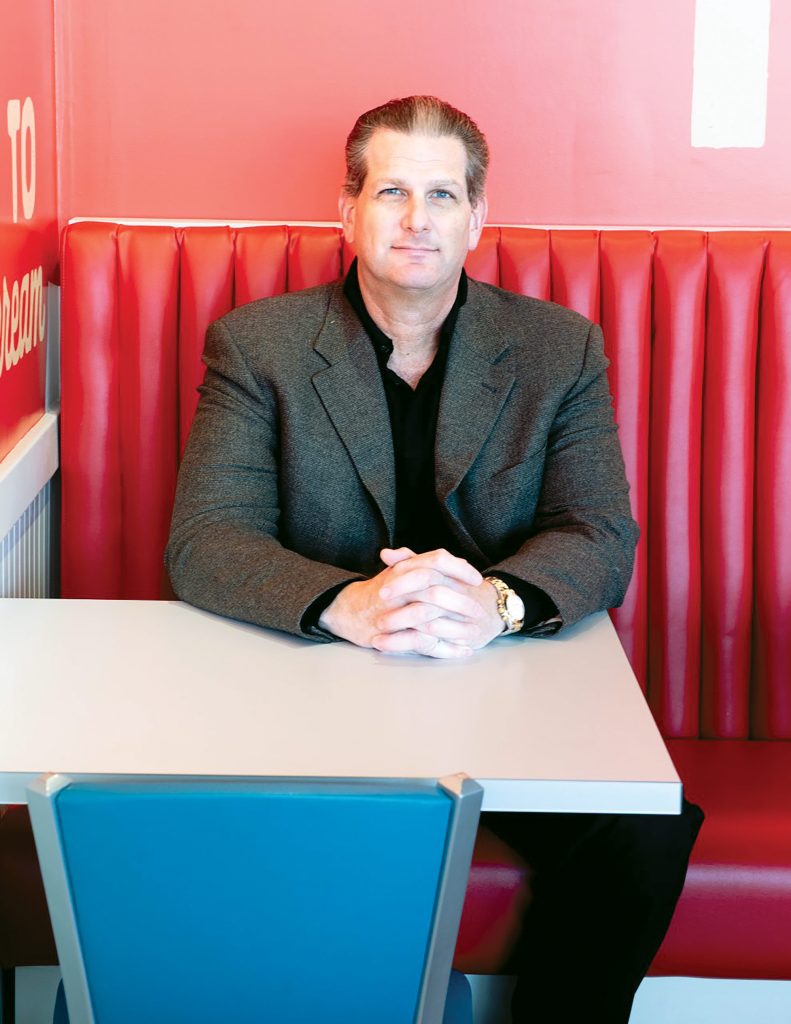
Craig Erlich says the mission at Friendly’s is to create positive experiences — and lasting memories.

Craig Erlich can trace his relationship with Friendly’s back to his fifth birthday party at one of the chain’s restaurants.

“I have pictures of me with my life-size balloon,” he told BusinessWest, adding that, over the decades, this relationship has certainly taken many different forms — from customer, to franchisee, to his current role as president and CEO, in which he has the responsibility of, well … creating memories like that of his fifth birthday for future generations of customers.

In other words, Erlich is the latest executive to take on the job of resuscitating a brand that has fallen on some hard times in recent years, as evidenced by the sale price of the Friendly’s chain, then in bankruptcy, to Amici Partners and its affiliate company, Brix Holdings LLC: $1.9 million.

Erlich, president and CEO of Friendly’s, understood that the Friendly’s chain had shrunk dramatically over the years and was struggling to compete with the large number of competitors in the fast-casual family restaurant category, a situation only made worse by the pandemic. But he ultimately saw promise, and a challenge he was willing to take on.

“When the opportunity came around — and the pandemic presented a lot of opportunities for reshuffling of leadership of brands — we were really passionate about Friendly’s and what could happen with this brand,” he said. “When you finally have your chance to put your hands on the steering wheel and go from backseat driver to being the driver … we were really excited about the opportunity.”

Elaborating, he said that he and his partners already had some plans for Friendly’s in mind when they acquired it in December, 2020, and now, some of those plans are coming to fruition.

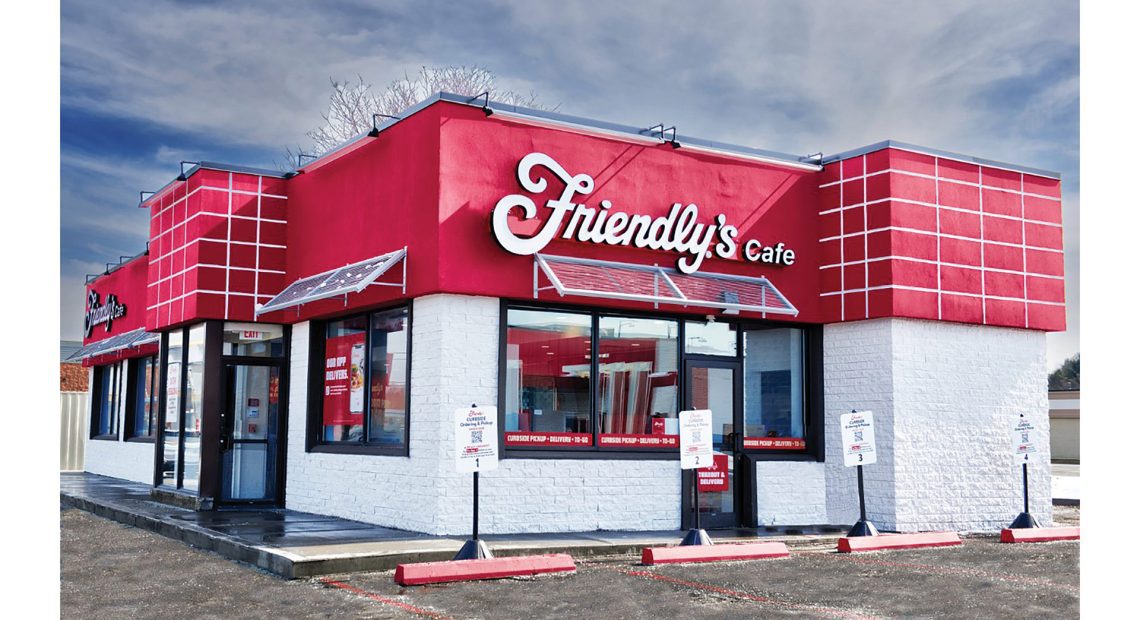
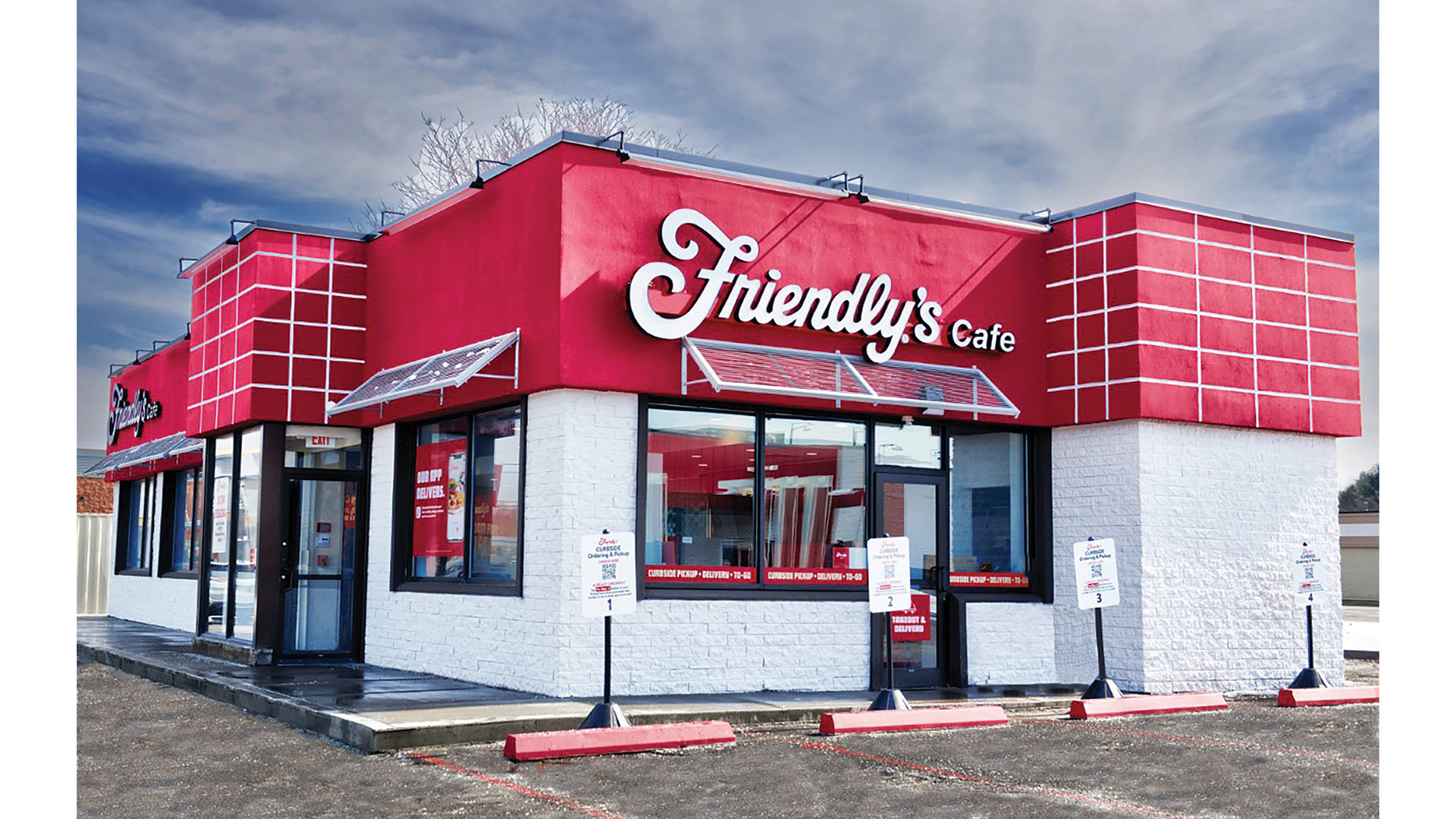
That includes the new-look of the Friendly’s that recently opened on East Main Street in Westfield. It’s called the Friendly’s Café, and the model is a reflection of the changes in dining habits that have taken place over the past two years, especially when it comes to take out and delivery.

The new model will feature both, as well as on-site dining, with customers ordering food at a counter or at a table using QR technology. There’s also a traditional ice cream fountain area, providing an ice cream parlor feel.

While the concept is quite different from what Friendly’s customers are used to, the goal is to maintain the chain’s overall look and feel — and its capacity for creating lasting moments … like Erlich’s fifth birthday party.

“With Friendly’s, everyone talks about the experience — they talk about memories,” said Erlich. “We wanted to maintain that quality. When you’re restoring an old home, you want to make sure to keep the bones and the structure there, and just enhance the features. That’s the approach we took with this brand, especially the Friendly’s Café.

“We knew it was going to be a bit of a different kind of experience for the customers,” he went on. “But when you think about how people dine today, whether it’s QR technology, off-premise dining, curb-side delivery … we knew there was an opportunity for that.”

“When you finally have your chance to put your hands on the steering wheel and go from backseat driver to being the driver … we were really excited about the opportunity.”

Meanwhile, other changes have been introduced, especially on the menu, which now includes a number of new items, including a variety of appetizers and salads, and offerings like the Doritos Cool Ranch chopped cheeseburger. The goal is to create an appealing mix of new options and old favorites, he told BusinessWest, adding “the menu feels much more balanced than it did before.”

Flashing back to late 2020, as he and his partners were doing their due diligence on Friendly’s as they explored acquisition, Erlich said this research revealed a chain facing many challenges and restaurants in need of repair and revitalization, a situation exacerbated by the pandemic in many respects. But ultimately, what they saw was opportunity.

“The pandemic forced a lot of companies to focus on just keeping the lights on,” he told BusinessWest. “We knew there was going to be a significant amount of repairs and maintenance needed for these buildings; just the equipment in the kitchens alone was in the millions of dollars.

The Friendly’s Café in Westfield

The Friendly’s Café in Westfield opened earlier this year to positive reviews from customers.

“But we saw a big opportunity,” he went on. “And 2021 was really focused on building the infrastructure and putting some technologies and new ideas in place that would build a foundation for what we’re about to do this year.”

Which brings us back to the Friendly’s Café, which opened at the end of February to solid feedback from customers, said Erlich, who acknowledged that while it’s early in the game, the new location is thus far exceeding expectations.

“Customers have been very complimentary, and it has performed very well; we’ve seen a lot of repeat customers, and that’s the true test,” he said, adding that the company is scouting locations for similar facilities.

The location in Westfield is a free-standing building in a shopping plaza, and that is the preferred model, said Erlich, adding that the company is also looking at expanding its drive-through presence at existing restaurants.

“We think there’s a big opportunity there,” he said. “We have about a half-dozen drive-throughs connected to our traditional restaurants; it’s all about the convenience, and we feel that this model is really convenient for the customer.”

Overall, the company is not looking to replace its traditional restaurants with the new model but rather use the café model as a vehicle for growth, bringing Friendly’s to different communities, including some where a Friendly’s location has closed.

“When you’re restoring an old home, you want to make sure to keep the bones and the structure there, and just enhance the features. That’s the approach we took with this brand, especially the Friendly’s Café.”

“I’m looking at some locations on Long Island and across the Northeast — Connecticut, Massachusetts, and other states,” said Erlich. “We’re looking for the right locations; we don’t want to expand too quickly and dilute the quality of the location. I think that happens often — some of the brands will get excited about one success story and then they’ll launch others and they think it will be the same in any location. We’re being very careful to be sure that the locations that we pick have similar demographics and traffic counts, and that we feel good about the potential.”

He said there are many communities in the Northeast that had a Friendly’s location and would like to see that brand back, with many long-time customers lobbying through social media and other platforms for a return

“We’re using that as some of our intelligence to start focusing on some areas,” he said, adding that finding suitable sites is an art and a science, with many factors coming into play, from demographics to the prevalence of other restaurants.

Indeed, competition, in the form of a critical mass of dining options is often desirable, he said, noting the Friendly’s Café in Westfield sits between a new KFC and a McDonald’s in the same shopping plaza. Those are fast-food chains in a different category than Friendly’s, he explained, but they still constitute choices, which in turn generate traffic to a given area.

Looking at what’s happening within the industry, Erlich noted that off-premise dining now accounts for roughly half of all sales volume within the industry, a pattern that has held up even as the pandemic has eased in recent months, an indication that this is more than a passing fancy.

The new café model enables the chain to take advantage of this phenomenon while also catering to those who prefer the traditional sit-down restaurant — albeit with some new technology for ordering and delivery.

“You can focus on two different experiences for the guest,” Erlich explained. “Whether it’s making sure that the person bringing the food home is getting a good, quality meal and also that they’re getting a good experience when they’re in the restaurant. It just adds a new dimension that a lot of brands are focusing on, and I know that we are.”

Looking ahead, and projecting where he wants Friendly’s to be in five years, Erlich said the broad goal since the acquisition has been to stabilize the brand and then commence building that foundation for the future that he spoke of. And this has been accomplished, through the introduction of the café concept, the new menu items, and some more aggressive marketing that was launched this month.

“I would like to see the brand grow, and I think the café model will give us the ability to do that,” he said in conclusion. “There’s a lot of excitement, and it’s my job to keep that excitement going and channel it in the right direction. Everyone is rooting for us, from customers to the team members to the franchisees. Everyone has great memories of Friendly’s, and we want to provide great new memories.”