Daily News

HOLYOKE — Holyoke Community College is offering a free training program that provides entry-level knowledge and skills for jobs in manufacturing.

Classes start June 21 and run through June 30. All classes meet in person from 9 a.m. to noon at HCC’s downtown location, the Picknelly Adult & Family Education Center, above the Holyoke Transportation Center.

The program will provide entry-level knowledge and skills for employment in the manufacturing sector in the Holyoke area. Classes are geared for students already employed by area companies or looking to gain entry to the industry.

“HCC instructors are teaching what employers want taught,” said Paul Sheehan, HCC special projects coordinator. “We’ve offered the program before and local companies have sent staff to the training.”

The course will cover general manufacturing processes and principles, math skills for manufacturing, problem-solving strategies, an overview of quality control standards, and career expectations and professional behavior. Upon completion, students will receive a certificate from HCC.

The course is offered in collaboration with state Rep. Pat Duffy of Holyoke, who secured a $50,000 line item in the state budget to get the program started.

Proof of COVID-19 vaccination is required to attend on-campus classes at HCC, including those held at PAFEC.

For more information or to sign up, contact Paul Sheehan at [email protected] or fill out the inquiry form online at hcc.edu/manufacturing.

Daily News

BOSTON — The rate of opioid-related overdose deaths in Massachusetts increased by 8.8% in 2021 compared to 2020, according to preliminary data released Wednesday by the Mass. Department of Public Health (DPH).

Drug overdose deaths in Massachusetts continue to trend lower than the nationwide figures. The rise in death rates reflects effects of the COVID-19 pandemic and an increasingly poisoned drug supply, primarily with the powerful synthetic opioid fentanyl, which remains a persistent factor in opioid-related overdose deaths in Massachusetts.

Preliminary data shows fentanyl was present at a rate of 93% where a toxicology report was available. The presence of fentanyl has increased about 1% per quarter since 2016, including in the pre-pandemic period from 2017 to 2019 when opioid-related overdose deaths in Massachusetts were on the decline.

After fentanyl, cocaine continues to be the next most prevalent drug among opioid-related overdose deaths, present in toxicology reports at a rate of 51% in 2021 — a 5% increase over 2020. Benzodiazepines were present in 31% of opioid-related fatal overdoses. The percentage of benzodiazepines has been declining since the last quarter of 2017.

Alcohol, a newly reported toxicology data point, was present in 29% of opioid-related overdose deaths. This was followed by prescription opioids in 13%, and heroin or likely heroin and amphetamines present in 10 percent. The rate of heroin or likely heroin present in opioid-related overdose deaths has been declining since 2014.

The Baker-Polito administration’s Fiscal Year 2023 (FY23) budget proposal invests $543.8 million in total funding for a range of harm-reduction, treatment, and recovery programs that support individuals struggling with substance addiction, as well as programs that work to prevent substance addiction through education, prescription monitoring.

“Tackling the opioid epidemic remains an urgent priority for our administration, which is why we have worked with the Legislature to quadruple funding for substance addiction treatment and prevention, but we know there is more work to do,” said Gov. Charlie Baker. “Today’s report underscores the harmful impact that the COVID-19 pandemic and the scourge of fentanyl have had on those struggling with addiction, and we are committed to continuing our work with the Legislature and our colleagues in the addiction and recovery community to boost access to services and treatment.”

In 2021, the opioid-related overdose death rate in Massachusetts increased to 32.6 per 100,000 people as compared to 29.9 per 100,000 in the prior year. Opioid-related overdose death rates among race and ethnic groups as a whole or by gender remained relatively stable, with Black non-Hispanic and Asian/Pacific Islander populations seeing small decreases and white non-Hispanic and Hispanic populations seeing small increases.

The death rate for American Indian/Alaska Native residents was 118.6 per 100,000. While this population accounts for a small number of opioid-related overdose deaths (13 out of 2,234 confirmed deaths), American Indian/Alaska Native residents statistically had the highest opioid-related overdose death rate among all race/ethnicity groups last year.

Daily News

Darcy Young and Mary Cate Mannion, producers for New England Corporate Video (NECV), recently completed a pro bono video series for the Nativity School of Worcester. The feature video was shown at a fundraising event that raised a record-setting $340,000 which will ensure that the school can continue to provide a tuition-free education.

The Nativity School is an accredited, independent, Jesuit middle school that provides an education to underserved boys of all faiths.

Young and Mannion are two of the most experienced female video producers in New England and experts in brand journalism and corporate video production. Young is an award-winning video producer and Mannion is a former award-winning news anchor and reporter.

Their pro bono video work includes videos for The Food Bank of Western Massachusetts, Willie Ross School for the Deaf, where Manion serves on the board of directors, The Children’s Study Home, where Young serves on the executive board, and Martin Luther King, Jr. Family Services.

NECV is a recently launched division of Garvey Communication Associates Inc. (GCAi), which was co-founded by Young and Mannion. The NECV Nativity School video can be viewed at https://bit.ly/nativityvideo22

Daily News

SPRINGFIELD After a two-year hiatus due to COVID, The Springfield Armory will present two concerts this summer on the lawn in front of the Commanding Officer’s Quarters.

On Saturday, the West Mass Brass band will perform military style music in the afternoon at 1 p.m., and on July 16 at 6 p.m., The Bad News Jazz and Blues Orchestra will perform swing music for the annual big band concert, led by Jeff Gavioli.

“There is a long-standing tradition between Springfield Armory and big band music,” said Park Ranger, Susan Ashman. “In 1943 Benny Goodman and his band came to the Armory as part of his nationwide Twilight Tours. Goodman made a point to play to war workers like those at Springfield Armory as a thank you for their dedication and patriotism. The Armory workers were essential in the manufacturing of firearms for the military during WWII.”

The Springfield Armory National Historic Site is the location of the nation’s first armory (1794 – 1968) and was established by George Washington.


Alumni Achievement Award Cover Story

2022 Finalists Are Inspirational Leaders within the Community


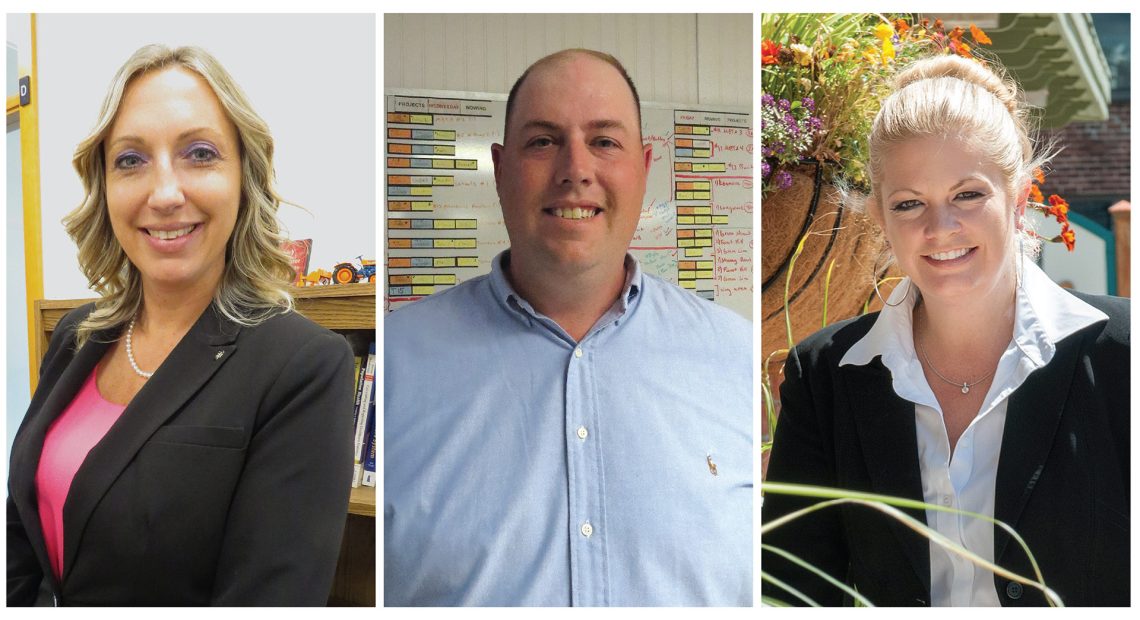
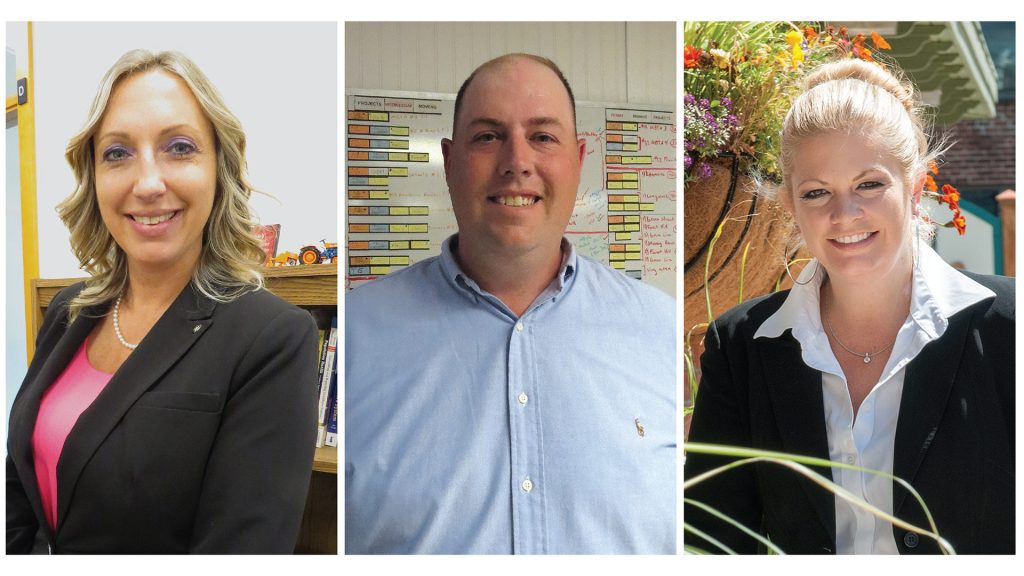
In 2015, BusinessWest introduced a new award, an extension of its 40 Under Forty program. It’s called the Alumni Achievement Award, and as that name suggests, it recognizes previous honorees who continue to build on their resumes of outstanding achievement in their chosen field and in service to the community. Recently, a panel of three judges identified the three finalists for the 2022 award — Amanda Garcia, Anthony Gleason II, and Amy Royal. The winner for this year will be unveiled by Alumni Achievement Award presenting sponsor Health New England at the 40 Under Forty Gala on June 16 at the Log Cabin in Holyoke. As the profiles that begin on page 7 reveal, these three finalists embody the spirit of this award. Their stories convey true leadership and are, in a word, inspiring.

Amanda Garcia

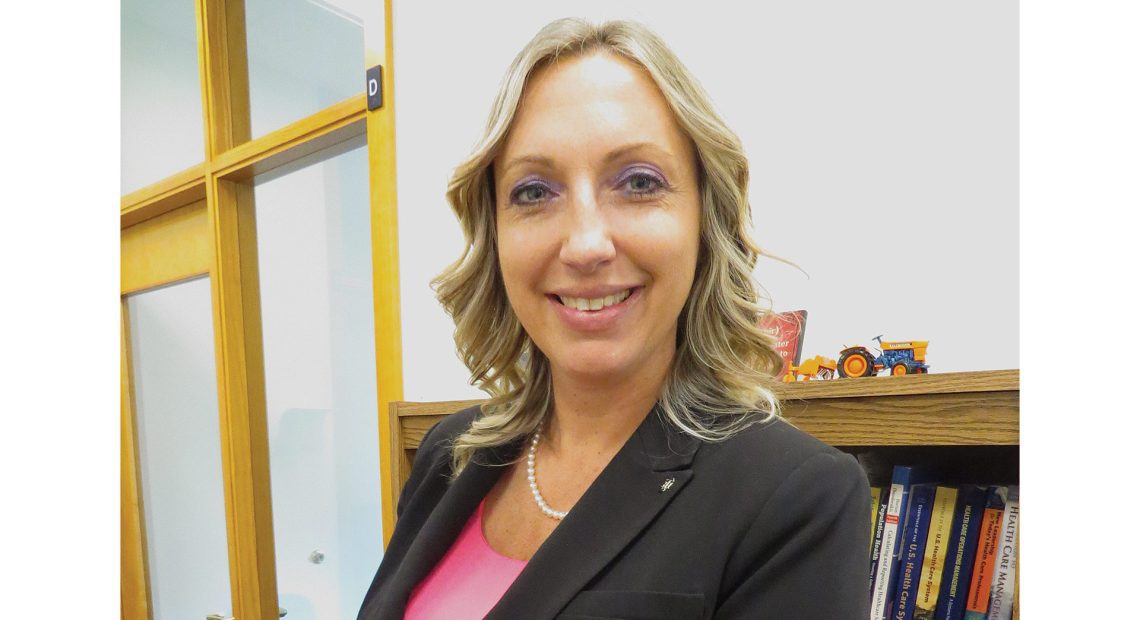
Associate Professor of Accounting and Finances, Director of the MBA Program, Elms College


Anthony Gleason II

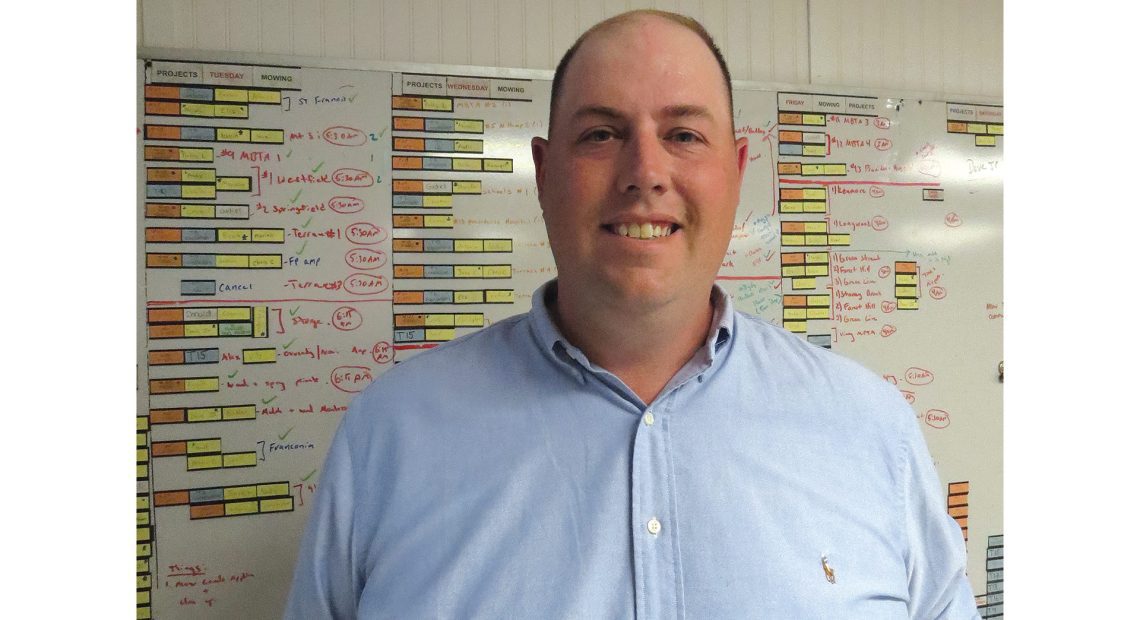
President and Co-founder of the Gleason Johndrow


Amy Royal

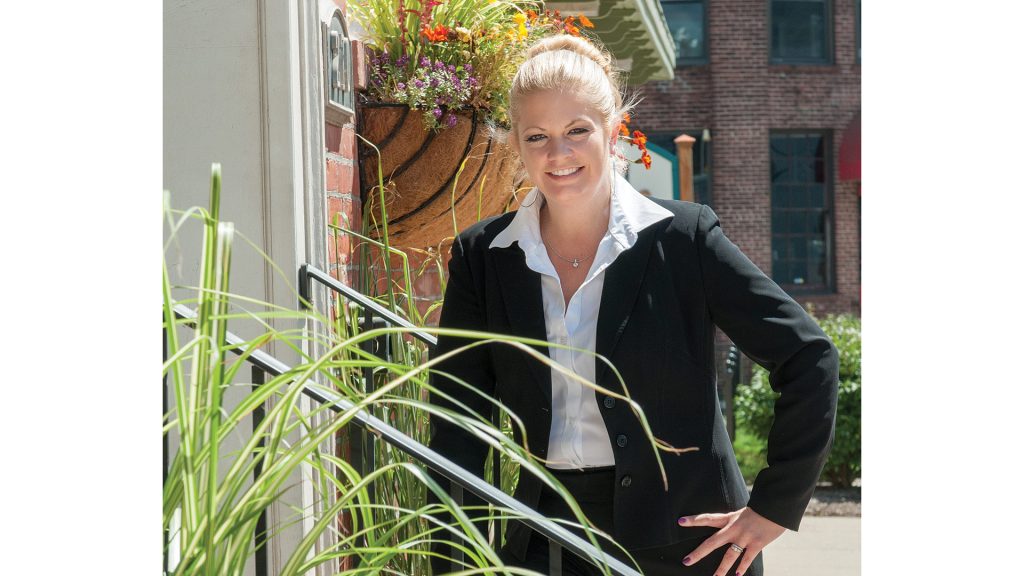
Founder/CEO, the Royal Law Firm


Banking and Financial Services Special Coverage

Landmark Decision

Country Bank

Country Bank

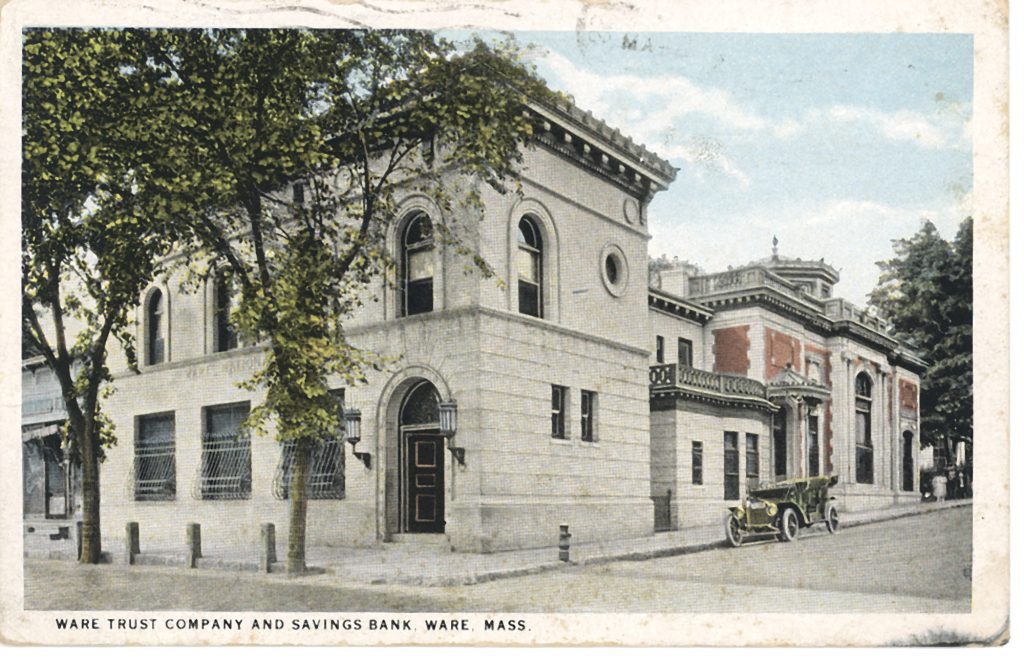
The property on Main Street

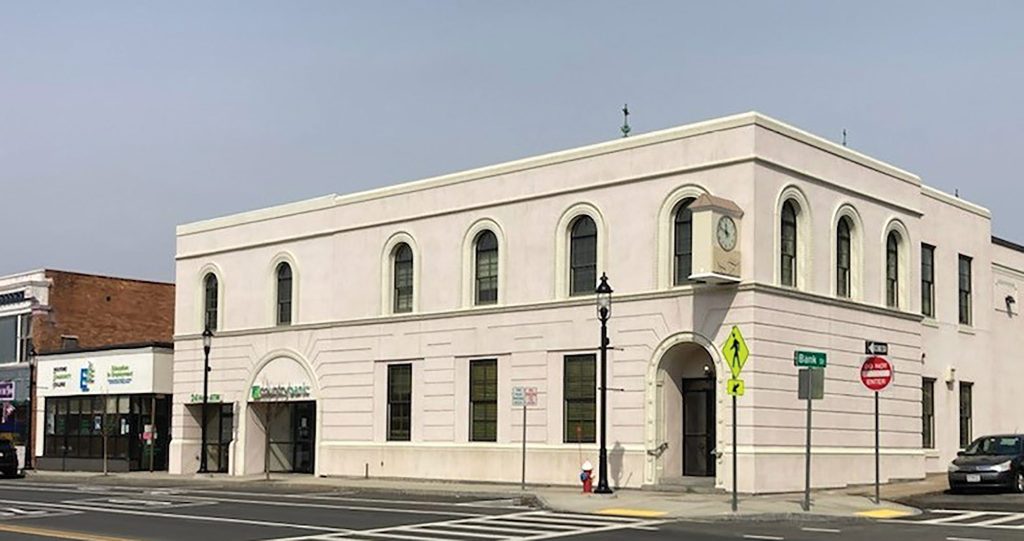
The property on Main Street has always played an important role in the economic vibrancy of the town, and this is expected to continue with its new function as a police station.

Country Bank recently introduced a new marketing slogan — ‘Made to Make a Difference.’ There have been myriad examples of that mindset over the bank’s 172-year history, but perhaps none bigger than the recent announcement that the bank would gift its former headquarters property on Main Street, valued at more than $3 million, to the town, with the intention of it becoming the site of a new police station and perhaps home to other town offices.


Paul Scully says that, over the past few years, or since Country Bank started ramping up discussions about what to do with its vacant former headquarters building on Main Street in Ware, there had been talks with various real estate developers about the property.

But they didn’t go very far, said Scully, the bank’s president, noting that those making inquiries were “more speculators than investors,” as he put it.

“And we didn’t want to sell it on a speculative basis and then not have it maintained,” he explained. “Or have someone say ‘we bought this with the intention of having some office move in but it never came to fruition’ and now the property is abandoned.

“Yes, we were approached by some people,” he went on. “But we really weren’t interested. We really were driven by a desire to use this property to make a difference for the town; that was our guiding compass.”

With that, Scully poignantly described the mindset that ultimately led to the announcement on June 1 that the bank was donating the property at 75-79 Main St. to the town with the intention of it becoming the site of its new police station and perhaps other municipal uses.

Elaborating, he said there were multiple objectives in mind as the bank considered what to do with the property that had been its home until it moved its headquarters into renovated mill space on South Street in 2005.

These included a desire to help the police department find larger, better quarters — something it desperately needs — while also “energizing Main Street,” as Scully put it, noting that the town’s central business district has been hit hard by COVID and other factors and needs a spark. He believes that having the police department and perhaps some other town offices in that complex will provide one.

The decision to gift the property to the town comes, coincidentally, as the bank introduced a marketing tagline: ‘Made to Make a Difference.’

This tagline evolved from a series of focus groups with customers, team members, board members, and non-customers who had gathered to discuss their experiences with the bank and their knowledge of its impact on the people and communities it serves, said Scully, adding that the donation of the Main Street building is the latest example of this mindset at work.

“Yes, we were approached by some people. But we really weren’t interested. We really were driven by a desire to use this property to make a difference for the town; that was our guiding compass.”

“It’s what we’ve been doing for 172 years — we’re made to make a difference; make a difference in your loan, make a difference in the community, make a difference in your financial planning,” he said, adding that this mission has been carried out in countless ways over the years, including a recent project in Worcester to build 55 beds for children in conjunction with the Mass. Coalition for the Homeless, at which the new slogan was formally introduced to the bank’s staff.

“That was the first time they’d heard the slogan, and in the previous two hours, they had just made a difference in a child’s life, someone who did have a bed of their own,” he explained, adding that the donation of the Main Street property adds a new and an intriguing chapter to that long-running story of giving back.


Building Momentum

As he talked about the decision to gift the property to the community, a donation he described as rare for a private institution, Scully first set the stage in an effort to explain how this came about, why it makes sense for the town, and how it meets the bank’s ongoing commitment to the community embedded in its new marketing slogan.

He started by discussing Main Street and, more specifically, what was largely missing from it — vitality, or energy. Elaborating, he said that many retail businesses had moved over the past several years from Main Street to the new commercial hub on Route 32, near a Wal-mart. And in recent years, several fires, including one at the bank’s Main Street property, prompted more moves by businesses. Meanwhile, COVID and lengthy and very involved reconstruction of Main Street brought additional challenges to that part of downtown.

These forces coincided with Main Street property going quiet, as a result of the pandemic and forces resulting from it.

That property, valued at approximately $3 million, includes the former banking office located on the corner of Main and Bank Street along with the E2E building located at 79 Main St., the rear parking lot and bunker style garage, and rooftop parking situated behind the 65-71 Main Street location that was also donated by Country Bank to the Quaboag Valley Community Development Corporation back in 2016.

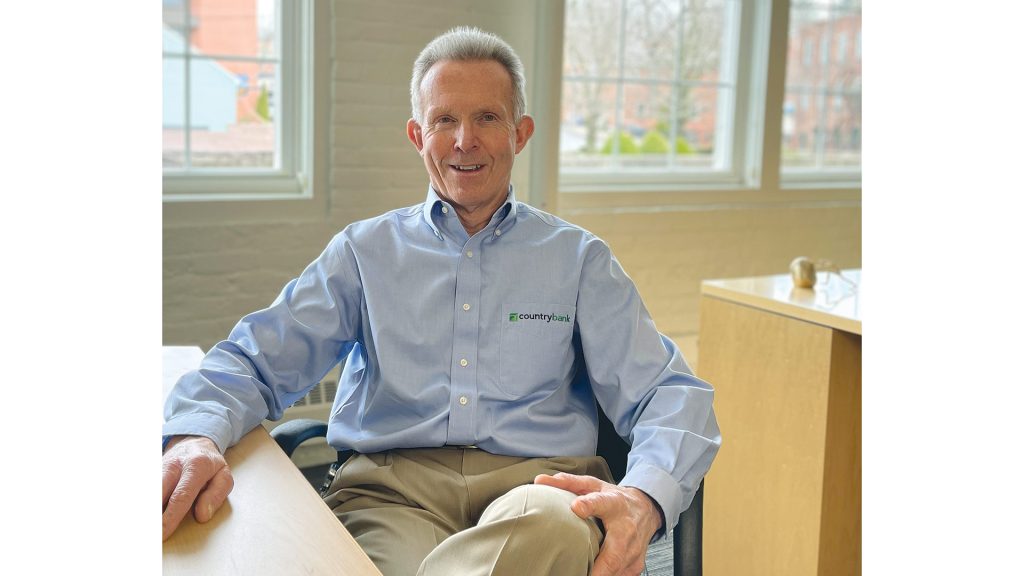
Country Bank president Paul Scully

Country Bank president Paul Scully

It has been vacant since the start of the pandemic, when the bank closed its branch there due to staff and customer safety concerns.

“Not maintaining a presence on Main Street was a tough decision that required months of consideration while assessing how this location might be best utilized to support the community,” said Scully. “The effects of the pandemic combined with a significant decrease in customer foot traffic over the years and a shift in banking habits to more customers adopting electronic delivery channels were all a considerable part of the decision. It is a massive building to be sitting empty. The decision to donate the building became evident as we weighed the usage of this location and discussed the opportunities it could provide to the town.”

Elaborating, Scully said that while there have been ongoing discussions about the fate of the building over the years, they took on new urgency with the pandemic and the bank’s decision not to have on presence on Main Street.

However, that urgency coincided with the large-scale construction work undertaken on Main Street, he went on, adding that nothing could really be done while that work was going on.

“Over the past year, and with more earnest, we’ve been saying ‘let’s figure out what we can do with this building a make a difference,” said Scully. “And it somewhat coincided with hearing about the need for a new police station.”

The pricetag for such a facility was pegged at $7 million to $9 million, he said, adding that a new station is clearly needed, with the department having outgrown its current quarters, the town’s former post office.

By gifting the town its former headquarters, the bank can help save the town much of that expense — it will still need to renovate the property for that new use, said Scully — while also helping to bring some new life to a downtown that is poised for a resurgence given the recent roadwork and an easing of the pandemic.

“We knew that now that the roads had been repaved and new sidewalks installed, there was more of an opportunity for a resurgence on Main Street than there had been during that construction process,” said Scully. “And we didn’t want to circumvent that by having someone buy the building who wasn’t going to be able to maintain it or have the financial resources to take care of it.

“We wanted it to be right formula for the town and for the other merchants on Main Street to allow them to get some foot traffic back,” he went on, adding that a police station, and other town offices that might eventually move into that space, will help accomplish many of those goals.

Although there is no specific timeline for the transfer of ownership, which needs approval from the town at a scheduled town meeting, the bank intends to work on a smooth transition with all parties involved and expects the transfer of the location to happen in 2023, said Scully.


The Bottom Line

Reflecting on the long history of the Main Street property, Scully said it has housed different banks, including Country, the Ware Trust Company, and Ware Savings, since before World War I.

It has long played a role in the economic vibrancy of the town, he said, adding that even though its function will change, it will continue to do so. This was that guiding compass the bank used as it went about determining a new use for the property.

“We look at this as a great investment in community — this is what community banking is all about,” he said. “We say that we exist for our customers, our community, and our staff, and this really is the community basis of it. We’re really excited that we can help make a difference downtown and help make a difference to the taxpayers.

“We met internally as a board and a senior management team, and our driving focus was to what’s right for the town,” Scully explained. “We’ve been in town since 1850, and we believed we’ve made a difference over all those years and wanted to continue making a difference.

Education Special Coverage

Marking a Milestone

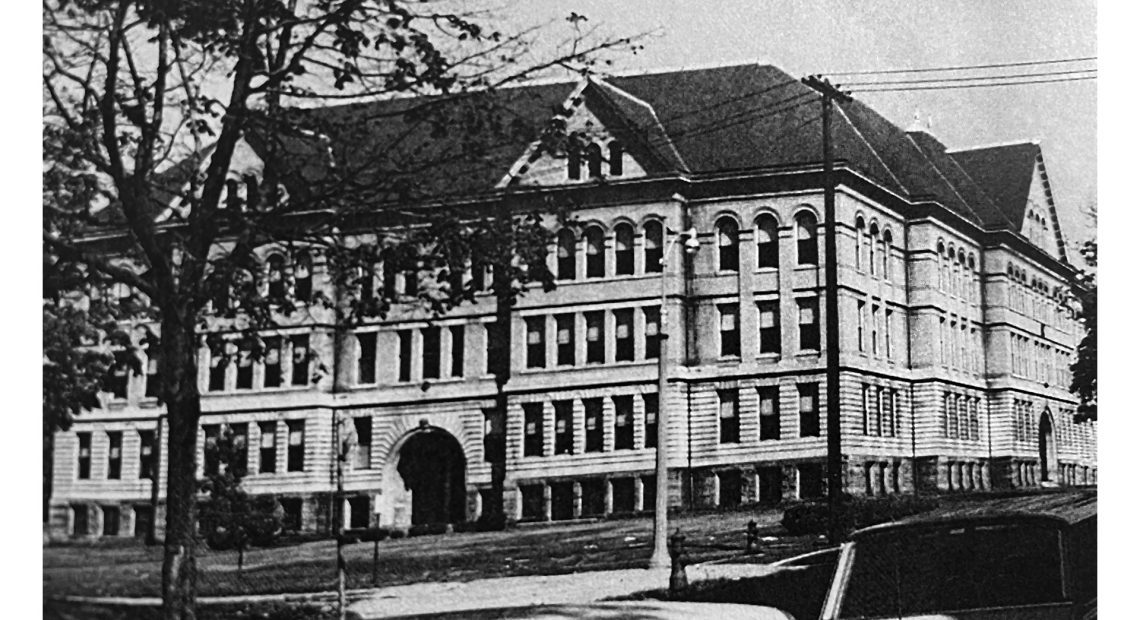
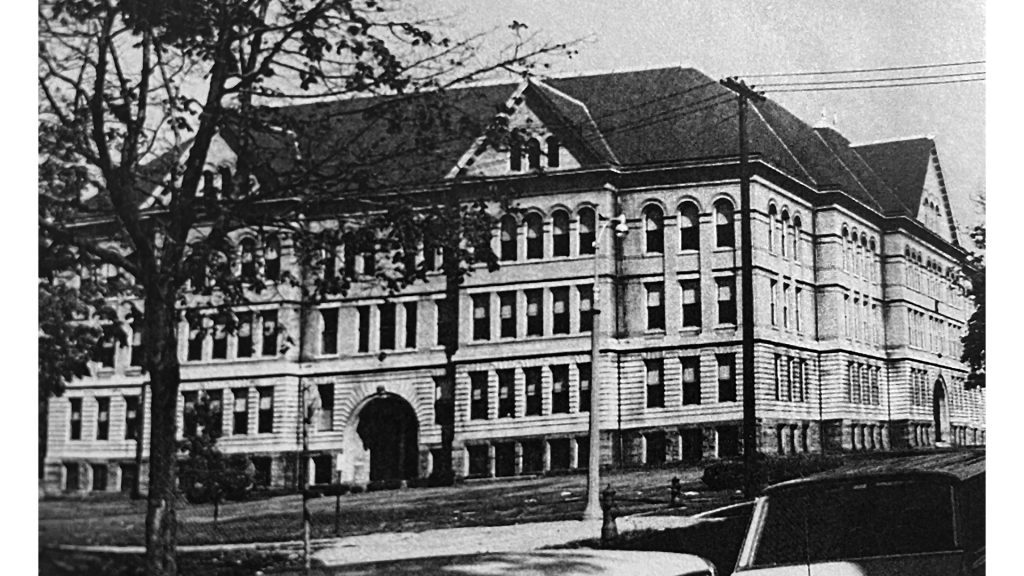
The original home to HCC

The original home to HCC, the former Holyoke High School
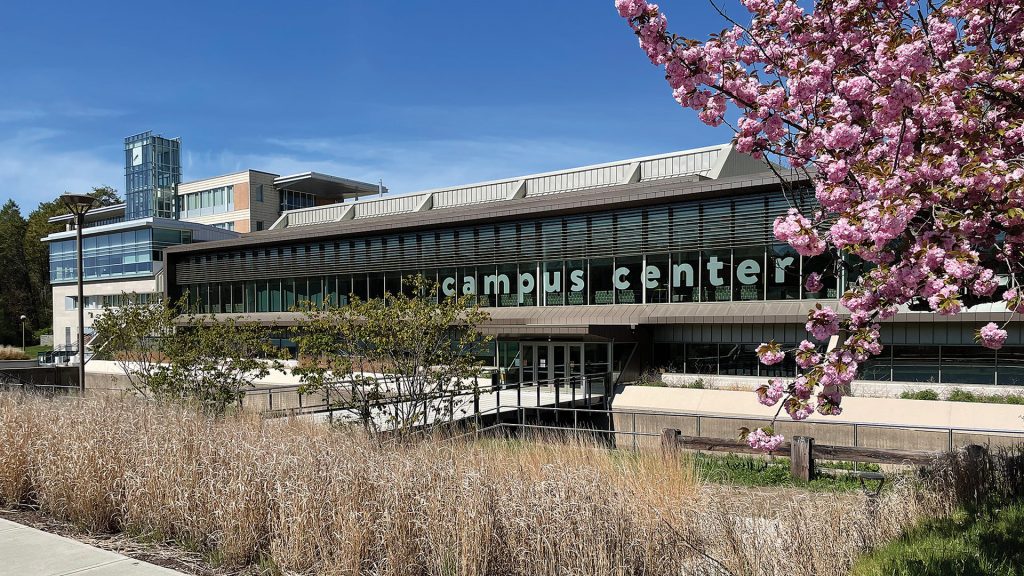
The campus today

The campus, and its renovated campus center, today

Holyoke Community College, the state’s first community college, is marking its 75th anniversary this year. This has been a time to reflect on how the school has evolved to meet the changing needs of those living and working in the communities it serves, while remaining loyal to the mission with which it was founded — to open doors to opportunity.


It’s called the Itsy Bitsy Child Watch Center.

And the name says it all — if you know about this kind of facility. It’s not a daycare center — there’s already one of those on the Holyoke Community College campus. And it’s not an early education facility — the college has no intention of getting into that business, according to its president, Christina Royal.

Instead, it’s a … child-watch center, a place where students can bring young children for a few minutes or a few hours, while they’re attending classes, taking part in meetings, or perhaps huddling with advisors.

“In daycare, you drop your child off in the morning and you pick it up at the end of the day; it’s generally for full-time working parents,” she explained. “In a child-watch program, you’re dropping the child off for a short-term period that is very specific; you’re coming, you’re taking a class, you need to put your child in a child-watch program for that 50 minutes or an hour and a half that you’re in class.”

The presence of the Itsy Bitzy Child Watch Center is just one example of the profound level of change that has come to the institution now known as Holyoke Community College. There are many others, including the name over the door — the school was originally called the Holyoke Graduate School (a night program), and was later renamed Holyoke Junior College, before becoming HCC in 1964 — as well as the setting. Indeed, the college was originally located in the former Holyoke High School, which was totally destroyed by fire in 1968, to be replaced by the current campus, carved out of a dairy farm, which opened in 1974.

“We were birthed to create opportunities for working adults to be able to get a quality education, and that’s really important still today. Education is accessible to all — that’s the most important piece about community colleges; access is a tenet of a community-college education.”

But for perhaps the most dramatic change we need to juxtapose the picture of the first graduating class in 1948 with some statistics that Royal keeps at the ready, specifically those noting that more than half of the current students are women, and that during the most recent semester, 41 different countries were represented by the study body, and 33 different languages might be heard on the campus.
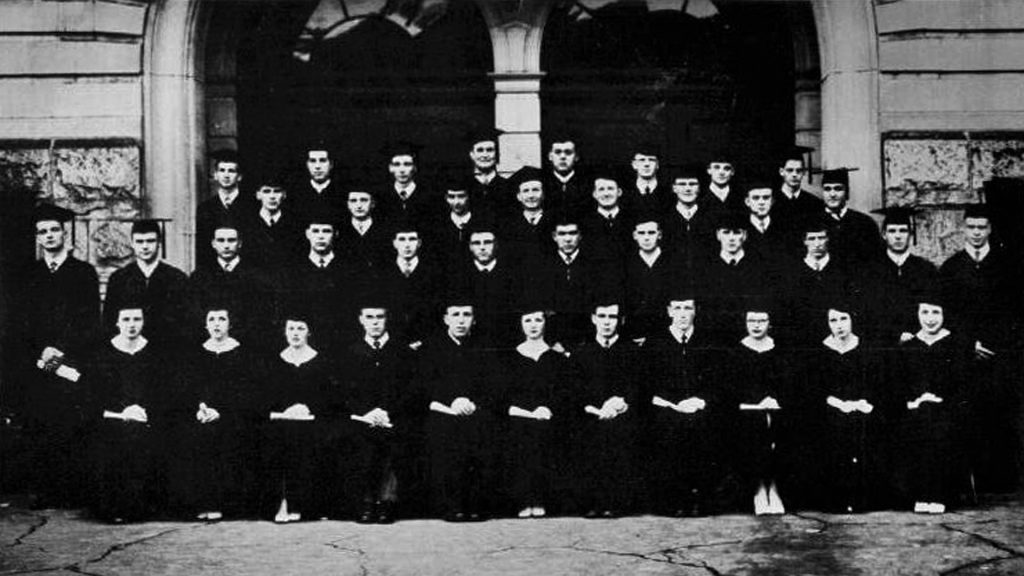
The first graduating class

The first graduating class (1948) was much smaller, and far less diverse, than the classes today.

But while celebrating all that has changed over the past 75 years, the institution is also marking what hasn’t. And there is quite a bit in that category as well.
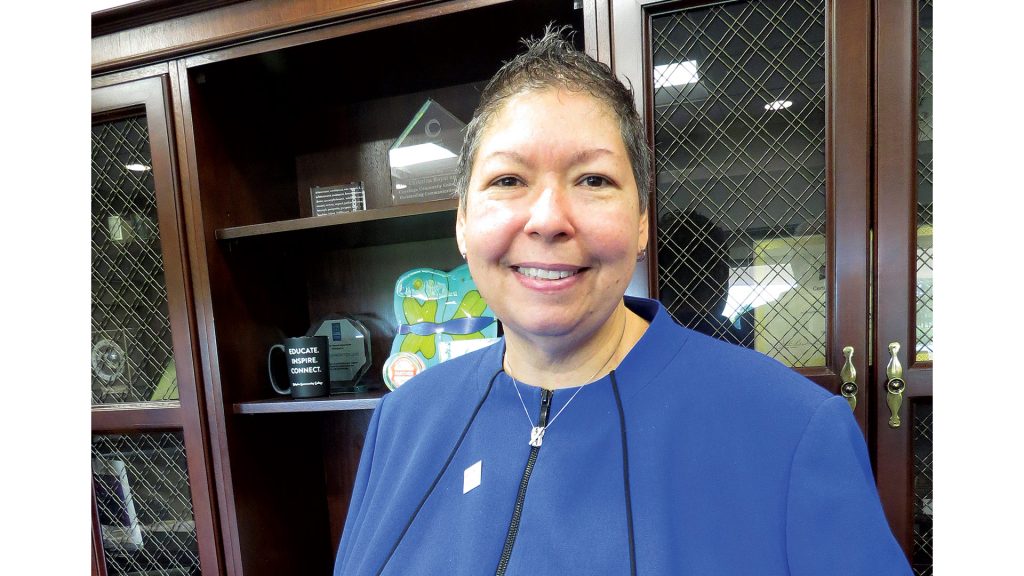
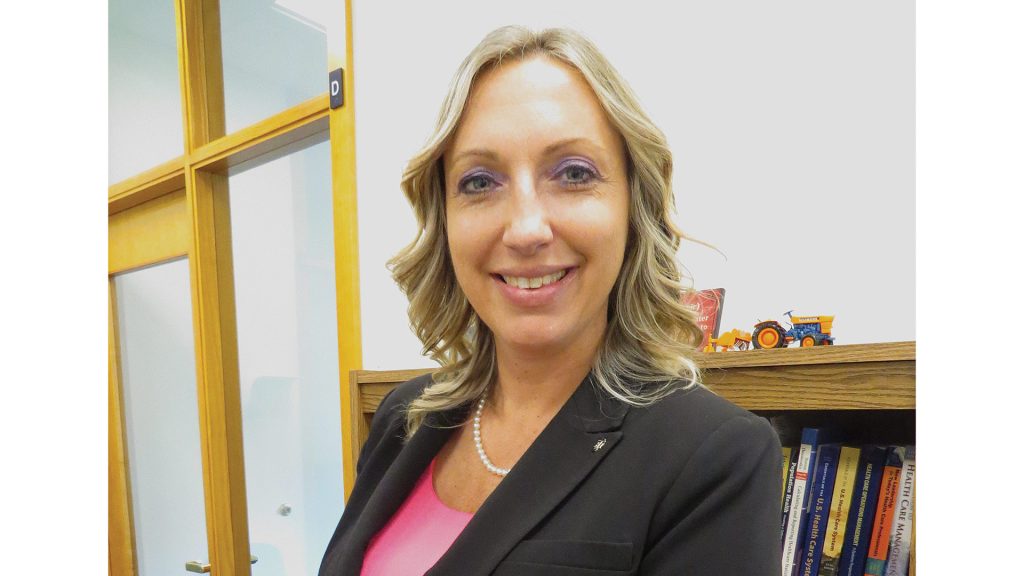
Christina Royal, the college’s fourth president

Christina Royal, the college’s fourth president

Indeed, HCC has, seemingly from the beginning, been a place to start for those seeking a college education, but not a final destination, said Royal, noting that many have transferred to four-year schools to obtain bachelor’s degrees and then graduate degrees.

It’s also been a place for those for whom college is certainly not a foregone conclusion.,

“We were birthed to create opportunities for working adults to be able to get a quality education, and that’s really important still today,” said Royal. “Education is accessible to all — that’s the most important piece about community colleges; access is a tenet of a community-college education.

“No matter who you are, or where you’re at in your career, there is a place for you at HCC,” she went on. “This creates doors that open for many students, and it’s also why, when you look at our alumni, we talk about HCC being a family affair; we have many alums who say that either their parents had come here or their siblings or their cousins come here.” because you see many generations of students that continue to come back and have the next generation supported at HCC.”

Meanwhile, the school has always been known for the high levels of support given to its students, many of them being the first in their families to attend college. In 1946, and the years that followed, many of these students were men who had served in World War II and were attending college on the G.I. Bill.

Fire destroyed the college in 1968

Fire destroyed the college in 1968, leaving some to ponder whether HCC had a future.

Today, as noted, more than half are women and far more than half are non-white. Many arrive with specific needs — ranging from food insecurity to transportation to a child-watch facility — and HCC, while helping them earn a degree or certificate, has been steadfast in its efforts to address those needs and “meet students where they are,” as Royal likes to say.

Moving forward, the school is marking its first 75 years with a variety of ceremonies, a commitment to continue its tradition of being accessible, and a refreshed strategic plan, one that has put additional emphasis on academic success and meeting student needs.

“It’s important that we provide equitable opportunities and that there is an equitable chance of success no matter who walks through the door.”

For this issue and its focus on education, BusinessWest talked at length with Royal about where HCC has been, where it is today, and where it would like to be in the years to come.


School of Thought

As she talked with BusinessWest late last month, Royal was planning for, and very much looking forward to, commencement ceremonies at the MassMutual Center on June 4.

This would be the first in-person ceremony in three years, and members of the classes of 2020 and 2021 were invited to join this year’s graduates in the proceedings. Royal; said several dozen members of those earlier classes accepted the invitation to march.
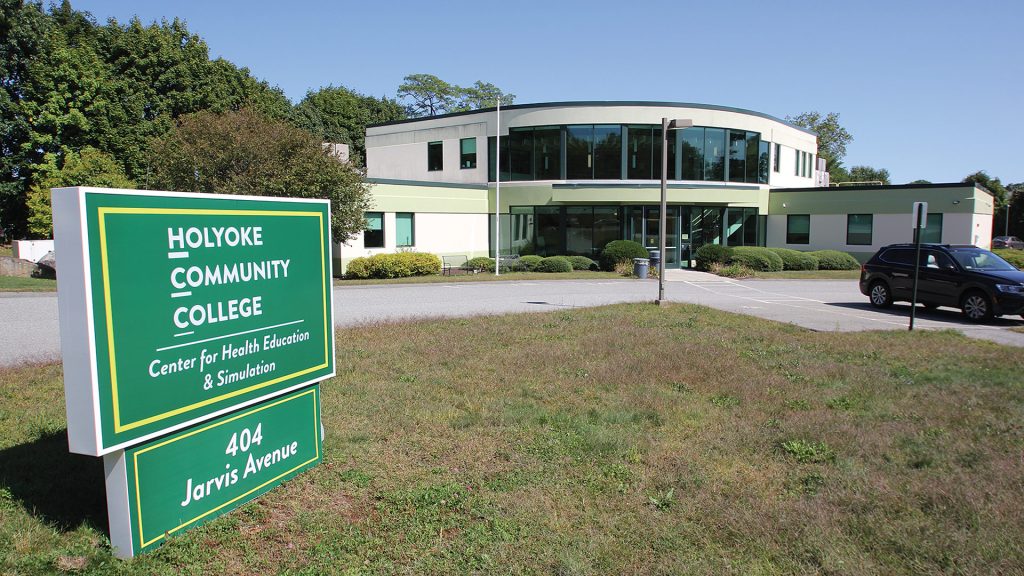
The new Center for Health Education and Simulation

The new Center for Health Education and Simulation on Jarvis Avenue is one of many recent additions to the HCC landscape in recent years.

“We’ve heard from some members of those classes that they desire to have that traditional pomp-and-circumstance experience,” said Royal, noting that, beyond the canceled in-person commencement ceremonies, the pandemic has tested HCC in myriad other ways, from enrollment to helping students secure access to the Internet.

“We were impacted as intensely as everyone else in the world,” said Royal, adding that this has been a test that has left the school stronger and more resilient, in her estimation.

And looking back on HCC’s 75 years of service to the region, the pandemic is certainly not the first, or only, time the school has faced adversity of the highest order — and persevered.

Indeed, the fire of 1968, which broke out on Jan. 4, just before final exams, left the school shaken to its foundation — quite literally, with some wondering if it even had a future.

“Culturally, we have fewer students who start, finish their education, and then focus on work for the rest of their career.”

“Springfield Technical Community College had just opened,” said Royal, only the fourth president in the school’s history. “And there was a lot of conversation about whether we needed another community college in this region — and if so, do we want to build it in Holyoke? It was amazing that while all this debate and discussion was going on, we inherited the land from the Sheehan family, what was the Sheehan Dairy Farm, and be able to rebuild the college in a place that allowed us to continue to expand and grow to what you see today.”

And since opening its facility off Homestead Avenue in 1974, the college has certainly grown within that space, adding several new facilities, including the Bartley Center for Athletics and Education, the Kittredge Center for Business and Workforce Development, a new health sciences facility, and a renovated campus center. It has also returned to its roots with facilities in downtown Holyoke, including the HCC MGM Culinary Arts Center in the Cubit Building on Race Street, and the Picknelly Adult and Family Education Center.

Meanwhile, it has become far more diverse, said Royal, adding that, overall HCC has changed and evolved as the region, its host city, the local business community, and society in general have.
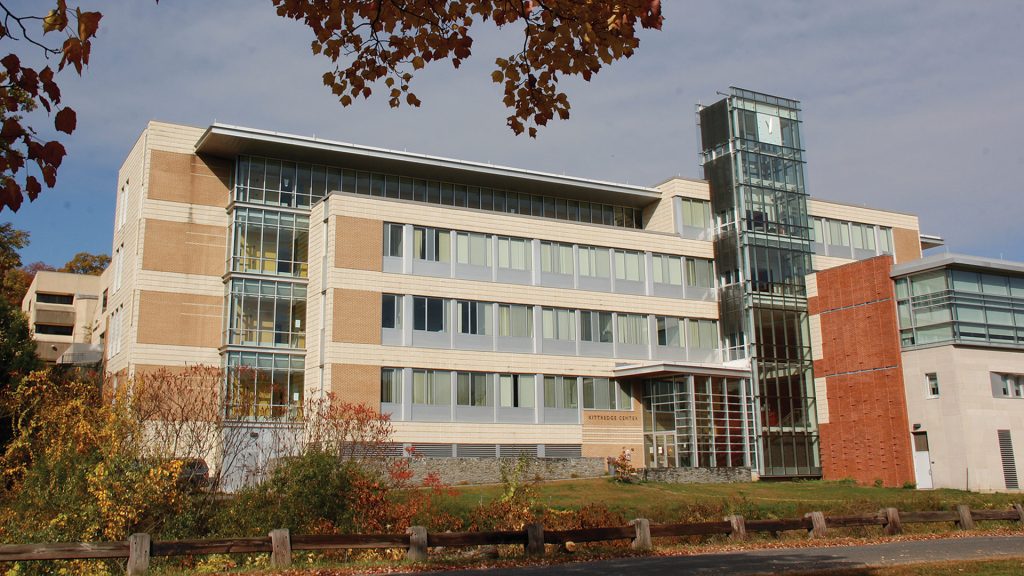
The Kittredge Center

The Kittredge Center for Business and Workforce Development is another of the many recent additions to the HCC campus.

“We are a reflection of the community,” Royal explained, adding that the Itsy Bitsy Child Watch Center is just one example of this phenomenon.

“When you look at the history of our communities and when you think about how these communities have changed, then we’ve had to grow and change with them to keep up with the changing demographics of our region — both in growth in numbers and in terms of the ‘who’ that we’re serving; we really serve a lot of student populations.”

Elaborating, she said that today, as always, the focus is on inclusion, empowering students, and creating an environment in which they can not only attend school, but achieve success, however they wish to define it.

“We’re really focused on equity,” Royal explained. “It’s important that we provide equitable opportunities and that there is an equitable chance of success no matter who walks through the door. And the data shows us that our BIPOC (Black, Indigenous, people of Color) students are not succeeding at the same rate as our white students.

“So our equity initiatives look to be able to provide the additional support and services so we can bring those numbers into alignment,” she went on, adding that, overall the school has become far more data-driven as it works to understand the changing demographics of those it serves — and usethat data to determine how it pivots and changes to better serve students and other constituencies.

Summing it all up, Royal said, “We have a reputation of being a place to come, to start your education at an affordable rate, with high-quality faculty, strong academic rigor, plenty of support services, and to set students up to transfer to any of the prestigious four-year institutions in our area or beyond.”


Course of Action

Looking at HCC today, and what she projects for tomorrow, Royal said the process of evolution at the school is ongoing. And that’s because change is a constant — change within the communities being served, change in the business community and the workplace, and change when it comes to the needs of the students coming to the Homestead Avenue campus.

The pandemic accelerated this process of change in some respects, said Royal, and it also brought a greater need for reflection on just what students need — and how those needs can be met.

Returning to the subject of the new child-watch center, she said it’s a reflection of how the school has been focusing on the basic needs of students and taking direct steps to address them, work that was part of the latest strategic plan, which was completed in 2017.

“We want to be a college of academic rigor, known for helping students overcome barriers to success,” she explained, adding that when discussions were launched on this matter, there were four barriers that were initially defined — food, housing, transportation, and childcare — with area focal points, such as digital literacy, mental health, and others, identified

Each has been addressed in various ways, she said, citing initiatives ranging from a program to house students in dorms at Westfield State University (which not only provides housing but provides exposure to potential next step in the higher education journey), to another program that provides 3,000 bus passes to students to help them get to and from the campus.

Childcare has taken longer to address, she went on, adding that collected data clearly showed the need for a facility where students could place children while they were attending class or accessing services at the college. With $100,000 in support from the state, HCC was able to become the second community college in the state (Norther Essex is the other) to offer child-watch services.

While addressing these needs, HCC is also focused on the changing world of work, what it will look like in the years and decades to come, and how to prepare students for that world.

“Our focus is on having students create life-long relationships with the college,” she explained. “Culturally, we have fewer students who start, finish their education, and then focus on work for the rest of their career. Now, the world of work has shifted, the future of work has changed a lot, and we know that people make job changes much more rapidly than they did in past decades, and so therefore, there’s a different interconnection and relationship between education and workforce.

“It’s not linear anymore,” she went on. “It’s integrated, and it changes depending on how a student’s path changes in life, how many career changes they make; they’ll come back and retool through short-term training or perhaps another degree, and then they make their way into a new career field.”


Class Act

Summing up both the first 75 years and what comes next, Royal said that while there has been tremendous change since HCC was founded, and there is much more to come, there is a constant:

“We believe in transforming communities through education; that is at the core of what we do,” she told BusinessWest. “We believe there are a lot of different ways that people can find their path and contribute to our local economy.”

Helping individuals forge a path is what this institution has been about since it was called the Holyoke Graduate School. And that is what is being celebrated in this milestone year. u


George O’Brien can be reached at
[email protected]

Special Coverage Tourism & Hospitality

Things Are Heating Up

It’s really happening. After a 2020 summer season in which most recreational and cultural venues were shuttered, and a 2021 that made halting progress toward normalcy, with a mix of in-person and virtual offerings, most area attractions are planning a 2022 summer season with few, if any, restrictions, worrying less about COVID this year than the gas prices tourists will be paying to visit them. For those willing to brave the pump, Western Mass. offers a whole lot to do, from live music to theater and dance; from sporting events to Fourth of July festivities; from agricultural fairs to multiple ways to enjoy the Connecticut River. Here are some suggestions to get you started.


Adventure East

11 Bridge St., Sunderland

www.adventureeast.com

Admission: Varies

Year-round: People enjoy being out in nature, but planning an outdoor adventure can be time-consuming and challenging. So Adventure East handles the logistics of outings involving hiking, biking, fishing, kayaking, canoeing, skiing, shoeshoeing, and more — as well as the equipment — so participants can take in the region’s natural beauty without the hassle of figuring out the details. Its activities take place throughout the region’s forests, mountains, and waterways, with guided tours geared at a wide range of skill and experience levels.

The Big E

The Big E

The Big E

1305 Memorial Ave., West Springfield

www.easternstatesexposition.com

Admission: $10-$15; age 5 and under, free; 17-day pass, $20-$40

Sept. 16 to Oct. 2: As regional fairs go, it’s still the big one, and there’s something for everyone, whether it’s the copious fair food or the livestock shows, the Avenue of States houses or the parades, the local vendors and crafters or the live music, which in 2022 includes Nelly and the Dropkick Murphys. But the Big E isn’t the only agricultural fair on the block. The Westfield Fair kicks off the fair season on Aug. 19-21, followed by the Blandford Fair and the Three County Fair in Northampton on Sept. 2-5, the Franklin County Fair in Greenfield on Sept. 8-11, and the Belchertown Fair on Sept. 23-25, to name some of the larger gatherings.


Bridge of Flowers

Shelburne Falls

www.bridgeofflowersmass.org

Admission: Free

Through Oct. 31: The Bridge of Flowers connects the towns of Shelburne and Buckland. The seasonal footbridge, once a trolley bridge, has a garden of flowers covering it, which has long drawn visitors from both near and far. While admission is free, visitors may express their appreciation by offering donations in the kiosks located at both entrances. The Bridge of Flowers was recognized as a Franklin Favorite tourist attraction four years in a row (2018-2021) in a contest sponsored by the Greenfield Recorder.


Brimfield Antique Flea Market

Route 20, Brimfield

www.brimfieldantiquefleamarket.com

Admission: Free

July 12-17, Sept. 6-11: After expanding steadily through the decades, the Brimfield Antique Flea Market now encompasses six miles of Route 20 and has become a nationally known destination for people who value antiques, collectibles, and flea-market finds. Some 6,000 dealers and close to 1 million total visitors show up at the three annual, week-long events; the first was in May.


Concerts at the Drake

44 North Pleasant St., Amherst

www.thedrakeamherst.org

Admission: Varies

Year-round: For decades, the Amherst community has clamored for a space for a live performance and music venue. The Amherst Business Improvement District and the Downtown Amherst Foundation listened, and the result is the Drake, a recently opened performing-arts venue in the heart of downtown Amherst, with a planned lineup of both legendary and emerging musical artists from Western Mass. and across the globe, as well as workshops and open-mic nights. Check out the website for a full lineup.


FreshGrass Festival

1040 MASS MoCA Way, North Adams

www.freshgrass.com

Admission: three-day pass, $54-$174; ages 6 and under, free

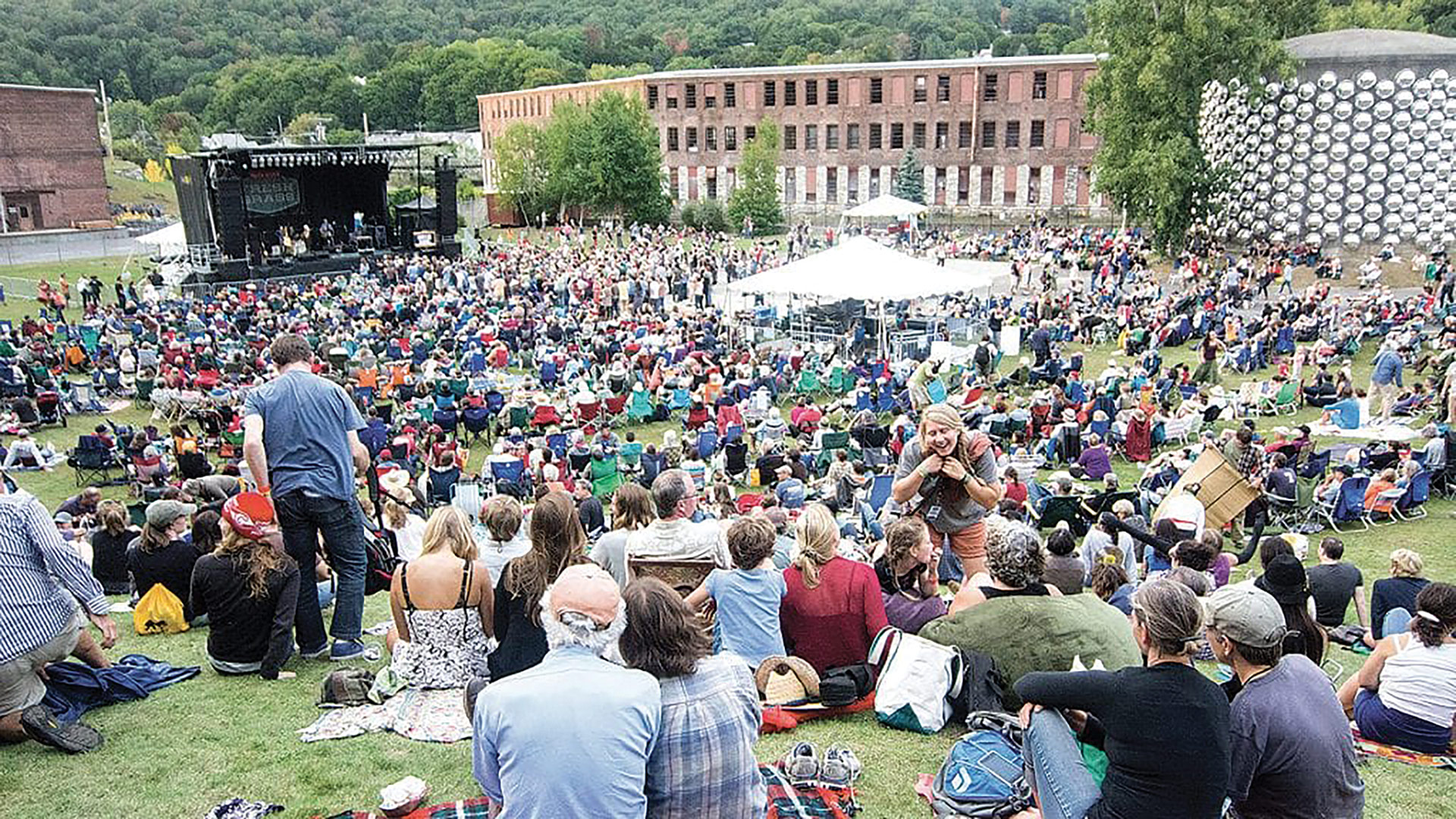
Sept. 23-25: The Massachusetts Museum of Contemporary Art is known for its musical events, and the FreshGrass festival is among the highlights, showcasing dozens of bluegrass artists and bands on four stages over three days. This year, the lineup includes Gary Clark Jr., Old Crow Medicine Show, Tanya Tucker, Trampled by Turtles, the Del McCoury Band, Taj Mahal, and many more.


Glasgow Lands Scottish Festival

300 North Main St., Florence

www.glasgowlands.org

Admission: $22; ages 6-12, $5; age 5 and under, free

July 16: Celebrating its 27th anniversary, the largest Scottish festival in Massachusetts, held at Look Park, features Highland dancers, pipe bands, a pipe and drum competition, animals, spinners, weavers, harpists, Celtic music, athletic contests, activities for children, and the authentically dressed Historic Highlanders recreating everyday life in that society from the 14th through 18th centuries. Featured performers this year include Enter the Haggis, Albannach, Sarah the Fiddler, and Charlie Zahm.


Green River Festival

Green River Festival

Green River Festival

One College Dr., Greenfield

www.greenriverfestival.com

Admission: Weekend, $170; Friday, $55; Saturday, $75; Sunday, $75

June 24-26: For one weekend every summer, Greenfield Community College hosts a high-energy celebration of music; local food, beer, and wine; handmade crafts; and games and activities for families and children — all topped off with hot-air-balloon launches and evening ‘balloon glows.’ The music is continuous on three stages, with more than 30 artists and bands — from Father John Misty to Waxahatchee to Asleep at the Wheel — slated to perform this year.


Independence Day Weekend at Old Sturbridge Village

1 Old Sturbridge Village Road, Sturbridge

www.osv.org

Admission: $14-$28

July 2-4: Old Sturbridge Village will celebrate Independence Day weekend with a citizens’ parade, fife and drum music, cannon demonstrations, and more. Attendees can join in a game of old-fashioned baseball, watch a toy hot-air balloon flight, listen to a stirring reading of the Declaration of Independence, and hear excerpts from Frederick Douglass’s 1852 address “What to the Slave Is the Fourth of July.” On July 4, a citizen naturalization ceremony will take place on the Village Common.


Jacob’s Pillow Dance Festival

Jacob’s Pillow Dance Festival

Jacob’s Pillow Dance Festival

358 George Carter Road, Becket

www.jacobspillow.org

Admission: Prices vary

June 18 to Aug. 28: Jacob’s Pillow has become one of the country’s premier showcases for dance. This season begins with the 90th anniversary gala on June 18, which precedes dozens of events, including “Eastern Woodland Dances” on June 22, Ted Shawn’s “Dance of the Ages” on June 23, Ronald K. Brown’s “Evidence” from June 29 to July 3, Caleb Teicher’s “Sw!ng Out” on July 6-10, Ballet Nepantla’s “Valentina” on July 13, and much, much more; check out the website for a full listing.


Lady Bea Cruise Boat

1 Alvord St., South Hadley, MA

www.brunelles.com

Admission: $18-$25; kids 3 and under, free

All summer: Interstate 91 is not the only direct thoroughfare from South Hadley to Northampton. The Lady Bea, a 53-foot, 49-passenger, climate-controlled boat operated by Brunelle’s Marina, will take boarders up and back on daily cruises along the Valley’s other major highway: the Connecticut River. If you don’t feel like sharing the 75-minute narrated voyage with others, rent the boat out for a private excursion. Amenties include a PA system, video monitors, a full bar, and seating indoors and on the sun deck.


Monson Summerfest

Main Street, Monson

www.monsonsummerfestinc.com

Admission: Free

July 4: In 1979, a group of parishioners from the town’s Methodist church wanted to start an Independence Day celebration focused on family and community. The first Summerfest featured food, games, and fun activities. With the addition of a parade, booths, bands, rides, and activities, the event — now in its 23rd year — has evolved into an attraction drawing between 10,000 and 13,000 people every July 4.


Shakespeare & Company

70 Kemble St., Lenox

www.shakespeare.org

Admission: Varies

This year marks Shakespeare & Company’s 45th season of performances, actor training, and education, taking place at two indoor venues and two outdoor spaces, including the 500-seat Spruce Theater, an amphitheater built just last summer. The two Shakespeare productions planned for 2022 include Much Ado About Nothing (July 2 to Aug. 14) and Measure for Measure (Aug. 19 to Sept. 18), while visitors can also take in plenty of contemporary plays, as well as comedy and other events.


Six Flags New England

Six Flags New England

Six Flags New England

1623 Main St., Agawam

www.sixflags.com/newengland

Admission: $34.99 and up; season passes, $59.99 and up

All summer: Unlike most seasons, Six Flags has not announced a new ride for 2022, but is touting an improved visitor experience, adding single-rider lines on some of its most popular rides, including Batman the Dark Knight, Harley Quinn Spinsanity, Supergirl Sky Flyer, and more; as well as upgrading its Flash Pass system to a mobile app, offering mobile food ordering, and unveiling new dining options. The main park and the Hurricane Harbor water park are both open now.


Springfield Jazz & Roots Festival

Stearns Square, Springfield

www.springfieldjazzfest.com

Admission: Free

Aug. 12-13: This year, Springfield’s biggest music festival moves to the Stearns Square neighborhood, and Worthington and Bridge streets will be closed to vehicles to create a pedestrian area. The Charles Neville Main Stage will be located near Stearns Square, and the Urban Roots Stage will be located near Tower Square Park. The music lineup will include Bomba de Aqui, Albino Mbie, Curtis Haywood, Dayme Arocena, and the Haneef Nelson Quintet, with more announcements to come.


Star Spangled Springfield

Downtown Springfield

www.spiritofspringfield.org

Admission: Free

July 4: What’s a better end to an Independence Day filled with food, family, and outdoor fun than taking in a spectacle of the skies? Springfield’s annual event will feature family-friendly entertainment, a flyover by the 104th Fighter Wing, and a dazzling fireworks display from the Memorial Bridge. But that’s hardly the only display on tap. Among the Western Mass. communities that have announced fireworks events are Holyoke (June 24); Chicopee and Northampton (June 25); Greenfield (July 1); South Hadley (July 2); Agawam (July 2-4); East Longmeadow (July 3); Amherst, North Adams, and Pittsfield (July 4); and Otis (July 9).


Summer Stage at Ski Butternut

380 State Road, Great Barrington

www.etix.com/ticket/v/23194/ski-butternut

Admission: $24 to $28

July 16, Aug. 27. Sept. 17: For the first time this summer, Ski Butternut will present a family-friendly concert series. The cover bands span a range of rock styles and time periods and include Dean Ford and the Beautiful Ones: A Tribute to Prince (July 16), The Machine: Dark Side of the Moon and Greatest Hits of Pink Floyd (Aug. 27), and The Breakers: A Tribute to Tom Petty (Sept. 17). A variety of food, beer, and wine will be available for purchase.


Tanglewood

Tanglewood

Tanglewood

297 West St., Lenox

www.bso.org

Admission: Varies

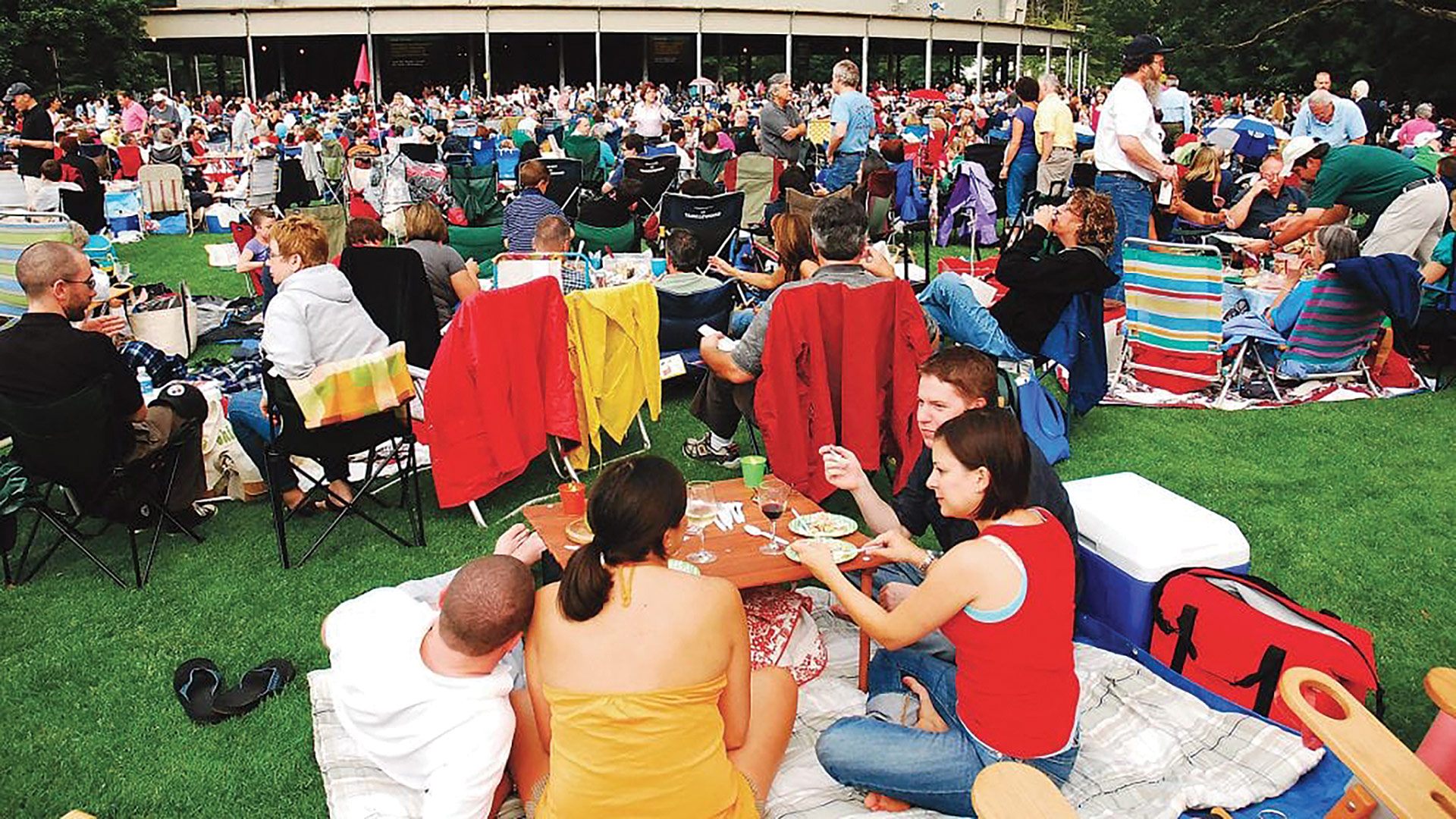
June 17 to Sept. 4: This summer, for the first time since 2019, Tanglewood, the summer home of the Boston Symphony Orchestra, will offer a full season of concerts and events. With Ozawa Hall and the Linde Center for Music and Learning reopening to the public alongside the Koussevitzky Music Shed, Tanglewood will present a wide range of programs, including eight world and American premieres and 28 works by living composers, as well as 21 artists making their Tanglewood or BSO debuts. See the website for a full listing.


Valley Blue Sox

MacKenzie Stadium, 500 Beech St., Holyoke

www.valleybluesox.com

Admission: $5-$7; flex packs, $59-$99

Through July 30: Western Mass. residents don’t have to trek to Boston to catch quality baseball. The Valley Blue Sox, two-time champions of the New England Collegiate Baseball League, play the home half of their 44-game schedule close to home at MacKenzie Stadium in Holyoke. Frequent promotional events like postgame fireworks and giveaways help make every game a fun, affordable event for the whole family.


Westfield Starfires

Bullens Field, Westfield, MA

www.westfieldstarfires.com

Admission: $10; flex packs, $99

Through Aug. 6: Still can’t get enough baseball? The newest baseball club to land in Western Mass., the Starfires, a member of the Futures Collegiate Baseball League, play a slightly longer schedule (56 games) than the Blue Sox. Now in its fourth season, the team plays at Bullens Field in a city with a rich baseball history, and peppers its games with plenty of local flavor and fan experiences.


The Zoo in Forest Park

The Zoo in Forest Park

The Zoo in Forest Park

293 Sumner Ave., Springfield, MA

www.forestparkzoo.org

Admission: $5-$10; children under 1, free

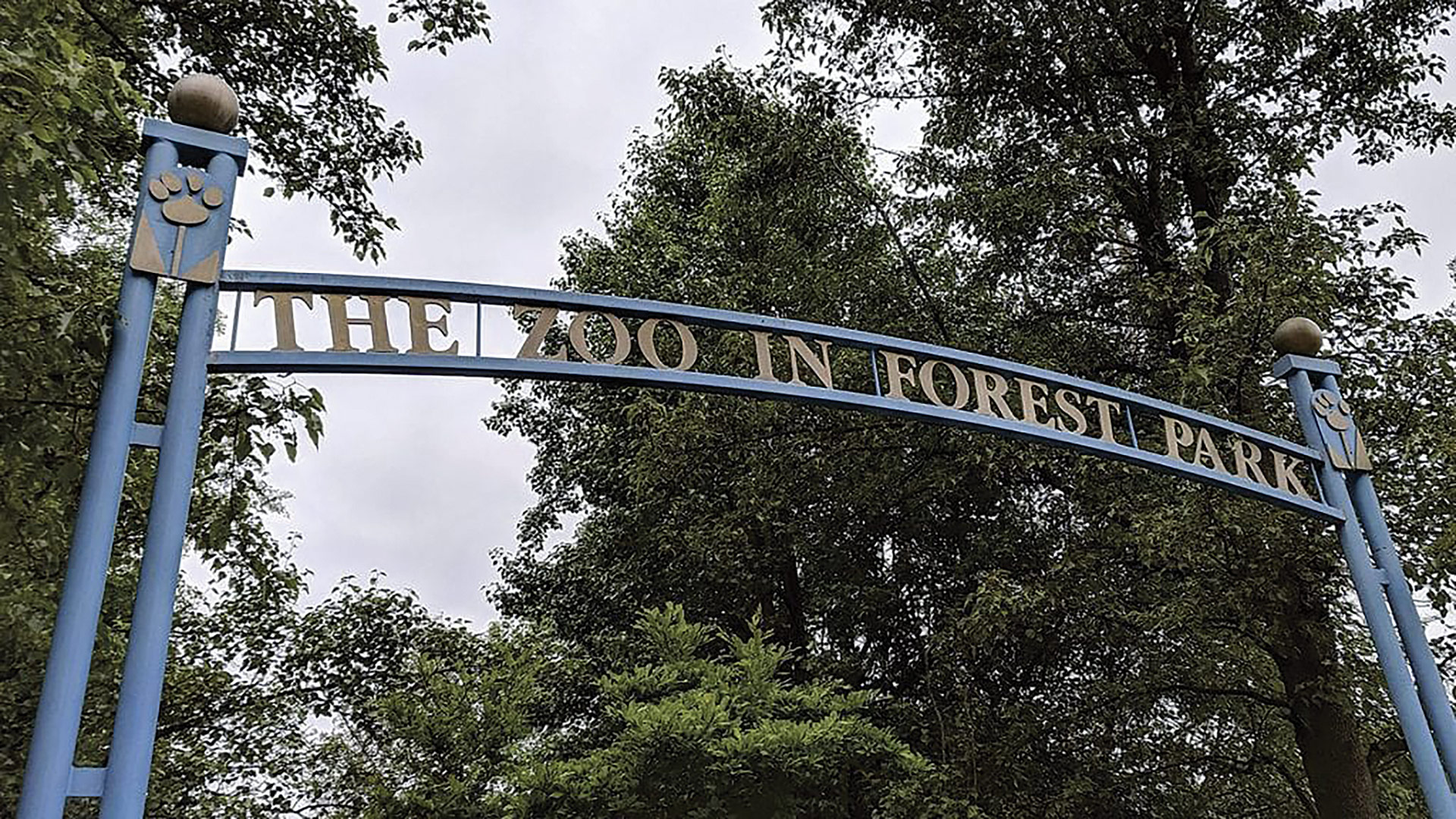
Through Oct. 10: The Zoo in Forest Park, located inside Springfield’s Forest Park, is home to a wide variety of species found throughout the world and North America. Meanwhile, the zoo maintains a focus on conservation, wildlife education, and rehabilitations. The Zoo is open seven days a week, weather permitting, and, unlike 2020 and 2021, guests no longer need a timed ticket to visit. u

Special Coverage Women in Businesss

Growing Desire


Tina D’Agostino

Tina D’Agostino

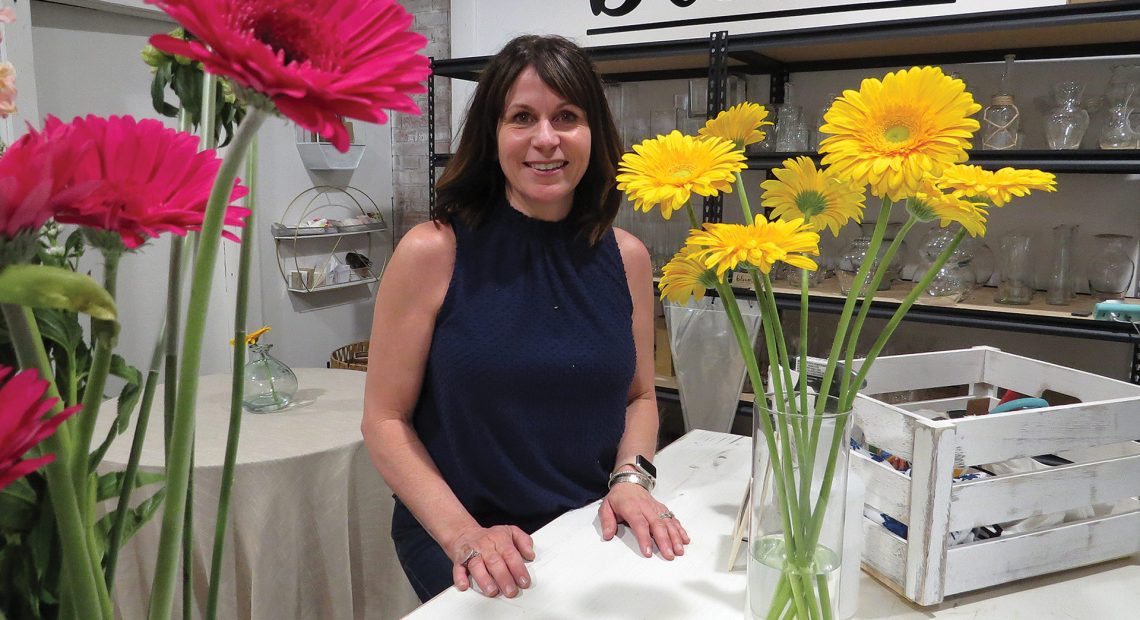
For many, the pandemic was a time for introspection, for thinking about what’s important in life, for finding what makes one happy. It was that way for Tina D’Agostino, who, after landing in the corporate world following two decades of work at CityStage, decided she wanted to “pursue a career I could love again.” That pursuit led to Blooms Flower Truck and Studio, a business that brings a passion for flowers and some entrepreneurial fire together in the same mobile venture.


Tina D’Agostino says she’s always been entrepreneurial, and has long had a desire to start a venture of her own. Until very recently, though, the timing just wasn’t right.

By that she meant that she was either busy raising children and working part time, a period much earlier in her career, or working full time, as in very full time, promoting and staging events for CityStage with Springfield Performing Arts Development Corp., until 2018.

“I think that fire, and that interest, was always there,” she said. “But life did not allow me to test those waters and jump in.”

And when it did allow her to jump in and eventually launch Blooms Flower Truck and Studio, the timing could hardly be considered ideal. Indeed, she opened the doors to the truck in the middle of the pandemic, when operating any business was a stern challenge.

In some important ways, however, the pandemic inspired this entrepreneurial gambit, she said, adding that, for her (and many others) that challenging, unprecedented period brought with it time, and reason, for introspection and a focus on what’s important.

And for her, this meant finding work that … well, isn’t really work. Flowers are more of a passion, she said, and working for herself brings rewards on many different levels.

“COVID forced a lot of people to focus on what motivates them and interests them and makes them happy,” she told BusinessWest. “That’s what happened to me, anyway. That, coupled with losing some friends and some family members and realizing that life sometimes is a lot shorter than it should be, I really just wanted to focus on pursuing a career that I could love again.”

In this case, it meant taking a life-long love of flowers and gardening and coming up with something different, specifically a flower truck — a tricked-out Mercedes Sprinter van to be more precise. It’s not a delivery van, but rather a flower shop on wheels, one that she takes to various locations, like the Longmeadow Shops, to sell flowers but also to stage workshops and other programs.

She opened on Mother’s Day — one of those big days for florists — in 2021, and officially opened her studio in the Mill at Crane Pond in Westfield last November. Just over a year in, she described what’s transpired thus far as a rewarding learning experience, one that has yielded all the emotions encountered by entrepreneurs and the normal amounts of highs, lows, doubts, convictions, and nights where she could have done with more sleep.

“It’s certainly stressful figuring out where the next check is coming from and how I’m going to make the next payment on the van,” she continued. “But it’s worth it; at the end of every day, I’m glad I made this move.”

“COVID forced a lot of people to focus on what motivates them and interests them and makes them happy. That’s what happened to me, anyway. That, coupled with losing some friends and some family members and realizing that life sometimes is a lot shorter than it should be, I really just wanted to focus on pursuing a career that I could love again.”

Overall, she has perservered and put down some solid roots in a highly competitive industry. And she has her business on a track to continued growth and new opportunities, while successfully returning to where she was — a place where she loves coming to work every day.

For this issue and its focus on women in business, we talked with D’Agostino about her still relatively new venture, where she wants to take it, and how she intends to get there.


Stem Class

D’Agostino calls this the fourth chapter in her career. The first three included an intriguing mix of career stops, all of which in some ways helped her prepare for this latest act.

During that first chapter, she worked for a direct-mail company, a treadmill manufacturer, and an elementary school, when her children were very young. After she divorced, she needed full-time employment with benefits, and found it at CityStage, where she would climb the ladder, advancing from director of marketing to general manager to executive director, the post she was in when the city announced it was closing the nonprofit agency in 2018.

From there, she worked at Mercy Medical Center in the office of Philanthropy, and, later took a community-engagement role with Health New England just days before the pandemic arrived in Western Mass.

“I was at Health New England for four days before we were sent home to work because of COVID, so the community engagement part of that never took off,” she noted, adding that she worked at the company into January of this year as she gradually transitioned out of that phase of her career and into this one.

“I realized that, after enjoying a pretty robust career in a nonprofit in a very unique industry, the entertainment industry, it was hard to make that shift to the corporate environment,” she explained. “I think that this, coupled with COVID, promoted me to pivot to this business and become an entrepreneur. To go to a job every day sent me into a bit of a depression.”

Her chosen field, pun intended, is a hobby and passion that goes back to when she was a child.

“My grandmother had the greenest of all thumbs,” she explained. “She was a gardener and had tons of flowers outside and inside; actually, both sets of grandparents had vegetable gardens. We grew up gardening and paying attention to flowers — when I was a kid, it was big outing to go to Stanley Park and look at the roses, and we used to go to flower shows with my mom and my aunts when I was a kid, so I’ve always been around flowers.

“My father died when I was very young, and after he died, my mom went to work part time in a flower shop, so I had that exposure,” she went on. “It’s always been an interest of mine, and I’ve always arranged my own flowers.”

But making flowers a business is challenging in the current marketplace, she told BusinessWest, adding that there are still plenty of traditional flower shops in the region and supermarkets in nearly every area community with huge floral departments.

Upon surveying this scene, she decided she needed something decidedly different, and by that she meant the experience of choosing and buying flowers. And she decided that a mobile model would set Blooms apart and provide that unique experience.

“Blooms has evolved, and it’s still evolving. I’m rewriting the business plan regularly.”

“It’s kind of like a food truck, but with flowers,” she said, adding that she does pop-ups at the Longmeadow Shops and other locations such as wineries and breweries, and will also appear at events like charity golf tournaments. She has also made appearances at businesses — the Big E was one of them — that are showing appreciation to employees by giving them flowers.

Her first real challenge, and maybe the biggest in her estimation, was simply finding a van in which to operate — a difficult task when inventory is short and prices have skyrocketed.

“When I was looking last year, there were zero; there was nothing out there for a few months,” she recalled, adding that at one point she was in line to get a used model but eventually scored a new one and in less time than she anticipated.

Last November, she went next level and opened the studio at the Mill at Crane Pond in space by the loading dock that was formerly occupied by a machine shop. There, she sees some foot traffic for flowers and also conducts some workshops.

Moving forward, she is shaping and reshaping the business model and working to create enough revenue streams to see the business through the months that don’t have those busy flower days, like Mother’s Day, Valentine’s Day, Easter, and even Thanksgiving, which was more lucrative than she imagined it would be.

Such streams include everything from event planning, something she has done for years, and providing flowers for such gatherings, to an array of gifts she sells at the studio — most of which are intended for marrying couples — to work helping area residents with their home gardens.

“Blooms has evolved, and it’s still evolving,” she explained. “I’m rewriting the business plan regularly; some things have worked, and some things haven’t. The latest incarnation is to focus on as much events business as possible, and try to book as many large events, such as weddings and corporate gatherings, as possible.”

Elaborating, she said she wants to create more added value at such events by providing take-away gifts such as bouquets, or staging workshops for attendees on making arrangements, an interactive experience she calls a “Blooms bar.”


Plant Manager

All this is part of an entrepreneurial experience that is, in many ways, what she expected. But in other ways, it’s been much more than she could have imagined.

“I knew it was going to be a lot of work, but it is a lot more work than thought it was going to be because I’m just one person,” she explained. “I have friends and family that help when I need it for larger events, but for the day to day, I’m handling all of it — managing the books, the buying, the marketing, the social media, and the delivery; it’s much more than I thought.

“I do have to remember that it’s good to put things down and put things away,” she went on. “I really have to focus on staying organized, planning my time, and budgeting my time so that it’s not completely taking over. But that’s also the blessing of being an entrepreneur, because you can make your own schedule.”

Overall, the highs and lows, up and downs, have certainly been palatable, because D’Agostino is in a place she wants to be, figuratively, but also quite literally.

“There aren’t really any bad days, but at the end of the worst day, I look next to me, and I’m delivering, or surrounded by, or working with, all this beauty, and that’s really important to me.”


George O’Brien can be reached at [email protected]

Alumni Achievement Award

Founder/CEO, the Royal Law Firm

Amy Royal

Amy Royal

Amy Royal is a big believer in that old adage — the one about how if you want something done, give that task to a busy person.

“I’ve seen that happen so much over the course of my career,” she told BusinessWest. “Those busy people — they just make it happen. They’ll return things very quickly; they get things done, and done right.”

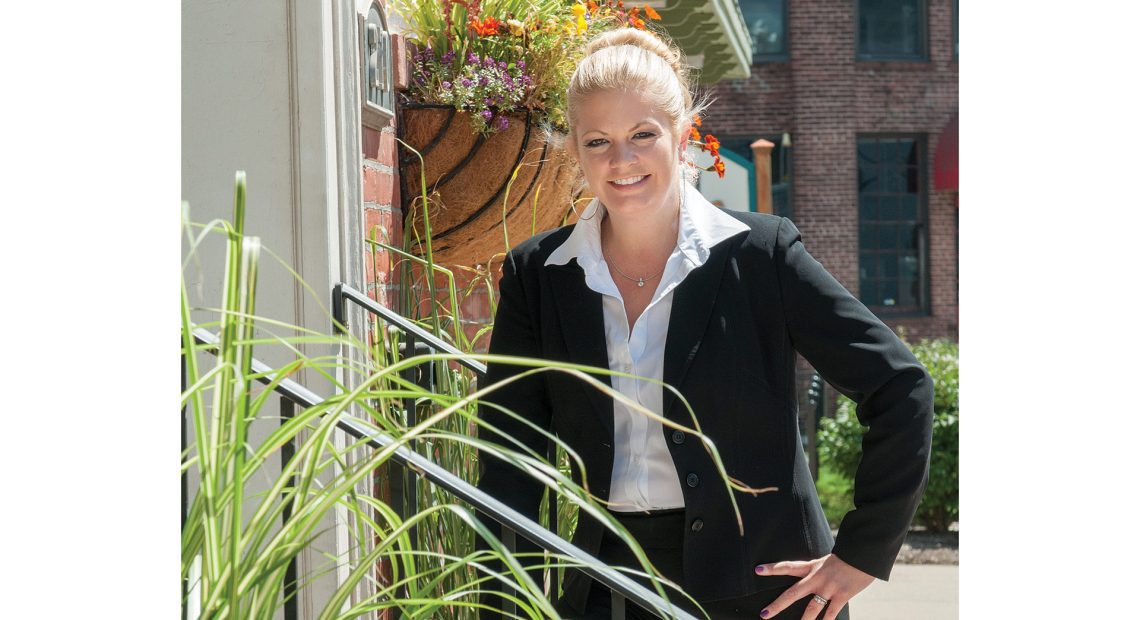
For quite some time now, Royal, founder and CEO of the Springfield-based Royal Law Firm, has been the very definition of that proverbial busy person — and that’s probably why people keep asking her to do things, with ‘people’ meaning everything from legal clients to area nonprofits to those running the Springfield Ballers (more on them later).

Indeed, Royal is busy with all kinds of things these days, and the sum of this work inside and outside the office (and on her new office) certainly helps to explain why she is a finalist for the Alumni Achievement Award in 2022.

Let’s start with the office. Back in 2009, when Royal was honored as a member of the third 40 Under Forty class, she was busy putting the law firm she established on a path to consistent, diverse growth. To say that she has succeeded with that assignment would be an understatement.

Indeed, the firm has grown in size — it now boasts a team of 11 — while also greatly expanding its book of business, its geographic footprint, and its service areas.

When the firm was launched, it was focused exclusively on representing employers in labor and employment law matters. It still does a lot of that, but it has pushed into other areas of the law, as Royal explained.

“It was a long time coming before I decided to expand beyond that; we still only represent organizations, but now we do it in other practice areas beyond where we started,” she explained. “I’m representing Merck Corp. in federal court here in a products-liability claim; my litigation has expanded beyond labor and employment law to commercial litigation generally.”

Merck is just one of many national and international clients in the firm’s portfolio. Others include Google, Dick’s Sporting Goods, Macy’s, Panasonic Corp. of North America, and KeyBank.

As for geographic expansion, the firm now has satellite offices in Hartford, Providence, and Bennington, Vt. (the latest facility to open), and Royal has ambitious plans to soon be in all six New England states.

And her entrepreneurial exploits extend beyond her law firm. Indeed, she has been involved in many other business ventures, including the purchase and subsequent expansion of West Side Metal Door Corp., a distributor and fabricator of metal doors and frames. There have been several real estate development projects, the latest being her purchase of the historic Alexander House, just down the street from the federal courthouse.

Royal is in the process of restoring the 6,000-square-foot home, built in 1811, and relocating the law firm’s headquarters there.

Meanwhile, Royal has long been busy outside the office, donating her time and talents to several nonprofits, especially the Center for Human Development. She has served on its board for more than 14 years, and is currently its president. She has also served on other boards, including serving as president of United Way of Hampshire County.

She has also coached many youth sports, from basketball to baseball, and created the 501c3 corporation for the Springfield Ballers, a nonprofit providing opportunities to young people in athletic programs. She serves as clerk of the Ballers board, and has been involved in writing grants to attain the funds to create more opportunities for more young people.

“We serve more than 400 kids in the Greater Springfield area in sports like basketball, both boys and girls, lacrosse, golf, and others,” Royal explained, adding that the initiative started as a girls’ basketball league and has expanded and evolved “massively from there.”

This is a volunteer operation, she went on, where those involved often wear many hats, as she does. She was asked to coach this year, as she has many times in the past, but had to decline — for a good reason.

“This is probably my older son’s last season in AAU, so I really want to watch him play basketball,” she said, adding that this is one example of how she works to balance the many priorities in her life.

When asked where she finds the time for all that she does and is asked to do, Royal said she makes it, because each aspect of her life is important to her — her family, her law career, and her many commitments to this region, which is her life-long home.

“I grew up here, and I care about the community and see that as something that is really important,” she said. “It’s something that both my parents were involved in; they made it a priority, and I’m simply following their example.”

In doing so, she has certainly become one of those busy people from that old adage that others entrust with important tasks — and a finalist for the Alumni Achievement Award.


George O’Brien

Alumni Achievement Award

President and Co-founder of the Gleason Johndrow Companies

Anthony Gleason II

Anthony Gleason II


You might call it the ‘snowball effect.’

That’s one poetic way to describe what has happened since Anthony Gleason started his own landscaping business when he was 16, and especially since he was honored as a member of the Forty Under 40 Class of 2010.

Things have… well, snowballed. And in all kinds of ways.

The landscaping company he started with a $1,500 pickup truck and a lawnmower has grown into one of the largest snow-removal contractors in the country — the 32nd largest to be exact, at least according to the latest rankings in Snow Magazine, with more than $10 million in revenues in 2021. It now boasts a number of large contracts including the city of Springfield (250 locations), UMass Amherst and its 157 parking lots of various shapes and sizes, Western New England University, and many others, and has extended its geographic reach well beyond Western Mass.

“We’re servicing the entire state of Massachusetts — we’ll go out to Worcester and Boston — and go south into Hartford,” he told BusinessWest. “We just keep trying to grow wherever we can with the kind of work that makes sense.”

Meanwhile, the real estate portfolios of the many companies he’s now involved with continue to grow. The combined portfolio now boasts properties valued at more than $25 million, he said, and it includes office, industrial, self-storage, and other properties.

“We’re servicing the entire state of Massachusetts — we’ll go out to Worcester and Boston — and go south into Hartford. We just keep trying to grow wherever we can with the kind of work that makes sense.”

And Gleason’s involvement in the community — both on a personal and company-wide scale — continues to snowball as well, especially in Springfield. Indeed, both Gleason personally and Gleason Johndrow Landscaping have become huge supporters of the Spirit of Springfield, as both a sponsor and with in-kind donations, as we’ll see, but his work to give back extends well beyond the SOS to several other causes and organizations.

To sum it all up, Gleason, 36, who was also a finalist for the AAA award in 2019, travels back in time to when he was just getting started with that pick up truck while still in high school.

“I started with a few accounts … and I just went after it,” he said, adding that this is the mindset that has propelled his landscaping company — and many other business interests — forward, making it a force not only within its highly competitive industry, but within the community as well.

As he talked about his landscaping company and its status among the largest and most successful in the country, Gleason said it is well-positioned within that competitive market. It is large enough — with 150 employees and more than 75 vehicles — to handle the needs of large-scale clients like the city of Springfield and UMass Amherst, but also nimble enough to handle assignments of any size.

“Snow services is our largest offering and it’s what I think sets us apart,” he explained. “I do believe we’re really good at it, and we’re well-equipped. We’re going to continue to grow, but we’re going to try to do it modestly and do it the right way, with the accounts that make sense for our business model.”

With all this success in business comes a responsibility to give back, said Gleason, and he does this in many ways, perhaps most notably, and visibly, with the Spirit of Springfield and its many endeavors.

Since 2015, Gleason Johndrow Landscaping has been heavily involved with the SOS’s annual pancake breakfast, touted as the largest in the world. A team of 20 from the company provides help with logistics and operations — everything from loading batter onto a refrigerated truck to dispensing supplies to three cooking tents and 10 beverage stations.

Starting that same year, the company has been a sponsor of Bright Nights at Forest Park’s ‘Happy Holidays Springfield’ display. In 2017, the company was the lead sponsor, and Gleason the co-chair, of the City of Bright Nights Ball, the SOS’s largest annual fundraiser. In the years that have followed, it has supported the gala as a Golden Circle Sponsor.

But, as noted earlier, Gleason and the company have given back in many other ways as well. Examples include the donation of labor and resources to Southampton’s Norris Elementary School playground project, support for the Gunnery Sergeant Thomas J. Sullivan Park in Springfield, and ongoing support to a host of agencies, including Empty Arms Bereavement, the Mayflower Marathon, Springfield Cultural Council, Susan G. Komen Foundation, and many others.

While doing all this, Gleason has become an inspiration, role-model, and cheerleader of sorts for employees and others in the community, said Judy Matt, president of the Spirit of Springfield, who is one of many who nominated Gleason for the AAA award.

“He continues to inspire others by meeting with employees, colleagues, and friends to assist them with personal financial management, budgeting, and retirement investments,” she wrote. “He has encouraged employees to purchase homes or multi-family buildings, and often has helped them reach their goals of home ownership. He is always willing to donate his time and knowledge and to share his story of success so that others can achieve even greater accomplishments; this has been one of his main objectives throughout his career.”

You might say this objective is just part of the snow-ball effect, a success story that has many chapters still to be written.


George O’Brien

Alumni Achievement Award

Associate Professor of Accounting and Finances, Director of the MBA Program, Elms College

Amanda Garcia

Amanda Garcia

Amanda Garcia has some simple advice for those she counsels in the Entrepreneurship program at Elms College — and pretty much everyone else she mentors at one level or another.

“I tell them not to be afraid to fail, and that you can learn from failure,” Garcia, now a repeat finalist for the Alumni Achievement Award, told BusinessWest. “A lot of times as an entrepreneur, whatever you start with is not what you end up with. So I encourage the students to understand that failure is OK — just learn from the failure and figure out what you can do better next time.”

And this is advice that extends to all those in business, she went on, not simply those who happen to own the business.

“If you’re too afraid to fail at something, you’ll never take the risk to start something new,” she explained. “A new program, a new initiative … any of that is a risk, because you’re putting your name on it, and sometimes things don’t go well.”

Suffice it to say that Garcia practices what she preaches, and that simple philosophy helps explain why she is again a finalist for the AAA award. Indeed, she has demonstrated several times that she is not afraid to fail, taking on new career challenges, new initiatives in the realm of higher education, and even her own entrepreneurial venture, an accounting firm that bears her name.

Most all of that has occurred since she was honored as a member of the 40 Under Forty Class of 2010. At that time, she was vice president of Operations for Junior Achievement of Western MA. And while she’s still heavily involved in JA, as we’ll see later, she has shifted her career path from the nonprofit realm to higher education.

“If you’re too afraid to fail at something, you’ll never take the risk to start something new. A new program, a new initiative … any of that is a risk, because you’re putting your name on it, and sometimes things don’t go well.”

At Elms College, where she started as lecturer in Accounting, she is currently an associate professor of Accounting and Finances and interim director of the MBA program, which she co-founded in 2012. Since then, she’s helped grow that program to include graduate degrees in several areas, including Accounting, Financial Planning, Healthcare Leadership, Management, and many others.

Meanwhile, Garcia helped launch the Entrepreneurship program at the school, and currently oversees that initiative and is co-director of the First-year Seminar and Innovation Challenge for students in that program.

Explaining that initiative, she said it is aptly named — students are placed into teams that are challenged with conceptualizing a product and service and pitching it in a competition that earns the winners some capital to take their venture forward.

“Students learn about design thinking, they learn how to pitch, they learn about innovation and how to tackle big problems that seem to have no answer,” she explained, adding that as an advisor and leader of the program, she also teaches them how to work in teams and be a good team member.

As for those big problems with no answers, she said that over the years, teams have addressed some of them with imagination, determination, and solutions in various phases of development.

“Last year’s winner pitched a roommate-matching app where the students would design the surveys to determine what is important to them in a roommate,” she explained, noting the importance of such a service. “A bad roommate is the number-one reason for a student leaving college or not living on campus.”

As for her own entrepreneurial venture, Amanda Garcia, LLC, launched in 2008, she has grown it from a sole proprietorship to three employees. It specializes in small business, rental properties, and tax planning for individuals with investments.

While the many aspects of her work keep her busy, she makes time for giving back to the community, especially Junior Achievement.

Indeed, she still has strong ties to the organization, serving as its accountant, co-chair of its annual golf tournament, a JA volunteer, and chair of the JA EnTEENpreneur Challenge, where, again, she is helping young people develop ideas and begin the process of transforming them into businesses.

Summing up all that she does, as a college professor, an accountant, and as a JA volunteer, Garcia said she is educating people and helping them succeed, as she has, in business and in life. It’s a role she takes very seriously, said Jennifer Connolly, president of Junior Achievement of Western MA, who nominated Garcia for the AAA award.

“Over the years, Amanda has helped dozens of area students and their families navigate applying for college, and then mentored those students through their college years,” she said. “She maintains close contact with many of her students after graduation, mentoring them as they navigate the world of work. She gives of herself, her time, and her money to support many organizations in the area.”

Overall, Garcia doesn’t have much direct experience with failure, so she can’t exactly speak from experience there. But she has considerable experience when it comes to overcoming fear of failure and accepting new challenges — on the job, with her business, and with everything that life can throw at someone.

Helping people overcome that fear and reach higher is just one of the ways she is making an impact in the region. And it’s just one of many reasons why she is a finalist for the Alumni Achievement Award.


George O’Brien