Home Posts tagged Hospital
Features Special Coverage

Baystate Merger Is a Lifeline for Mercy —
but Poses Some Risks, Too
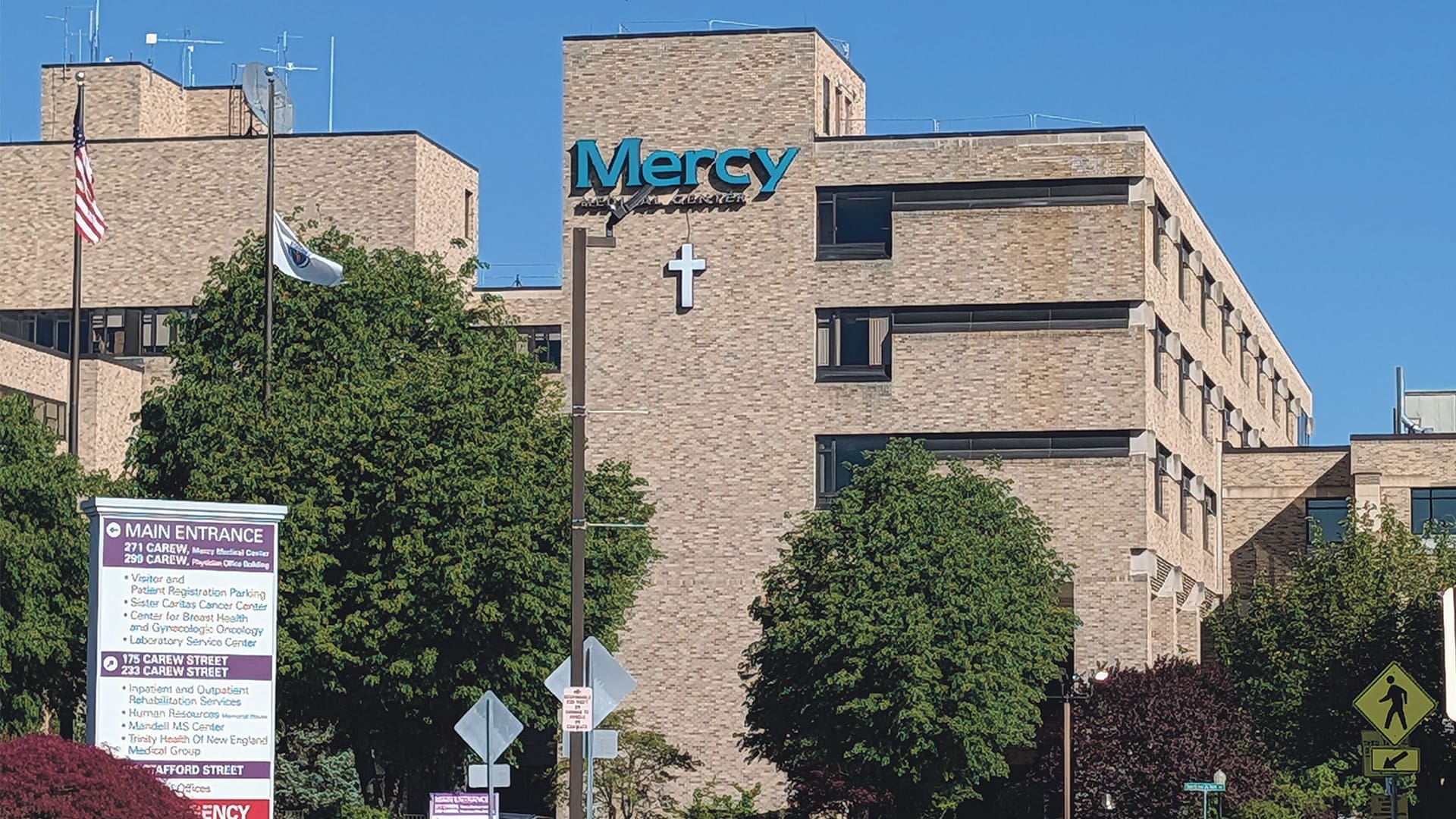
At a recent community forum where leaders of Baystate Health and Mercy Medical Center discussed why Mercy will be absorbed into the vast Baystate system later this year, Dr. Robert Roose positioned the move as a matter of survival.

“Mercy treats a population with the greatest proportion of Medicaid and Medicare patients of any hospital in the entire Commonwealth of Massachusetts,” said Roose, president of Community Hospitals for Trinity Health Of New England.

“That’s a community that needs care, but it’s one where the reimbursement does not match the cost of care,” he went on. “Medicaid reimburses, on average, about 62 cents on the dollar, Medicare about 85 cents. So there’s a financial equation that can be difficult to sustain. In addition to that, we know, with federal funding cuts and other changes to payments, that revenue will continue to decrease while costs continue to rise.”

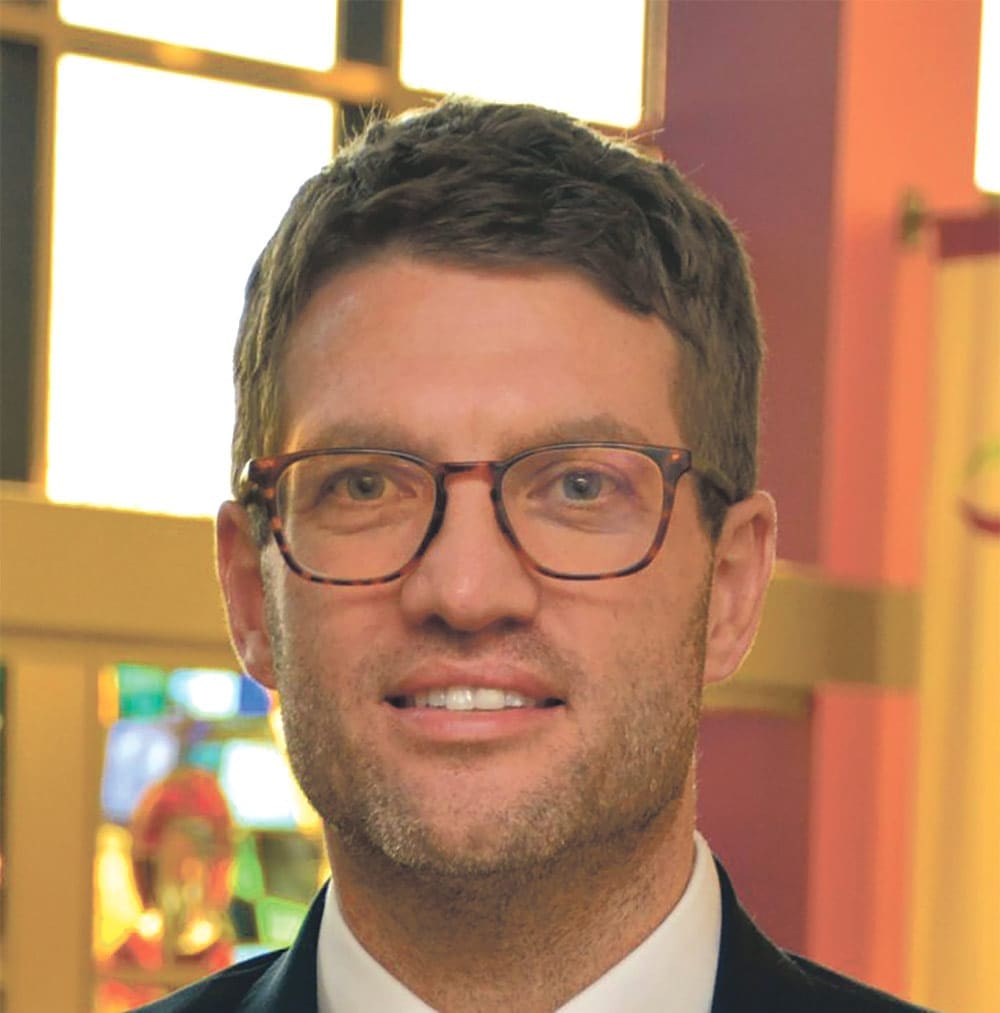
Dr. Robert Roose

There’s a financial equation that can be difficult to sustain. In addition to that, we know, with federal funding cuts and other changes to payments, that revenue will continue to decrease while costs continue to rise.
At the same time, he said, Mercy has struggled with recruitment of critical specialties of providers — a reality that played out late last year when Mercy shuttered its obstetrics services, with most of those patients moving to Baystate Medical Center.

“So really, for the last decade, there have been questions around the long-term viability of Mercy Medical Center,” Roose went on. “Even as part of a large system like Trinity Health … it makes sense to strengthen the network of care here in Western Massachusetts.”

For Baystate, having a facility the size of Mercy — with its 191 licensed beds, 7,800 discharges per year, and 45,000 emergency room visits per year — simply close its doors would put far too much strain on other Baystate facilities, said Dr. Scott Lichtenberger, chief operating officer for Baystate Health.

“Springfield needs two hospitals, full stop,” he noted. “If Mercy Medical Center didn’t exist, Baystate could not absorb — not only at Baystate Medical Center, but even across our system — that kind of volume. So, to preserve services in the community and to be able to provide that kind of access, we have to have two hospitals.”
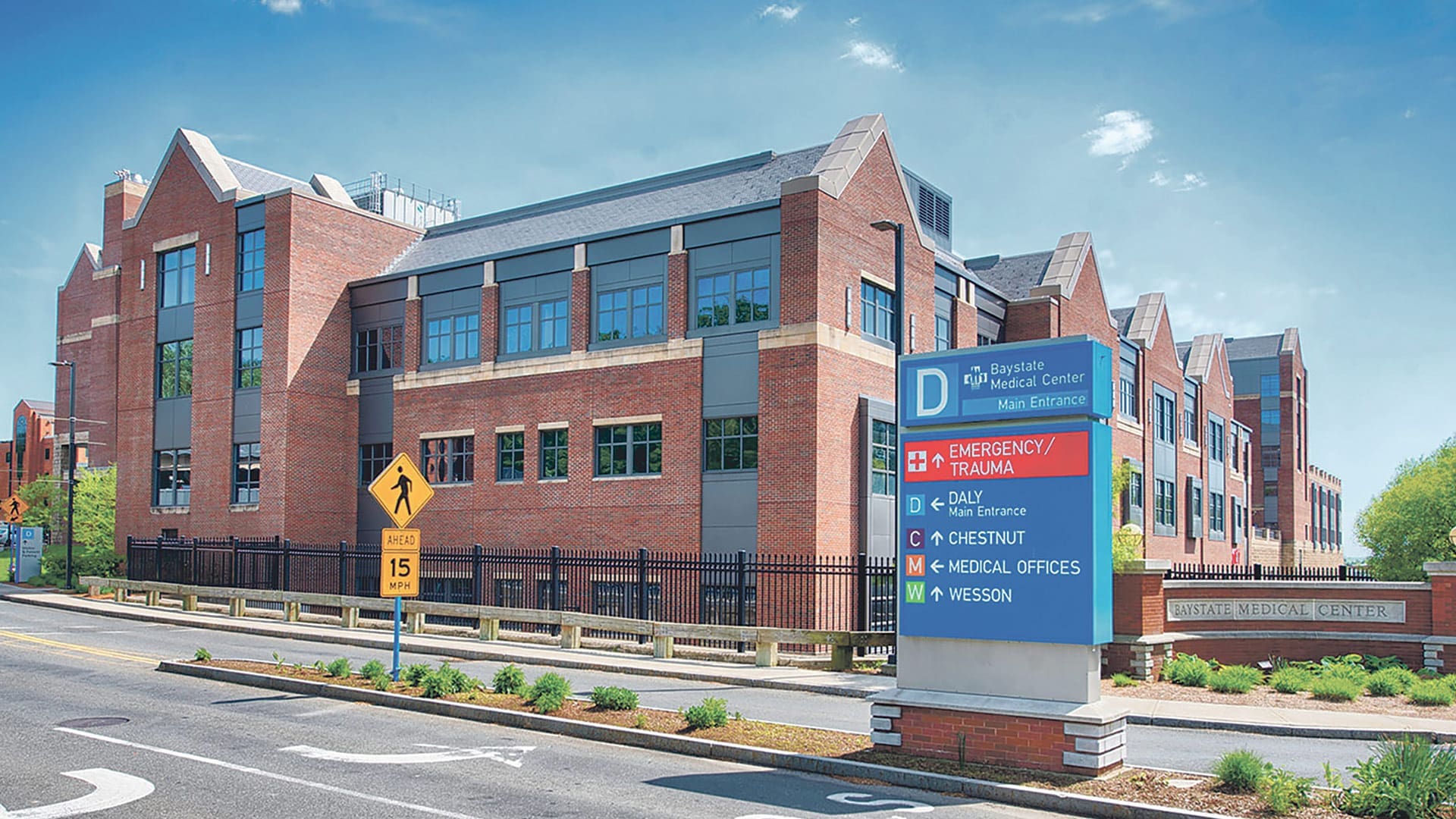
Those, in effect, are the arguments for a merger scheduled to take effect on Nov. 1: if Mercy can’t survive on its own, and if Baystate Health believes bringing a fifth full-service hospital into its system makes economic sense from a scale and efficiency perspective, then the move simply makes sense.

Not everyone is sure, however. Michal Horny, assistant professor of Health Policy and Management at UMass Amherst, told BusinessWest that there’s a good amount of evidence from across the U.S. that, when two hospitals very near each other merge, and are no longer in competition with each other, costs inevitably rise for patients.

“Any health plan that operates primarily in the Springfield area, before the merge, they had some leverage over hospitals — if you don’t strike a deal with one hospital, you can go to the other,” he explained. “After the merger, with two main hospitals in Springfield now part of a single system, no health plan can afford to operate in the Springfield area without having a contract with both those hospitals. So that gives the hospitals some very good bargaining power when negotiating prices.

“So what starts to happen is prices, on average, at both hospitals go up. I don’t know how much, but we’ve seen in other markets an average increase of about 6%. So that affects everyone with private insurance,” Horny explained (more on that later).

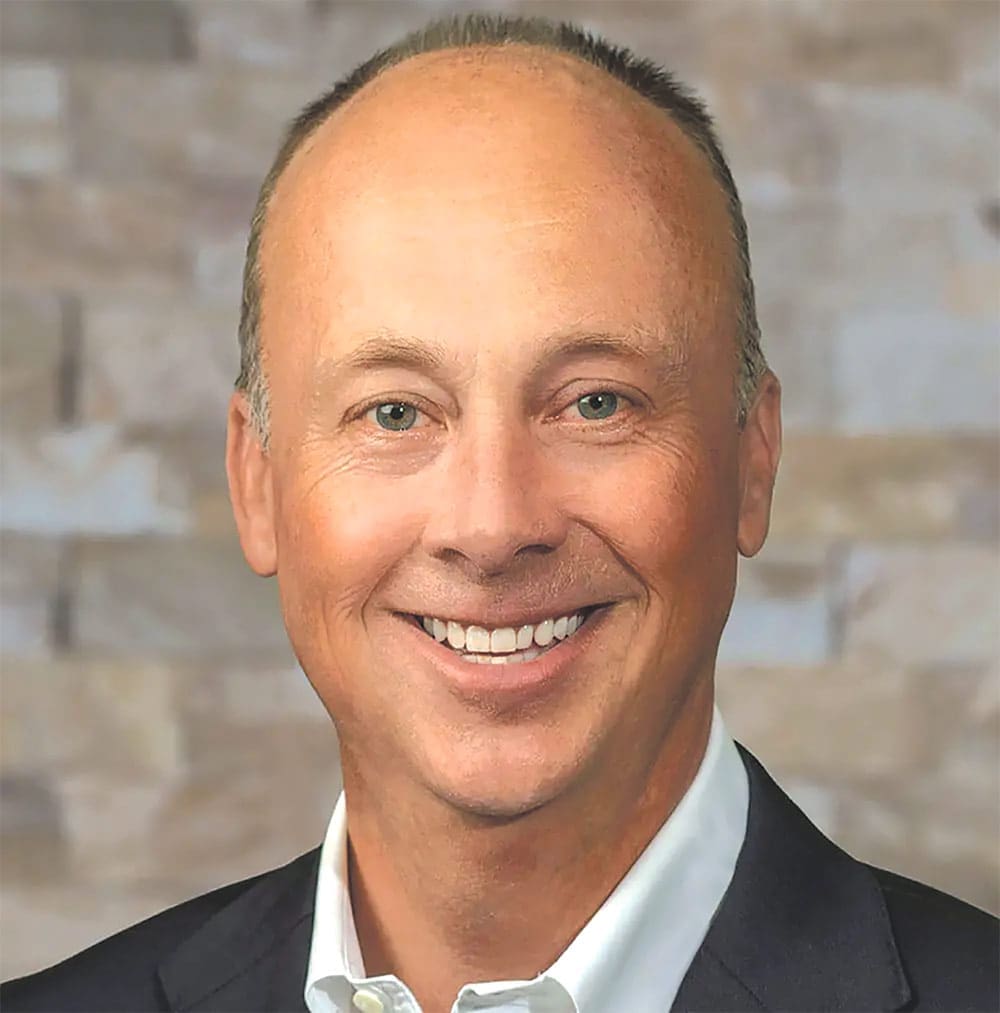
Dr. Scott Lichtenberger

“If Mercy Medical Center didn’t exist, Baystate could not absorb — not only at Baystate Medical Center, but even across our system — that kind of volume. So, to preserve services in the community and to be able to provide that kind of access, we have to have two hospitals.”
At the same time, while Baystate and Mercy leaders tout potential efficiencies, he noted, “as far as quality of care, the argument from the hospitals is that there’s better coordination and shared resources. Economists have studied this; it’s theoretically a valid point — but the evidence is not there. There doesn’t seem to be any improvement in quality.”

But for proponents of the merger, the survival of Mercy and its services in a community that needs them is an overriding positive.

“I am pleased that Baystate Health and Trinity Health have reached an agreement that will allow these two vibrant hospitals to continue serving our communities,” U.S. Rep. Richard Neal said, noting that, at a time of serious federal spending cuts, “this acquisition will expand access to healthcare and improve services throughout the Pioneer Valley and beyond.

“Together, these institutions represent more than three centuries of service to Western and Central Massachusetts,” Neal added. “Ensuring their viability and continued success is vital to the health of our families and our local economies, and this announcement represents a critical step in strengthening our regional healthcare system for generations to come.” 

Local Impacts

In their announcement on April 28 that Baystate Health and Trinity Health Of New England had signed a definitive agreement to transition Mercy Medical Center, its joint venture affiliates, and medical group entities in Massachusetts to Baystate Health, pending regulatory approvals, they made it clear that Trinity Health will continue to own and operate Brightside for Families and Children, Mercy LIFE, Mary’s Meadow at Providence Place, Beaven Kelly Home, and Saint Luke’s Home.

They also asserted that “Baystate Health will preserve Mercy’s nonprofit mission, community commitment, and legacy of high-quality care.” Both entities will continue to operate independently until the transition is complete this fall.

“Mercy and the Sisters of Providence have been a fixture in our community since 1874,” said Peter Banko, Baystate Health president and CEO, in a statement on April 28. “This is an investment in both the past and the future of healthcare and economic development in Western Massachusetts. Today, access forces too many patients to leave the region to seek care, and we need to ensure that care is compassionate, high quality, affordable, and local. We have been and will continue to be a pillar of our community — rooted here, serving here, and helping generations thrive here.”

One topic raised at the May 12 community forum — and one discussed at length in the article on page 22 about the region’s workforce outlook — is the difficulty recruiting people into a healthcare system that desperately needs them, and how the Baystate-Mercy merger will impact that equation for both institutions.

During the forum, Tania Barber, president and CEO of Caring Health Center in Springfield, asked what Baystate expects to happen when the most severe impacts from the One Big Beautiful Bill Act (OBBBA) come to fruition next year and area residents start losing health coverage.

“The health safety net cannot absorb it. We know that there’s going to be an influx of individuals that will be coming to the hospital, coming to community health centers, and we know there will be staffing shortages — provider shortages, nursing shortages, it goes on and on,” Barber said. “Recruitment continues to be a challenge, so I’d like to learn a little bit more about how you will address the enormous amount of individuals who are going to utilize hospital services because they’re losing their insurance.”

Lichtenberger countered that frontline staffing levels are up at Baystate despite a recent series of high-profile layoffs, mostly administrative, throughout the system. “And as we get bigger, I think it becomes a more attractive place to recruit physicians. We’ve just got to make sure that this remains a destination place that people want to work and that people are proud to work.”

Despite a challenging landscape for healthcare staffing, he noted that Baystate plans to keep Mercy’s critical services operating — and having two hospitals within a mile of each other will bring advantages of efficiency — and even grow them.

For example, “the emergency room at Mercy Medical Center — again, pending regulatory approval — will remain open 24 hours, seven days a week,” Lichtenberger said. “And about half of the beds at Mercy are now available — we want to fill those beds. We want to grow services so that we keep more care here locally. And when we talk about filling those beds, that’s creating jobs.”

But the cost issue for patients — again, when health plans lose leverage in a less competitive environment — is still a matter of concern, Horny said.

“Even when insurance pays for a portion of their healthcare, if prices are higher, that inevitably translates to higher premiums. Insurance doesn’t absorb the increased costs — it shifts them to consumers. So eventually, you can expect premiums for plans in the Springfield area to go up.”

Drawing on data from the Health Care Affordability Lab, a Yale University-based group of economists who study healthcare markets and translate their research for various audiences, Horny noted that, while healthcare consumers and payers initially absorb health cost increases, it eventually hits employers as well.

“Employers usually don’t cut wages, but they’ll cut the number of available positions, so one of the downstream effects is fewer employment opportunities,” Horny said, which eventually translates to decreased state and federal revenues, and more uninsured people going without care — which could increase mortality.

Challenges Continue

Dean Sanpei, chief administrative officer and chief strategy officer for Baystate Health, also addressed the community forum, noting that virtually all Mercy employees that work specifically for that
hospital, and not in an administrative role at Trinity, will come over in the deal.

“We do think this can improve community care and our provision of care in the area,” he said. “There are synergies that are created when institutions are able to come together. You’re able to create more hubs and spokes. You’re able to create centers of excellence and places where you can focus higher specialties of care and get better outcomes. And you’re able to distribute services as needed, and effectively. So we’re hoping to bring all these synergies together and create a better process and better care for our community.”
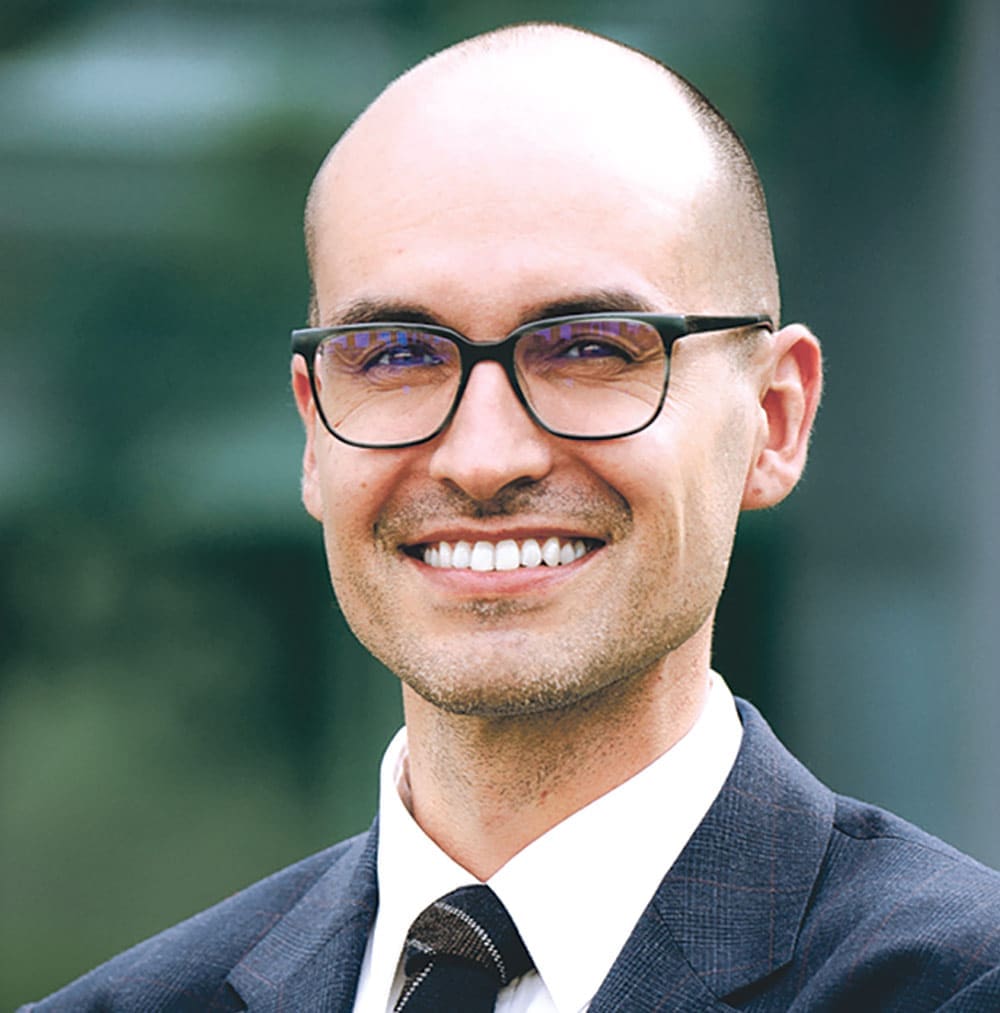
Michal Horny

“No health plan can afford to operate in the Springfield area without having a contract with both those hospitals. So that gives the hospitals some very good bargaining power when negotiating prices.”

Sanpei also agreed with Lichtenberger that the expanded Baystate footprint in Springfield will make the system more attractive and an easier place to recruit physicians.

“As we recruit more physicians, we can open up more beds, and we can have more capacity,” he went on. “And as we’re able to do that, it enables those who live here, who want to have care here, to get care here — which helps all of us. It helps residents locally, but it also helps the health system because those dollars are not going to go east, they’re not going to go south; they’ll stay here. So that’s an opportunity for us as well.”

That said, Baystate certainly continues to face headwinds, like an expected $150 million impact from the OBBBA.

“This transaction doesn’t occur for us until November. Until that time, we will continue to have the challenges that we’ve had to date, and we’re going to continue to have to do the efficiencies that we’ve done to date. Those things, in many ways, are separate. Those challenges are going to continue,” Sanpei said.

To that end, he continued, “we’re going to have to continue to increase our operating efficiency. We’re going to continue to have to look at our expense structure, and that won’t necessarily change overnight. Once we have the joint entity, the synergies we have then will come into play, and it will be better moving toward the future.” ◆


Business Talk Podcast Special Coverage

We are excited to announce that BusinessWest has launched a new podcast series, BusinessTalk. Each episode will feature in-depth interviews and discussions with local industry leaders, providing thoughtful perspectives on the Western Massachuetts economy and the many business ventures that keep it running during these challenging times.

Go HERE to view all episodes

Episode 171: July 17, 2023

BusinessWest contributing writer George O’Brien talks with CDH’s president and CEO, Dr. Lynnette Watkins

Lynnette Watkins

This month marks the 10th anniversary of Cooley Dickinson Hospital becoming a member of the Mass General Brigham network of care. It’s been a rich and fulfilling relationship, one that has led to new initiatives and improved the overall quality of care, said CDH’s president and CEO, Dr. Lynnette Watkins. This partnership was one of many topics she discussed with BusinessWest contributing writer George O’Brien on the next installment of BusinessTalk. The two also talked about the latest phase of COVID, groundbreaking for an expansion of CDH’s Emergency Department, and ongoing workforce challenges. It’s must listening, so tune in to BusinessTalk, a podcast presented by BusinessWest and sponsored by PeoplesBank.

Sponsored by:

Also Available On

Please join us at the 2019 Holyoke Medical Center Annual Gala at The Log Cabin in Holyoke, MA on Saturday, November 23, 2019.

This year we’re featuring ACE Awards at the event for Best Caregiver, Best Supporting Employee, Best Leader, and Best Physician, along with a Lifetime Achievement Award of M. Saleem Bajwa, MD.

The evening’s event will begin at 5:30pm and will include:

· Complimentary cocktail reception

· Silent auction

· Seven-course chef’s dinner with wine pairings

· Award presentations

· Dancing to The O-Tones

Also, discounted hotel rooms are available at the D. Hotel Suites & Spa by calling 413-533-2100 and mentioning code HMC126 before October 23, 2019.

For more information email the Development Office at [email protected] or call 413-534-2579.

Holyoke Medical Center along with Presenting Sponsor, Marcotte Ford are delighted to present the 1st Annual Laughter is the Best Medicine Comedy Night featuring World Gone Crazy Comedy Band – a night of stand-up comedy with a rock n’ roll soundtrack! We’ll be hosting this event at The Wherehouse? in Holyoke. The show consists of rapid fire song parodies, stand-up comedy, hysterical impressions, commercial spoofs and more! Doors open at 6:30pm. Ticket price includes dessert/coffee and a fun photo booth. Cash bar. Tickets will not be available at the door. The goal is to bring together our community, employees, supporters, and friends for a night of laughter and fun. Funds raised will go towards the many programs and services provided by Holyoke Medical Center. Please join us!

Event Details:
• Ticket Price: $30 per person
• Ticket includes dessert & coffee, photo booth
• Door Open: 6:30PM
• Comedy Band: 8:00-9:30PM
• Cash Bar

Purchase tickets here: https://www.holyokehealth.com/laughter

Health Care

‘We Are a Different Place’

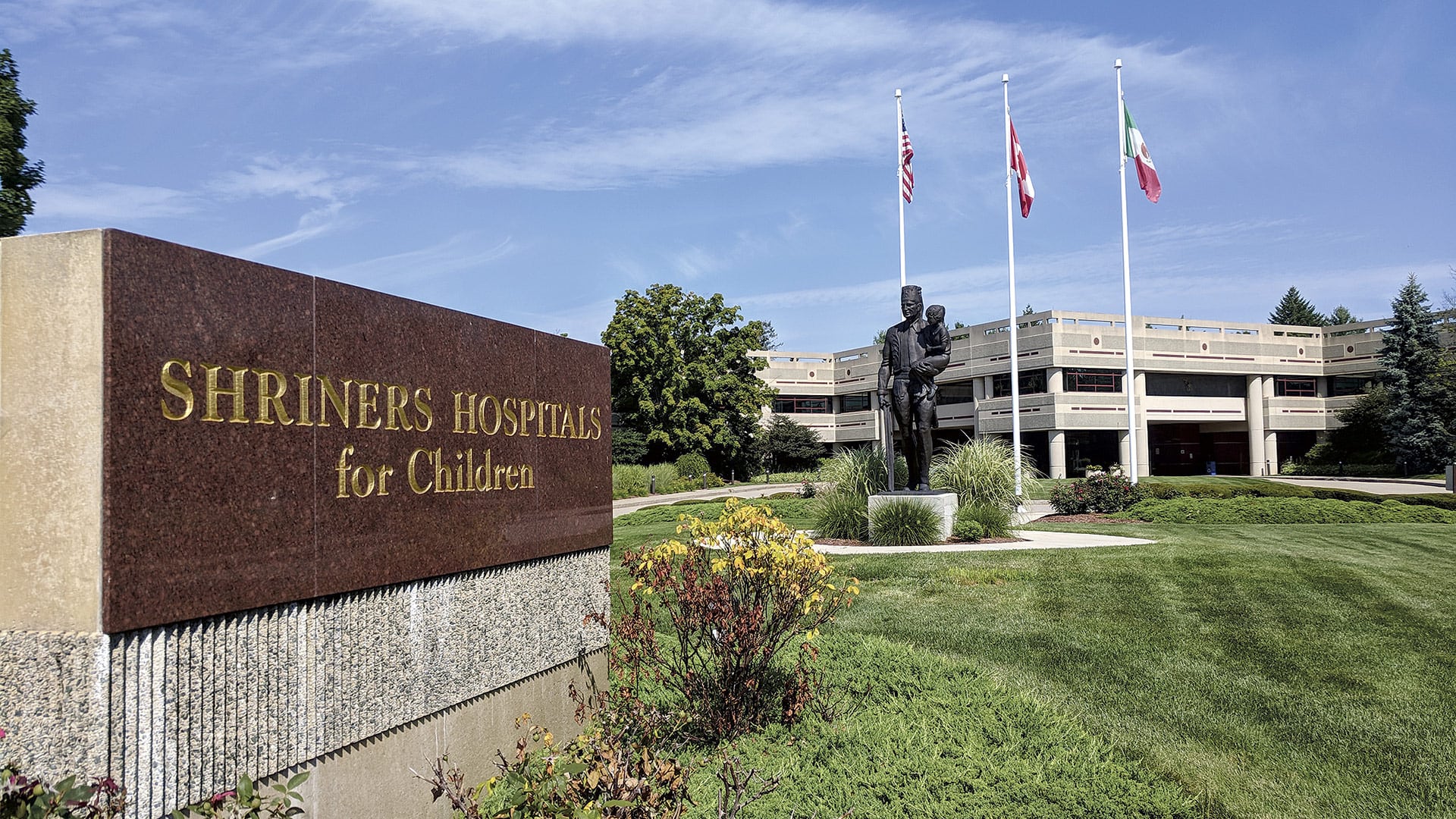
Shriners Hospitals for Children – Springfield is in a much healthier place than it was nearly a decade ago, when its parent organization seriously considered shutting its doors. A move in 2011 to accept third-party insurance — although free care is still provided to those who need it — stabilized the national network, and canny decisions to introduce new services have helped the Springfield facility not only survive, but thrive and grow stronger: the same goal it has for each young patient.

George Gorton recalls a conversation he had with the parent of a child who nearly drowned — and then required months of intensive rehabilitation to regain full function, both physically and mentally.

Unfortunately, the only two pediatric inpatient rehabilitation units in Massachusetts are located in Boston.

“There was nowhere in Western Massachusetts to bring him back to maximum function level,” Gorton told BusinessWest. “She couldn’t transfer her family to live in Boston for two months to get the care she needed.”

That has changed, however, with last month’s opening of a new, 20-bed Inpatient Rehabilitation Unit at Shriners Hospitals for Children – Springfield.

“Now, everyone in Western Massachusetts who needs that kind of support can come here rather than figure out how to maintain their family 90 miles away,” said Gorton, the hospital’s director of Research, Planning, and Business Development. “It made sense; we had this excess capacity and didn’t need to do a lot of renovation work. It seemed like a natural fit, so we worked to get it set up.”

That excess capacity is due to a trend, increasingly evident over the past two decades, toward more outpatient care at Shriners — and hospitals in general. But despite the space being in good shape, it still needed to be converted to a new use and outfitted with the latest equipment, and that necessitated a $1.25 million capital campaign, which wound up raising slightly more.

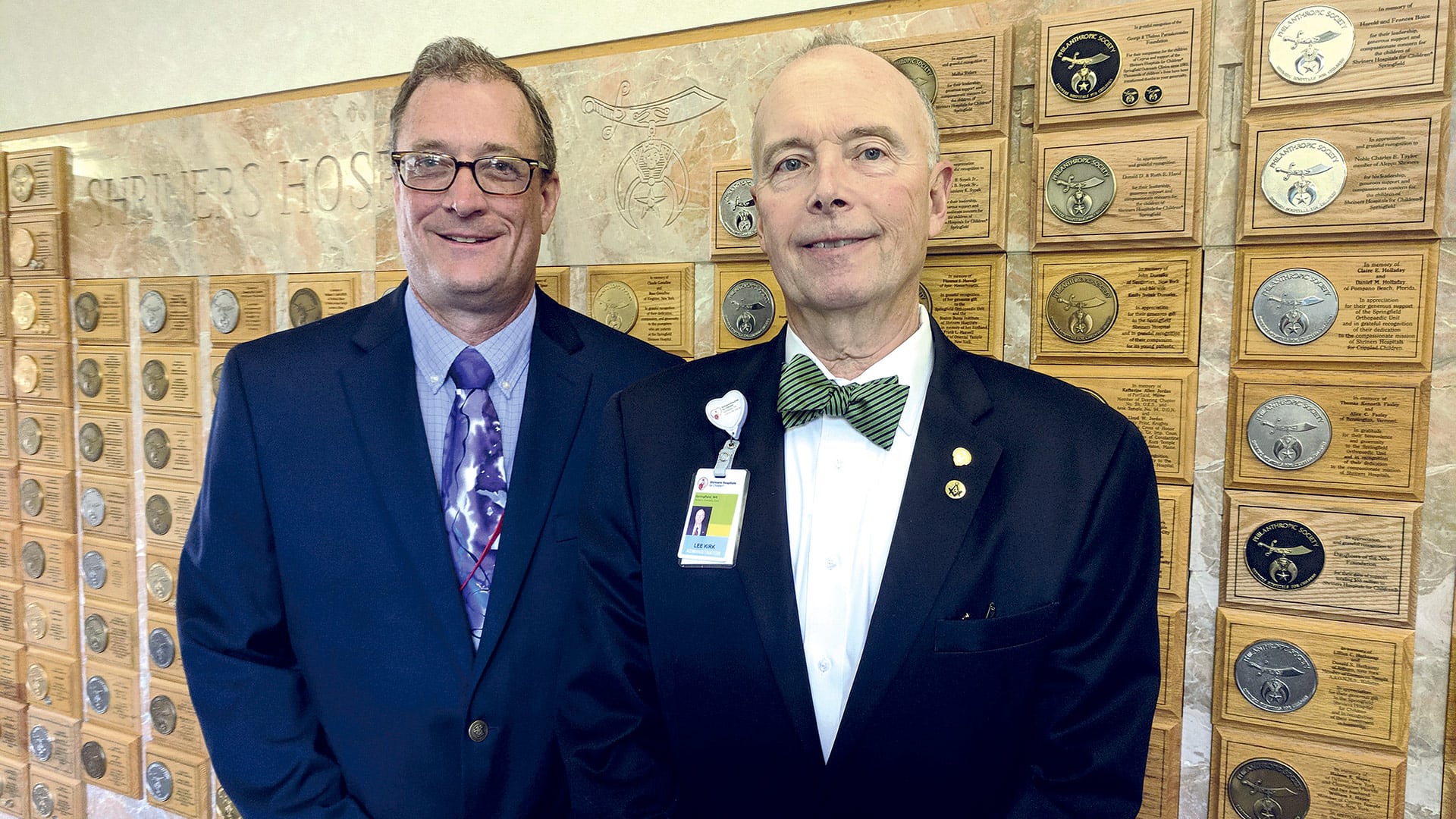
George Gorton, left, and Lee Kirk

George Gorton, left, and Lee Kirk say long-standing support from Shriners, their families, and community members — reflected by this display in the lobby recognizing donors — has been a major reason why the hospital provides care regardless of ability to pay.

The new unit is an example of both the community support Shriners continues to accrue and the hospital’s continual evolution in services based on what needs emerge locally.

Specifically, Gorton said, the hospital conducts a community-needs assessment every three years, and out of the 2013 study — which analyzed market and health data and included interviews with primary-care providers and leaders in different healthcare sectors — came a determination that an inpatient pediatric rehab clinic would fill a gaping hole.

When H. Lee Kirk Jr. came on board as the facility’s administrator in 2015, he and his team honed that data further, spending the better part of that year reassessing the hospital’s vision and putting together a strategic plan. They determined that continued investment in core services — from neuromuscular care and cleft foot and palate to spine care and chest-wall conditions — was an obvious goal, but they also identified needs in other areas, from fracture care to sports medicine to pediatric urology, as well as the new rehabilitation unit.

“After a traumatic injury — a brain injury, serious orthopedic injury, it could be spinal injury — a child might have some functional deficits, even though they are not in a medically acute situation,” Kirk told BusinessWest. “So they come to this program and spend anywhere from two to eight weeks with intensive rehabilitative services, which is physical therapy, occupational therapy, and speech therapy, and also physician care and nursing care.”

Under the supervision of a fellowship-trained pediatric physiatrist, patients admitted to the unit will receive a minimum of 15 hours of combined physical, occupational, and/or speech therapy per week, added Sheryl Moriarty, program director of the unit. “Using an individualized, developmental, and age-appropriate program model, our Inpatient Rehabilitation team will manage medically stable children and adolescents with a variety of life-altering and complex medical conditions.”

That evolution in services makes it even more clear, Gorton said, that the landscape is far different than it was in 2009, when the national Shriners organization seriously considered closing the Springfield hospital.

“We’re stronger in every sense of the word,” he said, “from our leadership to the quality of the employees we have to the diversity of programs we have to the financial strength behind all this. We are a different place.”

First Steps

When a boy named Bertram, from Augusta, Maine, made the trek with his family to Springfield in February 1925, he probably wasn’t thinking about making history. But he did just that, as the hospital’s very first patient.

“While Shriners opened hospitals primarily to take care of kids with polio, Bertram had club feet,” Kirk said — a condition that became one of the facility’s core services.

After the first Shriners Hospitals for Children site opened in 1922 in Shreveport, La., 10 other facilities followed in 1925 (there are now 22 facilities, all in the U.S. except for Mexico City and Montreal). Four of those hospitals, including one in Boston, focus on acute burn care, while the rest focus primarily on a mix of orthopedics and other types of pediatric care.

As an orthopedic specialty hospital, the Springfield facility has long focused on conditions ranging from scoliosis, cerebral palsy, and spina bifida to club foot, chest-wall deformities, cleft lip and palate, and a host of other conditions afflicting the limbs, joints, bones, and extremities. But that’s the tip of the proverbial iceberg.

“This is along the lines of a community service, and our athletic trainers are working with school systems and private sports clubs in the community, to participate from a preventive point of view, but they certainly can attend games as a first responder and then follow up with treatment.”

“There’s some consistency in services, but each of the hospitals has adapted to the needs that present themselves in that community,” he went on, noting specialties like rheumatology, urology, and fracture care in Springfield, as well as a sports health and medicine program that brought on two athletic trainers and is currently recruiting a pediatric orthopedic surgeon with training in sports medicine.

“This is along the lines of a community service, and our athletic trainers are working with school systems and private sports clubs in the community, to participate from a preventive point of view, but they certainly can attend games as a first responder and then follow up with treatment.”

In all, more than 90% of care provided in Springfield is outpatient, reflecting a broader trend in healthcare, Kirk added. “We have always had, and still have, the only pediatric orthopedic surgeons in Western Massachusetts.”

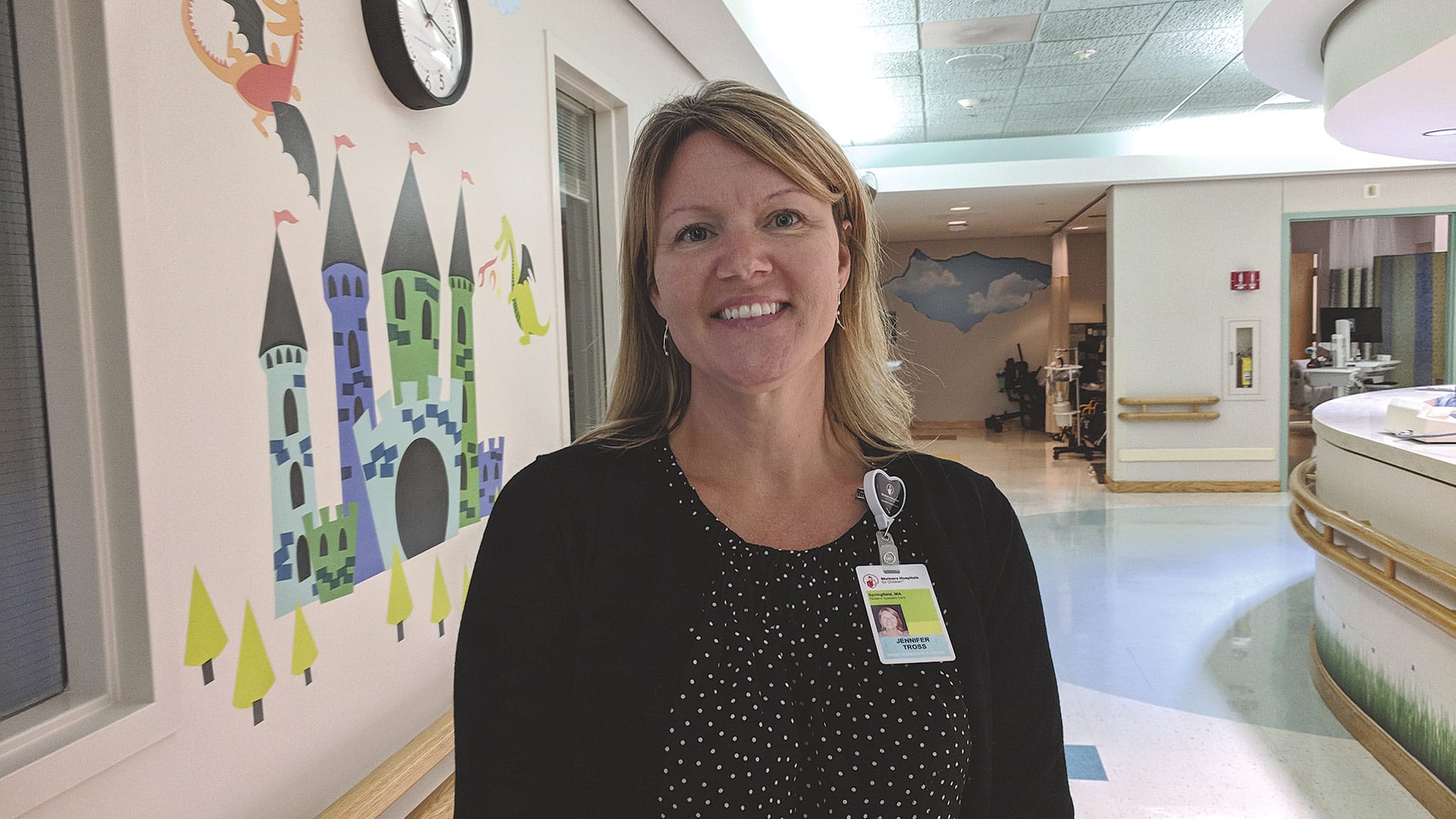
Jennifer Tross stands in a hallway of the new Inpatient Rehabilitation Unit.

Jennifer Tross stands in a hallway of the new Inpatient Rehabilitation Unit.

After its clinical work, he noted, the second part of the Shriners mission is education. Over the past 30 years, thousands of physicians have undertaken residency education or postgraduate fellowships at the children’s hospitals.

“We have a lot of students here in a lot of healthcare disciplines, particularly two orthopedic residents who come on 10- to 12-week rotations from Boston University and Albany Medical Center. We have nursing students, nurse practitioners, physical and occupational therapists — a whole cadre of individuals.”

The third component of the mission is research, specifically clinical research in terms of how to improve the processes of delivering care to children. That often takes the shape of new technology, from computerized 3D modeling for cleft-palate surgery to the hospital’s motion-analysis laboratory, where an array of infrared cameras examine how a child walks and converts that data to a 3D model that gives doctors all they need to know about a child’s progress.

More recently, a capital campaign raised just under $1 million to install the EOS Imaging System, Nobel Prize-winning X-ray technology that exists nowhere else in Western Mass. or the Hartford area, which enhances imaging while reducing the patient’s exposure to radiation.

That’s important, Kirk said, particularly for children who have had scoliosis or other orthopedic conditions, and start having X-rays early on their lives and continue them throughout adolescence.

It’s gratifying, he added, to do all this in a facility decked out in child-friendly playscapes and colorful, kid-oriented sculptures and artwork.

“It’s truly a children’s hospital when you look around the waiting areas and the lobbies,” Kirk said, noting that ‘child-friendly’ goes well beyond décor, to the ways in which the medical team interacts with patients. “This is a happy place, and it’s a privilege for me to be part of such a mission-driven organization. I’ve been in this business for 35 years, and this is the most mission-driven healthcare organization I’ve ever been associated with — and I think others feel that way too.”

Joint Efforts

Jennifer Tross certainly does. She’s one of the newest team members, coming on board as Marketing and Communications manager earlier this summer. “I felt the commitment as I was being recruited here,” she said. “It’s an honor to be a part of it, really.”

It’s not that difficult to uphold the hospital’s mission when one sees the results, Kirk added.

“Our vision is to be the best at transforming the lives of children and families, and that’s what we look for every single day,” he told BusinessWest. “You see how their lives are transformed, and how, regardless of their situation, they’re treated like normal kids here. That helps them to evolve and have confidence to function normally at home, at school, and in their communities.”

There’s a confidence in the voices of the hospital’s leaders that wasn’t there nine years ago, following a stunning announcement by the national Shriners organization that it was considering closing six of its 22 children’s hospitals across the country — including the one on Carew Street.

“Our vision is to be the best at transforming the lives of children and families, and that’s what we look for every single day. You see how their lives are transformed, and how, regardless of their situation, they’re treated like normal kids here. That helps them to evolve and have confidence to function normally at home, at school, and in their communities.”

In the end, after a deluge of very vocal outrage and support by families of patients and community leaders, the Shriners board decided against closing any of its specialty children’s hospitals, even though the organization had been struggling — at the height of the Great Recession — to provide its traditionally free care given rising costs and a shrinking endowment.

To make it possible to keep the facilities open, in 2011, Shriners — for the first time in its nearly century-long history — started accepting third-party payments from private insurance and government payers such as Medicaid when possible, although free care is still provided to all patients without the means to pay, and the hospital continues to accommodate families who can’t afford the co-pays and deductibles that are now required by many insurance plans.

“That was a very good strategic move,” Kirk said, noting that, regardless of the change, 65% of the care provided last year to 11,501 children was paid for by donors, the Shriners organization, and system proceeds.

If a family can’t pay, he noted, the hospital does not chase the money, relying on an assistance resource funded by Shriners and their families nationwide. “One of the largest causes of personal bankruptcy is healthcare. It’s unfortunate that all healthcare can’t be delivered in the Shriners model. But I don’t disparage my colleagues — they don’t have a million-plus Shriners and their families around the world who are incredibly passionate about raising money to take care of kids.”

As a result of this model, “Shriners Hospitals for Children is a net $10 billion business with no debt. And one of the things we try to minimize is the support we require from system proceeds, other than our endowment,” he noted. “And we’ve been very successful here. It’s kind of an internal competition — which hospital requires the least support from the system.”

In the past three years, the Springfield facility has ranked second on that list twice, and third once. And that’s despite actually growing its services significantly. In 2016, Gorton said, the hospital grew its new patient intakes by 44%, followed by 26% the following year and a projected 20% this year. “So we serve a lot more children across the diverse set of services we provide.”

He noted that the outpouring of community support in 2009 — which included a sizable rally across the street — was an awakening of sorts.

“They said, ‘hell no, don’t go, we need you; stay here,’” he recalled. “Since then, we’ve done everything we could to identify what it was that the community wanted from us and recreate ourselves in that image. I think we’ve been largely — more than largely … exceptionally — successful on that.”

The hospital saw a lot of turnover in the years following 2009, Gorton added, “but the people who stayed are committed to the mission and vision of transforming children’s lives. The people who have joined us since then sense that the one thing we don’t compromise on is our mission and our vision.”

Best Foot Forward

When asked where the hospital goes from here, Kirk had a simple answer: Taking care of more children.

That means making sure area pediatricians, orthopedists, and hospitals are aware of what Shriners does, but it also means bolstering telehealth technology that allows the hospital not only to consult with, say, burn experts at the Boston facility, but to broaden outreach clinics already established in Maine, New York, and … Cyprus?

“We go to Cyprus every year — for 37 years now,” Kirk said of a connection the organization made long ago with the Mediterranean island. “We’ll see 300 kids in four days of the clinic, and over the course of a year, 10 to 20 will come to Springfield and stay in the Ronald McDonald House here while they receive care — typically surgical care.

“We’ve had an ancient telehealth connection with Cyprus, and we’re now updating that to the latest technology, so we can have telehealth clinics with Cyprus four to six times a year in addition to going over there,” he went on. So we’re going to focus on taking care of more kids.”

That is, after all, the core of the Shriners mission.

Joseph Bednar can be reached at [email protected]