Home Articles posted by George O'Brien (Page 15)
Features Special Coverage

Changing the Script

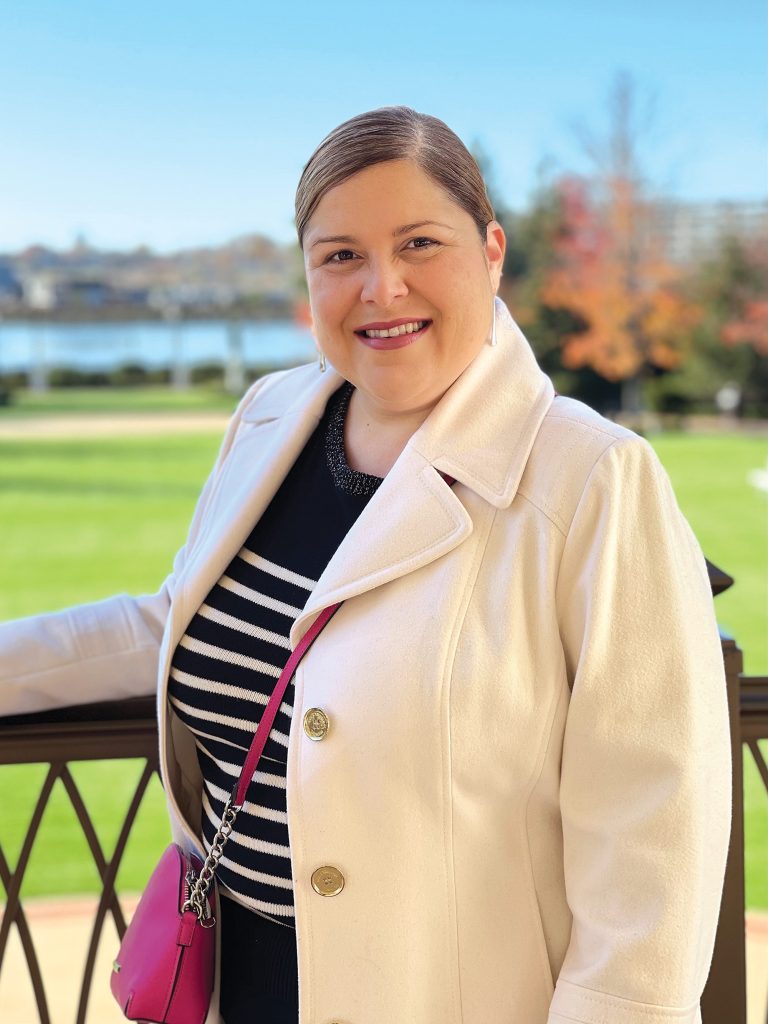
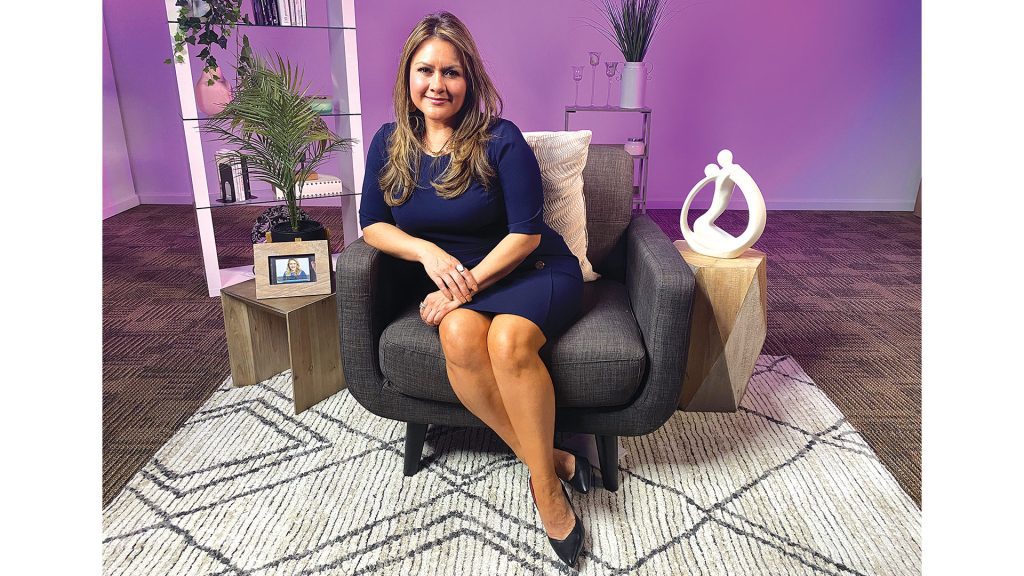
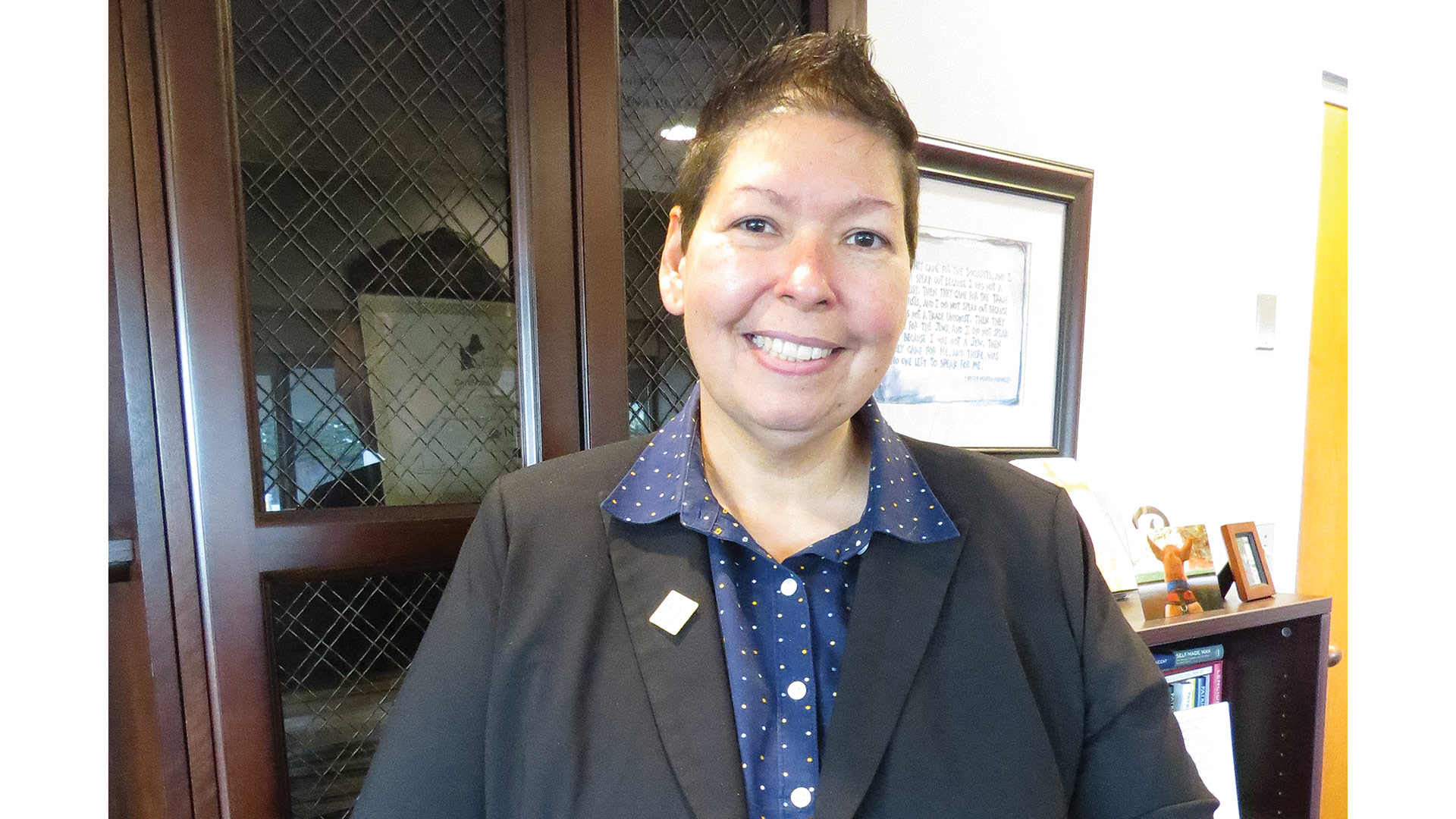
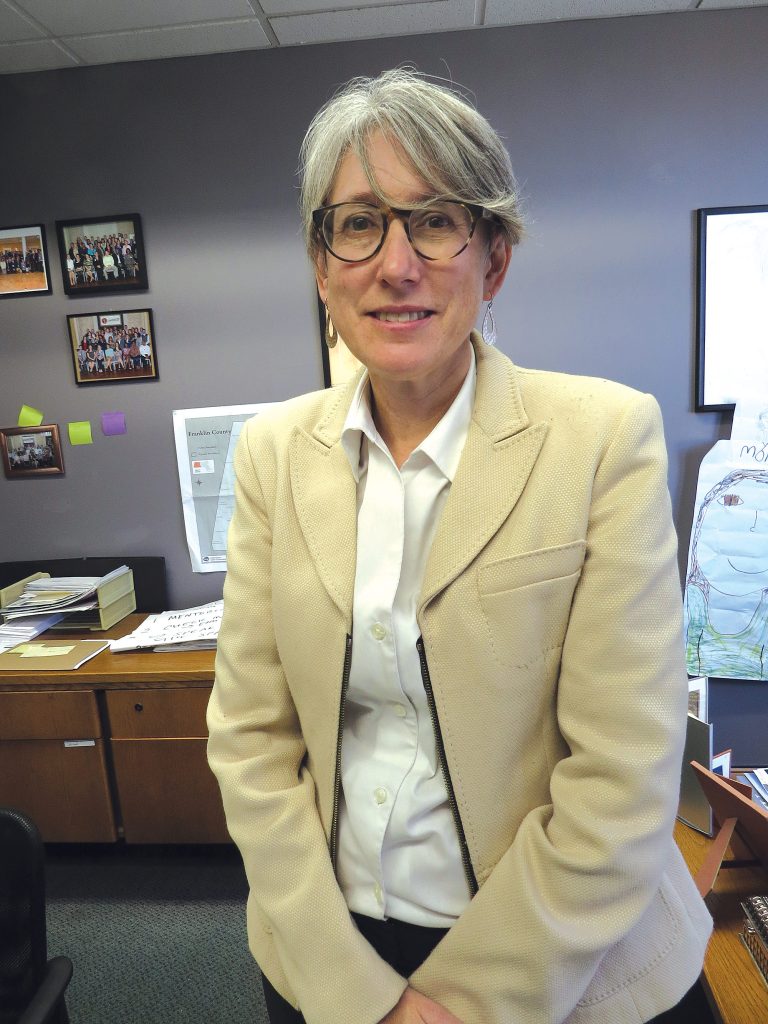
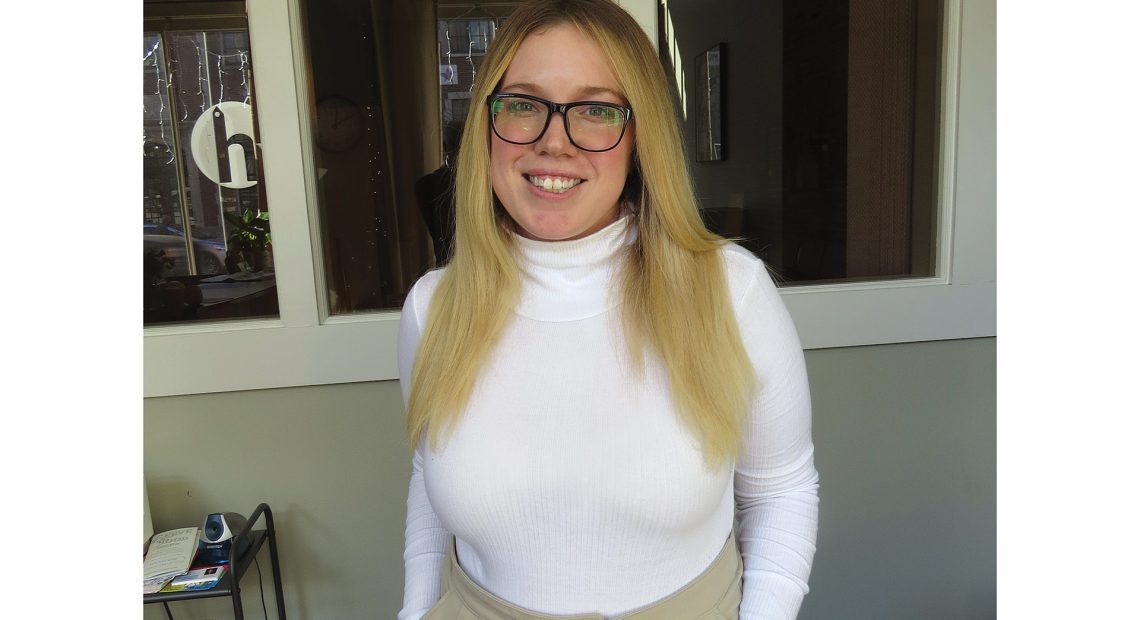
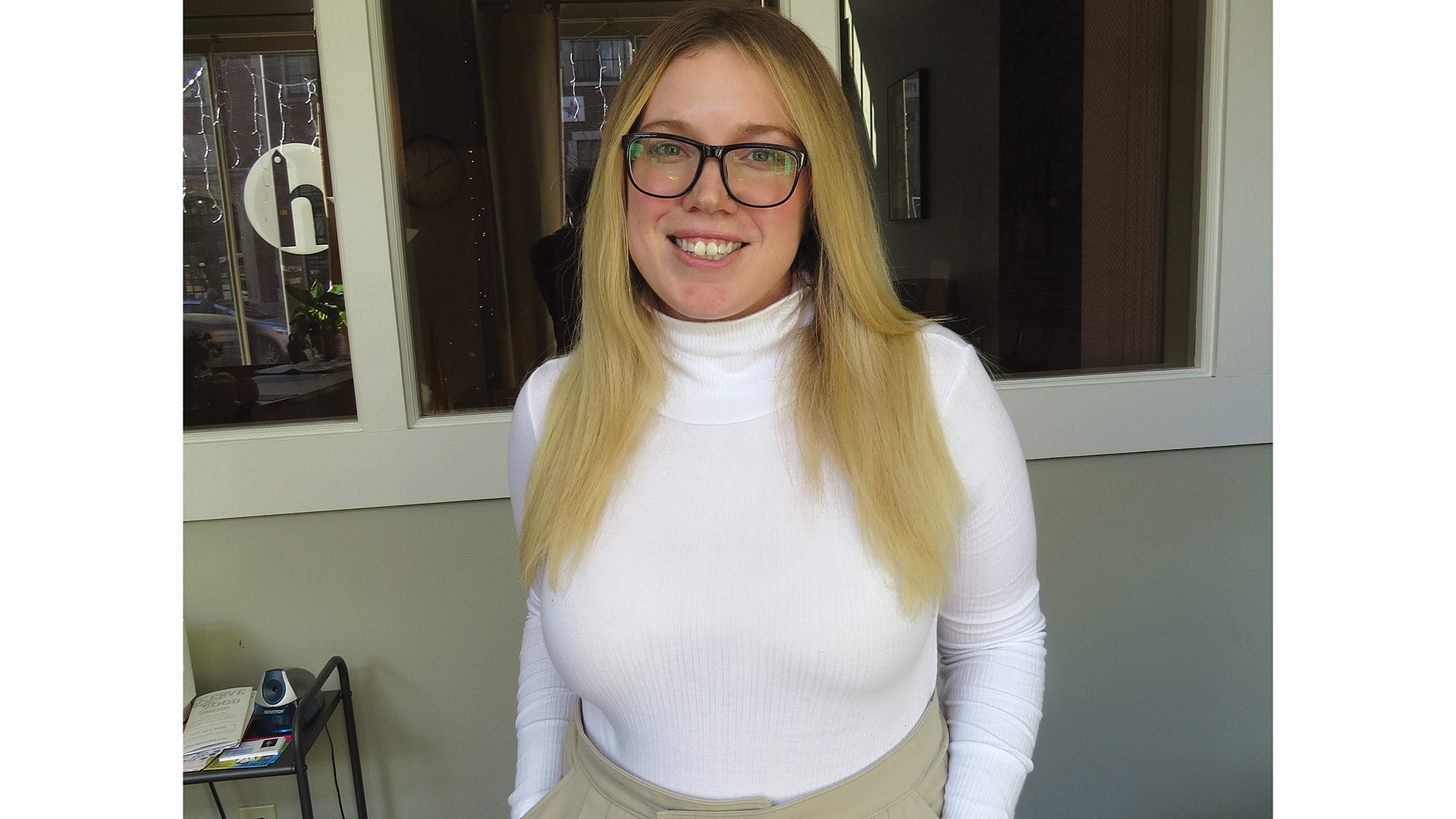
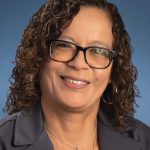
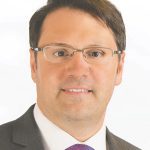
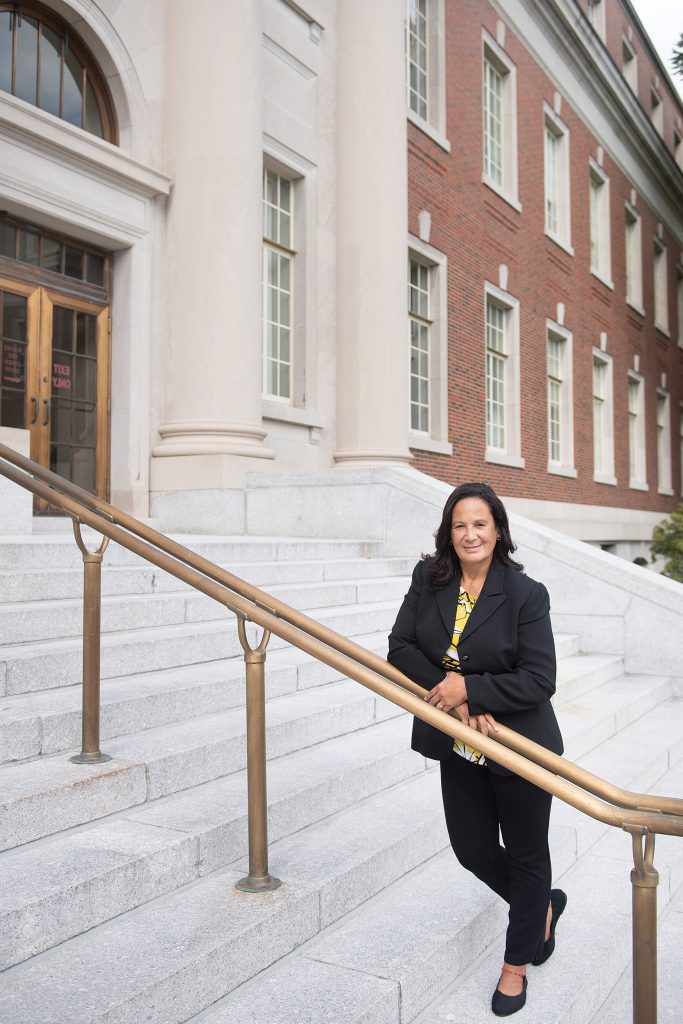
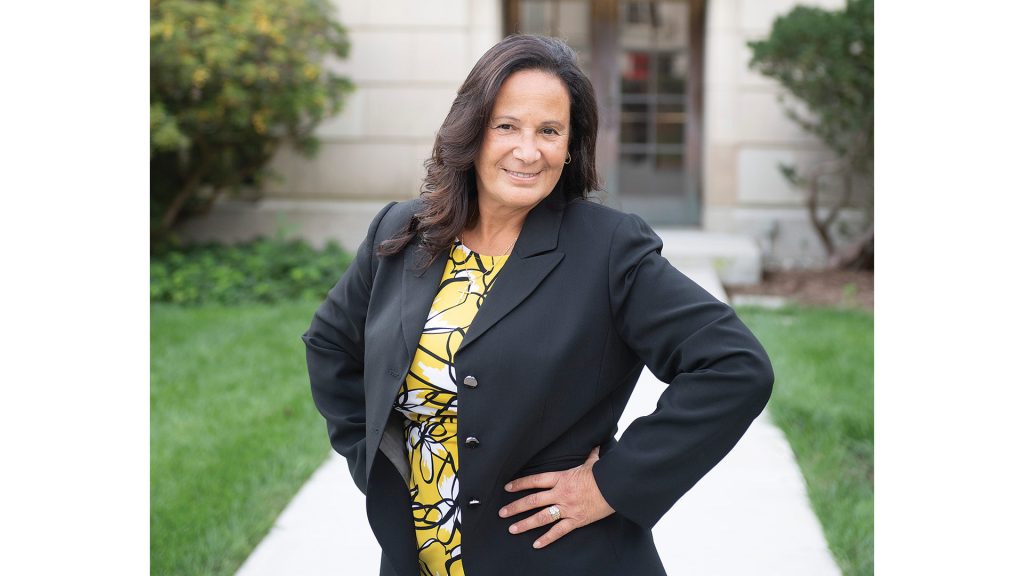
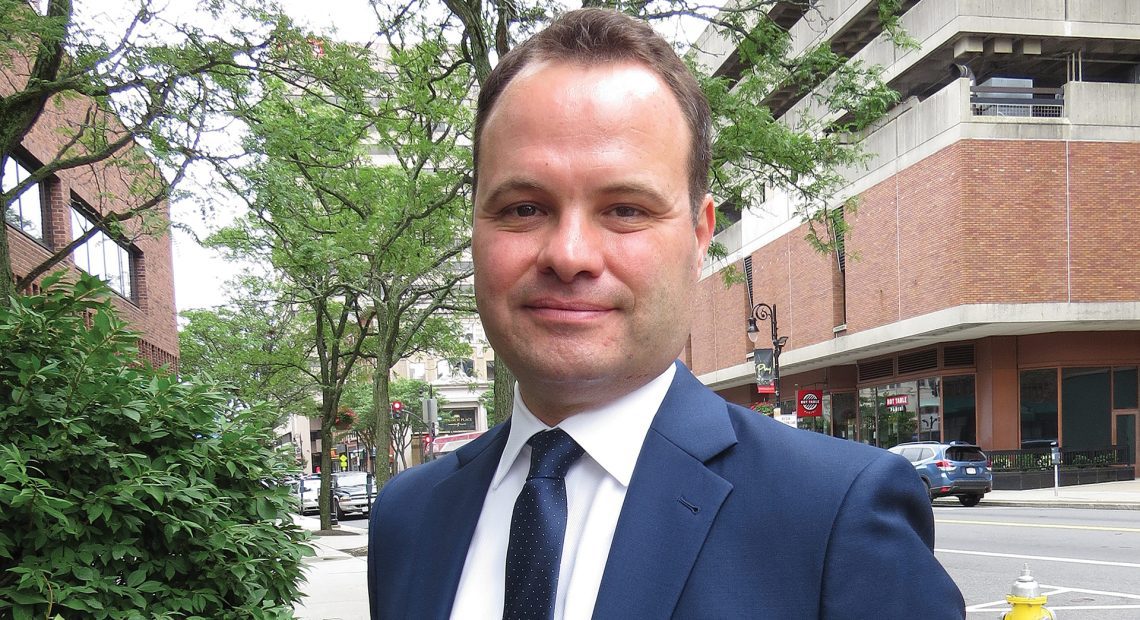
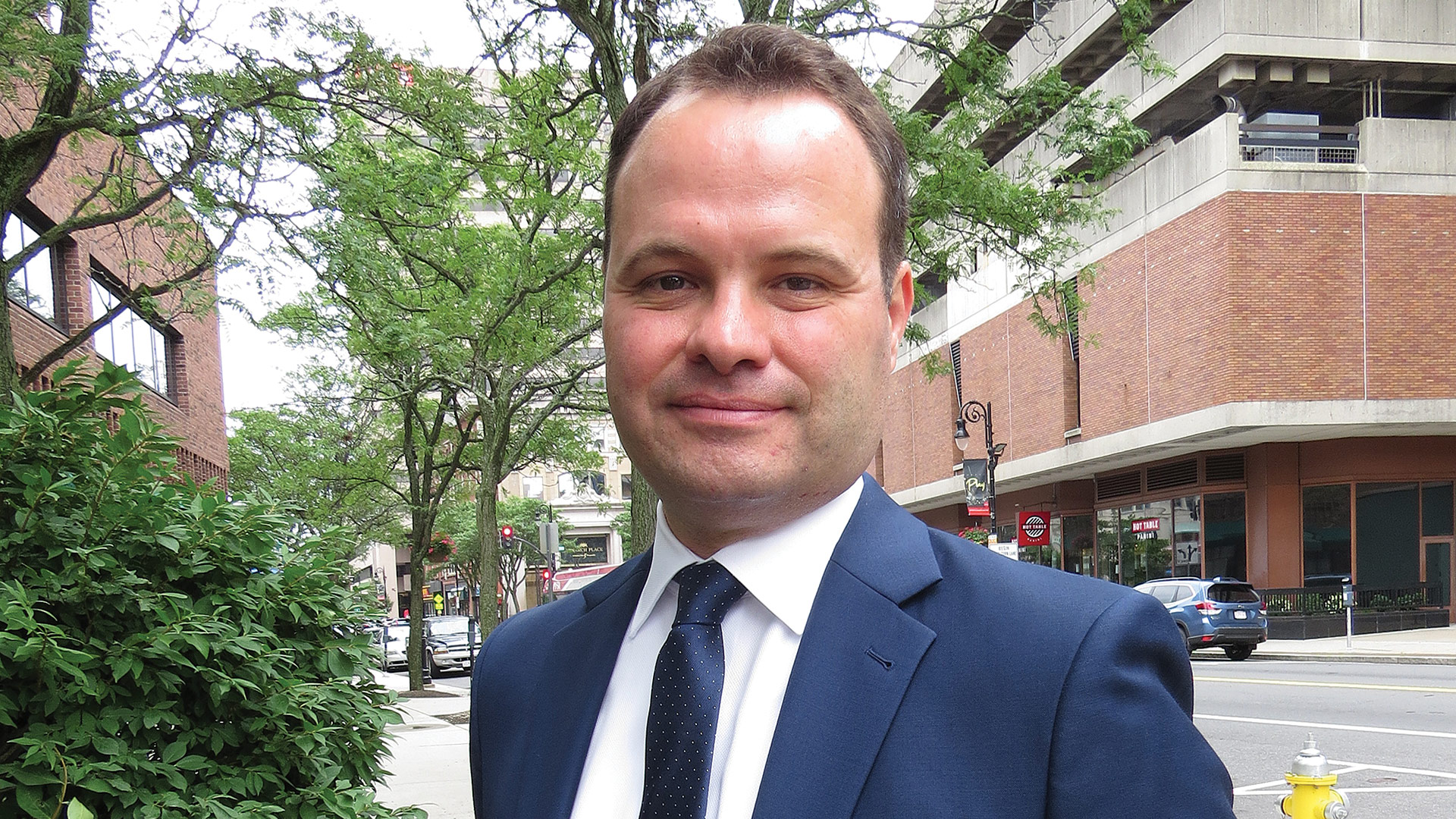
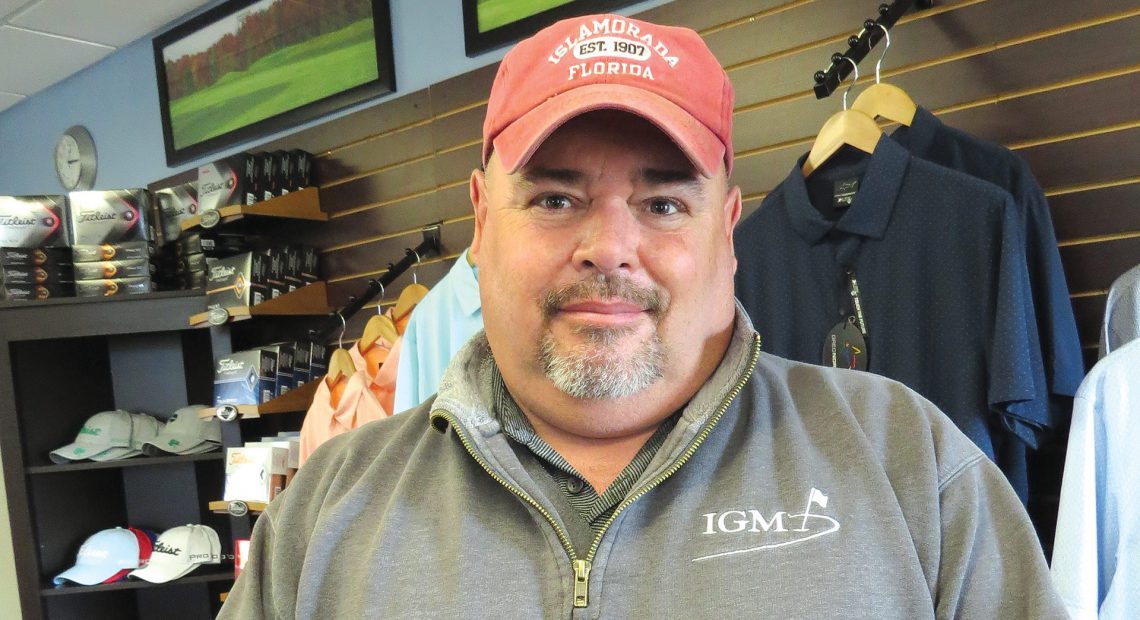
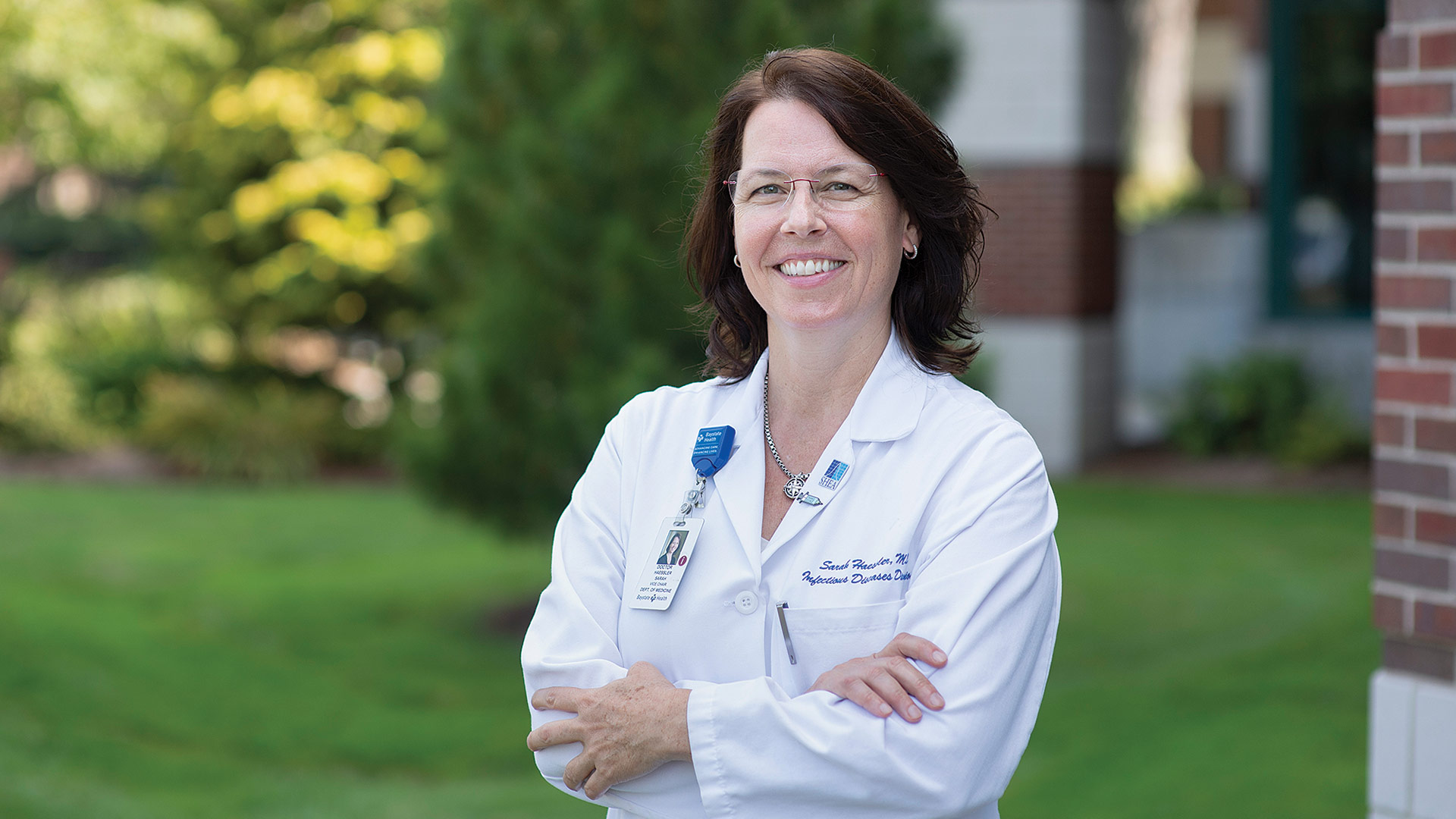
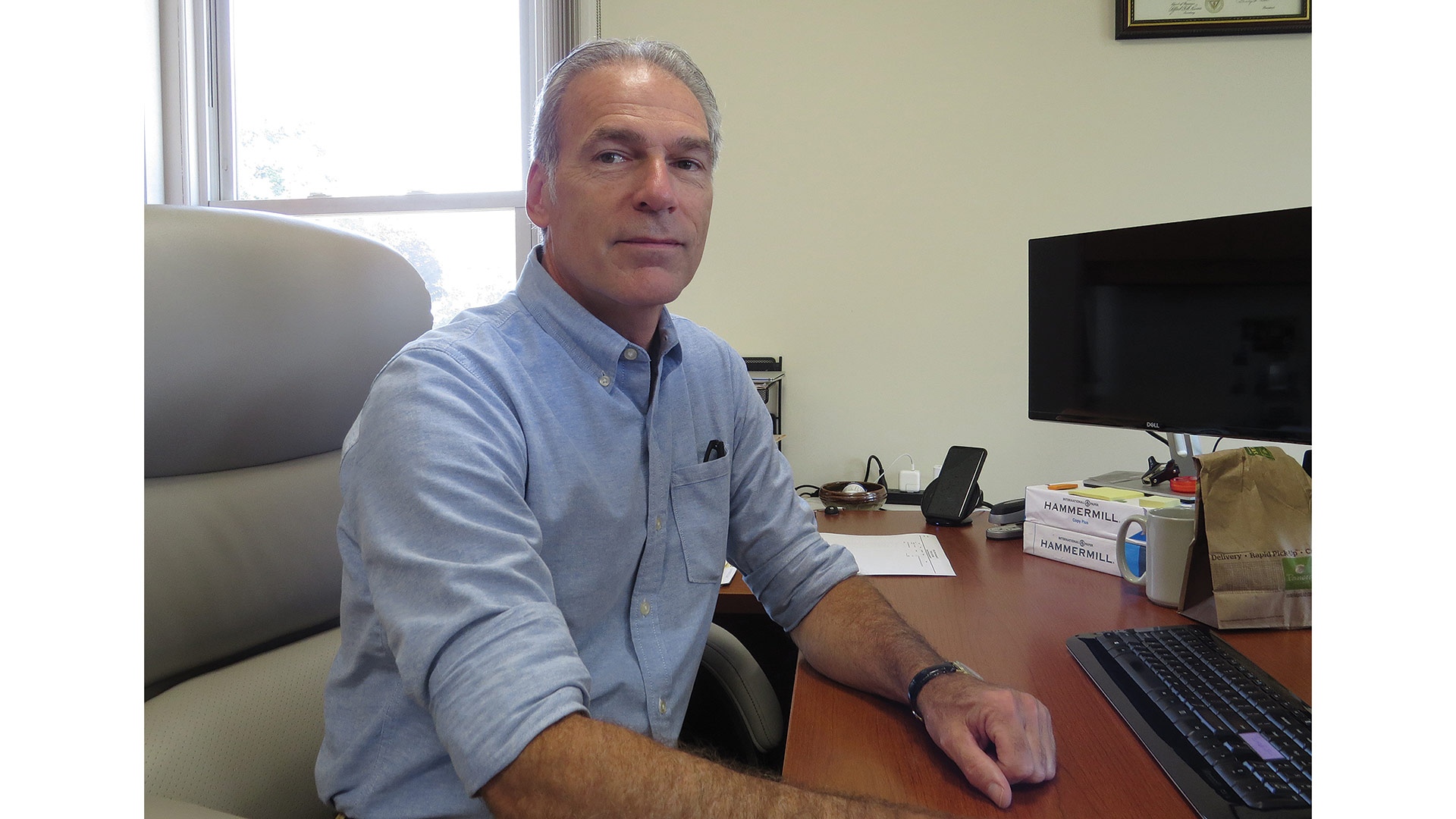
Jordan Hart

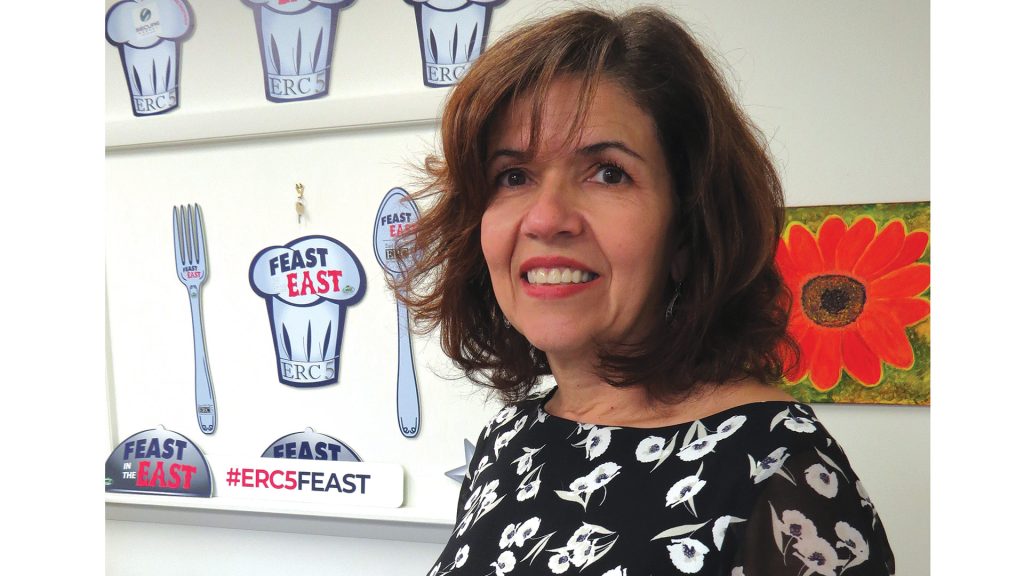
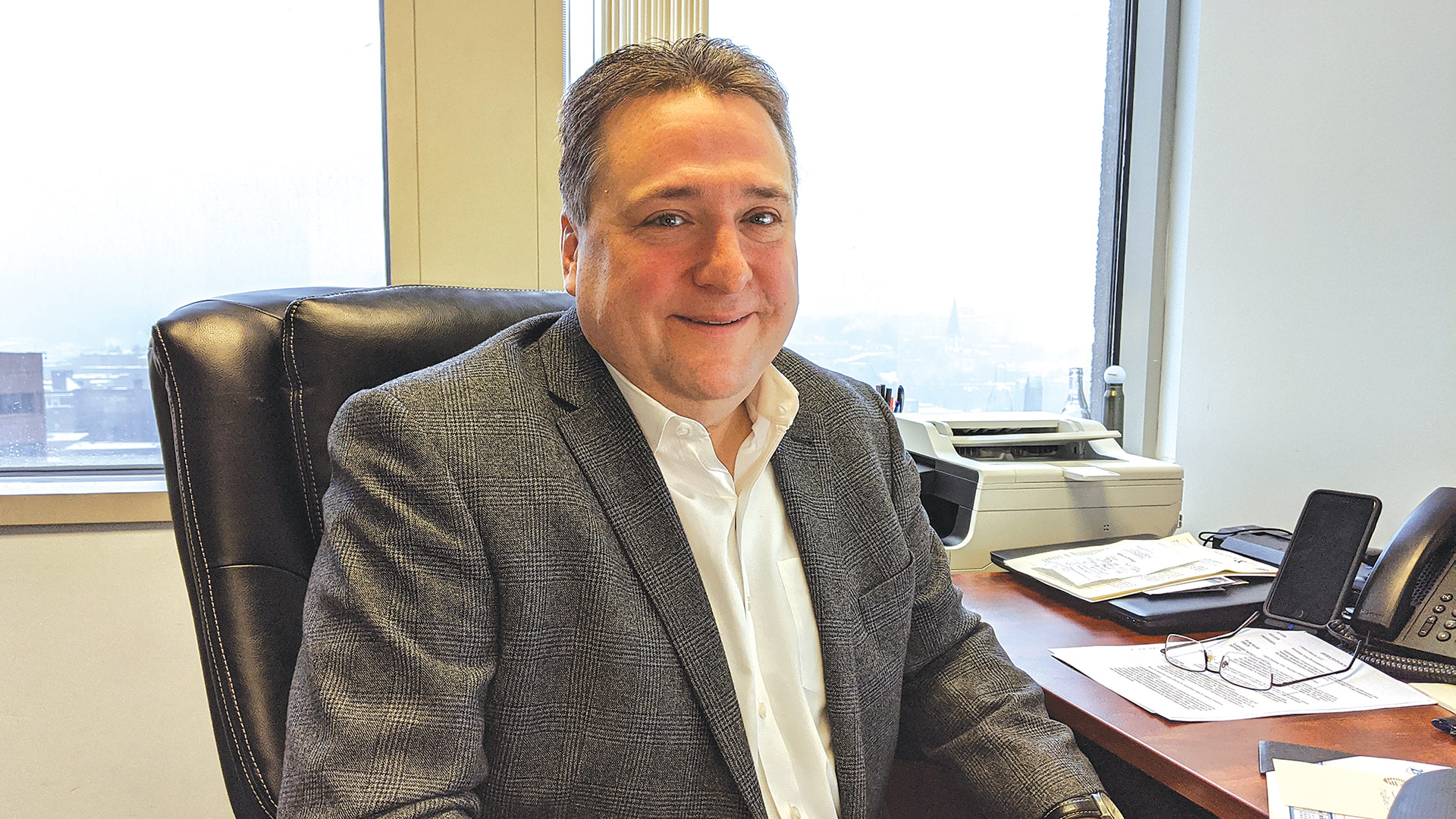
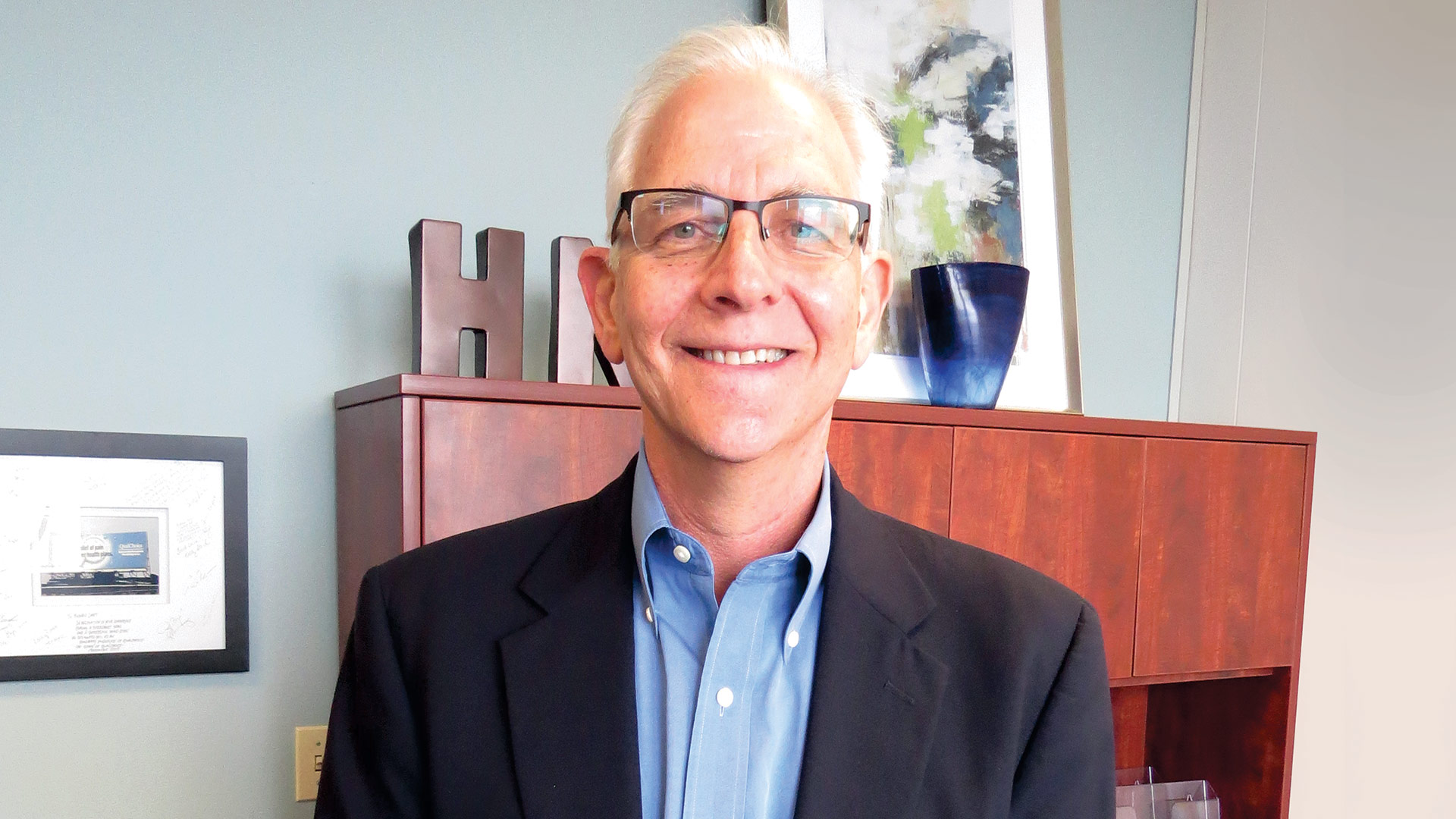
As part of a broad rebranding and rebuilding effort at the Greater Holyoke Chamber, Jordan Hart is working to build a stronger relationship with the Hispanic business community.


Area chambers of commerce, like businesses in all sectors, have suffered during the pandemic and faced a number of stern challenges. For the most part, they have come through these tough times — smaller in many cases, with many chambers now one-person shows — having proven their value and relevance after helping their members survive upheaval without precedence. The challenge moving forward is to rebuild their memberships, their financial foundations, and, yes, their staffs, while also creating new and different ways to maintain that relevance they found during the pandemic.


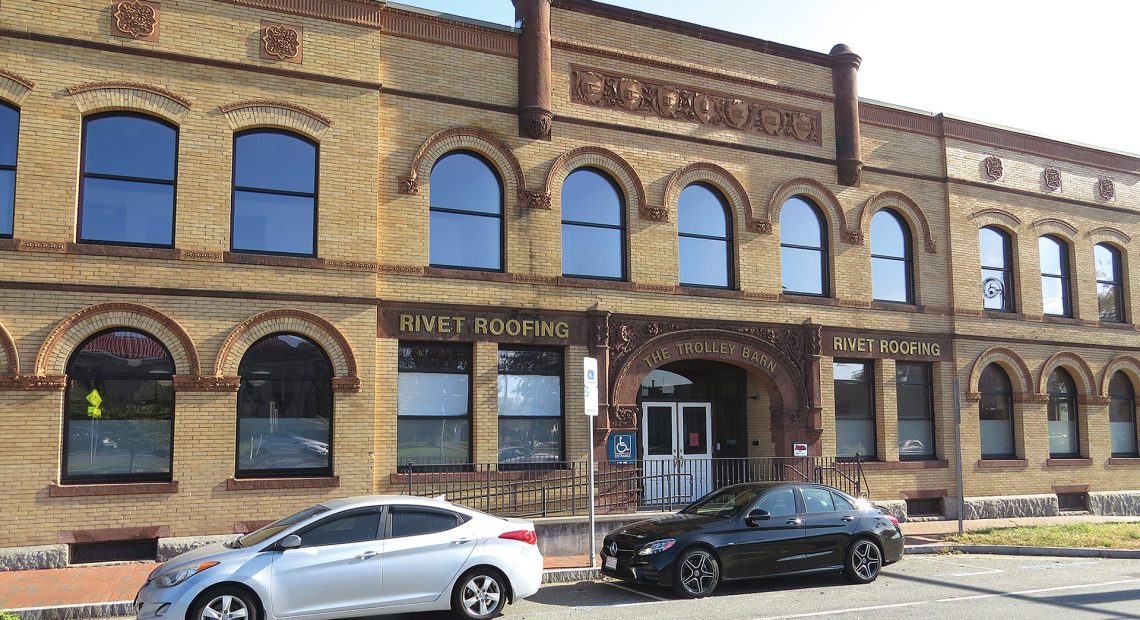
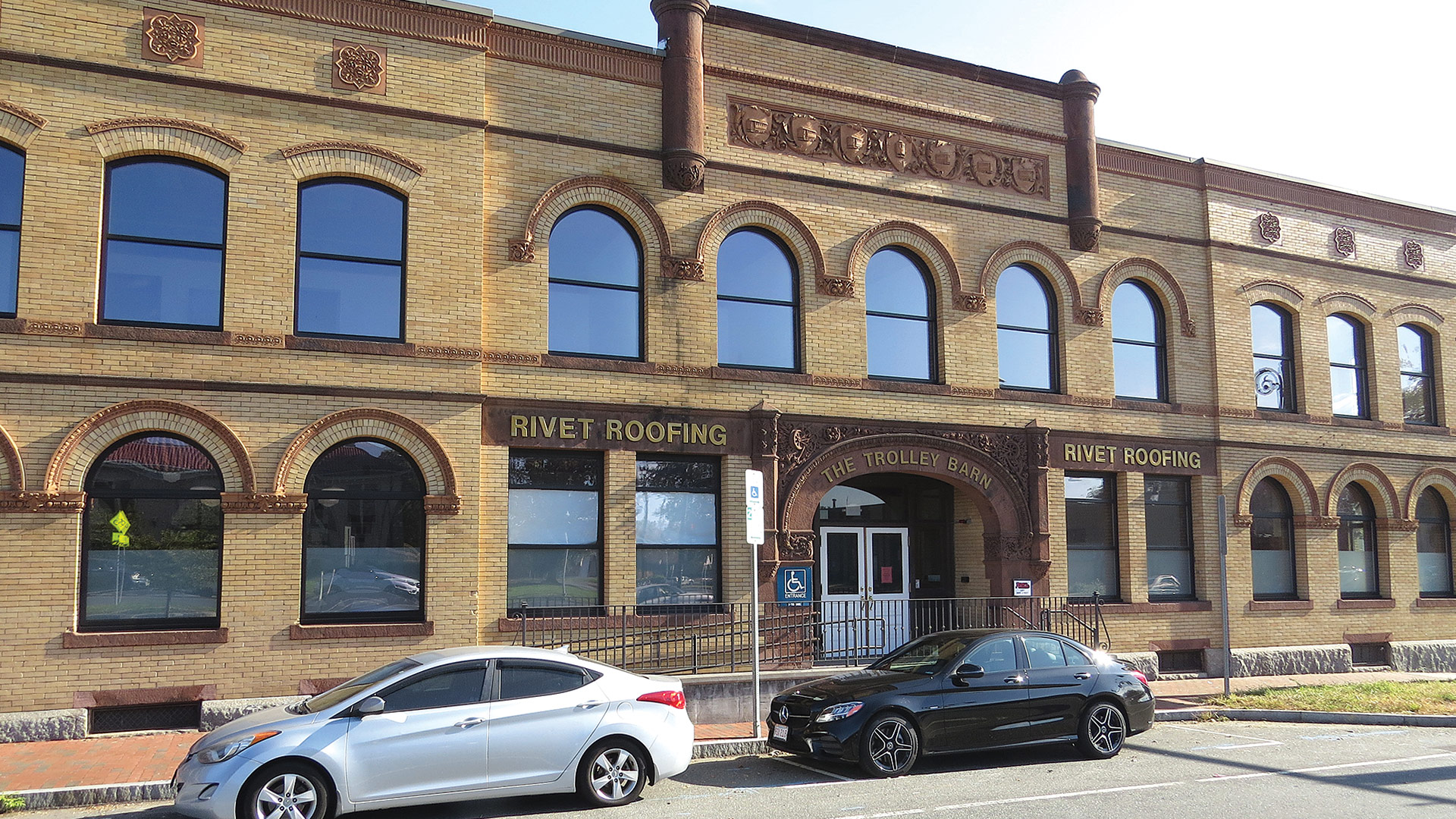
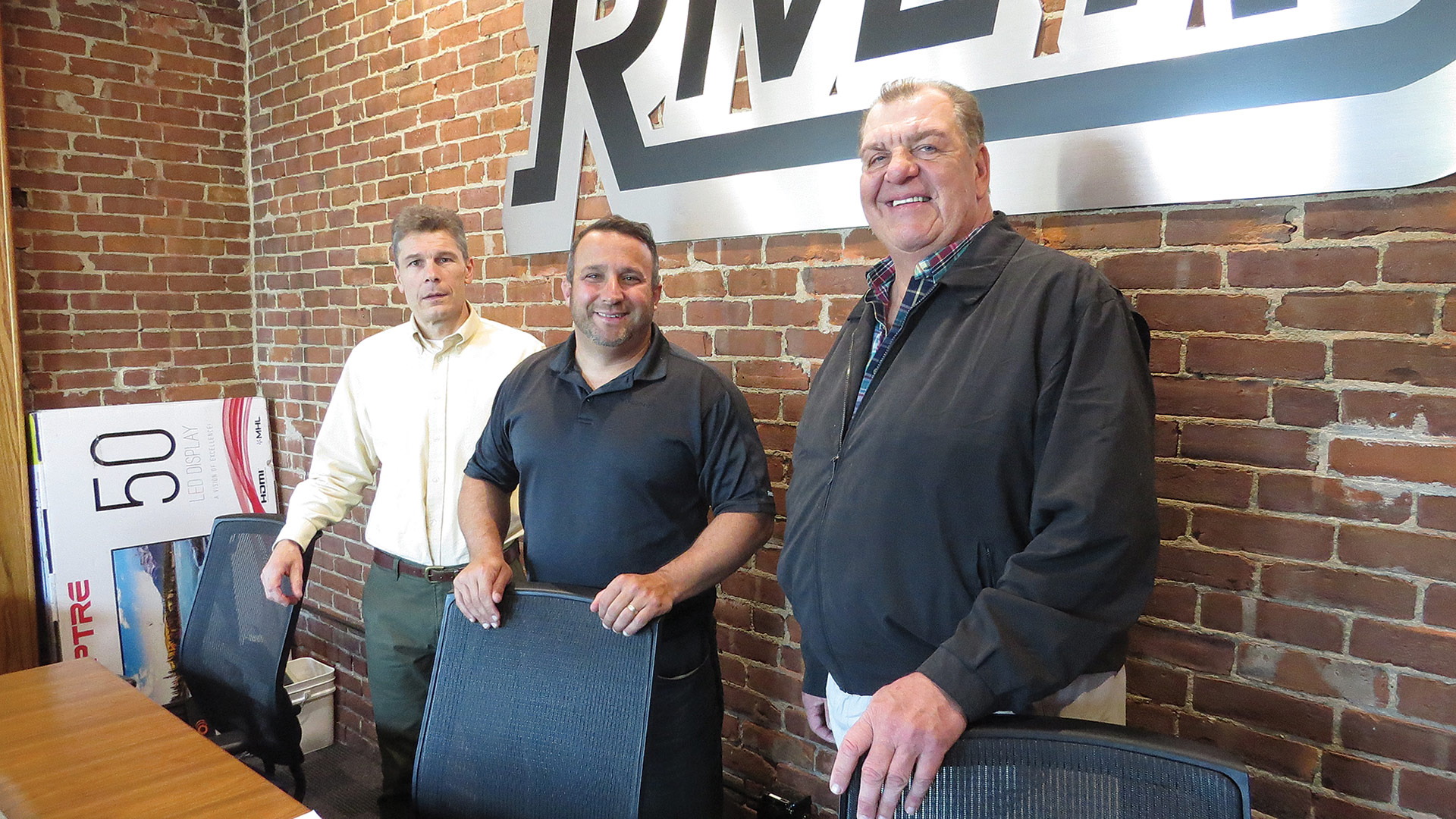
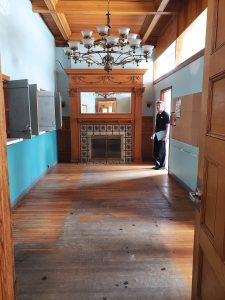
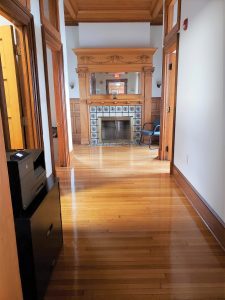
Jordan Hart admits to sometimes getting lonely at the Greater Holyoke Chamber of Commerce’s spacious offices on High Street.

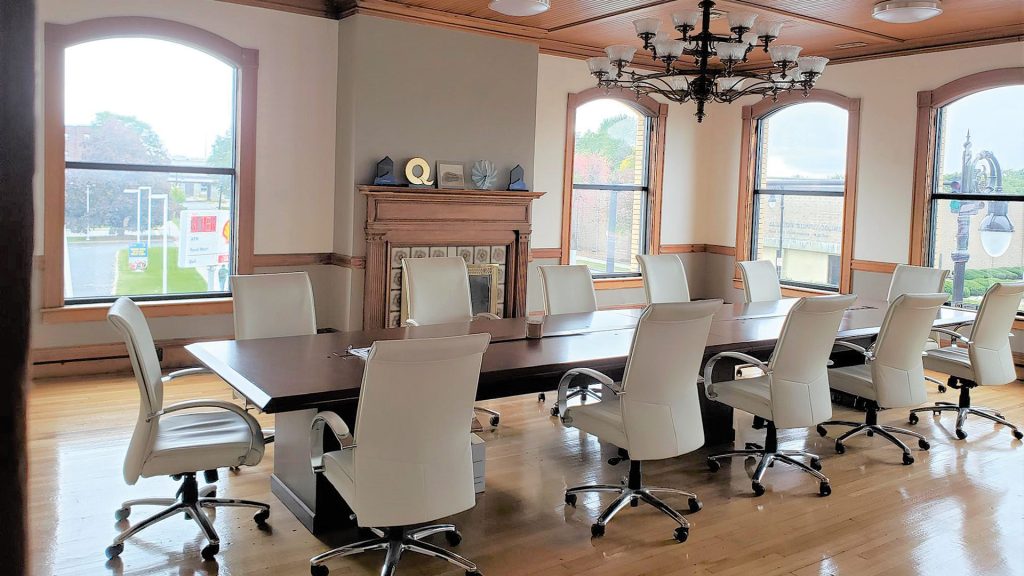
There are still monthly board meetings in the large conference room and an occasional visitor. And the entrepreneur leasing a small office toward the back of the space comes in now and then.

But mostly, it’s just Hart.

Indeed, this chamber is now essentially a one-person operation, the culmination of a trend that started before the pandemic and has only been accelerated by COVID-19.

“I am the chamber,” said Hart, one several relatively new chamber leaders in the region — she became executive director almost a year ago after more than nine years with the agency in various roles, adding that there were five people working in the same space when she first started there.

And Holyoke’s is not the only area chamber to be run by a staff of one. That’s the model now in place at several agencies, including the Springfield Regional Chamber (SRC), which had five staff members just prior to COVID, but now there’s just one computer humming at its suite of offices at the TD Bank Building, a downsizing that happened over time.

“Part of it was attrition, part of its was budgetary as a result of COVID,” said Nancy Creed, president of the SRC, who announced earlier this month that she will be stepping down from her position no later than next spring to care for her elderly mother.

Coping with smaller staffs — and, in some cases, some loneliness — has been just one of the adjustments area chambers have had to make over the last few years, and especially since COVID. There have been some changes in the services they provide and how they are provided, and there has been somewhat of a change in role as well.

“As chambers stepped up, people saw us as a lifeline. We’re in the business of serving businesses, but never did we realize that we would actually be saving businesses.”

Indeed, where once chambers existed to help promote members and connect them to one another and the community, while also providing needed information on matters ranging from new legislation to changes in tax laws, the mission escalated during COVID — up to and including simply helping members survive an unprecedented disruption to their business and their life.

“As chambers stepped up, people saw us as a lifeline,” said Claudia Pazmany, executive director of the Amherst Area Chamber of Commerce. “We’re in the business of serving businesses, but never did we realize that we would actually be saving businesses.”

Overall, the chamber members we spoke with summarized what’s happened over the past 21 months or so by saying chambers became more relevant during the pandemic, as evidenced by the fact that membership didn’t decrease for many of them at a time of extreme financial duress for many of their members. In some cases, it actually increased.

“Throughout all of this, chambers have really shown their relevance,” Creed said. “It’s like having health insurance in some respects; you don’t ever want to use it, but you’re glad that it’s there when you need to use it, and we’ve shown what we can do and what our value proposition is.”

Now, the challenge is to remain relevant, they said with one voice, noting that they’re going about this assignment in many different ways.

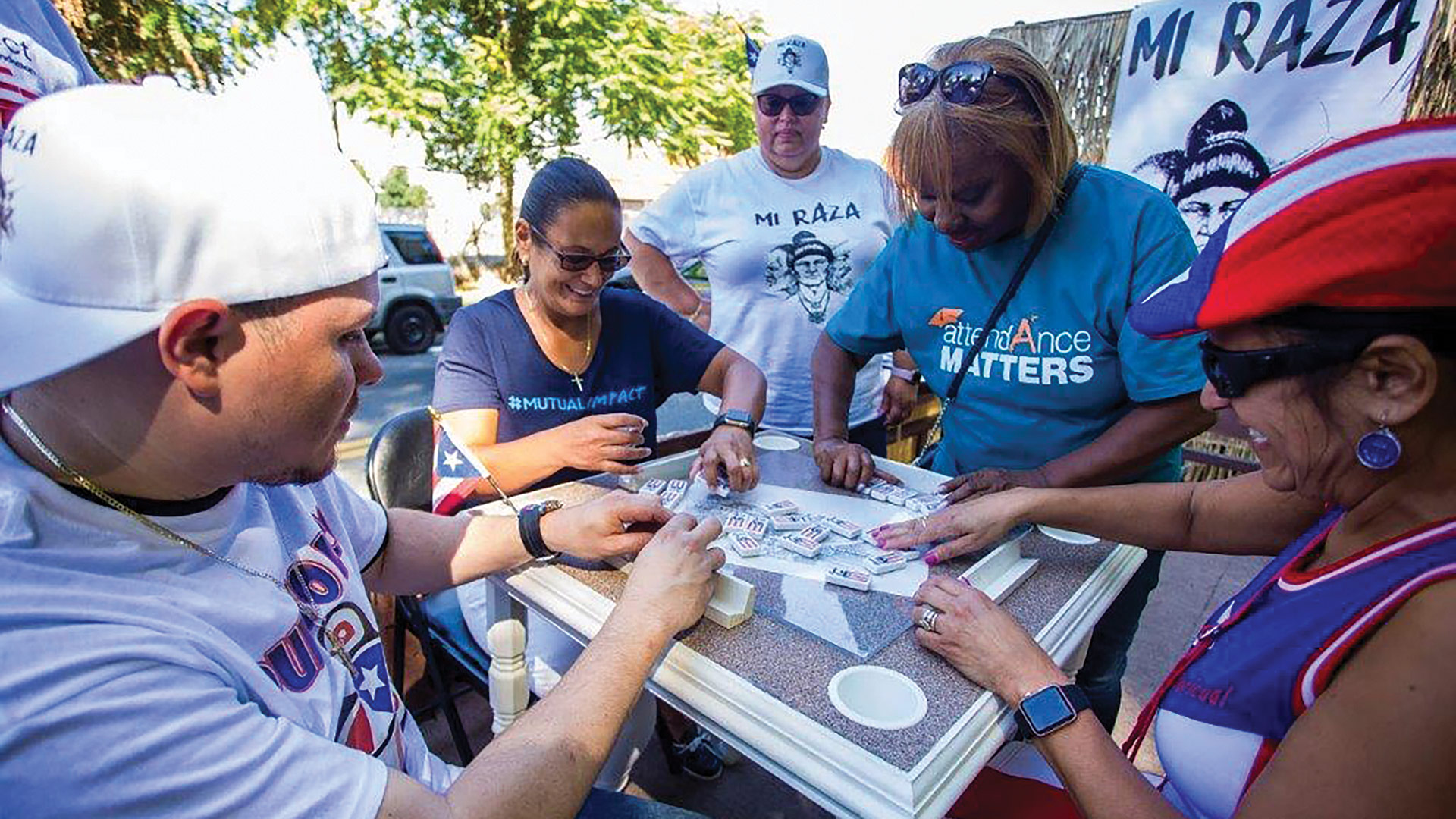
At the Holyoke Chamber, for example, there has been a rebranding — a new logo and a new website, for starters — but also some strong outreach to Hispanic business owners, said Hart, adding that, historically, that population hasn’t felt as if the chamber represented them.

“It was really important to me to become a more inclusive organization, fostering not only our current members, but growing that and extending that into the Hispanic business community, which has really not had the same opportunities that the chamber has offered to other businesses,” she told BusinessWest, adding that she considers 2021 to be a comeback year for a beleaguered chamber. “I don’t want to continue to segregate the two different business communities, but instead find ways to become more unified and be the business community of Holyoke.”

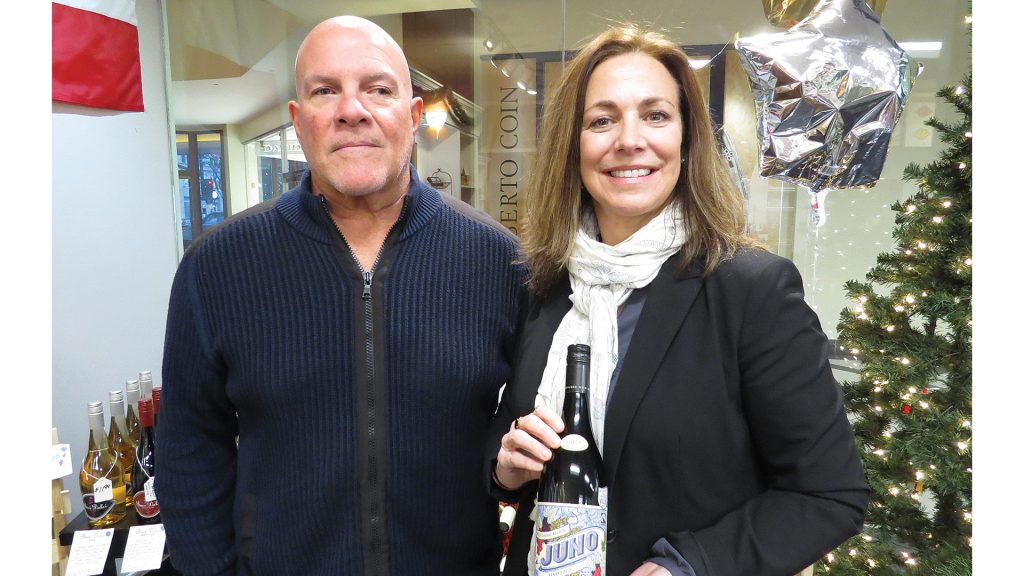
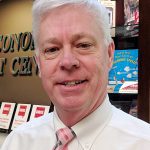
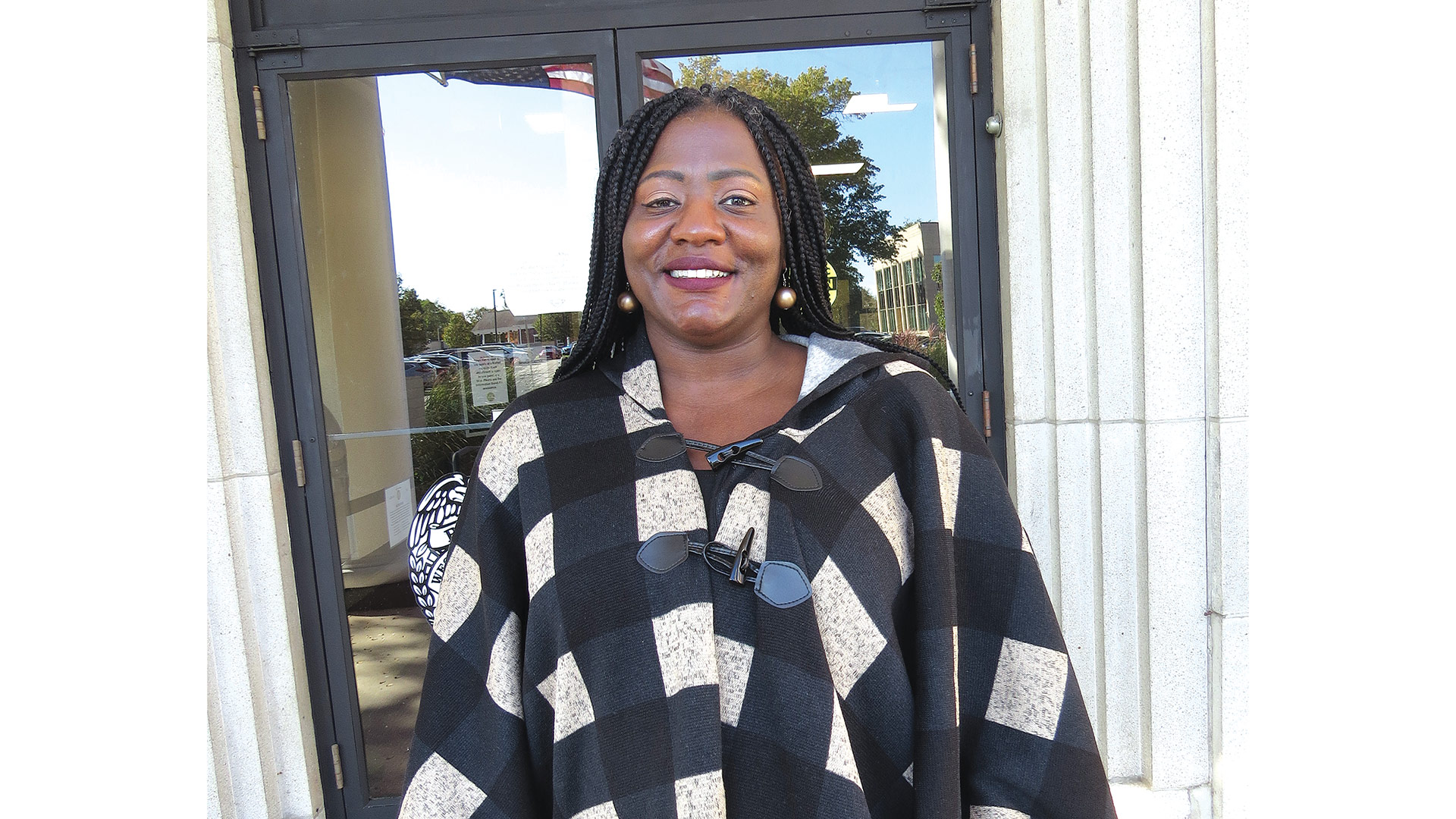
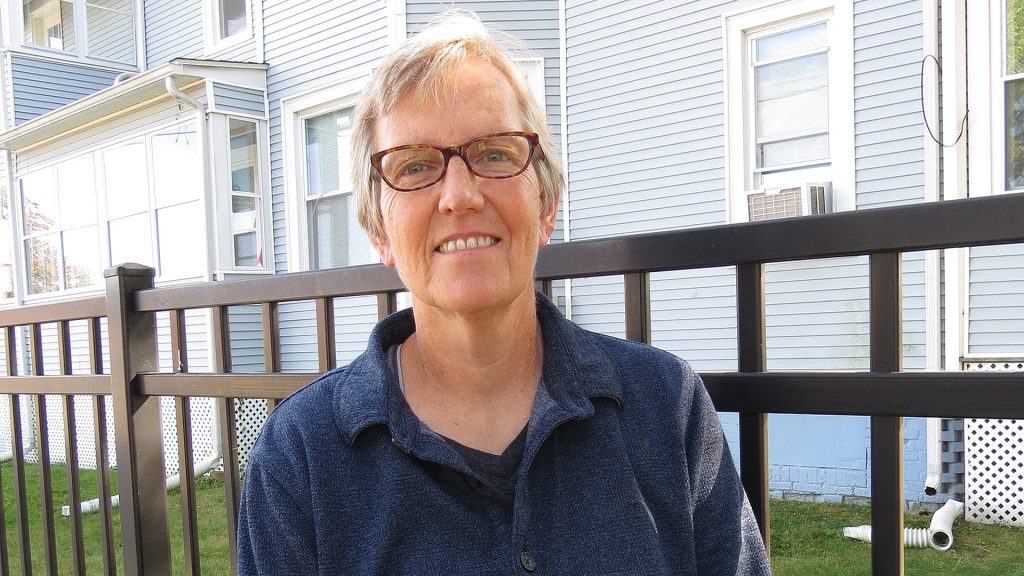
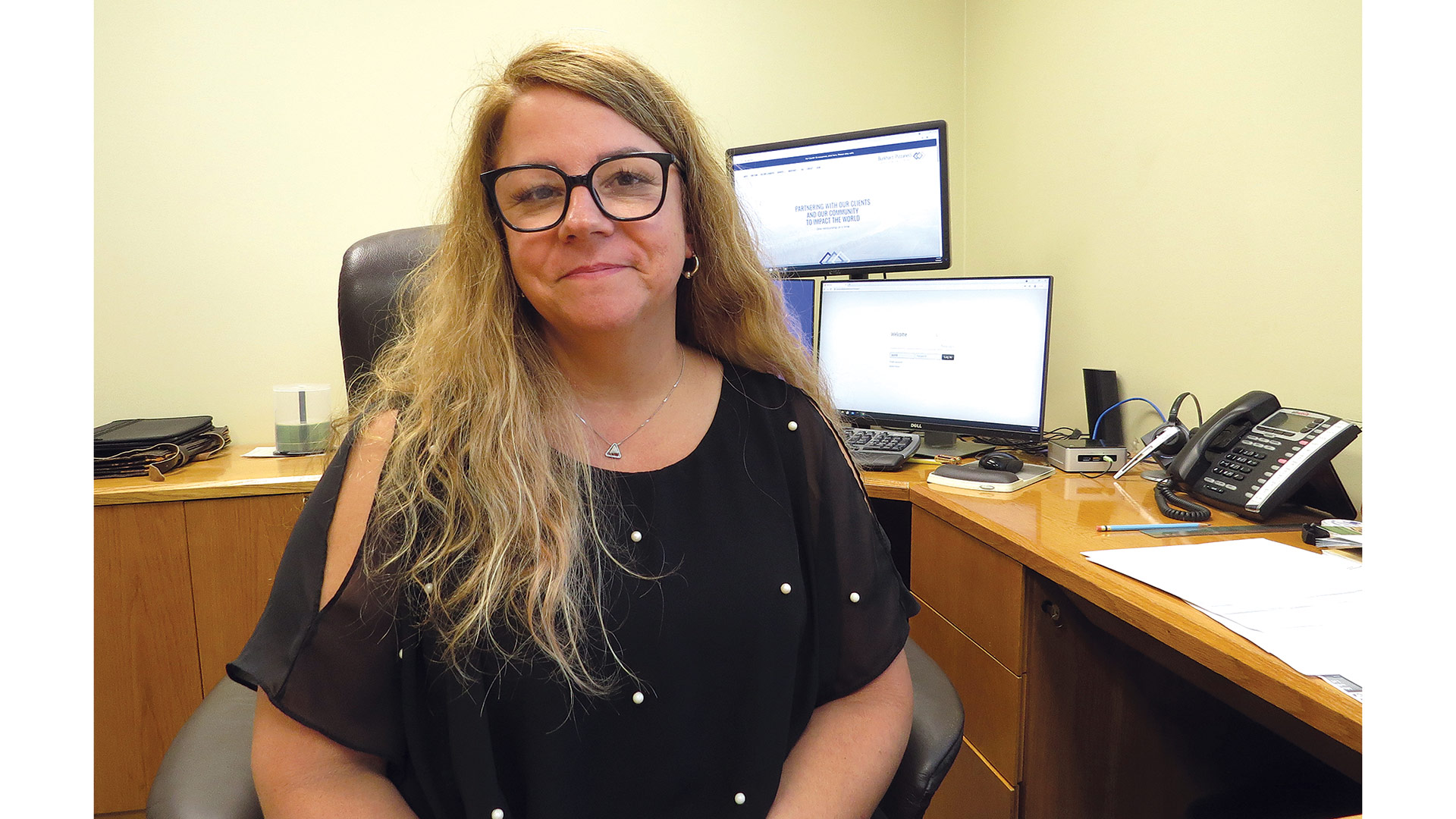
Grace Barone

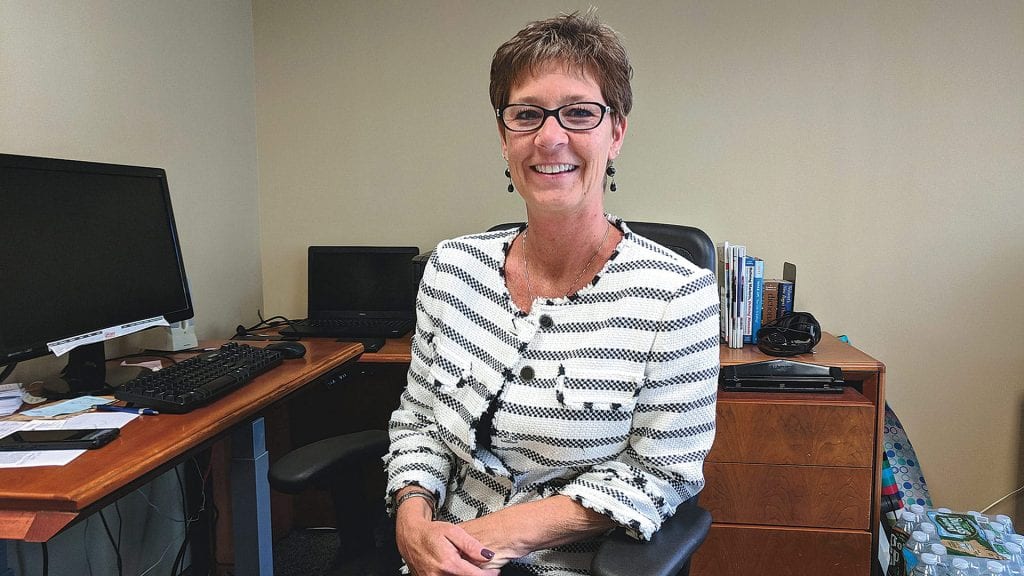
Grace Barone says the East of the River Five Town Chamber has brought back many of its events, but with adjustments due to COVID.

At the East of the River Five Town Chamber of Commerce, which includes Longmeadow, East Longmeadow, Ludlow, and other communities south and east of Springfield, there has been a return to many of the gatherings staged before COVID, including the popular breakfasts, an important value-added service for members.

“There’s definitely a need for these kinds of networking events,” said Grace Barone, who came on as executive director of the chamber in June. “Everyone needed to know how folks were doing, how to adjust sales, and how to move forward in this world, so we set out to do that, to bring people together again.”

For this issue, BusinessWest talked with several chamber leaders about this process of ‘moving forward,’ and all that this phrase entails. As with businesses in every sector of the economy, it means pivoting when necessary and finding new and sometimes different ways to be relevant and present value to members.


Meeting Expectations

As she talked about her chamber’s recent trade show and fundraising event, the ERC5 Talkin’ Turkey Table Top 2021, Barone said she took a page from the playbook BusinessWest used at its 40 Under Forty gala in September — the one that called for spreading people out to help reduce risks during a surge in COVID.

“We utilized all the different spaces at Twin Hills Country Club that we could,” she explained. “We had some vendors outside and in the lobby — we provided people with more room. People had to do a little more traveling through Twin Hills, but it happened, and it was a success, and everyone was very happy.”

It was the same at an earlier networking event, staged outdoors in another nod to COVID, at the Apple Place in East Longmeadow, which boasts a creamery and a number of farm animals. It wasn’t your typical networking event setting, but it worked, serving as an example of thinking outside the box and making needed adjustments to how things are normally done, Barone said.

“Throughout all of this, chambers have really shown their relevance. It’s like having health insurance in some respects; you don’t ever want to use it, but you’re glad that it’s there when you need to use it, and we’ve shown what we can do and what our value proposition is.”

Making adjustments at events — and conducting fewer events overall — while also making due with smaller staffs, and often one person, are just some of the changes area chambers have been making since COVID changed the landscape.

“It has certainly not been easy, and chambers have to do more with less now,” Creed said. “But that’s not necessarily a bad thing — I think that’s just business, and everyone needs to learn how to do that.”

Overall, most chambers have handled the adjustments they’ve had to make. There have been cutbacks in staffing for many of the agencies — again, through attrition and some cuts — and other forms of downsizing. But while chambers have closed and merged in other parts of the country and even other parts of this state, all of the chambers in the 413 have kept their names and their identities.

That’s not to say there weren’t some precarious times. Indeed, when Kate Phelon, the long-time executive director of the Greater Westfield Chamber of Commerce, announced she would retire at the end of 2020, a search for a successor commenced that September. It was halted a few months later amid some concerns about the chamber’s future — and fiscal concerns stemming from the pandemic — but then started again as arrangements were made to collect past-due membership fees and take other steps to put the agency on solid financial footing.

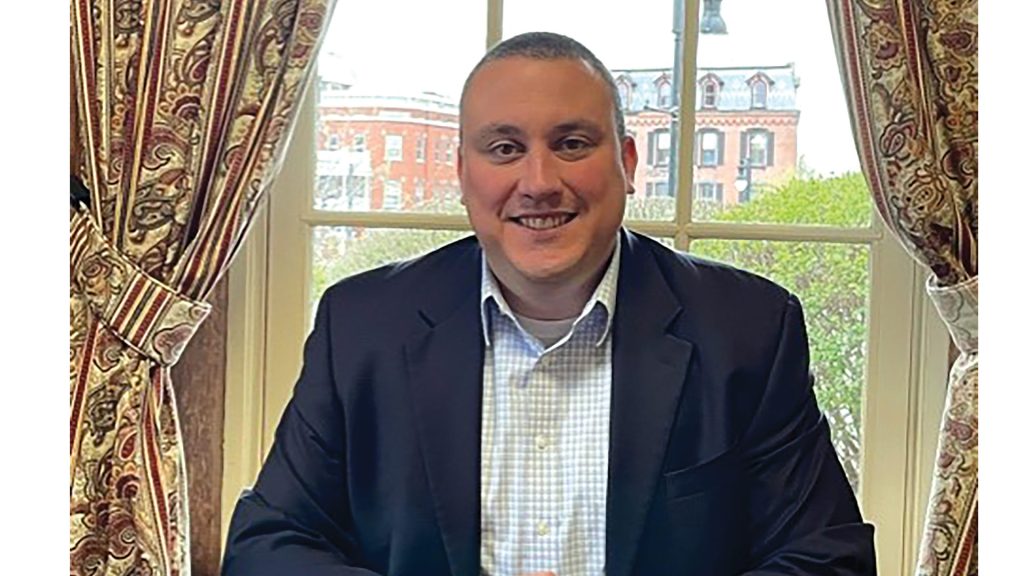
“Dues started coming in, and people started getting creative about getting businesses into the chamber,” said Eric Oulette, who would eventually become that successor, adding that, today, membership is solid, at nearly 240 members, or roughly where things stood before the pandemic, with the ambitious goal of getting to 300 in the months to come.

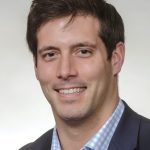
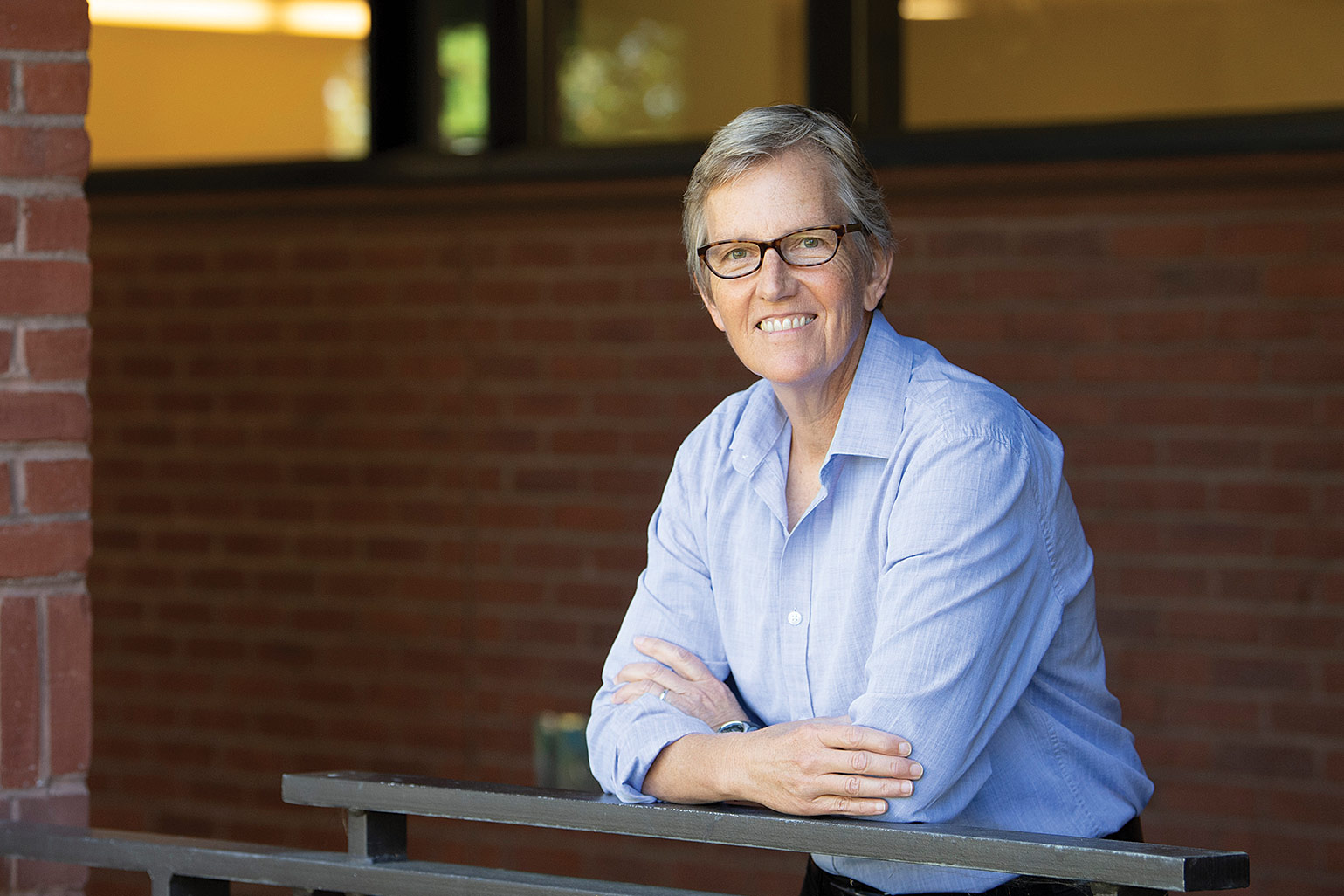
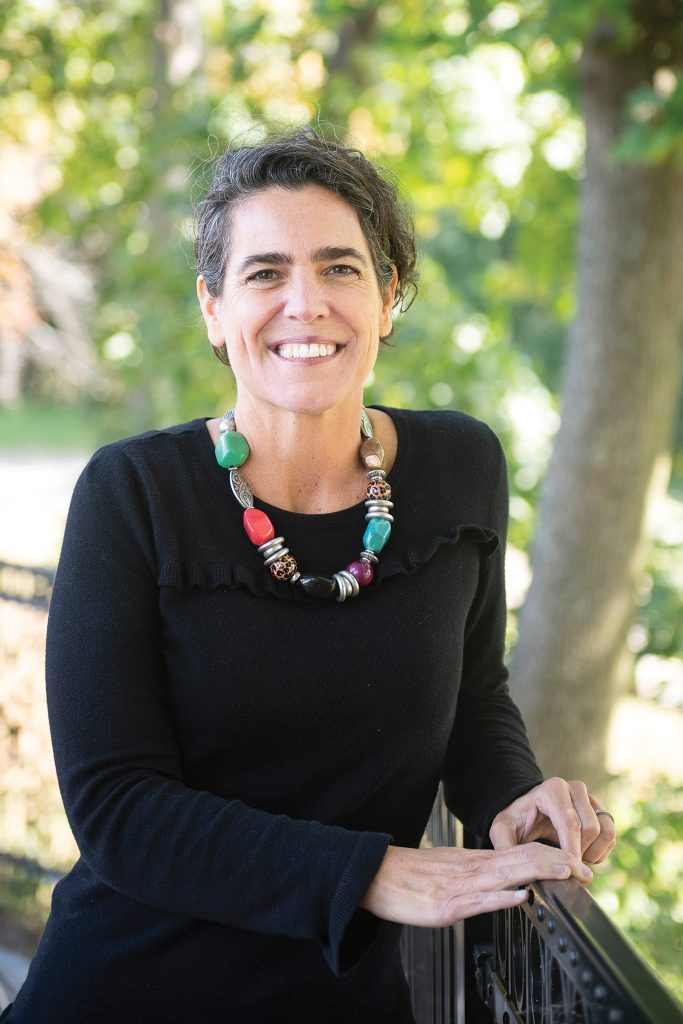
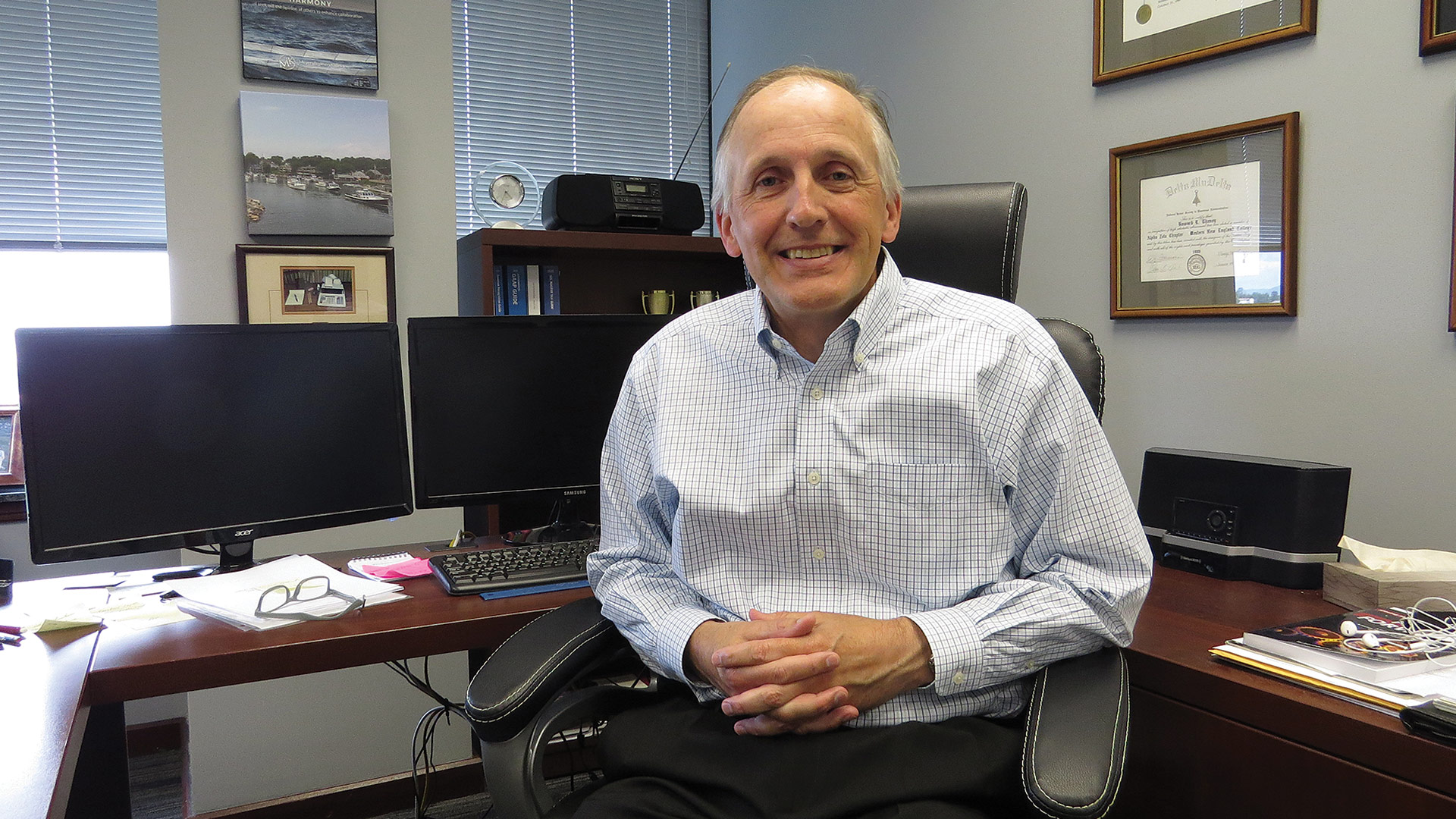
Nancy Creed

Nancy Creed says area chambers certainly proved their relevance during COVID, and the challenge now is to maintain that relevance.

He’s confident the chamber can continue adding members and perhaps reach that lofty goal because of the value it has put on display during the pandemic, especially as a resource to members looking for needed information and guidance on relief programs.

Barone agreed. “We’ve been climbing higher and adding new members since I’ve come onboard,” she said, adding that the numbers have been steady and the chamber is on solid ground moving forward.

At the Holyoke Chamber, amid several changes in leadership, the agency fell out of view of many business owners and needed to not only rebrand but reintroduce itself to the business community and in some ways even reinvent itself. And Hart, because of her long tenure with the organization and familiarity with many of the business owners, thought she was in a position to orchestrate what could be called a turnaround.

“I thought I was in a position to really rebrand us and make it known that we’re here to help the community, because there was talk that the chamber was idle,” she told BusinessWest. “We were administering grants, but other than that, we had a very idle pandemic, so I took that opportunity last spring to rebrand us, with a new logo, new website, and new dues structure.”

The more significant aspect of what she is calling a ‘renaissance’ for this chamber is its efforts to promote inclusion and broaden the membership base by putting out a proverbial welcome mat to Hispanic business owners. It is doing this through a number of vehicles, including everything from diversity, equity, and inclusion seminars to complementary Spanish classes (Hart is taking one herself) and English classes as well.

“What I’ve noticed from working here almost a decade is that there are a lot of roadblocks preventing unification within our business community,” she said. “So if can we cross-pollinate and promote one another and highlight one another, using the power of the chamber to become an ally with everyone in our community, we can see tremendous growth. The potential is really endless, in my opinion.”


Getting Down to Business

As he talked with BusinessWest, Oulette was just returning from a ribbon-cutting ceremony, one of many he’s been part of over the past few months.

The giant scissors have been given a workout, he said, thanks in part to a surge in entrepreneurship fueled in some ways by the pandemic and the time it gave people to think about, and act on, their dreams of owning their own business.

“It was really important to me to become a more inclusive organization, fostering not only our current members, but growing that and extending that into the Hispanic business community, which has really not had the same opportunities that the chamber has offered to other businesses.”

“More than 20 businesses have opened up in the Greater Westfield area this year alone,” he said, adding that, from what he can gather, most area chambers are equally busy with those ribbon cuttings, and they represent just one of many ways chambers are showing up during these still-challenging times.

Indeed, with federal PPP money and other sources of funding, such as a large grant the Holyoke chamber has secured through its partnership with EforAll Holyoke, area chambers have been able to carry on — in somewhat different fashion, in some cases, and with a somewhat different mentality in others. And, yes, with fewer people at many agencies.

“We’ve transitioned to be more of a mission-driven organization than an events-driven organization,” said Creed, noting quickly that spending less time on events, such as those monthly or quarterly breakfasts that so many area chambers are known for, has freed up time for “things that truly matter.”

Using different words and phrases, all those we spoke with said essentially the same thing — although, for many, those events are still critical as ways to serve members and raise needed operating revenue.

But the pandemic has inspired all the chambers to look beyond those events and at different ways to help members, especially as they continue to battle not only the pandemic, but also a workforce crisis that is without precedent, and now new challenges to their existence, such as inflation and supply-chain woes.

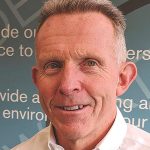
Eric Oulette says he has been busy at ribbon cuttings

Eric Oulette says he has been busy at ribbon cuttings, one of the many ways the Greater Westfield Chamber has been visible and involved.

While the pandemic has eased in some ways, said Pazmany, area chambers are still working to not only serve but save area businesses. And this work takes many forms, from supporting the Amherst BID’s proposal to build a new parking garage downtown to more global efforts to inspire people to buy local.

But the biggest issues, one that chambers are struggling to help with, are the supply-chain woes and the workforce crisis. And they have Pazmany worried because they are preventing businesses from fully bouncing back from the pandemic, and in some ways still threatening their existence.

“I’m worried that, though our business are performing and they’re still open … they’re often just hanging on because of staffing and because of supply-chain issues,” she said. “Look at restaurants; they can’t stay open and serve the same number of people they used to. Most restaurants are busy, but they have to close two days a week, and if a restaurant has to close two days a week, they’re not doing what they were doing before the pandemic.”

And because a chamber’s fortunes are tied to the relative health of the business community it serves, there is understandable cause for concern, she went on.

“I’m a chamber, I’m a member-driven organization, all my support comes from my members and dues and sponsorships,” she explained. “I certainly have a right to worry; we’ve certainly proven ourselves in terms of our value, but if you’re not making the money, you’re going to cut somewhere. And what we don’t know is how long this staffing shortage and these other issues are going to go on.”

“It has certainly not been easy, and chambers have to do more with less now. But that’s not necessarily a bad thing — I think that’s just business, and everyone needs to learn how to do that.”

Barone agreed, but noted that one of the enduring lessons from the pandemic is that challenges can be met if groups and individuals work together and think outside the box.

“If we learned anything from this, it’s that the community comes together; if it weren’t for the residents in our small towns, a lot of businesses, a lot of restaurants, would not have survived,” she said. “But the community rallied, and that’s the piece that we’ve got to take forward — not that we didn’t before, but we need to focus on that with chambers. If our businesses are doing well and they’re successful, they give back to the communities they’re in, and everyone thrives.”

Bottom Line

As she walked and talked with BusinessWest during a visit to the space on High Street, Hart pointed to the desk positioned in the front lobby, the one she occupied when she started with the agency a decade or so ago.

When she became executive director, she recalled, she sat at that desk for some time, partly because of the familiarity, but also, as a one-person show, she wanted to be out front, greeting whoever came through the front door.

She has since settled into her office located behind the conference room, her “zen space,” as she called it. The broad goal for 2022 is to rebuild the chamber’s finances and, hopefully, place another employee at that desk out front — or one of the other unoccupied workstations.

Getting Hart some company is just one of the many challenges to address, and hopefully overcome, as chambers — like the businesses they serve — move on from surviving the pandemic to life after it.


George O’Brien can be reached at [email protected]

Commercial Real Estate Special Coverage

A Time to Think Big


With more than $3 billion being directed to area cities and towns through the American Rescue Plan Act, there is no end to speculation about these funds should be put to use. While infrastructure projects and other municipal needs certainly need to be addressed, area economic leaders and developers are urging communities to think big and make investments that will spur additional private-sector development and allow these cities and towns to take full advantage of the changing times and the opportunities they present.

‘Unprecedented.’ ‘Once in a lifetime.’ ‘Once in a generation.’ ‘Transformative.’ ‘Totally unique.’

These are just some of the words and phrases people are using to describe the federal money now flowing into the state and its individual cities and towns from the American Rescue Plan Act (ARPA) to help them, their residents, and their businesses recover from the hard sting of COVID-19. Area communities are in line for windfalls ranging from hundreds of thousands of dollars for the smallest of towns in Franklin and Hampshire Counties to more than $130 million for Springfield. And the state itself is receiving more than $5 billion.

By and large, there are few strings attached to this money, so the $64,000 question (or the ‘fill in an amount’ question, as the case may be with individual communities) concerns how this windfall will be spent.

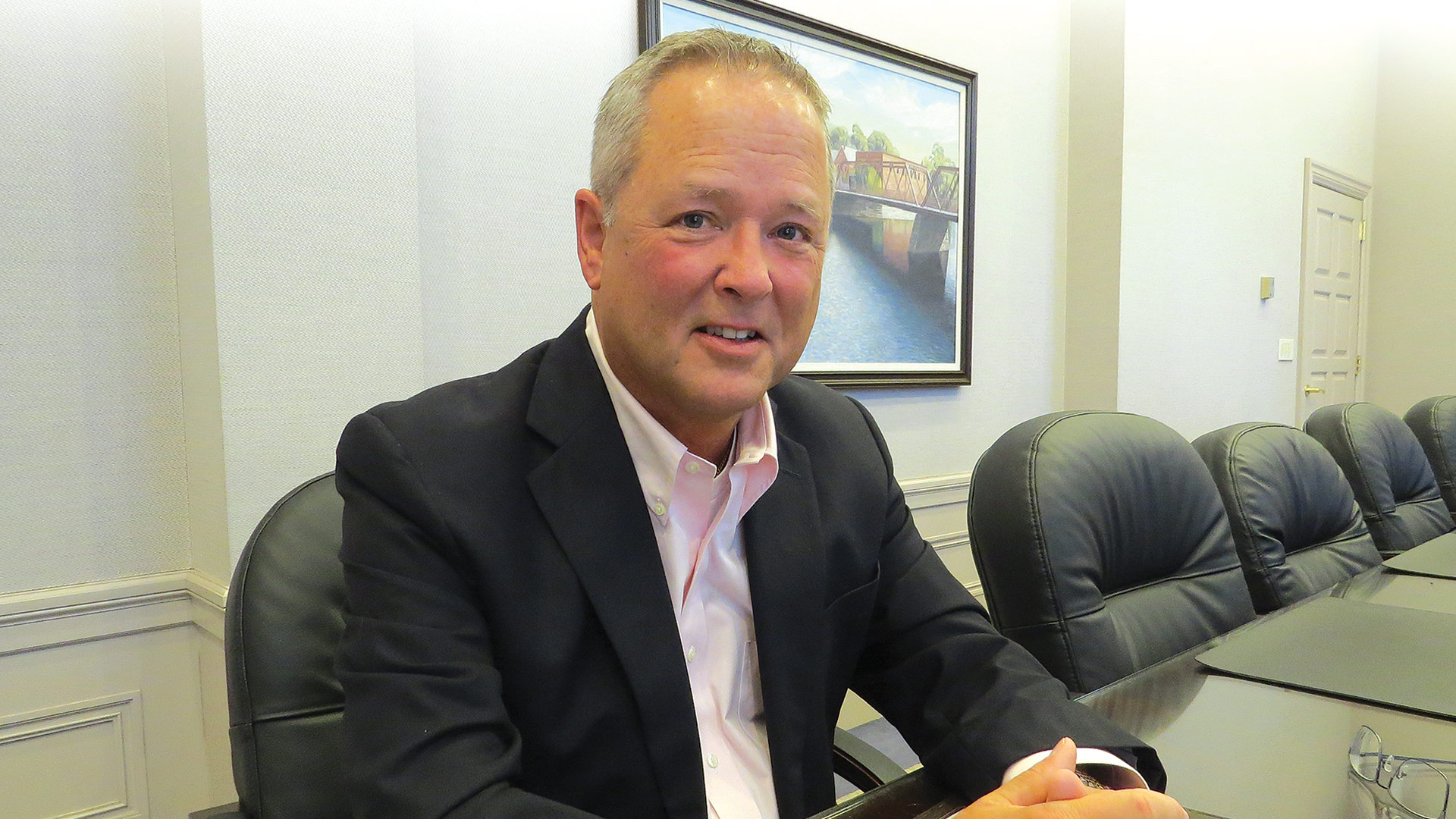
Keith Nesbitt

Keith Nesbitt

“There are very safe investments that can be made, and everyone would benefit. But there are game-changing investments that can be made, and I hope that they are.”

The debate is continuing on Beacon Hill and all across the region as mayors, city and town councilors, selectmen, and town administrators mull myriad options for spending these funds — and how other federal money, such as that included in the infrastructure bill recently passed into law, might be put to use.

Much of the talk on the local level concerns infrastructure — roads, bridges, sewer and water lines — as well as new roofs, HVAC systems, and more for municipal buildings, new parking garages, parks, etc., etc., etc.

And while these options have merit, those who spoke with BusinessWest on the broad subject of how this spending spree, especially the ARPA money, should be conducted said that, from an economic-development standpoint, area cities and towns — and the state itself — would do well to think bigger, and more long-term, with an eye toward using this money in ways that justify that word ‘transformative,’ and also spark private-sector development in housing (especially market-rate housing), new businesses, and more.

“These can’t be ‘bridge-to-nowhere’ kinds of investment — they have to be meaningful investments that all of us can benefit from,” said Jeff Daley, president and CEO of Westmass Development Corp., who also warned against a rush to commission studies that would likely yield reports that sit on shelves for years.

Keith Nesbitt, Berkshire Bank’s senior vice president for Business Banking for the Pioneer Valley and Connecticut, agreed.

“There are investments that are needed, and I think they come in a variety of forms,” he said. “I don’t know how we’re going to attract significant private investment without that pump priming that government resources are going to provide. I think this is a once-in-a-generation opportunity, and I really hope that local leaders are bold enough to dream big when it comes to how we use these funds.

“There are very safe investments that can be made, and everyone would benefit,” he went on. “But there are game-changing investments that can be made, and I hope that they are.”

What falls in that category? Nesbitt, who is also hiring manager for the bank and understands the workforce issues facing area businesses and the lack of qualified talent across the board, cited a community in Minnesota that is earmarking some of its federal money to ensure that all high-school graduates can attend community college.

Joy Martin

Joy Martin

“You do have a unique opportunity that you didn’t before because you have money to offer people to come in and develop in your area.”

“They recognized that need to prepare our young people for the jobs of the future,” he said. “The investment in free, two-year community college is what they’ve decided to do, and I’d love to see something that like here.”

Meanwhile, Joy Martin, director of Asset Management with Davenport Companies, which has worked on MGM Springfield, recently converted the former Willys-Overland property on Chestnut Street into market-rate apartments and is redeveloping the former Registry of Motor Vehicles building on Liberty Street, said Springfield and other communities need to think about investing the federal money in ways that would make it easier to undertake such projects.

“You do have a unique opportunity that you didn’t before because you have money to offer people to come in and develop in your area,” she said, adding that many projects need help from state and local government to make the numbers work for developers.

Rick Sullivan, president and CEO of the Western Massachusetts Economic Development Council, who can speak to this subject from various perspectives (he’s the former mayor of Springfield and a current city councilor), concurred, and also stressed the need to invest the money and not just spend it.

“I do think it’s a chance to look at the bigger picture and look down the road,” he told BusinessWest. “And not just fill a gap that might exist today, or not just make some repair that might be necessary, but really further your economy or the quality of life in your community you’re living in.”


Money Talks

While certainly advocating for longer-term thinking when it comes to how the ARPA money should be apportioned, Sullivan and others noted there are some immediate concerns that may also have some ramifications down the road.

That’s especially true when it comes to existing businesses and especially the smaller ventures across many sectors that are still struggling from the effects of not only COVID but some of the side effects from treating it as well.

“With the pandemic, the small, mom-and-pop, downtown, core-district businesses are still hurting,” he told BusinessWest. “They have supply-chain issues, they have employment issues … so I think some of these monies should go to the small, the really small businesses that make up the fabric, the fiber of your downtowns and your communities.

“And it can’t be loans because loans come with interest,” he went on. “It has to be either grants or no-interest loans that have a forgiveness provision — it goes away after a short period of time, be it two years or three years or five years; if you stay open and you’re moving forward, the obligation to pay goes away. Some of this money needs to go to your smallest businesses.”

Rick Sullivan

Rick Sullivan

“With the pandemic, the small, mom-and-pop, downtown, core-district businesses are still hurting. They have supply-chain issues, they have employment issues … so I think some of these monies should go to the small, the really small businesses that make up the fabric, the fiber of your downtowns and your communities.”

That said, Sullivan and others stressed repeatedly the need to think big when it comes to ARPA, meaning a focus on investments that will pay off the long term, with benefits for generations of residents of a given city or town. That could mean investments in everything from education and training initiatives to faster and more reliable internet, to initiatives that will unlock the development potential of unused and underutilized properties.

Seth Stratton, a business lawyer and managing partner of East Longmeadow-based Fitzgerald Attorneys at Law, said the focus should be on economic-development-related investments, a broad term to be sure.

“The programs and initiatives that should be funded with these resources should be intentional, impactful, and innovative — all with an eye toward a continuing spark; it has to be transformative,” he said, putting support for new housing projects high on his list of priorities. “We want to see economic development and a rising tide that lifts all boats. If we just do one-off projects here and there, that can be helpful, but it won’t have this comprehensive effect of economic development in what many of us see as somewhat of a new economy.

“What do restaurant, food and beverage, and entertainment venues look like going forward?” he continued. “We ought to be thinking about what they look like moving forward and how to embrace that and use funds in a smart way that would have exponential impact, rather than talking about one-off items.”

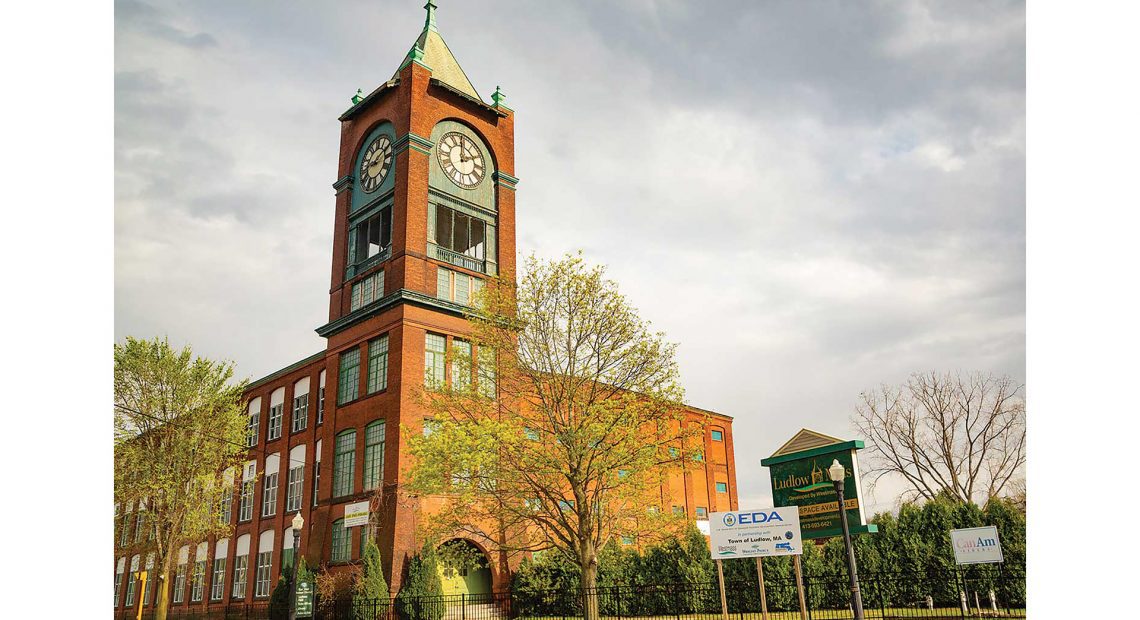
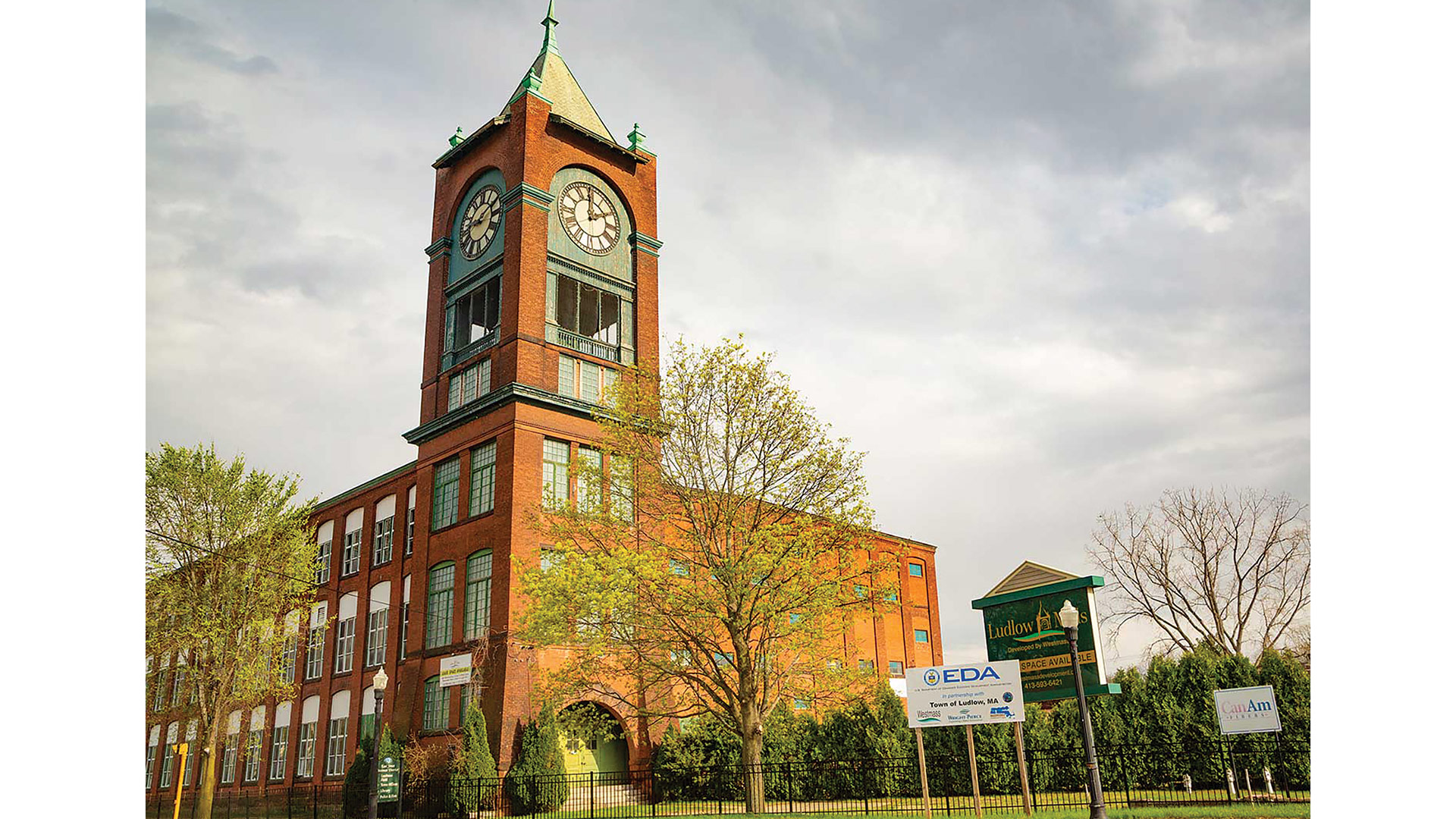
Daley agreed, and mentioned, as one example, Ludlow Mills, the sprawling former jute-making complex along the Chicopee River that Westmass now owns. He said investments made there by the state and perhaps the town of Ludlow could bring property in line for development and create jobs for several generations of area residents.

“We have several under-underutilized and undevelopable properties, and I think this one-time type of money coming in could help put us over the top to redevelop Ludlow Mills and other projects,” he said, adding that he hopes the ARPA money and funds in other federal programs, such as the infrastructure bill that was recently signed into law, trickle down to Western Mass. and help it attract the attention of the development community, which has often found it difficult to take on projects here for a number of reasons, including the market lease rates and the costs of renovating old mills and other properties.

“With a small investment — small relative to the numbers they’re talking about Congress and feds giving the state — we could recapitalize those dollars and give a return on investment that would be a million times what they would give us,” Daley said. “We have very, very large properties in Ludlow, specifically, that, without an infusion of cash, it’s going to hard to redevelop. With a small infusion of cash, several million dollars, we can generate a return on investment of $300 million or $400 million, realistically, within five to 10 years — and create a lot of jobs and tax dollars; there are three or four projects we could do that would change the face of Ludlow.”

Jeff Daley

Jeff Daley

“We have several under-underutilized and undevelopable properties, and I think this one-time type of money coming in could help put us over the top to redevelop Ludlow Mills and other projects.”

Martin concurred, noting that this infusion of federal money comes at an intriguing time, as many forces are coming together to make Western Mass. a more attractive option for individuals and businesses alike. These include the much higher cost of living in other areas such as Boston and New York and the opportunity to now work in those areas but live in a lower-cost region like the 413.

“Western Mass. is getting more attractive to investors and to people in general. Overland Lofts is 97% leased, and it has been 97% leased for some time,” she told BusinessWest. “We thought we were going to have a problem leasing these apartments, and we have not, and what surprised us is that we’ve attracted a lot of residents from the Worcester and Boston areas, because this location is near things that are about to happen — it’s not far from the casino, it’s near the train station … it checks a lot of boxes for urban living at a much lower cost than living in Boston or Worcester.”

Elaborating, she said one of the units is being leased by an executive with a Boston-based firm who is now able to work remotely, and chose to do so in downtown Springfield.

With these trends, or developments, in mind, those we spoke with said area cities and towns need to be thinking about ways to utilize the ARPA funds to take full advantage of the opportunities currently presenting themselves.


Impact Statement

Returning to that town in Minnesota using ARPA money to send young people to community college, Nesbitt said this is the kind of long-term, high-impact investing that state and area leaders should be thinking about as they consider options for allocating funds in the broad realm of economic development.

“These kinds of human-capital investments need to be prioritized,” he said, adding that the workforce crisis now impacting every sector of the economy must be considered a long-term problem and not one that will correct itself in a quarter or two or with the end of additional unemployment benefits.

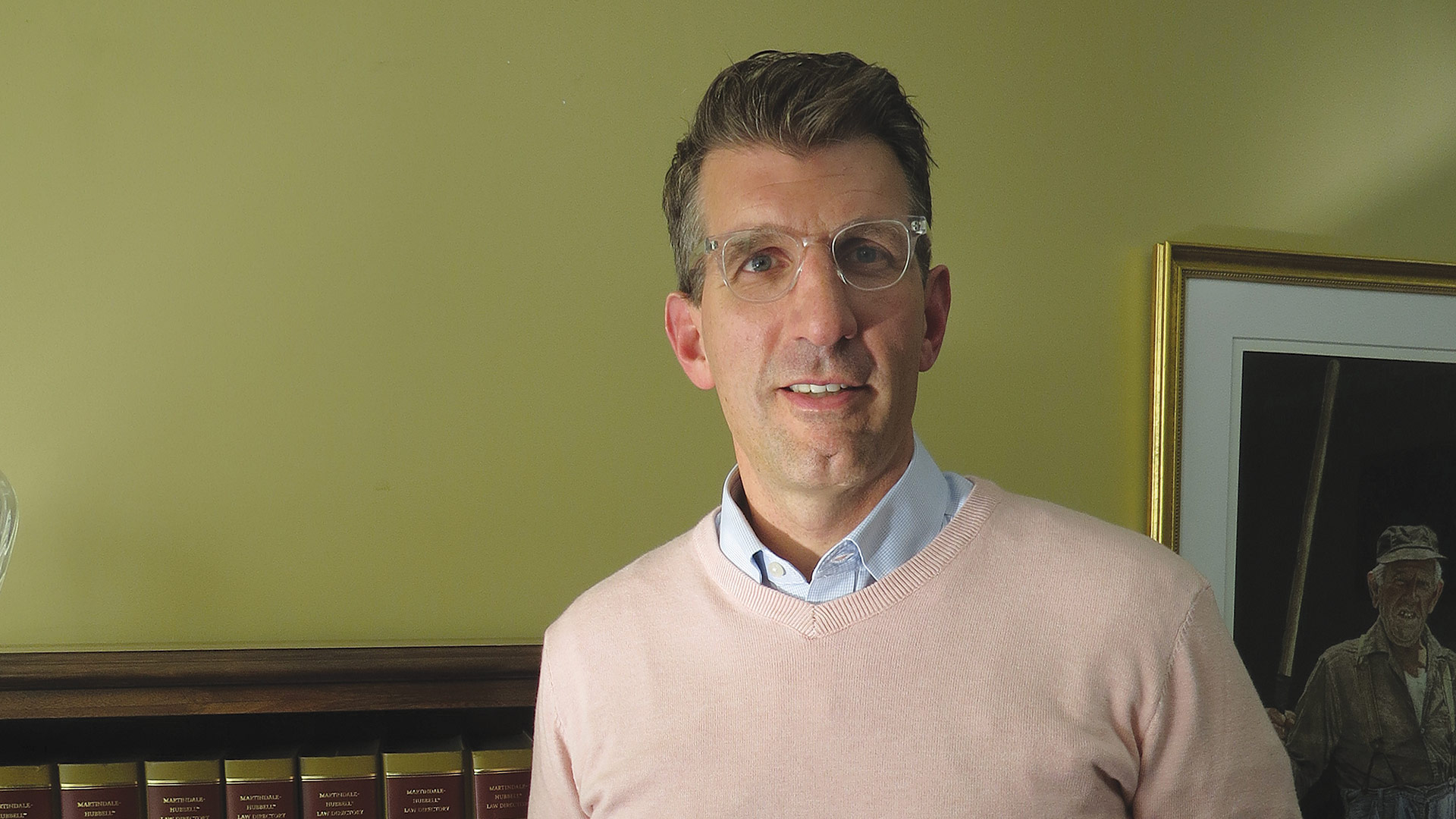
Seth Stratton

Seth Stratton

“We have to have more market-rate housing in the region and be creative about it, and that’s where we talk about downtown developments. We can leverage Western Mass. and our lower cost of living by investing in market-rate housing, and such investments will help our businesses, because they are struggling to find and keep employees, and if we have robust market-rate housing, that will certainly help.”

Stratton agreed, noting that expanding vocational-education programs to assist the trades and the region’s large manufacturing sector should also be a priority. Meanwhile, he noted that other forces are converging that might bring more people into the local workforce, such as the ability to work remotely. He said there are more individuals like that executive now living in Overland Lofts, and, moving forward, they will need places to live.

“We have to have more market-rate housing in the region and be creative about it, and that’s where we talk about downtown developments,” he said. “We can leverage Western Mass. and our lower cost of living by investing in market-rate housing, and such investments will help our businesses, because they are struggling to find and keep employees, and if we have robust market-rate housing, that will certainly help.”

Meanwhile, with these changes in how and where people work, communities like Springfield have to think about the large amounts of office space currently unleased and the potential for those numbers to climb, he went on, adding that some thought should go into repurposing some of this space into flexible workplaces.

Getting projects like these off the ground is often difficult because it’s not easy to make redevelopment projects like the Overland initiative “pencil out,” as developers say, meaning make the numbers work. Often, historical tax credits or other forms of funding are needed to bridge gaps, said Martin, adding that the state and individual communities should look at using the federal funds flowing to them to make such projects more feasible and doable.

“We thought we were going to have a problem leasing these apartments, and we have not, and what surprised us is that we’ve attracted a lot of residents from the Worcester and Boston areas, because this location is near things that are about to happen — it’s not far from the casino, it’s near the train station … it checks a lot of boxes for urban living at a much lower cost than living in Boston or Worcester.”

“We run into a gap between the cost to build something and the actual asking price for something,” she said, citing the Overland project as an example. “We got 60 apartments out of it and rents that fit the area, but none of that would have happened without historical funds and state housing funds. So if the city had something that could bridge some of the financial gap between new-build and the current economic conditions in Springfield, that will help to bring developers here.

“It’s hard to justify an $18 million project with $2-per-square-foot rent,” she went on. “But if there’s some way to help bridge that gap, I think you’d see more developers willing to come in and give you a good product.”

Daley agreed, noting that the developers of the so-called Clocktower Building at Ludlow Mills, another housing project, have had to wait the better part of six years for the historical tax credits needed to move that initiative off the drawing board.

“We have another mill that’s 600,000 square feet; if we were to start today and try to get those kinds of tax credits, it would be 12 to 15 years before they were all distributed,” he said. “If the state wanted to have an impact on development of those kinds of projects, it should make more money available for good projects that are shovel-ready.”

Martin said the gap in funding facing those looking to develop existing but older and challenged buildings is one of the key factors impeding redevelopment of the buildings across Main Street from MGM Springfield.

“It’s not that people don’t want to be there,” she said. “It costs a lot to redevelop these buildings, and then to charge a rent that fits the community … it doesn’t pencil out without some kind of help,” she said. “Using these funds in a smart way like that would help bring back the Main Streets in Western Mass.”

Sullivan agreed, and said such investments are part of that process of looking beyond today and to tomorrow, and what communities want and need to look like in a rapidly changing landscape.

“I do think this is an opportunity for communities to look at the bigger picture regarding where they want their communities to be 10 years down the road, what they want their downtowns to look like, and what sectors — be it a restaurant district or an entertainment sector, travel and tourism, for example — they want to attract,” he said. “It’s about determining what you want your future to look like, and investing in it.”


Paying It Forward

Summing things up, Sullivan said these are what he hopes are once-in-a-lifetime windfalls that have come to area cities and towns.

“Hopefully, we won’t ever have to go through this again,” he noted, adding quickly that this unique moment in time represents an opportunity to pause, think about the future, and make some investments in it.

Fixing a bridge or putting a new roof on the fire station might be a suitable use for some of the money, he went on, but overall, cities and towns have to think bigger. Much bigger.


George O’Brien can be reached at [email protected]

Features Special Coverage

A Changing Dynamic

The COVID-19 pandemic has changed the business landscape in countless ways — from where and how employees work to how people communicate. It has also prompted businesses large and small to stop, think about that phrase ‘corporate stewardship’ and what it means to them, and perhaps re-evaluate this all-important concept. We put together a panel of local business and nonprofit managers to discuss the broad topic of corporate stewardship and how COVID may have provided new definition — in every aspect of that phrase — to this issue. For businesses, the pandemic has provided an opportunity to revisit the matter of community involvement and often find new and different ways to give back.
For nonprofits, missions have been broadened, and there has some been pivoting, out of both necessity and a desire to serve in different ways. The panelists are: Paul Scully, president and CEO of Country Bank; Theresa Jasmin, chief financial officer at Big Y Foods; Amy Scribner, partnership director at East School-to-Career Inc., a nonprofit that provides internships, or work-based learning opportunities and other career-education initiatives, for students; Jack Verducci, vice president of Corporate Partnership for the Worcester Red Sox; Dexter Johnson, president and CEO of the YMCA of Greater Springfield; and Michelle D’Amore, executive director of Ronald McDonald House. Scully may have set the tone for the discission when he said, “I think the pandemic has been exhausting and aging, but it’s also been reflective, and I think it’s prompting people to be reflective about how to live your life and how to make a difference.”

BusinessWest: Let’s start by getting your take on — and your working definition of — those phrases ‘corporate stewardship’ and ‘being a good corporate citizen.’

Scully: “Country Bank has been around for 172 years, and its legacy for all those years has been the belief that healthy communities thrive. We’re all in business for our companies to do well, but from a community perspective, we need communities that are healthy — healthy economically, heathy demographically, educationally, with regard to healthcare. So giving back has always been a focus here, and in recent years we’ve taken it to a higher level, both with writing checks and having people on the street giving back and being part of the community. And it differs, depending on what the needs are. There can be very significant multi-year pledges — we just pledged $1 million for hunger awareness in June, with $500,000 for food banks in both Central and Western Mass., because if people have good nutrition, healthy communities will thrive — or having 14 people at Habitat for Humanity helping to build a house. It’s a focus that we do big and small.”

Jasmin: “Being involved in the community is part of the fabric of our company; we consider ourselves a family, we have a culture of caring, and we focus on personal connection, whether that’s with our customers, our employees, or throughout the community. And that manifests itself in many different ways, from large donations to capital campaigns to investments in time and talent. For us, though, it’s about relationships and creating strong vibrant communities; that’s what corporate stewardship means to us.”

Scribner: “For our organization, it’s not so much the money; it’s about organizations allowing these students to come in for semester and do a work-based learning opportunity, and that has long been a challenge for us. We’re trying to create a pipeline for employment, and to do that, we need businesses to assist us and open their doors to students. Often, it’s not about just writing a check, but getting involved on a deeper level.”

D’Amore: “We as a nonprofit are always seeking — and grateful to receive — financial support from the community. But we also rely on our volunteer base. Our organization was built on volunteers; it is the foundation of what we do. For us, we’re continuing our outreach and working with the community to ensure that what we receive is supporting the families who are with us — and there are many forms that this support can take.”

Verducci: “Our WooSox Foundation is a new foundation and not heavily funded, but what we do have is a platform to provide valuable and equitable experiences to the community; specifically, we tend to focus on pediatric oncology, recreation, education, and social justice. So while we love to donate the funds that we do have, we tend to be able to do the most good through corporate partners and partnerships within the community.”

BusinessWest: Has the pandemic changed the dynamic when it comes to corporate stewardship, and if so, how?

Jasmin: “What changed was how urgent the need was and the need to move quickly to respond to those needs. We have a pretty structured mechanism for people who are looking for financial assistance. But during the pandemic, that was accelerated because there was a high sense of urgency. For example, within a week of the shelter-in-place order in March of 2020, we gave some sizable donations to each of the five food banks in our operating area because businesses were shutting down, and people were out of work; the social structure to support those people was not in place yet, so food banks were being taxed. We made that gift quickly, and we made a second gift four weeks later when the need was continuing. That’s one of the ways we adjusted — moving more quickly to meet needs.”

Theresa Jasmin

Theresa Jasmin

“What changed was how urgent the need was and the need to move quickly to respond to those needs.”

Scully: “The urgency absolutely was escalated, but so has the dynamic. When I think of the nonprofits I sit on, so many of them rely on not only corporate giving, but some type of event or two over the course of the year. We’ve all been to a million chicken dinners; what I say to my group is that, when the auction is there, bid high and bid often, because that’s what it’s all about. The big piece that we saw was that people weren’t going to events because they weren’t being held. And it was a case of ‘out of sight, out of mind,’ unfortunately. The money was needed, the funding was needed, but the money wasn’t coming in, and yet all of those organizations had a more dire need than is typical because there were so many people impacted by the pandemic. We looked at it and said, ‘yeah, we can stay with our traditional model of what we do, but there’s a big need to step in here.’ When we look at corporate stewardship and how things have changed over the past 20 months, the need has increased exponentially. So many were hoping that this was the year — we all had our calendars ready for events, and then, they had to switch to virtual events, which don’t raise enough money. So the corporate community needs to realize that, even if there isn’t an event, the needs are so great, and they need to get out there and make a difference.”

D’Amore: “From a nonprofit perspective, we had to figure out how we could support our mission differently. When the pandemic was creeping, we were mandated by our global entity, which holds our licensing agreement, that we could no longer accept new families. And when the last of the families went home, we actually turned it around to provide support to frontline healthcare workers. We opened the house to workers at Baystate to give them an opportunity — if they needed a place to stay, if they needed to take a shower or get a cup of coffee. So our team was committed to support healthcare and support our partner hospitals who are there for us all the time. The tables turned a little bit, but we are able to continue to support our mission in this time of need, and you saw many organizations doing similar things. We pivoted and reinvented ourselves.”

Scribner: “Last year was a real struggle for students; 20% of those students in the Commonwealth just fell off the radar. So we had to change our mindset and pivot, just to help these students communicate how they were feeling. We would have speakers come in an talk about that — how they’re dealing with it, how their companies and themselves personally are dealing with COVID and being on Zoom meetings and not being in school and not being at work. Kids, while resilient, really had a tough time; they missed going to work and interacting with people. It’s those little things that we don’t think about — like going to a company or going to UMass on a field trip. We’re slowly getting back to whatever the new normal is. But last year, we had to have an open mindset and be really flexible about what we could do for the students and also about what we can learn from all these experiences and take those best practices.”

Amy Scribner

Amy Scribner

“Last year, we had to have an open mindset and be really flexible about what we could do for the students and also about what we can learn from all these experiences and take those best practices.”

Johnson: “With the pivot in funding that happened when a lot of companies started steering dollars toward COVID-related things, we also steered a lot of what we were doing toward COVID-related things; we were one of the few places that didn’t really close. When childcare was shut down for the Commonwealth essentially, and then an emergency first-responder-type childcare reopened for those working in retail or transportation or hospitals, we pivoted; our centers closed for one week and then reopened as an emergency childcare facility. We did continue to operate during that time, and on the youth-development side, there were still a lot of great opportunities from a funding standpoint to continue to be involved with some of our corporate sponsors that were changing direction and focusing on COVID.”

Verducci: “We essentially became volunteers; we turned our ballpark in Rhode Island, where we were still based until May, into a food-distribution network. Food insecurity became a huge issue in the region, so we were able to partner with Ocean State Job Lot, which would donate the food, and we would use McCoy Stadium as a vehicle to get that food to people who needed it. We also did coat drives, and we turned the park over to the state to become a testing facility. We tried to use our resources to help where it would do the most good. And once we transitioned to Worcester, we again became volunteers, going to Worcester State University to do food drives and coat drives, and most of those partnerships were with our corporate partners that we’ve had long-time relationships with. We all came together and said, ‘how can we do the best thing for the community, and what do we have at our disposal to move quickly in this challenging environment?’”

Jack Verducci

Jack Verducci

“We all came together and said, ‘how can we do the best thing for the community, and what do we have at our disposal to move quickly in this challenging environment?’”

Scully: “It was suddenly about putting on a different pair of glasses and switching gears when it comes to how you do things. It’s all about, as everyone has talked about, switching gears and saying ‘how do we adapt?’ much like we’ve all had to adapt to how we run our businesses remotely and attend meetings via Zoom.”

BusinessWest: What are the lessons we’ve learned from all this, from having to put a different pair of glasses, and how will this carry over into the future in terms of how we look at corporate stewardship and giving back?

Scully: “If we say that this is the end of the pandemic — and that’s a stretch, certainly — I think what all this has done for us is provide reassurance about how just how good people are and that everyone wants to be a part of something greater. We have a big building here, and for a while there, about four of us were here. You weren’t connecting with people. But as soon as the opportunity came for people to come back, not only to the office, but to get involved with volunteering again, they really wanted to. I think the pandemic has been exhausting and aging, but it’s also been reflective, and I think it’s prompting people to be reflective about how to live your life and how to make a difference. I think people want to be part of something greater, so I think that stewardship will be stronger than ever because this has almost been that switch that has prompted us all to rethink what’s important. There’s a silver lining to everything, and sometimes it’s hard to find, but I think this is it.”

Paul Scully

Paul Scully

“If we say that this is the end of the pandemic — and that’s a stretch, certainly — I think what all this has done for us is provide reassurance about how just how good people are and that everyone wants to be a part of something greater.”

Jasmin: “It was reinforcing for us in terms of our viewpoint on our being involved in the community. We took a look at what our philosophy was and really came out with an even greater understanding that these are the pillars we want to focus on. We’re a food company, first and foremost, and one of our pillars is hunger relief and helping with food insecurity. And that was reinforced for us — this is a continuing need, and we should be involved with it. And just in general, it’s also reinforced that we should continue to be involved — that our investment that we’re making in time and money and people is needed and is valuable. What this has taught us is that we need to be invested continuously, so when a crisis occurs, you can react quickly. It’s not something you can develop from scratch. Overall, it was reinforcing.”

Verducci: “I think the pandemic was a catalyst for empathy amongst companies; it was shared experience that was totally unprecedented, so people were empathetic with each other, and they really did understand what was happening with everyone. Instead of people saying ‘maybe not this year’ when we reached out, everyone we contacted over the past 18 months was willing to help in some way. The other thing we realized was that even the best-laid plans are not going to go the way we anticipate, so you need to be flexible and, more importantly, creative, and this will carry forward.”

D’Amore: “As challenging as the pandemic has been, I think a lot of good has come from it in terms of pausing. Whether as an individual, business, or nonprofit, we all took the time to pause, re-evaluate, and say, ‘what’s the need? How can we help each other?’ Sometimes, prior to the pandemic, we were very focused on our own business model or our own mission, and where it was going. But we were all in the same boat essentially wanting to row in the same direction, so we collectively said, ‘how can we do this together?’”

Michelle D’Amour

Michelle D’Amore

“As challenging as the pandemic has been, I think a lot of good has come from it in terms of pausing. Whether as an individual, business, or nonprofit, we all took the time to pause, re-evaluate, and say, ‘what’s the need? How can we help each other?’”

Johnson: “I think the pandemic pushed us [nonprofits] to work closer together in different ways, such as going after joint funding as one large organization rather than individually, so it has definitely had that benefit.”

BusinessWest: Going forward, how do we maintain this new spirit of cooperation, this new sense of urgency, when it comes to giving back?

Jasmin: “One of the things we lost during the pandemic was that personal connection. We missed seeing our colleagues, our families, and people in the community at large; through corporate stewardship and giving back, we can create those personal connections, and people are recognizing how important this is. The community is us, so when you’re giving back to the community, you’re giving back to yourself, your family, your friends, and your co-workers.”

Scully: It starts with all of us — the leaders or organizations — to set the pace. The pandemic may not be over, but I think that what is over is the hunker-down mentality of being locked up at home in the basement on a computer talking to your colleagues all day. It’s time to get on with life. It won’t be the old normal, it will be the new normal, and the new normal is going to be dependent on so many of us to set that tone — that it’s time to get back out there for a Habitat event, with getting over to the Ronald McDonald House to help prepare a dinner when that becomes available to do. It’s dependent on the leadership or organizations to reinforce that tone.”

Scribner: “This pandemic has really allowed people to take time to reflect on their own lives and what’s important to them and their priorities. And when you’re given that time, I think you realize what’s important in life. When it comes to being hunkered down, I think the pandemic provided time and opportunity for people to say, ‘I don’t want to do this anymore; I want to get out, and I want to be part of my community. I want to be part of making a difference.’ People are realizing just how precious things are now, whether it’s shoveling the sidewalk for a neighbor or providing food for a food bank.”

Dexter Johnson

Dexter Johnson

“I think the pandemic pushed us [nonprofits] to work closer together in different ways, such as going after joint funding as one large organization rather than individually, so it has definitely had that benefit.”

Johnson: “In the normal ebb and flow of things, we get hyped up because something’s happened, whether it’s 9/11 or Hurricane Katrina or the tornado — things that bring us together for a short time. And then, life gets back to normal, and human nature tends to make us drift back to how we were. I think COVID is very different … it impacted everyone, every state, every city — we all know someone who has lost their life or lost their job because of it. It’s had a more far-reaching impact than any of those other tragedies, and, hopefully, that will allow it to stick with us and keep that mentality of realizing how fragile life can be.”

George O’Brien can be reached at [email protected]

Law Special Coverage

A Changing Dynamic

Like all businesses, law firms have had to make adjustments in the wake of the pandemic, which has created both new opportunities and new challenges. Overall, firms have seen obvious changes in where people work and how. But there also may be new dynamics when it comes to recruiting and from where firms can attract new business.

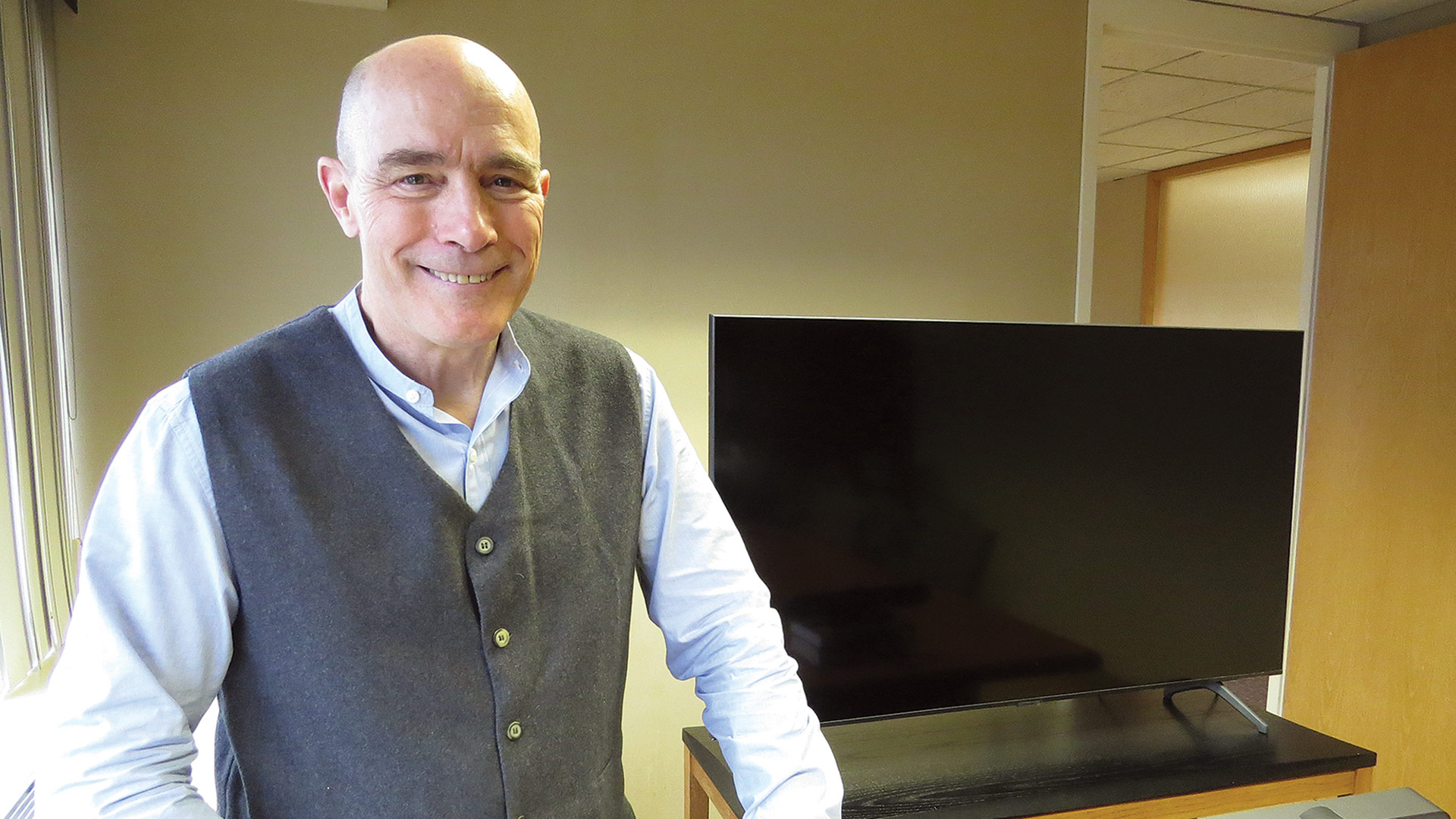
Tim Mulhern in the ‘Zoom room’ at Shatz, Schwartz & Fentin.

Tim Mulhern in the ‘Zoom room’ at Shatz, Schwartz & Fentin.


They call it the ‘Zoom room.’ And for obvious reasons.

It’s the office of a retired partner with the Springfield-based law firm Shatz, Schwartz and Fentin that’s been converted into a small conference room equipped with a 60-inch screen for, or mostly for, Zoom meetings with clients that involve at least a few of the firm’s attorneys.

“If we have several of us who want to meet with a client or a couple of clients, we can have a multi-person meeting and have a few people in the room,” said Tim Mulhern, the firm’s managing partner, who said that, prior to the pandemic, there was obviously no need for a Zoom room. And the creation of one is just one of the many adjustments — that’s a word he and others we spoke with would use early and often — that law firms have made over the past 20 or so months. And some of them are more permanent in nature than temporary.

That can likely be said of the receptionist at Shatz — or the lack thereof, to be more precise. No one sits at that desk any longer, and, in fact, the door that leads to the reception area is now locked; a sign taped to it provides a number to call for people with inquiries.

The biggest change, though, is the number of lawyers to be found on the other side of the door — roughly half that from the days before the pandemic.

The rest are working remotely all or most of the time, something that took some getting used to — lawyers, especially, like the office setting, said Mulhern — but most have gotten over that hump.

“A number of our lawyers have learned how to work at home, myself included — I couldn’t have worked at home at all before, and I figured it out now. We’ve made that adjustment, and we have some lawyers who, either because of compromised health issues or simply because they have a long commute, are working predominantly from home.”

Ken Albano, managing partner at Springfield-based Bacon Wilson, agreed. He noted that it’s not uncommon to check his phone in the morning and hear from one or more of the firm’s attorneys letting him know they will be working remotely that day. As other firms have, Bacon Wilson has adjusted — there’s that word again — and become more flexible out of necessity, he said, adding quickly that the firm wants its lawyers and paralegals in the office at least some of the time.

“I’m old school,” he said. “I like the idea of being with a young lawyer or a young paralegal who needs mentoring and advice and has questions. It’s better for me to meet with them one-on-one, in person, with a mask on, as opposed to doing it via Zoom.”

In the grander scheme of things, though, where lawyers work, and whether there’s a receptionist or not, may well turn out to be some of the less significant adjustments, or changes, to result from the pandemic. The larger ones could involve recruiting young lawyers and the potential to add business as a result of the changing landscape.

Ken Albano says the pandemic has exacerbated an already-difficult situation

Ken Albano says the pandemic has exacerbated an already-difficult situation when it comes to hiring lawyers and paralegals.

Starting with the latter, Seth Stratton, managing partner of East Longmeadow-based Fitzgerald Attorneys at Law, summed things up effectively and succinctly when he said “we sell time.” And with some of the changes brought about by the pandemic — including less time commuting to work and less time traveling to meet clients — there is, in theory, at least, more time to sell.

Also, now that clients of all kinds, but especially business clients, have become accustomed to meeting with clients via Zoom and the telephone, there is potential to have such sessions with law firms based in the 413, which charge, on average, anywhere from one-half to two-thirds what lawyers in Boston and New York charge, and less than those in Hartford as well.

“COVID has resulted in more efficiencies, and, generally, efficiencies mean things take less time, and we sell time, so that means we’re selling less per client,” Stratton explained. “But it allows us to potentially work with more clients and work with clients who are more distant — we can expand the footprint of who we’re comfortable working with and who’s comfortable working with us.”

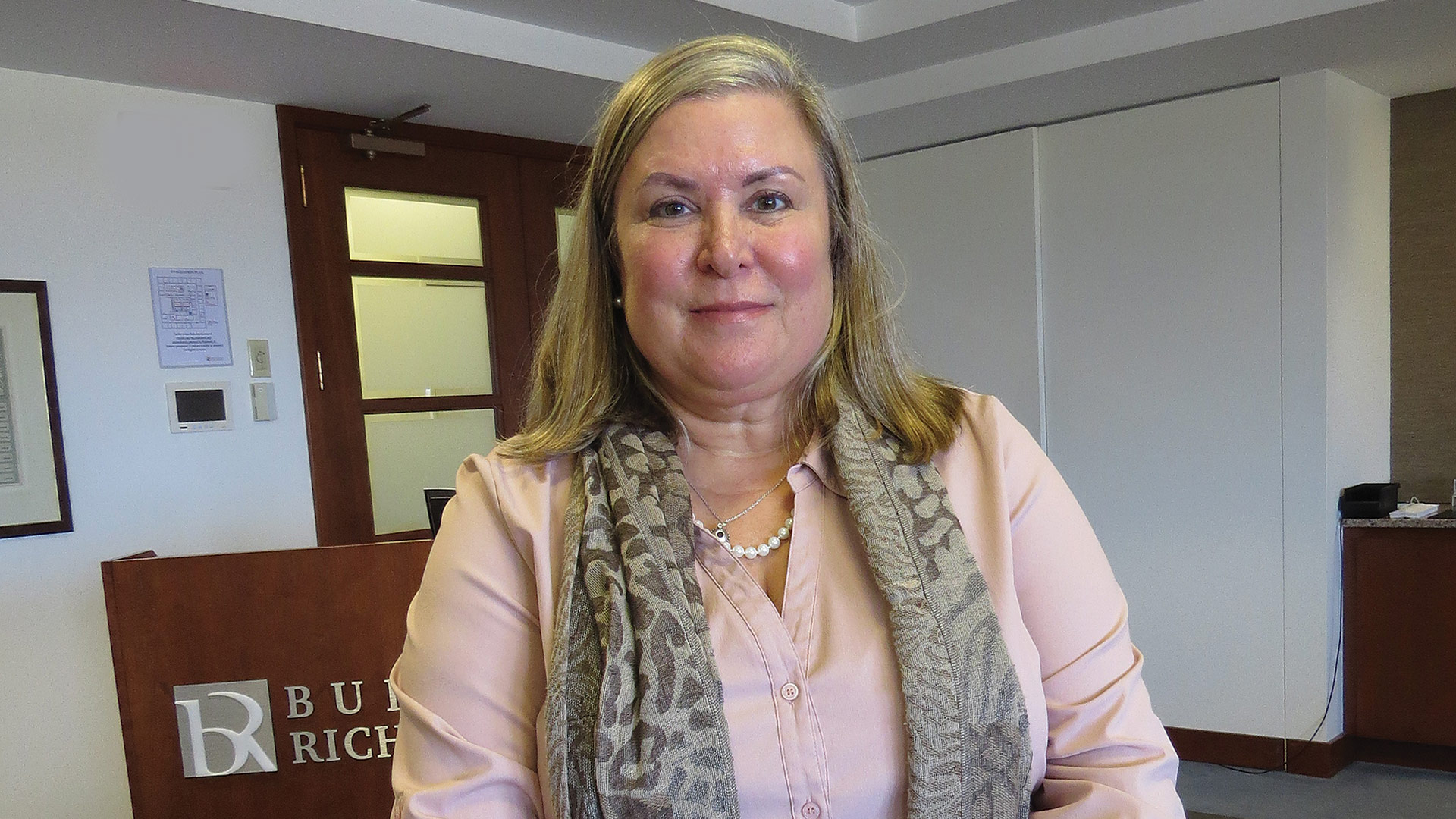
As for recruiting … the pandemic brings both opportunity and challenge, said Betsey Quick, executive director of Springfield-based Bulkley Richardson. She noted, as others have over the years, that it is difficult to recruit young lawyers to Western Mass. law firms, and it often takes a family connection to do so. With the pandemic and the ability to work remotely, there is now the possibility of recruiting lawyers not to Western Mass., necessarily, but to firms based here — and the young lawyers can live where they want.

But — and this is a significant ‘but’ — young lawyers who might want to come to Western Mass. because of the quality of life and comparatively low cost of living can now come here, but not necessarily to work for a firm based here — again, because of the options now available to them.

“Remote working options can help and hurt recruiting efforts,” Quick said. “We are now hearing from attorneys with great résumés who prefer more of a remote schedule. It has opened the doors to new prospects. The concept of urban flight is real, and professionals are considering their options. On the other hand, with remote work, attorneys who once flocked to big-city firms may now have the option to remain at that firm, with the big city salary, and relocated to a rural area.”

Seth Stratton says the changing dynamics

Seth Stratton says the changing dynamics presented by the pandemic could provide area firms with more opportunities to secure work from clients based outside the 413.

For this issue and its focus on law, BusinessWest looks at all of the various ways the pandemic has brought change to a sector that hasn’t seen very much of it over the past several decades.


Case in Point

Mulhern remembers when, at the height of the pandemic in mid-2020, he used to carry a small, foldable table in his car. It was for what came to be known as ‘driveway signings,’ among other names — the inking of documents in outdoor settings, including driveways, but also parking lots and parking garages, where each party would bring their own pen and bottle of hand sanitizer.

Those days seem like a long time ago, and in many respects they are, he said, adding that a large degree of normalcy has returned to the practice of law, although things are, in many ways, not at all like they were in February 2020.

As an example, Albano noted the recent end to Springfield’s mask mandate. While the city took that course, Bacon Wilson has decided to still require masks within its offices, a difference of opinion that has resulted in some confusion and even some harsh words for the receptionist from visitors not inclined to mask up.

Overall, changes have come to where lawyers work, how firms communicate (with clients and employees alike), how and to what extent they use paper (much less now), and how they show community support and engagement (turning out for auctions and golf tournaments has been replaced by other, more pandemic-friendly methods).

Changes have come to where lawyers work, how firms communicate (with clients and employees alike), how and to what extent they use paper (much less now), and how they show community support and engagement (turning out for auctions and golf tournaments has been replaced by other, more pandemic-friendly methods).

“You need to be in the office if you’re going to work in Springfield; if you’re a full-time person working remotely, it doesn’t work out, and it wouldn’t work out — not for us.”

Going back to that word used earlier, firms have been adjusting to a changed world, and the adjustment process is ongoing, especially when it comes to where and how people work.

At Shatz, Schwartz and Fentin, as noted, maybe half the lawyers continue to work remotely, said Mulhern, adding that the firm has not rushed anyone back, and it won’t, at least for the foreseeable future, in large part because the current work policies, if they can be called that, are working.

“A number of our lawyers have learned how to work at home, myself included — I couldn’t have worked at home at all before, and I figured it out now,” he told BusinessWest. “We’ve made that adjustment, and we have some lawyers who, either because of compromised health issues or simply because they have a long commute, are working predominantly from home.”

And there are variations on the theme, he said, noting that some lawyers work a portion of their day at the office and the rest at home.

At other firms, most if not all lawyers are back in the office. That’s certainly the case at Bulkley Richardson, which implemented a vaccine policy on Oct. 1, said Quick, noting that the firm recognizes the importance of in-person interaction with colleagues and the need for human connection.

That said, Bulkley Richardson and other firms have learned that remote working can and does work, and there is certainly room for — and, even more importantly, a need for — flexibility.

Betsey Quick says there has been a “transformation of the practice of law”

Betsey Quick says there has been a “transformation of the practice of law” because of COVID, and she believes there are many positives amid a host of disruptions.

“The transition to remote work was unprecedented, but what we learned by the unexpected lockdown was that flexibility is a viable option,” Quick said. “We have always offered attorneys some degree of flexibility and have worked with them to find an agreeable working model; until the pandemic, most attorneys worked traditional hours within a traditional office setting. But now, with the remote working more acceptable, and sometimes necessary, we have seen no change in productivity or efficiency doing work.”

Stratton agreed, noting that his firm, like most, had a degree of flexibility when it came to working remotely and allowed lawyers to do so; most didn’t, except when they had to (during snowstorms or when they were home sick), because they preferred to be in the office. Now that they’re used to it, and like it, more are taking advantage of the flexibility they have.

Indeed, before COVID, perhaps 10% to 15% of work was done remotely, and now the number is perhaps 25%, said Stratton, adding that this represents a new normal.

And the new ways of doing things have produced greater efficiency, he added, a dynamic that creates the potential for more billable hours in a business that, as he said, sells time.

Meanwhile, the pandemic and the resulting changes in how lawyers interact with clients present new opportunities for firms in the 413 to do business with those well outside it, Stratton noted.

Before, to get such business, firms would need a physical office in Worcester or Boston. Now, for many types of business law, where personal interaction is less necessary, services could be secured from lawyers in this market at rates far below those charged in those larger markets.

“With the increased use of remote communication and remote meetings, you can more easily tap those markets,” he said, adding that the firm is starting to market itself to such clients through professional networking.


Moving Target

Beyond where and how people work, the pandemic may have changed another important dynamic for local firms — the all-important work to attract and retain young talent.

As noted, it has long been a challenge to bring young lawyers to this market unless there is a connection, said Stratton, who offered himself as an example. He and his wife are both from this area, and it was a desire to return here (especially on his wife’s part) after some time spent in Boston that eventually brought him back to the 413.

Summing up the landscape as it has existed for some time, Stratton said the region has long faced what he called “depth of bench” challenges.

Elaborating, he said this is a “top-heavy” market when it comes to lawyers, with many of the leading players in their 60s or even their 70s. There are some rising stars coming up behind them, but not as many as the firms would like.

The reasons for this are many, said those we spoke with, but largely, it comes down to the fact that this market is not the big city — which means it doesn’t have the big-city lifestyle and, more importantly to most young lawyers, it doesn’t have big-city rates for legal services — or big-city salaries.

“Like many cities, Springfield is a proud community with historic charm and continued growth.  And yet, it is not Boston, New York, or Washington, D.C., and in most circumstances, one major difference may be the salaries,” Quick said. “As a Western Mass. firm, we are able to offer a healthier work/life balance and a unique geographic landscape. The challenge is communicating this value to candidates because, if they are not familiar with the business climate in Western Mass. and all it has to offer, attracting new talent to the area can be difficult.”

Stratton agreed. “If I were to have a job posting tomorrow for a junior lawyer with one to three years of experience that fits our practice and say, ‘you come to East Longmeadow, Mass., Monday through Friday, 9 to 5,’ I would get zero applications of qualified attorneys. That might be an exaggeration, but it would be close to zero.”

Albano agreed. He said the pandemic has exacerbated an already-difficult situation when it comes to attracting lawyers to Western Mass. He told BusinessWest the same thing he told Massachusetts Lawyers Weekly when it asked him the same question.

“It’s been very difficult to hire quality lawyers and paralegals during this COVID pandemic,” he explained. “The quality of résumés we’re getting in from people in Western Massachusetts and also outside the area is very weak.”

Moving forward, he noted, the number could be much higher because that lawyer doesn’t need to be in East Longmeadow, at least not Monday through Friday, 9-5, meaning recruiting might become easier — that’s might — because of the pandemic and the manner in which it has changed how people work. It’s also changed some opinions about urban living.

“Many lawyers are growing tired of the city life,” Quick noted. “They want to find a reputable firm where they can advance their career and continue to work with high-level clients. At the same time, they are realizing that work/life balance matters. Western Mass. offers the best of both worlds — a growing, professional city surrounded by the landscape of mountains, rivers, and forests right at your fingertips.”

These qualities may well help attract people to Western Mass., but will it attract them to Western Mass. firms? This is a big question moving forward as remote work becomes plausible and more attractive for those toting law degrees in their briefcases.

“You need to compete with markets that you didn’t have to compete with before for talent,” said Stratton, noting that someone drawn to the Western Mass. lifestyle, or who has family here and wants to stay here, no longer has to limit his or her options to Western Mass. firms. “As a young lawyer, you can, potentially, work out of the Boston or Washington, D.C. markets primarily, and the legal rates charged in those markets are higher, and the pay is higher.”

That’s the downside of the changing dynamic, he went on, adding that there is plenty of upside as well, including the ability to look well beyond the 25-mile circle around Springfield that most young lawyers are currently recruited from.

Much of this is speculation right now, he went on, adding that, over the next six to 12 months, firms like his will have a far better understanding of just how — and how much — the recruiting picture has changed.

Albano agreed, noting that, overall, Bacon Wilson will entertain a hybrid schedule, to one degree or another, but it would certainly prefer its lawyers and paralegals to be in this market.

“I got an e-mail with a résumé from a young man in New York, indicating that he was looking to apply for a job here, but he plans on living in Boston,” he recalled. “First of all, his résumé didn’t coincide with what we were advertising — and we’re seeing a lot of that — and, number two, there needs to be that one-on-one connection. You need to be in the office if you’re going to work in Springfield; if you’re a full-time person working remotely, it doesn’t work out, and it wouldn’t work out — not for us.”


Bottom Line

Looking ahead, those we spoke with said the process of adjusting to everything COVID-19 has wrought is ongoing. That includes looking at the amount of space being rented and whether downsizing might be in order.

“We’re talking about what the future looks like in terms of physical space,” Mulhern said. “And that’s one of the things we’ll talk about — do we still still need all the space we have?”

The firm has more than two years left on its lease, he went on, adding that the answer to that question will come at another time. The answers to some of the questions, especially those regarding recruitment and gaining additional business, including some from other markets, might be answered much sooner.

Overall, this is a time of change and looking at things differently than they been looked at for decades.

“There has undoubtedly been a transformation of the practice of law, and we believe that there are many positives amid all of the disruption,” said Quick, referring to those at Bulkely Richardson while also speaking effectively for all those we spoke with. “The pandemic taught us many things, including how to work more efficiently, utilize available resources, and communicate better to keep teams connected. I anticipate many changes will remain with us in a post-pandemic world.”


George O’Brien can be reached at [email protected]

Special Coverage Veterans in Business

Serving Those Who Serve

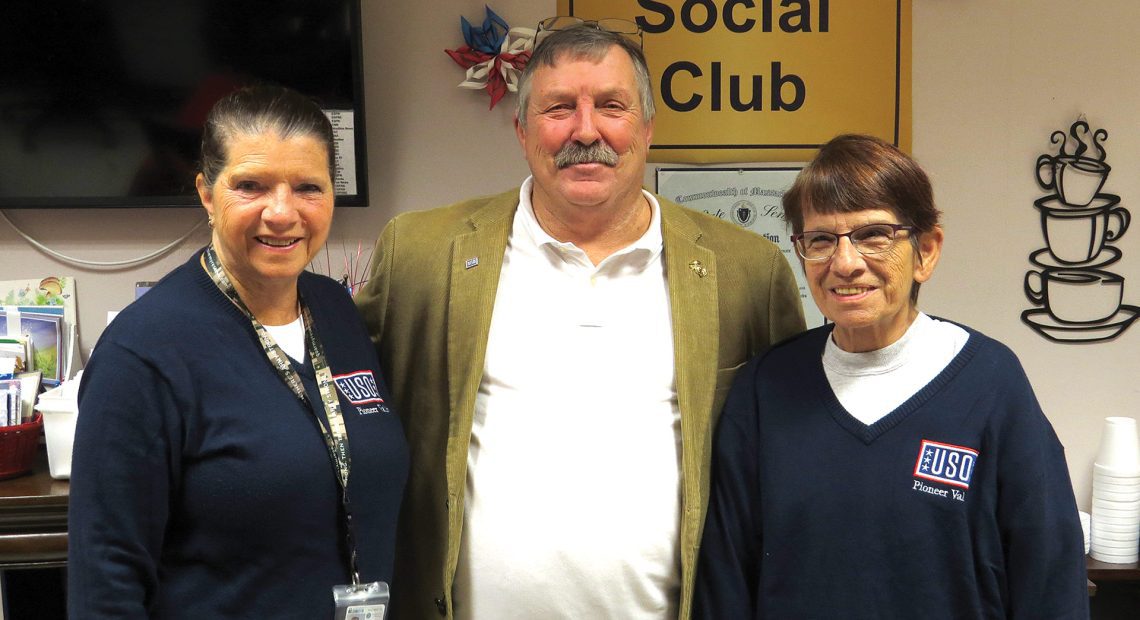
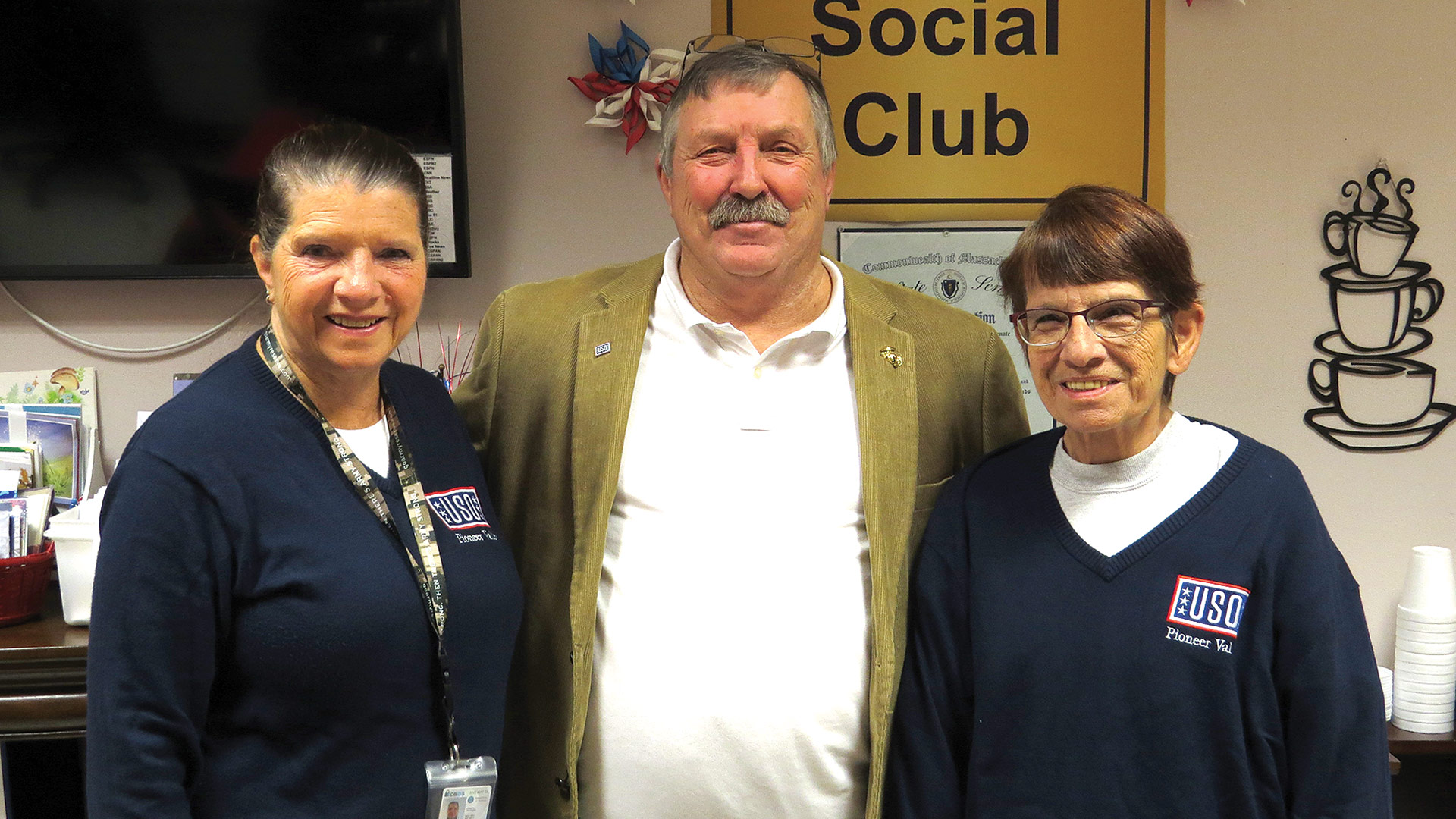
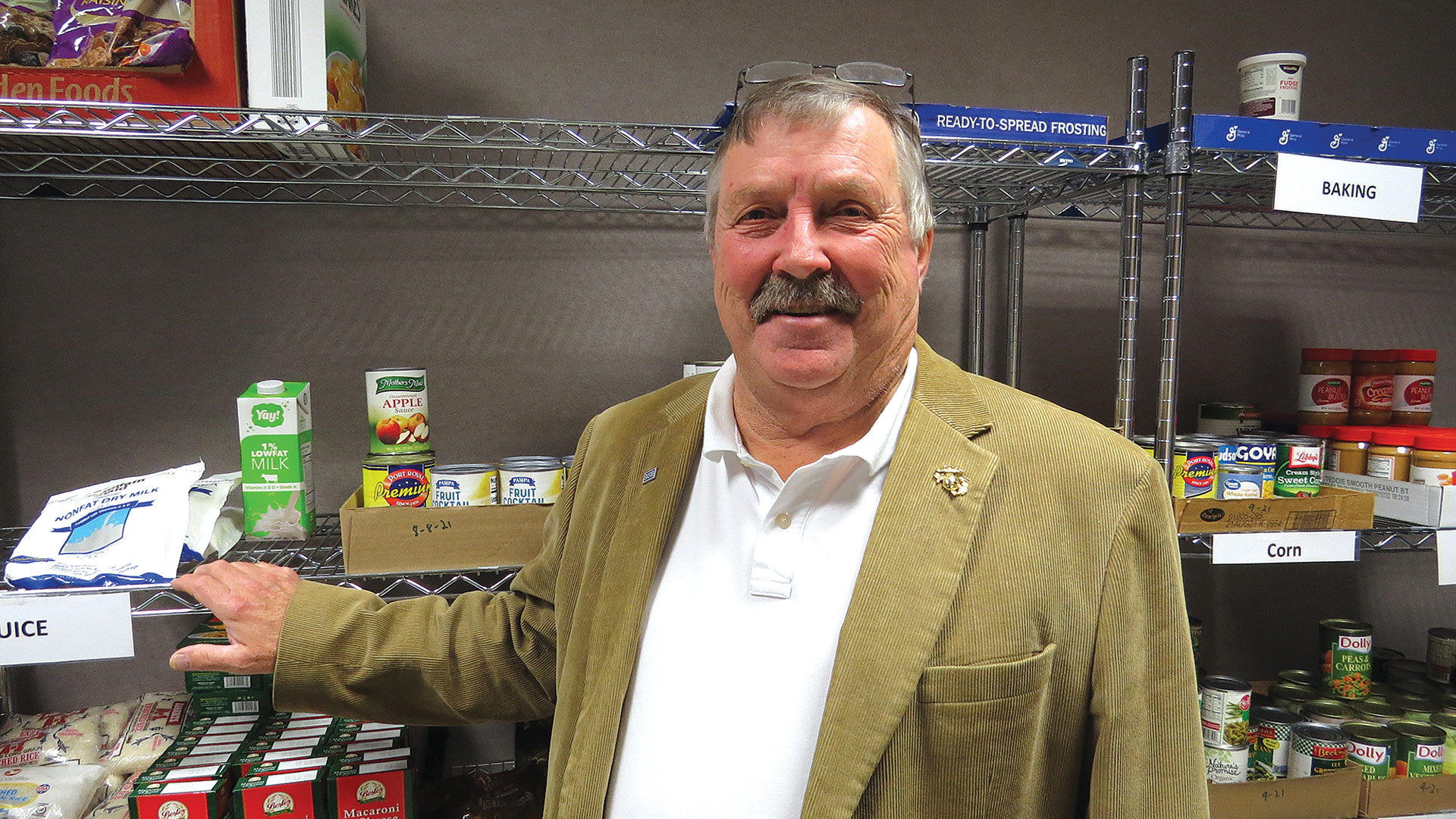
Al Tracy, with volunteers Andrea Luppi, left, and Darlene Slater.

Al Tracy, with volunteers Andrea Luppi, left, and Darlene Slater.

The USO (United Service Organizations) turned 80 this year. It celebrated, in essence, by enthusiastically carrying out the same mission it has had since 1941 — ‘strengthening America’s military service members by keeping them connected to family, home, and country throughout their service to our nation.’ The organization, and the local chapter based in Chicopee (Pioneer Valley USO), does this in a number of ways, from care packages to Monday night dinners at the Westover base, to a program that helps transition servicemen and women to the civilian workforce. For Al Tracy, executive director of the chapter, this isn’t a job — it’s a passion.


When Al Tracy was serving with the First Marines along the DMZ in Vietnam, the highlight of his day, week, or month — fill in the blank — was receiving a care package from home.

He would get one from his mother pretty much every month, he recalled, adding that the best thing in them was her apple pie, always wrapped in tinfoil, which was almost as precious — and welcome — as the food.

“We needed that tinfoil — we would reuse it to cook things,” recalled Tracy, flashing back more than a half-century as best his memory would allow, adding that such recollections certainly help drive him in a role that is far more a passion than it is a job — executive director of the Pioneer Valley USO, housed at Westover Air Reserve Base in Chicopee.

There is no ‘interim’ next to Tracy’s title, but technically … perhaps there should be. Involved with the USO (United Service Organizations) since the ’80s, he agreed to serve temporarily as executive director when the person in that job left it roughly 15 years ago.

“They’re still looking for an executive director,” said Tracy with a laugh, adding that he likes everything about his job — except all the paperwork — and especially anything that has to do with helping active-duty servicemen and women and also veterans in need.

“I have a passion, and I love taking care of our military. I think that what they do, the sacrifices they make, are countless. You’re up all night, you don’t get weekends off … you’re stuck wherever you’re deployed. They need to know that we’re thinking of them.”

And there are many programs and services that fall into that category, from the care packages that are sent out to destinations around the globe to the Monday-night dinners the USO prepares for those serving at Westover, and also other servicemen and veterans as well (he and his staff were doing the prep work for one as he talked with BusinessWest on Nov. 1); from a program called Pathfinder that helps retiring servicemen and women transition to the workforce to providing tickets to Thunderbirds games and other sporting events.

“I have a passion, and I love taking care of our military,” he said. “I think that what they do, the sacrifices they make, are countless. You’re up all night, you don’t get weekends off … you’re stuck wherever you’re deployed. They need to know that we’re thinking of them.”

Tracy is even busier than normal these days as he coordinates a transition of sorts for the local chapter, which is giving up its independent charter and becoming part of the World USO.

“Our charter was dissolved on Oct. 1 — we’re now part of World USO. I’m excited. Maybe I won’t have as much paperwork, but I haven’t seen that yet,” he said, adding that the agency at Westover will continue doing what it’s been doing from the beginning: “strengthening America’s military service members by keeping them connected to family, home, and country throughout their service to our nation.”

That’s the official wording in the mission statement, but it’s more than words for those tasked with carrying it out. It is a passion, and one that prompts a pause for reflection as the USO, started by President Franklin Roosevelt in 1941, marks its 80th anniversary. Best known perhaps as the agency that sent Bob Hope to entertain troops in hotspots around the globe, the USO has changed over the years, and some adjustments certainly had to be made during COVID. But at its core, the agency and its purpose remain the same: it’s there to keep deployed service members, and also veterans, connected.

For this issue and its focus on veterans in business, we talked at length with Tracy about the USO, its all-important mission, and the many ways in which it is carried out.


Corps Mission

As he talked with BusinessWest, Tracy was thinking ahead to the Nov. 27 Thunderbirds game against the Hartford Wolf Pack, a matinee, at which he will drop the ceremonial puck. It’s an assignment he’s looking forward to.

“I told them I wanted a crash helmet, so when I fall on the ice I don’t hit the back of my head,” he said, adding that the agency partners with the team to get servicemen and women discounted admission, and also tries to secure tickets (to raffle off or simply give away) for area concerts and other types of shows.

Al Tracy says the USO’s mission comes down to a simple assignment

Al Tracy says the USO’s mission comes down to a simple assignment: keeping servicemen and women connected — to their family, their hometown, and their country.

Dropping the puck is just one of many rewarding aspects to a job Tracy has grown into over the past decade and a half after serving the USO in a variety of capacities, incuding board member and treasurer. Indeed, he’s put his own stamp on a position, and an agency, with a proud legacy and an important mission, one that brings him back to his time in Vietnam, which he can pinpoint with astonishing detail after all these years.

“Let’s see … 11 months, 28 days, four hours, 15 minutes, and maybe 30 seconds, but who’s counting? I was looking at my watch as we left the ground,” he recalled, adding that the best of those days were the ones when the care packages arrived. “During the war, my best buddy was my mom; she sent care packages all the time, and it was pretty awesome. Now … I’m just passing it on.”

And in all kinds of ways.

The care packages might be the best-known and perhaps the most symbolic part of the mission, he said, adding that the proud tradition is carried on today.

“It’s a wonderful organization and my favorite charity. I like everything we do — and I get to laugh everyday, so that makes it even better.”

“We have a huge care-package program,” he noted, adding that the local chapter will send them anywhere — all it needs is an address. “Those packages keep them connected to home; it lets them know people are thinking about them.”

Elaborating, he said the packages can be personalized, and many are, but there are many staples — personal-care items, beef jerky, snacks, sunscreen, and wet wipes, which can and often are used to clean weapons.

But there are many other ways in which the local USO carries out its mission, starting with the Monday dinners served at the base (the cafeteria is closed that night). There are usually 125 to 150 people who partake, including some area veterans, he said, adding that meals are delivered to those serving at guard posts, on the runways, and other locations.

The USO facility at Westover Air Reserve Base

The USO facility at Westover Air Reserve Base provides servicemen and women with a number of services and needed items, including books to read in what’s known as the ‘relaxing room.’

There’s also a food pantry at which service members can buy items; that facility also provides items to veterans in need.

The agency also marks deployments and homecomings, and it will also help take fallen servicemen from the area to their final resting place. It will assist servicemen and women in transition with furniture and other needs, said Tracy, and even provide small loans to those in need.

Then there’s the Pathfinder program that assists those transitioning from the service to the workforce.

“We’ll help them put together a résumé and learn how to interview,” he explained, adding that participants in the program are assigned a ‘scout’ who will assist in a job search on many levels.

There’s also the Bob Hope Legacy Reading Program, he went on, a program that enables servicemen and women to be recorded while reading a portion of a book or poem. That tape will then be sent to a designated family on a specified date, such as the holidays.


Finishing Touch

“That’s just another way that those off serving their country can stay connected,” Tracy noted, adding that this has been the simple yet all-important mission of the USO from the beginning.

For him, as noted, it’s not a job, but rather a passion.

“It’s a wonderful organization and my favorite charity,” he said. “I like everything we do — and I get to laugh everyday, so that makes it even better.”

It’s a unique mission, and for 80 years, it’s been mission accomplished.


George O’Brien can be reached at [email protected]

Features Special Coverage

A New Kind of Challenge

The COVID-19 pandemic has tested area employers in every way imaginable. And soon, it will test many in a way that probably couldn’t have been imagined even a few months ago — vaccine mandates put in place by the Biden administration and set to take effect probably before the end of the year. The mandates are prompting lawsuits, generating questions that are often hard to answer, and creating high levels of anxiety for employers who are already dealing with a host of problems, especially an ongoing workforce crisis.

Amy Royal says she’s seen all manner of new regulations — state, federal, and local — that employers and their HR departments must contend with as they carry out business day to day.

But she speaks for all employment-law specialists — and those HR professionals as well — when she says she’s never seen anything quite like the COVID-19 vaccine mandates either already in effect or soon to be.

The mandates are far-reaching in their impact, in terms of everything from the number of businesses affected to the costs they will have to absorb to the very real possibility of losing more valued employees, said Royal, a principal with the Indian Orchard-based Royal Law Firm, which specializes in employment law, specifically representing employers. She summed up the measures and their bearing on employers with a single word. “It’s exhausting for companies.”

That would be an understatement.

Already, vaccine mandates enacted by states, individual cities and towns, healthcare providers, and private companies are resulting in thousands of people being fired or simply walking off the job. That list includes the football coach and several assistants at Washington State University, more than 100 state troopers in Massachusetts, police officers in countless communities, and a wide range of healthcare workers, especially nurses.

The recent developments raise questions on everything from just how safe many cities now are to which games NBA star Kyrie Irving can actually play in — none at his home court in Brooklyn, for starters.

And the next shoe — a rather large one — is set to drop in this unfolding drama. That would be the Biden administration’s vaccine and testing mandates, the ones affecting companies of more than 100 employees, any business with federal contracts, and federal employees — mandates the administration estimates will impact more than 80 million workers.

“People would be surprised at the array of businesses, both for-profit and nonprofit, that meet that federal-contractor test.”

Royal and other employment-law specialists we spoke with said there are far more businesses in the 413 in those categories than most people would think, and all of them are, or should be, working diligently to prepare for these mandates — which will take effect soon, although exactly when is a question.

Actually, that’s one of many, many questions, said John Gannon, an employment-law specialist with Springfield-based Skoler, Abbott & Presser, who said others include everything from whether employees get paid while they’re getting vaccinated or tested to who pays for those tests, to whether employees who ultimately lose their jobs to these mandates are eligible for unemployment benefits.

Amy Royal says far more businesses and nonprofits in the 413

Amy Royal says far more businesses and nonprofits in the 413 will be impacted by the Biden administration’s vaccine mandate than most people would believe.

“People are asking, ‘what do we do now — what can we do once the mandate is rolled out?’” he said. “They also want to know when it is going to release and how much lead time they’re going to have for compliance. And, unfortunately, we just don’t know the answers to those kinds of questions.”

Meredith Wise, president and CEO of the Employers Assoc. of the NorthEast, agreed, noting, as others did, that the vaccine mandates add new layers of intrigue, challenge, and polarization for employers who have seen more than enough of all three over the past 20 months.

When she talked with BusinessWest, Wise had recently left a roundtable of CHROs — chief human-resource officers — representing companies across the Northeast. The group meets every six weeks to discuss the challenges its members are facing, she noted, adding that the dominant topic of conversation was the new vaccine mandates and what they might mean for companies, especially in the broad realm of employee relations.

“People who have not wanted to get vaccinated may get tired of the testing and may eventually get vaccinated, but be disgruntled about it,” she said, adding quickly that, if employers have to pay the cost of testing — and pay employees while they’re getting tested — then there is little incentive, if any, to get vaccinated.

“There’s still a lot of questions about what the mandates are going to say, how it’s all going to come down, and whether we’re going to lose employees,” she went on, adding that employers may have to pay a steep price for a policy they didn’t implement themselves.

The best advice Gannon and the others we spoke with have for employers and the HR departments is to be as ready as they can be for these mandates and fully understand just what they are up against. This means knowing how many employees are vaccinated (and not) and having a plan in place for meeting the mandates.

Above all else, Wise and the employment-law specialists advise that businesses take the mandates seriously — even if enforcement of its provisions will be extremely difficult, if not impossible — and to be prepared.


Taking More Shots

BusinessWest asked a number of area business owners and nonprofit managers who fall under the categories of the Biden vaccination mandates to discuss the measures and what they could mean.

Not surprisingly, none really wanted to talk about it — on the record or even off. Indeed, the subject of vaccinations and the mandates regarding them are a hot-button, polarizing topic, to say the least. Most employers are staying away from it, figuring it’s best not to say anything than delve into a matter drenched in controversy.

Meredith Wise

Meredith Wise

“There’s still a lot of questions about what the mandates are going to say, how it’s all going to come down, and whether we’re going to lose employees.”

That goes for MassMutual, one of the region’s largest employers, with more than 6,000 workers, which offered only this statement from a spokesperson:

“We are waiting for the specifics of the OHSA guidance to be issued, after which we will be able to better evaluate what it will mean for our company and employees. In the meantime, we have begun to prepare by determining how much of our employee base is vaccinated, which is currently approximately 85%. We are also encouraging fully vaccinated employees to begin coming into the office if they are comfortable doing so and on a schedule that makes sense for them. We’ll continue to evaluate our broader return based on the status of COVID-19 as well as guidance from medical experts and government officials to ensure the health, safety, and well-being of our employees.”

With that, the company probably spoke for most employers in the region, who are waiting for OSHA (the U.S. Department of Labor’s Occupational Safety and Health Administration) to offer specifics while also assessing just where they stand with regard to what percentage of their workforce is vaccinated.

Here’s what is known at this juncture. The Biden action plan directs OSHA to issue an emergency temporary standard (ETS) that requires all employers with 100 or more employees to ensure their workers are either fully vaccinated or get tested weekly for COVID-19, Gannon said. Employers will also be required to provide paid time off to employees to get vaccinated and recover from any side effects from the vaccine.

Meanwhile, the Biden administration’s plan also includes two executive orders requiring federal employees and federal contractors (and subcontractors) to get vaccinated, regardless of workforce size. There is no weekly testing exception; employees working on or in connection with a federal contract, including subcontractors, must be fully vaccinated by Dec. 8.

And, as noted, there are more companies in the 413 that will be impacted by these measures than most would think. Indeed, while most businesses in this region fit the textbook definition of ‘small’ — under 100 employees — there are hundreds of companies, nonprofits, and institutions that count at least that many workers. That includes healthcare-related agencies, manufacturers, nursing homes, municipal departments, a few banks, and many more. Meanwhile, the provision regarding federal contractors — and subcontractors — brings many more businesses under the auspices of the Biden mandates.

“People would be surprised at the array of businesses, both for-profit and nonprofit, that meet that federal-contractor test,” said Royal, noting that her own firm has had federal contracts at different points in its history. “So this has an impact on a number of organizations up and down the valley — including small businesses and human-service agencies that may provide a service to the federal government in some way and come under the umbrella of being a federal contractor.

John Gannon

John Gannon

“When President Biden first issued his plan in early September, we told people, ‘let’s see what happens over the next 30 days.’ But now, we’re getting to a situation where employers have to begin planning and preparing.”

“It might even be retail-type product that is sold on a military base,” she went on, while detailing the broad scope of these measures. “This definitely has widespread implications.”

Beyond waiting — and perhaps hoping that the measure is delayed, which most experts say is possible but not likely — the best area employers can try to do is be ready, said Gannon, adding that, while it’s anyone’s guess as to just when the OSHA standard for companies with 100 or more employees will be issued, it will almost certainly be released before the end of the year.

“When President Biden first issued his plan in early September, we told people, ‘let’s see what happens over the next 30 days,’” he explained. “But now, we’re getting to a situation where employers have to begin planning and preparing.”

Indeed, the clock is certainly ticking on the Dec. 8 deadline for federal contractors, he noted, adding that anyone who takes a vaccine that requires two shots must wait several weeks after the first shot to get the second. And full vaccination, regardless of whether it’s a one-dose or two-dose vaccine, is not achieved until two weeks after the final dose.

“It can take employees at least 45 days, and that’s if they act as soon as possible, to make sure they’re vaccinated,” Gannon went on. “Meanwhile, employers are going to have to get testing programs in place and provide options for employees on how they get tested weekly if they are opposed to getting vaccinated.”

The logical next step for employers, if they haven’t done it already, is to determine their vaccination rates and thus get a handle on the scope of the problem they’re facing, he added.

“We’ve seen all sorts of numbers, but generally, employers fall somewhere in the 60% to 80% range,” he said. “And you’re allowed to ask people if they are vaccinated or not — several agencies have confirmed that there is nothing unlawful about that. You can’t ask them why, but you can generally survey your workforce population, and that should be the first step.”


Compounding the Problems

Flashing back to those days — it might even have been hours — after Biden announced his vaccination mandates, when the phone calls started coming in, Royal said the initial reaction was shock, followed by incredulousness.

“That’s because it represents a whole new layer of challenges for employers when they’ve already been navigating a number of challenges related to the pandemic, or just workforce-related issues,” she explained, adding that the overriding concern, beyond all the planning, logistics, and costs of meeting the new standards, regards the potential loss of valued employees at a time when workers are retiring and resigning at unprecedented rates (see related story on page 61), and replacing them has been increasingly difficult.

“Whether you’re in manufacturing or in human services, or are a professional service, there is a general worker shortage and shortage of prospects,” Royal noted, adding that the mandates, especially the one regarding federal contracts (because there is no provision for testing, only required vaccination), will make a serious problem that much worse.

Wise agreed. While she noted that the vaccine mandates for those companies in the listed categories relieve employers from having to implement such a polarizing policy themselves, it does bring a new and unwanted layer of challenge to the table, especially when it comes to workforce.

“They’re already hurting for staff as it is,” she told BusinessWest. “If they lose employees over this, that’s going to make it even harder for them to meet their customer demands and fulfill their orders.”

But there are other considerations, including the costs attached to all this and uncertainty over whether employers who don’t want to get vaccinated or tested can become eligible for unemployment benefits.

She said there has been no clear guidance on that, but she speculates that, if the federal government issues a mandate and an employee is unwilling to comply with that mandate, then the employee would not be eligible to collect unemployment benefits.

But that’s just one of many questions that remain unanswered at this juncture, she said, adding that employers of all sizes are pondering how to get ready for these mandates, but also just how seriously to take them, especially since the T in ETS stands for temporary.

“Apparently, under OSHA guidelines, unless OSHA makes it permanent, within six months this ETS will expire,” she said, adding that some employers may roll the dice and try to wait this out.

Indeed, while there are steep fines attached to the mandates — up to $13,653 per violation — Wise said some employers are wondering out loud just who is going to enforce all this.

“In my mind, this would be a risk that I, as a business owner, don’t think I’d be willing to take,” she told BusinessWest. “But there’s a piece to this that says, ‘how am I going to get caught?’

“OSHA isn’t going to be able to come in and audit every workplace, so there would probably have to be a complaint filed,” she went on, adding that, if an employee doesn’t want to get vaccinated, he or she is unlikely to file a complaint that their employer is not in compliance.


Bottom Line

Like Royal and Gannon, Wise said she’s never seen anything quite like the vaccine mandates when it comes to the many ways they might impact an employer.

“I’ve been in HR for more than 40 years, and I can say that there’s been nothing like this,” she noted. “There’s been a lot of regulations and guidelines that employers have to put in place — certain safety precautions, pay requirements, overtime laws — but there really hasn’t been anything that’s come down that has affected the individual and their bodies like this.”

Indeed, these measures are unprecedented in many respects, and they come at a time when beleaguered employers are already being challenged in every way imaginable.

Only time will tell what happens next, but it’s clear that employers will have their mettle tested even further.


George O’Brien can be reached at [email protected]

Commercial Real Estate Special Coverage

A Blast from the Past

Springfield’s Trolley Barn, the property at the corner of Main and Carew streets, has had an important place in the city’s history since it opened back in 1897. It was long home to the Springfield Street Railway Co. and, later, Peter Pan’s Coach Builders operation. Today, it has a new life as home to J.D. Rivet, a roofing and sheet-metal company, thus ensuring that this link to the past will have a place in the city’s future.

At top, the Trolley Barn sign

At top, the Trolley Barn sign is joined by others announcing the newest owners. Above, past and present come together in the second-floor conference room.

Jim Trask says the search took the better part of four years.

That’s because, as he and other members of the leadership team at JD Rivet & Co. Inc., a roofing and sheet-metal company, went about looking for a new home to replace the one on Page Boulevard in Springfield, they had a lot of boxes that needed to be checked.

Chief among them was — and is — location, said Trask, the company’s president, adding that several crews hit the road for jobs each day, and easy access to highways is a major consideration. But there were others, including large open space for a warehouse, parking, and more, as the company, working with a broker, considered a number of options, including property at the Deer Park Industrial Park in East Longmeadow.

Eventually, the search ended at a rather intriguing place, the corner of Main and Carew streets in Springfield, home for nearly 125 years to a building known as the ‘Trolley Barn.’

“That’s a nod to the days when there were actual stables for horses that would pull carriages,” said Trask, adding that the property certainly has seen a great deal of history and change; from the horse-drawn cars to the electrically powered trolleys of the Springfield Street Railway Co., to far more recent uses. These include it being home to Peter Pan Bus Lines’ Coach Builders repair and restoration facility, and, simultaneously, a methadone clinic in the front-office section of the facility.

Trask and Sean Gouvin, the company’s vice president, recalled that, when they were first introduced to the property by Brendan Greeley, a broker at R.J. Greeley Co., they saw both opportunity and challenge, in perhaps equal amounts.

The former was represented by those aforementioned boxes being checked, especially the location part; the property is just a few hundred feet from an on-ramp to I-91, a few blocks from I-291, and a just a few minutes from the Mass Pike. The latter came in the large amount of work that needed to be undertaken to ready the property for the planned new use, especially transforming the portion occupied by the methadone clinic into modern office and warehouse space.

“I liked the building — I could tell it was really strong,” Trask said. “I loved the space in the warehouse, but the office at the time was all broken up and I didn’t really like the office space at all.”

Eventually, though, they decided seizing the opportunity was worth the challenge. Thus commenced more than six months of cleanup and restoration work that yielded some surprises — sheetrock was covering original brick and intricate woodwork in that office area — as well as a few artifacts, and a workspace that speaks to the early 20th century but certainly works in the early 21st century.

At left, from left, Robert Ostrader, Sean Gouvin, and Jim Trask in the new first-floor conference room.

“There are a lot of reasons why we’re here — location, price, everything,” Trask said. “But I love old buildings, and this is one of the most historic buildings around.”

And it provides what the company needs most — a long-term solution to its space needs, he added, noting that JD Rivet has worked through the many hurdles created by the pandemic (although some stern challenges remain, especially supply-chain issues) and is in a growth mode.

Founded in 1960, the company specializes in the installation and maintenance of commercial, industrial, and residential roofing systems. The company has worked on everything from churches to hangars at Westover Air Reserve Base.

From its new headquarters in Springfield’s North End, it can see the past — and the future as well.


Pulling Out All the Stops

As for those artifacts … there are several of them, including old pictures of the trolleys that were once housed there (one now graces the second-floor conference room), a boiler alarm bell (just like it sounds, it’s a bell that would ring if there was a problem with the boiler) that dates back to the turn of the 20th century, and some old fire-insurance maps, found on the property, that offer a glimpse of the dramatic growth that came to that section of Springfield in the early 1900s.

These items would be considered a bonus, said Bob Ostrander, JD Rivet’s chief financial officer, adding that what the company really wanted from its new home was a chance to consolidate operations — it was spread out in several different buildings on Page Boulevard — as well as have better, easier access to highways and that room to grow.

“The office was so chunked up, you couldn’t really get a feel for what it was because you couldn’t see more than a few feet without a wall.”

It got all that and more at an address — Carew and Main — that has seen a lot of history and certainly changed with the times. Indeed, the owner for decades was the Springfield Street Railway Co., which opened in 1870, and originally operated a single line of track — served by four cars and 24 horses — that ran from the North End of the city down Main Street, past State Street.

The original line soon expanded to other parts of the city, and by 1891, the lines were all electrified to run trolleys. By the end of the century, the network had extended to several area communities, and connections were made to other networks in other cities, including Holyoke, Westfield, Northampton, and Hartford. To handle all this growth, the company built the facility, named the Trolley Barn, at the corner of Main and Carew.

Like all trolley lines, Springfield’s became obsolete in the 1950s as cars and buses became the dominant modes of transportation. The Trolley Barn would eventually be acquired by Peter Pan Bus Lines to house its Coach Builders operation, which painted and repaired buses.

When the management team at JD Rivet first looked at the property, Coach Builders was still occupying the large area formerly used for housing and maintaining trolleys, and a methadone clinic had recently moved out of the office portion of the property. That later operation required privacy for its clients, said Ostrander, adding that the relatively large area had been carved up into many smaller spaces covered by sheetrock.

Before-and-after shots of the office area show the amount of work needed to restore the historic Trolley Barn to its former luster.

Before-and-after shots of the office area

“The office was so chunked up, you couldn’t really get a feel for what it was because you couldn’t see more than a few feet without a wall,” he said, adding that their collective imaginations managed to see through all that. And they liked what they saw.

“We had a demolition contractor, Associated Builders, come in and tear down all that sheetrock, and when they did, it revealed all this beautiful wood,” he told BusinessWest, waving his hand across the space that has become his office. “So we decided to restore all that wood — the floors, the wainscoting on the walls, the ceilings, the doors.”

Only small portions of those hardwood floors could not be fully restored, said Ostrander, adding that the company has effectively blended the past — specifically those floors, walls, and ceilings — with the present, including a new, glass-walled conference room created on the ground-floor office area.

Gouvin agreed. “From the beginning, we treated it as historic renovation — every turn was thoughtful,” he said of the efforts to preserve historic qualities of the property (and there are many of them), yet make the property suitable for modern office and warehouse operations.

Elaborating, he said the structure is in a historic district, so any alteration to the building that faces Main Street had to be approved by the Historic Commission. That includes the windows and the front door, which had to be restored and not simply replaced.

The past and present come together in a number of spaces within the building — the warehouse still bears evidence of where trolley cars were kept and maintained, but the there’s now high-efficiency lighting there and elsewhere — but perhaps none better than the second-floor conference room, which takes advantage of large windows, more of that ornate woodwork, and a fireplace (one of several in the building) to provide a unique, homey setting.

“I don’t think we’ve had to turn the lights on in there yet — the windows let in a ton of light,” said Trask, adding that it’s the same throughout the office portion of the property.


Past Is Prologue

The business cards for those at JD Rivet list 2257 Main St. as the address.

That’s a location steeped in history, one that brings three different centuries together in the same building.

Those at the company are proud of how they’ve blended the past with the present. But mostly, they’re excited about the future and the opportunities presented by this new facility.


George O’Brien can be reached at [email protected]

Women of Impact 2021

Program Engagement Manager, MassMutual

A Success in Business, She Is Also a Force in the Community

Maddy Landrau was returning home from a lengthy business trip to Texas. As the car that picked her up at the airport was approaching her home in the Brightwood section of Springfield, she was surprised to see a small crowd of people, including her husband, Carlos Landrau, gathered on her porch.

As she walked toward the door, she recognized the five young girls who lived next door and other children from the neighborhood, but still didn’t know quite why they were there. She would soon find out.

“They were there … with their report cards,” she told BusinessWest as she fought back tears (unsuccessfully), adding that the girls, especially, couldn’t wait — quite literally — to show them off to the person they deemed most responsible for the higher grades they’d achieved.

“They would come to me, and I’d be saying to them, ‘this is your education … you have to do well; education is your ticket out of here. No one can take away that A, no can take away your grades,’” she said, adding that the girls from her neighborhood are just some of the many she’s counseled on a wide range of matters, but especially education and its importance to quality of life.

There are many ways to explain why Madeline (Maddy) Landrau has been named a Woman of Impact for 2021, but that story — and the setting for it — probably do it best.

Indeed, mentoring young people has long been a big part of her life and career, the latter dominated by a series of assignments at MassMutual, the latest as program engagement manager, a position with a broad range of responsibilities in (and on behalf of) the community, as we’ll see.

As for the setting … that’s another huge part of this story.

Landrau left Brooklyn for Springfield at the behest of a friend more than 30 years ago. She settled in the North End and the Brightwood neighborhood, one of the poorest in the city (and the state, for that matter) and home to many Hispanics … and never left, even when friends, colleagues, and Realtors alike were advising her to look elsewhere when she and her husband decided to build a home.

“There was an opportunity to purchase land in the Plainfield area of Springfield, and my husband and I took a deep dive — we said, ‘let’s do this,’ she recalled. “There were appraisers and contractors who would say, ‘what are you doing? You could move to Agawam, South Hadley, or Wilbraham.’ And I said, ‘you’re missing the big picture, the sense of community.’ That’s what I wanted to leave my children.”

Landrau’s devotion to Brightwood, the people who live there, and the region as a whole is summed up by Jean Canosa Albano, herself a Woman of Impact (class of 2018), who nominated her for the same honor.

“Maddy believes that there is a narrow path — be it to education, financial literacy, or workplace success. All you have to do is make the path wider. And she does it! She is inclusive and representative of communities who in some places may not find a place on that path.

“She believes in leading from the rear, not seeking the spotlight, and recognizes others’ humanity,” Albano continued. “She doesn’t seek to shatter the glass ceiling as much as to open the windows and welcome more people in.”

That comment, one of many poignant takes in the nomination, explains what drives Landrau and why she has touched so many lives in so many ways.

So does this comment from Lydia Martinez-Alvarez, assistant superintendent of Springfield Public Schools and another Woman of Impact (class of 2019).

“Many young adults call her ‘mom’ because of the impact that she has had on their lives,” she wrote. “Maddy is always helping someone with whatever they need. She often puts others ahead of herself; she is a mentor to many in our community and volunteers her time to ensure that our community is a better place for all to live in.”


Moving Thoughts

As noted earlier, Landrau grew up in Brooklyn, specifically the Bay Ridge neighborhood.

It was a close-knit, very diverse community, but there were few Hispanics, she told BusinessWest, using ‘mixed salad’ rather than ‘melting pot’ to describe it, adding that it was a very welcoming and tolerant environment.

“Many young adults call her ‘mom’ because of the impact that she has had on their lives.”

As much as she liked those elements of home, she desired to make a new life for herself and her two young sons, and, at the behest of a friend in Springfield who promised to help her get settled, packed her bags.

“I did not want to raise them in New York City, the fast and the furious — I needed something slower,” she said. “I felt bad when I told my dad I was leaving, but I knew that I needed this challenge, this opportunity to start afresh — a white canvas.”

The picture that now fills that canvas is one that tells of a young women taking advantage of opportunities afforded her, but mostly making her own opportunities — while never, ever forgetting that neighborhood she moved to and the people, like her, who still call it home.

Upon arriving in Springfield, in quick order, she secured an apartment, a job, and daycare so she could work that job. She married Carlos, a police officer, and the two created a blended family and “pulled it together,” as she put it.

That same phrase applies to her career and her ladder climbing at MassMutual.

She started in Accounts Receivable and quickly advanced, first to a leadership role in that department, then the IT department, and later Sales and a management position in that department. In 2011, she became director of Life Company Marketing and, among other initiatives, led the development and execution of marketing and recruiting strategies to help the company reach the U.S. Hispanic and Latino markets.

Maddy Landrau engages in a game of dominoes with some North End residents.

Maddy Landrau engages in a game of dominoes with some North End residents.

In her current role, Landrau has a number of responsibilities. She manages the MassMutual Foundation’s Anchor Institution Grantee Portfolio, which represents $5 million in funding to more than 20 organizations across the state. She also leads the company’s national LifeBridge life-insurance program, which offers free life-insurance coverage to eligible parents for the benefit of their children’s education. And she also leads and executes the FutureSmart Challenge Program in markets across the country. On pause because of COVID-19, the program is MassMutual’s proprietary financial-education program that educates middle- and high-school students about making smart financial decisions and career choices.

All throughout her career, she has been active within the community, and especially the North End. Early on, she volunteered on the board of the Puerto Rican Cultural Center and also served on the New North Citizens Council. Currently, she serves as a trustee at Westfield State University — she’s the first Latina to serve in that capacity — and is now vice chair of a subcommittee of the Finance & Capital Assets Committee, as well as a trustee with the Baystate Health Foundation.

But while influential in the boardroom, she has been most impactful in the community itself and working with people (especially young Latinas) as a mentor, second mother on many occasions, and role model in every way imaginable.

She said she is connected with mentees through the New North Citizens Council, Springfield Technical Community College, neighbors, and other channels. Slicing through what she tells them and she guides them, she said there is a dominant message.

“They create these challenges for themselves … and I tell them that, if only they were to make the right choice at the given time, I foresee that they wouldn’t have so many challenges,” she explained. “If they only took a pause and said, ‘this isn’t life the way it’s supposed to be,’ and if they created this opportunity for themselves to be happy and not allow others to make them happy, but also to become financially sound.

“I see many of these mentees living beyond their means,” she went on. “The ‘wants’ become more important than the ‘needs,’ and in my mentoring I’m trying to change that — how do you create the ‘needs’ as a priority? I stress the importance of being financially sound and educated, and that these are the things they need to pass on to their children.”

She said she mentors mostly young people, in the 13-18 age bracket, but also young adults and even a few grandmothers raising their grandchildren, whom she advises to look at things differently and not try to raise young people the way they were raised.

“When I meet with them, I tell them they have to meet me halfway. They have to do their part; let’s build trust, build the communication pattern, and share the good, the bad, and the ugly. I tell them that I want to hear more good, but don’t be afraid to share the bad — and the ugly.”

With each mentee, the basic ground rules for the relationship are the same.

“When I meet with them, I tell them they have to meet me halfway,” she continued. “They have to do their part; let’s build trust, build the communication pattern, and share the good, the bad, and the ugly. I tell them that I want to hear more good, but don’t be afraid to share the bad — and the ugly.”


Passing It On

That’s what you might expect from someone who’s made it her life’s mission to not necessarily shatter that glass ceiling, as Albano noted (although she has done that in some respects), but rather open the windows and welcome more people in.

It’s what you would expect from someone who had a crowd of young people waiting to show her their report cards as she returned from a trip, and what you would expect from someone who passed on Wilbraham and Agawam and stayed in the neighborhood where she raised her children.

And it’s what you would expect from someone who personifies the phrase ‘Woman of Impact.’


George O’Brien can be reached at [email protected]

Women of Impact 2021

Diversity, Equity and Inclusion Officer, Town of West Springfield; Springfield City Councilor

She’s an Entrepreneur, Public Servant, Mentor, and True Role Model


To effectively convey the depth of Tracye Whitfield’s impact within the community, one should probably start with her business cards — as in the plural.

She carries three of them. Sort of.

She usually has only one on her, and that’s for the job she started just four months ago — as Diversity, Equity and Inclusion officer for the town of West Springfield. That’s a new position, and in it, she’s essentially starting from scratch and drafting the blueprint for a Diversity, Equity, and Inclusion Department, an assignment she describes with the single word ‘difficult’ (much more on that in a bit).

But she also has a business card identifying her as an at-large city councilor in Springfield — she said she had to make it herself; the city does not supply them — and another one explaining that she is a principal with T&J Tax and Credit Savers, the most recent iteration of a small business she started seven years ago.

Together, these business cards tell a compelling story. It’s about a single mother who started working at a call center in the late ’90s because it was a way to get more doors to open for her, including the one at MassMutual, where she would become inspired — and receive the tuition reimbursement — to earn first a bachelor’s degree in business administration and finance and then a master’s in accounting and taxation, both at American International College.

She would use those degrees to launch her own tax business — one she has built steadily over the years — and eventually move on to different career challenges, including one as director of Business Development for the Training and Workforce Options (TWO) program operated by Springfield Technical Community College and Holyoke Community College, and, well before that, as a finance analyst for Springfield Public Schools.

It was while in that job that Whitfield realized many constituents were missing out on resources and program funding because they were simply not aware of them. Later, as she talked within the community about the need for better communication and a voice for all residents, friends and relatives encouraged her to become that voice by running for City Council.

Neither she nor most of the members of her team had any experience with election campaigns, but she ran hard, knocked on more doors than she could count, and would up finishing a strong sixth, just out of the running, in the 2017 election. But she was later placed in an at-large seat when Tom Ashe became chief of staff for Mayor Domenic Sarno. Today, she is vice president of the Council and running for a third term.

Yes, it’s a compelling story, and one that forms the basis of what she considers the advice she passes on to the many young people she mentors.

“There are no real barriers other than the ones we place on ourselves — we can do whatever we want to do,” she said. “And I also tell them to give back; whatever you learn, bring it forward to the next person so they can learn it, too. That’s how we’ll maintain a culture of togetherness and just helping one another. And we’re all far better off when we can do that.”

“Whatever you learn, bring it forward to the next person so they can learn it, too. That’s how we’ll maintain a culture of togetherness and just helping one another. And we’re all far better off when we can do that.”

Those sentiments, and, yes, those business cards and all they stand for, explain why Tracye Whitfield is a Woman of Impact for 2021.


Running Story

As noted, Whitfield is running for re-election this fall. That means an already-hectic daily schedule becomes even more so.

Indeed, in addition to her day job in West Springfield, her duties as city councilor — which include countless meetings (many now thankfully conducted via Zoom) and events — and her work handling clients who asked for extensions on filing their tax returns, she must now campaign.

Such work is a little different in a pandemic, she explained, adding that there will be less knocking on doors (at least for her). But there are still the events and the stand-outs with supporters at busy intersections. Whitfield is an at-large councilor, so she must blanket the entire city; some of her favorite stand-out locations are the convergence of Wilbraham Road and Parker Street and at the X by the CVS.

Tracye Whitfield stands outside Town Hall in West Springfield, where she now serves as the community’s Diversity, Equity, and Inclusion officer.

Packing a lot into the hours available in a day is nothing new to Whitfield, who long juggled work, school, and parenting duties, and still does to some extent, although now it’s her first grandchild, different kinds of work, and different kinds of education.

Born and raised in Springfield, she said she had her first child at 18 and, like many single teen mothers, faced a number of daily challenges. But unlike many others like her, she had a plan — and a path — as well as a desire to set the tone for her children.

“I wanted to set a good example for them,” she said, adding that she took a job at First Notice Systems, a giant call center, with the larger goal of taking her experience in customer service and use it to get a foot in the door at MassMutual.

She eventually joined the financial-services giant in 2000, working her way from customer service representative to ‘top Blue Case manager,’ to accounting specialist.

Along the way, as noted, she earned two college degrees and set her career sights higher. After stints with Springfield Public Schools, Martin Luther King Jr. Family Services, and Springfield Technical Community College, she landed a job as director of Business Development for TWO, a position that was eventually eliminated due to cuts forced by COVID-19, a setback that brought her back to the job market and, eventually, to apply for a new position posted by the town of West Springfield.

She saw it posted on Indeed, and after talking with friends and colleagues, she decided to apply. She prevailed and started just four months ago, becoming one of a growing number of people with ‘Diversity, Equity and Inclusion officer’ printed on their business cards.

“I have seen how much people can change their life and advance through workforce development.”

When asked about this movement, if it can be called that, she said these positions are being created out of obvious need.

“It’s important to bring everyone’s voice to the table,” she said, noting that many area communities, including West Springfield, are becoming increasingly diverse. “There’s a large refugee population in this community, and from what I’ve gathered from meeting and interviewing people, they do feel left out and isolated because communication isn’t in their language, and they don’t know where to go; they don’t have a lot of guidance and resources to help them navigate the town process itself.”

Her work is pioneering in many respects, she said, adding that there is no blueprint to follow — as noted, she’s creating one. Thus, she’s reaching out to others in this emerging field of equity and inclusion for advice and best practices. And, following a pattern from earlier in her career, she’s continuing her education. Indeed, she’s pursuing a certificate in diversity, equity, and inclusion from Cornell and attending a number of forums.

Her first assignment is to hire a strategic consultant to help chart a course, and eventually she plans to create a town Equity Advisory Committee.

While breaking new ground in West Springfield, Whitfield continues to serve her constituents across the river in the City of Homes.

As an at-large councilor, she represents the entire city and has established some priorities or specific points of focus, including transparency, finance, public safety (she’s been chair of the Mason Square C3 Initiative since 2016), home ownership, and education and workforce development.

Those are all matters to which she can speak from experience, especially when it comes to seeing how higher education can change one’s career path — and their life.

“I have seen how much people can change their life and advance through workforce development,” she told BusinessWest. “College isn’t for everyone right after high school, so I think workforce development is a great path.” 


Paying It Forward

Amid her myriad roles, Whitfield saves time to mentor others, especially a small group of young women, including some on her campaign team. She advises them on subjects ranging from politics to entrepreneurship; from credit repair to home ownership.

“I feel that anything I’ve done … I can pass that on to others,” she said. “If someone asks, and they’re serious, I’m definitely going to help them.”

And there is much she can help with, as we know from those business cards. Together, they speak of someone who used education to change her life, someone who has chosen not to just live in a community, but get involved in it — someone who has molded herself into a Woman of Impact.


George O’Brien can be reached at [email protected]

Women of Impact 2021

Director, Center for Service and Leadership at Springfield College

She’s Built Stronger Bridges Between the College and the Neighborhoods Around It


Charlene Elvers says she and others at Springfield College affectionately refer to it as the “listening tour.”

It happened around seven years ago, she noted, and as that name suggests, there was a lot of listening going on — and there is still a good bit of it today. This tour, if you will, was prompted by her desire to build more and stronger bridges between the college and the two neighborhoods that surround it — Old Hill and Upper Hill — which, when you get right down to it, is her basic job description as director of the school’s Center for Service and Leadership.

The assignment, which had many components, included asking residents in those neighborhoods if they saw any tangible benefits to having the college in their backyard and, likewise, asking SC students if they saw any benefits, as in learning or growing opportunities, from being in that neighborhood. When both constituencies answered, for the most part, ‘no,’ Elvers knew she had to take some steps to change those responses.

“I wanted to someday talk with people who said, ‘one of the great benefits of living here is having Springfield College as a neighbor,’” she said, adding that, as a result of all that listening and the answers garnered, she spearheaded the creation of the Center for Leadership and Civic Engagement, an arm of the Center for Service and Leadership. It’s located in a three-story house a few blocks from campus and is, quite literally, a bridge between the community and the school.

It is mostly quiet now as a result of the pandemic, but before COVID-19 arrived, it housed a homework-help drop-in center and a middle-school mentoring program — initiatives that are both being carried out remotely.

“It is great when college students really see things from a different perspective, when they develop relationships with people who come from a different place than they came from.”

In the future, Elvers sees vast potential for the site also housing a bicycle-repair shop — her listening revealed that there isn’t one anywhere in the city, and there’s a real need for one — and that the large open space adjacent to the house can be used for fitness and recreation programs.

The Center for Leadership and Civic Engagement is perhaps the most visible manifestation of a 20-year stint at Springfield College that has been spent developing high-impact programs that seek to foster connections between the college and the community while working collaboratively with partners to identify and serve their needs.

Elvers told BusinessWest this is very rewarding work, and one of the biggest rewards is seeing how this involvement with those in the neighborhood prompts students to ask poignant questions about what they see and hear — and start to develop the resolve to help answer them.

“It’s great to have one foot solidly on this campus and another foot solidly in the community to bridge those two organizations,” she told BusinessWest. “It is great when college students really see things from a different perspective, when they develop relationships with people who come from a different place than they came from.

“I see them really begin to gain a broader a broader understanding of some of the social issues that are happening, and that’s when they begin to ask questions,” she went on. “They ask, ‘how did this happen? How did we end up here? Why are we in a neighborhood where there isn’t a grocery store?’”

Through her work to build these bridges between the college and the community, and through her efforts to inspire those kinds of questions from students, Elvers has clearly shown she is a true Woman of Impact.


School of Thought

Elvers, who has spent her entire career in higher education, came to Springfield College after a stint at Mount Holyoke College as director of Student Activities. In that capacity, her work drew her increasingly toward helping students connect with — and serve in — the communities they call home.

She summed up her career, and her time at Springfield College, this way. “While I have taught in a classroom from time to time, mainly my teaching is outside the classroom, and it comes through facilitating experiences for students to enhance their educational experience as well as to develop them into leaders.”

This passion, and it can only be called that, has been taken to new and higher levels at Springfield College, where, for more than a decade, Elvers oversaw the school’s annual Humanics in Action Day, which provided direct service throughout the community, and also transformed it — from a day of service to ongoing grants and support for individuals and groups wishing to partner and serve with community organizations.

“There has to be more that we can do to come together as a college and a local community and work together to make this neighborhood everything it can be and everything we want it to be.”

She also succeeded in building upon several existing programs, including a mentoring initiative, called the Partners Program, that has linked students at the college with young students at DeBerry and Brookings elementary schools for nearly three decades now.

“We have 80 pairs of mentors between the two schools,” she said, adding that the college has worked extensively with those elementary schools as well with organizations combating some of the long-standing issues in those neighborhoods, including food insecurity, homelessness, and others.

It was through these initiatives that Elvers came to understand that the college could, and should, take its involvement to a higher plane.

“Over the years, and from just getting to know a number of the families from the DeBerry school and the Brookings school, I began to realize that, in these two neighborhoods, there were a lot of families that had great ideas and things they wanted to see in their neighborhoods that weren’t there. And I began to wonder if there were ways to connect our students and facility and staff directly with the community. Working together, I thought we could start to facilitate some of the changes that we would all like to see.”

Thus commenced the listening tour, which was launched with a basic premise. “There has to be more that we can do to come together as a college and a local community and work together to make this neighborhood everything it can be and everything we want it to be.”

To that end, the school, with Elvers taking a leadership role, acquired the property that became the Center for Leadership and Civic Engagement.

Now in its fifth year, the center is a work in progress, Elvers said — progress that has in some ways been limited or slowed by COVID, but progress nonetheless.

From countless discussions with those in the neighborhood and from listening at dozens of school and church meetings, Elvers said two clear needs emerged: educational opportunities for young people outside of school, and health and wellness programs and activities for people of all ages.

The first initiatives launched were the middle-school mentoring program and the homework-help drop-in center, both of which have continued with virtual platforms, a shift that has actually enabled them to help more young people — and get more Springfield College students involved with the community.

And this brings Elvers back to the reason why it is so important to build these bridges between the college and the community. The biggest is to, in some ways, improve quality of life for those in Old Hill and Upper Hill. But there are others, especially the manner in which these programs help open students’ eyes to the challenges facing those living in these neighborhoods, prompt them to ask questions, and perhaps inspire them to help come up with answers.

Referencing the fact that there is no supermarket in that area of Springfield, Elvers said students will hear stories from the families and individuals they work with that really open their eyes.

“I have students who will say, ‘I’m working with these young people, and they have a hard time getting food, and when I ask them about it, they say they have to go somewhere else to go to a grocery store. And they’ll say they take the bus, but the driver only lets my mom take on two bags of food — and we need more food than that.’

“Our students often don’t realize the challenges that sometimes face these families,” Elvers went on. “And when they hear these stories, they start to realize, and that’s when they start to ask questions, like ‘why would there not be a grocery store in this neighborhood?’ and ‘who’s doing something about that?’ and ‘how do we get involved in that?’ and ‘what’s the process by which that can happen?’

“I have seen more college students ask the really important questions and start to engage after they’ve developed a relationship with a local family and learn of the challenges that are happening,” she continued. “These are challenges that some of them would never have faced.”


Grade Expectations

Opening students’ eyes to these challenges, these problems confronting those living just outside the campus, has become part of Elvers’ mission and work.

Her business card says she is the director of the Center for Service and Leadership. But she’s really a builder — a builder of relationships, of connections, of bridges between two entities that share a zip code but often little else.

And her success as a builder explains why she’s a Woman of Impact.


George O’Brien can be reached at [email protected]

Women of Impact 2021

Executive Director, Public Health Institute of Western Massachusetts

She Builds Coalitions to Tackle the Pressing Issues Facing Our Communities

Jessica Collins majored in history at Wellesley College. Her specific focus, the one she developed her thesis around, was the 1960s, specifically the Kennedy years and the men and women who defined them.

“I always found that time period very inspiring, and I think we’re still leaning from it today — there’s certainly some unfinished business,” she said. “I loved the oratory, the power, and the poetry of so many of the people at that time. I was always touched by it.”

So it probably shouldn’t be surprising that, upon graduating from the elite women’s school, she would heed Kennedy’s mantra of service to country and others and leave for the Pacific Northwest to serve as a Jesuit volunteer care coordinator for people living with HIV and AIDS. Her next stop after that was a two-year stint in West Africa with the Peace Corps — a tour of duty that ended when a coup erupted in Guinea-Bissau.

In both cases, it was public health — and a desire to help populations in need — that prompted which direction she took, both in terms of the compass and her career. And it’s the same today as she serves as executive director of the Public Health Institute of Western Massachusetts (PHIWM), formerly Partners for a Healthier Community.

The population in need is the one living in the 413 and especially Greater Springfield, and Collins and her growing team have responded with initiatives addressing issues ranging from asthma and obesity to food insecurity and oral health.

But they never address issues alone. Instead, it is in partnership with other nonprofits and healthcare providers, which illustrates what has become perhaps Collins’ strongest attribute among many — her ability to forge coalitions that can bring about meaningful change with regard to some of the most pressing, and persistent, public-health issues facing this region.

One of the latest engagements of this nature is called DASHH (Doorway to an Accessible, Safe and Healthy Home), a broad collaborative effort involving the PHIWM, Baystate Health, the Revitalize Community Development Corp., and other players that was recently honored with BusinessWest’s Healthcare Heroes award in the Collaboration in Health/Wellness category.

Through the program, launched in 2015, these organizations not only identify families in need of intervention for environmental health issues and educate them on lifestyle changes, but actually make the needed physical changes to their homes.

This is the kind of collaborative effort that not only brings about positive change within the community, but inspires individuals and groups to think about what else can be done, said Colleen Loveless, herself a Woman of Impact, who nominated Collins for the award this year.

“Jessica has made impactful contributions to the local and statewide community that have had positive ripple effects throughout the nation,” Loveless wrote. “She exemplifies spirit, service, compassion, and empathy for others, and exhibits a high sense of professionalism in everything she does.”

These traits, and especially her ability to listen, learn, and then mobilize forces to combat health and wellness issues and build stronger neighborhoods, have made Collins a true Woman of Impact.


Healthy Attitude

Returning to her time at Wellesley, Collins said that, while history and the Kennedy years were — and still are — a fascination, volunteering, or giving back, was — and still is — a passion.

And it took her first to the Northwest and her work with those living with AIDS.

“It was still tearing communities apart at that time,” she said of the disease. “This was still before they developed the ‘cocktail,’ a blend of medications that really came through in the late ’90s. At that time, people were dying, and it was people across all socio-economic classes; it was a very eye-opening experience.”

So, too, was her time in West Africa and the tiny nation of Guinea-Bissau, where she worked at a health center in a small village of 1,700 people. Working with a midwife and a nurse, she provided lessons in health education. “I obviously learned 100% more than what I taught,” she recalled.

Jessica Collins has devoted her career to public health and addressing some of the larger health problems facing society.

Jessica Collins has devoted her career to public health and addressing some of the larger health problems facing society.

“From both of those experiences, I knew I wanted to be part of something that would allow people to be healthy,” she explained. “It just fit my groove.”

Elaborating, she said she came to understand that she didn’t want to do this work one-on-one, but rather in a community-health setting, and with that goal in mind, she went about earning a master’s degree in food policy and applied nutrition from the Friedman School of Nutrition and Policy at Tufts University.

With that degree, she took a job as project manager of the Institute for Community Health in Cambridge, where she oversaw an overweight-prevention pilot study. Later, she served as project manager for Tufts’ “Shape Up Somerville: East Smart. Play Hard” study that received national recognition for reducing BMIz scores in high-risk third-grade students in Somerville Public Schools.

“ Jessica has made impactful contributions to the local and statewide community that have had positive ripple effects throughout the nation.”

When she relocated with her family to Western Mass., she joined PHIWM as director of Special Initiatives, and in 2015 she became executive director. She described the assignment as one that also fit her groove and gave her an opportunity to be a part of broad efforts that would change lives on many levels.

One of her first initiatives was to work with others to form the Live Well Springfield Coalition, which has been successful in increasing access to healthy eating and physical activity for residents and implementing a number of strategic initiatives, including the Go Fresh Mobile Market.

When asked about PHIWM, its mission, and how the agency carries it out, Collins said that, in essence, it watches, listens, identifies issues to be addressed, builds coalition to address them, creates action plans (with the actions varying from case to case), and, eventually, hands the issue off another group to handle and moves on to the next challenge — or challenges, to be more precise.

“We take on issues where we have heard from the community that there needs to be attention paid to that particular health issue,” she explained. “We look at the health issue both from stories we hear from people in the community as well as hard, quantitative data, and then we build a team.

“We invite people to the table with whatever strengths and value they’re going to add, and we lead the process,” she went on. “Sometimes there’s policy outcomes, sometimes there’s programmatic outcomes, and sometimes … there’s all of it. And we hold it close until there’s another group that’s poised to take it over.”

As an example, she cited the GoFresh Mobile Market, which was recently handed over to Wellspring Cooperative, a Springfield-based nonprofit that boasts Wellspring Harvest, a commercial hydroponic greenhouse in Indian Orchard that brings healthy, locally grown produce to area hospitals, schools, and residents.

“That’s just one example of how we incubate, and it’s another opportunity for another organization to take it on, build their mission out, and bring in new funding for themselves,” she said, adding that this has been the pattern followed with several public-health matters, including oral health, asthma, and transportation for patients who need it to get to appointments.

DASHH is another example, she said, adding that the PHIWM incubated the large and persistent problem of asthma and essentially handed off the healthy-homes initiative to the CDC, which can take action to address the matter on a much higher plane.

“It went from basically health education and showing up with a flyer to Colleen’s agency showing up remediating homes,” Collins said, adding that this work eventually led to a broadening of that specific mission to air quality, climate change, and the creation of a new coalition called Social Justice for Climate Change.

And that’s just one example of how interconnected the problems concerning public health are and how difficult it is to generate meaningful change.

“Public health and community health are never cut and dry — there’s not just one solution that’s going to help people lead balanced lives,” she explained. “It’s far more complicated than that, and that’s why we appreciate that this work takes decades, and we’re here to stay with it and to test different programs. It’s slow going.”


History Lessons

The next challenge for the PHIWM and Collins will be youth mental health, an issue essentially chosen by the city of Springfield even before the pandemic, which has only added more layers to an already complicated problem.

“We’ve been working on it for a year, and we’re in the phase of building our team and identifying strategies that we want to test in order to support families and kids around anxiety, depression, and suicidality,” she said, adding that still another priority for her agency, being addressed in partnership with the state Department of Public Health, is trying to understand how to “build capacity around the conversation of racial equity in this region,” as she put it.

“When you control for lots of different things when you’re doing data analysis around health indicators, it is clear that the color of people’s skin is still a top indicator for health,” she said. “And bringing health indicators to a level playing field will not be done until we can truly address one of the most significant root causes, which is racism in this country — so we’re working with a lot of different people to try to figure it out.”

That last comment effectively sums up what has become Collins’ life work and her significance to this region. Since arriving here, she has worked with countless individuals and groups to ‘figure it out.’

She is an administrator and advocate for those in need, but mostly she is a builder — of powerful collaborations that are changing the landscape when it comes to public health. It’s happening slowly, as she said, but it’s happening.

And that’s what makes her a Woman of Impact.


George O’Brien can be reached at [email protected]

Cover Story

Portrait of the Artist


When he was in college and developing his skills as a photographer, Lenny Underwood recalls being told to ‘get a real job.’ He thought he already had one, and eventually built a successful business. A decade or so later, he created another one, Upscale Socks, which is turning heads with its products while also helping to bring attention to everything from breast cancer to mental-health issues. These days, while growing his two ventures, Underwood is also passing on what he’s learned and doing important work to encourage entrepreneurship, especially among young people.


MAKING QUICK WORK OF IT.

That was the puzzle Lenny Underwood had to solve when he advanced to the bonus round of an episode of Wheel of Fortune that aired in May 2018 — three years after he first auditioned to be on the popular show.

With the few letters that had been revealed — Underwood doesn’t remember which ones they were (he could choose three consonants and a vowel) — he wasn’t able to come up with the phrase. But he noted that he wasn’t familiar with it and had never used it himself, so he was at a real disadvantage. (He also failed to solve another puzzle — WKRP IN CINCINNATI — claiming he’s too young to recall the late-’70s sitcom.)

But, overall, his appearance — he and a good friend competed together — was a success on many levels. He did win a trip to Guatemala for advancing to the bonus round, along with some press — both before the show and after it — and some fond memories from the experience, which came at a point in his life (the audition part, anyway) when he had much more time and inclination for such escapades.

“We did a lot of things like that — we were interested in adventures,” he told BusinessWest. “Things like skydiving, being audience members for TV shows, meeting celebrities, going to book signings … things that were interesting. We would say, ‘let’s audition for this,’ or ‘maybe The Amazing Race,’ things I could add to the arsenal of things that I enjoy doing.

“I’ve been in business for 17 years, nine full-time, but I guess, for whatever reason, socks are more provocative or sexy or interesting.”

“But that was before Upscale Socks,” he went on, referring to what would be described as his latest entrepreneurial venture. It is, as that name indicates, a sock venture, but one with some distinctive artistic and philanthropic flares to it.

Indeed, since launching his line, he has designed sock patterns that do everything from identifying many of Springfield’s many ‘firsts’ — basketball and the monkey wrench are on that list — to drawing attention to breast cancer and mental-health issues. His latest design — he’s planning a press conference to announce it — is what he calls a ‘Massachusetts sock,’ complete with many symbols of the state, including mountains, cranberries, the mayflower, and art connoting higher education.

There is far less time now for things like Wheel of Fortune as Underwood continues to adjust the business plan for both his sock venture and his photography studio, another artistic enterprise he launched 17 years ago, one that suffered greatly during the pandemic, as all such businesses did, but has bounced back in 2021 as the world returns to normal — in most respects.

Meanwhile, there are other matters competing for hours in the day, he noted, listing a growing number of mentoring initiatives with young entrepreneurs, including many aspiring photographers; involvement with Valley Venture Mentors, EforAll Holyoke (he recently judged a final competition among participants in its latest accelerator cohort), and other agencies working with entrepreneurs; and teaching assignments within the broad spectrum of business and entrepreneurship. He’s also writing a children’s book on entrepreneurship.

He used to get a few requests for such work years ago, but the number grew quickly and profoundly after he got into the sock business.

“I’ve been in business for 17 years, nine full-time, but I guess, for whatever reason, socks are more provocative or sexy or interesting,” he said with a laugh and a shrug of his shoulders, adding that his calendar is getting even busier as photo assignments come back and requests to partner on initiatives involving his socks arrive with greater frequency.

Lenny Underwood, seen here talking with a UMass Amherst student

Lenny Underwood, seen here talking with a UMass Amherst student at a pitch contest he judged, has become a mentor to many aspiring entrepreneurs.

Overall, this is an intriguing success story already — on many levels. Equally intriguing is where all this could go, especially Upscale Socks. At the moment, it is mostly a regional phenomenon, although the socks are sold online and in outlets in other parts of the country. But Underwood is looking to go next level.

“I’m hoping to attend some conventions and trade shows so I can get in more stores throughout other parts of the country,” he said. “I’ve done pretty well organically; a number of stores have reached out to me — they discover me on social media and they reach out because they’re interested — but I know that, if I want to expand into larger markets and places I’ve never heard of, I need to get in more stores and make more connections.”

For this issue, BusinessWest talked at length with Underwood — about socks, photography, entrepreneurship, mentorship, that full calendar of his, and how it’s all become an adventure unto itself.


Dream Weaver

By now, most people know the story; Underwood has told it many, many times.

Upscale Socks is a dream come true. Quite literally.

He said it was probably seven years ago that he had a dream that he started a company making and selling socks. He said he usually doesn’t remember his dreams, and he didn’t recall all of this one. Just the main theme.

“It was really vague,” he recalled. “I just remember being the owner of this business and selling socks; the dream wasn’t to have a store, but just to have them available in stores and online as well. And that was it.”

He ran the concept by the friend who auditioned with him for Wheel of Fortune, and they agreed it was an idea with merit and potential. But there was a lot of learning to do and hurdles to clear.

“Many have a purpose behind them, and others are more artistic or wacky or funky, as some people call them.”

“I knew nothing about retail,” he acknowledged. “I didn’t do anything for maybe a year but toy with the idea and do some light searching on social media. Nothing really materialized.”

Eventually, he connected with Paul Silva, then-director of Valley Venture Mentors (VVM), who steered him to SPARK (now EforAll) in Holyoke. Mentors at that agency helped take the concept from the fuzzy dream stage to reality, he told BusinessWest, by compelling him to ask the hard questions, conduct customer discovery, and work to determine if there was a real market for the product.

“They held me accountable to look for manufacturing, so I researched probably 30 around the world,” he recalled. “They gave me more insight on numbers and data to work with; it was very helpful.”

The venture started slowly, but it has taken off. The socks, now seen on the feet of a number of area business and civic leaders, have become a fashion statement — but, as noted earlier, perhaps the real key to success has been that these socks often have a purpose well beyond comfort and fashion.

“Many have a purpose behind them, and others are more artistic or wacky or funky, as some people call them,” he noted, adding that many of his socks are attached to causes.

As an example, Underwood held up a pink sock designed to bring attention to breast cancer and Breast Cancer Awareness Month (October). He’s also working on one focused on AIDS awareness. Another initiative, undertaken in conjunction with the Mental Health Assoc., was the creation of socks designed to bring awareness to mental-health issues during Mental Health Awareness Month in May and help remove the stigmas attached to seeking help for mental illness.

“They’re very purposeful,” he said of his socks, adding that his relationships with area nonprofits and organizations, elected officials, and visitors’ bureaus bring many benefits. They create awareness for his products, but they also put a face — or a sock, to be more precise — on many of the issues of the day.

Lenny Underwood says Upscale Socks now has more than 75 designs, and many of them have a “purpose.”

Lenny Underwood says Upscale Socks now has more than 75 designs, and many of them have a “purpose.”

Overall, he has more than 75 current styles, and the number continues to grow, as with that Massachusetts sock. There are seasonal socks, for Halloween and Christmas, for example, and products for children — with matching styles for their parents.

“I hope to grow that collection in the future,” he told BusinessWest. “When I first started the children’s collection in 2016, I didn’t do as much field work to really discover what children like and dislike, so they’re not as colorful and fun as the adult socks; that’s a line I really want to grow, and I think there’s a lot of potential there.”

At present, he said he’s selling perhaps as many as 15,000 pairs a year through his website, the stores he’s in, and the many partnership efforts he’s made with nonprofits and other agencies.

When asked what that number could be someday, Underwood said the sky’s the limit — “as long as I remain authentic to what I’m offering,” he added, noting that the business plan is being continuously revised, and he’s working to create new partnerships and new avenues for visibility and growth.


Getting His Foot in the Door

While his businesses keep him busy — too busy to fly out to California on a moment’s notice to tape an episode of Wheel of Fortune, for example — Underwood says he tries to make time to do the occasional book signing and meet those who have forged successful careers in everything from entertainment to fashion design to literature.

“I still try to break away on a weekday if I can,” he said. “I like art, and I gain inspiration from hearing their stories — their life and how they were able to attain success and grow their business.”

Lenny Underwood, seen here donating 200 pairs of his socks to Square One

Lenny Underwood, seen here donating 200 pairs of his socks to Square One, has long made philanthropy and working with area nonprofits to help advance their causes part of his business plan.

As an example, he mentioned meeting Ruth Carter, the Oscar-winning costume designer who grew up in Springfield. “I gave her a pair of my socks, and we talked about business and designs,” he recalled. “Those are really good networking opportunities — and learning experiences.”

While listening to and learning from others, Underwood is passing on what he’s learned to others as a mentor, teacher, and advisor.

He told BusinessWest he’s been doing much more of this work in recent years, especially within the minority community and with groups like VVM and EforAll. He said it’s been a mission of sorts to not only talk about entrepreneurship and all that comes with choosing that route, but encouraging it as a career option as well.

“It’s a cool experience to share my experience and offer some advice on how to obtain success with whatever they’re looking to do,” he said, adding that, over this past summer, he was one of several invited to teach business to middle- and high-school students in Springfield. He’s also been part of programs at the college level, at Springfield College, the Berthiaume Center for Entrepreneurship at UMass Amherst, and other schools.

He finds it rewarding on many levels to pass on what he knows and to try and inspire others to get started with their own ventures or get over the hump and to the proverbial next level, just as he is doing in many ways.

And then, there’s the children’s book. He’s still finalizing a title, but the work is essentially done.

“It’s about teaching children how to become entrepreneurs at a young age,” he explained. “There will be key words throughout the book and definitions, so when they hear the word ‘entrepreneur’ or ‘branding’ or ‘prototype,’ they’ll be familiar with that language, and they’ll have the confidence, hopefully, to embark on something.”

Imparting such lessons is important, he said, noting that he didn’t have that kind of encouragement when he was younger.

“When I was a child, I tried a lemonade stand and tried to sell things like Blow Pops and water balloons in the summer months, but I didn’t think that was a business, and it wasn’t instilled in me to start a business,” he recalled. “Even in college, when I was doing photography, I was told, ‘get a real job — that’s just something you do for fun; that’s not something you can do as a career.’”


Developing Story

If Underwood had solved that puzzle in the bonus round of Wheel of Fortune, he would have won a pair of Mini Coopers. Looking back, he can say with hindsight that he’s not sure what he would have done with them — probably sell them.

It’s a moot point because, as he said at the top, he wasn’t familiar with the phrase in question and certainly couldn’t nail it with the few letters at his disposal.

As for the ongoing puzzle of entrepreneurship that he’s currently trying to solve … it’s equally difficult in some respects, but he has a better handle on the answer. And it has nothing to do with making quick work of anything. Instead, it’s about handling myriad challenges, pivoting when necessary, and, in the case of socks, having designs on success — in every respect. u


George O’Brien can be reached at [email protected]

Manufacturing Special Coverage

The Shot Heard ’Round the Region

Smith & Wesson’s recently announced plan to move its Springfield operations to Tennessee came as a shock to many — the 165-year-old company has been part of the city’s fabric, and the region’s rich manufacturing history, for generations. Amid questions about the gunmaker’s reasons for moving — the company cites proposed state legislation targeting its products, while some elected officials say it’s more a case of corporate welfare and a better deal down south — the most immediate concerns involve about 550 jobs to be lost. The silver lining is that, with some concerted effort, most of those individuals should be able to find other work locally in a manufacturing landscape that sorely needs the help.


In the wake of the announcement that Smith & Wesson will be moving its corporate headquarters from Springfield to Maryville, Tenn., questions and discussions have arisen on many levels.

These concern everything from how and when this decision came about to how aggressive Tennessee was in courting this major employer, to whether there were any major deciding factors in that decision beyond what has been stated repeatedly by the company — specifically, proposed state legislation that would ban the manufacture of most of the automatic weapons now made by Smith & Wesson.

But as the dust settles from that bombshell announcement, the lingering questions concern just what the region and the state have lost from the relocation of this company, one that can trace its roots back to 1856.

And the answers to that question don’t exactly come easily.

Western Mass. will lose roughly 550 jobs, according to the information released by the company — a significant number, to be sure, but economic-development leaders are quick to point out that just about every manufacturer has a ‘help wanted’ sign on the door, either figuratively or quite literally, and that any one of those Smith & Wesson employees who doesn’t want to relocate to Tennessee can find employment in the 413 quickly and easily (much more on that later).

“The reason they’re here, and the reason a lot of the jobs will remain here, is that you have a high-quality workforce. And that is probably the biggest issue companies are looking at right now. As a region, and as a state, we’re still a good place to do business.”

Meanwhile, the region will also lose a number of C-suite-level employees from the company that were involved in the community, sat on area boards and commissions, and engaged in philanthropic activity.

“They’re tied to the community,” said Richard Sullivan, president and CEO of the Western Massachusetts Economic Development Council (EDC). “And I think that, sometimes, those aspects of what it means to have a headquarters, the CEOs, and the team at any company get lost; it’s the tieback to the community, because they’re truly vested in the community and want to see it be the best it can be.”

Meanwhile, even though Smith & Wesson handguns and other products will still be made here, and we’re told they will be stamped ‘made in Springfield, Mass.,’ or words to that effect, the region will lose a certain amount of civic pride, if that’s the right term, that comes from having a large employer — and one of the most recognizable brands in the world — headquartered in the City of Homes. Indeed, many would say this company is part of not only the history, but the very fabric of the city.

State Sen. Eric Lesser

State Sen. Eric Lesser says Smith & Wesson’s decision to relocate its headquarters and some operations may actually be a blessing in disguise on some levels.

However, those we spoke with said the region and city are unlikely to lose momentum when it comes to attracting employers and jobs, or its reputation as a manufacturing hub.

Indeed, Sullivan used the phrase “one-off” to describe Smith & Wesson’s decision, drawing a distinction between this pending departure and a much larger exodus, headlined by General Electric, that befell Connecticut several years ago.

“The reason they’re here, and the reason a lot of the jobs will remain here, is that you have a high-quality workforce,” he explained. “And that is probably the biggest issue companies are looking at right now. As a region, and as a state, we’re still a good place to do business.”

State Sen. Eric Lesser, who represents Springfield and several neighboring communities and serves as chair of the state’s Manufacturing Caucus, agreed, and then went further, noting that, amid some obvious losses, there are also some possible benefits to Smith & Wesson’s decision. He even used the phrase “potential blessing in disguise,” mostly to reference opportunities that other area manufacturers may have to stabilize and grow their ventures by hiring displaced S&W workers.

“Sometimes, when one door closes, another one opens, and this may be one of those times,” he told BusinessWest. “We have a very real economic challenge in terms of making sure that those 550 families are taken of. But this is a long-term horizon — they’re not doing this until 2023. Luckily for those families, the manufacturing sector is very hot, and really, almost every company in that sector, including companies right in that immediate neighborhood where Smith & Wesson is located, are looking for people.”

Lesser is one of many elected leaders who are not buying into Smith & Wesson’s contention that it’s moving its headquarters because of the pending legislation. He echoed comments from Massachusetts House Speaker Ronald Mariano, who told the local press that “prudent business people don’t make major decisions, especially a decision that puts hundreds of people out of a job, based on one of the thousands of bills filed each session.”

“The politics of Massachusetts have been the way they are for a very long time, and at the very same time that they announced a move in Springfield, they also announce they’re closing operations in Missouri, a state that has very lax gun laws.”

Lesser, noting the very attractive deal offered to Smith & Wesson by Tennessee, said the company’s motivation for relocating probably has little to do with Bay State politics. “This is more of a classic corporate-welfare story than it is anything else.”

Which is why it shouldn’t impact Springfield’s reputation as a manufacturing hub or its long-term potential to become more of one, noted Tim Sheehan, the city’s director of Planning & Economic Development.

“In this type of industry, Springfield has had a long history, and the skill levels in this area of manufacturing have been noted throughout the Connecticut River Valley,” he said. “I don’t think this sends a message about the city of Springfield — it’s a broader message.”


Targeted Response

The press release arrived in the inboxes of media outlets in this region — and well beyond — at 9:05 a.m. on Sept. 30. The headline over the top read “Smith & Wesson to Relocate Headquarters to Tennessee,” followed by the subhead, “Move includes headquarters and significant portion of operations due to changing business climate for firearms manufacturing in Massachusetts.”

The release went on to quote Mark Smith, president and CEO of the company, saying, “this has been an extremely difficult and emotional decision for us, but after an exhaustive and thorough analysis, for the continued health and strength of our iconic company, we feel that we have been left with no other alternative.”

He specifically cited legislation recently proposed in Massachusetts that, if enacted, would prohibit the company from manufacturing certain firearms in the state. “These bills would prevent Smith & Wesson from manufacturing firearms that are legal in almost every state in America and that are safely used by tens of millions of law-abiding citizens every day exercising their constitutional Second Amendment rights, protecting themselves and their families, and enjoying the shooting sports. While we are hopeful that this arbitrary and damaging legislation will be defeated in this session, these products made up over 60% of our revenue last year, and the unfortunate likelihood that such restrictions would be raised again led to a review of the best path forward for Smith & Wesson.”

The path taken — to Tennessee’s Blount County, which proudly describes itself as a “Second Amendment sanctuary” — is similar to the one taken by Troy Industries, the West Springfield-based maker of a wide array of guns and related products, which announced a move to Tennessee back in May.

So while there is precedent and the relocation sounds like part of a movement, many elected officials, including Lesser, were not exactly buying the company’s stated reason for leaving.

In fact, he referred back to that same press release for some evidence. In it, the company said it was also relocating its distribution operations in Columbia, Mo. to the new, $120 million facility in Maryville.

“I don’t believe their rationale why they’re leaving,” he went on. “The politics of Massachusetts have been the way they are for a very long time, and at the very same time that they announced a move in Springfield, they also announce they’re closing operations in Missouri, a state that has very lax gun laws.”

The bill calling for a ban on the manufacture of certain assault weapons, Lesser noted, “has been filed for years and years. And 6,000 bills are filed every year on every conceivable topic; as the speaker said, for a company to make a decision of this magnitude off of one filed piece of legislation doesn’t make any sense.”

Sullivan said there’s no doubt that Tennessee, and probably other, more gun-friendly states and regions, aggressively pursued Smith & Wesson because … this is what they do.

“The states are actively working every day to get companies to move to their state,” he said. “They offer big incentives, and I have no idea what their package was or wasn’t, but they can show a business-friendly attitude, and in this case, they can show an atmosphere that is more comfortable around Second Amendment issues.”


Another Shot at Employment

While the company’s reasons for leaving have come into question, the loss of 550 jobs locally is real, and that has become the focus of attention for many elected officials and area agencies, who have pledged to help secure new employment opportunities should these individuals decide not to relocate to Tennessee.

“Our first issue of concern is for the employees, enduring that they have a landing spot, in either a job performing the same task or something that’s similar,” Sheehan told BusinessWest. “A number of manufacturing businesses have reached out already, to MassHire and the mayor’s office, about recruitment of those folks.”

It helps, he added that no one is losing their job immediately, with the move not scheduled to be complete until 2023.

“It’s not happening tomorrow, so we have time to plan for this,” he added. “But it’s an unfortunate situation, obviously — they’re good manufacturing jobs that are housed in Springfield, and we would have liked them to stay in Springfield.”

Like others we spoke with, Sheehan said this is a conducive market to find new employment in manufacturing, he doesn’t want the fate of hundreds of workers left to the whims of that market, so a coordinated effort is in order, involving MassHire Hampden County, the EDC, and city officials, to coordinate a response that helps people identify, train for, and succeed in new jobs.

“With any type of upheaval like this, it’s distressing,” he noted. “Our focus is to try to ensure as little economic uncertainty as possible for these employees.”

Dave Cruise, president and CEO of MassHire Hampden County, said his agency is treating Smith & Wesson’s announcement as a reduction in force, or RIF, and not a plant closing, because the plant isn’t closing — 1,000 jobs will remain here in Springfield.

But it’s an unusual RIF in that the jobs won’t officially be lost for roughly two years, until the company builds and moves into its new facilities in Tennessee. At present, Cruise’s agency is awaiting more information from Smith & Wesson on the specific nature of the jobs to be moved before putting in place a formal plan of action to assist those employees impacted by the decision.

“We have a team of people that we deploy whenever we have this type of situation,” he explained. “Right now, we’re looking to gather a little more information — we don’t much more than what we read in the papers — and whenever they sort that out, I’m sure we’ll be able to work with them and see how we come at this.

“It’s hard for us to move forward because it’s still pretty raw,” he went on. “And I’m sure they’re working hard to determine exactly who is being impacted by this. When we know more, we’ll be able to put in motion what we normally do in these situations.”


Loaded and Locked

While elected officials and economic-development leaders have voiced concern about the jobs to be relocated and have made assisting those workers their top priority, S&W’s announcement comes at a time when companies across every sector, and especially manufacturing, are struggling to find qualified workers.

In fact, many are already sending inquiries to Lesser’s desk, Cruise’s office, and other destinations about when and how such workers might be become available long before Smith & Wesson departs for Tennessee.

Indian Orchard-based Eastman Corp., a maker of car windshields and a host of other products, issued a statement through Springfield Mayor Domenic Sarno’s office announcing it is ready, willing, and able to hire some of those being displaced.

“We appreciate the opportunity through Mayor Sarno and his administration to begin to discuss the possibility of members of Smith & Wesson’s skilled labor force considering positions at Eastman in the future,” wrote Plant Manager Shawn Pace. “When those workers and Smith & Wesson are ready, we want them to know that we are here and want to be helpful. Eastman continually reviews its business and workforce strategies to remain competitive and to ensure our long-term success. Like many, we are still learning about Smith & Wesson’s announcement. Eastman stands ready to offer any assistance that Mayor Sarno, his administration, and Smith & Wesson deem appropriate.”

Many other companies are similarly positioned to absorb workers whose jobs are being relocated to Tennessee, said Lesser, reiterating his thoughts about this possibly being a blessing in disguise for the region and especially its precision-manufacturing base.

“I got a lot of inquiries from people all over the state who are in the private sector who are eager to expand and eager to hire people, including some very fast-growing industries like life science, biotech, and robotics,” he told BusinessWest, adding that, while 2023 is two years away, many of the companies looking for help are on a strong growth trajectory, and still will be two years from now.

Elaborating, Lesser cited the tone set the state’s recent Manufacturing Mash-Up event in Worcester late last month, a day-long gathering of those in precision manufacturing.

“We had hundreds of companies from across the state, including a lot from Western Mass.,” he noted. “And they were all saying that they’re busier than they ever have been, business has never been better, and they’re all looking to hire people. And a lot of these companies are in really fast-moving, high-growth areas — robotics, life sciences, medical devices, clean energy.

“We have to react swiftly and make sure those 550 families are taken care of,” he went on. “But it’s also important for people to see the big picture.”

Sullivan agreed.

“I understand that not every manufacturing job can be plug-and-play,” he noted. “But right now, any company that does any kind of manufacturing work is looking to hire. I’m optimistic that everyone who chooses not to move with Smith & Wesson will be able to find a job. That won’t mean that their lives aren’t interrupted, but there are opportunities within this region for them.” v


George O’Brien can be reached at

[email protected]

Special Coverage Tourism & Hospitality

Taking Its Game to a New Level

Hall of Fame President and CEO John Doleva

Hall of Fame President and CEO John Doleva

John Doleva says that, when it comes to bar mitzvahs — and probably bat mitzvahs, for that matter — there has always been an informal type of competition among those young people (and their families).

“From what I understand, each bar mitzvah has to outdo the last one that your kid went to,” said Doleva, president and CEO of the Naismith Memorial Basketball Hall of Fame. “And we think we have the right venue to outdo that last one.”

This phenomenon is just one of many factors working in the favor of the Hall as it tries to up its game when it comes to an always-important part of the business plan but one that has never really lived up to all its promise — events. Others include location, the popularity of basketball, and the lure of being in that sport’s shrine.

The biggest of these factors, though, is the refurbished Hall itself. Indeed, as the leadership team at the shrine blueprinted a massive, far-reaching, $25 million renovation of the facility, they did so with the goal of making it a more attractive venue for everything from those bar and bat mitzvahs to weddings; from corporate meetings to memorial services.

“When we the redid the museum, we designed it first to be a great museum experience, but we also looked at every gallery, every presentation, and every interactive with the opportunity to integrate it with someone coming in and doing a corporate fundraiser, a corporate meeting, a wedding, a bar mitzvah, you name it,” he told BusinessWest. “It’s a very important part of our business, and we want to see it grow.”

“You can really be different — it’s a fun environment. We can alter the lighting and do lots of different things. Rather than just the four walls of an institution, you have a special theme here.”

And while COVID-19 is certainly limiting the pace of progress when it comes to this all-important revenue stream in some obvious ways, especially with the emergence of the Delta variant, the early returns on the Hall’s status as an event venue are quite positive, and the outlook for the future — when COVID is far less of a hindrance — is quite bright.

“The facility lends itself to just about any kind of event,” Doleva said. “We’re in a great position to be ‘that place’ when we come out of all this and nonprofits need to have that all-important fundraising dinner or awards ceremony or celebration. I think the Hall of Fame is poised to be a very special place to do that.”

For this issue and its focus on tourism and hospitality, BusinessWest talked with Doleva about the Hall’s efforts to build this side of its business and how it is working to court many different kinds of event planners — literally and figuratively.


Points of Interest

Perhaps the best evidence of the Hall’s emergence as an event venue and its promise moving forward, Doleva said, came at the recent induction ceremonies for the class of 2021.

The actual enshrinement festivities took place at the MassMutual Center, but before that, there was a party for roughly 1,000 people at the Hall, one that became a sort of proving ground when it comes to the many steps taken to bring more events to the facilities on West Columbus Avenue.

John Doleva stands in Center Court at the Hall of Fame

John Doleva stands in Center Court at the Hall of Fame, outfitted with a new 14-by-40-foot video screen.

“We consciously forced people up into the museum rather than being in the lobby and on Center Court, where typically people would be,” he explained. “We wanted to show it off, so we expanded our food and drink offerings up into the museum, and it was a smash hit. It was so great to see everyone in the basketball community enjoying the Hall of Fame, enjoying the technology, the exhibits — just having a great time.

“We actually had a tough time getting people out of here and over to the MassMutual Center for the ceremonies — we had a couple of late buses leaving here,” he went on. “That just underscored the opportunity that we have ahead of us.”

Indeed, the game plan — yes, that’s another sports term — moving forward is to use all the facilities at the Hall, including a new Kobe Bryant exhibit and another new exhibit that enables visitors to virtually become part of TNT’s NBA broadcast crew, to attract a broad array of events.

That list of amenities includes a renovated theater, Center Court with its new 14-by-40-foot screen, the exhibits, catering from Max’s Tavern, and the full package that is now available to businesses, nonprofits, and wedding parties alike.

This is what the leadership team at the Hall had in mind as it blueprinted its renovations — a facility that would be a museum, first and foremost, but also a different kind of event venue.

“We saw the business develop with the old Hall of Fame, before our renovations,” Doleva said. “And we knew, with the redesign and the technology we had, that we could expand that business; with this iteration, it’s by design to be a function venue as well as a great sports-history museum.”

Doleva told BusinessWest that bookings have been solid over the past several months, but COVID has forced some event planners to pause and put some gatherings on hold. He mentioned a local healthcare provider that has rescheduled an event planned for this fall as one example.

Center Court at the Hall has hosted many types of events

Center Court at the Hall has hosted many types of events, including weddings, and with the recent renovations, the goal is to draw more of these receptions.

But, overall, the outlook is positive as event planners continue their quest for something new and different, even during COVID.

“I see smaller organizations wanting to bring people together, and do it in a different kind of venue that’s uplifting and exciting,” he said. “The Hall of Fame, being all brand-new, is very entertaining for people.”

That goes for wedding parties, he noted, adding that, while the Hall has hosted such receptions for years now — his niece was married there well before the renovations — there is now potential to handle more of them.

“You can really be different — it’s a fun environment,” he noted, adding that wedding parties can be, and often are, introduced in the same manner that NBA players are. “We can alter the lighting and do lots of different things. Rather than just the four walls of an institution, you have a special theme here.”


Net Results

It’s a theme that resonates with sports fans of all ages and especially young people, he went on, circling back to those bar mitzvahs, which the Hall is booking in ever-growing numbers.

“It’s a wonderful place to have a bar mitzvah because it’s sports-oriented, it’s very friendly for the kids, and there’s lots to do,” Doleva noted. “There’s lots of energy.”

That energy is projected to translate into more bookings, more business, and an overall improved game for what has always been part of the business plan at the Hall, but can now be a much bigger player.


George O’Brien can be reached at [email protected]

Health Care

‘A Wonderful, Wonderful Fit’


Dr. Lynnette Watkins says she is most definitely her father’s daughter.

By that, she meant she is a second-generation ophthalmologist, following the lead set by her father, L.C. Watkins, who is one of the first African-Americans practicing in that specialty in St. Louis.

“When I say that I stand on the shoulders of giants, I don’t take that lightly, and first and foremost is my dad,” she noted. “He’s been my biggest supporter, mentor, and point of light.”

But there were other influences as well, including her mother, an educator, and, more specifically, an early-childhood-development administrator, who was one of many who taught her the importance of giving back.

“It was always expected that, with the privileges and opportunities that were afforded to me, there was an expectation to serve and to give back,” she said. “Which is why, with each position and opportunity that I’ve pursued, I’ve always had that mindset first and foremost in my mind; it’s why I wanted to have a career in healthcare.”

This is the philosophy Watkins brings to her latest assignment, as president and CEO of Cooley Dickinson Hospital in Northampton. 

She takes the helm at CDH after a lengthy stint as chief medical officer for the Baptist Health System/Tenet Healthcare – Texas Group, and arrives at an obviously stressful, tenuous, and uncertain time for all healthcare providers, one still dominated in every way by the COVID-19 pandemic and its latest surge.

“While there’s been a lot of challenge and a lot of sadness during the pandemic, there’s also been some wonderful lessons and teachings in the resilience of people.”

Watkins, who arrived at the hospital on Sept. 27, brings to this challenge, and CDH, a wealth of experience. Like a growing number of those leading hospitals and healthcare systems, she has made the transition from direct patient care to managing those who provide that care. For her, it was a seismic but, in many ways, natural change.

“Many people have asked if the transition was difficult, and I’ve said that it was not,” she explained. “That’s because I found myself at peace moving from a clinical role to one that still has clinical elements, but instead of being the one-on-one patient-physician relationship, which is incredibly treasured, it’s one where I have the ability to impact multiple patients and improve the working lives of staff, medical staff, and other providers. I can make a bigger impact on a broader scale.”

She said there were many factors that went into her decision to come to CDH, summing them up with that often-used phrase “it was a perfect fit.” Elaborating, she said the area served by Cooley Dickinson, mostly Hampshire and Franklin counties, is one with a great deal of need, and she has experience working with such populations, as we’ll see.

Beyond that, she said this opportunity allows her an opportunity to take what she has learned at many different stops during her career and apply them to what will be a different — and obviously significant — challenge.

Lynnette Watkins says one of her first priorities will be meeting with as many community leaders and constituencies

Lynnette Watkins says one of her first priorities will be meeting with as many community leaders and constituencies — as well as frontline caregivers and hospital staff — as possible.

Watkins said the learning process has continued through COVID, which she believes has brought out the very best in those working in healthcare, while also putting an even greater focus on teamwork, collaboration, and innovation.

“While there’s been a lot of challenge and a lot of sadness during the pandemic, there’s also been some wonderful lessons and teachings in the resilience of people, resilience of systems, the importance of self-care and downtime, and the importance of working with others and understanding that it’s OK to say, ‘I need help,’” she explained. “What this has also done is challenged us to innovate, whether it’s in processes, such as supply-chain initiatives with PPE or the distribution of vaccinations and other pharmaceuticals such as monoclonal antibody infusions, or working together in groups to really take care of our community.

“That resilience, that collaboration, that innovation, that devotion to self and others have really been positive,” she went on. “The patience and working with a team have really helped me grow — as an individual, as a physician, and as a healthcare leader.”

For this issue, BusinessWest talked at length with Watkins about her latest assignment, why she came to CDH, and … how being her father’s daughter will help her as she takes on this latest career challenge.


Background — Check

In some ways, Watkins said, coming to CDH is like coming home — or at least coming back to that part of the country where she did her residency.

Specifically, that would be Mass Eye and Ear in Boston. But she did get out to the Northampton area on several occasions during those residency years, so she’s not a total stranger to the 413.

There were several career stops between Boston and CDH, including a lengthy stint back at Mass Eye and Ear, where, from 1999 to 2004, she directed the Emergency Ophthalmology Service and walk-in clinic and was an attending physician in the Ophthalmic Plastic Surgery Service. And Watkins said all of them have helped her grow as both a provider of care and a manager of people. And she intends to put all of that experience to work at CDH.

Our story starts in Missouri, where Watkins, as noted, became intent on following her father into the medical field and earned her undergraduate and medical degrees at the University of Missouri – Kansas City and an internship in internal medicine at Truman Medical Center in Kansas City.

“I grew up wanting to go into medicine, and I was asked quite often if I was going to be an ophthalmologist like my father,” she recalled. “Candidly, I got tired of the question. It was through a series of rotations and the fact that I needed money for car insurance that my father said, ‘why don’t you come work for me in my office?’

“I did, and I liked it,” she went on. “I didn’t tell him for a while, but I did make that transition, and eventually declared that this was the specialty I wanted to be in.”

This decision brought her to Mass Eye and Ear in 1995 for her residency and stint at the at the walk-in clinic and Ophthalmic Plastic Surgery Service. She was there during 9/11, a moment in time and her career that convinced her to be closer to family and, in her words, “focus more on family.”

Elaborating, she said she went into private practice in Indiana and eventually became managing partner of a multi-specialty group, one with a large geographic footprint.

The administrative leadership of that group would later put it in “a significant financial disadvantage,” as Watkins put it, adding that she was thrust into the role of interim CEO. She said she would eventually wind down the two parent companies into multiple spinoffs, which are still ongoing today, an experience she described as both challenging and rewarding, and  one that would in many ways inspire her transition into management and leadership roles.

“We were able to keep patients seen, keep people employed, and move colleagues forward so they were able to practice — it was a huge, huge learning experience,” she told BusinessWest. “I joined one of the spinoff groups, but found myself wondering why I went through that experience.

“And it was actually a couple of colleagues, neither of whom had medical backgrounds but did have healthcare-industry backgrounds, who said, ‘this happened to you for a reason; you have this knowledge — why don’t you consider leading a hospital or healthcare system and pursue healthcare administration?’”

She thought about it and talked with family members, especially her father, to get buy-in and support. After securing it, she started pursuing healthcare administrative positions.

Her first stop was at Trinity Health in South Bend, Ind., and from there she joined Tenet’s Abrazo Community Health Network in Arizona as chief medical officer.

When that position was one of many eliminated in a round of budget cuts, she used connections she’d made to land a job as chief medical officer and chief operating officer at Paris Regional Medical Center in Texas, a system that was and is surrounded by some of the poorest counties in Texas and neighboring Oklahoma. Her time there was another important learning experience.

“One of the great joys of working there was working with people who keep in mind the individual who has limited access, limited transportation, and limited resources,” she said. “And in rural facilities where often there is one specialist or one type of provider, and there is limited access, having a high level of collaboration, particularly with the medical staff and the provider staff, is very important.

“Overall, that was an incredible learning experience, understanding the intricacies of running a facility that’s technically complex,” she went on, adding that, as chief medical officer and chief operating officer, she had oversight over just about everything except nursing, finance, and HR.


Right Place, Right Time

The learning experiences continued at the Baptist Health System/Tenet Health Care, where that system confronted not only COVID, but the severe — and highly unusual — weather pattern that visited most of Texas near the end of February.

Some called it ‘Snowvid,’ said Watkins, adding that healthcare systems had to confront not only the pandemic, but extreme cold that knocked out power and water to many communities.

“We had COVID patients, we had no electricity, we were on generators, and we did not have water, she recalled. “Managing through all that was a challenge, although what each of these events has shown is that it has not changed why we do what we do, but it does force us to change how we do it.”

Elaborating, she said some recent developments or trends will continue for the foreseeable future, including telehealth, which she described as a game changer for both the inpatient and outpatient sides of the equation. This became evident in Texas, as well as the hospital that would become the next line on her résumé.

Watkins told BusinessWest that the position at CDH came to her attention through a recruiter, and after more talks with family and friends, she decided that managing a smaller community hospital would be an appropriate next step on her career journey.

“It’s a wonderful, wonderful fit,” she said of CDH, adding that her views on the delivery of healthcare and areas of focus are in sync with those of the hospital and its staff. “First and foremost, I’m a physician, and I want to make sure that we’re delivering safe, high-quality care and that we’re great stewards of resources, whether it’s finance or personnel or capital, and that’s what Cooley Dickinson does.”

Elaborating, she said the opportunity to lead a hospital that is an affiliate of the Mass General Brigham system, formerly Partners Healthcare, was also appealing.

When she talked with BusinessWest before her arrival, Watkins said one of her first priorities is to familiarize herself with the community and meet with many different leaders and constituencies — in whatever ways COVID will allow. Which means a lot of Zoom meetings, some phone calls, and, when possible and appropriate, in-person gatherings.

“My goal is to get out there and meet the community where they are at as quickly as possible,” she said. “I think it’s also important that I meet the team; meet our front-line caregivers, staff, and providers; and understand what’s working well and where we have opportunities.”

Returning to her thoughts on the lessons learned from the pandemic, Watkins said that  managing through this crisis has enabled her to grow and mature as a leader — out of necessity.

“Physicians inherently have trouble delegating,” she told BusinessWest. “And I fully disclose that I am one of those physicians. It’s been a journey, but the pandemic has really helped me to leverage and trust the team and be a better partner, a better collaborator, and a better support.

“One of the things I work hard to do is listen and gather information before executing,” she went on. “And that’s been incredibly important during this time.”

When asked about the management style she brings to CDH, Watkins started by saying she is an optimist by nature, and she believes this is an important trait in this business.

“We have the singular privilege of being able to take care of patients and the community, whether it’s one-on-one or on a larger scale,” she explained. “And from that optimism, I assume good intentions and assume that those who chose this profession want to take care of people as well. We will have challenging conversations, and it will be important to challenge and push each other to do better and innovate, but I would like to consider myself to be collaborative, open, very much driven, direct, and someone who feels it’s important to have fun at work. That’s because this work makes for long days, and there needs to be some form of celebration, some sort of fun.”


George O’Brien can be reached at [email protected]

Features Special Coverage

Putting the Pieces Together

It’s called a ‘hyper-scale data center.’ That’s the name attached to a $2.7 billion proposal planned for a 155-acre parcel in Westfield. The complicated project, now entering the local-approval phase, has cleared perhaps the biggest hurdle — the aggregation of a site that can check a unique set of boxes, including accessibility to huge amounts of power and data. If it comes to fruition — and there are still many challenges to overcome — the project could make the region a player in the emerging sector known as Big Data.

Demetrios Panteleakis

Demetrios Panteleakis


Demetrios Panteleakis says he spent a good part of the winter, spring, and some of the summer walking through all 150 acres of mostly raw land in the northwest corner of Westfield.

“I probably know every inch of it by now,” Panteleakis, the principal commercial broker with Springfield-based Macmillan Group, who was charged with assembling the parcel, told BusinessWest, adding that he’s been through it in every type of weather imaginable. “I think my family thought I had gotten into hiking and the outdoors.”

These walks in the woods — and wetlands — were a necessary part of a complicated process to aggregate land for what could be the largest private development the region has ever seen and one of the largest initiatives of its kind anywhere — a $2.7 billion proposal to build a massive data center (a ‘hyper-scale data center,’ as it’s called) that will attract the likes of Amazon, Google, and Facebook.

Plans call for constructing 10 buildings totaling 2.7 million square feet over the next 12 to 18 years, said Erik Bartone, CEO of Servistar Realty, the project’s developer. He told BusinessWest he hopes to obtain local approvals by the end of the year and state approvals by mid-2022, and break ground in 2023.

It’s a daring project, one that comes complete with all kinds of large numbers and adjectives (like hyper-scale) that connote size and scope affixed to everything from acreage to the projected cost of the initiative to the number of landowners with which Panteleakis and the Servistar had to negotiate.

That last number would be 11, just one indicator of the level of complexity involved with getting just this far, said Panteleakis, adding that finding a location and assembling the land are perhaps the biggest hurdle for a project that will face many of them — everything from required approvals for a tax-incentive plan to steps to protect endangered species, such as the eastern box turtle.

As for securing a site … a project of this nature and scope requires that a number of unique boxes be checked, said Panteleakis. These include the ability to draw power, and large amounts of it, straight from the grid — two recently upgraded 115 kV high-transmission lines run through the center of the site — as well as access to a reliable, high-speed fiber communications network. Competitive cost of doing business is also high on the list, as is a skilled workforce and easy access to major markets.

“Finding the right location in New England for a hyper-scale data-center development is difficult.”

When all is said and done, it certainly isn’t easy to find a parcel — or parcels that can be aggregated — that can check all those boxes.

“Finding the right location in New England for a hyper-scale data-center development is difficult,” Bartone said. “Access to the electric transmission grid, robust fiber communication network, sufficient land, and the ability to develop the project in an environmentally responsible manner are all very important issues that must be fully evaluated before proceeding with a particular location.”

As noted, the proposal still has many hurdles to clear, but it’s not too early to speculate on what this could mean for the city and the region.

Rick Sullivan, who can speak about the project from a number of perspectives — he’s president and CEO of the Western Mass. Economic Development Council, but also former mayor of Westfield and a current city councilor — said it represents an opportunity to show what the region can do for the emerging sector known as Big Data — and perhaps do more of.

Rick Sullivan says the Westfield data-center project

Rick Sullivan says the Westfield data-center project, if it becomes reality, could open the door to new opportunities in the realm known as Big Data.

“This is somewhat of a new sector for us, so I think there’s an opportunity to get attention,” he explained. “Sometimes, getting that first development in a sector is the hardest thing, and then, once that happens, the others do take notice.”

Jeff Daley, president and CEO of WestMass Area Development Corp., which has been hired as a consultant on the Westfield project, agreed.

“It’s an exciting project — this is a game changer,” he said. “If we get this project across the goal line, it opens up an entire industry; we would have the potential to bring other data centers here.”

As for Panteleakis, the data-center project represents another bullet point on a résumé complete with a number of big projects with complicated logistics, something he’s becoming known for within the development industry.

Indeed, when he was not walking the Westfield property and negotiating with all those owners, he was flying to Miami to put the final touches on a massive, $1 billion project that combines residential living with transportation, retail, and office space.

“This is somewhat of a new sector for us, so I think there’s an opportunity to get attention. Sometimes, getting that first development in a sector is the hardest thing, and then, once that happens, the others do take notice.”

The two projects offered a number of different challenges, with COVID presenting new and different issues to contend with, he said, adding that they epitomize what has come to be one of his trademark talents — putting the many pieces together on complicated real-estate puzzles.

For this issue, BusinessWest takes an in-depth look at how this complicated Westfield project came together and how this initiative could change the landscape — in all kinds of ways.


Big Bytes

Panteleakis told BusinessWest that, on many of his flights to and from Florida, he didn’t have much company on the airplane.

“I was on a 747 out of Boston — because you couldn’t fly out of Bradley to Florida — that had two other people on it,” he said. “It was weird. Logan was a ghost town, Miami International was a ghost town; it was very strange.”

That was how things were as he was working on two massive projects on opposite ends of the Atlantic seaboard.

The Miami initiative was a complicated matter of putting the pieces together for a project called Virgin MiamiCentral, a nine-acre living center in the heart of the city that includes 3 million square feet of commercial, office, and retail space, capped with twin residential towers, each more than 40 stories high, sitting atop a train station and retail hub.

Jeff Daley says the data-center project could be a game changer for the region.

Jeff Daley says the data-center project could be a game changer for the region.

Meanwhile, what is now known as the Westfield data-center campus became a very complicated matter of aggregating property that could meet all those unique requirements listed earlier.

In most all cases, the land required for such projects doesn’t come in one parcel, but several of them, which means negotiations on acquiring options — as in quiet negotiations — have to take place with a number of parties simultaneously.

Panteleakis, who compared it to cutting the Gordian knot, tried to put it in perspective for BusinessWest.

“We worked with about four or five different brokers in Western Mass. who represented some of the 11 owners, which at times made things easier, but a predominance of the owners self-represented,” he explained. “And that included people who had ongoing businesses, and it was very arduous and long and, of course, highly confidential.

“It was heavy lifting,” he went on, “and to see it at this stage is very gratifying.”

Overall, it took roughly 14 months to put the parcel in place to the point where the developer could move forward, he said, adding that the site, while challenged by wetlands and environmental issues, provides the size, location, and direct access to the grid needed by Servistar and its eventual clients.

“There’s currently nothing of this scale in the region due primarily to very high retail electricity costs, high property taxes, and significant regulatory challenges.”

The company has a considerable amount of experience with such projects, said Bartone, adding that Servistar has been in the electricity-procurement and energy- management business for 30 years, supporting large-scale commercial and industrial clients, including data and IT service clients.

“Our firm has provided advisory services to several data-center clients, including the management and procurement of their wholesale electricity requirements,” he told BusinessWest, adding that the company currently represents a hyper-scale data-center client that is looking to enter the New England market once local approvals are obtained for the Westfield project.

Elaborating, he said there are several smaller-edge data centers in New England, including in the Boston area, but there are currently no hyper-scale data centers in New England, and for several reasons.

“There’s currently nothing of this scale in the region due primarily to very high retail electricity costs, high property taxes, and significant regulatory challenges,” he explained. “Our firm specializes in the wholesale electricity-procurement markets along with the integration of innovative load-management strategies to proactively reduce the electricity costs for data centers and large power users. 

“This is a key cost driver for the industry and critical to making the hyper-scale data-center project feasible,” he went on. “Electricity expenditures typically represent 50% to 60% of the operating costs of a data center. Property taxes typically represent 10% to 15% of operating expenses. These two operating cost components, along with local regulatory approvals, are the primary drivers to locate hyper-scale data centers to New England.”

Bartone said Servistar reviewed numerous sites in Connecticut, Rhode Island, and Massachusetts before focusing on Westfield, a community that emerged in this search roughly 18 months ago.  

“We identified various parcels in the city’s industrial zones that met the requirements for the site, but the area is challenging to develop due to wetlands and endangered species, including the eastern box turtle,” he noted. “So we needed a substantial amount of land that would support the 10 data-center building development while also allowing us to minimize environmental impacts.”

Beyond meeting the energy, fiber, and property-tax requirements, the site is also centrally located between Boston, New York City, Providence, Albany, and Hartford, said Bartone, thus providing access to more than 34 million people in the Greater New York metropolitan area and New England. It is also in close proximity to the Westfield-Barnes regional airport with corporate service, only 20 miles from Bradley International Airport, and approximately 100 miles from Logan International Airport.

“Boston also has a high-tech, information-based economy that is an attractive market for corporate offices of companies locating to Westfield for their IT services,” he said, adding that this concentration of trained tech workers was still another selling point.


Powerful Statement

As he talked about the project and its prospects for becoming reality, Sullivan turned to the often-used analogy of getting over the goal line.

He said this project isn’t in the proverbial red zone yet, but it is certainly past midfield and making steady progress.

“There’s still a long way to go, but once they have options on the property and they’re doing work around wetlands and having discussions with the electricity suppliers, you’re past midfield, but you’re not home yet,” he explained. “I don’t think you can have a higher, better use of that property.”

Daley said the next important step is approval of what’s known as a 121A, or PILOT (payment in lieu of taxes) property-tax agreement that locks in the assessed value of the property, with built-in annual increases in property-tax payments. Westfield officials have said the project would bring in $1.2 million in tax payments within three years, making the campus the largest taxpayer in the city.

A joint public hearing between the Planning Board and City Council on the proposed agreement is slated for early October, said Daley, adding that there are other approvals, on both the local and state levels, that must be secured in the coming months.

“We’re hoping to have all local permits in hand by the end of the year,” he explained. “Shortly thereafter, we’d begin work on designs and infrastructure; it would be about 18 to 24 months from go date to being operational.”

Meanwhile, speculation continues about what this project could mean for Westfield and the region. That discussion takes place on many levels, starting with immediate, tangible benefits.

That list includes 1,800 construction jobs, 1,200 indirect jobs that will result from creation of the center, and what is projected to be 400 jobs that will pay between $85,000 to $100,000 at the entry level.

“When people in economic development talk about job creation, these are the kinds of jobs that you’re looking to create,” Sullivan said. “These employees will live in our communities, they’ll invest in our communities, they’ll shop in our communities, and they’ll support the charities in our communities, as will the companies.”

There’s also the tax revenue; Servistar has negotiated a 40-year property-tax agreement with the city that is expected to produce more than $350 million in direct property-tax payments over the term of that agreement. 

Beyond these direct benefits, though, is that opportunity Sullivan and Daley mentioned for the region to not only get in the game when it comes to Big Data, but become a player in that sector, which would appear to have almost unlimited potential.

“If you look in the crystal ball, this is a sector that’s only going to grow,” Sullivan said. “And of you overlay data storage and data transmission and all the issues that are somewhat related, such as cybersecurity and other Big Data, I think there’s a real opportunity for us in Western Massachusetts to grow and in some ways lead, if you will, in this sector.

“We have out colleges, especially Bay Path and the University of Massachusetts, that are doing a lot of cutting-edge work in cybersecurity and Big Data, and others will certainly follow,” he went on. “And this will help train a workforce, which is always significant as these companies look to grow.”

As for some of those other boxes that need to be checked, Sullivan acknowledged that the cost of doing business in this state is not as low as in some other areas of the Northeast, but Western Mass. is certainly more cost-friendly that Boston and other metropolitan areas. “Developing in New England may not be the cheapest, but we’re still competitive.”


Bottom Line

Panteleakis — who, as noted, has been involved in large development projects in many areas of the country — said the Westfield data-center campus project represents the type of development that all regions are striving for.

“I’ve done a lot of work in Florida and Texas, and this is how they drive economic development for the 21st century in their areas; they’re focusing on new sectors and technologies,” he explained. “This project will have a tremendous impact on quality of life in Westfield and across the region. It will have a very broad impact.”

As those we spoke with noted, there are still many hurdles to overcome before this proposal becomes reality. If it can clear those obstacles, it could be transformative in many different ways.


George O’Brien can be reached at [email protected]

Business of Aging

An Impactful Gift


Allison Vorderstrasse says the $21.5 million gift from the Marieb Foundation

Allison Vorderstrasse says the $21.5 million gift from the Marieb Foundation will allow the nursing program to move forward with its mission more rapidly.


Transformative.

Allison Vorderstrasse acknowledged that this is a powerful word with specific meaning; it is not, or should not be, used arbitrarily.

But when it comes to the $21.5 million donation from the Elaine Nicpon Marieb Foundation to UMass Amherst, and, more specifically, its College of Nursing — the largest single gift ever given to the school — that descriptive adjective certainly fits.

“We know that, in order to transform care, we must first transform education,” said Vorderstrasse, dean of the school of Nursing, noting that the school will now bear the name of the woman who graduated with a master’s degree from the program in 1985 and passed away in 2018. “As a center of discovery — and true to our namesake — the Elaine Marieb College of Nursing will inspire individual and collective growth as we help prepare tomorrow’s leaders and advance the field.

“This gift will support multiple areas of our mission that align so well with Elaine Marieb’s legacy,” she went on. “It will certainly allow us to move forward in those areas in a more rapid fashion than we could without it.

These areas include the university’s Center for Nursing and Engineering Innovation, said Vorderstrasse, adding that the gift will also impact how the school delivers its curriculum and programs, enable enhanced use of simulation, and, perhaps most importantly, put more nurses in the pipeline at a time when they are desperately needed.

“There is a demand for nurses, obviously, and for us to be able to provide a program that can facilitate nurses coming into the profession, especially here in Western Massachusetts, where we’ve seen an even more dramatic nursing shortage, is an important part of our mission.”

When asked about the gift, how it came about, and what it means for the university and its Nursing program, Vorderstrasse started by talking about the message it sends and the trust it implies, something that’s very important to her.

Elaine Marieb

“What was really exciting to me was the enthusiasm at the foundation about honoring Elaine Marieb’s legacy in this way, and the faith and the trust that they had in us as an institution and a college to really make this gift transformative,” she explained. “They truly felt that the work we were doing was innovative, exciting, and, in many ways, unique, and this meant it was a good fit with her legacy and that they would see the impact of that gift. It was very exciting to hear the degree of enthusiasm that they had for what we do.”

For this issue, BusinessWest talked at length with Vorderstrasse about the many ways her program, and the university, intend to honor that trust and put this gift to work in ways that have far-reaching implications.


Paying It Forward

The gift from the Marieb Foundation, announced on Sept. 16, is only the latest significant donation to come to UMass in recent months.

It comes after a $50 million gift from Rob and Donna Manning aimed at increasing access and opportunity across the five-campus university system (see story on page 28), and a $170 million gift from the Morningside Foundation to UMass Medical School, further positioning the university as a leading public education institution in the nation.

Together, these donations provide growing evidence that the system and its individual programs are growing in stature and reputation and are “well-positioned to advance education, research, and access for students at scale in the Commonwealth,” said UMass President Marty Meehan in a prepared statement.

Vorderstrasse echoed those sentiments and noted that this latest gift — again, the largest ever given to UMass Amherst — creates more momentum, enthusiasm, and exposure for the school at a pivotal time in its history.

“It’s such an exciting time for the whole university to see this come in,” she said, “because it says that the foundation and others who have been good friends of the university for a long time really do feel that this is a pivotal time to support UMass.”

Meanwhile, the $21.5 million gift is only the latest of many from Marieb and the foundation she created to area schools. Previously, she had made gifts of more than $2 million for campus-wide scholarships at UMass Amherst. She and the foundation have also made several gifts to Holyoke Community College and its Center for Life Sciences, which now bears her name.

Marieb, a Northampton native, died in 2018 at age 82, and ranks among the nation’s most influential nursing educators. As noted, she earned a master’s degree from UMass Amherst’s College of Nursing in 1985 with a specialization in gerontology. Prior to that, she received a Ph.D. in zoology from the College of Natural Sciences at UMass in 1969. She also held degrees from Holyoke Community College, Fitchburg State College, Mount Holyoke College, and Westfield State College. Her distinguished career included time teaching at Springfield College and Holyoke Community College.

Ultimately, Marieb became the author or co-author of more than 10 bestselling textbooks and laboratory manuals on anatomy and physiology after she started writing textbooks to address complaints from her nursing students that the materials then available were ineffective. Her work has been read by more than 3 million nurses and healthcare professionals practicing today.

Marieb’s impact on nursing education will only become more profound with the foundation’s latest gift, said Vorderstrasse, adding that it comes after six to nine months of collaborative discussions with foundation leaders about nursing education, the UMass program, and its mission moving forward.

In many ways, the nursing engineering program, launched last January, became a catalyst for the gift. Seed-funded by other donors and friends of the School of Nursing, the initiative was conceptualized to support graduate students in their research training and experience at UMass across various disciplines, Vorderstrasse explained.

“It functions at that nexus of healthcare, engineering, and healthcare professionals, especially nurses, and the development and application of new technologies or even existing technologies — how we apply those in an ethical manner and develop them in such a way that takes into consideration patients and the people who will use them, as well as nurses who are on the front lines using these technologies.

“We hope that it will evolve into a center that collaborates not only on our campus, but with industry partners, because Massachusetts is a hub for healthcare technology,” she went on, adding that the grant from the Marieb Foundation will fund research at the center, especially new initiatives and pilot programs that need seed funding to get off the ground.

Meanwhile, the gift will be used to help expand the nursing programs and put more nurses into the pipeline, she said. Plans call for student scholarships to be expanded to improve access for underrepresented students, and to link scholarships to academic and professional success.

Elaborating, Vorderstrasse said the traditional bachelor’s-degree program graduates roughly 65 students each year and sees more than 2,000 applicants for those seats.

Expansion of that program will be incremental, perhaps eight to 10 students at a time, she told BusinessWest, adding that a program like this cannot, and should not, double in size overnight. But over a period of years, growth can be achieved that will make a significant impact in the number of nurses entering the field.

Growth is also projected for what’s known as the second-degree nursing program, for individuals who have a degree in another field and want to venture into nursing, said Vorderstrasse, adding that this program currently graduates roughly 90 students each year.


Bottom Line

Getting back to the word transformative, it is saved for those occasions when someone or something can bring about profound, meaningful change.

The someone in this case, Marieb, has already done so much to change the landscape when it comes to nursing education. The something is a gift, the latest of many, that will accelerate the pace of growth and progress for the Nursing program and enable more people to earn degrees there.

As Vorderstrasse said, that adjective ‘transformative’ certainly fits in this case.


George O’Brien can be reached at [email protected]

Sports & Leisure

Swinging in the Rain


When it hasn’t been raining, Mike Fontaine notes, this has been a very solid year for the region’s golf courses.

When it hasn’t been raining, Mike Fontaine notes, this has been a very solid year for the region’s golf courses.


Mike Fontaine has been working in the golf business for more than three decades now. As the general manager at the Ledges Golf Club in South Hadley, he speaks from experience when he says this season has been unlike anything course owners and managers have seen in a long while, if ever.

The rain has been almost constant, bringing with it lost rounds, lost days, damage to fairways and greens, logistical problems when it comes to all that has been postponed, additional expense on the course-maintenance side, and … well, you get the idea.

“It’s been a challenge at best,” said Fontaine, with a heavy dose of understatement in his voice. “In all my years in golf, this weather pattern has been the toughest I’ve seen. It was probably the wettest July on record, and August brought the humidity and more rain. And with no one wanting to work and it being very difficult to find people in all departments, not just food and beverage…”

His voice tailed off, but he got his key points across: 2021 has been a struggle, in every way.

But it hasn’t been a lost year by any means. Indeed, it’s been a solid season for many golf operations, especially those that are membership-based or are mostly private but allow public play. That’s because a good number of those who took up the game, or rediscovered it, during the pandemic, when there was seemingly nothing else to do, stayed with it.

At least … when the weather would allow them to.

“When we were open, it lived up to the expectations we had at the start of the year,” said Kevin Piecuch, head pro at Country Club of Greenfield, a quasi-public operation, noting that, based on last year’s strong numbers, the bar was set fairly high for 2021. “It wasn’t quite as busy as last year, but it has still been a solid year, although the weather has certainly hurt us.”

Fontaine concurred. “When it’s not raining, we’ve been packed.”

E.J. Altobello, head pro at Springfield Country Club, a private club in West Springfield, went further. He said that, despite the rain, which has taken five whole days from the calendar, by his count, and parts of countless others, the club is doing nearly as well as it did last year, and much better than the years immediately preceding the pandemic.

“When we were open, it lived up to the expectations we had at the start of the year.”

“We didn’t reach 2020 numbers, but we surpassed all our 2019 numbers,” he noted. “And we destroyed 2018 numbers — absolutely clobbered them.”

Like Fontaine and Piecuch, Altobello said the surge the game witnessed in 2020 appears to have staying power, manifesting itself in everything from those impressive numbers of rounds to a waiting list for membership, something this club, and most area clubs, haven’t seen in quite a while.

“We’re back to an initiation fee at the club, for the first time in 15 years or more,” he noted. “Every category is filled up. We’re still taking some social memberships and things like that, but everything else is full; we have 20 people on a waiting list trying to get in for 2022.”

The hope, of course, is that the rain subsides for the last few months of this year and courses continue to build momentum for 2022. But as everyone has seen this past summer, forecasting can be difficult.

 

Clouding the Issue

The 8th hole at Greenfield is a fairly short par 5, while the 9th is a stout par 4 of nearly 400 yards. There were times this year, though, when the former was a par 4 and the latter a par 3, because portions of those fairways were just too wet for play and adjustments had to be made, said Piecuch, who also has 30 years of experience under his belt and can say with hesitation that he’s never seen this much rain.

“We’ve had to flop some holes around and take some other steps,” he said, adding that there has been some shuffling of the schedule as well, especially with league play, which has seen a number of cancellations.

There have been adjustments like this at many area clubs over the course of the year, with the relentless rains taking their toll on courses that were soft most all of the time and waterlogged a good deal of the time.

At many courses, carts were not permitted on some days, and were only permitted on the cart paths on many others. Some holes were simply unplayable, and others had to be shortened. And those were some of the minor steps to be taken.

Indeed, following some of the many heavy downpours, especially those accompanying Hurricane Ida just before Labor Day weekend, courses had to close and dry out.

Fontaine, like others in the business, has kept careful count of the days, and rounds, lost to the weather. “It rained parts of 19 days in July, enough for us to lose revenue each one,” he said, adding that there were other days when it didn’t rain but the course was closed, at least part of the day, because it wasn’t playable.

“There was standing water on holes where we don’t have cart paths, or the cart paths were impassable, or trees came down,” he told BusinessWest, adding that, overall, the couse has held up well through it all.

Often, the rain came with heavy winds. Altobello said a rare microburst took down 17 trees on the Springfield Country Club property in late August.

The rain became more poignant, and even more of a story, because, as noted, this was supposed to be a big year for area courses, a time to build on the momentum gained last season, when, because almost everything done indoors was closed, golf saw a resurgence. It wasn’t like 1997, when Tiger Woods was fueling almost unprecedented interest in the game and new courses — like the Ledges — were conceptualized and built to capitalize on that surge.

But it was certainly, well … greener times for courses in a region that had seen some tracks close — Southwick Country Club and Hickory Ridge in Amherst, for example — and many private courses struggle to find members and actively market themselves (something rarely seen in years past) in search of more.

And while it would have been much better in a normal weather year, 2021 was decent in many respects. Those we talked with said it didn’t rain much on weekends, their most important days, and the clubs were able to salvage at least part of the most of the days when it did rain.

“On most all days, we were able to salvage half a day — play in the morning, get rained out in the afternoon, for example,” said Altobello, noting that, even at private clubs, rounds matter because they add up to cart and food and beverage revenues. “For the amount of rain we received, we did way better than we could have.”

Perhaps more important than the number of rounds recorded this year is the evidence collected that the resurgence the game saw in 2020 might have some legs.

“There’s a ton of interest — people who quit the game for years have gotten back into it,” he said, adding that this interest is across the board, young and old, men and women. “They’re still using it as a way to get out and spend time with people they like or love without being in an indoor setting.”

Piecuch agreed. He said that, as challenging as 2021 has been — and it has been a challenge — it has certainly maintained and in some ways built upon the momentum gained in 2021.

“We rely on our membership, and our membership is up 15% — it’s the highest it’s ever been,” he noted, adding that the pandemic certainly had something to do with this. “We’ve had a solid year overall, despite everything, and I think that bodes well for the future.”


When It Rains…

Looking ahead to next year, Fontaine said area courses will likely have considerable work to do to make sure fairways, tees, and greens are in good shape for the spring given all the rain in 2021.

“I think everyone is a little nicked up, a little banged up from all the sitting water on the fairways — when the sun comes out, that just burns the turf,” he explained. “So I’m sure most courses will be overseeding and praying for recovery; there’s going to be extra fertilizer put down and a lot of grass seed planted over the next few weeks.”

Meanwhile, a different kind of seed — a pandemic-fueled resurgence in the game — seems to have already taken root in this region. And it continues its growth spurt despite weather patterns that haven’t been seen in decades, if ever.

And that’s why the future of this business seems, well, sunny.


George O’Brien can be reached at [email protected]

Features Special Coverage

Hire Ground?


For months now, business owners and elected officials have pinned the region’s mounting labor woes and all those ‘help wanted’ signs on too-generous federal unemployment assistance. Now that those benefits have expired for more than 3 million Americans, we’ll soon find out just how much of a factor those benefits were. Many involved in economic development and workforce matters say the problem has much deeper roots and that it might be some time before there is a return to anything approaching normal — whatever that is.


Dave Gadaire says considerable thought went into the timing of the massive, statewide job fair he helped coordinate last month.

Indeed, he said the week-long virtual gathering, said to be the largest such event ever staged, was scheduled for a time when employers across every sector of the economy were struggling to fill vacancies, often to the point where it was impacting productivity, if not profits — and when large numbers of individuals would be staring down the loss of federal unemployment benefits (specifically those weekly $300 bonus checks) in less than a month.

The thinking was that the convergence of these factors would create a sense of urgency and that the foundation would be laid for some good matches between employers and job seekers at this job fair.

And while that happened, and all those involved with the job fair, from the governor on down, have declared it a success, there are certainly question marks as to just how many matches will be made and whether this event will put a dent in a labor shortage that is, by all accounts, without precedent.

In many ways, the job fair, and the uncertainty concerning the bottom-line results from it, are a microcosm of what’s happening with the job market here and elsewhere, said Gadaire, president and CEO of MassHire Holyoke Career Center. The ongoing plight of employers seeking help and the end of those federal benefits would, logically, seem to indicate that jobs are going to be filled — probably sooner than later.

Rick Sullivan

Rick Sullivan

“States that ceased the incentive on their unemployment earlier have not seen huge upticks in labor participation. But we’ll see what happens; we certainly think some people will enter the workforce when the benefit goes away.”

But more evidence is indicating this is not going to be the easy fix that some employers and many elected officials — people who have been pinning the ‘workforce crisis,’ as it’s called, on an over-generous federal government — thought it would be.

Rick Sullivan, president and CEO of the Western Massachusetts Economic Development Council (EDC), told BusinessWest that data and anecdotal evidence from states that did away with the federal bonus checks months ago indicate this has not been the cure most thought it would be.

“States that ceased the incentive on their unemployment earlier have not seen huge upticks in labor participation,” he noted. “But we’ll see what happens; we certainly think some people will enter the workforce when the benefit goes away.”

He was quick to note, however, that he has heard from some of his members that, through smaller, more-targeted job fairs and other recruiting efforts, they are seeing an uptick in the numbers of applications and hirings. Still, he said far more evidence is needed to get a real grasp of what’s happening with the labor market, let alone project what will happen over the next few quarters and beyond.

Kevin Lynn, president and CEO of MassHire Springfield Career Center, agreed. “Murky” was the word he used repeatedly to describe the future of the jobs market in this region.

“This whole thing is not new. We’ve been hanging this lack of applicants on COVID and the unemployment situation. But if you go back to, let’s say July through December of 2019, all you heard from companies was that they had no applicants, and when they did have an applicant, they were being ghosted — ghosting became the new term.”

“It’s an incredibly murky time, because it’s all unprecedented,” he explained. “And there are so any variables. This is not a recession, it’s a healthcare crisis, and it’s been like a rollercoaster; we seem to be on a rollercoaster going down again, and that does not play well psychologically.”

Lynn went further and said that, while the problems and frustrations currently being experienced by area employers may be heightened by the pandemic and factors related to it — childcare shortages, fear of returning to the office, mass retirements, and an unwillingness to work for low wages (he and others would get into all those) — in many ways, it’s all simply a continuation of what was happening before the pandemic.

“This whole thing is not new,” he said. “We’ve been hanging this lack of applicants on COVID and the unemployment situation. But if you go back to, let’s say July through December of 2019, all you heard from companies was that they had no applicants, and when they did have an applicant, they were being ghosted — ghosting became the new term.

“Companies were having major recruiting problems prior to COVID,” he went on. “What we’re seeing is nothing new.”

For this issue, BusinessWest talked with several area economic-development leaders about the workforce crisis and the murkiness that surrounds just what will come next.


Food for Thought

Lynn told BusinessWest he was in Boston over Labor Day weekend. During his time there, he had an experience at a restaurant that was eye-opening if not frightening — a hard look at how things are for employers, especially in hospitality, and how they might — that’s might — continue to be.

“There were 15 tables there, and one woman was waiting on all 15 tables — I couldn’t believe it,” he said, using exasperation in his voice to add an exclamation point. “She was hustling, and I mean hustling. They had one woman on the tables, they had one person busing, and they had a bartender — I don’t know how many they had in the kitchen. The food was coming out, and she was hustling.”

Nancy Creed

Nancy Creed

“It’s such a competitive market, and it’s so hard to find talent that … you may hire some great talent, and two weeks later another company scoops them from you. And there is no employee loyalty.”

While that situation represents an extreme, it encapsulates what many employers are facing these days — an inability to staff up in the manner they want and need, often in ways that impact service, the customer experience, and, in many cases, the bottom line.

In Western Mass. and many other regions, print shops have been working overtime filling orders for ‘Help Wanted,’ ‘We’re Hiring,’ and ‘Join Our Team’ signs. Meanwhile, other signs get far more specific, listing benefits as well as as wage scales and sign-on bonuses. Meanwhile, most restaurants in the region have cut back days of operation and closed portions of their establishments, school systems struggle to hire bus drivers, and healthcare providers tussle with one another to find nurses and other professionals.

And the fight certainly doesn’t end when the person is hired, said Nancy Creed, executive director the Springfield Regional Chamber, adding that loyalty among employees is a thing of the past, and retention is every bit as challenging as hiring.

“It’s such a competitive market, and it’s so hard to find talent that … you may hire some great talent, and two weeks later another company scoops them from you,” she noted. “And there is no employee loyalty.”

The questions on the minds of everyone in business and economic development concern just when, and to what extent, the pendulum will swing back in the direction of an employers’ labor market.

And the answer is a universal ‘I don’t know … we’ll have to wait and see,’ or words to that effect.

While the massive virtual job fair didn’t provide any hard answers to what’s ahead, neither did the most recent jobs report, which was a headscratcher to most analysts; only 235,000 jobs were added in August, the lowest number since January, following expectations for three times that number.

Getting back to the job fair, it was large in every respect, said Gadaire, who broke down the numbers. The event drew more than 1,700 employers from across the state and across all sectors of the economy, and 17,264 job seekers. Over the course of week, 21,046 résumés were exchanged, and there were nearly 1.4 million virtual visits to the companies’ booths.

While those totals are all impressive, they will not ultimately define how successful this event was, he went on, because the numbers that really count concern the number of jobs to be added in the weeks and months to come.

“We felt we at least got some mass when it comes to what we were trying to do,” said Gadaire. “What we’re doing now is doing all the follow-up to find out how much of that turned into job offers and hires; we’re getting that information back from the companies now as we speak, and it looks like a pretty successful event.”

Time will tell, obviously, and there are a number of factors that will ultimately determine how much of a dent will be put in the state’s labor crisis.

Indeed, those we spoke with said the federal unemployment benefits were certainly a contributor to the deepening of the labor shortage that’s been witnessed over the past year and especially the past nine months. But it appears it’s not as big a factor as many thought, and in the meantime, there are many other factors.

Childcare, or a lack thereof, is a huge issue, said Creed, noting that many working parents — or parents who were working, especially single mothers — cannot return to the workplace without childcare, which is suffering from its own workforce crisis and other issues. Fear of COVID is another factor, she added, noting that the recent surge in cases spawned by the Delta variant will, in all likelihood, slow any kind of return to something approaching normalcy when it comes to the labor market.

“There are three large contributors — the federal stimulus, childcare, and the virus itself,” Creed said. “They all play a role to some degree within specific demographics and populations, and we just need to give it some time to play out and see what happens.”


Money Talks

Which leads to another question: just what constitutes normal these days?

Is normal what was seen in 2019, as described by Lynn and others? Is normal what existed a decade or more ago when unemployment was low, yet candidates were far more plentiful?

More to the point, what will be … wait for it … the new normal? And what do employers have to be thinking about as they try to navigate that new normal?

That’s a lot of questions, many of them without easy answers.

Indeed, as a result of the labor shortage of the past several months, wage inflation has become a matter to contend with, and it is one of many factors keeping matches from being made.

“Job seekers have realized that they’re in a bit of a buyer’s market right now,” Gadaire said. “They are in high demand, so they’re asking for higher wages than what most companies are offering or can offer, and that’s certainly a problem.”

Creed agreed. “Not every business can afford to pay $40 an hour,” she noted. “So when you hire someone, and they get pennies more at another company, they’re going to switch; it creates a wage competition that small businesses just can’t afford.

“A lot of these businesses already have very thin margins — so there’s not a lot of wiggle room,” she went on, adding that budget concerns are further compounded by unemployment-insurance issues, paid family leave, hiring incentives and bonuses, and more.

Also, the surge in the pandemic has brought a whole new level of concern, as some people are afraid to enter the workforce, Gadaire noted. “A few months ago, I thought that problem was going away, but now, here we are again.

“And that has the ripple effects attached to it, like childcare and transportation,” he went on. “And then there’s the very real onset of people realizing, and businesses realizing, that remote work is now not just a luxury, it’s a reality, and people are redefining how they do work.”

For some companies, he explained, especially those in hospitality or the broad service sector where workers are face to face with customers, remote work is simply not an option. But for those where it is an option … those companies should look long and hard at creating such remote-work opportunities because doing so will greatly increase the amount of talent available to them.

Creed said the companies may also need to rethink how they hire and whom they hire moving forward.

“Does that position really need a four-year degree? Can it be a two-year degree, or a certificate, or just a GED?” she asked rhetorically, while noting just one way companies may be able to widen the pool of applicants for a job. “We need to rethink our recruitment practices, which is something we’ve always talked about, but now, I think you have to start digging deep into your workforce and saying, ‘how can I adjust?’”

While companies have to be creative and innovative, so too does the region, said Sullivan, adding that a new ‘job trail,’ created by the Greater Springfield Convention & Visitors Bureau and supported by the EDC, is one such example.

On Sept. 8 and 15, participating businesses throughout this region put out signage and orange and blue balloons to identify the ‘trail.’ Interested applicants could visit those businesses, fill out an application, and perhaps schedule an interview (participating companies were required to have people on site to handle inquiries during designated hours).

“There’s a focus on restaurant and hospitality jobs, but we have Yankee Candle, United Personnel, Big Y, Monson Savings Bank … we’ve had a really good response,” he said. “It’s a good cross-section of jobs, and the timing of it is not incidental — we appreciate the fact that the unemployment benefits are running out.”


The Job at Hand

As with so much else with this evolving story, time will tell regarding how effective outreaches like the job trail have been when it comes to easing what has become a historically challenging labor market for employers.

For months, experts have speculated about why so many jobs have gone unfilled when so many people are out of work and supposedly looking for work. The federal unemployment benefits were presumed to be the main culprit, but as the weeks and months go by, it’s becoming clear that there is far more to this story. And, as Lynn and others noted, what’s going on is really a continuation, and perhaps an escalation, of what was already happening before the pandemic.

Answers to this crisis have been slow to emerge, and the hope is that, in the weeks and months to come, matters will become more clear and the pendulum will finally begin to swing back.


George O’Brien can be reached at [email protected]

Berkshire County Special Coverage

Walking the Walk

Mindy Miraglia was inspired to launch Berkshire Camino by her treks in Northern Spain.

The COVID-19 pandemic has provided many individuals with the motivation, opportunity, and time to pursue their entrepreneurial dreams. That’s certainly been the case in the Berkshires, where new ventures launched, or set to be launched, include a new brewery, a guided-hikes venture, and a treasure-hunt concept that introduces consumers to area businesses.

Like most of those people who find themselves walking the Camino de Santiago — the pilgrim trail (actually, several different trails) that end at the Spanish city of Santiago de Compostela — Mindy Miraglia was at a crossroads in her life.

Indeed, after many years in advertising and market research, subsequent burnout, and some time working at the Kripalu Center for Yoga and Health that didn’t end well, she was trying to figure out what could — and should — come next for her.

So, like hundreds of thousands of people each year, she decided to walk the Camino, also known as the Way of St. James, to pause, reflect, and maybe, just maybe, find an answer to her question. And as she tells the story, the Camino — and, specifically, her experiences on the 250-mile trek across Northern Spain — became the answer.

Sort of. Let’s just say it’s a work or progress. Or a business in progress.

It’s called Berkshire Camino LLC, which specializes in guided hikes through the Berkshires, many of which take people from community to community and are thus patterned after what Miraglia experienced in Spain on her two treks on the Camino.

“If you want to get romantic about it … we felt that there was never going to be a better sign from God that it was time to make a change.”

But that was not the original plan. Instead, she wanted to create hostels — the lower-cost, dorm-like hotels that are an important part of the Camino experience — in the Berkshires and thus bring a different type of accommodation for tourists to that market. But reality, in the form of skyrocketing real-estate prices, as well as a lack of capital and few options for obtaining it, has kept that dream in check — at least for now.

But Miraglia, at the advice of mentors assigned to her by the nonprofit EforAll Berkshires, has pivoted and now leads a number of guided hikes within the Berkshires through a venture that is not yet profitable but showing some forms of promise.

Overall, she can find countless ways, and phrases, to compare the rugged challenge that is the Camino to that of starting and growing a business.

Mike Dell’Aquila and Sara Real

Mike Dell’Aquila and Sara Real found the inspiration, and the time, to launch Hot Plate Brewing during the first year of the pandemic.

“It’s a hero’s journey,” she said of the trek in Spain, but also entrepreneurship. “You put yourself onto that path, and you have to overcome challenges and see who you are.”

Miraglia is part of what many are calling a surge in entrepreneurship in the Berkshires, one fueled in part by the pandemic, which left many out of work and looking to start their own business. It left others wanting to leave the city and head for far more rural areas — and, again, start their own business. For still others, the pandemic triggered imaginative ideas for ways to get people out and about, and generate revenue while doing so.

Mike Dell’Aquila and his wife, Sara Real, don’t fit neatly into any of those categories, but in some ways, they encompass all three. They left their condo in Brooklyn for a home in Lenox in July, and are advancing plans to launch Hot Plate Brewing Co. in Pittsfield.

As with all breweries, there’s a story behind the name; in this case, the couple lost gas service in their condo for a period of time just as they were getting serious about transforming this from a hobby to a business. So they famously bought a hotplate so they could continue honing their craft.

There’s more to this story than the name, though, said Dell’Aquila, adding that the pandemic certainly helped provide the motivation — and the time — to take their dream, which has been, well, brewing since 2018, off the drawing board.

“If you want to get romantic about it … we felt that there was never going to be a better sign from God that it was time to make a change,” he told BusinessWest, adding that he and Real were both working day jobs, from home, during the pandemic. Motivated by this ‘sign’ from above, they used the extra hour and half they gained each day from not commuting, as well as Zoom technology, to advance their concept.

They are closing in on a location for their venture and plan to start brewing beer by early next year.

As for Liam Gorman, the pandemic certainly helped inspire his venture, CozQuest, which he bills as “the new way to explore the Berkshires.” It’s a local treasure hunt, as he called it, one that connects consumers and businesses “through their love of community and adventure.”

“The overall demand for services in the tourism and hospitality sector hasn’t changed a lot, and because of that, it’s created opportunities for entrepreneurs to make a run at whatever they wanted to do. We have seen a lot of that kind of activity.”

Using their phones, players solve a puzzle, follow a map, and find and scan a QR code to win a prize from a local business. If a player finds all the prizes, he or she can win some cash. German has created a number of these hunts, in cities and attractions such as Hancock Shaker Village and MASS MoCA, and says the business has developed a loyal following among both players and sponsoring businesses. His plan is to expand the concept and perhaps take it to other markets.

These entrepreneurs and many others are part of an emerging story in the Berkshires. It’s about people finding entrepreneurial energy during the pandemic — and finding ways to harness it.


It’s No Walk in the Park

As she goes about trying to grow her venture, Miraglia says there are times when she will actually tell herself that she’s “on the Camino.”

By that, she meant she’s on an arduous journey, one where you’re just trying to get to the next day and really don’t know what’s around the next bend.

“It’s hard,” she said, using that phrase to describe both the Camino and entrepreneurship, which has tested her in every way imaginable.

Indeed, while her concept has drawn interest from adventure seekers across the country and even other countries — not to mention a significant amount of press locally — there have been countless challenges to overcome. These include everything from the weather, which has canceled many hikes, to lingering anxiety about gathering in, or even walking in, large groups, to lingering anxiety about how to generate revenue in the winter months.

Liam Gorman, seen here with his children

Liam Gorman, seen here with his children, believes he’s found a scalable venture in CozQuest.

“I’ve had to refund 15% of my deposits so far because of the weather,” said Miraglia as she referenced a spring and summer of almost incessant rain, adding that these seasons have been challenging enough; winter is a matter that will be decided another day.

Meanwhile, Dell’Aquila, while obviously confident and enthusiastic about his venture, was quite candid about his leap from a steady paycheck to the uncertainty of entrepreneurship.

“It’s definitely terrifying,” he noted. “I vacillate from being super-excited to being super-scared.”

By all accounts, there are more people experiencing these mood swings in the Berkshires these days.

Deb Gallant, executive director of EforAll Berkshire, told BusinessWest that the agency, part of a larger, statewide network that also includes an office in Holyoke, staged its first accelerator program just before COVID-19 arrived in the winter of 2020; it had eight participating businesses. The agency then saw a considerable uptick in applications for the next few cohorts, at the height of COVID, and for all the reasons mentioned above.

“We were really able to spend the quality time needed to put together a business plan, to work on the financial forecast, and do all of that upfront work, so that you’re not just a home brewer with a dream.”

“A lot of people were unemployed, especially those in hospitality,” she explained, noting that many large employers in that sector, such as Canyon Ranch, Kripalu, and others, shut down or curtailed operations. “We had a huge uptick in applications for the next two cohorts.”

The number of applications declined somewhat for the upcoming fall cohort, which she attributes to improved stability at many of those businesses that had shut down partially or completely during the pandemic. But the agency will still have a large cohort, said Gallant, adding there is still a good amount of entrepreneurial activity in this region, which has been reinventing itself for the past 30 years from an economy dominated by manufacturing, and especially General Electric’s massive transformer complex in Pittsfield, to one that is far more diverse and driven in many ways by tourism, hospitality, and the arts.

Jonathan Butler, executive director of 1Berkshire, a multi-faceted economic-development agency, agreed.

From the early days of the pandemic, he noted, he could sense that, while COVID would bring a wide range of challenges to the region, it would also provide some opportunities for the Berkshires as well.

They have come in all forms, he went on, from professionals relocating to the area from urban centers, a migration certainly helped by the growing success of remote working and one that is prompting population growth in cities and towns that have needed such a surge, to an unparalleled explosion in the real-estate market, which has created opportunities and challenges of its own.

And, as noted, COVID has prompted a surge in entrepreneurship, said Butler, adding that it involves both new owners of businesses that failed during the pandemic — there were many, especially in the broad hospitality realm — and a wide range of new businesses as well, many of them fueled by an even greater interest in visiting the area and taking in many types of attractions.

“The overall demand for services in the tourism and hospitality sector hasn’t changed a lot, and because of that, it’s created opportunities for entrepreneurs to make a run at whatever they wanted to do,” he explained. “We have seen a lot of that kind of activity.”


Something’s Brewing

For Dell’Aquila, it wasn’t really a matter of whether he and Real would launch their brewery operation. The questions were when and where they would launch.

And COVID helped answer both, but especially the former, he said, adding that it provided the time and impetus to move ahead with their plans. “We were really able to spend the quality time needed to put together a business plan, to work on the financial forecast, and do all of that upfront work, so that you’re not just a home brewer with a dream.”

Now, he and Real are home brewers with firm plans and, hopefully, a location. They are finalizing commitments for investing in their venture from friends and family, exploring possible incentives from local and state sources, and meeting with architects to finalize blueprints for their operation. They also have a slot in the next accelerator cohort for EforAll Berkshire, during which they hope to gain both a better understanding of the local business landscape and garner more feedback and mentoring on their plans and their brand, which they believe will be a solid addition to the local craft-beer landscape.

He said he and Real will bring what he called a “culinary approach” to brewing, with such as offerings as a chamomile-infused blonde ale and a Jalapeno pale ale, in addition to more traditional stalwarts such as Belgian-style farmhouse beers, some classic American pale ales, and an IPA.

Dell’Aquila acknowledged that the Berkshires were already home to a number of solid craft-beer labels, but there is room for more — and more, in his view, creates opportunities for both himself and others.

Indeed, with Barrington Brewery in Great Barrington, Bright Ideas Brewing in North Adams, Shire Breu-Hous in Dalton, and others, the addition of Hot Plate in Pittsfield boosts the potential for what Dell’Aquila called a “beer trail” from the southern part of the county to the northern region.

“One of the things we found when we were really digging in is that there is a lot of excitement and desire for craft beer,” he explained. “And adding more options will only help; to me, density is a good thing.”

While Hot Plate is preparing to launch, CozQuest is looking to build on a solid first year and explore a number of possible growth opportunities, said Gorman, who brings a varied background to his venture. Originally in journalism, he moved to Los Angeles and ventured into television.

After relocating to the Berkshires five years ago in a search for a more stable environment in which to raise children, he became part-owner of the bar Thistle and Mirth and helped reverse its sagging fortunes. He sold his share just prior to COVID’s arrival in the region, and used some of that windfall to start CozQuest, which is in many ways inspired by geocaching, a type of global treasure hunt where seekers use GPS devices to find hidden caches.

“The engagement level has been pretty high; I like to call CozQuest a foot-traffic-building machine,” he told BusinessWest. “It brings people to places they might otherwise not have known about to discover and explore.”

German was a participant in the spring cohort of 2020, and said the experience of working with mentors and other local business owners gave him the confidence to move ahead with the concept, which is currently in what he calls phase 1, where he’s honing the concept and gauging its revenue potential.

The plan is to scale up in all ways, starting with the website, which he built himself. “It looks like someone’s first website, but … it works,” he said, adding that his ultimate goal is to take the concept to other markets.

As for Miraglia, her first 14 months in business have been a learning experience on many levels.

As noted earlier, she did a hard pivot, from hostels to guided hikes, thanks to input from mentors and what she called a “reckoning with reality” when it came to the costs and other challenges or making those hostels reality.

After pivoting and focusing on hikes, she did some proof-of-concept testing in the late summer of 2020, often giving away her product away as she did so. She found that there is promise, but likely more refinement of the business model as she gains more evidence concerning what will sell and generate profits.

Indeed, she’s learned there is considerable interest in private hikes — small groups and even one person going where they want to go and not necessarily on a pre-set course.

As she noted, there have been many challenges and hurdles for this venture. She started it too late to qualify for any PPP money, and has wound up bootstrapping the operation herself, drawing down a retirement fund to do so.

“As a for-profit venture, grant opportunities are scarce,” she said. “I joke that Joe Biden has invested in Berkshire Camino since I’ve invested the pandemic aid that I received as a citizen into the business. He’s welcome to come on a hike with us at no charge.

“My aim is to establish a solid baseline in 2021 that I can use to demonstrate to a lender or investor that this has viability,” she went on, adding that the business is not yet profitable and she is not drawing a salary. “I learned from walking the Camino de Santiago that the journey is long and you take one step at a time, stay present and flexible. Just like in business.”


The Finish Line

Miraglia didn’t finish the Camino on her second trek in 2019. She had completed roughly 250 of the 500 miles before she injured herself and was forced to eventually call a halt, pack up, and head home.

She remembers exactly where she had to call it quits, and has plans to go back to back there — 2024, when she turns 60, is the current goal — and finish the walk the Santiago de Compostela.

Between now and then? She has more immediate goals and dreams, especially to take the venture she started to stability and profitability. She is not at all sure she will get there — the road ahead is paved with question marks and uncertainty.

As it is for all entrepreneurs. There are more of them in the Berkshires these days, by many accounts. They’ve launched ventures that have been inspired by, accelerated by, or facilitated by the pandemic — which has provided the time and opportunity to reflect and, and in these cases, move a dream to reality.


George O’Brien can be reached at [email protected]

Healthcare Heroes

Emerging Leader

Hospital Epidemiologist, Baystate Medical Center; Vice Chair for Clinical Affairs, Department of Medicine, Baystate Health

Dr. Sarah Haessler

Dr. Sarah Haessler

She ‘Stands on a Wall Between the Community and Infectious Diseases’

Dr. Sarah Haessler has already been honored as a Healthcare Hero. Actually, a ‘Healthcare Superhero,’ to be more precise.

That was the unofficial title bestowed upon 76 fully vaccinated healthcare workers from across New England who attended the Super Bowl last February as guests of New England Patriots owner Robert Kraft. The group flew down on the Patriots’ team plane and got to see Tom Brady win his seventh Super Bowl — and promote vaccination while they were at it.

Haessler, hospital epidemiologist at Baystate Medical Center and vice chair for Clinical Affairs in the Department of Medicine at Baystate Health, was one of three from this region to be so honored; she was joined by Baystate colleague Stephen Boyle Sr., senior director of Hospitality; and Cherie Rodriguez, a respiratory therapist at Mercy Medical Center.

Haessler has many memories from that day, with only some of them involving the action on the field.

“It was the quintessential American experience,” she recalled, noting that healthcare workers from across the country were recognized at the game. “It was big. Everything about it was big. The music was loud, there were fireworks for everything, there were military flyovers, the jumbo screens had the president on them … America doesn’t do anything small. This was very big and very American.”

“Her role is to stand watch on the wall between our patients, our team members, our community, and the infectious agents that threaten their health. And she has successfully done this for more than a decade, not only in the face of a global pandemic the likes of which we have not experienced for more than 100 years, but every day of the year. Because in healthcare, those threats never cease.”

Haessler said pairs of tickets to the game were made available to various hospitals, and she was chosen by officials at Baystate to attend; she’s not sure how or why.

Matters are a little more clear when it comes to her being chosen as the winner in the intensely competitive Emerging Leader category for BusinessWest’s Healthcare Heroes awards. She has been chosen in large part for her many efforts to prepare those at Baystate for what was coming in early 2020 and for her ongoing work throughout the pandemic to plan, educate, and help carry out all the operations of a hospital during extraordinary circumstances. But there is certainly more to the story. Indeed, COVID-19 wasn’t her first experience with a highly infectious disease, and she acknowledged, with some resignation born from experience in her voice, that it won’t be her last.

Meanwhile, she has taken on more leadership roles over the years, serving as interim chief medical officer at Baystate Noble Hospital and currently sitting on the board of the Society of Healthcare Epidemiologists of America.

Her work in her chosen field, and her status as an emerging leader in Western Mass. and beyond, is best summed up by Dr. Andrew Artenstein, chief physician executive and chief academic officer, incident commander, COVID-19 Response, at Baystate Health, who nominated her for this honor.

“Her role is to stand watch on the wall between our patients, our team members, our community, and the infectious agents that threaten their health,” he wrote. “And she has successfully done this for more than a decade, not only in the face of a global pandemic the likes of which we have not experienced for more than 100 years, but every day of the year. Because in healthcare, those threats never cease.”

In a candid interview, Haessler talked about that harsh reality, her work at Baystate, her chosen career in epidemiology, and the many kinds of rewards that come with it.


At the Top of Her Game

When asked how she chose epidemiology as a specialty, Haessler started by saying that, during her residency at Dartmouth, she was interested — make that fascinated — by all aspects of medicine. It soon became clear to her that she needed to pick something broad that would cross all other specialties.

“When I sat down to pick one, I ultimately decided that the specialty where the cases that kept me up late or got me up early in the morning to learn more and read more and try to figure out what was wrong with this person — these puzzles — were the cases that were most interesting to me, and the most satisfying and challenging. And that was infectious disease,” she told BusinessWest.

Dr. Sarah Haessler was one of many ‘Healthcare Superheroes’

Dr. Sarah Haessler was one of many ‘Healthcare Superheroes’ in attendance at last February’s Super Bowl in Tampa.

“I’ve never looked back — I’ve always loved it,” she went on, adding that, in this field, she does get to interact with specialists of all kinds. “It’s been an interesting career — I’ve never been bored. And the other thing about it is that it just keeps moving. I’m a high-energy person — I keep moving — so it suits me very well.”

Things were certainly moving in the latter days of 2019, said Haessler, noting that the information coming to her from hospital epidemiologists in China, and later the state of Washington, made it clear that something ominous was on the horizon.

“We saw the pandemic potential for it because it was so swift and had created a huge influx of patients in those hospitals in Wuhan,” she recalled. “It essentially overwhelmed those hospitals immediately, and the fact that China’s approach was to put the area in lockdown … that is the kind of organism, like SARS, that causes a pandemic.”

She said Baystate was ready, in large part because it had gone through this before with other infectious diseases and had learned many valuable lessons. And she was at the forefront of these efforts.

“We had been through H1N1, and then we had been through the Ebola epidemic,” she explained. “And this really created an impetus, and a framework, across the United States for preparedness for the world’s most contagious diseases.”

Because of Ebola, Baystate had created a Special Pathogens Unit to manage extremely contagious patients, said Haessler, who manages this unit and the team that operates it. And as part of that team’s work, it created protocols and procedures for how it would manage patients, took steps to ensure that there would be adequate supplies of PPE, put in place scenarios for how patients would be cared for and where, determined if, when, and under what circumstances elective surgeries would be halted, and much more.

In short, as Artenstein noted in his nomination, Haessler was the point person for preparing the medical center for what everyone could see was coming.

“Her work provided great comfort to all, knowing that we had such an expert in such a key role,” he wrote. “Her team’s magnificent work in collaboration with employee health services led to the earliest possible recognition of infectious contacts and allowed us to limit the risks for patients and staff during a time of great uncertainty and fear.”

While the past tense is being used for most of these comments, the work battling COVID is obviously ongoing, said Haessler, adding that the Delta variant brings a new and very dangerous thread to this story.

When asked about what the past 18 months has been like, personally and professionally, she said, in essence, that it’s been the culmination of all her training and hard work.

“It’s been one of biggest events that I’ve had to participate in, and while it’s been challenging, it’s also been very gratifying, because Baystate has been an incredible organization, rising to the occasion in this. I’m so proud of Baystate; I’ve never been more proud to work at this organization and to be part of the leadership team.

“The responsiveness, the focus on what was important and what remains important, has been incredible,” she went on. “It’s been a laser focus on the safety of the healthcare workers, and protecting our patients and our healthcare workers from getting and passing this disease, getting the resources we needed to enable safe management of these patients, and staying really, really focused on what’s important here has been a phenomenal experience and an opportunity for tremendous personal and professional growth.”


Passing Thoughts

Returning to Raymond James Stadium and Super Bowl LV, Haessler said she had the opportunity to meet with healthcare workers from across the country who had been, at that time, battling with COVID for roughly a year.

“It was an opportunity to meet with other people, commiserate, and just be among kindred spirits — people had been through so much,” she said, adding that, seven months later, the fight continues, and in some ways, it has escalated.

In the future, there will be other fights against infectious diseases, she said, adding that the best hospitals and healthcare systems can do is try to be prepared, because, as Artenstein noted, these threats never cease.

That, in a nutshell, is what her career has been all about. Her ability to exceed in that role and many others has made her a Healthcare Hero — and a ‘superhero’ — as well as an emerging leader in Western Mass. and her chosen field.


George O’Brien can be reached at [email protected]

Healthcare Heroes

Patient/Resident/Client Care Provider

Doctor and Owner, DeCaro Total Foot Care Center

Dr. Louis J. DeCaro

Dr. Louis J. DeCaro

This Specialist Has Helped Patients of All Ages Take Huge Strides

Dr. Louis J. DeCaro is firm of the opinion that no one actually has good feet.

Rather, experience tells him that everyone has one of 24 variations of bad feet.

“That includes high arches, low arches, no arches … people come in and they think flat feet are the only bad feet,” said DeCaro, owner of Hatfield-based DeCaro Total Foot Care Center, referencing a chart of what he calls the ‘24 Foot Structures.’ “But you can have an arch that causes not foot pain, but back pain. So often, high-arch people have back pain, but they don’t realize it’s coming from their feet.”

This chart, and DeCaro’s extensive use of it to explain problems people are having now — or might have later — is just one of many reasons why he was named the Healthcare Hero for 2021 in the always-competitive Provider category. Indeed, he has made pediatric podiatry his specific specialty, and throughout his career he has helped people of all ages, but especially children, make great strides, both figuratively and quite literally.

“To get a hug from a parent who tells me that their child is finally walking or is able to run or keep up with their friends … that’s really priceless.”

He has done this through everything from education to complex surgical procedures, to the development of new orthotic products, such as littleSTEPS, orthoses created specifically for young people and designed to improve coordination, balance, pain, posture, and strength, while aiding in the development of a more stable and functional gait.

He even makes an impact through his photography. DeCaro, who travels often with his family and through his work, photographs animals wherever he goes and winds up selling prints of some of his best shots, with the proceeds going to help families in need offset the cost of orthotics.

Thus, his work can be — and often is — described as life-changing, and that’s why he finds all facets of it, but especially his work with children, so rewarding.

Dr. Louis DeCaro, seen here with his children, Eliza and Lucas, and wife Jamie, says foot issues impact people of all ages, starting with the very young.

Dr. Louis DeCaro, seen here with his children, Eliza and Lucas, and wife Jamie, says foot issues impact people of all ages, starting with the very young.

“People often ask me why I do pediatrics,” he said. “And I tell them that one of the wonderful things I get to experience is when a child follows up who couldn’t walk, and I helped them walk; that’s got to be one of the most rewarding things in the world. To get a hug from a parent who tells me that their child is finally walking or is able to run or keep up with their friends … that’s really priceless.”

Over the years, DeCaro has received many hugs like that, and that just begins to explain why he is one of the Healthcare Heroes for 2021.


Positive Steps

Like many in healthcare, DeCaro said that, while he ultimately chose his specialty, in many ways, it chose him.

Relating the story of how he ventured into podiatry, he said he had just finished his junior year at Stony Brook University on Long Island and was on a path to a career in allopathic medicine when he got a letter from someone at Barry University, a podiatry school in Florida.

“I didn’t know anything about podiatry at all,” he recalled, adding that the school was impressed with his MCAT scores and offered to fly him down for a visit. He took them up on their offer and came away impressed with the school, the specialty, and the opportunities it presented.

“Podiatry seemed like a wonderful profession because I could specialize in whatever I wanted — I could do surgery if I wanted to, I could treat kids if I wanted,” he said, adding that he wound up skipping his final year at Stonybrook and getting on an airplane to attend Barry.

“It was the best decision I’ve ever made; getting into this specialty has been wonderful, “he went on. “It was an opportunity-knocks moment — and I opened the door to see what was behind it.”

Dr. Louis DeCaro photographed this bear while visiting Alaska. The image is one of many he has sold to help families pay for needed orthotics for their children.

Dr. Louis DeCaro photographed this bear while visiting Alaska. The image is one of many he has sold to help families pay for needed orthotics for their children.

To say that DeCaro has made the most of his opportunity and had a profound impact on patients and their families during his career in his chosen field would be a huge understatement. Indeed, as noted, he has been changing and improving lives in many ways — through education, treatment, and the development of new orthotic solutions, such as littleSTEPS.

DeCaro Total Foot Care Center now counts 30,000 active patients, with some of them coming from other states and the four corners of Massachusetts.

“Besides Boston Children’s, which is two hours away, there’s really no other pediatric specialist in this state for foot care,” he explained. “So we get patients all the time who travel two or three hours to see me, just because of the lack of pediatric specialists.”

He said podiatry is regarded by many as a specialty focused on the elderly and the diabetic, and while many of the practice’s patients are in those categories, foot issues impact people of all ages. And many problems of the foot develop when people are young.

DeCaro said he treats many children on the autism spectrum with sensory-processing disorders, others with neuromuscular diseases like cerebral palsy, children who are late walkers or delayed walkers with low muscle tone, athletes with injuries that start with their foot structure, kids with growing pains, and those with other ailments.

“Often, orthopedic issues, especially in the pediatric population, are caused by poor mechanics in the foot,” he explained. “And it starts with the minute we walk.”

He said he sees roughly 20 patients a day, fewer than many specialists, because he enjoys spending time not only with his younger patients, but their parents as well, because they often must be educated about their child’s condition.

Similarly, when he sees a child, he will often then examine the parents as well because, by looking at their respective foot structures, he can often gain some perspective on where that child might be headed when it comes to overall foot health. “Like hair color and eye color, foot structure is genetic,” he explained.

As noted earlier, treatment of his patients is just one of the reasons why DeCaro has become a standout in his field — he has been listed among the 150 Most Influential Podiatrists in America by Podiatry Management magazine — and why he will join seven others as Healthcare Heroes on Oct. 21 at the Log Cabin. He’s also an educator who lectures often; pens articles such as one called “Assessing the Role of Gait Analysis in Pediatric Patients with Flatfoot,” which appeared in Podiatry Today magazine; and teaches the ‘24 Foot Structures’ to many of his colleagues.

Within the 24 different foot structures there are six distinct foot types or categories — A to F — and given each names, like ‘John Wayne.’ “You actually turn your legs out and walk like a gunslinger,” he explained, adding that there are fun names for each category, and they are designed to help patients understand their feet and the treatment being given them.

He’s also an entrepreneur; in addition to littleSTEPS, he and business partner Roberta Nole have also developed the RX24 Quadrastep System, a state-of-the-art alternative to traditional custom orthotic management.

There’s also his photography — and philanthropy, by which he uses his hobby to help children and families in need.

The walls of the rooms in his office are covered with photos — his favorite is one of a puma he “met” in the rain forest of Costa Rica, although he’s also fond of a bear he photographed in Alaska — primarily his feet (paws), which are prominently on display.

When asked how he gets so close to his subjects, he quipped, “big lenses.”


Toeing the Line

In many ways, DeCaro has spent his career  helping patients, and especially the younger ones, understand the proverbial big picture when it comes to their feet and how they are never to be overlooked when it comes to one’s health, well-being, and quality of life.

Suffice it to say that he has made the most of that opportunity-knocks moment when he got on a plane bound for Florida and podiatry school. He found a profession that has been rewarding in every way imaginable.

But the real winners from that decision he made are his patients, who have benefited from his compassion, his desire to educate, and even his ingenuity and prowess as an entrepreneur.

His ability to change their lives has made him a Healthcare Hero.


George O’Brien can be reached at [email protected]

Healthcare Heroes

Community Health

Counseling and Testing Prevention and Education Program Director,
New North Citizens Council Inc.

Richard Johnson

Richard Johnson

He Has Made a Career of Being There for People Who Need Help, Direction

Richard Johnson has a simple and laudable philosophy when it comes to those seeking help. And it goes a long way to explaining why he’s a Healthcare Hero for 2021 in the always-competitive Community Health category.

“When people who are in need find the fortitude to step out of themselves and ask for assistance, there should be somebody to respond,” he told BusinessWest. “That’s because it takes a lot sometimes for many people to ask for help. And so, I like to make sure that, if I’m able, I can be that person to respond.”

For more than two decades now, during a lengthy career in public health, most recently as Counseling and Testing Prevention and Education Program director for the New North Citizens Council Inc., Johnson has been able — and ready — to respond and provide that help, in the many forms it can take.

His title is a mouthful, and there is a lot that goes into it.

Indeed, from his office at the Deborah Hunt Prevention and Education Drop-in Center, Johnson helps those in the Mason Square area of Springfield and beyond cope with issues ranging from HIV and sexually transmitted diseases to opioid and other addictions; from sickle-cell anemia awareness to treatment for mental-health issues.

And with the arrival of COVID-19, that list has only grown, with new responsibilities including everything from securing PPE for those in need to educating residents about the importance of vaccination. In short, he and his team have been helping people live with everything else going on in their lives and COVID.

“When people who are in need find the fortitude to step out of themselves and ask for assistance, there should be somebody to respond. That’s because it takes a lot sometimes for many people to ask for help. And so, I like to make sure that, if I’m able, I can be that person to respond.”

“We wanted to provide an education for these individuals so they could limit or at least mitigate some of their risk factors for contracting COVID and other things,” he explained. “So 2020 became COVID-intense. Our focus changed; our priority was educating people on how communicable this disease was, and saying to them, ‘yes, I understand that you have addiction challenges and housing challenges, but you really need to pay attention to how to prevent contracting COVID, and then we can work on some of the other things.’”

A day in the life for Johnson takes him to the drop-in center, but also to the neighborhoods beyond for off-site presentations and testing at various facilities on subjects ranging from substance abuse to prevention of communicable diseases to overdose prevention and Narcan distribution. These sites include the Friends of the Homeless facility, Carlson Detox Center, Opportunity House, Bowen Center, and Valor Recovery Center.

Richard Johnson, center, with many of the team members staffing the Deborah Hunt Prevention and Education Drop-in Center

Richard Johnson, center, with many of the team members staffing the Deborah Hunt Prevention and Education Drop-in Center in Mason Square.

COVID has reduced the numbers of such visits, but the work goes on, he said, adding that it is highly rewarding in many respects, because through it, he is helping not only individuals but neighborhoods and the larger community become more resilient.

This has become his life’s work, and his devotion to that work, that mission, has made him a Healthcare Hero for 2021.


Source of Strength

As he talked with BusinessWest in the tiny lab set up in the drop-in center, near the Rebecca Johnson School, Johnson said the facility lives up to every word over the door.

It is, indeed, a drop-in center, where one can find testing, counseling, education, and help with prevention. There is a team of individuals working there, but Johnson is the leader, in every aspect of that word. Meaning, he sets a tone for the work there, one born from experience working with this constituency and trying to meet its many and diverse needs.

He first became involved in community health in 2002, when he volunteered for an agency called Northern Educational Services, funded by the Massachusetts Department of Public Health.

“There were a number of folks I knew who were impacted by substance use and HIV,” he explained. “So this provided an opportunity for me to be directly involved in trying to navigate them to some sort of care.”

After this stint as a volunteer, he joined Northern Educational Services as a relapse counselor, and from there, he went from relapse prevention to HIV case management, starting first as an assistant and then working his way up to senior case manager. Ultimately, he became the director of Counseling and Testing Prevention and Education Services.

“Much of my work as a case manager centered on really just helping people to adjust to a new reality with regard to being diagnosed with HIV and confronting some of the stigmas associated with that,” he told BusinessWest. “I helped them understand that there are treatments that were effective, and helping them to communicate with their physican or medical provider as to what their concerns were and how their lives worked in terms of some of the stigmas associated with it and being able to talk to loved ones about their new status.

“That was really challenging for some,” he went on. “And so, case management at that time was a very hands-on thing; we made a great difference in the lives of those who were living with HIV, but equally so those who were unaware of how it was transmitted, and what prevention methods could be deployed by them, and that it was OK to have dinner with someone who was living with HIV, as opposed to some of the rumors, stories, or myths that they’d heard.”

Elaborating, he said that, for many, substance use and HIV went hand-in-hand, and efforts focused on helping people find recovery through detox and treatment facilities and helping these individuals understand that it was OK to live substance-free and face and confront some of their challenges involved with having a diagnosis that was highly stigmatized.

In 2010, he assumed that same title — director of Counseling and Testing Prevention and Education Services — with the New North Citizens Council, and has been continuing that challenging but needed work to counsel those in need and help with the medical and social aspects of HIV, sexually transmitted diseases, and substance abuse, while connecting people with healthcare providers.

“We’ve been very fortunate to have built relationships with medical providers that lend themselves to understanding that when we have an individual, that service, that treatment, needs to be provided, and they’re willing to provide it,” he said, listing Baystate Medical Center, Mercy Medical Center, and the Caring Health Center among the providers he and his team work with.

Over the years, Johnson has become involved with a number of community groups, boards, and commissions, including the Mason Square C-3 Initiative, the Massachusetts Integrated Planning Prevention Committee, Baystate Health’s Mason Square Neighborhood Health Center Community Advisory Board, the Baystate Health Community Benefits Advisory Council, and the Springfield Food Policy Committee.

As noted earlier, COVID has added new layers to the work and the mission for Johnson and his team. While helping individuals and families cope with what would be considered everyday matters, there is also a once-in-a-century pandemic to contend with.

Work to distribute PPE and other needed items, from masks to hand sanitizer, socks to toothpaste, goes on, said Johnson. “We still go about daily and provide PPE to people who are on the margins and often don’t have ready access to such items.”

Critical work on vaccination goes on as well, and comes in many forms, from education to dispel myths and misinformation to getting shots in arms. He mentioned a clinic at the drop-in center the day before he talked with BusinessWest, at which nine people received their second shot and two more got their first.

“Vaccination has been a challenge because there is a lot of information out there, and not all of it is accurate,” he explained. “There’s a significant amount of resistance based on information that individuals have received, so it’s really about re-educating people and helping them achieve a level of comfort receiving new information. As great and wonderful as the internet and social media are, sometimes it doesn’t provide both sides of a story.”


Bottom Line

Helping individuals and families achieve a needed level of comfort with many aspects of their lives — from living with HIV to battling substance abuse — has long been the best way to describe Johnson’s work and his commitment to the community.

As we noted that at the top, he fully understands just how hard it is to seek help. And that’s why it’s been his mission to be there for those who find the strength and fortitude to take that step.

His unwavering commitment to that mission has made him a Healthcare Hero.


George O’Brien can be reached at [email protected]

Cover Story

A Different Kind of Gig

For roughly two decades, Richard Swift hop scotched the country on a series of interim assignments during which he shared his considerable expertise with several different health plans. As fruitful as this niche has been for Swift, he has traded his ‘interim’ tag for something permanent at Health New England — the role of president and CEO — and at a very unique and challenging time, for him and the company.

Richard Swift says he applied for the position of interim chief financial officer at Health New England with the expectation that this assignment would be like all the other longer-term interim gigs that had dominated his résumé for the previous few decades.

To say that things haven’t turned out as he originally thought would be a huge understatement.

For starters, while he interviewed for the position at Health New England’s offices in Monarch Place in downtown Springfield and had the opportunity to meet many of those in the finance team before starting, once he was awarded the job, he wouldn’t set foot in those offices for close to six months, and only then for short, very infrequent stops.

His arrival coincided almost exactly with that of COVID, which would put him in a working environment unlike anything he was used to.

“I’m told I was the first person they remotely onboarded,” he said, adding that several days before his scheduled start date the company had begun “experimenting” with employees working remotely, experiments that went very well. “They said, ‘I guess we’ll just send you a laptop.’ They sent me a computer, the IT folks hooked me up … the first time I came into the office was in August.”

While that was a huge adjustment for him, there was an even bigger one to come later.

Indeed, he would soon lose the word ‘interim’ from his business card — only he never actually had any in the CFO role, to the best of his recollection — not only from that title, but from the one he would be given roughly a year ago — president and CEO, succeeding Marion McGowan, who would become executive vice president and chief operating officer at Baystate Health, which owns Health New England.

After roughly 20 years of taking on year-long assignments as president of Medwise Partners and flying home every weekend from wherever he was stationed to his home in Arizona, he was planting roots; he even bought one of the Classical High Condominiums. When asked why, and why at Health New England, he said, “this was the right opportunity at the right place at the right time.”

It’s certainly been a whirlwind 18 months for Swift, whose tenure has, indeed, been dominated by the pandemic in every way imaginable, from its impact on Health New England and all health plans, to how and where the 380 employees at the company get work done, to the company’s work within the community and how it has changed in some ways but not in any of the ones that matter.

In a wide-ranging interview from his office at Monarch — he’s been there for several months now, usually without much company — Swift talked about all of the above. And in so doing, he provided some keen insight into what it’s been like to manage during a period unlike anything that a business manager has seen before.

“One size is not going to fit all. And for the 360 of our 380 employees who have been remote for the past year and a half, it’s been an almost seamless process. So given the fact that it’s been successful, it makes it hard to say ‘you have to come back, because it hasn’t been successful and that’s the only way to make it work.’”

“We need to be sensitive to our diverse workforce and their diverse and different needs,” he said, while summing up the challenge of leading at this time. “As a leader, I need to be sensitive to these varying needs, and I need to make sure the organization is sensitive to them. One of the things this experience has taught me is the need to be adaptable — both personally, for myself, and the organization and everyone within it — and accessible.”

As for the pandemic and health plans like Health New England, he said COVID and the changes resulting from it have brought challenges in many shapes and sizes, including to the bottom line. Indeed, while 2020 saw insurers facing far fewer claims than would be considered normal, and most eventually issuing rebates to members, 2021 has seen a surge in claims, with many health plans posting losses in the second quarter.

Swift said Health New England posted losses in that quarter as well (specific numbers were not available), but it has been able to avoid layoffs and cutbacks while actually increasing its involvement in the community, financially and otherwise (more on that later).

As for where and how people work, Swift said the pandemic gave him a first-hand look at how effective employees can be when working from their home office or dining-room table.

And he is using that experience as he goes about setting policy for the company. Above all else, he said he’s learned that managers must be practical and flexible in such matters.

“One size is not going to fit all,” he noted. “And for the 360 of our 380 employees who have been remote for the past year and a half, it’s been an almost seamless process. So given the fact that it’s been successful, it makes it hard to say ‘you have to come back, because it hasn’t been successful and that’s the only way to make it work.’”


Assignment Desk

As he talked about his lengthy tenure as a consultant to a number of different health plans and life as an ‘interim,’ Swift said he thoroughly enjoyed what he considered a ‘niche,’ and a successful one at that.

“For me, it was fun to parachute in somewhere and learn new people, new things, and new places; I liked to travel — it was fun to go back and forth,” he told BusinessWest, adding that his various gigs took him to all corners of the country and for assignments — usually as CFO but also CEO and COO — that varied with the health plan in question.

“Sometimes they were eight months long, sometimes they were for a couple of years,” he explained. “In some cases, people left suddenly; in other cases, it wasn’t suddenly, but they realized that they didn’t necessarily have the successor they thought they had, or they knew they didn’t have one and were going into a search process.

“Sometimes they were successful, strong health plans that just needed some expertise, and some of them were turn-arounds,” he went on. “What I brought to the table was that experience of running that business.”

Health New England was looking to tap into that experience early in 2020 when its CFO announced his retirement and a search for a successor had commenced. As noted earlier, Health New England was going to be another one of those interim assignments.

“When I looked at what was going on here, and at the opportunities that Baystate has with Health New England and that Health New England has with Baystate, I realized that there is so much that we can do together in the Western Massachusetts market.”

But things didn’t go according to script, starting with day one — or actually, even before day one.

Indeed, Swift was scheduled to start in April of 2020. COVID, as we all know, made its arrival in the 413 in mid-March, abruptly changing the landscape for the company and its new CFO (he quickly lost the interim tag), who wouldn’t have to get on a plane to take on his latest assignment.

He recalls that leadership at the company was going to use March 13, 2020, a Friday, as an experiment to see how effectively people worked remotely. That experiment went so well, and COVID invaded so suddenly, that workers never came back. In his case, he never arrived.

“I remember that conversation about ‘we’ll just send you a computer and you’ll work remotely,’ and how stunned I was at the time,” he recalled. “Because in 20 years of interim work, I pretty much got on a plane every week and flew out to my client. I was in my office in whatever city it was, on site. So the notion of doing all this remotely … it took me a while to wrap my head around it.”

While making these adjustments, Swift would soon have to make some others as well.

Indeed, in June, as McGowan was assuming some duties at Baystate while still serving as president and CEO at Health New England, Swift picked up some additional responsibilities for the company. And in October of last year, as McGowan moved to Baystate full time, he was asked to become CEO — again, without the ‘interim’ before the title.

When asked what he saw in Health New England that made him accept a permanent position — he had declined a few offers of that type in the past — he said it was a combination of things, including the team that was in place at Health New England and the opportunities he saw to partner with Baystate in meaningful ways.

“When I looked at what was going on here, and at the opportunities that Baystate has with Health New England and that Health New England has with Baystate, I realized that there is so much that we can do together in the Western Massachusetts market,” he said. “And I was really excited by those possibilities.”


By the Numbers

Looking back on his first 18 months with the company — and ahead to what might come next — Swift said this has obviously been a different and very challenging time for Health New England, and all health plans.

And the pandemic is just one reason why, albeit a big reason. At first, it contributed to a steep decline in claims because people were not visiting the doctor or seeking help even if they needed it. And then, it prompted a huge surge as people went back to the doctor and the emergency room, often with conditions made more serious by not seeking care through most of 2020. Meanwhile, treating COVID itself has often required lengthy and very expensive hospital stays.

“We’re certainly seeing more members having more claims and more services, and more-costly services than we did in 2019,” he said, adding that all this certainly contributed to the company’s second-quarter losses.

Richard Swift

Richard Swift

“COVID has brought a tremendous level of uncertainty. So all of us who put plans and benefits and rates in place for 2021 did that in the summer of 2020 in the middle of COVID, trying to understand what that would look like, and we’re doing it now for 2022, and we don’t know what next month is going to look like, let alone six months from now.”

But mostly, the pandemic has created uncertainty and even greater difficulty forecasting into the future, which creates problems for health plans, Swift noted.

“We set rates well in advance based on what we think our costs are going to be, and we don’t really have a chance to revisit those until the next year,” he explained. “And we obviously don’t know what the services are going to be or what new technologies are going to emerge.”

Elaborating, he said that telehealth technology certainly came of age during COVID, and Health New England, like many health plans, had previously created a telehealth benefit for members.

“In all of 2019, we had something like 850 or 900 total claims for telehealth visits; over the past year, it has averaged almost 30,000 per month,” he noted, citing this as just one example of how quickly and profoundly the landscape can change and health plans can be impacted by those changes.

Vaccines are another example, he said, adding that health plans couldn’t anticipate a two-dose vaccine when they set rates for 2021 last year, and they couldn’t have anticipated a booster, or third shot, as they set rates for next year.

“COVID has brought a tremendous level of uncertainty,” Swift went on. “So all of us who put plans and benefits and rates in place for 2021 did that in the summer of 2020 in the middle of COVID, trying to understand what that would look like, and we’re doing it now for 2022, and we don’t know what next month is going to look like, let alone six months from now.”

As noted earlier, the surge in claims and other factors have generated losses for some health plans in recent quarters and prompted layoffs and cutbacks as well.

Health New England has been able to avoid such cuts, he said, adding that, in the meantime, it has been able to maintain and, in many ways, increase its financial support to the community and its business community, something Swift takes great pride in.
“Even with everything going on with COVID, we’ve continued, and increased, the community support in terms of activities, foundations, grants, and actually providing PPE and hand sanitizer to people who didn’t have the wherewithal and the ability to get it themselves,” he said. “A lot of companies have turned inward, and many of them have laid people off; we made a conscious decision not to lay people off if we could at all avoid it, and fortunately, we have been able to avoid that.”

Elaborating, he said the company adjusted some of its sponsorship activity to accommodate what it would call “COVID mini grants,” roughly $300,000 worth of them that were awarded to community organizations that needed support to address their COVID-related needs.

In addition, the company created Where Health Matters grants, multi-year grants totaling $50,000 to $150,000 awarded to organizations to help offset the effects of COVID on their operations.


Giving the Forecast

Moving forward, Swift said the company would continue its pattern of flexibility and responsiveness to changing conditions as a fall shrouded by uncertainty approaches.

As he talked with BusinessWest, he noted that he was one of very few employees in the building that day, and things would probably remain that way for the foreseeable future. Employees were slated to return, in a hybrid format, by this time, he went on, but there is now more of a wait-and-see approach than a definitive schedule.

Meanwhile, Health New England has joined a growing number of businesses, especially in the broad healthcare realm, that have made vaccination a requirement for employment, a step taken in the interest of maintaining the safety of employees and customers alike.

“One of the things we’ve said concerning our coming back to the office is that we don’t know what we don’t know,” he said. “The only thing we know for sure is that things are going to change.”

And with those sentiments, he summed up both the short term and what could be called the post-pandemic world — whenever that arrives. When it does, said Swift, noting that, in some respects, it is already here, it won’t look like the pre-pandemic world.

And that goes for everything from how and where employees work to how people will access healthcare.

With regard to the latter, telehealth will almost certainly continue to increase in popularity, he said, adding that while the numbers have fluctuated as the pandemic has waned and surged, the technology has gained a broad level of acceptance.

“I do think you’ll see a lot more movement to leverage the technology that’s out there and technology that’s being developed for care without having to traditionally go back and see your doctor in the office on their schedule,” he explained.

As for the office setting and what it will look like, Swift said things simply won’t go back to the way they were in 2019. Companies have learned that employees can work effectively in remote settings, and thus it only makes good business sense to allow them to continue doing so, either in a fully remote fashion or in a hybrid format now being tried by many area businesses of all sizes.

“We have some departments that, by and large, were partially remote before and will be partially, or maybe completely remote in the future,” he explained. “The work they’re doing is such that it’s fine remotely, and they’ll stay that way.

“We have not come out with any edicts that people have to be here on ‘x’ amount of days,” he went on. “Because we know that one size does not fit all and there are certain departments and functions that have very different needs than others; we came to the conclusion that an edict was as arbitrary as pre-COVID, Monday through Friday, 8 to 5, in some respects.”

And there’s a competitive aspect to creating flexibility with working conditions, he said, adding that Health New England can now hire talented individuals from outside the 413 and even outside the state because they have the ability to work remotely.

As for business strategy and long-term planning, Swift said COVID has certainly made such exercises more difficult. But companies still have to plan, he noted, adding that there must be layers of flexibility built into such plans.

“I think that COVID requires us to plan even further ahead, but be more nimble with those plans,” he explained. “Our original date for returning to the office was Sept. 1; with what’s happened over the past several weeks, we’ve pushed that back. But in the spring, we threw out that date of Sept. 1 as the one we were targeting, again with the caveat that everything is subject to change.”


Bottom Line

Swift told BusinessWest that, a few weeks back, his sister called him asking for recommendations on restaurants in Detroit, which she would soon be visiting.

He was able to help her, because that was one of the places he parachuted into while doing his consulting work.

That life has ended, at least temporarily, with a permanent assignment, one that is a far cry from what he thought he was originally signing up for back in March of 2020.

He was, by most accounts, the first Health New England employee to be onboarded remotely, but he certainly wasn’t the last. His first 18 months have been a learning experience on myriad levels, and in all ways it is still ongoing.


George O’Brien can be reached at [email protected]

Cover Story

Fair Amount of Intrigue

Eugene Cassidy, president and CEO of the Big E

Eugene Cassidy, president and CEO of the Big E

As the calendar turns to late summer, all eyes in the region turn to the Big E in West Springfield and the much-anticipated 2021 edition of the fair. The show did not go on in 2020 due to COVID-19, a decision that impacted businesses across a number of sectors. There will be a fair this year, and the goal is to make it as normal — there’s that word again — as possible. But it will be different in some respects. Meanwhile, as COVID cases surge in other parts of the country and uncertainty about the fall grows with each passing day, the anticipation for the fair comes with a healthy dose of anxiety.


In a normal year — and this isn’t one, to be sure — what keeps Gene Cassidy up most at night is the weather.

Cassidy, president and CEO of the Big E, has been quoted many, many times over the years saying that just a few days of steady rain — especially if they come on weekends — can turn a great fair, attendance- and revenue-wise, into an average one, or worse, just like that. So even though there’s nothing he can do about the weather, he frets about it. A lot.

This year … while ‘afterthought’ might be too strong a word when it comes to the weather, it might not be, either.

Indeed, Cassidy has other matters to keep him up at night, including a pandemic that is entering a dangerous and unpredictable stage, a workforce crisis that has already forced the cancellation of a giant Ferris wheel that was scheduled for this year’s fair and may pose a real challenge for vendors and other participating businesses during the fair’s 17 days, and even concerns about whether one of the organizers of his massive car show can get into this country (he’s been given the AstraZeneca vaccine, which isn’t recognized in the U.S.).

“I have a fear … that the long arm of the government can suddenly change our lives — we lived through that in 2020, to be sure,” he noted. “And the Eastern States Exposition is surviving on a very thin thread; we cannot withstand being shuttered for another fair because the vacuum that would occur in our economy is nearly three quarters of a billion dollars, and there’s no way that anyone is going to able to replace that.”

“I have a fear … that the long arm of the government can suddenly change our lives — we lived through that in 2020, to be sure. And the Eastern States Exposition is surviving on a very thin thread; we cannot withstand being shuttered for another fair.”

As the Big E enters the final countdown before it kicks off on Sept. 17, there are equal amounts of anticipation and anxiety. The former is natural given the fact that the region hasn’t gone without a fair, as it did in 2020, since World War II; Cassidy noted that advance ticket sales are “off the charts,” and running 80% higher than in 2019, which was a record-setting year for the Big E.

The fair will offer a welcome escape for all those who have spent much of the past 18 months cooped up and not doing the things they would traditionally be doing. And it will provide a much-needed boost for businesses in several sectors, from hotels and restaurants to tent-renting enterprises, for those homeowners in the area who turn their backyards into parking lots, and for countless vendors who had a big hole in their schedule (actually, lots of holes) last year.

People like Sharon Berthiaume.

The Chicopee resident has been coming to the Big E with her booth, A Shopper’s Dream — which features animal-themed merchandise (mugs, ornaments, floormats, metal signs, etc.) — for 30 years now. She said the Big E is by far the biggest show on her annual slate, and one she and others sorely missed last year.

“It was a major loss, a huge disappointment last year,” she said. “We’ve been coming back for so many years, and we have a lot of regulars who come back year after year looking to see if we have anything new. I’m looking forward to being back.”

But the anxiety comes naturally as well. Indeed, the tents, ticket booths, and other facilities are going up — more slowly, in some cases, because of a lack of workers — as COVID-19 cases are spiking and as states and individual communities are pondering mask mandates, vaccination passports, and other steps.

While there are dozens, if not hundreds, of other area events and gatherings that might be impacted in some way by the changing tide of the pandemic, from weddings to the Basketball Hall of Fame enshrinement ceremonies early next month, none will be watched more closely than the Big E.

Gene Cassidy says there is pent-up demand for the Big E

Gene Cassidy says there is pent-up demand for the Big E, but because of the pandemic and fears among some people about being in crowds, he’s not expecting to set any attendance records this year.
Photo courtesy of The Big E

Cassidy told BusinessWest he watches and reads the news every day. He’s concerned by the trends regarding the virus, but buoyed by the fact that fairs of this type have been going off, mostly without hitches, across the country. And the turnouts have certainly verified a high level of pent-up demand for such events.

Overall, the sentiment within the region, and the business community, concerning the Big E and the fate of this year’s fair was perhaps best summed up Stacey Gravanis, general manager of the Sheraton Springfield.

“It’s huge … and it’s not just the business side, it’s the emotional side as well,” she said of the Big E and losing it for 2020, “because it’s been around for so many years. It’s something we’ve looked forward to every year for as long as I can remember. So we’re super happy to have it back this year, and we all have our fingers crossed right now.”

And their toes as well. That’s how important the Big E is to the region and its business community.


The Ride Stuff

As he talked with BusinessWest about the upcoming fair and ongoing planning for it, Cassidy joked about how much he and his staff had to tap their memory banks after their forced and certainly unwanted hiatus.

“It’s been two years since we’ve produced a fair, and even though you’ve done this 30 times before, it’s surprising how much you forget,” he said, noting quickly that institutional memory has certainly kicked in for the staff of 26, down from 31 — a nod to one of the many ways the pandemic has impacted the Big E.

It’s been two years since we’ve produced a fair, and even though you’ve done this 30 times before, it’s surprising how much you forget.”

And while getting the show ready for primetime, Cassidy, who also chairs the International Assoc. of Fairs and Expositions, a worldwide trade association, has been on the phone and in Zoom meetings with others from his industry. Such conversations have gone on with those in this time zone and others with institutions on the other side of the world. And the reports cover a broad spectrum.

“Australia has shut itself down again — after only nine deaths from this Delta variant,” he said. “And that’s a scary development; I think there are 24 million people in Australia, and to have that country impacted like that … it’s been devastating to their economy, and people are quite anxious there.”

Closer to home, and as noted earlier, the news has been much better.

It’s been a very long 18 months for the vendors who work the Big E

It’s been a very long 18 months for the vendors who work the Big E, and they are among the many people happy to have the 17-day fair back on the slate.
Photo courtesy of The Big E

“At the fairs that have been produced, the crowds have not been diminished,” he said, listing successful events in Indiana, Wisconsin, and California as evidence. “At those fairs that have run, people have really returned — and in a large way; there have been a lot of attendance records set.”

At home, those off-the-charts advance ticket sales tell Cassidy that some people are interested in eliminating some contact points and avoiding the crowds at the ticket booths. But mostly, they tell him there is certainly pent-up demand for the fair.

“People are ready to get back to normal,” he said, adding, again, that the overriding goal for the staff was, and is, to make the fair as normal — as much like previous years — as possible.

But more important than normal is the safety of attendees and employees, said Cassidy, noting that a wide range of cleaning and sanitizing protocols are being put in place, and steps are being taken to try to thin crowding in some areas.

“We’ve have intentionally thinned out the grounds a little bit,” he explained. “There’s going to be roughly 10% more space on the fairgrounds as we have tried to space things out a little bit.”

Elaborating, he said there has been some attrition when it comes to food and other types of vendors, and some of the “lower performers,” as he called them, have been eliminated.

“We thought that space was more important than that commercial activity,” he explained, adding quickly, though, that the science is inexact regarding whether creating more space reduces lines and points of contact.

Gene Cassidy says his overriding goal is to make the 2021 Big E as ‘normal’ as possible.

Gene Cassidy says his overriding goal is to make the 2021 Big E as ‘normal’ as possible.
Photo courtesy of The Big E

When asked about what he expects for attendance this year, Cassidy said he believes last year’s record of 1.62 million is, in all likelihood, not in danger of being broken, because there are some — how many, he just doesn’t know — who will not want to be part of large crowds of people this year. He’d like to see 1.4 million, and notes that he needs 1.2 million to pay for the fair.

“My goal is simply to provide a great, healthy, family experience for the fairgoing public,” he said, adding that several factors will determine overall turnout. “Our demographic is a little bit older than in other parts of the country, and I think some people are going to be hesitant about large crowds, and I think that will have an impact on us. At the same time, if you look at some of the other events, their popularity has been very high. So I suppose it can go either way, but I think we will see some scaling back of attendance, and that’s OK.”

While crowd control is an issue, there are other concerns as well, as Cassidy, especially workforce, which will be more of a challenge for vendors than for the Big E itself, which has seen most of the regular workforce it hires come back again this year.

Indeed, he noted that work on several of the larger tents that dot the fairgrounds started earlier this year because vendors had fewer people to handle that work. This trend, coupled with cancellation of the Ferris wheel, which demands large operating crews, obviously leaves reason for concern.

However, Cassidy believes the clock, or the calendar, to be more precise, may be working in the favor of employees.

“We open on Sept. 17, and the unemployment bonus checks will cease in the first week of September,” he said. “So, hopefully, people will be wanting to get back to work.”


Impact Statement

While there is anticipation and some anxiety within the confines of the Big E, there’s plenty of both outside the gates as well.

As was noted earlier and in countless stories on these pages over the years, the Big E impacts the local economy, and many individual businesses, in a profound way. Gravanis tried to quantify and qualify it.

“It’s thousands of dollars in room and beverage revenue,” she said. “It’s keeping our people employed on a full-time basis. It’s seeing these people, these vendors, that we’ve worked with over the past 20 to 30 years — we missed them last year. It has both financial and impact for our staff and our local businesses.”

The Avenue of States will be open for business at the Big E

The Avenue of States will be open for business at the Big E, which is seeing record numbers of advance ticket sales for the 2021 fair.
Photo courtesy of The Big E

Elaborating, she said the hotel, like all others, suffered a seemingly endless string of hits last year as events were canceled, tourism came to a screeching halt, and airlines (who book crews into the hotel on a nightly basis) all but shut down. But the Big E, because of its duration and scope, was perhaps the biggest single hit of all.

Which is why having it back is so important, and also why those fingers are crossed.

“We get hundreds, if not thousands, of room nights, as well as the incremental spending in our restaurants — it’s extensive,” said Gravanis. “We sell out every weekend of the year with a combination of vendors and attendees; right now, there are very few rooms left.”

Berthiaume certainly has her fingers crossed. She told BusinessWest that the return of fairs, and especially the Big E, could not have come soon enough for vendors like her. She said the Charleston (R.I.) Seafood Festival, staged earlier this month, was the first event she’d worked in roughly 18 months, and it has been a long, rough ride since gatherings started getting canceled in March 2020.

“It was crazy last year because you couldn’t plan — life was in limbo,” she said, adding that events were postponed early in the year and there was general uncertainty about when or if they would be held. This year, there was less uncertainty, but also nothing in the calendar, for most, until very recently.

She said a good number of vendors have been forced to pack it in or take their businesses online. “I know a lot of people who have gone out of business because of this. Many had been in business, like us, for 30 years or more, and they figured, ‘what the heck, I’m not going to do this anymore — it’s too hard.’”

Like Cassidy, she senses a strong urge on the part of many people to get back to doing the things they’ve missed for the past year and half, and she cited the seafood festival as solid evidence.

“They had people waiting for two hours to get off the highway to get in — the traffic was so backed up,” Berthiaume recalled. “We hadn’t seen people like that in maybe five years.

“Everyone is ready to get out there,” she went on, with some enthusiasm in her voice. “People are just so happy to be out in public. So the Big E, based on what I’ve seen with their tickets for the concerts … everyone is ready to roll; everyone is waiting for the Big E.”


Fair Weathered Friends

Getting back to the weather … yes, Cassidy is still concerned about it on some levels. And why not? There has been record rainfall this summer and extreme conditions in other parts of the country and across the globe.

He’s hoping all that is in the past tense, with the same going for the very worst that this pandemic can dish out.

The weather can never be an afterthought at the Big E, but this year it is well down the big list of things that keep organizers up at night.

Indeed, this is a time of anticipation and anxiety — and for keeping those fingers crossed.


George O’Brien can be reached at [email protected]

Autos Special Coverage

A Different World

Ben Sullivan says an ongoing inventory crisis

Ben Sullivan says an ongoing inventory crisis has forced dealers to place late-model vehicles under the showroom lights.

Auto dealers are used to adjusting to changing economic conditions and fluctuations with the laws of supply and demand. But in recent months, they’ve had to contend with an almost unprecedented mix of challenges — from dwindling inventory to an historic shortage of used cars. There is no real consensus on just when ‘normal’ will return, but all indications are that it won’t arrive until at least the first quarter of 2022.
As they talked about the past 18 months and what they project for the next few quarters, area auto dealers sounded similar tones and eventually came back to the same word. They are all adjusting.

To be more specific, they’re adjusting to some conditions they’ve rarely, if ever, seen before, and all at once. Things like:

• Used cars populating the showrooms. Yes, there have at times been some higher-end used models or a 1930 Model A in the showroom for effect, but now, area dealerships are showcasing cars with ‘2019’ and ‘2018’ stickers on the windshield, out of necessity — because that’s all they have.

• Lots that are half, or more than half, empty. Inventories of new cars are at levels never seen before as factories, confronting an ongoing microchip shortage, struggle, unsuccessfully, to keep up with what has been steady or even better-than-steady demand because many consumers still have money to spend, and it’s burning a hole in their collective pockets. Meanwhile, used cars are also in short supply. Most dealers report total inventory (new and used cars) to be one-quarter to one-third of what would be considered normal, with many being able to count new-car inventory using just two hands — with a few fingers left.

• Factory ordering becoming the new way of doing business.

• A complicated used-car market that is finally starting to level off in some respects. Still, cars are hard to find, dealers are going to great lengths to find them, and they must be careful not to pay too much and risk watching the market change quickly and profoundly.

• Even some workforce issues. Indeed, dealerships are not immune to the challenges facing businesses in seemingly every sector when it comes to hiring and retaining workers.

Add it all up, and it’s been a year described, alternately and by different people, as ‘interesting,’ ‘challenging,’ and ‘frustrating.’

“We went from trying to jump-start the auto industry after COVID happened — we had these great incentives and offers for customers who maybe weren’t in the market to incentivize them to buy a car — to now not even having the inventory levels to support that. It’s been a wild ride.”

“It’s an interesting world out there, that’s for sure,” said Ben Sullivan, chief operating officer for Balise Motor Sales, noting that, over the past 18 months, dealers have had all sorts of challenges thrown at them, from the sudden standstill after COVID-19 hit to the current situation where they simply don’t have enough cars to sell.

Carla Cosenzi, president of the TommyCar Auto Group, which includes Northampton Volkswagen, Country Nissan, Country Huyndai, Volvo Cars Pioneer Valley, and Genesis of Northampton, agreed.

“We went from trying to jump-start the auto industry after COVID happened — we had these great incentives and offers for customers who maybe weren’t in the market to incentivize them to buy a car — to now not even having the inventory levels to support that,” she said. “It’s been a wild ride.”

Moving forward, the $64,000 questions concern how long this period of extreme adjustment will continue, and what things will look like when it does.

There is no real consensus on the answers, but most believe it will be well into 2022, and perhaps a year or more from now, before the dust fully settles and the lots at area dealerships start to look like they did back in early 2020, when the challenges were much different and there were … too many cars.

Mike Kuzdzal says his lot in Chicopee has historically boasted more than 400 total vehicles, new and used. Now, there are often fewer than 100 of each.

Mike Kuzdzal says his lot in Chicopee has historically boasted more than 400 total vehicles, new and used. Now, there are often fewer than 100 of each.

“I think we’re at the bottom of the curve when it comes to availability,” said Sullivan. “From now through the fourth quarter, it will start to improve, but it won’t be back up to what we would call normal historical levels until June of next year.”

Cosenzi agreed. “They’re saying that October is when we’re going to see the inventory slowly start to trickle back in,” she said, noting that ‘they’ means the manufacturers. “We’re not going to get back to the same levels by then, and the expectation is that, by mid-2022, we’ll be back to something approaching normal.”

Mike Kuzdzal, general manager of Metro Chrysler Dodge Jeep Ram in Chicopee, concurred.

“The manufacturers are optimistic month over month that they’ll hopefully be able to ramp up production, but they just can’t keep up with current demand,” he noted. “As they make these cars and put them in an in-transit mode to us, we’re selling them before they even hit the ground.

“My hope is that, by the end of quarter one next year or the beginning of quarter two, we can get back to what we used to be,” he went on. “But the manufacturers are going to have to go double or triple time to get us there.”


A Different Gear

Kuzdzal told BusinessWest his dealership is one of many in the area that have placed signs on the property saying ‘we buy used cars’ — or words to that effect.

And, by and large, these signs are working, he said, noting that, just before he spoke with us, he bought a car off the street.

Such transactions, once quite rare, have become somewhat commonplace, said Kuzdzal and others we spoke with, noting, first, that COVID has yielded conditions whereby many families can do with at least one fewer car in the driveway, and, second, that prices for such vehicles have never been higher — and no one knows how long they’ll stay this high.

“Because of the pandemic and people working from home, a second or third car is not required,” Kuzdzal explained. “They’re sharing one car and saying, ‘I’m going sell my car at an all-time high and save that monthly payment, the excise tax, and insurance — and if I do go back to work, I’ll get back in the market.’”

Transactions like one he described are more than welcome, because traditional sources of used cars — everything from new-car trade-ins to rental cars — have dried up in dramatic fashion. So dealers have had to get creative.

“We’ve been acquiring a lot of vehicles from our service customers and past customers,” said Cosenzi, adding that her dealerships are now also buying essentially any car that comes off lease, where before they would cherry-pick. “We came up with a really easy five-minute trade process that has helped us generate quite a bit of used vehicle inventory.”

Overall, those signs offering to buy used cars or print, TV, and radio ads stating that ‘no one will pay more for a used car than we will’ are just part of the changed landscape in auto sales.

Carla Cosenzi (with her kids, Nico and Talia) is among many dealers expecting a return to something approaching normal by next spring.

Carla Cosenzi (with her kids, Nico and Talia) is among many dealers expecting a return to something approaching normal by next spring.

The dramatically lower volumes of inventory, used cars in the showroom, factory ordering, and essentially selling cars long before they reach the showroom, or even leave the factory, are other components of this altered state, one in which dealers say business is still solid in many respects, but altogether different.

Inventory is perhaps the biggest issue, and it has changed the landscape in all kinds of ways, the most noticeable being the lonesome lots at area car stores. The dealers aren’t used to it, and neither are local residents.

Indeed, Sullivan noted that more than a few people have asked if Balise has divested itself of the massive Chevrolet dealership on West Columbus Avenue. That Chevy store is quite visible from I-91, especially the ramp leading to the South End Bridge, which means people can see — or, in this case, not see — the rows of vans and trucks that have historically populated the south end of the property.

“Every single car that comes in is sold the day it lands there,” he said, adding that this phenomenon helps explain the bare pavement and put the inventory problem in perspective.

But not as well as some of the numbers offered by the dealers we spoke with.

“Where we normally run with 350 to 450 new cars and maybe 150 used cars, now we’re down to south of 100 of both, so we’re at a quarter of our running inventory,” Kuzdzal said.

Sullivan noted that the Balise family of dealerships includes more than a dozen makes, foreign and domestic, each one having inventory issues that have fluctuated over the past several months, with some doing better now than they were in the spring and others still struggling. He noted that, at the huge Honda store on Riverdale Street in West Springfield, there are normally 250 new cars on the lot. One day a few weeks ago, there were seven.

“It’s a situation we certainly haven’t seen, and each manufacturer will hit that low point at a different time. When Honda was out, Toyota had cars; when Toyota was out, Honda had cars. Each month, it kind of moves around, but at this point, heading into the fourth quarter, things will start to get back to what we call a more normal state.”

“It’s a situation we certainly haven’t seen, and each manufacturer will hit that low point at a different time,” he explained. “When Honda was out, Toyota had cars; when Toyota was out, Honda had cars. Each month, it kind of moves around, but at this point, heading into the fourth quarter, things will start to get back to what we call a more normal state.”

Cosenzi, who concurred with that assessment, noted that the TommyCar stable was helped initially by the fact that it traditionally keeps large volumes of inventory on its lots to offer consumers a wide selection.

“Our dealerships are usually crammed with cars,” she noted. “And that really helped us when this happened; we had a larger supply available to us when the chip shortage hit. Some dealers that only carry a one- or two-month supply ended up in trouble, while we carried a three and a half or four-month supply.”


Shifting Expectations

Given the shortages of microchips and other parts they’re facing, Sullivan said manufacturers, for the most part, are now only churning out the most popular, and sellable, variations of given models, and customers are adapting to this altered state.

“We’re used to carrying hundreds and hundreds of vehicles at every dealership, and customers are used to looking at 30,000 buildable combinations of a Honda Accord,” he explained. “They’ll say, ‘I want a blue one with a beige interior and this sunroof; I want this, but I don’t want that.’ The way the manufacturers have adapted through this is they’re only building the most commonly sold and fastest-churning vehicles that they have — they’re only doing certain trim levels.

“You’d think that customers would be mad,” he went on. “But they actually seem relieved. They’re saying, ‘OK, that’s the way they’re going to come in; I’ll take that one.’ Customers have been unbelievably accommodating, saying, ‘I really wanted a red one, but I guess a black one is OK.’”

Kuzdzal concurred, and noted that, in most ways, it’s easier to sell the few cars that the dealers do have on their lots.

“The consumer is coming in with his or her defenses down,” he explained. “They know it’s a tough time to get cars, and if we have it, they should buy it. If they don’t, we’ll sell it to the next person, so that makes the negotiations much easier.

“It’s never been like this,” he went on. “It’s a very comparable time to when we had the gas issue, when we spiked over $5 a gallon. But it has not slowed business down like it did then; it’s a different time, and we have to react to what’s coming our way. Inventory is at an all-time low, used cars are at an all-time high as far as value is concerned, and people are taking advantage of that.”

In addition to using that word ‘adjusting,’ all those we spoke with inevitably came back to that other word you hear and read so often these days — normal.

Some spoke of what is obviously a new normal, while others speculated on when and even if things would return to what used to be the norm.

But Sullivan spoke for everyone, and put things in their proper perspective, when he said, “I can’t wait to return to the old normal.”

Just when that will happen is anyone’s guess, but it seems certain that it can’t be a short drive from here.


George O’Brien can be reached at [email protected]

Features

Moving Up to the Show


documentary on his one-man show, Yield of Dreams, Charlie Epstein

For the documentary on his one-man show, Yield of Dreams, Charlie Epstein visited the actual ‘field of dreams’ stadium in Iowa, a visit he said was inspirational on many levels.

Charlie Epstein joked that he has more people working for him on his one-man show — Yield of Dreams: A Financially Entertaining Experience — than he does at the financial-services company he founded, now part of Hub International.

Only … it’s no joke.

Indeed, over the past 21 months or so, Epstein, known to many as the 401k Coach, has hired comedians, directors, stage managers, animators, and more (the cast of supporters keeps growing) as he prepares to bring his show to the stage — in this case, the Northampton Arts Center — on Aug. 26 and 27.

That show, which has been delayed in some respects by COVID-19, will indulge both of Epstein’s passions — acting and financial advising, both of which he’s been doing for decades now.

The acting? That’s been a passion since childhood, and a diversion that was a big part of his life for more than a dozen years. He’s done everything from standup comedy in New York to another one-man show at the former CityStage called Solitary Confinement, in which he played seven roles.

The financial advising? That, too, has been a passion that has taken a number of forms, from books — Paychecks for Life and Save America, Save! — to a podcast to a video series.

Bringing the two worlds together has become yet another passion for Epstein, one that will put him on a live stage for the first time since he did an off-off-Broadway show just before 9/11.

After the final production of that show, he said a voice inside him told him it was time to leave the stage and move onto other things, including the books and the 401k Coach entrepreneurial endeavor.

“I’d pretty much accomplished everything I wanted to,” he recalled of his acting career. “I was done.”

Turns out, he was only done for a while. OK, a long while.

What brought him back was a desire to present his message in a new, different, and more entertaining way, and in the process, spread the message and attract new customers.

“We’re calling this a financially entertaining experience,” he said, “because the show asks the question: ‘what did you want to be when you grew up? And what happened to that promise?’ Everyone made a promise to themself growing up, only how many people kept the promise? My promise to myself was I always wanted to be an entertainer, and I kept the promise and figured out to successfully navigate living in both worlds.

“Most people are not pursuing their life’s passions — they are stuck in a job that is less than fulfilling, working for a paycheck, hoping one day they will finally get to do what they have always dreamed of.”

“Most people are not pursuing their life’s passions — they are stuck in a job that is less than fulfilling, working for a paycheck, hoping one day they will finally get to do what they have always dreamed of,” he went on. “In this show, I’ll bust your myths about money that hold you back from living the life you have always dreamed of.”

To do so, he’ll draw on some of his own real-life experiences, specifically with his acting career.

“I had basically taken three to five months off a year from 1988 to 2001,” he told BusinessWest. “And I discovered that the more time I took off from my financial business to pursue my acting and entertainment career, the more money I made every year.”

As noted, this show has been in the works for more than two years now and was inspired by a desire to return to the stage. Epstein said he met with Mike Koenig, serial entrepreneur, author, podcaster, and founder of the Superpower Accelerator, in the early fall of 2019 to discuss his plans.

“He told me that I should be like Leno and Letterman and all the great comics who have shows and hire my own comedy team to help me write these ideas that I had,” Epstein recalled, adding that, in exchange for being named producer of the show, Koenig said he would find the comedians — which he did.

“I flew out to La Jolla, California, and holed up for two days in a condo he [Koenig] has overlooking the Pacific,” Epstein went on. “I was there with three comedians, and I basically acted out all the ideas I had in my head. And with those three comedians, we crafted the outline of the one-man show. Then I went home and wrote 168 pages from October to Thanksgiving, then went back out to California in January for another two days of going over things. Then COVID hit, and we spent the next three or four months on Zoom, editing, writing, and acting things out.”

Subsequently, he has hired a director, a stage manager, a lighting designer, animators, and more to bring the show to life. He also traveled across the country for the filming of a documentary on the making of the show, created by Emmy Award winner Nick Nanton. There were location shoots in a variety of settings, including a mountaintop in California, New England, and the actual ‘field of dreams’ in Iowa, the one made famous in the movie starring Kevin Costner, a visit that Epstein said was inspirational on a number of levels.

“It’s like a shrine — it was fantastic being there,” he said, noting that he rented out for the field for two days so he and his crew could film at dusk. “I finally got to do what I always wanted to do, like James Earl Jones — walk into that cornfield like a ghost.”

Epstein, who is now spending several hours a day rehearsing, will perform Yield of Dreams: A Financially Entertaining Experience twice at the Northampton Arts Center, on Aug. 26 and 27 at 7 p.m. There is no cost to attend those shows; seats can be reserved, and that aforementioned documentary can be viewed, by downloading the app at yieldof dreams.live.

After those shows … the plan is to take the show on the road, as they say.

“The goal is to go city to city, tour the country, and teach people that they, too, can achieve their dreams,” he said, adding that the timing for such a show is ideal because many people have been cooped up during COVID, thinking about the present — and the future.

“They’re thinking, ‘I’m working in a job I can’t stand for a paycheck, and I’m miserable. Why don’t I just go for my dream?” Epstein said. “That’s what this show is. It’s me living my passion and trying to be an inspiration to other people.”


—George O’Brien

Home Improvement

The Clock Is Ticking


With state financing now in place, construction is expected to begin in early 2022 on a $29.9 million project to transform the landmark Mill 8 at the historic Ludlow Mills complex into 95 mixed-income apartments for adults 55 and older and a center for supportive healthcare services, Westmass Area Development Corp. and WinnDevelopment announced.

The Massachusetts Department of Housing and Community Development recently announced new tax credits and subsidies to support the next phase of the ambitious adaptive-reuse project, focusing on the section of the 116-year-old complex that contains the clock tower shown on the town’s seal. The Mill 8 project follows the successful transformation of Mill 10, which offers 75 units of mixed-income housing for adults 55 and older.

“There is a three to five-year wait for vacancies in the Residences at Mill 10, proving how vitally important it is to deliver additional quality apartment homes to seniors in and around Ludlow,” said Larry Curtis, president and managing partner of WinnDevelopment. “The continued support of the Baker-Polito administration was the last piece of the financing puzzle needed for us to begin the next phase of work to preserve and revive one of the town’s most treasured historic assets.”

Overseen by WinnDevelopment Senior Vice President Adam Stein and Senior Project Director Lauren Canepari, the project has received enthusiastic support from local, state, and federal officials representing Ludlow. The town has committed state and federal money for several key infrastructure improvements, including the ongoing construction of Riverside Drive and the addition of a wastewater pumping station for the area. In addition, the National Park Service has committed federal historic tax credits to the effort.

Support from the Baker-Polito administration includes federal and state low-income housing tax credits, as well as money from the state’s Affordable Housing Trust Fund, Housing Stabilization Fund, and HOME program.

“As Westmass continues its redevelopment of the Ludlow Mills, we are excited to see the long-awaited Mill 8 transformation begin. Westmass will also benefit from this as we will retain the majority of the first floor for commercial development.”

The 95 apartments to be built inside Mill 8 will cater to a wide range of incomes, offering 43 affordable units for rent at 60% of area median income (AMI), 40 market units, and 12 extremely low-income units available at 30% of AMI. The first phase of the project, the Residences at Mill 10, is 88% affordable.

“The cost of housing is one of the single greatest challenges facing our Commonwealth, and that challenge has been amplified dramatically by the pandemic,” state Sen. Eric Lesser said. “This development will be a welcome addition to Ludlow with 95 new affordable housing units. It will unlock opportunity and alleviate some pressure for housing access right here in Western Mass.”

Gov. Charlie Baker added that “projects like Mill 8 that bring mixed-unit, affordable housing to the community are an important part of the solution required to address the Commonwealth’s housing crisis, and our administration is proud to support them. Unlocking additional opportunities for community and economic development across the state will require more housing of all types in every corner of Massachusetts, and this project stands as an example of how we can continue making progress toward our goals.”

Mike Kennealy, secretary of Housing and Economic Development, argued that the Commonwealth’s housing crisis will be resolved only by the production of more housing — and through more projects like Mill 8. “Thanks to their many partners and the town of Ludlow, these new units will be specially designed for families of all incomes and with supportive services to help people stay in the community they call home.”

In addition to modern apartments, the project has partnered with WestMass Eldercare to create a 5,000-square- oot Adult Day Health Center inside the building that will provide on-site, enhanced supportive services to residents of Mill 8 and Mill 10, including nurse visits, a service coordinator, healthy-living programming, and transportation to the nearby Ludlow Senior Center.

“I am proud to see the public and private partnership between federal, state, and local government with Westmass Area Development Corp. and WinnDevelopment to breathe new life into the iconic Mill 8,” state Rep. Jake Oliveira said. “ As the project enters its next stage, I’m excited to see the clock tower mill building that adorns our town seal to finally become fully functional once again.”

The redeveloped property also will contain common area amenities, including on-site laundry facilities, on-site management, a fitness room, a resident lounge, and several outside recreation areas to serve future residents.

“Since Westmass began this project over 10 years ago, it has always been a priority to get Mill 8 redeveloped,” said Antonio Dos Santos, board chair of Westmass Area Development Corp. “This building has the marquee presence of the entire mill complex, and we are excited that the transformation of this iconic building will be getting underway soon.”

Nearly 43,000 square feet of space on the first floor of Mill 8 will be available for lease to local businesses.

“As Westmass continues its redevelopment of the Ludlow Mills, we are excited to see the long-awaited Mill 8 transformation begin. Westmass will also benefit from this as we will retain the majority of the first floor for commercial development,” said Jeff Daley, president and CEO of Westmass Area Development Corp. “As we pull together different uses in the mills complex, housing is one of the priorities, and we are excited to partner again with WinnDevelopment with the continued support of the Baker-Polito administration.”

The design and construction of Mill 8 will meet the standards of Enterprise Green Communities (EGC), an environmental certification program for affordable housing that includes milestones for water conservation, energy efficiency, healthy materials, and green operations and management.

— By George O’Brien

Autos

New World Order

Rob Pion says factory ordering has long been the norm with trucks and some SUVs

Rob Pion says factory ordering has long been the norm with trucks and some SUVs, but the wait time for some vehicles is now six months to a year.


When asked how many new cars he had on his lot, Rob Pion, general manager of Bob Pion Buick GMC in Chicopee, quickly said “eight.”

And he did so with a subdued voice that conveyed the frustration that he and every other auto dealer in the 413 is feeling right now regarding a situation that is clearly out of their control, but also a reality that must be confronted.

And the depth of that reality become clear when Pion paused after adding up his new-car inventory in his head and acknowledged that his number is certainly higher than some of his fellow dealers in the area.

“I guess that’s not really too bad compared to some others,” he told BusinessWest, adding that this situation is not going to get appreciably better anytime soon, especially when it comes to the trucks and large SUVs that comprise his bread and butter. Consumers don’t have a lot to choose from, so unless they want to settle, and many of them don’t, they must order what they want and wait for it to come in.

Before, you didn’t see that many factory orders — it would be the oddball unit. Now, we’re almost in a build-to-delivery stage, particularly with some of the domestics, like Ford; they’re really encouraging people to just put in their order — they know they’re making a car that the customer wants.”

Or, as the case may be with many truck models, and to borrow that famous line from the start of Casablanca, ‘wait, and wait, and wait.’

Indeed, these have become the days of factory-ordered vehicles — a trend that is a world removed from what dealers in this area are generally used to.

Yes, there have always been times when a customer would have to order and then wait for a model with a number of specific features, packages, or even a rare color. And when it comes to pickups, especially the larger models used for towing, factory ordering has long been a common practice.

But in these days when factories — dealing with shortages of not only microchips but a host of other parts — are well behind in production at a time when demand is high, factory ordering has become, well, the order of the day for many makes, especially pickups and SUVs, but also luxury models, which customers are generally more willing to wait for.

Peter Wirth says that, while Mercedes-Benz of Springfield has always handled a good number of factory-ordered vehicles

Peter Wirth says that, while Mercedes-Benz of Springfield has always handled a good number of factory-ordered vehicles, those numbers have never been higher than they are now.

“We’ve never had so many cars factory-ordered,” said Peter Wirth, co-owner of Mercedes-Benz of Springfield. “We have perhaps 50 cars at the moment that are already sold and just waiting to come in. Next month, for example, we have cars coming for inventory, and we have another 25 cars that are pre-sold.”

These factory-ordered cars are certainly helping dealers cope with inventory levels that are unprecedented, said Wirth, adding that, currently, perhaps 75% of total new-car sales are happening in this fashion.

“How many cars we have in our inventory is not a good measuring stick for us,” he went on. “It’s more a question of ‘what percentage of people who want to buy a car from us can we take care of?’ And the answer is still relatively high, as long as the customer is willing to work with us. And two things are helping us — the first is that the luxury-car buyer is generally more patient, and two, it’s been all over the media, so they’re generally used to it; they’ve heard from another brand they may have looked at, or maybe they heard it while they were trying to buy a kitchen appliance or building materials.”

Ben Sullivan, chief operating officer at Balise Motor Sales, agreed. He noted that factory ordering is becoming more prevalent, and the manufacturers are seeing some advantages to this profound change in the way things are being done — in this country, at least.

“Before, you didn’t see that many factory orders — it would be the oddball unit,” he told BusinessWest. “Now, we’re almost in a build-to-delivery stage, particularly with some of the domestics, like Ford; they’re really encouraging people to just put in their order — they know they’re making a car that the customer wants.”

Could this new way become a more permanent model for the future given what appear to be real advantages for the manufacturer and even the dealer? Sullivan acknowledged that this is a legitimate question, and that factory ordering is far more prevalent in other parts of the world, where huge showrooms and hundreds of cars on a lot are simply not practical. But he and others wondered out loud if Americans would tolerate such a process in anything but an emergency situation.

“The United States market has never operated that way,” he noted. “Ford has gone public and said they would like to move that way, so we’ll see. It will be a component of where things go, but I don’t know if it will ever completely replace what we’re used to here. Americans, once they’ve made a decision that they want to buy something, whether it’s a car or a TV … it’s a matter of immediacy.

“When you tell people you necessarily can’t get X, Y, or Z — or, if you can, you don’t know when — some people will wait, but others will say ‘I don’t need a truck right now,’” he explained. “Before, people would order vehicles, then they became trained to buy one off the lot — that Amazon-like mentality where, if I can’t have it in one day, I don’t want it, or I’ll move along.”

“I’ve had customers that have had vehicles on order for nine or 10 months for one reason or another. They haven’t been built, and they may never be built because of shortages of certain things.”

Moving forward, Sullivan said, dealers will ultimately have to be ready, willing, and able to serve customers in both ways — those who want to factory order a car and those who want to come to a lot, pick out a car, and drive it home a few days or even a few hours later.

“The way that we look at it as retailers is that we have to be adaptable enough to handle the people that want a car absolutely today, and those who want to put in an order and get it exactly how they want it and wait 12 weeks. For us, we have to be able to do both.”

Wirth concurred, noting that the current trends represent a minor shift from the way things were for his brand. Indeed, he said maybe two-thirds of those looking to buy a car wouldn’t drive home with something already on the lot. Instead, they would want something close, and the dealership would try to find it through its “pipleline” — a sister store in New Jersey or other dealerships in the Northeast.

Now, with inventories low everywhere, finding the car in the desired color and with all the preferred options and packages is becoming far more difficult. So the preferred route is now factory-ordering one and waiting for it.

Generally, the wait is a few months, but for some trucks, it can be half a year or more, said Pion, demonstrating that, even with factory ordering, there are limitations and challenges — for the dealer and the consumer.

“I’ve had customers that have had vehicles on order for nine or 10 months for one reason or another,” he told BusinessWest. “They haven’t been built, and they may never be built because of shortages of certain things.

“The problem you run into when you get to trucks is they get so granular,” he went on. “It could be as simple as ‘I want this wheel,’ and they just don’t have that wheel available. A simple option here or there makes a vehicle unbuildable.”

In this climate, some consumers are settling for somewhat less than everything they want, while others are not. “Some say, ‘it doesn’t matter if it takes a year or a year and a half for the truck to come in; I want what I want,’” Pion explained, adding that, in such cases, a new model year may arrive before the order is filled, and a 2021 model becomes a 2022.
 

—George O’Brien

Cannabis

A Front-row Seat

Bruce Stebbins remembers the time during his tenure on the Massachusetts Gaming Commission when that body was essentially subleasing some of its space on Federal Street in Boston to the recently formed Cannabis Control Commission (CCC), charged with overseeing an industry then — and in most all ways still — in its infancy.

While the two entities had separate quarters, the commissions and their staffs would cross paths often, he said, adding that there were lively discussions and some sharing of ideas between the two very different worlds.

“I was regularly running into my counterparts on their commission and staff while waiting for the elevator,” he recalled. “We actually had a lot of staff from our team having a lot of conversations with staff from their team, in part out of convenience — they were on the same floor. There was a lot of information going back and forth on the staff level … and it was the introduction of that new industry that was really exciting for me.”

Little could he have known at that time, but Stebbins, a former Western Mass. resident known to many in this region for his work with a host of economic-development-related agencies, would soon be on the front lines of that new industry.

Bruce Stebbins

Bruce Stebbins

“We have 267 cannabis establishments open in Massachusetts, most of them on the retail side. Unlike gaming, which had a limited number of licenses, there are no limits on the number of cannabis licenses; it’s an interesting structure because there’s been an effort to create opportunities for a local entrepreneur as well as larger operators who have significant experience in other states.”

Indeed, he would eventually trade his seat on the gaming board for one on the Cannabis Control Commission. And that puts him in a unique position.

Indeed, he’s able to talk firsthand (as no one else can, because no one else has sat on both commissions) about these two huge additions to the state’s landscape — and its business community. And he did just that in a lengthy interview with BusinessWest, during which he did a little comparing and contrasting of the two industries. But mostly he talked about his latest assignment, how it came about, and what he projects for a cannabis industry that is already having a profound impact on the state — nearly $2 billion in sales since the first retail establishments opened in 2018 — and, especially, individual cities and towns.

He said the industries are similar in that they are bringing millions of dollars in tax revenue to the state and adding thousands of jobs as well, but also different in some ways. There are only three casinos, obviously, while there are now nearly 300 cannabis-related operations doing business in the state. The casinos are owned and operated by huge international corporations, while the cannabis ventures come in all sizes, from huge, multi-state operations to smaller entrepreneurial enterprises.

And while the resort casinos have changed the landscape in Springfield, Everett, and Plainfield, the cannabis industry is reshaping dozens of smaller communities and bringing new life to idle real estate across the state (more on that later).

Named to the board in January, Stebbins said he’s still learning about the burgeoning cannabis industry in Massachusetts, and there is much to learn.

His education involves venturing out and seeing various operations in person, he said, and also listening to a large and intriguing mix of activists, stakeholders, physicians, parents, and those who have been in the industry, including some who have come to Massachusetts from other states that had legalized cannabis earlier, such as Colorado and Washington.

Overall, while it’s difficult to say how large and impactful the cannabis industry can become in the Bay State, he said there are essentially “no limits” on either the number of licenses or the bearing of this sector on the economy or individual cities and towns.

“We have 267 cannabis establishments open in Massachusetts, most of them on the retail side,” he noted. “Unlike gaming, which had a limited number of licenses, there are no limits on the number of cannabis licenses; it’s an interesting structure because there’s been an effort to create opportunities for a local entrepreneur as well as larger operators who have significant experience in other states.”

For this issue and its focus on the cannabis industry, BusinessWest talked with Stebbins about what he can see from his front-row seat, what he’s learning, and what he projects for an industry that is off to a fast start and shows no signs of slowing down.


On a Roll

When asked about how he wound up trading his seat on one commission for the other, Stebbins started by talking about the positions that became available on the CCC and his decision to apply for one of them.

Key to that decision is the why. As with the Gaming Commission, he was drawn to this board — and the cannabis industry — because of its broad implications for economic development within the Commonwealth.

“Part of my passion has been fueled by the opportunity to work with this new industry coming into Massachusetts,” he noted. “Similar to my interest in the gaming work that I did, I was looking for the economic-development aspects of this [cannabis] industry, whether it’s investment, jobs, small-business opportunity … I certainly saw that both gaming and the introduction of the cannabis industry was going to offer those opportunities. That’s where my passion lay with gaming, and it’s where it lies with cannabis as well.”

Surveying the scene in the Commonwealth, he said cannabis has come a long way in a short time in Massachusetts.

“I was impressed with the work of the commission and the staff … from the time the ballot question passed to the statute to opening the first retail, it was about two years; that’s very aggressive,” he said, adding that the industry is still ascending, with no real indication of just how high it can go.

“Right now, a big part of the agenda of our meetings is looking at renewals, final licenses for applicants, and also a healthy number of provisional-license applications that are coming through the door,” he said. “There doesn’t seem to be a slowing down of activity when it comes to people pursuing a license and people taking the final steps to opening their doors.”

Elaborating, he said there are a number of ways to measure the impact of this industry, with the number of licenses and the volume of sales being only a few of them.

Others include the positive impact on the real-estate market, with cannabis operations bringing a number of idle or underutilized properties — from retail storefronts to former paper and textile mills — back to productive life, with the promise of more at venues that include the massive former JCPenney property at the Eastfield Mall.

“Being from Western Mass., being from Springfield, and knowing Holyoke, I think one of the obvious returns has been investment in brick and mortar, whether it’s been an old mill building as a cultivation-and-grow facility to some of the new retail facilities that you see popping up,” Stebbins said. “There have been many healthy examples of how this has led to increased investment in communities that might have been struggling with underutilized properties that weren’t helping out the tax rolls.”

He cited examples of such dynamic reuse in Holyoke, Sturbridge, Southbridge, and several other communities, while noting that behind each of those walls are jobs that didn’t exist three years ago.

One of the industry’s best qualities, he went on, is the opportunities it offers to different constituencies, when it comes to both jobs and entrepreneurship — within the industry and supporting it as well.

“The cannabis statute obviously wanted to a heavy emphasis on hiring those who were disproportionately impacted by the war on drugs,” he explained. “We are in the middle of our application phase for our social-equity program, which gives individuals from those neighborhoods an opportunity to explore being an entrepreneur in this industry, looking at a management track, looking at an entry-level job track, as well as ancillary business; maybe you don’t want to actually be a cannabis retailer, but you might be an electrician, and what job opportunities and business opportunities are out there because of this industry?”

Stebbins acknowledged there are certainly some barriers to entering this industry, especially when it comes to capital and access to it, and he lauded the CCC and the Legislature for efforts to create loan funds — some of them from revenues generated by the industry — and other programs to ease access and remove some of those barriers.

“Some great work has been done, and we’re not taking our eye off the focus of making sure those opportunities are available for social-equity applicants,” he said.

These qualities separate the cannabis industry from gaming in some respects, he went on, adding that, while both have created jobs, the cannabis sector has created more opportunities in more regions and in more cities and towns — and also more types of opportunities.

“Cannabis has created a wide variety of jobs — testing jobs, cultivation jobs, retail jobs, product-manufacturing jobs,” he said. “And there’s also the fact that the industry has the ability to take root across the Commonwealth and not just in specific regions or specific, identified communities.”


Joint Ventures

Reflecting on the past several years, Stebbins said he’s had a remarkable opportunity — one that has placed him on the front lines in the development and maturation of not just one new industry within the Commonwealth, but two of them.

It’s been a rewarding experience — and a learning experience — on many levels, he said, adding quickly that he has a great deal of energy and passion when it comes to finding solutions and helping new businesses grow, reach their full potential, and be successful.

That’s true of both sectors, but especially his latest assignment — a cannabis sector that has certainly taken root, both literally and figuratively, but will inevitably suffer growing pains. u


George O’Brien can be reached at [email protected]

Cover Story

The Road Ahead

In late May, after 15 months of living through a global pandemic, the state entered into a phrase the governor called “a new normal.” A few months later, most businesspeople would say this ‘normal’ isn’t everything they expected or wanted. Indeed, while business has picked up in many sectors, from hospitality to healthcare, there are myriad challenges facing the business community, from what can only be called a workforce crisis to shortages of goods and rising prices; from a new and very potent strain of the coronavirus to issues with when and how to bring employees back to the office. To get a sense of where things are and, especially, where we may be headed, BusinessWest convened a panel of area business leaders — Deborah Bitsoli, president of Mercy Medical Center; Harry Dumay, president of Elms College; Patrick Leary, a partner with MP CPAs; Elizabeth Paquette, president of Rock Valley Tool in Easthampton; Tom Senecal, president and CEO of PeoplesBank; and Edison Yee, a principal of the Bean Restaurant Group. Their answers to a series of questions on the economy and the forces shaping it are certainly eye-opening.


BusinessWest: How is the process of returning to ‘normal’ proceeding at your business?


Bitsoli: “It does appear that patients are coming back; our Emergency Department is really returning back to the volumes it had before the pandemic. On the surgical side, the same thing is occurring. I do think there is a lot of caution about the fall, but for the time being, patients are seeking the appropriate level of care, including a lot of the screenings they put off. That’s the good news in terms of a public-health policy standpoint. At the hospital, we’re still wearing masks, and we’re still relying heavily on Webex; we have some meetings face to face, but we still have masks on. As for returning to normal, we continue to have a focus on patient safety, and we have an expansion planned in our Emergency Department. Overall, we are trying to return to normal, but everyone is looking to the fall, and there is caution there. The one big difficulty is hiring staff.”


Dumay: “At the college, ‘normal’ for us would mean getting back to the high-touch, nurturing, vibrant, in-person environment for teaching and learning. Returning to normal means having everyone on campus in the same mode we had pre-pandemic. The process for preparing for that is the same as we had last year, with the ElmsSafe Plan for making sure that employees and students are safe. That begins with a level of vaccination that we need to accomplish. That’s why we came out very early and required vaccinations for our students and employees. The challenges are to ensure that we’re getting to that level of vaccination that the state considers optimal for campuses, which is roughly 90%. We are gearing up for the fall, to have full in-person learning and all of our faculty and staff on campus. We have a task force that is meeting on a regular basis to come up with all the elements of the ElmsSafe plan so that we can make sure our campus is safe and as back to ‘normal’ as possible.”


Harry Dumay

Harry Dumay

“For the traditional undergraduate, first-time freshman, we had a record deposit year, and we are looking at potentially a record enrollment year for first-time freshmen, so that has come back better than it was before.”


Leary: “We have found that our biggest challenge to returning to normal is a big investment in software. When we all went remote in March of 2020, we found the flaws in our system, we found out where we were falling down and where our system couldn’t handle the stress of people working remotely, etc. So we had a big investment in software across the board — we’ve replaced really all of our systems, so we met the challenge of not only keeping up with workload, but having people keep up with workload while also learning new software. The other challenge involves getting back to the office; being a CPA, we can work from just about anywhere — I can be in my office, or I can be sitting in the Caribbean, which, unfortunately, is not what I’m doing now. This presents us with a lot of challenges. We have a very young workforce — half our staff is 30 or younger — so they’re very much tuned into the social aspects of being in the office and like being in the office, which is great. Our greatest challenge is going to be how we incorporate our client-service work with the protocols of each of our clients; each one presents its own unique circumstances — our staff can’t be stagnant and say ‘this is how we’re going to do things.’


Paquette: “We’re a machine shop that manufactures parts for aerospace, defense, sports, and leisure, blow-mold and extrusion. When everything hit in the spring of 2020, we were getting letters from larger customers saying ‘you can’t shut down — you have to stay working.” So we were very busy, but at the same time, we had seven of our 43 employees leave for one reason or another due to COVID, so we had this intense workload, and we had to scrounge and fill the gaps in our workforce. And then, in mid-June, our largest aerospace customer said, ‘we don’t have anything to send anymore,’ and by the end of the summer, we had laid off a total of 13. Now, with things a little more normalized, we’ve been able to bring back some of those we had to lay off. So when we talk about returning to normal, we’re just trying to work our way through this crisis and keep people’s mental health in mind and … just keep working.”


Senecal: “Overall, I don’t know if ‘normal’ is the right word at this point — it certainly is a new normal. We’re going back to a hybrid method for our workforce — we’re going to allow people to work from home as well as work in our building. I’m a firm believer in culture, and I’m a firm believer in some sort of work in the office. The challenges with that hybrid workforce include dealing with office space — that’s going to affect a lot of our customers — and technology needs; how do we adapt to technology, and how do we use technology? One of the biggest ones is communicating expectations when you go to a hybrid model — how do you communicate with people expectations of what is expected of them, for meetings, for hours worked, for a lot of things? How do you evaluate good performance from a remote-workforce perspective? Those are all a challenge. Also, getting people comfortable with and without facemasks — we’re going back to work in this new normal, and people aren’t sure of the expectations when it comes to facemasks. It’s challenging getting people comfortable in those settings.


Tom Senecal

Tom Senecal

“I think we’re all going in the right direction, and there’s nothing but good news ahead as long as inflation stays in check.”


Yee: “For restaurants, it’s a new normal as well. Outdoor dining is very much prevalent, but customers are starting to return to the dining rooms. And while they are beginning to feel more comfortable doing so, not everyone has made that transition — although a lot of them have. Our late-night business has not come back yet, but we feel that might change as time progresses. But to be frank, it was a messy way to get into COVID, and coming out of it has been messy as well, with lots of disruption in supply chain, with labor shortages, and other issues. We’re adjusting, as we always do, in the restaurant business, with much more takeout business as part of our overall sales, and with using technology to help us smooth out the rough edges from not having enough frontline workers.”


BusinessWest: How has this year been business-wise, and what is your forecast for the rest of this year?


Bitsoli: “Business is almost back to normal, but it will very interesting to see what happens in the fall when we hit flu season and everyone goes back into the office. And we still have a large number of people who haven’t been vaccinated. Directionally, we’re moving back to normal, but everyone is looking to see what happens when we migrate back inside. Internally, while the volumes of business have returned, people are tired because of the duration of this and the expectation of what’s going to happen in the fall. So we’re investing a lot of resources right now in things like a Zen room, spot yoga, massage chairs … so that is a new normal for us in terms of something we’re going to need to continue on with until we come to the end of this pandemic.”


Dumay: “For the traditional undergraduate, first-time freshman, we had a record deposit year, and we are looking at potentially a record enrollment year for first-time freshmen, so that has come back better than it was before. For continuing-education students, those who come to us from community colleges, that’s a population that often doesn’t enroll until the last minute, so we’re still watching that, but it looks a little softer than it had been previously. And graduate-school enrollment is very much looking to be a record year in terms of enrollment. One area where students and families may still be hesitating is a return to residential living.”


Yee: “For restaurants, we like to compare numbers to 2019, our last ‘normal’ year. And for quarter one, it was lower, when you’re looking at year-over-year numbers. It wasn’t until the vaccinations reached the general population that things started improving; in the second quarter, the sales have bounced back to a much higher level, better than 2019. We anticipate that this trend will continue.


Edison Yee

Edison Yee

“We’re very optimistic about the last two quarters of the year and going into 2022. We’ve seen a lot of positive results during this summer, which is traditionally our slower time of year. It’s been a very strong summer to date and much higher than 2019 levels.”

 

Paquette: “While we had lost work in aerospace, we’ve started to see some of it comes back. For us, workload is good and steady, and we project that this will continue through the rest of the year. The workload is good for the number of people we have.”


Senecal: “In the past 18 months, our deposits are through the roof. We are up more than 35% in a little over a year. And the balances are not going down. As we talk about demand and this influx of demand and a surge in spending, I’m not seeing it from people’s deposit accounts — those numbers are not going down. We’re up over a little more than $1 billion over the past 18 months in deposits. That’s a function of a lot of things — PPP money, stimulus money, people not going out and spending. We have an enormous amount of money in the system, and the government continues to put money into the economy. That adjusts to inflation, and that’s showing up everywhere in our economy — food, transportation, supplies, inventory, computer chips … it’s showing up everywhere, and I think it’s going to have an impact. We see good times ahead as long as inflation can be kept in check and interest rates stay relatively low.”


Leary: “The need for our services greatly increased in 2020 because of the PPP program and other initiatives and trying to help clients understand the rules, what qualifies for forgiveness, and so on. There was great demand for our services, and it’s continued into this year. As for our customers … most of them are doing OK post-pandemic, but I’m concerned that the federal money that these businesses have received is masking how they are doing financially. And as demand starts to grow, will these businesses be able to find the staffing to supply the products and provide the services?


BusinessWest: That’s a good segue to the next question. Attracting and retaining workers has become the dominant challenge for 2021. How has your business been impacted?


Yee: “There is virtually no one applying for jobs, and the people we do have working are tired from working extended hours, so we’re trying to give them breaks by closing an extra day during the week or sometimes two, which we’ve never done in the past. But we’ve found that’s one of the only ways we can deal with this labor shortage — giving people some extra time for that work-life balance.


Senecal: “I received a résumé the other day from a headhunter for a position we were looking to fill … the person was very well-qualified and has all the right skill sets. But in big, bold letters on the résumé, it said this person is only interested in working remotely. I don’t think I’ve ever seen on that on a résumé before, but it’s an indication of the world to come.”


Patrick Leary

Patrick Leary

“I’m optimistic about the rest of 2021 and 2022, at least the first half. It will be interesting when the government programs start to dry up and slow down and we see how people react to that when it comes to their spending habits.”


Leary: “We’re seeing the same thing many of our customers are seeing. As tax laws change and accounting rules change, we have a great demand for people, and it’s not for entry-level people, but more experienced people. And it’s very challenging to find them. But what we’ve found is that, because of the ability to work remotely, instead of searching for someone and saying, ‘we want you to work in our Springfield office or our Connecticut office,’ we can say, ‘you can work anywhere in the country — we have the ability to let you work wherever you want.’”


Dumay: “I haven’t looked at the comparisons closely, but it certainly seems, anecdotally, that we have more open positions than we normally have. For some, we’re seeing good pools of candidates, and for others, the pools are not as strong as we would like. So in many ways, we’re like everyone else. There is a higher level of vacancy at the college, and for many positions, the pool of applicants is simply not as robust.”


Bitsoli: “From a business standpoint, the thing that’s very different for us and most all businesses is the staffing. It really is different. There are people who retired early, people who decided to change career paths … so we’re dealing with quite a few staffing challenges, like everyone else. One of the things I’ve heard anecdotally is that, because of the incentives being offered by the state, for people at a lower level, like dietary, housekeeping, nurse aides, and other positions, it’s almost better for them financially to stay at home than it is to work. I’ve also heard anecdotally that there’s a group of people that are gathering resilience over the summer, and they plan on coming back after Labor Day.”


BusinessWest: What are the forces — workforce, inflation, inventory, COVID, and more — that will determine where the local economy goes?


Senecal: “I think we’re all going in the right direction, and there’s nothing but good news ahead as long as inflation stays in check. Businesses are opening and growing, and with the levels of demand we’re seeing, that’s a good problem to have. And I think things will start to open up from a supply-chain perspective. We talked a little about unemployment benefits ending in September; let’s see if that pushes people back to work and brings the labor situation closer to normal. Overall, as long as COVID stays under control and we don’t go back to shutdowns — such shutdowns are devastating for the economy — I feel very positive about the fourth quarter and going into 2022.”


Dumay: “I second that optimism and emphasize the ‘as long as’ comment regarding COVID. The only thing that is sobering or bringing caution to my optimism is the slowdown in the rate of vaccination across the country, especially in areas of the country where it’s very low. Also, with the CDC looking at potential mask mandates and people getting alarmed about another surge … that could slow down what is looking to be an optimistic time and an opportunity to really get back to normal.”


Yee: “We’re very optimistic about the last two quarters of the year and going into 2022. We’ve seen a lot of positive results during this summer, which is traditionally our slower time of year. It’s been a very strong summer to date and much higher than 2019 levels. We’re really positive about what’s to come, but there are many challenges that could slow things down moving forward, like labor shortages, inflation, and supply-chain disruptions … those are all major concerns. We’re eager for everyone to get to normal so we can see a higher level of business than we have and, we hope the pent-up demand generates business across the area.”


Bitsoli: “People are looking for optimism, and I think as long as the economy holds out, and if we can get more people vaccinated, things should continue to improve. With the new variants out there are certainly concerns, and there are questions about whether the vaccines are going to continue to keep people healthy even when they’re exposed to the variants and keep them out of the hospitals and from getting severe complications.”


Deborah Bitsoli

Deborah Bitsoli

“As a leader, what I’ve learned is the importance of that human connection. We’ve all talked about the fact that Webex is great from a technology standpoint, but that relationship building and that ability to look someone in the eye … I really realize that there’s something to that, and it’s quite big.”


Paquette: “It’s really business as usual for us now. Our biggest concern is trying to hire people who are skilled — which means we’re like everyone else. But we’re seeing a lot of people who are interested in growing their skill set, and that, to me, is a positive; I’ve never had as many people enrolled in school and training programs as we do now. We’re rebuilding, we’re in a good space, and we’re growing. It feels much different than a year ago.”


Elizabeth Paquette

Elizabeth Paquette

“I had to spend a chunk of my time with a remote first-grader, so I had that stress at home while trying to be at work. So I found that employees function better if we’re able to meet them where they’re at.”


Leary: “I’m optimistic about the rest of 2021 and 2022, at least the first half. It will be interesting when the government programs start to dry up and slow down and we see how people react to that when it comes to their spending habits. But as we heard, deposits are way up, which means people have money to spend; they have disposable income. So I think people will start to spend as they get out and feel more comfortable going to restaurants or getting on an airplane. I see that continuing for the next year or so, but who knows after that what will happen? We need to have supplies free up, and we need to push for everyone to get vaccinated.”


BusinessWest: Finally, what have you learned during this pandemic, and how has this made you a different and perhaps better leader?


Bitsoili: “As a leader, what I’ve learned is the importance of that human connection. We’ve all talked about t the fact that Webex is great from a technology standpoint, but that relationship building and that ability to look someone in the eye … I really realize that there’s something to that, and it’s quite big. Also, I knew this before, but now I really know it: you really have to lead from the heart because employees want to feel the empathy and the caring from leadership. Lastly, it’s visibility and the ability to connect with people on their turf and really be able to listen to issues and immediately follow up with resolution. These are all things I knew, but this pandemic has caused me to reflect and overemphasize the need to do those things.”


Dumay: “I realized the importance of connecting with the people with whom I work, the faculty and staff at Elms College, and be present and pay attention to what people are experiencing and have that be relevant to my decision making. Also, I’ve learned the importance of giving people some answers, even if they don’t have the complete answer. There was a lot of uncertainty during the past year, and people were looking for the leaders of organizations to provide some answers. For someone who likes to completely process things and share them when they’re finalized, I had to learn to provide answers that are sometimes incomplete and need to be finalized. That was important to me.”


Leary: “One thing that I learned is that each person is very unique with regard to what their circumstances are — they might be a single parent with high-school children, or they may have a newborn … there are so many factors, and we can’t have a one-size-fits-all policy. We have to be flexible when it comes to work-life balance.”


Paquette: “I had to spend a chunk of my time with a remote first-grader, so I had that stress at home while trying to be at work. So I found that employees function better if we’re able to meet them we’re they’re at. Everything was remote to me outside the shop, but in the shop, it just seemed important that people had someone that they could look to make them feel better. We definitely improved our transparency with employees to let them know where we were at. It was probably so scary to see so many people laid off, some by choice, but some by our choice. I held meetings with people just so they would know what was going on and that they had as much information as I had in that moment. And the response was pretty good. Most people stayed, and they kept at it at a time when it was hard to keep at it.”


George O’Brien can be reached at [email protected]

Accounting and Tax Planning Special Coverage

Doing the Math


Joe Bova compared the past 18 months in the accounting profession

Joe Bova compared the past 18 months in the accounting profession to “trying to sail a ship while you’re building that ship.”

For accountants, the past 18 months have been a time of change, challenge, and adapting to everything from new ways of doing business to new responsibilities with clients to ever-changing tax laws. Looking forward, they note that many of these changes are permanent in nature.

It’s been called the ‘never-ending tax season.’

That’s just one of the many colorful ways those in the accounting sector have chosen to describe the past 18 months or so, a time of change, challenge, learning, and adapting — for them and for their clients.

Indeed, this time of COVID-19 has been marked by everything from changing tax laws to fluid filing deadlines; from new responsibilities, such as helping clients handle PPP and SBA loan paperwork, to changes when it comes to where and how work gets done; from a greater reliance on technology to the acceleration of a shift in accounting toward a more advisory role as opposed to merely adding up numbers.

Summing it all up, Joseph Bova, CPA, CVA, CGMA, a partner with Northampton-based Bova Harrington & Associates, said navigating all this has been “like trying to sail a ship while you’re building the ship.”

Nick Lapier, CPA, a partner with West Springfield-based LaPier Dillon, used phraseology from sports (sort of), but more from politics.

“It’s very hard for us to focus on our work when the government kept moving the goalposts.”

“It’s very hard for us to focus on our work when the government kept moving the goalposts,” he said, referring to the many changes in tax laws — some coming in the middle of tax season — and moving of filing deadlines. “For some people who filed their tax returns early, we then found ourselves amending those returns because they changed some of the rules. And some we didn’t file because we hoped they would change the rules.

“The end zone kept moving,” he went on. “We’d be on the 10-yard line, work really hard, and still be on the 10-yard line. There are 50 sovereign states that have the right to tax, so if you have clients filing tax returns in multiple states, each state was also possibly changing their laws and moving the goalposts.”

As the calendar turns to August, those we spoke with said this has been a time for many at area firms to catch their breath and take some of the vacation days they didn’t take last year or earlier this year. It’s also a time to reflect on what has transpired and what likely lies ahead in terms of the lessons learned and which of the changes seen over the past year and half are more permanent than temporary in nature.

Nick Lapier

Nick Lapier says a taxing period for all accountants was exacerbated by the federal and state governments constantly “moving the goalposts.”

Julie Quink, CPA, CFE, managing partner of West Springfield-based Burkhart Pizzanelli, P.C., said her firm, like most others, is not simply turning back the clock to late 2019 when it comes to returning to something approaching normal, especially when it comes to how and where business is conducted. She said most employees have returned to the office, but moving forward, there will be even more flexibility when it comes to schedules and working remotely because of what’s been learned over the past 18 months.

“We’re not going to dial back to everyone needing to be here those static hours of 8:30 to 5,” she noted. “I’m a glass-half-full person, and if there is a positive from the past 16 or 17 months that we’ve been dealing with, it’s taught us that we need to be more flexible, more mobile, and more adaptable — and understand that people don’t have to be actually sitting in their offices to get their job done.”

Meanwhile, Lapier told BusinessWest that many accountants, himself included, spent far less time meeting face-to-face with clients in 2020 and early 2021, and he expects that trend to continue.

“This current generation lives in the digital world; they don’t need to see people — they transact their personal and their business life electronically,” he explained. “What has changed because of COVID is that all the prior generations have adopted that same mentality — not 100%, but a heck of a lot more than before the pandemic.”

Howard Cheney, CPA, MST, a partner at Holyoke-based Meyers Brothers Kalicka, P.C. and director of the firm’s Audit and Accounting Services, agreed, while noting, as others did, that the pandemic in many ways accelerated a trend within the industry toward accountants shifting to roles that are more advisory in nature, with a greater focus on the future than the numbers from the past quarter or two.

“I’m a glass-half-full person, and if there is a positive from the past 16 or 17 months that we’ve been dealing with, it’s taught us that we need to be more flexible, more mobile, and more adaptable — and understand that people don’t have to be actually sitting in their offices to get their job done.”

“Accounting has for many years been an historical-look-back kind of thing,” said Cheney, part of an executive committee now managing the firm. “With the speed that people can now get data, they don’t need us to tell them about what happened six months ago; they need us to tell them what’s going to happen six months from now and help them interpret that.”

For this issue and its focus on accounting and tax planning, BusinessWest talked with several CPAs about the never-ending tax season, which still hasn’t ended — many are still dealing with a large number of extensions, many of them resulting from changing tax laws — and what will come next in a sector that has been taxed (yes, that’s an industry term) by this pandemic, and in all kinds of ways.


A Taxing Time

Chris Nadeau, CMA, CPA, CVA said he spent most of the past April — the height of tax season — in Florida. And hardly any of his clients knew he was working and handling their needs from more than 1,000 miles away.

Julie Quink

Among the many lessons learned from COVID, Julie Quink says, is the need for more flexibility in when and where people work.

“No one would have known unless I told them,” said Nadeau, a director with Hartford-based Whittlesey, which has offices locally in Holyoke, adding that he would never have considered such a working arrangement prior to the pandemic, but COVID provided ample proof that a CPA doesn’t have to share an area with a client to get the work done.

This anecdote speaks volumes about just how profoundly the landscape has changed in the accounting and tax-planning world over the past year and a half. There have been a number of seismic shifts, and where people work is just one of them, said Nadeau, who has come to his office on Bobala Road in Holyoke only a few times since St. Patrick’s Day of 2020 and was in on this day only to meet with BusinessWest.

Others we spoke with told of similar learning experiences during what has been a year and a half of acting and reacting to everything that has been thrown at them since those days in mid-March of last year when everyone — well, almost everyone — packed up and went home for what they thought would be a few weeks.

As everyone knows, that certainly wasn’t the case, and thus accountants, like all those in business, had to adjust to a new playing field, finding new and sometimes better ways to do things and communicate with clients and fellow team members alike.

“We had to reinvent our processes — how we communicated with the team and how we shared information back and forth, especially when working remotely,” said Lapier of those early days, noting that a three-month extension of the traditional April 15 filing deadline helped spread the work out and was a saving grace.

Bova agreed, noting that his firm of nine employees adjusted to the new landscape out of necessity, with investments in technology, a move to a paperless work process, Zoom meetings between employees and with clients, visits by appointment only, and other steps.

Moving forward, many of these new ways of doing things will continue, with perhaps the biggest being where people work. Indeed, most of the firms we spoke with said some variation of hybrid schedules will become the norm for at least some employees .

“In the future, there will be more hybrid work models, where people work in the office, but they do some work at home — I can see some real potential for that,” said Bova, adding that not all workers have returned to the office, and he’s not sure when they will. “We’re going to explore our options with this; there’s no need to deal with it in the summer — it will be more of a fall issue.”

Howard Cheney says the pandemic

Howard Cheney says the pandemic may have accelerated, or amplified, a shift within accounting to an advisory role, with more emphasis on the future than the past.

Cheney agreed. “We’ve been really flexible as a business with not requiring people to come back just yet,” he said, adding that most at the company have returned to their offices in the PeoplesBank building, but some are still working remotely. “The likelihood is that some kind of hybrid work schedule will be the future for our business.”

Whittlesey recently adopted a hybrid work policy, one that enables people to work “from wherever they will be most efficient,” said Nadeau, adding that most are finding it more efficient to work remotely, and they will continue to do so in the future.

“Some people are not coming in at all, and some are coming in a day or two a week,” he explained. “It’s ‘work where you need to for that day.’ Some employees have actually moved away to another state during COVID, so you could definitely call them ‘remote.’ And it’s been pretty seamless — and flawless.”

And this shift brings a number of benefits for the company, including a possible reduction of its physical footprint, he said, adding that it is likely that the firm will be able to downsize in Holyoke. “At some point down the road, we’ll see what kind of space we’ll need.”

It also means more and better opportunities to recruit top talent to the company because such employees will be able to work from anywhere, including another state, as Nadeau did earlier this year.

“It’s incredibly challenging to recruit people — I think there are fewer accounting students graduating now, and a lot of the people who do graduate end up going to Boston or New York to work for the Big Four firms,” he explained. “So having a remote-work or hybrid-work policy is an added benefit that we can offer, and one that firms are probably going to have to offer if they want to attract top talent.”

As for interaction and communication with clients, while all those we spoke with said face-to-face is still the preferred option, COVID has shown that Zoom and even the telephone work well — and, as with working arrangements, when it comes to interacting with clients, flexibility is the new watchword.

“As we’re talking with our clients, we’re seeing a combination of the two, in-person meetings and those by Zoom and phone — some want meetings in person, and other times, a Zoom meeting or phone call is sufficient,” said Nadeau, noting, as others did, a significant time savings from not physically traveling to see clients, so those at the firm are able to do more with the hours in the day.

Cheney agreed, to some extent, but noted there will always be plenty of room for, and need for, in-person service to clients.

“You don’t want to lose sight of that personal-touch aspect,” he told BusinessWest. “You don’t want to do everything remotely — I don’t think clients want to do everything remotely. But they’re OK with some level [of remote interaction] because we’ve gotten used to it, and they see the efficiency, too.”


Crunching the Numbers

As he tried to put all the changes to tax laws — and changes to the changes — into perspective, Joe Bova recalled the communication he received from the U.S. Small Business Administration concerning PPP loans that came with the header “Interim Final Rules.”

This oxymoron was just one of many challenging measures and changes that CPAs had to make sense of over the past 18 months, a time that Bova described as “a shooting gallery.”

“What’s been different during these past two seasons is that tax-law changes have been happening during tax season,” he told BusinessWest. “And when the PPP loans first came out … the SBA and the Treasury were updating their websites almost daily, and there was a lot of ambiguity in the definitions. We [accountants] were kind of on the front lines because people were calling us, even the banks.

“We all had the same information, which wasn’t clear, so people were calling us to help them interpret these changes,” he went on. “You were in the water on the boat, but you were still building the boat.”

In addition to coping with new legislation and changing rules, there was simply more work to do, said those we spoke with.

“Our workload has gone up probably a good 20% without adding a single client,” said Lapier, listing PPP applications, forgiveness, and audit work, as well as helping companies with SBA loans and the unemployment-tax credit as just some of the additional assignments.

Indeed, on top of all that, there was simply more consulting work to do as companies, especially smaller ones, leaned on their accountants as perhaps never before to help them make what were often very difficult decisions during truly unprecedented times.

Now, with the pandemic easing in some respects, the nature of some of this advisory work is changing, said Quink, noting that many business owners are now able to focus more on the future instead of being consumed by the present.

“We’re seeing a lot of clients that are buying and selling businesses, which is a good sign,” she noted. “And overall, people are starting to think forward now; they were in survival mode for a period of time, and now they’re starting to think forward from a business perspective.”

And there is a lot to think about, she went on, noting that what she and others at her firm are advising clients on is how to adapt to change and navigate challenge — such as a global pandemic.

“We’re talking to our clients that we see as potentially at risk because they don’t have the ability to adapt or they’re not identifying how to adapt,” she explained. “We know that things can change in the blink of an eye; we’ve seen a client, a third-generation business, close because it wasn’t able to look forward and move in a way that still made them competitive. You can’t rest on what you have — you have to be always looking forward, and that’s a hard thing for some of our more mature clients and businesses who have done things they’ve always done, and it’s worked.”

This additional advisory work, as Cheney noted earlier, is merely an acceleration of a trend that has been ongoing for many years now when it comes to clients and what they want and need from their accounting firm, with the accent on the future and how to be prepared for it.

Quink agreed that this shift, if that’s the proper term, has been ongoing for some time now as technology has enabled clients of all kinds to access data more quickly and more easily than ever before.

“We see robots in all aspects of life, and our profession is going to go that way as well,” she explained. “We’re using technology to do the things we’ve always done by hand; we’re now going to have programs that run that data for us. What we’re seeing and what we’re preparing people in our profession for is a shift to more of an advisory-slash-consulting role.”


Bottom Line

For several years now, Quink told BusinessWest, Burkhart Pizzanelli has closed its doors on Fridays. Historically, those Fridays between Memorial Day and Labor Day have served as comp time for those who logged considerable overtime during tax time, and it’s been a time to recharge the batteries.

This year, staff members have needed those Fridays off more than ever, she said, adding that, for many reasons — from all the additional work detailed above to the vacations that haven’t been taken over the past 18 months — there have been many signs of fatigue.

It’s certainly understandable. Indeed, while every business sector has been impacted by COVID, those in accounting were affected in different ways, with more work to do, different work to take on, and learning curves when it came to new and different ways of doing business.

They don’t call it the ‘never-ending tax season’ for nothing. It’s far from over, but in many ways, things are … well, less taxing.


George O’Brien can be reached at [email protected]

Modern Office Special Coverage

Getting Up Off the Floor

For those in the office furniture and design sector, the past 18 months have been a long and extremely challenging stretch. Looking ahead, while the pandemic has eased to some extent, new challenges and question marks loom. The questions concern everything from how many people will return to the office to whether they will have their own space if and when they return. And the challenges involve everything from long wait times for ordered products to the specter of skyrocketing prices and the impact they will have on business.

Mark Proshan says a combination of factors

Mark Proshan says a combination of factors makes it difficult to project what will come next for this industry.

Mark Proshan says the e-mail found its way into his inbox earlier that morning. It was short and to the point, but it clearly articulated one of the many challenges still facing those in the office furniture and design business.

“‘I’m in the process of closing my office and moving employees to fully remote work,’” wrote the business owner and client that Proshan, president of the West Springfield-based Lexington Group, opted not to name. “‘I have a lot of office furniture I’m looking to sell.”

As he commented on what he was reading, Proshan started with that last bit of news. He said there are a number of business owners and managers looking to unload unneeded office furniture these days. They should know first that there is already a glut, and, second, that the price they have in the back of their mind is not likely to be the price they’re going to get for what they’re looking to sell. “With the massive amounts of furniture now on the market, selling furniture isn’t something that’s going to realize an amazing return on the investment.”

But that’s just a small part of the story now unfolding, said Proshan, noting that, while this particular business owner knows just what he’s doing with his office, many do not.

Indeed, a full 18 months after the term ‘COVID’ entered the lexicon, there is a great deal of uncertainty regarding what will happen at many offices, colleges, hospitals, and other kinds of businesses moving forward. Proshan has his theories, and we’ll get to some of them later, but he and others believe there will certainly be some downsizing, some hybrid work schedules for many employees, and more of the outright closures and conversion to remote working described in that e-mail.

But at the same time, some businesses and institutions that are waking up (for lack of a better phrase) from COVID are ready to advance plans for new furniture and accommodations.

And they are running into strong headwinds in the form of supply shortages, long wait times for desired items, and, almost certainly, higher prices in a nod to the laws of supply and demand — and the skyrocketing cost of shipping items from abroad.

“We can’t get the products out of where we need to get them from,” said Fran Arnold, owner of Holyoke-based Conklin Office Furniture, which, in addition to selling new and used furniture, manufactures its own lines of products overseas and remanufactures used furniture here. “Every manufacturer in the country is seeing huge delays when it comes to delivering furniture.

At Conklin Office, co-owned by Fran and Rosemary Arnold

At Conklin Office, co-owned by Fran and Rosemary Arnold, new challenges include supply-chain issues, soaring shipping costs, and long wait times for ordered products.

“On the import side, we’re running with massive delays in shipping and huge increases in the cost of shipping,” he went on, with some noticeable exasperation in his voice. “Our shipping costs have gone from $3,500 to $5,000 per container all the way to $23,500 per container. That’s a massive increase for freight; it’s now costing us more money to get the stuff here than to manufacture it over there.”

Proshan agreed.

“Because most of the manufacturers have employee shortages and raw-goods shortages, everyone’s lead times have been drastically pushed out,” he noted. “You try to stock up on what you think might make the most sense for when the floodgates open, but you just don’t know, and it’s going to be a difficult situation when people want products from you and manufacturers aren’t able to deliver them to you until much later than your customer is hoping to receive them.”

Overall, while the worst of the storm might be past for those in this sector — that’s might — there is still considerable cloudiness and general uncertainty about the forecast, and challenges ranging from those inventory issues to simply finding people to drive delivery trucks, to a huge merger in the industry between manufacturers Herman Miller and Knoll, which only leads to more question marks.

Indeed, what happens next is anyone’s guess, as BusinessWest learned as it talked with Proshan and Arnold about has transpired and what is likely on the horizon.


Measures on the Table

As he walked and talked with BusinessWest in his huge showroom, Proshan noted that he’s selling a number of items to be used by people working at home, especially chairs — “they want good seating, but they don’t want to spend a lot for it” — and sit/stand desks, because they’re smaller and also because many people want the option of sitting or standing.

Meanwhile, he said he’s also been selling more large conference-room tables — those for 12 to 20 people — than would be considered normal.

When asked why, he gave a quick and definitive “I don’t know, exactly, but we are,” before joking that companies might need bigger tables for all those meetings that will decide what they’re going to do next.

Overall, this interest in large conference-room tables and the possible reasons behind it comprise just one of the many unknowns for this industry. What is known is that the past 18 months have been an extremely difficult time, and the challenges are far from over.

They may just be different challenges.

“Every manufacturer in the country is seeing huge delays when it comes to delivering furniture.”

Looking back, Arnold said Conklin, like all businesses in this sector, saw business evaporate early on during the pandemic as businesses shut down and then hunkered down, with buying new or used office furniture, or redesigning their space, the last thing on their minds.

“We were flying just before COVID, and then we just hit a wall,” he explained, adding that, through a number of efficiency and austerity measures — including a four-day work week for all employees — the company managed to slash expenses to an extent that it was nearly as profitable in 2020 as it was in 2019.

Elaborating, he said that, in hindsight, the timing could not have been better for the company to consolidate operations and move into new facilities on Appleton Street in Holyoke in late 2019.

“We’re able to do more with fewer people,” he explained. “We’re much better organized, and we’re not so spread out. We’re much more efficient.”

Now, as it emerges from those very difficult times, there are new and different challenges to face, including supply-chain issues and a lack of inventory, just as some larger corporations are in a “panic mode,” a phrase he used a few times, to move on from the pandemic themselves.

“These corporations are working our sales teams to the limit,” he explained. “They want numbers, they want to know when things can be delivered … and a lot of the news we have to give them is not good; prices are going up, and deliveries are being postponed.”

Overall, Arnold said, inflation and the skyrocketing cost of shipping product are just starting to impact prices within the industry.

“We’ve just had our first price increase on our imported products; we just couldn’t hold it where it was any longer,” he explained, adding that, as the cost of shipping continues to escalate, more price hikes are likely. “It’s been quite an experience, and I don’t know how it will all play out; it’s a perfect storm that’s developing, and where it will go, I don’t know.”


Looking ahead and projecting what might come next, Proshan said this assignment is difficult because many companies are still very much trying to decide what they’re going to do.

“At the moment, business leaders are trying to figure out what their employees want, and employees are trying to figure out what their employers are going to be expecting,” he explained. “With all of that taking place, not a whole lot has happened yet. People have been talking about business getting back up to speed in the spring, and then the fall, which is not here yet, and then, the first of the year. We still have those mileage markers out there in front of us, so there’s a whole lot more that’s unknown than known.”

Proshan theorizes that many companies will create more space for each employee in efforts to create safer environments, and that, in all likelihood, there will be fewer people working in the office and more in remote settings.

“Every time you have a space that was occupied by three people, that had three work environments, they might cut that back to two to create a bigger gap between people,” he explained. “So now you have a work environment that’s going to be for sale or is going to become surplus; that’s one of the things we’re seeing.

“It’s going to be a difficult situation when people want products from you and manufacturers aren’t able to deliver them to you until much later than your customer is hoping to receive them.”

“And I think that when it gets sorted out as to who’s going back and who’s not, and how often they’re going back,” he went on, “I think a lot of personal space is going to disappear. If you work at home, you’re going to have your own workspace; when you go to the office, you may or may not have your own workspace. It may be a space that’s occupied by someone else on the days you’re not there.”


Bottom Line

Proshan, who does a good bit of sailing when he’s not working, made a number of comparisons between what’s happening in his industry and what transpires on the water.

Specifically, he talked about wind.

“You can’t see wind,” he told BusinessWest. “What people experience as wind is what they see as the result of wind and its impact on objects. When you see wind blowing through the trees, you don’t see the wind, you see the result of the wind. When you’re on a boat and there’s no wind, if you look at the water and see it start to ripple, you know that wind is approaching you, and it can either knock you over or make you go faster, or help you determine which direction to go in.

“It’s almost as if we’re sailing,” he said of the current conditions in his business, “and not able to see the wind in the trees.”

That was Proshan’s way of saying that an industry that has been blown about for the past 18 months, and not in a good way, is still very much in the dark about what will happen next.

The mission, he said, is to be as prepared as possible, even with all those unknowns.

“If you don’t pay attention to the possibilities,” he said in conclusion, “you’re going to be too late.”


George O’Brien can be reached at [email protected]

Employment

Leaving — No Doubt

Peter Rosskothen admits to not knowing there is a statistic called the ‘quit rate.’

But he could certainly relate when told that this stat — a measure of how many people in the workforce quit their jobs in a given month — is historically high (2.5% in May, down from a record 2.8% in April, according to the Bureau of Labor Statistics) and also when told the reasons why.

Rosskothen, owner and operator of the Delaney House restaurant, the Log Cabin Banquet & Meeting House, and several other businesses, told BusinessWest he cannot recall a time (and he’s been in business for nearly 40 years) when it’s been more difficult to hire, and especially retain, people, particularly in the restaurant and banquet business.

He cited a host of reasons, starting with the fact that, during the pandemic, many of the workers in that field couldn’t keep working within it because businesses had to close their doors — for a few months or, in some cases, forever. So they found something else, and now, they don’t want to go back.

Meanwhile, with everyone fighting hard for good help, many companies are paying more — enough to turn heads in many cases and prompt people to leave for what appear to be greener pastures. With that, Rosskothen related the story of how he lost one of his managers to a competitor, one that was offering considerably more than this individual was making.

Sara Pileski

Sara Pileski

“When the pandemic hit, many people had a lot of time to think — they were in quarantine, some were furloughed or laid off — and they took this time to assess what was important to them: flexibility, compensation, career advancement, and whether their own values line up with those of the company they work with.”

“I had to decide if I wanted to match, and ultimately decided that I wouldn’t,” he said, adding that he opted to hire someone at roughly the same rate he was paying and absorb the other costs attended with doing so, such as training. And everyone he knows in this sector is facing the same kinds of hard decisions — on a regular basis.

Leaving for a higher salary is just one of the reasons why the nation’s quit rate is so high, said Sara Pileski, a regional vice president for Robert Half International, a national staffing business with a local office in Springfield.

She said many individuals stayed with their jobs through the pandemic because of the security they provided at a time when unemployment was soaring. Now that the worst is over, many are looking around and, in many cases, deciding it’s time to move on — for any number of reasons, ranging from a fondness for remote work and a preference to keep toiling that way when the boss is ordering them back to the office, to a desire for a different culture.

“Some people are looking to obtain a salary boost, and others are looking for greater career-advancement opportunities,” Pileski told BusinessWest. “When the pandemic hit, many people had a lot of time to think — they were in quarantine, some were furloughed or laid off — and they took this time to assess what was important to them: flexibility, compensation, career advancement, and whether their own values line up with those of the company they work with.

“During COVID, people re-evaluated what they are looking for in their careers,” she went on. “And a lot it has to do with flexibility. People, and businesses, have learned that people can be successful working remotely, so many individuals have been looking for fully remote roles, and a big piece of that is Millennials.”

Elizabeth Wise, president of the Employers Assoc. of the NorthEast, concurred, and said members are telling her that employees are leaving their jobs for a host of reasons, ranging from retirement, or, in many cases, early retirement, to those higher salaries that are now available as companies desperate for good help ante up. Like Pileski, she said many employees used the pandemic to take stock of their situation, with a good number not only finding something, or some things, lacking, but also discovering a newfound determination not to settle for what they had.

“Members are seeing more quits, more people leaving, than they would certainly like to see,” she said. “And it comes down to employees taking a step back, looking and things, and saying, ‘I’ve enjoyed my time with this company, I’ve done this, and I like this, and all of this is great, but I don’t know where things are going to go, and I don’t know what’s going to happen. I’ve always wanted to try this new field or this new area, or making this kind of change, and now is the time to do it because there are job offers out there, and the pay I’m going to get for making the change is better than it’s ever been. So I’m going to put my toe in the water.’”

Peter Rosskothen

Peter Rosskothen

“Everyone is in the same boat — they’re fighting for people, but paying them more. And then you get into the conversation … is it worth ‘this much’ to keep this person? Before COVID, you would almost always say ‘no.’ But I don’t think you can think that way anymore.”

For this issue and its focus on employment, BusinessWest looks at why so many people are putting their toes in the water and leaving their jobs, and also at what employers are doing, or should be doing, in response to this challenging trend.


Resigned to the Situation

Pileski stated the obvious when she told BusinessWest that this is a candidate-driven market. How long it will stay that way is anyone’s guess, but for now, job seekers are in the proverbial driver’s seat.

That’s because there were more than 9 million job openings nationwide at the end of May, and also because, well, people are still quitting a near-record rate, creating more jobs to fill.

“The ball is in the candidate’s court,” said Pileski, adding that her company has been flooded with orders from clients looking to fill positions, and there is a dearth of candidates to fill them. And those who are looking can pick and choose and go to the highest bidder, if you will. “When we call individuals on opportunities, whether it’s contract or permanent, they have multiple offers on the table, where in the past, we may have been their only resource or their only offer. Now, they’re seeing three, four, or five offers because the ball is in their court and they have the upper hand because the talent market is so low right now.”

This environment is certainly contributing to the higher quit rate, she went on, because there are myriad places for people who aren’t entirely happy to go, and, in many cases, more attractive employment packages to be found.

“Whether people are actively looking or not … they’re definitely thinking about it,” she told BusinessWest, adding that she believes the quit rate will remain higher than normal (which is just south of 2% historically) and speculates that it might not have actually peaked yet.

These sentiments were put into perspective locally — and, more specifically, across the hospitality sector — by Rosskothen, who used some words and numbers to paint a picture about how dire the hiring scene has become.

First, some numbers. He estimates that he’ll need maybe 350 employees at his various facilities to handle the peak of the season, to arrive in just a few weeks. He’s at 270 now, and really has doubts about whether he can hit his number.

“I’ve got a little bit of forgiveness in July because it’s busy, but we’re not crazy yet,” he said. “But it’s coming — it’s coming fast.”

He further estimates that his overall payroll is running about 10% higher than last year (or the last normal year), when a 2.5% to 3% increase (reflecting raises of that amount given to most employees) would be the average.

“The biggest challenge for us in this industry is that, to attract and keep people, we’re paying a lot more money than we were two years ago — a lot more,” he said. “For example, for a line cook, I used to be able to keep them happy at the $16- to $17-an-hour rate; now, I can’t get a line cook for less than $20 or $22 an hour now, because if I don’t pay them that, they’re going to go right down the street and find a job that pays them that.

“Everyone is in the same boat — they’re fighting for people, but paying them more,” he went on. “And then you get into the conversation … is it worth ‘this much’ to keep this person? Before COVID, you would almost always say ‘no.’ But I don’t think you can think that way anymore.”

Elaborating, he said that, in this climate, retention is extremely challenging. He estimates he can only retain maybe 30% of those he hires, where historically, the number is more like 60% to 70%.

Speaking in general terms, Wise told BusinessWest this problem extends across the board, to all sectors. “It’s an equal-opportunity quit rate,” she said, adding that departures are being seen in healthcare, higher education, hospitality, and other areas of the economy.

Some of those leaving are retiring, she noted, adding that the pandemic convinced many that it was time to leave the workforce, at least on a full-time basis. For others, there might be burnout, she went on, noting that, during the pandemic, many employees actually worked longer hours and skipped vacations, while dealing with stress on a number of fronts. With something approaching ‘normal’ returning, some are seeking out opportunities to take some stress out of their lives.

Whatever the reason, people are quitting in higher numbers, and employers must respond proactively, both Wise and Pileski said. And raising wages is just part of the equation. In some cases, they may need to be more flexible when it comes to where people work and when, although Wise does not believe that’s a huge issue in the 413.

As for wages, she said they are “starting to come up in Western Massachusetts,” with the pace and rate of climb determined by how competitive things are getting in a specific sector and how desperate employers are feeling.


Bottom Line

Adding more perspective, Rosskothen said things are certainly desperate within his sector.

“Everyone I talk to is dealing with this right now — everyone,” he noted, adding that he has seen and heard about companies offering bonuses to start and bonuses to stay a certain number of months.

He’s opting to give the bonuses to existing employees who refer people who are eventually hired. And overall, he and his managers are working harder at recognizing and rewarding long-time employees.

“I have a really hard time giving an incentive to a new employee to start with us,” he said. “I’d rather give an incentive to an old employee for being loyal.”

That’s just one way employers are coping with a quit rate — and all that comes with it — that just won’t quit.


George O’Brien can be reached at [email protected]

Alumni Achievement Award

Hampden County District Attorney

It’s called the Emerging Adult Court of Hope, or EACH for short.

The court, blueprinted by Hampden County District Attorney Anthony Gulluni in partnership with Springfield District Court and the Massachusetts-based youth-justice nonprofit Roca, is one of very few in the country to focus specifically on high-risk young adults typically aged 18 to 25.

And it was created with the goal of helping these young adults — whose brains, research has shown, are still developing, and whose understanding of consequences and of risk taking is not the same as it is for adults — break the cycle of crime and incarceration that has ruined so many lives by intervening and putting them on the path to not just a job, but a career.

“These are young people who are starting off 100 steps behind, really at birth,” Gulluni told BusinessWest. “They are born into really poor situations, disadvantaged situations with poor role models around them … they never get off on the right foot in school, they’re not supported, they’re not enriched, they’re not resourced, and they end up committing crimes.”

EACH is just one of the number of new programs, initiatives, and events launched by Gulluni and his office since he prevailed in the race for Hampden County DA in 2015, a lengthy list that easily explains why the judges made him a finalist for the 2021 Alumni Achievement Award. Others include:

• A Cold Case Unit that has experienced a number of successes, including an arrest and later a guilty plea to first-degree murder in the 1992 slaying of Lisa Ziegert and, more recently, what amounted to a deathbed near-confession on the part of defrocked Catholic priest Richard Lavigne in the death of Chicopee altar boy Daniel Croteau (Lavigne died before he was set to be charged with the crime);

• The Hampden County Addiction Task Force, a collaboration of community resources, local and state law enforcement, healthcare institutions, service providers, and community coalitions working toward the common goal of a county-wide approach to addressing drug overdoses, addictions, and preventions;

• Development of the Western Massachusetts Human Trafficking Task Force, a collaboration of local, state, and federal law-enforcement partners working on a new approach to pursuing and prosecuting human-trafficking cases based on an understanding that some of those who are traditionally prosecuted for prostitution are victims of force, threat, and coercion;

• The Campus Safety Symposium, which focuses on a multi-disciplinary team approach to the investigation of sexual-assault and domestic-violence complaints and a review and update of applicable laws and the legal issues frequently occurring during these investigations;

• A training event called “Protect, Report and Preserve: Fighting for Elders and Persons with Disabilities” for service providers and care workers to learn best practices for the recognition and reporting of abuse;

• Creation of the District Attorney’s Youth Advisory Board, which consists of local high-school students who meet on a regular basis with the DA’s office to address issues facing today’s teens and research-effective prevention strategies;

• A training event called “How Can You Not Remember? Understanding a Victim’s Response to Violence” for members of the law-enforcement community to highlight a trauma-informed approach to interviewing victims of sexual assault;

• The Commercial Sexual Exploitation of Children conference, designed for healthcare, mental-health, law-enforcement, and school professionals to provide tools and skills for recognizing and accessing the necessary resources in the aid of children suspected to be victims of exploitation;

• A #StoptheSwerve public-service-announcement contest for Hampden County high-school students to highlight the dangers of impaired driving; and

• A summer job fair and 3-on-3 basketball tournament that combines fun with a chance to learn about employment opportunities.

Slicing through all those new initiatives, Gulluni said that they are the embodiment of the mindset he took while first campaigning for the office.

“During that campaign, we communicated to the public that we could build a safer community by engaging with young people, by preventing crime, and by dealing with the core issues that cause crime, namely addiction, mental illness, and others, while also continuing to do the core work of the district attorney and law enforcement,” he explained, “which is to deter serious crime and to take people who are violent and repeat offenders off the streets.

“And when I look back on the first six and half years, I really feel that we’ve lived out that very philosophy,” he went on, adding that recent headlines have provided testimony to the progress his office has made.

Lavigne’s deathbed interview with Massachusetts State Trooper Michael McNally, which was front-page news across the state and beyond, tops that list in most respects, but there have been many other developments, including multiple arrests of members of the Knox Street Posse, a local street gang in Springfield, the first strike made by the Strategic Action and Focused Enforcement Team, which operates out of the DA’s office. The sweep resulted in the seizure of 20 firearms, 100,000 bags of heroin, and approximately 2.8 kilograms of cocaine.

And then, there’s EACH, which was first conceived more than four years ago. It first convened in March 2020 and was slowed in its development by the pandemic, but early results are very positive, said Gulluni, noting that the court has caught the attention of both the press and other regions looking to emulate it because of its potential to intervene and help steer young, high-risk youths to a different path.

“We’re intervening and wrapping these young people with support and services,” he explained. “We have seven young people in the court, and they’ve really begun their turnaround. And we’re dealing with high-risk young people — these are people with records who have committed serious offenses for which they would almost certainly be going to jail.”

As noted, EACH is just one of the initiatives that have not just made Gulluni a finalist for this award, but are changing lives in this region.


—George O’Brien

Alumni Achievement Award

President and Owner, Chikmedia

Meghan Rothschild says the role of event emcee comes naturally to her — and that’s just one of the many reasons why the requests for her to take on those duties keep pouring in from groups ranging from the Ad Club of Western Massachusetts to the American Cancer Society’s regional chapter.

She’s adept behind the mic and standing in front of people because … well, she’s had a lot of experience doing so — as a college instructor, specifically in marketing and public relations, and as a public speaker delving into subjects ranging from social-media marketing to sun safety (she is a melanoma survivor who started survivingskin.org to help share her message).

Sometimes she gets asked to emcee, but quite often she volunteers, one of many ways she gives back to specific nonprofits and the community at large.

“I really enjoy it,” she said. “And I try to use a little humor, a little self-deprecation, and try to get people to laugh; I try to reflect what the organization wants me to reflect.”

Rothschild, a member of the 40 Under Forty class of 2011, has been a finalist for the Alumni Achievement Award, formerly known as the Continued Excellence Award, on several occasions. And it’s easy to see why different panels of judges have come away so impressed.

Indeed, over the ensuing decade, she has continued to add scores of new lines to her résumé (figuratively but also quite literally).

She started Chikmedia in 2014 and has grown the agency to a staff of five and a client list that includes Dunkin’ Donuts, Papa John’s Pizza, Square One, and many others. In addition to being an entrepreneur, Rothschild has also become a mentor to several young women in the region and a coach and resource for many women-owned businesses looking for effective ways to tell their story.

Efforts in this realm also include the recent creation of scholarships for women of color pursuing degrees in marketing and public relations. Last year, the first for this initiative, the company awarded one $500 scholarship; this year, it awarded four because several area companies heard about the program and wanted to be part of it.

“This was something we felt passionate about last year, when everything was going on in the country and there was so much turmoil over racial injustice,” she told BusinessWest. “It was something we needed to do to give back and try to combat these issues; since we’re very much focused on women’s empowerment, we thought this was a great way to support a young woman who is pursuing a degree in this field.”

In addition to her success in business and efforts to mentor and coach other women in business, Rothschild is well known for the many ways in which she gives back to the local community, and especially its nonprofits.

Indeed, she has become a resource on many levels, from those aforementioned emceeing duties to the way in which she engages the classes she teaches at Springfield College and Southern New Hampshire University in building social-media strategies for selected nonprofits (five to 20 of them, depending on the size of the class).

Meanwhile, Chikmedia chooses three to five nonprofit events each year to sponsor on a pro bono basis, with help ranging from free publicity to fundraising to event coordination. Beyond that is ongoing support to several nonprofits. Rothschild said she started her company with such efforts to give back in mind, and it has become a huge part of the culture of the business, one that others are now striving to emulate.

“We donate five hours of time every month to Girls Inc. of the Valley, we work with Square One, we have been very involved for years with all of the Food Bank of Western Mass. events, and I’ve been volunteering for and emceeing events for the American Cancer Society for many years,” she said, offering just a partial list of such efforts.

But Rothschild and her company go further in their backing of nonprofits by compelling their for-profit clients to make support for, and alignment with, a nonprofit part of their overall marketing plan.

“Every marketing strategy I devise for my for-profit clients aligns them with a nonprofit that makes sense for their mission; that’s something I’ve always been passionate about,” she explained. “Yes, you can buy traditional advertising, and that’s great; you can place digital advertising, you can do all these things. But if you can find a nonprofit or a charity you can support, it’s going to really help reinforce your mission, but it’s also what you should be doing.”

Rothschild’s effort to mentor others, work within the community, and be a role model to countless others was summed up perfectly by Heather Clark, event manager for Baystate Children’s Hospital, who nominated her for the Alumni Achievement Award.

“People tell me all the time how much Meghan inspires them through her passion for not only helping businesses to succeed through great marketing and PR, but also her straightforward approach,” she wrote. “She cares deeply about her clients and about the nonprofits for which she volunteers her time. Most importantly, Meghan is as authentic as a person gets, and is the best friend anyone could ask for. She has personally lifted me up more times than I can count and encouraged me to follow my dreams.

“She doesn’t settle for mediocre, but instead demands the best from herself and everyone around her,” Clark went on. “I truly wouldn’t be in the career I am today without her encouragement and leadership. I have learned so much about business, marketing, and events, and I push myself each day to present myself in a way that would make me proud.”

Those sentiments, echoed by many others, explain not only why Rothschild is a finalist for this award, but why she has become a true business leader in this region — in every sense of that word.


—George O’Brien

Alumni Achievement Award

State Senator, First Hampden and Hampshire District

Eric Lesser

Eric Lesser

Eric Lesser says he doesn’t know if a proposed high-speed rail project linking the eastern and western parts of the state has enough support on Beacon Hill to become reality.

What he does know is that the concept has never been this close to becoming reality, and he isn’t shy about touting his role in getting what has become known as ‘east-west rail’ as far down the tracks as it has ever traveled.

“We’re at a closer and more exciting moment than we’ve ever been,” he said of the initiative. “With Joe Biden in office, with the feasibility study done … after eight years of advocacy and work, we have the best chance we’ve ever had of making this reality.”

The rail proposal is just one of the initiatives Lesser has led since first being elected to the First Hampden and Hampshire District Senate seat in 2014 (and earning a 40 Under Forty nod the following year). Most, but not all, of them have fallen into the broad realm of economic development and, more specifically, into the area of leveling the playing field between east and west within the Commonwealth and bringing opportunities to the people — and communities — of the four western counties.

“The animating principle of both my campaign in 2014 and, really, every day I’ve been in office since then has been unlocking and creating economic opportunity for Western Mass. that’s comparable and equal to people in Eastern Mass.,” said Lesser, a first-time finalist for the Alumni Achievement Award. “I will have succeeded if a child born in Springfield or Chicopee or anywhere in Western Mass. has the same shot at making a good living and supporting a family as a kid born in the Boston area.”

By now, most know the story of how Lesser, then 29, moved to the State House from the White House, specifically a position in the Obama administration as a special assistant to Senior Advisor David Axelrod. Lesser, who has a bachelor’s degree in government from Harvard and a juris doctor from Harvard Law School, started his career as an aide on Obama’s 2008 presidential campaign.

Today, he holds several leadership positions in the Legislature. He is Senate chair of the Joint Committee on Economic Development and Emerging Technologies, Senate vice chair of the Joint Committee on Financial Services, Senate vice chair of the Joint Committee on Transportation, and Senate chair of the Joint Legislative Manufacturing Caucus, the Gateway Cities Caucus, and the Libraries Caucus.

Recent initiatives have included a number of efforts to bolster the state’s manufacturing sector and raise awareness of the 10,000 vacant manufacturing jobs in the four western counties, including work to create apprenticeship tax credits and fund mid-career training programs for workers. Lesser has also been at the forefront of efforts to create the Student Loan Borrower Bill of Rights, which recently became law in the Commonwealth.

As for those efforts to level the playing field between east and west, they come in a number of forms, said Lesser, who started by referencing the Clinical Trials unit at Baystate Health, which will open in the fall, part of the Life Sciences Bill passed several years ago. It will create jobs, but also enable people in this part of the state to take part in clinical trials without having to travel to Boston.

He also cited his efforts to lead an initiative to encourage more people to relocate to Western Mass. through a remote-worker incentive, which would pay workers up to $10,000 to move to this region, a concept that, given the lessons provided by the pandemic about where people can work and how, proved to be ahead of its time.

And then, there’s east-west rail.

“Frankly, I got laughed out of a lot of rooms when I talked about connecting Springfield and Boston by train service,” he told BusinessWest. “People said it would never happen; they said it was something we shouldn’t focus on. But now, our chances are as good as they’ve ever been, and the next year will provide the answer. We need to get the federal money secured, and we’re closer than we’ve been to seeing that happen.

“A major unfinished piece is the governor supporting it from there,” he went on. “That’s a major piece that requires our focus and our attention. An eyelash isn’t batted about investments in Boston, but when an investment will help the whole state … suddenly there’s a lot of questions about how expensive it will be.”

Lesser’s latest assignment is as co-chair of the new Future of Work Commission, which will include 17 members from across the state who will address a topic that was already dominated by question marks before the pandemic.

“These are some of the biggest questions in society right now,” he said. “How are people going to work in an era of remote working? How are benefits going to work? How is commuting going to work? What does transportation look like when people are no longer in 9-to-5, in-an-office-building jobs? How is automation going to be impacting society? These are some of the biggest questions we have, and this commission will look to answer them.”

Summing up his first seven years in the Legislature, Lesser said this time has been a learning experience, and what he’s learned is that change and progress come through patience and diligence.

“Success in politics is about methodical, persistent progress,” he explained. “Sometimes it’s two steps forward, one step back; sometimes it’s two steps forward, three steps back. But staying focused on the ultimate goals and working collaboratively with people is the key. One of the things I’ve seen seven years in is that some of the seeds we’ve planted back in 2015, 2016, and 2017 are now blooming.”

By keeping that focus and working collaboratively, Lesser has certainly seen many of his initiatives bear fruit, which helps explain why he is a finalist for the coveted Alumni Achievement Award.


—George O’Brien

Alumni Achievement Award

Vice President and Senior Private Client Relationship Manager, TD Private Client Group

Gregg Desmarais

Gregg Desmarais

It was more than 10 years ago now, but Gregg Desmarais still remembers the day one of his managers at TD Bank invited him to spend part of a Saturday joining others as they did some work revitalizing one of Springfield’s neighborhoods.

“I joined him and a few other volunteers cleaning up an old lady’s house and tidying up her yard, cutting down some trees, stuff like that,” he recalled. “I liked doing that kind of work anyway, and knowing that it helped someone in need made it even more enjoyable.”

And so began what has become a long and ongoing tenure of service to Revitalize Community Development Corp. (CDC), a nonprofit that serves the Greater Springfield area and performs critical repairs and modifications to the homes of low-income families with children, the elderly, military veterans, and individuals with special needs. That service punctuates a résumé that has made Desmarais a finalist for the 2021 Alumni Achievement Award.

A member of the 40 Under Forty class of 2015 (three of this year’s finalists are from that class), Desmarais captures the essence of this award, which was created that same year to recognize those who have built upon their track records in both business and service to the community.

He has steadily risen in the ranks at TD Bank, moving from an assistant store manager in Agawam to vice president and manager of the store in his hometown of Westfield, then to manager of the flagship office in downtown Springfield, the post he was in when he took his walk down the 40 Under Forty red carpet at the Log Cabin Banquet and Meeting House.

Today, he serves as vice president and senior private client relationship manager for TD Private Client Group, a business of TD Wealth.

In that role, he serves as a liaison to whom those in the area branches refer high-net-worth customers. “I’m their point person for anything to do with their finances, be it deposits, lending, financial planning, investment-management services, trust and estate work, and more,” he said, adding that he works with others to see that all these various needs are met.

His work covers essentially all of Western Mass., and he works with TD employees in, and customers of, more than 20 branches stretching from Longmeadow to Great Barrington. It’s rewarding work, he said, noting that many of the aspects of work with high-net-worth individuals is complex and involves solving problems.

“I’ve been in customer service my whole career, so this is essentially the culmination of everything I’ve done,” he told BusinessWest. “Not many people can say, ‘I love what I do,’ but I can.”

Like all those in financial services, Desmarais said the pandemic has created a number of challenges when it comes to customer service, which have forced adjustments when it comes to how work is carried out and where. Indeed, he’s been to his office at the bank’s local headquarters at 1441 Main St. only a few times over the past 16 months.

“We’re just reinventing ourselves and figuring out new ways of doing business, like videoconferencing, and it’s been working out just fine,” he said.

While working to serve high-net-worth individuals, Desmarais continues a long track record of service to the community, especially with Revitalize CDC. When named to the 40 Under Forty class of 2015, he told BusinessWest, “I take advantage of any opportunity to get out of my suit and tie, get my hands dirty, and give back to the community; I want to make Springfield as healthy, safe, and beautiful as it can be.”

He meant that quite literally. While he has given back in a number of ways, including as chairperson for three years during the Community Foundation’s annual Valley Gives fundraiser, as a former member of the United Way of Pioneer Valley’s grant approval board, and service on the fundraising committee for the American Cancer Society, he is best known for his work for Revitalize CDC, where he has also risen in the ranks, if you will.

Indeed, he moved from volunteer that Saturday a decade ago all the way to chairman of the board (a role he recently relinquished), although he remains quite active with this nonprofit group, in fundraising and also as a house captain for its rebuilding events.

During his tenure with Revitalize CDC, and especially as chairman of the board, Desmarais worked to improve fundraising efforts and create more community events for the nonprofit, enabling it to grow and serve more families each year. Under his leadership, Revitalize CDC officially became a community-development corporation in 2015.

During COVID, Desmarais helped orchestrate a needed shift in services, with volunteers mostly unable to go into individuals’ homes. Indeed, the nonprofit found new ways to give back.

“We had a few projects to rehab here and there, but mostly we were bringing sanitary products, household cleaners, masks, and food to people,” he explained. “We found more ways to help people in those difficult times.”

Colleen Loveless, president and CEO of Revitalize CDC, who nominated Desmarais for the Alumni Achievement Award, summed up not only his work with her group, but his ability to inspire others to give back.

“Gregg exemplifies the characteristics of a strong, community-based leader — vision, mentorship, hands-on service, and a positive understanding of the strength of the local community,” she wrote in her nomination. “He quickly saw the underserved population of Springfield residents who could directly benefit from the services of Revitalize CDC, and he understood that it would take a more robust fundraising structure.”

In these and other ways, Desmarais truly exemplifies the characteristics of an Alumni Achievement Award finalist — an individual who continues to build on an already strong record, both in business and within the community.


—George O’Brien

Alumni Achievement Award

Vice President of Business Development, Greenfield Savings Bank

Tara Brewster

Tara Brewster

Tara Brewster likes to refer to herself as a “recovering entrepreneur.”

She uses that phrase to describe everything from how she can’t fully unplug while on vacation (which she was when talking with BusinessWest) to life in general after she and partner Candace Connors sold the clothing store they created, Jackson & Connor, in 2013.

She has spent the years since … well, recovering from a thoroughly enjoyable time running her own business and essentially deciding what comes next for someone with entrepreneurial energy still to be tapped and a deep commitment to serving the community.

Actually, many things have ‘come next,’ from some work in consulting to her current assignment as vice president of Business Development for Greenfield Savings Bank (GSB); from a wide range of work within the community, especially in Hampshire County, to something new and completely different — her own radio show.

Indeed, Brewster recently succeeded Ira Bryck as the host of the weekly Western Mass. Business Show on WHMP. She started only a few months ago and admits to still being in the process of learning the ropes and becoming comfortable behind the mic.

“I’m still kind of shaking off the jitters and the ‘how am I going to craft my voice,’” she told BusinessWest. “And I’m still figuring out what I can ask and how deep I can go, all those things. I’m still learning, and it’s been a lot of fun.”

Meanwhile, she was already quite comfortable with getting involved in the community, but has only become more so in recent years, donating her time and talents to agencies and causes ranging from the Hampshire Regional YMCA to the Downtown Northampton Assoc. (DNA) to the Greater Northampton Chamber of Commerce. But more on that, and how the sum of her work has made her a finalist for the Alumni Achievement Award, later.

First, we flash back to when Brewster sold Jackson & Connor — a difficult time, as she described it, because she really didn’t know what to do with herself and fill the void created by selling the business that had been her passion — or one of them, anyway.

“I was like, ‘this was my whole identity; what am I going to do now?’” she said, adding that she worked as a consultant for the Vann Group (which helped her sell the business), and later did some work for the Springfield Business Improvement District and CityStage. Through those assignments, she reconnected with her former loan officer from Greenfield Savings Bank, who took her to lunch, at which Brewster did a lot of ‘complaining’ (her word) about being a consultant and how different it was from the retail world she was in.

She remembers saying, “‘after a decade of being entrepreneurial and making my own economy, I think I’m ready to go back to being an employee — but no two days can be the same; it has to be entrepreneurial, I’ve got to have freedom, and I have to be out and about in the community and making an impact.’”

All of which is serendipity, because that loan officer was essentially there to encourage her to apply for a position in business development at GSB, a job that offered essentially everything she just said she needed.

Overall, her job at the bank, which began in late 2016, has allowed her to take her work within the community to an even higher plane, one that recently earned her the Kay Sheehan Spirit of the Community Award, presented by the Community United Way of Hampshire County.

That involvement, which includes work with the YMCA, DNA, MassHire, Double Edge Theatre, Pathlight, Safe Passage, the chamber, and many other groups, was put into its proper perspective by Bryck, who not only gave Brewster the keys to the radio show he handled for more than a decade, but nominated her for the Alumni Achievement Award.

“Tara exemplifies for many what commitment and giving back looks like,” he wrote. “Western Mass. is fortunate to have Tara continuing to improve our backyard. She is a person for whom each day is a blessing, and she shows her appreciation, and uses her position, in ways that help fellow humans.

“I know a lot of people who see Tara as an inspiring leader,” he went on. “They are lit by her fire, and they become better people by seeing her compassion and action. She embodies sincerity and is brilliant at luring others into the river that she flows with.”

Brewster, a member of the 40 Under Forty class of 2009, summed it up this way: “To work for a community bank in Western Massachusetts is just a gift, especially for someone who is a true philanthropist at heart, someone who really sees the jeweled web of a region and understands that everything happens because of connections, everything happens because you make asks, everything happens because you see others before you see yourself.”

As for the radio show, she sees it as an extension of her work in business — and in the community — and she has committed herself to using the show to give a platform to those who need to tell their story.

“I try to focus on people in the community who need to be highlighted and aren’t necessarily highlighted,” she explained. “I have a real bent in my heart toward nonprofits, so I try to bring them on so they can talk about themselves. Also, people of color. COVID really took off my rose-colored glasses and put on some pretty intense eyeglasses from which I now view a lot of the work that I do, how we are in the community, how we treat each other, and who has the mic.”

Her work sharing the airwaves is just the latest installment of ‘what comes next’ for this recovering entrepreneur, a list that now also includes being a finalist for the 40 Under Forty Alumni Achievement Award.


—George O’Brien

Cover Story

Study In Entrepreneurship


Bob Lowry calls it his ‘list-in-the-back-pocket’ technique.

That’s because it concerns a list he used to keep his back pocket — a list of ideas about how to make his emerging chain of fresh-Mex restaurants, Bueno Y Sano, better and more responsive to customers. It wasn’t what was on the list at any given time that was important, but rather how he handled the discussions that came up with employees about these items.

“Especially early on,” Lowry explained, “when we had a million things to figure out, I would keep a list in my pocket of the things I observed around our operation that we could improve or change; if I had an idea, I’d put it on the list. We’d have more or less regular meetings — every couple of weeks, we’d sit down as a staff, and I would ask them for their ideas.

“I’d say, ‘what do we need to do?’ ‘What do we need to change?’ ‘How do we get more organized?’” he went on. “They would have their ideas, and half of their ideas were the same ideas that I had. But instead of saying, ‘I already had that on my list,’ I’d say, ‘good idea, we’ll do it.’ In that way, it’s their idea, not my idea.”

Lowry talks about this technique often, and especially with the students in the “Introduction to Entrepreneurship” class that he teaches at the Isenberg School of Management at UMass Amherst. He uses it to demonstrate the power of positive reinforcement, the kind that was drilled into him when he first read Dale Carnegie’s classic How to Win Friends and Influence People, which serves as the textbook, if you will, for that class.

“Back then, the food at UMass was terrible. Most universities were already off to the races, but UMass was still stuck with food that wasn’t that great. So everyone was starving.”

“That notion of making the other person feel that the idea is theirs is right out of How to Make Friends — it’s a chapter,” Lowry told BusinessWest, adding that positive reinforcement is just one of the principles he focuses on not only in the classroom, but in his business. You might say he practices what he teaches.

All of which has helped him take Bueno Y Sano from that single store he started with in Amherst back in 1995 to what could be called a chain.

There are now locations that he owns in Amherst, Northampton, South Deerfield, and West Springfield. There is also a location in South Burlington, Vt., managed by Lowry’s brother, Will; another in Springfield owned by a business partner; and a store in Acton, Mass., owned by Lowry’s stepbrother.

It’s a thriving enterprise — one that actually managed to increase sales at some of its locations during the pandemic — that keeps Lowry busy enough so that he’s unsure if and to what degree there will be more expansion.

“Those things tend to pop up out of nowhere — it’s an organic thing,” he explained, adding that there are ongoing discussions about another location in the Acton area. “We’re not in a rush to have a big company at all. We have enough restaurants; we might have more, we might not.”

These days, Lowry spends his time “troubleshooting,” as he put it.

That’s how he described the practice of driving back and forth between locations, talking with staff, dealing with problems and issues that may arise, and, yes, coming up with ideas that go on a list, one that now resides in his briefcase and not in his back pocket.

He’s still giving employees credit for the ideas that he had already written down on his list, and that’s one of many reasons he’s quite content with a personal and professional life that meets a basic requirement he set a long time ago — working for himself rather than someone else.

The West Springfield location in the Riverdale Shops

The West Springfield location in the Riverdale Shops is one of the later additions to the growing portfolio of Bueno Y Sano locations in Western Mass. and beyond.

“I knew I did not want to work for a company — it was deep within me … I just knew that wasn’t going to be fun for me,” he recalled. “I might have been wrong — I’m sure there are jobs out there that would have been fine — but still, it wasn’t what I wanted. And I knew that when I was 12. I knew I wanted to do fun stuff, and jobs didn’t seem like fun to me.”
For this issue, BusinessWest talked at length with Lowry about what he did want, and did get: the opportunity to work for himself. We also talked about what he’s learned and now passes on to students and a few mentors, especially about that concept of success in business, how it’s defined, and how it’s achieved.
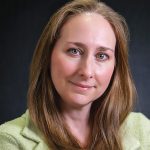
As one might say in his industry, it’s food for thought.


Taste of Success

Lowry was quick to note that, at one time — soon after graduation from UMass Amherst — he did, in fact, have a job.

It was with State Street Bank as a mutual fund administrator.

“I got an interview through somebody’s girlfriend; she knew someone who could get me an interview,” he recalled. “They hired me because they needed people — they hired like 500 people a year. I wasn’t good at the job, but I didn’t die, though, and I would have been OK, but…

He voice trailed off, and he didn’t really finish the sentence, because he wasn’t in that job long before he came back to the Amherst area to visit friends who had not yet graduated. And it was on that trip that he famously spotted a ‘for-rent’ sign on a property in downtown Amherst and began thinking seriously about a burrito shop there.

Many in this region now know the story of how Lowry called the number on that sign, found out the location was already (or soon to be) under contract, but kept on pursuing the dream at another nearby location. With a rough business plan and a $20,000 investment from his father, the 24-year-old Lowry opened Bueno Y Sano just four months after he originally started thinking about his concept.

That thinking was blended with solid research in the form of surveys that revealed a real need for such an establishment, said Lowry, who noted that, upon opening, the Amherst location struggled mightily to keep up with heavy demand — and for a reason.

Indeed, this was 1995, years before UMass Dining reinvented itself and eventually earned a place near and then at the top of the annual rankings for best on-campus food.

“Back then, the food at UMass was terrible,” Lowry recalled, speaking from personal experience and anecdotal information. “Most universities were already off to the races, but UMass was still stuck with food that wasn’t that great. So everyone was starving.

“We couldn’t keep up — for years,” he went on. “Back then, we were doing three times the business we’re doing now in Amherst, adjusted for inflation. We were serving three times as many people back then as we do now, because UMass food is now some of the best in the world, so students don’t go out to eat as much.”

Still, the Amherst location, and the others as well, are faring quite well amid what has become a boom in Mexican fare, and especially fresh-Mex food, one that has helped fuel expansion of Bueno Y Sano well beyond its downtown Amherst roots.

Bob Lowry

Bob Lowry says he long ago learned the importance of positive reinforcement, and he passes that message along to those he teaches and mentors.

Indeed, while a location that opened in Boston not far from Boston University quickly proved a bust — “we didn’t do any business in the evening because BU had awesome food” — the others have generally thrived, although the location in West Springfield in the Riverdale Shops hasn’t generated the traffic that was anticipated.

“We’re not a college-town place,” Lowry explained. “It’s a very broad market that we serve. Mexican food … if it’s not the biggest sector right now, it’s going to be, and soon. And we’re fresh Mex, quick service, which has grown like a weed ever since the day we started. There are probably 250 fresh-Mex, quick-service places in Massachusetts right now, where back then, there were probably 10, including us.”

The popularity of fresh Mex certainly helped Bueno Y Sano weather the pandemic, said Lowry, adding that, in 2020, the company registered roughly 75% of the sales it would during a normal year by focusing entirely on takeout and benefiting greatly from an online ordering system that was put in place before COVID-19 but not used extensively until the pandemic arrived.

“The Acton and Springfield locations actually did better than they did the year before,” he explained, adding that the company continues to do a great deal of business via the takeout route, with perhaps 80% of sales coming that way, while before the pandemic, it was probably 50%.


Hot Stuff

Flashing back to the days when he conceived Bueno Y Sano, Lowry said fresh Mex was a solid idea and, as things have turned out, a solid business proposition.

But it was also a means to an end — an opportunity to do what he wanted and not do what, deep down, he knew he couldn’t do — work for someone else.

“The things that go with a job were not motivating to me,” he explained. “I wanted to be the boss. I wanted to make decisions and do the fun stuff if I wanted to.”

Elaborating, and putting to work a phrase one hears often these days, Lowry wanted a business he could work on, not in.

“The vast majority of entrepreneurs get stuck working in the business as opposed to on it, and that’s a big trick,” he told BusinessWest. “That was part of my vision from the very, very first thought: I’m going to work on it, and other people can work in it. And it’s going to be fun, and people are going to like working for me because I’m not going to step on my feet by discouraging people.”

Expanding on that thought, Bueno Y Sano has become the kind of business he can work on, not in, he said, adding that he’s involved day to day, but there isn’t anything approaching micromanagement. He has put aside time to do other things, like teaching entreptreneurship, which creates an important balance — and often more fun.

He said the class, which he’s been teaching since 2006, has several components, including a pitch contest, the textbook, and guest entrepreneurs (he’s one of them) who will share experiences from their ventures and adventures. Over the years, a number of students, maybe 40 to 50 by his count, have gone on to start their own businesses.

Lowry said the teaching has been … well, a learning experience for him while standing at the front of the classroom, one that has given him great clarity about what works in all workplaces, and especially his.

“When they’re the boss, most people have as their first reaction the thought that their job is to catch people doing things wrong and tell them about it. But with just a small adjustment in philosophy, they could understand that their job is to catch people doing things right and tell everyone about it. And if they did that, they would be much more successful.”

With that, he returned to his chosen textbook, How to Win Friends and Influence People, which is subtitled The Only Book You Need to Lead You to Success, commentary he agrees with wholeheartedly.

Slicing through its 288 pages, he said it provides a roadmap for being not necessarily a popular leader (although that, too), but an effective one.

“Don’t criticize, condemn, or complain,” he said, while listing some of the tenets he has long lived by. “Show people genuine appreciation; let the other person feel that the idea is his or hers; give people a reputation to live up to; avoid arguments; be a great listener. These are the things you need to do as a leader and business owner.

“I’m always learning to be a better listener, and I’m always learning to take advantage of positive reinforcement,” he went on. “When they’re the boss, most people have as their first reaction the thought that their job is to catch people doing things wrong and tell them about it. But with just a small adjustment in philosophy, they could understand that their job is to catch people doing things right and tell everyone about it. And if they did that, they would be much more successful.”
And while this approach, or attitude, is one that works for entrepreneurs, it does for everyone else as well, he noted.

“If I can help them see what works with people, then I will have succeeded,” Lowry said in conclusion. “Because all of them will use it in their lives, whether they’re entrepreneurs or not. Positive reinforcement works much better than negative reinforcement. If you take it to heart, you can enjoy management and help people grow. The success of the people in your business is your success.”


Bottom Line

Getting back to that list of ideas that he used to keep his back pocket and that now mostly resides in his briefcase, Lowry said that, during those staff meetings — both years ago and quite recently — he would often get around to some of those items he had written down that hadn’t been addressed to that point.

“Half the time, they had a better idea than me, but at the end, I would have a few ideas left on my list, and I would say, ‘what do you think about this, and what do you think about that?’” he explained. “People are much more open to things after you’ve listened to their ideas.”

That’s another lesson that he passes on to his students, many of whom share his lack of enthusiasm, if not fear, of working for someone else.

In his case, that fear led to opportunity, and a chance to not only be successful in business, but also impart lessons to others on how to do the same.

In both cases, Lowry has certainly been a class act.


George O’Brien can be reached at [email protected]