Home Posts tagged Education (Page 39)
Cover Story

Schools See Value in Swapping ‘School’ for ‘University’
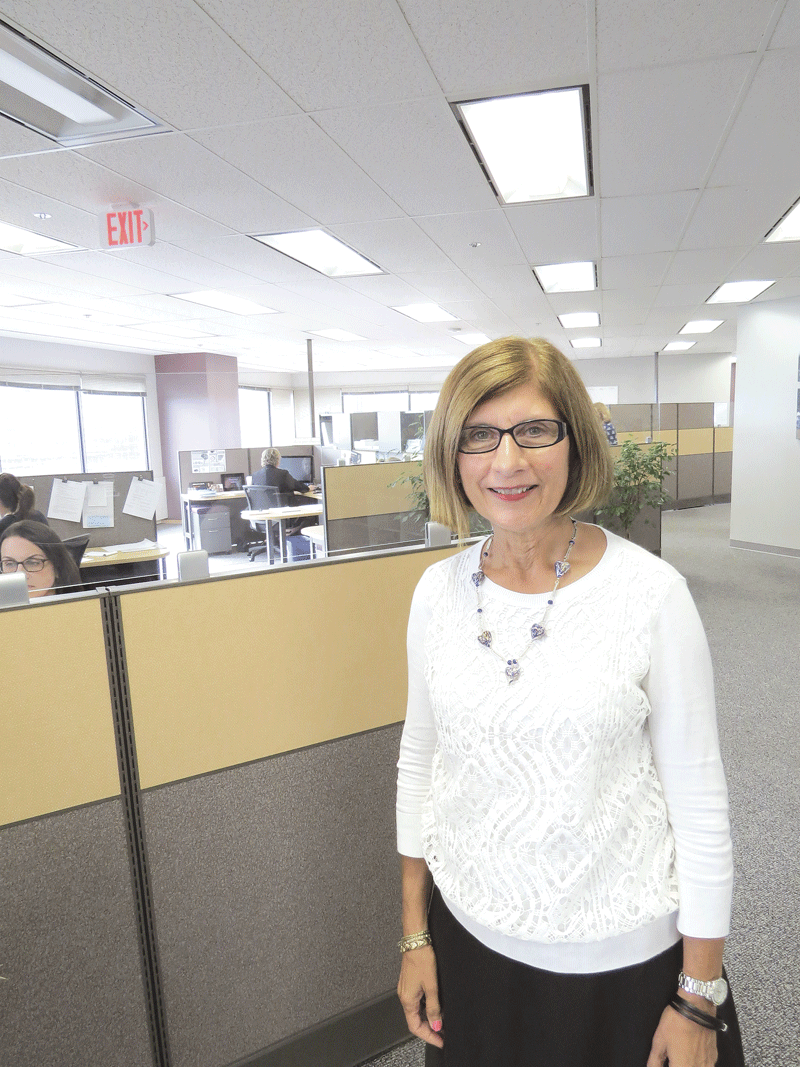
Bay Path President Carol Leary

Bay Path President Carol Leary

Carol Leary was asked about her institution’s decision to call itself a university, rather than a college, and the reasons behind that move. But before going there, she took a few minutes — actually, more than a few — to chronicle and explain the many times over the past 117 years that the name over the school’s front door has changed.

It began as Bay Path Institute, when it was located in downtown Springfield and focused on training men and women for roles in business and accounting, she noted, adding that it became Bay Path Secretarial School in 1945 after it relocated to Longmeadow and focused on training women to become executive secretaries; most of the region’s prominent CEOs had a “Bay Path secretary,” said Leary. In the ’60s, the institution became Bay Path Junior College as it expanded into other areas of study with a liberal-arts base, and then Bay Path College in 1988, when it became a four-year institution.

Those changes were not about semantics, said Leary, the school’s president since 1995, but, rather, reflections about what the school had evolved into.

And that is the case with this latest change in the signage as well.

“A quarter-century later, we’re in a whole different way of educating,” she explained. “We educate on the ground, we educate online, we are educating 12 months of the year, and we’re educating 24/7. That word ‘university’ reflects the complexity of what we have evolved into, what we have become.”

Indeed, the school not only meets the state’s revised requirements for what constitutes a university — graduate programs in four or more distinct fields of study (more on this later) — but, more importantly, it has the look and feel of a university, not merely the accepted definition of one, said Leary.

It has five campuses — the main location in Longmeadow, as well as sites in Springfield, East Longmeadow, Burlington, and Sturbridge-Charlton — and several colleges within the institution itself, including the American Women’s College, featuring online undergraduate degrees, the One-Day-a-Week College, and 19 graduate programs. And it has ambitious plans to soon establish its first doctorate program.

“We are a university,” said Leary. “This represents who we are and how we have evolved and grown; I can’t verify it with numbers, but I believe Bay Path is the fastest-growing women’s college in the country, and the change to ‘university’ reflects all of that.”

It also reflects what could be considered a minor yet intriguing trend in higher education over the past several years. A number of schools across the country and several in the Bay State, including Bentley, Leslie, Western New England College, Massachusetts College of Pharmacy and Health Sciences, and six of the nine state schools, have made a similar change. Others, like Springfield College, have thought about it and decided not to do so, mostly because it considers that word ‘college’ part of its brand and culture. Meanwhile, other schools are still thinking about it.

There are several reasons why schools might make such an adjustment, with perception being at or near the top of the list. In many foreign countries, for example, the word ‘college’ denotes an institution similar to or just above a high school, said Richard Wagner, who researched the matter for Western New England, which he serves as director of Institutional Research & Planning, as part of a strategic planning initiative undertaken in 2008.

He noted that, since WNEC became WNEU in 2011, the number of international students on campus has risen considerably, from 33 in the fall of 2011, the first semester as a university, to 81 just two years later, with more expected next month. There are several factors that may have contributed to this increase, he said, but he has little doubt that the name change has been one of them.

Meanwhile, the word ‘university’ may also help with recruiting in this country, he went on, adding that, with some schools, having ‘college’ in the name can be a competitive disadvantage.

“The word ‘university’ is meant to convey a certain breadth and depth of programs,” he explained. “Legally speaking, it has different meanings in different places; for us, it was a question largely of the fact that we were already structured to be how a university would expect to be structured, and ‘university’ was a better moniker for us and more representative of what we are. The administration here would be firmly convinced that this was a positive move for us to make.”

For this issue and its focus on education, BusinessWest takes an in-depth look at why there are now several universities in Western Mass., and why the change in terminology represents more than a new name and logo on T-shirts for those who have taken this step.

New-school Thinking

Tracing the steps that took Bay Path from a college to a university, Leary said that, while the matter had been discussed rather informally for several years, things started heating up in late 2011 when a graduate of the original Bay Path Institute, then-92-year-old trustee Bernard Mussman, spoke up at one of the panel’s sessions not long before he passed away.

“He raised his hand near the end of the meeting and said, ‘I’ve been on this board for 12 years; we’re now very complex, and we should become a university,’” she recalled. “And everyone sort of just stopped. No one immediately responded to Bernie, but here was a 92-year-old Bay Path Institute alum suggesting that we were a university and no longer a college.”

Nothing really happened with Mussman’s suggestion until roughly a year later, she went on, noting that, as part of something called Planning Vision 2016, the latest in a series of three-year strategic plans undertaken by the school, one of five cross-functional teams comprised of faculty and staff came forward with the recommendation that the school consider becoming a university.

Such a transition was made possible a few years earlier, and not long after the state Legislature voted to change the names of six state colleges, including Westfield State, to universities in a move that reflected what was becoming a nationwide trend. (Three of the schools, Massachusetts College of Liberal Arts in North Adams, Massachusetts Maritime Academy in Buzzards Bay, and Massachusetts College of Art and Design in Boston, chose to maintain the status quo.)

In making the change, the state also lowered the bar when it came to the prerequisites for university status. The old standard was two distinct doctoral programs, while the new measure was four distinct graduate programs, a threshold the state schools easily met.

Fearing that this change might give the state’s many private schools a competitive disadvantage, some of them lobbied — through the Assoc.of Independent Colleges and Universities in Massachusetts (AICUM), which represents 60 private schools in the Commonwealth — for essentially the same privilege.

“Our argument with the Board of Higher Education was that, from a consumer-clarity perspective, the state shouldn’t have a public institution just renamed a ‘university’ by the Legislature, and have a private college that may in fact have many more master’s-degree or graduate-degree offerings be hamstrung by the previous regulations, and they agreed with that,” AICUM President Richard Doherty told BusinessWest. “The argument we made was that, whatever policy the state decided on, it should apply equally to public and private schools.”

Doherty noted, as Wagner did, that there is little, if any, technical difference, definition-wise, between a college and a university, and that many institutions with ‘college’ in their names are, in fact, universities. But he noted that the latter word could easily be perceived as a school with a larger breadth and depth of programs.

Defining Moments

In the wake of the recommendation to at least study the feasibility of becoming a university — one of many action steps in that strategic plan, eventually named “Evolution to Revolution” — Bay Path began an extensive period of research, said Leary, noting that school leaders looked at a number of institutions, especially women’s colleges, that had made the change from ‘college’ to ‘university.’ That list included Chatham University in Pittsburgh and Trinity Washington University in the nation’s capital.

“We looked at why they became a university,” she noted, “and at what they had to do to become a university, because each state is different.”

That research revealed that the change hasn’t negatively impacted the schools, and has probably yielded some benefits, said Leary.

“They said it was very positive,” she noted, “and that it gave them more to talk about internationally because of the word ‘university.’”

Meanwhile, Bay Path officials also listened to their own students, one of whom suggested at an open forum that ‘university’ would carry more weight with potential employers looking at the lines on a résumé.
“I had never thought of that,” Leary went on. “She was defining ‘university’ by the worth of the name, which was interesting, because we were looking at it mostly from the standpoint that we were already operating as a university, and a change would only verify that.”

Despite those positive sentiments, Bay Path alumni and some of those working at the school had some concerns that needed to be addressed, said Leary.

“They didn’t want to lose the personal touch, and we said that would always be a hallmark of Bay Path,” she explained. “They were worried that on the main campus, class sizes would get bigger for traditional students; we said, ‘that can’t happen because we don’t have large classrooms — the largest one seats 60.’ They were worried that we were going to charge so much more, and we told them tuition would remain the same.

“And they were really worried that we were going to go co-ed,” she went on. “But we assured them that we would stay all women.”

The matter eventually went to the board of trustees, which voted to seek approval for the transition to university status from the Mass. Department of Higher Education. The change became official, and Bay Path became the first women’s university in the Commonwealth, on July 1.

When asked how, in five years, the school might be able to quantify the results of the transition, Leary noted that this was a good, if difficult-to-answer, question, adding that it will likely be easier to qualify the benefits.

“I think that, if we have more students from around the country and around the world, we’ll certainly be able to quantify that,” she said. “But will those students be coming just because we’re a university? That might be hard to determine.

“The bottom line is that ‘university’ makes it clearer to us and our prospective students who we are — it just makes more sense,” she went on. “And we’re very proud of who we are.”

Marsha Marotta, interim vice president of Academic Affairs at Westfield State University, echoed those sentiments. She said the term ‘university’ more accurately portrays what the school has become, and it has also helped improve perceptions of the institution, both externally and internally.

“The tangible impacts of the name change were obvious; it reflected our reality in terms of what we already were doing,” she said, listing everything from comprehensive undergraduate programs to graduate and online programs; from high expectations for faculty to research agendas supported by federal and other grants, such as a National Science Foundation grant for innovative approaches to teaching math as part of the liberal arts. “The name ‘university’ also more accurately reflects who we are in a global context, since the international understanding of college equates with a high-school level of education.

“The name change is also about aspirations and identity,” she went on. “The name ‘university’ makes us more mindful of what we do and more accurately captures the way we are — which in turn changes how we think about ourselves. This was an unexpected consequence, and allows us to think more expansively about the institution. Saying it out loud changes how we think about the institution, which becomes a catalyst for new things.”

Name of the Game
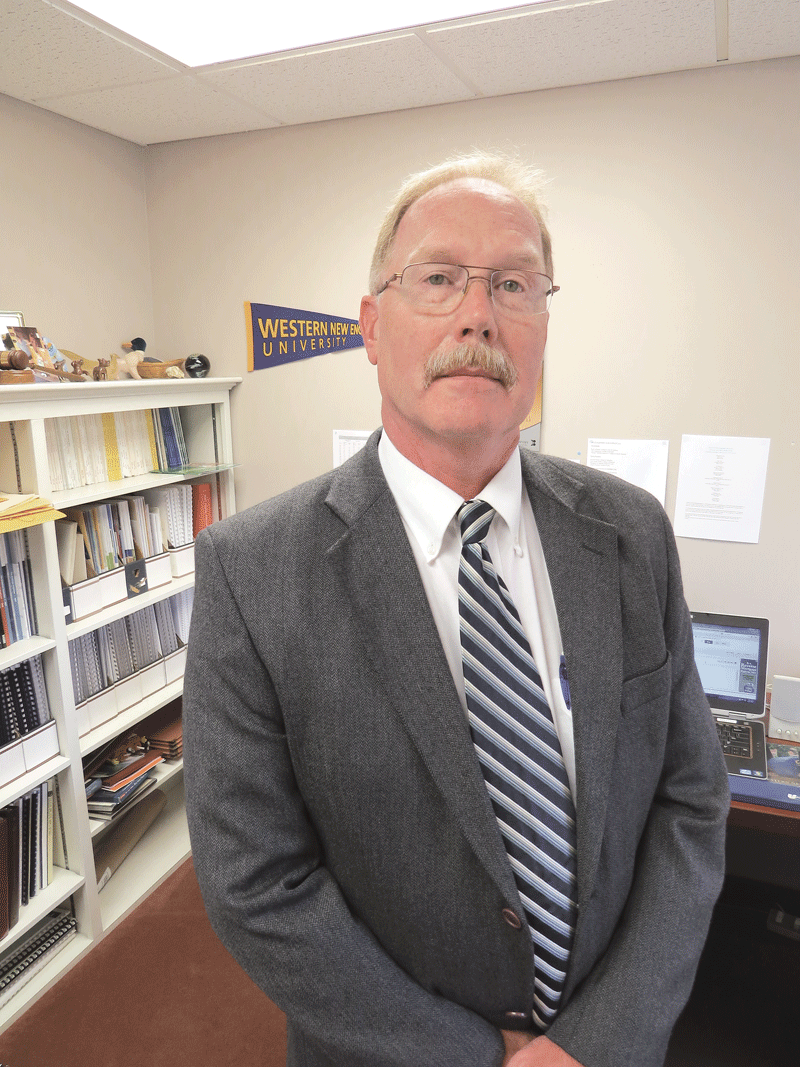
Richard Wagner says the word 'college' can become a competitive disadvantage.

Richard Wagner says the word ‘college’ can become a competitive disadvantage.

Three years after Western New England transitioned to university status, Wagner believes the change has benefited the school, as it has others that may not have the international reputations that have enabled some colleges to go on with that word in their name.

“For us, I think ‘college’ was primarily a disadvantage because it didn’t really convey what the campus represented,” he said. “‘University’ allows us to better represent who we are an as an institution.
“For some schools that have very well-known reputations, like Dartmouth or Boston College, it’s not much of an issue,” he went on. “But for schools that don’t have international name recognition, ‘college’ can be disadvantageous.”

Overall, he considers the change one of many factors that has enabled Western New England to ride out what has been a challenging post-recession period.

“The university status, in association with some of the other things we’ve done over the past few years, such as starting the School of Pharmacy, have allowed us to weather the prolonged recession in a relatively good way,” he explained. “Although we’ve been stressed, like a lot of other tuition-driven institutions, we’ve been able to continue building, adding programs, and so on. I think of it as being one element in our ability to get through some rather difficult times.”

Perhaps the most visible impact has come in the number of foreign students now enrolled at the school. There were only nine international students at WNEC in 2009, he noted, adding that the nearly ten-fold increase still represents a very small portion of the overall student body of roughly 3,800. Still, the surge is significant, and for many reasons.

The first is the cultural diversity gained through having students from around the globe, he told BusinessWest, adding that another is a greater ability to withstand domestic economic downturns, and a third is the fact that foreign students are much more likely to pay full tuition rather than relying on financial aid.

“One of the things about internationalization is that, when things might not necessarily be good economically in the United States, they may be better overseas, and vice versa,” he noted.

Over the past few years, Wagner said, there’s been what he called a “follow-the-leader mentality” when it comes to changing ‘college’ to ‘university,’ with more schools making the change perhaps out of a feeling of necessity.

“I think there’s a certain amount of pressure on some institutions to do it,” he explained, “because it’s been done in so many other places.” But some schools, including Springfield College, apparently aren’t feeling that pressure.

“The leadership at Springfield College has, in the past, considered a name change to a university,” said Steve Roulier, a spokesperson for the school. “But given the reputation of our mission and current academic strengths, we have decided to remain Springfield College. The college consistently ranks in the top tier of the U.S. News “Best Colleges” list as a leader in providing a broad and balanced educational experience. We are proud to be known as Springfield College.”

Sign of the Times

Bay Path has a rather intriguing tradition for the start of the new school year, and its students have to get up pretty early in the morning to take part.

It’s called the Awakening, and it gets underway at 5:30 a.m. Participants light candles and celebrate the school’s history and tradition. They walk together down Longmeadow Street to the school’s circle, where there are a few speeches, followed by breakfast. This year, there will be an additional twist — unveiling new signage that features that word ‘university.’

One could say it’s the start of a new era, said Leary, adding that there is a great deal of excitement accompanying the name change. But in reality, that new era started some time ago.

The word ‘university,’ as she said, only puts an exclamation point on it.

George O’Brien can be reached at [email protected]
Daily News

WARE — Country Bank surprised 29 local schools that participate in the bank’s Savings Makes Sense School Banking Program with $500 gift cards to Staples. Each school received the donation to help cover the cost of back-to-school supplies.

“We know how difficult it is for the schools to have the supplies they need when budgets become tight,” said Jodie Gerulaitis, financial education officer for Country Bank. “They are truly so grateful and appreciative of this gift.” It is reported that teachers annually spend about $250 of their own money to purchase items for their classrooms. Country Bank wanted to help teachers who do so much for their students.

Country Bank serves Central and Western Mass. with 15 offices in Ware, Palmer, Brimfield, Belchertown, Ludlow, Wilbraham, Paxton, Charlton, Leicester, and West Brookfield.

Daily News

SPRINGFIELD — Springfield College has again been identified as a 2014-15 College of Distinction for providing an innovative, teacher-centered undergraduate education with a strong record of preparing its graduates for real-world success.

Colleges of Distinction is a college guide that for the last 15 years has recognized colleges it determines to be the best places to learn, grow, and succeed. The goal of Colleges of Distinction is to provide students, counselors, and parents with information about such schools. Colleges of Distinction describes schools that take a holistic approach to admissions decisions, consistently excel in providing undergraduate education, and have a national reputation.

It also gives students, counselors, and parents an unbiased look at the college-admissions process. Colleges of Distinction looks at the myths surrounding college admissions, provides tools for self-assessment, and provides insights from college-admissions professionals, high-school counselors, students, and parents.

Founded in 1885, Springfield College is known worldwide for the guiding principles of its Humanics philosophy — educating students in spirit, mind, and body for leadership in service to others. The college offers a range of undergraduate- and graduate-degree programs in the fields of health sciences, human and social services, sport management and movement studies, education, business, and the arts and sciences. It also offers doctoral programs in physical education, physical therapy, and counseling psychology.

The college is ranked in the 2014 edition of Best Colleges in the top tier of “Best Regional Universities — North Region” by U.S. News Media Group, and is designated as a premier Leadership Development Center by the YMCA of the USA. More than 5,000 traditional, non-traditional, and international students study at its main campus in Springfield and its School of Human Services campuses across the country.

Daily News

NORTHAMPTON — Dr. Eric Stanelle has joined Cooley Dickinson Medical Group Surgical Care and the medical staff of Cooley Dickinson Hospital.

Stanelle earned a doctorate of medicine from the University of Wisconsin School of Medicine. He completed general surgical residency programs at University of California San Francisco, East Bay, and Massachusetts General Hospital, and completed surgical-oncology and pediatric-surgery research fellowships at Memorial Sloan Kettering Cancer Center. His medical interests include minimally invasive/laparoscopy surgery for colon and rectal cancer; surgical oncology; endocrine surgery; and diseases of the liver, pancreas, and bile ducts.

“Since the start of my medical education, I wanted to establish a broad-based general-surgery practice to benefit the local community,” said Stanelle, who joins Dr. Holly Michaelson at Cooley Dickinson Medical Group Surgical Care. “Although I have been blessed to receive my training in metropolitan areas at some of the most premier hospitals in the country, I am most excited about being able to bring the top-notch surgical treatments that I learned in San Francisco, New York City, and Boston to the people of the Pioneer Valley.

Added Stanelle, “I believe that patients should not have to drive hours to the nearest biggest city in order to receive excellent medical and surgical care. My goal is to partner with each patient to promote his or her optimal health. As a general surgeon, I am equipped to treat a variety of surgical issues.”

Stanelle welcomes new patients at 76 Carlon Dr., Northampton. For more information, call (413) 584-4637.

Daily News

AMHERST — Computer scientist Benjamin Marlin of UMass Amherst recently received a five-year, $536,527 National Science Foundation Faculty Early Career Development (CAREER) award to develop machine-learning-based tools for analyzing complex, large-scale clinical and mobile health (mHealth) data. Marlin’s project, “Machine Learning for Complex Health Data Analytics,” is designed to help health researchers handle what he calls a data revolution.

“Electronic health records are seeing wide adoption across the United States, and we’re starting to see the emergence of large stores of complex clinical data as a result,” said Marlin. “There’s significant interest in leveraging these data to enhance all kinds of clinical decision support tools with the hope that they can ultimately improve quality of care.”

Marlin’s research will also explore ways to analyze data from emerging mHealth wearable sensor systems that collect large volumes of continuous physiological measurements like respiration and electrocardiogram signals. “Developing models and algorithms that can accurately and reliably detect activities like smoking from wearable sensor data has tremendous potential for use in behavioral-science research as well as continuous health monitoring,” he noted.

The challenge with analyzing data from these sources is that they exhibit a number of complicating factors, such as sparse and irregular sampling, incompleteness, noise, between-subjects variability, high volume, high velocity, heterogeneity and non-stationarity. “We’re not dealing with nice, clean data in these areas,” Marlin said. “The data are noisy. Parts are missing due to sensors disconnecting or clinicians not recording measurements. A number of these issues can break current data-analysis methods. The goal of this work is to design new machine-learning-based data analysis tools that are significantly more robust and accurate.”

Marlin, an assistant professor who is co-founder and co-director of the UMass Amherst Machine Learning for Data Science Laboratory, will collaborate with computer scientists, clinicians, and medical researchers at UMass Amherst, the University of Memphis, Yale University School of Medicine, and Children’s Hospital Los Angeles, who are providing access to unique mHealth and clinical data.

Marlin’s CAREER award, which will begin Sept. 1, will also extend beyond research. “An important goal of the program is to integrate education and research,” he said. He is developing a new applied-machine-learning course for the growing number of master’s students enrolling in the UMass Amherst School of Computer Science. His work will also include community education outreach through the Girls Inc. Eureka! summer program.

Before coming to UMass Amherst in 2011, Marlin was a fellow of the Pacific Institute for the Mathematical Sciences and the Killam Trusts in the Laboratory for Computational Intelligence at the University of British Columbia. He is also a 2013 Yahoo! Faculty Research Engagement Award recipient.

Daily News

EASTHAMPTON — In support of public safety and human services in the communities served by Columbia Gas of Massachusetts, NiSource Inc., parent company of Columbia Gas of Massachusetts, has awarded a $5,000 grant through the NiSource Charitable Foundation to NoFIRES, a nonprofit program serving 51 Massachusetts communities by offering education and intervention to juvenile fire setters.

The donation was presented by Andrea Luppi, manager of Communications and Community Relations at Columbia Gas, to Loren Davine, executive director of NoFIRES; Mary Carey, communications director for the Northwestern District Attorney’s Office; and Fire Chief Russ Anderson of the Granby Fire Department.

NoFIRES is one of the only statewide programs available for juveniles that have engaged in fire-related behavior. In addition to providing fire-safety education to juveniles that have engaged in fire setting, NoFIRES is committed to providing high-quality trainings in this field to educators, clinicians, and law enforcement. In 2013, NoFIRES sponsored several trainings, including the first annual Arson Investigation and Prosecution Conference, which was attended by more than 200 police and fire investigators from around the state.

Daily News

WESTFIELD — Westfield State University announced the appointment of Shelley Tinkham as interim dean of the Division of Graduate and Continuing Education (DGCE).

Tinkham previously worked at the Mass. Department of Higher Education, where she served for eight years, most recently as assistant commissioner for Academic, P-16, and Veterans Policy. In this role, Tinkham served as the lead staff member for the civic learning and engagement key outcome initiative of the Vision Project, a statewide initiative intended to develop the goals, objectives, and assessment strategies that will assure that all students attending public higher institutions in the state are prepared for informed civic participation.

Westfield State University‘s Division of Graduate and Continuing Education offers an extensive range of part-time undergraduate, graduate, online, certificate, professional-development, and non-credit programs designed to help students help meet their educational and professional goals. As dean, Tinkham will oversee all operations of the division, including academic programs, recruitment, admissions, records, billing, and finance, and will serve as decision maker for academic and financial appeals and conflicts. She is responsible for providing comprehensive leadership and vision for the division, providing results-oriented leadership in program development and outreach, and developing and implementing business plans.

Tinkham earned her bachelor’s degree in philosophy from Kent State University, her master of education degree in international education development at Boston University, and her Ph.D. in public policy at UMass Boston. Committed to multiculturalism and internationalization, she is a strong advocate of promoting access to intercultural education and dialogue. She has worked, volunteered, or traveled to more than 15 countries and published her dissertation, titled The Value of Getting Out: The Impact of School Leaders’ International Experiences.

Daily News

CHICOPEE — Kathleen Scoble, dean of the Elms College School of Nursing, has become the first nurse to serve on the board of trustees of Baystate Health.

Chair of the Division of Nursing at Elms College since 2003, Scoble led the program’s development from a traditional baccalaureate nursing program into a school of nursing which offers several educational pathways for advancing the education of RNs, including master of science and doctor of nursing practice degrees. Baystate Health is the largest regional employer in Western Mass., and one of the largest health systems in New England.

“Nurses are the largest part of our workforce, and they essentially define the experience of care for patients,” said Baystate Health CEO Dr. Mark Keroack. “Someone with Dr. Scoble’s qualifications is who I had in mind when I advocated for a nurse leader on the board. We do so many programs with Elms that this is a logical pairing.”

Added Scoble, “I am very honored to be the first nurse appointed to the Baystate Health board of trustees, and am confident that my experience as both a chief nurse executive and a leader in higher education — as well as the strong relationship that Elms College has enjoyed with Baystate — will assist me in this endeavor.”

She added that she has been impressed with how Baystate trustees, executives, senior managers, and medical staff leaders work and collaborate to achieve the health system’s goals. “I could not be more enthusiastic about the opportunity and responsibility I have as I serve in this very important position.”

Scoble, who has more than three decades of experience in academic, administrative, and consultant roles, has been recognized for her leadership in professional nursing both nationally and abroad. She currently serves as past president of the Mass. Assoc. of Colleges of Nursing and co-chairs a statewide team for the Mass. Institute of Medicine Action Coalition for Nursing. She is also a founding member of the Western Mass. Nursing Collaborative.

Consulting internationally for the Institute for Nursing Healthcare Leadership and Partners Healthcare International (formerly Partners Harvard Medical International) since 1999, Scoble has had programmatic experience in multiple countries, including Colombia, India, China, Dubai, and Turkey. She is a member of Sigma Theta Tau International and the National Honor Society of Alpha Sigma Lambda. She has also held faculty appointments at Teachers College, Columbia University, and UMass Boston. Her administrative posts in acute-care organizations have ranged from unit manager to chief nurse executive.

Daily News

NORTHAMPTON — Michael Sarsynski, CFP, vice president, Investments; Joseph Miller, CRPC, associate vice president, Investments; and Barbara Turcotte, senior registered client associate, have joined the Northampton office of Wells Fargo Advisors. The trio previously served with Merrill Lynch.

A certified financial-planning professional, Sarsynski has been helping clients and businesses reach their financial goals for more than 20 years. His formal education includes a bachelor’s degree from Amherst College and an MBA from the Wharton School. He is a trustee for the Brattleboro Retreat Board and is actively involved with the Hampshire Council of Governments.

A 20-year veteran of the industry, Miller is certified as a chartered retirement planning counselor by the College of Financial Planning. He is a Series 7, 63, and 65 registered representative and holds life, annuity, and long-term-care licenses.

“With Mike and Joe, we have found experienced financial advisors whose client-centric philosophy matches our own. We are pleased that their careful deliberation brought them to us. Their experience will provide significant value to our team members and clients,” said Pam Nichols, senior vice president, complex manager.

Daily News

SPRINGFIELD — This year’s 21st annual Rays of Hope – A Walk Toward the Cure of Breast Cancer may still be two months away on Oct. 19, but walker Phyllis Dupre is already out there pounding the pavement for her team.

“I have some very generous sponsors and normally begin to call on them again in August for their continued financial support,” said Dupre, a nine-year breast-cancer survivor from Springfield. Dupre’s team, Bosom Buddies – Fight Like a Girl, has grown to some 40 members over the years and continues to expand through word of mouth, said the team captain.

“Breast cancer isn’t something that happens only during Breast Cancer Awareness Month in October,” said Michelle Shattuck, Rays of Hope event chair. “It strikes women and men 365 days a year. So, whether forming your own team, joining another, or just walking on your own, it’s never too early to begin recruiting team members or soliciting sponsors as part of your fund-raising effort for the walk and run.”

Participants can register now for both the walk and run online at baystatehealth.org/raysofhope, where they can also create their own personal webpage to assist them in their fund-raising efforts. Since its inception in Springfield in 1994 by Lucy Giuggio Carvalho, Rays of Hope has grown from 500 participants raising $50,000 to some 24,000 walkers and runners in an expanded event that includes a second walk in Greenfield, as well as this year’s 5th annual Run Toward the Cure 8K in Springfield.

This year’s annual events are presented by Health New England. As in past years, the Springfield walk (a two- or five-mile route) and run, with some 600 teams, begin at Temple Beth El on Dickinson Street where registration is set for 9 a.m. The walk in Greenfield (either a two- or three-mile route) begins at Energy Park on Miles Street with registration at 10 a.m. In Springfield, the run begins at 10:15 a.m. followed by walkers at 10:30 a.m. Greenfield’s walk steps off at noon. The 5th Annual Run Toward the Cure 8K continues this year with the help of Fast Feet in West Springfield and Westfield. While considered a ‘fun run,’ there will be a time clock at the finish line for runners who want to record what may be their personal best.

Since 1994, Rays of Hope has raised more than $11.8 million, with all monies remaining local and administered by the Baystate Health Foundation to assist patients and their families affected by breast cancer. Over the years, funds have supported the Rays of Hope Center for Breast Cancer Research, as well as treatment, breast-health outreach and education, and the purchase of state-of-the-art equipment through the Baystate Health Breast Network, including Baystate Medical Center in Springfield, Baystate Franklin Medical Center in Greenfield, Baystate Mary Lane Hospital in Ware, and various community projects throughout Western Mass.

Those who want to support the Rays of Hope, but are unable to walk due to other commitments, can participate in the 10,000 Steps Toward a Cure program. Participants receive a pedometer to keep track of their steps throughout the month of October, while raising donations similar to other walkers.

This year’s Rays of Hope major sponsors are Health New England, Gale Toyota, Baystate Breast & Wellness Center, Baystate Breast Specialists, Chicopee Savings Charitable Foundation, Kinsley Power Systems, Radiology & Imaging, and Zasco Productions. A listing of all sponsors can be found on the Rays of Hope website. For more information about this year’s Rays of Hope Walk and 8K Run, held rain or shine, call (413) 794-8001 or visit baystatehealth.org/raysofhope.

Daily News

WESTFIELD — Westfield State University President Elizabeth Preston announced that Robert Martin has been named the newest member of the Westfield State University board of trustees. Martin was appointed to the board by Gov. Deval Patrick and sworn in on Aug. 8.

“I’m extremely grateful that Bob has agreed to rejoin the Westfield State community. His extensive experience with public higher education and his familiarity with Westfield State and the city will further strengthen our board in important ways,” said Preston.

Martin most recently served as interim president of Framingham State University, where he was responsible for overseeing a $100 million operating budget and providing strategic planning and overall direction for academic programs, enrollment, student life, development, and governmental and community relations. Prior to his appointment as interim president, he served as Framingham State’s vice president for Academic Affairs and as a visiting lecturer.

He joined Framingham after 16 years at Westfield State, where he served in a variety of positions, including dean of Undergraduate Studies and associate vice president for Academic Affairs. Martin is a member of the American Assoc. of State Colleges and Universities, the American Conference of Academic Deans, and the College Board.

This is not his first time serving as a trustee for an organization. He has been a member of the board of trustees for the Danforth Art Museum since 2006 and currently serves as president of the board. Martin’s community-service efforts include current membership on the board of directors for the Chief’s Memorial Scholarship Fund, and former roles as corporator at the Westfield Athenaeum, member of the Downtown Revitalization Committee of the Community Development Corp. in Westfield, and member of the Hospital Ethics Committee at Noble Hospital. He recently presented “Student Success: Moving the Needle on Graduation Rates” at the plenary session of the New England Regional Assembly of the College Board. He earned his bachelor’s degree in psychology from Wesleyan University and his master’s and Ph.D. in clinical psychology from the University of Rochester.

Comprised of 11 members, the WSU board of trustees is appointed by the governor of the Commonwealth. Each member is appointed for a five-year term, with the possibility of one additional term of five years. Current trustees include Terrell Hill, principal, High School Inc.; Steven Marcus, president and CEO of New England Geriatrics; Luis Perez, former First Justice, Worcester Juvenile Court; Kevin Queenin, Specialty Bolt & Screw Inc.; Elizabeth Scheibel (chair), former Northwestern District Attorney; James Hagan, president of Westfield Bank; and student trustee Joshua Frank. There are currently three vacancies.

Daily News

BOSTON — Gov. Deval Patrick has signed H.4377, “An Act to Promote Economic Growth in the Commonwealth,” building on his administration’s economic-development strategy of investing in education, innovation, and infrastructure.

The economic-development package provides new tools and training to ensure the Massachusetts workforce meets the needs of employers, invests in Gateway Cities to promote development across the entire state, and provides incentives to create jobs and stimulate the economy. Patrick also refiled legislation that limits the use of non-compete agreements and adopts the Uniform Trade Secrets Act to ensure that government acts to retain talented entrepreneurs, supports individual career growth, and encourages the development of new, innovative businesses to drive future economic growth.

The legislation also includes a provision to give local governments across Massachusetts control over the number of liquor licenses in their jurisdiction. Placing the authority to approve liquor licenses in the hands of municipal officials will allow local communities to make responsible decisions regarding their economic development and growth, helping to free the Legislature from time-consuming local issues.

“In important ways, this legislation improves existing tools and provides a few new ones to continue our strong job growth, and I thank the Legislature for being so responsive,” said Patrick. “At the same time, we have unfinished business, so I am filing further legislation today to give innovators and municipalities all the tools they need to grow jobs and opportunity.”

The act bolsters the economic revitalization of the Commonwealth’s Gateway Cities with $15 million for the Gateway Cities Transformative Development Fund and encourages the reuse of brownfields in economically distressed areas of Massachusetts with $10 million in funding.

“This legislation makes many targeted investments in our emerging industries, like big data and advanced manufacturing, that are necessary to create a competitive environment here in Massachusetts and grow our status as a leader in the world economy,” said Senate President Therese Murray. “By capitalizing on our state’s existing and developing industries, as well as investing in a strong, educated workforce, we are outlining a path to success for our residents and promoting economic development throughout the entire Commonwealth.”

Added House Speaker Robert DeLeo, “this comprehensive bill will help ensure that residents, businesses, and communities are able to compete and excel in a dynamic economy. We’ve made substantial gains in strengthening our economy and must now focus on broadening the circle of prosperity beyond Greater Boston to all regions of the Commonwealth. This bill does just that while preparing future leaders through provisions like MassCAN, a computer-science-education partnership, and the Talent Pipeline Initiative.”

In the area of workforce development and training, the act includes $12 million for the Middle Skills Job Training Grant Fund to support advanced manufacturing, mechanical and technical skills at vocational-technical schools, and community colleges. Also, the Workforce Competitiveness Trust Fund will receive $1.5 million to prepare Massachusetts residents for new jobs in high-demand occupations, helping close the middle-skills gap and creating a seamless pathway to employment.

The economic-development legislation also includes a number of initiatives to expand the Commonwealth’s world-class innovation economy, including $2 million for a Big Data Innovation and Workforce Fund to promote the use of big data, open data, and analytics, and $2 million for the Innovation Institute Fund at the Massachusetts Technology Collaborative. The legislation also creates a $1 million talent-pipeline program that will provide matching grants aimed at increasing technology and innovation internships, and another $1 million for a startup mentoring program to connect early-stage entrepreneurs, technology startups, and small business with experienced business enterprises and capital financing.

Daily News

BOSTON — The Executive Office of Labor and Workforce Development reported that preliminary estimates from the Bureau of Labor Statistics (BLS) show Massachusetts added 13,800 jobs in July for a total of 3,422,100 jobs, and the total unemployment rate edged up 0.1% to 5.6% from the June rate. The rate is still the lowest since August 2008 and is below the 6.2% national unemployment rate.

Since July 2013, Massachusetts has added a net of 67,300 jobs, with 66,400 jobs added in the private sector. The total unemployment rate for the year is down 1.6% from the July 2013 rate of 7.2%. BLS also revised its June job estimates to a 2,500-job gain from the 3,700 previously reported for the month. Here is the July employment overview:

• Professional, scientific, and business services added 5,000 jobs (+1.0%) over the month. Over the year, professional, scientific, and business services added 13,300 (+2.6%) jobs.

• Education and health services gained 3,800 jobs (+0.5%) over the month. Over the year, education and health services gained 24,000 (+3.3%) jobs.

• Construction added 1,900 jobs (+1.5%) over the month. Over the year, the sector has added 2,400 (+2.0%) jobs.

• Trade, transportation, and utilities added 1,900 jobs (+0.3%) over the month. Over the year, trade, transportation, and utilities gained 12,800 (+2.3%) jobs.

• Financial activities gained 1,000 jobs (+0.5%) over the month. Over the year, the sector added 2,500 (+1.2%) jobs.

• Other services added 800 jobs (+0.6%) over the month. Over the year, jobs are up 3,300 (+2.7%) in this sector.

• Leisure and hospitality gained 600 jobs (+0.2%) over the month. Over the year, the sector added 4,300 (+1.3%) jobs.

• Manufacturing added 500 jobs (+0.2%) jobs over the month. Over the year, manufacturing lost 600 (-0.2%) jobs.

Daily News

AMHERST — Brian Kane, a professor and researcher at the UMass Amherst, is this year’s co-recipient of the International Society of Arboriculture’s (ISA’s) prestigious Alex L. Shigo Award for Excellence in Arboricultural Education. The award honors ISA members for enhancing the quality and professionalism of arboriculture through education.

Kane is the Mass. Arborists Assoc. professor of Commercial Arboriculture at UMass Amherst. He is an ISA-certified arborist who started climbing trees professionally 25 years ago. Kane invites his students to participate in his tree research, supports them in their tree-climbing competitions, and guides them to be skilled future workers and business owners in arboriculture. ISA honored Kane at a ceremony on Aug. 3 in Milwaukee as part of the 90th annual ISA International Conference and Trade Show.

“Brian is one of the most formidable researchers in practical arboriculture today, but he’s equally considered for his substantial reputation as a professor,” said Mark Roberts, ISA president. “His devotion to students and his commitment to the field of arboriculture have benefited ISA and will continue to influence the industry for years to come.”

The award’s namesake, Dr. Alex Shigo, was a renowned plant pathologist, known throughout the industry for his studies on tree decay, which led to major changes in arboriculture. “I met Dr. Shigo once and quickly realized that he was a very passionate educator,” said Kane. “What I emphasize most as a teacher to all of my classes is safety, even to those classes that are not hands-on, field techniques. The profession of arboriculture is inherently dangerous, so training arborists to work safely and build a culture of safety wherever they work is an important way to address that.”

Departments People on the Move

Freedom Credit Union announced the promotion of three officers within the credit union and the appointment of a new Mortgage Loan Originator.

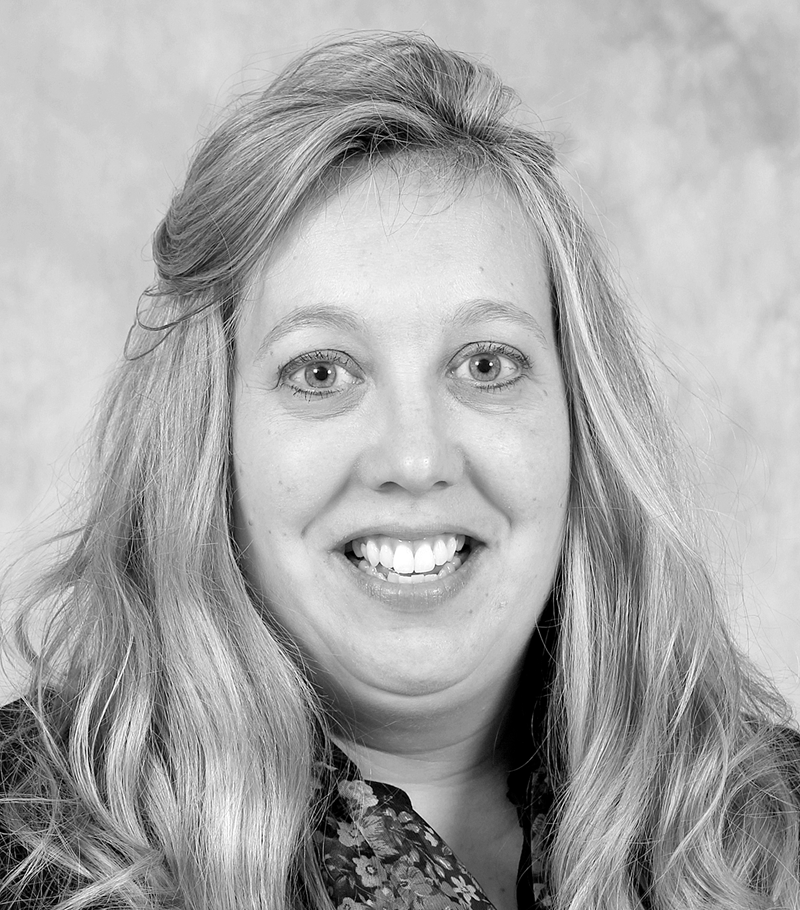
Karen Chauvin Katsanos

Karen Chauvin Katsanos

Karen Chauvin Katsanos has been promoted to Vice President of Human Resources at FCU. She will continue to manage the human resource and training activities for the credit union, which employs a staff of 130. Katsanos joined the credit union in 2012 and has 20 years of HR experience in several industries, including healthcare and manufacturing. She has held a number of senior-management positions throughout her career. Katsanos earned her bachelor’s degree from the UMass Amherst and has earned two master’s degrees — one in psychology from Westfield State College and the other in business administration from Western New England College. She holds an SPHR designation that she earned from the Human Resource Certification Institute. She is a board member for the Human Resource Management Assoc. of Western New England and the Ronald McDonald House of Springfield.
Cheryl Podgorski

Cheryl Podgorski

Cheryl Podgorski has been promoted to Vice President of Operations. She joined the credit union in 2012 and has more than 26 years of operations experience in both the banking and credit-union industries, holding several senior-management positions throughout her career. In addition to her responsibilities in the credit union’s Operations Department, Podgorski has been managing Freedom’s Loan Servicing Department for the past year. She earned her master’s degree in business administration from Western New England College and holds a Six Sigma Green Belt certification. She is a past certified treasury professional through the Assoc. for Financial Professionals.


Lisa Astley

Lisa Astley

Lisa Astley has been promoted to Branch Officer of Freedom’s Ludlow Branch. In her new position, she oversees the financial and lending operations of the branch, develops new business opportunities with individuals and businesses, and promotes financial literacy at area schools. Astley has been employed at Freedom for five years and has 12 years of experience in the banking and financial-services industries. Prior to joining Freedom, she was customer-service supervisor at Randall’s Farm in Ludlow for 15 years. Astley is currently working toward a financial services degree with the Center For Financial Training.


Antonio Sanches

Antonio Sanches

Antonio Sanches has joined Freedom as a Mortgage Loan Originator and is responsible for real-estate origination throughout Hampden and Hampshire counties. As he helps expand Freedom’s mortgage services to its members in Hampden and Hampshire counties, he will offer his expertise in conventional, FHA, MassHousing, Massachusetts Housing Partnership’s One Mortgage, and USDA loans. He has 10 years of experience in the finance industry, including expertise in residential mortgage origination, first-time home-buyer assistance, and secondary market sales. Most recently, he was assistant vice president at Florence Savings Bank. Currently, Sanches is president of the Rotary Club of Ludlow and a corporator at the Randall Ludlow Boys and Girls Club. In June, he was named “Affiliate of the Year” by the Realtor Assoc. of Pioneer Valley.  Sanches is working at the Freedom branch on Center Street in Ludlow.
•••••
Maria Koutroubila

Maria Koutroubila

FieldEddy Insurance announced that Maria Koutroubila has joined the firm as a personal-lines account manager. She brings more than 10 years of insurance-related experience to the position, and is a member of the National Alliance, holding the CISR designation and working toward CISR Elite designation. Koutroubila will be responsible for educating and ensuring that clients have the proper insurance coverage. As part of the personal-lines team, she will work to implement daily operations and ensure that that standard working procedures, key performance indicators, and other account metrics are achieved on a regular basis.
•••••
Berkshire Bank announced that Thaddeus Welch III has been hired as Portfolio Research Analyst and Trader, joining its Wealth Management team. In this position, Welch will be responsible for managing all trading activities and performing fundamental, economic, and sector research to assist in generating overall investment strategies. In addition, Welch will work with clients to customize their portfolios for appropriate risk-reward allocations and to achieve their long-term goals. His areas of specialization are trading,
equity research, and portfolio management. Welch will be working out of Berkshire Wealth Management’s office at 25 Main St. in Lenox. Previously, Welch worked for Spinnaker Trust in Portland, Maine, where he was a member of the investment committee. He received his bachelor’s degree in Economics from Bowdoin College and is a CFA level II candidate.
•••••
The Massachusetts Nonprofit Network (MNN), the statewide organization that unites and strengthens the nonprofit sector through advocacy, public awareness, and capacity building, announced that it has appointed James Ayres, CEO and Executive Director of United Way of Hampshire County, to its board of directors. “We are honored to welcome Jim Ayres, whose passion and considerable experience at the community and state level will help strengthen our state’s vast nonprofit sector,” said Rick Jakious, CEO of the Massachusetts Nonprofit Network. “MNN’s board of directors reflects the rich geographical and organizational diversity of the state’s nonprofit sector and is the voice of a strong, united nonprofit sector in Massachusetts.” Said Ayres, “the Massachusetts Nonprofit Network is an invaluable organization for promoting public policy, support, and public understanding of the not-for-profit sector. A vibrant and well-equipped nonprofit sector, in turn, profoundly impacts quality of life thoughout theCommonwealth. I’m excited to join the MNN board and to work with other statewide leaders to shape the direction of the organization.” Prior to his role at United Way of Hampshire County, Ayres served for 12 years as executive director of the Northampton-based Center for New Americans, an education and resource center for immigrants, refugees, and other limited-English speakers in Western Mass. In these roles, he has worked extensively with local and state governments, community coalitions, workforce boards, and NGOs to develop policy and programming. Ayres holds master’s degrees from the Fletcher School of Law and Diplomacy at Tufts University and the Isenberg School of Management at UMass Amherst.

Chamber Corners Departments

AFFILIATED CHAMBERS OF COMMERCE OF GREATER SPRINGFIELD
www.myonlinechamber.com
(413) 787-1555

• Sept. 3: ACCGS Business@Breakfast, 7:15-9 a.m., at the Sheraton Springfield, One Monarch Place, Springfield. “Keeping All the Balls in the Air” with Rob Peck, Zestworks. Tickets are $20 for members ($25 walk-in) and $30 for general admission.
• Sept. 10: ERC5/ACCGS Millfest After 5, 5 p.m. to dusk, at Ludlow Mills, 100 State St., Ludlow. Music, great food, lots of fun, and networking. Tickets are $15 for members, $25 for general admission. Proceeds benefit the ERC5 Scholarship Fund.

AMHERST AREA CHAMBER OF COMMERCE
www.amherstarea.com
413-253-0700

• August 27: 48th Annual Community Breakfast, 7:30-9 a.m. in the Student Union Ballroom on the UMass Amherst campus. The annual Community Breakfast signals the start of the academic year and is an opportunity to meet newcomers to the community; see old friends, neighbors, and colleagues; and talk about the year ahead. All are welcome at this buffet breakfast and gathering of area business owners, legislators, mayors, Select Board representatives, and members of the academic and business communities. Tickets: $8 in advance or $10 at the door. For more information, call (413) 577-1101 or e-mail [email protected].

CHICOPEE CHAMBER OF COMMERCE
www.chicopeechamber.org
(413) 594-2101
 
• Aug. 21: Member Workshop, 9-11 a.m., hosted by La Quinta Inn & Suites, 100 Congress St. in Springfield. Sponsored by First American Insurance Agency. “You’re Social. Now What? Is It Working?” This workshop will give you a closer look at the popular social-media channels — Facebook, Twitter, LinkedIn, Pinterest, and Google+. We’ll show you the benefits of using each, how other organizations are marketing with them, and some dos and don’ts of each channel. You’ll also get tips on how to tell if your social media activity is working. Free to members.
• August 21: Mornings with the Mayor, 8-9 a.m., at the American Red Cross Blood Donor Center, 3500 Main St., Springfield. Coffee and light breakfast refreshments will be served, while Mayor Richard Kos provides updates and news about what’s happening in Chicopee. Feel free to submit any questions, concerns, or ideas for discussion by Aug. 18 to chamber President Eileen Drumm at [email protected]. This event is for Greater Chicopee Chamber members only and is free, but registration is required so the host business knows how many will be attending.
• Sept. 10: CEO Luncheon at the Munich Haus Restaurant. Registration at 11:45, lunch at noon. Network and hear from Eric Lapointe, executive vice president of the Springfield Falcons, who recently joined the organization and oversees all revenue-generating functions of the team. His most recent position was with the NHL’s Florida Panthers as director of Premium Seating, where his primary responsibilities included managing the senior-level sales and service team, developing and executing premium selling strategies, and driving revenue. He comes to Springfield with a career that includes managerial and sales responsibilities with the NFL’s Cleveland Browns and Miami Dolphins and the NBA’s Miami Heat. Lapointe’s extensive sports-business experience includes working under some of the most influential figures in professional sports, including Mike Holmgren, Bill Parcells, and Pat Riley. He is a graduate of UMass Amherst with a bachelor’s degree in sport management, and received a master’s degree in management from Cambridge College. Tickets: $25 for members, $30 general admission.

GREATER EASTHAMPTON CHAMBER OF COMMERCE
www.easthamptonchamber.org
(413) 527-9414

• Aug. 14: Networking by Night Business Card Exchange, 5-7 p.m., hosted by Freedom Credit Union and Wireless Zone of Easthampton, 422 Main St., Easthampton. Sponsorship opportunities available for this event. Door prizes, hors d’ouevres, host beer and wine. Tickets: $5 for members, $15 for future members. RSVP requested at (413) 527-9414.

GREATER HOLYOKE CHAMBER OF COMMERCE
www.holycham.com
(413) 534-3376
 
• Aug. 13: Networking Across the River, 5:30-7:30 p.m., hosted and sponsored by Brunelle’s Marina, 1 Alvord St., South Hadley. Join an evening of networking with the Greater Holyoke and South Hadley/Granby Chambers of Commerce as we cruise along the Connecticut River on the Lady Bea. Tickets are $20 for members. Seats are limited. To sign up, call the chamber office at (413) 534-3376 or register online at www.holyokechamber.com.
• Aug. 20: Chamber Summer Business Breakfast, 7:30-9 a.m., hosted by Yankee Pedlar, 1866 Northampton St., Holyoke. Sponsored by Lyon & Fitzpatrick, LLC Tickets: $20 for members and advance reservations, and $30 for non-members and at the door. Price includes a hot buffet.
• Sept. 10: Legislative Coffee Hour, 7:45-9 a.m., at Slainte Restaurant, 80 Jarvis Ave, Holyoke, featuring guest speakers Mayor Alex Morse, City Council President Kevin Jourdain, and City Treasurer Jon Lumbra. Join us for coffee and conversation, where members of the community have a chance to ask questions regarding issues facing Western Mass. and the Greater Holyoke area. Tickets: $18 members; $25 at the door and for non-members.

GREATER NORTHAMPTON CHAMBER OF COMMERCE
www.explorenorthampton.com
(413) 584-1900

• Sept. 10: Northampton Chamber Monthly Arrive @5, 5-7 p.m. Arrive when you can, stay as long as you can. A casual mix and mingle with your colleagues and friends. Sponsors: Greenfield Savings Bank, Hathaway Farms, and United Personnel. Tickets are $10 for members, $15 for non-members.
• Sept. 11: 2014 Workshop: “Introduction to Google Docs,” 9-11 a.m. at Pioneer Training, 139B Damon Road, Northampton. The class includes an introductory section on Google Drive, the online storage location for Google Docs. Participants will learn how to set up a local Google Drive folder, which automatically synchronizes with Google Drive on the web. Learn to create new documents in the Google Docs format, as well as how to convert Word documents to the Google Docs format. The class will focus on basic formatting and editing techniques in Google Docs, but will also cover best practices for using Google Docs. Learn the difference between viewing and editing, and how to set permission levels for collaborators. Also learn simple tips that will help users avoid accidentally overwriting data or publishing confidential data. Pre-registration are required, and space is limited. Tickets are $20 for members, $25 for non-members. To register for the event, e-mail [email protected].
 
NORTHAMPTON AREA YOUNG PROFESSIONALS & YOUNG PROFESSIONAL SOCIETY OF GREATER SPRINGFIELD
 
• August 14: August Joint Networking Social with NAYP & YPS, 5 p.m. at Slainte restaurant in Holyoke. RSVP on Facebook. Featured nonprofit: Amherst Ballet, which is is dedicated to quality dance education. It strives to inspire a diverse community of dancers toward artistic excellence and a lifelong enthusiasm and appreciation for dance, and seeks to bring enrichment through educational programming, performance, and collaboration.
 
PROFESSIONAL WOMEN’S CHAMBER
www.professionalwomenschamber.com
(413) 755-1310

• Sept. 17: PWC Headline Luncheon, 11:30 a.m. to 1 p.m. at the Yankee Pedlar, 1866 Northampton St., Holyoke. The speaker will be Jane Iredale, president and founder of Jane Iredale Skin Care. Tickets are $25 for members, $35 general admission.

WEST OF THE RIVER CHAMBER OF COMMERCE
www.ourwrc.com
(413) 426-3880

• Aug. 18: Annual Golf Tournament, at the Ranch Golf Course, Southwick. Registration is at 11:30 a.m., with lunch at noon and a shotgun start at 1 p.m. Cost: $125 for golf and dinner. For more information or for tickets, contact the chamber office at (413) 426-3880 or e-mail [email protected].

GREATER WESTFIELD CHAMBER OF COMMERCE
www.westfieldbiz.org
(413) 568-1618
 
• Sept. 3: Wicked Wednesday, 5-7 p.m., at E.B’s Restaurant, 385 Walnut St Ext., Agawam.
• Sept. 8: Open House, 4-7 p.m. The Greater Westfield Chamber of Commerce is pleased to announce its new office at 16 North Elm St. in Westfield. Please join us for an open house.
• Sept. 17: Networking Lunch, noon to 1:30 p.m. at Kaptain Jimmy’s, 916 Suffield St, Agawam. Network with fellow chamber members over lunch. Each member will get approximately one minute to offer a brief pitch about their company. E-mail [email protected] to register.

Cover Story
UMass Facility in Springfield Set to Open Its Doors

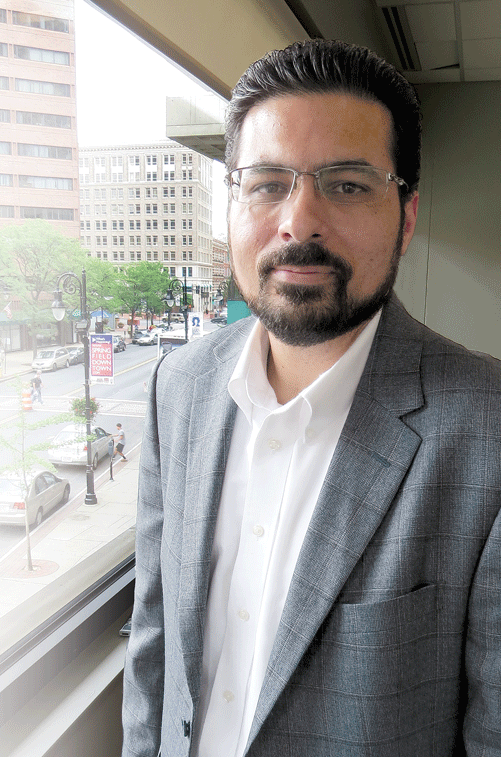
Director of Operations William Dávila

Director of Operations William Dávila

William Dávila wasn’t looking to leave Springfield’s Gandara Center. In fact, he was quite happy in his role as director of Outpatient Services for the facility, which provides mental-health, substance-abuse, and preventive services for children, adults, and families across Western Mass.

But when he was informed that UMass Amherst was looking for someone to manage the center it was building within Tower Square in downtown Springfield, he saw an opportunity he couldn’t resist.

“I’m a UMass graduate and a Springfield kid,” he said with a voice that expressed pride in both those pieces of information. “When this came to my attention, I couldn’t pass it up. I’m a big fan of UMass, and the idea of bringing the quality education that UMass offers to Springfield, where I know it’s needed and where I know folks in my community are looking for opportunities, really intrigued me.”

Dávila, a member of BusinessWest’s 40 Under Forty class of 2013, eventually prevailed in an extensive search for the center’s director of Operations, and is now in a highly visible position with a clearly stated but multi-faceted job description — to make the broad vision for the UMass Center at Springfield become reality.

And that vision goes well beyond the actual 26,000-square-foot facility, which makes extensive use of glass and prompted Dávila to wear out the phrase ‘state of the art’ as he described it. Indeed, there are expectations that the center will be a catalyst for change and help bring a renewed sense of vibrancy downtown. In short, this is being viewed as an economic-development initiative as much as it is an educational facility.

And it will likely be both, said Dávila, adding quickly that, for now, the task at hand is to get the doors opened as scheduled on Sept. 2. All appears to be on track, he said while offering a tour of the facility — something he’s done quite often over the past several weeks — adding that UMass has moved quickly and purposefully in building the center, which will open less than 10 months after it was announced at an elaborate press conference at Tower Square.

More than 30 traditional and online courses will be offered through the center this fall, with titles ranging from “Gambling, the Hidden Addiction,” part of the curriculum for the Addiction Counselor Education program at UMass Boston, to “Introduction to Urban Education,” one of the offerings for Education students at UMass Amherst, to “Advanced Pathophysiology,” part of the Nursing program at UMass Amherst.

Dávila expects between 200 and 300 students, faculty, and staff to take part in programs at the center. In time, he believes, those numbers will escalate as people come to understand all that the facility has to offer and realize what an attractive learning environment has been created.

“This space is just very conducive to a good academic experience,” he explained. “We think that if people give us a chance, if they look at what we’re offering, they’ll be interested in being a part of it.”

For this issue, BusinessWest goes behind the scenes at the emerging UMass Center at Springfield to gain some perspective on the operation as well as the hopes and expectations of the individual chosen to manage it.

Course of Action

When asked when he started in his new position, Dávila had to think for a few minutes, and eventually had to summon his phone to pinpoint the date.

“It’s been a really hectic start,” he said with a laugh while discovering that his first day was July 7. “There’s been a lot happening here.”

By that, he meant everything from the work to build out the space, some of which looks out on Main Street, to meetings with a host of constituencies, including UMass Amherst Chancellor Kumble Subbaswamy, Springfield officials, and members of the business community, to giving those aforementioned tours, which are more detailed now than they were a few weeks ago because there is much more to see.

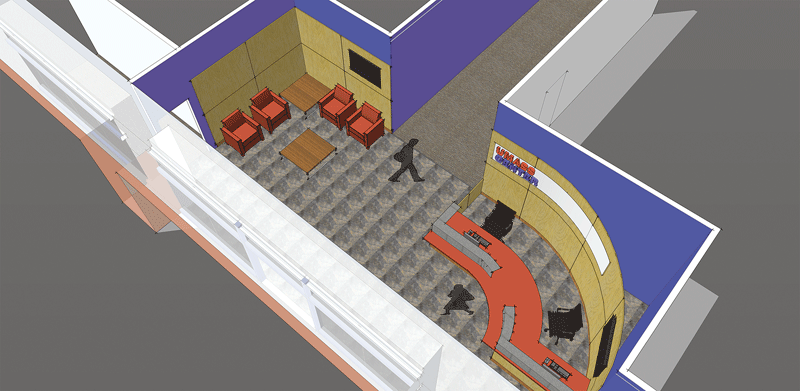
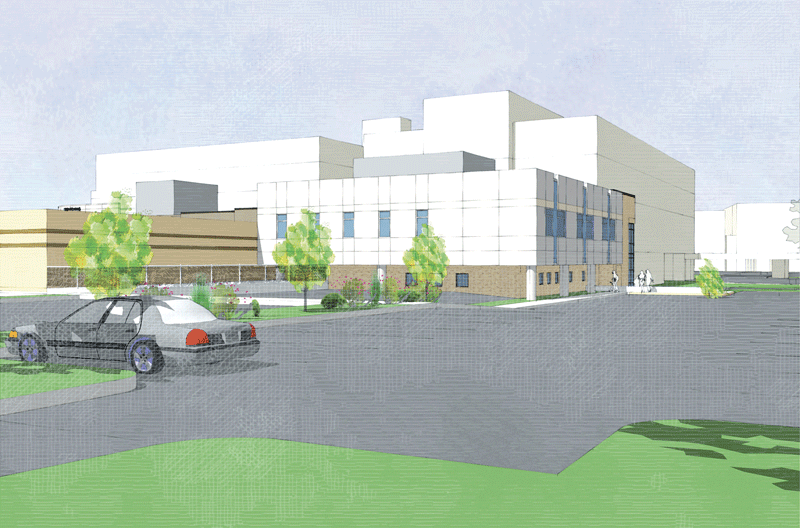
An architect’s rendering of the main entrance to the UMass Center at Springfield.

An architect’s rendering of the main entrance to the UMass Center at Springfield.

Several large classrooms, which can accommodate more than 30 students, are taking shape, as are two patient-simulation areas that will be used for nursing courses and other healthcare offerings and are expected to be among the main draws at the center. Meanwhile, two large student lounges, each making extensive use of natural light through huge windows, are receiving their final touches, as is the welcome center.

“It’s fascinating to see it all come together,” said Dávila, who brings a diverse background to his latest assignment, with a résumé that features work in higher education, social services, and nonprofits.

One of his first professional stops was with Project Hope of Merrimack Valley Catholic Charities, which he served as program director. That was followed by two assignments in higher education — first as assistant director of Graduate Admissions at Lesley University in Boston and then as coordinator of Personal & Academic Support Programs at Boston University.

He then switched gears and became Metro Boston regional manager for the Devereux Foundation, a national behavioral healthcare provider. That was followed by a stint as West Roxbury program manager for the MENTOR Network and then a five-year stop as deputy director of the Children’s Study Home in Springfield, before coming to the Gandara Center in 2011.

Dávila will put experiences at those various stops to good use while meeting what he said is an intriguing job description for the UMass Center’s director of operations.

“It’s kind of interesting — the job description is a combination of a community-relations person, an operations person, and some admissions as well,” he explained. “It’s a combination of all those things. I’ll be functioning as a recruiter, but I’ll definitely be looking for opportunities to connect prospective students with some of our different departments and making sure that I’m creating some opportunities for us to reach out to students.

“This is like coming back home for me,” he continued, referencing his work in higher education. “And one of the reasons why I thought it was a good match for me personally is because what they were looking for was not just someone to come in and say, ‘we’re opening our doors, and we’re offering these courses,’ because that’s a two-dimensional approach. What got me excited about this is that we’re trying to make sure that we demonstrate that we’re committed to the region.”

In the short term, as he said, the primary assignment is to coordinate a smooth launch for the center, which will be a closely watched initiative given the lofty expectations and the considerable hype that accompanied the university’s long-discussed plans to heighten its presence in Springfield exponentially.

Long-term, though, he said he will be tasked with gauging and then meeting community needs.

“We’ll need to make sure that we understand what the community is looking for in terms of educational programs,” he explained, “and that we are, to the greatest extent possible, offering those here locally.”

Class Action

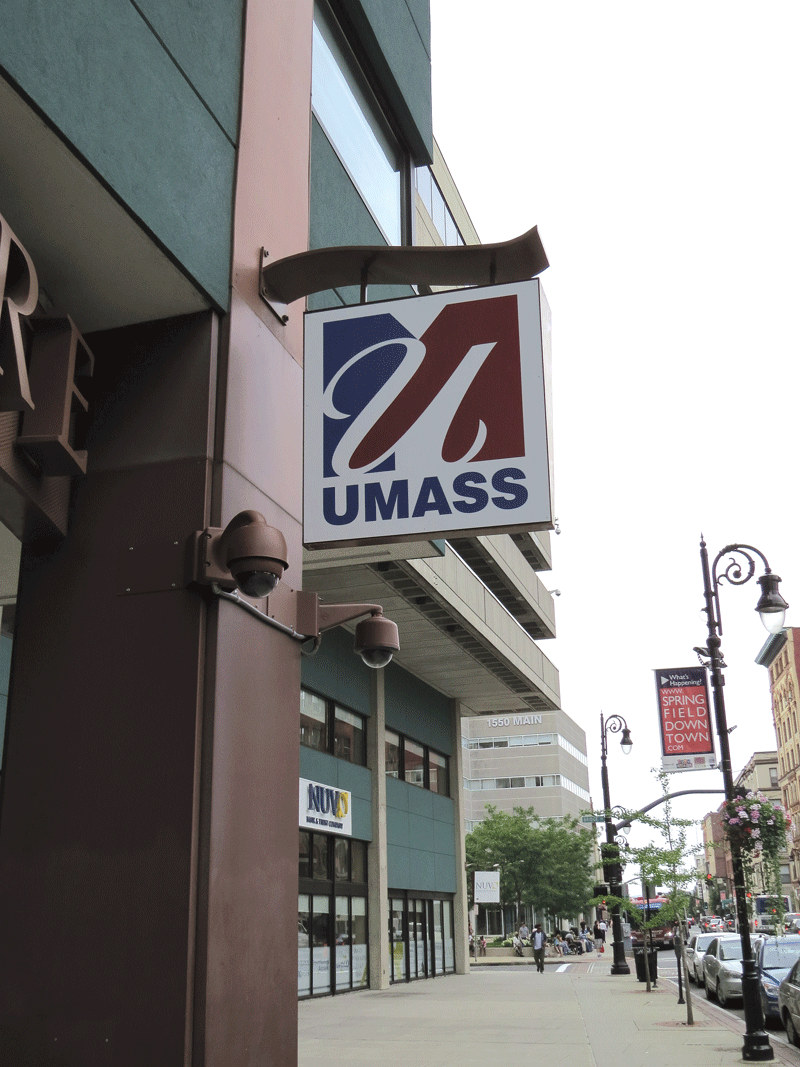
A new sign on the east side of Tower Square announces the arrival of UMass.

A new sign on the east side of Tower Square announces the arrival of UMass.

The lineup of graduate and undergraduate courses for this fall was assembled in response to stated community needs, Dávila went on, adding that the offerings cover a number of degree programs, from nursing and addiction treatment to education and business. There are also a few classes offered through the school’s University Without Walls program for non-traditional students, many of whom are already in the workforce, as well as some non-credit training programs.

There will be a number of offerings in education, including “The Work of the Middle and High School Teacher” and “Adolescent Growth and Development,” he noted, as well as several classes offered through the Isenberg School of Management’s MBA program, including “Financial and Managerial Accounting” and “Leadership and Organizational Behavior.”

The biggest block of classes, however, is in nursing. Overall, there will be eight offerings, including “Pathophysiology” and “Advanced Pathophysiology,” “Community Focus in Nursing,” and “Cultural Diversity in Health and Illness,” he said, adding that the state-of-the-art simulation areas make the Springfield center a unique learning facility.

And its location should be an asset, not a hindrance, he went on, noting that, while downtown Springfield presents some challenges, the center offers 24/7 security, plenty of attached parking, the latest educational technology, a unique space, and scheduling that is conducive to working professionals as well as traditional students.

Making prospective students aware of all this is one of the more critical aspects of that aforementioned job description, said Dávila, adding that he and others are getting the word out through traditional advertising, social media, and networking. These efforts have yielded enrollment figures that are solid and consistent with unofficial goals.

But numbers, while important, are not the primary objective at this early stage, he went on, noting that more critical is the work to lay a solid foundation and then build on it through efforts to collaborate with other schools and the community at large to ensure that the center becomes what it was a designed to be — a multi-faceted resource.

He acknowledged that there are those at Greater Springfield-based colleges and universities who might consider the UMass center to be competition for them, but added that, thus far, other schools are indicating a desire to partner with the facility, not reject or fear it.

“I’ve been approached by other institutions about working together,” he told BusinessWest. “I’m sure there are some folks who are looking at us as competition, but others see that there are opportunities here; we can do degree programs, we can do transfer programs … there are opportunities here to do different things, and I know the faculty that’s already associated with us has expressed interest in that.

“I’m very excited about what’s happening here,” he went on. “We’ve got a great team coming together; we’ve got a lot of opportunities coming ahead. I think something like this gets people’s creativity going. People are thinking about doing new things, and they’re interested in doing some collaborations that maybe they haven’t thought about in the past. And we’re open to it.”

Grade Expectations

When asked how success would be measured at UMass Center Springfield, Dávila said the answer to that query will change over time.

“The first measure of success is going to be about satisfaction with the facility — that’s number one,” he said. “How do people feel coming in here? Do they feel they’re getting what they need? Are students satisfied with the facilities and resources?”

After that, success will be a function of connecting students to the courses, he went on, emphasizing that, while enrollment numbers are not critical at this stage, they will become paramount in the years to come as the center seeks to continually grow its operations.

But, overall, success will be measured by how well the center can connect with the community and become a vital resource, he said, noting that this first year will be an important one for not just establishing a presence, but making sure that presence is felt.

George O’Brien can be reached at [email protected]
Law Sections
WNEU, Like All Law Schools, Is Adjusting to Lower Enrollment

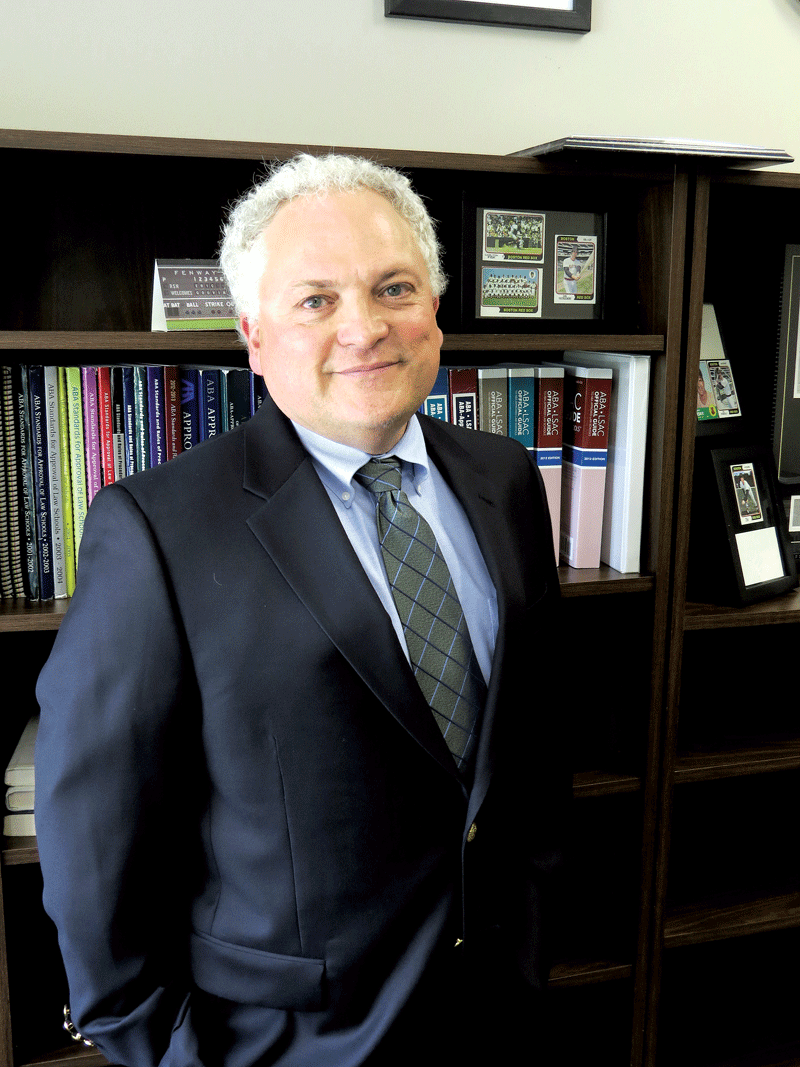
Eric Gouvin

Eric Gouvin says WNEU Law, like any business weathering a storm, is focused on both increasing revenues and reducing expenses.

Eric Gouvin says there is ongoing discussion and debate within higher education about why enrollment is down at law schools across the nation.

But there is no debating that this decline is real and quite dramatic — some observers are even speculating that some institutions may not survive it — and that there is little to suggest that things are going to improve significantly any time soon, said Gouvin, dean of the Western New England University School of Law.

“It’s all across the country, a national trend, and while people have different perspectives on what’s happening and why it’s happening, no one can deny that it is happening,” he told BusinessWest. “There are fewer people going to law school — it’s as simple as that.”

Nationally, first-year enrollment for the fall of 2013 fell 11% from the previous year, and 24% over the past three years, according the American Bar Assoc., and, overall, law-school enrollment is at its lowest level (39,675 for 2013-14) since the late ’70s. At WNEU, first-year enrollment in the day (full-time) program has fallen from 133 in 2009 to a projected 95 for this fall, a 28% decline.

But that fall number actually represents an increase from a year ago, when only 85 people entered the program.

“We exceeded our expectations for this fall — we budgeted for fewer than 85,” said Gouvin, crediting “talented admissions people” and apparently attractive pricing and programs (more on those variables later) for the slight surge in the numbers for this fall. But sharp enrollment declines from the days before the Great Recession are real, and most analysts expect them to continue, he went on, adding that WNEU, like most other schools, is adjusting to what some are calling a new reality.

Overall, the law school is doing what businesses do when they face fiscal adversity, said Gouvin, and that is creating ways to both enhance revenues and cut expenses without impacting quality. The school is trimming staff through attrition — several faculty members have retired, and more are expected to do so over the next few years — while also adding new programs, some of them to attract students who aren’t necessarily looking to pursue a career practicing law. Such initiatives include a master of laws and letters (LLM) degree in estate planning and elder law, introduced in 2004, and other programs.

“That’s a supplemental source of income for us,” he said of the LLM offering, adding that the school will roll out a similar program for non-lawyers in 2015.

“This is for accountants, financial planners, and insurance professionals who need to deal with a lot of heavy-duty legal issues around planning for clients, but don’t want to spend three or four years getting a JD, and don’t need to,” he explained. “They just need some working knowledge of those technical provisions that will allow them to work better with counsel, and that’s why we think this will be an attractive offering.”

What’s more, the school is taking steps to make itself more competitive when it comes to attracting those who are willing to go to law school. These include freezing tuition for the next three years and becoming more aggressive and imaginative with scholarships and other forms of aid.

“We need more revenue, obviously, but increasing tuition for the JD (juris doctor) program is a non-starter — there’s a lot of price sensitivity right now,” Gouvin explained. “One of the things applicants focus on is affordability and a cost-benefit analysis. So we have frozen tuition for the next few years and are using that as a tool so students can look at us and say, ‘I know what I’m getting into here — I’m not going to be surprised by a tuition jump in the second or third year.’”

For this issue and its focus on law, BusinessWest talked with Gouvin about the decline in law-school enrollment, — and how WNEU is responding to what has become a considerable challenge for institutions across the country.

Making a Case

Gouvin said that, overall, many people in academia are uncomfortable with the notion of talking about higher education as a business and discussing matters within the framework of the law of supply and demand.

But for administrators at the nation’s law schools, there is no real choice in the matter. The decline in enrollment is that severe, and the outlook for the immediate future calls for little change in the forecast.

As Gouvin mentioned, there is some debate about why this happening, with theories including the recent troubles law-school graduates have had finding work amid an economic recovery that has been less than robust in many parts of the country, as well as an unwillingness among larger numbers of young people to take on the massive amounts of debt that most law-school students incur, given the uneasiness in the job market.

While the talk and speculation continue about why law schools are facing what many are now describing as a crisis, much of the discussion has shifted to what schools are doing in response.

Indeed, steps taken by various institutions have included everything from freezing tuition to offering buyouts to faculty and staff to creating more programs to people who won’t ever practice law, but may well need some of the skill sets lawyers possess. At New England Law School in Boston, the dean took a voluntary 25% pay cut to help balance the books.

At WNEU, said Gouvin, the broad goals are to trim expenses without impacting the overall quality of the program, become a more efficient operation, and make the school as competitive as possible in what has become a more intense battle for top students.

The school already has some competitive edges, said the dean, adding that the task at hand is to take full advantage of them.

One such advantage is price.

“Our tuition is $39,400, and while that sounds like a lot of money, when you compare it to other law schools, it’s a bargain,” he said. “Among private institutions, we’re very low.”

Another edge, says Gouvin, is simple geography. Western New England is the only accredited law school in the Commonwealth west of Greater Boston, he noted, adding that this uniqueness provides opportunities in the form of internships and clerkships in area courts and with judges assigned to courts in this region. Meanwhile, the rural location is attractive to those who don’t want to go to school in a big city and have no intention of working in one.

“We have a monopoly on really great placement with judges and agencies,” he said. “In addition, we have some great clinical programs that provide hands-on experience.

“A lot of the people who come here don’t want to be in a big city,” he went on. “Many of our students are from small and medium-sized cities, and they intend to go back to those communities to practice law.”

Still another advantage for the school is its programming, which Gouvin believes is more experiential in nature than what many competitors are offering.

“Addressing what lawyers do in real life is high on our list,” he told BusinessWest, “and we’re hoping that program offerings, together with an attractive price, make a good case for us.”

While working to increase revenues, the school is also focused on the other side of the equation — expenses, said Gouvin, adding that WNEU has become more efficient out of both desire and necessity.

“No one loves to see a downturn, but they often make you focus on things that maybe you took for granted,” he explained. “You look at things and ask yourself, ‘can we do that differently and better?’ And there have been several instances where we could.”

As examples, he listed merging some operations, such as the library and alumni services, with the university, and other steps that help avoid duplication of efforts.

“We have people in the law who are now what I would call utility players,” he noted. “They don’t say, ‘I do this, and this is all I do’; now it’s ‘I do whatever needs to be done to move the ball ahead.’”

Final Arguments

Gouvin said much of the conjecture regarding the decline in law-school enrollment concerns whether this all temporary, and if so, how temporary.

“That’s the million-dollar question,” he said, adding quickly that no one really knows the answer. Variables include everything from how much more the economy will rebound to when the Baby Boom-age (and older) attorneys will retire en masse (many have put retirement on hold because of the economy), and much more work traditionally handled by attorneys will instead be undertaken by paralegals and others without law degrees — an ongoing trend that has many in the industry concerned about job security.

While watching all these factors play out, law-school administrators have little choice but to adjust to a changing landscape and not merely hope that conditions will improve.

As Gouvin said, they have to make their case — and make it a compelling one.


George O’Brien can be reached at [email protected]

Daily News

NORTHAMPTON — Lathrop Communities recently announced the appointment of Mauria Sirum, RN, as the new director of Wellness and Home Care. Sirum is a graduate of Vermont Technical College and Excelsior College in Albany, N.Y., and has a broad range of healthcare experience, including supervision and leadership.

Early in her career, Sirum served as a CNA at Berkshire Health Systems and worked as a staff nurse and nursing supervisor for the Sisters of Providence Health System. Just prior to joining the Lathrop team, she was director of nurses at Wingate Healthcare, where she oversaw the nursing department and memory-care neighborhood. She is devoted to transparency, communication, a person-centered wellness philosophy, preventive health education, and initiatives for residents and those who care for them, as well as staff development and team building.

In her spare time, Sirum serves on the board of directors for Arena Civic Theater and works as a costumer for plays in her community.

Lathrop is a not-for-profit affiliate of the Kendal Corp., and manages independent-living communities in Northampton and Easthampton, serving older adults in the Quaker tradition.

Briefcase Departments

State IG Report: Dobelle ‘Violated the Public Trust’
WESTFIELD — A long-awaited report from the state inspector general’s office claims that former Westfield State University President Evan Dobelle improperly used hundreds of thousands of dollars from school accounts to pay for personal expenses, including a number of trips, and then covered these actions by filing false reports. “Dobelle knowingly disregarded university policies, misled the WSU board of trustees, abused his authority, and exploited public funds for personal benefit,” Inspector General Glenn Cunha wrote in his scathing, 60-page report. “Dobelle’s self-characterization as a ‘visionary’ does not absolve him from the obligation to follow the rules … Dobelle violated the public trust.” The report detailed dozens of incidents where Dobelle charged personal expenses to university credit cards, including more than $63,000 for 17 trips to San Francisco where, he told school officials, he was meeting potential donors and tech-sector business executives. However, the IG’s report found he was mostly attending social events. Dobelle resigned from the university in November 2013 amid a firestorm of criticism concerning his lavish spending. The Boston Globe reported that Cunha’s report raises the prospect that Dobelle could face criminal investigation. The paper quotes a spokesperson for Attorney General Martha Coakley saying, “this report raises serious concerns and allegations about the use of Westfield State resources by its former president. We have been conducting our own investigation into this matter and anticipate additional action soon.” In a prepared statement, WSU Interim President Elizabeth Hall Preston said, “while this has been a difficult period for all of us, the faculty and staff at the university have persevered and focused on the work of providing our students with an outstanding education. We approach the start of our new academic year with a sense of excitement and new momentum.”

State Economy Bounces Back in Second Quarter
BOSTON — Massachusetts real gross domestic product grew at an estimated annual rate of 4.9% in the second quarter of 2014, according to the MassBenchmarks Current Economic Index, released Wednesday by MassBenchmarks, the journal of the Massachusetts economy published by the UMass Donahue Institute in collaboration with the Federal Reserve Bank of Boston. In contrast, according to the U.S. Department of Commerce, national real gross domestic product grew at an annual rate of 4.0% in the second quarter, based on the advance estimate of the U.S. Bureau of Economic Analysis. State and U.S. economic growth bounced back from the surprisingly weak first quarter as labor markets gained strength both locally and nationally. Based on the most recent data available, MassBenchmarks now estimates that, in the first quarter of 2014, the state’s economy contracted at an estimated annual rate of 0.3%, while the U.S. economy declined at an annual rate of 2.1%. “The steep downward revision in the estimate of Massachusetts economic growth for the first quarter (originally reported as positive 2.6%) is primarily due to the correspondingly large downward revision in U.S. economic growth in the first quarter, originally reported as positive 0.1%,” noted Alan Clayton-Matthews, MassBenchmarks’ senior contributing editor and associate professor of Economics and Public Policy at Northeastern University, who compiles and analyzes the Current and Leading Indexes.

“The downward revisions in U.S. GDP reflect large reductions in two components — consumer spending and exports — that were most affected by the unusually harsh winter weather. This sharply lowered estimates of national and state productivity growth, meaning fewer business sales per employee and thus a significant reduction in the first quarter estimates of economic growth.” Massachusetts payroll employment grew at a 1.7% annual rate in the second quarter, up from 1.2% in the first quarter, while U.S. payroll employment grew at a 2.2% annual rate in the second quarter up from 1.5% in the first quarter. During the second quarter, the unemployment rate in Massachusetts fell from 6.3% (in March) to 5.5% (in June), while the U.S. unemployment rate fell from 6.7% to 6.1% during the same period. Year to date (through June), the state’s unemployment rate has fallen 1.6%, while the national unemployment rate has fallen 0.6%.

Nominations Sought for ACCGS Super 60
SPRINGFIELD — The Affiliated Chambers of Commerce of Greater Springfield is seeking nominations for its annual Super 60 awards program.  Now in its 25th year, Super 60, formerly the Fabulous 50, celebrates the success of the fastest-growing privately owned businesses in the region that continue to make significant contributions to the strength of the regional economy. Each year, the program identifies the top-performing companies in revenue growth and total revenue. Last year, one-third of the winners in the revenue-growth category experienced growth in excess of 50%, with the average growth of all the honorees in that category at more than 49%. Total revenue winners combined for revenues of more than $1 billion, with an average revenue of more than $35 million. To be considered, companies must be based in Hampden or Hampshire county or be a member of the ACCGS, have produced revenues of at least $1 million in the last fiscal year, be an independent and privately owned company, and have been in business for at least three full years. Companies are selected based on their percentage of revenue growth over a full three-year period or total revenues for the latest fiscal year. Companies may be nominated by financial institutions, attorneys, or accountants, or be self-nominated. Companies must submit a nomination form and provide net operating revenue figures for the last three full fiscal years, signed and verified by an independent auditor. All financial information must be reported under generally accepted accounting principles and will be held and considered confidential and not released without prior approval. Nomination forms are available by contacting Kara Cavanaugh at [email protected] or (413) 755-1310. Nominations must be submitted no later than Sept. 5. The Super 60 awards will be presented at the annual luncheon and recognition program on Nov. 7, from 11:30 a.m. to 1:30 p.m. at Chez Josef in Agawam.

Bribery Probe Costs Smith & Wesson $2M
SPRINGFIELD — Gun maker Smith & Wesson has agreed to pay $2 million to settle civil charges by federal regulators that it bribed foreign officials to sell firearms in other countries. The Securities & Exchange Commission (SEC) said the company violated the Foreign Corrupt Practices Act by making improper payments as it sought to sell guns overseas to police and military groups from 2007 to 2010. In 2008, according to the SEC, Smith & Wesson hired a third-party agent in Pakistan to help secure a sale with a Pakistani police department. Company officials also authorized the agent to provide more than $11,000 worth of guns to Pakistani police officials as gifts and to make additional cash payments to them. Smith & Wesson eventually won a contract to sell 548 pistols to the Pakistani police for a profit of $107,852, the SEC said.

Mohegan Sun Ending Lease of Site in Palmer
PALMER — The Republican reported that Mohegan Sun is ending its 99-year lease with Northeast Realty for the former casino site off Thorndike. The casino giant cited an inability to find a major retailer to anchor a proposed development there as the reason for its action. In a prepared statement, Northeast Realty said the move comes as no surprise and “confirms Northeast’s position that Mohegan Sun never intended to legitimately pursue non-gaming development” at the site. Former town councilor Paul Burns agreed with that sentiment. In a strongly worded statement e-mailed to BusinessWest, he said, “the statement today from Mohegan Sun regarding their desire to abandon Palmer is hardly surprising to those of us who have followed the trail of broken promises and misstatements since Mohegan entered into negotiations with Suffolk Downs in October, well before Palmer’s voters had even had their say.” He continued, “the premise, however, that Mohegan Sun has spent any significant amount of time trying to find a tenant is laughable. As recently as April, Mohegan Sun reps, in response to a request from three Palmer town councilors, indicated that they simply did not have time to pursue development in Palmer, as they were busy with the Revere project. Now barely three months later they have somehow completed an extensive search for a partner and came up empty? Clearly Mohegan Sun had no interest in developing this site for any purpose other than a casino. I believed, when they initially claimed interest in non-gaming development, that they were simply attempting to hold onto the site to prevent another company from building there should MGM not be awarded the Western Mass. license. Now, barely 30 days after MGM secures that license, Mohegan Sun’s actions speak loud and clear.  From where I sit, it is clear — they had no intention of building here. Obviously Mohegan Sun is not the ‘good neighbor’ they claimed to be.”

Community Foundation Issues $1.2M to Nonprofits
SPRINGFIELD — The Community Foundation of Western Massachusetts is awarding more than $1.2 million in competitive grants to local nonprofit organizations. A total of 99 Pioneer Valley projects will receive funding, with awards ranging from $2,000 to $52,500. The Community Foundation awards competitive grants each year, with funds targeting projects addressing community needs inclusive of arts and culture, education, the environment, health, housing, and human services for residents of Hampden, Hampshire, and Franklin counties. More than 60 of the projects funded were supported by trusts administered by Bank of America. The Community Foundation receives and reviews grant applications on behalf of Bank of America for four charitable trusts for which the bank serves as a trustee. “This substantial investment in our community is made possible through the generosity of our donors, the commitment of our many volunteers, and the hard work and dedication of the nonprofits that we are privileged to support,” said Community Foundation Vice President for Programs Nancy Reiche. Funding for the grant program comes from distributions from 47 funds established by various individuals and groups committed to supporting local nonprofits. These donors rely on the Community Foundation’s volunteers and staff to focus their funds for effective use by nonprofit agencies in Hampden, Hampshire, and Franklin county communities. Thirteen volunteer members of the Community Foundation’s distribution committee and 21 project reviewers evaluated 109 applications for funding requests totaling nearly $1.5 million.

Retail Trade Group Lowers Annual Sales Forecast
WASHINGTON, D.C. — The nation’s largest retail trade group has lowered its annual sales forecast because of slower-than-expected growth during the first half of the year tied to winter storms and some lingering economic woes. The National Retail Federation said Wednesday that it now expects retail sales to rise 3.6% this year to $3.19 trillion, instead of its original projection of a 4.1%, released in early February. The figures include sales in stores and online, but exclude automotive sales and sales at gas stations and restaurants.

Construction Industry Added 6,000 Jobs in June
WASHINGTON, D.C. — The U.S. construction industry added 6,000 jobs in June, according to the July 3 report of the Bureau of Labor Statistics (BLS). However, non-residential construction added only 700 of those jobs, and the heavy and civil engineering sector lost 700 jobs. “Although non-residential construction’s performance is somewhat disappointing, the general tenor of today’s employment report is upbeat. It is worth noting that non-residential construction tends to lag that of the overall economy,” said Associated Builders and Contractors Chief Economist Anirban Basu. “Today’s jobs numbers are largely a reflection of the softer growth recorded by the U.S. economy for much of last year and during the initial months of 2014. Given that the economy added over 200,000 jobs for the fifth consecutive month in June, there is some optimism about improvement in the second quarter; however, the lack of monthly construction employment growth, particularly in the non-residential sector, is troubling.” Although the national construction unemployment rate stands at 8.2% on a non-seasonally adjusted basis, there are parts of the nation in which unemployment is far lower, Basu added. “In fact, there are emerging shortages of industrial construction workers in growing segments of the south, which will trigger large increases in wages and per diems during the year ahead. By contrast, there are communities in which construction unemployment remains well above the 8.2% average, suggesting that wage inflation will be meaningfully experienced only in certain communities.” According to the BLS household survey, the national unemployment rate fell to 6.1% in June, reaching its lowest level since September 2008. The civilian labor force expanded by 81,000 in June. Individual sectors saw the following changes:
• Non-residential building construction employment increased by 2,100 jobs for the month, but is up by 22,200 jobs, or 3.3%, since June 2013.
• Residential building construction employment rose by 4,500 jobs in June and is up by 50,600 jobs, or 8.3%, on an annual basis.
• Non-residential specialty trade contractors lost 1,400 jobs for the month, but employment in that category is up by 29,500 jobs, or 1.4%, from the same time last year.
• Residential specialty trade contractors gained 2,100 jobs in June and have added 55,700 jobs, or 3.6%, since June 2013.

Daily News

WORCESTER — Fallon Health, a nationally recognized healthcare-services organization, announced the appointment of B. John “Jack” Dill to its board of directors.

Dill is president and CEO of Colebrook Realty Services Inc., a privately owned, full-service commercial real-estate firm headquartered in Springfield. Dill oversees commercial real-estate development, management, finance, brokerage, and consulting. Prior to this role, Dill was executive vice president of SIS Bancorp and SIS Bank (now TD Bank).

Dill holds a Counselors of Real Estate designation and is a fellow of the Royal Institute of Chartered Surveyors. He is a founding director of the Massachusetts Housing Investment Corp. (MHIC), a nonprofit equity investor/financer of affordable housing, among other services. To date, MHIC has placed in excess of $1 billion in qualified developments.

Dill is currently chairman of the Board of Springfield School Volunteers Inc., a member of Springfield Business Leaders for Education, and director of the Springfield Education Fund. Additionally, he is the current campaign chair of WFCR New England Public Radio’s 50th Anniversary Capital Campaign. He has held leadership roles on the boards of many organizations, including Baystate Health System and Baystate Medical Center, Mercy Medical Center, Counselors of Real Estate, Western Mass. Life Care Corp., WGBY public television, and American International College. An alumnus of Williams College, Dill pursued a P.M.D. at Harvard Business School and attended the School of Mortgage Banking at Northwestern University.

Daily News

SPRINGFIELD — Jeffrey LaValley was recently appointed community outreach manager at Greater Springfield Habitat for Humanity.

LaValley’s primary responsibility is the development and execution of strategies to increase awareness and financial support of the affiliate’s mission. LaValley will play a pivotal role in implanting the organization’s capacity-building efforts, specifically the 30 in 3 campaign, the affiliate’s vision to serve 30 families in three years. He also will oversee Habitat’s annual resource-development plan, including outreach efforts to foster a positive identity for the affiliate in the community.

Most recently, LaValley served as executive director and director of sales and marketing for Shaker Farm Farms Country Club in Westfield. Previously, he served as associate director of donor relations for Shriners Hospital for Children in Springfield. Prior to that, he was the community-development coordinator at Noble Hospital in Westfield and director of alumni and parent relations at Keene State College in New Hampshire.

LaValley received a bachelor’s degree in journalism/public affairs and a master of education in curriculum and instruction from Keene State College. He also earned a certificate in fund-raising from UMass Amherst. With nearly 20 years of experience working in higher education and healthcare settings, LaValley brings a great depth of experience to Habitat for Humanity, including a background in public relations, marketing, event and program management, as well as knowledge of annual fund and major-gift strategies, volunteer management and board development, and strategic planning.

Greater Springfield Habitat for Humanity is a housing ministry dedicated to strengthening communities by empowering low-income families to change their lives and the lives of future generations through home ownership and home-preservation opportunities. This is accomplished by working in partnership with diverse people, from all walks of life, to build and repair simple, decent, affordable housing. Greater Springfield Habitat for Humanity has helped 58 local families (54 with home ownership and four with home preservation), as well as over 90 international families, realize their dream of home ownership over the past 27 years.

Daily News

WESTFIELD — A long-awaited report from the state inspector general’s office claims that former Westfield State University President Evan Dobelle improperly used hundreds of thousands of dollars from school accounts to pay for personal expenses, including a number of trips, and then covered these actions by filing false reports.

“Dobelle knowingly disregarded university policies, misled the WSU Board of Trustees, abused his authority, and exploited public funds for personal benefit, Inspector General Glenn Cunha wrote in his scathing, 60-page report, released Thursday. “Dobelle’s self-characterization as a ‘visionary’ does not absolve him from the obligation to follow the rules. … Dobelle violated the public trust.”

The report detailed dozens of incidents where Dobelle charged personal expenses to university credit cards, including more than $63,000 for 17 trips to San Francisco where, he told school officials, he was meeting potential donors and tech-sector business executives. However, the IG’s report found he was mostly attending social events. Dobelle resigned from the university in November 2013 amid a firestorm of criticism concerning his lavish spending.

On Friday, the Boston Globe reported that Cunha’s report raises the prospect that Dobelle could face criminal investigation. The paper quotes a spokesperson for Attorney General Martha Coakley saying “this report raises serious concerns and allegations about the use of Westfield State resources by its former president. We have been conducting our own investigation into this matter and anticipate additional action soon.”

In a prepared statement, WSU Interim President Elizabeth Hall Preston said, “while this has been a difficult period for all of us, the faculty and staff at the university have persevered and focused on the work of providing our students with an outstanding education. We approach the start of our new academic year with a sense of excitement and new momentum.”

Daily News

PITTSFIELD — Berkshire Bank announced today that its two charitable foundations awarded $843,615 in grants from Jan. 1 to June 30 to non-profit organizations across Massachusetts, New York, Connecticut and Vermont. While the two foundations’ funding focus areas are education and community and economic development projects, they also donated to youth, cultural and human service organizations that provide vital services to the community. Berkshire Bank Foundation Inc. and Berkshire Bank Foundation-Legacy Region, the bank’s two charitable foundations, plan to award $1.6 million this year to non-profit organizations across the bank’s service area. In total, 277 non-profit organizations received grants from the two foundations during the first half of 2014 including the following recent grant award recipients:

Berkshire County
• Community Development Corporation of South Berkshire;
• Dalton CRA;
• Downtown Pittsfield Inc.; and
• Norman Rockwell Museum

Pioneer Valley
• Rebuilding Together Springfield;
• Jewish Geriatric Services; and
• The Massachusetts Small Business Development Center; and
• Roca Inc.

Opinion
Adjusting to a New Economic Reality

Andre Mayer appears to be right, but we sure hope he’s wrong.

Mayer, senior vice president for communications and research at Associated Industries of Mass., was talking with BusinessWest about the economy and, more specifically, the recovery and why it really hasn’t materialized (see story, page 6).

And he proffered the opinion that, five years after the recession ended, it might be time to say this just might be as good as the recovery is going to get.

Like we said, we hope he’s wrong about that.

The regional economy has really seen only modest growth since the end of the Great Recession, maybe a percentage point or two each year, and many business owners are still waiting for that surge, boost, spurt, whatever one chooses to call it, that officially signals the end of a downturn and the start of real recovery.

What Mayer is saying, and he’s apparently not alone in this thinking, is that what we’re seeing is real recovery, or at least the new reality when it comes to the economy.

It comes with modest growth in jobs (and even that has arrived mostly in recent months) and only slight gains in gross domestic product. These are just some of the defining elements of something called ‘secular stagnation,’ an economic theory supported by former Treasury Secretary Larry Summers and many others, which contends that a host of factors, from advancing technology to globalization, are keeping this recovery from gaining any real steam in many sections of the country.

Secular stagnation might indeed be real, but our regional economy should be doing better. As Bob Nakosteen, professor of Economics at UMass Amherst, pointed out, conditions for pronounced growth are there, especially an improvement in the financial situation in many households, and businesses as well. Many have reduced debt and righted balance sheets that certainly contributed to the severe downturn at the end of the last decade.

What’s still missing, in many cases, is that all-important commodity known as confidence. A lack of it is still holding a number of business owners back when it comes to expanding their ventures and adding to their workforces. Some sectors are experiencing modest growth, including education and healthcare, the pillars of the local economy, but many are still treading water.

And while the state’s June employment report was encouraging — the jobless rate was at its lowest point since 2008, and another 3,700 jobs were added — there were disturbing declines in the manufacturing and construction sectors, two areas that were supposedly on the upswing.

As area commercial lenders told BusinessWest, business owners read and hear about improving conditions, job gains, and an uptick in business confidence, but don’t necessarily believe what they’re seeing or hearing.

Thus, many are still hunkering down and continuing to do the things that got them through the recession — tightening their belts, creating greater efficiency, and hiring only when they have to.

Mayer believes that some attitudes may be changing when it comes to the economy and the recovery. He believes that some business owners are recognizing that maybe that surge everyone is waiting for simply isn’t going to happen, and that it doesn’t make sense to continue waiting for it. Better still, he believes that some are coming to the conclusion that, by not waiting, they may actually help facilitate that surge.

On this point, we hope he is correct.

If he is, then maybe the current state of the recovery doesn’t have to be the new reality, and this is not as good as it’s going to get.

Features
Annual Show Will Put the Spotlight on Entrepreneurship

WMBExpoComcastDateOrganizers of the Western Mass. Business Expo, slated for Oct. 29 at the MassMutual Center, are finalizing elements of the show, which will certainly have an entrepreneurial flair to it.

Indeed, the highly successful pitch contest, which made its debut at the 2013 Expo, will be staged again this year. Organized by Valley Venture Mentors (VVM), the contest, as the name suggests, features entrepreneurs with developing ventures pitching their ideas to a panel of judges — with $3,000 in prize money on the line.

This year’s contest will likely feature fewer presenting ventures — perhaps five as opposed to the 10 last year — which should allow for more give and take between those presenting the pitches and those who will judge them, said VVM President Scott Foster, adding that this will likely produce what he called a “Shark Tank effect — only nicer.”

Meanwhile, this year’s slate of educational seminars will include a track on entrepreneurship. The roster is still being finalized, but it will feature some of the region’s rising stars offering insight into what it takes to succeed in business today.

Delcie Bean, founder and president of Paragus Strategic IT, one of the fastest-growing technology companies in the country, will be among those presenting interactive programs designed to inform and inspire those in attendance.

“Through initiatives like VVM, this region is putting a great deal of emphasis on entrepreneurship and growing organically by spurring the creation and growth of new small businesses,” said BusinessWest Associate Publisher Kate Campiti. “For the 2014 show, Expo organizers wanted to add momentum to these efforts by showcasing new business ventures through the pitch contest and relaying success stories written by some of the region’s noted entrepreneurs.

“These are people who have taken risks, beaten the long odds on making it in today’s highly competitive global economy, and have much to share with Expo attendees,” she went on. “These will be compelling stories that will hopefully inspire others to reach high.”

As the entrepreneurship track comes together, so do other elements of the show, which is expected to draw more than 150 exhibitors and 2,500 attendees, said Campiti. The other seminar tracks are professional development and sales and marketing, and those programs are being finalized as well, she said, as are the Show Floor Theater presentations.

The Women’s Professional Chamber of Commerce has announced that Patricia Diaz Dennis, retired senior vice president and assistant general counsel for AT&T and commissioner of the Federal Communications Commission during the Reagan administration, has been confirmed as the luncheon speaker.

Dennis, a member of the board of directors at MassMutual, is a highly sought-after speaker, whose broad résumé also includes service on the National Labor Relations Board, a stint as assistant secretary of State for human rights and humanitarian affairs, a three-year term as chair of the Girl Scouts of America, and a lengthy stint on the Texas State University System Board of Regents.

At AT&T, from which she retired in 2008, she was responsible for corporate litigation, procurement, corporate real estate, environmental corporate compliance, IT, and trademark and copyright legal matters. Before joining AT&T in 1995, Dennis was special counsel to Sullivan & Cromwell for communications matters in the international law firm’s Washington, D.C. office. From 1989 to 1991, she was a partner and head of the communications section of the Jones, Day, Reavis & Pogue law firm.

One of the highlights of previous shows has been the day-ending Expo Social, said Campiti, adding that it has become one of the best networking opportunities of the year. This year’s social, to be sponsored by MGM Springfield and Northwestern Mutual, will be no exception.

Other sponsors include Presenting Sponsor Comcast Business; Silver Sponsors DIF Design, Health New England, and Johnson & Hill Staffing Services; and Education Sponsor the Isenberg School of Management at UMass Amherst.

For more information on the event, visit www.businesswest.com or www.wmbexpo.com. n

Health Care Sections
Local Projects Reflect the Evolution of Cancer Centers

A rendering of the BMC Cancer Center in Pittsfield

A rendering of the BMC Cancer Center in Pittsfield

Mark Fulco recognizes the trends.

In fact, as senior vice president of strategy and marketing for the Sisters of Providence Health System, it’s part of his job to understand the demographic and medical trends in the region — and how SPHS should respond to them.

“Every year, we do a community health-needs assessment and some ongoing tracking of what’s happening with demographics and what’s happening with diseases in the region,” he said. “And cancer rates in our region are higher than the national trend. Meanwhile, our demographics are older than a lot of regions, and we’re aging in place; there’s not as much outmigration as in some other regions. And as folks age, we’ll continue to see both actual and predicted growth in cancer prevalence.”

In short, “we said, ‘wow, we’ve got some things we need to prepare for.’”

SPHS is doing so with a major expansion of its Sr. Caritas Cancer Center in Springfield, increasing its floor space from 16,000 square feet to almost 40,000 and bringing more cancer services together in one location.

“We’re bringing radiation oncology and medical oncology under one roof, which is ideal for the patient, both from a convenience standpoint and from a comprehensive care standpoint, because they can get all their care in one place,” Fulco said. “And having everyone together in one place is very effective for clinicians because there is quite a bit of interaction between various medical specialists who provide care in the cancer center. So having everything together in one place is very efficient for both caregivers and providers.”

That under-one-roof philosophy is one that has guided the recent surge in dedicated cancer centers around the country and particularly in Western Mass., where Baystate Health’s 65,000-square-foot D’Amour Center for Cancer Care and SPHS’s Sr. Caritas Cancer Center, both built in 2003, pioneered the concept.

In addition to the Caritas expansion, Berkshire Health Systems, which runs Berkshire Medical Center in Pittsfield, opened the BMC Cancer Center last fall and is gradually moving all cancer services under one roof. Meanwhile, Cooley Dickinson Hospital in Northampton, which has collaborated with Massachusetts General Hospital on cancer services since 2009, is now affiliated with that institution and will open the Mass General Cancer Center at Cooley Dickinson Hospital next year.

“Cancer care is a multi-disciplinary disease,” said Dr. Sean Mullally, medical director of the CDH Cancer Care Program. “It requires the input of a medical oncologist, radiation oncologist, and surgical oncologist, and it’s very important, in many situations, to have a collaborative approach from all three specialties.”

Michael Leary, director of media relations at Berkshire Medical Center, said the way cancer patients were shuttled around just a few years ago is not considered acceptable today.

The Sr. Caritas Cancer Center

The Sr. Caritas Cancer Center expansion, which will more than double the facility’s floor space, is expected to be completed in 18 months.

“Take a step back to what cancer services were like. You may have seen the hematologist/oncologist separately, and if you needed radiation services, you saw the radiation oncologist in a different location. If you needed rehabilitation therapy, you ended up in a third location. For social work, psychology, or counseling assistance of any kind, it was yet another location.”

That’s why the health system repurposed the original Hillcrest Hospital in Pittsfield to bring those services under one roof, said Ann McDonald, director of Oncology Services for BMC.

“We opened initially with medical oncology, infusion, and laboratory services,” she told BusinessWest. “Over the course of the next year, we will continue to add services, start opening some integrative health services, combining nutrition services, care navigation, social work, and movement therapy.

“The next phase, which won’t open until late this year, is a multi-disciplinary clinic, where patients can see a variety of physicians during treatment,” she continued. “We’ll have palliative-care services in the future. The last phase will be a year from now, when radiation oncology moves from its current site [at BMC] to the new cancer center. Then all our oncology physicians will see patients in one place.”

In this issue, BusinessWest examines the recent evolution of cancer care at area hospitals and why both patients and providers are cheering the effort to bring comprehensive oncology services under one roof.

Come Together

The plans for the Caritas Center expansion, which broke ground in the spring, include medical-oncology offices, including physician offices and examination rooms, on the first floor, and medical-oncology treatment space, including 32 infusion bays, an oncology pharmacy, and laboratory space, on the second floor. The project is expected to take 18 months.

The center is also adding two medical oncologists by the fall bringing that number to five, and has been using space in Weldon Rehabilitation Hospital — which, like the cancer center, is located on the Mercy Medical Center campus — pending the expansion of the Caritas Center.

Bringing more services into one building will offer patients much more efficient, comprehensive treatment, Fulco said. “By having the team together, we’re able to more efficiently deliver those services.”

Another driving factor in oncology, reflected in the design of the expanded cancer center, is the shift from inpatient to outpatient care. “We’re preparing for that; we think more and more care will be delivered on an outpatient basis. Even today, most of it is, except for surgical treatment,” he noted. “Over the years, we’ve seen care and treatment dramatically change, both the way care is delivered and the setting.”

Meanwhile, the first phase of the new BMC Cancer Center opened in November, including the new offices of Berkshire Hematology Oncology, BMC Infusion Services, and the Cancer Center Laboratory and Pharmacy.

Dr. Sean Mullally and Janet O’Connor

Dr. Sean Mullally and Janet O’Connor say CDH’s affiliation with the Mass General Cancer Center has only strengthened what has been a five-year collaboration.

When the center is fully complete, it will include those departments in addition to radiation oncology — which is currently located at the main BMC campus — and integrative support services for patients and family. The idea, Leary said, was to for individualized planning and treatment care to be provided by medical, surgical, and radiation oncologists working as a team.

“The goal was to take all the disciplines and put them together in one location, which happens to be a very beautiful location, the Hillcrest campus of Berkshire Medical Center, formerly Hillcrest Hospital,” he explained. “It’s a really pretty section of Pittsfield, overlooking a gorgeous lake, surrounded by pine trees and walking trails. We wanted a location for patients that was calming and soothing, but also one place they could go to receive as much care as possible. They’re facing enough challenges as it is; we’re making it as easy as possible on them.”

That’s especially true in the Berkshires, he said, which is even farther from cutting-edge oncology services in Boston — or even major highways — than the other regional hospitals building or expanding cancer centers.

“It’s really important to provide this care close to home,” Leary noted. “In any small community, the tendency is to think you can’t get state-of-the-art, advanced care unless you go to Boston or New York — Sloan Kettering or somewhere like that.

“But with the investments Berkshire Health Systems has made in its cancer program over the past several years, we have technology that, frankly, many cancer centers don’t, including one of the highest-end versions of tomotherapy,” he said, referring to a form of radiation therapy. “We do that because we don’t want people to have to go to Boston or New York. Obviously, we’d rather they stay in their community for their quality of life — and it makes it easier on their families, too.”

McDonald noted that BHS can also videoconference with, say, a geneticist in Boston, when necessary, so that a patient doesn’t have to spend five hours on the Pike. “We can send the information and do an entire consultation in a room at the cancer center.”

Getting Better

Cooley Dickinson can videoconference with Boston as well — specifically, Mass General, the institution it merged with last year.

Mullally said the affiliation expands what was already a healthy collaborative partnership when it comes to cancer care, and what is being called the Mass General Cancer Center at Cooley Dickinson will relocate into a new building on the CDH campus in 2015. The cancer center will be operated by Mass General Hospital Cancer Center, he added, and all its physicians will become Mass General doctors.

Expanded services will include access to clinical trials at Mass General Cancer Center, an increased number of chemotherapy and radiation-therapy treatment protocols, increased access to genetic screening and counseling, and, of course, implementation of Mass General’s multi-disciplinary care model, where patients and their medical, radiation, and surgical oncologists can meet in a single appointment to plan all aspects of care.

Janet O’Connor, the center’s clinical nurse director, said the facility emphasizes both state-of-the-art treatment and services that impact body, mind, and spirit, with integrative therapies including acupuncture, massage, and Reiki.

She said the high-tech and high-touch elements of modern cancer care are equally important, reflecting the fact that reducing stress enhances healing. So, while CDH now has access to the type of cutting-edge care available at Mass General, patients will receive treatment in a building designed with a healing atmosphere in mind.

“We’re building a beautiful space,” O’Connor said. “The waiting room space will be very open with lots of light, and we’re creating a green roof with windows looking onto the roof and greenery.” The center will include 18 infusion areas, up to 12 exam rooms, and swing space for the support services, from nutrition to massage. “The idea is to keep the patient with us and bring our people to them, so they can have a consultation with a dietician, or with someone in occupational or physical therapy … we’re providing space where they can go to the patient.”

An interior rendering

An interior rendering of the soon-to-be-expanded Sr. Caritas Cancer Center.

Patients and families were involved in the design phase, she added, and they will be further consulted on what kinds of committees or programs may be developed down the line.

Mullally also stressed the clinical-trial benefits of the Mass General affiliation, as MGH is one of the nation’s leaders in targeted therapy trials in melanoma, brain tumors, and other solid tumors.

“For the most part, if people want access to clinical trials, they need to drive to Boston. In the future, we’ll be able to provide many trials here, so it doesn’t require a ride back and forth,” he noted, adding that subspecialists at Mass General are easy to access when their consultation is needed. “They have an open-door policy; they pick up the phone.”

I Feel Fine

The cancer centers at Berkshire and SPHS are also embracing some new modalities, including the STAR (Survivorship Training and Rehabilitation) Program, an evidence-based education and training program that many hospitals and cancer centers offer to their administrative and clinical staff to develop more effective oncology-rehab services.

“It allows cancer patients, like those who have joint surgery, to go to rehabilitation faster and get better more quickly because of this enhanced focus on their rehab,” Fulco said.

The addition of rehabilitation oncology — combined with physicians’ new ability to coordinate care in one building — adds up to better quality of life for patients in Pittsfield, McDonald said.

“For so long, helping people survive was the primary outcome. As survival improves, quality-of-life treatment takes on additional meaning,” she said, which is why it’s important to add elements like exercise and rehabilitation; integrative services like yoga, Reiki, and acupuncture; and nutrition education. In fact, the center will invite guest chefs in for demonstrations on cooking healthy food.

Meanwhile, Leary said, “the Berkshires are a very good place for artists, and we’ve lined the walls of the cancer center with pieces of art by local artists. We’ve been able to display the talents of our community there.”

All the new cancer centers take the healing environment into account, Mullally said, and CDH is no exception. In the end, though, what drives the evolution of cancer care is that emphasis on bringing services to patients under one roof, and lessening their anxiety at what may just be the worst moment of their life.

“It makes it more convenient, and patients have better outcomes, if all the specialties are working together at the same time,” he said. “It makes for more patient-centered care.”

Joseph Bednar can be reached at [email protected]
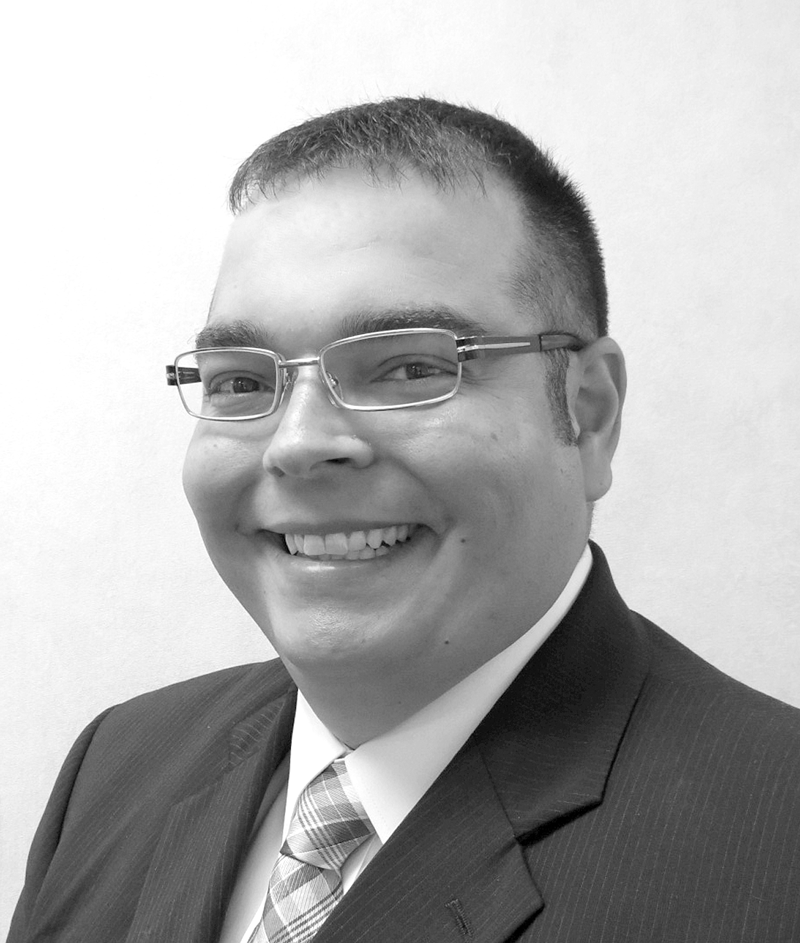
Departments Incorporations

The following business incorporations were recorded in Hampden, Hampshire, and Franklin counties and are the latest available. They are listed by community.

AGAWAM

JCC Enterprises Inc., 105 Walnut St., Agawam, MA 01001. John Cotton, same. Automobile service and repairs.

Kids We Care Inc., 386 Meadow St., Agawam, MA 01001. Barbara Ostrander, 386 Meadow St., Agawam, MA 01001. Nonprofit organization established to provide housing and home improvements for the disabled.

CHICOPEE

Lenzy Dermatology, P.C., 1176 Memorial Dr., Chicopee, MA 01020. Yolanda Lenzy M.D., same. Dermatology and hair-loss services.

EAST LONGMEADOW

Jacquinet Plumbing & Heating Inc., 159 Maple St., East Longmeadow, MA 01028. Michael Jacquinet, same. Plumbing and heating system installation and repairs.

Kumpir’s Baked Potato Inc., 20 Holy Cross Circle, East Longmeadow, MA 01028. Hakan Mursaloglu, same. Fast food restaurant.

HOLYOKE

Holyoke Auto Glass Inc., 1584 Dwight St., Holyoke, MA 01040. Mark Sadler, same. Auto glass sales and installation.

NORTHAMPTON

Kestrel Goods Inc., 22 Masonic, St., Northampton, MA 01060.Eliza Bradley, 317 Pleasant St., #8 Northampton, MA 01060. Retail.

PITTSFIELD

Kuda Entreprises Inc., 29 Churchill Crest, Pittsfield, MA 01201. Kurt Hospot, same.

SPRINGFIELD

I & R Corp., 14 Orange St., Springfield. MA 01108. Reda Shabaneh, 34 Webber St., Springfield, MA 01108.

Intl’ Automotive Core Parts Inc., 14 Randall St., Suite B, Springfield, MA 01118. Armando Camerota, 114 Endecott St., Springfield, MA 01118. Distribution and recycling of automotive core parts.

Infinity Improvement Inc., 1365 Main St., Springfield, MA 01103. Alberto De La Rosa, same.

J & J Education Foundation Inc., 27 Mary Lousie St., Springfield, MA 01119. Lamer Johnson, same. Nonprofit organization dedicated to helping young people with practical life skills by encouraging, and educating to foster development as responsible adults.

Kellustration Inc., 194 Powell Ave., Springfield, MA 01060. Michael Kelleher, same. Supplies illustration, animation and digital art & photo restoration services to publishers, content providers and the general public.

Latino United International Corp., 60 Belmont Ave., first floor, Springfield, MA 01108. Michael Vazquez Valantin, same. Autism resource center

WEST SPRINGFIELD

Indelible Images Inc., 182 Monastery Ave., West Springfield, MA 01089. Charles Carpino, same. Business of photography, including taking photographs, printing and finishing photographs, and related sales and merchandising.

Briefcase Departments

Valley Gives Opens Registration to Nonprofits
WESTERN MASS. — Valley Gives, the highly successful fund-raising event launched in 2012, has opened registration to nonprofits in Hampden, Hampshire, and Franklin counties. Set for Dec. 10, Valley Gives is a 24-hour e-philanthropy program that encourages supporters of nonprofits based in Hampden, Hampshire, and Franklin counties to log on and contribute via www.valleygivesday.org — a centralized, web-enabled, mobile giving platform. The initiative is organized and hosted by the Community Foundation of Western Massachusetts. Joining the effort as partners are eight of the leading funding organizations in Western Mass., including the Jewish Federation of Western Massachusetts, the Jewish Endowment Foundation, the Women’s Fund of Western Massachusetts, United Way of Hampshire County, United Way of Franklin County, United Way of Pioneer Valley, the Irene E. & George A. Davis Foundation, and the Beveridge Family Foundation. In its first two years, Valley Gives has raised more than $3 million from more than 15,000 donors. “This year’s goal is to encourage as many people as possible to donate to their favorite group or groups. Our survey last year indicated that an overwhelming 99% of participants that completed our survey want to donate again this year,” said Kristin Leutz, vice president of Philanthropic Services for the Community Foundation of Western Massachusetts. “Could we get to 20,000 participants this year? We think this is a realistic and exciting goal.” Nonprofits that participate this year will find some changes with the way the event is organized. Based on suggestions of past participants, nonprofits will find a more flexible sign-up period with easier registration, a new prize-pool structure making it easier for nonprofits of all sizes to win, and even more training opportunities that will be provided on an expanded schedule both in person and online. Nonprofit organizations that serve Hampden, Hampshire, and Franklin counties have until Nov. 14 to register to participate. Interested nonprofits may register at www.valleygivesday.org. Nonprofits that register by Sept. 1 will be eligible to win one of three randomly selected $500 awards donated by the Community Foundation of Western Massachusetts.

UMass President Announces Science and Technology Awards

BOSTON — UMass President Robert Caret announced $865,000 in grants to faculty members from the President’s Science and Technology Initiatives Fund to support several promising research projects. They range from using big-data analytics in climatology and healthcare to developing radar-like laser technology known as LIDAR to study wind energy and ocean and forested environments. The initiatives showcase a range of innovative research being undertaken by UMass faculty members that contribute to the growth of the Commonwealth’s economy, especially in the science and technology areas, and extend the boundaries of human knowledge. The grants help accelerate research activity across all five campuses and position researchers to attract larger investments from external sources to expand the scope of their projects. “With the level of the federal government’s support of R&D still in question, we must do all we can to support the university’s role in the state’s innovation economy,” Caret said. “We are committed to strengthening our economic engagement in strategic areas such as clean energy, the environment, life sciences, and big data, and these grants are another step in that direction.” This is the 11th year of awards from the President’s Science and Technology Initiatives Fund, one of three funds that Caret supports to help advance the work of UMass faculty members. The other two are the Creative Economy Initiatives Fund and the Commercial Ventures and Intellectual Property Technology Development Fund. Since 2004, the Science and Technology fund has provided $10 million to UMass researchers, which in turn has helped to generate $240 million in funding from federal and private sources. These science and technology investments have been one of the factors in helping the university grow its research and development budget to nearly $600 million. The investments have helped to establish some of the most important R&D centers across the state, including the Center for Hierarchical Nanomanufacturing at UMass Amherst; the Center for Personalized Cancer Therapy at UMass Boston; the Center for Scientific Computing and Data Visualization Research at UMass Dartmouth; the Massachusetts Medical Device Development Center and New England Robotics and Validation & Experimentation Center at UMass Lowell; and the UMass Center for Clinical and Translational Science at UMass Worcester. Nearly 80 projects representing the breadth of academic inquiry at UMass have been funded to date. This year’s projects receiving grants from the Science and Technology Initiatives Fund include:
• UMass Cancer Avatar Institute, Dale Greiner and Giles Whalen, UMass Medical School: a proposed multi-campus institute that would provide mice engineered as ‘avatars’ of individual human patient tumors, enabling technology developed for diabetes research to be used to integrate biomarker identification platform for multiple cancer types. The initiative has three components: establishment of a tumor bank, which has already begun via internal funds; clinical pathology evaluation of tumors in these specialized mice; and a new ‘humanized mouse core’ to link the tumor bank to individual investigators in multiple cancer-research fields. Award: $125,000 (not including an additional $25,000 matching grant provided by the medical school, for a total of $150,000 in funding to the research team).
• Center for Computational Climatology & Paleoclimatology, Robert DeConto and Raymond Bradley, UMass Amherst: an effort that brings together academic scientists and engineers, industrial researchers, and users of high-performance computing resources to the issue of climate change. The grant will help develop a center for climate-related computation and numerical modeling of value to the Commonwealth, and contribute to the field of climate science by applying big-data computational analysis, modeling, data mining, and visualization to climate-change research. Award: $104,000.
• Center for MicroBiome Research, Beth McCormick, UMass Medical School: a project that proposes to develop a center of research and education for the ‘microbiome,’ the term used to describe the ecosystem of the 100 trillion bacteria in the human body, in collaboration with UMass Amherst’s new Life Sciences Laboratories and the UMass Dartmouth Center for Scientific Computing and Data Visualization Research. The exploration of the microbiome — and its role in health, development, and disease — is a vast, mostly untapped area of biomedical research and therapeutic potential. The center proposes to use big-data analysis (advanced computational and bioinformatics) to research microbiome-related genomic and clinical data, and involves multiple industry partners. Award: $125,000 (not including an additional $25,000 matching grant provided by the medical school, for a total of $150,000 in funding to the research team).
• Mass. BioFoundry, Center for Discovery & Synthesis of Bioactive Molecules, Elizabeth Vierling and Susan Roberts, UMass Amherst: an initiative establishing a ‘biofoundry’ with the goal of discovering valuable molecules from unique plant and microbial species and developing processes, either biological or chemical, by which they can be produced in quantities sufficient for medical or industrial applications. This research center will include a natural-products library (3,500 plant species) donated by an industry partner, along with related research equipment, valued at more than $1 million. The team will work with the medical school’s Small-Molecule Screening Facility and Northeastern University’s Antimicrobial Discovery Center. Award: $150,000.
 
Developer Sought for Tornado-damaged Elias Brookings School
SPRINGFIELD — The city of Springfield has released a request for proposals seeking a developer for the former Elias Brookings School building located on Hancock Street in the Six Corners neighborhood. “We’re very excited about the potential of this property and bringing new life back to a former school building,” said Mayor Domenic Sarno. “There has been significant interest in this opportunity, and we expect that will translate into strong competition for the property.” The former Elias Brookings School site is an important part of the overall revitalization of the Six Corners and Old Hill neighborhoods. The building is located in the midst of significant infrastructure investments planned for the next two years, which include roadway improvements, upgraded streetscapes and lighting, a new middle school, a renovated park, and new, single-family homes along Central Street. The city has already committed $13 million in Community Development Block Grant Disaster Recovery (CDBG-DR) funds for several projects in the neighborhood. Construction of the new Elias Brookings School has already begun, and the school is scheduled to open in 2015. Further, infrastructure-improvement projects such as the realignment of Central Street and installation of streetscape improvements are anticipated to begin in the next construction season. The RFP is available in the Office of Procurement, Springfield City Hall, 36 Court St., Room 307. Proposals are due on Sept. 12 by 2 p.m.

Community Foundation Awards Team Jessica $25,000 for Playground
BELCHERTOWN — Team Jessica Inc. has been awarded a $25,000 grant from the Credit Data Services Inc. Fund and the Edwin P. and Wilbur O. Lepper Fund at the Community Foundation of Western Massachusetts. Team Jessica will use these funds to support the building of Jessica’s Boundless Playground (JBP), an effort that has been ongoing for the past four years. JBP will be the only 100% all-inclusive playground in the area. It is designed to be a multi-generational activity structure that engages people of all ages and abilities. JBP will also allow wounded veterans in long-term rehab to experience the healing power and simple joy of playing with their own children. The playground equipment and poured-in-place rubber surfacing will cost approximately $405,000. Team Jessica has hosted several fund-raising events over the past four years, and the effort has raised more than $300,000, including three Community Preservation Act grants from the town of Belchertown totaling $140,000, and a $40,000 grant from the Beveridge Family Foundation. This $25,000 Community Foundation grant will bring the fund-raising total to $325,000. “We’re in the last phase of fund-raising, working very hard every day,” said Vicky Martins Auffrey, Team Jessica president and mother of the playground’s namesake. “We plan to order the equipment on Aug. 1 and start the community build Sept. 13. Being awarded this grant is such an honor and makes all our plans closer to reality.” Added Patti Thornton, Team Jessica’s grant writer, “these final weeks before ordering the playground equipment are crucial in regard to fund-raising. We are waiting to hear back from a few key players, so getting the letter from the Community Foundation was something we needed. It is helping us keep the momentum into the home stretch.” To learn more, visit www.teamjessicaonline.com, www.facebook.com/teamjessicainc, and www.twitter.com/teamjessicainc.

State Unemployment Rate Drops to 5.5% in June
BOSTON — The Executive Office of Labor and Workforce Development, citing preliminary estimates from the Bureau of Labor Statistics, reported that Massachusetts added 3,700 jobs in June for a total of 3,409,500 jobs, and the total unemployment rate edged down one-tenth of a percentage point to 5.5% from the May rate. The rate is the lowest since August 2008. Since June 2013, Massachusetts has added a net of 48,900 jobs, with 49,400 jobs added in the private sector and 500 jobs lost in the public sector. The total unemployment rate in June was down 1.6% from the June 2013 rate of 7.1%.

State Announces Grants for Water Protection, Habitat Restoration
BOSTON — Energy and Environmental Affairs Secretary (EEA) Maeve Vallely Bartlett announced $429,239 in grants from the Massachusetts Environmental Trust (MET) for projects to protect and restore rivers, watersheds, and wildlife across the Commonwealth, including two awards in Western Mass. “The Massachusetts Environmental Trust has been a critical conservation leader in protecting the vital waterways of Massachusetts for over 20 years,” said Bartlett. “By communities and conservation partners collaborating and working together with the Commonwealth, we can develop important projects for maintaining and protecting our clean waters for generations to come.” Ranging from $15,000 to $50,000, the grants will help support 13 projects in Amherst, Great Barrington, Ipswich, Lee, Lincoln, Methuen, Newton, Plymouth, Provincetown, Taunton, Wareham, Weston, and Westport. The local projects include:
• Town of Amherst, $36,100 to study the contamination of Fearing Brook, and to develop and begin to implement remedial strategies to improve the water quality of the brook.
• Town of Great Barrington, $30,000 to study water quality in Lake Mansfield.
• Housatonic Valley Assoc. in Lee, $15,911 to design and install stormwater vegetative buffers to reduce roadway runoff into Churchill Brook in Pittsfield.
Since it was founded in 1988 as part of the Boston Harbor cleanup, MET has awarded more than $19 million in grants to organizations statewide that provide a wide array of environmental services, from supporting water projects in communities to protecting coastal habitats.

UMass President Awards $270,000 for Creative-economy Initiatives
BOSTON — President Robert Caret announced $270,000 in grants from the President’s Creative Economy Initiatives Fund to support eight projects by UMass faculty members in the arts, humanities, and social sciences that will bring new creative resources to Massachusetts communities. The initiatives include supporting an LGBT community archives and education center in Northampton, developing a marketing toolkit to help nonprofit arts and cultural organizations involved in the creative economy in the Fall River-New Bedford area, and collaborating with the Peace Institute in the Dorchester section of Boston to assist victims of violence. “The Creative Economy Initiatives Fund provides us with a unique opportunity to contribute the talent and resources of the University of Massachusetts to communities and organizations across the state that are helping to enrich the quality of life in the Commonwealth,” said Caret. “These projects — and the partnerships with nonprofits and creative industries that stem from them — are foundational to our role as an institution that is committed to making a difference wherever and whenever we can.” The fund was created in 2007 to complement the President’s Science and Technology Initiatives Fund. In its eight years of operation, the Creative Economy Initiatives Fund has made 73 awards totaling more than $2 million. It has supported preservation of the W.E.B. Du Bois boyhood home in Great Barrington and established both the Lowell Youth Orchestra and a permanent Jack Kerouac education and tourism site in Lowell. It has brought UMass Dartmouth students together with Durfee High School students to create a photographic history of Fall River’s neighborhoods, helped establish a women artisans’ cooperative in New Bedford, developed a workers’ upholstery co-op in Springfield, and sponsored numerous music, dance, and theatre performances in Boston, Amherst, and Lowell. This year, the Creative Economy Initiatives Fund will provide $270,000 in grants to the following local initiatives and faculty members:
• Judyie Al-Bilali, Gilbert McCauley, and Priscilla Page, Theatre Department, UMass Amherst: “Art, Legacy & Community.” Project staff will work with community groups in the Greater Springfield area to produce an original theater production and develop Du Bois Performance Workshops for education in multicultural theater, with both activities to take place in Springfield. Amount awarded: $32,000.
• Mitch Boucher, University Without Walls; Julio Capo Jr., History Department and Commonwealth Honors College; and Jessica Johnson, History Department, all at UMass Amherst: “A LGBTQI Community Archives and Education Center.” This project will support the Sexual Minorities Archives (SMA) in Northampton, helping SMA preserve, build, and provide wider access to its resources; develop regional walking tours and other interactive programs; and establish greater national and international community links for these unique and valuable historical materials. Amount awarded: $29,334.

Construction Industry Adds 6,000 Jobs in June
WASHINGTON, D.C. — The U.S. construction industry added 6,000 jobs in June, according to the July 3 report of the Bureau of Labor Statistics (BLS). However, non-residential construction added only 700 of those jobs, and the heavy and civil engineering sector lost 700 jobs. “Although non-residential construction’s performance is somewhat disappointing, the general tenor of today’s employment report is upbeat. It is worth noting that non-residential construction tends to lag that of the overall economy,” said Associated Builders and Contractors Chief Economist Anirban Basu. “Today’s jobs numbers are largely a reflection of the softer growth recorded by the U.S. economy for much of last year and during the initial months of 2014. Given that the economy added over 200,000 jobs for the fifth consecutive month in June, there is some optimism about improvement in the second quarter; however, the lack of monthly construction employment growth, particularly in the non-residential sector, is troubling.” Although the national construction unemployment rate stands at 8.2% on a non-seasonally adjusted basis, there are parts of the nation in which unemployment is far lower, Basu added. “In fact, there are emerging shortages of industrial construction workers in growing segments of the south, which will trigger large increases in wages and per diems during the year ahead. By contrast, there are communities in which construction unemployment remains well above the 8.2% average, suggesting that wage inflation will be meaningfully experienced only in certain communities.” According to the BLS household survey, the national unemployment rate fell to 6.1% in June, reaching its lowest level since September 2008. The civilian labor force expanded by 81,000 in June. Individual sectors saw the following changes:
• Non-residential building construction employment increased by 2,100 jobs for the month, but is up by 22,200 jobs, or 3.3%, since June 2013.
• Residential building construction employment rose by 4,500 jobs in June and is up by 50,600 jobs, or 8.3%, on an annual basis.
• Non-residential specialty trade contractors lost 1,400 jobs for the month, but employment in that category is up by 29,500 jobs, or 1.4%, from the same time last year.
• Residential specialty trade contractors gained 2,100 jobs in June and have added 55,700 jobs, or 3.6%, since June 2013.
• The heavy and civil engineering construction segment lost 700 jobs in June, but job totals are up by 28,300, or 3.2%, on a year-over-year basis.

Home Prices Up,but Sales Slower
WASHINGTON, D.C. — U.S. home prices rose 8.8% in May compared with a year earlier, but the pace of gains has slowed as more homes have come onto the market, data provider CoreLogic reported this week. On a month-to-month basis, prices rose 1.2% from April to May, but CoreLogic’s monthly figures aren’t adjusted for seasonal patterns, such as warmer weather, which can affect sales. Prices increased the most in western states, including Hawaii, California, and Nevada.

Daily News

PITTSFIELD — MassDevelopment has issued $9 million in tax-exempt and taxable bonds on behalf of Hillcrest Educational Centers Inc., a Pittsfield-based nonprofit that provides clinical, psychological, and special education services to children, adolescents, and families in Berkshire County and the northeast. The organization is using bond proceeds to build a 5,000-square-foot dormitory building, demolish an existing dormitory building, and build a 10,000-square-foot academic building to accommodate increased enrollment in Hillcrest’s Autism Spectrum Disorders Program. Bond proceeds will also refinance previous debt. MassDevelopment enhanced the financing with a mortgage-insurance guarantee. Berkshire Bank purchased the bonds. “This low-cost financing will help Hillcrest provide more options for students seeking clinical, psychological, and special education services,” said MassDevelopment President and CEO Marty Jones. “Human service agencies are vital to the Commonwealth’s citizens and economy, and we’re pleased to support their capital projects from Boston to the Berkshires.” Founded in 1985, Hillcrest provides educational and residential treatment programs for students with complex psychiatric, behavioral, or developmental disorders. The organization serves up to 150 students a year from Berkshire County and the northeast and is nationally recognized for working with difficult students who have been turned down by group homes and institutions. “Through the years, Hillcrest has collaborated with MassDevelopment to secure financing that has allowed the organization to maintain a sound infrastructure by enhancing and expanding the facilities at its various locations,” said Hillcrest Chief Financial Officer Mark A. Placido. “The projects, past and future, are vital to addressing the programming needs of the students we serve.” MassDevelopment, the state’s finance and development agency, works with businesses, nonprofits, financial institutions, and communities to stimulate economic growth across the Commonwealth. During FY2013, MassDevelopment financed or managed 350 projects generating investment of more than $2.4 billion in the Massachusetts economy. These projects are projected to create more than 7,000 jobs and build or rehabilitate 800 residential units.

Daily News

SPRINGFIELD — Dakin Humane Society has received a 2014 grant from the Massachusetts “I’m Animal Friendly” license-plate program. Funds will be used towards Dakin’s low-cost spay and neuter services.

According to Dakin Executive Director Leslie Harris, “this grant, in the amount of $13,000, will be an immense help in our ongoing efforts to curb unwanted pet overpopulation and will be put to good use at our community spay/neuter clinic.”

The “I’m Animal Friendly” license plates are a program of the Massachusetts Animal Coalition. Funds are dispersed annually to organizations that demonstrate a need for — and provide — low-cost spay and neuter services.

Dakin Humane Society provides shelter, education, advocacy, and assistance for animals and people in need from its two locations in Springfield and Leverett. The organization shelters nearly 6,000 animals every year and provides low-cost spay/neuter surgery and vaccinations to 12,000 more. Dakin is a local, private, nonprofit 501(c)(3) organization that relies solely on contributions from individuals and businesses that care about animals to bring its services to the community. For more information, visit www.dpvhs.org.

Daily News

BOSTON — The Massachusetts Nonprofit Network (MNN), the statewide organization that unites and strengthens the nonprofit sector through advocacy, public awareness, and capacity building, announced that it has appointed James Ayres, CEO and executive director of United Way of Hampshire County, to its board of directors.

“We are honored to welcome Jim Ayers, whose passion and considerable experience at the community and state level will help strengthen our state’s vast nonprofit sector,” said Rick Jakious, CEO of the Massachusetts Nonprofit Network. “MNN’s board of directors reflects the rich geographical and organizational diversity of the state’s nonprofit sector and is the voice of a strong, united nonprofit sector in Massachusetts.”

Said Ayers, “the Massachusetts Nonprofit Network is an invaluable organization for promoting public policy, support, and public understanding of the not-for-profit sector. A vibrant and well-equipped nonprofit sector, in turn, profoundly impacts quality of life thoughout the Commonwealth. I’m excited to join the MNN board and to work with other statewide leaders to shape the direction of the organization.”

Prior to his role at United Way of Hampshire County, Ayers served for 12 years as executive director of the Northampton-based Center for New Americans, an education and resource center for immigrants, refugees, and other limited-English speakers in Western Mass. In these roles, he has worked extensively with local and state governments, community coalitions, workforce boards, and NGOs to develop policy and programming. Ayres holds master’s degrees from the Fletcher School of Law and Diplomacy at Tufts University and the Isenberg School of Management at UMass Amherst.

Daily News

SPRINGFIELD — Baystate Medical Center’s Mini-Medical School, which begins its fall session on Sept. 18, is now accepting registrations for the eight-week health-education series.

Offered in a relaxed atmosphere in the hospital’s Chestnut Conference Center, the special program is designed to help the public make more informed decisions about their healthcare while receiving insight on what it is like to be a medical student — minus the tests, late-night study sessions, interviews, and admission formalities.

Mini-Medical School, designed for an adult audience, features a different aspect of medicine each week. Classes this fall will include sessions on various medical topics including surgery, pathology, psychiatry, emergency medicine, anesthesiology, thoracic surgery, and osteoarthritis of the knee and hip. Each class is taught by Baystate Medical Center faculty who explain the science of medicine without resorting to complex terms.

All classes are held Thursday nights starting at 6 p.m. No basic science knowledge is needed to participate. Each participant is required to attend a minimum of six out of eight classes in order to receive a certificate of completion. Among the topics and speakers slated for the fall semester are:

Sept. 18: “Hey, I Finally Got into Medical School!” with Dr. Michael Rosenblum, director, Internal Medicine Residency Program, Baystate Medical Center (includes a general tour of the hospital).

Sept. 25: “Anesthesiology” with Dr. Michael Bailin, chair, Department of Anesthesiology, Baystate Medical Center.

Oct. 2: “Surgery” with Dr. Richard Wait, chair, Department of Surgery, Baystate Medical Center (includes a tour of the Simulation Center and Goldberg Surgical Skills Lab).

Oct. 9: “Psychiatry” with Dr. Benjamin Liptzin, chair, Department of Psychiatry, Baystate Medical Center.

Oct. 16: “The Lungs, Smoking, Cancer, Anatomy, and Surgery” with Dr. Rose Ganim, thoracic surgeon, Baystate Medical Center.

Oct. 23: “Emergency Medicine” with Dr. Joseph Schmidt, vice chair, Emergency Medicine, Baystate Medical Center.

Oct. 30: “Pathology” with Dr. Richard Friedberg, chair, Department of Pathology, Baystate Medical Center (includes a tour of the lab).

Nov. 6: “Osteoarthritis of the Knee and Hip” with Dr. Jordan Greenbaum, attending surgeon, New England Orthopedic Surgeons (includes a graduation ceremony).

Tuition is $95 per person and $80 for Senior Class and Spirit of Women members. Register for the fall session by calling Baystate Health Link at (800) 377-4325 or (413) 794-2255 or by visiting baystatehealth.org/minimed.

Daily News

SPRINGFIELD — The Community Foundation of Western Massachusetts is awarding more than $1.2 million in competitive grants to local nonprofit organizations. A total of 99 Pioneer Valley projects will receive funding, with awards ranging from $2,000 to $52,500.

The Community Foundation awards competitive grants each year, with funds targeting projects addressing community needs inclusive of arts and culture, education, the environment, health, housing, and human services for residents of Hampden, Hampshire, and Franklin counties. More than 60 of the projects funded were supported by trusts administered by Bank of America. The Community Foundation receives and reviews grant applications on behalf of Bank of America for four charitable trusts for which the bank serves as a trustee. Examples of grant awards include:

• $10,000 to Kestrel Land Trust to help preserve 1,170 acres of land in the Mount Holyoke Range in collaboration with the Mass. Department of Conservation and Recreation and the towns of South Hadley and Belchertown. This is part of a comprehensive multi-year plan to conserve the remaining 6,000 acres that comprise the 16,000-acre Mount Holyoke Range.

• $5,000 to Birthday Wishes Inc. to provide children living at homeless shelters in Springfield with birthday celebrations. Each party includes decorations, cake, and presents celebrating and recognizing a special day in a child’s life.

• $30,000 to the Northwestern Children’s Advocacy Project Inc. to help furnish its new Greenfield site that will provide services to abused children.

“This substantial investment in our community is made possible through the generosity of our donors, the commitment of our many volunteers, and the hard work and dedication of the nonprofits that we are privileged to support,” said Community Foundation Vice President for Programs Nancy Reiche. =

Funding for the competitive grant program comes from distributions from 47 funds established by various individuals and groups committed to supporting local nonprofits. These donors rely on the Community Foundation’s volunteers and staff to focus their funds for effective use by nonprofit agencies in Hampden, Hampshire, and Franklin county communities. Thirteen volunteer members of the Community Foundation’s distribution committee and 21 project reviewers carefully evaluated 109 applications for funding requests totaling nearly $1.5 million.

Daily News

FLORENCE — Florence Savings Bank, a mutually owned savings bank serving the Pioneer Valley through nine branch locations, was one of three recipients of the Cutchins Good Neighbor Awards, presented to area organizations that have made a difference in the lives of the people served by the Cutchins Programs for Children & Families.

Florence Savings Bank was recognized for its long-time support of the organization’s programs, in particular the bank’s employee-driven program to supply holiday gifts to Cutchins children; FSB is now in its 14th year of supporting Cutchins programs. The award was presented at the Cutchins Hand in Hand Neighborhood Barbeque staged last month.

For 35 years, families have come to Cutchins for hope and healing to help them deal with issues of trauma, severe emotional and behavioral challenges, and mental illness. In 1977, Cutchins Programs for Children & Families was formed as Northampton Center for Children and Families, serving as an alternative to Northampton State Hospital. Concurrently, New Directions School, a Department of Education-approved special-education day school, was established to serve NCCF children.

In 2001, the agency was renamed for its founding director, Carl Cutchins. Cutchins Programs for Children & Families is recognized at the state and national level for creative and powerful work in the field of children’s mental health. It provides treatment for children experiencing behavioral challenges brought on by abuse, neglect, and trauma.

“The importance of the good work that the Cutchins Programs for Children & Families provides for the people of Western Mass. cannot be overstated,” said John Heaps Jr., president and CEO of Florence Savings Bank. “They provide a much-needed service, and we always consider it a privilege to assist them in whatever ways we can.”

Daily News

NORTH ADAMS — Massachusetts College of Liberal Arts (MCLA) announced that Gov. Deval Patrick recently appointed Lisa Chamberlain, managing partner of the Chamberlain Group, based in Great Barrington, as the newest member of the MCLA board of trustees.

According to Tyler Fairbank, board chair, the Chamberlain Group is an integral part of the innovation economy in the Berkshires. “Lisa Chamberlain brings with her specialized experience and management skills that blend artistry with technology. As such, she is the perfect person to join this university at this time in our history. I look forward to working with Lisa, and am thankful for her commitment, not only to MCLA’s mission, but also to public higher education in the Commonwealth. She will be a great addition to our board.”

Added Chamberlain, “I’m honored to be asked and delighted to accept. MCLA is a jewel in the education crown of Massachusetts. As an alumna parent, I have watched the dynamic stewardship of the college by President Mary Grant with profound admiration. It will be a joy to participate from the inside in the future of MCLA and all it brings to the region and the broader community.” She succeeds outgoing trustee Steve Crowe, who recently completed his term of service.

Founded in 1999, the Chamberlain Group is a Massachusetts-based studio that designs and builds mimetic organs for surgical and interventional training. It is a collective of sculptors, designers, fabricators, engineers, and model makers who work collaboratively with medical-device manufacturers, leading surgeons, and teaching hospitals worldwide.

A graduate of Princeton University with graduate work at Yale, Chamberlain later joined the Academy-Award-winning, New York City-based design and effects studio R/GA, where she met and collaborated with Eric Chamberlain. Together, they were instrumental in building R/GA’s reputation for work in feature films, graphic design, computer graphics, and digital video. Their combined film credits include effects, opening titles, and feature campaigns for Superman, The World According to Garp, Zelig, Predator, Predator II, The Big Chill, Tootsie, Gandhi, Body Double, Ghostbusters, Judge Dredd, Eraser, and The Matrix.

Daily News

SPRINGFIELD — Skoler, Abbott & Presser, P.C., a labor and employment-law firm serving the Greater Springfield area, announced that partner Susan Fentin will host a webinar on July 22 from 1:30 to 3 p.m. titled “Bipolar and Other Mood Disorders, Asperger’s, and ADHD: Keys to Legally Managing Productivity.”

Human-resource professionals and supervisors alike will benefit from the webinar, which highlights how to spot and address performance triumphs and the challenges workers with these conditions may experience — without violating increasingly broad laws.

“One emerging concern surrounds the fact that some of those individuals entering the workforce right now may have grown accustomed to being treated differently under special-education requirements in school,” said Fentin. “Many human-resource professionals question whether they need to provide similar accommodations in the workplace under the Americans with Disabilities Act.”

The live webinar will address managing employees with increasingly common mental conditions and best practices for day-to-day performance and example scenarios that arise from mood, concentration, and social-skill challenges. Under the ADA, employers have a duty to grant reasonable accommodation to an employee with a covered disability, and given the broad expansion through the ADA Amendments Act, more mental conditions now qualify employees for protection than ever before. Attendees will learn:

• Symptoms employees with mood disorders and other mental conditions may exhibit, including bipolar disorder, depression, ADHD, and Asperger’s syndrome;

• When an employee with one or more conditions may be entitled to an ADA accommodation;

• What accommodations might be required for employees who suffer from one of these conditions;

• What a supervisor should do if an employee can’t seem to stay organized or fails to meet deadlines;

• How to draft an agreement laying out clear expectations, any applicable accommodations, and the consequences of not meeting specific performance standards;

• How to master day-to-day challenges from an employee’s difficulty in handling stress or keeping their emotions in check;

• Attendance issues that come to light when a mood disorder or other mental condition is present and how to respond;

• Strategies for managing co-worker interactions and tips on how to recognize harassment and eradicate bullying that may be occurring against affected employees; and

• What supervisors and managers can do to help manage compliance risks under the ADA, FMLA, and HIPAA.
To register for the webinar, visit store.hrhero.com/events/audio-conferences-webinars/adhd-bipolar-employees-072214.

Daily News

BOSTON — UMass President Robert Caret announced $865,000 in grants to faculty members from the President’s Science and Technology Initiatives Fund to support several promising research projects. They range from using big-data analytics in climatology and healthcare to developing radar-like laser technology known as LIDAR to study wind energy and ocean and forested environments.

The initiatives showcase a range of innovative research being undertaken by UMass faculty members that contribute to the growth of the Commonwealth’s economy, especially in the science and technology areas, and extend the boundaries of human knowledge. The grants help accelerate research activity across all five campuses and position researchers to attract larger investments from external sources to expand the scope of their projects.

“With the level of the federal government’s support of R&D still in question, we must do all we can to support the university’s role in the state’s innovation economy,” Caret said. “We are committed to strengthening our economic engagement in strategic areas such as clean energy, the environment, life sciences, and big data, and these grants are another step in that direction.”

This is the 11th year of awards from the President’s Science and Technology Initiatives Fund, one of three funds that Caret supports to help advance the work of UMass faculty members. The other two are the Creative Economy Initiatives Fund and the Commercial Ventures and Intellectual Property Technology Development Fund.

Since 2004, the Science and Technology fund has provided $10 million to UMass researchers, which in turn has helped to generate $240 million in funding from federal and private sources. These science and technology investments have been one of the factors in helping the university grow its research and development budget to nearly $600 million. The investments have helped to establish some of the most important R&D centers across the state, including the Center for Hierarchical Nanomanufacturing at UMass Amherst; the Center for Personalized Cancer Therapy at UMass Boston; the Center for Scientific Computing and Data Visualization Research at UMass Dartmouth; the Massachusetts Medical Device Development Center and New England Robotics and Validation & Experimentation Center at UMass Lowell; and the UMass Center for Clinical and Translational Science at UMass Worcester.

Nearly 80 projects representing the breadth of academic inquiry at UMass have been funded to date. This year’s projects receiving grants from the Science and Technology Initiatives Fund include:

• UMass Cancer Avatar Institute, Dale Greiner and Giles Whalen, UMass Medical School: a proposed multi-campus institute that would provide mice engineered as ‘avatars’ of individual human patient tumors, enabling technology developed for diabetes research to be used to integrate biomarker identification platform for multiple cancer types. The initiative has three components: establishment of a tumor bank, which has already begun via internal funds; clinical pathology evaluation of tumors in these specialized mice; and a new ‘humanized mouse core’ to link the tumor bank to individual investigators in multiple cancer-research fields. Award: $125,000 (not including an additional $25,000 matching grant provided by the medical school, for a total of $150,000 in funding to the research team).

• Center for Computational Climatology & Paleoclimatology, Robert DeConto and Raymond Bradley, UMass Amherst: an effort that brings together academic scientists and engineers, industrial researchers, and users of high-performance computing resources to the issue of climate change. The grant will help develop a center for climate-related computation and numerical modeling of value to the Commonwealth, and contribute to the field of climate science by applying big-data computational analysis, modeling, data mining, and visualization to climate-change research. Award: $104,000.

• Center for MicroBiome Research, Beth McCormick, UMass Medical School: a project that proposes to develop a center of research and education for the ‘microbiome,’ the term used to describe the ecosystem of the 100 trillion bacteria in the human body, in collaboration with UMass Amherst’s new Life Sciences Laboratories and the UMass Dartmouth Center for Scientific Computing and Data Visualization Research. The exploration of the microbiome — and its role in health, development, and disease — is a vast, mostly untapped area of biomedical research and therapeutic potential. The center proposes to use big-data analysis (advanced computational and bioinformatics) to research microbiome-related genomic and clinical data, and involves multiple industry partners. Award: $125,000 (not including an additional $25,000 matching grant provided by the medical school, for a total of $150,000 in funding to the research team).

• Mass. BioFoundry, Center for Discovery & Synthesis of Bioactive Molecules, Elizabeth Vierling and Susan Roberts, UMass Amherst: an initiative establishing a ‘biofoundry’ with the goal of discovering valuable molecules from unique plant and microbial species and developing processes, either biological or chemical, by which they can be produced in quantities sufficient for medical or industrial applications. This research center will include a natural-products library (3,500 plant species) donated by an industry partner, along with related research equipment, valued at more than $1 million. The team will work with the medical school’s Small-Molecule Screening Facility and Northeastern University’s Antimicrobial Discovery Center. Award: $150,000.

Company Notebook Departments

Bay Path Is Now Officially a University
LONGMEADOW — Bay Path faculty, staff and students marked July 1 as the official first day as a university — in fact, the first women’s university in the Commonwealth. Before a crowd of more than 250 members from the Bay Path community, President Carol Leary said, “we are enthusiastic about becoming Bay Path University as it more appropriately reflects the complexity, drive, and bold dreams of this institution. Our three campuses have been expanded by a location in downtown Springfield, bringing us back to our roots, that boasts the first online college in the country exclusively for women. Soon, we will have a new location in East Longmeadow with a 57,000-square-foot building to house our programs in health science.” She noted that 19 graduate degrees, online learning communities, and athletic fields round out the picture of “today’s Bay Path.” This spring, the college secured approvals for the transition to university status from the Mass. Department of Higher Education and the New England Assoc. of Schools and Colleges (NEASC). With this approval, the board of trustees also reaffirmed the university’s mission to the education of women at the undergraduate level. Bay Path is a four-year, private university with an enrollment of more than 2,400 students at its Longmeadow campus and satellite campuses in Sturbridge and Burlington. The university offers undergraduate degrees for women, graduate degrees for men and women on campus and online, and the American Women’s College, offering accelerated degrees programs for adult women online or on campus through its One-Day-a-Week program.

Jewish Lifecare Announces Campaign
LONGMEADOW — Dr. Robert Baevsky, chair of the Jewish Lifecare board of directors, announced that Susan Kline and Stephen Krevalin, longtime volunteers for the organization formerly known as Jewish Geriatric Services, are chairing Project Transformation: A New World of Care, a $9 million capital campaign in support of several projects that will transform elder-care services at Jewish Lifecare. “Jewish Lifecare has always prided itself on being a progressive, forward-looking organization that continuously engages the ever-changing needs of the elderly,” said Baevsky. “Project Transformation: A New World of Care continues our journey of culture change and person-centered care, as we enhance, build, and expand services and facilities to improve health outcomes and enhance resident dignity, independence, and quality of life.” Both Kline and Krevalin are former chairs of the Jewish Lifecare board of directors. Kline served as chair from 2012 to 2014, during which time she led the strategic-planning process leading to Project Transformation. Krevalin served as chair from 1996 to 2000, and has served on or chaired numerous committees, including the 2012 Centennial Celebration. Both Kline and Krevalin also served on the rebranding committee, leading to the organization’s rebranding as Jewish Lifecare. “For the past two years, it has been my privilege to chair the board of directors and help shape this transformational journey,” said Kline. “As we move away from traditional models of care and embrace the small-house model of care, we will not only improve the care provided, but also enhance the dignity of those living here.” In addition to her Jewish Lifecare volunteerism, Kline has also long been associated with the Harold Grinspoon Foundation, currently overseeing all HGF programs and grants in Western Mass. Krevalin, a managing partner at Bacon Wilson, P.C., and his family have given back to the Jewish Lifecare community for generations. The Project Transformation: A New World of Care campaign will support the construction of a state-of-the-art, 24-bed rehabilitation facility; renovations to the Leavitt Family Jewish Home in the small-house model of care; and other significant upgrades to the entire campus. Other funding sources will include an owner’s equity contribution and bank financing. Jewish Lifecare has engaged the architectural firm of Perkins Eastman, as well as Jude Rabig, two of the foremost experts on culture change and small-house design in the U.S., to assist in the design of the upgrades and new facility. Groundbreaking for the new rehabilitation center is expected later this fall, with construction to be completed by the fall of 2015.

Plastics Manufacturer Pioneers New Technology
LUDLOW — Meredith-Springfield Associates Inc., a plastics manufacturer specializing in extrusion blow molding and injection stretch blow molding, is pioneering the use of new technology to manufacture sustainable plastic packaging for major brands like Mrs. Dash, owned by B&G Foods. “An analysis of the Mrs. Dash packaging process revealed the need to create a more sustainable bottle,” said Mel O’Leary Jr., president and CEO of Meredith-Springfield. “While sustainable packaging has become a point of interest for manufacturers with regard to environmental benefits, significant cost savings can also be realized. Sustainable package innovation offered by advanced plastic molding technology minimizes packaging costs, which in turn reduces warehousing and transportation costs as well.” Meredith-Springfield constructed pilot molds and conducted design experiments with the objective of reducing the amount of PET (polyethylene terephthalate) used in the creation of Mrs. Dash packaging. “Manufacturers seeking more sustainable plastic packaging should look for innovative ways to reduce PET,” said O’Leary. “For Mrs. Dash, we are using the most advanced plastic molding technology to alter the amount of plastic and place PET only where it most impacts package performance.” By adjusting the weight-bearing performance of the packaging, Meredith-Springfield was able to reduce the weight of a Mrs. Dash bottle by more than 25%. The more sustainable packaging saves B&G Foods an excess of 200,000 pounds of PET resin per year and reduces related costs of optimizing other aspects of the molding and delivery process. “In reducing the weight, we carefully engineered the placement of remaining mass of plastic to go into the areas of the bottle which would maximize top-loading ability,” said O’Leary. The entire redesign resulted in a significant cost savings for B&G Foods, but required in-depth research and development. The new extrusion blow molding machine produces more than 100,000 Mrs. Dash bottles in each 24-hour production period and is capable of delivering more than 35 million units per year. “This process is a major volume addition to our evolving PET business,” said O’Leary. “It provides economies of scale with resin, packaging, and transportation purchases, so it helps lower all costs and adds to our critical mass on both extrusion blow molding and stretch blow molding capabilities.” The machine is a one-step process for making specialty PET bottles versus a two-step process used to make carbonated beverage bottles. Beverage bottles require multiple steps; first, a ‘preform’ is molded in an injection molding machine and then transferred to a reheat-stretch machine. “Our technology is the most energy-efficient method available,” said O’Leary. “It goes from plastic pellets to finished bottles on one machine.”

Holiday Inn Express Ludlow Receives Recognition for Service
LUDLOW — Pioneer Valley Hotel Group announced that its Holiday Inn Express Ludlow received recognition from InterContinental Hotels Group (IHG) for service excellence among the 47 Holiday Inns and Holiday Inn Expresses in the Greater Boston region. The three-story, 71-room hotel at 321 Center St. ranked first in overall service, first in lowest percentage of guest problems, and second for overall guest satisfaction. General Manager Melissa Labonte said that “it is an honor to be recognized for the hard work my staff puts in each day. We really do believe our guests are like family. When they are here, they are home.” The hotel is located just south of the Mass Pike. Guests enjoy complimentary high-speed wireless Internet throughout the hotel, as well as Express Start breakfast in the lobby each morning. The hotel also features a fitness center, indoor heated pool, and 24-hour business center. Holiday Inn Express Ludlow is owned and operated by Pioneer Valley Hotel Group, LLC. Reservations can be made by calling (413) 589-9300 or visiting hiexpress.com/ludlowma. Group and meeting inquiries can be directed to Connie Foster, the hotel’s director of sales, at (413) 750-3106 or [email protected].

Leavitt Family Jewish Home Accredited by Joint Commission
LONGMEADOW — The Leavitt Family Jewish Home at Jewish Lifecare has earned the Joint Commission’s Gold Seal of Approval for accreditation by demonstrating compliance with the Joint Commission’s national standards for healthcare qualityand patient and resident safety in nursing homes. The accreditation award recognizes the nursing home’s dedication to continuous compliance with the Joint Commission’s state-of-the-art standards. The Jewish Home underwent a rigorous, on-site survey on June 18. A Joint Commission surveyor evaluated the nursing home for compliance with standards of care specific to the needs of patients and residents, including infection prevention and control, leadership, and medication management. “In achieving Joint Commission accreditation, the Leavitt Family Jewish Home has demonstrated its commitment to the highest level of care for its patients and residents that goes above and beyond federal and state requirements,” said Gina Zimmermann, executive director, Nursing Care Center Accreditation for the Joint Commission. “Accreditation is a voluntary process, and I commend the Jewish Home for successfully undertaking this challenge to elevate its standard of care and instill confidence in the community it serves.” The Joint Commission’s Nursing Care Center accreditation program, formerly the Long Term Care accreditation program, was established in 1966 and accredits nearly 1,000 organizations offering nursing home services. The Joint Commission’s standards address important functions relating to the care of patients and residents and the management of nursing-care centers. The standards are developed in consultation with industry experts, providers, measurement experts, and consumers. “With Joint Commission accreditation, we are making a significant investment in quality on a day-to-day basis from the top down. Joint Commission accreditation provides us a framework to take our organization to the next level and helps create a culture of excellence,” said Stephen Roizen, administrator of the Leavitt Family Jewish Home. “Achieving Joint Commission accreditation, for our organization, is a major step toward maintaining excellence and continually improving the care we provide.”

Opinion
Maybe the Legislature Finally Gets It

The adjectives used in the comments made in reaction to the state Legislature’s recent approval of a major funding increase for the University of Massachusetts pretty much tell the story.

‘Extraordinary’ was one of the words UMass President Robert Caret used to describe the Legislature’s commitment to another $40 million increase in funding for the university (subject to approval from the governor), which will become $50 million due to an additional $10 million in state fringe-benefit funding, and $100 million over the past two years for the same reason.

Meanwhile, Henry Thomas III, chairman of the UMass board of trustees, summoned ‘historic’ to describe the Legislature’s action.

They’re both right. It is historic, and in most ways, it is extraordinary.

That’s because the Legislature has made it a habit to traditionally underfund public higher education, at least when compared to other states, and the schools, and the students attending them (or not attending because they couldn’t afford them) have suffered accordingly.

We’re not sure why this track record for underfunding public schools, and especially the university, continued for so long, but the prevailing theory is that in a state known around the world for its prestigious private institutions — Harvard, MIT, Smith, Wellesley, Mount Holyoke, and dozens more are on that list — it’s been easy to overlook the public institutions and perhaps take them for granted.

But it seems that attitudes are changing, and that’s good, because they need to change.

Indeed, as the cost of higher education continues to increase at rates far greater than that of inflation, access to such an education becomes threatened. Harvard, Smith, Amherst, and Wellesley can always find students with families willing and able to spend $60,000 per year to come to their campuses, and they have huge endowments to help talented students who don’t have such resources to attend as well.

Public schools, including the university, do not have such luxuries. As their costs continue to rise, they must pass them on to students in the form of higher tuition and fees, putting a college education out of reach for some.

It is this simple math that prompted Caret to propose his so-called 50-50 plan, which called for a two-year, $100 million commitment from the state, with the goals of strengthening the university and equalizing the amount of money students and the state provided for educational programs. In exchange for full funding of the 50-50 program, UMass has committed to not raising tuition and fees for in-state undergraduate students, an important initiative when the cost of attending the university’s flagship campus in Amherst has reached $24,215, including $13,258 in tuition and mandatory fees.

The Legislature’s commitment to the university is worthy of terms like ‘historic’ and ‘extraordinary’ for those reasons mentioned above and the fact that this vote amounts to a change of course. But also because this action amounts to an important economic-development strategy.

Indeed, to succeed in this state’s knowledge-driven economy, a college education is becoming increasingly essential. Meanwhile, there is considerable evidence to suggest that those who attend the state’s public institutions are more likely to stay in this state than those who graduate from those prestigious private institutions.

Thus, the Legislature’s investment in the university is an investment in the state’s future and could be a pivotal weapon in the ongoing fight to halt that phenomenon known as brain drain.

Moving forward, our only hope is that we can soon retire words like ‘historic’ and ‘extraordinary’ when talking about the Legislature’s funding of public higher education, because consistently appropriate funding levels will mean that they no longer apply.

Time will tell if that happens. For now, we’ll just join Caret, Thomas, and others in applauding the Legislature for doing the right thing and the appropriate thing.