
Vulnerable Population
When people think about cybersecurity threats, Stephanie Helm said, they often think only about the technical side — the ways in which electronic devices can be compromised and data stolen.
They sometimes forget about the human side of the equation — but that’s where older adults are often especially at risk.
“There’s a technical vulnerability that can be exploited, whether it’s somebody’s password, exploiting a vulnerability because they failed to update the device to include a patch, or maybe they’re using an unsecured WiFi when they’re in a public location,” said Helm, director of the MassCyberCenter. “So there’s a technical component that everyone using the internet is facing today.”
Just as critical, however, is what she calls the “social engineering of the individual,” where a victim willingly divulges information based on the fact that somebody’s engaging them in a personal way.
Stephanie Helm
“These are professional people who know how to hit those emotional buttons and continue that relationship with the hope that somebody is going to divulge information.”

“Older folks might not have the comfort level with the technology to secure their information,” she said, “and they may be more vulnerable to the social engineering.”
Helm shared these thoughts and others during a webinar presented last week by LeadingAge Massachusetts, titled “Cybersecurity: Helping Older Adults Stay Safer on the Internet.” She joined Rubesh Jacobs, managing director of 24/7 Techies USA, and Judy Miller, director of Technology and Accounting for Kendal at Oberlin in Ohio, to discuss the reasons seniors are increasingly falling prey to online and e-mail scams, and what can be done about it.
“The number of scams leading to financial loss has been dramatically increasing since 2019,” Jacobs said, citing a Federal Trade Commission (FTC) report that the number of online scams tripled between 2019 and 2020, outpacing phone-call scams — which actually declined slightly — for the first time. Meanwhile, e-mail scams more than doubled.
“The acuteness of that spike is shocking,” he added. “We’ve also noticed this trend in our own call centers; 28% of calls we get for help are somehow related to fraudulent activities online.”
According to the FTC, Americans age 60 and up are falling prey to tech-support scams — in which someone poses as a computer technician to gain remote access to the victim’s computer — about 475% more often than those ages 20 to 59. (By contrast, the younger group falls victim to online-shopping scams 60% more often than seniors.)
“Senior citizens are really in that nexus where a criminal can get at them through technical means, or they can get at them through social engineering” — and often a combination of both, Helm said. “The protections you put in place have to look at both of those aspects because you’re not quite sure which of those things a person might be most vulnerable for. I think that’s really troublesome.”
Judy Miller
“Seniors lose an average of $500 or more when they’re scammed, sometimes due to the fact that they are often trusting and polite, they own their own home, and they have good credit, so they make a good target.”

Effective cybersecurity, she explained, considers people, processes, and technology working together to make someone more resilient and likely to recognize scams.
“The components of social engineering are worth thinking about,” she added, noting that a scam might begin with a realistic bot, either on the phone or online, that shifts over to a live scammer if the victim responds.
Those victims, Helm said, are often lonely and want to talk to someone, or they’re trusting and grateful that someone wants to help them solve a problem, which is why scammers try to establish trust.
One reason for the recent spike in cases is that many older adults were much more isolated starting early in 2020, with family members avoiding most visits until after COVID-19 vaccinations arrived, she noted. But families do need to engage with these topics. “Having an ability to ask questions or to talk about things they’ve been presented with in a safe manner is really important.”
But seniors are far from the only victims, Helm said. “If they continue the engagement, these are professional people who know how to hit those emotional buttons and continue that relationship with the hope that somebody is going to divulge information.”
It Takes a Village
Miller has worked for Kendal Corp. for 28 years, so she’s seen these threats evolve at her own facility, which offers units for independent and assisted living, memory care, and skilled nursing.
“Seniors lose an average of $500 or more when they’re scammed, sometimes due to the fact that they are often trusting and polite, they own their own home, and they have good credit, so they make a good target,” she explained. “They have also been falling prey to cyber incidents because of their increased use of the internet.”
Scams that have targeted her residents have taken many forms, from imposters posing as legitimate government agencies or companies requesting payments to fake but attractive offers for gift cards, and much more. Most originate from e-mail, she noted.
When Jacobs asked Miller how often she hears such things, she responded, “it’s almost more important how much we don’t hear about them.”
To make sure people stay educated, if she hears of a scam targeting a resident, all residents are alerted, and some tech-savvy residents will even spread the word themselves if they encounter a scam attempt. “It’s really engaging the entire community to help each other in preventing some of those things from happening.”
Once a scammer gains someone’s trust, Helm said, they often introduce an element of urgency — the idea that the victim has to act now to get a deal or avoid a penalty or legal trouble.
“We should talk about how these scams exist and give senior citizens the confidence that they can recognize when this doesn’t make sense and avoid that sense of urgency to act, because that’s where you make a mistake,” she explained. “It’s perfectly acceptable to say, ‘I do all my business by mail — put a letter in the mail to me, and I’ll respond to you.”
But it’s easier said than done, she admitted, especially at a time when many seniors — and younger people, for that matter — have been more isolated than usual.
“I think it’s difficult for anybody in society to be fully armed and resilient. I feel if people become isolated in their old age and are not as familiar with some of the technology, they can get intimidated. So this is an area where we’re trying to see if we can be more helpful to them.”
Family members can help educate their older loved ones by asking gentle but probing questions about what may be going on, the webinar participants noted, and encourage residents of senior-living communities to call an administrator if they encounter a suspicious e-mail or think their information may have been compromised. And, of course, they should emphasize the importance of protecting passwords and other sensitive information, not clicking suspicious links, and shopping only at reputable, well-known websites.
“If it sounds like it’s too good to be true, it probably isn’t true,” Helm said. “I like to talk with senior citizens about having confidence in the skeptical skills they had throughout life. These are scams that happen to be on a computer, but they’re scams we grew up with since we were kids — bait and switch, or acting like an imposter.”
She takes a broad view of threats, having served in the U.S. Navy for 29 years. After her retirement as a captain, she taught military operations, specifically on integrating cyberspace operations into wargames.
“That was an opportunity to talk about how cybersecurity or cyber operations can affect operations that you traditionally would not think they would impact,” she explained. Now, in her role with the Mass Cyber Center, she knows there are few areas cybersecurity doesn’t impact — and that older Americans are often especially at risk.
“Today,” she said, “we all know this has great consequences to our daily lives.”
Joseph Bednar can be reached at [email protected]







 “What’s my phone book? What’s the thing in my business that is still antiquated and should have been replaced by now?”


















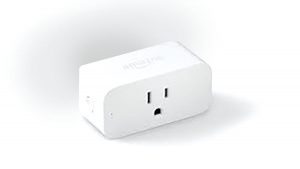 When compared to many of the other cool tech gadgets on this list, the Amazon Smart Plug ($25) “might seem underwhelming, but you might be impressed with how much you like this smart-home accessory once you start using it,” according to spy.com. “Head out on vacation and can’t remember if you left a fan or window AC unit running? If it’s plugged into this, you can simply open up your Alexa app and cut off the power. Have a lamp that you love, but it doesn’t work with a smart bulb? Use one of these to make a dumb lamp very, very smart. On top of all that, Alexa has some impressive power-monitoring tools, so that if you have more than one of these around your home, you can figure out which appliances and electronics around the house are costing you the most money, and you can adjust your usage behavior accordingly.”
 Meanwhile, the same site says the Anker Nebula Solar Portable Projector ($520) won’t replace a fancy, 65-inch, 4K HDR TV, “but for those moments when you’re really craving that movie-theater experience at home … you’ll understand why this made our list of cool tech gadgets.” The projector boasts easy setup, too. “Barely bigger than a book, you can point it at a wall and have it projecting a 120-inch, 1080p version of your favorite Netflix movie without needing to configure the picture settings or find a power outlet.”
 Speaking of projectors, the BenQ X1300i 4LED Gaming Projector ($1,299) is being marketed as the first true gaming projector that’s optimized for the PS5 or Xbox Series X. “The 3,000-lumen projector will play 1080p content — so not true 4K content — at extremely low latency, which is needed for competitive gamers,” according to gearpatrol.com. “Additionally, it has built-in speakers and an Android TV operating system, so it functions as any traditional smart TV — but it can create up to a 150-inch screen.”
 Taking tech outdoors is the DJI Mavic Air 2 Drone ($799), which menshealth.com touts for its massive optical sensor, means “the 48-megapixel photos pop and the hyperlap video is 8K — smart futureproofing for when your TV plays catchup. The next-gen obstacle-avoidance sensors, combined with the 34-minutes-long flight time, mean you spend more time shooting killer video and less time dodging trees and buildings.”
 Smart wallets offer a convenient way to store and transport cash and credit cards while protecting against loss or theft. The Ekster Parliament Smart Wallet ($89) is a smart bifold wallet with RFID coating (to protect against identity theft) and a patented mechanism that ejects cards from its aluminum storage pocket with the press of a button. It has space for at least 10 cards, as well as a strap for carrying cash and receipts, according to bestproducts.com. “Ekster has crafted the wallet from high-quality leather that comes in a multitude of colors. An optional Bluetooth tracker for the wallet is also available. This ultra-thin gadget has a maximum range of 200 feet, and it is powered by light, so it never needs a battery.”
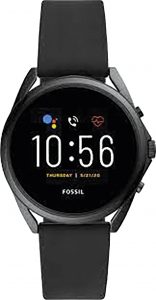 In the smartwatch category, the Fossil Gen 5 LTE ($349) is the company’s first product in the cellular wearables market, crn.com notes. “The Fossil Gen 5 LTE Touchscreen leverages LTE connectivity from Verizon, the Qualcomm Snapdragon Wear 3100 platform, and Google’s Wear OS to let users make calls and do texting without a mobile phone.” Fossil also makes what bestproducts.com calls the best hybrid smartwatch, the Fossil Latitude HR Hybrid Smartwatch ($195), “a feature-packed hybrid smartwatch with a built-in, always-on display and a heart-rate sensor. We like that, instead of looking like a tech product, it resembles a classic chronograph timepiece with mechanical hands and a three-button layout. The Latitude HR can effortlessly deliver notifications from your phone and keep tabs on your activities.”
 “We don’t know who will be more excited about the Furbo Dog Camera ($169), you or your pet,” popsugar.com notes. “You can monitor them through your phone, send them treats when you’re away, and so much more.” The 1080p, full-HD camera and night vision allows users to livestream video to monitor their pet on their phone with a 160-degree wide-angle view, day and night. A sensor also sends push notifications to a smartphone when it detects barking. Users can even toss treats to their dog via the free Furbo iOS/Android app. Set-up is easy — just plug it in to a power outlet using its USB cord, download the Furbo app, and connect to home WiFi.
 “As one of the first companies to make artificial intelligence and voice-recognition technology available to the average person, spy.com notes, “Google is still the top dog when it comes to voice assistants and smart-home platforms. And perhaps its most radical move was the Google Nest Mini ($35), a small and cheap speaker that is fully imbued with the powers to command your smart home. Once you get used to the particular ways of interacting with a voice assistant, it’s rare when you have to raise your voice or repeat yourself to get the Nest Mini to understand you, even when you’re on the other side of the room, half-asleep at 1 a.m., telling it to turn off the lights, shut off the TV, and lock the doors.”
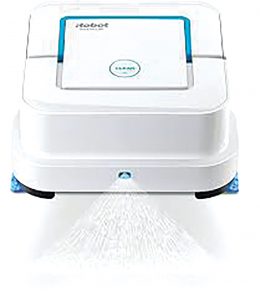 Tired of housework? “If you’re a fan of the iRobot vacuum, then you’ll want to give the iRobot Braava Jet 240 Robot Mop ($180) a try,” popsugar.com asserts. “It will clean your floors when you’re not around, so you have nothing to worry about later.” The device claims to offer precision jet spray and a vibrating cleaning to tackle dirt and stains, and gets into hard-to-reach places, including under and around toilets, into corners, below cabinets, and under and around furniture and other objects, using an efficient, systematic cleaning pattern. It also mops and sweeps finished hard floors, including hardwood, tile, and stone, and it’s ideal for kitchens and bathrooms.
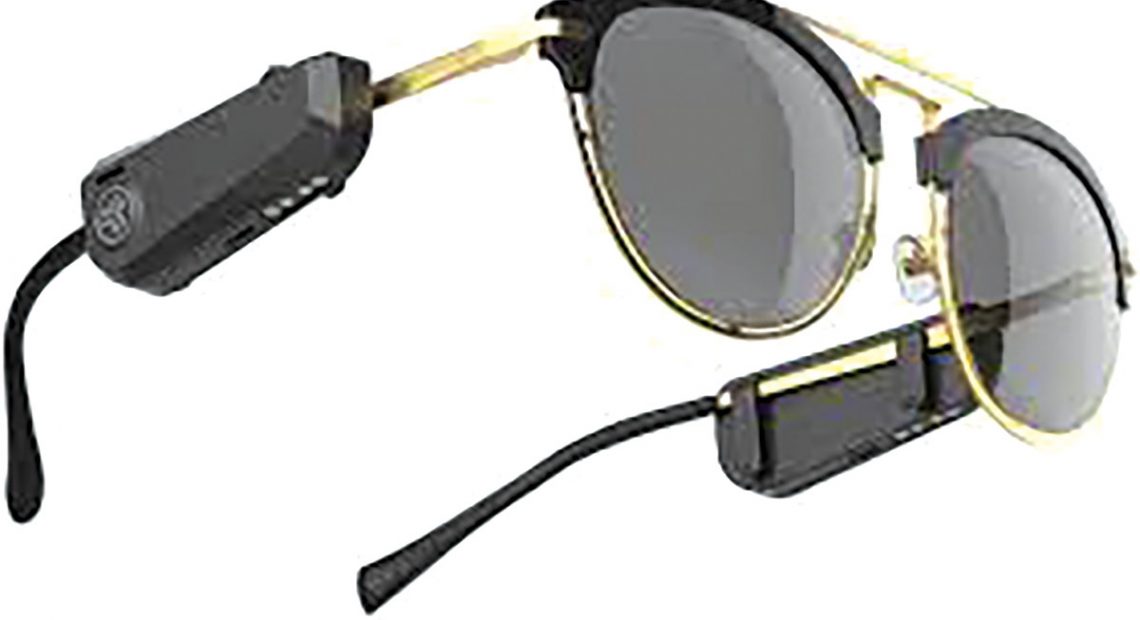
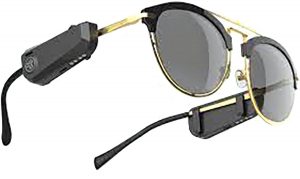 Smart glasses are a thing these days, too. Jlab Audio recently introduced its new Jlab JBuds Frames ($49), a device that discretely attaches to a user’s glasses to provide wireless stereo audio on the go. “The JBuds Frames consist of two independently operating Bluetooth wireless audio devices, which include 16mm drivers that produce sound that can only be heard by the wearer, not by others,” according to crn.com. “In addition, the device can easily be detached and mounted on other frames when needed.”
 For a next-level experience in eyewear, “virtual reality might be taking its time to have its ‘iPhone moment,’ but it is still very much the next big thing when it comes to the coolest tech gadgets,” spy.com notes, “and there is not a single VR device that flashes that promise more than the Oculus Quest 2 ($349).” Without the need for a powerful computer or special equipment, users can simply strap the Quest 2 to their head, pick up the controllers, and move freely in VR space thanks to its inside-out technology, which uses cameras on the outside of the headset to track movement. “In a time where we don’t have many places to escape to, the Oculus Quest 2 offers up an infinite number of destinations … even if they’re only virtual.”
 Another way to escape into another world — albeit one requiring more effort — is the Peloton Bike+ (from $2,495). “Peloton’s updated bike boasts a lustrous, 24-inch-wide screen and a game-changing multi-grip handlebar that lets you always find comfortable position,” menshealth.com notes. “And the best feature just may be auto-follow, which automatically shifts the resistance when the instructor calls for it. Translation: no escape from tough workouts.”
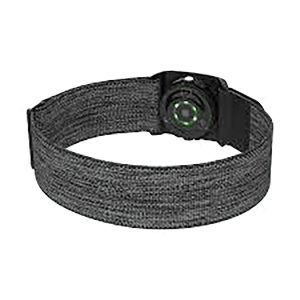 Speaking of devices with health benefits, the Polar Verity Sense optical heart monitor ($90) can be worn on the arm or temple (for swimming). “It’s designed for people who don’t necessarily wear a wrist-bound fitness tracker or smartwatch, or are doing an exercise that isn’t very friendly to wrist jewelry, like martial arts, swimming, dancing or boxing,” gearpatrol.com notes. “It’s a nifty accessory for people who use Polar Flow, Polar’s free fitness and training app, or wear one of the company’s smartwatches.”
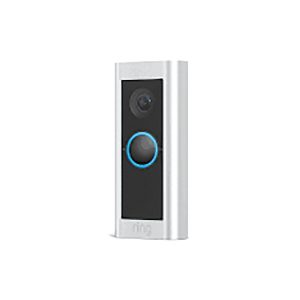 Meanwhile, gearpatrol.com is also high on the Ring Video Doorbell Pro 2 ($250), the next-generation version of its well-reviewed video doorbell — and it adds two big upgrades. “First, it adds a new radar sensor that enables new 3D motion detection and bird’s-eye-view features; this allows it to better detect and even create a top-down map of the movement taking place in front of your door. And, secondly, the camera has an improved field of view so that it can capture the delivery person’s entire body — head to toe — when they drop off a package.”
 Finally, are you looking for great sound for home entertainment? With Sonos Arc ($799), users can “get immersive audio that can fill an entire house in one slim, sleek, ultra-versatile package,” menshealth.com notes. “A whopping 11 drivers power Sonos’ newest soundbar, fueling a surround-sound experience that delivers in all situations, whether you’re playing Halo or watching Avengers: Endgame.”














































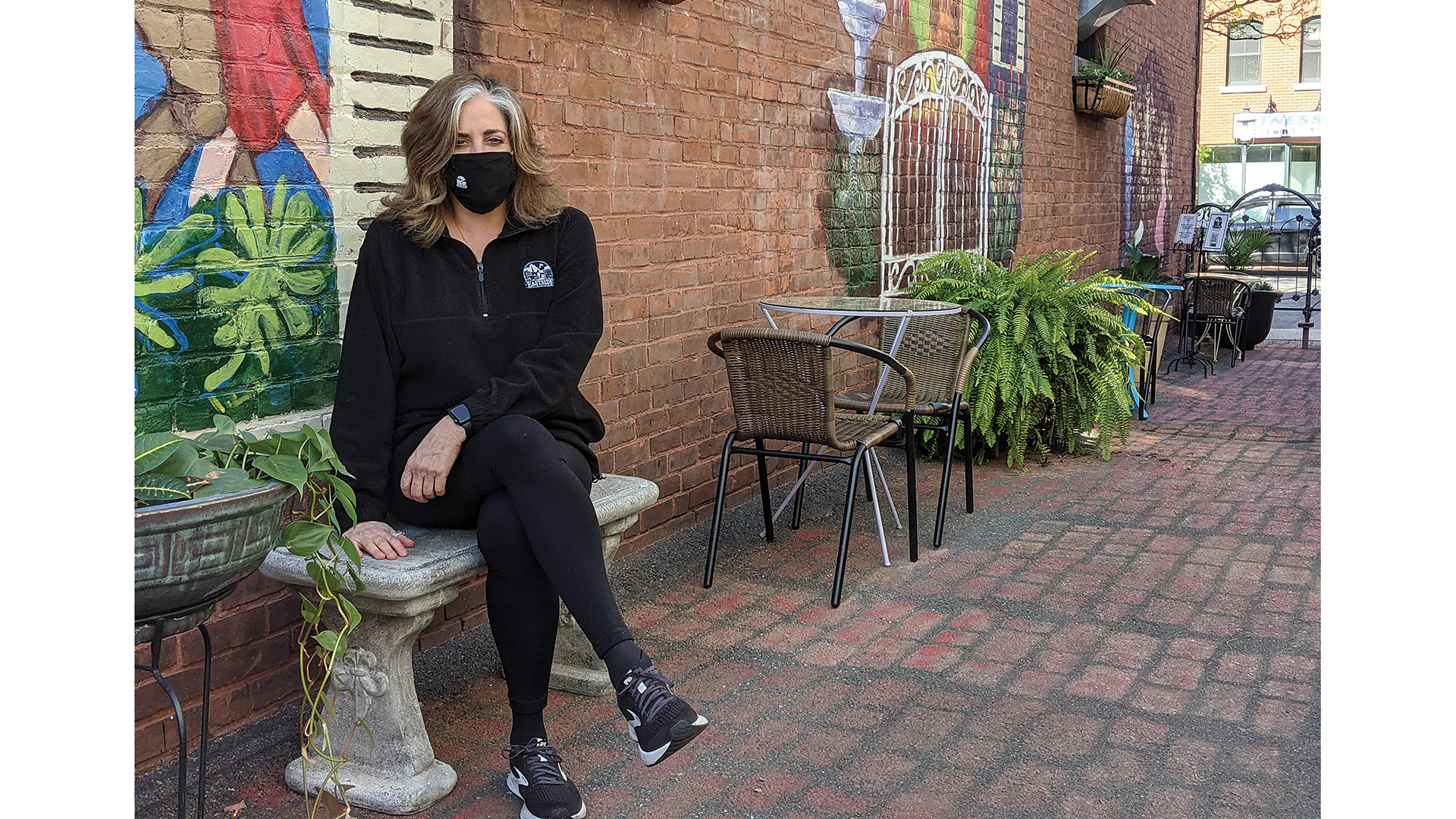
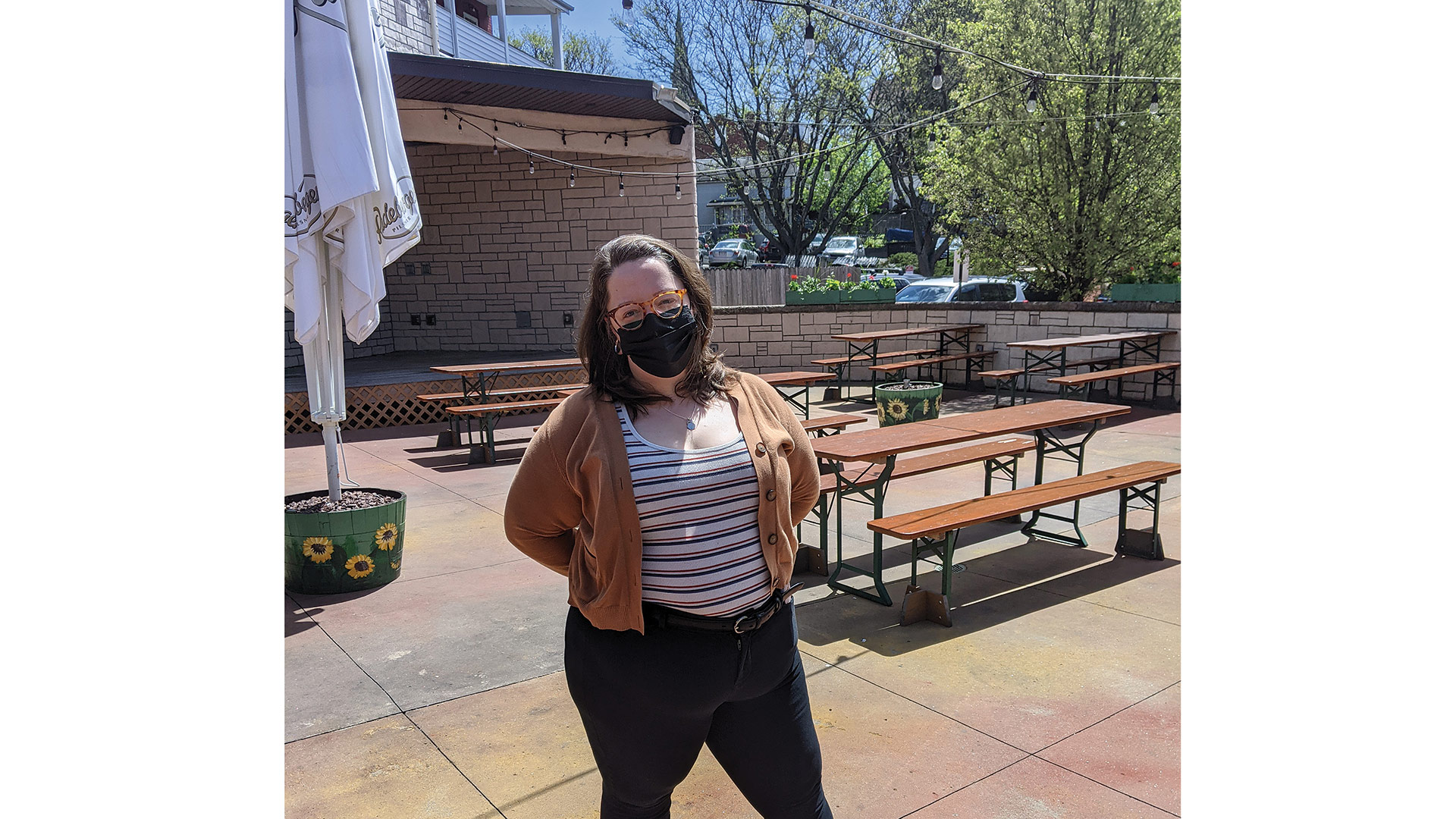

 Samantha Bilal is no stranger to making real, street-level change.
 Growing up in Westfield, Lauren Figy Cadigan was interested in pursuing medicine or some other field where she was helping people.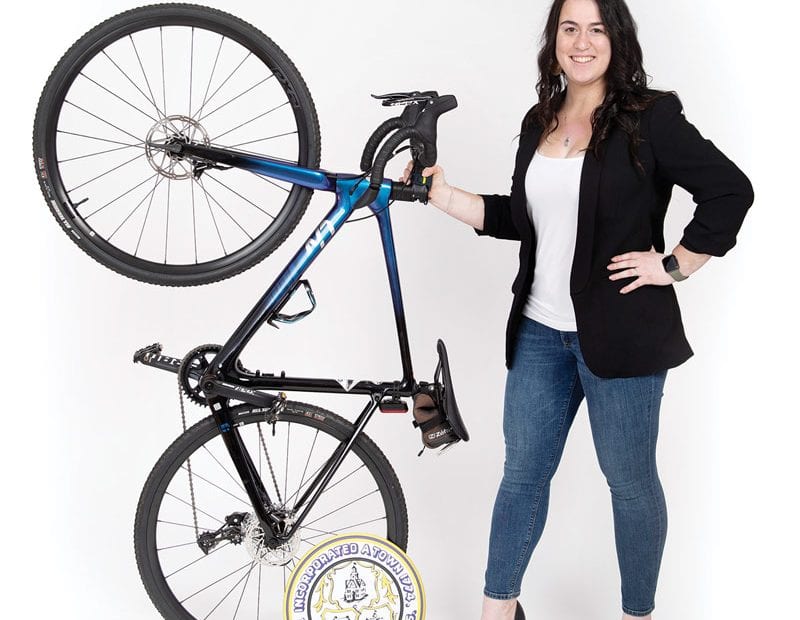
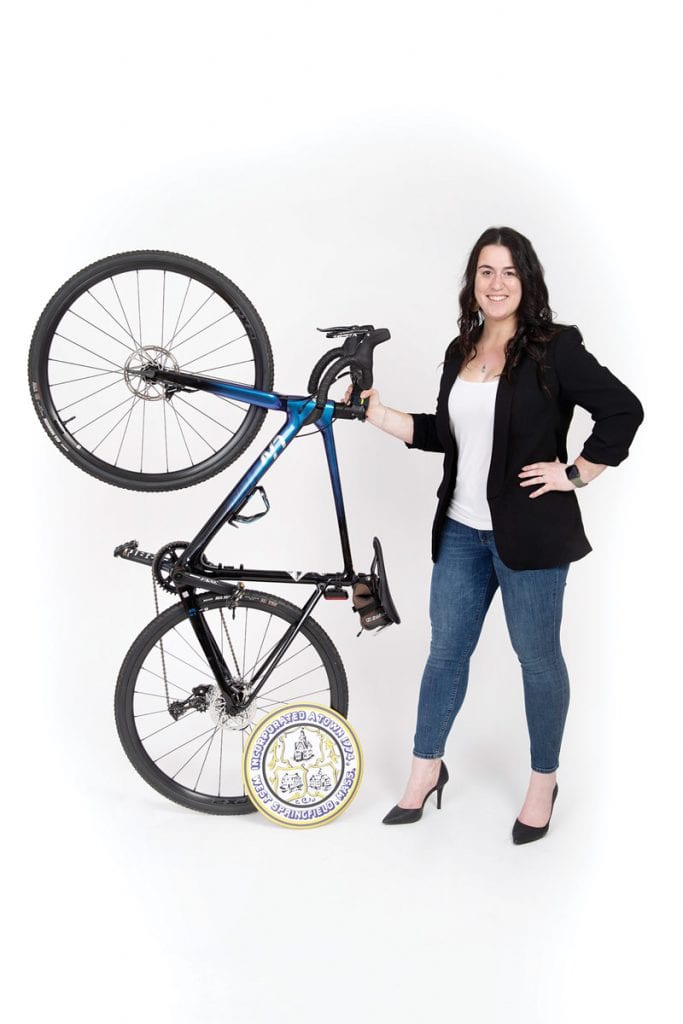 Carly Camossi has grown up in West Springfield — in more ways than one.
 Jes Charette-Fallon’s path to her current career has been a winding one; she originally studied political science and thought about becoming an attorney, and eventually earned a degree in art therapy.
 Jessye Deane often asks her kids a simple question: “how are you going to make the world a better place?”
 Once Kiyota Garcia walked onto the Springfield Technical Community College (STCC) campus, she never really left.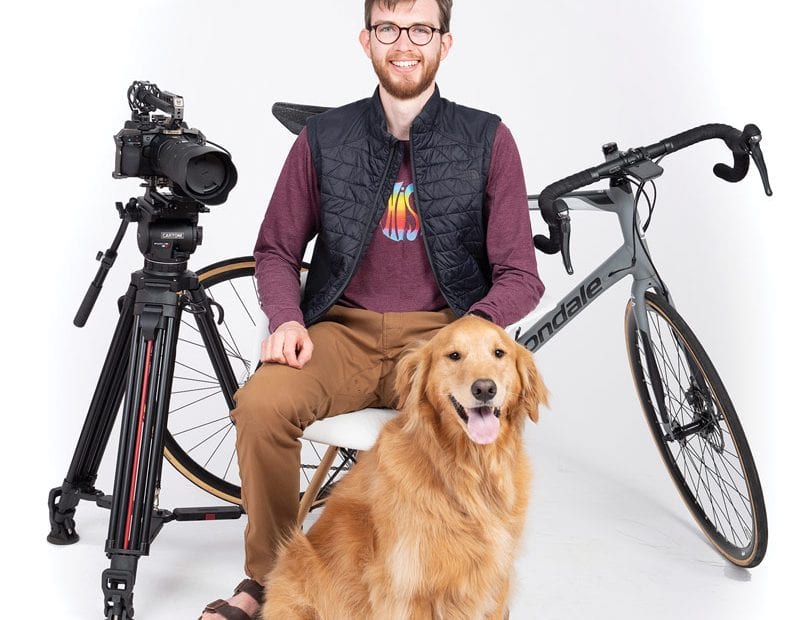
 When Comcast ceased offering public-access television a decade ago and Focus Springfield Community Television rose up in its wake, Brendon Holland, then a high-school student, was on the scene, helping dismantle the old Comcast studio and create a new one on Main Street.
 Kelly Lamas has always taken a street-level view of healthcare delivery — in some ways, quite literally.