
View to the Future?

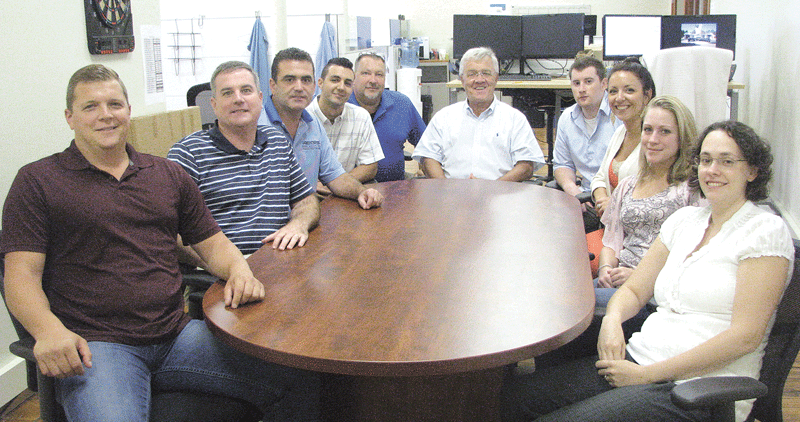
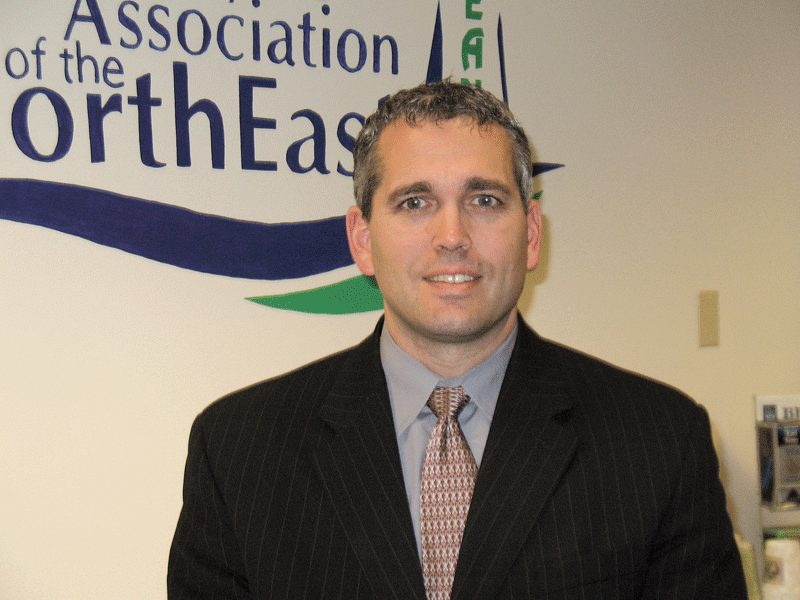
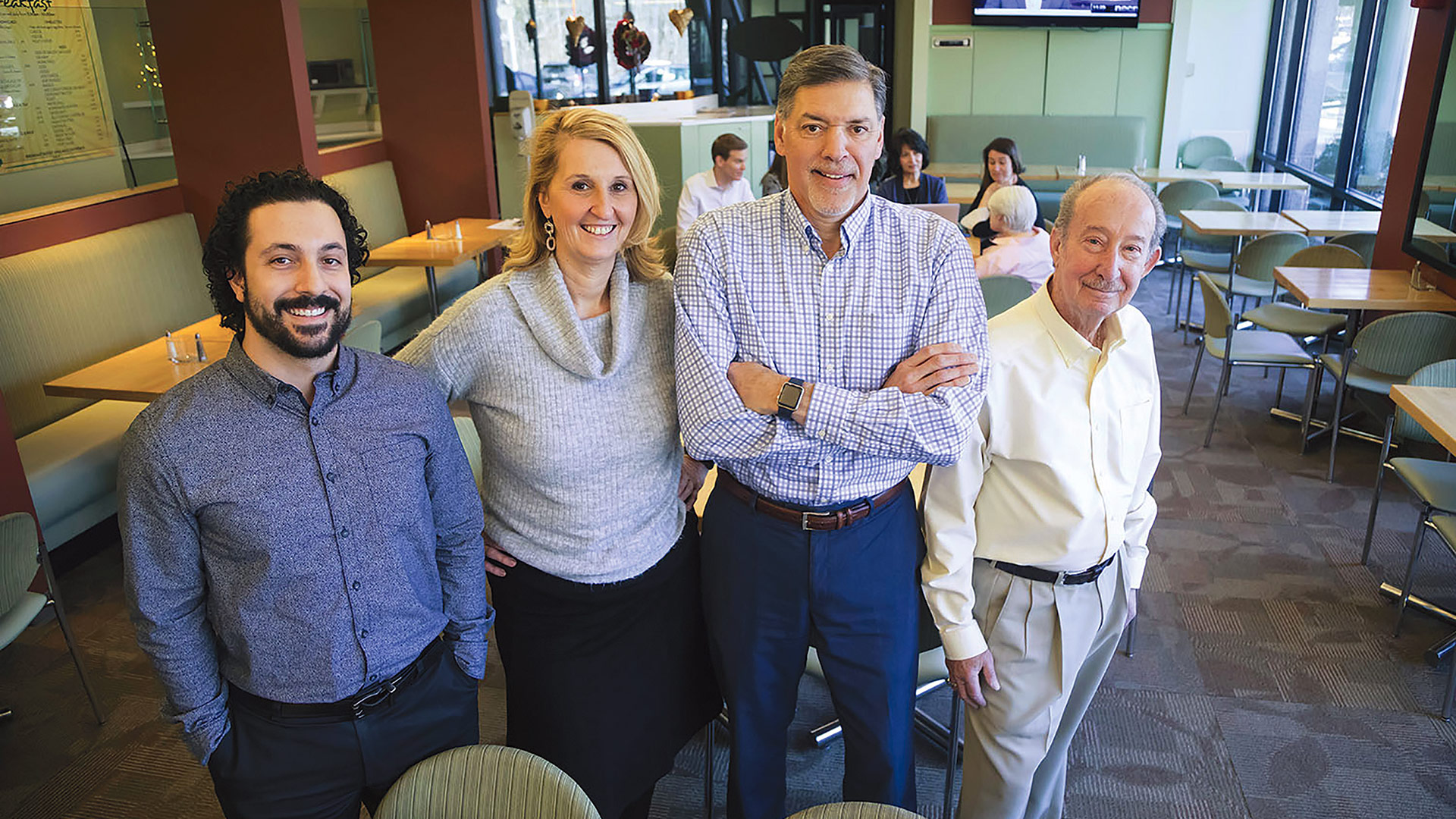
From left, Declan O’Connor, Kelley Gangi, and Evan Plotkin in a classroom in the new Discovery High School.
Bob Bolduc remembers getting the call from Bill Low, a commercial real-estate broker based in Springfield.
Low was working with Bolduc on finding a new home for Discovery Polytech Early College High School, then located in cramped quarters within Chestnut Middle School, and he had an intriguing suggestion.
When Low explained that the space in question was the top two floors of 1350 Main St. in the heart of downtown Springfield, former home to BankBoston’s regional headquarters, Bolduc, former owner of the Pride chain of stores and gas stations who created the Hope for Youth and Families Foundation with proceeds from the sale of that chain, thought that concept had promise, but it was outside the box. As in way outside the box.
He recalls phoning Matt Brunell, co-executive director of the Springfield Empowerment Zone, which Discovery High is part of, and saying, “this is crazy … but we should at least give it a look.”
“Our school is a STEM high school — we’re an early-college high school, but we’re also a STEM school. Most of our kids are going to work in companies that look like our school. I had the amazing opportunity to work with a team and an architect to design a space that looks like a tech company.”
They did, and that was the official start to a journey that ended on Aug. 28, when the 250 students at Discovery High turned out around 7 a.m. for a different kind of first day at a different kind of school.
One with lots of windows and penthouse (literally) views of the city, the Connecticut River, neighboring communities, and much more. One where students take an elevator to get to class, and might share one with a lawyer, accountant, or nonprofit manager — or maybe one of each. One where they take a PVTA bus, not a yellow school bus, to school. One where the cafeteria looks like your typical school cafeteria … except it’s 17 floors up and has seats that face windows that provide those views.
That aforementioned journey came complete with a whole host of challenges, a super-tight deadline (the first day of school can’t be moved), and the chance to do something really special, said Evan Plotkin, president of NAI Plotkin and co-owner of 1350 Main. He told BusinessWest that bringing a high school, especially this one, where students start taking college courses as freshmen, to downtown Springfield, presents intriguing opportunities for the students, faculty, the businesses in the building — and other buildings downtown — and the city itself.
These opportunities include student internships at downtown businesses, being next door (again, literally) to the Springfield Symphony Orchestra and a block or two from the Quadrangle and its many learning opportunities, and just being part of the dynamic in the city’s central business district.
Add them all up, said Declan O’Connor, principal of the school, and what emerges is an opportunity for students to attend school at a place that looks and feels like the world of work — where they will hopefully be in a half-dozen years or so.

The classrooms at the new Discovery High have glass at the front and back and were designed to resemble workspaces at tech companies.
“This was about identity building,” he explained. “Our school is a STEM high school — we’re an early-college high school, but we’re also a STEM school. Most of our kids are going to work in companies that look like our school. I had the amazing opportunity to work with a team and an architect to design a space that looks like a tech company.”
Meanwhile, the relocation of Discovery High to a downtown office tower might become a model for what other cities can do with office space that isn’t needed anymore and is too difficult (and too expensive) to convert into housing, said Plotkin, adding that, for cities and towns, it might prove cheaper to lease space in buildings like his than build and maintain schools.
“The more we looked at the program, and the more we looked at what we think students are really going to need to succeed in life — not only these early-college credits they’re earning, but also work-based learning — we realized that the best place for a school was going to one where students were going to get ease of access to work-based learning opportunities and see themselves as part of the industry and commerce of the city of Springfield.”
“It’s cheaper to buy milk than own cows, as my father used to say,” he noted, adding that this project should generate discussion on the subject.
For this issue and its focus on commercial real estate, we take an in-depth look at how this project came together and what it means for the many stakeholders involved.
School Daze
Ninety days.
That’s roughly how long Plotkin and the architects and general contractors he assigned to the project had to convert the office space on the 16th and 17th floors after all the involved parties — and there were many of them — had given their respective green lights to Discovery High’s relocation to 1350 Main.
Plotkin recalls being nervous as the days seemingly flew by in August. But those involved got it all done.
And what they created is, as O’Connor said, a high school that not only helps prepare people for the world of work, but looks like the world of work.
Specifically, the classrooms look more like very large private offices, complete with glass at the front and back. There’s a grand staircase that connects the two floors and looks like it belongs in an elaborate corporate headquarters — and it did.
Then there’s the cafeteria, created in a space that was once home to rows of cubicles. As noted earlier, it looks like a traditional school cafeteria — but not really.
All this is what Low, Plotkin, Bolduc, Brunell, O’Connor, and others were able to picture back in the spring. Sort of.
Indeed, it would take a while for the picture to start to come together. Meanwhile, there were questions to be answered, said O’Connor, involving everything from security to how to get 250 students to school in elevators over a short time span.

The staircase linking the two floors at Discovery High looks like it belongs in a corporate headquarters — and it did.
One by one, these challenges were worked out, said those we spoke with, and now that the proverbial dust has settled — although this is still all very new — they can stop and reflect on what they and the students have here: an ideal setting for a still-young (this is only its fourth year) institution described by Brunell as a “wall-to-wall early-college” model, one where students can graduate from high school with enough credits for an associate degree.
The school had been located in Chestnut Middle School from the beginning, and, almost from the start, it had been looking for its next home, because that one wasn’t working, for many reasons. Cramped quarters was one of them, but high-school students being on a middle-school campus was the bigger one.
“The real innovation here was the city as a campus. The location here, more than any other, provided students with this very unique opportunity to have access to all the assets in the city.”
As the search commenced two and a half years ago, and especially over the past year or so as Bolduc and his foundation became involved in the project, the goal was always to think outside the box, said Brunell, meaning the consideration non-traditional spaces.
“The more we looked at the program, and the more we looked at what we think students are really going to need to succeed in life — not only these early-college credits they’re earning, but also work-based learning — we realized that the best place for a school was going to one where students were going to get ease of access to work-based learning opportunities and see themselves as part of the industry and commerce of the city of Springfield,” he explained.

Matt Brunell in the cafeteria in the new Discovery High School.
A few different sites were looked at — within the downtown but also in commercial spaces near some of the college campuses where students attend classes. But after the initial visit, 1350 Main St. emerged as a “dream location,” one that married easy access to the school’s college partners with a space that could be tailored to Discovery’s programs and provide proximity to, and connections with, downtown businesses and cultural institutions.
“The real innovation here was the city as a campus,” said Kelly Gangi, chief of School Innovation for Discovery High. “The location here, more than any other, provided students with this very unique opportunity to have access to all the assets in the city.”
Setting the Stage
BusinessWest visited Discovery High mid-morning on a Thursday, which meant it was relatively quiet.
The sophomores, juniors, and the first batch of seniors — as well as some freshmen — were attending early-college classes at several different schools, including Springfield Technical Community College, Western New England University, and Quinsigamond Community College in Worcester. Most of the students who weren’t on the road were in class.
But it was still easy to see the many opportunities this site affords those attending the school. The accommodations, as noted, are both modern and different in that they look and feel more like class-A office space (which, again, this was) than a traditional school.
There’s also the opportunity to be more independent than in a traditional school setting — from taking a PVTA bus to being out in the downtown.
“The other day, Kelly and I were coming back from Starbucks and encountered some students walking in the other direction,” O’Connor recalled. “I said ‘where are you going?’ They said, ‘we’re going to Big Y … we have 12 minutes before school starts.’”
Such episodes help explain why the site offers much more than views out its many windows, said those we spoke with, noting that being downtown provides students with a chance to see and be part of their city in a way that simply wasn’t possible in their corner of Chestnut Middle School. And also a chance to maybe … well, gain some maturity in the process.
“One might think that students can’t handle a school that’s all glass — that they might be goofy with each other and be distracted by one another,” O’Connor said. “They’ve just settled into it because this whole experience is trusting them, as young adults, to exist in a space that they absolutely belong in.
“They’re learning how to move through the building, get on elevators and interact with adult professionals, ride the elevator up and enter a space and move through that space in ways that they are trusted to handle,” he went on. “It’s very much like working in a company, and I think that’s going to translate.”
And while this new downtown location is pioneering from an education perspective, the same is true when it comes to adoptive reuse of class-A office space, said Plotkin, noting that he hasn’t seen or heard of many — or even any — conversions like this one.
As he said, Discovery High might in time become a model for other cities with large portfolios of vacant office space in the wake of the remote-work surge — and there are many of them.
Plotkin said he’s thinking about writing an article for the New England Real Estate Journal on Discovery High landing in 1350 Main. In the meantime, a different kind of story is being written at the new Discovery High.
A story of innovation, outside-the-box thinking, teamwork, partnerships, and reaching higher. That’s what it took to get this done, and those are some of the things students are learning about in their unique new home.



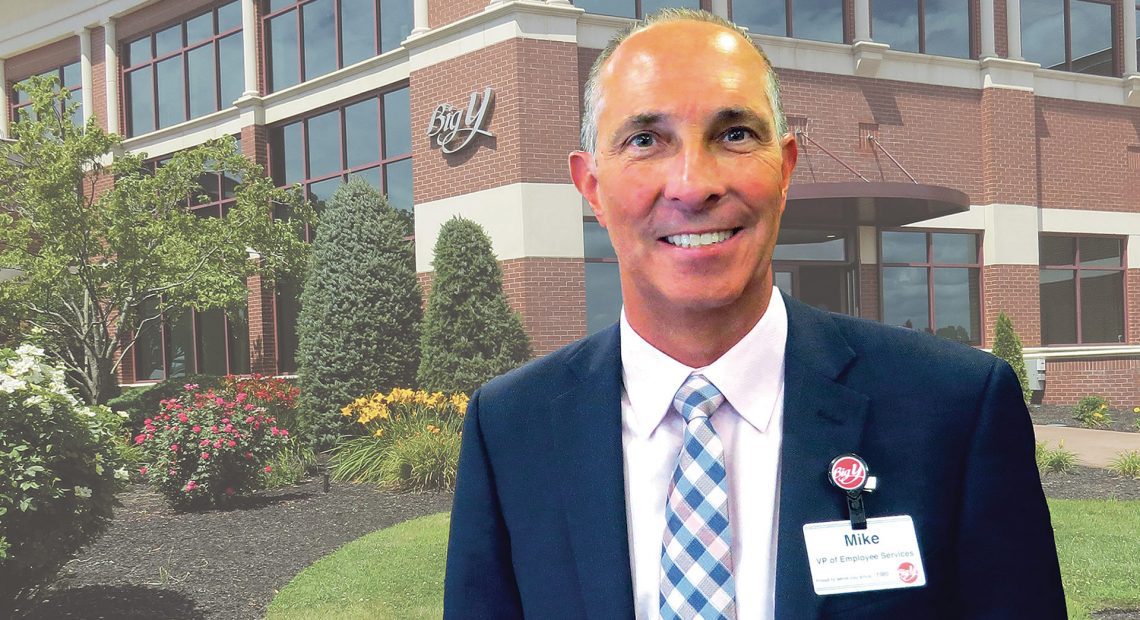
 “Put in plain, non-legalese terms, the decision significantly increases the likelihood that one or more of your handbook policies are unlawful in the eyes of the NLRB. It also applies to all private-sector employers — including those without a union presence.”




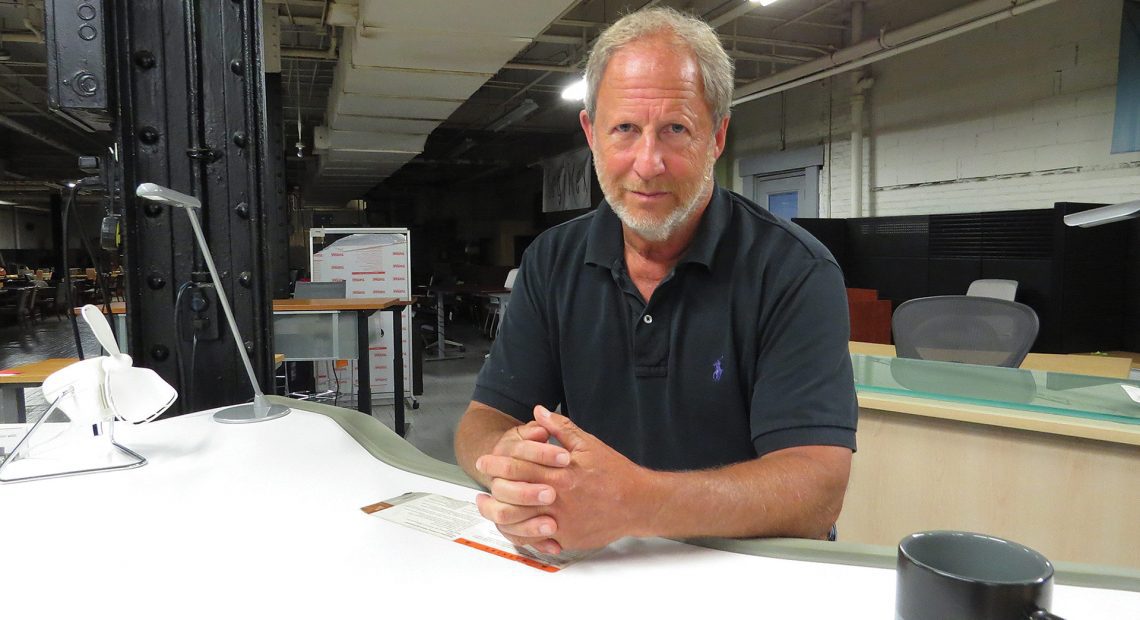
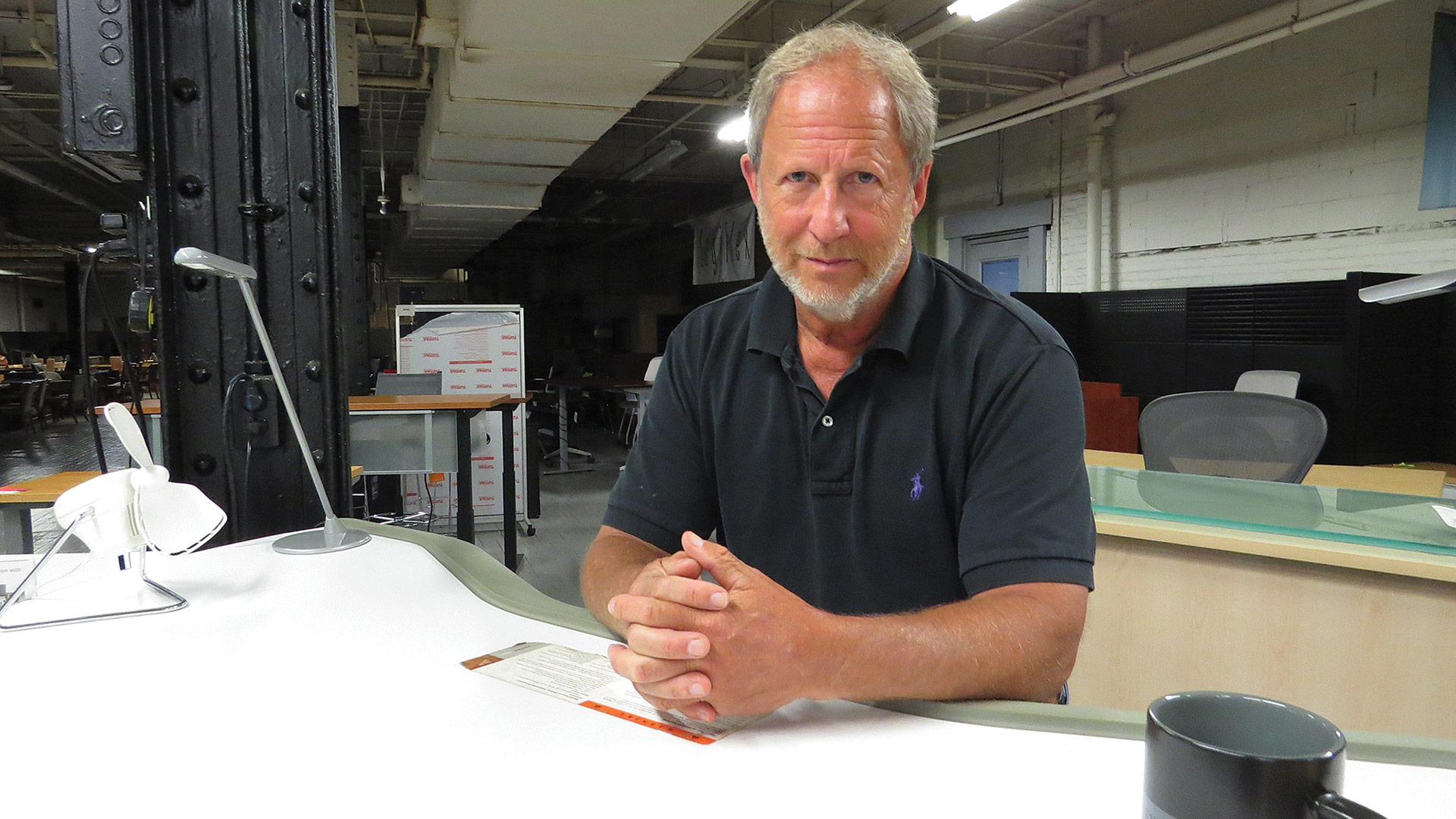
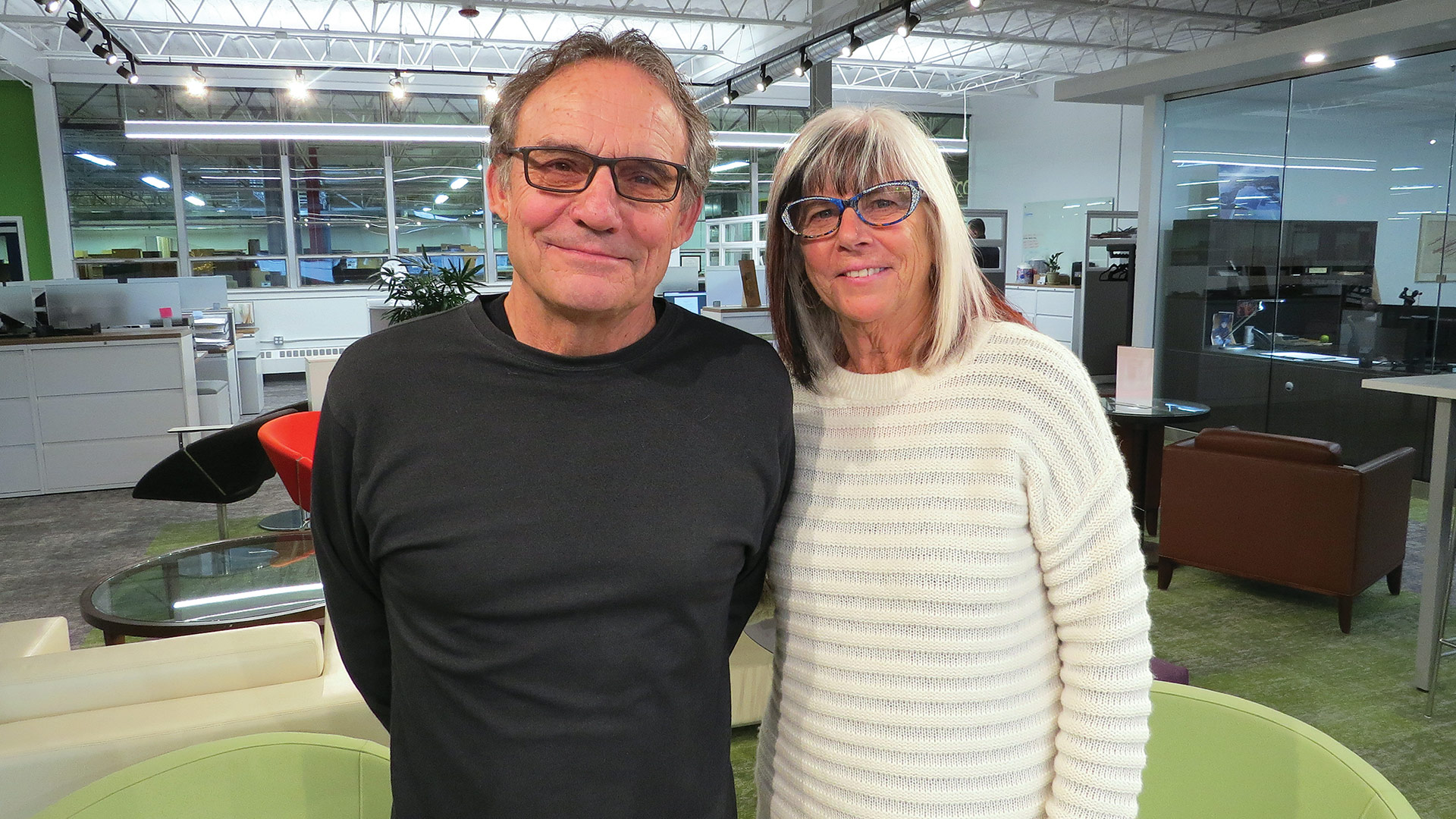





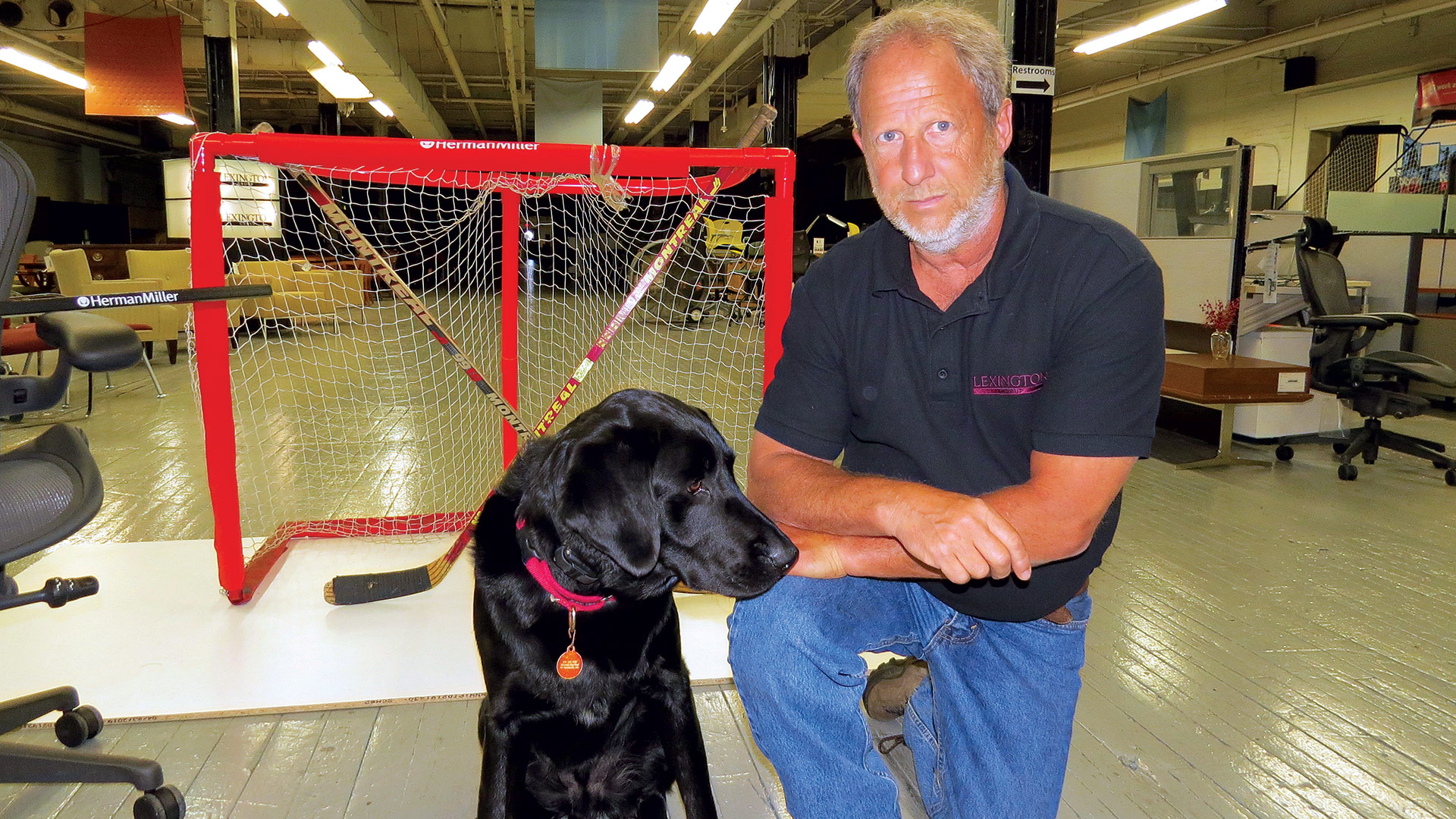
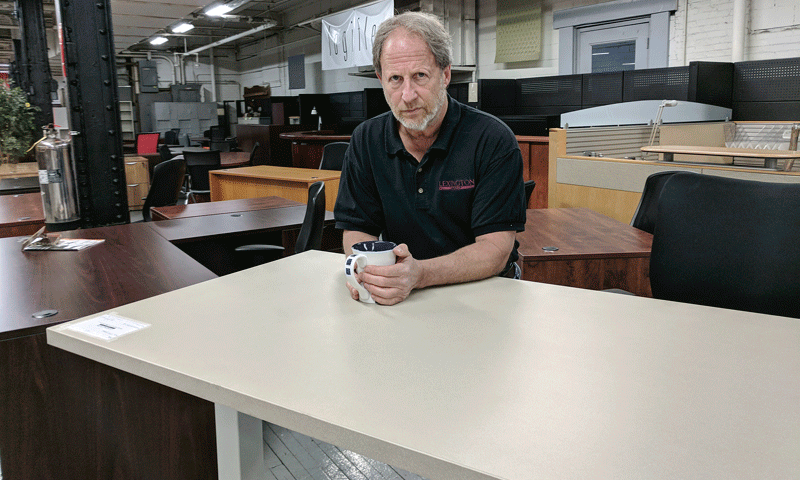
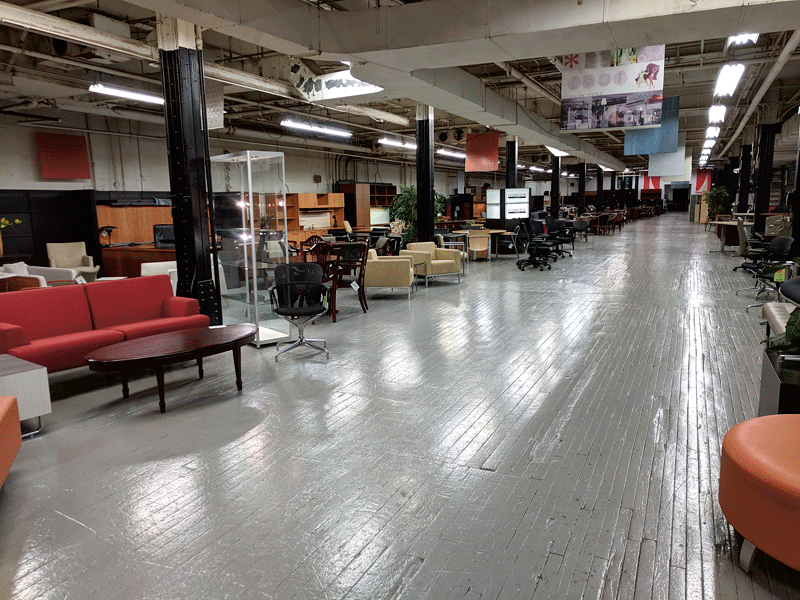
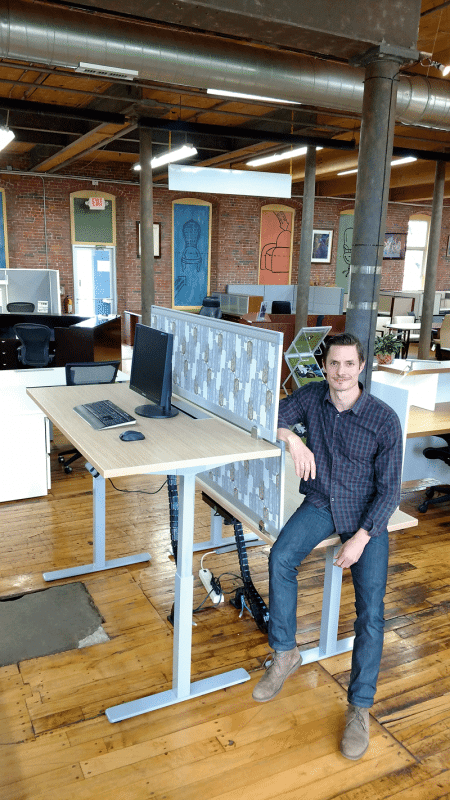
 Mark Proshan says predicting what’s coming next in his business — office furniture and design — has always been a difficult assignment.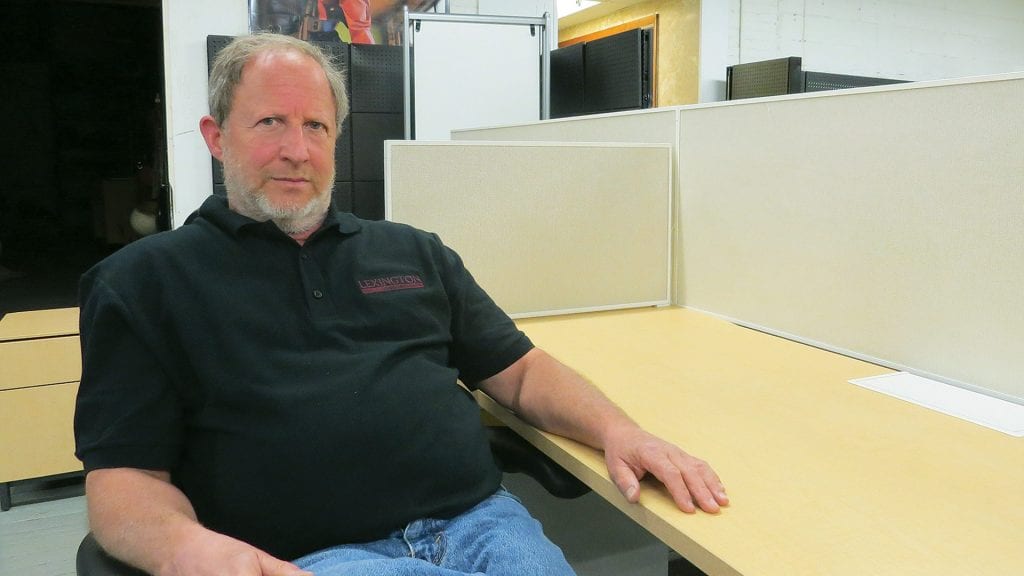

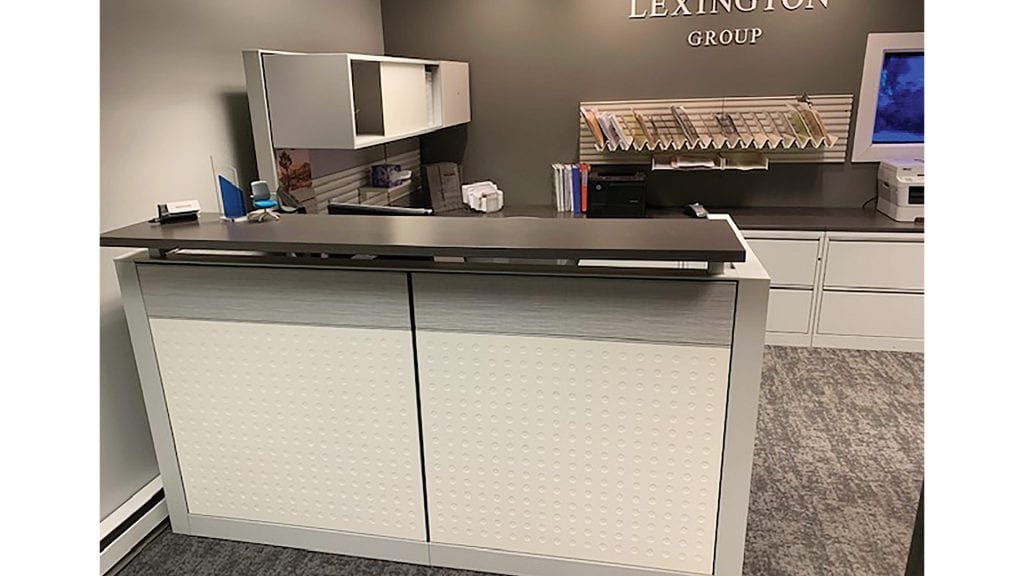












 One of the companies that called was the Springfield office of Merrill Lynch, which was having some issues with new information technology.