Daily News

NORTH ADAMS — MountainOne announced it has been named one of the Commonwealth’s top corporate charitable contributors by the Boston Business Journal. MountainOne will be honored with a Corporate Citizenship Award in September at the Seaport Hotel in Boston.

The 2024 Top Charitable Contributors in Massachusetts list honors companies that gave $100,000 or more to Massachusetts-based charities in 2023. Collectively, the 96 companies who qualified for the distinction gave more than $362 million in cash contributions.

MountainOne has a strong, long-standing history of supporting nonprofit organizations that directly and positively impact the communities it serves.

Among the organizations it contributed to in 2023, notable recipients include 1Berkshire, Berkshire Running Foundation, Community Health Programs, Friendship Home, Habitat for Humanity of Greater Plymouth, Hillcrest Educational Centers, Lever Inc., MCLA, Manet Community Health, Quincy Public Schools, South Shore Health Foundation, and the Brien Center.

“It is an honor to be recognized by the Boston Business Journal as one of the top corporate charitable contributors in Massachusetts,” said Robert Fraser, president and CEO of MountainOne. “This acknowledgment reflects our longtime dedication to supporting and enriching our communities.

“I’d be remiss, however, if I didn’t take this opportunity to thank our employees, who personally contributed over 600 volunteer hours in our communities in 2023,” he added. “Each and every Mountaineer takes great pride in our efforts to make a positive impact, and together we will continue to prioritize community engagement as a core commitment at MountainOne.”

Daily News

HOLYOKE — Girl Scouts of Central and Western Massachusetts (GSCWM) elected nine new members, including one girl member, to its board of directors at its annual meeting on June 23. New board members and officers, elected to serve a two-year term, are:

• Elizabette Batista, superintendent of Public Works for the city of Chicopee and a Massachusetts-registered professional civil engineer;

• Jennifer Cluett, associate vice-president for Enrollment Management and dean of Admissions at Worcester Polytechnic Institute, where she is responsible for the recruitment and enrollment of new undergraduate students;

• Meagen Donoghue, executive director at the Fitchburg Redevelopment Authority, where she works across public, private, and corporate sectors to improve conditions within the community;

• Jessi Kirley, founder of JKirley Collective and a leadership coach, culture strategist, Everything DiSC authorized partner and trained emotional intelligence and mental fitness coach;

• Cortney Lima, associate director of Admission and DEI coordinator at College of the Holy Cross, where she is responsible for initiatives and programming that support marginalized populations through the college admissions process;

• Kimberly McCullen, Workforce Development specialist at College of the Holy Cross, where she provides organizational development support to meet the college’s needs with a specific focus on DEI;

• Christopher Schwantner, chief engineer of Television for New England Public Media (WGBY-TV) in Springfield;

• Stefanie Silva, director of Programs and Events for the Worcester Regional Chamber of Commerce; and

• Finn Albiston, a Girl Scout Senior who began Girl Scouts as a Daisy. They enjoy working with younger Girl Scouts and helping with younger troops assisting leaders with events in their community. Albiston is also a member of GSCWM’s girl advisory board and a member of their communities’ older girl council.

GSCWM board officers include Nicole Messier (president and board chair), program manager at Raytheon Technologies; Christine Cassidy (first vice president), senior vice president and chief Communications officer at Fallon Health; Roberta McCulloch-Dews (second vice president), vice president of Marketing at Greylock Federal Credit Union; Sheryl Zarozny (secretary), vice president and advisory client partner at Optum; and Ryan Matson (treasurer), insurance producer at Braley & Wellington Insurance Group.

“With such a wide array of perspectives and knowledge, our board is better equipped to support and empower young girls in our community, nurturing the strong female leaders of our future,” said Nicole Messier, GSCWM president and board chair. “It’s a privilege to be part of a board that values diversity and dedication. The unique insights and expertise of each member are key to our mission of advancing Girl Scouts and supporting the development of all the girls and families we serve.”

Daily News

BOSTON — Massachusetts Clean Energy Center (MassCEC) announced $4.2 million in funding for 24 clean-energy and climatetech companies and researchers. The funding will support clean energy and climatetech innovators in 15 cities and towns throughout Massachusetts, including Amherst, Boston, Cambridge, Concord, Holyoke, Lowell, Milton, Quincy, Somerville, Spencer, Springfield, Tyngsboro, Woburn, Woods Hole, and Worcester.

The grants are awarded through MassCEC’s AmplifyMass, Catalyst, Diversity in Cleantech – Early Stage (DICES), InnovateMass, and IncubateMass programs. Catalyst, DICES, and InnovateMass programs are additionally supported by MassVentures.

“Massachusetts is the most innovative state in the country — the place where big challenges like climate change are solved with bold ideas and cutting-edge technologies,” Gov. Maura Healey said. “Climatetech businesses are already producing groundbreaking solutions in Massachusetts, but it’s our goal to be the global leader in climate innovation. We’re going to do that by providing entrepreneurs and early-stage companies with the resources they need to stay, scale, and succeed here.”

One Catalyst/DICES awardee is based in Western Mass.: Western New England University (Professor Bart Lipkens) was awarded $75,000 to develop a new type of filter for making medicine that has less of an impact on the environment.

Two InnovateMass awardees are based in Western Mass: Clean Crop Technologies Inc. in Holyoke, awarded $350,000 to demonstrate its system that reduces food waste by removing pathogens from seeds; and florrent Inc. in Amherst, awarded $244,916 to test its bioderived carbon material to create effective backup power systems.

As a complement to the grants and support for technology developers, MassCEC also recently awarded $730,000 from its IncubateMass program to six Massachusetts-based incubators focused on supporting climatetech innovators, including one from Western Mass.: Berkshire Innovation Center in Pittsfield).

Daily News

CHICOPEE — Botanica announced the launch of the Center Alternative Cooperative, an apothecary, local-goods, event, and education center focused on whole health and wellness.

The grand opening is scheduled for Thursday, Aug. 1 at 11 a.m. at 264 Exchange St., Chicopee. This open-house celebration aims to bring the community together to support local businesses and the revival of Chicopee Center. The event will feature a ribbon-cutting ceremony by the mayor, a walk-and-shop experience at local businesses, vendor meet-and-greet sessions, and food trucks.

Cover Story Features

A Bumper Crop of Perseverance

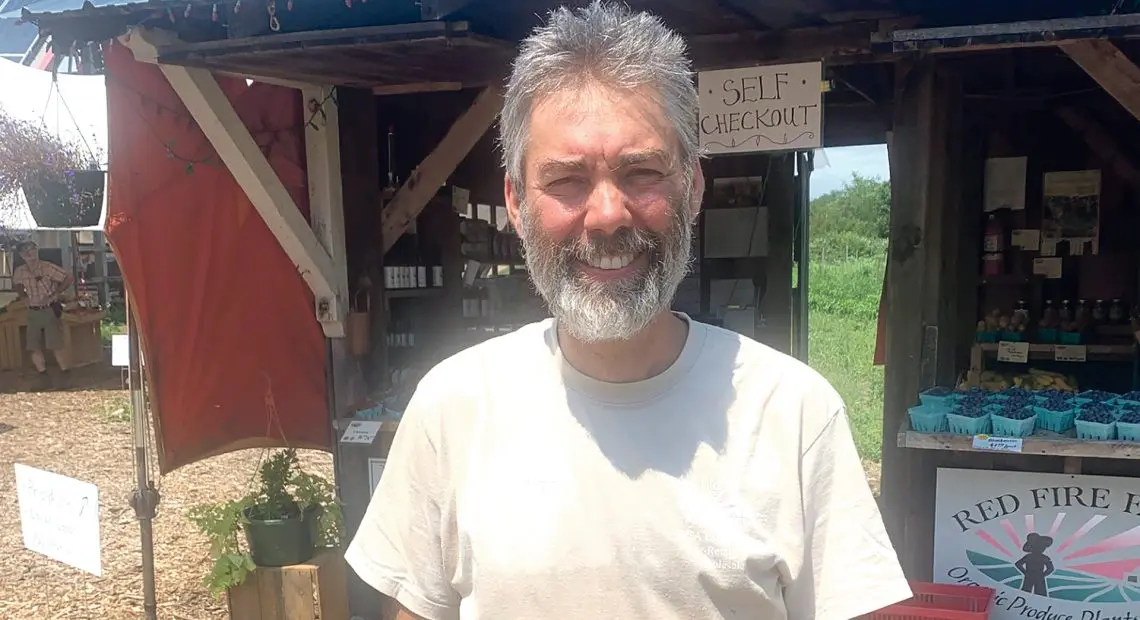
Farm co-owner Ryan Voiland

Farm co-owner Ryan Voiland


Ryan Voiland doesn’t mince words when he talks about farming and whether it makes good economic sense to be in this sector.

“If I was a smart businessperson, I’d be out of this business,” he said, referring to agriculture in general but especially community-supported agriculture, which isn’t seeing as much support as it once was. “Most other people you talk to would not put up with the type of financial risk and lack of financial rewards that seem to be opening.”

But he kept going, and in poignant fashion.

“It’s a labor of love. We do it because it’s something that’s really important for the world — having food that’s grown nearby, especially fruits and vegetables. We do it because we want to be part of that solution.”

“If I was a smart businessperson, I’d be out of this business.”

He was saying this a few weeks back, but he’s been talking this way for some time now — and certainly long before the historic barn that served as home to the farm store for the Red Fire Farm’s operation in Granby — there is also a farm in Montague — burned to the ground in February.

The fire, which destroyed much more than the barn and farm store itself (more on that later), was only the latest in a series of challenges that have hit this operation hard. Last summer’s torrential rains, other forms of extreme weather, and the decline in interest in CSA co-ops are also on the list.

The fire was an especially devastating setback, one that prompted some deep introspection and hard talk about actually getting out of this business. But Voiland and his wife, Sarah, decided to stay in because this is, as he said, a labor of love.

Nothing since the fire has been easy — nothing before the fire was easy, either, but there are now new layers of challenge — but the Voilands, with some support from the community, have persevered, and, well … made do, as they say.

The fire that broke out in the morning of Feb. 17

The fire that broke out in the morning of Feb. 17 destroyed much more than the Red Fire Farm store.

They have created what they call a temporary farm store comprised of an old farmstand from Montague (the one with which Voiland got his start more than 25 years ago), which was transported to Granby; a new, smaller shed donated by the Massachusetts Federation of Farmers Markets, with two more still to be constructed; and a large tent. And they are making progress with efforts to create something suitable for the fall and winter in a portion of the space under a large solar installation that sits in front of a structure, still under construction, that was designed for the washing and packing of produce and will eventually assume that use.

But the long-term plan calls for building a new, modern farm store just a few hundred yards down Carver Street at the site of a vacant, dilapidated home in a corner of one of the Red Farm fields.

“It’s a labor of love. We do it because it’s something that’s really important for the world — having food that’s grown nearby, especially fruits and vegetables. We do it because we want to be part of that solution.”

Efforts to make these plans reality are complicated by soaring construction costs and insurance settlements that don’t come close to the actual cost of replacing not only the structure that was lost but all that was in it, Voiland said.

So the hopes for reconstruction are contingent upon receiving grants from various sources, he went on, adding that applications have been filed, and the Voilands are now awaiting word.

In what appears to be the best-case scenario, work on a new facility could begin this fall, he said, noting that the farm is dependent on those grants to move ahead and will essentially have to wait for some form of assistance.

Plans to replace the barn

Plans to replace the barn (pictured) lost to fire in February has been complicated by rising construction costs and insurance issues.

For this issue, BusinessWest talked at length with Voiland about the fire, the ongoing efforts to recover, the plans for the future, and how this experience has only hardened the resolve of all those at the farm.


Sudden Destruction

Voiland was working at the Montague facility when he got that dreaded phone call mid-morning on Feb. 17.

A staffer in Granby, one of the few working during the slow time of the year, was telling him that the 100-year-old barn that had come to symbolize the property, and the Red Farm operation, was on fire.

It’s a 45-minute ride from Montague to Granby, and by the time Ryan and Sarah arrived, Carver Street, where the farm is located, was blocked off for a third of a mile in both directions.

“By the time we managed to walk to the property, the barn was 75% gone,” said Ryan, adding that there was little they could do but stand, watch fire crews from Granby and several nearby communities fight the blaze, and start to think about the complex process of carrying on and then rebuilding.

And both have been even more complex than they probably could have imagined.

Indeed, as mentioned earlier, the barn was home to much more than the farm store, and its loss impacted every aspect of the operation.

“Most of the building was devoted to retail sales and to our CSA distribution space, but there were also wings in that barn,” he explained. “We had a wing where we cured and stored garlic. We had several spots where we parked tractors, so now all our tractors are homeless. The basement of that barn was used for storing irrigation equipment; we had tools in there, supplies, and machinery, such as a drop spreader for spreading fertilizer and an orchard sprayer.”

Matters have been further complicated by insurance issues, he added.

Slicing through them, and simplifying them as well, Voiland said his carrier has essentially indicated that the property was insured for $300,000, a number he said doesn’t cover the replacement cost of the various forms of equipment and supplies — including hand-painted signs providing directions to those looking to pick their own produce — that were stored in the barn and its cellar, let alone the cost of rebuilding.

Indeed, he said estimates he’s received from several builders have put the cost of building a new, 6,000-square-foot barn and farm store at $1.5 million on the low end, and $3 million on the high end.

“The price of construction has gone up, even since we updated the insurance policy,” he said, noting that this was maybe five or six years ago. “And in that time, COVID happened, and we’ve had all those supply shortages, some of the many reasons why construction costs have gone through the roof.”

Which explains the reliance on grants to rebuild, he said, adding that a GoFundMe campaign started soon after the fire raised more than $200,000, some of which had to be used to immediately replace supplies and equipment so business could be conducted this season.

Red Fire staff members

Red Fire staff members pose in front of the historic barn around Halloween, during decidedly better days.

The rest went into savings, he said, adding that this money, and whatever can be garnered from insurance, will be used to match outside grants needed to fund new construction.

“We hope to be able to put all that together and get a budget for building something new that’s at least $1 million to a million and a half,” he said, adding that he hopes to avoid having to finance a portion of the project.

An application has been filed with the state’s Food Security Infrastructure Grant program, said Voiland, adding that Red Fire has previously received a grant from the program to help fund construction of its packing facility.

Red Fire is also applying to a federal Rural Energy for America program for a grant that would fund construction of a solar-array-topped carport on the site of the destroyed barn, a facility that would provide not only more solar power for various farm operations, but a space under which to park tractors and other equipment.


Lettuce Rebuild

The cellar hole is all that remains of the 6,000-square-foot barn, made of chestnut, and a replacement for a barn that stood on that same site and was destroyed by fire started by a lightning strike in 1922.

Voiland acknowledged that the operation’s name is a double entrende of sorts, a nod to both the 1922 fire and the red fire variety of lettuce he cultivates, one of myriad vegetables and fruits grown in Granby and Montague.

But history will not repeat itself here, he said, adding that, for several reasons, it makes more sense to rebuild down the road, in the corner of a 25-acre field, then it does on the original site.

Doing so would relieve congestion on that site, provide more parking, and separate the farm activity from the farm store, he explained, adding, again, that if all goes well, ground could be broken before the ground freezes.

Plans are being drawn up for a facility that won’t have any of the history or “majesty” of the destroyed structutre, he noted, but will be more practical in many ways, and more efficient.

“It was designed as a hay-storage barn and livestock barn,” he explained. “And we had made a lot of changes and improvements to that barn to make it more suitable as a farm store, but it still had limitations. And if we rebuild, obviously, we want to rebuild for what we do, not what they did 100 years ago.”

In the meantime, the Voilands, Ryan’s father, Paul, and the team of roughly 75 (during the peak summer months) at Red Fire have been carrying on. It’s not business as usual, by any means, but business — in this case, a wide-ranging farm operation — is getting done.

The weather has been, for the most part (and unlike some recent years), cooperative, with generous amounts of rain — “borderline excessive,” as Voiland put it. “It’s been hot, but not excessively so.”

But there have been challenges, such as piecing together the temporary farm store and maintaining it. For example, strong winds toppled the large tent recently, and it took some time to raise it again.

Then there’s the challenge of doing the day-to-day — and there’s obviously a lot of that — while also handling everything that goes into the process of rebuilding, from talks with the insurance company to conceptualizing a new facility to applying for grants.

Finding the requisite hours in the day hasn’t been easy, but Voiland and others have somehow managed.

Yet, there are other, ongoing challenges, including a general decline in support for CSAs over perhaps the past decade or said, he said.

“There’s still an interest in local and organic and CSAs, but, unfortunately, the supermarkets have figured out how to brand things locally in a way that is sort of detrimental to the CSA farms,” he explained. “People think they can just go to the big-box store and get something that’s local, which is not necessarily true. It’s been a harder marketplace, especially the past five to 10 years, putting natural disasters and unexpected barn burnings aside.”

As Voiland said at the top, if he was a smart businessperson, he would probably be out of this business. But overriding his business sense is his passion for agriculture and giving area residents the opportunity to buy local.

Special Coverage Women in Businesss

Forging Her Own Path

Val Francis

Val Francis


For a long time, Valerie Francis said, she was rather shy about telling her backstory, especially the part about how she didn’t go to college.

When asked why, she said she was concerned about how elements of that story — the lack of a college education and 10 years spent working on the floor at a distribution center — might reflect negatively upon her and perhaps sow doubt about whether she was really qualified for some of the jobs that have appeared on her business card over the years, including her current one — vice president of Employee Benefits for HUB International New England.

Meanwhile, she was concerned that, with her lack of a college degree, she wouldn’t be a good mentor to young people.

“Everyone goes through a little bit of impostor syndrome or not wanting anyone to question your capabilities, especially in my field,” she explained. “I’m in insurance — this had been a male-dominated industry for a very long time, with women kind of breaking through; you don’t want your ability to be questioned. But I see the bigger picture now.”

Indeed, these days, she’s far less shy about sharing that story. She’s done so in many ways and with different audiences, especially women facing the myriad challenges she did growing up and as a young adult (more on that later).

As for how that story is received, Francis believes the confidence she’s always exuded, coupled with her proven aptitude, strong work history, and track record of strong customer service, should override any doubts. And they have.

“Everyone goes through a little bit of impostor syndrome or not wanting anyone to question your capabilities, especially in my field.”

So much so, she said, that when she was being considered for her current job, the latest of many roles she’s filled with various organizations, no one asked her about whether she went to college.

In fact, after she gave a presentation recently, a colleague remarked that she read the audience so well, she must have excelled in a psychology course while in college.

“I said, ‘you, know, Bill, I probably would have, but I never had the opportunity to go to college,’” she recalled, adding that this revelation blew his mind.

To be clear, Francis is a strong advocate of higher education and understands its importance to entering and then advancing within many sectors. But she also acknowledges that a college education is just one of many ingredients to career success, and if one possesses those other ingredients, as she does, then one can advance while also finding work that is fulfilling and promotes work/life balance.

“I’ve been very fortunate throughout my career, especially as a female, a woman of color,” she explained, “in that people have recognized my skill set, my experience, and my capabilities without questioning my background and my education.”

As for that backstory … where to start? Maybe when she was 19, when, after the unexpected death of her mother, a nurse, she was on her own, working in the Springfield Public Library, living with a friend, getting by without a car, and … well, managing. Later, she would work for a decade as an order selector at a Hallmark Cards distribution facility in Enfield, Conn., before deciding she needed to make a change.

Fast-forwarding a little (we’ll go back and fill in the details later), she would take a long, winding road to her current station, starting at a call center, then advancing in the ranks in the broad insurance sector, working for Aetna, Health New England, the Insurance Center of New England (ICNE), and now HUB (which acquired ICNE), and taking titles raging from member service representative to sales executive to vice president.

“I’ve been very fortunate throughout my career, especially as a female, a woman of color, in that people have recognized my skill set, my experience, and my capabilities without questioning my background and my education.”

Today, Francis manages a staff of nine, with another addition expected soon.

She said her work in employee benefits is important, and also rewarding on many levels, especially when it comes to making benefits, and especially healthcare, affordable for employers and employees alike.

“There are new strategies to truly help lower the cost; it’s all about education and comfort because change is not easy,” she said, adding that she works tirelessly with employers and employees alike at renewal time to find something that works.

For this issue and its focus on women in business, we tell a somewhat different story, one of hard work, perseverance, raising the career bar ever higher, and then clearing that bar.


Hard Work Pays Dividends

Francis said she would walk six to 10 miles a day at that job at Hallmark, where she would push a large cart and load it with the items — cards and other products made by the company — sought by individual stores.

“It was lifting, pulling, walking a lot … I was in great shape, but it was killing me; it was beating my body up,” she recalled, adding that the repetitive nature of the work led to various ailments, including carpal tunnel syndrome.

What she wanted was a one-way ticket out of manufacturing and distribution and to “a corporate job where I could dress nice to go to work and have office hours so that, when my kids got out of school, I could go pick them up.”

Problem was, in the 10 years she was at Hallmark (1997 to 2007), most office duties were handled via computer, and she had few, if any, computer skills.

Val Francis says she’s no longer shy about telling her backstory.

Val Francis says she’s no longer shy about telling her backstory.

She discussed this problem with her friend Nicole Polite, who would later launch the recruiting and staffing firm ManeHire (now the MH Group), and confided to her that it would likely be hard for her to pivot at this point, and she would probably have to go back to school to make it happen.

“Nicole said, ‘I don’t know about that,’” Francis recalled, adding that she advised her to sharpen what computer skills she had by taking classes at the workforce agency known then as FutureWorks (now MassHire Springfield). And she did, while also pulling a résumé together and sharpening the focus on what she wanted to do next.

Within a few months, she had an interview at Aetna.

“Even then, I didn’t think I was going to get the job because it was a completely different role from what I was doing,” she recalled, adding that, with some coaching from Polite, she made sure those interviewing her understood that she was reliable and had great work habits, a strong attention to detail, and a keen focus on customer service.

“She said, ‘focus on the skills they need,’” said Francis, adding that she not only got the job, one at a call center, but, before she was even out of training, was named a growth and development coach for other call-center workers.

She would spend several years at Aetna, learning the insurance business, acquiring new skills, and laying the groundwork for what would become a career in that sector.

But first, she would take “three steps backward,” as she put it, for reasons that had much more do with family than her career.

“By that time, my kids were a little older, and they needed me home earlier,” she explained. “I had a daughter who was just shy of six feet tall in middle school, and she did not feel good about her height at all. I said to my husband, ‘we have got to get her into basketball.’ And he said, ‘but Val, you don’t get home until after 7 — you would need a different job and a different role closer to home.’”

She applied to Health New England in 2010, taking a job on the phones as a member service representative. But over the next seven years, she would assume eight different titles and progress through the ranks to senior member service representative to supervisor of member services and provider claims; from sales account representative (after she made the switch from member services to sales) to senior sales account representative to sales executive, gaining experience working not only with employer groups but also brokers.

She joined ICNE in 2017 as an account executive and eventually advanced to sales manager and then vice president of Employee Benefits, a role she maintained after the firm was acquired by HUB in 2019.


Making Policy

As mentioned earlier, Francis’ mother died when she was young. She recalls that her mother, who passed at 52, had several chronic conditions and was often reluctant to seek out the care she knew she needed.

Francis suspects this is because she was unsure of — and apprehensive about — how much that care would ultimately cost her.

“She was in the medical field, and she was knowledgeable about things going on with her body, but at the same time, she didn’t truly understand what her cost was,” she recalled. “I can remember when I was younger, her saying, ‘I don’t how much this is going to cost me.’”

And this is one of many reasons why Francis is so diligent — and compassionate — about her work, especially when it comes to health insurance.

“That’s what rings in the back of my mind with my clients,” she went on. “Once I’m done sitting with the key decision makers, that’s when my fun begins; that’s when I get in front of employees, and I make sure that they’re the smartest consumers of their health plan, their dental plan, vision, disability … you name it.

“And I go into great detail,” she went on, “because, when you’re fully educated and understand your plan, you’re going to get more out of it.”

Francis’s current work involves not only maintaining existing client relationships, but bringing in new clients as well, she said, adding that, overall, she makes sure clients understand and maximize benefits and that they work for employers and employers alike.

That’s especially true when it comes to health insurance, a large expense for both constituencies.

“The cost of health insurance is huge right now, and we want to make sure that it’s affordable in both ways — affordable as far as the rates are concerned for the employer and the employees, because they’re both sharing the cost.

“And from there, we have to make sure that the benefits are equitable,” she went on. “We have to make sure that people can afford to use their plan.”

She counts a number of nonprofits in her client portfolio and admits to having leaned on several of those organizations when she was younger and in need of help. So she finds it rewarding to be able to help them now.

“I relied on them, and now they rely on me,” she went on. “It’s incredibly rewarding, and humbling, for me to be able to help businesses in Western Mass. and outside of Western Mass., but especially our nonprofits because of what they do for our communities and because this is a vulnerable time for all our nonprofits. They have employees at all pay grades, and we have to make sure that each employee will find the benefits equitable and affordable for them to utilize.”

As mentioned earlier, Francis is no longer shy about sharing her backstory. In fact, she’s rather proud to tell it.

“It’s a true testament to who you are as a person and having people recognize your capabilities,” she said, adding that hers has been a long and different journey compared to others with similar titles on their business cards, but she’s looking forward to writing some new chapters.

Indeed, in keeping with her track record for moving ever higher, she’s intent on adding new lines to the CV. What they might be, she’s not sure, but she is sure that her résumé and the confidence gained at each stop will speak volumes about what she can do.

More, perhaps, than a college education could.

 

Senior Planning Special Coverage Special Publications

According to the U.S. Census Bureau, the number of Americans age 65 and older — which was 35 million in 2000, just 12% of the population — will reach 73 million by 2030, or 21% of U.S. residents. That’s a lot of people. And a lot of planning. And a lot of living left to enjoy.

Achieving your goals — and your desires for your loved ones — requires careful thought, and that was the original thought behind the annual Senior Planning Guide presented by BusinessWest and the Healthcare News.

Go HERE to view the Digital Interactive 2024 Senior Planning Guide

In this year’s edition, we bring you local and national perspectives on everything from the key documents in senior planning — wills, healthcare proxies, living trusts, and more — to discussions on home care, assisted living, adult foster care, and other models; from paying for care to having the talk with your senior loved ones about the next stage of their life.

We present pieces dealing with tough topics like dementia risk and the signs of elder abuse, and also stories about eating well as we get older, easing the stress of caregiving, and the ways in which the senior-living industry has evolved and, in many ways, improved over the years.

In short, stories about the questions families are grappling with every day.

After all, the retirement years should be an enjoyable time, highlighted by special moments with family and friends, the freedom to engage in a range of activities, maybe even a chance to develop new interests and hobbies. But to make the most of that time, knowledge and planning are critically important. Hopefully, the 2024 Senior Planning Guide will be a helpful resource in that process.


Planning for Senior Living

During a Time of Change, Focus on the Many Positives


Two Powerful Tools

Understanding Health Savings Accounts and Medicare


Adult Foster Care

This Can Be a Compassionate Alternative for Senior Living


Making the Transition

Moving Seniors from Long-term Care to Community Living


Recognize the Signs of Elder Abuse

A Crucial Guide to Protecting Vulnerable Loved Ones


An Important Question

Home-care Nurse or In-home Personal Caregiver?


Keeping Alzheimer’s at Bay

While There’s No Cure, Healthy Lifestyle Could Reduce Risk


Easing the Load

Five Ways to Help Reduce Caregiver Stress


Healthy Meal Planning

Eating Well Begins with a Dash of Preparation


Getting Your Affairs in Order

Follow This Checklist to Prepare for the Future


Senior Resources

These Organizations Can Help Families Navigate Decisions


Breweries & Wineries Special Coverage

Beyond the Beer

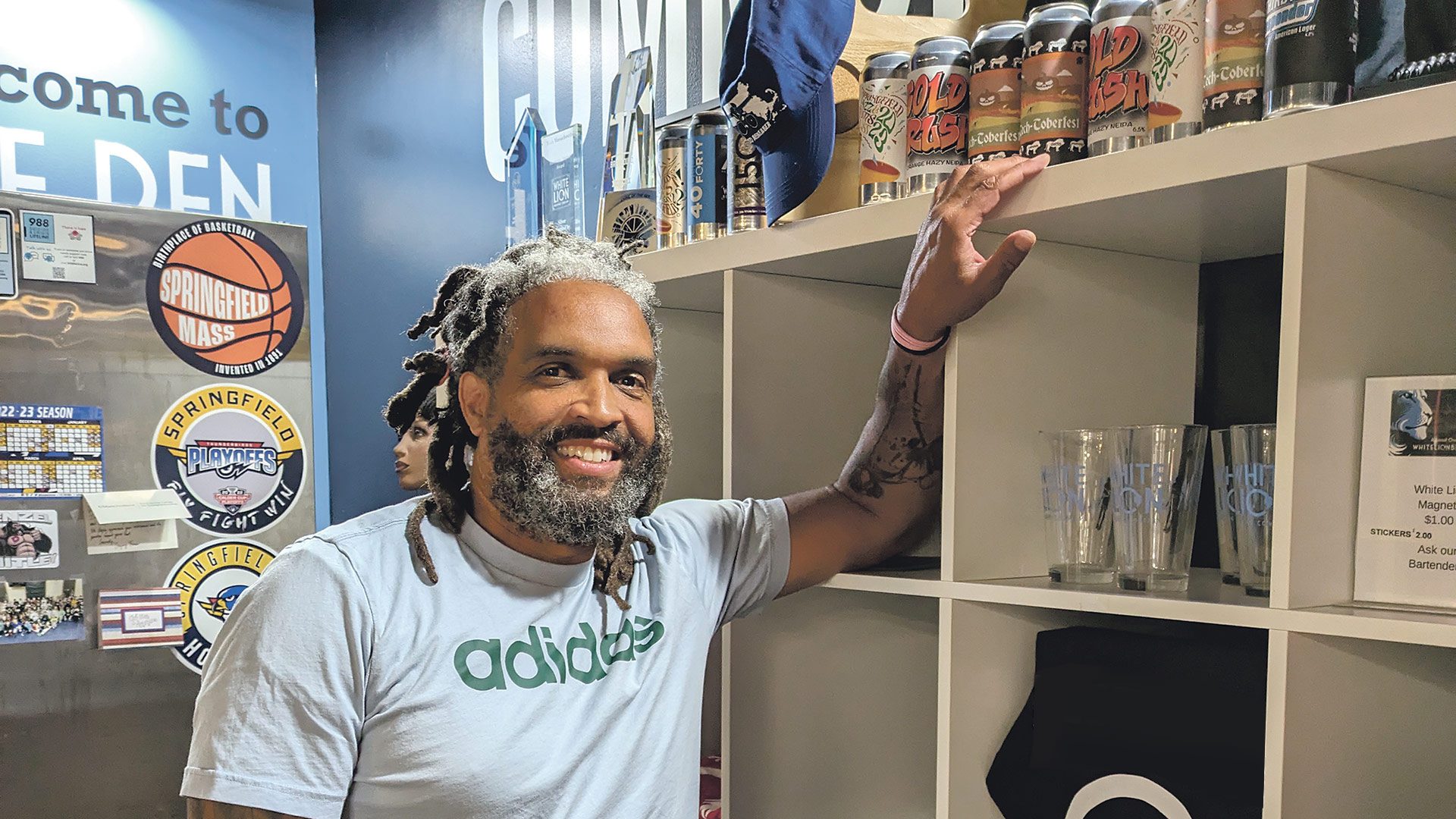
Ray Berry, owner of White Lion Brewing Co.

Ray Berry, owner of White Lion Brewing Co.


In the early days of White Lion Brewing Co., exposure was critical, Ray Berry said — and it still is.

“When the White Lion brand was created, the ultimate goal was to have a brick-and-mortar location in downtown Springfield. We thought that we would be able to accomplish that in a couple of years, but it took longer than that. And because we were contract brewing in another location, it was hard for consumers to identify us because there was no bricks and mortar,” he recalled.

“So it was important for us to engage the community by doing special events, pop-ups, beer gardens, collaborations, partnerships with other community organizations. And that allowed us to really start to have the brand resonate in the Greater Springfield area.”

Almost a decade ago, Berry started having conversations with the Springfield Business Improvement District about bringing the first beer garden to downtown Springfield.

“We rotated in two or three different locations every week for several summers. And that excitement, that engagement, that new option for professionals — and folks just coming to town after work on Wednesday — was incredible. The crowds grew week over week. It really took on a life of its own.”

“There are over 9,000 craft breweries in the United States. There are towns in Western Mass. that have three or four different breweries, and there are only so many consumers. So it’s important for a brand like White Lion to be very proactive and engage as much as it can to keep the consumer aware of what we’re offering.”

COVID put a damper on those events for a while, but after the pandemic, White Lion not only roared back with events, but continues to expand them in neighboring cities (more on that later).

“I guess the gist of it is, it’s important in this hyper-competitive environment,” Berry went on. “There are over 9,000 craft breweries in the United States. There are towns in Western Mass. that have three or four different breweries, and there are only so many consumers. So it’s important for a brand like White Lion to be very proactive and engage as much as it can to keep the consumer aware of what we’re offering. You have to make a strong marketing effort just because of all of the things that have changed since COVID.”

Barks & Brews is always a popular event at Fort Hill Brewery.

Barks & Brews is always a popular event at Fort Hill Brewery.

Progression Brewing Co. sells beer in hundreds of locations from the Berkshires to Cape Cod, but still relies on business at its downtown Northampton headquarters. Which is why the brewery runs a very busy calendar of events every week, from live music to trivia nights to … bonsai workshops.

“You can find our beer anywhere, but when it comes to getting people in this space, they need specific reasons to go,” said Chris McKenney, taproom manager. “It’s not just about giving a pint to them, but who they’re having a pint with and what they’re doing. It’s all about community engagement. I don’t think any brewery is turnkey anymore — just open the doors, and people will come and drink. I think you need to keep giving people reasons to come, in order to keep the taproom full.

“I can’t believe how busy trivia is week after week,” he went on. “And the live music is great. We’ve got so much talent here in the Valley, so many inquiries from bands who want to play. I don’t charge a cover at the door when we’re trying to get people in; I want people to come and enjoy the place. So maybe you’re losing a little up front, but maybe you get a repeat customer who says, ‘hey, this seems like a cool spot; I want to come back.’”

“It’s all about community engagement. I don’t think any brewery is turnkey anymore — just open the doors, and people will come and drink. I think you need to keep giving people reasons to come, in order to keep the taproom full.”

Eric Berzins, general manager and head brewer at Fort Hill Brewery in Easthampton, called taproom events a critical part of the operation.

“It’s another way to interact and bond with the community,” he said. “Usually, beer drinking has a social dynamic, but adding events, adding music, just facilitates it a little bit more in this age where we’re constantly sort of individualized. So this is just a lubricant to socialization. I guess that’s the best I can describe it in an odd way.

“In terms of music, it’s very eclectic,” Berzins added. “We have big bands, small bands, we’ve got rock and roll, we’ve got folk, we’ve got vocals, we’ve got no vocals. We cover a fairly broad spectrum.”

Then there are annual events like a fundraising 5K and the popular Barks & Brews night, which is what is sounds like — a way for people and their dogs to mingle, eat, drink, and have a good time.

“That’s a very interesting day because everyone’s very rush-rush out on the street, but when everyone’s with their dog on the property, they seem to relax and bring it down a notch. It just doesn’t seem like people are as agitated,” he told BusinessWest, adding that the long-term impact of all this activity is positive for the business. “We’ve got a few people that are here almost every single day.”


Food, Folks, and Fun

This summer, White Lion has a beer-garden presence — featuring live music, food vendors, and, of course, beer — in three cities: at rotating spots in downtown Springfield, in Holyoke’s Armour Yard at the Cubit, and at the new Elm Street Plaza in Westfield.

“That beautiful plaza is right in the heart of downtown,” Berry said of the Westfield park, “so we’re lucky and very happy to be part of that. The last four weeks, the number of people out there has been incredible. I think there’s definite buy-in and appreciation for that new venue in Westfield.

Patrons await entry to the Back Porch Music Festival

Patrons await entry to the Back Porch Music Festival, which hosted a wide array of bands for three days in March at Progression Brewing Co.

“We try to cater to multiple palates,” he said of White Lion’s events in general. “There’s always food available and different variations of beverages. Then there’s music, so there’s the entertainment piece. People want to just come out and enjoy the music, or they may want to have a beverage and a bite to eat, but they want to be part of this ecosystem of energy. It’s incredible — you see little kids running around, young families, grandparents with their grandkids, and people riding through on skateboards and bikes and grabbing a bite to eat. It really does create a sense of community.”

Speaking of community, area breweries find many other ways to connect with locals. In addition to live music, Fort Hill regularly features food trucks, cruise nights, and events that benefit area organizations, from schools to the Pioneer Valley Ballet. It also supported the development of the Fort Hill mountain bike trail at Berkshire East in Charlemont — one that features 40-foot jumps — and Berzins, a mountain-biking enthusiast, is looking to convert some of his Easthampton property to a BMX track.

These efforts are carefully crafted to attract a broad age range, he noted, while generating on-site energy — and revenues — to complement a distribution business that places Fort Hill brews in liquor stores and taps across Western Mass.

“The cruise nights bring in a slightly older crowd because they’re the ones that can afford the 1962 muscle cars,” he said. “But it’s all about socializing. I try to establish an environment where people socialize and talk to their neighbor.”

Progression also runs activities that benefit local schools and nonprofits, McKenney said. “It’s a way to give back. It’s really easy to cut a check, but when you open the doors, you might be getting whole groups who have never been here before, and you might get a repeat customer or two.”

He’s also leaned heavily into renting out the space, either the whole taproom or semi-private events in a smaller space for up to 50 people. Progression has also hosted more than 200 wedding parties in the last three years — in fact, it had three scheduled the week McKenney spoke with BusinessWest — along with after-hours events held after 10 p.m., when most breweries are closed.

“Just like there’s so much musical talent around here, we’re also surrounded by incredible wedding venues left and right,” he said of a wedding-adjacent business that has surprised him in its robustness. “I don’t want to say I spent the first two years throwing stuff at the wall to see what would stick, but there I some truth to that.

“At the end of the day, most of us in the area are not running ourselves as a destination brewery model, but as a hub for the community.”

“At the end of the day, most of us in the area are not running ourselves as a destination brewery model, but as a hub for the community,” he added. “Any given night, there might be three to five meetups using our space. It could be a shared interest, young entrepreneurs, a group of tabletop gamers; a local running club is here every Thursday. I look around my space, and I see a birthday party or an after-hours office event. The important thing is that everyone is enjoying the space and enjoying a pint or two.”


Community Focus

Berry is proud of the community collaborations White Lion has done over the years, from a celebration of Eastern States Exposition’s 100th anniversary to partnerships with the Springfield Museums, the Basketball Hall of Fame, and the Springfield Thunderbirds, as well as some upcoming events with the Springfield Puerto Rican Parade committee and a new partnership with Ride to Remember, an initiative that supports local law-enforcement families.

“My background has always been the nonprofit, quasi-public space. So, when building White Lion, it was easy for me to take all those relationships and all that experience that I had built up to incorporate it into the fabric of White Lion,” he told BusinessWest. “It’s important for us to be part of those community conversations.”

Events will continue to be important in another, more sobering way, which has to do with the brewery’s location in Tower Square, and downtown Springfield more generally.

“I remember the pre-COVID days, the number of people in the towers. MassDevelopment has statistics that said there were upwards of 7,000 to 8,000 people downtown in these three or four towers. And we built our business model on those pre-COVID numbers. That was part of our business plan.”

After COVID, those numbers have fallen off dramatically as remote work has taken hold.

“Like any other business, you have to pivot,” Berry said. “So we’ve put a stronger emphasis on these different lanes of operation.”

Autos Special Coverage

Shifting into a Higher Gear

Brian Houser, general manager of Balise Hyundai

Brian Houser, general manager of Balise Hyundai, says factors ranging from inventory to incentives are trending in an optimistic direction.


It can be tough to find a parking spot at Marcotte Ford, but Sue Keller says that’s a good problem to have.

Over the past few years, “we got creative, like skipping every space, trying to look like we had more inventory,” she told BusinessWest. “But now, it’s great to see a full fleet out there. And I think it’s just brought up the morale for the whole team here, which is nice.

“When the truck pulls up now, the sales team are like little kids in the window — they want to see what’s rolling off, what’s coming in, and then they sit down and look at who’s put requests in,” added Keller, the dealership’s marketing director. “I feel like the sales team is more upbeat with more inventory. It’s a better vibe out there. They’re ready to sell, and they have it to sell now.”

Inventory, in fact, seems to be the biggest positive development in auto sales across the region, following a pandemic-related shortage that, as Keller noted, forced dealerships to get creative on half-empty lots.

“Inventory is back to being healthy,” said Mike Marcotte, president of the Holyoke-based store. “So when a customer comes in here, compared to six months ago, they have more options, more colors. And then, if they want to factory-order something, Ford has streamlined it, and it’s coming in faster, which is great. Before, the lead time was four to six months; now, it’s a lot faster with the production cycle.

“I feel like the sales team is more upbeat with more inventory. It’s a better vibe out there. They’re ready to sell, and they have it to sell now.”

“So customers can choose exactly what they want instead of settling on something,” he added. “And they can see it. Instead of looking online for a picture, they can see it in person, and drive away that day if they want.”

Brian Houser, general manager of Balise Hyundai in Springfield, has seen a similar inventory rebound.

Mike Marcotte says having plenty of inventory

Mike Marcotte says having plenty of inventory on the lot is important not just to give buyers options, but because they want to see and touch what they’ll be buying.

“Most brands have been able to fill their lots back so customers have more varieties and choices,” he said, adding that, while used-car access continues to fluctuate following a recent drought, new-car selection is strong. “Consumers have been coming out. They have an opportunity to test drive more makes and models. Before, they’d show up on a parking lot, and there wouldn’t be any inventory for them to even test drive. Now, they have more opportunity to see exactly what they’re looking for.”

Carla Cosenzi, president of TommyCar Auto Group, agreed.

“Inventory levels have improved significantly,” she said. “Our used-vehicle inventory is robust, thanks to our trade-in programs and strategic sourcing, ensuring a wide range of options for our customers. Additionally, we have over 500 new vehicles across our five brands, providing an extensive selection for buyers.”

Business across the TommyCar dealerships has been strong in 2024, she added, with consistent demand for both new and pre-owned vehicles.

“We use live market pricing to always ensure we are priced competitively in the market, and these are some of the best incentives we have seen from the manufacturers,” she added, noting a range of incentives to attract buyers, including low-interest financing, lease specials, cash rebates, and loyalty programs, in addition to TommyCar-specific perks like 15% back on service spending (which can be used toward a future car purchase), gift certificates when customers hit certain points in their rewards account, and complimentary service loaners.

“We had a great start to July, and we’re actually looking for a bigger second half of the year than the first half of the year.”

With more inventory, Ford has enhanced its rebates as well, Marcotte noted, like 2.99% financing on a Ford F-150 that kicked off on July 15 and will continue through the summer.

“They’re trying to stay more consistent over a longer period. So it’s not 15 days — it will last the whole month or the whole summer. So we can plan inventory accordingly and reach out to customers that may be in the market or were in the market, and tell them this special is out right now.”

As a result, “we had a great start to July, and we’re actually looking for a bigger second half of the year than the first half of the year,” he added. “Especially as a big commercial truck dealer, with Super Duties and Transits, we’re also ramping up for that, for the end of the year.”

The luxury vehicle market is robust as well, according to Peter Wirth, who co-owns Mercedes-Benz of Springfield with his wife, Michelle Wirth.

“It’s a good environment for us. Inventory levels are back to pre-pandemic levels,” he said, adding that SUV sales are especially strong, citing the brand’s GLC and GLE models.

Michelle and Peter Wirth

Michelle and Peter Wirth say customers are often surprised that some luxury cars at Mercedes-Benz of Springfield aren’t far from the price points at other dealerships.

“We have always had a powertrain for any liking, whether you want a gas-powered vehicle, an all-electric vehicle, or a plug-in hybrid,” Michelle added. “People may not realize they can afford a Mercedes — they may not realize that, when they’re driving other cars, their price point is similar to ours.”


EV Landscape in Flux

One trend that seems to have slowed nationally is the realm of electric vehicles. Locally, however, dealers are still embracing their potential.

“We’ve actually been doing steady with it. Our whole team has learned it, so it’s not just one or two specialists; they’re all fluent with it,” Marcotte said, adding that his dealership has invested in high-speed charging stations as well, so customers can familiarize themselves with them. Meanwhile, state and federal incentives and rebates continue to be attractive, he added.

While some customers remain leery about charging infrastructure and how that affects range, he noted that hybrids continue to sell well, serving as a mileage-efficient middle ground between all-gas vehicles and electrics.

“We want people to feel comfortable. We don’t want them to make a purchase and not feel comfortable. Obviously, with all the different chargers in the area, once you start looking for them, you start seeing more and more. And then you can do the at-home charger.”

That said, EVs — Ford offers the Mach-E, the F-150 Lightning, and the E-Transit — represented 8% of Marcotte’s business in June. “And then we’ll have new products in 2026 and 2027. So that’s been going well. We’re glad we can offer all those ranges — EVs, gas, hybrid, and commercial diesels.”

Cosenzi said she’s seeing increased incentives for electric vehicles and hybrid models, reflecting the industry’s push towards sustainable mobility, and TommyCar has prepared for that shift by expanding its EV inventory and investing in charging stations. “These incentives make it an excellent time for customers to explore both traditional and alternative fuel vehicles.”

“We have charging stations on our campus. But until your condo complexes have them set up, your Starbucks, your Dunkin’ Donuts, places that people can spend 15 to 20 minutes charging their vehicle … until you start to see that, it’s going to be tough for the average consumer.”

Houser said “range anxiety” is still a factor, even though range on EVs has increased substantially and charging stations continue to spring up.

“And there are still plenty of incentives from the state and federal government that are incentivizing these customers to buy EVs,” he noted. “But the infrastructure is the most important thing. We have charging stations on our campus. But until your condo complexes have them set up, your Starbucks, your Dunkin’ Donuts, places that people can spend 15 to 20 minutes charging their vehicle … until you start to see that, it’s going to be tough for the average consumer.”

For now, he agrees with Marcotte that many consumers who desire the mileage of an electric vehicle are more comforable with hybrids.

“The benefit of the hybrid is you don’t have to worry about charging it; the battery itself does it,” Houser noted. “When you’re doing your braking, your regenerative braking system powers everything so there’s no range anxiety of what could go wrong if you can’t get it charged — you’re just putting gas in and relying on the mechanics of the vehicle.”

Peter Wirth said EV adoption has been lower than anticipated, while hybrids remain very much in demand, and Mercedes-Benz of Springfield is stocking accordingly. But he agrees with others that, once people become more comfortable with charge-station availability, both locally and nationally, the future is still bright for all-electric cars and trucks.

“Nobody has a crystal ball,” Michelle added. “But it only stands to reason that, as the charging infrastructure grows in the area, so will the adoption.”


Drive Time

That said, business is normalizing, for both Mercedes as a whole and the Wirths’ Chicopee-based dealership.

“It’s been only seven years, so we’re still getting known in this market,” Peter said. “We’re still selling new cars, factory orders are back to pre-pandemic lead times, and, for customers, the deals are back. Leasing and financing deals are important for us so we can stay competitive.”

TommyCar continues to grow, Conzenzi said, even at a time when all sectors are struggling with talent retention. “We focus on creating a positive work environment, offering competitive compensation, and providing continuous training and development opportunities. Our culture emphasizes teamwork, innovation, and customer-centric service, which helps us attract and retain dedicated professionals.”

The main downside for consumers right now, Houser said, is felt by those who bought at a high point in the market and may be upside down on their loan compared to what their always-depreciating vehicle is worth.

“A lot of people avoid that by leasing a vehicle. Or, if you’ve got to hunker down and keep your vehicle, try to put more money into principal because so many consumers put no money down, rolling in all the taxes and registration fees, and then, at that point, you’re financing the full amount at a high retail price that didn’t have incentives or programs before.”

With the average monthly car payment in the U.S. around $700, Houser added, he’s seeing more consumers finance for a longer period — six or seven years instead of five. “But over the long haul, they have to hopefully realize how much money is going to the bank when you’re financing a car for a longer period of time.”

That’s why the return of rate and rebate incentives are so welcome, he noted, and why new cars are starting to look better than used ones, which rely on local bank financing at higher rates than new cars.

“And the rebates are back in play,” he added. “I’m sure you’ve heard the TV ads. When COVID was going on, you didn’t hear the radio, TV, or billboard ads for two, three, four, five thousand dollars off. Now that inventory is back, we have to get these vehicles into people’s driveways, and the manufacturers give us incentives in order to help us out with that.”

Senior Planning

These regional and statewide nonprofits can help families make decisions and access resources related to elder-care planning.


AARP Massachusetts

1 Beacon St., #2301, Boston, MA 02108

(866) 448-3621; www.states.aarp.org/region/massachusetts

Administrator: Mike Festa

Services: AARP is a nonprofit, nonpartisan, social-welfare organization with a membership of nearly 38 million that advocates for the issues that matter to families, such as healthcare, employment and income security, and protection from financial abuse


The Conversation Project and the Institute for Healthcare Improvement

53 State St., 19th Floor,

Boston, MA 02109

(617) 301-4800;
www.theconversationproject.org

Administrator: Kate DeBartolo

Services: The Conversation Project is dedicated to helping people talk about their wishes for end-of-life care; its team includes five seasoned law, journalism, and media professionals who are working pro bono alongside professional staff from the Instititute for Healthcare Improvement


Elder Services of Berkshire County Inc.

877 South St., Suite 4E,

Pittsfield, MA 01201

(413) 499-0524; www.esbci.org

Administrator: Christopher McLaughlin

Services: Identifies and addresses priority needs of Berkshire County seniors; services include information and referral, care management, respite care, homemaker and home health assistance, healthy-aging programs, and MassHealth nursing home pre-screening; agency also offers housing options, adult family care, group adult foster care, long-term-care ombudsman, and money management, and oversees the Senior Community Service Aide Employment Program


Estate Planning Council of Hampden County

www.estateplan-hc.org

Administrator: Susan McCoy

Services: Provides a forum for current, accurate, and authoritative information with regard to estate and financial planning; council members are life-insurance professionals, bankers, fiduciaries, lawyers, accountants, planned-giving professionals, and other financial-service providers engaged in the planning, settlement, and management of estates


Greater Springfield Senior Services Inc.

66 Industry Ave., Suite 9,

Springfield, MA 01104

(413) 781-8800; www.gsssi.org

Administrator: Jill Keough

Services: Private, nonprofit organization dedicated to maintaining quality of life for older adults, caregivers, and people with disabilities, through programs and services that foster independence, dignity, safety, and peace of mind; services include case management, home care, home-delivered meals, senior community dining, money management, congregate housing, and adult day care


Highland Valley Elder Services

320 Riverside Dr., Florence, MA 01062

(413) 586-2000;
www.highlandvalley.org

Administrator: Allan Ouimet

Services: Services include care management, information/referral services, family caregiver program, personal emergency-response service, protective services, home-health services, chore services, nursing-home ombudsman services, adult day programs, elder-care advice, bill-payer services, options counseling, respite services, representative payee services, local dining centers, personal-care and homemaker services, and home-delivered meals


LifePath

101 Munson St., Suite 201,
Greenfield, MA 01301

(413) 773-5555;
www.lifepathma.org

Administrator: Barbara Bodzin

Services: LifePath, formerly Franklin County Home Care Corp., an area agency on aging, is a private, nonprofit corporation that develops, provides, and coordinates a range of services to support the independent living of elders and people with disabilities with a goal of independence; it also supports caregivers, including grandparents raising grandchildren


Massachusetts Executive Office of Elder Affairs

1 Ashburton Place, Unit 517,
Boston, MA 02108

(617) 727-7750;
www.mass.gov/elders

Administrator: Elizabeth Chen

Services: Connects seniors and families with a range of services, including senior centers, councils on aging, nutrition programs such as Meals on Wheels, exercise, health coaching, and more; supports older adults who may be somewhat frail through programs in nursing homes, such as the ombudsman program, volunteers who visit residents, and quality-improvement initiatives in nursing homes and assisted-living facilities; caregiver programs offer support to people with mild Alzheimer’s disease or those caring for someone with more advanced Alzheimer’s


Massachusetts Senior Legal Helpline

99 Chauncy St., Unit 400,

Boston, MA 02111

(800) 342-5297; www.vlpnet.org

Administrator: Joanna Allison

Services: The Helpline is a project of the Volunteer Lawyers Project of Boston that provides free legal information and referral services to Massachusetts residents age 60 and older; the Helpline is open Monday through Friday, 9 a.m. to noon


MassOptions

(844) 422-6277;
www.massoptions.org

Administrator: Marylou Sudders

Services: A service of the Massachusetts Executive Office of Health and Human Services, MassOptions connects elders, individuals with disabilities, and their caregivers with agencies and organizations that can best meet their needs; staff can also assist with determining eligibility for and applying to MassHealth


VA Central and Western Massachusetts Healthcare System

421 North Main St., Leeds, MA 01053

(413) 584-4040;
www.centralwesternmass.va.gov

Administrator: Suzanne Krafft

Services: Provides primary, specialty, and mental-health care, including psychiatric, substance-abuse, and PTSD services, to a veteran population in Central and Western Massachusetts of more than 120,000 men and women


WestMass ElderCare Inc.

4 Valley Mill Road, Holyoke, MA 01040

(413) 538-9020;
www.wmeldercare.org

Administrator: Roseann Martoccia

Services: Provides an array of in-home and community services to support independent living; interdisciplinary team approach to person-centered care; information, referrals, and options counseling as well as volunteer opportunities available; primary service area includes Holyoke, Chicopee, Granby, South Hadley, Belchertown, Ludlow, and Ware, as well as other surrounding communities


Senior Planning

Getting Your Affairs in Order

By the National Institute on Aging

No one ever plans to be sick or disabled. Yet, planning for the future can make all the difference in an emergency and at the end of life. Being prepared and having important documents in a single place can give you peace of mind, help ensure your wishes are honored, and ease the burden on your loved ones. The following list provides common steps to consider when getting your affairs in order.


1. Plan for Your Estate and Finances

Depending on your situation, you may choose to prepare different types of legal documents to outline how your estate and finances will be handled in the future. Common documents include a will, durable power of attorney for finances, and a living trust.

• A will specifies how your estate — your property, money, and other assets — will be distributed and managed when you die. A will can also address care for children under age 18, adult dependents, and pets, as well as gifts and end-of-life arrangements, such as a funeral or memorial service and burial or cremation. If you do not have a will, your estate will be distributed according to the laws in your state.

• A durable power of attorney for finances names someone who will make financial decisions for you when you are unable to.

• A living trust names and instructs a person, called the trustee, to hold and distribute property and funds on your behalf when you are no longer able to manage your affairs.

“Having a healthcare proxy helps you plan for situations that cannot be foreseen, such as a serious auto accident or stroke.”

2. Plan for Your Future Healthcare

Many people choose to prepare advance directives, which are legal documents that provide instructions for medical care and go into effect only if you cannot communicate your own wishes due to disease or severe injury. The most common advance directives include a living will and a durable power of attorney for healthcare.

• A living will tells doctors how you want to be treated if you cannot make your own decisions about emergency treatment. You can say which common medical treatments or care you would want, which ones you would want to avoid, and under which conditions each of your choices applies.

• A durable power of attorney for healthcare names your healthcare proxy, a person who can make healthcare decisions for you if you are unable to communicate these yourself. Your proxy — also known as a representative, surrogate, or agent — should be familiar with your values and wishes.

A proxy can be chosen in addition to or instead of a living will. Having a healthcare proxy helps you plan for situations that cannot be foreseen, such as a serious auto accident or stroke.

These documents are part of advance care planning, which involves preparing for future decisions about your medical care and discussing your wishes with your loved ones.


3. Put Important Papers and Copies of Legal Documents in One Place

You can set up a file, put everything in a desk or dresser drawer, or list the information and location of papers in a notebook. For added security, consider getting a fireproof, waterproof safe to store your documents. If your papers are in a bank safe deposit box, keep copies in a file at home.


4. Communicate Where to Find Your Important Papers

You don’t need to discuss your personal affairs, but someone you trust should know where to find your papers in case of an emergency. If you don’t have a relative or friend you trust, ask a lawyer to help.


5. Talk to Your Loved Ones and a Doctor About Advance Care Planning

A doctor can help you understand future health decisions you may face and plan the kinds of care or treatment you may want. Discussing advance care planning with your doctor is free through Medicare during your annual wellness visit. Private health insurance may also cover these discussions. Share your decisions with your loved ones to help avoid any surprises or misunderstandings about your wishes.


6. Give Permission for a Doctor or Lawyer to Talk with Your Caregiver

If you need help managing your care, you can give your caregiver permission in advance to talk with your doctors, your lawyer, your insurance provider, a credit card company, or your bank. You may need to sign and return a form. Giving permission for your doctor or lawyer to talk with your caregiver is different from naming a healthcare proxy, who can only make decisions if you are unable to communicate them yourself.


7. Review Your Plans Regularly

It’s important to review your plans at least once each year and when any major life event occurs, like a divorce, move, or major change in your health.

Senior Planning

Healthy Meal Planning

By the National Institute on Aging

Eating healthfully and having an active lifestyle can support healthy aging. Older adults have unique nutrition needs, but simple adjustments can go a long way toward building a healthier eating pattern. Follow these tips to get the most out of foods and beverages while meeting your nutrient needs and reducing the risk of disease.

• Enjoy a variety of foods from each food group to help reduce the risk of developing diseases such as high blood pressure, diabetes, and heart disease. Choose foods with little to no added sugar, saturated fats, and sodium.

• To get enough protein throughout the day and maintain muscle, try adding seafood, dairy, or fortified soy products along with beans, peas, and lentils to your meals.

• Add sliced or chopped fruits and vegetables to meals and snacks. Look for pre-cut varieties if slicing and chopping are a challenge for you.

• Try foods fortified with vitamin B12, such as some cereals, or talk to your doctor about taking a B12 supplement.

• Reduce sodium intake by seasoning foods with herbs and citrus such as lemon juice.

• Drink plenty of water throughout the day to help stay hydrated and aid in the digestion of food and absorption of nutrients. Avoid sugary drinks.

“Older adults have unique nutrition needs, but simple adjustments can go a long way toward building a healthier eating pattern.”

USDA Food Patterns

Eating habits can change as we grow older. The USDA has developed a series of food patterns to help people understand different ways they can eat healthy. The food patterns include:

• The healthy U.S.-style eating pattern is based on the types of foods Americans typically consume. The main types of food in this eating pattern include a variety of vegetables, fruits, whole grains, fat-free or low-fat dairy, seafood, poultry, and meat, as well as eggs, nuts, seeds, and soy products.

• The healthy Mediterranean-style eating pattern contains more fruits and seafood and less dairy than the healthy U.S.-style eating pattern.

• The healthy vegetarian eating pattern contains no meat, poultry, or seafood, but does contain fat-free or low-fat dairy. Compared with the healthy U.S.-style eating pattern, it contains more soy products, eggs, beans and peas, nuts and seeds, and whole grains.

Visit www.fns.usda.gov/cnpp/usda-dietary-patterns for more information on each eating pattern and recommended daily intake amounts for each food group.


Meal Planning

Answering the question ‘what should I eat?’ doesn’t need to leave you feeling baffled and frustrated. In fact, when you have the right information and motivation, you can feel good about making healthy choices. Use these tips to plan healthy and delicious meals.

• Plan in advance. Meal planning takes the guesswork out of eating and can help ensure you eat a variety of nutritious foods throughout the day.

• Find budget-friendly foods. Create a shopping list in advance to help stick to a budget.

• Consider preparation time. Some meals can be made in as little as five minutes. If you love cooking, or if you’re preparing a meal with or for friends or family, you may want to try something a little more challenging.

• Keep calories in mind. The number of calories people need each day varies by individual. Always discuss your weight and fitness goals with your healthcare provider before making big changes. Research calorie goals and healthy food swaps.


Finding Recipes

When planning meals, looking for recipes that sound delicious to you can be a good place to start. The USDA features the MyPlate Kitchen (www.myplate.gov/myplate-kitchen), a resource that helps you find healthy recipes that fit your nutrition needs and create a shopping list. The MyPlate Plan tool (www.myplate.gov/myplate-plan) will create a customized food plan for you based on your age, height, weight, and physical activity level.

Finally, when you create your shopping list, don’t forget nutritious basics such as fresh fruits and vegetables and whole-grain bread.

Senior Planning

Easing the Load

By A Better Life Homecare


Caregiving is a noble and rewarding endeavor but can also be incredibly stressful. The emotional and physical demands of caring for a loved one can take a toll on even the most resilient individuals. At A Better Life Homecare LLC, we understand the unique challenges caregivers face, which is why we are committed to supporting them in every way possible.

One crucial aspect of caregiver support is access to affordable counseling services. Here are five counseling services that can help reduce caregiver stress without breaking the bank.


1. Online Therapy Platforms

Online therapy platforms like BetterHelp and Talkspace offer convenient and affordable access to licensed therapists. These platforms allow caregivers to schedule sessions at their convenience, from the comfort of their own homes. This flexibility is particularly beneficial for those with demanding caregiving schedules. Subscriptions to these services typically range from $60 to $90 per week, which is often more affordable than traditional in-person therapy.


2. Community Mental-health Centers

Community mental-health centers provide a range of services, including counseling, at reduced costs based on income. These centers often receive funding from state and local governments, allowing them to offer sliding scale fees to make mental-health services accessible to everyone. Caregivers can benefit from individual therapy, group therapy, and stress-management workshops provided by these centers. To find a community mental-health center near you, visit your state’s health department website or contact local social services.


3. Employee Assistance Programs

Many employers offer employee assistance programs (EAPs) that provide free or low-cost counseling services to employees and their immediate family members. These programs typically include a limited number of counseling sessions with licensed therapists, as well as resources for managing stress and improving mental health. Caregivers who are employed should check with their human resources department to see if their employer offers an EAP and how to access these valuable services.


4. Nonprofit Organizations

Several nonprofit organizations are dedicated to supporting caregivers and their mental health. Organizations like the Family Caregiver Alliance and the National Alliance for Caregiving offer free or low-cost counseling services, support groups, and educational resources. These nonprofits understand the unique challenges caregivers face and provide specialized support to help them manage stress and maintain their well-being. Additionally, many of these organizations offer virtual support groups, making it easier for caregivers to connect with others who understand their experiences.


5. Local Support Groups

Local support groups can be an excellent resource for caregivers seeking emotional support and practical advice. These groups provide a space for caregivers to share their experiences, learn from others, and receive encouragement. Many local hospitals, community centers, and faith-based organizations offer free or low-cost support groups for caregivers. To find a support group near you, consider reaching out to local healthcare providers, social service agencies, or religious institutions.


Taking the First Step

Recognizing the need for support is the first step in reducing caregiver stress. By taking advantage of affordable counseling services, caregivers can gain valuable coping strategies, emotional support, and practical advice to help them navigate their caregiving journey. We encourage caregivers to prioritize their mental health and seek out the resources available to them. Remember, taking care of yourself is just as important as taking care of your loved one.

Senior Planning

Keeping Alzheimer’s at Bay

By the ADEAR Center

As you age, you may have concerns about the increased risk of dementia. You may have questions, too. Are there steps I can take to prevent it? Is there anything I can do to reduce my risk?

There are currently no approaches that have been proven to prevent Alzheimer’s disease and related dementias. However, as with many other diseases, there may be steps you can take to help reduce your risk.


What Are Risk Factors?

A risk factor is something that may increase the chance of developing a disease. Some risk factors can be controlled, while others cannot. For example, a person is not able to control their age, which is the greatest known risk factor for Alzheimer’s and related dementias. Another uncontrollable risk factor is a person’s genes. Genes are structures in our body’s cells that are passed down from a person’s birth parents. Changes in genes — even small changes — can cause diseases.

Race and gender are also factors that influence risk. Research shows that African-Americans, American Indians, and Alaska Natives have the highest rates of dementia, and that risk factors may differ for women and men. Researchers are investigating what’s behind these differences.

However, people do have control over their behavior and lifestyle, which can influence their risk for certain diseases. For example, high blood pressure is a major risk factor for heart disease. Lowering blood pressure with lifestyle changes or medication can help reduce a person’s risk for heart disease and heart attack. This is not to say that people who lower their blood pressure definitely won’t have a heart attack, but it significantly lowers the chances.

For Alzheimer’s and related dementias, no behavior or lifestyle factors have risen to the level of researchers being able to say this will definitely prevent these diseases. But there are promising avenues.


What Do We Know About Reducing Dementia Risk?

The number of older Americans is rising, so the number of people with dementia is predicted to increase. However, some studies have shown that incidence rates of dementia — meaning new cases in a population over a certain period of time — have decreased in some locations, including in the U.S. Based on observational studies, factors such as healthy lifestyle behaviors and higher levels of education may be contributing to such a decline. But the cause and effect are uncertain, and such factors need to be tested in a clinical trial to prove whether they can prevent dementia.

“For Alzheimer’s and related dementias, no behavior or lifestyle factors have risen to the level of researchers being able to say this will definitely prevent these diseases. But there are promising avenues.”

A review of published research evaluated the evidence from clinical trials on behavior and lifestyle changes to prevent or delay Alzheimer’s or age-related cognitive decline. The review found “encouraging but inconclusive” evidence for three types of behavioral changes (also called interventions): physical activity, blood-pressure control, and cognitive training.

The findings mean that interventions in these areas are promising enough that researchers should keep studying them to learn more. Researchers continue to explore these and other interventions to determine whether — and in what amounts or forms — they might prevent dementia.


What Can You Do?

Although there is no effective treatment or proven prevention for Alzheimer’s and related dementias, in general, leading a healthy lifestyle may help address risk factors that have been associated with these diseases.

• Control high blood pressure. High blood pressure, or hypertension, has harmful effects on the heart, blood vessels, and brain, and increases the risk of stroke and vascular dementia. Treating high blood pressure with medication and healthy lifestyle changes, such as exercising and quitting smoking, may help reduce the risk of dementia.

• Manage blood sugar. Higher-than-normal levels of blood sugar, or glucose, can lead to diabetes and may increase the risk of heart disease, stroke, cognitive impairment, and dementia. Making healthy food choices, getting regular exercise, stopping smoking, and checking glucose levels can help manage blood sugar.

• Maintain a healthy weight. Being overweight or obese increases the risk for related health problems such as diabetes and heart disease. Being active and choosing healthy foods can help maintain a healthy weight.

• Eat a healthy diet. Aim for a mix of fruits and vegetables, whole grains, lean meats and seafood, unsaturated fats such as olive oil, and low-fat or non-fat dairy products, while limiting other fats and sugars.

• Keep physically active. Physical activity has many health benefits, such as helping to prevent being overweight and having obesity, heart disease, stroke, and high blood pressure. Aim to get at least 150 minutes of moderate-intensity physical activity each week.

• Stay mentally active. Lots of activities can help keep your mind active, including reading, playing board games, crafting, taking up a new hobby, learning a new skill, working or volunteering, and socializing.

• Stay connected with family and friends. Connecting with people and engaging in social activities can prevent social isolation and loneliness, which are linked to higher risks for cognitive decline and Alzheimer’s disease.

• Treat hearing problems. Hearing loss may affect cognition and dementia risk in older adults and can make it more difficult to interact with others. Protect your ears from loud sounds to help prevent hearing loss, and use hearing aids if needed.

Take care of your mental and physical health. This includes getting your recommended health screenings, managing chronic health issues such as depression or high cholesterol, and regularly checking in with your healthcare provider.

• Sleep well. Sleeping well is important for both your mind and body. Try to get seven to eight hours of sleep each night. Talk with your doctor if you are not getting enough sleep, are sleeping poorly, or think you may have a sleep disorder.

• Prevent head injury. Take steps to prevent falls and head injury, such as fall-proofing your home and wearing shoes with non-skid soles that fully support your feet. Consider participating in fall-prevention programs online or in your area. Also, wear seatbelts and helmets to help protect you from concussions and other brain injuries.

• Drink less alcohol. Drinking too much alcohol can lead to falls and worsen health conditions such as diabetes, high blood pressure, stroke, memory loss, and mood disorders. The National Institute on Alcohol Abuse and Alcoholism, part of the National Institutes of Health, recommends that men should not have more than two drinks a day and women only one.

• Stop tobacco use. At any age, stopping smoking can improve your health and lower the risk of heart attack, stroke, and lung disease.

Researchers cannot say for certain whether making the above lifestyle changes will protect against dementia, but these changes are good for your health and are all part of making healthy choices as you age.


Watch Out for False Alzheimer’s Cures

Although you might see commercials or online advertisements for products promising to improve brain health and prevent dementia, be cautious about such products. There currently is no product that will effectively prevent or treat Alzheimer’s or related dementias. Check with your doctor before trying any new medication or supplement.

More research is needed to find ways to help prevent Alzheimer’s and related dementias. Future research may determine that specific interventions are needed to prevent or delay the disease in some people, but others may need a combination of treatments based on their individual risk factors. Understanding risk factors and choices you can make now is important for both your present and future health.


The ADEAR (Alzheimer’s & Related Dementias Education & Referral) Center is a service of the National Institute on Aging at the National Institutes of Health.

Senior Planning

An Important Question

By Michele Anstett


More seniors are choosing to age in place at home instead of dwelling in an assisted-living or nursing facility. However, some may need additional help with their medical or personal care and managing everyday household tasks. Seniors and their family members then need to decide whether a home-care nurse or an in-home personal caregiver is required.

Michele Anstett

Michele Anstett

“Professional in-home caregivers help older adults maintain their independence, continue living at home, and age safely and comfortably.”

What Does a Home-care Nurse Do?

A home-care nurse is either a registered nurse (RN) or a licensed practical nurse (LPN) who offers nursing-level medical care to individuals in their home. Home-care nurses provide treatments that may include:

• Wound care;

• Respiratory therapy;

• Tracheotomy care;

• Diabetes management;

• Ostomy care; and

• Injections and infusions.

Other medical providers — such as registered dietitians and physical, speech, and occupational therapists — may also offer specialized healthcare and rehabilitation services in the home.


How In-home Personal Caregivers Can Help

An in-home caregiver provides non-medical assistance for adults needing personal care and assistance with daily tasks. Professional in-home caregivers help older adults maintain their independence, continue living at home, and age safely and comfortably. Caregiver tasks may include:

• Bathing and dressing assistance;

• Assistance with mobility;

• Transfers;

• Companion care;

• Errands and shopping;

• Light housekeeping;

• Meal preparation;

• Medication reminders; and

• Incidental transportation.


Which Type of Care is Necessary?

The first step is determining whether your loved one’s needs are medical or non-medical. If your loved one needs non-medical personal assistance, a professional home-care provider, such as Visiting Angels, might be the right choice. Clients and/or their families can select the hours and tasks required — even if those requests are for companion care or respite care only. Visiting Angels offers many care arrangements, including:

• Up to 24/7 care;

• Overnight care or weekday, evening, weekend, and holiday care;

• Respite care for families;

• Temporary care;

• Long-term care; and

• Long-distance care.


Arrange a Home-care Consultation

Schedule a free home care consultation with Visiting Angels West Springfield to learn more about available services and how an in-home personal caregiver might be able to assist your loved one. Call (413) 733-6900 for more information.


Michele Anstett is director and owner of Visiting Angels West Springfield.

Senior Planning

Recognize the Signs of Elder Abuse

By Lynn Wolf

Elder abuse is a silent epidemic that affects millions of older adults worldwide. According to the World Health Organization (WHO), approximately one in six older adults experience some form of abuse in community settings, with the prevalence even higher in institutional settings such as nursing homes. Shockingly, a study by the National Council on Aging (NCOA) found that only one in 14 cases of elder abuse are reported to authorities, highlighting the pervasive underreporting of this issue.


Understanding Elder Abuse

Elder abuse encompasses various forms of harm inflicted upon older adults, including physical, emotional, sexual, financial, and neglectful mistreatment. It can occur in any setting, whether at home or in nursing homes, assisted-living facilities, or even hospitals. Perpetrators of elder abuse can be family members, caregivers, acquaintances, or professionals entrusted with the elder’s care.

Lynn Wolf

Lynn Wolf

“If an older adult confides in you about abuse, listen with empathy and take their concerns seriously. Many victims of elder abuse suffer in silence due to fear or shame, and it’s essential to provide them with support and validation.”

Recognizing the Signs

Physical abuse may include:

• Unexplained injuries such as bruises, fractures, or burns;

• Signs of restraint such as rope marks on wrists;

• Refusal to seek medical treatment or delays in treatment for injuries; or

• Changes in behavior around specific individuals.


Emotional abuse may include:

• Withdrawal from usual activities or social interactions;

• Unexplained changes in behavior, such as depression or anxiety; or

• Verbal threats, insults, or humiliation.


Sexual abuse may include:

• Bruises or injuries around the genitals or breasts;

• Unexplained sexually transmitted infections; or

• Signs of distress or fear around certain individuals.


Financial abuse may include:

• Sudden changes in financial situation or loss of assets;

• Unexplained withdrawals or transfers of money; or

• Unauthorized use of credit cards or forging signatures.


Signs of neglect may include:

• Poor hygiene, including soiled clothing or lack of bathing;

• Untreated medical conditions or lack of medication; or

• Malnutrition or dehydration.


Taking Action

Stay vigilant. Keep an eye out for any signs of abuse or neglect, especially if your loved one is unable to communicate effectively due to cognitive decline or other health issues.

Listen and believe. If an older adult confides in you about abuse, listen with empathy and take their concerns seriously. Many victims of elder abuse suffer in silence due to fear or shame, and it’s essential to provide them with support and validation.

Report suspected abuse. If you suspect elder abuse, don’t hesitate to report it to the appropriate authorities. Contact adult protective services, local law enforcement, or a trusted elder-abuse hotline for assistance. In Hampden and Hampshire counties, Adult Protective Services is operated by Greater Springfield Senior Services. Contact them at www.gsssi.org/adult-protective-services or call (800) 922-2275.

Seek support. Reach out to organizations and support groups specializing in elder-abuse prevention and intervention. They can provide valuable resources, guidance, and emotional support for both victims and their families.


Prevention is Key

Educate yourself. Learn about the warning signs of elder abuse and the resources available in your community to address it effectively.

Establish open communication. Maintain open lines of communication with your loved ones and encourage them to speak up if they experience any form of mistreatment.

Conduct regular check-ins. Schedule regular visits or phone calls with your older relatives to check on their well-being and address any concerns they may have.

Create a supportive environment. Foster a supportive and respectful environment where older adults feel safe and valued, surrounded by caring individuals who prioritize their needs and rights.


Conclusion

Recognizing the signs of elder abuse is essential for protecting our older loved ones from harm and ensuring they receive the care and respect they deserve. By staying vigilant, taking action, and promoting prevention efforts, we can work together to combat elder abuse and create a safer and more compassionate society for older adults everywhere.

Let’s stand together to advocate for the rights and dignity of our elders and ensure they live their lives free from abuse and exploitation.


Lynn Wolf is Marketing and Development manager at WestMass ElderCare Inc.

Senior Planning

Making the Transition

By Kristen Wampler


Transitioning seniors from long-term care facilities to community or residential housing is a significant change that requires careful planning. Early preparation is key to ensuring a smooth process.

Kristen Wampler

Kristen Wampler

Start by understanding the financial implications and coordinating the transport of belongings. It’s essential to recreate a familiar environment for the senior by bringing personal items from their previous living space, helping them feel more at home.

When exploring potential new homes, visit and evaluate various options. Consider not just the overall environment, but also the location, amenities, and available healthcare services. Transitioning from a nursing home may mean losing immediate access to healthcare professionals, so it’s crucial to ensure that medication management and access to doctors are well-coordinated. This requires time, as these services often take a while to establish.

Involving the senior in the entire process is vital. Their preferences and comfort are crucial for a successful transition. Moving can be emotionally challenging, especially for those who have been in long-term care for an extended period. Offer emotional support and reassurance throughout the process to minimize feelings of loss or anxiety.

Establishing new routines and systems in the new space is important, as routines provide stability and comfort. Nursing homes often offer a built-in social network for residents, and maintaining social connections is crucial. Research local community resources, such as senior centers, book clubs, crochet classes, or support groups, to provide social opportunities and combat loneliness and isolation. Monitor the senior’s adjustment and address any concerns promptly.


Financial concerns are legitimate, as living independently can be expensive, especially for those on a fixed income. Take the time to research eligibility for public assistance, local nutrition programs, behavioral-health outreach, money-management programs, and other resources. These can help promote opportunities for the senior to live with dignity and independence, achieving the highest possible quality of life.

When transitioning individuals, we typically discuss the following areas with the family, to the degree possible:

Choosing the right housing. Ensure that the new residence meets the senior’s needs.

Support system. Establisha network of family, friends, and caregivers.

Healthcare location and in-home preparation. Coordinate medical services and prepare the home for any necessary accommodations.

Emotional and social support. Provide resources for mental well-being and social engagement.

Financial assistance and support. Explore financial-aid options to manage the cost of independent living.

Family involvement. Keep family members engaged and informed throughout the process.

Legal issues. Address any legal considerations, such as power of attorney and living wills.

For more information, visit bfair.org.


Kristen Wampler is vice president of Community Services at BFAIR in North Adams.

Senior Planning

Adult Foster Care

By Anna Randall

As our loved ones get older, ensuring their well-being becomes a top priority. Finding the right balance between independence and care can be challenging for many families. Traditional nursing homes and assisted-living facilities are often considered; however, these options may not always provide the personalized, home-like environment many desire.

This is where Greater Springfield Senior Service’s Adult Foster Care (AFC) comes into play, offering a compassionate and effective alternative for senior living. This program is designed to support individuals who cannot live alone independently due to physical, emotional, or cognitive impairments.

Unlike institutional settings, in AFC, individuals reside in private homes and receive round-the-clock care from dedicated caregivers. This arrangement creates a family-like environment, ensuring participants receive assistance while maintaining a sense of dignity and belonging.


Benefits of Adult Foster Care

Personalized attention. One of the primary advantages of AFC is the personalized care and support participants and caregivers receive. Caregivers work with the case management and nursing team to develop a person-centered plan of care to meet daily living needs and achieve the client’s personal goals.

Caregivers receive support and education every month, ensuring the participant’s needs are addressed and they feel supported in their caregiving journey. After-hours support is available for the caregiver and participants. This tailored approach ensures participants get the support they need, making them feel cared for and providing a sense of dignity and safety.

Enhanced quality of life. Living in a nurturing home environment can significantly enhance the quality of life for those needing this level of care. AFC participants benefit from the stability and comfort of a family setting, which can improve their mental and emotional well-being. The AFC team qualifies every home setting to ensure the participant resides in a safe, supportive setting.

Anna Randall

Anna Randall

Caregivers work with the case management and nursing team to develop a person-centered plan of care to meet daily living needs and achieve the client’s personal goals

Monthly tax-free stipend and respite for family caregivers. Caring for an aging loved one can be rewarding and demanding. The program provides a monthly tax-free stipend and valuable respite for family caregivers, allowing them to take a break while knowing their loved one is in capable hands. This support can help prevent caregiver burnout and ensure family members maintain their health and well-being.

• Professional support. Caregivers in the AFC program receive ongoing training and support from healthcare professionals, including registered nurses and highly trained care managers. This ensures that they are well-equipped to handle the complex needs of their participants and can provide high-quality care. Professional oversight helps maintain high standards and addresses any issues promptly.


Who Can Benefit from Adult Foster Care?

The AFC program is ideal for those (age 16 or older) who require assistance with daily living activities due to chronic illness, disability, or cognitive impairments such as dementia. To be eligible, individuals must meet specific medical and functional criteria and have a particular type of MassHealth insurance or belong to a Senior Care Options or One Care insurance plan. Private-pay options are also available.

AFC is particularly suitable for those who prefer a more personalized and home-like care setting over traditional institutional care. Family members are eligible to serve as caregivers, except for a spouse.


Conclusion

The Greater Springfield Senior Services Inc. Adult Foster Care program offers a unique and compassionate alternative to traditional long-term care options. By providing personalized care in a home-like setting, the program ensures that individuals receive the support they need while enjoying the comfort and stability of a family environment.

Whether you are seeking care for a loved one or considering becoming a caregiver, this program may be a valuable resource. To learn more about this program or others, call (413) 781-8800.


Anna Randall is Community Services director at Greater Springfield Senior Services Inc.

Senior Planning

Two Powerful Tools

By Erica Beaudry


Healthcare costs continue to rise, leaving many individuals worried about how to manage their medical expenses both now and in the future. Two powerful tools in this regard are health savings accounts (HSAs) and Medicare. Understanding how these tools interact can help you make informed decisions about your healthcare and financial well-being.

Erica Beaudry

Erica Beaudry

If you’re still working and have employer-sponsored health insurance after age 65, you can delay enrolling in Medicare without penalty. Your HSA contributions can continue, but once you do enroll in Medicare, coordination between your HSA and Medicare is important to avoid any issues.


What Are the Advantages?

HSAs are tax-advantaged savings accounts that can be used to cover qualified medical expenses. They offer a unique blend of benefits that make them an attractive option for individuals and families.

• Triple tax advantage. One of the standout features of HSAs is their triple tax advantage. Contributions are tax-deductible, meaning you can reduce your taxable income by the amount you contribute. Additionally, the money you contribute grows tax-free, and withdrawals for qualified medical expenses are also tax-free.

• Ownership and portability. Unlike flexible spending accounts, HSAs are not tied to an employer. This means you own the account and can take it with you even if you change jobs or retire.

• Long-term savings. HSAs can be used as a powerful tool for saving for medical expenses in retirement. If you don’t use all the funds in a given year, the money continues to grow and can be tapped into for future healthcare needs.

Eligibility. To open and contribute to an HSA, you must be enrolled in a high deductible health plan, which generally offers lower premiums and higher deductibles compared to traditional health plans.


Making the Most of Both HSAs and Medicare

• Pre-Medicare HSA contributions. Consider maximizing your HSA contributions before you switch to Medicare. Once you’re on any part of Medicare, you can no longer contribute to your HSA, but you can still use the funds for qualified medical expenses.

• Medicare premiums and HSAs. You cannot use HSA funds to pay for Medicare Supplement (Medigap) premiums. However, you can use HSA funds to pay for Medicare Parts A, B, C, and D premiums.

• Social Security and Medicare. If you are receiving Social Security benefits, Medicare Part A enrollment is mandatory. When you elect to collect Social Security benefits after age 65, there is a six-month look-back on your contributions, so planning to stop contributions ahead of time can help avoid tax penalties.

In conclusion, HSAs and Medicare are valuable tools for managing healthcare costs and securing your financial future. Understanding how they work individually and together can help you make informed decisions tailored to your unique circumstances. It’s wise to consult with financial advisors and healthcare insurance experts to create a comprehensive plan that ensures you’re prepared for your healthcare needs during your working years and into retirement.


Erica Beaudry is owner of EA Financial Solutions and a local, licensed, independent insurance agent with a focus on Medicare.

Senior Planning

Planning for Senior Living

By The Arbors Assisted Living


Senior planning presents significant challenges as society ages. Evolving care needs; the quality of care; caregivers’ emotional, physical, and financial burdens; social isolation and loneliness; and healthcare accessibility are all present concerns families face when recognizing a need for change.

While change can be scary, it’s also an inevitable part of life and can lead to many positive outcomes, new opportunities, and fresh perspectives. In regard to senior planning, here are some positive changes you may find in addition to improving the quality of life and overall well-being of your loved one.


“There has been a shift toward person-centered care in senior living communities, focusing on individual preferences, needs, and goals. This approach emphasizes dignity, autonomy, and respect for seniors, allowing them to make choices about their daily routines, activities, and care.”


Person-centered Care

There has been a shift toward person-centered care in senior living communities, focusing on individual preferences, needs, and goals. This approach emphasizes dignity, autonomy, and respect for seniors, allowing them to make choices about their daily routines, activities, and care.


Increased Focus on Wellness

Many senior living communities now offer comprehensive wellness programs designed to promote physical, emotional, and social well-being. These programs may include fitness classes, recreational activities, educational seminars, and mental-health support services.


Age-friendly Design

Senior living communities are incorporating age-friendly design principles to create environments that are accessible, comfortable, and supportive of older adults’ needs. This includes features such as wheelchair ramps, grab bars, non-slip flooring, and well-lit common areas.


Community Engagement

There is a growing emphasis on fostering community engagement and social connections among residents in senior living settings. Communities offer social events, group outings, volunteer opportunities, and intergenerational programs to combat social isolation and loneliness.


Flexible Living Options

Senior living options have become more diverse and flexible to accommodate varying preferences and care needs. In addition to traditional assisted living and nursing home facilities, there are now more options for independent living, continuing-care retirement communities, and aging in place with home care support.


Culinary Excellence

Senior living communities are elevating their dining experiences by offering restaurant-style dining, diverse menus, and nutritious meal options tailored to seniors’ dietary preferences and health needs.


Emphasis on Lifelong Learning

Senior living communities are providing opportunities for lifelong learning and personal enrichment through educational classes, workshops, and cultural activities. These programs help seniors stay mentally stimulated, engaged, and connected to their interests and passions.


Family Involvement and Support

Senior living facilities are recognizing the importance of involving families in the care and decision-making process. They may offer family support services, communication channels, and family-engagement activities to foster collaboration and support among residents and their loved ones.


Advancements in Memory Care

For seniors living with Alzheimer’s disease and other forms of dementia, there have been advancements in memory-care programs, and specialized services. These programs focus on providing personalized care, sensory stimulation, and meaningful activities to enhance quality of life and preserve cognitive function.


A Challenging Transition

Many families struggle with navigating this type of change with their loved ones. While we recognize the benefits and importance of senior planning, it’s important to understand that the seniors in our lives come from a different generation and may not fully grasp how much the industry has evolved. Initiating a conversation can be the most challenging aspect. However, when explaining the need for change to a senior, it’s crucial to approach the discussion with empathy, respect, and clarity. Here’s how you might do so:

• Acknowledge feelings. Start by acknowledging any concerns or fears the senior may have about the proposed change. Let them know that it’s normal to feel apprehensive about new things, but change can also bring positive opportunities and improvements.

• Highlight benefits. Explain the reasons behind the proposed change and the potential benefits it could bring. For example, if you’re discussing a move to a senior living community, you might highlight the social opportunities, amenities, and support services available that could enhance their quality of life.

Address specific concerns. Listen attentively to the senior’s concerns and address them one by one. Offer reassurance and practical solutions to alleviate any worries they may have. For instance, if they’re concerned about losing independence, you could discuss how the new arrangement will still allow them to make decisions and maintain control over their life.

Focus on needs and preferences. Emphasize how the proposed change aligns with the senior’s needs, preferences, and goals. Help them see how it could better meet their current and future needs, whether it’s improved safety, access to healthcare, or opportunities for socialization.

• Involve them in decision making. Involve the senior in the decision-making process and respect their autonomy. Encourage them to share their thoughts, preferences, and concerns, and consider their input when making plans for change. This can help them feel more empowered and in control of the situation.

• Provide support. Offer practical support and assistance throughout the transition process. This could include helping with logistics such as packing, moving, and settling into a new environment, as well as emotional support to help them adjust to the changes.

• Highlight past successes. Remind the senior of times when they successfully navigated change in the past. Reflecting on past experiences of resilience and adaptability can help boost their confidence and willingness to embrace new challenges.

• Offer time and patience. Give the senior time to process the information and adjust to the idea of change. Be patient and supportive, and avoid pressuring them to make decisions before they’re ready. Let them know that you’re there to support them every step of the way.

• Stay positive and encouraging. Maintain a positive and encouraging attitude throughout the conversation. Focus on the potential opportunities and improvements that the change could bring, and express confidence in the senior’s ability to adapt and thrive in the new situation.

• Follow up and check in. After the change has been implemented, continue to check in regularly with your loved one to see how they’re adjusting and address any ongoing concerns or challenges. Offer ongoing support and encouragement as needed to help them navigate the transition successfully.


Bottom Line

By approaching the conversation with empathy, understanding, and support, you can help your loved one feel more comfortable and confident about embracing change and navigating new opportunities in the senior years of their life.

We genuinely believe that embracing change during your loved one’s golden years can be positive. As a family member, you’ll find comfort in knowing they’re receiving excellent care and enjoying a fulfilling experience.