Features
Riverfront Club’s Mission Blends Fitness, Teamwork, Access to a ‘Jewel’

Jonathon Moss (left) and Jim Sotiropoulos

Jonathon Moss (left) and Jim Sotiropoulos, founder and director, respectively, of the Pioneer Valley Riverfront Club.

Jonathon Moss says he found the item on eBay.
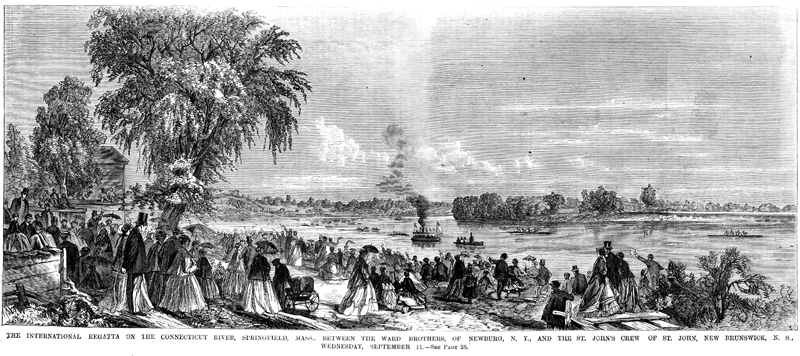
It’s a framed copy of an engraving and short story in Frank Leslie’s Illustrated Newspaper that chronicles the International Regatta, which took place on a stretch of the Connecticut River in Springfield on Sept. 11, 1867 — and, more specifically, the marquee event that day, a race between a crew from Newburg, N.Y. and another from St. John, New Brunswick, Canada.

Moss, the president and co-founder of the Pioneer Valley Riverfront Club (PVRC), says he can’t tell from this artwork where, exactly, on the river the action is taking place — although he suspects it was at or near the site of the current Riverfront Park near the Memorial Bridge. But he can easily discern that this was, in fact, an event.
“There were 10,000 people on hand for this,” he said, citing the account of the regatta as his source for that number. “At the time, the population of Springfield was 15,000 to 20,000 — so the equivalent of half the city showed up on the riverbanks to watch the event. You can see the sundresses and the pomp and the circumstance surrounding this gathering; this was immediately after the Civil War, and folks were looking for a competitive outlet. This was something to celebrate as the country healed.”
‘International Regatta’ in 1867.

An engraving chronicling the ‘International Regatta’ in 1867.

Moss, a rower who competed at Wesleyan University, has no delusions about recreating what is depicted in that engraving in 2014, or even 2034. But making history repeat itself isn’t exactly what the PVRC is all about.
Instead, it’s about recapturing some of the river’s great history in rowing — and there is, as that engraving shows, much more of it than most would think — while also reconnecting area residents with a waterway that most know only from driving over it. And it’s also about introducing people of all ages to the sport of rowing and promoting fitness and well-being.
That’s a rather broad mission, he acknowledged, adding quickly that the club is growing into it, and fairly quickly. And it is doing so by focusing on five words that sum up what this organization is all about: activity, diversity, access, health, and team.
These have been the focal points since the PVRC was created in 2007 and operated programs and competitions at the Pioneer Valley Yacht Club (often taking participants from Springfield by taxi to competitions there). And things have only gained speed since 2012, when the club took up residence in what’s known as North Riverfront Park in Springfield, in the shadow of the North End Bridge, and, more specifically, in the 113-year-old facility (long owned by the city of Springfield) known originally as the Rockrimmon Boathouse that was most recently home to Bassett Boat’s showroom.
That framed engraving now hangs in the PVRC’s conference room in the boathouse, one of many rooms in an ongoing state of transformation that will give a nod to the past, but with some 21st-century amenities (more on that later).
And while the restoration and reconstruction work continues, so too does the club’s efforts to introduce people to the river while also stressing the importance of everything from fitness to teamwork.
It does so through a variety of programs and competitions staged throughout the year, including rowing classes for people of all ages, indoor community fitness, youth fall and spring racing teams, the annual Rockrimmon Regatta staged each fall, dragon-boat racing (20-person teams), running and bicycling programs that make use of the bike trail along the river, kayak rentals, and, perhaps most notably, group team building.
Elaborating on that last bullet point, both Moss and Jim Sotiropoulos, PRVC’s executive director, said that perhaps the club’s greatest success comes in putting young people from different communities — and different backgrounds — together in the same boat, where they can row, compete, and grow together.

A big part of the PVRC’s broad mission

A big part of the PVRC’s broad mission is to introduce — or reintroduce — area residents to the Connecticut River.
(Photo by Jonathan Moss)

“It builds a sense of community, and you can see it in our high-school program,” said Sotiropoulos, referencing an initiative involving a number of area schools. “We have kids coming from the inner city of Springfield, as well as the suburbs — Longmeadow, West Springfield, and Somers. These kids get in a boat together, and while the economic divide between them is enormous, they become best friends; they just get in the boat together and want to go fast.”
For this issue, BusinessWest takes an indepth look at the PVRC and what could be called current events. This is an ongoing story with no finish line — at least in a figurative sense — because the hope is that this work will continue with the next several generations of area residents.

Past Is Prologue
It’s called the ‘great room.’
When asked why, Sotiropoulos, with tongue firmly planted in cheek, said “because everyone who goes in it says, ‘this is great.’”
Actually, no one really knows why it’s called that, said Moss, adding quickly that this large room with a vaulted ceiling on the second floor of the boathouse was once very likely the focal point of fellowship at the facility.
At the moment, it is in the midst of the slow-moving process of deconstruction and then restoration, led in large part by students at Springfield’s Putnam High School. It is currently a museum of sorts for rowing machines. Indeed, there’s a collection of them, representing perhaps each of the past five or six decades of products, as well as a few (donated by Smith College) that are more than a century old.
What will become of the room for the long term is not yet known, said Moss, adding that a more pressing matter is renovating the first-floor space to accommodate showers and lockers, a repeated request (if not demand) from the growing numbers of people enjoying frequent workouts at the facility. And then, there’s that ongoing mission and those five words that define it.
But before telling that story, Moss wanted to first go back in time — to when Springfield could truly be called a mecca for rowing — because relating that history goes a long way toward explaining the PVRC’s reason for being.
“Springfield, at the crossroads of New England and with a beautiful riverfront, featured prominently in rowing from very early on,” he said, noting that there are accounts of regattas going back to the 1850s. Crews from Ivy League powerhouses Harvard and Yale raced on the Connecticut River in Springfield because they considered it an attractive neutral site, he went on, even though the work to transport boats and people here from Cambridge and New Haven was rather involved back then.
Rowing was, by most accounts, the first intercollegiate sport, said Moss, and a number of colleges and universities competed on the Connecticut River and in Springfield. By the end of the 1800s, many area public high schools were involved as well.
“And that was extraordinarily unusual,” he told BusinessWest, “because it was only 50 years earlier that it was introduced at all, and it was completely an Ivy League, gentleman’s sport. For there to be public high-school rowing was very unusual, and it was during those Industrial Revolution years that it became very prominent.”
The 20th century would be marked by a number of highs and lows when it came to rowing on the river, said Moss. One of the highs was a huge regatta that accompanied the opening of what was known then as the Hampden County Memorial Bridge in 1922, he noted, adding that the lows were precipitated by world wars, economic downturns (rowing programs are capital-intensive propositions), and, most recently, the dramatic decline in the river’s cleanliness in the ’60s and ’70s.
“People referred to it as America’s most beautifully landscaped sewage system, or something like that,” said Sotiropoulos, who relayed an anecdote about a traveling team beating a unit from Technical High School in the early ’70s, but foregoing the long-standing tradition of throwing the coxswain into the river after a race amid fears for his health.
“They waited until they got back home and then threw him in a nearby lake; they didn’t dare throw him in the Connecticut River,” he went on, adding that, by the mid-’70s, competitive rowing was all but dead on the river, even as work funded by the Clean Water Act began the process of reversing the river’s fortunes.
Fast-forwarding a few decades, Moss said the Greater Springfield YMCA, at the urging of some area businesspeople, introduced a rowing program, which he eventually joined as a volunteer at the start of this century.
“They were teaching middle-aged adults how to paddle and recreate on the river,” he recalled. “I said, ‘this is great, but there’s more to this.’”
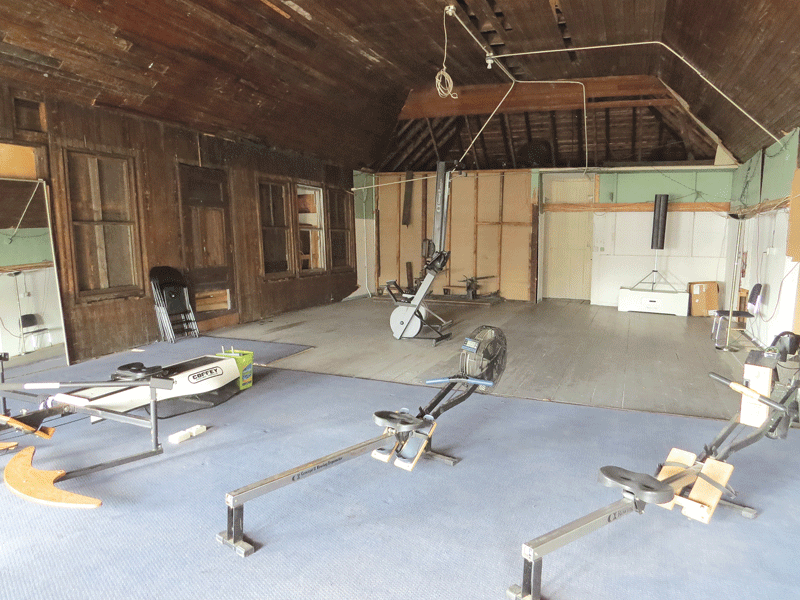
The so-called ‘great room’ at the boathouse at North Riverfront Park

The so-called ‘great room’ at the boathouse at North Riverfront Park is currently a museum of sorts for rowing machines, but PVRC officials envision a grander future.

Elaborating, he said there were team aspects of rowing that were missing from the equation that he wanted to add. Shortly thereafter, though, the Y experienced both funding challenges and a leadership change, and the rowing program was cast adrift.
It was then that Moss and several supporters launched the PVPC, a nonprofit agency that eventually bought some larger boats and incorporated a youth program, as well as an initiative for teen mothers working to get their GEDs, and staged programs and competitions in Longmeadow.

The Current Is Strong
Soon, it was decided that, instead of bringing program participants to the yacht club, the more prudent course would be to bring the program to Springfield, said Moss, adding that the PVRC’s fortunes changed considerably when Springfield officials issued a request for proposals for the old boathouse property.
“Their thinking at the time was, ‘we don’t have great access to the river, and we don’t have great recreational activities on the river in Springfield — let’s do something more than allow someone to have a retail establishment here,’” he went on. “The program that we were running — and planned to run — met their needs.”
The club moved into its new home in 2012, said Moss, and soon became one of many organizations, with the Pioneer Valley Planning Commission taking the lead, to collaborate on an application for a two-year, $2 million Community Transformation Grant (CTG) from the Centers for Disease Control and Prevention.
With its share of that award — roughly $350,000 — as well as donations from several area businesses and foundations and revenue in the form of membership fees, the PVRC has been able to take large strides to renovate and repurpose the boathouse and move aggressively to meet its core mission.
“We want to help people make positive lifestyle choices,” said Moss. “This includes exercise, the bike path, experiencing and exploring the river, training indoors in the winter, things like that.”
Going back to those five mission-defining words — activity, diversity, access, health, and team — Moss and Sotiropoulos said a number of programs have been created to address one or, as is usually the case, several of them.
For example, the Healthy Prescription Program is described as a community outreach undertaken in conjunction with the nearby Brightwood Health Clinic, part of Baystate Health System. When a physician prescribes exercise for a patient, that prescription can be filled at the club, and without co-pays, said Sotiropoulos.
“It’s a very unique endeavor that we fund ourselves, and it’s one of the programs I’m most hopeful for, he said, adding that this is an effort born from the CTG grant.
Another initiative with great promise is the Ready, Set, Row program, which takes some of the club’s many rowing machines and deploys them to area middle schools for use in curricula that promote team building and mindfulness.
“What we’ve seen from some of the surveys that we do before and after the program is that it has a positive impact on kids, and teachers can see it,” he noted. “The kids are getting along better amongst themselves, and the teacher-student dynamic is also improved. But we would like to see this expanded to where it’s not done in a vacuum, and we’re able to do this throughout the year and not in a school for a short period of time.”
Moss agreed, and noted that rowing is a sport with benefits not readily apparent to many people. It is a non-contact activity, he said, and one that people can start when they’re young and continue with for a lifetime. Meanwhile, it’s an activity where people are responsible for their own success.
And in the larger boats, as Moss and Sotiropoulos mentioned, rowing has great potential to build responsibility, camaraderie, and teamwork, while also bridging cultural divides.
“They all started out not knowing anything about rowing,” said Moss, “so it’s a very level playing field in there.”

Wave of the Future
Moving forward, there are a number of challenges facing the PVRC, said Sotiropoulos, starting with the still-lingering perception of the Connecticut as a polluted river not fit for water sports such as rowing. That’s if people have opinions on the river at all.
“That’s one of our barriers to reaching people — there’s the belief that the river still is dirty. Because of the Clean Water Act and people changing their lifestyles, the river has become significantly cleaner, and I don’t believe people fully realize that yet,” he said. “And people don’t have the same association with the river they did years ago; if you look at the way Springfield is built, it’s all turned from the river, and I-91 cut off everyone from the river. So part of our mission is to not only promote healthy lifestyles, but also to reintroduce people to the river and let them know it’s a viable resource and that they should be enjoying it — it’s a jewel.
“We’re in the North End in Springfield; we’re in the middle of a city,” he went on. “And I will guarantee you a bald eagle sighting if you spend more than a couple of days on the river in the spring, summer, or fall. If you run north of here [the boathouse], you won’t know you’re in the North End of Springfield, and people are taken aback by that; it gives you a different perspective on the city. But you need to get people out there.”
The boathouse is another challenge, said Sotiropoulos, adding that the facility is old and has undergone a significant amount of work over the years. The deconstruction process has revealed a lot about the structure’s past — including the last vestiges of a wrap-around porch on the second floor — but also some tests that lie ahead. The first-floor renovations top on the priority list, with the great-room renovations to follow.
And funding will certainly be an issue moving forward, he went on, adding that the grant funding will run out next year, and the club will become more reliant on revenues from memberships and gifts from area businesses and foundations.
Thus, one of the club’s ongoing priorities is to tell its story, said Moss, adding that awareness of the club’s multi-faceted mission will help generate support from both public and private sources.
Meanwhile, the organization must be focused on smart, controlled growth, said Sotiropoulos, adding that the Community Transformation Grant certainly accelerated the club’s pace of growth, and the challenge is to manage this opportunity effectively.
“We want to make sure our business is growing at a reasonable rate,” he explained. “Sure, we want the river flooded with canoers, kayakers, rowers, and stand-up paddleboaders, but if 1,000 people show up at the door, we want to be prepared for that. We don’t want to be that organization that grew too fast, with people saying, ‘that could have been a great idea.”

Paddle to the Metal
Moss told BusinessWest that he can’t recall exactly what he paid for the engraving that captured the International Regatta, but believes it wasn’t more than $50.
The item needs a little work and maybe a better frame, and it will likely get both, he went on, adding quickly that, while he and all those associated with the PVRC want to recognize — and honor — this city’s glorious past when it comes to rowing, it is far more focused on the present and future.
In time, he said, the historic boathouse will feature photos from three centuries, and probably more from the 21st, because, while this organization has a number of missions, at the top of that list is a commitment to see that there is a lot more history written at — and on — the Connecticut River.

George O’Brien can be reached at [email protected]

Departments Picture This

Send photos with a caption and contact information to:  ‘Picture This’ c/o BusinessWest Magazine, 1441 Main Street, Springfield, MA 01103 or to [email protected]

Clowning Around
IMG_2609IMG_2486The Affiliated Chambers of Commerce of Greater Springfield recently invited members and business folk to ‘clown around’ at a recent After 5 networking event to highlight Shriners Hospitals for Children. The event, held at the Melha Shrine Center in Springfield and sponsored by the Naismith Memorial Basketball Hall of Fame, gave attendees an opportunity to network in a casual atmosphere as they enjoyed entertainment from the Shriners clowns. Left: Gary Spear (“Gilligan”) shares some laughs with Peg Daoust, branch manager of Hampden Bank on Boston Road in Springfield. At right: Jonathan George (“Dimples”) is flanked by Dawn Creighton, left, regional director for Associated Industries of Massachusetts, and Jill Monson, CEO of Inspired Marketing.

City Talk
YPSlunchIn mid-January, the first edition of the Young Professional Society of Greater Springfield’s (YPS) monthly CEO Luncheon featured Springfield Mayor Domenic Sarno, who spoke to an intimate group of 25 YPS members. Attendees listened to Sarno’s thoughts about the city’s strengths and challenges, and asked questions about a potential MGM Springfield casino, education in the city’s middle and high schools, public safety, and future downtown living for young professionals.

Court Dockets Departments

The following is a compilation of recent lawsuits involving area businesses and organizations. These are strictly allegations that have yet to be proven in a court of law. Readers are advised to contact the parties listed, or the court, for more information concerning the individual claims.

CHICOPEE DISTRICT COURT
Stephen Pinero v. 17 Sumner Avenue Associates Inc.
Allegation: Negligence in property maintenance causing injury: $2,335
Filed: 12/27/13

GREENFIELD DISTRICT COURT
Denis Menard v. Rick Ward d/b/a Quality Builders
Allegation: Breach of contract for failure to construct a roof in a good and workmanlike manner: $20,630
Filed: 11/12/13

Weslee Secard v. GE Capital Retail Bank
Allegation: Negligence in opening fraudulent charge account: $8,321.57
Filed: 11/20/13

HAMPDEN SUPERIOR COURT
Clinton v. Carroll v. PAB Management Co., LLC and Hugo S. Bernal
Allegation: Breach of contract for property management: $75,000
Filed: 11/25/13

Jordan Picot ppa Gabriella Diaz and Andres Picot v. Jennifer Lemelin and Giggle Gardens Inc.
Allegation: Jennifer Lemelin, while in the course of her employment, physically abused Jordan, causing serious physical and emotional harm: $75,740.30
Filed: 12/10/13

Michael D. Goldberg and Mill Street Innovations Housing v. Morrill Stone Ring, Lauren Ring, Attorney David Farka, Attorney Alan Vanaria, and Gold & Vanaria, P.C.
Allegation: The defendants interfered with plaintiff’s existing contract with a reach and apply, causing contract to be terminated: $1.3 million
Filed: 12/20/13

Theresa Perrault v. BJ’s Wholesale Club Inc. and True Innovations Inc.
Allegation: Plaintiff attempted to sit in a display chair, and the seat of the chair tipped, causing injuries: $500,000
Filed: 12/16/13

HAMPSHIRE SUPERIOR COURT
David Pinkham v. 11 South Gallery Workshop and Pamela Pieropan Adorro
Allegation: Plaintiff sustained personal injuries as a direct result of exposure to toxic fumes and exhaust from the use of ceramic kilns in his place of residence: $30,000+
Filed: 12/26/13

SPRINGFIELD DISTRICT COURT
Beacon Sales Co. v. Keith Hutchings d/b/a Old Harbor Homes, LLC
Allegation: Non-payment of goods sold and delivered: $4,030.07
Filed: 12/18/13

Edna Tart v. Aqua-Matic Lawn Sprinkler & Irrigation Inc. and Steven McCombe
Allegation: Negligent operation of a motor vehicle: $7,795.15
Filed: 12/19/13

Liberty Mutual Insurance Co. v. Ned G. Terault d/b/a NGT Carpentry
Allegation: Non-payment on workers’ compensation policy: $8,478.76
Filed: 11/27/13

Agenda Departments

Ad Club Luncheon
Jan. 29: In the toughest of times, smart marketing is a must. Join John Chandler, chief marketing officer of MassMutual Financial Group, for the Advertising Club of Western Mass. Luncheon, starting at 11:45 a.m. at the Springfield Sheraton, 1 Monarch Place. Learn how this Fortune 100 financial-services company has used a straightforward, results-driven marketing strategy to help create six straight years of record sales results and expand into new markets, all during the worst economic downturn in more than a half-century. Chandler will share the company’s marketing principles and examples of its work that are driving marketplace success.
Registration begins at 11:45 a.m., and the program runs from noon to 1:30 p.m. Cost: $25 for members, $35 for non-members, and $15 for students. Parking is free in the Springfield Sheraton garage (bring your ticket or coin for validation). To reserve a seat, call (413) 736-2582 or e-mail [email protected] by Jan. 24.

DreamBuilder Workshop
Jan. 29: Would you like to discover your true dream or purpose in life; minimize fear, doubt, and worry; and move toward your goals with confidence and joy? Do you have a desire to increase your prosperity while staying in harmony with the core values, beliefs, and higher purpose to which you aspire? Are you working harder and spending longer hours, but would like to achieve greater results with more ease? Are you ready to let your creative self lead the way? Then join the Amherst Area Chamber of Commerce’s upcoming Brown Bag Lunch with teacher, speaker, and certified DreamBuilder Transformational Coach Michele Cunningham. The event takes place from noon to 1:30 p.m. in the Woodbury Room of the Jones Library in Amherst. Cunningham has been studying and applying the principles and strategies discussed in this workshop for more than 15 years. She helps individuals conquer their fears, build their dreams, create more fulfilling lives, and follow a proven path as they navigate the gap between the life they are living and the life they would love to live. During this interactive workshop, participants will have an opportunity to think about and envision their personal and business life through a fresh, creative lens, and entertain new levels of thinking and being. RSVP to [email protected].

Dark Dining Room House Concert Series
Feb. 1, March 1, April 5, May 3: This winter and spring, Dark Dining Room brings the warmth and coziness of your living room to the grandeur of Wistariahurst. Concert curators Matthew Larsen and Greg Saulmon will serve up several courses of local and national musicians over the first Saturdays of February through May. While no dinner will be served, there will be light refreshments provided by Tony Jones Catering, as well as a cash bar. Doors open at 7 p.m. for all shows. Reservations are suggested. Tickets cost $18 ($15 for members) and can be purchased online at wistariahurst.org or by calling the museum at (413) 322-5660. The first concert on Feb. 1 features Northampton-based Winterpills, who bring their melancholic male-female harmonies to the museum for a night of folk and chamber pop. Opening the show is Washington, D.C.-based Luray, creating banjo-inspired indie folk with warm vocals and lush instrumentation. The second concert on March 1 features Heather Maloney, who boasts influences and roots in adventurous folk. Rosary Beard, whose intricately intertwined acoustic guitars skate a thin line between melancholy reflection and uplifting release, will open the show. On April 5, Dark Dining Room introduces Colorway, a power trio fronted by Western Mass. native F. Alex Johnson. Introspective songsmith and acoustic guitarist Mark Schwaber opens the show. The final concert on May 3 features acoustic guitarist David Berkeley, a Santa Fe-based troubadour who brings his version of Americana to the stage. Matthew Larsen and the Documents open the show with introspective piano pop layered with careful instrumentation and thoughtful harmonies. For more information about the Dark Dining Room House Concert Series, go to darkdiningroom.com. This program is supported in part by a grant from the Holyoke Cultural Council, a local agency which is supported by the Massachusetts Cultural Council.

Difference Makers 2014
March 20: The sixth annual Difference Makers award program, staged by BusinessWest, will be held at the Log Cabin Banquet & Meeting House. $60 per ticket, tables of 10 are available. Details on the event will be published in upcoming issues of the magazine. Difference Makers is a program, launched in 2009, that recognizes groups and individuals that are, as the name suggests, making a difference in this region. The class of 2014 has been chosen, and the winners will be announced in the Feb. 10 issue of BusinessWest. For more information, call (413) 781-8600.

Chamber Corners Departments

ACCGS
www.myonlinechamber.com
(413) 787-1555
• Jan. 28: ACCGS Pastries, Politics, and Policy, 8-9 a.m., at the Roger L. Putnam Vocational Technical Academy, 1300 State St., Springfield. Join us for a roundtable discussion with Springfield Schools Superintendent Daniel Warwick. Reservations are $15 for members, $25 for general admission, which includes continental breakfast. Reservations may be made online at www.myonlinechamber.com or by contacting Cecile Larose at [email protected].
• Feb. 5: ACCGS Business@Breakfast, 7:15-9 a.m., at the Carriage House, Storrowton Tavern, 1305 Memorial Ave., West Springfield. Speed networking is a high-octane way to work the room. Attendees get 60 seconds to make their best elevator pitch in a round-robin format. This is a members-only event. No breakfast served after 7:45 a.m., and no admittance after 7:55 a.m. Reservations are $20 and may be made online at www.myonlinechamber.com or by contacting Cecile Larose at [email protected].
• Feb. 12: ACCGS Lunch ’n’ Learn, 11:30 a.m. to 1 p.m., at Lattitude, 1338 Memorial Ave., West Springfield. “Yabba Dabba Doo: the Art of the Brand.” The creative team at the full-service marketing and advertising agency of Andrews Associates will take attendees through a comprehensive look at branding, best practices to create an effective and compelling brand, and how to win customer loyalty through branding. Reservations are $20 for members, $30 for general admission, and may be made online at www.myonlinechamber.com or by contacting Cecile Larose at [email protected].
• Feb. 24: ACCGS Outlook 2014, 11:30 a.m. to 1:30 p.m., at the MassMutual Center, 1277 Main St., Springfield. Featuring Ed Henry, Fox News Channel’s chief White House correspondent. Reservations are $50 for members, $70 for general admission. Deadline for reservations is Feb. 17.  Presented by Health New England and sponsored by Eastern States Exposition, MassMutual Financial Group, PeoplesBank, United Personnel, and Western Massachusetts Electric Company. Reservations may be made online at www.myonlinechamber.com or by contacting Cecile Larose at [email protected].

AMHERST AREA CHAMBER OF COMMERCE
www.amherstarea.com
(413) 253-0700

• Feb. 12: Chamber Breakfast, 7:15-9 a.m., at the Hadley Farms Meeting House, 41 Russell St., Route 9, (in the Hampton Village Barn Shops). Sponsored by the Franklin Hampshire Career Center. Cost is $15 for members, $20 for non-members. To register, e-mail [email protected], or call (413) 253-0700.
• Feb. 26: Chamber After 5, 5-7 p.m., at Cowls Building Supply, 125 Sunderland Road, Amherst. Tickets are $10 for members, $15 for non-members.

CHICOPEE CHAMBER OF COMMERCE
www.chicopeechamber.org
(413) 594-2101

• Feb: 19: February Salute Breakfast & Annual Meeting, 7:15-9 a.m., at the MassMutual Learning & Conference Center. Cost is $20 for members, $26 for non-members. Reservations may be made online at www.chicopeechamber.org.
• Feb. 26: February Business After Hours, 5-7 p.m., at  Elms College, 291 Springfield St., Chicopee. Cost is $5 for members, $15 for non-members. Reservations may be made online at www.chicopeechamber.org.

GREATER EASTHAMPTON CHAMBER OF COMMERCE
www.easthamptonchamber.org
(413) 527-9414

• Feb. 4: GRIST (Get Real Individual Support Today) meeting, at 9 a.m. Are you a business of one? Are you a small-business owner without your own marketing department? Do you ever wish you had someone to toss around some ideas with about growing your business? GRIST is a new chamber member benefit, an ongoing small group for folks who want to meet regularly to share ideas and get advice on the daily challenges of running a successful business. Like the proverb ‘all is grist for the mill,’ we feel that any idea or word of advice that one business person can share with another is of potential value in helping each other’s business grow. Hosted by the Greater Easthampton Chamber of Commerce, 33 Union St., Easthampton. RSVP to Fran Fahey at [email protected] or Derek Allard at [email protected] to join the group. Call Fahey at (413) 529-1189 or Allard at (413) 282-9957 to find out more.

GREATER HOLYOKE CHAMBER OF COMMERCE
www.holycham.com
(413) 534-3376

• Jan. 30: Marketing Roundtable Workshop, 8:30-10 a.m., at the chamber office. This unique roundtable event is designed to foster informative discussions among business owners and marketing professionals as well as brainstorm new ideas to help with revenue-producing initiatives. Cost is $10 for members, $20 for non-members. A continental breakfast is included in the price. Call the chamber at (413) 534-3376 to register or visit holyokechamber.com to sign up.
• Feb. 13: Chamber Table Top Workshop: “How to Get People’s Attention and Attract Them to Your Table,” 8:30-10:30 a.m., in the chamber conference room. A no-nonsense informational session on how to set up your booth, how to add visual interest, and what to do to keep potential customers engaged. Cost is $10 for members.
• Feb. 19: Chamber After Hours, 5-7 p.m., at Wistariahurst Museum, 238 Cabot St., Holyoke. Admission is $10 for members, $15 cash for non-members.
• Feb. 26: Holyoke Chamber Economic Development Breakfast, 8-10 a.m. (Save the date. Location to be determined.) Hear about local projects and how they will affect local businesses. Cost is $26 for members, $35 for non-members, which includes a buffet breakfast. Call the chamber at (413) 543-3376 to register, or visit holychamber.com to sign up.

GREATER NORTHAMPTON CHAMBER OF COMMERCE
www.explorenorthampton.com
(413) 584-1900

• Jan. 28: Nonprofit Marketing Roundtable 2014 Workshop, 8-9:30 a.m. at the Greater Northampton Chamber of Commerce, 99 Pleasant St., Northampton. Presented by the Creative Marketing Group. Struggling to gain visibility with your target audience? Are your marketing materials producing tangible results? Are your best messaging ideas living only in your head? The chamber has help on the way. Three women business owners — Janice Beetle, Ruth Griggs, and Maureen Scanlon of the Creative, a marketing and communications collaboration in Northampton — will lead a nonprofit flash marketing workshop. They will meet with business owners, listen to your marketing and communications concerns, and help you brainstorm practical, professional solutions on the spot. Learn more about how to strategize, advertise, brand, and promote your business; reach the media; and maximize your message in person, in print, and online. The workshop is free, but pre-registration is required, and space is limited. To register, contact Jasmin Tomic at (413) 584-1900 or [email protected].
• Feb. 18: Incite Information Lunch, 11:30 a.m. to 1 p.m., at the Delaney House, Grand Ballroom, 3 Country Club Road, Holyoke. Hosted by the Greater Northampton Chamber of Commerce and sponsored by United Personnel.
Guest Speaker: Richard Davey, secretary and CEO of the Mass. Department of Transportation. Introduction by state Rep. Joseph Wagner, and moderated by Tony Cignoli. Cost is  $20 for members, $30 for non-members. RSVP to the chamber at (413) 584-1900 or [email protected].

GREATER WESTFIELD CHAMBER OF COMMERCE
www.westfieldbiz.org
(413) 568-1618

• Feb. 3: Mayor’s Coffee Hour, 8-9 a.m., at Mestek, 260 North Elm St., Westfield. For more information, contact the chamber at (413) 568-1618.
• Feb. 12: After 5 Connection, 5-7 p.m., at Armbrook Village, 551 North Road, Westfield. For tickets and more information, call the chamber at (413) 568-1618.
• Feb. 13: Men Are from Mars, Women Are from Venus, 6:30 p.m. Spend Valentine’s Eve at CityStage with your date — the chamber. Enjoy complimentary food and a cash bar in the CityStage Member’s Lounge, get great seats to the performance, and parking is free in the Columbus Center Parking Garage, all for the discounted price of $30 per ticket. Chamber reception, catered by Nora’s Restaurant of Southwick, begins at 6:30 in the CityStage Member’s Lounge. Show begins at 7:30. You can also take part in a drawing for a necklace, valued at $120, donated by Andrew Grant Diamond Center. Sponsored by Comcast Business and Andrew Grant Diamond Center. Thanks to our sponsors, 100% of the $30 ticket cost goes back to the Greater Westfield Chamber of Commerce. For tickets, contact Pam at the chamber office at (413) 568-1618, or e-mail [email protected].

NORTHAMPTON AREA YOUNG PROFESSIONAL SOCIETY
www.thenayp.com
(413) 584-1900

• Feb. 13: February Networking Social, 5 p.m., at the UMass Amherst Fine Arts Center.

PROFESSIONAL WOMEN’S CHAMBER
www.professionalwomenschamber.com
(413) 755-1310

• Feb. 11: Professional Women’s Chamber Ladies Night, 5-7 p.m., at
Kate Gray Boutique, 749 Maple Road, Longmeadow. Seize an opportunity to network socially with other female professionals in a casual and unique setting. Reservations are required; contact Dawn Creighton at [email protected]. The Professional Women’s Chamber is an affiliate of the Affiliated Chambers of Commerce of Greater Springfield.

WEST OF THE RIVER CHAMBER OF COMMERCE
www.ourwrc.com
(413) 426-3880

• Jan. 28: West of the River Chamber of Commerce tour of West Springfield High School and coffee with Mayor Edward Sullivan. The tour starts at 7 a.m., and coffee with the mayor starts at 8 in the school’s cafeteria. Please join us to hear first-hand from Sullivan about key issues and to get an update on important projects. The mayor also welcomes any questions you may have.  Coffee with the mayor is free, informative, and open to the public.
• Feb. 5: Wicked Wednesday, 5-7 p.m. at Crestview Country Club. Wicked Wednesdays are monthly social events, hosted by various businesses and restaurants. These events bring members and non-members together to network socially in a laid-back atmosphere. Cost: free for chamber members, $10 for non-members. Event is open to the public, but non-members must pay at the door. For more information, contact the chamber office at (413) 426-3880 or e-mail [email protected].
• Feb. 26: West of the River Chamber of Commerce Legislative Breakfast, 7-9 a.m., at Storrowton Tavern’s Carriage House, West Springfield. Cost: $25 for chamber members, $30 for non-members. For more information, contact the chamber office at (413) 426-3880 or e-mail [email protected].

YOUNG PROFESSIONAL SOCIETY OF GREATER SPRINGFIELD
www.springfieldyps.com

• Feb. 20: Third Thursday, 5-7 p.m., at Samuel’s at the Hall of Fame. This is one of our most well-attended Third Thursdays. Check out the restaurant’s recently revamped menu, which now offers 51 tapas dishes to choose from, at samuelssportsbar.com. Community spotlight: Voices from Inside. For 15 years, Voices from Inside (www.voicesfrominside.org) has been helping women who are or were incarcerated to find their voice, connect with the community, and become leaders. This event is open to everyone. Feel free to invite your friends by clicking ‘Select Guests to Invite’ in the top left corner of the event page. This event, as always, is free for YPS members and $10 for non-members, which includes food and a cash bar.

Departments People on the Move

Dianne Fabrocini

Dianne Fabrocini

The Affiliated Chambers of Commerce of Greater Springfield (ACCGS) announced that Dianne Fabrocini has joined the organization as Executive Director of the ACGCS affiliate, the East of the River Five Town Chamber of Commerce (ERC5).
Fabrocini will serve as the liaison between the ERC5 and the ACCGS and will be responsible for carrying out the direction set by the board of directors. She will also work with ACCGS staff in developing membership programs, benefits, and services; producing events; and enhancing municipal relations in the five communities served by the ERC5: East Longmeadow, Hampden, Longmeadow, Ludlow, and Wilbraham. Fabrocini brings to the organization nearly 20 years of experience in marketing, public relations, and management. Most recently, she served as office manager for Vulcan Products Co. in Enfield, Conn. Prior to that, she owned Fabro & Associates, a professional sports-management company providing event planning, promotions, player representation, and contract negotiations to various clients throughout Western Mass., where she founded the Legends Celebrity Golf Classic and brought the first United Soccer League professional men’s soccer team to the region. Fabrocini also served as general manager and owner of the Springfield Sirens women’s soccer team, now known as the New England Mutiny, and held the position of regional director for the National Kidney Foundation. Fabrocini is a graduate of the University of Akron in Ohio.
•••••
The Board of Directors of the Amherst Area Chamber of Commerce recently announced new officers for 2014, led by second one-year-term president Larry Archey, Director of Facilities and Grounds at Hampshire College. Archey will be joined by Nancy Buffone, UMass Executive Director of External Affairs and University Events, as First Vice President, and Julie Marcus, Director of Marketing at New England Environmental, as Second Vice President. Other new board members include:
Mark Ellsworth, Center for Extended Care, treasurer;
Jerry Guidera, Spanish Studies Abroad, secretary; and
Jim Brassord, Amherst College, at large.
Kathryn Grandonico, Lincoln Real Estate, remains immediate past president. Returning board members include Aaron Jolly, the Pub; Meredith Schmidt, UMass Campus Center; Meghan Gregoire, PeoplesBank; Felicity Hardee, attorney; Niels la Cour, UMass Planning; Reza Rahmani, Lit and Moti; Barry Roberts, EV Realty Trust; G. Christopher Blauvelt, Innovara; John Kokoski, Mapleline Farm; and Youssef Fadel, New England Promotional Marketing. The appointments were effective Jan. 1 and formally ratified at the chamber’s annual meeting at the Lord Jeffery Inn on Jan. 15. The mission of the Amherst Area Chamber of Commerce is to create, maintain, and promote a vital, thriving business climate throughout the Amherst area and to initiate and support the civic, educational, recreational, and economic well-being of the Amherst area.
•••••
AJBmediab&w
Benjamin Coyle

Benjamin Coyle

The Springfield-based regional law firm Bacon Wilson, P.C. recently announced that Adam Basch and Benjamin Coyle have been named shareholders of the firm. Basch, a member of the litigation department, practices in the areas of construction litigation, personal injury, general litigation, and commercial litigation. He is a former secretary of the Hampden County Bar Assoc., a six-time recipient of the SuperLawyers Rising Stars distinction, and serves as a member of the Wilbraham Planning Board and the United Way Allocation Committee. He teaches litigation and business law at Bay Path College and is the author of numerous construction and general litigation articles. Basch earned his JD from Western New England University School of Law and his B.A. from Union College. He is a member of the firm’s business and corporate, estate planning and elder, litigation, and municipal departments. He is a five-time recipient of the SuperLawyers Rising Stars distinction and a board member of the Western Mass. Council of the Boy Scouts of America. He earned his JD from Western New England University School of Law and his BSBA from Western New England University.
•••••
William Fontes

William Fontes

Easthampton Savings Bank announced that William Fontes has joined the bank as Vice President Commercial Lending. Fontes has more than 30 years of banking experience in commercial lending and most recently was senior vice president, commercial banking team leader at United Bank and, prior to that, a commercial banking team leader at People’s United Bank. Fontes earned his bachelor’s degree in business management from the University of Massachusetts and his MBA, majoring in finance, from Bryant University.
•••••


David Pinsky

David Pinsky

The Food Bank of Western Massachusetts recently elected President and CEO David Pinsky to its board of directors. His three-year term, serving the nonprofit organization that has been fighting hunger in Western Mass. for more than 30 years, began this month. Pinsky, who serves as Tighe & Bond’s President and CEO, has worked at the engineering firm since 1988.  He also serves on the board of directors for the American Council of Engineering Companies of Massachusetts and the Community Foundation of Western Massachusetts. A professional engineer for more than 25 years, Pinsky holds an MS in environmental engineering from the University of North Carolina at Chapel Hill, and a BS in civil engineering from the University of New Hampshire. He is also an active member of numerous professional societies and organizations in the engineering profession, such as the American Water Works Assoc., the Massachusetts Water Works Assoc., and the New England Water Works Assoc.
•••••
Thomas Dowling

Thomas Dowling

Thomas Dowling, CPA, MST, was recently hired by Meyers Brothers Kalicka, P.C. for the position of Senior Associate, where he will be responsible for guiding staff-level accountants in their duties and helping to manage the day-to-day operations of engagements. Dowling has worked in various capacities at small to mid-sized CPA firms for four years. He graduated magna cum laude with a bachelor in accountancy degree from Bentley University and continued at Bentley to earn his master’s in taxation, graduating with high distinction. He is a member of AICPA, MSCPA, and the Beta Gamma Sigma International Business Honor Society.
•••••


Lydia Martinez

Lydia Martinez

Sarah Williams

Sarah Williams

The YMCA of Greater Springfield recently announced the addition of Lydia Martinez, Assistant Superintendent of Springfield Public Schools, to its corporate board of directors, and named Sarah Williams the new chairperson. Williams, the Vice President of Enterprise Risk Management at the Hartford Insurance, joined the YMCA of Greater Springfield board in 2011.
•••••


Dr. Junie Baldonado

Dr. Junie Baldonado

Dr. Junie Baldonado recently joined Ludlow Family Dentistry and doctors R. Carl Szarlan, Joseph Wegiel, Frank Mitera, and Michelle Roberts in providing general dentistry to the families of Ludlow and the surrounding towns. Baldonado is a graduate of Loma Linda University School of Dentistry in Riverside, Calif. He attended NYU for his undergraduate work and majored in fine arts, while completing the pre-med requirements for entrance into dental school. Baldonado had been practicing in the Sacramento, Calif. area prior to joining the Ludlow dental practice and is now accepting new patients and in all phases of dentistry.
•••••


M. Dale Janes

M. Dale Janes

Springfield-based NUVO Bank & Trust Co. recently announced that Chief Executive Officer M. Dale Janes was awarded the Sally Barnhart Leadership Award from the Assoc. for Community Living in appreciation for his voluntary leadership as president of the board of directors. Janes is the immediate past president and has been a member of the board of directors since 2006. He has also served on the finance and audit, investment, executive, and ad hoc committees, providing guidance throughout the purchase of a new headquarters, major renovations at the Inclusive Community Center located in Hadley, expansion of services for the medically challenged in Hampshire County, and developing a two-year strategic plan.
•••••
Christopher Boino

Christopher Boino

Christopher Boino was recently appointed President of Western Builders, a construction management and general contracting firm, a subsidiary company of the O’Connell Companies, headquartered in Granby. Joining Western Builders as a project manager in 2013, Boino brings more than 14 years of experience in the construction industry and is now responsible for the successful day-to-day operation of the company. Boino earned his MBA from Bentley University and a bachelor of science in Construction Management from Arizona State University’s Del Webb School of Construction. Boino is a LEED-accredited professional and is a certified project-management professional. He was previously employed in the Boston area with Shawmut Design & Construction and Cafco Construction. Western Builders was established in 1975 and has successfully completed new construction and renovation projects throughout New England in the areas of academics, healthcare, and housing.

Company Notebook Departments

FieldEddy Launches New Operating System
EAST LONGMEADOW — FieldEddy Insurance recently launched its new computer operating system, Applied Epic. The change in systems has been a 10-month, hands-on training process instituted as a way to better serve clients and optimize the day-to-day operations, said Timm Marini, president of FieldEddy Insurance, adding that Applied Epic is the insurance industry’s fastest-growing agency-management system, chosen by agencies to enhance business for growth and to build stronger client relationships. “About three years of planning comes to an end with the launch of the new Epic software,” said Marini. “The two systems that were used prior were becoming more outmoded and couldn’t seem to keep up with the level of growth and productivity that the agency is seeing. We knew it was time to research and institute a new system that would be a better fit and one that would generate high-performance results. We are happy and confident that Epic is the best and right choice for us.” All 79 employees have been expected to participate in detailed training sessions in order to be well-prepared and knowledgeable about the interface prior to the launch. The system will allow agents to streamline workflows and operational tasks, manage policies in a consistent manner to minimize risk, reduce operating expenses, and drive sustainable growth and profitability. Along with these benefits, employees in all four offices will now be using the same computer program. Prior to this, there were two different programs being used, both of which will now not be used with the implementation of Applied Epic. “It has been a significant financial investment, and I can’t wait to see the results,” Marini said. “Our focus has always been the customer, and this new program will certainly provide exceptional customer service.”

Valley Vodka Experiences Eighth Year of Growth with Record Sales
HADLEY — Valley Vodka Inc., a Western Mass.-based company founded by Paul Kozub, has experienced its eighth consecutive year of sales growth with record sales in 2013. The company’s sales increased more than 10% from 2012, said Kozub, adding that Valley Vodka also realized a 60% increase in net income for that period as it took back full distribution of all of its products. Previously, United Liquors in Braintree had distributed V-One Vodka. Valley Vodka is the parent company of the V-One Vodka brand, which was launched in 2005 with an initial shipment of 1,000 cases. Kozub started Valley Vodka with a $6,000 inheritance from his Polish grandfather. He began this journey at age 28 after leaving a successful career with TD Bank, where he was vice president of Small Business Loans. In 2010, V-One Vodka won the prestigious Double Gold medal at the World Spirit Competition in San Francisco, beating out some 256 other vodkas and adding the vodka to a list of other international honors. V-One has also won four other medals at the World Spirit Competition since 2007 and was awarded a prestigious 95 points by Wine Enthusiast magazine.

DiGrigoli School of Cosmetology Honored
WEST SPRINGFIELD — Modern Salon has named the 2013 class of Excellence in Education honorees in its annual program recognizing leadership and best practices among cosmetology schools. DiGrigoli School of Cosmetology, based in West Springfield, was chosen to represent excellence in the categories of school culture (unique programs offered to enhance the cosmetology-school experience and to foster the personal development and growth of students) and community involvement (participation in local and regional philanthropic activities that elevate a school’s position as a positive, professional contributor to the community). Hundreds of entries were submitted from cosmetology schools across North America, in eight categories ranging from marketing to placement to school culture. Honorees were determined based on school size or number of locations, with one overall honoree from all applicants named for each category. Modern Salon Publisher Steve Reiss announced the honorees during the American Assoc. of Cosmetology Schools 2013 convention in Las Vegas. Paul DiGrigoli, owner and CEO of DiGrigoli School of Cosmetology, said, “I’m extremely proud of all of our instructors and students, who contributed toward us receiving these prestigious awards. We pride ourselves on having a culture of excellence for many reasons, but I believe that one of the most important of them is that our people not only get along, they look out for each other. We always share with our students how important it is to volunteer and to contribute to our community. They have done that so well within this past year. People often ask me what makes DiGrigoli different, and I always give the same answer: expectations. When our students’ learning ability and their expectations are consistent, it allows them to absorb information and to gain knowledge at the highest level.”

Briefcase Departments

EDC Head Blair to Step Down
SPRINGFIELD — Allan Blair will retire as president and CEO of the Western Mass. Economic Development Council at the end of 2014 after 18 years at the helm of the regional economic-development agency. A search committee, headed by Peter Straley, chairman and CEO of Health New England, will seek his replacement. The EDC provides support for companies looking to locate or grow in the region, through services including real-estate searches, workforce, manufacturing supply chain, data and demographics, incentives and financing, new market opportunities, service procurement, and academic research and development opportunities. The EDC also acts as an umbrella group for other business-oriented organizations, including the Affiliated Chambers of Commerce of Greater Springfield, the Greater Springfield Convention and Visitors Bureau, the Amherst Business Improvement District, the Westfield Business Improvement District, the Northampton Business Improvement District, the Springfield Business Improvement District, the Westmass Area Development Corp. and the Westover Metropolitan Airport and Westover Metropolitan Development Corp.

DevelopSpringfield Announces Grant for Façade Improvement
SPRINGFIELD — DevelopSpringfield, a nonprofit 501(c)(3) development corporation, announced that it has awarded a $10,000 grant for façade improvements to the New England Farm Workers Council for renovations to the International Bier Garten located at 1600 Main St. The grant is made possible under the organization’s Corridor Storefront Improvement Program, which provides grants of up to $10,000 for exterior improvements to first-floor storefronts located on State and Main streets in Springfield. The recently awarded funds were used to revitalize and repair the existing façade to meet building-code and safety standards, and to comply with Springfield Historic Commission requirements. The grant is supporting more than $70,000 in improvements on the façade alone. The full project is a partnership between the New England Farm Workers Council and the Fort Restaurant and is a key component efforts toward revitalization in downtown Springfield. The project partners estimate that the project will bring more than $2 million annually in economic benefit to the community. They also hope the project will be an example of how economic revitalization can spur downtown Springfield’s renaissance and support the city’s transformation into a thriving cultural and entertainment hub for Western Mass. For more information on the Corridor Storefront Improvement Program, visit www.developspringfield.com and click on ‘programs,’ or contact Jay Minkarah, DevelopSpringfield president and CEO, at (413) 209-8808 or [email protected].

Construction Employment Declines in December
WASHINGTON, D.C. — Construction employment declined by 16,000 in December, but the industry unemployment rate fell to 11.4%, according to an analysis of new government data by the Associated General Contractors of America. Association officials noted that the new employment data was likely impacted by cold weather, but also reflects underlying weakness in the construction sector. “Given the variability of weather, especially in winter, the downturn in December is not cause for alarm,” said Ken Simonson, the association’s chief economist. “The data does show how uneven the recovery remains with residential construction doing very well, but the public sector remains weak, and private nonresidential construction is mixed.” Construction employment totaled 5,833,000 in December, an increase of 122,000 from a year earlier, Simonson noted. But while employment grew by 2.1% during the past year, construction employment remains nearly 1.9 million below the sector’s April 2006 peak. Meanwhile, the unemployment rate for workers actively looking for jobs and last employed in construction declined from 13.5% in December 2012 to 11.4% last month. Non-residential construction firms lost 22,900 new jobs in December, while residential firms added 6,200 jobs. Non-residential specialty trade contractors lost 12,900 jobs for the month, the most of any segment, while heavy and civil engineering firms — which are most likely to perform federal construction work — lost 8,800 jobs. Meanwhile, residential building contractors added the most new jobs during the past month, with 4,800. The number of unemployed construction workers dropped from 1,105,000 in December 2012 to 958,000 in December 2013, a decline of 147,000. Yet the industry added only 122,000 new jobs during the same time frame. The shrinking pool of available construction workers may be one reason so many firms report having a hard time finding qualified workers, Simonson noted. Association officials said the outlook for construction could be helped by new investments in infrastructure and other construction programs. They urged Congress to finalize Water Resources Development Act legislation to invest in ports and other waterways. They also said Congress and the Obama administration should work together to find a way to pay for needed repairs to aging roads and bridges before the current transportation legislation expires at the end of September. “If the economy continues to expand and Washington can work together to make needed infrastructure investments, firms should be able to add significantly more jobs in 2014,” said Stephen Sandherr, the association’s CEO. “But Congress and the administration need to set aside partisan differences and find a way to work together in the interest of our economy.”

Holiday Retail Sales Down in Massachusetts
BOSTON — Holiday retail sales in Massachusetts fell short of analysts’ expectations in 2013. Sales in November and December climbed just 2% from the same period in 2012, well below the 3.5% jump expected by the Retailers Assoc. of Massachusetts. There was one less weekend between Thanksgiving and Christmas, and a snowstorm on the second weekend of December further limited the amount of time shoppers spent in stores and hurt impulse buying, which account for one-third of all department-store purchases. On the national level, the National Retail Federation said total U.S. holiday sales jumped 3.8% to $601.8 billion in November and December, up from a 3.5% increase recorded in the same two months of 2012. Meanwhile, the U.S. Commerce Department said retail sales, excluding auto purchases, climbed 3.7% in December over the same month in 2012. But department-store sales fell 3.3%, compared with December 2012.

New England Economy Showing Signs of Life
WASHINGTON, D.C. — The outlook for New England is “generally positive” as the economy continues to expand modestly and most industries report better sales and improving business conditions, according to a Federal Reserve survey. The report, known as the Beige Book, found manufacturers reporting increased sales, healthcare consulting booming as the industry grapples with the Affordable Care Act, and median prices for homes rising in most of the region. However, hiring remains subdued in most industries, and wage increases remain modest at best. Nationally, the survey found moderate or modest economic growth and increased hiring in most of the country. It noted that harsh winter weather in recent weeks had a minor impact on consumer spending, which accounts for about 70% of the nation’s economic activity. Although home sales in New England were lower than a year ago, real-estate markets in the region experienced increased prices for single-family homes, according to the survey. The Fed said the small sales decline could be the result of low inventories, a pause after strong sales earlier in the year, or uncertainty among consumers following the partial government shutdown in October. But “New England realtors agree that 2013 has been a good year overall,” the report says, “and they remain optimistic about sales increases.” Commercial real-estate leasing remained steady, while construction activity increased, boosting building in health, education, life sciences, and commercial sectors. Manufacturers reported increased or steady sales, and retailers also reported solid performances.”

Berkshire Bank Awards Scholarships for Service
PITTSFIELD — Berkshire Bank has announced it will honor 30 high-school seniors in Massachusetts, New York, Connecticut, and Southern Vermont through its annual Scholarship Awards Program. The program will award $45,000 in total scholarship dollars to students who have exemplified community service through their volunteer efforts, have been successful academically, and have a demonstrated financial need. Additionally, students must attend a school that is located in a community with a Berkshire Bank office. “Berkshire Bank believes that one of life’s most exciting moments is going to college, and we want to do our part to help make it more affordable for students in need, said Lori Gazzillo, director of the Berkshire Bank Foundation. “This program exemplifies our support of education and demonstrates our commitment to the communities we serve. Our employees rally around this program by serving as reviewers of all of the applications that we receive from so many well-deserving students.” Through the program, 30 $1,500 scholarships will be awarded to high-school seniors who will be attending a two- or four-year college in the fall. Applications will be evaluated based on demonstrated volunteerism in the community and through participation in extracurricular school activities. In addition, applicants must have a GPA of at least 3.0 and a financial need (total family income under $75,000). An independent panel of bank employee volunteers will review all applications and select this year’s winners. Students can apply online at www.berkshirebank.com/scholarships. To be considered, all applications must be submitted online by March 26 at 4 p.m. For additional information, contact the Berkshire Bank Foundation at [email protected].

Departments Incorporations

The following business incorporations were recorded in Hampden, Hampshire, and Franklin counties and are the latest available. They are listed by community.

AMHERST

Haru Corp., 170 East Hadley Road, Unit 36, Amherst, MA 01002. Gumcheol Kang, same. Japanese cuisine restaurant.

BERNARDSTON

Bernardston Police Relief Association Inc., 256 South St., Bernardston, MA 01337. Jason Bassett, 667 Mt. Hermon Station Road, Northfield, MA 01360. Fostering good relations within the community and to promote the general welfare of its members.

CHICOPEE

First Oriental Grocery Inc., 149 Broadway St., Chicopee, MA 01020. Chunhee Lee, 46 Columbia St., #3A, Chicopee, MA 01020. Retail oriental grocery.

EAST LONGMEADOW

Commercial Appraisal Services Inc., 264 North Main St., Suite 2, East Longmeadow, MA 01028. Beneedetto Simichele, 257 Westwood Ave., East Longmeadow, MA 01028. Providing commercial appraisal services to individuals, businesses and lenders and all other lawful purposes.

EASTHAMPTON

Brierwood Property Management Inc., 18 Townhouse Dr., Easthampton, MA 01027. Jeffrey Pelinsky, 1139 Westfield St., West Springfield, MA 01089. Property management.

HOLYOKE

Hope For Kids Inc., 210 Allen Street, Hampden, MA 01036. Matthew Currier, same. Dedicated to helping the needy and at risk children find hope through physical nourishment and spiritual renewal.

Dam Café Inc., 2014 Northampton, Holyoke, MA 01040. Michael McMahon III, 13 Florence Ave., Holyoke, MA 01040. Café/restaurant.

NORTHAMPTON

Cleanslate Centers Inc., 244 Main St., Northampton, MA 01060. Amanda Wilson, same. Administrative services.

SOUTH HADLEY

American Outlaws Western Mass Chapter Inc., 14 Bolton St., South Hadley, MA 01075. Jason Williams, 141 Boulay Circle, Chicopee, MA 01020. Corporation is to provide a social setting where fans of the United States national soccer teams can congregate in the Western Massachusetts area.

Cincinnatus Press Inc., One Hadley St., #814, South Hadley, MA 01075. Charles Sheehan-Miles, same. Publishing business.

SPRINGFIELD

Cadwell Inc., 1082 Page Boulevard, Springfield, MA 01104. Holly Elizabeth Ferris, same. Restaurant and lounge.

Friends of Springfield, Preparatory Charter School Inc., 1500 Main Street C/O Bulkley, Richardson and Gelinas, LLP Springfield, MA 01115. Robin Olejarz, 209 Moore St., Chicopee, MA 01013. Charitable organization designed to provide development, improvement and expansion of educational opportunities, facilities and programs of a charter school in the city of Springfield known as the Springfield, Preparatory Charter School.

HNE Holding Corporation, One Monarch Place, Suite 1500, Springfield, MA 01144. Maura McCaffrey, same. Holding shares in subsidiary corporations.

WEST SPRINGFIELD

Glendale Grill Inc., 59 Interstate Dr., West Springfield, MA 01095. Shannon Reichelt, same. Restaurant and bar.

WESTFIELD

Dine and Play Inc., 77 Mill St., Suite 150, Westfield, MA 01085. Michael Ventrice, same. Indoor playscape & restaurant.

WILBRAHAM

Friendly’s Ice Cream Holdings Corp., 1855 Boston Road, Wilbraham, MA 01095. John MaGuire, same. Holding company.

Building Permits Departments

The following building permits were issued during the month of January 2014.

AGAWAM

V & F Realty
7 Harding St.
$250,000 — 5,980-square-foot addition

CHICOPEE

Roy Fanti
1408 Memorial Dr.
$9,500 — Install exhaust hood system at Family Roaster

Sweeney Transportation
1 Airpark WY
$42,500 — Re-roof

GREENFIELD

Greenfield Housing Authority
1 Elm St.
$187,000 — Construct egress stair addition for basement offices

Habib Shahid
124 Conway St.
$13,000 — Exterior renovations

Patricia Wood
303 Wisdom WY
$214,000 — Construct two new self-storage buildings

Robar Inc.
237 Mohawk TL
$279,000 — Fit up space to serve as Table & Vine wine and beer sales

PALMER

Friendly’s Ice Cream
1519 North Main St.
$20,000 — Complete interior and exterior renovations

V & E Properties
1085 South Main St.
$120,000 — New storage building

SOUTH HADLEY

Mount Holyoke College
50 College St.
$20,000 — New ceilings in MacGregor Hall

SPRINGFIELD

American International College
1000 State St.
$440,000 – Renovate 4,000-square-foot auditorium on the second floor of the Campus Center

John Salema
278 Hancock St.
$21,500 — Cosmetic interior renovations at Dunkin Donuts

Mass Mutual
1500 Main St.
$25,000 — Replace existing panel antennas

Peter Lapointe
1259 Columbus Ave.
$91,000 — New tenant office fit-out

WESTFIELD

L & R Market Inc.
35 North Elm St.
$40,000 — Siding and masonry repair

Savage Arms, Inc.
100 Springdale Road
$60,000 — Additional bathroom facilities

SMC Investments, LLC
962 Southampton Road
$24,500 — Renovate existing space into showcase area

WEST SPRINGFIELD

Classic Burger
1261 Westfield St.
$30,000 — Renovate 2,550 square feet of existing restaurant

Marvin Larivee
380 Union St.
$8,000 — Tenant fit out for new restaurant

Departments Features Real Estate

The following real estate transactions (latest avail­able) were compiled by Banker & Tradesman and are published as they were received. Only transactions exceeding $115,000 are listed. Buyer and seller fields contain only the first name listed on the deed.

FRANKLIN COUNTY

BERNARDSTON

439 Huckle Hill Road
Bernardston, MA 01337
Amount: $120,474
Buyer: Paul L. Volungis
Seller: Wells Fargo Bank
Date: 12/17/13

34 School Road
Bernardston, MA 01337
Amount: $160,000
Buyer: Christopher D. Rooney
Seller: John Sciandra RET
Date: 12/26/13

BUCKLAND

74 Upper St.
Buckland, MA 01338
Amount: $129,000
Buyer: Paul Bernier
Seller: Helene A. Smith
Date: 12/26/13

38 West Brown Road
Buckland, MA 01338
Amount: $370,000
Buyer: Christopher Seward
Seller: Erik Abend
Date: 12/26/13

CONWAY

136 South Shirkshire Road
Conway, MA 01341
Amount: $203,500
Buyer: Ana Rueda-Hernandez
Seller: Richard B. Chandler
Date: 12/23/13

GREENFIELD

10 Carol Lane
Greenfield, MA 01301
Amount: $218,500
Buyer: Peter F.McLver
Seller: Kurkoski IRT
Date: 12/16/13

65 Cleveland St.
Greenfield, MA 01301
Amount: $185,900
Buyer: Daniel Christenson
Seller: Philip R. Allard
Date: 12/20/13

234 Conway St.
Greenfield, MA 01301
Amount: $169,000
Buyer: Dawn A. Roske
Seller: Peter F. McIver
Date: 12/16/13

86 High St.
Greenfield, MA 01301
Amount: $185,500
Buyer: Kevin J. O’Neil
Seller: Horan, James, (Estate)
Date: 12/24/13

104 Silver St.
Greenfield, MA 01301
Amount: $130,000
Buyer: 104 Silver Street LLC
Seller: Maxine M. Gunn
Date: 12/16/13

256 Wisdom Way
Greenfield, MA 01301
Amount: $143,000
Buyer: Terry J. Kimball
Seller: USA HUD
Date: 12/19/13

LEVERETT

49 Long Hill Road
Leverett, MA 01054
Amount: $211,000
Buyer: Benjamin D. Feeley
Date: 12/27/13

336 Long Plain Road
Leverett, MA 01054
Amount: $159,900
Buyer: Robart A. Weller
Seller: Pioneer Valley Red LLC
Date: 12/27/13

NEW SALEM

547 Daniel Shays Hwy.
New Salem, MA 01355
Amount: $148,000
Buyer: Shawn Chouinard
Seller: Marie Hess
Date: 12/16/13

ORANGE

95 Fairman Road
Orange, MA 01364
Amount: $170,000
Buyer: Eric R. Amato
Seller: Jacos S. Balk
Date: 12/17/13

330 Sentinel Elm Road
Orange, MA 01364
Amount: $190,000
Buyer: Joshuah C. Buell
Seller: Farm School Inc.
Date: 12/24/13

SHUTESBURY

14 Beechwood Lane
Shutesbury, MA 01072
Amount: $214,000
Buyer: Henry J. Allan
Seller: Mitchell D. Freund
Date: 12/20/13

SUNDERLAND

31 Garage Road
Sunderland, MA 01375
Amount: $123,375
Buyer: Valley Building Co. Inc.
Seller: Robert W. Humphreys
Date: 12/23/13

19 Old Amherst Road
Sunderland, MA 01375
Amount: $166,000
Buyer: Danica L. Messerli
Seller: William F. Snyder
Date: 12/16/13

WHATELY

14 Laurel Mountain Road
Whately, MA 01093
Amount: $275,000
Buyer: Erik Abend
Seller: Victor S. Lisewski
Date: 12/26/13

223 State Road
Whately, MA 01093
Amount: $203,500
Buyer: Ronald Lavallee
Seller: Norman E. Young
Date: 12/19/13

HAMPDEN COUNTY

AGAWAM

70 Bailey St.
Agawam, MA 01001
Amount: $120,000
Buyer: Yelana Ivanov
Seller: Lorie L. Baker
Date: 12/23/13

52 Briarcliff Dr.
Agawam, MA 01030
Buyer: Michael J. Tufariello
Seller: Alexa C. McCabe
Date: 12/20/13

105 Butternut Dr.
Agawam, MA 01001
Amount: $207,750
Buyer: Kathryn M. Carmody
Seller: Michael F. McKenna
Date: 12/18/13

95 Christopher Lane
Agawam, MA 01030
Amount: $320,000
Buyer: David A. Wilkinson
Seller: Kathryn M. Carmody
Date: 12/18/13

46 Cottonwood Lane
Agawam, MA 01001
Amount: $287,500
Buyer: Chester S. Wojcik
Seller: Gary E. Nardi
Date: 12/27/13

48 Liquori Dr.
Agawam, MA 01030
Amount: $220,000
Buyer: Joshua J. Devine
Seller: Christopher J. Corriveau
Date: 12/20/13

1811 Main St.
Agawam, MA 01001
Amount: $550,000
Buyer: Riverside Properties LLC
Seller: John Eisenbeiser LLC
Date: 12/20/13

152 Mallard Circle
Agawam, MA 01001
Amount: $245,000
Buyer: Leslie A. Murphy
Seller: Laurie J. Vandergrift
Date: 12/20/13

386 Poplar St.
Agawam, MA 01030
Amount: $168,000
Buyer: Joshua D. Laporte
Seller: David W. Laporte
Date: 12/23/13

687 Silver St.
Agawam, MA 01001
Amount: $460,000
Buyer: Sandy Dollar LLC
Seller: Dorinne A. Rodriguez
Date: 12/18/13

134 Wagon Wheel Dr.
Agawam, MA 01030
Amount: $360,000
Buyer: Patrick J. Moriarty
Seller: William D. Corbin
Date: 12/18/13

CHESTER

93 Blandford Road
Chester, MA 01011
Amount: $390,000
Buyer: Henry R. Frey
Seller: Kathryn Albanese
Date: 12/18/13

CHICOPEE

112 Academy St.
Chicopee, MA 01013
Amount: $142,000
Buyer: Christopher S. Baker
Seller: Catherine A. Deska
Date: 12/20/13

54 Armanella St.
Chicopee, MA 01020
Amount: $116,025
Buyer: Kevin J. Czaplicki
Seller: JP Morgan Chase Bank
Date: 12/27/13

206 Champagne Ave.
Chicopee, MA 01013
Amount: $144,906
Buyer: John A. Ruyffelaert
Seller: Donald R. Benoit
Date: 12/20/13

262 Fairview Ave.
Chicopee, MA 01013
Amount: $160,000
Buyer: Kara A. Supczak
Seller: Tony Monteiro
Date: 12/20/13

72 Jamrog Dr.
Chicopee, MA 01020
Amount: $172,000
Buyer: Daniel M. Boutin
Seller: Mary A. Freeman
Date: 12/16/13

88 Leo Dr.
Chicopee, MA 01020
Amount: $205,000
Buyer: Mark W. Sims
Seller: Daniel M. Boutin
Date: 12/16/13

59 Pajak St.
Chicopee, MA 01013
Amount: $155,000
Buyer: Ralph H. Avery
Seller: Andrew J. Craven
Date: 12/27/13

14 Parker St.
Chicopee, MA 01013
Amount: $140,000
Buyer: Wilmary Labonte
Seller: Ellen J. Labonte
Date: 12/20/13

29 Sullivan St.
Chicopee, MA 01020
Amount: $160,000
Buyer: Kathleen M. Gay
Seller: Joseph W. Gay
Date: 12/17/13

47 Veterans Dr.
Chicopee, MA 01022
Amount: $1,123,500
Buyer: Chicopee Partners LLP
Seller: Willow LLC
Date: 12/19/13

18 West St.
Chicopee, MA 01013
Amount: $215,000
Buyer: Daniel Branco
Seller: Brian P. Despard
Date: 12/24/13

1675 Westover Road
Chicopee, MA 01020
Amount: $148,736
Buyer: Nationstar Mortgage LLC
Seller: Bobbie L. Teehan

153 Woodcrest Dr.
Chicopee, MA 01020
Amount: $195,000
Buyer: Heather E. Locklin
Seller: Theodore L. Klekotka
Date: 12/19/13

EAST LONGMEADOW

43 Alpine Ave.
East Longmeadow, MA 01028
Amount: $198,000
Buyer: Melissa Knott
Seller: Jeffrey A. Hastings
Date: 12/18/13

46 Highlandview Ave.
East Longmeadow, MA 01028
Amount: $142,500
Buyer: Brian Palazzi
Seller: Teresa R. Frazier
Date: 12/27/13

30 Linden Ave.
East Longmeadow, MA 01028
Amount: $175,000
Buyer: Dion Woods
Seller: Joseph J. Giannini
Date: 12/18/13

8 Melwood Ave.
East Longmeadow, MA 01028
Amount: $175,000
Buyer: Amanda M. Kelly
Seller: Carl R. Swanson
Date: 12/19/13

18 Merriam St.
East Longmeadow, MA 01028
Amount: $207,000
Buyer: Veronica P. Mickelson
Seller: Thomas F. Caldbeck
Date: 12/17/13

75 North Main St.
East Longmeadow, MA 01028
Amount: $420,000
Buyer: CTB Realty LLC
Seller: Barry M. Stephens
Date: 12/27/13

32 Parker St.
East Longmeadow, MA 01028
Amount: $205,000
Buyer: Ryan J. Callan
Seller: Reanne A. Burke
Date: 12/23/13

HAMPDEN

32 Ames Road
Hampden, MA 01036
Amount: $213,000
Buyer: Thomas E. Sutherland
Seller: Evelyn M. Parent
Date: 12/23/13

205 Chapin Road
Hampden, MA 01036
Amount: $198,229
Buyer: Wells Fargo Bank
Seller: Michael K. Campbell
Date: 12/17/13

53 Meadow Brook Lane
Hampden, MA 01036
Amount: $238,900
Buyer: Lauren E. Cusson
Seller: Timber Development LLC
Date: 12/20/13

211 South Road
Hampden, MA 01036
Amount: $116,000
Buyer: Paula A. Savoie
Seller: Sherry Himmelstein
Date: 12/23/13

HOLLAND

77 East Brimfield Road
Holland, MA 01521
Amount: $175,000
Buyer: Peter M. Drake
Seller: Normand J. Corriveau
Date: 12/19/13

HOLYOKE

58 Brookline Ave.
Holyoke, MA 01040
Amount: $159,900
Buyer: Michelle Monett
Seller: Majkowski, Christine, (Estate)
Date: 12/18/13

1245 Dwight St.
Holyoke, MA 01040
Amount: $130,000
Buyer: Scott Family Props. LLC
Seller: Peluyera, Maximino, (Estate)
Date: 12/19/13

15 Ladd St.
Holyoke, MA 01040
Amount: $165,000
Buyer: Rigoberto Serrano
Seller: Edward L. Senecal
Date: 12/24/13

37 Mountain Road
Holyoke, MA 01040
Amount: $168,000
Buyer: Timblin Judy
Seller: Angela Perrotta
Date: 12/19/13

22 Orchard St.
Holyoke, MA 01040
Amount: $140,000
Buyer: Daniel W. Sullivan
Seller: Cathleen M. Bradlee
Date: 12/23/13

15 Prew Ave.
Holyoke, MA 01040
Amount: $153,820
Buyer: Beneficial Mass. Inc.
Seller: Jose C. Alvarez
Date: 12/24/13

466 South St.
Holyoke, MA 01040
Amount: $172,500
Buyer: Peter D. Hotz
Seller: Mark O. Bergeron
Date: 12/20/13

92 Sycamore St.
Holyoke, MA 01040
Amount: $140,000
Buyer: Nancy K. Sachs
Seller: Tammy J. Daysh
Date: 12/20/13

35 Steiger Road
Holyoke, MA 01040
Amount: $375,000
Buyer: John S. Weathers
Seller: T. P. Kennedy
Date: 12/16/13

LONGMEADOW

36 Chatham Road
Longmeadow, MA 01106
Amount: $335,000
Buyer: Peter M. Payson
Seller: Frank J. Anzalotti
Date: 12/18/13

348 Emerson Road
Longmeadow, MA 01106
Amount: $400,000
Buyer: Gregory L. Burt
Seller: Douglas E. Burt
Date: 12/16/13

378 Emerson Road
Longmeadow, MA 01106
Amount: $200,000
Buyer: Douglas E. Burt
Seller: Gregory L. Burt
Date: 12/16/13

131 Maple Road
Longmeadow, MA 01106
Amount: $249,000
Buyer: Jason N. Tsitso
Seller: Stephen Foster
Date: 12/27/13

77 Massachusetts Ave.
Longmeadow, MA 01106
Amount: $167,066
Buyer: Deutsche Bank
Seller: Robert C. Homon
Date: 12/23/13

62 Pinewood Dr.
Longmeadow, MA 01106
Amount: $394,000
Buyer: Anil Inamdar
Seller: Janet A. Weiss
Date: 12/16/13

97 Roseland Terrace
Longmeadow, MA 01106
Amount: $287,500
Buyer: Christopher V. Maglio
Seller: Mica LLC
Date: 12/16/13

148 Warren Terrace
Longmeadow, MA 01106
Amount: $210,000
Buyer: Rebecca G. Feinberg
Seller: Russell H. Webster
Date: 12/20/13

LUDLOW

35 Eden St.
Ludlow, MA 01056
Amount: $189,100
Buyer: Wendy M. Pereira
Seller: Benjamin M. Paquette
Date: 12/16/13

300 Winsor St.
Ludlow, MA 01056
Amount: $138,000
Buyer: Deidra M. Thompson
Seller: Andrea Silva
Date: 12/19/13

333 Winsor St.
Ludlow, MA 01056
Amount: $150,000
Buyer: Corrinne A. Mercier
Date: 12/19/13

MONSON

134 Wales Road
Monson, MA 01057
Amount: $186,000
Buyer: Steven D. Pelletier
Seller: Glenn R. Davey
Date: 12/16/13

164 Wales Road
Monson, MA 01057
Amount: $251,000
Buyer: Kevin M. Brown
Seller: Donald C. Demers
Date: 12/20/13

PALMER

1084 Central St.
Palmer, MA 01069
Amount: $137,000
Buyer: Amanda L. Ellithorpe
Seller: Bonny B. Rathbone
Date: 12/18/13

56 Edgewood St.
Palmer, MA 01080
Amount: $174,900
Buyer: Brian K. Sutherland
Seller: Donna L. Martin
Date: 12/23/13

1330 Ware St.
Palmer, MA 01069
Amount: $150,000
Buyer: William M. Kinney
Seller: Robert A. Roy
Date: 12/17/13

SPRINGFIELD

70 Barrington Dr.
Springfield, MA 01129
Amount: $300,000
Buyer: Shoukat Hussain
Seller: Michael D. Akers
Date: 12/20/13

1274 Berkshire Ave.
Springfield, MA 01151
Amount: $120,000
Buyer: Amanda A. Staubin
Seller: Janina Czupryna
Date: 12/23/13

1780 Boston Road
Springfield, MA 01129
Amount: $375,000
Buyer: Marks Realty LLP
Seller: Colonial Pacific Leasing
Date: 12/20/13

48 Burdette St.
Springfield, MA 01108
Amount: $148,000
Buyer: Kristen M. Culver
Seller: Matthew A. Charpentier
Date: 12/20/13

Cadwell Dr. (WS)
Springfield, MA 01101
Amount: $975,000
Buyer: Palmer Paving Corp.
Seller: 8712 LLC
Date: 12/23/13

16 Calley St.
Springfield, MA 01129
Amount: $182,500
Buyer: Alan D. Cook
Seller: Suzie G. Ice
Date: 12/17/13

36 Calley St.
Springfield, MA 01129
Amount: $185,000
Buyer: Ashlee Hyland
Seller: Tara Manzi
Date: 12/18/13

37 Chilson St.
Springfield, MA 01118
Amount: $125,000
Buyer: Lisa S. Kane
Seller: Lynn Makara
Date: 12/24/13

100 Colorado St.
Springfield, MA 01118
Amount: $158,900
Buyer: Nicholas Melikian
Seller: Howard C. Eldridge
Date: 12/20/13

649 Cottage St.
Springfield, MA 01104
Amount: $1,000,000
Buyer: Pioneer Valley Transit Authority
Seller: H&S Truck Leasing Inc.
Date: 12/26/13

Cottage St (SS)
Springfield, MA 01101
Amount: $600,000
Buyer: Pioneer Valley Transit Authority
Seller: R. M. Sullivan Transportation Inc.
Date: 12/26/13

47 Denwall Dr.
Springfield, MA 01119
Amount: $120,000
Buyer: William M. O’Malley
Seller: Omalley, Lillian M., (Estate)
Date: 12/27/13

116 Donbray Road
Springfield, MA 01119
Amount: $134,000
Buyer: Antonieta Ferreira
Seller: Tarpey, Philip J. Jr., (Estate)
Date: 12/20/13

59 Edendale St.
Springfield, MA 01104
Amount: $119,900
Buyer: Sergey Kuropatkin
Seller: Wayne R. Bettinger
Date: 12/20/13

16 Eton St.
Springfield, MA 01108
Amount: $183,000
Buyer: David Ha
Seller: Lee Lepouttre
Date: 12/23/13

39 Fenway Dr.
Springfield, MA 01119
Amount: $134,000
Buyer: Jorge H. Bordonhos
Seller: Yen K. Lee
Date: 12/18/13

103 Fern St.
Springfield, MA 01108
Amount: $200,000
Buyer: James G. Ndungu
Seller: James Mugwanja
Date: 12/17/13

137 Homestead Ave.
Springfield, MA 01151
Amount: $122,500
Buyer: Jacqueline E. Farrow
Seller: Eugene H. Marceau
Date: 12/24/13

41 Hyde Ave.
Springfield, MA 01107
Amount: $136,000
Buyer: Omar Almodovar
Seller: Ana L. Mattey
Date: 12/19/13

91 Jeffrey Road
Springfield, MA 01119
Amount: $138,000
Buyer: Abram Aviles
Seller: Brenda B. Forbes
Date: 12/17/13

28 Jennings St.
Springfield, MA 01119
Amount: $129,900
Buyer: D. Callands-Robinson
Seller: JV Properties Inc.
Date: 12/20/13

87 Lloyd Ave.
Springfield, MA 01119
Amount: $150,000
Buyer: David Nieto
Seller: Jason Balut
Date: 12/23/13

142 Merrimac Ave.
Springfield, MA 01104
Amount: $125,000
Buyer: Jessica Berrios
Seller: Lois F. Zdroykowski
Date: 12/20/13

134 Monrovia St.
Springfield, MA 01104
Amount: $131,000
Buyer: Bret W. Biram
Seller: Olga Pineiro
Date: 12/24/13

133 Oklahoma St.
Springfield, MA 01104
Amount: $123,900
Buyer: Carly O. Eaton
Seller: David M. Kane
Date: 12/20/13

106 Packard Ave.
Springfield, MA 01118
Amount: $242,000
Buyer: Anthony T. Kelliher
Seller: Patrick J. Moriarty
Date: 12/18/13

740 Parker St.
Springfield, MA 01129
Amount: $144,500
Buyer: Sharroya Charles
Seller: AMP Real Estate Group LLC
Date: 12/20/13

524 Plainfield St.
Springfield, MA 01107
Amount: $122,000
Buyer: Nolava LLC
Seller: Kenneth L. Fitzgibbon
Date: 12/20/13

170 Powell Ave.
Springfield, MA 01118
Amount: $125,000
Buyer: Vicki Soditis-Blanchard
Seller: Diane M. Soditis
Date: 12/17/13

2001 Roosevelt Ave.
Springfield, MA 01104
Amount: $550,000
Buyer: Polman Realty LLC
Seller: Envelope Product Group LLC
Date: 12/23/13

58 San Miguel St.
Springfield, MA 01104
Amount: $129,700
Buyer: Maria L. Adorno
Seller: Ara Degray
Date: 12/19/13

16 Sedgewick St.
Springfield, MA 01108
Amount: $130,000
Buyer: Jessica W. Maury
Seller: Gerald Hamburg
Date: 12/27/13

68 Virginia St.
Springfield, MA 01108
Amount: $125,000
Buyer: Thyda Huynh
Seller: Richard C. Olson
Date: 12/19/13

68 Washington Road
Springfield, MA 01108
Amount: $245,000
Buyer: Harry D. Seymour
Seller: Paul J. Riendeau
Date: 12/18/13

2132 Wilbraham Road
Springfield, MA 01129
Amount: $120,000
Buyer: Kenneth C. Wood
Seller: US Bank
Date: 12/24/13

66 Willowbrook Dr.
Springfield, MA 01129
Amount: $150,000
Buyer: Latania Johnson
Seller: Keefe, Rosemary A., (Estate)
Date: 12/23/13

1138 Worthington St.
Springfield, MA 01109
Amount: $200,000
Buyer: Janell S. Haulsey
Seller: Carlo J. Dilizia
Date: 12/19/13

SOUTHWICK

26 Pineywood Road
Southwick, MA 01077
Amount: $142,000
Buyer: Roy A. Crockwell
Seller: Gary R. Allen
Date: 12/18/13

84 Point Grove Road
Southwick, MA 01077
Amount: $229,900
Buyer: Michael T. Panella
Seller: Teresa R. Caronna
Date: 12/17/13

12 Renny Ave.
Southwick, MA 01077
Amount: $187,124
Buyer: FNMA
Seller: Stuart R. Rowley
Date: 12/27/13

WEST Springfield

472 Brush Hill Ave.
West Springfield, MA 01089
Amount: $185,000
Buyer: Daniel J. Garrity
Seller: Trisha Guiel
Date: 12/19/13

195 Falmouth Road
West Springfield, MA 01089
Amount: $320,000
Buyer: Jeffrey R. Krok
Seller: Jason D. Favreau
Date: 12/16/13

36 George St.
West Springfield, MA 01089
Amount: $155,000
Buyer: Budhiman Subedi
Seller: Dzemal Jusufbegovic
Date: 12/20/13

16 Jensen Circle
West Springfield, MA 01089
Amount: $239,900
Buyer: John Bielanski
Seller: Vincent J. Brozini
Date: 12/18/13

1304 Morgan Road
West Springfield, MA 01089
Amount: $295,000
Buyer: David Sutherland
Seller: Peter K. Fritz
Date: 12/17/13

84 Myron St.
West Springfield, MA 01089
Amount: $615,000
Buyer: Salamon Realty LLC
Seller: Bruce D. Aldo
Date: 12/23/13

61 Pheasants Xing
West Springfield, MA 01089
Amount: $469,900
Buyer: Jason D. Favreau
Seller: Donald R. Felix
Date: 12/16/13

102 Westwood Dr.
West Springfield, MA 01089
Amount: $200,000
Buyer: Glenn Grabowski
Seller: Barbara A. Grabowski
Date: 12/27/13

WESTFIELD

100 Acres Road
Westfield, MA 01085
Amount: $135,133
Buyer: Stuart Arnold Real Estate
Seller: DA Farms LLC
Date: 12/17/13

26 Clinton Ave.
Westfield, MA 01085
Amount: $155,000
Buyer: Amber R. Sayer
Seller: Wallis, Marguerite P., (Estate)
Date: 12/19/13

28 Crown St.
Westfield, MA 01085
Amount: $170,000
Buyer: Matthew J. Romano
Seller: Mark A. Pires
Date: 12/20/13

316 Falley Dr.
Westfield, MA 01085
Amount: $237,000
Buyer: Christopher Mitchell
Seller: Ian C. Plakias
Date: 12/16/13

80 Knollwood Dr.
Westfield, MA 01085
Amount: $170,000
Seller: Deborah A. Ashton
Date: 12/23/13

170 Lockhouse Road
Westfield, MA 01085
Amount: $2,700,000
Buyer: Rail Realty Development
Seller: Ronald E. Schortmann
Date: 12/19/13

416 North Road
Westfield, MA 01085
Amount: $187,500
Buyer: Jeffrey S. Slater
Seller: Jean M. Parker
Date: 12/18/13

13 Spring St.
Westfield, MA 01085
Amount: $150,000
Buyer: Alexsander Bloom
Seller: Ralph C. Royland
Date: 12/16/13

95 Westwood Dr.
Westfield, MA 01085
Amount: $186,500
Buyer: Torry R. Gajda
Seller: Madeline T. Marshall
Date: 12/20/13

WILBRAHAM

4 Brainard Road
Wilbraham, MA 01095
Amount: $235,000
Buyer: Paul M. Pereira
Seller: Nermin Hodzic
Date: 12/17/13

971 Main St.
Wilbraham, MA 01095
Amount: $315,000
Buyer: Joseph A. Moran
Seller: Jean-Guy Girard
Date: 12/19/13

28 Old Boston Road
Wilbraham, MA 01095
Amount: $159,000
Buyer: Jose M. Martins
Seller: Kathryn P. Kogut
Date: 12/18/13

3 Pleasant View Road
Wilbraham, MA 01095
Amount: $206,500
Buyer: Gail Harris
Seller: Laura K. Syron
Date: 12/23/13

HAMPSHIRE COUNTY

AMHERST

Gray St.
Amherst, MA 01002
Amount: $340,000
Buyer: Amherst Community Television
Seller: Barbara L. Guidera
Date: 12/19/13

29 Harris St.
Amherst, MA 01002
Amount: $329,000
Buyer: Diana C. Scriver
Seller: Debra L. Beturney
Date: 12/27/13

209 Rolling Ridge Road
Amherst, MA 01002
Amount: $365,000
Buyer: Lie Wang
Seller: Lawrence Orloff
Date: 12/23/13

652 South East St.
Amherst, MA 01002
Amount: $265,000
Buyer: RGC LLC
Seller: Greenfield Savings Bank
Date: 12/23/13

BELCHERTOWN

47 Cottage St.
Belchertown, MA 01007
Amount: $500,000
Buyer: Charles W. True
Seller: Peter S. Landry
Date: 12/20/13

28 Emily Lane
Belchertown, MA 01002
Amount: $363,300
Buyer: David R. Boisjolie
Seller: JP Builders Inc.
Date: 12/20/13

56 N. Main St.
Belchertown, MA 01007
Amount: $135,000
Buyer: Shannon M. Kurzeski
Seller: UMass Five College Credit Union
Date: 12/20/13

68 North St.
Belchertown, MA 01007
Amount: $250,000
Buyer: Miloslava Waldman
Seller: Kevin P. Gustafson
Date: 12/23/13

43 Pondview Circle
Belchertown, MA 01007
Amount: $395,000
Seller: Brian K. Douglas
Date: 12/23/13

11 Rita Lane
Belchertown, MA 01007
Amount: $209,000
Buyer: Shoshana Y. Wirth
Seller: Gail M. Harris
Date: 12/20/13

CHESTERFIELD

72 Bray Road
Chesterfield, MA 01012
Amount: $228,500
Buyer: Cynthia J. Davis
Seller: Lisa C. Rollins
Date: 12/16/13

EASTHAMPTON

15 Cottage St.
Easthampton, MA 01027
Amount: $328,000
Buyer: Cottage Square Apts. LP
Seller: Jefferson Development Partners LLC
Date: 12/17/13

62 Florence Road
Easthampton, MA 01027
Amount: $335,000
Buyer: Joseph W. Simanis
Seller: Raymond & C. Lyman RT
Date: 12/20/13

33 Hendrick St.
Easthampton, MA 01027
Amount: $185,000
Buyer: Thomas A. Briotta
Seller: Jonathan A. Letourneau
Date: 12/27/13

92 Line St.
Easthampton, MA 01027
Amount: $120,750
Buyer: Ashtons Acquisition LLC
Seller: Kevin P. Dostaler
Date: 12/23/13

253 Main St.
Easthampton, MA 01027
Amount: $213,000
Buyer: Maria S. Held
Seller: Julie M. Flahive
Date: 12/20/13

27 Paul St.
Easthampton, MA 01027
Amount: $357,400
Buyer: Brad R. Bullough
Seller: David Garstka Builders LLC
Date: 12/19/13

51 Pomeroy St.
Easthampton, MA 01027
Amount: $179,900
Buyer: Robert L. Kwiatkowski
Seller: Debra A. Collins
Date: 12/17/13

35 Treehouse Circle
Easthampton, MA 01027
Amount: $338,095
Buyer: Jonathan Y. Loh
Seller: EH Homeownership LLC
Date: 12/20/13

GOSHEN

2 Washington Road South
Goshen, MA 01032
Amount: $290,000
Buyer: Michael A. Woolf
Seller: Peter J. Contuzzi
Date: 12/17/13

GRANBY

151 Carver St.
Granby, MA 01033
Amount: $310,000
Buyer: Kevin D. Rolfe
Seller: Joseph V. Zwirko
Date: 12/18/13

144 Porter St.
Granby, MA 01033
Amount: $385,000
Buyer: Michael T. Simpson
Seller: Eva M. Sartori
Date: 12/19/13

HADLEY

42 East St.
Hadley, MA 01035
Amount: $324,000
Seller: Marrion A. Waskiewicz
Date: 12/16/13

12 Farm Lane
Hadley, MA 01035
Amount: $177,500
Buyer: Katie A. Szelewicki
Seller: Kelly Anne Tedford
Date: 12/24/13

203 River Dr.
Hadley, MA 01035
Amount: $160,000
Buyer: Erin F. Doherty
Seller: Carol Ryan
Date: 12/18/13

HATFIELD

42 West St.
Hatfield, MA 01088
Amount: $270,000
Buyer: Michael P. Laude
Seller: Chandler FT
Date: 12/20/13

HUNTINGTON

124 Goss Hill Road
Huntington, MA 01050
Amount: $285,000
Buyer: James Stoudenmire
Seller: Wayne C. Englosh
Date: 12/18/13

NORTHAMPTON

93 Bridge Road
Northampton, MA 01062
Amount: $247,000
Buyer: Jeffrey Robertson
Seller: N. P. Nangle
Date: 12/16/13

35 Chestnut Ave.
Northampton, MA 01053
Amount: $190,000
Buyer: Jesse C. Montgomery
Seller: Isabelle B. Himmelman
Date: 12/20/13

31 Elizabeth St.
Northampton, MA 01060
Amount: $295,500
Buyer: D. Murphy Properties LLC
Seller: Bizzy Street LLC
Date: 12/20/13

399 Elm St.
Northampton, MA 01060
Amount: $315,000
Buyer: Susan F. Rice
Seller: Kristen A. Cole
Date: 12/17/13

4 Ford Xing
Northampton, MA 01060
Amount: $601,659
Buyer: Sally H. Kahn
Seller: Wright Builders Inc.
Date: 12/20/13

9 Massasoit St.
Northampton, MA 01060
Amount: $460,000
Buyer: Harry Keith Johnson RET
Seller: Johnson Childrens GSTE TR
Date: 12/23/13

100 Moser St.
Northampton, MA 01060
Amount: $530,977
Buyer: Ranjan A. Mehta
Seller: Kent Pecoy & Sons Construction
Date: 12/20/13

120 Moser St.
Northampton, MA 01060
Amount: $494,769
Buyer: Susan C. Breines
Seller: Kent Pecoy & Sons Construction
Date: 12/27/13

202 North Main St.
Northampton, MA 01062
Amount: $125,000
Buyer: Robert G. Cromley
Seller: Bill & Marie G. Emerson RET
Date: 12/20/13

906 Ryan Road
Northampton, MA 01062
Amount: $115,000
Buyer: Thomas E. Dawson-Greene
Seller: Cheryl A. Major
Date: 12/18/13

54 Sherman Ave.
Northampton, MA 01060
Amount: $254,900
Buyer: Ann J. Thomas
Seller: Samuel W. Craig
Date: 12/24/13

275 State St.
Northampton, MA 01060
Amount: $250,000
Buyer: Christopher L. Leclerc
Seller: Jan Janusz
Date: 12/23/13

17 Stilson Ave.
Northampton, MA 01062
Amount: $371,000
Buyer: Robyn B. Coady
Seller: Barbara F. Storper
Date: 12/18/13

83 Sylvester Road
Northampton, MA 01062
Amount: $340,000
Buyer: Rebel A. McKinley
Seller: Michelle L. Sauve
Date: 12/20/13

105 Turkey Hill Road
Northampton, MA 01062
Amount: $390,000
Buyer: John Fortier
Seller: David G. Cohen
Date: 12/20/13

134 Williams St.
Northampton, MA 01060
Amount: $275,000
Buyer: Matthew B. McConkey
Seller: Susan M. Nicastro
Date: 12/20/13

48 Willow St.
Northampton, MA 01062
Amount: $238,000
Buyer: Kate Lepore
Seller: Cathleen Lepore
Date: 12/23/13

SOUTH HADLEY

127 Granby Road
South Hadley, MA 01075
Amount: $200,000
Buyer: Francis A. Diratanto
Seller: Victor J. Solano
Date: 12/20/13

68 Hadley St.
South Hadley, MA 01075
Amount: $165,000
Buyer: Sam S. Lemanski
Seller: Hilly A. Delphia
Date: 12/27/13

46 High St.
South Hadley, MA 01075
Amount: $182,000
Buyer: Jeffrey C. Meon
Seller: David R. Masse
Date: 12/20/13

28 Mountain View St.
South Hadley, MA 01075
Amount: $195,000
Buyer: Kathleen A. Reardon
Seller: Belliveau, Robert N., (Estate)
Date: 12/27/13

16 Pheasant Run
South Hadley, MA 01075
Amount: $399,900
Buyer: Benjamin B. Morgan
Seller: Mary A. Kedzior
Date: 12/27/13

SOUTHAMPTON

139 College Hwy.
Southampton, MA 01073
Amount: $274,000
Buyer: Maya L. Leiva
Seller: Richard Debonis
Date: 12/16/13

26 Fomer Road
Southampton, MA 01073
Amount: $193,000
Buyer: Wendy Fournier
Seller: Jeffrey M. Golas
Date: 12/27/13

60 Gunn Road
Southampton, MA 01073
Amount: $750,000
Buyer: James R. Labrie
Seller: Adelia Derwiecki
Date: 12/20/13

84 Gunn Road
Southampton, MA 01073
Amount: $245,000
Buyer: Walter J. Hudzikewicz
Seller: Mary A. Chicone
Date: 12/20/13

WARE

13 Cummings Road
Ware, MA 01082
Amount: $142,000
Buyer: Jill E. Berthiaume
Seller: Country Bank For Savings
Date: 12/23/13

139 North St.
Ware, MA 01082
Amount: $140,000
Buyer: Brendan T. O’Niel
Seller: Paul P. Benoit
Date: 12/20/13

61 Old Poor Farm Road
Ware, MA 01082
Amount: $185,154
Buyer: Bank Of America
Seller: Keith J. Bordeau
Date: 12/17/13

41 Pine St.
Ware, MA 01082
Amount: $119,500
Seller: Luszcz, Ronald J., (Estate)
Date: 12/20/13

WESTHAMPTON

121 Kings Hwy.
Westhampton, MA 01027
Amount: $225,000
Buyer: Barbara L. Brillon
Seller: Glenn A. Williams
Date: 12/27/13

348 Southampton Road
Westhampton, MA 01027
Amount: $500,000
Buyer: Kimberly A. Pedigo
Seller: Laurie E. Wilga
Date: 12/18/13

WILLIAMSBURG

61 South St.
Williamsburg, MA 01096
Amount: $350,000
Buyer: Julie A. Sylvester
Seller: C. C Neely
Date: 12/16/13

WORTHINGTON

140 Cudworth Road
Worthington, MA 01098
Amount: $215,000
Buyer: Val Production Ltd
Seller: Gerald L. Bartlett
Date: 12/18/13

496 Old Post Road
Worthington, MA 01098
Amount: $255,000
Buyer: Patricia A. Lapointe
Seller: Susan T. Romanowski
Date: 12/27/13

210 Williamsburg Road
Worthington, MA 01098
Amount: $157,000
Buyer: James R. Bowles
Seller: Carol A. Wrobleski
Date: 12/16/13

Bankruptcies Departments

The following bankruptcy petitions were recently filed in U.S. Bankruptcy Court. Readers should confirm all information with the court.

Baez, Juan
48 Day St.
West Springfield, MA 01089
Chapter: 7
Filing Date: 12/18/2013

Bandoski, David M.
Bandoski, Benita P.
6 Tanglewood Lane
Feeding Hills, MA 01030
Chapter: 13
Filing Date: 12/30/2013

Beamon, Juanita A.
57-59 McKnight St.
Springfield, MA 01109
Chapter: 13
Filing Date: 12/20/2013

Castro, Marangely
65 Lynch Dr.
Holyoke, MA 01040
Chapter: 7
Filing Date: 12/17/2013

Dietz, Eric A.
174 Barton Road
Greenfield, MA 01301
Chapter: 7
Filing Date: 12/22/2013

Farrington, Robert W.
63 Ludlow St.
Belchertown, MA 01007
Chapter: 7
Filing Date: 12/20/2013

Felix, Darryl L.
Miller-Felix, Mara
48 Jefferson St., Apt #3
Westfield, MA 01085
Chapter: 7
Filing Date: 12/20/2013

Flaherty, Paul
PO Box 2177
Plainville, MA 02762
Chapter: 7
Filing Date: 12/18/2013

Gardner, Darcey Andrew
39 Piedmont St.
Springfield, MA 01104
Chapter: 7
Filing Date: 12/31/2013

Gore, Debra Ann
Kratovil, Debra A.
a/k/a Provencher, Debra A.
95 Breckwood Blvd.
Springfield, MA 01109
Chapter: 7
Filing Date: 12/18/2013

Gouvan Susan M.
23 Margerie St.
Springfield, MA 01109
Chapter: 7
Filing Date: 12/30/2013

Green, Tina L.
a/k/a Dietz, Tina L.
174 Barton Road
Greenfield, MA 01301
Chapter: 7
Filing Date: 12/22/2013

Grigas, Ann Heather
41 Everett Ave., Apt 27A
Belchertown, MA 01007
Chapter: 7
Filing Date: 12/20/2013

Hebert, Eugene T.
1023 Montgomery St.
Chicopee, MA 01013
Chapter: 7
Filing Date: 12/20/2013

Hernandez, Betzaida
Hernandez-Wilson, Betzaida
7 Laramee Green West
Indian Orchard, MA 01151
Chapter: 7
Filing Date: 12/18/2013

Johnson, Lamar
27 Mary Louise St.
Springfield, MA 01119
Chapter: 7
Filing Date: 12/23/2013

Jones, John Michael
Jones, Sondra Marie
16 Helen St.
Chicopee, MA 01020
Chapter: 7
Filing Date: 12/30/2013

Kelly, Christine Diane
54 North St.
North Adams, MA 01247
Chapter: 7
Filing Date: 12/23/2013

Kesler, Kim Jon
Kesler, Donna M.
a/k/a Land, Donna M.
138 Hartford Terrace
Springfield, MA 01118
Chapter: 7
Filing Date: 12/26/2013

Kowalczyk, Steven J.
Kowalczyk, Denise A.
24 Victoria Terrace
Ludlow, MA 01056
Chapter: 7
Filing Date: 12/24/2013

Lacoste, Kelly A.
324 Burlingame Road
Palmer, MA 01069
Chapter: 7
Filing Date: 12/20/2013

Letourneau, Walter F.
113 River Road
South Deerfield, MA 01373
Chapter: 7
Filing Date: 12/27/2013

Loischild, Judith
10 Belleview Circle
Amherst, MA 01002
Chapter: 7
Filing Date: 12/17/2013

McMahon, Debra Marie
21 Higland Ave.
Pittsfield, MA 01201
Chapter: 7
Filing Date: 12/17/2013

Miles, Stephen J.
57 Factory Hollow Road
Greenfield, MA 01301
Chapter: 7
Filing Date: 12/23/2013

Murdock, Sally J.
343 Chicopee St. #21
Chicopee, MA 01013
Chapter: 13
Filing Date: 12/30/2013

Ortiz, Jessica P.
220 Chapin Terrace
Springfield, MA 01104
Chapter: 7
Filing Date: 12/20/2013

Petroff, George A.
14D Standish Ct.
Greenfield, MA 01301
Chapter: 7
Filing Date: 12/31/2013

Pierog, Robert David
Pierog, Kathleen Marie
5 Barbara St.
Chicopee, MA 01020
Chapter: 7
Filing Date: 12/24/2013

Pilot, Jr. Edward W.
611 State Road, Apt. 308
North Adams, MA 01220
Chapter: 7
Filing Date: 12/24/2013

Rodrigues, Zarre K.
Rodrigues, Lisa
47 Stephens St.
Chicopee, MA 01022
Chapter: 7
Filing Date: 12/17/2013

Sammataro, David M.
4 Gwen Circle
Ware, MA 01082
Chapter: 7
Filing Date: 12/20/2013

Soule, Joshua L.
a/k/a Leclair, Joshua L.
249 New Boston Road
Sturbridge, MA 01566
Chapter: 7
Filing Date: 12/30/2013

Suarez, Mario D.
116 Townhouse Dr., Apt. C
Easthampton, MA 01027
Chapter: 7
Filing Date: 12/17/2013

Tak Trucking
Lloyd, Norman J.
Lloyd, Linda M.
1029 Wilson Ave.
Palmer, MA 01069
Chapter: 7
Filing Date: 12/30/2013

Tingley, Sean R.
Tingley, Lari Ann
71 Foster Road
Southwick, MA 01077
Chapter: 7
Filing Date: 12/31/2013

Turcotte, Jason A.
Turcotte, Lisa M.
a/k/a Morrissette, Lisa M.
6 Clifford Ave.
Ware, MA 01082
Chapter: 7
Filing Date: 12/27/2013

Waugh, Steven T.
538 North Brookfield Road
Barre, MA 01005
Chapter: 7
Filing Date: 12/24/2013

White, Joseph L.
White, Lisa M.
394 East St.
Chicopee, MA 01020
Chapter: 7
Filing Date: 12/20/2103

Construction Sections
Expert in Eco-friendly Construction Offers 10 Trends to Watch in 2014

GreenConstructionWhat are the major trends likely to affect the green-building industry and markets in the U.S. in 2014? Jerry Yudelson thinks he knows the answers.
Yudelson, a LEED fellow, is the founder of Yudelson Associates
and is recognized as one of the nation’s leading green-building and sustainability consultants and speakers, as well as the author of 13 green-building books. In 2011, Wired magazine dubbed him the ‘Godfather of Green,” and he annually releases a top-10 list of green-building megatrends. Here are this year’s trends to watch:
1. Green building in North America will continue its strong growth in 2014. Yudelson predicts ongoing expansion of green commercial real-estate construction together with government, university, nonprofit, and school construction. “Green building is the tsunami of the future that will inundate the entire real-estate industry,” he notes.
Other studies back up this perception, including one last summer from from McGraw-Hill Construction reporting that the percentage of retail and hospitality developers building green for more than half of their projects rose from 18% in 2011 to 38% in 2013 — and is expected to jump to 52% by 2015.
In addition, 65% of retail owners and 73% of hotel owners say they use green operations and maintenance practices, citing a number of business benefits. In fact, according to McGraw-Hill, building green reduces operating costs by 8% to 9% on average, increases building value by 7.5%, improves return on investment by 6.6%, and increases occupancy ratios by 3.5% and rent ratios by 3%.
“Green building has taken such hold in the industry that even sectors with unique challenges, such as retail and hospitality, are making stronger investments,” said Harvey Bernstein, vice president at McGraw-Hill. “Clearly, the benefits that owners are reporting are key reasons for their green-building investments, and as they find better ways to measure those impacts and quantify the value to their sales velocity and to the well-being of their staff, customers, and guests, we expect even more rapid engagement in green.”
2. We’ll see a growing focus on energy efficiency in all kinds of buildings, including the increasing role of building automation for energy efficiency using cloud-based systems. “The convergence of corporate and commercial real estate, information technology that is based in the cloud, and energy efficiency leads my list of new green-building megatrends for 2014,” Yudelson says.
3. Design and operation of zero-net-energy buildings will expand. According to Yudelson, “we know that green building has hit the mainstream. To distinguish themselves, many building owners and developers are taking the logical next step: getting to zero net energy on an annual basis. Why? The most widespread reason is that more people than ever believe it’s the right thing to do.”
4. LEED will attract competitors as never before. “It’s likely that LEED’s cost and complexity will open up the market to other competitors such as the Green Globes rating system offered by the Green Building Initiative,” Yudelson notes. One reason is that recent Obama administration actions have now put this system on a par with LEED for federal projects.
5. The focus of the green-building industry will continue its switch from new building design and construction to greening existing buildings. This trend has been in place since 2010, and Yudelson predicts that more than 500 existing federal buildings will seek green-building ratings in 2014.
6. Green buildings will increasingly be designed and managed by innovative information technologies that are based in the cloud. In fact, Yudelson calls 2014 “the year of the cloud” based on how quickly he believes this trend will become fully established.
7. Green-building performance disclosure will continue as a major trend, highlighted by disclosure requirements enacted in 2013 by more than 30 major cities around the country, laws that require commercial building owners to disclose actual green-building performance. Yudelson says he expects this trend to spread rapidly as the easiest way to monitor reductions in carbon emissions from commercial and governmental buildings.
“It should come as no surprise that cities and states are rethinking their approach to green building,” notes a recent report by the Initiative for Global Environmental Leadership, a project of Wharton College at the University of Pennsylvania. “Not only do buildings consume more than 40% of the energy in this country and more than two-thirds of the generated electric power, but in cities where effective transit systems take cars off the road, building energy use also accounts for the vast majority of greenhouse-gas emissions.”
8. Healthy-building product disclosure declarations, along with various ‘red lists’ of chemicals of concern, will become increasingly contentious. “Building product manufacturers will increasingly try to gain or maintain market share based on open disclosure of chemicals of concerns,” he said. “We also foresee that industry-developed disclosure systems will compete with systems offered by dozens of third-party rating agencies.”
9. Solar-power use in buildings will continue to grow. Yudelson expects that third-party financing offerings will continue to grow and provide capital for larger rooftop systems on low-rise commercial buildings, parking garages, warehouses, and retail stores, as well as on homes.
10. Awareness of the coming crisis in freshwater supply, both globally and in the U.S., will increase, as global climate change affects rainfall and water-supply systems worldwide. In his 2010 book about water conservation, Dry Run: Preventing the Next Urban Water Crisis, Yudelson discusses how this is being done in green buildings all over the developed world.
“Even without new laws,” the Wharton report notes, “forward-looking companies find options, such as the use of energy-services companies, green leasing, and affordable approaches to solar and other renewables. They’re motivated by more than ‘eco-correctness’; adding sustainable features reduces operating costs and often increases a building’s value and the rent levels it can command, though payback periods can be long.”
In fact, the report says, some in the industry are increasingly looking beyond modest green standards to the ‘net-zero’ strategy of constructing buildings that generate as much energy as they use.
“Cities are developing their own audit and energy management procedures, often using software unavailable 10 years ago,” the authors note. “Clearly, green building has gone from a feel-good exercise to an impending baseline for all construction.”

— Compiled from various sources

Cover Story
Amherst’s ‘Biddy’ Martin Puts the Focus on Inclusion

COVERart0114bIt’s called the ‘Committee of Six.’
That’s the name attached to an elected — and quite powerful — group of professors at Amherst College, who continue a tradition that is said to be as old (193 years) as the institution itself.
Tasked primarily with making recommendations on tenure and promotions, this group, an executive committee of the faculty whose influence is said to extend to all manner of administrative matters, meets with the president of the college and other administrators every Monday morning, often for three hours or more.
For Carolyn “Biddy” Martin, who took the helm at Amherst in late 2011, these sessions, which take place at a round table in the front of her spacious office in Converse Memorial Library, have constituted a learning experience on a number of levels, and comprise just one of many reasons why she summoned the word intense to describe both the college and the task of leading it.
“Those meetings are always interesting,” she said, noting that, while this panel is not entirely unique, it is unusual. “There are other places where there are tenure and promotion committees, but I don’t know of another place that has a committee of this sort that meets as regularly and at such length with the president, the provost, and the dean of the faculty of the institution. It was a godsend when I first came, because the extent of the contact, and the intensity of it, allows a new administrator to learn a lot about the college in a very short period of time.”
When asked what she’s learned, Martin — who came to Amherst after stints as provost at Cornell and then chancellor at the University of Wisconsin at Madison — paused for a moment as if to indicate this would be a lengthy answer. And it was, one that focused primarily on the faculty and its commitment to teaching, research, service to the community, and, in general, meeting or exceeding very high standards.
“The students are extraordinary, and the faculty is stronger than I could have even imagined it to be,” she told BusinessWest, “because of the way they combine high expectations for research with the incredible amount of intellectual capital they invest in teaching.
“And after working at research universities for most of my career, that investment in the art of teaching is a boon,” she went on. “I love seeing it, I love supporting it; I believe it’s essential.”
Among her many current initiatives, Martin told BusinessWest, is the drafting of a new strategic plan for the institution. While she generally used broad terms to discuss what will likely go in that plan, she said the school will continue to accelerate current work to create greater diversity on campus by aggressively recruiting and then supporting lower-income individuals and those with what would be considered non-traditional backgrounds.
This strategic initiative, launched more than 15 years ago, saw Amherst become the first college in the nation to eliminate loans for low-income students and one of the first to replace all loans with scholarships in financial-aid packages and extend need-blind admission to international students.
“This is a place that has put its money where its values are,” said Martin, adding quickly that the next challenge, and it’s a sizable one, is achieving progress in what she called “the really hard work, and maybe the hardest work.”
By this, she meant efforts to not merely bring such individuals onto the campus, but create cultural changes to ensure what Martin called “genuine inclusion.”
“We want an environment where no students feel as though they’ve been added on to a culture that has its core, its center, somewhere else,” she explained. “I can’t think of a more worthy project, but it’s not an easy project to change culture. But I love doing it.
“I admired what was accomplished here, and wanted to work at a place where, on a daily basis, or even an hourly basis, it’s possible to see the enlivening difference it makes to have people from so many different backgrounds learning together,” she continued. “I thought it would be an extraordinary challenge to see how that can be made into the educational advantage that it ought to be.”
For this issue and its focus on education, BusinessWest talked with Martin, the school’s first woman president and first openly gay president, about everything from these efforts to promote inclusion to the sometimes-difficult career transition from teaching to administration, and the different kinds of rewards in each realm.

Teaching Moments
Among the many items occupying space in a large bookshelf in one corner of Martin’s office is a white football helmet with a large red ‘W’ that instantly identifies it as being from the University of Wisconsin.
It was a gift from colleagues at the school where she served as chancellor for three years and became well-known for, among other things, her support of the sports teams (a pattern that has continued at Amherst) and her controversial and ultimately unsuccessful efforts to essentially separate the Madison campus from the rest of the University of Wisconsin system (more on that later).
It was in Madison where she earned a Ph.D. in German literature, with a dissertation titled The Death of God, the Crisis of Liberal Man, and the Meanings of Woman: A Study of the Works of Lou Andreas-Salome, and then an embark on a career that would take her from teaching into administration.
This was a path that would have seemed highly unlikely a decade earlier.
Indeed, Martin, who grew up in Northern Virginia, told BusinessWest that she can easily relate to many of those students at Amherst who fall into that non-traditional category, or who didn’t expect to ever be part of that school’s culture.
“My parents didn’t believe that girls should — or needed to — attend college,” she explained, adding that it was only because of the intervention of some teachers and advisors that she wound up attending the public school William & Mary in the early ’70s.
There, she earned a degree in English Literature and, during her junior year, studied abroad at Exeter University in England, where she met a number of German students and became fascinated by the divide between East and West Germany and how it had affected literature and culture.
When she returned to William & Mary for her senior year, she studied German extensively, and went to Germany to earn her master’s degree. One intriguing career stop while there came at a nursing home, where she served as a nurse’s aide.
“It was one of the most interesting — and hardest — jobs I ever had,” she explained, adding that she needed the work to support her studies, but also desired to learn German from people who were not academics. “It was a fascinating experience. This was a nursing home for women; most of them were in their 80s and 90s, so they had lived through both world wars. I learned a lot.”
Fast-forwarding a little, Martin said she began a career in teaching (both German and Women’s Studies) at Cornell, and eventually shifted into administration, a path she says she probably couldn’t have imagined even a few years earlier.
“But I’ve enjoyed it, and I find it conceptually and intellectually challenging,” she said, adding that she finds administration as rewarding as teaching, but obviously in different ways. “There’s almost nothing as rewarding as teaching, but administration also involves teaching — it’s just of a different sort and with different people. I think the biggest reward, obviously, comes from facilitating the success of students and faculty.”
At Madison, that process became more difficult due to budget cutbacks that forced reductions in faculty that brought about larger class sizes and other consequences, she told BusinessWest, adding that, eventually, she led an effort, which came to be known as the New Badger Partnership, to put in place a new business model for the school. Specifically, the plan would gain for the university status as a public authority reporting to its own board of trustees, a distinction already held by the University of Wisconsin Hospital and Clinics.
Martin eventually struck a deal with Gov. Scott Walker to separate UW-Madison from the rest of the system in this fashion, but the proposal met with staunch opposition from the University of Wisconsin regents and, later, from state legislators, many of whom feared the measure was the next step in making the school private. The Legislature would later pass a series of administrative and fiscal reforms that would apply to the entire system.

Course of Action
Choosing her words carefully, Martin said she didn’t necessarily feel compelled to leave the Madison campus, but understood it would be rather difficult to be impactful in that environment.
“I was worried, given the controversy about the initiative we’d tried, that I might be not be able to push as hard at Wisconsin as I needed,” she explained. “And I feel the reward from these jobs comes when you feel you can make a difference. And while I feel I made a difference while I was there, there would have been a limit to how much more I could have done, given the boldness of our initiative.”
She said she wasn’t necessarily looking for a job when she was approached about succeeding Anthony Marx as president of Amherst, but soon became intrigued by the prospect of leading one of the nation’s premier private schools — and again being in a position to make a difference.
In essence, she traded the financial woes and political turmoil at Madison for the scrutiny, internal politics, and, yes, the Committee of Six at Amherst. And she’s found it to be a good swap.
In a February 2012 piece about her transition to Amherst that appeared in the Chronicle of Higher Education, Martin referenced an unnamed former president of Dartmouth who had some thoughts on her new post. “Being president of Williams is fun,” he’s alleged to have said. “Being president of Dartmouth is a hard job. Being president of Amherst is an impossible job.”
Martin said it’s far from impossible, but it is challenging and — here’s that word again — intense.
And with that, she returned to her discussion about the faculty, and those high standards she mentioned.
“In ordered to get tenured here, you have to be doing cutting-edge work in your field, and you have to have been productive at the level of publication,” she explained. “But if your teaching isn’t also outstanding, it’s highly unlikely that you’ll get tenure.
“Unfortunately, that’s not true at all research universities, where research has priority,” she went on, adding that she and others consider Amherst a ‘research college,’ a phrase that the faculty, and students, have readily adopted. “And this signals that the expectations for scholarship and scientific research at Amherst exceed those you might expect at a liberal-arts college both in terms of productivity and the visibility and impact of the work.
“It’s an intense place,” she continued. “It’s intellectually very intense, because people don’t let themselves off the hook in teaching or in their participation in the governance of place just because they’re expected to do research.”
And while Amherst is, indeed, intense, the word that is being used increasingly to define it is diverse, a development that brings, as Martin said, both great promise and extreme challenge as she endeavors to build on the progress achieved by her predecessors and others at the school.
“The past few presidents and the faculty have done an incredible job of assembling a very diverse student body,” she told BusinessWest. “Given my own background, the fact that Amherst has done what it’s done to attract low-income students and support them is remarkable and quite inspiring.
“Tony Marx made it his highest priority that Amherst was aggressively recruiting and supporting low-income students and students from what would be considered non-traditional backgrounds,” she went on, adding that initiatives have included everything from community-college transfers to the recruitment of students from high schools. “And while the amount of financial aid is a key, so too are the very innovative and aggressive strategies that our admissions office has used to attract students who might otherwise think that Amherst is unaffordable, inaccessible, or not a place where they could succeed.”
At a recent White House summit devoted to improving access and success for low-income students nationally, Martin today announced four new initiatives aimed at providing low-income students access to college and fostering their success in higher education at Amherst and beyond. She said they will:
• Boost the number of Native Americans who go to college;
• Help low-income and disadvantaged students in Western Mass. get into college;
• Increase the proportion of low-income Amherst students who major in science and math fields; and
•  Close the college experience gap between low-income students and the student body as a whole.
The retention and graduation rates for low-income students are as high as they are for students overall, she continued, adding that the challenge moving forward is to be even more aggressive with this tack and, as she said, to move boldly on the bigger challenge — true inclusion.
“We have created a critical mass of diversity,” she went on. “But we have a lot of work to do before we get to a place where every student on this campus would say, ‘I feel as much at the center of the culture of the place as anyone else.’ We’re not there yet, at least in my opinion, but we’re going to work hard to get there.”

George O’Brien can be reached at [email protected]

Banking and Financial Services Sections
Planned United, Rockville Merger Has the Industry’s Attention
Jeff Sullivan, left, and William Crawford

Jeff Sullivan, left, and William Crawford will be the president and CEO, respectively, of the ‘new United Bank.’

They’re called MOEs, or mergers of equals.
And while neither the phrase nor the acronym is new to the banking industry, they have become far more prevalent in this sector’s lexicon in recent months as institutions of like size and character have come together to take advantage of many benefits of scale in the currently challenging economic and regulatory climate.
And one of the most watched of these mergers — or mergers in progress, as the case may be — is the one involving West Springfield-based United Bank and Glastonbury, Conn.-based Rockville Financial, which was announced late last fall, and will, if everything goes as planned, be finalized by the end of the first quarter.

The deal, which would create a $4.8 million community institution with more than 50 branches in Massachusetts and Connecticut, is similar to others consummated in recent months in that the banks are of similar size (United has $2.5 billion is assets, Rockville has $2.2 billion), there has been considerable give and take in the negotiations, and the ‘selling’ bank — United, in this case — is actually the one keeping its name, because those involved believe it will ultimately travel better.
But in some respects, this transaction is resetting the bar when it comes to the MOE.
Indeed, expectations are quite high, and industry experts are predicting that this ‘new United,’ as it’s being called, could become a powerful force in the Springfield-Hartford corridor — and beyond.
“This creates a scalable franchise with a competitive advantage among the small to mid-sized banks,” Damon Delmonte, an analyst with Keefe, Bruyette & Woods, recently told American Banker. “There is a real lack of $5 billion-asset banks in Southern New England.”
Meanwhile, David Englander, a columnist with Barron’s, wrote recently that “the merger looks like a good one. When it closes in 2014, the combined bank will have $4.8 billion in assets and more than 50 Massachusetts and Connecticut branches, positioning it well to compete with larger banks. It will also have lots of excess capital to fund growth.”
Bill Crawford, president and CEO of Rockville, and Jeff Sullivan, COO of United, would agree with all that.
They will become CEO and president, respectively, of the new United, if the merger clears the remaining hurdles, and both believe this merger represents a huge step forward for both institutions and an opportunity to do something together that they certainly couldn’t do apart — at least not for a long time.
MergerMap“We’ll have great strategic options,” said Crawford, noting that the entity created by the merger will have $150 million in excess capital that can be deployed in a number of ways. “We’ll have the ability to grow organically and later look at partnering with other banks through acquisition. Each bank, independently, could have grown, and would have done reasonably well, but how long would it have taken Rockville, with $2.2 billion in assets, to get to $5 billion? This deal puts us ahead six or seven years, and it’s the same for United.”
But while MOEs bring many potential benefits to the parties involved, they are in many ways more complicated than traditional acquisitions, where the acquiring firm sets the tone, takes the name, and dictates most of the terms.
“What’s challenging for us — and really interesting for us — is that this is a merger, not an acquisition,” Sullivan explained. “We have to reinvent almost every business process we have at the bank. In an acquisition, the acquiring bank says, ‘welcome to the family, this is how we do things, get on board.’ We’re building a new company in a lot of ways by taking the best practices of both banks, or, in some cases, saying, ‘neither one of us is an all-star at this — and we need to think about a different way of doing business.’
“So we’re spending a lot of time in the weeds looking at all business processes and all of our technology,” he went on, “and looking at how to do things better. If this were an acquisition, it would be a lot easier.”
While hammering out these details, officials with both banks, but especially those at Rockville — who use the marketing slogan ‘Rockville Bank … That’s My Bank’ and whose customers will experience a name change — are explaining that little, if anything, else will be different when this new institution makes its debut.
“The United name stands for the same things the Rockville name stands for,” Crawford noted. “That’s what I’ve told the Rockville customers — we’re merging with someone who’s very similar to us; the main differences are they’re in a different state, and their logo is green. That’s where the differences end.”

By All Accounts
Crawford and Sullivan both acknowledged that, until fairly recently, it would be hard to imagine putting the number $5 billion and the phrase ‘community bank’ together in the same sentence.
But the times — and the numbers — are changing.
Indeed, when Bank of America and Wells Fargo have more than $2 trillion in assets and many institutions have several hundred billion, $5 billion represents a “rounding error” for such banks, said Crawford. Meanwhile, he added, given current trends and challenges, community banks need to be far more concerned about being too small than what some might perceive as too big to be worthy of that designation.
“It’s very difficult to do what you need to do from a risk-management-compliance perspective, and in terms of technology investments to serve your customers,” he explained. “That’s why you’re seeing these mergers of equals across the country.”
Richard Collins, president and CEO of United, who will retire when the merger deal closes, agreed. “Increased scale is important in a number of ways,” he said. “It’s getting harder to go a good job these days; the regulatory thrusts are omnipresent, and having the funds available to get the technology you want to keep up with what’s happening today is critical, and that means getting bigger is important.”
And United has been getting bigger in recent years, expanding its footprint through two significant mergers. The first came in 2009, when the bank acquired Worcester-based Commonwealth National Bank, taking the United name east, almost to Route 495. And in 2012, United acquired Enfield-based New England Bancshares, bringing the brand as far south as New Haven County.
As it eyed further expansion, United focused its attention on Rockville, as well as the trend toward MOEs, which, analysts say, have enormous potential for the stakeholders, but also come with a high degree of difficulty when it comes to putting the deal together.
There have been several MOEs in recent months, including the pairing of SCBT Financial and First Financial Holdings in South Carolina, Home BancShares and Liberty Bancshares in Arkansas, Heritage Financial and Washington Banking in Washington State, and Provident New York Bancorp and Sterling Bancorp in New York.
It was the proximity of that last merger, not to mention the positive response from investors, that caught and held the attention of those at United and Rockville, who by that time were in serious discussions about a deal of their own.
“This was a strategic merger of equals, and when we saw how investors responded and how that deal was put together, it was very instructive of what we could do that would make a lot of sense for both banks and their customers,” Crawford noted. “What was interesting about that deal is that they announced it, and both stocks went up, which almost never happens in any kind of acquisition or merger; usually one goes up and one goes down.”

Richard Collins, president and CEO of United Bank

Richard Collins, president and CEO of United Bank, who will retire when the merger is finalized, says there are many advantages to being bigger in today’s banking climate.

Collins told BusinessWest that the banks, similar in size and other characteristics, have had mostly informal talks about a merger for several years, but moving forward wasn’t possible until Crawford, who took the helm at Rockville in early 2011, completed the process of converting the institution from a mutual bank to a stock institution.
“United was growing very nicely and had just done an acquisition, and we were growing organically, and we just sort of hit this intersection point,” said Crawford, adding that, when the merger deal involving the banks was announced in November, both stocks went up.

United in Their Vision
The ‘new United’ will include 55 branches, 18 in Western Mass. (what would be considered the original United footprint) as well as seven in the Worcester area added through United’s acquisition of Commonwealth National, nine in Connecticut added through the merger with New England Bancshares, and 21 Rockville branches. There are also two loan-production offices.
The branches in Western Mass. and Connecticut are clustered along the I-91 corridor, said Sullivan, adding that the Rockville branches essentially fill in a gap between United locations in the northern and southern areas of the Nutmeg State. The new footprint (see map, page 17) closely approximates what economic-development leaders in both states call the Knowledge Corridor.
And this is a very attractive, stable market, said Crawford, one with strong potential.
“While these markets don’t grow rapidly, they are dense, they have high population, and they’re relatively high-income markets compared to a lot of the United States. These are good markets to be in, and ones where we can take share from the large banks; that’s how we grow both companies.”
There was considerable give and take in the negotiations between the two institutions, said Crawford, which involved everything from where the bank would be headquartered to what it would be called.
With the former, the decision was made to base the bank in Glastonbury, although there will be an operations center in West Springfield, and Crawford, Sullivan, and other officials will have offices in both states. As for the name, it was decided that United would travel better than Rockville, which is associated with a community and region, while United has no geographic reference point.
“The Rockville name has been there since 1958, and the Rockville directors, employees, and customers have a lot of pride in that name,” said Crawford. “But at the end of the day, when you think about which name will travel better, United made the most sense; if they were the Bank of Springfield and we were United, I think United still prevails.”
Moving forward, while there is still considerable work to do with integrating the banks, Sullivan and Crawford said, the ultimately bigger challenge will be to take full advantage of the opportunities that come with the scale this merger creates.
“It’s easier to say bigger is better,” said Sullivan. “The challenge is proving it.”
Elaborating, he said the merger positions the new United effectively — it will be exponentially smaller and far more nimble than the large regional and national banks, such as BOA, but also considerably larger than most of the community banks in that Hartford-Springfield market. This size should enable the emerging bank to be both high-tech and high-touch at the same time, and with a large lending capacity. All that amounts to a rare and enviable combination that has certainly caught the attention of the industry.
In addition, the merger will generate economies of scale and efficiencies — the deal is expected to generate approximately $17.6 million in fully phased-in cost savings (15% of the expected combined total) that should enable it to better navigate the turbulent conditions in which banks currently operate.
“This merger will give us the ability to better deal with the costs of operating a business in our industry right now,” said Sullivan. “The compliance costs, the regulatory stuff that’s going on, are changing the game at a very rapid rate.”

The Bottom Line
Time will tell if the ‘new United’ can take full advantage of the opportunities created by scale and become the powerhouse that some analysts are predicting.
But for now, the future certainly seems bright for two banks that were doing fine on their own, but are expected to do much better through this merger of equals.
“As we put the companies together, we’re trying to think about how we not just get incrementally better,” said Sullivan in summation, “but whether we can leapfrog two or three steps in our development as individual companies and come out with something better than the sum of its parts.”
Right now, that sounds like something this new entity can bank on.

George O’Brien can be reached at [email protected]

Construction Sections
Integrity and Accountability Are Central to Barr & Barr’s Business Philosophy

Stephen Killiam

While the volume of work is not up to pre-recession levels, Stephen Killiam says, state-agency work and private work are starting to come back.

Stephen Killian was asked to put the Great Recession and its many — and still-lingering — consequences into perspective, with regard to both his company, New York-based Barr & Barr, which has had a presence in Western Mass. for a decade now, and the construction industry in general.
He paused for a minute and exhaled as if to indicate there would be a lengthy, multi-faceted answer (and there was), before summoning an analogy to a large, powerful, fast-moving storm that leaves damage in its wake. Those in the construction sector, and many others, could see the storm approaching, he told BusinessWest, and did their best to prepare. But few could have predicted just how big a wallop it would pack and how deep the impact would be.

“We’d had multiple discussions about it,” said Killian, Barr and Barr’s COO, of the downturn. “It was too fast and too big, and we started to reduce internal costs. By 2008, when the economy really hit the skids, we lost hundreds of millions of dollars of contracts that were ready to go, but then the owners pulled the plug. But we’d already pared down … so we weathered it.”
Translating that phrase with more detail, he said Barr & Barr saw a 30% drop in volume, or construction in place, over the next 18 months, and experienced a reduction in project backlog from $350 million to $80 million. But the now-85-year-old company hung in, doing more with less and successfully fighting for a limited number of contracts, and emerged from the storm battered, like everyone else, but resilient.
That’s one of the adjectives that have defined Barr & Barr, a construction management (CM) firm that has gained a reputation in recent years as a leading CM at risk, or CMaR, a firm that takes on the risk in a bid number (hence the name) by essentially guaranteeing that price and then partnering with the customer to ensure that the number is hit. Success in that realm, as well as a problem-solving approach and a reputation for innovation, have earned the company an 85% repeat-business rate, one of the many factors that has enabled it to weather a number of downturns.
But while the big storm has passed, the company, and all its competitors, are still dealing with the aftereffects — and there are many.
Indeed, while the economy has improved in some respects, players in the many sectors Barr & Barr serves, including healthcare, higher education, and commercial, remain wary about building in what is still considered an unstable climate. Meanwhile, the competition for available work is growing, and margins are becoming increasingly thin.
“I think the construction industry is coming around, but the amount of construction managers around — even some of the small ones that were doing development and commercial work — is growing,” Killian said. “There are more people getting into the healthcare sector and education, so instead of a normal job having six to eight competitors, you have 14 to 20.”
Bill Aquadro, vice president and senior project manager of Barr and Barr, agreed. “Firms are coming out of the woodwork,” he said, adding that, to win projects, companies are bidding low — sometimes lower than reality dictates they should — and customers are being overwhelmed by those numbers.
In this climate, companies have to stand out and be able to offer more than price, said Aquadro and Killian, noting the CM-at-risk model has helped Barr & Barr, as has an ability to stay at the cutting edge of technology, especially with a process known as building information modeling (BIM), which, as the name suggests, allows contractors and architects to build a computer-generated  3-D model of a project before and during the building process, which saves time — and, therefore, money — by reducing errors and eliminating problems (more on this later).
For this issue and its focus on the construction sector, BusinessWest takes an in-depth look at a company with a deep and diverse portfolio — which includes everything from Rockefeller Center to the latest addition at Cooley Dickinson Hospital in Northampton — and a track record for excellence and partnership building that has enabled it to weather a number of storms throughout its history.

Building on a Legacy
Recognized by Engineering News Record as one of the nation’s top 400 construction companies, Barr & Barr’s New England annual volume during the recession seesawed between $135 million and $190 million, said Killian. Company-wide (in New York, New Jersey, Connecticut, and Massachusetts), the annual volume is finally back over the $300 million mark — with $70 million of that in Western Mass. last year — or what amounts to pre-recession levels.
A look at recent projects undertaken in the Bay State reveals the level of diversity within the company’s portfolio, and its ability to stay busy during difficult times. That list includes the $80 million Bridgewater State University Science and Mathematics Center, the $25 million Greenfield Community College Student Center, the $24 million Creighton Hall at Mount Holyoke College, the $23 million Hanover Theater in Worcester, and the $45 million addition at Cooley Dickinson.

Bridgewater State University Science and Mathematics Center

Barr and Barr has earned high praise for its work in healthcare and higher education, including the $80 million Bridgewater State University Science and Mathematics Center.

From the beginning, Killian noted, the company has been a CM firm, meaning it forms a contractual and collaborative effort with the owner and architect that allows them the ability to handle time, cost, and quality management; human resources; and decision making.
Transparency is the key, Aquadro added, because the CM is involved from the start of the design-build process. When an owner or developer contracts with a general contractor (GC), the money for anything that is not in the initial construction document — say, a sewer line — comes from the owner. The no-surprises relationship with a CM is the difference between a job staying on budget and, in Aquadro’s words, “a pile of change orders waiting to happen.”
By the time the construction process begins, everything is vetted out, said Aquadro. “We’re not fighting with the owner or the architects, and subcontractors aren’t fighting with us — we’re just one big happy family,” he explained. “That’s what you try to achieve; that’s the CMaR process — getting everybody on board.”
In recent years, Barr and Barr has gained a quality reputation as a CMaR, which has differentiated Barr & Barr from other CMs and GCs, because it is essentially taking on risk and guaranteeing a bid price. With “skin in the game,” as Killian called it, Barr and Barr becomes partners with the client, the architect, and subcontractors.
“A general contractor is not going to get involved in the pre-construction process or work with the design team like we do,” Aquadro added. “He’s going to bid on it and try his best to work with it, and fight about it at the end. But with us, it’s a collaborative effort from the start.”
Killian has seen more general contractors venture into the CM delivery method over the last six years. This trend is another after-effect of the recession, and it has prompted struggling GCs to venture into markets they’d never been involved in before.
Barr & Barr’s main Northeast competitors — such as Gilbane, Turner Construction, Bond Brothers, and Daniel O’Connell’s Sons — are large, experienced corporations, Killian said, but the process for bidding jobs now, especially for healthcare and state-agency jobs with the Division of Capital Asset Management and Maintenance (DCAMM), has far more entities at the bidding table than ever before, and not all of them are qualified to be there, in his estimation.
This saturation of the market, he went on, is affecting the request-for-qualifications (RFQ) and request-for-proposals (RFP) process, bringing not only more players into the mix, but more challenges for those who will award contracts.
A typical RFQ, which is meant to pre-qualify firms for work, usually results in five qualified firms. At that point, the firms are asked to prepare a full RFP, said Killian, who pointed to an RFQ that Barr & Barr had been short-listed on the day before. “We were one of 14 firms … and, realistically, what agency or what owner wants to go through 14 RFPs?”
The tough part for an experienced group like Barr & Barr is that GCs, or those now calling themselves CM companies, are bidding low, and developers and owners are being swayed more by those bid numbers than they are by a company’s track record.
And often, they’ve lived to regret it, said Killian, adding that, as contractors move out of their comfort zone, there are often consequences in terms of quality and meeting budgets and deadlines.

No Suspense
Other surprises lurk for those CMs, GCs, or subcontractors that have not kept pace with technology, specifically BIM, which is becoming a revolutionizing industry standard for the design/build process, said Killian, one that has been evolving for years.
And while it was first marketed to save 25% in hard construction costs, Killian shook his head as he talked about that number. “That’s unrealistic; what it does do is it saves you time, and time is money, bottom line.”
Through BIM, the architect generates a 3-D rendering of the building that can eventually encompass literally every last nut and bolt, as all players involved in a project add layers to that rendering to create a full-scale virtual replica.
Killian cited, as an example, a 50,000-square-foot floor plate that years ago would have taken three to four months of old-school, back-and-forth coordination to conceptualize — even with 3-D modeling, which was new more than a decade ago. Now, those floors can take shape in a month using the BIM model, said Killian, adding that this process has evolved to such a degree that as steel is being erected, two to three floors are concurrently being built out below, faster than ever before.
BIM 360, the next generation of BIM, allows Killian or Aquadro to stand with the developer in a partially constructed building, mark their location on an iPad, and peel away the wall on the visual image and see what structures and utilities are behind it.
“It’s accelerated the building process in the sense that we’re working with the designers during the development of the construction documents with the BIM model, and once a week or so, our BIM coordinator will work with the designers, mechanical people, and electrical contractors to get the model right where we need it to be, so when we turn it over, some of the steel companies will actually bring that BIM model to fabrication to verify a couple of things,” said Killian.
But the BIM model is only as strong as each user updating their changes, Aquadro said, adding that, if changes are not recorded and the model remains outdated, everyone after that is working with outdated plans, which results in what are known as ‘clashes,’ such as steel beams running through doorways.
During a recent BIM model meeting, more than 1,100 clashes were found and reported to team members; by the time the model went to final construction documents (CD), the clashes were down to six. The input by Barr & Barr over that four- to six-month process saved considerable time and money in future conflicts that could have resulted in multiple work stoppages or lost materials.
“In the past, we would have found a good percentage of those clashes, but not in that time span, and not all of them; that’s perfection,” Killian said. “BIM is not a panacea for the entire project, but it’s such a great tool.”
And by staying on the cutting edge of new developments in BIM, the company is positioning itself to better compete for projects moving forward, he went on, adding that, increasingly, bid specifications are mandating BIM. “And it’s not cheap, so those GCs and subcontractors that want to stay in the game are going to have to make that investment.”

Collaborative Effort
With the cyclical nature of large-scale construction, a good backlog was created in 2011 and 2012, and while 2013 wasn’t as big a year in New England as company leaders would have envisioned, Killian said Barr & Barr is definitely healthy, and the outlook is positive.
“The healthcare reform made some of the hospitals shy away from any major projects, but some are starting to come out now,” he said, noting that one of the jobs in the BIM process now is the Sisters of Providence Health System’s new $15 million expansion of the Sr. Caritas Cancer Center at Mercy Medical Center.
It’s a job that will require talent, technology, and teamwork, he said, adding that these have been the company’s calling cards throughout its history, enabling it to weather all manner of storms — even one as large as the Great Recession.

Elizabeth Taras can be reached at [email protected]

Community Spotlight Features
Holyoke’s Leaders Take a Broad View of Economic Growth

The Massachusetts Green High Performance Computing Center

The Massachusetts Green High Performance Computing Center is not an end in itself, but hopefully a catalyst for the entire Innovation District.

Alex Morse has a message for Holyoke’s residents and businesses: keep your eyes open.
Over the past two years, said the city’s 24-year-old mayor, “we’ve been doing some excellent planning, laying the foundation for things we’ll be pursuing in 2014. And we have a lot of projects happening this year. Residents, and people visiting Holyoke, have been noticing the changes in the city.”
Added Marcos Marrero, Holyoke’s planning director, “where 2012 was a big year for planning, and in 2013 we took steps to bring things to fruition, we’ll actually see that fruition in 2014.”
For instance, he noted, the Canal Walk project will break ground as soon as the ground thaws, while a $2 million train platform at Main and Dwight Streets, intended to bring passenger rail service to the city, will begin construction this year as well. “And there are a few private projects in the works, too. We’re seeing the needle moving on private activity.”
When Morse took office, he talked up a strategy of bringing municipal brass, economic-development agencies, and business leaders together to formulate and implement growth strategies in several different sectors.
And the city has seen a number of successes, many set in motion long before the current mayor’s tenure, from the $165 million Massachusetts Green High Performance Computing Center that opened in 2012 to the $1.4 million renovation of Veterans Memorial Park, a $14.5 million renovation of the public library, a new, $8.1 million senior center, and a $250,000 skate park at Pulaski Park, all of which opened in 2013. And the city continues to develop residential projects such as conversion of the former Holyoke Catholic High School property into 55 units of housing.
“The city is taking an active role in making the city a more attractive place,” Morse said, “a place where people want to live and where businesses want to be.”
Meanwhile, the urban-renewal plan unveiled by the Holyoke Redevelopment Authority in 2012 — which includes the city’s acquisition of 131 parcels, 92% of which are vacant, as well as a series of infrastructure upgrades and improvements, all with an eye toward spurring more private investment in the city — continues apace.
“The city approved the plan and sent it to the state to be approved, and it was approved in February 2013,” Marrero said, noting that the Redevelopment Authority has received its first seed money — just $100,000, but it’s a start — to start making land deals.
But Morse and Marrero continually stressed that measuring progress in Holyoke is not just an exercise in counting projects; it involves reshaping the image of the city in order to grow and attract sustainable economic vitality. For this issue’s Community Spotlight, they share some of the ways the city is working toward that goal.

Creating Change
Take the creative economy, for example. More than 100 painters, photographers, crafters, filmmakers, and other artisans had already set up shop in Holyoke’s central district when Morse and other leaders began discussing how to galvanize the city’s creative energy into real economic development.
One of the first steps was hiring Jeffrey Bianchine, a photographer who lives and works on Main Street, as the city’s ‘creative economy coordinator’ late in 2012. His roles include connecting the various artists and cultural activities in Holyoke, forging links among creative businesses, and using the presence of arts-related enterprises to boost economic development.
But when city leaders talk about the creative economy, Marrero said, they’re taking a much wider view than that phrase might suggest.
“We’re talking about companies that employ creativity as a centerpiece of production,” he explained. “It can be fine art, but we’re not building an economy based on painters. Craftspeople, photographers, architects, marketing, people like Steve Porter, who’s nationally acclaimed for digital media … what all these industries share is a need for creativity and artistry.”
Bianchine told BusinessWest last year that ‘art’ is too small a term for what the city hopes to accomplish. Rather, it’s forging connections between artists and the overall business community.

Marcos Marrero

Marcos Marrero says building a creative economy in Holyoke means forging connections between creative businesses and companies of all kinds.

One way the city hopes to do that is through a program called SPARK (Stimulating Potential, Accessing Resource Knowledge) geared toward identifying, recruiting, and, yes, stimulating individuals and businesses that have a desire — a spark, as it were — to move innovative or creative business proposals from concept to reality.
The program — which just this month received a $250,000 grant from the state’s Working Cities Challenge program — provides access to community-based resources (nonprofits, government, private business, and higher education), and is run through the Greater Holyoke Chamber of Commerce Foundation in conjunction with several local agencies.
“In cities that successfully develop their local economies, the characteristic they really share is cross-sector cooperation, with both nonprofits and the private sector, to solve very complex problems,” Marrero said.
“We want to start changing our value proposition,” he continued. “We’re not the capital of making paper anymore. We want to become a center of innovation and making things in new ways, and SPARK is really a response to that. We have several strategies, whether it’s being site-ready for businesses to build or rehab buildings, whether it’s fostering specific industries like the creative industry.
“But we want to open up more opportunities for people to be involved in the creative economy, in business and social ventures, and recruit and identify good and promising ideas for new ventures,” he added. “Several will turn into businesses, and some of them will fail — and that’s OK too, because it will make them better for their next venture, or make them more marketable for their next job.”
In a similar vein, the Holyoke Creative Arts Center, a nonprofit creative-learning resource, will benefit from a $75,000 Adams Art Grant. “We want to reposition the center so it’s more financially sustainable on its own — that it doesn’t become just a teaching center for do-it-yourself stuff, but move to the next level, so artists can start marketing their products … start making money, frankly.”
It’s an example of the city leveraging its assets to grow something larger than the sum of its parts, Marrero said, similar to the vision of the Innovation District Task Force, which is tasked with cultivating economic activity along the downtown canals, near the computing center. “We have this great computing resource; now what do we do with it?” Marrero said. “That’s the challenge — it’s not just new construction; you have to know how to leverage it.”

Upping the Ante
Holyoke is also moving quickly to procure benefits from MGM Springfield’s planned $800 million casino project in that city’s South End. Specifically, the city and casino reached a ‘surrounding-community mitigation agreement’ that calls for MGM to pay Holyoke $50,000 up front and nearly $1.28 million over 15 years if it gets a casino license, and also to provide residents hundreds of permanent job opportunities.
“MGM had options to negotiate with surrounding communities,” said Morse, whose initial campaign for mayor emphasized his opposition to siting a gaming resort in Holyoke. “We negotiated with them and are the only non-abutting community to get that designation from them.
“They’re committed to jobs for Holyoke residents at all different levels,” he added. “We’re working with CareerPoint to identify those applicants, and also working with the Chamber of Commerce to identify small businesses in Holyoke that could be contract vendors for services to be provided at the site.”
The main challenge regarding a casino, the mayor said, is how to mitigate the negatives and maximize the positives.
“A casino potentially sited in Springfield only accentuates Holyoke’s ability to set itself apart from other gateway cities to create a different kind of economy,” Morse told BusinessWest. “People are seeing that we have an economic plan that doesn’t rely on one thing, and are impressed that we have a long-term economic plan complemented by short-term gains.”
To that end, Morse and other leaders will continue to pursue development projects while trying to balance growth with neighborhood issues and quality of life, he explained.
“We’re sending a message, with some of the things that are happening, that our city is open for business,” he said. “We do have sites for development, not only in the center of the city, but in all areas of the city. The message is that we’re committed to development; we know we have to generate jobs here and bring in more opportunities for tax revenues, just as every city seeks to do.”
And people who keep their eyes open do recognize the changes, he added. “Sometimes we don’t know exactly what’s going on in a building, but when you see somebody buying it and renovating it, it makes a noticeable difference.”

Holyoke at a Glance

Year Incorporated: 1850
Population: 39,880 (2010); 39,838 (2000)
Area: 22.8 square miles
County: Hampden
Residential Tax Rate: 19.04
Commercial Tax Rate: 39.74
Median Household Income: $33,242
Family Household Income: $39,130
Type of government: Mayor, City Council
Largest employers: Holyoke Medical Center, Holyoke Community College, ISO New England, Marox Corp., Universal Plastics
* Latest information available

Joseph Bednar can be reached at [email protected]

Opinion
The Race to Pick MGM’s Pockets

As the process for awarding the only Western Mass. casino license moves into its final, critical stages, there is an interesting subplot emerging — area communities trying to swing generous deals from the presumptive winner of that contest, MGM Resorts International.
Many communities have already negotiated what are known as ‘surrounding-community mitigation agreements’ with the casino operator, winning both upfront payments and yearly awards, with both averaging something close to $100,000 per community. Holyoke, for example, recently struck an accord that calls for $50,000 upfront and an additional $1.275 million over the next 15 years, or $85,000 annually. Some cities and towns have negotiated more, others less.
Holyoke isn’t an abutter, and isn’t likely to be impacted much by the casino, but these payments essentially amount to compensation for having a casino in the same county, and many other communities have shamefully followed suit. MGM, understandably, has seemed more than willing to strike such deals, on the premise that they are a cost of doing business. Extracting dollars from MGM, or any other business for that matter, however, sets the wrong tone for doing business in the state.
Where things get interesting is with two communities — Longmeadow and Northampton — that are seeking large amounts of cash (or likely will). Longmeadow, one of the most prosperous towns in the Commonwealth, fears its community will be adversely affected by traffic to and from the South End casino, and is seeking $1 million upfront, followed by annual payments of $500,000, along with annual escalators. We hope MGM tells them enough is enough.
What will Longmeadow do with that money ? Widen Route 5? Build a flyover? Put in a monorail? No. It’s probably going to get a new fire truck or new snow-clearing equipment, acquisitions that won’t improve the commute from downtown Springfield. So what’s the point, other than to extort money from MGM, which seems to be the new parlor game?
Northampton, meanwhile, hasn’t specified an amount, but a petition submitted by the community after it failed to reach a settlement with MGM anticipates “grave and substantial impact on finances and local businesses due to the erosion of its status as the sole destination market in the Pioneer Valley.” In other words, officials and business owners in Paradise City fear that individuals and groups will choose the casino and its various attractions rather than their community’s restaurants, clubs, and cultural attractions.
Is this a logical fear? Is someone who frequently attends the Paradise City Arts Festival or the Iron Horse Music Hall going to ditch that in favor of a day at the slots or roulette wheel? Of course not. And if they do, so what? Isn’t that the way free enterprise is supposed to work? Yes, the casino will have shows, but those shows would likely not have come to Northampton.
It’s a ‘let’s get ours’ mentality, and even remote Hampden, three towns away from Springfield, is thinking about seeking some compensation. Who’s next, Goshen? West Brookfield? Why stop there? This sentiment is poisonous to all businesses, especially the ones thinking about locating here.
Indeed, while many are still wary about a casino and its potential impact on Springfield and surrounding communities, they should be more wary of a casino that opens and then struggles — or, far worse, fails.
A Western Mass. casino will face a number of challenges, including a still-tepid economy and intense competition from casinos in this state and others. MGM doesn’t need to be further challenged by unreasonable requests for compensation from area communities, many of which will not be directly impacted by the gaming complex.
Instead of trying to pick MGM’s pockets, area communities should be trying to work with the company to make sure that this nearly $1 billion project is one that starts strong and builds momentum. If that happens, maybe then nearby cities and towns, which will have a better understanding of the casino’s impact, can share in the wealth that resorts like MGM bring.

Opinion
Tackling the Innovation Deficit

By L. RAFAEL REIF
The long-term future of congressional support for research and development is being shaped right now, and the stakes are high. Those of us who see firsthand the power of scientific research can offer a simple message for U.S. policy makers: to help close the budget deficit, close the innovation deficit.
Last month, Congress passed a budget deal that eases some of the automatic spending cuts known as sequestration. For the next two years, discretionary spending will be cut less severely and indiscriminately than it has been since last March, when sequestration began.
This is good news for our nation’s research and development, since sequestration imposes cuts on all of the federal agencies that fund scientific research. The cuts set in March ranged from 5.1% to 7.3% and were scheduled to continue through 2021. Next month, it should become clearer what the gentler reductions under the new budget deal will be. Still, absent further legislation, in two years we’ll go back to the original sequestration plan.
That would be a mistake that would only compound a problem we already have: decades of declining investment in innovation. Federal R&D as a percentage of GDP — essentially, our societal commitment to research — has fallen from 1.3% in 1978 to 0.8% in 2013. Our competitors are going in the other direction.
Sequestration has hit Boston-area universities and hospitals hard: Massachusetts received $125 million less in federal funding for medical research in 2013 than it otherwise would have. Such cuts translate into lost jobs today and slow the process of innovation that produces future jobs.
Innovation is fueled by a long-time partnership between the federal government and the nation’s scientists and engineers. Since World War II, federal funding for science has led to important technological breakthroughs and contributed mightily to our national defense. Over the long term, as much as three-quarters of economic growth may be attributable to innovation and technological change.
This effect has shaped Greater Boston, particularly in recent years. For decades, this region has had great colleges, universities, and hospitals. But with today’s innovation economy, a place long admired for its educational excellence has branched out in exciting ways.
To see how federally funded research influences the future, consider three areas of innovation that now benefit greatly from sources other than the federal government, but were the downstream products of earlier federal funding of science and technology.
The first is online learning. A year and a half ago, MIT and Harvard launched edX, which offers online university courses to the world. This new platform for global learning is built on advances in computing that trace their roots to Defense Department research from the 1960s and 1970s that led to the Internet.
A second example comes from healthcare. One of the most important trends of our lifetime is the convergence of the life sciences with the engineering and physical sciences. It’s at the heart of the Ragon Institute, a collaboration of MIT, Harvard, and Massachusetts General Hospital. Engineers, mathematicians, and scientists are working with doctors to find a vaccine for the AIDS virus. The vaccines currently being developed would not be possible without long-time investment in research by the National Institutes of Health.
A third illustration is 3-D printing, a concept pioneered by MIT faculty members. The field developed rapidly from its beginnings in the 1980s and has changed the way big companies develop products. These technologies are now in the hands of home users and professionals alike. Researchers are even experimenting with ‘printing’ replacement human organs. How did it all begin? With funding from the National Science Foundation.
Greater Boston can be proud to serve as a model for the innovation economy — and as a reminder of what we could lose if we do not protect the public-private partnership that has made U.S. research the envy of the world.

L. Rafael Reif is president of the Massachusetts Institute of Technology and an electrical engineer.

Banking and Financial Services Sections
Switch to Santander Banner Brings Some Change, but Also Stability

Sovereign Bank

Sovereign Bank customers were met with a name change last fall, but Santander Bank leaders say other changes have been nearly seamless.

When the Sovereign Bank signs suddenly came down across Massachusetts last fall, replaced by the Santander Bank name, it was … well, anything but sudden.
“We branded as Santander on Oct. 17, but as you can imagine, a lot of work went on behind the scenes prior to the rebranding,” said David L’Heureux, Santander’s market manager of Commercial Banking for Massachusetts and New Hampshire, as he explained why the international banking giant, based in Spain, made the name change almost four years after acquiring Sovereign.
“We’ve been preparing for the rebranding for the past year and a half or so,” he told BusinessWest. “A lot of that behind-the-scenes activity was internal infrastructure changes, but also new product development, so that when we rebranded, we could bring new products and services to the market.”
Sovereign, one of the 25 largest retail banks in the U.S. by deposits — operating in Massachusetts, Connecticut, Delaware, Maryland, New Hampshire, New Jersey, New York, Pennsylvania, and Rhode Island, serving 1.7 million retail and commercial clients — was acquired by the Santander Group in early 2009. Locally, it maintains offices in Springfield, Chicopee, Westfield, and Enfield, Conn.
Initially after the acquisition, Sovereign did business as a financially autonomous member of the Santander Group, but October marked the first time it operated as a federally chartered U.S. retail and commercial bank under the Santander brand.
“Since being part of Santander, we received a national charter for the bank, which allows us to do a lot more commercial business,” L’Heureux said. “And we’ve invested in infrastructure to deliver our services in a consistent manner across our footprint.”
With 102 million customers and more than $72 billion in market capitalization, the Santander Group is one of the world’s largest financial institutions, with subsidiaries doing business under the Santander brand in the United Kingdom, Germany, Brazil, Mexico, Chile, Argentina, Spain, and Portugal. It has maintained business operations in the U.S. for more than three decades.
Since Sovereign became part of the Santander Group, the bank’s corporate headquarters were relocated to Boston.
“Although we’re the largest bank headquartered in Massachusetts — we have 228 branches in Massachusetts — we also bring a global dynamic to the marketplace,” L’Heureux said. “We operate in 40 different countries and 10 different major U.S. markets.
“What Santander brings to the table is the ability to help our clients do business in a more global fashion,” he continued. “We’ve invested a significant amount of capital and people in our international trade services group. We’re already seeing increased traction, helping clients do business overseas. These companies can be very large or very small; in our local economy, business needs vary, and we have the ability to address the full spectrum.”

Big Spenders
L’Heureux said the changes for Sovereign customers go well beyond a name change.
“We also spent a lot of time, effort, and money developing new products, both for consumer and commercial customers,” he noted. On the retail side, for example, a program called extra20 checking pays customers up to $20 per month for having at least $1,500 each month in direct deposits and paying at least two bills from their accounts online each month. No minimum balance is required, and no maintenance fee is charged.
“It’s not a promotion, but an ongoing product,” he explained. “It’s $20 for doing normal business with the bank. That’s been very popular; we’ve had a good reaction from the public.”
Meanwhile, “on the commercial side, we’ve unveiled or are unveiling more services,” he continued. “We have a purchasing card for corporate clients, akin to a credit card, that basically allows companies to have their purchasing departments acquire electronically, as opposed to going through a purchasing system internally. The goal is expediency and ease of operation, if you will, on the corporate side.”
As part of a planned $200 million initiative over the next three years, Santander has unveiled a series of other upgrades nationally, including:
• Network-wide refurbishment of the bank’s more than 700 branches, including improved space facilitating personalized, one-on-one banking;
• Completion of its newly renovated flagship branch on Beacon Street in Boston;
• Rollout of enhanced ATMs across its footprint in an effort to bring greater convenience and functionality to customers;
• A new, streamlined website design, featuring industry best practices in fee disclosure, improving transparency and ease of use for consumers;
• A new, comprehensive package of financial products and services designed to meet a wide range of business and consumer financial needs; and
• A substantial print, broadcast, and online advertising campaign across the bank’s markets, both locally and nationally, designed to familiarize customers with the Santander Group.
“We’re looking forward to acquainting consumers and businesses with the Santander brand as well as our expanded capabilities and resources,” said Kathy Klingler, chief marketing officer and director of corporate communications, in a press statement. “Our new advertising campaign will focus on how Santander will support our customers in achieving their dreams, goals, and ideas.”
Locally, L’Heureux said, those customers range from retail clients to small businesses to much more sizable companies.
“From the local hardware store to large multi-nationals, the bank has people dedicated to those different ends of the spectrum,” he told BusinessWest. “We feel we bring the strength of a large, global bank, but also the local commitment of a community bank.”

Street Level
That focus on local service is important in a region that values its community-banking culture.
To that end, Santander intends to promote corporate social-responsibility efforts by working with local agencies, nonprofit organizations, and higher-education institutions, Klingler said. In 2012, Sovereign Bank contributed more than $2 million across its footprint to nonprofits; issued more than $2 billion in community loans and investments to low- and moderate-income individuals, families, and businesses; and awarded more than $8.5 million in grants to 26 college and university partners.
Meanwhile, L’Heureux said, “in Western Mass., in the Springfield area, we have branches staffed with local people who know the market, who know the clientele. So I think we’ve been doing business in Springfield just as we are in Spain.”
With all the changes, he added, it’s important that customers understand what’s not changing.
“The people are not changing. Account numbers are not changing. Local offices are not changing. In fact, we’re reinvesting in our branches, repurposing all our branches,” he said.
“Our tagline is ‘a bank for your ideas,’” he added. “We think that applies as much on Main Street as it does on Wall Street. It’s very simple: we listen to clients, try to simplify our solutions for them, and enable them to achieve their objectives. That’s our mantra: listen, simplify, and enable.”

Joseph Bednar can be reached at [email protected]
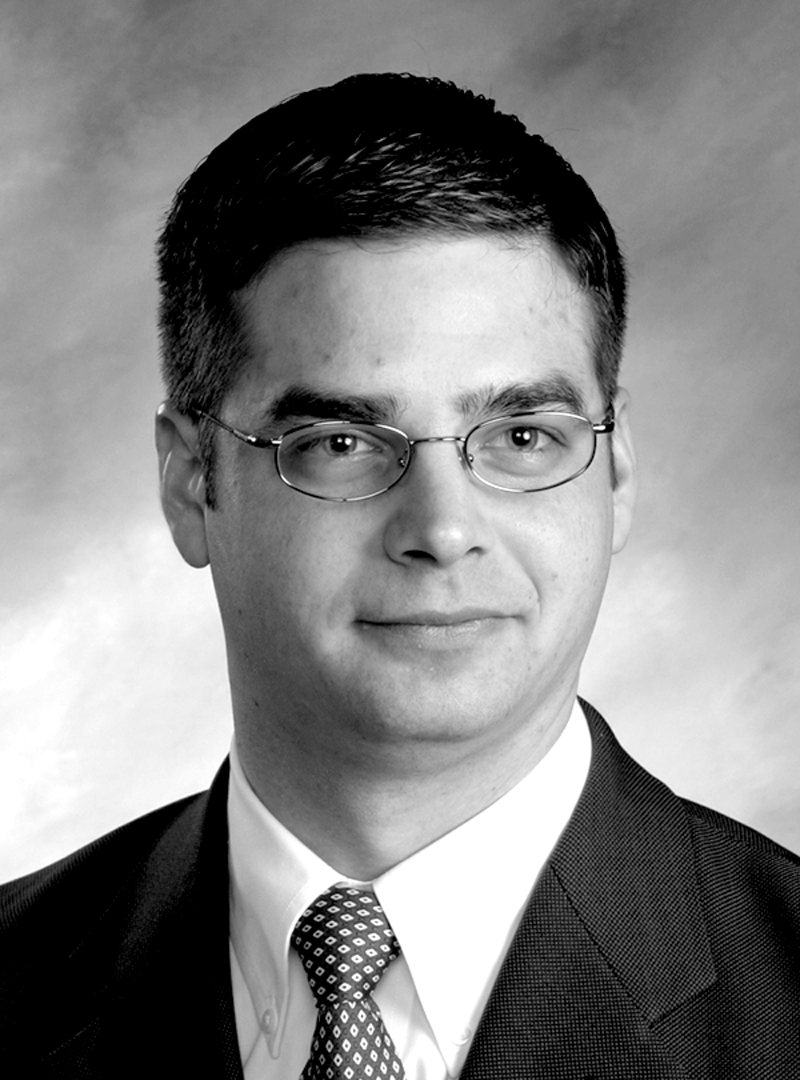
Banking and Financial Services Sections
North Brookfield Savings, FamilyFirst Ink Merger Agreement

Donna Boulanger

Donna Boulanger says the merger makes sense because both entities are community and mutual savings banks with similar customer-service philosophies.

Two area mutual banks that serve local customers and small businesses — and are active in their communities — are joining together to form one larger bank.
North Brookfield Savings Bank (NBSB) in North Brookfield and FamilyFirst Bank in Ware have come to a definitive agreement to merge into a single mutual savings bank. Once the merger is finalized, the combined bank will operate under the name and charter of North Brookfield Savings Bank.
NBSB President and CEO Donna Boulanger said the merger makes sense because both businesses are community and mutual savings banks with the same customer-service philosophy. She believes the transition will be seamless, and customers can expect the same services they have always received from both banks.
“FamilyFirst is a neighbor, but we don’t overlap with our branches,” she said. “This will expand convenience for both FamilyFirst and North Brookfield Savings customers.”
Currently, NBSB has offices in North Brookfield, West Brookfield, Palmer, and Belchertown. FamilyFirst Bank operates branches in Ware, the Three Rivers village of Palmer, and East Brookfield. All seven of the offices will remain open after the merger.
“The benefit to our customers is that there will be additional branches and longer hours,” FamilyFirst President and CEO Michael Audette told BusinessWest. “We’re pleased that all branches will remain under the name of North Brookfield Savings Bank.”
Both banks have been servicing area customers for several generations. NBSB was founded in 1854, and FamilyFirst, formerly Ware Co-operative Bank, opened in 1920 in the back of a pharmacy on Main Street in Ware. Ware Co-operative Bank changed its name to FamilyFirst Bank in 2007.
NBSB has more than $200 million in assets; once the merger is finalized, the assets of the two combined banks will rise to more than $260 million. Besides the additional assets, Boulanger said the integration of the three FamilyFirst branches will give North Brookfield Savings “a larger geographic footprint” in the area.
The two banks started talking about a merger when Audette approached Boulanger in August. He felt the two banks were a good fit in a highly competitive banking climate.
“It’s difficult to grow a bank organically in this competitive market,” Audette explained. “One way to do that is through mergers and acquisitions. Mergers of mutual institutions happen because you have a similar mission or culture or customer base. We had the opportunity to merge banks that are similar in our mission, and we went for it.”
Audette concurred. “We have complementary branches; our branches are next door to their branches. My board of directors wanted the bank to remain as a community bank and a member of the community and keep our employees. It’s a good thing for both of our banks, and we look forward to it happening.”
The transaction still needs to be approved by the corporators of North Brookfield Savings Bank and the shareholders of FamilyFirst Bank, as well as the banks’ regulators. Boulanger and Audette hope the merger is finalized by the end of the first quarter or the beginning of the second quarter of this year.
Once the merger is completed, it is expected that North Brookfield Savings Bank will retain the majority of FamilyFirst Bank’s employees for a total workforce of 73 spread across the seven bank branches.
According to Boulanger, NBSB will continue to provide the same services it always has, which include personal and business banking products, including mortgages, automobile loans, and small-business loans.
Audette, who will retire after 40 years in the banking business, said the new North Brookfield Savings Bank will also incorporate FamilyFirst’s farm loans by the Farm Service Agency, a division of the U.S. Department of Agriculture.
Boulanger, who has been president and CEO of NBSB since 2008, was recently elected to the board of directors of the Federal Home Loan Bank of Boston. She noted that North Brookfield Savings Bank has received the highest Five Star Superior Bank rating from Bauer Financial for 74 consecutive quarters. The bank was also recently accepted into the U.S. Small Business Administration’s Preferred Lenders Program, which Boulanger said streamlines the process and approval of SBA business loans.
“We have a good commercial-lending team,” she said. “Commercial lending will continue to be a focus of ours after the merger.”
Since North Brookfield Savings Bank and FamilyFirst Bank use the same core technology provider, Boulanger believes the integration of the banks’ technology should be an easy transition and will not disrupt customer service.
“It should go smoothly,” Boulanger said of combining each bank’s technology. “There’s a conversion process, but I think it will be seamless.”
NBSB currently offers online banking, bill paying, and e-statements. Boulanger said she would like, in the future, to include mobile banking to the roster of online services.
Having more branches will make personalized banking more convenient, she added, noting that many people still like to transact their business in person at a bank branch, and FamilyFirst customers “will use the same teller and customer-service system” that they did before the merger.
“There will be no difficult learning curve,” she said. “It’s all about relationships. We’ll bring our services to new customers and serve our existing customers as we always have. It’s all about giving the customer more choices and convenience.”
Boulanger and Audette are looking forward to the new North Brookfield Savings Bank becoming more involved in community service. Both banks have been involved in a number of community efforts over the years. Just this year, North Brookfield Savings Bank created its “Our Community Is Where It’s At” fund-raiser for the North Brookfield chapter of Hearts for Heat, the Belchertown Senior Center, and the Palmer Senior Center.
“A larger bank can do more for the community,” Audette said. “Both of our banks have supported the community through volunteerism. We support a variety of local entities.”
Added Boulanger, “our employees do a lot of volunteering, and we’ll continue to do that in Ware and expand to Palmer and East Brookfield.”

— Michael Reardon

Banking and Financial Services Sections
Asset Allocation Is Key to Making Sure Your Goals Are Met

Doug Wheat

Doug Wheat

The most important investing decision for individual investors is how much to save from your paycheck. The second most important decision is your asset allocation.
With the S&P 500 stock index returning 31.9% in 2013, there is renewed interest by individual investors to invest in stocks. But with high returns also comes the risk of volatility. Asset allocation helps investors maximize returns while minimizing risks by utilizing diversification as a strategy for managing different market conditions. The appropriate asset allocation for you will depend on your goals, risk tolerance, and investment time horizon. With the run-up in stock prices, now is a good time to evaluate your existing asset allocation.
At its simplest, asset allocation can be seen as the mix of stocks (partial ownership of companies) and bonds (a loan to be repaid at a specific time and interest rate). Stocks help an investment account grow over time and have averaged a 9.6% annual rate of return from 1928 to 2013 as measured by the S&P 500. But, as we know, stocks are also volatile and may at times lose value. From October 2007 to March 2009, U.S. stocks lost 56.6% of their value.
Most investors would want to protect themselves against that potential volatility, especially if they are in or near retirement. Therefore, most investors would choose to diversify their investments with bonds which have historically provided less return (about 4.9% annual rate of return from 1928 to 2013), but with much less volatility.
Investors may add complexity to the asset-allocation decision by adding additional asset classes or by breaking asset classes into subsets. For example, many investors will have separate U.S. and international stock-asset classes and separate large- and small-company stock-asset classes. They may also have U.S. and international bonds. Finally, they may also have alternative-asset classes such as real estate, commodities, and private equity.
Adding complexity allows investors to add additional diversification to their portfolio, which may decrease the total risk of their investments.
For most people who are wisely trying not to time the market, widely quoted studies indicate that asset allocation is the most important decision investors make. A 1986 study by Gary Brinson is often misinterpreted, but the message is correct — investors need to pay attention to asset allocation. Indeed, Thomas Idzorek summed up the studies by Roger Ibbotson and Morningstar, stating in a 2010 article, titled “Asset Allocation Is King,” that, “in aggregate, 100% of the return levels come from asset allocation.”
There are an endless number of approaches to asset allocation. While there is much disagreement on the fine points, nearly everyone agrees that, for retirement goals, most investors will want to have aggressive allocations to stocks when they are young and become more conservative as they grow older. The reason for this is two-fold; first, younger investors have a long time horizon and can wait out the ups and downs of the stock market. Second, older investors have likely accumulated assets over their life, which psychologically they want to protect with more conservative investment strategies.
Investors have three basic choices when determining their asset allocation. The first is to keep things simple and choose a mix between stocks and bonds based on their age and risk tolerance. The second is to choose a single fund or strategy where an investment expert is deciding the asset allocation for a large group; target-date retirement funds are the best example of this strategy. The third choice is to develop an asset-allocation strategy that is specific to their circumstances either by working with an advisor or by doing a lot of studying.
The simple strategy is professed by John Bogle, the legendary founder of Vanguard. His advice is for everyone to have roughly their age in bonds. If you follow this strategy at 40 years of age, you would have 40% of your money in bonds and 60% in stocks; at 70 years of age, you would have 70% in bonds and 30% in stocks. As your age changes, so would your asset allocation. This strategy is conservative and may allocate more money to bonds than other approaches.
The target-date retirement-fund strategy is appealing because mutual-fund companies generally have sophisticated approaches to asset allocation and will include a combination of U.S. and international stocks, large and small stocks, real estate, and U.S. and international bonds. The asset allocation of these funds also change as you age and are designed to be a ‘set it and forget it’ choice, especially for 401(k) and 403(b) retirement plans. But if you choose this strategy, make sure you understand the asset allocation of the fund designated for your age and that you are comfortable with it.
Each mutual-fund company has a different approach to asset allocation for their target-date funds, especially as investors near retirement age. Most target-date funds are more aggressive than the simple John Bogle strategy. For example, let’s look at the differences of three 2020 retirement funds designed for investors between ages 56 and 60. The T. Rowe Price 2020 Retirement Fund has 68% in stocks, while Vanguard’s 2020 Retirement Fund has 62% in stocks, and the Wells Fargo Advantage Dow Jones 2020 Fund has 45% in stocks. The T. Rowe Price approach is more aggressive and may be expected to have both higher returns and higher volatility than either the Vanguard or Wells Fargo approach.  This may or may not be comfortable or appropriate in your situation. If you just pick a target-date fund without checking out its asset allocation, you may be surprised at how aggressive (or conservative) it is.
An asset-allocation strategy that is specific to your circumstances will examine your goals, cash-flow needs, risk tolerance, and time horizon. The reality is that life gets complicated, and many times our needs cannot fit easily into a simple formula or box. In addition, if you have multiple investment accounts, you want to make sure all of the accounts are working in concert with each other.
Developing a personalized asset allocation will help you meet your own needs while making the most of the diversification opportunities available from investments in multiple asset classes. Depending on your own interest in researching the merits of different investment allocations and compiling information for all of your investment accounts, you may want to seek assistance from an investment professional.
There is no right answer to asset allocation, but make sure to carefully review your current allocation at least annually and make sure you have a strategy that is right for you. And don’t forget to keep saving.

Doug Wheat, CFP is the director of Family Wealth Management Inc.; www.fwmgt.com

Education Sections
University Without Walls Offers Alternative Options for Adult Students

Orlando Ramos

Single father Orlando Ramos has been able to fit his degree work around his full-time job and his new role as a Springfield city councilor.

When Orlando Ramos of Springfield sits down to do his homework at the kitchen table, he’s often joined by another student — his 9-year-old daughter, Ariana.
As she completes her fourth-grade studies, Ramos, 31, is completing his concentration in Public Policy at the University Without Walls (UWW), a degree that will allow him to reach his next goals of a law degree and a future in public policy making.
Ramos is attending UMass Amherst’s adult degree-completion program, but, as the name implies, the classroom is one without walls, other than the walls of his home, due in part to his choice of completing his first degree completely online. The name conveys the fact that this is not a traditional university in terms of everything from physical structures to the hours spent in the ‘classroom.’
Adults like Ramos who want to change careers or never completed their degree programs, for whatever reason, need flexible support in the way of process and cost. As the nation pulls out of the Great Recession, President Barack Obama recently challenged colleges and higher-education leaders to adopt promising practices that include functions like ‘competency-based learning’ and ‘experiential learning.’ Such practices award college credits based on what students have learned in life and work experience, and offer more opportunities for adult students to get financial aid based on how much they learn, rather than the amount of time they’ve spent in class.
As one of the oldest alternative adult-education programs in the country, UWW is already at the forefront of meeting Obama’s challenge. Serving students in most fields available at the university, the unique program offers individualized degrees or course plans, 100% online, on-campus, or blended. UWW students earn a bachelor of arts or bachelor of sciences degree depending on the program they personally design, based on what credits they are able to transfer and what credits are attributable to experiential learning.
As a single father with a full-time job, it hasn’t been easy, Ramos admits, as some of his study sessions end with him waking up with a textbook stuck to his face. After years spent in construction and as a union steward with the United Brotherhood of Carpenters Local 108, a back injury just before the recession started had him considering his future options. After earning his associate’s degree in Liberal Arts from Springfield Technical Community College, he was accepted at another school to continue his education.
“But it just wasn’t for me … being in a classroom with students who were 10 years younger,” said Ramos, recalling a trying semester at a local university. “And it didn’t fit my schedule, so I really felt out of place.”
He soon found that right place at the right time in his life with UWW, and will graduate this May, according to a timeline he created.
And timelines are important, said Cynthia Suopis, a senior lecturer in Health Communications at UWW.  With the program for 12 years, she’s seen students like Ramos, as well as those in their 70s, who seek the degree that eluded them decades earlier.
For Angie Boris, 47, of Grafton, a career change from a $60,000-per-year job to her own business that she sold after the birth of a second son led to pursuing her dream of becoming a teacher through UWW online — again, on a timeline that fit her changing lifestyle.
All students, regardless of their story, enter into a process that allows them to evaluate and receive valuable credit for past experience; it’s called the ‘portfolio,’ and according to Suopis, it’s what sets UWW apart from all other online programs (more on this later).
For this issue and its focus on education, BusinessWest visited UWW to learn about this 45-year-old program, which offers a customized and affordable plan for adult students who want and need alternative means to earn a degree, and academically sound credit reflecting what they’ve truly learned in life — and on the job.

Degree by Design
Founded in 1971, the UWW program was considered fairly radical when it was rolled out, said Suopis.
“The movement was about the idea that education is more than going to classes for four years and getting a degree,” she noted. “It was started by a group of graduate students from all over the country, and the thinking was that adults have a lot of experienced work in their background; why couldn’t they get academic credit for that?”
With students ages 22 to 82, Suopis said the program has been a lifeline to individuals who have started and stopped school for families, experienced dramatic job changes, or endured hard times financially. But the philosophy of UWW is that, in addition to transferable courses from other schools, past work is honored, if it can be qualified.
While other schools may look at a student’s résumé and check off the list what is comparable to the school’s academic requirements, the UWW curriculum requires the student to spend an entire semester dissecting their résumé and other life experience; that process is called building the portfolio. It’s a reversal of the term ‘service learning,’ which means learning that starts in the classroom is then put into practice in the community. At UWW, students are bringing the practical experience with them to learn more, but receive academic credits for that past expertise.
Suopis explained that students with a minimum of 12 past college credits and a minimum 2.0 grade point average, once accepted, are required to accumulate 120 credits to earn a degree, or a ‘concentration,’ as the program labels it, and this can mean a focus on business, education, health, human services, or other fields such as journalism, criminal justice, public policy, sustainability, and applied psychology, all interwoven with their past experience.
Up to 75 of those 120 credits can go toward the selected concentration, and they are accumulated through two means: transferred credits from another school (up to 30 credits for the portfolio), or experiential learning outside the classroom.
Ramos transferred 47 credits and earned 21 more through his portfolio; Boris had 17 transferred, and her portfolio gained her another 18. Both have finished the four specific courses required of students, which entail writing the portfolio and designing their degree plan. The finished thesis is then evaluated by UWW faculty members, and not having to take classes for those credits saves not only money, but valuable time, Suopis noted.
The revenue from the four courses, either online or blended, allows UWW to be self-sustaining; the revenue from the additional online courses through UMass goes to the university.
The curriculum courses include:
• “Frameworks for Understanding,” where students design their course plan;
• “Reflections,” where they pick two subjects out of four: technology, organizations, leadership, and public policy; and
• The portfolio class, which involves a semester of critically analyzing what they’ve learned on many levels in their past.
The Reflections courses are not about content, said Suopis, adding that they are discussion points that impact students’ lives and help them write their portfolio. The first step is for the student to identify what they are good at, what they claim they know, and write about it. The writing process is a critical analysis that forces the students to pull out every minute detail of their past history and what they’ve learned, and in many cases, Suopis said, they are shocked to realize that they really did learn, and retain, a great deal of information and viable skills.
For Boris, the portfolio process was overwhelming but quite revealing.
“I consider myself fairly self-aware,” she told BusinessWest. “However, I learned that I had accomplished much more in my life than I had originally thought, and the portfolio process gave credibility to what I had done for my past career; basically my life experience was now worth college credit, and that was a big eye- opener for me.”
Suopis said this is a common reaction, and one that helps build the confidence needed for the remaining work to attain a degree.
“What we’ve found is that the sooner we get the student to write that portfolio, the better their chances are of graduating,” added Suopis, “because they see this huge number of credits coming to their transcript, and they’re like, ‘I can do this.’”

Personal Investment
But what about those students who are not skilled writers?
“There are two phobias at UWW — math and writing,” Suopis said with a laugh. “We’re not teaching them grammar, but if they can start at where they’re at and give us just five pages as we ask them a series of questions, we can get them to a place to be more comfortable with their writing.”
By the end of the semester, after numerous revisions and edits, those fearful writers are proud of their accomplishments in the past, Suopis said, and their newfound ability to record it all for credits saves hundreds, if not thousands, of dollars and valuable time.
The impact of the Great Recession is what prompted Ramos to alter his career plans. After his third back injury on the job kept him home for five months, and unemployment that followed due to a recession-prompted slowdown in the industry, he knew he needed to pursue a different, more stable path.
When writing his portfolio, Ramos learned that his past was a foundation for his future.
As a union steward, his main responsibility was to look out for the best interests of his union brothers, and little did he know back then that he was performing ‘constituent services’ — taking care of their issues and needs as a leader on the job site. And there were situations that weren’t all that easy to handle.
“As a steward, you’re not there to be friends,” he explained. “so there were a lot of situations where I had to build up the courage to stand up for my guys, and that’s a skill I know I’ve transferred to my current positions.”
Now as a district director for state Sen. James Welch, who represents the 1st Hampden District, Ramos stands up for Welch and his constituents. And as an newly elected Springfield city councilor, he’s standing up for the residents in Ward 8, which includes Indian Orchard and parts of Pine Point and Sixteen Acres, as well as all city residents with the entire council.
“I learned about what I really learned in the past,” Ramos said as he recalled the portfolio process. “It was interesting to link my experience and previous career to my current career positions because on the surface, it doesn’t look like it’s something that matches, but it does, and it’s helped me in public policy, legislation, and being elected.”

I Can Do Anything
UWW serves between 750 and 800 students each semester, with fully integrated UMass graduations of 150 per year at three different times: February, May, and September.
The stories of why students of all ages come to UWW are numerous. For some, it may be their last, best chance to earn a degree. But when a student speaks of future opportunities and self-worth, Suopis knows she’s succeeded in guiding another student in their journey to what could be their perfect job.
“We’re now having two and three generations that have gone though UWW — mom, daughter, and granddaughter — and as a 45-year old program, that’s pretty cool to see that happen.”
True to UWW’s website slogan, “we get adult students,” Ramos and Boris are good examples of non-traditional students who ‘get’ UWW, and are on their way to a future where doors will be opening because of their time spent at a university without walls.

Elizabeth Taras can be reached at [email protected]
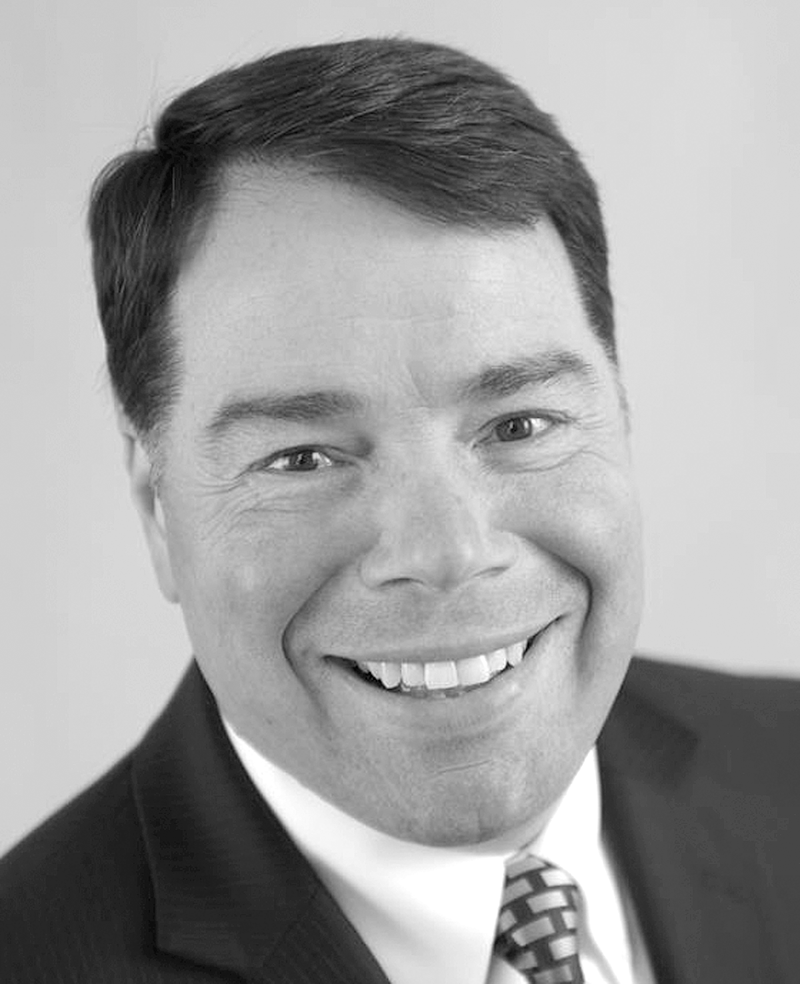
Education Sections
HCS Head Start Strives to Get Preschoolers on the Right Track

Nicole Blais

Nicole Blais says HCS Head Start has evolved over the years to reflect the current emphasis on preschool academic readiness.

Fifty years is a long time in any field. Soit’s no surprise, Nicole Blais said, that early-childhood education has evolved quite a bit since Head Start was launched in 1965.
“We consider ourselves a comprehensive early-education and care program that focuses, of course, on school readiness,” said Blais, director of community engagement for the Holyoke-Chicopee-Springfield Head Start program, which boasts 16 area centers and benefits mostly low-income families in 15 different Greater Springfield cities and towns.
“But when it first started in 1965,” she continued, “it was a summer program that focused on health and nutrition, with the idea that poor children who had access to healthcare and access to healthy foods would have a head start when they entered kindergarten, and be able to catch up to their peers who might have had other opportunities available to them.”
While health and nutrition remain key elements of Head Start, however, the program has increasingly focused over the decades on instilling the foundations of literacy and learning in preschoolers, so they can hit the ground running when they reach public school.
“The field of education has evolved; it had been more about the care of children, as opposed to education,” Blais said. “We’re so happy that early-childhood education is finally being recognized as a field beyond babysitting. We just don’t play ring around the rosy in these classrooms. There’s a lot of learning happening with this age group.”
While moving from a summer to full-year program after its early years, Head Start has evolved in other ways as well, she added. For instance, “people realized they couldn’t do anything sustainable with this age group without finding ways to include and engage parents, since the parents are with their children the majority of time through those first years.”
Today, she said, teachers team up with service coordinators, medical assistants who perform needed health screenings, mental-health professionals, nutritionists, and others, who constantly aim to engage parents in the total development — educational and otherwise — of their children. “We’re looking at the child as a whole.”

One Tree, Many Branches
Thirty-two Head Start programs blanket Massachusetts, Blais said, each with its own catchment area. HCS Head Start, as it’s known in shortened form, operates most of its centers in the three cities that comprise its name, although it also has sites in Ludlow and Palmer. Children from other area communities may access out-of-town centers, however.
“We don’t have centers with classrooms in all of our towns because our charge is really to set up shop in communities where there’s a great need,” she said, noting that poverty tends to be more prevalent in urban areas. “We work with vulnerable children and families — children who are living at or below federal poverty lines. And 10% of our enrollment has to be made up of children who have a special need or disability.”
Under the leadership of its long-time executive director, Janis Santos, HCS Head Start operates three different types of programs. There are 904 slots for traditional Head Start, designed for 3-, 4-, and 5-year-olds. Meanwhile, 60 clients are enrolled in Early Head Start, which works with prenatal families and children from birth to age 3, with goals ranging from healthy prenatal outcomes to the development of very young children to cultivating a healthy family structure. “Then, when a child turns 3, they can transition into the preschool room,” Blais said.
Finally, “about 10 or 12 years ago, we became the Migrant Head Start grantee for the state of Massachusetts, and we are charged with providing Early Head Start services to eligible children whose families are working in agriculture. Our assessments showed that a lot of migrant families reside in Western Mass. as opposed to the eastern part of the state,” she explained. “That program is a little different in terms of length of operation; those families tend to be here in the summer months, so we have a fast and furious 13-week program to cover those summer weeks.”
Last year, federal budget cuts resulted in a loss of 200 slots, making the program more competitive than it already was. Blais said HCS Head Start aims to fill spots by the greatest need first — not only financial, but developmental as well. And homeless families are always a priority.
With the public education system so focused in recent years on testing and outcomes, there has been increased scrutiny of Head Start. Competing studies have produced very mixed data in determining how much of an advantage enrollees gain when they reach kindergarten.
One notable 2011 study by the U.S. Department of Health and Human Services claimed that Head Start benefits both 3-year-olds and 4-year-olds in the cognitive, health, and parenting domains, and aids 3-year-olds in the social-emotional domain.
“However,” it goes on, “the benefits of access to Head Start at age four are largely absent by first grade for the program population as a whole. For 3-year-olds, there are few sustained benefits, although access to the program may lead to improved parent-child relationships through first grade, a potentially important finding for children’s longer-term development.”
Blais noted that each child is a different case, and some make academic gains faster than others.
“Every child is unique, especially during this critical time. They all come in here at different stages, and they all have their unique ways of mastering different skills,” she told BusinessWest. “It can be hard to keep that in perspective. There’s this standard, but it’s sometimes hard to capture that. Sometimes it’s hard for people to understand the complexities when we’re working with unique little ones.”
That said, HCS Head Start — which makes sure all its teachers have degrees in early childhood education and that each classroom has no more than 20 students — is always looking for ways to self-evaluate.
“We’re always figuring out how to appropriately measure something that gives validity to the program,” she said. “Teachers can tell you a thousand anecdotal stories about successes in the field. In general, we’re working really hard trying to figure out how to measure those.”

Getting Better

What is clear, Blais stressed, is that parent involvement in the program makes a big difference.
“There’s been a lot of talk over the years about quality, and what makes a quality early-education and care program: things like staff and materials,” she said. “The unique thing with Head Start, what has made it stand out, is the parent-engagement piece. The staff really get to know the families.”
They accomplish this through home visits, family fun nights, cultivation of classroom volunteers, and a policy council comprised of elected parents who serve as consultants to HCS Head Start’s senior management.
“We always make sure the parent’s voice is included,” she said. “Parents are made aware of how the Head Start program works — not only what they see in the classroom, but in its entirety. We’re developing leadership skills and advocacy skills for the family, too, so they can hopefully get a different perspective on how Head Start works and how important their voice is. Sometimes our families have been through some challenging times, challenging situations, and they don’t always believe they have the power to make a difference.”
Other Head Start programs are aimed directly at family involvement, from the TLC Building Healthy Relationships Program, which helps adults and teens develop skills in parenting, conflict resolution, financial management, and other areas; and the MILK (Men Involved in the Life of Kids) Program, a father-involvment initiative that offers male-focused activities that bring fathers and their children closer together.
While parents become more active, Blais noted, the teachers never stop learning, accessing a host of professional-development opportunities, particularly in rapidly advancing fields like science and technology.
“Professional development is huge in Head Start. We do a lot of in-service trainings,” she said, citing one recent workshop in conjunction with Holyoke Health Center on helping children develop healthy eating habits. “Teachers are on the front lines with kids, so we’re making sure they have a wealth of information, including community-resource information they can pass along to families. It makes a big difference for the child in the end.”
With so much at stake — and a waiting list to be admitted — it’s not surprising that regular participation is critical. Specifically, Blais said, children need to maintain an 85% attendance record to stay in the program.
“Not only will they miss out if they don’t show up,” she said, “but we’re really trying to instill good attendance habits for when children go off to kindergarten.”
Just one more way, in other words, to get a head start.

Joseph Bednar can be reached at [email protected]
DBA Certificates Departments

The following Business Certificates and Trade Names were issued or renewed during the month of and January 2014.

AGAWAM

EZ Life Ideas
37 Overlook Dr.
Newton Vezina

My Dance Pants
471 Meadow St.
Lorrie A. Rousseau

Silver Linings Home Care
159 Main St.
Tania Spear

UBU Hair Design
322 Cooper St.
Sherri Laflamme

CHICOPEE

Cosgrove Remodeling
99 Grape St.
Thomas Hodsdon

Graphics Your Way
225 Tolpa Circle
Terry L. Messier

Paquette Construction
175 Montgomery St.
David Paquette

GREENFIELD

Alliance Group
13 Cedar St.
John Michelson

Big Y Foods Inc.
237 Mohawk Trail
Michael Gold

Child at Heart Art Gallery
54 Briar Way
Paul McDonough

China Gourmet
78 Mohawk Trail
Hsien F. Chang

Community 911 Training Inc.
38 Haywood St.
Matthew Wolkendreit

Greenfield Grille
40 Federal St.
Joseph Poirier Sr.

Radical Self-Care Now
34 Glenbrook Dr.
Katherine Golub

Synergy Transportation Service
25 Park Ave.
Jason Markwell

The Lunch Box
221 Main St.
Joseph Motika

HOLYOKE

Goodfellas Barbershop
665 High St.
Ferdinand Rivera

Holyoke Heating & Air
43 Woodland St.
Ronald Theriault

Oakdale Property Services
78 Calumet Road
Jonathan Hilchey

Portal Del Cielo
285 High St.
Lillian Calvo

PALMER

Country Corner Citgo Inc.
5 Springfield St.
Peter McKearney

Dominick’s Family Restaurant
2047 Main St.
Edward Glaszcz

Historical Nipmuc Tribe
189 Breckenridge St.
Tracy Riley

Miss Trans-America Pageant
1037 Pleasant St.
Christa Hilfers

Palmer Restaurant
1376 Main St.
Elias Poupopoulos

SPRINGFIELD

Mommy’s
324 Wilbraham Road
Henry B. Ogirri

Nicoletti & Brown
15 Colfax St.
James T. Brown

Oriental Gift and More
1714 Boston Road
Chun F. Yang

Plink Plunk Play
63 Lakevilla Ave.
Rita F. Bartholomew

Ray’s Auto Repair & Towing
3 Fountain St.
Ramon L. Rivas

S & S Renovation
127 Balfour Dr.
Stephanie L. Goggin

Serenev Affordable Tax
67 Suffolk St.
Angella D. Martin

Superior Home Health
83 Hazen St.
Shari Anglin

The Sports Shack
152 Main St.
Sandra A. Babbie

Tower Convenience Store
10 Chestnut St.
Zahid Farooqui

Tranquility Day Spa & Salon
1655 Boston Road
Charles Tran

Universal Caulking
42 Kimberly Ave.
Anthony M. Dewdney

Westside Pizza
1291 Boston Road
Vedat Kan

Wheeler’s Convenience
597 Dickinson St.
Faiz Rabbani

WESTFIELD

Aura Nails and Spa
261 East Main St.
Youngran Chang

Boss’ Business
19 Parkside Ave.
Petro M. Makarchuk

Dorsey Installations
25 State St.
Anthony Dorsey

Elite Tanning by Jennifer Amy Inc.
16 Union Ave.
Jennifer A. Pasterkiewicz

Florek Family Farm
840 Granville Road
Christopher J. Florek

Hickory Hill Farm
325 Montgomery Road
Dennis L. Bishop

Max Sound
50 Pleasant St.
Maxim Cravet

Vivid Hair Salon & Spa
99 Elm St.
Basia Belz

WEST SPRINGFIELD

Belar US
105 River St.
Michael Vasilyev

Metal Craft Manufacturing
54 Myron St.
Peter Urbanek

Morales Flooring
309 Park St.
Enis E. Morales

Music Sound
20 Labelle St.
Mikala Filistovich

Pizza Hut
1048 Riverdale St.
Pizza Hut of America

Promoter
38 Humphrey Lane
Aleksander Vasilyev

Rainbow Accessories
39 Rochelle St.
Sara Arshad

Ram Sia, LLC
1500 Riverdale St.
Dilip Rana

Superior Painting & Renovation
64 Prince Ave.
Sean Kearney

Trend Sound Promoter
457 Union St.
Mykhaylo Onulyak

Vilo
116 Almon Ave.
Vitali Loban