Home 2023 (Page 29)
Daily News

SPRINGFIELD — The Hampden County Bar Assoc., in conjunction with Western New England University School of Law, will hold a Legal Help Hotline program today, May 04, from 4 to 7 p.m.

Local, experienced attorneys will be able to provide legal advice on various topics, including divorce and family, bankruptcy, business, employment, landlord/tenant, and real estate. Individuals needing advice should call (413) 782-1659 to speak to a volunteer.

Daily News

SPRINGFIELD — When BusinessWest launched its 40 Under Forty program in 2007, it did so to identify rising stars across our region — individuals who were excelling in business and through involvement within the community — and celebrate their accomplishments.

In 2015, BusinessWest announced a new award, one that builds on the foundation upon which 40 Under Forty was created. Called the Alumni Achievement Award, it is presented to the 40 Under Forty honoree who, in the eyes of an independent panel of judges, has most impressively continued and built upon his or her track record of accomplishment. The presenting sponsor of the 2023 Alumni Achievement Award is Health New England.

Past winners include: 2022: Anthony Gleason II, president and co-founder of the Gleason Johndrow Companies (40 Under Forty class of 2010); 2021: Anthony Gulluni, Hampden County district attorney (class of 2015); 2020: Carla Cosenzi, president, TommyCar Auto Group (class of 2012), and Peter DePergola, director of Clinical Ethics, Baystate Health (class of 2015); 2019: Cinda Jones, president, W.D. Cowls Inc. (class of 2007); 2018: Samalid Hogan, regional director, Massachusetts Small Business Development Center (class of 2013); 2017: Scott Foster, attorney, Bulkley Richardson (class of 2011), and Nicole Griffin, owner, ManeHire (class of 2014); 2016: Dr. Jonathan Bayuk, president, Allergy & Immunology Associates of New England (class of 2008); and 2015: Delcie Bean, president, Paragus Strategic IT (class of 2008).

Click here to nominate someone for this award. Only nominations submitted to BusinessWest on this form will be considered. The deadline is Wednesday, May 10 at 5 p.m., no exceptions. The 2023 honoree will be announced at the 40 Under Forty gala on Thursday, June 15.

Candidates must be from 40 Under Forty classes prior to the year of the award — in this case, classes 2007 to 2022. For your convenience, a list of 40 Under Forty alumni can be found by clicking here and scrolling to the bottom.

Daily News

CHICOPEE — U.S. Rep. Richard Neal joined Elms College President Harry Dumay this week to announce a $1 million earmark to expand the education and social work programs at Elms College.

The allocation was made possible through congressionally directed spending from the U.S. Department of Education. Neal included funding for this project in the FY 2023 spending bill that was signed into law on Dec. 29, 2022.

“Western Massachusetts has a diverse socioeconomic landscape, and with that families who face a diverse set of challenges. Our region is fortunate to have some of the most capable educators and social workers who are willing and able to meet the needs of our children and their families, and institutions like Elms College are ensuring we continue to have the skilled workforce ready to answer the call for help,” Neal said. “Elms College has a rich history of educating a diverse student body, ensuring they are equipped with the tools needed to effect real change in their community. Congress has the fundamental responsibility to oversee the expenditure of the public purse, and I strongly believe that this investment will greatly benefit our region for years to come.”

With this funding, Elms College will address community workforce development by expanding its education and social work programs. This expansion will include investments in the Center for Equity in Urban Education at Elms College, which was created to bolster educator talent and diversity through innovative programs that target existing and aspiring educators. Funding will also be used to invest in the master’s in social work program in an effort to address the shortage of social workers in the Greater Springfield community.

“We are extremely grateful for Congressman Neal’s continued support of Elms College and higher education throughout the region. Congressman Neal’s support for higher education as chair of the House Ways and Means Committee was instrumental in helping many institutions across the nation weather the storm of the COVID-19 pandemic,” Elms College President Harry Dumay said. “The $1 million in funding will be used to bolster our education and social work programs, while also providing scholarships for students in these disciplines.”

Daily News

HOLYOKE — On Tuesday, state Sen. John Velis announced that $164 million in federal grant funding has been awarded to the Executive Office of Veterans Services for new construction at the Holyoke Veterans’ Home, the first award in $263.5 million of federal funding for the project.

“Today’s announcement has been a long time in the making and is an important step toward making a new Holyoke Veterans’ Home a reality,” said Velis, who chairs the Legislature’s Veterans and Federal Affairs Committee. “This process started back in the spring of 2021 with the passage of the Legislature’s bond bill, and it is truly exciting to see this federal funding come to fruition. This new facility, and this funding, will help ensure that the future residents of the Holyoke Veterans’ Home and veterans across the Commonwealth receive the care with honor and dignity that they have earned in service to our nation.”

As chairman, Velis championed the passage of the $400 million state bond bill last session that ultimately resulted in this federal grant from the U.S. Department of Veterans Affairs State Home Construction Grant Program. After passage of the bond bill, the state was able to apply for the VA Construction Grant Program and received conditional approval last year. The Holyoke Veterans’ Home has now officially entered a memorandum of agreement with the VA and will receive the rest of the $263.5 million in future fiscal years. The remaining $136.5 million for the project will come from the state.

The reconstruction of the Holyoke Veterans’ Home is currently underway and coincides with the ongoing rebuilding of the Chelsea Veterans’ Home. In total, the Holyoke project includes 234 long-term-care beds, nursing support, and community spaces for veterans.

Daily News

SPRINGFIELD — American International College (AIC) and Springfield Technical Community College (STCC) continue to work together for the benefit of Springfield residents, this time to address the housing needs of STCC students.

A new agreement between the two colleges will allow STCC students to reside in the AIC campus residence halls and apartments, located less than two miles away. AIC President Hubert Benitez and STCC President John Cook will take part in a signing ceremony for the student housing agreement today, May 3, at 11:30 a.m., in the lobby of the Esther B. Griswold Theatre in the Karen Sprague Cultural Arts Center at AIC.

This partnership further strengthens the bond between the institutions, which renewed an articulation agreement last year to facilitate the seamless transition of STCC graduates and qualified candidates to AIC.

Under the terms of the housing agreement, AIC will provide affordable housing options for STCC students age 18 and older who are enrolled full-time and are in good academic standing. STCC students residing at AIC will also have access to the college’s health and counseling services, library, laundry facilities, gym, and other support services. Dining and parking plans will be available for an additional cost.

According Benitez, “this is an important partnership between a private and a public college to assist Springfield students in overcoming barriers to higher education that may be limited by several factors, including accessible and affordable housing. The signing of this housing agreement is designed to provide pipelines to higher education and immersive college experiences that open doors for young adults in our community.”

This option will help many students in the Greater Springfield area who require secure housing, allowing them to attend STCC full-time, according to Cook.

“This is true ecosystem work for two colleges closely connected by way of State Street,” he noted. “Given the housing needs of community-college students now, and the opportunity to preview baccalaureate pathways down the road, we are thrilled to see the realization of this effort.”

Cook added that the agreement will also benefit out-of-town students looking to attend STCC because of its unique programs such as dental hygiene, sonography, energy systems, and manufacturing/CNC.

“We are thrilled about our partnership with AIC to offer students a traditional residential experience while pursuing their degree at STCC,” said Darcey Kemp, vice president of Student Affairs at STCC. “Students who live on college campuses often find it easier to engage in campus events and take advantage of the amenities, support, and services provided. We look forward to offering this option to our students.”

AIC Vice President for Student Affairs Matthew Scott conveyed his pleasure in partnering with STCC to provide on-campus housing to its students. “In line with AIC’s mission, this collaboration allows us to expand access to affordable education and support services for students. We look forward to welcoming STCC students to our campus community and hope this initiative will create new pathways and opportunities for students.”

Daily News

AGAWAM — The Local Farmer Awards distributed grants totaling $225,000 to 97 farms in Western Mass. this year, a 30% increase over the number of 2022 recipients. These grants of up to $2,500 empower farmers to purchase essential equipment for planting, growing, harvesting, and processing. All projects include a funding commitment by the farm as well.

The Harold Grinspoon Charitable Foundation, in partnership with Big Y and the Massachusetts Society for Promoting Agriculture, along with 12 other funders, provide financial support for these Local Farmer Awards. Other community sponsors include Ann and Steve Davis, Charles and Elizabeth D’Amour, Audrey and Chick Taylor, PeoplesBank, the DeNucci Group at Merrill Lynch, Farm Credit East, HP Hood, Eastern States Exposition, Baystate Health, Country Bank, Franklin First Federal Credit Union, and bankESB.

Long-time funder Steve Davis, a partner at Vimco Corp., is grateful for having the opportunity to support this program. “Farming is a bedrock of community,” he said. “We are fortunate to have so many hardworking farmers and farms in our area.”

This year the Local Farmer Awards received a record 182 applications. Program Director Cari Carpenter noted that “we are so excited about the 97 farm winners, but our available funding did not allow us to support many additional requests for projects that are so needed on our local farms.”

Roughly two-thirds of this year’s awards went to farms in Hampshire and Franklin counties, with the remainder split between Hampden and Berkshire counties, and a few awards going to farms just across the Massachusetts border that participate in Massachusetts farming programs. About 25% of the recipients were new farmers (five or fewer years in business), and another 34% have been in business more than 20 years, many being multi-generational farms. The largest number of winners focus on vegetables and meat, while others include maple, fruit, dairy, and flower farms.

Click here for the entire list of winners and their projects.

Daily News

CHICOPEE — Elms College has received a generous donation from Francis and Marian Kirley to rename the college’s School of Continuing Education as the Sister Kathleen Kirley ’66 School of Continuing Education.

Sr. Kathleen was director of Continuing Education at Elms College from 1977 to 1990 and served as the dean of Continuing Education and Graduate Studies from 1990 to 1998.

“We are grateful for the Kirleys’ transformational gift to name the School of Continuing Education that will benefit our students for generations to come,” said Harry Dumay, president of Elms College. “Guided by the mission and vision of the Sisters of St. Joseph, Sr. Kathleen, Francis, and Marian are dedicated to the success of our students — continuing education, undergraduate, graduate — and preparing them to be lifelong learners.”

Francis Kirley, a former member of the Elms College board of trustees and last year’s commencement keynote speaker, is a cousin of Kathleen Kirley. He is also the founder, president, and CEO of Nexion Health, a healthcare organization with 56 skilled-nursing and assisted-living facilities in Louisiana, Mississippi, and Texas. He currently serves as the chairman of the USA Bobsled and Skeleton Foundation and is a board member of the Louisiana Nursing Home Assoc. and the Coalition for Quality Health Care in Texas.

The Sister Kathleen Kirley ’66 School of Continuing Education at Elms College provides flexible academic options for students returning to college to complete their degree. Students can take classes online, on-site at Elms, or at one of the college’s off-campus locations.

Daily News

SPRINGFIELD — The board of directors of Big Y announced the appointment of Tenneille McFarlane-Smart as director of the newly created Project Management Office. As director, she will be responsible for all project activity across all divisions at Big Y, including Big Y Supermarkets, Big Y Express Gas and Convenience, Big Y at Fresh Acres, and Table and Vine.

She will serve as a liaison between Information Resources Technology and all business units to track strategic projects centrally for visibility, prioritization, and resource allocation. In addition, she will provide guidance and support for these initiatives toward timely and successful strategic project delivery. She reports to Michael D’Amour, chief operating officer.

McFarlane-Smart’s work experience expands across many different industries. In 2005, she served as associate project manager supporting new business development for J. Walter Thompson, an international advertising agency in New York City. Two years later, she moved to Voya Financial in Connecticut, where she held several roles, starting as a business analyst lead for Retirement Services IT, then a continuous-improvement change agent by 2013 and, finally, project manager for Retirement Services IT. In 2019, she joined Envision Pharma Group as a senior IT project manager before becoming chief of staff in the office of the CEO from 2021 until the present.

“On behalf of all of us, we are thrilled to welcome Tenneille to our Big Y family,” D’Amour said. “Tenneille’s leadership will be essential to strengthening the governance surrounding our overall project-management process and execution. We are confident in her abilities to launch and develop the Project Management Office as a strategic initiative to better serve our customers, our employees, and our communities.”

McFarlane-Smart holds a BBA from Pace University, an MBA from Bay Path University, and a JD from Western New England University School of Law. She is licensed to practice law in the state of Connecticut.

She is a certified project-management professional, a credential from the internationally recognized Project Management Institute. She serves on the executive board of directors of the Pathlight Foundation, a nonprofit that supports individuals with developmental disabilities. She also volunteers for the Connecticut Bar Assoc. Pro Bono Legal Advice Clinic.

Daily News

FLORENCE — Florence Bank promoted Candace Pereira to the role of vice president, commercial lender. Since 2018, she has worked at Florence Bank as assistant vice president, commercial portfolio manager in the Commercial Lending department. In her new role, she will concentrate on commercial and industrial lending, as well as lending to women-owned businesses.

Pereira holds an associate degree in finance from Springfield Technical Community College and a bachelor’s degree in business administration from the Isenberg School of Management at UMass Amherst. She is currently pursuing an MBA from Isenberg as well.

Pereira began her career in banking in 2003 and has held various roles at mutually held and stockholder-owned banks in Western Mass., in both residential and commercial lending.

Working at Florence Bank as a lender excites Pereira because she believes customers are better served by a mutual bank. “Decisions are made locally. The management team knows the market,” she said. “A mutual bank is also more invested in the community and its overall success. We give back to the community.”

Recently named an ambassador for the Springfield Regional Chamber, Pereira is also a member of the BusinessWest 40 Under Forty class of 2017, and she attended the Springfield Leadership Institute. She has served on various local boards over the last several years and has also volunteered as an athletic coach in East Longmeadow, where her daughter is a student.

Matt Garrity, president and CEO of Florence Bank, noted that “Candace has a solid foundation in working directly with customers and understanding their financial situations. We are pleased to welcome her to our team of commercial lenders.”

Daily News

SPRINGFIELD — On Saturday, May 5 at 5 p.m., the Armory at MGM Springfield will the setting for hats, horses, and hors d’oeuvres to celebrate the 149th annual Kentucky Derby.

This sold-out event, presented by lead sponsors PeoplesBank, USI Insurance, Alekman DiTusa, Baystate Health/Health New England, and Meridian Industrial Group, will raise much-needed funds for Square One’s programs and services.

“Short of heading to Churchill Downs, we cannot think of any better way to enjoy the greatest two minutes in sports,” said Kristine Allard, chief Development & Communications officer for Square One. “We are so grateful to our sponsors and guests for joining us for what promises to be a great party, in support of the work Square One does every day to support our community’s children and families.”

Since 2016, this annual event has become a signature fundraiser for Square One. Decked out in their Derby best, 250 guests will watch the race on a giant screen while enjoying traditional mint juleps and participating in raffles and a silent auction.

In addition to the lead sponsors, the Derby party is being supported by Florence Bank, INSA, St. Germain Investment Management, FR Investments, CJC Lighting & Projection, the Law Offices of Mark E. Salomone, Advanced Drainage Systems, Country Bank, Caring Health Center, Napatree Capital, LaQuinta, deVillier Petrangelo Wealth Management, Events by Jackie M, Fontaine Bros., the Massachusetts Coalition of Independent Workers, Mercedes-Benz of Springfield, Overlook VNA, 6 Brick’s, Berkshire Bank, NEPM, Northwestern Mutual, Fathers & Sons, Northeast IT, and Window World.

Business Talk Podcast Special Coverage

We are excited to announce that BusinessWest has launched a new podcast series, BusinessTalk. Each episode will feature in-depth interviews and discussions with local industry leaders, providing thoughtful perspectives on the Western Massachuetts economy and the many business ventures that keep it running during these challenging times.

Go HERE to view all episodes

Episode 160: May 1, 2023

George Interviews Mary Kay Wydra, president of the Greater Springfield Convention & Visitors Bureau

Tourism has become a huge part of not only the region’s fabric, but its economy, and on the next installment of BusinessTalk, BusinessWest Editor George O’Brien talks with Mary Kay Wydra, president of the Greater Springfield Convention & Visitors Bureau, about this critical sector and how things are shaping up for 2023. They discuss everything from the upcoming Hooplandia 3-on-3 basketball tournament to new rides at Six Flags to the prospects for bringing more conventions and meetings to the region. It’s all must listening, so tune in to BusinessTalk, a podcast presented by BusinessWest and sponsored by PeoplesBank.

Sponsored by:

Also Available On

Daily News

SPRINGFIELD — The Springfield Pride Parade organization announced the inaugural You Ball Fundraising Gala, taking place on Thursday, June 1 at 6 p.m. in MGM Springfield’s Aria Ballroom. With a Met Gala-inspired Fabergè egg theme, the You Ball will celebrate the diverse beauty, uniqueness, and prestige of the LGBTQIA+ community.

“My team and I are truly honored to produce Springfield’s Pride Parade and You Ball Fundraising Gala,” said Taurean Bethea, founder and CEO of Springfield Pride Parade. “The Fabergè egg was selected as the first You Ball theme because of its opulence and 50-plus variations of handcrafted art. It flawlessly represents this amazing community by highlighting that we all may show up in different variations, yet we are all the same.”

The gala will feature music, dining options, performances, and conversations with parade organizers and Springfield city officials. Proceeds from the You Ball Fundraising Gala will directly support the Springfield Pride Parade organization’s Safe Space program, which provides Springfield public-school students with a safe environment to effectively communicate, build self-confidence, work on their social and emotional skills, develop healthy relationships, and focus on community engagement.

Sponsored by MassMutual, MGM Springfield, Springfield Technical Community College, and the Springfield Department of Health and Human Services, the event aims to be an inspirational evening to celebrate and honor the region’s LGBTQIA+ and ally business owners, professionals, and community leaders.

For more information on You Ball tickets, table sponsorships, and gala program marketing inquiries, visit www.springfieldprideparade.org/youball.

June is Pride Month, with citizens and members of the LGBTQIA+ community and allies celebrating progress in equity and inclusivity. The Springfield Pride Parade continues to be a proactive advocate for LGBTQIA+ perspectives. The Safe Space Initiative is asking local businesses for their commitment to combat hate speech, hateful actions, or aggression against the LGBTQIA+ community. Current Safe Spaces include Dewey’s Jazz Lounge, TD Bank, Focus Springfield, White Lion Brewery, Starbucks, Springfield Public Schools, Granny’s Baking Table, Monsoon Roastery, Del Rey Taqueria, Tapestry Health, and Springfield City Hall.

Daily News

HOLYOKE — Representatives from American International College (AIC) and Holyoke Community College (HCC) signed a historic agreement that will allow HCC students to live in residence halls and apartments on the AIC campus in Springfield.

“This is definitely a momentous event for both AIC and HCC,” Sharale Mathis, HCC vice president of Academic and Student Affairs, said during the signing ceremony at HCC. “As we know, our students come in with a whole host of challenges, and it’s fortunate to have such a partnership with AIC that will help us address their basic needs.”

The agreement calls for AIC to discount its room rates for HCC students, making college housing available and affordable to community-college students for the first time at AIC. The housing option will be offered to all HCC students 18 years and older who are enrolled full- or part-time and in good academic standing.

“I think today is a hallmark on how public and private institutions truly should work together,” AIC President Hubert Benitez said. “This is a prime example of two teams, two institutions, that have a similar mission of providing access and opportunity.”

According to the agreement, HCC students who opt to live at AIC will have access to other amenities there as well, including health services, the college library, laundry facilities, and a gym. A food plan and parking are also available for an additional cost. There is no age limit for students, couples can live together, and campus apartments are also a possibility.

The AIC housing option will allow HCC to expand its recruiting range of student athletes and might also benefit international students, as well as those struggling to find affordable places to live.

“We’ve been committed to addressing housing insecurity and homelessness for many years, and looking for different ways to strengthen partnerships in support of our students has been a primary goal,” HCC President Christina Royal said. “This agreement does more than just provide housing for our students; it will also give them a taste of college life beyond HCC. It gives them a window into what their futures will look like when they think about transfer possibilities and helps immerse them in another college environment, which are all big wins for our students.”

HCC students could be moving into AIC housing as early as August for the fall semester, which begins at HCC in September.

“The more we can create these bridges, the more we can create and strengthen these pipelines, the better our communities will be served,” Benitez said.

Daily News

NORTH AMHERST — Artist, activist, and Amherst-based kidney doctor Shirley Jackson Whitaker is shaking up the Mill District Local Art Gallery with her etchings, paintings, and storytelling in the front-window gallery. The quarterly opening reception was April 28.

Whitaker weaves her love of art into all aspects of her life, connecting medical conundrums to trauma, racism, ongoing lynchings, then to canvas and the page. Social justice and a healthy community are her goals.

“We are thrilled to have Dr. Whitaker’s original works made available for this exhibition,” said Shannon Borrell, gallery coordinator. “Her passion for justice and truth is evident through her prolific production of art, multi-media projects, and storytelling. Gallery visitors can expect to be inspired and are encouraged to support the Shirley Jackson Whitaker Foundation.”

Whitaker’s Ashes to Ashes film and book of etchings focus on bringing funeral closure to the 4,000-plus lives lost to lynchings, and the connection between trauma and medical conditions.

Additional artists making their formal Local Art Gallery debuts this quarter include Judy Vazquez of Northampton (mosaic art), Lee Gray of Bernardston (folk art), David Dickinson of Leeds (mixed media), Yellowdog of Haydenville (sculpture with found objects), Michele Diamond of Hadley (acrylic pours), Camille Tahar of Belchertown (jewelry), Kaitlin Scutari of Orange (ceramics), Sara Deponte of Petersham (watercolors), and Fabio Deponte of Petersham (oil/acrylic).

Daily News

SPRINGFIELD — The Massachusetts Broadband Institute (MBI) awarded $5.1 million to Baystate Health on behalf of the Alliance for Digital Equity in Western Massachusetts.

“Baystate Heath, along with the Alliance and MBI, share the purpose and primary goal of the Digital Equity Partnerships Program to ensure that low-income communities and households in the Western Massachusetts region, including those in Hampden, Hampshire, Franklin, and Berkshire counties, have access to a wide range of digital equity support and services,” said Frank Robinson, vice president of Public Health at Baystate Health.

The mission of the Alliance is to assure digital equity for all people, including access to the skills, computer equipment, and reliable high-speed internet needed to operate in the digital world. The Alliance believes that digital equity is necessary for people to fully participate in modern society. It plays a vital role as part of overall personal and community equity because all major parts of life — including health, housing, food, education, employment, childcare, banking, transportation, and civic engagement — have gone online.

A network of collaborating organizations (NCOs), all of which are sub-award grant recipients to Baystate, the primary grant recipient, will implement digital-equity solutions. NCOs include the Public Health Institute of Western Massachusetts, Tech Foundry, the Community Foundation of Western Massachusetts, Holyoke Community College, Way Finders, the Springfield Housing Authority, the Berkshire Regional Planning Commission, Community Action Pioneer Valley, Springfield Partners for Community Action, Viability, the New North Citizens Council, the Center for New Americans, Stavros, the Greenfield Housing Authority, Common Capital, and Western New England University. These organizations will establish and administer projects in one or more of the following four program areas:

• Digital Literacy Initiative: $2,299,235 for NCOs to establish digital-literacy training programs to ensure that target populations have the requisite skills to use devices, online resources, and digital tools;

• Connectivity Initiative for Economic Hardship: $689,313 for broadband connectivity to vulnerable populations through the provision of Wi-Fi cellular hot spots, such as jetpacks, to individuals lacking stable housing and are unable to have a fixed broadband internet subscription;

• Public Space Internet Modernization Initiative: $813,221 for NCOs to make improvements to inadequate broadband infrastructure and digital use in public spaces and increase daily use and services; and

• Outreach and Enrollment: $1,347,693 for breaking down barriers to broadband adoption, which involves increasing the number of Western Mass. residents participating in the Digital Equity Partnership Initiative programs and the Federal Communication Commission’s Affordable Connectivity Program.

NCOs will work with target populations to ensure that effective outreach, education, and adoption assistance is available in concert with other project initiatives to ensure their maximum impact. This outreach will involve in-person workshops, call-center phone banking, door-to-door outreach, online or printed communications, public-service announcements, and other media activities as deemed necessary.

Initiatives are intended to provide services and support for residents of the Commonwealth who cannot afford broadband service and/or internet-connected devices or lack the digital-literacy skills needed to utilize the internet.

Daily News

SPRINGFIELD — When BusinessWest launched its 40 Under Forty program in 2007, it did so to identify rising stars across our region — individuals who were excelling in business and through involvement within the community — and celebrate their accomplishments.

In 2015, BusinessWest announced a new award, one that builds on the foundation upon which 40 Under Forty was created. Called the Alumni Achievement Award, it is presented to the 40 Under Forty honoree who, in the eyes of an independent panel of judges, has most impressively continued and built upon his or her track record of accomplishment. The presenting sponsor of the 2023 Alumni Achievement Award is Health New England.

Past winners include: 2022: Anthony Gleason II, president and co-founder of the Gleason Johndrow Companies (40 Under Forty class of 2010); 2021: Anthony Gulluni, Hampden County district attorney (class of 2015); 2020: Carla Cosenzi, president, TommyCar Auto Group (class of 2012), and Peter DePergola, director of Clinical Ethics, Baystate Health (class of 2015); 2019: Cinda Jones, president, W.D. Cowls Inc. (class of 2007); 2018: Samalid Hogan, regional director, Massachusetts Small Business Development Center (class of 2013); 2017: Scott Foster, attorney, Bulkley Richardson (class of 2011), and Nicole Griffin, owner, ManeHire (class of 2014); 2016: Dr. Jonathan Bayuk, president, Allergy & Immunology Associates of New England (class of 2008); and 2015: Delcie Bean, president, Paragus Strategic IT (class of 2008).

Click here to nominate someone for this award. Only nominations submitted to BusinessWest on this form will be considered. The deadline is Wednesday, May 10 at 5 p.m., no exceptions. The 2023 honoree will be announced at the 40 Under Forty gala on Thursday, June 15.

Candidates must be from 40 Under Forty classes prior to the year of the award — in this case, classes 2007 to 2022. For your convenience, a list of 40 Under Forty alumni can be found by clicking here and scrolling to the bottom.

Class of 2023 Special Coverage
Daily News

SPRINGFIELD — Western New England University (WNE) announced that Zelda Harris, currently the director of the Dan K. Webb Center for Advocacy and Mary Ann G. McMorrow professor of Law at Loyola University Chicago School of Law, has been appointed the incoming dean of Western New England University School of Law, starting Aug. 1.

Maria Toyoda, senior vice president for Academic Affairs and provost at WNE, cited Harris’ extensive experience, leadership skills, dedication to a student-centered legal education, and lengthy history of social-justice advocacy as reasons for her appointment.

“Zelda’s experience in academic leadership, clinical legal education, and advocacy, along with her commitment to social justice and anti-racism, make her an ideal fit for Western New England University,” Toyoda said. “We are thrilled to welcome her to our community and look forward to her leadership as the new dean of the Western New England University School of Law.”

For more than a decade, Harris has been responsible for overseeing all aspects of the Loyola University Chicago Law School’s Center for Advocacy, including curriculum development for both the JD certificate and LLM degree programs in advocacy. Under her leadership, the school’s trial-advocacy program became nationally ranked.

“I was immediately drawn to the mission and values espoused by Western New England School of Law students, faculty, staff, and administration,” Harris said. “I am so excited to be provided this opportunity to lead WNE Law, a school with a dedicated,student-focused education with an experiential focus in education, training, and development that ensures students graduate with a full understanding of how the law can be used to address systemic inequities. I have felt incredible warmth and welcome at every stage of getting to know WNE Law.”

Prior to joining Loyola University Chicago School of Law, Harris served as a clinical professor of Law and director of the Domestic Violence Law Clinic, a multi-disciplinary clinical program, at the University of Arizona’s James E. Rogers College of Law. She also co-directed the Child and Family Law Clinic. Prior to her time at Arizona, Harris was a staff attorney in the Children and Family Justice Center at Northwestern University School of Law. She began her practice as an attorney at Land of Lincoln Legal Assistance Foundation in Alton, Ill.

Daily News

SPRINGFIELD — The Amy H. Carberry Fine Arts Gallery at Springfield Technical Community College (STCC) presents the Spring Student Fine Arts Exhibition, on view through May 10. Also open concurrently, and celebrating a 10-year anniversary, is the Camera Obscura Room.

Each semester, the Fine Arts program faculty at STCC select work to showcase their students’ finest work. From colorful paintings to intricate woodblock prints; charcoal drawings and 3D sculptures to traditional gelatin silver photographs; and many other design projects, all artwork represents the culmination of a semester’s work.

“This show is not just a representation of art majors,” said Sondra Peron, associate professor and art gallery coordinator. “To the contrary, regardless of major or career goals, most fine arts courses do not require any prerequisite, and no art experience is required to register for a fine arts course.”

Students said they were proud to display their art on the walls of the gallery at STCC. “I worked really diligently on trying to express my artistic style in each piece in the student art exhibition at the Carberry Gallery,” said Enaya Ogletree, STCC fine arts major and gallery work-study student. The whimsical elements of nature and bold colors speak to my personality and creative style.”

First conceived and built in 2013 with analog-photography students in the former gallery office, the Camera Obscura Room offers a unique viewing experience. The laws of optics dictate that light travels in straight lines, and when light reflects off objects outside a darkened room, some of those rays of light travel through a small hole or aperture in a window and reform on the opposite wall, upside down. The Camera Obscura Room at STCC is open to the public when exhibitions are on view.

The Fine Arts Gallery and Camera Obscura Room, located on the campus of STCC in B28, are open Monday, Tuesday, Thursday, and Friday from 11 a.m. to 3 p.m.; Wednesday from 11 a.m. to 6 p.m.; and Saturday from 11 a.m. to 2 p.m. Parking is available in K Lot. Use the Pearl Street gate for easy access. The gallery and all events are free and open to the public.

Daily News

SPRINGFIELD — The Springfield Thunderbirds announced a donation of $30,000 to Rays of Hope as a result of proceeds from the live jersey auction during the T-Birds’ sixth annual Pink in the Rink game on March 11.

Thunderbirds President Nathan Costa and Vice President of Sales & Strategy Todd McDonald presented a check to Rays of Hope earlier this week inside the MassMutual Center. This year’s Pink in the Rink game set new records for total funds generated, and the MassMutual Center came out in full force with a sixth straight Pink night sellout crowd of 6,793.

Established during the T-Birds’ inaugural season in 2016-17, Pink in the Rink serves as a kickoff to the Rays of Hope fundraising efforts each March to shine a light on breast-cancer awareness outside of the traditional October awareness month. Each year, the fundraising efforts culminate in the annual Rays of Hope Walk & Run in October. Since the establishment of this staple night, the Thunderbirds have generated more than $100,000 for the Rays of Hope Foundation, all of which stays local in Western Mass. in hopes of finding a cure.

“Pink in the Rink once again proved to be one of the most special nights of our historic season,” said Costa. “We share in the Rays of Hope Foundation’s pride for our community and our fan base for their steadfast support year in and year out. We want to congratulate the Rays of Hope on their 30th anniversary and are proud to continue such a meaningful partnership that celebrates so many brave women and men in Western Massachusetts who have not only survived breast cancer, but also thrived in generating awareness through their Rays of Hope family.”

Proceeds for this donation were raised primarily via the post-game live jersey auction, as every Thunderbirds player had his jersey sold to directly benefit Rays of Hope. In addition, Chris Hayes, general manager of Oak View Group Hospitality, the food and beverage partner for the MassMutual Center, contributed toward the donation total through the sales of Pink Whitney beverages throughout the evening.

“We’re sending our signature big pink hug to the Springfield Thunderbirds and their fans for illuminating hope in our community,” said Kathy Tobin, director of Annual Giving and Events for the Baystate Health Foundation. “As we kick off Rays of Hope’s 30th anniversary, we reflect on those who have helped us get to this moment. We may not have a cure for breast cancer yet, but we have made lifesaving breakthroughs in treatment, and the research continues. Importantly, we have a big extended family of support here in Western Massachusetts. Thank you to the T-Birds for lifting our survivors up.”

Daily News

SPRINGFIELD — The Wellness Council of America (WELCOA) awarded Health New England its Well Workplace Award at the gold level. The awards recognize organizations that contribute to workplace health and employees’ ability to lead healthy, resilient, and fulfilling lives through their wellness efforts.

WELCOA, a membership organization for health promotion and wellness professionals, judged employers over seven benchmarks, including support for the whole employee, support for a health-promoting environment, policies and practices, commitment of leadership, and meaningful data collection.

Health New England’s employees have access to the same health programs the insurer offers its customers. Its Healthy Directions worksite wellness programs include reimbursements for fitness and wellness activities, nutritional counseling, tobacco-cessation programs, health education, and more.

Health New England has been honored in past years with the Well Workplace Award at the bronze level. In 2022, the company concentrated even more on expanding its programs and ensuring its employees understand the resources available to support their mental, physical, and emotional health.

“Earning a WELCOA Well Workplace Award at the gold level affirms Health New England’s dedication to the health and well-being of our employees,” said Katie Bruno, Public Health and Wellness program manager for Health New England. “I am proud of the areas we focused on growing in the last year. We became even more focused on offering the support employees need mentally, physically, and emotionally. We also celebrated associates’ successes, whether related to one of our programs or not. We are all on different health journeys, and it is important to be recognized for progress.”

For Health New England’s Mary Santiago, a Senior Provider Relations representative, the programs helped her through a time of great loss.

“I have experienced more grief than most people do in a lifetime. My mental health was suffering; I was functioning like a robot,” said Santiago, who signed up for Health New England programs, including one on resilience and thriving. “I began to rewire myself to switch from sad to happy. It was like I was a caterpillar who became a butterfly. Using the tools from the programs helped me get better physically, spiritually, and mentally. I am more present with my children, family, work, and friends.”

Daily News

SPRINGFIELD — When BusinessWest launched its 40 Under Forty program in 2007, it did so to identify rising stars across our region — individuals who were excelling in business and through involvement within the community — and celebrate their accomplishments.

In 2015, BusinessWest announced a new award, one that builds on the foundation upon which 40 Under Forty was created. Called the Alumni Achievement Award, it is presented to the 40 Under Forty honoree who, in the eyes of an independent panel of judges, has most impressively continued and built upon his or her track record of accomplishment. The presenting sponsor of the 2023 Alumni Achievement Award is Health New England.

Past winners include: 2022: Anthony Gleason II, president and co-founder of the Gleason Johndrow Companies (40 Under Forty class of 2010); 2021: Anthony Gulluni, Hampden County district attorney (class of 2015); 2020: Carla Cosenzi, president, TommyCar Auto Group (class of 2012), and Peter DePergola, director of Clinical Ethics, Baystate Health (class of 2015); 2019: Cinda Jones, president, W.D. Cowls Inc. (class of 2007); 2018: Samalid Hogan, regional director, Massachusetts Small Business Development Center (class of 2013); 2017: Scott Foster, attorney, Bulkley Richardson (class of 2011), and Nicole Griffin, owner, ManeHire (class of 2014); 2016: Dr. Jonathan Bayuk, president, Allergy & Immunology Associates of New England (class of 2008); and 2015: Delcie Bean, president, Paragus Strategic IT (class of 2008).

Click here to nominate someone for this award. Only nominations submitted to BusinessWest on this form will be considered. The deadline is Wednesday, May 10 at 5 p.m., no exceptions. The 2023 honoree will be announced at the 40 Under Forty gala on Thursday, June 15.

Candidates must be from 40 Under Forty classes prior to the year of the award — in this case, classes 2007 to 2022. For your convenience, a list of 40 Under Forty alumni can be found by clicking here and scrolling to the bottom.

Law

Managing Hybrid or Remote Workers

By John S. Gannon, Esq.


Prior to the COVID-19 pandemic, working remotely and other flexible work models like hybrid schedules were fairly uncommon. Now, allowing employees to work remotely at least a few days a week has become the norm for jobs that can be done from home.

One research summary suggested that 74% of U.S. companies are using, or plan to implement, a permanent hybrid work model in 2023, and 55% of employees want to work remotely at least three days a week. With remote work becoming more and more common, businesses need to be aware of employment-related legal issues that can bubble up when employees are working from home (and probably in their pajamas).


Wage and Hour Issues

One of the biggest challenges for businesses with teleworkers is compliance with wage and hour laws, which are laws that govern issues like payment of wages and meal breaks. Federal and state laws can differ considerably on these topics.

For example, federal law, and many state-law equivalents, do not require that an employer provide employees with meal breaks. Here in Massachusetts; however, state law requires employers to provide a 30-minute unpaid meal break to those who work more than six hours in a work day. In New Hampshire, workers are required to get a meal break after working five hours, unless it’s feasible to eat while working. Massachusetts does not have this ‘feasibility’ exception to its meal-break statute.

“With remote work becoming more and more common, businesses need to be aware of employment-related legal issues that can bubble up when employees are working from home.”

Similarly, some states (including Massachusetts) require the payout of accrued, unused vacation time upon separation from employment. Most states do not have this requirement. Other states require employers to reimburse employees for home-related business expenses, such as a laptop, upgrading home internet, or phone service.

Although this is type of reimbursement is technically not required in Massachusetts, the state attorney general’s office has suggested that employers should reimburse expenses that are “unavoidable and necessary” (whatever that means). Bottom line, businesses need to be familiar with the wage and hour laws of each state where employees live if remote work is allowed.

One wage and hour issue that does not vary from state to state is the requirement to pay non-exempt workers for all hours worked. This can be a problem with remote workers, regardless of where they live. Consider an hourly employee who answers a few emails from home during non-core working hours. This is working time, even if the employee has signed out for the day.

Employers need to have policies and practice in place to make sure all working time at home is recorded and paid for. Otherwise, they might be looking at a costly failure-to-pay-wages lawsuit.


Family and Medical Leave Laws

Similar to wage and hour laws, employee family and medical leave entitlements can vary considerably from state to state. As readers are likely aware, in Massachusetts, employees are allowed to take up to 20 weeks of paid leave per year to care for their own medical condition. Full-time employees also earn an additional 40 hours of sick time to use during the year. Employees working from home who live outside of Massachusetts may not be entitled to this leave. However, if they live in Connecticut or New York, they would be entitled to paid medical leave and sick time required by their home state’s laws. Because this issue can be confusing for employees, leave entitlements absolutely need to be addressed in your company handbook and/or policy and procedure manual.


Poster and Notice Requirements

Numerous labor and employment laws, including wage and hour laws and family and medical leave laws, require employers to put a poster up in the workplace and provide informational notices to employees in places like a handbook. This obligation does not vanish when employees are working from home. If employees rarely visit the office, the required postings need to be distributed via email or posted on an employee-accessible intranet.


Health and Safety Requirements

Even for remote employees, businesses must ensure a safe and secure working environment. This means identifying risks and hazards associated with working in the home and requiring employees to report any work-related injuries or incidents. Even employees working from home are entitled to workers’ compensation for job-related injuries.


Consider an Employment-practices Audit

An employment-practices audit is a complete risk-and-liability assessment of your human-resources and compliance operations. Audits are a cost-effective way for employers to confirm that they are meeting their legal requirements under federal, state, and local laws and regulations. Employers with a hybrid or remote workforce should consider engaging labor and employment counsel to conduct an employment-practices audit to detect and fix any of the problems identified in this article (and more).


John Gannon is a partner with the Springfield-based law firm Skoler, Abbott & Presser, specializing in employment law and regularly counseling employers on compliance with state and federal laws, including family and medical leave laws, the Americans with Disabilities Act, the Fair Labor Standards Act, and the Occupational Health and Safety Act; (413) 737-4753; [email protected]

Law

Case in Point

By Mary Jo Kennedy and Briana Dawkins


A recent decision by the National Labor Relations Board (NLRB), McLaren Macomb, has employers in both union and non-union settings reviewing non-disparagement and confidentiality provisions used in their employee-separation agreements for possible legal challenges.

Mary Jo Kennedy

Brianna Dawkins

Brianna Dawkins

In February of this year, the NLRB held that the severance agreements at issue in McLaren Macomb violated the National Labor Relations Act. The employer, a hospital, offered severance agreements to union employees being furloughed that required them to waive certain rights under the act. The agreements included provisions that prohibited furloughed union employees from making statements that could disparage or harm the image of the hospital and prohibited employees from disclosing the terms of the agreement.

The NLRB found that those provisions were overly broad, unlawfully restrictive, and coercive on the employees’ ability to exercise their rights under Section 7 of the act. Section 7 protects the ability of employees and former employees to discuss terms and conditions of employment with co-workers. More broadly, Section 7 affords employees a wide range of protection, including communications with third parties “where the communication is related to an ongoing labor dispute and when the communication is not so disloyal, reckless, or maliciously untrue.”

The NLRB’s decision in McLaren Macomb makes clear that a severance agreement that has a reasonable tendency to interfere, restrain, or coerce the exercise of Section 7 rights by employees is unlawful. An employer that proffers a severance agreement with provisions that would restrict employees’ exercise of their rights under the act may be found in violation of the act. The decision states that it is immaterial whether an employee accepts the agreement. It remains uncertain whether any courts will uphold McLaren Macomb.

“The NLRB’s decision in McLaren Macomb makes clear that a severance agreement that has a reasonable tendency to interfere, restrain, or coerce the exercise of Section 7 rights by employees is unlawful.”

One month after issuance of the McLaren Macomb decision, the NLRB’s general counsel issued a guidance in response to inquiries about the McLaren Macomb decision, which responded to some inquiries regarding the decision’s impact. While not binding or controlling, some key points referenced in this guidance are:

• The McLaren Macomb decision applies to existing separation agreements. The general counsel suggests employers should proactively consider contacting those subject to severance agreements with overly board provisions in order to advise them that the provisions are null and void and that the employer will not seek to enforce the agreements or pursue any penalties;

• Because of the inequality of bargaining power between employees and their employers, it is the role of the NLRB to act “in a public capacity to protect public rights to effectuate the public policy of the act.” Even if the employees agree to broad confidentiality or non-disparagement provisions, the rights of the public may not be waived in a way that precludes the future exercise of Section 7 rights;

• Provisions in any employer communication to employees that tend to interfere with, restrain, or coerce employees’ rights under Section 7, if not narrowly tailored, may also be prohibited under Section 7 of the act;

• Confidentiality provisions that are narrowly tailored to restrict the disclosure of proprietary or trade-secret information, and include a time frame on such a restriction, may be considered lawful; and

• Non-disparagement clauses that are narrowly tailored and limited to employee statements about the employer that meet the definition of defamation, as set forth in McLaren Macomb, may be lawful.

With regard to supervisors who are generally not protected under the act, the guidance notes that they would be covered in situations in which an employer retaliates against a supervisor for refusing to act on the employer’s behalf in committing an unfair labor practice under the act. Supervisors, as defined by the act, are individuals who have authority requiring independent judgment to hire, transfer, suspend, lay off, recall, promote, discharge, assign, reward, or discipline other employees in the interest of the employer, or to adjust their grievances, or to effectively recommend such action.

Accordingly, to ensure enforceability of its severance agreements, it is important for employers to classify its employees appropriately with respect to their responsibilities and not solely based on their job titles. Nonetheless, employers may continue to negotiate broader non-disparagement and confidentiality agreements in communications with supervisory employees, which remains unaffected by the McLaren Macomb decision.

Although McLaren Macomb involves union employees, the risk of non-compliance following this decision extends to all employers subject to the act, including non-union employers. Small businesses with non-union employees, while least likely at risk of a claim of unfair labor practices, are also subject to this decision. While employers may choose not to follow the proactive advice of the NLRB general counsel, employers should consider reviewing their current severance agreements and consider revising the non-disparagement and confidentiality clauses to avoid possible non-compliance.

Employers with questions regarding the enforceability of their non-disparagement and confidentiality clauses may wish to seek advice from their legal counsel.


Mary Jo Kennedy is a partner, and Briana Dawkins is an associate, with the law firm Bulkley Richardson, which has offices locally in Springfield and Hadley.

Healthcare News

Don’t Ignore the Signs

Like with any disease, Cheryl Moran said, early detection of Alzheimer’s can make a big difference.

That’s why the Atrium at Cardinal Drive in Agawam and Orchard Valley at Wilbraham, both Benchmark mind and memory-care communities, have been hosting a series of memory screenings at area senior centers.

“Over the past 25-plus years, we’ve seen that people and families affected by dementia often delay planning, which makes for a much more challenging situation later,” said Moran, executive director of the Atrium. “By offering this to the community, we want to help ease the burden.”

Alzheimer’s disease and dementia affects nearly 350,000 people in Massachusetts, and the numbers continue to grow.

Cheryl Moran

Cheryl Moran

“Over the past 25-plus years, we’ve seen that people and families affected by dementia often delay planning, which makes for a much more challenging situation later.”

Memory screenings, Moran noted, are appropriate for anyone concerned about memory loss or experiencing symptoms of dementia or who believes they are at risk due to family history. Screenings like the ones being offered at area senior center provide a safe, simple, face-to-face way to check a person’s memory, language, intellectual functions, and other thinking skills using a series of questions and tasks.

Screenings have already taken place at Wilbraham Senior Center and West Springfield Senior Center in April, and the next two are slated for Wednesday, May 17 from 10 a.m. to noon at Agawam Senior Center, 954 Main St.; and Wednesday, May 31 from noon to 2 p.m. at Palmer Senior Center, 1029 Central St. Attendees can register for either event by calling (413) 821-0605 for Agawam or (413) 283-2670 for Palmer.

A screening can indicate whether someone should consult with a medical provider in order to identify what is causing memory loss. If dementia is the cause, early diagnosis can help both individuals and their family members learn about the disease, set realistic expectations, and plan for their future together.

“If they are able to obtain a diagnosis for the cause of their dementia, it can help to better understand what the individual is struggling with and what to expect as the dementia progresses over time,” said Julie Waniewski, executive director of Armbrook Village in Westfield, which has a memory-care neighborhood called Compass. “There are also clinical drug trials that they can partake in to aid in research and hopefully find a cure one day.”


What to Look For

According to the Alzheimer’s Assoc., memory loss that disrupts daily life may be a symptom of Alzheimer’s or other dementia. The organization lists 10 signs in particular to keep an eye on:

1. Forgetting recently learned information. Similar signs include forgetting important dates or events, asking the same questions over and over, and increasingly needing to rely on memory aids (such as reminder notes or electronic devices) or family members for things they used to handle on their own.

Julie Waniewski

Julie Waniewski

“If they are able to obtain a diagnosis for the cause of their dementia, it can help to better understand what the individual is struggling with and what to expect as the dementia progresses over time.”

2. Challenges in planning or solving problems. Some people living with dementia may experience changes in their ability to develop and follow a plan or work with numbers. They may have trouble following a familiar recipe or keeping track of monthly bills. They may have difficulty concentrating and take much longer to do things than they did before.

3. Difficulty completing familiar tasks. People with Alzheimer’s often find it hard to complete daily tasks. Sometimes they may have trouble driving to a familiar location, organizing a grocery list, or remembering the rules of a favorite game.

4. Confusion with time or place. People living with Alzheimer’s can lose track of dates, seasons, and the passage of time. They may have trouble understanding something if it is not happening immediately. Sometimes they may forget where they are or how they got there.

5. Trouble understanding visual images and spatial relationships. For some people, having vision problems is a sign of Alzheimer’s. This may lead to difficulty with balance or trouble reading. They may also have problems judging distance and determining color or contrast, causing issues with driving.

6. New problems with words in speaking or writing. People living with Alzheimer’s may have trouble following or joining a conversation. They may stop in the middle of a conversation and have no idea how to continue, or they may repeat themselves. They may also struggle with vocabulary, have trouble naming a familiar object, or use the wrong name.

7. Misplacing things and losing the ability to retrace steps. A person living with Alzheimer’s disease may put things in unusual places. They may lose things and be unable to go back over their steps to find them again. He or she may accuse others of stealing, especially as the disease progresses.

8. Decreased or poor judgment. Individuals may experience changes in judgment or decision making. For example, they may use poor judgment when dealing with money or pay less attention to grooming or keeping themselves clean.

9. Withdrawal from work or social activities. A person living with Alzheimer’s disease may experience changes in the ability to hold or follow a conversation. As a result, he or she may withdraw from hobbies, social activities, or other engagements. They may have trouble keeping up with a favorite team or activity.

10. Changes in mood and personality. Individuals living with Alzheimer’s may experience mood and personality changes. They can become confused, suspicious, depressed, fearful, or anxious. They may be easily upset at home, with friends, or when out of their comfort zone.

“There are many warning signs of memory issues or early-stage dementia,” Waniewski said. “Sometimes a person is struggling to prepare meals, which leads to improper nutrition, or they are not taking their medications correctly, the house is unkept, appliances may not be working, or their personal hygiene is not what it used to be. They may also ask the same question repeatedly, which is a sign of short-term memory loss. They may lack interest in previously enjoyed activities or group gatherings, which is usually because they are afraid that others will start to notice that they are struggling cognitively.”

Other warning signs may include piles of unopened mail or shutoff notices, indicating that their executive functioning is declining and finances are becoming difficult to handle on their own, Waniewski added. “Also, their car may have new signs of damage, or they may have gotten lost driving, and the yard may be overgrown and not tended to.”


Next Steps

While not every symptom is a sign of dementia, the Alzheimer’s Assoc. stresses the importance of getting screened, as early detection matters.

“If you notice one or more signs in yourself or another person, it can be difficult to know what to do,” the organization notes. “It’s natural to feel uncertain or nervous about discussing these changes with others. Voicing worries about your own health might make them seem more ‘real.’ Or you may fear upsetting someone by sharing observations about changes in his or her abilities or behavior. However, these are significant health concerns that should be evaluated by a doctor, and it’s important to take action to figure out what’s going on.”

Early detection may also open doors to treatments that may provide some relief of symptoms and help maintain independence longer, as well as increase one’s chances of participating in clinical drug trials that help advance research. Waniewski noted that Armbrook Village and its parent company, Senior Living Residences, are affiliated with Boston University’s Alzheimer’s Disease Research Center, which offers clinical trials in which people can participate.

Healthcare News

Making Progress


In January, the U.S. Food and Drug Administration approved Leqembi (lecanemab-irmb) via the Accelerated Approval pathway for the treatment of Alzheimer’s disease. Leqembi is the second of a new category of medications approved for Alzheimer’s disease that target the fundamental pathophysiology of the disease. According to the FDA, these medications represent an important advancement in the ongoing fight to effectively treat Alzheimer’s disease.

“Alzheimer’s disease immeasurably incapacitates the lives of those who suffer from it and has devastating effects on their loved ones,” said Dr. Billy Dunn, director of the Office of Neuroscience in the FDA’s Center for Drug Evaluation and Research. “This treatment option is the latest therapy to target and affect the underlying disease process of Alzheimer’s, instead of only treating the symptoms of the disease.”

Alzheimer’s disease is an irreversible, progressive brain disorder affecting more than 6.5 million Americans that slowly destroys memory and thinking skills and, eventually, the ability to carry out simple tasks. While the specific causes of Alzheimer’s are not fully known, it is characterized by changes in the brain — including amyloid beta plaques and neurofibrillary, or tau, tangles — that result in loss of neurons and their connections. These changes affect a person’s ability to remember and think.

Leqembi was approved using the Accelerated Approval pathway, under which the FDA may approve drugs for serious conditions where there is an unmet medical need and a drug is shown to have an effect on a surrogate endpoint that is reasonably likely to predict a clinical benefit to patients.

Researchers evaluated Leqembi’s efficacy in a double-blind, placebo-controlled study of 856 patients with Alzheimer’s disease. Treatment was initiated in patients with mild cognitive impairment or mild dementia and confirmed presence of amyloid beta pathology. Patients receiving the treatment had significant dose- and time-dependent reduction of amyloid beta plaque, with patients receiving the approved dose of lecanemab every two weeks having a statistically significant reduction in brain amyloid plaque from baseline to week 79 compared to the placebo arm, which had no reduction of amyloid beta plaque.

These results support the accelerated approval of Leqembi, which is based on the observed reduction of amyloid beta plaque, a marker of Alzheimer’s disease. Amyloid beta plaque was quantified using positron emission tomography imaging to estimate the brain levels of amyloid beta plaque in a composite of brain regions expected to be widely affected by Alzheimer’s disease pathology compared to a brain region expected to be spared of such pathology.

According to McKnight’s Long-Term Care News, neurologists in the U.S. have a strong interest in prescribing the Leqembi, with the majority of 73 specialists surveyed saying they would prescribe the treatment if the government fully approves it.

The March 2023 survey, from Spherix Global Insights, found that a healthy proportion of neurologists had already begun prescribing Leqembi within a month of commercial availability, while most have chosen to wait for the FDA’s decision when it reviews the request by Eisai, the drug’s manufacturer, for traditional approval on July 6. If traditional FDA approval is granted, nearly all of the surveyed specialists said they planned to prescribe the treatment, mostly within the year following the greenlight, Spherix reported.

The prescribing information for Leqembi includes a warning for amyloid-related imaging abnormalities (ARIA), which are known to occur with antibodies of this class. ARIA usually does not have symptoms, although serious and life-threatening events rarely may occur. ARIA most commonly presents as temporary swelling in areas of the brain that usually resolves over time and may be accompanied by small spots of bleeding in or on the surface of the brain, though some people may have symptoms such as headache, confusion, dizziness, vision changes, nausea, and seizure.

Another warning for Leqembi is for a risk of infusion-related reactions, with symptoms such as flu-like symptoms, nausea, vomiting, and changes in blood pressure. The most common side effects of Leqembi were infusion-related reactions, headache, and ARIA.

According to Fierce Pharma, while there is another new drug on the market for Alzheimer’s — Aduhelm, which Eisai helped create with Biogen — that drug is commercially non-viable at the moment.

Specifically, the Centers for Medicare & Medicaid Services refused to cover payments of Aduhelm, which was also damaged by the controversial way the FDA approved the drug in 2021. The drug passed the regulatory hurdle despite serious safety and efficacy questions, including from the FDA’s own drug-review experts, who denied its approval at the drug’s advisory committee and were overruled by the FDA itself several months later.

Class of 2023 Cover Story

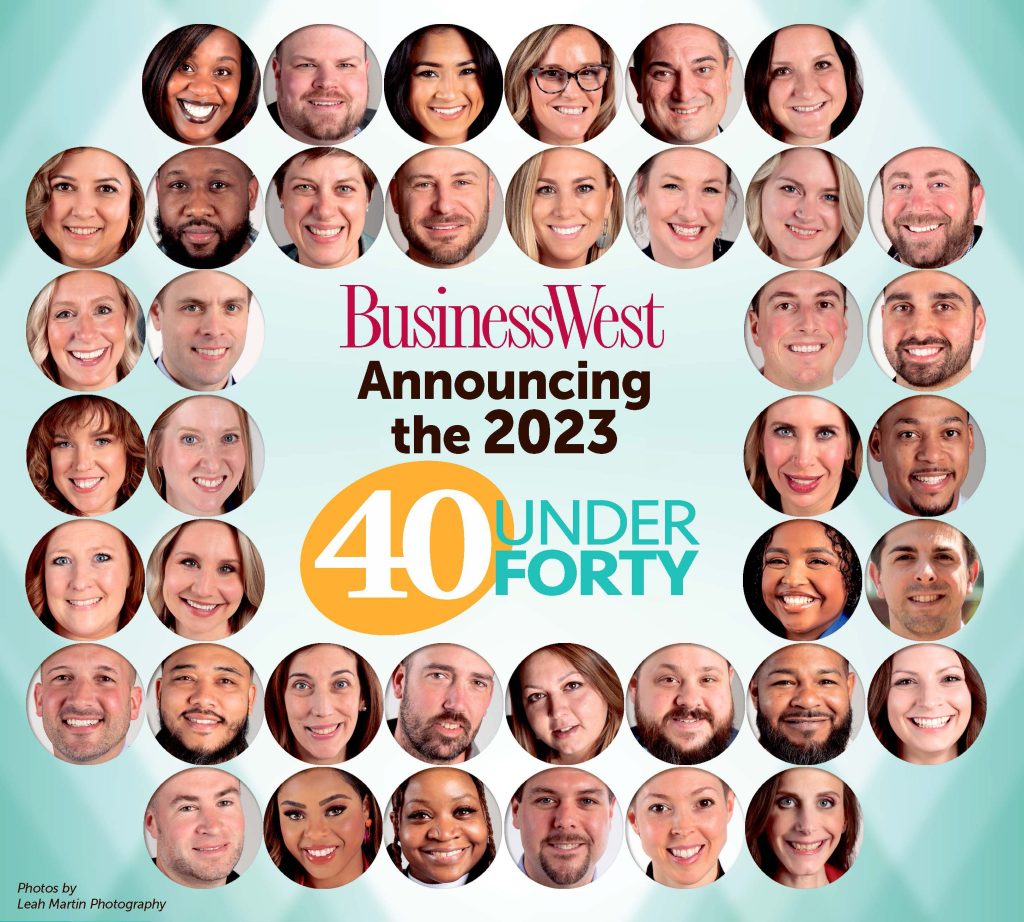
Introducing the Class of 2023

It is perhaps the best thing about a 40 Under Forty class. And also the most challenging thing for the judges who ultimately decide its makeup.

Each of the nominees has a different background, a different story, a unique set of challenges to overcome, a different path that brought them to where they are, a distinctive set of accomplishments.

This variety, this diversity, makes it difficult for judges, who are asked to weigh the merits of entrepreneurs, professionals, nonprofit managers, public servants, college administrators, and many more — and some who fall into several of these categories at the same time — and score them against one another.

It’s difficult for them, but for the rest of us … it’s what makes this program so special. It’s a salute to the rising stars in this region, and each year, the list of honorees is both a revelation and a celebration.

And the class of 2023 is no exception. It is diverse in every way imaginable.

Each story is, indeed, different, but there are, as always, some common denominators, including excellence within one’s profession, a commitment to giving back to the community, dedication to family and work/life balance, and a focus on how they can make this region better for all those who live and work here.

The judges for this year’s program — spotlighted below — reviewed more than 120 nominations, a number that speaks to the continued vibrancy of this program and the dedication of the region’s rising stars.

The class of 2023 will be celebrated on Thursday, June 15 at the annual 40 Under Forty Gala at the Log Cabin Banquet & Meeting House in Holyoke. That gala will also feature the announcement of the winner of the ninth annual Alumni Achievement Award, a recognition program that salutes the past 40 Under Forty honoree who has most impressively added to their accomplishments in the workplace and within the community, as chosen by a panel of judges.

Tickets for this year’s 40 Under Forty event are sold out!

Go HERE to nominate a 40 Under Forty for next year.

2023 Presenting Sponsor

2023 Partner Sponsors

2023 Presenting Sponsor Alumni Achievement Award

Meet Our Judges

Raymond BerryRaymond Berry is founder and general manager of White Lion Brewing Company, the first craft beer company post-prohibition to recognize the city of Springfield as its home. Berry, a Forty Under 40 member, class of 2010, is currently a board member at Springfield College and Blues to Green, and an attorney general appointee to the Commonwealth’s Cannabis Regulatory Committee. He also sits on the Basketball Hall of Fame Finance Committee, Diversity & Inclusion Committee for the Mass. Brewers Guild, and Philanthropic Committee for the National Brewers Assoc. Berry earned his BS from American International College, MBA from Springfield College, and a graduate certificate from Tufts University. He was a graduate in the region’s inaugural Leadership Pioneer Valley LEAP class. He has received the Spirit Award from the local housing authority, the Affiliated Chamber of Commerce’s Community Leadership Award, the Assoc. of Black Business & Professionals’ Business of the Year Award, and a Martin Luther King Social Justice Award. He has also been recognized as one of the region’s Top 100 Men of Color.

Latoya BosworthLatoya Bosworth is a life coach, author, and program officer for Massachusetts Foundation for the Humanities. She worked in Springfield Public Schools for 18 years, first as a special educator and then as a behavior specialist. When she is not facilitating workshops for nonprofit and corporate clients or inspiring others with her speeches and self-published books, she is giving back to her community with through mentoring and collaboration. She was a member of the 40 Under Forty class of 2016, and one of BusinessWest’s Women of Impact for 2022.

Brian CaninaBrian Canina is executive vice president, chief financial officer, and chief operating officer at Holyoke-based PeoplesBank. He has more than 20 years of experience in the finance industry. He is a graduate of Bryant College and is a certified public accountant. He is also a graduate of the ABA Stonier Graduate School of Banking and is a recipient of the Wharton Leadership Certificate. He is president of the Finance and Accounting Society of New England. He serves on the board of directors for Helix Human Services.

Jessye DeaneJessye Deane is the executive director of the Franklin County Chamber of Commerce and Regional Tourism Council, and is the owner of two award-winning fitness studios, F45 Training Hampshire Meadows in Hadley and F45 Training Riverdale in West Springfield. She was a member of the 40 Under Forty class of 2021, Franklin County Young Professional of the Year in 2020, and the 2019 Amherst Chamber MVP. She has serves on more than a dozen community-based committees, and is this year’s campaign co-chair for the United Way of Franklin & Hampshire Region. 

Aundrea PaulkAundrea Paulk is the Marketing and Communications director at Caring Health Center. She is also the founder and creative force behind Soiree Mi, LLC, an event-planning and design business. Soiree Mi offers creative and personalized services for private and corporate clients. She is a member of the 40 Under Forty class of 2022. A graduate of Bay Path University, her areas of expertise include marketing, branding, communications, event planning, social media, and website content management.

Alumni Achievement Award

Read about past Alumni Achievers.

Please nominate for this year HERE

Alumni Achievement Award Judging Underway

When BusinessWest launched its 40 Under Forty program in 2007, it did so to identify rising stars across our region — individuals who were excelling in business and through involvement within the community — and celebrate their accomplishments. 

In 2015, BusinessWest announced a new award, one that builds on the foundation upon which 40 Under Forty was created. It’s called the Alumni Achievement Award. As the name suggests, it is presented to the 40 Under Forty honoree who, in the eyes of an independent panel of judges, has most impressively continued and built upon his or her track record of accomplishment. 

Past winners include: 2022: Anthony Gleason II, president and co-founder of the Gleason Johndrow Companies (40 Under Forty class of 2010); 2021: Anthony Gulluni, Hampden County district attorney (class of 2015); 2020: Carla Cosenzi, president, TommyCar Auto Group (class of 2012), and Peter DePergola, director of Clinical Ethics, Baystate Health (class of 2015); 2019: Cinda Jones, president, W.D. Cowls Inc. (class of 2007); 2018: Samalid Hogan, regional director, Massachusetts Small Business Development Center (class of 2013); 2017: Scott Foster, attorney, Bulkley Richardson (class of 2011), and Nicole Griffin, owner, ManeHire (class of 2014); 2016: Dr. Jonathan Bayuk, president, Allergy & Immunology Associates of New England (class of 2008); and 2015: Delcie Bean, president, Paragus Strategic IT (class of 2008). 

This year’s program is presented by Health New England; nominees will be weighed by three independent judges, including last year’s honorees. They are: 

 Anthony Gleason IIAnthony Gleason II is the president and co-founder of the Gleason Johndrow Companies, which provides commercial landscape and snow-removal services, property management, real-estate development, and leasing, as well as self-storage. Under Gleason’s leadership, the company has grown into one of the largest snow-removal contractors in the country. It now boasts a number of large contracts, including the city of Springfield (250 locations), UMass Amherst and its 157 parking lots, Western New England University, and many others. Gleason was part of the 40 under Forty class of 2010, and the 2022 recipient of the Alumni Achievement Award. Gleason and his company are strong supporters of Spirit of Springfield and many other local community organizations. 

Ashley BogleAshley Bogle is assistant general counsel and director of Legal Services for Health New England. In these roles, she manages the day-to-day operations of HNE’s Legal Department which includes a wide range of duties, from reviewing contracts to providing regulatory guidance and maintaining licenses and accreditation. A 40 Under Forty honoree in 2021, she is a founding member of HNE’s Diversity, Inclusion, and Belonging (DEIB) Committee, which guides the organization toward its goals of embedding DEIB and health equity into its strategic plan, mission, operations, community outreach, and member community. She currently serves as president of Art For The Soul Gallery’s board of directors in addition to working on other community projects. A proud UConn Husky, she received both her juris doctor and her bachelor of Arts degrees from the University of Connecticut.

Payton ShubrickPayton Shubrick is a Springfield native and graduate of Springfield Central High School, College of the Holy Cross, and Bay Path University. A member of the 40 Under 40 Class of 2019, she’s an entrepreneur, and started 6 Brick’s, a cannabis dispensary, with the help of her parents and sister. 6 Brick’s opened in September of 2022, and has already garnered ‘Best Massachusetts Recreational Dispensary’ honors at the New England Cannabis Community Awards. Shubrick she is an adjunct professor at American International College, teaching graduate cannabis courses, a coach in the CT Social Equity Accelerator Program, and was recently named Young Entrepreneur of the Year for her leadership and success in her industry. 

Features Special Coverage

Moving Beyond a ‘Safety School’
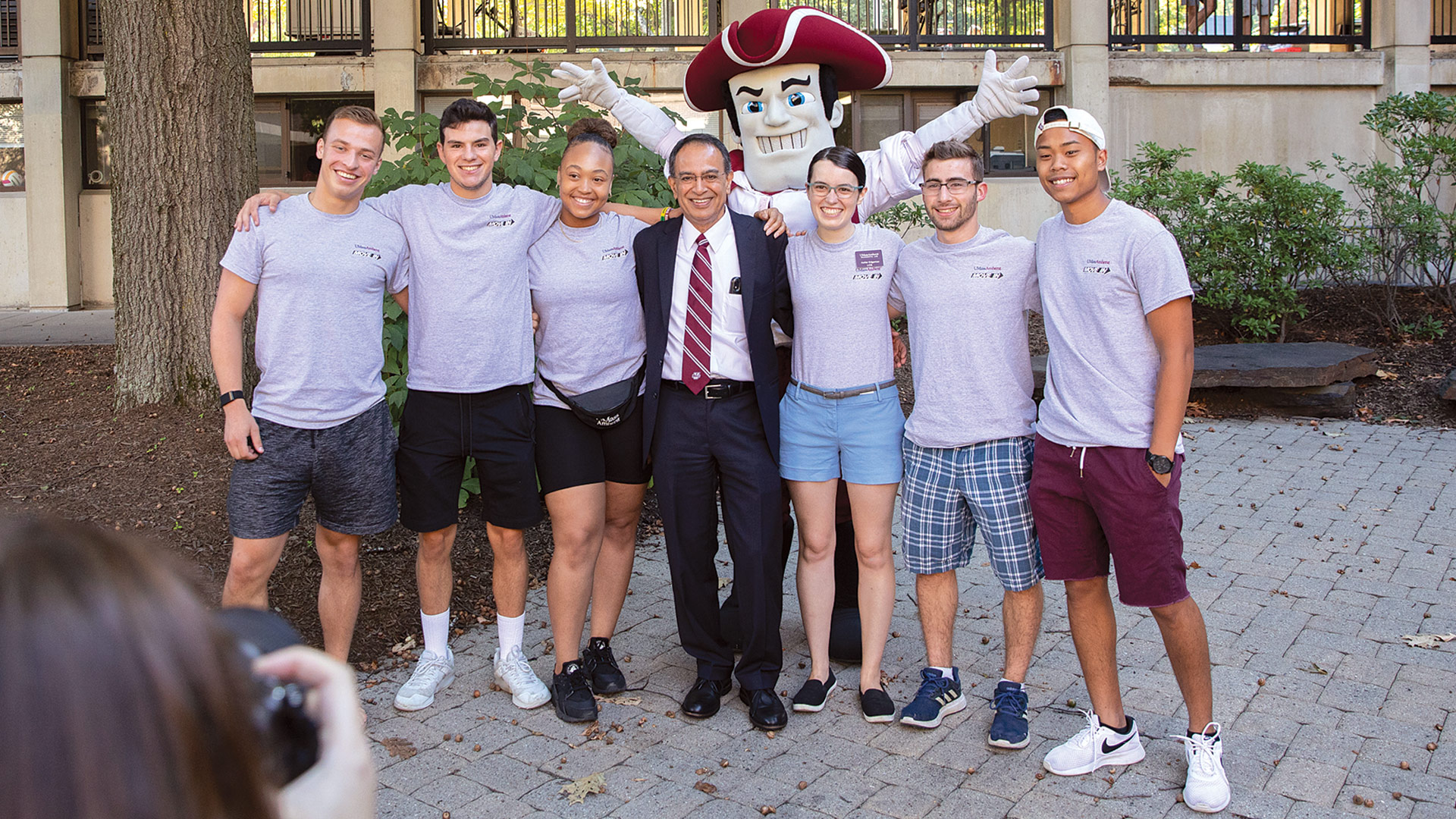
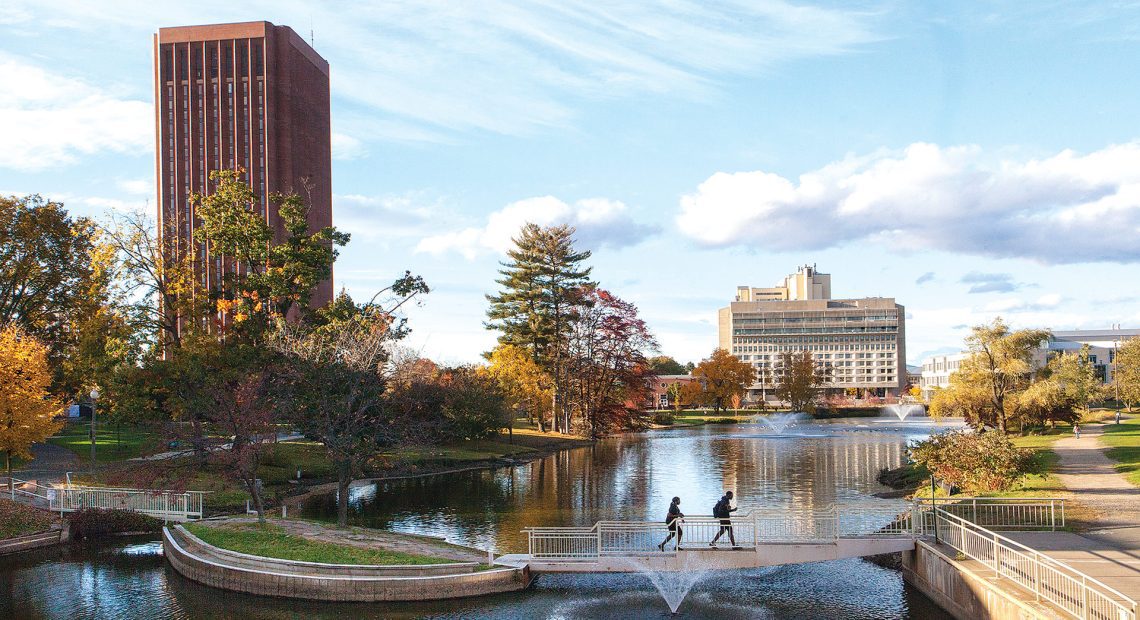
chancellor in recent history at UMass Amherst

As the longest-serving chancellor in recent history at UMass Amherst, Kumble Subbaswamy has posed for more than a few photos during his tenure.

Kumble Subbaswamy recalls that, when he arrived at the UMass Amherst campus a dozen years ago, his first priority was to bring some needed stability to a school that had seen a number of leadership changes over the previous decade.

After that, he said, his main goals were to bring the school to a higher level in terms of national rankings, prestige, and reputation — locally, nationally, and internationally.

As he prepares to step aside in a few months and move on to next challenges and opportunities in his career, Subbaswamy, the longest-serving chancellor in the modern era at the school, talked with BusinessWest about how he believes those broad goals have been accomplished — and the manner in which they’ve been accomplished.

In a wide-ranging interview, he talked about everything from the school’s climb in the rankings, and what it means, to the challenges facing UMass and all colleges and universities today and tomorrow, to the pandemic — what it was like to lead the school through that tumultuous time, and how that period changed higher education.

He said he has a rather unique way of measuring how he fared with all that and his legacy, if you will, on the campus — the number of students, and others, who want to stop and take a selfie with him.

It’s an official measuring stick, to be sure, but one that indicates just how far this campus has come during his tenure, and how his leadership helped generate and sustain the very palpable sense of momentum at the school.


BusinessWest: Turn the clock back 12 years, if you will, and talk about the goals you set and how you fared with achieving those goals.

Subbaswamy: “One of the first goals was simply to create some stability. There had been a lot of turnover in a short period of time; there was instability, insecurity, and a lot of drama coming out of Whitmore [the school’s administration building]. So there was a strong desire to stabilize that situation so the campus could then go about its business of achieving its mission of teaching, research, and outreach. And there was no guarantee this would happen — it’s a complex job where you have multiple audiences. You have the system office; you have to keep them happy. You have to keep the campus happy, you have to keep the unions happy, you have to keep the local legislative group happy, and so on. So none of that was a given.

“But when we were able to focus on improving the campus … one important focus that became self-evident as I was looking at the data was that, while we claimed to be the best public university in New England, the data didn’t really show that, especially student-success data. We were much further behind UConn, for example.

“That was the beginning of what I’ll call installing a planning culture — always being data-driven and doing plan assessment and improvement on a continuous basis. That was not necessarily the culture on the campus, at least not in a systematic way. So when I look back and identify one important thing that helped turn the campus around, I would say it was creating a culture of strategic planning, being data-driven, and always thinking about improving those aspects in which we could be doing better or where we’re not doing as well as our competition.”
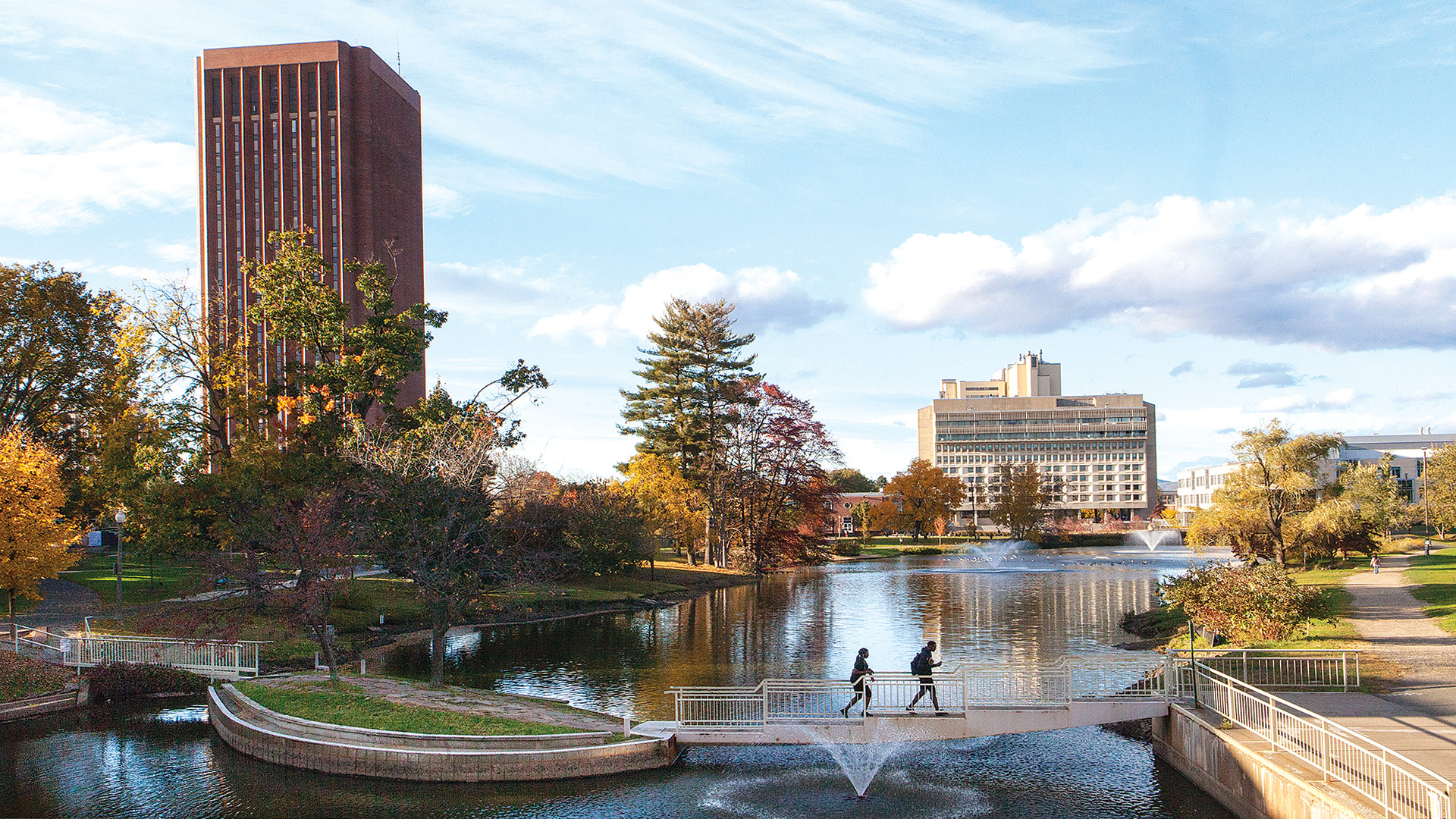
UMass Amherst

During Kumble Subbaswamy’s tenure, the UMass Amherst campus became much more of a destination for top students.

BusinessWest: What was the biggest step forward taken by the university during your tenure?

Subbaswamy: “Improvement in graduation rates would be one example, but there are other measures, such as people doing internships, job placement, and more, and all this showed up in U.S. News & World Report rankings, because there is strong weight given to graduation rates, and without being overly selective, when you achieve high graduation rates, you get lots of points.

“It’s not that we’re pursuing rankings, but those metrics that we care about, and achieving progress with them, really does help. And when we went from number 52 in national public university rankings to number 26 — we’re hovering right around 25 or 26 — that made people take notice of Massachusetts.

“That rise in the rankings gave everyone associated with the university a point of pride; alumni started taking notice, parents and prospective students started taking notice, guidance counselors started taking notice. It started a positive cycle where more and more highly qualified students started applying, our classes got better, and our results got even better.”


BusinessWest: Talk more about how that rise in the rankings was achieved.

Subbaswamy: “Back in 2013, based on what was going on, as well as part of our requirement for re-accreditation, we developed a strategic plan; we declared that our goal was to make UMass Amherst a destination of choice. We had been thought of as a safety school in previous decades, and we were essentially saying, ‘no, that’s not who we are — we’re the flagship of the Massachusetts system, we’re the flagship of the Commonwealth.’ In fact, that became our tagline.

“This was a strategic plan that sought ways to make improvements across the board, with a particular emphasis on undergraduate education, where we really did need to catch up with some of the neighboring states. It then became a rallying cry for the entire campus; every department, every college focused on what they needed to be doing better in order to retain our students, make sure they graduate on time, placement, bringing in more internships and other experiences that help students get jobs, improving student experiences, and improving student outcomes. And that culture is now part and parcel to who we are at UMass.”
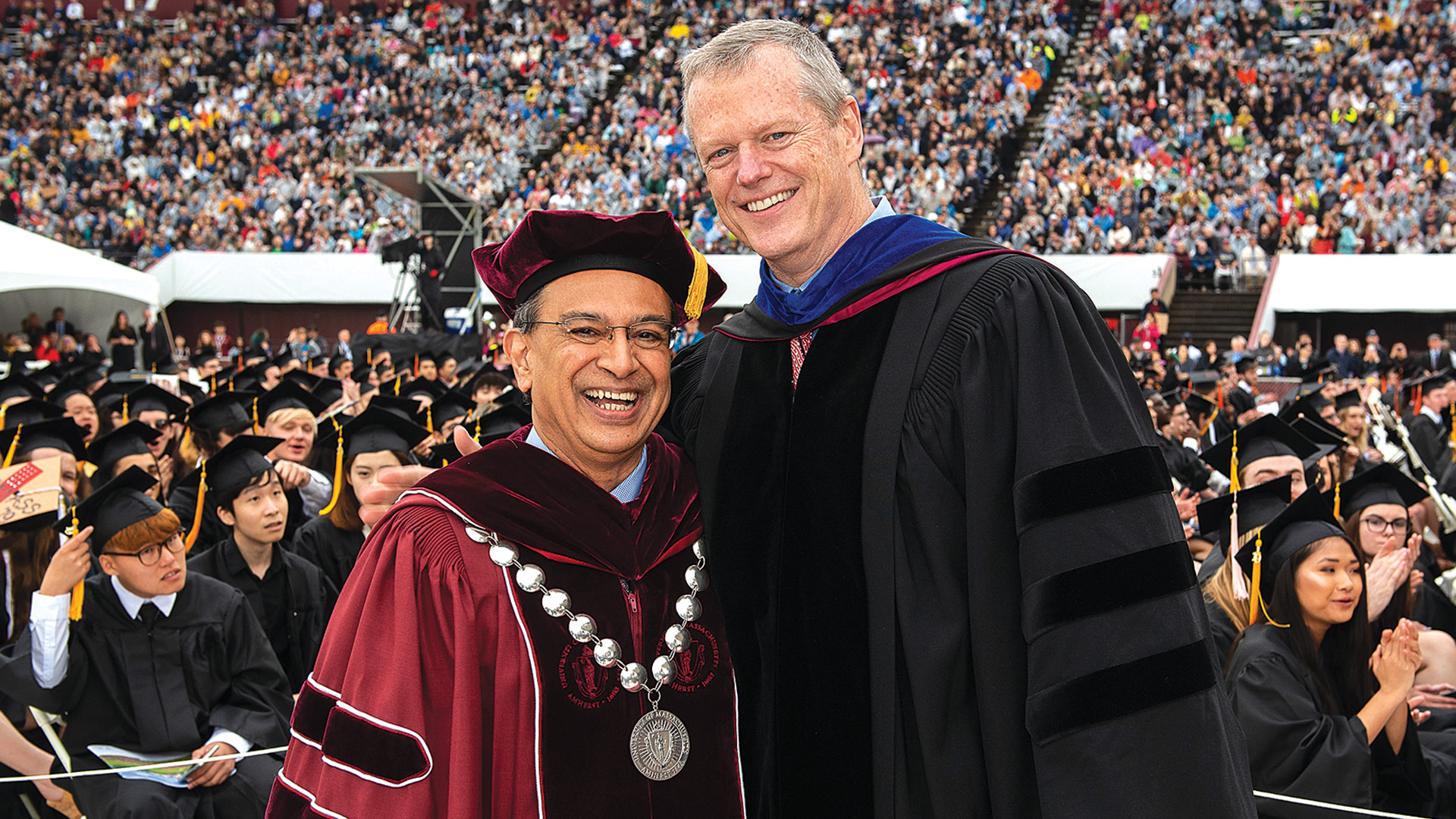
Seen here with former Gov. Charlie Baker, Chancellor Kumble Subbaswamy says managing the school through COVID was an intense challenge marked by decisions involving “life and death.”

BusinessWest: What has this experience of leading UMass at this critical time in its history been like for you, personally and professionally?

Subbaswamy: “It’s been exhilarating. It’s been the pinnacle of my career in terms of the personal satisfaction I’ve had in being able to rally the campus — all sectors of the campus — to a single goal of being better, serving our students better, serving the Commonwealth better.

“We’re trying to make people feel like they belong. In fact, belonging is a major theme in our equity and diversity efforts — we want people to feel that they belong here, and if they don’t, then we want to know why and see how we can improve that. It’s been very rewarding to see the campus feel like an entity with a purpose and with a vision.”

“That rise in the rankings gave everyone associated with the university a point of pride; alumni started taking notice, parents and prospective students started taking notice, guidance counselors started taking notice.”

BusinessWest: Is there an area where there is some significant work still to do on the Amherst campus?

Subbaswamy: “One issue that has come up recently, and one that has been partly exacerbated by the pandemic as well, has been housing in general. Housing, in Amherst and the surrounding communities where our students, faculty, and staff live, is becoming considerably more expensive and harder to find, especially in the past few years. We’re faced with not just a shortage of housing, but a shortage of affordable housing, because that’s a significant component of the cost of education for anyone who comes to Amherst.

“Some serious joint planning with the surrounding communities is needed to try to address the need for more affordable housing so that this university doesn’t become a university that can only serve the affluent.”


BusinessWest: We’re seeing some demographic shifts, especially with regard to the numbers of high-school graduates, as well as other trends involving enrollment. What do these mean for the university, and higher education in general?

Subbaswamy: “There has been a lot written about the fact that the number of 18-year-olds, across the country, but in the New England area especially, will drop significantly starting in 2025 for 10 years. But we’re already seeing a lot of changes taking place here. There are some smaller colleges that are really financially stressed, to the point where they may close or merge — we’ve seen both closures and mergers recently. We’ve also seen regional universities, and some of the state colleges, see some decline in enrollment, and we’ve seen community colleges see a similar decline in enrollment.

“What we’ve seen is that more and more students are beginning to apply to the large flagships, and so, nationwide, schools like UMass and others in our class have seen higher numbers of applications, and so we haven’t seen that pinch of demographic decline. I think that’s because of that shift in thinking; some people who used to apply to small colleges are now asking, ‘will that school be there in four years?’ and thinking they’re better off applying to the state university, especially one that’s robust in terms of enrollment and support from the state. There’s definitely some of that going on.

“Also, there was a time when state boundaries mattered, but now they don’t for education. The University of Pittsburgh and the University of Alabama actively recruit in Massachusetts, and we actively recruit in Texas and places like that. It’s a national — in fact, international — marketplace, so quality matters; education matters. So to keep focusing on those things is very important.”


BusinessWest: Beyond these demographic changes, what are the other significant challenges facing higher education today?

Subbaswamy: “Affordability is certainly a challenge … even when it comes to public options. For in-state residents, we’re now $31,000 to $32,000 a year, and for a middle-class family, this is a really big hit. So we have to ask, ‘is this model sustainable, and if it is not, how do we bring it under control?’

“What role does online education play in this? Does residency become more a luxury? Do we reduce it so there’s two years online and two years residency? There are many large questions to be answered, and I think this is going to become more and more of an issue moving forward.

“And this is for all public universities in all segments; this is not a UMass Amherst problem, and it’s not a UMass system problem. Affordability looms large for higher education in general, and what that implies for society.”


BusinessWest: Your tenure obviously included the pandemic years, a difficult and intense time for all those in higher education. What was it like to lead the school through that crisis?

Subbaswamy: “Toward the latter half of March 2020, we were just breaking for spring break, and just before then, we got the news that the virus was spreading, so we should shut down and send people home. We thought we were sending people home for one extra week; little did we know that was going to be a more-than-two-year deal before we returned to normalcy, whatever that means.

“Like everyone else in the country, we had the enormous task of adjusting to remote learning and remote work in a matter of two weeks … and, along the way, there were decisions for which there was no rulebook; in fact, whatever rules or guidelines were there were changing on a daily basis.

“There were decisions we had to make — like, in the middle of the semester, do we send everyone home? Or at the beginning of the semester, do we bring everyone back, or only a small percentage of the students? If so, how many, and who? And the town was worried: ‘you’re going to bring back 10,000 students? You’re going to bring back 30,000 students? Do you know what that’s going to do to our community?’ At that time, the business community was really struggling and wanted to see the students come back.

“The uncertainties and the competing factors that had to be considered, and the speed with which decisions had to be made, was nothing like what we were ever used to or learned or how any management book would tell you how to do it. We had to make decisions on a rapid basis with a lot of uncertainty, and it was unusual in that you could say that, literally, lives were at stake.

“You were making life-and-death decisions; I don’t ever want to go through that again, and I’m thankful that we got it right, and there weren’t any campus-related COVID deaths that I’m aware of.”
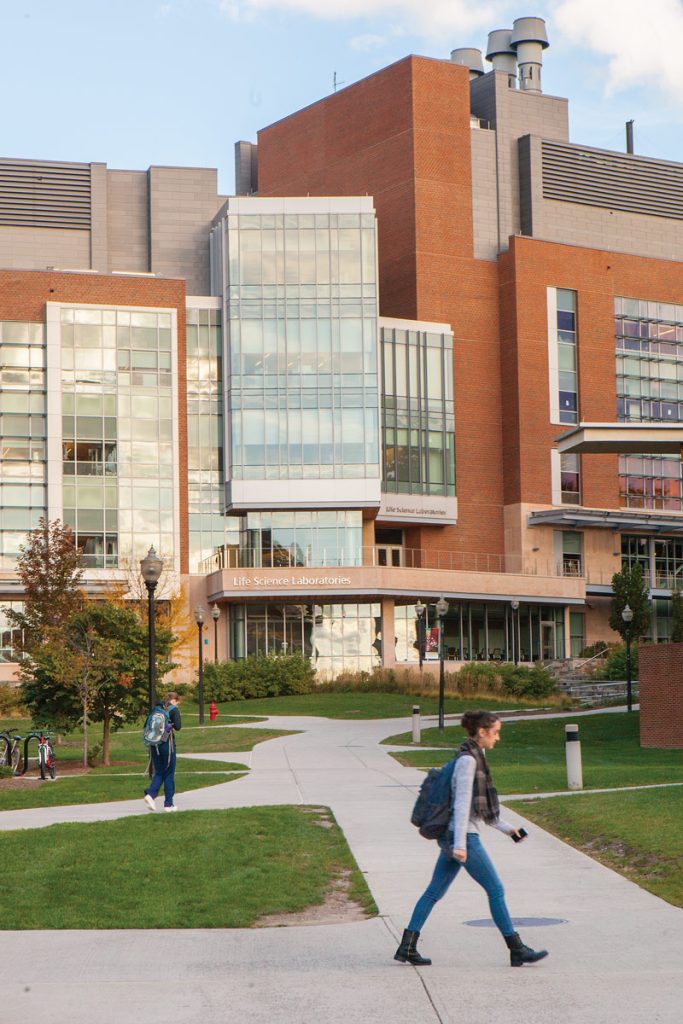
UMass

UMass Amherst made dramatic leaps in the national rankings during Subbaswamy’s tenure.

BusinessWest: Talk some more about some of the hard decisions that had to be made and what it was like for you, as chancellor, to be the one ultimately making them. What was it like day-to-day and week-to week?

Subbaswamy: “By not bringing the students back in the fall of 2020, were ended up having to furlough, for a long period of time, more than 800 employees. That hurts — these are members of our community, and we did our best to make sure that they kept their health insurance and so forth. But nonetheless, lives were disrupted because of that.

“These were difficult and consequential decisions that affected people’s lives and livelihoods, and I don’t wish this upon my successor. It was tense; from morning till evening, you were getting constant reports about what’s going on, how many people were in isolation, how many people are in quarantine, what’s going on in the town. — you were getting daily reports on cases, hospitalizations, if there were any, and much more. And in the middle of all that, we were having internal discussions about how to manage the budget because, between the two fiscal years, we had a $200 million revenue loss. How do you recover from that?

“It was a situation where we couldn’t govern by consensus, even within the leadership team, because there were members who felt very strongly, in one direction or the other, that they were right. But two factions can’t both be right, and I had to make decisions based on my best judgment rather than arriving at a consensus, which is what we usually do. It was very tense, and you just hoped that you made the right decision.”


BusinessWest: What did you learn about yourself as a manager and a leader through that time?

Subbaswamy: “I couldn’t show my own frustrations and my own self-doubt in terms of whether I’m making the right call. You have to provide confidence to everyone that we know what we’re doing. As a leader, you always have to put on a strong front, show composure, and show resolve, and that takes its toll, especially when you go back home and start reflecting on the decisions you’ve made.

“By listening and using what experience has taught you over the years, you tend to make the right calls. It was a very stressful time. That’s why you’re seeing a lot of people, even younger people, leave jobs, leave presidencies, because those were very stressful times. No one was happy, everyone wanted something different, and they took out their frustrations on the university.”


BusinessWest: How did higher education change because of the pandemic, and what has changed forever?

Subbaswamy: ‘Fundamentally, online education came to be accepted as a result of the pandemic. Until then, there was sort of a significant prejudice that online wasn’t good enough. Residential universities thought of it as second-class education. But once everyone was forced to go online, you saw two things: you can’t suddenly say, ‘we’re giving you a second-class education and charging you first-class rates,’ so people started taking notice of the fact that you can, and must, do just as well. And secondly, everyone was really surprised by how much technology had improved in recent times — and even in real time.

“Zoom became the coin of the realm, and its improvements became accelerated because they had the investment money to do so. In classes and in business, everyone started being connected online in very effective ways. The advantages of remote work, the efficacy and the ability to conduct business, including learning and teaching online, has fundamentally changed to the point where you’re seeing what we call UMass Flex — where flexible work is the way of the future. We will get to a state where UMass Amherst can be experienced almost just as well, in ways that matter, from wherever you are.”


BusinessWest: Finally, do you have any advice for your successor?

Subbaswamy: “I would first advise him to learn the local culture and work within those cultural norms in order to bring about change. You can’t bring about change unless you’re willing to understand and work inside that culture.

“Ours is a very consultative and participatory campus, where students have their say, and our faculty and staff have their say, both through normal governance but also unions. So someone who builds trust and is accessible and available, and works through our established procedures and consultative process, will succeed.”


 

Law Special Coverage

Return-to-office Mandates and Related Woes

By Trevor Brice

As pressure increases on companies to have an in-person presence post-pandemic, many companies have issued return-to-office mandates. Some of these, if they are not heeded by employees currently working remotely, can result in severe penalties, including loss of compensation, bonuses, even termination.

While these companies can impose these penalties on their wayward employees, it is now the time to remember one of the reasons why employees request to work from home: as a disability- or age-related accommodation.

On March 28, the Equal Employment Opportunity Commission (EEOC) announced suit against an employer who disciplined an employee in relation to one of these policies. This serves as a reminder of what employers’ responsibilities are to employees with age- or disability-related accommodation requests, despite being able to pressure employees to come back to the office.


COVID-19 Policies and Protected Class

In general, employers can impose any sort of discipline or policy on their employees. However, there are exceptions to this general rule, specifically that employers cannot discipline or impose policy that is either directly or indirectly based on the employee’s protected class (e.g., race, color, disability, age, sex, or ancestry).

“When an employee requests a reasonable accommodation, the employer has a duty to engage in an interactive dialogue with the employee and attempt to come up with a reasonable accommodation that does not impose an undue hardship on the employer.”

As we come out of the COVID-19 pandemic, most employers are setting up policies mandating that employees come back to the office, some of them with penalties attached if employees do not comply. For example, Apple recently threatened disciplinary action for employees that are not coming into the office at least three days per week. Policies like these are facially neutral and non-discriminatory in their purpose. Every employer has a legitimate business interest in enforcing attendance, and policies like these have become more commonplace.

However, these policies run the risk of disability or even age discrimination. Some employers might ask why this is the case if they are enforcing a neutral policy. The usual issue will be that a policy like this will be imposed on an employee who is older or has disabilities that make them more at risk of contracting COVID-19. As such, when a policy like this is imposed, the employee will ask, due to their disability or age, to continue to work from home as a reasonable accommodation. If and when this happens, employers have a duty to engage in an interactive dialogue with the requesting employee and try to fashion an accommodation that will allow the worker to continue their work without undue hardship to the employer.

As long as this conversation, the interactive dialogue, is had with the requesting employee, it will be difficult for the employee to say that they have been subject to discrimination or that the employer failed to provide a reasonable accommodation. However, the problem arises when the employer does not initiate this conversation.


The EEOC Lawsuit

On March 28, the EEOC sued a company for allegedly denying repeated requests by an employee for remote work as a reasonable accommodation due to the increased risk of COVID-19 and further was alleged to violate the law by retaliating against the employee for taking medical leave to avoid exposure.

The facts in the case, EEOC v. Total Systems Services Inc., involve a customer-service representative who repeatedly requested to work remotely as a reasonable accommodation starting at the beginning of the pandemic in 2020 to decrease the risk of her exposure to COVID-19. The employer, in response, without engaging in an interactive dialogue with the disabled employee, repeatedly denied the requests despite granting remote-work requests to other employees.

While there has not been a ruling in this case yet, it is clear why the EEOC sued the company in question. As a reminder, when an employee requests a reasonable accommodation, the employer has a duty to engage in an interactive dialogue with the employee and attempt to come up with a reasonable accommodation that does not impose an undue hardship on the employer. Here, the employer did not attempt to engage in an interactive dialogue, denying the request (in this case, repeatedly) outright.

Further, even if the company had attempted to engage in an interactive dialogue with the disabled employee (which it did not), the employer would still potentially be liable because it would be more than likely that the employer could not show that the accommodation request was an undue hardship.

As the EEOC’s lawsuit notes, most of the employee’s department was allowed to work remotely, despite denying the employee’s request to also work remotely. The company could have possibly shown that the employee’s request was an undue hardship if other employees in the employee’s department were not allowed to work remotely or if a compelling reason was given why the employee and other employees in her department needed to be on site. However, this was not the case here.


Conclusion

As it becomes more and more commonplace for employers to require their employees to come into the office post-pandemic, there will increasingly be more litigation from employees who suffer from disabilities or are older, who ask to be given accommodation to work from home in order to avoid COVID-19 exposure.

As shown above, employers, once a reasonable accommodation has been made, must engage in an interactive dialogue with the employee to see if there is a reasonable accommodation that can be granted without undue hardship. It is possible to show that the employee’s request is an undue hardship, but there needs to be an interactive dialogue with the employee first.

If your company is imposing these return-to-work policies and it is questionable whether there is an undue hardship with an employee’s request for a reasonable-accommodation request, it is prudent to seek out representation from employment counsel.


Trevor Brice is an attorney who specializes in labor and employment-law matters at the Royal Law Firm LLP, a woman-owned, women-managed corporate law firm that is certified as a women’s business enterprise with the Massachusetts Supplier Diversity Office, the National Assoc. of Minority and Women Owned Law Firms, and the Women’s Business Enterprise National Council.

Healthcare News Special Coverage

Living in Their World

Beth Cardillo calls them ‘fiblets.’

These are things that are said to someone with dementia that … well, do not represent the whole truth, or even a portion of it, at least to the person making that statement.

But to that person suffering from Alzheimer’s or one of the many other forms of dementia, it is the truth as they see it in their world. “It’s not a lie,” she said of these fiblets. “It’s an OK thing to tell people with memory issues.”

She offered up an example.

“Let’s say someone’s husband has been dead for 20 years; she might say, ‘I’m not going out shopping, I’m waiting for my husband to get home,’” noted Cardillo. “A fiblet would be … ‘oh, he just called; his tooth is hurting him and he’s going to see a dentist. Why don’t you and I go out for a ride and go to the grocery store?’”

“You’re going to tell someone that their husband died over and over again, every day?” she went on, asking that question rhetorically before answering it poignantly. “I mean, why would I want to do that? It’s cruel.”

Indeed, and fiblets are a good example of how those caring for and simply around individuals with dementia regularly should try to live in their world, rather than constantly try to pull them into the ‘real’ world. It’s also an example of the kind of work that Cardillo has made into a career, or at the least the latter stages of one.

Beth Cardillo

Beth Cardillo

Her latest move comes as a part-time social worker for a unique program called Baystate House Calls. As that name suggests, it’s a program operated by Baystate Health that involves healthcare professionals making house calls to older adults. It includes a physician, nurse practitioner, nurse, social worker, and community health worker, team members who will visit individuals in their home to assess their needs and provide recommendations.

The initiative concentrates on what administrators call the 4Ms — ‘mobility,’ ‘what matters,’ ‘medication,’ and ‘mind.’

It focuses not only on those in need of help and services, but caregivers as well, said Cardillo, adding that her work, and that of her colleagues, takes them to every corner of Springfield. And while she is helping seniors and caregivers with a wide variety of issues from substance abuse to falls to depression, much of her work involves those with memory issues.

And, increasingly, it involves what is known as habilitation therapy (HT), a holistic approach to dementia care that focuses on the abilities that the person still has, rather than what they have lost, and can reduce difficult symptoms.

“It focuses on everything positive — it focuses on people’s strengths, not their weaknesses,” she said of HT, adding that it brings caregivers and patients closer together as they work on daily tasks, makes those suffering from dementia feel respected and valued, reduces stress among caregivers, and creates positive emotional experiences that bring comfort and happiness.

“The reality therapy is for us to learn to live in their reality, not for them to live in our reality of our world. That’s probably the biggest lesson there is.”

Cardillo was recognized by BusinessWest and its sister publication, HCN, with a Healthcare Heroes Award in 2021 in the category of Community Health for her work during her years as executive director at Armbrook Village in Westfield to create ‘dementia-friendly’ communities and help others better understand — and communicate with — those suffering from memory loss.

For this HCN Monthly Feature and its focus on Memory Care, we talked with her at length about the importance of understanding what is reality that for those with dementia — and enabling them to thrive, as much as possible, in that reality.


Reality Check

Cardillo told BusinessWest that, years ago, she and others involved with providing memory-care services would offer to those with dementia what was called, by some at least, ‘reality therapy.’

“We would say, ‘no, no, no, you’re wrong — today’s Thursday, or today’s this, and tomorrow is that,’ she said, correcting wrong statements and answers to questions whenever the need arose. “But what we’ve learned is that it doesn’t matter. The reality therapy is for us to learn to live in their reality, not for them to live in our reality of our world. That’s probably the biggest lesson there is.”

Helping others live in the reality of those with dementia is a big part of the work Cardillo has been involved with over the years, especially at Armbrook, but also now as a social worker. She said that to make this leap — and it is a leap for most — it begins with education and an understanding of the disease and how it impacts people.

It robs them of short-term memory and the ability to do certain things — from driving to cooking to reading. But it doesn’t, or shouldn’t, take from them the things that are important to them, and have been important throughout their lives, be it what they did for a living, or travel, music, pets, or a love of the movies.

Cardillo recalled the case of a long-retired college professor who had (and still has) a passion for the New York Times and carries it with her daily.

“Some days, it’s upside-down,” said Cardillo. “But it doesn’t matter; that was her identity. Those are they types of things you don’t want to change; you don’t want to correct people.”

Overall, she said it’s important to treat those with dementia with respect and to not embarrass them with ‘reality’ questions or constant corrections concerning what day it is and what members of the family are no longer alive.

“It doesn’t matter if they say it’s Tuesday and it’s really Sunday. It just doesn’t matter. So, we don’t want to correct people. Does it matter if Mr. Smith thinks it’s a different day? Is that going to change the world? No. If he thinks it’s Christmas tomorrow, that’s OK. Why take that joy away?”

“Just because you have Alzheimer’s doesn’t mean you’re stupid,” she explained. “It doesn’t mean you can’t read people’s emotions. “I know people who will say to family members, ‘what’s my name? What’s my name?’ Why are you saying that to them? It embarrasses them. They know you have a connection. Is it because you think that if they know your name, they’re having a good day and that makes you feel good?

“Because it doesn’t matter if they know your name,” she went on. “It doesn’t matter if they say it’s Tuesday and it’s really Sunday. It just doesn’t matter. So, we don’t want to correct people. Does it matter if Mr. Smith thinks it’s a different day? Is that going to change the world? No. If he thinks it’s Christmas tomorrow, that’s OK. Why take that joy away?”

She recalled the case of a woman who told her that she was pregnant at 66. Instead of correcting her, Cardillo said she simply told her, ‘if that’s true, you’re going to make history.’

“You laugh about it with her, because she tells me these wacky stories,” she went on. “Her parents have been dead, but she’ll say, ‘oh, my mother wants you to come over for dinner.’ “I’ll say, ‘oh, how is your mother? I like your mother; tell her I said hello.’

“Her husband, on the other hand, keeps saying, ‘your mother is dead!’” she continued. “We need to stop that because it doesn’t matter. She doesn’t remember and she doesn’t care, and in in her head, her mother is alive. That’s fine. Who does it hurt?”

Overall, she said it’s important to try to communicate with a positive spin, rather than a negative one.

Indeed, instead of telling someone with dementia that they are not supposed to be going outside, when they suggest that they want to do so, one should instead stay positive and suggest that this person can sit outside when the weather is better.

As she talked about those suffering from dementia and how those caring for them should approach daily conversation and activities, Cardillo said it is important to keep them engaged and to focus “on what they can do, not what they can’t do.”

This brings her back to the concept of habilitation therapy, which, she believes, has benefits, and many of them, for those living with memory loss, their caregivers, family, and friends.

“It’s important to keep people meaningfully busy and not just silly busy,” she told BusinessWest, adding there is a big difference between the two.

Elaborating, she said that television is not a good option.

“We don’t want to put people in front of a TV all day, because it’s … not good,” she said. “It doesn’t make them happy campers. It doesn’t mean that TV is bad, just not as a babysitter all day.”

Instead, such individuals should be involved in activities that speak to who they are, who they were professionally, and what interests them.

“It’s really important to know what people did in their work,” she explained, “because they still retain some of those skills, and it’s still a part of who they are as an identity. For those who were teachers, give them papers to correct; you come up with things that they can do.

“I had someone whose father was a retired electrician,” she went on. “He had a manual of electrical … something; it was bigger than the New York City phonebook. He looked through those pages every day. I don’t know if he knew what was in it — I sure didn’t — but that gave him comfort.”

And some form of comfort is what those caring for people with dementia should be trying to provide each day, she said, adding that this can be done through HT, emphasizing the positive, and, yes, focusing on what those with dementia can do, not what they can’t.


Bottom Line

Summing up what she tells those caring for people with dementia, Cardillo said it is simply that reality is in the eyes — and mind — of the beholder.

And if we really want to help those with this disease, we have to at least try to live in their world, rather than make them live in ours. It’s not an easy assignment, especially when one is asked the same questions over and over, day after day, but it’s the key to those on both sides of the equation being able to thrive.

Community Spotlight Special Coverage

Community Spotlight

By Mark Morris

David Bourgeois

David Bourgeois says Amherst Burger focuses on fun food sourced locally.

By all indications, from bustling sidewalks to traffic congestion, Amherst is most definitely back.

As the home of UMass Amherst, Hampshire College, and Amherst College, the town had always benefited from the presence of all those students, faculty, staff, and visitors, both economically and with the energy they brought. When the pandemic hit, all those constituencies at all three campuses left town while people everywhere dealt with COVID-19.

Slowly but surely, the students returned as everyone learned how to work their way through the pandemic. Now, after persevering through a few very difficult years, there’s new energy and excitement in and about Amherst.

“When the colleges came back and started to re-engage with the community, it really set the tone for everyone else,” said Claudia Pazmany, executive director of the Amherst Area Chamber of Commerce. “The outpouring of students returning to downtown was huge.”

Currently, downtown Amherst enjoys a 4% vacancy rate for its commercial properties. Gabrielle Gould, executive director of the Amherst Business Improvement District (BID), said seven new restaurants have either recently opened or will do so by the end of the year, including a new White Lion brewery.

“At the Drake, the average age of our audience is in the 40s, and 70% of them live outside Amherst. It’s making our downtown destination-worthy, and as a result, we’re bringing in bigger bands and touring groups.”

“A staple of a successful downtown center is a brewery,” Gould said. “It’s something we’ve been trying to get for several years.”

Gould and the BID played an important role in establishing the Drake, an arts and entertainment venue downtown. Averaging 200 guests a night with four shows a week, the Drake is achieving the BID’s goal of bringing people, vibrancy, and a tricke-down effect to downtown.

While the return of the students is worth celebrating, older adults have also become essential in Amherst’s comeback.

“At the Drake, the average age of our audience is in the 40s, and 70% of them live outside Amherst,” Gould said, adding that audience polling shows they are eating at Amherst restaurants and going out for drinks after attending performances at the club. “It’s making our downtown destination-worthy, and as a result, we’re bringing in bigger bands and touring groups.”

Gould also credits Amherst’s revival to building owners downtown and in the Mill District who have helped entrepreneurs enter the restaurant or retail business, or open ventures themselves, rather than let their properties sit idle.

Alysia Bryant’s Carefree Cakery

Where the wheelbarrow of scrap wood sits is where the main counter of Alysia Bryant’s Carefree Cakery will be located when she opens in June.

“Landlords understand that opening a new business is hard, so they want to help people get started,” she said. “It’s an exciting shift that’s been happening.”

Barry Roberts owns several properties in Amherst and decided to create a burger restaurant when his previous tenant, Shanghai Gourmet, closed.

“We have lots of wonderful places to eat in Amherst,” said Roberts, who is also president of the BID. “But I thought there was a need for a moderately priced place where you can get burgers, beer, and ice cream.”

After brightening up the wall colors and repurposing booths, the Amherst Burger Company was launched. At press time, the restaurant was scheduled to open its doors by late April.

To manage the new restaurant, Roberts hired David Bourgeois, who has experience running other Amherst restaurants. The emphasis at Amherst Burger is on fun food sourced locally.

“We get our beef from Echodale Farm in Easthampton, our ice cream from Cook Farm in Hadley, and our milk from Mapleline Farm in Hadley,” Bourgeois said. “We are looking to build relationships with additional local farms as their crops come into season.”


Schools of Thought

While downtown has become home to many new businesses, the Mill District in North Amherst is emerging as another hotspot.

When BusinessWest visited Alysia Bryant, owner of Carefree Cakery, the walls in her store were still two-by-four studs. Slated for a June opening, the venture will feature fair-trade ingredients in all its baked goods.

Amherst Burger Company

Amherst Burger Company is just one of many new additions to the downtown landscape.

Bryant started college with the intent of becoming a doctor, but soon realized she didn’t have the passion for it and shifted gears to a business curriculum. At that time, she also began making brownies for friends in her dorm room. When her friends became bored with plain brownies, Bryant added different ingredients, such as peanut-butter swirl and cheesecake swirl, and discovered how much she enjoyed the process of modifying recipes to create new treats.

“I realized that I had a passion for helping people and that my skill was baking,” she said. “So I asked, ‘how on earth could I do both at the same time?’”

While the idea for her own place incubated, Bryant spent five years managing the Sherwin-Williams paint store in Hadley, where she refined her skills before running her own business. Additionally, she researched how to source fair-trade ingredients such as vanilla extract, chocolate, and other essential baking items.

“I knew fair-trade products would be more expensive,” she said. “And my biggest concern was, would people be willing to pay for them?”

To get the answer, Bryant teamed up with the Holyoke chapter of EforAll, a national nonprofit entrepreneurial organization, to conduct surveys on pricing and flavors. She was surprised at the positive feedback. “After the survey results, I felt less trepidation and more excitement about Carefree Cakery.”

The owners of Futura Café, located next door, are planning their opening in June at the same time Bryant opens her doors. They will join nearly a dozen other businesses featuring, among other things, vintage clothing, a general store, and an art gallery.

Amherst at a glance

Year Incorporated: 1759
Population: 39,263
Area: 27.7 square miles
County: Hampshire
Residential Tax Rate: $20.10
Commercial Tax Rate: $20.10
Median Household Income: $48,059
Median Family Income: $96,005
Type of Government: Town Council, Town Manager
Largest Employers: UMass Amherst; Amherst College; Hampshire College
* Latest information available

“I enjoy being in the Mill District because there’s real collaboration among the businesses,” Bryant said. “They’ve put an emphasis on building community here.”

Pazmany concurred, noting that the Mill District has created many new community events, including a recent Easter egg hunt that sold out. “It’s a family-friendly place that keeps growing as more people experience the shops there.”

And family-friendly locations are needed because the Amherst area is, well, attracting more families.

Indeed, over the past few years, Massachusetts has seen a slight decline in its population — less than 1%. But in that same time, Hampshire County has seen an increase in its population of roughly 11%, with Amherst on the leading edge of that growth.

“Private development of housing is a major economic driver at this time,” Town Manager Paul Bockelman said. “There’s a demand for housing because so many people want to live in Amherst.”

Realtors are noting trends of growing numbers of families looking to move back to their hometowns, and Amherst is no exception.

“I’ve talked with people who were unleashed from their offices and could live anywhere, and they chose to live in Amherst because of the schools, open space, and cultural attractions downtown,” Bockelman said. “Our town has become a real magnet for people who work remote most of the time.”


Signs of Progress

A key municipal project in the works is the renovation of the North Common, a project Bockelman said will transform the center of Amherst. The area is technically a green space, though most of it is currently covered in wood chips. He said the new design will be a great space for everyone.

“During the pandemic, we learned that people like to get takeout food but then want to linger downtown, and, of course, we want people to linger downtown,” he said. “With the new design, they will be able to get takeout from one of our restaurants and sit at a picnic table or park bench in the middle of a bucolic lawn.”

As the project goes out to bid, several contractors have already told Bockelman they hope to win the contract because the North Common will be such a high-profile job. Construction is scheduled to start in late fall, with completion slated for spring 2024.

“It will be a great civic space where we will have flag raisings, celebrations of different cultures, and, because it’s Amherst, we’ve even created a special space to stage protests,” he said.

Gould said more evidence that Amherst is back can be seen in the restaurants that are busier today than they were before the pandemic. “Restaurant owners are telling me that they’ve never had numbers like this. Many are looking at opening second restaurants.”

Meanwhile, the student population continues to increase as Hampshire College plans to add 200 additional students in the fall.

And downtown will get another boost, with Amherst Cinema being chosen as one of only 12 film houses in the U.S. to show entries into the Sundance Film Festival when it takes place next year. The popular cinema will be the only place in the Northeast to view the Sundance entries.

“That means, during the festival, people will be coming here from Manhattan and Boston because Amherst Cinemas is the closest place in this region to see those films,” Gould said.

Even longtime attractions like the Emily Dickinson Museum are benefiting from the new energy in Amherst. After closing for renovations for part of last year, the museum is busier than ever and draws visitors from all over the world. Many new visitors are young people who discovered the Belle of Amherst through the Apple TV+ series Dickinson.

In the office Pazmany and Gould share, the phone has been ringing much more of late with people complaining they can’t find a hotel room in the area. As much as Pazmany wants to accommodate all visitors to the area, she also recognizes one of those proverbial ‘good problems to have.’

There are actually several of them, she said, noting that people are also complaining about traffic and a need for more places to park.

“Well, the complaint desk is active again, and that’s certainly a sign that we’re busy again,” she said, adding that, after the COVID years, such complaints are more than welcome.

40 Under 40 Class of 2023

Executive Director, Springfield Creative City Collective: Age 29

Tiffany Allecia“When preparedness meets opportunity, amazing things can happen.”

That’s how Tiffany Allecia described the events that led to the Springfield Creative City Collective.

To address chronic poverty in the Black and Brown community, Allecia and five others who shared her concerns determined that promoting a cultural and creative economy would be an effective way to help people now and build toward long-term success.

As one colleague put it, Allecia is an “amazing grant writer,” who applied for and won a $530,000 MassDevelopment grant to establish the collective last July. While that was an important start, Allecia recognized that launching a creative economy in Springfield required access to resources and key stakeholders.

“Through my work with two arts and culture organizations, I saw millions of dollars pour in to large, predominantly white, established businesses that didn’t reflect our community,” she said. “The small businesses in my community didn’t know how to get access to these resources.”

Allecia sees her role, and that of the collective, as a connector to support the development and growth of minority-owned businesses in Springfield. Early successes include a partnership with Berkshire Bank on a financial-literacy academy. The six-week course covered personal finances as well as small-business management.

“We’re working to connect mainstream organizations with our community members who have been overlooked for years,” she said. “The idea is to raise the game of Black and Brown businesses so they can succeed and grow.”

Coming soon are a creative entrepreneurship conference and a hiring fair.

“I believe there are plenty of resources out there, but we often operate in silos,” Allecia said. “The different individuals who could benefit from collaborating aren’t in the same room together. It’s my goal to bring them together.”

Part of that goal involves what she calls a “reimagining” of how resources are allocated in the community by first investing in what currently exists.

“It’s like a grandparent saying, ‘take care of what you have before you can get some more,’” she explained. “That’s where we are in the city right now, and it’s a beautiful and dynamic place.”

A lover of knowledge, Allecia stays grounded with the Socrates quote: “I know that I know nothing.”

“That phrase inspires me because it helps me remain humble,” she said. “I’ve learned a great deal, but I refuse to stop growing, and I refuse to stop learning.”


—Mark Morris

40 Under 40 Class of 2023

Vice President and Commercial Loan Officer, Greenfield Northampton Cooperative Bank: Age 34


Adam BakerAs a commercial lender at Greenfield Northampton Cooperative Bank, Adam Baker led all team members in both number of loans originated and dollar amount closed. Not just one year, but in seven consecutive years, from 2016 to 2022.

Not bad for someone who found himself in an accidental career.

“I took a summer job as a teller and got promoted,” he said, a story that’s not uncommon in the banking world. As in many other cases, Baker found he not only had a knack for the work, but a passion for it, too.

“I’m a commercial lender, so I work with people buying investment properties. I get to help people follow their dreams, start businesses, reach their financial goals, or further their businesses,” he explained. “As a local bank, we know all our customers; they’re not just numbers, they’re people. We get to interact with them on a personal level and give them a higher level of service.”

As a leader of his institution who helped the bank achieve some of its strongest growth and profitability over the past six years, he also came through during challenging times, helping to lead the Paycheck Protection Program during the pandemic, and making sure hundreds of local businesses received a needed influx of cash so they could keep their teams employed.

Baker is also a managing member and owner of Alpal Properties LLC, which owns and manages more than $1 million in investment real estate.

Heavily involved in the community, he’s the treasurer and chair of the finance committee, as well as a member of the building committee and board of directors, for Lighthouse Personalized Education for Teens in Holyoke. He’s also on the board of directors for Empty Arms Bereavement Support in Florence and serves on its Syrup Stampede 5K fundraiser committee. He also devotes time to Horizons for Homeless Children in Springfield — volunteering more than 100 hours annually, in fact, with homeless children.

“These things are very important to me because I feel like I get to help these great organizations that do all the hard work,” Baker explained. “For example, Lighthouse is helping children, and I’ve always had a passion for helping kids in whatever way I can. My position as vice president of the bank allows me to be a treasurer at some of these places and make a difference; it’s one of the most gratifying things in my life.”


—Joseph Bednar

40 Under 40 Class of 2023

Fitness Coach and Owner, BuildEmUp: Age 29

Emily Banerjee

Emily Banerjee

One of the many people who nominated Emily Banerjee for the 40 Under Forty class of 2023 called her “the living model of leading by example.”

That’s because Banerjee grew up in Springfield, earned a bachelor’s degree in biology from Elms College, then stayed in the area “to motivate and inspire folks of all demographics,” the nominator wrote.

She does so through BuildEmUp, her health and wellness business focused on personal training and group classes. With hundreds of clients, Banerjee’s reputation is growing as a coach and trainer, but also as a compassionate business owner who responds enthusiastically to community needs.

Like a project she spearheaded this past holiday season to collect $13,000 worth of clothes, toys, and necessities and donate them to women and children through the YWCA. She has also spearheaded projects that have resulted in large monetary donations to diabetes organizations, friends with cancer, and other recipients.

But Banerjee doesn’t have to look outside the walls of her fitness center to change lives; she’s doing that every week through a business she started thinking about while working for Baystate Health after graduation, gradually building up a clientele through social media and word of mouth.

“Our model is strong, not skinny,” she said, explaining a model that’s less about weight lost and more about strength — and quality of life — gained. “Being healthy is the bottom line; everyone can understand that.”

During the pandemic, Banerjee offered virtual training to her clients so they could continue living the healthiest life they could. After things started to open back up, she brought clients back to the gym but made sure it was a safe environment for everyone, with individual pods so that members could work out in the same room with confidence.

These days, her average demographic is ages 18 to 50, and most are minority women. She offers about 20 different class times a week, and is already thinking down the road to a possible move out of the ninth floor of 1350 Main St. in downtown Springfield to a larger, more accessible location for clients. After all, they’re what motivates her to be her best self.

“The best part about this is the people,” Banerjee said. “They come to us because they want to; it’s a choice to enter the gym with a positive attitude, and that’s good for me, too. Empowered women empowering women — that’s the goal.”


—Joseph Bednar

40 Under 40 Class of 2023

Senior Clinician, Behavioral Health, Commonwealth Care Alliance: Age 38

Jennifer BellBy her own admission, Jennifer Bell was born to be a helper.

“While I picked social work as a career, I think it also picked me,” she said. “Even in my personal life, I always want to help people.”

From her high-school days, visiting her Noni, who was receiving care, Bell found herself also interacting with the other patients in the facility. These days, she leads a team at Commonwealth Care Alliance (CCA) on an innovative approach to provide medical and mental healthcare to people with non-traditional needs.

“Many of our patients haven’t always had the best experience with the health system in the past,” she said. “We’re here to show that we’re different.”

Using a wrap-around model of care, Bell and her team bring together a patient’s primary-care doctor and therapist to prevent any gaps in treatment. The CCA team is also involved in helping with a patient’s housing and food needs, as well as assisting with tasks such as filling out paperwork.

“My role is to help with the behavioral-health piece, breaking down the barriers that might prevent a person from connecting to mental-health and substance-use-disorder programs,” she said, adding that CCA’s professionals often make house calls for patients who can’t get out.

Trust is an essential part of caring for non-traditional patients, she added, and building that trust starts with showing up. “Sometimes, just having someone consistently show up makes a difference. So, I show up.”

Bell is proud that so many people are comfortable saying, “oh, I can call Jenn,” whether it’s on the job or in her voluntary work.

From serving as a mentor in the Sibling Connections program which reunites siblings placed apart in the foster-care system, to volunteering with her dog, Leila, in a program to help children build their reading skills and confidence by reading aloud to certified therapy dogs, Bell finds helping others to be rewarding work, even outside her day job.

“I have an ability to engage people who have a history of not wanting to be engaged. I feel it’s my main strength,” she said. “I bring a level of energy to the work because I enjoy meeting people from all different walks of life who are on many different paths. I let them know that I’m here for them.”

That’s why so many people know they can call Jenn.


—Mark Morris

40 Under 40 Class of 2023

Owner and Chef, HighBrow Inc.: Age 37

Andrew BrowWhen asked what he likes about the restaurant business, Andrew Brow gave a quick, resounding answer: ‘everything.’

“I love the hustle and bustle; I love creating beautiful food; I love building relationships with farmers, butchers, and seafood people, and finding cool things I’ve never worked with before,” he explained. “And I like to learn and bring new ideas to reality.”

Brow is doing a lot of all this as …. the term would be ‘serial restaurateur.’ He owns, operates, and cooks at HighBrow Wood Fired Kitchen and Bar in Northampton, as well as Jackalope Restaurant and the Kitchen by HighBrow at White Lion Brewing Co., both in Springfield. And soon, there will be another location at White Lion’s new brewery in Amherst.

This is the growing enterprise that Brow has created and now nurtures. His is an inspiring story of determination and entrepreneurship that begins “in the projects in Northampton,” as he put it, where he grew up with his mother, a single parent, and became determined to find work so he could buy better clothes.

He found it at Dunkin’ Donuts when he was only 15. Meanwhile, after a tour of Smith Vocational and Agricultural High School, he became intrigued by its culinary-arts program, took that course of study, and, upon graduation, started working at restaurants within the Spoleto Group.

Eventually, he wanted to have his own eatery, and in the fall of 2019, he opened HighBrow in Northampton — just four months before the start of the pandemic, which forced all restaurants to close for some time, then reopen for takeout and delivery, and, essentially, reinvent themselves.

“It was quite frightening,” he recalled. “I was at a point where I was going to board up the windows and lock all the liquor away — there was a lot of fear.”

But he persevered, and has not only added more restaurants, but become heavily involved in the community, serving as an advisor to both the Smith and Holyoke Community College culinary-arts programs, while also supporting nonprofits such as Ronald McDonald House, the Treehouse Foundation and its Stir Up the Love fundraising event, and many others.

As he talked about those perilous early days, Brow used words and phrases that capture his intensity, drive to succeed, and considerable entrepreneurial spirit.

“I finally got the opportunity to open my business and work for myself, and I said to myself, ‘I’m not going to lose it.’ I put my head down, and I just started busting my butt.”


—George O’Brien

40 Under 40 Class of 2023

Owner, Madison Bull, LMHC: Age 36

Madison BullMadison Bull, as one of her several 40 Under Forty nominators noted, wears a number of hats.

She’s a psychotherapist who opened a private practice in October 2019. She’s also an adjunct psychology professor at Holyoke Community College (HCC); a trainer, speaker, and educator for Pathways for Parents, helping families access mental-health resources for children; and a wife and mother who’s active in her 6-year-old daughter’s life as an elementary-school PTO president and soccer coach.

Bull was working for small group practice before deciding to branch out on her own. She is a certified hypnotherapist and trained in perinatal mental health, but works with a wide range of clients.

“I see a variety of ages, but I mostly focus on girls and younger women. A lot of my focus is on anxiety and OCD (Obsessive-Compulsive Disorder),” she said, noting that opening the practice when she did, just five months before COVID turned the world on its ear, was a challenge because of the restraints it put on seeing clients in person.

“I did a lot of Zoom sessions, did it virtually, but I like one-on-one, in-person interaction, when you can really get to know someone’s story. That was a little difficult,” she recalled. “But I found people still needed the services. Everyone was definitely thrown for such a loop.”

She said her mission for her practice is to be completely relatable, and to create a safe, comfortable setting for those who come in. “I want people to know who I am; I want that welcoming feeling and for people to know that I am human too.”

As an adjunct professor at HCC, she has taught there on an as-needed basis for a dozen years. She also volunteers in the community, with a special focus on animal welfare, donating time and resources over the years to animal shelters. “My family and I have always been animal people,” she said.

As for involvement in her daughter’s school, well, it’s important for Bull to make time for that, but it’s also a pleasure.

“There’s so much bad on the news and social media. Let’s find things in the community that get people excited, things that keep people hopeful,” she said, adding that, in the case of the PTO, “planning comes easy to me. It’s not super stressful. Somebody’s got to do it. So why not someone who likes it, who enjoys it, and is motivated?”


—Joseph Bednar


40 Under 40 Class of 2023

Executive Director of Finance, MGM Springfield; Age 37

Arlen CarballoArlen Carballo’s career in the casino industry provides ample proof that, once someone enters this field, there is no telling where the business may take them.

Indeed, Carballo, who was born and raised in Costa Rica and came to this country with her mother when she was in high school, graduated from the MGM Resorts Management Associate Program in 2008 and, since then, has taken on a variety of roles at several different MGM resorts.

“It’s a very large company, and we have almost every job title under the sun,” she told BusinessWest. “There are a lot of opportunities … you just have to take them.”

And she has.

She started at the Bellagio in Las Vegas as a housekeeping supervisor before shifting her focus to the finance side of the equation. At Mandalay Bay, also in Las Vegas, she served as executive housekeeper, responsible for more than 800 employees and 4,000 rooms. During her time there, she also played a key role in rebranding the hotel to ‘Delano,’ a project that included the remodeling of 1,000 rooms and successful training of the entire housekeeping staff.

Later, she was part of the opening team for MGM National Harbor in Maryland, a $1.68 billion resort and casino located just outside Washington, D.C. Serving as manager of Financial Planning and Analysis, she managed the pre-opening budget, including payroll schedules. During her time there, she also established the analytical reporting framework for the property, which has become one of the most profitable regional casinos in the country.

Carballo has been part of the MGM Springfield team since the property opened in 2018, serving as the resort’s first director of Financial Planning.

This is a broad role, in which she serves as a key business partner to all operations and strategic functions, while directly overseeing casino accounting, financial planning and analysis, cage and count operations, warehouse, and purchasing.

She said the casino has faced a number of challenges since opening, especially COVID, but she believes it is “hitting its stride — we’re heading the right direction.”

During her time in Springfield, she has made her mark in several ways. Professionally, she was a recipient of the HACR Young Hispanic Corporate Achievers Award, a program that spotlights young Hispanic professionals in corporate America. Meanwhile, in the community, she is a mentor with Dress for Success and serves on the board of trustees for American International College, becoming the first Latina to join the board.


—George O’Brien

40 Under 40 Class of 2023

Lead Pastor, All Nations Church: Age 39

Robert CarterRobert Carter’s career in IT and robotics has taken him to a number of positions, ranging from 11 years at MassMutual, where he worked his way up to robotics process automation developer — tech lead, to CVS Health, where he currently leads a team of developers as a robotics process automation consultant.

As an immigrant from Jamaica 17 years ago, he’s gratified by all of that. “My life and journey is multi-faceted. I’m very proud of what I do in corporate America, being able to rise up to where I’m leading teams, leading projects that impact many people across the country. I’m proud of those accomplishments.”

But he also has a passion for ministry, and for lifting others up, through his work at All Nations Church, where he transitioned from a congregation member into leadership roles and eventually lead pastor. He oversaw the church’s move to a 20,000-square-foot facility on Leete Street in Springfield when it outgrew its previous, 5,000-square-foot site, while expanding ministry outreach programs.

Committed to life-long learning, Carter is currently working on a doctor of ministry degree at Gordon Conwell Theological Seminary, with a focus on leadership in a changing church culture. His wife, Rebekah, is All Nations Church’s minister of worship.

Carter has long been community-minded, from his volunteer work on the board of Martin Luther King Jr. Family Outreach Center, to his work advising, mentoring, and financially supporting young people and budding entrepreneurs. So it’s natural that his ministry leadership would be similarly outward-looking, not confined to within the church walls.

“I’ve recognized that the church has to be a bit more involved in the community — not to go out with a messiah complex, to save the community, but recognizing that we exist within a community and we should engage with the community and be part of that,” he said. “What, specifically, does the 01108 need?”

One issue in the Forest Park neighborhood is food insecurity, so the church has operated a food pantry for the past two decades, distributing close to 400,000 pounds of food. Carter envisions a time when All Nations might create its own nonprofit, a separate entity from the church, to tackle a host of community needs, from drug use to immigration issues to broken homes.

“It’s a low-income area; we don’t want to deal with just the symptoms of hunger, but why is there hunger in the neighborhood? What we’re aiming to do is strategically engage with the community and help them where they are.”


—Joseph Bednar

40 Under 40 Class of 2023

Director of Athletics, American International College: Age 35

Jessica ChapinJessica Chapin was a decorated collegiate athlete. In 2010 alone, she was named the University Athletic Assoc. Women’s Basketball Player of the Year, the Brandeis University Female Athlete of the Year, and a State Farm Women’s Basketball All-American; in 2018, she became a New York State Section 5 Basketball Hall of Fame inductee.

And then she went to law school, aiming to be an attorney.

But while coaching basketball during that time, she had a realization: that her passion was really in athletics. So, she changed course, enrolled in Springfield College, where she earned a master’s degree in Athletic Administration, and eventually found herself running the Athletics Department at American International College (AIC).

There, Chapin provides leadership for a department of 25 intercollegiate and four club sports, overseeing nearly 45 full-time coaches and another 20 staff members and more than 650 student athletes. She’s responsible for the strategic direction, administration, and supervision of all phases of athletics, including budget management, alumni engagement, fundraising, marketing, enrollment management, personnel management, long-term vision and strategic planning, crisis management and discipline, Title IX and gender equity, facilities, and more.

“Athletics was something I missed, something that was the foundation of my life,” she said of her decision to leave law school, and she’s gratified when student-athletes at AIC make similar journeys of self-discovery. “I love seeing a light go off in the minds of young adults who often come to college not necessarily knowing what they want to do, being able to work with them, seeing the struggles, but then seeing them come out on the other side.”

Chapin also serves with the NCAA on its Division II Management Council, the highest appointment in the organization’s governance structure outside of the President’s Council. In that role, she’s an active participant in the division’s decision making.

She’s also a believer in the value of the athletic experience as a character-building exercise, saying student-athletes possess qualities many others do not, which can serve them well over a lifetime in whatever career they choose.

“It’s definitely gratifying to be a part of all this,” she said. “Sports generally teaches us things that we don’t get to experience otherwise: being on a team, the importance of teamwork, of collaboration, so many things. I feel like, when students are taught by coaches, they learn lessons they might not learn any other way.”


—Joseph Bednar