Home Archive by category Sections (Page 37)

Sections

Coronavirus Health Care Special Coverage

Forward Thinking

A rundown of the big issues facing healthcare 20 years ago would, in some ways, be similar to the same list today, encompassing persistent challenges like hospital finances, staffing shortages in certain specialties, strategies to tackle substance abuse, and diseases like cancer and Alzheimer’s.

Yet, the solutions to those issues have certainly evolved. For example, hospitals have seen a dramatic shift to accountable care, a model in which disparate providers work together and are paid for patient outcomes, not how many procedures they order up. And patients are increasingly active participants in their own care, as are senior-living residents and their families.

Technology has exploded as well over the past two decades, from robotic and minimally invasive surgery to increasingly targeted cancer treatments and rapid advances in prosthetics — not to mention the IT revolution, and the shift to electronic health records, patient portals, and, of course, everyone’s favorite pandemic-driven technology, telemedicine, which, most doctors agree, will continue to play a key role post-COVID-19.

Education has expanded as well. Stroke survival rates are higher these days, partly because people better understand the signs, and so are cancer survival rates, with the public more aware of the importance of screening. In fact, one huge story over the past 20 years has been the rise of preventive wellness and patient education — and keeping people out of the hospital as much as possible.

So, yes, many decades-old concerns of patients remain key concerns in 2020 (along with that whole pandemic thing that has dominated this unusual year). But the way we tackle those issues — with new ideas, new technology, and new facilities — is dramatically different.

To better paint that picture, we asked area health leaders what the next 20 years might hold in the areas of hospital administration, behavioral health, cancer care, and health education. On the following pages are their intriguing perspectives.

What’s Next for Hospitals

What’s Next in Behavioral Health

What’s Next in Cancer Care

What’s Next in Health Education


Features Special Coverage

A ‘Family Business’

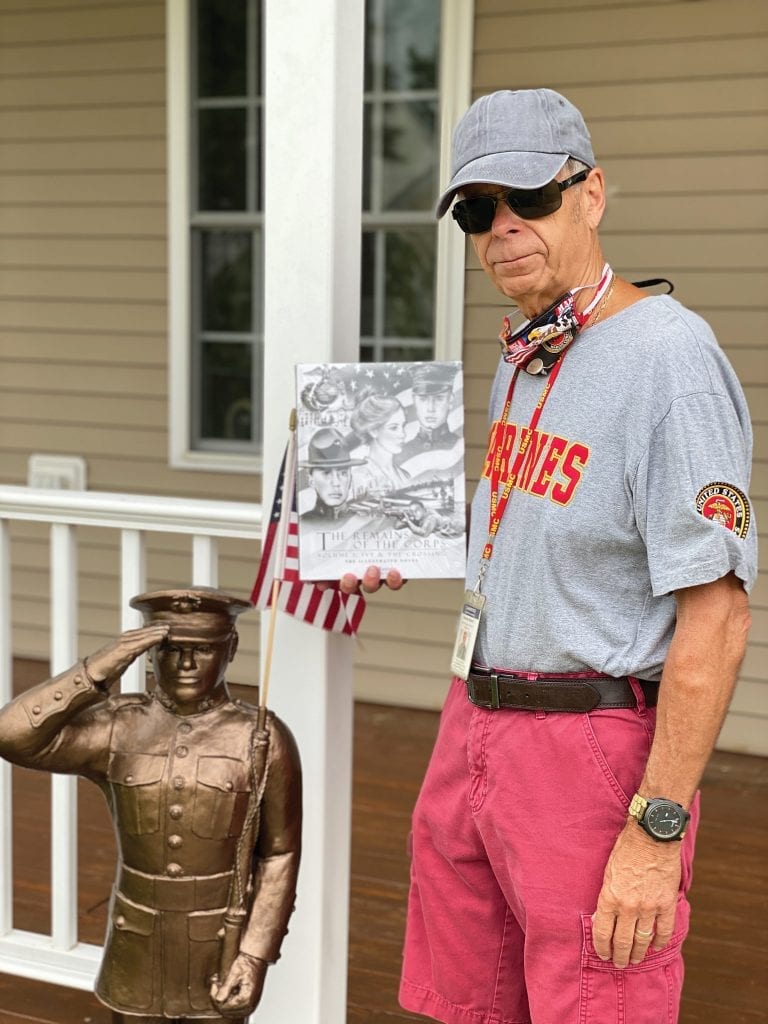
Tom Hebert says his novels are a way of paying back the Marine Corps for all it has given him.

Tom Hebert says his novels are a way of paying back the Marine Corps for all it has given him.

The story sounds like some of the fiction that Tom Hebert now devotes much of his non-working time to writing.

But it’s not.

Flashing back to when he was in high school, Hebert said he and his father, William, were having a talk about what he might do with his life, career-wise. The elder Hebert had just used his last match to light a cigarette, and after doing so, he noticed the ad on the back of the matchbook: ‘Become a CPA.’

“He handed me the matchbook cover, and I said, ‘OK, I’ll look into it,’ said Hebert, who would earn a degree in accounting at American International College. Eventually, he would join what was then one of the ‘Big 8’ accounting firms, Lybrand, Ross Bros. & Montgomery, and subsequently work in a number of other settings in Connecticut and Massachusetts, including Cambridge Credit Counseling, which he currently serves as chief financial officer.

“Discipline and leadership … that’s what I took away from the Marines. It shows in the respect I have for people, including the people who work for me — treating them well, treating them with respect.”

But while the saga of how he wound up in financial services is intriguing and makes for good reading, Herbert’s story is largely about what else he’s done with his life, starting with his time in the Marine Corps, which included a stint in Vietnam in 1970, as that conflict was beginning to wind down in many ways (much more on that later).

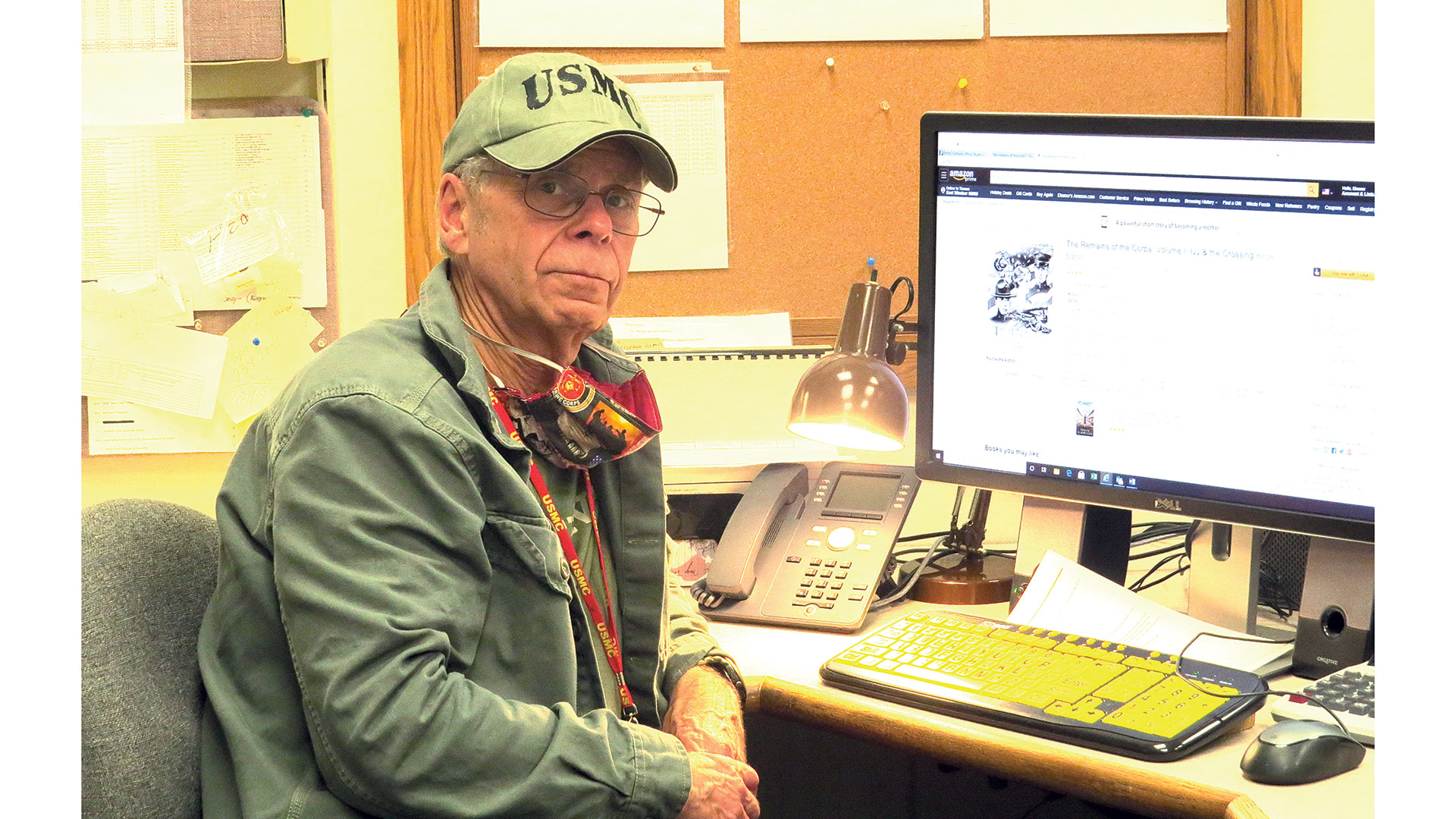
More recently, a second career has emerged: writing fiction, specifically about Marines. His first book, The Remains of the Corps, Volume I: Ivy & the Crossing, which he authored under the pseudonym Will Remain (with Remain being an anagram of Marine), came out early this year.

Covering the period from 1899 to 1917, several months before the U.S. entered World War I, it tells the story of Kenneth Remain (Will’s grandfather, who was born in Worcester and educated at Harvard), and the love triangle he enters along with Harvard classmate Lawrence Blakeslee and the “beautiful KatyKay Mulcahy.” The reader is also introduced to the 57 enlisted men of the fictional Fourth Platoon of the 87th Company of the true-to-life Third Battalion of the Sixth Marine Regiment.

“These gentlemen would have used a very large vocabulary, and I had to develop my vocabulary tremendously to have it fit for these two gentlemen .”

“When Kenneth takes KatyKay away from Lawrence, it creates problems between the two families that last for decades,” Hebert said, describing the plotline for the first book and those that will follow. “There’s this interaction between the two families that will last right up ’til the Vietnam War.”

The book is selling fairly well, but Hebert admits to not yet reaching the ‘break-even’ point that all self-publishers aspire to. Originally in hardcover, there’s now a paperback version of Remains of the Corps, as well as an e-book, and an audiobook will soon follow.

A second book is in progress, one that will take the story into the battlefields of France in World War I, with subsequent volumes covering the 1920s and ’30s. Eventually, his fictional characters will fight in World War II, which his father did, having taken part in the epic battle on Iwo Jima.

His father’s service — and his own — helped inspire the books, said Hebert, who told BusinessWest his writing is a way to give back to the Marine Corps, which he said gave him so much.

When asked what, specifically, he said the Corps gave him discipline, something he’s called on in all facets of his intriguing life, as well as some moments he won’t forget.

“Discipline and leadership … that’s what I took away from the Marines,” he explained. “It shows in the respect I have for people, including the people who work for me — treating them well, treating them with respect.”

Thus, Hebert’s saga represents the perfect Veteran’s Day story for this business publication: it’s a tale of military service and a family’s devotion to the Marine Corps, but also one about business — the one Hebert joined with some help from that matchbook cover, as well as the one he’s in now — and the challenging world of publishing.


The Write Stuff

“That’s the final straw!” Kenneth Remain said angrily, as he sat down heavily at a table in Jimmy’s Lunch. The melting snow on the brim of his boater and the shoulders of his benny testified to the fact that a sockdologer of a storm had clobbered Boston, an affront to the spring solstice of two days hence; though waning, the storm had not breathed its last.

Those are the first lines of The Remains of the Corps, Volume I: Ivy & the Crossing, and they provide not only a glimpse of Hebert’s mostly self-taught writing style, but also the immense amount of research that goes into writing a book set more than a century ago.

Tom Hebert says his second novel is almost fully researched and one-quarter written

Tom Hebert says his second novel is almost fully researched and one-quarter written. He plans six volumes in all to tell the story of the Remains.

Indeed, before he could pen a story set in 1917, Hebert said he needed to know the vocabulary of 1917 — specifically the vocabulary used by people attending Harvard, hence words like ‘boater,’ a type of straw hat; ‘benny,’ a greatcoat; and ‘sockdologer,’ a synonym for any word connoting ‘whopper’ or ‘defining.’

“People talked much more formally back then — they used the king’s English,” he explained. “These gentlemen would have used a very large vocabulary, and I had to develop my vocabulary tremendously to have it fit for these two gentlemen.

“Any time my wife and I were out at bookstores and flea markets, I would pick up books on vocabulary, idioms, and more,” he went on. “And as part of my training, I went through those books and selected words, phrases, thoughts, and philosophies, and I would say, ‘I could use this in one of my books.’”

Several years of research and work learning how to write fiction went into The Remains of the Corps, Volume 1, said Herbert, noting, again, that his decision to dive into what he expects will become a six-book set was inspired by the service of his own family and a firm desire to give something back to the Corps.

With that, we’ll do what fiction writers often do: we’ll flash back — first to 1945, when William Hebert was ending his lengthy tour of duty with the Marines. He enlisted just after Pearl Harbor and served throughout the war — and even after it ended, as part of the peacekeeping force in Japan. Upon returning home, he built a house in Chicopee and went to work as a pressman for Springfield Newspapers, retiring at age 62.

“I work partly because I enjoy working — I thoroughly enjoy my position here. But also because it enables me to fund the things that I want to do in life — one of which is writing.”

Hebert said his father, like many who fought in World War II, didn’t talk much about his service. “But he was always singing the Marine Corps hymn when I was a boy,” Tom recalled, adding that, while his father never pushed him to join the service or that specific branch, he found himself signing up.

That was in May 1968, just a few months after the Tet Offensive, when the Vietnam War was in some ways at its height. Hebert had just earned that accounting degree at AIC, and attended Office Training School for 10 weeks, and then another five months at a specialty school for officers.

His military occupational specialty was to be a tank officer, so he then went to Camp Pendleton in California for two months. Around that same time, he got married and was told he could spend another 18 months in California.

Tom Hebert began his service in Vietnam a few months after the Tet Offensive

Tom Hebert began his service in Vietnam a few months after the Tet Offensive in 1968, when the conflict was at its height.

But there was a quick change in plans, as he and several other tank officers were told there was an urgent need for their services in Vietnam.

“When we arrived at First Marine Division and met with the personnel officer, he said, ‘I don’t know why they sent you all here — I have three times as many tank officers as I need,’” he recalled. “That’s typical of the military, and my father had warned me about the bureaucratic aspects of being in the service.”

With his background in accounting, Hebert was eventually sent to the Central Service Agency, essentially a supply position — and wasn’t too happy with that assignment.

“After being there a short time, I went to the personnel officer and said, ‘I can’t do this — my father was in the Marines, he served at Iwo Jima … this is not why I joined,” he recalled. “He kicked me out of his office and said, ‘you’ll go where you’re told.’”

So he spent a year in Da Nang as — in the language of that time — an REMF, which stands for rear echelon mother… well, you can fill in the rest. Or, as they also said, ‘in the rear with the gear.’

Still, that time gave him a deep appreciation of the Corps and some valuable life lessons about leadership and teamwork.

When he came back home, he had a case of what was and still is known as ‘survivor guilt,’ which prompted him to publish a Vietnam War newsletter and also sell books through what was known as the Vietnam Book Store, a mostly mail-order operation.


Turning the Page

Longing to do more, Hebert eventually settled on the idea of writing about fictional Marines, but with art imitating life in many ways, especially when it comes to the Marine Corps being a generational phenomenon, or what Hebert calls a “family business.” It was that way for his family, and for the one he’s writing about as well, in stories told by the youngest generation.

That would be Will Remain, whose background is similar to Hebert’s, but with some important differences. Remain graduated from Harvard, not AIC, and upon graduation enlisted in the Marines and attended Officer Candidates School and Basic School in Quantico, Va. Instead of serving in the rear with the gear, he fought at Khe Sanh in 1967 and the Battle of Hue City during the Tet Offensive of 1968.

Hebert said he was inspired in many ways by the war novel Once an Eagle, written by Anton Meyer. A New York Times bestseller, it has been a favorite of American military men and women since it was penned in 1968, he noted.

“That book just fascinated me,” he told BusinessWest. “It was about the Army, and it covered several decades of one officer’s time. That book really inspired me to write.” Indeed, Hebert’s first forays into writing were non-fiction works about Meyer and his books.

He then embarked on the first installment of his novel, which wound up taking him a decade or so to write and prepare for publication. It includes dozens of illustrations by Tara Kaz that help bring the individual stories to life.

As for those stories, or the elements of his novels, he said the process of weaving them together is very much like that of putting together a jigsaw puzzle — which happens to be another of his hobbies; he said he’s put together more than 75 of them, with his favorite (unsurprisingly) being an image of the Iwo Jima Memorial in Washington.

“I have tons and tons of research material, and it’s all in pieces,” he went on, adding that, as he read books on history and vocabulary, for example, he would tear out the pages and keep them for future reference. “I take all those pieces — and we’re talking about an incredible amount of information — and put it together in a book.”

His second book is 95% researched and about 25% written, he said, adding that this segment details the battles in France during World War I. Book three, meanwhile, covers the period between the wars, and book four will likely take place on a fictional island in the Pacific during World War II.

Hebert writes when he’s not working, which means nights and weekends, and at age 73, he intends to keep on working — for several reasons.

“I work partly because I enjoy working — I thoroughly enjoy my position here,” he explained. “But also because it enables me to fund the things that I want to do in life — one of which is writing.”

As noted, his first book is off to a decent start, with about 300 copies sold and a far less expensive paperback now available. He’s optimistic, and excited, about the audiobook version, which will be read by noted narrator Grover Gardner, who, coincidentally (or not), has also read Once an Eagle.

“My hope, with the audiobook being read by someone so well-known, is that this will bring some attention to it and sell more books in print — that’s my goal, anyway,” he said, adding that this is far more an enjoyable hobby than a money-making enterprise. “I work to write.”


The Last Word

Hebert’s life has taken a number of twists and turns since his father glanced down at that matchbook cover and eventually handed it to him.

As noted at the top, some of it, including that episode, does sound like fiction, which is appropriate, said Hebert, because life really does imitate art in many ways.

His art certainly does. It’s a collection of tales about people. But it’s also about a business — a family business.

That’s what the Marine Corps became for him — and for those in the Remain family — and it’s a success story on a number of levels.


George O’Brien can be reached at [email protected]

Community Spotlight

Community Spotlight

Amy Cahillane says the DNA’s advocacy work has surpassed its events programming this year

Amy Cahillane says the DNA’s advocacy work has surpassed its events programming this year — because advocacy is needed, and events are few.

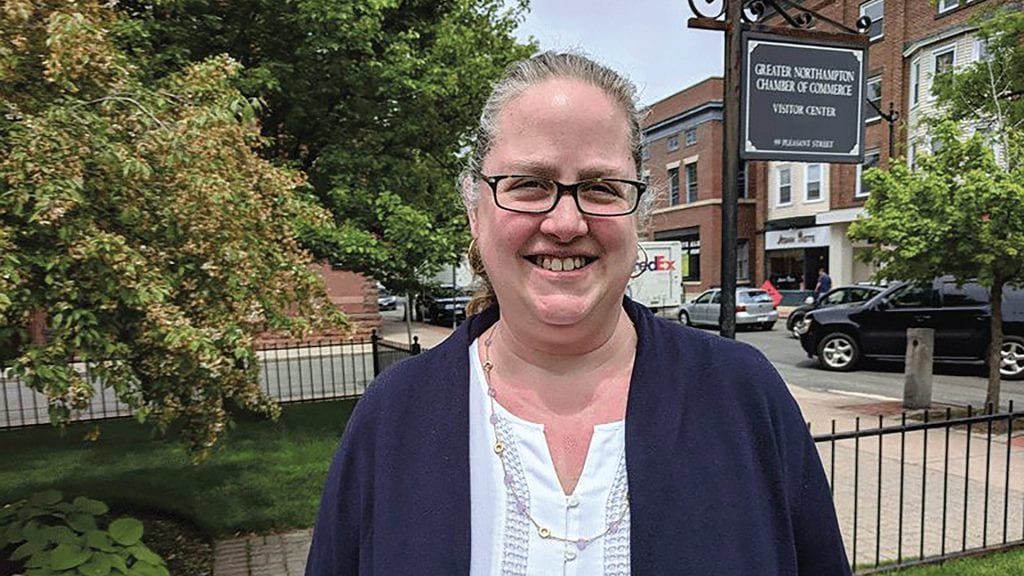
For the past four years, Amy Cahillane has led the Downtown Northampton Assoc. (DNA) in its many efforts to boost vibrancy in the city’s center.

The DNA typically handles such things as city plantings and holiday lights, and sponsors events that bring visitors to downtown, like Summer Stroll and Holiday Stroll, Arts Night Out, and sidewalk sales.

Note that word ‘typically.’ Because this hasn’t been a typical year.

“The pandemic changed it completely,” said Cahillane, the DNA’s executive director. “We usually focus heavily on events — it’s sort of our centerpiece. In light of COVID, I’d say 98% of our events were unable to happen. Arts Night Out is a monthly gathering where we invite lots of people into a small space to share food and drinks. That was one of our first COVID casualties — there’s no way to do that safely.”

But the DNA’s second major role is advocacy, making sure the downtown community has a voice at City Hall and that people feel their voice is heard, through public meetings and community forums on issues that impact businesses. That function was magnified in this unusual year.

“As everything changed, we were forced to change our focus because our small-business community is in desperate need of help, as is every other downtown in this area,” she told BusinessWest. “Even had our events not been canceled, it became clear pretty quickly we’d have to change our focus to advocacy at both the state and local levels, just to keep businesses afloat.”

Much of that advocacy came in the form of pushing for state and local aid, while other efforts were narrowly targeted, like making sure downtown parking was altered so restaurants could expand outdoor seating — “anything we could think of that could help them carry on through this trying to time, until we see some light at the end of the tunnel.”

And the city’s leaders have been responsive, Cahillane said, from a round of direct emergency grants to the business community to making the changes needed to bolster restaurants.

“They stepped up right away to work with our organization and downtown restaurants to make it possible to have outdoor seating, and make it last as long as possible. They got that up and running pretty quickly, and the License Commission was very fast turning around approvals for those who wanted to serve liquor outside.”

Debra Flynn, who owns Eastside Grill, was among the first downtown restaurateurs to pivot to curbside takeout and delivery once eateries were forced to shut down in early spring. “We had no idea how to do it,” she said, adding that it was important to buy the right containers to keep food warm and make sure meals were presented with care, even in the boxes.

“I can’t complain right now; we’ve had such wonderful support from our community,” she said, noting that she was able to set about 30 seats outside and eventually bring patrons back inside as well. “But I’m nervous going forward.”

“It’s definitely remained slower than the pre-COVID days, but each month, we have been seeing a smaller margin in the percentage we were down from last year. That’s helped me stay optimistic.”

That’s because the weather is getting colder, and while regulars are comfortable with the safety protocols being taken inside, she worries that folks who haven’t visited recently might not want to do so during flu season. And while the governor’s new mandate that businesses need to close by 9:30 p.m. doesn’t affect Eastside, it does impact the operations of other downtown restaurants. “They’re very nervous and upset about this whole thing,” she noted.


Shifting Winds

Alana Traub, who owns Honey & Wine, a clothing shop in Thornes Marketplace, has had a worrisome time this year, too.

“Everything changed for my business with the pandemic, when all businesses closed for quite a while,” she told BusinessWest. “When it finally did reopen in June, it was extremely slow going; I think people were really nervous to go out, and maybe they didn’t even know if we were open or not.

“Since then, it’s definitely remained slower than the pre-COVID days, but each month, we have been seeing a smaller margin in the percentage we were down from last year. That’s helped me stay optimistic.”

If there’s a downtown that’s well-positioned to rebound after the pandemic, Cahillane said, it’s Northampton.

“Even among my circle of friends, we are dying to go back out to restaurants, go bar hopping,” she said. “I think these businesses downtown are doing everything they can to hang on.”

Perhaps the economic shakeup — and some business closures that have followed in its wake — will present opportunities for some new faces to enter the downtown scene, she added. “A pandemic seems an odd time to start a business, but we’ve seen several open up; we might see a new round of creative, exciting businesses downtown.”

Lindsay Pope made the jump over the summer, purchasing Yoga Sanctuary, also at Thornes, from former owner Sara Rose Page on Aug. 1. A former member at the studio, Pope said she decided to become a business owner in this uncertain time because she feared Page may not have found another buyer.

“I feel like this time is incredibly liberating,” Pope said. “What do I have to lose? The alternate was that we could have lost this space, and instead, we’re going to give it another shot.”

With the times in mind, she launched not only reinvigorated studio programming in September, but also new online programming and an online video-library platform. “We’re going to try to evolve to meet the needs of the times and the next generation. That’s what we’re all being called to do right now in the chaos that’s happening.”

Cahillane said many other businesses have pivoted as well — although she admitted she’s a little sick of that word.

“Restaurants that never did curbside were nervous to try it, but our community showed up and started ordering curbside. Stores that never did local deliveries wondered if people would take advantage of it, but they did. People definitely have been incredibly supportive of downtown — the question is whether that’s enough.”


Holding Pattern

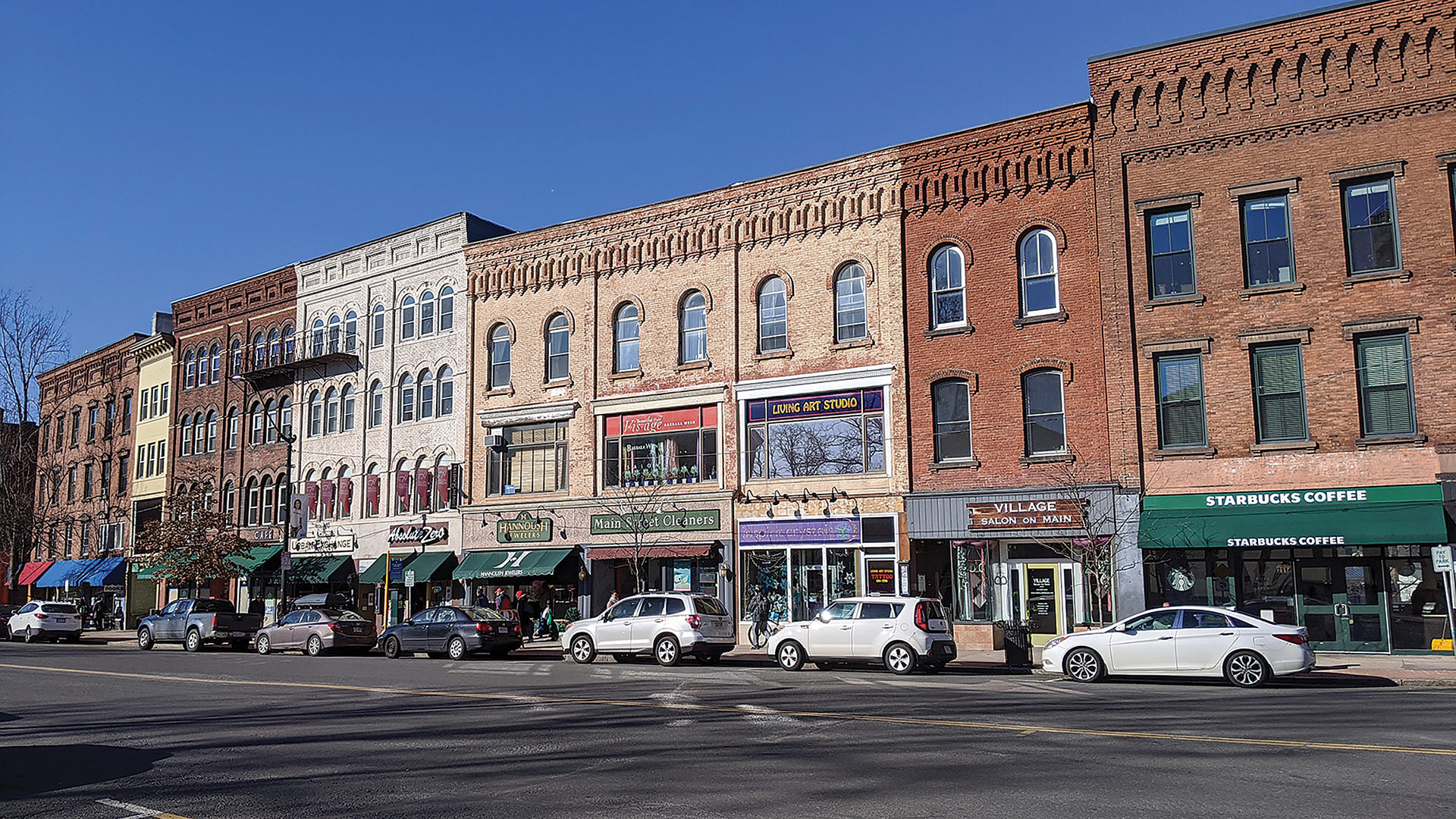
Before the pandemic struck, the DNA — which cites beautification among its top goals, along with programming and advocacy — was coming off a couple of years that saw a series of major projects on the Pleasant Street corridor, from a $2.9 million infrastructure upgrade to make the street safer and more navigable for motorists, bicyclists, and pedestrians to the completion of the roundabout at Pleasant and Conz streets and a number of residential and mixed-use developments along the thoroughfare.

To say 2020 has been a different sort of year is an understatement, although traffic has returned to some degree in recent months, and many businesses, including those in the retail marijuana trade, continue to do well. But anxiety lingers for many.

“I think everyone is concerned,” Cahillane said. “There is certainly more traffic than there was in March, April, or May, for sure. But winter is coming. It’s easy right now to park your car and walk outside, or enjoy some coffee on the sidewalk, when it’s sunny and pretty and the leaves are changing.

“But I think the first sign of snowfall will change that picture pretty dramatically,” she went on. “Are people going to be comfortable shopping indoors in the winter? I don’t know. Or sit inside a restaurant in the winter? I don’t know. And because so much is unknown about COVID, are people going to be extra anxious during flu season, when they don’t know if the person next to them has a cold or something more? There are so many unknowns. People are definitely concerned.”

Yet, Traub senses optimism from other business owners in Thornes and downtown in general, not because the pandemic is close to ending, but because Northampton is a strong enough business community to fully rebound once it does.

“That’s the general consensus,” she said. “I think everyone is also being realistic because no one knows what’s ahead. This is so unprecedented.”

Still, she moved her five-year-old business here from Franklin County for a reason. “I would call this the shopping destination in Western Mass. It’s definitely been a lot of fun, and I’ve been happy with my move to Northampton.”

And waiting for a time when the city is truly on the move again.


Joseph Bednar can be reached at [email protected]

Health Care

What’s Next for Hospitals

By Spiros Hatiras

The year is 2020, in the midst of an unprecedented pandemic, and the subject is the U.S. healthcare system — more specifically, the average U.S. hospital. Is it alive and well, or is it ailing?

I will argue that all is not well with our healthcare system, and that the average U.S. hospital is facing tremendous challenges now and for the foreseeable future.

It is important to establish that, while the healthcare-delivery model has been shifting to less hospital-centric models, the acute-care hospital remains solidly in the center of our delivery system and, in my opinion, will continue to do so. Any notion of a more decentralized model with less emphasis on hospitals has been pushed many years into the future, in part as a result of the COVID-19 pandemic. Despite the accelerated growth of telemedicine during the pandemic, the need for hospital bed capacity, specialized equipment, and personnel — including the ability to ‘surge’ when needed — has all but ensured that the trend toward a smaller hospital footprint will slow down if not entirely reverse.

Shouldn’t that be good news for the future of hospitals? Well, not quite. While we may have a new appreciation for the need of readily available inpatient hospital care, we have also not solved any of the problems that hospitals have been facing for many years. In fact, the pandemic laid bare one of the most fundamental problems facing the industry, especially for smaller community hospitals. At the very onset of the pandemic, it was immediately clear that many hospitals, suffering from years of underfunding, faced immediate financial threat and would not be able to survive without a financial bailout, while private insurance companies reported record profits.

“I will argue that all is not well with our healthcare system, and that the average U.S. hospital is facing tremendous challenges now and for the foreseeable future.”

Why is this the case in a country where healthcare demands the highest per-capita expenditure of all developed countries? According to a study published in January 2019 by the Johns Hopkins Bloomberg School of Public Health, the U.S. topped the ranking of healthcare spending among developed countries in 2016 at $9,982 per capita per year, a figure that is more than double the median of $4,033.

The reason for this disconnect is that most of that money is spent not on actual care, but on administrative costs. A recent study by the Center for Medicare and Medicaid Services found that, of the $3.5 trillion spent on healthcare in 2017, 33%, or $1.1 trillion, was paid to hospitals. Unfortunately, a significant portion of that money covered unnecessary costs to process bills and get paid by insurance companies, meaning the total spent on actual hospital care was far less. The same is also true for doctors’ offices.

In a study published in 2017 in Annals of Internal Medicine, Steffie Woolhandler and David Himmelstiein noted that the administrative cost of our healthcare system was estimated to be $1.1 trillion, of which the vast majority is excess and unnecessary spending. We are spending vast sums of money on a deliberately confusing and complex insurance system.

Trying to navigate the onerous billing requirements, denied-claims management, pre-authorization requirements, and a host of other administrative hurdles unique to the U.S. healthcare system is wasteful and frustrating to hospitals, doctors, and patients alike. We spend more money administering the system than we spend on care. This should alarm each and every one of us and prompt us to look a little more carefully at proposals for a single-payer system.

It is time to ignore private insurers who portray a single-payer system as the boogeyman, or the end of healthcare as we know it, and recognize their argument for what it really is: a reluctance to part with huge profits being made from a broken system at the expense of our health.


Spiros Hatiras is president and CEO of Holyoke Medical Center.

Health Care

What’s Next in Health Education

By Marie Meckel, Kathleen Menard, Susan McDiarmid, and Theresa Riethle

Despite the complexities that COVID-19 has brought to healthcare education, the trajectory from traditional models to hybrid or virtual experiences was inevitable. Today’s technology allows healthcare educators to transcend geography, which widens access to health education in all segments of the population despite location, economic status, and race. The pandemic also revealed the vulnerabilities of underrepresented minorities.

These challenges caused many educators to pause to re-evaluate and readapt to how we teach and develop medical curriculum. Incorporating technology through virtual learning experiences while focusing on how social determinants of health impact patient care and outcomes are two areas of focus in the future of healthcare education.

Health programs can integrate in-person and remote simulation experiences; these include the traditional simulation lab consisting of realistic mannequins where learners can develop clinical skills in a safe setting without patient harm. Additional virtual experiences include a wide array of interactive patient-encounter portals where learners can conduct histories, perform physical examinations, order and interpret diagnostic tests, develop assessments and treatment plans, all while documenting patient records and receiving coaching and feedback every step of the way.

“By incorporating technology into healthcare education, medical learners will be better prepared for clinical practice.”

Live rounding with certified medical providers has also enabled learners to experience traditional hospital rounding from wherever they are in an interactive manner. Even surgical experiences can be supplemented with high-definition surgical videos and medical lectures from subject-matter experts.

While none of these experiences will replace the need for traditional hands-on learning, they can provide learners with unique education experiences that directly correlate to what is seen in clinical practice. With the increase in telehealth visits, medical learners are now equipped to adapt to these visits, delivering care in a better and more effective manner.

Technology is intertwined into healthcare today as seen with diagnostic imaging, robotic surgery, and electronic health records. By incorporating technology into healthcare education, medical learners will be better prepared for clinical practice. The virtual experiences will also develop independent and critical thinking, thus making it easier to adapt to innovations and changing patterns of illness and health systems.

In order to provide equitable, high-quality healthcare to all patients, we must include social determinants of health in the curriculum. These include socioeconomic status, education, neighborhood and physical environment, employment, and social-support networks, as well as access to healthcare.

This charge became more evident with the pandemic, as we have seen its profound impact on underrepresented minorities. It would be a disservice to future providers to ignore the current healthcare disparities in these populations. Addressing these determinants is not only important for improving overall health, but also for reducing health disparities that are often rooted in social and economic disadvantages.

Healthcare providers of the future will not necessarily be those who have a traditional classroom education, but will be those who know how to use, implement, and apply technology in healthcare systems and provide high-quality healthcare to all patients.


Marie Meckel, MS, MPH, MMSc, PA-C; Kathleen Menard, MS, PA-C; Susan McDiarmid, MS, PA-C; and Theresa Riethle, MS, PA-C are physician assistant faculty members at Bay Path University.

Health Care

What’s Next in Cancer Care

By John Sheldon, M.D.

Cancer is the second-leading cause of death in the U.S., but we continue to make significant advances in reducing its toll.

John Sheldon

John Sheldon

Key developments have included targeted drug therapies resulting from genomic profiling of tumor samples, which determines the molecular ‘fingerprint’ of the tumor; immunotherapy, which allows the body’s own natural immune system to better attack tumors; more sophisticated radiation-delivery technologies, which allow for more precise targeting of tumors and better sparing of adjacent normal tissues from radiation dose; and newer combination or ‘multi-modality’ treatment regimens, taking advantage of a combination benefit effect of different ways of attacking and killing tumor cells.

In lung-cancer treatment, for example, we now have drugs to target a variety of specific mutations that may be present, such as EGFR, ALK, ROS1, MET, RET, BRAF, or NTRK. Immunotherapy has been shown to provide a survival improvement in both stage-3 and stage-4 lung cancer. For earlier and smaller lung cancers, highly targeted radiation treatment can be delivered in a short regimen of just three to five sessions, as an alternative to surgery for patients who are not good surgical candidates. And for other patients, combination regimens of radiotherapy and chemotherapy followed by immunotherapy may be the preferred approach.

Even newer types of drugs are now available called antibody-drug conjugates, or ADCs, which target with high affinity a particular protein expressed on the surface of tumor cells, attach to the target, and then deliver a toxic payload to kill those particular tumor cells. This type of treatment was just approved by the FDA in April for metastatic ‘triple-negative’ breast cancer (a more aggressive type of breast cancer), and another drug in this category was approved last December for locally advanced or metastatic bladder cancer.

Molecularly targeted radiation delivery is another category of treatment that is advancing. Also known as peptide-receptor radiotherapy (PRRT), it consists of a radioactive particle, or radionuclide, linked to a protein, and this protein seeks out and targets its intended receptor, which is overexpressed on certain tumor cells. Once the protein-receptor binding takes place, the radionuclide is internalized into the tumor cell — and destroys the tumor cell. This treatment is currently being utilized for neuroendocrine tumors of the abdomen (the type of cancer that afflicted both Steve Jobs and Aretha Franklin), and it is being investigated for the treatment of metastatic prostate cancer.

Quality of life is an ongoing focus of cancer care, and while we always aim to increase survival, we simultaneously aim to optimize quality of life for patients under our care. In the realm of radiation treatment, shorter course regimens are more frequently being used (supported by evidence from clinical trials) in order to increase convenience for patients. Such regimens are now commonly used in the treatment of breast cancer, for early-stage lung cancer (as mentioned above), for some brain-tumor patients, and for some patients with prostate cancer. For the latter, radioactive seed implants into the prostate gland may be an option for a one-visit outpatient treatment.

In short, we continue to push forward strongly in the treatment of a broad range of cancers.


Dr. John Sheldon is medical director, Radiation Oncology at the Mass General Cancer Center at Cooley Dickinson Hospital.

Health Care

What’s Next in Behavioral Health

By Barry Sarvet, M.D.

As a science-fiction fan, I would love to be able to travel in time to see into the future of psychiatry. But, of course, the future isn’t really knowable and depends in large part on the choices we make. A more useful and realistic approach is for us to envision a possible future based on our awareness of the most urgent needs in the field, and to assume linear progress from the current state of our scientific knowledge and discovery.

Barry Sarvet

Barry Sarvet

In my opinion, the two most compelling needs within the field of psychiatry are the need for more effective, safe, and reliable treatments for the subset of psychiatric patients who don’t respond optimally to current treatments, and the need to make psychiatric care more accessible and equitable for everyone who suffers from mental-health conditions.

Depression is one of the most common psychiatric illnesses, affecting 7.1% of all adults and 13.3% of adolescents in the U.S. Severe depression is a potentially deadly illness, and suicide is a leading cause of death in this country. Although we already have a host of effective treatments for depression, between 10% and 30% of patients do not respond favorably to treatment. However, ongoing advances in our understanding of the neurobiology of mental illnesses in recent years have led to a number of novel biological treatments for treatment-resistant depression and other psychiatric conditions.

One recently developed treatment that has shown great promise with treatment-resistant depression is repetitive transcranial magnetic stimulation (rTMS). Available at Baystate, rTMS is a non-invasive procedure in which focused pulses of electromagnetic energy are applied to specific regions of the brain resulting in increases in blood flow and metabolic activity. rTMS belongs to a branch of psychiatric treatment referred to as psychiatric neuromodulation. We expect to see further development of this branch in coming years, particularly because of the encouraging observations of clinical effectiveness and safety of this type of treatment for patients whose conditions have not responded to conventional medications.

Other biological psychiatry advancements on the horizon include the development of medications targeting receptors for neurotransmitter systems (such as glutamate and NMDA) which have recently been implicated in the pathophysiology of depression and other psychiatric illnesses. We are also seeing a renaissance of research activity studying the use of so-called psychedelic drugs in combination with talk therapy to induce states of consciousness in which patients may find it easier to change well-worn patterns of thinking associated with psychiatric illnesses such as PTSD, anxiety, and depression.

Lastly, on the biological front, advances in the understanding of genetic variability in metabolism and responsiveness of the nervous system to psychiatric medications promise to usher in an era of personalized medicine in psychiatry, allowing psychiatric clinicians to select effective and tolerable medication treatments for patients without having to go through a trial-and-error process.

Even more important than advances in biological psychiatry is the need for progress in making psychiatric treatment more accessible to everyone who needs it. Currently, a majority of patients with mental illness do not receive any treatment at all, and for many more, treatment is delayed. In fact, many patients with untreated mental illness, disproportionately persons of color, end up in the criminal-justice system because of a lack of access to care.

In recent years, we have seen steady reduction in stigma surrounding mental illness and increased acknowledgment of the importance of mental health across society. Baystate’s recently announced plan for the development of a new, state-of-the-art psychiatric hospital facility for our region reflects the growing recognition of the importance of improving access to behavioral healthcare.

This new facility is just one component of a comprehensive strategy which needs to be executed in partnership with the whole community to improve access to all levels of mental healthcare and address persistent racial and socioeconomic disparities in access to care. Some of the components of this strategy includes work we have been doing at Baystate to embed mental-health services into our primary-care services. In addition, our development of new training programs for psychiatrists and child and adolescent psychiatrists have established a pipeline for enhancing the psychiatric workforce in our region.

We also will see continued use and improvement in telehealth models of psychiatric practice, which, of course, have dramatically grown in response to the pandemic, and have proven to be an important tool in reducing geographic barriers to access to care.


Dr. Barry Sarvet chairs the Department of Psychiatry at Baystate Health.

Features Special Coverage

A Season on Ice

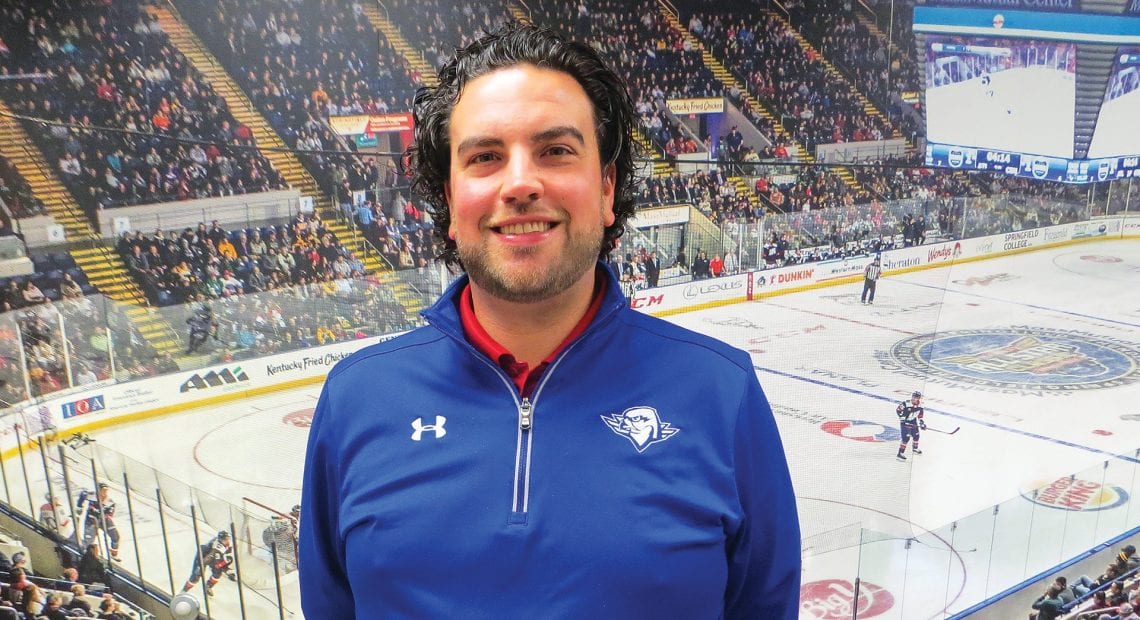
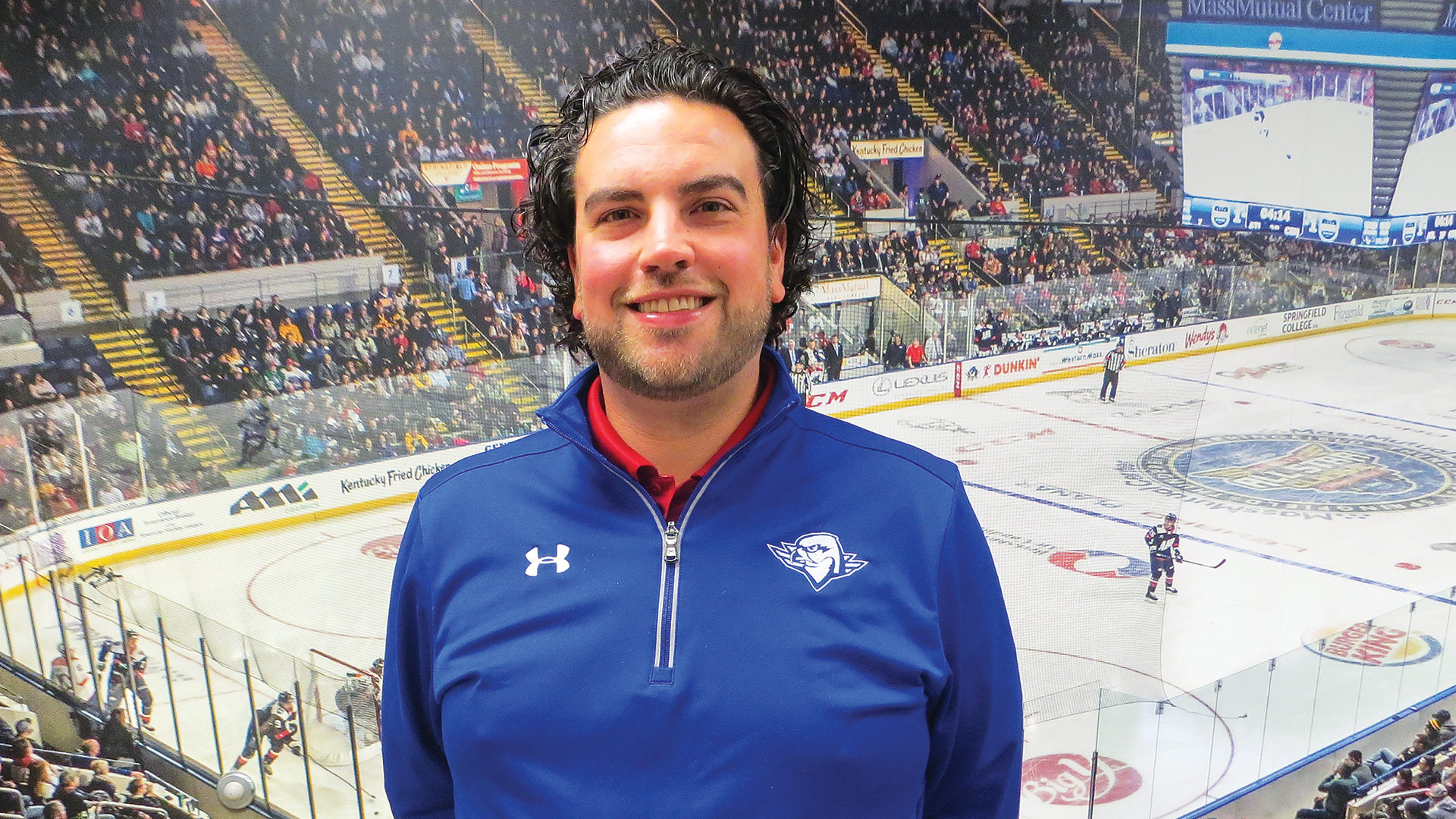
Nate Costa, president of the Thunderbirds

Nate Costa, president of the Thunderbirds

The wall opposite Nate Costa’s desk is covered in a wrap depicting action from the American Hockey League (AHL) All-Star Classic, played at the MassMutual Center in January 2019 — probably the high point of the five-year re-emergence, and renaissance, of professional hockey in Springfield.

Costa pointed toward that wall several times as he tried to explain just how the Springfield Thunderbirds, which he serves as president, might place spectators so they are at least six feet apart — if, and it’s mighty big if, the governor, the city, and whoever else might need to sign off on such a plan gives the proverbial green light. And he also pointed while talking about the many subtleties and challenges that go into such an exercise.

“It’s almost like a puzzle,” he explained. “We have 6,700 seats, and our season-ticket holders are typically jammed into the best seats. All our center-ice seats are completely taken … so what do you do in a six-foot distancing model? — everyone can’t get the seat they would normally want to have, and that’s just one of the challenges.”

As he talked with BusinessWest on Oct. 15, five days after the 2020-21 season was supposed to start, Costa acknowledged that trying to put together this puzzle is just one of the myriad questions and challenges he and a now considerably smaller staff are working to address.

“The ownership has given a commitment to Springfield — we’re not going anywhere. It’s going to be a challenging year for us, like it is for everyone else, but the commitment is there to get through this year and plan for the long term. We’ll get through this … it’s just going to be tough.”

Indeed, Costa admitted he has no real idea if or when he might be able to put such a plan into action. In reality, he has no idea when or under what circumstances hockey might again be played on Main Street. He was told in July by the National Hockey League, parent to the AHL, that games might be able to commence by early December, but he’s very doubtful about that date.

He believes January or even February is a far more likely start time. But beyond that, he cannot say with any degree of certainty how — and how many — games might be played, and how late into 2021 the season might go. Instead, there are only question marks — many of them, involving everything from if and how many fans can sit in the stands to if and how this team can travel to away games in other states, let alone Canada.

All these questions, most of them difficult if not impossible to answer at this juncture, make this a difficult, very frustrating time for Costa and all those involved with a franchise that had become one of the feel-good stories in Springfield over the past several years.

games might be played in early December

While the AHL is expressing hope that games might be played in early December, Nate Costa, president of the Thunderbirds, believes January or early February is a more likely target for a return to action at the MassMutual Center.

Under Costa’s stewardship and the backing of a large, committed ownership group, Springfield had gone from a city without hockey after the Falcons departed for Arizona more than five years ago, to one with a franchise that was not only filling the MassMutual Center with increasing regularity, but also becoming part of the fabric of the region.

Turning the clock back just seven months or so, although it seems like an eternity, to be sure, Costa said the team was clicking on all or most cylinders, meaning everything from ticket and merchandise sales to creating strong partnerships with a number of area businesses.


Listen to BusinessTalk with Nate Costa Podcast HERE


“We were, fortunately, in a really good position when the season ended last year,” he noted. “We were ahead of budget, we were on track to make a profit, which was three years in the making. We were in great shape — we had nine sellouts through March last year, which was our previous record, and we had three weekends left and were expecting three more sellouts. The business was in great shape.”

In the proverbial blink of an eye, though, everything changed. The season, and the MassMutual Center, were shut down. Initially, the Thunderbirds, like most businesses closed down by the pandemic, thought it might be a matter of several weeks before things went back to something approaching normal. As it became clear this wouldn’t be the case, the team — again, like many other businesses — had to make some hard decisions and eventually furlough several employees; once a staff of 19, it is now down to seven.

“The thing that has been frustrating and challenging — to everyone, but me in particular — is that we don’t have a lot of control over much of anything at this point. You’re beholden to the state and other states and also to the league … you can have all the best plans in the world, but if we don’t have the ability to do it and do it safely, then it’s going to be a challenge.”

Those who remain are trying to carry on as they did seven and half months ago — selling season tickets, planning events, working within the community, and building the team’s foundation. But it’s all different. For the most part, the staff is trying to prepare for contingencies, plan what can be planned, and, perhaps above all, work tirelessly to remain relevant while waiting for games to commence and the pandemic to run its course.

“The ownership has given a commitment to Springfield — we’re not going anywhere,” Costa said. “It’s going to be a challenging year for us, like it is for everyone else, but the commitment is there to get through this year and plan for the long term. We’ll get through this … it’s just going to be tough.”


Setting Goals

When asked about how he’s apportioning his time these days, Costa said he spends much of it on the phone.

Many of those calls are to and from other team executives in the AHL — he knows most of them going back to the days when he worked for the league — who are looking to compare notes and share thoughts on how to deal with a situation unlike anything they’ve encountered.

“I’m seeing what other teams are doing, what they’re hearing from their states, and what the temperature is for us to play in the upcoming year,” he explained. “There’s a lot of conversation going on about how we can pull this off and how we can do it the right way. It’s a challenge that none of us have faced in our careers, and there’s no way to really plan for it.”

In addition to other AHL officials, Costa and others within the league are also talking with leaders from other sports, including the National Football League. From these conversations, they’re learning it’s been difficult to sell even those comparatively few tickets that states like Florida, Texas, and Missouri are allowing teams to sell.

Indeed, while the popular notion might be that there is considerable demand for those few seats, and that teams would struggle to figure out who might be awarded them, that is certainly not the case.

“They’re having a hard time selling the limited inventory that they have because people are just not mentally ready for it yet,” Costa said. “Even the Cowboys are facing challenges; they’ve had to comp a lot of tickets. The Dolphins, the same thing. That’s what we’re seeing.”

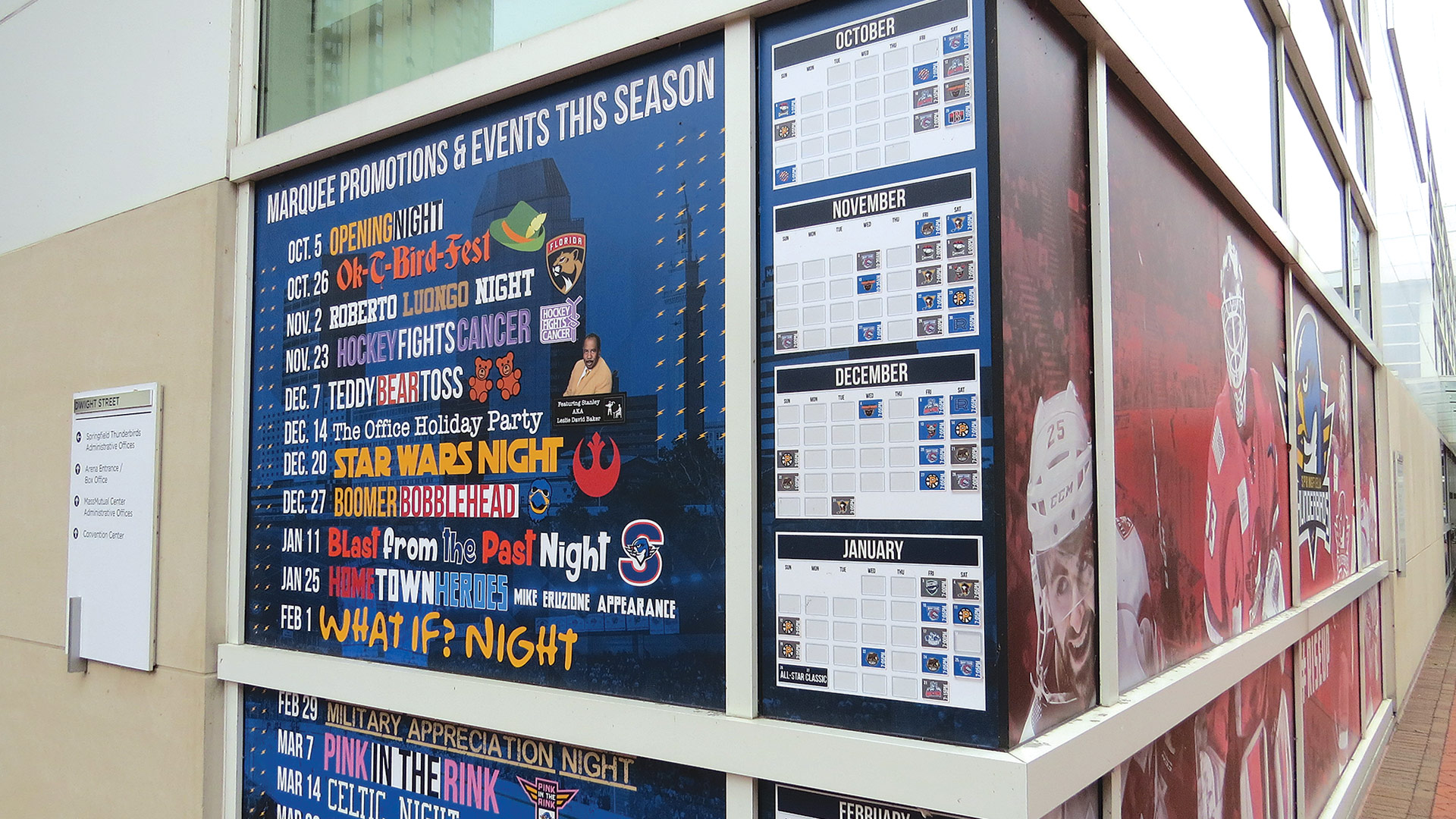
2019-20 Thunderbirds’ schedule

Signage outside the MassMutual Center still displays the 2019-20 Thunderbirds’ schedule because the slate for this year remains clouded by question marks.

This harsh reality brings yet another layer of intrigue, and questions, to the discussion concerning just when, if, and under what circumstances the AHL might be permitted to carry out its 2020-21 season. Indeed, while the league wants to commence action and get fans back in the arenas, if they start too early, fans will not be eager to come back.

And the harshest reality of all is that this league — and the NHL as well — simply cannot operate for any length of time without fans in the stands.

The AHL is a league with no national television contracts and only some smaller, regional deals. The vast majority of revenues come from sponsorships and sales of tickets, concessions, and merchandise. And without fans in the stands … well, it’s easy to do the math.

Meanwhile, the inability to play in front of fans is also presenting a major challenge to the parent league, the NHL, whose franchises own the bulk of the teams in the AHL, with a dozen or so, including the Thunderbirds, being independently owned.

“Even though the perception is that the NHL is this huge entity that can just sustain losses, with them not having the ability to put fans in the stands, that impacts everything,” he explained. “That’s the trunk to the revenue tree. If you don’t have fans, it’s hard to sell sponsorships, and you can’t sell merchandise and concessions. And at our level, that’s what really drives our business — it’s butts in seats.

“In this league, it’s crucially important to have fans in the arena,” he went on. “And that’s what we spent four years doing — rebuilding the fan base and packing this arena so that our business would be much more financially solvent.”

But playing games without fans in the stands remains one of the options moving forward, said Costa, calling it a last resort, but still a possibility, especially if he can negotiate with one of the local TV stations to televise some of the games. And talks along those lines are ongoing, he told BusinessWest.

The hope, though, is that, by January or February, the state will allow fans in the arenas with a six-foot-distancing model, he said, referring again to that image on his wall.

“It’s not going to be a ton of people, maybe 1,200 to 1,500 people from what we’re doing with our modeling,” Costa continued. “But at least it would get us started, and then the hope would be that, as the spring would move along, we’d be able to bring more bodies into the building.”

That’s the hope. But Costa and his team, as noted, are preparing, as best they can, for a number of contingencies.

“The thing that has been frustrating and challenging — to everyone, but me in particular — is that we don’t have a lot of control over much of anything at this point,” he said. “You’re beholden to the state and other states and also to the league … you can have all the best plans in the world, but if we don’t have the ability to do it and do it safely, then it’s going to be a challenge.”


Knowing the Score

Next spring will mark the 50th anniversary of the Calder Cup championship run authored by the team known then as the Springfield Kings, the minor-league affiliate of the then-fledgling Los Angeles Kings.

Costa said the team has been making plans to honor that squad and its accomplishment with a throwback game featuring the Kings’ colors and logos, an on-ice ceremony featuring surviving members of that team, and other events.

Now, most of those plans, as well as those to mark the fifth anniversary of the Thunderbirds themselves, are in limbo, like just about everything else concerning the 2020-21 season.

Indeed, even as Costa and his team try to prepare for the new season, there are still so many things beyond their control, especially the virus itself. By most accounts, a second wave has commenced, with cases on the rise in a number of states. Some of those states, and individual communities, have already put a number of restrictions in place as part of efforts to control the spread of the virus, and there may be even more in the weeks and months to come.

The ones already in place create a number of logistical concerns.

“Rhode Island has a 14-day mandatory quarantine, so if we play Providence, how does that work?” he asked rhetorically. “Meanwhile, the Canadian border is closed; we have Canadian teams, including one in our conference, Toronto. And then, there’s the challenge of air travel — Charlotte is in our division, and we would normally go there once or twice a year. How do you do that, and how do you do it safely?

“There’s a lot of things that we as a league have to work through,” he went on, and while coping with these day-to-day questions and challenges, he stressed the need to think and plan for the long term. He said the pandemic will eventually be something to talk about with the past tense, and he wants to properly position the franchise for that day, even while coping with the present challenges.

This mindset has dominated the team’s actions with regard to everything from refunding tickets sold but not used last season to managing the partnerships that have been developed over the years with corporate sponsors.

“We reached out to every season-ticket holder and gave them a number of options,” he said in reference to the seven games they missed at the end of last season. “They could roll the credit over to the following year, they could donate to our foundation, or, if they didn’t want to do any of those, we would be happy to give them a refund because, at the end of the day, it’s the right thing to do.

“None of us planned for this, so from a business perspective, we thought that any sort of pushback or anything like that is not the way to be,” he went on. “We want to make sure we’re doing the right thing for the people who have supported us from the start, and we’ve been proactive and honest because, at the end of the day, it’s so important for us to be authentic through this process because we’re not the only ones dealing with this — everyone has their own challenges.”

This approach, coupled with the team’s strong track record over the past several years, has helped the organization maintain its strong base of support, said Costa, adding that the Thunderbirds have been able to retain roughly 85% of their season-ticket sales from last year, despite the question marks hovering over the upcoming season.

“It’s been incredible to see the level of support we’ve been given,” he said. “I think people were really seeing what we are able to do in the community and how much of an impact we were having. We’ve been given commitments by people that they’re going to be here when we’re back.”

Looking ahead to the day when the pandemic is over and he can once again focus on selling out the MassMutual Center, Costa is optimistic about his prospects for doing just that.

“I think it’s going to take some time — it might take until the summer for those people who aren’t diehards to come back to our arena, but I think that, by next fall, we’ll be able to pack this place again,” he told BusinessWest. “I think there’s going to be a lot of pent-up demand, and I think we’re positioned well. I think that, when people are ready to get back in the arena again, they’re going to think twice about driving to Boston and paying $300 to $400 for a ticket when they can get the same experience and see really good hockey right here in our area for a fraction of that price.”


Taking Their Best Shot

As he walked and talked with BusinessWest while showing off some of the many other wraps adorning the team’s offices on Bruce Landon Way, Costa stopped and reflected on the fact that last year’s schedule is still posted on the wall outside those facilities.

That schedule has become symbolic of how the NHL and the Thunderbirds have become frozen in time in some respects. No one can say when there will be new games on the slate, how the games will be played, or where.

What Costa does know is that, sometime soon — just when, he doesn’t know — there will be a new schedule in that space. Things will be different for some time to come, and the team is certainly not going to pick right up where it left off when the music stopped last March.

But he firmly believes that the solid foundation laid before the pandemic entered everyone’s lives has the team in a good place for when we’re all on the other side of this crisis.


George O’Brien can be reached at [email protected]

Special Coverage Women in Businesss

Impossible Choices

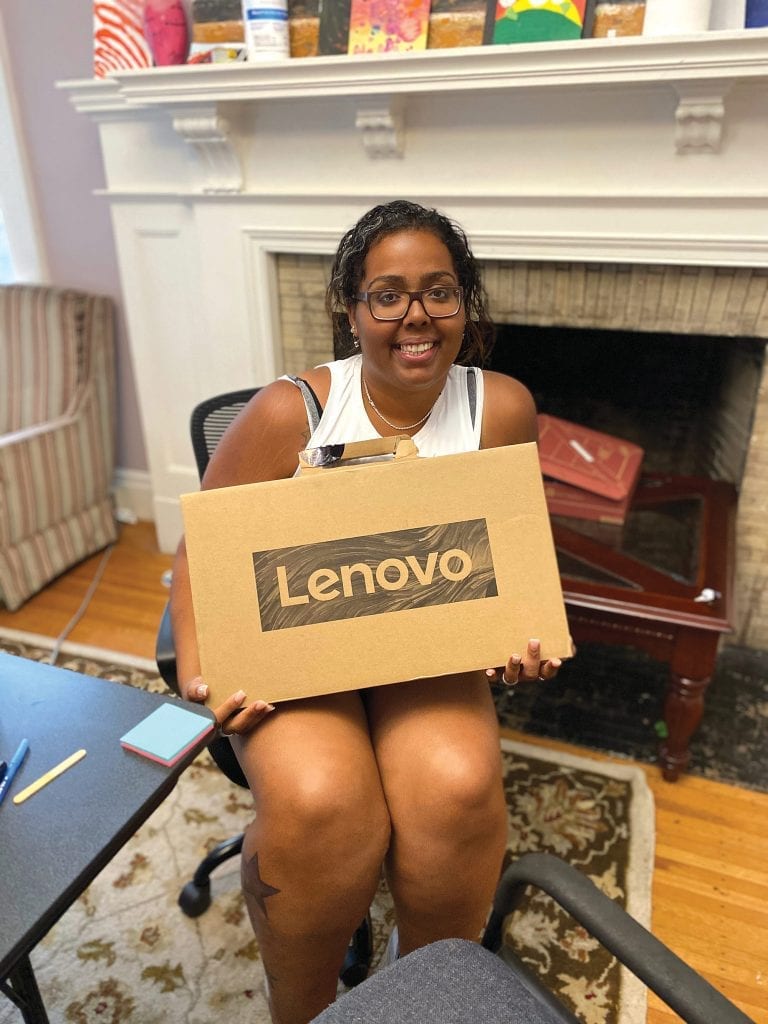
Dress for Success Western Massachusetts digital-literacy program

The Dress for Success Western Massachusetts digital-literacy program has helped numerous women like Carolyn, who was provided with equipment and coaching to start an online business.

It’s a setback that could take years, even decades, to reverse when it comes to economic equality for women.

About 617,000 women left the U.S. workforce in September, compared with only 78,000 men — nearly eight times as many. About half the women who dropped out are in the prime working age of 35 to 44.

“One of our strategic plans centers around economic security for women and girls,” said Donna Haghighat, CEO of the Women’s Fund of Western Massachusetts. “Obviously, that’s more important now, because many women are concentrated in low-wage jobs to begin with, and a lot of those jobs — ones traditionally filled by women — have disappeared because of the pandemic.”

According to a recent study by the National Bureau of Economic Research, the pandemic-fueled recession is tougher for women for two main reasons. First, as Haghighat noted, the crisis has battered industry sectors in which women’s employment is more concentrated, including restaurants, retail, hospitality, and healthcare. This was not the case in past recessions, which tended to hurt male-dominated industry sectors like manufacturing and construction more than other industries.

Second, the COVID-driven economic shutdowns have closed schools and daycare centers around the country, keeping kids at home and making it harder for parents — especially mothers, who tend to provide the majority of childcare — to keep working.

“The pandemic has really impacted women disproportionately in terms of not being able to go to work so they can help their kids learn,” said Margaret Tantillo, executive director of Dress for Success Western Massachusetts, an organization that empowers women to achieve economic independence. “It’s frustrating for parents to be sitting at home and trying to do what they need to do as well as help their children learn. A lot of women have several children at home.”

According to the study, among married parents who both work full-time, the mother provides, on average, about 60% of childcare. And when schools started up remotely last month, it further strained parenting demands. That contrast in accepted gender roles has contributed to a mass exodus of women from the work world that could have long-lasting ramifications.

“The pandemic has really impacted women disproportionately in terms of not being able to go to work so they can help their kids learn.”

“We have folks who are voluntarily dropping out of the job market, particularly women, because of the competing demands in terms of remote learning for children,” Haghighat told BusinessWest. “They have to navigate all that. Even if it’s a working couple, women tend to make less money, so if something has to give, and someone has to give up their job for a while, it tends to be the woman because she’s already making less money. That’s what we’re seeing.”

At the same time, according to a study by management-consulting firm McKinsey, while women account for 39% of the global workforce, they are overrepresented in three of the four hardest-hit sectors during the pandemic: accommodation and food services (54%), retail and wholesale trade (43%), and services such as arts, recreation, and public administration (46%). In addition, only 22% of working women have jobs that allow them to telecommute, compared with 28% of male workers.

The numbers get worse for women of color; while the U.S. female jobless rate remained at 8% in September, it’s higher for black and Hispanic women.

“Economic inequality was here before COVID-19. The pandemic just showed us how big this gap is and how deep the disparity goes,” said Tanisha Arena, executive director of Arise for Social Justice in Springfield, adding that some individual success stories have been wiped out.

“Some businesses will never open back up because they didn’t survive the pandemic,” she noted. “How many women own those businesses, or work at those businesses? The effect will be long-lasting. When you’ve lost your job and it’s not coming back, how do you pay your bills?”


Holding Up the Pillars

Still, last month’s massive decline in female employment is at least partially — and possibly mostly — due to the lack of childcare options, Russel Price, chief economist at Ameriprise, told CNN, noting that employment in child daycare services was still down nearly 18% in September from its pre-pandemic level.

One factor influences the next, Haghighat said, which is why the Women’s Fund has been working on a grant-funded project to create an ‘economic mobility hub’ in the region by identifying and bolstering key pillars — social determinants of either success or pain — that impact one’s ability to navigate the economy. “If one of those pillars is disrupted, like housing or transportation, that can be devastating for women and families.”

Arena agreed, noting the most obvious example — how a lack of daycare can lead to job loss, which can lead to an inability to pay rent or mortgage. “Now we’re talking about a housing issue in the middle of a pandemic — and with the moratorium being lifted, how many people are facing eviction and being homeless? I see the fallout of these economic challenges.”

“Economic inequality was here before COVID-19. The pandemic just showed us how big this gap is and how deep the disparity goes.”

In addition to distributing food to seniors, directing people to housing resources, and other programs, Arise has even paid some individuals’ routine bills. Arena used the example of an auto-insurance bill: an overdue bill can lead to a ticket, impound, or court date, all of which can generate costs far above the original missed payment, or even the loss of a job. Suddenly a life spirals out of control over $100 or less.

“It can derail someone’s life in a way that policymakers can’t grasp,” she added, citing their inability on Capitol Hill to come up with further stimulus — as if a $1,200 check in the spring adequately covered eight months of hardship. “It’s not their life.”

Haghighat said her organization’s work has uncovered some of the cracks in public support systems and how they impact not only employment, but food security, public health, and any number of other factors the pandemic has only exacerbated.

“It’s easy to say, ‘oh, it’s just an employment issue or a social-services issue.’ It’s more complex than that.”

Then there’s the broad issue known as the ‘digital divide,’ or the inability of many people to access the technology needed to function in today’s economy — an issue that’s come down hard on women since they’ve experienced more disruption.

Tantillo recalled that, as soon as Gov. Charlie Baker announced the shutdown in mid-March, “we picked up the phone and called our participants and found a lot of them had issues they didn’t have before. And one thing that came up was connectivity and being able to access and utilize the internet.”

Identifying digital equity as connectivity, access to equipment, and the knowledge and ability to use software, Dress for Success enlisted a group of volunteers to form a digital task force, providing one-on-one coaching for 25 women, 13 of whom have since enrolled in a local workforce-development program for job training.

Donna Haghighat

Donna Haghighat

“We have folks who are voluntarily dropping out of the job market, particularly women, because of the competing demands in terms of remote learning for children.”

“Everyone has a different starting point,” Tantillo said. “We assess where they are and provide coaching to the point where they can do all the things they need to do for a job search.

“I can’t imagine what their lives would be like right now if they didn’t have access to the Internet and able to do all these things,” she continued, adding that the digital divide was a reality for many long before COVID-19.

“The women we serve, they had to go to the library to go on the computer and do a job search, with maybe a kid in tow. How are they working in the same playing field as everyone else? They’re not. And the majority of women we serve are women of color.”

Then, of course, all the libraries closed, and the pandemic further exacerbated that computer-access divide. While Dress for Success has donated equipment and provided coaching for area women, that’s only a micro-level solution.

“It illustrates what’s needed at the macro level. What we’re doing really highlights what is going on in our communities. When women are trying to get out of poverty, and they’re not able to connect to a job search, it leaves not just them behind, but their families, for generations.”

“If we want an economy that’s going to thrive,” Tantillo went on, “we need to have citizens participating in the new economy, and the new economy is going to be online. Everyone has a vested interest in this. It’s an injustice if we don’t fix it.”


Ripple Effect

The National Bureau of Economic Research survey suggests the ramifications of the pandemic’s disproportionate economic impact on women could be long-lasting. The authors estimate that 15 million single mothers in the U.S. will be the most severely affected, with little potential for receiving other sources of childcare and a smaller likelihood of continuing to work during the crisis.

Even if they do return, leaving the workforce for any amount of time — which, again, 617,000 American women did last month, by either choice or because their job disappeared — will affect their lifetime earning potential, which already lags behind that of men.

All that piles on top of the health impacts — both physical and mental — of this challenging time, an area where the digital divide creeps in as well, Tantillo said.

“It impacts people’s ability to stay engaged through telehealth. We talk about social isolation; it impacts the ability to connect with family and friends. People are now talking about connectivity as if it’s a utility — that’s how important it is.

“We created a pilot for what needs to happen regionally in order for there to be real change and access for everyone,” she added. “It needs to be regional, and people need to put resources into this.”

Arena noted that people often use the term ‘essential worker’ or ‘frontline worker’ to talk about medical professionals, but so many other people who are truly essential and working on the front lines — truck drivers, grocery cashiers, gas-station attendants — have had to make tough choices about whether to work and make needed income or step away and guard their health.

She says the legislators fighting in Washington don’t understand — and don’t seem to care — how this year has taxed individuals, and especially women, in so many ways.

“Now that schools are closed, can you get to your job?” she asked. “Am I going to lose my livelihood because of these economic conditions, or literally lose my life by going to work? People are stuck between a rock and a hard place.”


Joseph Bednar can be reached at [email protected]

Law Special Coverage

Risky Business

By Amy B. Royal, Esq.

The pandemic has already created a flurry of individual and class-action lawsuits against companies. In fact, according to data collected through a national association for lawyers, it is estimated that approximately 80 COVID-related litigation cases have been filed in Massachusetts alone, and more than 5,000 across the country. These cases are expected to be very costly to defend.

The most common types of cases that have emerged involve health and safety violations, discrimination, and leaves of absence from work. In understanding the trends of lawsuits that have already been filed, businesses can better prepare by assessing risk and perhaps mitigate their exposure to liability in the process.


The Safety Suits

Not surprisingly, several COVID-related lawsuits involve health and safety claims. The common theme among them is that a company failed to provide a safe environment either for their employees or for their customers. Some of the lawsuits allege a failure-to-warn component, i.e., that the company knew an individual had exhibited COVID-19 symptoms at the place of business, yet the company failed to inform employees and customers. Other lawsuits involve claims that companies either did not provide adequate PPE or otherwise take necessary precautions to protect people.

Amy B. Royal, Esq

Amy B. Royal, Esq

An offshoot of the safety suits involve whistleblower claims under OSHA, a federal law that addresses standards for workplace health and safety. Employees can blow the whistle on their employer by reporting potential workplace health and safety issues to (and filing complaints with) the Occupational Safety and Health Administration, a division of the Department of Labor.

“According to data collected through a national association for lawyers, it is estimated that approximately 80 COVID-related litigation cases have been filed in Massachusetts alone, and more than 5,000 across the country.”

Many of the COVID-related OSHA claims are for retaliation. Specifically, several employees have filed complaints alleging they suffered an adverse employment action after notifying their employer of violations of social-distancing guidelines or failures to maintain proper cleaning of workspaces or PPE.


Discrimination

Age, disability, and pregnancy discrimination cases related to COVID-19 have been on the rise since the summer months. These types of cases typically arise under the following general set of circumstances: the employee refuses to return to the physical workspace citing their age, disability, or pregnancy as too much of a risk factor, and their employer terminates them or, in the context of disability and pregnancy, does not accommodate them by allowing them to work at home.

However, these same types of discrimination cases arise in a different way as well, underscoring the fact that no good deed goes unpunished. Believe it or not, good-intentioned employers that have told their older workers or those with known pre-existing conditions to work from home, take a leave of absence, or accept a furlough while bringing back their younger or non-disabled counterparts are getting smacked with age and disability discrimination claims.

Although these employers may have been acting out of concern for their workers that they perceived as high-risk, preventing them from returning to the workplace can give rise to a potentially viable age or disability discrimination claim. Indeed, the Equal Employment Opportunity Commission (EEOC), our federal enforcement agency for discrimination claims, issued guidance on this specific situation. In a nutshell, the EEOC has taken the position that employers cannot do this unless they can show their employee’s physical presence in the workplace poses a “direct threat,” which is an extremely high standard to meet.


The Families First Coronavirus Response Act (FFCRA)

The FFCRA came into effect in what felt like a nanosecond and, thus, created a quagmire. Businesses suddenly needed to understand the act, implement it, and comply with it.

The act, which included the Emergency Paid Sick Leave Act and the Emergency Family and Medical Leave Expansion Act within it, requires covered employers to provide employees with paid sick leave or expanded family and medical leave for certain qualifying reasons. The act took effect in April and presently is slated to remain in effect through the end of the year. It applies to employers with fewer than 500 employees.

“Some of the lawsuits allege a failure-to-warn component, i.e., that the company knew an individual had exhibited COVID-19 symptoms at the place of business, yet the company failed to inform employees and customers.”

Now that the act has been in effect for just over six months, lawsuits under it have begun to emerge. The majority of these lawsuits involve the caregiver provisions of the act.

The act mandates that employers provide 80 hours of paid sick leave to employees to care for:

• An individual who is subject to a governmental quarantine or isolation order or is advised by a healthcare provider to self-quarantine due to COVID concerns; or

• Their child if the child’s school or daycare is closed or the childcare provider is unavailable due to the pandemic.

Further, the Emergency Family Medical Leave Act portion of the FFCRA permits employees to take 12 weeks of job-protected leave to care for their child if the child’s school or daycare is closed or the childcare provider is unavailable.

In these FFCRA lawsuits, employees are claiming either that their requests for leave were improperly denied or that they were retaliated against for availing themselves of their rights under the act.


The ‘Take Home’ Cases

The ‘take home’ cases are the scariest of them all as they carry the biggest monetary exposure to businesses. The crux of them is this: an employee contracts COVID-19 at his or her workplace. A family member becomes infected and becomes very ill or tragically dies. A claim is then brought by the family member against the employer for negligence under the theory that the employer failed to warn or failed to take reasonable precautions.

Workers’ compensation laws are generally the exclusive remedy to employees for workplace injuries. This means employees cannot bring negligence claims against their employer for workplace injuries. The reason for the workers’ compensation system was to limit employers’ exposure to large, multi-million-dollar damage awards in personal-injury cases, as workers’ compensation laws impose caps on damages. Take-home cases, however, are not capped and could potentially generate a nuclear verdict.

There is precedent for take-home cases in the asbestos litigation space. Indeed, family members have received landslide settlements and verdicts from many companies claiming they developed mesothelioma after their spouse, for example, brought asbestos into their home after work.

The first take-home COVID-19 case was recently filed in Illinois by a daughter who alleged her mother died after her father contracted coronavirus at work and then brought it back into the home, infecting her mother. In this wrongful-death lawsuit, the daughter alleges her father’s employer should be on the hook for the exposure to her mother that her father ‘took home’ to her, which ultimately caused her mother’s death. Other take-home cases have begun to emerge around the country as well.


What Can Be Done to Mitigate Risk?

Two words: comprehensive planning. Proper planning includes knowing what laws apply to your company, assessing them and assessing your overall areas of risk, taking proactive steps, and designating a team to help create, implement, manage, and adapt to COVID-related issues. Then, put pen to paper and document your efforts.


Amy B. Royal, Esq. is a litigation attorney who specializes in labor and employment-law matters at the Royal Law Firm LLP, a woman-owned, women-managed corporate law firm that is certified as a women’s business enterprise with the Massachusetts Supplier Diversity Office, the National Assoc. of Minority and Women Owned Law Firms, and the Women’s Business Enterprise National Council; (413) 586-2288; [email protected]

Community Spotlight Special Coverage

Community Spotlight

By Mark Morris

Charlie Christianson

Charlie Christianson says many local businesses have had to pivot and be nimble in the face of COVID-19.

Despite all the challenges a pandemic brings, Mary McNally says, town officials and business leaders in East Longmeadow are looking forward with a sense of optimism.

After serving in an interim role, McNally became East Longmeadow’s permanent town manager in December 2019 — just before every town in America began dealing with the effects of COVID-19.

Even though Town Hall has been closed to the public since mid-March, McNally said the staff has worked hard to maintain town services to the public and keep projects moving.

“All of our Planning Department functions, such as petitions and site-plan reviews, are being conducted — business as usual,” McNally said. “That is, if you accept Zoom meetings as business as usual.”

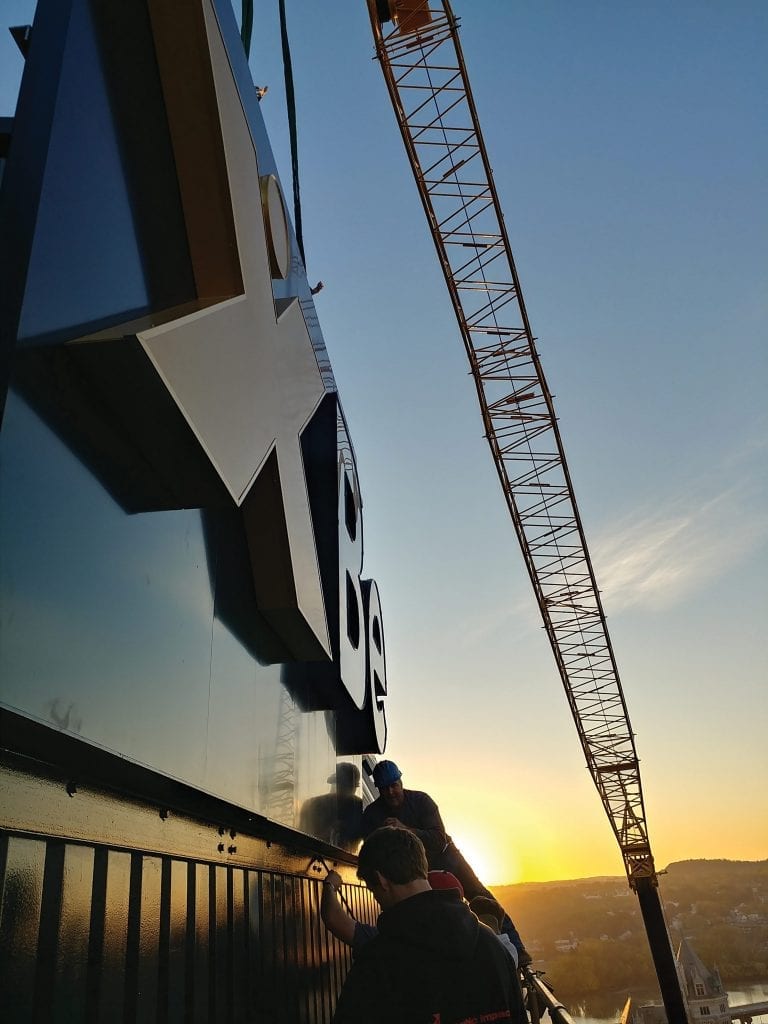
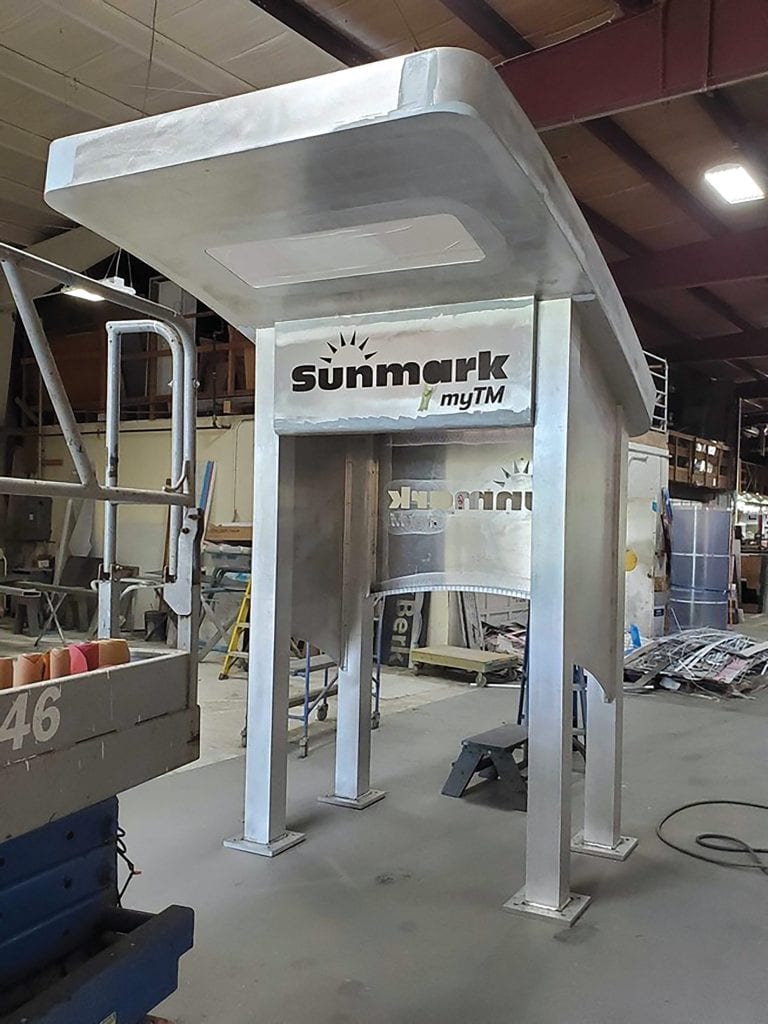
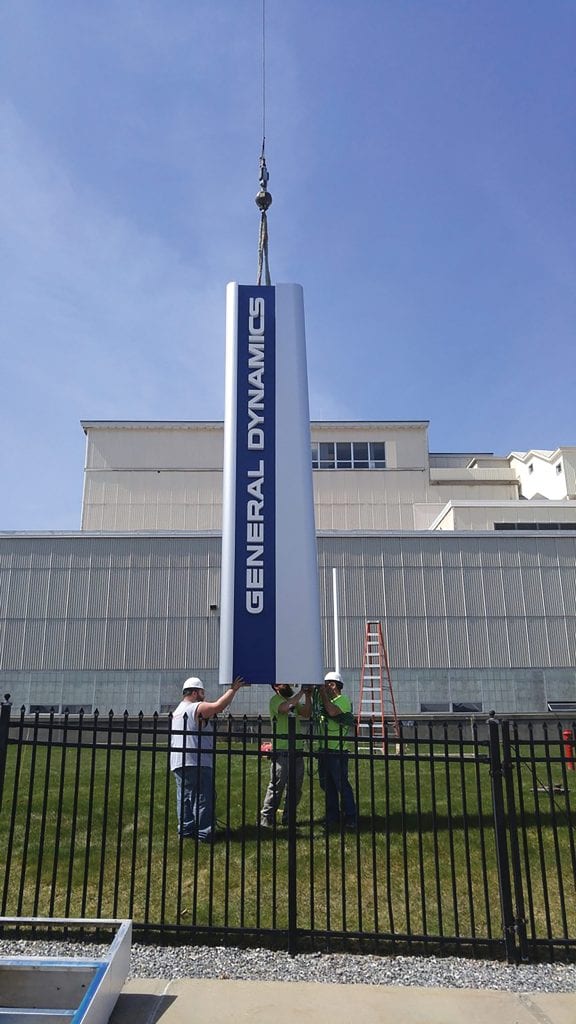
According to Charlie Christianson, those types of adjustments have enabled the town and its businesses to find their way during these difficult times. Christianson, board president of the East of the River Five Town Chamber of Commerce, said COVID-19 forced a number of companies to pivot and find new ways to stay viable. He cited Go Graphix, maker of signs, vehicle wraps, and other marketing materials, as an example of an East Longmeadow company that made a big adjustment and found success by doing so.

“When business fell off at the beginning of the pandemic, Go Graphix pivoted early to make plexiglass partitions as well as signs to help communicate social distancing and mask wearing. Now, it’s a big part of their business.”

In addition to his work with the chamber, Christianson runs CMD Technology Group, a provider of IT solutions and support. With so many people working from home, his business was able to pivot to set up workers who needed remote connections.

“We have seen a lot of activity in our remote-access business where we help companies get their remote employees into their online system in an effective and secure way,” he explained.

“All of our Planning Department functions, such as petitions and site-plan reviews, are being conducted — business as usual. That is, if you accept Zoom meetings as business as usual.”

Chamber member Steve Graham, CEO of Toner Plastics, said several of the products his company makes are considered essential, a designation that kept his workers busy all year. Perhaps the most notable product Toner makes these days is the elastic for N95 masks.

“Since the pandemic, you can imagine the demand for that product went through the roof,” Graham said, adding that, during a time when other companies were cutting back due to COVID-19, his company had to quickly ramp up for more production.

With Toner facilities in Pittsfield and Rhode Island, as well as in East Longmeadow, Graham appreciates the opportunity to continue his operations during these challenging times. “We’re fortunate that we are able to keep people employed and continue to ship to our customers; best of all, none of our employees have been inflicted with COVID-19.”


Go with the Flow

Despite the pandemic, municipal projects in East Longmeadow keep moving. The town applied for a $600,000 grant through MassWorks to improve sewage outflow where it connects to the Springfield system, allowing East Longmeadow to more accurately monitor what gets sent to Springfield.

“While it’s not a glamourous project, it’s a big undertaking and represents a real improvement in our town’s infrastructure,” McNally said.

After years of applying to the Massachusetts School Building Authority, East Longmeadow is in the eligibility period to explore funding for a new high school. McNally said this milestone is significant because it represents the first step in the process to eventually replace the current, 60-year old facility.

For many years, residents have been concerned about the site of the former Package Machinery site, with any potential development hampered by its industrial zoning status. McNally said the Town Council and the Planning Board have recently taken action to change the zoning status to mixed use, which would allow residential as well as commercial buildings to locate there.

“While no official project is in front of the Town Council, one development that has been discussed could include single-family homes, condominiums, apartments, and light-use business entities,” McNally said. “The idea is to have a new walkable neighborhood near the bike trail and the center of town.”

To keep projects like these moving forward, McNally and her staff are working to develop a new master plan for East Longmeadow. The last master plan for the town dates back to 1976, prompting her to put this effort high on the must-do list. The first phase of the plan is scheduled to be complete by June 2021.

A master plan allows the town to move from talking about projects to getting them done. One example is Heritage Park, where architect drawings were generated in 2016 to add athletic fields, an amphitheater, and other improvements. The $5 million price tag has kept the redevelopment in the discussion stage.

McNally said including Heritage Park in the master plan improves its chances of eventually reaching completion. “It’s a beautiful resource, and we want to capitalize on it to make the park available to everyone, but right now it’s still a work in progress.”

“We have seen a lot of activity in our remote-access business where we help companies get their remote employees into their online system in an effective and secure way.”

During the pandemic, the chamber has been successful in bringing people together to talk about the challenges of COVID-19 and a variety of business topics. Christianson credits the chamber’s ability to quickly embrace the virtual world.

“To say we didn’t skip a beat would be an exaggeration, but we’ve done a pretty good job to help our members and to keep a consistent value proposition for them.”

He noted that the chamber has even found a way to keep the popular Feast in the East event going. Traditionally, this is a networking event in which members sample food from area restaurants while local chefs compete for the Top Chef Trophy.

“This year’s event will be like the show Iron Chef, with three local chefs competing in front of judges,” he explained. Offered as a paid Zoom event, ticket purchasers can watch the competition and receive a ‘takeout’ package of offers from local restaurants. “Through creative thought and hard work, the chamber found another way to still run this popular event.”


Here’s the Scoop

One of the real strengths of East Longmeadow, according to Christianson, is the healthy mix of residential and business interests. One intriguing project scheduled to open next year involves the train depot built in 1876 and located in the center of town.

Earlier this year, Graham bought the train depot and the three acres where it sits. He is in the process of converting it into an ice-cream shop called the Depot at Graham Central Station.

“Even though there have been a lot of delays due to COVID, we are finishing up the conversion, and we’re looking forward to opening the depot for the town to enjoy next spring,” he said. Because of its close proximity to the bike path, he hopes to open in the morning and offer light breakfast items, too.

While the anticipation of a new ice-cream shop in town is certainly something to look forward to, Graham said he’s anticipating even bigger news on many fronts.

As a plastics manufacturer, he works with industries as far-ranging as aerospace and automotive to medical devices and retail displays. “We are affected by many of these industries, and when they were down, it had an impact on us,” hs said.

But recent conversations with his customers reveals that many industries are starting to come back, and come back strong. “I have a great deal of optimism for the future.”

Law

Planning for PFML

By John Gannon, Esq. and Meaghan Murphy, Esq.


John S. Gannon

John S. Gannon

Meaghan Murphy

Meaghan Murphy

COVID-19 has created an extraordinary level of uncertainty and anxiety for businesses across the world. Since March, countless employers have been forced to dedicate just about all their energy and resources to sustaining a viable business in the face of mandatory closures, layoffs and furloughs, and ever-changing reopening regulations and guidelines.

In the midst of this chaos, it is easy to forget that the most generous paid-leave law in the country is coming to Massachusetts on Jan. 1, 2021. The Massachusetts Paid Family and Medical Leave (PFML) law provides all employees up to a total of 26 weeks of paid, job-protected family and/or medical leave to each year (up to 12 weeks of paid family leave and up to 20 weeks of paid medical leave). The PFML obligations extend to all employers in Massachusetts, regardless of size. As we approach the Jan. 1 PFML kickoff date, here are five things all businesses should be thinking about as they prepare to implement this complex new law.


Private-plan Exemption

The Massachusetts PFML program is a state-offered paid-leave benefit available to anyone who works in the Commonwealth. PFML is funded through a Massachusetts payroll tax paid by employees and employers with 25 or more employees. Interestingly, there is an avenue for employers to receive an exemption from collecting and paying PFML contributions. If a business offers company-provided paid-leave benefits that are greater than or equal to the benefits provided by the PFML law — typically through a private insurance carrier — it may be granted an exemption from the state PFML program.

Employers seeking an exemption need to submit an application with the state, which usually can be facilitated by the private carrier that is administrating the paid family and medical leave benefit.

Importantly, businesses that opt out of the state PFML program still need to abide by the job-protection and anti-retaliation provisions in the PFML law. Generally, employees who take family or medical leave under the law must be restored to their previous position or to an equivalent position when they return from leave, with the same status, pay, employment benefits, and seniority as of the date of leave. In addition, it is unlawful for any employer to discriminate or retaliate against an employee for exercising PFML rights (more on this below).


Employer-notice Obligations

Businesses are required to notify their workforce about the Massachusetts PFML program, including the new benefits and protections that apply to them. This notification includes displaying the PFML workplace poster in a highly visible location; providing written notice of contributions, benefits, and workforce protections to your eligible employees; and collecting acknowledgments of receipt of such written notice signed by all eligible employees.

Both the workplace poster and model employer-notice forms can be found on the state’s PFML website: www.mass.gov/info-details/informing-your-workforce-about-paid-family-and-medical-leave. Failure to provide the notice can lead to in a fine of $50 per employee for first violations, increasing to $300 per worker for subsequent violations.

Handbook Policies

In addition to meeting their PFML poster and written-notice requirements, employers should review and update other workplace policies that will be impacted by the new law. For example, other leave policies (e.g., sick, PTO) should be updated to note that PFML leave runs concurrently with those other leaves. Employers may also want to update attendance and related discipline policies, including procedures for requesting time off and/or call-out procedures.

It goes without saying — but we’ll say it anyway — that employers should establish and enforce their PFML policy and all other workplace policies consistently.


Performance Management

Employers should examine and recommit to their performance-management, discipline, and documentation policies and procedures. This is because employees who are let go or disciplined after taking PFML may have a lawsuit for retaliation if a business cannot prove the employment decision was related to poor performance or misbehavior. In fact, any adverse action taken against an employee during or within six months of PFML leave is presumed to be unlawful interference or retaliation.

As a result, employers’ expectations for performance and workplace conduct, and the consequences for failing to meet those expectations, should be clearly defined, and employers should document all such failures in a timely manner. This is critical to defending against a potential claim by an employee that his termination constitutes unlawful retaliation for his PFML leave use.


Training

Employers should make sure all managers receive training on performance-management and discipline policies and procedures, as well as how to properly document such issues. Managers should be disciplining employees consistently and holding them accountable for performance and discipline issues. If an employee who has used PFML leave is terminated for performance-related or disciplinary reasons, employers want to be in a position to support their lawful reasons for termination with proper documentation.

A manager turning a blind eye to performance or discipline issues, or failing to properly document them, can cost employers significantly down the road in the face of a lawsuit filed by a disgruntled employee. Well-trained managers are worth their weight in gold.


Bottom Line

Jan. 1 is fast approaching. Massachusetts employers need to be prepared to meet their PFML compliance obligations, which not only involves understanding how PFML benefits work, but also planning for increased frequency of employee time-off requests and longer leaves of absence. Employers with questions about how the new PFML law will impact their business should seek advice from legal counsel. u


John Gannon is a partner with Springfield-based Skoler, Abbott & Presser, specializing in employment law and regularly counseling employers on compliance with state and federal laws, including the Americans with Disabilities Act, the Fair Labor Standards Act, and the Occupational Health and Safety Act. Meaghan Murphy is an associate with the firm and specializes in labor and employment law; (413) 737-4753.

Law

Taxing Decisions

By Hyman G. Darling, Esq.

As this article is being written, the election is pending, and many people are trying to consider the options relative to tax issues for the end of 2020 and going into 2021. Since no one can predict with 100% accuracy what the tax laws will be in the future, even beyond 2021, it is important to consider the options available. Taking action now will allow you (or your heirs) to save funds.

Hyman Darling

Hyman Darling

Before proceeding, a refresher on federal estate and gift taxes may be needed. The federal estate-tax and gift-tax exemption is what is known as a unified credit, which means the amount may be used to make gifts during one’s lifetime or at death, or a combination of both.

The amount currently is set at $11.58 million for 2020. If the law does not change, this amount is due to reduce to $5 million in 2026 (indexed for inflation as of 2010, so this amount will probably be $6 million). This means a person may gift up to $11.58 million during his or her lifetime or at death before any tax is due. If this amount is exceeded, a tax rate of 40% applies to the excess. Since the unified credit may be reduced, larger gifts may be considered prior to year-end before a new law is enacted next year that could be effective as of Jan. 1, 2021.

Many misconceptions apply to gifts, the most popular being the annual exclusion of $15,000 per recipient. Most people believe that, if the $15,000 amount is exceeded, the donor or the recipient must pay a tax. The law states that a person may gift up to $15,000 each year without reporting any gifts. If this amount is exceeded, then a gift-tax return is required to be filed by April 15 of the year following the gift.

But, again, no tax is due until the $11.58 million is exceeded. For example, if a person gifts to their child, there is a requirement to file a return, but the first $15,000 is ‘free,’ and the next $100,000 merely reduces the credit from $11.58 million to $11.48 million, which is still available to gift during the lifetime or at death. Thus, a person does not have to limit a gift to $15,000 as, in most cases, they will not be paying a tax. (Note that this rule is a tax rule, and does not have a relation to Medicaid planning, which treats all gifts as disqualifying for the five-year look-back period.)

If the estate credit is reduced after 2020, it is anticipated that the credit utilized this year will not adversely affect the amount a person will have available under a new law when he or she dies. So, if a person wishes to make significant gifts, they should make them before the end of the year to utilize as much of the credit as they may want.

For income-tax purposes, there are several options to consider. One easy one is the ‘above-the-line’ charitable deduction for up to $300 if given to a qualified charity. This is not for donations of clothing, as it must be a gift of cash, and it qualifies for everyone, even if a person is not itemizing.

Another significant option is that, in 2020, a minimum deduction is not required to be made from an IRA or other qualified plan. However, some people who have little to no other taxable income may still want to take a distribution as their tax bracket may be low enough to eliminate taxes this year.

“If the estate credit is reduced after 2020, it is anticipated that the credit utilized this year will not adversely affect the amount a person will have available under a new law when he or she dies. So, if a person wishes to make significant gifts, they should make them before the end of the year to utilize as much of the credit as they may want.”

In addition to this option, there is also the benefit for those age 70½ and older who may wish to make a donation to charity. Funds may be paid directly to a charity (or multiple charities) from the retirement account, and this donation will not be taxable income. The annual limit is $100,000, but the distribution does satisfy the required minimum distribution (RMD). If the taxpayer is going to make donations in any event, the IRA should be used to fund the donations.

The amount does not get added to taxable income, so the taxable amount will be less, Social Security payments may then not be taxable, and the Medicare premium will not be higher as the RMD does not get factored into the calculation.

If a taxpayer has losses to report, they may be taken and either reduce income up to $3,000 or perhaps offset gains of other assets. If a person has gains, they may wish to take the gain in 2020 with the anticipation that capital-gains rates could increase and/or income-tax rates may increase.

As with all tax and estate-planning considerations, there are many general rules with specific exceptions, so a qualified professional should be consulted prior to making any decisions. But be sure to get started soon, as decisions should be made and implemented prior the end of 2020.


Attorney Hyman G. Darling is a shareholder and the head of the probate/estates team at Bacon Wilson, P.C. He is a past president of the National Academy of Elder Law Attorneys and has been a frequent presenter for the Massachusetts Bar Assoc., MCLE, and many Springfield civic and professional groups. He is a member of the Special Needs Alliance and many local planned-giving committees, as well as an adjunct faculty member in the LLM Program at Western New England University School of Law and Bay Path University; (413) 781-0560; [email protected]

Coronavirus Technology

Remote Connections

Zasco Productions recently held a hybrid drive-in event

Zasco Productions recently held a hybrid drive-in event for a pancreatic-cancer organization — one way it’s filling the void with live events curtailed.

While most of the business world slowed gradually in March, or even ground to an eventual halt, the story was more dire for the events industry.

It just … stopped.

“When the whole country shut down, we were impacted immediately. We were one of the first business sectors to really feel the effects,” said Andrew Jensen, president of Jx2 Productions, noting that among the state’s first orders was barring large — and eventually even modestly sized — gatherings.

Within a day or two, he recalled, “we had no business left, just one or two things left for the rest of the year. Everyone freaked out. From weddings to live events to conferences to concerts, everything was gone overnight. It was non-stop with the phone calls. It was unlike anything I’ve ever felt. When there’s some kind of natural disaster or act of God, everything might be off for a while in one area, but never worldwide like this.”

After hunkering down for a while to get a sense of what was to come, it was time to get off the mat and figure out how to move forward in 2020. In Jensen’s case, like most players in his industry right now, that meant a shift to a new type of virtual, or online, event.

“Like any major shift in business, it’s a learning curve; it’s a challenge to make the transition from only live events with some streaming at them to all streaming events. It was definitely a shift not only in our business, but in the mentality of people asking to do them.”

“Like any major shift in business, it’s a learning curve; it’s a challenge to make the transition from only live events with some streaming at them to all streaming events,” Jensen explained. “It was definitely a shift not only in our business, but in the mentality of people asking to do them.”

The typical live gathering might include livestreams as a secondary factor, he said, mostly at higher-end events; smaller companies typically don’t bring in a secondary audience remotely. “We had to shift our mentality, and that was hard. Did we have redundancies and protocols in place? What if we lose somebody on the other end? How does that effect everyone?”

Michael Zaskey has been dealing with those questions, too, since the industry crashed to a halt in mid-March.

“We were the first to go, and we’ll be the last to come back in a traditional sense,” the owner of Zasco Productions told BusinessWest. “We knew pretty quickly that online and virtual events were going to be the norm for a while.”

At first, companies thought they could take a DIY approach, he added. “Initially, folks were trying to do things with Zoom and GoToMeeting. Those are awesome tools for meetings or small-group sessions, but not for producing events. You can have a board meeting or discussion over Zoom, but if you want to engage and entertain and create an experience similar to a live event, that’s not the right tool. You still need a production company.”

Jx2 Productions has boosted the technology in its control room

Jx2 Productions has boosted the technology in its control room, and out on the road, to meet the needs of a largely virtual event landscape.

The world is figuring that out. Based on projections from Grand View Research, virtual events will grow nearly tenfold over the next decade from $78 billion to $774 billion. And that puts a squeeze on businesses like Jx2 and Zasco.

“People figure a virtual event costs less than a live event because you’re not renting ballroom space, but on the production side, it’s just as expensive, or even more,” Zaskey said. “We’ve tried to be flexible with budgets, but we’re working with a very slim margin.”

It’s a challenge that will remain, at least in the short term.

“Obviously, it will be a long time before live events come back full force,” he added. “Virtual events will never replace a live event, which is so much about the networking, and people miss that. But in this time of pandemic and crisis, they’re viable solutions that allow people to connect and participate.”


Technical Concerns

The first thing people need to learn in this new landscape is the terminology, Zaskey said. “Like, when people started using the phrase ‘socially distant,’ I’ve always thought we say that wrong. We should be socially connected and physically distant. Or connected with technology.”

Likewise, people often mean different things when they say ‘virtual event.’ “People started throwing that term around, but it means something different for every person we talk to.”

That’s because, in his world, virtual events have often meant events that occur in a virtual space, like a corporate meeting in which the CEO stands on a virtual stage in front of a greenscreen, backed by a set created electronically, as if standing in a video game or virtual-reality environment. “What most people call a virtual event today, we use the term ‘online event.’ That’s more accurate.”

There are hybrid events, too, which mix in-person and remote elements. “Instead of 500 people in a room, maybe you have 20 smaller rooms with 25 people in each room, physically distanced, and connect those rooms electronically” — a good option even in non-pandemic times for large, national companies that don’t want to fly everyone to one location for an important gathering.

Zasco is also doing some drive-in events, like a recent pancreatic-cancer fundraiser in Connecticut that had been postponed from May. “We wanted to keep our audience engaged, so we did a drive-in event and spaced out the cars, with a large screen outdoors, and you could listen through FM radio.”

While short speeches were delivered on stage — again, in a distanced fashion — the biggest donors and benefactors attended live in their cars, with others able to watch through a webstream.

“We’ve done a number of those for nonprofits, schools, and corporations,” Zaskey said. “That’s been pretty successful. I’ve been impressed how good people have been about following the rules. People, by and large, are wearing masks and staying in their cars. I’ve been impressed, because people aren’t always known for following rules.”

“We’ve done a number of those for nonprofits, schools, and corporations. That’s been pretty successful. I’ve been impressed how good people have been about following the rules. People, by and large, are wearing masks and staying in their cars.”

One pressing issue at online and hybrid events, of course, is connectivity and having the redundancy and bandwidth to keep connections from going down. “We’ve had to think and engineer our way into … not necessarily new technology, but using it in new ways. It’s always changing and growing.”

Part of the challenge is communicating issues to attendees, he added. If a hotel ballroom loses power, all 500 people attending in person experience the same thing and know what’s going on. “If 500 people tune into a stream and lose power to the master control room, those 500 people have no idea what happened.”

Jensen agreed that technical concerns were paramount. “It was slightly challenging at the beginning for us tech people,” he said, adding that another challenge has to do with communication — not only with the crew, but with presenters who may be in different locations.

“We’ve done thousands of events over 20 years, and the process is different. We’d have a stage manager go on stage and hand someone a microphone. Now you have to make sure you have plenty of rehearsals and walk them through the process.”

Technology upgrades are a must as well, both for production companies and their clients. “A standard laptop camera and microphone don’t work — certainly it’s not high-enough quality. So we created ‘cases’ and sold a couple dozen to clients, and have some in own inventory. This allows them to have much better image and quality and make their event that much better. We all know a standard iPhone camera or computer camera is not that great.”

Like Zasco, Jx2 found a niche in drive-in events, like graduations. And because the company got into streaming at least 15 years ago, as it went mainstream, it wasn’t too difficult to shift focus to that side of the business this year. “We kind of already had a foot in the door.”

One upside to the current situation, Jensen said, is that it’s forced businesses to think differently about their events.

“It’s a chance for our clients to think outside the box and become OK with not doing things the standard way, the rinse-and-repeat event you’ve done for 10 or 20 years. You get used to doing things a certain way: guests arrive at this time, you do a cocktail hour, there’s a formula to every live event.

“Now, you’re trying to recreate something where the guests’ attention span is definitely lower because it’s virtual, and you’ve got a lower level of interaction from guests,” he went on. “You’ve got to make sure whatever you put on the screen will resonate with guests.”

Working creatively to achieve that goal, he said, can often spark inspiration for future events as well, even the live ones that will return … someday.


Optimistic Outlook

Zaskey is looking forward to that day.

“We’re pretty fortunate to be pretty busy, but the profit margins are not the same as they are for live events,” he said. “The entire industry is still struggling greatly.”

Much of the staff laid off in March has come back on a part-time basis as jobs are scheduled. “A lot of what we’re doing, we have to deeply discount, not just to be a good neighbor and help clients so they can pull out of this as well, but to keep our people working.”

One long-term concern is a possible ‘brain drain’ as the pandemic wears on, he added.

“The industry is at risk of losing talent, and that scares us a little bit. As people get desperate and wonder about the future, they might consider career changes. Maybe they’ll come back, but maybe they won’t — maybe someone has always wanted to be a chef, and decides it’s time to go to culinary school. When the world bounces back and live events come back, we need highly skilled people to work on them.”

And events will come back, Jensen said, if only because people desperately want to attend them. “Human nature is interactive; we want to see people, be with people, go to dinner, go on vacation. Most people aren’t homebodies. People over the summer couldn’t wait to go to the beach or go camping. You couldn’t buy a kayak.”

In the same way, “I think live events will come back massively once we get through this pandemic and the comfort level comes back up.”

In fact, Jensen predicts bottlenecks as venues book up quickly once they get the go-ahead from the CDC and state officials. “I think it’s going to be the end of ’21 into ’22 when events pick up fully. We’re a couple years out from full recovery. But people will be eager to plan these things.”

Zaskey agreed. “It’s still very, very tough, and it’s going to be tough for a long time,” he said, but he looks back to 9/11 for a possible parallel. Events suffered mightily after that tragedy as well, but 2002 through 2004 were Zasco’s biggest growth years.

“People wanted to get back to live events. And I think the same thing will happen when the pandemic is over. Getting to that point is the challenge.”


Joseph Bednar can be reached at [email protected]

Banking and Financial Services Coronavirus Special Coverage

Lending Support

Chuck Leach, president and CEO of Lee Bank.

Chuck Leach, president and CEO of Lee Bank.

Community banks love commercial lending, Chuck Leach says.

“It’s just good business for us — Main Street lending, that’s where we can have a nice give and take with customers. It’s kind of our wheelhouse.”

That’s all still true, even though 2020 has rocked that wheelhouse in unexpected ways.

“We’re not seeing the same commercial demand,” said Leach, president and CEO of Lee Bank. “It’s either risk aversion or businesses are waiting to see what happens.”

Or, in some cases, they’re extra liquid after taking advantage of the Paycheck Protection Program (PPP) and other stimulus measures, as well as deferring payments on other bank loans, he added. “Put all that together, and they may not have borrowing needs right now, or they’re sitting on their liquidity until they see some clarity with the pandemic or the election or both.”

Clarity has been in short supply since the COVID-19 pandemic forced a widespread economic shutdown at the start of spring that continues to wreak havoc.

Michael Oleksak remembers the first few months of the year, of hearing occasional news about the novel coronavirus back in January, and much more of it as February crept along.

“I’d been asking myself for years, ‘what are we missing? What’s next?’ Because there had to be a ‘next.’ Who would have thought it would be a pandemic?”

“Then, from mid-March into April, everything was a blur. It just spiraled,” said Oleksak, executive vice president, senior lender, and chief credit officer for PeoplesBank, before discussing the PPP surge and other measures that followed (more on that later).

Blurring the picture further was the very uncertainty of what was coming. Having experienced several economic upheavals, from the bank failures of the early ’90s to the bursting of the dot-com bubble in 2000 and 2001, to the housing crisis in 2007 and 2008, he had no idea what the next crisis would be.

“I’d been asking myself for years, ‘what are we missing? What’s next?’ Because there had to be a ‘next.’ Who would have thought it would be a pandemic?

“This will be the fourth economic cycle I’ve been through, and every one has been different,” he added. “And this one is far different than the others. We’re not seeing a lot of new activity. I think everyone is kind of hunkered down, for lack of a better word, in survival mode.”

As Allen Miles, executive vice president at Westfield Bank, put it, “obviously this one was a lot different. You couldn’t see the train wreck coming; that’s the best way to explain it. It just got dropped on us.”

What happened next in commercial lending is an oft-told story recently, but one worth telling again. What will happen next … well, no one really knows. But banks will certainly take lessons from a challenging past seven months as that story takes shape.


Lending a Hand

Miles said Westfield Bank started reaching out to loan customers in February when coronavirus became a more widely reported issue. In mid-March, like other banks, it was actively sending employees home. And then the storm hit.

From mid-March into the start of April, “that two weeks was absolutely crazy because you had people looking for loan deferrals, and the bank examiners were very friendly to both the banks and borrowers to try to help these people out,” he recalled. “We were just trying to help our customers. You’re not worried about loan origination; you’re just worried about getting people through the unknown and the craziness.”

Michael Oleksak says new lending activity has been down

Michael Oleksak says new lending activity has been down because many businesses are “in survival mode.”

The first Monday in April, the bank received about 500 PPP applications, and about the same number the next day.

“We needed to get all hands on deck,” Miles told BusinessWest. “We were still waiting on guidance from regulators and the Treasury Department. We had people afraid for their livelihoods, their families, and everything. It was organized chaos.”

The bank got $185 million in PPP loans approved in that first round, what he called a “herculean task.” The second round, several weeks later, was much less chaotic. “That was more for the smaller businesses — a lot more applications, but smaller in dollar size. We were able to keep up with those because we’d been through it, and they weren’t as complicated.”

Oleksak said the PPP was a critical lifeline for a lot of people. “There was kind of a mass panic there wouldn’t be a round two, which put a lot of pressure on the banks and our customers, trying to rush to get them into a program that was not very well-defined from the outset,” he recalled. “Then round two came along, and everyone who needed funds was able to access them, and that made a big difference.”

Leach said the widely reported chaos was quite real, but the larger story was a positive one.

“For now, this has put a lot of capital in the banks and a lot of capital in businesses in our region and beyond. A lot of our customers are in good shape right now.”

“In spite of the controversy, and the people who thought they were making up the rules as they went along, I think the PPP was very functional,” he said. “We’re seeing a lot of customers well-capitalized right now, which is the untold story nationally.

“Maybe that changes and this is just a Band-Aid,” he added, due to the lack of clarity about the next few months, from fears of a second COVID-19 surge to the limbo status of further federal stimulus. “But, for now, this has put a lot of capital in the banks and a lot of capital in businesses in our region and beyond. A lot of our customers are in good shape right now.”

Lee Bank processed 348 PPP loans and has submitted more than 100 forgiveness applications, although some customers are waiting to see if the federal forgiveness guidelines change, specifically whether “they do a sweeping approach where everything under $150,000 is forgiven with a very, very simple forgiveness application.”

Again, borrowers want clarity. Still, Leach came back to the positive impact his bank was able to make with the PPP — and also with loan-payment deferrals for about 240 customers, with about $60 million deferred in total. “In a bank that has $400 million in total assets, you can see that’s a good chunk,” he said, adding that only a fraction of those customers requested a second deferral period.

Oleksak and Miles both reported similar trends, with requests for continued deferrals dropping after the first 90-day period.

“Thirty days before the first deferment was up, we contacted people, and 85% to 90% said, ‘we’re good, we’re not going to be looking for a deferral going forward.’ So that made us feel really comfortable,” Miles said. “With the PPP and the deferrals, it bridged the gap for customers.”

“We’re being very sensitive,” added Kevin O’Connor, Westfield Bank’s executive vice president and chief banking officer. “We’ve been very involved with them, understanding their needs and how the bank can work with them.”

While borrowers in the broad hospitality sector continue to struggle, for obvious reasons, most customers have come through the past seven months well with the help of PPP and loan-payment deferrals, Miles added. “The main ones hurting are the ones being affected by the phases and the rollouts — restaurants, bars. They’ll take a while to get back on their feet.”


Starts and Stops

That’s true in the Berkshires as well, Leach said, and restaurants in particular are worried about the onset of cold weather and an inability to seat more customers, due to both the state’s indoor-capacity restrictions and the reluctance among some patrons to eat inside restaurants right now.

But the region’s hospitality businesses have benefited in others ways during the pandemic; in fact, one bed-and-breakfast he spoke with did record business this summer.

Allen Miles says some loan customers are doing well

Allen Miles says some loan customers are doing well, while others, particularly in hospitality, continue to struggle.

“People left urban areas for a safer place, whether for weekends or longer,” he said, adding that some secondary homes became primary homes, while other people bought first homes in an area they felt was safer than, say, New York City. “Interest rates are obviously really low, but there’s also the fear factor of ‘wait, I’ve got to get out of this urban area.’ So there’s been a huge sense of urgency to buy in an area like the Berkshires.”

Unlike some lending institutions, Westfield Bank has seen healthy activity in loan originations recently, Miles said.

“The deferments and PPP money actually made some people stronger because it’s been cash preservation instead of cash burn,” he noted. “Usually for commercial lending, it starts getting busy after Labor Day. We weren’t sure if we were going to see that cycle again, but now it’s quite busy, and people are active. So that’s a really good sign.”

That activity is strong across the board, particularly in commercial real estate, where customers are refinancing for a lower rate or selling, he explained. “It’s a great time to sell — low interest rates, lower cap rates, people are going to pay you more for the property — so you’re seeing a lot of transactions going on right now.”

Commercial and industrial (C&I) loans are healthy as well, he said, adding, of course, that, “with anything related to hospitality or travel, the jury’s still out on that. The longer this [pandemic] hangs over us, the longer the recovery for them.”

At PeoplesBank, Oleksak said, many customers have been accumulating cash and paying down lines of credit, or shopping around to lock in better long-term rates on loans, which is a challenge for banks already facing flattened yield curves. “I think the depth of the crisis is a little bit masked by the amount of stimulus money in the market, from PPP, SBA programs, and deferments.

“The deferments and PPP money actually made some people stronger because it’s been cash preservation instead of cash burn.”

“Some individuals out there are suffering mightily, particularly restaurants and hospitality,” he added. “The other great unknown is, we don’t have a vaccine yet. Are we going to see another spike? People are trying to get back to normal here, but I’m not sure what the new normal is going to look like.”

He pointed to his own institution as an example. Between half and two-thirds of PeoplesBank employees are still working remotely, a trend being reflected across all geographic regions and business sectors.

As a result, “nobody really knows what’s going to happen with the office segment of the market, with so many people working from home. Will they go back at some point? Will companies decide they don’t need so much space, or does social distancing mean you have fewer people but still need more space? It’s a total unknown for us.”

It’s unfortunate that some industries, like restaurants, will likely see a slower return to health, O’Connor said, “but it’s good to see customer confidence in some areas coming back, even a little bit sooner than we would have expected.”

Miles agreed. “We’re very happy with what we’re seeing right now. It’s not behind us, but it’s not as bad as people anticipated. If activity is picking up and people are borrowing, they’re confident, which is good.”


Joseph Bednar can be reached at [email protected]

Community Spotlight

Community Spotlight

By Mark Morris

John Page and Claudia Pazmany

John Page and Claudia Pazmany say the chamber has stepped up its role this year in many ways to help businesses, including those in Hadley.

Before the pandemic, up to 80,000 cars would travel on Route 9 in Hadley each day, bringing workers, students, and customers to and through the town.

Known for its agriculture, proximity to the Five College community, and a robust retail corridor along Route 9, Hadley has been challenged, like all towns, since the arrival of COVID-19. But efforts by a group of town officials are meeting those challenges to keep Hadley viable today and well into the future.

David Nixon, deputy town administrator, said area colleges play an important role in the local economy. Hadley’s location is central to the Five College community, but Nixon actually sees it as a 30-campus community because that’s how many colleges are within an hour’s drive of Hadley.

While some campuses are open, others have stayed closed, and some are taking a hybrid approach, mixing on-site classes with distance learning.

“This has had an impact on local businesses,” he said, noting that less activity at the colleges, most notably UMass Amherst, which borders Hadley, adds to the struggles many businesses are facing as they try to comply with pandemic restrictions and stay afloat. “Right now, we are doing as much as possible to keep people safe and to support our businesses.”

Hadley officials have reduced licensing fees and expedited the process for businesses that are adapting to state COVID-19 guidelines. For example, when restaurants had to amend their food and liquor license permits to allow outdoor service, Nixon said the town was quick to respond to get the changes made.

“We’ve also expedited the inspections that are necessary when a business changes the footprint of their building,” he added, noting that cooperation among the town’s Planning Board, building inspectors, Fire Department, and Select Board ensured an easier process for the businesses involved.

Hadley is also one of seven communities benefiting from a $900,000 Community Development Block Grant to help microbusinesses stay afloat during the pandemic. Easthampton is the lead community on the grant, which allows businesses with five or fewer employees to apply for up to $10,000 in grant money.

David Nixon

David Nixon

“This project is also an opportunity to replace 100-year old sewer and water pipelines under Route 9. By doing this all at once, it will save taxpayers a lot of money.”

Also pitching in to help businesses is the Amherst Area Chamber of Commerce, which covers Hadley and other surrounding towns. Claudia Pazmany, executive director of the chamber, said the area has been fortunate in that the number of COVID-19 cases is lower than most parts of the state. To keep it that way, the chamber is now providing PPE, as well as printed posters and floor decals, that reinforce messages of social distancing, mask wearing, and hand washing. Available at no charge to chamber members, the signage is just one of the ways to help businesses get back on their feet.

“These are not business-saving techniques by themselves, but we hope to help our members reduce their costs as they open back up under the new guidelines,” she told BusinessWest.


Lines of Communication

The chamber has stepped up its role during the pandemic in other ways as well. “Our ability to advocate for and to market our businesses has become even stronger since COVID-19,” Pazmany noted, adding that it’s one of the few “silver linings” of these times.

The town and the chamber have been working together on a series of Zoom meetings with local businesses to hear their concerns and offer whatever help they can, she said. “We’ve been hosting these meetings to keep an open conversation between the town and businesses.”

One of the popular topics in the meetings has been the widening of Route 9, which is expected to start next year. The $26 million project will add travel and turning lanes to the road.

“This project is also an opportunity to replace 100-year old sewer and water pipelines under Route 9,” Nixon said. “By doing this all at once, it will save taxpayers a lot of money.”

Pazmany said the Route 9 widening has been in the planning phase for years, and once complete, the improvements will benefit all who use the roadway.

“Many people use the bus to go to work and school. Among other things, the widening project will provide much safer bus stops and allow buses to get more people moving in an efficient manner.”

The widening project will begin at Town Hall and go east for 2.6 miles to the intersection of Route 9 and Maple Street.

Business owners located along Route 9 have expressed concerns about the loss of business due to COVID-19 being followed up by a loss of business due to road construction. To alleviate that concern, the town has applied for an economic-development grant to market the Route 9 corridor. John Page, the chamber’s marketing and membership manager, said the idea is to position Route 9 as a great place to open a business.

“The grant would be about marketing and planning the future of Route 9 post-COVID,” he explained. “Hopefully, that’s coming sooner rather than later.”

As plans for the future of the town come into focus, Pazmany reminded everyone that Hadley has a great deal to offer right now.

“For those looking for a day trip, this is the time to come and visit,” she said, adding that, with the arrival of autumn, “Hadley will be at its most beautiful and picturesque in the next few weeks.”

She noted that many local restaurants participate in farm-to-table efforts with Hadley farms supplying many of the vegetables.

And, as more people take part in outdoor activities, the Norwottuck Rail Trail bike path has seen more riders than ever before, she said. The path runs completely through Hadley and features scenic views of farms and neighborhoods.

Hadley at a glance

Year Incorporated: 1661
Population: 5,250
Area: 24.6 square miles
County: Hampshire
Residential Tax Rate: $12.78
Commercial Tax Rate: $12.78
Median Household Income: $51,851
Median Family Income: $61,897
Type of Government: Open Town Meeting, Board of Selectmen
Largest Employers: Super Stop & Shop; Evaluation Systems Group Pearson; Elaine Center at Hadley; Home Depot; Lowe’s Home Improvement
* Latest information available

Nixon said the rail trail gives people another perspective on his town. “I often talk about the view of Hadley from Route 9 and the view from the bike path. They look like two completely different communities.”


Moving On

Two out of three building projects started last year in Hadley have been completed. The new Senior Center is complete and providing remote programs for residents. The new fire substation is also up and running, and the town library is close to completion.

As those projects conclude, Nixon is planning to wrap up his 15-year career with Hadley and retire on Dec. 31. To transition out of his role as town administrator, he has assumed the title of deputy town administrator while he helps Carolyn Brennan, the recently hired town administrator, transition into the job.

As someone who has been involved in municipal governments for more than 30 years, Brennan’s experience ranges from working with councils on aging in Amherst, Hampden, and East Longmeadow. She remains active as a selectman in Wilbraham, where she lives. Back when Brennan was a student at UMass, she lived in Hadley and worked at the Shady Lawn Rest Home.

Brennan said she’s glad to be back and described Hadley as being in great shape thanks to the town employees and Nixon’s management. “Having worked in other municipalities, I’m impressed with the all of the employees; they are real stakeholders in their community.”

She also appreciates having Nixon work with her while she gets acclimated to the job. “With David staying on until the end of the year, you couldn’t ask for a better transition plan for the town and for me.”

As for Nixon, he reflected on his career with Hadley and spoke of how rewarding it was to serve the town for 15 years.

“I’ll definitely miss the people,” he said. “I’m glad I was part of advancing our community a little further down the road.”

Technology

Career Connections

To celebrate Massachusetts STEM Week, Oct. 19-23, Springfield Technical Community College (STCC) announced a week-long series of events.

STEM Week 2020 is organized by the Executive Office of Education and the STEM Advisory Council in partnership with the state’s nine regional STEM networks. It is a statewide effort to boost the interest, awareness, and ability for all learners to envision themselves in science, technology, engineering, and mathematics (STEM) education and employment opportunities.

The theme for the third annual statewide STEM Week is “See Yourself in STEM,” with a particular focus on the power of mentoring.

Barbara Washburn, interim dean of the School of STEM at STCC, said the initiative represents an opportunity to learn about interesting and exciting real-world applications of STEM.

“We’re thrilled to participate in STEM Week again this year. We have several engaging live and recorded virtual events planned,” Washburn said. “As the only technical community college in Massachusetts, STCC is known for its high-quality STEM programs, and this is a chance to showcase them.

“We invite our students and the general public to participate in these free events,” she went on. “We particularly encourage people who are underrepresented in STEM to join us. They include women, people of color, first-generation students, low-income individuals, English-language learners, and people with disabilities. We want to show how everyone can see themselves in STEM.”

The following events will be held live through Zoom videoconferencing. For more information and to register, visit stcc.edu/stem-week.


• Monday, Oct. 19, 11 a.m. to noon: “Farming While Black: Uprooting Racism, Seeding Sovereignty.” Naima Penniman, program director of Soul Fire Farm, will give a talk about the importance and value of food production. The presentation will explore racism in food distribution, access, and other related topics. This is a collaborative event with HSI STEM, the Officer of Multicultural Affairs, the School of STEM, and the Urban Studies program.


• Tuesday, Oct. 20, 2-3 p.m.: “Know Where Your Food Comes From.” Speakers include Ibrahim Ali, co-director of Gardening the Community; Dr. Raja Staggers, assistant professor of sociology; and Jose Lopez-Figueroa, director of the Center for Access Services. The event features a panel discussion on the importance of food security, the prevalence of food deserts in our inner cities, the need to know where food comes from, and food access within the Greater Springfield community. This is a collaborative event with HSI STEM, Multicultural Affairs, the School of STEM, and the Urban Studies program.


• Wednesday, Oct. 21, 10 a.m. to noon: “Virtual STEM Careers Symposium.” Hosted by the STEM Starter Academy at STCC, this event features UMass Amherst professors and STEM industry leaders who will participate in an interactive symposium on STEM pathways and careers.


• Friday, Oct. 23, 11:15 a.m. to 12:15 p.m.: Dell Technologies will host a webinar about employees’ experience with the company.

STEM Week will also feature recorded presentations featuring faculty in specific STEM programs. The following are planned:

• Physics: “The Science of Sports and the Engineering Behind Sports Equipment.”

• Engineering: “Computer Application in Engineering”.

• Optics and Photonics: “What is Optics & Photonics?”

• Math: “The Mathematics Behind Bin Packing.”

• Manufacturing: “Extreme Precision: Splitting Hairs on a CNC Machine and Measuring Them in the Metrology Lab,” and a video created at Governors America Corp., an electronics manufacturer in Agawam.

• Robotics: A demonstration of a Fanuc robot functioning as a pill sorter with programmable logic controllers.

• Computers/IT: “What is Computer Systems Engineering Technology?”


While there is a concentration of events planned for STEM Week, STCC offers STEM-themed discussion and presentation for students and the public throughout the year. In early October, STCC STEM Starter Academy joined students and researchers from UMass Amherst, Florida International University, and other universities and organizations from across the globe as part of the International Assoc. for the Study of the Commons (IASC) Global Symposium on Commons Without Borders: Global Multiscale Ecosystem Frameworks. A playlist of the symposium’s presentations is available on STCC’s YouTube channel.


Banking and Financial Services

Seeking Relief

By Lisa White and Malik Javed


On March 27, the Coronavirus Aid, Relief, and Economic Security Act, or CARES Act, was signed into law. The Act has provided taxpayers with much-needed relief during this pandemic by establishing additional funding sources, such as the Paycheck Protection Program (PPP); by creating new tax credits, such as the Employee Retention Credit; and by significantly changing several existing tax provisions.

Lisa White

Lisa White

Malik Javed

Malik Javed

When reviewing what relief is available, taxpayers should consider all possible opportunities, including cost-segregation studies, which help identify misclassified Qualified Improvement Property (QIP); by reviewing current- and prior-year capital expenditures for retirements, dispositions, or repair deductions; and by considering accounting-method changes necessary to take full advantage of the new provisions in the tax law.

Two key changes to existing tax law within the CARES Act that provide cash flow for taxpayers include changes to the cost-recovery period for QIP and changes to the application and recognition of Net Operating Losses (NOLs).


Qualified Improvement Property

Qualified Improvement Property (QIP) is defined as any improvement made by the taxpayer to an interior portion of a commercial building as long as the improvement is placed into service after the building was first placed into service by any taxpayer. Additionally, QIP specifically excludes expenditures for the enlargement of a building, elevators or escalators, and the internal structural framework of a building.

Prior to the CARES Act, a drafting error in the tax law required QIP placed in service after Dec. 31, 2017 to use a 39-year tax life, making it ineligible for bonus depreciation. The CARES Act retroactively changed the recovery period for QIP to 15 years, thus making it eligible for bonus depreciation through 2026 (100% through 2022).

Taxpayers who want to take advantage of deducting the cost of improvements to real estate must segregate between interior and exterior improvements, as well as identify items excluded from QIP. Since budgets and design plans should be reviewed to identify these items, cost-segregation engineers can be engaged to assist with this analysis.

Tenant improvements often include items that are not eligible for QIP treatment. For example, HVAC costs in a retail shopping center might include both ductwork inside the building that is eligible for QIP and package units on the roof that are not eligible. Other examples include certain storefronts and interior seismic retrofits. When evaluating QIP, taxpayers should not assume all tenant improvements automatically qualify. Although QIP is now eligible for 100% bonus depreciation for federal income taxes, many states do not conform to bonus deprecation and require a 39-year tax life. For higher-taxed states, cost segregation can still make sense when interior improvements are significant.

Taxpayers who elected out of the business interest expense limitation under 163(j) are required to use a 20-year ADS life for QIP and are not eligible for bonus depreciation. In these cases, a cost-segregation study is greatly beneficial because the items segregated into personal-property categories do not get ADS treatment and are therefore eligible for bonus depreciation.

There is also an additional interplay with the business interest expense limitation provision. Part of the calculation to determine the amount of limited business interest expense for a given year includes determining the adjusted taxable income (ATI). This calculation favorably considers tax depreciation, but only for one more year. For tax years beginning after 2021, the deduction for depreciation, amortization, or depletion are not taken into account in calculating ATI. Thus, any bonus depreciation recognized on assets identified through a cost-segregation study will incrementally increase the ATI.


Net Operating Losses

Prior to the CARES Act, the Tax Cuts and Jobs Act (TCJA) and other legislation severely constrained the ability to use net operating losses to lower tax liabilities. TCJA restricted carrybacks of NOLs generated in tax years after Dec. 31, 2017 and limited carryforwards to 80% of taxable income.

The CARES Act made two significant changes to NOLs that provides cash flow for businesses:

• Net operating losses (NOLs), which are generated in 2018, 2019, or 2020, can now be carried back five years. Businesses that paid federal income taxes in 2013 to 2017 may be able to claim a tax refund as a result of 2018, 2019, or 2020 NOLs. Procedurally, NOLs are carried back to the earliest of their five-year period and then to subsequent tax years. But taxpayers may elect to forgo the five-year carryback and carry NOLs forward.

• The CARES Act suspends the 80% limit on carryforwards, allowing NOLs to fully offset taxable income until the end of 2020. An NOL carryback can also free up unclaimed federal tax credits and other tax attributes from closed tax years. If the NOL carryback results in credits no longer being used in the closed year, these items are eligible to be carried forward. In addition, if credits or other tax attributes were missed on the original return (e.g. unclaimed Research Tax Credit), the taxpayer may determine the unclaimed credits in the closed year and carry them forward without having to amend returns.

The calculation of NOLs for tax years beginning in 2019 and 2020 may be greater because of changes in the CARES Act to Section 163(j). The changes allow certain taxpayers to increase their business interest expense deduction based on a higher percentage of adjusted taxable income. Taxpayers should also consider the impact of additional tax depreciation on shorter-lived assets eligible for bonus depreciation, such as QIP, that can be identified from a cost-segregation study. For tax years beginning in 2020, the CARES Act also allows taxpayers to substitute their 2020 ATI with 2019 ATI if it results in a more favorable NOL calculation.

In these unprecedented times, taxpayers should take advantage of the many tax opportunities provided in the CARES Act to maximize tax deductions. Reach out to a tax specialist to discuss how these changes may impact your tax situation.


Lisa White, CPA is a tax manager at Meyers Brothers Kalicka, focusing primarily on federal and state income-tax compliance and planning within the construction and real-estate industries. Malik Javed, CCSP is a principal at KBKG and oversees engineering operations for cost-segregation projects from KBKG’s Northeast practice.

Coronavirus Insurance Special Coverage

At a Premium

The story is a familiar one by now: hospitals across the U.S., hammered by COVID-19, began directing resources toward fighting the pandemic last spring and curtailed elective and non-emergency procedures. Meanwhile, patients, even when sick, stayed away from medical practices out of fear of infection.

As a result, health insurers continued to reap premiums while paying out millions of dollars less in medical claims. Some of the largest companies reported second-quarter earnings about double what they were a year ago. Anthem’s net income soared to $2.3 billion for the second quarter, up from $1.1 billion in 2019, while UnitedHealth reported net income of $6.7 billion, compared to $3.4 billion last year. Humana’s second-quarter net income rose from $940 million in 2019 to $1.8 billion in 2020.

But the issue is a complex one, especially in Massachusetts, where laws governing insurance are different, said Keith Ledoux, vice president of Commercial Line of Business, Sales, Marketing, and Business Development for Health New England, a 166,000-member health plan based in Springfield.

For example, HNE did see lower utilization for medical services among its members in the early months of the pandemic; however, at the same time, it saw an increase in prescription-drug fills as members made sure they had their medications during stay-at-home orders.

“On the pharmaceutical side, we saw a small spike in claims and overall costs starting at the end of March and the beginning of April because we had relaxed our rules on allowing folks to fill prescriptions early, or to get a greater supply,” Ledoux told BusinessWest.

Meanwhile, “after April, on the medical side, we saw a significant reduction in claims, but starting in probably June, we started to see that pick back up — almost back to what we would consider to be somewhat normal.”

At the same time, the pandemic brought about a significant increase in telehealth utilization; through April, HNE had processed 114,000 telehealth visits for its members versus 900 in all of 2019, accounting for $12 million in costs for Health New England.

“One reason that’s so costly for us is that we’re mandated by the government to pay the same rate for telehealth as we would for an in-person visit, and typically telehealth is cheaper than in person,” Ledoux said, adding that future state negotiations will likely alter that formula as telemedicine continues to gain traction in healthcare.

“The silver lining is not the cost, but the behavior shift of so many members embracing the idea of telemedicine, which does broaden your ability to access non-invasive care. There’s definitely an opening for systems to adopt a new approach and potentially increase their revenue stream using telemedicine.”

Massachusetts-based Tufts Health Plan reported that COVID-19 treatment costs were one factor in actually recording a drop in net income between the first six months of 2019 to and the six months of June 2020.

Keith Ledoux

Keith Ledoux

“After April, on the medical side, we saw a significant reduction in claims, but starting in probably June, we started to see that pick back up — almost back to what we would consider to be somewhat normal.”

“Tufts Health Plan proudly serves all segments of the market, regardless of a person’s age or life circumstance,” Chief Financial Officer Umesh Kurpad noted in a statement. “This diversity in our business translates into different financial pressures, such as significantly higher COVID-19 infection rates and treatment costs for our members, particularly those who rely on both Medicare and Medicaid.

“Year-to-date, our earnings were challenging, with the increased costs of COVID-19-related expenses across virtually all of our businesses,” he went on, projecting COVID-19 expenses to reach $220 million for the full year. “The pandemic cost tail is anticipated to be long with the lingering impact of COVID-19 survivors and increased morbidity from deferred care.”

In short, there’s no one trend common among health insurers in a year where they, like all industries, have learned to expect the unexpected.

Appointment Viewing

Another Massachusetts-based insurer, Harvard Pilgrim Health Care, reported little change in second-quarter net income from 2019 ($36.2 million) to 2020 ($40.9 million). It also encouraged members not to avoid medical services they need.

“Now more than ever, our focus remains on the health and well-being of our members and the communities we serve,” President and CEO Michael Carson said. “Many people have deferred care over the past several months, and it is incredibly important that they not neglect their health. Healthcare providers have implemented stringent safety precautions, and we encourage our members to seek routine and preventive care, including checkups, health screenings, and vaccinations.”

Ledoux told BusinessWest that HNE typically doesn’t know the performance of a year until probably three or four months after the year has closed.

In its planning for 2021, he explained, the company must consider uncertainties with expenses, which include utilization continuing to pre-COVID levels; increased use of high-cost technology; and costs of new pharmaceuticals, vaccines and testing, as well as increased costs for certain behavioral healthcare for children and adolescents.

Consumers are protected to an extent by state and federal laws that require health plans to rebate customers annually if the percent of premiums spent on medical expenses falls below a certain threshold.

Under the Affordable Care Act, insurers are required to use a fixed percentage of the money they take in from premiums for their customers’ medical expenses — at least 80 cents of every dollar they collect in premiums from small businesses and individuals, and 85 cents per dollar for large employers. The remaining 15% to 20% percent is what they are allowed under the ACA to spend on administrative costs like overhead and marketing, and to keep as profit. Excess revenues are to be returned to consumers in the form of rebates.

“If we perform even 0.1% better than 88%, we have to rebate that excess margin back to the market. In a regular year, our target margin is around 1.9%, which we hardly ever achieve. All these variables make it difficult to make a profit.”

Under Massachusetts’ health-insurance law, that number rises to 88 cents on the dollar. “If we perform even 0.1% better than 88%, we have to rebate that excess margin back to the market,” Ledoux said, adding that, “in a regular year, our target margin is around 1.9%, which we hardly ever achieve. All these variables make it difficult to make a profit.”

Some of those variables emerged this year in the form of concessions to the pandemic and the stress it has placed on families, he noted. “We relaxed a lot of rules on how we collect premiums. Normally it’s a 30-day grace period, and we expanded that another 30 days.” HNE also allowed furloughed employees to stay on their companies’ health plans.

“We continue to evaluate our position in the market,” he added. “There are already protections in place, profits above what would be considered reasonable, and a mandate to rebate that back to the market. We already know it self-corrects on its own.”

Meredith Wise, president of the Employers Assoc. of the NorthEast, told BusinessWest that health-insurance premiums haven’t been a big topic among EANE’s members. “We’ve heard from some employers who are getting refunds, but it hasn’t been a major thing that anyone is focusing on at the moment.”

Nationally, insurers are spending a far lower portion of premium revenue on their customers’ healthcare costs. For example, CVS said its medical-benefits ratio was 70% for the second quarter, compared to 84% over the same period in 2019.

According to a report in the New York Times, the ACA gives companies a three-year window to calculate how much to return, so members probably shouldn’t expect relief anytime soon, especially because it’s hard to tell what the rest of the year will bring, with COVID-19 numbers still fluctuating dramatically from state to state, as well as the impact of potentially expensive new vaccines or treatments around the corner. At the same time, many people who postponed getting medical attention could surge back into doctors’ offices and submit more bills for coverage.

“The second half of the year could see a lot more care, and higher costs, than the first half of 2020,” according to a statement by America’s Health Insurance Plans (AHIP). “However, if these costs never materialize and remain below certain levels, American consumers, businesses, and taxpayers are protected by provisions in federal and state laws that require health-insurance providers to deliver premium rebates and put money back into their pockets.”

Community Focus

In addition to changes in patient volume and the bottom line, the pandemic shifted the priorities of Health New England in other ways, Ledoux said.

For instance, it contributed $300,000 in grants for COVID-19 relief efforts throughout Western Mass. to help residents with access to food, mental healthcare, child care, housing, and basic needs.

The company has also made benefit adjustments that make it easier for members to get the care they need, such as eliminating out-of-pocket costs for all telehealth services and for COVID-19 diagnostic testing ordered by a medical professional, no prior authorizations for members receiving medical care for COVID-19, and flexibility with payment plans and adjusted underwriting guidelines to ease the burden for employer-group customers and members.

Meanwhile, as it approaches Medicare’s annual enrollment season, Health New England is holding online Zoom sessions and drive-up events, and has added staff to its call center, to help educate people about their Medicare options.

“The second half of the year could see a lot more care, and higher costs, than the first half of 2020.”

Tufts has implemented a number of changes as well, including compensating providers 100% of an in-office rate for telehealth, working with providers on a case-by-case basis to address their concerns regarding payment stability, extending premium payment periods for employers who need more time to make payments, and contributing $2 million to support those affected by the coronavirus outbreak in Massachusetts, Rhode Island, New Hampshire, and Connecticut.

Certainly, reports of soaring profits may persuade some lawmakers to revive proposals to cap insurers’ profits even more, but insurers say they are using their financial strength to help customers, hospitals, and doctors. In the New York Times report, AHIP also cited trends like waiving co-payments for COVID testing and treatment and paying for telemedicine visits, some of which the government has mandated be covered.

“From the very beginning,” AHIP CEO Matt Eyles said, “health-insurance providers have focused on being part of the solution.”

Joseph Bednar can be reached at [email protected]

Business of Aging Special Coverage

Safe at Home

By Mark Morris

Cheryl Moran

Cheryl Moran says she increased staffers’ hours and pay to make sure they worked only at the Atrium during the pandemic.

Beth Cardillo said the arrival of COVID-19 caused a “wildfire effect.”

As executive director of Armbrook Village, a senior-living community in Westfield that offers independent and assisted living, as well as memory care, Cardillo said the first days of the pandemic created huge challenges for healthcare professionals who faced major decisions while working with limited information.

For example, hospitals were only admitting COVID-positive patients if they had a fever and showed respiratory symptoms. Some seniors at Armbrook, however, were testing positive but manifesting different symptoms.

“We had someone who tested COVID-positive, but he didn’t have a fever or a respiratory problem,” she said. “He felt weak, fatigued, and he almost passed out.”

Cardillo’s call for an EMT to transport the positive-testing resident to the hospital was met with disappointment when she was told the hospital would not admit anyone for the coronavirus unless they had a fever or respiratory symptoms.

“At that time, no one knew there were a host of other symptoms,” she said. “It’s nobody’s fault because nobody knew.”

Cardillo informed Baystate Medical Center about residents who showed different symptoms for the coronavirus, and the hospital quickly sent a team of specialists in infectious disease and emergency medicine to Armbrook to further examine these cases.

“Incidents like this were happening all over the country,” Cardillo said. “It’s how we learned that people can manifest other symptoms but still have the coronavirus.”

Similarly, at the beginning of the pandemic, health officials were not encouraging everyone to wear masks; later, with better information, they shifted course. As information on all aspects of COVID-19 improved and safety guidelines were implemented across the U.S., senior-living facilities that already had sanitizing and infection protocols in place increased their efforts to battle the spread of coronavirus.

Emily Tamilio, Corporate Marketing director for Rockridge Retirement Community in Northampton, said her complex revamped its already-strong infection-control policies before the state went into lockdown. “We’ve redoubled our protocols and to make sure all our staff is up to date on proper infection control, hand washing, and strict sanitization procedures.”

Beth Cardillo

“We had someone who tested COVID-positive, but he didn’t have a fever or a respiratory problem. He felt weak, fatigued, and he almost passed out.”

Meanwhile, at Atrium at Cardinal Drive in Agawam — an assisted-living facility exclusively for people with memory loss — Executive Director Cheryl Moran imposed strict screening procedures to keep residents and staff safe, such as requiring all outside agencies to get her approval before they could enter the facility.

In the caregiving community, it’s not unusual for workers at one assisted-living facility to take a second part-time job at a similar site or earn additional income by providing care at a person’s home. Moran knew she had to address this vulnerability to keep the virus away. “I met with all our associates and offered more money, more hours, and different hours to encourage them to work only for the Atrium.”

Tamilio said Rockridge also offered additional pay and hours to keep staff working only at that facility. “Having our people just work for Rockridge was key to preventing transmission.”

Both Moran and Tamilio said encouraging staff to work only at one community is one of the main reasons neither campus has had any COVID-19 cases to date. It’s an example of how senior-living communities across Western Mass. had to be creative and aggressive — and continue to do so — to protect the most vulnerable population from a pandemic that’s far from over.

Visitation Consternation

In mid-March, the state issued guidelines for senior-living facilities to allow visitors only after they’ve had a health screening prior to their entry. When the pandemic first hit, all three communities BusinessWest spoke with said they restricted all outsiders except health providers and other essential personnel. Unfortunately, that meant families were not able to visit their loved ones in assisted living.

“As disappointing as that was, we had a solid communication process in place, and we were transparent about any changes, so it was much easier to get the families, residents, and staff on board,” Tamilio said.

Cardillo also stressed that communication was key, and personally checked in with every family member. “We were honest with people and let them know what was going on, and they appreciated that.”

As a further precaution for those in assisted living, the Executive Office of Elder Affairs mandated that everyone be quarantined in their apartments. No communal dining or walking around the halls was allowed.

Emily Tamilio

Emily Tamilio

“We’ve redoubled our protocols and to make sure all our staff is up to date on proper infection control, hand washing, and strict sanitization procedures.”

Cardillo noted that many residents in assisted living have cognitive impairments that make processing and retaining information difficult, so structure and constant communication are very important. Still, cognitively impaired residents who had been making progress before the quarantine began to backslide.

“They were confused again, depression was setting in, and their anxiety increased,” she recalled. “In some ways, the social isolation was almost worse than the virus.”

Staff dressed in full personal protective equipment (PPE) began meeting one-on-one with each resident in their apartment. Cardillo said reaching out and having conversations with the residents began to make them feel better.

Moran said the configuration of the Atrium made it possible to allow residents out of their apartments and still keep them safe. “Because we have the space, we were able to socially distance our residents while still allowing them to take part in modified programs and activities.”

As late spring arrived and the weather improved, residents in most communities were able to go outside more often and socialize with others. Cardillo said positive changes began to happen the minute residents were able to enjoy some fresh air. “Whether it was having a conversation or taking a walk or simply looking at the birds, we saw their depression and anxiety lessen once they could spend time outside.”

The warmer weather also enabled the facilities to resume family visits. Moran said the Atrium has a designated area for outdoor visits where families can schedule time with their loved ones either after breakfast or after lunch.

“We can only allow two family members at a time, and they have to wear masks,” she explained. “Unfortunately, they can’t hug or kiss their loved ones, so they do air hugs and things like that.”

Videoconferencing through platforms like Zoom, Skype, and FaceTime have been effective ways for families to stay connected — and send air hugs to their loved ones — when a physical visit is not possible. Tamilio said Rockridge staff will often work with families to coordinate a videoconference or even a phone call to help them feel connected during the pandemic.

“There are many times when our staff are the eyes and ears for the families of our residents, so we work very hard to stay in contact with them,” she told BusinessWest.

Using videoconferencing tools is one more way to be reassuring and transparent with families and staff, Moran added. “It’s important for families to know about the place where their mom and dad are living.”

Cardillo talked about a recent Zoom conference conducted like a town-hall meeting that included 80 resident family members, as well as Armbrook department heads. The purpose was to let everyone know what’s been done so far to keep residents healthy and engaged, and their plans going forward.

“Many family members had no idea about everything we’d gone through to keep their loved ones safe,” she said. “They want to do this type of meeting again.”

Meeting with potential new residents and their families is an important part of any senior-living community. The arrival of COVID-19 has moved much of that activity from in-person meetings to videoconferences. For families who want a tour of the facilities, Tamilio said virtual tours have been an effective alternative to an actual visit.

“We can connect them to our community and help them feel engaged,” she said. “Videoconferencing also allows us to bring together multiple family members from different locations to answer all their questions in one meeting.”

Cardillo is still able to meet with families in-person in Armbrook’s private dining area by using social distancing and requiring masks for everyone. Before the meeting, she will have a phone conversation and send information so that, when a family arrives for the meeting, they have some idea about the community.

“I will show them apartments, but we can’t wander around the building anymore,” she noted. “That’s the only thing that’s really changed.”

While Moran is not yet meeting in person, she depends on virtual tours and has identified a number of families willing to serve in an ambassador-type role.

“There are several family members of current and past residents who are willing to speak with new families about their experience here,” she said. “They are able to give their perspective on how things have been going for their loved ones.”

Winter Is Coming

Seven months into the pandemic, and with fall and winter coming, the Executive Office of Elder Affairs is allowing senior-living facilities to permit indoor visitation to specific areas of the building.

Moran said the Atrium will use office space in its main building to screen visitors and supply full PPE. She plans to limit visits to 30 minutes and restrict visitors to meeting in the front areas of the building.

A similar visitor policy will be in effect at Rockridge, which is about to install an air-purification system to use in common areas. The idea is to monitor air quality to make sure those areas are safe, especially as they begin to open the dining area and allow more visitors

“We are trying to find the right balance between mitigating risk and enhancing the quality of life for everyone here,” Tamilio said.

As the weather gets cooler, Cardillo is looking forward to bringing activities such as exercise classes indoors. There will be limits on the number of people who can participate at any one time, but that’s just part of life in these times.

She reflected on the challenges facilities like hers faced with the sudden arrival of the pandemic back in March, and how far they’ve come. “At the beginning, we were all learning together at the same time. With all that we’ve learned since then, we have a much better handle on things now.”

She said residents are in a much better frame of mind these days, with no COVID-19 cases reported in months.

All the administrators we spoke with said a spirit of cooperation — with everyone pitching in and constantly doing more than expected — has been a true highlight of these last six months. To acknowledge that spirit, Cardillo is planning a series of recognition ceremonies for her staff in the coming weeks.

“We had people who got very sick, and our staff did some beautiful things,” she said. “Sometimes it was just sitting with a resident and holding their hand. Their families were really touched by it.”

With the pandemic still a daily reality, Cardillo said she and her colleagues are better prepared if there is another flare-up of the virus.

“We hope it doesn’t happen, but we’re ready if it does.”

Commercial Real Estate Coronavirus Special Coverage

A Matter of Speculation

Ned Barowsky

Ned Barowsky is transforming 14,000 square feet of what was retail space into Venture X, a co-working concept, one of many signs of change within the region’s commercial real-estate market.

It was time to face facts, Ned Barowsky recalled.

For six months, two brokers assigned by a large, national real-estate firm had been trying to fill the vacancies left at Barowsky’s property at 98 Lower Westfield Road by the departure of Pier One Imports and Kaoud Oriental Rugs. And they had gotten … nowhere.

“I met with them on the phone weekly, and they sent me a sheet of everyone they talked to and e-mailed, and all the responses they got,” he said. “For six months prior to COVID, not one bite. And they worked it. I felt bad for them; I wanted to pay them, but they didn’t get me anybody.”

Faced with this handwriting on the wall and an uncertain future for the Holyoke property he has owned for nearly 35 years, Barowsky is doing what so many are doing in the midst of COVID-19, and in general. He’s pivoting — big time.

Indeed, he intends to remake those vacated storefronts, and some additional space at the complex, into a franchise for the emerging co-work concept known as Venture X, which bills itself as “the future of workspace” (more on that later).

This intriguing pivot is just one indication that the local commercial real-estate market is in a state of flux, if you will, with perhaps profound changes to come as the pandemic continues and its impact on this sector grows.

Indeed, there is already significant movement in the market when it comes to additional vacancies and properties becoming available. Meanwhile, there is widespread speculation that the office market in particular may see considerable disruption as businesses with some or most of their employees working remotely consider making such arrangements permanent.

“A remote work hub is basically converging living space with working space; you’re allowing people to get out of their house and into a work place that’s safe — and in close proximity to where they live.”

And even if they don’t swing that far when it comes to working arrangements, there are questions about how much of their present space they’ll retain when their lease is up.

“We have lost a few tenants, mostly due to non-renewals as companies look for ways to be more efficient and perhaps consolidate if they had multiple locations,” said Evan Plotkin, president of NAI Plotkin and co-owner of 1350 Main St. in Springfield, noting that Bay Path University, which occupies roughly 12,000 square feet, is one of these tenants.

But as some are downsizing or not renewing, others are actually taking more space to accommodate pandemic-era guidelines on social distancing and keep employees safe, said Plotkin, noting that he’s already seen such upsizing from a few tenants and expects more in the months to come.

In the meantime, new leases are being signed, and properties are being acquired, said Demetrios Panteleakis, a principal with MacMillan Group LLC, which has authored what could certainly be called a stunning turnaround at Tower Square in downtown Springfield.

Over the past 24 months or so, Panteleakis said, MacMillan has successfully backfilled roughly 80% of the 150,000 square feet of office space in the complex that MassMutual vacated, with about a third of that coming in just the past few months.

The latest additions in the office tower include Wellfleet and Farm Credit Financial Partners, which moved into 37,500 square feet on the sixth floor, but also a few law firms and a civil-engineering firm. Meanwhile, on the retail side, the Greater Springfield YMCA moved several of its operations last winter, White Lion Brewery is completing work on its brewery and eatery in the former Spaghetti Freddy’s space, and a nail salon has moved in. And all this is on top of a massive renovation of the hotel on the property into a new Marriott.

“Tower Square is absolutely on fire,” he said, adding that he believes the success at that address has been a function of providing an attractive product in a good location, in this case an urban area in the midst of what has been called a renaissance.

Demetrios Panteleakis says activity has been strong at Tower Square

Demetrios Panteleakis says activity has been strong at Tower Square in recent months, with new leases signed for both retail and office space.

Mitch Bolotin, a principal with Springfield-based Colebrook Realty Services, agreed that there has been activity within the market despite the pandemic, noting that his firm has completed a number of transactions, including the sale of the property at 95 Elm St. in West Springfield formerly occupied by United Bank, the Newman Center on the UMass Amherst campus, and lease of the former Chandler’s restaurant space at the Yankee Candle complex in South Deerfield, among others.

The $64,000 question is … what happens now?

No one really knows the answer. Many brokers are encouraged by numerous stories in recent weeks about both productivity being down as a result of remote working and pent-up desire to return to the office. But these sentiments are juxtaposed against others indicating that remote work has been a success and, as a result, less office space will be leased in the future.

Speaking for others, Panteleakis said there will likely be a lull or pause in the action until perhaps the end of the first quarter of next year as business owners sort some things out.

Work in Progress

Plotkin calls it a “remote work hub.”

That’s a term he borrowed from a request for proposals he’s likely to respond to, and it describes … well, a place where people can both live and work. But not like the current work-from-home environment many are now experiencing.

“A remote work hub is basically converging living space with working space; you’re allowing people to get out of their house and into a work place that’s safe — and in close proximity to where they live,” said Plotkin, adding quickly that he’s thinking hard about whether 1350 Main St. can be shaped into one of these remote work hubs. He thinks it can.

“I have a design here that works great,” he told BusinessWest. “We have some empty floors, and if we created maybe 20 units per floor and used the three floors that are empty, that would be 60 market-rate housing units. And if you had another floor that was a COVID-19 pandemic remote work space, which has yet to be designed, I think you’d have something very attractive.

“The idea is to make people feel that they can go someplace to work and not be in their kitchen, not be in their living room, and actually have some socialization and see other people,” he went on, adding that such a facility would help attract people of all ages, but especially young people, to downtown Springfield.

The fact that Plotkin is thinking about such a dramatic pivot provides more evidence that the commercial real-estate market is changing and there are certainly question marks about how — and how profoundly — the landscape may change.

The remote-work phenomenon, if it can be called that, is certainly at the heart of much of this speculation. Indeed, as more workers toil from home for longer periods — some of the massive tech companies have told employees they won’t be coming back for a year, at least — questions are raised about whether such arrangements will become permanent, and what this means for major urban centers and individual office facilities.

Barowsky, for one, believes that companies will be less likely to want to tie themselves down with long-term leases for large amounts of space. And that’s one of the reasons why he’s moving forward with Venture X.

A Holyoke native who has seen a number of economic cycles and an ongoing evolution of the area’s retail scene, Barowsky believes this co-work space is certainly the right concept at the right time — and especially the right place.

“I don’t think you get this energy that you have when people are working together in one office, and you don’t see the productivity.”

Indeed, the site, just a few hundred yards from the Holyoke Mall, is right off I-91 exit 15 and only minutes off exit 4 of the Mass Pike.

“This is literally the crossroads of New England,” said Barowsky, adding that this address makes the Venture X facility attractive for businesses across a number of sectors.

Add all these factors up, and Barowsky doesn’t see this dramatic pivot — away from retail and into co-working space — as much of a gamble. And if it is a gamble, it’s one he believes will pay off eventually, perhaps sooner than later.

Indeed, he said the current timeline doesn’t have him opening the doors for another six months, but he’s already received a number of inquiries about his concept.

Questions and Answers

While Barowsky doesn’t have any doubts about his new development, there is a growing amount of uncertainty when it comes to the larger commercial real-estate market.

And it crosses many of the sectors within that realm, including retail — which was already under considerable stress before COVID-19 due to online buying and now is under even more — and especially the office market because of questions about the future of work.

“At this point, I think the jury is still out — the verdict is not in yet,” Plotkin said. “There’s been an abrupt change in how we work, and it has required us to work remotely. It’s been a complete lifestyle change, and it’s created a fair amount of fear. And those converging factors may prevail over a long period of time; we just don’t know.”

Panteleakis agreed to some extent, but said he concurs with JPMorgan Chase Chairman and CEO Jamie Dimon, who recently told American Banker that he sees economic and social damage from a longer stretch of working from home.

“Between 2002 and 2005, there was a big movement happening — commercial real estate had become so expensive that everyone was trying remote working,” he recalled. “Jamie Dimon is saying the same thing that everyone was saying back then — that they see a decrease in productivity. So I think real estate is coming back; I don’t think you get this energy that you have when people are working together in one office, and you don’t see the productivity.”

Plotkin concurred. “Today, people can work from anywhere, and it’s appealing to people to work from anywhere. But the reality is that working from home is isolating, and I don’t think that’s a long-term solution.”

Added Bolotin, “there is a lot of speculation on both sides of that fence. I believe that the office market will still have a future — there will still be demand. Working from home is fine on a limited basis, but people will eventually migrate back to an office setting.

“Needs might change,” he went on. “They may need to consolidate, or they may wish to add more space for social-distancing purposes. But what the net effect of this will be … time will tell.”

Returning to the present, those we spoke with said there are certainly some deals getting done, and the market remains active. Panteleakis cited not only Tower Square, but also neighboring 1550 Main St., which he also handles, and which is fully occupied.

Bolotin, citing those recent transactions in West Springfield, Amherst, South Deerfield, and other communities his firm was involved with, said they provide evidence of a resilient economy and an equally resilient commercial real-estate market, one that has seen a number of downturns — and recoveries.

“We’re very active, we’re busy, there are transactions happening,” he said of his firm but also the market overall. “Over the past few months, we’ve had deals close across a number of categories — office, retail, industrial, land, investments. We’ve had activity in all segments.”

Some of these transactions bode well for the region and some of its individual communities, he noted, such as the sale of 95 Elm St. in West Springfield. Considered a key to development of the downtown area, the property is being targeted for a mix of office and retail, said Bolotin, and his firm is currently negotiating several potential leases in that building.

Meanwhile, other deals have been closed involving retail (two Family Dollar stores), industrial (more than 500,000 square feet in total), and even a few church properties.

“It is certainly a challenging time, and there are people who have been negatively impacted,” he stressed. “But there is still activity within the marketplace.”

Bottom Line

As for the immediate future … Panteleakis said a pause, or lull, is common just before presidential elections. And this year, COVID-19 has given business owners and managers more reason to be cautious.

“People are in a wait-and-see mode,” he explained. “Most of the executives that I’ve spoken with are waiting to see what happens in the first quarter of 2021. So I think the jury will be out until that first quarter of next year.”

After that … no one really knows when the jury will actually be back and what the verdict will be.

But some are already anticipating long-term changes to the landscape. That’s why Venture X is taking shape in Holyoke and why Evan Plotkin is drafting plans for a remote work hub.

Plenty of questions remain about the future, and the answers won’t come easily.

George O’Brien can be reached at [email protected]

Community Spotlight

Community Spotlight

Jeff Smith

Jeff Smith says getting town business done during COVID-19 has been more challenging than usual, but projects continue to be approved.

Wilbraham is a mostly residential town with two main business districts — the town center, as it’s known, on Main Street, and along a lengthy stretch of Route 20, or Boston Road.

The fact that both have seen development activity during the ongoing pandemic is good news indeed, said Jeffrey Smith, chairman of the Planning Board.

Take, for example, a couple of vacant buildings next to Home Depot that have been vacant for about a decade. They will soon become a 7,000-square-foot O’Reilly’s Auto Parts store and a 2,340-square-foot Valvoline instant oil-change facility.

“It’s great,” Smith said. “Being on the Planning Board and being a resident in town, I hear from people all the time, in casual converations, ‘what’s going on with that place?’ This is one of those vacant and seemingly abandoned properties that is getting a great redo, and I think it’s going to be a welcome addition. The site has been an eyesore for some time.”

Then there’s the former Papa Gino’s restaurant near the Springfield line that’s been vacant several years, but will soon be home to an expansion of Springfield-based Vanguard Dental. Meanwhile, Excel Therapy and Conditioning, a physical-therapy practice that’s expanding to sports rehabilitation and personal training, will set up shop on Boston Road as well.

“We had to work fast to fast-track this during the height of the pandemic, with Town Hall closed,” recalled John Pearsall, director of Planning. “They were in a situation where their lease was running out and they had a chance to purchase this building and move and expand their practice. That’s been a good success story, saving a local business during these difficult times.”

Doing due diligence on development projects hasn’t been easy with offices closed, Smith noted.

“Just like every other town, we’re dealing with COVID, and all Planning and Zoning board meetings have to be done remotely. John and I used to meet quite a bit more in person during the week and outside our regularly scheduled meetings, and we do a little less of that right now. Everything has become more cumbersome, with a lot of extra steps.”

“For a long time, residents in the center of town have complained that it’s a little sleepy, and they want to have more activity there. We’re finally getting some actual development and change. The project will be a real catalyst for the center of town.”

Yet, important work continues, including efforts by the Board of Selectmen, the Board of Health, and licensing authorities to get restaurants reopened in recent months.

“We’re trying to do the best we can to help our businesses stay afloat during these difficult times,” Pearsall said. “And they seem to be very active. I think people are happy to have that option, whether it’s curbside pickup or being able to go out and have a meal outside the home. That’s a big thing for people these days.”

As the town continues to develop a Route 20 renovation plan — including widening driving lanes, adding sidewalks and bike lanes, and more — business continue to see it as an attractive destination, Smith and Pearsall said. That bodes well for 2021, when the process of getting anything permitted in town — and, let’s be honest, life in general — promises to be slightly easier.

Center of Activity

Most schools throughout Western Mass. are currently teaching students remotely. But not Wilbraham & Monson Academy, which launched an ambitious plan earlier this year — including everything from reconfiguring buildings to implementing strict safety guidelines — to bring students back to campus.

“We worked extensively as a town with WMA to reopen and allow students back,” Smith said, recalling Head of School Brian Easler working the Planning Board, Board of Health, and Board of Selectmen to produce a comprehensive plan to get students back safely for in-person learning. “I was surprised at the lengths they went and the protocols they put in place to get reopened.”

The town had a stake in the plan that went beyond what was best for students and their families, Pearsall said. “We were happy to see them open because they provide a real anchor to the town center.”

It’s a center that has long been the subject of speculation. Two years ago, an effort to allow a mixed-use development in the area of Main and Springfield streets failed to garner the necessary two-thirds approval at a town meeting, falling short by about a dozen votes. Since then, town officials have struggled to balance the need to fill vacant buildings with general pushback when it comes to change.

Currently, two vacant buildings at the corner of Main Street and Burt Lane have been slated for demolition and development, Smith said.

“We’ve been working at least the last two years with the owner of the property and getting something viable in place for those buildings,” he told BusinessWest. “If everything goes as planned, that will be a major change in the way the town center looks. The owner of the property has worked extensively with us and other committees and boards in town to come up with a design concept that would fit in with the town center.

“It’s a very sensitive area; it’s looked the way it has for quite some time,” he added. “This is a new use on this spot — mixed-use development, with retail on the ground floor and apartments on the second floor. Actually, it’s bringing in an old use. At one point, a hotel stood on this spot. So we’re bringing residential use back, and resurrecting something that was done years ago.”

Wilbraham at a glance

Year Incorporated: 1763
Population: 14,868
Area: 22.4 square miles
County: Hampden
Residential Tax Rate: $22.38
Commercial Tax Rate: $22.38
Median Household Income: $65,014
Median Family Income: $73,825
Type of government: Board of Selectmen, Open Town Meeting
Largest Employers: Baystate Wing Wilbraham Medical Center; Friendly Ice Cream Corp.; Big Y; Home Depot; Wilbraham & Monson Academy
*Latest information available

Some folks in the neighborhood are open to change, Pearsall said. “For a long time, residents in the center of town have complained that it’s a little sleepy, and they want to have more activity there. We’re finally getting some actual development and change. The project will be a real catalyst for the center of town.”

The former post office on Crane Park Drive recently changed ownership and could be repurposed as commercial office space, he added, while a new cosmetology business, Inner Glow Skin Studio, is moving in. Meanwhile, the old Masonic Hall on Woodland Dell Road was purchased by a local resident who is converting it to office space for his dental-management business.

“We’re taking a property that was tax-exempt and putting it back on the tax rolls,” Smith added.

Also along Main Street, Rice’s Fruit Farm and adjoining Fern Valley Farms have been enjoying a strong year, with pick-your-own-apples business boosted by cooperative weather and families looking for something to do. In fact, Rice’s has been working with town Planning and Zoning officials on parking expansions to accommodate the enterprise’s growth.

“It’s been very successful,” Smith said, adding that a parking crunch is, in one sense, a good problem to have. “They’re kind of taking the next step.”

Developing Stories

Wilbraham also has two solar farms under construction, a 1.4-MW project on Tinkham Road and a 3.4-MW project on Beebe Road; the latter development straddles the Hampden town line, with another 2 MW available for that community.

Another development in the works is part of a ‘community compact’ to identify and explore the potential for expanding municipal fiber along Boston Road to determine how that might impact business opportunities.

“There’s a need for fiber and high-speed internet,” Smith said. “We moved some time ago to be a municipal light plant, which means we can essentially be a supplier of high-speed internet.”

“There’s a broadband committee, being coordinated by our IT director, to move that project forward,” Pearsall added.

Residential growth advances slowly in a small town, but some trends have emerged. Even before COVID-19 struck, Pearsall noted, more people were starting to work from home.

“We’ve seen a lot more interest and activity from people trying to do home-based businesses,” he said. “We’ve also seen a lot of interest in so-called in-law apartments in town, and we have zoning for that, where elderly parents own a home and want their children to live with them, or the children own the home and create an apartment for their parents. That seems very popular right now.”

It’s another way times are changing and town leaders must adapt — in a year when they’ve certainly had plenty of practice.

Joseph Bednar can be reached at [email protected]

Insurance

Covering All the Bases

By Mark Morris

When COVID-19 became a daily reality in March and working from home became the default for many businesses, Trish Vassallo had to scramble. Of the 26 employees at Encharter Insurance, where Vassallo is director of Operations, only three were set up to work from home.

“Thanks to our tech provider, we were all up and running within a week,” Vassallo said, noting that the system at her office is advanced to the point where calls to the Encharter switchboard are fed through to employee laptops. “When customers call us, they have no idea whether we are in the office or at home. It’s seamless.”

Bill Trudeau, executive vice president and partner at HUB International New England, recalled that, when workimg from home became the norm, his business was about 95% ready to serve clients remotely.

“While our people certainly didn’t plan for a pandemic,” he said, “we were fortunate that our business was designed for our staff to effectively serve clients remotely from home.”

Both Encharter and HUB International have since limited interactions in their offices to only necessary functions and are not yet open to the public. It’s a different situation at Axia Insurance, which offers Registry of Motor Vehicles services in its office.

Michael Long, president and CEO of Axia, explained that, to safely accommodate people using the registry services, a dedicated area at the building entrance was set up to screen people before they come in. While Axia has offered RMV services for several years, it’s seeing an increase in the number of people using it since the pandemic.

“The RMV requires everyone to make an appointment, which can often be scheduled up to two weeks out,” Long said. “At our location, we can take care of people the same day.” Before COVID-19, he added, 30 to 40 people a month would use Axia’s registry service. Long said it now serves that many every week.

Trish Vassallo

Trish Vassallo

“Thanks to our tech provider, we were all up and running within a week. When customers call us, they have no idea whether we are in the office or at home. It’s seamless.”

Because of the registry service, most of Axia’s staff are working in the office. Long said shifts are staggered so that a typical five-day work week means working from home two or three days and in the office for the balance of the week.

For years, staff have been able to work from home when necessary, but Long admits the pandemic adds a layer of difficulty. “Working out schedules that will adapt to everyone’s needs at home and taking care of their families has been a harder challenge than actually maintaining business.”

For this issue’s focus on insurance, BusinessWest spoke with area agencies about how they’re managing to keep the customer experience consistent even as they change how they do business, thanks to a pandemic that continues to challenge all sectors of the economy.

Adjusting Expectations

The agencies BusinessWest spoke with all said their business was steady — if, some cases, only slightly lower due to the pandemic, which has hurt a number of their commercial insurance clients.

For example, several of Encharter’s restaurant customers reduced their insurance coverage because so many of them closed in the early days of the pandemic. With most offering only limited service even now, Vassallo said her agency tried to help its restaurant clients in their time of need.

“When stay-at-home first happened, we went to all of our local restaurateurs and purchased a large amount of gift certificates to try to help them keep going,” she recalled. To get the gift certificates out into the community, Vassallo used them as prizes in weekly and monthly contests Encharter ran on its social-media platforms.

Long said insurance companies are offering deferred billing and special payment plans to help companies that have lost business during the pandemic. One creative approach involves companies that need to take a vehicle off the road. They can now temporarily suspend the vehicle’s insurance coverage instead of ending it.

“In the past, insurance companies would not have agreed to do that,” Long said. “The business would have had to turn in the license plate, and if they suddenly needed the vehicle, they’d have to go through the insurance and registry process all over again.”

Trudeau added that, while some of his clients have been under pressure to reduce staff and sales estimates, others are doing more business. “We have a few businesses that are growing because of changing demands during the pandemic and people shifting their buying habits.”

Not surprisingly, all three agency managers said videoconferencing on Zoom, Skype, and other popular platforms has allowed them to keep in touch with staff and customers.

Because HUB International has 28 locations in New England, Trudeau and his counterparts have been using conference calls and videochats in ways they hadn’t before — a trend he predicts could have a lasting impact.

“Instead of asking people to travel to a central New England location every quarter, they might choose to do that only once a year and have the other three quarterly meetings by videoconference,” he said.

Bill Trudeau

Bill Trudeau says the increased adoption of videoconferencing platforms in his industry could have a lasting impact.

When the pandemic ended the walk-in traffic at Encharter, Vassallo and her staff started to make wellness calls to keep in touch with clients.

“The calls had nothing to do with insurance,” she said. “They were simply a way to contact our customers during the early months of the pandemic to say, ‘we’re just checking in; how are you doing?’” So far, she and her staff have made more than 2,000 calls, and the effort has been well-received. They’ve continued the calls to check in and to remind clients about policy renewals.

As valuable as modern tools are to keeping in touch, certain personal dynamics get lost during a pandemic. In the past, Long would often get together with other managers in Axia’s offices across Massachusetts and Rhode Island, and he has missed doing so since the pandemic.

“We have a culture of being a close-knit organization, and when you are not in contact with people on a regular basis, some of that culture seems to dissipate,” he said. “We use videoconferencing, but it’s not quite the same.”

Trudeau cited another culture challenge resulting from the pandemic: bringing a new employee on board.

“You want to invite someone into the culture of your company, but they can’t be there to experience it,” he said. “Part of a new job is the work, and part of it is walking around, meeting people, and creating the feeling of a social connection with your co-workers.”

Gradual Return

Calling it a “soft approach,” Vassallo is talking with her staff about re-entry to the office. She acknowledges some families need at least one parent at home for schooling reasons, but her greatest concern is that everyone becomes too comfortable staying home.

“Right now we have a re-entry date of mid-November, so we are not rushing this,” she said. “When the time comes, we need to get back because we still need to have a presence in our office.”

As staff from all three agencies return to their respective offices, the spaces are all being reconfigured to follow the current pandemic safety guidelines. Temperature checks, hand sanitizer, and other precautions are all part of the new normal.

Still, according to Long, one thing that doesn’t change is the role of the insurance agent.

“Our job is to protect your potential financial loss as best as we can,” he said, while cautioning against looking at insurance protection as a commodity. “It’s not about getting the cheapest insurance; it’s about getting the most value out of your insurance.”

Helping customers achieve that goal hasn’t been easy this year, but it’s a task that continues at all area insurance agencies — if sometimes a bit differently than before.

Cover Story Education Special Coverage

Writing the Next Chapter

Robert Johnson, president of Western New England University

Robert Johnson, president of Western New England University

At least once, and perhaps twice, Robert Johnson strongly considered removing himself from the mix as a search committee narrowed the field of candidates to succeed Anthony Caprio as president of Western New England University (WNEU) in Springfield.

It was early spring, and the COVID-19 pandemic was presenting every institution of higher learning, including UMass-Dartmouth, which he served as chancellor, with a laundry list of stern — and, in some cases, unprecedented — challenges.

Johnson told BusinessWest that the campus needed his full attention and that it might be time to call a halt to his quest for the WNEU job. But he “hung in there,” as he put it, and for the same reason that he eventually decided to pursue the position after at least twice telling a persistent recruiter that he wasn’t really interested.

“We are at an inflection point in higher education,” said Johnson, who arrived on the campus on Aug. 15, just a few weeks before students arrived for the fall semester. “Western New England has a good balance of the liberal arts and the professional schools, along with the law school, that puts it in a unique position to write the next chapter when it comes to what higher education will look like.

“I think it’s fair to say that, when we think about higher education, the last time we’ve seen the level of transformation that is about to happen was just after World War II, with the GI Bill and the creation of more urban public universities, community colleges, and the list goes on,” he continued, as talked through a mask to emphasize the point that they are to be worn at all times on this campus. “As we think about the world of work and the future, colleges and universities will be educating people for jobs that don’t exist yet, utilizing technologies that haven’t been created to solve problems that have yet to be identified.”

Elaborating, he said today’s young people, and he counts his son and daughter in this constituency, are expected to hold upwards of 17 jobs in five different industries (three of which don’t currently exist) during their career. All this begs a question he asked: “what does an institution of higher learning look like in an environment like this, where the pace of change is unlike anything the world has ever seen?”

The short answer — he would give a longer one later — is that this now-101-year-old institution looks a whole lot like WNEU, which, he said, is relatively small, agile, and able to adapt and be nimble, qualities that will certainly be needed as schools of all sizes move to what Johnson called a “clicks and mortar” — or “mortar and clicks” — model of operation that, as those words suggest, blends remote with in-person learning.

The process of changing to this model is clearly being accelerated by the pandemic that accompanies Johnson’s arrival at WNEU, and that has already turned this fall semester upside down and inside out at a number of schools large and small.

“Western New England has a good balance of the liberal arts and the professional schools, along with the law school, that puts it in a unique position to write the next chapter when it comes to what higher education will look like.”

Indeed, a number of schools that opened their campuses to students have already closed them and reverted to remote learning. Meanwhile, others trying to keep campuses open are encountering huge problems — and bad press: Northeastern University recently sent 11 students packing after they violated rules and staged a gathering in one of the living areas, for example, and the University of Alabama has reported more than 1,200 cases on its campus in Tuscaloosa.

It’s very early in the semester, but Johnson is optimistic, even confident, that his new place of employment can avoid such occurrences.

“The decision to go with in-person learning was essentially made before I got here, and I think it was the right decision,” he explained, noting that students are living on campus and only 16% of the courses are being taught fully online, with the rest in-person or a hybrid model. “We’ve tested more than 2,500 individuals, and we’ve had only three positive cases, all asymptomatic. It’s worked out well so far, but this is only the end of the first week.

“We’re cautiously optimistic, and we take it day to day,” he went on, adding that the school’s smaller size and strict set of protocols, such as testing students upon arrival, may help prevent some of those calamities that have visited other institutions. “We’ve been very judicious, and our small size makes us a bit different. We’re kind of like Cheers, where everybody knows your name; we don’t have tens of thousands of students that we have to manage.”

For this issue and its focus on education, BusinessWest talked with Johnson about everything from the business of education in this unsettled time to the next chapter in higher education, which he intends to help write.

Screen Test

Flashing back to that aforementioned search for Caprio’s successor, Johnson noted that it was certainly different than anything he’s experienced before — and he’s been through a number of these, as we’ll see shortly.

Indeed, this was a search in the era of COVID-19, which meant pretty much everything was done remotely, including the later rounds of interviews, which usually involve large numbers of people sitting around a table.

Robert Johnson says he’s confident

Robert Johnson says he’s confident that WNEU, a smaller, tight-knit school, can avoid some of the problems larger institutions have had when reopening this fall.

“It was all Zoom, and it was … interesting,” he said of the interview process. “You don’t know if you’re truly connecting or not. As a person being interviewed, you have much more self-awareness of not only what you’re saying but how you’re saying it, and your own non-verbal communication, because you can see yourself on the screen.

“You have to make sure your background is right, the lighting is right, you’re wearing the right colors, all that,” he went on. “It’s like being on TV, literally, because the first impression people get is what they see on screen.”

Those on the search panel were nonetheless obviously impressed, both by what they saw and heard, and also the great depth of experience that Johnson brings to this latest stop in a nearly 30-year career in higher education.

Indeed, Johnson notes, with a discernable amount of pride in his voice, that he has worked at just about every type of higher-education facility.

“I worked in every not-for-profit higher-education sector,” he noted. “Public, private, two-year, four-year, private, Catholic, large, medium, and small — this is my seventh institution. And I think that gives me a unique lens as a leader in higher education.”

Prior to his stint at UMass Dartmouth, he served as president of Becker College in Worcester from 2010 to 2017, and has also held positions at Oakland University in Michigan and Sinclair College, the University of Dayton, and Central State University, all in Ohio.

As noted earlier, when Johnson was invited by a recruiter to consider perhaps making WNEU the next line on his résumé, he was at first reluctant to become a candidate.

“The search consultant, who I happen to know, called me two or three times, and I did not bite,” he noted. “But as she told me more, and I learned more about Western New England University, I began to take a look. I knew about the school, but I had never taken a deep dive into the institution, its history, and what it had to offer.”

He subsequently took this deep dive, liked what he saw, and, as he noted, hung in through the lengthy interview process because of the unique opportunity this job — at this moment in time — presented.

Since arriving on campus, he has made a point of meeting as many staff members and faculty as possible, but this, too, is difficult during the COVID-19 era. Indeed, meetings can involve only a few participants, so, therefore, there must be more of them.

“We can’t have any of those big ‘meet the president’ meetings,” he noted. “So I’ve had six, seven, or eight meetings with small groups or facility and staff, and I probably have another 15 or 20 of those scheduled. I’m getting to know people, and they’re getting to know me; I’m doing a lot of listening and learning.”

Overall, it’s a challenging time in many respects, he said, adding quickly that higher education was challenging before COVID, for reasons ranging from demographics — smaller high-school graduating classes, for starters — to economics and the growing need to provide value at a time when many are questioning the high cost of a college education.

“The business model for higher ed was going to change regardless — I think, by 2025, given demographics and a whole host of other things, colleges and universities were going to have to figure out how to do business differently,” he told BusinessWest. “I think COVID, overnight, expedited that.

“The business model for higher ed was going to change regardless — I think, by 2025, given demographics and a whole host of other things, colleges and universities were going to have to figure out how to do business differently. I think COVID, overnight, expedited that.”

“It was a Monday, and seven to nine days later, every college in the country was teaching remotely and working remotely, in ways we never imagined,” he continued. “So the very idea that colleges and universities will go back to 100% of what that old business model was is a non-starter. So the question is, ‘how do we reinvent ourselves?’”

Courses of Action

As he commenced answering that question, he started by addressing a question that is being asked in every corner of the country. While there is certainly a place for remote learning, he noted, and it will be part of the equation for every institution, it cannot fully replace in-person learning.

“Some would say that online learning is the way, and the path, of the future,” he noted. “I would say online learning is a tool in terms of modality, but it is not the essence of education.”

Elaborating, he said that, for many students, and classes of students, the in-person, on-campus model is one that can not only provide a pathway to a career but also help an individual mature, meet people from different backgrounds, and develop important interpersonal skills.

“Some would say that online learning is the way, and the path, of the future. I would say online learning is a tool in terms of modality, but it is not the essence of education.”

“For the student coming from a wealthy family, I think they need socialization, and they need a face-to-face environment,” he explained. “For the first-generation student whose parents did not go to college, I think they need socialization. And for students who come from poor families, they need socialization.

“My point being that online learning is not a panacea,” he continued. Some would argue that, if you have online learning, it would help poor kids go to college. I would say that the poor kids, the first-generation kids, are the very ones who need to be on that college campus, to socialize and meet people different from themselves. And the same is true for those kids coming from the upper middle class and wealthy families — they need that socialization.

“In my humble opinion, face-to-face never goes away,” he went on. “But does that mean that one might be living on campus five years from now, taking five classes a semester, with maybe one or two of them being online or hybrid? Absolutely. I think the new model is going to be click and mortar, or mortar and click.”

Expanding on that point while explaining what such a model can and ultimately must provide to students, he returned to those numbers he mentioned earlier — 17 jobs in five industries, at least a few of which don’t exist in 2020. Johnson told BusinessWest that a college education will likely only prepare a student for perhaps of the first of these jobs. Beyond that, though, it can provide critical thinking skills and other qualities needed to take on the next 16.

“That very first job that a student gets out of college — they’ve been trained for that. But that fifth job … they have not been trained for that,” he said. “And I think the role of the academy in the 21st century, the new model, is all about giving students and graduates what I call the agile mindset, which is knowledge and the power of learning — giving students essential human skills that cannot be replicated by robots and gives them the mindset to continually add value throughout their professional careers.

“We’re educating people to get that first job, and to create every job after that,” he continued. “We’re making sure that every person who graduates from college is resilient and has social and emotional intelligence and has an entrepreneurial outlook, which is not about being an entrepreneur; it’s about value creation and having those essential human skills. What that means, fundamentally, is that no algorithm will ever put them out of a job.”

To get his point across, he relayed a conversation he had with some students enrolled in a nursing program. “They said, ‘this doesn’t apply to us,’ and I said, ‘yes, it does, because there are robots in Japan that are turning patients over in hospitals. So if you think technology does not impact what you do, you’re mistaken.’”

Summing it all up, he said that, moving forward, and more than ever before, a college education must make the student resilient, something he does not believe can be accomplished solely through online learning.

“How do I put the engineer and the artist together, give them a real-world problem, and say, ‘have at it, go solve it?’” he asked. “They have to be face to face, hands-on. We can come up with alternate reality, virtual reality, and all the technology you want, but at some point, people have to sit down and look each other in the eye.”

Bottom Line

Returning to the subject of the pandemic and the ongoing fall semester, Johnson reiterated his cautious optimism about getting to the finish line without any major incidents, and said simply, “get me to Thanksgiving with everyone still on campus.” That’s when students will be heading for a lengthy break after a semester that started early (late August) and, to steal a line from Bill Belichick, featured no days off — classes were even in session on Labor Day.

But while he wants to get to Thanksgiving, Johnson is, of course, looking much further down the road, to the future of higher education, which is, in some important respects, already here.

He believes WNEU represents that future, and that’s why he “hung in there” during that search process.

George O’Brien can be reached at [email protected]

Community Spotlight Special Coverage

Punching Back

Peter Picknelly, left, and Andy Yee

Peter Picknelly, left, and Andy Yee are partnering in a restaurant project at the former Court Square Hotel property.

Springfield Mayor Domenic Sarno noted that his city is certainly well-versed in dealing with natural and man-made disasters — everything from the tornado in June 2011 to the natural-gas explosion a year and a half later.

“Battle-tested” was the phrase he used to describe a community that has been though a lot over the past few decades.

But the COVID-19 pandemic … this is a different kind of disaster.
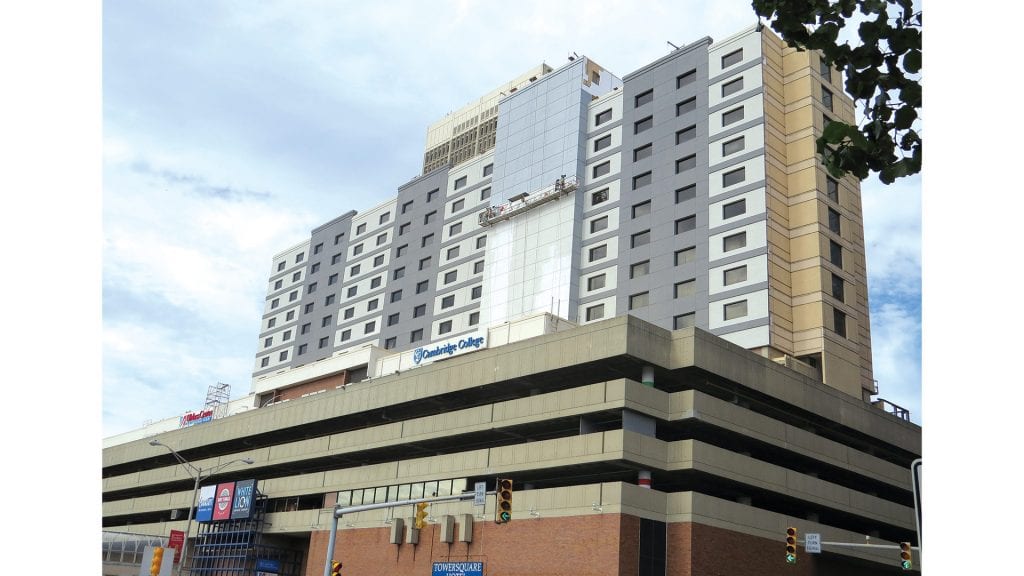
The new façade of the Tower Square Hotel, which expects to be under the Marriott flag next spring.

“It’s like shadow boxing in a lot of ways,” he said, using that phrase to essentially describe a foe that’s hard to hit and an exercise that amounts to punching air. “With those other disasters, I knew what hit us, and I knew how to jab back; with COVID-19, we don’t know when it’s going to go away, and we don’t know what’s going to happen next.”

But the city is certainly punching back against the pandemic, said the mayor and Tim Sheehan, the city’s chief Development officer, noting that it has undertaken initiatives aimed at everything from helping small businesses keep the doors open to assisting residents with paying their mortgage, rent, and utility bills.

And while the pandemic has certainly cost the city some vital momentum, the development community, which usually takes a long view, remains bullish on the city, said Sheehan, noting that there has been strong interest in projects ranging from the former School Department headquarters building on State Street to properties in the so-called ‘blast zone’ (damaged by that aforementioned natural-gas explosion), to buildings in the general vicinity of MGM Springfield in the city’s South End.

“One of more positive things we’re seeing is that development interest in Springfield remains strong,” he told BusinessWest. “And for some larger-scale projects, it’s new interest, from outside the area. And that bodes well for the whole effort that’s been made in terms of the downtown renaissance and the casino development; the development community’s message on Springfield is a good one.”

In the meantime, some projects are already moving forward, most notably the conversion of the long-dormant former Court Square Hotel into apartments and retail space, but also the extensive renovations (although that’s not the word being used) at the Tower Square Hotel in anticipation of regaining the Marriott flag that long flew over the facility, the new Wahlburger’s restaurant going up next to MGM Springfield, the new White Lion Brewery in Tower Square, the conversion of the former Willys-Overland building on Chestnut Street into market-rate housing, movement to reinvent the Eastfield Mall, a plan to redevelop Apremont Triangle, and much more.

But despite these projects, and despite the mayor’s confidence that the city will rebound quickly once the pandemic eases, there are certainly concerns about what toll the pandemic will take on existing businesses, especially those in retail, hospitality, and the commercial real-estate sector — specifically, the office towers downtown.

Mayor Domenic Sarno

Mayor Domenic Sarno says he’s confident that the city can make a strong — and quick — rebound from COVID-19.

There is strong speculation that businesses that now have some or most employees working remotely will continue with these arrangements after the pandemic eases, leaving many likely looking for smaller office footprints. Sheehan noted that such potential downsizing might be offset by businesses needing larger spaces for each employee in a world where social distancing might still be the norm, but there is certainly concern that the office buildings that dominate the downtown landscape will need to find new tenants or new uses for that space.

“There’s some conflicting data out there — the average size of a typical commercial office lease was going down prior to COVID, and a big reason was the rise of the communal working space,” he explained. “Well, now, the communal working space isn’t working so well anymore; there are some impacts that are forcing companies to require more space, not less.

“It’s like shadow boxing in a lot of ways. With those other disasters, I knew what hit us, and I knew how to jab back; with COVID-19, we don’t know when it’s going to go away, and we don’t know what’s going to happen next.”

“Still, before COVID, the vacancy rate for commercial real estate was somewhat high,” he went on. “We collectively need to be working with the building owners and businesses to make sure those numbers don’t exacerbate as we come out of COVID. But, clearly, there is concern about the commercial real-estate market.”

For this, the latest installment in BusinessWest’s Community Spotlight series, the focus turns to the unofficial capital of the region, the current battle against COVID-19 and the many forms it takes, and the outlook for the future, both short- and long-term.

View to the Future

As he walked around the former Court Square Hotel while talking with BusinessWest about his involvement with the project to give the landmark a new life, Peter A. Picknelly pointed to the windows in the northwest corner of the sixth floor, and noted that this was where a City Hall employee had just told him she wanted to live as he and business partner Andy Yee were leaving a meeting with the mayor.

But then he quickly corrected himself.

“No, she was referring to that corner,” he noted, pointing toward the windows on the northeast side, the ones with a better overall view of Court Square and Main Street. “That’s the one she said she wanted.”

Talk about actually living in the still-handsome structure that dominates Court Square is now actually real, whereas for the better part of 30 years it had been nothing but a pipe dream. That’s how long people have been talking about renovating this property, and that’s how challenging this initiative has been.

Indeed, like Union Station, another project that took decades to finally move beyond the talk stage, Court Square’s redevelopment became real because of a public-private partnership with a number of players, ranging from Picknelly’s Opal Development and WinnCompanies to MGM Springfield, to the city, the state, and federal government.

“This project was a bear, and that building was an albatross around the neck of a lot of mayors,” Sarno said. “This was all about persistence and not giving up when it would have been easy to do that.”

As for Picknelly, this is a legacy project of a sort, he said, noting that his father, Peter L. Picknelly, had long talked about creating a boutique hotel at the site — which, after its days as a hotel, was home to a number of law offices because of its proximity to the courthouse — as a way to inject some life into a still-struggling downtown.
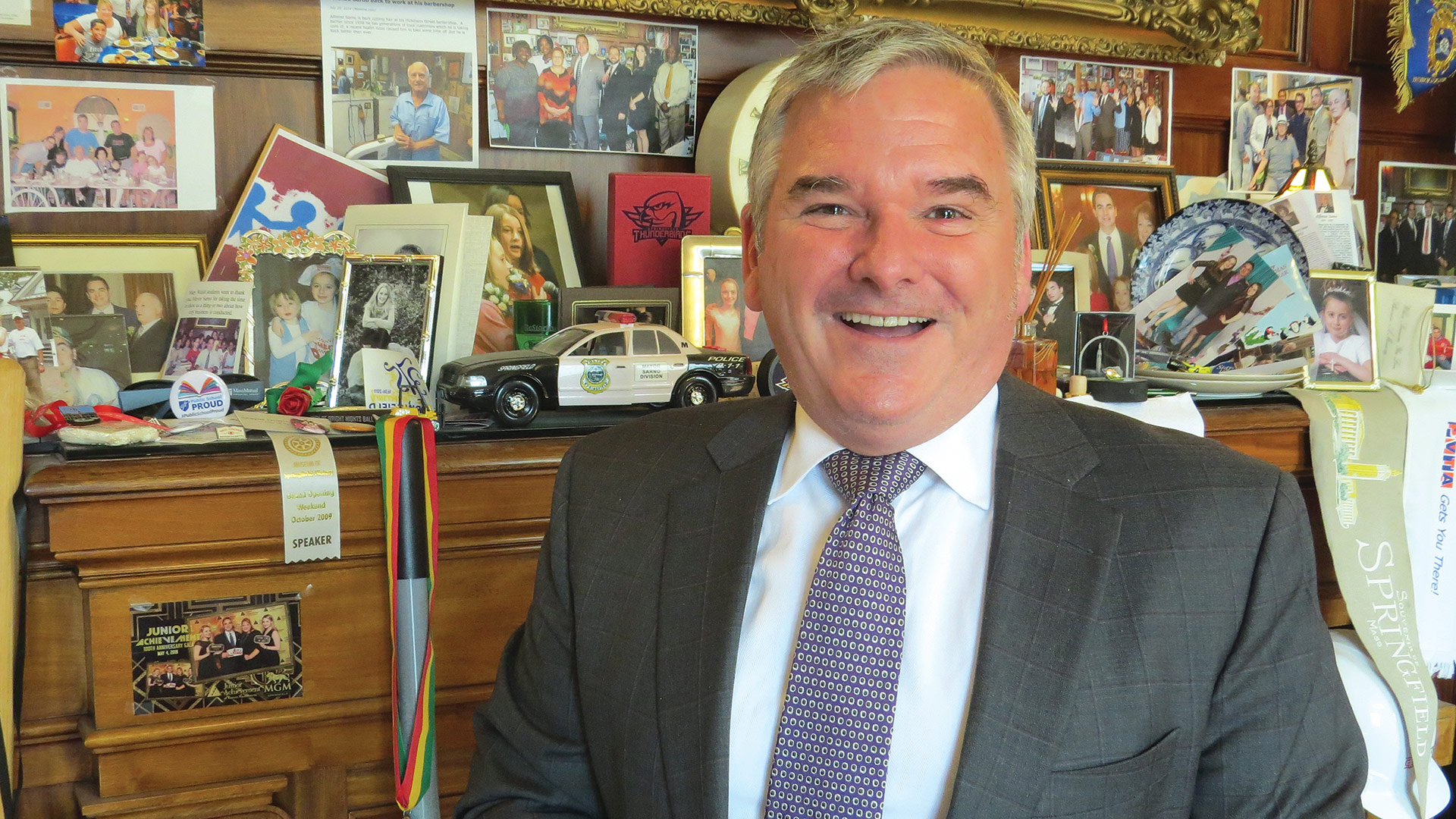
Chief Development Officer Tim Sheehan

Chief Development Officer Tim Sheehan says the city’s first priority has been to assist businesses and help ensure they’re still in business when the pandemic eases.

The boutique-hotel concept became less viable as new hotels were built in the city, he went on, but the urgent need to convert the property for a new use — identified as the top priority in the Urban Land Institute study completed more than a decade ago — remained.

“How can Springfield really see its full potential if this building is vacant?” asked Picknelly, who again partnered with Yee — the two have resurrected both the Student Prince and the White Hut — to create a restaurant in the northwest corner of the property (more on that in a bit). “This is going to be the centerpiece of Springfield’s renaissance.”

The Court Square project is just one example of how things are moving forward in the city, even in the midst of the pandemic, said Sheehan, noting that, in the larger scheme of things, Springfield remains an attractive target for the development community — and for the same reasons that existed before the pandemic, namely an abundance of opportunities, growing momentum in the central business district, the casino, Union Station, the burgeoning cannabis industry, and more.

Still, the the pandemic has certainly been a major disruptive force in that it has imperiled small businesses across many sectors, especially hospitality; brought a relative stillness to the downtown area as many employees continue to work at home; closed the casino for nearly four months and forced it to reopen at one-third capacity; cancelled all shows, sports, and other gatherings at the casino, the MassMutual Center, Symphony Hall, and elsewhere; and even forced the Basketball Hall of Fame to reschedule its induction ceremonies (normally held this month) to the spring and move them to Mohegan Sun.

So the first order of business for the city has been to try to control, or limit, the damage, said Sarno and Sheehan, adding that it has been doing this in a number of ways, including its Prime the Pump initiative.
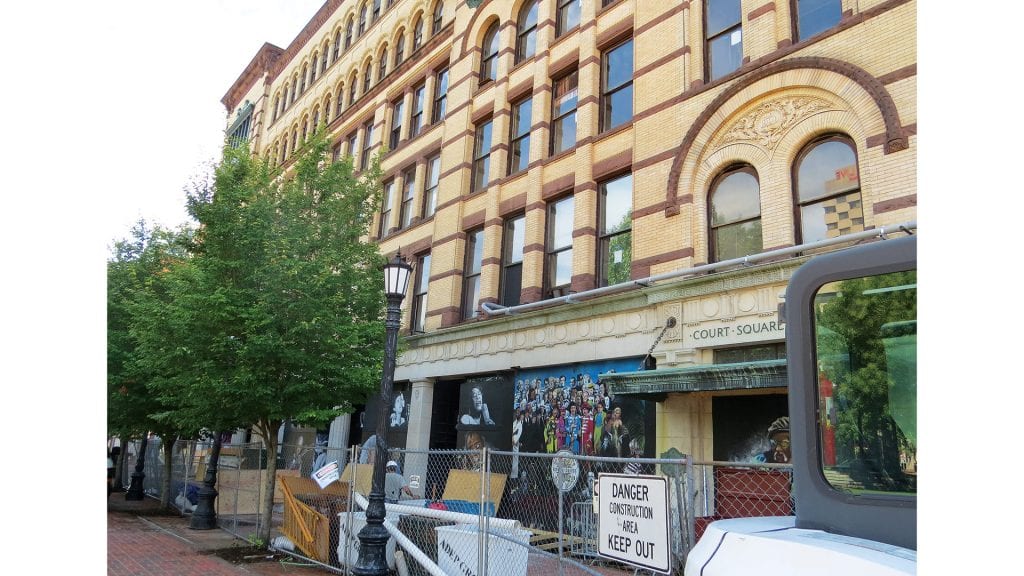
The Court Square project

The Court Square project, roughly 30 years in the making, was made possible by a comprehensive public-private partnership.

The program, using Community Development Block Grant monies, has provided small grants to city businesses in amounts up to $15,000. The awards have come over several rounds, with the first focused on restaurants, perhaps the hardest-hit individual sector, with subsequent rounds having a broader focus that includes more business sectors and nonprofits. Sheehan said businesses receiving grant funds have also represented a diversity of ownership.

“Prime the Pump numbers in terms of minority representation were huge — more than 72% of the awards were to minority-owned, women-owned, or veterans, and all of the nonprofits we supported had 30% or more minority participation on their board of directors,” he explained, adding that these numbers are significant because many minority-owned businesses had difficulty attaining other forms of support, such as Paycheck Protection Program loans.

In addition to helping businesses weather the storm, the city has also provided financial assistance to residents, said the mayor, noting that this aid has gone toward paying mortgages, utility bills, and rent, assistance that also helps the city’s many landlords.

“In this region, I don’t think any community has done more to help their businesses and their residents,” Sarno noted. “We have put out well over $5 million, and perhaps $6 million. We’ve been very proactive, and we’re going to continue working with businesses, such as our restaurants, to help them stay open.”

Such support is critical, said Sheehan, because in order to rebound sufficiently once the pandemic subsides, consumers will need to find outlets for that pent-up demand the mayor mentioned.

“How can Springfield really see its full potential if this building is vacant? This is going to be the centerpiece of Springfield’s renaissance.”

“When there is a vaccine, or when our numbers are so low that people feel safe and feel willing to go back out, the responsiveness will be there,” he noted. “My concern is making sure that the businesses we have are still in business when we get there.”

When We Meet Again

While he talked about COVID-19 using mostly the present tense, Sarno also spent a good deal of time talking about the future.

He said the pandemic will — eventually and somehow — relent. And, as he said earlier, he is confident the city will rebound, and quickly, and perhaps return to where it was before ‘COVID’ became part of the lexicon. For a reference point, he chose Red Sox Winter Weekend in January, an event staged by the team but hosted by MGM Springfield. It brought thousands of people to the city, filling hotels and restaurants and creating traffic jams downtown as motorists tried to maneuver around closed streets and various gatherings.

In many ways, Red Sox Winter Weekend is emblematic of all that’s been lost due to the pandemic. It won’t all come back overnight, Sarno and Sheehan noted, but the vibrancy will return.

“COVID-19 has really knocked us for a bit of a loop,” the mayor said, stating the obvious. “But I think there there’s a lot of pent-up … not only frustration, but desire to get back out there, so when we defeat this, I really think we’re going to rebound very nicely, and even quickly, because we continue to move projects forward and put new projects on the board.”


Tower Square Hotel

These renderings show what the front lobby (above) and ballroom will look like in the Tower Square Hotel that is being ‘reimagined’ and ‘redesigned’ and will soon be flying the Marriott flag.

This optimism extends to MGM, which had been struggling to meet projections (made years ago) for gross gambling revenue before the pandemic, and has, as noted, been operating at one-third capacity since early summer, with the hotel and banquet facilities closed.

“When MGM was hustling and bustling, with shows coming in, downtown was thriving,” Sarno said. “I’m hoping that, as we head into the last quarter and eventually the holiday season, if people can regain their confidence in going out to places like this, we see things pick up.”

And there will be some positive changes to greet visitors as they return, starting with a new Marriott.

Indeed, work continues on a massive project that Peter Marks, general manager of the hotel, insists is not a renovation, because that word doesn’t do justice to the massive overhaul. He instead said the hotel has been “reimagined” and “redesigned.”

Indeed, slated to open — or reopen, as the case may be — next spring or summer, the 266-room facility is getting a new look from top to bottom, inside and out. The most visible sign of the change is a new, more modern façade that greets visitors coming over the Memorial Bridge. But the entire hotel is being made over to new and stringent standards set by Marriott.

“This is not a reflagging; it’s a new build, and that’s why the work is so extensive,” he explained. “Everything that that a guest could see or touch is being replaced. Beyond that, we’ve moved walls, we’ve moved emergency staircases in the building to accomplish higher ceilings … it’s impressive what has been done.”

The timing of the project — during the middle of a pandemic — has been beneficial in one respect: there was minimal displacement of guests due to the ongoing work and, therefore, not a significant loss of overall business. But the pandemic has also been a hindrance because it’s made getting needed construction materials much more difficult, causing delays in the work and uncertainty about when it can all be completed.

“You might get a shower wall in, but not the shower tub,” Marks explained. “And you can’t do the wall without the tub, so you have to wait, and this happens all the time. If everything goes smoothly from here, it might be April when we reopen, or it could also be summer.”

By then, he thinks the world, and downtown Springfield, will look considerably different, and there will be a considerable amount of pent-up demand.

“Especially for the leisure travelers,” he said. “People are really itching to get out; they’re all waiting to go somewhere, and also go to events, weddings, family reunions, and other celebrations. I’m hopeful that we’ll be opening right when the pent-up demand is coming.”

As for the restaurant planned for the Court Square property, Picknelly and Yee project it will be open for business by the fall of 2022, and that, when it does debut, it will be an important addition to a downtown that may look somewhat different, but will likely still be a destination and a place people not only want to visit, but live in.

“Winn has done 100 renovation projects like this around the country,” Picknelly said. “They are 100% convinced that this building will be fully occupied by the time we open — there’s no doubt in their minds, based on the projections. I think that says a lot about people still wanting to live in urban areas, and I think it says a lot about Springfield and what people think of this city.”

Fighting Spirit

Returning to his analogy about shadow boxing, Sarno said COVID-19 has certainly proven to be a difficult sparring partner.

Unlike the tornado, which passed through quickly and left a trail of destruction to be cleaned up, COVID has already lingered far longer than most thought it would, and no one really knows for sure how much longer we’ll be living with it.

Meanwhile, as for the damage it will cause, there is simply no way of knowing that, either, and the toll creeps higher with each passing week.

But, as the mayor noted, the city is already punching back, and it intends to keep on punching with the goal of regaining the momentum it has lost and turning back the clock — even if it’s only six or seven months.

George O’Brien can be reached at [email protected]

Berkshire County Special Coverage

Delivering the Message

A team from Graphic Impact Signs installs a sign for Berkshire Bank.

A team from Graphic Impact Signs installs a sign for Berkshire Bank.

John Renzi says that, when the pandemic arrived in mid-March, the sign industry, like most all others, was hit hard.

Indeed, as a sector that has always been a good barometer of the economy and one that suffers greatly during downturns, the sign business was impacted by the pandemic in a number of ways, said Renzi, a principal and account executive with Pittsfield-based Graphic Impact Signs (GIS). He listed everything from the prompt shutdown of the events, sports, and entertainment industries and a halt to orders from those solid customers, to disruptions in the supply chain that have hindered many players in this large and diverse field from completing orders they do have.

GIS has certainly not been immune from any of this, said Renzi, but he believes the company acquired by his father 33 years ago has fared better than most because of the two traits that have defined it from the beginning: flexibility and resiliency.

They have been displayed in everything from how the company has pivoted and started making new lines of products, such as the plexiglass barriers now seen in all kinds of businesses, to how it has maneuvered its way through those supply-chain issues by working with suppliers and stockpiling essential materials that are now in very short supply.

Regarding those barriers, or shields, the company tacked in that direction as the business world paused and sign work all but stopped as the pandemic arrived, he noted, and very quickly had product moving out the doors of the Pittsfield plant.

“We had the equipment, and we had the supply,” he told BusinessWest. “So we were able to move from idea to prototype to our first order, which was a $138,000 order, in seven working days. That’s the flexibility we have, and it has allowed us to be successful.”

That same flexibility is effectively serving the company as it transitions back to making signage, said Dan Renzi, John’s brother and partner, especially when it comes to supply-chain issues.

“Many of our suppliers just stopped delivering for quite some time, and then, when they started up again, the manufacturers just could not get the product to us,” he explained, referring specifically to the white polycarbonate needed in most sign projects. Working with existing and new suppliers, GIS has been able to stockpile and warehouse this essential product while some competitors are waiting for what could be three or four months to get what they need.

Thus, the company is well-positioned, even in the middle of a pandemic, to broaden an already-impressive portfolio that includes clients such as Big Y, General Dynamics, and a host of banks and credit unions, especially those installing interactive teller machines (ITMs).

GIS has become an industry leader in making the surrounds, or canopies (see photo, page XX), for these devices, and it is now making them for Berkshire Bank, PeoplesBank, Country Bank, bankESB, and several other institutions.

“The ATMS are on their way out, and the ITMs are moving in,” John noted. “More banks are expanding into this because it’s clearly the future, and we’re one of the leaders in making signage and surrounds for these ITMs.”

Dan Renzi, left, and his brother, John, stand in front of a new sign made for Big Y.

Dan Renzi, left, and his brother, John, stand in front of a new sign made for Big Y.

This status, coupled with the company’s flexibility and its ability to work with clients to design, develop, and install signage that is indeed impactful, has it very well-positioned for the future.

“Over the years, we’ve seen people come in with, literally, something scribbled on a piece of paper,” said Dan, explaining how GIS is involved with the client from start to finish. “We’ll take things from that really rough sketch to a complete, finished product all in one building; we can take a dream and turn it into reality.”

For this issue and its focus on Berkshire County, BusinessWest turns its lens on GIS and how it has been able to use its flexibility and resiliency to not only ride out the pandemic, but take new and meaningful steps forward.

More Signs of Progress

It’s not an official indicator of how a sign business, or any other business, for that matter, is faring. But the Renzi brothers consider it one, and they’re quite proud of it.

They were referring to how signs that have the company’s name on it — albeit in small letters that you probably wouldn’t notice (although the brothers do) — have shown up in some recent movies and TV series coming out of Hollywood.

“We had the equipment, and we had the supply. So we were able to move from idea to prototype to our first order, which was a $138,000 order, in seven working days.”

“That’s pretty cool when you’re sitting there at a movie, either on Netflix or on the big screen, and you see one of your signs,” said John, noting that some of the company’s installations have become backdrops recently in the movies Knives Out and Behind the Woods, and the true-crime TV series Dirty John.

These recent on-screen appearances are merely the latest … well, signs of continued growth and prosperity for a company that has been part of the landscape in the Berkshires for more than 60 years. Known first as Alfie Sign Co., the business caught the eye of John Renzi Sr., a painter whose portfolio was dominated by commercial clients at a time when Pittsfield was certainly seeing its fortunes wane as its main employer, General Electric, was closing its massive complex.

“GE was moving out, and his painting business was commercial business only,” said John Jr. “So when you had large businesses moving out of Pittsfield, he was trying to set up a future for my brother and me.”

The company had a solid reputation and an impressive client list, he went on, noting that it had created signs for Fayva Shoes, Subway — it was involved in the first-generation logo for that chain — and D’Angelo’s, among others. But it wasn’t exactly well-run.

“He knew that things needed change — it was a dollar-in, dollar-out company, and it had its challenges; it took a while to get the company on its feet,” John went on, adding that his father brought some discipline and direction to the venture and put it on more solid ground, with the intention of eventually passing it on to the next generation. Which he did, but not before that generation was fully prepared to lead.

One of the many ITM canopies

One of the many ITM canopies that GIS is making for a growing list of bank clients

“Dad didn’t just hand over the business — he wanted to make sure we could handle it,” said John, noting that he and Dan officially became owners five years ago, but they’ve been managing it for the past 15. “And he did it right — we learned right from the bottom, cleaning toilets, sweeping floors, counting bolts, and getting dirty.”

In recent years, the company has, perhaps without knowing it, steeled itself against downturns — and, yes, even a pandemic — by broadening and diversifying the portfolio of clients and creating a culture grounded in the flexibility and nimbleness noted earlier.

Which brings us back to March, and the arrival of COVID-19.

“We had some really good things moving in the right direction right at the beginning of the year,” John said. “We had a good winter, things were lining up well, and we were really excited about this year.

“But when COVID hit, it hit with a jolt,” he went on. “We weren’t certain what was going to happen or how we were going about things, but if there’s one thing that my brother and I believe in — pre-COVID, during COVID, or post-COVID — it’s that, the more flexible you are as a business, the more successful you can make yourself. And what we found is that, due to our flexibility with working with our supply chain and working with our clients, we were able to manage this crisis effectively.

One of the best examples of this flexibility was the company’s ability to pivot and begin making the plexiglass shields now seen in restaurants, banks, retail outlets, and countless other businesses.

“We reached out to suppliers and started ordering clear acrylic, clear polycarbonate, and started making these custom guards that could be adapted for bank-teller lanes, tabletops, and other uses,” Dan explained, noting that GIS made this adjustment as a way to bring employees back to work after the pandemic hit and sign work ground to a near-halt. “There was a little bit of a learning curve, but overall, it was an almost seamless transition.”

John agreed, noting that the company didn’t have to make any additional investments or find any new suppliers.

“It was just a matter of quickly training employees to make shields instead of signage,” he said, noting that, while GIS is still making these shields for a few hospitals and office buildings, it is increasingly turning its focus back to making signs.

A Bright Future

While many sectors of the economy have slowed because of the pandemic, there are still growth opportunities for companies positioned to take advantage of them, said John, noting that banks, with the emergence of the ITM, clearly represent one of those opportunities.

A new sign the company created for General Dynamics.

A new sign the company created for General Dynamics.

He noted that banks were already moving in this direction, and the pandemic, which closed bank lobbies for months and all but forced customers to use drive-up windows for most all transactions, has only accelerated the process.

“Banks are adding them at their branches, and we’ve also seen an increase in free-standing ITMs that are not at branches,” he explained. “Chase Bank is the first one to do this; they’re looking to close 1,000 locations — downtown locations that don’t have drive-up service — and buy remote sites just outside cities, and put up these free-standing ITMs.

“We’re one of the few companies in the United States building these free-standing ITM canopies,” he went on. “It’s a very interesting development and a great opportunity for us, and we saw it happening pre-COVID; it’s 100% the future.”

As for the future of the sign business … that picture is certainly not as clear, said the brothers Renzi, noting, again, that the pandemic has hit this sector very hard, and there was already a good deal of consolidation before COVID-19 arrived as Baby Boomers retired and sold their ventures to employees or larger players from outside the region.

And since the pandemic, some of the smaller players have closed down, they said, noting they didn’t have the wherewithal to withstand the loss of business and the many other challenges that visited the industry. And many mid-sized companies have struggled with everything from retaining employees to finding the materials they need to complete orders.

GIS, again, is not immune from these challenges, but it certainly seems well-positioned to not only survive but thrive in the post-COVID world.

If you look closely — and you don’t even have to look closely — you can see the signs.

George O’Brien can be reached at [email protected]

Construction Special Coverage

Essential Work

Maple Elementary School, a Fontaine Brothers

The new Maple Elementary School, a Fontaine Brothers project, takes shape in Easthampton.


Back in March, ‘essential’ was a magic word for employers across Massachusetts. It meant they could continue to work, provide services, and generate revenue during a time when so many sectors were completely shutting down.

But to Laurie Raymaakers, the word means more than that, because construction has always been essential to communities — particularly the infrastructure and civil-engineering projects her Westfield-based company, J.L. Raymaakers & Sons, is known for.

“Through the pandemic season, we’ve continued to get new jobs, and we have been able to keep all our employees working,” she told BusinessWest. “We are considered essential workers because we do a lot of infrastructure work for municipalities, which is very important to every community. We do all kinds of infrastructure — sewers, water, drainage, pump stations, culverts.”

Among the firm’s recent seven-figure projects are a large sewer project in Shrewsbury, a large culvert replacement in Pittsfield, and a drainage pond for Barnes Airport that had to be completed on a tight, 45-day schedule.

The company also created a road for the installation of two wind turbines in Russell and replaced a 100-year-old culvert in a pond at Forest Park in Springfield, a job that involved building a temporary dam, as well as creating new walkways and overlooks in the area. And the company’s workload for the fall and winter, and beyond, looks strong.

“During COVID, a lot of our projects stayed open the entire time because a lot of work we were doing fell under the category deemed essential — a lot of public projects. t was a mixed blessing because it was great to continue working, but also difficult to adapt to the changes day by day.”

“We have enough work to keep going,” Raymaakers said. “But we’ve also worked very hard keeping employees safe. It was very difficult in the beginning, trying to get sanitary supplies for sites, like masks and sanitizer, and follow all the standards of the CDC and prepare all the proper paperwork. We value our employees, and we wanted to keep them safe. We’re very fortunate we work outdoors, with the type of work we do.”

David Fontaine Jr. tells a similar story about his company, Springfield-based Fontaine Brothers, when it comes to being essential.

“We’ve got a lot going on — we’re pretty busy this year and into 2021,” he said. “Prior to COVID coming along, we had a lot of backlog and a lot of work we had underway, so we were in a pretty healthy spot.

“During COVID, a lot of our projects stayed open the entire time because a lot of work we were doing fell under the category deemed essential — a lot of public projects,” he went on. “It was a mixed blessing because it was great to continue working, but also difficult to adapt to the changes day by day.”

Recent and ongoing jobs include building new high schools in Worcester and Middleboro, as well as a new K-8 school in Easthampton; the firm was also recently awarded a job to combine the Deberry and Homer schools in Springfield, with construction to begin next summer.

“The nice part about the public work is it’s funded with reliable state dollars; projects being constructed now were funded a year or two ago, so it’s an ongoing source of work,” Fontaine said. “It looks stable going forward next 12 months at least.”

The biggest concern right now, actually, is that some planned projects will hit a funding stall, which would manifest in a slowdown of projects a year or two from now, he added. But so far, 2020 has been a healthy year, even if uncertainty looms around the corner for many firms.

Reading the Signs

The signs were all there in February, Fontaine said, when COVID-19 was already starting to disrupt some material supply chains.

“We started preparing for it before some of our peers; we were already planning for how we were going to approach it when it came,” he told BusinessWest. “We put into place a pandemic protocol from a safety standpoint for all job sites, and tried to stay ahead of it as much as we could. We wanted to be proactive and make sure the job sites stayed open and safe.”

That involved measures that have become common in many businesses, including personal protective equipment like face coverings and gloves, worn 100% of the time.

J.L. Raymaakers & Sons recently completed an extensive project at Swan Pond

J.L. Raymaakers & Sons recently completed an extensive project at Swan Pond in Forest Park, which involved creating a temporary dam and replacing a century-old culvert.

“We also put additional handwashing stations and sanitizing stations on all job sites,” he explained. “We also require, on every job, a daily check-in process; before anyone enters the job site, they have to self-certify they have not had any symptoms or been in contact with anyone COVID-positive the last 14 days. We’ve also been doing temperature screenings on a couple of job sites.”

Those efforts have paid off, he added. “Knock on wood, but all those measures have been effective in not having many safety concerns or incidents.”

At least one trend in the year of COVID-19 has been a positive for J.L. Raymaakers, whose yard-products division, ROAR, has been extremely busy, adding more than 600 new customers this year and tripling sales.

“That’s partly through marketing and word of mouth, but partly because of COVID,” Raymaakers said. “People have been home, not at work, and they were sprucing up their yards and planting gardens.”

Those two elements of her business — public infrastructure work and yard products — have not only helped Raymaakers and her team weather an unusual year, but thrive during it. But that doesn’t mean she doesn’t recognize acute needs elsewhere.

“People don’t realize you can make a good living, and we’re hearing that everywhere; it’s very difficult to find employees. If the the trades are dying, what’s going to happen then?”

“Because we’ve been so fortunate this year, and so many people and organizations have been struggling, we upped our charitable contributions to help out with food banks as well as the Westfield Boys and Girls Club, making sure we give back to the community and those that are struggling.”

One trend that has not changed this year, even with so many people out of work, Raymaakers said, is a persistent shortage of workers.

“For ourselves as well as other construction companies, as much as we’re busy, it’s very difficult to find employees or crew — equipment operators and laborers — in this industry,” she told BusinessWest.

“People don’t realize you can make a good living, and we’re hearing that everywhere; it’s very difficult to find employees,” she added, noting that many of her firm’s supervisors and project managers started on the ground floor and worked their way up. “If the the trades are dying, what’s going to happen then?”

It’s not a localized phenomenon. According to a workforce survey conducted by Associated General Contractors of America and software vendor Autodesk, 60% of respondents reported having at least one future project postponed or canceled this year, and 33% said projects already underway have been halted. Yet, a shortage of labor remains, with 52% having a hard time filling some or all hourly craft positions and only 3% of firms reducing pay, despite the downturn in business.

COVID-19 is playing some role in that trend. While some companies have laid off workers during the pandemic, 44% of contractors say at least some employees have refused to return, citing unemployment benefits, virus concerns, or family issues, among other reasons.

“Few firms have survived unscathed from the pandemic amid widespread project delays and cancellations,” Ken Simonson, chief economist of Associated General Contractors of America, told the Engineering News-Record. “Ironically, even as the pandemic undermines demand for construction services, it is reinforcing conditions that have historically made it hard for many firms to find qualified craft workers to hire.”

One positive from all this has been an accelerated adoption of technology. According to the workforce survey, about 40% of responding contractors said they have adopted new hardware or software to alleviate labor shortages.

“As bad as this situation is, it’s also pushing the industry forward into a better place,” William Sankey, CEO of data-analytics solutions provider Northspyre, said in Construction Dive, an online industry newsletter. “Maybe, where it would have taken seven to 10 years to catch up to where the finance industry is in leveraging data, I think that transition will now be underway in the next two to three years.”

Down the Road

What happens over the next two to three years is really the key for all construction firms, which expect COVID-related impacts to continue to be felt down the road.

For now, though, Fontaine is gratified that his company’s workload is healthy, with public projects complemented by a fair amount of private work, including jobs for MGM and several prepatory schools, including Northfield Mount Hermon School, Deerfield Academy, and Wilbraham & Monson Academy.

“We’re hoping those types of schools will have OK years fundraising for those types of projects,” he said, adding that private-sector clients can often move from funding to the construction phase quicker than municipalities, especially when they realize they can take advantage of recession-driven lower prices.

It’s just another way this unprecedented year has cut both ways for construction firms. The big question is what the coming years will bring for a sector that’s essential in more ways than one.

Joseph Bednar can be reached at [email protected]

Wealth Management

A Seeming Disconnect

By Jean M. Deliso

Have you wondered how the S&P 500 stock-market index has been trading at near all-time highs when, in the second quarter, S&P 500 corporate earnings were down compared to the first quarter of 2020, daily confirmed cases of COVID-19 in the U.S. are currently stable or declining, and the Bureau of Labor Statistics’ July unemployment report showed more than 16 million unemployed Americans, with an unemployment rate of 10.2%?

That question is a good one, with the seeming disconnect between what the stock market has been doing and what we are seeing in the news and the U.S. economy. No doubt the stock market was arguably pricing in what the economy will look like a year from now and what the market sees as significant pent-up demand, a fading pandemic-induced economic impact, and a wall of liquidity coursing its way through capital markets.

The real question is whether investors should be concerned about the U.S. stock market hitting all-time highs with the economy still bruised and slowly recovering. Could this mean a crash or major correction is coming?

Jean Deliso

Jean Deliso

“There is a chance the economy one year from now will be in better shape than it is today — or it may be worse. But being a participant in the market for the long haul means participating in the growth and losses that happen between now and then, and always focusing on your investment time horizon.”

No one truly knows the answer to that question. But we know that market corrections and bear markets are normal and common; we just don’t know when they will arrive or how long they will last. And if anyone tells you ‘with certainty’ when a market downside is coming and how long it will last, you might want to run the other way.

When thinking about where the markets and economy could go in the next year and beyond, it’s useful to break it down by key categories:

Economics. The pandemic-induced recession has been steep and ugly. But there is a good argument that the worst of the crisis could be behind us. Manufacturing and service activity have rebounded, the housing market has seen very solid activity, and spending has outpaced expectations, according to the Washington Post.

Earnings. Second-quarter earnings were bad, plain and simple. But at the same time, earnings were not as bad as the double-digit expectation of Wall Street, and clearly stocks love positive surprises. Will earnings continue to improve going forward? That is the question — and we all hope the answer is ‘yes.’

Interest Rates. Overnight rates in most developed countries are near historic lows, meaning borrowing costs and financing costs are highly attractive for businesses and individuals that can obtain loans. The Federal Reserve also signaled plans to keep interest rates near zero for years; these actions make equities attractive by comparison.

Inflation. The amount of global stimulus is massive; the total global fiscal and monetary stimulus being deployed amounts to approximately 28% of world GDP, according to the Wall Street Journal. This ‘wall of liquidity’ makes inflation seem more likely in the coming years and will be a factor to watch.

Sentiment. Consumer and investor sentiment is improving in the wake of the pandemic, but may sour as the election nears.What’s the bottom line for investors? The nature of bull markets is that we can expect the stock market to reach new highs over time. This is what history has told us to expect every time. That said, I would caution against seeing an all-time high in the S&P index as a reason to go completely defensive. When setting a long-term investment strategy, it is important to consider how the economy may grow or contract in the next six, 12, or even 18 months, and how that plays into your personal goals and objectives. If your retirement date is close, it is always prudent to review how much safe money you may need to weather an unexpected storm.

There is a chance the economy one year from now will be in better shape than it is today — or it may be worse. But being a participant in the market for the long haul means participating in the growth and losses that happen between now and then, and always focusing on your investment time horizon.

Jean M. Deliso is a registered representative offering securities through NYLIFE Securities, LLC (member FINRA/SIPC), a licensed insurance agency. Deliso Financial and Insurance Services is not owned or operated by Eagle Strategies, NYLIFE Securities, LLC, or any of their affiliates.

Features

Telecommuting Can Be Taxing

By Carolyn Bourgoin and Lisa White

In response to the COVID-19 pandemic and the related public-health concerns, many businesses have implemented work-from-home (WFH) arrangements for their employees. Whether due to government-mandated shutdowns or voluntary efforts of employers to protect workers, there has been a significant rise in telecommuting that continues even as some states begin to relax restrictions.

Carolyn Bourgoin

Carolyn Bourgoin

Lisa White

Lisa White

Businesses with telecommuting workers need to evaluate the potential payroll and business-tax consequences created by those employees working from home in states where the business would not otherwise have a taxable presence.

Though most states have existing guidance addressing telecommuting for both businesses and workers, the unusual circumstances created by the COVID-19 pandemic has necessitated the need for states to revisit these rules. Unfortunately, there is also little uniformity among the states in both the existing guidance and the temporary guidance being issued.

In order to remove some of the uncertainty and to limit the potential adverse state tax consequences of employees working remotely, the Remote and Mobile Worker Relief Act (RMWR) was introduced to the Senate in July as part of the American Workers, Families, and Employers Assistance Act. The RMWR contains special provisions prohibiting a state and its localities from taxing the wages of an employee who is performing services in a state other than their state of residence due to the COVID-19 public-health emergency.

“Businesses with telecommuting workers need to evaluate the potential payroll and business-tax consequences created by those employees working from home in states where the business would not otherwise have a taxable presence.”

For calendar year 2020, this protection is afforded for a period not to exceed 90 days. Businesses would also be provided protections under this tax-relief package concerning their telecommuting employees. Remote workers performing duties in a state or locality where the employer does not otherwise have a presence would not automatically cause the business to be subject to taxation in that state. However, as it is unclear when or if this bill will pass, employers must continue to review the guidance of the respective states and localities where their remote workers are performing services.

Massachusetts Guidance

Massachusetts issued temporary guidance providing tax relief where an employee is working remotely in the state due to the COVID-19 pandemic. A recent technical information release (TIR 20-10) issued by the Department of Revenue provides that the presence of one or more employees working remotely in Massachusetts will not by itself create a withholding responsibility with respect to that employee if the remote work is due to any one of the following:

• A government order issued in response to the COVID-19 pandemic;

• A remote-work policy an employer adopts to comply with federal or state guidance or public-health recommendations relating to COVID-19;

• A worker’s compliance with quarantine requirements due to a COVID-19 diagnosis or suspected diagnosis; or

• A worker’s compliance based on a physician’s advice due to a worker’s COVID-19 exposure.

For businesses, wages paid to a non-resident employee who, prior to the pandemic, was performing services in Massachusetts, but who is now telecommuting, will continue to be treated as Massachusetts source income, subject to income tax and withholding. The information release further provides that, while it is in effect, the presence of one or more remote workers in the state due to the COVID-19 pandemic will not automatically create a Massachusetts sales and use tax-collection responsibility or a corporate excise tax-filing responsibility.

These provisions are effective until the earlier of Dec. 31, 2020 or 90 days after the state of emergency in Massachusetts is lifted. Employers must maintain written records to substantiate the pandemic-related circumstances that caused an employee to fall under the TIR’s provisions.

Massachusetts issued its temporary guidance with the understanding and expectation that other states either have adopted or are adopting similar sourcing rules. However, similar to the relief provided in the Senate bill discussed earlier, it would still be prudent for an employer to still review the guidance of the respective states and localities where their remote workers are performing services.

Guidance from Neighboring States

New York: New York is one of five states that has a ‘convenience of the employer rule,’ treating as New York wages any compensation earned by employees of a New York company while they are working outside the state. Under this rule, the wages of a telecommuter could be sourced to both New York and the telecommuter’s resident state, requiring payroll withholdings for both states.

A bill was introduced in the New York Senate in May that would offer relief to businesses by exempting the non-resident employee wages from New York income tax and withholding requirements for a specified amount of time. However, as of the time of this article, the New York Department of Revenue has remained silent on its position regarding these matters.

Connecticut: Connecticut is another state with a ‘convenience of the employer rule.’ However, the state only applies this rule in determining Connecticut source income of residents of states that also apply the convenience rule. Otherwise, wages are sourced to Connecticut based on the portion of services performed within the state.

The Connecticut Department of Revenue has not issued any form of guidance to date, but did respond to a state survey this past May regarding telecommuting due to the COVID-19 crisis. The agency replied that it was working on guidance that would ensure ‘fair and equitable treatment’ to both its individual residents and Connecticut-based businesses.

Rhode Island: Rhode Island has issued formal guidance similar to that of Massachusetts, providing that the presence of one or more remote workers in the state due to the COVID-19 pandemic will not automatically create an income tax-filing responsibility and sales and use tax-collection responsibility. Wages paid to a non-resident employee who is now telecommuting will continue to be treated as Rhode Island source income subject to income tax and withholding.

Businesses with telecommuting employees in other states must check to see if those states offer tax relief from withholding taxes, income-tax nexus, and sales and use tax-filing obligations created by these remote workers during the COVID-19 health crisis. Unfortunately, there is no set time frame or requirement that states issue such guidance.

Passage of the Remote and Mobile Worker Relief Act would help to remove some of the uncertainty surrounding the tax treatment of these workers. Employers in the meantime are left to monitor potential changes to state tax laws where their remote workers are located during the COVID-19 pandemic to determine whether they have relief from tax filings in the telecommuting state.

Carolyn Bourgoin, CPA is a senior manager, and Lisa White, CPA is a manager for the Holyoke-based accounting firm Meyers Brothers Kalicka, P.C.; [email protected]; [email protected]

Education

The Experiment Begins

Some of the outdoor spaces Academy Hill School

Some of the outdoor spaces Academy Hill School will repurpose for class time this fall — weather permitting.

Brian Easler learned a saying during his time in the Army: “two is one, and one is none.”

It’s a way of stressing the importance of having a backup plan — and he certainly put that concept into action this summer.

“The idea is, anything can fail at any time. You have to have a backup,” said Easler, head of school at Wilbraham & Monson Academy (WMA). “We did everything we could think of to make the campus as safe as possible. We have layers of filters where, even if one preventive measure seems duplicative of something else we’ve done, we did both anyway.”

For instance, all HVAC systems on campus were updated and fitted with ionizers to filter air. But the school also bought 287 Honeywell HEPA air purifiers, similar to what hospitals use, and placed one in every room on campus. And when public-health officials said students at school could stay three feet apart while wearing masks, WMA kept a six-foot standard.

“Again,” he told BusinessWest, “we’re layering precautions on top of precautions.”

The reason is simple: parents want to send their kids to school to learn in person — despite its widespread use, no one believes remote learning is the best option from an academic and social perspective — and they also want to feel their kids will be safe.

Melissa Earls is a believer in in-person learning, which is why, as head of school at Academy Hill School in Springfield, she has spent the last several months making sure the campus is safe.

And not only because younger students — unlike WMA, Academy Hill is a pre-K to grade 8 school — have a tougher time handling remote education without the physical presence of parents, who often simultaneously hold jobs.

“It’s not just the autonomy factor, but what’s developmentally appropriate,” she said. “It’s just not developmentally appropriate for students that young to be in front of a screen for so long. It’s also an abstract concept to engage in virtual learning, seeing their friends on a Brady Bunch Zoom screen. For them, it’s an abstract concept to wrap their heads around. Developmentally, we much prefer having them here with us.”

That’s not to say classes don’t look a little different these days.

“We’re a small private school, and we typically have a lot of collaborative tables, reflective of our instructional model. We’ve replaced them with rows and columns of desks, which was not our style,” Earls explained. “We also purchased tents to create outdoor spaces, sheltered from the sun, and even the rain, to respond to the space challenge.”

John Austin, head of school at Deerfield Academy, in a letter to parents last month, outlined the many precautions and protocols unfolding to make the campus safe (more on that later). But he also stressed that students have to buy in to make it work.

“We know from experience — and science tells us with near-certainty — that wearing masks, physical distancing, and enhanced hygiene can help mitigate the spread of this virus. And that is what, together, we will endeavor to accomplish. We begin the year knowing that our students will arrive ready to express their care for others by following these simple expectations,” he wrote.

Noting that students must sign a ‘community health pledge,’ he called the document “an attempt to clearly and explicitly capture that ethos of care, citizenship, and sacrifice that will allow us to return to school safely and be together as a campus community.”

In other words, if students want to be on campus — and private schools throughout the region are definitely emphasizing that model — they know they’re all in it together. It’s an intriguing experiment in the first fall semester of the COVID-19 era, one that follows a summer that was also unlike any other.

Team Effort

The first question at Academy Hill, Earls said, was whether the campus had the space and ability to pull off on-campus learning.

“Once we knew we could do this, it became a priority to get them back,” she said. “Getting here was a team effort. What impressed us was the selflessness of everyone who worked all summer long. Actually, they didn’t have a summer. The plan was constantly evolving, and everyone was so generous with their time and their thoughts.”

While students are expected to be on campus if they’re not sick, a blended learning option is available for those who have to quarantine because they or a family member have been exposed to coronavirus. At the same time, if a faculty member is exposed, but is able to teach from home, students will attend classes on campus while the teacher instructs from a remote location, with the assistance of technology.

Melissa Earls

Melissa Earls

“It’s just not developmentally appropriate for students that young to be in front of a screen for so long. It’s also an abstract concept to engage in virtual learning, seeing their friends on a Brady Bunch Zoom screen.”

And, of course, in an echo of the spring, when schools and colleges across the U.S. shut down and switched to online learning, Academy Hill will be able to do so if a viral spike forces such a move — but it won’t be so on the fly this time, as teachers engaged in professional development over the summer to prepare for the possibility of remote learning.

“Our plan is a living document,” Earls said. “We looked at CDC and state guidelines, and our goal was to exceed them. When they shortened the physical distance to three feet, we still do six feet apart. We made sure we were meeting or exceeding all the guidelines, and we shared every iteration of the plan with families. I sent notes home weekly over the summer, if not moreso.”

Easler said prepping WMA for an influx of students included renovating a former school meeting space into a second dining hall, installing new bathrooms in a boys’ dorm, and, perhaps most dramatically, instituting an aggressive testing program. The school engaged with a lab at MIT to implement twice-weekly testing for all students, faculty, and staff, with no more than four days between tests.

“The rationale is, the only way to prevent widespread transmission on campus is to know where the virus is, especially with a population that’s often asymptomatic. And the only way to know where the virus is, is to test. The testing program is our first defense.”

Easler spoke with BusinessWest the second day students were on campus, and said students were adapting well to the new protocols, which include mandatory masks, although there are outdoor mask-free zones that offer some relief. Among close to 400 students at WMA, only 64 have opted for remote learning this fall.

“The kids seem pretty happy; it’s encouraging to see how quickly they adapted to everything. Kids are adaptable in general, but we’re still really proud of them.”

He added that WMA isn’t among the wealthiest private schools, but he’s pleased with the investments that have been made, from campus renovations to the testing plan. “Testing is expensive, but it’s worth every penny.”

Testing, Testing

To a similar end, Deerfield Academy has partnered with Concentric by Ginkgo, a program that provides COVID-19 testing in support of schools and businesses. Students were tested before they arrived on campus, as soon as they arrived, and again several days after. Weekly testing will continue for students, faculty, and staff throughout the fall term.

The school will also employ daily reporting and symptom screening and has prepared guidelines for contact tracing in order to quickly isolate any positive cases and quarantine all close contacts. In addition, all boarding students have single rooms, and weekend off-campus travel is being limited, as are family visits.

Meanwhile, a new, modular academic schedule will reduce the number of classes students take over the course of the day and gather them in smaller classes, and all HVAC systems have been fitted with advanced air filters, and are circulating fresh, filtered air at an increased rate.

“In my 35 years in education, never before have I seen such effort, sacrifice, and commitment to mission,” Austin wrote. “Every member of our community has generously given their time and effort over these summer months to prepare the campus and its buildings to safely welcome students.”

Easler agreed. “We did lot of work over the summer, meaning we really didn’t get much of a summer,” he said, adding that part of the process was training faculty on the Canvas learning-management platform, allowing them to teach face-to-face and remotely at the same time.

“The rest of the staff spent the summer planning logistics around campus,” he added. “It was so much work because we literally did everything we could think of.”

While enrollment projections dipped slightly early in the summer, Easler said it picked up again once word got out into the community of what WMA was doing to make the campus a safe environment. “Families want a little more predictability than they get out of the local public systems, which don’t have the kind of flexibility and resources we do.”

With such resources come a responsibility, Earls said, to understand what students are going through during this unprecedented year.

“I told the teachers, ‘always remember that hundreds of kids will pass through here during the course of your career, but to John or Jameel or Suzy, you are their only second-grade teacher, their only math teacher, their only Spanish teacher. You need to respect that.’ This year more than ever, we need to pay attention to their anxiety levels, their social and emotional well-being. We’re going to make sure they feel safe and normalize the situation for them.”

That normalization, she believes, begins with in-person learning, and getting to that point took a lot of work. Now, she and other area heads of school can only hope it’s enough.

Joseph Bednar can be reached at [email protected]

Berkshire County

Culture Shock

Berkshire Theatre Group managed to present a musical in August

It took plenty of creativity — in the set design and elsewhere — but Berkshire Theatre Group managed to present a musical in August when no one else could.

For the folks at Berkshire Theatre Group, things were going according to plan.

A three-year sustainability plan, to be specific, developed back in 2018, said Nick Paleologos, the organization’s executive director.

“We had a checklist of things we needed to do in addition to putting on a decent artistic season in 2019, and we hit a lot of goals. As we hit 2020, we had just two or three outstanding boxes left unchecked, when all of a sudden, in mid-March, our world was turned upside down.”

Versions of that story have been told countless times not only in Massachusetts, but around the country and the world. But for the performing arts, it’s been a particularly tough stretch.

“Starting around St. Patrick’s Day, all we were doing was canceling shows and returning money; we were really in a kind of freefall,” Paleologos continued. “What initially saved us in the short term, and bought us time to figure out how to reimagine our 2020 season, was the Paycheck Protection Program. That was a lifeline, and it accomplished exactly what it was supposed to do — it allowed us to stay in business for those crucial eight weeks in the spring.”

The 2020 season — the BTG was planning eight shows in its three indoor spaces in Stockbridge and Pittsfield — was certainly about to change. “All of a sudden, we had no idea whether we’d be allowed to perform at all,” he noted.

The journey that followed, culminating in live, outdoor performances of Godspell in August and September (more on that later), was a remarkable one, but it’s hardly the robust schedule the venerable company normally puts on. Meanwhile, performing-arts destinations like Jacob’s Pillow and Tanglewood canceled their live slates completely.

It’s a story that affects more than arts patrons; it impacts no less than the entire Berkshires economy, which is so intertwined with, and dependent on, culture and tourism.

Nick Paleologos

Nick Paleologos

“We hit 2020, we had just two or three outstanding boxes left unchecked, when all of a sudden, in mid-March, our world was turned upside down.”

“The visitor economy is definitely a backbone sector for us; it supports a tremendous amount of dollars in the region,” said Jonathan Butler, president and CEO of 1Berkshire, the multi-faceted agency that focuses on tourism, economic development, and business retention in Massachusetts’ westernmost county.

In fact, he noted, visitor dollars spent in the region over the years are approaching the $1 billion mark — and the presence of cultural attractions and other tourist destinations, from restaurants to ski resorts, is a major quality-of-life factor in business owners wanting to set up shop here.

“We were pretty heavily involved in the state’s reopening process — we played a key role in getting some of the museums open and fleshing out guidelines for hotels and restaurants,” Butler told BusinessWest, while 1Berkshire’s website has become an oft-updated clearinghouse of information on the region and its public-health response to COVID-19.

Due to belt-tightening everywhere, including among its strategic partners, 1Berkshire hasn’t operated with the same marketing budget it normally would. “But we have been able to raise enough money to do some things, and we’ve pivoted to a vision of the Berkshires that talks a lot about outdoor recreation, and about our museums and hotel properties that have been able to open.

“We’re talking about the Berkshires as an escape from the city,” he went on. “We’ve been trying to tell the story of the Berkshires as a place people can escape to and enjoy the outdoors. And, honestly, we’re feeling better than we were two or three months ago.”

A few success stories will do that, but stakeholders in the region are certainly hoping 2021 looks a lot different than 2020.

Out and About

Take, for example, Bousquet Mountain, which recently hired a new general manager and announced a series of renovations, including a new summit-to-base triple chairlift and a revamped snow-making system with more than 25 new snow guns, as well as new grooming equipment and a new, more accessible beginner area.

In addition, Pittsfield native and two-time Olympian Krista Schmidinger will partner with Bousquet to further the site’s youth programming, contributing to the Race Club and SnowSports School and assisting with race and school-program design, instruction, and one-on-one opportunities for young skiers. All this speaks to a resort expecting a busy season, even in the midst of COVID-19.

As for Berkshire Theatre Group, it had to fight to get a live production staged — a fight marked by creativity, not animosity. In short, the Actors Equity Assoc. wasn’t allowing any of its 59,000 unionized members to work in 2020 unless the safety of the actors could be assured.

Jonathan Butler

Jonathan Butler

“We’re talking about the Berkshires as an escape from the city. We’ve been trying to tell the story of the Berkshires as a place people can escape to and enjoy the outdoors.”

“We’re an Equity company, so that puts a little crimp in our plans,” Paleologos said. To stage Godspell, Artistic Director and CEO Kate Maguire developed a 60-page manual with detailed safety protocols, including quarantining, physical distancing, and regular coronavirus testing for actors. The actors were to be kept six feet apart at all times — 10 feet when singing — with this spacing and plexiglass dividers incorporated into the set design itself.

Maguire was denied at first, “but she was relentless,” Paleologos said. “She wouldn’t take no for an answer.”

When the company and the union finally struck a deal, BTG became the only company in the entire country performing or rehearsing a musical — a major success, he noted, considering that, just weeks earlier, no one knew whether they’d have a live theater season at all, and most companies nationwide didn’t attempt one, moving instead to virtual performances only.

Meanwhile, many patrons of canceled BTG shows exchanged their tickets for future credits or donated the tickets back as contributions, as a show of support for a company — and an industry — so important to locals.

“This is not a sustainable model going forward, performing under a tent for 50 people,” Paleologos said. “But it was a miraculous success story that was totally unexpected. Our goal was just to be a beacon of hope in an otherwise dismal moment in Berkshire County.”

It’s not the only such beacon.

“It’s too soon to gauge anything in the quantitative sense, but from what I’ve heard anecdotally, in conversations with different sectors in the visitor economy, those that have reopened have done all right,” Butler said. “A lot have changed their model — some hotels have a three-night minimum because of the cleaning expenses of turning over a room, and some businesses are closed a day or two a week to focus on cleaning and sanitizing.”

Last week, Main Street Hospitality Group, which operates several hotels in the region, announced the hiring of a COVID compliance officer, or CCO, who makes monthly visits to each hotel for routine inspections and engagement with staff and leadership. A board-certified physician, the officer strictly adheres to mandates from the state and the Centers for Disease Control and Prevention, and stays informed on the latest public-health advancements in order to advise on any necessary changes to the hotels’ protocols and procedures.

“In addition to several months of strategic planning that led to our initial creation of safeguards, it is equally important to continue evaluating our health and safety practices with the CCO’s help and expertise,” said Sarah Eustis, Main Street’s CEO. “A trusted editor was needed to process the ever-changing breadth of information out there.”

Meanwhile, the hotel group has also partnered with Blue Canary, a company that trains hotels in hospital-level cleaning methods and conducts regular check-ins. Main Street’s housekeeping leaders participated in three days of intensive sessions that focused on best practices and heightened awareness. Attendants were trained in techniques that include longer cleaning times, stronger disinfectants, new cleaning tools, and identifying critical, high-touch areas that require the most attention to ensure guest health and safety.

“This new reality has impacted our housekeeping teams in a huge way,” Eustis said. “Main Street Hospitality is committed to staying at the forefront of this.”

Restaurants have had barriers to overcome as well, Butler said, especially those that depend on visitor traffic at other area attractions. “Some have been able to pivot and focus on a delivery and takeout model, while others haven’t made the transition as seamlessly, and many don’t have the square footage inside to sit too many, and if they’re not able to adapt some outdoor seats, it can be challenging.”

The soon-to-arrive colder weather will force many eateries to become more creative until the state lifts restrictions on indoor capacity — and patrons feel safe enough to eat indoors.

“We certainly understand some businesses will have to make more permanent decisions about their fate. And some businesses, unfortunately, won’t make it to the other side of this,” Butler said. “But the outdoor recreation scene has been very busy — it’s flourishing this summer, and that will continue into the fall.”

Lessons Learned

Paleologos told BusinessWest that banks did a good job easing loan terms for cultural organizations and other nonprofits in the spring, and argues that the next step would be a permanent shift in that direction.

Writing this month in Berkshire Trade & Commerce, he cited a study in Berkshire Blueprint 2.0, an economic-development plan for Berkshire County, showing that jobs in the creative industry grew at a faster pace than in any of the other sectors examined.

“In other words, cultural nonprofits are absolutely central to the Berkshire brand,” he wrote. “The profitability of other commercial industries depends heavily on the success of this county’s theatres, museums, music, and dance companies. Creating new and innovative financial products that contribute to the long-term sustainability of the nonprofit sector must become a top priority for local banks. As an example, sufficiently collateralized operating loans to nonprofits must be offered at the most favorable rates — not the least.”

Meanwhile, Butler added, bringing visitor traffic back to 2019 levels will depend largely on people’s confidence regarding safety, and the public-health metrics on that front have been very good in the Berkshires. “We’re optimistic that will continue and we’ll come out in a stronger place at the end of this.”

That said, there certainly has been a visitor footprint in the Berkshires this year, he went on.

“We won’t have hard data until 2021, and I’m certain it’s going to be down — we don’t have a lot of the key economic drivers, like Jacob’s Pillow and Tanglewood. But on the plus side, we’ve seen a lot of visitation from Eastern Mass.; they see us as the rural side of the state. We’ve had a lot of visitors from Connecticut and New York. Second homeowners have been living here since March, making their Berkshire residence more permanent during the pandemic. All those dollars circulate back into the local economy, which is a good thing.”

Any forward momentum is welcome, Paleologos added. But so much still remains in flux.

“We can’t guarantee, by the time we get to next summer, we’ll be in a situation where we’ll be able to have shows indoors again,” he said. “The good news is, having had this experience, being able to find a way to do it outdoors, maybe we could incorporate a hybrid model, under tents and indoors. A lot is up in the air at this point, depending on how fast a reliable vaccine comes on the market and how much public confidence there is at its safety and efficacy.”

He noted that the theater business goes back to an amphitheater cut into the hillside at the Parthenon 2,500 years ago — and likely before that.

“From then up to now, the bedrock of our business is people coming together in a single place to have a shared experience and to learn a little bit about what it is to be a human being,” he said. “That’s what we do.”

That’s what the Berkshires do, too, bringing people together every year for an array of activities, many of which have been curtailed in this year of COVID-19.

But the show will go on, eventually — with or without plexiglass.

Joseph Bednar can be reached at [email protected]
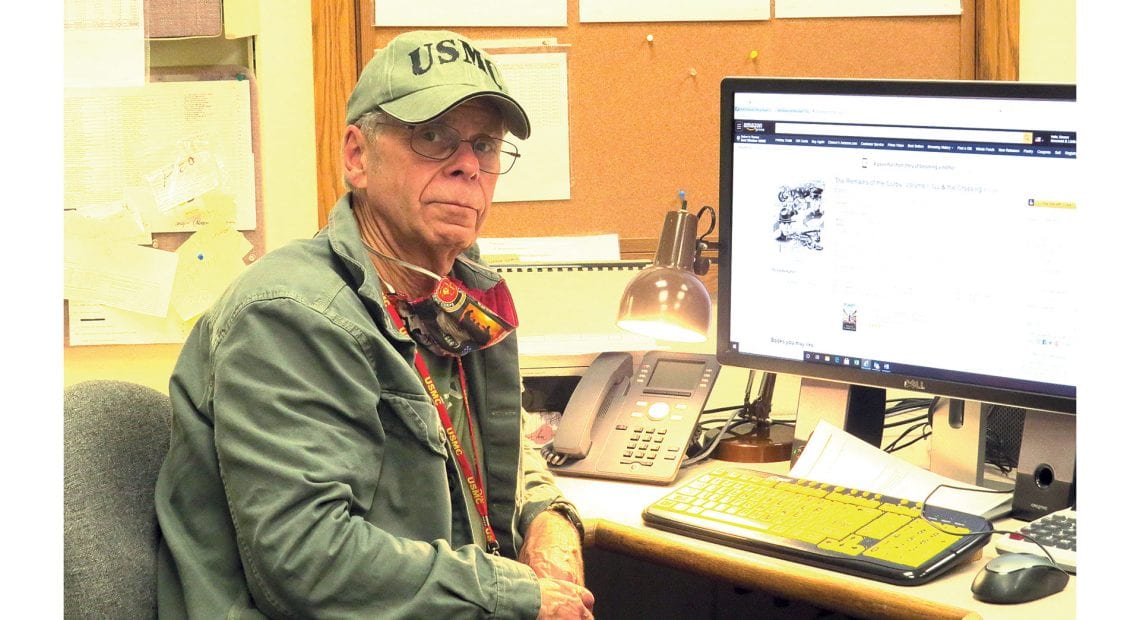
Wealth Management

Shared Expertise

Empower Retirement and Massachusetts Mutual Life Insurance Co. (MassMutual) announced they have entered into a definitive agreement for Empower to acquire the MassMutual retirement-plan business. The acquisition will capitalize on both firms’ expertise, provide technological excellence and deep product capabilities, and create scale to the benefit of retirement-plan participants and their employers.

Based on the terms of the agreement and subject to regulatory approvals, Empower will acquire the retirement-plan business of MassMutual in a reinsurance transaction for a ceding commission of $2.35 billion. In addition, the balance sheet of the transferred business would be supported by $1 billion of required capital when combined with Empower’s existing U.S. business.

The MassMutual retirement-plan business comprises 26,000 workplace savings plans through which approximately 2.5 million participants have saved $167 billion in assets. It also includes approximately 2,000 employees affiliated with MassMutual’s retirement-plan business who provide a full range of support services for financial professionals, plan sponsors, and participants.

“Empower is taking the next step toward addressing the complex and evolving needs of millions of workers and retirees through the combination of expertise, talent, and business scale being created,” said Edmund Murphy III, president and CEO of Empower Retirement. “Together, Empower and MassMutual connect a broad spectrum of strength and experience with a shared focus on the customer. We are excited about the opportunity to reach new customers and serve even more Americans on their journey toward creating a secure retirement.”

“We believe this transaction will greatly benefit our policy owners and customers as we invest in our future growth and accelerate progress on our strategy.”

The transaction, expected to close in the fourth quarter of 2020 pending customary regulatory approvals, will increase Empower’s participant base to more than 12.2 million and retirement-services record-keeping assets to approximately $834 billion administered in approximately 67,000 workplace savings plans.

“In Empower, we are pleased to have found a strong, long-term home for MassMutual’s retirement-plan business, and we believe this transaction will greatly benefit our policy owners and customers as we invest in our future growth and accelerate progress on our strategy,” said Roger Crandall, MassMutual chairman, president, and CEO. “This includes strengthening our leading position in the U.S. protection and accumulation industry by expanding our wealth-management and distribution capabilities; investing in our global asset-management, insurance, and institutional businesses; and delivering a seamless digital experience — all to help millions more secure their future and protect the ones they love.”

The MassMutual retirement-plan business has grown substantially over the past decade, with the number of participants served doubling to more than 2.5 million and assets under management more than quadrupling from $34 billion to more than $160 billion.

The combined firm will serve retirement plans sponsored by a broad spectrum of employers. These include mega, large, mid-size, and small corporate 401(k) plans; government plans ranging in scale from state-level plans to municipal agencies; not-for-profits such as hospital and religious-organization 403(b) plans; and collectively bargained Taft-Hartley plans. The transaction will also bring MassMutual’s defined-benefit business under the umbrella of plans Empower serves.

Empower and MassMutual intend to enter into a strategic partnership through which digital insurance products offered by Haven Life Insurance Agency, LLC3, and MassMutual’s voluntary insurance and lifetime income products will be made available to customers of Empower Retirement and Personal Capital.

Empower today administers $667 billion in assets on behalf of 9.7 million American workers and retirees through approximately 41,000 workplace savings plans. Empower provides retirement services, managed accounts, financial wellness, and investment solutions to plans of all types and sizes, including private-label record-keeping clients.

In August, Empower announced it had completed the acquisition of Personal Capital, a registered investment adviser and wealth manager. The Personal Capital platform offers personalized financial advice, financial planning, and goal setting, providing insights and tools for plan participants and individual investors. In addition, Empower’s retail business provides a suite of products and services to individual retirement-account and brokerage customers.

Features

This Nonprofit Is Finding New Ways to Provide a ‘Safe Place’

Kelsey Andrews (third from left, with Therese Ross, program director; Bill Scatolini, board president; and Diane Murray, executive director) calls Rick’s Place “a wonderful support system” — and much more.

Diane Murray says that, like most nonprofits, Rick’s Place is responding to the pandemic in a proactive fashion.

In other words, this agency, founded to provide peer support to grieving families, and especially children, has, out of necessity, changed, pivoted, and in some ways reinvented itself, said Murray, its executive director, noting that much of this involves carrying out its mission in a virtual manner.

“As soon as we became aware that it wasn’t safe to have in-person meetings, we moved to a virtual format for all our peer-support groups,” she told BusinessWest. And that was very successful. We were surprised at how well children made that transition; it’s hard enough to be grieving and talk about it in person with your peers, but looking at a screen can be tricky. But we sent them activities, and they would complete them and bring them to the meeting. It’s worked quite well.”

As she noted, grieving and talking about loss among a group of peers is hard, but it has become a proven method for helping children and families cope with the loss of a loved one. And Rick’s Place has been bringing people together in this way and providing what many call a ‘safe place’ since 2007.

Its mission, and its success in carrying it out — which made the agency the latest of several nonprofits to be named Difference Makers by BusinessWest — was summed up succinctly and effectively by Program Director Therese Ross when we spoke with her back in February.

“It’s a unique grief journey, but it’s also a universal experience,” she noted. “To hear from other people how they manage when their child says this or does that, it’s real boots on the ground, people living it, and it’s really helpful.”

Providing such help was the overarching goal for the many friends of Rick Thorpe, the former football star and 1984 graduate at Minnechaug High School who was among the more than 1,100 people who died in the South Tower of the World Trade Center on 9/11. He left behind his wife, Linda, and newborn daughter, Alexis. Searching for ways to memorialize Rick, friends and family members eventually turned to Alexis for inspiration and created a bereavement center in her honor.

In 2020, the work of this agency goes on, but obviously many things have changed, and in the meantime, new and different needs have emerged, said Murray, noting, as just one example, the restrictions placed on funeral services for the first several months of the pandemic.

“Deaths during the COVID era are so much more complicated for kids,” she explained. “Losing a grandparent or parent — and not being able to have the usual services you would have and seeing a large number of family and friends — has impacted the grief and made it more complicated. Also, in many cases, they didn’t get a chance to say goodbye, and that makes the process so much more difficult. We’re focusing on these COVID-era issues with families and giving them information on how to start that grief journey.”

Overall, though, a movement to virtual services has been the biggest change brought about by COVID-19, Murray noted, adding that, in addition to virtual peer sessions, the agency is also conducting virtual training sessions with local school systems on the impact of grief on students. Meanwhile, she and others at the agency are talking with area schools about taking the popular eight-week ‘grief groups’ it had been offering to a virtual format now that school has started up again.

“The schools are where we see our most diverse population and students with the greatest economic need,” she explained. “Finding a way to continue those virtually is very important to us. We’re talking to some school counselors who are very invested in getting our programs into the schools virtually.”

Since 2007, Rick’s Place and its loyal supporters — and there are many of them — have been invested in providing much-needed support to those who are grieving. In the COVID-19 era, the word ‘place’ has taken on new meeting. Now, in many cases, it’s not an actual, physical place, but rather … well, a computer screen where people can still gather. And where they can share, cope, and learn together.

As Murray said, the agency has had to pivot and in some cases reinvent. But its vital mission, one that has made it a Difference Maker, remains unchanged.

—George O’Brien

Features

This Advocate and Cheerleader Remains Active on Many Fronts

Photo by Leah Martin Photography

When we first introduced Dianne Fuller Doherty back in February, we used the term ‘semi-retired’ to describe her status — and it’s the appropriate phrase to use.

Indeed, while she has stepped down from her role as director of the Massachusetts Small Business Development Center Network’s Western Mass. office, she remains heavily involved in this region, and on a number of fronts — everything from mentoring young people, especially women, to serving on several boards and being part of a few prominent search committees, such as the one that eventually chose Robert Johnson to be the sixth president of Western New England University (see story, page 29).

And most, if not all, of her work has been in some way impacted by COVID-19, including that search at WNEU, and another at Tech Foundry.

“We never met any of the candidates — only the winner after he had been given the position,” she said of the WNEU search, noting that all interviews were conducted remotely, a process she didn’t think would be very effective, but ultimately proved to be. “When we started both these searches, I said, ‘how can we not meet these people?’ It turned out it was incredibly effective — you really got to know these candidates.”

Fuller Doherty’s commitment to remain involved in this region and be, in some respects, a cheerleader for it comes naturally. She’s been doing this she came to Western Mass. in the early ’70s after marrying attorney Paul Doherty, a community leader himself, who passed away several years ago. And she become involved with everything from the creation of the Women’s Fund — she was one of the original founders — to the growth and maturation and the region’s entrepreneurial ecosystem.

Over the course of her lengthy career, she was a business owner — she and partner Marsha Tzoumas started a marketing firm that bore their last names — and, as director of the Small Business Development Center, one who helped countless small businesses get off the ground and to that proverbial next level.

She has a great deal of experience in all matters of launching and operating a business, and she’s never been shy about sharing it with others.

As she told us in February, her MO has always been to provide a kind of tough love to entrepreneurs — in other words, be supportive whenever possible, but also honest and realistic, telling people what they needed to hear, not what they wanted to hear.

“The best advice I give to people is to ask enough questions so that they can come to the right conclusion on whether this is the right time, or the right place, or the right financial backing to go forward,” she said when we first spoke with her. “You let them come to the decision about whether it’s a ‘no.’ And if it’s a ‘yes,’ then you just try to be as supportive as possible and it them know that there are going to be highs and lows in any business, and the challenges will come. But the rewards will come also.”

For Fuller Doherty, the biggest reward has been to see the region continue to grow, prosper, and meet the enormous potential she has always thought it possessed. Progress has come on a number of fronts, she said, listing everything from the advancement of women, thanks to groups like the Women’s Fund, to that entrepreneurial ecosystem, to the capital of the region, the city of Springfield.

She told BusinessWest she has always been focused on ‘what’s next’ for the region, and especially Springfield, and believes the answer may lie in housing.

“Education requirements dictate housing investment,” she explained. “And I think we can do a lot with housing; Springfield used to be the City of Homes, and I think it can come back to that.”

But there is work still to do on all these fronts, she acknowledged, and she wants to continue playing a meaningful role in all of it.

In other words, she has no intention of slowing down, even in the era of COVID-19, and this attitude, this mindset, certainly explains why she is a member of the Difference Makers class of 2020.

—George O’Brien

Features

COVID Has Brought New Challenges to an Already-intense Cancer Fight

Photo by Leah Martin Photography

Sandy Cassanelli has always been a fighter.

Which is good, because these first nine months of 2020, the year of COVID, have tested her in every way imaginable.

Let’s start with her health. As most know, she was diagnosed with stage-4 breast cancer four years ago, and has been not only fighting that fight, but helping others fight it as well through the Breast Friends Fund, a charity that raises funds that go directly to metastatic breast-cancer research at Dana-Farber Cancer Institute.

Having a terminal illness in the middle of a pandemic, though, brings even more challenges to the fore.

“There was the realization that this virus could kill me,” she said, noting that, for obvious reasons, she began working at home back in March. “And my husband, Craig, had to be careful to make sure he wasn’t bringing anything home to me; he would take off his clothes in the garage and run up to the shower every day. He jokes that I would spray Lysol on him before I would let him in the house.”

Meanwhile, as she started a new treatment regimen and underwent tests and biopsies, the protocols were much different.

“At Dana-Farber, my husband always comes with me — he’s never missed an appointment,” she explained. “But once everyone started locking down, only the patients could go, so I had to go from my first scans to see if my new treatment was working by myself. And since March, I’ve had to go to every appointment by myself. It’s been very challenging not to have the support of my husband.”

Let’s move on to her business that she manages with Craig — Greeno Supply. Near the top of the list of the products it supplies to a wide range of customers are a number of items in high demand but short supply during the pandemic — paper towels, toilet paper, cleaning supplies … all those things. Getting them — and meeting the needs of customers — has been daunting, to say the least.

“It was very challenging — it was hard to get these things from our suppliers,” she said of products that ranged from those paper goods to gloves, masks, and other PPE. “We had to reinvent the wheel and go out to different suppliers just to get these items. And we’re still struggling — we’re still reinventing the wheel.”

And then, there’s family, or life at home, a phrase that has certainly taken on new meaning during this pandemic.

Cassanelli, like many parents, and especially many women, has been working at home and helping her children with school at home. In this case, the children were in eighth and 12th grade, respectively — big years, graduation years. Not a year one would want to spend confined at home.

“I’ve been battling for seven years, so my daughters are used to adversity and things not going the way normal life goes,” she explained. “They’ve been dealing with a lot, and they actually did really well because they know how to deal with adversity. But I’d have to say that when the final announcement came that they wouldn’t be going back to school and there was no graduation — that was probably the only time that tears flowed in my house.

“When I was first diagnosed with stage-4 cancer, the doctor set a goal for me and my older daughter Samantha — that I would get to see her graduate and walk across the stage” she went on. “So it was a double whammy — but we moved on.”

Overall, Cassanelli’s ability to meet all these challenges head on helps explain why she’s a Difference Maker in this memorable year.

It’s a mindset summed up perfectly by something she said to BusinessWest back in February while discussing her diagnosis and her approach to life.

“Does it suck? Yeah, it totally sucks. But me crawling up in a ball and putting the sheets up over my head is not going to fix anything, so I might as well just get up and go,” she said. “I try not to sweat the small stuff. I believe that every day is a gift, and I’m going to make the best of that day, and I’m going to be positive, because if I’m positive, then everyone around me is going to be positive.”

COVID-19 — and all that has thrown at her — isn’t small stuff. But she doesn’t seem to be sweating it, either.

—George O’Brien

Features

Former Family Business Center Leader Is Still Delivering Frank Talk

Ira Bryck spent 25 years as the executive director of the Family Business Center of the Pioneer Valley. And over that quarter-century, he left an indelible mark on those he helped through his rather unique style and ability to create impactful learning experiences.

These included plays he authored, dinner meetings with provocative speakers, and, quite often, frank talks about family businesses and whether people should be part of them or not.

And he continues to make a mark, even though he’s retired from the FBC, as it was called, and the center itself has gone out of business. He does it through a radio show with WHMP called The Western Mass. Business Show a variety of consulting work, and even his work in the COVID-19 era to help keep the residents of Amherst, where he has lived for some time, safe as college students return to campuses.

In all these settings and circumstances, Bryck speaks his mind, creates dialogue, and helps to generate progress in many forms. And that, in a nutshell — and he wrote a play called A Tough Nut to Crack — is why he is a member of the Difference Makers class of 2020.

He has decided not to join his fellow classmates for the ceremony on Sept. 24 due to a strong desire to help keep his family safe during this pandemic — two adult children and their families with New York addresses have moved in with him as they seek what amounts to higher ground during the pandemic — but he has definitely earned his place on the podium, even if he’ll be addressing his audience remotely.

That’s because, since being named director of the fledgling FBC in 1994, he has done things his way — and in an ultimately effective way. And he has helped educate and inspire an important, if often unrecognized, segment of the local economy — its family businesses.

They come in various shapes and sizes and cross a variety of sectors, but they share common issues and challenges. When we talked with Bryck in February, he compared small businesses to snowflakes in that no two are alike, and summoned that famous opening line from Tolstoy’s Anna Karenina: “All happy families are alike; each unhappy family is unhappy in its own way.”

Bryck has addressed these issues and challenges in a manner that had members of the FBC describe him, alternately, as ‘communicator,’ ‘connector,’ ‘facilitator,’ and even ‘entertainer.’

One long-time member described his style and his approach this way: “He can take things that are very theoretical and make them realistic. It’s one thing to read a paper from a professor who deals in theory, but it that reality? Can that be applied to the everyday businessperson? Ira was able to translate those kinds of things.”

And he’s still doing all that, just in different settings and with different audiences. With his radio show, he just passed a milestone — his 300th interview.

“It’s a nice exercise to meet and interview someone every week,” he said. “It’s been a lot of fun and a tremendous learning experience.”

Meanwhile, he’s also working with Giombetti Associates as a senior advisor working on personality assessments, coaching, and organizational development. He’s involved in several projects, including one with a private school in Springfield that is undergoing a change in leadership.

“We’re restructuring and creating much more of an idea system within their leadership team,” he explained, adding that he’s working on another project involving a Connecticut grower of plants and trees that is seeking to make structural changes and increase self-awareness and self-management.

He’s also coordinating a roundtable for area business owners. “We meet monthly and just explore people’s challenges and help each other think things through, and that also involves coaching,” he said, adding that he’s also involved with the family business center at Cornell University, participating in what he called a “speed-dating event involving mentors and mentees.”

“All this keeps me busy, but I’m only working about half as much as I used to,” he explained. “Which leaves me plenty of time of walk five to 10 miles a day, so I’ve lost 45 pounds.”

Overall, he’s still finding ways to educate — and also entertain, in some cases — while also making a mark on those he’s working with.

In short, he’s still very much making a difference in this region — and well beyond it.

—George O’Brien

Features

His March Will Go On … but with Fewer Marchers

Monte Belmonte says the COVID-19 pandemic has brought about some changes in what he does on the radio each day.

Like helping his listeners know what day it is — a simple assignment that has become a good deal more difficult as the days blend together and the things that make them different are increasingly removed from the equation.

“I would come in and do my show the same way I’d been doing it, except I introduced what I call ‘quaran-themes’ — a different musical theme for each day of the week,” explained Belmonte, a DJ with WRSI the River Radio in Northampton. “Wednesday, for example, is wanderlust Wednesday, where I take people musically to places they couldn’t otherwise go — like the ukulele version of ‘Somewhere Over the Rainbow’ to make them feel like they could go on that trip to Hawaii they were supposed to go on but couldn’t.”

Like everyone else, Belmonte is making needed adjustments because of the pandemic — at home, at work, on the air — and especially with the fundraiser to combat food insecurity that now bears his name: Monte’s March.

Indeed, the march, which takes place in November and has grown exponentially — in every way — since he started it back in 2010, has, in recent years, attracted hundreds of marchers who have joined Belmonte on his two-day trek from Springfield to Greenfield. This year, in the name of social distancing, those marchers will be encouraged to stay home and support the effort virtually, something many supporters have already been doing.

“It’s such a long walk that people have participated virtually over the years — where they create a fundraising team and set up a fundraising page — so at least there some institutional knowledge,” he explained, noting that specific details of this year’s march are coming together and will be announced soon. “But now, with everyone doing almost everything virtually, I think people will want to participate.”

And they certainly need to participate, he went on, because need has never been greater. That’s because the pandemic is leaving many in this area unemployed and in need of help — bringing the broad issue of food insecurity to the forefront as perhaps never before.

Nightly newscasts show long lines of cars at designated locations to pick up donations of food. Many of those being interviewed say this is the first time they’ve ever needed such help and that they never imagined they would be in such a situation. It’s a scenario playing itself out in California, Florida, Texas — and the Pioneer Valley.

“Because of the pandemic, hunger has been in the forefront of people’s minds in a different way,” Belmonte told BusinessWest. “I’ve talked with some of the survival centers, and the need has definitely grown.”

Getting back to his day … Belmonte said the pandemic has certainly impacted that as well — in ways beyond his song to signal what day it is.

Indeed, he noted that, in many ways, radio, and his work on the air, have more become more important and more appreciated in the era of COVID-19 as people look for some normalcy and comfort in their lives.

“Especially in the beginning, the pandemic reinforced how important radio is to people at a time like this,” he noted. “It’s a medium that feels more personal and intimate than some others; maybe the commuting times have changed, but people are still going places in their car, so most of the time it’s just you and your radio in your car together. When people needed a listening ear and a voice and some kind of sense of normalcy that might have been lost, they turned to radio in a different way.”

Meanwhile, he has used his show, his platform, to provide needed information and also try to help the businesses that have been impacted by the pandemic, especially restaurants.

“We offered to the restaurant community what amounted to public-service announcements,” he explained. “We said, ‘let us know what you’re doing, whether it’s takeout or whatever,’ and we called it the ‘takeout menu.’ It let people know what different restaurants were doing at different times.”

Overall, Belmonte said some things are starting to feel a least a little more like normal. But the pandemic is still impacting lives in all kinds of ways — which is why he’s still helping people understand what day it is.

And also why he’s hoping his next march will be among his most successful — even if supporters are not actually on the road with him.

—George O’Brien

Features

He Has Plans to Retire, but No Plans to Scale Back His Involvement

Photo by Leah Martin Photography

When we talked with Steve Lowell back in January, he related just how familiar he became with the commute from Cape Cod to Upton in the middle of the state, where he lived, earlier in his career.

That’s because, while he was working for a bank on the Cape, he also became heavily involved in the community there — as part of his work, but mostly because giving back is his MO. He recalled that he was on the Cape so much, many people thought he lived there.

When we reconnected several days ago, Lowell was again talking about this commute, but from a different perspective.

Indeed, only days after he was introduced as a member of the Difference Makers class of 2020 in February, Lowell announced he would be retiring as president and CEO of Monson Savings Bank, effective early next year, and stepping into a role new for this institution — chairman of the board. He and his wife, Anne, are in the process of relocating to the Cape, but he now keeps a small apartment in Brookfield and is there three or four nights a week, because he’s not only neck-deep in the transition of leadership at the bank (Dan Moriarty, the long-time CFO at the bank, has been named his successor), he’s still active in this region. Make that very active.
And he intends to remain involved with a number of organizations in this region, which means he’ll doing that commuting thing again.
“I’ll be around,” he said with conviction, he said, noting that’s not certain how long he will continue those living arrangements in Brookfield. “One way or another, I’ll be around.”
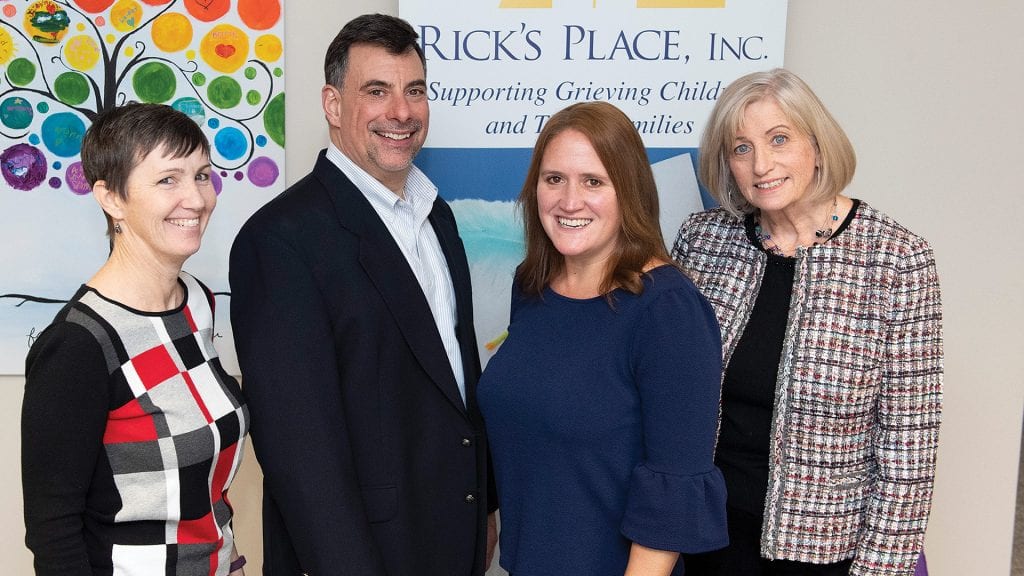
And while his work and that of his team at MSB has been somewhat different because of the COVID-19 pandemic, such as handling PPP loan applications, the basic formula hasn’t changed, he said, meaning Monson continues to fill the many roles of a community bank — and continues to search for new growth opportunities in a heavily banked region.

“In spite of COVID, we’ve moving forward, and we’re looking to the future,” he told BusinessWest, noting that the institution recently opened a new branch in East Longmeadow. “We’re trying to build an organization that is resilient enough to withstand not only this but anything else that might happen.”

While working to build this organization, Lowell is transitioning into his new role as chairman, one that will translate into a good deal of mentoring and also helping to guide the bank through a period that will likely be much more difficult than the one it just went through.

“I think 2021 is going to be an extremely challenging year, so I’m happy to stay involved and lend whatever expertise I can to them to make sure we keep things going in a really positive way,” he said. “I’m excited about that; I’m honored that they thought that this would be helpful, and I’m looking forward to it; I think it’s going to be a lot of fun.”

Meanwhile, as noted earlier, he will continue a career-long pattern of being heavily involved in the community, work that has involved nonprofits and institutions ranging from the United Way of Pioneer Valley to Link to Libraries; Baystate Health’s Eastern Region (Wing Memorial and Mary Lane hospitals) to the Western Mass. Economic Development Council (EDC).

“They’ve asked me to stay on for another year as chairman of the board of the Baystate Health Eastern Region,” he said. “And I just got asked by Rick Sullivan [president and CEO of the EDC] to continue on as treasurer — he said, ‘even though you’re going to be down on the Cape, can you stay on as treasurer?’ And I said, ‘as long as you’ll have me.’”

That request, and his answer in the affirmative, both speak to why Lowell is a member of this Difference Makers class of 2020. He’s almost always said ‘yes’ when asked to serve, and, more importantly, he usually didn’t wait to be asked.

He noted that, as he was arriving in this region in the late spring of 2011, the region — and Main Street in Monson — were hit, and hit hard, by a tornado. And as he’s retiring — at least from his role as president and CEO — the world, and Main Street in Monson, are being hit, and hit hard, by a pandemic.

“People might be happy to see me go,” he joked.

That’s certainly not the case. Even more to the point, he won’t be going anywhere soon, except for that commute he knows all too well.

—George O’Brien