Waiting for a Correction
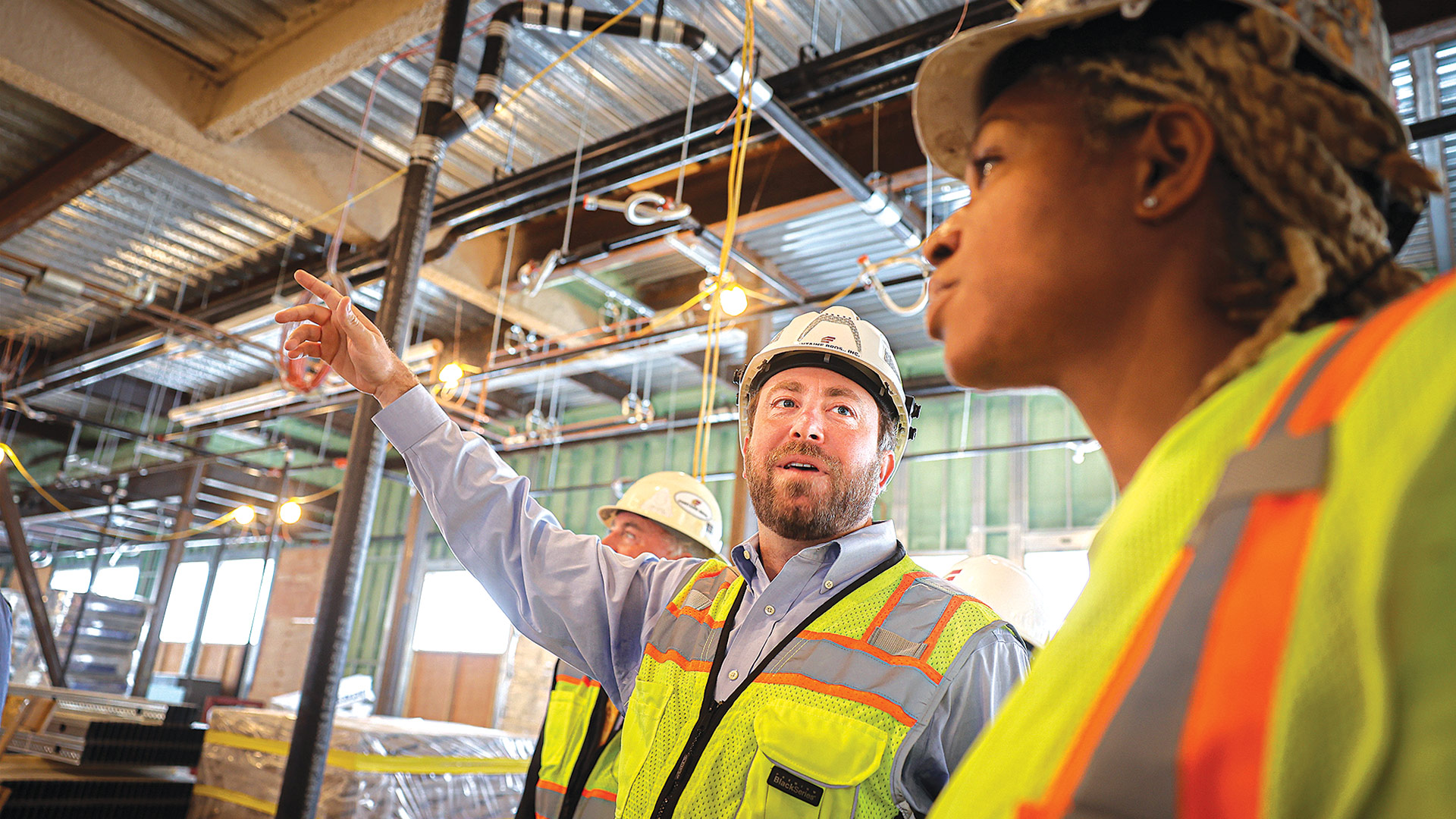
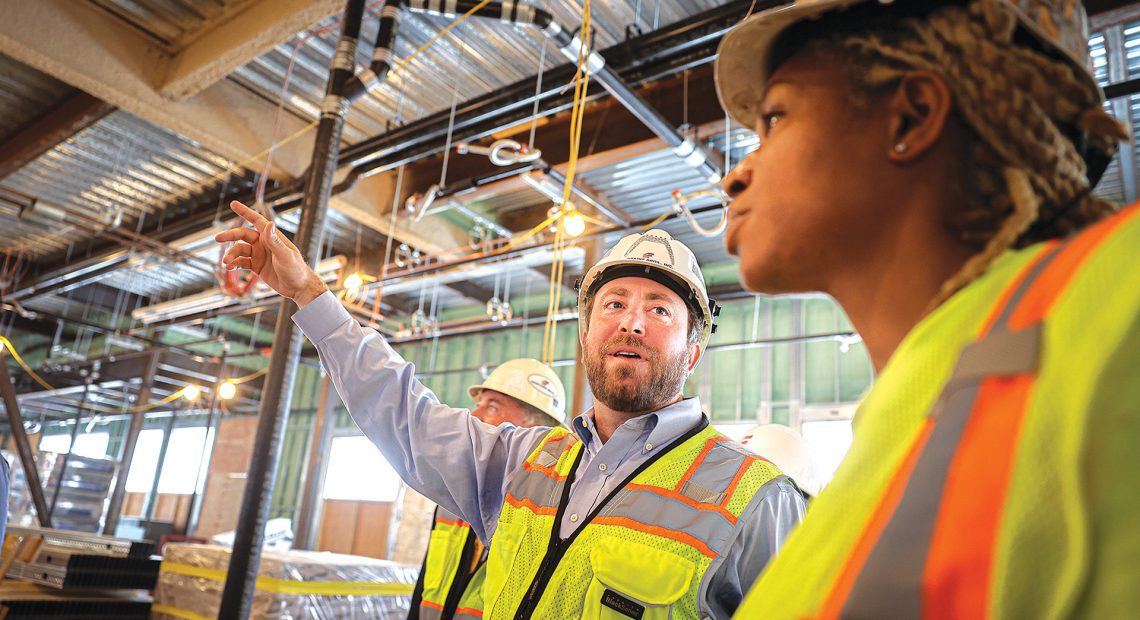
Dave Fontaine Jr. says a ‘correction’ on cost and supply challenges would help builders and buyers move forward on projects with confidence.
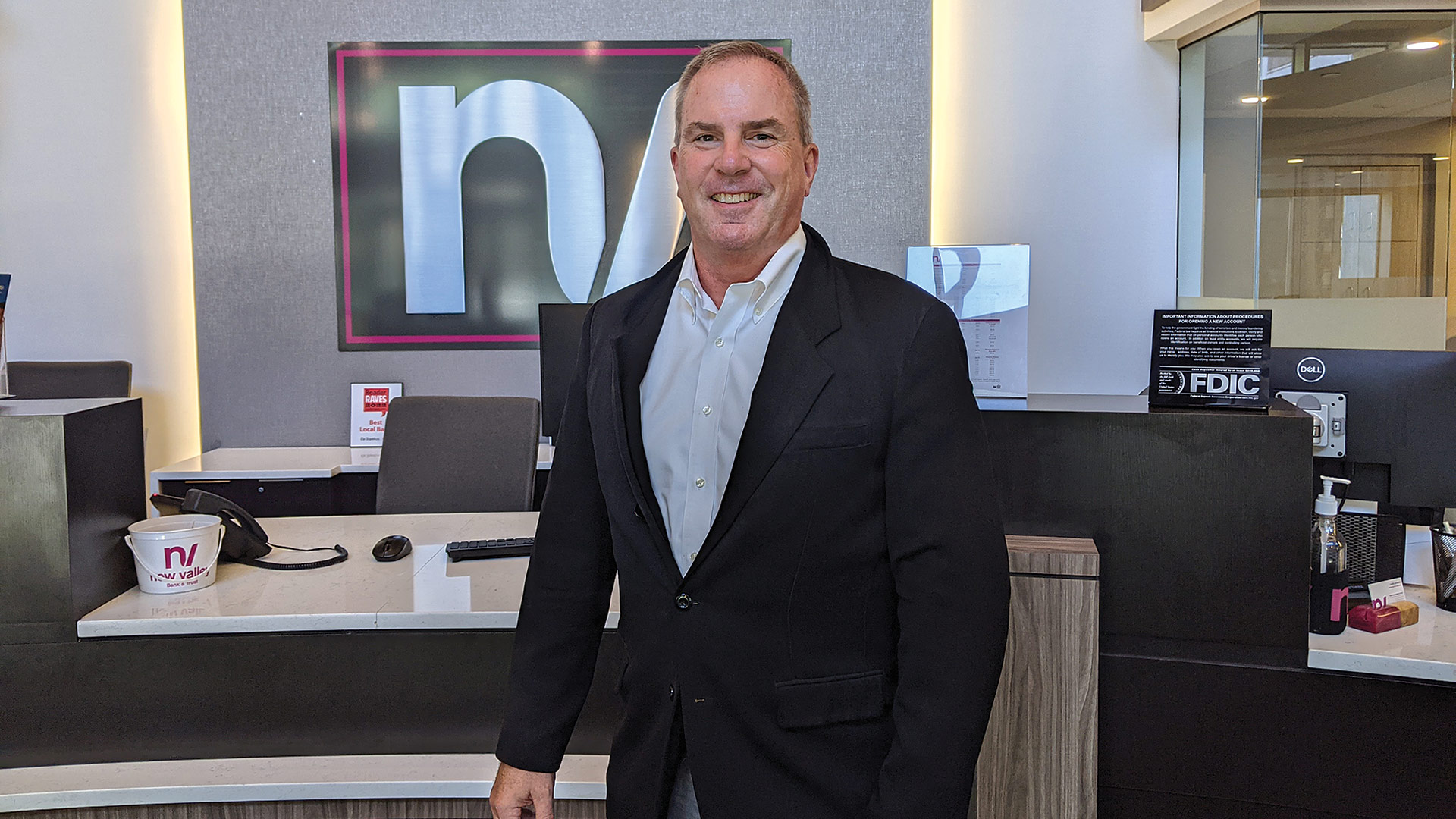
Photo by Joe Santa Maria, Kill the Ball Media
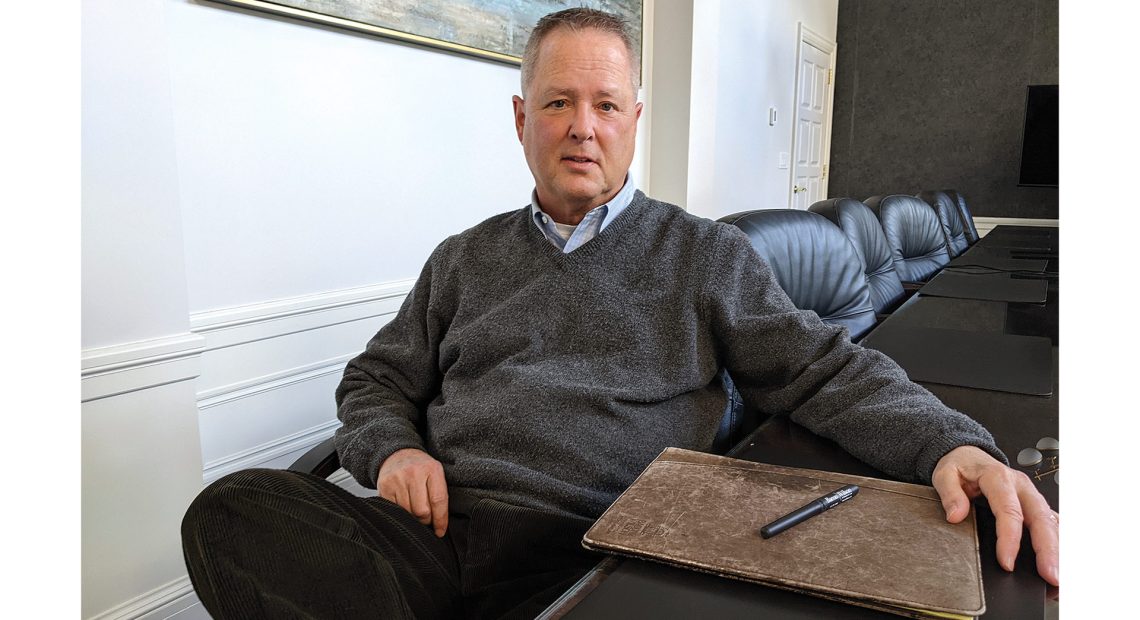
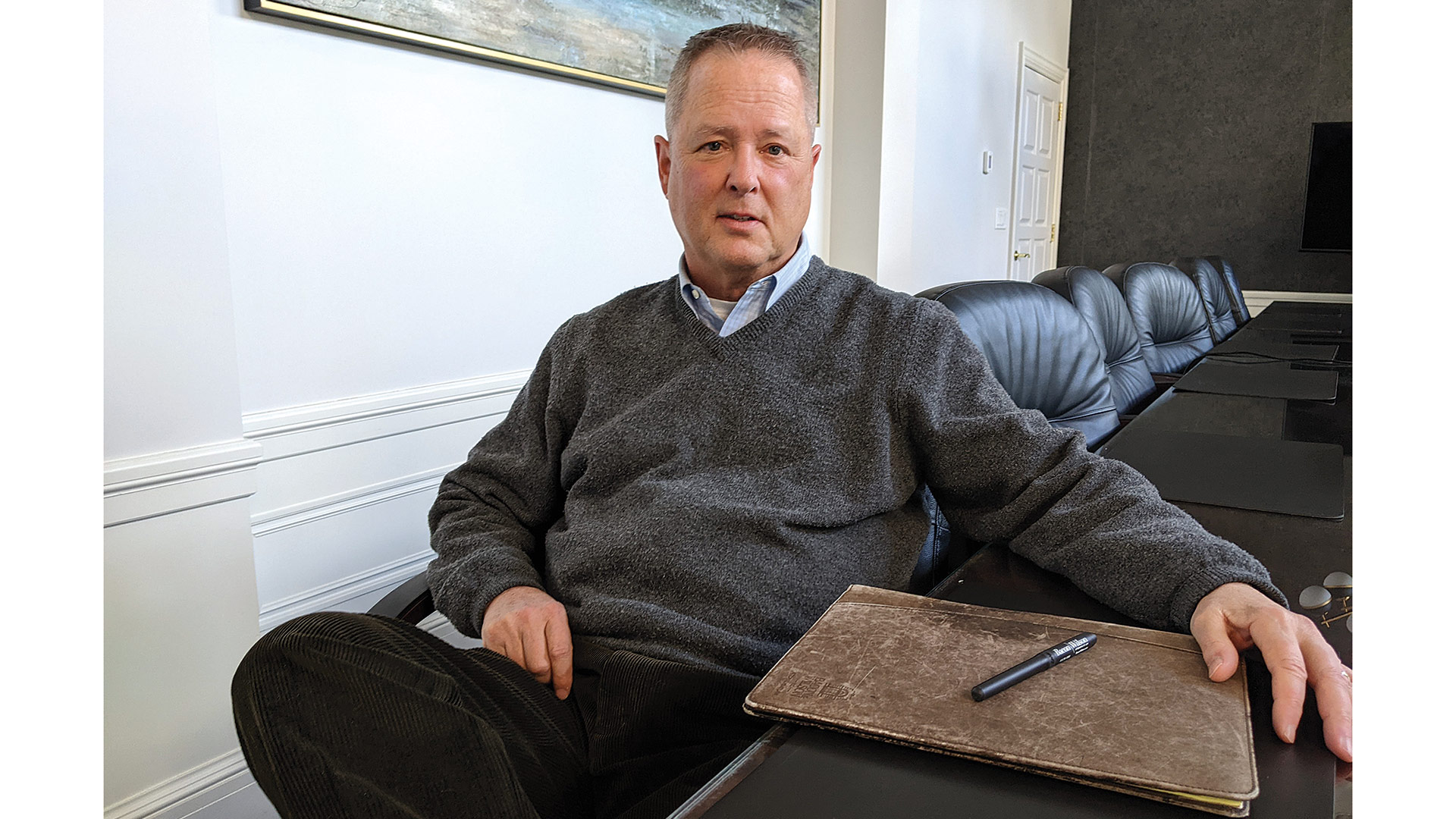
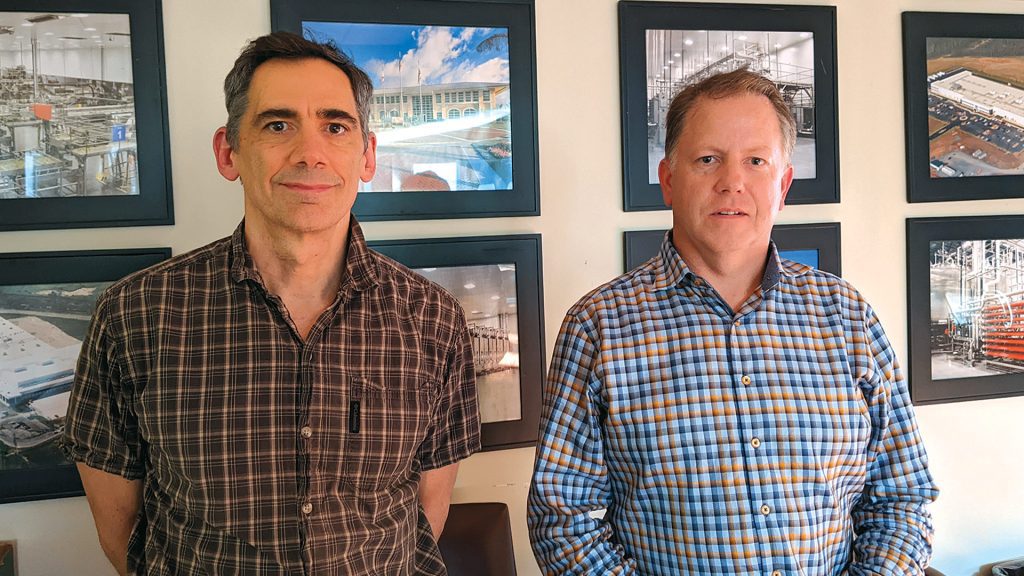
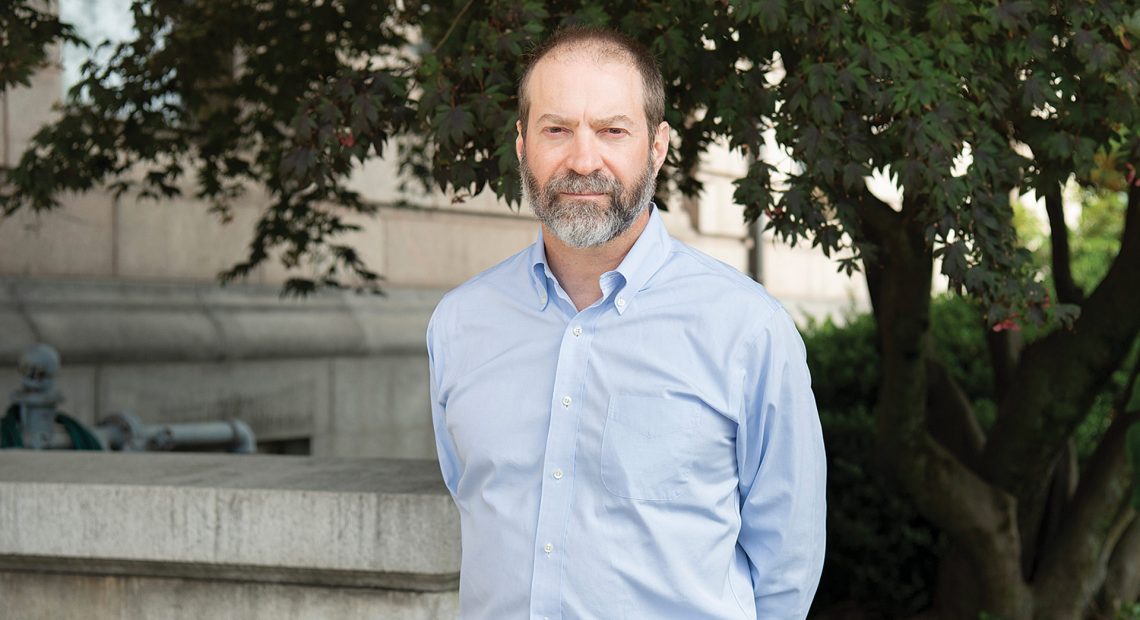
Dave Fontaine Jr. hears talk of a recession that could affect the construction industry, but he prefers to use a different word: correction. After a couple years of soaring costs, he feels one is necessary, and coming.
“I think in the last two years, costs have risen over 20% each year. When you go back over the last 30 years, the average increase per year is 2% to 4%,” said Fontaine, CEO of Fontaine Brothers Inc. in Springfield. “It’s been very difficult for projects to absorb, and for clients to absorb. We’ve seen several projects — some we’ve been involved in, some we’ve watched from the outside — that have either stalled or been canceled because of cost challenges.
“We’re hopefully undergoing a correction. And I like to use that word, the idea being that we need to get back to a correct place. Sometimes [rising costs] are a necessary evil: things get overheated; COVID brought challenges with supply chains, labor, and transport that affected materials and pricing. But I think, frankly, construction costs are in need of a correction. When that happens organically, when we’re able to broaden the supply chain again, get things flowing … we’ll get back to a place where people know what the cost is to build, and move forward with confidence.”
That said, Fontaine noted, “it’s been a really good year; we’ve been busy across all the geographies we serve and all the different sectors as well.”
Bill Laplante, president of Laplante Construction Inc. in East Longmeadow, which specializes in home building and remodeling, had an equally strong report.
“The demand carried over from 2021; demand for remodeling was really high, and a lot of that was just people being home during the pandemic. They were able to work from home and wanted to make a nice office or put a bedroom suite in.”
“We had a fantastic 2022. It was probably one of our best years in the last 20 years,” he said, noting that some of that success was driven by expansion onto Cape Cod, but some was based on demand that carried over from 2021. “Some of it was pandemic-related, but we actually have a really strong outlook for 2023 with the jobs we have in the pipeline.”
He agreed, though, that supply and cost challenges have been discouraging.
“Some materials, things like plastic pipe and conduit, have increased five times the cost. It’s not as simple as a 8% or 9% increase here and there; for some materials, it’s completely off the charts. It makes it difficult to sign a contract and build a house, when you’re not going to be purchasing those materials for four months, not knowing where things are truly going to land. Obviously, once costs go up, you try to plan for the next house.
“The supply-chain issues have been brutal over the last couple years,” he went on. “It seems like it’s something different every week. You can’t get the plastic for the buckets for drywall cement. Then the next week, you can’t get runners for cabinet drawers. The next week, you can’t get a hinge. That’s been very, very difficult. Plus, a lot more planning goes into it, with the increased lead times for windows, doors, and appliances. We need to get selections a lot sooner than we would from our customers so we can get orders placed. With high-end appliances, we’re out 10 to 12 months.”
Fontaine echoed those sentiments. “Lead times are still challenging. There are some items getting better, which is good, and most items are not getting worse, which is also good. But we’re still seeing a lot of difficulty with items like electronic components, chips, boards, stuff like that. That’s affecting things like rooftop units, electrical equipment, and generators.
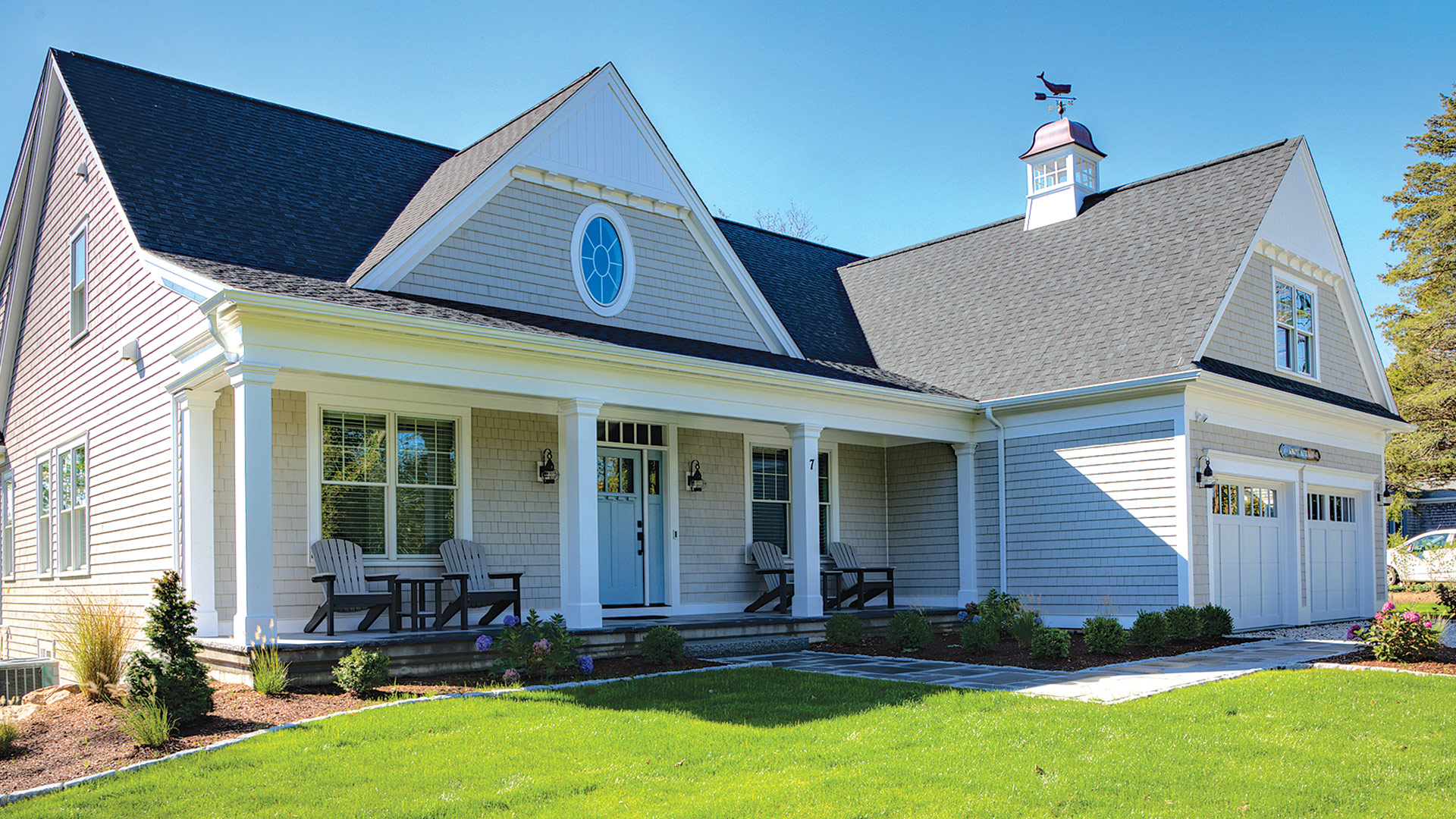
Bill Laplante says demand has been up for new homes and remodels alike, despite rising interest rates.
“For us, it’s not anything that’s stopped our projects from opening on time,” he added, “just something we’ve had to pay much more attention to, and we’ve become more creative with how we procure things and meet our schedules.”
Ups and Downs
Despite reports that some area contractors had a strong 2022, rising interest rates are expected to impact construction nationally in 2022. The 2023 Dodge Construction Outlook predicts U.S. construction starts will drop by 3% next year.
Meanwhile, the Architecture Billings Index, a forward-looking indicator for construction activity, dropped significantly in October after 20 months of positive growth. And the Associated Builders and Contractors backlog indicator, which tracks work construction firms have booked but haven’t yet begun, fell below its pre-pandemic reading from February 2020, largely due to a decline in the commercial and institutional category.
“The construction sector has already started to feel the impact of rising interest rates,” said Richard Branch, chief economist at Dodge. “The Federal Reserve’s ongoing battle with inflation has raised concerns that a recession is imminent in the new year. Regardless of the label, the economy is slated to significantly slow, unemployment will edge higher, and for parts of the construction sector, it will feel like a recession.”
Some sectors are expected to perform well, he added, including data-center construction, manufacturing starts — especially chip-fabrication plants and electric-vehicle battery plants — and publicly funded infrastructure projects. Meanwhile, the office, warehouse, hotel, and retail sectors are expected to lag. Branch also expects single-family starts to drop about 5% next year.
“There’s got to be more emphasis put on job training and vocational schools. The opportunities out there for tradespeople, and what a skilled tradesperson can make, are incredible.”
Laplante said remodeling, additions, renovations, and home improvements comprise 30% to 40% of his firm’s work, and the pandemic played a role there.
“Again, the demand carried over from 2021; demand for remodeling was really high, and a lot of that was just people being home during the pandemic. They were able to work from home and wanted to make a nice office or put a bedroom suite in. We saw that pretty much across the board. People weren’t traveling overseas; they were putting in poolhouses and sunrooms and outdoor kitchens, things like that.”
While he expects interest rates to slow activity in the home-building and remodeling industry, Laplante said the large size of some of his projects, which can take from six months to a year, tends to dampen any slowdown.
“Smaller remodelers are probably seeing more of an effect with interest rates slowing things down quicker than we will see it,” he said. “And then, of course, we’re working with a lot of customers who aren’t interest-rate-sensitive.”
He added that subcontractors may see a slowdown before builders because they don’t deal with the same project duration.
The Cape Cod expansion is a strategic move partly based on the fact that Laplante was already building there, and it’s also a fairly high-end market, where, as he noted, clients are more willing to weather higher interest rates. “So part of that was a hedge against the economy; you don’t see the deep swings in demand you would see in the Western Mass. market.”
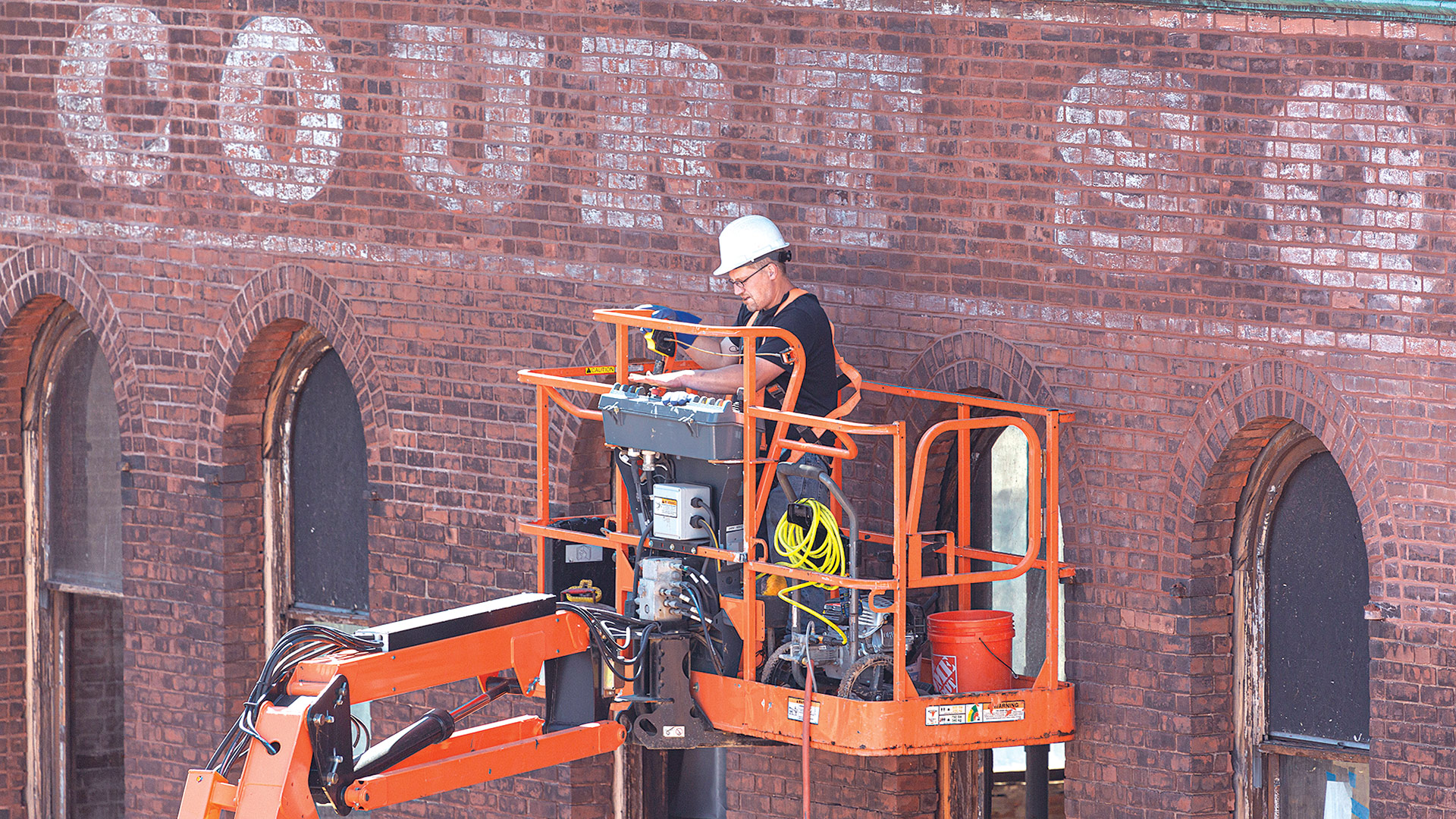
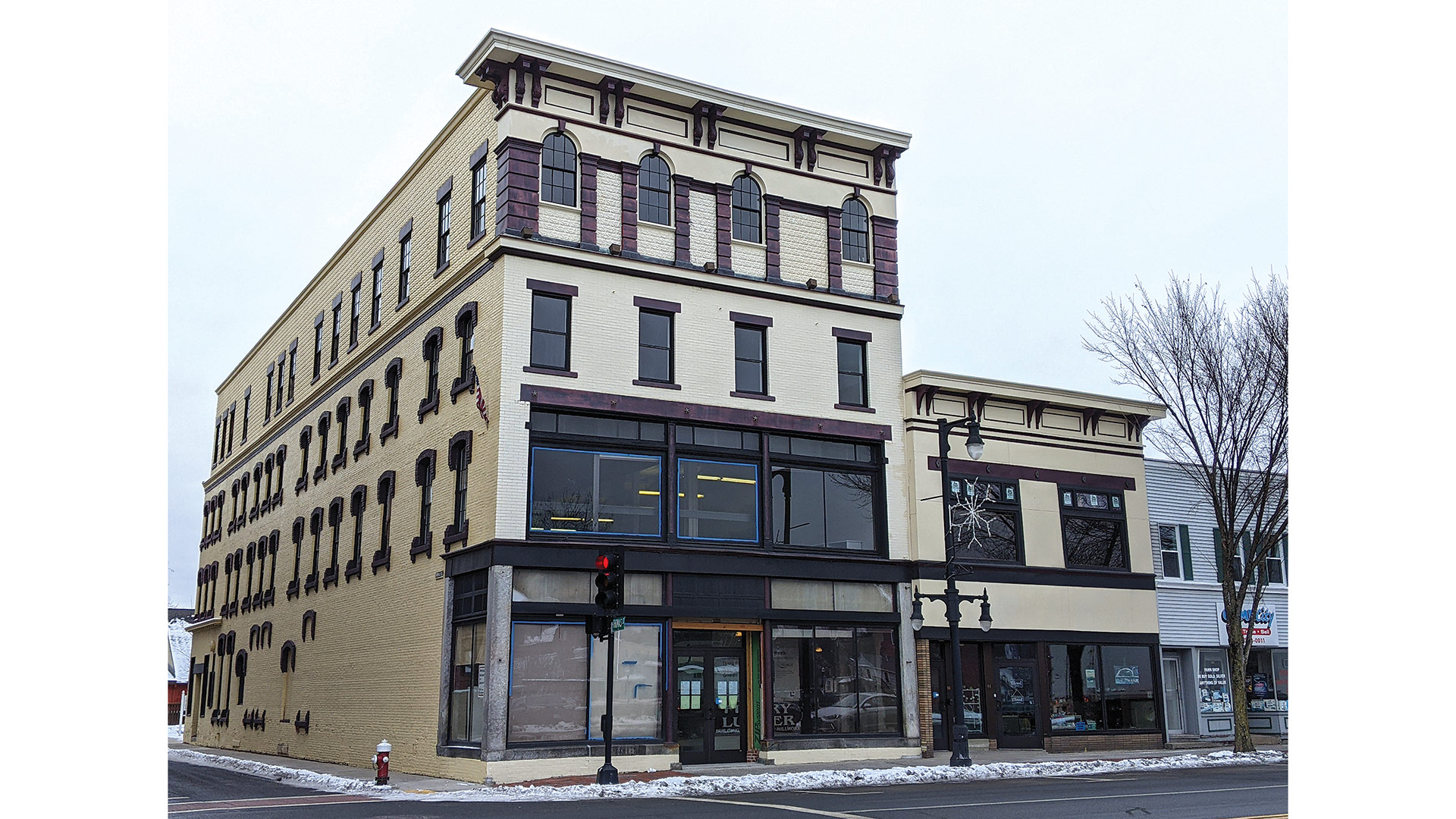
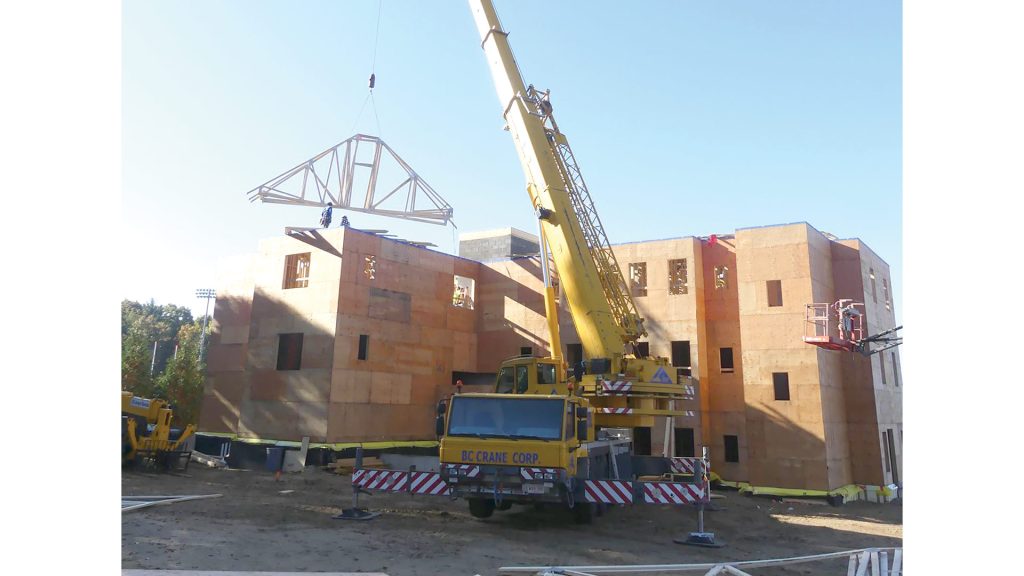
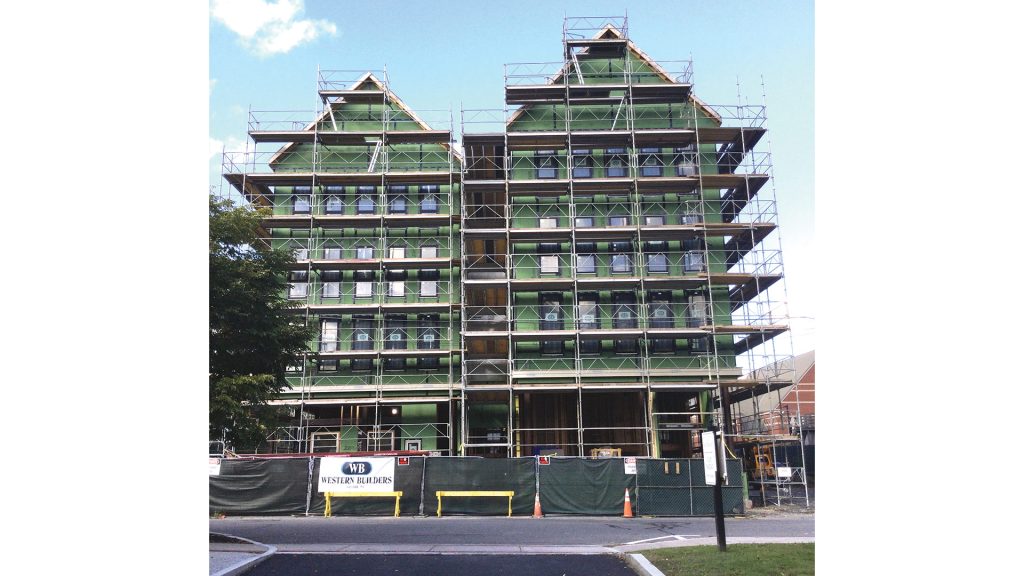
A worker from Fontaine Brothers works on the facade of the former Court Square Hotel.
Photo by Joe Santa Maria, Kill the Ball Media
Fontaine said his company, while also expanding its reach geographically, is taking on more housing work now that it’s starting to become a priority again. “We did a lot of it for a long time, and we’re seeing a lot more public housing, affordable housing, make its way back through the funding pipeline.”
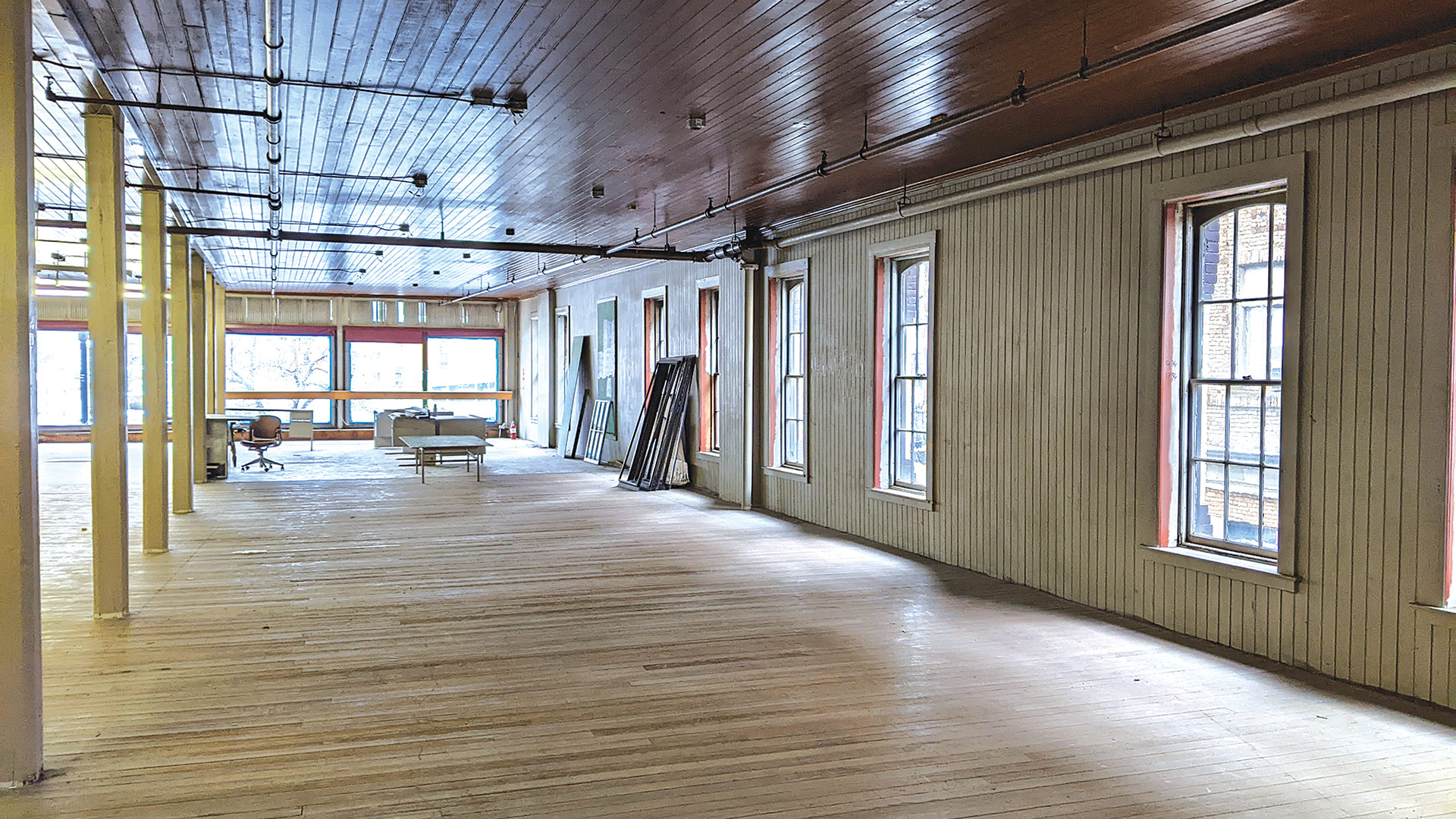
His most notable current project in that realm is the ongoing transformation, with Winn Development, of the Court Square Hotel in Springfield into 71 units of market-rate housing, accompanied by retail on the ground floor.
Fontaine’s longtime presence in the education sector is also strong right now, with projects including the new DeBerry-Swan Elementary School in Springfield, an elementary school in Tyngsborough, a middle school in Walpole, a project at UMass Chan Medical School in Worcester, and the $240 million Doherty Memorial High School, the largest project in the city of Worcester’s history.
Help Wanted
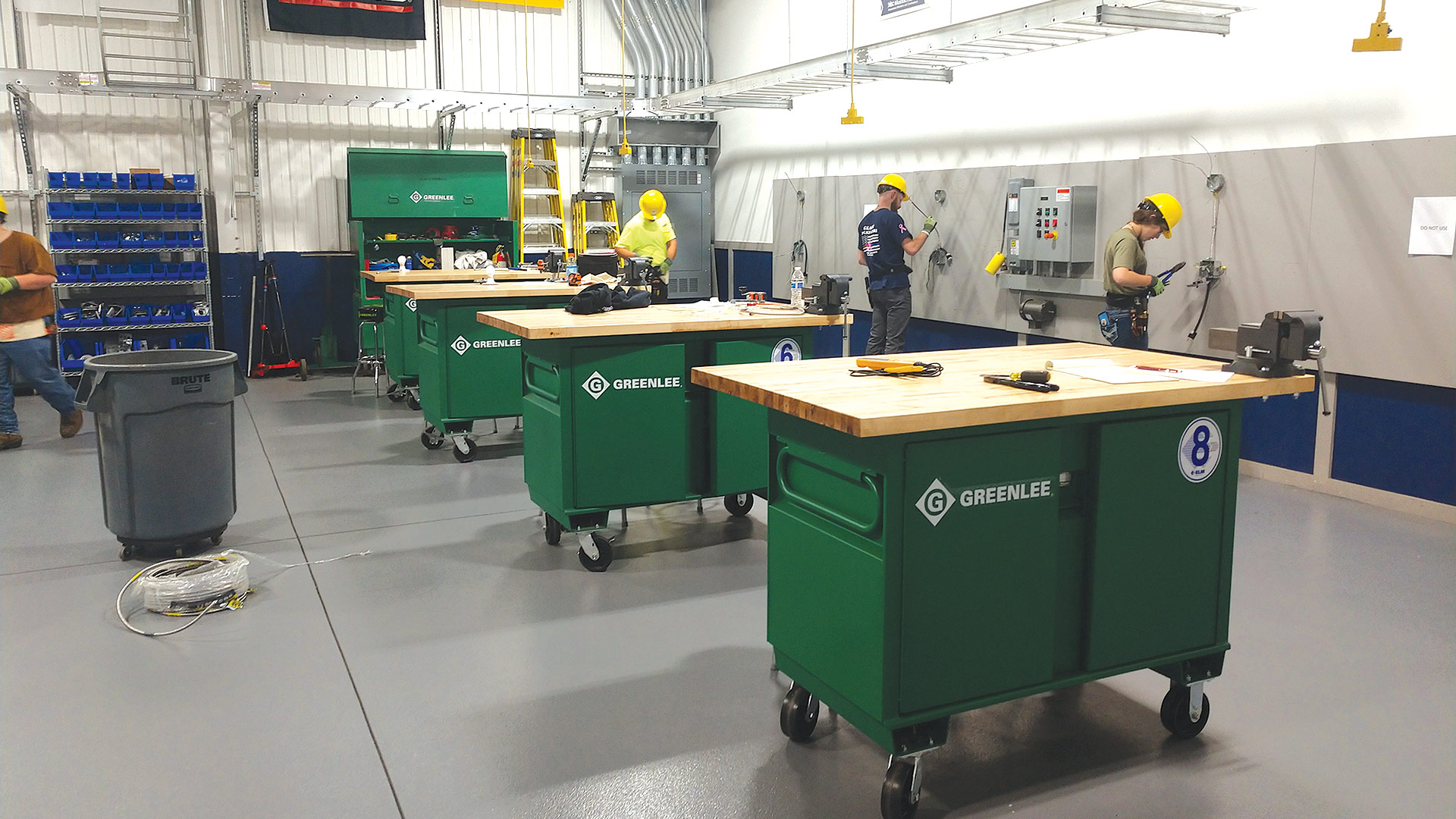
After inflation and supply woes, the third challenge construction companies are dealing with remains a workforce crunch, which has affected many other sectors of the economy as well.
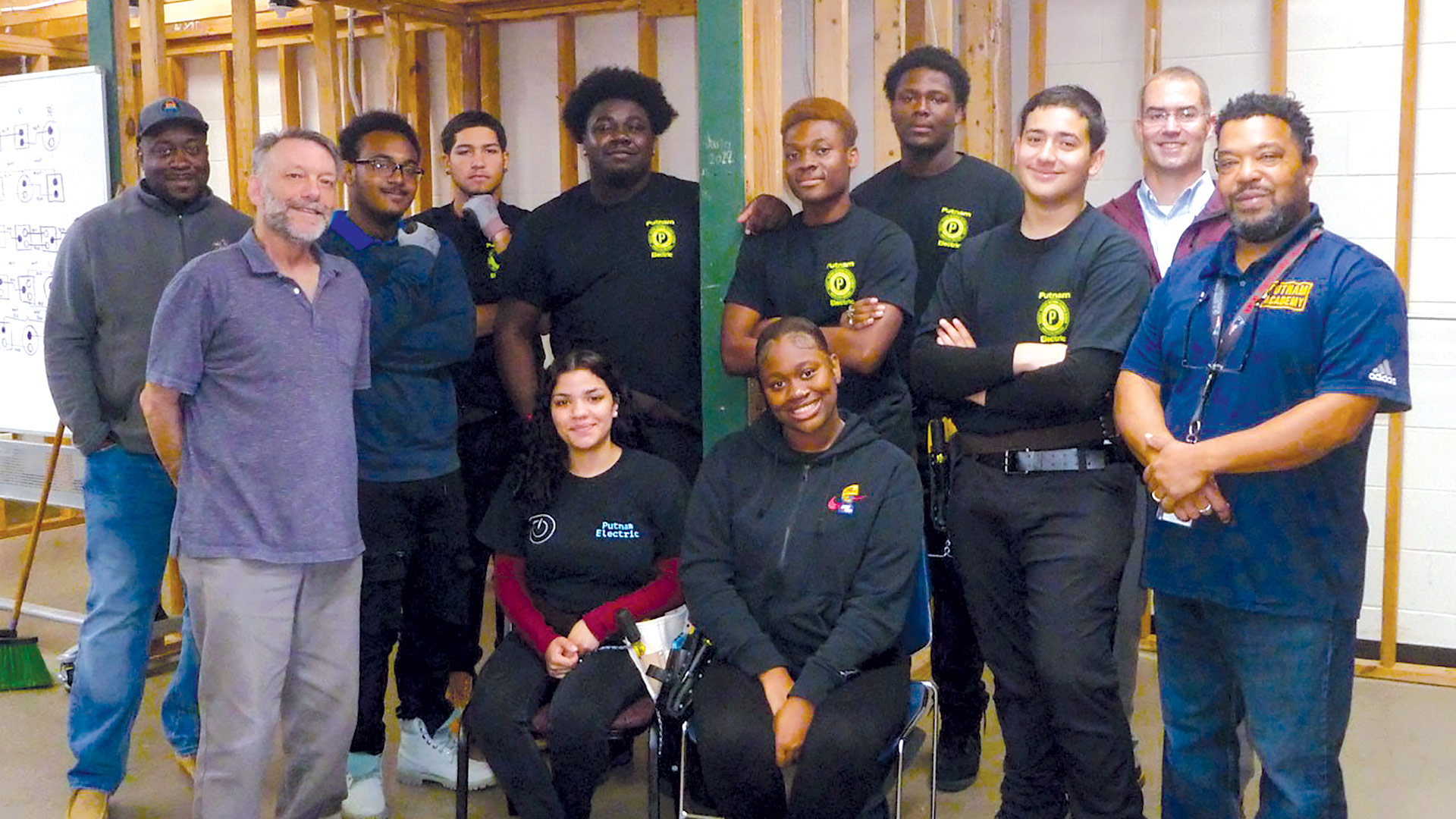
“The number of people going into the trades is way, way down,” Laplante said. “There’s got to be more emphasis put on job training and vocational schools. The opportunities out there for tradespeople, and what a skilled tradesperson can make, are incredible.”
To that end, he works directly with area vocational schools to cultivate talent, and often schools that aren’t vocational, per se, but have vocational programs. For example, an intern from Longmeadow High School will come on board soon, and Laplante hired another intern from that school last year.
“Through COVID, we’ve had people who have been borderline on retirement, and COVID pushed them to retire,” Fontaine said of one of the stress points in the construction workforce. “But we honestly haven’t had as significant labor challenges as some of our peers.”
That’s partly due to working with some of the large local unions, which can supply a more reliable workforce, he said. “But we’ve also put a lot of focus the last few years into workforce development, even before COVID. We actively go into the community and work with workforce programs, with community organizations, to bring people into the workforce.”
Those efforts are crucial, he added. “When I look at the next 20 to 30 years, that’s one of the biggest challenges, to be able to recruit people into the trades.”
Fontaine added that his company has been able to integrate a lot of technology into projects over the last few years, which has helped overcome challenges related to cost, lead times, and workforce. “We’re using technology to track lead times and inform other projects, so we avoid those ‘gotcha’ moments, and we’re using technology to coordinate mechanical systems and prefabricate them off-site, which helps with some of that labor and lead-time burden.”
In short, he said, “we’re trying to modernize an industry that’s by nature not modern, to the best extent possible. That’s been a big theme for us the last couple years.”
That said, the main theme across the industry in 2023 could be the impact of those rising interest rates finally coming to roost.
“Our planning process is so long, and the jobs we’re getting ready to start now are jobs that were planned four months ago, and when the financing is finally put together, we’re ready to get shovels in the ground. That’s a house that people ultimately will be moving into in the fall,” Laplante explained. “So, because of that, we see a little more of a lag in the drop in demand based on the interest rates, but it certainly is coming.”
Still, Dodge’s Branch believes any downturn in the construction industry will not be as dire as the Great Recession, which settled over the U.S. almost 15 years ago.
“The funds provided to the construction industry through the Infrastructure Investment and Jobs Act, the CHIPS and Science Act, and the Inflation Reduction Act will counter the downturn, allowing the construction industry to tread water,” he said. “During the Great Recession, there was no place to find solace in construction activity — 2023 will be quite different.”
Joseph Bednar can be reached at [email protected]
























































 You’ll find no shortage of love for Apple’s newest models as well, the iPhone 13 Pro ($999) and 13 Pro Max ($1,099), which, boast the best cameras and battery life of any iPhone to date, CNET notes, as well as high-end features like the ability to record ProRes videos. “By packing the 13 Pro and 13 Pro Max with features many of us have wanted for years, including a display with a high refresh rate, Apple further defined the difference between its Pro and non-Pro phones. Three years ago, by comparison, the word Pro seemed more of a marketing term than an indication that the phone was any more professional than a regular iPhone.”
 In the laptop world, the Dell XPS 13 Plus (starting at $1,449) “is a sleek computer that’s built around the latest and most powerful Intel Core processors,” Business Insider notes. “In lieu of click buttons, it uses a seamless glass touchpad surface and replaces the function keys with a top row of touch-sensitive function buttons.” In addition, Dell’s updated RapidCharge Express 2.0 technology can charge the battery up to 80% in under an hour. “Innovations like this,” the publication noted, “can benefit users and keep Dell ahead of rivals.”
 Need to keep your devices charged in the car? The Baseus USB-C Car Charger ($19) is an inexpensive device with a 65-watt USB-C port that can power up most laptops, according to bestproducts.com. A USB-A charging connector with a maximum power output of 18 watts is also included. “The product has a sleek design with translucent housing, a built-in voltage display, and onboard illumination. It has built-in tech to protect the connected devices from overcharging and overheating.”
 Gamers have more options than ever before as well, but for many, PlayStation still reigns supreme. Calling it “the best plug-and-play gaming platform available,” Digital Trends says the PlayStation 5 ($499), boasts “lightning-fast load speeds, a new controller, and a phenomenal lineup of launch titles (including fan favorites and new exclusives).” In fact, the magazine noted that the PS5 not only easily bests the Xbox when it comes to game selection, Sony has now brought backward compatibility into the fold, so the PS5 will be able to play most PS4 games. “The PS5 simply has the best game library out there right now.”
 Speaking of new ways to play, “virtual reality might take its time to have its ‘iPhone moment,’ but it is still very much the next big thing for the coolest gadgets,” Spy notes, and no VR device flashes that promise more than the Meta Quest 2 ($299). Without the need for a powerful computer or special equipment, users can simply strap the Quest 2 (formerly Oculus) to their head, pick up the controllers, and move freely in VR space, thanks to its inside-out technology, which uses cameras placed outside the headset to track the users’ movement in the space around them.
 Then there’s the Samsung Freestyle ($799), a new portable entertainment device that combines a projector and smart speaker into one compact package. It supports 1080p projection at up to 100 inches, offers access to a wide variety of streaming apps, and delivers 360-degree sound with built-in Alexa voice control. “The Freestyle stands out from other compact projectors thanks to its rotating cradle that makes it look like a portable spotlight,” Business Insider notes. “It also has automatic picture adjustments that could make it a breeze to set up virtually anywhere. It can even plug into an overhead light socket so you can project onto the floor or a table.”
 In the category of hybrid smartwatch, which combines connectivity with traditional watch mechanics, bestproducts.com chooses the Everett Hybrid Smartwatch ($179), calling it a feature-packed device with a built-in, always-on display and heart-rate sensor. “We like that, instead of looking like a tech product, it resembles a classic chronograph timepiece with mechanical hands and a three-button layout.” The stainless-steel timepiece is waterproof up to 30 meters, and it is available in several finishes, with an easy-to-replace band or bracelet.
 In the market for a drone? “Every year,” BBC Science Focus notes, “the DJI’s Mini series gets smaller and yet more powerful, cramming high-end specs into a lightweight drone that you can chuck in your bag. But with all those improvements comes an eye-watering price, and an increasing fear for your financial status if you crash it.” The DJI Mini 3 Pro ($759) offers advanced obstacle avoidance features, a rotating lens to film in portrait or landscape, 4K video, smart flying features like automatic tracking, and the ability to follow a subject, the site notes. “Despite its higher price, this feels like the perfect drone for beginners, those who like to travel, or really anyone in the market for a lightweight, high-tech drone.”
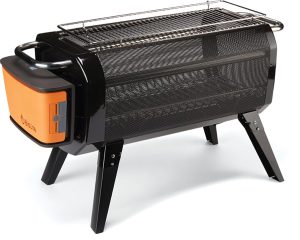 At the end of an active day, why not wind down by grilling dinner — wherever you are? The BioLite FirePit+ ($249) is a small, efficient fire pit that burns charcoal and wood. More than 50 air jets deliver oxygen to the fire for a uniform temperature and reduced smoke, while a rechargeable battery runs a built-in fan for controlling the fire up to 30 hours, according to PC Magazine. “You can cook on top of the included grill grate for direct contact with the flames or pick up a cast-iron griddle accessory. Bluetooth lets you control the flame intensity and fan speed with your phone, for a smart grilling experience no matter where you are.”
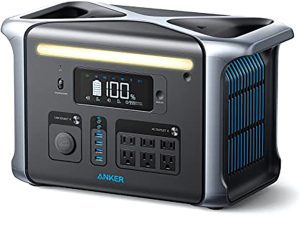 Sometimes home security means being prepared when the power goes down. The Anker 757 PowerHouse generator ($1,399) is powered by a lithium iron phosphate battery, which is the same type of battery used to power various electric vehicles, and “it’s a beast,” Gear Patrol notes. “Its multiple ports and outlets allow will allow you to simultaneously charge various gadgets, including your laptop, smartphone, and tablets, as well as power larger appliances like a refrigerator, a TV, or multiple outdoor lights.”
 Wired has some ideas for making life easier as a pet owner, like the Smarty Pear Leo’s Loo Too Litter Box ($600). “Veterinarians say automatic litter boxes, while convenient, make it tough for owners to keep tabs on their cat’s bathroom trips — which can be useful for flagging any potential illnesses. The Leo’s Loo Too solves this with a built-in sensor that tracks how often your cat goes, along with its weight, and syncs the data to a companion app on your phone.” The device comes with additional features like UV sterilization and radar to keep the box from self-cleaning while the cat is nearby.
 Speaking of animals, Wired also recommends the Bird Buddy Bird Feeder ($200), which “gives new meaning to bird watching. Not only does this cute little home feed birds, but its battery-powered camera offers a live feed via the connected app. If that’s not entertaining enough, it’ll snap photos of said birds, identify the species, and present a ton of facts about each one.”



 In college, Reynolds Whalen said, his dual passions were acting and travel. So, in 2011, he founded a company, called Performing Arts Abroad, that offered international experiences to travelers in music, dance, theater, and film.
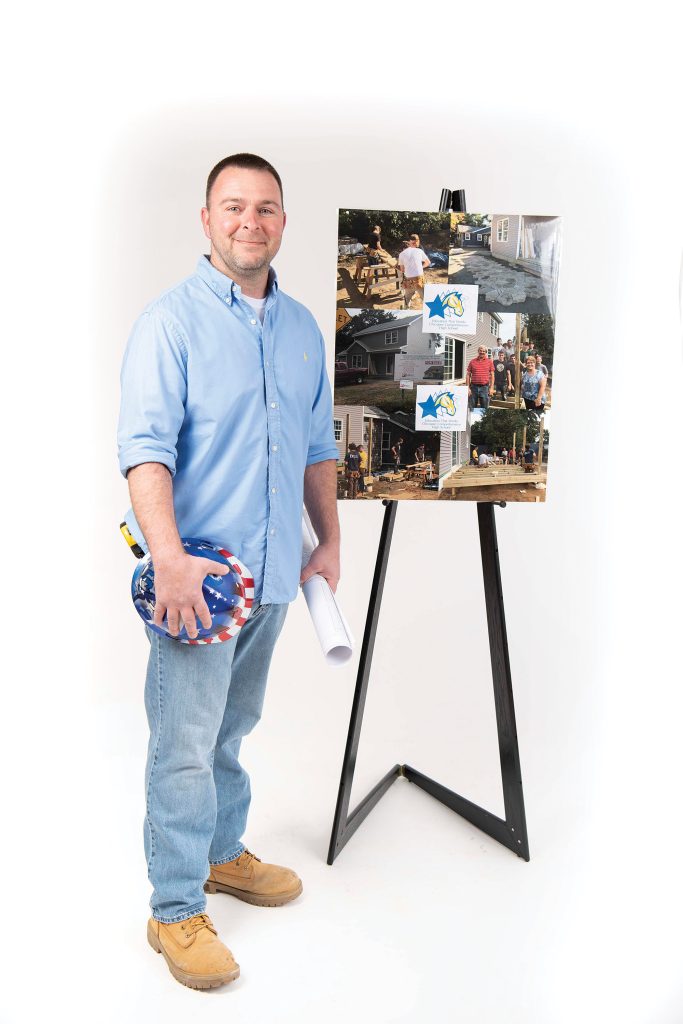 Nick Riley knows construction changes lives — both those of his clients, when they step into a new home or undergo a dramatic renovation, and in his own life, in which a bet on himself paid off at a young age.
 Not everyone knows what placemaking is. But, to hear Hannah Rechtschaffen talk about it, maybe everyone should.
 Michael Lynch’s accounting and finance career has long focused on roles with a community benefit.
 Sasha Jiménez has performed plenty of jobs in her life — gas-station cashier, summer-programs facilitator, teacher of English and science, just to name a few — but her current role may be closest to her heart.
 When asked what she loves most about her job, Giselle Gaines had trouble picking out anything she doesn’t love.
 Folks in Westfield don’t always see Greg Freeman during the best of times. But he’s always trying to make things better.
 From her early career, teaching elementary school in New York City’s Spanish Harlem with Teach for America, Ariel Clemmer has been passionate about changing lives.