Home Posts tagged Insurance (Page 28)
Health Care Sections
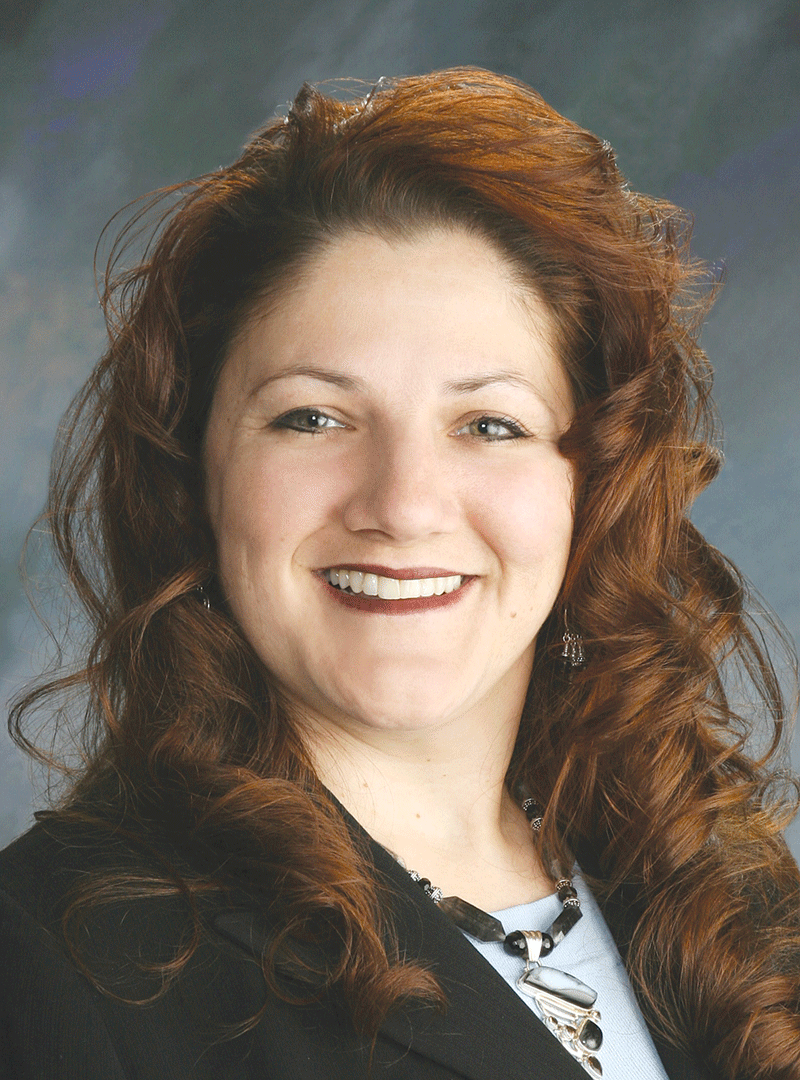
Navigating the Minefield of Long-distance Caregiving

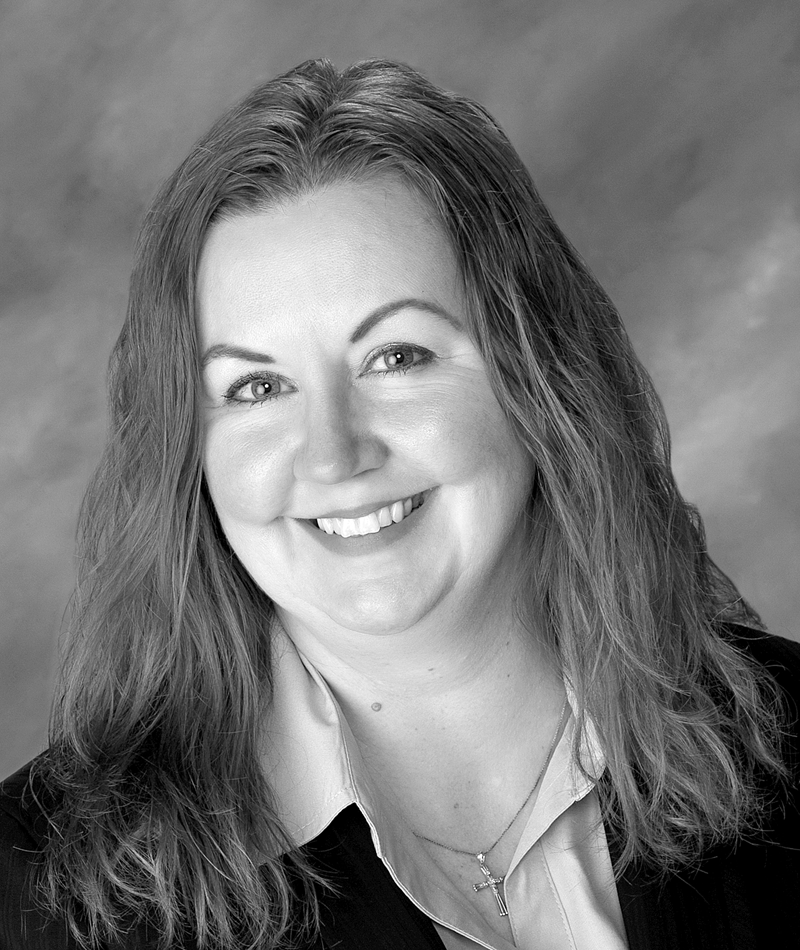
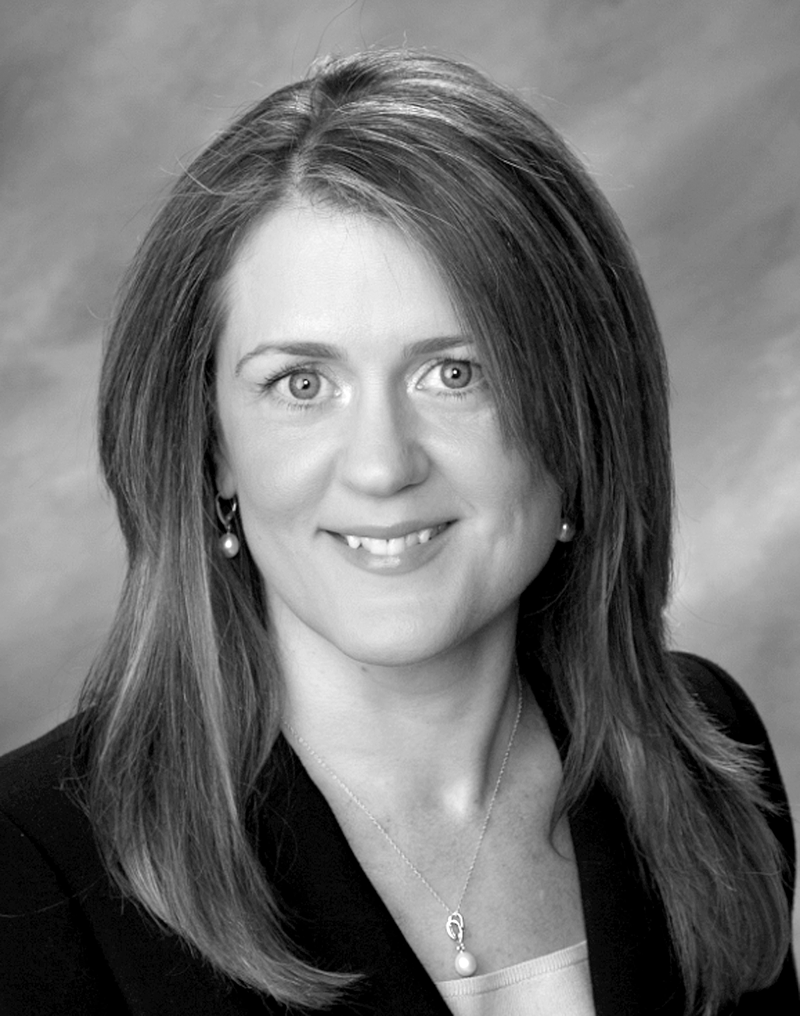
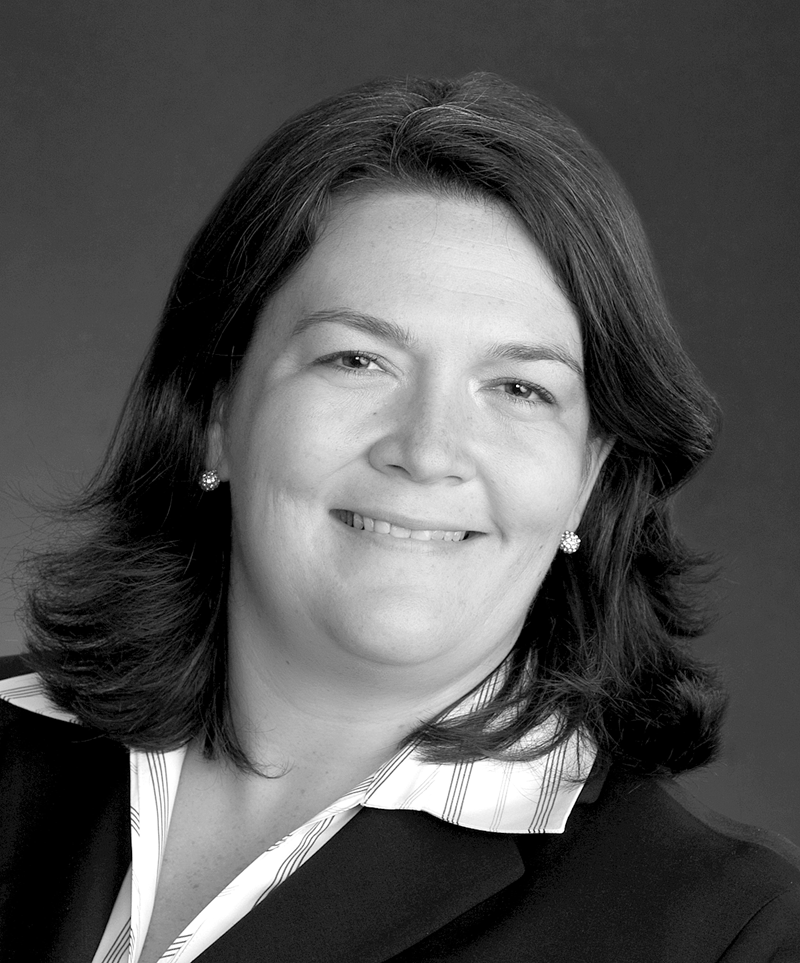
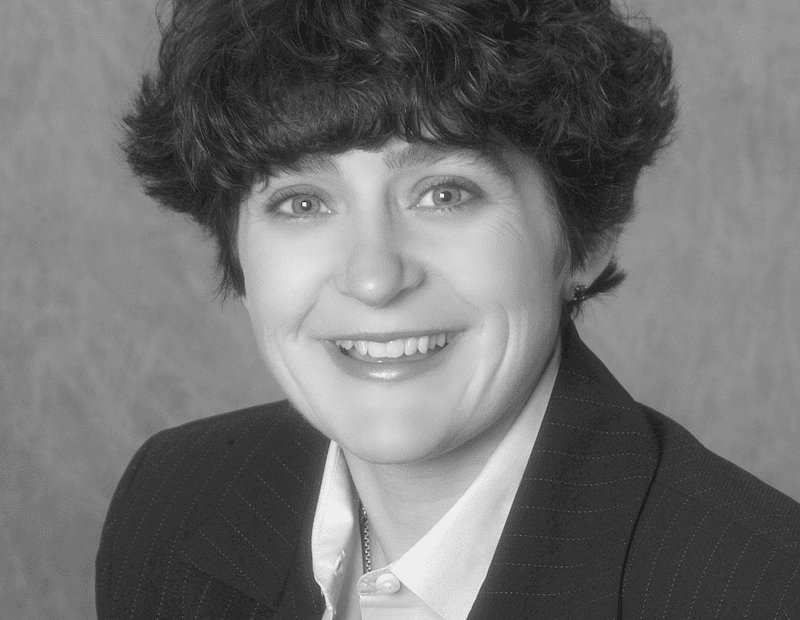
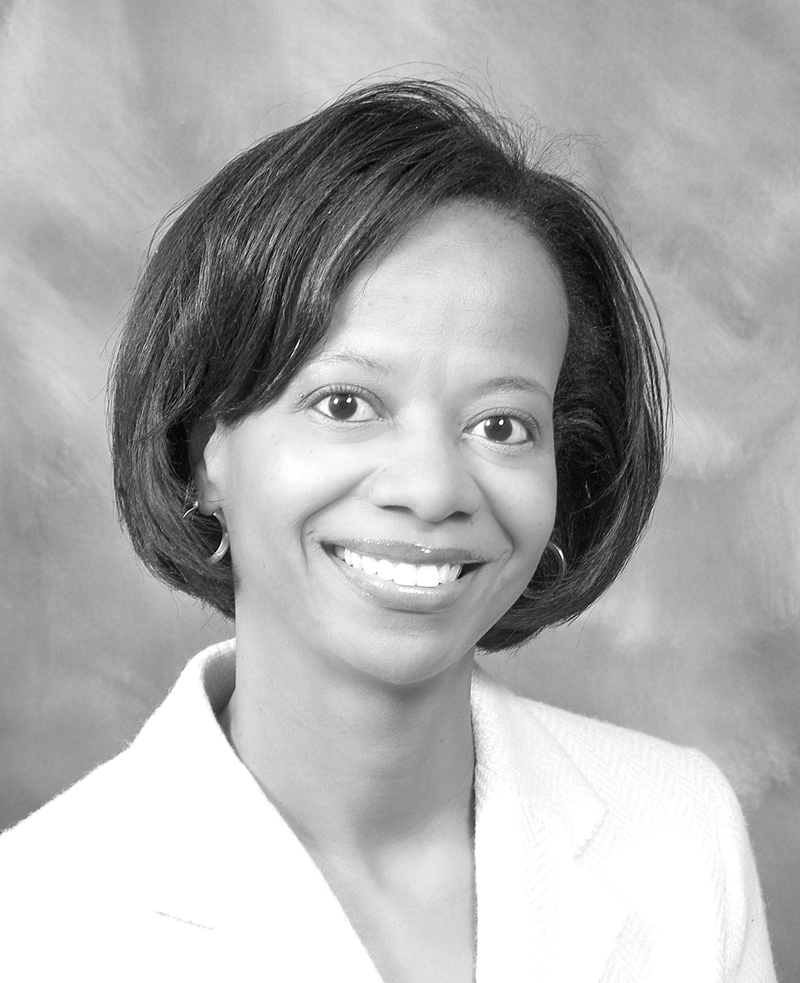
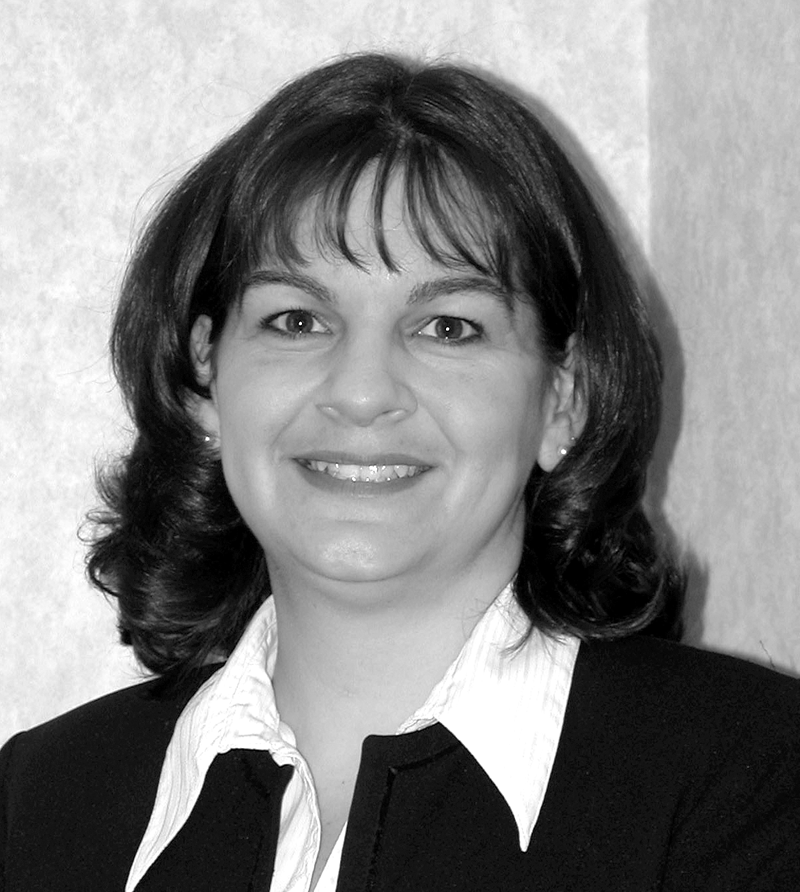
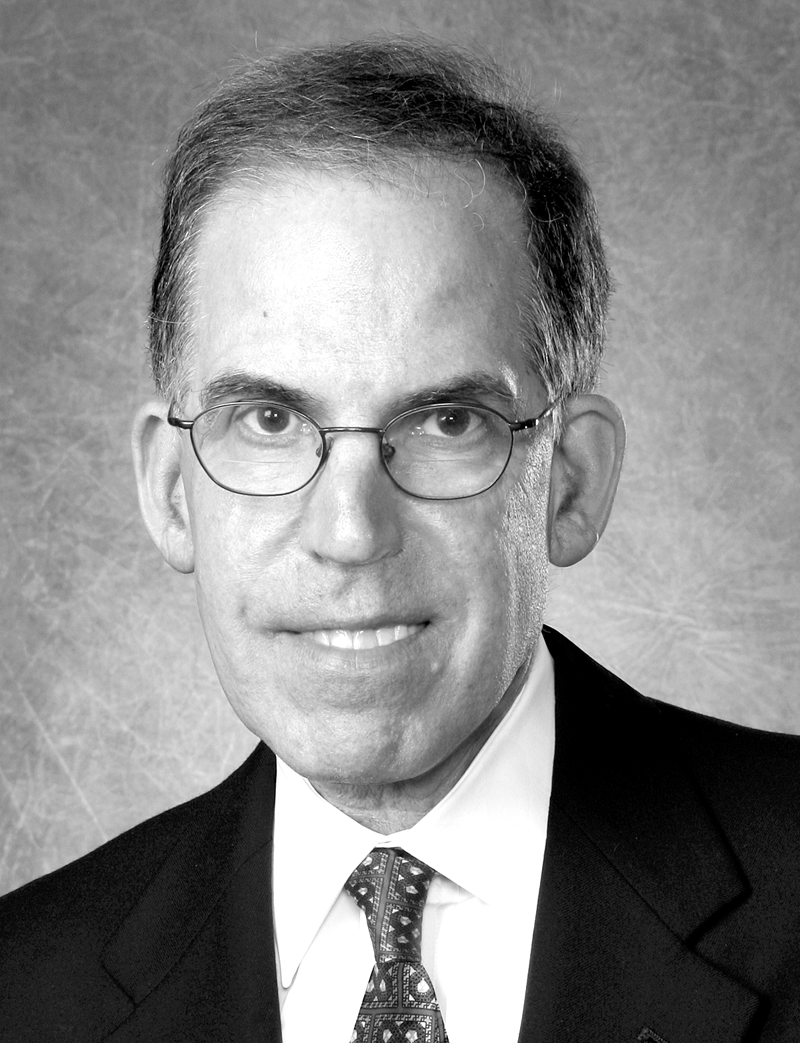
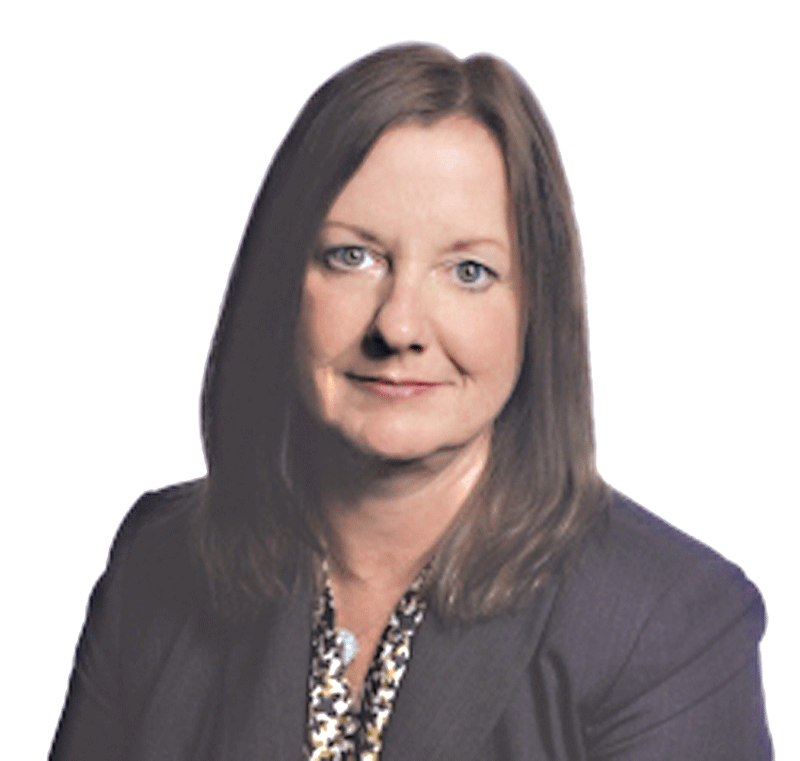
Gina Barry

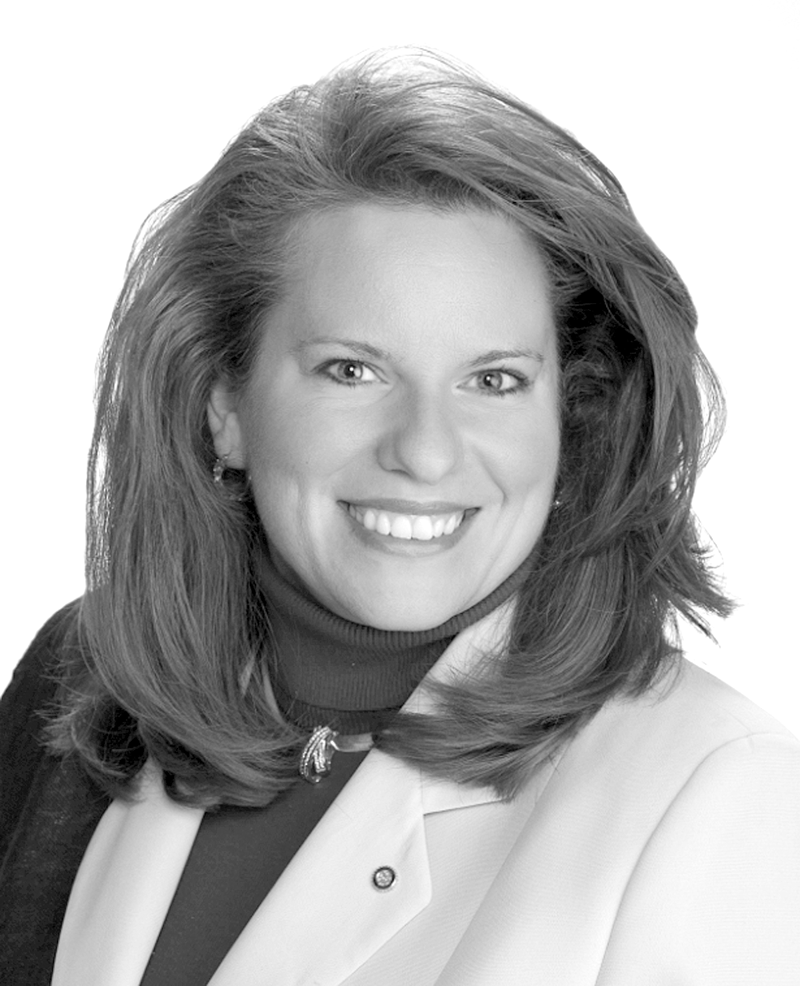
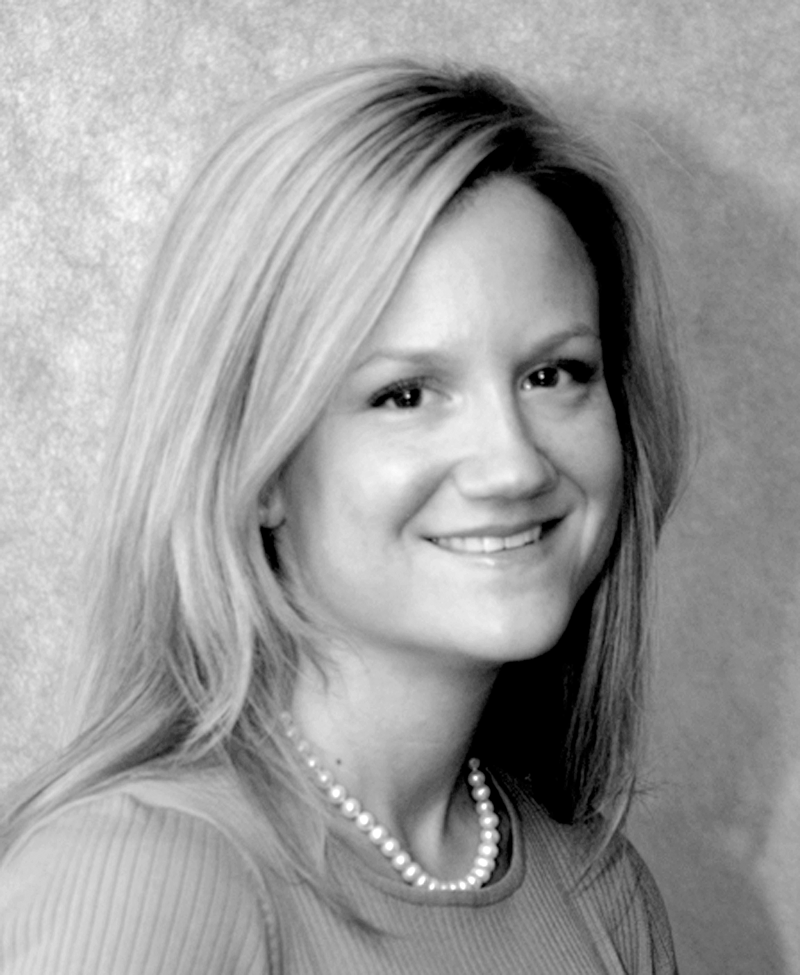
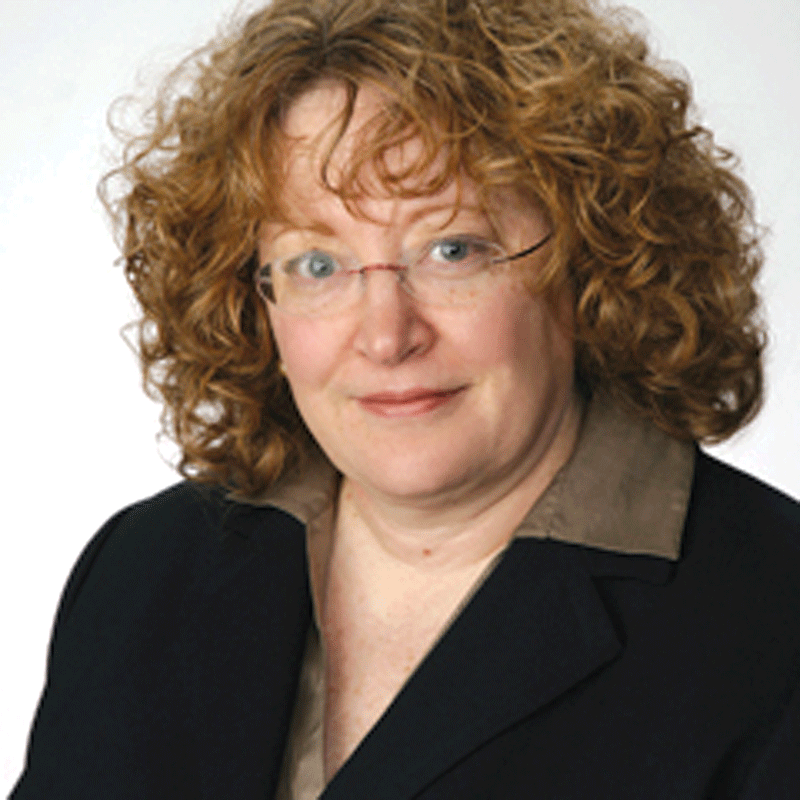
By Gina M. Barry, Esq.

There comes a point when most of our nation’s elders will need assistance with various tasks, such as household management, bathing, dressing, medication management, meal preparation and eating, transferring, and/or using the restroom. In the past, such assistance was typically provided by family members; however, with the increased mobility of our society, it is now common for family members to be too physically distant to provide hands-on care.
It is also common for an elder to be unwilling to move closer to their family, even if staying where they are means receiving care from someone other than their family members. Although the distance creates many hazards, steps can be taken to allow successful navigation of the minefield of legal, financial, and administrative issues that lie in wait for the long-distance caregiver.
The most common legal issue associated with providing proper care and oversight from a distance involves establishing proper legal authority to ensure ongoing care in the event of incapacity of the elder. When proper legal authority is not established, caregiving can be interrupted, leaving the elder at risk for physical, mental, and/or financial harm.
This legal issue can be easily resolved through the elder’s execution of a durable power of attorney and health care proxy. The durable power of attorney and health care proxy are two distinct legal documents that give a person the elder chooses the authority to make financial and medical decisions on the elder’s behalf if the elder is incapacitated.
In the event that a durable power of attorney and health care proxy are not established and the elder loses capacity, it will be necessary to petition the probate court to appoint a conservator and/or guardian to make financial and medical decisions for the elder. The process of having a conservator or guardian appointed is expensive, time-consuming, and results in the elder’s loss of privacy and legal rights. As such, the overseer of the elder’s care should discuss with the elder the need to establish these documents while the elder is still capable of executing them.
In addition, end-of-life decisions should be discussed with the elder, and the elder’s wishes should be memorialized in writing within the proper legal document. Ideally, the estate plan will also include a will, which provides clear instructions as to the disposition of the elder’s estate upon their passing away.
Because the law varies from state to state, another common legal pitfall arises when the estate planning documents that have been established are not valid or are not recognized. This pitfall usually arises because: (1) the documents were not properly prepared or executed; (2) the documents were prepared in the caregiver’s state and are not recognized in the elder’s state; or (3) the documents were prepared in the elder’s state and the elder moves to the caregiver’s state where documents are not recognized.
To avoid the pitfall of having unusable estate-planning documents, it is best to hire elder-law attorneys practicing in both the elder’s and the caregiver’s states, so that you can be sure the advice you receive will pertain to the law of each state, and any necessary state-specific provisions will be incorporated into the estate-plan documents. Otherwise, it is possible that the elder could lose the protection of the documents, especially if the elder moves after losing his or her capacity to execute new documents.
Financing care is another area loaded with potential problems for the long-distance caregiver. Many times, the elder expects that public benefits (Medicaid) will pay for his or her care needs. Again, each state has different rules relative to obtaining approval for public benefits, and there are vast differences between the states as to various issues, including, but not limited to, asset and income limits, the effects of long-term-care insurance, and the effects of past gifts. Again, it is imperative to consider the rules in both states when planning if there is any possibility that the elder will relocate.
Further, there are also differences in the reach of each state’s estate-recovery rules, which are the rules that allow the state to recover benefits paid for care from the estate of a recipient who has passed away. Here, proper planning can ensure that benefits will be obtained as efficiently as possible and, at the same time, minimize the exposure of the elder’s estate to recovery efforts.
With respect to administrative issues, coordinating caregivers can be a daunting task. It can also be a serious mistake to rely on an elder’s self-reported care needs, because many do not recognize their own needs when they arise. As such, every long-distance caregiver should hire a geriatric care manager in the elder’s area. A geriatric care manager is a health care professional with training in gerontology, social work, and nursing. In most cases, the geriatric care manager will conduct an assessment of the elder and develop an individualized care plan.
In the long-distance-caregiving situation, the geriatric care manager will act as a liaison for the distant caregiver. Here, the geriatric care manager will oversee the elder’s care, providing a report to the caregiver at regular intervals and alerting the caregiver to any potential problems. The geriatric care manager’s additional oversight not only provides peace of mind for the long distance caregiver, but also guards the caregiver from claims that he or she is not conscientiously carrying out his or her duties due to the distance and/or lack of personal oversight.
Even though long-distance caregiving is a minefield, the wisest of caregivers knows that hiring professionals in the elder’s area, the caregiver’s area, or both is the equivalent of employing a minesweeper. With proper planning and the advice of elder-care professionals, caregivers can defuse or altogether avoid the mines and successfully navigate the minefield of long-distance caregiving.

Gina M. Barry is a partner with Bacon Wilson, P.C. She is a member of the National Assoc. of Elder Law Attorneys, the Estate Planning Council, and the Western Massachusetts Elder Care Professionals Assoc. She concentrates her practice in the areas of estate and asset-protection planning, probate administration and litigation, guardianships, conservatorships, and residential real estate; (413) 781-0560; baconwilson.com

40 Under 40 The Class of 2011
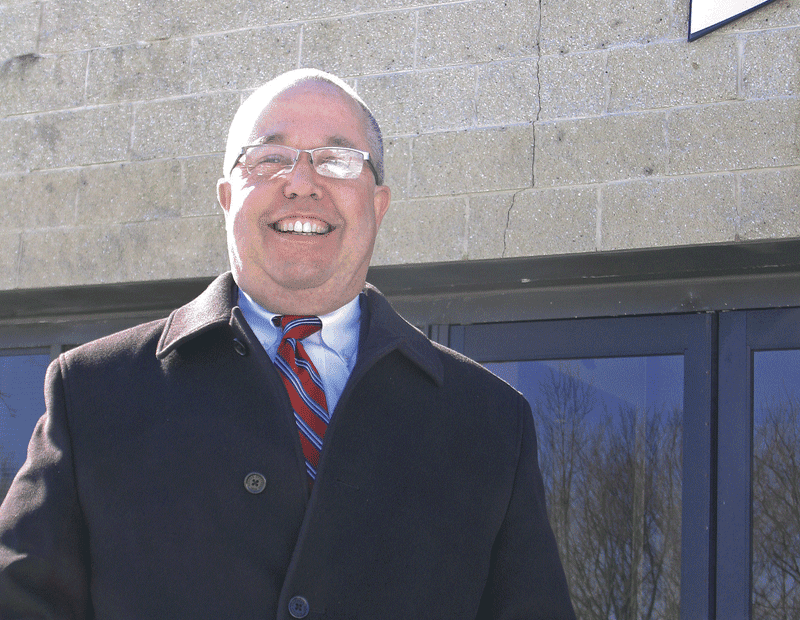
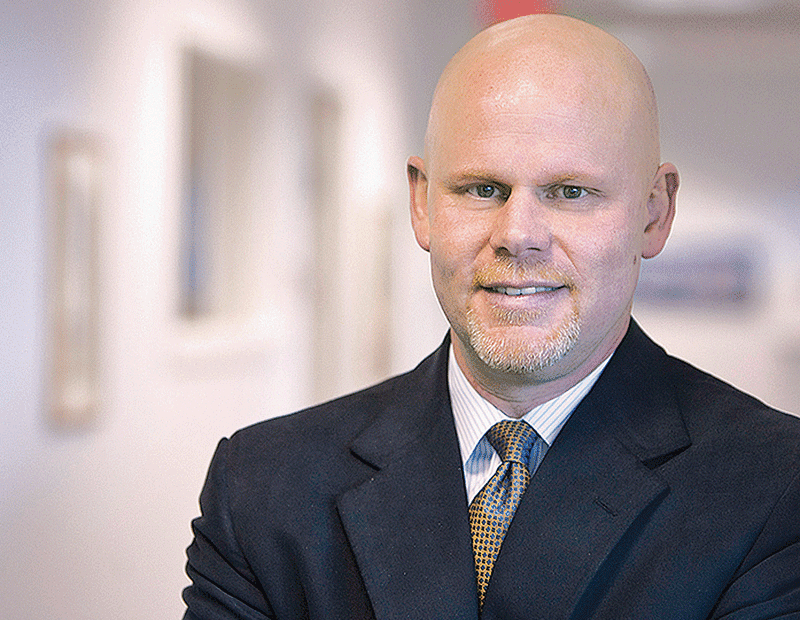
Vice President of Business Development, Webber and Grinnell Insurance Agency

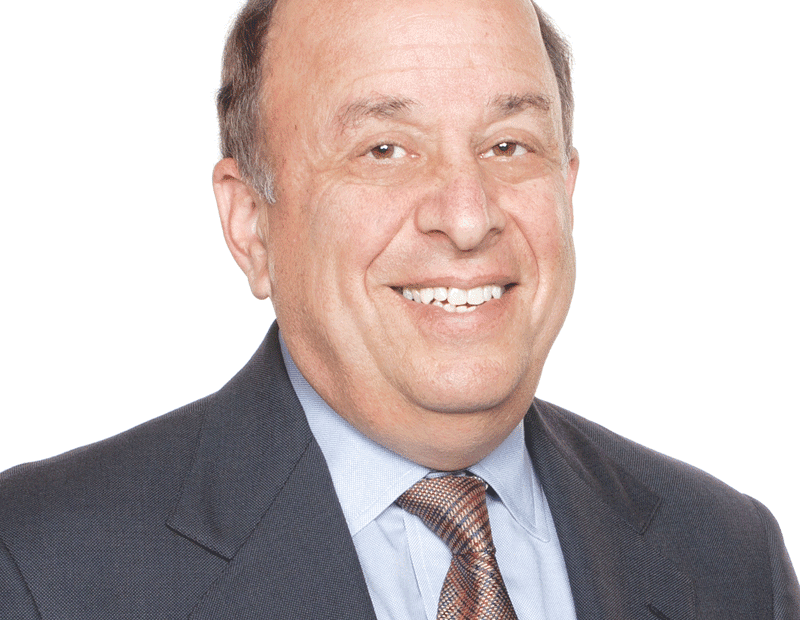
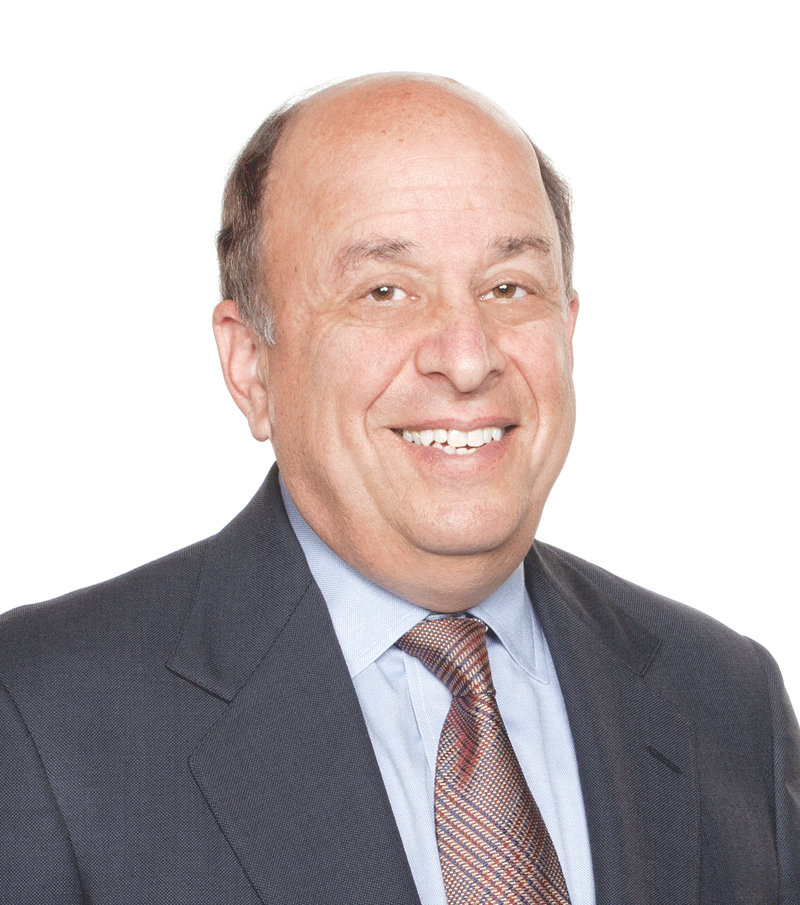
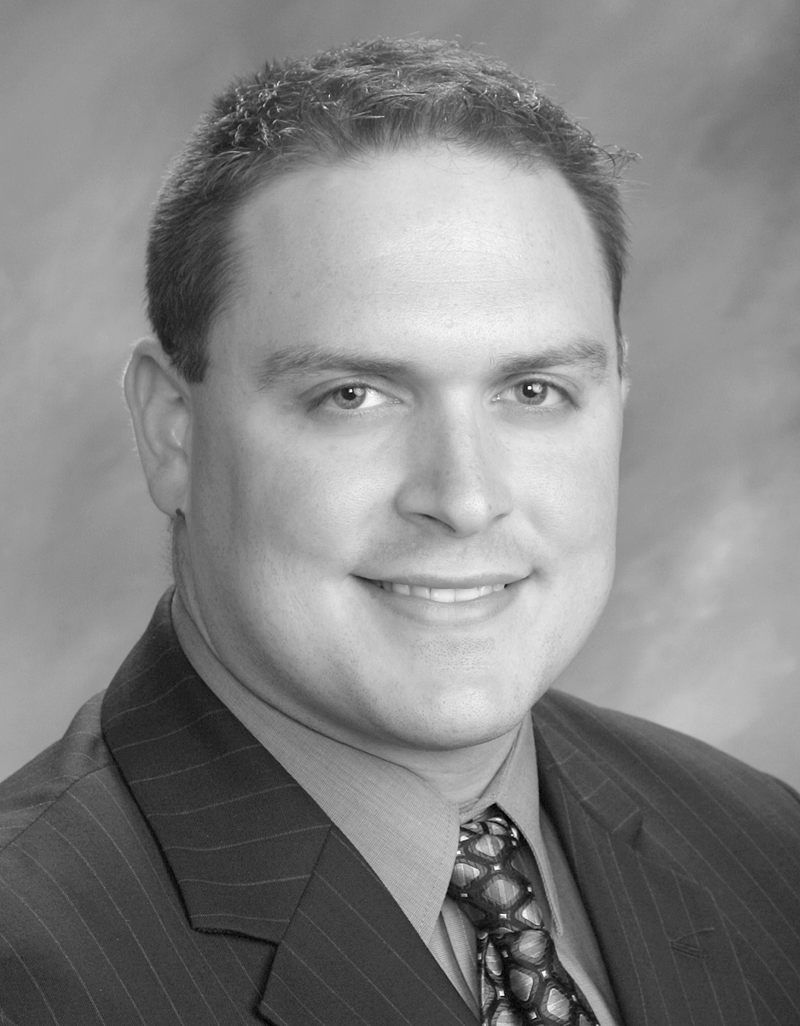
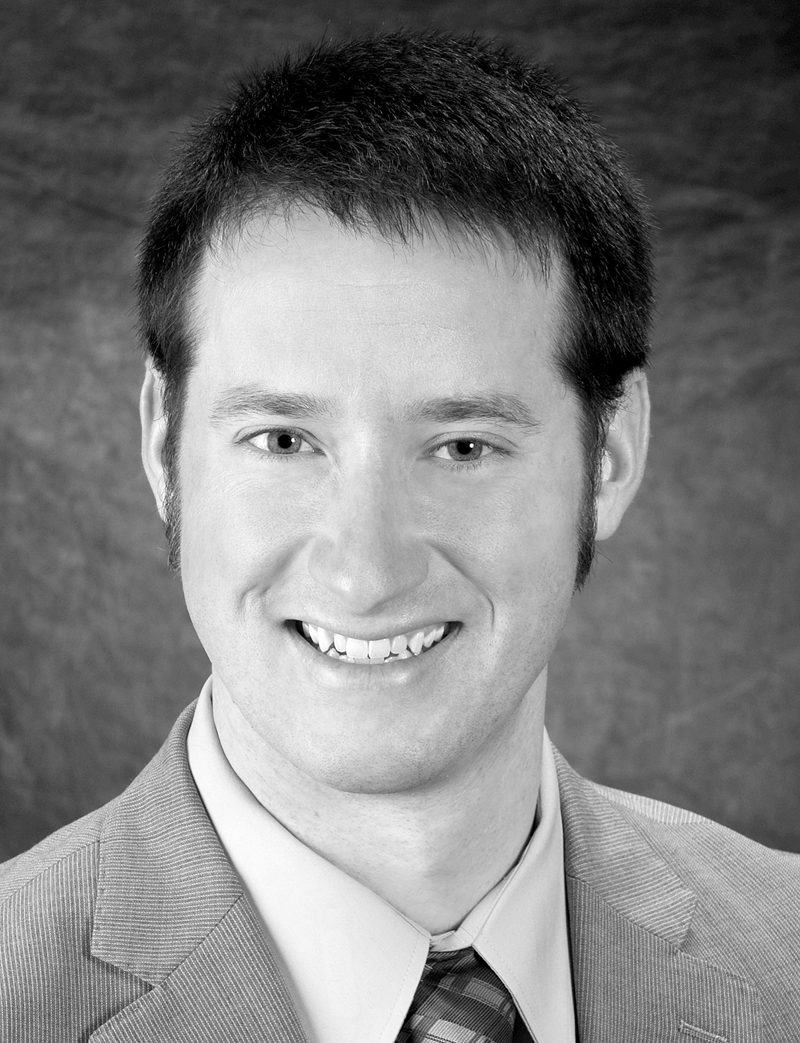
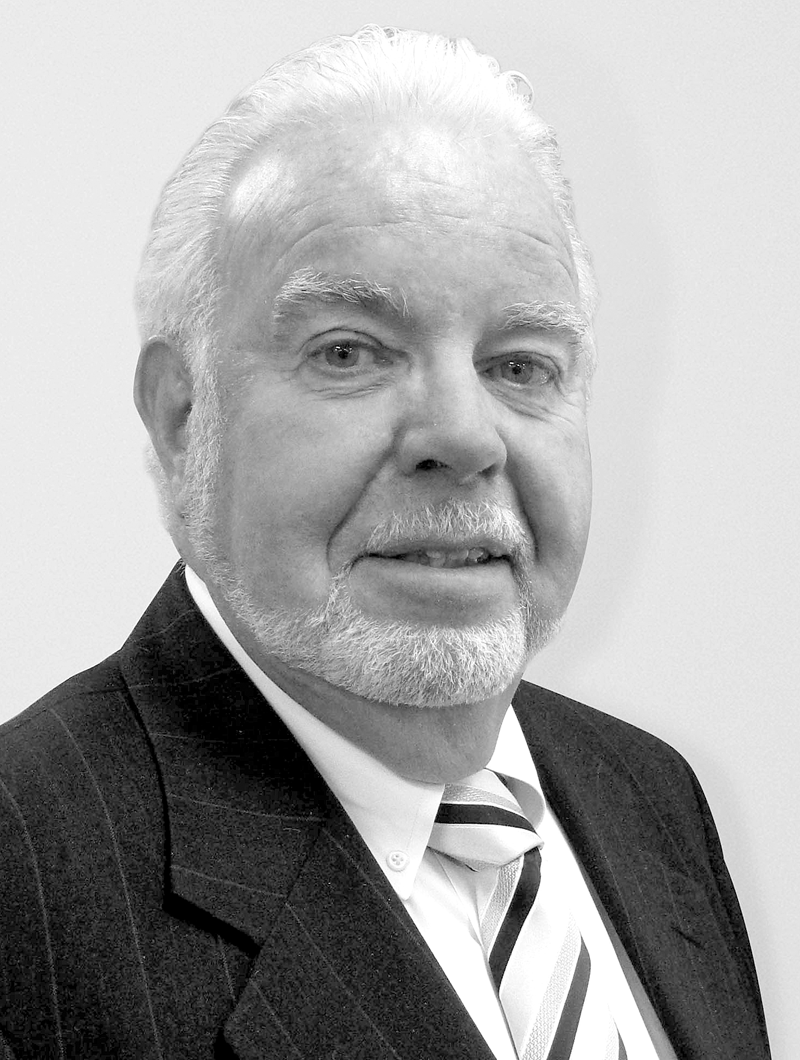
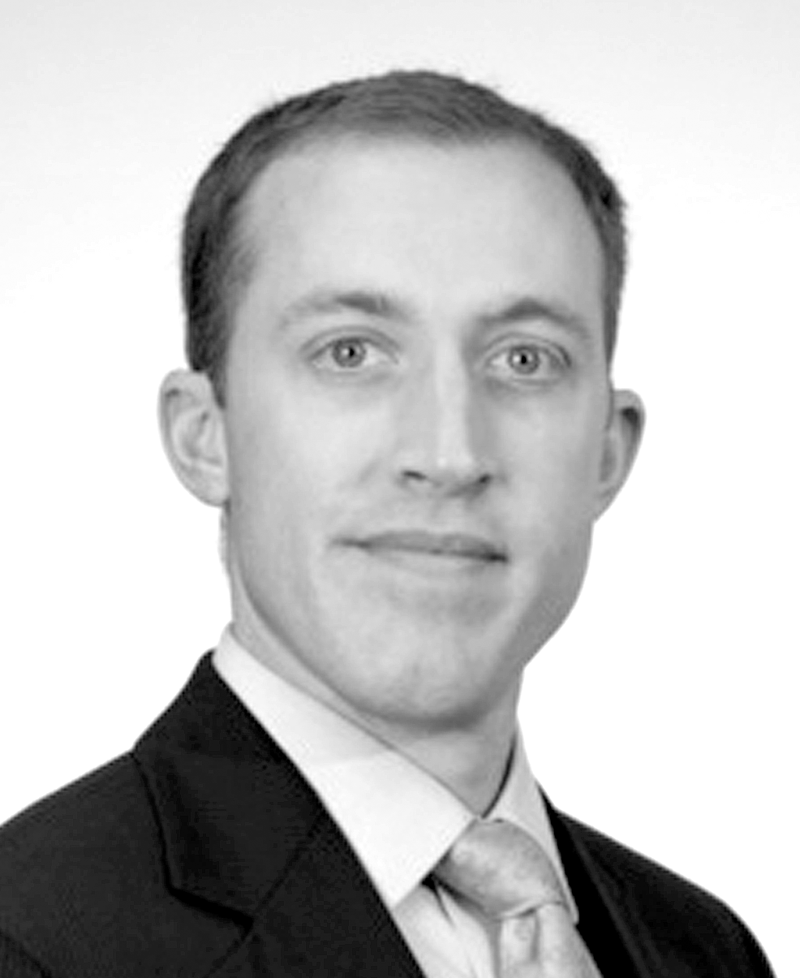
Mat Geffin

Mat Geffin

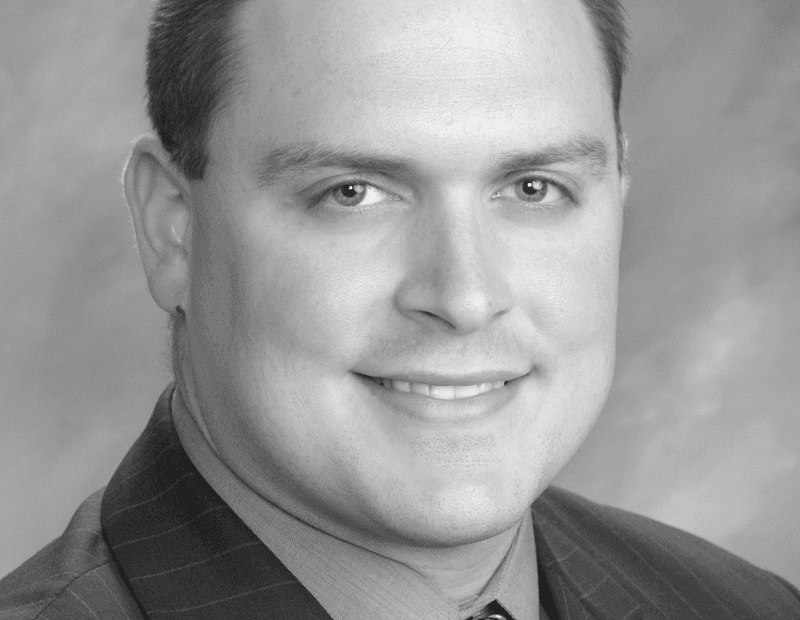
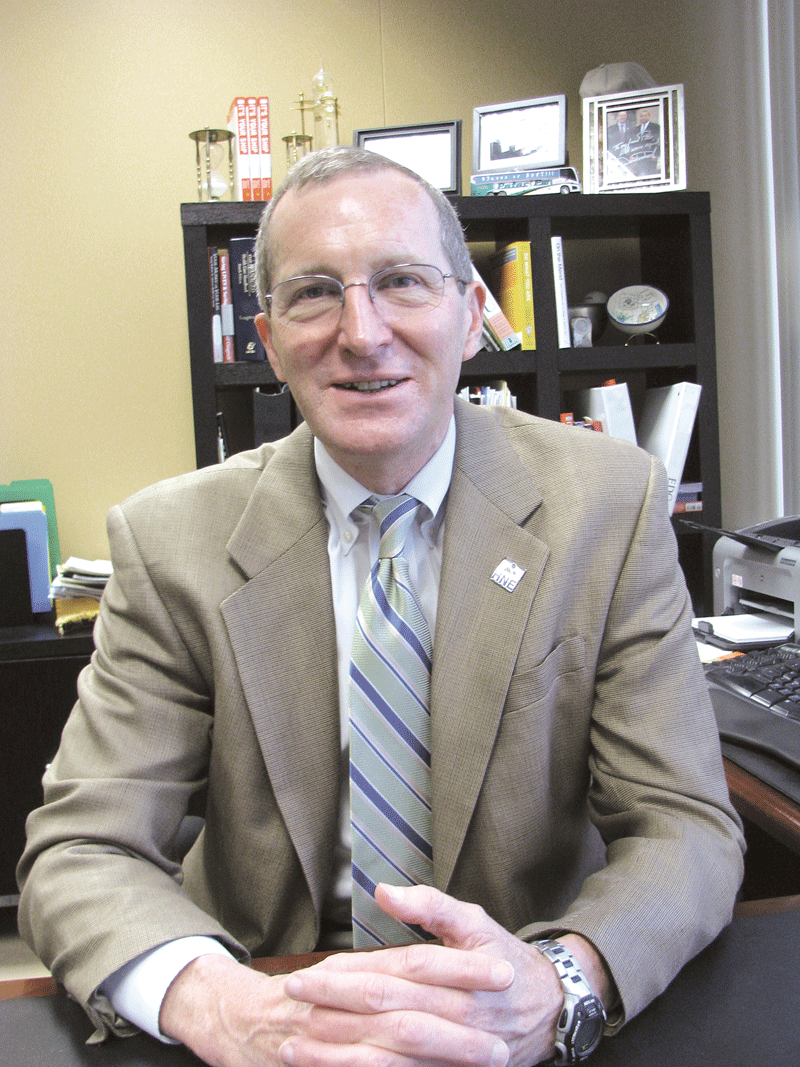
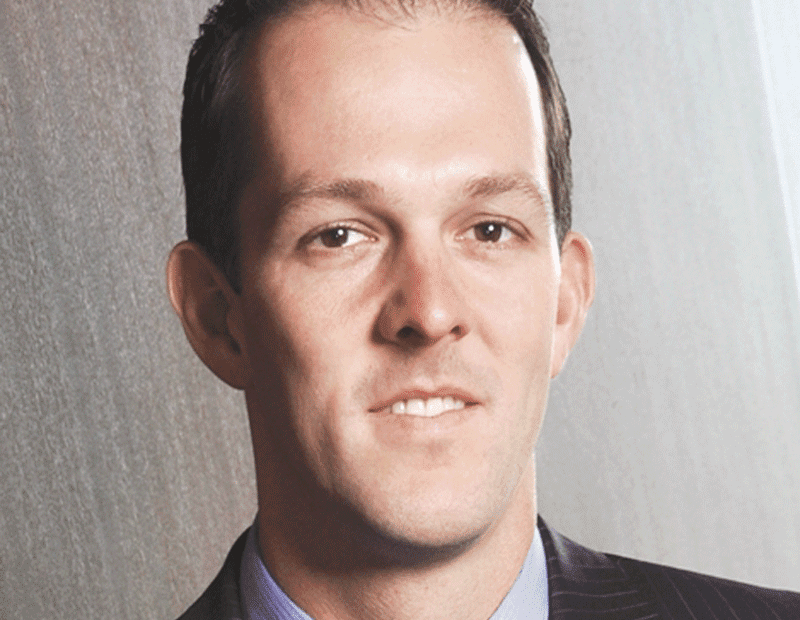
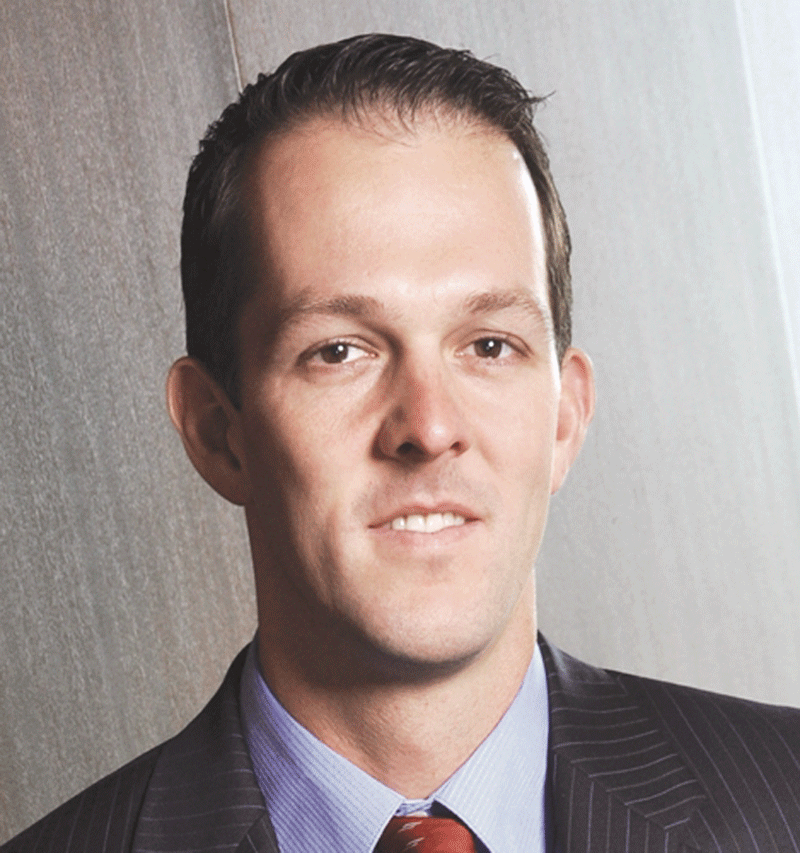
Mat Geffin introduces himself to people wherever he goes. The reason? He loves Western Mass. and is investing his time, passion, and energy into making it a better place to live and work. His professional and volunteer efforts are intertwined, and he gives his all to both.
“I will do anything I can to improve Western Mass. as a whole. I just put myself out there and say yes to everything,” he said.
Although Geffin worked in neighboring states after college, he was happy to be hired by Webber and Grinnell, where his efforts have exceeded the firm’s expectations. Thanks to his work, the agency experienced 8% growth last year in its commercial department during a very challenging time.
Geffin’s strategy is to get people together, and he has initiated executive roundtables and educational seminars designed to help clients learn, grow, and improve their businesses.
This father of a 9-month-old has also worked to create jobs through his volunteer activities. “We lose a lot of young people because there are not enough desirable jobs here,” he said. “And that is at the root of everything I do; it’s about investing in Western Mass. to create systems and sustainable employment for young people.”
Geffin has been very active in Community Enterprises Inc. “I believe in this mission,” he said. “They create jobs and provide housing for people with a wide range of disabilities. We partnered with Walgreens to get jobs that pay more than $30,000.”
He is also involved with the Young Professional Society of Greater Springfield and Northampton Area Young Professionals, and sits on the Finance Committee of the Northampton Chamber of Commerce.
“I have worked really hard, but it’s so much fun,” he said. “I put myself in front of a lot of people to accomplish my goals, and I feel lucky. I believe so much in Western Mass., and everything I do is about improving it, promoting the value of what my company can bring people, and creating a great network in the professional and volunteer arena.”
— Kathleen Mitchell

40 Under 40 The Class of 2011
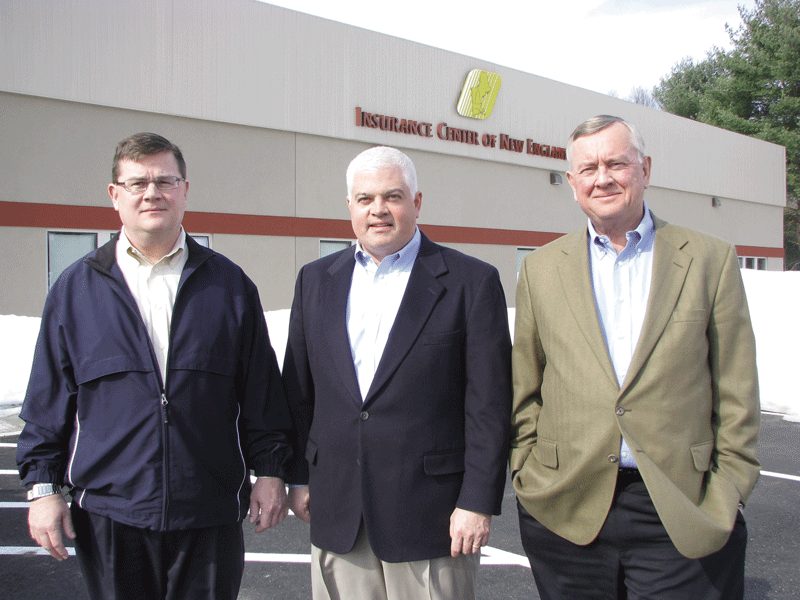
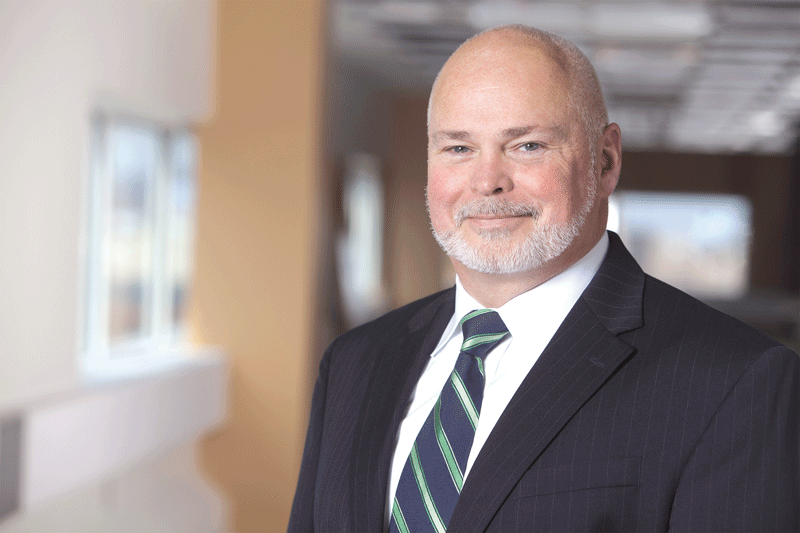
Vice President, Insurance Center of New England

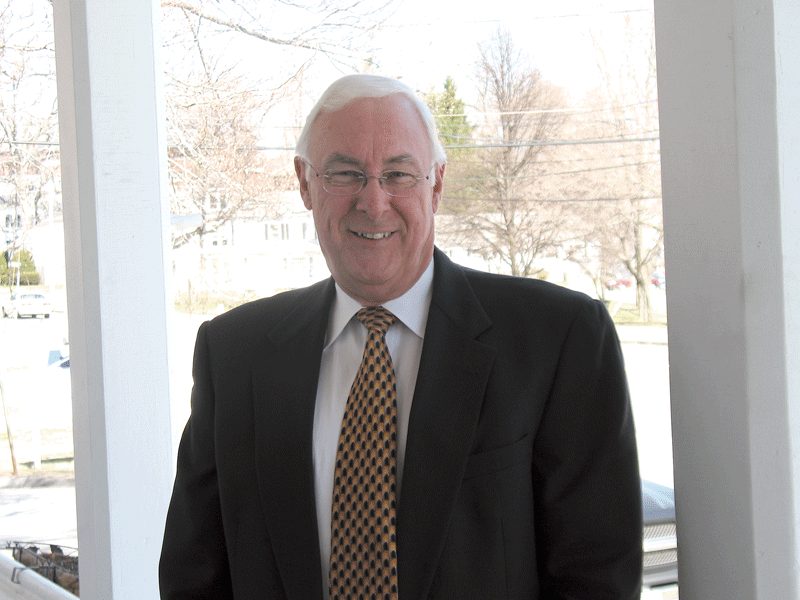
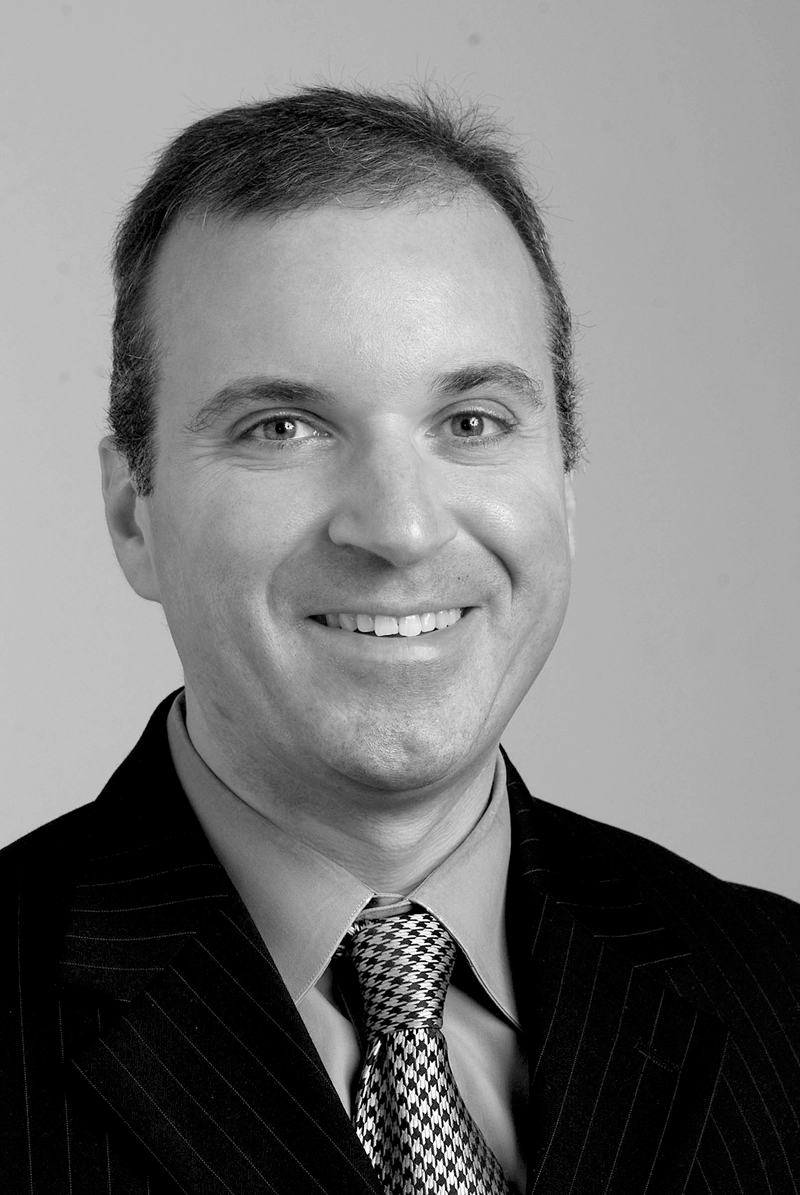
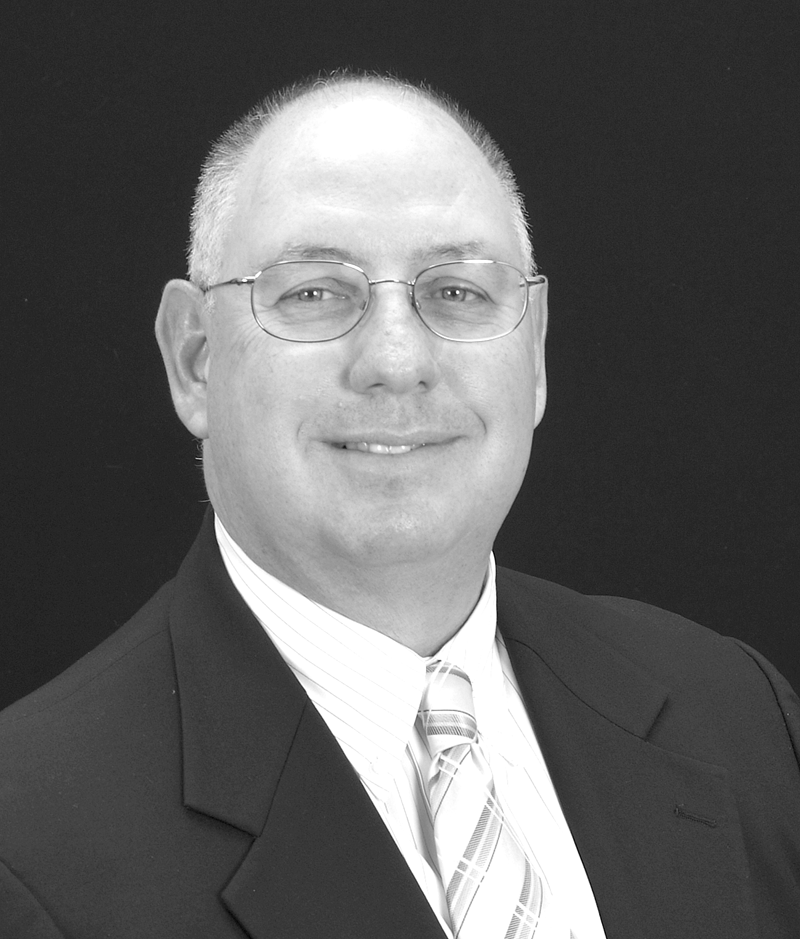
Benjamin Garvey

Benjamin Garvey

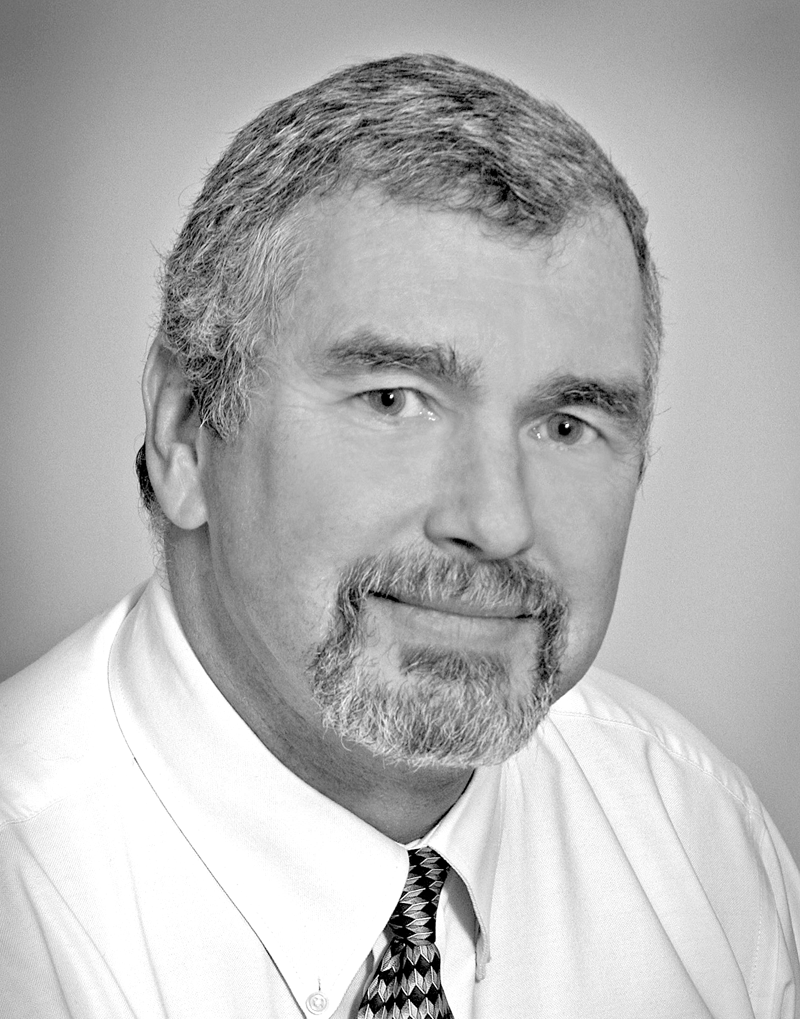
Bill Trudeau, COO of the Insurance Center of New England, called Benjamin Garvey “a tireless advocate for his clients and for the Western Mass. business community as a whole.”
Speaking more modestly of his business, Garvey offered, “the better that this area does, the more opportunity there is, and the more need there is for insurance. There’s a direct correlation.”
He said that his work allows him a decent amount of time to dedicate himself to volunteer organizations, which provide “many different ways to give back to the community.” And, as a quick glance at a list of his activities would attest, he doesn’t waste a moment of that time.
For example, Garvey sits on the Board of Directors for the Chicopee Chamber of Commerce and the Young Professional Society of Greater Springfield, is the sergeant at arms for the Chicopee Rotary Club, and volunteers for Junior Achievement.
He singled out two organizations in particular as important ways he helps others in the community. He is a member and former president of the Pioneer Valley Rebuilders, which has a mission of providing on-the-job construction and carpentry training for non-violent offenders emerging from the Hampden County Sheriff’s Department. Meanwhile, Garvey volunteers for the Community Accountability Board, which also helps people to transition back into society after having been incarcerated.
“It gives you an interesting perspective,” he explained, “and it reminds you that life can be tough, and there are many struggles that we all need to go through. Ultimately, you have people who are great individuals who had a bad break or made a bad decision, and it affects them in a negative way. You want to be able to help them turn it around, and leave them with the best life that you can.”
Greater Springfield is a special place, Garvey noted, with an incredible history of firsts.
“There is so much to be proud of here,” he said, “and in getting to help people — well, I’m fortunate that I get to do that in a number of different ways.”
— Dan Chase

Chamber Corners Departments

ACCGS
www.myonlinechamber.com
(413) 787-1555

• May 3: Springfield Chamber of Commerce Board of Directors Meeting, noon–1 p.m., TD Bank Conference Center, Springfield.
• May 4: Business@Breakfast, 7:15–9 a.m., Ludlow Country Club, Ludlow. Cost: $20 for member; $30 for non-members. To reserve tickets, visit www.myonlinechamber.com, or contact Cecile Larose at (413) 755-1313, [email protected].
• May 12: ERC5 Parking Lot Party, 5–8 p.m., Eastwood Shops, Boston Road, Wilbraham. Cost: $10 for members; $20 for non-members.For more information, contact Sarah Tsitso, (413) 755-1318 or [email protected].
• May 13: ACCGS Legislative Steering Committee,      8–9 a.m., TD Bank Conference Center, Springfield.
• May 18: ERC Board of Directors’ Meeting, 8–9 a.m., the Gardens of Wilbraham, Community Room, 2 Lodge Lane, Wilbraham.
• May 18: ACCGS Ambassadors Meeting, 4–5 p.m., EDC Conference Room, Springfield.
• May 18: Professional Women’s Chamber – Woman of the Year Banquet honoring Kate Kane, 6 p.m., Springfield Sheraton. Tickets: $50 per person. For more information or to reserve tickets, contact Lynn Johnson at (413) 755-1310; or [email protected].
• May 19: ACCGS Board of Directors’ Meeting, 8–9 a.m., TD Bank Conference Center, Springfield.

Amherst Area Chamber of Commerce
www.amherstarea.com
(413) 253-0700

• May 18: Chamber After 5, 5–7 p.m., Cherry Hill Golf Course, 325 Montague Road, Amherst. Cost: $5 members; $10 nonmembers. For more information, call (413) 253-0700.

Chicopee Chamber of Commerce
www.chicopeechamber.org
(413) 594-2101

• May 6: Global to Local; a Workshop Series/Part 1 ‘Trends & Opportunities,’ 8–11 a.m., the Hampton Inn, Chicopee. For more information and to purchase tickets, visit www.chicopeechamber.org.
• May 11: Global to Local;  a Workshop Series/Part 2 Reinventing Your Business Model, 8–11 a.m.,  the Hampton Inn, Chicopee. For more information and to purchase tickets, please visit www.chicopeechamber.org
• May 13: Annual Auction/Beer and Wine Tasting, 6–9 p.m., the Castle of Knights, 1599 Memorial Dr. in Chicopee. Presented by Chicopee Saving Bank. For more information and to purchase tickets, visit www.chicopeechamber.org.
• May 18: Salute Breakfast, 7:15–9 a.m., Elms College, 291 Springfield St., Chicopee. For more information and to purchase tickets, visit www.chicopeechamber.org.
• May 25: Business After Hours, 5–7 p.m., the Robert E. Barrett Fishway at the Holyoke Dam. Hosted by Holyoke Gas & Electric.
• May 27: Global to Local; a Workshop Series/Part 2 Growth Strategy: A New Approach, 8–11 a.m., the Hampton Inn – Chicopee. For more information and to purchase tickets, visit www.chicopeechamber.org

Franklin County Chamber of Commerce
www.franklincc.org
(413) 773-5463

n May 20: Monthly Breakfast Series, 7:30-9 a.m., Greenfield Grille, 30 Federal St., Greenfield. Member spotlight on the Sandri Company. Main speaker: Secretary of Executive Office of Housing and Economic Development Greg Bialecki. Sponsored by Greenfield Community College. Cost: Members: $12, Non-members $15.

Greater Easthampton Chamber of Commerce
www.easthamptonchamber.org
(413) 527-9414

Greater Holyoke Chamber of Commerce
www.holycham.com
(413) 534-3376

n May 3: Business Person of the Year Award Dinner Honoring Douglas A. Bowen, president and CEO of PeoplesBank. Social Hour at 6 p.m. followed by dinner at 7, Log Cabin Banquet & Meeting House. Tickets are $50. For reservations call the Chamber Office at (413) 534-3376 or register online at holyokechamber.com.
n May 16: 43rd Annual Chamber Cup Golf Tournament  2011, starting at 11 a.m., Wyckoff Park, 233 Easthampton Road, Holyoke. Registration and Lunch at 11a.m.; tee off at noon (scramble format); dinner following game with elaborate food stations catered by the Log Cabin. Cost: $125 per player includes lunch, 18 holes of golf, cart, and dinner. Winner awards, raffles, and cash prizes follow dinner. Tournament Sponsors: Log Cabin and PeoplesBank.
Corporate Sponsors: Dowd Insurance, Goss & McLain Insurance Agency, Holyoke Gas & Electric, Mountain View Landscapes, Holyoke Community College, Holyoke Medical Center, People’s United Bank, and Resnic, Beauregard, Waite & Driscoll. For reservations call  (413) 534-3376 or register online at holyokechamber.com.
n May 18: Chamber After Hours, 5–7 p.m., Pic’s Place/Highland Tap, 910 Hampden St., Holyoke. Sponsored by All Sales Consulting, LLC. Admission: $5 for members, $10 cash for non-members; (413)534-3376.
n May 25: Greater Holyoke Chamber of Commerce Annual Meeting, 4–7 p.m.,  Log Cabin Banquet & Meeting House. Business session, 4-5, followed by social get-together; (413) 534-3376.

Greater Northampton Chamber of Commerce
www.explorenorthampton.com
(413) 584-1900

n May 4: May Arrive @5, 5–7p.m., King & Cushman, 176 King St., Northampton. Sponsored by King Auto Body, Pioneer Saab Volvo & United Bank. Cost: $10 for members, $15 for non-members.

Northampton Area Young Professional Society
www.thenayp.com
(413) 584-1900

n May 12: Party with a Purpose, 5–8 p.m., the Delaney House, 1 Country Club Road, Holyoke. Free for members, $5 for non-members.

Quaboag Hills Chamber of Commerce
www.qvcc.biz
(413) 283-2418

South Hadley/Granby Chamber of Commerce
www.shchamber.com
(413) 532-6451

n May 20: Legislative Breakfast, 7:30 a.m., the Orchards Golf Club, South Hadley. Guest speakers: state Sen. Stan Rosenberg, state Rep. John Scibak, and others. Tickets: $15 per person. Space is limited. Must RSVP by Tuesday, May 17 to (413) 532 6451.

Three Rivers Chamber of Commerce
www.threeriverschamber.org
(413) 283-6425

n May 21: Palmer Pick-Up Day,  9 a.m. to noon; [email protected]. Contact Chamber President Fred Orszulak, 413-283-7400. Following the pick-up, the Three Rivers Chamber is sponsoring a lunch cook-out at noon at Hryniewicz Park (AKA the Three Rivers Common).

West of the River Chamber of Commerce
www.ourwrc.com
(413) 426-3880

n May 12: 2011 Annual Meeting and Breakfast, 7 a.m., Carriage House at Storrowton Tavern. Speaker: Jason Freeman, president of Six Flags New England. Presenting sponsor: Easthampton Savings Bank. Coffee bar sponsor: Environmental Compliance Services.  Cost: Members $25, non members, $30. Highlights: introducing Chairman-elect Remo Pizzichemi. For more information, learn about sponsorship opportunities, or to RSVP call (413) 426-3880; or email [email protected].

Greater Westfield Chamber of Commerce
www.westfieldbiz.org
(413) 568-1618

n May 11: WestNet after 5:00 Networking, 5–7 p.m., Tekoa Country Club. Putting Contest to benefit  GWCOC Scholarship Fund. Cost: $10 for members, $15 for non-members.
n June 20: 50th Annual Golf Tournament. Register now by contacting Sandy Sorel at (413) 779-0075.

Young Professional Society of Greater Springfield
www.springfieldyps.com

May 19: Great Golf Escape 2011!, Tekoa Country Club, Westfield. The YPS Great Golf Escape sells out each year, attracting 144 golfers along with 100+ additional attendees at our Third Thursday social event immediately following the tournament; 10:30 a.m. registration;  11:30 shotgun start; scramble format. Price: $50 per player includes 18 holes of golf, cart, greens fees, YPS golf shirt, goody bag, lunch, refreshments on the green, beer ticket, and admission to YPS Third Thursday immediately following tournament. Presented by: St. Germain Investment Management.

Commercial Real Estate Sections
Tenants Must Beware of the Hidden Costs Often Found in Leases

Stephen Shatz

Stephen Shatz

In this day of concern about operating costs, tenants should be wary of hidden expenses in leases.
Basic rent is not the only cost. In fact, the items often labeled as “additional rent” may approach, if not exceed, basic lease payments.
Additional rent expenses such as real estate taxes, special district taxes, insurance, and other operating expenses are often charged and apportioned based on a tenant’s proportionate share of the square footage of a building. There are several items of concern with additional rent. Here are some that all business owners should be aware of, and they are often in the form of questions that must be answered:

• How is proportionate share calculated? If based on square footage, what system has been used (BOMA or other standard)? Has the space in fact been measured? Tenants should attempt to have the space measured or reserve the right to do so, and if there is a variance of say 3% of the lease square footage, the landlord should pay for the measurement, and, of course, the payments should be adjusted.
Also, are these costs to be calculated as an increase above an agreed base year and, if so, is it a calendar year or a tax fiscal year?
• Are “operating expenses” clearly defined in the lease? Are they for services provided by unrelated third parties? Not infrequently, these services are provided by a related company at costs that exceed market rates. Do operating expenses include depreciation or replacement of capital elements of the property? If they do, these costs might easily exceed basic rent.
What is of further concern is that the lease may say the landlord is responsible for capital repairs, but yet the additional rent provisions will attempt to pass on these costs to the tenant.  Furthermore, tenants should reserve the right to audit all operating expenses, and again, if there is a 3% or more variance, the cost of the audit should be paid by landlord, and, of course, the payments should be adjusted.
• Tenants need to be careful in negotiating maintenance, repair, and replacement obligations. The elements of the leased premises that the tenant is required to maintain need to be carefully detailed. Avoid provisions that say the “interior of the leased premises and all elements therein” as a standard for the tenant’s obligations. This standard could easily require maintenance and repair to major mechanicals and HVAC systems, the costs of which could far exceed basic rent.
Care should be taken not to agree to “replace” the interior elements, because the cost of doing so for plumbing, HVAC, and electrical equipment could be quite high. In addition, replacement provides a windfall for landlords, because the elements so replaced easily could have a useful life far exceeding the lease term.
• Lastly, but not finally, care should be taken when agreeing to have either basic rent or operating-expense rent increased by rises in the so‑called “cost of living.” The standard measures for these increases are published by the U.S. Bureau of Labor Statistics and vary by region and by a description of the items in the shopping cart that are being measured.  Energy costs and medical expenses tend to artificially inflate these indices, and every attempt should be made to use an index that does not use these highly volatile categories.

Though it is difficult to anticipate all potential hidden costs in a lease, a careful reading of the document and a successful negotiation can limit a tenant’s exposure to them and avoid unpleasant surprises.

Attorney Stephen A. Shatz, a shareholder with the Springfield-based firm Shatz, Schwartz, & Fentin, concentrates his practice in the areas of real estate development, real estate finance, and commercial leasing. He is a New England Super Lawyer in the field of real estate, 2004-present; (413) 736-0375.

Banking and Financial Services Sections
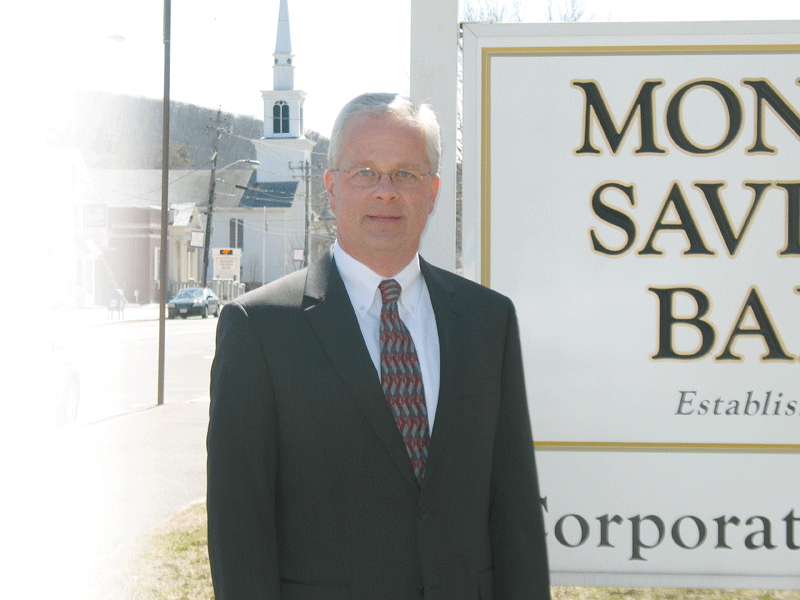
New Monson Savings Bank President Has Ambitious Plans

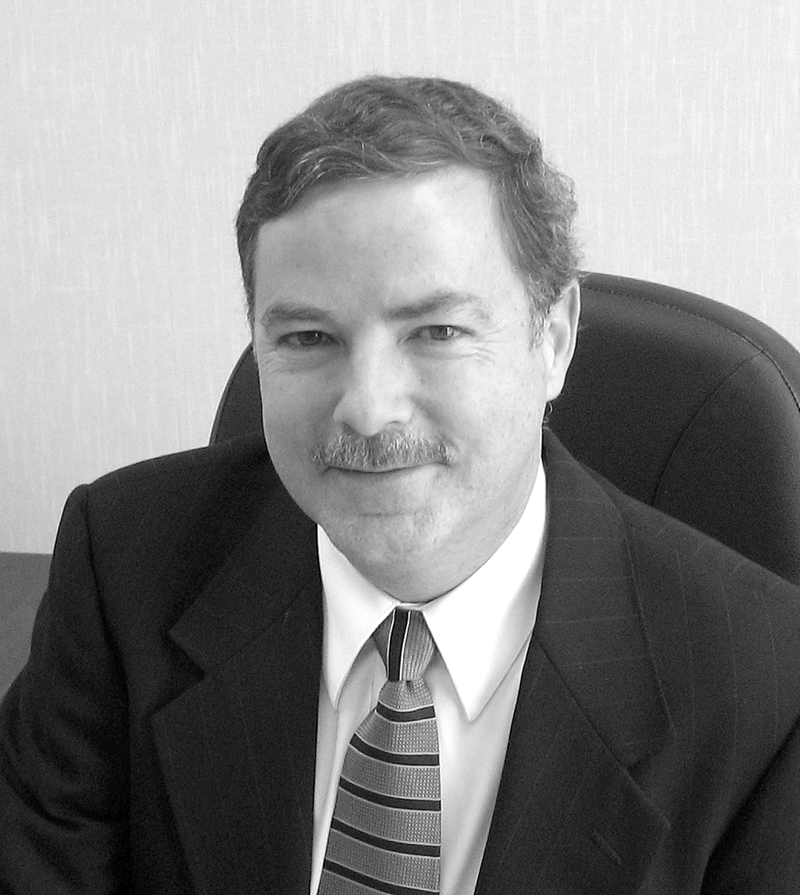
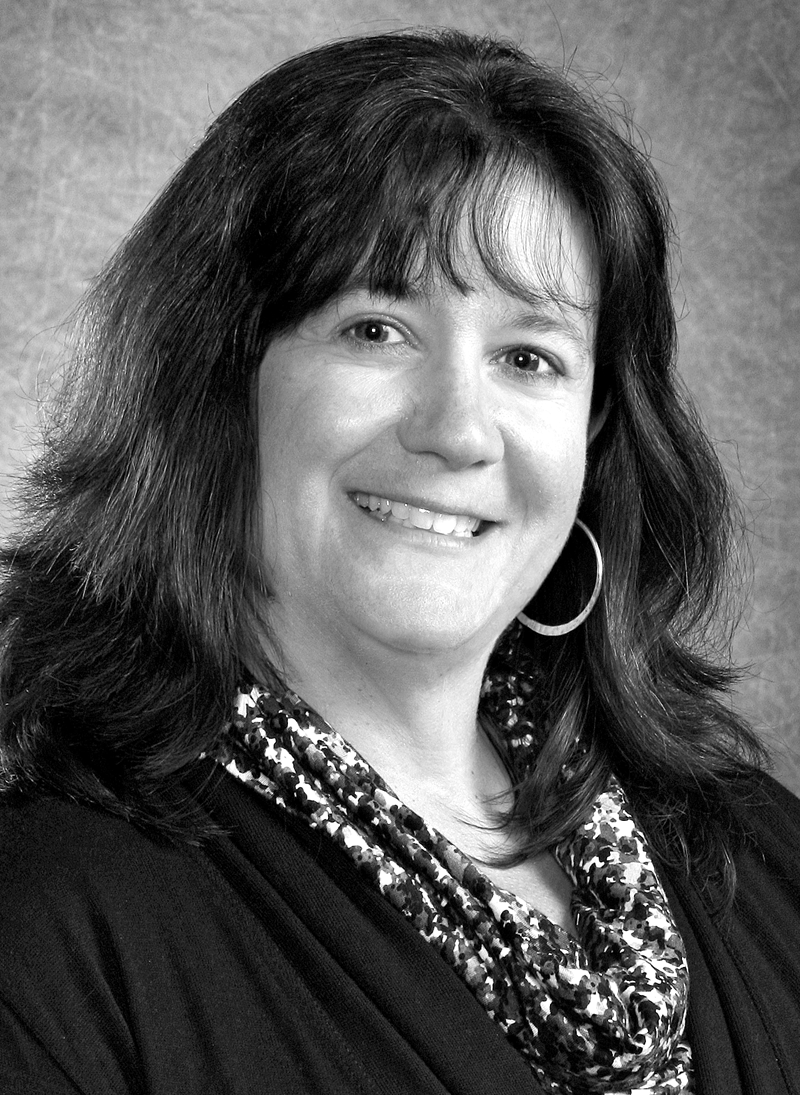
Steven Lowell

Steven Lowell says his primary goal is to continue Monson Savings’ strong growth pattern.

Under the leadership of just-retired President Roland Desrochers, Monson Savings Bank tripled its assets over the past 15 years while adding two branches, a loan center, and a host of retail and business programs. After he announced his retirement last year, the bank’s trustees launched a search for someone with the vision to take MSB to the next level. They think they’ve found that person in Steven Lowell, who says he wants to continue to grow market share while maintaining the community ties that customers have come to appreciate.

Steven Lowell knows something about growing community banks.
As chief operating officer and executive vice president of Cape Cod Cooperative Bank, he saw that institution expand from $150 million in assets to more than $580 million today.
He also knows something about long commutes, for years spending about three hours each day in the car between his workplace and his Central Mass. home.
In his new position as president of Monson Savings Bank, he plans on continuing one of those trends and drastically reducing the other.
“Commuting to Monson isn’t nearly as bad as going to the Cape,” he said. “This has cut my commute in half, so that’s been quite pleasurable.”
That should give Lowell plenty of extra time to contemplate ways to continue a similar growth pattern at MSB, which, under recently retired President Roland Desrochers, has seen its assets increase from around $80 million to $236 million in 15 years. The new man in charge says that’s only a start.
“I like building things, and clearly this bank is at a point where it needs to grow,” Lowell said. “Roland has done a great job growing it to the size it is, but it’s getting harder and harder for a small bank to be able to compete. The bank has built a great infrastructure; now we’ve got to build the size of the bank to fit that infrastructure.
“The opportunity to manage that growth is a huge appeal to me,” he continued. “I had the experience of doing that on the Cape, and I look forward to doing similar things here.”
Desrochers, who will stay on as CEO until June to oversee the transition in an advisory role, is pleased with who the bank’s trustees chose as his successor.
“I felt it was appropriate to provide as much time as possible for the board to make a decision about the individual who would replace me,” he told BusinessWest. “So I announced my retirement to the board last June, and we started the search process last September.”
The bank appointed a search committee and hired a search firm to manage the process and identify a number of candidates to interview. Eventually, they whittled the list to two, and in the end chose Lowell.
“He has a community-banking background, so he definitely fit into our culture,” Desrochers said. “He’s used to working in the community as well, which is an important facet. He’s knowledgable in business, and we felt he would work very will with the management team.”
Lowell said the transition has been smooth.
“Roland has been really helpful, introducing me to people in the community, helping me get ingrained in the culture of the bank,” he said. “We are a community-based organization, and that’s been my background, too. That part of the transition has been really easy. I think I’m the beneficiary of what Roland has set up here.”
Desrochers said the bank’s threefold growth in assets in the past decade and a half are a product of a deliberate, controlled growth plan. As opposed to the rapid branch proliferation of other regional institutions, MSB has added a loan center and expanded from one branch to three (adding sites in Wilbraham and Hampden) during his tenure.
“We’ve had pretty good growth, and it’s been profitable growth,” he said. “I think that’s an integral part of it. You just can’t grow for the sake of growth; you’ve got to make sure you have profitable growth and can maintain and increase your capital position.”
“It was challenging initially as an $80 million institution — talk about economies of scale,” Desrochers added. “We weren’t doing very many retail products at the time, there hadn’t been many loan products, so we needed to expand those areas. We were just a small, sleepy, small-town bank, and there’s nothing wrong with that by any means, but we needed to do something to make sure it existed longer-term.”
Now that Monson Savings has secured a stronger foothold, Lowell intends to shepherd the 139-year-old institution to the next level. For this issue, he spoke with BusinessWest about how he plans to do that, and why he’s feeling positive about much more than a shorter commute.

High Tech, High Touch
Lowell said one of the things that impressed him about MSB was the caliber of its management team — “a really positive sign for our ability to grow in the future” — but also its Internet offerings, from its online banking services to remote-deposit capture for businesses and a mobile-banking platform that’s in development.
“The use of technology is very impressive for a bank of this size,” he said. “They have done most of the things larger banks, including the one I came from, have done; for an organization of this size, we’re really ahead of the technology curve. It’ll be a challenge to continue to do that, but it’s very important. Customers are all about convenience, and technology allows you to be as convenient as the major banks.”
Community banks these days, he explained, must balance strong in-person customer service — traditionally one of their main selling points — with the ease of the online experience, Lowell added.
“That’s the challenge. We do a great job with customers in our lobby — that’s how we build relationships — but we also want to deliver that high level of service electronically. If we can do that, then everyone wins.”
The bank also uses an active Facebook page to reach out to customers. Desrochers recently spearheaded a project to ask customers on the social-networking site to identify nonprofits and charitable organizations they would like the bank to support; MSB made contributions to the top 10 vote-getters, on top of its other giving for the year.
“It was a great program and very well-received,” Lowell said, “and it helps bring us closer to our customers and the community.”
But philanthropy only goes so far in attracting and retaining customers, and Desrochers touts a number of retail initiatives introduced in recent years, such as First Rate Checking, a high-rate savings product tied to a checking account; Cash Back Checking, an account that pays the depositor back when they use their debit card; and NextGen Banking, which targets specific age groups with different features, such as enhanced online and ATM access for college-age customers.
“NextGen Banking has turned out to be quite popular,” he said. “Part of that is financial literacy and teaching younger people how to manage their money in a way that’s responsible and hopefully builds them into good customers for the future.”
Lowell also noted that the bank allows use of foreign ATMs and refunds the fees customers incur by using them — an appreciated service at a bank with only five of its own ATM locations. “A customer on the Cape may have trouble finding us, and it’s important that they have access to our products,” he said.
Desrochers agreed. “Everyone’s looking for convenience, what makes it easy for them,” he said. “That’s also true on the business side. We have cash management we’re able to offer through our technology. It really allows businesses to keep watch over their money and move money around electronically.”

Better Days

Roland Desrochers

Roland Desrochers described his 15 years at Monson Savings as a very exciting time for the bank.

These products are being offered at a time when banks are starting to see business tick up after some sluggish years, particularly in business lending.
“We’re starting to see a little more demand for commercial loans,” Lowell said. “We see signs that companies are willing to start reinvesting in their businesses and expanding — certainly not at a really fast level, but there are positive signs, and we haven’t seen those for awhile.”
Lending for home purchases, however, remains stagnant. “The big concern is that everyone has refinanced their mortgage, so the residential-mortgage business is really slow,” he said. “Unless we see property values go up and people looking to build new homes, that’s going to continue to be low for a little while.”
That trend is balanced by an ever-growing line of investment and insurance products that make Monson Savings, as Lowell put it, “pretty much a one-stop shop” for customers who want that.
“We have financial services available to both retail and commercial customers,” Desrochers added. “It’s nice to be able to say we have these mutual funds or annuity products. We can also help businesses with 401(k)s, life insurance, things of that nature. Those are important products to be able to offer.”
Overall, it adds up to a strong foundation on which to build, Lowell said.
“The primary goal is definitely to grow the size of the organization,” he told BusinessWest. “We know it needs to be larger in order to remain relevant in the marketplace, so we’re looking to do that.
“We’re also looking to expand commercial lending, and it doesn’t have to be limited to the three towns where we’re located,” he added. “We also need to keep a close watch on expenses; we need to remain profitable.”
Meanwhile, being a community bank, he stressed the importance of continuing the bank’s civic responsibilities.
“Right now, 10% of our bottom line goes back to the community in donations,” Lowell said. “That’s something the bank has done in the past that we’re looking to keep doing as we go forward. It’s a win-win for everyone; we get our business from the community, and for us to give back to the community, I think, completes that deal.”
As for Desrochers, he has no regrets upon leaving in June.
“This is why I’m retiring,” he said at one point, holding up the mug from which he had been sipping.
No, he’s not going into the coffee business. On the plastic container are several photographs of his grandchildren, a 6-year-old and a 3-year-old twins. Despite the regulatory and other challenges in banking today, he’s enjoyed his time at Monson Savings, but at this point in his life, he says he will enjoy the extra time with his family even more.
“I can’t believe it’s been 15 years already,” he said, “but it’s been an exciting time.”
Steven Lowell thinks the future can be just as exciting.

Joseph Bednar can be reached at [email protected]

Employment Sections
For Lower Insurance Premiums, it Pays to Keep Employees Fit

Healthier employees lead to lower premiums, according to numerous studies. If companies can help their workers improve their health without cutting benefits or shifting more premium costs to employees, where is the downside? After all, Fortune 1000 companies have been using wellness programs for years to combat the rising costs of health care.
So, the question is, why aren’t smaller companies using this proven method to lower their health care costs?
Randy Boss, a risk architect for Ottawa Kent Insurance in Jenison, Mich., helps companies implement successful wellness programs. And he says he can understand how employers feel.
“They’re frustrated because most likely they have tried things that didn’t work,” said Boss. “There seems to be a wellness vendor on every street corner these days and many use ROIs from Fortune 1000 wellness programs as their own, yet they had nothing to do with that program.”
All wellness programs are not equal! This is a very important problem and something companies need to understand when selecting the appropriate wellness program for their company.” Secondly, Boss says, “businesses tend to think short-term and not long-term, and expect to see solid and immediate savings on their health care costs.”
Yet, the benefits of having healthy workers transcend reduced health care costs, including workers’ compensation and lower absenteeism. Healthy workers are less prone to injury and when injured, they recover quicker than less healthy workers. Conversely, out-of-shape workers are at a higher risk for injury and healing is often delayed and complicated by other health factors. If workers change and modify their lifestyle and reduce their health risks, medical costs decline.
While this may seem intuitive, the connection between wellness and workers’ compensation has been slow to take root. The reasons appear to be separate risk-management departments overseeing workers’ comp and group health, concerns about expanding the employers’ liability for work-related injuries, a focus on workplace safety rather than workers’ health, and a number of small companies with high workers’ comp costs that do not offer health insurance have all been contributing factors. Still, one of the major areas of concern for employers is an out-of-shape employee.
According to a recent Duke University study, the cost of obesity among full-time employees is estimated to be $73.1 billion a year. This is the first study to quantify the total value of lost job productivity as a result of health problems, which is more costly than medical expenditures.
The report recommends that employers promote healthy foods in the workplace, encourage a culture of wellness from the CEO on down, and provide economic and other incentives to employees who show signs of improvement. And there is evidence that this plan can work for employers.
A University of Michigan study of a Midwest utility company’s workplace wellness program found that over nine years, the utility company spent $7.3 million for the program and reaped $12.1 million in savings. Medical and pharmacy costs, time off, and worker’s compensation factored into the savings. The study, which took into account a number of costs, including indirect costs of implementing wellness programs, such as recruitment and the cost of changing menus, showed that wellness programs work long-term even though employees aged during the course of the study.
Overall, the program cost the employer $100 per employee. The cost of lost work time, workers’ compensation, and pharmacy and medical expenses among employees who participated each year increased by $96, compared with a $355 increase among employees who did not participate.
This is good news for employers. Amid heightened cost pressures and leaner staffs brought about by the prolonged economic downturn, employers need to reduce all types of absences to help maintain productivity. While employers tend to focus their energies on controlling the highly visible health care costs, which are more easily shifted, there are significant opportunities to control other costs with wellness programs.
On average, employers can see a 30% reduction in workers’ compensation and disability claim costs, according to a review of 42 published studies involving the economic returns of wellness programs. Moreover, such programs will reduce the costs of absences that, according to the 2010 Kronos/Mercer Survey on the Total Financial Impact of Employee Absences, add up to 8.7% of payroll costs, more than half the cost of health care.
It stands to reason that healthier employees will use less sick time. But ultimately, companies need to make a commitment to helping their employees stay in better shape.
“Employers should focus on health and wellness at work,” says Boss. “Businesses should allocate 2% to 3% of their budget to an effective program that includes at least 90% participation by employees and a wellness coach on site to effect behavior change.”
Although budget and company size will dictate the type of program a company can undertake, there are five steps that companies should take before launching a wellness program:
Evaluate. Know your cost drivers. Analyze workers’ compensation, health care, and absenteeism data to identify common issues and trends. Understand the legal regulations governing wellness programs.
Do a workplace assessment. Examine the physical and cultural framework in which the wellness program will operate. Consider opportunities for on-site physical activity, partnerships with community wellness providers, local gyms or health and nutrition classes, on-site vending machines and cafeteria, etc. Identify the interests and motivation of employees as well as barriers to employee participation through surveys, wellness committees, along with an analysis of past efforts.
Educate. For several years, businesses have been shifting more of the costs of health insurance to workers through increased premiums and higher deductibles. Since 2005 workers’ contributions to premiums have gone up 47%, while wages have increased 18%. Employees are feeling the pinch. Show them how participating in a wellness program can affect premiums as a result of making less use of medical care.
Obtain management support. A wellness program will not succeed without the ongoing support of management. Communicate the goals of the program and assess the commitment of supervisors and management.
Identify goals and metrics for measuring success. When implementing a wellness initiative, senior management will want to see a return on investment. Establishing a consensus on the goals or metrics for measuring the success of the program will help shape the program and ensure its success.
When it comes to implementing a wellness plan at your place of business, it’s really all about risk versus reward. And the rewards can be huge, but only if the plan is properly implemented and the management team is committed to its success.

Preston Diamond is managing director and co-founder of the Institute of WorkComp Professionals (IWCP), based in Asheville, N.C. In 2010, IWCP created a sister organization, the Institute of Benefits & Wellness Advisors, that trains, tests and certifies select insurance professionals to apply the concepts of risk management to benefit; (828) 274-0959.

DBA Certificates Departments

The following Business Certificates and Trade Names were issued or renewed during the month of March 2011.

AGAWAM

Insurance Center of N.E.
1070 Suffield St.
David Florian

Knock Out Fitness
297 Springfield St.
Karen Ollari

Sarat Ford Lincoln
245 Springfield St.
John Sarat Jr.

W.C. Pet Care
604 South West St.
Corrine Messenger

AMHERST

Cherewatti Farm
572 North East St.
Ilona Cherewatti

M & M Links
28 Amity St.
Ronnie Abdullah

Studio 116
460 West St.
Daniel R. Cooper

Studio E Haircare
9 East Pleasant St.
Elizabeth Hunt

Swallow Farms Capital Management
9 Swallow Farms Road
William F. Lindsey

Thompson Business Solutions
232 North East St.
Sarah Thompson

CHICOPEE

Monro Muffler & Brake Inc.
451 Memorial Dr.
John N. Van Heel

Roman’s Automotive
524 Chicopee St.
Joseph Kruzel

EAST LONGMEADOW

Fit to Ride
80 Denslow Road
James Pelletier

GiVin Beauty
35 Harkness Ave.
Julie Palazzi

Golden Eon Productions
14 Alandale Dr.
Dyanne Puglia

Subway
24 Shaker Road
John Moylan

GREENFIELD

HGA International
72 Montagne City Road
Andrey Agapov

Tractor Supply Company
72 Newton St.
Scott Sloan

Valle Studio
14 Long Ave.
Kristen P. Valle

HADLEY

Dance the Divine Wedding
128 Bay Road
Tracy Vernon

Gardenscapes
43 East St.
Debra Windoloski

Kellogg Playschool
214 Moody Bridge
Barbara Kellogg

Long Radio
30 Russell St.
Keith Imriglio

New Age Marketing
115 West St.
D. T. Tonchette

Phillips 66
110 Russell St.
Gary Kaneb

HOLYOKE

High St. Liquors
648 High St.
Rajendra B. Pandit

Metras Income Tax
224 Lyman St.
Lena Gauthier

Pat’s Fine Foods
1693 Northampton St.
Sagheer Nawaz

Rack Room Shoes
50 Holyoke St.
Peter R. Barr

Today’s Nails
50 Holyoke St.
Charles P. Tran

LUDLOW

Bella Couture Salon & Day Spa
154 East St.
Michelle Ruark

Marta Law Offices
30 Chestnut St.
Paulo G. Marta

Voyik & Voyik LLC
409 West St.
Jennifer Voyik

NORTHAMPTON

Whole Family Chiropractic
144 Franklin St.
Jill E. Smith

PALMER

Gallagher Trackside Motors
1316 South Main St.
Peter Gallagher

Matrix
1363 Main St.
Manuel F. Esteves

Tony V. Entertainment
65 Springfield St.
Anthony Valley

SOUTHWICK

Allstar Mechanical
57 Granville Road
Scott Grunwald

PJC Property Service
1 Consolini Dr.
Peter Consolini

SPRINGFIELD

A Bica Bar & Grill
278 Main St.
Q & M Christys Inc.

ACC Business
361 Bridge St.
Karen Dionio

All Star Lounge
382 Dwight St.
Victor Bruno

Americacarparts.com
56 West Alvord St.
Wichai Sinpunpakd

Anderson Services LLC
1104 Bay St.
Mark D. Anderson

Antim LLC
32 Hancock St.
Lynn Bledsoe

Aqui Me Quedo Restaurant
15 Locust St.
Luis A. Mejia

Arce’s Tax Service
2460 Main St.
Awilda Hernandez

Ayala Excavating and Trucking
92 Clayton St.
Manuel Ayala

Bia Fitness
560 Nassau Dr.
Krystal M. Say

Celebrating Home
141 Wollaston St.
Yesenia Rodriguez

Chikiyadas Creations
23 Beech St.
Luis A. Torres

DJ Purcyse
30 Amanda St.
Jason L. Culp

Delgado’s Towing
100 Verge St.
Leonel Delgado

Flo Barber Shop
278 Oakland St.
Jason Arias

WESTFIELD

Angelo’s Market
3 Lewis St.
Angel Morales

Back Drop Junction
3 Logan Ave.
David Burgess

Great White Cleaning Company
10 Day Ave.
Scott Texeira

M & W Property Maintenance and Odd Job Service
404 Granville Road
Leslie White

Mount Tekoa Group LLC
254 Falley Dr.
Patricia Richardson

Royal Icings
68 Gary Dr.
Susan Forest

WEST SPRINGFIELD

American Laser Skincare
111 Elm St.
Steven R. Brown

Elm Street Flowers
82 Elm St.
Gail Kelly

Inter-Technologies Inc.
451 Dewey St.
Yury Psehnichny

Kelly Ross Photography
1346 Elm St.
Kelly A. Ross

Lynch Flooring
115 Frederick St.
Peter L. Lynch

R&S Oil
20 Roanoke Ave.
Laura Benoit

Richard’s Deli Restaurant Inc.
875 Memorial Ave.
Brian Cleland

Santiago’s Recycling
203 Circuit Ave.
Daniel Santiago

Scheer Enterprise LLC
14 Colony Road
Joseph Scheer

Super Washing Well Laundry
1126 Union St.
David S. Cortis

Taco Bell / Pizza Hut
298 Memorial Ave.
Taco Bell of America Inc.

Tomasko Electric
848 Elm St.
Richard Tomasko

BANKRUPTCIES

The following bankruptcy petitions were recently filed in U.S. Bankruptcy Court. Readers should confirm all information with the court.

1880 House
LaBelle, Michelle R.
a/k/a Carr, Michelle R.
3704 South Athol Road
Athol, MA 01331
Chapter: 7
Filing Date: 03/13/11

A & O Transport Services
Sluder, Ricky K.
Sluder, Kimberly A.
163 Main St., 2nd Fl.
Athol, MA 01331
Chapter: 7
Filing Date: 02/28/11

Aitighli, Rachid
126 Quabog St.
Warren, MA 01083
Chapter: 7
Filing Date: 03/07/11

AJ Norman Painting Contractors
Normoyle, James P.
11 Maiden Lane
Wilbraham, MA 01095
Chapter: 7
Filing Date: 03/11/11

Anderson, Laurel M.
56 Glenvale St.
Springfield, MA 01119
Chapter: 7
Filing Date: 03/08/11

Baillargeon, Luke R.
72 Walnut St., Fl. 1
Chicopee, MA 01020
Chapter: 7
Filing Date: 03/02/11

Bartlett, Amy Ann
58 New Hampshire Ave.
Pittsfield, MA 01201
Chapter: 7
Filing Date: 03/10/11

Beach, Michelle Lee
a/k/a Heaton-Beach, Michelle
29 Pilgrim Road
Springfield, MA 01118
Chapter: 7
Filing Date: 03/10/11

Belba, Patricia A.
196 Center St.
Lee, MA 01238
Chapter: 7
Filing Date: 03/08/11

Berkshire Stone Works
Doyle, Albert
Doyle, Jannine
81 Daytona St.
Pittsfield, MA 01201
Chapter: 13
Filing Date: 03/01/11

Duong, Dennis Thanh
a/k/a Duong, Lam Thanh
668 Dickinson St.
Springfield, MA 01108
Chapter: 7
Filing Date: 03/02/11

Boone, Jennifer L.
a/k/a Duda, Jennifer L.
6 McBride Road
Unit B
Wales, MA 01081
Chapter: 7
Filing Date: 03/09/11

Breault, Angela P.
142 Skeele St.
Chicopee, MA 01013
Chapter: 13
Filing Date: 03/02/11

Bullens, Thomas J.
Bullens, Linda S.
31 Pauline Lane
Westfield, MA 01085
Chapter: 7
Filing Date: 03/04/11

Calkins, Nicholas C.
40 Duryea St.
Springfield, MA 01104
Chapter: 7
Filing Date: 03/15/11

Champagne, Luce M.
63 Watson St.
Chicopee, MA 01020
Chapter: 7
Filing Date: 03/04/11

Cote, Douglas A.
Cote, Marya C.
370 Ridge Road
Athol, MA 01331
Chapter: 7
Filing Date: 02/28/11

Coughlin, Hilary W.
107 Wenonah Road
Longmeadow, MA 01106
Chapter: 7
Filing Date: 03/09/11

Crespo, Jose L.
Otero, Sonia N.
193 Santa Barbara St.
Springfield, MA 01104
Chapter: 7
Filing Date: 03/01/11

Crochetiere, Diane Marie
55 Beaumont Ave.
Chicopee, MA 01013
Chapter: 7
Filing Date: 03/03/11

Davies, Frank
310 Stafford St., Apt. 1303
Springfield, MA 01104
Chapter: 7
Filing Date: 03/01/11

Dibrindisi, Dolores T.
60 Avis Circle
Florence, MA 01062
Chapter: 7
Filing Date: 03/07/11

Dicenzo, Michael J.
Dicenzo, Christine A.
P.O. Box 138
Pittsfield, MA 01202
Chapter: 7
Filing Date: 03/04/11

DNA Printworks
McCarthy, Daniel S.
478 Kings Highway
West Springfield, MA 01089
Chapter: 7
Filing Date: 03/09/11

Duquette, Ronald G.
Duquette, Debra M.
368 Holyoke St.
Ludlow, MA 01056
Chapter: 13
Filing Date: 03/08/11

Dwyer, Carroll Henry
54 Bridge St., Apt. 54
South Hadley, MA 01075
Chapter: 7
Filing Date: 03/09/11

Dziadek, Bernard J.
437 Granby Road
South Hadley, MA 01075
Chapter: 7
Filing Date: 03/09/11

Edery, Armand
10 Keefe Ave.
Holyoke, MA 01040
Chapter: 7
Filing Date: 03/11/11

Ela, Richard B.
Ela, Cheryl A.
a/k/a Heinonen, Cheryl A.
40 Yankee Drummer Dr.
Warren, MA 01083
Chapter: 7
Filing Date: 03/14/11

Ezyk, Shane M.
12 Oakdale Place
Easthampton, MA 01027
Chapter: 7
Filing Date: 03/11/11

Farooqui, Amir A.
11 Eastwood Circle
Ludlow, MA 01056
Chapter: 7
Filing Date: 03/14/11

Fiorentino, Angelo M.
340 Cooley St.
Springfield, MA 01128
Chapter: 7
Filing Date: 03/04/11

Fontaine, Doreen F.
945 Jenks Road
Cheshire, MA 01225
Chapter: 7
Filing Date: 03/08/11

Fortes, Gregory E.
102 Memory Lane
Orange, MA 01364
Chapter: 7
Filing Date: 03/07/11

Foss, Judith A.
98 Spadina Parkway
Pittsfield, MA 01201
Chapter: 7
Filing Date: 03/15/11

Getto, Robert A.
34 Whitman St.
Chicopee, MA 01013
Chapter: 7
Filing Date: 03/07/11

Girard, Andrew P.
76 Lakeview St.
Pittsfield, MA 01201
Chapter: 7
Filing Date: 03/10/11

Godin-Conz, Jaclyn Marie
a/k/a Kraus, Jaclyn Marie
35 Ward Ave.
Easthampton, MA 01027
Chapter: 7
Filing Date: 03/09/11

Guyer, Jeffrey A.
Guyer, Amy J.
a/k/a Evangelisto, Amy J.
53 Yorkshire Ave.
Pittsfield, MA 01201
Chapter: 7
Filing Date: 03/15/11

Hasperg, Nicole M.
119 Daniels Terrace
Cheshire, MA 01225
Chapter: 7
Filing Date: 03/15/11

Hirsch, Jeffrey A.
106 Inverness Lane
Longmeadow, MA 01106
Chapter: 13
Filing Date: 03/05/11

Holby, Brenda
365 Main St., #7
Sturbridge, MA 01566
Chapter: 7
Filing Date: 03/11/11

Holloway, Myron C.
858 Silver Lake St.
Athol, MA 01331
Chapter: 7
Filing Date: 02/28/11

Hussain, Irum
11 Eastwood Circle
Ludlow, MA 01056
Chapter: 7
Filing Date: 03/14/11

Ilg, Priscilla M.
120 South Main St.
Orange, MA 01364
Chapter: 13
Filing Date: 03/07/11

Jaime, Janet
39 Hillside Ave.
West Springfield, MA 01089
Chapter: 7
Filing Date: 03/14/11

James, Jade R.
18 Wandering Meadows
Wilbraham, MA 01095
Chapter: 13
Filing Date: 03/07/11

Jenney, Debra L.
26 Duryea St.
Springfield, MA 01104
Chapter: 7
Filing Date: 03/02/11

Kibodya, Mohamed A.
54 Homestead Ave.
Indian Orchard, MA 01151
Chapter: 7
Filing Date: 03/01/11

King, Sharon K.
P.O.Box 1145
Westfield, MA 01086
Chapter: 7
Filing Date: 03/01/11

Knowlton, Richard J.
Knowlton, Ann M.
889 Suffield St.
Agawam, MA 01001
Chapter: 7
Filing Date: 03/02/11

Laramee-Santaniello, Patricia L.
76 Main St.
Wilbraham, MA 01095
Chapter: 7
Filing Date: 03/15/11

Lareau, David R.
138 St. James St.
Chicopee, MA 01020
Chapter: 7
Filing Date: 03/07/11

Latina, Dorothy Rose
3 Heritage Lane
Westfield, MA 01085
Chapter: 13
Filing Date: 03/04/11

Leary, Frances J.
36 Crestwood St.
Springfield, MA 01107
Chapter: 7
Filing Date: 03/03/11

Lehmann, Crystal M.
70 South John St.
Pittsfield, MA 01201
Chapter: 7
Filing Date: 03/14/11

Lemieux, Richard Alan
Lemieux, Carolyn Margaret
17 Fuller St.
North Adams, MA 01247
Chapter: 7
Filing Date: 03/04/11

Lescarbeau, Joy P.
193 North St.
North Adams, MA 01247
Chapter: 7
Filing Date: 03/12/11

Link, Herbert
22 Lessey St. Apt 104
Amherst, MA 01002
Chapter: 7
Filing Date: 03/02/11

Lord, Julie A.
30 Conway St.
South Deerfield, MA 01373
Chapter: 13
Filing Date: 03/11/11

Maldonado, Sylvia
395 Tokeneke Road
Holyoke, MA 01040
Chapter: 7
Filing Date: 03/11/11

Maloney, James E.
Maloney, Angel M.
57 Richmond Ave.
Pittsfield, MA 01201
Chapter: 7
Filing Date: 03/10/11

Manzi Fiorentino, Marie A.
72 Kathleen St.
Springfield, MA 01128
Chapter: 7
Filing Date: 03/04/11

Marhoub, Chaibia
126 Quabog St.
Warren, MA 01083
Chapter: 7
Filing Date: 03/07/11

Mastriani, Vincent
Mastriani, Donna
1050 Carew St.
Springfield, MA 01104
Chapter: 7
Filing Date: 03/07/11

Matosky, Jessica M.
115 Sunridge Dr.
Springfield, MA 01118
Chapter: 7
Filing Date: 03/09/11

Monday, Debra C.
a/k/a DeRose, Debra C.
P.O. Box 418
Ludlow, MA 01056
Chapter: 13
Filing Date: 03/04/11

Nicolazzo, Anthony Pasquale
751 Scott Road
Oakham, MA 01068
Chapter: 7
Filing Date: 03/10/11

Nieves, Rhonda
70 Martel Road
Springfield, MA 01119
Chapter: 7
Filing Date: 03/13/11

Normandin, Jason M.
Normandin, Sandra E.
430 Walnut Hill Road
Orange, MA 01364
Chapter: 7
Filing Date: 03/03/11

Ortiz, Marcelino
82 Bridge St., Apt 6A
Northampton, MA 01060
Chapter: 7
Filing Date: 03/02/11

Pearson, Maria C.
60 Ionia St.
Springfield, MA 01109
Chapter: 7
Filing Date: 03/15/11

Precious Memories Childcare
LaFountain, Melissa L.
a/k/a Cucchi, Melissa L.
440 Fredette St.
Athol, MA 01331
Chapter: 7
Filing Date: 03/13/11

Profit Valley Printing
Ostapovicz, Michael Aaron
391 Pleasant St.
Holyoke, MA 01040
Chapter: 7
Filing Date: 03/09/11

Richardson, Beulah Brooks
699 North Westfield St.
Feeding Hills, MA 01030
Chapter: 7
Filing Date: 03/03/11

Rivera, Roberto
500 Hancock St., Apt.
Springfield, MA 01105
Chapter: 7
Filing Date: 03/02/11

Robert, Michael A.
49 Michael Sears Road
Belchertown, MA 01007
Chapter: 7
Filing Date: 03/08/11

Roberts, Francis M.
1460 Main St.
Palmer, MA 01069
Chapter: 7
Filing Date: 03/11/11

Rodriguez, Alicia
280 Dickinson St.
Springfield, MA 01108
Chapter: 7
Filing Date: 03/09/11

Rodriguez, Julio A.
47 Grosvenor St
Springfield, MA 01107
Chapter: 7
Filing Date: 03/11/11

Routhier, Kevin J.
Routhier, Susan C.
a/k/a Morris, Susan C.
a/k/a Paradysz, Susan C.
16 Exeter St.
Easthampton, MA 01027
Chapter: 7
Filing Date: 03/11/11

Sadler, Christopher G.
P.O. Box 48
Russell, MA 01071
Chapter: 7
Filing Date: 03/01/11

Santiago, Carmen C.
15 Van Horn Place
Springfield, MA 01104
Chapter: 13
Filing Date: 03/02/11

Schwarz, James T.
178 Woodlawn Ave.
Pittsfield, MA 01201
Chapter: 7
Filing Date: 03/10/11

Smith, Dorothy J.
100 Edgemont St.
Springfield, MA 01109
Chapter: 7
Filing Date: 03/04/11

Somes, Wendy K.
3 A Wildwood Lane
Goshen, MA 01032
Chapter: 7
Filing Date: 03/01/11

Sparrow, Michael
22 4th Ave.
Cheshire, MA 01225
Chapter: 7
Filing Date: 03/10/11

Sperry, Norman A.
430 Pleasant St.
Holyoke, MA 01040
Chapter: 13
Filing Date: 03/11/11

Stephenson, Sandra E.
P.O. Box 1426
Holyoke, MA 01041
Chapter: 7
Filing Date: 03/15/11

Stevens, Robert C.
81 Dartmouth St.
Pittsfield, MA 01201
Chapter: 7
Filing Date: 03/10/11

Swan, Kevin S.
Swan, Laurie E.
1747 West Royalston Road
Athol, MA 01331
Chapter: 7
Filing Date: 03/07/11

Thompson, Barbara J.
437 East St.
Chicopee, MA 01020
Chapter: 7
Filing Date: 03/15/11

Tuttle, Mary A.
13A Highland Village
Ware, MA 01082
Chapter: 7
Filing Date: 03/11/11

Unique Designs
Malone, Christopher T.
Malone, Carol E.
a/k/a March-Malone, Carol E.
101 Upton St.
Springfield, MA 01104
Chapter: 7
Filing Date: 03/11/11

Wasuk, David M.
1 Jennifer St.
Lenox, MA 01240
Chapter: 13
Filing Date: 03/09/11

Wasuk, Sue A.
1 Jennifer St.
Lenox, MA 01240
Chapter: 13
Filing Date: 03/09/11

Watkins, Robert D.
376 King Road
Athol, MA 01331
Chapter: 7
Filing Date: 03/13/11

Weber, Scott F.
80 Damon Road #7204
Northampton, MA 01060
Chapter: 7
Filing Date: 03/11/11

Wells, Michael Robert
Wells, Lisa Ann
80 Wheeler Ave.
Springfield, MA 01118
Chapter: 13
Filing Date: 03/02/11

Williams, Kimberly A.
22 Pinney St.
Palmer, MA 01069
Chapter: 7
Filing Date: 03/04/11

Williams, William R.
11 Flynt Ave.
Monson, MA 01057
Chapter: 7
Filing Date: 03/04/11

Wright, Keith M.
3 A Wildwood Lane
Goshen, MA 01032
Chapter: 7
Filing Date: 03/01/11

Wyman, William E.
218 Spring St.
Athol, MA 01331
Chapter: 7
Filing Date: 03/07/11

Zina, John F.
21 Wilson Road
Belchertown, MA 01007
Chapter: 7
Filing Date: 03/03/11

Departments People on the Move

Beverly L. Herbert, Director of Development and External Communications for the Assoc. for Community Living in Springfield, was recently featured in Kaleidoscope magazine, discussing the fund-raising profession. Herbert, who has been active in fund-raising efforts for more than 35 years, has been with the association for more than 10 years.
•••••

JoMaria Velez

JoMaria Velez

JoMaria Velez has been appointed a Mortgage Consultant at PeoplesBank, based in Holyoke. She will be responsible for residential mortgage business in Springfield, Wilbraham, Monson, Palmer, and surrounding areas.
•••••
Robert F. Borawski has been elected Chairman of the Board of Directors of Florence Savings Bank. Borawski is President of Borawski Insurance Co. He was elected a Corporator of Florence Savings in 1981 and a Director in 1992.
•••••
Roberta Hillenberg-Gang has been appointed Link Senior Project Coordinator for the Link to Libraries collaboration to offer read-aloud programs to area public elementary schools with Loomis Communities residents.
•••••
Monson Savings Bank announced the following:
John (Jack) W. Hibbard

John (Jack) W. Hibbard

• John (Jack) W. Hibbard has been promoted to Controller. He joined the Financial Department in 2004; and


Michele Ouhl

Michele Ouhl

• Michele Ouhl has been promoted to Branch Manager of the Monson branch. She joined the bank in 2010 as the Assistant Branch Manager of the Monson branch.

•••••
Attorney Robert Aronson has joined Royal LLP in Northampton. He has more than 35 years of litigation experience, and is admitted to practice in the state and federal courts in Massachusetts and New York.
•••••
Pierce R. Keefe has joined Aaron Smith of East Longmeadow as a Tax Manager. Keefe has more than 15 years of professional tax and accounting experience with manufacturing, construction, and closely held businesses.
•••••

Ellen W. Freyman

Ellen W. Freyman

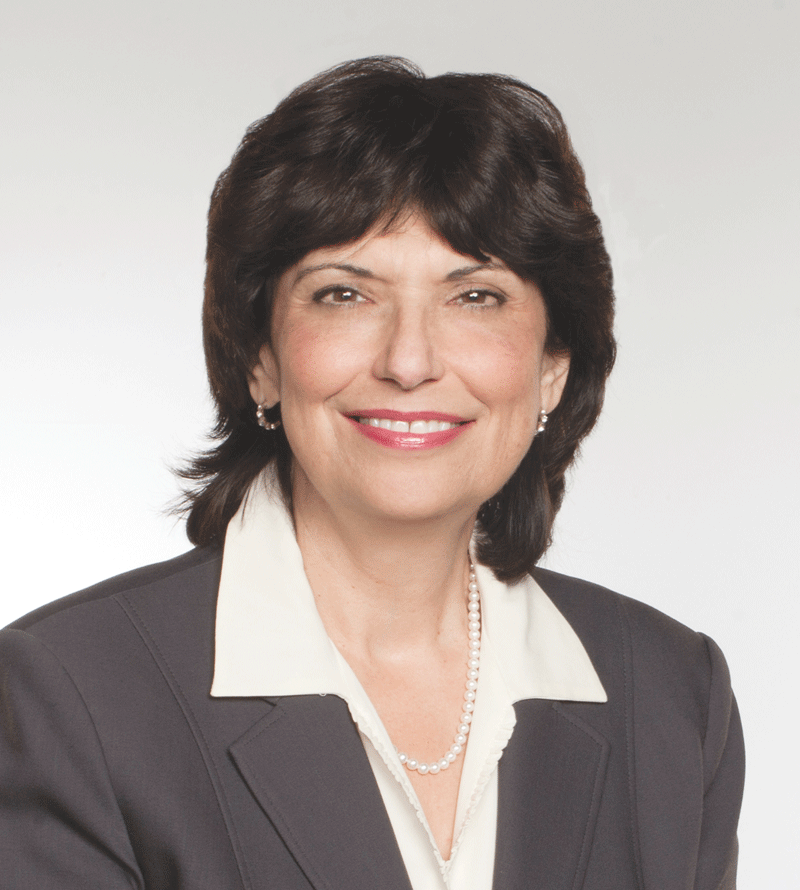
Attorney Ellen W. Freyman has been named the 2011 winner of the Springfield Leadership Institute’s Community Service Award. The Affiliated Chambers of Commerce of Greater Springfield Inc. and Western New England College School of Business made the announcement. The award is given annually to a member of Greater Springfield who exemplifies outstanding leadership and service to the community. Freyman joined Shatz, Schwartz and Fentin, P.C. in 1988. She is active in several professional and civic organizations and most recently worked with the Springfield Planning Department to revise the Springfield Zoning Ordinance.
•••••
Denise C. Remillard has been named Manager of Human Resources at the Insurance Center of New England in Agawam. She brings more than 14 years of human-resources experience to her new position.
•••••
Brenda D. Cuoco has joined Real Living Realty Professionals in Wilbraham as a Sales Associate.
•••••
Dr. Pranay Parikh

Dr. Pranay Parikh

Dr. Pranay Parikh has joined the Medical Staff at Baystate Mary Lane Hospital in Ware. He earned his medical degree from Alpert Medical School – Brown University in Rhode Island. He completed his residency at Georgetown University Hospital in Washington, D.C., and his fellowship at Union Memorial Hospital in Baltimore. He is a faculty member of the Tufts University School of Medicine, specializing in plastic surgery. He is also a member of Baystate Plastic Surgery.
•••••
Pam Hixon, a Hall of Fame field-hockey coach and player, has been named AstroTurf’s ambassador to the sport. Hixon earned eight varsity letters in field hockey, softball, and basketball at Springfield College, and played for the U.S. National Team for 10 years. She coached field hockey, lacrosse, and basketball at Springfield College, as well as field hockey and lacrosse at the University of Massachusetts.

Court Dockets Departments

The following is a compilation of recent lawsuits involving area businesses and organizations. These are strictly allegations that have yet to be proven in a court of law. Readers are advised to contact the parties listed, or the court, for more information concerning the individual claims.

FRANKLIN
SUPERIOR COURT
Phyllis R. Perry, executrix of the estate of Richard R. Perry v. John G. Savage Realty Corp. and James Fitzgibbons
Allegation: While performing work on property owned by John G. Savage Realty and contracted by James Fitzgibbons, the plaintiff fell through the roof deck to the cement floor below and died: $10,774.27
Filed: 1/19/11

HAMPDEN
SUPERIOR COURT
Bernadino Smith v. American International College
Allegation: Loss of college tuition and false inducement to sign Sallie Mae loan: $24,000+
Filed: 1/7/11

Jimbob Aviation Inc. v. Taylor Companies Inc.
Allegation: Breach of lease agreement: $145,000
Filed: 1/11/11

Seaboard Drilling v. Pappas Enterprises Inc.
Allegation: Non-payment of labor and materials for sub-surface testing and environmental engineering: $45,836.88
Filed: 1/6/11

Woronoco Hydro, LLC v. Ocean State Jobbers Inc.
Allegation: Outstanding balance for electrical services: $95,000
Filed: 12/15/10

HAMPSHIRE
SUPERIOR COURT
Kaestle Boos Associates Inc. v. the Town of Granby, by and through the Granby Safety Committee
Allegation: Breach of contract by failing to pay for services rendered: $115,000
Filed: 2/23/11

Michelle Papineau v. Mount Holyoke College
Allegation: Employment discrimination: $25,000+
Filed: 2/7/11
NORTHAMPTON
DISTRICT COURT
Jane Doe v. Cooley Dickinson Hospital
Allegation: Breach of contract and HIPAA violation: $100,000
Filed: 2/11/11

Swan Associates Inc. v. Boulanger’s Plumbing & Heating Inc.
Allegation: Breach of contract and failure to pay: $17,876
Filed: 2/15/11

PALMER DISTRICT COURT
Mactec Engineering & Consulting Inc. v. Sub-Surface Informational Surveys Inc.
Allegation: Breach of contract by failing to confirm the location of all utilities and failing to reimburse the plaintiff remediation costs: $12,536.65
Filed: 1/4/11

SPRINGFIELD DISTRICT COURT
Liberty Mutual Insurance Co. v. Yanez Construction
Allegation: Non-payment of workers’ compensation policy: $32,326.34
Filed: 2/1/11

Linda Wortman v. Comcast of MA
Allegation: Negligent performance of work in plaintiff’s home, causing injury: $20,236.83
Filed: 1/31/11

NCMIC Finance Corp. v. Langlois Family Chiropractic Inc.
Allegation: Non-payment on judgment: $19,133.78
Filed: 2/1/11

Shirley Peaks v. Costco Wholesale Corp.
Allegation: Negligence in property maintenance, causing slip and fall: $5,183
Filed: 2/14/11

WESTFIELD
DISTRICT COURT
Pioneer Valley Winnelson Co. v. Eric’s Plumbing and Heating
Allegation: Non-payment of goods sold and delivered: $16,028.58
Filed: 2/4/11

Departments Picture This

Send photos with a caption and contact information to: ‘Picture This’
c/o BusinessWest Magazine, 1441 Main Street, Springfield, MA 01103
or to [email protected]

ICNE 1

ICNE 2

ICNE Open House

Insurance Center of New England staged an open house and ribbon-cutting on March 31 at its new headquarters building on Suffield Street in Agawam, the former home of the Oaks banquet facility. At left below, doing the honors are, from left: Bill Trudeau, COO of ICNE; state Rep. Nicholas Boldyga; David Florian, CFO of ICNE; Dean Florian, president of ICNE; and Agawam Mayor Richard Cohen. At left top, Dean Florian chats with Ted Hebert, owner of Teddy Bear Pools & Spas. 


Link to Libraries

Link to LibrariesThe Hampden Savings Foundation, the philanthropic arm of Hampden Bank, announced recently that it has awarded $1,500 to Link to Libraries Inc. Here, Gayle Rediker, CFO of Rediker Software and a Hampden Bank and Link to Libraries Advisory Board member, accepts a check from Hampden Bank Vice President/Retail Sales Director Hector Toledo. Celebrating its third anniversary this May, Link to Libraries has donated more than 26,000 to area schools and nonprofits in Western Mass. and Northern Conn.


NASA Downlink

NASA downlinkArea sixth-grade students had a chance to talk directly with an astronaut on March 29, as Dr. Cady Coleman ‘visited’ Springfield Technical Community College via a NASA downlink from the International Space Station. The event was made possible through a partnership with UMass Amherst. Students from three schools — Springfield’s STEM Middle Academy and the Lt. Elmer J. McMahon and Dr. Marcella R. Kelly schools in Holyoke — participated in STEM (science, technology, engineering, math) activities led by UMass graduate students prior to the downlink.

Features
Hospital CEO’s Career Is a Study in Determination

Craig Melin President and CEO, Cooley Dickinson Hospital

Craig Melin President and CEO, Cooley Dickinson Hospital

When Craig Melin embarked on his pursuit of a doctoral degree from the Dartmouth Institution for Health Policy and Clinical Practice, he figured it would be a two- or three-year journey.
Almost five years after he started, Melin, president and CEO of Cooley Dickinson Hospital in Northampton, still has a ways to go, but there is light, he said, at the end of the proverbial tunnel.
Work on his dissertation has been slowed, and made both more challenging and intriguing in many respects, by the lengthy recession and its ongoing impact within the broad health care community, he explained, and especially hospital administration, which is at the heart of his work.
“There were two factors, both of which had to do with the health care environment, that slowed things up,” he explained. “One was that this environment became so treacherous that two of the hospitals that I wanted to visit were going through such economic upheaval that, at the times I wanted to visit, they were going through reductions in force.
“And to interview people about all the wonderful things they’d done and how great their outcomes were, at a time when the staff was going through the angst of feeling that they had failed and that the world doesn’t work … well, the timing just wasn’t right,” he continued, adding quickly that the second delaying factor was that he was dealing with these same issues, including workforce reductions, at CDH — work that absorbed early-morning and evening hours he would otherwise have devoted to his studies.
When asked about the specific thrust of his doctoral work, Melin said it centers on “how to transform the quality of care in community hospitals.” He then caught himself and made a key adjustment. “It’s actually ‘how to lead the transformation of the quality of care in community hospitals.’ It’s from a leader’s perspective.”
That’s an important distinction, and in many ways, Melin isn’t simply studying this concept, he’s living it. It has become much more than the title of a dissertation — it has become a life’s work.
Indeed, when Melin arrived at Cooley Dickinson in 1988, soon to commence work that would pull the hospital from the brink of financial collapse, he figured the stay would be no longer than five years. Close to a quarter-century later, he is still at the helm, primarily because he believes this is where he can make the most significant impact with regard to that ‘big picture’ that is modern health care administration.
His goal, almost since the day he arrived and especially over the past decade or so, has been to make CDH what he called a “model community hospital.” And to do that, he decided he needed to take his base of knowledge to a much higher level. “I understood that I needed to be an expert in that field, not simply know about it, and that’s why I decided to pursue my doctorate.”
This pursuit has been a learning experience on a host of levels, one that has brought new perspectives on the ongoing work at Cooley Dickinson and lessons in how to do it better.
For this, the latest installment of its Profiles In Business series, BusinessWest talked with Melin at length about the process of putting Ph.D. after his name, and about what is certainly much more than a research topic; it’s what he hopes will become a blueprint for more effective hospital administration.

Healthy Perspective
Regarding the timeline for his dissertation, Melin said most all of the course work, research, site visits to four of the top-performing community hospitals in the country (which he couldn’t disclose at this time), transcription of dozens of interviews, and coding of most results is now all behind him.
What remains, essentially, is completion of his analysis and the writing, which he has started, both on his home computer and in his mind. He said he anticipates being finished by this June, but followed that statement with a qualifying ‘but…’
While acknowledging that it is quite difficult to sum up what he has learned and what his dissertation will say quickly or in simple terms, Melin said much of his doctoral work comes down to five steps, not necessarily sequential, that he has identified and that he believes form a framework that can be followed by virtually any community hospital as it goes about working to transform quality of care.
“The first involves how the leader got the attention of his or her organization regarding the gap between where they are and where they need to be,” he explained. “And the second, after you’ve recognized, for example, that more people are dying in health care than should be or people are harmed in health care organizations more than is necessary, the next question is how to get people’s intentions to change. So you go from attention to intention.”
In other words, he said, the employees of the hospital, not merely the administrators, take ownership of that aforementioned gap.
“The third piece concerns how we translate that ‘intention’ into the work that people actually do,” he continued. “So it’s one thing to believe that we need to do a better job of eliminating infections in a hospital, it’s another question to look at whether we can figure how to test every patient who comes in and disinfect rooms in a very different way. It has to be the work of the people on the front lines, not the managers and directors.”
The fourth step involves how to hold people within an organization accountable for the change in their work and the results that are expected, he went on, adding that this step is necessary to ensure that the changes that everyone agreed to make are actually happening.
As for the fifth … “you can do all of this and still fail as a leader if, as an organization, you don’t provide all the system supports to help people change their work, know how they’re doing, and so on,” he told BusinessWest. “Whether it’s IT support, or, for the front-line staff, whether the group has time to sit down and think, rather than just do, whether they have a facilitator and outside resources to look at what others are doing and what can be copied and adjusted for us … the system supports are central to success. You’ll see systems that will do the first four things and then fall apart, because they’re expecting everyone to change the work they do, but not give them any time to think about how they would do it.”
The dissertation will go into several hundred pages worth of elaborate detail on these five steps, and essentially take a retrospective look at how those four chosen hospitals, each with outstanding outcomes, navigated them.
Meanwhile, the experience of doing the research and those interviews has provided invaluable opportunities to look prospectively at how CDH may be able to take what those hospitals have done and are doing and apply them to its quality-improvement efforts (more on that later).
How Melin arrived at this place in both his professional career and education is an intriguing story that really begins to take shape at the Massachusetts Institute of Technology, where Melin earned a bachelor’s degree in Mathematics and for a long time thought he would wind up teaching that subject at some level.

Adding Things Up
“But I sort of adjusted to more practical uses for math,” he said, adding that his search led him to actuarial work with some insurance companies and, eventually, a summer job with the Mass. Rate Setting Commission, where he worked for a group redesigning the payment system for hospitals and nursing.
“Through that, I came to the conclusion personally that the data suggested that health care organizations were not well-managed,” he said, “and that this represented an opportunity for me.”
So he enrolled in Harvard Business School with the mindset of pursuing a career in health care management. While there, the School of Public Health created a new program called Health Policy and Management and invited the 800 first-year students at Harvard Business to consider a course of study that would essentially combine management and health care. Melin said he was the only one who did.
Fast-forwarding a little, he said he would go on to earn master’s degrees in business and health policy as well as management. He would put them to work first at Beth Israel Hospital in Boston, which he would eventually serve as associate director; National Jewish Hospital in Denver, where he would become both vice president of Planning and director of Hospital and Clinical Services; the Cambridge Research Institute; and University Hospital (now Boston University Medical Center), which he would serve as vice president of External Affairs.
His career then approached what could only be described as a crossroads.
“I was contacted by a search firm to look at the possibility of a teaching hospital in another state and also Cooley Dickinson Hospital,” he explained. “I didn’t really know Cooley Dickinson or Northampton, and I was at a career stage where I was considering two paths to reach my ultimate goal, to be CEO of a major teaching hospital; one was to be the CEO of a community hospital first, and the other was to be the number-two person at a teaching hospital.
“There was something about Cooley Dickinson and the community that attracted me, and so I came here,” he continued. “I thought it would be five years, but once here, that attitude changed, because underlying all that was wanting to change the health care field, not just where I was working. I soon got the sense, from all that we were able to do, that you could develop a model community hospital that others could learn from, and change the field.”
Melin told BusinessWest that recruiters have contacted him countless times over the past 23 years to gauge his interest in other administrative positions, some at facilities several times the size of CDH.
They still call, or e-mail (the more common method of making such inquiries these days), but he said he hasn’t seen or heard anything that would take him away from CDH. When asked to elaborate on why, he said, in essence, that there is still considerable work to be done with regard to making Cooley Dickinson into that model community hospital. In short, he hasn’t finished what he started.
Which brings him back once again to his Ph.D. and that prospective work he’s doing with taking lessons from his site visits back to CDH. He said those visits have generated tremendous learning experiences and provided plenty of insight into the work he’s doing in Northampton — and how he might do it better.
“I’ve got a framework for how I think and how I lead,” he explained. “The experience of seeing other places has given me guidance on how to adjust that framework, because it’s always going to be different based on context. There’s a concept called realist evaluation that says that you need to look at the mechanisms of change in the context in which they occur, and then look at the outcomes.
“And where the process I’m talking about has five steps,” he continued, “we’re looking at five different mechanisms of change, but the question becomes, ‘how do you adjust them in different contexts, and what outcomes do you get?’
“Basically, it comes down to what works where, when, and why,” he went on, adding, once again, that his site visits have provided myriad talking points for his dissertation and plenty to think about at CDH. “Cooley Dickinson has a completely different context than those other places, and our outcomes will be different, but we can still ask the question, ‘how can we make that framework successful in our community?’”
And while his site visits have involved lengthy visits to CEOs’ offices, they’ve also included talks with physicians and quality-improvement staff and lengthy stints on the front lines, said Melin, adding that with each group came a unique perspective on the steps taken and, more importantly, why they were successful.
“This was a real learning experience for someone who’s a CEO,” he told BusinessWest. “When I talk to the CEO about what he or she has done to lead change, and then I talk to the front-line staff, they’ve experienced the change, too, and they know why it is they made the changes, but they might not be the same reasons as the leader thought.
“And as someone who’s in a leadership position, this was a great opportunity to see first-hand somewhere else that there is that disconnect,” he continued. “That doesn’t mean that what the leader did wasn’t really effective, because in each of these places it obviously was, but it wasn’t necessarily what they thought they did that caused the success at the front lines; it was something that happened within their organization because of the transitions they set in place.”

Degree of Progress
When asked what he does in his spare time, Melin smiled and said that, at this time in his life, there simply isn’t much of that precious commodity.
Indeed, between his work molding CDH into a model community hospital and work on his Ph.D., most everything else has been put on hold. He still finds time to visit the Connecticut shore with his wife, who operates a unique bed-and-breakfast in Northampton that features extended-stay programs. There will be more time for the beach when his doctoral work is completed, obviously, a day Melin is looking forward to seeing.
But while that work will eventually end, the more important assignment of applying what’s learned won’t. That’s because hospitals must seek to continuously improve, he said, adding that this is the real framework for a model community hospital.

George O’Brien can be reached at [email protected]

Features
He’s Leaving the Nation’s Poor Health in His Wake

Peter Straley President and CEO of Health New England

Peter Straley President and CEO of Health New England


Peter Straley was talking about the Connecticut River — specifically, a winding stretch in Northampton — and how almost no one knows that it’s an ideal spot for waterskiing.
Or didn’t know.
“Maybe I should keep quiet about this,” he said with a laugh, adding that one of the things that makes this spot perfect is a lack of congestion, which he expects will continue even though he’s effectively blown his cover. Waterskiing isn’t a hugely popular sport in these parts, and it’s not something one enters into easily.
Although maybe they should, said Straley, president and CEO of Health New England, adding that he started with this activity in his youth — his grandparents built a summer camp on a lake in the Adirondacks the year he was born (1954) — and continued through his life. But it became much more than a summer-vacation pursuit when he discovered that stretch of the Connecticut River many years after one of his many career twists and turns (they’ll be chronicled later) brought him to Western Mass.
He considers it perhaps his favorite way to put the pressures of the day aside for an hour or two, and physically and mentally reboot.
“I remember a performance coach telling me, ‘Peter, you’re expected to be on all day, every day — people don’t expect the CEO to ever have a bad day or ever be in a bad mood — and of course, no one can do that,’” he explained. “She said, ‘when you have a 7 a.m. meeting followed by a full day of internal meetings, and then a 7 p.m. event, you have to carve out a time when you can let down and be offstage, because if you don’t, you’re just fooling yourself; no one can sustain that continuously.’
“She told me that, if I was passionate about something, whether it’s waterskiing or running or whatever, I should carve out an hour and just go do it; I’d come back renewed,” he continued. “And so I do try to leave here and go off and do something, and often, it’s waterskiing.”
Before and after he takes this time to relieve stress and stay fit, Straley does a lot of things that, collectively, work to diffuse the notion of the “big, bad insurance company,” as he called it on several occasions. This includes everything from being very visible in the community to inviting guests to his office to take a few minutes on his ‘Bogo Board,’ a contraption designed to help improve one’s balance.
The perception of large health-insurance companies has taken a number of hits over the years, especially as rates continue to climb and companies of all sizes struggle to meet this necessary but often-perplexing cost of doing business. The most recent controversies involved Blue Cross Blue Shield paying $8.6 million to CEO Cleve Killingsworth after he resigned roughly a year ago, and revelations that Blue Cross and other insurers paid their board members five-figure stipends at a time when relatively few nonprofits did so (the practice has since been halted at Blue Cross, and the others are considering a similar tack).
“When these people [at Blue Cross] look at the scope of their company — it’s a multi-billion-dollar corporation — and compare themselves to the for-profit world … there’s lots of people making that kind of money,” Straley said of Killingsworth’s departure package. “So when they do objective compensation analysis, which everyone does, from that truly rational perspective, with rational meaning objective, you get there. But then, when you say, ‘how does that play out in the environment we’re in today, in the state we’re in today, with the increased levels of scrutiny they have?’ — it just doesn’t work.”
Straley had much more to say about the reasons why he believes health care costs, and especially insurance, continue to soar. Chief among them, he said, is a propensity among many Americans to simply make bad decisions when it comes to their overall health and well-being. And as he said this, he referenced his father, who died the day he turned 51.
“While I don’t know this for a fact, I believe that he could have lived a much longer, more productive life, and I would have known him much better had he made different choices in his life,” said Straley, noting that his father was a heavy smoker, drank more than he should have, didn’t have a good diet, and didn’t do enough to avoid or deflect the stress that came with a high-pressure job in the insurance business.
His father’s death at a young age — and the causes of it — have prompted Straley to take words and advice from his mother and compose them into a white paper he drafted last fall called “My Mother’s Health Plan — Everything I Need to Know About Good Health I Learned from My Mother.”
“Health care is extremely complex, and therefore you may believe that the solutions to decreasing health care costs are also complex,” he writes. “However, my mother’s health plan offers a simple solution to bending the cost curve in the right direction.
“When you take a moment to think about it, you can summarize the important components of good health into three categories: 1) physical activity/exercise, 2) good nutrition, and 3) practicing prevention,” he continued. “These are all things your mother told you do to. It most likely sounded like ‘turn off the TV and go out an play,’ ‘eat your vegetables,’ and ‘wash your hands and brush your teeth!’ Thinking back, this message was about taking responsibility for my own health and well-being.”

Fruits of His Labor
As Straley talks about this responsibility, one can clearly see that he is passionate, if not obsessed, with his desire to see individuals make smarter choices, become healthier — and, perhaps most importantly, have the workplace become a real force for helping people down this road.
His father’s early death has something to do with this, obviously, but he says an equally impactful catalyst came with the events of 9/11, or, to be more specific, with an exercise Health New England, headquartered on floors 15-17 in Monarch Place, had undertaken just a few days after the terrorist attacks.
“That’s when I realized you could change things from work,” he explained. “I heard all these stories about people who couldn’t be rescued [from the Twin Towers] because they couldn’t make it down the stairs. Shortly thereafter, we decided we should have a fire drill here, because we’d never had one.
“Well, we did — and it was scary,” he continued. “People just couldn’t make it down the 15, 16, or 17 flights of stairs. I realized that, if this was real and all 25 floors of this building emptied out at once, people would have been trampled just like they were in New York.
“That’s when I decided that we just had to do more,” he went on, adding that HNE already had programs in place to promote healthier living, but they weren’t “grabbing people,” as he put it. “So we set off on a journey back then, thinking, ‘if what we’re doing isn’t really affecting everyone, then we have to try more, we have to do different things, and we have to take some harder positions.”
Thus began an initiative that goes well beyond walking programs, reimbursements for gym memberships, and participation in Weight Watchers.
Referencing his father one more time, Straley tapped the side of his head a few times as he talked again about choices, responsibility, and doing the right things.
“He knew up here that all those things were not good for him,” he explained. “But knowing something isn’t enough to motivate behavioral change. I believe — and I’m wrong in a lot of my beliefs, so I may be wrong about this one, too — that the workplace is the best place to motivate change. And this is a radical idea for a lot of people.
“They think, ‘I go to work, I do my job, I’m myself, you can’t change me, and I go home and I live my life,’” he continued. “I believe the workplace is where you can make these kinds of changes; you’re there eight, nine, 10 hours a day … it’s a pretty self-contained biosphere, and, generally speaking, it’s a supportive environment.”
How Straley arrived at the corner office at HNE and eventually led the company to its current leadership role in health and fitness is an intriguing career-development story, one he says has no “rhyme or reason,” and starts at Vermont’s Middlebury College, where he majored in a subject far removed from both health care and insurance — geology.

Stone’s Throw Away
“It really worked well for me, because it was a blend of outdoor work and intellectual work — this was the early ’70s, when tectonic plates were first discovered,” he recalled. “So the science was going through a revolution, and this is a recurring thing for me; I’ve always been attracted to things where you don’t have to be an expert to have a contribution. In most aspects of science, you had to have a Ph.D. and 30 years of research before you could actually contribute something new. But this was new — the research didn’t matter anymore; as an undergraduate student working with an inspired professor, you could contribute something.”
But job opportunities in this field were limited, he said, adding that, fortunately, he was also making strides in another field coming its own — computer science. He took every computer course Middlebury offered (two), eventually landed a job in a computer lab on campus, and took his first career step as a systems analyst for Squibb in New Jersey.
Later, he held several positions, including vice president of R&D for Amherst Associates, a Amherst-based firm that developed software for the health care industry. While there, he earned an MBA at UMass, and eventually went into management-consulting work at the Northampton office of a firm called Jennings, Ryan & Kolb.
“It was fast-paced, exciting work, and I really enjoyed it,” he recalled. “You’re sitting in this room with the board of directors, and you’re a 30-year-old kid. And you had to be right. You couldn’t be saying, ‘I think you do this — you had to prove that this is what they should be doing. It was a great experience.”
In the course of that work, Straley worked with a number of hospitals, including Baystate Medical Center, where the assignment was to form Bay Care Health Partners, a three-hospital, 720-physician managed-care contract organization serving Western Mass. “I had actually developed an expertise in building these things,” he said. “Why? Because no one else was doing it; it was a new thing, you could jump in really quickly and be an expert on it. I wrote the book on it — actually, I edited the book on it.”
After he set it up, Baystate asked him to run it, which he did for three years, essentially following the advice that he had been giving to others as a consultant. And when there was an opening at Health New England in 1997, he said he was brash enough to aggressively pursue the position.
“I didn’t know coming here what the challenges were going to be,” he continued. “I didn’t know that health care was going to implode and there would be all this national stuff. But I did know that I had enough faith in my ability to run a business, I knew a lot about health care, and I could figure out the parts I didn’t know.
“And it’s a job that’s allowed be to use all my skills,” he continued. “We’re a big IT company here, and we‘re trying to figure out how to redesign the health care system, so that consulting background is helpful, and we’re a service organization, and we’re about health. It was not my plan to come here, but it’s turned out to be a great place for me personally, and I think the company’s done pretty well under my tenure.”

The Shape of Things to Come
Straley told BusinessWest that he’d lived in Western Mass. for many years before waterskiing suddenly became a much bigger part of his life.
“Through my kids, I met a guy who had a boat on the river, and it turned out that he was an avid waterskier; I’d never even heard of anyone waterskiing on that river,” he said gesturing out his office window to the Connecticut. “Our kids played soccer together, and I remember asking him if I could invite myself to go waterskiing some day; I wasn’t shy about it.
“We’ve been skiing together ever since,” he continued, adding that, unbeknownst to most in this region, a section of the river near the Oxbow provides ideal conditions for this sport.
“What you want is glass,” he explained, referring to calm conditions and little traffic from other boats. “You don’t want other people around — you want it all to yourself. The other thing that makes it good is that this river is long and narrow and it curves; if there’s a wind out of the west, the river curves, and you can find a place where you’re not into the wind and there’s no chop. No matter which direction the wind is coming from, you can find a place that’s calm.”
Several years ago, Straley bought his own boat, one he says is good for one thing and one thing only, and that’s pulling waterskiers in a straight line. “You have to get people out of the water quickly and without a lot of effort, so you need a powerful engine,” he explained. “The second thing you have to do is not create a wake, because a wake is disruptive, and the third thing is that it has to be highly maneuverable so you can go where you want to go.”
The waterskiing is part of Straley’s work to alleviate the stress and burnout that claimed his father more than 30 years ago and threaten many business owners and managers today as they try to pack work and life into what always seems like too few hours.
“Sometimes I’ll leave at 4:30, go ski for an hour, put my suit back on, and go to a 7 o’clock event,” he said. “I’ve been off having a complete release of mind, body, and soul, and I’m really happy when I come back; I’m a lot happier than anyone else in the room because I got away.”
He finds other ways to find these releases, such as jogging and biking. The common denominator is putting the pressures of the day aside for a while, knowing that they’ll be there when you get back, but you’ve managed to spend at least an hour away from it all.
“The most important thing is relaxing your mind,” he told BusinessWest. “When your body is moving, and when your body is engaged in doing what it knows how to do, your mind is then free to think and to imagine, and I get more good ideas by not trying to think about good ideas. If you occupy your body in a fun, productive, challenging thing, your mind is free to imagine.”
One of these good ideas, he believes, is “My Mother’s Health Plan,” co-authored by Lynn Ostrowski, director of brand and corporate relations at HNE, and distributed at various events in recent months, including the Affiliated Chambers’ Outlook luncheon, attended by roughly 1,000 people. As he talked about it, Straley summoned a term most Baby Boomers would be familiar with, although it hasn’t been used much lately.
“The boob tube — your mother was always telling you to turn it off and go outside and play,” he recalled. “That was pretty good advice that people have gotten away from. People of all ages need to get outside and play more. And they need to eat their vegetables — something else their mother told them to do — and brush their teeth.”
All this brings him back to the high cost of health care, and how doing all these things can move the needle in the right direction. It can be done, he told BusinessWest, but it won’t be easy, because changing individuals’ behavioral patterns is quite challenging.
“We try everything,” he said of HNE’s efforts to promote health and well-being. “And each thing grabs one more person and brings them along, but no one thing grabs everybody, so you have to be committed to meeting people where they are right now and just get them to take the first step.
“The reason I think people don’t sustain the change is that they actually know up here that they should do it,” he continued, tapping his temple again for effect, “but the task is so daunting, there are so many moving parts, and their lives are so complex and fast-paced right now, they can’t figure out the first step. If we can help them with that first step, and they have success, then it’s easier to take that second step.”

The Bottom Line
Straley’s white paper, dated November 2010, is identified as “Volume 1, Number 1,” a strong hint that there are more of these to come.
The next installment may involve thoughts on personal responsibility and how to assume some, he said, adding that this assignment involves people of all ages and social strata — and employers as well.
And it is one of the foundations of a multi-pronged approach that he firmly believes will bring down the cost of health care in this country.
“I don’t expect the 15th floor of Monarch Place to be the epicenter of change,” he said, “but we do expect to have an impact, and we do expect that we’ll export that impact to any place else that will listen.”
He seems quite willing to do everything in his power — and that of his company’s — to make a real difference in this matter.
And that includes letting everyone in on his favorite spot for waterskiing.

George O’Brien can be reached at [email protected]

Departments People on the Move

PeoplesBank announced the following:

Tammy Bordeaux

Tammy Bordeaux

• Tammy Bordeaux has been appointed Assistant Vice President and Branch Manager. She joins PeoplesBank with more than 13 years of banking experience and is working at the North Main Street office in East Longmeadow. She is President of East of the River 5 Town Chamber of Commerce and serves on the Board of Directors for the Affiliated Chambers of Commerce of Greater Springfield. She is also President of the East Longmeadow Rotary Memorial Scholarship Foundation and a member of the East Longmeadow Rotary Club; and


Amybeth Perry

Amybeth Perry

• Amybeth Perry has been appointed Branch Officer. She joins PeoplesBank with more than 10 years of banking experience and is working at the 610 Memorial Dr. office in Chicopee. Perry is the former President of the Westfield Rotary Club and currently serves on the Board of Directors. She is also serving on the membership committee of the Chicopee Chamber of Commerce and is on the Board of Directors for the Galaxy Community Council and Co-Chair of the Membership Committee.
•••••
Webber & Grinnell Insurance Agency of Northampton announced the following:
• Kevin Hart has joined the firm as an Account Executive and will develop new commercial-line accounts; and
• Adam Lafield has joined the firm as a Commercial Lines Assistant.
•••••
Nicholas P. Helides has joined United Bank, based in West Springfield, and will manage and be the lead lender of United’s new Loan Production Office at the Cummings Center in Beverly. In the newly created position, Helides will introduce the United Bank brand and the bank’s established commercial real-estate lending services to an expanded marketplace.
•••••
Michael Gregory Jr. has been promoted to Vice President, Financial Advisor, at Morgan Stanley Smith Barney’s wealth-management office in Springfield.
•••••
Anthony M. Sylvia, P.E., has joined Tighe & Bond Inc. of Westfield as a Project Manager for its water-resources and civil-engineering practice. He is slated to work primarily in the Pocasset office, reinforcing the firm’s continued growth and expansion in Eastern Mass., Cape Cod, and Rhode Island.
•••••
Joe Hoelzer has been named President and CEO at Süddekor LLC in Agawam. His areas of expertise include strategic planning and execution, profit planning and P&L management, organizational restructuring and leadership training and development, as well as continuous process improvements, multi-plan management, and Six Sigma/Lean implementation. He also specializes in executive management, change management, and turnaround management.
•••••
Community Enterprises Inc. of Northampton announced the following:

Benjamin A. Bristol

Benjamin A. Bristol

• Benjamin A. Bristol has been named to the Board of Directors. Bristol is an Associate Attorney at Royal and Klimczuk in Northampton;

Stephanie Burbine

Stephanie Burbine

• Stephanie Burbine has been named to the Board of Directors. Burbine is Vice President and Cash Management Officer at Florence Savings Bank;

Brittney Kelleher

Brittney Kelleher

• Brittney Kelleher has been named to the Board of Directors. Kelleher is a Commercial Loan Officer at Westfield Bank;

Gainer O’Brien

Gainer O’Brien

• Gainer O’Brien has been named to the Board of Directors. O’Brien is Co-creative Director of Darby O’Brien Advertising and Public Relations in South Hadley; and

Joseph D. Wendover

Joseph D. Wendover

• Joseph D. Wendover has been named to the Board of Directors. Wendover is Outreach Manager for the Walgreen’s Connecticut distribution center.
•••••

MaryLynn Murray

MaryLynn Murray

MaryLynn Murray has joined Phillips Insurance Agency Inc. of Chicopee as the head of New Business Development.
•••••
The Hampshire Council of Governments has named Lindsay Bennett-Jacobs the Director of the Retired and Senior Volunteer Program (RSVP) of Hampshire and Franklin Counties. RSVP of Hampshire and Franklin Counties currently coordinates 700 volunteers, age 55 and older, providing support to area nonprofit organizations.
•••••
Sanderson MacLeod of Palmer announced the following:
• Mark N. Borsari has been named President. He joined the firm in 2007 as Vice President of Strategy & Development. During his four years as vice president, he maintained the company’s market leadership in manufacturing mascara brushes for the cosmetic industry while expanding the medical, industrial, general cleaning, and firearm markets. In addition, he led an enterprise-wide LEAN manufacturing initiative, achieved record-setting sales levels, and was the inventor and product-development leader of a patent-pending product, the Z-Tip, a new way of putting a protective tip on a twisted wire brush; and
• Jim Pascale has retired from the firm after serving a 46-year career in manufacturing, including 20 years as President of Sanderson MacLeod. During Pascale’s tenure, the firm experienced significant growth and developed into an international leader in the production of twisted wire brushes.
•••••
Janet Uthman has been named Vice President of Marketing and Sales for Comcast’s Western New England Region.
•••••
Dr. Robert V. Chircop has been appointed to the Cardiology Staff at Noble Hospital in Westfield. He completed his medical degree at Georgetown University School of Medicine in Washington, D.C. He completed both his residency in internal medicine and a fellowship in cardiology at St. Elizabeth’s Hospital, Tufts University School of Medicine in Boston.
•••••
Kevin O’Donnell has been appointed Assistant Vice President at Berkshire Bank, based in Pittsfield.
•••••
Michele Houghtaling has been promoted to Director of the Hampshire Council of Governments Tobacco Control Program. Her focus is in working with tenants and landlords to ensure smoke-free living environments.
•••••
Steven Lowell has been named President of Monson Savings Bank.
•••••
Nicholas Strom-Olsen has been named Assistant Vice President at Berkshire Bank, based in Pittsfield. He serves the Vermont market and works out of the trust offices in Manchester Center and Rutland, Vt.
•••••
Bulkley, Richardson & Gelinas of Springfield announced the following:
• Kelly A. Koch has joined the firm as an Associate Attorney in the Domestic Relations Department;
• George W. Adams IV has joined the firm as an Associate Attorney in the Business-Finance Department;
• Christopher J. Visser has joined the firm as an Associate Attorney in the Litigation-Alternative Dispute Resolution Department; and
• Abena A. Mainoo has joined the firm as an Associate Attorney in the Litigation-ADR Department.

Chamber Corners Departments

ACCGS
www.myonlinechamber.com
(413) 787-1555
 
• April 5: ERC5 Marketing/Membership Committee, 8 to 9 a.m., Reminder Publications, East Longmeadow.
• April 5: Springfield Chamber of Commerce Executive Committee, 12 noon to 1 p.m., EDC Conference Room, Springfield.
• April 6: ACCGS Business@Breakfast, 7:15 to 9 a.m., the Delaney House, Holyoke. Cost: members $20, non-members $30.
• April 8: ACCGS Legislative Steering Committee, 8 to 9 a.m., TD Bank Conference Center, Springfield.
• April 13: ACCGS After 5, 5 to 7 p.m., Balise Lexus, Riverdale Road, West Springfield. Cost: members $10, non-members $20. 
• April 20: ERC Board of Directors’ Meeting, 8 to 9 a.m., the Gardens of Wilbraham, Community Room, 2 Lodge Lane, Wilbraham.
• April 20: ACCGS Ambassadors Meeting, 4 to 5 p.m., EDC Conference Room, Springfield.
• April 21: ACCGS Executive Committee Meeting, noon to 1 p.m., TD Bank Conference Center, Springfield.

Young Professional Society of Greater Springfield
www.springfieldyps.com
 
• April 21: Ice Breakers, 4 to 5 p.m., 350 Grill, Worthington Street, Springfield. YPS’ first networking workshop will show how to make a positive first impression at a networking event and how to take the first steps toward building relationships that produce referrals.
Cost: free to members of YPS, NAYP, and HYPE. $20 for non-members, which includes admission to both the session and the Third Thursday event that follows at Adolfo’s from 5 to 8 p.m. Free parking. Space is limited. To sign up, email Jack Toner at [email protected].
 
Chicopee Chamber of Commerce
www.chicopeechamber.org
(413) 594-2101
 
• April 8: Shining Stars Banquet, 6:30 to 10 p.m., Castle of Knights, Memorial Drive, Chicopee. Honoring the Business of the Year, Chicopee Electric Light; Citizen of the Year, Jeff Sattler/NUVO Bank & Trust Co.; and Chamber Volunteer of the Year, Marie Laflamme/Centennial Insurance Agency Inc. Cost: $60.
• April 20: Salute Breakfast, 7:15 to 9 a.m., Kittredge Center/PeoplesBank Conference Center, Holyoke Community College. Pre-registration cost: members $18, non-members $25.
• April 27: Business After Hours, 5 to 7 p.m., Marcotte Ford, Main Street, Holyoke. Pre-registration cost: members $5, non-members $15. Sign up online at www.chicopeechamber.org
 

Franklin County Chamber of Commerce
www.franklincc.org
(413) 773-5463
 
• April 1: Communities That Care Coalition Meeting, 11 a.m. to 1 p.m., Great Falls Discovery Center. 
• April 1: Green River Festival Performer Line-up Release Party, Bart’s Café, Main Street, Greenfield. 
• April 16 and 17: Franklin County Home Show and Green Fair, 10 a.m. to 5 p.m., Franklin County Fairgrounds, Greenfield. Sponsors: Franklin County Chamber of Commerce, Greenfield Business Assoc., Franklin Community Cooperative. Cost: $2 donation at the door.
• April 22: Monthly Breakfast Series, 7:30 to 9 a.m., Greenfield Community College. Program TBD. Sponsored by Greenfield Savings Bank. Cost: members $12, non-members $15.
 
Greater Northampton Chamber of Commerce
www.explorenorthampton.com
(413) 584-1900
 
• April 6: April Arrive @5, 5 to 7 p.m., sponsored and hosted by Lia Toyota, King Street, Northampton. Cost: members $10, non-members $15.
• April 29: 19th Annual Great Northampton Chamber Auction, 6:30 to 9:30 p.m., Pages Loft Restaurant and Events, Clarion Hotel & Conference Center, Atwood Drive, Northampton. Sponsored by Coca-Cola Refreshments. Entertaining evening with food, a silent auction of more than 250 items, and a live auction. Cost: $45 in advance, $50 at the door.

Northampton Area Young Professional Society
www.thenayp.com
(413) 584-1900
 
• April 14: Northampton Area Young Professionals Party with a Purpose, 5 to 8 p.m., hosted and sponsored by Fitzwilly’s Restaurant & Bar, Main Street, Northampton. Cost: members free, non-members $5.
 
South Hadley/Granby Chamber of Commerce
www.shchamber.com
(413) 532-6451

• April 25: Reception at MHC President’s House, 5 to 7 p.m. Sponsored by Mount Holyoke College. Special guests and speakers. Opportunity to talk with Lynn Pasquerella, president. Free.
 
Greater Westfield Chamber of Commerce
www.westfieldbiz.org
(413) 568-1618
 
• April 14: WestNet, a business networking event, 5 to 7 p.m., the Ranch Golf Club, Sunnyside Road, Southwick. Cost: members $10, non-members $15. Table tops available for $25. Cash bar, free hors d’oeuvres. Walk-ins welcomed.

Sections Supplements
Health Care Construction Poses Unique Challenges

Steve Killian

Steve Killian says the health care sector provides plenty of opportunities for contractors — who know how to work around patients.

Hospitals and other medical facilities have long been a key driver in the region’s construction industry; even during the past few years of recession, such projects kept many firms busy. But not every contractor can tackle a job in a clinical setting, say builders with experience in the field. From privacy and patient-flow concerns to infection and particle control, working around medically compromised individuals poses a set of challenges not present when building, say, an office or store. Still, gaining the skills to compete in this arena can be well-worth the effort.

Dr. Louis Durkin’s workplace never closes.
So when his department undergoes a major renovation, as it is now, construction crews have to work around the employees and the customers, and sometimes both get moved around to accommodate the remodeling.
That would be inconvenient at any business — except that Durkin is chief of the Emergency Department at Mercy Medical Center, and his ‘customers’ are patients, many of them in seriously compromised health, and some clinging to life as they’re wheeled in.
Not exactly the right crowd to bring into a construction zone.
“Imagine a patient who’s in severe respiratory distress and bringing them through a dust cloud where ER construction is happening,” Durkin said. Fortunately, that scenario is only an imaginary one, thanks to a complicated dance that medical staff and construction crews engage in every day to ensure patient privacy and infection control while renovation continues.
“We’re taking care of patients, and we’ve done a good job sequestering where we’re doing construction; we haven’t seen any dust in the patient-care areas,” he told BusinessWest. “We’ve done a great job keeping dust and noise to a minimum, and that’s a huge consideration; it hasn’t been an issue.”
To get to that point, though, a builder needs to know something about working in a health care facility.
“There’s a host of things to deal with in the clinical setting as opposed to the standard administrative setting,” said Stephen Killian, president of Barr & Barr, a Springfield-based general contractor that specializes in two traditionally robust construction sectors in Western Mass., health care and higher education. But in a medical setting — unlike school or college renovations, which can be scheduled when classes aren’t in session — there’s often no way to remove the patients from the picture.
With privacy laws strengthened under the Health Insurance Portability and Accountability Act (HIPAA) — and with medical centers more vigilant about infection control since a series of reports a decade ago detailing an epidemic of preventable deaths in hospitals — contractors and tradespeople working in that arena simply need to know more than ever before.
“Some people don’t succeed very well,” Killian said. “There are firms that say, ‘we’d love to go into that; we’d love to go work for Baystate,’ and they come in with a very competitive number. But in the end, they’re ill-equipped to do the job appropriately.”

Jason Garand

Jason Garand says hospitals see benefits in a construction crew trained in privacy issues, infection control, and other matters.

Jason Garand agrees. As business manager of the New England Regional Council of Carpenters Local 108, he is promoting a training program for members who perform work in a clinical environment. The union-created curriculum covers everything from controlling airborne contaminants to mold remediation to routing materials and personnel around patients and staff. Graduates earn certifications from the union in ‘best practices in health care construction in occupied facilities’ and ‘blood borne pathogens.’
“It’s a program designed to create awareness for tradespeople who come into an occupied facility,” Garand said. “There are many problems people might not aware of when they’re cutting into walls or opening up an old floor or ceiling; you’re releasing pathogens, mold, and mildew.
“As a carpenters’ union, we live in this community, and we want to have our membership trained, especially in an occupied setting,” he added. “So we started to ask where they’re vulnerable, where they have liability issues.”
For this issue’s focus on construction, BusinessWest talked to several professionals about what it takes to build, remodel, and upgrade in a clinical environment, and why hospitals are taking these efforts more seriously than ever.

Union Label
Karen Sprague, vice president of Holyoke-based builder A.R. Green & Son, said her company was among the first to have its employees (eight of them, to be exact) certified in the union’s program. She said changes in the health-insurance industry require hospitals to accept more liability for infection-related incidents, making this sort of education program even more critical.
“It also extends to nursing homes,” Sprague said of the insurance changes. “It’s not just hospitals, but other facilities; these insurance regulations trickle down to all of them.”
Garand said mitigating risks from airborne particles extends beyond erecting a temporary wall, but often involves blocking off a work area correctly and using negative airflow, so that dust, germs, and pathogens don’t get into a patient-care area.
“We think it’s important for our contractors to have an educated workforce, so they can walk into Baystate or other hospitals and say, ‘our guys are aware of these problems, and not only are they putting up a wall so a little child doesn’t walk through, but they’re keeping their air on this side and not letting it pass through,” he told BusinessWest.
“One of the benefits for employers is, instead of thinking of ‘best-trained’ in terms of physically skilled, we’re taking it to a new level, bringing another layer of education,” Garand continued. “Instead of a tradesperson saying, ‘I have to knock this wall down as fast as possible,’ it’s realizing that this wall could have mold and mildew behind it, from when the floors were washed and water leaked in.”
If a construction company doesn’t consider this possibility, it can create that liability that medical centers fear, he added. “So hospitals will see this [certification] as a benefit; they’ll know they don’t have to worry about someone coming in there and releasing polluted air into the hospital, where it can hit the most vulnerable.”
For builders, it’s potentially a marketing tool. If A.R. Green can get the word out that its employees are trained in hospital protocol and how to work in a medical setting, “it’s going to trickle down to me as a general contractor,” Sprague said. “If I can save the hospital money, they’re more likely to hire me than somebody who doesn’t have that training.”
It’s not just general contractors looking for an edge in the fertile health care market, though. Mark Kent, sales engineer at Springfield-based HVAC company Hurley & David, was recently certified as a health care facility design professional by the American Society of Heating, Refrigeration and Air Conditioning Engineers (ASHRAE).
The ASHRAE certification program identifies individuals who have mastered a body of knowledge covering the successful design and operation of health care facilities, Kent said.
“Someone who successfully passes the exam for that certification has demonstrated an understanding of the specific codes and requirements and understands a health care facility’s specific needs,” Kent said.
“When it comes to infection control and patient privacy, the number of issues that exist in a health care facility is sometimes mindboggling,” he added. “The purpose of the certification is to assure our potential health care customers that we have a broad understanding of the issues they face, and that, when we design a solution for them, we have tried to assess as many of these issues as possible, and certainly we pass that on to our guys in the field who are actually executing the work.”
It’s an important point of differentiation for Hurley & David, which has done extensive work in medical settings, Kent said. “We are fortunate to have a couple of health care facilities as customers, and we oftentimes work directly for them, as well as working through general contractors and construction managers.”

Have Patients
Understanding how to work around patients and residents goes beyond infection and particle control, however. “The main issue is that things are always changing on a daily basis,” said Durkin of Mercy’s ED project, which is being conducted by Ludlow-based Raymond R. Houle Construction, another contractor that specializes in the health care field.
“The eventual outcome is ending up with more space and better flow, so things are more convenient,” Durkin said. “But when construction is going on, things are obviously less convenient, and it changes every day. One day you have a whole pod open with rooms and storage, and the next day none of it is available. You have to be ready to move different kinds of patients into different areas as needed.”
For example, when he spoke to BusinessWest, the ED was preparing for three days of work on its sprinkler system, necessitating the loss of its FastTrack area, which serves less-critical patients and handles some 40% of total traffic each day. “We have to see all those patients — close to 100 — somewhere else.”
Durkin said the renovation would go much quicker if the hospital could just close down the emergency room for awhile, but, obviously, that’s not possible. In fact, the effort was drawn out because of flu and pneumonia season, which typically causes a surge in patient traffic. “We had to add another phase to the project so we didn’t lose too many beds at one time. The project will take longer than anticipated, but having a small bed capacity at the busiest time of the year wasn’t going to work.”
Robert Aquadro, project manager for Barr & Barr, said disturbing patients who aren’t feeling well brings up a host of undesirable issues.
“It’s very hard to mitigate every aspect, and to do it, you have to be flexible,” he said. “To do construction in a hospital, you always have to be ready to stop, move on, and do something else.”
In addition, Killian explained that the Joint Commission on Accreditation of Healthcare Organizations has created the Interim Life Safety Measures program, which works with hospitals to identify and mitigate risks to patients during construction. “It may seem like overkill, but you have to have it in place,” he said. “You have to be mindful of these proactive safety measures.”
He should know; Barr & Barr has certainly forged a deep niche in health care, recently finishing projects at Mercy, Holyoke Medical Center, and Cooley Dickinson Hospital, among others.
“Our staff members are frankly cognizant of what it’s like to be around patients,” he said. “Someone starting out in this area may have the knowledge, but not the staff experience, and it’s a risk for them and the hospital. At the end of the day, we’re all about patient care. It’s not about getting a job done faster and cheaper; it’s about patient care, and how that’s being taken care of during the construction process.”
As for Durkin, he knows Mercy’s emergency area will eventually be more spacious and easier to navigate, and that’s worth what he admitted is occasionally a tight squeeze for staff working around the renovation.
“It’ll end up being an eight-month ordeal,” he said. But as long as patients aren’t the ones being inconvenienced — or worse — it’s a hassle he can live with.

Joseph Bednar can be reached at [email protected]

Departments People on the Move

John J. Szczepanek

John J. Szczepanek

John J. Szczepanek has been appointed Manager of the Laboratory at Holyoke Medical Center. He had formerly been Chemistry Supervisor at the facility.
•••••
John Murgatroyd has been named the Regional Sales Manager for the Small Business Administration (SBA) division of TD Bank. He will manage a team of business-development officers to originate SBA loans and enhance the TD brand within the northeast SBA business segment, including the Boston and Springfield-Hartford regions.
•••••


Victoria J. Noble, M.D.

Victoria J. Noble, M.D.

Victoria J. Noble, M.D., has joined the Medical Staff of Wing Memorial Hospital and Medical Centers, and is providing internal-medicine services at the Wing Medical Center in Wilbraham. Noble received her medical degree from the University of Vermont College of Medicine and completed her residency at Baystate Medical Center.
•••••
Marcos A. Marrero recently joined the Pioneer Valley Planning Commission in Springfield as a Land Use and Environment Planner.
•••••


St. Germain Investment Management, with offices in Springfield and Hartford, Conn., announced the following:
Christine M. Andrzejewski

Christine M. Andrzejewski

• Christine M. Andrzejewski has joined the firm in the Client Services Group; and


Tanya Longo

Tanya Longo

• Tanya Longo has joined the firm in the Client Services Group.
•••••
Sean T. Mitchell has joined Cooley Dickinson Hospital in Northampton as Director of Major Gifts. He is responsible for increasing the number of donors and support for Cooley Dickinson at the level of $10,000 or more.
•••••


Stephen Greenberg, M.D.

Stephen Greenberg, M.D.

Stephen Greenberg, M.D. has been appointed Medical Director of Adult Services at Providence Behavioral Health Hospital in Holyoke. He is responsible for the overall supervision and direction of psychiatric care for Adult Psychiatric Services, including psychiatric diagnostic evaluations, medication management, and participation in team meetings. Board-certified in psychiatry, Greenberg earned his medical degree from Northwestern University Medical School in Chicago. He completed his residency in psychiatry at Montefiore Hospital and Medical Center in Bronx, N.Y., and received fellowship training in clinical psychiatry at the New York Hospital, Westchester Division, in White Plains, N.Y.
•••••
Robert D. Hoyt recently received the 2010 George Warren Fuller Award from the New England Water Works Assoc., the region’s largest and oldest not-for-profit organization of water-works professionals. Hoyt has been Manager of the Worcester Department of Public Works water-filtration plant in Holden for 14 years.
•••••
Bulkley, Richardson and Gelinas, LLP, with offices in Springfield, Amherst, and Boston, announced the following:
Kelly A. Koch

Kelly A. Koch

• Kelly A. Koch has joined the firm as an Associate Attorney in the Domestic Relations Department. She handles matters relating to divorce, child custody, antenuptial agreements, post-divorce issues, guardianships and probate litigation;


George W. Adams IV

George W. Adams IV

• George W. Adams IV has joined the firm as an Associate Attorney in the Business/Finance Department. Adams focuses on general corporate and business matters;


Christopher J. Visser

Christopher J. Visser

• Christopher J. Visser has joined the firm as an Associate Attorney in the Litigation/Alternative Dispute Resolution Department. He focuses on medical malpractice litigation; and


Abena A. Mainoo

Abena A. Mainoo

• Abena A. Mainoo has joined the firm as an Associate Attorney in the Litigation/ADR Department. She handles commercial and corporate litigation matters, primarily for large financial institutions.
•••••
Kazimierz Borawski has joined United Bank in West Springfield as Vice President of Finance. He is responsible for coordinating all phases of financial planning and forecasting, reporting of financial results, analysis and reporting of profitability, asset-liability management reporting, and peer-group comparisons. He will also assist in preparation of materials for investors and analysts.
•••••
Steven M. Vitorino has joined TD Insurance Inc., a subsidiary of TD Bank, as a Vice President and Regional Market Producer for Surety Sales, with offices in West Springfield and Wethersfield, Conn. He is responsible for providing a range of surety services, including bond underwriting and claim handling, to contractors and business owners across the TD Bank footprint from Maine to Florida.
•••••
Carol Cloe Klyman

Carol Cloe Klyman

Carol Cloe Klyman has been appointed to the Professional Advisors Board of Mason-Wright Foundation. Klyman is an elder-law and estate-planning attorney with Shatz, Schwartz & Fentin.
•••••
For the fourth year in a row, Springfield Attorney Paul Nicolai has been listed in The Best Lawyers in America, cited for his expertise in commercial litigation. Nicolai founded Nicolai Law Group in 1988 after serving as Company Counsel and Assistant Clerk for Friendly Ice Cream Corp. More than 3 million confidential evaluations by 39,000 of the country’s leading attorneys help formulate the lists for the annual publication.
•••••
Egan, Flanagan and Cohen, P.C. of Springfield announced the following:
• John J. Egan has been named a New England Super Lawyer. Egan has had extensive trial experience in civil litigation for more than 40 years. His practice concentrates in civil litigation, including business and shareholder disputes, eminent-domain and land-valuation disputes, employment discrimination, personal injury, and First Amendment issues;
• Edward J. McDonough Jr. has been named a New England Super Lawyer. McDonough’s work covers a wide range of disputes, including accident and injury claims, insurance disputes, employment-discrimination litigation, product liability, medical malpractice, and civil-rights litigation;
• Maurice M. Cahillane has been named a New England Super Lawyer. His practice areas include litigation, labor and employment law, commercial law, age discrimination, administrative law, and municipal law;
• Katharine Pacella Costello has been named a Rising Star in Boston magazine. She specializes in employment litigation, including discrimination claims, contract disputes, wage-act claims, harassment claims, and non-competition agreements; and
• Joseph M. Pacella has been named a Rising Star in Boston magazine. He primarily practices in civil litigation, including personal injury, business litigation, and zoning and real-estate disputes.
•••••
Christel Harju of Meyers Brothers Kalicka, P.C. has accepted positions on both the Finance Committee and the Board of Directors of the Food Bank of Western Massachusetts. She has worked as a Senior Associate in the Audit Department since 2006.
•••••
W. F. Young Inc. announced the following:
• Steve Gootzeit has been appointed Director of Marketing;
• Tom Johnson has been named National Sales Manager for Animal Health Care Products;
• Laurie Klafeta has been named Export Sales Administrator; and
• Molly O’Brien has expanded her role as Advertising Supervisor with new responsibilities.
•••••
Paul V. Erwin has joined NUVO Bank & Trust Co. in Springfield as Chief Financial Officer.
•••••
Eric Taylor has joined the American Institute of Economic Research in Great Barrington as a Graphic Artist and Web Content Manager.
•••••
Suzette Fontaine Collins has announced the opening of Fontaine and Collins in Westfield. Collins is an experienced trust and estate-management advisor and will offer services as a personal trustee, as well as estate and trust administration, consulting, and estate settlement.
•••••
Anabela A. Blake has been promoted to Manager of the TD Bank branch at 52 East St. in Ludlow. An Assistant Vice President, she is responsible for new-business development, consumer and business lending, and managing personnel and day-to-day operations at the store serving customers throughout the region.
•••••
Bethany D. Hinton has been named Loan Servicing Officer for Florence Savings Bank.
•••••
Laurie A. Rosner has been appointed Executive in Residence in the Master in Business Administration in Entrepreneurial Thinking and Innovative Practices program at Bay Path College in Longmeadow. Rosner is a Vice President of Marketing and Administrative Services Officer at Rockville Bank.
•••••
Hyde Tools of Southbridge announced the following:
• Robert B. Clemence has been promoted to a Vice President of Sales position; and
• Louis A. Oleksy Jr. has been promoted to a Vice President of Sales position.
•••••
Bozena Dabek has joined Easthampton Savings Bank as Senior Vice President and Chief Financial Officer.

Chamber Corners Departments

ACCGS
www.myonlinechamber.com
(413) 787-1555

• March 16: Professional Women’s Chamber Luncheon, 11:30 a.m. to 1 p.m., MassMutual Room, Max’s Tavern at the Basketball Hall of Fame. Speaker: Libby Pidgeon, vice president of Human Resources for Big Y Foods Inc. Cost: members $25, non-members $35. To register, contact Lynn Johnson at (413) 755-1310 or e-mail [email protected].

Amherst Area Chamber of Commerce
www.amherstarea.com

• March 16: After 5 joint event with Franklin County Chamber of Commerce, 5 to 7 p.m., Magic Wings Conservatory and Garden, Deerfield. Sponsored by Greenfield Cooperative Bank and Yankee Home Improvement. Cost: members $5, non-members $10.

Chicopee Chamber of Commerce
www.chicopeechamber.org
(413) 594-2101

• March 16: Salute Breakfast, 7:15 to 9 a.m., MassMutual Learning & Conference Center, 350 Memorial Dr., Chicopee. Cost: members $18, non-members $25.

• March 23: 17th Annual Table Top Expo & Business Networking Event, presented by the Chicopee, Greater Holyoke, Greater Easthampton, and Greater Northampton chambers of commerce. Log Cabin Banquet & Meeting House, 500 Easthampton Road, Holyoke. More than 175 exhibitors. Exhibitor table fee: $100 (members only). Attendee cost: $5 in advance, $10 at door. Contact above chambers for more information or tickets.

Franklin County Chamber of Commerce
www.franklincc.org
(413) 773-5463

• March 16: Business After Hours, 5 to 7 p.m., Magic Wings Conservatory and Garden, Deerfield. Co-hosting with Amherst Area Chamber of Comerce. Networking, refreshments, door prizes. Bring business cards. Cost: members $5, non-members $10.

• March 24: GBA Member Showcase, 5 to 9 p.m., Greenfield Grille, 30 Federal St., Greenfield. Refreshments, door prizes, tabletop displays. Cost: free for members of the Greenfield Business Assoc., $5 for the public.

• March 25: Breakfast Series, 7:30 to 9 a.m., Deerfield Inn, Old Deerfield. Theme: “Taking the Risk Out of Business” with Henry Shterenberg, Step-Up Venture University. Music by the Academy at Charlemont. Sponsored by People’s United Bank and the Academy at Charlemont. Cost: members $12 members, non-members $15. Call (413) 773-5463 for reservations.

Greater Easthampton Chamber of Commerce
www.easthamptonchamber.org
(413) 527-9414

• March 17: St. Patrick’s Day Luncheon, 12 to 2 p.m., Clarion Hotel & Conference Center, One Atwood Dr., Northampton. Honored guest: Shealyn Berube, Greater Easthampton Jr. Miss. Sponsored by Easthampton Learning Foundation and Finck & Perras Insurance Agency. Cost: members $21.95, non-members $23.95.

• March 23: 17th Annual Table Top Expo & Business Networking Event, presented by the Chicopee, Greater Holyoke, Greater Easthampton, and Greater Northampton chambers of commerce. Log Cabin Banquet & Meeting House, 500 Easthampton Road, Holyoke. More than 175 exhibitors. Exhibitor table fee: $100 (members only). Attendee cost: $5 in advance, $10 at door. Contact above chambers for more information or tickets.

Greater Holyoke Chamber of Commerce
www.holycham.com
(413) 534-3376

• March 17: St. Pat’s Salute Breakfast, 7:30 a.m., Log Cabin Banquet & Meeting House, 500 Easthampton Road, Holyoke. Sponsored by PeoplesBank and Holyoke Mall. Cost: $20. Call (413) 534-3376 for reservations.

• March 23: 17th Annual Table Top Expo & Business Networking Event, presented by the Chicopee, Greater Holyoke, Greater Easthampton, and Greater Northampton chambers of commerce. Log Cabin Banquet & Meeting House, 500 Easthampton Road, Holyoke. More than 175 exhibitors. Exhibitor table fee: $100 (members only). Attendee cost: $5 in advance, $10 at door. Contact above chambers for more information or tickets.

• March 29: Table Top Expo, 5 to 6:30 p.m. (snow date: March 30), Holiday Inn, 245 Whiting Farms Road, Holyoke. Sponsored by Ross Insurance Agency Inc. Social Media and Digital Marketing Seminar. Cost: members $15, non-members $20. Includes hot appetizers and cash bar. Call (413) 534-3376 to register, or register online at www.holyokechamber.com.

Greater Northampton Chamber of Commerce
www.explorenorthampton.com
(413) 584-1900

• March 17: St. Patrick’s Day Breakfast, 7:30 to 9 a.m., Pages Loft Restaurant and Events at the Clarion Hotel & Conference Center, 1 Atwood Dr., Northampton. Cost: $17 per person, $170 for a table of 10.

• March 23: 17th Annual Table Top Expo & Business Networking Event, presented by the Chicopee, Greater Holyoke, Greater Easthampton, and Greater Northampton chambers of commerce. Log Cabin Banquet & Meeting House, 500 Easthampton Road, Holyoke. More than 175 exhibitors. Exhibitor table fee: $100 (members only). Attendee cost: $5 in advance, $10 at door. Contact above chambers for more information or tickets.

Greater Westfield Chamber of Commerce
www.westfieldbiz.org
(413) 568-1618

• March 18: Annual St. Patrick’s Day March Breakfast, 7:30 to 9 a.m., Scanlon Hall, Westfield State University, 577 Western Ave., Westfield. Sponsored by premium members Westfield Bank, Noble Health Systems, Westfield State University, and Westfield Gas and Electric. Cost: members $25, non-members $30. There are several different member chamber sponsorship levels available to have your company recognized. Contact Marie Quinn for more information, to reserve tickets, or if you have questions, at (413) 568-1618 or [email protected].

Court Dockets Departments

The following is a compilation of recent lawsuits involving area businesses and organizations. These are strictly allegations that have yet to be proven in a court of law. Readers are advised to contact the parties listed, or the court, for more information concerning the individual claims.

CHICOPEE DISTRICT COURT
Wilfred Tisdell v. AGE Institute of MA Inc.
Allegation: Negligent maintenance of parking lot, causing trip and fall: $25,000+
Filed: 1/24/11

FRANKLIN SUPERIOR COURT
Phyllis R. Perry, as executrix of the estate of Richard E. Perry v. John G. Savage Realty Corp. and James Fitzgibbons
Allegation: Failure to provide reasonable safety and negligence, causing wrongful death: $10,774.27
Filed: 1/19/11

Siliconezone, LLC v. Lamson & Goodnow, LLC
Allegation: Non-payment of goods sold and delivered: $189,026.16
Filed: 2/8/11

HAMPDEN SUPERIOR COURT
Raipher Pelligrino Associates, P.C. v. Roger A. Proulx Trust
Allegation: In an effort to avoid payment of legal services, the defendant fraudulently conveyed real estate into his trust: $55,761.50
Filed: 12/8/10

Scarfo Construction v. Shawn’s Lawns Inc., RIV Construction Group, and HD Westfield, MA Landlord, LLC
Allegation: Failure to pay under the terms of a construction agreement: $33,965.10
Filed: 12/8/10

Seaboard Drilling Inc. v. Environmental Associates Inc.
Allegation: Non-payment of labor and materials on resurfacing test and environmental engineering services: $45,836.88
Filed: 1/6/11
Woronoco Hydro, LLC v. Woronoco Realty, LLC
Allegation: Non-payment of electrical power supplied: $95,000
Filed: 12/15/10

HAMPSHIRE SUPERIOR COURT
Bunker Hill Insurance Co., as subrogee of Amanda and Kathleen Wilson v. Richard’s Fuel & Heating Inc.
Allegation: Failure to make a timely delivery of heating oil, causing freeze-up of plumbing and heating systems: $51,823.23
Filed: 1/31/11

David Atwood, as administrator of the estate of Matthew Atwood v. Center for International Studies Inc.
Allegation: Negligence in supervision and care of study abroad student causing wrongful death: $2 million
Filed: 2/3/11
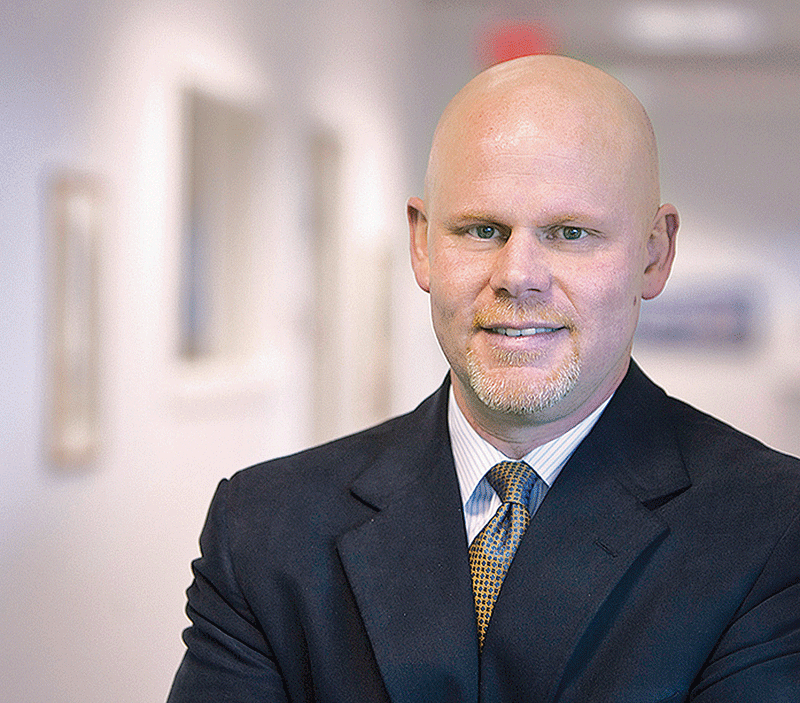
HOLYOKE DISTRICT COURT
Compound East, LLC v. Deerfield Woodworking
Allegation: Breach of agreement in which defendant agreed to leave premises in broom-clean condition and to remove all possessions: $4,832.71
Filed: 1/11/11

Wolfpac Technologies Inc. v. Neu Tradition Millwork Inc.
Allegation: Non-payment for goods sold and delivered: $18,331.12
Filed: 1/10/11

NORTHAMPTON DISTRICT COURT
Commonwealth of MA State Lottery Commission v. the Village General Store, Robert E. Jones, Stanley J. Ryes, and Judith M. Jones-Ryes
Allegation: Breach of written contract to forward commissions owed to the Commonwealth as lottery sales agents: $14,256.65
Filed: 1/13/11

SPRINGFIELD DISTRICT COURT
John Deere Landscapes Inc. v. New England Landscapes & Irrigation and Paul D. Santucci
Allegation: Non-payment for goods sold and delivered: $4,711.97
Filed: 12/21/10

L & B Truck Services Inc. v. Autotech Repossession Inc.
Allegation: Non-payment for truck repairs: $10,234.26
Filed: 12/21/10

United Rentals Inc. v. Do Val Remodeling Inc.
Allegation: Non-payment for materials, equipment, and services on a construction project: $5,207.84
Filed: 12/20/10

United Rentals Inc. v. New England Electrical Contracting Corp.
Allegation: Non-payment for materials, equipment, and services on a construction project: $4,942.14
Filed: 12/20/10

United Rentals Inc. v. North Eastern Operations Contracting Group, LLC
Allegation: Non-payment for materials, equipment, and services on a construction project: $5,299.48
Filed: 12/20/10

United Rentals Inc. v. Prism Developers Inc.
Allegation: Non-payment for materials, equipment, and services on a construction project: $5,462.29
Filed: 12/28/10

United Rentals Inc. v. RLB Contracting Company, LLC
Allegation: Non-payment for materials, equipment, and services on a construction project: $5,114.17
Filed: 12/20/10

WESTFIELD DISTRICT COURT
Everett J. Prescott Inc. v. Shawn’s Lawns Inc. and Patricia M. Wendell
Allegation: Non-payment for labor and materials supplied on a project: $9,603.72
Filed: 1/20/11

Chamber Corners Departments

ACCGS
www.myonlinechamber.com
(413) 787-1555

• March 2: Business@Breakfast, 7:15 to 9 a.m., Chez Josef, 176 Shoemaker Lane, Agawam. Speakers: Sheriff Michael Ashe and Springfield Police Commissioner n William Fitchett. Cost: members $20, non-members $30. For reservations, contact Cecile Larose at (413) 755-1313 or [email protected].

• March 9: After 5, 5 to 7 p.m., Café Lebanon, Shaker Road, East Longmeadow. Cost: members $10, non-members $20. For reservations, contact Cecile Larose at (413) 755-1313 or [email protected].

• March 16: Professional Women’s Chamber Luncheon, 11:30 a.m. to 1 p.m., MassMutual Room, Max’s Tavern at the Basketball Hall of Fame. Speaker: Libby Pidgeon, vice president of Human Resources for Big Y Foods Inc. Cost: members $25, non-members $35. To register, contact Lynn Johnson at (413) 755-1310 or e-mail [email protected].

Amherst Area Chamber of Commerce
www.amherstarea.com

• March 16: After 5 joint event with Franklin County Chamber of Commerce, 5 to 7 p.m., Magic Wings Conservatory and Garden, Deerfield. Sponsored by Greenfield Cooperative Bank and Yankee Home Improvement. Cost: members $5, non-members $10.

Chicopee Chamber of Commerce
www.chicopeechamber.org
(413) 594-2101

• March 16: Salute Breakfast, 7:15 to 9 a.m., MassMutual Learning & Conference Center, 350 Memorial Dr., Chicopee. Cost: members $18, non-members $25.

• March 23: 17th Annual Table Top Expo & Business Networking Event, presented by the Chicopee, Greater Holyoke, Greater Easthampton, and Greater Northampton chambers of commerce. Log Cabin Banquet & Meeting House, 500 Easthampton Road, Holyoke. More than 175 exhibitors. Exhibitor table fee: $100 (members only). Attendee cost: $5 in advance, $10 at door. Contact above chambers for more information or tickets.

Franklin County Chamber of Commerce
www.franklincc.org
(413) 773-5463

• March 16: Business After Hours, 5 to 7 p.m., Magic Wings Conservatory and Garden, Deerfield. Co-hosting with Amherst Area Chamber of Comerce. Networking, refreshments, door prizes. Bring business cards. Cost: members $5, non-members $10.

• March 24: GBA Member Showcase, 5 to 9 p.m., Greenfield Grille, 30 Federal St., Greenfield. Refreshments, door prizes, tabletop displays. Cost: free for members of the Greenfield Business Assoc., $5 for the public.

• March 25: Breakfast Series, 7:30 to 9 a.m., Deerfield Inn, Old Deerfield. Theme: “Taking the Risk Out of Business” with Henry Shterenberg, Step-Up Venture University. Music by the Academy at Charlemont. Sponsored by People’s United Bank and the Academy at Charlemont. Cost: members $12 members, non-members $15. Call (413) 773-5463 for reservations.

Greater Easthampton Chamber of Commerce
www.easthamptonchamber.org
(413) 527-9414

• March 10: Networking by Night Business Card Exchange, 5 to 7 p.m., hosted and sponsored by Venus & the Cellar Bar, 95 Main St., Easthampton. Door prizes, hors d’ouevres, cash bar. Cost: members $5, non-members $15.

• March 17: St. Patrick’s Day Luncheon, 12 to 2 p.m., Clarion Hotel & Conference Center, One Atwood Dr., Northampton. Honored guest: Shealyn Berube, Greater Easthampton Jr. Miss. Sponsored by Easthampton Learning Foundation and Finck & Perras Insurance Agency. Cost: members $21.95, non-members $23.95.

• March 23: 17th Annual Table Top Expo & Business Networking Event, presented by the Chicopee, Greater Holyoke, Greater Easthampton, and Greater Northampton chambers of commerce. Log Cabin Banquet & Meeting House, 500 Easthampton Road, Holyoke. More than 175 exhibitors. Exhibitor table fee: $100 (members only). Attendee cost: $5 in advance, $10 at door. Contact above chambers for more information or tickets.

Greater Holyoke Chamber of Commerce
www.holycham.com
(413) 534-3376

• March 4: Leadership Holyoke Program. Sponsored by PeoplesBank. Presented by the Greater Holyoke Chamber of Commerce in partnership with Holyoke Community College. Speakers, discussions, classroom time, and field trips are included in this 11-week session. Call (413) 534-3376 for details.

• March 4: Dance Your Way to Wellness, Castle of Knights, 1599 Memorial Dr., Chicopee. Presented by the Greater Holyoke and Chicopee chambers. Cocktails at 6 p.m., dinner at 7 p.m., dance program at 8:15 p.m. Cost: $50, includes dinner, show, and dancing. Call (413) 534-3376 for more information.

• March 17: St. Pat’s Salute Breakfast, 7:30 a.m., Log Cabin Banquet & Meeting House, 500 Easthampton Road, Holyoke. Sponsored by PeoplesBank and Holyoke Mall. Cost: $20. Call (413) 534-3376 for reservations.

• March 23: 17th Annual Table Top Expo & Business Networking Event, presented by the Chicopee, Greater Holyoke, Greater Easthampton, and Greater Northampton chambers of commerce. Log Cabin Banquet & Meeting House, 500 Easthampton Road, Holyoke. More than 175 exhibitors. Exhibitor table fee: $100 (members only). Attendee cost: $5 in advance, $10 at door. Contact above chambers for more information or tickets.

• March 29: Table Top Expo, 5 to 6:30 p.m. (snow date: March 30), Holiday Inn, 245 Whiting Farms Road, Holyoke. Sponsored by Ross Insurance Agency Inc. Social Media and Digital Marketing Seminar. Cost: members $15, non-members $20. Includes hot appetizers and cash bar. Call (413) 534-3376 to register, or register online at www.holyokechamber.com.

Greater Northampton Chamber of Commerce
www.explorenorthampton.com
(413) 584-1900

• March 2: March Arrive @5, 5 to 7 p.m., Pages Loft Restaurant and Events at the Clarion Hotel & Conference Center, 1 Atwood Dr., Northampton. Cost: $10 for members.

• March 17: St. Patrick’s Day Breakfast, 7:30 to 9 a.m., Pages Loft Restaurant and Events at the Clarion Hotel & Conference Center, 1 Atwood Dr., Northampton. Cost: $17 per person, $170 for a table of 10.

• March 23: 17th Annual Table Top Expo & Business Networking Event, presented by the Chicopee, Greater Holyoke, Greater Easthampton, and Greater Northampton chambers of commerce. Log Cabin Banquet & Meeting House, 500 Easthampton Road, Holyoke. More than 175 exhibitors. Exhibitor table fee: $100 (members only). Attendee cost: $5 in advance, $10 at door. Contact above chambers for more information or tickets.

Northampton Area Young Professional Society
www.thenayp.com
(413) 584-1900

• March 10: Party with a Purpose, 5 to 7 p.m., the University Club at UMass Amherst, 243 Stockbridge Road, Amherst. Sponsored by the UMass Fine Arts Center. Cost: members free, non-members $5. For information on the performance, see www.umass.edu/fac/calendar/centerseries/events/philadancodance.html.

Greater Westfield Chamber of Commerce
www.westfieldbiz.org
(413) 568-1618

• March 9: March WestNet, 5 to 7 p.m., Westfield Care & Rehabilitation Center, 60 East Silver St., Westfield. Cost: members $10, non-members $15.

• March 18: Annual St. Patrick’s Day March Breakfast, 7:30 to 9 a.m., Scanlon Hall, Westfield State University, 577 Western Ave., Westfield. Sponsored by premium members Westfield Bank, Noble Health Systems, Westfield State University, and Westfield Gas and Electric. Cost: members $25, non-members $30. There are several different member chamber sponsorship levels available to have your company recognized. Contact Marie Quinn for more information, to reserve tickets, or if you have questions, at (413) 568-1618 or [email protected].

Departments People on the Move

Robert F. Borawski

Robert F. Borawski

Robert F. Borawski has been elected Chairman of the Board of Directors of Florence Savings Bank. Borawski is President of Borawski Insurance Co. in Northampton. He is a Certified Insurance Counselor and a Licensed Insurance Advisor. Borawski was elected a Corporator of Florence Savings Bank in 1981 and a Director in 1992.
•••••
Abby Mahoney

Abby Mahoney

Abby Mahoney has been selected as Director of Career Services at American International College in Springfield. Mahoney will maintain the career library, Web site, database, and current job listings, as well as plan and conduct career days, job fairs and a majors fair. She will also design and deliver workshops, seminars, and fairs to assist students with job-search strategies such as interviewing, résumé writing, mock interviews, and other related supports. Mahoney will also contact, schedule, and arrange guest speakers from local businesses, the community, and alumni to present information about specific careers.
•••••
Roberta Hillenberg-Gang has been appointed Link Senior Project Coordinator for the Link to Libraries Inc.’s collaboration to offer read-aloud programs to area public elementary schools with Loomis Communities residents.
•••••
Pamela Simpson

Pamela Simpson

Pamela Simpson has been promoted to Commercial Banking Officer at United Bank. Working from United’s Northampton branch, Simpson’s primary responsibility will be business development in the Hampshire County marketplace.
•••••
Denise Remillard

Denise Remillard

Denise Remillard has joined the Insurance Center of New England in Agawam as Manager of Human Resources.
•••••
Mark A. Germain has been appointed Vice President and Partner in charge of technology at Gomes, DaCruz & Tracy. He will have overall responsibility for the development, implementation, and support of internal technology-related design and procedures as well as providing clients with technology consulting. He will also be responsible for providing accounting and tax services, focusing on the construction and manufacturing industries.
•••••
van Schouwen Associates in Longmeadow announced the following:
• Shannon Filippelli has been promoted to Director of Strategic Communications; and
• Staasi Heropoulos has been hired as Manager of Strategic Communications.
•••••
Kate Reagan has been hired by PeoplesBank as a Mortgage Consultant.
•••••
Attorney Danielle P. Ferrucci has been named a Partner at the law firm of Shipman & Goodwin in Hartford, Conn. Ferrucci’s practice encompasses the areas of estate planning, estate settlement, and trust administration. She also represents individual and corporate fiduciaries and beneficiaries in contested matters in probate courts throughout Connecticut.
•••••
The Chicopee Chamber of Commerce announced the following:
• Richard Kos of Egan, Flanagan & Cohen, P.C., has been named Incoming Chair of the Board of Directors;
• Tina Kuselias of BusinessWest has been named to the Board of Directors;
• Cid Inacio of Chicopee Savings Bank has been named to the Board of Directors;
• Corey Briere of Complete IT Solutions has been named to the Board of Directors;
• Ben Garvey of Insurance Center of New England Inc. has been named to the Board of Directors; and
• Lt. Col. James G. Bishop of Westover Air Reserve Base has been named to the Board of Directors.
•••••
Gregory B. Chiecko, Sales Director at the Eastern States Exposition in West Springfield, has been elected to the International Assoc. of Fairs and Expositions’ Board of Directors and will serve as Chair of Zone 1 of the organization, which includes the Northeast U.S. as well as New Brunswick, Newfoundland, Nova Scotia, and Prince Edward Island in Canada.
•••••
Attorney William Hart, specializing in estate planning with the law firm of Bulkley, Richardson & Gelinas, has been appointed to the Professional Advisors Board of the Mason-Wright Foundation. The foundation provides housing and daily-living services to the elderly, regardless of their ability to pay.

Court Dockets Departments

The following is a compilation of recent lawsuits involving area businesses and organizations. These are strictly allegations that have yet to be proven in a court of law. Readers are advised to contact the parties listed, or the court, for more information concerning the individual claims.

CHICOPEE DISTRICT COURT
Brooke L. Langlais, ppa Victoria I. Morris v. Crickets Corner Learning Center Inc.
Allegation: While under the care of the defendant, the plaintiff was injured by a space heater left unattended: $5,500
Filed: 2/7/11
FRANKLIN SUPERIOR COURT
Rebecca Mae Higgins v. Hampden Custom Vision, Andrew Walkowiak, O.D., and John F. Warren, M.D.
Allegation: Negligence during the course of eye surgery causing permanent vision impairment: $25,000+
Filed: 1/6/11

Takisha Burton v. MA Dept. of State Police
Allegation: Negligence in the operation of a state police cruiser, causing injury: $57,608.61
Filed: 1/10/11
HAMPDEN SUPERIOR COURT
Commonwealth Packaging Corp. v. Daniel Fitzgerald and CCES, LLC
Allegation: Failure to perform work in timely manner: $51,702.58
Filed: 12/6/10

Edgar Guerra v. Farmland Foods Inc.
Allegation: Employee discrimination: $25,000+
Filed: 12/6/10

Jacquelynne M. Williams v. City of Holyoke, Robert Kane, and Michael J. Sullivan
Allegation: Claim against municipality for discrimination in the workplace: $248,000
Filed: 12/3/10

Shimizu Corp. v. Dow Roofing Systems Inc.
Allegation: Failure of a roof sold by the defendant: $1,000,000
Filed: 12/6/10

Thomas and Jean Despard v. Lumber Liquidators
Allegation: Breach of contract and warranties of sale: $80,000
Filed: 12/3/10

HAMPSHIRE SUPERIOR COURT
Laurel Arel v. Wing Memorial Hospital and Andrew B. Chertoff, M.D.
Allegation: Failure to diagnose: $400,000
Filed: 1/28/11

Mitchell J. Fondakowski v. Bowditch, LLC
Allegation: Failure to pay wages: $25,000+
Filed: 1/18/11

Walter Warchut, executor of the estate of Sally Warchut v. M. Kubair Kareem, M.D. and Kimat Gul Khatak, M.D.
Allegation: Negligence in diagnosis, resulting in death: $25,000+
Filed: 1/14/11

HOLYOKE DISTRICT COURT
Daybreak Fast Freight Inc. v. New A.D.E. Inc.
Allegation: Non-payment for transportation services: $4,068.42
Filed: 1/18/11

Margaret Alexander v. Kmart Corporation
Allegation: Negligence in property maintenance, causing slip and fall: $6,000
Filed: 1/18/11

NORTHAMPTON DISTRICT COURT
Daily Hampshire Gazette Inc. v. Night Timez and William D. Bergren
Allegation: Non-payment of advertising services rendered: $11,174.86
Filed: 1/10/11

SPRINGFIELD DISTRICT COURT
Aydyn Clayton, a minor, ppa Nicole Clayton v. Eastfield Mall shopping center; Central Specialties, LTD; and Tubular Engineering & Supply Co.
Allegation: Negligence causing injury to minor. Two-year-old injured in a stroller offered for use by the Eastfield Mall: $27,810.54
Filed: 1/5/11

Bank of America, N.A. v. Compton Doors Inc.
Allegation: Non-payment of a promissory note: $91,603.94
Filed: 12/16/10

Janet and Michael Young v. BSF Construction Inc.
Allegation: Breach of residential contract for services: $19,769.10
Filed: 1/5/11

The MVA Center for Rehabilitation Inc. v. The Premier Insurance Group
Allegation: Defendant was denied payment for reasonable and necessary medical bills and services rendered: $2,616.45
Filed: 12/13/10

United Rentals Inc. v. Tremont Caulking & Coating Inc.
Allegation: Non-payment for materials, equipment, and services on a construction project: $6,416.59
Filed: 1/6/11

Williams Distributing Corp. v. DEA Entertainment, LLC
Allegation: Non-payment for goods sold and delivered: $4,212.76
Filed: 1/13/11

WESTFIELD DISTRICT COURT
Accurate Mechanical Corp. v. J. Calabrese Farms, LLC
Allegation: Breach of service contract for plumbing and gas pipe work: $10,000
Filed: 1/3/11

Simplicity Engineering, N.E. Inc. v. First Financial Brokerage Inc.
Allegation: Failure to return deposit and breach of contract: $24,353.78
Filed: 1/20/11

Sections Supplements
Former Banquet Hall Gives ICNE Plenty of Food for Thought

ICNE Dave Florian, Bill Trudeau, and Dean Florian

From left, Dave Florian, Bill Trudeau, and Dean Florian, stand near the front entrance of the new headquarters for Insurance Center of New England.

When Insurance Center of New England commenced a search for new headquarters space last year, the focus soon centered on the former Oaks banquet facility on Suffield Street in Agawam. The site provided ample parking, room to grow, space to expand a health-and-wellness initiative, and even acreage on which to start an employee-managed vegetable garden. In short, this was an exercise in stretching the imagination — and the limits of creative space utilization.

Bill Trudeau was pointing to the spots where the treadmills, elliptical machines, and spinning bikes would go, and conjecturing on what the room would look and feel like when fully ready for occupancy.
“It’s not going to be the Y … it’s not going to be LA Fitness,” he said of the workout room still taking shape at the new headquarters for Insurance Center of New England. “But it’s going to be really nice, a big step up for us.”
Those same words would be appropriate for just about every aspect of ICNE’s new home — from the spacious conference room, decorated with modern art and equipped for videoconferencing, to the locker rooms across the hall from the gym, to the inviting front lobby — that was creatively carved out of the former Oaks banquet facility on Suffield Street in Agawam, with some 5,000 square feet left over to lease out to prospective tenants.
The company moved in last month, completing a project that had been in the works for some time, but that moved forward in earnest when the Oaks property quietly, and unofficially, went on the market early in 2010.
As Trudeau, the company’s president, explained, ICNE had been fairly content in its now-former home at 246 Park St. in West Springfield, where it had leased up to 12,000 square feet since 1987. But the company’s principals had essentially decided a few years ago that they would much rather own their space than lease.
After efforts to acquire the Park Street property were unsuccessful, the company started looking at a host of other options, said CEO Dean Florian. These actually included other leasing alternatives — space in some downtown Springfield office towers was looked at — but mostly focused on new building or renovation possibilities.
And there were not many viable options, he continued, adding that the company did consider a building lot at the end of Route 57 in Agawam. But the search essentially ended when Trudeau, Florian, and his brother, Dave, the company’s executive vice president and CFO, toured the Oaks property in early 2010 and started considering the myriad possibilities it presented.
“This building offered us a lot of flexibility,” said Dave Florian. “We had what amounted to a blank canvas we could fill in as we wanted. And working on that canvas has been a lot of fun.”

Space Exploration
Creating this broad work of art — meaning reuse of the building and adjoining five acres, including parking for several hundred cars — has been a nine-month project that has allowed ICNE executives, working in collaboration with Springfield-based Corporate Designs, architect Roy Brown, and office furniture firm the Lexington Group, to stretch their collective imaginations.
“There were literally hundreds of decisions to be made,” said Trudeau, “about where people were going to sit, which offices would go where, what colors would be used on the walls, the tiling in the bathrooms. Our designers always gave us plenty of options, and we always worked with the goal of providing an attractive environment for employees and customers.”
Outside, the company has removed the Oaks’ Greek-inspired look — complete with columns and decorative concrete lions — and put in a new entrance and new signage. Meanwhile, large stretches of asphalt have been torn up and replaced with green spaces, including a vegetable garden to be tended by employees now given one more reason to eagerly await the arrival of spring.
Inside, everything in the former kitchen area has been removed, and that section is now part of the space that will be leased out. Meanwhile, the spacious former banquet area, capable of sitting some 400 people, has been apportioned and outfitted to maximize efficiency and customer service, said Trudeau, while also providing a comfortable work area that addresses current trends in the modern workplace.
This includes everything from ergonomics and ‘green’ design elements to the colors on the walls (earth tones chosen to enhance livability and productivity) to the gym, which is in keeping with a company-wide focus on improving employee health and well-being.
Indeed, when BusinessWest last visited ICNE’s Park Street facility, it was to hear about a comprehensive initiative — now part of the culture at the company — that involved everything from smoking-cessation efforts to an organized walking program to an ever-present bowl of fruit in the company’s kitchen.
The fruit is still available in what is now a larger kitchen, the smoking-cessation program continues to draw results, and the walks still happen, except now along a more-rural stretch with fewer traffic issues. But soon, the employees will have a workout area that Trudeau says is part of a larger campaign for ICNE to essentially practice what it preaches to its clients — that good employee health promotes greater productivity and also lowers the cost of insuring a workforce.
The gym is still a work in progress, with pieces of equipment still arriving, but it is expected to be fully ready for use in a few weeks, said Trudeau, who counts himself among those who will be regular users.
And while getting into the business of operating a gym, sort of, ICNE is venturing into the real-estate sector as well, and is already marketing, in a quiet way, its available square footage.
Trudeau told BusinessWest that there are positives and negatives to being a landlord with space available at this time. The economy, while improved, is still in a recovery mode, he explained, adding that many business owners and managers are still being cautious about undertaking moves and expansions.
At the same time, though, many businesses that have been hunkering down for a years while the recession played itself out are now in a growth mode, and there is some pent-up demand for quality space. There is abundant supply for that demand, Trudeau acknowledged, adding quickly that ICNE believes it has the right product in the right place at the right time.
“There is a lot of office-space inventory on the market right now,” he acknowledged. “But this is a good location and attractive space; there are some good opportunities here.”

Room for Improvement
ICNE has slated an open house to showcase its new home on March 31.
By then, the large snowbanks now partially obscuring the view from Suffield Street will be gone or much lower in stature (one can only hope), and the gym will be fully outfitted.
There won’t be anything growing in the garden at that time, but the company didn’t want to wait until summer to show what it had done with its blank canvas, said Dave Florian, who is obviously proud of the way it’s been filled in.
“It took some imagination,” he said, looking at the building from the parking lot, “but we had plenty of that to work with.”

George O’Brien can be reached at [email protected]

Sections Supplements
What’s Covered — and What’s Not — When Bad Weather Strikes

Kevin Ross

Kevin Ross says a basic policy will cover most homeowners’ insurance needs, but that’s not always the case.


An ice-covered tree branch fell through your roof? It’s OK; your insurance will cover it. An ice dam caused water to back up under the shingles and seep into your kitchen? Again, no problem. Rapidly melting snow is turning your whole basement into a kiddie pool? Uh-oh.
As the region emerges (hopefully) from what has been an unusually rough season of winter weather, the rapid pileup of snow and ice has caused often-significant damage to many area homes. Fortunately, most of it is covered by the typical homeowner’s insurance policy. But there are some significant exceptions.
When it comes to collapsed or otherwise damaged roofs and siding, as well as water damage caused by damming ice in the gutters, “the loss, the damage to the walls, the drying out and replacement of the insulation, repainting — all that is covered,” said William Grinnell, president of Webber & Grinnell Insurance in Northampton.
In addition, “some companies will also cover a ceratin amount to remove additional snow from the roof — usually just around the affected area, not the whole roof, if you’ve sustained some damage from water already,” he added.
According to the Property Casualty Insurers Assoc. of America (PCI), property insurance is likely to cover some — though not all — damages caused by snow, ice, and wind.
For example, damage to a house caused by a falling tree or branch is covered. Typically, the policy also covers the cost of removing the tree or branch from the house. If a tree in one person’s yard causes damage to a neighbor’s house, the neighbor should file a claim with his own insurance company.
“A winter storm of this magnitude can cause significant damage, and insurers are ready to work with home and auto owners to minimize problems and help make the claims process go as smoothly as possible,” writes Paul Blume, senior vice president of state government relations for PCI.
“In an extremely heavy ice or snowstorm,” he adds, “it is possible for the weight of the ice, snow, or sleet to cause tree branches to break and damage a roof. If that were to occur, the damage to the personal property would be covered. We encourage property owners to report their claims as soon as possible to begin the recovery process.”

Tough Sledding
After a January peppered with snowstorms — with very little of the accumulation having melted — February dawned in the Pioneer Valley with a one-two punch: another foot of snow, followed by ice. It was too much for some roofs, many of which collapsed throughout the region.
A standard homeowner’s policy pays for roof repairs or replacement if the structure caves in due to the weight of the snow and ice, and also covers the loss of any items inside the house damaged or destroyed by the collapse, said Kevin Ross, vice president of Ross Insurance Agency in Holyoke. The exception would be expensive fine arts or collectibles, which are typically covered under their own policy anyway.
But roof damage, while potentially severe when it happens, has not been the region’s top weather threat this year.
“The foremost problem this winter is the ice-dam situation,” Ross said. “That’s where ice builds up in the gutters, and as water melts on the roof, it comes down but has nowhere to go, so it leeches up into the shingles of the house.” That can cause mild to severe damage inside the home, he added, but insurance typically covers it.
Timm Marini, president of FieldEddy Insurance in East Longmeadow, said coverage trends have shifted over time; for example, interior water seepage due to an ice dam was not usually covered 15 years ago, but now it’s standard. And although insurance companies will sometimes alter their coverage patterns for financial reasons (after taking large or concentrated losses), he doesn’t expect any change in the current protection against ice dams.
“Now everyone’s worried that next year we’ll have a drastic change in policies” because of a spike in ice-dam-related claims in 2011, he noted. “I’m saying no. This is a catastrophic event for our area, and there’s going to be some relief available through the federal government. But, though policyholders might see an increase in the cost of their premiums over time, the availability of that type of coverage will not go away unless we have multiple years of this stuff.”
If a home loses power during a storm event and is rendered unlivable for any significant time, Ross said, any loss of income from a home business or rental income would be covered by a typical policy as well.
According to the PCI, the various impacts of storm-related power outages are handled in different ways. For example, loss of refrigerated food caused by a power failure that originates away from the residence is generally not covered. However, the homeowner’s policy may reimburse an individual for additional living expenses — such as temporary housing, restaurant meals, overnight parking, and laundry services — when the property is determined to be uninhabitable due to damage or loss of power.

Out of Luck
So, what’s not covered when it comes to weather damage?
For one thing, the PCI reports, damage to trees, shrubbery, and other plants during a storm is not covered under a standard policy. If a tree or branch falls but doesn’t damage any structure, there’s usually no coverage for removing the tree or branch.
More serious is the potential for thickly accumulated snow to thaw quickly and seep into the basement. The agency executives we spoke to agreed this is not covered — even if the homeowner has purchased separate flood insurance, which applies to a widespread event, not a single home.
“A flood is defined as, you’re underwater, and your neighborhood is underwater; it’s not just water that runs into your basement,” Ross said.
And when it comes to wind and rain damage, a little common sense comes into play, too, Grinnell said. “If a windstorm comes and strips the shingles off, what comes in the house is covered. On the other hand, if a storm comes blowing through an open window, that damage would not be covered.”
And as the spring thaw turns into summer, Ross said, homeowners would be well-advised to take the lessons of the past two months and inspect their homes for any needed repairs before the next harsh winter.
“I strongly encourage everyone to make sure their gutters are working properly and directing water away from the foundations,” he said. “It’s a very small fix, but it can save you a lot of heartache.”

Joseph Bednar can be reached at [email protected]

Features
In Business and Life, He’s Faced Peaks and Valleys

Michael Matty, president of  St. Germain Investment Management

Michael Matty, president of St. Germain Investment Management

Mike Matty says there are about 350 people who have reached the so-called ‘seven summits’ — the highest peaks on each of the seven continents. That’s about 50 or so fewer than have been rocketed into space.
“So you’re more likely to run into an astronaut than you are someone who’s done this,” said Matty, who will attempt to join a very exclusive club in May, when he takes on the highest peak in the world, Mount Everest.
He leaves for Nepal in late March, and is training hard for this latest assignment (much more on that later), which is the culmination of a quest that started rather informally and innocuously only about five years ago, when he ventured to central Africa to take on Mount Kilimanjaro, or ‘Kili,’ as those who have scaled it — or tried to — are given to calling it.
“I met a guy on that trip who started talking about these seven summits and how he was going to try and do it,” said Matty, president of Springfield-based St. Germain Investment Management. “But he never did — he climbed Kili, and that was it — his first and last. But I became interested with the prospect of doing it, and now I’m just one big step away.”
Indeed, over the course of the three and a half years or so after Kili, Matty climbed, in succession, Elbrus (Europe); Vinson (Antarctica); McKinley, or Denali, as it’s often called (North America); Kosciuszko/Carstensz (Australia); and Asconcagua (South America), the highest peak not in the Himalayas, which he scaled roughly a year ago.
Each of these mountains was challenging in some, and often several, ways, he said, listing everything from the extreme cold and remoteness of Antarctica to the long travel times to Australia, to the high and unpredictable winds in Alaska — and seemingly every other stop.
The six climbs, and the myriad others at far-less-celebrated peaks, including Mount Washington in New Hampshire, provide Matty with extremely stern tests of his strength, endurance, and patience, which he enjoys. But they also provide something else — much-needed breaks from his day job, or, to be more specific, from the intense attention to national and world events that is needed to do it properly.
“The funny thing about the investment world is that almost everything has a potential impact,” he explained. “So you say, ‘I’m tired of thinking about the news and what’s going on in Egypt and things like that — the heck with this, I’m going to turn on the Weather Channel.’ Well, the Weather Channel’s talking about a hurricane moving into the Gulf, so you start thinking about oil rigs and what’s going to happen there.
“Your mind never gets away from it if you’ve done this forever,” he continued. “That’s one of the nice things about mountain climbing — it gives you a break to get away from it; you don’t know what’s going on anymore. Everything you’re doing is physical as opposed to what I do on the job, which is all mental.”
For this, the latest installment of its Profiles in Business series, BusinessWest talks with Matty about his work, but mostly what he does away from it, and especially that seventh summit. He still has some rigorous training to do, but believes he’s ready, physically and mentally. And while he has plenty of inspiration, he’s bringing along a little more — a decades-old picture of his brother, Billy, who passed away unexpectedly last year at the age of 48, which he intends to leave at the roof of the world.
“It‘s a shot of him when he was a little kid; it was sitting on my father’s dresser for decades,” he continued. “I asked him if I could have it … I said, ‘if I need one little extra push on summit day, that might be it — I need to get his picture up there.’”

On a Grand Scale
As he talked with BusinessWest on a Friday in mid-February, a somewhat casually dressed Matty was prepping for a weekend trip to Mount Washington. This peak in the Presidential Range of the White Mountains is, at 6,288 feet, just over one-fifth the height of Mount Everest.
But scaling it, something Matty’s done more than 50 times by his estimation, is effective training for May’s climb, especially in the nasty weather that was predicted for that weekend.
There is no shortage of weather on Mount Washington, Matty continued, adding that temperatures in mid-winter are just above or, quite often, well below freezing. And that’s without wind, which is almost always howling. In fact, until very recently, Mount Washington proudly held the record for highest wind gust directly measured at the earth’s surface (231 mph), and it regularly hits three digits at the summit.
Matty says it’s all but impossible to climb when the winds get above 60 mph, and that it gets dicey when the gusts get to even half that level, considering that one is on a mountain — and sometimes on a ledge only a few feet wide — with up to 100 pounds on his or her back.
“It’s much more difficult than most can fathom even with a 20- or 40-mph wind,” he said. “I say to people, ‘imagine trying to stand on the roof of a car going down the highway at 65 miles an hour — that’s what a 65 mile-per-hour breeze is. Except on the highway, it’s a steady breeze going in one direction; up there, what you’re getting is wild gusts that are changing direction potentially every second or two as it’s bouncing off of something or shifting. You’re bracing in one direction, and all of the sudden the wind is pushing from that direction. That’s one of the reasons why Mount Washington is such a great training ground.
“We had some really windy days on Asconcagua,” he recalled. “You’d be lying in the tent, and you’d suddenly hear this sound like a freight train rolling down the mountain, and you knew that in another five or 10 seconds you’d be pummeled by a high, high wind. So you’d try to stretch yourself out to the corners of the tent so the wind can’t get underneath the tent. Meanwhile, the side of the tent is getting bent over, and you’re waiting for the poles to snap and hope you don’t get impaled on one of the poles. It’s a worrisome event when you get in those high winds.
There are many things about mountain climbing — especially summits like the seven — that people who have never done anything like this couldn’t easily comprehend, he continued, citing, as another example, the cold encountered in Antarctica.
When he was climbing there, Matty told BusinessWest, the sun was out 24 hours a day, “and it’s just sort of circling around the horizon. And when the sun drops behind one of the mountains … the temperature gets down to about minus-40, and in a hurry. One minute you’re standing there feeling pretty comfortable in just one layer, and then, you’re eating dinner and the sun creeps behind that mountain, and 10 minutes later, the temperature has dropped 30 or 40 degrees; it’s like being in the desert — there’s nothing to hold the heat in. That’s when it’s time to get in the sleeping bag and try to stay warm until the sun pops out on the other side.”
There’s also the remoteness factor to deal with on that continent, he went on.
“Vinson is really in the middle of nowhere,” he explained. “There’s a Russian cargo plane that drops you off on a natural ice runway; it’s a miles-long patch of rock-hard ice that runs parallel to the mountain range. It’s a big, big, big plane, and when it hits the runway, you can’t brake, so you roll for miles after you hit the ground.
“And when that plane takes off, they can’t land again until the winds off the mountains die down,” he continued. “You might call and say, ‘we’re ready to be picked up on your next flight in — but their next flight in … the winds may not shift for two, three, or four weeks. It’s not so bad if you’re prepared for it, but if you have someone with a medical condition, knowing you may be stuck for several weeks can be a real problem. When you watch that plane take off, you know it’s your last link with anything, anywhere — and the anywhere is a four- or five-hour flight to a remote town in South America.”
Matty has compiled all these memories, and many more, in a fairly short career in mountain climbing. He told BusinessWest that, since his youth, he’s always been a hiker — he thought about trekking across the Appalachian Trail and was told that he should do so when he was young, but didn’t — and kept active with that activity into his 40s.
It was at the invitation of Paul Valickus, CEO at St. Germain, that Matty took on what would become the first of the seven ascents — Kilimanjaro — in 2006. In the end, Valickus didn’t go on that trip, but Matty did, and he recalls those conversations with the fellow climber who introduced him to the concept of the seven summits.
“He never went on to do any of the others, but I was getting intrigued talking to him,” Matty recalled. “I said, tongue-in-cheek, ‘geez, there’s only six more after this.’ But then I started thinking about it, and said, ‘Kili’s doable, Asconcagua, the one in South America, is doable, the one in Australia’s doable — long flight, but it’s doable, the one in Russia’s doable, and McKinley, well, that’s doable, but it’s a tough mountain.”

Taking Stock of the Challenge
While staring down mountains over the past several years, Matty, like all those in the financial-services realm, has coped with peaks and valleys of a different kind.
Indeed, while Matty has stories of enduring wind, cold, frostbite, sunburn in strange places (like the tongue and the roof of the mouth), and snow-bridge-hidden crevasses, he has similarly harrowing tales of trying to calm panicked investors in the fall of 2008, when the Dow plunged below 7,000 and the phrase Great Recession was working its way into the lexicon.
It might be an oversimplification, but Matty seems to take the same approach to investment-consultation work that he does to mountain climbing — intense preparation, knowing his subject matter, and looking at what’s directly ahead as well as the bigger picture.
His career in the financial-services sector began in the mid-’80s with Phoenix Mutual in Hartford. There, he took part in a training program that provided exposure to all aspects of the business, from real estate to fixed-income; from high-yield products to stocks, the facet he liked best.
He became an analyst in the stock department and wound up running one of the mutual funds there. When Phoenix started moving some of the fund managers out of Hartford to other locations (something he wasn’t interested in), Matty left to start a company that wrote investment research for hedge-fund managers, mutual-fund managers, and others handling investments.
And while doing that for five years, he said he kept getting phone calls from broker friends about a firm in Springfield (St. Germain) that he should look into.
“I got four or five calls saying I should go talk to those people, and I eventually did, just so when I got calls seven, eight, nine, and 10, I could say, ‘I already talked to them,’” he recalled, adding that his visit led to the kind of opportunity — and lifestyle, away from the congestion and commutes of New York and Boston — that he was looking for.
Matty said St. Germain has a unique (for this industry, anyway) compensation formula, in which people are not paid by commission, a system he supports wholeheartedly.
“People will respond to whatever incentive you pay them, and I’ve seen that in some of the other places I’ve worked,” he explained. “So if you’re going to pay people commissions, you’re going to get people who are going to try to sell product, not people who are going to say, ‘I want to sit down and take care of people the best way I can.’
“That’s a broad overstatement, but there’s a good deal of truth to that,” he continued. “Instead, what I want to compensate people for is taking care of clients, so I say to everyone here who’s talking with clients, ‘every potential client who’s coming in is your potential parent or grandparent — do the right thing for them.”
This approach has succeeded, he said, in helping the company keep clients for the long haul, and properly serve them through the many ups and downs that mark a lifetime of investing and managing money.
“When someone comes in who shouldn’t be in stocks, for example, and the focus should be on ways to pare down debt as this person approaches retirement, we want to send them out with a laundry list of things that they should be doing on the financial-planning side that don’t include a single thing that puts money in our pocket.
“And that’s OK,” he continued. “We’ve been around a long time. We’re not worried about paying the light bills. We don’t need to get every dollar out of every client that comes in the door; what we need to do is treat people well and keep clients for a long time.”

Face Time
Matty knows that people have died trying to climb each of the seven summits — and a good number have lost their lives attempting the challenge now awaiting him.
“Historically, for every 10 people who summit Everest, you’ve had one mortality,” he said, “but it’s much better than that now — you’ve got better gear, people are in better shape … there’s lot of reasons why that number has gone down.”
Still, he has filled out the body-disposal form that is part and parcel to getting a climbing permit for the summit at Everest. It asks him to pick from one of several options with regard to what to do with his body if — and this is a rather large if — it can be recovered should tragedy strike. (He chose cremation in nearby Katmandu.)
“When you climb Everest, you see the bodies,” he said, adding that retrieval is logistically difficult, and people would often have to put their own lives at risk for such recovery exercises, so usually they don’t attempt them.
But Matty — and apparently his colleagues at St. Germain — can maintain a sense of humor about this subject. “They were getting a pool going in the office, so if I came back, they’d be really happy, and if not, there would be a consolation prize,” he joked. “They were going to try to get a few million dollars in insurance on me, but no one would write it.”
Meanwhile, training for the Everest climb is a far more serious matter.
“Right now, I’m working super hard because it’s coming up fast,” he said, adding that he works out with personal trainers four mornings a week at Attain Performance in East Longmeadow, and also uses a so-called versa-climber, what he described as “an endless ladder,” at home.
“The trainers are high-tech in terms of their knowledge of things,” he continued, adding that they’ve worked out with minor-league baseball players and other professional athletes. “When you’re trying to work on a specific muscle group or exercise to mimic something you would do on the mountain, they really know which buttons to push to activate those muscles and build up a lot of strength and endurance, which is what this is all about.”
Many of his workout routines at the gym, from squats to sessions on the treadmill or elliptical machines, are taken on while carrying a pack containing a 50-pound bag of sand, he continued.
When asked if he was worried about a letdown if and when Everest is conquered — feelings of ‘what do I do now?’ — Matty said there will still be plenty of challenges left, both personally and professionally.
“There’s still a lot of interesting stuff out there, like Mount Rainier in Washington State and the Matterhorn in Switzerland,” he said, “And, heck, I’ll be getting too old for this stuff soon anyway.”
Matty told BusinessWest that there isn’t much official recognition that comes with joining those who have scaled the seven summits.
“You get your name on the Web site … and that’s about it,” he said, referring to a list of the members of this exclusive club. “That, and some bragging rights, I guess.”
For scaling Everest, though, he gets to write his name on the wall in the famous Rum Doodle bar and restaurant in Katmandu — and he gets to eat there free for the rest of his life.
All that — and the chance to give his brother’s picture a new home, one with the best view on the planet — is more than enough reward for him.

George O’Brien can be reached at [email protected]

Features
New SPHS CEO Enters the Health Care Fast Lane

SPHS President and CEO Dan Moen

SPHS President and CEO Dan Moen

Dan Moen wasn’t looking for a job opportunity when a recruiter invited him to apply for the position of president and CEO of the Sisters of Providence Health System last summer. But after the initial interviews, Moen, then president of Heywood Hospital in Gardner, saw an intriguing career challenge unfolding. Since putting his new title on his business card, Moen has been familiarizing himself with the region, his health care system and its employees, and even the competition. He’s also getting to work on strategic initiatives to confront the myriad hurdles facing all health care providers.

Dan Moen describes himself as “an adrenaline junkie.”
He explained by pointing to several pictures of a red racecar adorning the bookcase of his office. “I race at Lime Rock and Sebring regularly,” he said of two road courses in Connecticut and Florida, respectively. “I started with open wheels, but now I race mostly sports cars, and I love it.”
He continued by grabbing a framed copy of a Worcester-area magazine story highlighting his exploits in something called hydrofoiling, an extreme form of waterskiing in which one is actually riding on a sled-like device several feet above the surface of the water.
Moen is also feeding his habit with his latest career move — assuming the helm at the Sisters of Providence Health System (SPHS). While not as outwardly hair-raising as those other pursuits, this assignment comes with its own stern set of challenges. Indeed, while SPHS and its various component parts, including Mercy Medical Center, are facing the same fiscal challenges as other providers, the system itself has the specific challenge of meeting a mission, set more than a century ago, to essentially serve the historically underserved.
And often, this means programs that struggle to pay for themselves, and often don’t.
Meanwhile, there is the regionwide and nationwide matter of coping with health care reform — or what Moen calls “access reform” — and the need for what he termed “payment reform.”
“Every hospital is going to be challenged over the next three to five years, maybe longer, and moreso than I think we’ve ever seen before,” he told BusinessWest. “The pressures on the cost side are enormous at this point; the state budget is in serious trouble, the federal budget is in serious trouble, and employers are experiencing premium increases on health insurance for their employers that are just unsustainable. Things will have to change.”
All this adds up to a challenge that is bigger and, in some ways but not all, different than the one Moen was facing at Heywood Hospital, a 125-bed facility in Gardner, just north of Worcester. And it was, and is, an intriguing-enough challenge for him to first accept an invitation to interview for the position and then accept it when it was offered.
“At one point I thought I’d finish my career at Heywood — I’d spent 21 years there and was enjoying a good run; it’s a fine institution,” he said. “But when the recruiter called me on this one, it really made me start to think about the rest of my career, and I said to myself, “if I’m going to do something else with my career, now is the time to do it. I looked at this and saw some new challenges for me, and the fit was right.”
Elaborating, Moen said SPHS, with its wide range of services and focus on accountable care (which moves toward rewarding good peformance and better outcomes, rather than sheer volume), represents “where health care is going,” and he wanted to be on the front lines of that movement.
“When you look at some of the work that’s being done here to build a model for accountable-care organizations, I don’t see a lot of institutions at the level we’re at here,” he explained. “Some of them are just getting their hands around what it all means. I’m enthused that we’re already looking at the model of care that’s going to help us be successful in the future, because starting from scratch is a big undertaking.”
For this issue, BusinessWest talked at length with Moen about the challenge he’s accepted, how he’ll approach his latest high-octane endeavor, and topics ranging from physician recruitment to having his major competition (Baystate Health) 800 yards away, instead of 15 miles, as was the case at Heywood.

Getting Revved Up

Dan Moen, seen here in a Mazda

Dan Moen, seen here in a Mazda, has added racecar driving to his list of adrenaline-pumping activities.

Moen has enjoyed an intriguing, 28-year career in health care, one that has offered him a number of vantage points and insight into services — and those to whom they are provided.
Indeed, he started out as a radiologic technologist, or rad tech, as they’re called, at several hospitals, and later taught that subject at Quinsigamond Community College and Northeastern University.
He said that direct-care experience has helped in a series of administrative roles he’s had in the past quarter-century, including that of CEO at Heywood and, before that, Holden Hospital in Holden, Mass.
“Coming from a direct-patient-care position,” he explained, “my values center around the quality of patient care, the experience the patient has when he or she comes into the institution, building a positive reputation for the institution out in the community, but also connecting with the community and not being isolated.”
Moen told BusinessWest that he certainly wasn’t looking for a career move, and had already turned down a number of recruiters’ requests to interview, when the SPHS position came onto his radar screen.
“I was so involved in what I was doing, and was still having fun with it — we were doing a lot of innovative things,” he said of his work at Heywood. “There wasn’t the opportunity to make a change until the right opportunity came along, and this was it.”
Since arriving on Jan. 24, Moen says he’s spent most of his time listening — to employees, fellow administrators, patients, area business owners, and government leaders — and is just getting started with that exercise.
“The learning curve is just getting to know so many people — hundreds of people in the organization and lots of people out in the community,” he said. “Having been in my previous institution for 21 years, I pretty much knew everything and everybody; one of the exciting things about coming to a new opportunity is getting to meet a lot of new people. Everyone has something to bring to the table, so I try to learn from every conversation I have out there, both inside the organization and outside, because I call it servant leadership, if you will; it’s a situation where I feel we’re really here to help other people do their jobs well, and we’re here to serve the community.
“I see one of my roles being as an information gatherer for the system, and I do that in a lot of different ways,” he continued. “Bringing that information to the institution and talking to people about it will help us make better strategic decisions, both short-term and long-term.”
Looking ahead, he said he has a number of receptions planned to advance the process of meeting and listening. Those constituencies include the medical staff and area business leaders, while at the same time, he’s also reaching out to other hospital CEOs in the region to sound them out on opportunities for collaboration.
“I know all of them very well, but this is a new day, a new opportunity for us to talk about health care needs in the area and how we can meet those needs,” he said. “There may be some things we can do together.”
At Heywood, he recalled, that facility worked with nearby Health Alliance to put a program in place to facilitate access to care. “We were helping patients and their families get health-insurance coverage that they were eligible for; it’s quite a task to get people enrolled in these plans,” he said. “We worked with Health Alliance to make it a multi-town, multi-city effort. This is the kind of thing hospitals can look at.”
Moen noted that he is now in a different kind of competitive situation than he was at Heywood, with Baystate just a few blocks to the north. He said he’s never been afraid of competition, and looks forward to it in this case, but will look for ways to collaborate as well.

A Higher Gear
When asked to describe his management style, Moen came back repeatedly to the adjective ‘collaborative.’ And when pressed to elaborate on what that means to him, he said it entails an inclusive form of management where he delegates where necessary and does not make decisions in a vacuum.
“To me, it’s more about listening than anything else — listening and learning from the people who are really out there doing these important jobs on a day-to-day basis,” he explained. “And that feedback is included when we’re making decisions about the future of the system.
“As CEO, I view myself an orchestra leader,” he continued. “There are a lot of talented people out there in the organization, and it’s my job, and that of the administrative team, to pull all that together, make sure there’s a vision for the future, and that we take steps to get this institution ready for that future. And that’s something I think I have a pretty good history of doing.”
Moen will lead this orchestra at a time when composing quality, efficient health care is a daunting task, and in an environment where the questions about how to change a system that most say doesn’t work come much easier than the answers.
“There’s a lot of pressure on the system to be more efficient, and payment changes will put a premium on wellness and keeping people’s health at optimum levels — whatever that happens to be for the individual,” he continued. “There will be a lot more preventative care, preventing readmissions and exacerbations of chronic illness — that’s what it’s going to be.”
But while acknowledging that all this is the right thing to do, Moen said this thinking runs counter to the way most health care systems have been set up to operate.
“People get into health care because they want to do the right thing and help patients,” he explained, “but the health care system isn’t built to make that happen. But I think we’re going to see some real changes because the status quo, in the bigger health care system, is really unsustainable.
“Something’s going to have to change in our health care system in this country,” he went on. “We’ve done the access reform, and we’ve seen national health care follow Massachusetts on that. But now it comes down to answering the question, ‘how are we going to be able to provide high-quality care and do it at a cost that everyone can afford? The current fee-for-service system doesn’t reward people for doing that.”
While accomplishing the change that seems so necessary won’t be easy, Moen says the needed building blocks are, for the most part, ready and waiting to be put into place.
“We’re caught in this system that doesn’t work as well as we would like, but it will be a more efficient system and one that, I think, will reward the right behaviors if we make some of these payment changes,” he said. “A lot of the pieces are here … you’re going to see more care delivered in the home; you’re going to see intensive medical care delivered in skilled-nursing beds; you’re going to see more work being done on an outpatient basis to prevent hospitalizations. These are just some of the pieces in place.
“The question is, what are the strategies we work on to further improve the Sisters of Providence Health System and make sure we’re well-positioned for what comes down the road?” he continued. “And it could come fast.”

Getting on the Right Track
Summing up his thoughts on health care in general, and his new assignment in particular, Moen said that health care, and running a health care system, “is not necessarily rocket science.”
“It’s making sure the basics are done well, that the planning is done well, getting patients in and out, making sure there’s good quality and a good experience, and planning and implementing new services for the community in the future,” he explained. “Those basics are inherent in any hospital or health care system.”
But taking care of those basics is more challenging than ever before. And while health care isn’t as fast-paced, literally, as racecar driving or hydrofoiling, it will get the adrenaline pumping.
And Moen, as he said, is a junkie. n

George O’Brien can be reached at [email protected]

Sections Supplements
Understanding Tax Credits for Those Who Hire Eligible Employees

Kristen Houghton

Kristen Houghton

By KRIS HOUGHTON

In today’s tough economy, every dollar counts. But many businesses lose out on thousands of dollars in tax savings every year by failing to claim tax credits to which they’re entitled.
For 2010 and 2011, two credits are available for employers who hire eligible employees. The Hiring Incentives to Restore Employment (HIRE) Act of March 2010 offers payroll tax breaks for employers that hire unemployed workers, plus additional credits for qualified workers they retain for at least 52 consecutive weeks. This article looks at the HIRE credit and examines whether this benefit is more advantageous than the often-overlooked Work Opportunity Tax Credit (WOTC).
Back in March, health care reform grabbed most of the headlines, but it wasn’t the only legislation enacted that month. About a week earlier, President Obama signed the HIRE Act. An employee qualifies for payroll-tax breaks if he or she:
• Starts work after Feb. 3, 2010, and before Jan. 1, 2011;
• Wasn’t employed for more than 40 hours during the 60-day period before the start date (and signs an affidavit to that effect);
• Doesn’t replace an existing employee (except one who quits voluntarily or is fired for cause); and
• Isn’t related to the employer or to an individual who owns more than 50% of the business.
Qualified employees include previously laid-off workers that you rehire, provided they meet the above requirements. Employment can be full-time or part-time, but the more hours a qualified employee works, the greater the benefits.
If you hire qualified employees, you’re exempt from the 6.2% Social Security portion of Federal Insurance Contributions Act (FICA) taxes on wages you pay them for work performed after the HIRE act was enacted (March 18, 2010) through the end of 2010. Based on the current Social Security taxable wage base of $106,800, the maximum tax benefit is $6,622 per qualified employee.
For each employee qualifying for the payroll tax break whom you keep on the payroll for at least 52 consecutive weeks, you’re entitled to a tax credit of up to $1,000 on your 2011 income-tax return. To qualify for the credit, an employee’s wages for the second half of the 52-week period must be at least 80% of his or her wages for the first half of the period. Even if a new hire leaves voluntarily before 52 consecutive weeks are up, no retention credit is received for that hire.
To prevent employers from claiming the full $1,000 credit for employees who do minimal part-time work, the amount of the credit is the lesser of $1,000 or 6.2% of a qualified employee’s wages during the 52-week period. Put another way, new hires who earn more than $16,129 during that period qualify for the full $1,000 credit.
Now let’s look at the rules for the WOTC, which is a dollar-for-dollar reduction in federal tax liability — ranging from $1,200 to $9,000 per new hire — for companies that hire people from disadvantaged groups, including certain youth, public-assistance recipients, and veterans.
The credit’s requirements are detailed and specific. Generally, new hires who belong to one of these groups qualify:
• Short- and long-term recipients of Temporary Assistance for Needy Families (TANF) benefits;
• Veterans who are disabled or unemployed, or receive food stamps;
• Ex-felons hired within one year after conviction or release from prison;
• Individuals age 18 to 39 who live in empowerment zones, enterprise communities, or renewal communities (‘designated communities’);
• Disabled individuals referred after completion of a qualified vocational rehabilitation program;
• Summer youth employees age 16 or 17 who live in designated communities and work at least 90 days between May 1 and Sept. 15;
• Individuals age 18 to 39 who receive food stamps;
• Individuals receiving Supplemental Security Income (SSI) benefits; and
• ‘Disconnected youths’ ages 16 to 24 who aren’t in school, employed, or readily employable due to a lack of basic skills.
Each target group is subject to specific requirements, so it’s important to do your homework to see whether any of your new hires qualify.
Generally, the credit reduces the employer’s wage deduction dollar-for-dollar. The reduction is required even if you can’t take the full amount of the credit in the current year and must carry it back or forward.
For long-term TANF recipients, the maximum credit is 40% of first-year wages up to $10,000 (a $4,000 credit), plus 50% of second-year wages up to $10,000 (a $5,000 credit, so there’s a maximum credit of $9,000 over a two-year period). Formerly known as the welfare-to-work credit, this credit was combined with the WOTC a few years ago.
The maximum WOTC is available for employees who work 400 hours or more during their first year of employment. A partial credit equal to 25% of qualifying wages is available for those who work between 120 and 399 hours.
To obtain the WOTC, you first need to complete and file various federal forms when hiring a qualifying employee. Once the employee has worked the required number of hours, you can claim the credit on your company’s next income-tax return. You also may be eligible for state credits or other incentives. Your tax advisor can help guide you through the process. Although it’s complicated, the tax savings can be well worth the effort.
Wages you pay to a worker who qualifies for the HIRE Act’s payroll-tax exemption don’t qualify for the Work Opportunity Tax Credit unless you elect not to claim the payroll-tax exemption. So it’s important to select the tax break that provides the greater benefit.
For some new employees, the WOTC will provide a greater benefit than the HIRE act’s payroll-tax exemption. Suppose, for example, that you hire a new employee on July 1, 2010, at an annual salary of $50,000, and the employee qualifies for both tax breaks. The payroll tax exemption would provide tax savings of $25,000 × 6.2%, or $1,550. In this case, you’d be better off opting out and claiming the $2,400 WOTC.

Kristina Drzal-Houghton, CPA MST is the partner in charge of Taxation at Holyoke-based Meyers Brothers Kalicka, P.C.: (413) 536-8510.

Sections Supplements
How to Avoid Turning Private Estate Matters into Public Conflicts

Carol Cioe Klyman

Carol Cioe Klyman

Litigators love conflict.
In the world of trust and estates litigation, an innocent transaction, such as adding a child’s name to a bank account, could set the stage for a legal battle royal after the parent’s death.
Consider the questions mom will not be around to answer. Did she put Johnny’s name on her account because she wanted him to be able to withdraw funds while she was living, or rather to inherit the account when she died? Or did she intend to give Johnny access to the money just in case something happened to her, but she really wanted all her children to split the account when she died?
The siblings never got along that well, but think about what could happen in this family when mom is no longer around to referee.
Walk into most courthouses these days, and you will soon realize that ambiguity and conflict mean money. Trust and estates litigation is booming in no small part because the innocent transactions of life conflict with family dynamics and the complex realities of the legal system. Litigators sue, but estate-planning attorneys try their best to keep clients out of court. So here, from my observations, files, and trials, and those of my colleagues, are some of the mistakes that can drive what should be private matters into public conflict.
1. DIY estate planning. Filling out forms from the Internet for wills, trusts, and powers of attorney is the easy part. Thinking through the ramifications of those documents takes knowledge and skill. Most people plan one or two generations ahead, but life is not that simple.
Divorce, biology, human frailty, and the simple passage of time all affect our planning. It also takes knowledge to separate the useful from the flawed in these Internet documents. Litigators will exploit ambiguities and unintended consequences.
2. Not having a will, power of attorney, and health care proxy. If you don’t have these basic documents, the government controls where your property goes and monitors who makes decisions about your health care and your funds. If you become incapacitated, a judge will appoint a guardian and conservator to take care of your financial and medical affairs. Families often disagree over who will serve in these roles, and these conflicts often end up in court. These cases can be brutal, costly, and time-consuming.
The judge, usually the person in the room who knows the least about your case, is confronted with choosing between children, as often as not appointing a professional who is a stranger to the family.
3. The law of unintended consequences. Even people who have estate plans can fail to consider the consequences. In one glaring example that came across my desk some years ago, a man terminally ill with cancer thought he had provided for his adult children in his will, signed six months before his death. The will left everything to his second wife, whom he had married two years previously, and then to his five children if she were dead. When he died, his wife inherited his entire estate, and his children got nothing.
His children sued. The case settled with the widow agreeing to give them their father’s property at her death. Many such cases end only after protracted and expensive litigation that leaves the children empty-handed.
4. “My child will do the right thing.” I can’t tell you how many times a client has told me, “I’m leaving everything to my daughter. She knows what I want.” The law favors certainty over sentiment. The certainty is, the daughter owns everything at the parent’s death. Fortunately, in most cases, the child will do the right thing when a parent dies. However, at times the ‘right thing’ is unclear.
The person in charge may believe she knows exactly what the deceased person wanted. Others may disagree, and even resent the authority given to the favored person.
5. Promising more than you deliver. Many lawsuits are won and lost over the issue of a promised inheritance that failed to materialize. In many of these cases, the neglected survivor performed an uncompensated service expecting to be rewarded later. In one recent case, a son was promised he would inherit the family business and real estate if he ‘employed’ his mother at a substantial salary and paid her living expenses.
He faithfully performed his obligations until her death. Unfortunately for the son, the mother changed her estate plan in the intervening years and split the business among her children when she died. The dutiful son sued his siblings and won. The sympathetic judge found that the son acted based on his mother’s promise and should be compensated for his trouble.
6. Picking the wrong person to be in charge. A corollary to this is, “Sheila is the oldest, so I’ll name her.” Much sadness, loss, and many expensive lawsuits arise from this mistake. An executor of a will, trustee of a trust, and agent with power of attorney or health care authority — each of these jobs requires a person of intelligence, honor, loyalty, and diligence. Putting the wrong person in charge can completely derail a perfectly crafted estate plan.
Individuals abuse the trust placed in them when they use funds for their own purposes, contradict their principal’s instructions, or fail to follow the directions expressed in the decedent’s will. These cases run the gamut: a grandmother serving as executor of her daughter’s will spent her grandchildren’s inheritance on herself; an agent transferred property owned by her incapacitated mother to herself without permission; an executor used estate funds to repair and improve his own home. Often the people who are wronged — an incapacitated person, trust beneficiaries, a decedent’s heirs — have the law on their side but cannot recover what was lost or taken. The wrongs can occur many years before discovery, and perpetrators often are poor and ‘judgment-proof,’ and not required by the court to have insurance to cover losses.
7. Dueling powers of attorneys. When a parent cannot choose which child to put in charge, they sometimes put too many children in charge. They will sign a power of attorney naming one child, a second power of attorney (sometimes drafted by a different lawyer) naming another child, and so forth. The question then becomes, who is really in charge?
If the parent is incapacitated, unable to pick the first among equals, and the children can’t agree, the decision will end up in court. My advice is to say what you mean in one document only, and don’t let your children bully you into creating another. If you can’t pick one and then another as backup, you can name two serving together, but it is best for an odd number to serve in case a tiebreaker is needed. You might also spread the jobs of executor, attorney-in-fact, and health care agent among your trusted family members so no one feels slighted.
8. Failing to name successor executors, agents, and trustees. If an office is vacant, the court may need to appoint an individual or corporation to serve. Refer to points 2, 3, 5, and 6 for the ramifications.
9. Not specifying how taxes are paid when you die. If you leave assets of more than $1 million, Massachusetts will tax your estate (more than $5 million, and the federal government is also interested). Unless you decide differently, taxes are paid from general probate assets, which do not include specific assets bequeathed in a will, insurance policies, annuities, retirement accounts, and other assets with beneficiaries. The result could be that the people you want to benefit the most will pay all the taxes and receive the least.
10. Specifying that taxes be paid from tax-exempt assets. Some assets transferred at death, such as gifts to charity or to a trust for a surviving spouse, are exempt from estate tax and can actually result in reduced taxes for an estate. However, an improperly drafted estate plan can cause a portion of these exempt assets to be spent on estate taxes, reducing the amount of the exempt gift, and in turn increasing the taxable estate and the tax bill — a mathematical spiral that often ends in court. Charities, marital trust beneficiaries, and litigators can do the math.
11. The ostrich estate plan. Pretending problems don’t exist, and not meeting them head-on, is a gift that keeps on giving to a litigator. A parent may disinherit a child or children for any reason, sometimes out of sheer dislike. Most parents can’t live with the thought of treating one child differently, even a child with substance-abuse, financial, or marriage problems, or perhaps physical or mental challenges. Failing to address these issues by sweeping them under the rug or pretending they don’t exist can be destructive to the family. With proper planning, children can be protected from themselves in many positive ways.
However, if ever your loved ones would have reason to race to their lawyer, an estate plan that singles out a child with problems, disinherits children, or leaves the entire estate to the poodle would be it. Care must be taken to evidence that the parent acted willfully and with full understanding. Plans that seem irrational or flippant leave much room for doubt and speculation — and make a litigator’s day.

Attorney Carol Cioe Klyman is a shareholder with Shatz, Schwartz and Fentin, P.C., Springfield, Northampton, and Albany, N.Y. Her practice concentrates in the areas of elder law, estate and special-needs planning, estate administration, and trusts and estates litigation. She is a fellow of the American College of Trust and Estates Counsel and immediate past president of the Hampden County Estate Planning Council; (413) 737-1131.

Chamber Corners Departments

Affiliated Chambers of Commerce of Greater Springfield

www.myonlinechamber.com
(413) 787-1555

• Feb. 17 to March 31: Springfield Leadership Institute, TD Bank Conference Center, 1441 Main St., Springfield. To register, contact Lynn Johnson at (413) 755-1310 or [email protected].
 
Young Professional Society of Greater Springfield
www.springfieldyps.com

• Feb. 17: Third Thursday, 5 to 8 p.m., Samuel’s Sports Bar & J. Quincy’s restaurant at the Basketball Hall of Fame, 1000 West Columbus Ave., Springfield. Sound and entertainment provided by Jx2 Productions. Cost: free for YPS members, $10 for non-members, includes food and cash bar. 
 
Chicopee Chamber of
Commerce
www.chicopeechamber.org
(413) 594-2101

• Feb. 16: Annual Meeting, Salute Breakfast, 7:15 to 9 a.m., Castle of Knights, 1599 Memorial Dr., Chicopee. Cost: $18 for members, $25 for non-members.

• Feb. 23: Business After Hours, 5 to 7 p.m., Elms College, 291 Springfield St., Chicopee. Cost: $5 for pre-registered members, $7 for members at the door, $15 for non-members. For more information or tickets, contact www.chicopeechamber.org.
 
Greater Holyoke Chamber of Commerce
www.holycham.com
(413) 534-3376

• Feb. 16: Chamber After Hours, 5 to 7 p.m., Holyoke Transportation Center, 206 Maple St. Sponsored by the Elms College and Holyoke Community College. Cost: $5 for members, $10 cash for non-members.

• Feb. 18: Issues 2011 Legislative Luncheon, Log Cabin Banquet and Meeting House, 500 Easthampton St., Holyoke. Guest: Speaker of the House Robert DeLeo. Sponsored by the Republican, Holyoke Medical Center, Center School, PeoplesBank, Dowd Insurance, Holyoke Community College, Goss & McLain Insurance, and Resnic, Beauregard, Waite & Driscoll. Cost: $35. For reservations, call the chamber office at (413) 534-3376.

Departments People on the Move

Bradley Newell

Bradley Newell

Bradley Newell recently joined Consolidated Health Plans in Springfield as Chief Financial Officer. Newell oversees the Finance Department, Information Technology, and Employer Enrollment area. His major responsibilities include billing, receivables, payables, general ledger reconciliation, financial reporting, and information technology.
•••••
Jon Parent has joined Valley Computer Works in Hadley as a Master Account Representative.
•••••
Janet Uthman

Janet Uthman

Comcast has named Janet Uthman its Vice President of Marketing and Sales for Western New England. She oversees all marketing and sales initiatives for the region, which encompasses 300 communities in Connecticut, Western Mass., New York, and Vermont. She will also be responsible for overseeing marketing campaigns, competitive intelligence and strategy, and local marketing and sales event sponsorships. Additionally, she will oversee regional sales channels.
•••••
Eric Taylor

Eric Taylor

Eric Taylor has joined the American Institute of Economic Research in Great Barrington as a Graphic Artist and Web Content Manager.
•••••
Ann Marie Gorham has joined Baystate Ob/Gyn Group in Springfield as a Nurse Practitioner, providing routine gynecologic care.
•••••
James Parrish has been named Executive Vice President of Company Operations for Friendly Ice Cream Corp. in Wilbraham.
•••••
Susanne deVillier

Susanne deVillier

Susanne deVillier has joined Easthampton Savings Bank as the Branch Manager for the new Agawam office, slated to open in the coming weeks.
•••••
Florence Lombard has been named the Chief Executive Officer of the Chartered Alternative Investment Analyst Association in Amherst. Lombard is the founding member and former CEO of the Alternative Investment Management Assoc., a global hedge-fund industry association.
•••••
Paul Erwin

Paul Erwin

NUVO Bank & Trust Co. in Springfield has hired Paul Erwin, CPA, to be its Chief Financial Officer.
•••••
The Willie Ross School for the Deaf in Longmeadow announced the following:
• Thomas Laurin has been named to the Board of Directors.; and
• James Ross III has been named to the Board of Directors.
Laurin and Ross, both second-generation supporters of the school, take their fathers’ places on the board. Francis Laurin served on the board for many years and established the Laurin Audiological Center for Children in Pittsfield as a resource for the families of deaf children in Berkshire County. James Ross Jr. served for 20 years as a treasurer and a member of the Willie Ross School Board of Trustees.
•••••
Sean Mitchell

Sean Mitchell

Sean Mitchell has joined Cooley Dickinson Hospital in Northampton as Director of Major Gifts. He is responsible for increasing the number of donors and support for Cooley Dickinson at the level of $10,000 and above. He will also be instrumental in raising the remaining $4.2 million of an $8.2 million campaign that will make possible a number of initiatives, primarily a new Cancer Center and nurse-development programs.
•••••
Lena Buteau

Lena Buteau

Monson Savings Bank has announced the recent promotion of Lena Buteau to Assistant Vice President, Retail Banking. Previously the Branch Manager for the Monson branch, Buteau will now oversee all of Monson Savings’ branches in Monson, Hampden, and Wilbraham, and will direct the institution’s retail banking operations.
•••••
The Springfield affiliate of Rebuilding Together announced the following:
• Ralph DiVito has been elected to its Board of Directors. DiVito is Director of Business Development at Rocky’s Ace Hardware in Springfield; and
• Frank Nataloni has been elected to its Board of Directors. Nataloni is Owner and President of Kitchens by Curio in Springfield.
•••••
The U.S. Supreme Court recently admitted a group of Widener University School of Law attorneys to its bar in Washington, D.C., including George Pappas of Springfield. Pappas, a 2000 graduate of Widener’s Delaware campus, has his own law practice with offices in Springfield and Charlotte, N.C.
•••••
Pamela Wells, Resident Service Manager at the Springfield Housing Authority, was recently appointed to the Springfield Advisory Board of the Department of Transitional Assistance. The appointment was made by Gov. Deval Patrick, Commissioner Julia Kehoe, and state Health and Human Services Secretary JudyAnn Bigby.
•••••
Berkshire Bank in Pittsfield announced the following:
Kevin O’Donnell

Kevin O’Donnell

• Kevin O’Donnell has been promoted to Assistant Vice President. O’Donnell’s role includes the continued growth of the Wealth Management Center by assisting customers in outlining their financial goals and developing thoughtful strategies to achieve those goals; and
Nicholas Strom-Olsen

Nicholas Strom-Olsen

Nicholas Strom-Olsen, CFP, AIF, has been promoted to Assistant Vice President. His areas of focus include retirement planning, education planning, investment management, and insurance.
•••••
Loretta Brennan Glucksman, Chairperson of the American Ireland Fund, will receive the 2011 Ambassador of Ireland Award by the Saint Patrick’s Committee of Holyoke Inc. and the Republic of Ireland. Presented annually by a representative of the Irish government, the award honors individuals who have made extraordinary efforts in furthering the relationship between the people of the U.S. and Ireland. Glucksman’s philanthropic efforts in Ireland and the U.S. are internationally recognized. The American Ireland Fund raises funds to support programs of peace, culture, education, and community development in Ireland, having raised more than $250 million for Irish charities. The award will be presented in Holyoke during a pre-parade breakfast and reception on March 20.
•••••
Realtor Stephen Oates has completed the requirements to be licensed as a licensed Real Estate Broker in Massachusetts. In other news, Oates recently received a 2010 Coldwell Banker Sterling Society Award of Recognition and a 2010 Silver Coldwell Banker Sales and Service Award working with Coldwell Banker Upton-Massamont Realtors.
•••••
W.F. Young Inc. of East Longmeadow announced the following:
Steve Gootzeit

Steve Gootzeit

• Steve Gootzeit has been appointed Director of Marketing;
Tom Johnson

Tom Johnson

• Tom Johnson has been appointed National Sales Manager, Animal Health Care;
Laurie Klafeta

Laurie Klafeta

• Laurie Klafeta has been appointed Export Sales Administrator; and
Molly O’Brien

Molly O’Brien

• Molly O’Brien has expanded her role as Advertising Supervisor with new responsibilities.
•••••
Bulkley, Richardson and Gelinas, LLP of Springfield announced the following:
• Associate Attorney Kelly Koch has joined the Domestic Relations Department. She handles matters relating to divorce, child custody, antenuptial agreements, post-divorce issues, guardianships, and probate litigation;
• Associate Attorney George Adams IV has joined the Business/Finance Department. He focuses on general corporate and business matters.;
• Associate Attorney Christopher Visser has joined the Litigation/Alternative Dispute Resolution Department. He focuses on medical-malpractice litigation; and
• Associate Attorney Abena Mainoo has joined the Litigation/ADR Department. She handles commercial and corporate litigation matters, primarily for large financial institutions.
•••••
Nate Dube of Expert Laser Services in Southbridge, will lecture at the upcoming Digital Marketing Forum in Austin, Texas, detailing his use of social media in an unconventional marketing campaign. Dube will discuss his Destroy Your Printer Contest, which invited office workers to submit videos of creative ways to vent their frustration against office imaging equipment. Dube first posted the videos on YouTube, then promoted them using a variety of social media. Bloggers and Internet news outlets picked up the story, and Dube found himself answering calls and tweets and doing interviews. The contest also earned Expert Laser a cover story in the international trade magazine the Recycler.
•••••
Christina Sousa has been named by TD Bank as Manager of its Ludlow branch at 549 Center St.
•••••
David Hrycay was the recipient of a Carole-Cope Ward Award from Mass-West Enterprises and the state Department of Developmental Services’ regional employment-services office. The award is given annually to a staff member who goes above and beyond normal job responsibilities for the benefit of individuals supported. Hrycay is a Job Coach and works with individuals with intellectual disabilities at the Route 20 redemption center in Palmer.
•••••
John J. Turgeon, Certified Public Accountant and Human Capital Strategist, is now a member of Kostin, Ruffkess & Co., a Farmington, Conn.-based certified public accounting and business-advisory firm. As leader of the Human Capital Consulting Group, he offers an array of services to clients, including executive coaching, personal-development planning, leadership-meeting facilitation, and professional recruitment assistance.
•••••
Amy Driver has joined Kunhardt Financial and Insurance Strategies in Northampton as Senior Services Assistant.
•••••
Dr. Jose Vinagre has received recognition from the Heart-Stroke Recognition Program of the National Committee for Quality Assurance and the American Heart Assoc.-American Stroke Assoc. for providing quality care to his patients with cardiovascular disease or who have had a stroke.
•••••
John Shecrallah of Peter Pan Bus Line’s Springfield central operations office, has been promoted to Director of System-Wide Operations.
•••••
Janice Santaniello has joined Keller Williams Realty in Longmeadow. She has been a full-time Realtor in the Longmeadow area for more than 10 years.
•••••
Nina Wishengrad has joined Market Mentors of West Springfield as a Copywriter.
•••••
Farmers recently named to the committee of the Hampshire-Hampden County Farm Service Agency, a part of the U.S. Department of Agriculture, are:
• Diana Strzemienski, who with her family runs a 112-acre beef cattle, hay, and vegetable farm in Palmer; and
• Peter R. Hanifin, who, with his family, operates a 50-acre hay farm in Ware.
The committee is responsible for the local administration of federal farm programs.

Chamber Corners Departments

ACCGS
www.myonlinechamber.com
(413) 787-1555
 n Feb. 2: Business@Breakfast, 7:15 to 9 a.m., Springfield Marriott, 2 Boland Way. For more information or to register, contact Diane Swanson at (413) 755-1313 or [email protected].
n Feb. 9: ACCGS After 5, 5 to 7 p.m., CityStage, One Columbus Center, Springfield. For more information or to register, contact Diane Swanson at (413) 755-1313 or [email protected].
n Feb. 11: Outlook 2011, 11:45 a.m. to 1:30 p.m., Chez Josef, 176 Shoemaker Lane, Agawam. For more information or to register, contact Diane Swanson at (413) 755-1313 or [email protected].
n Feb. 17 to March 31: Springfield Leadership Institute, TD Bank Conference Center, 1441 Main St., Springfield. To register, contact Lynn Johnson at (413) 755-1310 or [email protected].
 
Young Professional Society of Greater Springfield
www.springfieldyps.com
n Feb. 5: YPS’ 1st Annual WhirlyBowl, 3 to 6 p.m., WhirlyBall East Coast, 1265 John Fitch Blvd., South Windsor, Conn. Six teams of five players compete in a round-robin tournament. Rules will be reviewed by the referee prior to the tournament start. For more information about whirlyball, contact Nick Gelfand, tournament coordinator, at [email protected]. Cost: $25 (includes WhirlyBowl fee and use of arcade games; BYOB). Member-only event open to the first 30 paid participants.
n Feb. 17: Third Thursday, 5 to 8 p.m., Samuel’s Sports Bar & J. Quincy’s restaurant at the Basketball Hall of Fame, 1000 West Columbus Ave., Springfield. Sound and entertainment provided by Jx2 Productions. Cost: free for YPS members, $10 for non-members, includes food and cash bar. 
 
Chicopee Chamber of Commerce
www.chicopeechamber.org
(413) 594-2101
 n Feb. 16: Annual Meeting, Salute Breakfast, 7:15 to 9 a.m., Castle of Knights, 1599 Memorial Dr., Chicopee. Cost: $18 for members, $25 for non-members.
n Feb. 23: Business After Hours, 5 to 7 p.m., Elms College, 291 Springfield St., Chicopee. Cost: $5 for pre-registered members, $7 for members at the door, $15 for non-members. For more information or tickets, contact www.chicopeechamber.org.
 
Greater Holyoke Chamber of Commerce
www.holycham.com
(413) 534-3376
n Feb. 16: Chamber After Hours, 5 to 7 p.m., Holyoke Transportation Center, 206 Maple St. Sponsored by the Elms College and Holyoke Community College. Cost: $5 for members, $10 cash for non-members.
n Feb. 18: Issues 2011 Legislative Luncheon, Log Cabin Banquet and Meeting House, 500 Easthampton St., Holyoke. Guest: Speaker of the House Robert DeLeo. Sponsored by the Republican, Holyoke Medical Center, Center School, PeoplesBank, Dowd Insurance, Holyoke Community College, Goss & McLain Insurance, and Resnic, Beauregard, Waite & Driscoll. Cost: $35. For reservations, call the chamber office at (413) 534-3376.
 
Greater Northampton Chamber of Commerce
www.explorenorthampton.com
(413) 584-1900
 n Feb. 2: February Arrive@5, 5 to 7 p.m., the Garden House at Look Park, 300 North Main St., Florence. Cost: $10 for members.
n Feb. 8: February Meet & Eat Breakfast, 7:30 to 9 a.m., Union Station, 125 Pleasant St., Northampton. Table Topic: Uncommon Sense with Two-Step Clarity, featuring Ann Latham from Uncommon Clarity Inc. Sponsored by Greenfield Community College and Royal LLP. Cost: $15 for members.
 
Northampton Area Young Professional Society
www.thenayp.com
(413) 584-1900
 n Feb. 10: Party with a Purpose, 5 to 8 p.m., Page’s Loft Restaurant & Events, Clarion Hotel, 1 Atwood Dr., Northampton. Cost: free for members, $5 for non-members.
  
Three Rivers Chamber of Commerce
www.threeriverschamber.org
(413) 283-6425
 n Feb. 7: Annual Dinner, 6 p.m., Pinocchio’s Ristorante, 2054 Bridge St., Three Rivers. The annual dinner starts at 6 for drinks and networking, dinner is served at 6:30, and a brief business meeting immediately follows dinner. Cost: $17. For tickets, call Fred Orszulak, chamber president, at (413) 283-7400.

Departments Picture This

Women Chamber Group
Womens Chamber Two

Business Expo

The Professional Women’s Chamber (PWC) staged its 13th Annual Business Expo on Jan. 19, 2011 at the MassMutual Room at the Basketball Hall of Fame. Nearly 50 exhibitors from a variety of business sectors participated in the tabletop event. Attendees found information on business and personal banking, finances, insurance, graduate schools, beauty products, and nonprofit organizations. Each year, the PWC conducts the expo to give its members an opportunity to showcase their business or organization and to give attendees a chance to network with other women executives. Proceeds from the expo go to support the PWC Scholarship Fund, which helps women in transition returning to the workforce. Top left, members of the PWC Board of Directors, from left, Ellen Albano, Ellen Desmarais, Lisa Lemon, Janet Casey, and Tony Scibaldi (president), with Jeannie Filomeno, a representative of Marcotte Ford. Left, representatives of Loomis Communities await visitors to their booth.

Top of the City

The Springfield Technical Community College Foundation recently staged its annual Top of the City event in Scibelli Hall. The networking event doubles as a fun-raiser, with proceeds from a giant raffle going to the foundation and its many endeavors. Below (from left): Ellen W. Freyman, Esq., of Shatz, Schwartz and Fentin, P.C., and a member of the STCC Foundation Board of Directors; Ron Ancrum, president of the Community Foundation of Western Mass.; and Jane Roulier. Bottom (from left): William Bennett; Debra A. Kaylor, CPA, of Meyers Brothers Kalicka, P.C., and an STCC trustee; Hector F. Toledo, chairman of the STCC Board of Trustees and vice president of Retail Sales at Hampden Bank; and Myra D. Smith, STCC vice president for Human Resources and Multicultural Affairs.

STCC event
STCC event 2

Sections Supplements
Educational Tax Credits Help Defray the Costs of Higher Education

Sean Wandrei

Sean Wandrei

As most of us know, higher-education costs are climbing at a staggering pace. To provide some relief to taxpayers, there are two credits they can take advantage of on their 2010 tax returns.
This article will provide an overview of the higher-education credits available and how they may be used in tax planning and financing your student’s education.
The credit that most taxpayers take advantage of is the American Opportunity Tax Credit (AOTC), which modified and replaced the Hope Credit through 2012. The AOTC was created by the American Recovery and Reinvestment Act of 2009 and was originally available for 2009 and 2010. The recent tax-relief package, the Tax Relief, Unemployment Insurance Reauthorization and Job Creation Act of 2010, extended the AOTC for two years, through Dec. 31, 2012. The second credit, the Lifetime Learning Credit, has been around for many years but, as discussed below, is less advantageous than the AOTC.
Each credit is based on the amount of qualified tuition and related expenses paid for an eligible student at an eligible education institution, and is subject to income limits of the taxpayer. Qualified tuition and related expenses are defined as out-of-pocket cost for tuition and fees required for enrollment or attendance at an eligible educational institution. For the AOTC, expenses for qualified course materials may also be used to compute the credit. Cost for room and board, insurance, medical expenses, and transportation do not qualify for the credit.
There are some common elements of these education credits — a joint return must be filed by married taxpayers claiming either credit (no married-filing-separately returns), a taxpayer cannot claim a credit and also claim a deduction for those same higher-education expenses, there is no carry-forward of an unused credit, and each credit is claimed in the year the expenses are paid if the education commences during that year or during the first three months of the next year.
As stated before, the ATOC is a modification of the Hope Credit and basically replaces the Hope Credit through 2012. The credit amount is the sum of 100% of the first $2,000 of qualified tuition and related expenses plus 25% of the next $2,000 of qualified tuition and related expenses, for a total maximum credit of $2,500 per eligible student per year. The credit is available for the first four years of a student’s post-secondary education (college). Up to 40% of the credit amount (max of $1,000) is refundable should the taxpayers’ tax liability be insufficient to offset the non-refundable credit amount (max of $1,500). The credit starts to phase out ratably for taxpayers with a modified adjusted gross income (AGI) of $80,000 through $90,000 ($160,000 through $180,000 for joint filers).
The Lifetime Learning Credit is equal to 20% of the amount of qualified tuition expenses paid on the first $10,000 of tuition. The maximum credit available to the taxpayer is $2,000 per return. The Lifetime Learning Credit maximum is calculated per taxpayer and does not vary based on the number of eligible students in the taxpayer’s family, unlike the AOTC, which is per student. A student is eligible for the Lifetime Learning Credit if enrolled in one or more courses at a qualified education institution.
The Lifetime Learning Credit is phased out ratably when the taxpayer’s modified AGI reaches $50,000 through $60,000 ($100,000 through $120,000 for joint filers). The credit can be used on courses that enable the taxpayer to acquire or improve job skills rather than obtain a degree.
Taxpayers with children in college going for their undergraduate degree will most likely use the AOTC, and taxpayers going to school for their graduate degree or to acquire or improve job skills will only be able to use the Lifetime Learning Credit.
If a student is a claimed dependent of another taxpayer (mostly likely the parent), only that taxpayer (the parent and not the student) can claim an education credit for that tax year for the student’s qualified tuition and related expenses. Any qualified tuition and related expenses paid by the student who is a claimed dependent of the taxpayer can be treated as paid by that taxpayer (the parent and not the student) for the tax year in which the expenses are paid. In some cases, the cost paid by the parent is treated as paid by the student.
If parents decide to not claim the student as a dependent, the student may claim the education credit for the student’s qualified tuition and related expenses. In this situation, the student cannot claim a dependency-exemption deduction for himself, but can claim an education credit on his return. The exemption is basically forfeited by the family.
There is some tax planning that can be done through the ability to shift the education credit. The greatest tax savings are going to be seen by taxpayers with income greater than the phaseout limits mentioned above. This allows parents who cannot benefit from the education credit because their AGI is too high to shift the credit to the student (child), regardless of whether the child or parents paid the education cost. The student does need taxable income to generate enough tax liability to be able to use the education credit.
With the new ‘kiddie-tax’ provisions from 2008, the number of students subject to parents’ tax rates will likely increase. The thing to remember is that the parents will lose the dependency exemption (which does not have a phaseout through 2012) if the child claims the credit. An analysis of total tax savings will have to be done to see which route is most beneficial. Also, there is a risk that, if the student is not claimed as a dependent of the parent, then the parents’ health insurance may drop coverage of the student. Taxpayers should review their health insurance policies to make sure that this does not happen.
As you can see, there are several opportunities for families to benefit from the educational credits that are available.

Sean Wandrei is manager of the Tax Department at Meyers Brothers Kalicka, P.C. His technical concentrations are in multi-state taxation as well as real-estate entities; (413) 536-8510.

Court Dockets Departments

The following is a compilation of recent lawsuits involving area businesses and organizations. These are strictly allegations that have yet to be proven in a court of law. Readers are advised to contact the parties listed, or the court, for more information concerning the individual claims.

FRANKLIN SUPERIOR COURT
Paula Parsons, as executrix of the estate of Catherine Wellinger v. The Arbors at Greenfield
Allegation: Negligence and failure to provide adequate staffing and supervision, leading to wrongful death: $25,000+
Filed: 11/15/10

HAMPDEN SUPERIOR COURT
Alton E. Gleason Co. v. Cardaropoli Realty
Allegation: Breach of contract: $49,150
Filed: 11/12/10

Baystate Contracting Services Inc. v. Weston Sampson CMR Inc.
Alle gation: Failure to pay under the terms of a construction agreement: $122,031.70
Filed: 11/11/10

Bradco Supply v. Multi-State Roofing Inc.
Allegation: Non-payment of goods sold and delivered: $34,916.38
Filed: 11/3/10

Central Mutual Insurance v. All Hose Inc.
Allegation: Negligence causing fire damage to a property leased to defendant: $263,326.89
Filed: 11/5/10

Michelle Ruby v. Cyalume Technologies Inc.
Allegation: Unfair and deceptive business practices: $268,000
Filed: 11/9/10

Western Mass. Electric Co. v. Springfield Technology Corp.
Allegation: Non-payment of utility services rendered: $158,542.50
Filed: 11/3/10

NORTHAMPTON DISTRICT COURT
EMAP Limited v. The October Co. d/b/a/ Chemetal
Allegation: Breach of contract and unjust enrichment: $18,251.95
Filed: 12/13/10

SPRINGFIELD DISTRICT COURT
Accutech Insulation & Contracting v. Springfield Group Inc.
Allegation: Non-payment of materials, equipment, and services on a construction project: $16,677.46
Filed: 11/22/10

Performance Food Group v. Elita 7, LLC d/b/a/ Donna Kay Rest Home
Allegation: Non-payment of goods provided on credit account: $34,935.88
Filed: 11/23/10

Performance Food Group v. Samco and Jason J. Boucher
Allegation: Non-payment of goods provided on credit account: $47,220.82
Filed: 11/23/10

Performance Food Group v. Worcester Light d/b/a Anna Maria Rest Home
Allegation: Non-payment of goods provided on credit account: $35,072.77
Filed: 11/23/10

United Rentals v. Converted Organics Inc.
Allegation: Non-payment of materials, equipment, and services on a construction project: $19,068.62
Filed: 11/19/10

United Rentals v. Maxton Technology Inc.
Allegation: Non-payment of materials, equipment, and services provided on a construction project: $27,506.31
Filed: 11/22/10

WESTFIELD DISTRICT COURT
Pioneer Valley Winnelson Co. v. Statewide Mechanical Contracting Inc.
Allegation: Non-payment of goods sold and delivered: $22,440.99
Filed: 12/8/10

Sections Supplements
Health Reform Adds a Twist to Long-term Care Insurance

Imagine that long-term care insurance meets Medicaid, and you will begin to have some idea about the new CLASS Act. CLASS is a program established by the new health care reform law, and it stands for Community Living Assistance Services and Supports.
At a time when long-term care costs are expensive and only becoming more so, the program represents the first major attempt of the federal government to provide long-term care benefits. The program went into effect on Jan. 1, 2011, but it is unlikely that you’ll be able to enroll before 2012 because a number of details still need to be ironed out.

Julie Lackner, Esq.

Julie Lackner, Esq.

The program will be administered by the federal Department of Health and Human Services (HHS) and its secretary, Kathleen Sebelius. CLASS is completely voluntary and is meant to provide cash benefits to working adults who become functionally disabled.
The program is similar to private long-term care insurance because you pay the premiums. It resembles Medicaid, however, in that it offers lifetime benefits and can’t exclude people with pre-existing conditions.

Who Can Enroll?
Any working adult can participate. You must be over 18 years old and actively employed. The details of what constitutes actively employed will be determined by the HHS, but will include part-time employees who earn enough to pay Social Security taxes, or about $1,120 per year. It will also include self-employed people. Retirees, unless they continue to work part-time, will not be eligible. Patients in nursing homes and other institutions, as well as incarcerated people, will be eligible to enroll. The most attractive part of CLASS is that you are not ineligible if you already have health issues.
One major drawback of private long-term care insurance is that you are often disqualified for pre-existing conditions. The CLASS legislation prohibits this kind of underwriting. As long as you can pay the premiums for five years and continue to work at least part-time during three of those years, you can enroll, and you won’t be excluded from receiving benefits. You can either become enrolled through your employer, or you can enroll on your own if your employer decides not to participate. The method for enrolling on your own hasn’t yet been determined, but it will be up to HHS to institute that. If your employer signs up, then all employees will be automatically included. Nevertheless, you can always choose to opt out of the system.

How Much Will It Cost?
Payments for the cost of the premiums will be deducted directly from your paycheck if you enroll through your employer. When the Congressional Budget Office analyzed the legislation, it estimated that monthly premiums would average around $120. This means that, if you get paid weekly, about $30 will come out of each paycheck to pay the premiums for your coverage. Your employer will have the option of deciding whether it wants to cover any of the cost of the premiums. If you’re lucky, your employer may decide to do so as an additional part of the benefits package it offers to employees.
Under the law, premiums can be lower for younger people and higher for older participants. Generally, this makes sense because younger people will usually be paying the premiums for a longer period of time. Additionally, there are some very attractive provisions: premiums are intended to remain the same throughout a person’s lifetime, and people with health issues cannot be charged higher premiums. For people below the federal poverty line and for working students, there will be a special low premium that may be as little as $5 per month. All the premium information has to be determined by HHS by October 2012. Until then, no one knows for sure how much CLASS will cost.

How Do I Get Benefits?
The CLASS Act has various vesting requirements that you must meet before you can become eligible for benefits. First of all, you must pay the premiums for at least five years before you are eligible for benefits. Second, you must have been actively working at least three of those five years. Special rules will apply if you drop out of the program and then subsequently reapply. If you re-enroll within 90 days, your premiums will not change. After 90 days, however, the premium may be adjusted based on your current age. So if you join the program when you are 22, drop out for more than three months when you are 40, then re-enroll a year later, your new premium will be based on your current age of 40, and it is sure to be higher than the premium you had at age 22.
In addition to meeting the vesting requirements, you must have a qualifying level of disability to begin receiving benefits. The benefits granted by the program will depend on the level of physical and/or cognitive disability. The qualifying level of disability is defined as being unable to perform at least two or three of the Activities of Daily Living (ADLs), which include eating, bathing, and dressing yourself. Alternatively, the qualifying level of disability can be met if you require substantial supervision due to cognitive impairment. The disability must occur for at least 90 days consecutively to qualify. But as long as a qualifying level of disability exists, you can continue to receive benefits.

How Large Are the Benefits?
CLASS will pay a cash benefit of no less than $50 per day on average. This means that some people will receive more than $50 and some will receive less, but the average amount paid out cannot be less than $50. The benefit will depend on the level of disability and will increase annually to keep up with inflation. The beauty of CLASS is that there is no lifetime limit on benefits. If you’re eligible for benefits under CLASS and you get into a car accident at age 40 resulting in the need for care for the rest of your life, you’ll get a payment from the government every month, adjusted for inflation, as long as you live.
One criticism of the program is that CLASS could never cover the entire cost of long-term care in a nursing home. Although that is likely to be true, even $50 a day will help finance extra help at home, or take care of part of the cost of assisted living or adult day care. With the cost of a private room in a nursing home averaging over $9,700 per month in Massachusetts in 2010, every little bit helps.
CLASS can provide assistance to people who have pre-existing conditions and would never be able to obtain long-term care insurance. It can also provide benefits to those who make too much money to qualify for Medicaid but not enough to pay the premiums on private insurance. The bottom line is that CLASS is likely to be a winner because it will cost less than long-term care insurance, while providing benefits to more people.

Julie R. Lackner, Esq. is an associate attorney with the Springfield-based law firm Bacon Wilson, P.C. She handles all aspects of estate planning and elder law; (413) 781-0560; baconwilson.com; bwlaw.blogs.com

Sections Supplements
What the Recently Passed Tax Legislation Means for You

The Tax Relief, Unemployment Insurance Reauthorization and Job Creation Act of 2010 (the 2010 Tax Relief Act) was signed into law Dec. 17, 2010, avoiding what would have been one of the largest tax increases in history if Congress and the president had not compromised.

Terri Judycki, CPA, MST

Terri Judycki, CPA, MST

As background, in 2001 and 2003 Senate Republicans were not certain they could pass permanent tax cuts with the required votes. As a result, both the 2001 and 2003 tax cut acts were passed as reconciliation bills that needed fewer votes. Under the ‘Byrd rule,’ bills passed under reconciliation may not alter federal revenue for more than 10 years. Consequently, the 2001 and 2003 tax cuts were scheduled to sunset after 2010.
The 2010 Tax Relief Act extends the Bush-era individual income tax cuts for all taxpayers and makes many other changes. A brief description of some of the provisions follows.

Individual Income Tax Rates
The sunsetting of the tax cuts would have resulted in tax rates of 15%, 28%, 31%, 36%, and 39.6%. Under the 2010 Tax Relief Act, individual income-tax rates will remain at the current levels for 2010 and 2011: 10%, 15%, 25%, 28%, 33%, and 35%.

Capital Gains/Qualified Dividends
The maximum rate of 15% for long-term capital gains and qualified dividends have also been extended through 2012. Taxpayers in the 10% and 15% tax brackets continue to pay 0% on this income. Had this provision been permitted to expire, the maximum rate of tax would have been 20% on long-term capital gains, 39.6% on qualified dividends.

Itemized Deduction and
Personal Exemption Limitations
Higher-income individuals would again have found their itemized deductions and personal exemptions reduced. Under the 2010 Tax Relief Act, higher-income taxpayers will receive benefit of the full deduction through 2012.

Marriage Penalty Relief
This refers only to the tax penalty. The expiring tax provisions provided that the standard deduction and the 15% tax bracket for married couples filing jointly were double that of a single filer. This is extended through 2012.

Alternative Minimum Tax (AMT)
The 2010 Tax Relief Act includes an AMT patch for 2010 and 2011. The patch provides increased exemption amounts to avoid impacting many middle-class taxpayers.

Charitable Incentives
The Tax Relief Act extends several charitable incentives, including tax-free distributions from IRAs to charitable organizations.

Individual Tax Credits
The act extends various credits through 2012, including the $1,000 child tax credit and the American Opportunity Tax Credit for higher education expenses.

Individual Tax Extenders
Expiring at the end of 2009, the following were extended for 2010 and 2011: state and local sales-tax deduction, higher-education tuition deduction, and teacher’s classroom-expense deduction.

Payroll Tax Cut
For 2011 only, the employee portion of the Social Security tax is reduced from 6.2% to 4.2%. The self-employment tax rate is also reduced by 2%. In 2009 and 2010, the Making Work Pay credit provided a $400 credit to single filers and $800 to taxpayers filing jointly, subject to phaseout for higher-income taxpayers. This new payroll tax ‘holiday’ has no income limitation. Therefore, jointly filing taxpayers who make more than $40,000 will receive more under the new holiday, while those public employees who do not pay into Social Security will not receive any benefit.

Section 179 Expensing
Under Section 179, a business meeting certain limits can currently expense the cost of asset purchases. The 2010 Small Business Jobs Act increased the expense limit to $500,000 for businesses with maximum investment for the year of $2 million for 2010 and 2011. The 2010 Tax Relief Act provides for a 2012 limit of $125,000 for businesses with a maximum investment of $500,000, indexed for inflation. Setting the 2012 limit now may permit businesses to budget capital improvements.

Bonus Depreciation
Under the 2010 Small Business Jobs Act, businesses could claim 50% bonus depreciation on qualified assets. Under the Tax Relief Act, bonus depreciation is increased to 100% for qualifying assets placed in service between Sept. 9, 2010 and Dec. 31, 2011. For assets placed in service during 2012, 50% bonus depreciation will apply. While 100% bonus depreciation sounds like Section 179 expensing, bonus depreciation is not subject to limitations for businesses that make large capital-asset purchases and is not subject to the Section 179 income limitations. Unlike Section 179 expensing, bonus depreciation can create or increase a net operating loss. On the other hand, many states do not allow bonus depreciation, but do allow Section 179 if claimed on the federal return.

Tax Credits
Several credits were extended, including the research credit that had expired at the end of 2009, as well as various energy credits.

Estate and GST Taxes
The 2001 tax cut phased out the estate and generation-skipping transfer (GST) taxes so that they were fully repealed in 2010. In 2009, there was a $3.5 million estate/GST tax exemption and a 45% estate-tax rate. In 2010, in lieu of estate taxes, a modified carryover basis would apply to assets owned by a decedent. In 2011, the estate/GST tax was scheduled to return with a $1 million exemption and estate tax rates up to 60%.
The 2010 Tax Relief Act reinstates the estate tax for decedents dying after Dec. 31, 2009, but with a $5 million exemption and a 35% estate tax rate. Estates of decedents dying in 2010 have the option to elect either the new estate tax or the modified carryover basis. There are also significant opportunities for GST tax planning, but those changes are too technical for this article. Suffice it to say that many wealthy taxpayers should be funding new GST trusts by the end of 2010. The new estate-tax regime is once again temporary and scheduled to sunset at the end of 2012.

Conclusion
The 2010 Tax Relief Act also included temporary extension of unemployment insurance, with the total cost estimated at about $858 billion by the Joint Committee on Taxation.
The new law allows taxpayers to plan through 2012, a presidential election year. One of the bigger battles this year concerned extending the tax cuts for higher-income taxpayers, not just those making less than $200,000 if single ($250,000 if filing jointly) as proposed by the Obama administration. It’s reasonable to expect that debate to resurface in 2012. n

Terri Judycki, CPA, MST, is senior tax manager with the certified public accounting firm Meyers Brothers Kalicka, P.C., based in Holyoke; (413) 536-8510.

Features
Insurance Exec Has Modesty Element Fully Covered

Sam Hanmer President of FieldEddy Insurance Network

Sam Hanmer President of FieldEddy Insurance Network

Sam Hanmer could play football for Bill Bellichick.
Well … he could handle the pre- and post-game interviews with the media, anyway.
He sure sounds like one of the Patriots when he talks about his career, his life, and the things that define it. He’d much rather talk about the team than himself, and there’s an unassuming, ‘just-doing-my-job,’ ‘it’s-really-no-big-deal’ tone, or attitude, to much, if not almost all, of what he says. However, there’s a little more dry humor than most of the Patriots display.
Consider this comment when asked how he was able to exponentially grow what is now known as the FieldEddy Insurance Network in the 14 or so years after he took the reins as CEO soon after his father retired from the agency known as Field, Eddy and Bulkley:
“I think the thing I’ve done best is put together a really good team of people,” he started. “I want people to be smarter than me when they come here — which isn’t saying much, believe me; that’s not exactly a lofty goal. Together, this team gets it done, and they’ve enabled me to achieve a good work-life balance.”
There was similar modesty when he was talking about his athletic ability and proficiency in various sports.
Indeed, when asked if he was in an over-40 hockey league (he’s 48 and loves the game), he said, “no, but I’m certainly ready for one. I’m still in an over-30 league, and those guys are too fast for me. I’ve got to move on.”
On skiing: “I wouldn’t say I’m good at it … I’d leave it up to the people I ski with to say how good I am.” And on his exploits in triathlon competitions: “I just do the sprints, which is a half-mile swimming, 15 miles on the bike, and a three- or four-mile run,” he said, noting that these events progress markedly, distance-wise, with the so-called Olympic, half, and full, or ‘ironman,’ triathlons. “Each year I think I’m going to do an Olympic or a half, but haven’t gotten there yet; primarily, it’s the swimming that’s holding me back.”
Despite the understated tone to all these comments — and Hanmer’s insistence that his partner, FieldEddy President Timm Marini, who did spend some time playing for the NFL’s Miami Dolphins; his son, in training to be a marine biologist; or virtually anyone else would be a better profile subject for BusinessWest — there is an intriguing story here. Actually, several of them.
The first involves business, of course, and the expansion of FieldEddy well beyond its roots in downtown Springfield, an initiative that Hanmer orchestrated, and that continues today, although current market conditions have brought a temporary halt to the spate of acquisitions.
There’s also a strong track record of community involvement, especially with the YMCA of Greater Springfield, where Hanmer is in his fourth year as board chair and in the middle of his second search for an executive director with the recent departure of James O’S Morton for the Hartford YMCA.
Overall, there seems to be an attractive work-life balance that many business executives are still searching for. Indeed, thanks to that team he mentioned earlier, Hanmer was able to take Fridays off last summer and fall and spend more time at a home he purchased a few years ago in West Yarmouth. And with ski season now in full force, he’s thinking strongly about continuing that schedule into the spring.
The house on the Cape hasn’t helped Hanmer’s golf handicap — weekends there mean less time to play and practice — but he still gets out regularly enough, and there are those other sports, and even a fascination for ’60s and ’70s muscle cars, especially the Pontiac GTO.
“I’ve owned three of them — I’m a car nut,” he said, listing a ’65 tri-power, a ’65 four-barrel convertible, and ’67 hardtop, with a tinge of lament in his voice as he uses the past tense. “I’ll get another one … someday.”
For this, the latest installment of its Profiles in Business series, BusinessWest talks with a man who doesn’t like to talk about himself, but managed to do so just long enough to paint an interesting self-portrait.

Policy Statement
Hanmer was talking about the swimming leg of one of those sprint triathlons he’s taken part in, this one in Ludlow — but if you didn’t know any better, you’d swear he was expounding on the ultra-competitive world of insurance.
“The pack never really separates,” he explained, noting that there are dozens of people in a small stretch of water, kicking and clawing to gain some ground. “You get kicked in the face, punched in the face, and elbowed, and of course the anxiety level picks up; it gets a little crazy out there, a little wild.”
To some extent, though, FieldEddy has managed to gain some degree of separation. It now boasts more than 70 employees after acquiring several smaller agencies over more than a decade of aggressive expansion efforts, a crital mass that brings many competitive advantages. Still, this is a changing, ultra-challenging business sector, impacted most recently in the auto realm by a number of national online companies, such as Geico and Progressive, jockeying for position in a state that recently changed the rules to stimulate greater competition.
“It’s great for the consumers — they’ve seen up to a 20% reduction in their rates,” he explained. “The business has changed for us; it’s not necessarily good or bad, it’s just different. We’ve seen our share of the direct writers get a foothold here, but we’re starting to see that come back because they’re taking some rate increases.
“Geico has done a very soft launch in Massachusetts,” he continued, noting that that the company has been in the Bay State for more than a year, but has yet to make a lot of noise beyond its heavy marketing. “I’m just worried about what happens when they really want to pull the trigger.”
How Hanmer arrived at this position to reflect on, and react to, all these changes is an intriguing story. His father was the majority owner of a firm known then as Field, Eddy, and Bulkley, but Hanmer didn’t go to work for him upon graduation from UMass Amherst in 1984.
“I was interviewing at UMass for jobs, and went with the one that offered the most money,” he explained. “And that was with Liberty Mutual in Boston.”
Ironically, his girlfriend and future wife, Jenny, was working for the agency (she started part-time while they were both at UMass) when he ventured off to the Hub.
While Hanmer enjoyed his time in Boston — he said he spent many an afternoon and evening in the bleachers at Fenway — he soon returned to Springfield to get married and join Field, Eddy, and Bulkley.
He started in sales, but soon moved to the financial side of the business when the then-treasurer suffered a heart attack and had to leave the company for some time. He eventually gravitated back to sales and, in 1995 when his father retired, stepped into a leadership role.
And it wasn’t long before he started to capitalize on a trend within the industry — small, often mom-and-pop operations struggling to adjust to changes and technology began looking in earnest for exit strategies — to grow by acquisition.

Pedal to the Metal
Over the next dozen years or so, the firm acquired a number of agencies, some with familiar names known across the region and others with names known across the city or town in question. That list includes the Curtis and Hodskins agencies in Monson, Aliengena in Palmer, LDS in Three Rivers, Meadows in East Longmeadow, BPI in Springfield, Remillard in South Hadley, Buckley Bridge in Windsor Locks, and, most recently, Lawson, Marino & Bertera, another Springfield-based agency specializing in employee benefits.
When asked to evaluate his body of work with regard to growing the company, Hanmer was his usual modest self, almost Tom Brady-like.
“In the aggregate, it’s working,” he explained. “I’m not going to say all of those agencies are what I thought they were or that everything’s worked out exactly as I’d hoped, but for the most part, it’s worked, or it’s working; we’ve done well.”
Looking ahead, Hanmer said he continues to scan the horizon in search of new acquisition opportunities, but he’s not expecting additional expansion in the near term.
“There’s been a couple that have come across my desk,” he said, “but things are still pretty uncertain out there right now, especially in health care. And in personal lines, well … it’s really hard to put your finger on what might happen there. It’s a very competitive marketplace.”
In the meantime, he says his day-to-day job description at the moment involves working more on the business than in it — something else most area executives are striving to do. “But that’s difficult when you’ve been working in the business as long as I have,” he said.
Equally hard is achieving that desired balance between work, life, and community involvement, but Hanmer seems to found something approaching the right formula.
In addition to his lengthy stint as chair of the Y board — prolonged because successors due to succeed him have been unable to do so — Hanmer has donated time and energy to other agencies and causes. These include Bay Path College and the Springfield Museums, both of which he serves as a trustee, and Mason-Wright Retirement Community, where he’s a corporator.
He’s also a long-time member of an organization known as YPO, the Young Presidents’ Organization, a global network of young chief executives that currently boasts about 17,000 members in more than 100 countries. The local group acts as a de-facto board of directors for smaller companies that don’t have one, he explained, adding that roundtable discussions among members have helped him grow as a business leader and tackle some of the hard decisions he’s had to make over the years.
Hanmer also saves plenty of time for his family, especially his three children — Jessica, 25; John, 24; and Margo, 21 — and his two bulldogs, Bentley and Nola.
As for sports, as he said, he’s still in the over-30 league, playing left wing primarily, “but I go wherever they need me.” He’s also an avid skier and snowboarder — he sold his place at Mount Sugarbush and now rotates between Stratton, Okemo, Mount Snow, and, occasionally, Killington — and a triathlon veteran looking to get better in the water.
“I always thought I was a pretty good swimmer until I did one of these things; I found out in a hurry I wasn’t as good as I thought as I was,” he told BusinessWest, noting that the quality and quantity of competition usually leaves him playing catch-up when he gets out of the water and onto the bike.
“The good news with the swimming,” he continued, “is that it’s so short that being behind the pack means only about 20 seconds or half-minute, which you can make up on the bike, which is my best strength.”

Business Cycles
Time will tell if Hanmer graduates to an Olympic or half-marathon this year. He’s optimistic that will happen, but not exceedingly so.
He’s also not sure about the year ahead in insurance, where the economy continues to be a factor, and a green lizard and a woman named Flo are making things even more interesting in a business known for intense competition.
What is certain is that he will continue on in his understated way, giving credit to the team and essentially directing attention away from himself.
“That’s how I am — we just keep looking for ways to do things better and get ahead,” he said, sounding, again, like a certain hooded-sweatshirt-wearing football coach.

George O’Brien can be reached at [email protected]

Chamber Corners Departments

Affiliated Chambers of Commerce of Greater Springfield
www.myonlinechamber.com
(413) 787-1555
n Jan. 19: Professional Women’s Chamber 13th Annual Business Expo, 11:30 a.m. to 1:30 p.m., Max’s Tavern, MassMutual Room. Cost, Table Top: members $60, non-members  $90 (includes one lunch ticket). Cost, lunch only: members $25, non-members $35. For reservations, contact Lynn Johnson PWC liaison, at (413) 755-1310 or [email protected]
n Jan. 22: West of the River Chamber of Commerce Night at the Falcons, 7:30 p.m., MassMutual Center. Cost: $10. For reservations, call Chris Thompson at (413) 739-3344 ext. 109. 
 
Young Professional Society of Greater Springfield
www.springfieldyps.com
n Jan. 20: Third Thursday, 5 to 8 p.m., Panana’s Restaurant, Agawam. Cost: free for members, non-members $10. Includes food and cash bar.
 
Amherst Area Chamber of Commerce
www.amherstarea.com
See the chamber’s Web site for information on upcoming events.
 
Chicopee Chamber of Commerce
www.chicopeechamber.org
(413) 594-2101
 n Jan. 19: Salute Breakfast, 7:15 to 9 a.m., MassMutual Learning & Conference Center, 350 Memorial Dr., Chicopee. Cost: members $18, non-members $25. For tickets, call the chamber at (413) 594-2101 or purchase online at www.chicopeechamber.org
 
Greater Easthampton Chamber of Commerce
www.easthamptonchamber.org
(413) 527-9414
n Jan. 13: Networking By Night Business Card Exchange, 5 to 7 p.m., hosted and sponsored by Harley-Davidson of Southampton, 17 College Highway, Southampton. Co-sponsor: Puffer Printing & Copy Center. Door prizes, hors d’ouevres, host bar. Cost: members $5, non-members $15.
n Jan. 27: Greater Easthampton Chamber of Commerce Annual Meeting and 50th Anniversary Dinner, 5 p.m., the Delaney House, 500 Country Club Road, Holyoke. Cranberry chicken and halibut combo luncheon. Cost: members $29.95, non-members $32.95. 
 
Greater Holyoke Chamber of Commerce
www.holycham.com
(413) 534-3376
n Jan. 12: Winner Circle, 5 to 7 p.m., Yankee Pedlar, 1866 Northampton St., Holyoke. Sponsored by Holyoke Medical Center; Dowd Insurance; Resnic, Beauregard, Waite & Driscoll; PeoplesBank; Holyoke Community College; and Universal Plastics. 
n Jan. 19: Chamber After Hours, 5 to 7 p.m., hosted and sponsored by Homewood Suites, 375 Whitney Ave., Holyoke. Cost: members $5, non-members $10 cash. 
n Jan. 25: Computer Security Seminar, 8 to 11 a.m., Mass Mutual Conference Center, Chicopee
 
Greater Northampton Chamber of Commerce
www.explorenorthampton.com
(413) 584-1900
n Jan. 12: January Arrive @ 5, 5 to 7 p.m., Volkswagen of Northampton, 968 Bridge Road, Northampton. Cost: $10 for members.
 
Northampton Area Young Professional Society
www.thenayp.com
(413) 584-1900
n Jan. 30: Bowl with a Purpose, 12 to 2 p.m., Spare Time, 525 Pleasant St., Northampton. Charity fund-raiser. Teams of four to six players. Registrants can register as a team or be placed on a team. Cost: $20 pre-registered, $25 at the door. Includes unlimited bowling during the event, shoe rental, pizza, and soda. For registration information, visit www.thenayp.com
  
South Hadley/Granby Chamber of Commerce
www.shchamber.com
(413) 532-6451
n Jan. 25: President’s Dinner, cocktails at 5:30 p.m., dinner at 6:30 p. m., Willitts-Hallowell Center, Mount Holyoke College. Sponsors: premier members. Special guest speakers: TBD. Annual business meeting. Cost: $37. Check must be received by Jan. 21.

Court Dockets Departments

The following is a compilation of recent lawsuits involving area businesses and organizations. These are strictly allegations that have yet to be proven in a court of law. Readers are advised to contact the parties listed, or the court, for more information concerning the individual claims.

CHICOPEE DISTRICT COURT
F&M Landscaping v. Popeye Chicken & Biscuits
Allegation: Non-payment of snowplowing and sanding services rendered: $26,214.63
Filed: 12/6/10

GREENFIELD DISTRICT COURT
Old Dominion Freight Line Inc. v. Neu Tradition Millwork Inc.
Allegation: Non-payment of trucking and freight-transportation services rendered: $2,708.49
Filed: 11/19/10

HAMPDEN SUPERIOR COURT
Bonnier Corp. v. Webcloseout.com, Inc.
Allegation: Non-payment of advertising services: $32,554.52
Filed: 11/23/10

Duke Concrete Products v. Northeast Mesa, LLC & Guilio Burra and Campanelli Westfield, LLC
Allegation: Non-payment of equipment provided and services rendered on construction project: $51,505.36
Filed: 11/22/10

Howard Remmich v. Medeiros/Williams Chevrolet Inc.
Allegation: Breach of warranty: $72,089
Filed: 11/14/10

Lisa Sotov v. Baystate Health Systems Inc., Aida Rivera, and Antonia Delgado
Allegation: Defendant disclosed confidential medical information, causing emotional distress: $25,000+
Filed: 11/19/10

Rafael Alicia v. Lorenver Po, M.D., et al
Allegation: Overdose of cholesterol medications, resulting in kidney failure: $44,317.92
Filed: 10/28/10

York International Corp. v. Statewide Mechanical Contracting Inc.
Allegation: Non-payment of goods sold and delivered and services rendered: $100,564
Filed: 11/4/10

HAMPSHIRE SUPERIOR COURT
Katie Davis and Christopher Wolcott, individually and as parents of Lucas Wolcott v. Edward J. Patton, M.D.
Allegation: Medical malpractice: $120,000
Filed: 11/29/10

NORTHAMPTON DISTRICT COURT
TBF Financial, LLC v. Davtam Insurance Associates Inc.
Allegation: Breach of lease agreement: $4,711.97
Filed: 11/22/10

SPRINGFIELD DISTRICT COURT
Brenda Aulet and Javier Hernandez v. Drive USA 2 Inc.
Allegation: Breach of warranty: $17,373.72
Filed: 11/9/10

Joseph Simons Division of the Bell Pump Service Co. v. Lessard Plumbing & Heating Co.
Allegation: Non-payment of goods sold and delivered: $10,924.68
Filed: 11/17/10

Leahy Press Inc. v. Wholesale Printing Inc.
Allegation: Non-payment of goods sold and delivered: $14,701.95
Filed: 11/8/10

Neuro-Psychology Associates of Western Mass v. Cigna Corp.
Allegation: Failure to pay medical claims: $8,882.30
Filed: 11/16/10

Performance Food Group v. Cuisine of Mark Connolly Inc.
Allegation: Non-payment of goods provided on credit account: $9,635.53
Filed: 11/23/10

United Rentals v. Behrend Construction Co. Inc.
Allegation: Non-payment of materials, equipment, and services rendered: $9,028.03
Filed: 11/9/10