Home Posts tagged Western New England University
Daily News

Western New England University (WNE) will host its annual Emerging Engineers Expo, featuring more than 100 student projects spanning all class years — from first-year innovation projects to senior capstone design projects — on Tuesday, from 9:30 a.m. to 12:30 p.m., at the Caprio Alumni Healthful Living Center.

The expo offers a firsthand look at how students apply classroom learning to real-world challenges in areas such as infrastructure, manufacturing, and emerging technologies. As employers seek graduates with practical experience and problem-solving skills, WNE’s hands-on, project-based approach is preparing students to contribute on day one. The Expo demonstrates how academic work translates directly to workforce readiness.

The expo is being sponsored by Hampden Engineering Corp.

Daily News

Joseph Hartman

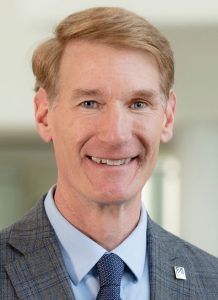
SPRINGFIELD — The board of trustees of Western New England University (WNE) announced the appointment of Joseph Hartman as the university’s seventh president. Hartman will assume the role on June 1.

Hartman currently serves as provost and vice chancellor for Academic and Student Affairs at UMass Lowell, where he has led Academic Affairs since 2019.

His leadership experience and commitment to academic innovation and student success align with Western New England University’s mission to prepare graduates for leadership and impact in a rapidly changing world. In his current role, he oversees academic strategy, faculty affairs, and student success initiatives across the institution of nearly 17,000 students and 600 faculty.

Under his leadership, UMass Lowell integrated academic and student affairs to better support the student experience, opened the Center for Excellence in Learning and Teaching, developed new degrees in data science and engineering physics with the Faculty Senate, and initiated an Early College program in collaboration with the UMass system for aspiring high school students. Prior to becoming provost, he served as dean of the Francis College of Engineering at UMass Lowell.

“Joe Hartman brings the experience, judgment, and collaborative leadership needed to lead Western New England University at this pivotal moment,” said Elena Gervino, chair of the WNE board of trustees. “After a comprehensive national search, the board is confident in his ability to advance academic excellence, strengthen experiential learning, and build on the university’s strong momentum as our seventh president. We are pleased to welcome him to the Western New England community.”

As dean of the Francis College of Engineering, Hartman oversaw a college serving nearly 4,000 students and more than 115 full-time faculty. During his tenure, the college hired 54 full-time faculty; nearly tripled research expenditures; launched new degree programs in biomedical, environmental, and industrial engineering, as well as engineering management; expanded professional co-op and interdisciplinary senior design opportunities; and increased both the size and diversity of the faculty and student body.

An industrial and systems engineer by training, Hartman’s research focuses on engineering economic decision analysis and applied optimization. He has published more than 100 scholarly papers and is the author of Engineering Economy and the Decision-Making Process. His research has been supported by the National Science Foundation, including a CAREER Award; the Office of Naval Research; and numerous industry partners.

Hartman previously served as professor and chair of Industrial and Systems Engineering at the University of Florida and held faculty and leadership appointments at Lehigh University, including the George N. Kledaras ’87 Endowed Chair. He has also held visiting academic positions at the University of Edinburgh and the University of Dortmund.

“I am honored and excited to join Western New England University as its next president,” Hartman said. “WNE’s commitment to student achievement, academic excellence, and professional preparation deeply resonates with my own values. I am eager to work with the trustees, faculty, staff, students, alumni, and community partners to build on the university’s strong foundation and shape its future success.”

A native of the Chicago area, Hartman earned his bachelor’s degree from the University of Illinois at Urbana-Champaign and his master’s and doctoral degrees from Georgia Institute of Technology.

The board of trustees also expressed its deep appreciation to interim President Michael Alexander, who has served in that role since July 2025, noting that Alexander has provided steady leadership during a period of transition and helped ensure continuity and momentum for the university.

Environment and Engineering Special Coverage

Something to Build On

Two Western New England University students work on a jet engine they built

Two Western New England University students work on a jet engine they built. (Photo courtesy of Western New England University)


Among the courses Mike Rust teaches at Western New England University (WNE) is “Introduction to Engineering,” a very hands-on class that teaches the engineering design process to freshmen through a robotics development project.

At first, “they’re looking at me like, ‘I don’t know how to do these things.’ And then we train them in all the technical things that they need to do,” said Rust, professor of Biomedical Engineering and director of Experiential and Entrepreneurial Learning at WNE. “Over time, they’re weaning off, and at the end of the course, the faculty’s checking in, but the students are doing it themselves. They almost don’t notice, but by the end, they’re acting like an engineer; they’re thinking like an engineer — because they’ve lived and breathed it their first year on campus.

“When I was a student a couple decades ago, we didn’t get a project like that to work on until junior year,” Rust said, adding that giving students hands-on experience from day one helps them thrive throughout college — which can translate into success in internship experiences and their early career. “The context sticks a little better when they have the muscle memory because they’ve experienced it, not just thought about it.”

It’s not just in class that WNE engineering students are preparing for the real world. At the Delbridge Career Center, the university’s career services hub, a professional adviser is assigned to each student, and available resources include résumé development, mock interviews, internship connections, and an alumni network.

“Engineering is a professionally oriented field, and students, when they’re coming through our programs, are already thinking in these terms when they start: where are they going to go with this degree? What are they going to do long term?” Rust said, explaining how those career services tie into the hands-on classroom model.

“The context sticks a little better when they have the muscle memory because they’ve experienced it, not just thought about it.”

“We teach theory, but we’re always putting that theory into practice with projects; students are actually doing it. So when they go to the interview, they can say, ‘I have done these things; this is the value I can provide your company.’ And when they get their first job after graduation, they can hit the ground running.

“Everyone needs to be trained when they join a company,” he added, “but what we hear from companies is that the learning curve is a little flatter because they’ve got a lot of that hands-on exposure.”

That’s appreciated by firms like Westfield-based Tighe & Bond, a very large, multi-state engineering firm that hires close to 100 new employees each year.

Bob Belitz says Tighe & Bond’s robust internship program aims to give aspiring engineers as much real-world, hands-on experience as possible.

Bob Belitz says Tighe & Bond’s robust internship program aims to give aspiring engineers as much real-world, hands-on experience as possible.

“In such a competitive marketplace, we’re trying to build relationships and connections as early as possible, so we get connected to students and universities whenever we can,” said Bob Belitz, the firm’s president and CEO. “We’re participating in educational programs, going into elementary schools, middle schools, and high schools to judge fairs or just explain to these students what a career in STEM could look like.”

Those efforts are complemented at the college level with scholarships and an internship program that brings in about 30 students per year to work on real-world projects.

“What we’re trying to do through these programs is give these students a real-life, hands-on experience, to get them on as many projects site as possible. The more practical exposure they get to the work we do, the better, so our mission is to do as much of that as we can,” Belitz said, adding that interns also get professional development opportunities like help writing résumés, enhancing speaking and interview skills, and even a career fair where they present a poster board on the projects they worked on during the summer.

“In such a competitive marketplace, we’re trying to build relationships and connections as early as possible, so we get connected to students and universities whenever we can.”

“A large majority of them either come back for another internship, or we offer them full-time employment. They’re exposed to the culture of the company; we assign them buddies and team leaders throughout the course of the summer when they’re here. Hopefully they appreciate that direct investment,” he went on.

And if they choose to pursue work somewhere else, well, “it helps enhance the profession either way.”


Values and Purpose

All these efforts at recruitment and career development are important for an industry that needs new blood, said Ashley Sullivan, president and CEO of O’Reilly, Talbot & Okun Associates (OTO) in Springfield.

“For the past few years, it has been very challenging to recruit and find people. We have a shortage of people, it seems,” she noted. “We have a big exodus with retirements — through the whole COVID pandemic, there were people rethinking engineering. So there’s a lot of work, and there seems to be not a lot of people.”
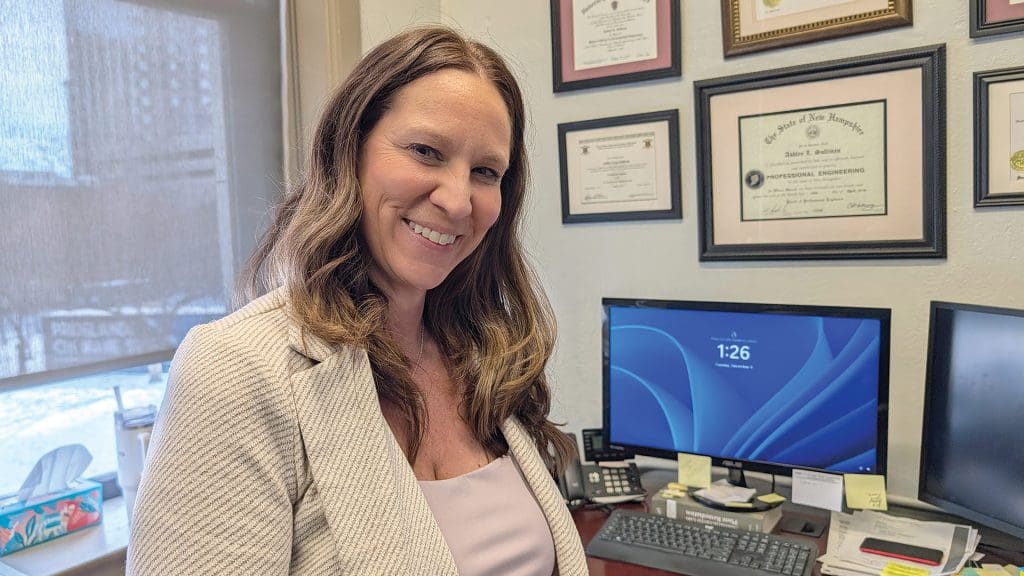
Ashley Sullivan says today’s young recruits are looking for a company that aligns not only with their work interest, but with their purpose, goals, and values.

Ashley Sullivan says today’s young recruits are looking for a company that aligns not only with their work interest, but with their purpose, goals, and values.

One way to attract talent is through a workplace culture that resonates with young people, she explained, and OTO started to put more emphasis on that when she transitioned into company leadership in 2020, better defining its brand; emphasizing workplace values like transparency, respect, and togetherness; and operating according to the mission statement, “we will elevate our industry to create and deliver the best solutions for natural and built environments.”

“We asked, ‘who are we? Who do we want to be?’” Sullivan said. “And we need to live by that so we can communicate it and say, with full transparency, ‘this is what we are. If you want to work at a place like this, this is what you’re going to get.’”

Meanwhile, the recruitment process involves not only interviews with top leadership, but eventually meetings with field staff and project managers. “We invest a lot in the interview process — by that time, we know this is a great candidate, so how do we show them how they would fit into our business model and fit in with our people?”

Belitz also emphasized the value of workplace culture in attracting what he characterizes as a more purpose-driven generation of young job applicants than he’s seen before.

“The narrative has changed a little bit. This generation is interested in the stability of the company. I don’t know if it’s the uncertain economy driving it, but to be able to say to these prospective interns that the company has been around over 100 years, we’re very financially stable, we do purpose-driven work, we’re 100% owned by employees — that’s a nice difference,” he explained.

“The big picture is that we’re trying to train engineers who are value creators — technically strong, skilled at math and science, but they also have that vision of how the world can be a better place.”

“We’ve also put in some really good benefits for students, like loan repayment. Benefits are a hot-button issue, so we’re really trying to promote this overall climate of stability and of the company investing in the people we bring into the firm,” Belitz added. “And giving back to the community is another key part of the puzzle — and a big selling point for young people.”

Sullivan agreed with that emphasis on culture and purpose.

“I think this newest generation wants a company that knows who they are and has a purpose — one that aligns with their purpose or what their goals are,” she told BusinessWest. “It could be that they want to see their projects have an impact on the community — they’re really community- and impact-driven, much more than the rest of us that were just looking to get a job, which is really neat. I think culture and the big picture is important to them.”

In short, she said, “they want to matter. They want to know their value, and they want to be valuable. And they want that from the beginning.”

Meanwhile, retention is as important as recruitment, which is why Tighe & Bond invests thought, time, and energy into cultivating career tracks for employees, Belitz said.

The firm’s onboarding and training program consists of not only leadership training, but anything people need to do their jobs: project management, quality management, safety and health principles, and more — efforts branded internally as Tighe & Bond University.
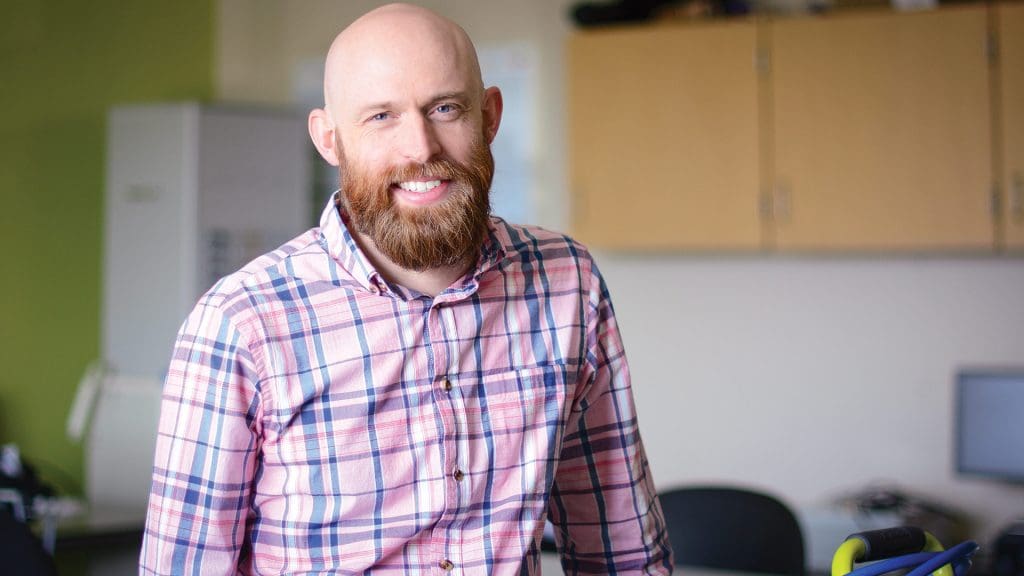
Mike Rust says higher education has seen a shift toward giving engineering students more hands-on, project-based experience right from the start of their college careers.

Mike Rust says higher education has seen a shift toward giving engineering students more hands-on, project-based experience right from the start of their college careers.

“We’ve also started investing more in training around technology, making sure folks have a good understanding of how to appropriate and use things like artificial intelligence and other investments we’ve made in digital toolsm” he added. “There’s a lot of energy around that, especially with the younger generation.”

Sullivan said many recruits want to see a clear career ladder at work.

“I think it’s important for them to be able to see where they could be in a few years, so they feel like they’re moving along. I think they want to see opportunity; they don’t want to get stuck in a rut or doing one task.

“And for me, leading a small business, I want people that want to do that because I love that people will develop and can do a little bit more of a project. If that means they’re more valuable, then the pay comes with that,” she added. “At OTO, those two things are aligned. It’s always in our benefit to develop people, so we’re looking for people that really want to do more.”


Surveying the Landscape

While Tighe & Bond is a civil and environmental engineering firm and OTO specializes in geotechnical, environmental, and industrial hygiene consulting services, Western New England, like many universities with strong engineering programs, is sending graduates out into myriad engineering disciplines — mechanical, electrical, civil and environmental, biomedical, industrial, and more. And placement rates are high, with 97% of engineering graduates placed in jobs within six months.

“Engineering tends to be pretty steady regardless of what’s going on in the economy,” Rust said. “The big picture is that we’re trying to train engineers who are value creators — technically strong, skilled at math and science, but they also have that vision of how the world can be a better place.”

Elaborating, he added, “they’re encouraged to think in those terms — to take an existing product and improve it, or talk to the customer about what the pain points are and how to address them. They’re thinking not only about what a company does, but what it could do. And companies come back to us and say, ‘can you get me five more of that student you got us last year? They were what we want.’ Because they’re not satisfied with the status quo.”

Sullivan, who has taught classes at WNE, still participates in engineering advisory boards there, connecting area industry leaders with educators.

“We talk about what we looking for for graduates and who are we looking to hire. But they also talk to us about the exciting research they’re doing, the programs they have, the outreach they have, where they have challenges, where they may need support,” she explained. “And I really feel like, whenever you have two or more groups together working to solve a problem, the ideas that come out of there are amazing.”

Like Rust, Sullivan appreciates when young people emerge with a problem-solving mindset, but also an appreciation for how they can change the landscape, both literally and figuratively.

“We get to work with a lot of people, and we get to see new development and help with projects that impact our own lives or the people we care about,” she said, naming the recently opened Square One expansion in Springfield and DC Station, the new electric vehicle charging hub in Northampton, as two examples.

“I can bring my daughters to an urgent care and know that I worked on it,” she added. “That’s one of the reasons why we try to encourage people to come to OTO, or to be in civil engineering: you impact people. The work is hard, but it’s so rewarding, and you’re constantly reminded why you do it.”


Daily News

SPRINGFIELD — Western New England University (WNE) and Bay Path University have signed a new articulation agreement that creates a streamlined academic pathway between two rapidly expanding fields, genetic counseling and pharmacogenomics. The partnership is designed to support the significant regional workforce demand for professionals trained in precision medicine, genomic testing, and personalized therapeutics.

Under the agreement, WNE will reserve at least two seats annually in its master of science in pharmacogenomics (MSPGx) program for qualified graduates of Bay Path’s master of science in genetic counseling (MSGC) program. Conversely, Bay Path will reserve at least five interview seats in its MSGC program annually for WNE MSPGx graduates. Students accepted through this pathway will also receive six transfer credits toward the MSPGx or MSGC degree, which may reduce the cost of their graduate studies.

Genetic counseling and pharmacogenomics are increasingly critical to modern healthcare. Genetic counselors help patients interpret genomic information and make informed decisions about inherited risks and treatment options, while pharmacogenomics focuses on how genes influence an individual’s response to medications, enabling physicians to prescribe more effectively and safely.

These skills are in high demand across Massachusetts and New England. The 2025 MassBio Industry Snapshot reports that the Commonwealth will face a significant life sciences talent gap over the next decade, particularly in roles requiring molecular diagnostics, genomic analysis, and precision medicine expertise.

In Western Mass., health systems such as Baystate Health, Cooley Dickinson Hospital, and Berkshire Health Systems are expanding their use of pharmacogenomic testing in oncology, cardiology, psychiatry, and chronic disease management. Providers increasingly depend on genomic data to guide chemotherapy dosing, tailor cardiovascular medications, and improve the effectiveness of behavioral health treatments. As precision medicine becomes more integrated into everyday care, these organizations continue to seek graduates with advanced training in genomic interpretation and pharmacogenomic decision making.

“This partnership supports the growing precision-medicine ecosystem in our region by preparing professionals who can bridge genomic evaluation with personalized therapeutic decision making,” said Shannon Kinney, MSPGx program coordinator and professor of Pharmacology at WNE. “Bay Path’s talented MSGC graduates arrive with a strong foundation in patient-centered genetic interpretation. By continuing their studies in pharmacogenomics at WNE, they can expand their expertise and play a vital role in improving patient outcomes across New England’s evolving healthcare landscape.”

To qualify for the reserved seats and transfer credits, interested students must meet established academic standards, including maintaining at least a 3.5 GPA and completing designated prerequisite coursework. Applications for the pathway must be submitted by April 1 each year.

The agreement also outlines joint recruitment and advising initiatives, including co-hosted virtual and in-person information sessions to ensure students understand the academic requirements and career opportunities in both fields.

“This collaboration reflects our shared commitment to expanding academic opportunities for students who want to deepen their expertise in genetics and personalized medicine,” said Susan Capasso, associate director of Bay Path University’s MSGC program. “By creating a smooth and supportive pathway between our programs, we are giving students more flexibility, more opportunity, and a direct route into one of the fastest-growing areas of healthcare.”

With precision medicine continuing to reshape how healthcare is delivered, the WNE-Bay Path articulation agreement positions both universities as key contributors to strengthening the genomic and pharmacological workforce pipeline in Western Mass. and beyond.

Daily News

SPRINGFIELD — Elena Gervino, senior vice president at Travelers Insurance Co., has been named chair of the Western New England University (WNE) board of trustees.

With nearly four decades of experience spanning law, education, and corporate leadership, she brings a combination of strategic insight, operational excellence, and commitment to community impact to her role. A respected leader in the insurance industry, Gervino aims to guide the university’s continued growth and innovation at the intersection of business, technology, and social responsibility.

“I am honored to serve my alma mater at such an exciting time,” she said. “Western New England shaped my life and career. Its focus on innovation, leadership, and community impact mirrors what we strive for at Travelers — empowering people to learn, grow, and make a difference.”
At Travelers, Gervino serves as senior vice president for Claim Shared Services (CSS). Her portfolio spans 10 business units within Claim and CSS, including Behavioral Science, Claim University, CSS Business Intelligence and Analytics, CSS Operations, Claim Legal and Staff Counsel Product, Claim Regulatory Compliance, Claim Contact Centers, Subrogation, Business Process Improvement, and QuantumSubro by Travelers Inc.

“Elena’s career embodies the very qualities we strive to instill in our students — innovation, integrity, and service,” said Michael Alexander, interim president of Western New England University. “Her professionalism and experience leading large, data-driven teams at one of the nation’s top insurers is invaluable as WNE continues to prepare graduates who are ready to lead in dynamic, technology-enabled industries.”

A cum laude graduate of the Western New England University School of Law, Gervino served as Notes editor of the Law Review and was named Outstanding Woman Law Student of the Year. Her longtime support as a law school alumna earned her the Dean’s Alumni Excellence Award in 2020. Gervino joined the WNE board of trustees in 2021 and has served on the governance, academic affairs, development, student affairs, investment, and finance committees. In 2025, she received the university’s Benefactors Award in recognition of her commitment to WNE and her exemplary record of leadership.

Beyond the boardroom, Gervino’s leadership reflects a lifelong dedication to service. She has held board positions with Horizons Inc., TRUE Colors, and Nutmeg Big Brothers Big Sisters, advancing opportunities for youth and individuals with disabilities.

Daily News

SPRINGFIELD — Western New England University (WNE) has been awarded nearly $1.3 million in state funding through three major grants announced by the Massachusetts Technology Collaborative (MassTech) and the Massachusetts Life Sciences Center (MLSC).

These strategic investments will strengthen WNE’s leadership in workforce development, applied research, and industry partnerships in three rapidly advancing fields: biopharmaceutical technology, artificial intelligence (AI), and quantum hardware.

“These awards underscore WNE’s role as a vital innovation partner in the Commonwealth’s knowledge economy,” said Michael Alexander, interim president of Western New England University. “Our faculty and students are not just preparing for the future — they are helping build it. Through these state partnerships, WNE is advancing research that will shape the next generation of life sciences, AI, and quantum technology.”

The Massachusetts Life Sciences Center awarded $250,000 to support WNE’s master of science in biopharmaceutical technology program, led by principal investigator Bart Lipkens, professor in the College of Pharmacy and Health Sciences. The grant is part of a statewide $12.7 million investment to expand life sciences education and workforce training.

The funding will help WNE start this new graduate program that will prepare students for in-demand roles in Massachusetts’ growing biopharma sector, establish a biotechnology lab that will enable work in cell and gene therapy, and expand faculty research endeavors in this cutting-edge field.

WNE also received $500,000 from MassTech to advance its work in artificial intelligence and innovation. Led by principal investigator Hanieh Shabanian from the College of Arts and Sciences, this project is expected to position the university as a regional leader in applied AI research, experiential learning, and industry collaboration.

The initiative fosters partnerships with businesses working to integrate AI solutions across sectors including healthcare, advanced manufacturing, and financial services. In particular, the award to WNE will allow the researchers to develop a multi-sensor AI model for real-time defect detection and process optimization in metal additive manufacturing.

Finally, as part of a $3.8 million statewide investment in quantum innovation, WNE was awarded $500,440 to expand its role in quantum hardware development and commercialization. Led by principal investigator John Burke in the College of Engineering, WNE will collaborate with UMass Boston and industry partners to scale ‘lab-to-fab’ technologies, build workforce capacity, and advance testing and packaging infrastructure at its Center for Quantum Hardware Development.

The initiative will also launch the Quantum Jumpstart seed grant program, designed to help small businesses accelerate product development. The Center for Quantum Hardware Development at WNE comprises two laboratory facilities: one dedicated to testing superconducting hardware essential to today’s quantum computers operating at cryogenic temperatures as low as 30 mK, and the other, LEAP@WNE, focused on exploring how integrated photonics and optical systems can be leveraged for neutral atom quantum computing and quantum communication networks.

“These strategic investments from the Commonwealth reflect the confidence state partners and industry leaders have in WNE’s capacity to deliver real impact,” said Lisa Celovsky, interim provost and vice president for Academic Affairs. “From the lab to the classroom, our faculty are leading transformative projects that give students the skills and experiences needed to drive innovation.”

Daily News

SPRINGFIELD — The Western New England University (WNE) Small Business Legal Clinic is now accepting applications from entrepreneurs and small business owners for free legal assistance during the spring 2026 semester.

Under faculty supervision, WNE law students provide services to clients on matters such as choice of entity and business formation, employment policies, contract drafting, regulatory compliance, and intellectual property issues, including trademark and copyright applications. Since its founding, the clinic has assisted more than 500 small businesses across the region.

“The clinic is a great resource for entrepreneurs who lack the finances to retain an attorney,” Associate Clinical Professor of Law Robert Statchen said. “By addressing legal issues early and correctly, businesses can avoid costly problems later. It’s also an invaluable real-world learning experience for our students.”

Applications are due by Jan. 1, with services beginning in mid-January. Later applications may be considered if resources allow.

For more information or to apply online, visit wne.edu/law/centers/small-business-legal-clinic.cfm or contact Marie Fletcher, Clinical Programs administrator, at (413) 782-1469 or [email protected].

Daily News

SPRINGFIELD — West Springfield families will benefit from a new partnership between Western New England University (WNE) College of Engineering and Greater Springfield Habitat for Humanity (GSHFH) that uses drone and AI technology to identify heat loss and implement energy-saving home retrofits — at no cost to qualifying residents.

This partnership is possible thanks to a $149,700 EmPower Massachusetts grant from the Massachusetts Clean Energy Center.

Through this initiative, the team will conduct thermographic assessments to detect heat loss in the homes of low-income families in West Springfield. Principal investigator (PI) Yu Hou and co-PI Steven Li will lead efforts using drones equipped with thermal cameras to create thermographic models. They will apply artificial intelligence (AI) algorithms to analyze and quantify heat loss, simulate building energy consumption, and generate automated retrofitting plans. WNE will work with GSHFH to implement these plans for selected families.

“This project helps residents understand their home conditions and reduce energy costs while giving WNE students hands-on experience applying classroom knowledge to real-world construction projects,” said Hou, assistant professor in the WNE Construction Management department. “Students will use AI techniques — specifically computer vision methods — to identify areas of heat loss from building envelope images.”

Students can use local homes as case studies, integrating building energy simulation and tools like building information modeling into their coursework.

“This work enables us to assess residential energy consumption and building efficiency while also exploring public trust in generative AI,” said Li, professor in the Industrial Engineering & Engineering Management department at WNE.

Aimee Giroux, executive director at GSHFH, added that “we’re excited to partner with Western New England University on this important initiative. This grant will support our Home Preservation Program and help us provide lower-income homeowners with valuable information on improving energy efficiency. We’re especially thrilled to work alongside WNE students, whose participation brings fresh insight and energy to our shared mission of building stronger, more sustainable communities.”

Daily News

Michael Alexander

SPRINGFIELD — Western New England University (WNE) announced the appointment of Michael Alexander as interim president, effective July 1. A seasoned leader in higher education with a proven record of innovation and student-centered progress, Alexander brings more than 16 years of presidential experience and a deep commitment to academic excellence and affordability.

Alexander served as president of Lasell University in Newton from 2007 to 2023, where he led transformative growth in enrollment, fundraising, and campus development. During his tenure, Lasell’s endowment more than doubled, graduate enrollment expanded 14-fold, and numerous facilities were constructed or renovated to enhance student life and learning. While president, he also served as CEO of Lasell Village, a unique continuing care retirement community on the Lasell campus, where residents participate in educational coursework and activities.

A forward-thinking advocate for access and innovation in higher education, Alexander is the founder of Lower Cost Models for Independent Colleges, a national consortium now supported by more than 135 colleges and universities working collaboratively to drive down the cost of a private college education.

“Michael Alexander’s passion for student success and his ability to guide institutions through strategic transformation make him an ideal leader for WNE at this pivotal moment,” said Nicholas LaPier chair of the WNE board of trustees. “His values align closely with our mission, and we are confident his leadership will provide important continuity and vision as we move into our next chapter.”

During the 2023-24 academic year, Alexander served as a Judith McLaughlin president-in-residence at the Harvard Graduate School of Education, where he co-taught courses on the future of American post-secondary education and ethical leadership in higher education, while serving as a resource for Harvard graduate students.

He holds a bachelor’s degree in history and literature of America, cum laude, from Harvard University; earned a master’s degree in Education from the Ohio State University; and completed all coursework toward a doctorate at the Harvard Graduate School of Education. He was awarded an honorary doctorate of humane letters by Lasell in 2023.

“I have long admired Western New England University and am honored to join the WNE community,” Alexander said. “WNE’s legacy of preparing students for meaningful careers and active, engaged citizenship resonates with my own professional priorities and philosophy. I look forward to working with students, faculty, staff, and alumni to build on that legacy and position the university for an even stronger future.”

Education Special Coverage

School of Thought

Western New England University President Robert Johnson


“A shift in the market.”

That’s how Robert Johnson, president of Western New England University, chose to describe the current state of higher education, knowing this is a huge understatement.

Indeed, colleges and universities were already under great amounts of stress due to declining enrollments, rising costs, weaker bottom lines, and mounting questions about the cost and value of a college education. And that was before the Trump administration started what the Boston Globe and others are calling a ‘reign of terror,’ pressuring institutions on matters such as DEI policies and efforts to curb antisemitism with threats involving everything from the cancelation of grants to removal of schools’ tax-exempt status.

“It was already a fairly rapid pace of change, and what’s going on at the federal level is merely accelerating the pace of change, creating high levels of anxiety,” said Johnson. “I don’t think higher ed has ever been through this — I’ve been in higher ed 35 years, and I’ve never seen anything like this.”

But, at the end of the day, and in his opinion, this is just … a shift in the market, or another shift, one of many that higher education institutions have faced over the years, decades, or centuries, depending on how long they’ve been around, said Johnson, who referred early and often to the proverbial ‘other side’ of this current shift.

“I don’t want to call it a ‘new normal,’ because I think we’re creating ‘normal,’ and it’s going to be different,” he said. “What that ‘different’ is … who knows? But I think we must remain agile enough to change with the times. My perspective is simple; when it comes right down to it, places like Western New England University — we started as a branch campus for Northeastern University — are at a place where we’ve come through world wars, the Great Depression, the Civil Rights movement, Jim Crow, the dot-com bubble, the Great Recession … and now this. And we’ll figure this out.

“I don’t want to call it a ‘new normal,’ because I think we’re creating ‘normal,’ and it’s going to be different. What that ‘different’ is … who knows? But I think we must remain agile enough to change with the times.”

“Anyone who says they have a crystal ball and understands what it’s going to look like on the other side is fool’s gold,” he went on. “The best that we can do is be agile and try and manage as best we can given the resources that we have to emerge from this. It’s not going to be fun — this is not the golden age of higher education post World War II — it is a shift in the market, and that has to be our view, and there will be winners and losers.”

These were just some of the thoughts from Johnson in a wide-ranging interview with Johnson that turned out to be an exit interview, if you will. Indeed, he announced, just a few days after he talked with BusinessWest, that he will be stepping down from the university in August.

As he talked about the current landscape, he came back repeatedly to his contention that, to survive this latest shift in the market, schools will have to be agile and proactive in response to the factors that created this paradigm. And WNE is doing exactly that, he said, noting that, through several new strategic initiatives, it has improved its position.

Indeed, the school enrolled the largest entering class in its history in the fall of 2024, just two years after it recorded one if its lowest figures in a quarter century, he said. “Three years ago, we had just over 6,700 applications for our entering class. This year, we’re right on the cusp of 13,000 applications.”

This was accomplished, he said, by stressing brand value and return on investment — “including a 94% job-placement rate, starting salaries higher than 52 of the top-100 universities in the country — 36% higher than any of the other schools in this region.

Robert Johnson says that, through aggressive, targeted marketing, WNE entered its largest class ever in 2024, and is on pace to do the same this September.

Robert Johnson says that, through aggressive, targeted marketing, WNE entered its largest class ever in 2024, and is on pace to do the same this September.

“That’s the message that we keep driving home,” he went on. “And it’s showing up in our applications, deposits, campus visits … that’s my story, and I’m sticking to it.”

Beyond marketing, these increases in applications and enrollment are due to new programs designed to provide a bridge to the workforce, he said, citing the school’s new master’s degree program in Biopharmaceutical Technology, due to launch in September, as just one example.

If current trends continue, the school could exceed 1,050 students, and perhaps more, for the class entering this September, said Johnson, adding that this would be the largest class yet again.

For this issue and its focus on education, BusinessWest talked with Johnson about the current state of higher education and the many factors that will determine how and to what extent schools can ride out this storm.


Course of Action

Johnson, who arrived at WNE just as COVID did, noted that the pandemic represented a stern test for all institutions of higher education, one that forced them to rethink what they were doing and how, and make often dramatic changes to carry on and continue their missions.

This latest shift, one marked by demographic changes and governmental changes alike, and where 40% of private schools in New England are under some form of financial distress, is similar in many ways, but also fundamentally different.

“With COVID, there was a predictability to it — you knew that if you did certain things you would get through it,” he said. “Right now, in this environment we’re in right now, there’s no predictability; that’s what creates the high levels of anxiety we’re seeing right now.”

And this brings him back to that notion that schools will “figure this out.” Or not.

‘There’s something about the human spirit that says, ‘no matter what we’re going through, we’ll come out on the other side,’ and oftentimes, it really does come down to sheer determination with a plan of action that has the ability to pivot as you get different information or new information along the way that enables you to move forward.

“The indelible human spirt says that when a group of people work together toward a common goal, and they’re all rowing in the same direction, you can’t find a time in human history where they did not come out on the other side. And that’s going to be the difference — the institutions that can pull together and have that indelible human spirit that says ‘yes, I can.’ It’s possibility thinking and operating from a perspective of assets and not deficits — ‘I’m not going to focus on what I don’t have and therefore what I can’t do, but what I do have and what we can do with that.”

Elaborating, he said WNE’s success with growing its numbers for applications, deposits, and enrollment, comes down to one word — marketing.

“We’ve been really focused on telling our story,” he explained. “Because if families are going to make the investment, they want to know if I can get a job, a good job. It’s about outcomes, outcomes, outcomes.”

This marketing involves traditional vehicles, but especially social media and digital marketing, he said, but it also involves getting students on the campus.

“Getting them on our campus matters; there’s a higher probability of enrolling a student if they’ve been to the campus,” he said, adding that the school succeeds at being welcoming.

“This is place where, no matter who you are, where you’re from, or what you look like, you’re welcome. “It doesn’t matter what your political persuasion may be. And we don’t engage in highly politicized debate that’s happening in the external world; our heads are down, this is where you come to go to school, where you come to get a job — you don’t have all the drama about what’s going on in the world.”

When asked about how schools will emerge on the other side, and the factors that will determine what will look like when they do, Johnson said financial models and roadmaps that will provide long-term sustainability and growth, where revenues align with expenses, are obviously a key. But the bigger factor will the level to which institutions can focus on academic programs that can provide real jobs, “not just education for the sake of education.”

He mentioned examples at WNE including the new Biopharmaceutical Technology degree program, the Center for Advanced Manufacturing, FinTech program, and the recently opened XR/VR Lab, which provides students with hands-on access to cutting-edge virtual, augmented, and mixed-reality technologies.

“With COVID, there was a predictability to it — you knew that if you did certain things you would get through it. Right now, in this environment we’re in right now, there’s no predictability; that’s what creates the high levels of anxiety we’re seeing right now.”

“Those are the kinds of things that will matter moving forward,” he said. “Part of what will make a winner is programs that are relevant, that enable students to get real jobs … that have innovative and entrepreneurial components in place that become creative in nature and allow students to have hands-on experience and take that experience and go out into the world of work.”

“At the end of the day, each institution will have to decide what’s best for them, and position themselves accordingly,” he went on. ‘For many of them, probably most of them, elements of their plan will work, and for some of them, their plans will not work, and it will be to their own demise.”


Bottom Line

Johnson stressed that neither he, nor anyone else, really, knows just what ‘different will, indeed, look like.

But in these unprecedented times, when there is, as he said earlier, no predictability, schools must be creative and diligent if they are going to get to the other side.

“One of the outcomes of what we’re seeing now is that you’ll see some of the institutions come out of this and evolve and thrive, and there will be others that will contract and perhaps go out of business,” he continued. “I go back to the Great Depression, when the economy was rough, to say the least — which is what we’re starting to potentially see as an outcome of tariffs and uncertainty in the marketplace — some of the greatest companies in the world were started or evolved during that time. And that’s what we’re going to see on the other side of this with higher education — there will be institutions that will be reborn in a different way that will evolve and thrive in an environment in whatever ‘different’ will look like.”

Daily News

SPRINGFIELDWestern New England University (WNE) announced Tuesday that President Robert Johnson will step down from his role, effective August 1.

The announcement was shared with the Board of Trustees earlier on Tuesday.

Johnson, who began his tenure in 2020, has guided the University through a time of significant transformation and challenge, including the COVID-19 pandemic. Under his leadership, WNE remained committed to in-person instruction, expanded mental health resources, including Mental Health First Aid training, and embraced a future-focused philosophy rooted in agility, adaptability, and lifelong learning. 

“It has been my honor to serve as president of Western New England University,” said Johnson. “Together, we have navigated unprecedented challenges and embraced opportunities that have redefined what it means to prepare students for the future of work and society. I am deeply proud of what we have accomplished and confident that WNE’s brightest days are still ahead.” 

Johnson’s accomplishments at WNE include the launch of the XR/VR Lab, the FinTech Center, the Center for Advanced Manufacturing, and the Kevin S. and Sandra E. Delbridge Career Center. Most recently, WNE unveiled the Golden Bear Discovery Curriculum — the first major revision of the general education program in 25 years — marking a bold step forward in the university’s commitment to interdisciplinary learning and academic excellence. 

During his presidency, the university has experienced steady enrollment growth, including welcoming the largest incoming class in recent history. WNE has also doubled its applicant pool and achieved a 94% job placement rate, with graduate starting salaries that rival those of top institutions. Golden Bear Athletics has flourished, celebrating multiple conference championships and national tournament appearances.

Johnson has also strengthened WNE’s community partnerships and regional presence, exemplified by his service as honorary chair of the 2023 Bright Nights Ball and his support of civic and cultural initiatives throughout Springfield and beyond. 

“On behalf of the Board of Trustees, I want to express our deep appreciation to President Johnson for his outstanding leadership and service to Western New England University,” said Board of Trustee Chair Nicholas LaPier. “His vision, energy, and commitment to student success have strengthened our institution and positioned us well for the future. While we will miss his leadership, we fully support his decision to embrace the next chapter of his journey. We are grateful for the strong foundation he leaves behind and confident in the continued momentum of the university community he has so ably guided.” 

The WNE Board of Trustees will begin planning for the leadership transition, including the appointment of an interim president and the launch of a national search for the university’s next leader. Details of the process will be shared in the coming weeks. The board’s goal is to name an interim president with time for overlap and continuity before Johnson’s departure.

Daily News

SPRINGFIELD — Western New England University (WNE) is launching a new master of science in biopharmaceutical technology (MSBT) program this fall. This innovative program is designed to meet the evolving needs of the biopharmaceutical industry and align with the Pharma 4.0 movement, which leverages digitalization to enhance therapeutic development and manufacturing.

The MSBT program offers an interdisciplinary curriculum blending pharmaceutical sciences, biopharmaceutics, and engineering. Students will train in state-of-the-art labs and gain hands-on experience in developing advanced therapeutic medicinal products (ATMPs), including cell and gene therapies and regenerative medicines. The program can be completed in as little as one year, providing a fast track to careers in biotech and biomanufacturing.

“This program reflects our commitment to preparing students both for the future of work and for the future of healthcare,” WNE President Robert Johnson said. “It addresses the growing workforce demands in biotech while equipping graduates with the skills needed to lead in an evolving industry.”

The curriculum emphasizes digital literacy, automation, and data fluency — skills essential for navigating Pharma 4.0, as outlined by the International Society for Pharmaceutical Engineering.

Supported by a $500,000 grant from the Healey-Driscoll administration through the Massachusetts Life Sciences Center, the MSBT program exemplifies WNE’s investment in workforce development and innovation. To learn more or apply, visit www.wne.edu/phs.

Daily News

SPRINGFIELD — The College of Engineering at Western New England University (WNE) will host its annual Emerging Engineers Expo on Tuesday, April 29 from 9:30 a.m. to 12:30 p.m. in the Caprio Alumni Healthful Living Center.

This signature event celebrates the innovation, creativity, and technical skills of WNE’s engineering and business students, featuring more than 100 projects developed by students across all class years. Attendees will experience an impressive display of 35 first-year innovation projects and 69 senior capstone design projects, representing months of collaborative problem solving and design.

“This event is the culmination of a year’s worth of hard work, problem solving, and creativity,” said Mike Rust, director of Experiential and Entrepreneurial Learning in the College of Engineering. “It’s inspiring to see how our emerging engineers are preparing for the future of work — developing the critical thinking, communication, and hands-on technical skills that industry demands.”

Open to the public, the industrial community, and area high schools and community colleges, the Emerging Engineers Expo offers a unique opportunity to interact with tomorrow’s engineering leaders as they present solutions to real-world challenges. Volunteer judges — including faculty, alumni, and professionals from WNE’s advisory boards and industry partners — will evaluate the projects. The event is sponsored by Hampden Engineering Corp.

Educators are encouraged to bring student groups to this showcase of engineering in action. To RSVP or learn more, contact Karen Andros at (413) 782-1285 or [email protected].

Daily News

SPRINGFIELD — Western New England University (WNE) and Greenfield Community College (GCC) announced an innovative articulation agreement that streamlines the path for students pursuing careers in occupational therapy. This new associate to doctor of occupational therapy (OTD) transfer program provides GCC allied health students with a seamless transition to WNE’s 3+3 dual-degree programs, culminating in a doctorate in occupational therapy.

Designed to provide a structured and efficient academic journey, the agreement allows eligible students to transfer from GCC’s associate in science allied health program into WNE’s bachelor of science in health studies or bachelor of arts in psychology program. From there, students progress into the university’s doctor of occupational therapy program housed within the College of Pharmacy and Health Sciences (COPHS).

Current GCC students in the allied health program are eligible and can transfer to WNE as juniors in the 3+3 OTD program as early as next fall as long as they have taken the necessary coursework, met the GPA criteria, and have graduated with their associate degree.  In terms of cost and time, the 3+3 program saves students an entire year of schooling as it takes just six years to earn a doctoral degree in occupational therapy.

“Western New England University is proud to partner with Greenfield Community College to provide this pathway for aspiring occupational therapists,” said Maria Toyoda, executive vice president for Academic Affairs and provost of WNE. “This agreement reflects our commitment to fostering opportunities for student success while addressing the growing demand for skilled healthcare professionals.”

According to Shanni Smith-Arsenault, GCC’s vice president for Enrollment Management and Student Success, “we are delighted to add another transfer agreement with our longtime partners at Western New England University. Our efforts will allow students the opportunity to maximize their time and savings toward a doctoral degree in occupational therapy and make an impact in the healthcare systems of Western Massachusetts.”

Students will be informed of this opportunity during their application process at GCC and can indicate their interest at the time of matriculation. WNE and GCC will collaborate on outreach and advising initiatives to ensure prospective students receive the guidance they need to succeed. This agreement underscores both institutions’ dedication to equipping students with the skills and credentials needed to thrive in the dynamic field of occupational therapy.

Daily News

SPRINGFIELD — U.S. Rep. Richard Neal joined Western New England University (WNE) President Robert Johnson; Hossein Cheraghi, dean of the College of Engineering; as well as students, faculty, and staff to announce an $850,000 earmark for the establishment of WNE’s Center for Advanced Manufacturing Systems (CAMS).

The allocation was made possible through congressionally directed spending from the U.S. Department of Housing and Urban Development. Neal included funding for this project in the FY 2024 spending bill that was signed into law by President Biden on March 9. This funding will allow WNE to establish CAMS, which will serve as a hub for industry-university collaboration, focusing on training and retraining a workforce in advanced manufacturing techniques.

“In an ever-changing society fueled by innovation and technological developments, the importance of workforce development cannot be understated. As a result, higher education has come to play a prominent role in training the next generation of workers. That is why I was proud to fight for Western New England University to secure funding that will benefit their students for years to come,” Neal said. “As one of the top engineering programs in the nation, WNE continues to invest in programs that will lead to immediate job placement upon graduation. This funding will play a critical role in ensuring their students are equipped with the skills needed to meet the demands of our region’s workforce, stimulating economic growth and opportunities.”

Daily News

SPRINGFIELD — Western New England University (WNE) is the recipient of a $500,000 grant to establish an interdisciplinary master’s in pharmaceutical engineering degree program. The grant was announced by the Healey-Driscoll administration as part of an overall $13.1 million awarded through the Massachusetts Life Science Center.

The new master of science in pharmaceutical engineering program will take advantage of university strengths in pharmaceutical sciences within the College of Pharmacy and Health Sciences and mechanical and biomedical engineering within the College of Engineering.

The degree will provide a comprehensive education in the biopharmaceutical industry with a focus on the transformative field of advanced therapeutic medicinal products, which are medicines for human use based on gene, cell, or tissue engineering.

“Demand for openings in our pharmacy program is exceptionally high each year,” said Bart Lipkens, associate professor of Pharmacology at WNE. “Introducing a new degree program can further enhance our students’ potential to transform patient care, especially in critical areas such as cancer, heart disease, and neurodegenerative disorders like Parkinson’s disease.”

The new degree builds on both colleges’ reputations of advancing scientific knowledge, allowing students the opportunity to learn from faculty and other researchers who are widely recognized for their contributions to the fields of pharmaceutical and engineering sciences. Students with a BS degree in sciences, engineering, mathematics, or pharmacy sciences with a desire to enter the field of biotechnology, biomanufacturing, bioprocessing, biopharma, and cell and gene therapy are eligible to apply. Enrollment is slated to begin in the late fall 2024 semester.

Daily News

SPRINGFIELD — The Western New England University Small Business Legal Clinic is accepting applications from entrepreneurs and small-business owners seeking legal assistance for the fall 2024 semester.

Under faculty supervision, law students assist clients with legal issues, including choice of entity, employment policies, contract drafting, regulatory compliance, and intellectual-property issues relating to trademark applications and copyright. This is a free service available to local businesses that might not have the resources to obtain such services, and has assisted more than 500 small businesses since it opened.

“The clinic is a great resource for entrepreneurs who lack the finances to retain an attorney,” said Robert Statchen, associate clinical professor of Law. “By using the clinic’s services, businesses can avoid problems by getting legal issues addressed early and correctly. It also provides students with a great opportunity to get real-world experience.”

The clinic asks small-business owners to submit their applications by Aug. 1. Applications received after that date will be considered if additional resources are available. Students will begin providing services in September.

For more information, call the Small Business Legal Clinic at (413) 782-1469 or email Marie Fletcher, Clinical Programs administrator, at [email protected].

Daily News

SPRINGFIELD — Springfield Technical Community College (STCC) and Western New England University (WNE) continue to work together to offer access from a two-year degree to baccalaureate and graduate education.

According to a renewed joint admissions agreement signed by leadership of the two institutions on June 13, students enrolled at STCC will continue to have an opportunity to transfer to Western New England upon completion of their two-year associate-degree program.

The joint admissions program is open to students who are enrolled in an STCC program that meets requirements for transfer to WNE. The programs listed on the Western New England website include biology, business, chemistry, computer science, criminal justice, cybersecurity, engineering, mathematics, and programmer.

Students applying to STCC will be informed about the opportunity to participate in the joint admissions program. As part of a structured plan, students must maintain minimum grade point averages to gain admissions to Western New England through the program.

Under terms of the program, STCC and WNE will support advisement of participating students. While enrolled at STCC, students will have access to a Western New England representative. The agreement runs for five years.

“We are thrilled to renew and strengthen our partnership with Western New England University,” STCC President John Cook said. “This is an important partnership between a public and private institution that greatly benefits our students.”

According to Kiyota Garcia, dean of Student Initiatives at STCC, “this gives our students a wonderful opportunity to transfer seamlessly from a public community college into a private university. The joint admissions program creates an affordable pathway to a bachelor’s and graduate degree in a variety of academic programs.”

Maria Toyoda, WNE’s provost and senior vice president for Academic Affairs, added that “Western New England University is pleased to partner with Springfield Technical Community College, the only technical community college in the state, on this joint articulation agreement. Providing numerous avenues to educational opportunities is of great importance to WNE as we strive to meet students where they are. With this partnership, students have another way to make their educational aspirations become a reality.”

Daily News

SPRINGFIELD — The Healey-Driscoll administration and MassTech have awarded Western New England University (WNE) a $1.37 million Tech and Innovation Ecosystem grant to establish an incubator that will drive innovation in financial technology, or fintech.

WNE’s new Springfield-based fintech incubator will bolster talent development in the growing tech sector; fund new, on-campus computing infrastructure for hands-on learning opportunities; and allow faculty and students to work directly with private-sector companies and other financial-sector organizations on real-world challenges.

The new incubator, a two-year, $2,125,000 project, will become a technical resource for fintech startups across the state, with an initial focus on those located in Western Mass. The $1.37 million state grant comes from the state’s Technology & Innovation Ecosystem Awards program, an initiative launched in 2022 and administered by MassTech to provide capital support for innovative projects like the fintech incubator.

“We want to make Massachusetts a more competitive place to live, work, and do business, and need to do everything we can to support the sectors where we are already leading, like financial services and technology,” Gov. Maura Healey said. “WNE’s new fintech incubator will help us connect the strong fintech assets that exist in Western Massachusetts to help accelerate the growth of existing companies, help new companies form, develop cutting-edge fintech tools, and prepare talented students for the workforce.”

The incubator will be managed by a team of WNE faculty who are deeply entrenched in the fintech space, which will allow them to quickly execute on the goals for the new facility, including establishing the incubator as an affordable option for fintech services and capabilities for small to mid-size businesses; working with businesses and nonprofits on fintech projects; assisting fintech startups in establishing their businesses in Massachusetts; increasing the number of graduates prepared for fintech careers, offering enhanced coursework and experiential learning; increasing fintech awareness in the existing workforce via professional-development courses and certificates for would-be entrepreneurs; and hosting an annual fintech innovation programming session across the state.

Education

Courting an Opportunity

Zelda Harris

Zelda Harris sees WNE Law as a natural progression in her career and mission.

Zelda Harris says she was already aware that Western New England University (WNE) was looking for a dean for its law school — a search firm had reached out to her.

But when a former student and mentee, who is working as associate dean of Law Student Affairs at WNE School of Law and was on the search committee to find the next dean, reminded her that the job was open and that she should look into the position, she took even more interest.

And her interest was already piqued because she already knew quite a bit about WNE and its law school — and saw the dean’s position as a unique opportunity, one that would eventually prompt her to leave the Windy City and the Loyola University Chicago School of Law, where she has taken on a number of positions, including interim dean, a post she held for a year until July 2022, and her current role as director of the Dan K. Webb Center for Advocacy.

Specifically, it’s an opportunity to work for a school that has “a great mission” that aligns with her work, specifically in the broad and important realm of experiential learning.

“Most of my experience, as a litigator, a practitioner, and an educator, have been in that space, making sure that students are prepared for practice by ensuring that they have quality experiential courses within the law school,” she explained.

Elaborating, she said that, while at the University of Arizona’s James E. Rogers College of Law, she “ran a law firm within the law school,” one that was dedicated largely to domestic violence but that also took on a number of other issues ranging from child-welfare matters to immigration to criminal defense.

“Western New England has a laser focus on experiential learning opportunities that are carried out through the clinics that are internal to the law, but also the amount of community engagement.”

“That’s experience that employers don’t necessarily want to pay the students for on the job,” she explained. “So if you can get them trained up on how to litigate or understand the professional dynamics of practice … that is what a modern law school not only should strive to do, but is required to do under our accreditation standards.”

Some schools do it better than others, and Western New England has developed a strong reputation in that realm, especially through the creation in 2019 of the WNE School of Law Center for Social Justice, which, through pro bono initiatives, assists marginalized, underserved, BIPOC, low-income, women, LGBTQ+, and immigrant communities.

Harris said she intends to continue and build upon a strong track record of excellence when it comes to the center’s efforts to strengthen collaborative efforts between the law school and the local region to work toward a more just, equitable, and inclusive society.

Harris, who is slated to start at WNE later this summer, although she is onboarding now and meeting with the law school’s leadership team on a weekly basis, takes the helm at a time when enrollment at law schools nationwide is at a crossroads of sorts.

There was a period of decline roughly a decade ago, but then a bump that coincided with the pandemic and the wave of social unrest that swept the country, she said, noting that many “felt that going to law school was a way to address issues of systemic inequity that was brought to the forefront.”

By most accounts, that bump is over, she said, adding that there are question marks concerning where the numbers will go in the months and years to come.

Meanwhile, there is evidence of growing need among those in many different sectors for the skills that law-school education can provide, she said, adding that there are master’s degree programs at many law schools that meet that need and have become increasingly popular, and she would like to bring them to WNE (more on that later).

For this issue and its focus on education, BusinessWest talked at length with Harris about this opportunity she’s seized and how she intends to build on the already-solid foundation at WNE Law.


Case in Point

Harris, a graduate of Washington University School of Law in St. Louis who began her practice as an attorney at the Land of Lincoln Legal Assistance Foundation in Alton, Ill., brings more than 30 years in law-school education and administration to her new role at Western New England.

She started at the Northwestern University Law School in 1992, where she was a senior lecturer, staff attorney, and adjunct faculty member. Later, at the University of Arizona and its James E. Rogers School of Law, she served as a clinical professor of Law and director of the Domestic Violence Law Clinic, a multi-disciplinary clinical program. She also co-directed the Child and Family Law Clinic.

“The number of people who are interested in law school, nationwide, are down in comparison to those pandemic years. But if you compare them to 2019, they’re level, and we’re even a few points ahead when it comes to interest at Western New England.”

At Loyola University Chicago School of Law, she has held numerous positions, but is perhaps most noted for her work overseeing all aspects of the Center for Advocacy, including work in collaboration with others to develop programs and curriculum in the areas of trial and appellate advocacy and alternative dispute resolution, while also overseeing curriculum development in both the JD certificate and LLM programs in advocacy.

She served as associate dean of Academic Affairs from 2018 to 2021 and, as noted earlier, served for a year as interim dean, overseeing all aspects of operation for the law school, which at the time had more than 1,200 students (undergraduate and graduate); 150 full-time faculty, staff, and administrators; and a $54 million operating budget.

The position at WNE represents an opportunity to come home, in some respects, said Harris, noting that both she and her husband are from Massachusetts (Newton and Cambridge, respectively) and were married in Williamstown. Beyond that, it’s an opportunity to take her career, and her ongoing work in experiential learning, in an intriguing new direction.

“Western New England has a laser focus on experiential learning opportunities that are carried out through the clinics that are internal to the law, but also the amount of community engagement — sending the law students out into the legal community, mostly in Springfield, to practice under the supervision of other practicing attorneys — and there’s an academic component as well, so the students are receiving academic credits.

“But they’re also providing a key service to the community because, as in all communities, there’s high demand and unmet legal needs among people who are unable to afford legal representation in the private market,” she went on, adding that it will be her goal and mission to continue and build on these initiatives.

Returning to the subject of enrollment, Harris said things have certainly “settled” since the sharp declines witnessed a decade or so ago, a phenomenon that, coupled with the retirement of many Baby Boomer lawyers, created severe challenges for firms looking to hire, challenges that persist today on many levels.

There was that surge that accompanied the pandemic, she noted, but recent data shows numbers returning to where they were in those years before COVID arrived.

“The number of people who are interested in law school, nationwide, are down in comparison to those pandemic years,” she noted. “But if you compare them to 2019, they’re level, and we’re even a few points ahead when it comes to interest at Western New England.”

As for who is going to law school these days, she said most are coming right from an undergraduate institution, although some are finding their way there after a few — or, in some cases, more than a few — years of work in various fields.

That’s the case at Western New England, she said, which has a robust part-time program that is attractive to working professionals that tend to be somewhat older than the mean for incoming law-school students — the mid-20s.

Meanwhile, there is, as noted earlier, growing interest in the skillsets provided by a law-school education, she said, adding that such training, through those master’s degree programs, is contributing to the professional development of those in many fields, while also opening doors career-wise.

“Take, for example, someone in the healthcare insurance industry — a field that’s adjacent to the law, if you will, but that person wouldn’t need a full law degree,” Harris noted. “Another example would be a social worker, such as those involved in the criminal-justice system; they don’t need to be a lawyer, but they do need to have legal knowledge in order to move up the ladder in their career or just be better practitioners for their clients.

“Those types of master’s degrees are not currently part of the programs at Western New England, but it’s something that I would like to explore,” she went on. “We’ve had great success with them here at Loyola; in fact, we offer them in an online format to make them more accessible to the working professional.”


Bottom Line

Creating such programs will require planning and resources, Harris said, adding that this will be one of many priorities she will address upon arriving later this summer.

Overall, she intends to do a needs assessment for the region, determine how the region’s only law school might address those needs, and then create a new business plan moving forward.

Her broad intention is to build on an already impressive record of success and set the bar — that’s an industry term — even higher.

Daily News

SPRINGFIELD — Berkshire Community College (BCC) signed an articulation agreement with Western New England University (WNE) on May 8, allowing BCC students to transfer seamlessly to WNE.

Representatives from the two colleges gathered at BCC’s Berkshire Science Commons, where BCC Vice President of Academic Affairs Laurie Gordy and WNE Provost and Senior Vice President of Academic Affairs Maria Toyoda formally signed the agreement.

The joint admissions program, which is consistent with the individual missions, policies, and regulations of each institution, seeks to strengthen the academic and student-support partnerships between BCC and WNE, facilitate student access to baccalaureate and graduate education, and provide barrier-free movement for students enrolled in an associate-degree program at BCC to the baccalaureate graduate degrees at WNE.

“We are thrilled to partner with Berkshire Community College to provide a stepping stone for students looking to continue their education at WNE,” Toyoda said. “The signing of this document exemplifies WNE’s dedication to our community and meeting students where they are. We recognize that pathways to education are ever-evolving, and we are proud to meet students where they are and welcome them to our institution.”

Gordy added that “the articulation agreement with Western New England is particularly exciting for BCC because of the excellent quality of education at WNE and because of the geographical proximity of the two schools. We’re pleased that our BCC graduates will have another option to continue their education in the Commonwealth, and we’re proud to be able to make the transition easy and accessible for our students.”

Students will be informed about the opportunity to participate in the joint admissions program at the time they are applying to BCC. In order to satisfy the conditions of admissions into WNE, participating students must earn a minimum 2.50 cumulative CPA, earn at least a grade of a C- or better in their major coursework, and earn their associate degree. Students seeking joint admissions into specialized programs such as business, engineering, computer science, chemistry, or biology must satisfy all program requirements and earn the minimum cumulative GPA established for those programs.

Students who satisfy the requirements of the joint admissions program are eligible for guaranteed acceptance to WNE, provided they complete an approved associate-degree program at BCC and meet the requirements of the joint admissions program and major-specific requirements; guarantee of junior status at WNE upon matriculation with an associate degree; and guarantee of 60 transfer credits, with some stipulations.

Daily News

HOLYOKE — Western New England University (WNE) and Holyoke Community College (HCC) signed a joint admissions agreement this week intended to strengthen existing academic and student-support partnerships and facilitate an easier transfer pathway from HCC to WNE.

Representatives from the two colleges gathered at the Kittredge Center for Business and Workforce Development at HCC, where HCC President Christina Royal and WNE Provost and Senior Vice President of Academic Affairs Maria Toyoda put pen to paper.

“We’re really grateful to be able to expand our partnership with Western New England University and to be able to continue to strengthen the opportunities for students who want to start at HCC and transfer to Western New England,” HCC President Christina Royal said. “Students experience such a nurturing atmosphere here at HCC, and we are so grateful that Western New England recognizes that and helps to create a supportive environment for transfer students as they embark on their next level of education.”

The joint admissions program will serve as a guideline to simplify the transfer process for eligible HCC students to WNE after they complete their associate degrees and meet other conditions.

“I would echo the comments made by President Royal,” Toyoda said. “We are so proud to be collaborators and partners with an institution that believes as strongly as we do in preparing our students for the future of work. I also want to take the opportunity to recognize the faculty of both HCC and Western New England University, as well as the admissions staff and the advisors who make this possible and who put students’ success at the center of everything that they do.”

According to the agreement, students will be informed about the opportunity to participate in the joint admissions program when they apply to HCC. To qualify, students must earn a minimum cumulative 2.5 GPA and at least a C- or better in their major coursework, and complete their associate degree.

Students who satisfy the requirements are then eligible for several benefits, including guaranteed acceptance and junior status at WNE upon matriculation with an associate degree, 60 transfer credits, and waiver of the WNE general university requirements for students completing their associate degree and what’s known as the Mass Transfer General Education Foundation Block. Students seeking joint admission into specialized programs, including but not limited to business, engineering, computer science, chemistry, and biology, must satisfy all program requirements and earn the minimum cumulative GPA established for those programs.

Daily News

Girls on the Run of WMA will host its 5K event on June 5 at 11 a.m., at Western New England University. Girls on the Run is a physical activity-based, positive youth development program that uses fun running games and dynamic discussions to teach social emotional lessons and life skills to girls in grades 3 through 8. During the 10-week program, girls participate in lessons that foster confidence, build peer connections, and encourage community service while they prepare for an end-of-season celebratory 5K event. 

This spring season, GOTR has 1,007 participants registered in its program (in all four Western Mass. counties) at 70 sites with 250 volunteer coaches. It expects to have 3,000 participants at this 5K celebration. 

Participation in the 5K event onis open to the public, and all proceeds from the event will benefit Girls on the Run WMA. The event is the culmination of the 10- week season and will be the program participants, coaches, running buddies, their family and friends and community members. Registration cost is $30 and includes an event shirt. 

The event will begin at 11a.m., but registration opens at 9 a.m. Group warm up and festivities will begin at 10 a.m.  For more information about the event, how to register and volunteer opportunities, visit www.girlsontherunwesternma.org. 

Daily News

SPRINGFIELD — Western New England University (WNE)  announce that on May 21,professional mixed martial artist (MMA) Nick Newell will give the keynote address at the 2022 Undergraduate Commencement ceremony. On May 22, Sheila Barcohana Hollender, a leading authority on women’s issues, environmental health, and sustainability, will provide the keynote address at the 2022 Graduate Commencement ceremony. 

University President Dr. Robert E. Johnson will present both Newell and Hollender the Western New England University President’s Medallion at the ceremonies, which will be held at 2 p.m. in the Caprio Alumni Healthful Living Center on the University Campus. Established in 2002, the President’s Medallion Award is bestowed upon those who have distinguished themselves in a particular field or in service to an important cause that has benefited society locally, regionally, nationally or internationally. The President’s Medallion also recognizes men and women in a variety of fields who are role models worthy of emulation by all, particularly by our students at Western New England University. 

From an early age, Newell accepted the fact that he was born without a left hand and part of his left arm. What he did not accept was a life with limits. He tried many sports growing up, including soccer, baseball, and basketball, and was successful in all of them. But what truly interested Newell was the martial arts. His foray into combat sports was high school wrestling, competing in the 103-pound weight class, where he lost his first 17 bouts. He finished his freshman campaign 2-22. At that point, most people would have quit. 

Newell isn’t most people, though, and his sophomore year record was 24-12. In his senior year, he made All-State, and he wrestled for four years at Western New England University, winning matches in six different weight classes and being named team captain twice. 

He earned a bachelor of Arts in Communication at WNE in 2008 and worked as a master control operator for the History Channel while training day in and day out for his goal of fighting in mixed martial arts. Newell made his debut in 2009 and eventually left his day job to become a professional MMA fighter. After starting his career 11-0, he has amassed a Now a professional MMA fighter, he has a 16-4 career MMA record, with 10 of his wins occurring in the first round. He’s also the owner and head coach of Fighting Arts Academy (FAA) in Milford, CT. 

Newell’s story is now the subject of a movie, Notorious Nick, released by Lionsgate in 2021, which details his hard-fought journey and achievements as a one-handed fighter. 

To say Sheila Barcohana Hollender has forged an influential path in the women’s environmental health movement would be an understatement. Following a career as a partner in a New York law firm, she cofounded Seventh Generation, which sells eco-friendly cleaning, paper, and personal care products, with her husband, Jeffrey Hollender. She worked as the director of Giving for Seventh Generation, as well as serving as the company’s women’s environmental health advocate, and helped to innovate and launch its feminine care line of products. Unilever acquired Seventh Generation in 2016. 

Along with her husband and daughter, Hollender also cofounded Hollender Sustainable Brands (originally Sustain Natural), a company that developed and marketed Sustain Condoms, the first U.S. brand of condoms certified to be fair-trade, free of chemicals of concern, and sustainably produced. Not only did Sustain integrate social and environmental sustainability into each aspect of the business, but the company also partnered with non-profit organizations to increase awareness of safe sex and women’s reproductive health. Sustain donated 10% of its profits to women’s healthcare organizations. The company was acquired by Grove Collaborative in 2019. 

Hollender’s focus on the empowerment of women and girls worldwide has led her to work with organizations that provide women and girls with feminine care products, as well as educate them on the use of condoms to limit their exposure to HIV and STDs and to allow them to make their own decisions related to family planning. She feels that these topics are the most basic tools of empowerment. 

She serves on the board of the Stephen Petronio Dance Company. She previously served on the boards of the Breast Cancer Fund and Sustainable Health Enterprises, and the Board of Advisors of Healthy Child Healthy World. 

Daily News

SPRINGFIELD — Beth Cohen, professor in Western New England University (WNE) School of Law and former WNE Associate Dean for Academic Affairs, has been named interim dean of the School of Law by Vice President of Academic Affairs and Provost Maria Toyoda.

Cohen will provide interim leadership following the departure of current Dean Sudha Setty, who will begin her new role as dean of the City University of New York School of Law on July 1.

“Professor Cohen was the first female associate dean at our School of Law, and the longest-serving, working with three deans,” Toyoda said. “The community and I have the greatest confidence in her leadership; she’s earned our trust and proven her abilities time and again.”

A School of Law professor since 1990, Cohen has also served as director of the Legal Research and Writing Program since 1999. She was the associate dean for Academic Affairs from 2009 to 2020 and the director of the Academic Support Program from 1994 to 2008. She teaches Lawyering Skills, Externship Seminar, Professional Responsibility, and Mindfulness in Law Practice, and has written a number of articles in the areas of legal education, legal writing, civic education, and name-change law.

Cohen graduated cum laude from Suffolk University Law School and earned a diploma in Advanced International Legal Studies in Salzburg, Austria, from the University of the Pacific, McGeorge Law School. She also co-founded and co-directed the popular civic-education Mini-Law School Program at WNE.

“I’m grateful that Professor Cohen has agreed to serve as interim dean, and I look forward to working more closely with her,” Toyoda said. “She is an outstanding teacher whose service to the university is greatly appreciated. She has filled important leadership roles across the university, including serving on several university-wide committees and in her roles as faculty liaison to the First-Generation Law Student Support Group and director of the Legal Research and Writing Program.”

A search committee will be appointed to conduct a national search for a new School of Law dean. Cohen will hold her position until a new dean is appointed.

Daily News

SPRINGFIELD — Western New England University’s Center for Social Justice (CSJ) will host a virtual expungement and record-sealing event on Wednesday, April 6 from 12:30 to 4:30 p.m. Those wishing to learn more about expunging and sealing records can watch presentations by activists and experts, ask questions, get a copy of their criminal (CORI) record, and/or speak with free pro bono attorneys in private breakout rooms.

Registration for this free event can be found at mavirtualexpunge.com/expungement-and-sealing.

The event is presented by a coalition of nonprofits, cannabis-industry professionals, and the Center for Social Justice at Western New England University School of Law. To learn more about the Center for Social Justice, visit wne.edu/social-justice.

Daily News

SPRINGFIELD — Western New England University will host high-school students and their parents at an open house on Saturday, March 5 from 8 a.m. to 2 p.m. starting in the University Commons. The event is free, but registration in advance is requested. Visit wne.edu/openhouse or call (413) 782-1321 to register.

This undergraduate open house is intended for all prospective students, regardless of their year in high school. It is an opportunity to come to campus to get a sense of the university’s warm and engaging community, while learning about the wide variety of academic programs and emphasis on interdisciplinary collaboration.

Students and parents will have the chance to tour the campus and a first-year residence hall, meet current students, get a general overview of the admissions and financial-aid process, and have academic questions answered. The day concludes with an exhibit hall where students can gather more information on student clubs and activities, the honors programs, and athletics, as well as hear from the Career Development Center regarding the varied internship and career opportunities students are receiving.

Daily News

SPRINGFIELD — Western New England University’s (WNE) College of Engineering Laboratory for Education and Application Prototypes (LEAP@WNE) in Springfield is the first to offer the latest hands-on integrated photonics training in collaboration with Spark Photonics to enhance the Electrical & Computer Engineering (ECE) Department’s optics/photonics bachelor of science in electrical engineering degree sequence.

Spark Photonics, an independent commercial photonic integrated circuit-design house based in Waltham, recently delivered its first commercially available education and workforce development (EWD) photonic integrated circuit (PIC) kit to the Western New England University College of Engineering Laboratory for Education and Application Prototypes. LEAP@WNE is a state-of-the-art optics/photonics training center established through the Massachusetts Center for Advanced Manufacturing to advance innovation and job growth throughout the state.

Steve Adamshick, associate professor and director of LEAP@WNE, said there will definitely be a shift in the program as a result of the EWD PIC kit.

“Starting in the fall of 2022, WNE will officially include an integrated optics/photonics sequence within their electrical engineering program using learning modules from the EWD PIC kits,” he said. “This is a far more effective way of communicating critical integrated photonics concepts to students. Before, we relied heavily on computer-simulation tools to visualize abstract concepts such as guided wave modes and how they contribute to key parameters such as waveguide loss and confinement. Now, with the EWD PIC kits, we can provide the hands-on learning experiences to demonstrate these concepts in action and, more importantly, close the loop from design to fabrication to test.”

Unlike other established industries, few education and workforce-development programs focus specifically on the integrated photonics industry in the U.S., and only a handful of those offer students the type of hands-on experience that they will face in a real-world manufacturing environment.

Neeraj Magotra, chair of the Electrical and Computer Engineering Department, applauded the development of more hands-on learning tools for students and educators. “The hands-on learning experience is a critical and key component of all ECE offerings, including embedded systems, digital signal processing, cybersecurity, artificial intelligence/robotics, wireless communication, and now integrated optics/photonics.”

The hands-on difference at WNE has resulted in the ECE department placing 99% of its students in jobs with a median salary of $103,390 or full-tuition scholarships at prestigious R1 institutions (those with very high research activity).

“Integrated photonics is just the latest technological advancement that enhances core ECE fundamentals,” Magotra said, “and we look forward to innovating joint projects/collaborations across the College of Engineering.”

Daily News

SPRINGFIELD — Western New England University (WNE) School of Law Professor Jennifer Levi has been named an inaugural fellow in a new Salem State University program of the Berry Institute of Politics (IOP). Levi will share this honor with former Boston Mayor Kim Janey for the spring 2022 semester.

Levi is a lawyer, professor, and nationally recognized expert on transgender legal issues who has dedicated their career to fighting for the rights of women, children, the poor, and gay, lesbian, bisexual, transgender, and queer (LGBTQ) clients. Currently, Levi serves as director of the Transgender Rights Project for GLBTQ Legal Advocates & Defenders (GLAD) and as professor of Law at Western New England University. Throughout their career, Levi has led legal fights for transgender equality across a range of contexts, including in the areas of family law, education, healthcare, incarceration, military service, and beyond.

As rising or seasoned professionals, fellows share their knowledge, skills, and experiences with students who are exploring and pursuing careers in politics and public service. As current practitioners, fellows support students building practical skills that will supplement what they are learning through academic courses. Through one-time and ongoing engagement, fellows serve as resources and mentors to students. During their visits, IOP fellows will participate and lead both curricular and co-curricular programs.

Established in 2019, the Frederick E. Berry Institute of Politics is a non-partisan effort to expand political engagement at the university and on the North Shore.

Daily News

SPRINGFIELD — Western New England University (WNE) School of Law’s Center for Social Justice, in conjunction with the Springfield Public Forum, will present “Victory in Charlottesville” on Wednesday, Feb. 2 from 5 to 6 p.m.

The public is invited to hear from Alan Levine, one of the lead attorneys who won a historic victory in the landmark federal lawsuit Sines v. Kessler, which brought justice to nine plaintiffs who were victims of white supremacists during the deadly “Unite the Right” rally in Charlottesville, Va. in August 2017. Register for this virtual Zoom event at bit.ly/CharlottesvilleTrial.

Levine is a senior counsel at Cooley LLP in the commercial litigation, securities litigation, and white collar & regulatory practice groups of the litigation department. For more than 40 years, he has represented individuals and companies in complex civil, criminal, and regulatory matters as lead trial counsel.

WNE’s Center for Social Justice works toward advancing social justice through research, advocacy, education, innovation, and public engagement. It is designed to strengthen collaborative efforts between the School of Law and the region to work toward a more just, equitable, and inclusive society.

Daily News

SPRINGFIELD — In newly released rankings by U.S. News & World Report, Western New England University (WNE) was again recognized among the 2022 Best Online Programs.

Among online MBA Programs, WNE made significant gains, jumping 71 places and ranking 153rd (up from 224th in 2021); among Online Graduate Business Programs (Non-MBA), the university ranked 110th (up from 129th in 2021); and among Online Master’s in Engineering Programs, it ranked 79th, up from 104th. The rankings place Western New England University in the top 10 in Massachusetts for accredited online MBA and graduate business programs and in the top three in Massachusetts for accredited master’s in engineering programs.

For the 2022 edition, U.S. News & World Report assessed 1,728 online degree programs and ranked 1,646, both all-time highs. Best Online Programs rankings credit schools for long-term investments in designing and scaling their student services, technologies, curricula, and instructor training toward distance learners.

Sharianne Walker, dean of the College of Business, credits the College of Business faculty and the high quality of the online curriculum for the impressive gain in both the Online MBA and Online Graduate Business (Non-MBA) program rankings.

“This is wonderful external validation and recognition of the hard work, expertise, and commitment of our faculty to deliver on our mission promise to provide relevant, industry-aligned learning that positions business students for the future of work,” she said, adding that a core commitment of the College of Business is providing students with hands-on, relevant, industry-aligned learning, and the college maintains a rich collaborative relationship with the Business Advisory Board and business partners, which has resulted in the creation of outstanding opportunities for students and faculty to research, innovate, and shape business practice. “As the business world quickly evolves and reinvents itself, we embrace our role as an AACSB business school in preparing both traditional students and working professionals to successfully lead in a dynamic global business environment.”

The Western New England University College of Engineering continues to be top-ranked in the Online Master’s in Engineering Programs category. For the 2022 Best Online Graduate Engineering Programs rankings, U.S. News ranked ABET-accredited schools using five categories: engagement, faculty credentials, and training; expert opinion, services, and technologies; and student excellence.

The College of Engineering offers several full master’s programs online: MS in industrial engineering, MS in engineering management, and MS in electrical engineering. The colleges of Engineering and Business offer a dual-degree master of science in engineering management and an MBA that can be completed entirely online.

“Our graduate students are well-prepared with the future-ready skills and agile mindset they need to add value to their organizations and communities, both for today and for the uncertainties of tomorrow,” said Maria Toyoda, senior vice president for Academic Affairs and provost. “Recognition by U.S. News & World Report of our online programs affirms our continued efforts to prepare graduates to adapt and thrive in a complex and hyper-connected world.”

Daily News

SPRINGFIELD — Western New England University (WNE) is the first U.S. institution of higher education to feature Oscar Sort, an AI-driven, intuitive, trash-sorting robot. This intuitive robot educates the campus community at the point of recycling and disposal and helps them to better understand how waste is measured, reduced, and eventually eliminated.

Oscar Sort is a signature product of Intuitive AI, a startup company founded by two students at Simon Fraser University in Canada. Oscar uses a display screen and AI camera to identify recycling from trash and instructs users which bin to use when disposing of waste.

According to Intuitive AI, 98% of the world’s waste ends up in landfills, oceans, or incineration chambers, in spite of more than 80% of everyday items being recycled. The core reasoning for this staggering disparity is rooted at the source — the point of disposal — where the user is unsure of how to dispose of their waste appropriately.

“The problem isn’t that people aren’t recycling. The problem is that they are doing it wrong and contaminating the process,” said Melissa Motyka, Aramark general manager at WNE University Commons. “Oscar educates — so it’s a natural fit for higher education. The real benefit is providing a greater understanding of what can be a confusing process for many. We’re hoping that this creates lifelong habits that students will share with their families when they return home, providing an even greater effect.”

Because Oscar’s software is consistently updated as close to real time as possible, WNE has the ability to be at the cutting edge of national and international guidelines for optimal waste and recycling procedures.

Daily News

SPRINGFIELD — Western New England University (WNE) School of Law will host attorney Justin Hurst on Monday, Feb. 7 as part of the school’s Color of Law Roundtable Discussion Series. Hurst will discuss his career path at noon. Registration for this virtual event is at bit.ly/3fgN3ipColorofLaw. The event is free and open to the public.

Hurst was born and raised in the city of Springfield. He is the son of attorneys Frederick Hurst and Marjorie Hurst, who are the founders and publishers of An African American Point of View newspaper. Attorney Hurst is a graduate of Springfield public schools and received his bachelor’s degree in English from the University of Virginia.

Hurst began his service in the Springfield public school district as a secondary English teacher, and assumed the role of coordinator of Implementation for the Striving Readers Adolescent Literacy Initiative. Later, he was appointed director of Implementation for the Striving Readers Adolescent Literacy Initiative.

He received his juris doctor degree from Western New England College School of Law and was admitted to the Massachusetts Bar Assoc. in 2004. He currently serves as manager for London Realty, LLC. In 2013, he was elected as a Springfield city councilor. In 2019 and 2020, he was unanimously voted by his colleagues to serve as president of that body.

The Color of Law series is designed to expose Western New England University law students to attorneys, professionals, and judges of color. The series provides students a chance to network with people of color from the legal community and learn about various career paths.

Daily News

SPRINGFIELD — Western New England University (WNE) President Robert Johnson announced the appointment of Kristine Goodwin as the university’s vice president of Student Affairs.

“Kristine Goodwin is a widely respected administrator in the field of student affairs with over 30 years of direct experience. She is a proven problem solver and highly regarded in her field,” Johnson said. “Western New England University is fortunate to have Kristine join us.”

Goodwin is charged with developing and maintaining an energized approach to cultivating an engaged student environment where learning, academic success, career readiness, and personal development are top priorities. She will oversee the university’s departments of Athletics, Career Education, Residence Life, Community Standards and Education, Student Involvement and Leadership Development, Inclusive Excellence, and the Center for Health and Wellness.

Goodwin earned a bachelor’s degree from Westfield State University and a master of education degree from UMass Lowell before graduating magna cum laude from the UMass School of Law in 2020. A senior executive in higher education for more than 20 years at multiple institutions, most recently having worked as an attorney and adjunct faculty member teaching ethics, Goodwin succeeds interim Vice President for Student Affairs Bryan Gross, who will return to his previous position as vice president for Enrollment Management and Marketing.

Daily News

SPRINGFIELD — Western New England University (WNE) School of Law’s Center for Social Justice will present “Addressing Conflict in Schools Using Non-violent Strategies” in conjunction with the Greater Springfield Campaign Nonviolence on Monday, Jan. 17 at 7 p.m. Executive Director of Nonviolent Schools RI Robin Wildman will lead this discussion. Click here to register for this virtual Zoom event.

Wildman has been a senior-level Kingian Nonviolence practitioner and teacher for 20 years and a public-school teacher for 28 years (recently retired). Her current role with Nonviolent Schools RI is a result of her desire to train those who work in the field of education in Kingian Nonviolence so that they can work towards institutionalizing the philosophy and conflict-reconciliation strategies, thus transforming the climate and culture of their schools.

She has conducted workshops, given lectures, and trained hundreds of adults and children in methods to address and reconcile conflict used by Dr. Martin Luther King Jr. She is the author of a Kingian Nonviolence curriculum used nationally and internationally, as well as a post-training reflection journal.

Wildman has worked closely for 20 years with her mentor and the honorary board chair of Nonviolent Schools RI, noted civil-rights leader Bernard LaFayette Jr., who worked with King. She believes giving students and school staff the tools to understand and address conflict will significantly reduce school violence in all its forms and lead to a more just environment in which students can thrive and achieve their full potential.

Daily News

SPRINGFIELD — The Western New England University (WNE) Small Business Legal Clinic is accepting applications from entrepreneurs and small-business owners seeking legal assistance for the spring 2022 semester. Under faculty supervision, law students assist clients with legal issues including choice of entity, employment policies, contract drafting, regulatory compliance, and intellectual-property issues relating to trademark applications and copyright.

This is a free service available to local businesses that might not have the resources to obtain such services. The Small Business Clinic has assisted more than 500 small businesses since it opened.

“The clinic is a great resource for entrepreneurs who lack the finances to retain an attorney,” Associate Clinical Professor of Law Robert Statchen said. “By using the clinic’s services, businesses can avoid problems by getting legal issues addressed early and correctly. It also provides students with a great opportunity to get real-world experience.”

The clinic asks small-business owners to submit their applications by Jan. 1. Applications received after that date will be considered if additional resources are available. Students will begin providing services in late January. For more information, call the Legal Clinic at (413) 782-1469 or e-mail Marie Fletcher, Clinical Programs administrator, at [email protected].

Daily News

SPRINGFIELD — Western New England University (WNE) School of Law’s Center for Social Justice will present “Addressing Conflict in Schools Using Non-violent Strategies” in conjunction with the Greater Springfield Campaign Nonviolence on Monday, Jan. 17 at 7 p.m. Executive Director of Nonviolent Schools RI Robin Wildman will lead this discussion. Click here to register for this virtual Zoom event.

Wildman has been a senior-level Kingian Nonviolence practitioner and teacher for 20 years and a public-school teacher for 28 years (recently retired). Her current role with Nonviolent Schools RI is a result of her desire to train those who work in the field of education in Kingian Nonviolence so that they can work towards institutionalizing the philosophy and conflict-reconciliation strategies, thus transforming the climate and culture of their schools.

She has conducted workshops, given lectures, and trained hundreds of adults and children in methods to address and reconcile conflict used by Dr. Martin Luther King Jr. She is the author of a Kingian Nonviolence curriculum used nationally and internationally, as well as a post-training reflection journal.

Wildman has worked closely for 20 years with her mentor and the honorary board chair of Nonviolent Schools RI, noted civil-rights leader Bernard LaFayette Jr., who worked with King. She believes giving students and school staff the tools to understand and address conflict will significantly reduce school violence in all its forms and lead to a more just environment in which students can thrive and achieve their full potential.

Daily News

SPRINGFIELD — Zhaojun ‘Steven’ Li of the Western New England University (WNE) College of Engineering has been elected to serve as the Institute of Electrical and Electronics Engineers (IEEE) Reliability Society’s 2022 president. Election results were announced in early December.

Li is an associate professor with the Department of Industrial Engineering and Engineering Management at WNE. He currently serves on the editorial board for IEEE Transactions on Reliability and is the lead editor of IEEE Access Reliability Society Section. He served as the vice president for publications of the IEEE Reliability Society in 2019 and has been the treasurer since 2020. He also served as a board member of the IISE Quality Control and Reliability Engineering Division. He is an ASQ-certified reliability engineer and Caterpillar Six Sigma Black Belt. His research interests include data analytics, applied statistics, operations research, and reliability engineering. He is a senior member of IEEE and IISE.

Li was named Engineer of the Year by IEEE Reliability Society in 2020. He received his PhD in industrial engineering from the University of Washington.

Established in 1884, the IEEE is the world’s largest technical professional organization dedicated to advancing technology for the benefit of humanity. The IEEE Reliability Society promotes recognition of the reliability profession, develops and disseminates reliability best practices, and is a resource for collaboration among reliability professionals.

“I am very honored and humbled to be elected as the president of the IEEE Reliability Society,” Li said. “I will be listening to our members’ voices and to enhance the membership benefits in multiple dimensions, such as active member engagement, publications, new technical activities, and other initiatives. I look forward to serving our community in this new role and working together to embrace growth and excellence.”

Daily News

SPRINGFIELD — Western New England University (WNE) announced that Chicopee-based U.S. Tsubaki Automotive (USTA) made a gift of $12,500 to support the university’s colleges of Business and Engineering’s Product Development and Innovation (PDI) course over the next five years.

“U.S. Tsubaki is pleased to work with Western New England University to advance this important program and curriculum,” said Dan Butterfield, president of USTA. “We value innovation and seek to assist in the development of future business and engineering students. We look forward to many years of innovations with this course and Western New England University.”

Taught in the fall semester, PDI is comprised of business and engineering students who develop an idea at the onset of class and grow the concept into a limited, functional prototype supported by a business plan.

“The PDI course is a capstone course, which is a culmination of the core courses offered to business students,” said Sharianne Walker, dean of the WNE College of Business. “The cross-functional teams and development of innovations are critical to developing entrepreneurial thinking that will guide our students in their future careers.”

Student teams demonstrate their project innovations at the annual PDI Showcase held the first week of December. Attending the event are members of the university’s board of trustees and several area economic-development leaders and investors. The attendees invest ‘Golden Bear investment dollars’ into the innovations they believe have the most commercial potential. Some of the innovations continue as senior design projects, while others compete in the Grinspoon Spirit Awards and the Draper Competition. The university patents select innovations that have the most potential.

“This grant is foundational to our prototyping efforts and helps teach the students about how to innovate efficiently,” said Hossein Cheraghi, dean of the WNE College of Engineering. “We are pleased that U.S. Tsubaki, who is an important community business, values innovation and nurturing student talent from Western New England University and the College of Engineering.”

Daily News

SPRINGFIELD — Western New England University will host its Stuff-a-Cruiser Toy Drive event on Monday, Dec. 6 from 8 a.m. to 2 p.m. outside the University Commons. Donations from the public are welcomed.

Bring a new unwrapped toy to the University Commons, where officers will park a cruiser to collect donations for the benefit of Shriners Hospitals for Children in Springfield.

Shriners has been leading specialty pediatric healthcare since 1922, delivering specialty pediatric care to children around the world, providing a comprehensive range of treatments and services that help improve the quality of children’s lives and allow them to reach their full potential. Children up to age 18 with orthopaedic conditions, burns, spinal-cord injuries, and cleft lip and palate are eligible for care and receive all services in a family-centered environment, regardless of the families’ ability to pay.

“This year, our Love to the Rescue goal is to fill the Western New England University’s entire fleet of five cruisers,” said university Police Officer Alexandria Capen-Parizo, the event organizer, adding that monetary donations are also welcomed. “Directly after the event, members of Public Safety and Student Senate will purchase toys that fill the need gaps as outlined by Shriners.”

This event is sponsored by the Western New England University Department of Public Safety.