Home Posts tagged Insurance (Page 12)
Chamber Corners Departments

AMHERST AREA CHAMBER OF COMMERCE

www.amherstarea.com
(413) 253-0700

• Feb. 2: After 5, 5-7 p.m. The UMass Athletics Department presents a night out for chamber members and non-members as the UMass Minutemen take on the Rhode Island Rams. First 80 registrants receive an inclusive basketball game ticket, compliments of the UMass Athletics Department. Sponsored by Brian Analysis Neuro Development Center, LLC and IGS Solar. Cost: $10 for members, $15 for non-members.
Feb. 10: After 5, 5-7 p.m., hosted by Central Rock Gym, 165 Russell St., Hadley. Come mix and mingle with the community and test your strength and agility while climbing up the rock walls. Light appetizers and adult beverages will be served. Cost: $10 for members, $15 for non-members.


GREATER CHICOPEE CHAMBER OF COMMERCE

www.chicopeechamber.org
(413) 594-2101

• Jan. 27: Business After Hours, 5-7 p.m., hosted by Masse’s American Bistro, 1329 Memorial Dr., Chicopee. Sponsored by the Greater Chicopee and South Hadley/Granby chambers of commerce. Network with members from both chambers. Enjoy some delicious appetizers from Masse’s American Bistro. Sponsored by Berkshire Bank. Cost: $10 for members, $15 for non-members pre-registered.

•  Feb. 2: Community meeting with mayor and police chief, noon to 1 p.m. All are invited to the community room at the Chicopee Public Library on Front Street to learn about what is going on in the downtown area and express any concerns to Mayor Richard Kos and Police Chief William Jebb.

•  Feb. 11: CEO Luncheon with Maura McCaffrey of Health New England, 11:45 a.m. to 1 p.m. As president and CEO at HNE, McCaffrey leads the premier locally owned health plan serving this region. Health New England, headquartered in downtown Springfield, employs more than 340 people and provides health coverage for more than 225,000 members. Sponsored by Chicopee Savings Bank, First American Insurance Agency Inc., Holyoke Medical Center, and PeoplesBank Cost: $30 for members, $35 for non-members. To reserve tickets, call Lynn Morrissette at (413) 594-2101.

•  Feb. 17: February Salute Breakfast & Annual Meeting, 7:15-9 a.m., Castle of Knights, 1599 Memorial Dr. Chicopee. Cost $23 for members, $28 for non-members.


GREATER EASTHAMPTON CHAMBER OF COMMERCE

www.easthamptonchamber.org
(413) 527-9414

• Feb. 11: Networking by Night, 5-7 p.m., sponsored by Canon Realty. Join area business professionals for networking. Cost: $10 for members, $15 for non-members.


GREATER HOLYOKE CHAMBER OF COMMERCE

www.holyokechamber.com
(413) 534-3376

•  Jan. 28: Winner Circle Government Reception, 5-7 p.m., Yankee Pedlar, 1866 Northampton St., Holyoke. Sponsored by the Greater Holyoke Chamber of Commerce board of directors and corporate leaders. An enjoyable evening where we honor our local and state elected officials. Cost: $23. Call the Holyoke Chamber at (413) 534-3376 or visit holyokechamber.com to sign up.

•  Feb. 3: Ask a Chamber Expert: the Art of Networking, 5:30-7:30 p.m., hosted by Mel’s Restaurant, 490 Pleasant St., Holyoke. Series Sponsors: PeoplesBank, the Republican/MassLive/El Pueblo, and Hadley Printing. Do your eyes glaze over when your boss asks you to attend a networking event? You’re not alone. There’s an art to networking. Jeremy Casey, founder and president of Name Net Worth, will share his expertise at this workshop. Cost: $10 for members, $15 for non-members. Visit www.holyokechamber.com to sign up.

•  Feb. 17: Economic Development Breakfast: Growing Businesses 1×1, 7:30-9 a.m., hosted by Delaney House, Country Club Road, Holyoke. Sponsored by Holyoke Community College. A breakfast focusing on entrepreneurism with keynote speaker and local entrepreneur Delcie Bean, president of Paragus Strategic IT, along with graduates of the SPARK Entrepreneurial Launch Program. Cost: $25 for members, $30 for non-members, which includes a hot breakfast buffet. Call the Holyoke Chamber at (413) 534-3376 or visit holyokechamber.com to sign up.

•  Feb. 17: Chamber After Hours, 5-7 p.m., sponsored and hosted by Slainte, 80 Jarvis Ave., Holyoke. Cost: $10 for members, $15 for non-members. Call the Holyoke Chamber at (413) 534-3376 or visit holyokechamber.com to sign up.


GREATER NORTHAMPTON CHAMBER OF COMMERCE

www.explorenorthampton.com
(413) 584-1900

• Feb. 3: February Arrive @ 5, 5-7 p.m., hosted by Union Station, 125A Pleasant St., Northampton, sponsored by: Keiter Builders Inc. and others to be announced. Arrive when you can, stay as long as you can. Cost: $10 for members.


GREATER WESTFIELD CHAMBER OF COMMERCE

www.westfieldbiz.org
(413) 568-1618

• Feb. 1: Mayor’s Coffee Hour, 8-9 p.m., hosted by Tighe & Bond Inc., 53 Southampton Road, Westfield. To register, call Pam at the chamber office at (413) 568-1618.
Feb. 10: Chamber After 5 Connection, 5-7 p.m., hosted by Armbrook Village, 551 North Road, Westfield. To register, call Pam at the chamber office at (413) 568-1618.


SPRINGFIELD REGIONAL CHAMBER

www.myonlinechamber.com
(413) 787-1555

• Feb. 3: Springfield Regional Chamber Speed Networking Business@Breakfast, 7:15-9 a.m., hosted by the Colony Club, 1500 Main St., Springfield. Sponsored by United Personnel. Special guest speakers. Networking in a fast-paced, round-robin format. Cost: $20 for members ($25 at the door), $30 for general admission.

• Feb. 10: Springfield Regional Chamber Lunch ‘n’ Learn, 11:30 a.m. to 1 p.m., location to be determined. Sponsored by the Regional Employment Board of Hampden County. Cost: $25 for members, $35 for non-members.

• Feb. 11-March 17: Springfield Regional Chamber Leadership Institute, TD Bank Conference Room, 1441 Main St., Springfield. Sponsored by MassMutual Financial Group and supported by the Irene E. & George A. Davis Foundation. Special guest speakers. The institute is directed by Julie Siciliano, dean of the Western New England University College of Business, and Jack Greeley, executive in residence. Participants will actively explore best practices of leaders; analyze their own leadership, learning, and and problem-solving styles; and experience the synergies that result from high-performing teams. Cost: $885 per participant, which includes a day trip to Beacon Hill and graduation dinner.


WEST OF THE RIVER CHAMBER OF COMMERCE

www.ourwrc.com
(413) 426-3880

• Feb. 3: Wicked Wednesday, 5:30-7:30 p.m., hosted By Partners Restaurant, 485 Springfield St., Feeding Hills. Wicked Wednesdays are monthly social events hosted by various businesses and restaurants. Cost: free for chamber members, $10 at the door for non-members. For more information, call the chamber office at (413) 426-3880 or e-mail [email protected].

• Feb. 18: Networking Lunch, noon to 1:30 p.m., hosted by Lattitude in West Springfield. Enjoy a sit-down lunch while networking with fellow chamber members. Each attendee will get a chance to offer a brief sales pitch. Only members or guests of members may attend. The only cost to attend is the cost of lunch. Attendees will order off the menu and pay separately that day. We cannot invoice you for these events. For more information, call the chamber office at (413) 426-3880 or e-mail [email protected].

• Feb. 24: Legislative Breakfast, 7-9 a.m., hosted by Storrowton Tavern, 1305 Memorial Ave., West Springfield. The Breakfast will feature a panel of various legislatures, including state Sen. James Welch, state Sen. Donald Humason, State Rep. Nicholas Boldyga, state Rep. Michael Finn, Agawam Mayor Richard Cohen, and West Springfield Mayor Will Reichelt. Cost: $25 for members, $30 for non-members. For more information on ticket sales, call the chamber office at (413) 426-3880 or e-mail [email protected].

Daily News

LEE — Chuck Leach, president of Lee Bank, announced that Wendy Healey has been named to the position of senior vice president, community banking, and David Harrington has been named to the position of vice president, commercial lending.

Healey joins Lee Bank with a wealth of experience in both the retail-banking and financial-technology sectors. She most recently served as senior vice president in charge of retail, sales, and marketing at Torrington Savings Bank. Prior to that, she was an independent financial services consultant while pursuing an MBA, and has held senior management roles at COCC Inc., a lead provider in core technology to the financial industry; Sovereign/Santander Bank; and People’s United Bank in Connecticut.

As senior vice president in charge of community banking, Healey’s focus will be on existing and new customer relationships, as well as the design and fulfillment of new products and packages of services to meet customer needs. She will oversee policies, future business planning, and long-range strategic goals for her department and is responsible for the overall administration of compliance, including policy and procedures, monitoring, review, training, and board reporting.

Harrington brings more than 18 years of experience in product and operations management. He most recently served as multi-life new business operations manager at Guardian Life Insurance Co. in Pittsfield. Prior to that, he was employed as product and project manager, U.S. Insurance Group, MassMutual Financial Group, and senior product line manager, disability and long-term-care insurance at Berkshire Life Insurance Co.

As vice president of commercial lending, Harrington is responsible for developing and maintaining Lee Bank’s commercial-lending activities and expanding existing customer relationships in conjunction with the bank’s strategic goals.

“We are pleased to welcome Wendy and David to the Lee Bank team. They each bring a wide range of experience from the banking, financial-technology, and community-service sectors,” said Leach. “In their new positions, they will enhance and carry forward Lee Bank’s tradition of innovation and our mission as a community-based and independent, full-service bank, singularly focused on continued excellence in serving our customers today and for decades to come.”

Daily News

HOLYOKE — The Dowd Insurance Agencies, an insurance provider serving New England for more than 115 years, announced that John Dowd Jr., president and CEO of the Dowd Insurance Agencies, was selected to serve on the board of directors for the Massachusetts Assoc. of Insurance Agents (MAIA).

Membership in the MAIA is open to independent, licensed insurance agencies doing business as individuals, partnerships, corporations, or other forms of business organizations in Massachusetts. With 1,300 agency members, MAIA is one of the largest state and regional associations of independent insurance agents in the country.

The new board of directors began their term on Jan. 1. The board as a whole establishes positions on various industry issues and advocates for the agency community before government bodies. Individual members of the board of directors are the official representatives of the MAIA members in their geographical areas.

“The Massachusetts Association of Insurance Agents has a long track record for consistent support for the insurance-agency community,” Dowd said. “I am very pleased to serve among this group of dedicated insurance professionals.”

A 1980 graduate of St. Michael’s College, Dowd is an accredited advisor in insurance (AAI) and a licensed insurance advisor (LIA). He began his career as an underwriter for the Fireman’s Fund Insurance Co. and joined Dowd Insurance Agency in 1982. Along with his selection to the MAIA board, he is also active in his community, serving on numerous boards, including the Sisters of Providence Health System, CityStage and Symphony Hall, Storrs Library of Longmeadow, Longmeadow Youth Football, and the Longmeadow Youth Sports Council.

Health Care Sections

A Patient-focused Leader

Nancy Shendell-Falik

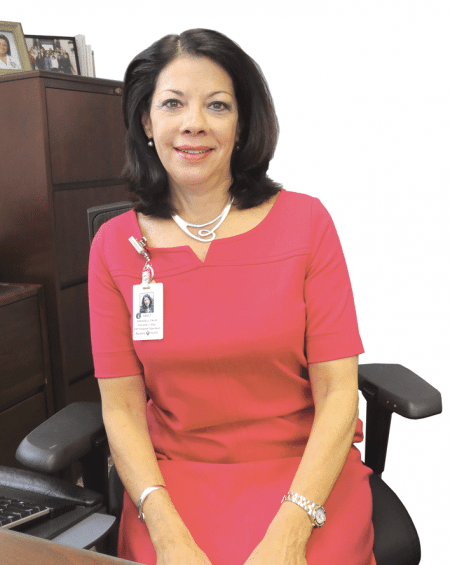
Nancy Shendell-Falik says her role comes down to helping the care teams within the Baystate system focus “on what matters most to patients.”

Nancy Shendell-Falik was recently promoted to president of Baystate Medical Center and senior vice president for Hospital Operations at Baystate Health. That’s a long title and a lot to fit on a business card. It’s also a big job, one she boiled down to leading efforts to continually improve quality and consistency across the expanding Baystate system and maintaining a laser focus on the patient experience.

Patients and family members walking in the Daly Entrance at Baystate Medical Center are greeted by a large sign that reads: ‘Identify Your Caregivers by the Colors They Wear.”

Those words appear beside a picture of a smiling nurse wearing royal-blue scrubs, the color chosen to designate the men and women in that profession. Meanwhile, those in radiology wear black, orderlies wear dark brown, those in rehab wear light gray, and so on.

This program involving standard attire, now in use across the Baystate Health system — which also includes Baystate Franklin Medical Center, Baystate Mary Lane Hospital, Baystate Noble Hospital, and Baystate Wing Hospital — was essentially the brainchild of Nancy Shendell-Falik, although she quickly added that there was a large team that brought the concept to fruition.

Motivation for the standard colors was simple, said Shendell-Falik, recently named president of Baystate Medical Center and senior vice president for Hospital Operations at Baystate Health, who used a few anecdotes to get her main points across about the system’s desire to improve the overall experience for the patient and his or her family.

“One story that struck me concerned a father in the PICU [Pediatric Intensive Care Unit] who was waiting to speak to the surgeon who operated on the child,” she recalled. “A person in OR blue scrubs came in at 6 or 6:30 in the morning, and the father thought, ‘oh my gosh, I’m going to get my questions answered,’ and the person proceeded to empty the garbage. This individual said how challenging it was to determine who was coming in and going out.”

She remembers that there was some minor resistance to the color-coding plan, mostly from individuals concerned about losing some of their individuality. She also remembers how almost all those with angst quickly came around on the concept.

“Now that they’ve lived it, a few have come back to say, ‘I totally get it,’” she told BusinessWest. “Patients now understand who’s coming out in and out, and this provides a less-stressful environment, and employees understand that is how we support what our patients need.”

In many ways, the standardized-colors initiative and the reasons for it speak to Shendell-Falik’s preoccupation with the patient experience — and also effectively sum up a rather broad job description.

When asked to elaborate on it, she said her role comes down to helping the care teams at the system’s five hospitals and other operating platforms “focus on what matters to patients.”

Elaborating, she said this assignment is both an art and a science, and at its core it involves perhaps the most important — but often forgotten skill — in healthcare: listening.

“Rather than just tell people what to do, we want to partner with patients to help them understand their options and respect their wishes,” said Shendell-Falik, who for the previous two years served in a dual position at Baystate Health as senior vice president/chief operating officer and chief nursing officer. “We’re really working on listening, and have been training people across our system on appreciative inquiry. So we’re focused on asking questions so we understand what’s really important and so we can connect with people on a personal level.

“This is a journey for us,” she went on. “We have a goal to be a ‘top 20% in patient experience’ hospital by 2020, and the way to get there is to focus on that human connection, respect what patients want, and treat them as individuals.”

And by doing so, she intends to build a stronger, more flexible system able to respond quickly and effectively to the many changes coming to this industry.

“We are looking to work as a team that is united and aligned, and making decisions that are really building the strength of Baystate Health,” she explained. “We’re looking at how we can create the most sustainable future for Baystate, and how we should reinvest in our organization.”

For this issue, BusinessWest talked at length with Shendell-Falik about her new roles and, more specifically, about her hard focus on the patient experience and how it manifests itself beyond the colors of the scrubs worn by the system’s employees.

Background: Check

By the time she arrived at Baystate in July 2013, Shendell-Falik already knew a good number of the people she was working beside — because they interviewed her for the job she was seeking.

“I must have interviewed with 50 people,” she said with a voice that resonated with pride and a sense of accomplishment. “Mark Tolosky [then president and CEO of Baystate Health] said I might have hit a new record.”

And that intense interviewing process left her not only with a sense of confidence — something that comes when you impress several dozen people enough to win a position that attracted hundreds of well-qualified candidates from across the country, if not around the world — but also a good dose of inspiration.

“I was really inspired by the people I met through that interviewing process,” she explained. “When I came out to Western Mass., I saw how Baystate had been very progressive in building the enterprise from ambulatory sites, physician practices, multiple hospitals, an insurance company [Health New England] … and was really forward-thinking about how we move from a fee-for-service world into an environment that values population health.”

Nancy Shendell-Falik takes leadership roles

Nancy Shendell-Falik takes leadership roles at a hospital that has recently seen significant expansion and a health system that continues to broaden its reach in Western Mass.

In October, Shendell-Falik was promoted to a position — president of Baystate Medical Center — that has traditionally been held by the president of the Baystate system, including the current holder of that title, Dr. Mark Keroack. However, with the recent expansion within the system, the need for this administrative change became apparent, she said.

“As we added two more hospitals, the system is now five hospitals,” she explained. “And with that came the belief that integration across all of the enterprise is really essential, and there needs to be a senior leader focused on that.”

Shendell-Falik brings to the position nearly 35 years of experience in the healthcare sector, both in direct patient care as a nurse and in administration. She has spent much of the past 20 years in leadership roles within the broad and ever-changing realm of patient-care services.

She began her career at Newark Beth Israel Medical Center as a staff nurse in pediatrics. She quickly moved on to roles as head nurse in that department, head nurse of the Young Adult Unit, patient care coordinator of the Young Adult & Independent Care Units, and director of Nursing in the Maternal-Child & Pilot Nursing Unit.

She then went to Robert Wood Johnson University Hospital in New Brunswick, serving over the next seven years in a series of roles, culminating with assistant vice president of Nursing and Patient Services, which she held until 1998, before being recruited back Newark Beth Israel Medical Center.

There, over the next 11 years, she served as vice president of Nursing, then president and senior vice president of Patient Care Services.

She held that same title — as well as chief nursing officer — at Tufts Medical Center in Boston, where she arrived in 2009 in an effort to “expand her horizons,” as she put it, after spending 22 years at Newark.

At Tufts, she led a number of initiatives to improve clinical quality, patient safety, and the patient experience. Among many other accomplishments, she implemented a system of performance scorecards across departments, served as executive sponsor of the Tufts Patient and Family Advisory Council, and sponsored a unique, cutting-edge leadership-education program.

A change at leadership at Tufts in 2012 and that facility’s continued struggles in the ultra-competitive Boston market — “they’re truly the underdog there” — prompted her to seek a change, as well as a specific role.

“Having been a chief nurse for 15 years at that time, I wanted to go to a place that was progressive enough to embrace a chief nursing officer and chief operating officer role,” she told BusinessWest. “That place turned out to be Baystate.

A Healthy Outlook

Actually, Baystate was the first facility to reach out to her — through an executive search firm, said Shendell-Falik, adding that, as a result, this wasn’t a lengthy search for a new opportunity.

That’s because of what holding those two titles together would likely mean in terms of implementing needed change and progress — especially in a welcoming environment like Baystate.


Click HERE to download a PDF chart of hospitals in Western Mass.


“This was the first time Baystate combined the chief nurse and the chief operating officer,” she recalled. “And I think that change resulted from the philosophy that, when you look upon your product as patient care, and excellence in patient care is what you’re striving to achieve, it really helps when everyone is aligned — not only the clinicians, but the support services as well. And that role really helps promote that.”

But to serve in that role, she first had to navigate all those interviews.

If she did, in fact, set a record for most inquisitors, it was because that new position involved so many stakeholders — from dozens of direct reports to the physicians she would be working with day in and day out.

“I was physically back here three times, and two of them were multi-day episodes,” she recalled, adding that there were a number of group interviews.

Over the past two years — during which, as COO and CNO (chief nursing officer), she became the first nurse to sit on the system president’s cabinet —  Shendell-Falik has worked with those who interviewed her to implement a number of changes and new programs, the so-called ‘standard attire’ initiative being the most visible, both literally and figuratively. Those efforts resulted in Baystate Medical Center being named to an elite group of high-performing hospitals by U.S. News and World Report for 2015-16.

Looking ahead, she said the now-larger system — it has added Wing and Noble since she arrived — has to keep a continued focus on patient services and how to improve them, because despite Baystate’s growing presence, patients ultimately have choices about where they go to receive care.

To bring area residents to Baystate’s hospitals, she went, the system has to focus on consistency across the network, quality of care, and that all-important quality — value.

Shendell-Falik said her 35 years of experience on the front lines, in administration, and, specifically, in patient-care services have helped ready her for work leading Baystate Medical Center and the entire system through this period of profound change within the healthcare universe, a time, as she said, marked by movement away from the fee-for-service model that has been in place for so long and toward population health.

She noted that many of those she’s working with, including Keroack, have similar backgrounds with direct patient care followed by years of leading others providing such care.

“It’s an easy conversation to help explain what you need people to do or how you create a vision, because you understand what it takes to care for patients,” she said of her diverse background and that enjoyed by so many others now in healthcare administration. “The years I had as a hands-on provider will always be near and dear to me. And they really created my value system of being a very patient-centered leader.

“I think you also gain credibility when you are able to understand the work of providing direct patient care — and also ask people to be good stewards of the organization,” she went on, “whether that’s ensuring the most effective utilization of our resources or helping people understand that the patient experience is extremely important today, and it’s not something that sits on a back burner.”

Forward Progress

As she talked about her new role — as well as her old one — at Baystate, Shendell-Falik recalled a conversation she had with one of the medical center’s nurses at a donor reception.

“She came up to me and said, ‘I’ve worked at Baystate for more than 40 years; I can now retire because I know there is a nurse at the president’s cabinet table.”

Now, that nurse not only has a seat at the table, but an even more prominent seat as president of the medical center. She intends to use it to create consistency across the system’s many platforms and continue the needed focus on the patient experience.

That includes the colors of the uniforms being worn by the various departments, but that’s only a small part of the story.

George O’Brien can be reached at [email protected]

Banking and Financial Services Sections

Delayed Reaction

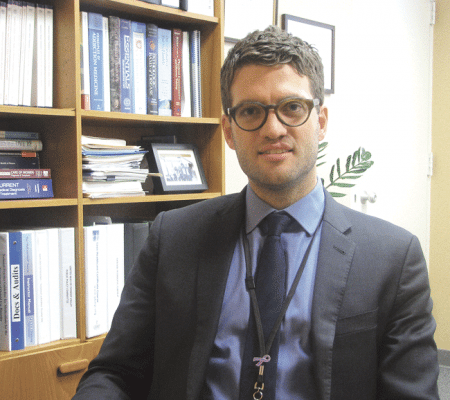
By BOB CUMMINGS

Bob Cummings

Bob Cummings

For many employers, their first challenge with the Affordable Care Act (ACA) may be compliance with the new reporting requirements.

Under the ACA, the Internal Revenue Code added IRS Section 6056, which requires ‘applicable large employers’ to file information returns with the IRS and provide statements to their full-time employees about the health-insurance coverage that the employer offered. Under the terms of the ACA, an applicable large employer generally means an employer that had 50 or more full-time employees (including full-time equivalent employees) in the preceding calendar year.

Last month, the IRS released IRS Notice 2016-4, which delays Sections 6055 and 6056 reporting for the 2015 reporting year. Forms 1095-B and 1095-C must now be distributed to employees by March 31, as opposed to the original due date of Feb. 1. If filing by paper, forms 1094-B, 1095-B, 1094-C, and 1095-C must be filed with the IRS by May 31 (changed from Feb. 29). If filing electronically, the forms are due to the IRS by June 30 (changed from March 31). The extended deadlines apply to all filers automatically. In summary, the deadline for distributing forms to employees has been extended two months, while the filing deadline with the IRS has been extended three months.

The original due dates were aligned so that individual taxpayers could use the information contained in the forms to file their individual tax returns. Specifically, the information is needed by individuals to help determine whether they were eligible for the premium tax credit or subject to the individual mandate. The IRS has granted this automatic extension due to the fact that insurers, self-insuring employers, and other providers of minimum essential coverage need additional time to adapt and implement systems and procedures to comply with the reporting requirement.

As a result of this delay, if individuals have not received the information by the time they file their individual tax return, they may rely upon other information received from employers or coverage providers when filing their returns. They need not amend their returns once they receive the forms, but they should keep them with their tax records.

The IRS reinforced that an employer should make a good-faith effort with reporting. If an employer does not comply with the extended deadlines, the employer could be subject to penalties. Applicable large employers must report whether an individual is covered by minimum essential health benefits coverage, and that an offer such was made to each full-time employee.

Applicable large employers will need to file IRS Form 1094-C, Transmittal of Employer-provided Health Insurance Offer and Coverage Information Returns, and IRS Form 1095-C, Employer-provided Health Insurance Offer and Coverage, to report the information required. These 1095-C forms are to be provided by Jan. 31 for the calendar year 2015 coverage periods. (The final versions of these forms will not available until February.)

What qualifies as an offer of ‘minimum essential health benefits coverage?’ Well, the IRS says it is an offer that satisfies all of the following criteria:

1. An offer of minimum essential coverage that provides minimum value and includes 10 minimum essential healthcare services: outpatient services, emergency services, hospitalization, maternity/newborn care, mental-health and substance-abuse services, prescription drugs, rehabilitation (for injuries, disabilities, or chronic conditions), lab services, preventive/wellness programs and chronic-disease management, and pediatric services;

2. The employee’s cost for employee-only coverage for each month does not exceed 9.5% of the mainland single federal poverty line divided by 12; and

3. An offer of minimum essential coverage is also made to the employee’s spouse and dependents (if any).

These new employer-health-benefits reporting forms and instructions look complicated even to benefits professionals, and they will require gathering quite a bit of information. For example, Form 1095-C is a form an employer is supposed to use to give employees the health-benefits information they need to fill out their own tax forms and insurance coverage applications, and to give the Internal Revenue Service, the Employee Benefits Security Administration, and the U.S. Department of Health and Human Services the information they need to detect individual taxpayers’ violations of the Patient Protection and Affordable Care Act (PPACA) rules.

An employer is also supposed to send the IRS a 1094-C summary form, or report, on the information provided in the 1095-C forms, along with copies of the 1095-Cs.

The IRS and other agencies are supposed to use the 1094-Cs, together with the 1095-Cs, to detect any problems with employer compliance with the PPACA employer mandate rules described in Internal Revenue Code Section 4980(H).

This is a major new compliance burden for employers, and the IRS and other federal agencies will most likely show some compassion initially for employers who are making a good-faith effort to comply with the rules.

Most benefits-compliance professionals believe the IRS will begin a major enforcement initiative by this May, because as many as 50,000 employer-benefit plans may be audited over the first two years for compliance. Employers should do everything possible to avoid compliance traps that could trigger an audit.

Among the compliance challenges is the requirement that employers must track full-time-equivalent employees. Basically an employer must track all of their part-time employees, even if those employees may likely not get the 1095-C forms. If a part-time employee becomes full-time at any point in the year, even for only a short period, then the employer has to provide the 1095-C form for that individual.

One of the major challenges confronting employers who will have to comply is the fact that so many are still relying on a paper-based benefits-administration system. It will be virtually impossible to do the tracking and the reporting without an automated benefits-administration system. This really spells the end of paper-based benefits administration for employers subject to these new tracking and reporting requirements.  Employers will have to adopt an online benefits-administration technology platform in order to perform both the tracking and reporting requirements under Section 6056.

The good news is that there are a number of outstanding benefits-technology solutions available for employers today. Forward-thinking benefits professionals are rapidly incorporating and delivering technology platforms across their client base.

The benefits business today is also a technology business. From ACA reporting to employee communications; benefits enrollment and administration to HRIS functionality like paid-time-off tracking or onboarding, an extensive array of software and employee services can be provided on one fully integrated platform. This means, as an employer’s benefits needs evolve, benefits professionals can provide added functionality, configurability, sophistication, and services.

Are you ready to navigate the new world of healthcare compliance and reporting? Ask your benefits consultant if they are ready to advise and assist you.

Bob Cummings is CEO and managing principal of Northampton-based American Benefits Group; (413) 727-7211.

Departments People on the Move

The Sisters of Providence Health System (SPHS) announced that three physicians have been named to expanded leadership roles for Mercy Behavioral Health Care and Providence Behavioral Health Hospital (PBHH) in Holyoke.
• Dr. Maria Russo-Appel, who has served as the chief medical officer of PBHH for the past year, has been appointed to the position of vice president of Mercy Behavioral Health Care. In this role, Russo-Appel will lead the psychiatric care and behavioral health service lines, including PBHH, for SPHS;
• Dr. Robert Roose, who has been serving as chief medical officer of Addiction Services of SPHS for the past the two and a half years, will have expanded responsibilities in a dual role as CMO/vice president of Addiction and Recovery Services, Mercy Behavioral Health Care, and will assume both medical and administrative leadership responsibilities for all addiction-treatment and recovery-service lines; and
• Dr. Gaurav Chawla, who has been serving as chief of Psychiatry, will assume the role of chief medical officer, Mercy Behavioral Health Care, and lead new SPHS initiatives in behavioral health, such as integration of behavioral health in both primary care and integration into population health management.

•••••

Partners for a Healthier Community (PHC) has confirmed Jessica Collins as its executive director. Collins is a nine-year veteran of the Springfield-based nonprofit, where she previously served as interim executive director and deputy director. She will be leading the institute’s expansion of services in research and evaluation, coalition building, and policy advocacy. “Communities of color, members of the LGBT community, and people with disabilities face significant disparities in health in our region,” Collins said. “Our mission is to address these inequities so that all people will have what they need to lead healthy lives.” PHC was recently awarded the contract to lead the Community Health Needs Assessment for the 10 regional hospitals in Western Mass. in collaboration with the Pioneer Valley Planning Commission and the Collaborative for Educational Services. “This assessment documents the existing health needs of each community and provides the data necessary to develop effective strategies to address health inequities,” Collins said. Added Rev. Karen Rucks, PHC’s board chair, “having a local public-health institute to serve Western Mass. is invaluable. The staff of Partners for a Healthier Community bring an understanding of the context and communities in our region to their services. They are committed to building capacity in our region to better understand how to use data and to collect and report on specific issues that are worthy of collective attention.” Prior to coming to PHC, Collins led community-based participatory research projects including the Shape Up Somerville program focused on the prevention of childhood obesity in Cambridge and Somerville. Other nationally recognized community-health initiatives led by Collins include efforts to address substance abuse and suicide prevention, as well as preschool oral health. In addition, Collins announced the hiring of Jessica Payne as senior research associate. Payne brings 25 years of experience in program development, evaluation, and needs assessment. She has extensive knowledge of regional communities and public-health initiatives, and collaborates with partners and informants of varied backgrounds relative to age, gender, socioeconomic status, race, ethnicity, occupation, and region. Since 1988, her company, Jessica Payne Consulting, has provided research and evaluation services in the healthcare, education, community-development, marketing, and culture and arts industries.

•••••

Jules Gaudreau, president of the Gaudreau Group in Wilbraham, was recently inducted as president of his industry’s national trade organization, the National Assoc. of Insurance and Financial Advisors (NAIFA). “It will be a great privilege and responsibility to lead an association of over 42,000 professionals who help American families achieve financial security,” Gaudreau said. “I look forward to advocating on their behalf in Washington and throughout the country as I have done for over 25 years here in Massachusetts.” One of the nation’s oldest and largest associations representing the interests of insurance professionals and financial advisors, NAIFA is the only organization that serves and represents insurance and financial advisors regardless of the products they sell or the focus of their practice. Members include insurance agents, financial advisors, multi-line agents, and health-insurance and employee-benefits specialists. NAIFA’s mission is to advocate for a positive legislative and regulatory environment, enhance business and professional skills, and promote the ethical conduct of its members.

Court Dockets Departments

The following is a compilation of recent lawsuits involving area businesses and organizations. These are strictly allegations that have yet to be proven in a court of law. Readers are advised to contact the parties listed, or the court, for more information concerning the individual claims.

CHICOPEE DISTRICT COURT

Jose Rodriguez v. Ruby Tuesday Inc.
Allegation: Non-payment of earned vacation time and lost wages: $20,840
Filed: 11/9/15

HAMPDEN SUPERIOR COURT

Jaime Serrano v. Karen Kupfer, M.D. and New England Surgical Group
Allegation: Medical malpractice:
$1 million
Filed: 10/21/15

Rebecka St. Peter v. Baystate Gas d/b/a Columbia Gas of MA
Allegation: Negligence causing personal injury: $31,500
Filed: 11/3/15

Schletter Inc. v. Bach Towing, James E. Lawrence, and Leonard Eremento
Allegation: Non-payment of services, labor, and materials: $100,000
Filed: 10/23/15

HAMPSHIRE SUPERIOR COURT

Energy Electric Co. Inc. v. James J. Welch and Co. Inc. and Cottage Square Apts., LP
Allegation: Non-payment of goods sold and delivered: $78,000
Filed: 11/9/15

Nadine Mazard v. Gengras Motors Inc.
Allegation: Breach of contract: $88,000
Filed: 11/25/15

NORTHAMPTON DISTRICT COURT

American Express Bank, FSB v. Joanne Puc and Bar-Tini
Allegations: Default on balances owed: $8,673.06
Filed: 12/9/15

American Zurich Insurance Co. v. Dependable Drywall Inc.
Allegations: Recover insurance premiums and account annexed: $13,928
Filed: 12/5/15

SPRINGFIELD DISTRICT COURT

Charles Greenhaus v. NER Investments, LLC
Allegation: Failure to pay severance: $25,000
Filed: 12/9/15

Jose Reyes v. City of Springfield
Allegation: Negligence in road maintenance causing vehicle damage: $3,433.14
Filed: 11/9/15

UWM Holdings Inc. v. Consolidated Waste Water Services, LLC
Allegation: Failure to pay for use of transfer station and disposal services: $12,241
Filed: 11/5/15

Minore’s Meats Inc. v. Mason Market, LLC
Allegation: Non-payment of goods sold and delivered: $10,146.93
Filed: 11/5/15

Daily News

WILBRAHAM — Jules Gaudreau, third-generation owner of the Gaudreau Group, was recently inducted as president of his industry’s national trade organization, the National Assoc. of Insurance and Financial Advisors (NAIFA).

“It will be a great privilege and responsibility to lead an association of over 42,000 professionals who help American families achieve financial security. I look forward to advocating on their behalf in Washington and throughout the country as I have done for over 25 years here in Massachusetts,” Gaudreau said.

Founded in 1890 as the National Assoc. of Life Underwriters, NAIFA is one of the nation’s oldest and largest associations representing the interests of insurance professionals and financial advisors across the U.S. NAIFA is the only organization that serves and represents insurance and financial advisors regardless of the products they sell or the focus of their practice. Members include insurance agents, financial advisors, multi-line agents, and health-insurance and employee-benefits specialists. NAIFA’s mission is to advocate for a positive legislative and regulatory environment, enhance business and professional skills, and promote the ethical conduct of its members.

The Gaudreau Group, launched in 1921, is one of the largest independently owned insurance agencies in the Northeast. This family-owned business was originally founded by Oscar Gaudreau, and today serves more than 6,000 families and businesses across 14 states with a broad range of insurance and financial products. A perpetual Super 60 Winner, it was recently honored with the Reader Raves award from the Republican as the region’s best insurance agency. The Gaudreau Group and its affiliated wealth-management firm, Gaudreau-Wealth New England, employs 30 professionals, including the next generation, Jules Gaudreau III.

Gaudreau is a member of the Million Dollar Round Table and a Top of the Table qualifier. He is also past president of both the state and local affiliates of NAIFA, and past president of Independent Insurance Agents of Hampden County and the Estate Planning Council of Hampden County.

Gaudreau has served as president of numerous community organizations, including the Wilbraham Rotary Club and the Wilbraham Nature and Cultural Center. He also chaired the annual scholarship campaign for the YMCA of Greater Springfield, and encourages his employees to serve on nonprofit boards as well.

“In my position, I am able to help individuals when they are most vulnerable, many times suffering a business or personal loss,” he said. “It is in our enlightened self-interest to make our area a better place to work and live.”

Architecture Sections

Purposeful Design

Kevin Rothschild-Shea

Kevin Rothschild-Shea at a residential project site.

Kevin Rothschild-Shea launched his architecture firm seven years ago, just as the economy was starting to sour. But, though a combination of diversity, flexibility, and a commitment to service, he has seen his business not only survive, but grow. It helps that he’s got a number of what he calls “socially responsible” jobs under his belt, as he has a passion for working with clients who serve people in need.

Kevin Rothschild-Shea has designed buildings for a wide variety of residential and commercial clients, but he takes particular pride in projects with a social benefit.

Take the child-care center his firm, Architecture EL, designed in Chicopee for the Valley Opportunity Council. “They’re very excited to see a new building replacing a very small, old, out-of-date structure,” he said of the partially state-funded project. “For us, it’s a nice little job, but for them, it’s a big project that’s been a long time coming.

“It involved creating a space that’s bright and clean — not just a room, but a room that creates an opportunity for learning and positive experiences,” he went on. “For some of these kids, it’s the nicest place they’ll get to go all day.”

He also cited the E. Henry Twiggs Estates, a 75-unit affordable-housing project in the Mason Square neighborhood of Springfield. The client, Home City Housing, is a “great organization with the goal of maintaining affordable housing for people in the area. That’s a really significant project that we’ll be drawing through the wintertime, and we hope to start construction in late spring or early summer.”

Meanwhile, “we did some work with the Community Survival Center in Indian Orchard — space planning, space analysis,” Rothschild-Shea explained. “They’re an organization that continues to grow and provides a great service to people in need. I feel fortunate I’ve been able to work with them.”

Rothschild-Shea uses the word ‘fortunate’ often, occasionally applying it to the success of his own company, which he launched in 2008, into the teeth of an economic meltdown, followed by a lengthy recession. But he says he’s happy to be very busy today.

“The economy is typical of Western Massachusetts — there seem to be hot spots,” he said. “I’ve been busy while other people have been slow, and I’ve been slow while I’ve seen others swamped. It’s hard to get a read on it. So maybe I should just keep working.”

That said, “we’ve been pretty fortunate. We’ve had a good variety of work and great clients, and we were fortunate to survive the recession, and not only survive, but we managed to grow,” he went on, noting that the company has expanded from a two-person operation in 2013 to five employees today, and recently moved into new offices that effectively doubled its physical space. “That’s a good sign of our growth and the work we have on our plate.”

Bold Beginnings

Rothschild-Shea has told the story of how he loved helping out around the house as a child, which inspired him to pursue a creative, hands-on career. After graduating from Roger Williams University in Rhode Island, he took a job with a small architecture firm for 18 years before deciding to strike out on his own. “I just jumped in feet first and said, ‘let’s get to work.’”

A rendering of the new Valley Opportunity Council early-education center in Chicopee.

A rendering of the new Valley Opportunity Council early-education center in Chicopee.

Architecure EL — the acronym stands for Environment Life — was built on the idea of direct design. It’s more common than ever, in fact, to partner with owners and contractors in the design and construction of a building, whereas, a decade ago, those elements were bid separately. “The construction-management type of partnership atmosphere is much more common than we saw in the past.”

Setting up shop in East Longmeadow, he said, many customers assume the EL is an acronym for the town, “but the reality is, we want to be environmentally friendly, energy-efficient, and design the best space we can that’s comfortable to work and live in.”

Meanwhile, the industry — reflected in both customer demands and Massachusetts codes — is increasingly making green-friendly building the standard, not the rule, he said. “The codes require pretty high-performing buildings as a baseline. But from there, we always want to do better.

“When we were starting out, our simple approach was to do good design that was responsive to our environment, sensitive to the world we live in, whether that means making homes energy-efficient or salvaging materials and recycling building products.”

That’s the ‘E’ in a nutshell. The ‘L’ stands for life, and is a more amorphous idea, but just as important. “That’s the whole experience — making a space comfortable, whether it’s your house or office or truck-repair center. The core is making it rewarding to work or live in that space.”

Rothschild-Shea has weathered varying economic climates, he said, by focusing on personal service — working closely with clients from design conception through construction and occupancy — but also on flexibility and diversity, taking on most any type of proposal.


Download a PDF chart of area architecture firms HERE


“We are pretty diverse for a small practice — everything from small studies and accessibility projects and single-family additions and renovations right on up to significantly scaled commercial and residential work,” he said.

For example, this past year saw the completion of Marcotte Ford’s commercial truck center in Holyoke, a 17,000-square-foot, 160-bay facility unlike any in Western Mass., he noted. “It can handle pretty much any vehicle — a lot of municipal and police work, SWAT vehicles, ambulances, right on up to big transport vehicles like retirement homes have.”

As part of the Ford’s ‘landmark design’ program, Rothschild-Shea’s firm will also handle Marcotte’s next job, which is giving its main showroom a facelift, expanding some office space, and completely renovating the service center.

“We’re also continuing to do small office improvements for the Insurance Center of New England,” he noted. “We worked with their Agawam branch a year or so ago, and now we’re doing some improvements at an office in Gardner.”

A rendering of one of the affordable-housing units

A rendering of one of the affordable-housing units at the E. Henry Twiggs Estates, a Springfield project set to begin construction in 2016.

Architecture EL also designed Hatfield’s town offices, with an opportunity to bid on additional work coming up in the next year or two. The firm designs plenty of residential work as well, including a recent project on the Connecticut River for a retired couple, replacing a small cottage.

Whatever the job, Rothschild-Shea said, “the core of it is good service. Being small, we’re able to be responsive and efficient and more economical with our time than perhaps a larger company.”

Problem Solver

When asked what drives him the most, Rothschild-Shea paused for a moment before answering simply, “the problem solving.”

“For me, whether I’m designing a house or a service center, success lies in coming up with solutions — whether it’s creating an economical space, or one that’s energy-efficient, creative, comfortable, whatever. It’s taking the physical constraints and the site constraints and massaging that into a successful solution.

“That’s the core of what we do,” he went on. “All the imagery and design and final product are byproducts of solving a problem. That’s the core of good service — understanding the problem and solving it in a creative architectural fashion.”

It’s easier to focus that passion on each job now that the economy has improved, the construction industry is warming up, and architects are focused on more than survival.

“We’re seeing some great municipal work happening recently — maybe not as many schools as before, but there’s a fair amount of public work out there,” he said. “The economy seems to be strong and moving, and we’re looking forward to more of that socially responsible work we’ve been fortunate enough to do. We’re certainly looking forward to expanding on that, whether it’s affordable housing or things like the Survival Center.”

Meanwhile, phase two of the Twiggs project is coming online as well — just one more opportunity for Rothschild-Shea to do well for clients that are doing good.

“I’m fortunate I get to jump on board with these organizations that existed long before I did, and help support their missions,” he told BusinessWest. “There are still a lot of gaps in the economy, and so many people continue to struggle, and it’s nice to help fill in those gaps.”

After all, “people have to live and work in what we draw,” he went on. “So it’s a responsibility on a lot of levels; it’s not just a contract, per se. It is a nice feeling, like we’re making a difference.”

Joseph Bednar can be reached at [email protected]

Building Permits Departments

The following building permits were issued during the month of December 2015.

AMHERST

78 Old Sunderland Road, LLP
78 Old Sunderland Road
$2,500 — Repair front of building

Claudette Beaudreau
534 Main St.
$17,000 — Remove and replace shingles

Railroad Street Partners, LLC
55 N. Pleasant St.
$13,000 — New roof

Slobody Development Corporation
101 University Dr. Suite B6
$130,000 — Office alteration

Vestry of Grace Church
14-18 Boltwood Ave.
$14,000 — Repair lightening damage to chimney

CHICOPEE

CDB Realty, LLC
49 Dwight St.
$20,500 — Remove and re-lay brick veneer

Petros Mirisis
456 Front St.
$69,000 — Renovations to convert space to an ice cream shop

Tunstall Corporation
118 Exchange St.
$13,000 — Strip and re-roof

HADLEY

Andre Laflamme
75 River Dr.
$20,000 — 20’ x 62’ addition to existing building

F.L. Roberts, Inc.
456 Russell St.
$58,000 — New one story addition to rear of building

Town of Hadley
100 Middle St.
$100,000 — New roof

LUDLOW

Burger King
419 Center St.
$115,000 — Commercial alterations

Colvest Wilbraham, LLC
450 Center St.
$264,000 — New construction

DPW
198 Sportsmen Road
$685,000 — Roof replacement

Steve McDaniel
534 Center St.
$4,500 — Re-shingle roof

NORTHAMPTON

Coolidge Northampton, LLC
241 King St.
$55,000 — Convert one unit into two spaces

Smith College
Mendenhall Center
$92,000 — Renovation to women’s faculty locker rooms

Smith College
49 College Lane
$93,000 —  Rebuild the deck at the Conference Center

Smith College
25 Henshaw Ave.
$140,000 — Renovate lobby, classroom, corridor at Capen House Annex

PALMER

J. Stolar Insurance Agency
2001 Calkins Road
$110,000 — Renovate office space

Roger Parker
89 State St.
$32,000 — Re-frame and re-roof building

SBA Network Services
Wilbraham Street
$15,000 — New antenna

Collins Crochiere Construction Services, LLC
1010 Thorndike St.
$243,000 — Office renovation

SPRINGFIELD

CBRE New England
1355 Liberty St.
$575,000 — New roof

Falvey Linen Supply
100 Brookdale Sr.
$30,000 — Interior demo for future build out

Liberty Medical Building
125 Liberty St.
$42,000 — Renovations for a medical office

WEST SPRINGFIELD

Fathers & Sons Audi
434 Memorial Ave.
$5,827,000 — Two-story automotive and sales facility

Normandeau Realty
41 Hayes Ave.
$25,500 — Re-roof

Departments People on the Move
Christopher Casale

Christopher Casale

Chicopee Savings Bank recently welcomed Christopher Casale to its Financial Services Center as an investment services sales associate. Casale has been advising clients on investments and insurance as a registered representative for more than 30 years. In 1982, he started his career with E.F. Hutton & Co. and most recently worked at United Bank, where he served as a personal banker and assistant vice president of investments. Casale has earned his Series 7, 63, and Investment Advisor Representative designation through LPL Financial as well as his license in life, accident, and health insurance. He graduated in 1982 from American International College with a bachelor’s degree in business administration.

•••••

John O’Rourke III has been appointed to the position of controller at Bay Path University. O’Rourke will work closely with Vice President for Finance and Administrative Services Michael Giampietro and the staff of the university’s Business Office to account for and manage its financial assets. His responsibilities include overseeing payroll, accounting, receivables and payables, grant accounting and compliance, and the Bursar’s Office. “John O’Rourke is highly skilled in financial analysis, auditing, and strategic planning,” Giampietro said. “We are excited to have him join the university staff.” O’Rourke brings to the university more than 15 years of experience in finance and accounting. Prior to joining the Bay Path staff, he served as comptroller for Holyoke Community College, and has additional experience as an investment accountant for MassMutual Financial Group and staff accountant for Lester Halpern & Co. He holds a master’s degree in business administration from UMass Amherst.

•••••

The Gray House recently inducted five new board members to three-year terms.
• Jan Rodriguez Denney is director of Elder Affairs for the city of Springfield. She holds a bachelor’s degree in early childhood education from UMass and a master’s degree in human resources development from American International College. She serves on the board of Partners for a Healthier Community, Springfield Food Policy Council, Regional Employment Board, YWCA, Incorporated Emerson Wright Foundation, Greater Senior Services Inc., and Springfield College Board.
• Sean Ditto is a project executive with Consigli Construction Co. in Hartford, Conn. He has a bachelor’s degree in civil engineering from Norwich University.
• Karen Garcia is a family specialist with the New England Farm Workers Council. She works with the homeless to help them address their issues so they are able to sustain affordable housing.
• Sr. Catherine Homrok is one of the founders of the Gray House. She entered the Sisters of St. Joseph in 1959 after graduation from St. Jerome High School in Holyoke. She received her bachelor’s degree from Elms College and her master’s degree from Emerson College. Currently, she serves the Roman Catholic Diocese of Springfield as its director of Pastoral Ministries.
• Tina-Marie Quagliato is director of disaster recovery and compliance for the city of Springfield. She has been employed by the city for almost 11 years, with varying roles in housing, community development, and neighborhood stabilization. She is on the board of trustees for the Martin Luther King Jr. Charter School of Excellence in Springfield and the board of directors for the United Way of Pioneer Valley, Emergency Food and Shelter Program. She has volunteered with Keep Springfield Beautiful, Habitat for Humanity, Open Pantry, and the Mattoon Street Arts Festival.
The Gray House is a small, neighborhood human-service agency located at 22 Sheldon St. in the North End of Springfield. Its mission is to help neighbors facing hardships to meet their immediate and transitional needs by providing food, clothing, and educational services in a safe, positive environment. For more information, visit www.grayhouse.org.

•••••

Corina Belle-Isle has joined Gage-Wiley & Co. Inc. in a dual role, serving as a financial advisor and also holding a new position the investment firm recently created: director of business development. In her leadership position, Belle-Isle will work with President Christopher Milne to set firm and wide objectives and identify methods to reach these goals. She also will have a responsibility to develop, coordinate, and implement plans designed to increase existing business and capture new opportunities. “Creating this new leadership position represents one more incremental step in our long-term goal of advancing Gage-Wiley as a comprehensive boutique wealth-management firm mand ensuring we are well-positioned to support the growing and complex needs of our clients,” Milne said. Belle-Isle’s varied background includes experience in financial services, real estate, corporate sales and marketing, small-business ownership, and nonprofit development. Rounding out her business knowledge and experience are her creative pursuits; last year, she served as the principal and curator of the Quinn Marin Gallery Project in Rockport. “The common thread among all her experiences is a demonstrated success in business development and building strong relationships,” Milne said.

•••••

Berkshire Bank announced that Kathryn Dube has joined the bank as first vice president and wealth business development leader. Dube brings more than 30 years of banking and financial-management experience to her new role. She has held progressively responsible positions in retail banking and wealth management in the Western Mass. and Connecticut markets. Prior to joining Berkshire Bank, she served as senior vice president of private banking at TD Bank, where she was responsible for sales of wealth products and services and generating new assets. She served as senior vice president, regional retail market manager for TD Bank as well, managing a network of 35 stores and $2 billion in deposits. Dube holds Series 7 and 66 FINRA licenses. She attended the University of Connecticut, New England College of Finance, and Bryant College. Involved in numerous community endeavors, she is the current chair of the United Way Women’s Leadership Council in the Pioneer Valley, a member of the organization’s board of directors, and co-chair of the Endowment Committee for the United Way. Having previously served as chair and vice chair for the United Way of Pioneer Valley, she was selected as the organization’s Volunteer of the Year in 2014.

•••••

Phillips Insurance Agency Inc. announced that account executive Sam Fortsch has earned the prestigious accredited adviser in insurance (AAI) designation. This degree was earned after he successfully completed the Liberty Mutual Commercial Lines Producers School, an intensive, six-month training program that included multiple classes and nine exams. Fortsch joined Phillips Insurance in July 2014 after four years of active-duty service in the U.S. Army. He left the Army as a captain after two tours of duty in Afghanistan with the 101st Airborne. He holds a bachelor’s degree from UMass. Fortsch has developed a strong expertise in the energy, automotive, technology, and craft-brewing industries in a short time, said Joseph Phillips, president of Phillips Insurance. “The same level of commitment that he brought to serving his country, he has brought to serving his clients.” Fortsch is servicing existing clients and cultivating new business opportunities throughout New England. Phillips Insurance Agency, established in 1953, is a full-service risk-management firm with a staff of 23 professionals. The agency handles the personal and commercial insurance needs for thousands of individuals and businesses throughout New England.

•••••

Richard Venne, president and CEO of Community Enterprises Inc., announced the appointment of Gary Daniele as director of Greenfield Community Employment and Training Programs. He is responsible for the effective management of all aspects of employment and training services in Greenfield, and will implement the organization’s mission and values by supporting individuals to make positive changes in their lives. Daniele was previously employed by the state of Oregon as a branch manager for vocational rehabilitation. He has more than 25 years of experience in employment, vocational, and residential supports for individuals with disabilities, and was awarded the Department of Human Services Director’s Excellence Award in 2014. He received his bachelor’s degree in psychology from Roger Williams University. Community Enterprises is a human-service organization that provides employment, education, housing supports, and day supports for people with disabilities. Headquartered in Northampton, it maintains 27 service locations throughout Massachusetts, Connecticut, New York, Oklahoma, Rhode Island, and Kentucky. The Massachusetts offices include Springfield, Holyoke, Pittsfield, Greenfield, Worcester, Salem, Gloucester, and Somerville. The nonprofit organization, which started as a small program at Northampton State Hospital, has grown to a $22.5 million business.

•••••

Yvonne Diaz

Yvonne Diaz

Ramon Financial Services announced that Yvonne Diaz is joining the company as a benefits consultant. She will design and service employee-benefit programs for new and existing clients. Diaz brings 16 years of industry experience, including 10 years as an account executive at Health New England. She received her bachelor’s degree in liberal studies from Bay Path College and is currently a member of Leadership Pioneer Valley’s Class of 2016.

•••••

AFC Doctors Express announced the appointment of Dr. Vincent Meoli as regional medical director. With 10 years of experience, Meoli will be responsible for developing clinical guidelines for treatment of patients, assisting in recruitment of new medical staff, coordinating patient care with administrators and medical assistants, and developing ongoing teaching programs for all medical staff. “I am thrilled to join AFC Doctors Express as the new regional medical director,” Meoli said. “I have seen the company develop over the past few years as a leading healthcare resource, and I am excited to bring my passion for patient-oriented healthcare to this emerging source of collaborative medicine.” Meoli completed his emergency-medicine residency program at Albert Einstein College of Medicine in 2006 and received his doctor of medicine degree from Boston University School of Medicine in 2002. He is an active member in the American College of Emergency Physicians, an organization that works to promote high-quality emergency care and continuing-education opportunities. Meoli is also involved in the American Academy of Emergency Medicine, a program that promotes access to superior emergency care by emergency-care specialists. “Our mission is to deliver high-quality healthcare and provide an exceptional experience for patients who are sick, injured, or who just need to see a doctor,” said Rick Crews, president of Medvest, LLC. “After a long search, we have found the best candidate that not only shares in our dedication to patients, but is also talented.”

Daily News

SPRINGFIELD — Dress for Success of Western Massachusetts is receiving national recognition with the help of the Westfield News Group, LLC, which collected more than 200 pairs of shoes as part of Dress for Success’ #GivingShoesDay event. The collection earned Dress for Success of Western Massachusetts the number-two spot in the world for donations from a single donor, and eighth in the country for total donations that day.

The event was part of a national movement to “shoe their best” as the nonprofit organization once again turned #GivingTuesday into #GivingShoesDay on Dec. 1. For the fourth year in a row, #GivingShoesDay encouraged women to donate their professional shoes to one of more than 140 Dress for Success affiliates across the world, including Dress for Success of Western Massachusetts.

In addition to Westfield News, participating companies in Western Mass. included Insurance Center of New England, Renaissance, BusinessWest, MassLive, Printing Solutions, the Springfield Central Cultural District, the O’Connell Companies, and Eastfield Mall.

Daily News

WILBRAHAM — Jules Gaudreau, president of the Gaudreau Group in Wilbraham, was recently inducted as president of his industry’s national trade organization, the National Assoc. of Insurance and Financial Advisors (NAIFA).

“It will be a great privilege and responsibility to lead an association of over 42,000 professionals who help American families achieve financial security,” Gaudreau said. “I look forward to advocating on their behalf in Washington and throughout the country as I have done for over 25 years here in Massachusetts.”

One of the nation’s oldest and largest associations representing the interests of insurance professionals and financial advisors, NAIFA is the only organization that serves and represents insurance and financial advisors regardless of the products they sell or the focus of their practice. Members include insurance agents, financial advisors, multi-line agents, and health-insurance and employee-benefits specialists. NAIFA’s mission is to advocate for a positive legislative and regulatory environment, enhance business and professional skills, and promote the ethical conduct of its members.

The Gaudreau Group, founded in 1921, is one of the largest independently owned insurance agencies in the Northeast, serving more than 6,000 families and businesses across 14 states with a broad range of insurance and financial products. A perpetual Super 60 winner, it was recently honored in the Reader Raves awards from the Republican as the region’s best insurance agency. The Gaudreau Group and its affiliated wealth-management firm, Gaudreau-Wealth New England, employs 30 professionals.

“In my position, I am able to help individuals when they are most vulnerable, many times suffering a business or personal loss,” Gaudreau said. “It is in our enlightened self-interest to make our area a better place to work and live.”

Daily News

CHICOPEE — Chicopee Savings Bank recently welcomed Christopher Casale to its Financial Services Center as an investment services sales associate.

Casale has been advising clients on investments and insurance as a registered representative for more than 30 years. In 1982, he started his career with E.F. Hutton & Co. and most recently worked at United Bank, where he served as a personal banker and assistant vice president of investments.

Casale has earned his Series 7, 63, and Investment Advisor Representative designation through LPL Financial as well as his license in life, accident, and health insurance. He graduated in 1982 from American International College with a bachelor’s degree in business administration.

Law Sections

The Ultimate Role Reversal

By HYMAN G. DARLING, Esq.

Hyman G. Darling

Hyman G. Darling

One of the most challenging aspects of aging can be the role reversal that often occurs as aging parents need care from their adult children.

This dynamic can be very unsettling for all involved; it is difficult for some parents to admit they need help, and then to accept that help, and it is difficult for some children to provide the care and support an elderly parent may require. Where possible, it is always best to address these situations as a family group, and as far in advance as possible.

If you see a situation arising in which your parent will need care, you should begin planning to assess their needs and wants. If a parent has multiple children, this planning should include them all. Sadly, siblings often perceive each other as taking advantage of parents for financial gain. Even more sadly, some children do indeed take financial advantage of elders. A family group working together can benefit both parents and children, with the hope that the joys and hardships of caring for parents will be shared between siblings.

Seeking Help

It is often a good idea to enlist the services of a geriatric care manager. These professionals generally possess a wealth of information about available services and programs, and can provide support to elders and children alike. A care manager can also assist with admission to an assisted-living or nursing facility, if and when that becomes necessary. They will have ideas and strategies to share about every aspect of elder care, from financial considerations to mental health resources; from medication management to respite for caregivers.

The plan must focus on parents’ needs. These will almost always include transportation, medical care, dietary needs, hygiene, assistance with finances or record keeping, and household duties. The plan should also include possible avenues to recognize and adapt to parents’ changing needs, because medical issues may increase, and additional services may become required. Some ideas or services that families find helpful include adult day-care facilities, permanent or temporary institutionalization, or perhaps even moving parents between siblings.

The needs of parents, however, are not the only consideration. Children caring for aging parents may become depressed or overwhelmed, so any well-thought-out care plan must also include support for caregivers.

These caregivers often need counseling, particularly those caring for a parent with dementia, which comes with its own unique set of demands and challenges. There are many counselors and support groups that can help caregivers realize they are not alone, help to deal with ongoing or changing issues at home, and preserve their own mental and physical health. Additionally, paid home care may be a good supplement to care from family members, when the primary caregivers need respite.

Financial Matters

Financial planning is also a crucially important part of the considerations. Often, caregiver children may need to use the Family Medical Leave Act to take a leave of absence from employment. Some may even stop working in order to stay home and provide care for the aging parent. The family may wish to meet with an attorney and draw up a written agreement where parents will financially compensate children for care. These ‘parental-care agreements’ can be an important tool to use when an elder is staying at home.

Finally, be ready to recognize that in-home care from children may not be possible or appropriate for every family. In some cases, it is simply not possible to avoid a nursing home. This may be due to financial considerations, extensive care needs that a child cannot provide, or some combination thereof. Institutionalization in a nursing home is generally quite expensive, and can cost upwards of $10,000 per month in some cases.

It is heartbreaking to realize that a lifetime of savings may be wiped out by long-term-care expenses. There are, however, strategies that families may use to cope with the expense.

Faced with a health crisis and the possibility of nursing-home care, many families are tempted to transfer money from parents to children as soon as illness strikes. Such a transfer is not an effective way of securing family assets. In many cases, any transfer of funds from the elder will commence a five-year waiting period for federal and/or state long-term-care benefits. With very rare exceptions, this five-year waiting period applies to all elders who have made a transfer, regardless of the value of the gift or the intention behind it.

Long-term-care insurance is becoming more and more appealing as a means to protect assets in the event of institutionalization. Generally, this insurance may be used to cover or defer the cost of a nursing-home, or even to pay for in-home care. Some insurance companies may even combine life insurance, annuity, and long-term-care benefits within a single policy.

Those considering purchasing a long-term-care insurance policy should consider all the risks and benefits. Those will be determined by income, ability to pay premiums, and the value of other assets that the family wishes to preserve. The need for long-term-care insurance has become so prevalent that it should likely be considered a ‘required’ policy, similar to life, homeowner’s, and disability insurance. It is very important to have a trusted agent review elders’ financial situation carefully to ensure the proper amount of insurance coverage is purchased. A policy with at least five years of coverage may make it possible for elders to gift away some assets upon entering a nursing home.

Their care would then be covered by the insurance policy for the next five years, and upon termination of that insurance coverage, the elders will then potentially qualify for Medicaid. This type of planning must be done very carefully, preferably with the advice of a trusted elder-law attorney possessing specific knowledge and experience.

Plan Ahead

If you foresee a situation arising in which your parent will need your care, begin planning as soon as possible to assess the needs of all parties, hopefully before a crisis demands immediate action. This will bring peace of mind to you and your parents, and will assure the best possible chance of successful planning, health, and happiness for parents and children alike.

Attorney Hyman Darling is chair of Bacon Wilson’s Estate Planning and Elder Law departments. His areas of expertise include all areas of estate planning, probate, and elder law. He is a frequent lecturer on various estate-planning and elder-law topics at the local and national levels; (413) 781-0560; [email protected]

Business of Aging Sections

Practicing What They Preach

Employees engage in unexpected ‘stress wellness breaks

Employees engage in unexpected ‘stress wellness breaks’ in which they are told to stretch, take a short walk, do push-ups, or engage in other physical activities for a few minutes.

On June 1, Karen Drudi completed her first five-kilometer run.

It was her 55th birthday, and she took third place in her age group. “I call it my marathon, and I have the medal I won hanging on a doorknob at home,” said the executive assistant at Dowd Insurance Agency in Holyoke.

Drudi is proud of her accomplishment, and knows that running a 5K is something she probably would never have attempted on her own. But thanks to the Dowd Wellness Program, which kicked off at the beginning of the year for employees in the company’s main branch and all its satellite offices, she was motivated to take up the sport.

The program was created to inspire people to eat a healthy and well-balanced diet, exercise on a regular basis, and engage in stress-reducing activities. It has had a marked effect on participants, and led employee Cathy Sypek to start a ‘Couch to 5K’ running group to share her love of the sport, which Drudi and other non-runners joined, meeting after work to train at the nearby Ashley Reservoir.

“I had tried running in the past, but had never been successful. So I thought that, whether I completed it or not, it would still be a challenge,” Drudi said. “We started in April, and within a few weeks, I felt it was something I could achieve. There was a lot of camaraderie, and whenever someone lagged behind, the rest of the group encouraged them to keep going. And since Dowd’s program began, other people have tried things like yoga or lifting weights. It’s motivating when we get together and hear about the success of other people.”

Catherine Palazzo, the company’s Human Resources director, conceptualized the idea for the Dowd Wellness Program after listening to representatives from other companies talk about wellness initiatives during a group meeting.

“When I returned, I did some research on wellness programs and found they were good for overall morale, health, and team building,” she said, adding that she presented the concept to President and CEO John Dowd Jr., who approved it wholeheartedly.

Which means that the company now follows the advice it gives others.

“We tell our commercial clients to try to implement an atmosphere in their workplace that inspires employees to be safe and stay healthy; it results in greater productivity and fewer sick days, and is also beneficial as it shows employees the company cares about their people,” said Dowd. “So I thought that, if we are going to preach it, we needed to practice it.”

Palazzo began designing the program with help from fellow employee Lynn Ann Houle, and asked people to volunteer for a wellness committee.

“The intent of the program is to support the overall health improvement and morale of our employee population,” Palazzo said, explaining that programs and activities have been designed to raise awareness about health and nutrition and increase overall physical activity levels, with recognition and incentives awarded on a regular basis.

For this issue, BusinessWest talked with employees at Dowd about how they created this program, and why they believe it is a blueprint for other companies to follow.

Changes in Behavior

The wellness program, which kicked off in February, features a number of components, including a weekly online questionnaire. Employees who reply earn points for positive responses to a series of health-related questions. They are asked about their food choices, whether they consumed eight glasses of water each day, and if they have engaged in the listed exercises, which range from doing an hour of cardiovascular activity during the week to lifting weights, running, or doing yoga.

Every few months, the activities on the list are changed  — with advance notice — to inspire people to try new sports such as kayaking or hiking.

Points are tabulated, and prizes are awarded at a monthly luncheon, where people’s birthdays, anniversaries with the company, and other milestones, such as exceeding sales goals, are also recognized.

At that time, the grand-prize winner receives a gift certificate to a sporting-goods store, and second- and third-place winners choose from an array of exercise-related items, such as yoga mats, cookbooks, and videos.

In addition, food in the company snack bar has been changed; unhealthy items have been replaced with fresh fruit and other nutritious offerings. Free fruit is also put out once a week at lunchtime, and Houle announces unexpected ‘stress wellness breaks,’ in which employees are told to stretch, take a short walk, or do other physical exercises.

There are also periodic activities that allow participants to earn bonus points. In July, Houle planned a golf outing, and employees from different offices played 18 holes of pitch and putt at Annie’s Driving Range in Chicopee. She brought a fruit salad in a watermelon, as well as healthy beverages. “We all had a blast,” she said.

The following month, her goal was to “bring out the inner child” in each member of the staff, which led to the creation of Dowd Field Day.

More than a dozen people gathered outside the Holyoke office and played ladder ball and hopscotch, took part in a hula-hoop contest and a sidewalk-chalk art competition, then enjoyed healthy snacks prepared by committee members who used Weight Watchers recipes.

Houle said the event was truly enjoyable. “There is nothing better than laughter and a smiling face. It makes you feel good about yourself and is projected in your outward demeanor.”

This is what organizers had in mind when the program was launched at the annual company meeting. On that occasion, Dowd talked to the employees about why it was being implemented.

“I told them the firm is concerned about each person’s well-being, and we wanted them to take steps to improve their health,” he recalled. “We challenged them to begin an exercise regimen and to eat healthy foods, and told them, if the opportunity came up to participate in a walk for charity or something similar, to do it. Good health is achievable with exercise and proper diet and results in positive benefits.”

Each employee received a kick-off goody bag, with information on how to log their food intake and activity on myfitnesspal.com, as well as a stress ball, a healthy snack, bottled water, and other health and fitness items. In addition, everyone has been encouraged to complete Health New England’s annual online health survey.

Palazzo said participation has steadily increased since the program began, and enthusiasm continues to grow. To that end, the agency subsidizes gym memberships, and committee members share articles, healthy recipes, and information on physical activity and exercises that people can do at home.

Healthy Outlook

Houle is chair of the program and plays an active role in keeping people motivated. She told BusinessWest that she speaks to employees about how they are doing and sends periodic upbeat e-mails to keep everyone encouraged.

Houle lost 40 pounds on Weight Watchers two years ago, and said it enhanced her self-esteem. “It made me passionate about feeling good and being happy,” she said, adding that, as a result, she loves playing a leading role in the program because she wants others to feel equally good. “The people who choose to participate in this really enjoy it.”

Carol Andruss has lost eight pounds since the Dowd Wellness Program began by making small lifestyle changes, and said participating employees have lost more than 100 pounds overall, an estimate garnered through conversations in the office and at the monthly meeting and extracurricular events.

“I’m trying to watch what I eat and have been walking a few times a week, which is more than what I was doing before this started,” she said.

But it hasn’t been difficult, because she joined the committee and is responsible for stocking the office snack bar.

“I buy things like trail mix, low-fat pretzels, and popcorn,” she said. “And I pick up fresh fruit or fresh vegetables and hummus once a month for everyone to enjoy in the afternoon. I volunteered to do this because I wanted to raise awareness about healthy eating and become more involved at the office.”

Sypek, meanwhile, is a dedicated runner, and was so inspired by the program, and the fact that many employees began walking together as a group at lunchtime, that she decided to start the ‘Couch to 5K’ running program.

“I announced it in all of our offices,” she said, adding that the program has a set agenda — with intervals of walking, followed by running, then walking again — until the person can run three miles non-stop, which equates roughly to five kilometers.

Much to her delight, five non-runners decided to join. “We met five days a week for 30 to 45 minutes after work,” she said, explaining that each runner chose a 5K run they wanted to complete, and everyone has met their goal. “I love running, and this has given me a true sense of satisfaction. Many people think they can’t run, but they can, if they go at their own pace.”

Long-term Benefits

Employees who have chosen to take part in the Dowd Wellness program say it has been extremely beneficial and has resulted in positive life changes.

For example, Debbie MacNeal joined Sypek’s running group, which was a new activity for her. “I completed the Taste of the Valley 5K Run in West Springfield,” she told BusinessWest. “I’m pretty active and go to the gym a lot, but the 5K is something I would never have done on my own. It felt great to finish, and I am still running.”

Andruss is more conscientious about her food choices, and says walking with a group of people at lunchtime is motivating. “It has been proven that people are more inclined to exercise if they have someone to do it with.”

The weekly online survey has made Sypek more conscientious about the amount of water she drinks and whether she is consuming her fair share of vegetables.

“This program is great. Everyone needs to be reminded from time to time about things they can do to improve their health,” she said.

Dowd is satisfied with the results and plans to keep the program going. “A lot of people are participating, which is exactly what we hoped for. There is strength in numbers; it’s very positive, and the enthusiasm it has generated has been contagious. Plus, it’s important to practice what we preach,” he reiterated.

Palazzo is also pleased. “I’m happy there has been so much interest in our wellness program. It has really taken off and is good for employee morale and team building,” she said.

Houle agreed. “It has great benefits and shows that management cares about our overall well-being. They are willing to assist us by thinking outside of the box.”

Daily News

BOSTON — The New England Information Office of the U.S. Bureau of Labor Statistics has released regional data on employer costs for employee compensation (ECEC) for September. ECEC data are based on the National Compensation Survey, which measures employer costs for wages, salaries, and employee benefits. Among the highlights:

  • Total compensation costs among private-industry employers in New England averaged $37.64 per hour worked in September. Wages and salaries accounted for 70.5% of total compensation costs (or $26.54 per hour), while benefits accounted for 29.5% of costs (or $11.10 per hour).
  • Total benefit costs to employers within the New England division mainly comprised the following categories: insurance (including life, health, short- and long-term disability insurance), $2.99 per hour worked; legally required benefits (including Social Security and Medicare), $2.87 per hour; and paid leave (including vacation, holiday, sick, and personal leave), $2.73 per hour. Retirement and savings added another $1.48 per hour to the total benefits cost in New England.
  • In the U.S., compensation costs among private-industry employers averaged $31.53 per hour worked in September. Wages and salaries, at $21.98 per hour, accounted for 69.7% of these costs, while benefits, at $9.55, made up the remaining 30.3%.
Daily News

CHICOPEE — Phillips Insurance Agency Inc. announced that account executive Sam Fortsch has earned the prestigious accredited adviser in insurance (AAI) designation. This degree was earned after he successfully completed the Liberty Mutual Commercial Lines Producers School, an intensive, six-month training program that included multiple classes and nine exams.

Fortsch joined Phillips Insurance in July 2014 after four years of active-duty service in the U.S. Army. He left the Army as a captain after two tours of duty in Afghanistan with the 101st Airborne. He holds a bachelor’s degree from UMass.

Fortsch has developed a strong expertise in the energy, automotive, technology, and craft-brewing industries in a short time, said Joseph Phillips, president of Phillips Insurance. “The same level of commitment that he brought to serving his country, he has brought to serving his clients.”

Fortsch is servicing existing clients and cultivating new business opportunities throughout New England.

Phillips Insurance Agency, established in 1953, is a full-service risk-management firm with a staff of 23 professionals. The agency handles the personal and commercial insurance needs for thousands of individuals and businesses throughout New England.

Company Notebook Departments

STCC, United Way Open Financial Success Center

SPRINGFIELD — Springfield Technical Community College (STCC) opened Springfield’s first Thrive Financial Success Center on Dec. 3, with a ceremony in the President’s Conference Room in Garvey Hall. Thrive is a collaborative effort between United Way of Pioneer Valley and STCC to provide financial education and support services to students and community residents. It is supported by PeoplesBank, MassMutual, the Irene E. and George A. Davis Foundation, the United Way of Pioneer Valley, and the STCC Foundation. “After the success of the Thrive Financial Success Centers at Holyoke Community College and in downtown Holyoke, we are thrilled to open a third Thrive Center at Springfield Technical Community College,” said United Way of Pioneer Valley President and CEO Dora Robinson. “At the United Way of Pioneer Valley, we believe basic financial literacy should be a key aspect of everyone’s education. No career goal or life’s ambition should be hindered because a person doesn’t know how to balance their checkbook or maintain a good credit rating.” Thrive @ STCC anticipates it will serve 400 individuals in its first year of operation. Program offerings include confidential benefits screening and enrollment, a money-skills class, individual financial coaching sessions, free income-tax prepatration through the Volunteer Income Tax Assistance (VITA) program, links to workforce-development and training workshops, and LifeBridge, MassMutual’s free life-insurance program. Thrive Centers currently operate in partnership with the United Way at Holyoke Community College and at the Picknelly Adult and Family Education Center in downtown Holyoke. “Building financial awareness and planning skills is essential to our students’ and our community’s economic prosperity,” said STCC President Ira Rubenzahl. “Many of our students are overburdened with outside financial struggles. Coupling career guidance with access to financial coaching will assist Thrive participants to make informed decisions that will make their lives easier, allow them to remain focused on their studies, and prepare them for future employment.”

Berkshire Bank Launches ‘Season of Giving’ Effort

PITTSFIELD — Berkshire Bank has launched its fourth annual “Season of Giving” campaign, which runs through the end of the holiday season. Through the campaign, bank employees will complete a variety of community-service projects throughout cities and towns that Berkshire Bank serves. Berkshire Bank employees are also inviting the public to join with them to support local children and families in need during this holiday season to further expand the collective impact. More than 200 Berkshire Bank employees will participate in the effort, with all of the service projects benefiting nonprofit organizations and families across Massachusetts, New York, Connecticut, and Vermont. In addition to these local efforts, Berkshire Bank has teamed up with the American Red Cross to participate in their annual Mail for Heroes program, through which bank employees will send holiday cards to service men, women, and veterans who cannot be with their families during the holidays. In the Pioneer Valley, all Berkshire Bank branches and Berkshire Insurance Group offices have teamed up with the state Department of Children & Families to collect gifts for local families in need. Donations are being accepted at any Berkshire Bank location in Hampden, Hampshire, and Franklin counties. The public is invited to stop by their local office to see which items are needed from the ‘giving tree.’ Bank employees will also volunteer their time with a variety of local nonprofit organizations during the holiday season, including Wreathes Across America and the Salvation Army. Berkshire Bank Foundation, the charitable arm of Berkshire Bank, also plans to contribute grants to local nonprofit organizations.

WNEU Offers Free Small-business Legal Assistance

SPRINGFIELD — The Western New England University Small Business Legal Clinic is now accepting applications from entrepreneurs and small-business owners seeking legal assistance for the spring 2016 semester. Under faculty supervision, law students assist clients with legal issues including choice of entity, employment policies, contract drafting, regulatory compliance, and intellectual-property issues relating to trademark applications and copyright. This is a free service available to local businesses. The Small Business Clinic at Western New England School of Law has assisted more than 300 small businesses, and is a solid resource for entrepreneurs who lack the finances to retain an attorney. By using the clinic’s services, businesses can avoid problems by getting legal issues addressed early and correctly. It also provides students with an opportunity to gain real-world experience. The Small Business Legal Clinic asks small-business owners to submit their applications by Thursday, Dec. 31. Applications received after that date will be considered if additional resources are available. Students will begin providing services in mid-January. For more information, call the clinic at (413) 782-1469 or e-mail [email protected].

Daily News

AMHERST — The Mullins Center Community Ice Rink and MAPFRE Insurance are getting into the holiday spirit by hosting a Holiday Skating Party on Sunday, Dec. 13 from 2:30 to 4:20 p.m. The event will feature cookie decorating, snowflake crafting, yard games, and on-ice activities. Holiday-themed snacks will be available for purchase.

Admission is free for the first 100 guests who RSVP. Otherwise, tickets are $15 per person, which includes the cost of skate rental and activities. Tickets are on sale now and can be purchased through the Mullins Center Box Office or by contacting Nick Shaheen at (413) 545-3373 or [email protected].

Sign up for the Mullins Center Insider Club at www.mullinscenter.com to receive information about this event and others.

Daily News

PITTSFIELD — Berkshire Bank has launched its fourth annual “Season of Giving” campaign, which runs through the end of the holiday season. Through the campaign, bank employees will complete a variety of community-service projects throughout cities and towns that Berkshire Bank serves. Berkshire Bank employees are also inviting the public to join with them to support local children and families in need during this holiday season to further expand the collective impact.

More than 200 Berkshire Bank employees will participate in the effort, with all of the service projects benefiting nonprofit organizations and families across Massachusetts, New York, Connecticut, and Vermont. In addition to these local efforts, Berkshire Bank has teamed up with the American Red Cross to participate in their annual Mail for Heroes program, through which bank employees will send holiday cards to service men, women, and veterans who cannot be with their families during the holidays.

In the Pioneer Valley, all Berkshire Bank branches and Berkshire Insurance Group offices have teamed up with the state Department of Children & Families to collect gifts for local families in need. Donations are being accepted at any Berkshire Bank location in Hampden, Hampshire, and Franklin counties. The public is invited to stop by their local office to see which items are needed from the ‘giving tree.’ Bank employees will also volunteer their time with a variety of local nonprofit organizations during the holiday season, including Wreathes Across America and the Salvation Army. Berkshire Bank Foundation, the charitable arm of Berkshire Bank, also plans to contribute grants to local nonprofit organizations.

Employment Sections

Joint Venture

HempDesk

The statute legalizing marijuana for medical purposes in Massachusetts presents a confounding dilemma when comes to the workplace. On one hand, the law states that any person who meets the requirements for medical marijuana may not be penalized or “denied any right or privilege” for such activity. On the other hand, employers aren’t required to accommodate marijuana use in the workplace. But what if an employee is fired for using the drug after hours, then failing a drug test? On issues like that, the statute is frustratingly vague, but cases winding their way through the system may soon provide some clarity.

Advantage Sales and Marketing never wanted to be a test case for medical marijuana, but that’s exactly what the Foxborough company has become.

It likely won’t be the only battleground, either.

The issue began when Cristina Barbuto, who suffers from Crohn’s disease and is prescribed marijuana to deal with painful flareups, applied for a job at Advantage.

“She told them, even before the pre-hire drug screening, that she was going to test positive,” said Timothy Murphy, an attorney with Skoler, Abbott & Presser, P.C. in Springfield, noting that her marijuana use, typically during the evening, was a doctor-directed strategy to deal with her condition.

She was hired. Then fired the next day.

“They brought her on, but when they got the test result, they said they had a zero-tolerance policy, and she had tested positive,” Murphy said. When Barbuto, who is now suing Advantage, reminded the company she had been upfront about her marijuana use, he went on, “they said, ‘sorry, but this is our policy.”

This type of confusion, he explained, is due to what seems to be conflicting language in the statute that legalized marijuana for medical reasons after Massachusetts voters approved it in a November 2012 ballot question.

On one hand, the law states that any person who meets the requirements for medical marijuana — which include suffering from a qualifying medical condition (such as cancer, glaucoma, HIV/AIDS, Crohn’s, Parkinson’s, multiple sclerosis, and others) and being prescribed the drug by a physician — may not be penalized under state law or “denied any right or privilege” for such activity.

On the other hand, nothing in the statute requires employers to accommodate marijuana use in the workplace or requires health-insurance reimbursement for its use.

The grey area — what about employees who use medical marijuana at home, then come to work the next day? — is proving to be vexing for employers worried about crafting drug-use policies that protect their rights under the law. Because the law, so far, is largely silent on the matter.

“When it comes to this language, no one knows what it means,” Murphy said. “A registered user can’t be denied any rights or privileges, and [Advantage] is going to be a test case.”

While the medical-marijuana law says employers don’t have to accept marijuana use in the workplace, “that’s not really the question,” said Karina Schrengohst, an attorney with Royal LLP in Northampton. “The question is whether you can make employee decisions based on marijuana use outside the workplace and whether you need to make a reasonable accommodation.”

Barbuto seems to have some standing based on the federal Americans with Disabilities Act, which prohibits workplace discrimination based on a disability and requires employers to make a “reasonable accommodation” for that employee if it would not pose an “undue hardship” on the operation of the business, as long as the employee can perform the essential functions of the job.

“We have our own state anti-discrimination law which largely tracks the federal ADA,” Murphy said. “Under that law, discrimination against disabled employees is unlawful, and employers can’t take any negative actions against employees because of a disability.”

But Massachusetts employers have rights as well, and medical marijuana isn’t even legal under federal law, and … well, it’s easy to see why confusion reigns right now.

On the wording of the Bay State’s medical-marijuana statute regarding rights and privileges, “does that mean medical-marijuana use is protected, and employers can’t take any adverse action against employees who use it?” Murphy asked. “Nobody is entirely sure.”

However, cases like Barbuto v. Advantage Sales and Marketing and others winding their way through the Massachusetts courts should begin to add clarity to the issue. That clarity, Murphy said, can’t come soon enough.

A Question of Safety

The law does seem clearer, he noted, when the position in question involves issues of safety — say, truck drivers and forklift operators.

“Obviously, it’s an employer’s responsibility to ensure a safe workplace for all employees, and that’s important. The use of marijuana can impact an employee’s job. It’s a legitimate concern for employers … similar to alcohol use.”

Employers have a dilemma, he said. On one hand, Murphy said, “they probably want to be empathetic and understanding to medical marijuana users because they’ve been dealt a bad hand; they’re not in a good place with their health. Most employers tend in that direction, but at the same time, they’ve got to maintain safety for everyone.”

On-the-job impairment, regardless of the cause — whether it’s marijuana, other prescription drugs, alcohol, or illegal narcotics — and workplace safety should be the central piece of any substance-abuse policy, he said.

However, Schrengohst noted, many positions don’t involve issues of safety.

“Often this question comes up when employers are balancing workplace safety against this new law. On the issue of workplace safety, preventing workplace injuries, for people like factory workers and forklift operators, I’m going to advise clients to require drug tests because of a legitimate safety interest,” she told BusinessWest. “But in an office setting, there’s more confusion. Obviously, you don’t want your receptionist, as a face of the business, to be under the influence, but the safety issue is the clearer one.”

And what constitutes ‘under the influence?’ The argument Barbuto makes, Murphy said, is that her nighttime use of marijuana does not affect her daytime performance. “She’s saying, ‘I have this disability, and you have a responsibility to accommodate my situation, as long as I’m not impaired at work.”

In short, he went on, “does an employer in Massachusetts have to accommodate an employee who is a medical-marijuana user? That’s the question.”

It’s a question other states are dealing with as well. In Coats v. Dish Network in Colorado, the plaintiff is a quadriplegic who used medical marijuana outside working hours, a registered user who took the drug in a manner according to the state statute authorizing medical-marijuana use.

Yet, the Colorado Supreme Court upheld his firing earlier this year because marijuana is classified as a schedule 1 drug, illegal under federal law. In other words, he couldn’t be arrested for using medical marijuana, but he could be fired.

“The court said the termination did not violate the employee’s rights. That’s really been the trend throughout the country,” Murphy said, citing two California cases: James v. City of Costa Mesa, in which the U.S. Court of Appeals for the Ninth Circuit held that the ADA doesn’t offer job protections for medical marijuana, and Ross vs. RagingWire Telecommunications, which held that the state’s medical-marijuana law does not require an employer to accommodate the use of otherwise illegal drugs for chronic back pain.

Those cases date back several years, however, and are no indication of how Massachusetts courts will view similar complaints, Murphy said.

“We need more regulations as well as more guidance through case law,” Schrengohst said. “The cases I’ve looked at in other states inform this, but they’re not binding in Massachusetts. Those cases have ruled in favor of employers, but the bottom line is, our statute and regulations don’t actually address all the issues, so I’m going to deal with it on a case-by-case basis — whether workplace safety is an issue, what the risks are going to be, and how we think a court might look at it. It’s a hard question right now.”

“In the context of workplace safety,” she went on, “employers really struggle to balance a safe workplace with this new legislation that doesn’t provide clear guidance. The explicit statement that you don’t have to accommodate it in the workplace at first seems great, and then it’s not, really.”

That’s partly because of the potential for dishonesty.

“When you drug test someone, it’s not like when you do a breathalyzer when someone is drinking,” she said. “With a positive drug test, everyone is going to say, ‘weeks ago’ or ‘after hours.’ No employee is ever going to say, ‘that was during my shift yesterday.’ I think employers are concerned, and obviously they’re worried that they’re going to be faced with litigation. It’s new, and we don’t know what to expect. It’s a really interesting topic.”

Changing Times

Murphy noted that the medical-marijuana statute makes an effort to protect employers, even if some of the specifics get blurry.

“It’s now well-understood that employers don’t have to excuse employees from performing the essential functions of their jobs, and don’t have to exclude employees from following their other types of policies, whether attendance-related or other standards of conduct,” he said.

As for drug testing, Schrengohst said companies with well-understood safety concerns are on firmer ground.

“I want to know what the facts of the situation are, what the industry is. If you want to have a drug policy and you want to drug test, why? What are the reasons behind this? Like I said, it’s a lot clearer when you have employees where safety is really important — someone who’s driving or operating equipment, and they have to be focused.”

Meanwhile, Massachusetts also faces the possibility of changing winds on the federal side, a question that vexes many physicians concerned about prescribing patients a drug that is technically illegal.

“Marijuana use remains illegal under federal law, but Obama’s administration has basically said, ‘we have bigger fish to fry, and we’re not going to be enforcing our medical marijuana and drug laws; we’re not going to punish marijuana users,’” Murphy said. “But that could change. There’s obviously going to be a change in the White House. Is the next president going to take a different view that could impact things? Or will the federal law be changed to allow for medical-marijuana use? That’s probably far less likely than state-by-state changes in laws.”

Massachusetts has progressed in this issue like many states, gradually changing its marijuana laws, Murphy noted. In 2008, the law was changed to decriminalize very small amounts of the drug. In 2012, voters ushered in the era of medical marijuana in the Bay State. In 2016, could full legalization follow, as Washington and Colorado have done?

“I expect there to be further efforts next year to liberalize our marijuana laws, and with each legislative step, maybe the picture gets clearer for employers,” Murphy said. “Advocates have tried to get the Legislature to pass it, but there doesn’t seem to be much appetite in the Legislature to do that. And, often, when the Legislature won’t act on things, people feel, ‘well, we’ve got no choice but to bring it to the voters.’”

Which would lay a whole new set of questions at the feet of employers already struggling to balance their employees’ rights and privileges with their own.

Joseph Bednar can be reached at [email protected]

Health Care Sections

Tough Pill to Swallow

HCNcover1215ART

Causing 1,200 overdose deaths per year, the opioid-abuse problem in Massachusetts has reached crisis levels, to hear some doctors and lawmakers describe it. While the goals of those two groups are similar, their strategies for tackling the epidemic can differ. Take, for example, Gov. Charlie Baker’s recently announced bill, which seeks to sharply limit the length of opioid prescriptions and allow for the involuntary hospitalization of substance abusers deemed to be in immediate danger, to name two controversial provisions. Doctors may quibble over the details, but Baker argues that a tough problem requires equally tough solutions.

Gov. Charlie Baker knew his bill would ruffle a few feathers. That was the point.

He said as much when he reminded lawmakers last month that Massachusetts doctors, in 2014, wrote more than 4.4 million prescriptions for Schedule II and Schedule III drugs — defined as medications with high to moderate potential for dependency and abuse — totaling more than 240 million pills.

“I should remind everybody that we only have six and a half million people in the Commonwealth of Massachusetts,” Baker said. “In the same year, over 1,200 people died of opioid overdoses. Simply put, the status quo is unacceptable, and it needs to be disrupted.”

Baker was testifying before the Joint Committee on Mental Health and Substance Abuse, alongside Boston Mayor Martin Walsh and Christopher Barry-Smith, the state’s first assistant attorney general, in support of “An Act Relative to Substance Use Treatment, Education and Prevention,” a bill the governor filed in mid-October to address an opioid epidemic in Massachusetts that claims the lives of nearly four residents every day, on average.

Dr. Robert Roose, chief medical officer of Addiction Services for the Sisters of Providence Health System, was part of a 16-member working group Baker assembled earlier this year to craft a plan to combat what medical professionals have been calling a statewide crisis, and said the bill’s components — including a 72-hour limit for new opioid prescriptions and involuntary hospitalization of patients who might pose a danger to themselves or others — originated from that group.

“We took our responsibility seriously, to come up with interventions and strategies to address the epidemic in a bold way,” Roose told BusinessWest. “The premise we were operating from was that this epidemic is unlike any we’ve seen before, both in magnitude and breadth of who is impacted, and knowing the strategies we’ve attempted in the past likely would prove insufficient, we wanted to come up with bold, new strategies.

“Governor Baker’s bill does exactly that,” he went on. “These are provocative and bold ideas that have generated some discussion, if not controversy, throughout the medical community and healthcare systems, as well as, perhaps, with patients themselves and treatment advocates.”

Certainly, Dr. Dennis Dimitri is well-versed in the opioid issue, as president of the Mass. Medical Society (MMS), which has come up with its own broad series of strategies to combat the problem. He cited a recent poll by the Harvard School of Public Health showing that nearly four in 10 Massachusetts residents personally know someone who has abused prescription pain medications.

Therefore, he thanked the governor and lawmakers for their multi-pronged approach to addressing the crisis, including significantly increased funding for addiction services, insurance coverage, and enhancements to the state’s Prescription Drug Monitoring Program. “We strongly support these and other measures,” Dimitri said.

Still, not every detail of the bill — the logistics of which still need to be hammered out — will necessarily go down easy with the state’s physician community.

Drawing a Line

Take, for example, a provision in the bill limiting patients to a 72-hour supply the first time they are prescribed an opioid or when they are prescribed an opioid from a new doctor.

“Looking back over the past 20 years,” Roose said, “we have overprescribed for pain and done an insufficient job of educating patients in the community about potential risks of opioids. The medical community has been engaged with this issue increasingly over the past several years, but, clearly, what has been done is not enough.”

Dr. Robert Roose

Dr. Robert Roose says the governor’s working group on opioid abuse recognized that bold strategies were needed to combat a growing crisis.

As a member not only of the governor’s working group but the Mass. Hospital Assoc. (MHA) Substance Use Disorder Prevention and Treatment Task Force, Roose has been heavily involved in discussions of prescription limits. While the limits themselves aren’t controversial, the details are a point of contention. While Baker seeks a four-day limit in his bill, the MHA prefers a five-day limit, while the Mass. Medical Society seeks a seven-day limit, calling four days simply too onerous for many patients.

“A patient with acute pain beyond the proposed initial 72-hour treatment period would have to return to their physician’s office, obtain a paper prescription, bring it to the pharmacy, and wait for it to be filled,” Dimitri said. “An elderly or disabled or poor patient, especially one without a helping caregiver or transportation, could be left to suffer.”

Dimitri understands the rationale behind limits. Citing statistics from the Centers for Disease Control, he noted that more than 80% of people who misuse prescription pain medications are using drugs prescribed to someone else. That’s why the MMS proposed a seven-day limit last spring, which includes a sunset provision to take effect when the crisis abates, allowing prescribers to care for their patients on an individual basis.

Dimitri also encouraged lawmakers to consider allowing ‘partial-fill’ prescriptions, which, he said, would help patients “balance the need to relieve pain with an adequate supply of pain medications by only filling part of their prescription, with the ability to later go back if necessary to fill the rest.”

On the federal level, current Drug Enforcement Administration regulations prohibit partial-fill prescriptions, but the MMS has supported an effort by U.S. Rep Katherine Clark, who represents Massachusetts’ 5th District, to urge the DEA to change the partial-fill rules.

“We continue to support incorporation of clinical judgment,” Dimitri added, “fully understanding the severity of the significant challenges confronting the Commonwealth and our patients.”

Roose admitted many providers are leery about a prescribing limit as short as 72 hours, but also conceded that it might be an effective tool.

“A lot of work has been done by the medical community to recognize the risk of overprescribing or having excessive medications left around, but where do you draw the line?” he said. “On the face of it, physicians don’t want to be regulated; they don’t want to have their behavior dictated into statute. But, at this point, I think we have evidence suggesting that measures need to be taken to protect the community and the public health. We do want to reduce the availability of unused medications in the home.”

Barry-Smith agreed. “We’re confident that the Department of Public Health will work with the medical community to implement and, if necessary, refine that 72-hour limit,” he told the legislative committee, “but, as a general matter, there can be no doubt that additional safeguards on opioid prescribing are necessary.”

Added Walsh, “help means prevention, and I agree with the governor. A common-sense limit on first-time opioid prescriptions would provide an effective checkpoint to limit the flow of addictive narcotics into our homes and our communities.”

Against Their Will

Perhaps more controversially, Baker’s bill would grant medical professionals the authority to involuntarily commit an individual with a substance-abuse disorder for treatment for 72 hours if they pose a danger to themselves or others. Currently, such people can be held for treatment only through a court order — and the court system isn’t always available when a patient needs protection.

“We already have, in Massachusetts, a process of involuntary commitment for individuals in danger of substance abuse,” Roose said, noting that Baker’s proposed statute would streamline the process, recognizing that the critical moments of a substance-abuse episode can happen at any hour of the day, 365 days a year.

“Treatment is often delayed through other, voluntary routes. This could provide an avenue where individuals in immediate danger are transported to a facility, at least for evaluation by a medical professional,” he explained, adding that such a process would in no way replace or minimize the importance of available avenues for individuals and families to seek voluntary treatment.

“But it does take into consideration the fact that addiction is a disease that fundamentally impairs somebody’s control and judgment,” he went on. “While we need to, in my view, move toward decriminalizing substance abuse and offering treatment as opposed to punishment, we also need to provide treatment on demand when people need it, where they need it, and at the right level of care. This could provide another avenue for people in immediate danger to be stabilized and evaluated. That could save countless lives.”

However, Dimitri argued, addiction-medicine specialists have raised concerns that such commitment won’t work without access to more treatment resources and post-hospitalization care.

“There is a paucity of evidence that forcing hospitalization on patients not ready to make a change will be successful, and there is evidence that addicted patients released from hospitalization with no plans to pursue after-care are at higher risk for opioid overdose,” he told lawmakers. “My colleagues in emergency medicine and hospital leadership are concerned that this proposal could create a new standard of care requiring all patients who are suspected of having the potential to overdose to be involuntarily hospitalized. This will result in new demands on hospital medical and psychiatric beds that are already severely strained.”

Roose noted that increasing involuntary hospitalization could be an additional impetus for increasing additional capacity and treatment services in the state — a process that is ongoing, with dozens, if not hundreds, of new inpatient beds soon to be available in Massachusetts, including the four counties of in Western Mass.

Also, “requests for new programs have been released by the Department of Public Health in recent weeks,” he added. “I believe that the Department of Public Health and the administration recognizes capacity is insufficient and are making strides in response to that.”

Dimitri agreed, but said involuntary hospitalization might be putting the cart before the horse. “The Commonwealth has spent a tremendous amount of time and resources in trying to resolve the issue of emergency-department overcrowding, boarding, and diversion. This could further exacerbate that problem without actually benefiting patients.  New funding has become available to expand capacity; let’s see what progress we can make before adding more stress to our system.”

While the concept might be controversial to some, Roose said, the devil is in the details.

“We need to answer questions about the logitistics, our capacity for treatment, how this will end up being implemented, and potential risks to providers who choose to — or choose not to — utilize this statute,” he said. “We know right now we don’t have adequate substance-abuse treatment in this state, but that should not be a reason, in my view, to not be creative in how we treat patients.”

Watchful Eye

Other elements of Baker’s bill aren’t as controversial. For example, practitioners would be required to check the state’s Prescription Monitoring Program (PMP) prior to prescribing an opioid to a patient, and would be required to fulfill five hours of training on pain management and addiction every two years.

“Monitoring is an extremely useful tool for providers,” Roose said, noting that it’s a tool to determine what prescriptions a patient has received and prevent duplicate prescriptions through different doctors at different pharmacies.

Dimitri noted, however, the Legislature’s recent law mandating the use of the PMP the first time an opioid or benzodiazepine is prescribed.  “We believe it would be prudent to keep the existing law in place without modification at this time,” he said. “As improvements are realized with the new PMP, we can better determine optimal use.”

He also suggested enabling the PMP to ‘push’ information to physicians, indicating how their prescribing patterns compare to their peers.  “Programs such as this have successfully reduced opioid prescribing in other states, and we welcome the opportunity to work with you on developing language to allow for these concepts.”

Dimitri also used his testimony to remind the committee that the MMS launched multiple efforts of its own last spring to combat the opioid epidemic. Among them are new prescribing guidelines since adopted by the Massachusetts Board of Registration of Medicine and disseminated to every practicing physician in the Commonwealth; free continuing-medical-education programs on opioids and pain management available to all prescribers in the state; and a collaboration with the commissioner of Public Health and the secretary of  Health and Human Services to bring together the deans of  the state’s medical schools in developing  a first-in-the-nation set of core competencies for medical students in the prevention and management of prescription drug misuse.

Still, Barry-Smith said Baker’s bill is a strong additional step in the right direction.

“The bill is bold, it’s innovative, and, as the governor already stated, it makes crystal clear that the status quo will not suffice,” he argued. “Changes need to occur, and the first of those changes concerns prescribing practices.”

He cited a statistic that the U.S. has less than 5% of the world’s population but consumes 80% of the world’s opiate supply. “To address that problem, this bill puts in place education requirements for prescribers, seeks to increase the use of the Prescription Monitoring Program, and sets a general limit on most opioid prescriptions.”

Boston’s mayor testified that he supports the bill because “I know from personal experience that, to get people the help they need, we have to meet them where they are, whether it’s on the streets, in the hospitals, at home, at work, or at school.”

Walsh added, however, that healthy communities start with education, not just regulation. “This bill provides a tool to help educate parents and children about the dangers of misusing opioids.”

Stay Tuned

Roose also believes fighting the opioid crisis requires a multi-faceted, collaborative effort.

“The medical community is actively working with the administration and the Department of Public Health, addressing this issue,” he told BusinessWest. “Certainly education is a big piece of this, and this bill, as well as efforts from the Mass. Medical Society and the Mass. Hospital Assoc., will increase provider education on appropriate prescribing, addiction, and how it can be treated.”

Dimitri said the state’s physicians stand ready to aid in the effort, no matter what the outcome of Baker’s bill.

“Addiction is a chronic disease that is difficult to overcome,” he said. “Reversing this epidemic will not be easy, but I am committed, as is the medical society, to do everything necessary to continue our efforts and increase our outreach for the benefit of our patients.”


Joseph Bednar can be reached at [email protected]

Departments People on the Move

Country Bank  announced the following:
• Susan Teixeira has been promoted to Senior Vice President. Teixeira has been with Country Bank since 2007. She has 23 years of experience in the financial-services industry and manages the bank’s Operations and Compliance departments. Prior to joining Country Bank, Teixeira worked for the Federal Deposit Insurance Corp., Woronoco Savings Bank, and Florence Savings Bank. She earned a bachelor’s degree in marketing from Western New England College and is a graduate of Stonier Graduate School of Banking. She is a board member for the Randall Boys & Girls Club/Ludlow Community Center and serves on the advisory board for the Springfield Salvation Army.
• Shelley Regin was promoted to Senior Vice President, Marketing & Retail Banking. In this position, she draws on her 20-year tenure with the bank to lead marketing and retail-banking efforts. Regin holds a bachelor’s degree from Western New England University and earned a certification from the New England School for Financial Studies, a Mass. Bankers Assoc. program at Babson College. She serves on the Carson Center Advisory Board and the River East School to Career Board.
• Phil Goncalves has been promoted to Senior Vice President, Commercial Lending. Goncalves has been with Country Bank since 1992 in the Commercial Lending department. He has 31 years’ experience in the financial-services industry and manages the bank’s Commercial Lending team. Goncalves earned his MBA at Western New England University with a concentration in the field of finance and economics. He also attended the Massachusetts School for Financial Studies and the National School of Banking. He is active in the community and serves on the board of Junior Achievement, the Randall Boys & Girls Club, and the STCC Foundation. In addition, he is an adjunct professor at local colleges.
• Denise Walker has been promoted to Senior Vice President, Retail Lending. Walker has been with Country Bank since 2008 as first vice president, director of Retail Lending. She has 35 years of experience in the financial-services industry and is responsible for Country Bank’s Retail Lending division, including origination, processing, underwriting, secondary market, and loan servicing. “Her commitment to exceptional service along with her strong leadership skills has made her a valuable asset to her team and to the bank,” Scully said. “We are delighted to recognize her for her efforts.” Prior to joining Country Bank, Walker worked at Springfield Institution for Savings, Woronoco Savings Bank, and Monson Savings Bank, holding different positions in banking throughout her career. She attended the Massachusetts School for Financial Studies and the National School of Banking. Walker was a treasurer for the Belchertown Football Assoc. for many years and started the Belchertown Salvation Army Community Unit in 2010. In 2013, Country Bank’s Retail Lending team was voted #1 Residential Lender by Banker & Tradesman. Country Bank is a full-service mutual community bank serving Central and Western Mass. with 15 offices in Ware, Palmer, West Brookfield, Brimfield, Belchertown, Wilbraham, Ludlow, Leicester, Paxton, Charlton, and Worcester. For more information, call (800) 322-8233 or visit countrybank.com.

•••••


Jim Madigan

Jim Madigan

Longtime WGBY producer and host Jim Madigan has been named a 2015 inductee for the prestigious Silver Circle Award of the National Academy of Television Arts and Sciences (NATAS) Boston/New England Chapter. He received his award in a ceremony in Boston. The Gold and Silver Circle Awards are a special recognition to honor television professionals who have “made significant contributions to their community and to the vitality of the television industry,” according to NATAS. Madigan is one of six Silver Circle award recipients, which honor those with more than 25 years of distinguished service to broadcasting. Madigan joined WGBY in December 1990 as senior producer for public affairs and is now director of public affairs. In addition to hosting WGBY’s Connecting Point public-affairs series, he is producer and host of “The State We’re In,” a weekly Connecting Point segment broadcast each Friday focusing on local, state, and national politics. Madigan is also a veteran moderator of seven gubernatorial debates over the past 20 years. Prior to joining WGBY, Madigan was a reporter and backup anchor for WGGB/ABC 40 in Springfield, where he specialized in political reporting and Massachusetts State House coverage. This included the 1988 Republican National Convention in New Orleans and the presidential campaign of then-Massachusetts Gov. Michael Dukakis. Before that, he was news director for WLDM Radio in Westfield/Springfield. Prior to his broadcasting career, he served on the staff of the minority leader of the New York State Senate in Albany. In 1992, Madigan was honored with both a New England Regional Emmy and National Public Service Emmy as a co-producer of the documentary Out of Work, a co-production by WGBH-Boston, WHYY-Philadelphia, and WGBY-Springfield.

•••••

Four new board members have been elected to the Bay Path University board of trustees. Delcie Bean IV, Kathleen Devlin, John Heaps Jr., and Hamline Wilson will each serve a three-year term.
• Bean is the founder and CEO of Paragus Strategic, IT, one of the fastest-growing privately held companies in America. He also established Tech Foundry, a nonprofit technology institute that seeks to solve the shortage of computer-science professionals in the region. Most recently, he has been working with Valley Venture Mentors and DevelopSpringfield to launch the Springfield Innovation Center, which will include his Innovation Café concept, providing a place where people can share ideas, energy, and great coffee.
• Devlin is a recently retired executive director from Johnson & Johnson. She spent several years in the healthcare industry, where she was responsible for sales, training, hiring, and strategic alliances. In her role as executive director, she managed the interface with the Fortune 40 employers and the major insurers for the 250 operating companies under the Johnson & Johnson umbrella in the Northeast. Prior to her advancement to executive director, she was responsible for negotiating large contracts for Johnson & Johnson, and earlier consulted to nine bioscience, pharmaceutical, and device companies, as well as negotiating large contracts for Roche and Syntex Laboratories.
• Heaps is president and CEO of Florence Savings Bank (FSB). He joined the bank in 1995 following a distinguished 24-year banking career in Western Mass. that began in 1971 at Valley Bank in Springfield. Since joining FSB as its president in 1995, the bank has grown its assets from $272 million to a $1.1 billion. Heaps is currently a board member of the Hampshire County Regional Chamber, the Western Mass. Economic Development Council, the Depositors Insurance Fund, and Savings Bank Life Insurance. He was recently named chairman of the Western Mass. Sports Commission.
• Wilson is a retired insurance executive with a career that spanned more than 30 years with the Massachusetts Mutual Life Insurance Co. In his last position, he was the senior vice president and managing director of investments for the Springfield-based Fortune 500 firm. Among his many professional memberships, he was an avid supporter of the Rotary and Jaycees, and he served as a trustee for Johnson Memorial Hospital. He is currently on the pension board for the town of Somers, Conn.

•••••


Drew DiGiorgio

Drew DiGiorgio

Drew DiGiorgio was appointed President and CEO of Consolidated Health Plans Inc. (CHP) by the Berkshire Hathaway board of directors, including CHP founder Kevin Saremi. DiGiorgio has served as CHP’s president since 2013, and was previously director of sales and marketing. He began his career at CHP in 1995, shortly after receiving a bachelor’s degree in business from Framingham State University. In his new role as CEO, DiGiorgio will provide oversight of the company, reporting to the board of directors. He will continue expanding CHP’s business services to best meet the needs of clients and customers, with a focus on quality service. CHP is a claim administrator providing affordable health insurance and special risk solutions for thousands of policyholders worldwide. It offers student health and accident plans, employee health and dental plans, FSA and HRA administration, and participant accident insurance and backroom claim administration for carriers. Since 2012, CHP has increased its workforce locally by 26%, and continues to forecast stable growth.

Agenda Departments

Lectures, Tours at Springfield Museums

December: The Springfield Museums’ monthly tour and lecture schedule continues in December with the popular Museums à la Carte lectures, which take place each Thursday at 12:15 p.m. in the D’Amour Museum of Fine Arts. Admission is $4 ($2 for members of the Springfield Museums); visitors are invited to bring a bag lunch (cookies and coffee are provided). For more information about Museums à la Carte, call (413) 263-6800, ext. 488. This month’s lectures include “Secrets of Leonardo da Vinci’s Virgin of the Rocks Revealed” (Dec. 3), in which Andrew Linnell, author and lecturer from the University of Michigan, unlocks the riddles of da Vinci’s two mysterious paintings of the Virgin Mary; “Cabinets of Curiosity: Historical and Contemporary Interpretations” (Dec. 10), in which Heather Haskell, director of the D’Amour Museum of Fine Arts and the George Walter Vincent Smith Art Museum, provides historical context for the current exhibit at the George Walter; and “The Star of Bethlehem: Investigating an Ancient Mystery” (Dec. 17), in which Richard Sanderson, curator of Physical Science, Springfield Science Museum, and Jack Megas, planetarium educator, Springfield Science Museum, explore one of history’s most enduring mysteries. No à la Carte lectures will be held on Dec. 24 or Dec. 31. As part of the Museums’ members-only Continuing Conversations series, museum docents Deena Maniscalchi and Pat McCarthy will also lead a guided gallery discussion at the George Walter Vincent Smith Art Museum following the Dec. 10 lecture. On Friday, Dec. 4, the Springfield Science Museum’s large rooftop telescope will be open for public skygazing at 7:30 p.m. as part of the Stars Over Springfield observatory series. These programs are organized by the museum and the Springfield Stars Club, and take place on the first Friday of each month. Each event features an introductory talk on topics such as space exploration, seasonal sights of the night sky, current astronomical research, or upcoming events like eclipses or comet appearances. This month’s featured speaker will be Alan Rifkin, Springfield Stars Club president, whose talk is titled, “Astronomy Gifts: All I Want for Christmas or Chanukah Is…” Stars Over Springfield programs are best suited for families with children ages 8 and older; however, younger children are also welcome. Admission is $3 for adults and $2 for children 17 and under. These programs are held rain or shine. If it is cloudy, a planetarium show will be presented in place of telescope viewing. For information about astronomy programs at the museum, call (413) 263-6800, ext. 318.


Affordable Care Act Breakfast Seminar

Dec. 3: Insurance Center of New England (ICNE) will host a breakfast seminar covering a range of financial topics related to the Affordable Care Act, also known as Obamacare. The seminar will be held at the Delaney House, 3 Country Club Road, Holyoke. Registration begins at 8 a.m., and the seminar gets underway at 8:30 a.m. This event is free and open to the public, and a hot breakfast will be served. RSVP for the seminar by Monday, Nov. 23 by calling (413) 750-7150 or e-mailing Erika Noble at [email protected]. Keynote speakers for the seminar include Peter Whalen, regional manager for CheckWriters Payroll, who will be discussing IRS Forms 1094 and 1095, and Shemeka Browne-Pohlman, ACA compliance specialist with Insurance Center of New England, who will be discussing the so-called ‘Cadillac tax.’ “For 2016, another level of implementation is taking place with the Affordable Care Act, so it’s important for individuals, families, and business owners to stay informed of their rights and responsibilities under the act,” said William Trudeau, president and CEO of ICNE. “This seminar is another example of our commitment to serving as an information resource regarding the often-complex world of insurance.”

Amnesty Day for Computer Parts

Dec. 12: Goodwill Industries of the Pioneer Valley will hold an Amnesty Day from 10 a.m. to 3 p.m. at each of its eight retail stores in Hampden and Hampshire counties, as well as at the corporate office located at 570 Cottage St. in Springfield. Visit www.ourgoodwill.org for individual store information. Any brand of computer or computer components will be accepted at no charge to the donor through a partnership with Dell. This free program promotes responsible recycling while diverting e-waste from landfills. Dell Reconnect, as the partnership is called, makes getting rid of old technology easy as well as free. Make sure to remove your personal data from hard drives or other storage media before donating to Goodwill. Bring monitors, scanners, mice, printers, keyboards, speakers, cords, and cables. Television sets will not be accepted, however. “Dell has come up with an innovative way to reduce e-waste and recycle old computers,” said Steve Mundahl, Goodwill Industries president and CEO. “Previously, we had to charge consumers for each piece of electronics they wished to donate, as we were unable to find a suitable vendor. Partnering with Dell means this is now free to the consumer. And all donations help us forward our mission of helping people with disabilities and other barriers to employment get jobs.” In addition to its retail stores, Goodwill Industries of the Pioneer Valley offers employment and training programs, adult foster care, and community-based day services.

Daily News

SPRINGFIELD — Springfield Technical Community College (STCC) will host the opening of Springfield’s first Thrive Financial Success Center on Thursday, Dec. 3, with a ceremony in the President’s Conference Room in Garvey Hall (Building 16) at 11 a.m.

Thrive is a collaborative effort between United Way of Pioneer Valley and STCC to provide financial education and support services to students and community residents. It is supported by PeoplesBank, MassMutual, the Irene E. and George A. Davis Foundation, the United Way of Pioneer Valley, and the STCC Foundation.

“After the success of the Thrive Financial Success Centers at Holyoke Community College and in downtown Holyoke, we are thrilled to open a third Thrive Center at Springfield Technical Community College,” said United Way of Pioneer Valley President and CEO Dora Robinson. “At the United Way of Pioneer Valley, we believe basic financial literacy should be a key aspect of everyone’s education. No career goal or life’s ambition should be hindered because a person doesn’t know how to balance their checkbook or maintain a good credit rating.”

Thrive @ STCC anticipates it will serve 400 individuals in its first year of operation. Program offerings include confidential benefits screening and enrollment, a money-skills class, individual financial coaching sessions, free income-tax prepatration through the Volunteer Income Tax Assistance (VITA) program, links to workforce-development and training workshops, and LifeBridge, MassMutual’s free life-insurance program.

Thrive Centers currently operate in partnership with the United Way at Holyoke Community College and at the Picknelly Adult and Family Education Center in downtown Holyoke.

“Building financial awareness and planning skills is essential to our students’ and our community’s economic prosperity,” said STCC President Ira Rubenzahl. “Many of our students are overburdened with outside financial struggles. Coupling career guidance with access to financial coaching will assist Thrive participants to make informed decisions that will make their lives easier, allow them to remain focused on their studies, and prepare them for future employment.”

Daily News

AGAWAM — Insurance Center of New England (ICNE) partnered with Arbella Insurance Foundation, to support Arbella’s “Let’s Drive Out Hunger” campaign with a donation of $1,500 to Friends of the Homeless Inc.

Located on 755 Worthington St. in Springfield, Friends of the Homeless operates 110 low-income housing units and provides services aimed at ending homelessness and hunger.

“In this season of gratitude, we are certainly thankful for Friends of the Homeless and the work they do for those who don’t have some of the basics in life, like a hot meal or a warm bed,” said William Trudeau, president and CEO of Insurance Center of New England.

Added Sarah Tanner, director of Development at Friends of the Homeless Inc., “we are incredibly grateful for the support from Insurance Center of New England. Beyond their own generosity, they are leaders in advocating for the needs of those in our community that are more vulnerable, and they have leveraged additional resources to help secure critical services available through our shelter. We all need a friend, and ICNE is one of our best.”

Insurance Center of New England is an independent agent offering an array of insurance products from reputable insurers. The agency is headquartered in Agawam and has additional locations in Gardner, Fitchburg, and Lowell.

Daily News

WARE — Country Bank President and CEO Paul Scully recently announced that Dawn Fleury has been promoted to senior vice president. Fleury has been with Country Bank since 2012 as the first vice President and chief risk officer. Fleury manages the bank’s comprehensive risk management programs, which includes the Risk, Internal Audit, Security, Commercial Credit, and Loan Workout and Collections departments.

“Dawn’s broad knowledge base in the areas that she manages is a great asset to the bank and in turn benefits our customers. It is terrific to recognize Dawn for her exceptional leadership,” said Scully.

Prior to joining Country Bank, Fleury was employed at the Federal Deposit Insurance Corporation from 1991 through 2012 where she served as a senior risk examiner and an accounting specialist. She is a certified public accountant in Massachusetts, and has a bachelor’s of Science in Business Administration from Western New England University. Dawn is a tennis coordinator in Western Massachusetts, and organizes competitive USTA leagues and tournaments for women, men, and mixed doubles.

Country Bank is a full-service mutual community bank serving Central and Western Mass. with 15 offices in Ware, Palmer, West Brookfield, Brimfield, Belchertown, Wilbraham, Ludlow, Leicester, Paxton, Charlton and Worcester.

Daily News

WARE — Country Bank President and CEO Paul Scully announced that Susan Teixeira has been promoted to senior vice president. Teixeira has been with Country Bank since 2007. She has 23 years of experience in the financial-services industry and manages the bank’s Operations and Compliance departments.

“Susan brings a unique perspective and fresh ideas to our senior team and to the departments that she manages. We are delighted to be able to recognize her efforts,” Scully said.

Prior to joining Country Bank, Teixeira worked for the Federal Deposit Insurance Corp., Woronoco Savings Bank, and Florence Savings Bank. She earned a bachelor’s degree in marketing from Western New England College and is a graduate of Stonier Graduate School of Banking. She is a board member for the Randall Boys & Girls Club/Ludlow Community Center and serves on the advisory board for the Springfield Salvation Army.

Country Bank is a full-service mutual community bank serving Central and Western Mass. with 15 offices in Ware, Palmer, West Brookfield, Brimfield, Belchertown, Wilbraham, Ludlow, Leicester, Paxton, Charlton, and Worcester. For more information, call (800) 322-8233 or visit countrybank.com.

Accounting and Tax Planning Sections

Inaction by Congress Leads to a Challenging Assignment

Kristina Drzal-Houghton

Kristina Drzal-Houghton

By KRISTINA DRZAL-HOUGHTON, CPA, MST

Year-end tax planning, which always brings its own challenges, has become even more burdensome this year due to  the inaction of Congress on extending a host of expiring tax breaks, among other issues. But there are still a host of tax strategies that businesses and individuals can enact now while they wait for lawmakers to do their part.

Year-end tax planning for 2015 is particularly challenging because Congress has not yet acted on a host of tax breaks that expired at the end of 2014.

It is uncertain at this time whether the extender provisions will be extended by Congress on a permanent or temporary basis (and whether any such extension would be made retroactive). These extender provisions may be dealt with as part of a broader tax-reform effort. These tax breaks include, for individuals:

• The option to deduct state and local sales and use taxes instead of state and local income taxes;
• Educator-expense deduction;
• Deduction for mortgage-insurance premiums;
• Exclusion of gains on sale of small-business stock;
• Energy-efficiency tax provisions;
• Above-the-line deduction for qualified higher-education expenses;
• Tax-free IRA distributions for charitable purposes by those age 70 1/2 or older; and
• Exclusion for up to $2 million of mortgage debt forgiveness on a principal residence.

For businesses, tax breaks that expired at the end of last year and may be retroactively reinstated and extended include:

• A 50% bonus first-year depreciation for most new machinery, equipment, and software;
• Expanded Section 179 deduction;
• R&D tax credit;
• Section 179D energy-efficiency deductions for commercial buildings;
• Section 45L energy-efficiency credits for multifamily and residential developers; and
• The 15-year write-off for qualified leasehold-improvement property, qualified restaurant property, and qualified retail-improvement property.

TaxPlanningDPartIt’s obvious that taxpayers across the spectrum are affected by these tax provisions. The delayed action on the part of Congress has left taxpayers with questions about how to proceed.

One might think we should be fully able to plan despite uncertainty. Remember, the tax cuts enacted in 2001 and 2003 included sunset provisions, so these cuts began to expire at the end of 2010. Since then, they have been extended for one or two years at a time. On Dec. 17, 2014, the cuts were extended for the tax year 2014 and expired on Dec. 31, 2014.

Although the Senate Finance Committee has voted to extend the provisions for 2015, Congress will not address possible legislation until later in the year. Such action is anticipated, but what exactly can be concluded for this year is unknown at this point. This is not an insignificant item since the tax impact of these expired provisions is significant for millions of taxpayers.

There are those in Congress who hear the voice of the taxpayer and are attempting to address these issues sooner rather than later. There is also a contingent in the House that would make the tax cuts permanent.

The best advice for taxpayers at this point is to:

• Make good business decisions, regardless of the tax implications;
• Reject a strategy that is dependent on Congress extending these provisions;
• Be ready to act if the cuts are extended; and
• Keep in close communication with their CPA to stay abreast of any late-breaking tax developments.

If the continued uncertainty of tax breaks doesn’t have you aggravated enough, contacting the IRS for guidance has become more difficult because budget cuts have resulted in personnel layoffs and reduction in services. On the bright side, your chances of facing an IRS audit are greatly reduced.

Meanwhile, the IRS continues to send out computer-generated notices, usually from document-matching processes. Since IRS notices generated in this way are sometimes incorrect, you should consult your tax professional about the appropriate response.

Business Planning

If you’re a business owner, you are facing another year-end with more tax questions than answers.

One 2015 inflation adjustment applies to the small-business healthcare tax credit. This year the maximum credit is phased out based on the employer’s number of full-time equivalent employees in excess of 10 and the employer’s average annual wages in excess of $25,800, which was $25,400 in 2014.

Of course, a major unknown right now is whether Congress will restore expired tax provisions noted above retroactively to the beginning of 2015, providing some tax relief. Or will extender legislation get trapped somewhere between the Senate, the House, and the Oval Office?

You can’t stake the welfare of your business on possibilities, but there’s some evidence that many of the business tax provisions will be extended.

While you’re waiting for the outcome of the extenders, you need to proceed with your standard tax filings, making sure they are properly filed in a timely manner.

Important guidance to keep in mind is the recently issued U.S. Department of Labor clarification of the definition of an independent contractor, as opposed to an employee. If you are classifying workers as independent contractors to reduce your health-insurance obligations, your share of Social Security and Medicare payments, and unemployment taxes, tread carefully.

If you classify some of your workers as independent contractors who are actually employees, your business could be required to pay unpaid payroll taxes and interest and penalties. It could also be obligated to pay for employee benefits that your company didn’t previously provide, as well as federal penalties.

The basic guidance is an ‘economic realities test.’ In other words, how much control does your company have over the way workers perform their jobs? For example:

• Do the workers in question determine how they accomplish their task, or do you closely supervise them?
• Do they have other clients, or do they work full-time for you?
• Do they receive payment for each job, or do you pay them on your schedule?
• Do they own their own equipment and facilities, or does your company provide equipment, supplies, and office space?

These and other considerations are important in determining a worker’s status. If you have any questions, consult with your CPA about the proper classification of your workers to avoid additional taxes and penalties.

Individual Planning

For 2015, the personal and dependency exemptions were increased to $4,000, from $3,950 in 2014. The standard deductions for all filing statuses received a small boost of between $100 and $200 above the 2014 amounts.

The annual health flexible spending account (FSA) contribution limit increased by $50 to $2,550. Both employee and employer may contribute to this account, but the combined contribution may not be greater than the annual limit.

Taxpayers who have a health savings account under a high-deductible health plan (HDHP) have higher contribution limits this year of $3,350 per individual and $6,650 for a family. The HDHP’s out-of-pocket maximums of $6,450 per individual and $12,900 for a family and minimum deductibles of $1,300 per individual and $2,600 for a family are up somewhat from 2014.

A good tax strategy is to participate in your employer’s 401(k) plan. You may elect to contribute up to $18,000 this year before taxes, and the additional catch-up contribution for employees who are age 50 and above is $6,000. Refer to your employer’s plan to confirm that the catch-up contribution is permitted. These increased contribution limits also apply to 403(b) plans, most 457 plans, and the Thrift Savings Plan.

The IRA contribution limit was not raised in 2015. It is still $5,500, with an additional $1,000 catch-up contribution allowed for people 50 years of age or older.

But rules governing IRA rollovers have changed. As of 2015, you may make only one IRA-to-IRA rollover per year. This does not limit direct rollovers from trustee to trustee.

Whether the estate tax will be repealed is an unknown at this point. Currently, the estate-tax exemption is $5.43 million. Together, a married couple can pass an estate valued at $10.86 million to their heirs without paying federal estate tax because of the portability provision. Taxpayers will have to see what awaits them in 2016.


Go HERE for a PDF of the region’s accounting firms


Estate-tax planning is incredibly complex. It should be done in concert with a qualified financial adviser or CPA who specializes in estate- and gift-tax planning. You don’t have to be wealthy to engage in estate-tax planning. Middle-income couples have made mistakes in estate planning costing them thousands of dollars. Additionally, for Massachusetts, the minimum taxable estate is considerably lower than the federal amount.

Another inflation adjustment applies to foreign earned income. U.S. citizens and U.S. resident aliens who live abroad are taxed on worldwide income. If you worked outside of the U.S. this year, you may qualify for the foreign earned income exclusion, which means you may qualify to exclude from income for 2015 up to $100,800 of foreign earnings. This amount is adjusted annually for inflation. You may also exclude or deduct certain foreign housing amounts.

As most taxpayers are aware, federal tax law allows a deduction for charitable contributions made to qualified IRS tax-exempt organizations. Before making such contributions, however, you should become familiar with some of the laws and limitations on contributions so you can maximize the tax benefit of the deduction.

The contribution must be made by Dec. 31. A check mailed with a Dec. 31 postmark is acceptable. The organization cannot ‘hold the books open’ for a few days after the end of the year and credit those contributions to the year just ended.

There are limitations on the amount of charitable contributions that you may deduct. For individuals, the limit is 50% of adjusted gross income (AGI) or 30% of AGI if the donation is capital-gain property. Any excess may be carried over to future years.

Corporations are limited to deducting 10% of the corporation’s pre-tax net income. An S corporation carries the contribution to the individual shareholders’ returns, so they are not subject to the 10% limitation.

Beyond the laws and limitations discussed above, some strategies may be employed to maximize the benefit of the deduction. If your itemized deductions are near the amount of the standard deduction, you may wish to bunch contributions in a year in which the standard deduction amount has been exceeded.

In addition, if your AGI exceeds a threshold amount — for example, $309,900 for married filing jointly — your charitable deduction amount will be phased out to not less than 80% of the contribution. If you have unusually large income in a particular year, you may wish to defer your giving to another year to receive a greater benefit.

It is a good strategy to keep a running list of your charitable contributions so you can be prepared to speed up or delay any contributions to maximize your deductions. Along this same line, keeping tabs on your total income for the year, in case you will be subject to the phaseout provisions, will enable you to plan properly.

If you plan to contribute appreciated capital-gain property, you will achieve the maximum benefit if the property is long-term — property held for more than 12 months. You can normally deduct the fair market value of the contribution rather than the cost basis. If held for 12 months or fewer, the deduction is limited to the basis in the property.

Before making such a contribution, you should ascertain that the property does qualify for deduction of the fair market value and is, in fact, appreciated property.

Timing income and expenses can be an important tax-reduction strategy. As you consider your tax plan, determine whether you are likely to be subject to the alternative minimum tax (AMT). The AMT’s function is to level taxes when income — adjusted for certain preference items — exceeds certain exemptions, but the tax rate applied to that income falls below the AMT rate.

Before deciding to accelerate or defer income and prepay or delay deductible expenses, you need to gauge the possible effect of the AMT on these tax-planning strategies. Having a number of miscellaneous itemized deductions, personal exemptions, medical expenses, and state and local taxes can trigger AMT. Our experience is that a vast number of taxpayers in Massachusetts and Connecticut pay the AMT tax as a result of the amount of real estate and state income tax they pay.

After analyzing your specific tax situation, if you anticipate that your income will be higher in 2016, you might benefit from accelerating income into 2015 and possibly postponing deductions, keeping the AMT threat in mind.

Individuals usually account for taxes using the cash method. As a cash-method taxpayer, you can deduct expenses when you pay them or charge them to your credit card. Expenses paid by credit card are considered paid in the year they are incurred.

In addition to charitable contributions discussed earlier, you should decide whether it would be beneficial for you to prepay the following expenses:

• State and local income taxes;
• Real-estate taxes;
• Mortgage interest;
• Margin interest; and
• Miscellaneous itemized deductions.

Taxpayers usually elect to itemize deductions only if total deductions exceed the standard deduction for the year. If itemized deductions are near the standard deduction amount, grouping these deductions in alternating years is often an effective tax-planning strategy. Bunching your deductions can be particularly advantageous for taxpayers with unreimbursed medical and dental expenses, who may deduct the amount in excess of 10% of AGI. For taxpayers age 65 or older, the percentage is 7.5%, but this exception is temporary, slated to expire after Dec. 31, 2016.
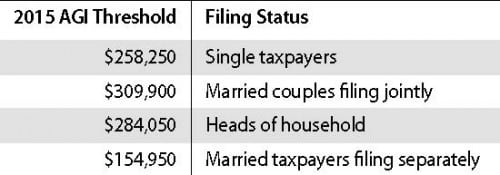
TaxPlanningGRAF1115BAlso deductible are unreimbursed employee business expenses, tax-return-preparation fees, investment expenses, and certain other miscellaneous itemized deductions that together are in excess of 2% of AGI

Keep in mind that not only AMT, but the amount of itemized deductions you can claim on your 2015 tax return is reduced by 3% of the amount by which your AGI exceeds the threshold amount.

Taxpayers cannot lose more than 80% of the itemized deductions subject to the phaseout. And deductions for medical expenses, investment interest, casualty and theft losses, and gambling losses are not subject to the limitation.

Conclusion

The U.S. tax code is incredibly complex and can change rapidly, even though it may sometimes seem to be moving along at a snail’s pace. This complexity has given rise to more calls for simplification. For now, taxpayers must still live with the complexity and the changes, as simplification appears to be only a dream.

Although a majority of taxpayers have their taxes prepared by a professional, they are turning in larger numbers to self-prepared returns. Since the online program does the calculations, it seems to be an economical approach to preparing and filing taxes.

However, the program is no substitute for a qualified tax professional such as a CPA. Programs can calculate tax liability, but they cannot substitute for professional advice and guidance. As a CPA, I would equate it to watching a how-to video on YouTube and embarking on repairing my car.

With such complexity in the tax code, a CPA is better able to keep abreast of the changes and can prepare taxes in a manner that determines a taxpayer’s minimum legal tax liability. But minimizing tax liability started last week, last month, last year. Tax planning is a constant in today’s complex world.

Kristina Drzal-Houghton, CPA MST is the partner in charge of Taxation at Holyoke-based Meyers Brothers Kalicka, P.C.; (413) 536-8510.


Departments People on the Move
Robert Kolb

Robert Kolb

Country Bank President and CEO Paul Scully announced that Robert Kolb has been promoted to Executive Vice President, Chief Commercial & Retail banking officer. A banking professional with 33 years of industry experience, Kolb has been with Country Bank since 2012 as senior vice president, chief commercial banking officer. Before coming to Country Bank, Kolb worked at TD Bank as its Rhode Island market president. Prior to that, he held the same position the bank’s Central and Western Mass. divisions. “Since joining our team, Bob has brought an outstanding level of leadership to the bank,” said Scully. “He has completely embraced the unique mission of community banking, while helping us benefit from the insights he gained while working at a respected, larger institution. His contributions have helped both our employees and our customers, and his proven approach has become the cornerstone of our commercial-lending success.” Kolb serves on the Ware Business and Civic Board.

•••••

Jean Deliso

Jean Deliso

Jean Deliso has been named a member of the 2015 Chairman’s Council of New York Life. Members of the elite Chairman’s Council rank in the top 3% of New York Life’s sales force of more than 12,000 licensed agents in sales achievement. Deliso has accomplished this level of achievement after 30 years in the financial-services industry. Her passion for finance and strategic planning led to the creation of Deliso Financial and Insurance Services in 2000. She began her career in corporate accounting in Tampa, Fla., where she consulted with small-business owners on financial operations and maximizing performance. Deliso has been a New York Life agent since 1995, and is associated with New York Life’s Connecticut Valley General Office in Windsor, Conn. She serves on many boards in her community, including the Baystate Health Foundation and Pioneer Valley Refrigerated Warehouse, and is chairman of the board of the Community Music School of Springfield. She is past chairman of the board of the YMCA of Greater Springfield, past board member of AAA Pioneer Valley, and past trustee of the Community Foundation of Western Massachusetts and the advisory council at Bay Path University.

•••••

William H.W. Crawford, IV, CEO of United Financial Bancorp Inc. and United Bank of Glastonbury, Conn., announced that Rick Renaud, private mortgage banker for United Bank, has been elected to the 2016 Board of Directors of the Home Builders and Remodelers Association of Central Massachusetts (HBRACM).
The HBRACM Board of Directors is made up of various leaders from the area’s homebuilding and remodeling industry, including building contractors, suppliers and subcontractors. It also includes those who provide professional services to the home building industry such as designers, engineers, legal professionals and lenders. Renaud is part of United’s greater Boston-based loan production office led by Jim Picciotto, vice president and Eastern Mass. Sales Manager. Renaud, who has 15 years of experience in the banking industry, joined United Bank in April 2012 and is based at the bank’s Chadwick Square branch in Worcester.

•••••

Berkshire Hills Bancorp Inc. announced the following:
• Shawn Howard will lead investment strategies for the bank as its new Senior Vice President, Chief Investment Officer, Senior Portfolio Manager. Howard has more than 20 years of financial experience, with nearly 16 years in the asset-management space as a portfolio manager; he was most recently at TD Bank in the Private Client Group in Springfield, where he managed investment portfolios for high-net-worth individuals, nonprofit organizations, and institutional clients. He served in a similar capacity at Evergreen Investments and Mellon Private Asset Management Companies. Barney, a certified financial planner for more than 30 years, has rejoined the Berkshire Bank Wealth Management team after retiring in 2011. Prior to his retirement, he led the team for 17 years, growing the division to almost $700 million in assets;
• Tom Barney, First Vice President, Wealth Advisor, has joined the Wealth Management team. Barney previously served as vice president for Fleet Investment Services in Hartford, Conn., as well as vice president and private banker for Bank of Boston in Pittsfield, Springfield, and Hartford. He was on the board and served as president of the Estate Planning Council of Hampden County; and
• Colleen Lussier, Vice President and Wealth Advisor, has also joined the Wealth Management team. Lussier also joins the bank from TD Bank, where she was a wealth advisor for more than 16 years. Her expertise is concentrated in areas of trust and estate planning, business succession, and contract law. She is a certified trust and financial advisor and a registered financial consultant. She will assist in developing client relationships as well as trust and estate administration.

•••••

Christopher Nadeau

Christopher Nadeau

The independent accounting firm Whittlesey & Hadley, P.C., announced that Christopher Nadeau, CPA, has been appointed manager, joining the firm’s Holyoke office. Nadeau brings more than 10 years of experience in private and public accounting with a practice concentration in assurance, compliance, tax and advisory services to closely held businesses, professional/medical practices and the nonprofit sector —the firm’s largest niche focus. Most recently, he served as assistant controller for Worcester Envelope Company. Nadeau received his master of science in accountancy and Bachelor of Science in business management and accounting from Westfield State University, where he is currently an adjunct professor and member of the university’s Accounting Mentoring Program. He currently holds memberships with the Mass. Society of Certified Public Accountants, American Institute of Certified Public Accountants, and the Springfield/Hartford Chapter of the Institute of Management Accountants.

•••••

Chris Martin

Chris Martin

Tom Roberts

Tom Roberts


Ayre Real Estate Co. Inc. announced the following:
• Chris Martin recently joined as a Licensed Sales Associate. He earned a bachelor’s degree in biology from Western New England University, served in active duty for eight years in the Army, and is now a current member of the U.S. Army Reserve. He has a strong background in investment properties, formerly working as a senior partner in a real-estate investment group in Memphis;
• Tom Roberts has joined Ayre as a full-time real-estate sales associate. An Agawam native who started his real-estate career in 2003, he moved to the Myrtle Beach, S.C. area before returning to Western Mass.

•••••

Amy Royal

Amy Royal

Royal LLP, a woman-owned, boutique, management-side labor and employment law firm, announced that Amy Royal, principal and founding partner of the firm, has been honored as one of New England’s Super Lawyers and has been included in the 2015 issue of New England Super Lawyers magazine. Super Lawyers consists of attorneys throughout New England who are nominated by their peers as outstanding lawyers, and each nomination undergoes an extensive selection process. With nearly 15 years experience, Royal has successfully defended employers in both federal and state courts as well as before administrative agencies in a variety of areas of employment law, including employment discrimination and sexual harassment, unfair competition, breach of contract and wrongful discharge claims, workers’ compensation, and Family and Medical Leave Act, Employee Retirement Income Security Act, and Fair Labor Standards Act violations, with a special emphasis on wage-and-hour class actions. Royal regularly advises non-union clients on maintaining a union-free workplace and performs other preventive work such as wage-and-hour-law compliance, record-keeping audits, drafting of employee manuals and affirmative-action plans, and management training. In addition, she assists unionized clients during contract negotiations, at arbitrations, and with respect to employee grievances and unfair-labor-practices charges. Royal’s accolades also include Massachusetts Lawyers Weekly’s 2012 Top Women of Law award recognizing her as a top woman lawyer in Massachusetts, as well as BusinessWest’s prestigious 40 Under Forty award recognizing her for outstanding leadership in the Pioneer Valley business community.

•••••

Drew DiGiorgio

Drew DiGiorgio

Drew DiGiorgio was appointed President/CEO of Consolidated Health Plans Inc. (CHP), effective Sept. 9, by the Berkshire Hathaway Board of Directors, including CHP founder Kevin Saremi. DiGiorgio has served as CHP’s president since 2013, and was previously director of Sales and Marketing. He began his career at CHP in 1995, shortly after receiving a bachelor’s degree in Business from Framingham State University. In his new role as CEO, DiGiorgio will provide oversight of the company, reporting to the Board of Directors. He will continue expanding CHP’s business services to best meet the needs of clients and customers, with a focus on quality service. CHP is an industry-leading claim administrator providing affordable health insurance and special risk solutions for thousands of policyholders worldwide. CHP offers student health and accident plans; employee health and dental plans; FSA and HRA administration; and participant accident insurance and back-room claim administration for carriers.

Court Dockets Departments

The following is a compilation of recent lawsuits involving area businesses and organizations. These are strictly allegations that have yet to be proven in a court of law. Readers are advised to contact the parties listed, or the court, for more information concerning the individual claims.

HAMPDEN SUPERIOR COURT

CJM Services Inc. v. Fontaine Brothers Inc. and Federal Insurance Agency
Allegation: Breach of construction contract: $300,000
Filed: 9/25/15

Gerald and Elizabeth Sulewski v. Menard Construction and Design
Allegation: Negligence in deck installation: $40,943
Filed: 8/24/15

Northern Land Clearing Inc. v. Taylor Oil Northeast Inc. and Construct Oil Northeast Inc.
Allegation: Defendant negligently drove a vehicle onto a gas line causing damages and personal injury: $30,000
Filed: 9/23/15

HAMPSHIRE SUPERIOR COURT

Atlantis Comfort System Corp. v. James J. Welch & Co. and Cottage Square Apts., LTD, and Berkeley Regional Insurance Co.
Allegation: Breach of construction contract and claim on bond: $105,529.44
Filed: 8/27/15

Boulanger’s Plumbing and Heating Inc. v. James J. Welch & Co. and Cottage Square Apts., LTD
Allegation: Non-payment of goods sold and delivered: $145,218.10
Filed: 8/12/15

G&M Enterprises Inc. d/b/a Mr. Gutter v. James J. Welch & Co. and Cottage Square Apts., LTD and Berkeley Regional Insurance Co. $16,418.19
Filed: 9/2/15

John and Donna Lastowski v. Kaufco-BH Inc. and John Doe
Allegation: Breach of contract and chapter 93A violation: $21,000
Filed: 8/10/15

NORTHAMPTON DISTRICT COURT

Commonwealth Capital Inc. v. Long Plain, LLC and Scott Hutkowski
Allegation: Non-payment of promissory note: $11,678.89
Filed: 9/28/15

Randall G. Baker Jr. v. Eddie Benton and ICC Trucking, LLC
Allegation: Negligence causing damage to plaintiff’s truck resulting in lost wages: $42,000
Filed: 9/18/15

SPRINGFIELD DISTRICT COURT

Domingo Diaz v. Vesuvio, LLC, Mark Laramie, and Lisa Mackechnie
Allegation: Breach of employment contract: $3,190
Filed: 9/18/15

WESTFIELD DISTRICT COURT

Carmen Burgos v. Silverman Realty Group, Split Excavating Inc., and Stop and Shop Supermarket
Allegation: Negligent maintenance of property: $8,306.77
Filed: 9/23/15

Daily News

SPRINGFIELD — Drew DiGiorgio was appointed president and CEO of Consolidated Health Plans Inc. (CHP) by the Berkshire Hathaway board of directors, including CHP founder Kevin Saremi.

DiGiorgio has served as CHP’s president since 2013, and was previously director of sales and marketing. He began his career at CHP in 1995, shortly after receiving a bachelor’s degree in business from Framingham State University.

In his new role as CEO, DiGiorgio will provide oversight of the company, reporting to the board of directors. He will continue expanding CHP’s business services to best meet the needs of clients and customers, with a focus on quality service.

CHP is a claim administrator providing affordable health insurance and special risk solutions for thousands of policyholders worldwide. It offers student health and accident plans, employee health and dental plans, FSA and HRA administration, and participant accident insurance and backroom claim administration for carriers. Since 2012, CHP has increased its workforce locally by 26%, and continues to forecast stable growth.

Daily News

LONGMEADOW — Four new board members have been elected to the Bay Path University board of trustees. Delcie Bean IV, Kathleen Devlin, John Heaps Jr., and Hamline Wilson will each serve a three-year term.

Bean is the founder and CEO of Paragus Strategic, IT, one of the fastest-growing privately held companies in America. He also established Tech Foundry, a nonprofit technology institute that seeks to solve the shortage of computer-science professionals in the region. Most recently, he has been working with Valley Venture Mentors and DevelopSpringfield to launch the Springfield Innovation Center, which will include his Innovation Café concept, providing a place where people can share ideas, energy, and great coffee.

Devlin is a recently retired executive director from Johnson & Johnson. She spent several years in the healthcare industry, where she was responsible for sales, training, hiring, and strategic alliances. In her role as executive director, she managed the interface with the Fortune 40 employers and the major insurers for the 250 operating companies under the Johnson & Johnson umbrella in the Northeast. Prior to her advancement to executive director, she was responsible for negotiating large contracts for Johnson & Johnson, and earlier consulted to nine bioscience, pharmaceutical, and device companies, as well as negotiating large contracts for Roche and Syntex Laboratories.

Heaps is president and CEO of Florence Savings Bank (FSB). He joined the bank in 1995 following a distinguished 24-year banking career in Western Mass. that began in 1971 at Valley Bank in Springfield. Since joining FSB as its president in 1995, the bank has grown its assets from $272 million to a $1.1 billion. Heaps is currently a board member of the Hampshire County Regional Chamber, the Western Mass. Economic Development Council, the Depositors Insurance Fund, and Savings Bank Life Insurance. He was recently named chairman of the Western Mass. Sports Commission.

Wilson is a retired insurance executive with a career that spanned more than 30 years with the Massachusetts Mutual Life Insurance Co. In his last position, he was the senior vice president and managing director of investments for the Springfield-based Fortune 500 firm. Among his many professional memberships, he was an avid supporter of the Rotary and Jaycees, and he served as a trustee for Johnson Memorial Hospital. He is currently on the pension board for the town of Somers, Conn.

Daily News

AGAWAM — Insurance Center of New England (ICNE) will host a breakfast seminar covering a range of financial topics related to the Affordable Care Act, also known as Obamacare.

The seminar will be held on Thursday Dec. 3 at the Delaney House, 3 Country Club Road, Holyoke. Registration begins at 8 a.m., and the seminar gets underway at 8:30 a.m. This event is free and open to the public, and a hot breakfast will be served. RSVP for the seminar by Monday, Nov. 23 by calling (413) 750-7150 or e-mailing Erika Noble at [email protected].

Keynote speakers for the seminar include Peter Whalen, regional manager for CheckWriters Payroll, who will be discussing IRS Forms 1094 and 1095, and Shemeka Browne-Pohlman, ACA compliance specialist with Insurance Center of New England, who will be discussing the so-called ‘Cadillac tax.’

“For 2016, another level of implementation is taking place with the Affordable Care Act, so it’s important for individuals, families, and business owners to stay informed of their rights and responsibilities under the act,” said William Trudeau, president and CEO of ICNE. “This seminar is another example of our commitment to serving as an information resource regarding the often-complex world of insurance.”

With roots extending back to 1866, Insurance Center of New England offers an expansive array of insurance products. The agency is headquartered in Agawam and has seven locations throughout the state.

Daily News

AGAWAM — Jean Deliso has been named a member of the 2015 Chairman’s Council of New York Life. Members of the elite Chairman’s Council rank in the top 3% of New York Life’s sales force of more than 12,000 licensed agents in sales achievement.

Deliso has accomplished this level of achievement after 30 years in the financial-services industry. Her passion for finance and strategic planning led to the creation of Deliso Financial and Insurance Services in 2000. She began her career in corporate accounting in Tampa, Fla., where she consulted with small-business owners on financial operations and maximizing performance.

Deliso has been a New York Life agent since 1995 and is associated with New York Life’s Connecticut Valley General Office in Windsor, Conn. She serves on many boards in her community, including the Baystate Health Foundation and Pioneer Valley Refrigerated Warehouse, and is chairman of the board of the Community Music School of Springfield. She is past chairman of the board of the YMCA of Greater Springfield, past board member of AAA Pioneer Valley, and past trustee of the Community Foundation of Western Massachusetts and the advisory council at Bay Path University.

Daily News

SPRINGFIELD — MassMutual’s board of directors approved an estimated dividend payout of $1.7 billion for 2016 to its eligible participating policyowners — a nearly $100 million increase over 2015, and the fourth consecutive year it has reached a new record. The 2016 payout also reflects a competitive dividend interest rate of 7.1% for eligible participating life and annuity blocks of business, maintaining the same rate as both 2014 and 2015.

“Today is a special day where the commitment we’ve made our policyowners is brought to life through our annual dividend payout,” said Roger Crandall, MassMutual’s chairman, president, and CEO. “Through nearly our entire history, our policyowners have received an annual dividend regardless of what is happening in our world — whether it’s through world wars, pandemics, market crashes, and most recently, a historically low interest-rate environment where even three-month Treasury bills are yielding zero percent.”

While dividends are not guaranteed, MassMutual has consistently paid them to eligible participating policyowners since the 1860s. The 2016 dividend marks nearly two decades that the company has consecutively announced an estimated dividend payout exceeding $1 billion.

“As a mutual company, operating for the benefit of our policyowners and members, we are thrilled to share our collective and cooperative success,” Crandall said. “Our consistent payment of dividends is proof of the enduring financial strength and stability we provide, as well as the resiliency of our long-term strategy.”

Among the key contributors to MassMutual’s dividend payout are its retirement-services and international insurance businesses, as well as its asset-management subsidiaries, such as Babson Capital Management LLC, Baring Asset Management Limited, Cornerstone Real Estate Advisers LLC, and OppenheimerFunds Inc.

The estimated payout also occurs at a time when the company’s financial-strength ratings are among the highest in the industry and its total adjusted capital as of June 30, 2015 — a key indicator of overall financial stability — surpassed $17 billion for the first time in the company’s history.

Of the estimated $1.7 billion dividend payout, an estimated $1.65 billion has been approved for eligible participating policyowners who have purchased whole life insurance. MassMutual had its ninth consecutive record year of growth in whole-life policy sales in 2014 with $418 million, and sales of whole life continue to be strong through the first three quarters of 2015.

In addition to receiving the dividend payouts in cash, other ways whole-life insurance policyowners may use the dividends include paying premiums, buying additional insurance coverage, accumulating at interest, or repaying policy loans and policy-loan interest.

“Whole life insurance enables people to plan for both the expected and unexpected events in their lives, whether it’s leaving a legacy for loved ones or using cash value to help fund a college education or fill an income gap in retirement,” said Michael Fanning, executive vice president and head of MassMutual’s U.S. Insurance Group. “We have provided millions of people with financial resources they can use to chart a course through these turbulent times, further proof that, whether bulls or bears are driving the market, policyowners have received their dividend payout from MassMutual.”

Health Care Sections

Critical Juncture

Hector Pope (right) says Attain Therapy’s Bridge program helped him

Hector Pope (right) says Attain Therapy’s Bridge program helped him recover from knee-replacement surgery much faster than expected.

People who have had surgery or injure themselves often don’t know what to do when their physical-therapy sessions end. They want to continue making progress, but are often at a loss regarding how to reach their personal goals, since they don’t want to reinjure themselves and lack knowledge about what exercises they can do safely, given their limitations.

In fact, said Donna Durocher, it’s a common problem. “Insurance companies often limit the number of sessions a person can attend,” explained the senior physical therapist and clinic manager at Attain Therapy + Fitness in East Longmeadow. “We provide patients with as much education as possible before they are discharged and tell them it’s very important to continue to work on their strength and mobility. But when they get home or go to a gym, many are unsure about what they should do or avoid doing.”

Attain has created a unique program to address that gap. It’s called the Bridge, and allows people to continue to improve and get into shape.

“It offers the next level of care after physical therapy to ensure continuation on the road to recovery,” Durocher said. “It’s a good transition to help people move to the fitness level they hope to achieve.”

The program consists of six sessions and costs $150, which begins with a comprehensive screen to determine the person’s fitness level. When that is complete, the trainer works closely with the patient and their physical therapist to tailor a program that meets their needs and ensures they reap optimal benefits and can meet their goals.

Attain co-owner Terry Ditmar says every trainer at Attain has a master’s degree either in strength and conditioning or exercise physiology, and is well-versed in working with the post-rehabilitation population, which sets them apart from many of their peers.

Indeed, Stephanie Davsky says the Bridge program made a significant difference after she had bunion surgery last February. “I was turning 50, and when I finished physical therapy, I was feeling sorry for myself. I wanted to lose weight and get in shape, but didn’t want to go to a gym,” she said, adding that she was leery of reinjuring her foot and had never worked out before.

When her physical therapist suggested she enroll in the Bridge program, she decided to try it, and it proved so beneficial, she has continued to work with a personal trainer in the East Longmeadow facility.

“They take all of your limitations into consideration,” she said. “They made sure I did exercises to strengthen my foot without hurting it, and helped me with a diet. They also make you feel really good about yourself and work with you to accomplish everything you want to do. If I hadn’t gone through the program, I might have tried doing a little exercise at home, but that would have been it.”

For this issue and its focus on fitness and nutrition, BusinessWest takes an in-depth look at the Bridge program and how it certainly lives up to the name it’s been given.

Joint Sessions

Hector Pope has participated in the Bridge program twice, and also continues to work with an Attain personal trainer. He underwent knee-replacement surgery in the summer of 2014 and a second procedure last spring.

His surgeon told him it was important to strengthen the muscles around the knee prior to the first surgery. “So I did a pre-Bridge conditioning program at Attain and met twice a week with a personal trainer,” said the 64-year-old Baystate Medical Center emergency-room doctor, adding that, although he and most other people who have knee replacements typically have very limited motion before surgery, “anything you can do ahead of time makes it easier.

“It’s all about preparation before, therapy afterwards, then continuing to be active; you need to build up your muscles again,” he noted, explaining that he didn’t realize just how important pre-conditioning and post-surgery (Bridge) training were before he had his knees replaced.

The Bridge program made recovery easier and got him in the habit of doing strengthening and flexibility exercises. “I could have gone back to work in nine weeks instead of usual 12. You have a partner helping you, and everyone here puts themselves in the client’s shoes,” he said. “It made all the difference and opened up a whole new world to me, and because I am older and don’t want to reinjure myself, I am going to continue this for the rest of my life.

“Most people need some guidance, and it’s worthwhile to have weekly reinforcements,” he went on. “You need to keep exercising if you want to maintain your range of motion and have a good outcome.”

Although Pope and Davsky have chosen to continue with one-on-one training at Attain, many Bridge graduates leave and resume their normal lifestyle, while others choose group classes in the facility or return to their own gyms after gaining confidence and strength.

The program was conceptualized in 2008 after Attain took over a large space in East Longmeadow that had been used by a national sports-performance franchise. It had AstroTurf fields, a basketball court, and an indoor, 60-meter track, and initially the programs appealed to the athletic population. But the fact that East Longmeadow is not close to a major metropolitan area with a sizeable population of athletes made it difficult to continue to offer performance programs on a large scale, Ditmar said.

“We realized the majority of the general population who really needed guidance had other issues keeping them from their fitness or activity goals, such as back pain, knee problems, or chronic diseases like diabetes,” he told BusinessWest. “So we began providing medically guided programs for patients who had exhausted their insurance or were graduating from physical therapy and wanted to continue their progress and maintain a healthy lifestyle.

Terry Ditmar (left) and Trevor Dorian

Terry Ditmar (left) and Trevor Dorian say exercise physiologists in the Bridge program work closely with physical therapists to come up with a specific exercise plan for each client.

“We learned that people were often overwhelmed when they went to the gym on their own, even if they had some help from trainers,” he went on. “And our blend of physical therapists, strength coaches, and exercise physiologists provided something not found elsewhere.”

He added that, although Attain’s Bridge program is offered at all of its locations, the East Longmeadow facility has the fitness equipment needed to conduct group classes, programs, and personal training.

The program starts with the aforementioned functional-movement screen, which is conducted by a strength coach.

“We look at how well the person can perform basic movements, such as a squat, which is needed in everyday life to sit and stand up,” said Trevor Dorian, head strength and conditioning coach. “If someone can’t do basic movements well, they will compensate on a daily basis, which can lead to imbalances or an acute injury.”

When the assessment is complete, a specific program is developed to target the client’s needs, and he or she attends five 30- to 60-minute sessions, with the length dependent on how much they can tolerate. During each meeting, they do exercises specifically chosen for them, based on recommendations and input from their physical therapist combined with the person’s goals.

“Sharing information about someone’s health condition is important to the success of this program. It’s not always easy to do in this day and age, but because we work with our own physical therapists, for us it’s seamless,” Ditmar said.

He added that Bridge participants range from young people to senior citizens. For example, high-school athletes have become clients after undergoing ligament surgery and completing physical therapy.

“But there’s a big difference between being able to walk and run and going onto an athletic field where you have to function at 100% and may fall, get bumped, or get hit,” Ditmar noted. “The Bridge program allows them to move to the next level.”

Elders also often take advantage of the program. “Someone may have an arthritic knee, and even though their pain is brought under control, they don’t know what exercises they should do. And it can be overwhelming for them to go to a gym,” he told BusinessWest. “But by the end of five sessions, they are confident enough to continue training on their own. It’s especially important for this population because seniors who give up exercising can lose their strength and independence. But this can help prevent that from happening.”

Other Options

Attain also offers small-group classes with six to 10 participants. The personal attention, key to the Bridge program, continues in each class as trainers keep a close eye on each person.

“We correct their form and keep them motivated,” Dorian said. “What makes us different than a regular gym is that everyone is supervised. We don’t have a lot of machinery and are focused on proper biomechanics, so when a coach demonstrates a technique, no one else does the exercise at the same time. We deal with all types of limitations and can regress or make adjustments to someone’s prescription, even if it’s in a group setting. People can also e-mail or call us if they tweak their back or do something bothersome at home. We want to make sure that they are exercising correctly to minimize the risk of injury.”

“Safety is a high priority,” Ditmar agreed. “But our coaches are educated and have a great deal of experience working side by side with physical therapists. They’re members of a team.”

He added many people live with chronic pain that could be alleviated.

“They don’t realize, if they worked with a physical therapist, then transitioned to a strength coach, they might be able to get rid of it,” he explained, noting people can call and make an appointment to get an assessment done, which in some cases has led to physical therapy or one-on-one training.

But no matter how or why they get started, the focus is always on the individual’s lifestyle and situation.

“Our Bridge program is a way to extend the progress you have made and give you confidence to continue exercising independently in a way that keeps you safe,” Ditmar said, “so you can progress to the next level.”

DBA Certificates Departments

The following Business Certificates and Trade Names were issued or renewed during the month of October 2015.

AGAWAM

Affordable Refinishing
63 Tina Lane
Juan Lopez

Bella Ness
168 Elm St.
Vanessa Tuttle

Hair Impressions
525 Springfield St.
Jill Traska

New England Educators Insurance
1325 Springfield St.
Brett Ralph

The Doggie Dood
27 White Birch Terrace
Ryan Osborne

HOLYOKE

A Plus Auto Sales
9 Avon Place
Angel M. Albelo

E & C Services
19 Concord Ave.
Edward J. Glica

Gio Calendars & Toys
50 Holyoke St.
Hassan B. Khalio

Room to Room Cleaning
40 Laurel St.
Jeanne Edmond

NORTHAMPTON

Joia Beauty
6 Crafts Ave.
Mette Gustavsen

Kristy’s Nails
737 Damon Road
Hai H. Nguyen

Phoenix Upholstery
221 Pine St.
Brian Gross

Revival Body Work & Massage
241 King St.
Yong Li

Shelburne Falls Coffee Roasters
124 King St.
Curtis Rich

Symbols & Cymbals
415 Prospect St.
Nerissa Nields-Duffy

PALMER

My Plus Size E-Closet
34 North St.
Maura Avery

Palmer Auto Mall, LLC
1219 Thorndike St.
Raymond Recor

Speedway
1411 Main St.
Speedway, LLC

SPRINGFIELD

J & R Simmons Group
799 Sumner Ave.
Jacqueline Simmons

J.T. Home Improvement
72 Waverly St.
John Thornton

Mamajuana Restaurant
1060 Wilbraham Road
Luis East Springfield

Marsh and Marsh Enterprises
24 Arbutus St.
Lascelles G. Marsh

MZ Creations
16 Ringgold St.
Michelle Martinez

Nem Tile and Design
31 Clarendon St.
Andre Alleyne

Orchard Imports
1213 Worcester St.
D’Juan Barklow

Pleasant Snack Bar
174 Main St.
Avon L. Porfirio

Premier Lifestyle
148 Jamestown Dr.
Kyle Griffith

Resources and People
29 Ridgecrest St.
Elizabeth Hogan

Saludy Vida
2660 Main St.
Blanca Nieves

Six Corner Stone Pizzeria
305 Walnut St.
Adnan Yildirim

Smily’s Spot
471 Boston Road
Fazul U. Rehman

Software Providers
101 State St.
Lynne Govoni

Top Shelf Landscaping
128 Dewitt St.
Troy A. Gadreault

WESTFIELD

Bloomfield Landscaping
868 Southampton Road
William Bloomfield

Dancer’s Image
77 Mill St.
Beth Drugan

Mary Kay Beauty Consulting
11 Heggie Dr.
Michael Harling

Paws of Nature
11 Brentwood Dr.
Jill H. Rose

Under an Ivy Moon
36 Noble St.
Marie McCutchen

Westfield Action Sports Photography
1417 East Mountain Road
John Sharon

Wolf Paw Creations
67 Highland Ave.
William L. Johnston

WEST SPRINGFIELD

American Executive Connection
1642 Westfield St.
Kevin Anderson

Bumblebee Booths
140 New Bridge St.
Aloysius Alamed

Cashway Oil
75 Union St.
David Vickers

Dollar Express
1150 Union St.
Dollar Express Stores

Firestone Tire & Service
501 Memorial Ave.
Daniel J. Hamlett

Readings by Margurite
1353 Riverdale St.
Margurite Miller

Departments Incorporations

The following business incorporations were recorded in Hampden, Hampshire, and Franklin counties and are the latest available. They are listed by community.

AMHERST

Malek Shawarma Inc., 11 East Pleasant St., Amherst, MA 01002. Eliana Dabbous, same. Sandwiches and beverage services.

EASTHAMPTON

Cheharkrupa Inc., 22 Cottage St., Easthampton, MA 01027. Pragneshkumar Patel, 11 Caitlin Way, Westfield, MA 01085. Real estate management.

FEEDING HILLS

Pioneer Valley Mentors Inc., 149 Cayote Circle, Feeding Hills, MA 01030. Charitable organization.

GREENFIELD

American White Shepard Association Inc., 75 Old Albany Road, Greenfield, MA 01301. Terri Vest, 573 Ponderosa Ave. #4, O’Fallon, IL 62269. To encourage and promote quality in breeding of purebred white Shepards.

HADLEY

China Golf Collectors Society Inc., 245 Russell St., Unit 6, Hadley, MA 01035. Wayne Xing, 35 Autumn Lane, Amherst, MA 01002. Forum for golf collectors to meet.

Foundation for Indigenous Kids Inc., 7 Grand Oak Farm Road, Hadley, MA 01035. Ellen Roy, same. Charitable organization.

NORTHAMPTON

Digital Eyes Film Productions Inc., 207 Bridge St., Northampton, MA 01060. Patrick J. Moynihan, same. Film production.

Fall River Drywall Systems Inc., 206 Coles Meadow Road, Northampton, MA 01060. Michael St. Amand, 5 Crescent St., Millers Falls, MA 01349. Drywall installation.

PITTSFIELD

Carol Link Physical Therapy Inc., 174 Elm St., Pittsfield, MA 01201. Carol Grace Link, 180 Ann Dr., Pittsfield, MA 01201. Physical therapy.

Khem Organics Inc., 100 North St., Ste. 405, Pittsfield, MA 01201. Amy MacDonald, 953 West St., Pittsfield, MA 01201. Non-profit organization.

SOUTHAMPTON

M.P. Vaclavicek Inc., 9 Donna Marie Way, Southampton, MA 01073. Mark P. Vaclavicek, same. Insurance sales and financial advisor.

SOUTHWICK

AMP Transport Inc., 71 Berkshire Ave., Southwick, MA 01077. Laurie Phelps, same. Transportation, cargo, and trucks.

KDC Construction Inc., 56 Kline Road, Southwick, MA 01077. Kristopher D. Corey, same. Excavation and snow removal.

WESTFIELD

EOV Transport Inc., 1430 Russell Road Apt. 12, Westfield, MA 01085. Yevgeniy Ovechkin, same. Transportation services.