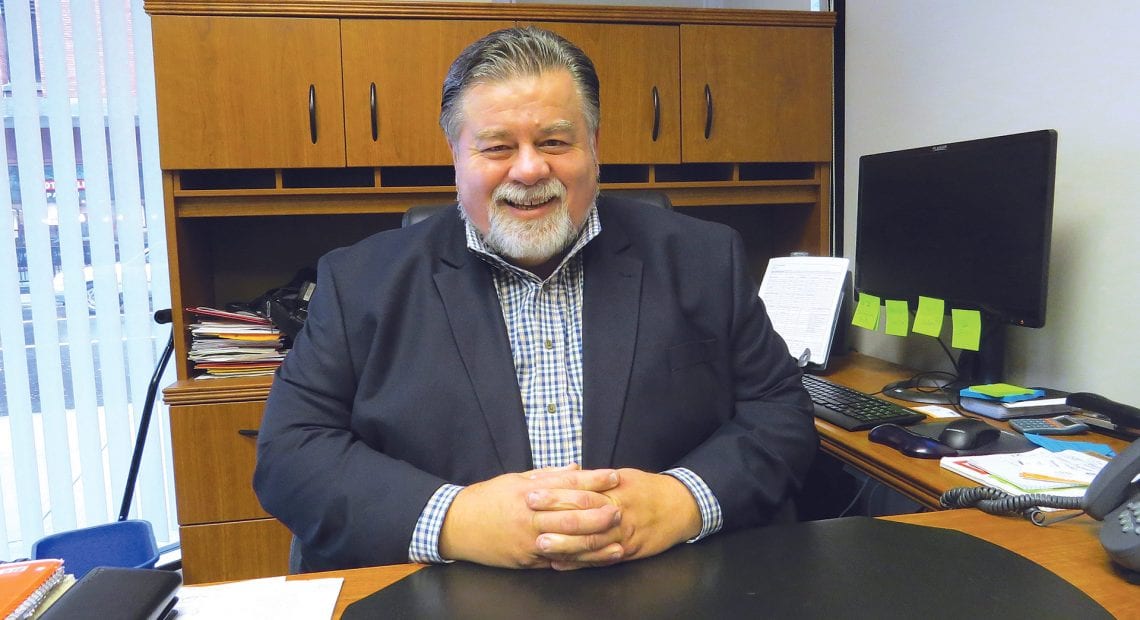
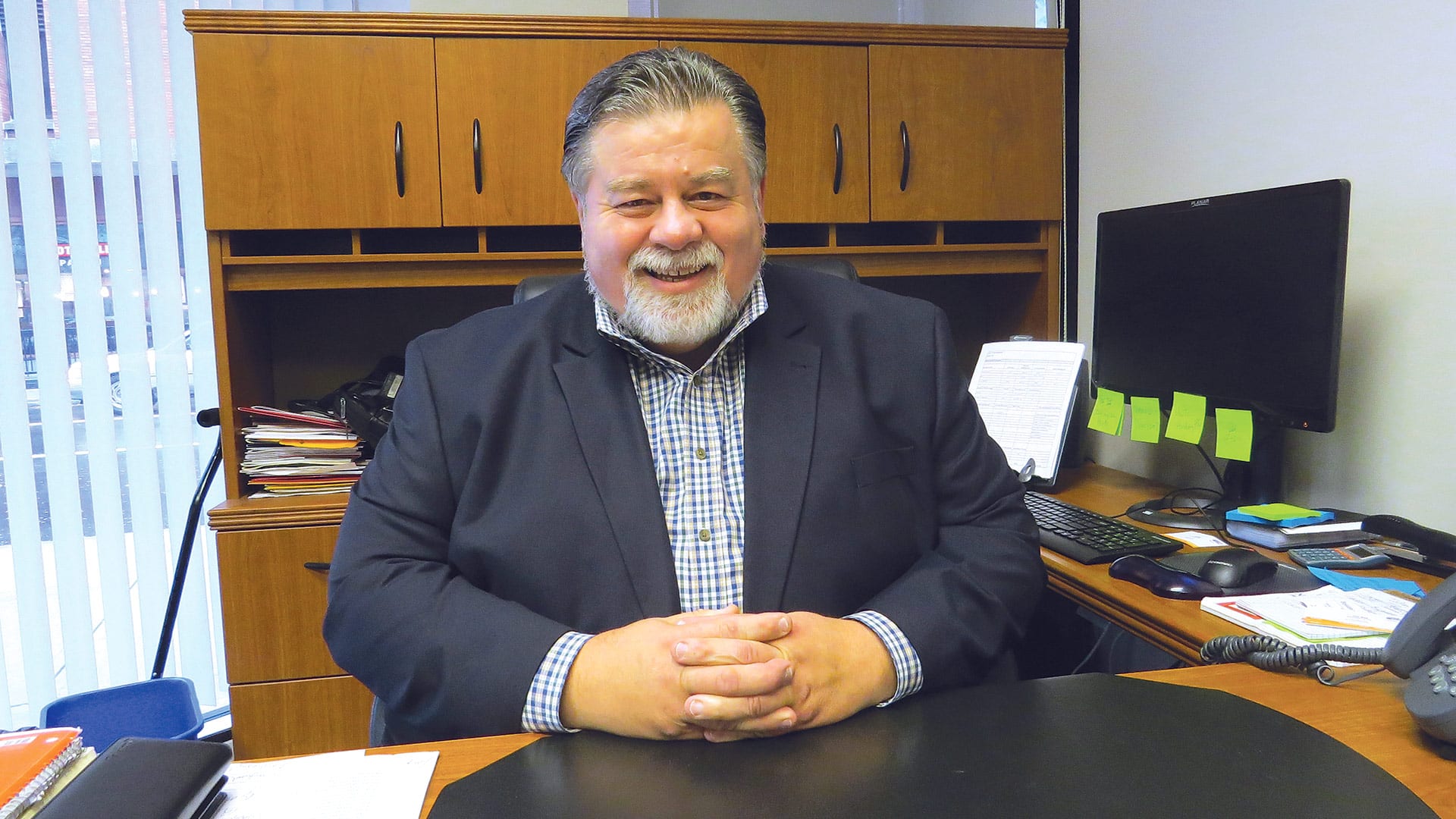
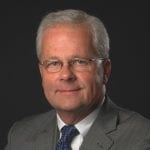
Peter Wirth says the new A-Class presents a huge opportunity to showcase the attainability of several Mercedes models.
Since opening its doors roughly 16 months ago, Peter Wirth says, Mercedes-Benz of Springfield has met or exceeded most all of its stated goals and expectations.
Save one, perhaps.
Indeed, if it is lagging in any aspect of its multi-faceted operation, it is in the broad realm of educating customers across its broad service area that a Mercedes is affordable — or ‘attainable,’ the word he and the industry prefer to use.
It’s not from lack of trying, he said, before adding quickly that the company will try even harder, but probably more a function of the fact that there hadn’t been a Mercedes dealership in the 413 area for a full decade before this one opened on the site of the old Schine Inn just off Route 291 in Chicopee.
And this helps explain why residents of this area might not be as enlightened as those in other markets when it comes to the fact that ‘Mercedes’ and ‘affordable’ can co-exist in the same sentence.
“We missed out on all that communication, getting the cars into the marketplace, talking about them, and showing them,” he said of that 10-year hiatus, during which the carmaker greatly expanded and diversified its lineup.
But Mercedes now has an additional arrow in this quiver of attainability and another intriguing talking point, he said, with the introduction of the A-Class, which will begin rolling into showrooms, including the one in Chicopee, next month. It joins the CLA, introduced several years ago, and the GLA model SUV as Mercedes models that start at under $40,000, and Wirth expects it to be a significant addition to the portfolio.
“We feel that this is a unique opportunity for us to educate consumers in this market,” he said. “This is the first big launch of a car that’s going to shape the brand perception since we opened.”
That’s because the A-Class is about more than affordability, he told BusinessWest. It’s also about technology and a leap from traditional luxury to what Mercedes is calling ‘modern luxury,’ meaning features like MBUX.
“We feel that this is a unique opportunity for us to educate consumers in this market. This is the first big launch of a car that’s going to shape the brand perception since we opened.”
That stands for Mercedes-Benz User Experience, which the carmaker, and Wirth, tout as the next generation of user-friendly technology. The MBUX user interface allows the driver to use voice commands to control everything from the radio station and the volume level to the temperature in the cabin.
“The system is easy to learn because it actually learns you,” said Wirth, adding that the technology comes to understand the driver’s habits, right down to the preferred radio stations and music. “This is something that will trickle up into the other cars over time, but it’s something we’re phasing in with the new entry point to the brand.”
The A-Class is equipped with MBUX, hailed as the next generation of user-friendly technology.
It was explained — sort of — in a commercial that first aired during the Super Bowl. It wasn’t rated high in any of the ‘best of’ polls, but you might have seen it. A young, professional-looking male starts to see everything he says come to fruition, from an ATM spitting out money after he gives the command ‘make it rain,’ to an opera singer magically transforming into rapper Ludacris when he says ‘change the music.’
The trend continues when he gets behind the wheel of his Mercedes A-Class and voices several commands, including ‘change the color’ — and the dashboard lights do just that — as well as ‘make it cooler,’ and ‘play my music.’ The commercial ends with the ‘voice’ saying ‘if only everything in your life listened to you like your new Mercedes.’
Wirth gave similar commands as he gave a demonstration of the first A-Class to arrive at his dealership. Starting each conversation — because that’s what these are — with ‘hey, Mercedes,’ he proceeded to turn the heat up by merely saying ‘I’m cold,’ receive directions to a downtown Springfield business, and get a rundown on the restaurants within a mile’s radius of the dealership.
Meanwhile, the dashboard instrumentation can be changed electronically to display anything the driver wants, from the odometer and tachometer to things like speed limit and the range the car can go on the amount of gas left in the tank.
As for the affordability factor, the A-Class has a base sticker price of $32,000 (which includes a considerable amount of standard equipment, including a sunroof and the user interface), and most will price out at under $40,000.
That’s a number that wouldn’t surprise most people in other markets, who have had a Mercedes dealership to visit through this decade and have become aware of several models that fall into the ‘affordable’ category. But it might still surprise many in this region.
And with that, Wirth revisited another Super Bowl commercial, the one for the CLA model, which debuted at $29,000. It was a spot that turned some heads and put a Mercedes in driveways where one had never been.
“That was a big bang — that was eye-opening for many people,” he said, adding that the CLA, which remains popular, would go on to secure what’s known in the business as a ‘high conquest rate,’ meaning that people were opting out of the cars they were driving and into the new Mercedes model.
This is significant, he said, because, conversely, Mercedes has one of the highest loyalty rates within the industry, meaning that once they own or lease one, the Mercedes customer is very likely to go back for another.
“This is hugely important to us because we feel like we’re establishing a relationship with someone and giving exposure to our brand to people who will ultimately keep on doing business with us going forward,” he said. “They will have kids, they’ll maybe want an SUV at some point, so filling that pipeline with customers is important.”
The company is hoping for a similarly high conquest rate with the A-Class, which can turn heads not just with its styling and price tag, but also the user-friendly technology.
If they’re right, more people will be saying ‘hey, Mercedes,’ before and after they get in the car.
When the Cubs win, a white flag with a large blue ‘W’ is flown atop the legendary hand-operated scoreboard in center field. (Of course, if they lose, a blue flag with a white ‘L’ goes up, but that’s another story.)
Back to Callaway. When a member of its team — comprised of players on the various professional tours who play Callaway balls and clubs — posts a win, a flag with a large script ‘C’ (the same one used for the Callaway brand) flies underneath the American flag on the pole outside on the facility on Meadow Street.
“The flag goes up the Monday morning after a win, and it flies until Friday that week,” said Vince Simonds, director of Global Golf Ball Operations for Callaway, adding that it’s been flying quite a bit recently.
Indeed, it was up just last week after the best-known member of the team, Phil Mickelson, prevailed at the AT&T Pebble Beach Pro-Am. Meanwhile, Xander Schauffele, a rising star on the PGA tour, has won twice over the past several months; Australian Marc Leishman won last fall, as did Spaniard Sergio Garcia; and Belgians Thomas Peters and Thomas Detry won the ISPS Handa Melbourne World Cup of Golf in late November.
Simonds told BusinessWest that the flag is one of many initiatives designed to raise awareness among those inside the plant about how the products they’re making are generating results at the very highest levels — and generating pride within that workforce as well.
“It’s part of something we call the ‘21 Initiative,’ a multi-year evolution to transform and re-engage as we bring on new machinery and new capacity capabilities,” he said, noting that ‘21’ is short for 2021. “We started putting the flag up because we’ve grown so fast that we need to re-engage with our employees and share our success with them.”
But Callaway also wants to bring attention to what’s going on inside the plant, which is on a winning streak itself.
Indeed, as the Callaway brand has risen to number two in overall sales within the golf-ball market behind Titleist, the Chicopee plant has doubled its workforce over just the past 18 months, from roughly 180 to more than 363 (the highest number in more than a decade), and is expected to surpass 400 later this year, making this one of the better manufacturing success stories to be written locally in recent years.
“We’re very bullish on 2019,” said Simonds, adding that this optimism is grounded in the company’s recent surge within the golf-ball market, fueled by the introduction of several new and somewhat groundbreaking products. These include the Tour Soft ball, which has become popular with professionals and amateurs alike. There’s also a version of that ball known as the Truvis, stamped with pentagonal images — and now a host of other options, from shamrocks to butterflies to other custom logos — that give the product a soccer-ball look.
“We started putting the flag up because we’ve grown so fast that we need to re-engage with our employees and share out success with them.”
The ‘win flag’ flies on the pole outside the Callaway plant. It’s been flying quite regularly these days.
“The Truvis has really taken off; sales are very strong, and we’re booking a lot of business on the custom side of things,” said Simonds, adding that the portfolio of products is poised to grow with the addition of the ERC Soft, with those letters short for Ely Reeves Callaway, founder of the company.
Overall, somewhere between 200,000 to 250,000 balls, including the new ERCs, are rolling off the lines at the Chicopee plant each day, a slight increase from a year ago. More importantly, the mix has changed, said Simonds, noting that, while the plant supplemented its capacity with non-tour, lower-end products in the past, it no longer does that due to demand for the higher-end balls.
And as those numbers continue to increase, so too does the number of people clocking in at a plant that now runs 24/7.
These workers cover a broad spectrum, said Simonds, from engineers who have brought the new products to the assembly line to those on the shop floor to those in working in the warehouse.
Findng and retaining talent has become an issue, as it has for just about every manufacturer in the region, said Simonds, adding that the company is working with Springfield Technical Community College and area vocational high schools to create an adequate pipeline of workers.
For this issue and its focus on manufacturing, BusinessWest returns to the Callaway plant and a company that has been, as they in this sport, flag hunting, and has had a great deal of luck in those endeavors.
Core Products
As he offered BusinessWest a quick tour of the Callaway plant and showed off the latest of the new Truvis machines to be added over the past two years, Simonds introduced Les McCray, who’s been working at the Chicopee facility since Gerald Ford was in the White House.
“We try to find people who have the education and technical background, obviously, but also a passion for the game of golf.”
There are still a number of employees with considerable longevity still working at this sprawling plant, but a growing number have been there for months, not years. And while employment has spiked in recent months, it’s been trending upward for several years now, said Simonds.
There have been several milestones along the way that have brought us to this moment, including the introduction of the Chrome Soft, which dramatically altered the trajectory of Callaway’s ball division, and the emergence of the Truvis, which has added a new dimension — metaphorically if not quite literally — to golf-ball design.
Vince Simonds, left, with Les McCray, who’s been working at the Callaway plant for more than 40 years.
“There is a functional aspect to this,” he said in reference to the alignment of the pentagons or logos and how it helps people improve their chipping and putting. “But mostly, it’s just a fun and unique way to mark a golf ball. The feedback we get from consumers is that they enjoy it because they can instantly recognize their ball in the foursome.”
The ERC Soft has something approaching that same quality because of a feature called Triple Track Technology — three lines engraved on the ball to help with putting alignment (Mickelson was using a dfferent Callaway ball with the same technology when he won at Pebble Beach). That’s just one innovative aspect to this latest addition to the portfolio, said Simonds, adding that this long but soft ball has a new ‘hybrid’ cover and graphene core and is designed for players with less than tour-level swing speeds.
It’s the latest in a string of advances and new products that have led to a surge in market share, said Simonds, adding that, according to Golf Datatech, which measures sales in pro shops and related outlets, Callaway has a 16% share of the market compared to 7% in 2012. But National Golf Foundation data, which also includes sales at large retail outlets like Dick’s Sporting Goods, gives Callaway a 23% market share based on dollar amount sold.
The Callaway Plant in Chicopee is engaged in what it’s calling the ’21 Initiative,’ (short for 2021) a multi-year process of evolution and transformation as it brings on new machinery and scores of new employees.
This growth has led to more ‘C’ flag-raising ceremonies outside the Callaway plant, and more people working inside it, said Simonds, adding that the company has been adding employees on a regular basis over the past few years.
That’s due in part to a leveling off of production, meaning it’s more steady throughout the year as opposed to being more seasonal as it was years ago, geared toward peak sales at Christmas and especially Father’s Day.
“Our real production season is September to June, with maintenance in July, and then we begin to ramp up for new products in August and begin manufacturing in September and October,” he said. “We support the globe around here.”
And, as he noted, the new arrivals to the plant cross a broad spectrum, from process engineers who design the breakthroughs to skilled, unskilled, and semi-skilled positions on the plant floor. Finding them is, indeed, challenging, said Simonds, adding that, with the engineers and management personnel, the company recruits from where it can.
“We try to find people who have the education and technical background, obviously, but also a passion for the game of golf,” he explained, adding that the last ingredient is a key part of the mix. “We have an R&D team in Carlsbad, California that we work very closely with, but the scale-up and commercialization happens here; we have a team of 12 process engineers and technicians that work hard every day designing systems to make golf balls so people can play better golf. That’s not a bad way to make a living.”
“There is a functional aspect to this. But mostly, it’s just a fun and unique way to mark a golf ball. The feedback we get from consumers is that they enjoy it because they can instantly recognize their ball in the foursome.”
With machinists, Callaway, like most other manufacturers in the region, must compete for a limited number of qualified workers while also dealing with the retirement of Baby Boomers.
“We’re continuing to have dialogue with STCC, and we’re working closely with the trade schools in the area,” he said. “We’ve gotten some really good young people out of Putnam [Vocational-Technical High School] in Springfield — it’s been a really good pipleline for us. But they’re young, and they need training and development, so we’re doing that.”
With so many people coming in recent months, Simonds and his team are grinding, as they say in golf, to keep the growing workforce focused on the mission and the basic tenets, such as safety, quality, and continuous improvement.
“We’ve brought so many people on so fast that the connection with the employee is super important,” he said, referring to the broad 21 Initiative. “So we’re doubling down on our efforts in that regard.”
Banner Year
As noted, the Callaway flag flying after wins on the pro tours is a page taken from the Chicago Cubs’ script.
But in just about every other way, the story being written on Meadow Street in Chicopee is an original. The plot lines are engaging — new products and advances with intriguing names, like Triple Track Technology. And there are a host of stars, from Xander Schauffele and Phil Mickelson to Les McCray.
No one’s quite sure how this story will end, but right now, Callaway and its Chicopee plant are both on a roll, and, like the players on tour who have promoted the flag to fly, they’re winning big.
It was almost a decade ago now when Bill Ward, then the executive director of the Regional Employment Board of Hampden County, stepped to the podium at the Log Cabin Banquet & Meeting House in Holyoke to accept the first Difference Maker award presented by BusinessWest.
Much has happened since then. Ward retired a few years later, and the REB is now known as the MassHire Hampden County Workforce Board. But the Difference Maker award remains a constant — and a symbol of excellence and dedication to improving quality of life in this region.
Since the very beginning, this recognition program has shown conclusively that are a great many ways to make a difference. And the class of 2019, the program’s 11th, makes this even more abundantly clear, as the stories clearly show.
The six members of the class of 2019 were honored on Thursday, March 28 at the Log Cabin. View the Program Guide HERE.
Tony Cignoli is the President of the A. L. Cignoli Company, the public relations, political and governmental affairs company he founded in 1992. The company serves political and corporate clients across America with bases of operation in Boston, Massachusetts, clients’ operations centers, and home base being Springfield, Massachusetts.
A.L. Cignoli Company has built a reputation creating success for both political and corporate clients in challenging situations; taking on tough assignments, from referendum campaigns other firms will not touch to assisting in turning around political and corporate campaigns in trouble. The firm is recognized for a holistic approach to public and governmental affairs solutions, melding Tony and his associate’s contacts and hands-on approach with an understanding of how to utilize modern applications of data mining, polling data and social media.
Tony is a veteran of over 350 political campaigns, including presidential elections in Peru, Prime Minister and Parliamentary campaigns in Italy and many referendums in Massachusetts and throughout New England. He is a frequent commentator and political analyst for newspapers, radio and television news programs.
Dinesh Patel, left, and Vid Mitta in the soon-to-be-renovated lobby of the Tower Square Hotel.
Both the office/retail complex known as Tower Square and the hotel that sits on the property would be considered somewhat risky investments, given their recent history. But the investment group Springfield Hospitality believes otherwise — in both cases. The new ownership group has announced an ambitious plan to get the Marriott flag back on the hotel, and it is confident about gaining a wide range of new tenants on the retail side of the equation.
As they talked about their plans for Tower Square, the downtown Springfield landmark they acquired last year, and the hotel that is a prominent part of the complex, Vid Mitta and Dinesh Patel had to be careful, even cryptic, with some of their comments.
Especially when it came to the long-rumored signing of the YMCA of Greater Springfield as a major new tenant. That deal has not been finalized, said the partners as they talked with BusinessWest following a press conference late last month on their plans for the complex. And when it is, that news will be announced by the Y.
But also when it came to the small park across Main Street from Tower Square. They hinted quietly that this acreage — dubbed the ‘Little Park for a Little While’ after the Steiger’s department store that sat on the site was torn down (yes, that was 24 years ago now) — will likely become the site of another “hospitality-related business,” probably a boutique hotel.
“We really can’t say anything about that at this time; that’s for … later; that will be phase two,” said Mitta, president and CEO of Mitta’s Group and a partner with Patel and also Rohit Patel and Kamlesh Patel of Maine in the Tower Square project.
As for what’s happening now, Mitta and Patel were not at all cryptic or even careful as they talked about Tower Square, the hotel, their plans for both, and their optimism when it comes to achieving progress and profitability at the office/retail complex that has certainly seen better days.
Peter Marks says a long list of renovations and upgrades must be undertaken to get the Marriott flag back over the hotel, and the new ownership group is committed to making them.
“When we looked at Tower Square as a possible investment, we saw opportunity where perhaps some didn’t,” said Patel, owner of the Hampton Inn on Columbus Avenue in Springfield, a Quality Inn in Chicopee, and other hotels across the region, adding that, while there is a good deal of vacant space in the complex, especially on the retail side, there is a solid foundation on which to build, with two colleges, UMass Amherst and Cambridge College, assuming large footprints in the building.
And there are already some new building blocks in place, including White Lion Brewing, which is constructing a brewery and tasting area in the long-vacant Spaghetti Freddy’s space along Bridge Street.
As for the hotel, the press conference was called to announce that the ownership group is on schedule and on target to get the ‘Marriott’ name back on the façade. It was removed and replaced with ‘Tower Square Hotel’ in the summer of 2017 as the complex’s former owner, MassMutual, was putting the property on the market.
“When we looked at Tower Square as a possible investment, we saw opportunity where perhaps some didn’t.”
To get that brand name back, the owners must complete a comprehensive renovation and upgrade, said Peter Marks, general manager of the hotel, adding that plans have been blueprinted, considerable infrastructure work has already been completed, and the owners are committed to spending “tens of millions of dollars” to return the hotel to prominence and make it a vital cog in the ongoing resurgence in downtown Springfield.
For this issue, BusinessWest talked with Marks and members of the ownership team about Tower Square and its future (or at least the subjects they could talk about at this time) and why they believe this was a solid investment for them, and the city.
New Lease on Life
Mitta acknowledged that, to the casual observer, anyway, the glass at Tower Square probably looks more half-empty (at least) than half-full.
But the total amount of vacant space (perhaps 20% of the complex) is less than most would think, and there has been, as noted, some progress made toward bringing that number down further.
White Lion will make Tower Square its mailing — and brewing — address, he said, adding quickly that a staffing company and AT&T have come on as tenants recently.
And there is that solid foundation of education facilities on which to build, he said, adding that there are a number of different ways the space may be repurposed in the future.
This is what the new ownership group — operating under name Springfield Hospitality Group — saw when it began looking at Tower Square as a potential investment in 2018. The group paid $7 million for the 25-story office tower and attached retail space, parking garages, and the Steiger’s parcel. The hotel, a separate purchase, was acquired for $10.5 million.
“With Tower Square as a prominent landmark in the city’s downtown, we think we can bring all kinds of businesses, not just retail, to this location,” he told BusinessWest. “We think we can transform the mall into different kinds of uses.”
As an example, he said the complex could become an ‘educational hub,’ or a bigger one, given that there are already two institutions with classrooms and other facilities there.
“We’re working with two other local colleges,” he said, adding that he could not disclose their names because the talks were very preliminary. “Meanwhile, we want to bring in some basic amenities such as a nail salon or a massage parlor or banking. Overall, there are many ways we can fill the available spaces, and we have already started implementing them.”
By that, he meant the AT&T store, the new staffing agency, and the fitness center and daycare components of the YMCA’s operation, which, as noted, have not been finalized.
Overall, flexibility will be the watchword moving forward, he said, and while there are certain visions that have developed for what might the Tower Square complex might look like in a year, or five years, the shape it takes will ultimately be determined by the marketplace and the types of opportunities that present themselves.
“With Tower Square as a prominent landmark in the city’s downtown, we think we can bring all kinds of businesses, not just retail, to this location. We think we can transform the mall into different kinds of uses.”
“We didn’t have a full plan for Tower Square, because as a businessman, you have to take what is available and turn it into opportunity,” Mitta noted, adding that the business plan calls for being profitable “from day one,” and more so with each passing quarter and year.
As for the hotel, it was “unflagged” — yes, that’s the industry term — when Marriott presented a long list of needed renovations and upgrades to the previous owner, MassMutual, which decided those expenditures were not worth making.
As with Tower Square itself, the Springfield Hospitality Group saw things differently, said Patel, adding that he and his partners believe the sizable investment — whatever it will be — will ultimately translate into enough room bookings, weddings, meetings, and other events to justify the expense of getting the Marriott name back over the front desk.
Mitta agreed. He said new construction of a Marriott would require an investment of between $200,000 and $300,000 per room, based on where this building project was taking place. Between the acquisition price of the hotel and the cost of the planned renovations and upgrades, the Springfield Hospitality Group is in that ballpark and probably just below.
“And if those new construction projects are going to work, why not renovations at this prestigious landmark?” he asked, before answering that question himself, in the affirmative.
Plans call for what Marks called an ‘inside-out’ concept, where elements of the city are incorporated into the design and décor of the renovated hotel. Specific improvements call for renovations to each room and the addition of one room, a suite, bringing the total to 266, said Marks. Also, the sixth floor, familiar to most area business owners and managers because it’s home to the banquet space and conference rooms, will get a makeover that includes a new fitness center with glass walls overlooking the rooftop garden.
A new, much larger bridal suite will be added, he went on, noting that the lobby will be given a new look as well.
“There are a lot of exciting changes,” he said, adding that the hotel will become part of what’s called the ‘Reimagined Marriott World,’ a comprehensive survey of customers and potential customers to determine what they want in a hotel — and a Marriott.
“The feedback was, ‘we want more than a place to sleep,’” he told BusinessWest. “They said, ‘we want a place where we can connect, relax, entertain, and do all the things we want to do.’”
And this led to the conceptualization of what he called a ‘great room’ in the lobby.
“The entire great room is the one place to be,” he said. “There’s a bar there, you can eat anywhere in that whole great-room area, and technology will allow our staff to deliver unsurpassed hospitality in the market by going out and greeting the customer with tablet in hand and checking them in the lobby.”
Model rooms will be available for viewing this spring, he went on, adding that construction, already underway on infrastructure systems, will move to more visible areas in the coming weeks.
Staying Power
“We’re going to be the number-one, most prestigious hotel in Western Mass.,” said Mitta, adding that the planned renovations and improvements should position the hotel to fully capitalize on the momentum being seen in downtown Springfield.
He noted that the arrival of MGM Springfield, as well as the performances and events it will bring, add up to considerable opportunity for a name-brand hotel located in the heart of downtown.
“Usually, a casino like this has 1,000 rooms, and some have 1,800 or 2,000 rooms,” Mitta explained. “This one has 250 rooms. That’s not enough when you bring events like Stevie Wonder and Cher to your city. This creates opportunities. If we make this hotel business-friendly with a lot of amenities, people will stay downtown.”
That was the thinking behind this large investment, and the partners who made it are confident their investment will soon start paying real dividends.
She’s Been a Driving Force in Business and Philanthropy
Carla Cosenzi, Co-president, TommyCar Auto Group
Carla Cosenzi says many people who think they know her story believe she segued from a career in healthcare to one selling cars and eventually managing dealerships because her father, Tommy Cosenzi, had been diagnosed with brain cancer.
That’s not really how it happened, said Cosenzi, adding quickly that her father, well before he was diagnosed, changed her career course when he convinced her to put plans to pursue her doctorate in clinical psychology on hold temporarily and spend some time at the family business.
“He said, ‘just come home and do some stuff around the dealership with me,’” she recalled, adding that she was living in New York at the time, having just earned her master’s at Columbia, and was trying to figure out the next chapter in her life. “In retrospect, I know now exactly what he was doing, but at the time I didn’t. He said, ‘I want you help me get our internet department up and going, and I want you to help with the sales process inside some of the dealerships, and just help me do some stuff that I need to get done that I haven’t been able to accomplish.’”
Long story somewhat short, she did all that and really enjoyed it, putting a career in clinical psychology on the shelf, if you will, and starting down a much different road.
“At the time, I felt he was really supportive of my ambitions, but he had a different plan for me, and he was re-routing me,” she went on, adding that she would “fall in love with the business.”
Carla Cosenzi says she shares her father’s ‘wanting more’ attitude, which drives her work in both business and philanthropy.
But while her father’s illness wasn’t exactly the impetus for what has become a career in auto-sales management, it was certainly the inspiration of what has become a very important part of her life.
That would be the Tommy Cosenzi Driving for the Cure Charity Golf Tournament, which she started, along with her brother, also named Tommy, in 2010.
“I think I share a lot of his ‘wanting more’ attitude. If we set a goal and we hit it, we’d set another goal and work to attain that goal. It’s that attitude of ‘it’s never enough and always looking for more.’ I’m not sure that’s a good thing or a bad thing in life, but that’s where I am.”
Over the past eight years, the tournament has raised more than $900,000 to support Dr. Patrick Wen (her father’s doctor) and his research colleagues at the Center for Neuro-Oncology at the Dana-Farber Cancer Institute in Boston, and it will certainly top the $1 million mark with this year’s tournament in August.
That money helps Dana-Farber researchers design novel clinical trials to test and develop targeted therapies that have not previously been studied in brain tumors, initiating several clinical trials in immunotherapy and conducting groundbreaking basic research to guide new therapeutic approaches, said Cosenzi, adding that these initiatives are an ambitious extension of her father’s efforts to find a cure for the disease that took his life.
Carla Cosenzi and her brother, Tommy, left, with Dr. Patrick Wen, who is annually awarded the proceeds from the Driving for the Cure charity golf tournament.
“These funds are unrestricted — he can take them and try anything with research that he wants to try,” she explained. “It’s almost impossible to get money like that, and they’ve done a lot of testing and trial drugs with the money.
“I wish I could say that there were positive results from the work that’s been done,” she went on, “but every dollar helps in that effort to find a cure.”
Cosenzi said the tournament has become a labor of love, much like the car business itself, with planning for the following year’s event beginning literally within days after the trophy is handed out and the proceeds presented to Wen from the just-completed tournament.
And it represents just one of the many ways Cosenzi, now a winner of multiple BusinessWest awards — she was the top scorer in the Forty Under 40 class of 2012 — has become a Difference Maker in the region. Others include her success in business, her emergence as a role model of sorts for young women pursuing careers in business and mothers trying to balance life and work, and her commitment to following in her father’s footsteps not only as a manager of people but as one who gives back to the community.
“I think I share a lot of his ‘wanting more’ attitude,” she explained, referring to her father. “If we set a goal and we hit it, we’d set another goal and work to attain that goal. It’s that attitude of ‘it’s never enough and always looking for more.’ I’m not sure that’s a good thing or a bad thing in life, but that’s where I am.”
And that ‘wanting more’ and setting higher goals refers not only to selling Volkswagens, Nissans, and Volvos, but also to raising money to fight cancer.
In each realm, she does, as they might say in this business, put the pedal to the metal.
Getting Up to Speed
As she talked about the all that planning that goes into the charity golf tournament, her level of involvement, and whether she puts a tee in the ground and plays herself, Cosenzi offered a quick yet effective response: “I’m a control freak.”
She could have left it at that, but didn’t.
“I’m very particular when it comes to how the day is run,” she told BusinessWest. “I want to make sure it’s set up properly and that we’re running on the right schedule. No, I don’t play; I’m there running the event. I hand out our roses, I shake everyone’s hand at registration … I greet them when they arrive and make sure everyone’s having a good time.”
Carla Cosenzi says the charity golf tournament named in honor of her father, like the family business itself, has become a labor of love for her.
But, and this is a big but, she went on to explain that her control-freak nature, while certainly not restricted to golf-tournament management, doesn’t really extend to management at the TommyCar Auto Group.
Indeed, she said that over the years — and it hasn’t been all that many years, to be sure (she’s only 39) — she’s learned that good managers master the art of delegation.
“A lot of people think of a leader as someone coming in, being a control freak, and yelling at everyone,” she said. “But really, if you’re a good leader, you’re relinquishing more control and you’re putting more trust into other people.”
Knowing when and when not to delegate is one of the many things Cosenzi has learned in a career that is many ways just getting started and still adding intriguing chapters.
“There’s a huge difference between being a manager for my father and being a leader and managing other managers.”
Like most all second- (or third- or fourth-) generation members of auto-business owning families, Cosenzi remembers practically growing up at the dealership, in this case Springfield Chrysler Plymouth on Boston Road in Springfield, one of several stores her father would eventually own and manage.
“I spent a lot of summers at the dealership and would come in on weekends; one of my first memories is of the Christmas parties my father would have for employees and underprivileged children,” she recalled, adding that giving back certainly runs in the family. “I remember spending a lot of time playing in the cars and in the office-supplies room. I don’t know why office supplies are so attractive to kids, but they are — my children love them, too — the Post-its, stapling, making photocopies, coloring … it’s all fun.”
Later, when she would return to this region for summer break from high school, she would work at the dealership moving cars, making sure they were clean, and related tasks. And as she got a little older, she drifted into sales and quickly developed both an affinity for, and a passion for, that side of the business.
“I always loved the idea of selling cars — it was fun, and I was making decent money,” she said, recalling that, by this time, the mid-’90s, it was still rare to see women in positions other than the back office in auto sales, primarily because the industry didn’t work very hard to attract women. Today, the situation is much different, a climate we’ll get to later. First, back to how Cosenzi arrived at the large office at Northampton Volkswagen, managing four dealerships and more than 150 employees.
That was certainly not the plan when she enrolled at Northeastern University and studied clinical psychology. With her undergraduate degree, she worked at a hospital in the area, and eventually enrolled at Columbia to earn her master’s in clinical psychology and lived in New York City for a year and a half.
It was when she had that diploma in her hand — and started looking at options for attaining a doctorate — that she had a talk with her father that she remembers vividly. It went this way:
“I remember saying to my dad, ‘I think I might go on; I really enjoy this,’” she recalled. “And he said, ‘we’re going to put on the brakes here; you’re going to pack up, you’re going to come home, we’re going to reset, and we’re going to make sure this is what you really want to do before we invest in any more schooling.”
And that’s exactly what happened, she went on, adding that she missed one window for applying for doctorate programs, and in the eight or nine months before the next window would open, her career outlook would change dramatically.
Indeed, as noted earlier, as her father got her involved in more aspects of the business, she was drawn into it and decided she wanted to stay in — before her father was diagnosed. She spent a year going back and forth to McLean, Va. and the National Automotive Dealer Association’s Dealer Academy.
“At this point, I really fell in love with the business, like I never knew I could,” she told BusinessWest. “I loved selling cars, I loved working for my dad … I really just fell in love with all aspects of the dealership.”
She progressed from being a salesperson at Patriot Buick GMC in Charleton to being a finance manager, to sales manager, and was moving to the point of “managing the managers, rather then being a manager,” as she put it, when her father got sick in 2007 at only 49 years of age.
To a Higher Gear
Doctors gave Tom Cosenzi less than a year to live. He would actually live another 2½ years.
Over that time, Carla would learn still more about the business from him and, with her brother, complete a transition of the business to the next generation.
Over the past several years, they’ve expanded the TommyCar Auto Group to its present four dealerships, the latest addition being Volvo Cars Pioneer Valley in South Deerfield, acquired last summer. Along the way, Carla has become the marketing face of the business, and even her young children, Talia, 4, and Nico, 3, have become well-known to those listening to the radio or watching local television.
Far less well known is how Carla said she grappled with the transition from car sales to managing a sales team to managing managers and ultimately making her mark in an industry dominated by men.
“There’s a huge difference between being a manager for my father and being a leader and managing other managers,” she said. “Luckily, I think I earned the respect of the people here after working in the business for so long.
“Still, being female, it was a very interesting dynamic,” she went on, adding that she was now managing people who had worked for her father for long time — some a very long time. “I struggled — I mean I really struggled — to earn their respect, figure out how to be a good leader to them, and hold them accountable; I would not want to go back to those days.”
But figure it out she did, she said, adding that there was a lot of learning by doing — but also some restaffing, as she had to replace some people whose respect she couldn’t seem to earn and who didn’t want to do some of the things she suggested — things that her father might not have wanted to do.
Ultimately, she said she’s much like in her father in many respects, especially in how she wants a dealership run and customers treated, but also in how employees are respected and business goals set and made.
While transitioning to management of the family business, Cosenzi and her brother have also followed their father in another respect — giving back to the community.
For Carla, such efforts have taken many forms, from work to create scholarships in her father’s name for students at several area high schools, to mentoring of young women, to public speaking on topics related to women in business and work/life balance.
But much of her time and energy goes to the Drive for the Cure golf tournament, which has earned the support of a number of area businesses and individuals. She said the event is in some ways a continuation of an annual golf tournament her father ran as an outing for his employees.
“That’s why it was so important for us to take that idea of all coming together and getting out and having some fun and turn it into a way to honor him and also raise money for a good cause,” she explained.
And while her work at the four dealerships and with the golf tournament absorbs much of her time, she still finds some to occasionally mentor young women in various ways.
For example, she frequently speaks at the region’s trade schools, offering words of advice and encouragement to young women looking at careers that been traditionally dominated by men. And she uses her own story to help get her points across.
“I tell them about my own struggles coming up as a woman in the business,” she said. “And I tell them that it’s possible to succeed and that they should never give up on whatever their dream might be.”
She’s also spoken before a number of women’s groups about subjects ranging from leadership to attracting women to her business, to the all-important issue of achieving work-life balance, something that is elusive and that she still struggles to attain.
“My kids are growing up quick, and I work hard to make sure I’m there for what they need, but am also still here for the business,” she said. “The key is to be organized — very organized — and I am.”
A Leader Who’s Driven
When she visits the office-supplies area at Northampton Volkswagen, Cosenzi can usually find signs that her children have been there — and have enjoyed themselves.
That takes her back about 35 years or so to the Springfield Chrysler Plymouth dealership, where she started learning the ropes from a man who inspired her —and keeps on inspiring her — in all kinds of ways.
Today, she’s inspiring others, as a business leader, a woman achieving balance in her life, an aggressive fighter against cancer, and an individual always looking for different ways to give back to her community.
This Essential Agency Helps the Region Contend with a ‘New Normal’
Andrew Morehouse, executive director of the Food Bank of Western Massachusetts
As Andrew Morehouse talks about the Food Bank of Western Massachusetts, its history, mission, and future, he makes early and frequent use of numbers.
And for a good reason — actually, several of them.
They bring this story into focus better than any words probably could, said Morehouse, executive director of the Hatfield-based nonprofit since 2005. The numbers punctuate the tremendous amount of need in this region, and … well, they usually wind up surprising people and then inspiring them.
Here are just a few:
Over the past calendar year, the Food Bank has served more than 225,000 people seeking what is known as ‘food assistance.’ That’s not necessarily 225,000 different people, Morehouse acknowledged; that number is at least 100,000 and probably closer to 200,000 — significant no matter what the actual total is, because the population of this region is only about 900,000. Nearly one-third of those served (30%) are children, 14% are seniors, and the rest are adults ages 19-64.
“Do the math. People working at minimum wage or near minimum wage working full-time can’t meet all their basic expenses, including food, so something has to give. And often, it is food.”
As for meals distributed, that number is more than 9.6 million for the four Western Mass. counties, and more than 5 million for Hampden County alone. Those meals add up to 11.6 million pounds of food, or the equivalent of 145 tractor-trailers packed from one end to the other.
And here are perhaps the most surprising, disturbing, and inspiring numbers. The total amount of food distributed in 2005 was 5.6 million pounds, just over half what it is today. Meanwhile, the number of people served spiked after the Great Recession to more than 200,000, and in the decade since, it hasn’t gone down, even though the economy has recovered significantly by every statistical measure.
The Food Bank of Western Massachusetts relies on a small army of volunteers to carry out its broad mission.
“That’s certainly alarming,” said Morehouse, adding that all these numbers add up to three simple yet also quite complex words: ‘a new normal.’
“There’s been an economic restructuring, as often happens after recessions, which has brought about a dramatic change in the workforce,” he explained. “Many people, if they are working, are in lower-paying jobs. And that results in a lot of families not being able to support themselves, even if people are working full-time.
“Do the math,” he went on. “People working at minimum wage or near minimum wage working full-time can’t meet all their basic expenses, including food, so something has to give. And often, it is food.”
Confronting this new normal in a proactive manner could be considered the unofficial mission of the Food Bank, which was created in 1982 and first housed in a tobacco barn in Hadley.
And this mission is carried on in a number of ways, said Morehouse, noting that collecting and then distributing food for more than 9 million meals is obviously the most visible and impactful manifestation of the agency’s work and the quickest, most profound explanation for why this agency is being honored as a Difference Maker.
“People are not going to wear a sign around their neck saying, ‘I’m hungry.’ There is a lot of stigma and shame attached to not being able to meet your basic needs, especially food. So there’s a real challenge there in terms of public education.”
Indeed, Monte Belmonte, program director and morning show host at WHMP radio and architect of Monte’s March, an annual trek during which he pushes a shopping cart to raise money for the Food Bank, called the agency ‘mother ship hunger’ that provides food to a number of area food pantries and soup kitchens, and essentially enables them to carry out their work.
“When I go into these emergency food providers across our region, all of them say they couldn’t do their work; that’s how essential the Food Bank is to fighting hunger here,” he said. “If it weren’t for this huge piece of the puzzle, all those other dominoes would be in huge trouble.”
But the Food Bank is also attacking the root causes of this large and persistent problem through an ambitious initiative called the Coalition to End Hunger.
Launched in 2017, the coalition is a collaborative network of leaders and organizations focusing on providing integrated services for those who need them, erasing the stigma associated with hunger and advocating for public policy solutions.
As just one example, he noted the agency’s work to bring awareness to — and a possible solution for — the so-called ‘cliff effect.’ Not a recent phenomenon but certainly a growing problem, this cliff effect refers to a situation where people who want to work, and are often being given help to join the workforce, often don’t because the income they would earn would make them ineligible or less eligible for benefits such as food assistance.
Andrew Morehouse says the Food Bank is coping with what a ‘new normal’ when it comes to the number of area residents needing help and the volume of food it distributes.
Looking toward the future, the Food Bank is blueprinting ambitious expansion plans, said Morehouse, adding that, given the ‘new normal’ this region is facing, the agency will need to nearly double the size of its 30,000-square-foot Hatfield headquarters to effectively carry out its broad mission.
Plans are preliminary, he went on, adding that a capital campaign will certainly be needed for this expansion to become reality. When asked for a price tag, he said he didn’t know what that number might be at this time.
What he does know is that all those other numbers cited earlier are expected to increase in the months and years to come. The food bank will go on being a Difference Maker in this region, he said, but the challenge will only continue to grow in scope.
Crunching the Numbers
Morehouse told BusinessWest that hunger is what he called “an invisible problem.”
By that, he meant that, in many ways, it’s not easy for many people to see or fully comprehend the scope of the problem in this area, especially in times like these, when the economy is, in most ways, doing well and unemployment rates are approaching record-low levels. And also because of the persistent stigma attached to hunger.
“People are not going to wear a sign around their neck saying, ‘I’m hungry,’” he said. “There is a lot of stigma and shame attached to not being able to meet your basic needs, especially food. So there’s a real challenge there in terms of public education.”
Meanwhile, beyond being invisible in nature, hunger, or the need for food assistance, is an often misunderstood problem.
Indeed, the common perception is that many of those seeking such assistance are capable of working and are not, opting instead for a handout. There are certainly a few that might fit into that category, said Morehouse, but the vast majority of people receiving assistance would rather not be. However, circumstances dictate that they must, so they do, although pride does keep some away who are truly in need.
“We need to debunk that myth that people go hungry because of their fault,” he explained, adding that battling this stigma, as well as the many misperceptions about those seeking food assistance, has been part of the Food Bank’s mission since it was created more than 35 years ago by area church leaders. It is now one of 200 food banks across the country under the umbrella of a national organization called Feeding America.
As noted, it started in a tobacco barn in Hadley (a location chosen because the intent was for the agency to also serve Southern Vermont, although it did that for only a short time), but within a year, land was purchased in Hatfield for a headquarters facility that includes a large warehouse and administrative offices.
As he offered a tour of that warehouse, Morehouse noted that the food distributed by the agency comes from a number of sources and agencies with like-sounding acronyms. These include the state government (MEFAP), the federal government (TEFAP), local farms, the agency’s own farm, retail and wholesale food businesses (including CNS Wholesale Grocers, which built a huge warehouse literally next door in Hatfield), community organizations, and individual donations.
“With state funding and food donations from local farmers, we receive more than 1 million pounds of fresh vegetables every year,” he explained, while pointing to cases and large storage bins of food that arrived from a host of various sources, and correcting another misperception about food banks. “Contrary to the stereotype that food banks distribute unhealthy food, a third of the food that we distribute is fresh vegetables; we get vegetables from supermarkets, and we actually buy vegetables from Canada over the winter months because they know how to store the harvest up there.”
Once received and processed, the food is distributed to a number of member agencies or through the Food Bank’s own direct-to-client programs such as its Mobile Food Bank or its Brown Bag: Food for Elders program. These member agencies, located across the four counties of Western Mass., include pantries, meal sites, shelters, rehabilitation facilities, senior centers, and more.
And this is where some confusion exists, said Morehouse, noting that many believe the Food Bank is one of these pantries, such as Rachel’s Table, Kate’s Kitchen in Holyoke, or the Amherst Survival Center.
“Our strategic plan is to continue to increase the amount of food we distribute every year, until or unless we see things get better. But here we are in a period of dramatic economic growth, and there are still 225,000 people receiving food — and we know that another recession will come.”
Instead, it is, as Belmonte described, the mother ship for those smaller distribution facilities, a ship that needs fuel — in the form of donations of food, money, time, and energy; indeed, the Food Bank relies on a small army of volunteers to keep its multi-faceted operation running smoothly.
Meanwhile, donations from the public, attained through a host of fundraisers, including Monte’s March, are used to support the infrastructure that enables the Food Bank to carry out its mission, said Morehouse.
“Those donations support the capacity we have, between staff and trucks and warehousing, to be able to receive the food that’s either donated or paid for by the public sector,” he explained. “That’s the magic that enables us to turn $1 that is donated into the equivalent of three meals.”
But while food distribution is at the heart of the agency’s mission, there is much more to the work known as food assistance, said Morehouse, adding that the Food Bank is engaged in helping area residents on a number of fronts, including SNAP (Supplemental Nutrition Assistance Program) outreach and enrollment, nutrition outreach, and the broad realm of advocacy.
Educating the public about the problem of hunger and its vast dimensions is a big part of the mission, said Morehouse, adding that many of the families being served by the agency have incomes that exceed the thresholds established for SNAP benefits, but are not high enough to adequately feed that family. He offered an example.
“For a family of four, that threshold is about $44,000,” he said, in reference to the ceiling for SNAP benefits. “So if you’re making $45,000 a year, you can’t make ends meet, yet you’re not eligible for SNAP benefits. So if you can’t feed yourself, you can go to a local food pantry or meal site and get some food to get through the week or the month until the next paycheck comes. To get by, a family of four would need to earn about $56,000; so there’s a gap of $12,000.”
Word-of-Mouth Referrals
That gap, and, more specifically, the steady, alarmingly high number of people facing such a gap, explains not only the need for the Food Bank but why the long-term strategic plan calls for an expansion of the Hatfield facility, said Morehouse.
Elaborating, he said that, when the Food Bank goes about calculating how much food it will need to distribute, either to area member agencies or through its own programs, it takes that number cited earlier — 225,000 people — and multiples it by the number of times each individual might visit. This takes us to that other number — 11.6 million pounds of food — which, he said, is almost certain to increase in the years to come.
“Every year that I’ve been at the Food Bank, we’ve increased the amount of food we’ve distributed,” he explained. “In 2005, we were distributing 5.6 million pounds of food; last year, it was over twice that amount.
“Our strategic plan is to continue to increase the amount of food we distribute every year, until or unless we see things get better,” he went on. “But here we are in a period of dramatic economic growth, and there are still 225,000 people receiving food — and we know that another recession will come.”
This reality, and the need to be able to respond to it, is one of the forces that started Belmonte on his march back at the start of this decade. The program has its roots in a food drive staged by the radio station, he explained, but was inspired by the knowledge that the Food Bank, with its enormous buying power, can do more with dollars than it can with donated cans of soup.
So Belmonte started marching from Northampton to Greenfield with a shopping cart souped up (pun intended) by students at Smith Vocational and Agricultural High School, broadcasting and raising money as he went.
In its first year, the march raised $13,000 for the Food Bank. The latest installment, staged last November, raised $294,000. The numbers are just one manifestation of how the event has grown in size — and meaning.
Indeed, the march now covers two days and much more ground; the trek is now from Springfield to Greenfield. And Belmonte, who likened himself to Forrest Gump in the scenes where that movie character is running across the country, has picked up a lot of company in his march.
“There were hundreds of people joining us at various points along the 43-mile route, including all the newly elected legislators in Western Mass. and U.S. Congressman Jim McGovern, who has done this march at least six times now,” said Belmonte, adding that this strength in numbers has helped bring more than money to the Food Bank — it’s helped raise awareness of its all-important mission.
And still more awareness comes with some stops those marching make to a few of the member agencies served by the Food Bank.
“Some of these people who are marching along with us have never been to a food pantry and seen how one works,” he said. “So it brings the pieces to the puzzle together in a rather interesting way for people.”
Thus, the march has become part of Belmonte’s work as a member of the Coalition to End Hunger, an important extension, if you will, of the Food Bank’s mission. The coalition is focusing on three primary areas of work:
• A policy team that identifies and supports changes that will help resolve the underlying causes of hunger;
• A service-integration team that develops a network that will help those who are food-insecure through initiatives ranging from integrating nutrition programs into other safety-net programs to increasing access to healthy food in food deserts and food swamps; and
• A communication and education team (Belmonte’s a member) that addresses the lack of understanding and education about food insecurity, and the stigma attached to the problem, through a targeted media campaign.
“We’ve invested in a public media-education campaign to drive traffic to a website called coalitiontoendhunger.org,” Morehouse explained, “where we’re telling real stories of real people that will help shatter the myth that people are hungry because they’re lazy or they don’t want to work or because they have a drug problem.
“One would do better to not assume or judge, but to understand this problem and come up with smart ways to address it,” he went on, adding that this is the essence of the coalition and its work.
Belmonte agreed, and said his efforts to assist the food bank have certainly evolved over the years and expanded beyond the physical pushing of a shopping cart and asking for donations, and into the realm of education.
“I’ve learned so much about food insecurity and the myths surrounding it, and I wanted to do much more than a publicity stunt,” he said of his work with the coalition. “Using the tools of marketing to help destigmatize this issue is really important to me.”
Food for Thought
As he put the Food Bank and its broad spectrum of work in perspective, Morehouse recalled (he said it was something he’d never forget) a tour of the Charlemont area he was given by a woman who runs a food pantry there.
“She drove me around the rural roads of Charlemont to show me where people lived and tell the stories of the people who lived in those houses and also frequented the pantries,” he told BusinessWest. “It was eye-opening to see the condition of those houses, but it’s just one example of how there’s lots of people in rural communities, and urban communities, who are just scraping by — really struggling.
“People who don’t experience that and don’t live in those circumstances, just don’t have a clue of how much people are struggling to survive,” he went on, adding that it is part of the Food Bank’s mission to not only give people a clue but create enough momentum to confront that new normal he described, in the manner in which it needs to be confronted.
And that’s why, beyond those 9.6 million meals and 11.6 million pounds of food distributed, this agency is a true Difference Maker.
He’s Spent a Career Bringing Home the Power of Collaboration
Like most school teachers working in the early ’70s, Peter Gagliardi needed something to do during the summer — not just to keep him busy, but to help with cash flow during those 10 weeks when there were no paychecks coming in.
Early in the summer of 1973, his search for such an employment opportunity took him to a nonprofit called Rural Housing Improvement Inc. in Winchendon. After being told there were no part-time, temporary jobs to be had at the agency, he was further informed of a full-time, permanent position as director of property management that he might pursue if he was interested.
After doing a little soul searching — OK, a lot of soul searching — he convinced himself that he was interested.
“I had just signed a tenured contract, but I resigned and took a job with an organization that had secure funding for 30 days,” he said in a voice that didn’t accurately reflect the sizable risk he was taking. “And I’ve been doing housing ever since.”
It was a big decision for the Gagliardi family, and, as things would turn out, a big one for countless other families as well.
Indeed, that job with a fledgling nonprofit would, as he said, lead to a career in housing. But actually, it’s been a career in much more than that. In the nearly 30 years he’s been president and CEO of Way Finders, the agency formerly known as HAPHousing and before that the Housing Allowance Project, he has helped to greatly expand both the mission and the nonprofit’s influence far beyond its original charge — providing housing vouchers for those in need.
“I had just signed a tenured contract, but I resigned and took a job with an organization that had secure funding for 30 days.”
While it still helps individuals and families secure a roof over their heads through vouchers and creation of new affordable-housing projects, it now helps people in many other ways, as its relatively new name suggests.
It helps them secure employment through job-training initiatives, for example, and also enables individuals to become homeowners by helping them save money, improve their credit, and take the other steps needed to buy a house. And it has stepped forward to help change the trajectory of entire blocks and neighborhoods.
That was the case on Byers Street in Springfield, a half-mile-long stretch that borders the Springfield Armory property and, ironically enough, sits across Pearl Street from Springfield Police headquarters. Ironic because, by the late ’90s, Byers Street had become a hot spot for crime and, in most all ways, a blighted area.
It was (note the past tense) defined by perhaps its most famous, or infamous, piece of real estate — the Rainville Hotel.
Peter Gagliardi stands in front of the Way Finders-managed properties on Byers Street in Springfield, an area that has become a “different place” since the agency became involved.
“It was notorious,” said Gagliardi, flashing back 15 to 20 years, adding that it had become a center for drug dealing and other illegal activities, and just one of several properties that were causing problems for abutters that included Springfield Technical Community College, the Quadrangle, St. Luke’s Home (operated by the Sisters of Providence), the Diocese of Springfield, the Armory Street Commons apartment complex, and others.
HAPHousing stepped forward, partnered with other agencies (more on this later), and changed the fortunes of that area by taking down some derelict buildings and fixing up others. Today, it manages the Rainville, now an apartment complex, and several other properties, and the change on the street is palpable.
“You’re seeing other property owners on the street investing in their homes,” said Gagliardi, pointing out such initiatives as he walked the length of Byers Street with BusinessWest recently. “It’s a much better place now.”
The same can be said of the Old Hill section of the city, another area where Way Finders worked, again in partnership with other agencies and especially Springfield Neighborhood Housing Services, to bring about positive change in many ways. Dozens of new homes have been built, dozens more have been renovated, and scores of vacant lots have been put to better uses. Most importantly, residents are taking pride in their neighborhood — as well as responsibility for it — and the fabric of that neighborhood is becoming stronger.
“You’re seeing other property owners on the street investing in their homes. It’s a much better place now.”
“There’s always more to do, but Old Hill is a different place,” said Gagliardi. “Since the houses were built that we’ve been involved with, people are choosing to buy homes there; that was just not happening before.”
In a way, Byers Street, Old Hill, and what’s happened in those areas have become living symbols of Gagliardi’s energetic and imaginative approach to fulfilling and expanding the stated mission at Way Finders — “to light pathways and open doors to homes and communities where people thrive.”
And they serve to help explain why he has long been a real Difference Maker in this region.
Keys to Success
They call them ‘Success Stories,’ and that’s pretty much an understatement.
These are poignant vignettes, if you will, created to help convey the many ways that Way Finders has evolved as an agency and how it has helped change the lives of the people it has touched.
People like Charles Winston, the single father of a 7-year-old boy, who was unemployed and living in a one-bedroom apartment with his son when he enrolled in Way Finders’ Family Self-sufficiency (FSS) Program in 2014. He knew what he wanted to do — buy a home of his own someday — but also knew he had a laundry list of things he needed help with, from reliable childcare to a dependable vehicle; from full-time employment to credit repair. Long story short, Way Finders and its FSS program helped with all that. He secured a job with UPS, improved his credit score to 738, saved $22,391 in an escrow account established for him to buy a house, and in 2017, he became a home owner.
Peter Gagliardi and his staff at Way Finders have helped write many different kinds of success stories in recent years.
And also people like Minerva Gonzalez, who witnessed a sharp decline in the neighborhood in Holyoke in which she grew up and was now raising a family, and became determined to do something about it, only she didn’t know where or how to begin.
After enrolling in Way Finders’ Resident Leadership Program, she soon learned that community leaders often have a stronger voice than city officials. And she used hers to bring about change at H.B. Lawrence Elementary School and, specifically, a host of improvements to its playground.
You don’t see Peter Gagliardi’s picture accompanying these success stories. Instead, you see Charles Winston proudly holding up the keys to his house, and Minerva Gonzalez sitting atop a piece of playground equipment at her kids’ school.
But he had a big hand in writing them, a pattern that began way back in 1973 when he decided to leave the classroom and take that full-time job with Rural Housing Improvement Inc.
But our story actually begins several years earlier, when Gagliardi was attending college. He met a volunteer with VISTA (Volunteers in Service to America) who was working in his hometown of Athol, and she introduced him to a housing problem he never knew existed.
“She showed me some atrocious housing conditions that people were living in and really brought the issue home,” he recalled. “I never thought about us having poor people as neighbors — they were all friends. I didn’t think about people living in really terrible living conditions, but there were some, and there weren’t a lot of alternatives for people.
“I learned a little bit, and then I went off and finished school, did the teaching thing, and along came a job that was pretty much serendipity,” he went on, retracing the start of his new career. “It got me involved in housing, and it became clear pretty quickly that this is where I should be.”
At Rural Housing Improvement Inc., Gagliardi worked for a boss who gave him what he called “a wide-open portfolio,” and he took full advantage, spending 13 years at the organization, rising to the rank of associate executive director, and, most importantly, learning a number of lessons he would apply later in his career, starting with his next stop.
“Along came a job that was pretty much serendipity. It got me involved in housing, and it became clear pretty quickly that this is where I should be.”
That would be at the recently created Mass. Housing Partnership, part of the Executive Office of Communities and Development, in 1986.
There, he worked under Amy Anthony, who was, ironically enough, the first executive director of the Housing Allowance Project and would become a titan within the affordable-housing industry, transforming Massachusetts into a national leader in that realm (she passed away last December).
Gagliardi was recruited to be director of field operations for the Mass. Housing Partnership, and his job was to work with communities across the state to develop what were known as ‘local housing partnerships.’
Peter Gagliardi says the Healthy Hill Initiative in Springfield’s Old Hill neighborhood is just one example of the power of collaboration.
“The concept was, if you bring people together from different sectors and start focusing on the problem, then the interaction will add to the value of the work that you do,” he explained. “You have the private sector, the public sector, and representatives of the community … you’re tackling a common problem, and by doing it together, you get a better result than if any one of those sectors tried to do it on their own.”
And results were achieved, he said, adding that Massachusetts soon set the tone for affordable-housing programs nationwide through imaginative, partnership-driven initiatives that changed the landscape in all kinds of ways.
“That was a very dynamic time in housing in Massachusetts,” he recalled. “The governor [Michael Dukakis] was putting resources into it — these were the days of the Massachusetts Miracle — and allotted programs were created in Massachusetts, many of which still exist today,” he told BusinessWest. “We became the envy of all the states in the country with the variety of programs we had and the effectiveness of those programs.”
Living Proof
Gagliardi would eventually take the role of director of Private Housing at the Mass. Housing Partnership and would stay in that role for roughly a year.
By the end of 1990, however, the Dukakis administration was coming to an end, and he was looking for his next challenge.
He found it as president and CEO of the Housing Allowance Project, a position that, in many ways, took him back to his work with Rural Housing Improvement Inc. and the front lines of the housing problem in the western part of the state.
Over the past 28 years, the agency has grown and diversified its portfolio of services largely out of necessity, in a way that makes its mission more holistic in nature and worthy of that name Way Finders.
Gagliardi put all this into some kind of perspective:
“I think the most significant thing we’ve done is bring together a variety of services, all of which are complementary,” he explained. “We’ve built the strength and the reputation to take on new challenges as they arise. More than any one specific program, what we’ve been able to do is generate impact for the community and the people we work with across a wide range of programmatic activities.”
To explain this expansion of the mission, he returned to Byers Street, literally, where he pointed to the buildings, including the Rainville, that have been transformed from eyesores into attractive affordable housing, and talked about how it happened.
“This was one of Springfield’s darkest hours in a lot of ways,” he said, while setting the tone and explaining how Byers came to be the way it was. “Jobs had been declining for many years, people left their housing, places were vacant and abandoned; it was very difficult circumstances.”
The agency’s work there is a solid example of the importance of partnerships and bringing together groups with common goals to accomplish something they could not have done on their own, he said, adding that efforts to revitalize the area led to the creation of the Armory/Quadrangle Civic Assoc., which is still active today.
“We took the experience of doing some affordable-housing development, but in an urban setting, to use it as a way of bringing positive change to a neighborhood,” he said, adding that the agency brought various officials and groups to see what was done there. And the results would inspire an even bigger initiative.
“When we had an open house for our second project there on Byers Street, we brought some people down in a bus from the Old Hill neighborhood,” he recalled. “And I can remember the head of the Old Hill Neighborhood Council saying, ‘why can’t we do this in my neighborhood?’”
Soon thereafter, they did, in what became perhaps an even better example of the power of partnerships.
By the early 2000s, there were 150 vacant lots in Old Hill, a neighborhood in the vicinity of Springfield College, which represented maybe 10% of all the residential lots.
“We knew we couldn’t just go in, do a couple of houses, and make a difference — we needed a different strategy,” he explained, adding that, in collaboration with a host of partners, including the college, Habitat for Humanity, the neighborhood council, Springfield Neighborhood Housing Services, Revitalize Community Development Corp., and others, a plan was crafted to acquire many of the vacant lots (often from the city in tax title) and putting new homes on them.
Meanwhile, many other homes were rehabbed, and a host of agencies came together for what became known as the Healthy Hill Initiative, a project focused on two of the primary social determinants of health — public safety and access to physical activity.
“The secret to success, in my mind, is collaboration,” he told BusinessWest. “One of the things that I’m mindful of is that we would not have done any of this on our own.”
He was talking about Old Hill, but that sentiment applies to many of the initiatives the agency involves itself with, and collaboration is just one of the managerial mindsets that Gagliardi has brought with him to work for the past 45 years or so.
“We’ve built the strength and the reputation to take on new challenges as they arise. More than any one specific program, what we’ve been able to do is generate impact for the community and the people we work with across a wide range of programmatic activities.”
Overall, he said his goal has been to hire people who, like him, have a passion for this kind of work and can realize that, while the work is often difficult and bound tightly in red tape, there are many rewards.
“We’re working here because, at the end of the day when we go home, sometimes tired from all the complexities of the programs we run, we can take pride in the fact that, because of what we did today, somebody is in housing they wouldn’t otherwise have had,” he told BusinessWest. “It might be a homeless family has found a place to call home or a family that was in danger of being evicted has solved their problem. That’s much different than coming home and saying, ‘well, I made another buck for the shareholders,’ and that’s what keeps us coming back the next day.”
Looking back on that fateful decision he made back in 1973, he said he has no regrets at all and is simply thankful for that bit of serendipity.
“It’s been good work,” he said with a wide smile on his face. “There is where I should have been.”
Bottom Line
As he talked about his work with Mass. Housing Partnership, Gagliardi took a few minutes to reflect on the many ways Amy Anthony influenced his career.
“She was inspiring,” he told BusinessWest. “She was full of energy and open to ideas. I would go to her with an idea, she’d think about it, we’d talk about it, and she’d say, ‘OK, I like it; run with it.’”
One could use many of those same descriptive words and phrases when talking about her eventual successor. Also full of energy and open to ideas, he has built upon her legacy and helped write countless success stories like those mentioned earlier.
And he’s come a long way since he stepped into the offices of the Rural Housing Improvement Inc. looking for a summer job. Instead he found a career and, indirectly, a path to the stage at the Log Cabin on March 30, where he’ll be honored for what he has truly become.
This Business Leader Has Made a Career of Finding Ways to Give Back
Joe Peters
‘El Gordito.’
That’s what the people of Guayape, Honduras started calling Joe Peters — according to his son, anyway, who relayed this bit of news while he was spending the summer of 1999 in that remote town working to help build a medical clinic.
That was about eight months after Hurricane Mitch parked itself over the country and dropped nearly six feet of rain on it, and about six months after his father came to visit, bringing much-needed medical supplies and, even more importantly, a pledge of sorts to help buy an ambulance for the impoverished community.
“‘El Gordito?’ … I’m thinking, ‘what the heck does that mean?’” Peters recalled, still laughing heartily as he retold a story he’s told dozens of times. “I’m thinking in my head that I’m some kind of big shot now, they’ve given me a nickname. Turns out, it means ‘short, fat guy’ — but in the nicest possible way.”
Actually, the good people of Guayape (pronounced guy-up-eh) have much more flattering phrases with which to describe Peters, who would eventually ride triumphantly, and pretty much to the point of embarrassment, from the airport into that town in the ambulance he raised money for (much more on that later), in a poignant episode that serves as a microcosm for his life, his service to the community — a term with broad meaning, to be sure — and the pattern he’s established for stepping in and making a difference in the lives of others.
Other examples abound — starting with the family business, Universal Plastics, which his father created and Joe started working for when he was a teenager. He grew it exponentially over the years, and while he and his brothers sold it to Jay and Pia Kumar in 2012, he remains active, representing the company in the community and still figuring some quotes here and there.
“Our goal here has always been to take all the good that Joe has done and build upon it further. I’m inspired by Joe’s commitment to our community and feel a strong sense of responsibility to continue his ongoing legacy. Joe doesn’t just make a difference, he also inspires others to do so, and this only amplifies his impact.”
But he’s always been active outside the walls of the plant, whether it was in Chicopee, where it was launched and remained until 2003, or in Holyoke, where it resides today. And active in many different ways, from being involved with the chamber of commerce or the Rotary Club to being the face of regional efforts to create summer jobs for young people; from getting involved regionally, and now on the state level, in a host of workforce issues to becoming a deacon at his church.
And then, there’s the ‘sandwich ministry,’ a name that certainly helps tell the story.
It’s an outreach program for the homeless in Chicopee, created to fill a gap when another soup kitchen relocated from the city’s downtown area to the Willimansett section and, eventually, had to stop serving meals on weekends as one of the conditions for its operation. And, yes, it’s mostly about sandwiches. Peters, one of its principal architects, explains:
“We saw this as an issue for the less-fortunate people in downtown Chicopee who couldn’t get to Willimansett,” he explained. “On weekends, they had nowhere to go, so we talked about it with the pastor and went about finding a solution.
“That was 10 years ago,” he went on. “We have a group of about 20 people who get together at the school and make lunches; we’re up to 160 sandwiches, which makes 80 lunches. We put two sandwiches in a bag with a banana and some cookies … it’s a little well-oiled machine at this point; we have a good staff of people, and we’re adding new volunteers regularly.”
Joe Peters played a large role in bringing a new ambulance to the Honduran village of Guayape, which was devastated by Hurricane Mitch in 1998.
The sandwich ministry is another example of how Peters has seemingly always been there to help the city he still calls home — Chicopee — and be an employer willing to give people a chance, sometimes changing their life in the process.
People like Manny Cruz. He had been struggling for some time in his efforts to secure a job because of mistakes made earlier in his life, when he came to Universal Plastics via CareerPoint, now MassHire Holyoke, another organization to which Peters has given his time, energy, and talent. Today, he’s one of the company’s best CNC programmers.
He and Peters were honored by the state in 2014 as a success story when it comes to workforce development and manufacturing training. Peters has helped script many similar stories over the years, winning a number of different awards and citations. He now has another — BusinessWest’s Difference Makers award, which is given for many reasons, including the recipient’s ability to inspire others to want to make a difference as well.
Peters has been able to do just that, said Pia Kumar.
“Our goal here has always been to take all the good that Joe has done and build upon it further,” she told BusinessWest. “I’m inspired by Joe’s commitment to our community and feel a strong sense of responsibility to continue his ongoing legacy. Joe doesn’t just make a difference, he also inspires others to do so, and this only amplifies his impact.”
True to Form
The Universal Plastics saga — and therefore Joe Peters’ story — have been told more than a few times on the pages of BusinessWest since the magazine started publishing nearly 35 years ago.
The company’s story, and in some ways Joe’s as well, was forged by his father, James, the son of a farmer from Wisconsin, and one who knew early on that he didn’t want to be a farmer.
The ‘sandwich ministry’ is another example of Joe Peters’ commitment to helping those in need, especially in his hometown of Chicopee.
Instead, he joined the Army Air Corps and was assigned to work at Westover Air Force Base in the mid-1940s. He met Frances Ogarzalek at a polka dance and fell in love.
When the Westover facility became a major support base during the Berlin Airlift, James Peters, a flight engineer, served in Germany as an interpreter. He eventually became a sheet-metal worker with the Air Force repairing airplanes, his son recalled, later worked at Pratt & Whitney in the broad realm of R&D and prototype development, and eventually joined a plastics company in Chicopee.
“After 12 years there, he decided he could do this himself — and he did; he borrowed a little bit of money and started Universal Plastics in 1965,” said Peters, who was 15 at the time, and remembers going to his father’s shop with him as he was getting things off the ground.
“We’d go down at night while he was still working and building his first machine,” he recalled. “I had no idea what the machine was going to do, but I helped with the wrenches and screwdrivers, I’d light his cigarette when his hands were all greasy, and I’d answer the phone when my mother called to ask when we were coming home.
“It was a very humble beginning, but I fell in love with manufacturing,” he went on, adding that this love affair continues to this day, and he’s spent the latter part of his career trying to convince others to become equally enamored.
Over the years, Peters would lead Universal Plastics to steady growth and status as one of the leading producers of precision thermoformed plastics in this region, and the country, for that matter. The company produced everything from jet-engine covers to kayaks; from housing for computers and medical equipment to visors for riot helmets.
But while that one word — plastics — neatly sums up what went on at the family business, it doesn’t begin to define what would have to be considered Peters’ life’s work.
James Peters, left, started Universal Plastics and was a big believer in providing summer jobs to young people. His son, Joe, followed in his footsteps in both realms.
For that, we would need two words — giving back. Peters has been doing that consistently, and in many different ways, over the past several decades.
Examples abound, and one could start anywhere, but maybe the most appropriate place would be with one of the many things his father gave him, and he helps provide for countless others — a summer job.
Indeed, Peters has become the face and in many ways the driving force behind efforts to create summer jobs for area young people — positions that provide not just a paycheck, but invaluable lessons about the world of work and teamwork.
“These jobs are so important,” he said, adding that his father would always hire several young people for the summer, and he has continued that tradition while also working hard to help secure the funding needed to put more people to work. “The statistics bear it out — kids who work in summer jobs do a lot better in life than those who never did. Kids who have the perspective of having to work find it easier to get jobs later on and keep them.”
But summer jobs constitute just one facet of Peters’ work in the broad realm of workforce development, a task he took up as the manufacturing sector began to decline in the ’70s and ’80s and the profession became a harder sell for young people and their parents.
He was first appointed to the REB by Chicopee Mayor Richard Kos (during his first stint in the corner office at the start of this century) and has been there ever since.
And just a few months ago, he was named one of two Western Mass. representatives on the Mass. Workforce Assoc., a 15-member panel with a broad and significant charge that Peters boiled down to helping to make sure that the state’s employers have the workers they’ll need in the years to come.
“As a workforce board, we’ll have to be able to see two or three years into the future and say, ‘what are we going to need for employees — where is the market going?” he explained. “Healthcare has become a huge issue for the Regional Employment Board in terms of training and securing money from the federal government so that people are properly trained. Advanced manufacturing is another area of concern, among many others.
“Training is the probably biggest issue facing this region and the state as a whole,” he went on. “There are three populations we’re working with — young people, individuals who are working but are underemployed, and people who have been laid off and are missing from the workforce because they’ve just given up. In each case, training is the key to getting them into the workforce.”
Making His Mark
It’s been just over 20 years since Peters made that first trip to Guayape, but the memories are still etched in his mind.
So are the events leading up to it and all that has happened since. Telling the story as quickly as he could, he said it all started with a missionary friar from upstate New York, the Rev. Ronald Roll, who was doing a lot of work in Honduras and had been invited — via Peters and his long-time friend, the Rev. Placid Kaczorek, a priest from Chicopee — to speak to the Chicopee Rotary Club about his work and solicit some help.
“I was sitting in my office one day, and this little woman walked in and said to the secretary, ‘does the guy who’s trying to raise money for the ambulance work here?’”
Indeed, he was involved with a number of efforts in that country, from building bridges to securing safe water supplies, said Peters, adding that, in the weeks running up to his talk at the Rotary Club, he hinted that he would solicit help for one of those initiatives.
But when he reached the podium, he flipped the script somewhat. “He said, ‘I thought that maybe you guys would like to do a bigger project … they really need an ambulance in this particular village,’” Peters recalled, adding that, in the months afterward, Roll regularly e-mailed him with requests to come to Honduras for a visit.
Plans were eventually made for Peters, Kaczorek, and others to visit in December, he continued, and in between, Hurricane Mitch visited the country and stayed for several days.
“It flooded the country out … virtually every bridge was washed out; it was a mess,” he recalled. “We were trying to talk him out of letting us go, but he said, ‘no, no, you’ve got to come now.’”
They did, and the work of ‘El Gordito’ began.
Fast-forwarding significantly, he said the need for an ambulance was quickly verified — the nearest hospital was in the capital city of Tegucigalpa, more than 30 miles away, and there was often no way to transport people there — and Peters took the lead in a very ambitious effort to raise half the cost of the $45,000 ambulance and write a grant application to the Rotary Foundation to cover the other half.
The second part of the equation was relatively simple, and the first part … well, it wasn’t that difficult, either, thanks in part to a large story in the Republican — a reporter actually accompanied them on the trip to Honduras — and Peters’ energy, drive, and ability to inspire others.
One story that he loves to tell sums it all up.
“I was sitting in my office one day, and this little woman walked in and said to the secretary, ‘does the guy who’s trying to raise money for the ambulance work here?’” he recalled. “She sat down opposite me and said, ‘I want to give you some money for your ambulance.’ She pulled out her checkbook, wrote out ‘5,’ then ‘0,’ and I’m thinking to myself, ‘50 bucks, that’s great’ … then she writes another zero, and then another zero — 5,000 bucks! I was like, ‘can I hug you?’”
Throughout his life, Peters has been able to not only give back, but get others to join him as he does so, be it fellow Rotary Club members, his own sons, who went to Honduras in subsequent years, or fellow sandwich makers, including his wife, Jan, who have joined him in his new ministry.
“It’s meaningful to everyone … I think part of the reason people do things like this is that they get more out of them than they give,” he told BusinessWest. “When you see the gratitude on the faces of people, it reminds you why you’re there.
“We have days when we have more people than we do sandwiches,” he went on. “People will open their bags, and they’ll share their sandwiches with others. It really is a remarkable program.”
What’s in a Name?
Guayape, Honduras is a long way from Chicopee — and in all kinds of ways.
But Joe Peters found an important common denominator. In both places, he’s encountered people in need, and he’s stepped in to help — in a fashion that could be described as humble yet determined.
As he was on his way to the airport to return home from Honduras 20 years ago, a tired Peters, when asked about the plight of the people in that country, told that reporter from the Republican who went along on the trip, “I don’t have answers. I don’t think I can make a tremendous difference, but a little is better than no difference at all. I just wish there was more I could do.”
He was right with regard to that specific moment and place. But with regard to his career and all that he’s done within the community … he was way off the mark.
‘El Gordito’ has made a tremendous difference, and better still, he’s shown everyone that they can, too.
Institution Has Mastered the Art and Science of Being Entrepreneurial
Kay Simpson, left, president and CEO of the Springfield Museums, with current board chair Kate Kane.
Kay Simpson says it wasn’t long after the Dr. Seuss National Memorial Sculpture Garden opened to the public in 2002 when the Springfield Museums first considered creating a special license plate to commemorate Seuss — and his hometown of Springfield.
That effort didn’t really get very far, she told BusinessWest, adding that the process of getting the state to produce these specialty license plates — there are now almost 30 of them that help raise money for causes and institutions ranging from the Jimmy Fund to Blackstone Valley to the Naismith Memorial Basketball Hall of Fame — was more involved then, and the thresholds to be met in terms of minimum numbers of subscribers were considerably higher. And 2002 was before the age of social media, when marketing such an effort was a much different proposition.
That was then.
With the opening in 2017 of the Amazing World of Dr. Seuss Museum, which has drawn visitors from across the state and around the world, Simpson and others at the Springfield Museums believe that threshold can be far more easily reached.
“We have 130 people signed up, and we need 750 signed on before we can actually put the plates into production; we’re well on our way, and there is considerable interest,” she explained, adding that there will eventually be an auction at which individuals can bid on the low plate numbers bearing the Seuss imagery.
A Dr. Seuss specialty plate could yield perhaps hundreds of thousands of dollars in revenue for the Museums over the next several years, said Simpson, but that windfall only begins to explain what the plate might mean for the institution and the City of Homes.
“It’s like a billboard, not just for the Museums, but for Springfield,” she told BusinessWest, in reference to the plate, which will bear an image of the most famous of all the Seuss characters, the Cat in the Hat. “The image says ‘seussinspringfield.org,’ which is our website, which tells the story of the Dr. Seuss museum, but it also celebrates Ted Geisel growing up in Springfield and all the connections he had to the city through his boyhood.
“This is not only going to be promoting the Quadrangle, the Amazing World of Dr. Seuss Museum, and the sculpture garden, but the city of Springfield as well,” she went on. “People living across the state can get one of these license plates, but people living in Massachusetts drive to all kinds of locations throughout the country, so this is a way of promoting the Museums and the city nationwide.”
“People living across the state can get one of these license plates, but people living in Massachusetts drive to all kinds of locations throughout the country, so this is a way of promoting the Museums and the city nationwide.”
So, in essence, a specialty license plate will only further amplify the already profound impact the Springfield Museums have had on the city and this region since the first collections, housed then in the Springfield Library, went on view back in 1857.
In the ensuing 162 years, the Museums have been a source of culture, history, and pride for generations of area residents, and they have also brought people from far outside this region into Springfield, effectively putting the city on the map.
And with many recent additions, especially the Dr. Seuss Museum, which doubled the institution’s visitation numbers in the first year it was open, the Museums’ overall impact has increased tremendously.
To the point where the decision makers at BusinessWest are making the Museums part of the Difference Makers class of 2019, thus taking the recognition program to a different dimension.
The Quadrangle has certainly changed over the years. Above, the scene in the early ’70s when one could actually drive onto the property. Below, today the scene is dominated by trees and the Dr. Seuss Memorial Sculpture Garden.
Indeed, over the past decade, the program has recognized individuals, families, a host of nonprofits (from Girls Inc. to Big Brothers Big Sisters), some of the region’s institutions of higher learning (UMass Amherst and the area’s community colleges, to be specific), and even a corporation — MassMutual.
But a cultural institution? The Museums would be the first. But they have collectively been a Difference Maker from the very beginning. Lyman Wood, retired business owner, philanthropist, mentor to many young professionals, and long-time supporter of the Museums — he and late wife, Merrie, have their names on the Museum of Springfield History — put things in their proper perspective:
“The Museums put us on the map,” he said, adding that the Seuss museum has made the city and the region only more visible in that respect. “But it’s more than that. The Museums touch every aspect of people’s lives, from the arts to the science to the culture; it’s a focus point for everyone.”
Moving forward, as it strives to go on being this focus point, the Museums will continue a pattern of thinking and operating that Kate Kane, chair of the Museums’ board of directors, described simply as “being entrepreneurial.”
Examples of this entrepreneurial mindset abound, from the license-plate initiative to the recent purchase of property adjacent to the history museum on Chestnut Street with the goal of transforming it into another potential attraction and revenue stream; from new exhibits like the current offerings ToyTopia (an interactive look at the history of toys) in the history museum and Dinosaur Discoveries in the Science Museum, to new, lower-priced, often-Seuss-themed items in the museum store that have triggered huge increases.
At a time when many museums are struggling to lure visitors and make ends meet, the Springfield Museums are enjoying considerable momentum and looking toward an even brighter future.
In short, an institution that has always been a Difference Maker is poised to become even more of one in the years and decades to come.
Making History
As she talked about the Museums, their history, and their evolution over the years, Simpson said that, while the individual museums are architectural masterpieces and many of the items on display within them have been under the same glass — figuratively and in some cases literally — for 50 or 100 years or more, they are far from static.
“The Museums touch every aspect of people’s lives, from the arts to the science to the culture; it’s a focus point for everyone.”
Indeed, they must change with the times in order to stand the test of time, she said, pointing out, as just one example, the Art of Discovery Center on the second floor of the George Walter Vincent Smith Art Museum, a 21st-century addition, if you will, to a late 19th-century facility, and that new Dinosaur Discoveries exhibit in the Science Museum.
The center provides drop-in activities during hours when the museum is open. Decorated with colorful and intricately painted floor-to-wall murals, the center’s hands-on activities provide insights into the culturally diverse collections on display in the museum’s galleries.
There are many other examples of how the old and the new — the past, the present, and sometimes the future — rush together in an almost seamless fashion at the museums, said Simpson, adding that this quality is one of many that make the collection of museums, which offer free admission to city residents, a historic landmark, a center for culture, and one of the leading tourist attractions in the region.
Lyman Wood, seen in the Lyman and Merrie Wood Museum of Springfield History, says the Museums have helped put Springfield on the map and bring more vibrancy to its downtown.
Evolution and building on past successes have been the blueprint for the Museums since the first items were put on display in the middle of the 19th century.
Indeed, the Springfield Museums trace their origins to 1857, when the Springfield and the Young Men’s Library Assoc. were joined to form the City Library Assoc. The earliest museum collections were housed in a room in City Hall.
In 1871, the museum collections were moved into a new library building, said Simpson, adding that, in 1888, George Walter Vincent Smith and his wife, Belle Townsley Smith, offered their collection to the association — a philanthropic act and one that would set the tone for many to come — that led to the construction of Springfield’s first museum.
The George Walter Vincent Smith Art Museum, an Italian palazzo-style building, opened its doors in 1896. The next addition to what would become a cluster of museums, or the Quadrangle, as it came to be called, was the Springfield Science Museum, which was founded in 1859 in City Hall and then moved in 1899 into a classical revival building that was expanded in 1932 and again in 1970, with the Tolman addition that included a public observatory.
Subsequent additions to the Quadrangle included the Connecticut Valley Historical Museum (1927), the Michelle and Donald D’Amour Museum of Fine Arts (1933), the Dr. Seuss National Memorial Sculpture Garden (2002), the Lyman and Merrie Wood Museum of Springfield History (2009), and the Amazing World of Dr. Seuss Museum, created in the original history museum, which opened in 2017.
And opened to considerable fanfare, said Simpson, adding that there was considerable, pent-up demand for a Seuss facility — visitors to the sculpture garden would habitually ask where the museum dedicated to the children’s book author was located and were disappointed when told there wasn’t one — and this was reflected in both the number of visitors and the long distances they traveled to walk under the arch at the front of the building.
Simpson told BusinessWest that, while the numbers speak loudly about the impact of the Seuss museum — attendance rose 110% in 2017 — it’s sometimes difficult to put into words exactly what that facility means for the Museums. But she tried, as did Wood.
“The opening of the Dr. Seuss Museum elevated the Museums in so many ways,” she explained. “It of course increased our attendance and, as a result, our revenue from ticketed admissions, which was very positive. But it also changed the character of our visitation; it really made us national and international, and while that might sound like an exaggeration, it really isn’t.
Above, the interior of the Science Museum in the mid-’30s. The facilities at the Quadrangle have all evolved with changing times and advancing technology. Below, Kay Simpson at the Dinosaur Discoveries special exhibit now at the Science Museum.
“We have the visitor-comment books that demonstrate that people travel here from Indiana and California and London because they wanted to see the Dr. Seuss Museum,” she went on, adding that, when they come — and those comment books indicate they’re also making repeat visits — they generally visit the other museums on the Quadrangle and often get out to see other parts of the city as well.
Wood agreed, and said that, collectively, the Museums, bolstered by the Dr. Seuss facility, will play a huge role in what he sees as the city’s best bet from a business and economic-development standpoint moving forward: tourism.
“To me, the future of Springfield, and I’ve been arguing this for 25 years, is going to be tourism,” he told BusinessWest. “We tried to get Fidelity out here, we’ve tried to be a tech center, we’ve made some good progress with communications, but if we’re really going to be on the map and have the vibrancy we all want, it’s going to come from tourism.”
And the Museums, along with MGM Springfield, the Basketball Hall of Fame, and other large attractions, will play a huge role in these efforts.
Entrepreneurship on Display
Overall, the Seuss Museum brings not only those aforementioned revenues — from not only admissions, but also the sale of items in the gift shop and, hopefully, those license plates — but also momentum and opportunity to expand and enhance its mission and do more to continue the evolutionary process of the individual museums.
In short, said Simpson, the Museums will continue to echo the entrepreneurial spirit so readily on display in the history museum, with its displays of Smith & Wesson guns, Indian motocycles, some of the first automobiles made in this country, several of Milton Bradley’s toys and games, and other products made in the city.
“The opening of the Dr. Seuss Museum elevated the Museums in so many ways. It of course increased our attendance and, as a result, our revenue from ticketed admissions, which was very positive. But it also changed the character of our visitation; it really made us national and international, and while that might sound like an exaggeration, it really isn’t.”
Plans to renovate and modernize the Science Museum are one example of being entrepreneurial and seizing opportunities, she said, adding that some of the halls are being improved in preparation for the opening of a Smithsonian SPARK Lab, a maker’s space that will bring more hands-on activities to the facility.
That lab is similar in nature to both the Art of Discovery Center in the George Walter Vincent Smith Art Museum and the so-called Cat’s Corner (named after the Cat in the Hat) in the Seuss Museum, a space on the second floor where children and families can take part in a host of facilitated art and literacy activities. Such facilities help prompt return visits, said Simpson, by providing new experiences each time one comes.
“With the SPARK Lab, you have this wonderful space with a changing curriculum where kids can go and engage in these open-ended activities that tie to STEM,” she explained. “And it is the Smithsonian, so it has that wonderful brand.”
The building on Chestnut Street that was acquired recently is still another example of the Museums being entrepreneurial, said Simpson. The space, currently occupied by a liquor store and a convenience store, could be put to a number of uses that could advance the institution’s mission and bring more people to the Quadrangle.
Possibilities include another maker’s space or perhaps a small bakery, much like the one operated by Ted Geisel’s maternal grandparents more than a century ago.
Overall, the broad goal for the Museums moving forward is to maintain their relevance, something many institutions, especially the living-history museums, are struggling to do in this day and age, she said, noting that, nationwide, attendance is down roughly 20% at museums across the board.
“When you talk about strategic planning, you can see it in terms of the evolution of the Quadrangle,” she said, referring to many of the recent changes, additions, and new, family-oriented exhibits. “You’re looking for those opportunities to make sure that what you’re offering is relevant to today’s audiences; you’re always building on the past.”
And building toward the future as well, said Kane, the board chair, who returned to that notion of being entrepreneurial.
“And what better place to follow that path than in Springfield?” she said, referencing the city’s long history of innovation and ‘firsts.’ “We can provide people with experiences that they can relate to and have value for them; it’s about making memories.”
Wood agreed. He said the Seuss Museum has brought attention to Springfield from across the state, across the country, and even from around the world, and it’s now incumbent on the institution to take full advantage of this development and build momentum moving forward.
The Amazing World of Dr. Seuss Museum doubled the Museums’ attendance in the first year it was open, greatly increasing revenues and creating more opportunities for the institution.
“What happened with the attendance that first year was remarkable, and it put us on the map with Boston,” he said. “We’ve received much more attention from the governor and the lieutenant governor — they’ve been out here to the Museums many times — and that means more people in the city and far outside the city are more aware of us. We have to build on that.”
Simpson concurred, and as she talked about the future, she returned once more to the past.
“When the Museums first opened, there was a statement made by one of the early founders that this was the ‘people’s college,’” she recalled, noting that phrase reflected a time when few people went to college. “I think that’s a wonderful expression, but I like to think of us more as the ‘people’s museum’ — there’s something for everyone, and we provide really substantial educational experiences for people of all ages.”
And it is now in a much better position to do that for generations to come.
Drive Time
Simpson said a date will soon be set for the auction involving those low, much-sought-after numbers for the Seuss specialty license plates. A few opportunistic individuals will emerge as big winners in that competition.
But over the past 161 years or so, the residents of Springfield and the region as a whole have all been big winners because of the Museums and all they have brought to the region — from art, science, and history to thousands of visitors and greater vibrancy.
Springfield was already on the map before 1857, when the first of the Museums’ exhibits went on display, but this institution has kept it there and promoted more people to circle that spot.
The Dr. Seuss Museum has taken the Quadrangle to a new and exciting place and made it a national and international attraction. But the reality is that this special collection of museums has always been a Difference Maker.
The Isenberg Innovation Hub, a $62 million expansion and renovation of the business school’s facilities on the UMass Amherst campus, will open its doors to students later this month. The building’s exterior design is stunning, and it gives a new face to Isenberg and perhaps the university, but the architects have made it functional as well.
Those are some of the words that come to mind as one takes in the Isenberg Business Innovation Hub, a $62 million, 70,000-square-foot addition and renovation to the Isenberg School of Management at UMass Amherst, and its copper cladding, circular design, and falling-dominoes effect.
And those who conceptualized this project and then went about raising the money for it certainly had all those adjectives in mind when they went about hiring architects to create something that would effectively, and loudly, announce the Isenberg school’s ascension to the ranks of the best business schools in the country — and also help recruit the next generation of top students.
“Now that we are a top-20 business school, the students who are considering us are also considering a lot of other exceptional business schools. And one of the things that a student and his or her parents think about is the physical space.”
But that’s certainly not all they wanted — or demanded.
“Now that we are a top-20 business school, the students who are considering us are also considering a lot of other exceptional business schools,” said Tom Moliterno, interim dean at Isenberg. “And one of the things that a student and his or her parents think about is the physical space; there is a requirement, much like a football team needs good facilities, for facilities of a certain caliber in order to ensure that we get the best students.
The learning commons in the Isenberg Business Innovation Hub, like the building itself, has both a striking design and a great deal of functionality; it also doubles as event space.
“But there’s more to it than that,” he went on. “You need more than a pretty building; you need a building that’s designed to train students and to prepare students for careers in the 21st century.”
Elaborating, he said business schools today require space that is geared far more toward student collaboration, team working environments, distance learning, and career services than even a decade or two ago.
And all of this is reflected in what’s behind the flashy exterior of the Business Innovation Hub. Indeed, as he conducted his formal tour of the new facility, Moliterno seemed to be constantly pointing out places where people, and especially students, could come together and collaborate.
The hallways, like all the areas in the Business Innovation Hub, are designed to promote collaboration.
In the learning commons, which doubles as event space, there are dozens of soft chairs and small round tables at which people can gather; in the classrooms, the chairs have wheels, and for a reason — so they can be moved and maneuvered to face in any direction, toward the instructor in the front of the room or the student across the table; in the hallway outside the classrooms, there are more soft chairs and gathering spaces; in the courtyard, there are stone benches; on the grand stairway, there are wooden planks affixed to one set of the concrete stairs — again, for a reason.
“If you’re heading up the stairs and you see someone coming down that you want to talk to, you can pull over, sit down on the stairs, and talk,” said Moliterno, adding that the architects — Boston-based Goody Clancy, in partnership with the Bjarke Ingels Group (BIG) of New York and Denmark — went to extremely great lengths to inspire and facilitate collaboration, and this, perhaps even more than the stunning exterior and interior designs, is what the new addition is all about.
Roger Goldstein, the principal at Goody Clancy who headed the Isenberg project, agreed, and said the firm applied lessons from two decades of work designing college business schools and additions to the Isenberg initiative.
An aerial view of the expansion project
“Their aspiration was for something with real distinction — something that would be forward-looking and quite contemporary,” he explained, referring to Moliterno and Mark Fuller, the former dean of the Isenberg School and now associate chancellor at UMass Amherst. “But also a building that works really well and will stand up in the long run.”
Yu Inamoto, lead architect for the BIG group on this project, concurred. “One of the desires put forth by the dean, the faculty, and all the others we interacted with was to have a space that was not only impressive, but a place for gathering, and this is reflected throughout.”
Faculty and staff are currently moving into the new facilities, said Moliterno, adding that the building will be ready when students return to classes later this month.
One of the state-of-the-art classrooms in the Business Innovation Hub.
What they’ll find is a state-of-the-art, user-friendly facility that does a lot for Isenberg, and UMass Amherst on the whole.
It gives the business school — and perhaps the university itself — a bold new face. It also gives the school a powerful new recruiting tool and perhaps the ability to rise still higher in the rankings, something that’s difficult to do as it moves up the ladder.
For this issue and its focus on education, BusinessWest toured the Business Innovation Hub and learned how it blends form and function and punctuates the Isenberg School’s ongoing ascent among the nation’s top business schools.
Space Exploration
While obviously proud of the expansion’s ground floor, with its learning commons, courtyard, hallways crowded with gathering spaces, and generous amounts of glass, Moliterno was anxious for his tour to reach the second floor.
Because this is where more of that all-important functionality can be found. And it manifests itself in a number of ways, from greatly expanded and enhanced space for the Chase Career Center to separate lounges for students waiting to be interviewed and recruiters waiting to do some interviewing, to the small interviewing rooms that, when not being used for that purpose, can double as additional gathering spaces for students, thus maximizing each available square foot of space.
“Those rooms are sized and furnished to swing one way or the other depending on what the need is,” said Goldstein. “And that improves efficiency because you’re not creating spaces that have only one use and are empty half the time.”
Before elaborating on this mindset and what the Business Innovation Hub means for Isenberg, its students, faculty, the recruiters who will visit it to query job candidates, and other constituencies, Moliterno first went back to roughly the start of this decade, when the seeds for this facility were planted.
And they were planted out of need, he went on, which came in many forms.
The first was simply spacial. Indeed, while the original Isenberg building, built in 1964, was expanded with the so-called Alfond addition in 2002, by the start of this decade, and actually long before that, a growing Isenberg was busting at the seams.
Architect Yu Inamoto says the copper used in the building’s exterior was chosen in an effort to give it a look that is “authentic and real.”
“What we used to say is that we were a family of eight living in a two-bedroom apartment,” said Moliterno, noting that undergraduate enrollment at Isenberg had risen from 2,500 in to 3,400 in just a few years earlier this decade.
Facilities were so cramped that some departments within Isenberg, such as Hospitality & Tourism Management and the Mark H. McCormack Department of Sport Management, were spread out in other buildings, said Goldstein, creating an inconvenience for students and faculty alike. The Business and Innovation Hub brings all of Isenberg’s departments and offices together under one roof.
Beyond the need for more space, though, Isenberg also needed better space, said Moliterno — space that reflected its climb in the rankings in the U.S. News & World Report listings of business schools — both public institutions (it’s now 26th nationwide and first among undergraduate programs in the Northeast) and overall (44th in the nation). And space that would help Isenberg compete for students applying to the other schools just above or below them on those lists.
“Relatively early in his tenure, Mark Fuller realized that the school was on a trajectory, both in terms of growth and in terms of quality, that was going to necessitate new physical space,” said Moliterno, adding that the first discussions and estimates on square footage required date back to 2010 or even 2009.
At this point, the project essentially “went into the queue,” as Moliterno called it, noting that there were a number of building projects being forwarded for consideration and funding. To move up in the queue — something deemed necessary as the school continued its torrid pace of growth as well as its ascent in the rankings — the Isenberg School took the unusual step of committing to provide 60% of the funding for the project, with the rest covered by the university.
This commitment translated into the largest ever made by a specific school for a campus building project, he went on, adding that this bold step did, indeed, move the initiative up in the queue. And in 2014, formal planning — including specific space requirements and preliminary cost estimates — began in earnest.
However, in the two to three years since the initial discussions and rough sketching were undertaken, construction costs had increased 50%, he said, bringing the total cost to $62 million.
While raising that sum was a challenge — met by tapping into a growing base of successful Isenberg alums — it would be only one of many to overcome.
Another would be fitting the building into that crowded area of the campus while also negotiating a veritable rat’s nest of underground utilities in that quadrant.
“There was this bowl of spaghetti of steam lines, electrical conduits, and high-speed data lines,” said Moliterno. “And one of the real design challenges was figuring out how to put a building on this part of campus given everything that was underground.”
Designs on Continued Growth
Creating a road map for navigating this bowl of spaghetti was just one component of the assignment eventually awarded to Goody Clancy and the Bjarke Ingels Group — a partnership that Moliterno called a ‘perfect marriage’ of an emerging force in the design world (BIG) and a company with vast experience in designing not only academic buildings, but business-school facilities.
“There was this bowl of spaghetti of steam lines, electrical conduits, and high-speed data lines. And one of the real design challenges was figuring out how to put a building on this part of campus given everything that was underground.”
Indeed, BIG has been on a meteoric rise, with a portfolio now boasting Two World Trade Center in New York, Google’s Mountain View, Calif. headquarters building, and several dozen other projects either under construction or in the planning stages.
As for Goody Clancy, as noted, it has spent the past 20 years or so developing a strong niche designing new buildings and additions for business schools, and the portfolio includes recent work at Harvard, Boston University, Georgetown University, Texas Tech, and the University of New Hampshire.
Development of this niche wasn’t exactly by design, to use an industry term, said Goldstein, but as often happens in this business, a single project or two can lead to additional opportunities.
And that’s what happened after the firm took on a project for Babson University, known for its programs in entrepreneurship.
“We then did a few more, and before you knew it, we had three business-school buildings, and we thought, ‘OK, this looks like a specialty,’” he told BusinessWest, adding that the company has another four or five business-school projects in various stages of completion, a reflection of the need for such institutions to keep up with the Joneses, if you will, so they can effectively compete for the best students.
“Business schools have wealthy donors and want to build buildings that will advance their brand,” he said. “They want something that will differentiate them.”
Inamoto agreed. “Schools definitely want to make a statement with these buildings,” he said, adding that the Isenberg addition is the first academic project taken on by the firm in this country, and thus it sought to partner with a firm with a deep portfolio in that realm.
As they went about designing the addition, the team of architects focused on both of their priorities — form and function. They conceptualized an exterior that would fit in — sort of — and respect the brutalist style so prominent in other buildings in that part of the campus, such as the Fine Arts Center and the Whitmore Administration Building.
The circular design, meanwhile, would create a dynamic look that would also connect, in dramatic fashion, with the existing Isenberg facility (as the aerial architect’s rendering on page 18 shows) and “close the loop,” as Goldstein put it.
As for the copper exterior, Inamoto said it was chosen — after aluminum was first considered — because the material, like the school itself, isn’t stagnant; it changes over time.
“As a firm, we like the look of copper, and we like to recommend naturally aging materials,” he explained. “The copper panels are already starting to weather; when they’re first installed, they’re a bright, shiny orange, and within weeks, that starts to become darker and brown, and over time, they’ll oxidize to a green copper look.
“Over time, the building weathers,” he went on. “And we didn’t want something that was too flat or too plasticky, if you will. That’s part of our design strategy; we try to select something that’s authentic and real.”
In designing what’s behind the copper façade, they started by gathering extensive feedback, via focus groups, from a number of constituencies, including Isenberg administrators and staff, students, faculty, and others. And they incorporated what they learned into the final design, said Moliterno, citing everything from a café to greatly expanded space for the career center and undergraduate advising.
“They brought in Career Services and said, ‘walk us through everything you do — what are your space needs? You have interviewers here — how many, and what do they need?’” he recalled. “And then, they had that same conversation with Undergraduate Programs and with a committee of faculty who talked about the classroom space.
“And they had the same conversations with students,” he went on. “And this is where we learned that students are often here from 8 in the morning until 10 at night, and thus they want a place to eat in the building, because if they leave the building, they break up their team process.”
As for the career center and undergraduate advising facilities, these are as important to the ultimate success of Isenberg students (and the school itself) as the classrooms, said Moliterno, adding that these facilities provide more services to far more students than they did even a few years ago.
“Students don’t just show up when they’re juniors and look for job postings,” he explained. “They’re working with the career services offices constantly in order to get internships, résumé review, and structure their social-media profile. The hands-on career prep, the number of hours one spends in career services, has grown dramatically over the years, and this is reflected in the design of this building.”
Seeing the Light
As he walked through the expanded career services office during his tour, Moliterno put the Business Innovation Hub and the chosen designs for it in their proper perspective.
“At the initial bid process, when I was speaking to all the architects who were bidding, I said, ‘I want to be clear about something: this might be the most beautiful building in the world, but if it doesn’t work for the students, if it doesn’t enhance and improve the student experience, it will be a failure — full stop,’” he recalled.
‘Most beautiful building in the world’ is a purely subjective matter for discussion, he went on, while the matter of whether a building works for students certainly isn’t.
He’s quite sure that this one does, and while that quality generally doesn’t warrant adjectives like ‘dramatic, ‘striking,’ ‘stunning,’ or ‘powerful,’ it probably should.
And it explains, even more than that façade, why the Isenberg Business Innovation Hub is such an important development for the school and the university.
Kristin Leutz in VVM’s new space at Springfield’s Innovation Center.
As Valley Venture Mentors completes its move into Springfield’s Innovation Center on Bridge Street, it is also moving into a new era in its history, one that is very entrepreneurial in nature — in keeping with its broad mission — and strives to continually expand and strengthen the region’s ecosystem for supporting and inspiring entrepreneurs.
‘Pivot.’
In the startup world, this term has become incredibly versatile, now serving as a verb, a noun, and an adjective. It has become the subject of lectures, books, and articles bearing titles that hint at its emergence — as in “The Art of the Pivot,” “Three Rules for Making a Successful Pivot,” “Five Steps for Pivoting into Entrepreneurship,” and countless others.
In simple terms, to pivot means to adapt, or to change the course or strategy of an emerging business based largely on customer wants and needs. Some of the most prominent companies in the world owe their success to a pivot, or several of them.
There are various methods of pivoting, as indicated by those article titles above, but the bottom line — both literally and figuratively — is for entrepreneurs to understand the importance of flexibility and the need to pivot, and to not be afraid to so.
Administrators and mentors at Valley Venture Mentors (VVM) have been preaching the need to pivot and showing people how since the nonprofit was launched eight years ago now. And these days, one might say it is practicing what it’s been preaching.
Well, sort of.
What VVM is engaged in now could be called a pivot, although its overall mission and strategy are not really changing. They are evolving, though, and being taken to a new and higher level as the organization completes its move into the long-anticipated, $7 million Innovation Center on Bridge Street in downtown Springfield.
“One of the barriers, especially in a region and city that smaller, like Springfield, is a lack of connectivity. Place-making is a foundational piece of that, creating a physical home for people to collide in and meet and have natural connection with each other across industry.”
The move began last summer, said Kristin Leutz, who assumed the role of CEO at VVM about the same time as the moving trucks started unpacking furniture. And it is ongoing, she said, as new furnishings arrive and new strategies emerge for making the best and most efficient use of the intriguing 10,000 square feet of space VVM now commands.
The agency will be using a small percentage of that space for its own administrative needs, with the rest devoted to revenue-producing, entrepreneurial-ecosystem-building endeavors, from signing on tenants for various co-working spaces and small offices to renting out the large, 175-seat auditorium that dominates the ground floor of VVM’s suite.
And this is where the pivoting comes in, said Leutz, adding that VVM is moving to a slightly adjusted, more entrepreneurial model, necessitated by the need to cover the expenses of what is, in many respects, a growing business in its own right.
These include the nearly $4,000 in monthly rent — a great bargain given the amount of space and the going rates downtown these days — as well as a growing staff and the myriad other costs of running such an operation.
From left, Stephanie Kirby, VVM’s director of Mentorship; Kristin Leutz, CEO; and Ron Molina-Brantley, COO.
“This space represents a micro entrepreneurship venture of our own,” she explained, adding that, like the startups mentored and supported by VVM, it has a business plan and a strategy for executing it.
In simple terms, it involves making the Innovation Center not merely a revenue center, although it will become that as well, but an entrepreneurial hub and a place where collisions can and will happen — collisions between fellow entrepreneurs, business owners and mentors, entrepreneurs and potential investors, and more.
“When we think about how to introduce people from Springfield and Western Mass. to the entry point when it comes to entrepreneurship and remove any barriers that exist, we come back to the all-important concept of place-making,” she told BusinessWest. “One of the barriers, especially in a region and city that’s smaller, like Springfield, is a lack of connectivity. Place-making is a foundational piece of that, creating a physical home for people to collide in and meet and have natural connection with each other across industries.”
Summings things up, Leutz noted VVM’s working slogan (“Give. Get. Grow.”) and said the new location and all its facilities — from different kinds of co-working space to a nursing room for new mothers; from a shared kitchen to areas where startups and mentors can meet and collaborate — provide individuals, startups, and the entrepreneurial ecosystem as a whole with more opportunities to do all of the above.
For this issue, BusinessWest talked with the staff at VVM about not only the move into the Innovation Center, but the organization’s pivoting action and the next crucial steps in its history.
Right Place, Right Time
VVM will stage a grand-opening ceremony at its new space on Thursday, Feb. 7, when it co-hosts the annual State of Entrepreneurship Conference with the Economic Development Council of Western Mass. The invite list for that event, and the ribbon cutting to follow, is rather lengthy, said Leutz, noting that it includes representatives of a number of entrepreneurial ecosystem partners — from the Grinspoon Foundation to TechSpring to area colleges and universities — as well as a number of other constituencies, including elected officials, VVM alums, mentors, and long-time supporters.
“We’re checking our occupancy level to see how many we can have in here legally,” she said, adding that the agency will test the upper limit of that number, whatever it is.
Getting to this ribbon-cutting ceremony has been an adventure, she noted, and a long journey that started when she and many other representatives of this region toured the Cambridge Innovation Center and came back determined to create a similar place-making facility in this region, preferably in downtown Springfield.
Fast-forwarding somewhat — this story has been well-chronicled — the historic structure at 270-276 Bridge St. was eventually chosen, and a number of funding partners, including MassDevelopment, MassMutual, Common Capital, and others, were secured. The project got underway in 2017, but as work proceeded and walls were taken down, it became clear that the cost of the work would far exceed preliminary estimates — and the amount raised.
Work was stopped for several months before eventually starting up again last spring. Leutz recalled the occasion.
“It was like a reunion — we got the architects back together with the contractor, we were meeting weekly in the space, there were holes in the floor … there was drama, but we were doing it,” she said. “And things moved fast; we knew in June that we were going to fast-track this thing and get it open by January, and we did.”
But as work was starting up again, VVM was going through a transformation of its own, starting at the top, where Leutz, who joined the organization as COO in the fall of 2017, was chosen to succeed Liz Roberts as CEO.
Kristin Leutz says VVM’s new co-working spaces, like the dedicated spaces for lease seen here, are “the beating heart of the startup community.”
“I’ve always been a big fan of VVM,” said Leutz, who was a mentor with the organization in its earliest days and is perhaps best-known locally for the decade she spent as vice president for Philanthropic Services at the Community Foundation of Western Massachusetts.
She noted that, while at the Community Foundation, she helped VVM secure one of the first innovation grants awarded by that organization, a three-year commitment made to help launch its accelerator, among other programs. “I understood early on that this was something unique in Western Mass. and that it would really take off.”
And now that it has, she and fellow team members take on the assignment of plotting an ambitious course — and keeping it on the course, again, much like the startup businesses it helps mentor, she said, adding that when she came on board as COO it was to essentially help blueprint a new strategic plan for the nonprofit centered on its home and the new opportunities it offered, and she was intrigued by the assignment.
As was Ron Molina-Brantley, who joined VVM a few months before Leutz did and would eventually succeed her as COO.
Formerly an employee of the city of Springfield, working first in the Finance Department and then the Facilities Department as senior program manager — a perfect blend of skills for an organization moving into new space and also assuming new fiscal responsibilities — Molina-Brantley said he was looking to grow professionally, and VVM and the next stage in its development offered an intriguing challenge.
“VVM was the right place at the right time,” he told BusinessWest. “The environment and ecosystem they were trying to build really appealed to me; there was an instant love affair between me and VVM and the community. The atmosphere is amazing, the startups are amazing, and you just want to be part of it. It’s contagious.”
It was, and is, for Stephanie Kirby, as well, VVM’s director of Mentorship. An alum of the agency’s collegiate accelerator program, she started her own business (a music label) at age 14, and has continually honed and reshaped it over the years — so much so that she was known as the “pivot queen” when she took part in VVM’s first collegiate accelerator while attending Five Towns College in New York.
“I would pivot a lot within my business, and when you come to VVM, that’s what they teach you — how do you actually build your business,” she said, adding that she’s now working to help others master that skill.
Writing the Next Chapter
Together, these and other team members have taken on the assignment of moving VVM into a new era, if you will, one that poses some challenges for the agency, but myriad new opportunities for entrepreneurs and those mentoring them — and for strengthening the entrepreneurial ecosystem the region has built and that has gained considerable momentum in recent years.
To explain it in simple terms, Leutz said the VVM operation is in some ways similar in structure to a pyramid. At the base is the place — in this case, the Innovation Center — where things, meaning those collisions she mentioned, can happen. The next level in the pyramid is programming, which at VVM means mentorship and acceleration, specifically its two popular accelerator programs — a startup accelerator and a collegiate accelerator. And the top of the pyramid is what she called “an ecosystem builder,” meaning systems to support what others across the region, like the Grinspoon Foundation and the area’s colleges and universities, are doing.
VVM’s mentorship lounge, top, and the shared community kitchen are just some of the spaces carefully designed to promote collisions.
“Within these realms, we hope to serve everyone, from the ideation stage, early, early, person-with-an-idea-on-napkin type of entrepreneur, to someone who has a venture and is on their way to raising their first round of capital or beyond,” she said. “It’s usually seed stage for us, and our programs are customized for that entrepreneur’s unique goals and challenges. What’s new for VVM, and what we’re really zeroing in on, is ‘how do we take a particular venture and uniquely help it to succeed?’
“Our big focus now is to think about 1,000 startups in the Pioneer Valley — what would that look like and how would that change the success rate, because we know a large number of startups fail,” she went on. “The more that you create, the greater chance you have for seeing transformational companies.”
And the Innovation Center and VVM’s new facilities are designed to help make that vision reality, she went on as she offered a tour that started on the ground floor, devoted to programming, and the auditorium, which is community space in every sense of that phrase.
“We encourage anyone and everyone to think about how to promote entrepreneurship in their industry, their business, or their community, and come talk to us, and we’ll make this space available,” she said, adding that the space was essentially created to showcase people’s ideas and their notion of entrepreneurship.
That first floor also includes a mentorship lounge, which represents a major upgrade from the spaces where mentors and entrepreneurs would get together in recent years when VVM was located in donated space in Tower Square. “We’ve never had a space like this; before, people were just hanging out on folding chairs in a big, open room.”
It also includes two private offices that can be rented out and café space as well.
The second floor, what she called the “beating heart of our startup community,” is where the co-working space is to be found. Half of the floor is dedicated to people who rent permanent spots on a month-to-month basis, she said, adding that three startups are currently doing so. There’s also the so-called ‘hot desk’ space — unassigned space that be rented for $25 a day, with other rates for more regular use — as well as a ‘brainstorming nook,’ a community kitchen, private phone rooms for entrepreneurs seeking some privacy, the private room for nursing mothers, and more.
Roughly 50% of the space that can be rented is now under lease, she said, adding that the goal is to get that number to 75% and perhaps 100% by the end of this year.
Describing the look and feel of VVM’s new home, Leutz noted that, while these spaces may have been inspired by similar facilities in other communities, they don’t look like those spaces.
“This space is meant to feel like it belongs in Springfield,” she said, adding that there is furniture made by local artists and the walls will feature what she described as ‘community-driven’ art. “It’s beautiful, and it’s aspirational, but it also feels like it’s home. It won’t feel like you’ve stepped into some place in downtown Manhattan, and it shouldn’t. It should feel like Springfield.”
Bottom Line
Summing up what’s been created on Bridge Street, Leutz went back to the goals put down on paper after the group visiting the Cambridge Innovation Center returned to Springfield and set about replicating what they encountered.
“This intention of this project was always to have it be a community-driven space focusing on the innovation economy and enlivening the economic activity downtown,” she said, adding that this is a broad mission, and, as noted, somewhat of a pivot for VVM.
An exciting pivot, for sure, and one that certainly bears watching in the months and years to come.
M.J. Adams says Greenfield’s status as a 4/20-friendly community is one of many forces driving economic development in the city.
The phrase ‘4/20-friendly’ has been around a while now.
April 20 las long been an international counterculture holiday of sorts, when people gather to celebrate and consume cannabis. In recent years, it was also a day to call for legalization of the drug, and even more recently, as legalization spread, the term has morphed into a form of acceptance and, yes, business-friendliness when it comes to the many types of ventures within this industry.
Greenfield could now be considered 4/20-friendly, said M.J. Adams, the city’s director of Community Development and Economic Development, adding that there is already a medical marijuana dispensary, Patriot Care, located within the community, and it is poised to become a recreational dispensary next month. And there are many other parties expressing interest in establishing different forms of cannabis-related businesses within Franklin County’s largest community.
“Our zoning is pretty flexible, and we have the opportunity to issue eight [cannabis] icenses, and we already have nine entities that are interested in accessing those licenses.”
“We’ve had a lot of interest from people that want to grow and do recreational retail,” said Adams, noting that Greenfield’s efforts to build a cannabis cluster, if you will, are bolstered by its status as one of the 29 communities across the Commonwealth designated as “an area of disproportionate impact,” as defined by the state’s Cannabis Control Commission.
Such communities — Amherst, Springfield, Holyoke, West Springfield, and Pittsfield are among some of the others — have been deemed “disproportionately harmed by marijuana-law enforcement,” according the commission, and therefore, priority review is given to applicants who can meet several criteria involving these areas, including residency.
“We’re quite 4/20-friendly,” she went on, adding that this has become code for communities that are “pretty OK” when it comes to marijuana use. “Our zoning is pretty flexible, and we have the opportunity to issue eight licenses, and we already have nine entities that are interested in accessing those licenses.”
But cannabis and the prospect of more businesses in that intriguing industry is just one of positive forces shaping the picture in this community of 18,000 people.
Diana Szynal says Greenfield’s downtown is an attractive mix of new businesses and stalwarts that have been part of the landscape for decades.
Others include the opening of a long-awaited parking garage on the west end of downtown; the arrival of many new restaurants and clubs downtown, punctuated by the emergence of the Hawks & Reed Performing Arts Center as a force for attracting diverse audiences to Greenfield; emerging plans to expand the city’s industrial park amid heightened interest in space for manufacturing and warehouse ventures; some new ventures, including the conversion of a Roadway Inn into a 90-bed Marriott Grand Hotel and plans for UMassFive College Federal Credit Union to build a branch within the city; ongoing redevelopment of the former Lunt Silversmith property; and perhaps some forward progress in efforts to forge a new life for the long-dormant First National Bank building on the stretch known as Bank Row.
Meanwhile, from the big-picture perspective, the broad economic-development strategy for the city involves making the community, and especially its downtown area, more of a destination for many constituencies, including tourists, entrepreneurs and small-business owners, and families.
That’s the assignment for the city, but also for the Franklin County Chamber of Commerce, said its new executive director, Diana Szynal, who takes the reins in somewhat ironic fashion. Indeed, she succeeds Natalie Blais, who was recently sworn in as the state representative for the First Franklin District. Szynal, meanwhile, was the long-time district director for the late Peter Kocut, long-time state representative for the First Hampshire District, and was unsuccessful in her bid to win that seat last fall.
She inherits a chamber that will celebrate its centennial this year, and while a good deal of her time will obviously go toward marking that milestone, another priority will be helping to get the word out on all that Greenfield and Franklin County have to offer.
“One thing we have to do is spread the word about all the things that happen here and some of the opportunities that are here,” she said. “And Franklin County is a place that young people and young professionals just starting out and looking for a place to put down roots should consider; this is the perfect place for that.”
For this, the latest installment in our ongoing Community Spotlight series, BusinessWest takes an in-depth look at Greenfield and the many forms of progress being seen there.
Getting Down to Business
Szynal told BusinessWest that she worked in downtown Greenfield a quarter-century ago, and that moving into the chamber’s office on Main Street is like coming home again.
“I just came from lunch at Taylor’s [Tavern] and was at Wilson’s [department store] recently,” she said, mentioning two mainstays in the downtown for decades and noting that there are many more that fit that category. “Downtown has many of the same businesses it had years ago; it hasn’t lost its charm — it has that same old feeling.”
But there are also many new ventures in the city that are giving it a somewhat new and different feeling as well, she said, especially in the broad realm of hospitality and entertainment.
“There’s Indian food, there’s Thai food, there’s some fabulous Mexican food,” she noted. “So in a way, it has that perfect balance; things you can count on like Wilson’s, combined with new places.”
Building upon this balance and creating an ever-more diverse mix of businesses in the downtown is one of the main strategic initiatives for the city, said both Szynal and Adams, adding that that there are many components to this assignment.
“There are a number of properties that have remained vacant longer than we would have liked them to remain vacant, and one of my major goals for this spring is to get a handle on that and fill some of those spaces.”
They include everything from efforts to bring high-speed broadband service to more neighborhoods within the community — a prerequisite for attracting many types of businesses — to formal and informal efforts to help spread the word about all this city and this region have to offer; from making the most of that “area of disproportionate impact” designation when it comes to cannabis to making the First National Bank building a fitting final piece to the puzzle that has been Bank Row.
Indeed, while significant progress has been made in rehabbing and repurposing the buildings along that stretch across from City Hall — the so-called Abercrombie building, now home to the Franklin County district attorney, being the latest — the former First National Bank remains a stern challenge, said Adams.
So much so that the city applied for, and received, a technical-assistance grant from MassDevelopment that will fund a consultant charged specifically with blueprinting a reuse plan for the structure.
Greenfield at a Glance
Year Incorporated: 1753 Population: 17,456 Area: 21.9 square miles County: Franklin Residential Tax Rate: $22.36 Commercial Tax Rate: $22.36 Median Household Income: $33,110 Median Family Income: $46,412 Type of Government: Mayor, City Council Largest Employers: Baystate Franklin Medical Center, Greenfield Community College, the Sandri Companies * Latest information available
Built in 1929, the building has been essentially unoccupied for the better part of 40 years, said Adams, adding that the Greenfield Redevelopment Authority took ownership of the property in 2017 with the goal of determining the best reuse option.
“We’re waiting for the consultant that’s been assigned to us to come aboard, and we expect that to happen later this month, and have that individual work through this spring on a potential-reuse study of the building,” she said, adding that she expects this work to be completed by June. “We’re also spending some funding on some engineering to take a look at the building envelope — the structure, the fire-protection systems, and more — and then doing some preliminary cost estimates for getting a clean shell that can be developed.”
The project is important, she said, because the property has a prominent place in the city’s history and a prominent location as well. Its redevelopment could act as a catalyst for other investments and make the city more of a destination.
Speaking of catalysts, the cannabis industry could become one as well, Adams went on, adding that retail operations could help create still more vibrancy in the downtown, and the cultivation businesses could help fill various types of commercial properties, including old mill buildings.
Overall, the goal downtown, and just outside it, is to attract a diverse mix of businesses, said Adams, adding that, while there are have been some new arrivals, there are still many vacant storefronts in the central business district — more than city officials would prefer.
“We did an inventory about two years ago that looked at the properties downtown and especially the ground-floor retail spaces,” she noted. “There are a number of properties that have remained vacant longer than we would have liked them to remain vacant, and one of my major goals for this spring is to get a handle on that and fill some of those spaces.”
As for the chamber, as it celebrates its centennial, it will focus on a number of initiatives, including efforts to support and promote not only Greenfield but the entire county. One key to doing so is through collaboration with other entities involved in promoting business and economic development, said Szynal.
“There’s an active business association for Shelburne Falls, there’s one for Greenfield, Nortfield has a business association … there are several of these organizations,” she said. “One of my top priorities is to figure out how to work collaboratively to promote more business growth and keep our businesses strong county-wide.”
One challenge to overcome is enabling Greenfield, and the rest of the county, to shed its ‘best-kept secret’ status.
“We have some incredible outdoor recreation opportunities in Franklin County, and that’s something we’re looking to highlight in the coming year,” she said. “It’s a big part of the economy, and it can be even bigger; there are some people who don’t know that these opportunities are here in Franklin County and that you don’t have to drive far to experience them.”
Balancing Act
Reflecting upon her return to downtown Greenfield a quarter-century since she last worked there, Szynal said she is impressed by, and increasingly enamored with, its mix of old and new.
“To some extent, Greenfield is growing and changing, but it’s also staying true to its roots,” she explained. “There’s a familiar feeling as you walk down the street, but there is exciting change as well.”
Moving forward, the goal is to create … well, much more of that, and there has been considerable progress in that regard as well as the promise of more.
Some might result from being 4/20-friendly, as the saying goes, but the bulk of it will come from being plain old business-friendly and willing to take advantage of the opportunities that develop.
A Breed Apart: Antonacci Family Continues to Bring Businesses to the Winner’s Circle
Frank M. Antonacci with ‘Lindy the Great.’
In the early 1950s, Guy ‘Sonny’ Antonacci started a sanitation business with a single truck. That venture has evolved into a diversified, multi-generational family business that includes a horse-racing farm, a family-entertainment facility known as Sonny’s Place, and a country club in Hampden known as GreatHorse. Each component of this conglomerate was the product of vision, entrepreneurial spirit, hard work (lots of that), and some luck. For their ability to breed winners — at the track and in business — the Antonacci family has been named BusinessWest’s Top Entrepreneurs for 2018.
Frank M. Antonacci was asked to talk about his grandfather, the late Guy ‘Sonny’ Antonacci, and put his life and entrepreneurial spirit into some kind of perspective.
It was a straightforward request, but Frank M. (the M is to distinguish him from his father, Frank A. — “I’m not a junior, and he’s not a senior”) paused and then struggled somewhat as he searched for the words and phrases to get the job done.
“He was … a special man,” he said finally. “He was a visionary; he was incredibly spiritual, but tough. He was incredibly kind, yet aggressive.”
Frank’s cousin, Guy, named after his grandfather, obviously, agreed, and also put the word ‘visionary’ to heavy use.
“He would see things 20 years before anyone else would,” he told BusinessWest. “He wanted to get in the bottled-water business in the ’70s with my father and uncle, but they asked him, ‘who’s going to pay for a bottle of water?’ He’s laughing up there now, that’s for sure.”
It was Sonny who started a trash business in New York, back roughly 65 years ago, with a single truck named the ‘Mary Anne,’ after his wife. With that one truck — more or less — he and subsequent generations would go on to build a number of successful, high-profile businesses, including the enterprise that sprang from the Mary Anne, USA Waste & Recycling, one of the largest companies of its kind in the region.
There’s also a horse farm, Lindy Farms in Somers, that has bred and trained a string of champion trotters; Sonny’s Place in Somers, named, obviously, after the patriarch, a huge and continually growing family-entertainment venue that now includes everything from miniature golf to ziplining to a century-old carousel (more on it later); and, last but not least, GreatHorse, the high-end private golf club created on the site of the old Hampden Country Club but looking nothing much like its predecessor; in a nod to Lindy Farms, there are horse references throughout, right down to the banquet hall, named the Starting Gate.
Guy, left, and Frank Antonacci stand by a photo of their grandfather, ‘Sonny,’ in the lobby of USA Waste & Recycling.
As we examine this stable of successful businesses (yes, that’s the first of many horse and racing terms you’ll read), we’ll start by going in the wayback machine to July 1969 and, more specifically, a Sports Illustrated article (printed in an issue with Vince Lombardi on the cover) chronicling the meteoric rise of a horse called Lindy’s Pride, bought for $15,000 by Sonny Antonacci and several cousins.
All of whom, the SI writer recalled, grew up working on ice trucks before they worked on garbage trucks, and struggled for many years to build the business.
“We’re still down to earth,” a different Frank Antonacci, Guy’s cousin, told SI as their horse was preparing to race in the prestigious Hambletonian, the number-one prize in harness racing, which he would win. “We’ve all been working since we were 13; we know what a buck is. Today … there’s not one of us who’s not successful. We’ve been lucky.”
Maybe. But in many respects, this family has made its own luck, and continues to do so today. Indeed while it’s easy to say that all of this — and ‘all’ means the horses, the go-karts at Sonny’s Place, and the country club — was born of New York trash. But in reality, it was all born of an entrepreneurial spirit and an ability to see something that wasn’t there before.
Indeed, Sonny’s Place was formerly a ramshackle driving range, said Guy Antonacci. “There were days when we’d see maybe a few people come in; it was like that driving range in Tin Cup, with a pink 1960 Volkswagen Beetle out front,” he recalled, making a reference to the popular movie starring Kevin Costner, who played a down-on-his-luck golf pro and operator of a range frequented by more armadillos than duffers.
And Hampden Country Club was essentially dying on the vine when the family bought it a decade ago and decided, eventually, after an initial attempt at a mere makeover, to transform it into the most luxurious, and exclusive, club in the region.
Sonny’s Place, the elaborate family-entertainment complex in Somers, now stands on the site of a little-used driving range likened to the one in the movie ‘Tin Cup.’
For their efforts over the past seven decades or so, the Antonacci family — and yes, that includes Sonny, his brothers, and cousins — have been chosen as BusinessWest’s Top Entrepreneurs for 2018. This amounts to a lifetime achievement award for the family — actually, several lifetimes.
Because today, as decades ago, members of this family stay humble and understand the meaning of a buck — and how to make one as well.
This becomes clear in an extensive interview with Guy and Frank M., chosen spokespeople for a family that knows what it’s like to breed winners — as in horses and business ventures.
Harnessing Entrepreneurial Spirit
There was a light snow falling on Christmas Eve morning, and it lent even more beauty to a place where it abounds — Lindy Farms.
There, Frank M. talked about the business and especially the large, handsome horse called Lindy the Great. A trotter, he enjoyed a successful 2018, winning several races, and on this morning was getting a brushing and some R&R before heading to Florida for the off season.
“We’re still down to earth. We’ve all been working since we were 13; we know what a buck is. Today … there’s not one of us who’s not successful. We’ve been lucky.”
Lindy the Great, 16.1 hands high (not 16.2 or 16.3), by Frank’s guess, is the embodiment — one of many, actually — of the multi-faceted businesses ventures that did, indeed, spring from New York trash.
Our story begins with that trash truck called the Mary Anne and the venture that became known as the South Shore Sanitation. While remaining a relatively small operation, it provided the wherewithal to venture into horses — and much more.
In 1974, Sonny, following a priest who had been reassigned to a church in Somers, moved his family there, said Frank, adding that, while he was ‘retired’ at age 40, he didn’t stay retired for long at all.
He and Mary Anne started Somers Sanitation, again, with one truck (this one didn’t have a name), and quickly grew the enterprise, which now stretches from the Vermont border to Southern Connecticut.
What was originally envisioned as a ‘makeover’ became the total transformation known as GreatHorse.
Today, it boasts five hubs and 16 transfer stations, serving a wide range of businesses and communities in Connecticut and Western Mass.
It was with profits from the trash business that Sonny Antonacci and several cousins ventured into horse racing. Their passion for the sport began when they attended races at Roosevelt Raceway on Long Island, and it went to a much higher and different level when they bought their first horse, named Galahad Hanover, and shortly renamed Lindy’s Pride, in 1967.
That horse would go on to win not only the Hambletonian, but the illustrious trotting Triple Crown, and essentially set a tone for Lindy Farms, named, sort of, after the town of Lindenhurst on Long Island, where the Antonaccis grew up.
Over the years, the operation, now in Somers, Enfield, and Hampden, Mass., has continued its winning ways and expanded on several fronts.
“Until about 15 years ago, it was focused on standardbreds — trotters and pacers,” Frank explained. “But in recent years, we’re expanded into thoroughbred racing, and we’ve had some success there, as well.”
Especially with a stallion called No Nay Never. “He might be the hottest freshman stallion in the world this year,” he said, noting that, as a 2-year-old, he won honors as ‘Thoroughbred of the Year’ in Europe.
The racing business, like the trash business before it, typifies how this family approaches business — by going all in. They don’t just want to be a player in an industry; they want to dominate that industry.
Indeed, horse breeding and racing has become a passion for three generations of family members, and the level of excellence attained becomes apparent in the number of trophies and awards on display at the offices of USA Waste & Recycling.
Sonny Antonacci is considered a visionary when it comes to breeding standardbred racehorses, said his grandson, Frank, and he bred more Hambletonian horses than any individual breeder. In 2001, Sonny, along with his cousin Frank, were elected to the Harness Racing Hall of Fame’s Hall of Immortals.
That racing tradition continued with the next generation, his sons, Jerry and Frank, who have remained active in promoting the industry. Frank is currently director of the Hambletonian Society, which oversees the development, administration, and promotion of the harness-racing industry throughout the country, and he’s also director of the U.S. Trotting Assoc., the governing body of the entire domestic industry.
And Frank M. (known as Frankie to family members) has taken up that mantle. He’s now the head trainer at Lindy Racing Stable and has been making a name for himself within the sport, winning the U.S. Trotting Assoc. ‘Breakthrough Award’ in 2010.
Positive Turns
While there are no trophies, ribbons, plaques, or prize winnings to quantify success in their other business ventures, the Antonaccis’ drive to take the lead — and keep it — in whatever field they happen to get into is clearly evident.
It can be seen with both Sonny’s Place and GreatHorse, which came to fruition the same way the trash and horse-racing ventures did — through vision and a lot of hard work.
And a conversation at the dinner table, said Guy, who vividly remembers this one regarding that old, run-down driving range the family acquired a dozen or so years ago and what might be done with it.
Previous Top Entrepreneurs
• 2017: Owners and managers of the Springfield Thunderbirds
• 2016: Paul Kozub, founder and president of V-One Vodka
• 2015: The D’Amour Family, founders of Big Y
• 2014: Delcie Bean, president of Paragus Strategic IT
• 2013: Tim Van Epps, president and CEO of Sandri LLC
• 2012: Rick Crews and Jim Brennan, franchisees of Doctors Express
• 2011: Heriberto Flores, director of the New England Farm Workers’ Council and Partners for Community
• 2010: Bob Bolduc, founder and CEO of Pride
• 2009: Holyoke Gas & Electric
• 2008: Arlene Kelly and Kim Sanborn, founders of Human Resource Solutions and Convergent Solutions Inc.
• 2007: John Maybury, president of Maybury Material Handling
• 2006: Rocco, Jim, and Jayson Falcone, principals of Rocky’s Hardware Stores and Falcone Retail Properties
• 2005: James (Jeb) Balise, president of Balise Motor Sales
• 2004: Craig Melin, then-president and CEO of Cooley Dickinson Hospital
• 2003: Tony Dolphin, president of Springboard Technologies
• 2002: Timm Tobin, then-president of Tobin Systems Inc.
• 2001: Dan Kelley, then-president of Equal Access Partners
• 2000: Jim Ross, Doug Brown, and Richard DiGeronimo, then-principals of Concourse Communications
• 1999: Andrew Scibelli, then-president of Springfield Technical Community College
• 1998: Eric Suher, president of E.S. Sports
• 1997: Peter Rosskothen and Larry Perreault, then-co-owners of the Log Cabin Banquet and Meeting House
• 1996: David Epstein, president and co-founder of JavaNet and the JavaNet Café
“There were days when we’d have one customer come and spend $8 on a bucket of balls, and we kept thinking, ‘what else can we do with this place?’” he recalled. “My brother and Frankie’s youngest brother were probably about 10, 11, or 12 at the time, and really looking for something that they could grow up having fun at. So we said, ‘everyone loves miniature golf; maybe we should try that.’”
They did, and from those humble beginnings — miniature golf and a food truck with ice cream — new additions have been added seemingly every year since. Go-karts and batting cages came next, followed by a full restaurant, an arcade, a pavilion, rock-climbing walls, laser tag, miniature bowling, virtual reality, live concerts, and more.
The facility has become a destination not just for families, but for a growing number of companies looking to host outings or team-building exercises. The business plan, unofficial in nature, has always been to continually build on the foundation and — in keeping with the tone of those original conversations — keep looking for new ways to utilize a large and highly visible tract of land.
The latest manifestation of this philosophy was the addition, in 2017, of a carousel with a long and proud history and, yes, a number of handsome horses.
Built by the Philadelphia Toboggan Company in 1925, the ride’s first home was Delaware Beach. It then had a lengthy stay at Lakewood Park in Waterbury, Conn., and then, after refurbishment, at Kiddieland Park in Melrose, Ill.
It was languishing in a storage container at Chicago Land when Guy’s father, Jerry, the main driver in the creation and continued growth of Sonny’s Place, found it and concluded that it was the next big piece in the puzzle.
“It’s a work of art, all hard-carved wooden horses and sleighs,” said Guy, noting that it opened for business last August. “We’re having it refinished now, and maybe a third of the 48 horses have been restored; it’s been a labor of love.”
The same can be said of Greathorse, which, like the carousel — and the old driving range itself — was a restoration effort that required some vision, and then some capital and a good business plan.
As Guy — who turned pro and played on a few of golf’s mini-tours before coming to the realization that the big stage was beyond his skill level — recalls the story, the family actually started looking for a golf course to buy nearly 20 years ago to further diversify the family business beyond trash and horses.
The search was put aside, especially as Sonny’s Place was being developed, and then taken up again at the start of this decade, with a number of options in play before settling on the former Hampden Country Club, then heading for the auction block.
“We could see that it had a lot of potential, but also a lot of scars to it,” he recalled. “What sold the place was the view, and we knew that, with some vision and some work, the place could be something.
“I’d be lying if I sat here and told you when we bought the place we had the grand vision of doing what we did,” he went on, noting that a mere facelift was the original plan. “But as we got into it … as Frankie has said, we really don’t half-ass anything; everything we do, we do to the best of our ability.”
Spring in Their Step
Frank M. says he can’t recall not being in business or entrepreneurial.
Indeed, while he was involved with the family businesses, in some capacity, since he was teenager, he was also looking to hang out his own shingle, and did, at age 15.
The venture — born from another of those Sunday afternoon conversations at the dinner table — was called College Bound Cleanups, a “concierge-type service for old ladies who needed their basement cleaned out, or their garage.
“It was a summer kind of thing,” he recalled. “I brought in a partner who was 16 — I needed someone with a driver’s license — and we had a little dumptruck and did cleanups. We had a little ad in the Reminder, and we did OK for ourselves.”
Like the generations that came before him, he added, noting that he eventually put his own venture aside and focused on horses and trash, sometimes in that order, sometimes the other. And there was, and is, always talk about new opportunities and paths to go down, like Sonny Antonacci projecting a need for bottled water.
“Business … it’s part of every conversation we have,” said Frank, referring to the family’s entrepreneurial DNA and a passion for finding and developing new business opportunities. And these traits have been passed down from one generation to the next. Frank can even see it in his young children.
“I drive around with my kids, we’ll go past various strip malls, and they’ll look to see if it’s the good guys or the bad guys picking up the [trash] containers,” he said. “I see it my older son [age 7] already; he’s trying to understand how business works.”
Within the Antonacci stable of enterprise, business works maybe a little differently than in most places, said the third-generation spokespeople.
“What people have a hard time understanding about our business and our family is that it’s different — I call it ‘sloppy,’” said Frank, who understood that he needed to explain that term and did.
“We’re not very structured,” he told BusinessWest. “The way we do things is a little unorthodox, and there isn’t the bureaucratic organization you see in other businesses or families. People will say, ‘what’s your title?’ or this or that. It’s a lot looser than that.”
‘Loose.’ ‘Sloppy.’ ‘Unorthodox.’ Whatever it is, it seems to be working, and in the traditionally challenging setting of a multi-generational family business, or set of businesses, to be more precise.
There are actually four generations still involved. Indeed, Frankie and Guy said their fathers, Frank and Jerry, have breakfast with their mother every morning. “And they’re probably running things by her every day,” said Frank M.
The second generation, as noted, remains passionate about all aspects of the business operation, but especially the horse breeding and racing, they said.
Meanwhile, there are many third-generation members involved, or soon to be involved, including Guy’s brother Matthew, 24, and Frank’s brothers, Chris and Phillip.
Overall, said both Guy and Frank M., the generations have worked well together, and each has been allowed to make their mark — and their own contributions.
“Our fathers and uncles have allowed us to follow our passions, expand the businesses, and bring our own look and feel,” said Frank. “And to this point, everyone who’s been involved in the businesses has helped them grow and prosper. Why change the formula?”
Why indeed?
At the Finish Line
‘Sonny’ Antonacci never did get into the bottled-water business, his sons having persuaded him that there was no future in it. That’s family lore, anyway.
“His famous line was, ‘you’ll see … bottled water will be more than a gallon of gas,” said Frank M. “And he was right — and that’s just one example.”
Indeed, while the Antonacci family never became part of the multi-billion-dollar bottled-water industry, it has certainly had far more hits than misses. In business, as in harness racing, it has found the winner’s circle far more often than most.
Having capital from the trash business has certainly helped, but so too has been the ability to see other opportunities where others did not, having true entrepreneurial spirit — and, yes, being kind but also aggressive.
‘Sonny’ had all those attributes, and so have the generations that have followed him.
That’s why this family is BusinessWest’s Top Entrepreneurs for 2018.
As the name suggests, the UMassFive College Credit Union was launched to serve employees at UMass Amherst. But it quickly expanded its mission to the other schools in that region, and then beyond employees of those institutions. Today, the process of expansion and evolution continues, and touches many realms, from new branches to new technology to new member sponsors. In short, those humble beginnings have been left well behind.
Richard Kump has spent his entire career in financial services working for credit unions. That includes a lengthy stint at St. Mary’s Bank in Manchester, N.H.
This line on a résumé leads to a story he likes to tell and has told quite often.
“St. Mary’s was chartered in 1909; it was the first credit union in the country, but they didn’t call them credit unions then,” Kump explained. “It was built out of the French Canadian Catholic parish in the west side of Manchester serving the mill workers. They’ve held onto that ‘bank’ moniker without actually being one. It’s a bit of an identity crisis.
“The one bank in town was owned by the mill owners,” he went on. “They had practiced discrimination; if you were a French Canadian mill worker, you couldn’t get a mortgage from them, because they wanted you on their housing plan, which put you right next to the factory in terrible conditions. And that’s why the credit union was created — so those mill workers could pool their nickels and dimes and lend to each other so they could buy homes.”
While Kump likes relating the story of St. Mary’s, he quickly moved on to one he likes telling even more — the one concerning the institution he now leads as president and CEO — UMassFive College Credit Union, or UMassFive, as it’s known. And it’s a compelling story.
Founded in 1967 to serve employees at UMass Amherst, as the name suggests, it has moved well beyond its somewhat humble beginnings. In all kinds of ways.
Starting with the membership. Indeed, while the credit union still serves UMass employees, and those of the other institutions that make up the Five Colleges — Amherst, Hampshire, Smith, and Mount Holyoke colleges — it also serves their current students and alumni. Membership also extends to UMass Medical School in Worcester, where there is a non-traditional branch, and, most recently, Greenfield Community College.
And UMassFive has extended its reach far beyond what might be called academia, through both acquisition and the addition of several new ‘sponsors,’ as they’re called, including CISA (Community Involved in Sustaining Agriculture), River Valley Co-op, several area communities, and Mercy Medical Center in Springfield, where there is another non-traditional branch.
There are five branches in all, serving more than 43,000 members, said Kump, who became CEO last July. Meanwhile, assets, which totaled roughly $135 million when he arrived in 2000 to serve UMassFive as chief operating officer, are now approaching a half-billion; the institution expects to crash through that barrier this year.
Beyond these various forms of growth, a pattern mirrored by many credit unions over the past 20 years or so, UMassFive has changed in other ways, especially with regard to technology, said Kump, who likes to believe his institution is on the proverbial cutting edge in this realm.
As an example, he pointed to the ITM, or interactive teller machine, in the lobby of the main office just off Route 9 in Hadley. The ITMs, which are becoming increasingly prominent in other markets and are just starting to make their mark in this one, essentially replace ATMs. Customers can use one to talk to a real person (hence the name), conduct a wide range of transactions, and get answers to questions.
“This was a time when many financial institutions were burying their heads in the sand and trying to ride out the recession. Instead, we got very aggressive. We took advantage of those times, and it put us on a very firm setting.”
Beyond the ITMs, the UMassFive lobby is distinct because there are no tellers, at least in the traditional sense, said Kump, adding that each location now has banking specialists who take on what he called the ‘universal agent model.’
These individuals can assist customers with a broad range of banking needs, he went on, adding that this requires additional training and higher compensation than traditional tellers, but these are steps UMassFive is taking to better serve customers in these changing, more technology-driven times.
“What we’ve focused on is a marriage of high touch with high tech,” he explained. “We want to be able to provide the convenience of doing everything at your fingertips; at the same time, a lot of folks need help getting that done, so we want to make sure we have the staff who can help someone who is not tech-savvy.”
Meanwhile, another form of growth has been expansion into commercial products and services and development of a unique and now quite strong niche — the financing of residential solar-energy projects (much more on that later).
And while the present tense is intriguing, when it comes to the UMassFive story, there are some new chapters soon to be written, including a new branch in Greenfield, slated to open later this year, and perhaps some additional acquisitions at a time when they are continuing to dominate the landscape with regard to both banks and credit unions.
For this issue and its focus on banking and financial services, BusinessWest talked at length with Kump about how UMassFive continues to build upon its strong foundation and grow its footprint, in every sense of that term.
Dollars and Sense
When Kump arrived at UMassFive in late 2000 after a stint at Cathedral Credit Union in Manchester, the institution was operating out of cramped quarters in a building next to the Hangar restaurant on University Drive in Amherst.
How cramped?
“My office was a supply closet — literally,” he recalled. “Because the roofs were pitched, to get to my desk I had to bend over to go around to the back of my desk.”
The inconvenience was rather easy to tolerate, he went on, because the institution was building its new home in Hadley at the time, and thus those crawls were to be a temporary nuisance.
The new facility would be the first of many positive developments in this century, one that has proven to be a good one for credit unions — at least those with the size, determination, and imagination to cope with many forms of change, from a host of new regulations to rapidly advancing technology.
As he quickly rehashed his own tenure at UMassFive, as well as that of his predecessor, Kathy Hutchinson, who served the institution for more than four decades, Kump said UMassFive, and all credit unions, for that matter, greatly benefited from both the Great Recession of a decade ago and the ongoing consolidation of the banking industry.
The ITMs installed by UMassFive allow customers to see, and interact with, an employee of the credit union.
Elaborating, he noted that, as the recession was escalating and the stock market was collapsing, individuals were looking for a safe place to park their money. And many found one in the local credit union.
“During the early part of the recession, we saw unparalleled growth; we had three consecutive years of double-digit asset growth, including one year with more than 20% growth,” he recalled. “There was a lot of money coming out of the market, and it needed go somewhere safe. Meawhile, there was a lot of national bank disenfranchisement — there were ‘close-your-bank-account’ days and people protesting in front of Bank of America.
“This was a time when many financial institutions were burying their heads in the sand and trying to ride out the recession,” he went on. “Instead, we got very aggressive. We took advantage of those times, and it put us on a very firm setting.”
While this was going on, UMassFive, which has what’s known as a multi-sponsor charter (instead of a single sponsor or employer), as opposed to the more common community charter, was also taking on new sponsors, such as CISA and River Valley Co-op, that have brought many new members — and opportunities — to the institution.
“Some of the sponsors we’ve taken on recently have really been formative to our plans,” he explained. “We’ve found more members through our relationship with CISA than we have through the University of Massachusetts over the last couple of years. That’s because people who can’t join the credit union any other way join CISA, and then they’re eligible for UMassFive.”
While growing membership, the credit union has also recently been expanding its portfolio of products and services, especially on the commercial side of the ledger, specializing in loans for equipment and commercial real estate. The move was a synergistic one, said Kump, noting that many members own businesses or commercial real estate, specifically multi-family housing, and it has created many new opportunities to grow the institution.
“It was symbiotic — we felt we could help our members who had those commercial needs with a level of service we felt could compete very favorably, especially with some of the larger regional and national financial institutions,” he explained. “And at the same time, it develops a wonderful asset for the credit union.”
By All Accounts
Echoing business owners and managers across virtually all sectors, Kump said the pace of change is too great, and the number of potential disruptors on the horizon way too high, for institutions like his to write a traditional five-year plan.
Three years is about the outside for any strategic plan these days, he went on, adding that the latest such document crafted by those at UMassFive doesn’t contain any real secrets — simply ongoing expansion of current initiatives and a focus on continued, sustainable growth, because in the financial-services sector today, size — for banks and credit unions alike — really does matter because of the economies of scale it provides.
The Greenfield branch, a traditional facility, like the one the institution operates in downtown Northampton, will be perhaps the most visible — and costly —avenue of growth, he said, adding that expansion into that Franklin County community is a natural progression for UMassFive and a vehicle for better serving customers such as those at GCC and those in or related to the agriculture sector sponsored by CISA.
“This move has been in the planning stages for some time,” he said, adding that, in recent years, the credit union has been focused on other infrastructure initiatives, such as renovation of both the main office and the Northampton branch. “Now, it’s a matter of looking outward a little bit more.”
This new branch will be like the others the institution operates, he said, referring to the leading of edge of technology.
“We don’t build cookie-cutter branches; we’ve gone through branch metamorphosis the past few years,” he said, referring not only to the ITMs — which are now in drive-throughs as well as branch lobbies — but the personnel staffing these branches.
“We eliminated all tellers more than two years ago, because fewer and fewer of the transactions are coming to the branches,” he explained. “People are using mobile, they’re using online banking … they don’t have a need to come to the branch. But when they do come to the branch, it’s for something important.”
Which brings him back to that ‘universal agent,’ a phrase he uses, although he admits he’d like some better terminology.
“We’ve created a position where the individual has the knowledge that a branch manager would have in years past,” he explained. “They can help someone regardless of what they’re looking for.
“To make all this work, our hiring practices are much different,” he went on. “More of our hires have no banking experience than have banking experience, and what we’ve found works very well for us is that we hire people who are outgoing and care — they just want to help someone else.”
With the changes in technology and hiring strategy has also come a deeper commitment to training, a necessity if the machines and the people are going to properly serve the members, he continued.
“We’ve tripled our professional-development budget over the past three years,” said Kump. “And that’s because we’ve put a big onus on the employee in the branches; they have to know so much. They’re not the specialist anymore.”
Meanwhile, the institution will continue efforts to expand on the commercial side of the ledger and the solar-lending realm as well, he said, adding that UMassFive has already created quite a niche with such transactions.
“In three years, we’ve become the highest-volume residential solar lender in the Commonwealth,” he noted, adding that UMassFive has written more than $45 million in loans covering roughly 1,400 residential, and now commercial, solar projects.
And they’re being written for members across the state, he said, adding that solar installers are recommending the institution to people well outside the 413, many of whom have become members through membership in CISA.
Past Is Prologue
Returning to Manchester, N.H. and the credit union called St. Mary’s Bank, Kump said it was formed 110 years ago to serve the underserved.
“Hopefully, there’s still a lot of that left in that industry,” he said, adding that there’s quite a bit of it at UMassFive.
The institution’s unofficial slogan, put into use by Hutchinson, is “every member, every day.” That’s where its focus is and where it will stay, Kump said, even as it keeps adjusting proactively to new challenges and constant change.
Mark Fulco in the ‘Mission Control’ room at Mercy Medical Center.
‘Lean.’ ‘Six Sigma.’ ‘Gemba walks.’ These are terms and phrases, used traditionally on manufacturing shop floors, in relation to continuous improvement initiatives and efforts to take waste out of processes. Today, they’re being heard more in the healthcare realm, and especially at Mercy Medical Center, where efforts are ongoing to improve efficiency without impacting quality of care.
The sign on the door says ‘Mission Control.’
That’s a play on words, obviously. There’s a definite nod to NASA and its famous control room, where decisions were made, and moonshots were choregraphed. But that word ‘mission’ takes on a different, higher meaning at Mercy Medical Center, part of Trinity Health Of New England. The hospital was founded more than 125 years ago by the Sisters of Providence, and its mission to care for the region’s population, and especially those who are traditionally underserved, has been paramount and in most ways more important than the bottom line.
But these days, the mission is being carried out in a different way, said Mark Fulco, president and CEO at Mercy, who recently marked a year at the helm. He noted that, in many ways, the hospital, and the Trinity system on the whole, are taking cues from the auto industry and other business sectors and taking a Six Sigma approach to healthcare — a lean approach, one that manifests itself in a number of ways.
But the major focus is on making the medical center more efficient in ways that will reduce costs without sacrificing quality.
“It’s been a watershed for us, because it has changed our work and has helped us focus on key metrics to drive efficiencies.”
“It’s been a watershed for us, because it has changed our work and has helped us focus on key metrics to drive efficiencies,” said Fulco, adding that the hospital’s efforts to become leaner are reflected in everything from reduced wait times in the ER to an increase in the number of discharges over last year by staffing up more beds; from reducing the overall cost of each discharge by roughly $1,100 to cutting back on travel by using videoconferencing technology.
Overall, Mercy and the Trinity system are eliminating waste whenever possible, creating efficiencies in every department, and constantly looking for ways to improve service without impacting quality of service.
This work extends all the way down to the medical center’s printers and copiers, the number of which has declined noticeably over the past year or so.
“We’ve gone very much paperless,” Fulco explained. “We had two big meetings this morning, and instead of printing out huge packets of information, we did it electronically and on large monitors.
“It’s unbelievable what a color copy costs these days, and when you produce lots of color copies with charts and graphs, it costs a lot of money,” he went on. “So we’ve actually taken printers away and put codes on some of our printers so departments are accounting for every color copy they make.”
This focus on lean practices and accountability brings us back to the room behind the door bearing the sign that says ‘Mission Control’ and its co-called ACE (achieving clinical excellence) boards that track progress in specific areas.
They are part of what is now known as the Trinity Health Management System, or lean daily management, an operating philosophy, if you will, that we’ll explore in greater detail later.
It also brings us to the large conference room, also known as the Patient Safety and Flow Room, a few hundred paces away. Here, each day at 8 a.m. (no one is typically late, because if they are, they have to walk into a room filled with people who were on time), as many as 50 people gather for what are known as ‘huddles.’
These are strategy sessions where issues are discussed, problems are identified, and solutions generated, said Fulco, who offered an example.
“We have several huddles every morning, and one of them is our ‘tier 3 huddle,’ where we bring together leaders from across the entire hospital,” he explained. “The very first thing we talk about is patient safety or problems that came up the night before, or safety catches — like if something was a near-miss — because we want to know, first and foremost, what we need to do to be better and keep patients safer.
“That’s our early-warning system,” he went on. “And at the meeting, if we have a detected infection, we report it, and then we talk about what we can do to prevent another case like that from happening.”
For this issue, BusinessWest looks at Mercy’s broad efforts to employ the principles of Six Sigma and become, in keeping with its mission, lean but certainly not mean, at least in a very literal sense.
Work in Progress
They’re calling it the ‘29-minute pledge.’
That number is significant because of its specificity, meaning it’s not the ‘30-minute pledge,’ a much rounder number to be sure.
It refers to the maximum time it will take for someone visiting Mercy’s Emergency Department to see a physician or physician’s asistant, and this pledge is due to be launched in the coming weeks and announced with billboards and other forms of advertising.
“We’re pledging a door-to-provider time, in our emergency room, of 29 minutes,” Fulco explained, adding that the program has essentially been rolled out already, but the billboards won’t be going up for another few weeks. “We chose 29 minutes because it represents an average of what we can hold out as a pledge; there are times when we’ve averaged 16 minutes.”
The 29-minute pledge is a another example of Mercy’s efforts to improve quality of service while also becoming more efficient and taking cost out of the equation, said Fulco, noting that it is one of many initiatives put in place during what has been a very intriguing and challenging (he would use that word early and quite often, and usually with at least one ‘really’ in front of it) first year at the helm — and year for all those who provide healthcare.
He would sum it all up, sort of, by saying, “I knew what I was getting into — I knew it was challenging; it’s just been more work than I expected — not in a bad way, but in a good way, because it’s been a labor of love.”
What he was getting into is a very demanding climate for not just Mercy but all healthcare providers, one in which reimbursements for services provided, especially from public payers including Medicaid and Medicare, do not really come close to covering the cost of those services.
This disparity is especially large in the broad realm of behavioral health, Fulco noted, adding quickly that, through its facilities at Providence Behavioral Health Hospital, the Trinity Health system is the region’s leading provider of such services.
And these are services that are, from a purely bottom-line perspective, losing propositions, again because the cost of care is not being met by those paying for it. And while Providence and the Trinity system have always been mission-driven, there comes a point where the losses being incurred cannot be sustained, said Fulco, adding that this reality explains why there were inevitable cutbacks at Providence, and in other departments under the Mercy/Trinity umbrella as well.
Mission Control is part of an effort to bring the principles of Six Sigma to Mercy Medical Center.
“We had to make some tough decisions — the status quo simply doesn’t work,” he explained, adding that among these decisions were staffing reductions at Providence (most employees were offered other positions within the system) and cutbacks within or elimination of some departments at Mercy, including the Hearing Center.
While the cutbacks and staff reductions garnered the largest headlines regarding the Mercy system in 2018, a considerable amount of work going on behind the scenes to make the system more efficient, more responsive, and, yes, leaner — efforts like the 29-minute pledge — were perhaps more newsworthy.
As he talked about them, Fulco said these initiatives accurately reflect a system-wide operating philosophy being implemented by Trinity Health Of New England’s recently appointed CEO, Dr. Reginald Eddy, a former emergency-room physician.
“He really gets it,” said Fulco. “He gets it from a care perspective, and he has a strong sense of urgency that he’s really instilled in us in terms of doing it right, doing it well, and doing it quick, not just from a patient perspective, but from a business sense.”
Tracking Improvement
As he talked about the Trinity Health Management System, Fulco said it is focused on quality metrics, or what he called ‘people-centered metrics,’ which are carefully monitored with an eye toward continuous improvement.
As an example, he cited the infection rate, a key issue — and major challenge — for all hospitals.
“Our infection rate has remained below target and below what’s expected for a hospital like Mercy, and is, in fact, one of the 20 lowest infection rates across all the 94 or 95 Trinity hospitals,” he said, using infections from urinary catheters as an example of how Mercy tracks issues and addresses problems.
“Our goal is to be an ‘A,’ and we’re not stopping until we get there, and then we have to stay there, which becomes progressively more difficult.”
Steps such as these have a trackable impact on quality, as measured in a number of ways and by a number of entities, said Fulco, noting that Mercy’s Leapfrog score — its rating based on surveys undertaken by the Washington, D.C.-based Leapfrog Group, improved from ‘C’ to ‘B’ in 2018.
“Our goal is to be an ‘A,’ and we’re not stopping until we get there, and then we have to stay there, which becomes progressively more difficult,” he explained. “But we’ve improved by one whole grade, which is a significant step forward.”
But while quality is certainly an important benchmark, so too is cost, said Fulco, adding that the ultimate goal is to not only improve the overall level of quality but reduce the cost of providing care as well.
“On the cost side, because we’ve been more efficient and we’ve tried to tease out unnecessary expense — and there are several buckets of expense, from labor to non-labor — we have reduced the cost per case by more than $1,100 from last November [2017] to this November,” he said. “And when you multiply that by the 1,400 or so discharges we had, that’s a savings of more than $1.5 million.”
With that, he went to his desk to retrieve the current average cost per discharge, $6,850, a number he had handy, and for a reason — it is carefully tracked, and its downward movement is a source of pride within the system.
It’s been accomplished through a number of means, he said, starting with staffing changes (none at the bedside) that result from consolidation in some areas, such as billing, that are made possible by synergies with the regional Trinity team, thus reducing overhead costs.
Further savings have been achieved on supplies, he said, returning to efforts to go paperless when possible, and also such things as travel expenses.
“We work with people; if they’re printing too much, we take steps to reduce that volume,” he said. “It doesn’t sound like much, but it adds up when you’re saving 50 cents or 75 cents on a print; it adds up over time. And it doesn’t contribute anything to patient care, so we’d rather put the money into patient care than into paper.”
As for travel, it has been cut back as well, he said, noting that meetings between the Mercy team and the system team are now staged electronically. “Instead of having our people drive to Hartford or their people drive here, we’re using technology,” he told BusinessWest.
Huddling Up
As he offered a tour of the Mission Control room, Fulco started by referencing several large charts, called A3 charts, on the wall. Each one outlines an individual’s primary strategic aims, and they are part of the hospital’s lean daily management system.
“An A3 is putting our key objectives and measures all on one page,” he said, referencing his own A3, while noting that the charts track progress toward meeting those specific aims and goals, as laid out in an action plan. “We track this every week; we look at this every week. Every member of the leadership team has one of these.”
And when problems arise at those huddles, as he noted several times, everything is measured.
That goes for efforts to address recognized problems or issues as well, he went on, referring to other charts and the four letters ‘P,’ ‘D,’ ‘C,’ and ‘A,’ which stand for ‘plan,’ ‘do,’ ‘check,’ and ‘act,’ the four stages of tackling a problem, as Fulco identified them.
“This is flowing constantly; it’s changing every day,” he said, adding that the PDCA cycle, as it’s called, was created to generate action on a specific matter and keep things moving.
From Mission Control, the tour moved to the Patient Safety and Flow Room, where there was a comparatively small huddle going on (this was late afternoon). For the 8 a.m. huddles, those assembled have an agenda and start with safety, and move on to a daily operating summary and then performance reports — how well the hospital is doing with patient satisfaction, for example. Next is a round-robin session, at which feedback is sought on problems that have been identified.
But the tier 3 huddle is actually the second step in the process, said Fulco, noting that there are huddles on the departmental level as well. Matters arising at those sessions then come before the larger group, and there is then a Gemba walk. That’s a Japanese term that translates, loosely, into going to the front lines to see what’s going on, to hear from the people involved and come to understand the problem; it is similar in many ways to the concept known as MBWA — managing by walking around.
“A Gemba walk is daily rounding — we’re not sitting in our office or around a conference-room table; where going to see things where they really happen. We’re talking to people who are doing the work, and we’re doing some accountability checks,” said Fulco. “From 8:30 to 9:30 we take that walk, and from there we go to the Mission Control room and do an accountability huddle.
“It’s about getting close to the people,” he went on, “and finding out how we, as leaders, can help them.”
To emphasize these points, he concluded the tour in the Emergency Department, where are charts similar to those in both Mission Control and the Patient Safety and Flow Room.
They track things like wait times and numbers of patients who left without being seen — presumably because the wait times were too long — said Fulco, adding that subsequent huddles and PDCA charts identified the causes of those problems and tracked the success of steps taken to address them.
Healthy Outlook
Gemba walks. PDCA cycles. Huddles. A Mission Control room. These names, acronyms, and places all help explain how, while the mission hasn’t changed at Mercy Medical Center and Trinity Health Of New England, the process of carrying out that mission certainly has.
The emphasis today is on continuous improvement and being lean — without impacting the quality of care being provided at the bedside. As Fulco said repeatedly, in this environment, everything is measured, or charted, and progress is marked daily.
There is considerable work still to be done — this process never actually ends, he said — but progress can be seen in the ER, on the bottom line, and on the charts in the Patient Safety and Flow Room.
It could be seen as paper as well — only they’re using much less of it these days. That’s just part of the process of running lean.
A confluence of factors — from the opening of MGM Springfield to the dawn of the cannabis era in Massachusetts — have fueled heightened interest in real estate in downtown Springfield. Brokers report that the level of activity — inquiries, showings, leases, and sales — is the highest they’ve seen in recent memory.
Freddy Lopez Jr. says there’s a rather complex algorithm, as he called it, when it comes to locating a cannabis dispensary in Springfield.
Such a facility can’t be within 500 feet of a school, he noted. Or within 300 of another dispensary. Or within 50 feet of a Class A residence. And there are many other restrictions, as well as a host of hurdles to clear locally and with the state, just to get the doors open.
But this rather high degree of difficulty doesn’t seem to be stopping many people from trying to get in the game in downtown Springfield — and at other locations within the city, said Lopez, a broker with Springfield-based NAI Plotkin.
He said he’s lost count when it comes to how many properties he’s shown to various parties, and noted that the interest is constant and only increasing, as desire to be part of the cannabis wave, if you will, intensifies.
“There’s a lot of interest across the area, but the hot spots are downtown, and especially locations near the casino,” said Lopez, who recently brokered the sale of 1665 Main St., once the headquarters of Hampden Bank, to a party (RLTY Development Springfield LLC) interested in converting it into a dispensary. “There’s a lot of competition for good sites.”
1665 Main St., recently sold to a party interested in converting it into a cannabis dispensary. Evan Plotkin, left, and Freddy Lopez Jr. of NAI Plotkin, which brokered the sale.
The Main Street property, located across from the Hippodrome and a block from Union Station, was most recently assessed at $127,600, but sold for $285,000, a clear sign of the times and an indicator of how hot the race to secure locations for cannabis facilities can, and probably will, become.
“People are jockeying for position right now,” said Lopez, adding that some parties are securing options, some are leasing, and others, like RLTY, are going ahead and buying properties in anticipation of winning a coveted license.
But the cannabis industry is only part of the story when it comes to growing interest in Springfield and especially its downtown, said Mitch Bolotin, a principal with Colebook Realty, based in the heart of downtown.
MGM Springfield has certainly had an impact as well, spurring interest in various forms of development, from retail to housing. But there have been many other positive developments as well, from the relocation of the Community Foundation of Western Mass. to a location on Bridge Street, to the renovation of Stearns Square, to an improved outlook on the part of many when it comes to public safety.
“There are a number of factors driving this,” said Bolotin late on a Friday afternoon after a day of showing various properties, referring to a surge in interest and activity in Springfield and its downtown. “I’ve been doing this for more than 30 years now, and this is the strongest I’ve ever seen it.”
Mitch Bolotin says MGM Springfield is just one of many factors stimulating the most activity seen in the downtown Springfield market in recent memory.
Demetrius Panteleakis expressed similar sentiments. The president of Macmillan Group LLC, now based in Tower Square, said the last quarter of this year has been extremely busy, and he expects that pattern to continue.
“I haven’t seen an October-November-December period as busy as this one — this is usually a slower time,” he noted. “There is a lot of movement; things are very robust right now.”
For this issue and its focus on commercial real estate, BusinessWest looks at why things are heating up in the downtown market and what this warming trend means for 2019 and beyond.
Where There’s Smoke…
Lopez said he has a number of anecdotes that capture the soaring level of interest in Springfield and its impact on the real-estate market.
One of his favorites concerns a party calling to inquire about securing a luxury apartment in downtown Springfield. Lopez explained that the city doesn’t really have any of those, much to the disappointment of the caller.
“This person was looking to do some investing in Springfield, and I think he wanted to use this apartment as a base — he could meet people there,” Lopez explained, adding that this phone call, all by itself, speaks volumes about how the commercial real-estate market is heating up in the city, and also how widespread the interest is.
Indeed, while there are many local parties interested in investment and/or development opportunities, the callers and visitors are also coming from well outside the 413.
“We’re getting calls from developers and investors in Boston, Rhode Island, New York City, and beyond,” he said, noting that many of these calls involve potential housing developments. “People who have never set foot in Springfield now have an interest in the city, and that’s very encouraging.”
That interest comes in many flavors, said those we spoke with, adding that the cannabis industry, and a strong desire to join it, are sparking many of the inquiries.
But these robust times are manifesting themselves in many ways.
Bolotin noted that he recently secured a lease for a new food-service business on Bridge Street. He couldn’t give specifics, but said the deal involved one of the vacant storefronts on that street, damaged first by the natural-gas blast and later by explosions triggered by a water-main break.
It’s an example of the strong interest in the market that he noted earlier, arguably the most activity he’s seen in recent memory.
“We’re seeing a lot of positive signs in the marketplace in terms of activity and interest, leases, and sales,” he said, adding that this vibrancy is reflected in everything from higher occupancy rates in the buildings managed by Colebrook — and there are many in the downtown, including the TD Bank Center and the Fuller Block — to how many showings of properties he’s conducted in recent months.
Overall, Bolotin, like others we spoke with about this, said there is considerably more positive energy concerning the downtown than there has been in some time. MGM deserves some credit for this, he noted, but there are many other factors as well, from the developments on and around Bridge Street to the renovation of the Fuller Block, to less apprehension about public safety. “The attitude is much more positive than it’s ever been.”
He noted that Patricia Canavan, president of United Personnel, who moved her business onto Bridge Street, Katie Alan Zobel, who relocated the Community Foundation to that same area, Tom Dennis, owner of the Dennis Group, who purchased and renovated the Fuller Block, among other buildings downtown, and Martin Miller, general manager of WFCR, who moved his operation from Amherst into the Fuller Block, are all examples of people investing in the downtown, and through, their actions, inspiring others to do so.
Panteleakis has also seen considerable optimism and less apprehension about public safety. “You don’t hear as many concerns about safety,” he said. “Before, safety was a real issue — it kept some people from coming downtown. But you don’t hear that much anymore.”
Meanwhile, housing has become a huge area of interest, in part because of MGM and the needs of its huge workforce, but also because of rising activity levels in general and growing anticipation that the city will soon become, if it isn’t already, a landing spot for younger people and empty-nesters alike.
Evan Plotkin, a principal with NAI Plotkin and long-time champion of downtown Springfield, noted the purchase of the former Willys-Overland building in the so-called ‘blast zone’ by Boston-based Davenport Advisors LLC, and that company’s acquisition of the old Registry of Motor Vehicles site, possibly for the same use, as harbingers of things to come.
“I’m seeing a lot of developers coming in looking to develop residential,” he said. “I see tremendous potential for new developments in parts of our city that have been stagnant for a long time, including areas on the fringes of downtown and in the downtown itself.”
Joint Ventures
While interest in potential housing development grows, the cannabis industry is the source of much of the activity downtown.
The brokers we spoke with said they’ve been showing multiple sites to groups interested in all facets of this business, from cultivation to retail. And while sites across the city are being explored — as many as 15 sites might become licensed in Springfield — the downtown is becoming the focal point.
“Things have been crazy for the past two years when it comes to this business,” he said, adding that he’s brokered the sale of sites for marijuana-related businesses in Holyoke and Easthampton. “Now, the focus is shifting to Springfield and the downtown area; people are trying to line up sites.”
Lopez concurred, noting that there is a broad mix of local, national, and even international companies looking to start a cannabis dispensary or cultivation site in this region, with many focused on Springfield and an initiative known as the Opportunity Zone Program.
Created as part of the U.S. Tax Cut and Jobs Act of 2017, the program provides incentives for investment in low-income communities, like Springfield. Individuals and groups looking to develop in these designated geographic areas can gain favorable tax treatment on their capital gains, said Lopez, adding that he has worked with several owners and investors in the city’s Opportunity Zone.
The purchase of 1665 Main St. falls into this category, he said, noting that the acquisition is a good example of investors jockeying for position through options, leases, or outright purchases.
And the race for cannabis locations should provide a substantial boost for owners of properties downtown, said Plotkin, noting that prices are moving higher as interest grows, in a movement that echoes what happened when MGM Springfield and other casino-industry players jockeyed to enter this market.
“When you were dealing with a casino developer, like MGM or the other parties interested in Springfield, there was what we all referred to as the ‘casino rate,’” he explained. “They’ll pay more for real estate than the average buyer will.
“In the case of a marijuana dispensary, because the business is so lucrative, they will pay a lot more rent per square foot,” he went on, noting that a ‘marijuana rate’ is taking shape. “Rents that may have been $15 a square foot a year ago … for a marijuana shop, we’re taking about $20 to $25 per square foot, and in some cases more, depending on where it is.”
As for what the cannabis industry might mean for Springfield, Plotkin, who has traveled extensively, expressed some hope that the city might someday become somewhat like Amsterdam, a city famous for its culture, nightlife, and countless shops selling marijuana, other drugs, and related paraphernalia.
“I think Amsterdam is a great example of just how the very liberal nature of that city has led to incredible street life in that town that’s very safe,” he said. “Amsterdam is a great city, one of the most vibrant cities in the world, and maybe we can learn from its example.”
Bottom Line
Whether Springfield can become anything approaching Amsterdam — as a tourist destination or cannabis hotspot — remains to be seen.
For the time being, it is a hotspot when it comes to its commercial real-estate market.
There is interest and activity unlike anything that’s been seen in decades, and the consensus is that this pattern will likely continue and perhaps even intensify.
Springfield and its downtown have become the right place at the right time.
Rick Sullivan says the region has considerable momentum carrying over in 2019, and it comes from most all sectors of the economy.
Momentum.
Webster defines that word in several ways, including this one: ‘strength or force gained by motion or through development of events.’
Over the past few years, and especially in 2018, there was a good deal of motion and quite a few singular and ongoing events that have made this region stronger and created quite a bit of momentum, said Rick Sullivan, president and CEO of the Economic Development Council of Western Mass. (EDC).
And this movement has been across a number of sectors and most all area communities, not just Springfield, although that’s where it is easily most visible and palpable.
“We’re seeing a great deal of momentum across the region,” he said. “And it’s across the board — manufacturing, healthcare, higher ed, tourism.”
Elaborating, he cited just a few examples of this momentum, starting with the most obvious:
• MGM Springfield opened its doors on Aug. 24, but it began to impact the regional economy long before that, through the filling of more than 2,000 jobs, proving a boost for area hotels (see related story, page 27), inspiring movement toward additional market-rate housing projects in and around the downtown, and even awarding life-changing vendor contracts with several area businesses, from a bus company in Chicopee to a dry cleaner in the Forest Park section of Springfield.
• Eds and meds. The region’s two main economic drivers, education and healthcare, are thriving and becoming ever-larger contributors to economic development in the region, he said, noting, on the education side, that the region’s community colleges continue to find ways to step up and help meet workforce needs and provide specific skills needed in the workplace.
• The cannabis industry. This intriguing new era in Massachusetts history is impacting everything from the commercial real-estate market to traffic in downtown Northampton, where a dispensary became just one of two sites in Massachusetts selling marijuana for recreational use.
• A host of other forces are at play in downtown Springfield, ranging from new tenants on Bridge Street to the revitalization of Stearns Square; from a new Starbucks (actually, two of them; there’s also one at MGM) to soaring interest in new housing projects; from new train service coming into Union Station to the opening (soon) of the Innovation Center.
“When I’m out downtown, I generally have to wait in line to get lunch — and I’m happy to do it. That’s a good thing; it means the economy is doing well.”
• Progress continues with developing new sources of jobs in fields such as cybersecurity (Bay Path University and UMass Amherst are becoming regional and even national leaders in that field) and water technology — a $3.9 million demonstration center is set to open at UMass Amherst within the next two years.
• The construction industry, usually a bellwether for the economy, remains sound, with many companies reporting they have ample jobs on the books for the coming. “The phones have been ringing — and that’s always a good sign,” said Tim Pelletier, president of Ludlow-based Houle Construction.
Sullivan has another, far more personal measure of progress and momentum. “When I’m out downtown, I generally have to wait in line to get lunch — and I’m happy to do it. That’s a good thing; it means the economy is doing well,” he told BusinessWest, noting that there is considerably more foot traffic in the central business district, and many businesses are benefiting from this.
Yes, there are some challenges to contend with, and even a few possible storm clouds on the horizon; workforce issues are impacting most all sectors, and they could stifle the growth of some companies (see related story, page 22), and most economic analysts are predicting a slowdown (but not a recession) in 2019.
But for the most part, there is momentum and continued cause for optimism, even as question marks grow in number.
‘Stable’ is the word Tom Senecal uses when he talks about the local economy, and in most ways, ‘stable’ is good.
“Several sectors are doing very well — education, construction, multi-family housing, green energy, and others,” said Tom Senecal, president and CEO of Holyoke-based PeoplesBank, who spoke from the perspective of his own bank, which saw roughly 8% growth this calendar year, and what he’s seen and heard anecdotally.
Senecal said he’s seen a noticeable slowing of residential real-estate business over the past month to six weeks, after a strong start to the year — a development probably linked to rising interest rates — but overall, as he said, the local economy is chugging along nicely.
Keith Nesbitt, vice president and Commercial Banking Team leader at Community Bank’s Springfield location, agreed.
“I would describe what’s happening in Western Mass. as transition against a backdrop of real stability,” he said, using ‘transition’ to mean many things, from the beginning of the casino era to the passing of many businesses from one generation to the next. “There’s a lot of certainty around those well-established, mature businesses that we have in this region. And those businesses that haven’t been around as long but are growing … they’re pretty solid, and they’re pretty confident.”
Banking on It
Both Senecal and Nesbitt put that word ‘stable’ to use early and quite often as they talked about the local economy and what they’re witnessing.
And in most all respects, ‘stable’ — and ‘steady’ and ‘predictable,’ words that were also used — is good, Senecal noted, adding, as many others have over the years while analyzing the local market, that while this region hasn’t soared like some others, including Boston, where the commercial and residential markets are white hot, that means it isn’t susceptible to the dramatic falls that those cities and regions also see.
“Fortunately, and sometimes unfortunately, we don’t see the highs and lows economically; we’re sheltered a little bit,” he explained. “We have a very stable economy when it comes to healthcare, education, and our nonprofit sector — those are three stable industries that keep Western Mass. insulated from the highs and lows.
“I would equate ‘stable’ to ‘predictable,’” he went on. “And for a small business, predictability is a huge part of job growth and just economic growth in general for small business.”
His own business moved forward with several initiatives in 2018, including the acquisition of First National Bank of Suffield and the start of work to convert the former Yankee Pedlar restaurant into a new and intriguing branch. And he said many businesses had the requisite confidence to move ahead with their own growth initiatives, be it through workforce expansion, new facilities, or new business lines.
And he expects this stability to continue into 2019, although possible, if not probable, additional interest-rate hikes (the Fed was set to vote on one as this issue went to press) could bring uncertainty, and therefore greater cautiousness, to the fore.
“Anything that stays stable and is predictable is good for economic development, and anything that is unpredictable is a slowdown in economic development,” he said, adding that there is uncertainty regarding everything from interest rates to the trade war.
“I would equate ‘stable’ to ‘predictable.’ And for a small business, predictability is a huge part of job growth and just economic growth in general for small business.”
Like Sullivan, though, Senecal said MGM has provided a boost to the local economy in several ways — through the jobs it has created and its contribution to greater vibrancy downtown. And it is just one of the many factors contributing to the improved picture locally.
Others include the steady performance of education and healthcare and movement toward creating new sources of jobs.
Sullivan cited the work being done at Bay Path and UMass Amherst in cybersecurity — Bay Path recently entered into a partnership with Google, for example — and creation of the water-technology demonstration center as developments to watch.
“Those are jobs of the future, and there’s real excitement about what can develop,” he noted. “There are now some partnerships with large companies, like Google, and tremendous promise.”
Elaborating, he said that, across the region, colleges and universities are playing key roles in providing individuals with the hard and soft skills to thrive in today’s technology-driven economy, and thus, they’re playing a major role in economic development.
Examples abound, from Holyoke Community College’s new culinary-arts facility, which is helping to meet the needs of individual employers like MGM and a growing field in general, to Greenfield Community College and its efforts to train workers for the manufacturing sector, to Holyoke Community College and Springfield Technical Community College working together with MGM to create the Casino Career Training Institute.
“What it comes down to is that economic development for this region, and across the country, for that matter, is all about workforce — developing, finding, and retaining talent,” he said. “And the good news for us is that we have a very robust higher-ed presence — four-year public and private, and the community colleges as well — and the future is bright.”
Returning to the subject of downtown Springfield, he said that, in addition to that waiting in line for lunch, he’s seen other signs of vibrancy and, most importantly, interest on the part of developers in investing in that area.
“We’ve had a number of investors express interest in possible hotels and potential housing, both market-rate and workforce-housing projects,” he noted. “And those are discussions that may not have beem happening in … pick a time period — five years ago, 10 years ago, 20 years ago. It’s been a while since we’ve seen this.”
Keith Nesbitt describes what’s happening in this region economically as “transition against the backdrop of stability.”
Nesbitt concurred, and noted that, while the multi-family housing segment of the commercial real-estate market is heating up — it has been for some time — there is movement across the spectrum, much of it fueled not only by MGM, but by a promising outlook for the future.
“Long-time property owners are realizing that now is the time to realize value, so they’re putting those properties on the market,” he said of multi-family units but also other holdings. “And those that are speculating on the future are generally thinking that now is the time to get into the market based on some of those other transitions that are going on. So the commercial real-estate market has been very consistent.”
Steady As She Goes
“Consistent.’ ‘Stable.’ ‘Predictable.’ ‘Steady.’
Those are the words you hear most often in discussion of the local economy today and what is likely to happen in 2019.
There is a good amount of uncertainty in the air regarding everything from trade balances (or imbalances, as the case may be) to interest rates to the political scene in Washington.
But locally, stability and momentum seem to be the prevailing forces.
And they should enable the region to build on that momentum in the year ahead.
Peter Rosskothen has plans to dramatically expand his Delaney’s Market concept, and he will start in downtown Springfield.
When asked about the long-awaited opening of MGM Springfield last August, Peter Rosskothen, whose various businesses compete against the resort casino on a number of levels, said, among other things, that he was “excited about the excitement” permeating the city’s downtown.
And he hinted broadly that he might soon be part of it.
In a few more months, he will be, opening the second location of his Delaney’s Market concept in a soon-to-be-vacated coffee shop at 1365 Main St., just a few hundred feet from the casino. He plans to open more of these facilities, which offer a variety of prepared meals to go, in Wilbraham and Westfield sometime in 2019, but for now, his time and energies are focused on getting the doors open in Springfield.
Indeed, the serial entrepreneur, owner of the Log Cabin Banquet & Meeting House, the Delaney House restaurant, the adjacent D. Hotel & Suites, and more, believes his concept, launched in Longmeadow 18 months ago, is the right product at the right time, and that downtown Springfield is the next right place.
“I wanted to be part of what was happening in downtown Springfield,” he told BusinessWest. “I believe this concept will work at that location. I think there is a need for this, and it will be a nice addition to the landscape there.”
Rosskothen said he’s long been thinking about expansion into Springfield — and other locations — and narrowed his search to 1365 Main St. late last summer, just as the casino was opening its doors.
That location is within a few hundred feet of several office towers, he noted, adding that the thousands of people working in those buildings fall within the broad constituency he’s targeting with this concept.
“I wanted to be part of what was happening in downtown Springfield.”
Specifically, he’s focused on busy people — and that’s just about everyone these days — both young and old who want to eat healthy, restaurant-quality food (but not at restaurant prices), but are challenged to find the time and inclination to prepare it themselves.
But he expects that those working in Springfield will become just part of his customer base. Indeed, like other close observers, he senses that the already-sizable population of people living in the downtown area will be growing in the years to come as the city becomes a more popular settling place.
“We’re going to be where people work, but also where some people live and where more people will be living in the years to come,” he noted. “There’s a lot happening in Springfield; the pieces are coming together. There is more to do, and soon there will be more places to live. And as more people come to live here, there will be more support businesses and more things to do. We’re starting to see it.”
As for the Delaney’s Market concept, Rosskothen said he did a good amount of due diligence before opening the location in Longmeadow. That research, and his own instincts, told him it was a business model with merit, one that would meet a sizable need that was not being met.
Roughly 18 months after opening, the facility is selling about 150-200 meals a day on average, verifying that need for such a service, he went on.
“The Longmeadow store is doing quite well — I wouldn’t be doing this if it wasn’t,” he told BusinessWest. “But we had to teach a lot of people the concept — you have to explain to people that we have freshly prepared meals for takeout, and we have about 80 different choices.”
The success of the Longmeadow location may mitigate the need for a similar learning process at the downtown site, he went on, adding that he will be aggressive in efforts to get the word out about Delaney’s Market and all that goes into the concept.
That includes patrons being able to pick up a bottle of wine or some microbrews as they make their dinner selection, doing some one-stop shopping.
And he believes this same model will succeed in downtown Springfield as well, and he’s adding another wrinkle — delivery, which he believes will be a popular option for those working in nearby office towers or living downtown.
Indeed, delivery is a becoming a trend among restaurants, and there are new ventures such as Uber delivers that bring meals right to one’s home or office, said Rosskothen, adding that those initiatives, and his, are simply response to what consumers are demanding.
As for expansion beyond Longmeadow, Rosskothen said he expects to move forward with locations in Westfield and Wilbraham and have four sites operating by the end of 2019.
For now, though, he is focused on Springfield — and not just being excited about the excitement, but being a big part of it.
Bob Nakosteen projects a slowdown for the economy, but not a recession.
What’s that old saying about death and taxes? It notes that they are the only real certainties in this world.
Actually, there’s another one: when it comes to the economy and making plans for the future, business owners and consumers certainly don’t like uncertainty.
Unfortunately, there is no shortage of that commodity at the moment, and the volume may only be growing. Indeed, there is political uncertainty — lots and lots of that — and uncertainty about the housing market. And the trade war with China. And with the workforce — the nation as a whole is at or near full employment, and business owners and managers across all sectors are asking out loud where the workers are going to come from (see related story, page 22). There’s uncertainty about the stock market, except that there’s considerable amounts of turbulence (we’re certain about that). And about interest rates and what will happen with them. And about whether the tax cuts introduced a year ago will continue to be a source of economic fuel (although the consensus seems to be that they won’t be).
Add it all up, and, as we said, there is a lot of uncertainty out there.
Certainly enough to likely cause a slowdown in the economy, but not a recession in the technical sense of that word, said Bob Nakosteen, a professor of Economics at the Isenberg School of Management at UMass Amherst and a frequent voice in BusinessWest’s annual Economic Outlook.
“When there’s uncertainty, businesses tend to pull in their horns, and consumers, by and large, do the same; they wait until there’s more certainty about what they can expect,” said Nakosteen, adding that, instead of a growth rate between 3.5% and 4%, which is what the country and this region saw in 2018, both are probably looking at 2% to 2.5% for next year.
Again, that’s not a recession, but it is a slowdown.
“When there’s uncertainty, businesses tend to pull in their horns, and consumers, by and large, do the same; they wait until there’s more certainty about what they can expect.”
“I really don’t think the slowdown has started yet. But I think it’s coming,” he said, adding quickly that there are signs things are cooling off somewhat.
He pointed to robust sales in the days and weeks following Thanksgiving as solid evidence that many Americans still have the confidence to spend. But a few months of severe turbulence on Wall Street, large amounts of political uncertainty, and a host of other factors will eventually erode some of that confidence, he added.
Karl Petrick says various forces, from turbulence on Wall Street to political uncertainty, will soon start to generate more cautiousness on the part of consumers and business owners.
“We’re starting to see people become more cautious,” he noted. “They start to see what’s going on, they start to look at their 401(k) statements — even if they’re fairly young, they start to look at such things — and we’re going to start to see people be more cautious. And if and when that happens, companies start to become more cautious, too, because they start to see their markets dry up a bit.
“The momentum will carry into 2019, but unless we see some more certainty, that momentum will peter out into 2020,” he told BusinessWest. “The earliest a recession could happen is 2020, but there’s a lot of time between now and then to avoid that.”
For this issue and its Economic Outlook focus, BusinessWest talked with Nakosteen and Petrick about the proverbial big picture.
On-the-money Analysis
As he talked about the state of the economy and what is likely to happen in 2019, Nakosteen acknowledged that some economists are, in fact, using the dreaded ‘R’ word as they look into their crystal balls.
He’s not ready to join them — yet. But he said there are more than enough signs that a slowdown is coming — if it hasn’t arrived already.
Starting with the housing market.
“The housing market is clearly slowing down, and it is so important to so many segments of the economy and so many parts of the country,” he told BusinessWest. “It’s not well-recognized, but we’ve had a period since 2012 of one of the most sustained increases in housing prices in our history; in fact, it comes close to matching what happened during the price bubble [of 2007-08]. The difference is that there isn’t this froth around it, and there isn’t this huge toxic-credit buildup.
“I don’t see this as a danger to the economy in terms of it exploding and dragging us into a recession,” he went on. “But I do see a slowdown affecting the overall economy and the economy of this state.”
Beyond the housing market, there are other signs, or indicators, of whitewater, including the trade war, if it can be called that, with China, Canada, and other countries.
Nakosteen said this region doesn’t produce many, if any, of the products directly affected by rising tariffs, but this area is affected indirectly because its precision manufacturers provide links in the supply chains that are impacted by the tariffs.
Petrick agreed. “We need to find some stability when it comes to our trade relationships,” he said. “Trade wars are not good for anybody.”
There’s also diminishing impact from the tax cuts implemented a year ago — “those cuts gave the economy a sugar high, but almost everyone thinks that effect will dissipate in 2019,” said Nakosteen — as well as all that turmoil on Wall Street.
Indeed, as of this writing, the S&P was in negative country after being up more than 8% for the year a few months ago — and there wasn’t much time left in 2018 to get onto the plus side.
Then there’s the workforce issue. While things are bad in this region in terms of employers finding good help (see related story, page 22), they’re much worse in other markets, including Boston, said Nakosteen.
“One of the things going on in this state is that we’re running out of workers, especially in the eastern part of the state,” he noted. “For the past 18 months, we’ve hired a lot of people, and no one’s quite sure where they’ve come from. And at some point, the labor-force constraint is going to be binding to our economy, and that’s going to slow things down; it’s going to be like squeezing a rock.”
But the biggest issue heading into 2019 is the one that’s fueling some of the problems listed above — growing uncertainty about the economy, the markets, jobs (GM announced plant closings and significant layoffs, for example), trade, and more.
This uncertainty generally leads to greater cautiousness, which manifests itself in several ways, said those we spoke with, starting with the obvious, such as slowdowns in home sales and other significant purchases.
Some signs are perhaps less obvious, such as the roller-coaster ride on Wall Street, said Petrick, adding that, when there is uncertainty, or no clear trends, the market becomes far more “news-driven,” as he called it, which manifests itself in wild swings, sometimes over the course of just a few hours, as news breaks.
“These big swings happen with the smallest provocation because people want to react to something,” he explained. “And whatever comes up on the news wire is what they’re reacting to.”
Reading the Tea Leaves
Looking at the proverbial big picture, Petrick said political uncertainty and economic uncertainty pretty much go hand-in-hand.
“That’s how we’re wired,” he said, adding that about the only thing that appears certain for 2019 is ongoing uncertainty.
Nakosteen agreed.
“Business decisions, as well as household decisions, regarding big-expense items such as cars, appliances, and houses, depend in large part — not totally, but in large part — on expectations of the future: ‘am I going to lose my job?’ ‘Am I going to get a raise?’ ‘Is my product going to keep selling?’ ‘Are my suppliers going to be disrupted?’”
Like he said, in many cases, they will hold off on such purchases until there is more uncertainty.
And as things are looking now, it might be a pretty long wait.
As the job market tightens, Meredith Wise says, it becomes an employees’ market, with business owners increasingly having to pay for talent.
Meredith Wise says it’s probably not a recent addition to the business lexicon. But it was certainly new to her when she heard it the first time.
‘Ghosting’ is the phrase in question, and it refers to a situation where an individual applies for a job, is given an offer, accepts the offer, passes a drug test, is given a starting date, accepts the starting date, and when it comes … he or she just doesn’t show up for work.
“That individual doesn’t feel the need or have the courtesy to call the company and say, ‘I’m not going to take the job; I have another opportunity that’s going to be better for me’; they just don’t show up,” said Wise, executive director of the Employers Assoc. of the NorthEast (EANE), adding that, when she first heard the term from one of her members, she thought it was an aberration and certainly not a common occurrence.
Suffice it to say that she has been corrected on that viewpoint at several of EANE’s monthly member roundtables over the past year or so.
“When I first brought it up I said, ‘oh, this can’t really be happening — this isn’t something people would do,’” she recalled, flashing back several months. “I expected pushback and people saying, ‘no, that doesn’t happen to me.’ Instead, there was agreement around the table that it is happening — a lot.”
Wise said this pattern of ghosting, which is happening in many sectors and at all rungs of the ladder — from entry-level service jobs to senior engineering positions — might be a form of role reversal when it comes to the employment process, and a very clear sign that this is an employees’ market.
“When employers get applicants, there are many times when they don’t communicate back to people; they don’t say, ‘thanks for applying, but we don’t have anything at this time,’” she explained. “As a candidate, you feel your résumé or your application has gone into a black hole. And it almost feels to me like the candidates are turning the tables on employers and saying, ‘I’m not going to get back in touch with you, and I’m just going to do what’s best for me.’”
Bryan Picard, president of Springfield-based Summit Careers Inc., agrees with Wise’s take and can certainly verify the overall tightness of the market, at least through most of this year — and the ghosting phenomenon.
To capture it, he cited the example of a company in Northampton trying to fill a basic warehouse position, with the emphasis on trying.
“We had to fill that same position six or seven times,” he explained, “because the first five people just didn’t show up for the job, and this is a position paying $5 an hour more than the average. There were so many opportunities for strong candidates to go somewhere else, they just didn’t show up.”
Finally, Summit decided to send several people to this client at the same time with instructions to pick the one it liked most — on the theory that at least one of them would show. And a few did, actually.
Meanwhile, the firm has strongly advised its clients to condense the overall hiring process — especially the period between when one is offered a job and when one starts — to hopefully keep would-be employees from becoming ghosts.
“The reality is that minimum wage went to $12 an hour four months ago. There are still companies paying $11 an hour, but the vast majority of them are paying more than what the minimum wage is because they know it’s required.”
All this is part of life in the current employment market, one that is expected to continue into 2019, in most ways and in most sectors — although Picard is seeing some signs of a slowdown in manufacturing (more on that later), and economists, in general, are projecting that the pace of expansion will slow in the year ahead.
“Overall unemployment numbers should stay steady into the first quarter of 2019, said Larry Martin, director of Business Services and Market Research for the MassHire Hampden County Workforce Board, noting that unemployment was quite low — 4% to 5% — across the region this year. “We see things being steady in the first quarter without any major shifts or changes — we should remain fairly flat.”
Wise agreed, and said flat means more challenging times for employers. Indeed, for now and the foreseeable future, the laws of supply and demand clearly favor employees, she said, with business owners adjusting, out of necessity, with slightly higher wages and better benefits.
“Employers are now sometimes having to buy talent,” she explained. “The applicant pool just isn’t what it was, and to lure people away from their current employer, they may need to be paying a few dollars per hour more to get people to come.”
For this issue and its Economic Outlook 2019, BusinessWest takes an in-depth look at the employment market and what employers can expect in 2019. For the most part, it is more of the same.
Work in Progress
Picard told BusinessWest that, although the minimum-wage hike to $12 an hour — the first in a series of incremental increases contained in the so-called ‘grand bargain’ legislation — doesn’t become law until Jan. 1, practically speaking, it went into effect long ago.
“The reality is that minimum wage went to $12 an hour four months ago,” he said. “There are still companies paying $11 an hour, but the vast majority of them are paying more than what the minimum wage is because they know it’s required.”
Bryan Picard says he’s seeing a slight slowdown in manufacturing, but overall, the job market remains tight.
And this upward movement on wages, at least on the lower end, is yet another sign of how tight the labor situation is and how this is an employees’ market. And while there is speculation on just how long it will stay that way, employers for the moment face a number of challenges, and are responding accordingly, said Wise, who said it starts with the applicant pool, or what passes for one, in many cases.
“Employers are finding real problems with the applicants — they’re just not getting the volume of applicants they used to get, and the people they are getting just don’t have, in many cases, the qualifications and the skills that they’re looking for.”
But the problems certainly don’t end there, Wise said, adding that a huge issue for employers is finding applicants that can pass a drug test. The percentage of applicants that can’t would surprise some, but certainly not anyone working in human resources today, she told BusinessWest.
And if they do have the skills and they can pass a drug test … that generally means that they have many opportunities to choose from and are a solid candidate to become a ghost.
“When we would get candidates of a higher caliber that we would send on a temp-to-perm type of position, the challenge we saw was that they didn’t just have one job offer, they had five job offers,” said Picard. “And the companies that were really struggling starting bringing up their pay scales.”
Indeed, in response to all this, wages are increasing, but the pace of increase is still sluggish, as the chart on page 24 shows.
“I think wages are slightly higher, but wage growth is, overall, very slow,” said Wise, adding that there are several reasons for this, including the fact that retiring Baby Boomers are being replaced by less-experienced, lower-paid employees. Also, pay increases at the top end of wage earners are smaller increases for lower-wage earners, resulting in a lower overall average increase.
Beyond ‘paying for talent,’ to whatever extent they are doing so, employers are also responding to the tight market by altering their hiring policies and practices in some ways to keep good talent from going elsewhere and thus becoming ghosts.
“These trends are forcing employers to go back to what might be considered best practices,” Wise explained, noting, as one example, that after having an applicant accept an offer, the company in question is working harder to stay in touch with that applicant until they arrive for work, asking if they have any questions or just staying in communication with them.
Meanwhile, others are sending soon-to-be employees what she called “swag bags” or “swag items” such as a jacket with the company’s logo on it or a mousepad or other items as a gesture designed to show that the individual is valued.
Meanwhile, and as noted earlier, companies are being advised to condense the hiring process, especially the period between when one is hired and when that individual is slated to start work.
“If there is someone good that you want to put in a position, you put them in right away,” said Picard, adding that he went to far as to encourage clients to skip or accelerate the interview the process, hire promising candidates, and essentially interview them after they were hired.
Hire Power
If all this seems a world apart from what was happening only a few years ago, it is, said Picard, adding that conversations he had with colleagues in this field from across the country revealed that this past year, and especially this past summer, was among the most difficult times anyone could remember when it came to securing qualified help for clients.
“They said it was the worst summer they’d seen in … forever, or at least 50 or 60 years, and that’s understandable with unemployment being at an all-time low,” he said, adding that, while things were not that bad in this market, employers in many markets struggled to find and keep talent.
That’s certainly been the case with precision manufacturing, one of the specific sectors that Summit specializes in.
“Every single company out there right now is looking for CNC machinists,” he told BusinessWest. “Many have more work than they can get out the doors, or more sales orders than they have people to fill them.”
“Employers are finding real problems with the applicants — they’re just not getting the volume of applicants they used to get, and the people they are getting just don’t have, in many cases, the qualifications and the skills that they’re looking for.”
The $64,000 question heading into the new year concerns how long things will stay this way.
As noted earlier, Picard said he has witnessed a slowdown when it comes to some segments of the manufacturing sector, and somewhat easier going when it comes to finding employees for those clients.
“I think things are changing; a lot of times, manufacturing is a leading indicator for what’s going to happen with the economy,” he explained. “The summer was very tight, but now, probably over the past month and a half, things were not as tight. We’re seeing very qualified, strong candidates that are coming through that four months ago … well, we would be begging for someone with half the talent that we’re seeing right now.”
Elaborating, he said he projects that 2019 will be “an interesting year” for his company and a less-busy one for some of his clients, especially those in manufacturing, and he comes to that conclusion mostly by comparing numbers from the fourth quarter this year compared to last year.
“In the fall of 2017, we were very busy, and I brought on someone to help in November,” he recalled. “I said, ‘this is our slowest time of the year, it’s a great time to come on, we’ll be able to do some coaching, things will be nice and easy.’ About January, she said, ‘when is it going to slow down again?’ because it never did.”
This year, it has, and Picard says it may be a sign of what’s to come in the year ahead.
Martin, meanwhile, is projecting essentially the status quo when it comes to the employment market — in manufacturing and most other sectors.
“For manufacturers, it’s going to be steady going, and they are going to need skilled help because of the individuals who are retiring,” he explained. “That’s not going to slow down whatsoever.”
He noted that the region essentially absorbed the arrival of MGM Springfield and its hiring of more than 2,000 people without major disruption to most sectors of the economy, even the broad culinary field, primarily because of proactive steps in anticipation of that seismic event.
“There was a lot of foresight and forecasting done in advance of MGM,” he explained. “There were a lot of new partnerships established, especially with the community colleges to help meet specific needs, such as those in culinary.
“Several sectors were impacted — culinary, retail, financial services, and others — but enough forecasting was done ahead of time to prepare for MGM’s arrival,” he went on. “And a lot of companies planned ahead and internally provided financial encouragement or other types of encouragement for existing staff.”
The challenge moving forward will be with the inevitable churn that the casino complex will experience, he went on, adding that while MGM, working with those partners he mentioned, had enough employees to get the doors open, it must now deal with ongoing turnover and the task of keeping workers in the pipeline.
Learning on the Job
As he talked about the job market and what may come in 2019, Picard concurred with Wise when she talked about many workers not exactly being courteous when it comes to taking better offers and instead becoming ghosts.
Likewise, he said all this amounts to a kind of payback, if you will, for how employers act when the laws of supply and demand are tilted in their favor.
He warned, however, that too much moving around and a great many lines on a résumé may come back to … well, haunt those ghosts when things change and the market is not so tight.
For now, though, it’s an employees’ market and will be for the foreseeable future, and employers looking to land good talent quickly and easily likely have a ghost of a chance of doing so.
And that phrase pretty much sums it up. Area tourist attractions and hospitality-related businesses are indeed needy at that time — far more than at any other season in this region. Traditionally, it’s a time to hold on and, if you’re a ski-related business, hope for snow or enough cold weather to make some.
But as the calendar prepares to change over to 2019 — and, yes, the needy season for many tourism-related businesses in the 413 — there is hope and optimism, at least much more than is the norm.
This needy season, MGM Springfield will be open, and five months into its work to refine and continuously improve its mix of products and services. And there will also be the American Hockey League (AHL) All-Star Game, coming to Springfield for the first time in a long time on Jan. 28 (actually, there is a whole weekend’s worth of activities). There will be a revamped Basketball Hall of Fame, a few new hotels, and some targeted marketing on the part of the GSCVB to let everyone know about everything going on in this area.
“The last half of 2018 has been great, and we’re very optimistic — our outlook for tourism is really positive for 2019. Certainly, MGM is a factor — it’s a huge factor, it’s a game changer — but it’s just part of the story.”
So maybe the need period won’t be quite as needy as it has been.
And if the outlook for the traditionally slow winter months is brighter, the same — and more — can be said for the year ahead, said Mary Kay Wydra, president of the Greater Springfield Convention & Visitors Bureau, noting that expectations, based in large part on the last few quarters of 2018 and especially the results after MGM opened on Aug. 24, are quite high for the year ahead.
“The last half of 2018 has been great, and we’re very optimistic — our outlook for tourism is really positive for 2019,” she told BusinessWest. “Certainly, MGM is a factor — it’s a huge factor, it’s a game changer — but it’s just part of the story.”
Elaborating, she said MGM is helping to spur new development in this sector — one new hotel, a Holiday Inn Express, opened in downtown Springfield in 2018, and another, a Courtyard by Marriott, is set to open on Riverdale Street in West Springfield — while also filling more existing rooms and driving rates higher.
Indeed, occupancy rates in area hotels rose to 68.5% in October (the latest data available), up nearly 2% from that same month in 2017, and in August, they were up 5% (to 72.6%) over the year prior.
Meanwhile, room revenue was up 4.6% in October, from $113 a night on average in this region to $119 a night, and in August, it went up 7.2%.
And, as noted, MGM is just one of the reasons for optimism and a bright outlook in this sector, Wydra said. Others include the renovated hoop hall, yearly new additions at Six Flags, and the awesome drawing power of the Dr. Seuss museum on the Quadrangle.
An architect’s rendering of the renovated third-floor mezzanine at the Basketball Hall of Fame, which includes the tributes to the inductees.
For 2019, the outlook is for the needle to keep moving in the right direction, she said, noting that some new meetings and conventions have been booked (more on that later); Eastec, the massive manufacturing trade show, will be making its biennial pilgrimage to this region (specifically the Big E); the Babe Ruth World Series will again return to Westfield; and the AHL All-Star weekend will get things off to a solid start.
John Doleva, president of the Basketball Hall of Fame and a member of the executive board of the GSCVB, agreed.
“With MGM now in the marketplace and being active, there does appear to be a lift, much more of an excited spirit by those that are in the business,” he noted. “Everybody is saying that, at some level, their business is up, their interest in visitation is up — there is a general feeling of optimism.”
Getting a Bounce
Doleva told BusinessWest that MGM opened its doors toward the tail end of peak season for the hoop hall — the summer vacation months. Therefore, it’s too early to quantify the impact of the casino on attendance there.
But the expectations for the next peak season are quite high, he went on, adding that many MGM customers return several times, and the hope — and expectation — is that, on one or several of those return trips, guests will extend their visit far beyond the casino’s grounds.
“Once people return a few times, they’re going to be looking for other things to do,” he said. “I definitely feel a sense of excitement and anticipation, and I’m definitely looking forward to next summer when it’s the high-travel season, and really get a gauge for what the potential MGM crossover customer is.
“Conversely, there are probably individuals that would probably have the Hall of Fame on their list of things to do,” he went on, “and now that there’s more of a critical mass, with MGM right across the street, I think we rise up on their to-do list.”
But MGM’s arrival is only one reason for soaring expectations at the hall, said Doleva, adding that the facility is in the middle of an ambitious renovation project that is already yielding dividends.
Indeed, phase one of the project included an extensive makeover of the lobby area and the hall’s theater, and those steps have helped inspire a significant increase in bookings for meetings and events.
Mary Kay Wydra says 2019 is shaping up as a very solid year for the region’s tourism industry.
“Our renovations have led to a great number of facility rentals for events that are happening in our theater, our new lobby, and Center Court,” he said, adding that the hall was averaging 175 rentals a year, and will log close to 240 for 2018. “Before, the theater wasn’t a hidden gem, it was just hidden; it was like a junior-high-school auditorium — it was dark, it was gray, it had no life. Now, it’s a great place to have a meeting or presentation like a product launch.”
Phase 2 of the project, which includes a renovation of the third-floor mezzanine, where the Hall of Fame plaques are, and considerable work on the roof of the sphere, will commence “any minute now,” said Doleva, adding that the work should improve visitation numbers, but, even more importantly, revenue and profitability.
The improved numbers for the hall — and the optimism there concerning the year ahead — are a microcosm of the broader tourism sector, said Wydra, adding that a number of collaborating factors point toward what could be a special year — and a solid long-term outlook.
It starts with the All-Star Game. The game itself is on a Monday night, but there is a whole weekend’s worth of activities planned, including the ‘classic skills competition’ the night before.
“Even with the average daily rate going up and occupancy growing, we still have that need period — which is true for all of Massachusetts,” she noted. “When you have an event like the All-Star Game in January, that really helps the hotels and restaurants.”
Additional momentum is expected in May with the arrival of EASTEC, considered to be New England’s premier manufacturing exposition. The three-day event drew more than 13,000 attendees last year, many of whom patronized area restaurants and clubs, said Wydra, adding that MGM Springfield only adds to the list of entertainment and hospitality options for attendees.
The Babe Ruth World Series is another solid addition to the year’s lineup, she noted, adding that the teams coming into the area, and their parents, frequent a number of area attractions catering to families.
Analysts say MGM Springfield has a far-reaching impact on the region’s tourism sector, including higher occupancy rates at area hotels and higher room rates.
Meanwhile, the region continues to attract a diverse portfolio of meetings and conventions, said Alicia Szenda, director of sales for the GSCVB, adding that MGM Springfield provides another attractive selling point for the 413, which can already boast a host of amenities, accessibility, and affordable hotel rates.
In June, the National Assoc. of Watch and Clock Collectors will stage its 75th annual national convention at the Big E, she said, an event that is expected to bring 2,000 people to the region. And later in the summer, the Professional Fire Fighters of Massachusetts will bring more than 900 people to downtown Springfield.
Those attending these conventions and the many others slated during the year now have a growing list of things to do in this region, said Wydra, who mentioned MGM, obviously, but also the revamped Hall of Fame; Six Flags, which continues to add new attractions yearly (a Cyborg ride is on tap for 2019); and the Dr. Seuss museum, which is drawing people from across the country and around the world.
“The Seuss factor is huge,” said Wydra. “It’s a big reason why visitation is up in this region. Seuss is a recognizable brand, and the museum delivers on the brand, and they keep reinventing that product.”
Staying Power
This ‘Seuss factor’ is just one of a number of powerful forces coming together to bring the outlook for tourism in this region to perhaps the highest plane it’s seen.
Pieces of the puzzle continue to fall into place, and together, they point to Western Mass. becoming a true destination.
As noted, even the ‘need period’ is looking less needy. The rest of the year? The sky’s the limit.
“We’ve been hearing this for years, but it had just reached a boiling point.” That’s how Kermit Dunkelberg chose to sum up the conversation in this region regarding how many individuals lack the soft skills and the essential skills needed to be workforce-ready. This ‘boiling point’ status helped inspire a regional response to a request for proposals for state funding — and a $247,000 grant aimed at putting more qualified workers in the pipeline.
Since the end of the Great Recession, nearly a decade ago now, the region’s economy has been in a slow-but-steady expansion mode characterized by growth in most all industry sectors and almost historically low unemployment.
It’s been a good time for employers and job seekers alike, but there are some who have just not been able to take part in this improved economy, said Kermit Dunkelberg, assistant vice president of Adult Basic Education and Workforce Development at Holyoke Community College (HCC).
These individuals are sitting on the sidelines and not getting in the game for a number of reasons, but the two most common denominators — and this is across the board, in all sectors of the economy — is that they lack hands-on experience in a given field, basic job-readiness skills, or both.
“And in many cases, it is both,” said Dunkelberg, who noted that a soon-to-be-launched, HCC-led project will address both of these concerns.
Indeed, through a $247,000 grant from the Mass. Dept. of Higher Education’s Training Resources and Internships Networks Initiative, better known by the acronym TRAIN, HCC will work with a long list of regional partners to develop a three-stage program that includes:
• Pre-training job readiness;
• Industry-specific training in culinary arts or manufacturing; and
• Some kind of work experience with a local employer.
That list of partners includes Greenfield Community College and Springfield Technical Community College; the MassHire Hampden County Workforce Board; the MassHire Franklin Hampshire Workforce Board; the MassHire career centers in Holyoke, Springfield, and Hampden, and Hampshire counties; and several local employers — University of Massachusetts Auxiliary Dining Services in Amherst, the Log Cabin Group in Holyoke, MGM Resorts in Springfield, Peerless Precision in Westfield, and BETE Fog Nozzle in Greenfield, which have agreed to provide internships, apprenticeships, or job-shadowing opportunities to program participants.
That long list of players speaks to the breadth and depth of the problem and the need for a regional solution, said Dunkelberg, adding that the TRAIN initiative is an ongoing state program, and when area agencies and institutions mulled whether to apply for grants individually or collectively, there was a clear consensus for the latter.
“We brought these partners together, and one of the questions on the table was, ‘should we develop one proposal for the region, or should we develop competing proposals — what do people want to do?’” he recalled. “There was a very strong feeling that we should collaborate and develop a proposal jointly, across the entire Pioneer Valley.
“And part of the reason for that is that we all face the same issue of job readiness,” he went on. “We wanted to develop something we can agree on with all of our partners that meets the standards of what job readiness means.”
As noted earlier, there are three components to this project — pre-training, industry-specific training, and work experience with an area employer, and all three are critical to individuals becoming able to shed those classifications ‘unemployed’ or ‘underemployed,’ said Teri Anderson, executive director of the MassHire Hampshire Franklin Hampshire Workforce Board.
“One of the primary pieces of feedback we receive from employers is that people coming to them looking for work need basic job-readiness skills, and we’ve heard that for several years now,” she told BusinessWest. The career center has been interested in creating a foundational skills program that would prepare people for any job across multiple sectors, and that’s exactly what this program is going to do.”
The job-readiness component will focus on a number of skills lacking among many of those on the outside looking in when it comes to the job market, she said, including communication skills, teamwork, customer service, basic math, reading, and computer skills, along with financial literacy, job-search skills, and more.
Kermit Dunkelberg says the TRAIN initiative will provide participants with not only job-readiness skills, but also hands-on experience in one of several fields.
Such skills will be provided through 60-hour pre-training courses, after which participants will have the opportunity to continue into an industry-specific training program — a four-week, 120-hour program in culinary arts and hospitality at the HCC MGM Culinary Arts Institute, or a 44-hour manufacturing training program at STCC. Also, participants might instead choose to enter another industry-specific training program offered by one of the community colleges.
The objective is make people currently not ready to enter the workforce better able to do so, said David Cruise, executive director of the MassHire Hampden County Workforce Board, adding that employers in every sector of the economy are challenged to find qualified workers, and in some fields, especially manufacturing, their inability to do so is impacting their ability to grow.
For this issue and its focus on employment, BusinessWest takes an in-depth look at the TRAIN-funded program and its prospects for becoming a model for helping regions like this one enable individuals to become part of the ongoing economic expansion, rather than merely spectators.
A Hire Reach
It’s called the ‘benefits cliff,’ or the ‘cliff effect.’
Both terms are used to describe what happens when public benefits programs phase down or out quickly, leading to an abrupt reduction or loss of benefits for families as household earnings increase through employment, but have not increased enough for self-sufficiency to be reached.
“What had really risen to the top as far as everyone’s sense of urgency was just basic job readiness across all sectors. We’ve been hearing this for years, but it has just reached a boiling point.”
Often, just a small increase in household earnings can trigger loss of eligibility for a benefit, making a family substantially worse off from a self-sufficiency standpoint than prior to the earnings gain. And fear of this eventuality is enough to keep many individuals from trying to enter or re-enter the workforce, said Anderson, adding that understanding and managing the benefits cliff will be an important component of the pre-training aspect of the TRAIN program.
“Oftentimes, people lose their benefits faster than their income rises, particularly if they’re moving into entry-level positions,” she explained. “So we’re incorporating into this training efforts to work with people on how to manage that cliff effect.”
And while it’s difficult to do so, this situation can be managed, or better managed, she told BusinessWest, adding that the state Department of Transitional Assistance is in the process of revising some of its procedures in an effort to ease the cliff effect, and the TRAIN program will help communicate these changes.
And that’s one example of how this program is necessarily broad in scope to address the many barriers to employment and reasons for underemployment in this region, said Dunkelberg.
Overall, and as noted earlier, the TRAIN initiative is a proactive response to a persistent and statewide problem, he noted, adding that it was launched in 2016 to engage long-term unemployed adults, offering foundational education programs, wraparound support services, and industry-specific skills that would enable entry or re-entry into the workforce.
The first funding round resulted in a number of specific training and employment pilot programs, he went on, adding that, locally, the program funded an initiative involving HCC and STCC to train and place individuals as home health aides.
“It was very successful; we had 56 people who went through that training, and we saw close to 90% of them get jobs,” he recalled. “Retention was high, and we received great collaboration from our employer partners.”
The program was not funded in 2017, he went on, adding that by the time the next RFP was issued earlier this year, the conversation in this region had changed somewhat.
“What had really risen to the top as far as everyone’s sense of urgency was just basic job readiness across all sectors,” he said. “We’ve been hearing this for years, but it has just reached a boiling point.”
Alyce Styles, dean of Workforce Development and Community Education at Greenfield Community College, agreed, and said surveys of area employers leading up to the grant proposal revealed that job seekers in the manufacturing sector and many others were lacking many of what are often referred to as the ‘soft’ skills needed to succeed in the workplace.
“Employers responded that they want employees and individuals who have the ability to effectively communicate orally, have ethical judgment and sound decision-making, work effectively with others and in teams, have the ability to apply knowledge and skills to real-world settings, and have critical-thinking and analytical reasoning skills,” she said. “So all of those are being embedded into this pre-training program.”
Work in Progress
The latest TRAIN initiative, proposed with the goal of creating a model for other regions, will involve up to 120 individuals from Hampden, Hampshire, and Franklin counties, and is relatively short in duration — until only next June.
Over the next six months, the regional career centers are slated to develop three-week, 60-hour ‘essential skills/job readiness’ pre-training courses that will be offered at least four times at locations in the three Pioneer Valley counties.
Teri Anderson
“One of the primary pieces of feedback we receive from employers is that people coming to them looking for work need basic job-readiness skills, and we’ve heard that for several years now.”
Dunkelberg said the area career centers will soon commence recruitment of individuals for the program, adding that they are likely to come from several different pools, if you will, each facing some unique challenges, but some common ones as well.
Older workers finding difficulty re-entering the workforce comprise one constituency, said Anderson, adding that there are more people in this group than the announced unemployment rates might lead people to believe, because the numbers generated by the state do not count those who have become discouraged and have thus stopped looking for work.
“A lot of the people we see here are older workers who have been laid off, and they’re having trouble becoming re-employed,” she said, adding that other likely recruits face barriers to employment that include everything from lower educational attainment to a lack of basic transportation.
“There are many people who want to work and are ready to work, but they can’t get access to the training or to job sites because they can’t afford a private vehicle and public transportation doesn’t get them there,” she said, adding that the grant provides for some bridge transportation and child-care services so individuals can take part in the training components of the program, and agencies will explore options for keeping such services available to individuals if and when they do find work.
Cruise concurred, and told BusinessWest that, in addition to transportation issues and the benefits cliff, many of those on the outside looking in are simply not ready for prime time.
“Two of the industries we’re identified as high priorities over the next five years are advanced manufacturing and culinary and food service,” he explained. “At MassHire, we offer a number of training programs — as does Holyoke Community College and Springfield Technical Community College — in those two areas. And whenever we go out to look for potential applicants for those seats, there are some who, from an academic perspective or a language perspective, just aren’t ready for the rigors of a 14- or 15-week intensive program.
Dave Cruise says the TRAIN initiative is designed to help those who are unemployed or under-employed, and are thus on the outside looking in when it comes to the job market.
“These people are very employable; they just need some additional support,” he went. “And that’s what this program will provide.”
Beyond the needed basic job-readiness skills, many of those still unemployed or underemployed need hands-on experience in a chosen field or exposure with different fields so they can better decide on a career path. The TRAIN program will provide these as well, said Dunkelberg.
“Career exploration is an important part of this,” he told BusinessWest. “Beyond not having the skills or the soft skills, many people are not really sure what they want to do, and they’re not really clear on what some of the opportunities are.”
“Employers … want employees and individuals who have the ability to effectively communicate orally, have ethical judgment and sound decision-making, work effectively with others and in teams, have the ability to apply knowledge and skills to real-world settings, and have critical-thinking and analytical reasoning skills.”
In response to these realities, the program will provide some hands-on exploration of culinary and hospitality careers, primarily because of the many opportunities now opening up in that field across the region, and also in manufacturing, another sector where there are jobs coming available and not enough people in the pipeline.
This exposure will take a number of forms, including internships, job-shadowing experiences, and actual employment, said Dunkelberg, adding that the various employer partners, from MGM to Peerless Precision, have agreed to provide some type of hands-on experience with the goal of helping participants both understand where the opportunities are and discover if these fields are good fits.
When asked if there was a model for what the many partners involved in this initiative are working to create, Dunkelberg said the goal is to build a model for others to use.
And that’s just one of many potential quantitative and qualitative measures of success when it comes to this program. Others include everything from the number of job interviews granted to the program participants — a low bar, to be sure — to growth in enrollment in academic programs such as GCC’s CNC course of study, to ultimate progress in closing the nagging skills gap in this region.
Course of Action
That gap won’t be closed easily or soon, but movement in the right direction is the goal — and the priority — at the moment.
As Dunkelberg noted, the problem has reached a boiling point, and the TRAIN initiative, a truly regional response to the problem, will hopefully help matters cool down considerably.
By doing so, more people in this region — and probably others — can then take part in the economic expansion of which they have only been observers.
Alex Dixon stands by the ice skating rink opened late last month at MGM Springfield, one of many amenities expected to draw visitors to the resort casino over the holiday season.
MGM Springfield recently wrapped up its first business quarter, as well as that 100-day milestone. This was described by GM Alex Dixon as a time of listening, watching, learning, and tweaking, and this pattern will continue — through the holidays and the months and quarters to follow — as the facility strives for continuous improvement and growth through new business and repeat customers.
100 days.
That’s a chosen milestone and time for reflection when it comes to presidents and governors. And for other individuals and institutions as well, including the $960 million MGM Springfield resort casino.
The facility passed the 100-day threshold earlier this month, and at the urging of BusinessWest, General Manager Alex Dixon used the occasion to spotlight not only how well the resort operation is doing against early projections — it’s been averaging roughly 15,000 visitors a day, and the occupancy rate at the hotel has been at or above 90%, according to the casino’s spokesperson — but to talk about how this is still very much a new business, one that is watching, listening, and, most importantly, learning.
There have been some well-documented changes — inspired by the casino’s ‘You Said, We Did’ campaign — made over the first three months of operation, Dixon noted, listing everything from a reduction on the price of a scooter rental to a doubling of the number of video poker games on the casino floor to the addition of a popular carnival table game called ‘Let It Ride,’ a poker derivative, as Dixon described it.
“Along the way, on those first 100 days, you start to get feedback from both customers and employees,” he explained. “I think of it [‘You Said, We Did’] as a brand of continuous improvement, both internally and externally.”
But the learning process comes on many different levels, he noted, using the Friday after Thanksgiving, when there was a tree-lighting ceremony and other festivities, to get his point across.
“Along the way, on those first 100 days, you start to get feedback from both customers and employees. I think of it [‘You Said, We Did’] as a brand of continuous improvement, both internally and externally.”
Casino operators knew it was the day after a holiday and also a day off for most people, but they didn’t quite anticipate what these factors, coupled with the Big Balloon Parade and other events, would mean for visitation to their facility.
“That Friday … absolutely did not look like any other Friday, where it’s a much-later-arriving crowd and an older crowd,” said Dixon, adding that what (and who) they encountered certainly caught the management team off guard. “We needed to manage a much younger crowd, and one that had many people who were here for the first time.
Peter and Michelle Wirth say their business, Mercedes-Benz of Springfield, which bought naming rights to the skating rink, has a lot on common with the casino in that they are both relatively new ventures working to establish themselves.
“A quarter seems like a while, but we’re really still a new business in our infancy,” he went on. “And while there are some patterns that have emerged, we’ve really only been open 14 weekends; we learn something new every peak weekend.”
And the team at MGM is now in the midst of another comprehensive, multi-faceted learning experience — the facility’s first holiday season.
The casino has been decorated for the occasion, and it has opened an ice-skating rink — Olympic silver medalist Nancy Kerrigan was on hand for the opening ceremonies.
The holiday season is one when many people will be visiting this region to spend time with friends and family here, Dixon noted, and also a time when families are off from work and school and looking for things to do. And, naturally, MGM will be aggressive in its efforts to seize some of their time.
But while extraordinary in some ways, the holiday season will be like others since late August, when the casino opened its doors amid considerable fanfare, and those to come, he said. It’s merely another opportunity that must be seized.
For this issue, BusinessWest looks at the casino’s first 100 days and how they are reflective of a pattern of continuous improvement that management says will define the operation in the months and years to come.
Straight Shooters
They call them VIP Roundtables.
That’s the name attached to what amount to large, well-organized feedback-gathering sessions, said Dixon, adding that the first one was staged in late October.
“We bring in our best guests, provide them with a nice meal, and all of our executives sit at tables with these guests so that we’re able to get that direct feedback,” he explained, adding that time at his table yielded several pages of notes on his legal pad. Among the suggestions upon which the casino took action — from the VIP Roundtables and other vehicles for conveying feedback — were the addition of electronic roulette, Let It Ride,’ more waitresses serving cocktails, extended hours for some of the South End Market dining options, improved traffic flow in the parking garage, and the addition of ‘top-dollar’ (high-limit) slot machines.
Management even made some adjustments in the store of the hotel, specifically with ‘MGM’ branded items and apparel.
“People wanted more logoed gear,” he explained. “We rolled out some swag — different polos, hats, sweatshirts — but as people earn loyalty points with us and as they frequent the property, you can only buy the same T-shirt, hat, or polo so many times, so we quickly added a new and wider variety.
“Our business is a series of small, minor tweaks to the customer experience,” he went on. “And for our customers who come two, three, four times a week, these small changes are big; if you’re favorite thing in the world is playing Let it Ride, us having Let it Ride is a very big deal.”
Elaborating, Dixon noted that those operating in this sphere, as in most other business sectors, tend to break things down, revenue-wise and otherwise, by quarter.
And in this case, obviously, it was MGM Springfield’s first quarter.
It’s been a busy one, marked by everything from the announcement of a Wahlburgers restaurant coming to the site to the launch of a comedy club; from ceremonies in the casino’s Armory Square to mark Theodor Geisel’s birthplace to a vote of the facility’s security personnel not to unionize.
There were some new partnerships as well, such as one with Mercedes-Benz of Springfield, which is sponsoring the ice rink and a car-giveaway program (more on that later).
But mostly, it’s been a time of watching, listening, learning, and tweaking, Dixon said, adding that while some feedback comes directly from customers at VIP Roundtables and formal surveys, most of it comes from employees — who are passing on what they see and hear.
A doubling of the number of video poker games on the casino floor is one of several tweaks Alex Dixon’s team has made in response to guest feedback.
“The best place that we get direct customer feedback is our front-line employees,” he explained. “It’s important that we talk and develop a deep relationship with those front-line employees because they will tell us what the customers are telling them.”
Over the first quarter, some patterns have emerged in terms of traffic volume and the origination points for visitors, said Dixon. In general, guests have come from a radius of 150 to 250 miles, meaning all of New England and New York. But the lion’s share (pun intended) of the guests (to both the casino and the hotel) are coming from the 413.
He noted that bus service to the casino has been fairly steady and that more routes may be added in the near future.
Meanwhile, bookings for the meeting and event spaces have been solid as well, he noted, adding that a number of large-scale events, including the Bright Nights Ball in November, have been staged on the property, and several area companies, from Florence Bank to Whalley Computer, have already rented spaces for sales meetings, product showcases, and other purposes.
Playing Their Cards Right
Moving forward, the team at MGM will go on listening and tweaking, said Dixon, adding that the goals in this business are the same as they are in any other — to create repeat business, drive new business, and continually look for new opportunities to grow.
Which brings him to a development known as the ‘study hall.’
That’s a play on words involving the casino’s hotel lobby, which boasts a number of shelved books and thus looks like a library, said Dixon.
“A quarter seems like a while, but we’re really still a new business in our infancy. And while there are some patterns that have emerged, we’ve really only been open 14 weekends; we learn something new every peak weekend.”
However, on Friday nights starting at 6, it looks more like an entertainment venue, with a one- or two-piece band playing before an audience of business people and others just looking to unwind and get the weekend started.
“This is catered toward the after-work business crowd,” said Dixon, adding that, rather than being a response to given feedback (like more video roulette), this was a proactive step.
“Marketing is a little bit of reacting or meeting customer demand,” he said. “But in other cases, it’s creating demand for things for people didn’t even know they wanted. We’re mixing a great, literary-themed space and a cocktail and beverage program with entertainment, and hoping that we can create some magic.”
As for repeat business, MGM wants to drive as much as it can, obviously, said Dixon, adding that this will be achieved through a host of factors, including solid customer service, a number of amenities beyond the casino floor, and entertainment options outside the MGM complex.
“We hear from our customers … they stay for a two- or two-and-half-day stay, and they experience all of the amenities within a day or a day and a half — max,” he explained. “And then they say, ‘what else can we go do?’”
There is a good list of other things to do, he went on, adding that MGM is partnering with the Greater Springfield Convention & Visitors Bureau and individual attractions like the Basketball Hall of Fame, Springfield Museums, and the Springfield Armory to promote all there is to do.
“We’ve engaged all these entities to help promote Springfield as a destination,” he went on. “And we want more bars, more restaurants, more vibrancy, because that is going to get a return trip.”
As for the holidays, well, it’s an intriguing, potential-laden time for the casino, but it’s also somewhat uncharted territory, at least for a resort operation in this market.
“I wish I had a crystal ball as to understanding just when people will be coming and visiting,” he said, adding that, while days when schools have been closed this fall and that Friday after Thanksgiving have provided some clues, there are still some unknowns. “What we’ve begun to think about is how to change our meal periods, our hours of operation, to be more nimble when there are different events occurring in the city, because we still don’t quite know how things will impact us.”
Overall, the casino has worked to create a list of reasons why individuals, groups, and families should make the casino part of their holiday plans, said Dixon, adding that the decorations, an expanded Kringle Candle shop (it now occupies space in the old armory as well as the former church in Armory Square), and the skating rink are all parts of this equation.
“There was a Rockefeller Plaza-like feel to the lighting ceremony,” Dixon said of the events just after Thanksgiving and the ongoing atmosphere in the plaza. “It creates an energy and vibe.”
A vibe that Mercedes-Benz of Springfield wanted to become attached to.
Indeed, the company not only brought the naming rights to the rink, but it staged a “Choose Your Ride” promotion whereby a lucky individual won a new Mercedes-Benz in a drawing staged on Dec. 1.
Peter Wirth, co-owner of the dealership with his wife, Michelle, said a solid partnership between the two entities has emerged over the past few years (before the dealership opened and long before the casino opened) in part because they are both new businesses trying to establish themselves and share similar approaches to customer service — as well as geographic service area, if you will.
“MGM is known for providing unparalleled customer service in their world, and that’s exactly what we’re trying to provide in our world,” he explained. “The brands’ missions complement each other nicely.
“At the same time, their geographic reach is very similar to ours,” he went on. “They see the vast majority of their customers come from 50 miles away, and that’s how far our reach is as well.”
Still, such a partnership with a casino and an ice-rink sponsorship would be considered an ambitious marketing step for a single dealership, said Michelle Wirth, adding quickly that Mercedes-Benz of Springfield considers this a calculated roll of the dice, to use casino-industry language, and, more importantly, something positive for the community.
“It makes good business sense to partner with MGM, but it’s also part of our strategy to give back,” she said. “This creates a lot of positive energy.”
Odds Are
As in the political realm, the 100-day milestone is merely a time for businesses to stop and reflect. Or another time, to be more precise.
Indeed, the process of reflecting, and learning, is ongoing for those at MGM Springfield, who will add a holiday season’s worth of observations and feedback to what has been gathered already in efforts to continuously improve.
“Throughout the course of the year, we’re still learning and still growing our database,” said Dixon, adding that tweaks will continue to come.
Like Let it Ride games and more items in the store with the MGM logo on them. As he said, they seem like small changes, but for the customer, they’re big.
Kendall Knapik says Hot Brass meets a recognized need in the region for a public shooting range.
New Businesses like to start off with a bang. Hot Brass in West Springfield has done that laterally — thousands of bangs actually. It’s the only indoor shooting range within a few hours’ drive. And it’s one of two businesses — a gun retail shop called Guns Inc. being the other — operating out of a former auto body shop on Main Street. Thus farm the ventures are on target when it comes to established goals and patterns of growth.
It doesn’t have a nickname. Yet.
They just call it the ‘50-cal.’ That’s short — although not much shorter — for .50 caliber, as in the .50 caliber sniper rifle made by Connecticut-based Bushmaster Firearms.
The BA 50, as it’s called, weighs 30 pounds and is nearly five feet long. It fires — quite loudly — a huge projectile that makes a very large hole in the paper target, and is touted by its maker for its extreme accuracy.
It is now one of the star attractions at the Hot Brass indoor firearm and bow range in West Springfield, a public facility, which opened its doors late last summer.
“It’s very popular — people love firing it,” said Kendall Knapik, manager of this family business, noting that visitors can rent it for $35, plus $10 for every round (the ammunition is expensive) — or fire it just once or twice — and people of all ages and persuasions have done just that. “We have a lot of people come in, rent the 50-cal, and get pictures and video with it, because it’s not often you see one of those.”
The BA 50 is just one element of what has become a large, multi-faceted operation. There are actually two businesses located at once was an auto-body shop on Main Street — Hot Brass, a new venture, and a retail firearms component known as Guns Inc., launched by Knapik’s parents, David and Cheryl Knapik, and formerly operated out of a small storefront farther down Main Street.
“We have a lot of people come in, rent the 50-cal, and get pictures and video with it, because it’s not often you see one of those.”
Within those two ventures, there are many smaller divisions, or revenue streams, if you will, from the indoor firearm and bow ranges to ‘license to carry’ gun-safety courses held every other Sunday; from a growing number of events — there have been several bachelor parties, for example — to the gun sales themselves, which have been steady if not spectacular since Donald Trump was elected president and a huge threat to gun accessibility removed (more on that later).
Together, these many components are meeting or exceeding lofty goals set when the ceremonial ribbon was cut, said Knapik, adding that, overall, the ambitious venture was launched out of perceived need for these various services, and the need has been verified.
“There are several private clubs in this region, but no public ranges,” she explained, adding that this is the only facility that fits this description within a roughly 100-mile radius.
Thus, there are often a variety of license plates seen in the large parking lot, not to mention a very diverse client base, said Knapik, adding that while sport shooting has always been fairly popular, it is becoming much more so, involving men, as it has historically, but now also women, couples, even businesses looking for a new and different way to do some team-building work.
The .50 caliber sniper rifle is a popular attraction at Hot Brass, drawing shooters of all ages.
“We’re seeing all kinds of people coming in to use the ranges — people of all ages,” she said, adding that the facility has hosted everyone from law-enforcement officials and military veterans to grandmothers starting a new hobby.
For this issue and its focus on sports and leisure, BusinessWest talked at length with Knapik about this family operation and why it is on target — both literally and figuratively — when it comes to ambitious projections for visitation and overall growth.
Barrels of Fun
Knapik said the vision for Hot Brass and Guns Inc. started to come into focus more than two years ago, and the picture — and the promise — were enough to lure her back to the family business after several years spent living in Manhattan and working in the healthcare field.
That vision was for two symbiotic businesses operating under the same roof that would meet recognized needs within the region, she said.
The symbiotic part is fairly self-explanatory: Those who purchase guns need a place to shoot; meanwhile, those looking to purchase a gun will often try before they buy, and if they try at this range, they only need to walk a few dozen feet to likely find the model they’re looking for.
Indeed, Guns Inc. stocks both new and pre-owned firearms from such brands as Colt, Smith & Wesson, Sig Sauer, Ruger, Glock, Remington, Winchester, and Springfield Armory — as in the Springfield, Ill.-based company founded in 1974 to resurrect the most historically significant designs produced at the Armory in Springfield, Mass., such as the M1-Garand, the 1911 A1, and the M14, according to the company’s website.
As for the need part, Knapik noted, again, that there were and are several private ranges operated by sportsmen’s clubs in this area. These are outdoor facilities for the most part and require a membership.
Springfield-based Smith & Wesson operated a public shooting range at its facility on Roosevelt Avenue, but it closed several years ago, said Knapik, adding that, in many respects, Hot Brass fills that void and several others within the marketplace.
Getting the doors open was a massive undertaking — a $4 million investment overall — that involved obtaining not only a special permit from the city, but a mix of renovation and new construction at the former West Side Auto Body.
The new facility features five 50-foot pistol lanes; 10 rifle, shotgun, or pistol lanes that are 90 feet long; and two 61-foot-long archery lanes.
Through the first business quarter of operation, each of the various components of the business have seen a solid response from the buying public, said Knapik, who started with the archery lanes.
While not a hugely popular sport, archery is gaining some traction, she told BusinessWest, adding that Hot Brass offers a place to practice indoors; many practitioners are limited to their backyards, which makes it difficult to practice several months out of the year.
As for the shooting ranges, as noted earlier, they’re attracting diverse audiences, including many law-enforcement officials, individuals, couples (it’s become a popular date-night activity), bachelor parties, groups, and more.
Four months after opening, the new location for Hot Brass and Guns Inc. is on target when it comes to the many goals set for the twin businesses.
Sport shooting is popular because it’s a form of release, Knapik told BusinessWest, especially at a time when many are burdened by large amounts of stress and need a way to attack it.
“You definitely feel much better after you shoot a little bit — that’s the consensus, anyway,” she said. “People always leave smiling, and they tell us how much better they feel, which is good to hear.”
Many are also leaving with guns, accessories, and clothing from Guns Inc., and, very often, photos of video of themselves, sometimes with the BA 50 and often in front of a ‘Hot Brass’ step-and-repeat erected near the front lobby.
Memberships are available for frequent shooters — and that’s a large constituency — or the range can be rented for $26.50 per hour.
Knapik said there are ongoing discussions about staging competitions at the facility, and that might well happen, but for now, the focus is on keeping the ranges open for visitors, and thus keeping them content.
“You definitely feel much better after you shoot a little bit — that’s the consensus, anyway. People always leave smiling, and they tell us how much better they feel, which is good to hear.”
It’s also on bringing more people and new and different audiences to the facility, she noted. While word-of-mouth referrals have been a large part of the marketing strategy, the company has done some radio and other traditional forms of advertising to get the word out.
As for gun sales at Guns Inc., Knapik said the “hysteria” from the months leading up to the 2016 election has certainly died down. Any by hysteria, she meant anxiety over whether — and for how long — people could buy certain weapons.
With Donald Trump in the White House, such anxiety has dissipated, if not evaporated entirely, slowing gun sales to a considerable degree.
Still, people are buying, as evidenced by the large number of gun shows staged in this region, many of them at the Big E, which is just a mile or so down the street, another factor driving traffic to Hot Brass.
Meanwhile, it’s holiday season, and that brings a number of visitors to the showroom, said Knapik.
“For many people, a gun is a great gift,” she said, adding quickly that, unless one is certain which model and caliber to put under the tree, a gift certificate is in order.
Loaded Questions
With a sticker price of nearly $5,000, it’s safe to say not many people will be finding a gift-wrapped BA 50 waiting for them on Christmas morning.
That’s OK … they can still fire one at Hot Brass, and probably leave, as Knapik said, feeling much better, with a smile on their face, and probably a commemorative photo.
The large gun has become one of many factors contributing to a solid start and promising outlook for this multi-faceted operation.
The Knapik family certainly took their best shot when they doubled down on their business a few years ago, and now, a wide range of visitors can do the same thing.
When CISA (Community Involved in Sustaining Agriculture) was launched 25 years ago, this region’s agricultural community was threatened by a host of issues and societal changes. Today, those challenges remain, but CISA, through its ‘buy local’ program and other initiatives, has lived up to its name by getting the community involved in sustaining and growing this vital sector of the economy.
Margaret Christie is quick to point out that the many challenges area farmers faced a quarter century ago are still as much a part of the landscape as asparagus fields in Hadley.
These include everything from the cost of land (among the highest levels in the country), to the many pressures on that land, meaning attractive development options ranging from housing subdivisions to industrial parks, to immense competition from across the country and around the world.
And there are even some additional challenges, including an aging group of farm owners and workers — Baby Boomers are hitting retirement age — and a phrase you didn’t hear much, if at all, in 1993, but certainly heard this summer as the rain kept coming down in the 413: Climate change.
But the environment for farmers has been altered in one important respect, said Christie, and that comes in the form of an additional and quite significant support system called, appropriately enough, Community Involved in Sustaining Agriculture, or CISA. Christie, now the agency’s special projects coordinator, was its first executive director, and she recalled the thought process — not to mention a $1.2 million Kellogg Foundation grant — that brought CISA into being.
“CISA grew out of an effort by a lot of people who were working on different agriculture issues in the valley, many of them associated with the colleges or existing nonprofits, who each felt they were each working on some piece related to food and agriculture, but they weren’t really talking to each other,” she explained. “And so they had a pretty simple idea, which was to have a series of brown-bag lunches, get together every month, and compare notes. And out of that experience, they began to think ‘we need to be doing something bigger and more coordinated.”
That something bigger and more coordinated was CISA, which came about a time when the region’s agricultural base was more threatened than most could have understood, said Christie, noting that in the decade prior to its creation, there was a significant erosion in the agricultural land base — a loss of 21,000 acres to be precise — and a decline in farmers income of about 3%.
“The people who were involved in CISA thought ‘we might really lose this land base, and we have great soil here — we have prime agricultural soils rivaling any place in the world,’” she recalled. “They said ‘this is important to us as a community and we don’t want to lose it.’”
Margaret Christie says CISA has made buying local front of mind for many area residents, and something very easy to do.
To the question ‘how do we avoid losing this precious commodity?’ those at CISA answered, in essence, by saying ‘get the community involved,’ said Executive Director Philip Korman, adding that the agency has done just that.
Today, though initiatives such as the ‘Be a Local Hero, Buy Locally Grown’ campaign with which the agency is synonymous, many forms of technical assistance, and an emergency loan program, CISA has not only brought more attention to local farms and farm products, it has stabilized and, in some ways, actually grown the local agriculture sector — meaning Hampden, Hampshire, and Franklin Counties.
Indeed, as the chart on page 10 reveals, there are now 182,428 acres of land devoted to agriculture in those three counties, compared to 165,420 acres in 1993. There are now 36 farmers’ markets across the region, compared to 10 back then; there are 51 farms offering farm shares (CSA farms) compared to 19 back then; and direct farm-to-consumer sales are nor more than $10 million, more than double the total a quarter century ago.
But despite this progress, many challenges remain and more are emerging, including the aforementioned climate change. And as it celebrates its first 25 years, CISA is also looking ahead and to ways it can be an even better stronger advocate for local agriculture.
For this issue, BusinessWest looks at how CISA has supported an important growth sector this region over the past 25 years — figuratively and quite literally — and also at how, as it celebrates this milestone, the focus remains on the present and future, not the past.
Experts in Their Field
It is with a large and easily discernable amount of pride in her voice that Meg Bantle notes that her family has been farming the same tract of land in Adams for six generations covering more than two centuries years — and that she is the sixth.
Indeed, she now operates a modest vegetable and flower operation, called Full Well Farm, on a tiny corner of the 500-acre property that was once a thriving dairy farm. Meanwhile, her mother and grandmother have been trying to figure out what to do with the rest of the property, a question that’s been challenging her family since her grandfather died in 2013, and Bantle is now playing a role in that effort as well.
“Being back on that land, in closer proximity to the family business and my mom, will help me to be involved in the decision-making in terms of what’s going to happen with the rest of the land,” she told BusinessWest. “We’ve had a number of discussions about making a succession plan for the future.”
Mantle was one of several area farmers to take part in something called ‘Field Notes — An Afternoon of Storytelling’ on Nov. 18 at the Academy of Music in Northampton. A number of farmers, chefs, and brewers took to the podium to talk of memories, challenges, opportunities lost, opportunities gained, the present, and the future.
The event was staged by CISA as part of its 25th anniversary, said Korman, noting that the agency played a least a small part in many of the stories told. Meanwhile, it exists to help script more of them in the years and decades to come, by inspiring more people like Bantle to return to the land as she did after college and to perhaps help more families devise succession plans.
It has been this way since CISA’s start in a small home office in Northampton. The agency has since relocated several times, with stints at UMass and Hampshire College, for example, and is now located in a suite of offices in the shadow of Mount Sugarloaf in South Deerfield.
From there, staff members coordinate a number of programs and initiatives, the most visible and impactful of which is the ‘Local Hero’ program and its annual publication, known as the ‘Locally Grown Farm Products Guide.’
“The people who were involved in CISA thought ‘we might really lose this land base, and we have great soil here — we have prime agricultural soils rivaling any place in the world. They said ‘this is important to us as a community and we don’t want to lose it.”
Broken down by community and individual farm, the guide captures, well, the full flavor of the region’s agro sector with colorful snapshots of each operation, usually featuring a personal touch, like this entry for the North Hadley Sugar Shack: ‘Enjoy our Sugarin’ Breakfast daily from mid-February to Mid-April. Come see how we make maple syrup, grab a maple treat, or get supplies to make your own. We serve hard ice cream and our own maple soft serve from May to October, and host lots of fun, family-friendly, and educational events all summer long. Open year-round; local seasonal produce and flowers available throughout the year.’
The annual guide is a big part of broad efforts to use the media and marketing techniques to build broad community support for local farms, said Claire Morenon, communications manager for CISA, adding that these efforts, and especially the ‘buy local’ campaign have helped changed the face of agriculture in the Pioneer Valley and beyond, as indicated in those numbers mentioned earlier.
Christie agreed, and said that, in addition to being the country’s oldest ‘buy local’ initiative, CISA’s program really facilitates the process of buying from local farms, and keeps the practice front of mind.
“We did some survey work before we launched our ‘Local Hero’ campaign, and what we found is that people in this region really understood that supporting local farmers kept their money in their local community and supported their neighbors, and that was important to them,” she said. “We didn’t have to teach people that; they understood it already.
“But I think we were one of the first places to do this at the scale we do, and also at the community level that we do,” she went on. “Certainly state departments of agriculture have promoted food grown in that state for a long time, but I don’t think, in a lot of cases, that they’ve personalized it with the farmer’s face and the story of farms, and taken it to the level we have, where we make it easy for people.
“If you were grocery shopping, and you were working all day, and you picked up the kids from wherever, and you had to go home and make dinner, and everyone’s tired … we wanted you to remember that it’s important to support local farms at that point,” she continued. “And you could, because it was salient, you had heard about it so much that you remembered it and it was easy for you because there was a logo and a label and you could see what was local.”
And by local, CISA means local, said Korman, adding that while buying products made in Massachusetts is an important goal, buying from people down the street or a town or two over is even more so.
Phil Korman says CISA’s mission hasn’t changed, but the agency has broadened its reach to include issues such as hunger in the region.
“It’s one thing to do branding at a state level, but it’s not the same thing as home — it’s your home state, but it’s not your home,” he told BusinessWest. “We elevated it to a level where people understand that it’s our neighbors who are our farmers, and that ‘I can get to know that person depending on how I buy goods, and I get to understand and taste and develop a connection to the person who’s growing food for my family.”
Yield Signs
Many of the farmers now doing business in this region have been tending the land for decades, but most have never a seen a summer like this one, said Korman.
While the seemingly incessant rain probably helped a few crops, it negatively impacted many others and, overall, it made life miserable for farm owners and their employees.
“We’ve heard from all kinds of farms — orchards, vegetable farms … it’s affected just about everyone, and if it didn’t make things terrible, it made things very unfun,” he said. “And I don’t say that lightly; it’s just been so hard to be out in the field.”
The havoc wrought by the summer of 2018 is made clear by the number of farms likely to apply for aid from CISA’s emergency farm fund, started after Hurricane Irene, Korman went on, adding that the fund is one example of how CISA’s reach has extended beyond marketing and brand awareness, if you will, with the brand being the sum of the area’s farms — and into technical and financial assistance, training, and other avenues of support, all aimed at strengthening the farming community.
And also an example of how the agency, while not changing its core mission in any real way, is broadening its focus to include different issues and challenges — for both farmers and this region.
“In recent years, as the Local Hero campaign has been so successful, and as we’ve felt our original work has been successful enough to stand on its own, we’ve been thinking more about some of the broader food-system challenges we’re facing and thinking outside of just consumers and farmers,” said Morenon. “Such as huger and our role in addressing that, the condition of farm workers and our role with that, and other issues.”
“If you were grocery shopping, and you were working all day, and you picked up the kids from wherever, and you had to go home and make dinner, and everyone’s tired … we wanted you to remember that it’s important to support local farms at that point.”
Elaborating, she and others we spoke with said the region’s farmers can’t solve the hunger issue, but they can certainly play a role in efforts to stem the tide of hunger in the region, specifically through partnerships with local, state, and even national agencies.
A prime example is the Healthy Initiatives Program (HIP). Launched in 2017 and administered by the Department of Transitional Assistance, in partnership with the Department of Agricultural resources and the Department of Public Health, HIP provides monthly incentives to SNAP (Supplemental Nutrition Assistance Program) — $40 for families of one to two people, and $80 for families of six or more, for example — when they purchase fresh, local, healthy fruits and vegetables from Massachusetts farmers at farmers’ markets, farm stands, CSAs, and mobile markets. The money they spend at these retailers is immediately added back to their EBT cards, and can be spent at any SNAP retailers.
Since its inception, the program has meant better health outcomes for vulnerable families and better sustainability for local farms, said Korman, noting that SNAP families have purchased more than $4 million of produce from farms across the state and that SNAP sales at farm retailers increased by nearly 600% between 2016 and 2017 thanks to HIP.
“The pilot program in Hampden County showed that the incentives increased consumption of produce by 24%,” he explained, noting that the success locally led to a broadening of the program to cover the whole state.
Another example is Monte’s March, the hugely successful food drive to support the Food Bank of Western Mass., led by WHMP radio personality Monte Belmonte — or, more specifically, efforts on CISA’s part to spotlight just how much local farmers donate to that cause.
“They now add up the poundage — and its 500,000 pounds of food that gets donated by local farmers,” Korman told BusinessWest. “It isn’t that it’s the responsibility of local farmers to solve hunger, it’s more the responsibility of all of us to make sure there are local farms, because that generosity and that connection to the community will benefit us all.”
In a nutshell, this is the mindset that helped launch CISA, it’s the philosophy that has guided its first 25 years, and the thought process that will guide it in the future.
Growing the Bottom the Line
Meg Bantle has many vivid memories of life on her family’s farm. One she shared with the audience at Field Notes involved the day some cows stampeded her and other family members.
No one was seriously hurt, she said, but the memory of that day, symbolic of the difficult life farmers live, has always remained with her, like countless others.
It doesn’t say so anywhere in CISA’s official mission statement, but the agency is really all about creating such memories for several future generations of area farmers. How? As it always has, by making a solid connection between the farmers and the surrounding communities and making it very easy to buy local‚ as in local.
There’s some food for thought — in every sense of that phrase.
As was made clear in the first three installments of BusinessWest’s ‘Future Tense’ series, handling the incredibly fast pace of change while also trying to look around the corner to see what the future might bring is not only difficult but extremely stressful. And the present is no bargain, either. In response, major corporations and small businesses across the country and around the world are increasingly looking at mindfulness as a way to help employees focus their attention and stay in the moment, as attendees learned in the most recent lecture
Moira Garvey says that when a computer isn’t behaving properly — probably because it’s doing too many things at once or can’t sort out everything it’s being asked to do — its operator will reset, or reboot, that piece of equipment.
And, usually, that works; the computer functions much better than it did before.
What many people are now realizing — and more need to realize — is that they, too, need to reboot on a regular basis, and for the same reason the computer usually does: We’re trying to do too much, we can’t sort it all out, and because of that, we’re not operating as efficiently as we can.
Just like a computer, we need to reset, we need to reboot,” said Garvey, senior consultant and facilitator for the Potential Project, a global leader in providing customized, organizational effectiveness programs based on mindfulness.
Moira Garvey
“Just like a computer, we need to reset, we need to reboot.”
Garvey was joined at the podium recently by Susan O’Connor, Esq. vice president and general counsel for Health New England, as they presented the final installment (for 2018, anyway) of BusinessWest’s Future Tense series.
In the first three programs, presented by Paragus Strategic IT, The Jamrog Group, and Meyers Brothers Kalicka, respectively, presenters talked about the quickening pace of change, the challenges of predicting what will come next, and the clear need to be proactive when it comes to anticipating what might lie around the next curve and being fully prepared for it.
In the final lecture, Garvey and O’Connor talked about what all this rapid change, unpredictability, and need to be prepared is doing to people — it’s stressing them out. And it’s not just the future that’s doing this, it’s the present as well. And it’s not just work. It’s also life — family, bills, difficult conversations, health concerns … the list goes on, and on, and on.
Add it all up, said Garvey, and people can really only focus about 53% of their mind on what they’re doing at a given moment, and in most all cases, that’s not enough (we’ll elaborate on this later).
The answer to improving that number, for a growing number of companies and the individuals they employ, is mindfulness, loosely defined as paying attention to the present moment in an accepting, non-judgmental way. It’s meditation designed to help a wandering mind — and all minds are wandering these days — come back, and stay focused on the present moment. It also gives people the tools needed to be less stressed and more calm.
The list of companies incorporating mindfulness programs continues to grow and now includes virtually every sector of the economy and the likes of Google, Microsoft, Accenture, Sony, Aetna, Airbus, Heineken, Marriott, Cisco, American Express, and countless others.
Why? Garvey sums it up quickly and effectively by citing the title of Thomas Davenport’s book — The Attention Economy — and the phrase that sums it all up: “Understanding and managing attention is now the single most important determinant of business success.”
Recognizing this, Health New England recently added its name to the list of companies involving employees in mindfulness programs, said O’Connor, adding that in the four years since HNE started down this road, it has seen real results when it comes to stress reduction and getting people to better focus on what’s right in front of them instead of everything else.
Jody Gross, HNE’s interim president and CEO, agreed.
“The health insurance industry is not unique in facing the challenges of constant change and uncertainty; our fast-paced lives at home and at work mean associates are continually pushing themselves to do more, to achieve more, and to do everything faster,” he said. “Technology and instant access results in a 24/7 schedule, and creates a fragmented, over-stressed, and hectic way of life. As Health New England looked for ways to reduce stress and build mental resiliency for our workforce, we understood it was critical to go beyond encouraging physical fitness.
“We needed to invest in improving the health and well-being of the whole person,” he went on. “One way to stay centered and focused is to commit to the practice of mindfulness.”
For the issue its focus on professional development, BusnessWest talked with Garvey and O’Connor about the emergence of mindfulness and how companies are using it to help employees combat all the stress in their lives and stay in the moment.
An Attention Getter
As they addressed the audience gathered for the Future Tense lecture at Tech Foundry, Garvey and O’Connor set the tone for the discussion by putting up a PowerPoint slide with a map of the country. By clicking on a state, one could discern its ‘most googled healthcare problem in 2018.’
Clicking on Utah, for example, which owns the nation’s highest pregnancy rate, ‘morning sickness’ comes up.
Maneuvering over Massachusetts, O’Connor clicked her mouse, and the word ‘stress’ appeared in all capital letters in a red starburst, as if any additional emphasis was needed.
And while Bay State residents do indeed have a lot of stress, the condition knows no boundaries, said Garvey, adding that there are certainly lots of reasons for it. Advancing technology is part of it, as is the overall pace of change. But mostly, it’s about handling all that work and life are throwing at people, she noted.
Susan O’Connor
“We turned to mindfulness to help employees remain resilient in the face the growing amounts of stress they face.”
And, like a computer, people on overload need to reset, or reboot, she said. “To speed things up, often you need to first slow down,” she said, referring to mindfulness or what she calls ‘the power of the pause.’
As we explain how it works, we need to go back to that number 53%. As Garvey explained, that’s how much of one’s mind is ‘on task,’ as she put it. The other 47% is off task, meaning it’s focused on everything but the task.
That means that, typically, people have a 47% ‘attention deficit trait,’ as it’s called. And to illustrate, Garvey offered an example everyone can relate to: “You pick up the phone to make an appointment … you get distracted, look at some e-mails or some texts … your mind starts to wander, and you wind up never making the appointment.”
To get more of the mind on task, people need to pause and reset, said Garvey, adding that this is mindfulness, or what she and others in this emerging field call “attention training.”
These are daily exercises — 10 minutes in length is the average — during which practitioners use meditation to keep their mind from wandering, she said, and bring it back to the present moment.
Because of its ability to help people focus, be less distracted by everything else around them, and, in the end, more productive, the business community has embraced mindfulness, said Garvey, noting that today, more than 450 major corporations and more than 100,000 employees are actively involved in mindfulness programs.
As for HNE, it started what O’Connor called a “mindfulness journey” roughly four years ago.
“We turned to mindfulness to help employees remain resilient in the face the growing amounts of stress they face,” she said, adding that mindfulness is now part of the business strategy for the company, the largest health plan based in Western Massachusetts.
Elaborating, she said that HNE introduced Potential Project’s Mindful Leadership program to its leadership team, a group of about 30 people. They took in part in a three-month pilot program involving 10-minute daily mindfulness sessions.
The results, studied by researchers from the National University of Singapore, are striking. They show a 31% increase in overall job performance, a 17% reduction in work/family conflict, a 37% reduction in “emotional exhaustion,” a dramatic, 52% drop in negative moods, and a 9% increase in attention, to 62% instead of the aforementioned 53%.
Summing it all up, she said the programs, now being used by a growing number of employees at the company, are helping these individuals “rewire” their brains to be less reactive to all that’s going around them and for them to respond more thoughtfully to the specific moment.
Gross agreed.
“Our mindfulness programs teach people to learn how to respond to the complexities and pressures of the workplace,” he told BusinessWest. “Our results have been excellent, and associates report improvements in how they approach uncertainty, have deeper concentration and an increased sense of satisfaction in and out of work.”
Mind Over Matters
Returning to that loose comparison between people and computers, Garvey said, “the expectation is that we’re always on. Well, machines can do that, but people cannot; we can’t always be on.”
But the truth is, we try to be, and that’s why the reset, the reboot, is needed.
Recognition of this has made mindfulness top of mind for a growing number of companies large and small, and most all of them are seeing real results in terms of stress reduction and improved productivity.
Practitioners with a lot on their mind are able to speed up by slowing down and dealing with the moment — just that moment.
Tom Loper says the ‘supply chain’ project will benefit the region and its manufacturing sector while also giving cybersecurity students a leg up on jobs.
A group of regional partners, led by Bay Path University, has been awarded a $250,000 grant from the Mass. Technology Collaborative for a pilot program that will address a host of identified issues — from a critical shortage of workers in the cybersecurity field to the need for smaller manufacturers to become more cyber secure if they are going to keep doing business with their customers in the defense, aerospace, and other sectors.
The project’s name is long and quite cumbersome.
‘Engaging Student Interns in Cybersecurity Audits with Smaller Supply Chain Companies to Develop Experience for Entry-level Positions While Improving the Cybersecurity Ecosystem in Massachusetts.’
Yes, that’s really what it’s called. And while that’s a mouthful — not that anyone actually recites the whole thing anyway — it really does capture the essence of an ambitious initiative spearheaded by Bay Path University and its emerging cybersecurity programs, and also involving Springfield Technical Community College, Paragus Strategic IT, the Economic Development Council of Western Mass. (EDC), and other area partners.
Breaking down that long title into its component parts certainly helps to tell the story behind the $250,000 grant awarded recently by the Mass. Technology Collaborative. The program, set to commence early next year, will indeed engage students in Bay Path’s cybersecurity programs in internships with smaller supply chain companies across the region. They will be working with employees at Paragus to undertake cybersecurity assessments of these small manufacturing firms, essentially identifying holes where intruders can penetrate and possible methods for closing them.
And the program will provide needed experience that is difficult for such students to attain, but very necessary for them to land jobs in the field. And it will put more workers in the cybersecurity pipeline at a time when there is a considerable gap between the number that are available and the number that are needed — a gap approaching 9,000 specialists in this state alone. And it will bring more women into a field that has historically been dominated by men and is struggling desperately to achieve diversity.
That’s a lot of ‘ands.’
Which helps explain why the Mass. Technology Collaborative, which was planning to divide $250,000 among several entities, gave that entire amount to Bay Path’s proposal and then found another $135,000 to award to two other projects, said Tom Loper, associate provost and dean of the School of Arts, Sciences and Management at Bay Path, who started with the small supply-chain companies, as he explained the project’s importance.
“These companies have a cyber vulnerability, in many cases, because they don’t have sophisticated systems and they don’t have sophisticated staff that can help create a cyber-safe environment,” he noted, adding that he took what he called a “Western Mass. approach” to the process of applying for the grant.
By that, he meant a focus on smaller businesses, as opposed to the larger defense contractors like Raytheon in the eastern part of the state, and also on schools like Bay Path (and its online component, The American Women’s College) and STCC that are graduating cybersecurity students but struggling to find them real-world experience to complement what they learn in the classroom.
Matthew Smith says that among the many potential benefits from the ‘supply chain’ project is much-needed gender diversity in the cybersecurity field.
Thus, the project is a potential win-win-win, with maybe a few more wins in there as well, said Rick Sullivan, president & CEO of the EDC, noting that winners include the individual students at Bay Path, the emerging cybersecurity industry, individual small manufacturing companies, and the region as a whole, which counts its precision manufacturing sector as a still-vital source of jobs and prestige.
“The large customers, the Department of Defense, the Department of Transportation … they’re really requiring, and rightfully so, very strict compliance with the highest cybersecurity techniques out there,” Sullivan said, referring to the requirements now being placed on smaller supply-chain companies. “When they go to the bigger companies, they have to certify their entire supply chains, and we have a lot of companies in this region that feed into that supply chain.”
Overall, the pilot program is a decidedly proactive initiative aimed at helping these smaller companies become aware of the requirements they will have to meet to keep doing business in such fields as defense and aerospace, and then help them meet those thresholds, starting with an assessment of their cybersecurity systems and immediate threats.
For this issue and its focus on technology, BusinessWest takes an in-depth look at the Bay Path-led project, its many goals, and how, if all goes as planned, it will close gaps in cybersecurity systems as well as gaps in that sector’s workforce, while also making the region’s manufacturing sector stronger and more resilient.
Day at the Breach
The project summary for the Bay Path initiative, as authored by Loper and others, does a very effective job of summing up both the many types of problems facing the state and its business community with regards to cybersecurity, and also how this pilot program will address several of the key concerns.
“Entry-level job postings for information security analysts and related cybersecurity positions typically require one to two years of experience in the field, making it challenging for recent college graduates with cybersecurity degrees to fill these positions,” the summary begins. “Bay Path University, a women’s university in Western Mass., will lead a project that will engage 30 undergraduate and graduate cybersecurity students, primarily women, in a full year of challenging experiences as paid interns on cybersecurity auditing teams.
Rick Sullivan
“The large customers, the Department of Defense, the Department of Transportation … they’re really requiring, and rightfully so, very strict compliance with the highest cybersecurity techniques out there.”
“Teams will provide cybersecurity audits at a lower cost for small to mid-sized companies in the region,” the proposal continues. “Undergraduate cybersecurity interns from Bay Path University and Springfield Technical Community College will be assigned to auditing teams led by a graduate intern from Bay Path’s M.S. in Cybersecurity Management Program. Teams will be supervised throughout the audit process by seasoned cybersecurity specialists from Paragus Strategic IT. Through the internship, students will gain insight into the breadth and scope of challenges to the cyber ecosystem and hands-on experience working with employers to implement options for addressing these challenges. Project research and evaluation will be undertaken to confirm that the internship will meet the needs of employers who require prior experience.”
Like we said, that pretty much sums it all up — at least from the student intern side of the equation. In addition to classroom learning, experience in the field is necessary to break into the cybersecurity sector, said Loper, and such experience is difficult to attain. This pilot program will help several dozen students get it.
Meanwhile, the program will address the other side of the equation, the needs of small manufacturers in the supply chain — and this region has dozens, if not hundreds of them, who face many challenges in their quest to become safe (or at least much safer) from security breaches, a pre-requisite for being able to do business these days.
For an explanation, we return to the project summary:
“The majority of cybersecurity breaches occur in smaller supply chain companies, threatening the entire supply chain. Yet these companies often cannot afford the staff or resources to address ongoing needs for ensuring a cyber-safe ecosystem,” the solicitation notes. “Partnering with the MassHire Hampden Workforce Board, the MassHire Franklin Hampshire Workforce Board, and the Economic Development Council of Western Massachusetts, the project will engage 45 small to mid-size supply chain companies in the advance manufacturing sector in western Massachusetts in cybersecurity audits. This strategy will be disseminated as a model for how other Massachusetts higher education institutions with cybersecurity programs can partner with employers and their regional planning teams to strengthen the cybersecurity ecosystem across the Commonwealth.”
Elaborating, Loper said the cost of a cybersecurity assessment (that term is preferred over ‘audit,’ is approximately $1,500, an amount that challenges many smaller companies and is the primary reason why relatively few are done.
The pilot program will pay roughly two-thirds the total cost of an assessment, thus bringing assessments within the reach of more companies, which need to ramp up their cybersecurity systems and methods if they are going to keep doing business with most of their clients.
“Things are starting to change,” said Sullivan. “Cybersecurity and the threats that are out there are real, and this pilot program is an attempt to get ahead of all that, to educate and assess the smaller businesses here, with the next step being to hopefully address those needs so they can stay compliant, because that’s an extremely important part of our economy here.”
Sullivan said the EDC and other agencies will work to build awareness of this program and sign on participants. There has already been interest expressed by many of these smaller manufacturers, and he expects it will only grow as awareness of the project — as well as the need to be cyber secure — grows.
What the Hack?
For the record, and as noted earlier, the Mass. Technology Collaborative came up with another $135,000 to award for other pilot projects to help prepare entry-level cybersecurity job seekers to both meet the needs of employers, and address the growing cybersecurity job crisis.
The first, a $61,178 grant, involves an entity called STEMatch, which proposed a creative collaboration between community colleges, Massachusetts-based cybersecurity service and technology providers, and end-user businesses to expand the pool of potential cybersecurity to under-represented groups and displaced workers. The other, a $74,690 award, was given to the MassHire Greater New Bedford Workforce Board to advance a public-private partnership between the regional workforce boards of Southeastern Massachusetts, Bristol Community College, and the South Coast Chamber of Commerce, and employers in that region. The pilot is designed to help address the lack of skills and work experiences affecting Massachusetts employers and will utilize best practices developed in Israel to create training and work experiences for students in grades 10-12.
“The majority of cybersecurity breaches occur in smaller supply chain companies, threatening the entire supply chain. Yet these companies often cannot afford the staff or resources to address ongoing needs for ensuring a cyber-safe ecosystem.”
Those projects, as well as the Bay Path initiative, drive home the fact that there is not just a gap, but a real crisis when it comes to filling jobs in this emerging and now all-important sector.
“Companies are craving talent,” said Matthew Smith, director of Computer Science & Cyber Security Programs at Bay Path and assistant professor of Computer Science & Cyber Security in the School of Science and Management, as he attempted to qualify a problem that’s difficult to quantify.
That’s because while there are posted positions within this sector — many of them lacking candidates — many of the jobs are not posted, increasing the size of the gap.
Closing it requires not merely people with degrees in Cybersecurity, although that’s essentially a pre-requisite, said Smith, but individuals with what could be called real-world experience on their resumes, he said.
The pilot program will allow students at Bay Path and STCC to put five cybersecurity assessments on their portfolio, which should certainly help open some doors for them.
“Our students won’t just be getting a degree, but also the necessary talent to be contributing to the workforce on day one,” Smith told BusinessWest. “Once they have these assessments and use these tools that are industry standards, they’re going to be thrown right to the top of the application pool, because most of those are search-engine driven, so once they put these key words in there, they’re going to be very marketable.”
This marketability should only help further develop the graduate and undergraduate cybersecurity programs at Bay Path (both traditional and online) that are already seeing explosive growth, said Smith, adding that the industry needs not only workers, but gender diversity as well.
“Only 11% of the jobs in the field are held by women,” he said. “The gender imbalance is very real, and it’s our main mission to provide these women the skills and get them their degrees, so they jump into the cybersecurity workforce and start taking those unfilled positions and close that gender imbalance; many companies are craving diversity in their workforce.”
Securing a Better Future
As noted earlier, the name on this project is long and cumbersome. But it breaks the problem and one possible solution into one highly efficient and effective phrase.
The pilot program will set a high bar when it comes to potential outcomes and goals for achieving progress with the many significant challenges facing the cybersecurity sector and the cyber safety of individual companies.
But a high bar is necessary because the problems are real, they are growing, and solutions are needed.
This program was conceived to not only help this region clear that bar, but provide a roadmap for other regions to follow. If it can do all that, the state’s sizable investment will yield huge dividends.
You will read those words countless times over the next 8 profiles as BusinessWest introduces its first Women of Impact.
In fact, you might read all or most of those words in each of the stories because each member of this inaugural Class of 2018 are, as you’ll see, worthy of those adjectives.
These are compelling stories about remarkable women, and as you read them, you’ll quickly understand why BusinessWest added Women of Impact to its growing list of annual recognition programs. In short, these stories need to be told.
Some have been told in part before, but not in this context. Not in the context of a celebration of women achieving great things, standing out in their chosen field, and doing impactful work in the community.
BusinessWest chose to create this setting, this stage, if you will, because, while there have always been women of impact, many of these individuals and many of their accomplishments have not been given their proper due.
We’ll rectify that first with these stories on these pages, which detail not what these women do for a living, but what they’ve done with their lives. Specifically, they’ve become leaders in their fields, leaders within the community, and, most importantly, inspirations to all those around them.
The stories are all different, but there are many common denominators: these are women and leaders who have vision, passion, drive to excel, and a desire to put their considerable talents to work mentoring and helping others.
Individually and especially together, they’re made this a much better place to live, work, raise a family, and run a business.
They will be celebrated on Dec. 6 at the Sheraton in Springfield, starting at 11:30 a.m.. We invite you to come and applaud true Women of Impact.
The Women of Impact for 2018 are:
• Jean Canosa Albano, assistant director of Public Services, Springfield City Library;
Lei Wang The first Asian woman to complete the Explorers Grand Slam. Lei Wang’s journey redefined success in her own terms, and today, she is challenging individuals around the world to do the same.
In 2004, Lei, who grew up as a Beijing city girl who had no athletic training, set out to climb Mount Everest. She was on a promising career trek in finance with an MBA from Wharton. But she was excited about proving that an ordinary person could climb Everest. That excitement empowered her to not only climb Everest, but to become the first Asian woman to complete a journey to the summits of the highest mountains on each of the 7 continents and to the north and south pole, a feat called the Explorer’s Grand Slam. As she endured outstanding hardships and overcame seemingly insurmountable obstacles, she made an astonishing discovery. She discovered that excitement is the driving force motivates and empowers every one of us and the secret to innovation, peak performance and extraordinary achievement. Today as a speaker, author and adventurer she travels the world to ascend new summits and empower individuals and organizations to dream big, take a leap of faith and to tap into the power of excitement to realize their potential and reach the heights of success. Read more about Lei here.
Meet the Judges
Samalid Hogan Samalid Hogan is the regional director for the Massachusetts Small Business Development Center Network’s Western Regional Office. In that role, she has built partnerships across public, private, and civic sectors to achieve economic-development goals for the Pioneer Valley region. In 2014, Hogan founded CoWork Springfield, the city’s first co-working space, which focuses on serving women and minority-owned businesses. In addition, she was appointed to the Governor’s Latino Advisory Commission in 2017, and serves on the boards of several organizations, including Common Capital, the New England Public Radio Foundation, the Minority Business Alliance, and National Junior Tennis and Learning of Greater Springfield. A BusinessWest 40 Under Forty honoree in 2013 and winner of the Continued Excellence Award in 2018, she was also awarded the Grinspoon Entrepreneurial Spirit Award in 2017 and was recognized as a Woman Trailblazer and Trendsetter by the Massachusetts Latino Chamber of Commerce in 2016.
Susan Jaye-Kaplan Susan Jaye-Kaplan is the founder of the Pioneer Valley Women’s Running Club and Go FIT Inc., and co-founder of Link to Libraries Inc., an organization whose mission is to collect and distribute books to public elementary schools and nonprofit organizations in Western Mass. and Connecticut. She is also the co-founder of the Women’s Leadership Network and founder of the Pioneer Valley Women’s Running Club of Western Mass., as well as an advisory board member and fundraiser for Square One. She has received one of the nation’s Daily Point of Light Awards, the President’s Citation Award at Western New England College, Elms College’s Step Forward/Step Ahead Woman of Vision Award, Reminder Publications’ Hometown Hero Award, the Mass. Commission on the Status of Women Unsung Heroines Award, the New England Patriots’ International Charitable Foundation Community MVP Award (the only person to receive this award two times), and the Girl Scouts of Pioneer Valley’s Women of Distinction Award. She was chosen one of BusinessWest’s Difference Makers in 2009. She has also received the National Conference on Community Justice Award, the Springfield Pynchon Award, and the Holyoke Rotary’s Paul Harris Award.
Dora Robinson Dora Robinson has served as a nonprofit leader and practitioner for more than 35 years. She recently retired from the United Way of Pioneer Valley (UWPV) after serving for more than eight years as president and CEO. Previously, she served as the first full-time president and CEO of Martin Luther King Jr. Family Services for 19 years. The foundation for these leadership roles is based on previous experiences as corporate director and vice president for the Center for Human Development and vice president of Education at the Urban League of Springfield. Her earlier professional experiences included social work with adolescents and families, community outreach, and program planning and management. She is currently an adjunct professor at Springfield College School for Social Work and the School for Professional Studies. Dora has received much recognition for her work as a nonprofit executive leader and her work in social justice. Most recently, she was elected to serve on the board of directors for the Women’s Fund of Western Massachusetts and is serving as a steering committee member to establish a neighborhood-based library in East Forest Park.
Assistant Director for Public Services, Springfield City Library
Photo by Dani Fine Photography
She Keeps Writing New Chapters to a Story of Community Activism
Jean Canosa Albano says she’s been called an ‘honorary Latina,’ not once, but on a number of occasions.
That’s not an official title by any means — there’s no plaque or certificate to this effect, obviously — but it might be the honor, or designation, she’s most proud of.
That’s because, while she’s not Hispanic in origin, she speaks Spanish — she’s studied it here and abroad — and has therefore made thousands of non-English-speaking visitors to the Springfield City Library more comfortable and better able to utilize its many resources.
More importantly, though, she has advocated for that constituency — and in many ways become part of it — during a lengthy career devoted not only to library science but to community building and community involvement.
A few weeks back, Albano again led a contingent from the Springfield City Library marching in the annual Puerto Rican Parade through downtown Springfield, something the library has done the past several years. It’s a symbolic step and an indicator of how the institution, and especially Albano, have taken great strides, literally and figuratively, in efforts to serve that constituency and connect it with resources.
“I’m not a Latina — I have a different heritage,” she told BusinessWest. “But I have embraced it as much as somebody from outside the culture can. “I’ve been called an honorary Latina, and I love it when I hear people say that.”
But service to the Hispanic population is only one chapter, albeit an important one, in the story of Albano’s career spent with the library — and as someone committed to being involved in the community and inspiring others to get involved.
“I’m not a Latina — I have a different heritage. But I have embraced it as much as somebody from outside the culture can. “I’ve been called an honorary Latina, and I love it when I hear people say that.”
To put that service, and her career, in their proper perspective, she said that all through it, she has adopted a variation, if you will, of Shirley Chisholm’s often-quoted bit of advice. The first black woman elected to Congress famously said, “if they don’t offer you a seat at the table, bring a folding chair.”
“I feel very fortunate — the Springfield community is very open and welcoming, so I haven’t had to bring my own chair very often,” Albano explained. “But I have made my own invitation sometimes; when I see something going on in the community that I would like to get involved in or when I think the library could benefit from me being there, or when we have something to offer, I won’t be shy about inviting myself to be part of it.”
Examples of this mindset abound, from her participation in the Reading Success by Fourth Grade initiative to Gardening the Community; from summer learning groups to the Young Professional Society of Greater Springfield.
With that last one, she acknowledged that maybe — that’s maybe — she’s not exactly in the target demographic group. But she saw a group with an intriguing mission and another opportunity to help strengthen the community through her own involvement.
“I said to myself, ‘they’re doing cool work, but maybe I’m a little old for that group,’” she recalled. “Then I saw some news coverage on them and heard that they didn’t have an age limit, so I decided to join. I go to the social events, and have learned about the small-business development happening in those circles, and connected them to the library; I really enjoy it.”
Jean Canosa Albano, right, with friends Maria Acuna, a Realtor, and Holyoke City Councilor Gladys Lebron, at the 2015 Puerto Rican Parade.
As she said, she’s been making her own invitations and getting involved. And while doing that, she’s always looked for new and different ways to help others get involved and help them develop professionally — especially women and minorities.
Which brings us to “My Beloved Springfield,” a women’s leadership panel and information fair she created. The most recent edition, staged last spring, featured a host of speakers discussing the paths they took to leadership positions, including Springfield City Councilor Kateri Walsh; Arlene Rodriguez, a senior advisor for the Mass. Department of Higher Education; and others.
Looking back on her career, Albano said her command of Spanish has created opportunities for her — when she entered a poor job market in the mid-’80s, it helped her land a job with the Springfield City Library. And in many ways, she has dedicated her career to creating opportunities for others.
As we explore the many ways she has done that, it will certainly become clear why this public servant, who keeps writing new chapters to her story of involvement, is a Woman of Impact.
A Good Read
‘Spanish desirable.’
That’s the two-word phrase that caught Albano’s attention as she read a job posting for the library position that would become the springboard for a career she says she “fell into.”
It was as a library associate with the Brightwood branch in the city’s North End neighborhood, heavily populated by Hispanics then and now.
“I remember saying to my mother, ‘I think this is a job I can do and that you would love,” Albano recalled, adding that her mother wanted to get into library science after high school, but was hindered by the cost of higher education.
Turns out, she came to love it herself — not only the job, but working with and on behalf of the residents of that neighborhood.
“Speaking Spanish was a real help in not only communicating with people, but also getting out into the community, becoming part of it, and discovering what the people there wanted and needed — from the library and from life — so we could respond,” she said. “I remember going to the old version of the Puerto Rican Festival or just going out onto Main Street or visiting schools; there was a lot of filling in the gaps and building bridges — and that’s been the way I approach my work to this day.”
Indeed, while Albano moved on from the Brightwood branch — she came to the central library in 1989 — she has continued to build those bridges, taking her service to the community far outside the library walls, while also making that institution a welcoming and responsive resource for city residents.
In her role as assistant director for Public Services of the libraries, she wears a number of hats — as well as an ‘Hablo Español’ button. She’s involved with a variety of human-resources functions, including hiring and recruiting, and as she recruits, she’s looking for individuals who embody what she calls a ‘turned-outward attitude’ with regard to the institution and how it must function.
Albano acknowledged that, overall, the library’s role within the community has changed somewhat over the past 30 years, and so have the duties of those who work there.
She can recall working on the reference desk decades ago and fielding a wide range of questions from callers who couldn’t simply Google things when they needed the answer to a pressing question. She remembers fielding queries on everything from stock prices on a specific date to the ISBN (International Standard Book Number) for specific titles so people could order them (now, they just go on Amazon) to Dr. Seuss and his history in Springfield.
Today, while there’s still a reference desk, the librarian spends less time behind it, and the questions are generally much different than those of a generation or two ago.
“People will ask how they can upload their résumé to a specific site, or how they can tell if a website is legitimate,” she told BusinessWest, adding that today, libraries, while still storehouses of books and information, are more community hubs than anything else.
“The library is a place to be when you need some solace, a place to be when you need to reflect, a place to meet with neighbors and strengthen community,” she said. “It’s also a place to research your entrepreneurial idea, gather together to learn, and build community.”
Spreading the Word
When the Springfield City Library created a number of outreach teams several years ago, Albano was assigned — actually, she assigned herself — to lead the civic and community-engagement team.
The key word in that phrase, of course, is engagement, she said, adding that the group focused on connecting people with their city and getting them involved with government and the many issues impacting the community.
“A lot of people feel disconnected, and we wanted to do something about that,” she said, adding that, through partnerships with the Springfield Election Commission, the Secretary of State’s Office, the League of Women Voters, the Women’s Fund, and other groups, the library has helped stage ‘meet the candidates’ events and other informational programs.
“Speaking Spanish was a real help in not only communicating with people, but also getting out into the community, becoming part of it, and discovering what the people there wanted and needed — from the library and from life — so we could respond.”
Like “Slots, Pot, Veal, and Schools,” an intriguingly titled program focusing on the four ballot questions for last year, dealing with casinos, marijuana, animal welfare, and charter schools.
“That was a heated debate moderated and filmed by Focus Springfield,” she recalled. “And it was released throughout the Commonwealth, so we had hundreds of views beyond the people in the room.”
In recent years, the library has coordinated a host of other programs, including one on how to run for office and what it’s like to serve in an elected position, she said, adding that 30 or even 20 years ago, it is unlikely that the city library would have been involved in such matters. Today, though, as part of its changing role, the institution is acting as (or much more as) a connector and a convener.
And Albano has been at the forefront of many of these efforts, especially with the Hispanic population and other often-underserved constituencies.
The Hispanic population is now quite large in Springfield, said Albano, adding that, in the public schools, at least 60% of the students are Hispanic. These numbers demand attention, she went on, adding that institutions across the city, including the library, need more than people on their staffs who can speak the language — although that certainly helps.
They need people who can connect with that population, advocate on its behalf, and connect people with resources.
The city’s response, and the library’s response, to the needs of those impacted by Hurricane Maria is a good example, she told BusinessWest, adding that staff members there helped with everything from attaining a library card to figuring out where to receive help with insurance matters, and host of other issues.
“We were always thinking about ways to make a stressful time, a very traumatic time, less stressful,” she said, adding that thousands of refugees came into this region, and most all of them needed help on many levels.
While the Hispanic population has been a primary focus of Albano’s time and energy, so too has been the subject of leadership and helping others develop those skills.
Which brings us, in a roundabout way, to Sonia Sotomayor’s historic visit to Springfield in 2015 as part of the Springfield Public Forum, an opportunity Albano said she ran with.
Indeed, she was able to obtain multiple copies of Sotomayor’s book in English and Spanish and set up a book-discussion group. She was also able to help arrange a meeting with the justice, the nation’s first of Hispanic descent, prior to her talk.
Sotomayor’s book is titled My Beloved World, and it, and the justice’s visit, inspired Albano to launch “My Beloved Springfield,” a now-annual program that brings in women leaders to tell their stories and lead a moderated discussion.
It’s simply one aspect of her broad efforts to help foster the next generation of leaders for this region, a role she takes very seriously.
“If you’re going to truly be a woman of impact, you have to pass things along,” she explained. “You have to make opportunities known to others, and you have to help them get there.”
Volume Business
As noted earlier, Albano hasn’t had to bring too many lawn chairs with her during her career. Indeed, she’s been given seats at a number of tables.
But she has invited herself to get involved on many occasions and in many ways, bringing the community into the library and the library into the community while doing so, and strengthening both.
Thirty years after taking a job her mother would love, she has come to love everything about it, especially the many forms of outreach.
She loves those almost as much as being called an honorary Latina.
She’s Long Had Designs on Building a Stronger Community
Photo by Dani Fine Photography
The course was titled “Architects as Leaders.”
Kerry Dietz taught it at UMass Amherst, her alma mater, several years ago. This was a one-off of sorts, she told BusinessWest, adding that there was a critical mass of students interested in this material — which amounted to insight and instruction not on how to design structures, but rather on how architects could and should become leaders within their communities — and circumstances haven’t permitted her to teach it again.
But while that class is no longer in the catalog, ‘architect as leader’ has been a course of action for Dietz — and those who have come to work for her over the past 30 years or so. It’s a phrase that defines her career more than any building or office interior she’s designed, and it explains, better than any other three-word phrase we can find, why she is a Woman of Impact.
Examples of this mindset abound — from her time spent on the Springfield Planning Board and Zoning Board of Appeals to her company’s involvement with several area nonprofits, from Revitalize CDC to Habitat for Humanity, to her decision to locate her growing company in Union Station at a time when that massive project was fairly desperate to land a high-profile tenant.
And then, there was the company’s 30th birthday party.
Rather than celebrate with a cake or maybe lunch on the town, the employees at Dietz & Company, as a group, decided to use that occasion to give back within the community, in a big way.
She took that number 30, added three more zeroes, and put a dollar sign at the front. And then, she and her team set about finding appropriate ways to bestow that amount on members of the community.
“She has also been an inspiration to me personally in promoting and supporting social-issue programs that support food and housing for the homeless, veterans’ housing, and health and scholarship funding for low-income students and families.”
Throughout the course of the year, a cookout was hosted by Dietz & Company staff for veterans of the Soldiers’ Home in Holyoke, and a monetary donation was made to assist with the home’s Veteran’s History video project. Also, a monetary donation was made and staff members volunteered their time to help make repairs to the home of a low-income Springfield resident as part of Revitalize CDC’s Green-n-Fit Neighborhood Rebuild. And $25,000 worth of materials and projects were funded for Springfield teachers through a competition in which initiative and impact were honored for educators going the extra mile to help and encourage the success of their students.
It was Dietz’s concept, but it was a company-wide effort.
“I basically said, ‘here’s my idea — the broad stroke,’” she recalled. “And people ran with it. As a company, we figured out who we wanted to support, and they (team members) did all the organizing. All you have to do sometimes is say, ‘let’s do it.’”
But Dietz has never waited for round-number anniversaries to become active and get herself — and her firm — involved. And in doing so, she has become not only an employer, but an inspirational leader, role model to those in this profession, and mentor.
“Kerry has committed her life to promoting women in the practice of architecture by promoting a fair work environment in her firm and as a leader in the Massachusetts architectural and business community,” said Kevin Riordon, an architect at Dietz. “She has also been an inspiration to me personally in promoting and supporting social-issue programs that support food and housing for the homeless, veterans’ housing, and health and scholarship funding for low-income students and families.”
While doing all that work within the community, Dietz has established herself within the field of architecture, one long dominated by men. She owns one of the largest firms in the region, and has carved out several strong niches, especially in affordable housing and education.
It is this combination of excellence in her field and career-long designs on finding ways to strengthen the community that has placed her in the inaugural class of Women of Impact.
From the Ground Up
Deitz traced the ‘architects as leaders’ concept — as a college course but also the M.O. for her career — to a summit she attended in the early ’80s that was hosted by the American Institute of Architects.
It was memorable because it was not what she was expecting.
“It wasn’t about how to be a good supervisor or how to do marketing and make more money — it wasn’t that kind of thing,” she recalled. “Instead, it was about our place in the political world and within the community — what do you have to offer?”
Kerry Dietz, right, presents a donation to the Soldiers’ Home in Holyoke as part of her company’s 30th anniversary celebration. Several staff members are in the background.
And because of their training and the collaborative nature of their work, architects have quite a bit to offer, whether they fully understand that or not, she went on.
“If lawyers think they can run the world, and captains of industry think they can run the world, well … how about architects?” she asked rhetorically. “We receive an incredible amount of training on how to take a whole bunch of dissimilar thoughts and ideas and listen to a whole group of people, and pull it all together and create a building. And even before that, a vision of a building; it’s all really about listening to people and synthesizing all that.
“These are core skills the world needs,” she went on, adding that a commitment to putting these skills to work has guided her firm, not only in its design efforts, but within the community as well. And it’s been that way pretty much since she got into this business more than 40 years ago.
Our story starts in Ohio, where Dietz grew up and later attended Kent State University, majoring in architecture. She was one of just four women in a class of 150.
“Kerry is an outstanding example of what it means to be a community-oriented businesswoman. She is an extremely positive influence and role model for young professionals and the next generation of architects.”
After earning her master’s in architecture from Michigan State University, she worked for a few firms in Western Mass. before partnering with Phil Burdick and launching a firm that would bear both their names.
While that venture was short-lived, Dietz would go into business for herself, opening Dietz & Company Architects in 1985. It has been a staple in downtown Springfield ever since, growing from three employees to a high of 28 (currently 23).
Over those 34 years, Dietz and her staff have ridden out a number of economic downturns, which are felt in this field perhaps as much, if not more, than any other, and firmly established the firm as a leader in several areas, but especially the commercial, education, and housing realms.
The portfolio of recent projects includes the poker room and restrooms at the $960 million MGM Springfield as well as renovation of 95 State St., MGM’s local headquarters; bankESB’s banking center and corporate headquarters, as well as a number of other projects for that institution; 83 Maple St. in Springfield, the Merrick Phelps House historic preservation project; a new branch for the Bank of Western Massachusetts in Northampton; and many others.
In the education realm, the company has designed the UMass Center at Springfield facilities in Tower Square, the Hoffmann Environmental Center at Berkshire Community College, the King & Scales dormitories at Smith College, and numerous renovations and repair projects at Springfield Technical Community College, among countless others.
And in housing, recent projects include Parsons Village, multi-family housing in Easthampton; Roosevelt Towers, a multi-family project in Cambridge that is still ongoing; and Highland Woods, a multi-family and senior-housing project in Williamstown, among many others.
But while what she and her team have accomplished is certainly significant, it is how Dietz runs her company that sets her apart within the field of architecture — and makes it clear why she is a Woman of Impact.
Drawing Inspiration
And this brings us back to the company’s 30th-anniversary celebration, and also to that class she taught at UMass and the mindset behind it.
“We started reading these stories about how teachers were paying for stuff out of their own pockets and they can’t get tax deductions for it even,” she recalled. “And we thought, ‘what if we could fund some special projects that teachers wanted to do?”
Working in concert with Springfield School Volunteers, Dietz & Company invited teachers to visit a website and propose specific initiatives, listing motivations, goals, and possible outcomes. It was competition, but the company had enough money to fund all the requests.
“We had an awards ceremony at Central High School where we had wine and hors d’oeuvres for the teachers, because they don’t get recognized for all they do,” said Dietz. “And some of them are just amazing in terms of what they’re doing with the limited resources they have.”
The work with Springfield’s teachers, as noted, is just one example of the operating mindset at Deitz & Company, one that is perhaps best summed up in the company’s primary marketing slogan — ‘design that looks good, does good’ — with the supporting line: ‘with a collaborative and dynamic approach, our designs reflect the desire to create exceptional architecture that also serves.’
There is much that goes into those two words ‘good’ and ‘serves’ — everything from a focus on the environment to meeting the needs of the client; from preserving the past to sustainability. But behind it all is that focus on this firm, and especially its founder, being leaders in the community and setting a tone when it comes to giving back.
Indeed, when referring to Dietz, team members consistently use words and phrases like ‘mentor,’ ‘role model,’ and ‘inspiration’ to describe her as well as her approaches to architecture and community involvement.
“Kerry has shown an ongoing desire to give back to the community on many levels, from spearheading design-inspired solutions that serve the community through addressing housing and public-space needs, to a more grassroots-level approach by dedicating personal time and efforts to enrich the lives of others face-to-face,” said Mark Hellen, a project architect with the firm. “She continually teaches her staff and colleagues that there is great importance, and great need, in helping the communities that surround us in as many ways as possible.”
Jason Newman, another project architect, agreed.
“From the perspective of a young professional, Kerry’s drive to educate and develop the next generation of architects is as much present in her company as it is in the classroom,” he said. “She continually creates learning opportunities within the context of our work, and does not punish a mistake made with good intention.
“Our office is an environment of shared learning, equity, and support in all aspects of our operation,” he went on. “In my opinion, Kerry is an outstanding example of what it means to be a community-oriented businesswoman. She is an extremely positive influence and role model for young professionals and the next generation of architects.”
Newman took the class “Architects as Leaders.” He remembers it opening his eyes to the larger responsibilities of all people in business.
“We learned about public engagement, advocacy in local governments, and serving the greater context of the communities in which we work,” he told BusinessWest. “Our assignments throughout the semester included things like attending the local government meeting of our choice and forming conclusions on the social impact of the items on the agenda, good or bad. This class taught us the importance of being aware and participating in the big-picture issues at the forefront of our communities.”
The Bottom Lines
The big picture.
That’s always been what Kerry Dietz has been focused on.
That’s not the company’s bottom line — although she’s focused on that, too. Rather, it’s the health and vitality of the communities in which she lives, works, and designs buildings.
She doesn’t teach “Architects as Leaders” anymore — actually, time doesn’t permit her to do much, if any, teaching these days.
But she still lives by that credo, and so does her firm. And that’s a very solid foundation on which to build.
Throughout Her Career, She’s Been Both Active and Visible
Denise Jordan says she was caught off guard — “blindsided” was her exact terminology — when Domenic Sarno, then Springfield’s mayor-elect, asked her to be his chief of staff when he assumed the corner office in early 2008.
Not just because she had only recently started working for him on the campaign trail, but also because she had no real idea just what a chief of staff did and what this position might mean for her, career-wise and otherwise.
So she researched it the way people research things these days.
“I Googled ‘chief of staff,’” she told BusinessWest with a wide smile on her face, adding that her online search was, for the most part, fruitless. Indeed, about the only material she could find regarding that title related to the military.
Still desperate for some insight into what a chief of staff does, she said she started watching reruns of The West Wing hoping to get a clue.
In the final analysis, she said ‘yes’ to Sarno’s offer without really knowing just what the job entailed and what she would be doing day in and day out. Which turned out fine, because if there was a standard, or traditional, job description for the Springfield mayor’s chief of staff (and there wasn’t, really), Jordan essentially tore it up and wrote her own.
“She was driven, but she also had a great deal of compassion and empathy — and that’s important in this business.”
Indeed, during her more than 10 years in the post, she was highly accessible and visible (something most mayoral chiefs of staff were not) and also innovative and even entrepreneurial in her efforts to serve the city’s roughly 150,000 residents and represent her boss and his plans for the city.
Most everyone remembers how she was front and center after the June 1, 2011 tornado that practically went over the roof of City Hall as it traveled to the south and east across the city, working 45 straight days and assuming a wide variety of duties in an effort to restore order and begin the work of rebuilding.
But in many ways, she was like that every one of the nearly 4,000 days she spent as chief of staff for the Sarno administration, displaying the qualities needed to do that job well, but also being a true leader within the community.
“She was driven, but she also had a great deal of compassion and empathy — and that’s important in this business,” said the mayor, adding that Jordan, now executive director of the Springfield Housing Authority, is recognized as a “voice of leadership” not just for the city but in the region.
This explains why she’s been asked to lend her time, energy, and talents to organizations and causes ranging from Rays of Hope (she’s a breast-cancer survivor herself) to Square One; from the Massachusetts Women of Color Coalition to the United Way of Pioneer Valley’s Women’s Leadership Council.
And when asked for her working definition of ‘leader’ and what separates such an individual from a manager, Jordan offered a response that explains why she is a Woman of Impact.
Denise Jordan says she grew up in a “house of service,” and all through her life and career she has made it a priority to give back.
“Managers tend to the day to day, and they keep things going,” she explained. “Leaders … they chart the path; they’re the ones who hold folks accountable and set the tone for an organization. Leaders are people who other people follow, not because they have to, but because they believe in their ability to lead.”
Stay with us, and soon it will be clear why Jordan certainly fits her own description of ‘leader.’
An Involved Effort
Jordan was at the famous civil-rights rally at the Octagon Lounge in Springfield in 1965. Well, sort of.
Her mother was several months pregnant with her at the time, and she was there, as was her father, Raymond Jordan, later a long-time state representative, who was arrested that day along with many others. Denise said her parents were a huge influence for her growing up, instilling in her the importance of getting involved and serving the community.
“I always tell people that I grew up in a house of service,” she told BusinessWest. “Both my parents were actively involved in the civil-rights movement in Springfield, and they were also very involved in the community.”
Her résumé would indicate that she learned well from her parents’ example. It lists stints as a civil-rights officer with the Executive Office of Health & Human Services in Boston, a variety of posts for the Department of Mental Retardation, starting in 1989, and as a personnel compliance monitor with the Massachusetts Water Resources Authority.
But while carrying out those various responsibilities, she was also very active within the community.
“I just recall that, ever since I was young, I’ve always been someone who volunteered to do something,” she said. “When I was young, I did all the March of Dimes walk-a-thons, and just volunteered for anything and everything.
“I’m a product of the Girls Club on Acorn Street,” she went on. “And that was probably the beginning of just being around a lot of nurturing adults who always put us first and gave back. And I think, from that moment, I always strived to be one of those adults when I was old enough to be.”
She said she got her start within the community as a board member for Martin Luther King Family Services, and considered that a springboard to a wide range of service, from chaperone duties for the Martin Luther King Center’s black college tours to a stint on the FutureWorks board; from being a founding member of the Martin Luther King Charter School for Excellence to serving as president of Academic Athletic Arts Achievement Assoc. (5A) Football, a youth football league founded by her father in the mid-’90s.
She served for 10 years on the Election Commission and as chair for six years. Under Mayor Charlie Ryan, she served as co-chair of the Youth Commission.
All that work within the community caught the eye and the attention of Sarno. Jordan says she knew him, but not personally or very well when he called early in 2009 and invited her to a meeting, at which he revealed his plans to run for mayor and asked for her support.
He got it, and after the election that swept him into office, he named Jordan co-chair of his transition team. Not long thereafter, he had a different role in mind.
And as noted earlier, one of her first priorities was to make the chief of staff visible and accessible — to a host of constituents, but especially city employees.
“It’s been said that the doors of City Hall were really opened under the Sarno administration,” she said. “I remember my first week at City Hall … there were employees who had been in the building 25, 30 years, and they had never seen the chief of staff’s office the whole time they had been working there.”
Twists and Turns
Just to be clear, there is an official job description for the chief of staff’s job at the mayor’s office. The list of duties is rather extensive and includes everything from representing the mayor in dealings with constituents, city officials, and the business community to overseeing commission and board appointments, to being the mayor’s first point of contact for 2,800 municipal employees.
“Managers tend to the day to day, and they keep things going. Leaders … they chart the path; they’re the ones who hold folks accountable and set the tone for an organization. Leaders are people who other people follow, not because they have to, but because they believe in their ability to lead.”
But during a decade-long stretch that saw the tornado and a host of other weather events, a natural-gas explosion that damaged several city blocks, and a seven-year-long effort to bring a resort casino to the city, the position demanded that its holder provide real leadership, and Jordan did just that.
Especially in the hours, days, weeks, and months after the tornado tore a path across Springfield seven and half years ago. To Jordan, it seems like only yesterday, and the memories of that period remain etched in her mind.
She has vivid recollections from the moments just as the tornado passed almost directly over City Hall, such as gathering in the basement of that structure and later seeing what she described as “mass pandemonium” in Court Square and the area to the south.
She also remembers instinct kicking in as she hailed a passing police cruiser and directed the officer to take her to the city’s emergency command center on Carew Street.
“It was a like a scene out of a movie,” she recalled. “You literally jump in a car, and the sirens are going, and you’re driving down State Street trying to get where you need to go. To me, it was so reassuring to see the leadership qualities of the department heads of the city of Springfield; we had never had a disaster like that, but folks just knew what to do.”
Sarno said Jordan was one of those leaders, visible as always, doing whatever needed to be done, and acting with that aforementioned blend of drive and compassion.
“Boots on the ground, literally — that was her,” the mayor recalled. “She was out there in the days and weeks after the tornado, going to door-to-door in all the neighborhoods in that heat and humidity, talking to residents, assessing damage, helping however she could.”
Jordan was brand-new to the Housing Authority position when she talked with BusinessWest. In fact, it was her first day on the job.
She said she would approach it the same way she’s approached everything during in her career — by making full use of her strong listening skills, being visible and accessible, and putting those she’s serving first.
“Every job I’ve had, I’ve been paid to serve people,” she explained. “When the Housing Authority position came open … I didn’t see myself there initially. But the more I talked to people about the skill sets needed and things like that, I decided that this was something I wanted to pursue, based on the fact that it still put me in a position to help people.”
Soon after Jordan started her work with Sarno’s team in 2008, friends and colleagues threw a party to mark the occasion — specifically her becoming the city’s first African-American chief of staff. And as her time with the mayor was winding down, many of those people decided it was time to throw another party.
But Jordan, thinking another celebration wasn’t really necessary, decided to transform the event into a fundraiser for Rays of Hope, which this year celebrated its 25th anniversary (she was one of the event chairs).
Her goal was $5,000. When she talked with BusinessWest, she had more than tripled that, and checks were still coming in.
“I’m beyond excited and overwhelmed … it’s good to be able to give back to an organization,” said Jordan.
And she should know; she’s been doing it her whole life.
Impact Statement
Jordan told BusinessWest that she had to give up her leadership post with 5A Football about a year after becoming Sarno’s chief of staff.
As she recalled, her time watching football was devoured by city residents making various requests and demands.
“I was too accessible,” she said with a laugh. “Every game, somebody wanted a job, or they wanted to complain about their taxes, or they wanted me to get their kids into a certain school … after a while, it became too much.”
‘Too much’ isn’t a phrase you hear Denise Jordan utter very often. Her career has always been marked by her willingness to take on more, do more, achieve more, and be more of a leader within her community.
That’s the job description not for a chief of staff, but for a Woman of Impact, and that’s why she’s a member of the inaugural class of 2018.
By the way, she didn’t have to look that title up on Google. Her career’s work defines it perfectly.
Throughout Her Career, She’s Made It Her Business to Get Involved
Photo by Dani Fine Photography
There have always been several ways in which Gina Kos embodies that phrase ‘Woman of Impact.’
At the top of the list, obviously, is the remarkable turnaround she has orchestrated at Sunshine Village, the nonprofit agency that operates a wide variety of programs that promote independence for individuals with disabilities.
When she took over as interim executive director in 1996, the agency was at a crisis point. Over the next several years, she scripted a compelling recovery story, stabilizing its finances, adjusting its roster of programs, and eventually transforming Sunshine Village into an employer of choice, so designated by the Employers Assoc. of the NorthEast.
And while doing all that, she has been very active within the community, especially Sunshine Village’s hometown of Chicopee. She’s served as a trustee of Elms College and as Chicopee water commissioner, and has also been involved with that city’s Rotary Club and Chamber of Commerce. Meanwhile, she’s donated her time, energy, and talents to region-wide nonprofits ranging from Dress for Success to the Regional Employment Board of Hampden County (now HassHire) to Link to Libraries.
But over the past several years, she’s managed to add a new wrinkle, a new vehicle for making an impact — one she’s rather proud of, actually. It’s as an unofficial but very valuable advisor to Chicopee’s mayor, Richard Kos, whom, as that surname makes clear, she knows quite well.
As Chicopee’s first lady, and even before gaining that designation — they became engaged while he was running for office — she said she’s been acting in a consulting capacity of sorts and introducing the mayor to both people and new opportunities.
“I had a full career, and I had been pretty involved in the city of Chicopee, and the Pioneer Valley, prior to marrying and him being elected mayor again,” she said. “But with his new position, he’s asked me for advice, and I’ve happy to offer it.”
When asked for examples, she listed everything from her suggestion to offer CPR in the city’s high schools so every student would know it when they graduated, to introducing the mayor’s office to a program called “The World is My Classroom,” which brings students on field trips to area employers, such as Hazen Paper in Holyoke and the Chicopee wastewater treatment plant, for lessons on the environment.
“When I would talk internally, or externally at various trade association meetings or other gatherings with other local nonprofits, I’d say, ‘where is the money coming from?’ And people would say, ‘shhhhhh … we don’t talk about money — we’re mission-driven.’”
She said she’s also helped the mayor with the challenging task of finding individuals to serve on boards and commissions (something she’s done, as noted earlier), and overall has been a “chief strategist,” as she called it.
“Supporting him in his public service has allowed me to give back to the city of Chicopee, but personally, I’ve also received a lot of satisfaction from that,” she explained. “Over the past six years, I’ve attended numerous events, so many I can’t count, and that’s exposed me to so many great people; it’s been a wonderful experience.”
Kos’s assistance to her husband, and all those other forms of involvement, are in keeping with a career-long philosophy of putting her considerable talents to work benefitting not just Sunshine Village and its clients, but the region as a whole.
It’s a mindset she sums up quickly and effectively with this comment to BusinessWest regarding the many ways she has become involved.
Gina Kos, third from left with her husband mayor Richard Kos, far left, leads a host of guests in ceremonies to commemorate the 50th anniversary of Sunshine Village in 2017.
“When you’re given a lot, you have to give back,” she said, adding that she has been given a lot in terms of education and opportunities to serve the region.
And she has certainly given back — in all manner of ways, from being a forward-thinking leader of a pivotal nonprofit organization at a time of profound change and a host of new challenges for all nonprofits, to valued board member for a host of colleges, universities, and economic-development-related agencies, to mentor for countless staff members. And, yes, as an unpaid advisor to the mayor.
Like we said, she has spent her life and career as a Woman of Impact.
It Takes a Village
Kos will have to make some room in her office for the award she’ll receive from BusinessWest on Dec. 6. That’s because there’s already a number of other plaques and certificates crowding her desk and credenza.
There’s the prestigious Paul Harris award from the Chicopee Rotary Club, given to those who have served not only that organization, but the community as well. There’s also the Shining Star – Volunteer of the Year award from the Chicopee Chamber of Commerce, the Woman of Achievement award from the Chicopee chapter of the Business & Professional Women’s Club, and the St. Joseph Medal – Distinguished Alumni Award from Cathedral High School, among many others.
Together, these honors speak to a career spent giving back, and it’s a pattern that began when she became a mortgage officer with WestBank.
And as most know by know, it was while getting involved in the community that Kos became acquainted with Sunshine Village.
Indeed, she drove the beer cart at the agency’s inaugural fundraising golf tournament at Chicopee Country Club, and enjoyed the experience so much, she signed up to do so at the next gathering.
To make a long story short, by the time players teed it up the following year, Kos was on the course not as a volunteer, but as a member of the Sunshine Village staff — director of marketing and development, to be exact.
She told BusinessWest that she came on board with a five-year plan in mind — not for the organization, but for herself. And that plan was to give the agency five years and then return to the corporate world.
But Kos would essentially make her foray into the nonprofit realm a one-way ticket. As she approached that five-year mark, the executive director left, and the agency’s board asked her to step in as interim.
She did, and 22 years later, she’s still at the helm.
Kos likes to say that she “right-sized” Sunshine Village, taking it from a $13 million agency with continuous losses to a $6 million operation, to a $13 million entity with continued surpluses.
How? Essentially by bringing a more business-like approach to the assignment of running a nonprofit agency, something she said was lacking — and needed — when she changed course career-wise.
“When I came to Sunshine Village as marketing director and would talk internally, or externally at various trade association meetings or other gatherings with other local nonprofits, I’d say, ‘where is the money coming from?’” she recalled. “And people would say, ‘shhhhhh … we don’t talk about money — we’re mission-driven.’
“And I would look at them say, ‘if you don’t talk about money, you’re not going to have a mission,’” she went on. “So, from the start, coming from the corporate world, I cared as much about the money, the funding, as I did about the mission, and it’s allowed me to make decisions with the board of Sunshine Village to create an organization that’s fiscally sound and very accountable to the taxpayer dollars that we’re so fortunate to get.”
And while this was a somewhat new way of thinking a quarter-century ago, today, all nonprofits think and act this way, essentially out of necessity, she told BusinessWest.
Giving of Herself
That’s because of a host of changes in the landscape — involving everything from the number of regulations that must be adhered to, to new employment laws regarding everything from wages to paid leave — that have made nonprofit management perhaps more challenging than it has ever been.
“If you were to ask me, managing a nonprofit is harder than managing a business,” she opined, “because in addition to everything that business has to worry about, within nonprofits, we have to worry about so many other things; in addition to state and federal labor laws, we have to get accredited by either state or federal bodies, and we have so many more compliance issues because we’re nonprofits.
“We’re managing everything that a business has to manage, as well as looking at our bottom line to make sure it’s positive,” she continued. “Being a nonprofit doesn’t mean no profit; every year, costs go up, whether its health insurance or salary increases or just paying for the electricity to keep the lights on.”
Meanwhile, the broad realm known as giving has changed in many ways, she said, listing everything from the ways people give to the amounts they give, to the growing number of entities asking people to give.
“When I was going to school, in parochial school, you had to sell candy bars or magazines,” she explained. “The public schools never had to do this; now, they have to fundraise as well. And so are the kids playing sports and the cheerleaders. And in addition to that, we have all these natural disasters. Ten or 20 years ago, people weren’t asked for money to help the people impacted by a hurricane in Texas.
“There’s more people looking for money; all the causes are good causes, but there’s a lot more competition for private fundraising dollars,” she went on, adding that, in this environment, nonprofits must be laser-focused on fundraising, and also on showing donors that their gifts have an impact.
While leading Sunshine Village to financial security and a place as an employer of choice in these challenging times, Kos has continued — and continually elevated — her work within the community.
As noted earlier, this has been a priority for her throughout her career, starting when, at age 23, she accepted Mayor Joe Chessey’s invitation to serve on the Chicopee Water Commission. A pattern of involvement has continued, and in her high-profile role as director of Sunshine Village, Kos has been afforded with more opportunities to give back.
She served on the board at Westfield State University and Elms College, with a host of business and economic-development-related groups, and also with several nonprofits.
She reads to fourth graders at Fairview Elementary School as part of Link to Libraries’ celebrity reading program, for example, and serves meals at Friends of the Homeless in Springfield.
Each experience is different and brings rewards on a number of levels, she said, adding that, while it’s sometimes hard to do so, she generally makes room in her schedule for such activities. And for many reasons.
Helping others is a big part of it, obviously, but by being active, she becomes more aware of the issues and challenges facing the region and the individuals who call it home. This makes her a better manager, a better leader, and even a more effective advisor to Chicopee’s mayor, especially with matters such as personnel searches and filling all those boards and commissions.
“I’ve done a lot at Sunshine Village, and I’ve been on presidential search committees for area colleges,” she said, noting that she’s done such work at the Elms and Westfield State University. “I’ve also done a lot with recruiting, and I’ve tried to help him with some of those things.”
Leading by Example
‘Chief strategist to Chicopee’s mayor’ isn’t a line on Gina Kos’s résumé.
But it is yet another example of how, throughout her life and her career, she has found the time, inclination, and energy to give back to others, and the community as a whole.
And that’s why she’ll be at the podium on Dec. 6 accepting her Women of Impact award, and then adding it to a growing collection of other plaques in her office.
As she said, “when you’ve been given a lot, you have to give back.” And that’s exactly what she’s done.
This Inspirational Leader Keeps Raising, and Clearing, the Bar
When, 17 years ago, I was contemplating a career move out of the financial-services sector, I made a short list of the leaders in the region for whom I wanted to work. Carol Leary was, and remains, at the top of the list.’
So begins the nomination of Leary, president of Bay Path University, for the Women of Impact award. It was authored by Kathleen Bourque, vice president for University Relations and board liaison for the school, who, 17 years later, is still there, obviously.
In writing her nomination, Bourque captured — probably better than this writer could, although he has done it several times over the past 24 years — not why Leary is worthy of an award, but why she has become an incredible force of progress, hope, and, yes, leadership, on her campus and across the region.
Indeed, here’s more from that nomination form. “A leader with boundless energy, she has an infectious zeal for life in general, and for education in particular. Determined and magnetic, she is the ultimate role model. Those of us who work with her are perpetually inspired by the time and energy she so generously gives to the university, our students, and the community.”
That sums things up pretty well, but there’s more, a lot more — well-written and poignant.
“Her accomplishments are many, varied, and impactful; her unwavering passion for women’s education has positively changed the lives of thousands of women, as has her commitment to the advancement of women in general. Spirit, service, compassion for others, and professionalism all buttress her leadership and in so doing have caused her to wield tremendous impact on our community.”
Tremendous impact indeed. Since arriving on the Bay Path campus in 1994, Leary has transformed it from a sleepy — that’s the word many opt to use — women’s college of fewer than 500 students issuing only two-year degrees to a university with more than 3,300 undergraduate women and graduate men and women with a host of graduate degrees.
“Her accomplishments are many, varied, and impactful; her unwavering passion for women’s education has positively changed the lives of thousands of women, as has her commitment to the advancement of women in general.”
In 2013, Bay Path launched the American Women’s College, the first all-women, all-online baccalaureate program in the nation. That was a big year for the institution, because it was then that it became a university and also opened the Philip H. Ryan Health Science Center for allied-health programs.
But every year has been big for Bay Path, as growth has been continual and profound — and the same can be said of its reach, especially with the annual Women’s Leadership Conference, which has drawn keynote speakers ranging from Margaret Thatcher to Maya Angelou to Jane Fonda, among many others.
But Leary’s influence extends far beyond the campus and the conference. Locally, she’s become involved with agencies ranging from the Community Foundation of Western Mass. to the Beveridge Family Foundation. Nationally, she serves as a member of the Department of Homeland Security’s Academic Advisory Council, representing the only women’s college on the council, a strong nod toward the work Bay Path is doing to educate women in the fields of cybersecurity, cybersecurity management, and counterterrorism at both the graduate and undergraduate levels.
She’s a frequent speaker on subjects ranging from women’s leadership to issues in higher education, and has written a book, Achieving the Dream: A How-to Guide for Adult Women Seeking a College Degree.
Asked about it all, Leary said she’s simply leading by example, in all kinds of ways.
Indeed, none of her parents or grandparents graduated from high school, but they encouraged her to gain a college education. With it, she has changed her life and thousands of other lives. The message she has for the world — and the force that drives her — is that this is the power of education.
Carol Leary introduces poet Maya Angelou at one of Bay Path’s Women’s Leadership Conferences, one of many new programs and initiatives she has introduced.
“One generation later, and you can see the impact of the education,” she said, speaking not about herself, necessarily, but every first-generation college student. “Hopefully, the person has a higher-paying job than they perhaps might have had. And what does that person do with the money? They educate their children, so that generation is assured a better life; they buy a house and pay taxes; they can contribute to their communities with time, talent, and treasure.
“One person getting their education has inter-generational impact,” she went on, adding that this is the fuel that drives Bay Path and the mission that defines her career.
And it also explains why she’s a Woman of Impact.
Course of Action
The students in that “Women as Empowered Leaders and Learners” class didn’t know it at the time, but they were providing some very helpful material for this examination of Leary’s life and career and the reasons why she’s been designated a Woman of Impact.
Leary was the guest speaker at the class that day, and as she recalled what transpired for BusinessWest, the highlighted back and forth between her and the students speaks volumes about her view of the world and the mindset she brings to her job and her life.
The 12 first-year students were asked to bring questions to ask her. Before they could do that, she had one for them: “I asked them to think about a woman leader,” Leary recalled. “I told them to take 30 seconds and tell me the first person that comes to mind, and then the attributes that makes someone a leader.
“Out of the 12, 11 of them said either godmother, mother, sister, cousin, grandmother … and then talked about perseverance, overcoming obstacles, being organized, balancing many balls in the air, and being very supportive,” she said. “And then I thought about how wonderful it was that, in their minds, the women they think of as leaders are everyday women.
“And that was my whole point to this class,” she went on. “Celebrating ordinary women doing extraordinary things is what we need to do more of in this country. That’s what we try to with our students, our faculty, and the speakers we bring here. Many of these people may not be making the most money in the world at their job, they may not have the big title of director or vice president, but there is potential in everyone to make a difference.”
Making everyone, and especially women, aware of this, and then helping them realize their potential to make a difference would be a quick and effective way to sum up Leary’s life’s work.
By now, most people know the story of how, in 1994, Leary, then an administrator at Simmons College in Boston, was encouraged to apply for presidents’ positions, and especially the one at Bay Path, and did so even though she had reservations about whether she was ready to take the giant career leap.
It is now part of Bay Path lore that she and her husband, Noel, were traveling back to Boston from a vacation in Niagara Falls and decided to make a stop at the Longmeadow campus. The two fell in love with just about everything, and Leary took over a few months later.
“When we talk about the impact of higher education or my role as educator, I get up every day saying I’m not just teaching one student. I am making an impact, hopefully, on generations to come.”
As noted, this was and is a turnaround story in every respect. Leary has taken Bay Path from sleepy to wide awake, and from a school that few outside this region knew about to one that recently hosted 27 colleges and universities from the 37-member Women’s College Coalition to discuss new and innovative learning models for women of all ages and stages of their lives.
It’s been a stunning transformation for the once-tiny school that has found its way onto the map and into national prominence.
When asked how it was accomplished, Leary mentioned teamwork, collaboration building, and some things the school now teaches in its classrooms — innovation and entrepreneurship.
Grade Expectations
While it’s quite difficult to tell the many facets of Leary’s story quickly and easily, Bourque managed to do so in her nomination with a hypothetical, but in many ways real, day from Leary’s time at Bay Path.
“On a given afternoon, she could be sipping tea with Lady Margaret Thatcher (and in fact did!), and that same night could be opening her home to share dinner with undergraduate women (and she does, frequently). Remarkably, she is equally enthusiastic and comfortable in both venues. To Dr. Leary, the promise of a young woman launching her studies in biology is as important as engaging the presence and prominence of a global head of state.”
Indeed, it is, and that anecdote speaks to the mindset Leary has maintained throughout her career at Bay Path. She has shaken hands with Nobel Prize winners, heads of state, prominent writers, and activists. But she also makes it a point to try to meet every student who comes to the Bay Path campus and learn their name.
And when she can, she ventures into the classroom, as she did with that “Women as Empowered Leaders and Learners” class. And her answers to some of their questions reveal more about why she has been named a Woman of Impact and how she has become such a great mentor.
When they asked her who supported her and enabled her to achieve her dreams, she started by listing her parents and grandmother, who, despite their lack of education, impressed upon her the importance of school and the notion that she could achieve anything she wanted if she applied herself.
And then, she mentioned her husband, Noel, and while doing so, imparted some important advice on her audience.
“He encourages me, and he’s given up a lot in his own career because of my career,” she noted. “I gave up a career and moved to Washington for him, and five years later, he gave up his career to move to Boston for me.
“The message I gave to the women was to pick a partner in life, if you want a partner in life, and make sure that it is an equal-footing relationship,” she went on. “You can figure out together how to make sure that both your lives and careers get equal time.”
Then one of the students asked if Bay Path would do what so many other women’s colleges have done over the past few decades and go coed. Leary’s answer was an emphatic ‘no.’
“We have kept our mission as a women’s college because that is what we believe in,” she said in summing up her answer. “Every day, we get up and say our mission is the education and advancement of women … and we have a lot of work to do locally and a lot of work to do globally to educate women.”
And that brings her back to her point about education being inter-generational in impact.
“When we talk about the impact of higher education or my role as educator, I get up every day saying I’m not just teaching one student,” she told BusinessWest. “I am making an impact, hopefully, on generations to come.”
Suffice it to say that she has.
Degrees of Progress
While Leary’s list of accomplishments, accolades, and awards is, indeed, quite long, it would probably be safe to say that her greatest power, her greatest talent, is the ability to inspire others, to make them dig deeper, reach higher, and achieve things they maybe (or probably) didn’t think they could.
That’s why Kathleen Bourque put Leary on her very short of people she wanted to work with and for, and why she has stayed at Bay Path for nearly two decades.
So it’s fitting that she gets the last word on this subject, sort of.
“She has touched my life in innumerable ways, professionally as well as personally. Carol Leary is an extraordinary woman.”
There are countless people, men and women, across this region and now well beyond it, who would say the same thing.
— By George O’Brien (with a lot of help from Kathleen Bourque)
She told BusinessWest that she was definitely looking for something new and different after working in various sales and marketing positions and then running her own very successful international category-management organization, and found all that in the RCDC, or ‘Revitalize,’ as it’s often called.
But down deep, she admits going in thinking that this was going to be a temporary gig. “I really thought I’d get bored and move on to something else,” she explained, adding that, overall, she is both entrepreneurial and adventurous when it comes to her career and the paths she might take.
Suffice it to say that a funny thing happened on the way to ‘temporary’ and ‘getting bored.’
Indeed, in a short decade, Loveless has taken Revitalize from an all-volunteer organization working one day a year to a year-round program with an office on Main Street, a handful of permanent employees, and, most importantly, a scope of work that keeps expanding — to the benefit of thousands of area individuals. So much so that, in 2015, BusinessWest awarded the agency (and its director) its Difference Maker award.
In a nutshell, the RCDC provides critical repairs, rehabilitation, and modifications on the homes of low-income families with children, the elderly, military veterans, and individuals with special needs. And under Loveless’ strong leadership, it now does all this on an exponentially larger scale.
Since she started, RCDC has completed more than 300 home projects with the help of more than 10,000 volunteers and hundreds of sponsors, donors, and collaborators. Thanks to this support, RCDC consistently leverages funding by a ratio of four to one, and has thus invested more than $29 million in value into the cities of Springfield and Holyoke since its inception.
While Loveless certainly hasn’t achieved all this on her own, she has been the catalyst for all that growth and expansion of the agency’s mission. It has come about through her leadership and ability to fully and effectively leverage her vast skills in marketing, brand development, and creating partnerships and collaborative efforts.
Over the past decade, she has made Revitalize, well, a household name, or household nonprofit agency (literally and figuratively), and taken its work to a plane that most could not have imagined back in 2009.
“Colleen utilizes her strong skill set in business, her professional network, and her entrepreneurial spirit to directly improve the lives of others and to rebuild neighborhoods in our community.”
“Colleen utilizes her strong skill set in business, her professional network, and her entrepreneurial spirit to directly improve the lives of others and to rebuild neighborhoods in our community,” wrote a group of RCDC’s board members, led by Chairman Gregg Desmarais, as they nominated her for the Women of Impact award. “She has successfully engaged the support of more than 90 sponsoring organizations, and has a keen understanding of how to partner effectively with the media, local government, and other stakeholders to bring awareness and support to the cause; the impact that Colleen has made in our community, and on everyone she interacts with, is undeniable.”
There have been many accomplishments and milestones recorded under Loveless’ tenure with the RCDC. They include:
• Implementation of a strategic neighborhood-revitalization plan, called GreenNFit, in the Old Hill neighborhood of Springfield. Roughly 25 homes are worked on each year as the agency proceeds, block by block, through that area;
• Expansion of the agency’s services into Holyoke;
• The creation of the JoinedForces program, whereby Revitalize CDC focuses on home-repair project work for military veterans in need; and
• The ongoing Green & Healthy Homes Initiative, a partnership with Baystate Health, the Public Health Institute of Western Mass., the Pioneer Valley Asthma Coalition, the city of Springfield, and Square One to perform interventions and improve housing conditions.
While humbly acknowledging her role in what has been accomplished to date, Loveless, not surprisingly, is looking at what might come next, and additional opportunities to expand the RCDC’s reach.
Specifically, the agency has been awarded a three-year, $730,000 grant from HUD (the federal office of Housing and Urban Development) to repair and rehab homes owned by veterans across the state. That new endeavor was announced at the RCDC’s annual fundraising event for JoinedForces on Nov. 1, and it is only the latest example of how Loveless has been relentless in her efforts to expand the agency’s reach and positively impact more than lives.
And that commitment, even more than the stunning results achieved under her watch at RCDC, explains why she is a member of this first class of Women of Impact.
Building Relationships
As noted earlier, Loveless was enjoying a good deal of success in marketing and as an entrepreneur before she came to the RCDC.
Armed with a bachelor’s degree in marketing and an MBA (both from Western New England University), she worked in various sales and marketing positions for HP Hood in Boston, the Nutrasweet Company (a division of Monsanto) in Chicago, and Heublein (wine and spirits) in Hartford.
Colleen Loveless says she likes running the RCDC more than she does her own business, and admits that not many entrepreneurs can say that.
She then started her own business, called Popmax International, with Popmax being short for point-of-purchase maximization. Working for clients such as Colgate Palmolive, Stanley Tools, and Friendly’s, and breaking ground in digital photography as she did so, Loveless would, as the name on her company suggests, help them maximize space on store shelves as well as other presentation challenges.
“I really loved what I was doing, but in the last few years I was getting a little bored,” she recalled. “And I was looking for a challenge, and I wasn’t really sure what I wanted to do.”
While still operating her business — and also doing some rehabbing of rental properties as another entrepreneurial venture — she took a part-time job with Valley CDC in its small-business technical assistance program. In that role, she was helping small-business owners and fledgling entrepreneurs with marketing, business plans, help with getting loans, and other forms of technical assistance.
She enjoyed the work, and, as she likes to tell people, she “caught the nonprofit bug.”
With that affliction, if one can call it that, the position of president and CEO of the RCDC caught her attention — and kept it. Summing things up, Loveless said the opportunity was attractive on a number of levels — it was a nonprofit, but it was also a startup business in many respects, and one where she could put her many talents to work for a cause she firmly believed in.
“They wanted me to make it a year-round organization and open our first office,” she explained. “And I knew it would really take all of my skills.
‘This was a startup,” she went on. “I used my entrepreneurial skills and also used my construction and rehab skills. And I also put my sales and marketing skills to work — I have an undergraduate degree in marketing.
“I realized that my role is to sell the organization to people in the community, whether it’s to recruit volunteers or recruit sponsors and donations,” she went on, summing up her job description quickly and efficiently. “I’m using a blend of skills, and I love what I’m doing now more than when I had my own business. Not many people can say that; once you have your own business, there’s no going back. But I can say that.”
What she loves is, well, all aspects of this job, but essentially the ongoing work to build it and expand its mission, positively impacting the lives of ever more area residents as she does so.
She started small, in a suite in the Scibelli Enterprise Center in the Technology Park at Springfield Technical Community College, and roughly a year later moved into a suite of offices on Main Street that would narrowly avoid the tornado that roared down that thoroughfare on June 2011, but that would ultimately change the path of the RCDC’s mission, at least temporarily.
At Home with the Idea
Indeed, after a year of carrying on as a volunteer organization, the RCDC was developing blueprints for becoming far more structured and focusing more of its efforts on healthy housing, specifically with regards to asthma.
Loveless was meeting with various groups, such as the Asthma Coalition, when the tornado tore through several neighborhoods in the city.
“That took us off course, but we needed to be taken off course,” she told BusinessWest. “We needed to focus on rehabbing and rebuilding homes for families that either didn’t have insurance, or had inadequate insurance, or that were victimized by contractors that came into the area from outside the region; we filled that role for the next several years and did a total of 71 homes across Springfield.”
Since work on tornado-damaged homes was completed, the RCDC has refocused its energies on what eventually became the Green & Healthy Homes Initiative, expansion into Holyoke, and completion of the GreenNFit project in Old Hill, which is now officially ahead of schedule with just one block left to do.
The assault on asthma, still in its pilot phase, has been extremely rewarding work, said Loveless, because it yields benefits on a number of levels.
“It’s a win-win situation,” she told BusinessWest, noting that roughly 70 homes have been inspected, assessed, and rehabbed to date. “The goal is to remove the asthma triggers in the home; it makes the patient healthier, and the healthcare system saves money because individuals aren’t chronically coming to the emergency department.”
And with Baystate recently receiving a $750,000, 18-month grant from the Health Policy Commission, another 150 homes will be rehabbed, with the RCDC as the lead housing agency in the initiative.
As for the GreenNFit project, it is the RCDC’s signature event, drawing more than 1,000 volunteers for an intense day of work in Old Hill. Soon, a new neighborhood will be targeted for improvements, said Loveless, adding that, similarly, volunteers convene in Holyoke (the most recent gathering was Oct. 18) for improvements to a block there, in an endeavor called #GreenNFitHolyoke.
All this success has led to the Difference Maker award and a host of other honors and accolades for RCDC and its executive director. The biggest reward for Loveless, though, is being able to take a lead role in efforts that are literally changing lives — and inspire others to follow that lead.
“I love what I’m doing now more than when I had my own business. Not many people can say that; once you have your own business, there’s no going back. But I can say that.”
“It’s a matter of being creative, being open to change, being flexible, but also being enthusiastic,” she said when talking about one of the most important aspects of her job description. “Energy — positive energy and negative energy — are contagious, and I feel like a pretty optimistic person.
“I feel very positive about the organization, and I feel very positive about the work we’re doing collectively within the community,” she went on. “You get rewarded almost every day with a past recipient coming to volunteer and help out this year, saying, ‘I want to give back,’ or with a wonderful thank-you note. The grandchild of a recipient drew us a little card thanking us; it was a picture of a house with a pretty tree next to it. You can’t buy that.”
Nor can you easily buy the kind of leadership and direction that Loveless has given this organization — and the region as a whole — over the past decade.
Building Momentum
It should be clear by now that, despite her early forecasts, Loveless has never become bored with her work at the RCDC.
Instead, she seems to become more energized — and more entrepreneurial — with each passing year.
The woman who has always been good at sales and marketing has sold the organization and its mission to the region, and enabled it to significantly expand its reach and its mission in the process.
As noted earlier, Loveless hasn’t done this alone. She’s had help from countless corporate partners, other nonprofit agencies, and thousands of volunteers ready to roll up their sleeves. But those contributors needed someone to lead and someone to inspire them.
And Loveless, as a Woman of Impact, has certainly done that.
She’s Spent Her Career Giving Children a Solid Head Start
It’s called the Goodhue House — because it was built in the early 1890s by local contractor Charles Goodhue as his primary residence — but most know it as the Putnam mansion, the home to Springfield Mayor Roger Putnam until the 1950s.
Whatever name it goes by, the property at the corner of Central Street and Madison Avenue was and is one of the largest private residences ever built in Springfield.
Today, it’s the headquarters building for HCS Head Start Inc., and Janis Santos, executive director of that agency for nearly 40 years, often has to pinch herself to make sure this is really home. That’s because her involvement with Head Start goes back almost to the very beginning, when the organization was created as part of President Lyndon Johnson’s multi-faceted War on Poverty.
In those early days, the digs were much, much different.
“We were a federal agency, and back then, you couldn’t use federal funds to pay rent,” she explained. “So we had to find space that was given in-kind or free, so we were in places like church basements. When I started a Head Start in my town of Ludlow in 1973, we were in the basement of the Ludlow Boys & Girls Club.”
But as she talked with BusinessWest and later offered a tour of the Goodhue House, pointing out such things as the former master bedroom (now the conference room), what once were servants’ quarters, and a large room that once housed a music conservatory, Santos said that much more has changed over the past four decades or so than the accommodations.
And she has been at the forefront of, and a catalyst for, practically all of it, becoming what those who have worked with her over the years — directly, as an employee, or indirectly, as a state legislator or municipal official in one of the communities served by HCS Head Start — call a true pioneer in the field of early childhood education.
“Janis has led the charge, ensuring that children from vulnerable backgrounds have access to high-quality early learning, and has helped to legitimize and professionalize the field,” said Susan Gosselin, chair of the HCS Head Start board of directors, who began her teaching career at that aforementioned facility in Ludlow; Santos was her supervisor. “She began teaching at a time when the greater public viewed her career as babysitting, and today early education is a highly valued profession, and there is a better understanding of brain development and the importance of the early years.
“Her unwavering advocacy over the past four decades at the local, state, and national levels has helped bring attention to this issue,” Gosselin went on, “and has helped change the perception of early childhood education.”
These days, Santos admits she’s frequently asked about retirement and whether she’s ready for it, and noted that her answer is always a quick and firm ‘no.’ If anything, she’s probably picking up the pace a little (if that’s possible) and doing more of that aforementioned pinching.
“Janis has led the charge, ensuring that children from vulnerable backgrounds have access to high-quality early learning, and has helped to legitimize and professionalize the field.”
Indeed, recent initiatives, ones that make the Goodhue House rather old news, include a partnership with MGM Springfield that culminated in the opening this fall of the $4 million MGM Head Start Child and Family Center on Union Street. And in September, she presided over the groundbreaking ceremonies for an ambitious, state-of-the-art Educare School for preschool-aged children, a $14 million facility slated to open next year.
Meanwhile, she’s working on the front lines of efforts to improve access to preschool and increase the salaries for preschool educators, necessary steps, she said, toward better preparing children for school — and all that will follow (more on that later).
Santos, who said she had a few very important mentors while she was young, including an English teacher who insisted on calling students by their last names — hers was Johnston, and her teacher called it out several times a day as she implored her charge to work harder and reach higher — now counts mentoring as a large part of her job description, especially when it comes to employees.
This role comes naturally because, in most all respects, she has been where they are — as a young early-education teacher struggling to do that work while raising children at home — and is now (serving as an innovative, entrepreneurial administrator) where they want to be.
When asked about what she tells those she manages and mentors, she summed it up quickly and effectively.
“I tell them that change is important — if we don’t change, we won’t succeed,” she explained. “When there are new ways of doing things, new curriculum, always be thinking outside the box.
“I also tell them, when you look at a child, look at that child individually; they’re not like the child sitting next to them,” she went on. “Find their strengths and what their needs are; every child, every person is different.”
Janis Santos has always followed her own advice, and that’s why, for a half-century now, she’s been a true Woman of Impact.
New School of Thought
Santos calls it “management by walking about.”
That’s been her style throughout her career, and while those four words sum it up pretty well, we’ll let her elaborate.
“If you want your staff to trust you, you’ve got to be out there with them,” she explained, referring to the classroom, but also every office carved out of the many unique spaces at the Goodhue House. “I read … I love to read to kids in the classroom, or I might sit and have lunch with them. I also like to bring in area mayors and other officials to read; we’re a community program, and I want people to know what we do.”
And while she’s an administrator now and has been for decades, she says that, in her heart, she will always be a teacher and takes on that role in many different ways now, inside, but mostly outside, the classroom.
Janis Santos likes to say she “manages by walking around,” which includes regular sessions where she reads to children.
This has been her MO since she started with Head Start back in 1973, managing a small facility in Ludlow that, as she noted, was located in the basement of the Boys Club. In 1979, she was hired as executive director of Holyoke-Chicopee Head Start, and has presided over profound growth; indeed, the agency now has 17 sites and provides early education to more than 1,000 children, making it the second-largest Head Start in the Commonwealth.
Holyoke-Chicopee Head Start expanded into Springfield in 1996 when, after the agency that was running the Head Start in that city lost its federal funding because it wasn’t complying with regulations, it successfully bid for that license. And with that contract came a directive to find better space, she recalled, adding that a Realtor eventually brought her to the Goodhue House for a look.
Actually, Santos was one of the Head Start leaders who pushed legislators to change the laws on the books and thus enable the agency’s facilities to move out of church basements, and that’s just one example of her leadership efforts within the organization.
Indeed, she has served as chairperson of both the Massachusetts Head Start Assoc. and the New England Head Start Assoc., and was a member of the National Advisory Panel for the Head Start 2010 Project in Washington, D.C. in 1999. She also served as vice chair of the National Head Start Assoc. board from 2007 to 2014.
As she talked with BusinessWest about the organization, where it’s been, where it is today, and where it hopes to go in the future, Santos relayed some of the thoughts on those very subjects that she had left with the Rotary Club of East Longmeadow a few days earlier, a talk she gives to a number of groups over the course of a year.
During that quick speech, as she called it, she described Head Start as a holistic agency, one that focuses on children, obviously, but also parents, and therefore families.
Supporting just the children but not the others is unproductive, she said, adding that, overall, Head Start emphasizes everything from the health and nutrition of all members of a family to helping parents attain their GEDs so they can join the workforce.
“I told members of that Rotary Club that there’s a perception out there that low-income parents don’t want to work — they want to stay home and collect welfare, that sort of thing,” she said. “In Head Start, we know that’s not exactly true. We have many young parents … many of them have dropped out of school; we help them get their GED.
“I tell them my story,” she went on, referring to those young parents. “I was a teen parent, I went to college at night, I had three children at home. I tell them that they, too, can succeed. They can do as I did — they just need someone to believe in them and be there for them and mentor them.”
Class Act
Over the years, Santos has been that someone to believe in others and to mentor them, especially staff members at Head Start.
They are the lifeblood of the organization, she said, adding that, overall, while she’s seen a great deal of progress at Head Start and the larger early-education realm during her career, there is still a great deal of work to do in terms of making this field attractive to young people, especially men.
“Historically, this has been a field dominated by women, in large part because of the low wages paid,” she said, adding that men are needed because so many young children don’t have a father figure in their lives.
“Finding male teachers is very hard,” she explained, adding that retaining them is equally challenging. She related the story of one male teacher who resigned just a few days earlier; he loved what he did but couldn’t afford to keep on doing it, said Santos, adding that he left to become an apprentice with what she described as a sprinkler company.
“My heart was broken,” she said, adding that the young man wrote her a beautiful letter explaining his course of action and the reasons for it. “How sad is that? His heart is in early childhood teaching, but he just can’t afford to stay in this field.”
That story, and many others like it, make it clear that, while much progress has been made since Head Start was created, there is still a long way to go. In short, while many people no longer regard early childhood education as babysitting, people in the field are still paid as if they were babysitters.
“How can we get that perception to go away that these teachers don’t work hard?” she asked rhetorically. “We have children that have challenging behaviors, we have children with serious health problems; these early years are critical, and they are challenging. Taking care of one preschooler is a big job — when you have 20 of them in a classroom and there’s one other teacher, it’s a very big job.”
Suffice it to say that Santos is fighting hard to bring salary levels higher, and she will continue that fight. She told BusinessWest that legislators have passed several modest increases recently and remain champions of early education, but continued improvement is still the top priority within this industry.
“Her unwavering advocacy over the past four decades at the local, state, and national levels has helped bring attention to this issue and has helped change the perception of early childhood education.”
And while she said there have been many achievements of note since the early ’70s — for her and the early-education community — she’s always focused on the future, not the past.
And the future is represented in those two new projects in Springfield — the MGM Head Start Child & Family Center and the Educare school, both of which help show how far early education has come since it was still considered babysitting and classrooms were carved out of church basements.
View to the Future
While offering that tour of the Goodhue House, Santos made a number of stops — the second-floor porch with a commanding view of the city, the sitting room shaped like the bow of a ship (Mayor Putnam was in the Coast Guard), the elaborate front door, the grand staircase, and much more.
Yes, Head Start has come a long way since it was occupying donated space in church basements — in ways far beyond the mailing address of its facilities.
Janis Santos has been instrumental in achieving all of that, and while she’s proud of what’s been accomplished, she’s always looking toward what’s coming around the next bend, at what challenges remain to be addressed, at what new trails can be blazed.
That’s what true pioneers — and Women of Impact — do, and she has certainly set a high standard for others to follow.
President & CEO of the Community Foundation of Western Massachusetts
Photo by Dani Fine Photography
This Administrator is the Region’s ‘Convener of Choice’
Katie Allan Zobel admits that, if pressed, her children would have a difficult time explaining to others what she does for living — not that she hasn’t tried to put it all into context.
The quick, easy answer is that she is president and CEO of the Community Foundation of Western Massachusetts, and in that role, she oversees an agency that facilitates philanthropy to the benefit of residents and nonprofit agencies in Franklin, Hampden, and Hampshire counties.
Again, that’s the easy answer. But Zobel doesn’t stop there, and shouldn’t, because there are many layers to her work that do make it difficult to articulate — to a child or even most adults.
“It’s a long-term proposition, what I’m doing, and it’s hard to explain,” she said, “because there’s not a daily, concrete ‘this is what I’ve made, this is what I’ve produced.’ It’s all so long-term, and it’s a total team effort — it’s not something I do on my own.”
Indeed, beyond the title on her business card, Zobel is, above all else, a connector and collaborator, or what Ralph Tate, retired managing director of Standish, Ayer & Wood and chair of the board of trustees for the Community Foundation of Western Massachusetts, calls the “convener of choice” for business and nonprofit leaders across this region.
He also described Zobel as an innovator, leader, and a reader, too — she volunteers for Link to Libraries at the Edward P. Boland School in Springfield — and in all those roles, she’s taking the Community Foundation far, far beyond an organization that awards grants and scholarships, although it does that, too.
“Katie is one of the Pioneer Valley’s most strategic, engaging, and respected leaders due to her expertise in philanthropy, intimate understanding of regional needs, and well-established relationships with a diverse set of community partners,” Tate said. “She brings honesty, integrity, authenticity, and humor to her daily interactions, and commitment and dedication to improving the quality of life in the Valley, and to fostering innovation in leveraging the foundation’s assets to those in need.”
Slicing through a long list of accomplishments and ongoing initiatives, Zobel is working to make the foundation — and individuals’ philanthropy — more effective and more impactful. Put another way, through innovation, perseverance, and a great deal of that convening described earlier, she’s working with others to take the art and science of philanthropy in this region to a higher plane.
And to bring these thoughts into perspective, she mentioned a new initiative called Western Mass. Completes.
“Katie is one of the Pioneer Valley’s most strategic, engaging, and respected leaders due to her expertise in philanthropy, intimate understanding of regional needs, and well-established relationships with a diverse set of community partners.”
This is an initiative involving the 10 area colleges and universities being attended by the largest numbers of Community Foundation scholarship winners, Zobel explained, and it is designed to help improve what she called alarmingly high numbers of first-year college students who don’t make it back for a second year, let alone to the podium on commencement day.
“It’s becoming a crisis,” she noted, adding that the percentage of non-returnees is perhaps as high as 30% nationally. “And we’re partnering with these colleges to understand how our scholarship students are faring. Are they graduating at similar rates? We’re using this cohort model to understand what practices these schools are using to get these students to completion, to get their degree.”
In short, the program is designed to help the foundation not only send students to college, but see them through to graduation day, and it’s merely one example of how the ever-humble Zobel says she is working to lead the Community Foundation into, and on the cutting edge of, a period of change in philanthropy.
“We have a very strong foundation — we’ve spent the past 26 years building trust and our reputation, creating extensive networks up and down the Valley, understanding the communities, and connecting with those who can be generous,” she explained. “And we’re at an inflection point; over the past few years, I’ve been trying to prepare the organization to go around that next curve and come out stronger.”
Initiatives in this broad realm include adding new members to the team at the foundation, introducing and growing the hugely successful Valley Gives program, and even moving the foundation’s office from high in Tower Square to a street-level suite of offices on Bridge Street, where it is more visible — and also a key cog in efforts to revitalize the downtown area.
“I like to say that I’m putting all the building blocks in place so by the time the next decade arrives, we’ll be in a position to meet that inflection and grow and be more effective for the community,” she told BusinessWest.
Her success in assembling these building blocks, and in making the Community Foundation an ever-more powerful connector and collaborator, helps explain — to Zobel’s children and everyone else — why she is truly a Woman of Impact.
Checks and Balances
While Zobel graduated from Boston College with a degree in English, she quickly gravitated toward philanthropy. Soon, it became a career.
She held positions with WGBY and Amherst College — where she led the alumni fund to a record participation rate in 1996 — before eventually joining the Community Foundation in 2004.
Since becoming president and CEO, she has led the organization to growth that can be measured in a number of ways, while fostering a mindset that places a much greater emphasis, on, well, measuring.
That’s because this is what donors, and society in general, are demanding these days, she said, adding that, increasingly, groups and individuals want to see results from their philanthropy.
“We’re in this era of big data, where we can access data more readily than we have in the past,” she explained. “And this data is important because philanthropy is changing; we all want to know if our investments, our donations, are having an impact.”
To that end, the Community Foundation is using innovation, as well as its ability to convene and collaborate, to help ensure that those philanthropic investments have more of an impact.
Examples abound and include Valley Gives.
Katie Allen Zobel displays a symbolic check showing the amount of total grants and scholarships the Community Foundation of Western Mass. granted out to the community in fiscal year 2018.
“This was a three-year pilot program to see if we could be a more generous region, if we could help nonprofits tell their stories in the digital age,” Zobel explained. “Could we help the donors who care about the community to connect with organizations that are doing good work that they might not have heard about before?”
The answer to all those questions is ‘yes,’ and the three-year pilot has become a six-year pilot, a program that has raised more than $10 million for more than 800 nonprofits over that short span.
“We helped, we enabled … we didn’t raise any money ourselves,” she went on, adding that this is just one example of how the foundation has used innovation to not only assist nonprofits and those they serve, but also better understand the needs of this region.
This discussion brings Zobel back to that notion of putting building blocks in place to make the foundation a more effective, more impactful (there’s that word again) force within the region.
She said there are many of these blocks, including people (she’s still adding more members to the team), technology, such as online donations, for example, and, as noted, the right space.
In Tower Square, the foundation served the community, but it wasn’t really a part of it, she explained, adding that the address on Bridge Street, and the community space that is part of that facility, is a far more appropriate location from which to carry out its mission.
But there are other building blocks as well, she went on, listing, among other things, a better understanding of community needs and the forging of strong collaborations.
“We know we can’t do this alone,” she explained. “And I’m a big fan of partnerships, so I’ve developed really trusted relationships with the Davis Foundation, the MassMutual Foundation, the Beveridge Foundation, UMass, and many others.”
Coming Together
Through these collaborations and partnerships, the Community Foundation has taken a lead role in several pilot programs and new initiatives, including something called Honors to Honors.
This is a program whereby low-income students, most all of them first-generation students, from the area’s community colleges can transfer to the Honors College at UMass Amherst, and perhaps become better positioned to graduate with a four-year degree.
Statistics show that first-generation students are even less likely to finish college, said Zobel, adding that Honors to Honors is another initiative aimed at creating more impactful giving.
“We know we can’t do this alone. And I’m a big fan of partnerships, so I’ve developed really trusted relationships with the Davis Foundation, the MassMutual Foundation, the Beveridge Foundation, UMass, and many others.”
And it’s also another example of how the foundation is responding to the changing times within the broad realm of philanthropy and demands for results from one’s giving.
“We’re in a culture that asks questions and demands answers,” said Zobel, adding that this mindset has brought her and the team at the Community Foundation to ask more questions themselves. And those related to the success rates of scholarship recipients comprise just one example.
Those are important questions because getting a young person onto a college campus is no longer the goal — not that it ever was.
“We all know how powerful a college degree can be — it can break the cycle of poverty,” she explained. “It opens doors that couldn’t be opened otherwise, and it leads to a skilled workforce. By giving a scholarship, that led to assumptions that everyone who received one graduated; we know that’s not the case.”
More questions about this region’s needs, as well as its many assets and potential growth areas, has led to another intriguing initiative involving the foundation, this one focused on the arts community, called ValleyCreates.
Indeed, the Community Foundation of Western Mass. is one of five community foundations to be awarded a $500,000 grant from the Boston-based Barr Foundation for a pilot program to help nurture the arts and creativity sector in the region.
“This was an interesting new endeavor for us,” Zobel explained. “We were given a list of what they thought were about 58 arts organizations in the three counties, and we knew there were a lot more than 58.
“We went out looking, and put together an advisory board to help us look, and we found more than 225 organizations in these three counties,” she went on, adding that many of these are small and had never reached out to the foundation for support before, in part because they didn’t have the capacity to do so.
As a result of this learning experience, the foundation is responding in a number of ways, including training sessions to help these organizations focus on capacity building and specific issues and challenges like marketing, fundraising, and board governance, as well as the creation of an innovation grant to support arts and creativity.
Meanwhile, a request for proposals is being readied for an arts hub — a digital clearinghouse that connects arts organizations across the Valley so they can share information and potential opportunities.
The two-year program is another example of those building blocks, and also of Zobel’s efforts to build a stronger, more far-reaching, more impactful Community Foundation and a better-connected region.
On-the-Money Advice
As she talked about these various initiatives, Zobel said they are very much a work in progress, a story with many chapters still to be written.
Still, much has been accomplished already, and Zobel has established herself as a Woman of Impact, even if her children would have a hard time putting into words what she does day in and day out.
She offered this explanation that might help a little — or a lot.
“I work every day with people who want to make the world better,” she said, adding that, in the most basic of terms, it’s her job to help them do that.
John Cook, president of Springfield Technical Community College, proudly displays the cribbage board given to him by students at Pathfinder Regional Technical High School in Palmer
But that doesn’t mean the cribbage board given to him recently gathers dust sitting in a drawer or closet unused. In fact, it now occupies a prominent place on a desk already crowded with items that speak to his personal life and career in higher education.
That’s because the elaborate board was crafted by students at Pathfinder Regional Vocational Technical High School in Palmer. It’s fashioned from metal — Cook isn’t sure exactly what the material is, although he suspects it’s aluminum — and it’s truly a one-off, complete with his name and title printed on it.
As noted, Cook’s never used the gift for its intended purpose, but he’s found an even higher calling for it.
“I take this around, and I tell people that, if they can create one of these at one of those labs like the one at Pathfinder, there’s a $50,000-a-year job waiting for you,” he said as he started to explain, making it clear that his cribbage board has become yet another strategic initiative in a multi-faceted effort to educate people about careers in manufacturing and inspire them to get on the path needed to acquire one.
Other steps include everything from taking young people on tours of area plants — and their parking lots (more on that later) — to working with the parents of those people to convince them that today’s manufacturing jobs are certainly not like those of a generation, or two, or three, ago.
“I take this around, and I tell people that, if they can create one of these at one of those labs like the one at Pathfinder, there’s a $50,000-a-year job waiting for you.”
And there’s good reason for all the time and hard work put toward this cause. It’s all spelled out in the latest Workforce Development and Technology Report prepared as part of the Precision Manufacturing Regional Alliance Project, or PMRAP for short.
Indeed, the numbers on pages 7 and 8 practically jump off the page. The chart titled ‘Workforce Indicators’ reveals that the 41 companies surveyed for this report project that, between new production hires and replacement of retiring employees, they’ll need 512 new workers this year. Extrapolate those figures out over the entire precision-manufacturing sector, and the need is 1,400 to 1,500, said Dave Cruise, president and CEO of the MassHire Hampden County Workforce Board, formerly the Regional Employment Board of Hampden County. Meanwhile, the number of people graduating annually from programs at the region’s vocational high schools and STCC is closer to 300, he said, noting quickly, and with great emphasis, that not all of those graduates, especially at the high-school level, will go right into the workforce.
Those numbers translate into a huge gap and a formidable challenge for this region and its precision-manufacturing industry, said Cruise, Cook, and others we spoke with, adding that additional capacity, and a lot of it, in the form of trained machinists, must somehow be created to keep these plants humming. But before finding the capacity (the expensive manufacturing programs) required to train would-be machinists, the region must create demand for those programs. Right now, there certainly isn’t enough, hence strategic initiatives involving everything from plant tours to Cook’s traveling cribbage board.
BusinessWest has now become an active player in this initiative with an aptly named special publication called Cool STUFF Made in Western Mass. It’s called that to not only confirm that there are a lot of intriguing products made in this region — from parts for the latest fighter jets to industry-leading hand dryers to specialty papers — but to grab the attention of area young people; Cool STUFF will be distributed at middle schools and high schools with tech programs, regional workforce development offices, state college career counseling offices, non-manufacturing employers, top manufacturing firms, BusinessWest subscribers, guidance counselors, community colleges, and employment offices.
As BusinessWest continues work on Cool STUFF, to be distributed later this fall (companies interested in purchasing profiles can still do so), it will use this edition of the magazine to set the table, if you will, by detailing the size and scope of the challenge facing this region when it comes to its manufacturing sector, and also highlighting many of the initiatives to address it.
Making Some Progress
Kristen Carlson is working on the front lines of the manufacturing sector’s workforce challenge — in a number of capacities, first as president of the local NTMA chapter, which has about 60 members, but also as owner and president of Peerless Precision in Westfield, a maker of parts for the aerospace and defense industries.
Kristin Carlson, owner of president of Peerless Precision, says area precision shops are very busy; the only thing holding them back is finding enough good help.
She told BusinessWest that business is booming for Peerless and most other precision manufacturers in this region, and it’s likely to stay that way for the foreseeable future — a fact lost on many not familiar with the high quality of work carried out at area shops and this region’s reputation across the country and around the world as a precision hub.
“In the precision-machining side of the manufacturing sector, companies are not leaving this area,” she explained while debunking one myth about this industry. “There is a skilled workforce here that other states simply cannot compete with. So while it might cost a company less to do business in Tennessee or South Carolina, for example, they’re not going to see the same skill that we need in order to produce the parts our customers need.
“Right now, every industry is booming — aerospace, defense, oil and gas, even the commercial sectors,” she went on. “A lot of us are seeing really large growth percentages over the past 12 months; the only thing that’s holding us back is having the workforce to fill the jobs that we have.”
Peerless has seen 30% growth over the past year, and added six new people over the first six months, she continued, adding that, several years ago, the pace would have been closer to one new person a year.
“I could double in size if I had the workers,” she told BusinessWest, adding that there are many in this sector who could likely say the same thing.
The challenge of inspiring more individuals to become interested in manufacturing is not exactly a recent phenomenon in this region; it’s been ongoing for some time. However, the problem has become more acute as shops continue to add work and also as the Baby Boom generation moves into retirement.
The problem becomes one of supply and demand. There is considerable demand, but simply not enough supply. In most matters involving this equation, supply usually catches up with demand, but this situation is different in many respects.
Indeed, there are many impediments to creating supply, starting with perceptions (or misperceptions, as the case may be) about this sector and lingering fears that jobs that might be there today won’t be there tomorrow. These sentiments are fueled by memories of those with the Boomer generation, who saw large employers such as the Springfield Armory, American Bosch, Uniroyal, Diamond Match, Digital Equipment Corp., Westinghouse, and others disappear from the landscape.
Dave Cruise says surveys of area precision manufacturers reveal a huge gap between expected need for workers and the region’s ability to supply them.
Meanwhile, another challenge is creating capacity. Manufacturing programs are expensive, said Rick Sullivan, president and CEO of the Economic Development Council (EDC) of Western Mass., adding that it’s also difficult to find faculty for such facilities because potential educators can make more money working in the field than they can in the classroom.
Regarding those perceptions, the obvious goal is to change the discussion, or the narrative, surrounding manufacturing, said Sullivan, by driving home the relative security of most jobs today and the fact that “these are not your grandfather’s manufacturing jobs.”
“Manufacturing today … is not, for the most part, standing at a machine doing some kind of manual labor,” he told BusinessWest. “The high-end precision manufacturers today are very technology-driven; there’s lot of computer science, lots of IT. It’s a clean environment, and the jobs in manufacturing, especially precision manufacturing, are very-good-paying jobs, and you can have a very good middle or upper-middle lifestyle, particularly in Western Massachusetts.”
Cook, whose school has several manufacturing programs and is the region’s clear leader in supplying workers for the industry, said that, despite the costs and challenges, additional capacity can and will be created — if (and this is a big if) demand for such programs grows and becomes steady.
That’s why Carlson and others say that manufacturers must sell this sector and its employment opportunities to not only the region’s young people, but also their parents.
“And their parents are often the harder sell,” said Carlson. “If I have a class of 20 kids come in and three or four or five of them show a real interest in manufacturing, I consider that a good day. But then, those kids go home, and selling it to their parents is the difficult part, because many of them still believe this is your grandfather’s machine shop — it’s a dark, dingy place, and only people who can’t go to college do that work, which is not the case.”
Meanwhile, young people are not the only targets. Indeed, other constituencies include those who are unemployed and underemployed, those looking for new careers, and the region’s large and still-growing African-American and Latino populations.
Across all those subgroups, women have become a focal point, in part because they — and, again, their parents — have not looked upon manufacturing as a viable career option when, in fact, it is just that.
“We know there are really well-paying jobs out there, but there’s a lot of work to be done to invite new individuals into this career path,” said Cook. “And I talk about two groups in particular — women and students of color — and there’s work to be done there. We have to engage families, and at much younger ages.”
Still Some Work to Do
It’s called the Twisters Café.
That’s the name given to a ’50s-style diner at Sanderson MacLeod in Palmer, a maker of twisted wire brushes for the cosmetic, healthcare, handgun, and other markets.
It was created a year or so ago, not long after the company also added an appropriately named ‘appreciation garden,’ an outdoor break area complete with picnic tables, chairs, umbrellas, and more.
The additions are part of ongoing efforts to make the workplace more, well, livable and attractive to employees and potential employees.
“They’re little things, but they make this a better environment,” said Mark Borsari, the company’s president. “People are here more than they’re at home, and we hope these steps make this a more enjoyable place to be.”
Those sentiments are yet another indication of how manufacturing has changed in recent years. And making people aware of not just perks like the Twisters Café, but also, and more importantly, the jobs and careers available in manufacturing today, is the broad, multi-faceted mission of a growing group of individuals, agencies, and companies.
This constituency includes the EDC, the various MassHire agencies, the vocational high schools and STCC, the NTMA, and individual manufacturers.
Shop owners will go into the schools themselves to talk about what they do and how, said Sullivan, and the shops will host tours of students, taking them onto the floor, and later into the parking lot.
“That’s a big part of these tours,” he said. “They show the students what they can do, what they can have, with the money they can earn from one of these jobs.”
And such initiatives are starting to generate results on some levels, said Sullivan, noting that many of the vocational schools now have waiting lists, especially for their manufacturing programs — something that didn’t exist a decade ago or even five years ago, when such schools were largely viewed as the best option for students not suited for a typical college-bound curriculum.
But those numbers on pages 7 and 8 of the PMRAP report show there is still a huge gap between demand and the current supply, and therefore there is still considerable work to be done, said Cruise, noting that the goal moving forward is to reach more people overall, more young people, and young people at an earlier age.
Cook agreed, and to get his point across, he brought out another item he’s collected — a fidget spinner made by a young student during a summer STEM program staged at the STCC campus.
“We have to do more of that,” he explained. “We have to do more work with younger students; we have to engage their families over the summer, and we have to let the young people get their hands on the equipment and build things like this. And we have to do things like this at scale — we have to start inviting far larger groups of students to our campus to see these programs.”
Cook does a lot of promotional work for the manufacturing sector — and STCC’s programs — himself, and his cribbage board is very often part of the presentation.
“I bring it to meetings every once in a while,” he explained. “It’s that teacher in me that still likes to use something physical for people to see, to touch, and to hold. They can realize that there’s still a very important place for this in our economy, and there’s nothing better than to put this into people’s hands and make them realize that that’s something significant about the ability to generate something like this.”
Cool STUFF will hopefully act like that cribbage board in that young people can see the products many area companies are making, and, in the snapshot profiles of these company’s employees, they can maybe see themselves in a few years.
“Manufacturing has a rich history in this region, but too many people think ‘history’ means ‘in the past,’” said BusinessWest Associate Publisher Kate Campiti. “There’s still history being written in this sector, and the future looks exceedingly bright. Cool STUFF will hopefully drive this point home and encourage young people to include manufacturing in their list of career options.”
Parts of the Whole
Carlson was talking about the salaries and benefits offered by her company — most workers are paid $1,000 a week or more — when she paused for a moment.
“When you add up wages, overtime, and everything else, there are a few guys here making more money than I do,” she said, adding that this is not an exaggeration, but it is a fact lost on many young people, their parents, and other constituencies.
Bringing such facts, and numbers, to life is an ongoing priority for the region, and Cool STUFF will become part of the answer moving forward, as will John Cook’s cribbage board, plant parking-lot tours, and much more.
The stakes are high, but so is the number of opportunities — for potential job holders, the companies that will employ them, and the region as a whole.
People need to be made aware of these opportunities, said all those we spoke with, and, more importantly, inspired to reach for them.
(For more information on Cool STUFF Made in Western Mass., on how to have your company profiled, for advertising opportunities, and to receive copies, call (413) 781-8600.)
Michael, a three-time resident of Goodwin House, feels he has finally found the strength and resolve to stay on the path to recovery.
Chantal Silloway started using substances at age 12 and eventually battled her way to sobriety at 25; she’s been clean for 32 years. With her background, she knows full well that no two people take the same path to substance use, and likewise, no two take the same path to recovery. This is the mindset, and operating philosophy, she brings to her role as director of the Goodwin House in Chicopee, a place where young men try to piece their lives back together.
Michael (policy allows use of his first name only) remembers that not long after his family moved while he was in middle school, he started “looking up to the wrong people.”
This was a development that would have consequences he says he couldn’t have foreseen.
He told BusinessWest that his descent into substance abuse began when he started drinking with these individuals and smoking some weed, as he put it. Things would only escalate from there.
“I started doing percocets and slowly became addicted to those,” he recalled. “Then I couldn’t afford them anymore, so I was introduced to heroin, and soon developed a real problem … I wasn’t feeling good when I wasn’t using it, and when I was using it, I felt fine.
“I hated life. It was like … I wasn’t even enjoying the fact that I was super young and had so much to look forward to. I didn’t really care anymore, because all I needed was that drug.”
“Eventually, I turned over to the needle, and once I started shooting it, it became a whole different ballgame,” he went on. “It became my life — that became my top priority every day. I eventually spiraled out of control; I dropped out of high school, I started stealing from friends, family … anything I could do to get that fix.”
Michael was offering these flashbacks while sitting down with BusinessWest on the front porch of Goodwin House, a large home on Fairview Avenue in Chicopee. This unique facility, the only one of its kind in the Commonwealth, is a 90-day program providing substance-abuse treatment for males ages 13-17, operated by the Center for Human Development (CHD). Michael says he feels at home here, and he should; this is his third stint here and also his last.
He’ll be aging out of the program soon, but, more importantly, he feels he has, through the help of those at Goodwin House, found the strength and resolve to stay on the path to recovery, with his next stop hopefully being a so-called ‘sober house’ for individuals over 18.
“This is a great success story — we’re very excited for him,” said Chantal Silloway, program director at Goodwin House and someone who can, like many in positions like hers, speak from experience when it comes to substance abuse and recovery.
“I started using substances starting at age 12, and became clean at age 25; I’ve been sober for 32 years,” said Silloway, who has worked for CHD since 2004 in various capacities involving substance-abuse programs. “It’s long been my goal to lead a program like this one.”
With her background, Silloway knows that no two people take the same path to substance use, and, likewise, none take the same path to recovery. Thus, this 90-day residential recovery program focuses on the uniqueness of each young man that arrives at its door, with a view to self-empowerment and the future they choose.
Chantal Silloway says no two people take the same path to substance abuse, or to recovery.
Elaborating, she said that young men are referred to Goodwin House from a variety of sources, including detox facilities, hospitals, the Department of Children & Families, the Department of Youth Services, and parents and guardians themselves. But where they were referred from is not really important, she said. What is, however, is that they arrive with a willingness to help themselves.
Without that, recovery is simply not attainable, she went on, adding that Michael is a good example of this, as we’ll see, and also an example of why many residents make return visits to this facility.
At Goodwin House, a team of clinicians and recovery specialists use evidence-based programs to help residents find and maintain sobriety. Treatment programs include assessment and treatment planning, individual and group therapy, recovery school and/or educational tutoring, vocational and employment-search assistance, recovery meetings, and after-care services and resources.
Often, said Silloway, the path to recovery means getting family members deeply involved in the process, so there is a family-therapy program as well.
Success at this facility is measured in different ways, she went on, adding that while residents do “graduate” from this program and there is a ceremony to commemorate that, there are other milestones, such as ongoing care, accomplishing specific goals that residents have set, and simply becoming ‘stabilized,’ a significant goal in itself.
For this issue, BusinessWest paid a visit to Goodwin House and talked at length with Silloway and Michael. And it is through his eyes, and his thoughts, that we came to understand what happens at this unique facility and how it is helping others change the course of their lives.
Strong Dose of Reality
Flashing back again to those days when heroin was dominating his life, Michael said he needed five to 30 bags of the drug a day, meaning he needed $20 to $80 a day to fuel his habit. And, as he said, he would do anything he had to do to come up with that cash.
Addiction caused him no end of legal problems, and it strained relationships with family and friends to the tipping point and beyond, he went on. But the actual toll was much, much higher.
“I hated life,” he said. “It was like … I wasn’t even enjoying the fact that I was super young and had so much to look forward to. I didn’t really care anymore, because all I needed was that drug.”
Most all of the people who come to Goodwin House are there because they arrived at the same place that Michael did, said Silloway — a place where they probably hated life and didn’t really care anymore. And they needed a way out and a path to a better life.
Helping to provide all that was the motivation for Goodwin House, a facility named after Jim Goodwin, long-time director of CHD. It opened its doors in May 2017.
“Eventually, I turned over to the needle, and once I started shooting it, it became a whole different ballgame. It became my life — that became my top priority every day. I eventually spiraled out of control; I dropped out of high school, I started stealing from friends, family … anything I could do to get that fix.”
The program operated there was created from the ground up by Silloway, and modeled loosely on a similar facility for young girls ages 13-17 in the Worcester area called Highland Grace House.
Residents must have a substance-abuse disorder, and the substances range from marijuana to alcohol to opioids, said Silloway, adding that a resident’s journey there begins with a referral, usually after a stint in detox.
This is a treatment facility and a next step after detox, she told BusinessWest, adding that Goodwin House can accommodate up to 15 young men at a given time. There are a handful there now, and there could and should be more given the state of the opioid crisis in this state and this country, she went on, but there is still a powerful stigma attached to addiction, and this is, unfortunately, keeping many from seeking the help they need.
Residents — that’s the term used to describe those participating in the program — come from across the Commonwealth, noted Silloway. They arrive, as she noted earlier, under different circumstances and with unique backstories.
But the common denominator is that successful recovery must begin with admitting that one has a problem, and possessing a willingness to do something about it — ingredients that are very often missing from the equation.
“We focus on them wanting to be here as opposed to being mandated, and some can be mandated to come,” she explained. “When they get here, they need to have a willingness to work on themselves.”
At Home with the Concept
Indeed, Michael said his first visit to Goodwin House was triggered by his arrest on various charges (he didn’t want to get into any great detail) in November 2017, followed by a stint in detox.
“I was sent here,” he said, putting heavy emphasis on that word ‘sent.’ “I came here for all the wrong reasons; I wasn’t coming here for myself at first, I was coming for the courts.”
With the benefit of hindsight, he believes that first time in detox and his initial visit to Fairview Avenue ultimately saved his life. But he knows now that he when he first arrived, he just wasn’t ready to change — as in change his friends, the places he hung out at, or, most importantly, himself as a person.
This residential treatment program for males ages 13-17 is the only facility of its kind in the Commonwealth.
He started using again while he was at Goodwin House, got kicked out of the program, went back to detox, came back to Goodwin House, used again after only a few weeks, and was again kicked out of the program. He went to detox yet again and then to a halfway house in the Boston area, where he was discharged for using. The frustrating cycle continued with one more trip to detox and his third referral to Goodwin House. This time, though, things were different.
Silloway told BusinessWest that those addicted to substances like heroin, other drugs, and even alcohol are essentially in recovery for the rest of their lives. Recovery is a journey, and very often a long and difficult one, she went on, adding that is why it is not considered a failure to relapse and return to Goodwin House a few times, as Michael has.
“As someone’s leaving,” she said, “we say, ‘we hope we don’t see you back here, but if you need us, we’re here.’”
Michael still needed them, and they were there for him when he checked back in over the summer. Only this time, he arrived with a different attitude.
“When I went to detox for the fourth time, I decided I was sick of living that way and knew I needed to make some changes,” he recalled.
And over the course of the past 10 weeks or so, he has made some, and, with the help of the large support network at the Goodwin House, Michael is ready to do something he was never ready to do before — live without drugs.
“I feel like I wanted to make a change — I just didn’t know how,” he said. “But then, I started second-guessing whether I wanted to make that change. I got through that second-guessing, but I’m addict; I’ll always want to use. But now, it’s a matter of what will happen if I use. Am I going to die? Am I going to have more legal issues?
“Now, I’m happy,” he went on. “Before, I didn’t have any emotion — I just got through the day. Now, I can take in the memories that I have; every day, something can happen, and it can turn into a good memory or a bad memory.”
When asked about the long term, Michael said he doesn’t think in such terms. In fact, he doesn’t even take things one day at a time.
“I’m locked in on thought-by thought, minute-by minute,” he explained, “because that last thought can bring you right back to where I was.”
Positive Steps
On Oct. 18, Michael will turn 18. As noted, he will then officially age out of Goodwin House. He’s hoping that his next short-term address will be a sober house, which will be what he called “another stepping stone on the journey to living without drugs.”
He admits to being somewhat nervous, but not scared.
“The way I was brought up was to always want more out of life, to achieve something greater than you’ve already achieved,” he explained. “I want to keep putting one foot in front of the other every day, because I don’t want to take one step forward and two steps back. I did that for such a long time … I don’t want to start this all over again.”
Getting to this point has been a long struggle, but Michael has found the will to change and keep moving forward. The Goodwin House has played a huge role in that, and the goal moving forward is to write more success stories like this.
Paul Mina says the United Way of Pioneer Valley has to go back to basics in many respects, but it also has to do a lot of outside-the-box thinking.
Steve Lowell says he took the phone call back in early August; he doesn’t recall the exact date.
Everything else, though, he remembers quite clearly.
That’s because on the other end of the line was Paul Mina, president and CEO of the United Way of Tri County, who asked for a moment of Lowell’s time — and used it to get a whole lot more than that.
Mina was calling Lowell, president and CEO of Monson Savings Bank, and chairman of the board of the United Way of Pioneer Valley (UWPV), with a proposition of sorts, a unique partnership that has many potential — and, in some cases, already real — benefits for both United Ways.
That partnership comes in the form of a management agreement (two and a half years in length) whereby UWTC, as it’s called, will essentially share a CEO (Mina) with UWPV and handle backroom operations — bookkeeping, marketing, and others — for this region’s United Way for a percentage of the funds raised during its annual campaign.
This partnership, forged after several years of unsettledness at the top for UWPV — it has seen two CEOs and two interim CEOs since early 2016 — brings what Lowell called some “much-needed stability,” while also enabling UWPV to maintain its autonomy at a time when many such agencies are entering into mergers.
But it also gains much more, including perhaps $200,000 in savings on administrative costs and, even more importantly, a CEO with 30 years of experience working within the United Way family, said Lowell, adding that Mina brings a wealth of experience, and energy, to his expanded role.
“We needed some stability in the organization, and we needed a forward-looking, positive strategy,” he explained. “And in talking with Paul, our board of directors became convinced that he could do all that; he’s hit the ground running and done more in the month he’s been on board than I would have thought possible.”
Mina’s comments on his expanded duties and his approach to them echo those sentiments.
Steve Lowell
“We needed some stability in the organization, and we needed a forward-looking, positive strategy. And in talking with Paul, our board of directors became convinced that he could do all that; he’s hit the ground running and done more in the month he’s been on board than I would have thought possible.”
“I’m not a United Way CEO who hangs around and goes to meetings,” he told BusinessWest. “I’m a get-your-hands-dirty, fundraising person; I’m the chief fundraiser here, and I’m the chief fundraiser at our other office in Framingham, and I lead by example in that regard.”
By that, he meant that he’s generally not in his office at 1441 Main St. and is instead on the road, visiting area companies and stressing to decision makers that, while the times, and charitable giving habits, have changed, the United Way is still relevant, and it still plays a pivotal role within the community it serves.
“The first thing I said to everyone here in Springfield when we met on the first day was, ‘take your job descriptions and throw them out the window,’” he went on. “That’s because we’re all fundraisers, and that includes people who never leave this office.”
Such energy — and such a focus on fundraising — will certainly be necessary because, as most know, this United Way is much smaller (in every way) than it was a decade or even five years ago, especially when it comes to annual donations.
Indeed, this was a $5 million United Way — that’s the parlance used — earlier this decade, and is now closer to a $2 million agency. The loss of financial-services giant MassMutual as a major contributor — that corporation now gives back to the community through its own foundation — has been a major factor in the decline of the UWPV, but there are other factors as well.
These include changes within the business community, especially the smaller number of locally based banks and other types of companies, as well as those noted changes in how many individuals and businesses give back. Many now donate directly to a specific cause or charity, often through vehicles like the hugely successful Valley Gives program.
In response to these trends, and to bring its numbers higher, UWPV has to go back to basics in some respects, some Mina, and remind companies why it’s so important to support the United Way.
But it must also think outside the box, which in this case means beyond the traditional payroll-deduction model of giving back, as is the case with a new initiative called ‘Feed a Family,’ which invites individuals and businesses to donate specifically to the many food banks supported by the United Way (more on that later).
For this issue, BusinessWest looks at the new partnership arrangement, the projected benefits, and how the UWPV looks to capitalize on them.
When a Plan Comes Together
Summing up his first several weeks on the job, Mina said he’s on what he described as a ‘thank-you tour.’
By that, he meant he’s reaching out to many individuals who have been strong supporters of UWPV over the years, letting them know their support is certainly appreciated. He’s doing so, he said, because, due to all the transition in leadership in recent years, such acknowledgements have been somewhat lacking.
“We didn’t thank people enough — we didn’t honor people enough,” he told BusinessWest, adding quickly, “you can never thank people enough.”
Mina said that’s one of many lessons he’s learned over a more than 40-year career working for and behalf of nonprofits. It began with a lengthy stint as director of the Lincoln Square Boys Club in Worcester and, later, the Worcester Boys and Girls Club’s Camp Hargrove as well. He joined the United Way organization in 1988 as senior campaign fundraiser for the United Way of Central Mass., and in 1994, he became president of the United Way of Assabet Valley in Marlboro.
Since 1996, he’s led the UWTC, an entity created through the merger of several smaller United Ways based in Marlboro, Framingham, Norwood, Westborough, and Clinton — the three counties (actually parts of them) being Middlesex, Norfolk, and Worcester.
And since 2006, he’s also been president and CEO of Mass211, a program (a phone number, really) that connects callers to information about critical health and human services available in their community.
With these stops on his résumé, Mina is well aware of the many challenges facing United Ways across the country and across the region, especially the smaller organizations. Most all of them are looking for creative answers to the twin challenges of increasing revenues and reducing expenses.
It was with this thought in mind that a proactive Mina — aware that UWPV had launched a search to find a successor to Jim Ayers, who left his position as president and CEO to seek another opportunity, and looking for a way to help two United Ways — picked up the phone and called Steve Lowell.
“I said, ‘it’s very important that the western part of the state has an anchor United Way,’” he recalled, adding that he invited Lowell to breakfast to “hear him out.”
He agreed (Mina, Lowell, and Denis Gagnon, vice chair of UWPV, got together the next day, in fact), and Lowell recalls soon liking what he was hearing.
“He said that he might have a solution for a solution for our organization that would allow it to keep its autonomy and the local oversight we want, but also gain some efficiencies,” Lowell recalled, adding that, with that opening, he was all ears.
Fast-forwarding a little, the two sides worked out a proposal and took it back to their respective full boards. Mina said his board had a number of questions, which were answered sufficiently to garner a 17-1 vote to enter into the agreement. The vote was unanimous at the UWPV, which, said Lowell, viewed the partnership as the best possible path for the agency moving forward.
“This really benefits both organizations,” he told BusinessWest, adding that, beyond the help on the expense side of the budget, UWPV gains from Mina’s vast experience working for the United Way and guiding agencies through the recent whitewater.
“He has more than 30 years of United Way experience; he’s been through some tough times and been successful at turning them into positive situations,” Lowell said. “When you put it all together, it was a great solution for us.”
Shared Enthusiasm
Gagnon agreed with that assessment.
He noted that Mina and UWTC have a strong track record of bringing United Ways together in a merger, creating efficiencies, and providing ways for these agencies to carry out their missions effectively given the many challenges they’re facing.
This arrangement is not a merger, he said, stressing that point repeatedly, but the goals are similar, and so are the basic strategies for achieving them.
“We needed a new leader and a few other key staff members,” he said, noting that, with Ayers’ departure, there were some others as well. “The United Way of Tri County can provide that all in one shot, rather than have separate recruiting efforts.”
The plan is for Mina to spend half his week in Springfield and other half in Framingham, leading the UWTC, although he knows there will some weeks where he’ll be in one region more than the other. And these will certainly not be 40-hour weeks.
But will this arrangement work as intended for both agencies?
Those we spoke with are, as noted, certainly optimistic, and also convinced that this partnership is better than the alternative — hiring a CEO specifically for UWPV and keeping the backroom operations in Springfield, especially at this critical time for the organization — the middle of an all-important annual campaign.
More to the point, both United Ways need it to work and are committed to making it work, said Mina, noting that all United Ways are facing a host of challenges, including those mentioned earlier with regard to how people give and why.
Which brings him back to those notions of stressing the basics, but also thinking outside the box.
“People give through their heart to their head to their wallet,” he explained. “And we have to do a good job of telling people what happens when they contribute to the United Way. It’s not a right that we have that people give to us, it’s a privilege, and we have to prove that what we’re doing is valuable and that it helps improve quality of life for the people who live and work here.
“And in order to do that, you have to be able to show ROI,” he went on, “and you can’t do that if you’re not out in the community seeing what’s important and doing what’s necessary to be done.”
As an example of this, he noted the Feed a Family drive, which specifically targets food pantries and other agencies that help feed those within the community.
“At the United Way of Pioneer Valley, we have focused for decades on funding safety-net services that assist this very vulnerable population. One such service area is our food-security initiative where food pantries and congregate meal programs feed hungry individuals and families in our region,” he said, noting that last year, United Way- funded programs provided more than 251,000 meals in the Pioneer Valley.
“While that’s an impressive number, the need unfortunately continues to increase rapidly, and donations lag far behind,” he went on, adding that the initiative will directly support the Gray House, Home City Development Inc., Open Pantry Community Services, the Salvation Army, and the Springfield Rescue Mission (all based in Springfield), as well as Neighbors Helping Neighbors in South Hadley, Our Community Food Pantry in Southwick, and Providence Ministries for the Needy in Holyoke.
Bottom Line
The Feed a Family drive is, as Mina noted, somewhat outside-the-box thinking for this United Way, but something definitely needed amid these changing and very challenging times.
The same can be said for the management agreement between the UWPV and UWTC. It is something different, but also something both boards deemed ultimately necessary — not just for this area’s United Way, but for both agencies.
Rather than an act of desperation, Mina called it “an act of intelligence,” and he credited both boards for having the imagination, and good sense, to make it happen.
Will it work? Time will tell, but so far the arrangement has generated what its architects hoped it would — stability and optimism.









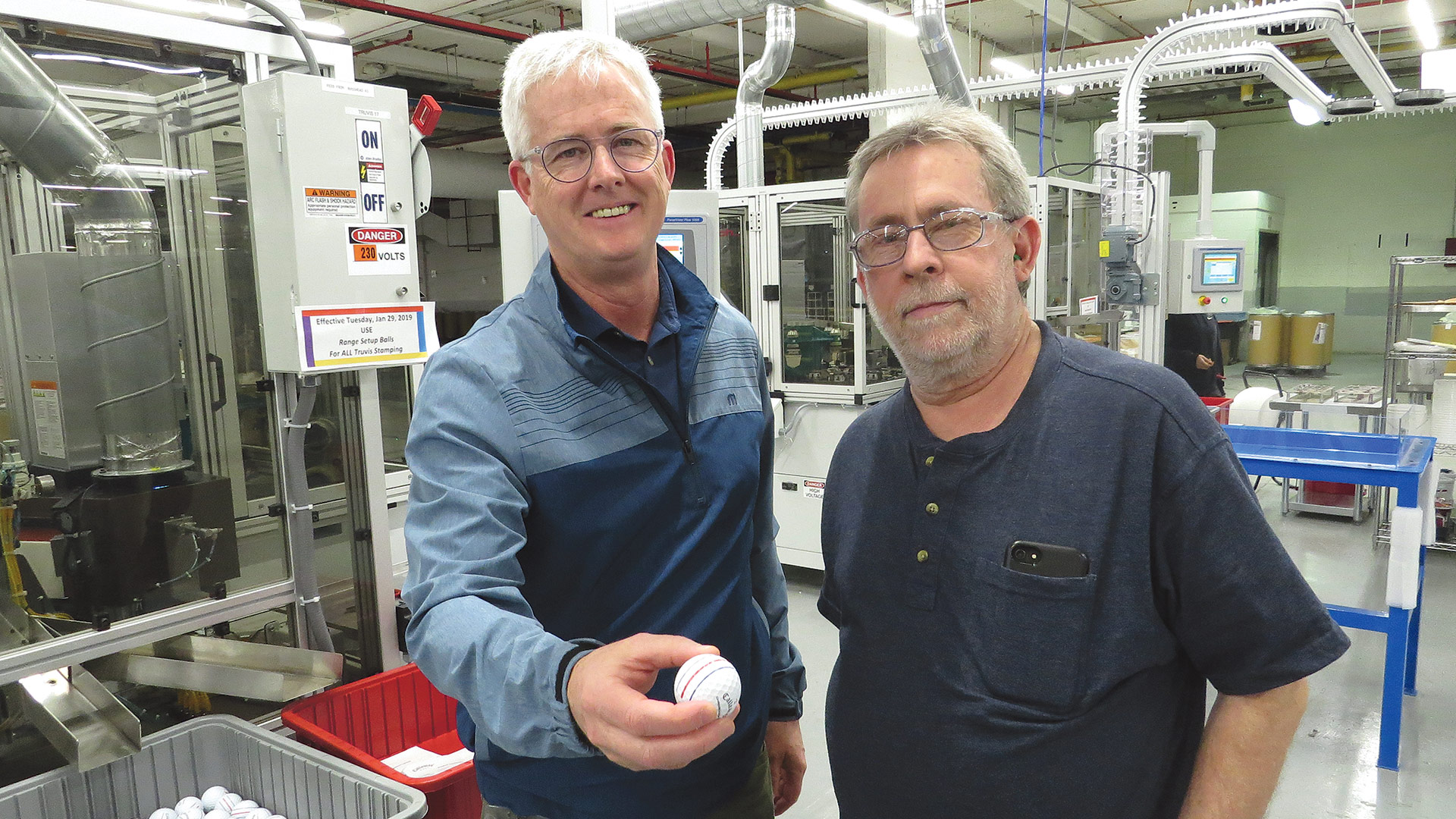
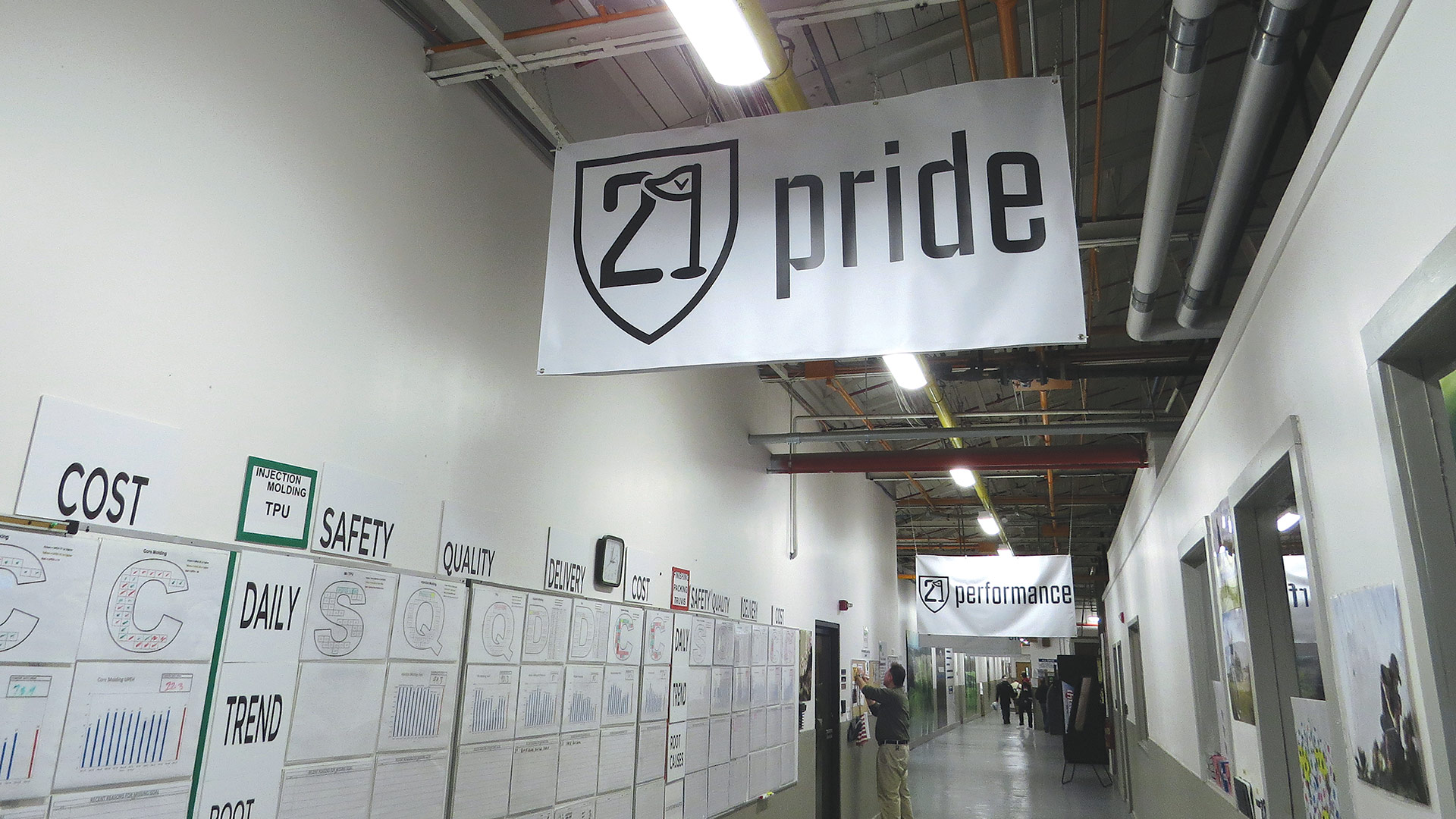
 It was almost a decade ago now when Bill Ward, then the executive director of the Regional Employment Board of Hampden County, stepped to the podium at the Log Cabin Banquet & Meeting House in Holyoke to accept the first Difference Maker award presented by BusinessWest.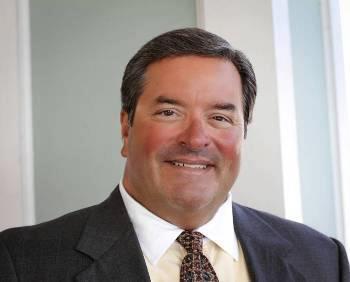

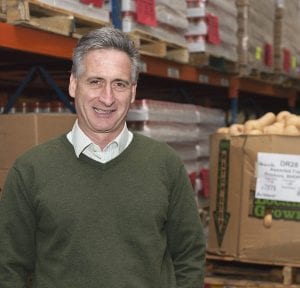
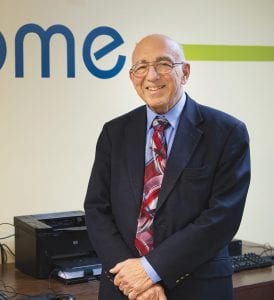
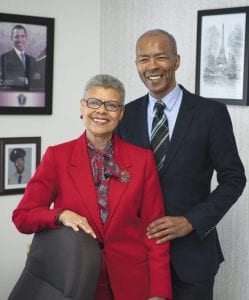
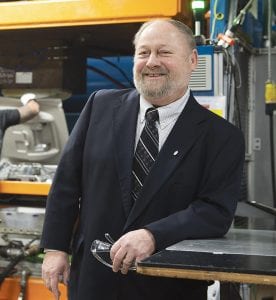
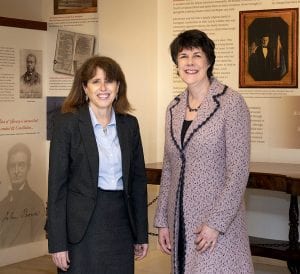






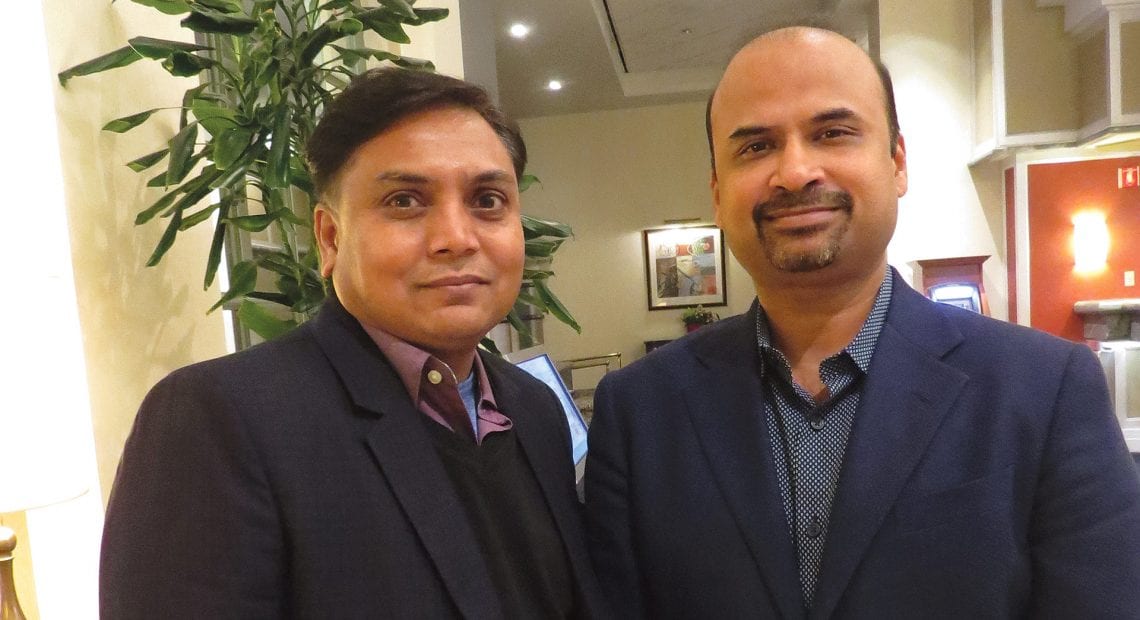
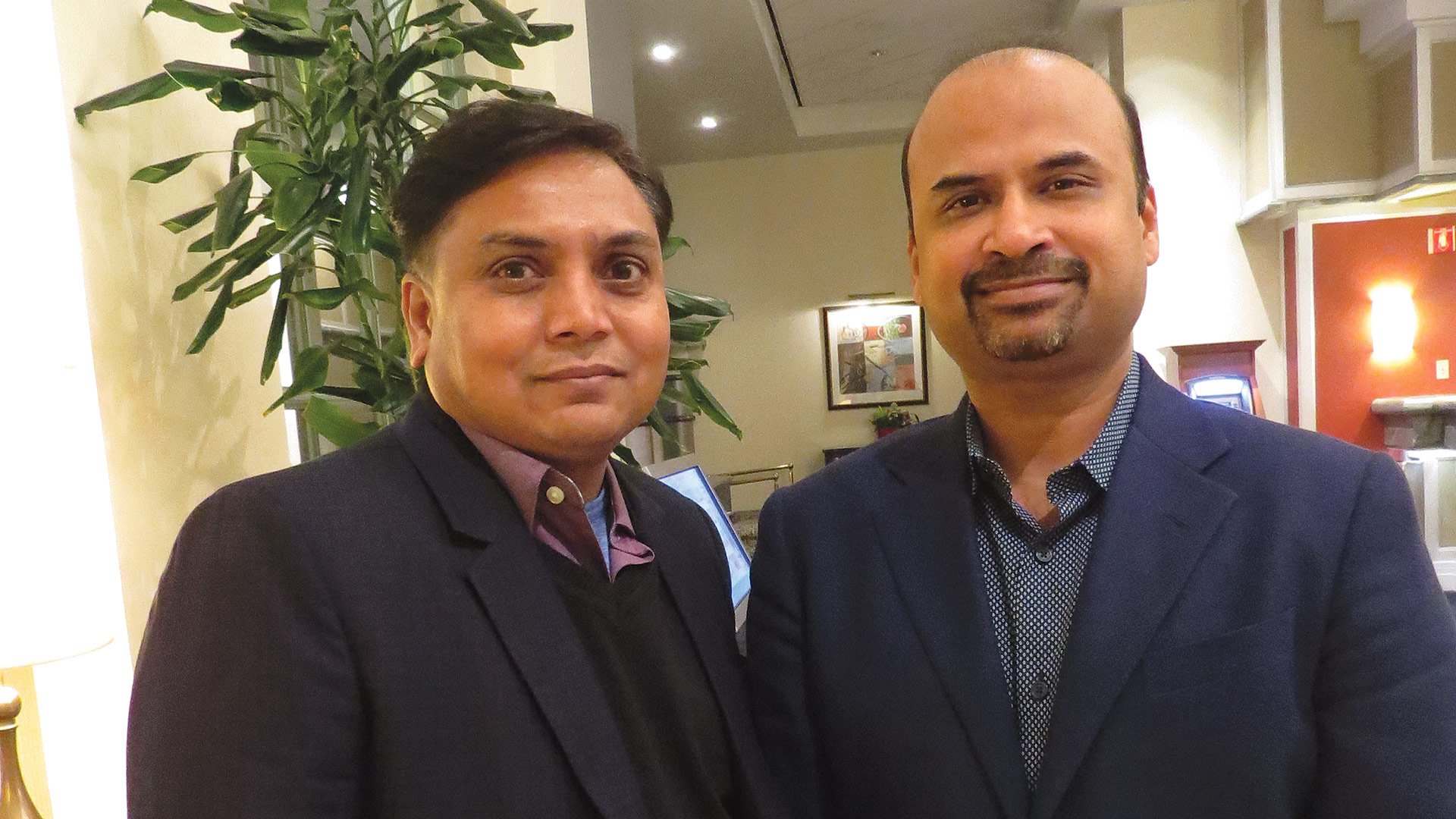
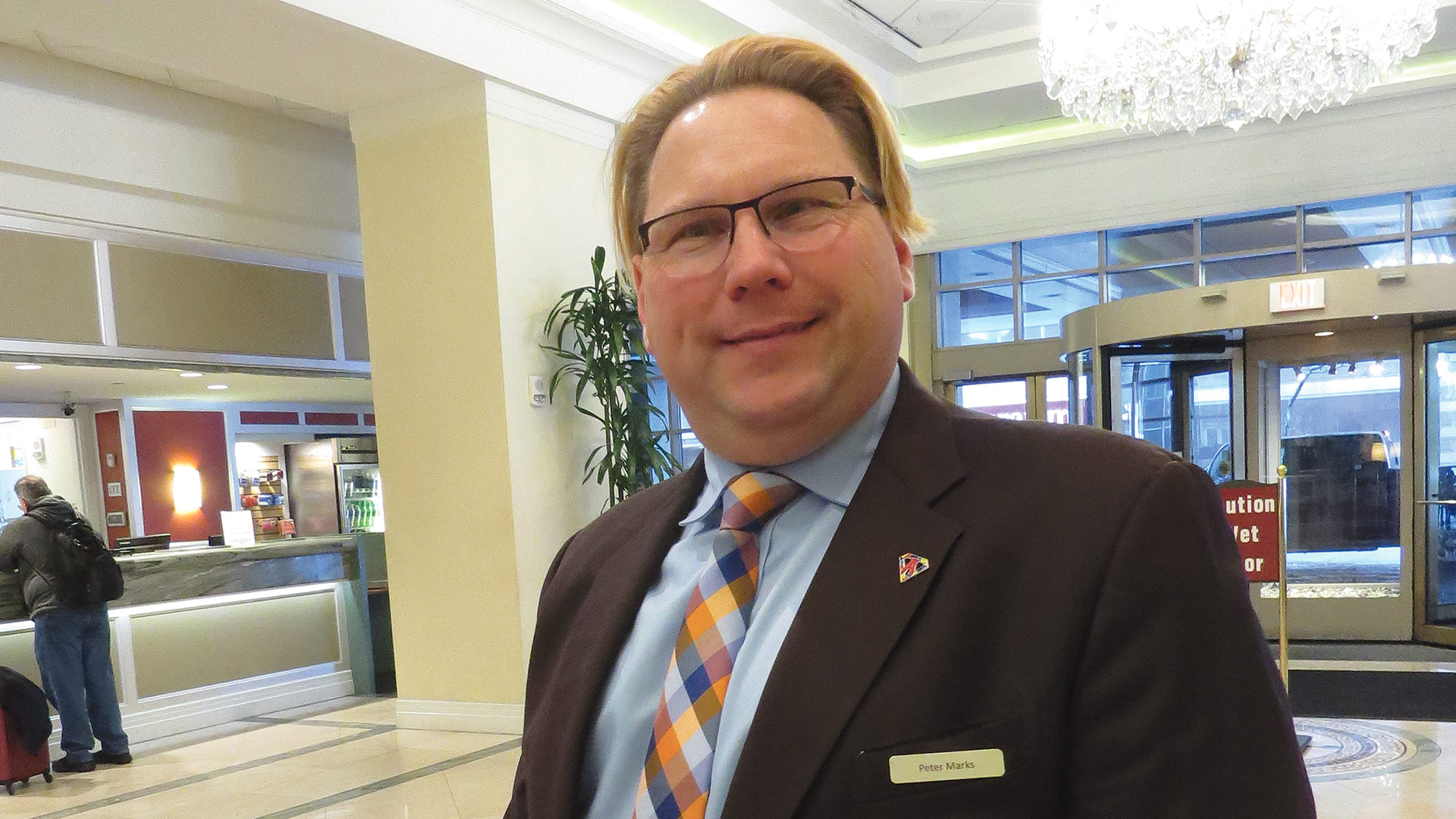


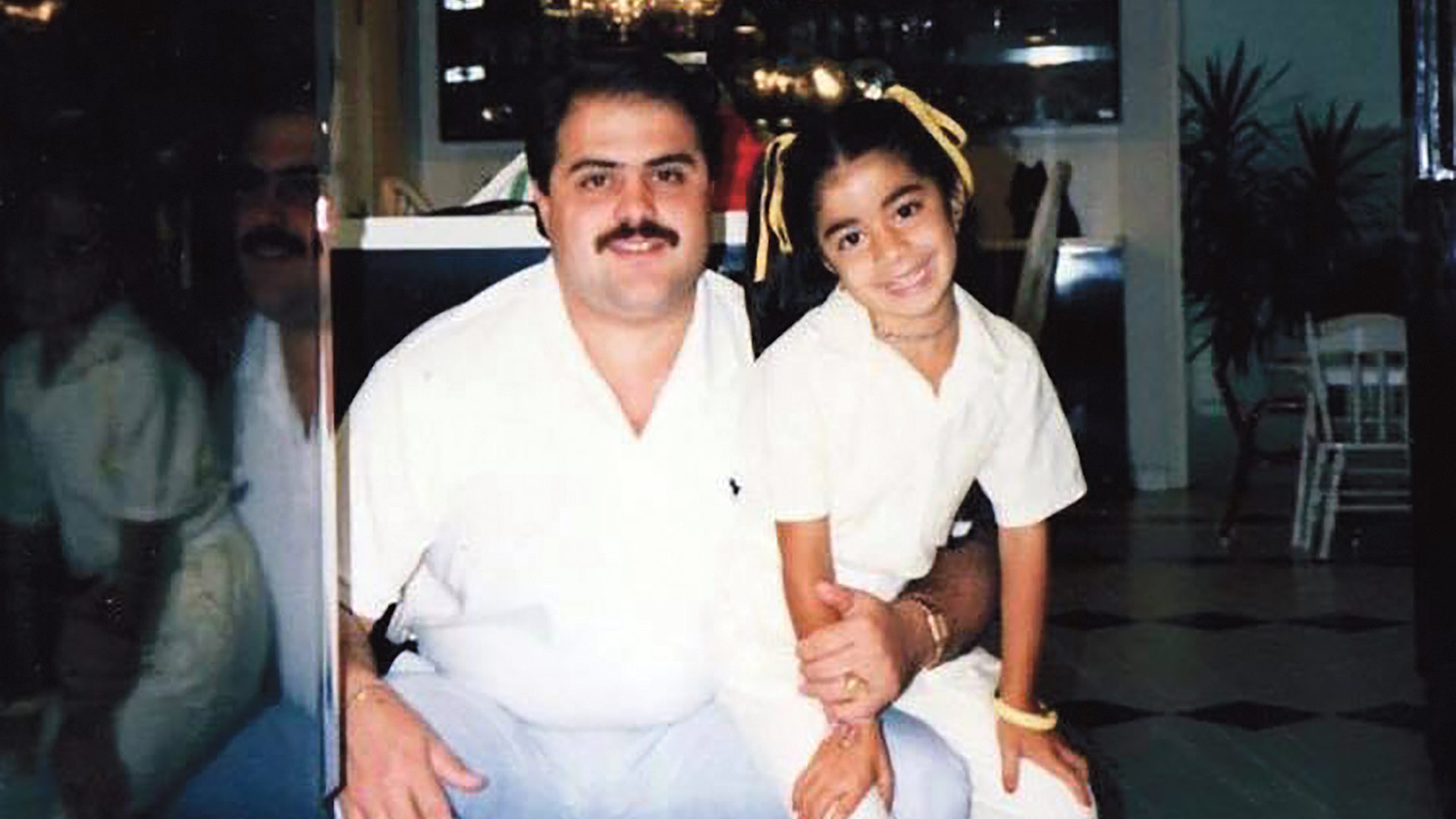
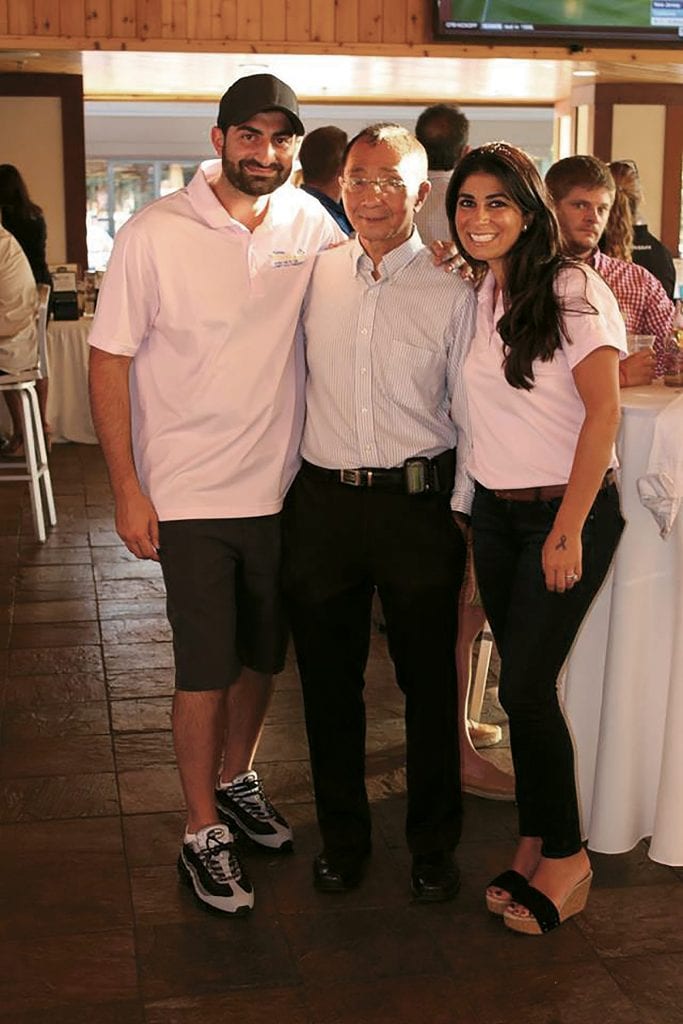



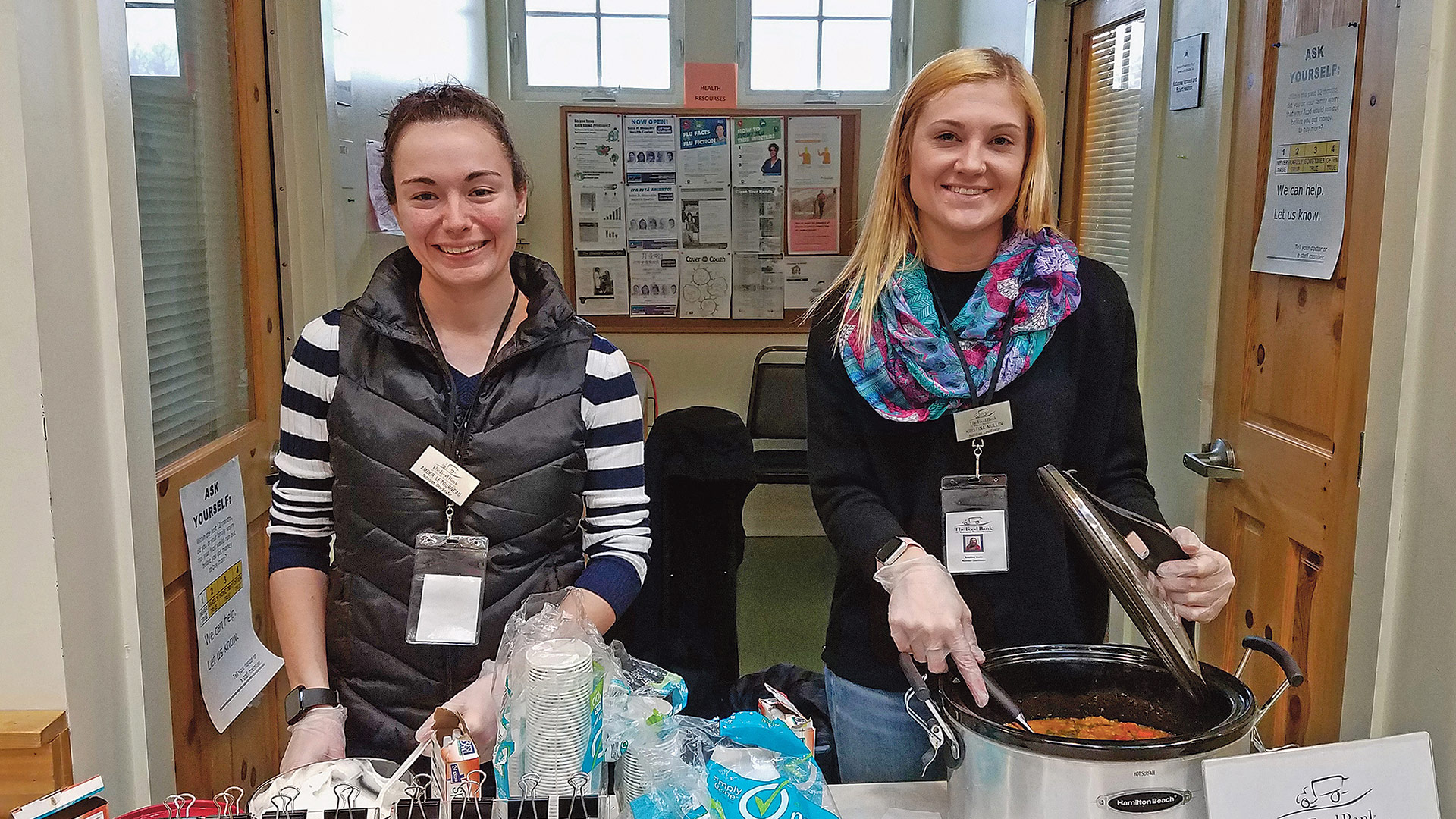

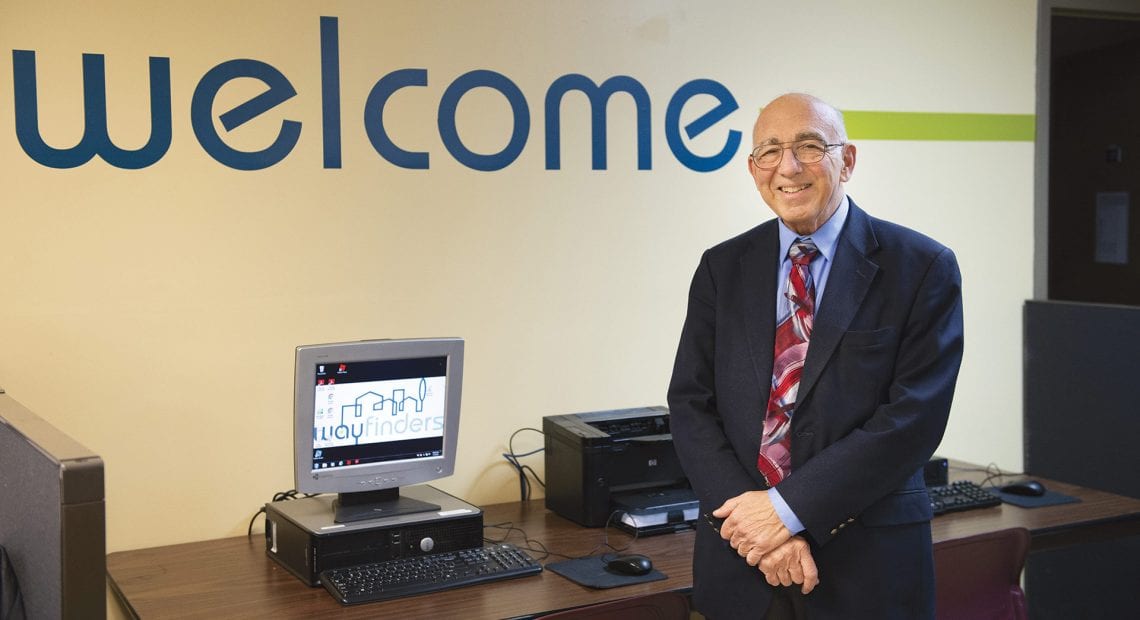
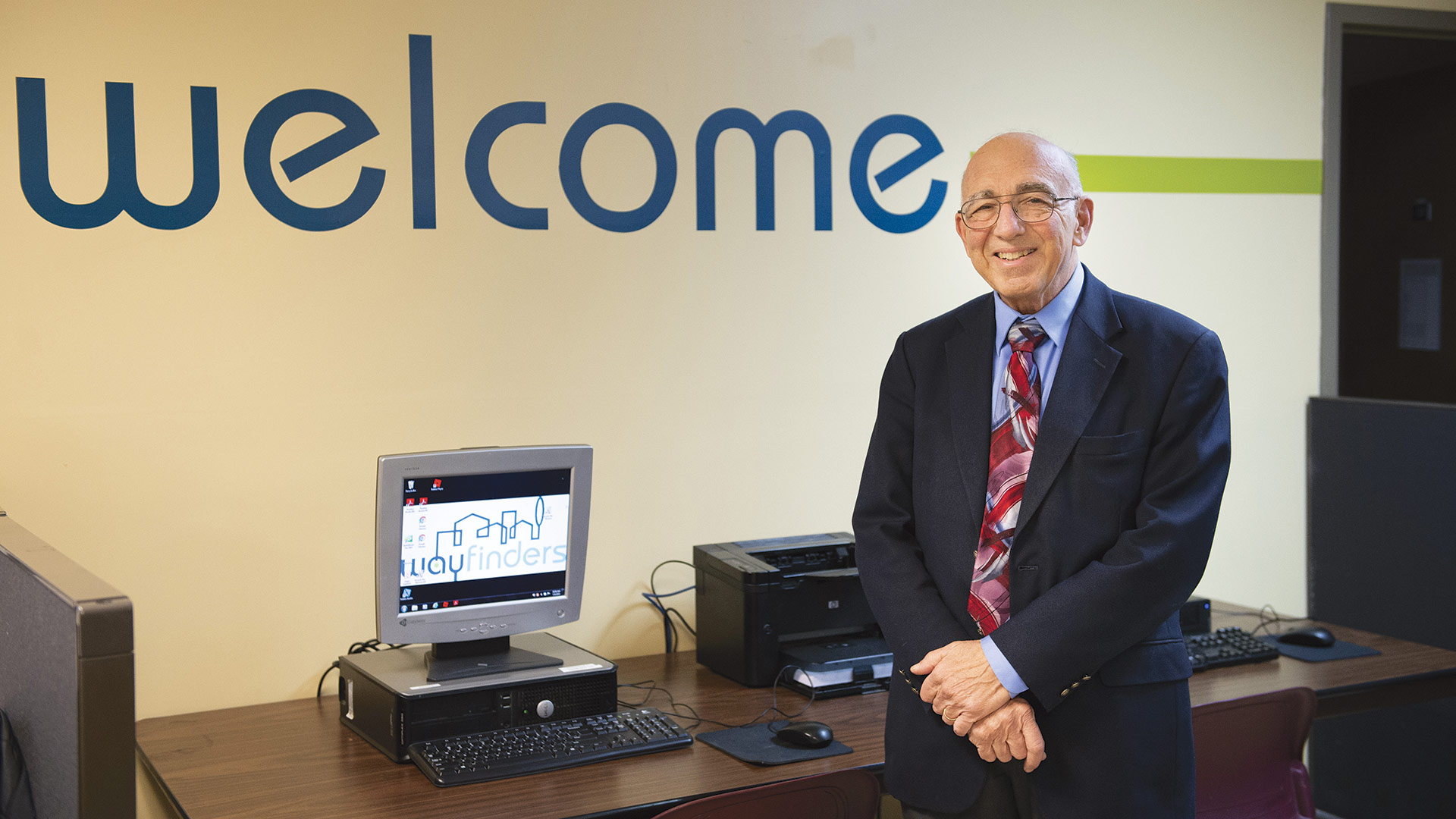
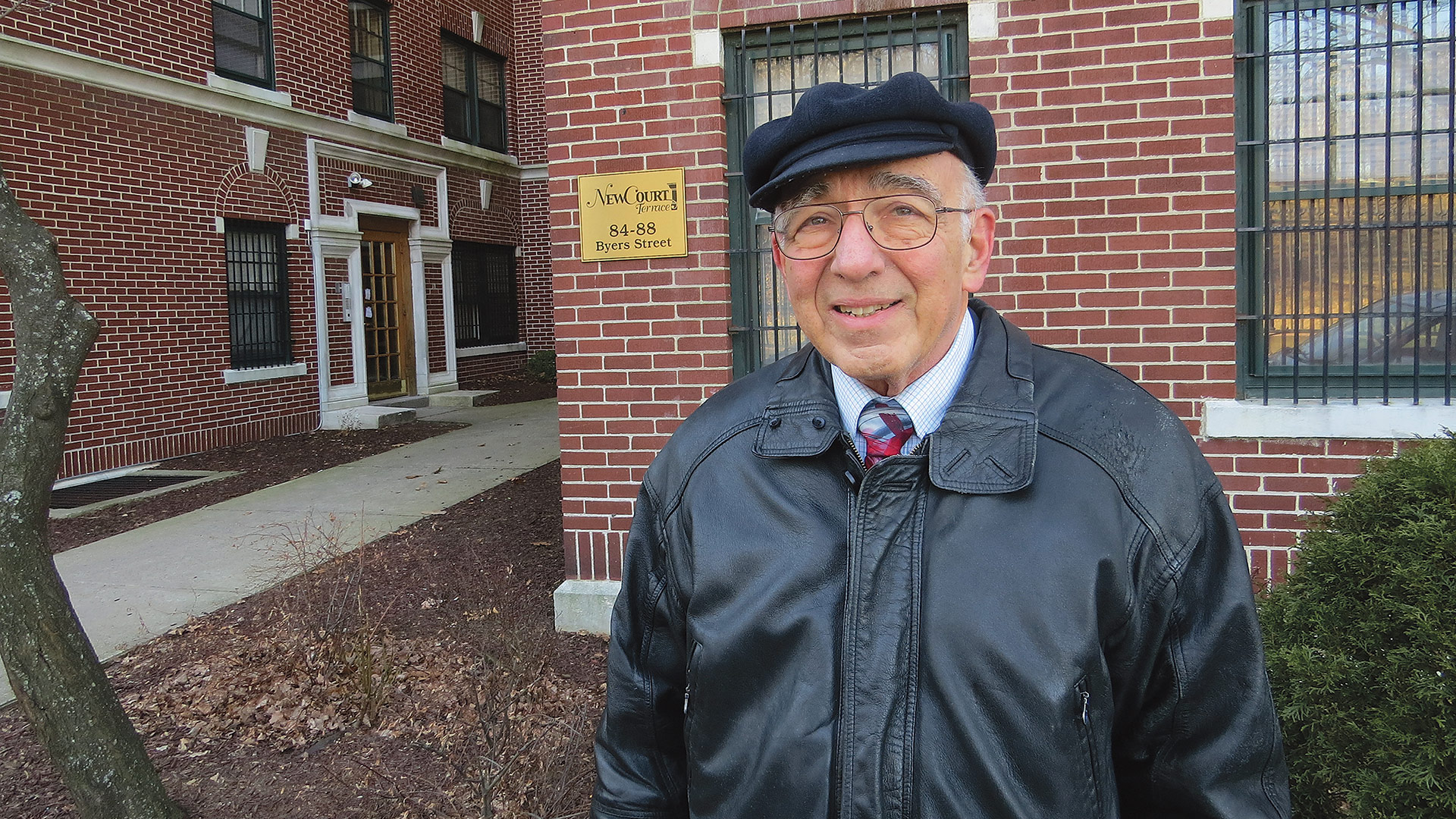
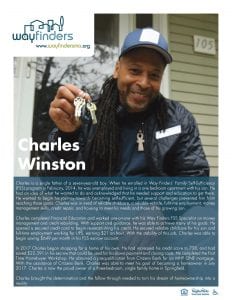
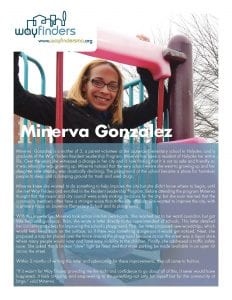
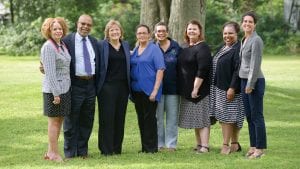
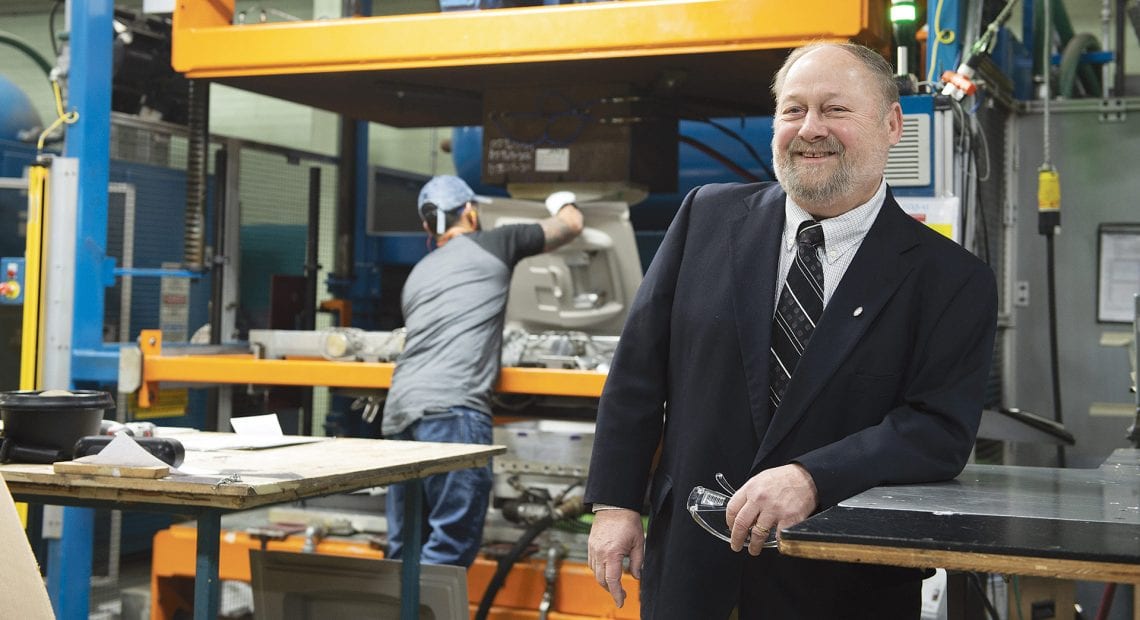
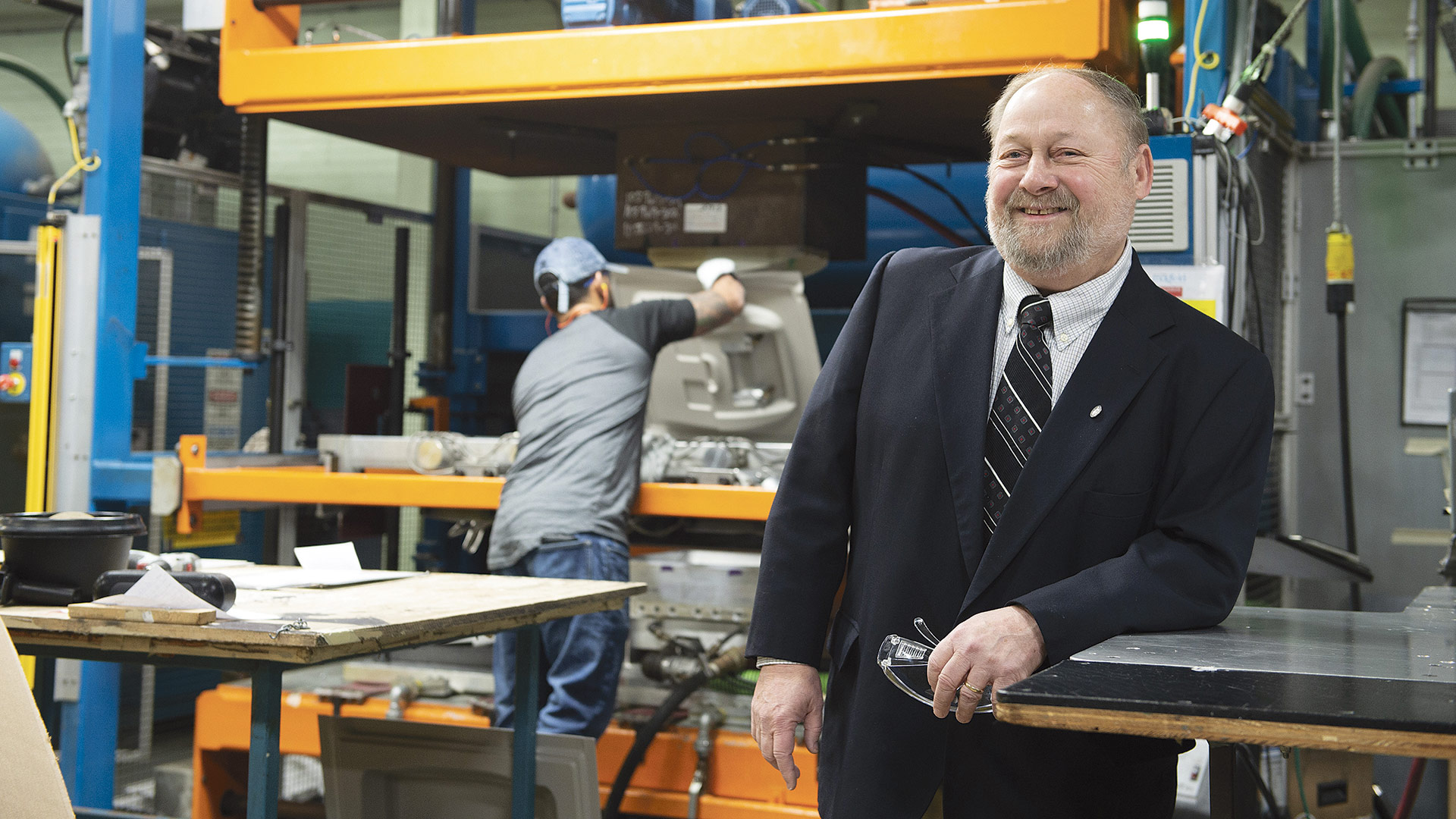
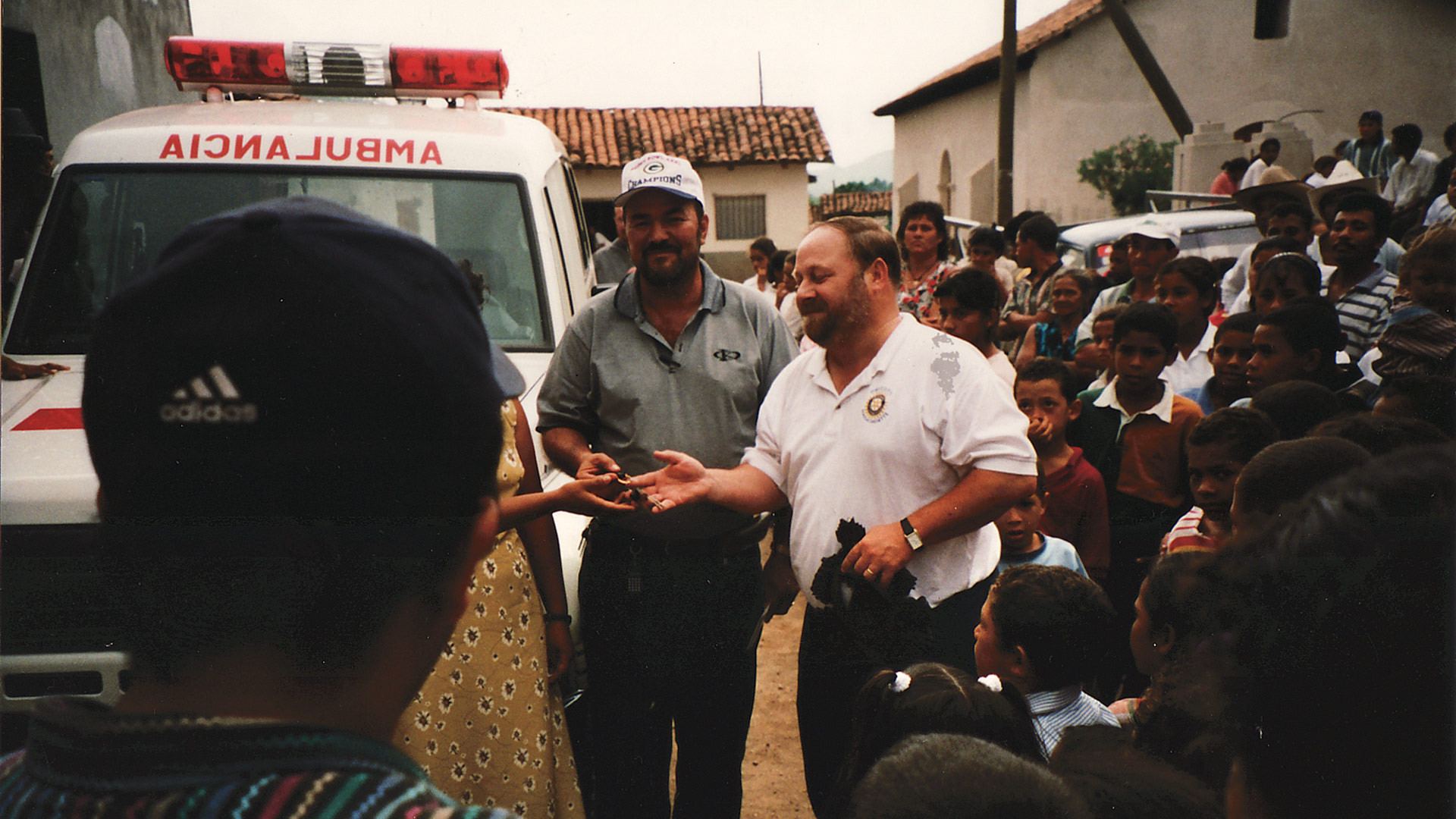
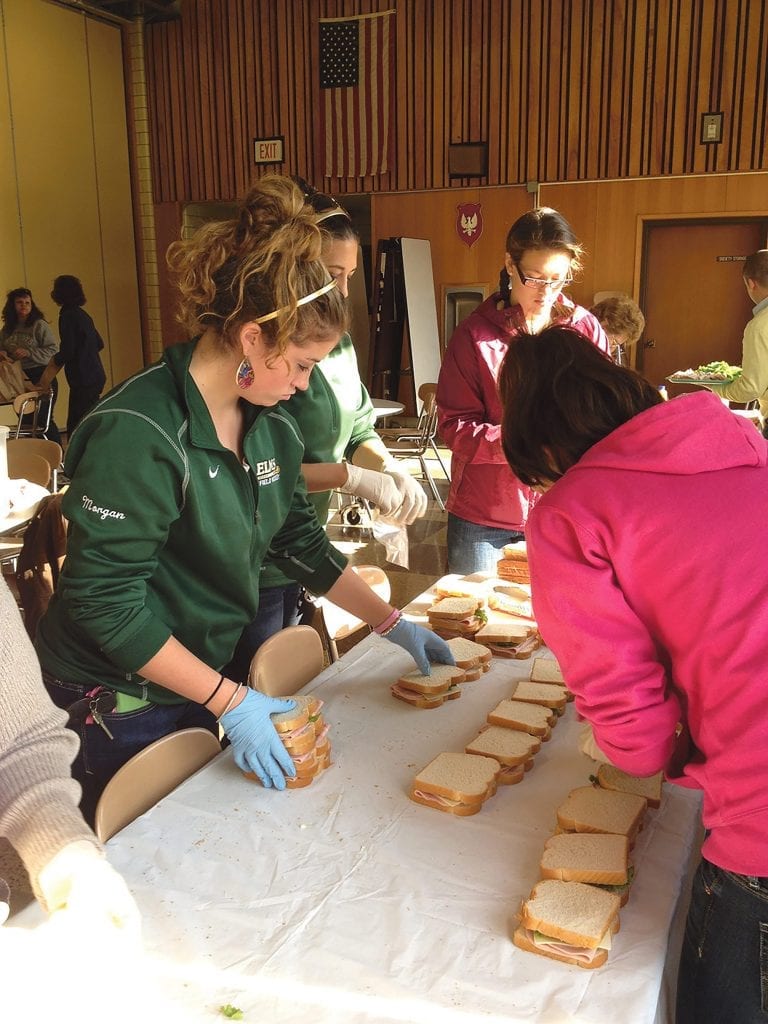
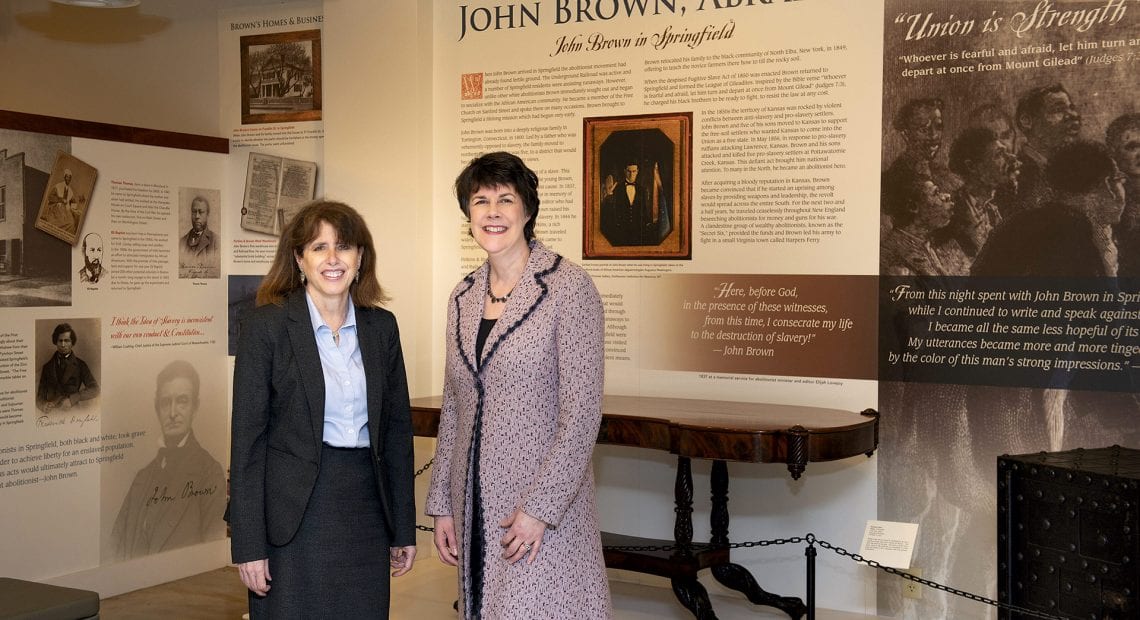
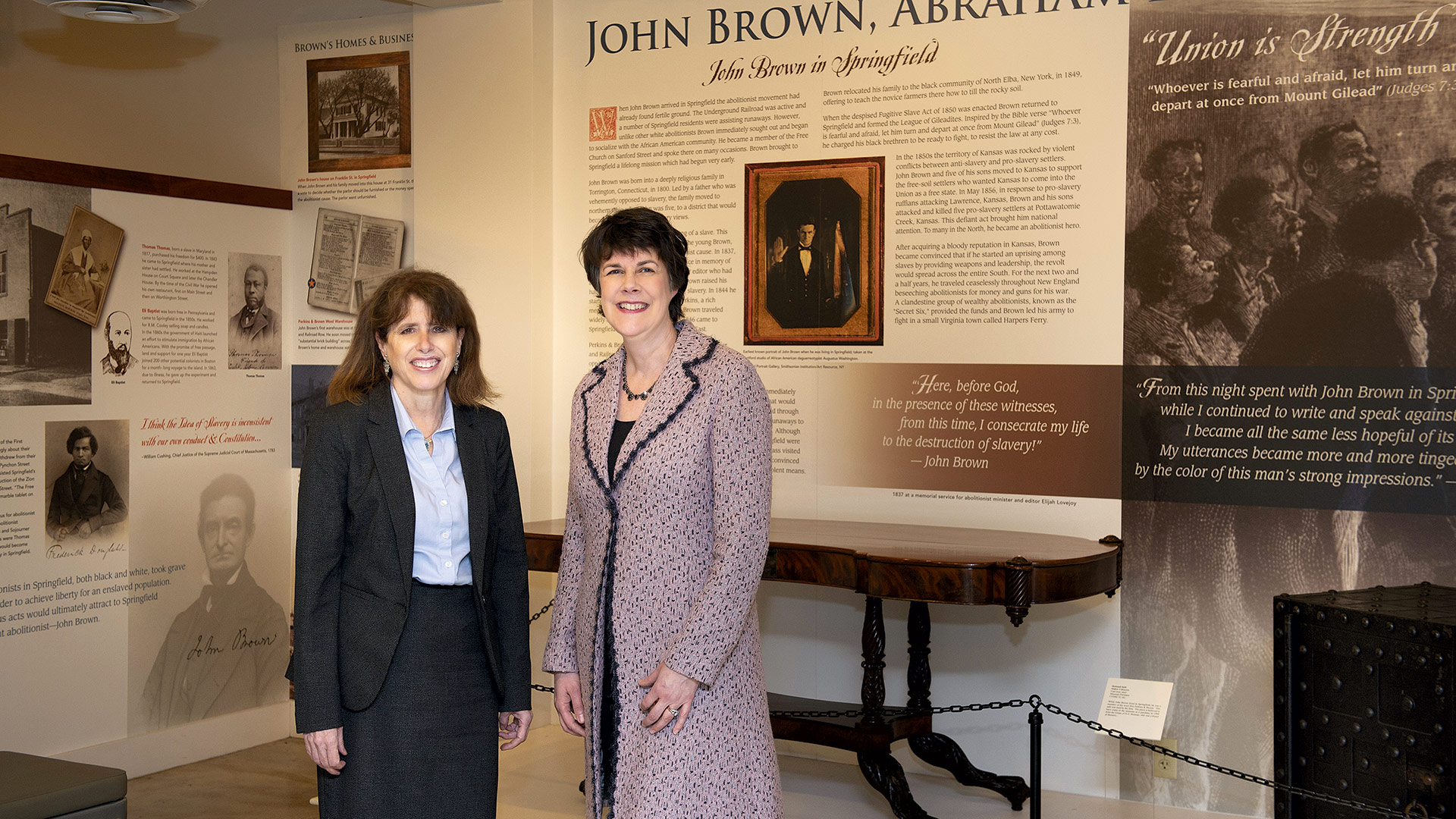

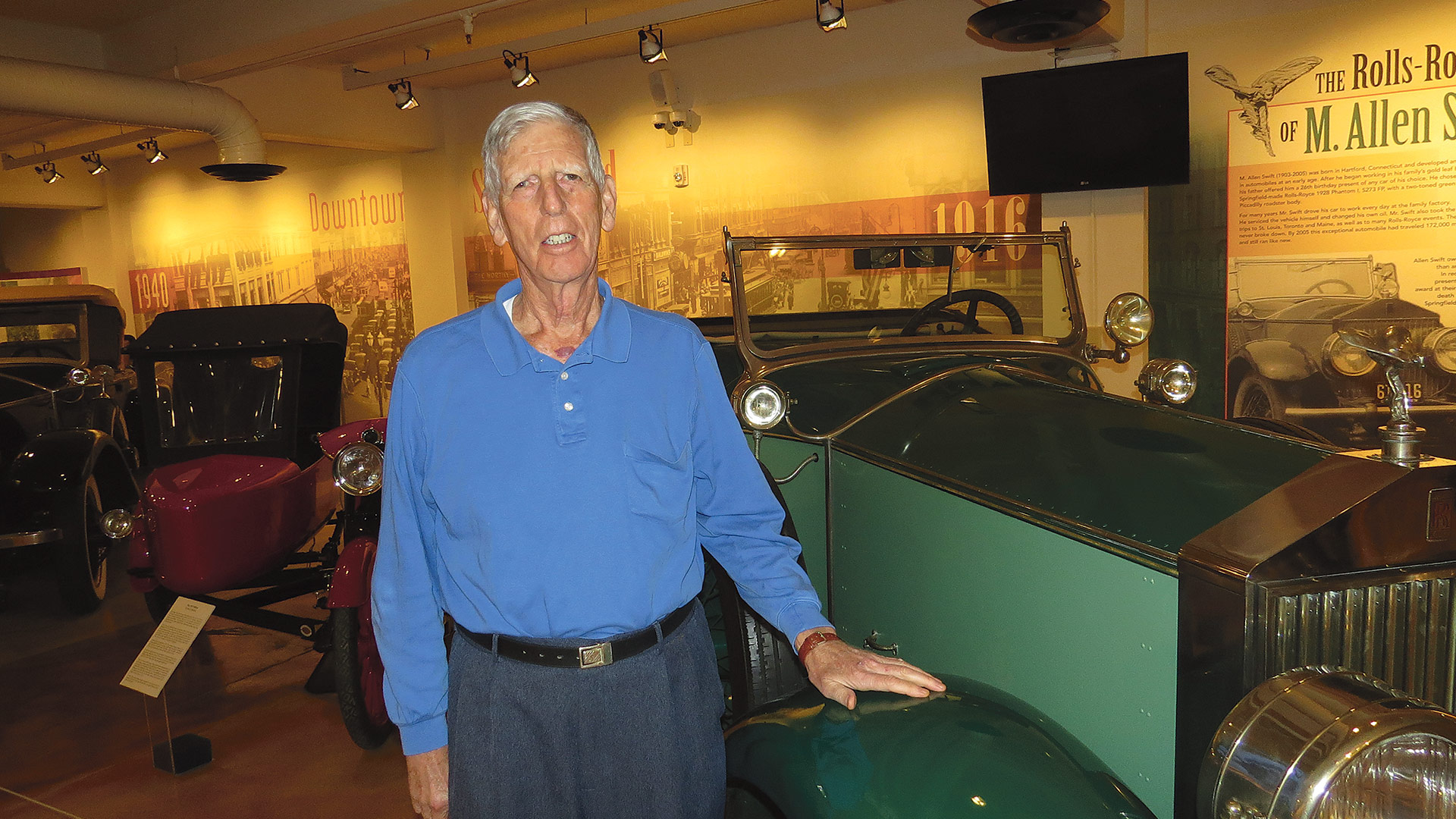


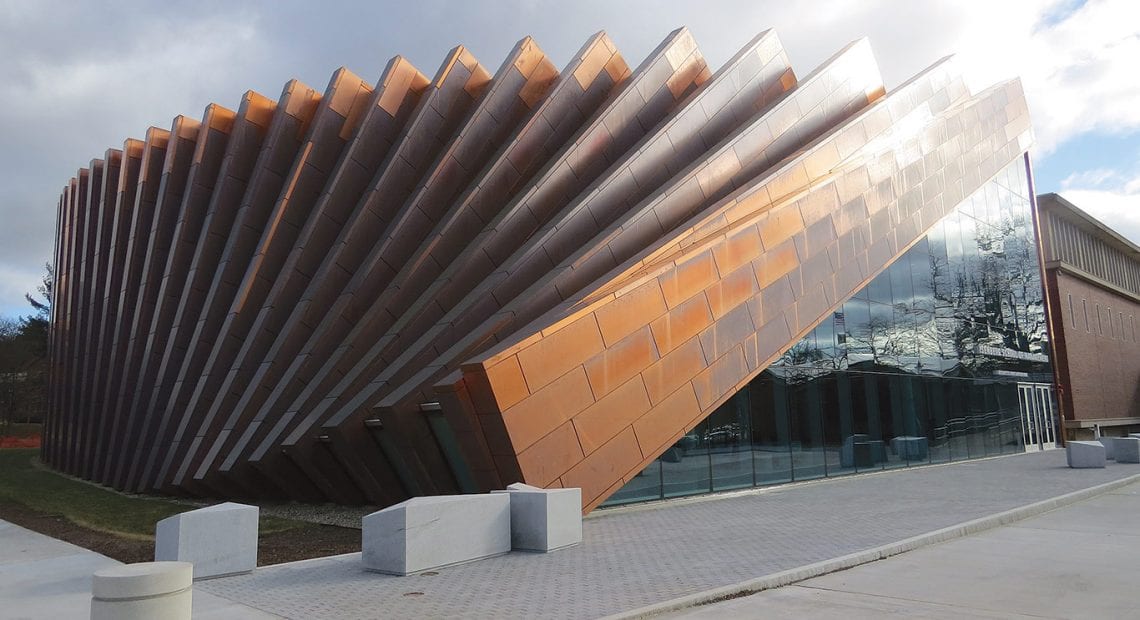

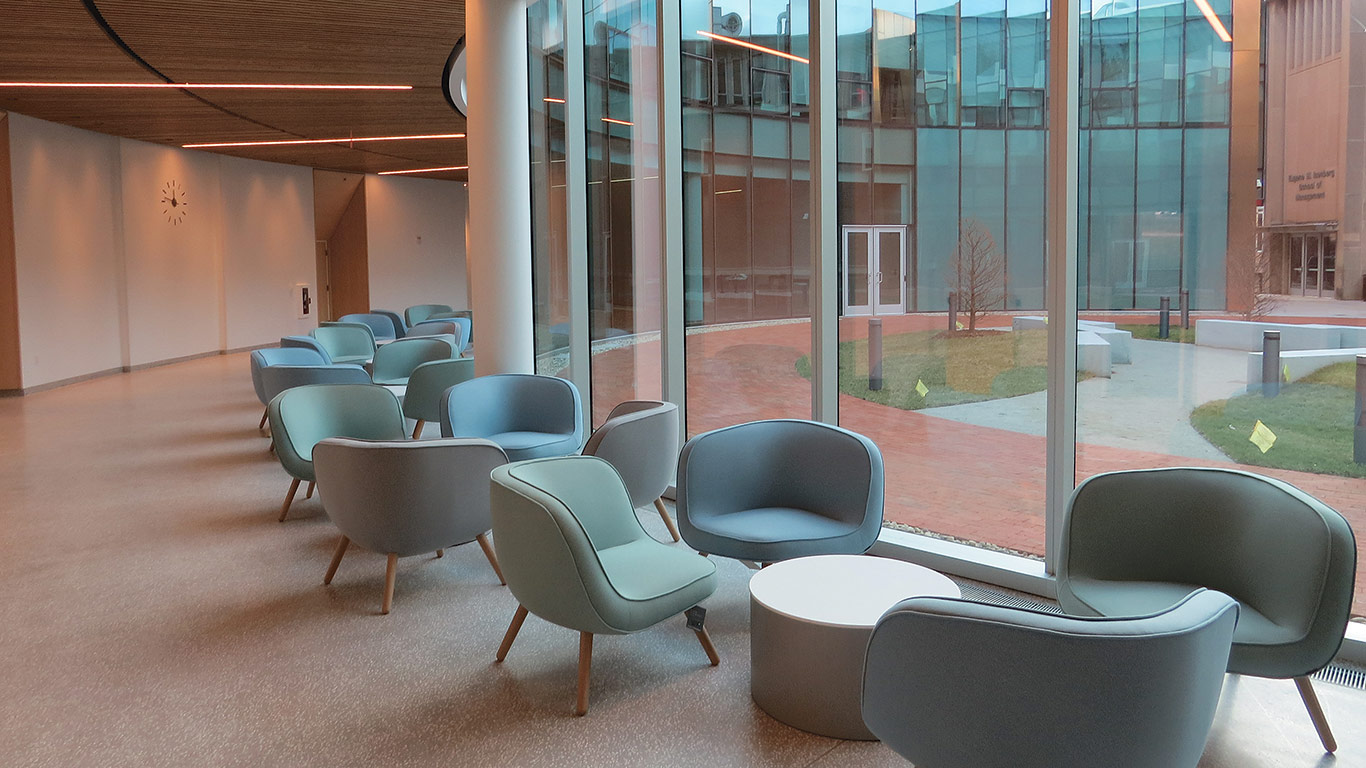


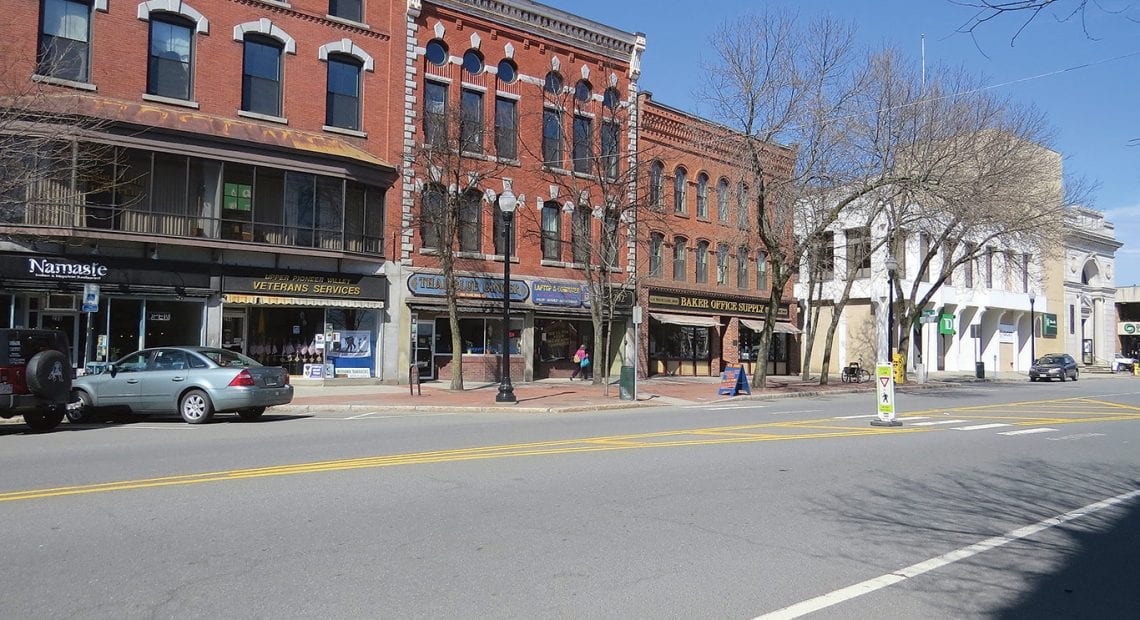
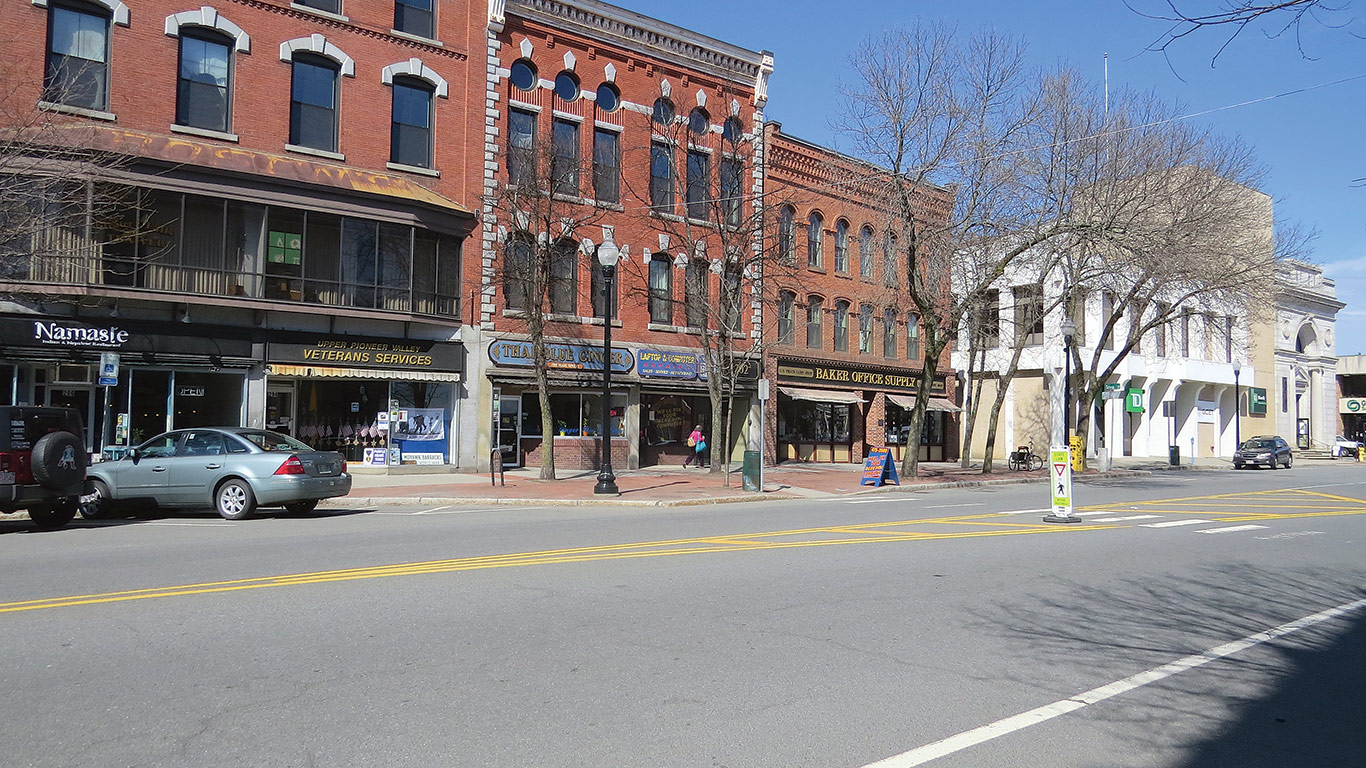
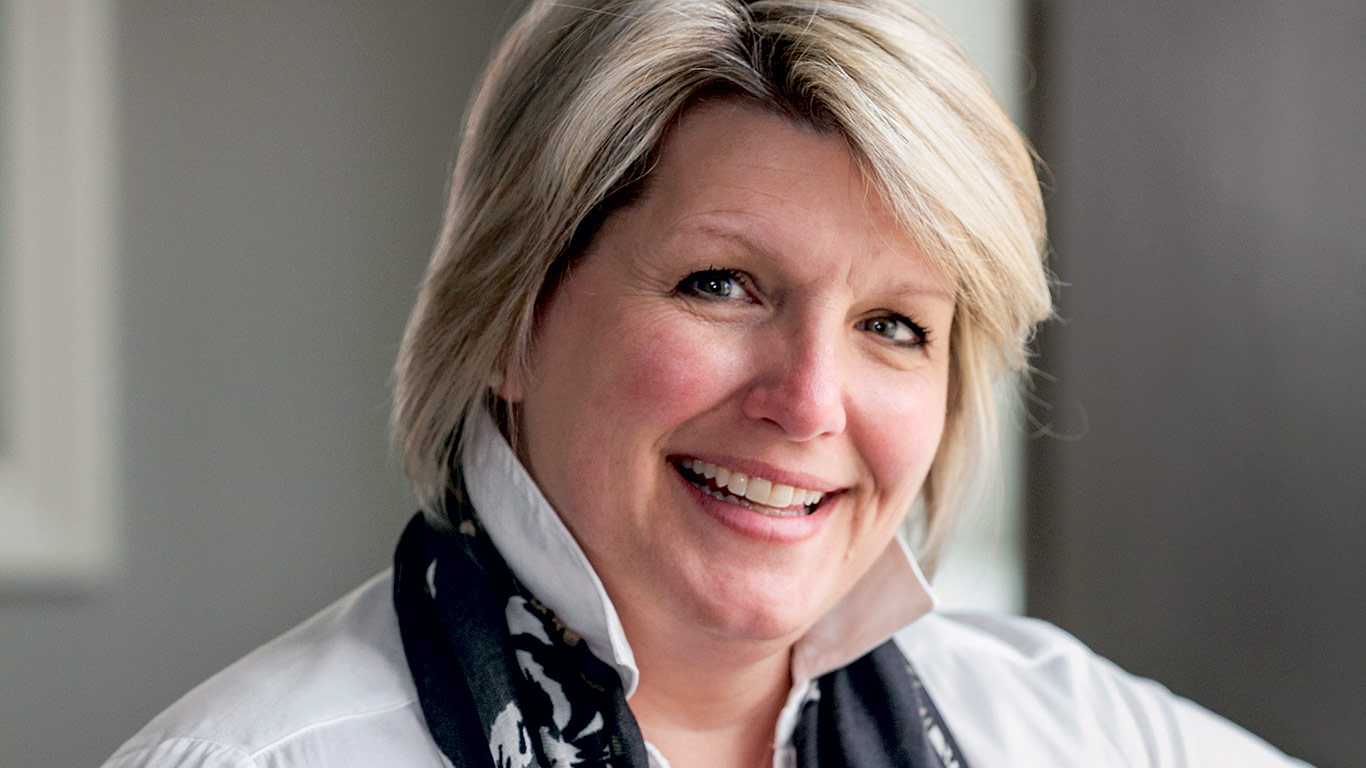
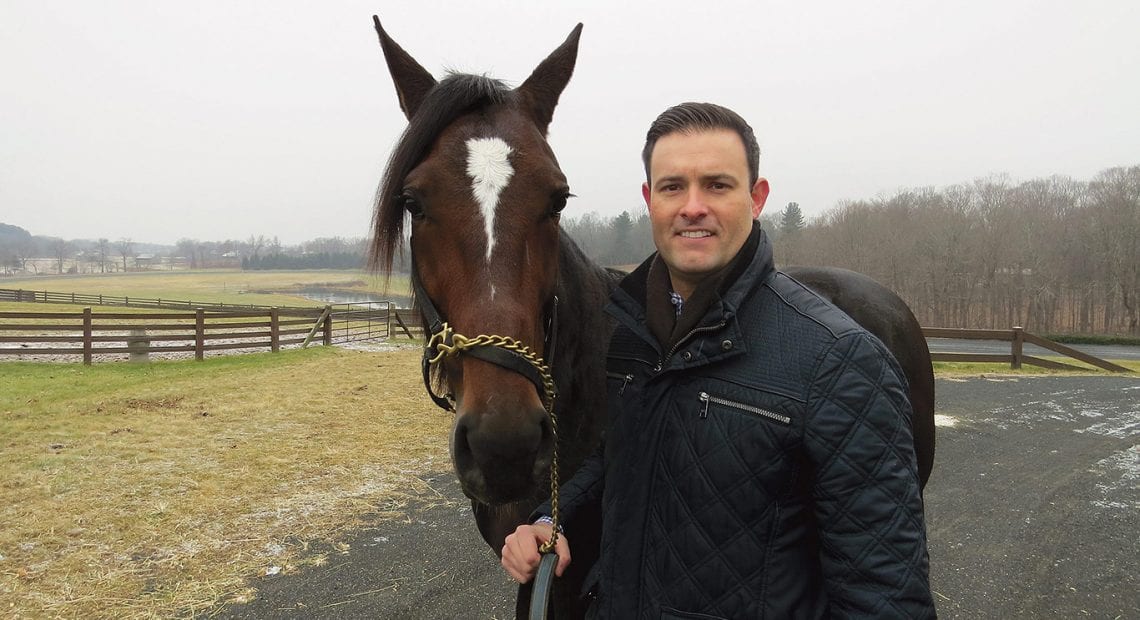
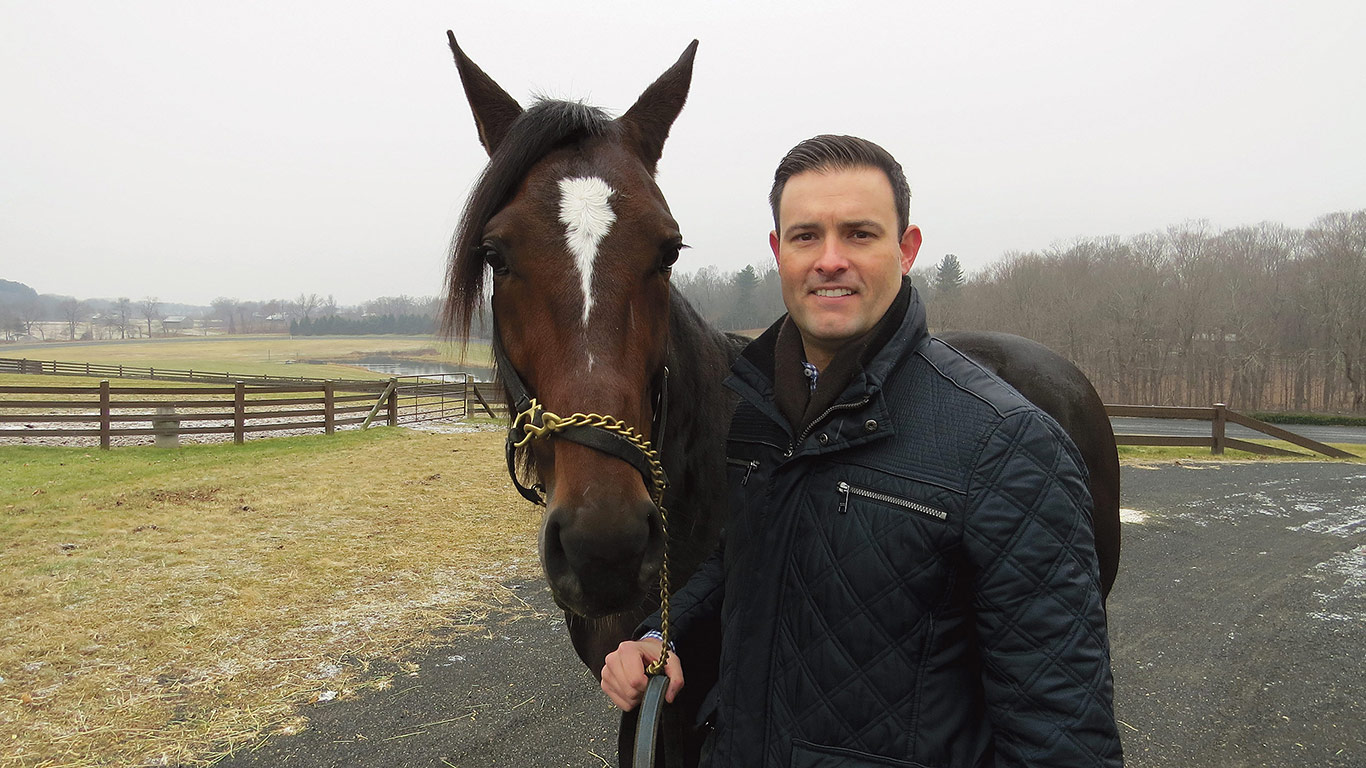
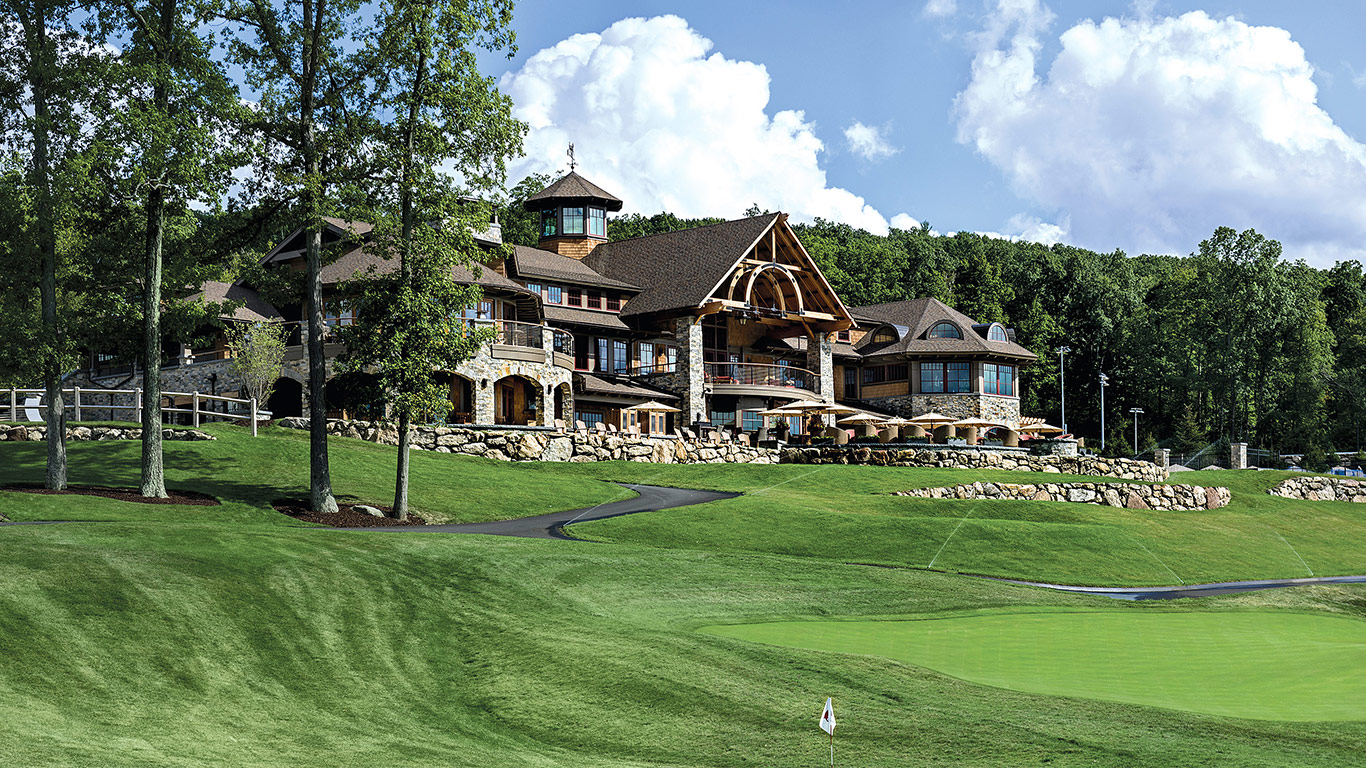




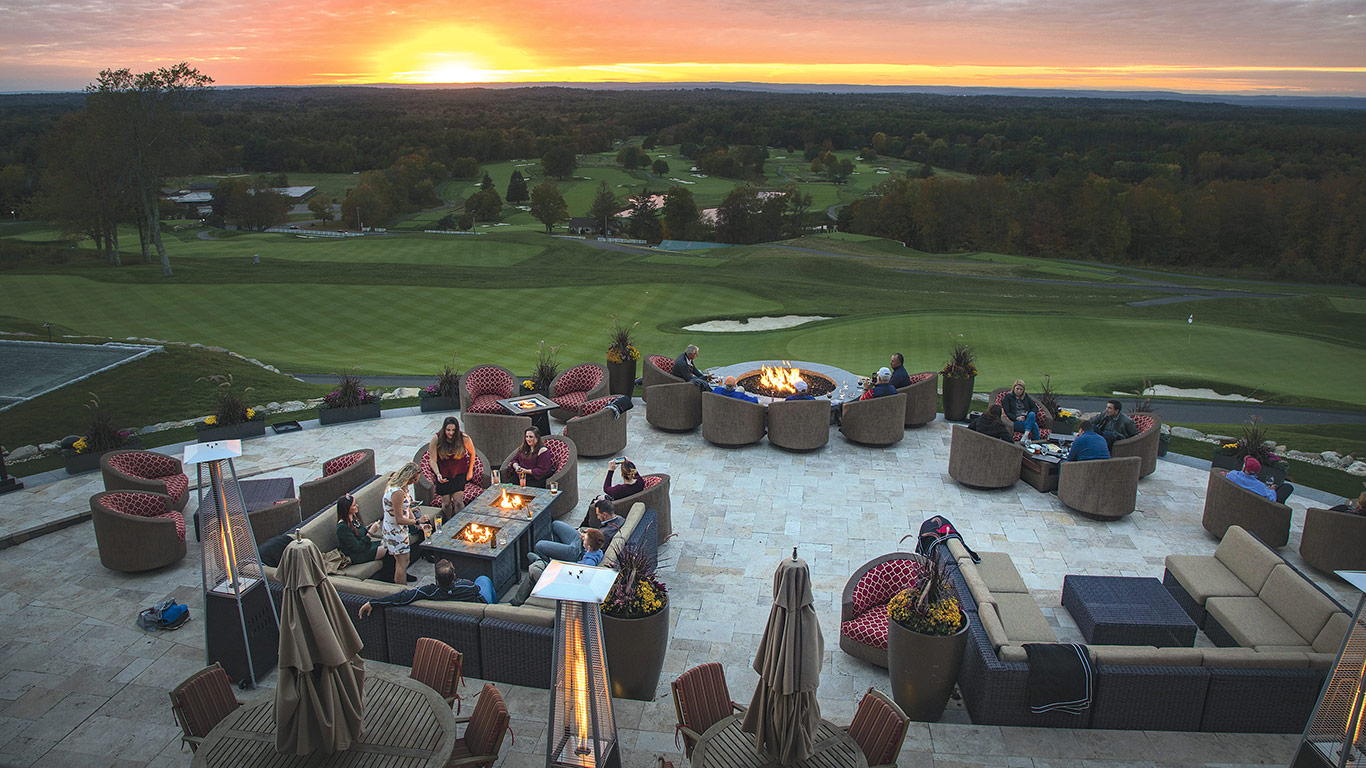

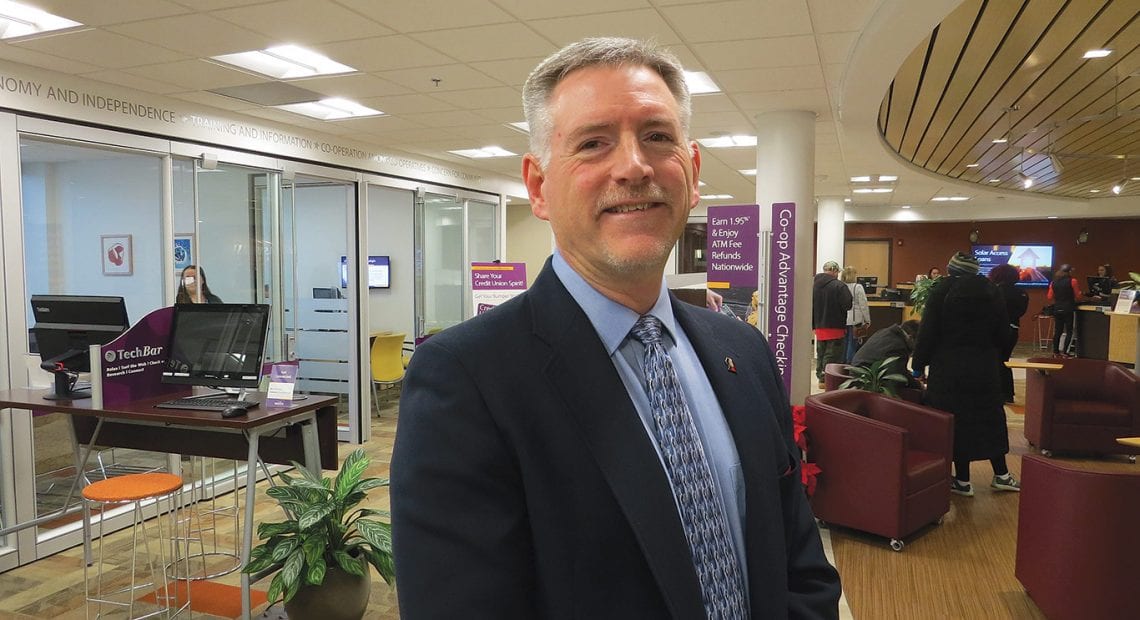
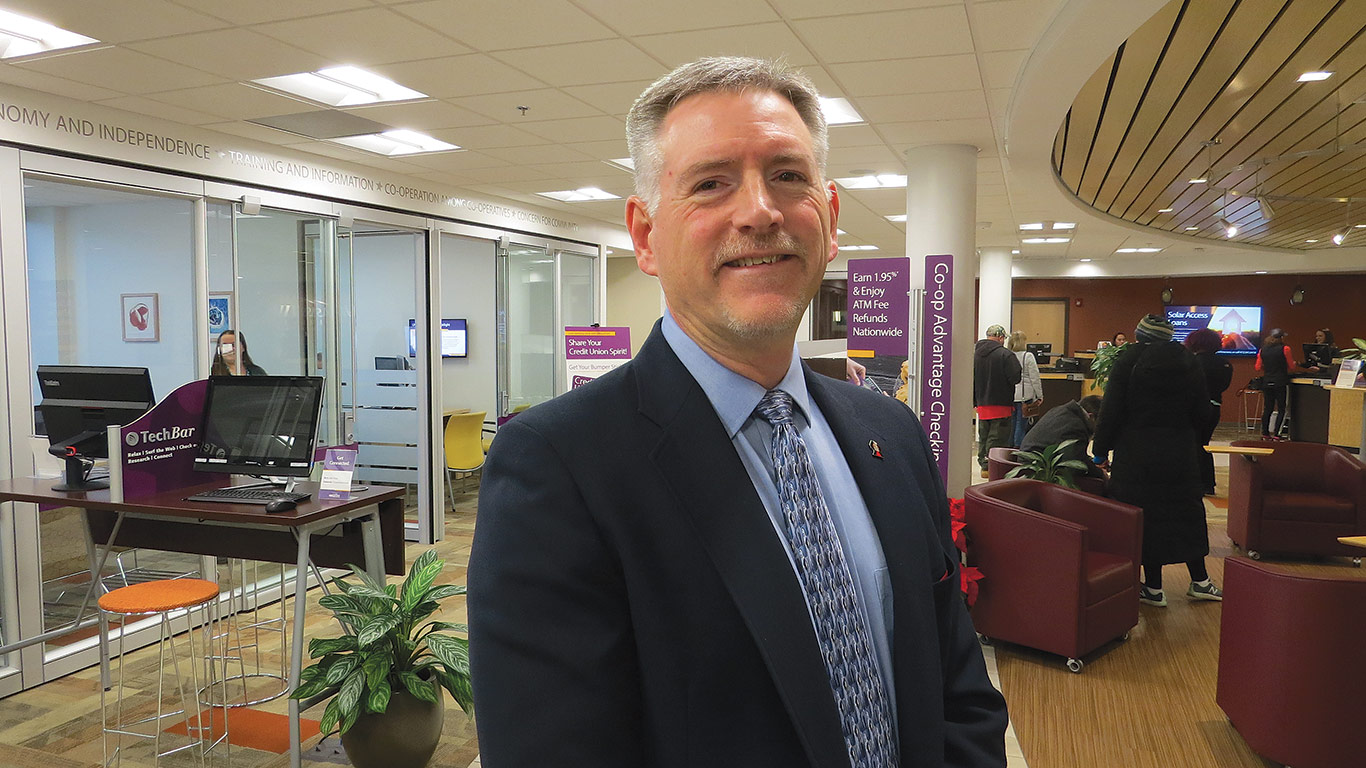



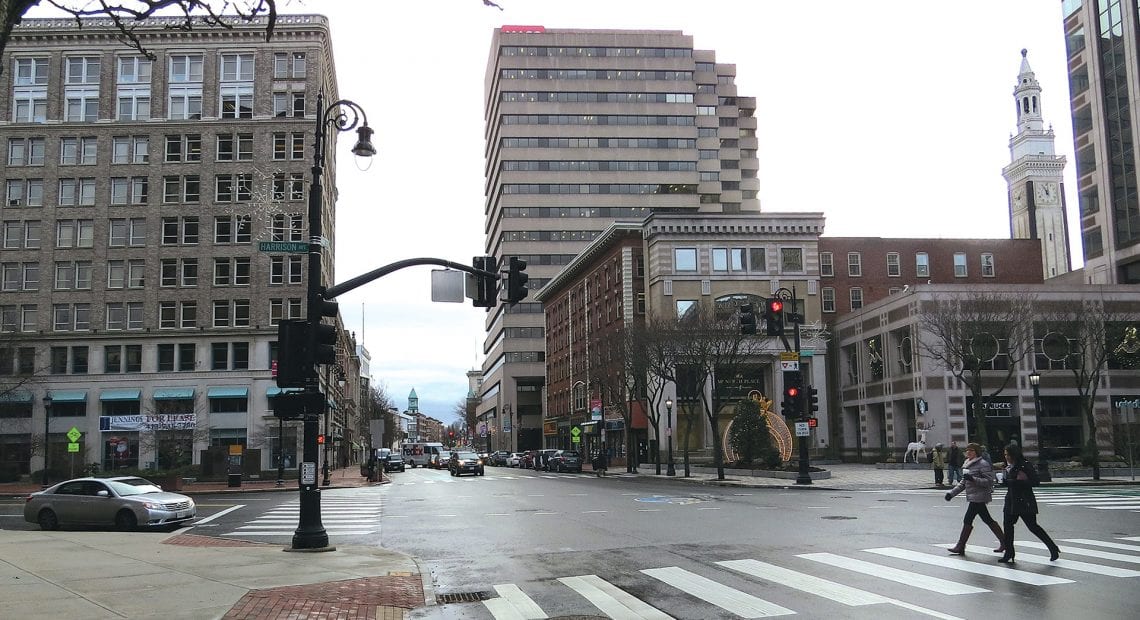
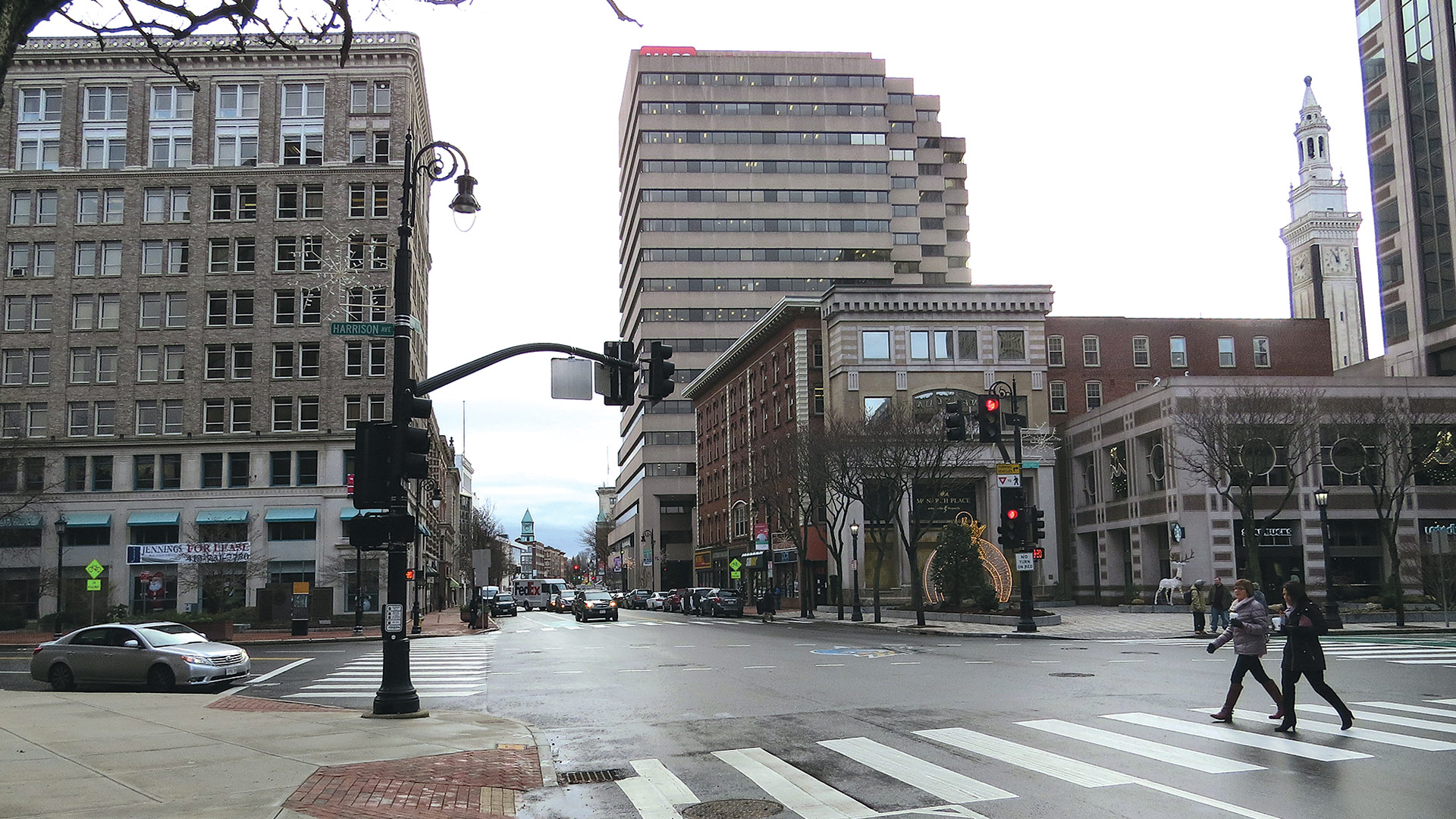

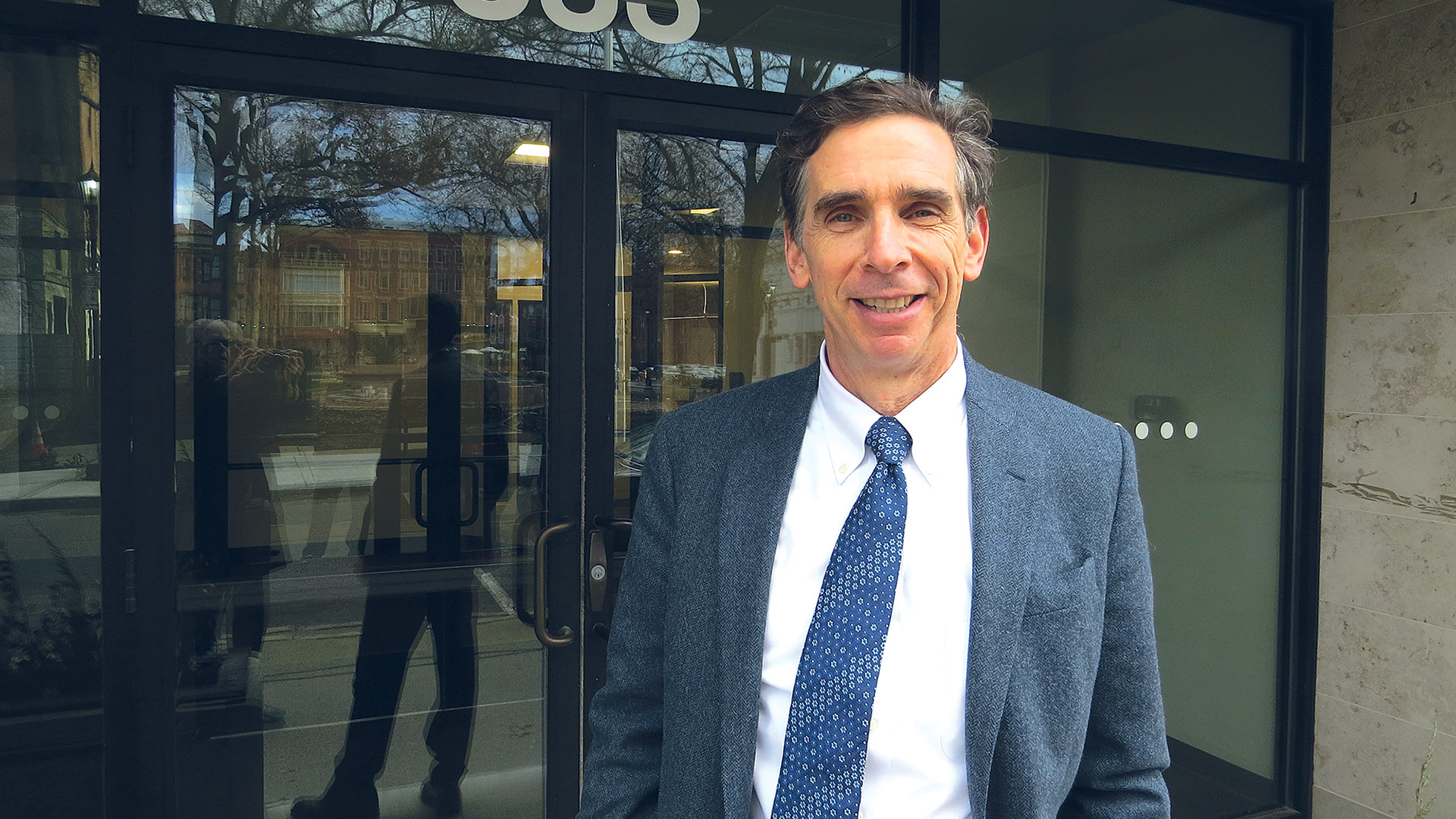

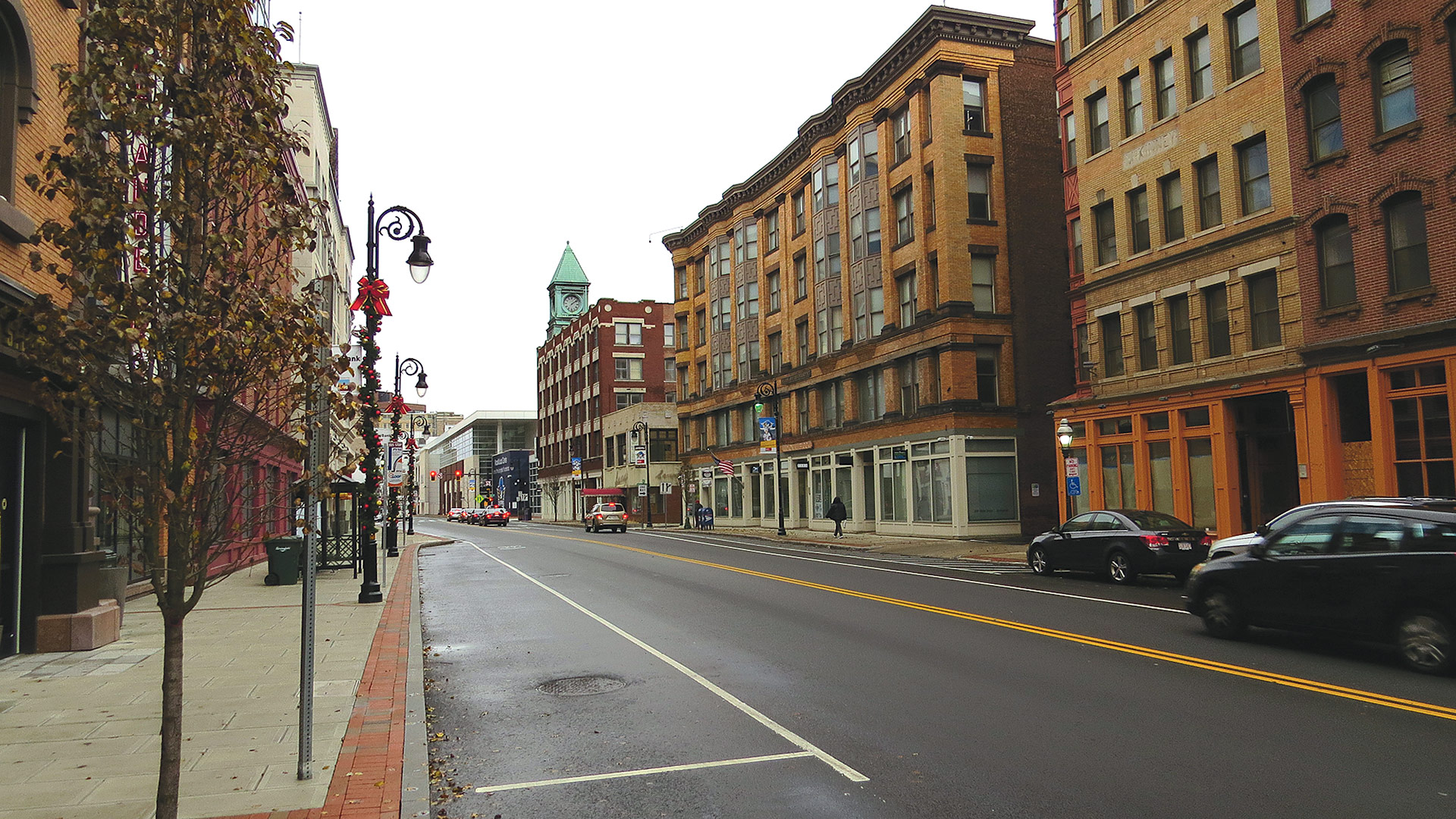

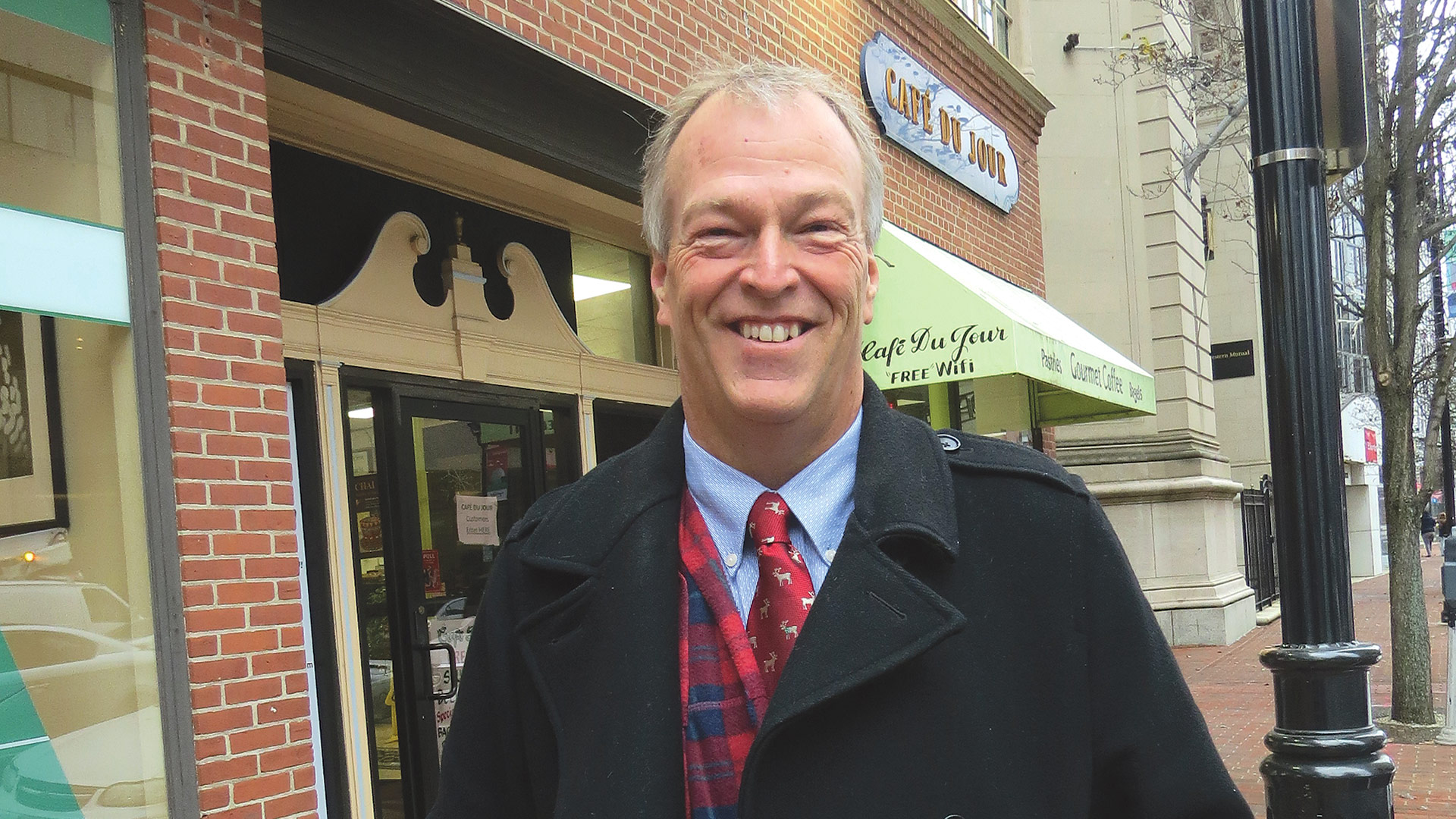
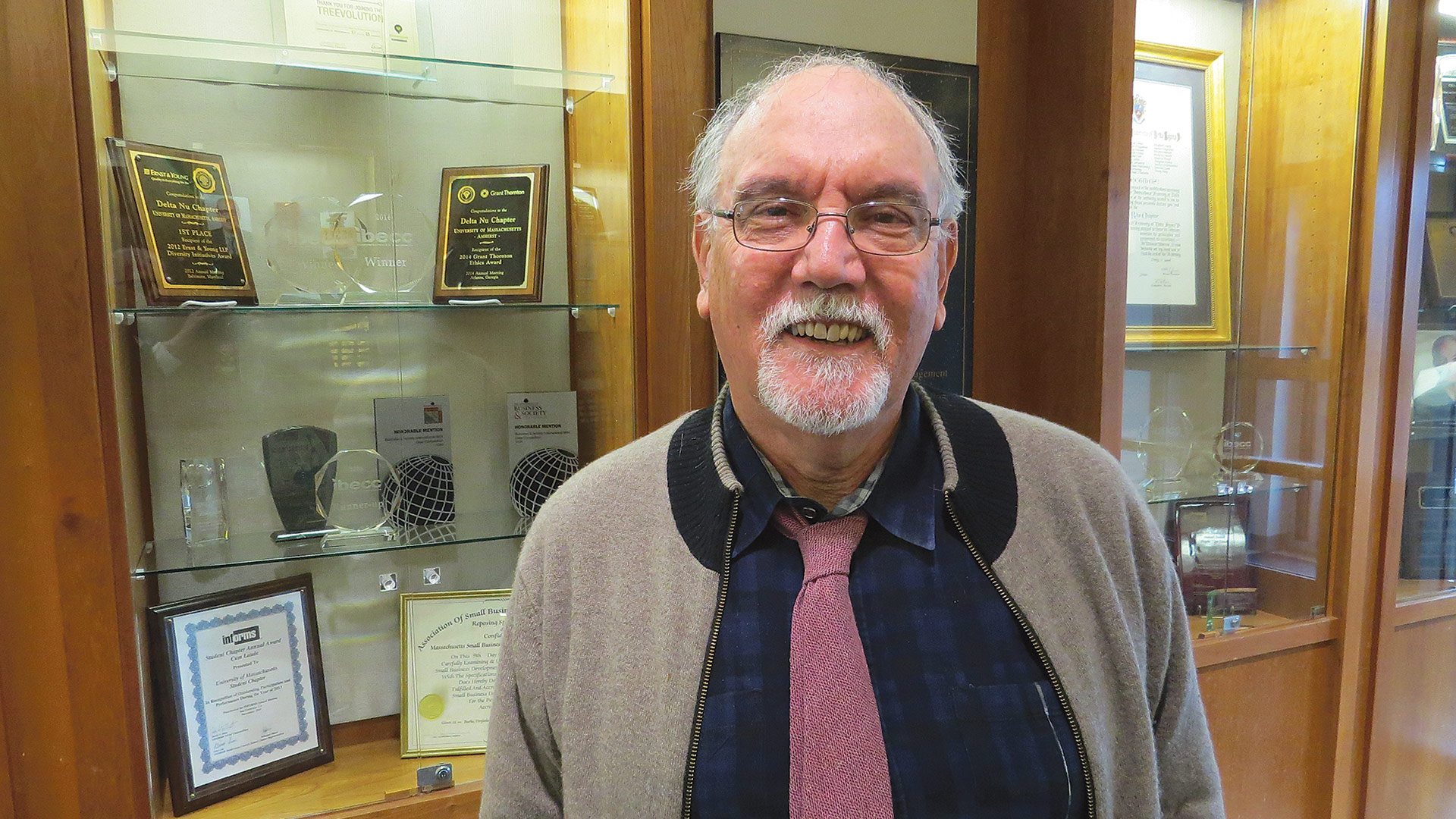
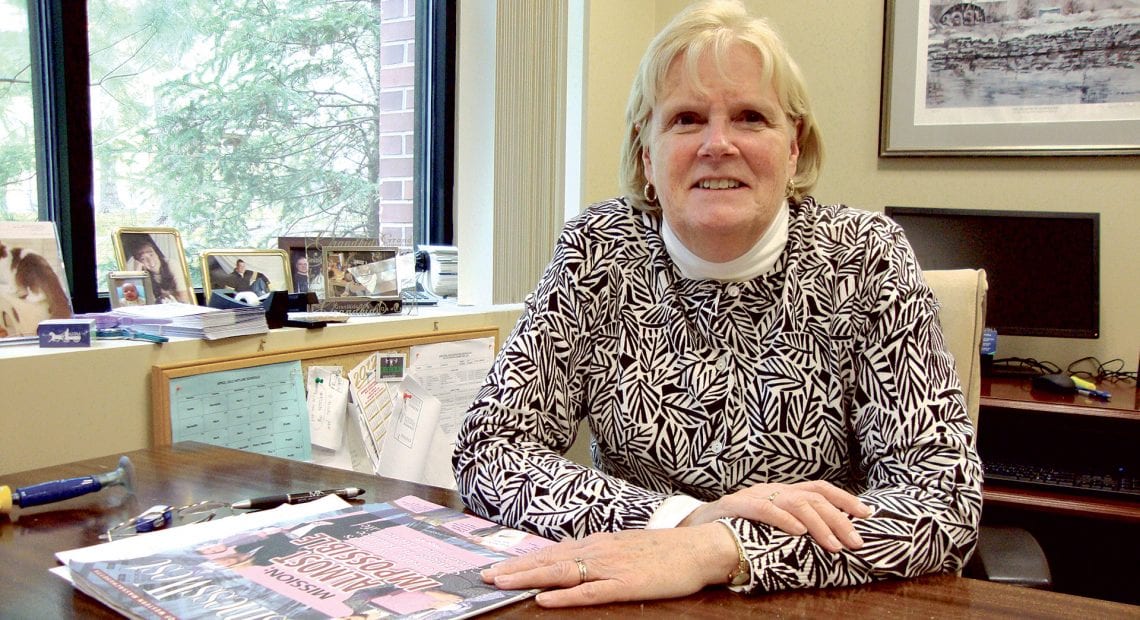
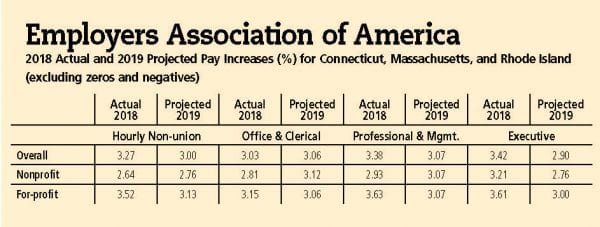
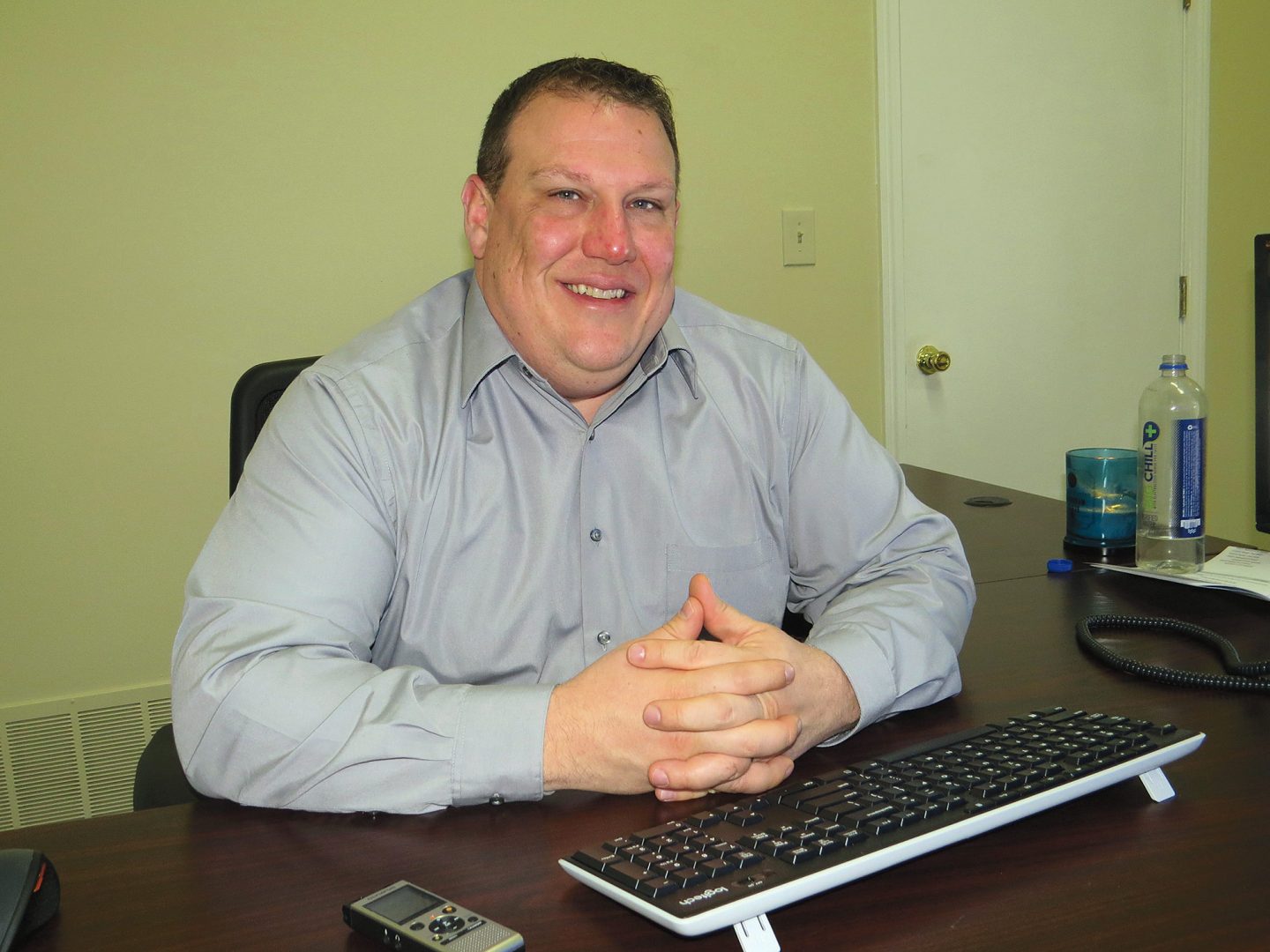
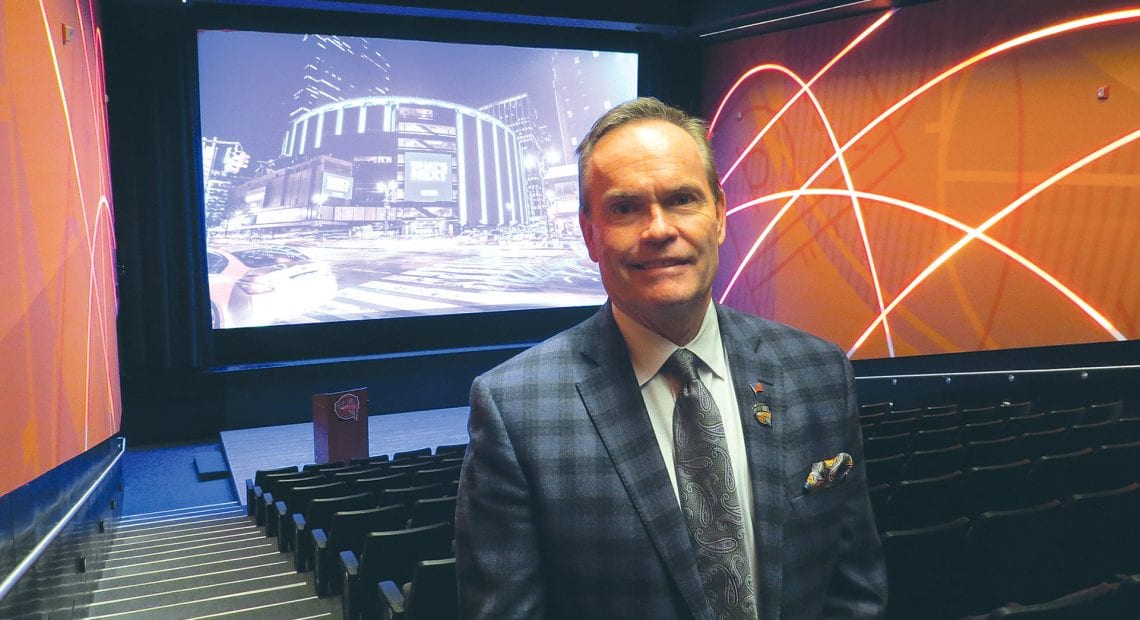
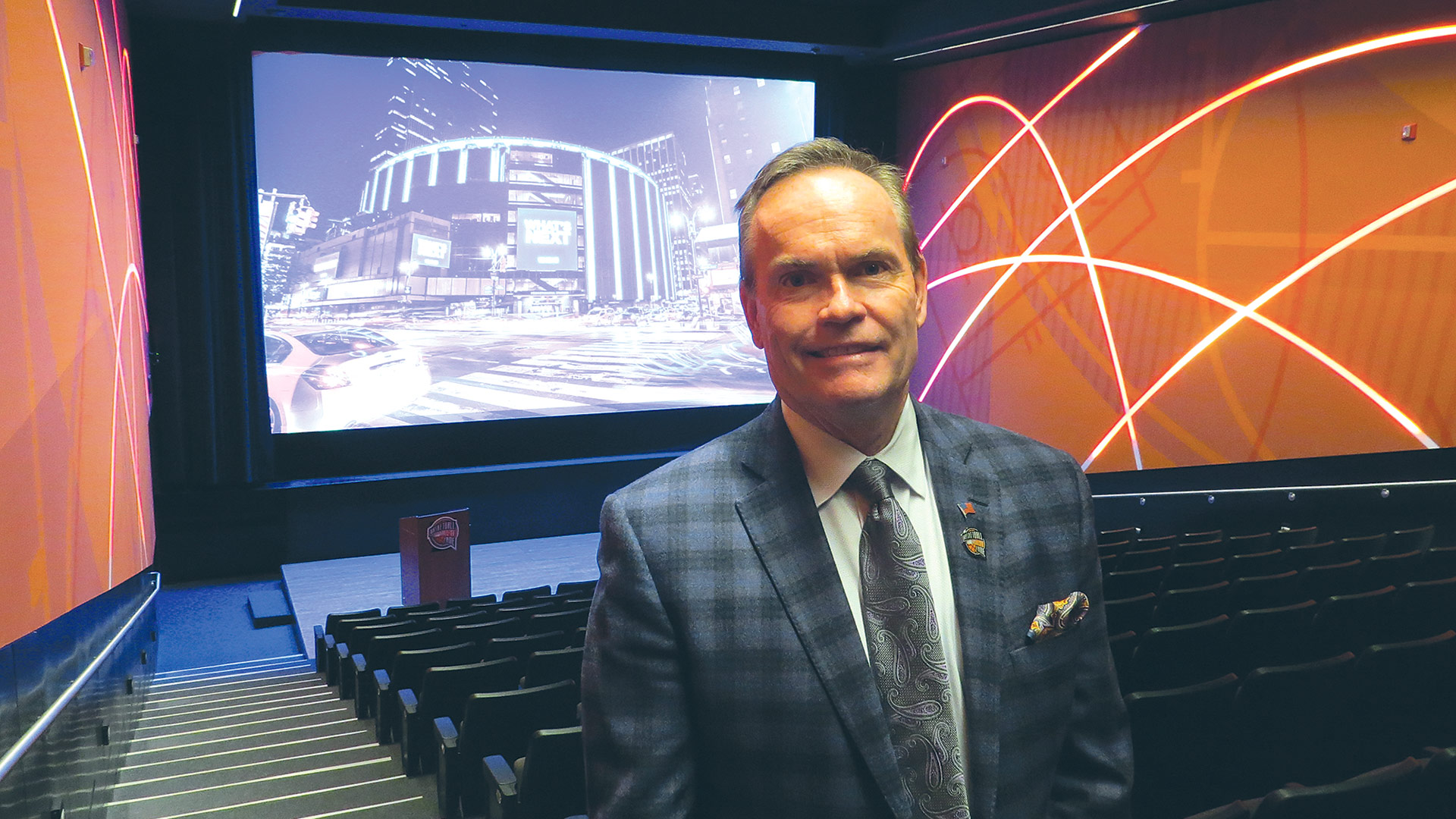

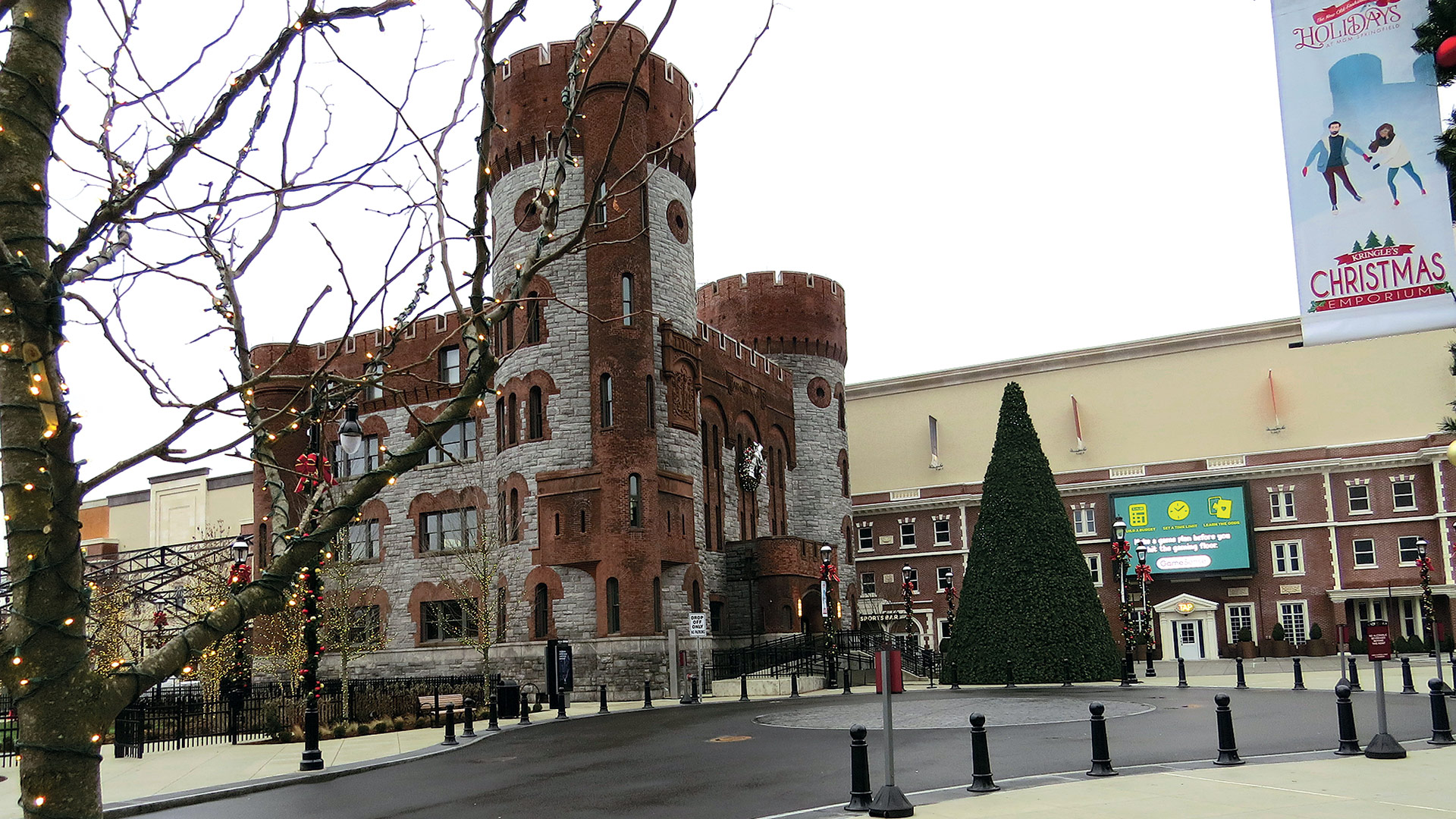



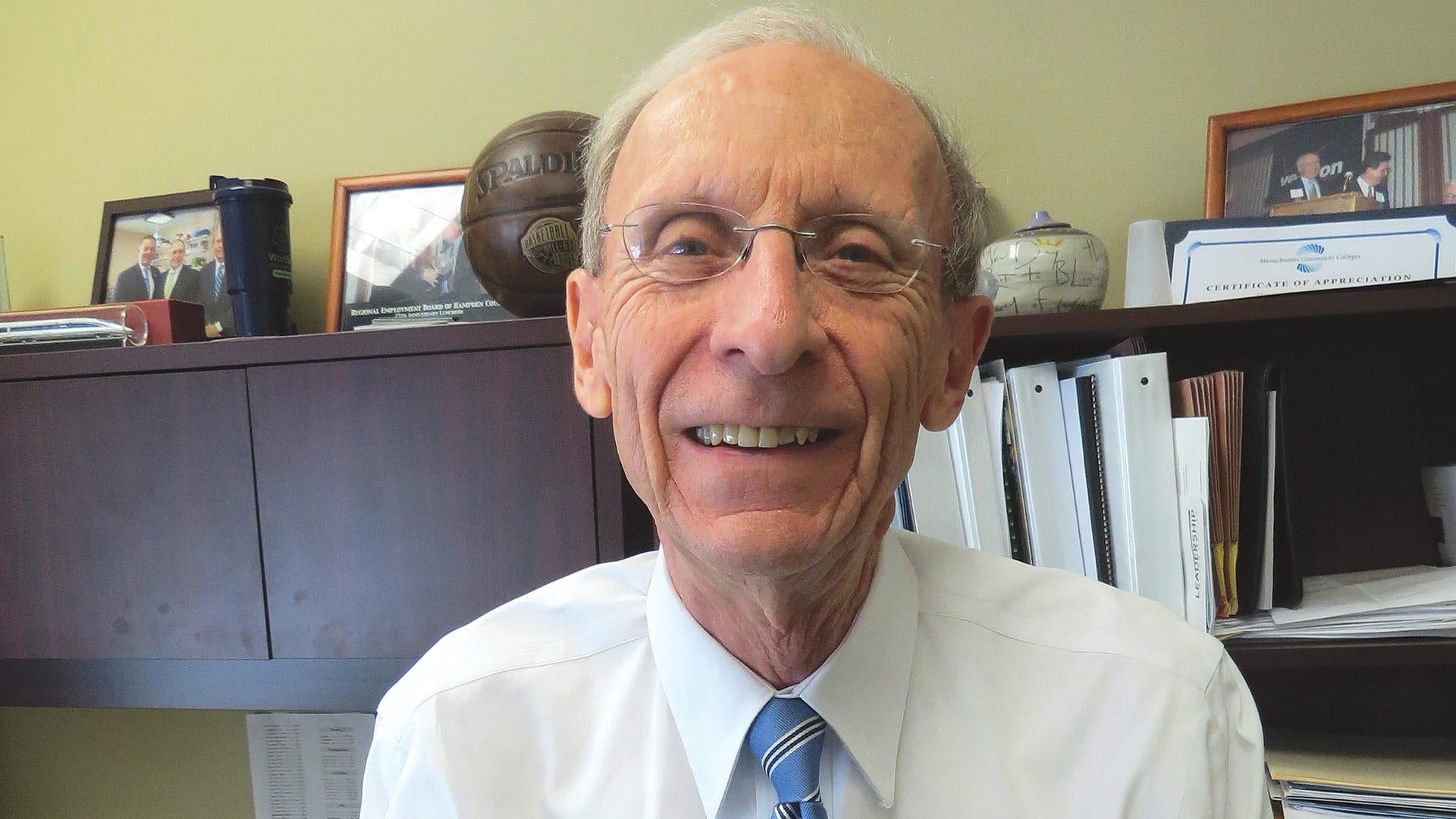
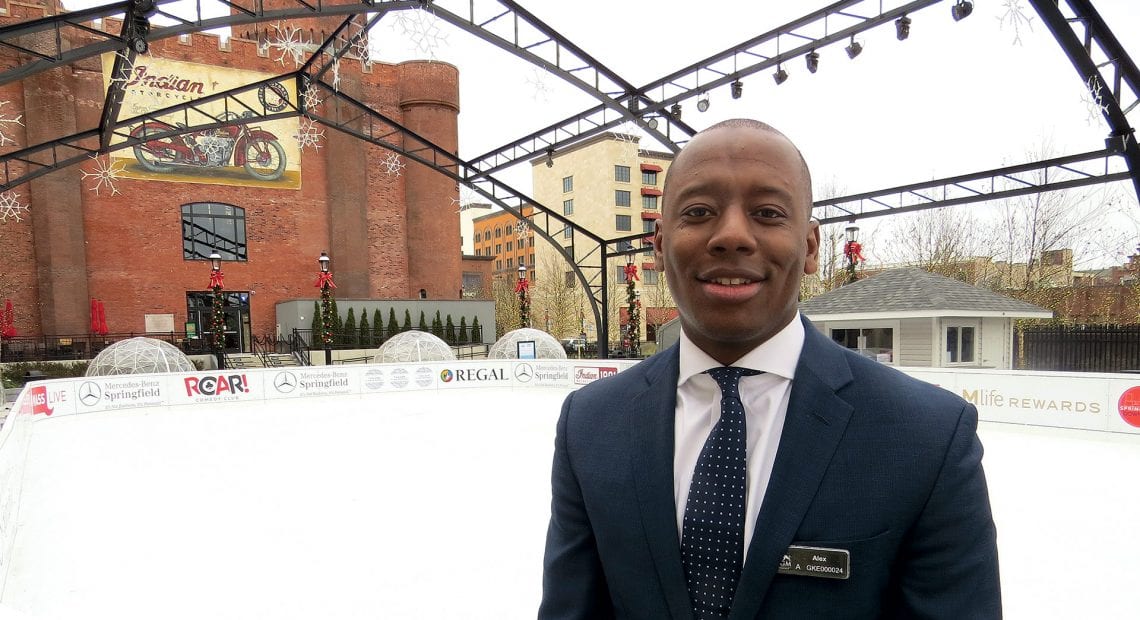

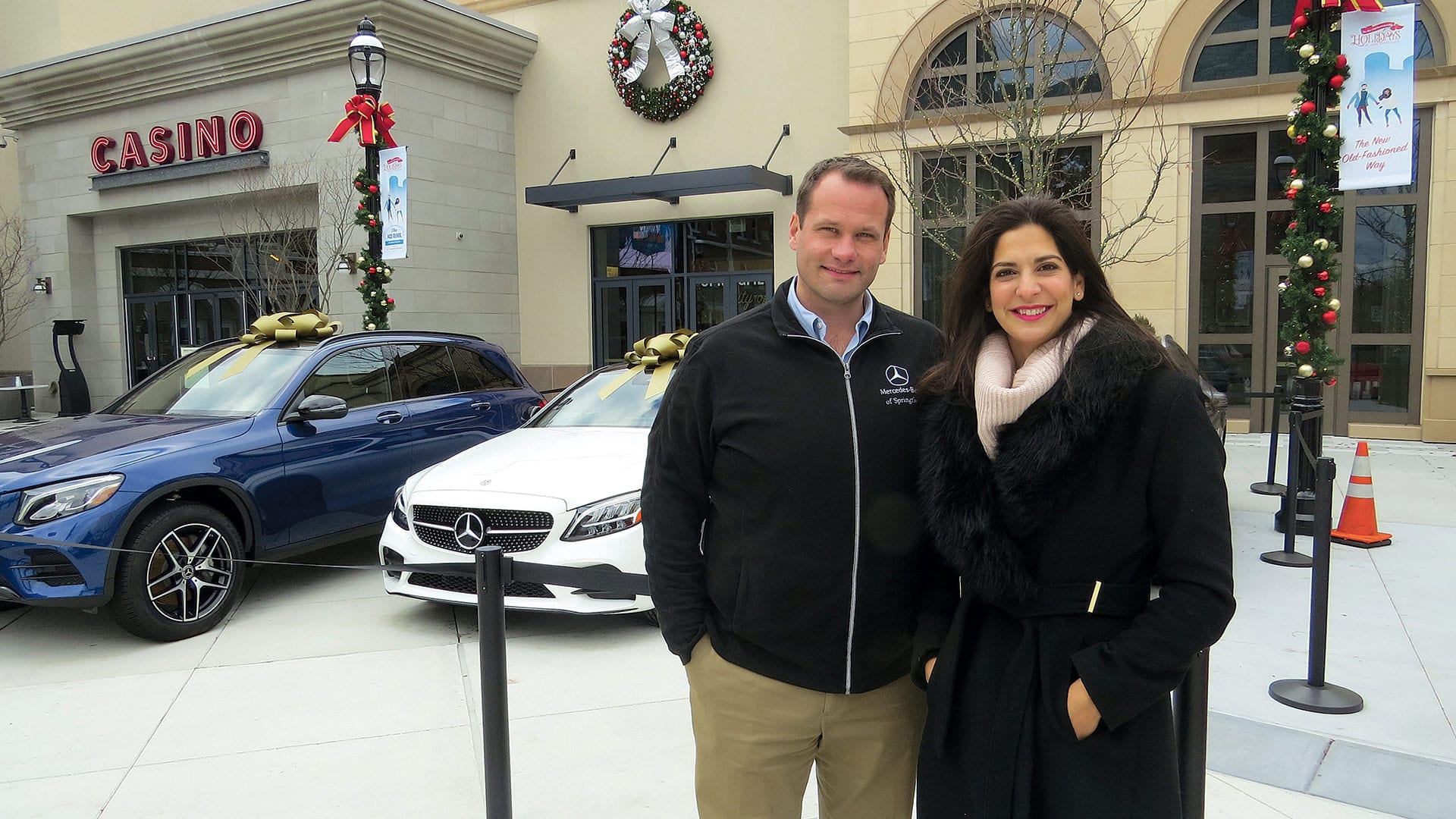
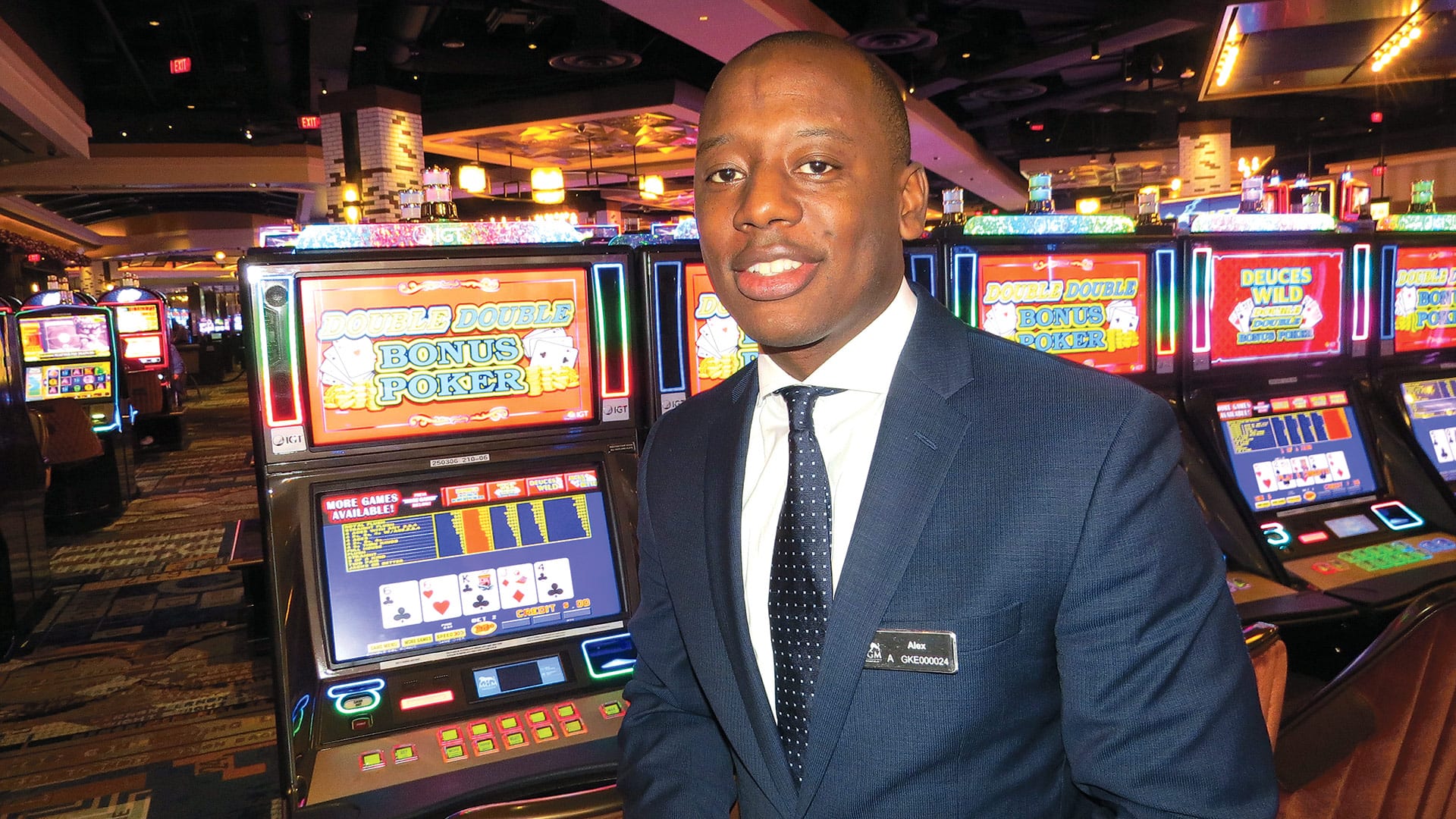





 When
When 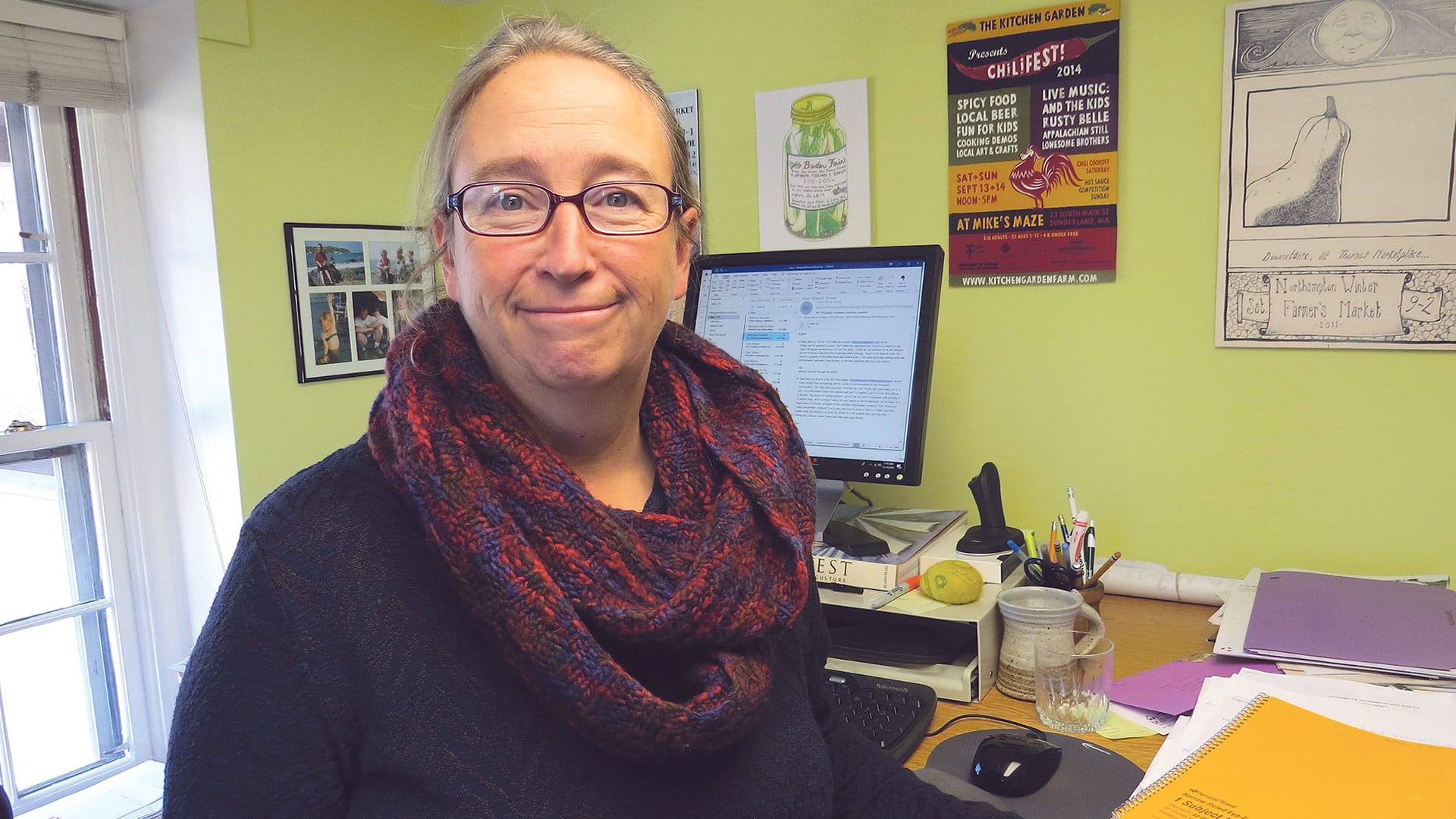

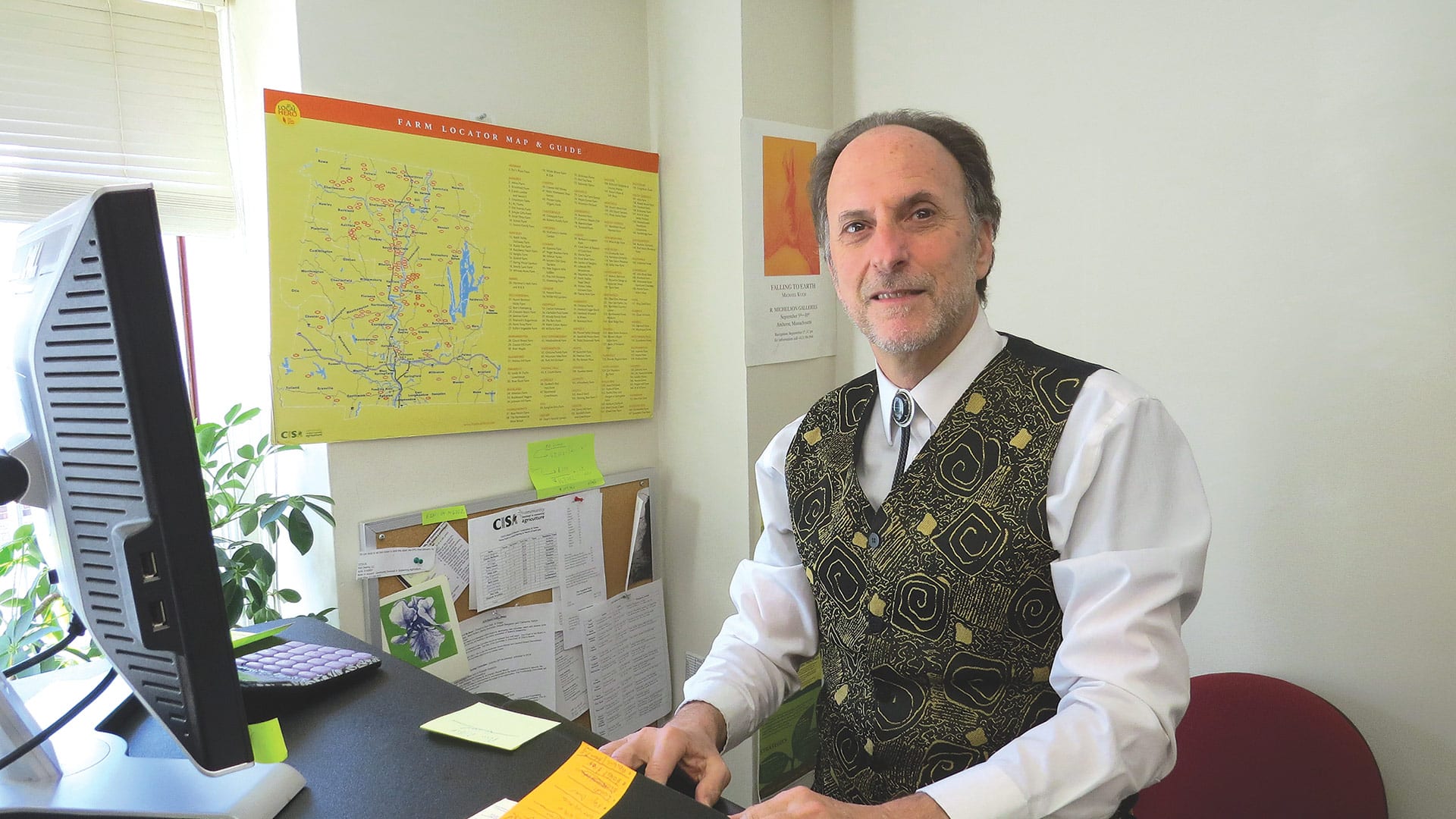

 As was made clear in the first three installments of BusinessWest’s ‘Future Tense’ series, handling the incredibly fast pace of change while also trying to look around the corner to see what the future might bring is not only difficult but extremely stressful. And the present is no bargain, either. In response, major corporations and small businesses across the country and around the world are increasingly looking at mindfulness as a way to help employees focus their attention and stay in the moment, as attendees learned in the most recent lecture

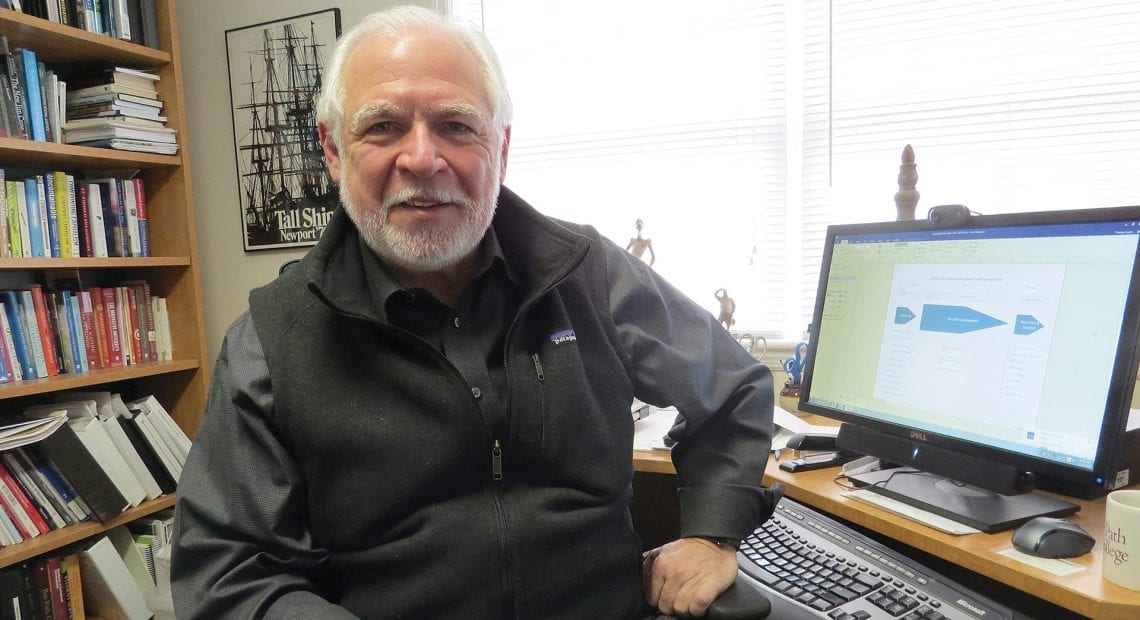
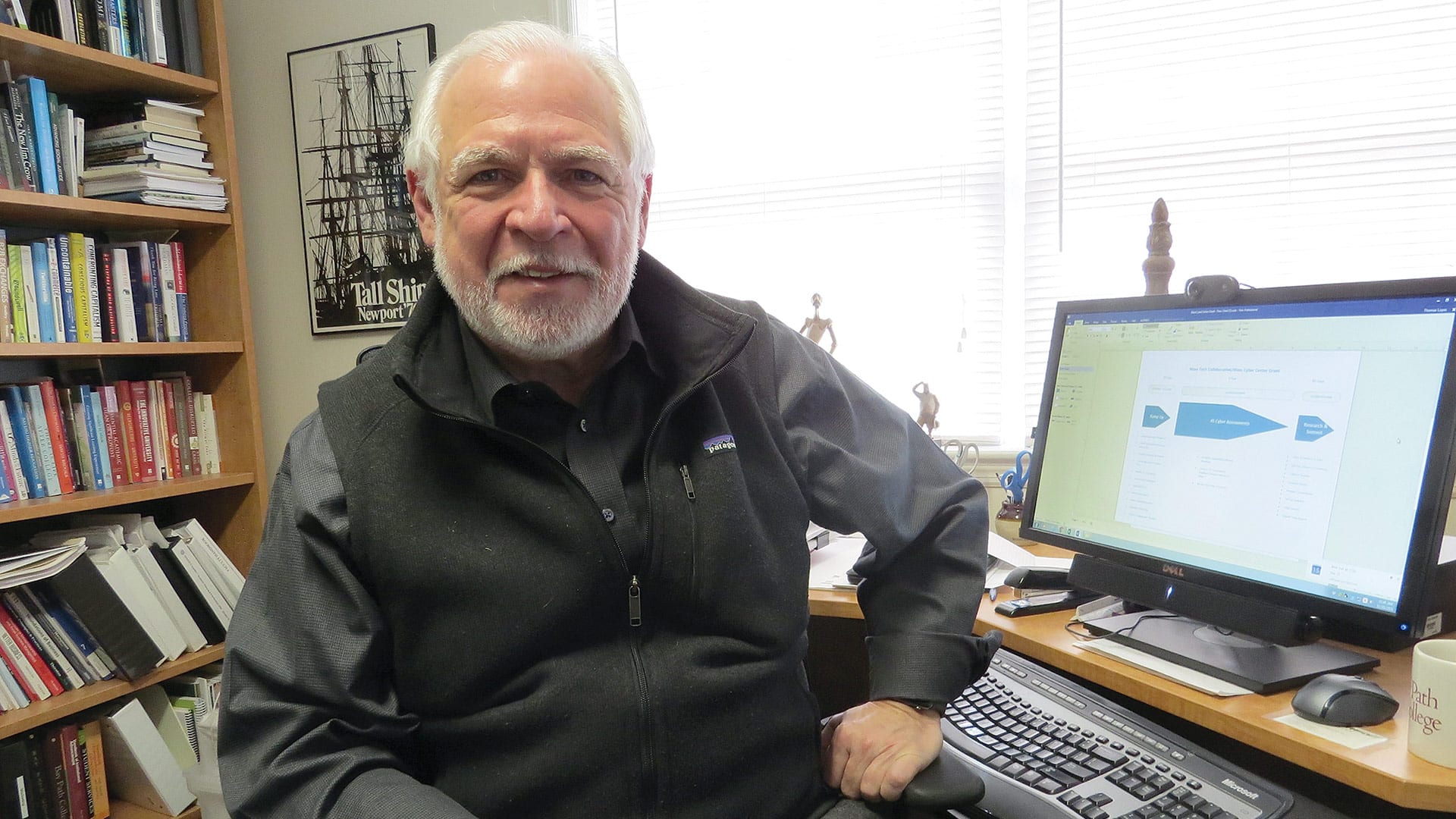
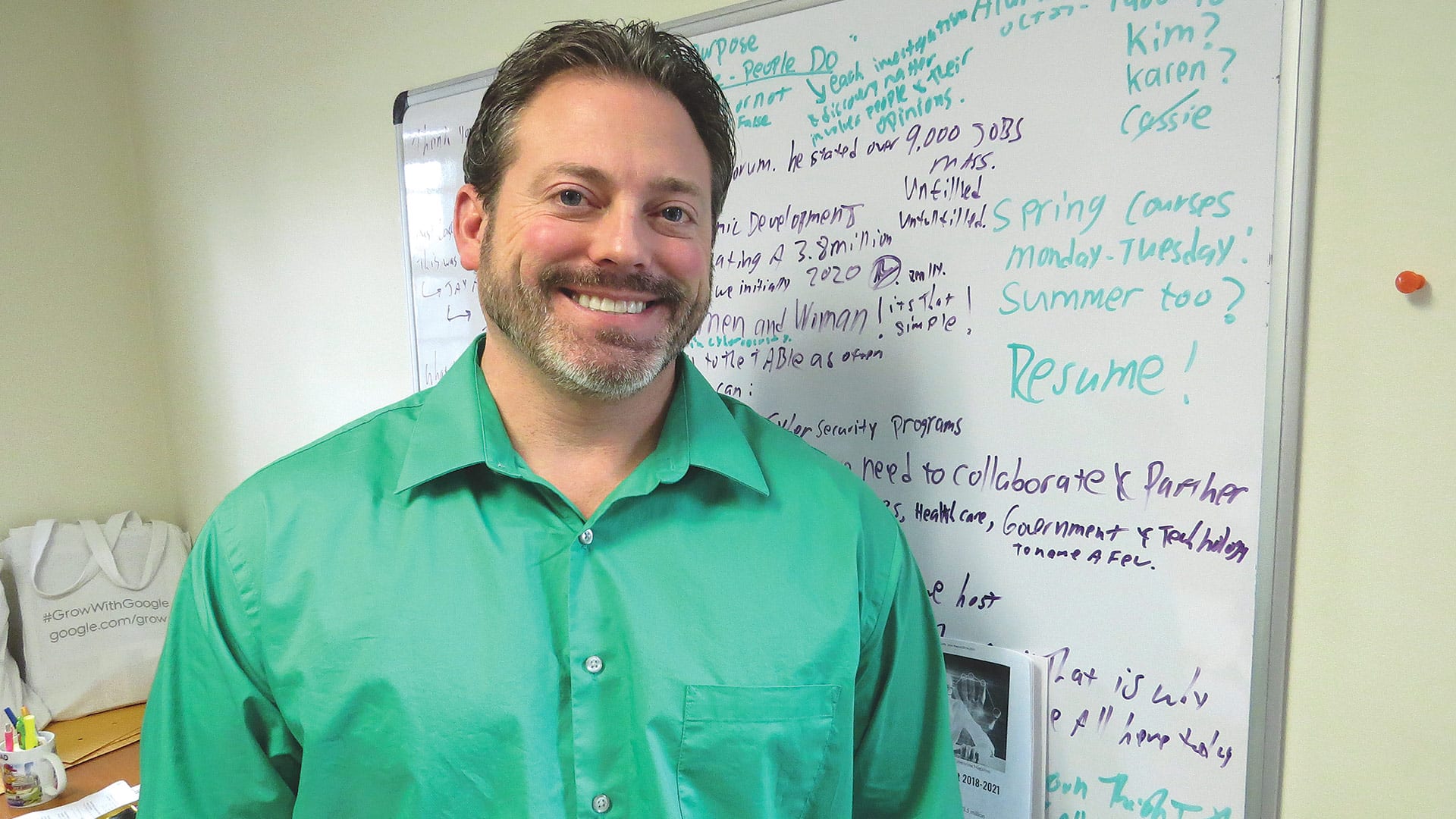

 Leader. Inspiration. Pioneer. Mentor. Innovator.
 Some have been told in part before, but not in this context. Not in the context of a celebration of women achieving great things, standing out in their chosen field, and doing impactful work in the community.
 The first Asian woman to complete the Explorers Grand Slam. Lei Wang’s journey redefined success in her own terms, and today, she is challenging individuals around the world to do the same.
 Samalid Hogan is the regional director for the Massachusetts Small Business Development Center Network’s Western Regional Office. In that role, she has built partnerships across public, private, and civic sectors to achieve economic-development goals for the Pioneer Valley region. In 2014, Hogan founded CoWork Springfield, the city’s first co-working space, which focuses on serving women and minority-owned businesses. In addition, she was appointed to the Governor’s Latino Advisory Commission in 2017, and serves on the boards of several organizations, including Common Capital, the New England Public Radio Foundation, the Minority Business Alliance, and National Junior Tennis and Learning of Greater Springfield. A BusinessWest 40 Under Forty honoree in 2013 and winner of the Continued Excellence Award in 2018, she was also awarded the Grinspoon Entrepreneurial Spirit Award in 2017 and was recognized as a Woman Trailblazer and Trendsetter by the Massachusetts Latino Chamber of Commerce in 2016.
 Susan Jaye-Kaplan is the founder of the Pioneer Valley Women’s Running Club and Go FIT Inc., and co-founder of Link to Libraries Inc., an organization whose mission is to collect and distribute books to public elementary schools and nonprofit organizations in Western Mass. and Connecticut. She is also the co-founder of the Women’s Leadership Network and founder of the Pioneer Valley Women’s Running Club of Western Mass., as well as an advisory board member and fundraiser for Square One. She has received one of the nation’s Daily Point of Light Awards, the President’s Citation Award at Western New England College, Elms College’s Step Forward/Step Ahead Woman of Vision Award, Reminder Publications’ Hometown Hero Award, the Mass. Commission on the Status of Women Unsung Heroines Award, the New England Patriots’ International Charitable Foundation Community MVP Award (the only person to receive this award two times), and the Girl Scouts of Pioneer Valley’s Women of Distinction Award. She was chosen one of BusinessWest’s Difference Makers in 2009. She has also received the National Conference on Community Justice Award, the Springfield Pynchon Award, and the Holyoke Rotary’s Paul Harris Award.
 Dora Robinson has served as a nonprofit leader and practitioner for more than 35 years. She recently retired from the United Way of Pioneer Valley (UWPV) after serving for more than eight years as president and CEO. Previously, she served as the first full-time president and CEO of Martin Luther King Jr. Family Services for 19 years. The foundation for these leadership roles is based on previous experiences as corporate director and vice president for the Center for Human Development and vice president of Education at the Urban League of Springfield. Her earlier professional experiences included social work with adolescents and families, community outreach, and program planning and management. She is currently an adjunct professor at Springfield College School for Social Work and the School for Professional Studies. Dora has received much recognition for her work as a nonprofit executive leader and her work in social justice. Most recently, she was elected to serve on the board of directors for the Women’s Fund of Western Massachusetts and is serving as a steering committee member to establish a neighborhood-based library in East Forest Park.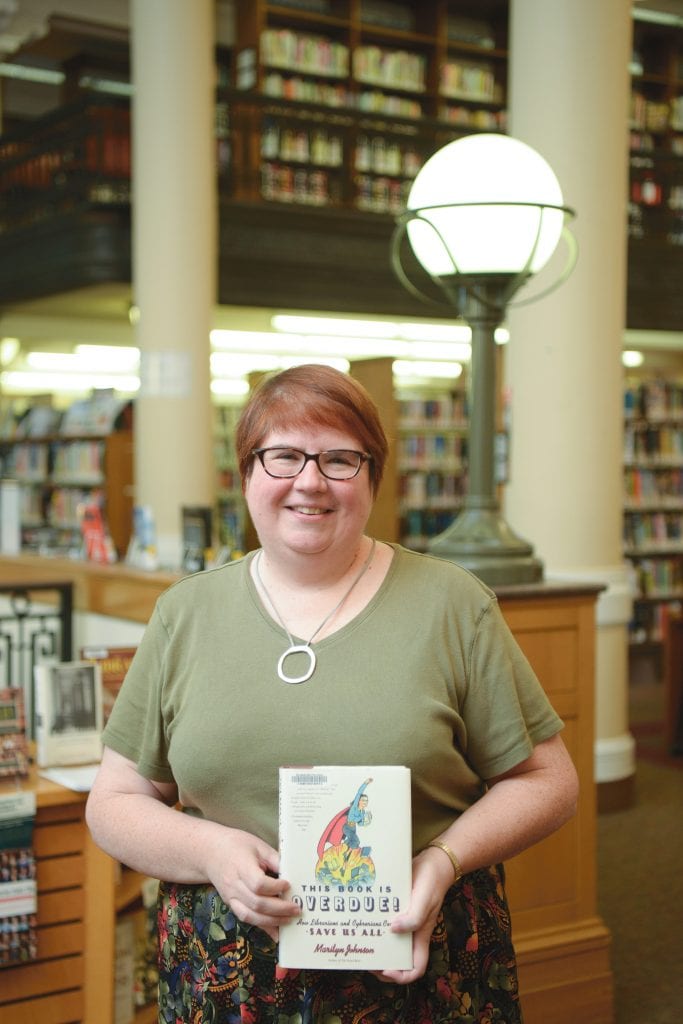
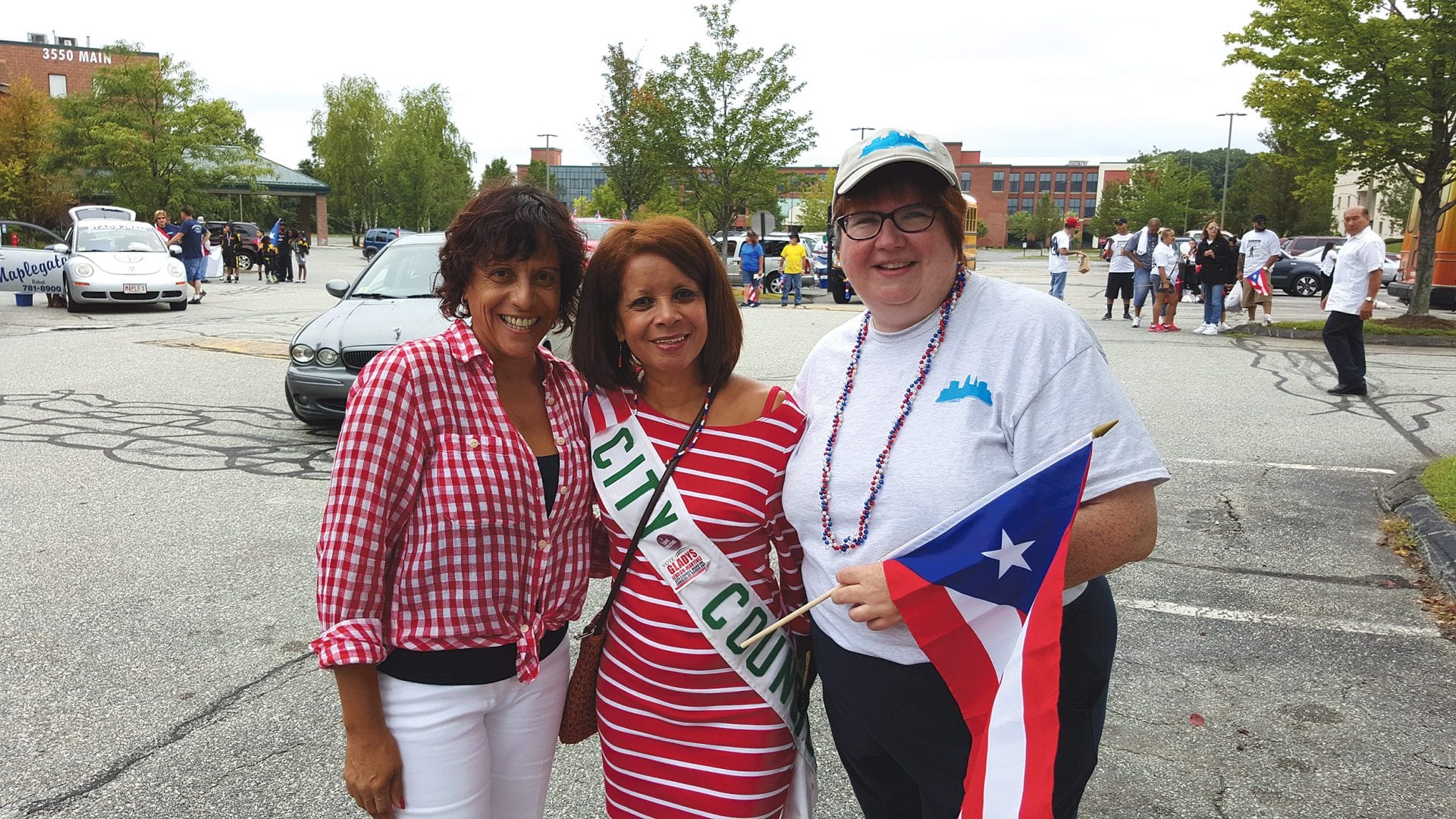
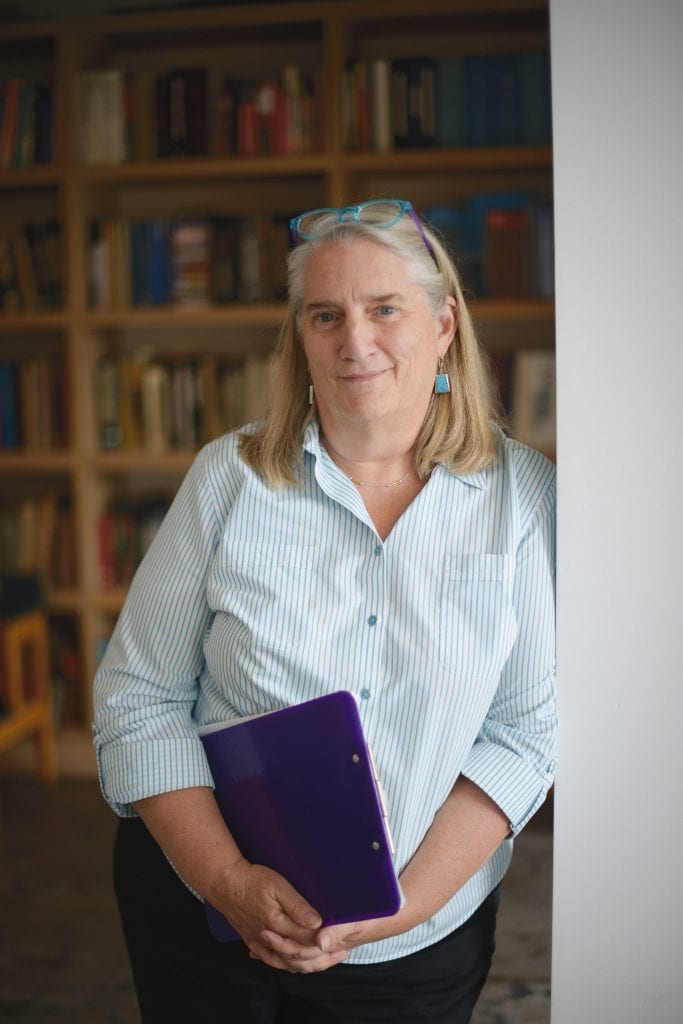
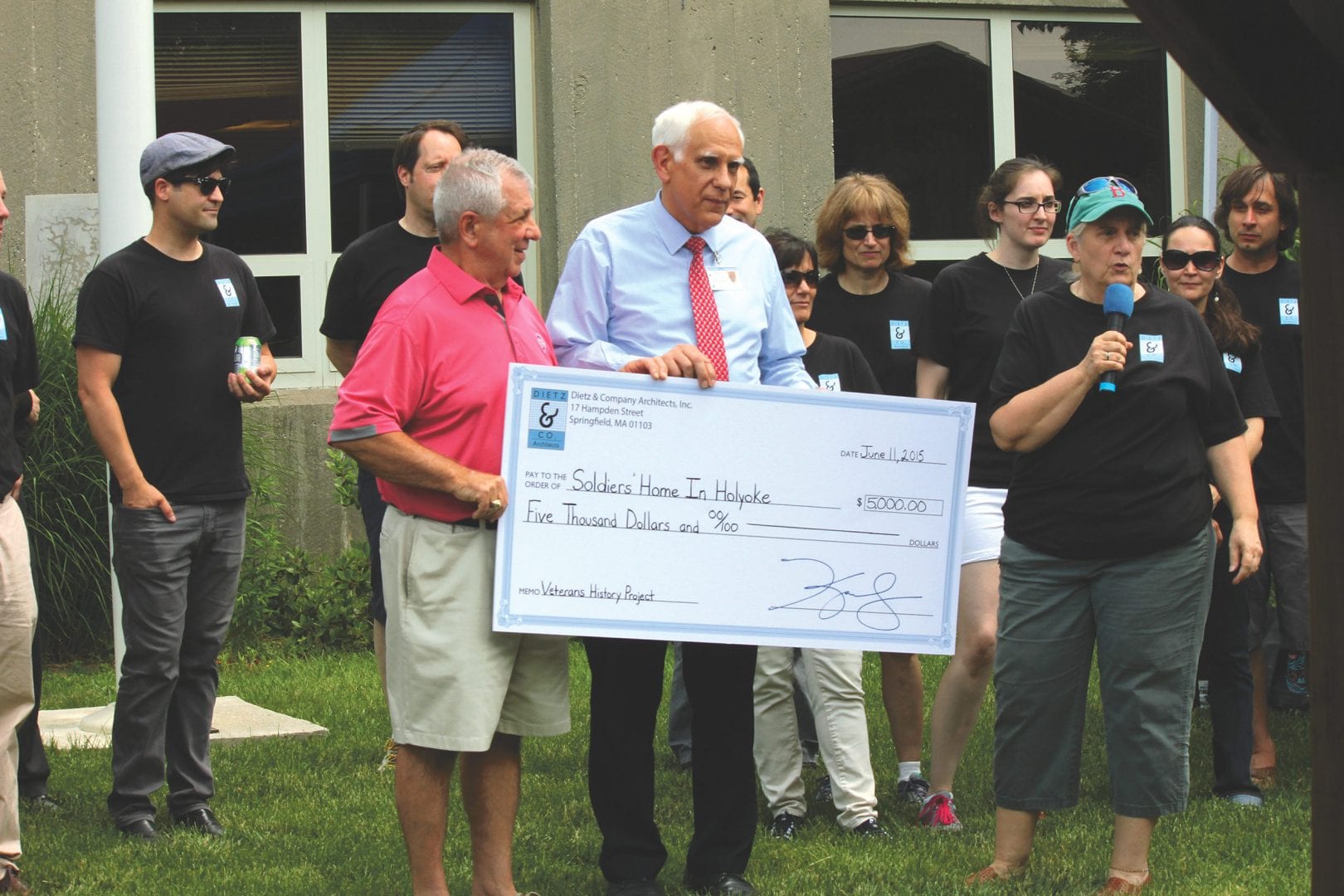
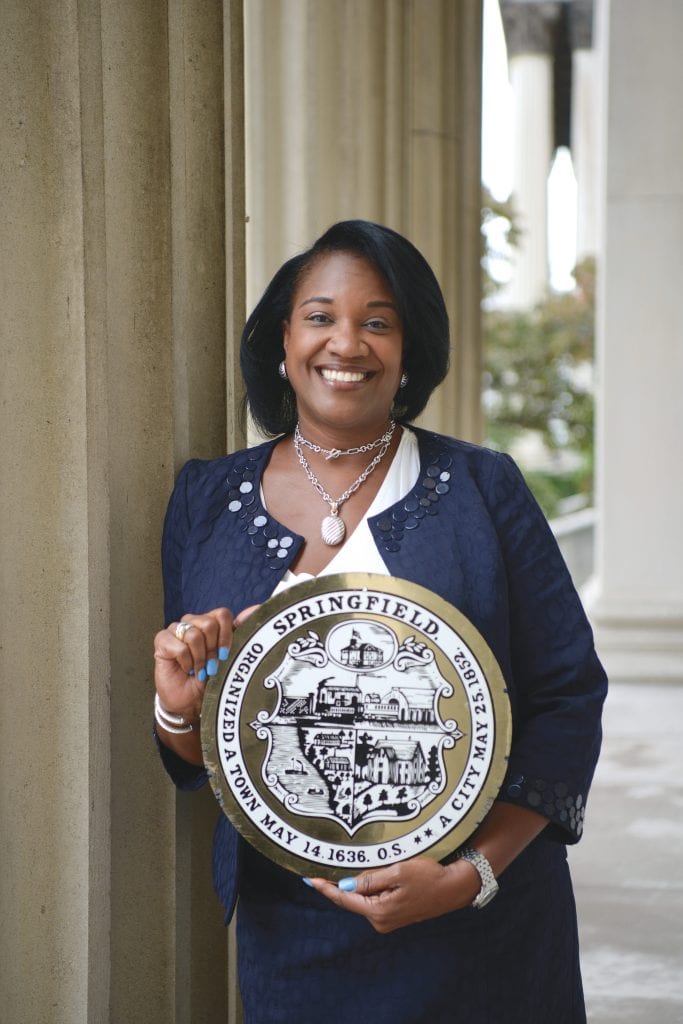
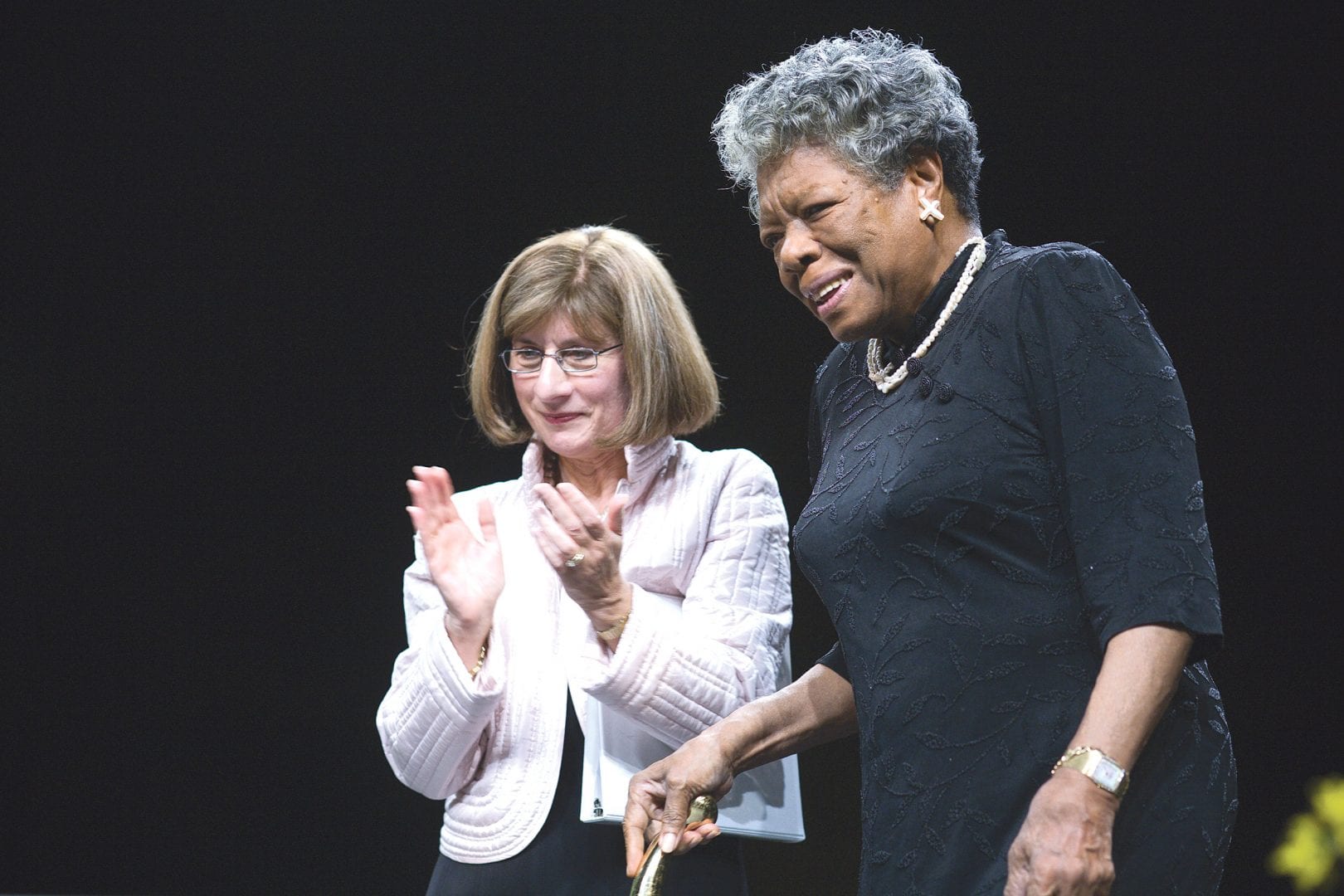
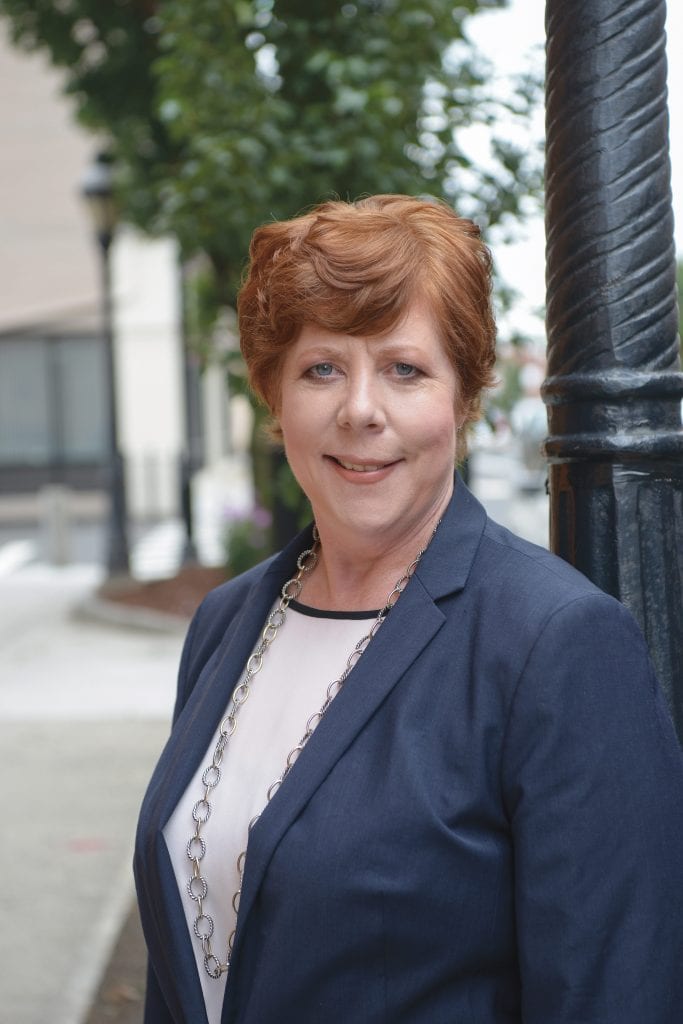
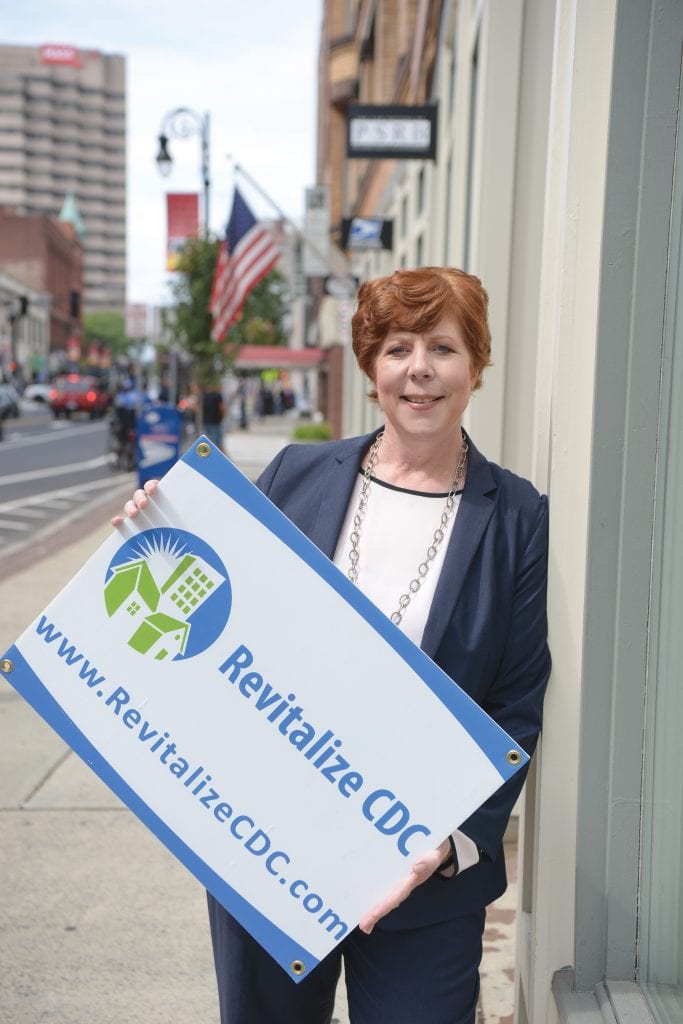
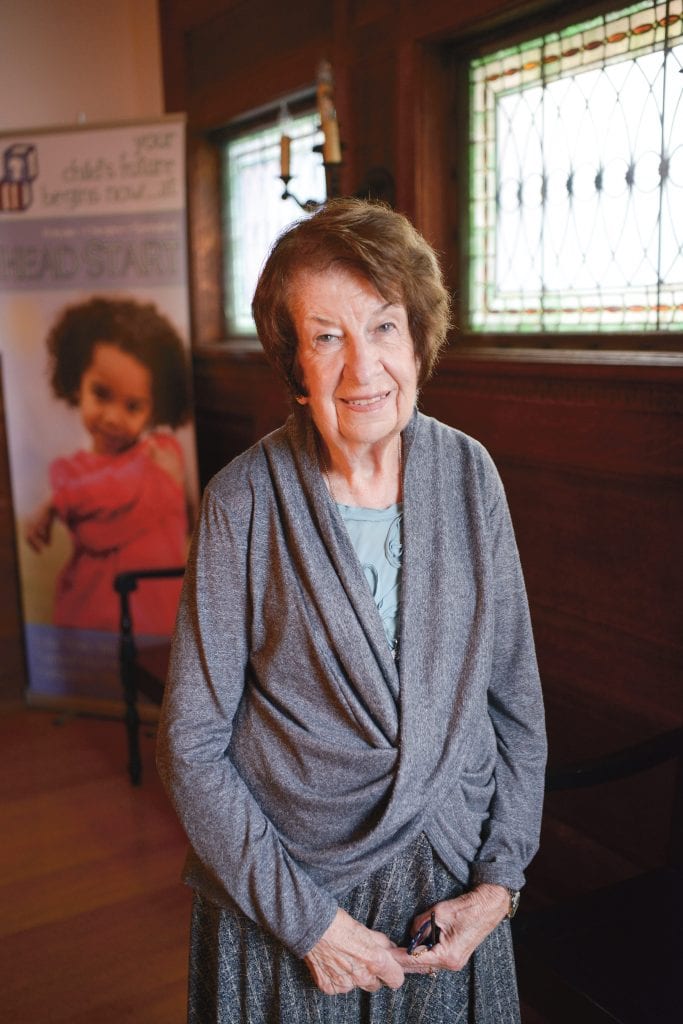
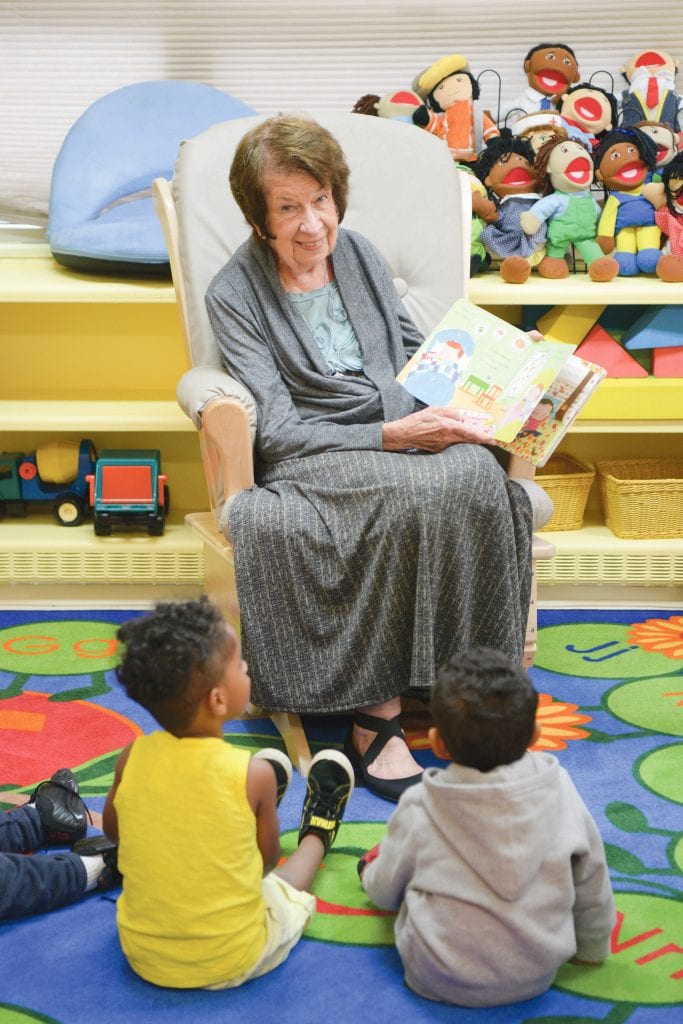
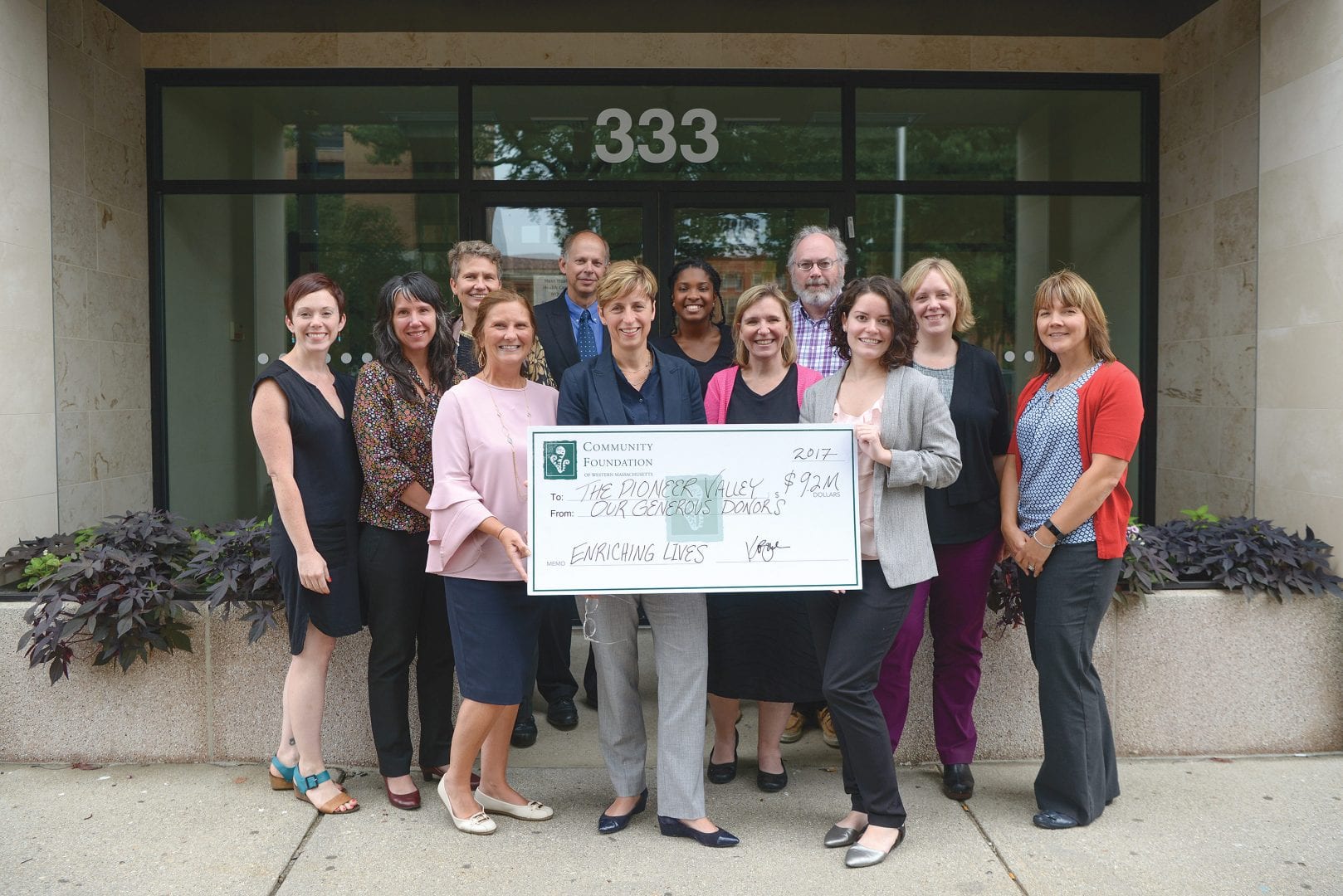
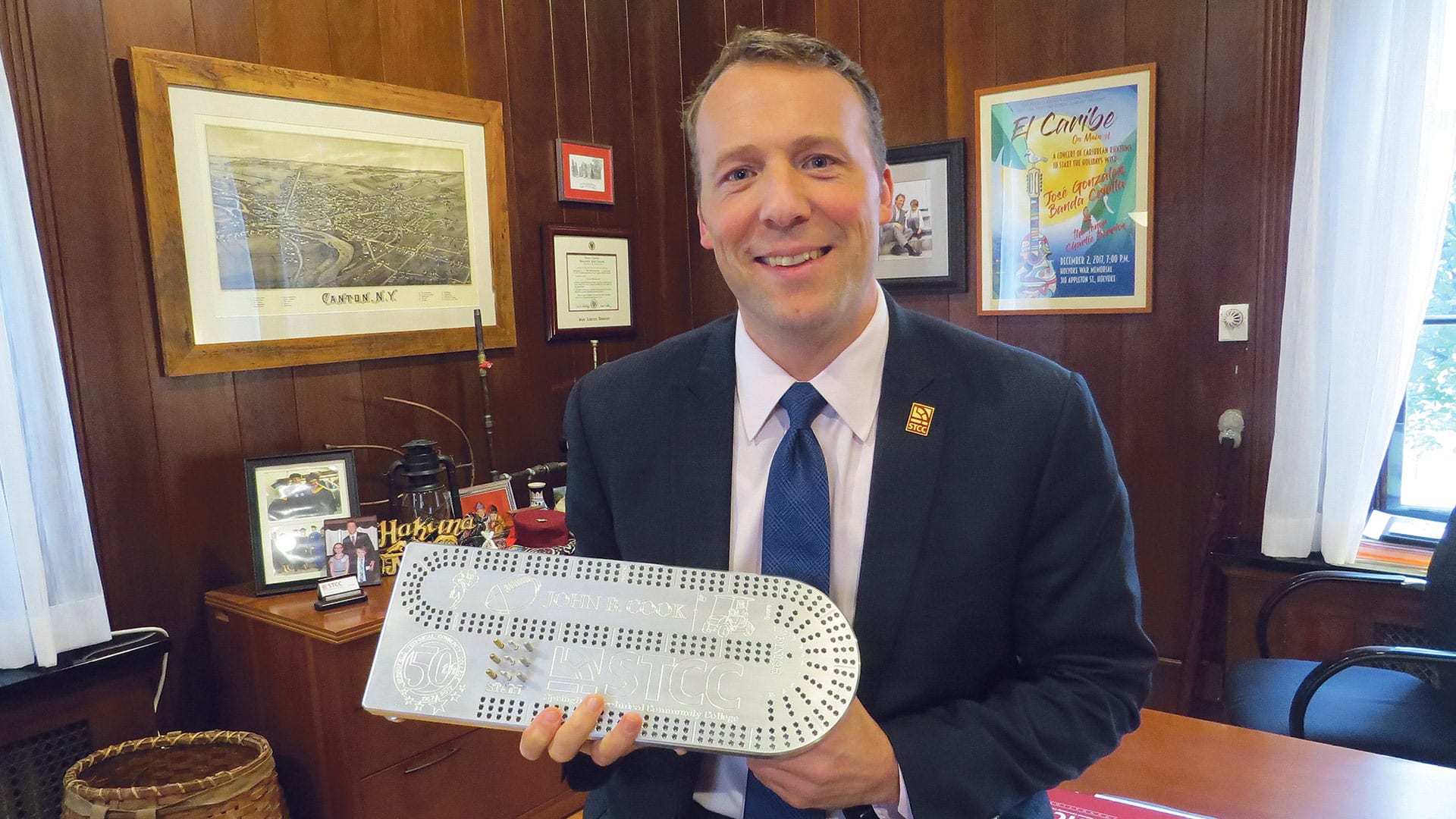
 That’s because the elaborate board was crafted by students at