Home 2023 (Page 38)
Daily News

SPRINGFIELD — BetMGM announced a new pledge to prominently feature responsible-gaming messages in its marketing and advertising campaigns beginning March 1, in alignment with the start of Problem Gambling Awareness Month.

As part of the pledge, responsible-gaming messaging will be featured within BetMGM’s mobile app and within BetMGM advertisements ranging from billboard marketing to television, print, and radio ads across the U.S. and Canada.

Additionally, responsible-gaming messages and banners will be incorporated into BetMGM’s digital and social platforms, as well as on property signage within physical BetMGM sportsbooks.

Along that line, MGM Resorts, MGM Northfield Park, and BetMGM were well represented as sponsors at the 20th Ohio Problem Gambling Conference, held in Columbus last week. The event brought together leading gaming operators, researchers, and treatment professionals in an effort to generate problem-gambling awareness and education while discussing the impact of legalized sports betting in the state.

“It’s always great to get together with others in the gaming industry who share our same values when it comes to responsible gaming,” said Garrett Farnes, director of Responsible Gaming for MGM Resorts. “Ultimately, we’re better together, and through collaboration, we know this. With Problem Gaming Awareness Month getting underway, and with the expansion of legalized sports betting, there’s no better time than now to think about the best interest of our guests, our customers, their families, and the communities where we operate.”

Business Talk Podcast Special Coverage

We are excited to announce that BusinessWest has launched a new podcast series, BusinessTalk. Each episode will feature in-depth interviews and discussions with local industry leaders, providing thoughtful perspectives on the Western Massachuetts economy and the many business ventures that keep it running during these challenging times.

Go HERE to view all episodes

Episode 151: February 27, 2023

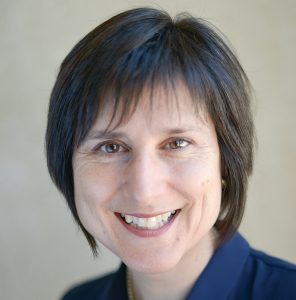
George Interviews Suzanne Parker, executive director of Girls Inc. of the Valley

Suzanne Parker, executive director of Girls Inc. of the Valley, is the guest on the next installment of BusinessTalk. In a lively discussion with BusinessWest Editor George O’Brien, she talks about the ambitious project to create a new home for the nonprofit in Holyoke and the many learning experiences it has provided for Girls Inc. administrators — and members — alike.

It’s all must listening, so tune in to BusinessTalk, a podcast presented by BusinessWest and sponsored by PeoplesBank.

Sponsored by:

Also Available On

Daily News

SPRINGFIELD — The Community College National Legislative Summit offered Springfield Technical Community College President John Cook and STCC trustees an opportunity to speak with lawmakers about federal priorities, including reducing barriers to receive Pell Grants that help low-income students access higher education.

Cook went to the summit, which is the premier community-college advocacy event in Washington, D.C., with STCC trustees Jynai McDonald and Tonia Butler Perez on Feb. 5-8. Massachusetts featured a delegation of close to 40 people, including other community-college presidents and trustees as well as staff from the Massachusetts Assoc. of Community Colleges.

“The summit provided a great opportunity for those of us leading community colleges to learn more about federal policy issues and discuss the priorities of our institutions,” Cook said. “I appreciated meeting face-to-face with the decision makers in Washington, including Congressman Richard E. Neal, who has been a longtime supporter of STCC.”

STCC, the only technical community college in Massachusetts, serves a diverse student population who seek degrees and certificates in manufacturing, STEM, healthcare, business, social services, and the liberal arts. STCC, which is the most affordable college in Springfield, is a federally designated Hispanic Serving Institution and offers a variety of non-credit workforce-development programs.

Cook and trustees met with Neal and several Massachusetts legislators. They discussed federal priorities, including tax-free Pell grants, as well as establishing Pell Grants for short-term programs that Cook said would greatly benefit STCC students.

Pell Grants enable millions of low-income community college students to pay tuition and fees and meet other college expenses and are the foundation of all other student aid. Increasing the maximum award promotes affordability and student success for low-income students, while reducing their need to borrow.

“STCC students have had to overcome so many barriers to make sure they are able to maintain their enrollment,” McDonald said. “We ought not add an additional barrier to funding their education by taxing the Pell grant and giving them less resources towards achieving academic success.”

She commented on the importance of expanding the Pell Grant to short-term programs. “In order to strengthen our workforce, we must remove the financial barriers for students. Expansion on the short-term Pell grant means that more STCC students get increased access to programs, which means increased access to career opportunities and self-sufficiency for them and their families.”

Cook noted that more than half of STCC’s students receive Pell Grants. “We hope to see these grants expanded to short-term workforce-development programs to reduce barriers and provide a more accessible pathway to higher wages and stable careers. This is one of the priorities we discussed with legislators, including Congressman Neal.”

In addition to focusing on priorities, the summit provided professional development opportunities for trustees of community colleges.

“This is my first time ever going, and I really thought it was one of the best summits I’ve ever been to,” said Butler Perez, who joined STCC as a trustee in August 2022. “It was called the New Trustee Academy, and it was the best thing a trustee, and even a president, could have gone to. Trustees and presidents from other colleges were there, and they had some of the same problems we have. It was a good conglomeration of different people from different areas.”

Daily News

HOLYOKE — The annual Holyoke Community College Jazz Festival returns for its 24th year on Friday, March 3, with bass player Avery Sharpe joining the Amherst Jazz Orchestra and members of the HCC jazz faculty for a big-band concert.

The show will begin at 8 p.m. in HCC’s Leslie Phillips Theater in the Fine & Performing Arts building on the main HCC campus, 303 Homestead Ave. The concert is free for HCC students, faculty, and staff, and $10 for the general public.

In addition to his work as a performer, Sharpe is a prolific composer, as well as a music educator and founder of the artist-owned record label JKNM Records. Sharpe’s most recent album was 400 in 2019. Released on JKNM, the album marked the 400th year since Africans were brought to U.S. shores in 1619.

“We’re very excited to welcome Avery Sharpe to HCC this year as guest artist for our annual jazz festival,” festival organizer and HCC Music Professor Bob Ferrier said. “He’s not only a great musician, but also a great teacher and a great human being.”

The Amherst Jazz Orchestra, led by trombonist David Sporny, has been a mainstay of the HCC Jazz Festival since the first one in 1998. This year’s concert will feature Sharpe performing with Amherst Jazz Orchestra and members of the HCC jazz faculty: Geoff Cunningham (on trumpet), Pete Grimaldi (on trumpet), and Robert Ferrier (on guitar).

Daily News

GREENFIELD — The city of Greenfield’s website has a new look and a better user experience. The redesigned, reorganized website at greenfield-ma.gov features improved functionality, revamped and updated content, and a refreshed design.

“The new website offers more than a new look. We went through and reviewed every page, updating and rewriting when necessary to improve the user experience and ensure visitors receive the most useful and accurate information,” Mayor Roxann Wedegartner said. “We’ll be adding more features and pages over the coming weeks and months, and if members of the community have ideas for frequently asked questions and other content, we certainly want to hear from them.”

Suggestions about additional content for the website can be submitted via email to [email protected].

“I want to thank my administrative assistant, Caitlin von Schmidt, who has handled the bulk of the migration and editing, along with staff from every city department who reviewed and refreshed their content,” Wedegartner added.

Through a competitive bidding process, Michigan-based Revize was selected for the website redesign. The city last redesigned its website in 2015. Those who have difficulty accessing the new website are advised to clear the cache in their web browser. Search-engine results may also direct to the old site for a week or two.

Daily News

WEST SPRINGFIELD — LiftTruck Parts & Service Inc., a local, family-owned business with locations in West Springfield and Brockton, announced its 35th business anniversary.

For 35 years, LiftTruck has been a family-owned business providing cost-effective forklift sales, rentals, parts, and service to the Massachusetts, Cape Cod, Connecticut, and Rhode Island areas. The company offers a wide range of brands for sale, including BYD, Clark, Doosan, Heli Americas, and Komatsu, and is now also selling the new BYD lithium ion phosphate battery-powered forklift. The BYD lithium iron phosphate battery LiFePO4 has proven to be extremely safe, never losing structural integrity nor exploding.

“We are grateful to have been able to continue to provide services as a family-owned business for the last 35 years. Our dedicated team has fueled our growth, and we thank our customers and the community for their continued trust in our work,” said Mario Sotolotto, president of LiftTruck Parts & Service.

LiftTruck Parts & Service also offers both short- and long-term electric, LP, and gas forklift rentals with planned maintenance to keep customers’ business running smoothly. Its various service plans help clients monitor maintenance costs, hours of usage, equipment condition, and other factors that can affect forklift trucks’ on-the-job performance. LifeTruck provides service on all makes of forklifts, golf cars, pallet jacks, reach trucks, and stackers. LiftTruck is outfitted to manage all its clients’ material-handling equipment needs and meet clients’ service needs in a cost-effective manner.

Daily News

SPRINGFIELD — The World Affairs Council of Western Massachusetts will present former CNN Beijing Bureau Chief and Northampton native Mike Chinoy on his new book, Assignment China: An Oral History of American Journalists in the People’s Republic, at a luncheon on Tuesday, March 21 at noon at the Student Prince in downtown Springfield.

The event is open to the public, and the cost is $45, including a buffet lunch. Reserve online with a credit card by clicking here or by calling (413) 733-0110.

The book tells the story of how American journalists have covered China — from the civil war of the 1940s through the COVID-19 pandemic — in their own words. They share behind-the-scenes stories of reporting on historic moments such as Richard Nixon’s groundbreaking visit in 1972, China’s opening up to the outside world and its emergence as a global superpower, and the crackdowns in Tiananmen Square and Xinjiang.

Chinoy is a non-resident senior fellow at the U.S.-China Institute at the University of Southern California. He spent 24 years as a foreign correspondent for CNN, serving as the network’s first Beijing bureau chief and senior Asia correspondent. Before joining CNN, he worked for CBS News and NBC News. He won Emmy, Dupont, and Peabody awards for his coverage of China.

Daily News

SPRINGFIELD — Springfield Technical Community College (STCC) was recently awarded state grants to enhance a nursing partnership with Westfield State University and to start a STEM Tech Career Academy for high-school students at West Springfield High School and Veritas Prep Charter School.

The Workforce Skills Cabinet — an alignment of state executive offices — awarded STCC a two-year, $600,000 Nursing Pathways Grant. The state funding will help STCC and Westfield State further develop synergies and clarify student pathways for their respective programs. Nursing students can obtain their associate degree in nursing from STCC and continue virtually, or on the STCC campus, as they pursue their bachelor’s degree from Westfield State. As a result of the grant, STCC students will see a reduction in time and cost to achieve their BSN from Westfield State.

“We are thrilled to receive this grant from the Workforce Skills Cabinet,” said Lisa Fugiel, director of Nursing at STCC. “With this support, we can strengthen our tutoring and access services and career navigation to improve student retention.”

The Workforce Skills Cabinet also awarded a three-year, $1 million grant to start a STEM Tech Career Academy. STEM stands for science, technology, engineering, and mathematics.

The $5 million announced in December for five new STEM Tech Career Academies across the state included one that partners STCC with West Springfield High School and Veritas Prep Charter School. The STEM Tech Career Academy focuses on healthcare, environmental and life sciences, and business and finance.

The partnership will leverage existing innovation pathways and includes Baystate Eye Care Group, Each Moment We’re Alive, Walgreens, and Springfield Thunderbirds Hockey Club as industry partners. The STEM Tech Career Academy grant will help expand early college programs specifically for STEM courses and will help students explore STEM career pathways.

STCC offers an innovation-pathway program for West Springfield High School students in their junior year. STCC’s work with Veritas includes students as early as ninth grade with the possibility of earning 60 college credits.

The STEM Tech Career Academy will provide work-based learning opportunities with paid internships and capstone projects to students, said Pamela Westmoreland, director of Early College Initiatives at STCC. The goal is to increase the number of students who earn associate degrees or certificates.

“This grant will help high-school students start early on their college pathway and save time and money,” Westmoreland noted. “They can earn college credits in the STEM Tech Career Academy and, after getting their high-school diploma, continue their education at STCC, which is the most affordable college in Springfield.”

Daily News

AGAWAM — The Employers Assoc. of the NorthEast (EANE) will host its annual Leadership Summit on Wednesday, March 29 at the MassMutual Center in Springfield. With a focus on navigating the new workforce, the summit will showcase tangible ways leaders can adapt to workplace dynamics that have significantly shifted in the three years since the onset of COVID-19.

Faced with a myriad of workforce challenges — hybrid work, shifting market dynamics, and new attitudes toward work in general, to name a few — leaders in the Northeast may be struggling to keep up with change. In fact, a 2023 Deloitte survey found that only 24% of C-suite executives and board members feel their organizations are ready to make the changes needed to navigate the new workforce.

“There has never been such a critical time to grow leaders in your organization,” said Meredith Wise, EANE president. “It is clear that employees will no longer stay with ineffective managers. By instituting a new kind of leadership based on inclusion and empathy, organizations will begin to attract, engage, and retain the talent they need to grow. Our upcoming Leadership Summit is designed to do just that.”

The program will feature an opening keynote from U.S. Olympic and Paralympic Hall of Famer Chris Waddell. A Western Mass. native, Waddell’s keynote will share his insights and experience as the first nearly unassisted paraplegic to summit Mr. Kilimanjaro. Waddell’s inspiring presentation will challenge attendees to bring integrity to their leadership responsibilities, even when times get tough.

The closing keynote will be presented by Mohammad Anwar and Frank Danna, Wall Street Journal bestselling co-authors of Love as a Business Strategy. Through compelling storytelling, Anwar and Danna will provide attendees with a new, people-first framework for achieving any business outcome. They help leaders achieve better results by transforming behaviors and providing tactics to build high-performing, reliable teams that inspire a feeling of belonging that is led with love.

Attendees will also have access to 10 breakout sessions with topics including coaching and development, unlocking one’s potential, mastering time management, engaging multiple generations, avoiding legal landmines, mitigating conflict, leading with empathy, and more.

Organizations that register six or more participants get 10% off each registration, reserved seating, a personalized post-summit debrief with a member of EANE staff, and more. Grant funding is available to Massachusetts attendees through the Express Program and Rhode Island attendees through the Incumbent Worker Grant. The program will offer credits for HR Certification Institute and SHRM. Register and learn more at www.eane.org/event/2023-leadership-summit.

Daily News

WEST SPRINGFIELD — Unemployment Tax Control Associates Inc. (UTCA), a national unemployment-insurance service provider based in West Springfield with an office in Boston, announced that Principal Evan Murphy has been appointed to Connecticut’s Employment Security Advisory Board. The eight-member board advises state administrators on matters pertaining to the policy and administration of the Employment Security Division.

A UTCA employee for more than 10 years, Murphy oversees analysis, implementation, and client-success efforts to reduce the cost and complexity of employer unemployment-insurance programs. He facilitates educational seminars for customers, industry associations, and various employer groups across the country. He has been instrumental in helping businesses of all sizes and scopes effectively understand and control their unemployment cost and compliance.

“I’m honored to be appointed to the Employment Security Advisory Board,” Murphy said. “I look forward to working with businesses and collaborating with the advisory board by leveraging my experience to improve the health of the unemployment system in a sustainable way.”

Murphy was appointed by Connecticut state Rep. Jason Rojas, the majority leader of the House of Representatives. “I am delighted that Evan is joining the Employment Security Advisory Board,” Rojas said. “I’m confident that the knowledge and experience he brings to this position will be of great value to the board and in helping to navigate the unemployment-insurance challenges facing the state in the aftermath of the pandemic.”

Murphy added that “Connecticut has come up with great unemployment reforms going into 2024, but still has challenges moving out of the pandemic. I’m committed to working on strategies to get through the current state and contribute to a strong and healthy future for all employers and their workers.”

Daily News

HOLYOKE — Meyers Brothers Kalicka, P.C. recently announced nine promotions: Samantha Calvao and Andrea Latour to associate; Mallory Beauregard, Olivia Calcasola, Lauren Foley, Keara Moulton, Kelly Moulton, and Francine Murphy to senior associate; and Sarah Rose Stack to director of Marketing & Recruiting.

Calvao started her career as a paraprofessional at Meyers Brothers Kalicka and was recently awarded the PwC LLP Scholarship by the Massachusetts Society of Certified Public Accountants. She received her associate degree in accounting from Holyoke Community College and her bachelor’s degree in accounting from the University of Southern New Hampshire. She is also a member of the American Institute of Certified Public Accountants (AICPA) and the Massachusetts Society of Certified Public Accountants (MSCPA).

Latour began her career with Meyers Brothers Kalicka, P.C. in February 2011. She primarily focuses on client bookkeeping and writeup work including monthly reconciliations, accounts payable, accounts receivable, payroll, and quarterly payroll returns and tax filings, as well as preparing corporate and personal tax returns. She received her associate degree from Becker College and is a member of AICPA and MSCPA.

Beauregard began her career with Meyers Brothers Kalicka and has been a member of the MBK team for three years. She works on a diverse range of engagements, including not-for-profit, commercial, and review and compilation engagements. She received a bachelor of business administration degree in accounting from UMass Amherst and is currently studying for her MBA at UMass Lowell. She is also a member of AICPA and MSCPA.

Calcasola has been a member of the taxation department at Meyers Brothers Kalicka, P.C. (MBK) for one year. Prior to MBK, she worked for two years as a senior corporate tax associate for a Boston-based firm. In her new role, she will be working on larger, multi-state returns and strengthening her niche in business taxation. She holds a bachelor’s and master’s degrees in accounting from UMass Amherst and is a member of AICPA and MSCPA.

Foley started her journey with accounting at Meyers Brothers Kalicka in 2020. She focuses on commercial and individual tax returns as well as compilation and review engagements. She graduated from UMass Lowell with a bachelor’s degree in business administration and a master’s degree in accounting. She is also a member of AICPA and MSCPA.

Keara Moulton began her career with Meyers Brothers Kalicka as a tax intern in January 2020. In addition to being a member of the tax department, she is a leader in the firm for various community-service and corporate-culture initiatives. As a senior associate, she will be working on more complex tax returns and helping clients prepare for deadlines throughout the year, as well as expanding her knowledge in the firm’s cannabis niche. She received her bachelor’s degree in accounting and sports management summa cum laude from Elms College and is currently studying for the CPA exam. She is also a member of AICPA and MSCPA.

Kelly Moulton has worked in public accounting since 2020 and works on a diverse range of engagements, including accounting and audit, not-for-profit, and HUD engagements. In her new role as a senior associate, she will be leading more engagements as an ‘in-charge’ and also be taking on more detail review. She holds a bachelor’s degree in business management and accounting from Elms College and is a candidate for an MBA in accounting at Fitchburg State. She is a member of AICPA and MSCPA.

Murphy joined MBK in 2013 with significant tax-preparation experience and a special focus in tax preparation for not-for-profit organizations and individuals. She will be taking on a larger leadership role with the firm’s tax-exempt clients, preparing larger 990 returns and reviewing smaller tax-exempt clients. She will also have more opportunities to assist with tax-planning and tax-projection projects for a wide breadth of clients and prepare more complex corporate consolidated returns. She holds an associate degree in accounting from Holyoke Community College and is a candidate for a bachelor’s degree in accounting from Westfield State University. She is also a member of AICPA and MSCPA.

Stack joined Meyers Brothers Kalicka in early 2020 to spearhead its marketing and recruiting efforts. With more than 15 years of digital marketing, design, and communications experience, she brought a unique perspective to the firm and attracted new talent. In her new role as a director, she will be expanding the marketing department, enhancing the niche-development program, and developing a new marketing advisory service line. She earned a bachelor’s degree in interdisciplinary studies from UMass Amherst and is a candidate for a master’s degree in communication with two concentrations, digital communication and corporate and nonprofit communication, from Johns Hopkins University. She is a member of the Assoc. for Accountant Marketing, the American Marketing Assoc., and CPAmerica, and is the marketing committee co-chair for the Massachusetts Society of Certified Public Accountants.

Daily News

HADLEY — UMassFive College Federal Credit Union recently announced two management-team promotions: Assistant Vice President of Information Technology Melvin Olivo and Information Technology Manager Theo Streeter.

Olivo’s career at UMassFive began in 2020 as the Information Technology manager. In his new position, he will be responsible for the strategic, day-to-day oversight of Information Technology, ensuring efficient, secure, and service-oriented performance of the department.

“I’m looking forward to this excellent opportunity to challenge myself further and grow along with this new journey,” Olivo said. “Thank you to the UMassFive team for helping me grow in my career. I couldn’t have done it without your continuing support.”

Streeter’s career at UMassFive began in 2014 as a Member Service specialist in the King Street, Northampton branch before moving on to various levels of Enterprise Support technician. He was most recently promoted to senior Enterprise Support technician in 2018 before accepting the role of IT manager. In his new position, he will be overseeing the Enterprise Support technical team, administering network infrastructure and software platforms, as well as hardware procurement.

“I am very excited to take on the responsibility of the Information Technology manager,” Streeter said. “I started my IT career in this department, and I’m elated about the opportunity this next phase will provide. The insights I’ve acquired the past eight years here will help ensure UMassFive provides convenient and secure services for our members.”

Daily News

ENFIELD, Conn. — The Stack Group and the Opera House Players are teaming up to help give area teens access to formalwear this prom season through an initiative called Build a Prom.

Sarah Rose Stack, one of the organizers of the program, said it was inspired by her own experiences as a youth — “money was tight in our family” — and the skyrocketing costs associated with going to a prom today. These costs run from $50 to $120 for a ticket, she said, to as much as $700 for a dress and $130 or more for a tux rental.

“With inflation affecting more families than ever, many teens will not attend their prom simply because they don’t have anything to wear, or because they didn’t have a choice in what to wear,” Stack said.

Build a Prom gives them choices by collecting donations of gowns, tuxes and suits, shoes, accessories, handbags, and gift cards until March 3. Donations can be dropped off on Thursday and Sunday evenings at Opera House Players, 100 High St., Enfield, Conn. A pickup date, during which teens can try on items and pick what they want, is set for Saturday, March 11 at Opera House Players. Gift cards will be handed out to help with tux rentals, hair, makeup, and other expenses.

“By giving teens an opportunity to choose a dress or suit that they love, they can have the same try-on experience as their peers and pick something that they are proud to wear,” Stack said.

For more information or to schedule a dropoff, email Stack at [email protected].

Daily News

SPRINGFIELD — The 15th annual Difference Makers Gala will be held at the Log Cabin in Holyoke on Thursday, April 27. Since 2009, BusinessWest has been recognizing the work of individuals, groups, businesses, and institutions through this recognition program.

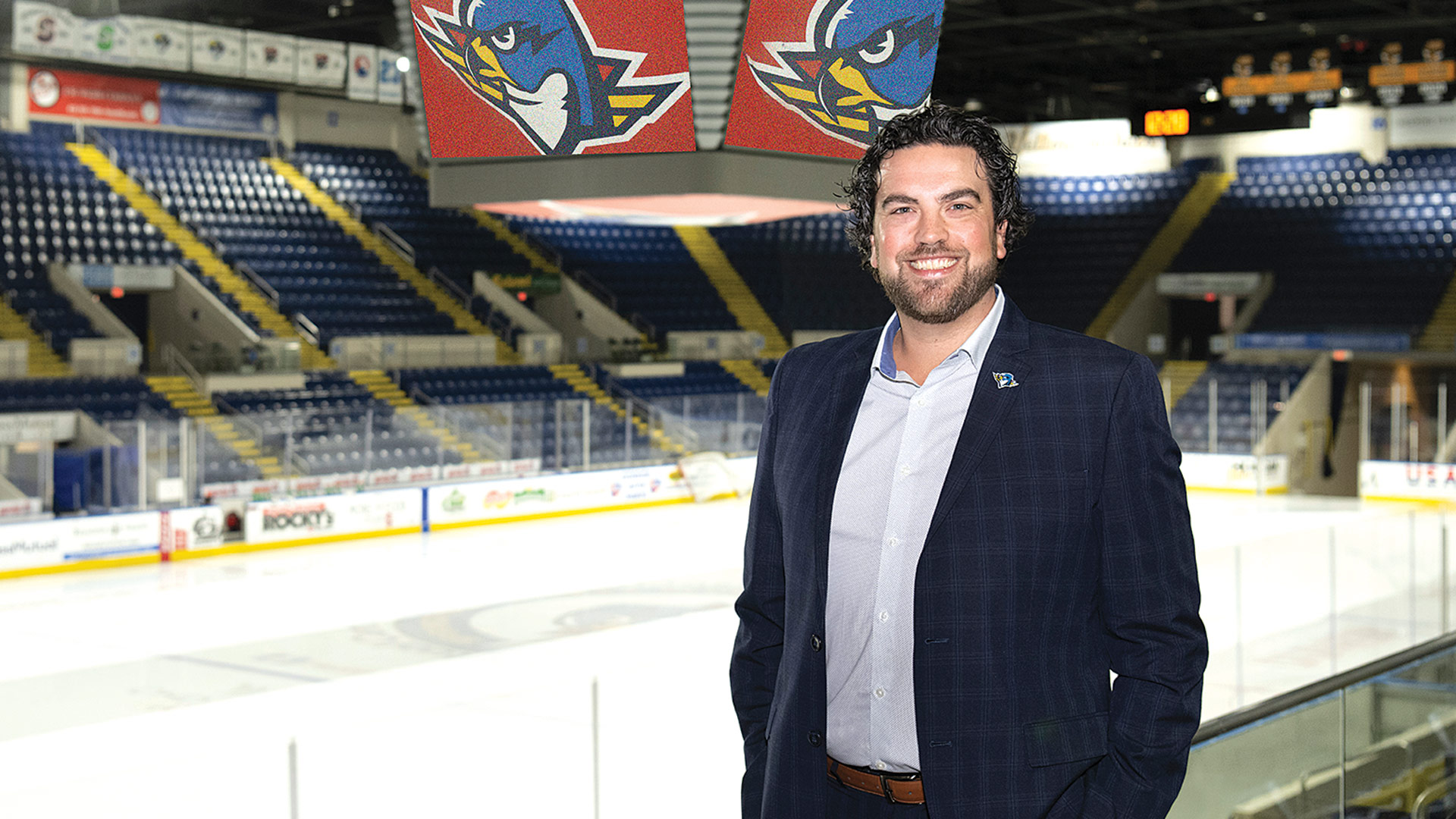
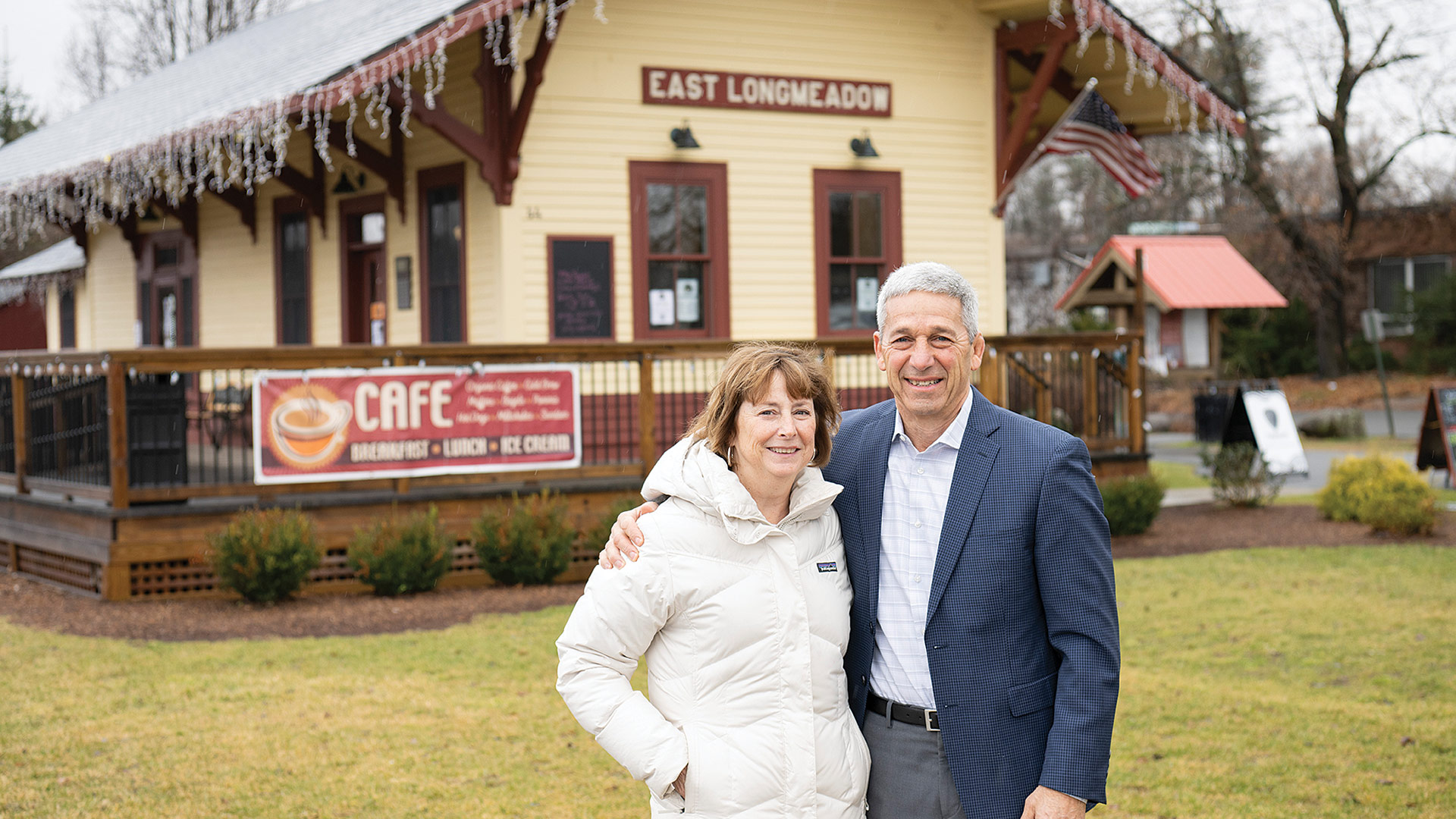
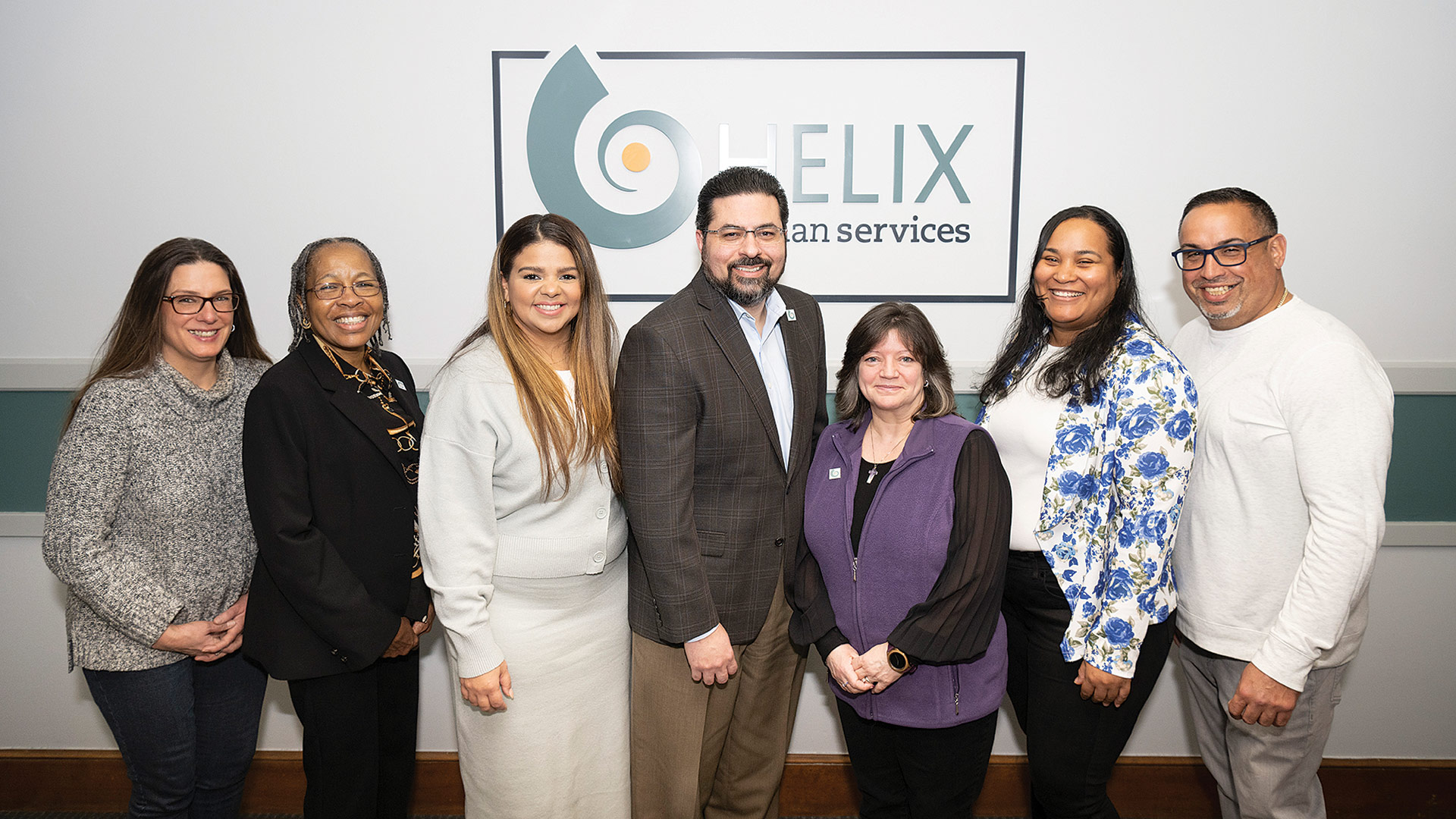
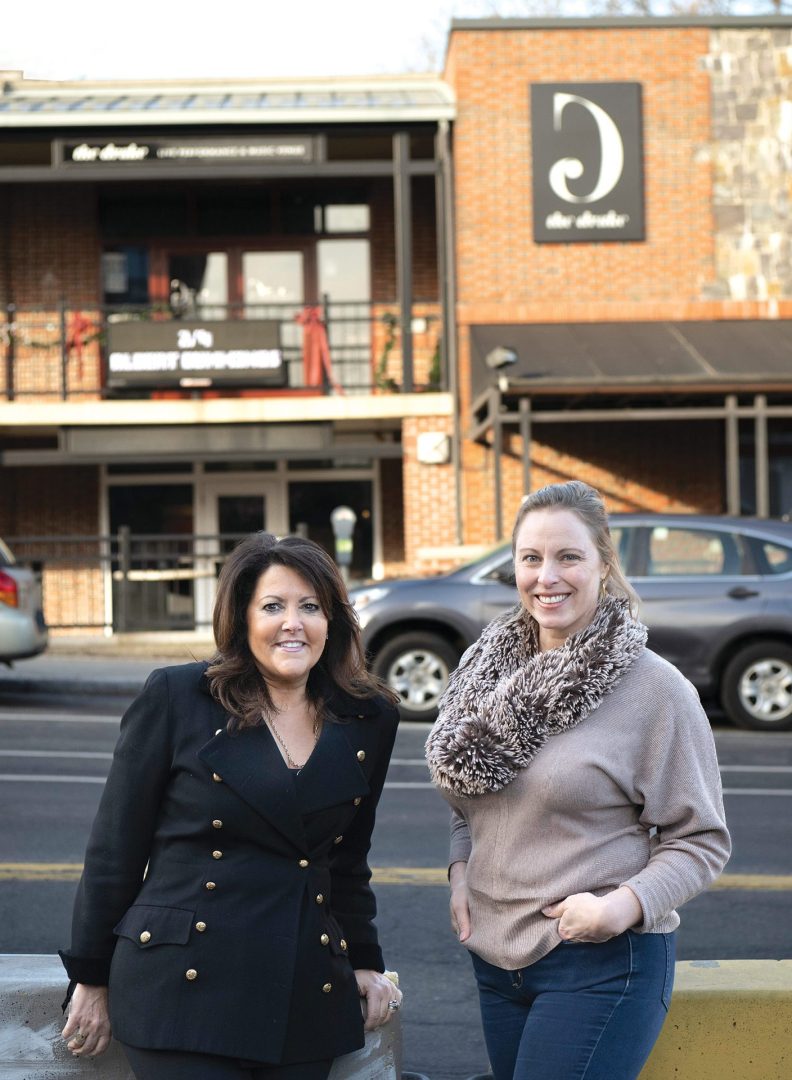
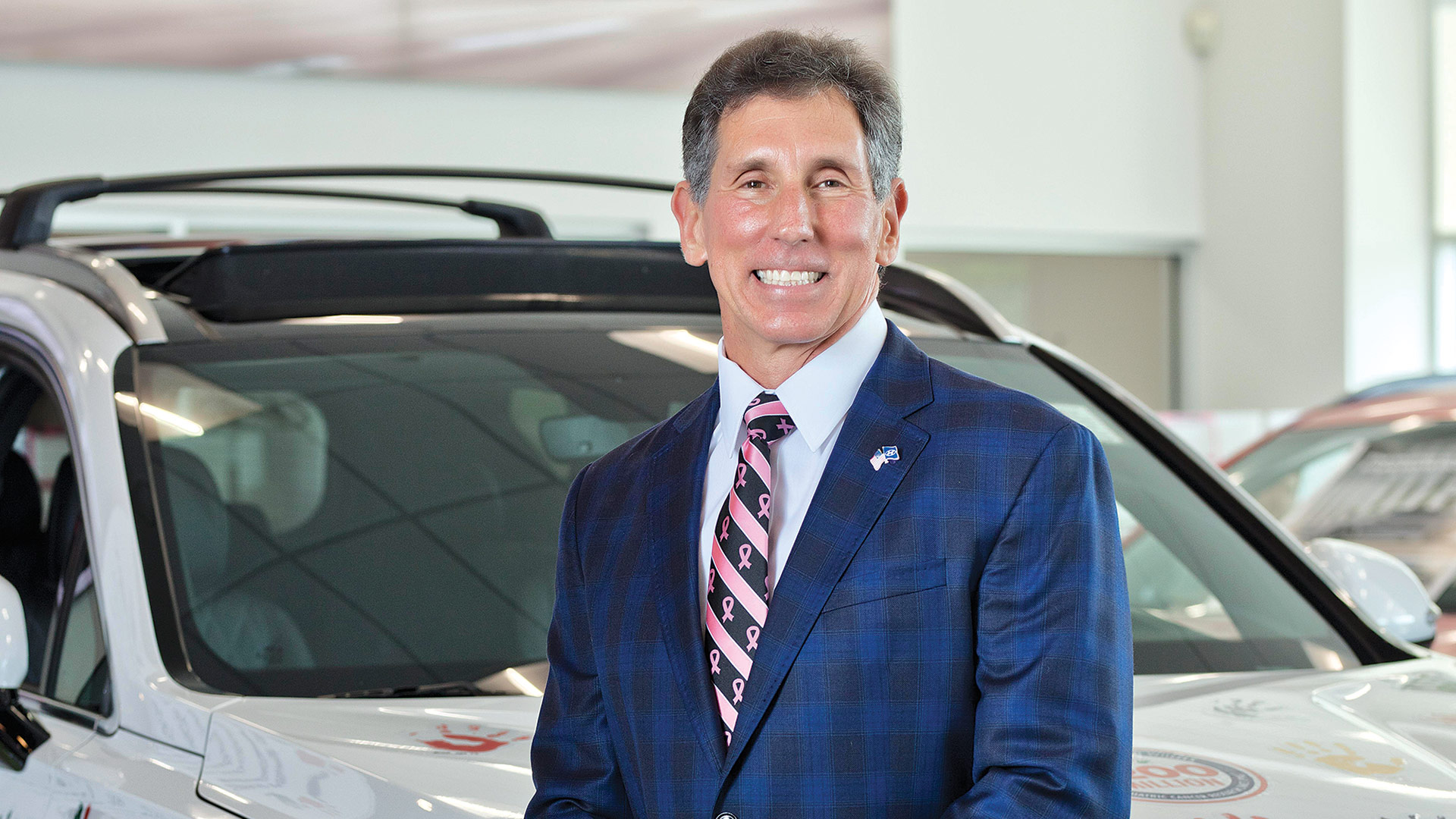
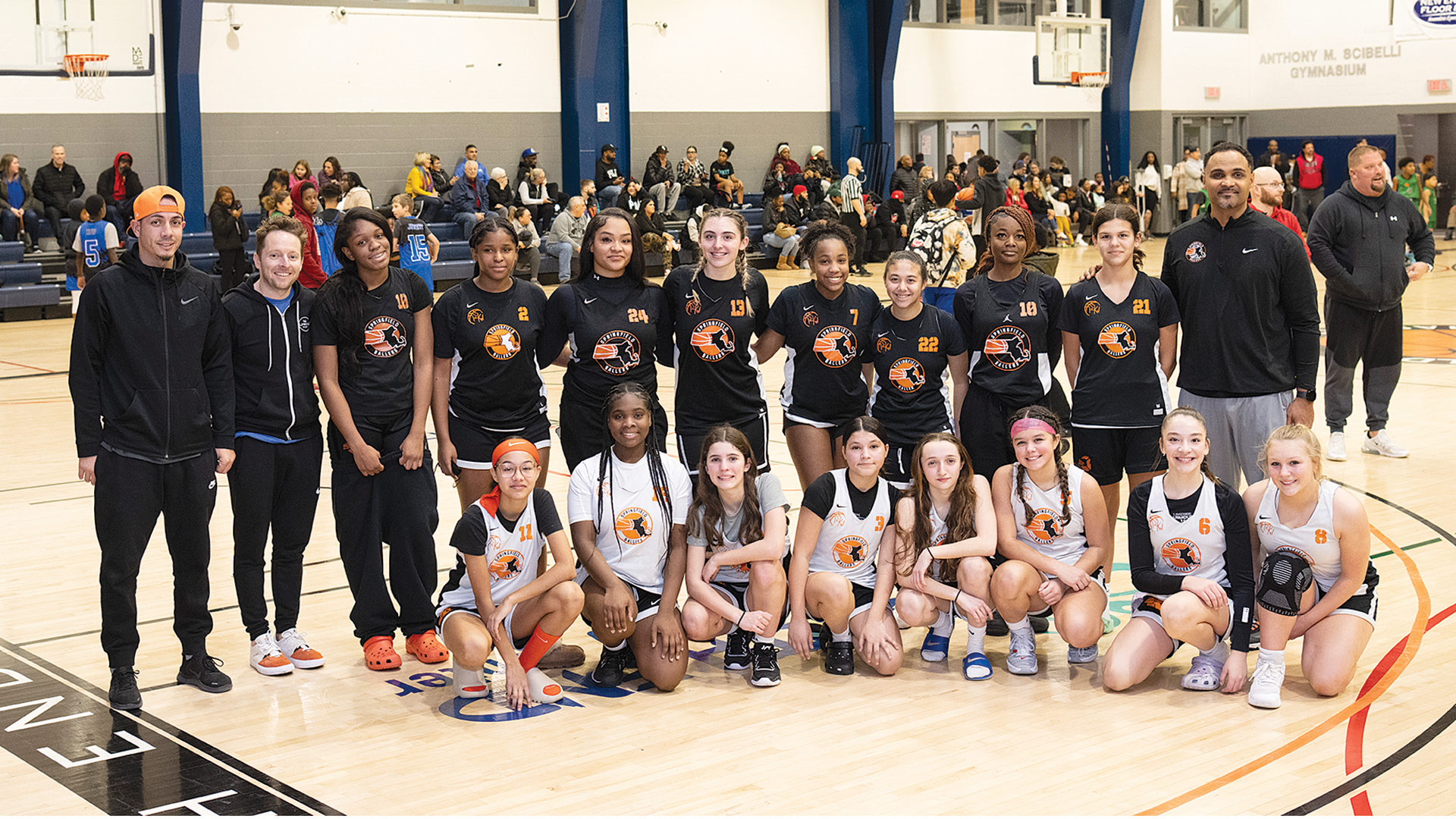
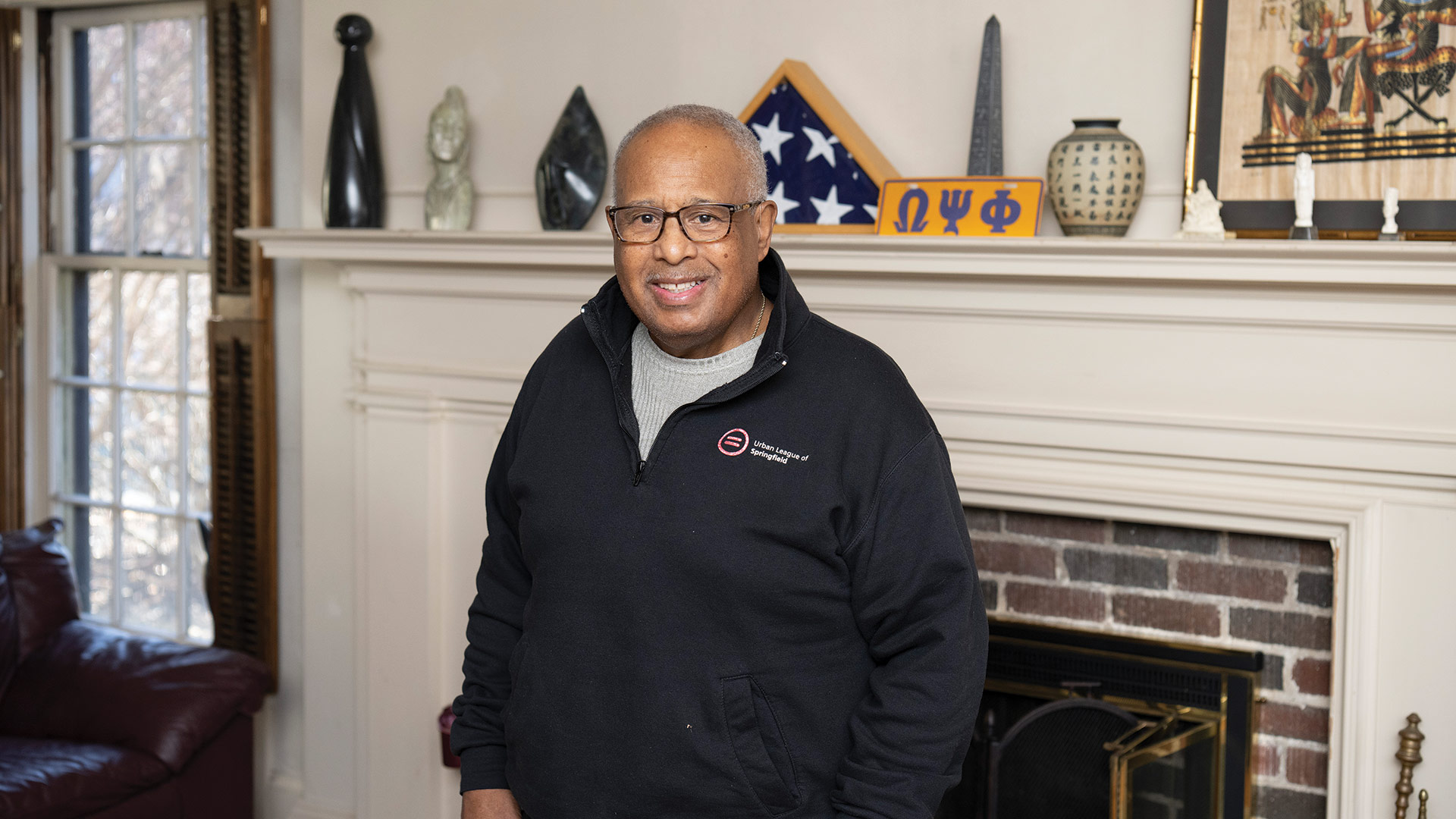
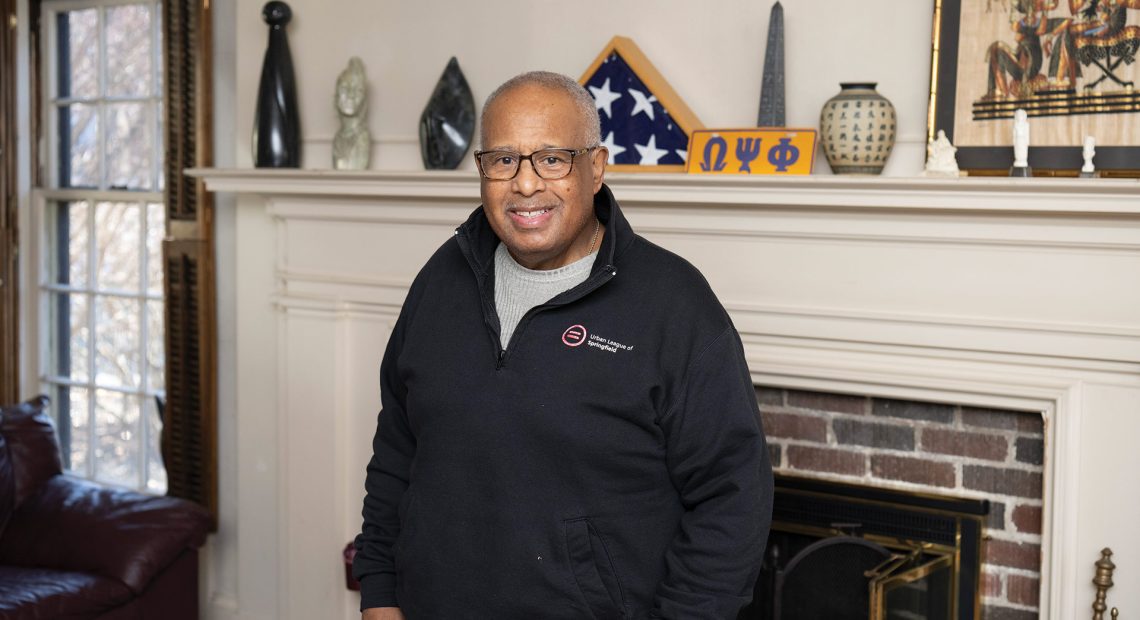
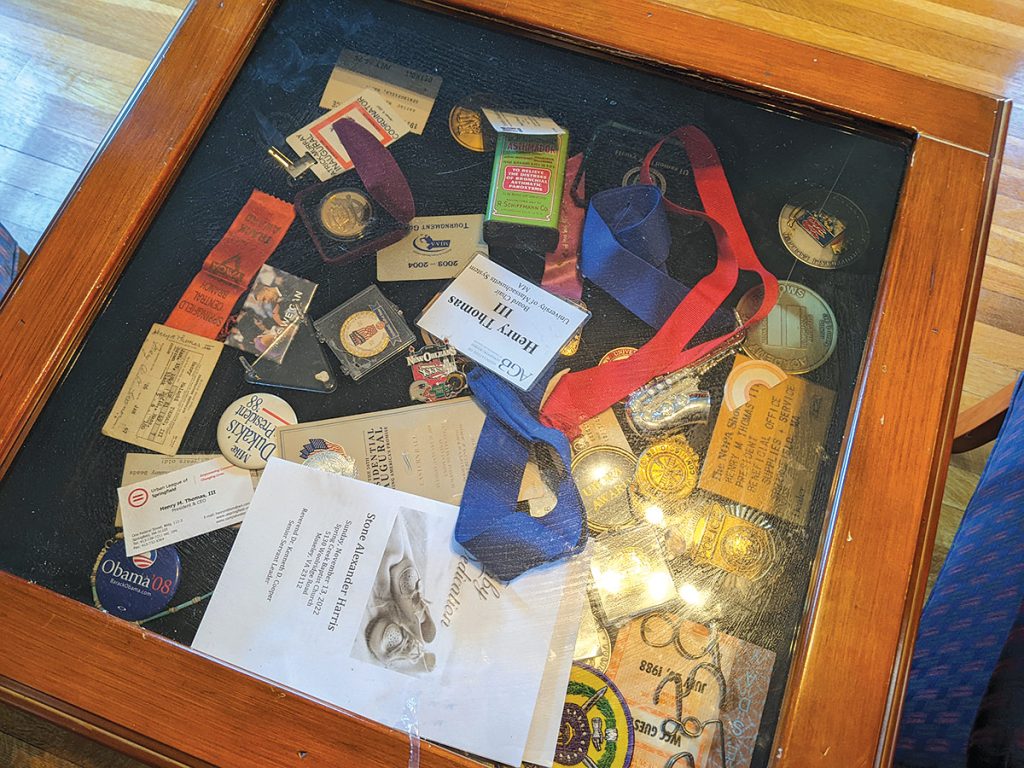
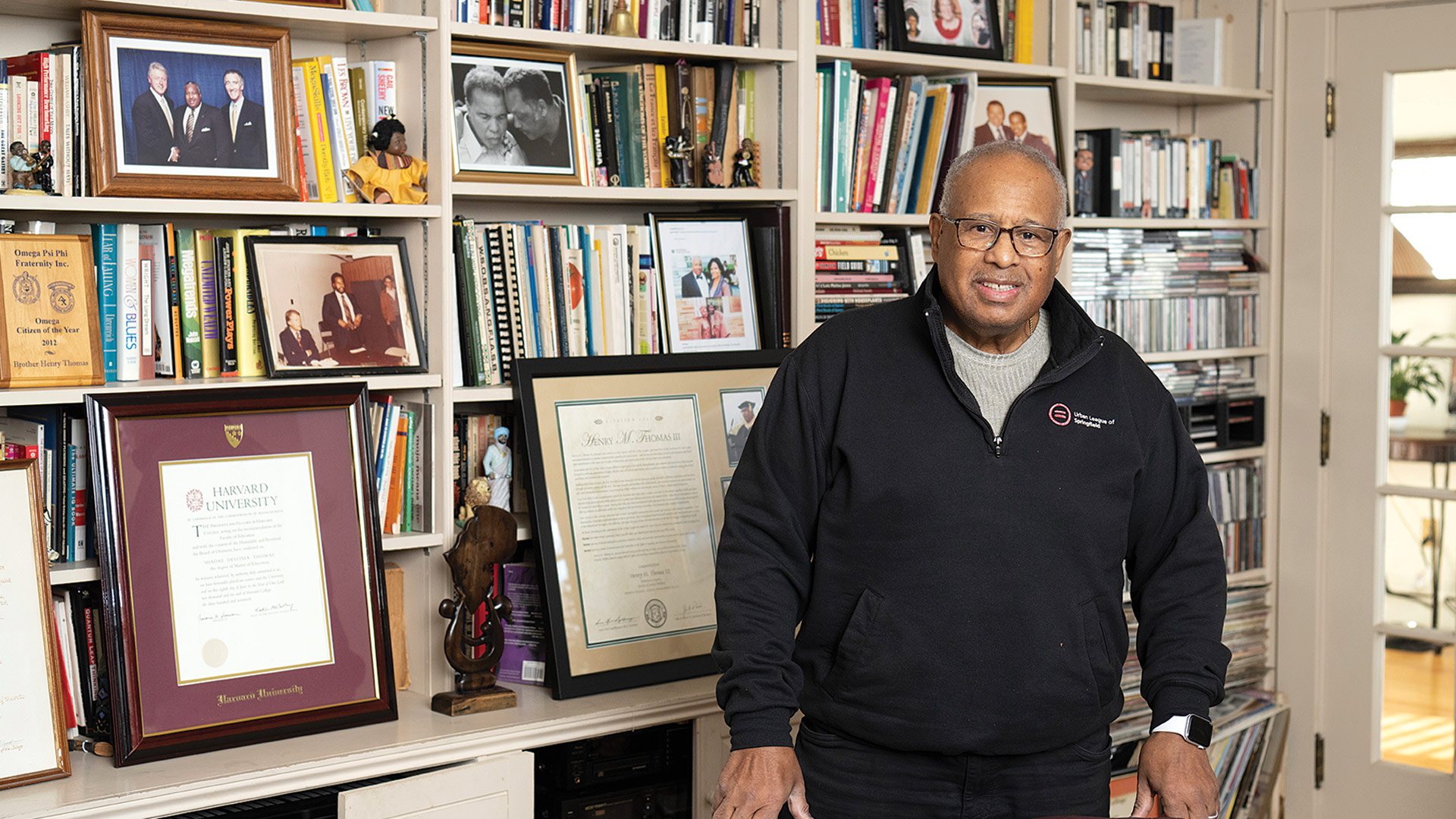
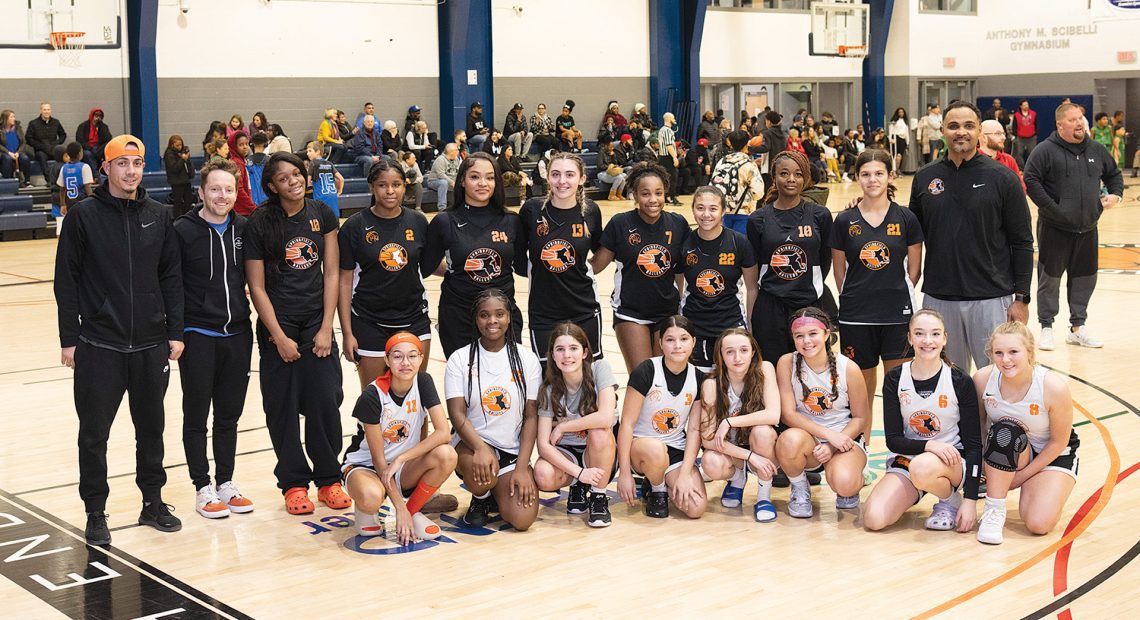
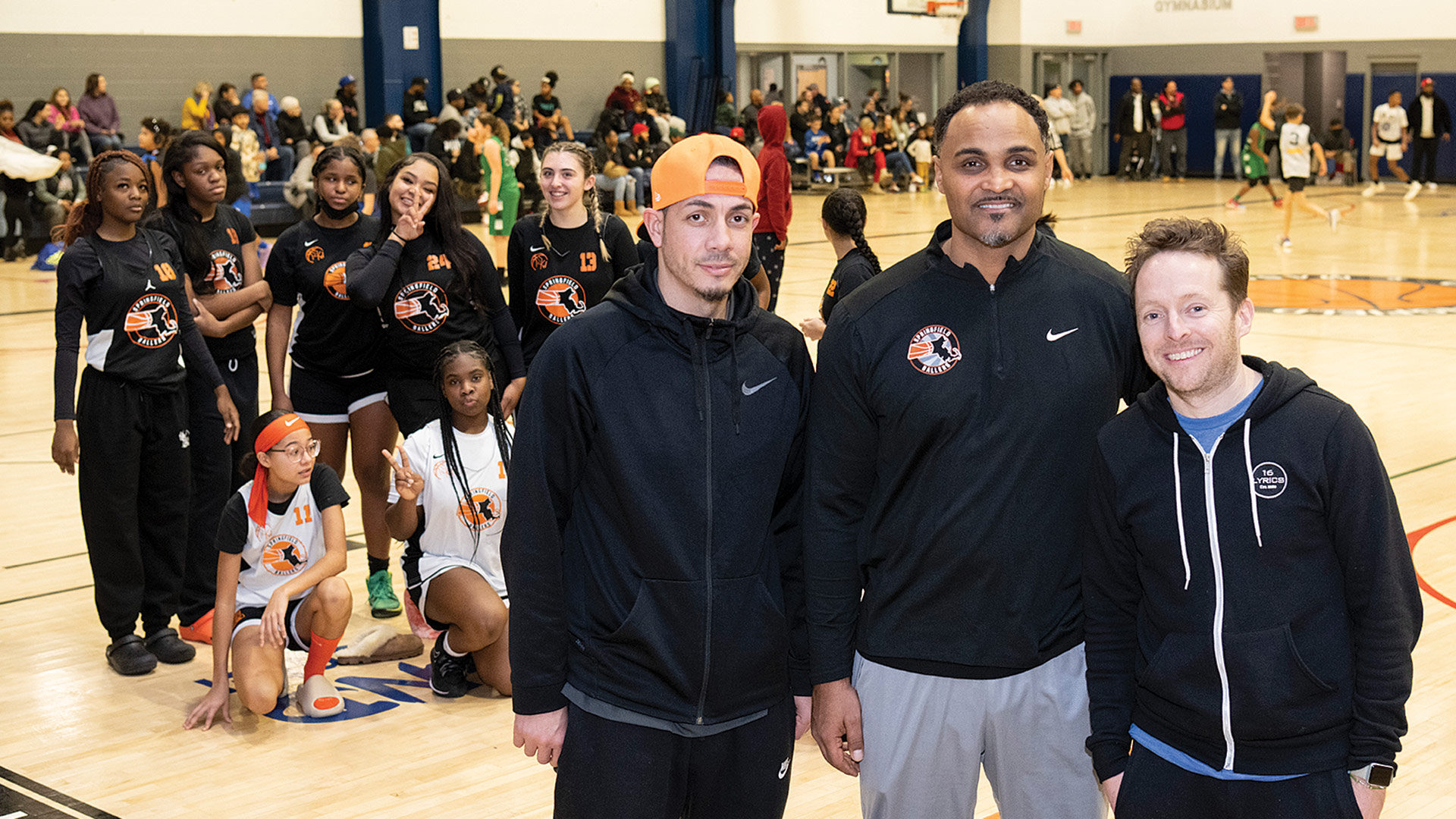
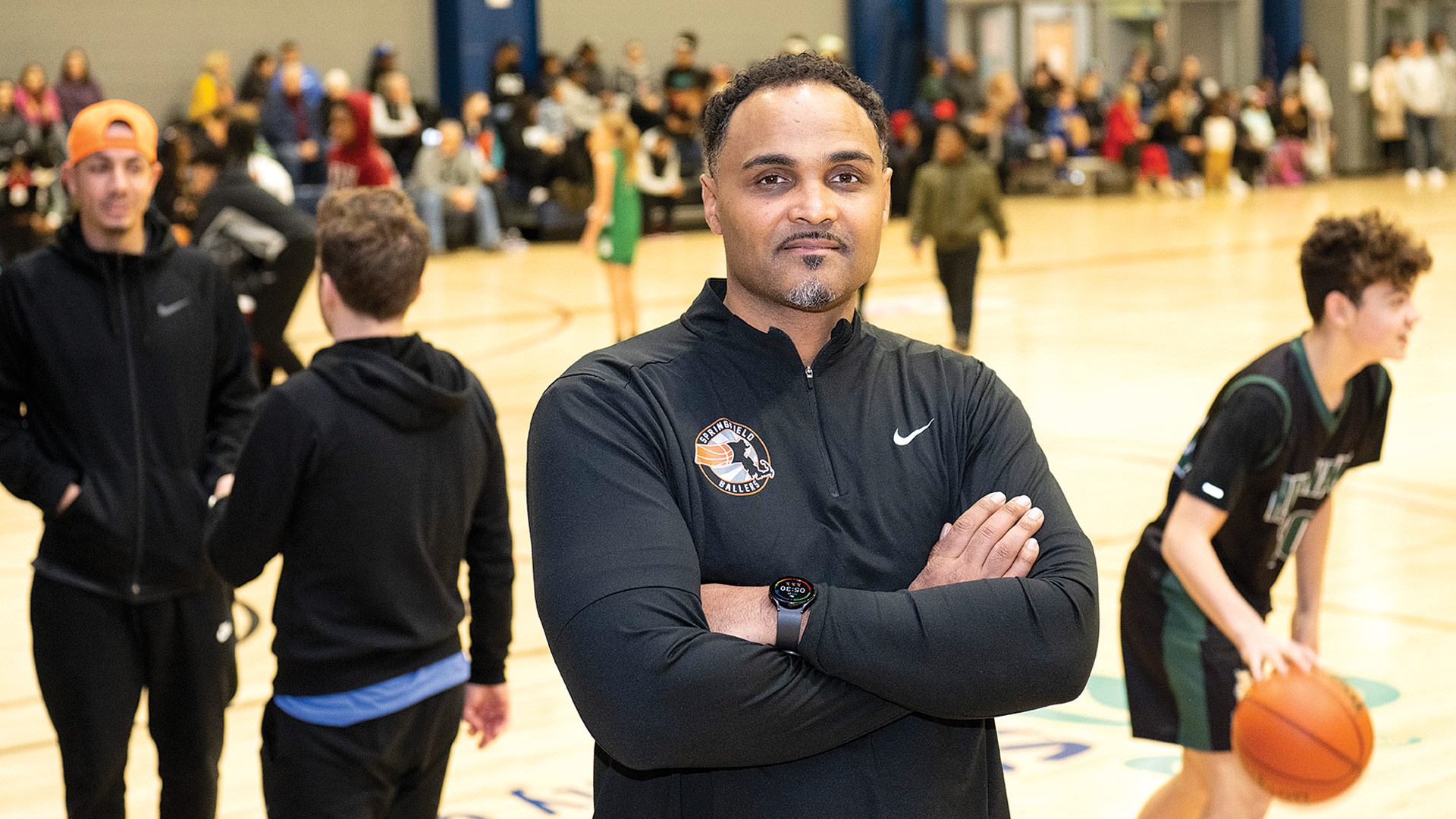
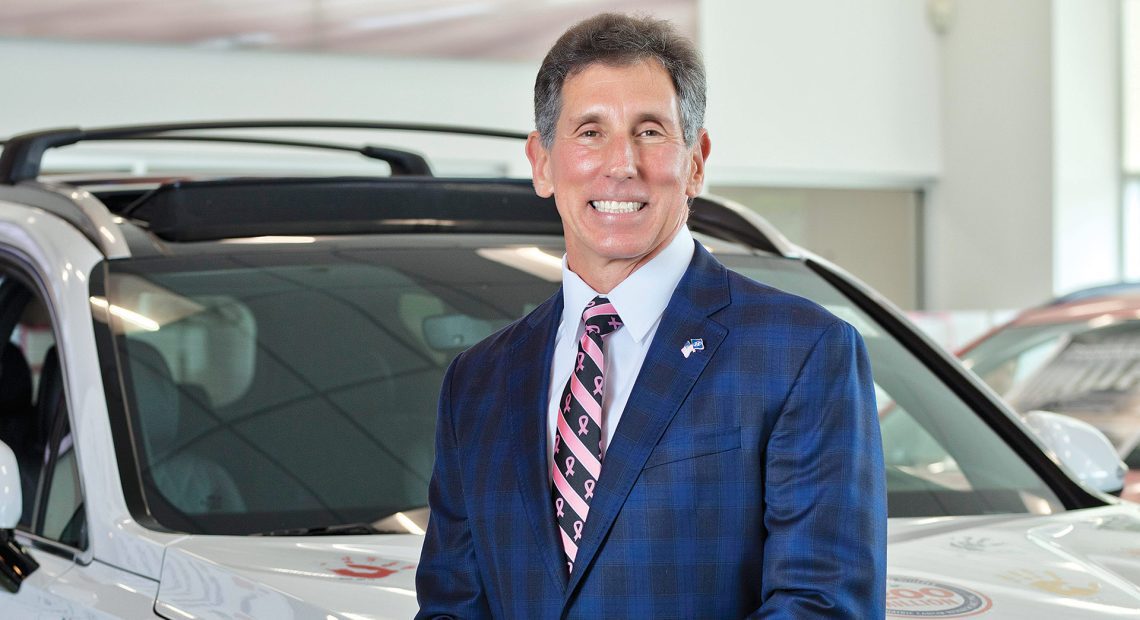
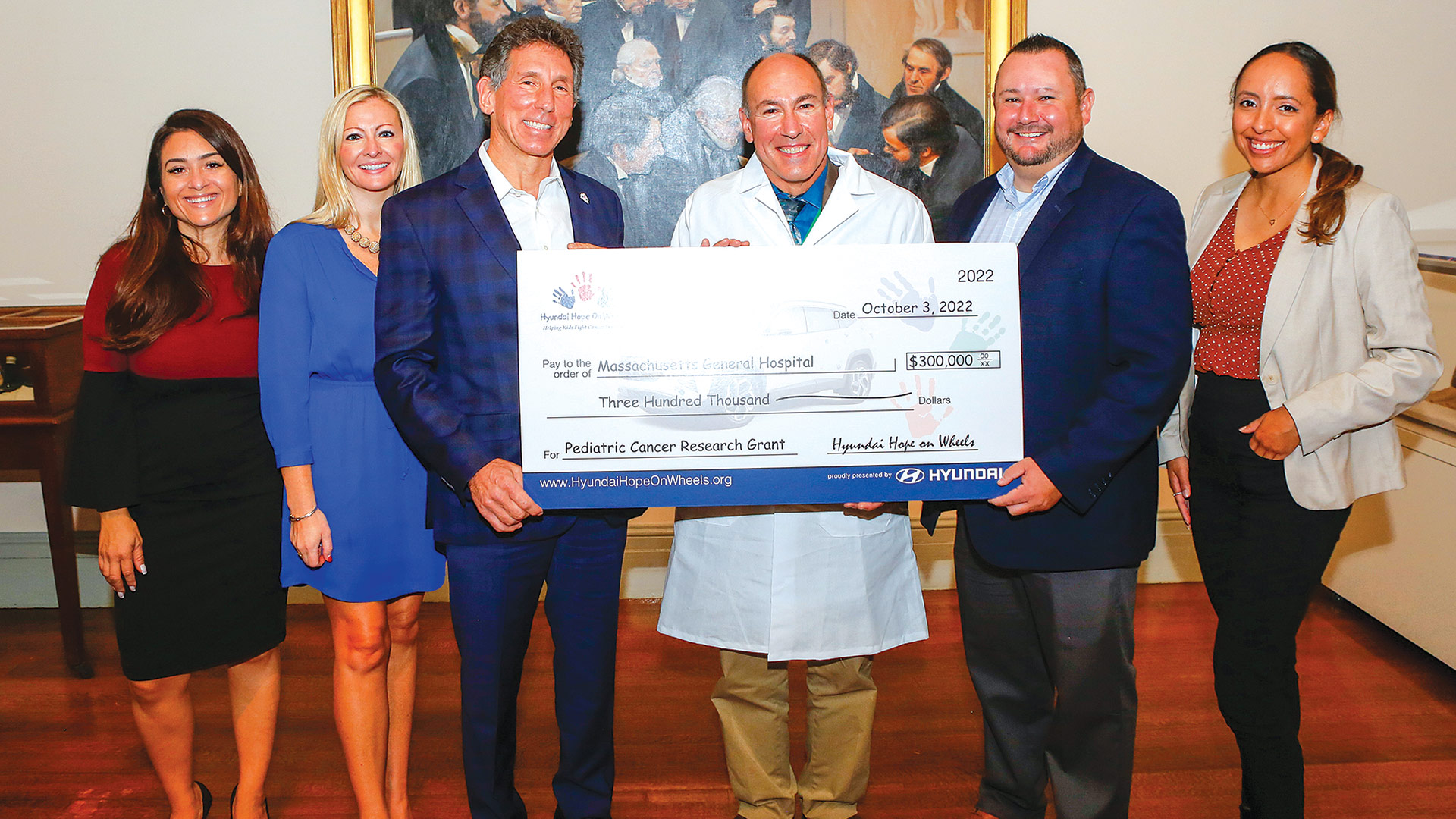
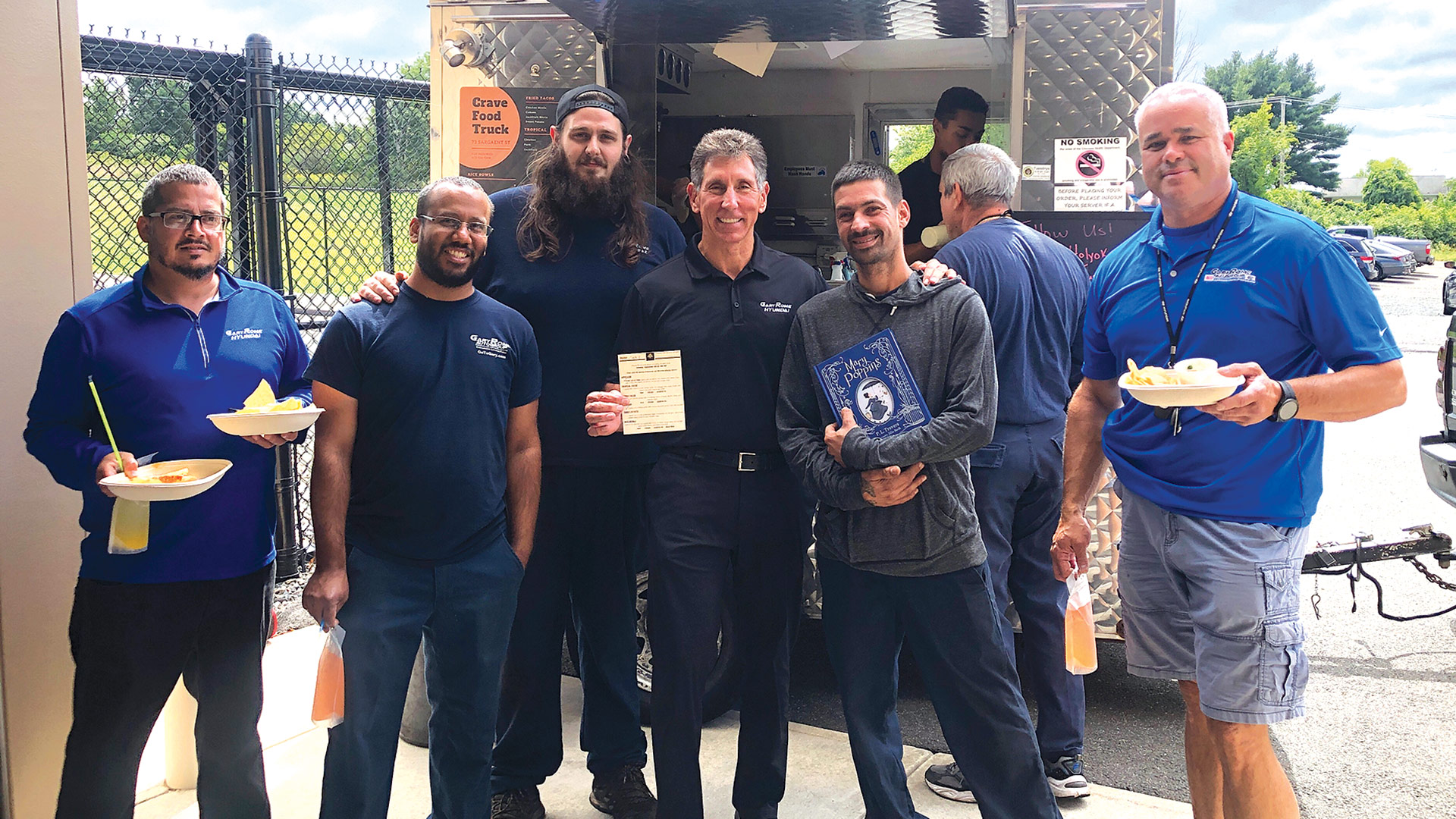
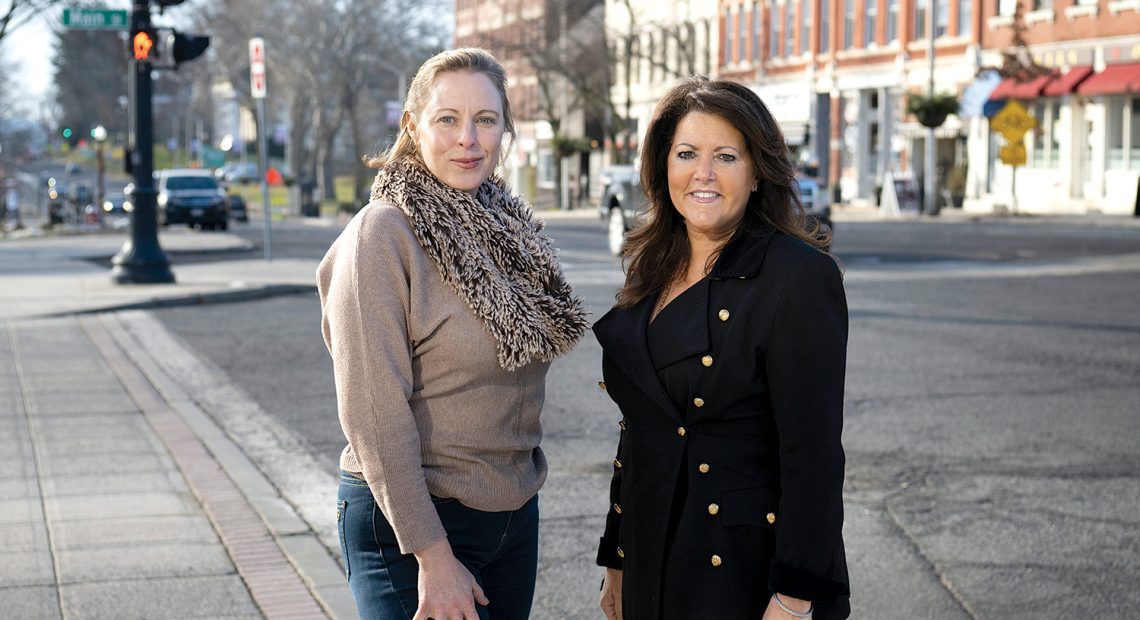
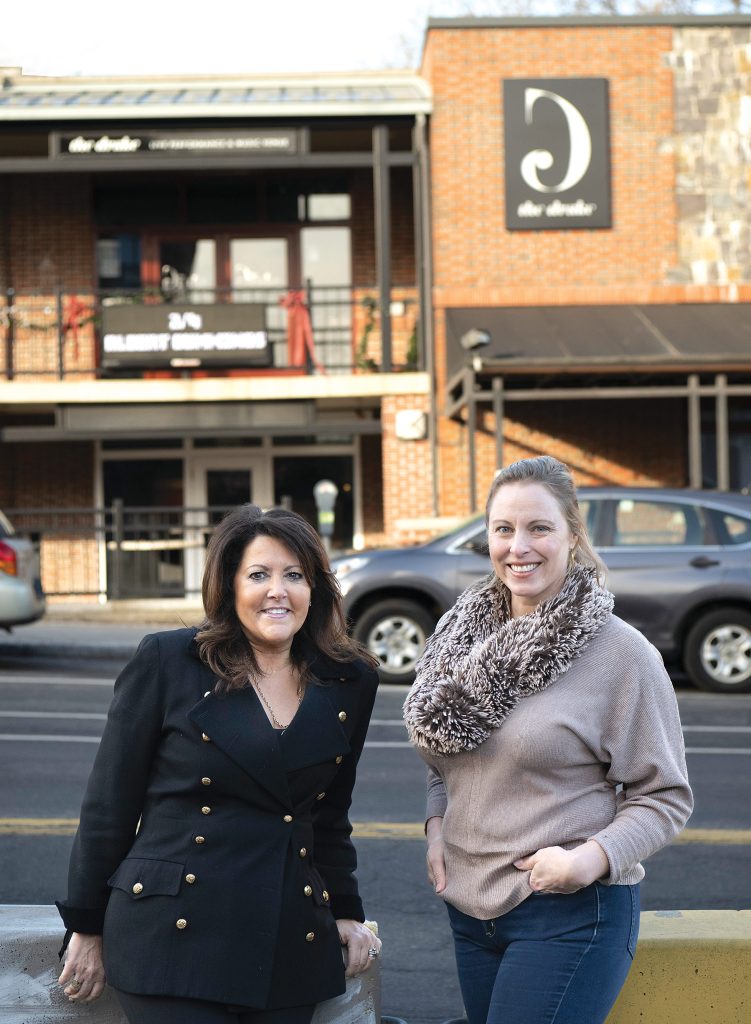
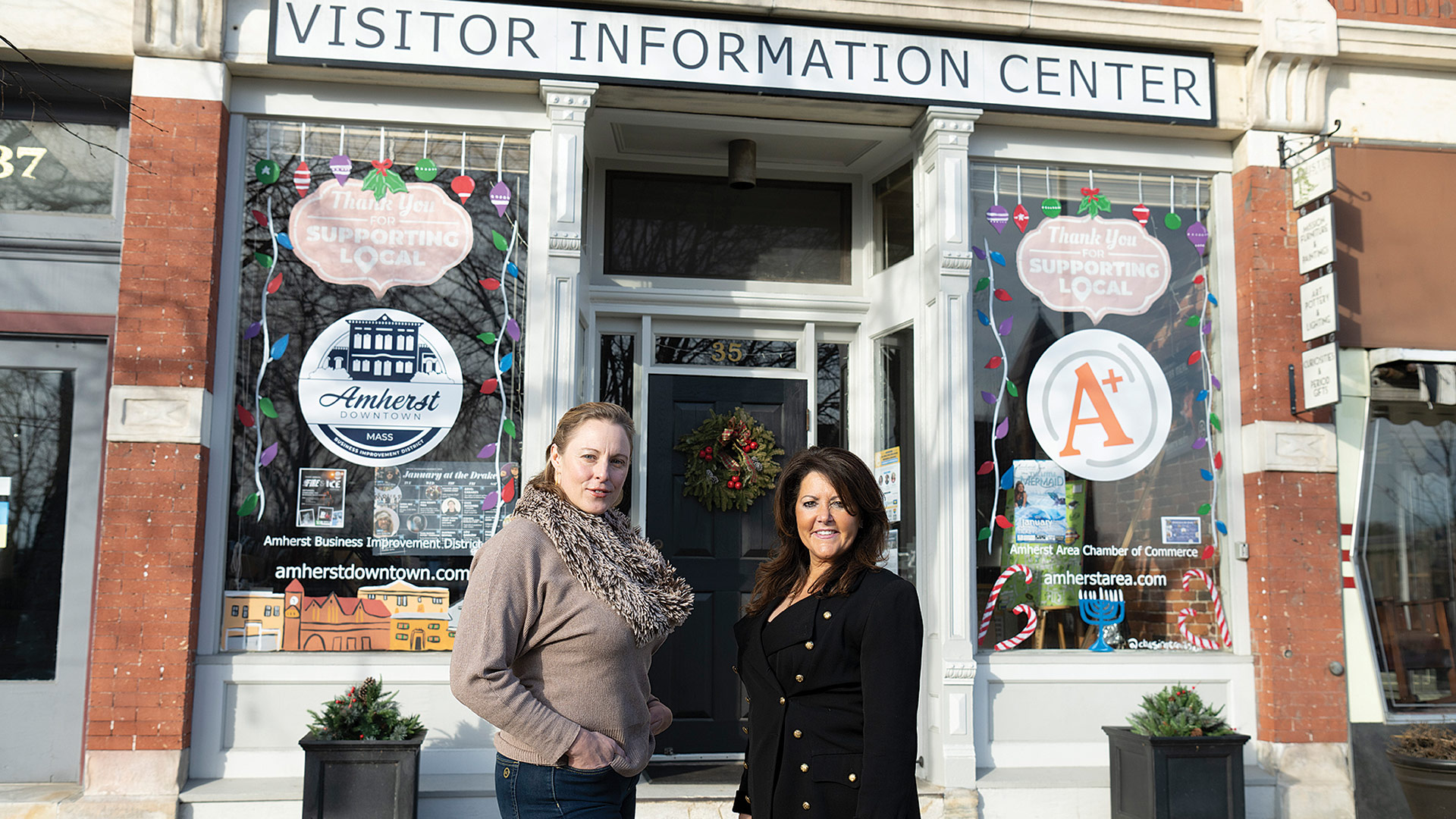
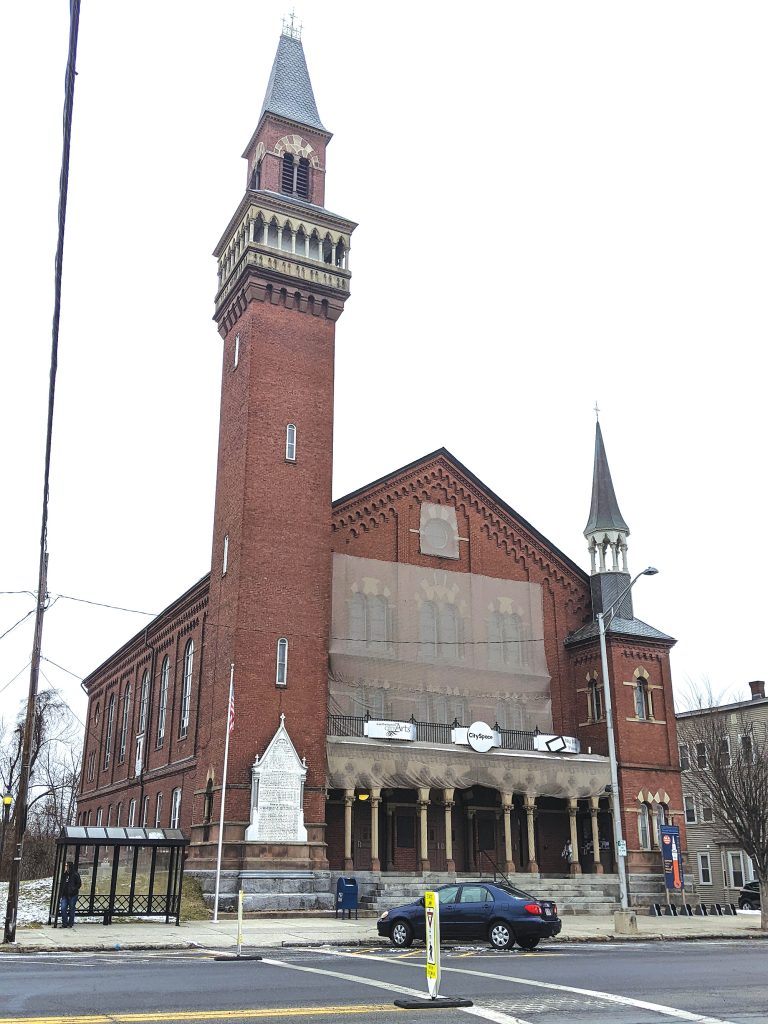
The 2023 Difference Makers were announced, and their stories told, in the Feb. 20 issue of BusinessWest and at businesswest.com. They are: Nathan Costa, president, Springfield Thunderbirds; Steven and Jean Graham, owners, Toner Plastics Group; Helix Human Services (formerly the Children’s Study Home); Burns Maxey, board president, CitySpace; Claudia Pazmany, executive director, Amherst Area Chamber of Commerce, and Gabrielle Gould, executive director, Amherst Business Improvement District; Gary Rome, president and CEO, Gary Rome Auto Group; Springfield Ballers; and Henry Thomas, president and CEO, Urban League of Springfield.

Tickets to the gala cost $85 each, and tables of 10-12 are available. To purchase tickets, visit businesswest.com/difference-makers. Partner sponsors for this year’s program include Burkhart Pizzanelli P.C., the Royal Law Firm, TommyCar Auto Group, and Westfield Bank.

Daily News

SPRINGFIELD — Massachusetts Gov. Maura Healey will keynote the Springfield Regional Chamber’s premier legislative and economic forecasting event of the year on Friday, March 10 from 11 a.m. to 1:30 p.m. Taking place in Exhibition Hall at the MassMutual Center, Outlook brings together business leaders and local, state, and federal policymakers to discuss this year’s economic outlook. This will be the first in-person Outlook event since 2020.

Along with Healey, Outlook will feature a diverse lineup of speakers, with more presenters being announced within the coming weeks.

“We are thrilled to gather in-person for Outlook 2023 and welcome Governor Healey to our region. This is an exciting opportunity to network with business leaders, learn and prepare for this year’s economic forecast, and debut our 2023 legislative agenda,” Springfield Regional Chamber President Diana Szynal said. “This agenda outlines the chamber’s advocacy priorities to strengthen business competitiveness, lower business costs, and build a prosperous future for Greater Springfield. We want to thank Governor Healey for her participation in this event, along with our generous sponsors who are committed to seeing our community flourish and grow.”

Tickets for Outlook 2023 cost $75 for Springfield Regional Chamber members and $100 for general admission. The registration deadline is March 6. Reserved tables of 10 are available.

Click here to register. For additional information, email [email protected] or call (413) 755-1309.

Daily News

HARTFORD, Conn. — Whittlesey, a leading public accounting firm, announced the promotion of Naomi Aina, CPA to Assurance manager. She brings a wealth of experience, knowledge, and commitment to providing exceptional service to clients.

Aina has more than 20 years of experience in public accounting, with a practice concentration in nonprofits. She joined Whittlesey in 2014 after working at Lester Halpern & Company, P.C. for 14 years. She is a member of the American Institute of Certified Public Accountants (AICPA) and the Massachusetts Society of Certified Public Accountants (MSCPA). She earned her bachelor’s degree in accounting from American International College and a master’s degree in accounting from Western New England College.

Daily News

EASTHAMPTON — Hogan Technology announced the addition of two new team members.

Kyle Partridge, an experienced IT support technician and Air Force veteran, is working with the IT support team in service and projects. He has a great understanding of the network environment and is very familiar with the company’s tech stack.

Corey Harris is now director of IT. His roles and responsibilities will be to guide Hogan’s growth and nurture its IT team as the company expands its marketplace. He has more than 15 years of experience and is skilled at simply explaining complex solutions.

“The addition of Kyle and Corey further deepens our IT knowledge and capabilities,” said Sean Hogan, company president. “We are excited to be working with them as we scale our business.”

Daily News

EASTHAMPTON — bankESB recently announced that David Gadouas has been hired as assistant vice president and branch officer of the bank’s State Street, Belchertown office.

Gadouas has more than 15 years of banking experience. Prior to joining bankESB, he was employed by Bank of America, where he served as vice president and financial center manager. He holds a bachelor’s degree in mathematics from Westfield State University.

Business Talk Podcast Special Coverage

We are excited to announce that BusinessWest has launched a new podcast series, BusinessTalk. Each episode will feature in-depth interviews and discussions with local industry leaders, providing thoughtful perspectives on the Western Massachuetts economy and the many business ventures that keep it running during these challenging times.

Go HERE to view all episodes

Episode 150: February 20, 2023

Kate Campiti Interviews Emily Leonczyk, executive vice president of the Markens Group

Business networking. It’s an art and a science, and a skill that all those in business need to effectively market themselves and their venture. On the next installment of BusinessTalk, Emily Leonczyk, executive vice president of the Markens Group, talks at length with BusinessWest  Associate Publisher and Sales Manager Kate Campiti about networking and how to thrive as people once again attend conferences, events, and business gatherings. It’s all must listening, so tune in to BusinessTalk, a podcast presented by BusinessWest and sponsored by PeoplesBank.


Sponsored by:

Also Available On

Daily News

SPRINGFIELDBusinessWest is currently accepting nominations for the 40 Under Forty class of 2023. The deadline for nominations has been extended to Tuesday, Feb. 21.

Launched in 2007, the program recognizes rising stars in the four counties of Western Mass. Nominations, which should be as detailed and thorough as possible, should list an individual’s accomplishments within their profession as well as their work within the community.

Nominations can be completed online at businesswest.com/40-under-forty-nomination-form. Nominations will be weighed by a panel of judges, and the selected individuals will be announced and profiled in the May 1 issue of BusinessWest and honored at the 40 Under Forty Gala on June 15. Event sponsorship opportunities are available.

Daily News

HOLYOKE — MassHire Holyoke’s Recovery Ready Workplace initiative will present Pillars of the Community Workforce, a new initiative funded by the Executive Office of Housing and Economic Development’s Community Empowerment and Reinvestment Grant Program, with a live event to kick off the initiative today, Feb. 17 from 1 to 3 p.m. at the Summit View Banquet and Meeting House, 555 Northampton St., Holyoke.

State Sen. John Velis will be the emcee for the event. Several Western Mass. legislators, including state Sens. Jake Oliveira and Adam Gomez and state Rep. Patricia Duffy, will also be present to take the Recovery Ready Workplace Pledge in this public forum. Members of the community are invited to attend by registration only. Click here to register.

Pillars of the Community Workforce (PCW) will broaden MassHire Holyoke’s (MHH) successful re-entry and recovery programming by expanding capacity for services in the community. PCW’s service design is a boots-on-the-ground approach with a mobile community lab of 15 devices, which will allow for employment services including digital literacy, financial literacy, and job-readiness skills trainings on site with community partners. Moreover, the enhanced community presence will re-introduce one-on-one services where they are most needed.

PCW will also allow MHH to expand outreach to the business community with the Recovery Ready Workplace initiative (RRW). Since MassHire Holyoke launched the RRW in March 2022, the community response has been overwhelmingly positive. Nine organizations have already taken the pledge to become a Recovery Ready Workplace, and many others have expressed interest or are in the beginning stages of the process. Additions to the list include the city of Holyoke and the Hampden County Sheriff’s Department, offering the opportunity to advance advocacy, education, and support to employers who provide the cornerstone to any individual’s recovery from substance-use disorder: employment.

MassHire Holyoke’s goal is to roll out the RRW initiative throughout the state of Massachusetts so that businesses begin to shape a cultural norm that eliminates the stigma associated with addiction and substance-use disorders and promotes a healthy, thriving workforce.

Anyone interested in learning more about the Pillars of Community Workforce initiative or becoming a Recovery Ready Workplace should contact Ramona Rivera-Reno, executive director of MassHire Holyoke’s Re-entry and Recovery Program at (413) 427-3498 or [email protected].

Daily News

PITTSFIELD — Berkshire Bank was recognized on the Forbes magazine list of America’s Best Midsize Employers 2023. This award is presented by Forbes and Statista Inc., a statistics portal and industry-ranking provider. The awards list was announced on Feb. 15 and can be viewed at forbes.com.

Berkshire Bank is the only Massachusetts-based bank, and one of four banks in New England and New York, on the midsized employer banking and financial services list.

“For more than 175 years, Berkshire Bank has been focused on making a positive impact for both our employees and the communities we serve. We are honored to be part of this ranking, which acknowledges the importance of working in a great environment where employees are engaged and help drive our vision to be a socially responsible community bank,” said Jacqueline Courtwright, executive vice president and chief Human Resources and Culture officer at Berkshire Bank.

Forbes and Statista selected the America’s Best Employers 2023 through an independent survey applied to a sample of approximately 45,000 American employees working for companies with more than 1,000 employees in America. Across 25 industry sectors, 1,000 employers have been awarded: 500 large employers and 500 midsize employers. The evaluation was based on direct and indirect recommendations from employees that were asked to rate their willingness to recommend their own employers to friends and family. Employee evaluations also included other employers in their respective industries that stood out either positively or negatively.

Daily News

NORTH ADAMS — Matthew Gibson, associate professor of Economics at Williams College, will give a talk titled “Economics of Climate Change” on Wednesday, March 1 at 5:30 p.m. at the MCLA Feigenbaum Center for Science and Innovation, Room 121. This event is free and open to the public as part of MCLA’s Green Living Seminar series.

Gibson is a research affiliate at the Institute of Labor Economics who works in environmental and labor economics, particularly time use, wage determination, air pollution, and flood risk. He received his PhD from the University of California San Diego.

MCLA’s annual Green Living Seminar Series continues through April 19, presenting a series of lectures on the theme of “Capitalism and the Environment.” Every semester, the Green Living Seminar Series centers around a different topic that’s timely and relevant to current sustainability issues.

The 2023 series is a presentation of the MCLA Environmental Studies Department. Podcasts will be posted online following each presentation at www.mcla.edu/greenliving.

Daily News

HATFIELD — The Food Bank of Western Massachusetts received a community-impact grant from KeyBank Foundation in the amount of $225,000, payable over three years. The funding will support the Food Bank’s goal of increasing the availability of culturally appropriate food at its 25 Mobile Food Bank distribution sites.

The Mobile Food Bank delivers a truck full of free fresh and non-perishable groceries from the Food Bank’s warehouse directly to a community site for immediate distribution to residents. The program reaches underserved populations throughout Western Mass. that do not have access to healthy foods, including families, seniors, and children. Much of the Food Bank’s culturally appropriate inventory for underserved communities must be purchased with funding raised from private foundations, businesses, and individuals.

“KeyBank is committed to partnering with community organizations whose mission it is to improve the lives of underserved populations and neighborhoods where we do business,” said Matthew Hummel, KeyBank Connecticut and Western Massachusetts market president. “The Food Bank of Western Massachusetts works tirelessly to reach the populations having the highest rates of food insecurity and poverty, including some of the most culturally diverse areas in the state. We are proud to support their Mobile Food Bank program to help reach all residents in need with nutritious and culturally sensitive food supplies.”

KeyBank Foundation grants are made under Key’s National Community Benefits Plan established in 2017, which has already delivered more than $29 billion in lending and investments across the bank’s national footprint supporting affordable-housing and community-development projects, home and small-business lending in low- and moderate-income communities, and philanthropic efforts targeted toward education, workforce development, and safe, vital neighborhoods.

Construction

View from the Top

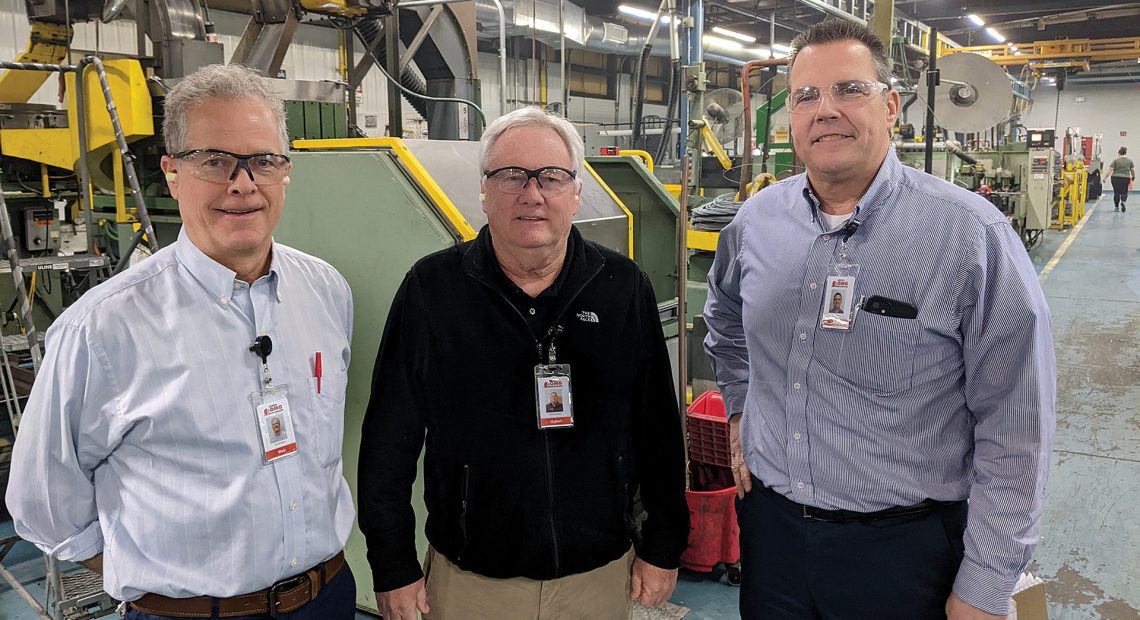
From left, Web Shaffer, Hubert McGovern, and Dewey Kolvek on one of the plant floors at OMG Inc.

From left, Web Shaffer, Hubert McGovern, and Dewey Kolvek on one of the plant floors at OMG Inc.

The past three years — spanning the pandemic and all the ways it has impacted industry, from supply chains to workforce challenges — have been rough on businesses of all kinds.

But for OMG Inc., it’s been a different story.

“I want to say three-quarters of the business is re-roofing,” said Web Shaffer, senior vice president and general manager of the firm, which encompasses two main divisions: OMG Roofing Products and FastenMaster. “So, while it’s not entirely recession-proof, when your roof goes, you can patch it for a little while, but you can only do that for so long.”

OMG President Hubert McGovern agreed. “You either get a bucket, or you get a new roof.”

And the bucket isn’t the ideal choice for a large company — think of an Tesla factory, a Target store, or an Amazon warehouse — with plenty to protect under that roof.

Meanwhile, 2020 found people stuck at home, not going on vacation, and, in many cases, investing in their homes, said Dewey Kolvek, OMG’s senior vice president of operations. “During the pandemic, it was crazy, with everybody battening down the hatches. A lot of people were at home, looking around, and saying, ‘you know, maybe we should remodel our bathroom. Maybe we should remodel the kitchen. Oh, let’s put a deck out in the back.’”

OMG Roofing Products, which manufactures and supplies roofing fasteners, adhesives, and rooftop drains, pipe supports, and solar mounts, as well as proprietary installation technology for the flat-roofing market; and FastenMaster, which develops fastening and adhesive products used by remodelers, deck builders, residential framers, home builders, and floor installers, both benefited from this environment.

“We’re not making basic drywall screws or something like that. If we have a new product, it’s got to have a feature, a benefit, a patented intellectual property, and something the customer wants.”

And during a time of global supply-chain issues in 2021 and 2022, “we grew out of control, and we couldn’t keep up,” McGovern said. “These last two years have been record years for the company because of the demand. It’s finally starting to settle, but we’ve been under the gun to produce as much as possible, as fast as possible, for probably two and a half years.”

Kolvek recalls it all vividly. “For a period there, we were on 24/7 for two months, just to try to put a dent in it. It was brutal.”

OMG is no stranger to growth spurts. After launching in 1981 as Olympic Fasteners, by 1987 it was manufacturing 100 million fasteners a year. In 1993, the company became Olympic Manufacturing Group — hence the OMG acronym — and in 1997, it was acquired by Handy & Harman, which was later taken over by a public company called Steel Partners. Throughout its history, OMG has grown about 10% a year, on average, through organic growth, constant product development, and a series of acquisitions.

Today, OMG boasts more than 650 employees — about 450 of them at its Agawam campus, which spans 480,000 square feet over a half-dozen buildings — and records about $400 million in annual sales. Its three other plants are located in Addison, Ill., Charlotte, N.C., and Rockford, Minn., in addition to field salespeople located across the U.S. and overseas. The company estimates that around 65% of all commercial, industrial, and institutional buildings in the U.S. that have been built or reroofed within the past 25 years have one or more of its products on their roof.

“The good news about roofing is, people need roofs,” McGovern said. “So if you have a decent building, you’re not willing to let it just deteriorate; you’re going to get a new roof if you need it. Or you’re going to have a lot of buckets and be running around like a chicken with your head cut off every time it rains.”


Hot Stuff

During BusinessWest’s recent visit to OMG’s factory in Agawam, Shaffer pointed out a Chinese advertisement for RhinoBond, the first non-penetrating, induction-based roof-attachment method in North America, which OMG introduced in 1999.

“RhinoBond is a global leader in induction heat welding, and a leading-edge technology in the commercial roofing industry,” he noted. “So we make stuff in Western Mass. and export it to places like China, which is pretty cool. It usually goes the other way.”

McGovern said OMG has a family of about 20 patents on its induction roofing technology, which uses heat to meld the roofing membrane to a fastener plate without having to puncture the membrane with a screw. “It’s a different way of doing roofing — and we lead the market with that.”

On an aerial photo of the Agawam campus, he pointed out a building dedicated to research and development that houses about 30 employees, mainly engineers, who work on developing new products. Over the years, the company’s developments have included TrapEase, the first composite deck screw that does not mushroom; OlyBond Insulation Adhesive, a two-part, low-rise polyurethane foam; OlyBond500 canisters, a new method of applying adhesive, and many more.

OMG’s patented heat-induction system

This flat roof will use OMG’s patented heat-induction system, which requires no screws to pierce the membrane.

“A lot of the growth has come from looking at our customers and saying, ‘what else can we sell these guys that will help them build a better roof?’” Kolvek said. “And that’s where you see our drains come in, or the solar mounts and other things. Those accessories have helped grow the business, as well as new technologies that cannibalize some of our original product line or allow a more premium solution to builders.”

Shaffer agreed. “We’re really getting out there to the customer and saying, ‘how can we help you? What are your challenges you’re facing?’ And maybe we can bring a solution to the table.”

FastenMaster in particular has been introducing new products at a brisk pace, as evidenced by an innovation award it received from Home Depot in November, for its Cortex Hidden Fastening System, which is used to build a deck with fully hidden hardware and fasteners. That kind of continuous development is possible only by staying atop and even spearheading industry trends, McGovern said.

“Some of the technology is changing, but we’ve changed some of the technology with our products,” he noted. “And we’re not making basic drywall screws or something like that. If we have a new product, it’s got to have a feature, a benefit, a patented intellectual property, and something the customer wants.”

“We’re in Western Mass., and we’re all vying for the same pool of workers. So what makes you different than someone else you’re competing against for that same labor?”

Clearly, customers do want them — not only domestically, but in a place like China that’s known much more for its imports to the U.S. than its exports from stateside manufacturers. “You don’t see that a lot in any industry — maybe in some more high-tech ones,” Kolvek said. “But in the construction industry, there’s a lot more imported product. So we have to be different — and better. That’s the bottom line.”

And when OMG develops a successful product, similar products will follow, as with the OlyBond canisters. “We introduced that technology to roofing and, it took off — tens of millions of dollars of sales in a very short period of time,” McGovern said. “Now everybody has a canister technology.”

OMG’s Cortex Hidden Fastening System

Last year, Home Depot gave one of its three innovation awards to OMG’s Cortex Hidden Fastening System.

“In business, that’s what happens,” Shaffer added. “If you’re successful like Tesla, well, somebody else is going to come out with electric cars. They’re not going to let you just do that forever. So you’ve got to move on and innovate again, which is what that whole R&D building is all about.”

And being first to market is important when operating on a global scale, McGovern said. “Then it’s everyone else playing catch-up.”

A key element in OMG’s success has been its embrace of lean manufacturing concepts, Kolvek explained.

“We have a pretty robust continuous-improvement program where we want all employees to be engaged with that thought: what is a better way? How do I improve efficiencies? Can I work safer? Can I work faster? You know, really just instilling people to understand the principles of driving the waste out of everything that we do. There’s always an alternative, and we have to pursue that to stay competitive and stay out in front.”

Shaffer agreed. “How do we compete globally from Western Massachusetts, which is not an industrial region? It’s the innovation plus lean operations keeping costs down and improving that value proposition to the end user. Managing costs and innovating — that’s how we succeed here in Western Mass.”

Focus on People

McGovern said the importance of employees is also reflected in initiatives ranging from tuition reimbursement and financial-wellness programs to company picnics, subsidized healthy meals, and physical-wellness programs such as yoga, massage therapy, and a gym and fitness trainer on site.

“These are all things that enhance people’s lives, that aren’t necessarily attached to the working piece of the company. But if people feel better about themselves, if they’re financially well, if they’re physically well, then we know they’re going to be a better employee. We win, and they win.”

Such efforts are even more important at a time when businesses of all sizes struggle to recruit and retain talented workers.

“It’s a huge issue. That’s why we spend a lot of time and money on it,” McGovern said. “We want the best employees, and we want them to stay. And it’s not an easy market.”

The goal has been to create an employee-centric culture, Kolvek added, and the proof of that model’s success is OMG’s continued growth.

“Management will walk the floor every day, in different areas of the company, just to find the pulse: ‘what are your challenges? What can I help you solve? Do you need anything from me?’ Maybe we’ve got to make an investment somewhere, and who better to highlight that than the person who’s dealing with that challenge day in and day out?

In addition, “you have to differentiate yourself from your competition,” Kolvek said. “We’re in Western Mass., and we’re all vying for the same pool of workers. So what makes you different than someone else you’re competing against for that same labor? If you have employee programs where people see value and benefit, they’re going to be more inclined to come here, stay here, and make a career here.”

Accounting and Tax Planning

The Goal Is Efficiency


Financial reporting isn’t all about profits. Not-for-profit entities can also benefit from implementing formal accounting processes. From preparing budgets and monitoring financial results to paying invoices and handling payroll tax, there’s a lot that falls under the accounting umbrella. Are these tasks, and others, being managed as efficiently at your organization as they could be?


Start with Invoicing

A good first step toward accounting-function improvement is creating policies and procedures for the monthly cutoff of recording vendor invoices and expenses. For instance, you could require all invoices to be submitted to the accounting department within one week after the end of each month. Too many adjustments — or waiting for employees or departments to weigh in — can waste time and delay the completion of your financial statements.

Another tip about invoices: it’s generally best not to enter only one invoice or cut only one check at a time. Set aside a block of time to do the job when you have multiple items to process.

You also may be able to save time at the end of the year by reconciling your balance-sheet accounts each month. It’s a lot easier to correct errors when you catch them early. Also, reconcile accounts payable and accounts receivable subsidiary ledgers to your statements of financial position.


Think Through Data Collection

Designing a coding cover sheet or stamp is another way to boost efficiency. An accounting clerk or bookkeeper needs a variety of information to enter vendor bills and donor gifts into your accounting system. You can speed up the process by collecting all the information on the invoice or donor check copy using a stamp. Route invoices for approval in a folder that lists your not-for-profit’s general-ledger account numbers so that the employee entering data doesn’t have to look them up each time.

The cover sheet or stamp also should provide a place for the appropriate person to approve the invoice for payment. Use multiple-choice boxes to indicate which cost centers the amounts should be allocated to. Documentation of the invoice’s payment should also be recorded for reference. And your development staff should provide the details for any donor gifts prior to your staff recording them in the accounting system.


Optimize Accounting Software

Many organizations underuse the accounting software package they’ve purchased because they haven’t invested enough time to learn its full functionality. If needed, hire a trainer to review the software’s basic functions with staff and teach time-saving tricks and shortcuts.

Standardize the financial reports coming from your accounting software to meet your needs with no modification. This not only will reduce input errors, but also will provide helpful financial information at any point, not just at month’s end.

Consider performing standard journal entries and payroll allocations automatically within your accounting software. Many systems have the ability to automate, for example, payroll allocations to various programs or vacation-accrual reports. But review any estimates against actual figures periodically, and always adjust to the actual amount before closing your books at year end.


Ongoing Review

Accounting processes can become inefficient over time if they aren’t monitored. Look for labor-intensive steps that could be automated or steps that don’t add value and could be eliminated. Also, make sure that the individual or group that’s responsible for the organization’s financial oversight (for example, your CFO, treasurer, or finance committee) promptly reviews monthly bank statements and financial statements for obvious errors or unexpected amounts.


This article was prepared by Whittlesey, one of the largest regional accounting firms in New England, specializing in the areas of accounting, audit, advisory, and technology.

Cybersecurity

Guessing Game


NordPass, a password manager that provides users with an encrypted password vault, recently released its annual report on the most commonly used — and, therefore, most easily cracked — passwords.

The most common password globally? That would be ‘password.’ The rest of the top five: ‘123456,’ ‘123456789,’ ‘guest,’ and ‘qwerty.’

In the U.S., ‘guest’ takes the top spot, followed by ‘123456,’ ‘password,’ ‘12345,’ and ‘a1b2c3.’

Clearly, not a lot of effort is going into creating such passwords, and it doesn’t take a hacker much time — mere seconds, actually — to defeat them.

Popular films and TV shows also rank among the past year’s most popular passwords, including ‘batman,’ ‘euphoria,’ and ‘encanto.’

“While the worst passwords might change every year, human beings are creatures of habit,” NordPass notes. “Every year, researchers notice the same pattern — sports teams, movie characters, and food items dominate every password list.”

Here are a few tips from the Federal Trade Commission (FTC) to create strong, secure passwords.


Make Your Password Long and Strong

That means at least 12 characters. Making a password longer is generally the easiest way to make it stronger. Consider using a passphrase of random words so that your password is more memorable, but avoid using common words or phrases. If the service you are using does not allow long passwords, you can make your password stronger by mixing uppercase and lowercase letters, numbers, and symbols.


Don’t Reuse Passwords

Use different passwords for different accounts. That way, if a hacker gets your password for one account, they can’t use it to get into your other accounts.


“While the worst passwords might change every year, human beings are creatures of habit. Every year, researchers notice the same pattern — sports teams, movie characters, and food items dominate every password list.”


Use Multi-factor Authentication When Possible

Some accounts offer extra security by requiring something in addition to a password to log in to your account. This is called multi-factor authentication. The something extra you need to log into your account fall into two categories: something you have, like a passcode you get via an authentication app or a security key; or something you are, like a scan of your fingerprint, your retina, or your face.


Consider a Password Manager

Most people have trouble keeping track of all of their passwords. The longer and more complicated a password is, the stronger it is, but a longer password can also be more difficult to remember. Consider storing your passwords and security questions in a reputable password manager. To find a reputable password manager, search independent review sites, and talk to friends and family for ones they use. Make sure to use a strong password to secure the information in your password manager.


Pick Security Questions No One Else Can Guess

If a site asks you to answer security questions, avoid providing answers that are available in public records or easily found online, like your zip code, birthplace, or mother’s maiden name. And don’t use questions with a limited number of responses that attackers can easily guess, like the color of your first car. You can even use nonsense answers to make guessing more difficult — but if you do, make sure you can remember what they are.


Change Passwords Quickly If There’s a Breach

If a company tells you there was a data breach where a hacker could have gotten your password, change the password you use with that company right away, and on any account that uses a similar password. And if someone is using your information to open new accounts or make purchases, report it and get help at identitytheft.gov.


Bottom Line

“Passwords are the locks on your account doors,” the FTC notes. “You keep lots of personal information in your online accounts, including your email, bank account, and your tax returns, so you want good protections in place.”

Daily News

SPRINGFIELD — The city of Holyoke turns 150 this year, and to mark the occasion, BusinessWest will produce a special section and commemorative, glossy cover for its March 6 issue.

This special section will include stories featuring city officials, business owners, and other stakeholders sharing thoughtful perspectives on the Paper City. A detailed history of Holyoke — from its agricultural roots through its establishment as a town and then as a planned industrial city that has weathered many economic highs and lows — will be told with words, photos, and a timeline of key events. The section will also feature profiles of many new and long-standing businesses that continue to make this unique city their home and can attest to its promising future.

Businesses wishing to be a part of this special edition of BusinessWest can call (413) 781-8600 for advertising information.

Daily News

HOLYOKE — Holyoke Community College (HCC) recently welcomed two new colleagues to its Institutional Advancement team: Laura Freeman as manager of Stewardship and Donor Relations, and Kelly Galanis as manager of Advancement Services.

Prior to HCC, Freeman worked as the Alumni Relations program coordinator at UMass Amherst and VIP Services representative at MGM Springfield. She brings extensive experience to the development team in event planning (virtual and in person), project management, scholarship administration, and volunteer management. She holds a master’s degree in strategic fundraising and philanthropy from Bay Path University and attended Nichols College for her bachelor’s degree in business administration.

In her new role, Galanis will provide leadership and direction for the Advancement division’s fundraising operations, including database management, prospect research and moves management, advancement reporting, gift recording, data integrity, and data security. She joins HCC with more than 20 years of experience in higher education, including 14 at Westfield State University. She holds a master’s degree in communication and information management and is currently pursuing her doctorate in education in higher education leadership and organizational studies at Bay Path University.

Daily News

EAST LONGMEADOW — Excel Dryer Inc., manufacturer of the XLERATOR Hand Dryer, announced that Joshua Griffing has been promoted and will serve as the director of International Sales in addition to his current role as director of Marketing. He joined the Excel Dryer team in 2022 as director of Marketing, bringing more than two decades of experience in sales and marketing for international organizations.

“While Joshua only joined us last year, he quickly demonstrated his sales and marketing expertise,” said William Gagnon, executive vice president and chief operating officer at Excel Dryer. “He is a highly effective leader with a wealth of knowledge in international marketing. We are eager for him to expand our marketing initiatives around the world.”

A graduate of Central Connecticut State University with a degree in international business, Griffing has held roles including executive vice president at Sportika Export, president of Raw Food Central LLC, and director of Sales and Marketing at Joining Technologies Inc. In his new role at Excel Dryer, he will be responsible for managing the export sales team, creating targeted territory-expansion plans, negotiating key account agreements, and increasing brand awareness globally.

“I appreciate the opportunity to continue to position Excel Dryer as a global leader for sustainable products,” Griffing said. “I will continue that momentum in my new role, working to communicate with customers around the world everything our company and products have to offer, especially in terms of sustainability and health and wellness.”

Daily News

BOSTON — The Massachusetts Gaming Commission reported that, during the month of January, MGM Springfield, Encore Boston Harbor, and Plainridge Park Casino generated approximately $96.9 million in gross gaming revenue (GGR).

MGM Springfield generated $22,853,749 of that: $18,452,254 from slots and $4,401,494 from table games. Those figures generated $5,713,437 in taxes.

Additionally, each property launched sports wagering on Jan. 31. Approximately $65,706 in gross sports wagering revenue was generated at MGM and Planridge for the month of January, which consisted of one day of operations. Encore reported losses of $75,230.

To date, the Commonwealth has collected approximately $1.317 billion in total taxes and assessments from the three casino operations since their openings.

Class of 2023 Cover Story Difference Makers

Introducing the Class of 2023

For 15 years now, BusinessWest has been recognizing the work of individuals, groups, businesses, and institutions through its Difference Makers program, with one goal in mind: to show the many ways one can, in fact, make a difference within their community.

The stories below convey a desire to help others, go above and well beyond, and set the bar higher when it comes to what people can accomplish when they work together. That’s true whether we’re talking about Steve and Jean Graham, owners of Toner Plastics, or Claudia Pazmany and Gabrielle Gould, dynamic leaders in Amherst. Or Gary Rome, the charismatic local auto dealer recently named TIME magazine’s Dealer of the Year. Or Nate Costa, whose hockey team, the Springfield Thunderbirds, and his staff working behind the scenes are changing the dynamic in downtown Springfield and beyond. Or the Springfield Ballers, a nonprofit helping to get young people in the game.

See the Digital Edition of the 2023 Difference Makers HERE

Please Join Us for the 2023 Difference Makers Celebration!

Thursday, April 27 5:30 to 9 p.m.

Tickets are $85 and be purchased HERE

Thank you to our partner sponsors: Burkhart Pizzanelli, P.C., the Royal Law Firm, TommyCar Auto Group, and Westfield Bank.

Partner Sponsors:

Features Special Coverage

A Journey Continues

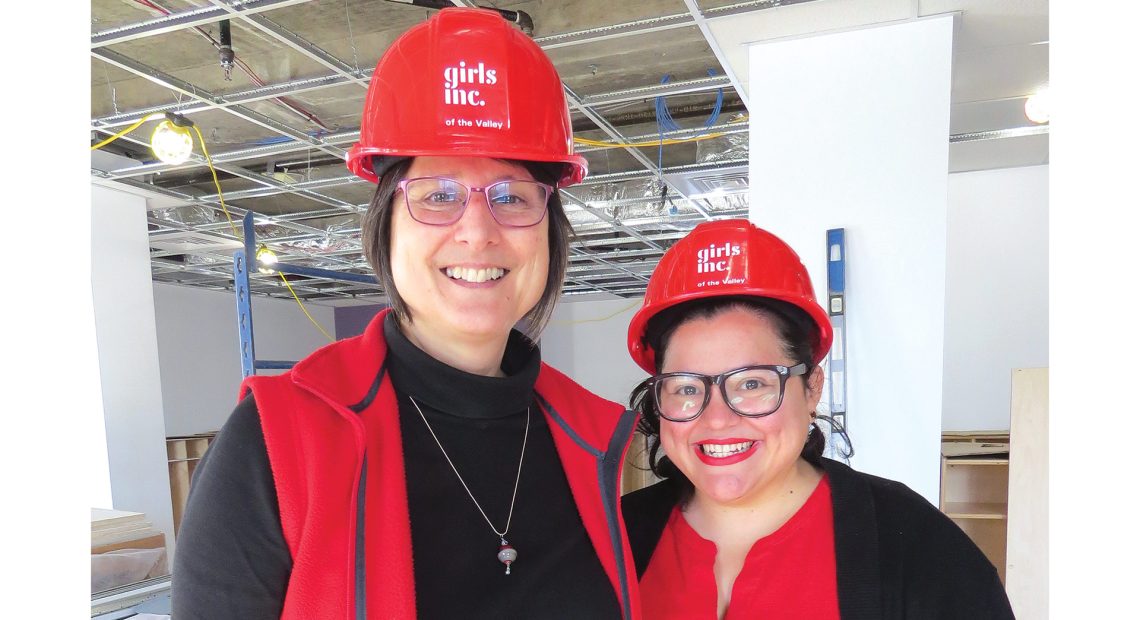
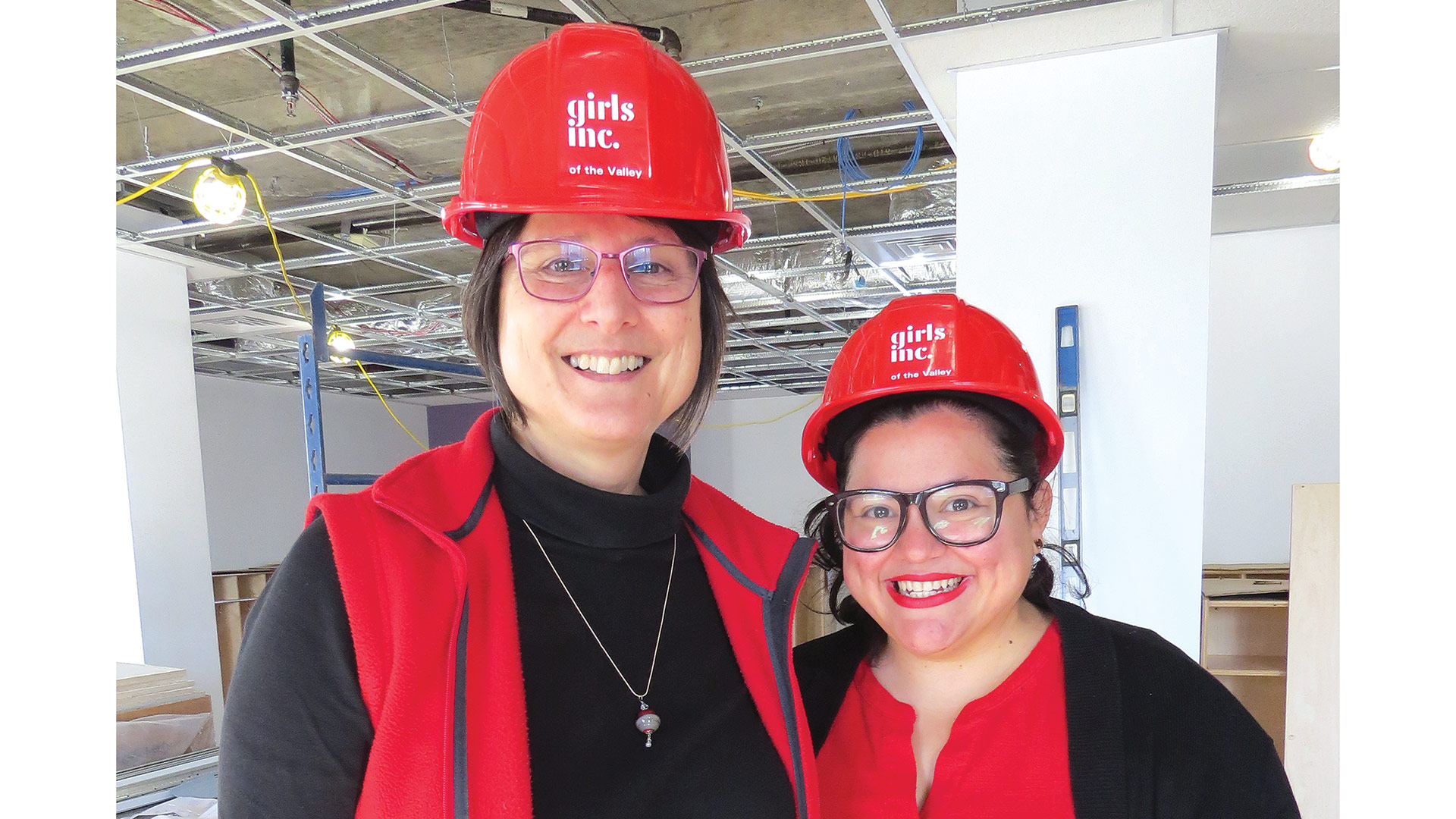
Suzanne Parker, left, and Yadillete Rivera-Colón

Suzanne Parker, left, and Yadillete Rivera-Colón in the new home of Girls Inc. of the Valley on Hampden Street in Holyoke.

An adventure.

A struggle.

An experience.

A journey.

Suzanne Parker used all those terms and others that would be considered synonyms, usually with more than a hint of understatement in her voice, to describe the process of taking Girls Inc. of the Valley to the doorstep of opening its new headquarters facility in Holyoke.

The journey, adventure, or whatever she wants to call it is far from over. In fact, construction is still in what would be considered phase 1. But most of the really hard work — and there has been a mountain of it — is now behind Parker, executive director of this nonprofit, and countless others who have been involved.

Thus, they can focus even more of their energies on making this facility all that they hoped it could be when people first started thinking about a new home more than seven years ago.

Indeed, Parker noted that the ceremonial ‘thermometer’ erected on a sign just outside the property on Hampden Street needs to be adjusted to reflect that 92% of the stated $5 million fundraising goal has now been met. Meanwhile, work continues inside on the various spaces that will define this facility, from a community room to a maker space to a teen lounge.

The work to create a new space for Girls Inc. began in earnest out of necessity — specifically, the knowledge that a 40-year lease on property the nonprofit was leasing in downtown Holyoke was expiring and would not be renewed — and brought Parker and other leaders of Girls Inc. to countless properties in or near downtown Holyoke in search of the perfect fit, knowing that such a thing probably didn’t exist.

But they found something close in the former headquarters of the O’Connell Companies on Hampden Street, a building, or at least portions of it, that date back to the late 19th century.

“Throughout this journey, we have gained a great deal of visibility, and people have been able to learn about who we are, what we do, and why Girls Inc. is so important to this region. It’s been a great opportunity to tell our story and get people involved.”

Retrofitting the multi-level structure, complete with many unique spaces, has become a labor of love for those involved with Girls Inc. — and so much more.

Indeed, for many of the girls who are members, it has been a unique, hands-on learning experience, with real-life lessons in everything from marketing to fundraising to architecture. In fact, several girls worked directly with lead architect Kuhn Riddle to design one of the spaces in the new home.

The ‘thermometer’ measuring donations to the Girls Inc. campaign needs to be updated to reflect that more than 90% of the needed $5 million has been raised.

The ‘thermometer’ measuring donations to the Girls Inc. campaign needs to be updated to reflect that more than 90% of the needed $5 million has been raised.

Meanwhile, this quest for, and the building of, a new home has been a tremendous opportunity for Girls Inc. to gain exposure, make new connections, and strengthen existing ones, said Parker, adding that this work is ongoing as the nonprofit works to raise that remaining 8% of the funds needed.

“Throughout this journey, we have gained a great deal of visibility, and people have been able to learn about who we are, what we do, and why Girls Inc. is so important to this region,” she said. “It’s been a great opportunity to tell our story and get people involved.”

And, in many ways, the project has been a means to celebrate and promote women in all kinds of businesses who have been involved in this endeavor. That list includes those working in fundraising, finance, law, architecture, and construction, as we’ll see.

This has also been a study in perseverance, said Yadilette Rivera-Colón, an assistant professor of Biology at Bay Path University, BusinessWest Forty Under 40 winner, and current Girls Inc. board chair, noting that the many inherent challenges in a project like this were magnified greatly by the pandemic, which made every aspect of the work more difficult.

Summing it all up, Parker said that, while there is much to do, a celebration of all that has been accomplished — and learned — is in order. And Girls Inc. will do that in March as it marks the passing of the 90% milestone in fundraising, as well as the completion of the first phase of construction. There will be tours and an opportunity to make more connections and more friends.

It will be an occasion to celebrate what’s been done and what this new home will be — and there is much in both categories.


Home Work

As she talked about the search for a new home and the many properties she and others toured during that lengthy process, Parker paused, glanced skyward, and let out a heavy sigh, body language that pretty much told the story.

“There was a four-year period where I was visiting nearly every building in the city of Holyoke,” she told BusinessWest, adding that, while many were attractive in some respects, none could really check all the boxes she wanted to check.

One was seemingly perfect in most ways, but had little if any parking, she said. Other property makeovers into a permanent home for the agency were simply out of the agency’s price range. And a great number simply needed way too much work to fit the bill.

Eventually, some properties graduated beyond the tour stage and into the exploration, or feasibility, stage, and that further consideration meant investments in time, energy, and sometimes money, she explained. And as the vetting process continued, there were often hard decisions about if and when to let go and move on to something else.

“To have to decide not to go ahead with it is a big decision,” she explained. “You’ve invested time and energy and resources into that, but you have to make a decision … that this is not the one. But you don’t know if the one is out there. There were lots of hard decisions to make.”

The property on Hampden Street didn’t exactly check all the boxes, either. Indeed, its front door is literally a five-foot sidewalk away from a very busy street, said Parker, adding that there were infrastructure issues as well.

But those few shortcomings were all but lost in everything else the building provided — from ample parking at a lot just a few hundred feet away to a backyard; from easy access to a nearby public park to 16,000 square feet of intriguing space Parker described as a “blank canvas” that would enable Girls Inc. to accomplish its primary goal of bringing all of its staff and programing under one large roof.

The property became available somewhat unexpectedly in 2020, at the height of the pandemic, and in many respects because of it — its owners had decided it would not be viable as office space moving forward with the advent of remote work. After some due diligence, those at Girls Inc. decided their search was over.

Some of the new and innovative spaces at the new home of Girls Inc

Some of the new and innovative spaces at the new home of Girls Inc. of the Valley include a teen lounge (seen here), a maker space, and a community room.

But the laundry list of challenges certainly wasn’t, especially with the way the pandemic slowed many aspects of this broad endeavor or prompted a full pause.

First, let’s back up a bit.

Our story starts back in 2016, with the knowledge that a new home was needed, said Parker, adding that an initial fundraising campaign, with a goal of $3 million, was launched in 2018 — long before a suitable space had been found. And the campaign got off to a great start, with gifts from the Kendeda Fund and the Elaine Nicpon Marieb Charitable Foundation.

“We were doing well,” said Parker. “And then, the pandemic hit, and we had to take a pause from the campaign. But the campaign steering committee continued to meet regularly throughout that time; we figured out how to use Zoom, we met virtually, and they kept meeting month after month.

“I think some people might have pulled the plug on a campaign,” she went on. “But we kept working.”

And this work enabled Girls Inc. to push ahead after all its due diligence on the Hampden Street property and eventually commence work in the spring of 2022, bringing a long-held dream that much closer to reality.

Cynthia Medina Carson, an executive recruiter, talent consultant, and leadership coach now living in New York, is one the campaign co-chairs and a Girls Inc. alumna who grew up not far from its original home. She remembers walking into what was then a new space for Girls Inc. back in the early ’80s.

“The approach has been, ‘we’re not going to make this for you without you.’ Every part of the process involves the stakeholders; they have to be part of it, so that, in the end, this will be a building we will all be proud of.”

She also remembers thinking that setting aside space for girls was somewhat radical at the time — but very important. It gave girls a place to go, things to do, and opportunities to learn. She said that space — and the programs staged in it — was so important to her development that she signed on to get involved in finding and creating a new home.

“I know there’s a lot of afterschool programs and online stuff, but having the actual physical space where people can congregate and be who they need to be around people who advocate for them and champion them is a very unique thing to have for women,” she said. “So it was very important for me to get involved in this project.”

And like the others we spoke with, she said this has been a challenging journey, but an invaluable learning experience as well.

“It was hard and crazy, and it wasn’t the journey everyone thought it would be,” she noted. “We ended up where we needed to be, but it was hard; it was intense.”


Designs on Growth

As Parker and Rivera-Colón led BusinessWest on a tour of the facilities, they stopped in a number of the emerging spaces. In each one, they talked about how they would enable Girls Inc. to serve more girls and expand its mission.

The renovations were scheduled to enable significant amounts of program space to be ready this summer, said Parker, adding that, given the property’s prior uses as a home to lawyers, engineers, and other professionals, minimal work will be needed to prepare the space for the agency’s staff and administration.

These emerging spaces include:

• A community room, a large space suitable for both small- and large-group activities. It will be the site of healthy-living programming, including dance, active games, yoga, and meditation;

• Maker space, which will be the cornerstone of the Eureka! program, where eighth-grade girls begin a five-year journey toward possible careers in STEM fields. The space will be educational and fun, with hands-on activities; and

• A teen lounge, a space for teen girls to call their own. A relaxed and empowering environment, it will be loaded with college-readiness resources and will host a diverse range of teen-centered programs.

The renovation work at the agency’s new home — and many stages of the process that came before it — have, as noted earlier, provided learning experiences for girls involved with the agency, said Parker, noting that teens gave tours to donors and potential donors.

The red hard hats

The red hard hats at the home of Girls Inc. reflect a project that has been an adventure and a learning experience on many levels.

Meanwhile, some of the Eureka! program teens learned about architecture and design from the team at Kuhn Riddle, led by president Aelan Tierney (one of BusinessWest’s Women of Impact for 2022), and actually made one of the design decisions on one of the spaces — a lobby area outside of the teen center.

Overall, nothing about the new home for Girls Inc. has been finalized without the input of they main stakeholders: the girls themselves, said Rivera-Colon, adding that this includes the location of Parker’s office.

“The approach has been, ‘we’re not going to make this for you without you,’” she explained. “Every part of the process involves the stakeholders; they have to be part of it, so that, in the end, this will be a building we will all be proud of. Everyone has had input, from the youngest girls up to Suzanne, which I think is incredible.”

While offering tours and providing input on the new space, girls have also seen women at work on every facet of this project, which was another goal and another part of the learning experience, said Parker, adding that many area women professionals have been integral to this project.

That list includes Tierney at Kuhn Riddle; attorney Rebecca Thibault with Doherty Wallace Pillsbury & Murphy, a former Girls Inc. board member; construction managers D’Lynn Healey and Ta Karra Greene with Western Builders, the general contractor for the project; Vicky Crouse, president of Commercial Lending at PeoplesBank; and Julie Cowan, vice president of Lending for MassDevelopment.

These professionals serve as role models, said Parker, adding that, from the start, this project was to be women-led and girl-focused.

“It’s been incredible the number of women involved in leadership roles on this project,” Rivera-Colón said. “And it wasn’t by accident.”

Summing up the feelings of most people involved with this project, she added that “we’ve been so long in planning and executing all this that it doesn’t seem real that we’re finally here. But we are.”


Bottom Line

Given the words used by Parker and others to describe this long and difficult process, one can see why those involved would certainly not want to do this any time soon.

The good news is they won’t have to; the property on Hampden Street will suit the needs of Girls Inc. for decades to come.

While acknowledging that fact, all those involved also recognize that, as challenging as this journey has been, it has also been rewarding on countless levels. And it encapsulates all that this thriving agency is all about: enabling girls to learn, grow, and reach their full potential — together.

Considering all that, this has certainly been an exercise in building momentum for Girls Inc. — figuratively but also quite literally.


 

Accounting and Tax Planning Special Coverage

Save and SECURE

By Dan Eger

The SECURE Act, or Setting Every Community Up for Retirement Enhancement Act, was signed into law in December 2019. This legislation made it easier and more affordable for individuals to save for retirement by introducing new rules and incentives that promote long-term savings.

The SECURE Act also supports small businesses by making it easier for them to offer retirement plans to their employees.

Overall, the SECURE Act aimed to make retirement savings more accessible and secure for Americans of all ages and economic backgrounds.

The 2019 legislation included changes that affected traditional 401(k)s and IRAs, such as expanded eligibility for opening a Roth IRA, new requirements for minimum distributions from retirement accounts, and incentives for small businesses to offer retirement plans. The law also included provisions to benefit those who are retired or disabled, such as increasing the age at which a person must begin taking required minimum distributions from 70½ to 72.

Legislation commonly referred to SECURE 2.0 Act (the Consolidated Appropriations Act of 2023) was signed into law on Dec. 29, 2022. The SECURE Act 2.0 bolsters the benefits offered in 2019’s version, making it more enticing for employers to provide retirement plans and improve employees’ retirement prospects along the way.

What follows is a summary of some of the provisions, but keep in mind that the act includes more than 90 provisions that potentially affect retirement-savings plans.


Mandatory Automatic Enrollment

Effective for plans beginning after Dec. 31, 2024, new 401(k) and 403(b) plans must automatically enroll employees when eligible. Automatic deferrals start at between 3% and 10% of compensation, increasing by 1% each year to a maximum of at least 10%, but no more than 15% of compensation. Participants can still opt out.

“Overall, the SECURE Act aimed to make retirement savings more accessible and secure for Americans of all ages and economic backgrounds.”


Automatic Escalation

Beginning in 2025, for new retirement plans started after Dec. 29, 2022, contribution percentages must automatically increase by 1% on the first day of each plan year following the completion of a year of service until the contribution reaches at least 10%, but no more than 15%, of eligible wages. Governmental organizations, churches, and businesses with 10 employees or fewer, as well as employers in business for three years or fewer, are exempt from this policy.


Expanded Eligibility for Long-term, Part-time Employees

Under current law, employees with at least 1,000 hours of service in a 12-month period or 500 service hours in a three-consecutive-year period must be eligible to participate in the employer’s qualified retirement plan. SECURE 2.0 reduces that three-year rule to two years for plan years beginning after Dec. 31, 2024.


Increase in Catch-up Limits

Effective after tax year 2024, SECURE 2.0 provides a notable rise in the amount of contributions for those aged between 60 to 63. Generally, the additional catch-up limit for most plans is $10,000 and only $5,000 for SIMPLE plans. These amounts are subject to inflation adjustment just like the normal catch-up contributions. Furthermore, those more than 50 years old are eligible for increased contribution limits on their retirement plans (known as ‘catch-up contributions’). For 2023, the maximum catch-up contribution amount has been set to $7,500 for most retirement plans and will be subject to inflation adjustments.


Rothification of Catch-up Contributions for High Earners

For plans that permit catch-up contributions, high earners ($145,000 in paid wages from the employer sponsoring the plan the preceding year, indexed to inflation) can no longer enjoy the privilege of tax-deferred catch-up contributions, as their contributions need to be characterized as designated Roth contributions.


Treatment of Student-loan Payments for Matching Contributions

Starting in 2024, student-loan payments can be treated as part of your retirement contribution to qualify for employer-matched contributions in a workplace retirement account. Employers will have the flexibility to provide contributions to their retirement plan for employees who are paying off student loans instead of saving for retirement.


Emergency Savings Accounts

Starting in 2024, retirement plans will have the option of providing ‘emergency savings accounts’ that allow non-highly paid employees to make after-tax Roth contributions to a savings account within their own retirement plan. Employers may automatically opt employees into these accounts at no more than 3% of eligible wages. Employees can opt out of participation. No further contributions can be made if the savings account has reached $2,500 (indexed), or a lesser limit established by the employer. The Department of Labor and/or the Treasury Department may issue guidance on these provisions.


Withdrawals for Certain Emergency Expenses

Penalty-free distributions are allowed for “unforeseeable or immediate financial needs relating to necessary personal or family emergency expenses” up to $1,000. Only one distribution may be made every three years, or one per year if the distribution is repaid within three years. Penalty-free withdrawals are also allowed for small amounts for individuals who need the funds in cases of domestic abuse or terminal illness.


Federal Contribution Match

Starting in 2027, low-income employees can gain access to a federal matching contribution of up to $2,000 each year that will be deposited into their retirement savings account. The matching contribution is 50% of the contributions, but it decreases according to income — for example, married taxpayers filing jointly between $41,000 and $71,000, and single taxpayers between $20,500 and $35500.


Required Minimum Distributions

Beginning Jan. 1, 2023, the age for required minimum distribution (RMD) from an IRA is increased to age 73. Starting in 2033, the RMD age will be 75. (IRA owners turning age 72 in 2023 would not be required to take RMDs in 2023.) Furthermore, the penalty for not taking your RMD has been decreased from 50% of what was required to be withdrawn to 25%, and even further down to 10% if corrected within two years.


Facilitation of Error Corrections

The act expands the self-corrections system, allowing more types of errors to be fixed internally without having to amend returns in the Employee Plans Compliance Resolution System.


Immediate Incentives for Participation

At this moment, employers use matching contributions as a means to motivate employees to save for their retirement. Beginning in 2023, employers can incentivize employees with gifts cards or other small monetary rewards to increase engagement, although any financial rewards should be small and cannot come from retirement-plan assets.

In summary, the SECURE Act 2.0 provides many new benefits and opportunities to save for retirement. It allows employers to offer more flexible contributions and encourages employees with incentives to become engaged in their own financial health. With reduced penalties and expanded self-correction rules, this act gives Americans more control over their retirement savings, allowing them to become better prepared for their future.

As always, it’s important to consult with your advisor for advice, as guidance and changes to provisions are expected, and everyone’s situation is unique.


Dan Eger is a tax supervisor at the Holyoke-based accounting firm Meyers Brothers Kalicka, P.C.; (413) 536-8510.

Cybersecurity Special Coverage

Defense Mechanism


The numbers are staggering. According to Cybersecurity Ventures’ 2022 cybercrime report, the cost of cybercrime is predicted to hit $8 trillion in 2023 and will grow to $10.5 trillion by 2025.

The impacts on businesses are already well-established. According to security.org, one in every six businesses that fell victim to cyberattacks faces ransomware, and about half of them pay the ransom. And according to a report last year by Security Intelligence, the share of data breaches caused by ransomware grew 41% in the previous year and took 49 days longer than the average breach to identify and contain.

A study conducted last year by Positive Technologies among financial organizations, fuel and energy organizations, government bodies, industrial businesses, IT companies, and other sectors found that cybercriminals are able to penetrate 93% of company networks and gain access to local network resources.

Such breaches, obviously, affect personal data. In 2020 alone, data breaches exposed more than 37 billion personal records, 82% of which came from only five breaches, security.org notes. Data breaches affect not only companies and organizations, but also the people whose information is in the exposed records. And identity-fraud losses in 2020 cost its 49 million victims $56 billion in total, or roughly $1,100 per victim.

“Cyber insurance premiums are climbing, and it’s becoming increasingly difficult for companies to afford or obtain coverage.”

Clearly, the threat is real, and growing. Here are a few trends to consider when looking at the cybersecurity landscape, and what tech media and organizations are saying about them.


Rising Threats, Rising Liability

With the rise in cybercrime has come increased risk for businesses, and that means a much larger cybersecurity sector. According to security.org, the global cyber insurance market was worth $7.8 billion in 2020 and is likely to grow into a $20 billion industry by 2025. About 75% of all cyber insurance premiums are for businesses, and the rest for individuals. But that could be shifting as well.

So, too, is the responsibility companies bear for their own data security, Forbes projects. “Cyber insurance premiums are climbing, and it’s becoming increasingly difficult for companies to afford or obtain coverage,” the publication notes. “To negotiate insurance premiums and better risk coverage, businesses will be required to present evidence across a broad spectrum of security areas in order to prove compliance with leading cybersecurity standards and best practices.”

Organizations will begin to conduct enterprise risk assessments that highlight the maturity level of their cybersecurity program and proactively address any underwriting concerns, it continues, noting that risk assessments can help determine decisions around insurance gaps, limits, and coverage.

“With the distinct possibility of a global recession on the horizon, we expect to see ransomware attacks spike in 2023. However, larger organizations in regions heavily impacted during the ransomware boom are the most prepared for this wave after investing time and money in fighting back.”

As for those internal efforts, Forbes also notes that cybersecurity has become too complex for many organizations to manage on their own, and most companies don’t have the skills or resources to manage a full-fledged security operations center (SOC). For these reasons, many businesses will be forced to think creatively and could decide to outsource their day-to-day security operations.

Locally, one such SOC is being developed at Springfield Union Station, part of a state- and federally funded project announced in November to establish a Cybersecurity Center of Excellence at the site, which will also include a ‘cyber range’ for training.

Mary Kaselouskas, vice president and chief information officer at Springfield Technical Community College (STCC), which will manage the center, noted recently that “a lot of companies don’t have the resources for a fully operational SOC, or can even afford to have managed SOC operations,” so the need for a local SOC is clear.


Zero Trust on the Rise

One way businesses are increasingly curtailing cyber threats is through a concept called ‘zero trust.’

According to IBM, the idea, developed by John Kindervag in 2010 while a principal analyst at Forrester Research, is a broad framework that promises effective protection of an organization’s most valuable assets. It works by assuming every connection and endpoint is considered a threat.

Essentially, a zero-trust network logs and inspects all corporate network traffic, limits and controls access to the network, and verifies and secures network resources. A zero-trust security model ensures data and resources are inaccessible by default, and users can only access them on a limited basis under the right circumstances, known as least-privilege access. The strategy also authenticates and authorizes every device, network flow, and connection.

“As hybrid work became a way of life, more organizations have started adopting zero-trust frameworks, meaning all users, apps, and devices that request access are assumed to be unauthorized until proven otherwise,” Security Intelligence notes. “Organizations with a zero-trust approach deployed saved nearly $1 million in average breach costs compared to organizations without zero trust deployed.”


Connecting the Globe

Perhaps no cybersecurity trend has been bigger in the last several years than the scourge of attacks related to the supply chain. Analyst firm Gartner predicted that, by 2025, 45% of global organizations will be impacted in some way by a supply-chain attack.

“Cyber criminals look for organizations or industries teetering at the edge and then make their move to tip them over,” said Charles Henderson, an IBM global managing partner and head of IBM Security X-Force. “Last year, we saw that with manufacturing — a strained industry viewed as the backbone of supply chains. With the distinct possibility of a global recession on the horizon, we expect to see ransomware attacks spike in 2023. However, larger organizations in regions heavily impacted during the ransomware boom are the most prepared for this wave after investing time and money in fighting back.”

Global threats often require a global response, which is why, last year, the U.S. State Department announced the launch of the Global Emerging Leaders in International Cyberspace Security (GEL-ICS) Fellowship, in partnership with the Meridian International Center.

The fellowship will support the development of a diverse global network of future cyber policy leaders who share the U.S. and other partners’ vision for cyberspace, and is designed to equip emerging leaders from the governments of these foreign partners with the knowledge and global connections to be advocates of the framework of responsible state behavior in cyberspace, as affirmed by the United Nations General Assembly.

The first cohort of 20 to 25 government officials will engage in a year-long program on international cyberspace policy in 2023. Fellows will visit Washington, D.C., New York City, and San Francisco to engage with U.S. and international leaders from government, industry, and civil society. They will also participate in a series of thematic webinars to support continuing education and foster networking among the fellows and stakeholders.

Additionally, fellows will reconvene on the margins of the 2023 Internet Governance Forum hosted in Japan to mark the end of the program. With each year, fellowship alumni will form a growing, global network of proponents for a stable and secure cyberspace for future generations.


Good Time for a Job Search

If there’s a plus to the increasing cyber threat landscape, it’s an explosion in job opportunities. Even at a time when the IT industry is seeing massive layoffs, cybersecurity appears to be a safer harbor than other tech careers.

The global cybersecurity workforce grew to encompass 4.7 million people last year, reaching its highest-ever levels, according to a workforce study by ISC2. However, the same study found there is still a need for more than 3.4 million security professionals, an increase of more than 26% from 2021’s numbers.

The U.S. Bureau of Labor Statistics projects similarly robust need, estimating that the number of cybersecurity jobs will grow by 35% between 2021 and 2031. According to Cyberseek, of those 3.4 million professionals needed globally, about 770,000 opportunities are in the U.S. alone.

Class of 2023

His Life Story Is One of Creating Opportunities for Others

Leah Martin Photography

Leah Martin Photography

“This is my life story.”

That’s what Henry Thomas said as he gestured to a piece of furniture in his living room — an end table with a compartment under its glass top that contains dozens of items that, indeed, trace many points along his life’s journey.

It’s a story told by business cards and nametags. Badges from his days as Springfield’s Fire and Police commissioner. A ticket to President Obama’s first inauguration in 2009. A campaign button from Mike Dukakis’ unsuccessful presidential run in 1988, which Thomas worked on. His Ubora Award from Springfield Museums, along with various other medals and ribbons. A baby-dedication program for one of his five grandchildren. A miniature saxophone, representative of the music he would like to pursue more fully when he has more time.

And two objects that are oddly related. One is a 1950s-era box from a product called Asthmador, a powder that was burned and inhaled in the days before aerosol asthma inhalers. “It looked like I was doing hash,” he laughed. The other object is his draft card for military service during the Vietnam War.

“I got a waiver when I was in college, so that saved me from having to go right away,” he recalled. But when it came time to visit the draft board, “they said, ‘sorry, we can’t take you.’ I said, ‘why not?’ They said, ‘you’ve got asthma.’”

“If you’re trying to get into the end zone for a touchdown, you can’t run out at the five-yard line, back to the coach, and say, ‘hey, Coach, I’m trying to get in the end zone, but this guy keeps stopping me.’ There’s always going to be a defense in life, and that’s what I’ve preached to my kids as well.”

Coming from a long line of men who had seen military service, from the Civil War through two world wars, Thomas felt … well, disappointed. And he argued about it, but was told that an asthma attack could get not just him killed, but other soldiers as well.

“That’s what saved me from going. But I shouldn’t say ‘saved me,’ because I do consider it an honor to serve your country,” he said.

After excelling in football, track, and gymnastics in his youth — he’s a member of the Springfield High School Sports Hall of Fame — he also aspired to play football professionally, but a severe ankle injury derailed that goal as well. But he took lessons from those days that have served him well all his life.

“In a sport like football, all the principles of life are embedded — I think you can say that about other sports as well, but I’m more familiar with football,” said Thomas, who was a running back at Technical High School and American International College. “If you’re trying to get into the end zone for a touchdown, you can’t run out at the five-yard line, back to the coach, and say, ‘hey, Coach, I’m trying to get in the end zone, but this guy keeps stopping me.’

This table contains many of the meaningful items

This table contains many of the meaningful items that tell Henry Thomas’s life story.

“There’s always going to be a defense in life, and that’s what I’ve preached to my kids as well,” he went on. “A lot of guys were bigger and better than I was. But I had a lot of willpower, and I think that was the difference sometimes.”

So, thanks to his asthma and his ankle, Thomas chose a different course after his graduation from AIC in 1971: he got to work on his master’s degree; married Dee, his wife of 51 years; and went to work for the Urban League.

Fifty-two years later, he’s still there, with almost a half-century at the helm. It’s a life marked by profound changes in society, with myriad opportunities to make a deep impact throughout this region. It’s the life of a Difference Maker.


Early Impact

Thomas’ first role at the Urban League was youth coordinator, and he immediately saw the impact the organization could have on youth, as well as older people.

“The late Vernon Jordan told me, ‘Henry, this is the best job in black America, because you have an opportunity to meet a host of interesting folks, and you become more sensitized to the challenges and issues that impact the lives of the people you know, or even in your family.’”

In 1974, at age 25, Thomas became the nation’s youngest leader of a national Urban League affiliate. One of his key areas of focus throughout his career has been education, and not just through Urban League programs; he also served for 13 years on the UMass Amherst board of trustees — including two and a half years as board chair — and was a co-founder of New Leadership Charter School.

In all Urban League initiatives — its programs include education and youth-development initiatives, as well as programs for economic and workforce development, health and wellness, and seniors — Thomas has been driven by an understanding of the importance of equity.

“No equity, no excellence,” he simply said. “I always had a feeling that things could be better, as it relates to equity, everyone getting the treatment that others are getting.”

Henry Thomas has made education central to his work

From co-founding a charter school to chairing the UMass Amherst board of trustees, Henry Thomas has made education central to his work throughout the decades.
Leah Martin Photography

Even today, programs like Youth STEM Enrichment, Digital Connectors, a partnership with UMass Amherst IT, and access to STEM programs at Springfield College speak to the need to break barriers to technology adoption by urban teens.

“Technology has had an impact on the Urban League, as it has with many other business,” Thomas said. “Technology is a real game changer in how well are you going to adapt to doing a new job — or an old job, because even the old job has to get upgraded. It’s major, because I’ve seen so many people working inefficiently, and that can limit you. If you want to climb, you’ve got to learn how to do these things.”

Thomas’ leadership and advocacy on the UMass board of trustees was instrumental in UMass Chan Medical School’s establishing its first-ever regional campus, UMass Chan Medical School – Baystate, in downtown Springfield, and its focus on improving the health and well-being of the region’s medically underserved rural and urban communities.

For that effort, he recently earned an honorary doctorate there, to go along with similar honors from UMass Amherst, Bay Path University, Westfield State University, and Nichols College. In addition to his bachelor’s and master’s degrees from AIC, he also earned a juris doctor degree from Western New England University School of Law.

Also in the vein of education and workforce development, Thomas established Step Up Springfield, a teacher-development program in Springfield; is funding (along with his wife, Dee, a former teacher and principal herself) a $50,000 scholarship for Black youth from Springfield; and tackled a two-year assignment with the National Urban League as its vice president for Youth Development, with a primary focus of youth development within inner-city communities.

Another one of Thomas’ successes was bringing Camp Atwater in North Brookfield — the oldest overnight camp for Black youth in the U.S. — back to life in 1980 after a period of dormancy. The camp, which celebrated its 100th anniversary in 2021, is especially meaningful to him because he attended as a youth.

“I don’t feel desperate. I feel like we can get to where we need to be. I’m optimistic.”

“It had an impact on me; this was the place where I learned that I don’t have to make a selection between being cool or being smart. I found out that I could do both.”

The lesson he took from his own experience at camp was that kids need to see other kids making the right choices in life.

“These kids knew all the contemporary dances. But they were talking about becoming a doctor, becoming a lawyer, and at the same time shooting three-point shots. And I said, ‘wow, I really don’t have to make a choice. I could do both.’”

But it’s not just showing teens positive pathways, but helping them get on them, that really matters, he added. He said his parents did that for him, and it’s been his life’s work at the Urban League to help others achieve their dreams.

“Like I said before, it’s equity. If you don’t have a chance to be as good as the next woman or guy, then you’re not going to achieve the excellence that you think you’re capable of. So I should give my parents a little credit.”


A Very Good Life

When considering his long list of achievements of impact, Thomas boils it down simply.

“It’s been a very good life,” he said, before expressing pride in his wife and his children; his son works for OppenheimerFunds in South Orange, N.J., and his daughter is an assistant school superintendent in Richmond, Va. And, as noted, Thomas’ own responsibilities have taken him beyond the Urban League, such as his role as first African-American to chair the Springfield Police and Fire commissions.

“I’ve actually marveled at all the various hats this man has worn through the years, particularly as Police commissioner,” Dee Thomas said. “Those were really rough times when he was in that position, and he met a lot of opposition in trying to change the face of the police force and make it more diverse. I will never forget those days. But I’ve seen all the people that he’s touched, and we still see officers come up and thank him for allowing them to be on the commission, because they know, if were not for him, they wouldn’t be there.”

It’s just another example, Henry said, of sometimes having to run the ball through a defense in life.

And he’s hopeful that the younger generation will continue to pick up his mantle, understanding that equity has not yet been achieved in all areas of life, no matter how much various corners of society — in government, education, and elsewhere — would like the conversation to go away, as evidence by the current tussles over critical race theory and what students are allowed to learn and read.

“I think it is doing an injustice to young people when they are not getting the kind of access that they need — and that they deserve — to help them understand the world and how it operates: the good, the bad, and the ugly. You can make better choices when you know all three,” he said. “I do think that there’s too much of a passive approach by people who are self-sufficient and feel, well, ‘that’s not my problem. I hate to see it, but I’ve got to move on.’”

Thomas is not moving on from those goals, even after his time with the Urban League is done. He’s seen enough to recognize the power of arming young people with education, creating access to opportunities, and continuing the conversation.

“But I don’t feel desperate,” he said — largely because of those young people with the potential to be difference makers themselves, as he certainly is. “I feel like we can get to where we need to be. I’m optimistic.”

That’s a life story — and a continuing legacy — much bigger than a glass-covered end table.

Class of 2023

This Nonprofit Helps Young People Get in the Game

Leah Martin Photography

Leah Martin Photography

James Gee grew up in Springfield, in a single-parent household.

He remembers his mother having to hold down several jobs and work very long hours — 70, maybe 80 a week by his count. He also remembers sports, and especially basketball, being … well, much more than a game at that critical time in his life.

Sports were something to look forward to at a time when there wasn’t much in his life that fell into that category, he told BusinessWest, and something that provided a number of invaluable life lessons — on everything from the value of teamwork to overcoming adversity; from learning from role models to understanding the importance of working hard to achieve one’s goals.

“I had sports as something to keep me engaged and focused,” said Gee, head coach of the women’s varsity basketball team at Central High School, which won the state championship in 2022; a former player at Central himself; and a history teacher at the school. “I had coaches who would pick me up and drop me off and be there as role models as well. Mom was always there for me and always pushing the importance of academics, but the reality was, she had to go to work to pay the bills. I understood that, but when you have that much time, you can get in trouble and find the wrong friends and the wrong crowds. For me, because I had sports, I didn’t have time to get in trouble; my focus was much different.”

It is this basic understanding of the importance of sports in the development of young people that led to the creation of Springfield Ballers, a nonprofit that got its start with an all-girls basketball team (the Lady Ballers) back in 2006 — and also led to Gee to join the effort, become a pivotal force in its growth and development, and become passionate about its mission.

“I believe that sports correlates with life in so many ways. Everything from just being on time to handling adversity, dealing with different situations, dealing with different individuals, learning how to work through struggle; it’s huge. There are so many lessons that sports provide — and it also gives young people something to look forward to.”

Today, through the leadership of Gee, who now serves as president and CEO of the nonprofit; fellow coach Mike Anderson; and a strong board of directors, the Ballers has expanded its mission in many different ways.

Indeed, there are now 27 basketball teams involving boys and girls of all ages; other sports, including golf, lacrosse, and softball; clinics; competitions; and more. Access to sports and competition is now year-round.

Omar Almodovar, James Gee, and Tim Allen

From left, Omar Almodovar, James Gee, and Tim Allen attend a Biddy Ball practice in Springfield.
Leah Martin Photography

Summing it up, Gee said it’s about making sports affordable and accessible, and thus enabling young people to enjoy the many benefits of sports and competition. But the equation also includes exposure to coaches and other positive role models, support with academics, and much more.

“I believe that sports correlates with life in so many ways,” he explained. “Everything from just being on time to handling adversity, dealing with different situations, dealing with different individuals, learning how to work through struggle; it’s huge. There are so many lessons that sports provide — and it also gives young people something to look forward to.

“With a lot of the coaches, they become a really important figure in the kids’ lives. And they provide a lot more than just coaching them on the court.”

Amy Royal

Amy Royal

“With all the challenges people face today, sports gives them something to distract them, especially children in lower socioeconomic and demographic areas,” he added. “Sports gives them something to look forward to after school; sports teaches you so many lessons.”

Sports also helps break down racial barriers, he noted, adding that, when young people from communities with different demographic characteristics come together to play ball, eyes are opened, preconceived notions melt away, and there are learning experiences, and forms of acceptance, on many levels.

“When they play together, the best relationships are formed,” Gee explained. “It’s just people, kids playing basketball or playing sports together; when they finally interact with other, it knocks down barriers and builds so many great relationships.”

Amy Royal, a principal with the Springfield-based Royal Law Firm, long-time supporter of the Springfield Ballers, and one-time coach of a team, agreed.

“It’s so important in so many ways because the Ballers programming does so many different things in the community,” said Royal, who worked with Gee to create the 501(c)(3) nonprofit entity for the agency. “It’s not just about playing basketball or getting instructional lessons in golf; it’s not just about the sports — it’s about learning to be on a team, be with other kids, getting exposure to a diversified group.

“When they play together, the best relationships are formed. It’s just people, kids playing basketball or playing sports together; when they finally interact with other, it knocks down barriers and builds so many great relationships.”

“Also, the Springfield Ballers do a lot of different camps, providing an opportunity to do something when school is out of session — and do something that’s good and positive and productive,” she went on. “There’s also the mentorship and the mentoring programs, the academics, and beyond; it’s all very essential.”

It certainly is, and that reality goes a long way toward explaining why the Springfield Ballers are part of BusinessWest’s Difference Makers class of 2023.


Nothing but Net

They call it ‘Biddy Ball.’

That’s the name given to the basketball program for the youngest of the young people served by the Springfield Ballers — those in preschool up to grade 2.

They gather for clinics at Kiley Middle School in Springfield on Saturday mornings. Gee, who is on hand himself for these clinics, said some youngsters who took part in Biddy Ball years ago are now playing at Central and other area high schools and even at the college level.

James Gee

James Gee says his life-changing experiences with sports when he was young inspired him to become part of, and now lead, Springfield Ballers.
Leah Martin Photography

This is one example of how the program shapes lives, not for the short term, but for the long term, by not just showing participants how to pass, shoot, rebound, and defend, but also about how to work as a unit, work together to achieve a common goal, and stay on track, as Gee put it. Indeed, when asked to try to at least quantify the impact that involvement with the Ballers has had on participants over the years, Gee said he sees the results very day.

“When kids have a purpose and a reason and a ‘why,’ they start to focus a little better,” he explained. “We’ve had kids that were struggling in middle school … people would think that they didn’t have a shot. But some became college graduates and have their own business.

“I believe involvement has helped reduce teen pregnancy,” he went on. “You have young ladies who are now engaged in sports — they have goals. Young men, the same thing. Participation in sports helps improve attendance and their academic achievement. I’ve seen first-hand how the program has helped.”

This is what organizers had in mind when they started a girls basketball team 17 years ago and gave the initiative the name Springfield Ballers. The program was soon expanded to include girls and boys from across the region, and, eventually, it moved well beyond basketball to those other sports mentioned earlier.

As Gee said, the mission boils down to providing affordable access to sports, and the Ballers program has done that for thousands of young people of all ages and from across the region.

Indeed, many of the participants are from Greater Springfield, but they are also from Greenfield and other points north and west, and the next expansion initiative is into Northern Connecticut, to meet demonstrated need for such a program.

Meeting needs has been the goal from the beginning, said Gee, adding that those needs vary, from financial support to transportation to an introduction to sports such as golf and lacrosse that are expensive, but important in the way they can provide opportunity — to make connections, make friends, and possibly even earn a college scholarship.

The organization, which partners with a number of organizations and institutions, including area YMCAs and Boys and Girls Clubs, American International College, USA Lacrosse, and Dick’s Sporting Goods, does all this mostly through donations from individuals and businesses, but it has applied for and received some grants, said Royal, adding that there is an annual fundraising gala, and this year will include a golf tournament as well. Meanwhile, individual teams stage their own fundraisers.

These funds are used to provide what are called ‘scholarships’ — up to 100% — for those who don’t have the ability to pay the costs associated with playing for various teams, especially those that travel to play teams in other parts of the state and other regions of the country. Funds are also used to provide participants with equipment, especially for the more expensive sports such as lacrosse and golf, she went on, adding that the agency received a grant from Dick’s Sporting Goods for that purpose.

“The money is absolutely needed because we have so many kids, and so many dollars being spent on scholarships,” said Royal, adding that, last year, the Ballers awarded more than $25,000 in scholarships.

Over the years, the agency has continuously looked for ways to broaden its mission and its many forms of assistance to make organized sports even more affordable and accessible, said Gee and Royal. It has done that by adding more sports to the portfolio, and also by extending its geographic reach.

And, moving forward, it will do this by providing more assistance with transportation — to practices, games, events, and even visits to colleges by high-school athletes getting ‘looks’ from recruiters. With the help of some grant money, the Ballers will look to add some vans, said Royal, adding that the need is obviously great.

And it is great in many areas, she went on, adding that sports — and the Springfield Ballers —have the ability to meet many of them.

“It’s not just about putting kids on teams so they can play sports, which obviously is important for exercise, health, well-being, and all of that; there’s so much more to it. A big part of it is forming relationships and connections.

“I know that, with a lot of the coaches, they become a really important figure in the kids’ lives,” she went on. “And they provide a lot more than just coaching them on the court.”


Crunch Time

As he added up all that sports has provided him in life, Gee said that, in addition to all those lessons he mentioned earlier and the manner in which sports helped keep him out of trouble, they have provided him friendships that have endured for many years.

“I was able to have friends in different communities, not just in Springfield, and I have great relationships to this day,” he said, adding that he’s not sure how his life would have turned out if sports hadn’t intervened, but he’s quite sure he wouldn’t be where he is today.

His goal is to have sports intervene in as many young lives as possible. Springfield Ballers exists to do just that, and it has created a formula for winning — in every sense of that phrase.

And that’s what makes this organization a Difference Maker in this region.

Class of 2023

When It Comes to Community Involvement, He Puts the Pedal to the Metal

Gary Rome

Gary Rome
Jeffrey Byrnes Photography

Gary Rome says it was like the Oscars — or at least what he’s seen of the Oscars on TV.

He was referring to the recent ceremonies at which he was named TIME magazine Dealer of the Year.

The Oscars reference was a nod to everything from the size of the crowd gathered for the National Automotive Dealers Assoc. Show at the Kay Bailey Hutchinson Convention Center in Dallas — roughly 3,000 — to the butterflies that were in his stomach when, as one of four finalists for the coveted award (from among 48 nominees), he stood on stage awaiting the announcement of the winner.

“It was very nerve-wracking,” recalled Rome, who can now add being on the cover of TIME (not to mention BusinessWest) and the back of Automotive News to his long list of accomplishments. “My heart rate was like 100; I was really nervous, and then they pulled out that envelope and said, ‘from Holyoke, Massachusetts, our award winner is Gary Rome.’”

With the Dealer of the Year Award now on prominent display at his Hyundai store, Rome now has an even more crowded calendar for the months ahead. Indeed, representatives of TIME and Ally Financal, sponsor of the program, will be coming to Holyoke to celebrate the award, and officials from Hyundai corporate will be coming in from California to mark the occasion as well.

“If it were up to me, I’d give the money to an organization focused on animals, in honor of Jack. But … it’s not up to me. It’s not about me; it’s about my team — that’s who I attribute our success to.”

And he also has a big decision to make — only, he’s quick to note that he won’t make it himself.

The prize comes with a check from Ally Financial for $10,000, to be awarded to the charity of Rome’s choice. But, as a reflection of how he operates his dealerships, Rome will let his team help him decide.

“If it were up to me, I’d give the money to an organization focused on animals, in honor of Jack,” he said, referring to his beloved companion, spokesdog, and customer favorite, who passed away in October. “But … it’s not up to me. It’s not about me; it’s about my team — that’s who I attribute our success to.”

The TIME award was announced just a few weeks after Rome was chosen by BusinessWest to be one of its Difference Makers for 2023. The juxtaposition of the two honors is significant, and he was chosen by two different sets of judges for essentially the same reasons.

They are summed up in comments from Doug Timmerman, president of Ally Financial, who said of Rome — and the other auto dealers nominated — “they go above and beyond for their customers, communities, and employees.”

Gary Rome was recently honored

Gary Rome was recently honored as TIME magazine’s Dealer of the Year.

In Rome’s case, it’s well above and beyond, especially when it comes to communities and his employees.

With the former, Rome is omnipresent, it seems, serving as a foundation board member at Holyoke Community College (HCC); presenting a car annually to a graduating high-school student in Holyoke; carrying on a holiday tradition called the Trees of Hope event, which raises funds for the Ronald McDonald House; and presenting, in collaboration with other Western Mass. Hyundai dealers, an honor called Salute to Heroes, among many other initiatives. The latest such hero, who received a new Hyundai in gratitude for his work in the community, is Bob Charland, a/k/a the Bike Man, who was named a Difference Maker himself in 2018.

With the latter, Rome’s operating philosophy is perhaps best summed up in the company’s core values — excellence, passion, integrity, caring, and especially the last one, ‘we have fun.’

“My involvement with cars started at the age of 9 — I was just enthralled with my father and his business, so I wanted to be around him all the time. My father would go to work, and I would chase him down the hallway at home to make sure he would take me with him. I was very excited about being there, being around him … it got into my blood.”

This is made clear by the monthly calendar for the business, printed out for all employees. It lists birthdays and anniversaries of employment, but also regular raffles staged at the dealership, which coincide with ‘holidays’ such as (in January) ‘Time to get Organized Day’ and ‘National Cuddle Up Day,’ as well as ‘National Peanut Butter and Jelly Lunch Day,’ for which the company provided peanut butter and jelly sandwiches to Providence Ministries — and to employees as well.

That philosophy is also represented in monthly newsletters that profile specific employees in a ‘Get to Know’ section, spotlight employees of the month (and employees of the year in the December issue), as well as collections of photos involving events and company involvement in the community. The December issue included shots from the Mayflower Marathon (Gary Rome Hyundai was a presenting sponsor), Gary and Daisy (another spokesdog) at a Springfield Thunderbirds sponsor-appreciation day, and a Gary Rome Auto Group employee-appreciation party at the Castle of Knights in Chicopee.

Gary Rome, Eastern Region board member for Hyundai Hope on Wheels

Gary Rome, Eastern Region board member for Hyundai Hope on Wheels, Hyundai’s philanthropic initiative to raise funds for research for childhood cancer, presents a $300,000 check to Massachusetts General Hospital last fall.

All this — and it’s just a sample, to be sure — helps explain why Rome is not just Dealer of the Year, but a true Difference Maker.


Model Citizen

Getting back to Jack, he took the title ‘official greeter’ for the Gary Rome Auto Group. That title is still held by Daisy, who has her own business cards and is often sought out by customers (most of whom want photos) as they look over models or come to pick up a vehicle they’ve purchased.

“Some people will say they’re not buying a car until they meet the dog,” Rome said. “When Jack passed away, we put it on social media, and it reached 220,000 people; I received more than 6,000 messages on Facebook, hundreds of cards, letters, flowers, chocolate. We put it on LinkedIn, and it reached almost 60,000 people, and I had almost 2,000 people reach out to me, saying they grew up with Jack, and he was a big part of their life.”

Dogs have been prominent in this business for years, from their barking heard on radio and TV commercials to the company’s marketing slogan — ‘the best doggone place to buy a car’ — and their presence is seen everywhere, from the dealership itself to all those events highlighted in the newsletters. In fact, in addition to a new car wash being planned for the Hyundai store, there will a dog wash as well.

“Why would you put your dirty dog in a clean car?” he asked rhetorically, not waiting for an answer.

And dogs are just part of an intriguing story that most know by now. It starts with a young Gary working odd jobs at his father Jerry’s Datsun (later Nissan) dealership in Holyoke.

“My involvement with cars started at the age of 9 — I was just enthralled with my father and his business, so I wanted to be around him all the time,” he recalled. “My father would go to work, and I would chase him down the hallway at home to make sure he would take me with him. I was very excited about being there, being around him … it got into my blood.”

Gary Rome Hyundai sold a record 306 cars

Gary Rome Hyundai sold a record 306 cars last August, and to celebrate, the staff was treated to lunch, one example of how the company values its employees.

So much so that plans to pursue a law degree were eventually shelved, and he followed his father into the business.

By 1985, he was general manager of Jerry Rome Nissan, which would eventually move to Riverdale Street in West Springfield. In 1997, Gary bought the old dealership in Holyoke and opened Gary Rome Hyundai, at a time when that brand was more of a punchline than the respected name it is today. In 2006, he bought a Kia dealership in Enfield, thus creating the Gary Rome Auto Group.

In 2016, the Hyundai store was moved to its present location on Whiting Farms Road, where it has become one of the most successful Hyundai dealerships in the country — ranking fifth in sales in the Northeast and 28th in the country, out of 820 dealers. It has also become a model for others in the brand, he said, noting that Hyundai’s regional manager recently brought his entire team of 65 to Holyoke for a day in October “so they could see what this dealership looks like, take photos, and show their other dealers what a dealership should look like.”

Those numbers, and those tours (there have been many over the years), help explain how Rome has gone from his humble beginnings to TIME’s Dealer of the Year. His work in the community — make that his team’s work in the community — and the culture he has created at his dealerships are perhaps even bigger reasons.

Let’s start with that culture. It is embodied in those newsletters and that monthly calendar of events. It’s an attitude more than anything else, encapsulated by that core value, ‘we have fun.’

Gary Rome (and Jack) read to fourth-graders at Peck Middle School

Gary Rome (and Jack) read to fourth-graders at Peck Middle School in Holyoke as part of the read-aloud program created by the nonprofit Link to Libraries.

As for his work in the community, he said it takes many forms, from his involvement at Holyoke Community College, which he called a ‘crown jewel’ in the region, to support of Providence Ministries, to the Trees of Hope program for Ronald McDonald House, which this past year raised more than $175,000. On a shelf behind his desk is an array of stuffed dogs that resemble Daisy, Jack, and another predecessor, Buddy. The dealership sells them for $25 each, with proceeds going to the Jimmy Fund; more than $15,000 has been raised to date.

As with the $10,000 check coming his way from being Dealer of the Year, Rome said decisions about community involvement and where to put time, effort, imagination, and money are made as a team.

“We try to find charities that are near and dear to our employees’ hearts because we want them to be invested, and we want to them to participate,” he explained, adding that this strategy, which includes a special emphasis on Holyoke, where the company is a large corporate citizen, has proven itself very effective over the years.

Within the city, he’s on Mayor Joshua Garcia’s transition team, he’s a member of the Holyoke Taxpayers’ Assoc., and he’s on the governmental affairs committee for the Greater Holyoke Chamber of Commerce, among many other forms of involvement.

“When people ask me where I live, I say I live in Holyoke — I just sleep somewhere else,” he explained.


It’s Been Quite a Ride

Rome said his father had a few favorite sayings and words to live by. There are a few that he lives by and will recite quite often.

“He always said that your education is something that no one can take away from you,” he noted, adding that this sentiment helps explain his heavy involvement in education, be it at HCC, the Holyoke public schools, or other initiatives.

Gary Rome presents the keys to a new car to a graduating senior

Gary Rome presents the keys to a new car to a graduating senior at Holyoke High School, one of many initiatives to support education and area young people.

“He also used to say, ‘it doesn’t cost any extra to be nice,’ and he would say it over and over and over again,” Rome went on, adding that this is a mindset he has bought to work, and to the community, every day.

“For 61 years, I heard, ‘Gary, it doesn’t cost any extra to be nice,’” he said. “And that’s why I have an excessively positive outlook on things. If you tell me there’s a 70% chance of rain, I don’t even hear you; I just hear there’s a 30% chance of sun.”

That outlook on life, work, and community explains not only why Rome is TIME’s Dealer of the Year for 2023, but why he’s always been a Difference Maker.

Class of 2023

These Amherst Leaders Work in Partnership to Build a Stronger Community

Leah Martin Photography

Leah Martin Photography

March 13, 2020.

Both Claudia Pazmany and Gabrielle Gould remember that date, and they say they’re not likely to ever forget it.

It was the day when Gould, executive director of the Amherst Business Improvement District (BID) received word that the Downtown Amherst Foundation she created had officially received its 501(c)(3) status. But that long-awaited good news was rendered all but moot by what else was happening that day — the shutting down of the Commonwealth by Gov. Charlie Baker as the COVID-19 pandemic reached the Bay State and the first deaths were being reported.

“I was thinking, ‘I did all this work to create this foundation that was going to do all these amazing things, and now we’re in lockdown, and we’re not going to be doing anything,’” Gould recalled.

She and Pazmany, executive director of the Amherst Area Chamber of Commerce, who share space in the chamber offices on South Pleasant Street in the heart of the community’s downtown, remember walking out the door together that afternoon, turning off the lights, and setting the heat at 56 degrees as they went.

What they were walking into … well, they had no idea, really.

Turns out, they were walking into what would become a deep (or deeper, to be more precise) and quite extraordinary partnership, through which they would help lead a community that was devasted by the pandemic perhaps more than any other in this region, and maybe the entire state, out of that darkness.

A partnership that makes them true Difference Makers in the Greater Amherst area.

Working separately on some initiatives, but hand-in-hand in most all others, they have helped change the landscape in Amherst and its downtown in all kinds of ways, as we’ll see. But they are also being honored for ensuring that the landscape didn’t change more than it did. Indeed, it is through their efforts that many businesses were able to survive that storm.

“It was a devastating time, but from that, we forged this great partnership,” Pazmany said of the early days of the pandemic. “And we put our collective talents and resources together to put information out there and help people and businesses in need. It was remarkable to see how people came together in that time of crisis.”

By Gould’s count, Amherst “lost more than 45,000 people overnight” that fateful day in March 2020. That number includes students at the three colleges that call the community home — UMass Amherst, Hampshire College, and Amherst College — but also thousands of people who came to work at those institutions and other businesses in town. It also includes tourists who wouldn’t be coming, parents of students and alumni who wouldn’t be attending sporting events or anything else, visiting lecturers who wouldn’t be on campus, performing artists who wouldn’t be coming … you get the idea.

“It was a devastating time, but from that, we forged this great partnership. And we put our collective talents and resources together to put information out there and help people and businesses in need. It was remarkable to see how people came together in that time of crisis.”

In the wake of this exodus, businesses were left dazed and looking for some kind of answers — and any kind of help. Pazmany and Gould helped provide both, with everything from PPE (which they delivered themselves) to virtual ‘tip jars’ to help those out of work; from small-business microgrants to grant-application coaching. They bought hundreds of thousands of dollars worth of meals from restaurants and gift cards and other items from businesses to both help them survive and assist families and individuals in need.

With this assistance, and their own sheer will to survive, many businesses have made it through the pandemic and to the other side.

But this story, this partnership, is not just about COVID and helping businesses ride out that storm. Indeed, it’s an ongoing story of bringing new businesses and new vibrancy to downtown Amherst and beyond. Businesses like the live-performance venue known as the Drake, an initiative of the Downtown Amherst Foundation, which, in less than a year, has brought roughly 1,000 performers and more than 15,000 patrons to the community.

Claudia Pazmany arranges meals

Claudia Pazmany arranges meals that were bought from Amherst-area restaurants and given to those in need as part of the Dinner Delights program staged during the height of the pandemic.

This informal partnership’s philosophy is summed up in a branded campaign launched in 2021 and funded by a Massachusetts Office of Travel and Tourism grant, called, appropriately, “What’s Next? Greater Amherst.” It includes a YouTube video and a website — www.greateramherst.com — that highlights the natural beaty, global cuisine, and arts and culture in the community and helps people who are planning a visit.

“Without our collaborative help and willingness to sit in these offices at 7 o’clock at night with business owners with masks on and help them upload their documents and write grants, I think you would have seen a lot more businesses throughout Amherst close.”

Overall, these partners continue to work to make Greater Amherst both a destination and a place to put down business roots. Thanks to them, what’s next is more creative programing, more opportunities for growth, and more vibrancy.

And that makes them true Difference Makers.


The Power of Two

Returning to the dark days of the start of the pandemic — and they were dark … the lights literally went out in downtown Amherst — isn’t exactly easy for Gould and Pazmany.

These were extraordinary and, in many ways, desperate times when business just stopped. There was a great deal of uncertainty about what would happen, they recalled, and for several weeks after the state was shut down, businesses suffered mightily.

But as they looked back, these two partners said that was also a time of what could, in some ways, be called triumph, when people, and a community, reached down deep to find ways to support one another and help them through that darkness.

Stamell Stringed Instruments

Stamell Stringed Instruments was one of dozens of Amherst-area businesses to receive gifts of PPE — free safety posters, gloves, sanitizer, and more — as a part of the #IAMherst campaign, through monies raised through the Downtown Amherst Foundation.

Before we elaborate on that, let’s set the stage by talking about the two organizations and their missions.

Like several other communities in the area, Amherst has both a chamber and a business-improvement district. The former, as most know, exists to promote and support businesses, and it does this through everything from advocacy (at the local, state, regional, and national levels) to education and providing forums for businesses to gather, network, learn, and perhaps do business with one another.

The BID, meanwhile, is charged with everything from cleaning up downtown and watering the plants growing from hanging baskets to handling holiday lighting displays and marketing the community through initiatives such as Destination Amherst.

But it was during the pandemic that the two organizations really came together, pooled their resources, and put their various skills sets to work.

Pazmany and Gould were working remotely at the time — the chamber office, like most businesses, was closed — but they were together often, working long days (and a great many nights) to help businesses. Here are just some examples of what they were able to do together:

• Raise close to a half-million dollars and distribute what became known as Relief and Resiliency microgrants to 67 small businesses throughout Amherst, the lion’s share of the money coming from residents, with donations from $25 to $50,000;

• Buy bulk PPE (masks, gloves, hand sanitizer, and more) at a time when it was difficult for businesses to attain it, and deliver it to businesses;

• Create a virtual tip jar so residents could support the many who were out of work — rom artists to hairdressers to bartenders;

• Launch the Dinner Delights program, through which the two agencies raised more than $100,000 and used those finds to purchase dinners and lunches from area restaurants to keep them in business, and hand out the meals to families in need;

• Provide those same families with gift bags filled with toys, puzzles, and gift cards purchased from a wide array of businesses — from hair salons to convenience stores — to help those small ventures;

• Continue some time-honored traditions, albeit virtually, such as the lighting of the Merry Maple, a maple tree on the North Common, during the holidays;

• Encourage takeout business at a time when the restaurants needed it and when there was some resistance to such efforts from the colleges and elsewhere in the community;

• Register close to 200 individuals within the business community, including many for whom English is their second language, for vaccination; and

• Provide assistance with state and federal grants. Together, by Gould’s estimates, they were able to help businesses secure more than $2.1 million in state and federal grants by sitting down with them and helping them write grants.

“Without our collaborative help and willingness to sit in these offices at 7 o’clock at night with business owners with masks on and help them upload their documents and write grants, I think you would have seen a lot more businesses throughout Amherst close,” Gould said. “While many people were at home staying safe, which they should have been doing, Claudia and I came to work every day; we showed up, we went out in public, we hand-delivered grants.”

Pazmany agreed, noting that both agencies looked beyond their respective missions and beyond the downtown itself to help a decimated community at a time of dire need.

Gabrielle Gould and Claudia Pazmany

Gabrielle Gould and Claudia Pazmany have worked tirelessly to promote Amherst and the surrounding area as a destination.
Leah Martin Photography

“We all had PPE in our cars for two months — and we delivered it door-to-door,” she recalled. “I looked beyond my membership, and she looked beyond the downtown, and together we were able to look at the collective impact of our shared work around the entire town of Amherst.”

As significant as the work during the pandemic was, this partnership, as noted earlier, is about much more than those efforts.

Indeed, it’s about ongoing work to put Greater Amherst on the map and make it even more of a destination for visitors and home for businesses of all kinds. Here again, the agencies have worked independently of one another, but mostly in concert, to get a number of things done.

Things like the Drake, a venue that has brought people from across New England and beyond to downtown Amherst and provides ample proof of the power of the arts as an economic-development engine.

“I truly believe that arts and culture in a community builds economic development,” Pazmany told BusinessWest. “And it builds reasons for people to come to your community and be part of your community, to want to live here and do business here.”


Bottom Line

Looking ahead, Gould said the BID is working on several initiatives, including a spring block party in the downtown with a focus and arts and culture, a summer music series on the Commons, revitalization of the North Common, and creation of more anchors in the downtown.

As for the chamber, Pazmany said a great amount of momentum was generated in 2022 as a number of popular events, from After 5 gatherings to the annual fundraiser Margarita Madness, returned to the calendar. The goal for 2023 is to build on this momentum, generate new membership, and continue to support businesses across Greater Amherst.

“I truly believe that arts and culture in a community builds economic development. And it builds reasons for people to come to your community and be part of your community, to want to live here and do business here.”

“For us, it’s getting back to what we normally do as a chamber,” she explained. “We’re focusing on getting all our events back, making them better than ever, and connecting businesses.”

Gould told BusinessWest that she’s learned that Amherst’s response to the pandemic — the various programs created and carried out by the chamber and the BID — has been hailed as one of the best in the Commonwealth and a model of cooperation and innovation for other communities to follow.

Likewise, the Drake project has become a model itself — of how an organization like the BID can take a concept, raise the money needed, and make it a reality, all in roughly a year’s time.

Pazmany and Gould weren’t thinking about creating models or case studies when they undertook these programs. They were thinking about their community, and how to make it stronger, more resilient, and more of a destination. The fact that they have become models for other towns is testimony to the high levels of imagination, determination, and perseverance these two have brought to their ongoing work.

And that explains why they are Difference Makers.

Class of 2023

She’s Guiding an Arts Renaissance That Will Reverberate Beyond Easthampton

Burns Maxey

Burns Maxey

Looking back over two decades in Easthampton, and her current work with a volunteer organization called CitySpace, Carol Abbe Smith saw, in its leader, someone who is making a difference in myriad ways.

“If you came to Easthampton in 2000, you would see empty storefronts and no foot traffic,” said Smith, owner of Delap Real Estate. “Today, Easthampton has restaurants, interesting shops, and music venues, in part due to the vision, energy, and leadership skills of one person: Burns Maxey.”

She’s right, though Maxey is quick to share credit — and share it with a lot of people — for the revitalization of Easthampton’s downtown in the form of an intriguing project to transform Old Town Hall into an arts and performance space, and the ways in which that project has caused, and will continue to generate, economic ripples far beyond the center of town.

“I think artists have the capability of making change happen on a smaller scale and creating reverberations with communities,” Maxey told BusinessWest. “And imagination is the key to thinking outside of the box and really considering what the possibilities are — or beyond the possibilities.”

“I think artists have the capability of making change happen on a smaller scale and creating reverberations with communities.”

Maxey has been heavily involved in Easthampton’s arts culture for the better part of two decades, including serving as arts coordinator for Easthampton City Arts from 2011 to 2016; during her tenure, she oversaw the creation of events like Bear Fest, Cultural Chaos, and the Easthampton Book Fest, securing grants in the process.

Also in 2011, she joined the all-volunteer board of CitySpace, which had been tasked with creating a flexible arts and community space in Old Town Hall, which was built in 1869 and housed the town’s municipal offices until 2003. In 2015, she became board president, and since then, she has helped secure Community Preservation Act funds, multiple foundation grants, and historic tax credits, as well as heading the capital campaign and events committee in an effort to raise about $8.5 million for the project.

Phase one involved renovation of the first floor, including the creation of a small, 80-seat rental performance space called the Blue Room. In conjunction with that, Maxey established a program called Pay It Forward to allow low-income artists the resources, space, and support to create or collaborate on a project, or have a residency to complete a project prior to public performance. After a successful trial in 2022, the program will roll out more fully in 2023, with the help of a $30,000 grant from the Community Foundation of Western Massachusetts.

“This gives access to this space for rehearsals or performances to artists who need it — underserved artists, artists of color, low-income artists, really — anyone who doesn’t have the capacity to pay for the affordable rates we have,” she explained.

It’s also a sort of incubator space, she said. “It’s used for performing-arts groups and everything from community meetings to nonprofit fundraisers to exercise classes and rehearsals. Last year, we had close to 100 events within the space, different populations coming into the building. They get to see what’s happening here and really get to learn about what CitySpace does. So it’s kind of a neat way for us to test some ideas.”

Burns Maxey stands in the Blue Room

Burns Maxey stands in the Blue Room, which hosted about 100 events in its first year.
Leah Martin Photography

One Pay It Forward recipient, Amherst-based musician Kim Chin-Gibbons, brought her band, Sunset Mission, to CitySpace for a three-day intensive to practice, hone their sound, create a video, and play for a crowd, followed by an audience talk-back session.

“We discovered things about our tech and performances I don’t think we would have for months or maybe years,” Chin-Gibbons said. “It was the perfect place to control all our variables and grow as musicians and people.”

The next phases of the Old Town Hall revival include the restoration of a 350-seat space on the second floor (likely double that capacity for standing-room shows). But that takes fundraising, and Maxey and her board continue that effort, seeing the impact a broadened arts culture has already had on the town’s vitality, and understanding how the completed project will multiply that impact.

“This was established in 1869 to be the hub for community, for performances, for meetings, for dances. It was the place where people gathered.”

“I believe everyone has a place to live and thrive in Western Massachusetts, and now we have a great opportunity to plan smartly to create both affordability and economic flourishing,” she told BusinessWest. “I believe CitySpace is a partial solution to concerns like gentrification by creating long-term affordability to creative space on Main Street, right in the middle of the region.”

By fostering the arts and community she added, “we can make a destination where people want to be, and this, in turn, has economic reverberations. It’s that cycle of reciprocity that will allow this region to fully lift itself up to its potential.”


One Step at a Time

While touring Old Town Hall with BusinessWest, Maxey stopped by Big Red Frame, a business owned by Jean-Pierre Pasche that moved into the building around 2007, a few years after the municipal offices moved out.

“I fell in love with this place 17 years ago when I heard that it was going to be transformed into an arts center,” Pasche said. “I approached the people submitting RFPs to the town, and I said, ‘if you need a tenant on the project, I’ll go in. And I’m still here.”

Maxey credits town officials at the time for having the foresight to envision an arts and culture hub in the building, and recognize the impact that could have on economic development in town.

“I could see the potential for this building,” she added. “And when they showed me the second floor, I was like, ‘oh yeah, I’m really interested in this project.’”

Old Town Hall housed Easthampton’s municipal offices until 2003.Staff Photo

Old Town Hall

The first floor, which includes a number of art spaces and the Blue Room, is largely completed. “When you look at the second floor,” Maxey said, “you see where the funding stopped.”

Elaborating, she explained, “when the pandemic hit, we started to think about phasing the project and what our options would be to continue the work. So we talked to our architects, and they said, ‘yes, you can phase it.’ Initially, we thought that it would be one project as a whole, but it grew from a $6.6 million project to an $8.5 million project, which is a lot, but compared to a lot of other projects within the region and beyond, it’s not too far off from where we originally started.”

Phase two of the project, which has already seen the HVAC system upgraded and modernized, will also add an elevator and newly accessible entryway in front of the building; Maxey said CitySpace needs about $170,000 to get there.

Phase three, easily the most expensive part of the $8.5 million project, will complete the second floor, restoring the ceiling and floors, adding restrooms, installing new electrical and fire-safety systems, and investing in state-of-the-art theatrical and lighting equipment. Amid the modern amenities, Maxey wants to retain as much history as possible, including the mahogany balcony.

“Easthampton, historically, wasn’t a wealthy town,” she explained. “Unlike Holyoke or Springfield or Northampton, we really don’t have a plethora of beautiful buildings throughout the city. This was established in 1869 to be the hub for community, for performances, for meetings, for dances. It was the place where people gathered.”
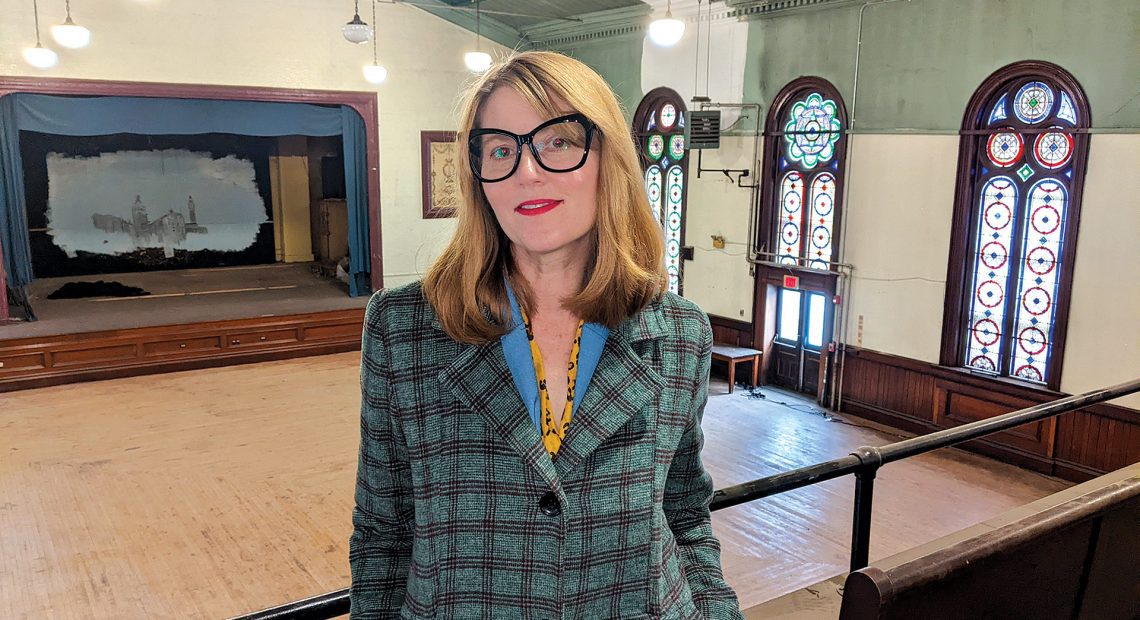

It’s Maxey’s vision to see that happen again, and she intends to maintain affordable rental rates, not just in the small space currently open, but in the large performance hall on the second floor, once it’s complete.

“That’s part of our mission, to keep this building affordable for arts and community programming,” she said of the Blue Room. “When somebody comes into the space, there’s a flat, hourly rate. But they get everything, like the PA, the projector, tables, chairs. So it’s not like an a la carte menu where we’re adding dollars for each item.”

That model will continue upstairs. “We’re thinking of keeping it very similar to what we’re doing in the Blue Room. It’s a rental space with affordable rates, attracting and really serving artists throughout Western Massachusetts, and we want some traveling artists to come in as well. It’s really a place for people who want to produce events, and it’s also allowing for CitySpace to have our own programming.”

The 350-seat capacity is a “sweet spot” for the area, she added, larger than compact spaces like the Parlor Room in Northampton and the Drake in Amherst, but smaller than the Academy of Music in Northampton, which seats about 800. “Sometimes that’s too much to fill for some artists, and there are a lot of 150-seat locations throughout the region, so this is one step above that.”

CitySpace has a 44-year lease with the city on the building, and Maxey is looking long-term, including applying for Massachusetts historic tax credits after the building is completed, to go toward its continual upkeep.

“Even though we’ll be restoring the second floor,” she said, “we know that having a long-term plan for maintenance on the building will allow it to be here for another 150 years.”


Labor of Love

Maxey, like all the others on her board, serves CitySpace as a volunteer. Meanwhile, her career — which has taken her from Williston Northampton School as communications associate from 2005 to 2011 to her role as Easthampton’s arts coordinator from 2011 to 2016, to the positions of manager, then director, of Digital and Creative Marketing at New England Public Radio from 2016 to 2020 — has entered a new phase with BurnsMax, the art and design business she launched last year. She is also an adjunct professor of Marketing at the Arts Extension Service at UMass Amherst, teaching a class titled “Marketing the Arts.”

In a sense, that’s what she’s doing at CitySpace, too, a role she called “a joy because of the people who surround me.” In doing so, she singled out several other board members, including former Easthampton Mayor Mike Tautznik, Nikki Beck, Peggy Twardowski, and Smith, as well as an artist advisory committee including Trenda Loftin, Emily Ditkovski, Kyle Boatright, Amber Tanudjaja, and Pamela Means, not to mention a capital-campaign team led by Alison Keller and Tara Brewster.

“Seriously, CitySpace is a labor of love,” Maxey said, “and there are so many more that could be named since we are all volunteers right now — me included — as we kickstart this organization into adulthood.”

And pump some energy into the region as well, she added, noting arts organizations and venues opening up from Greenfield to Springfield, all holding the potential of boosting economic development through the arts.

“You can go to all of these locations, and it’s kind of like this renaissance; you see the potential for performing arts to really enliven and connect the whole Western Massachusetts region. And because of that, we have the capability for incredible economic growth within the region — not just a lovey-feely connection, although that exists too.”

Economic development and its many reverberations. The renovation of a historic building. Creating long-term affordability and accessibility for artists. That’s a lot of differences to make, and Maxey and her team are far from done.

“I’ve made my home here, and it’s such a fantastic place to live and work and play,” she said. “And I think we have a lot of potential to make it even better.”