Northern Exposure
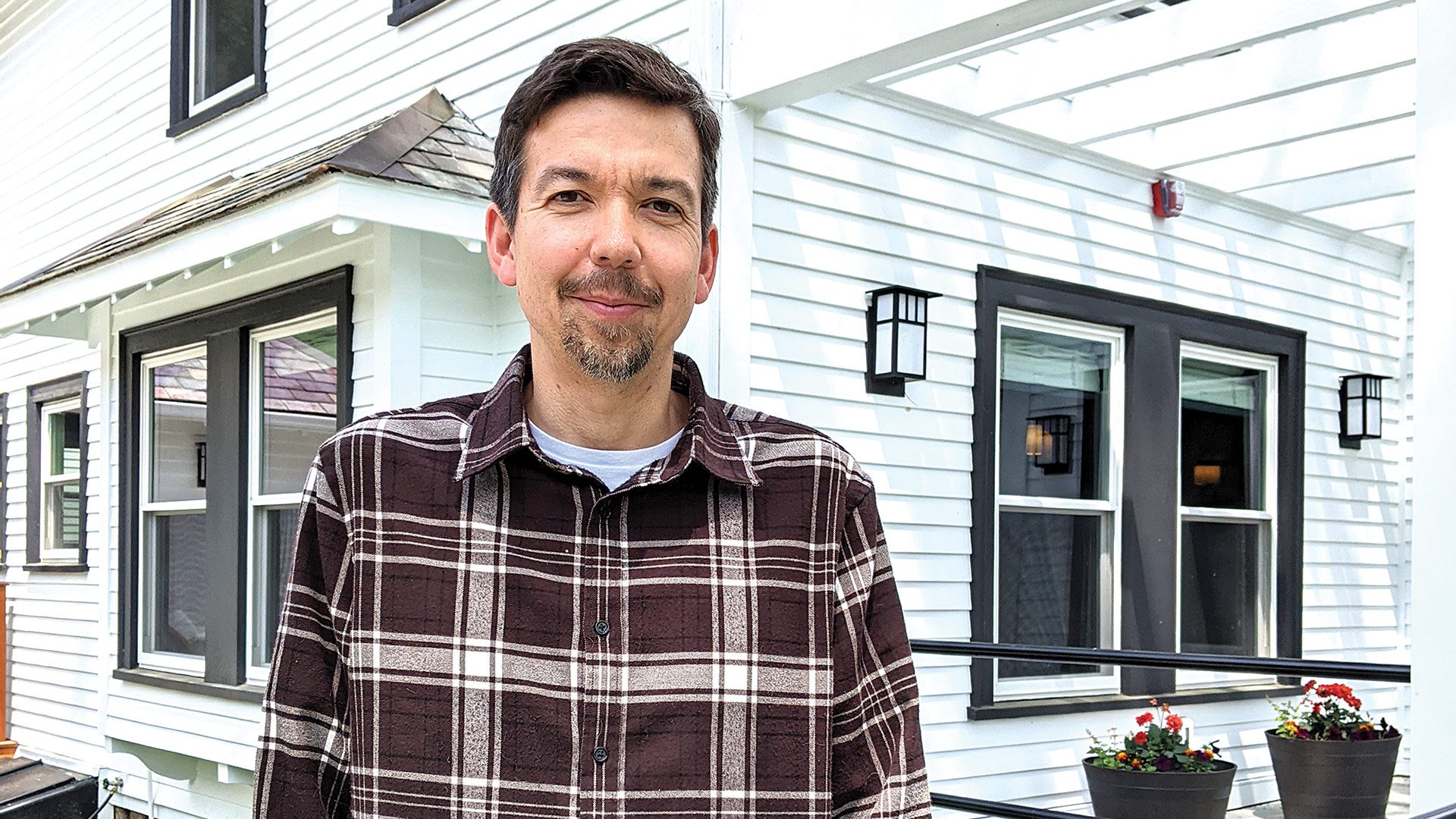
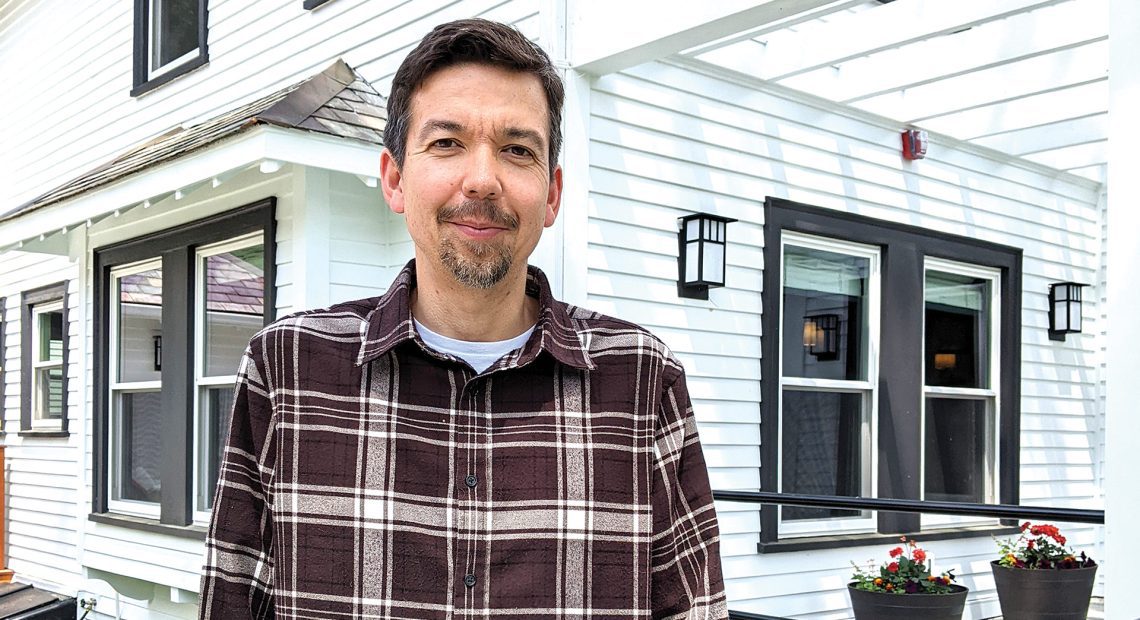
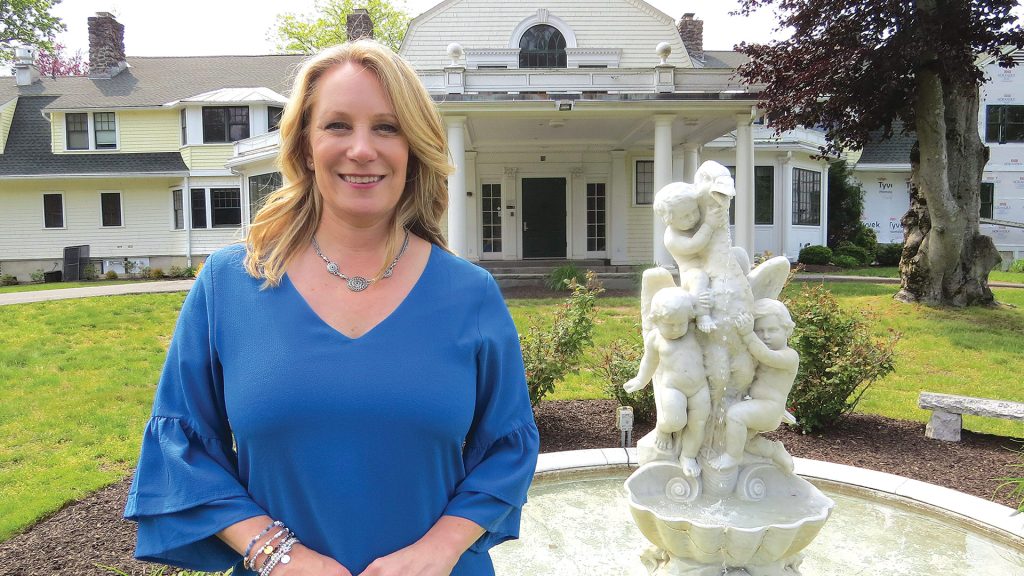
Brolin Winning, general manager of the Shelburne Springs luxury hotel, sees many signs of new life along the Mohawk Trail.
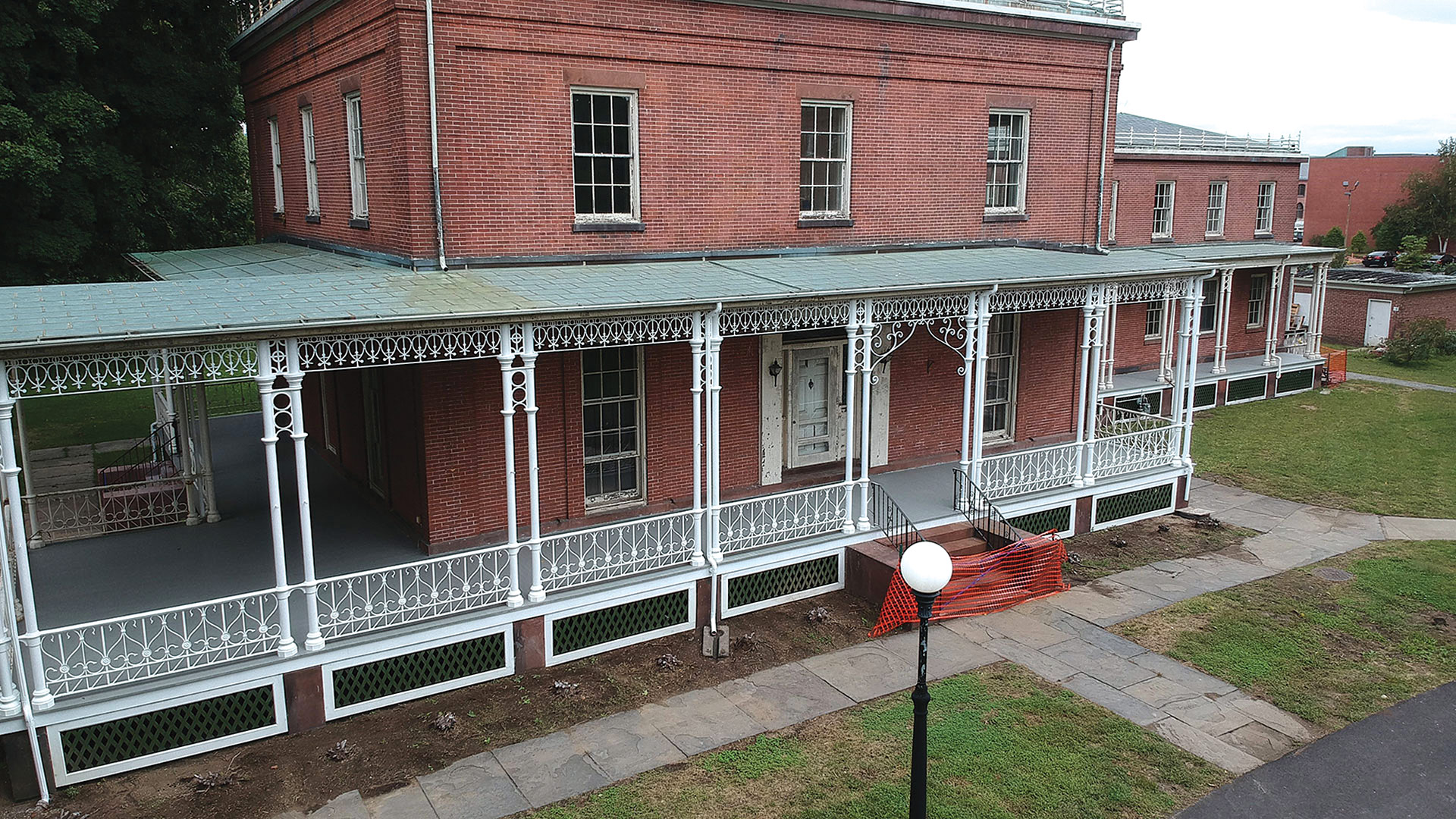
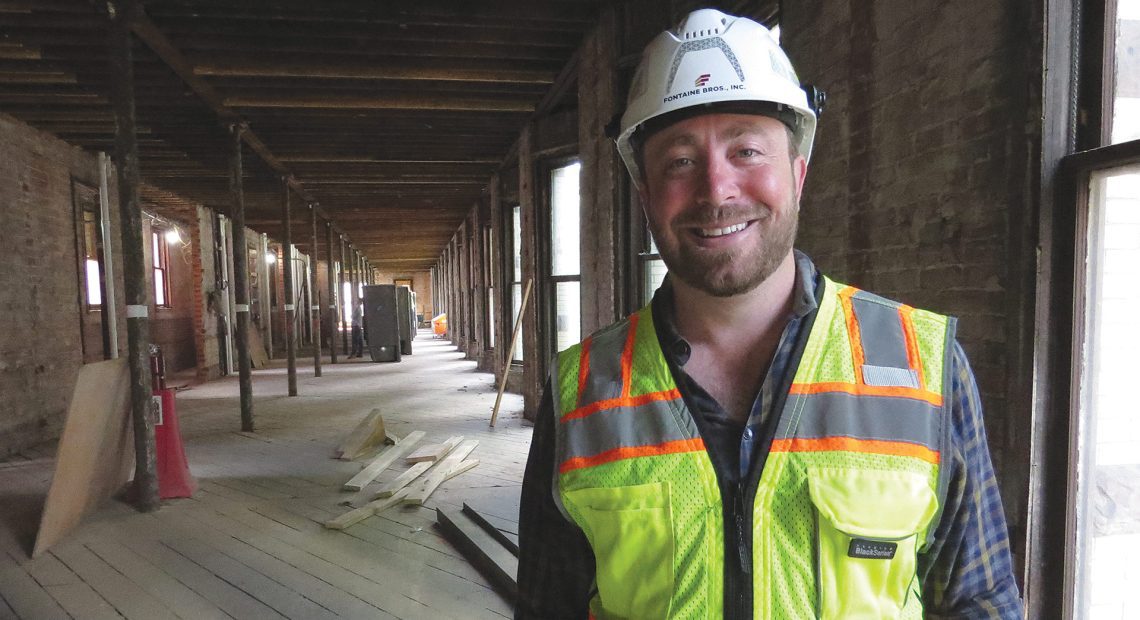
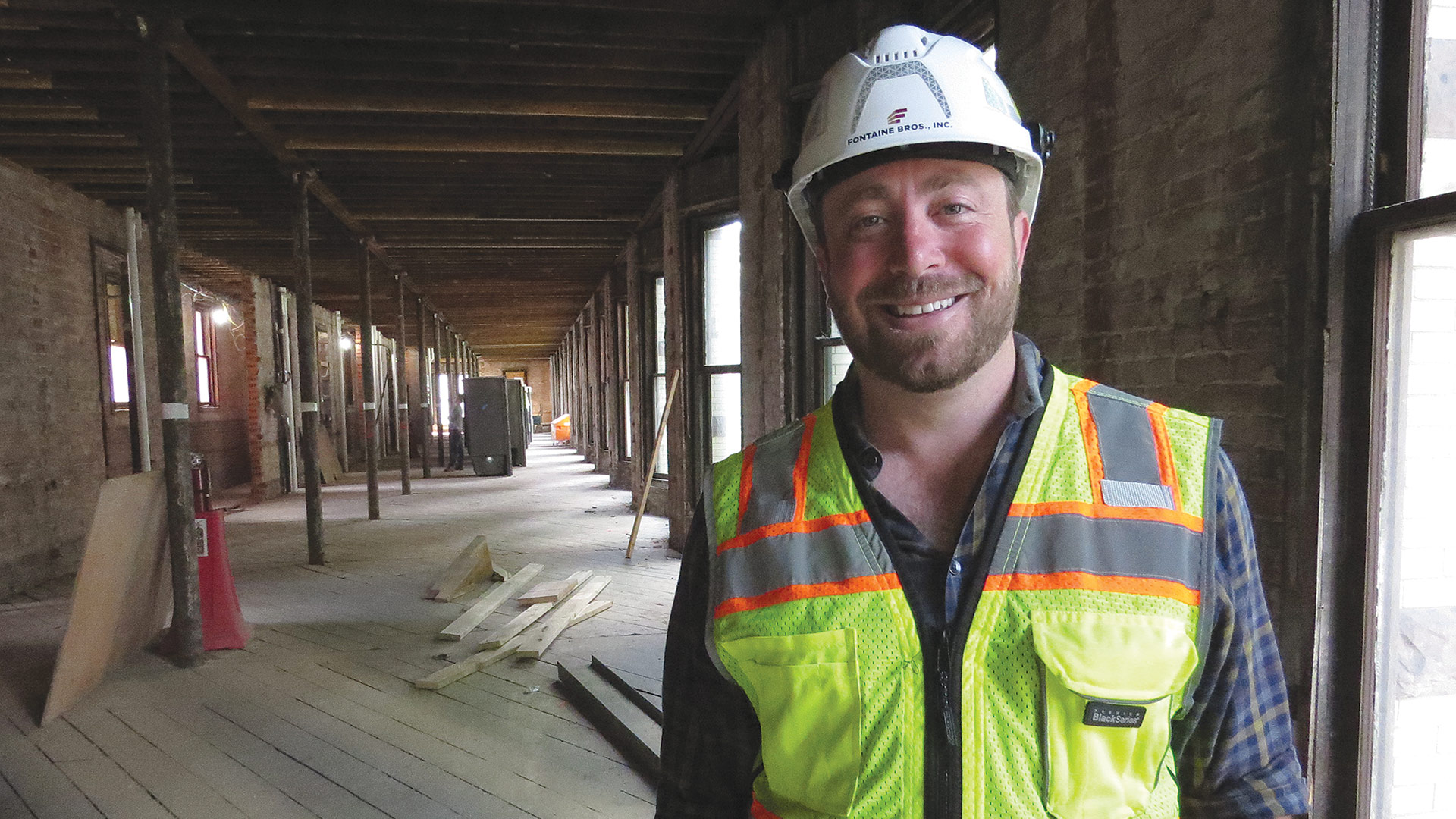
Brolin Winning and his wife used to run a barbecue stand on the Mohawk Trail, and he’d occasionally look up at the abandoned building next door, a mansion built in 1914 that later operated for decades as the Anchorage Nursing Home before closing in 2011.
“We’d look up the hill at this place — which had been abandoned for a decade — and just think, ‘man, that’s a sweet spot.’ But it was just melting into the ground.”
But then a friend came into some money and was looking for an investment project. “I said, ‘you should buy the nursing home,’” Winning recalled. So they did — and begin fixing it up.
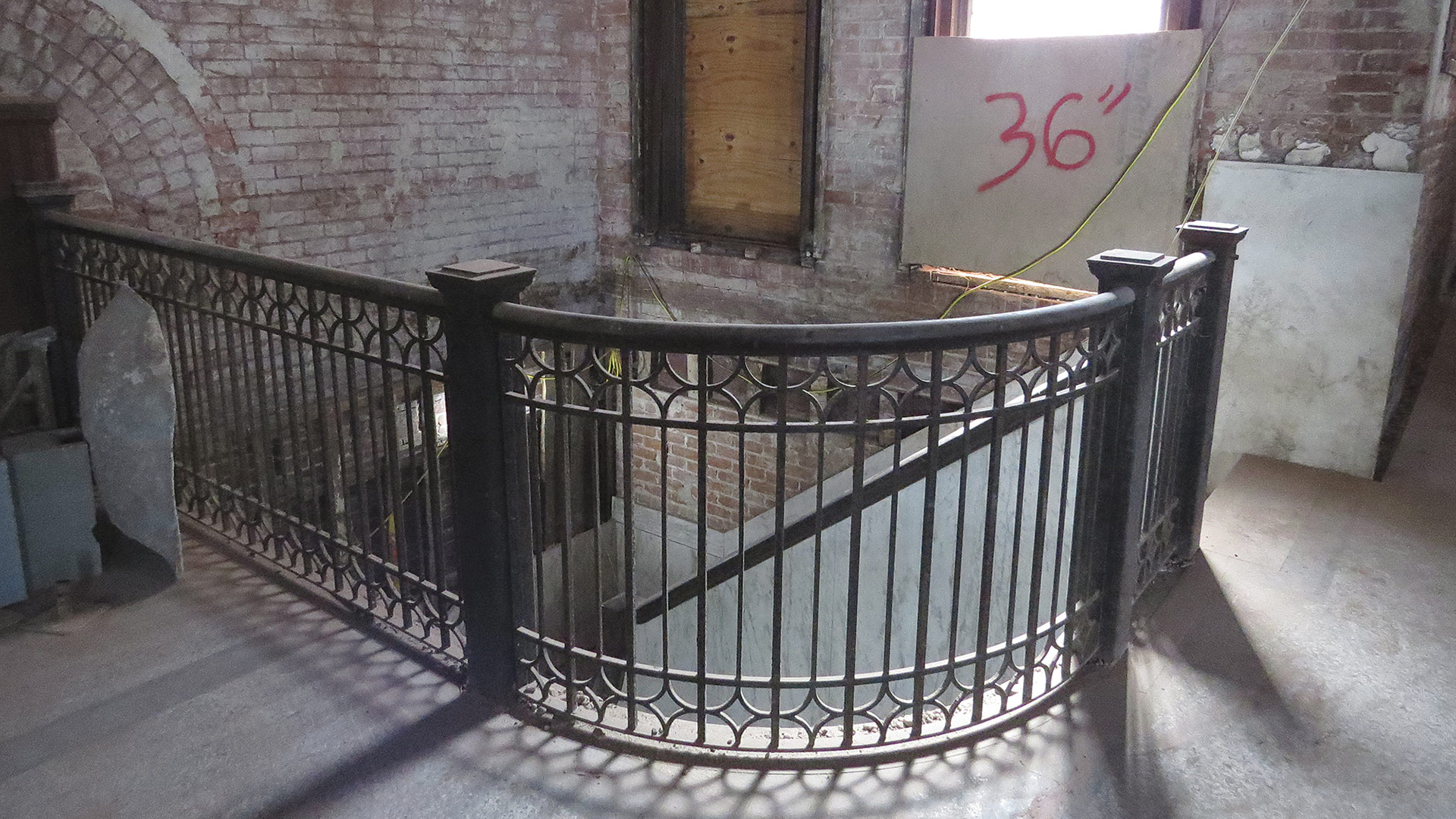
That was early 2020, when COVID hit, but the ensuing shutdown of the hospitality economy gave the team — owner Hilltown Lodge LLC, Thomas Douglas Architects of Northampton, and Tristan Evans Construction of Greenfield — time to redesign the space, gut the building down to its studs, and restore it with seven spacious suites; a kitchen, bar, and upscale but cozy lounge areas; and outdoor relaxation and recreation space across 38 acres. Among the next plans is a big stage up the hill for weddings and other events.
“I couldn’t wait to come back, just to be in the woods again and on the river again. It’s just, like, the best place to live.”
But while Winning is gratified that the hotel, called Shelburne Springs, has had a successful first few months, he doesn’t view the property in a vacuum, but as part of a renaissance along the Mohawk Trail that includes renovations and reopenings at the Sweetheart Restaurant in Shelburne Falls, the Duck Pond antique shop in Shelburne, the Blue Vista Motor Lodge just over the Berkshire County line in Florida, and more.
“There’s a lot of stuff going on, whereas I feel like it was … I wouldn’t say run-down, but quiet for a while,” Winning said. “COVID obviously affected everybody in this area, but a lot of people were coming out here even more because we’re like in the country and away from the crowd, and there’s a lot of outdoorsy stuff.
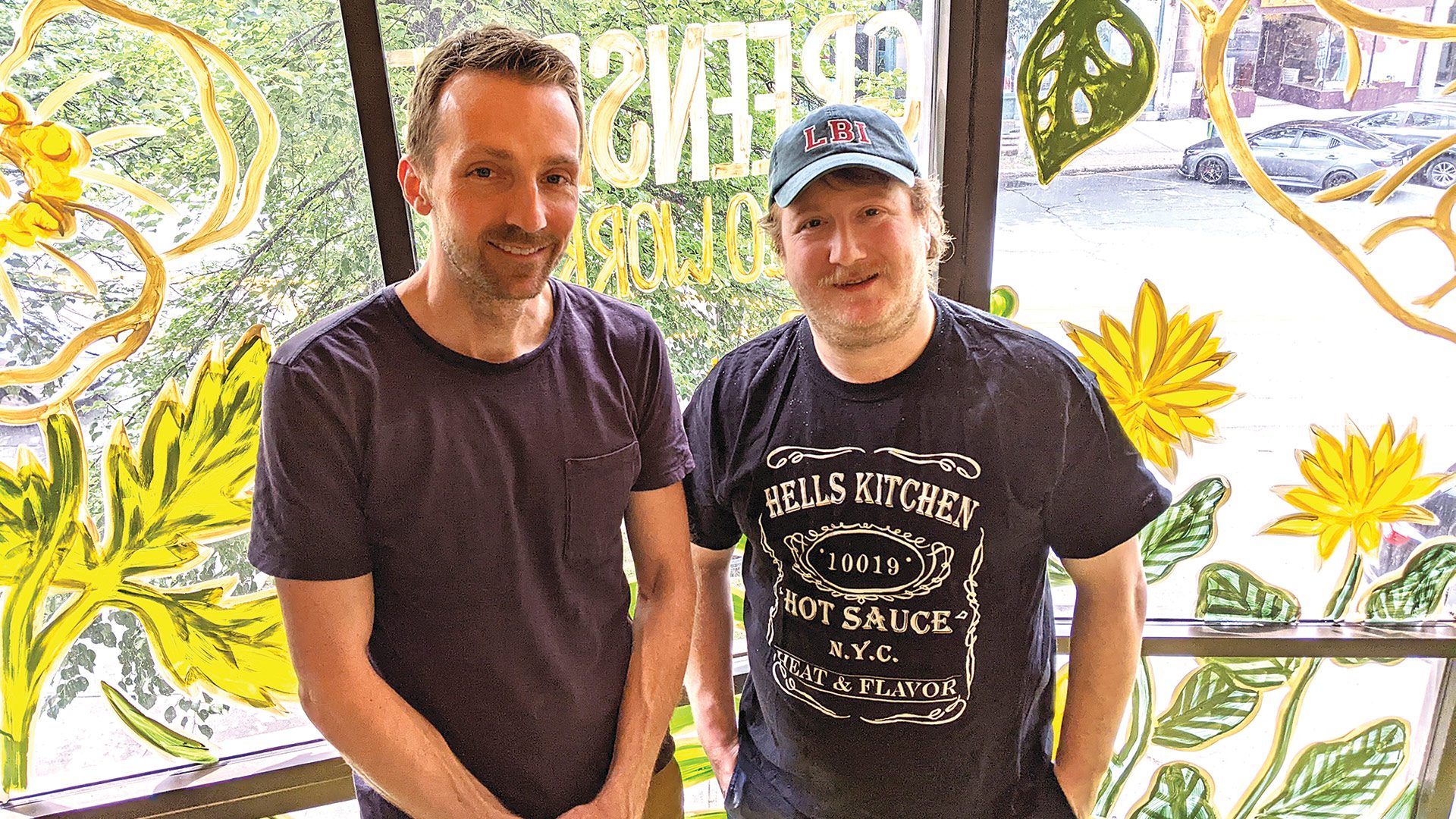
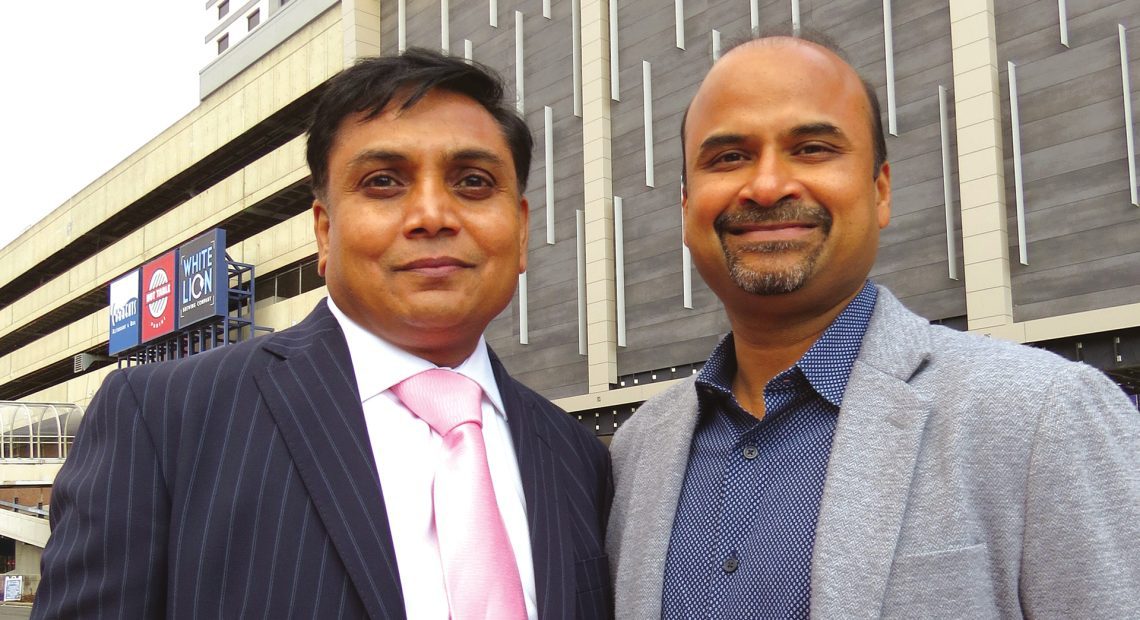
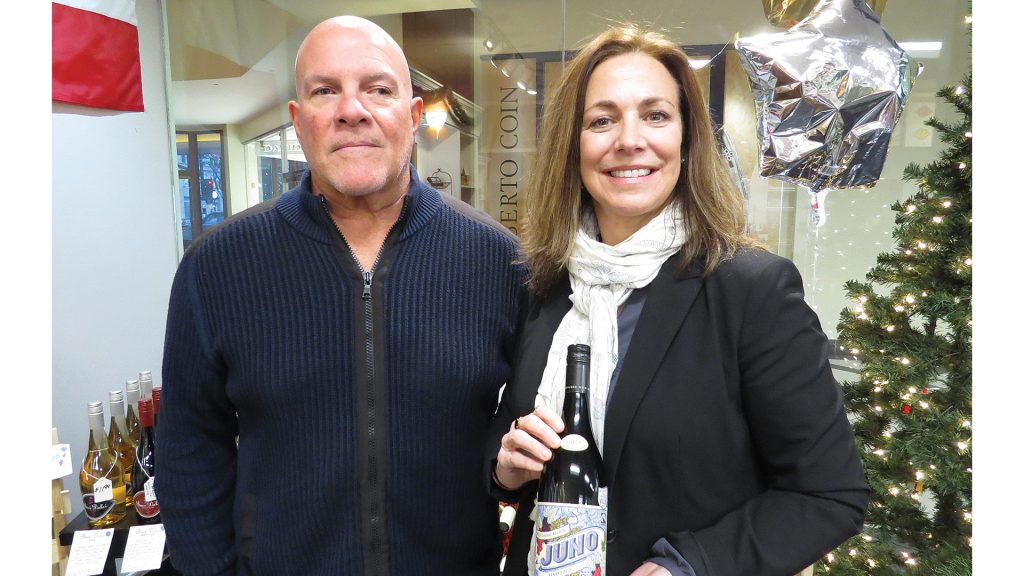
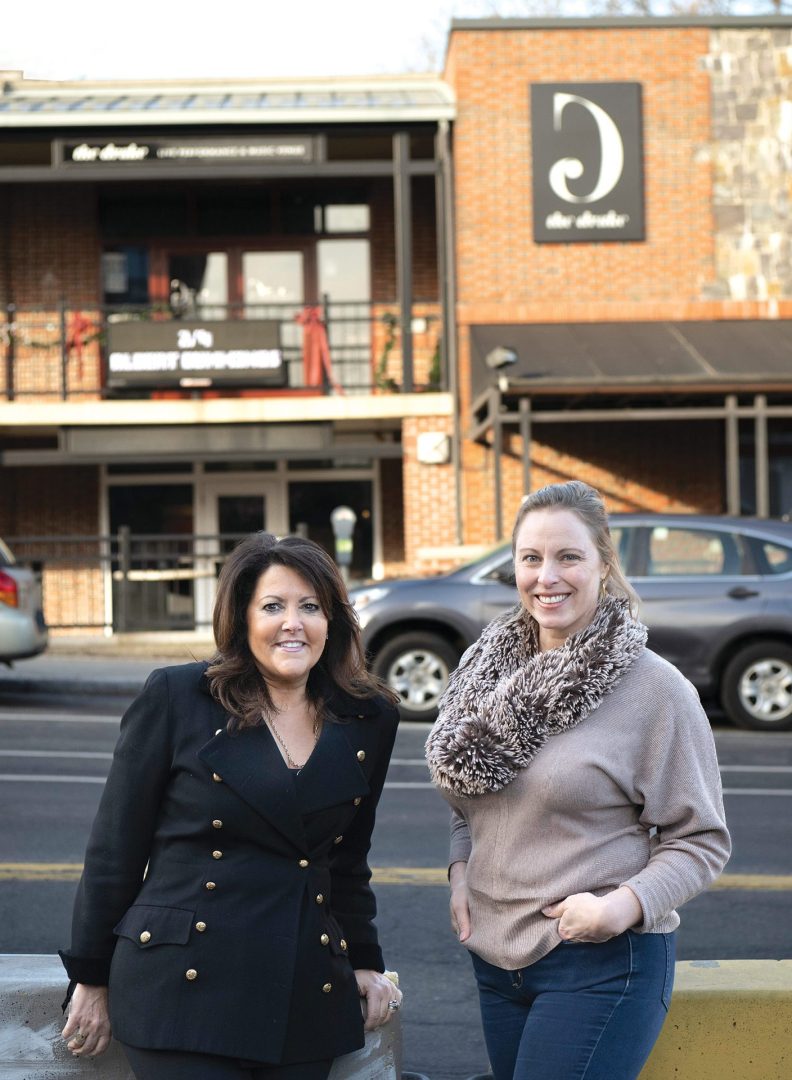
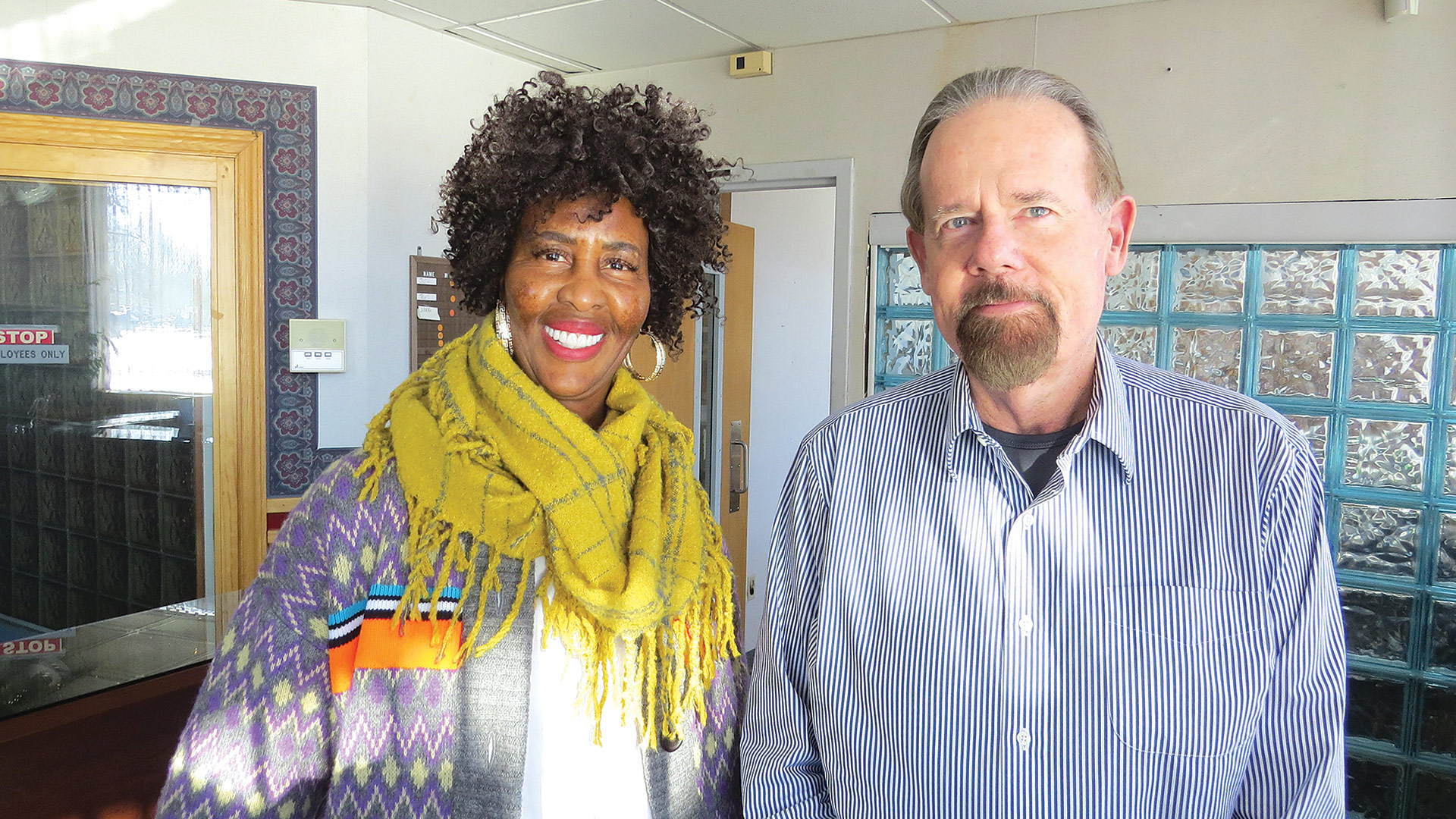
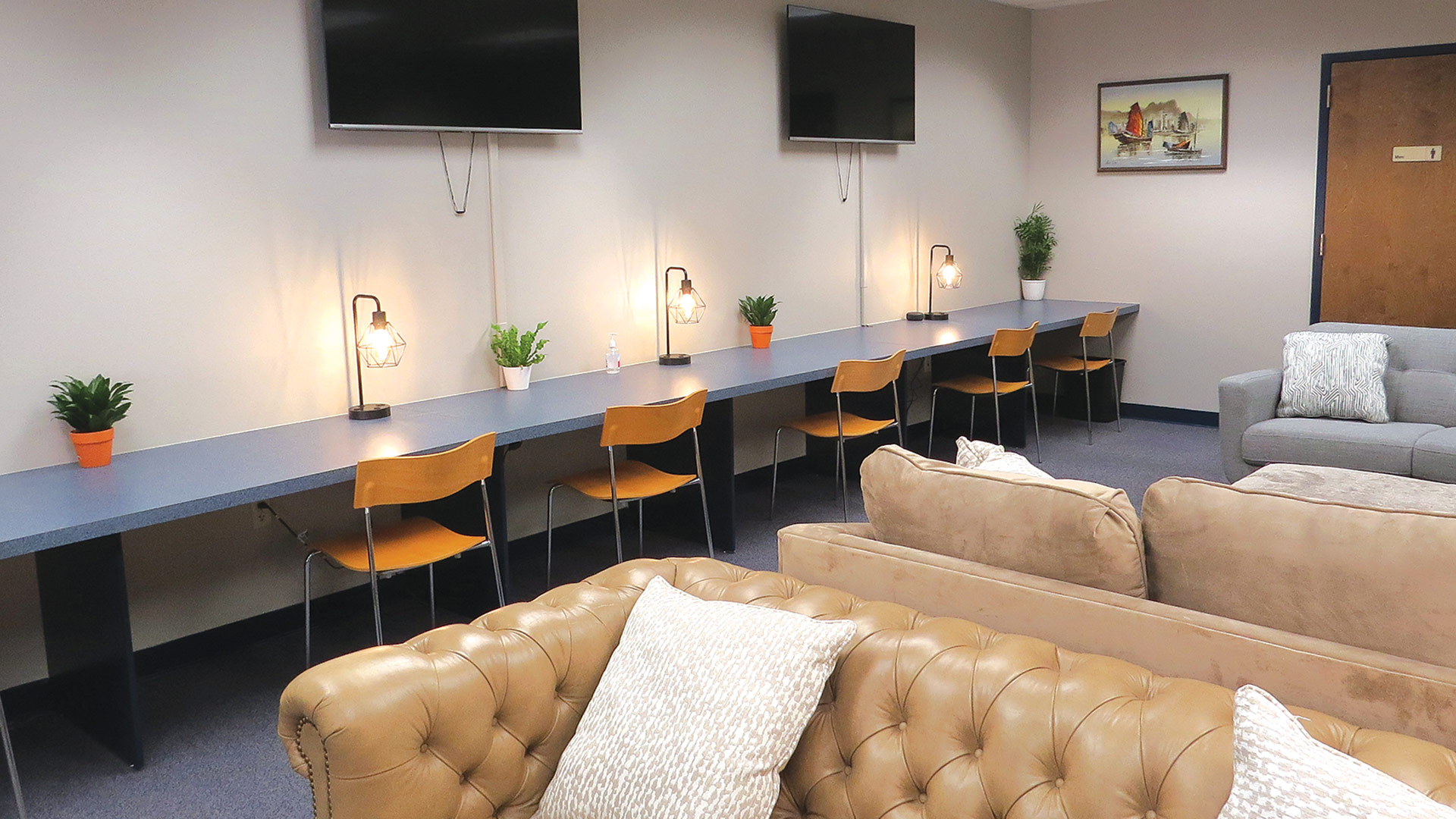
Jeff Sauser (left) and Jeremy Goldsher have expanded Greenspace CoWork to a second location on Main Street in Greenfield.
“I’ve lived all over the country; I’ve lived a long time in California, Boston, Chicago, and different cities,” he went on. “But I’ve always loved it here. I grew up in Amherst and Northampton, but I used to come up here to fish when I was a kid. That’s how I got into the Mohawk Trail. To me, there’s nowhere like it. I was in San Francisco for a long time, and I would come back here twice a year. And I couldn’t wait to come back, just to be in the woods again and on the river again. It’s just, like, the best place to live.”
He’s not the only one who feels that way about this county of 71,000 residents — fewer than half the total of Springfield — spread across 26 communities.
“It’s stunningly beautiful. That can’t be overlooked,” said Hannah Rechtschaffen, recently appointed coordinator of the Greenfield Business Assoc. (GBA). “And I think there is a wonderful, long history up here of people being very engaged in their communities. When you travel from town to town, you find a lot of residents and business owners who feel very passionate about that, about the town that they’re in.”
“I feel like if you wanted to kill as many birds as possible with one stone, a robust housing strategy would be the way to do it.”
Rechtschaffen cited draws like the county’s outdoor recreation experiences and attractions like Bridge of Flowers in Shelburne Falls and Poet’s Seat Tower in Greenfield, but said tourists find much more.
“People come for these beautiful experiences, and they’re also finding other cool stuff, from whitewater rafting to restaurants. So the challenge is to reach out to people up and down the Valley and let them know there are really lovely experiences close to them,” she said. “All these towns have something special to offer, but together, we can offer something really beautiful.”
For residents and business owners, she added, “because it’s a small county, it has a bit of history of people needing to go to neighboring communities for different things. When you have that history of people stepping to the community next door to find something, you have this nice connectivity, which has gotten more robust over time. You have an opportunity for towns in Franklin County to work together in a unique way.”
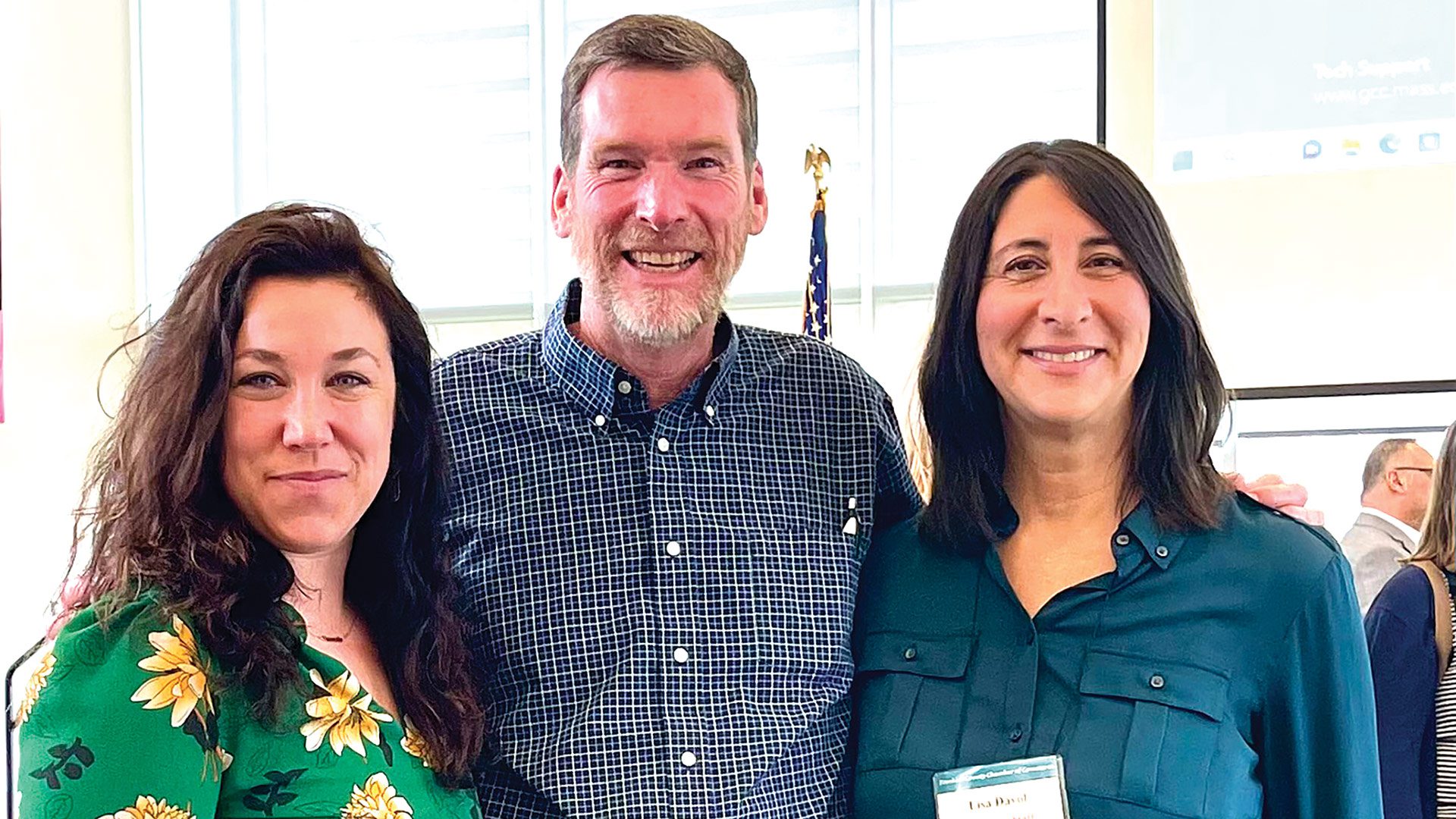
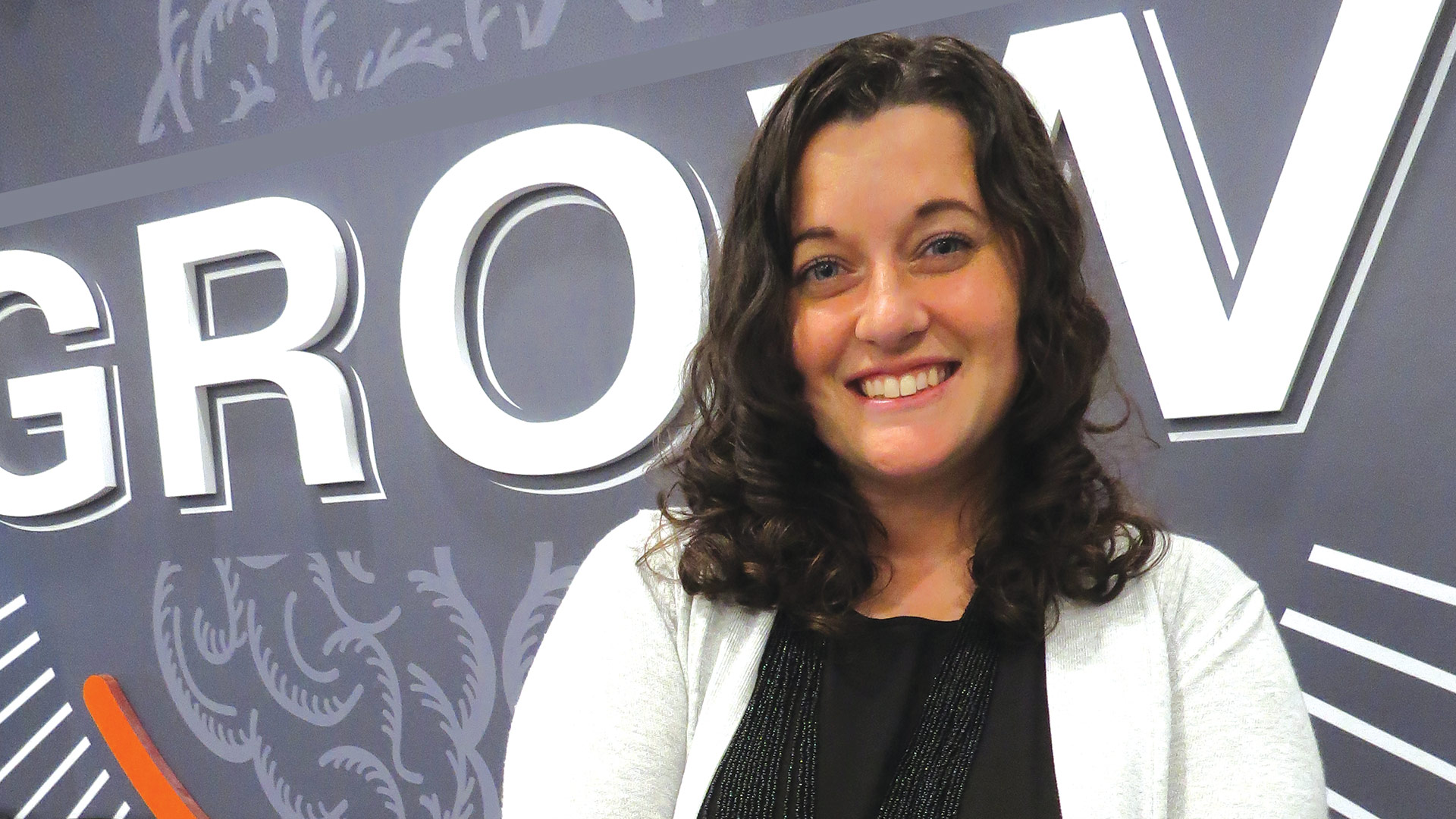
Some of the players invested in a more robust Franklin County are (from left) Greenfield Business Assoc. Coordinator Hannah Rechtschaffen, Franklin County CDC Executive Director John Waite, and Lisa Davol, marketing manager of the Franklin County Chamber of Commerce.
Jessye Deane, executive director of the Franklin County Chamber of Commerce and Regional Tourism Council, agreed.
“I think one of the major strengths of Franklin County is that we have a comprehensive set of supportive services around business development,” she said, citing robust connections between the chamber, local businesses, workforce-development and entrepreneurship-focused agencies, and legislators.
“Collaboration is really the only way forward for us. I think Franklin County has always used partnership and collaboration as a special sauce, and I think that served us well during the pandemic. And part of the chamber’s job is to continue to fuel those collaborations and help make those connections.”
Clearly, it takes a village — well, 26 of them — to create a culture in the northernmost county of Western Mass., one that faces challenges, but also has more to offer than many outsiders realize.
Challenge and Opportunity
Deane said many of Franklin County’s challenges are no different than those seen across Western Mass.
“Of course, housing is a challenge. And transportation is particularly troublesome in more rural communities because that’s a barrier to a lot of our entry-level employment. And childcare is huge; there is a lack of high-quality childcare in this area.”
“One of the things I appreciate about Franklin County is that we can keep our identity — we have the nature, the beauty, the rural luster of it — but there’s increasing opportunity.”
Hiring also continues to be a challenge across industries, she added — another issue being felt across the state.
“I think we have a unique twist on that because we are a rural community, so it’s a little more exacerbated on this side of the state. One of the challenges I’m particularly concerned about is the population-decline projections. So we’re working overtime in collaboration with our legislators to make sure the Commonwealth is more equitably funding projects and initiatives across the state and, as a chamber, making sure that we’re doing our best to shine a light on why Franklin County is such a great area to live and work, and hopefully attracting new families to the area.”
She said the Regional Tourism Council’s task is to attract more tourism to a county that already brings more than $79 million in tourism dollars every year to destinations ranging from Berkshire East in Charlemont to Northfield Mountain and Sugarloaf Mountain; from Yankee Candle and Tree House Brewing Co. — and its slate of summer concerts — in Deerfield to Hawks & Reed Performing Arts Center in Greenfield and Double Edge Theatre in Ashfield.
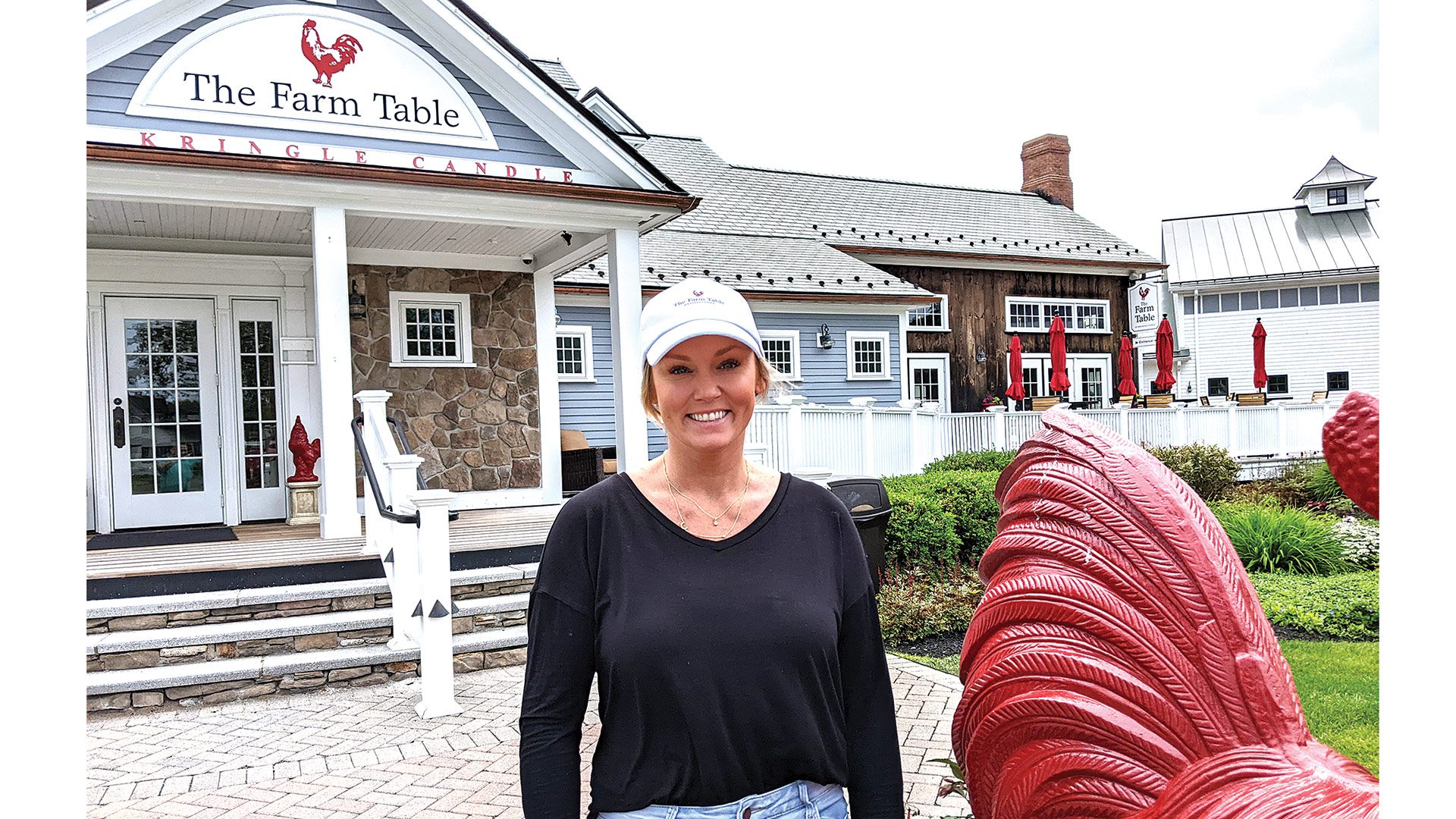
Ashley Evans says reopening the Farm Table in Bernardston was an opportunity she couldn’t pass up.
“Tourism is really about OPM: other people’s money. And we want to make sure that we are helping them spend that here. And there is so much to do,” said Deane, who calls Franklin “the fun county,” and wants more people to know about that.
“There are endless opportunities for fun in Franklin County. And in terms of our work in the Regional Tourism Council, we’ve made some significant strides. In the past year, we branded our tourism side. We worked with a local company to give Franklin County a really great visual presence, with the tagline ‘more to Franklin County,’ because one of the things that we found when we did that investigative work is that folks said there’s always more to do: ‘I didn’t expect there to be so much. We’ve got to come back.’”
The council is also in the process of launching a standalone tourism website, Deane added.
“We want to make it easy as possible for people to plan their trip, and we’re working with our hospitality vendors to do itinerary planning based on any given interest. So if you’re really into craft beverages, this is what you can do for a weekend. If you’re really into outdoor recreation, this is what we recommend you can do for a weekend.”
A member of the Greenfield Business Assoc. who is about to join the Franklin County Chamber of Commerce, and whose family owns Hawks & Reed, Jeremy Goldsher also co-owns Greenspace CoWork with Jeff Sauser, so he has a broad perspective on business life in Greenfield and its environs.
“We’ve seen already that Hawks & Reed started a bit of a new music and cultural renaissance in downtown, to the point that now you can’t walk around in any given weekend without seeing kids running up and down the streets of different local venues,” Goldsher noted.
As the owners of Greenspace CoWork, which now has two facilities on opposite sides of Main Street in downtown Greenfield, Goldsher and Sauser have cultivated key business connections through programs like the monthly Business Breakdown networking events.
“It’s developed quite a bit, from ‘I need some emotional support from my business peers’ to a really fun, informal gathering of a lot of our favorite business leaders, business owners, and a group of young, entrepreneurship-minded folks that we’ve never met,” Goldsher said. “We always get new folks at each meeting. We’re now in our 14th or 15th run of it, and I think the Business Breakdown has been a gateway for us to really get onto the map of Franklin County in a bigger way than our co-work business was permitting us.”
With programs like Business Breakdown and a six-month accelerator program, Goldsher is starting to see a “domino effect” of key connections. “We’re starting to see the Franklin County CDC, which has been a great partner of ours, become a lot more visible in their entrepreneurial work and various programs starting to revolve around specific topics, which is great.”
Planting Roots
Emerging from the pandemic, those connections are more crucial than ever, Sauser said.
“We’ve had our ups and downs with the economy. We got through COVID. I think we’ve been an important part of the downtown revitalization, especially with the move to remote work and more flexibility. That’s important to the economic-development story of Franklin County in general, along with getting broadband access out there and just making this a place people can do a job that’s based anywhere, so they can live where they want to live.”
After all, while tourism is critical to the economy, Sauser said, tourism can’t be all Franklin County offers; it has to be a place people want to live and work, and where they find it affordable and rich enough in amenities to do both.
As an urban planner who has done a lot of policy and analysis work in housing, he said housing is the biggest issue.
“I feel like if you wanted to kill as many birds as possible with one stone, a robust housing strategy would be the way to do it. People are moving here in part because they can’t find the housing they’re looking for; nationwide, there’s a huge shortage.”
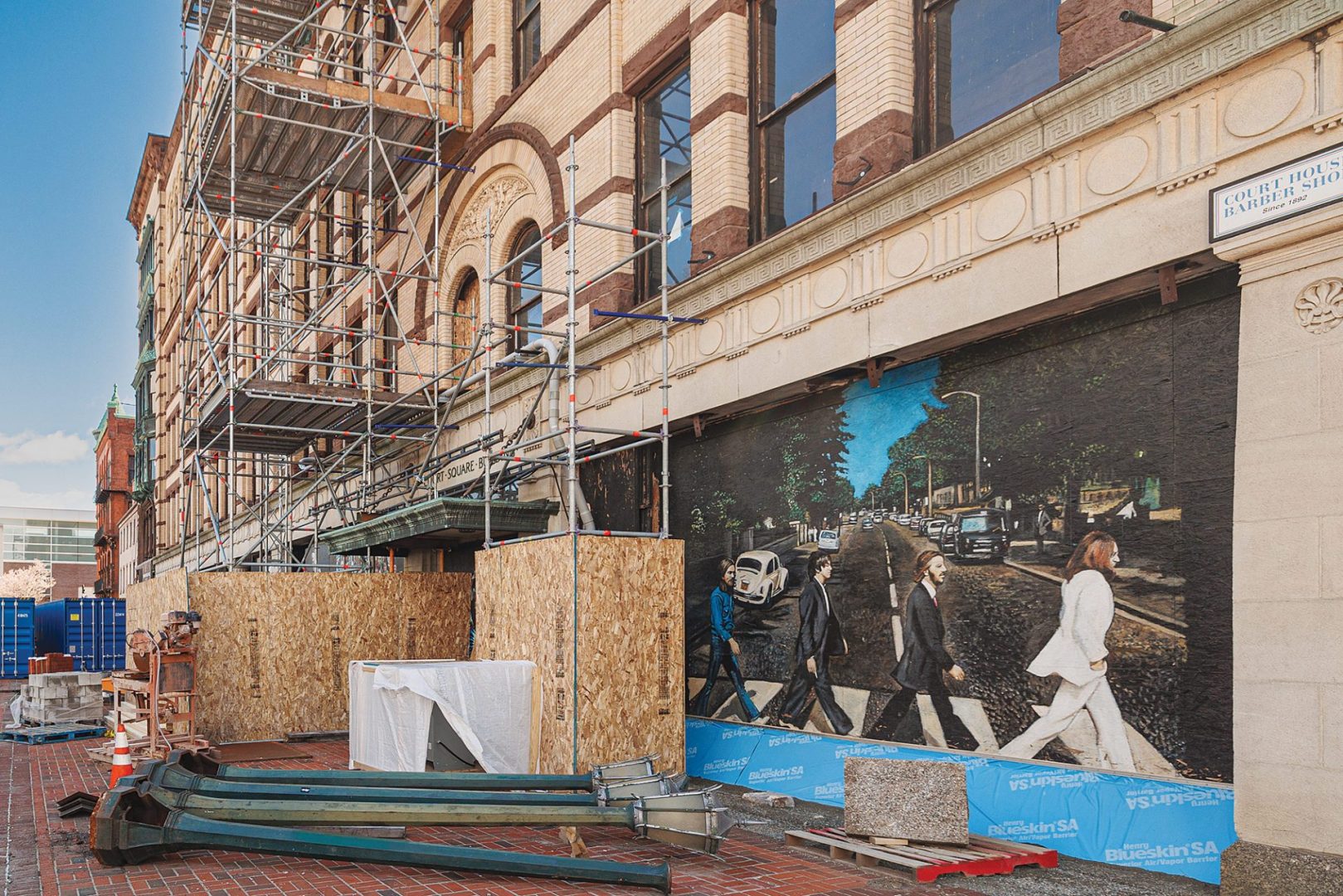
So there are real opportunities for growth, he said, adding that municipalities need to be smart with not only strategies for housing development — the residential units coming online in the former Wilson’s Department Store building in downtown Greenfield is a “game changer” for the city, he said — but with property taxes as well. The other big draw for families is school systems, and Sauser said many communities still have room for improvement there.
“That can hold places back. There are other options out there, private schools and charter schools, but the core of the public school system isn’t as successful as it could be.”
For every challenge, though, there are business success stories, Deane said.
“One that comes to mind is Sweet Lucy’s Bakeshop in Bernardston,” she said. “Lucy moved back into the area from Seattle. She crowdfunded to start her business. She’s now expanding. And that’s in partnership with support from the chamber, from the great folks at CISA, from the CDC. She’s really taken this bake shop and made it famous across the county. And she’s now expanding to include a community center so that she can help teach cooking courses or baking classes.”
A stone’s throw from Lucy’s is the Farm Table, the iconic Bernardston eatery on the Kringle Candle property that closed in 2020 but is reopening this month under the management of serial restaurateur Ashley Evans, who grew up in Turners Falls and was intrigued by the possibility of reopening the Farm Table while on a visit from her home in the state of Florida.
“When I came to this property, how could I pass it up? It’s just absolutely breathtaking, everything about it,” Evans said, adding that the goal is to offer an elevated culinary experience, with many ingredients locally sourced, but at a less elevated price than before.
“We plan on having a similar menu, but redone and more adapted to the market in this community. Instead of a fine-dining establishment, we want to make it an everyday establishment. You can stop by and get something, and the bill’s not $300.”
Evans also plans to host events, from outdoor movies to Hawaiian nights; from outdoor clambakes to a haunted house in the event center.
“We have a lot of ideas to bring the community together,” she said, adding that, despite the workforce pains plaguing the hospitality industry, she was able to staff up quickly, which says something about the establishment’s reputation.
“That speaks to what this property is. It almost speaks for itself,” she noted. “I didn’t have to do a ton of marketing; we said we’re hiring, and people were anxious to work here, which is a beautiful thing.
“I’m so pumped. I’m excited,” Evans added. “I just walk in and feel grateful every day.”
Grit and Gratitude
So does Rechtschaffen, who spent almost two decades away from Western Mass. before returning in 2018 and immediately immersing herself in Franklin County life, chairing the Sustainable Greenfield Implementation Committee, which supports the use and implementation of the city’s master plan, and serving on the Downtown Greenfield Alliance and the Local Cultural Council.
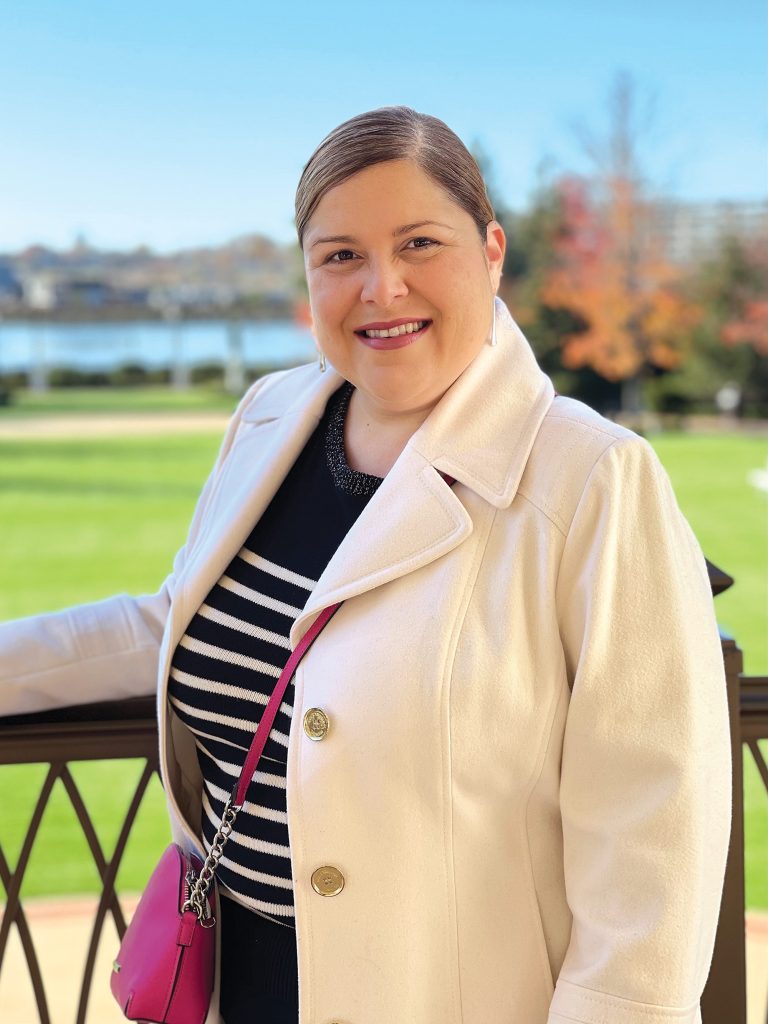
She was director of Placemaking for W.D. Cowls in North Amherst before taking on her current leadership position with the GBA, where she’s focused on how businesses in this largely rural county can thrive in the post-pandemic years.
“We’re looking at how people are locating themselves, especially with remote work, with proximity to Boston. We are seeing people come into this area with a different sense of how they’d like their lives to be,” Rechtschaffen said. “We welcome people in who are looking to move out of city-centered life without sacrificing the feeling of community and connectedness and available amenities.”
Deane said the past few years have taught resilience to residents and businesses here, but also new ways forward.
“Economic development is really a long game. So we’re having these conversations now that hopefully will impact the next 15 or 20 years,” she explained. “And we’re doing that with a fresh understanding that, at any point, those plans can go completely rogue and be blown up by whatever comes next. So we’re being cautiously optimistic as we plan and prioritize on a regional level.”
To Sauser, the county’s value is evident in its people, its businesses, its quality of life, and the places that bring those people — and visitors — together.
“I feel like it’s a place to watch,” he said. “I’ve been told, when I moved here, that Greenfield is the kind of place that always feels like it’s about to turn the corner, but it never actually does. I’m getting a lot of signals now that it’s looking pretty good.”
Rechtschaffen agreed.
“One of the things I appreciate about Franklin County is that we can keep our identity — we have the nature, the beauty, the rural luster of it — but there’s increasing opportunity,” she said. “It’s becoming easier to say, ‘this is what Greenfield is all about, this is what Franklin County is all about, and you’re welcome to be here.”

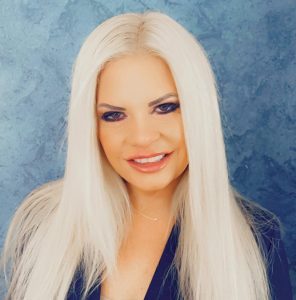
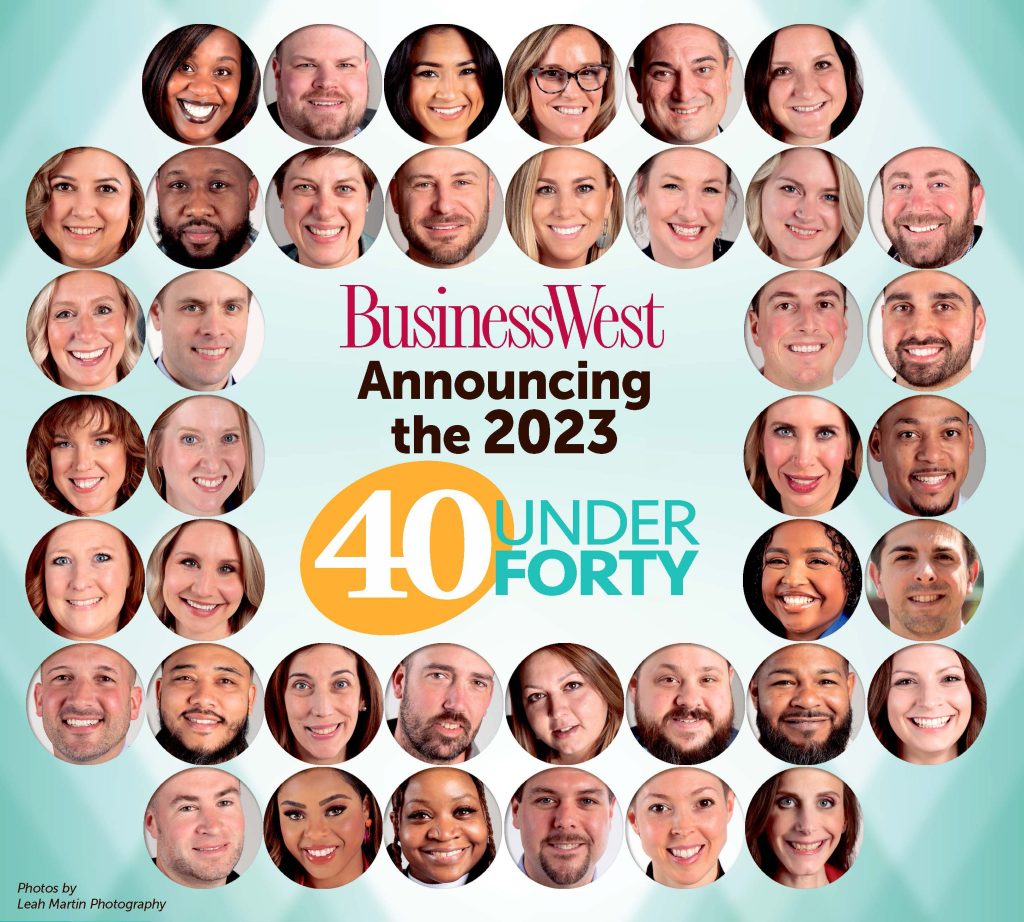
 In 2015, BusinessWest introduced a new recognition program. Actually, it was a spin-off, or extension, of an existing recognition program — 40 Under Forty. The concept was rather simple: to recognize the individual (or individuals — there have multiple winners a few years) who has most improved upon their résumé of excellence, in both their chosen field and with their service to the community. Over the past several years, the competition for what has become known as the Alumni Achievement Award has been spirited, as it was this year. Indeed, a panel of three judges, including the 2022 honoree, Anthony Gleason III, scored nominations featuring individuals across several different sectors of the economy. The four highest scorers, the finalists for the 2023 AAA honor, are profiled here. They are: Ryan McCollum, owner of RMC Strategies; Orlando Ramos, state representative and Springfield mayoral candidate; Amy Royal, founder and CEO of the Royal Law Firm, and Michelle Theroux, executive director of the Berkshire Hills Music Academy. The AAA winner will be announced at this year’s 40 Under Forty gala on June 15 at the Log Cabin Banquet & Meeting House.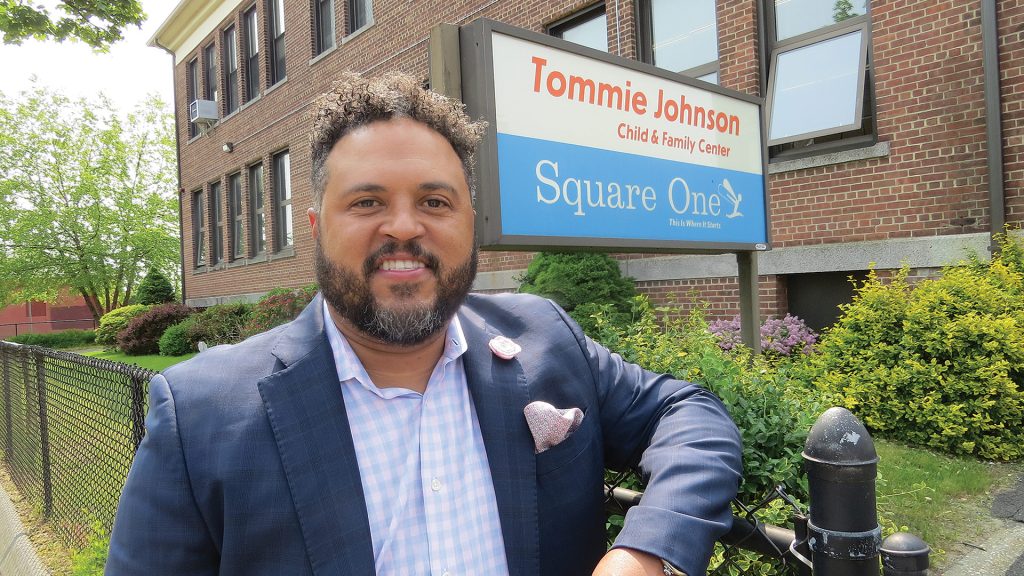







 It is perhaps the best thing about a 40 Under Forty class. And also the most challenging thing for the judges who ultimately decide its makeup.





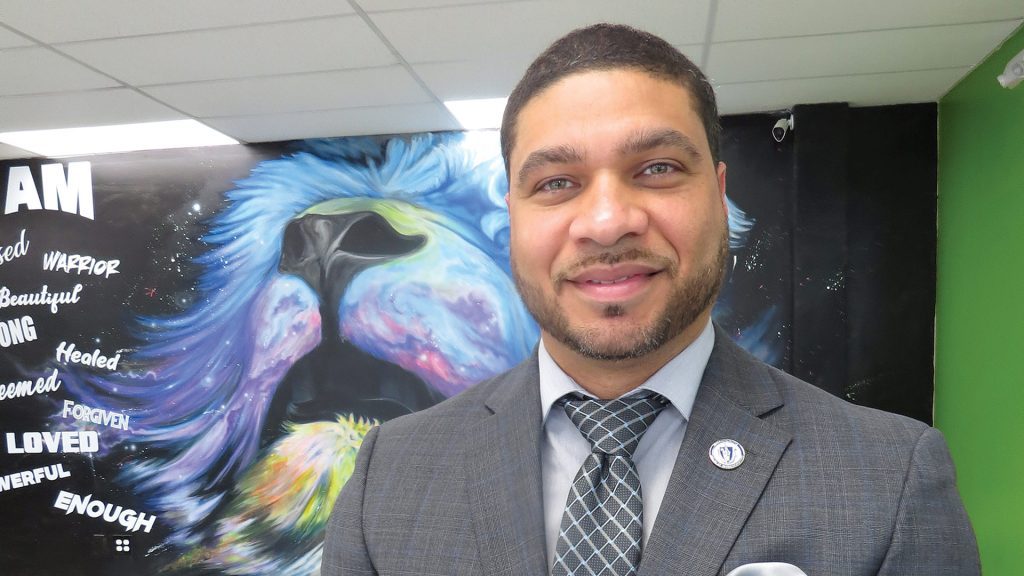
 Raymond Berry is founder and general manager of White Lion Brewing Company, the first craft beer company post-prohibition to recognize the city of Springfield as its home. Berry, a Forty Under 40 member, class of 2010, is currently a board member at Springfield College and Blues to Green, and an attorney general appointee to the Commonwealth’s Cannabis Regulatory Committee. He also sits on the Basketball Hall of Fame Finance Committee, Diversity & Inclusion Committee for the Mass. Brewers Guild, and Philanthropic Committee for the National Brewers Assoc. Berry earned his BS from American International College, MBA from Springfield College, and a graduate certificate from Tufts University. He was a graduate in the region’s inaugural Leadership Pioneer Valley LEAP class. He has received the Spirit Award from the local housing authority, the Affiliated Chamber of Commerce’s Community Leadership Award, the Assoc. of Black Business & Professionals’ Business of the Year Award, and a Martin Luther King Social Justice Award. He has also been recognized as one of the region’s Top 100 Men of Color.
 Latoya Bosworth is a life coach, author, and program officer for Massachusetts Foundation for the Humanities. She worked in Springfield Public Schools for 18 years, first as a special educator and then as a behavior specialist. When she is not facilitating workshops for nonprofit and corporate clients or inspiring others with her speeches and self-published books, she is giving back to her community with through mentoring and collaboration. She was a member of the 40 Under Forty class of 2016, and one of BusinessWest’s Women of Impact for 2022.
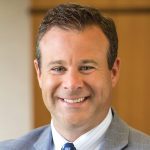 Brian Canina is executive vice president, chief financial officer, and chief operating officer at Holyoke-based PeoplesBank. He has more than 20 years of experience in the finance industry. He is a graduate of Bryant College and is a certified public accountant. He is also a graduate of the ABA Stonier Graduate School of Banking and is a recipient of the Wharton Leadership Certificate. He is president of the Finance and Accounting Society of New England. He serves on the board of directors for Helix Human Services.
 Jessye Deane is the executive director of the Franklin County Chamber of Commerce and Regional Tourism Council, and is the owner of two award-winning fitness studios, F45 Training Hampshire Meadows in Hadley and F45 Training Riverdale in West Springfield. She was a member of the 40 Under Forty class of 2021, Franklin County Young Professional of the Year in 2020, and the 2019 Amherst Chamber MVP. She has serves on more than a dozen community-based committees, and is this year’s campaign co-chair for the United Way of Franklin & Hampshire Region.
  Aundrea Paulk is the Marketing and Communications director at Caring Health Center. She is also the founder and creative force behind Soiree Mi, LLC, an event-planning and design business. Soiree Mi offers creative and personalized services for private and corporate clients. She is a member of the 40 Under Forty class of 2022. A graduate of Bay Path University, her areas of expertise include marketing, branding, communications, event planning, social media, and website content management.
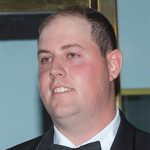 Anthony Gleason II is the president and co-founder of the Gleason Johndrow Companies, which provides commercial landscape and snow-removal services, property management, real-estate development, and leasing, as well as self-storage. Under Gleason’s leadership, the company has grown into one of the largest snow-removal contractors in the country. It now boasts a number of large contracts, including the city of Springfield (250 locations), UMass Amherst and its 157 parking lots, Western New England University, and many others. Gleason was part of the 40 under Forty class of 2010, and the 2022 recipient of the Alumni Achievement Award. Gleason and his company are strong supporters of Spirit of Springfield and many other local community organizations.
  Ashley Bogle is assistant general counsel and director of Legal Services for Health New England. In these roles, she manages the day-to-day operations of HNE’s Legal Department which includes a wide range of duties, from reviewing contracts to providing regulatory guidance and maintaining licenses and accreditation. A 40 Under Forty honoree in 2021, she is a founding member of HNE’s Diversity, Inclusion, and Belonging (DEIB) Committee, which guides the organization toward its goals of embedding DEIB and health equity into its strategic plan, mission, operations, community outreach, and member community. She currently serves as president of Art For The Soul Gallery’s board of directors in addition to working on other community projects. A proud UConn Husky, she received both her juris doctor and her bachelor of Arts degrees from the University of Connecticut.
 Payton Shubrick is a Springfield native and graduate of Springfield Central High School, College of the Holy Cross, and Bay Path University. A member of the 40 Under 40 Class of 2019, she’s an entrepreneur, and started 6 Brick’s, a cannabis dispensary, with the help of her parents and sister. 6 Brick’s opened in September of 2022, and has already garnered ‘Best Massachusetts Recreational Dispensary’ honors at the New England Cannabis Community Awards. Shubrick she is an adjunct professor at American International College, teaching graduate cannabis courses, a coach in the CT Social Equity Accelerator Program, and was recently named Young Entrepreneur of the Year for her leadership and success in her industry.
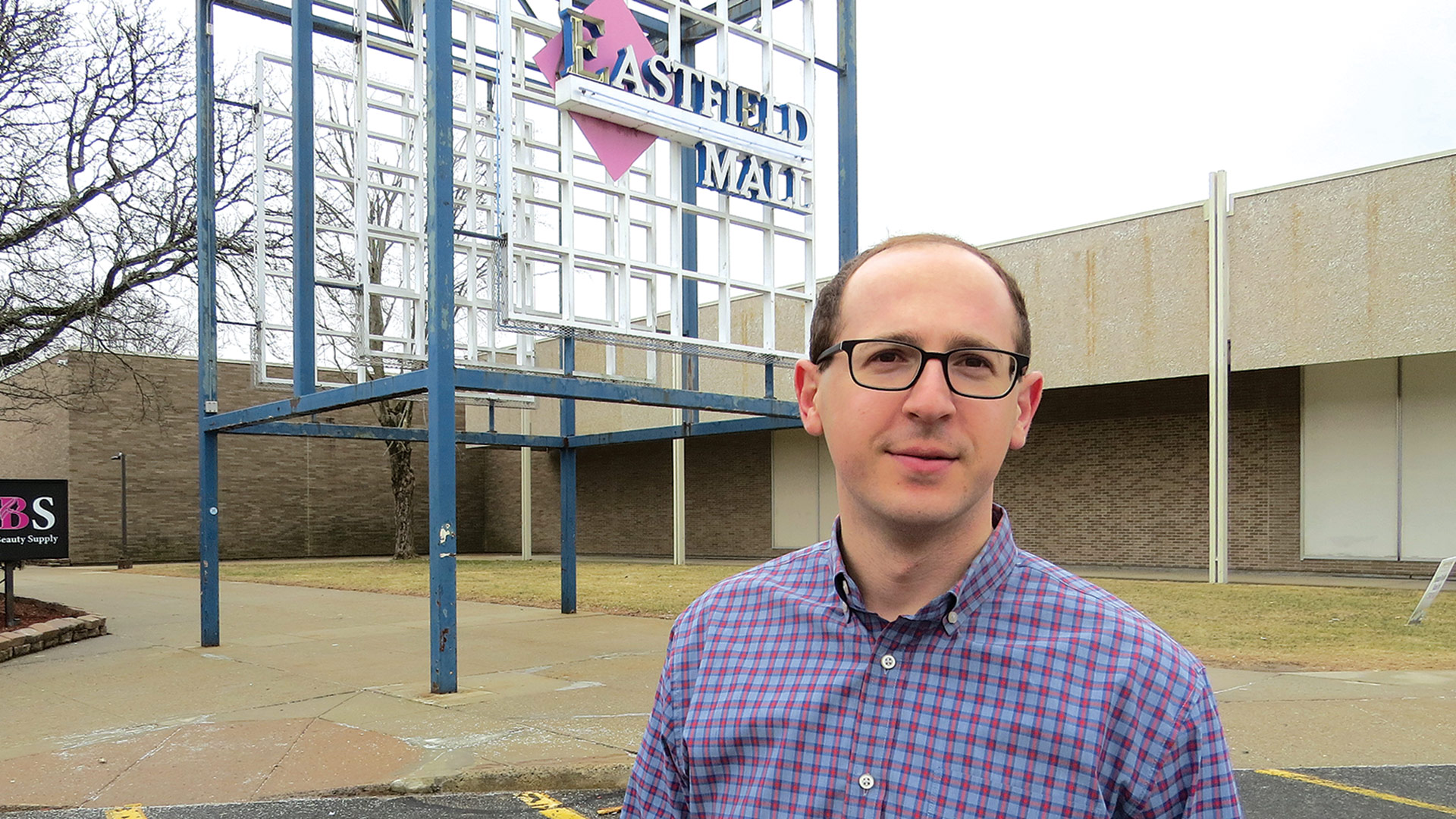

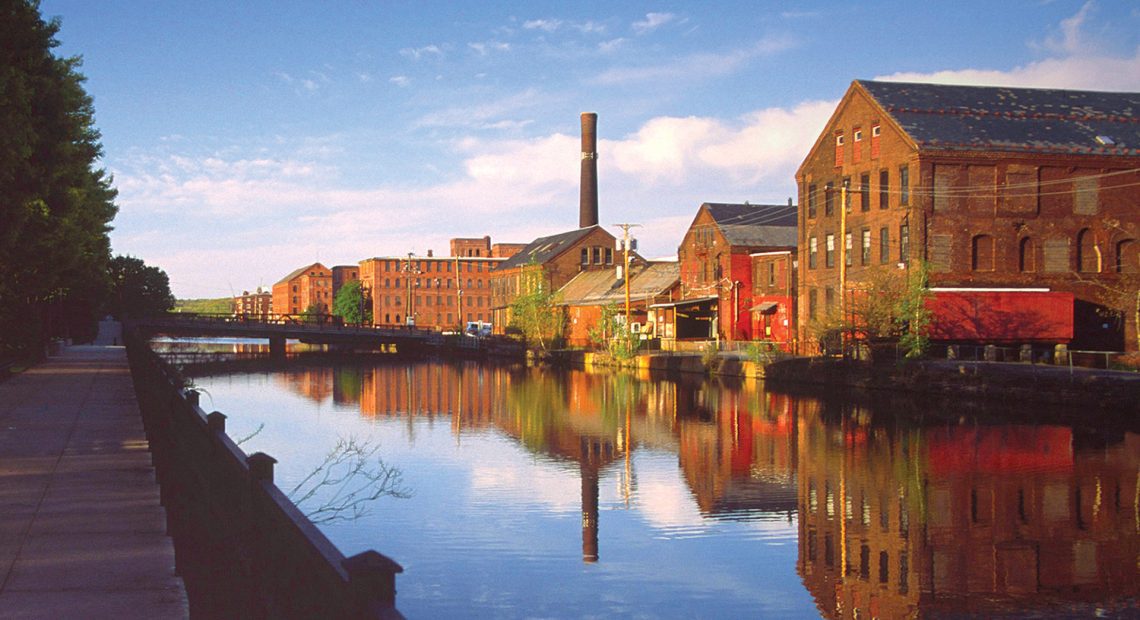
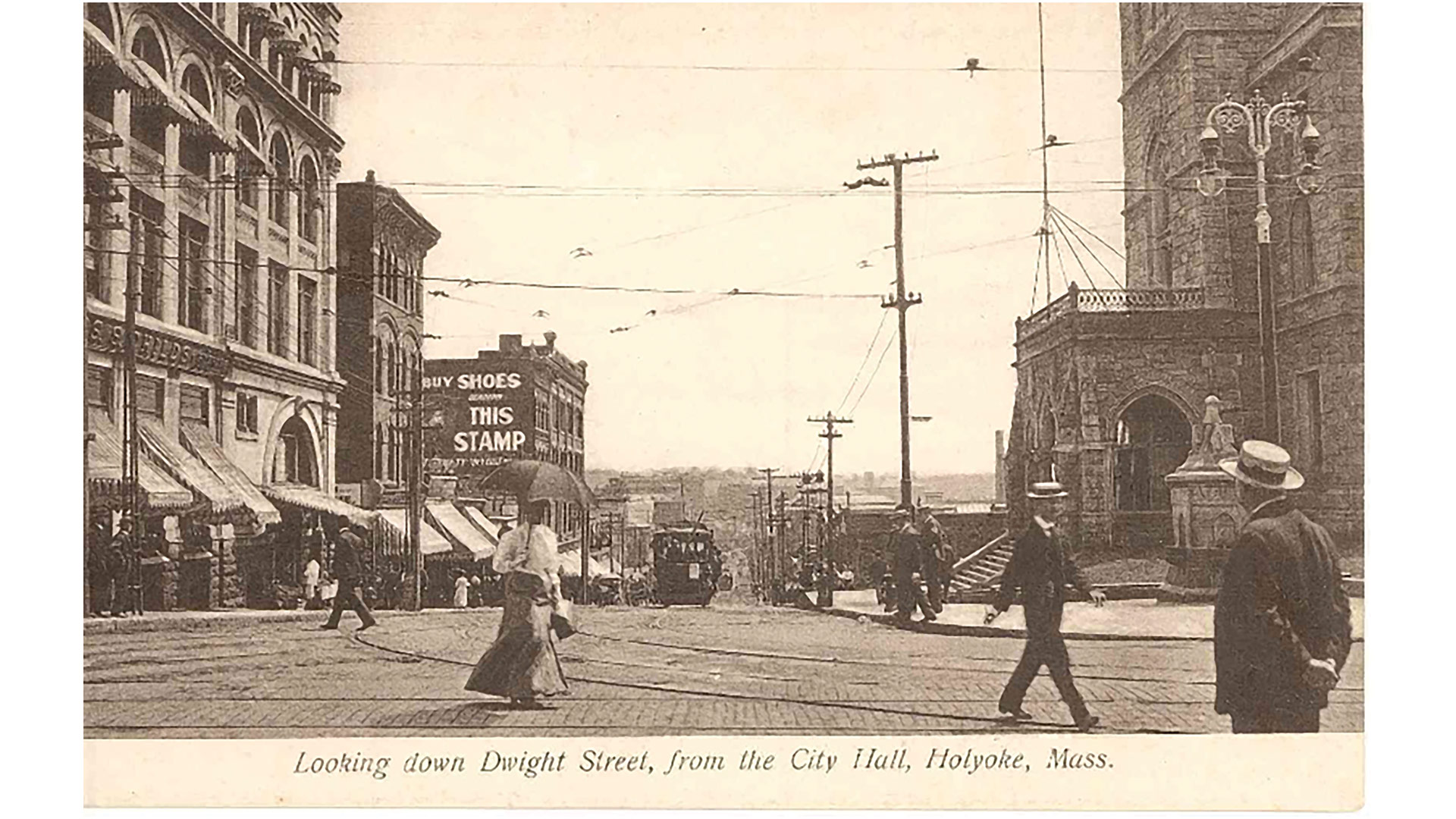
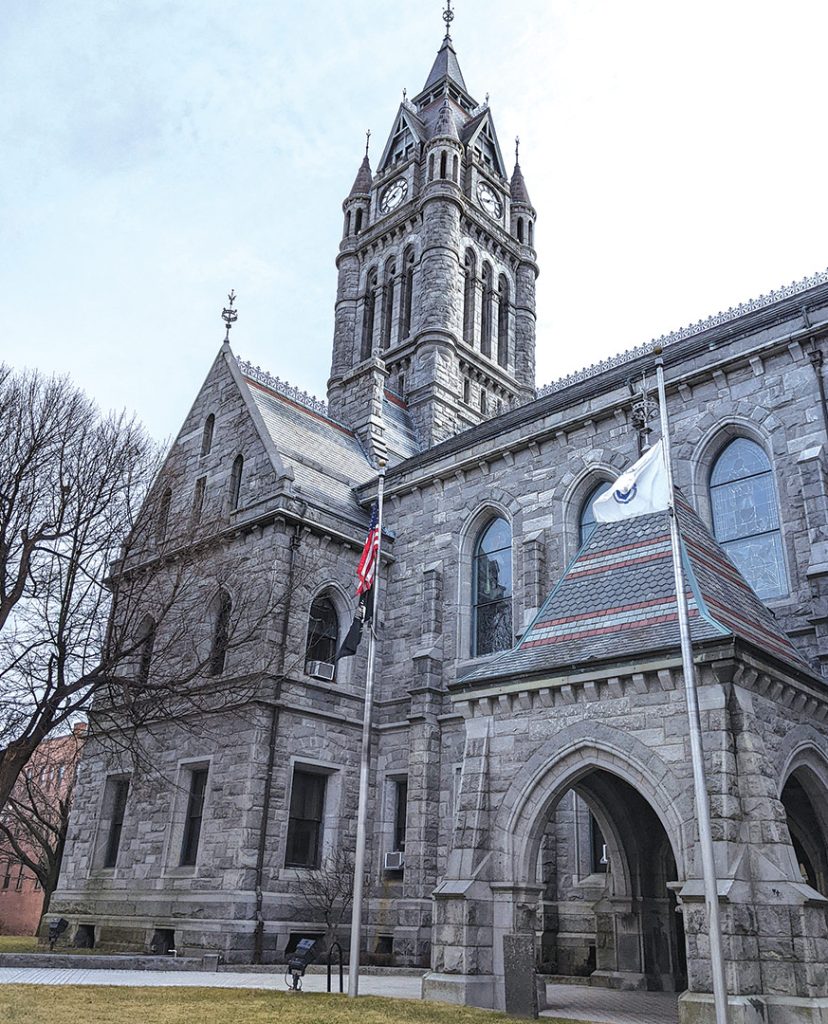
 Unless you’re from Holyoke, you probably won’t get it.
 For 15 years now, BusinessWest has been recognizing the work of individuals, groups, businesses, and institutions through its Difference Makers program, with one goal in mind: to show the many ways one can, in fact, make a difference within their community.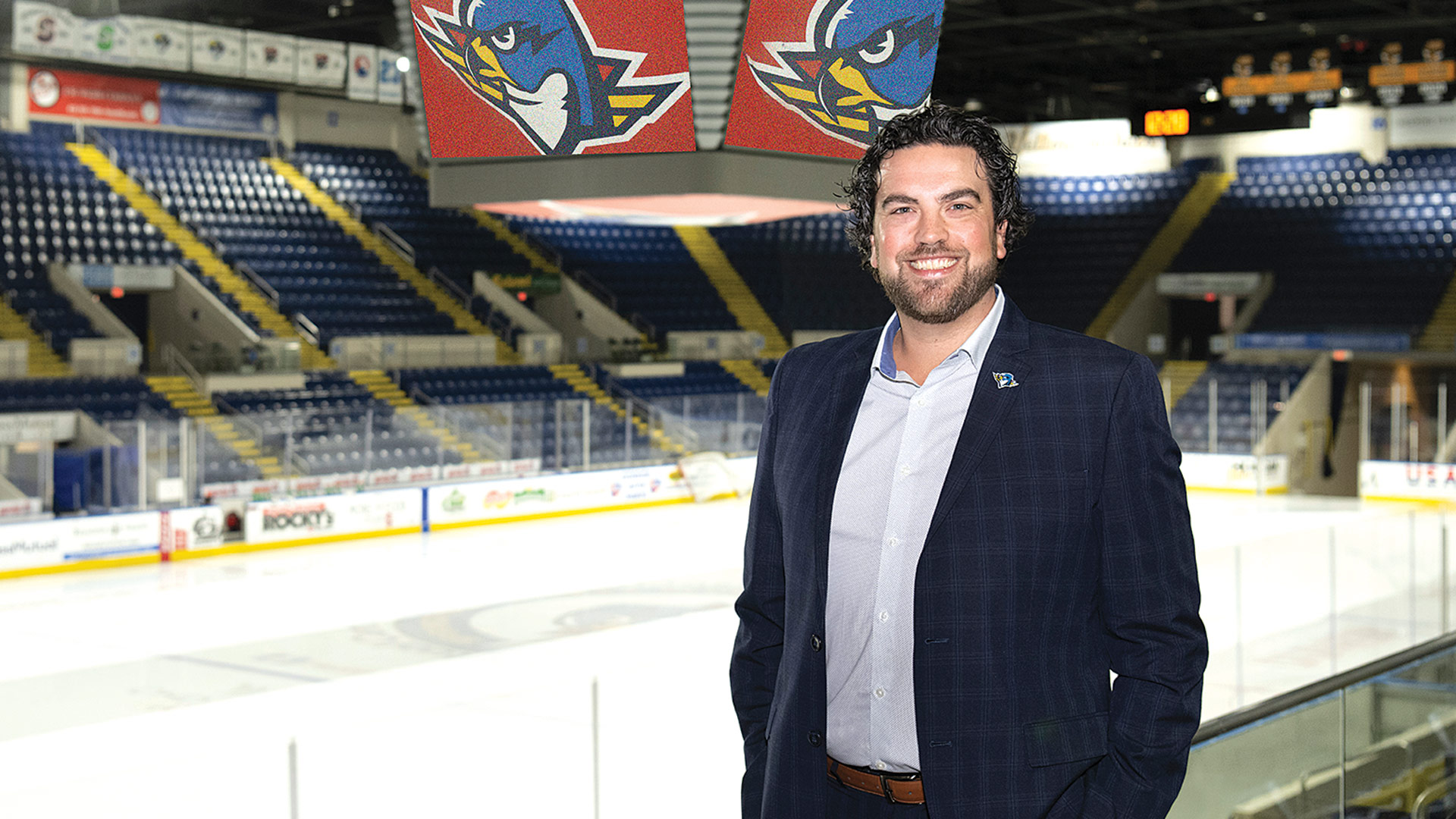
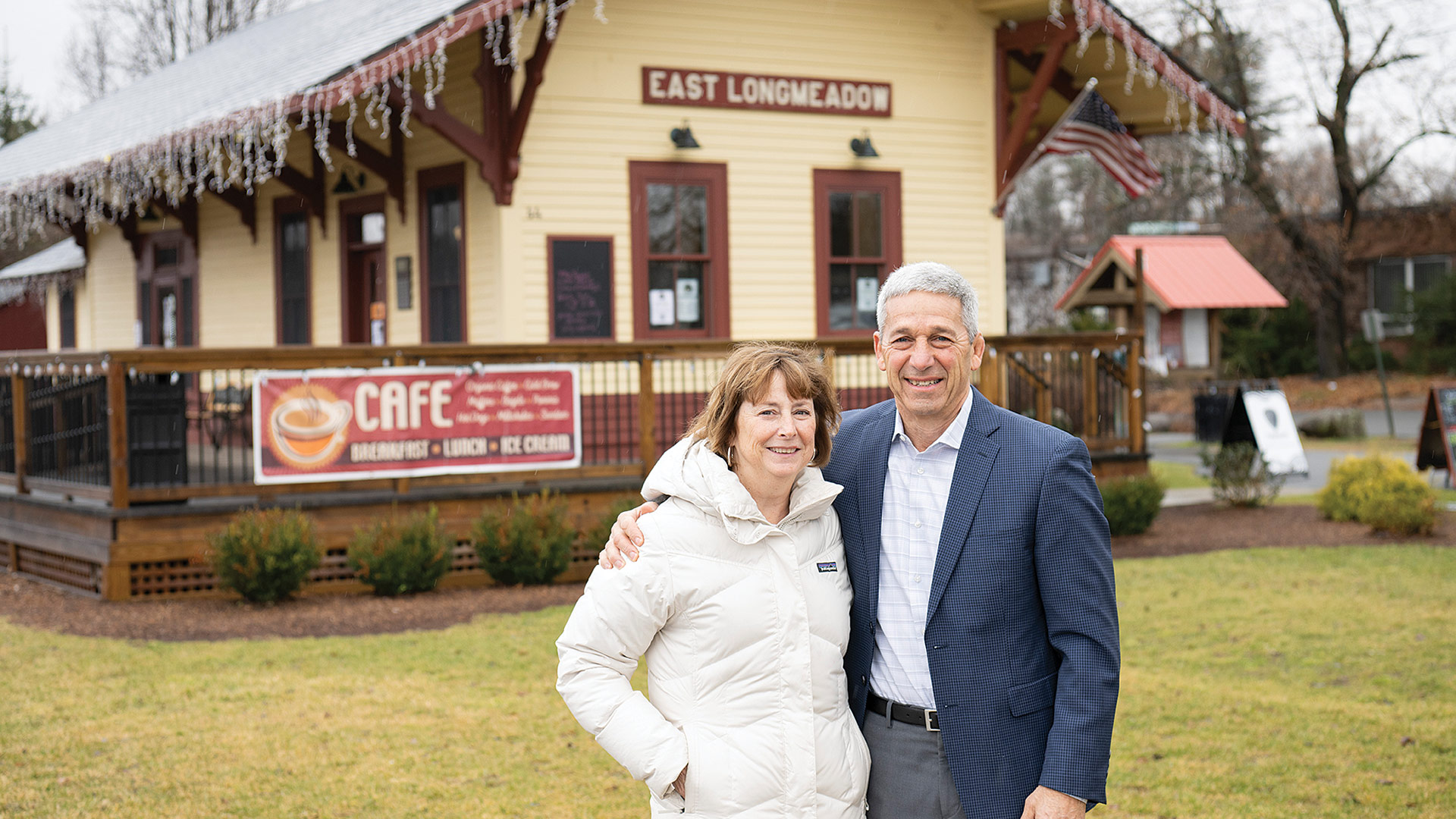
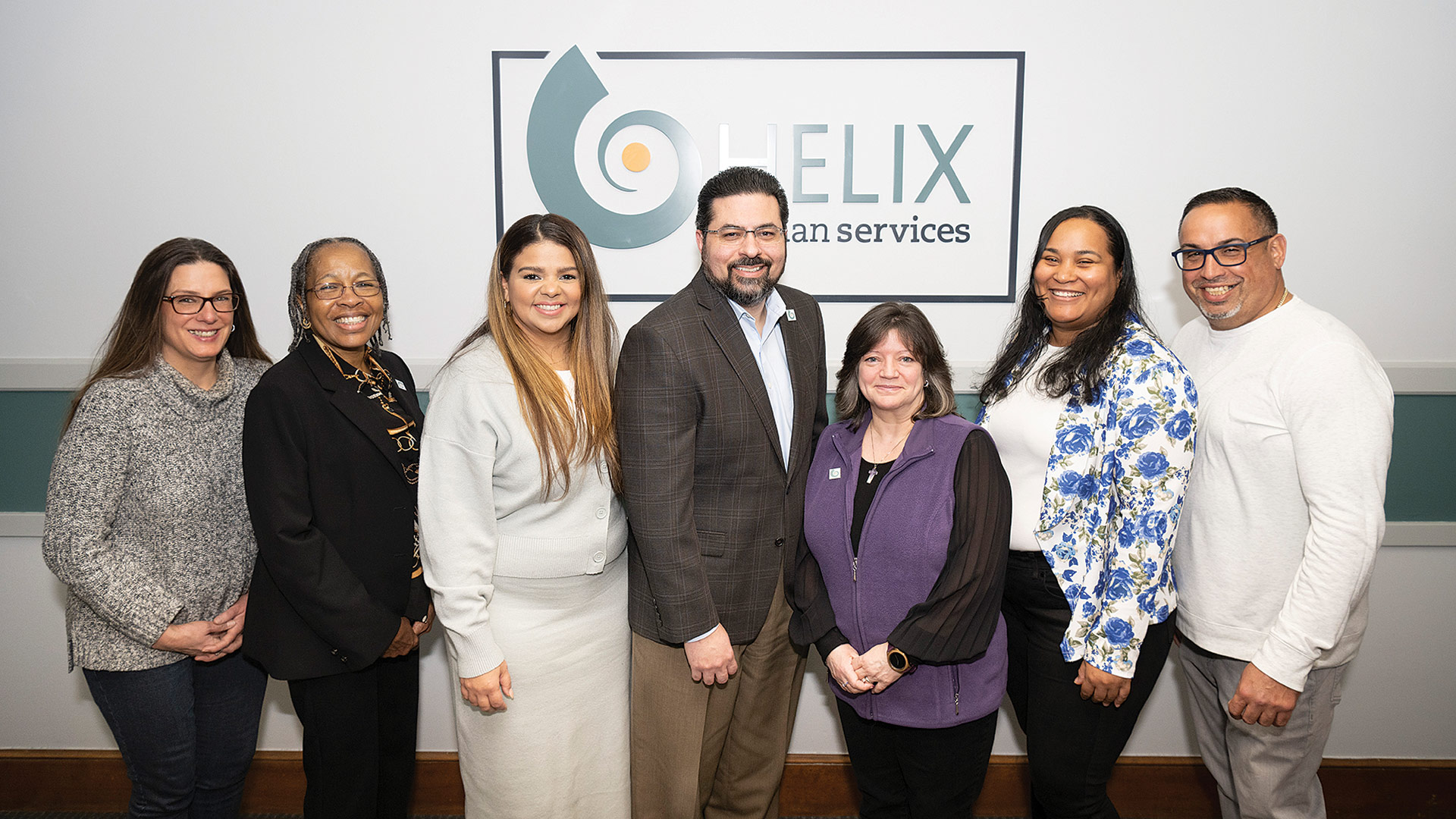
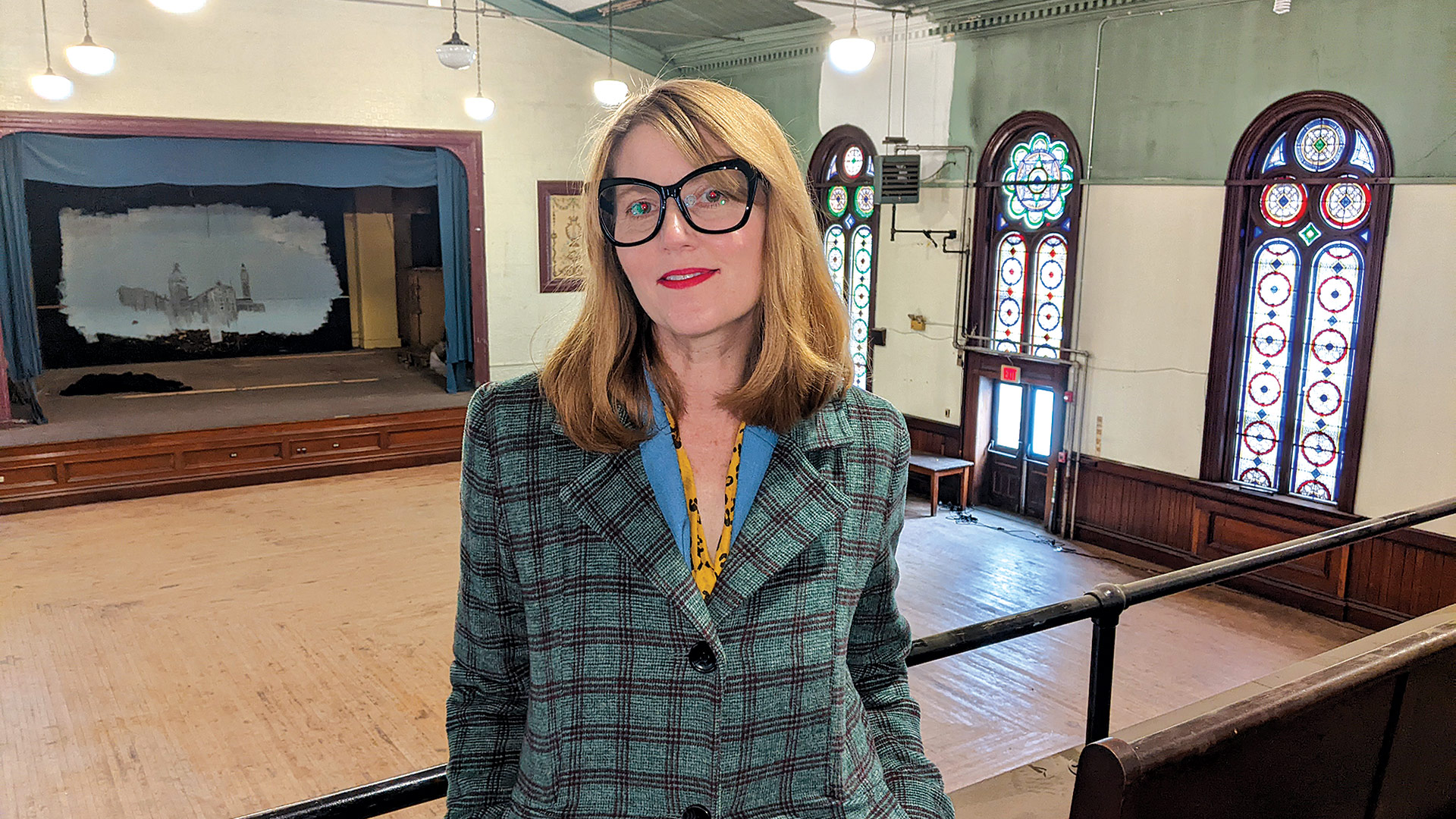



















 Since BusinessWest and its sister publication, the Healthcare News, launched the recognition program known as Healthcare Heroes in 2017, the initiative has more than succeeded in its quest to identify true leaders — not to mention inspiring stories — within this region’s large and very important healthcare sector.


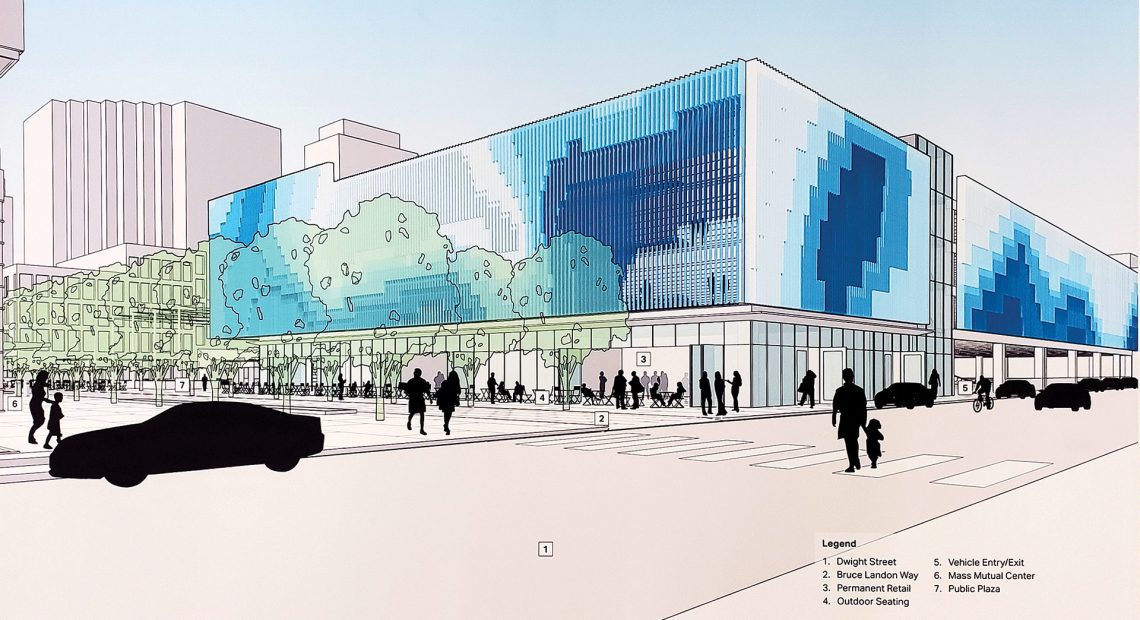
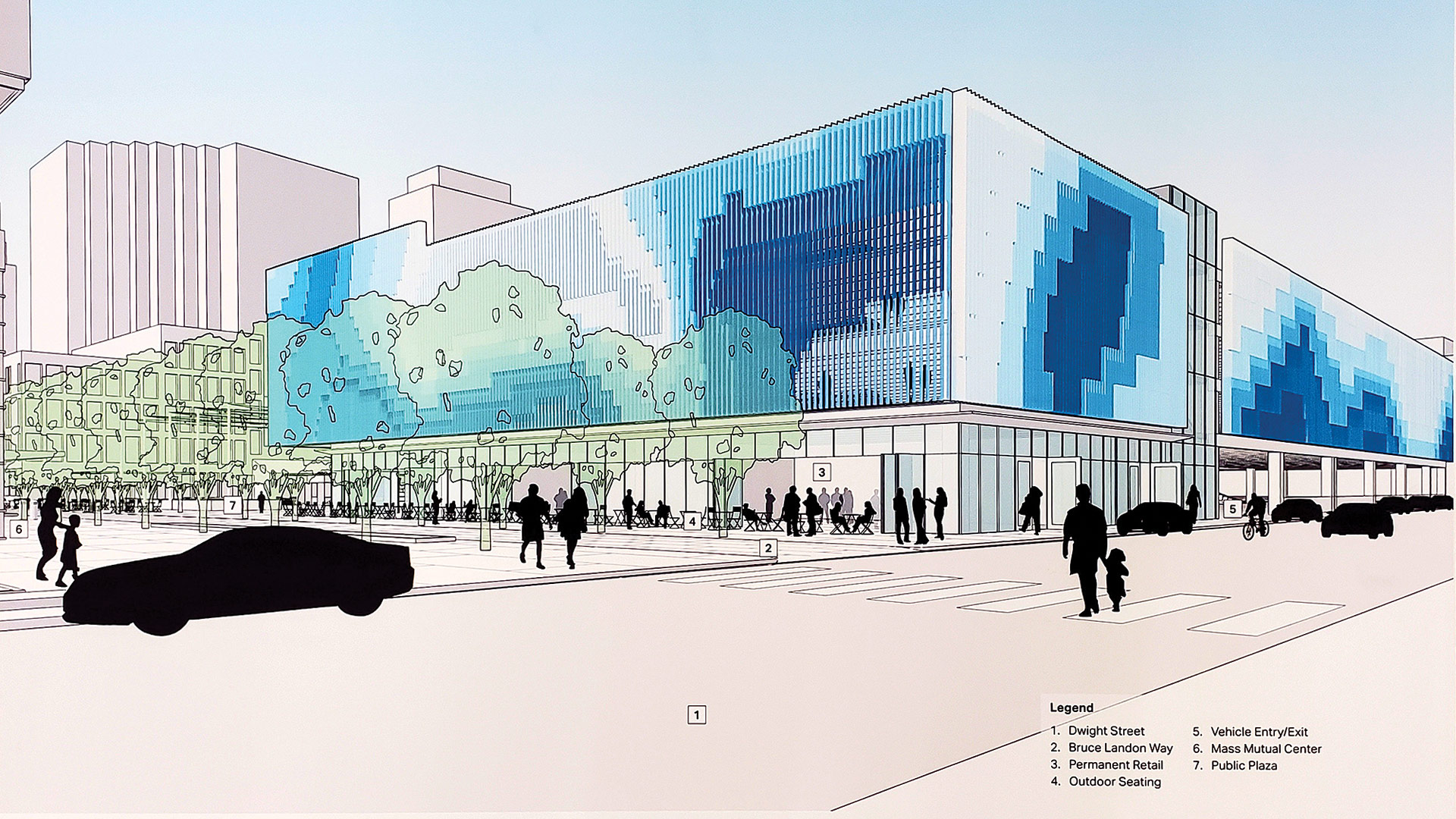

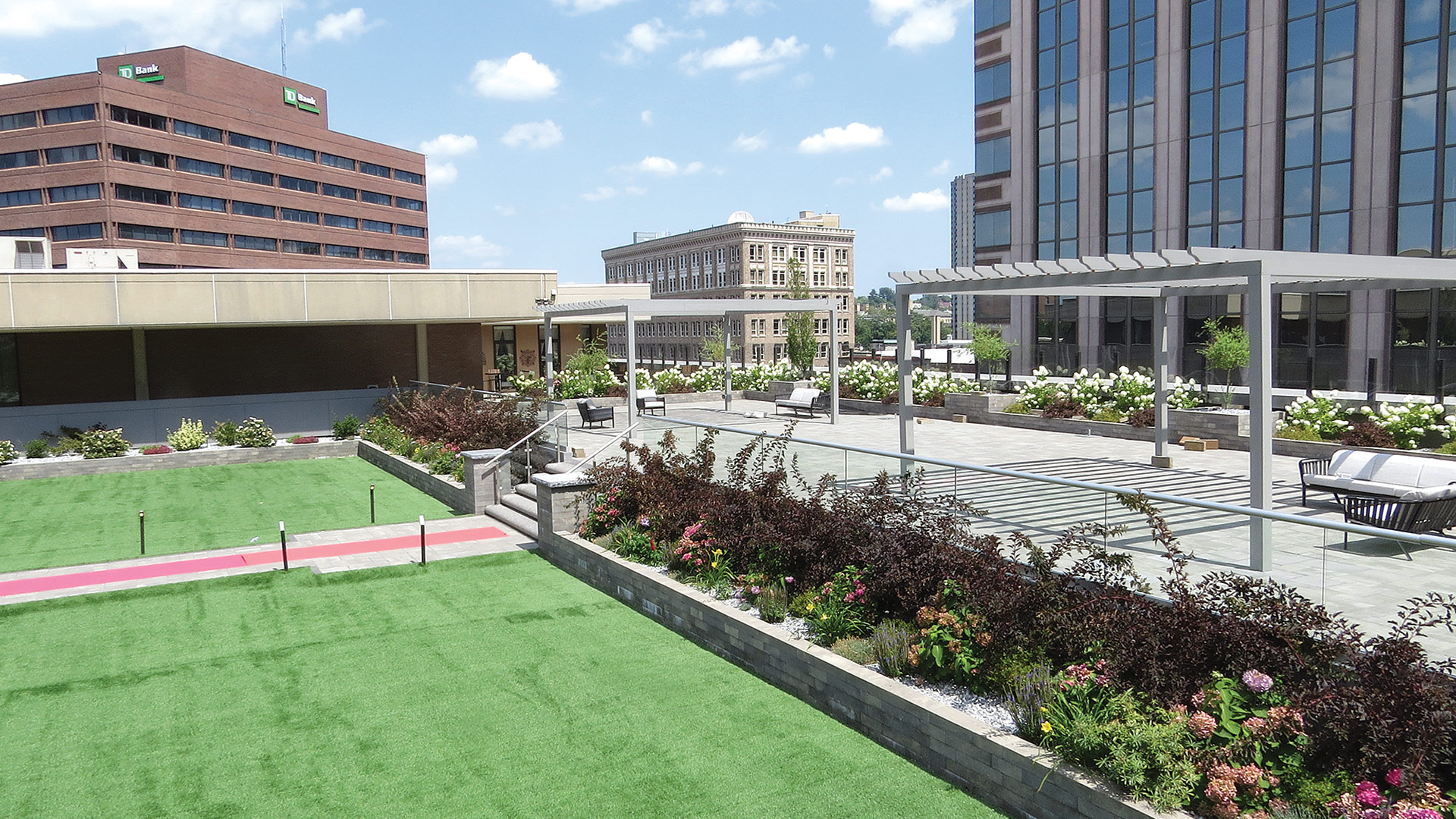
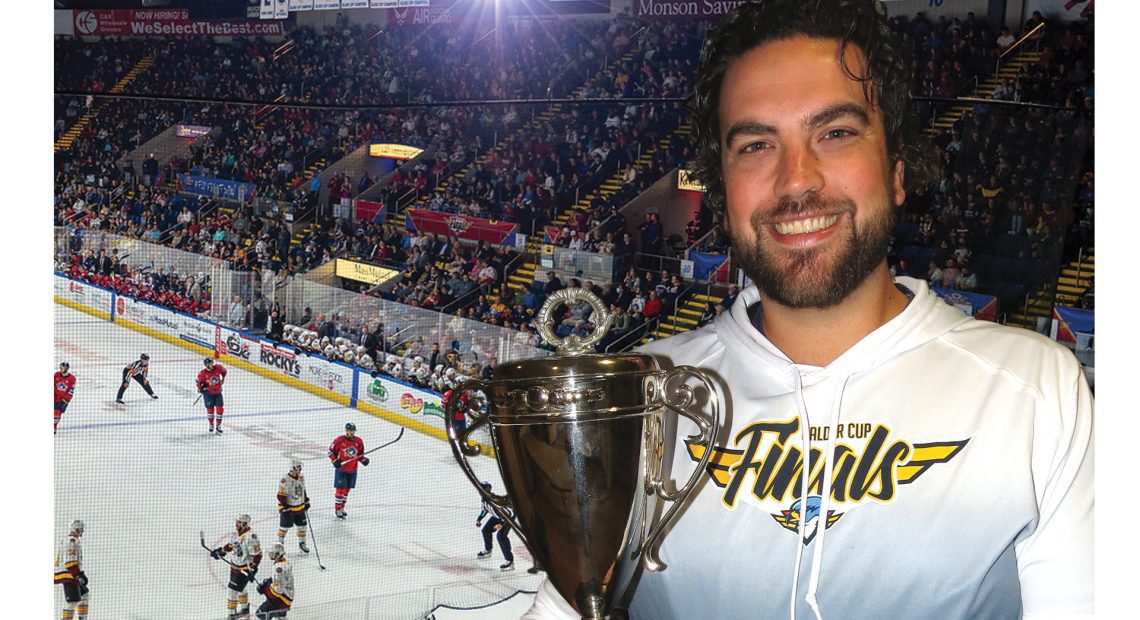
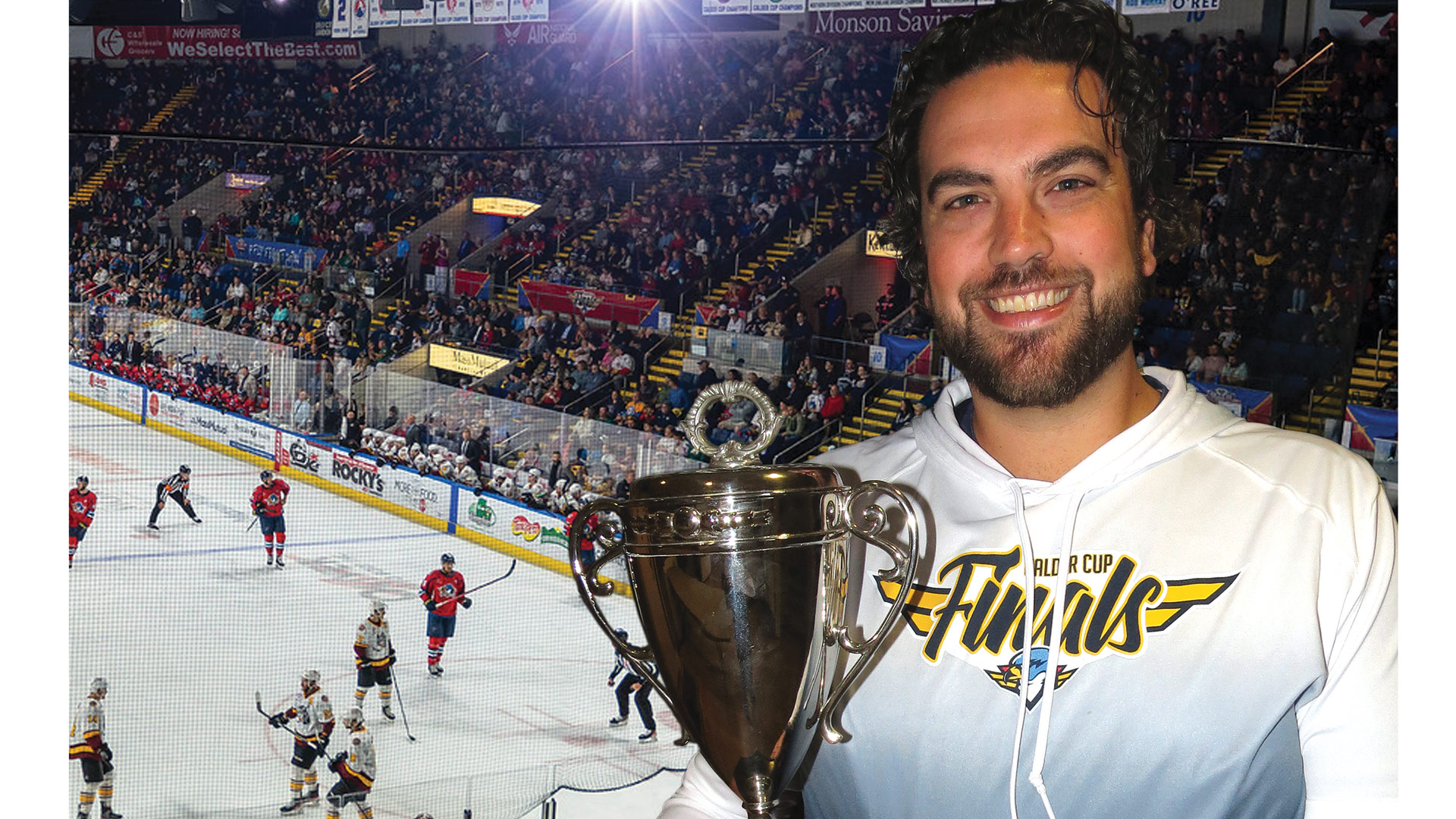


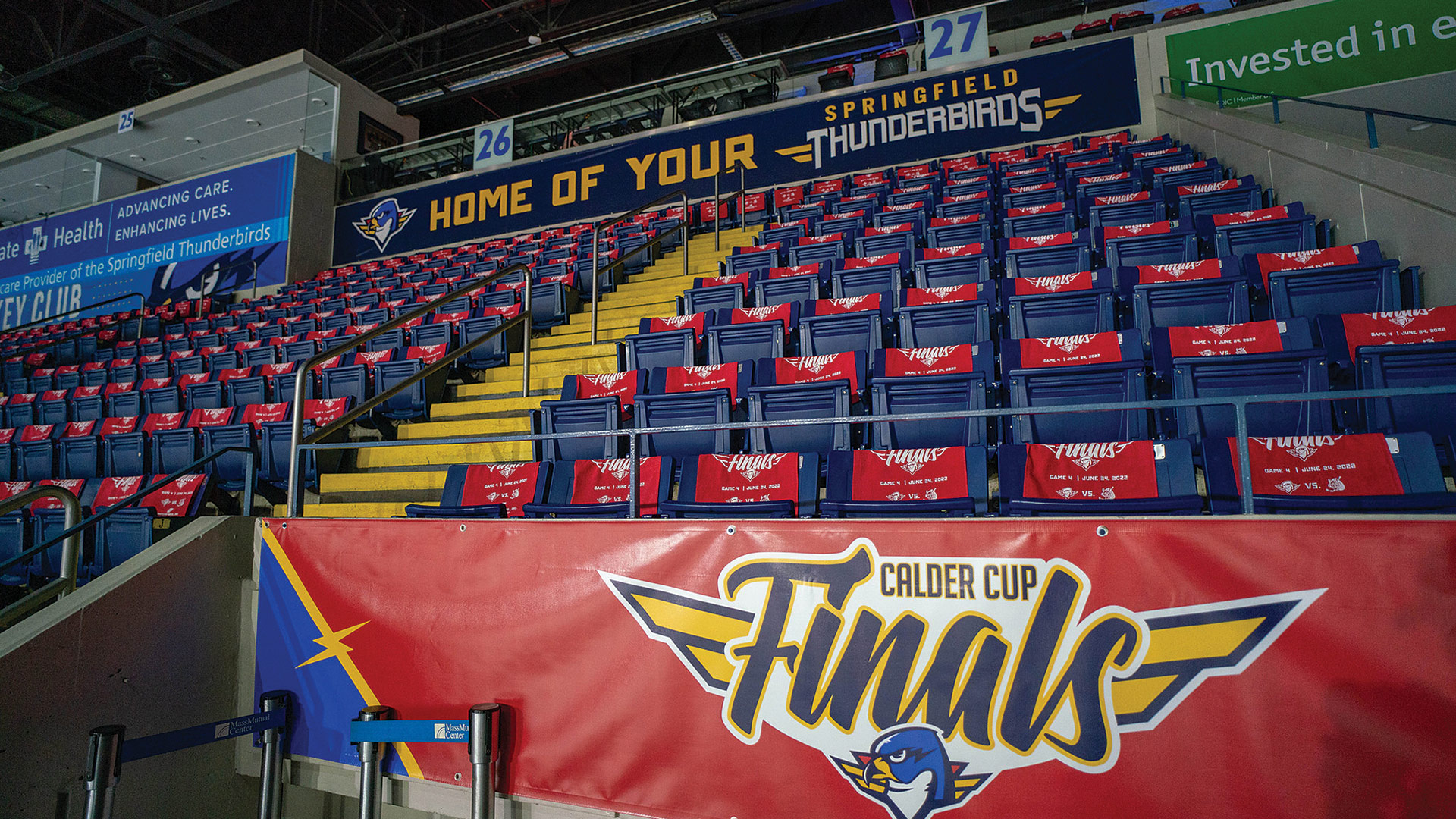

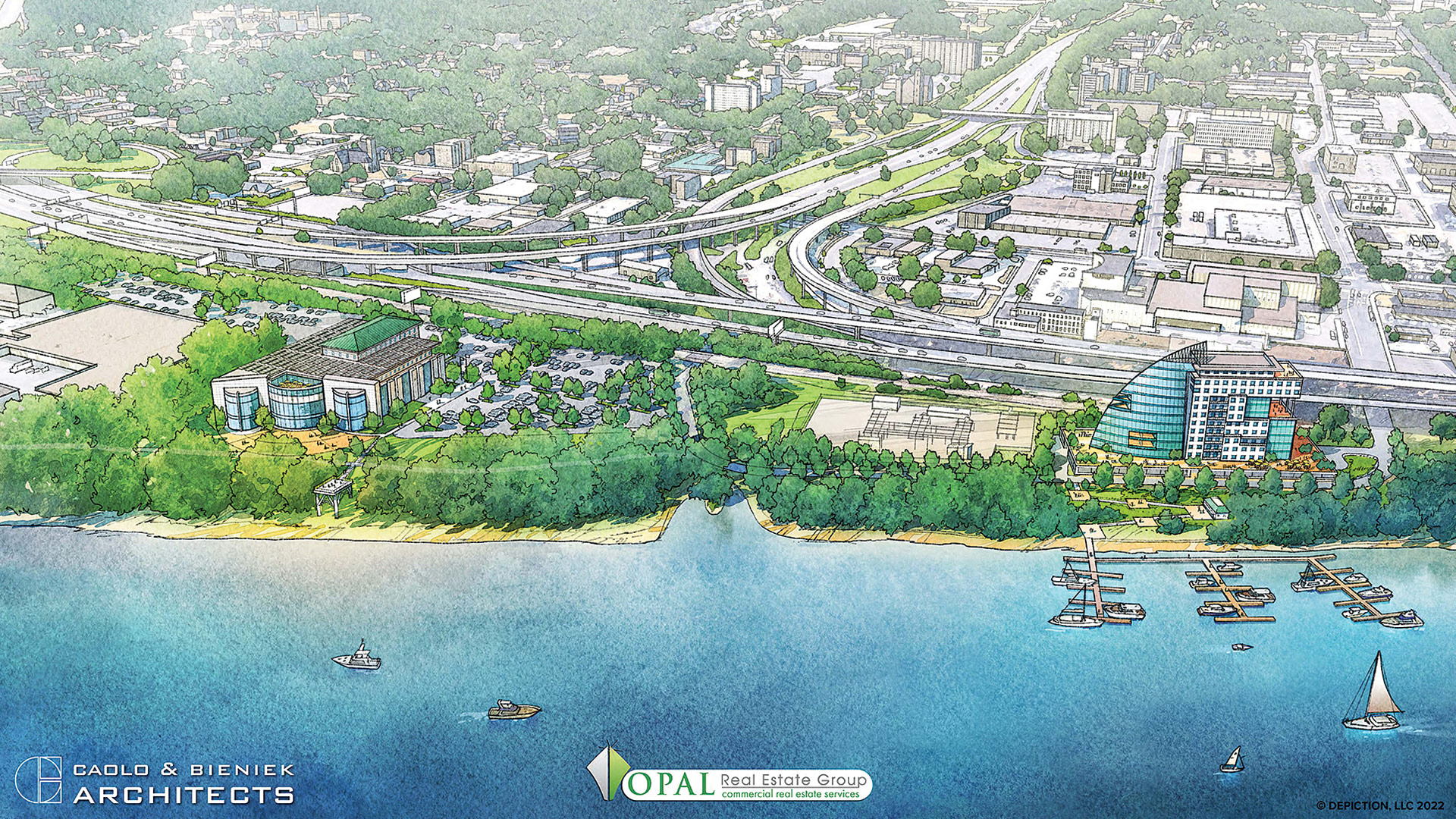
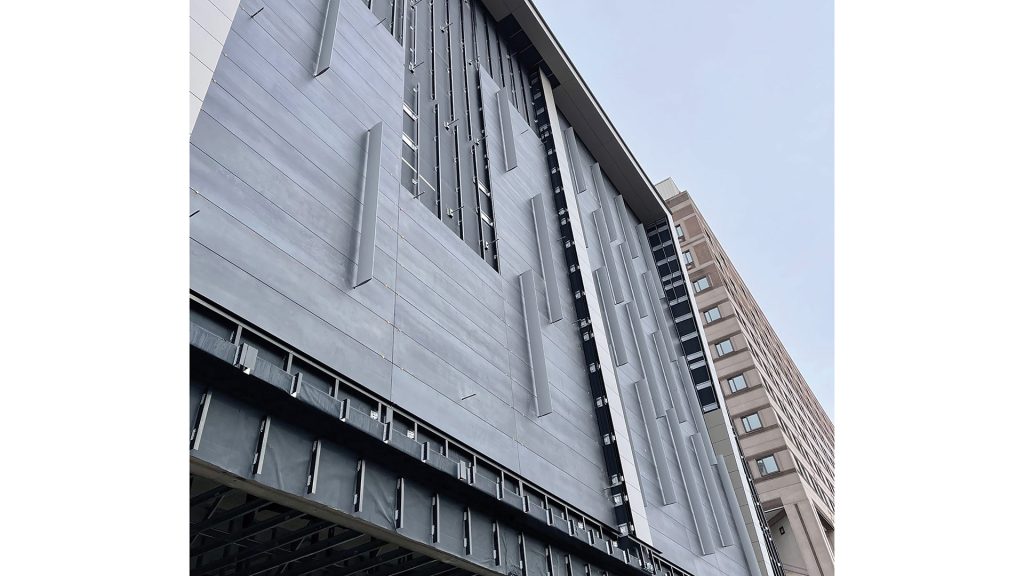
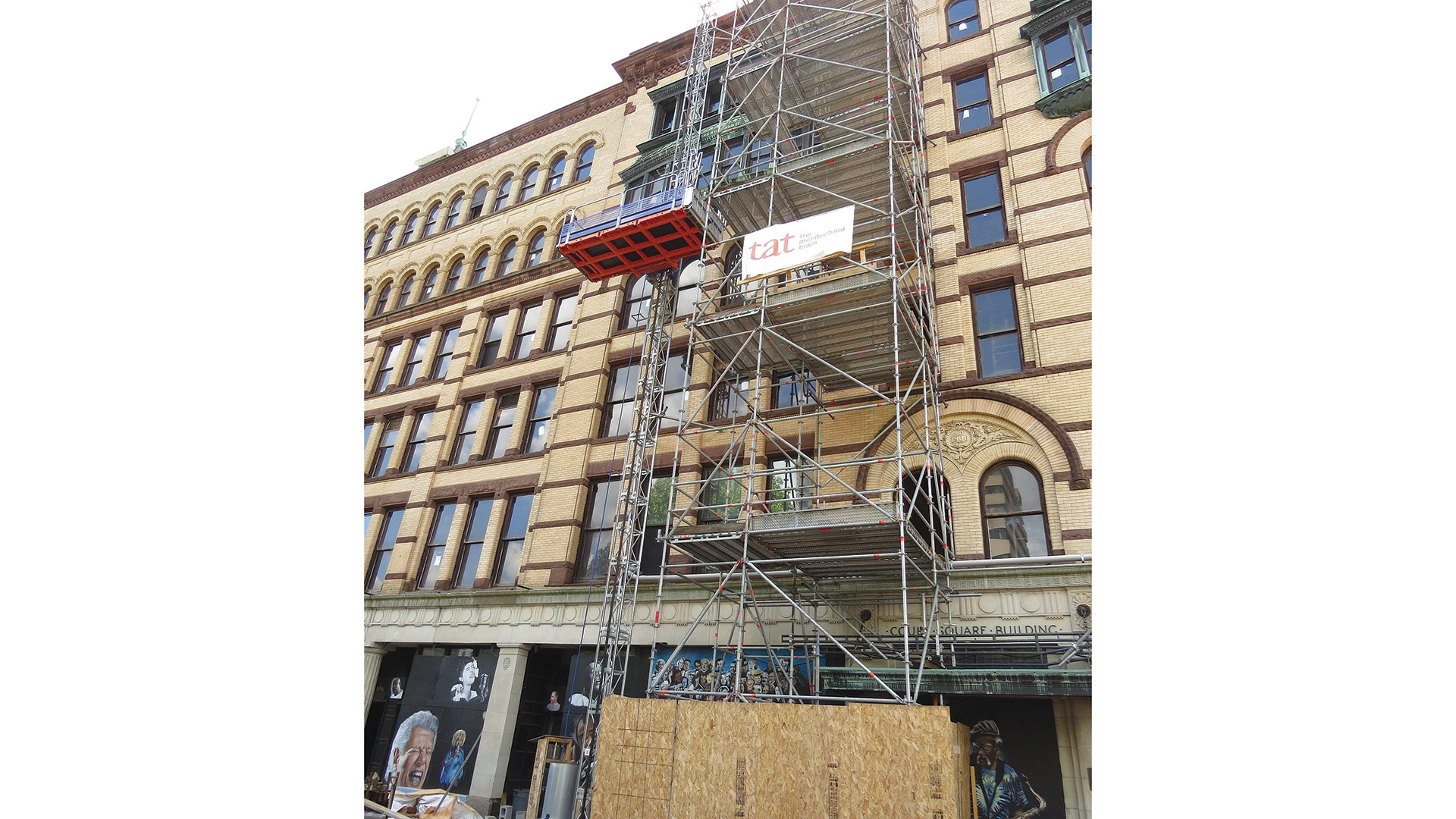
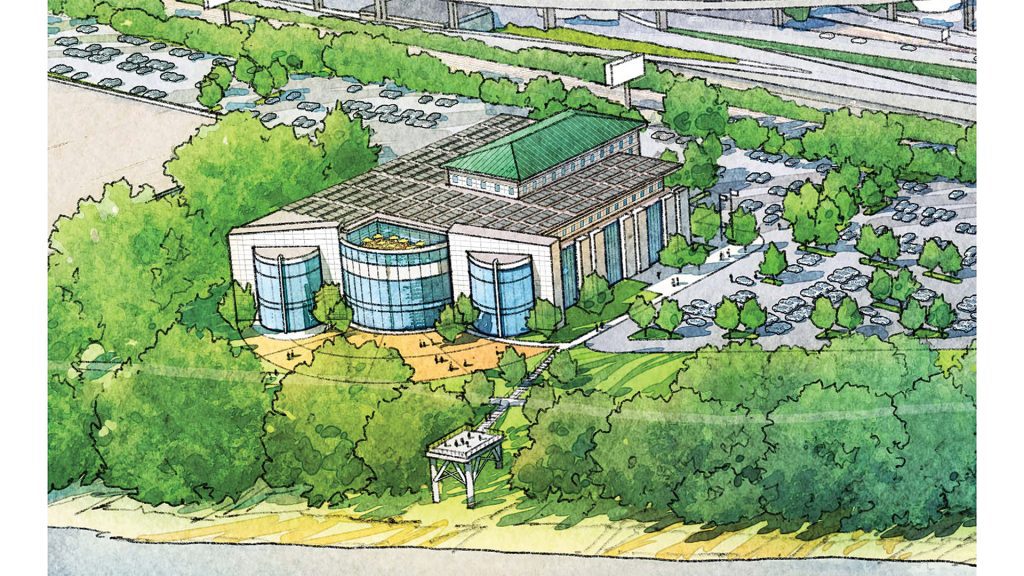 the most ambitious project yet undertaken by Picknelly and his team at OPAL Real Estate — the transformation of land on Springfield’s riverfront, north of the Memorial Bridge, into a home for a new Hampden County courthouse and, perhaps, an apartment complex and marina, a concept that comes with a price tag just under $500 million.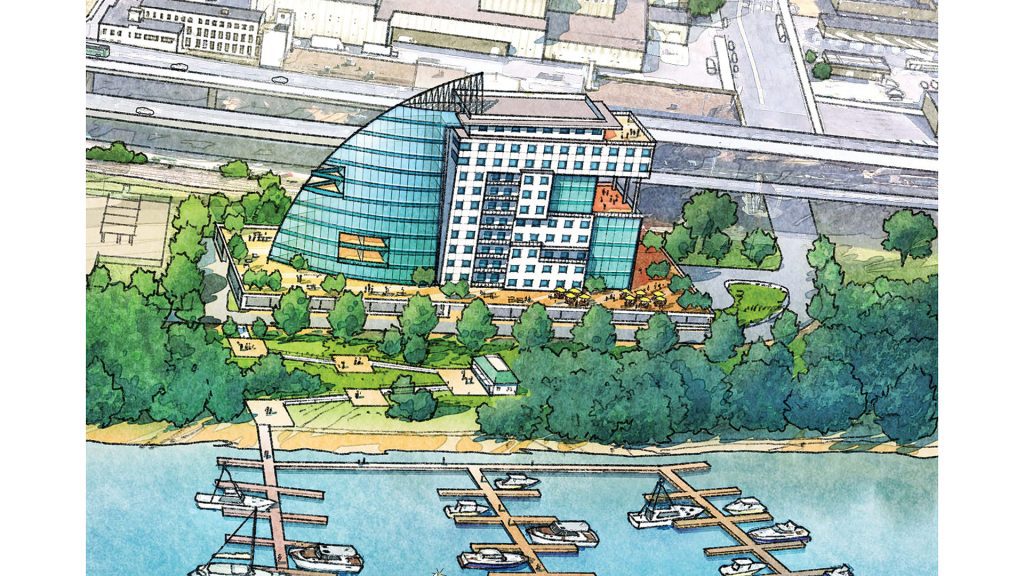
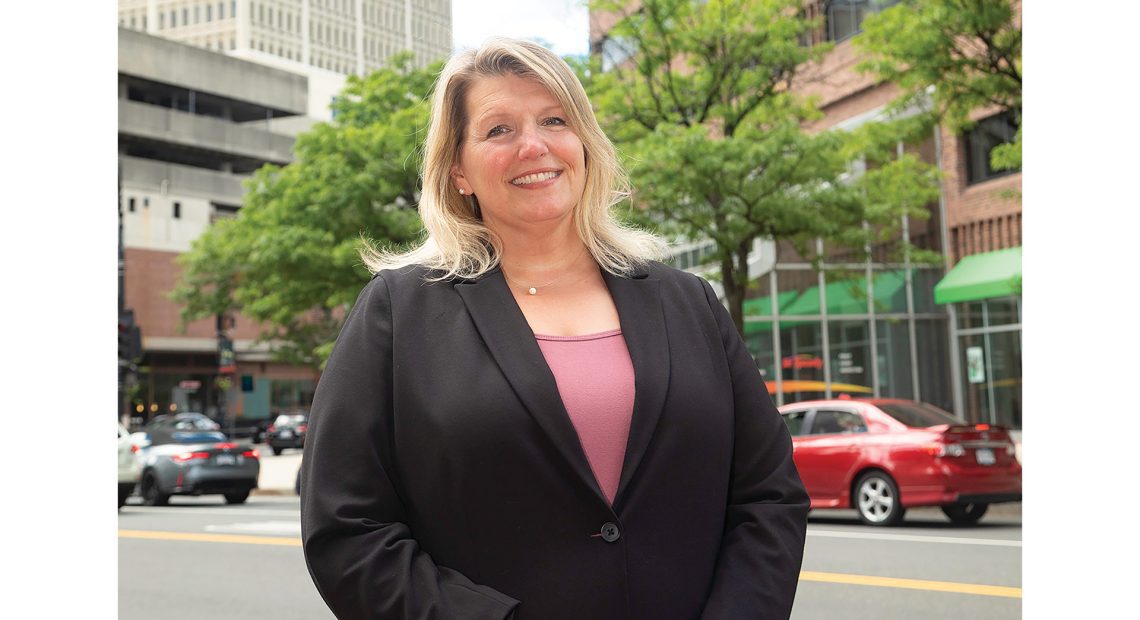
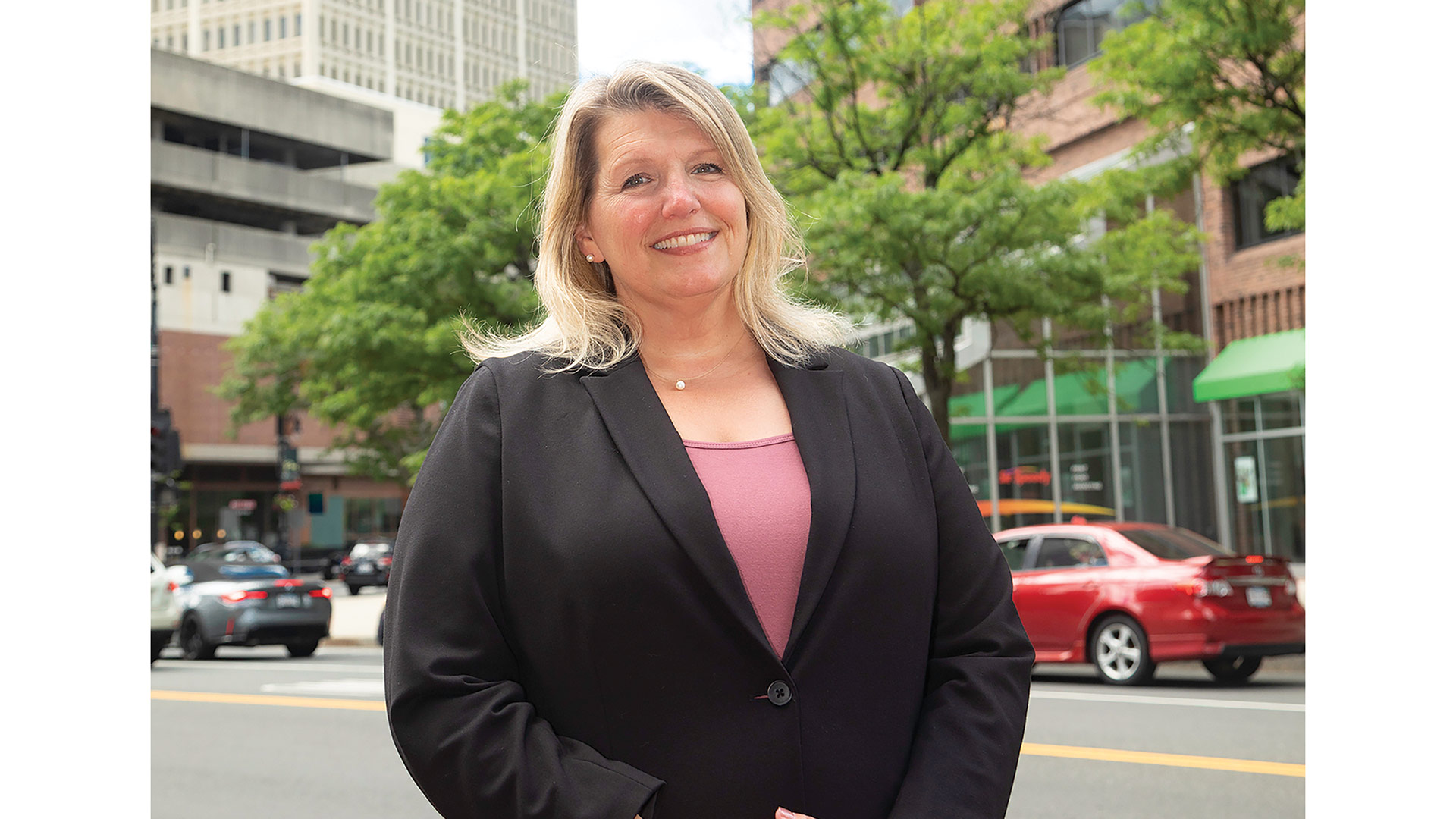

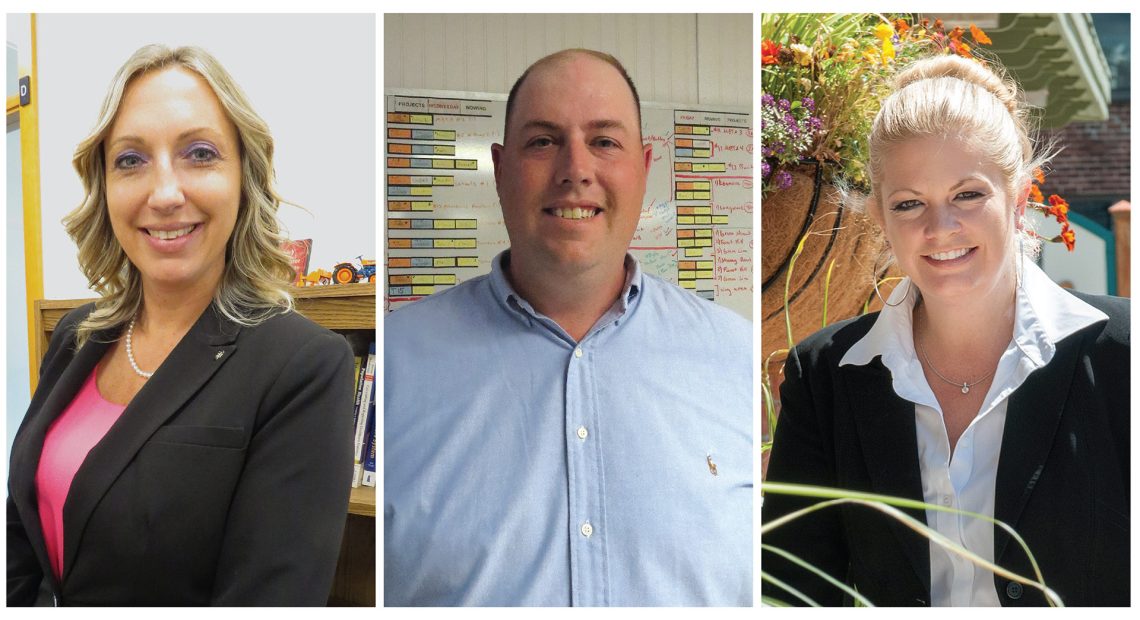

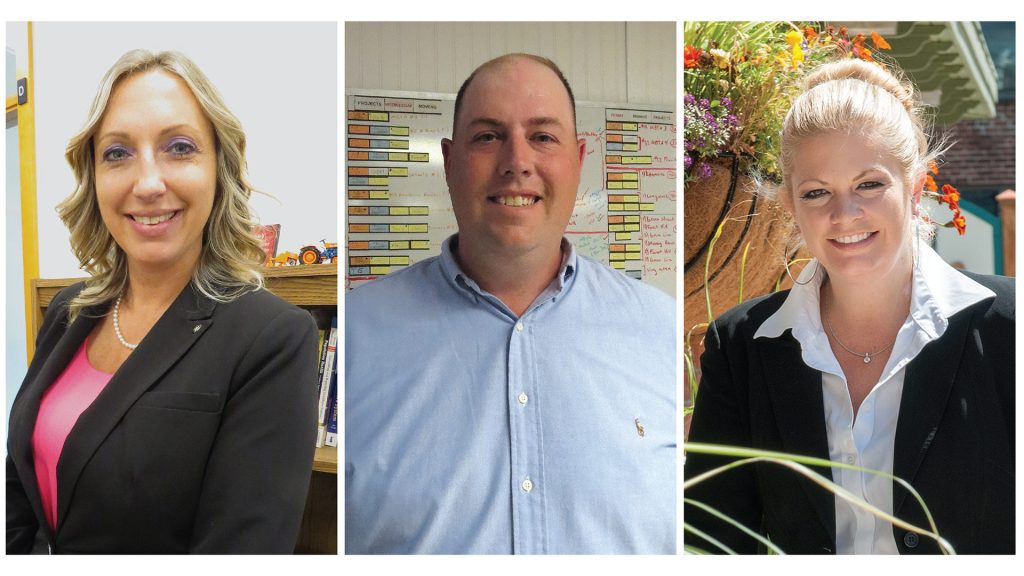
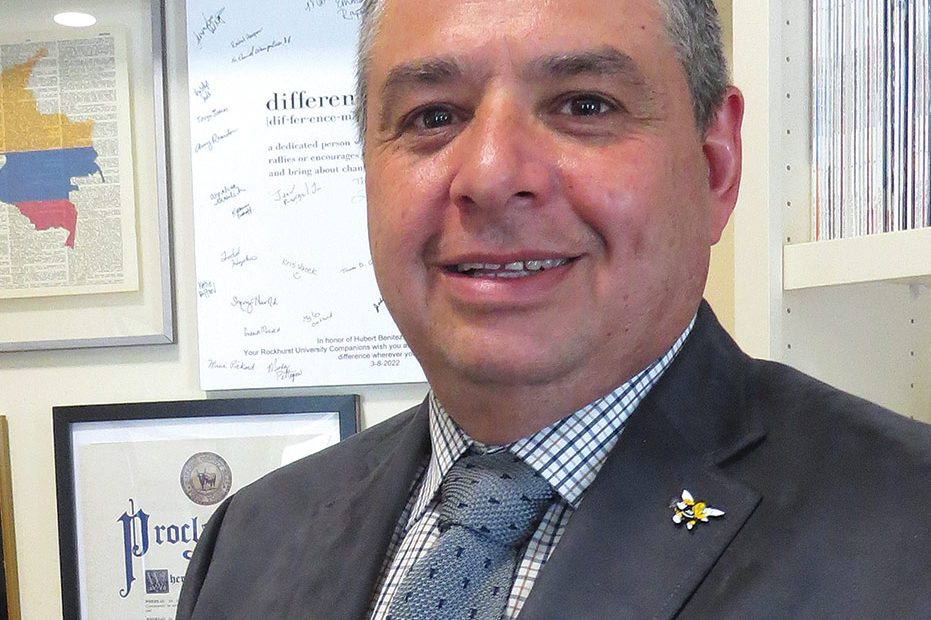







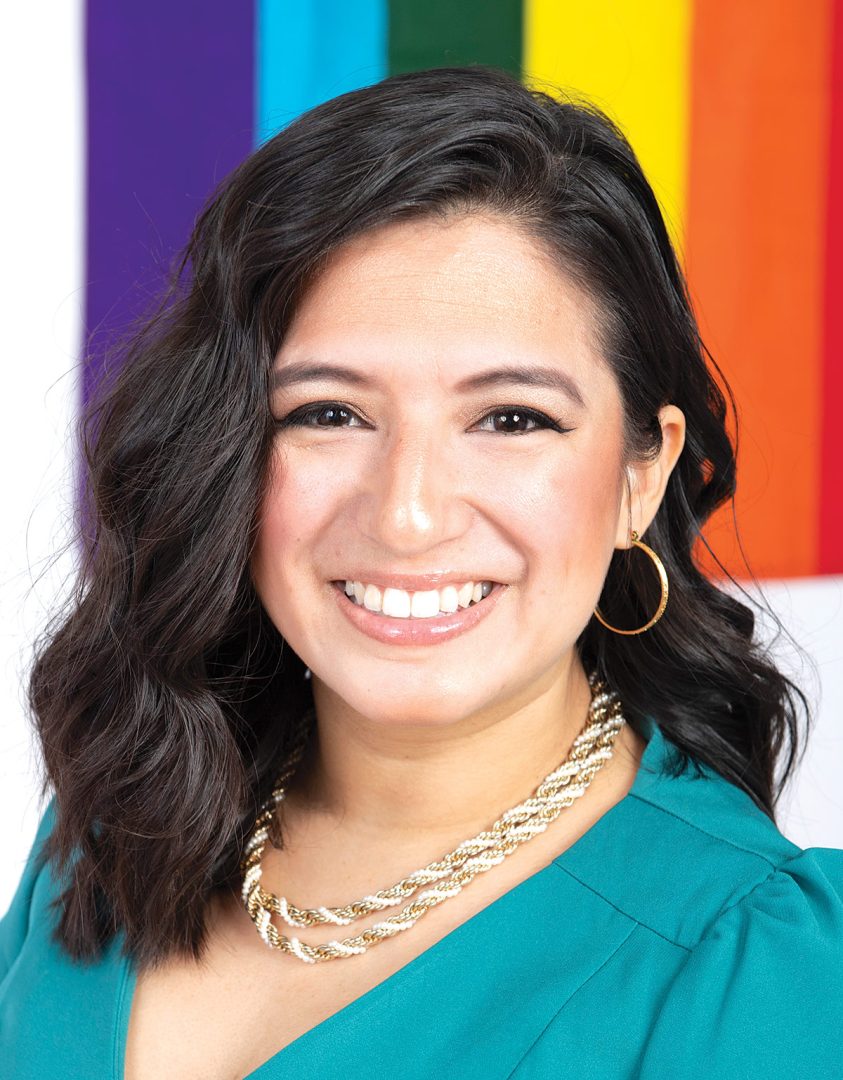
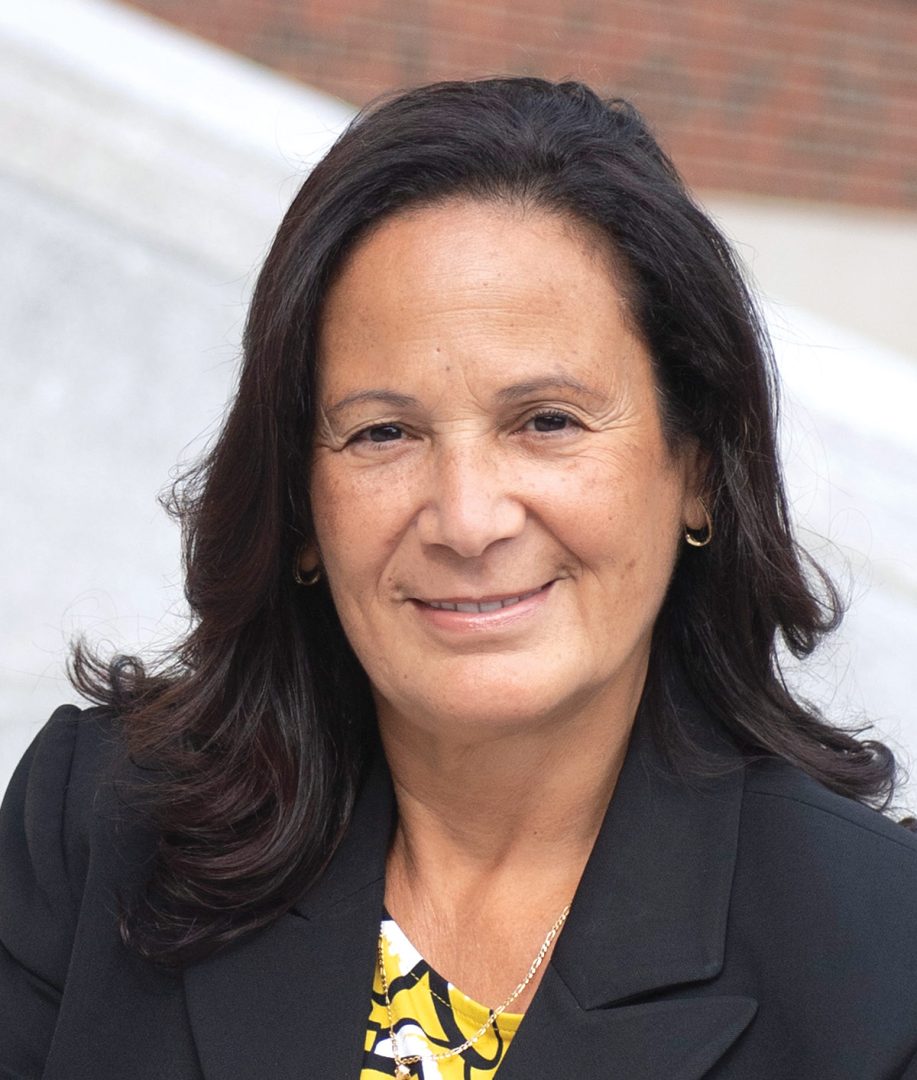
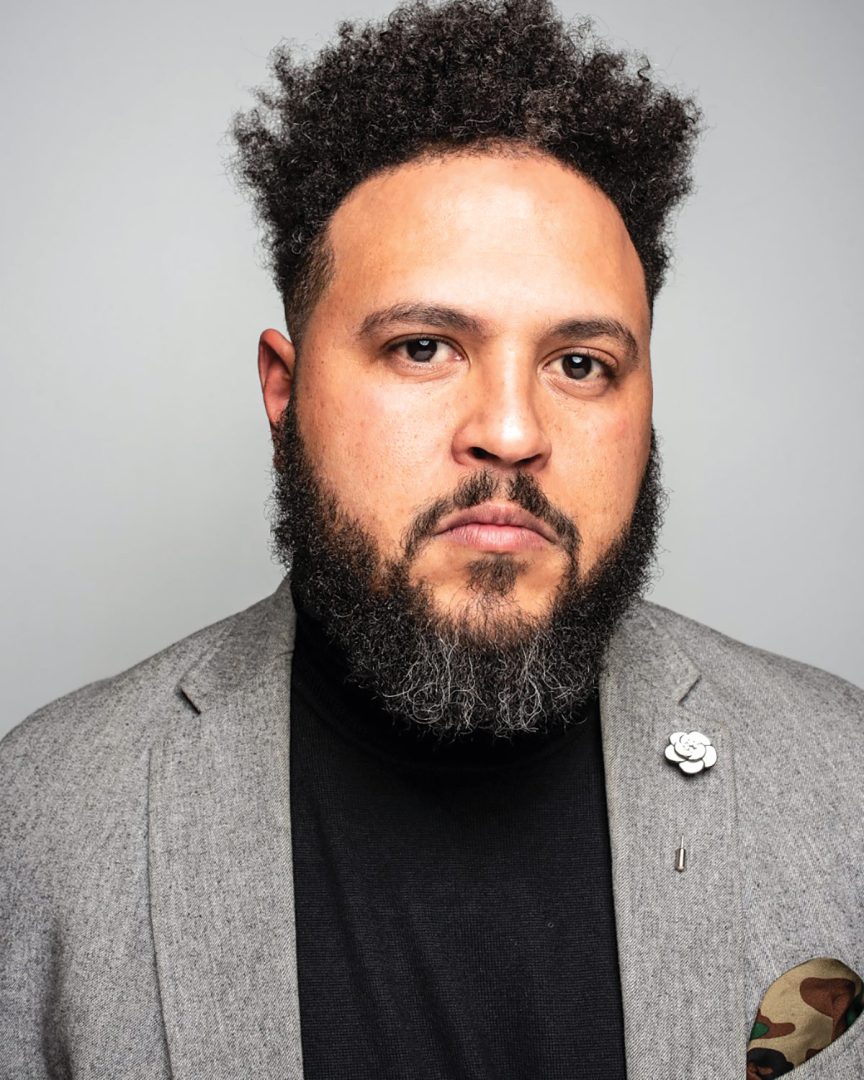

 Anthony Gulluni was sworn into office as Hampden District Attorney in January 2015 and is currently serving his second four-year term. He earned both his bachelor’s degree (2003) and juris doctorate (2007) from Western New England University. As D.A., he has promoted his vision of safer communities by innovative and significant investment in community building and outreach, crime prevention and education, and by focusing efforts on the smart prosecution of violent offenders. The Hampden D.A.’s Office has engaged with many community-based organizations, including Roca, the Healing Racism Institute of Pioneer Valley, and the YWCA to broaden its reach and provide equitable services to all communities in need.
 Keith Ledoux is vice president, Commercial Line of Business and Business Development at Health New England, responsible for driving commercial sales, marketing, and business development. He has more than 25 years of experience in the insurance industry, and has a background in sales, healthcare information technology, and strategy development. Previously, he held leadership roles with MiHealth, Tufts Health Plan, Fallon Health, Minuteman Health, and Constitution Health. He earned a bachelor’s degree from Worcester State University and an MBA from Purdue in Health Care Adminsitration. He also completed the AHIP Executive Leadership Program at Northwestern University, Kellogg School of Management.
 Kimberly Williams is vice president of Diversity, Equity & Inclusion for Stanley Black & Decker. She provides the center of excellence for the Stanley Black & Decker global DE&I community through the development and implementation of best practices, knowledge management, leadership development, and metrics that can be deployed by the local talent and affinity teams within each region. With more than 25 years of HR experience, she has supported and led DE&I initiatives in several organizations across industries, including, investment banking, health care, nonprofit, and aerospace manufacturing. She received her MBA in Human Resource Management from Syracuse University and her bachelor of Arts degree from American University.